EP1842859A2 - Anticorps monoclone spécifique de peptide A4 beta - Google Patents
Anticorps monoclone spécifique de peptide A4 beta Download PDFInfo
- Publication number
- EP1842859A2 EP1842859A2 EP07012421A EP07012421A EP1842859A2 EP 1842859 A2 EP1842859 A2 EP 1842859A2 EP 07012421 A EP07012421 A EP 07012421A EP 07012421 A EP07012421 A EP 07012421A EP 1842859 A2 EP1842859 A2 EP 1842859A2
- Authority
- EP
- European Patent Office
- Prior art keywords
- peptide
- monoclonal antibody
- instant invention
- antibody
- amyloid
- Prior art date
- Legal status (The legal status is an assumption and is not a legal conclusion. Google has not performed a legal analysis and makes no representation as to the accuracy of the status listed.)
- Granted
Links
Images


Classifications
-
- C—CHEMISTRY; METALLURGY
- C07—ORGANIC CHEMISTRY
- C07K—PEPTIDES
- C07K16/00—Immunoglobulins [IG], e.g. monoclonal or polyclonal antibodies
- C07K16/18—Immunoglobulins [IG], e.g. monoclonal or polyclonal antibodies against material from animals or humans
-
- A—HUMAN NECESSITIES
- A61—MEDICAL OR VETERINARY SCIENCE; HYGIENE
- A61P—SPECIFIC THERAPEUTIC ACTIVITY OF CHEMICAL COMPOUNDS OR MEDICINAL PREPARATIONS
- A61P25/00—Drugs for disorders of the nervous system
- A61P25/28—Drugs for disorders of the nervous system for treating neurodegenerative disorders of the central nervous system, e.g. nootropic agents, cognition enhancers, drugs for treating Alzheimer's disease or other forms of dementia
-
- C—CHEMISTRY; METALLURGY
- C07—ORGANIC CHEMISTRY
- C07K—PEPTIDES
- C07K14/00—Peptides having more than 20 amino acids; Gastrins; Somatostatins; Melanotropins; Derivatives thereof
- C07K14/435—Peptides having more than 20 amino acids; Gastrins; Somatostatins; Melanotropins; Derivatives thereof from animals; from humans
- C07K14/46—Peptides having more than 20 amino acids; Gastrins; Somatostatins; Melanotropins; Derivatives thereof from animals; from humans from vertebrates
- C07K14/47—Peptides having more than 20 amino acids; Gastrins; Somatostatins; Melanotropins; Derivatives thereof from animals; from humans from vertebrates from mammals
- C07K14/4701—Peptides having more than 20 amino acids; Gastrins; Somatostatins; Melanotropins; Derivatives thereof from animals; from humans from vertebrates from mammals not used
- C07K14/4711—Alzheimer's disease; Amyloid plaque core protein
-
- A—HUMAN NECESSITIES
- A61—MEDICAL OR VETERINARY SCIENCE; HYGIENE
- A61K—PREPARATIONS FOR MEDICAL, DENTAL OR TOILETRY PURPOSES
- A61K39/00—Medicinal preparations containing antigens or antibodies
- A61K2039/505—Medicinal preparations containing antigens or antibodies comprising antibodies
-
- A—HUMAN NECESSITIES
- A61—MEDICAL OR VETERINARY SCIENCE; HYGIENE
- A61K—PREPARATIONS FOR MEDICAL, DENTAL OR TOILETRY PURPOSES
- A61K38/00—Medicinal preparations containing peptides
Definitions
- This application relates to Alzheimer's disease, particularly, to a monoclonal antibody specific for the ⁇ A4 peptide derived from Amyloid Precursor Protein, cells which produce such antibody, methods of generating such monoclonal antibodies, and to methods for using such antibodies in diagnostics and therapy.
- AD Alzheimer's Disease
- AD is an irreversible progressive neurodegenerative brain disorder. Over the course of several years the progression of AD leads to memory loss, dementia, and finally death. Currently, it is the fourth leading cause of death in the United States, accounting for approximately 100,000 deaths annually.
- AD affects primarily the elderly and is therefore, with the aging of modem society, expected to be an increasing health concern in the near future. Soon after the onset of the disease, patients require assistance around the clock. This represents a tremendous psychological as well as financial problem for our society. At present, no proven means for diagnosis, prevention, treatment, or cure of AD exist.
- AD Alzheimer's disease
- ⁇ A4 peptide The major protein component of the ⁇ -amyloid plaque is the ⁇ A4 peptide. Sequence analysis of purified ⁇ -amyloid plaque material and mass spectrometry showed that the maximum length of the ⁇ A4 peptide is 43 amino acids. Typically, however, species of the peptide can also end either at position 40 or position 42 ( Miller et al., 1993. Arch. Biochem. Biophys. 301:41-52 ). Similarly, at the N-terminus, a certain raggedness can be observed, leading to several different forms of the peptide, starting mainly at position 1, 4 or 11 (Miller et al., 1993).
- the ⁇ A4 sequence itself is located partially on the extracellular side and extends partially into the transmembrane region ( Figure 2).
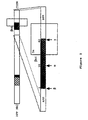
- Figure 2 (SEQ ID NO:3) illustrates the ⁇ A4 sequence, shown (encircled area) extending with its C-terminal end into the transmembrane region (Tm, boxed area) and the N-terminal end located in the extracellular part.
- Asterisks indicate the location of familial mutations in the APP gene; they are either flanking the ⁇ A4 sequence, or are centered in the middle portion of the ⁇ A4 sequence.
- the three major cleavage sites ( ⁇ , ⁇ and ⁇ ) in APP are indicated.
- ⁇ A4 was therefore postulated to occur through the proteolytic action of one or more proteases on the N-terminus (B-cut) and on the C-terminus ( ⁇ -cut) of the peptide ( Figure 2) (Selkoe, 1994).
- the main event during the secretion of APP is at the ⁇ -cut (position 16/17 of ⁇ A4 "1-42").
- This secreted APP molecule (aAPPs) contains the first 16 amino acids of the ⁇ A4 sequence at its carboxyl end.
- the remaining cell-associated APP fragments (so called C-terminal fragments (CTFs)) contain the C-terminal portion of the ⁇ A4 sequence and extend to the cytoplasmic region of APP. Therefore, this proteolytic cut results in fragments which may not be processed in such a way that directly or indirectly leads to amyloidogenic fragments (non-amyloidogenic processing) (Selkoe, 1994).
- amyloidogenesis i.e., the generation of the small ⁇ A4 peptide from the larger precursor and its subsequent deposition in ⁇ -amyloid plaques.
- the double mutation at APP codon 670/671 causes a 5 to 8 fold higher release of ⁇ A4 in cell cultures stably transfected with that mutated APP cDNA ( Figure 2) (Citron et al., 1992; Cai et al., 1993). It is conceivable that this double point mutation leads to an increased turnover of APP due to increased proteolysis at the B-cut, which in turn leads to a higher level of released ⁇ A4. Increased amounts of ⁇ A4 monomers, as demonstrated by transfection studies with the "Swedish mutation*', can explain the faster kinetics of ⁇ A4 aggregation to ⁇ -amyloid plaques in these families
- ⁇ A4 1-40 exhibits among other things a dramatic difference in its solubility in aqueous solutions when compared to ⁇ A4 1-42 ( Burdick et al., 1992, JBC 267:546-554 ). The latter is virtually insoluble in water, whereas 1-40 is water soluble up to several mg/ml in vitro. Minor amounts of the longer 1-42 form can enhance precipitation of 1-40 in vitro dramatically. A slightly higher proportion of the longer 1-42 ⁇ A4 species would explain the early onset deposition of ⁇ A4 to ⁇ -amyloid plaques in patients with this "London mutation". The proportion of the 1-42 species to the shorter more soluble 1-40 species may also be one of the critical factors in the sporadic AD cases (i.e.
- Monoclonal antibodies which specifically bind to the 1-42 species are therefore useful to investigate the production and presence of ⁇ A4 species ending at amino acid position 42, and can be used as a diagnostic indicator of abnormal species present in AD.
- antibodies which are specific for ⁇ A4 species ending at position 42 to the exclusion of the other forms would be very useful in order to avoid crossreactivity with membrane associated C-terminal APP fragments, which are typical cellular products not necessarily associated with the ⁇ amyloid plaques.
- ⁇ A4 1-42 represents a preclinical marker for AD.
- the instant invention provides for monoclonal antibody which is specific for the ⁇ A4 peptide, and in particular, the C-terminus of ⁇ A4 "1-42" and stains diffuse and fibrillar amyloid, neurofibrillary tangles, and vascular amyloid.
- the instant invention provides for monoclonal antibody which is specific for all ⁇ A4 peptides in which the C-terminus is residue 42 of the ⁇ A4 amino acid sequence.
- the instant invention further encompasses antibody fragments and constructs thereof which have the same binding specificity.
- the instant invention encompasses in particular the monoclonal antibody known as "Mab 369.2B” and is produced by the cell line "369.2B” which has been deposited under the Budapest Treaty with the American Type Culture Collection (ATCC) on January 26, 1995, and has been assigned the ascension number HB 11829.
- the instant invention encompasses the use of the monoclonal antibody of the instant invention in diagnostic, purification, and therapeutic uses.
- one embodiment of the instant invention encompasses a monoclonal antibody specific for ⁇ A4 peptide ending at position 42, wherein said antibody binds to diffuse amyloid, fibrillar amyloid, vascular amyloid, and neurofibrillary tangles.
- the instant invention provides for a monoclonal antibody which is specific for the C-terminal amino acids of the ⁇ A4 1-42 peptide.
- the instant invention encompasses a monoclonal antibody that is identified as 369.2B, and is produced by the cell line deposited with the American Type Culture Collection (ATCC) as ascension number HB 11829.
- ATCC American Type Culture Collection
- a preferred embodiment of the instant invention also encompasses a cell which is identified by the ATCC ascension number HB 11829.
- an immunologically reactive fragment of the monoclonal antibody of the instant invention which is capable of the same binding as the monoclonal antibody of the instant invention, is encompassed.
- the instant invention also provides for methods of generating ⁇ A4 specific antibodies which recognize the free C-tenninal residue 42.
- the instant invention also provides for methods for detecting the presence of ⁇ A4 peptides ending at position 42, in tissue comprising contacting a tissue sample with monoclonal antibody of the instant invention, by detecting the presence of monoclonal antibody in a selective fashion.
- the instant invention also provides for methods for selective purification of ⁇ A4 peptides ending at position 42, comprising contacting a sample to be purified with monoclonal antibody of the instant invention, separating the ⁇ A4 peptide from the sample to be purified, and isolating the ⁇ A4 peptide.
- the instant invention provides for methods for detection of ⁇ A4 peptide associated with Alzheimer's Disease, comprising contacting a sample to be tested with monoclonal antibody of the instant invention, and detecting the presence of ⁇ A4 peptides.
- the instant invention also provides for methods for the prevention of aggregation of ⁇ A4 peptide by administering monoclonal antibody of the instant invention.
- the monoclonal antibody is identicle to 369.2B, or is an immunologically active fragment with equivalent binding specificity thereof.
- the instant invention thus provides a means for detecting the presence of ⁇ A4 peptide comprising an immunologically reactive fragment of the monoclonal antibody of the instant invention.
- the instant invention provides a means for detecting and monitoring the level of ⁇ A4 peptide in tissue or fluid samples (e.g.
- the ⁇ A4 peptide being detected, monitored, inhibited or purified is a ⁇ A4 peptide with a free carboxy terminal amino acid residue being residue number 42 of the ⁇ A4 peptide amino acid sequence.
- the ⁇ -amyloid depositions in Alzheimer's disease brains are made up mainly of ⁇ A4 peptides which show both N- as well as C-terminal heterogeneity.
- the major C-terminal species identified by peptide sequencing of ⁇ -amyloid purified from postmortem brain material, end either at position 40 or 42 of the ⁇ A4 peptide which is at most 43 residues long.
- In vitro experiments with synthetic ⁇ A4 peptides ending either at position 40 or 42 indicate profound physico-chemical differences.
- the distribution of these two ⁇ A4 species in postmortem tissue as well as their generation in vitro could not be addressed due to the lack of specific antibodies against the carboxy end capable of distinguishing between subspecies of ⁇ A4 peptide.
- Amyloid plaques purified from postmortem brain show a slightly different picture: amyloid deposits of the congophilic amyloid angiopathy (CAA) are ⁇ A4 aggregates surrounding blood vessels and are predominantly ⁇ A4 1-40, whereas in contrast amyloid plaques cores (APC) which are present in the brain parenchyma and are not associated with blood vessels exhibit an N-terminal raggedness (starting most commonly at residues 1, 4 and 11) and end mainly either at position 40 or 42 ( Glenner and Wong, 1984, Biochem. Biophy. Res. Comm. 120:885-890 ; Masters et al., 1985, PNAS USA 82:4245-4249 ; Miller et al., 1993).
- CAA congophilic amyloid angiopathy
- APC amyloid plaques cores
- the antibodies reported by Suzuki et al., and Yang et al. crossreact in a significant degree with both the 1-43 and 1-42 species of ⁇ A4 peptide.
- the antibody of Murphy et al. while not tested for binding with the 1-43 species of ⁇ A4 peptide, exhibits a different tissue binding pattern than the antibodies of the instant invention, and thus must recognize a different, or modified epitope from that recognized by the antibodies of the instant invention.
- Positions 29 through 42 of the ⁇ A4 peptide lie entirely within the putative transmembrane region of the Amyloid Precursor Protein and are hydrophobic in nature (Miller et al. , 1993). Synthetic peptides to the C-terminal sequences in this region must overcome the ability of the 34-42 sequence to form an unusually stable ⁇ -structure which is virtually insoluble in water and strong denaturants ( Halverson et al., 1990, Biochem. 29:2639-2644 ) if they are to be used to elicit good immune responses against soluble ⁇ A4.
- We designed a hydrophilic spacer five residues long which would overcome those insolubility problems and also extend the presumed epitope away from the proximity of the carrier.
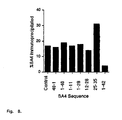
- ⁇ A4 sequences other than 1-42 were not effective in inhibiting binding.
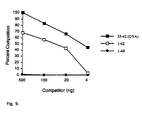
- the fact that 1-42 did not totally compete with S-methionine-labelled in vitro-translated ⁇ A4 may be due either to the particular properties of the molecule itself or to the fact that the 35-42 peptide immunogen was presented in the context of a specific spacer and/or carrier, or that a 200-1000 fold excess of unlabelled peptide is not enough to quench the signal.
- Non-specific effects of N-terminal residues on antigenic activity are also well documented ( Benjamini et al., 1968, Biochem. 7:1261-1264 ).
- the highly specific antibody of the instant invention of which 369.2B is a particular example was raised against a synthetic ⁇ A4 peptide having residues 35-42, and does not recognize the shorter ⁇ A4 species 1-40 in solution or on a solid phase. Furthermore, both 1-40 and 1-43 were unable to absorb out the antibody when used immunohistochemically.
- a secondary screening method with medium capacity through-put for the screening of hybridoma supernatants using radioactively labelled in vitro translated ⁇ A4 was applied so that antibodies culled from the primary screening could be further selected for their ability to immunoprecipitate soluble ⁇ A4. This method can be easily adapted to other proteins/antibodies of interest.
- the resulting MAb 369.2B represents a superior tool to investigate the role of ⁇ A4 peptides ending at position 42 in situ, postmortem tissue, transgenic animals, and the in vitro generation of ⁇ A4 peptides in established cellular ⁇ A4 production models, for diagnostic use, and for therapeutics.
- the monoclonal antibody of the present invention represents an important tool needed to establish a diagnostic test kit. It permits one to measure/quantify the amount of the ⁇ A4 1-42 or derivatives thereof (e.g. 4-42 species, and other truncated forms with the "42" carboxy end) in human body fluids (CSF, serum, urine etc.) or tissues. It can also be used to study the distribution pattern of 1-42 or ⁇ A4 species ending in residue 42, in AD brains compared to healthy controls. Its exceptional high avidity makes it a superior and novel tool for such testing.
- CSF human body fluids
- serum serum, urine etc.
- the monoclonal antibody here disclosed can also be used in biological model systems such as transfected cell cultures or animal models (transgenic mice), designed to measure and/or influence the presence and/or production of ⁇ A4 species ending in amino acid 42. These model systems represent means to identify selective modulators of the production of ⁇ A4 ending in amino acid position 42 of the ⁇ A4 in biological systems.
- the antibodies of the instant invention provide for methods of preventing aggregation of ⁇ A4 peptide because the specificity of the antibody will allow for the specific interference with the free C-terminal residue, thereby interfering with and disrupting aggregation that may be pathogenic in AD.
- the antibody of the present invention differs from that of the prior art in that it stains diffuse and fibrillar amyloid, neurofibrillary tangles, and vascular amyloid while being specific for the ⁇ A4 peptide free C-terminal residue 42.
- This unique binding pattern shows that the antibody of the instant invention recognizes a different epitope from that of the prior art, and that the tissue distribution or accessibility of the ⁇ A4 peptide recognized by the antibody of the instant invention is also different.
- the instant invention provides for monoclonal antibody which can precipitate the ⁇ A4 peptide out of solution, which was not demonstrated by the antibodies of the prior art.
- the instant invention provides for unique monoclonal antibodies which recognize a unique subset of ⁇ A4 species which has a distinct tissue distribution that is most likely a better diagnostic indicator than what was previously available, and a unique target for therapeutic intervention.
- the instant invention provides for antibodies, antibody fragments and constructs thereof which are specific for the ⁇ A4 species of peptide where the C-terminal ends at residue 42.
- the instant invention also provides for the use of such antibodies, binding fragments and constructs thereof in diagnostic, analytic, therapeutic, and biochemical purification methods which employ the binding specificity of the instant monoclonal antibodies and their use within pharmaceutical formulations.
- Plasmid pMTI-26 which is a Bluescript KS clone containing 2.415 kb (kilobase pairs) of the APP sequence with a TAG stop codon followed by a BamHI site placed in frame by site-directed mutagenesis after the 42nd amino acid codon of the ⁇ A4 region, was modified by excising a 1.8 kb Xba I/Bgl II fragment and religating the plasmid after filling in the ends.
- the resulting construct designated pGK002, places the consensus containing initiation codon of the ⁇ A4 sequence immediately downstream of the Bluescript T7 promotor.
- Plasmid pGK003 (Fig. 3), used in all of the wheat germ in vitro translations of ⁇ A4 to be described below, was made by subcloning a 590 bp (base pair) NotI/Xho I fragment from pGK002 containing the entire human ⁇ A4 sequence with the mutagenized stop/Bam HI into a pSP64 polyA vector (Promega Corp.).
- pGK002 was digested with Not I and Xho I and the resulting 590 bp fragment was filled in with Klenow, isolated, and ligated with pSP64polyA linearized with Sma I.
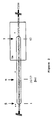
- Figure 3 is a diagram of Clone pGK003. The open reading frame of ⁇ A4 1-42 is expressed in vitro from the bacterial SP6 promoter. The 3' untranslated (3'-UT) region of APP is shown in black.
- Plasmid pGK003 was linearized with EcoRV and complete digestion was confirmed by agarose gel electrophoresis. The sample was extracted twice with phenol/chloroform, followed by two chloroform extractions and ethanol precipitation. The resulting pellet was washed once in 70% ethanol, partially dried under vacuum, and resuspended in TE at a concentration of 1 ⁇ g/ ⁇ l.
- transcripts using linearized templates at 30 ⁇ g/ml were prepared in 80 mM HEPES-KOH (pH 7.5) buffer containing 16 mM MgCl 2 , 2 mM spermidine, 40 mM DTT, 3 mM ATP/CTP/GTP/UTP, 800 units/ml RNAsin Ribonuclease Inhibitor (Promega Corp.), 5 units/ml Yeast Inorganic pyrophosphatase (Sigma Corp.), and 1800 units/ml SP6 RNA polymerase (Promega Corp.). The reaction mixture was kept at 37°C for 4 hrs. The resultant transcript was verified by electrophoresis through a 1.2% agarose/TBE/EtBr gel with denatured samples (65 °C x 10 min).
- Transcripts were translated using Wheat germ extract (Sigma Corp.). Briefly, transcripts were heated (65°C x 10 min), mixed with the wheat germ extract containing KAc, RNAsin, and a methionine-minus amino acid mixture, and translated at 25°C for 1 hr in the presence of 35 S-labelled methionine (Amersham). Translation of a 4 kD (kilo dalton) ⁇ A4 protein was verified by SDS-PAGE using 16% Tris/Tricine gel (Novex). Gels were fixed and proteins visualized fluorographically using a commercial system, "Amplify" (Amersham).
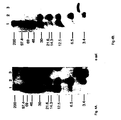
- Figure 4A shows the results of SDS-PAGE on a 16 % Tris/Tricine gel. Lane 1: High MW markers. Lane 2: Low MW markers. Lane 3: In vitro translated ⁇ A4 in a wheat germ system. The identity of this 4 kD product was confirmed by immunoprecipitation with ⁇ A4 specific antibodies (Figure 4B). Figure 4B shows results of SDS-PAGE on a 16 % Tris/Tricine gel. Lane 1: High MW markers.
- Lane 2 Low MW markers. Lane 3: In vitro translated ⁇ A4 from wheat germ system immunoprecipitated with MAb 286.8A Transcription and translation of this as well as other ⁇ A4 clones in a combined reticulocyte lysate system (TnT) did not result in the same yield or purity of radioactively labelled ⁇ A4 (data not shown). This could be due to the short transcript or to the peculiar nature of the ⁇ A4 peptide itself.
- TnT combined reticulocyte lysate system
- Peptides were prepared by standard Fmoc solid-phase procedures (see for example Gras-Masse et al., 1985).
- Peptide #959 a 14 residue synthetic peptide having an N-terminal cysteine attached to a hydrophilic DGDGD spacer and residues 35-42 of human ⁇ A4 (resulting complete sequence: CDGDGDMVGGVVIA (SEQ ID NO: 1)), was coupled to a maleimide-activated KLH (Keyhole Limpet Hemocyanin) carrier using the commercially available "Imject" Activated Immunogen conjugation kit (Pierce). Briefly, 2 mg of peptide were dissolved in 200 ⁇ l of conjugation buffer and allowed to react at room temperature for 2 hrs with 2 mg of reconstituted maleimide-activated KLH. The conjugate was purified by gel filtration and used as an immunogen for monoclonal antibody production using standard protocols as described in Example 4.
- KLH Keyhole Limpet Hemocyanin
- Peptide #958 a 14 residue synthetic peptide having an N-terminal cysteine attached to a GGGGG spacer and residues 35-42 of the human ⁇ A4, (resulting complete sequence: CGGGGGMVGGVVIA (SEQ ID NO: 2)), was coupled to ovalbumin by dissolving 2 mg of peptide in 200 ⁇ l 6M guanidine, 0.01M phosphate pH 7.0 and conjugated as above to 2 mg of a reconstituted maleimide activated ovalbumin. The purified conjugate was used in ELISA-screening of monoclonal fusion products. Antibodies screened in this way are specific for the "35-42" determinant rather than the spacer, cysteine bridge or carrier portions of the immunogen.
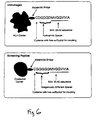
- FIG. 6 Illustrates the peptide used to generate the immunresponse (the immunogen) and the peptide used to screen the sera of mice, as well as fusions, in the enzyme immunoassay plate (EIA) are shown.
- ⁇ A4 sequence 35-42 was synthesized together with a spacer and a C-terminal Cysteine, which was then used to couple it covalently via maleimide bridge to a large carrier molecule. Both, the spacer and the carrier molecule in immunogen and screening peptide are different in order to select for ⁇ A4 sequence specific antibodies.
- the N-hydroxysuccinimide ester of biotin is used to biotinylate monoclonal antibody 286.8A
- the integrity of the reagent is first verified by watching it's spontaneous hydrolysis in the absence of primary amines: an 0.2 mg/ml solution of NHS-LC-Biotin (Vector Labs, Burlingame, CA) in PBS is monitored at 260nm over time. An OD260 of 1.0 after approximately 2 hrs (rising from and initial OD260 ⁇ 0.55) indicates the expected hydrolysis.
- the reaction is then placed over a 10 ml cross-linked dextran desalting column equilibrated to PBS and 0.5 ml aliquots are collected.
- the first peak representing the IgG peak is pooled and stored at 4°C until used.
- mice were immunized with multiple I.P. inoculations ofKLH conjugated peptide #959.
- Splenocytes from immunized animals were fused with the mouse myeloma AG8 using standard protocols ( Wunderlich et al., 1992, J. Immunol. Methods 147:1-11 ).
- Supernatants from resultant hybridomas were screened for immunoreactivity to ovalbumin-coupled peptide #958 using standard Elisa protocols as described above.
- Hybridomas positive for the expression of immunoreactive MAbs were cloned at least twice by limiting dilution and MAb isotype analysis was performed.
- Purified MAb IgG was prepared from ascites fluid using protein-A affinity chromatography.
- mice with peptide #959 conjugated to KLH and screened in a solid-phase ELISA format with peptide #958 coupled to ovalbumin resulted in six positive parental signals (identified as 369.1 through 369.6).
- Both peptides have amino acids 35-42 of the ⁇ A4 region, different N-terminal spacers, and a cysteine for covalent coupling to carrier proteins (Figure 6).
- the free C-terminus with the charged carboxy group and a limited length of only 8 amino acids favors the generation of antibodies which are specifically directed against longer forms of ⁇ A4 peptides; shorter ⁇ A4 peptides ending before amino acid 42 would thus not be recognized.
- Figure 6 diagrams the structure of the immunogen (carrier-peptide) and the screening peptide (carrier-screening peptide) used.
- an assay was developed in which immunoprecipitation of an 35 S-methionine-labelled in vitro-translated ⁇ A4 (IVT ⁇ A4) is measured.
- IVT ⁇ A4 35 S-methionine-labelled in vitro-translated ⁇ A4
- a standard amount of in vitro translated ⁇ A4 is allowed to form antibody/antigen complexes in a solution which can be optimized for ionic Strength, pH, and detergent composition.
- This Immunoprecipitation/Scintillation assay allows for both the rapid identification and characterization of antibodies, and has been used to test a variety of ⁇ A4 antibodies.
- the assay can be applied in general to monoclonal hybridoma supernatants as well as polyclonal sera to identify antibodies which can be used for immunoprecipitations. Typically 18 IPSAs can be performed in one day. This is therefore a fast and informative secondary hybridoma screening method
- IVT ⁇ A4 35 S-methionine-labeled in vitro-translated ⁇ A4
- 10x immunoprecipitation buffer 150mM NaCl, 10%NP-40, 5% deoxycholic acid, 1% SDS, 500mM Tris pH8.
- 90 ⁇ l of monoclonal cell supernatant from the monoclonal fusion of interest (our designation # 369) were added and allowed to react for 2 hrs at 4°C.
- the cells were pelleted by centrifugation for 5 min at 4500 g and 4°C , and washed 3x with 800 ⁇ l cold 1x immunoprecipitation buffer. Pellets were quantitatively transferred to scintillation vials and counted in a Beckman LS6000 scintillation counter in the Auto DPM mode. The percentage of ⁇ A4 immunoprecipitated was calculated.
- Immunoprecipitation/Scintillation assays were performed with 1 ⁇ g of purified monoclonal antibody 369.2B in a total volume of 100 ⁇ l 1x immunoprecipitation buffer to which 5 ⁇ g of competing peptide were added. Incubations and precipitations were as described above.
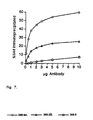
- Figure 7 depicts the percentage of immunoprecipitated IVT ⁇ A4 as a function of antibody concentration for MAbs 369.2, 369.6 and MAb 286.8A. Under the conditions of this assay, 369.2 (and further subclone 369.2B) is approximately four times better than 369.6 in immunoprecipitating soluble IVT ⁇ A4, but precipitates a little less than half as much as 286.8A.
- Figure 7 shows the results of Immunoprecipitation of in vitro translated ⁇ A4 vs.
- Percent BA ⁇ 4 immunoprecipitated dpms with MAb - dpms with non or preimmune control total BA ⁇ 4 dpms / reaction Percents with a given MAb concentration varied only a few percentage points between and within experiments.
- Figure 8 shows Immunoprecipitation Peptide competition/Scintillation Assay for epitope determination of MAb 369.2.
- Figure 9 shows epitope mapping of MAb 369.2 by competitive assay.
- C369.2 50ng IgG/100 ⁇ l
- the solid square is 35-42(OVA) peptide conjugate; the open square is 1-42 peptide; and the solid diamond is 1-40 peptide.
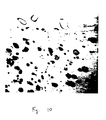
- Figure 10 is a photomicrograph showing ⁇ -amyloid plaques, blood vessels, and perivascular deposits of ⁇ A4 in a paraffin embedded 10 ⁇ m thick section from the brain of a 76 year old female patient with Alzheimer's disease. Tissue sections were pretreated with 88% formic acid (30 min), then labeled using an avidin-biotin-peroxidase kit (Vector Laboratories, Burlington, CA) with nickel-diaminobenzidine as the chromagen. Monoclonal antibody 369.2B labels plaques with a variety of morpologies, including cored, perivascular, and diffuse (non-amyloidotic) plaques. It also labels a subset of amyloidotic blood vessels.
- an avidin-biotin-peroxidase kit Vector Laboratories, Burlington, CA
- Monoclonal antibody 369.2B labels plaques with a variety of morpologies, including cored, perivascular, and diffuse (non-amyloid
Landscapes
- Health & Medical Sciences (AREA)
- Chemical & Material Sciences (AREA)
- Organic Chemistry (AREA)
- Life Sciences & Earth Sciences (AREA)
- General Health & Medical Sciences (AREA)
- Medicinal Chemistry (AREA)
- Biophysics (AREA)
- Genetics & Genomics (AREA)
- Biochemistry (AREA)
- Biomedical Technology (AREA)
- Proteomics, Peptides & Aminoacids (AREA)
- Neurology (AREA)
- Molecular Biology (AREA)
- Engineering & Computer Science (AREA)
- Toxicology (AREA)
- Immunology (AREA)
- Neurosurgery (AREA)
- Bioinformatics & Cheminformatics (AREA)
- Gastroenterology & Hepatology (AREA)
- Zoology (AREA)
- Hospice & Palliative Care (AREA)
- General Chemical & Material Sciences (AREA)
- Public Health (AREA)
- Animal Behavior & Ethology (AREA)
- Pharmacology & Pharmacy (AREA)
- Psychiatry (AREA)
- Nuclear Medicine, Radiotherapy & Molecular Imaging (AREA)
- Veterinary Medicine (AREA)
- Chemical Kinetics & Catalysis (AREA)
- Peptides Or Proteins (AREA)
- Preparation Of Compounds By Using Micro-Organisms (AREA)
- Medicines Containing Antibodies Or Antigens For Use As Internal Diagnostic Agents (AREA)
- Micro-Organisms Or Cultivation Processes Thereof (AREA)
- Investigating Or Analysing Biological Materials (AREA)
Applications Claiming Priority (3)
| Application Number | Priority Date | Filing Date | Title |
|---|---|---|---|
| US08/388,463 US5786180A (en) | 1995-02-14 | 1995-02-14 | Monoclonal antibody 369.2B specific for β A4 peptide |
| EP01114005A EP1160256B2 (fr) | 1995-02-14 | 1996-02-14 | Anticorps monoclonal spécifique du peptide beta-A4 (1-42) |
| EP96906616A EP0809656B1 (fr) | 1995-02-14 | 1996-02-14 | ANTICORPS MONOCLONAL SPECIFIQUE DU PEPTIDE beta-A4 |
Related Parent Applications (3)
| Application Number | Title | Priority Date | Filing Date |
|---|---|---|---|
| EP01114005A Division EP1160256B2 (fr) | 1995-02-14 | 1996-02-14 | Anticorps monoclonal spécifique du peptide beta-A4 (1-42) |
| EP96906616.6 Division | 1996-08-22 | ||
| EP01114005.0 Division | 2001-06-08 |
Publications (3)
| Publication Number | Publication Date |
|---|---|
| EP1842859A2 true EP1842859A2 (fr) | 2007-10-10 |
| EP1842859A3 EP1842859A3 (fr) | 2007-11-28 |
| EP1842859B1 EP1842859B1 (fr) | 2013-01-09 |
Family
ID=23534218
Family Applications (3)
| Application Number | Title | Priority Date | Filing Date |
|---|---|---|---|
| EP96906616A Expired - Lifetime EP0809656B1 (fr) | 1995-02-14 | 1996-02-14 | ANTICORPS MONOCLONAL SPECIFIQUE DU PEPTIDE beta-A4 |
| EP07012421A Expired - Lifetime EP1842859B1 (fr) | 1995-02-14 | 1996-02-14 | Anticorps monoclone spécifique de peptide A4 beta |
| EP01114005A Expired - Lifetime EP1160256B2 (fr) | 1995-02-14 | 1996-02-14 | Anticorps monoclonal spécifique du peptide beta-A4 (1-42) |
Family Applications Before (1)
| Application Number | Title | Priority Date | Filing Date |
|---|---|---|---|
| EP96906616A Expired - Lifetime EP0809656B1 (fr) | 1995-02-14 | 1996-02-14 | ANTICORPS MONOCLONAL SPECIFIQUE DU PEPTIDE beta-A4 |
Family Applications After (1)
| Application Number | Title | Priority Date | Filing Date |
|---|---|---|---|
| EP01114005A Expired - Lifetime EP1160256B2 (fr) | 1995-02-14 | 1996-02-14 | Anticorps monoclonal spécifique du peptide beta-A4 (1-42) |
Country Status (10)
| Country | Link |
|---|---|
| US (3) | US5786180A (fr) |
| EP (3) | EP0809656B1 (fr) |
| JP (1) | JP3115606B2 (fr) |
| AT (2) | ATE365750T1 (fr) |
| CA (1) | CA2212887C (fr) |
| DE (2) | DE69637150T3 (fr) |
| DK (2) | DK1160256T4 (fr) |
| ES (3) | ES2167548T3 (fr) |
| PT (2) | PT1160256E (fr) |
| WO (1) | WO1996025435A1 (fr) |
Cited By (6)
| Publication number | Priority date | Publication date | Assignee | Title |
|---|---|---|---|---|
| US9822171B2 (en) | 2010-04-15 | 2017-11-21 | AbbVie Deutschland GmbH & Co. KG | Amyloid-beta binding proteins |
| US9951125B2 (en) | 2006-11-30 | 2018-04-24 | Abbvie Inc. | Aβ conformer selective anti-Aβ globulomer monoclonal antibodies |
| US10047121B2 (en) | 2010-08-14 | 2018-08-14 | AbbVie Deutschland GmbH & Co. KG | Amyloid-beta binding proteins |
| US10208109B2 (en) | 2005-11-30 | 2019-02-19 | Abbvie Inc. | Monoclonal antibodies against amyloid beta protein and uses thereof |
| US10464976B2 (en) | 2003-01-31 | 2019-11-05 | AbbVie Deutschland GmbH & Co. KG | Amyloid β(1-42) oligomers, derivatives thereof and antibodies thereto, methods of preparation thereof and use thereof |
| US10538581B2 (en) | 2005-11-30 | 2020-01-21 | Abbvie Inc. | Anti-Aβ globulomer 4D10 antibodies |
Families Citing this family (98)
| Publication number | Priority date | Publication date | Assignee | Title |
|---|---|---|---|---|
| US6114133A (en) * | 1994-11-14 | 2000-09-05 | Elan Pharmaceuticals, Inc. | Methods for aiding in the diagnosis of Alzheimer's disease by measuring amyloid-β peptide (x-≧41) |
| US7427392B1 (en) | 1994-11-14 | 2008-09-23 | Elan Pharmaceuticals, Inc. | Methods for aiding in the diagnosis of alzheimer's disease by measuring amyloid-β peptide (x-≧41) and tau |
| US20060178302A1 (en) * | 1997-02-05 | 2006-08-10 | Northwestern University & The University Of Southern California | Amyloid beta protein (globular assembly and uses thereof) |
| US20030068316A1 (en) * | 1997-02-05 | 2003-04-10 | Klein William L. | Anti-ADDL antibodies and uses thereof |
| NZ337765A (en) * | 1997-04-09 | 2001-09-28 | Mindset Biopharmaceuticals Usa | Recombinant antibodies having specificity for beta-amyloid N-terminus and C-terminus and use in treating Alzheimer's Disease |
| US8173127B2 (en) * | 1997-04-09 | 2012-05-08 | Intellect Neurosciences, Inc. | Specific antibodies to amyloid beta peptide, pharmaceutical compositions and methods of use thereof |
| ES2136535B1 (es) * | 1997-04-15 | 2000-08-16 | Consejo Superior Investigacion | Peptido sintetico para la produccion de anticuerpos contra el peptido beta amiloide 1-42. |
| WO1998046636A2 (fr) * | 1997-04-16 | 1998-10-22 | American Home Products Corporation | PROTEINES FIXANT LE PEPTIDE β-AMYLOIDE ET POLYNUCLEOTIDES CODANT CES PROTEINES |
| US6787319B2 (en) | 1997-04-16 | 2004-09-07 | American Home Products Corp. | β-amyloid peptide-binding proteins and polynucleotides encoding the same |
| US7005295B1 (en) | 1997-04-16 | 2006-02-28 | Wyeth | β-amyloid peptide-binding proteins and polynucleotides encoding the same |
| US6787523B1 (en) | 1997-12-02 | 2004-09-07 | Neuralab Limited | Prevention and treatment of amyloidogenic disease |
| US6923964B1 (en) | 1997-12-02 | 2005-08-02 | Neuralab Limited | Active immunization of AScr for prion disorders |
| US7790856B2 (en) | 1998-04-07 | 2010-09-07 | Janssen Alzheimer Immunotherapy | Humanized antibodies that recognize beta amyloid peptide |
| US20080050367A1 (en) | 1998-04-07 | 2008-02-28 | Guriq Basi | Humanized antibodies that recognize beta amyloid peptide |
| US6750324B1 (en) | 1997-12-02 | 2004-06-15 | Neuralab Limited | Humanized and chimeric N-terminal amyloid beta-antibodies |
| US7179892B2 (en) * | 2000-12-06 | 2007-02-20 | Neuralab Limited | Humanized antibodies that recognize beta amyloid peptide |
| US7964192B1 (en) | 1997-12-02 | 2011-06-21 | Janssen Alzheimer Immunotherapy | Prevention and treatment of amyloidgenic disease |
| TWI239847B (en) * | 1997-12-02 | 2005-09-21 | Elan Pharm Inc | N-terminal fragment of Abeta peptide and an adjuvant for preventing and treating amyloidogenic disease |
| US7588766B1 (en) | 2000-05-26 | 2009-09-15 | Elan Pharma International Limited | Treatment of amyloidogenic disease |
| US6761888B1 (en) * | 2000-05-26 | 2004-07-13 | Neuralab Limited | Passive immunization treatment of Alzheimer's disease |
| US6710226B1 (en) | 1997-12-02 | 2004-03-23 | Neuralab Limited | Transgenic mouse assay to determine the effect of Aβ antibodies and Aβ Fragments on alzheimer's disease characteristics |
| US6905686B1 (en) | 1997-12-02 | 2005-06-14 | Neuralab Limited | Active immunization for treatment of alzheimer's disease |
| US6913745B1 (en) | 1997-12-02 | 2005-07-05 | Neuralab Limited | Passive immunization of Alzheimer's disease |
| AU2003262458B2 (en) * | 1998-05-21 | 2008-06-19 | University Of Tennessee Research Foundation | Methods for amyloid removal using anti-amyloid antibodies |
| US20030147882A1 (en) * | 1998-05-21 | 2003-08-07 | Alan Solomon | Methods for amyloid removal using anti-amyloid antibodies |
| DE69942274D1 (de) | 1998-05-21 | 2010-06-02 | Univ Tennessee Res Foundation | Methoden zur amyloidentfernung mit anti-amyloid-antikörper |
| US6787637B1 (en) | 1999-05-28 | 2004-09-07 | Neuralab Limited | N-Terminal amyloid-β antibodies |
| UA81216C2 (en) * | 1999-06-01 | 2007-12-25 | Prevention and treatment of amyloid disease | |
| AU780474B2 (en) * | 1999-06-16 | 2005-03-24 | Boston Biomedical Research Institute Incorporated | Immunological control of beta-amyloid levels in vivo |
| DE1257584T1 (de) | 2000-02-24 | 2003-05-28 | Lilly Co Eli | Humanisierte antikörper, die amyloid beta peptid demarkieren |
| AU2001253158A1 (en) * | 2000-04-05 | 2001-10-23 | University Of Tennessee Research Corporation | Methods of investigating, diagnosing, and treating amyloidosis |
| JP2003516929A (ja) * | 2000-06-01 | 2003-05-20 | ニユーララブ・リミテツド | アミロイド形成性疾患の予防および治療 |
| CA2414772C (fr) | 2000-07-07 | 2011-06-28 | Jan Naslund | Prevention et traitement de la maladie d'alzheimer |
| US7700751B2 (en) | 2000-12-06 | 2010-04-20 | Janssen Alzheimer Immunotherapy | Humanized antibodies that recognize β-amyloid peptide |
| PE20020574A1 (es) * | 2000-12-06 | 2002-07-02 | Wyeth Corp | Anticuerpos humanizados que reconocen el peptido amiloideo beta |
| US6815175B2 (en) * | 2001-03-16 | 2004-11-09 | Cornell Research Foundation, Inc. | Anti-amyloid peptide antibody based diagnosis and treatment of a neurological disease or disorder |
| EP1385544B1 (fr) | 2001-04-30 | 2008-09-24 | Eli Lilly And Company | Anticorps humanises |
| EP2165714B1 (fr) | 2001-04-30 | 2013-10-23 | Eli Lilly And Company | Anticorps humanisés reconnaissant le peptide amyloide béta |
| PT1944040E (pt) | 2001-08-17 | 2012-10-31 | Univ Washington | Método de avaliação para a doença de alzheimer |
| US20030200032A1 (en) * | 2002-03-01 | 2003-10-23 | Applera Corporation | Determination of compatibility of a set chemical modifications with an amino-acid chain |
| MY139983A (en) | 2002-03-12 | 2009-11-30 | Janssen Alzheimer Immunotherap | Humanized antibodies that recognize beta amyloid peptide |
| US20040107871A1 (en) * | 2002-08-09 | 2004-06-10 | Defeo Maureen A. | Aluminum trihydrate containing slurries |
| US20040146512A1 (en) * | 2002-10-09 | 2004-07-29 | Arnon Rosenthal | Methods of treating Alzheimer's disease using antibodies directed against amyloid beta peptide and compositions thereof |
| NZ567324A (en) * | 2003-02-01 | 2009-08-28 | Wyeth Corp | Active immunization to generate antibodies to soluble A-beta |
| ATE468886T1 (de) | 2003-02-10 | 2010-06-15 | Applied Molecular Evolution | Abeta-bindende moleküle |
| US8663650B2 (en) | 2003-02-21 | 2014-03-04 | Ac Immune Sa | Methods and compositions comprising supramolecular constructs |
| US7732162B2 (en) | 2003-05-05 | 2010-06-08 | Probiodrug Ag | Inhibitors of glutaminyl cyclase for treating neurodegenerative diseases |
| TWI306458B (en) | 2003-05-30 | 2009-02-21 | Elan Pharma Int Ltd | Humanized antibodies that recognize beta amyloid peptide |
| US7807171B2 (en) | 2003-07-25 | 2010-10-05 | Ac Immune Sa | Therapeutic vaccine targeted against P-glycoprotein 170 for inhibiting multidrug resistance in the treatment of cancers |
| SE0401601D0 (sv) | 2004-06-21 | 2004-06-21 | Bioarctic Neuroscience Ab | Protofibril specific antibodies and uses thereof |
| MX2007000998A (es) * | 2004-07-30 | 2007-07-11 | Rinat Neuroscience Corp | Anticuerpos dirigidos peptido beta-amiloide y procedimientos que usan los mismos. |
| MX2007005053A (es) * | 2004-10-28 | 2007-06-19 | Eisai R&D Man Co Ltd | Metodo para evaluar la enfermedad de alzheimer y reactivo de diagnostico. |
| US20090123952A1 (en) * | 2004-11-12 | 2009-05-14 | Pfizer, Inc. | Method of Measuring Amyloid-Beta Peptides |
| EP1838348B1 (fr) | 2004-12-15 | 2013-06-26 | Janssen Alzheimer Immunotherapy | Anticorps du peptide beta-amyloide humanises utilises dans l'amelioration de la cognition |
| US7625560B2 (en) | 2004-12-15 | 2009-12-01 | Janssen Alzheimer Immunotherapy | Humanized antibodies that recognize beta amyloid peptide |
| US7906625B2 (en) | 2005-01-24 | 2011-03-15 | Amgen Inc. | Humanized anti-amyloid antibody |
| PA8661401A1 (es) * | 2005-01-28 | 2006-09-08 | Wyeth Corp | Formulaciones del liquido polipeptido estabilizado |
| GT200600031A (es) * | 2005-01-28 | 2006-08-29 | Formulacion anticuerpo anti a beta | |
| UY29504A1 (es) * | 2005-04-29 | 2006-10-31 | Rinat Neuroscience Corp | Anticuerpos dirigidos contra el péptido amiloide beta y métodos que utilizan los mismos. |
| ZA200710330B (en) * | 2005-06-17 | 2009-12-30 | Wyeth Corp | Methods of purifying FC region containing proteins |
| CN101291692A (zh) * | 2005-10-21 | 2008-10-22 | 默克制药公司 | 抗addl单克隆抗体及其应用 |
| EP1959996A2 (fr) * | 2005-12-12 | 2008-08-27 | AC Immune S.A. | Anticorps monoclonal |
| RU2429244C2 (ru) | 2006-03-23 | 2011-09-20 | Байоарктик Ньюросайенс Аб | Улучшенные селективные в отношении протофибрилл антитела и их применение |
| US8784810B2 (en) | 2006-04-18 | 2014-07-22 | Janssen Alzheimer Immunotherapy | Treatment of amyloidogenic diseases |
| EP2046833B9 (fr) * | 2006-07-14 | 2014-02-19 | AC Immune S.A. | Anticorps humanisé contre l'amyloid beta |
| FR2903999B1 (fr) * | 2006-07-19 | 2008-09-05 | Galderma Res & Dev S N C Snc | Modulateurs de sc4mol dans le traitement de l'acne ou de l'hyperseborrhee |
| US20100104577A1 (en) * | 2006-10-10 | 2010-04-29 | Golde Todd E | Methods and materials related to anti-a (beta) antibodies |
| DK2121754T3 (en) | 2007-01-18 | 2015-02-23 | Lilly Co Eli | Pegylated amyloid BETA FAB |
| US8895004B2 (en) | 2007-02-27 | 2014-11-25 | AbbVie Deutschland GmbH & Co. KG | Method for the treatment of amyloidoses |
| JP5930573B2 (ja) | 2007-03-01 | 2016-06-15 | プロビオドルグ エージー | グルタミニルシクラーゼ阻害剤の新規使用 |
| US8003097B2 (en) | 2007-04-18 | 2011-08-23 | Janssen Alzheimer Immunotherapy | Treatment of cerebral amyloid angiopathy |
| EP2142514B1 (fr) | 2007-04-18 | 2014-12-24 | Probiodrug AG | Dérivés de thio-urée utilisés comme inhibiteurs de la glutaminyl cyclase |
| US8613923B2 (en) | 2007-06-12 | 2013-12-24 | Ac Immune S.A. | Monoclonal antibody |
| US8048420B2 (en) * | 2007-06-12 | 2011-11-01 | Ac Immune S.A. | Monoclonal antibody |
| EP2009445A1 (fr) * | 2007-06-29 | 2008-12-31 | Institut Pasteur | Utilisation d'anticorps à domaine simple de chaînes pour détecter une formule oligomérique d'un peptide amyloide bêta et ses applications |
| DK2182983T3 (da) | 2007-07-27 | 2014-07-14 | Janssen Alzheimer Immunotherap | Behandling af amyloidogene sygdomme med humaniserede anti-abeta antistoffer |
| AU2008311367B2 (en) * | 2007-10-05 | 2014-11-13 | Ac Immune S.A. | Use of anti-amyloid beta antibody in ocular diseases |
| BRPI0818623A2 (pt) * | 2007-10-05 | 2017-05-23 | Ac Immune Sa | composição farmacêutica, e, métodos para reduzir a carga da placa na camada de célula de gânglio retinal de um animal, para reduzir a quantidade de placas na camada de célula de gânglio retinal de um animal, para diminuir a quantidade total de amilóide-beta solúvel na camada de célula de gânglio retinal de um animal, para prevenir, tratar e/ou aliviar os efeitos de uma doença ocular associada com anormalidades patológicas/mudanças no tecido do sistema visual, para monitorar doença ocular residual mínima associada com anormalidades patológicas/mudanças nos tecidos do sistema visual, para predizer responsividade de um paciente, e para reter ou diminuir a pressão ocular nos olhos de um animal |
| JO3076B1 (ar) | 2007-10-17 | 2017-03-15 | Janssen Alzheimer Immunotherap | نظم العلاج المناعي المعتمد على حالة apoe |
| US9067981B1 (en) | 2008-10-30 | 2015-06-30 | Janssen Sciences Ireland Uc | Hybrid amyloid-beta antibodies |
| JP5934645B2 (ja) | 2009-09-11 | 2016-06-15 | プロビオドルグ エージー | グルタミニルシクラーゼ阻害剤としてのヘテロ環式誘導体 |
| JP6026284B2 (ja) | 2010-03-03 | 2016-11-16 | プロビオドルグ エージー | グルタミニルシクラーゼの阻害剤 |
| NZ602312A (en) | 2010-03-10 | 2014-02-28 | Probiodrug Ag | Heterocyclic inhibitors of glutaminyl cyclase (qc, ec 2.3.2.5) |
| WO2011131748A2 (fr) | 2010-04-21 | 2011-10-27 | Probiodrug Ag | Nouveaux inhibiteurs |
| EP2598882B1 (fr) | 2010-07-30 | 2017-07-26 | AC Immune S.A. | Anticorps humanisés sûrs et fonctionnels pour utilisation dans le traitement de l'amyloïdose |
| WO2012020124A1 (fr) | 2010-08-12 | 2012-02-16 | Ac Immune S.A. | Vaccin obtenu par génie génétique |
| JP6027011B2 (ja) | 2010-10-26 | 2016-11-16 | エーシー イミューン ソシエテ アノニム | 疎水性部分によって修飾されたペプチドを含むリポソームベースの構築物 |
| EP2686313B1 (fr) | 2011-03-16 | 2016-02-03 | Probiodrug AG | Dérivés de benzimidazole en tant qu'inhibiteurs de la glutaminyl cyclase |
| WO2012142301A2 (fr) | 2011-04-12 | 2012-10-18 | Quanterix Corporation | Procédé de détermination d'un protocole de traitement et/ou d'un pronostic de rétablissement d'un patient à la suite d'un traumatisme cérébral |
| JP2012102131A (ja) * | 2012-01-05 | 2012-05-31 | Elan Pharma Internatl Ltd | アミロイド形成性疾患の予防および治療 |
| CN103665113A (zh) * | 2012-09-14 | 2014-03-26 | 深圳市安群生物工程有限公司 | 人Aβ42抗原决定簇多肽、抗原、抗体、用途及试剂盒 |
| SMT202000340T1 (it) * | 2012-10-15 | 2020-07-08 | Medimmune Ltd | Anticorpi contro il beta amiloide |
| JP2016103980A (ja) * | 2013-03-08 | 2016-06-09 | パナソニックヘルスケア株式会社 | ハイブリドーマ及びモノクローナル抗体 |
| WO2016005466A2 (fr) | 2014-07-10 | 2016-01-14 | Bioarctic Neuroscience Ab | Anticorps se liant aux protofibrilles ass améliorés |
| CN111201030B (zh) | 2017-07-25 | 2024-11-01 | 真和制药有限公司 | 通过阻断tim-3和其配体的相互作用治疗癌症 |
| ES2812698T3 (es) | 2017-09-29 | 2021-03-18 | Probiodrug Ag | Inhibidores de glutaminil ciclasa |
| WO2020160156A2 (fr) | 2019-01-30 | 2020-08-06 | Immutics, Inc. | Anticorps anti-gal3 et leurs utilisations |
| EP4157338A4 (fr) | 2020-05-26 | 2024-11-13 | TrueBinding, Inc. | Méthodes de traitement de maladies inflammatoires par blocage de la galectine-3 |
Family Cites Families (3)
| Publication number | Priority date | Publication date | Assignee | Title |
|---|---|---|---|---|
| US4666829A (en) * | 1985-05-15 | 1987-05-19 | University Of California | Polypeptide marker for Alzheimer's disease and its use for diagnosis |
| JPH05506990A (ja) * | 1990-04-24 | 1993-10-14 | ザ リージェンツ オブ ザ ユニバーシティ オブ カリフォルニア | プロテアーゼ ネキシン―2の精製、検出、及び使用方法 |
| ATE239797T1 (de) * | 1993-01-25 | 2003-05-15 | Takeda Chemical Industries Ltd | Antikörper gegen beta-amyloid oder derivative davon und seine verwendung |
-
1995
- 1995-02-14 US US08/388,463 patent/US5786180A/en not_active Expired - Fee Related
- 1995-06-07 US US08/484,969 patent/US5679531A/en not_active Expired - Lifetime
- 1995-06-07 US US08/472,627 patent/US5693753A/en not_active Expired - Lifetime
-
1996
- 1996-02-14 EP EP96906616A patent/EP0809656B1/fr not_active Expired - Lifetime
- 1996-02-14 DE DE69637150T patent/DE69637150T3/de not_active Expired - Lifetime
- 1996-02-14 JP JP08525208A patent/JP3115606B2/ja not_active Expired - Fee Related
- 1996-02-14 PT PT01114005T patent/PT1160256E/pt unknown
- 1996-02-14 DE DE69617916T patent/DE69617916T2/de not_active Expired - Fee Related
- 1996-02-14 PT PT96906616T patent/PT809656E/pt unknown
- 1996-02-14 CA CA002212887A patent/CA2212887C/fr not_active Expired - Lifetime
- 1996-02-14 WO PCT/US1996/002491 patent/WO1996025435A1/fr not_active Ceased
- 1996-02-14 ES ES96906616T patent/ES2167548T3/es not_active Expired - Lifetime
- 1996-02-14 AT AT01114005T patent/ATE365750T1/de active
- 1996-02-14 EP EP07012421A patent/EP1842859B1/fr not_active Expired - Lifetime
- 1996-02-14 DK DK01114005.0T patent/DK1160256T4/da active
- 1996-02-14 AT AT96906616T patent/ATE210681T1/de not_active IP Right Cessation
- 1996-02-14 ES ES07012421T patent/ES2400674T3/es not_active Expired - Lifetime
- 1996-02-14 ES ES01114005T patent/ES2288896T5/es not_active Expired - Lifetime
- 1996-02-14 EP EP01114005A patent/EP1160256B2/fr not_active Expired - Lifetime
- 1996-02-14 DK DK96906616T patent/DK0809656T3/da active
Cited By (7)
| Publication number | Priority date | Publication date | Assignee | Title |
|---|---|---|---|---|
| US10464976B2 (en) | 2003-01-31 | 2019-11-05 | AbbVie Deutschland GmbH & Co. KG | Amyloid β(1-42) oligomers, derivatives thereof and antibodies thereto, methods of preparation thereof and use thereof |
| US10208109B2 (en) | 2005-11-30 | 2019-02-19 | Abbvie Inc. | Monoclonal antibodies against amyloid beta protein and uses thereof |
| US10323084B2 (en) | 2005-11-30 | 2019-06-18 | Abbvie Inc. | Monoclonal antibodies against amyloid beta protein and uses thereof |
| US10538581B2 (en) | 2005-11-30 | 2020-01-21 | Abbvie Inc. | Anti-Aβ globulomer 4D10 antibodies |
| US9951125B2 (en) | 2006-11-30 | 2018-04-24 | Abbvie Inc. | Aβ conformer selective anti-Aβ globulomer monoclonal antibodies |
| US9822171B2 (en) | 2010-04-15 | 2017-11-21 | AbbVie Deutschland GmbH & Co. KG | Amyloid-beta binding proteins |
| US10047121B2 (en) | 2010-08-14 | 2018-08-14 | AbbVie Deutschland GmbH & Co. KG | Amyloid-beta binding proteins |
Also Published As
Similar Documents
| Publication | Publication Date | Title |
|---|---|---|
| EP1842859B1 (fr) | Anticorps monoclone spécifique de peptide A4 beta | |
| DK1546734T3 (en) | MONOCLONAL ANTIBODIES AGAINST N-11-TRUNCATED AMYLOID BETA, COMPOSITIONS, PROCEDURES AND APPLICATIONS | |
| JP3974168B2 (ja) | β−アミロイド前駆体タンパク質の細胞プロセッシングをモニターするための方法及び組成物 | |
| EP0683234B1 (fr) | Anticorps dirige contre le beta-amyloide ou un derive de ce dernier et son utilisation | |
| US8445649B2 (en) | Antibody and use thereof | |
| US20070031416A1 (en) | Use of antibody | |
| HK1114105B (en) | Monoclonal antibody specific for beta a4 peptide | |
| MXPA97006189A (en) | Specific monoclonal antibody for beta peptide | |
| AU2008200489B2 (en) | Methods and compositions for the detection of soluble beta-amyloid peptide | |
| HK1081647B (en) | N-11 truncated amyloid-beta monoclonal antibodies, compositions, methods and uses |
Legal Events
| Date | Code | Title | Description |
|---|---|---|---|
| PUAI | Public reference made under article 153(3) epc to a published international application that has entered the european phase |
Free format text: ORIGINAL CODE: 0009012 |
|
| AC | Divisional application: reference to earlier application |
Ref document number: 0809656 Country of ref document: EP Kind code of ref document: P Ref document number: 1160256 Country of ref document: EP Kind code of ref document: P |
|
| AK | Designated contracting states |
Kind code of ref document: A2 Designated state(s): AT BE CH DE DK ES FR GB GR IE IT LI LU MC NL PT SE |
|
| PUAL | Search report despatched |
Free format text: ORIGINAL CODE: 0009013 |
|
| AK | Designated contracting states |
Kind code of ref document: A3 Designated state(s): AT BE CH DE DK ES FR GB GR IE IT LI LU MC NL PT SE |
|
| 17P | Request for examination filed |
Effective date: 20080513 |
|
| 17Q | First examination report despatched |
Effective date: 20080619 |
|
| AKX | Designation fees paid |
Designated state(s): AT BE CH DE DK ES FR GB GR IE IT LI LU MC NL PT SE |
|
| REG | Reference to a national code |
Ref country code: HK Ref legal event code: DE Ref document number: 1114105 Country of ref document: HK |
|
| RAP1 | Party data changed (applicant data changed or rights of an application transferred) |
Owner name: JANSSEN ALZHEIMER IMMUNOTHERAPY Owner name: WYETH LLC |
|
| GRAP | Despatch of communication of intention to grant a patent |
Free format text: ORIGINAL CODE: EPIDOSNIGR1 |
|
| GRAS | Grant fee paid |
Free format text: ORIGINAL CODE: EPIDOSNIGR3 |
|
| GRAA | (expected) grant |
Free format text: ORIGINAL CODE: 0009210 |
|
| AC | Divisional application: reference to earlier application |
Ref document number: 0809656 Country of ref document: EP Kind code of ref document: P Ref document number: 1160256 Country of ref document: EP Kind code of ref document: P |
|
| AK | Designated contracting states |
Kind code of ref document: B1 Designated state(s): AT BE CH DE DK ES FR GB GR IE IT LI LU MC NL PT SE |
|
| REG | Reference to a national code |
Ref country code: GB Ref legal event code: FG4D |
|
| REG | Reference to a national code |
Ref country code: CH Ref legal event code: EP Ref country code: AT Ref legal event code: REF Ref document number: 592711 Country of ref document: AT Kind code of ref document: T Effective date: 20130115 |
|
| REG | Reference to a national code |
Ref country code: IE Ref legal event code: FG4D |
|
| REG | Reference to a national code |
Ref country code: DE Ref legal event code: R096 Ref document number: 69638547 Country of ref document: DE Effective date: 20130307 |
|
| REG | Reference to a national code |
Ref country code: ES Ref legal event code: FG2A Ref document number: 2400674 Country of ref document: ES Kind code of ref document: T3 Effective date: 20130411 |
|
| PGFP | Annual fee paid to national office [announced via postgrant information from national office to epo] |
Ref country code: MC Payment date: 20130311 Year of fee payment: 18 Ref country code: DK Payment date: 20130312 Year of fee payment: 18 Ref country code: CH Payment date: 20130312 Year of fee payment: 18 Ref country code: LU Payment date: 20130318 Year of fee payment: 18 |
|
| PGFP | Annual fee paid to national office [announced via postgrant information from national office to epo] |
Ref country code: NL Payment date: 20130309 Year of fee payment: 18 |
|
| REG | Reference to a national code |
Ref country code: NL Ref legal event code: VDEP Effective date: 20130109 |
|
| REG | Reference to a national code |
Ref country code: AT Ref legal event code: MK05 Ref document number: 592711 Country of ref document: AT Kind code of ref document: T Effective date: 20130109 |
|
| PGFP | Annual fee paid to national office [announced via postgrant information from national office to epo] |
Ref country code: AT Payment date: 20130226 Year of fee payment: 18 |
|
| PG25 | Lapsed in a contracting state [announced via postgrant information from national office to epo] |
Ref country code: AT Free format text: LAPSE BECAUSE OF FAILURE TO SUBMIT A TRANSLATION OF THE DESCRIPTION OR TO PAY THE FEE WITHIN THE PRESCRIBED TIME-LIMIT Effective date: 20130109 Ref country code: SE Free format text: LAPSE BECAUSE OF FAILURE TO SUBMIT A TRANSLATION OF THE DESCRIPTION OR TO PAY THE FEE WITHIN THE PRESCRIBED TIME-LIMIT Effective date: 20130109 |
|
| PGFP | Annual fee paid to national office [announced via postgrant information from national office to epo] |
Ref country code: BE Payment date: 20130312 Year of fee payment: 18 |
|
| PG25 | Lapsed in a contracting state [announced via postgrant information from national office to epo] |
Ref country code: PT Free format text: LAPSE BECAUSE OF FAILURE TO SUBMIT A TRANSLATION OF THE DESCRIPTION OR TO PAY THE FEE WITHIN THE PRESCRIBED TIME-LIMIT Effective date: 20130509 Ref country code: NL Free format text: LAPSE BECAUSE OF FAILURE TO SUBMIT A TRANSLATION OF THE DESCRIPTION OR TO PAY THE FEE WITHIN THE PRESCRIBED TIME-LIMIT Effective date: 20130109 Ref country code: GR Free format text: LAPSE BECAUSE OF FAILURE TO SUBMIT A TRANSLATION OF THE DESCRIPTION OR TO PAY THE FEE WITHIN THE PRESCRIBED TIME-LIMIT Effective date: 20130410 |
|
| REG | Reference to a national code |
Ref country code: HK Ref legal event code: GR Ref document number: 1114105 Country of ref document: HK |
|
| PG25 | Lapsed in a contracting state [announced via postgrant information from national office to epo] |
Ref country code: DK Free format text: LAPSE BECAUSE OF FAILURE TO SUBMIT A TRANSLATION OF THE DESCRIPTION OR TO PAY THE FEE WITHIN THE PRESCRIBED TIME-LIMIT Effective date: 20130109 |
|
| PLBE | No opposition filed within time limit |
Free format text: ORIGINAL CODE: 0009261 |
|
| STAA | Information on the status of an ep patent application or granted ep patent |
Free format text: STATUS: NO OPPOSITION FILED WITHIN TIME LIMIT |
|
| 26N | No opposition filed |
Effective date: 20131010 |
|
| REG | Reference to a national code |
Ref country code: DE Ref legal event code: R097 Ref document number: 69638547 Country of ref document: DE Effective date: 20131010 |
|
| PG25 | Lapsed in a contracting state [announced via postgrant information from national office to epo] |
Ref country code: MC Free format text: LAPSE BECAUSE OF NON-PAYMENT OF DUE FEES Effective date: 20140228 Ref country code: LU Free format text: LAPSE BECAUSE OF NON-PAYMENT OF DUE FEES Effective date: 20140214 |
|
| REG | Reference to a national code |
Ref country code: CH Ref legal event code: PL |
|
| PG25 | Lapsed in a contracting state [announced via postgrant information from national office to epo] |
Ref country code: LI Free format text: LAPSE BECAUSE OF NON-PAYMENT OF DUE FEES Effective date: 20140228 Ref country code: CH Free format text: LAPSE BECAUSE OF NON-PAYMENT OF DUE FEES Effective date: 20140228 |
|
| REG | Reference to a national code |
Ref country code: FR Ref legal event code: PLFP Year of fee payment: 20 |
|
| PGFP | Annual fee paid to national office [announced via postgrant information from national office to epo] |
Ref country code: ES Payment date: 20150113 Year of fee payment: 20 Ref country code: IT Payment date: 20150217 Year of fee payment: 20 Ref country code: DE Payment date: 20150210 Year of fee payment: 20 Ref country code: IE Payment date: 20150210 Year of fee payment: 20 |
|
| PGFP | Annual fee paid to national office [announced via postgrant information from national office to epo] |
Ref country code: GB Payment date: 20150211 Year of fee payment: 20 Ref country code: FR Payment date: 20150210 Year of fee payment: 20 |
|
| REG | Reference to a national code |
Ref country code: DE Ref legal event code: R071 Ref document number: 69638547 Country of ref document: DE |
|
| REG | Reference to a national code |
Ref country code: GB Ref legal event code: PE20 Expiry date: 20160213 |
|
| REG | Reference to a national code |
Ref country code: IE Ref legal event code: MK9A |
|
| PG25 | Lapsed in a contracting state [announced via postgrant information from national office to epo] |
Ref country code: IE Free format text: LAPSE BECAUSE OF EXPIRATION OF PROTECTION Effective date: 20160214 Ref country code: GB Free format text: LAPSE BECAUSE OF EXPIRATION OF PROTECTION Effective date: 20160213 |
|
| REG | Reference to a national code |
Ref country code: ES Ref legal event code: FD2A Effective date: 20160526 |
|
| PG25 | Lapsed in a contracting state [announced via postgrant information from national office to epo] |
Ref country code: ES Free format text: LAPSE BECAUSE OF EXPIRATION OF PROTECTION Effective date: 20160215 |
|
| PG25 | Lapsed in a contracting state [announced via postgrant information from national office to epo] |
Ref country code: BE Free format text: THE PATENT HAS BEEN ANNULLED BY A DECISION OF A NATIONAL AUTHORITY Effective date: 20130109 Ref country code: AT Free format text: THE PATENT HAS BEEN ANNULLED BY A DECISION OF A NATIONAL AUTHORITY Effective date: 20130109 |