EP1887467A2 - Dispositif de commande de commutation de système d'exploitation et système informatique - Google Patents
Dispositif de commande de commutation de système d'exploitation et système informatique Download PDFInfo
- Publication number
- EP1887467A2 EP1887467A2 EP07014590A EP07014590A EP1887467A2 EP 1887467 A2 EP1887467 A2 EP 1887467A2 EP 07014590 A EP07014590 A EP 07014590A EP 07014590 A EP07014590 A EP 07014590A EP 1887467 A2 EP1887467 A2 EP 1887467A2
- Authority
- EP
- European Patent Office
- Prior art keywords
- switch
- operating system
- destination
- status
- source
- Prior art date
- Legal status (The legal status is an assumption and is not a legal conclusion. Google has not performed a legal analysis and makes no representation as to the accuracy of the status listed.)
- Withdrawn
Links
Images






Classifications
-
- G—PHYSICS
- G06—COMPUTING OR CALCULATING; COUNTING
- G06F—ELECTRIC DIGITAL DATA PROCESSING
- G06F9/00—Arrangements for program control, e.g. control units
- G06F9/06—Arrangements for program control, e.g. control units using stored programs, i.e. using an internal store of processing equipment to receive or retain programs
- G06F9/46—Multiprogramming arrangements
- G06F9/48—Program initiating; Program switching, e.g. by interrupt
- G06F9/4806—Task transfer initiation or dispatching
- G06F9/4843—Task transfer initiation or dispatching by program, e.g. task dispatcher, supervisor, operating system
- G06F9/485—Task life-cycle, e.g. stopping, restarting, resuming execution
Definitions
- the present invention relates to an operating system switching control device provided in a computer system comprising an operating system switching function of exclusively switching an operating system in an active status from one operating system (called a switch-source operating system) to another operating system (called a switch-destination operating system).
- the present invention further relates to a computer system which includes a plurality of operating systems each exclusively becoming an operating system in an active status, or a plurality of virtual operating systems provided by a single operating system with a plurality of setting modes, and in which an operating system switching function exclusively switches an operating system in the active status from a switch-source operating system to a switch-destination operating system
- OSs operating systems
- a suspend/resume function of OS is utilized, and a first OS in the active status becomes in a suspend status (a paused status), and thereafter a second OS in the suspend status is resumed, so that the OS in the active status is exclusively switched.
- each of the plurality of OSs exclusively becomes in the active status, and therefore an OS in the suspend status (an inactive OS) needs to be switched to become in the active status in order to perform a process.
- a possible trigger for switching the inactive OS to become in the active status is an event (a switch event) such as "an push of a switch button by a user”, "a reception of a telephone call or data call whose destination is the inactive OS", "a request for executing a function on the inactive OS”, or "an expiration of a timer registered by the inactive OS”.
- a switch event such as "an push of a switch button by a user”, "a reception of a telephone call or data call whose destination is the inactive OS”, “a request for executing a function on the inactive OS”, or “an expiration of a timer registered by the inactive OS”.
- a switch-destination OS is required to promptly perform a process for an urgent event (a switch event) such as reception of an incoming telephone call. For this reason, there is a need to reduce a time required for switching from a switch-source OS to a switch-destination OS.
- a first challenge in the above-mentioned technique is to prevent a critical process from being interrupted by switching an OS in the active status.
- a second challenge is to improve failure tolerance in the switching an OS in the active status.
- an object of the present invention is to provide an operating system switching control device and a computer system, which are capable of executing the switch processes of the switch-source OS and the switch-destination OS which are selected in accordance with to event information, while reducing a time required for switching from a switch-source OS to a switch-destination OS and a time required for performing a process for a switch event addressed to is an inactive OS.
- the operating system switching control device and the computer system are capable of changing the switch process very flexibly in response to an occurring switch event by allowing the switch processes corresponding to the event information to be optimized.
- an object of the present invention is to provide an operating system switching control device and a computer system, which are capable of executing safely the switching of an OS in the active status by checking whether or not a process to prohibit the switching of the OS in the active status is being executed.
- a first aspect of the present invention is summarized as an operating system switching control device provided in a computer system comprising an operating system switching function of exclusively switching an operating system in an active status from a switch-source operating system to a switch-destination operating system, including: a switch-source operating system controller unit configured to operate when the switch-source operating system is in the active status; wherein the switch-source operating system controller unit includes: an operating system switch request receiver unit configured to receive an operating system switch request for requesting that the switch-destination operating system in a suspend status becomes the operating system in the active status; a switch event notifying unit configured to notify event information to the switch-destination operating system or an application on the switch-destination operating system, the event information being included in the received operating system switch request, and requesting the switch-destination operating system or the application on the switch-destination operating system to perform a process; and a switch controller unit configured to call the operating system switching function, by using the event information as an argument, so that the switch-destination operating system becomes the operating system in the active status.
- the switch controller unit can be configured to further perform a switch process of a switch-source operating system selected in accordance with the event information.
- the operating system switching control device can further include a switch-destination operating system controller unit configured to operate when the switch-destination operating system is in the active status; wherein the switch-destination operating system controller unit can include: a switch event acquiring unit configured to acquire the event information after the switch-destination operating system becomes the operating system in the active status; and an event processor unit configured to execute an event process corresponding to the acquired event information.
- the switch controller unit can be configured to further perform a switch process on a switch-destination operating system selected in accordance with the acquired event information.
- the switch-source operating system controller unit can include a switch judgment unit configured to determine whether or not the switch-source operating system can become the operating system in a suspend status; and when it is determined that the switch-source operating system can become the operating system in the suspend status, the switch controller unit can be configured to instruct the operating system switching function that the switch-destination operating system becomes the operating system in the active status.
- the switch-source operating system controller unit can include: a switch lock request receiver unit configured to receive a switch lock request for requesting to prohibit or stop prohibiting that the switch-source operating system becomes the operating system in the suspend status; and the switch judgment unit is configured to determine whether or not the switch-source operating system can become the operating system in the suspend status, in accordance with the received switch lock request.
- the switch lock request receiver unit can be configured to receive the switch lock request including a priority; the operating system switch request receiver unit can be configured to receive the operating system switch request including a priority; and the switch judgment unit can be configured to determine whether or not the switch-source operating system can become the operating system in the suspend status, in accordance with the priority of the received switch lock request and the priority of the received operating system switch request.
- the switch-source operating system controller unit can include an activity notifying unit configured to periodically notify, to the operating system switching function, that the operating system switching control device operates normally.
- the switch-source operating system control unit can include an operation inspector unit configured to monitor an executing process which is being executed in the switch-source operating system; and the switch judgment unit can be configured to determine whether or not the switch-source operating system can become the operating system in the suspend status, in accordance with the executing process.
- the switch-source operating system control unit can include an switching permission information manager unit configured to manage information on whether or not the switch-source operating system can become the operating system in the suspend status, for a combination of the event information and a process type for specifying the executing process; the operation inspector unit is configured to monitor whether or not a process specified by the process type is being executed in the switch-source operating system; and the switch judgment unit is configured to determine whether or not the switch-source operating system can become the operating system in the suspend status, in accordance with the combination of the process type for specifying the executing process and the notified event information, by referring to the switching permission information manager unit.
- an switching permission information manager unit configured to manage information on whether or not the switch-source operating system can become the operating system in the suspend status, for a combination of the event information and a process type for specifying the executing process
- the operation inspector unit is configured to monitor whether or not a process specified by the process type is being executed in the switch-source operating system
- the switch judgment unit is configured to determine whether or not the switch-source
- the switch-source operating system controller unit can include an switching permission information manager unit configured to manage information on whether or not the switch-source operating system can become the operating system in the suspend status, for a combination of the event information and a process type for specifying the executing process; and the switch lock request receiver unit is configured to receive the switch lock request for every process type; the switch judgment unit can be configured to determine whether or not the switch-source operating system can become the operating system in the suspend status, in accordance with the combination of the process type corresponding to the switch lock request and the notified event information, by referring to the switching permission information manager unit.
- the switch-source operating system controller unit can include a user inquiring unit configured to make an inquiry to a user about whether or not the switch-source operating system can become the operating system in the suspend status;
- the switching permission information manager unit can be configured to manage, for the combination of the event information and the process type, whether or not an inquiry needs to be made to a user about whether or not the switch-source operating system can become the operating system in the suspend status;
- the switch judgment unit can be configured to determine whether or not the switch-source operating system can become the operating system in the suspend status, in accordance with a result of making the inquiry to the user.
- a second aspect of the present invention is summarized as a computer system which includes a plurality of operating systems each exclusively becoming an operating system in an active status, or a plurality of virtual operating systems provided by a single operating system with a plurality of setting modes, and in which an operating system switching function exclusively switches an operating system in the active status from a switch-source operating system to a switch-destination operating system, the computer system including: an operating system switching control device configured to operate when the switch-destination operating system is in the active status; wherein the operating system switching control device includes : an operating system switch request receiver unit configured to receive an operating system switch request for requesting that a switch-destination operating system in a suspend status becomes an operating system in the active status; a switch event notifying unit configured to notify event information to the switch-destination operating system or an application on the switch-destination operating system, the event information being included in the received operating system switch request, and requesting the switch-destination operating system or the application on the switch-destination operating system to perform a process; and a switch controller unit configured
- the switch controller unit can be configured to further perform a switch process of the switch-source operating system selected in accordance with the event information.
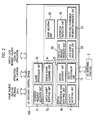
- a computer system 1 has a configuration on which a plurality of OS1 and OS2 that each operate exclusively, and in which an OS in the active status (an active OS) is switched by an OS switching function 2.
- the OS switching function 2 is configured to switch among a plurality of physically different OSs, and to switch among a plurality of virtual OSs.
- the OS1 and OS2 are executed by different programs.
- a status of hardware, an OS, or an application, when a switch-source OS is in the active status is suspended (saved), and a status of hardware, an OS, or an application, when a switch-destination OS is in the active status, is resumed (restarted).
- the computer system As shown in Fig. 1, the computer system according to this embodiment is provided with an OS switching control device 10A for the OS1 and an OS switching control device 10B for the OS2.
- the OS switching control device 10A is provided with an OS switch request receiver unit 11, a switch event notifying unit 12, a switch controller unit 13, a switch event acquiring unit 14, an event processor unit 15, a switch prohibition data notifying unit 16, an activity notifying unit 17, an operation inspector unit 18, a switch lock request receiver unit 19, a lock status manager unit 20, a switching permission information manager unit 21, a user inquiring unit 22, and a switch judgment unit 23.
- functions 11 to 23 composing the OS switching control device 10A can be classified into two kinds: a switch-source OS controller unit which operates if the OS switching control device 10A is provided in the switch-source OS; and a switch-destination OS controller unit which operates if the OS switching control device 10A is provided in the switch-destination OS.
- the switch-source OS controller unit is provided with the OS switch request receiver unit 11, the switch event notifying unit 12, the switch controller unit 13, the switch prohibition data notifying unit 16, the activity notifying unit 17, the operation inspector unit 18, the switch lock request receiver unit 19, the lock status manager unit 20, the switching permission information manager unit 21, the user inquiring unit 22, and the switch judgment unit 23,
- the switch-destination OS controller unit includes the switch event acquiring unit 14 and the event processor unit 15.
- the OS switching control device 10A is provided in the computer system 1 including an OS switching function 2 which exclusively switches an OS in the active status (an active OS) from the switch-source OS1 to the switch-destination OS2.
- all of the functions 11 to 23 composing the above-mentioned OS switching control device 10A may be provided inside the OS1, or may be provided outside the OS1.
- the functions 11 to 23 composing the OS switching control device 10A may be implemented by software or hardware.
- the OS switch request receiver unit 11 is configured to receive an OS switch request for requesting that the switch-destination OS2 in the suspend status becomes an OS in the active status.
- the OS switch request receiver unit 11 is configured to show a cause (a switch event) of switching the OS in the active status, and to receive and hold the OS switch request including "event information" requesting the process by an application on the switch-destination OS2, or by the switch-destination OS2.
- the OS switch request receiver unit 11 may be configured to receive an OS switch request in any receiving mode, such as a function call in accordance with the "Application Programming Interface (API) "disclosed by the OS switching control device 10A, a message passing or the like.
- API Application Programming Interface
- the OS switch request receiver unit 11 may receive an OS switch request including event information requesting the switch-source OS2 to make notification.
- the OS switch request receiver unit 11 may be configured to receive an OS switch request including a priority.
- the switch event notifying unit 12 is configured to notify event information to the OS2 which is the switch-destination OS (the OS switching control device 10B for the OS2 or the application on the OS2).
- the event information is included in the received OS switch request, and requests a process by the application on the switch-destination OS or by the switch-destination OS.
- the switch event notifying unit 12 may be configured to notify the OS2 of event information by using asynchronous-message passing means for performing asynchronous message passing which writes a message on a region shared with the OS2, or to notify the OS2 of the event information by using another communication means.
- each of the OS1 and OS2 is configured to operate exclusively. In other words, if the OS1 is in the active status, the OS2 is in the inactive status (the suspend status).
- the switch event notifying unit 12 notifies the OS2 of the event information not by synchronous type communication means such as a TCP/IP socket or the like but by asynchronous communication means.
- the switch event notifying unit 12 can notify the OS2 of the event information by calling the function such as "OS_Switch_Event (osid, event, parm)".
- the "osid” denotes an identifier of the source-destination OS
- the “event” denotes event information indicating a cause (a switch event) of switching an active OS (for example, reception of an incoming telephone call, reception of a incoming mail, a switching button input, an application activating request from another OS, or the like)
- the "param” denotes an additional parameter dependent on the event information.
- the switch controller unit 13 is configured to execute the switch process of the switch-source OS selected in accordance with the event information, to delete all of the OS switch requests held by the OS switch request receiver unit 11, to call the OS switching function 2 by using the event information as an argument, and thereby to instruct the OS2 being an inactive OS to become an OS in the active status.
- a switch event of receiving an incoming telephone call occurs as the switch process of the switch-source OS as described above, in order to reduce a call-receiving process time, it is assumed that a status of communication device relating to the telephone call is saved in a region shared with the switch-destination OS or that one part of an encryption process or a deleting process for protecting data or the like on a memory or storage of the switch-source OS is omitted.
- the switch controller unit 13 may call a user inquiring unit 22 and determine whether or not the OS switching function 2 is called, in response to a result of inquiry on the user by the user inquiring unit 22.
- the switch event acquiring unit 14 is configured to acquire the event information notified by the OS switching control device 10B for the OS2 after the OS1 becomes in the active status.
- the switch event acquiring unit 14 is configured to acquire the event information notified by the switch-source OS2, after the OS in the active status is switched.
- the switch event acquiring unit 14 may acquire the event information by using means for performing asynchronous message passing which writes a message on a region shared between the OS1 and OS2, or may acquire the event information by using another means of communications.
- the event processor unit 15 is configured to perform the switch process of the switch-destination OS selected corresponding to the event information acquired by the switch event acquiring unit 14 and the event process.
- switch process of the above-mentioned switch-destination OS it is assumed that a status of the communication device saved in the region shared with the switch-source OS in order to promptly process an urgent switch event such as receiving an incoming telephone call, is recovered, or that decoding of the data on the memory or storage is put off (to reduce the amount of process).
- the event processor unit 15 is configured to prepare a "table of managing combinations of event information and event process" as shown in Fig. 3, to select suitable process (event process) by using a key of the event information acquired by the switch event acquiring unit 14, so that the above-mentioned process can be called.
- the event processor unit 15 determines that the event process of activating a telephone application is requested, and executes such event process.
- the event processor unit 15 determines that the event process of activating an application designated by the application activating request is requested, and executes such event process.
- the event processor unit 15 determines that special event process is not requested, and does not execute the special event process.
- the event processor unit 15 may notify the OS switching control device 10B for the switch-source OS2 of the execution result.
- the switch prohibition data notifying unit 16 is configured to notify the OS switching function 2 of OS switch prohibition data.
- the switch prohibition data notifying unit 16 is configured to notify the OS switching function 2 of the OS switch prohibition data, by writing the OS switch prohibition data in the region shared between the OS switching function 2 and the OS switching control device 10B or in a region designated by the OS switching function 2.
- the OS switch prohibition data includes information indicating whether or not an OS in the active status can be switched (for example, an OS switch prohibition flag) and information of a reason why the switching of the OS in the active status is prohibited.
- the switch prohibition data notifying unit 16 is configured to notify the OS switching function 2 of the OS switch prohibition data, by calling a function such as "OS_Switch_Control (flag, status, alive").
- the "flag” denotes an OS switch prohibition flag being the information indicating whether or not the OS in the active status can be switched
- the "status” denotes a reason of prohibiting the switching of the OS in the active status (for example, during a telephone communication or data communications, or the like)
- the "alive” denotes the information indicating that the OS1 (or the OS switching control device 10A) is alive (such as a time stamp and a count) .
- the activity notifying unit 17 is configured to notify the OS switching function 2 of the fact that the OS1 (or the OS switching control device 10A) is normally operated by periodically notifying the OS switching function 2 of predetermined information.
- the activity notifying unit 17 may notify the OS switching function 2 of the predetermined information with similar means to that of the switch prohibition data notifying unit 16, or may notify the OS switching function 2 of the predetermined information with another means.
- time information time stamp
- the OS switching function 2 can determine that a failure is occurred in the OS switching control device 10A, in a case where the above-mentioned counter is not increased for a predetermined period of time or more, or in a case where the time information is not updated.
- the OS switching function 2 may be configured to delete or ignore the received OS switch prohibition data, or may be configured to perform hardware reset (reboot) of the computer system 1 itself.
- the operation inspector unit 18 is configured to monitor an executing process which is being executed in the OS1 in which the OS switching control device 10A is arranged.
- the operation inspector unit 18 manages an "operating status management table" which associates a "process type” with a "switch prohibition process flag”.
- the "process type” is for specifying a specific process which requests prohibition of switching the OS in the active status
- the "switch prohibition process flag” is for indicating whether or not the process specified by the "process type” is in execution.
- switch prohibition process flag indicates that the process specified by the "process type” is in execution.
- the operation inspector unit 18 can monitor the executing process which is being executed in the OS1 including at least any one of a process activating status, a network connecting status, and a file input/output status.
- the operation inspector unit 18 can detect that a specific process is being executed such as: a critical process is being executed; a network connection is made with a specific destination; writing is performed in a region of a specific file or storage.
- the above-mentioned specific process may be given to the operation inspector unit 18, in a form of a process name, an address of network connecting destination, a file name, a path name, or the like.
- the above-mentioned specific process may be given, in a form of being embedded in the operation inspector unit 18 as a program.
- the operation inspector unit 18 may output information on the "process type", in addition to information on whether or not the process specified by the "process type” is being executed (setting of the switch prohibition process flag) .
- the switch lock request receiver unit 19 is configured to receive a switch lock request for requesting to prohibit or stop prohibiting the switching of the OS in the active status.
- the switch lock request receiver unit 19 is configured to receive a switch lock request with any communication means such as calling of a function in accordance with the API, message passing, or the like.
- the switch lock request receiver unit 19 is configured to receive a switch lock request from an OS, a driver, an application, a middleware, or the like.
- the switch lock request receiver unit 19 may be configured to receive a switch lock request including a priority.
- the lock status manager unit 20 is configured to update a lock request count indicating the number of receiving valid switch lock requests for requesting prohibition of switching the OS in the active status, in response to the reception of the switch lock request.
- the lock status manager unit 20 performs an operation of increasing the lock request count by one.
- the lock status manager unit 20 performs an operation of decreasing the lock request count by one.
- the lock status manager unit 20 may be configured to manage a lock request count for every process type, by using the lock status management table shown in Fig. 5.
- the lock status manager unit 20 may be configured to manage arrival times of the switch lock request, and to reduce the lock request count by invalidating a switch lock request held in the table over a predetermined time after the reception thereof.
- the switching permission information manager unit 21 is configured to manage information on whether or not the switch-source OS can become an OS in the suspend status (whether or not the OS in the active status can be switched) for each of the combinations of the event information and the process type, by using a "switching permission information managing table" shown in Fig. 6.
- the switching permission information manager unit 21 may be configured to manage whether or not the OS in the active status can be switched and whether or not an inquiry needs to be made to a user about whether or not the OS in the active status can be switched, for the combination of the event information and the process type.
- the switching of the OS in the active status is set to be permitted.
- the switching of the OS in the active status is set to be permitted after making an inquiry to a user.
- the switching permission information manager unit 21 may be configured to manage information on whether or not the OS in the active status can be switched, and whether an inquiry needs to be made to a user about whether or not the OS in the active status can be switched, for the combination of the event information and the process type, by using a table associating the "event information" with a "priority” as shown in Fig. 7A, and a table associating a "priority” with the "process type" as shown in Fig. 7B, in place of the "switching permission information managing table".
- the user inquiring unit 22 is configured to make an inquiry to a user about whether or not the OS in the active status can be switched, by presenting, to the user, the event information and the process type which requests for prohibiting the switching the OS in the active status.
- the switch judgment unit 23 is configured to determine whether or not the switch-source OS can become an OS in the suspend status (whether or not the OS in the active status can be switched).
- the switch judgment unit 23 determines whether or not the switch-source OS can become an OS in the suspend status (whether or not the OS in the active status can be switched), and sets OS switch prohibition data including the OS switch prohibition flag according to the determined result.
- the switch judgment unit 23 determines whether or not the switch-source OS can become an OS in the suspend status (whether or not the OS in the active status can be switched), in accordance with the lock request count on the lock status management table managed by the lock status manager unit 20.
- the switch judgment unit 23 may be configured to set the OS switch prohibition flag, only in a case where the lock request count is one or more when the lock request count on the lock status management table managed by the lock status manager unit 20 is referred.
- the switch judgment unit 23 may determine whether or not the switch-source OS can become an OS in the suspend status (whether or not the OS in the active status can be switched), in response to the notification from the activity notifying unit 17.
- the switch judgment unit 23 may determine whether or not the switch-source OS can become an OS in the suspend status (whether or not the OS in the active status can be switched), in accordance with the executing process which is being executed in the monitored OS1.
- the switch judgment unit 23 may determine whether or not the switch-source OS can become an OS in the suspend status (whether or not the OS in the active status can be switched), in accordance with the combination of the process type which specifies the executing process determined as being executed, and the notified event information by referring to the switching permission information manager unit 21.
- the switch judgment unit 23 may set the OS switch prohibition flag, only in a case where one or more prohibitions of switching the OS in the active status are set for the combination of the event information and the process type which are included in the OS switch request, by referring to the switching permission information manager unit 21.
- the switch judgment unit 23 determines whether or not the switch-source OS can become an OS in the suspend status(whether or not the OS in the active status can be switched), in response to the result of making an inquiry to a user.
- the switch judgment unit 23 may set a user inquiring flag if an inquiry to a user is set to be necessary when referring to the switching permission information manager unit 21.
- the switch judgment unit 23 may be configured to determine whether or not the switch-source OS2 can become an OS in the suspend status, in accordance with the priority of the received switch lock request and the priority of the received OS switch request.
- the switch judgment unit 23 determines that the switch-source OS2 can become an OS in the suspend status, if the priority of the received switch lock request is higher than the priority of the OS switch request.
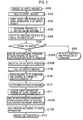
- an OS switching procedure (a procedure of switching an OS in the active status from OS1 to OS2) in the computer system 1 according to this embodiment will be described.
- the OS switch request receiver unit 11 of the OS switching control device 10A receives an OS switch request including event information indicating a cause of switching the OS in the active status from an event source such as an application, middleware, or a driver.
- the OS switch request receiver unit 11 holds the received OS switch request.
- the switch event notifying unit 12 of the OS switching control device 10A notifies the event information included in the OS switch request, to the OS2 being the switch-source OS.
- the OS switch judgment unit 23 of the OS switching control device 10A determines whether or not the switch-source OS can become an OS in the suspend status (whether or not the OS in the active status can be switched), and then sets OS switch prohibition data.
- the switch prohibition data notifying unit 16 of the OS switching control device 10A notifies the OS switch prohibition data to the OS switching function 2.
- the OS switch controller unit 13 of the OS switching control device 10A terminates the present procedure without switching the OS in the active status, if the OS switch prohibition flag is set in the OS switch prohibition data.
- the OS switch controller unit 13 of the OS switching control device 10A selects and executes the switch process of the switch-source OS in accordance with the event information, if the OS switch prohibition flag is not set in the OS switch prohibition data at step S105.
- step S107B the switch controller unit 13 of the OS switching control device 10A deletes all of the OS switch requests held by the OS switch request receiver unit 11.
- the switch controller unit 13 calls the OS switching function 2, by using the event information as an argument.
- the OS1 being currently in the active OS becomes an OS in the suspend status, and control is shifted to the OS2 being the switch-destination OS.
- the switch event acquiring unit 14 of the OS switching control device 10B for the OS2 acquires the event information notified by the OS1 being the switch-source OS.
- the event processor unit 15 of the OS switching control device 10B executes the switch process of the switch-destination OS selected in accordance with the acquired event information.
- the event processor unit 15 executes the event process corresponding to the acquired event information by utilizing the table shown in Fig. 3.
- the active OS accepts an incoming telephone call or a incoming mail, which is addressed to the inactive OS (OS2), and then passes the incoming telephone call or the incoming mail to the inactive OS (OS2).
- the inactive OS (OS2) is switched to the active OS, and thus the telephone communication or data communications can be carried out on the OS2 that is the switch-destination OS.
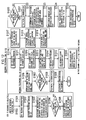
- the switch judgment unit 23 of the OS switching control device 10A refers to the lock request count by referring to the lock status manager unit 20.
- step S202 if the lock request count is not "0", the present operation proceeds to step S206, and if the lock request count is "0", the present operation proceeds to step S203.
- the operation inspector unit 18 of the OS switching control device 10A refers to the "operating status management table" shown in Fig. 4.
- the operation inspector unit 18 monitors whether or not the process of prohibiting the switching of the OS in the active status (the process specified by the "process type") is being executed.
- step S205 when it is determined that the above-mentioned process is being executed, the present operation proceeds to step S206, and when it is determined that the above-mentioned process is not being executed, the present operation proceeds to step S207.
- the switch prohibition data notifying unit 16 of the OS switching control device 10A sets an OS switch prohibition flag in the OS switch prohibition data.
- step S207 the switch prohibition data notifying unit 16 of the OS switching control device 10A resets the OS switch prohibition flag in the OS switch prohibition data.
- the switch judgment unit 23 of the OS switching control device 10A refers to the lock request count, by referring to the "lock status management table (see, Fig. 5)" in the lock status manager unit 20.
- the switch judgment unit 23 of the OS switching control device 10A extracts the process type with the lock request count being "1" or more.
- step S303 the operation inspector unit 18 of the OS switching control device 10A extracts the executing process which is being executed, by referring to the "operating status management table" shown in Fig. 4.
- the switch judgment unit 23 of the OS switching control device 10A refers to the "switching permission information managing table" shown in Fig. 6.
- the switch judgment unit 23 scans all of the combinations of the event information included in the notified OS switch request and the process type specifying the extracted executing process, and then determines whether or not the switch-source OS can become the OS in the suspend status (whether or not the prohibition of the switching the OS in the active status is designated).
- the switch prohibition data notifying unit 16 of the OS switching control device 10A sets, at step S307, an OS switch prohibition flag in the OS switch prohibition data.
- the switch prohibition data notifying unit 16 of the OS switching control device 10A resets, at step S308, the OS switch prohibition flag in the OS switch prohibition data.
- step S309 if it is set in the "switching permission information table" that an inquiry needs to be made to a user about whether or not the switch-source OS can become the OS in the suspend status at step S309, the switch judgment unit 23 of the OS switching control device 10A sets a user inquiring flag, at step S310.
- the switch judgment unit 23 of the OS switching control device 10A resets the user inquiring flag.
- the switch lock request receiver unit 19 of the OS switching control device 10A receives the above-mentioned switch lock request.
- step S401 if the received switch lock request requests the prohibition of the switching the OS in the active status, the lock status manager unit 20 of the OS switching control device 10A increases, at step 5402, the lock request count corresponding to the process type designated by the switch lock request by "1".
- step S401 if the received switch lock request requests to stop prohibiting the switching of the OS in the active status, the lock status manager unit 20 of the OS switching control device 10A decreases, at step S403, the lock request count corresponding to the process type designated by the switch lock request by "1".
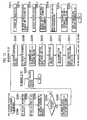
- step S1000 when an incoming telephone call signal is received for the OS1 in the active status, at step S1000, the OS1 performs an interrupting process, at step S1001, and then activates a telephone driver, at step S1002.
- the telephone driver of the OS1 determines a destination of an incoming telephone call signal, in accordance with a call-destination number and a call-source number included in the incoming telephone call signal.
- step S1004 if the destination of the above-mentioned incoming telephone call signal is the OS1, the present operation proceeds to step S1005.
- step S1010 If the destination of the above-mentioned incoming telephone call signal is the OS2, the present operation proceeds to step S1010.
- the telephone driver of the OS1 requests an application manager unit (not shown) to activate (start) a telephone application.
- the telephone application displays a name of a caller (a calling-source) and reproduces a ring tone.
- step S1007 If a user responds to the above-mentioned incoming telephone call signal, at step S1007, the telephone application starts telephone communication process, at step S1008, and when the telephone communication is finished at step S1009, the telephone application stops.
- the OS switch request receiver unit 11 of the OS switching control device 10A for the OS1 receives an OS switch request from the telephone driver.
- the switch event notifying unit 12 of the OS switching control device 10A for the OS1 notifies the OS2 of the switch event indicating that an incoming telephone call is received, by using a function "OS_Switch_Event (event, cmd)" in accordance with the API.
- an argument (event, cmd) is set to (PHONE, RETURN).
- the switch controller unit 13 of the OS switching control device 10A for the OS1 selects and executes the switch process of the switch-source OS, in accordance with the received event information, designates the above-mentioned argument (PHONE, RETURNE), and calls the OS switching function 2.
- the OS switching function 2 switches the OS in the active status from the OS1 to the OS2.
- step S1014 the OS2 is resumed, and at step S1015, the OS2 activates the event processor unit 15 of the OS switching control device 10B for the OS2.
- the event processor unit 15 of the OS switching control device 10B selects and executes the switch process of the switch-destination OS, in accordance with the received event information, and executes the event process by using the above-mentioned argument (PHONE, RETURN).
- the telephone driver of the OS2 is activated by the event processor unit 15 of the OS switching control device 10B.
- the telephone driver of the OS2 requests an application manager unit (not shown) to activate a telephone application.
- the telephone application displays a name of a caller (a calling-source) and reproduces a ring tone.
- step S1020 If the user responds to the above-mentioned incoming telephone call signal, at step S1020, the telephone application starts telephone communication process, at step S1021.
- the telephone application notifies the application manager unit of the telephone communication being finished, and then stops the process.
- the application manager unit notifies the event processor unit 15 of the OS switching control device 10B of the fact that the telephone communication process by the telephone application is finished.
- the event processor unit 15 of the OS switching control device 10B determines to return the OS in the active status from the OS2 to the OS1, based on the above-mentioned argument (RETURN), and at step S1025, the OS in the active status is switched from the OS2 to OS1.
- the OS1 when the incoming DM message is received for the OS1 in the active status at step S2000, at step S2001, the OS1 performs an interruption process, and at step S2002, it starts a network (NW) driver.
- NW network
- the NW driver of the OS1 determines a destination of the above-mentioned incoming DM message in accordance with an address included in the incoming DM message.
- step S2005 If the destination of the above-mentioned incoming DM message is the OS1, the present operation proceeds to step S2005.
- the present operation proceeds to the step S2007.
- the NW driver of the OS1 requests an application manager unit (not shown) to activate a DM agent.
- the DM agent executes and stops a predetermined process.
- the OS switch request receiver unit 11 of the OS switching control device 10A for the OS1 receives an OS switch request from the NW driver.
- the switch event notifying unit 12 of the OS switching control device 10A for the OS1 notifies the OS2 of the switch event indicating that the incoming DM message is received by using a function "OS_Switch_Event (event, cmd)", in accordance with the API.
- an argument (event, cmd) is set to (DM, RETURN).
- the switch controller unit 13 of the OS switching control device 10A for the OS1 selects and executes the switch process of the switch-source OS, in accordance with the received event information, designates the above-mentioned argument (DM, RETURN), and calls the OS switching function 2.
- the OS switching function 2 switches the OS in the active status from the OS1 to the OS2.
- step S2011 the OS2 is resumed, and at step S2012, the OS2 activates the event processor unit 15 of the OS switching control device 10B for the OS2.
- the event processor unit 15 of the OS switching control device 10B selects and executes the switch process of the switch-destination OS, in accordance with the received event information, and executes the event process, by using the above-mentioned argument (DM, RETURN).
- step S2014 an NW driver of the OS2 is activated by the event processor unit 15 of the OS switching control device 10B.
- the NW driver of the OS2 requests an application manager unit (not shown) to activate a DM agent.
- the DM agent executes a predetermined process, and when the execution of the predetermined process is finished at step S2017, the DM agent notifies the application manager unit of the process being finished, and then stops the process.
- the application manager unit notifies the event processor unit 15 of the OS switching control device 10B of the fact that the predetermined process by the DM agent is finished.
- the event processor unit 15 of the OS switching control device 10B determines the fact that the OS in the active status is returned from the OS2 to the OS1, in accordance with the above-mentioned argument (RETURN), and at step S2020, the OS in the active status is switched from the OS2 to the OS1.
- the computer system 1 Since the computer system 1 according to this embodiment is configured so that the switch-source OS1 in the active status notifies the switch-destination OS2 of event information indicating a switch event, it is possible to perform an appropriate process in accordance with the above-mentioned event, after the OS2 becomes in the active status.
- the computer system 1 since the computer system 1 according to this embodiment is configured to execute the switch process of the switch-source OS and the switch-destination OS, which are selected corresponding to the event information, at the time of switching the OSs, it is possible to reduce a time required for switching the OSs by changing the switch process very flexibly corresponding to the switch event.
- the computer system 1 since the computer system 1 according to this embodiment is configured to pass the event information to the OS switching function 2, it is possible to reduce a time required for switching the OS by causing the OS switching function 2 to optimize the switch process of the OS.
- the computer system 1 does not execute the switching of the OS in the active status if the switch controller unit 13 determines that the OS in the active status cannot be switched, so that a failure resulting from the switching of the switch-source OS to be in the suspend status can be prevented.
- the OS switching function 2 can determine whether or not the switching of the OS in the active status is executed by using the OS switch prohibition data notified by the switch prohibition data notifying unit 16.
- the OS switching function 2 can determine whether or not the switching of the OS in the active status is executed, by using the detailed information given by the OS switching control device 10A, since the OS switching function 2 itself does not know about the process being executed in the OS1.
- the OS switching function 2 can detect a failure of the OS switching control device 10A.
- the OS switching function 2 can determine whether or not the switching of the OS in the active status can be performed after considering the failure of the OS switching control device 10A, even if the OS switching control device 10A makes a notification of the prohibition of the switching the OS in the active status, and thereafter the prohibition of the switching the OS in the active status becomes disable to be unlocked due to the failure of the OS switching control device 10A.
- the computer system 1 prohibit the switching of the OS in the active status while an application or a function which could cause a failure due to the switching of the OS1 in the active status, so that a failure or an abnormal operation can be prevented.
- the computer system 1 can monitor the execution in of a specific process, such as a critical process, a network connection with a specific destination, or a writing process to a specific file or storage region.
- a specific process such as a critical process, a network connection with a specific destination, or a writing process to a specific file or storage region.
- the computer system 1 can lock the switching of the OS in the active status in accordance with a request from an OS, a driver, an application, middleware, or the like.
- the computer system 1 can precisely determine whether or not the OS in the active status can be switched by considering the combination of the executing process being executed on the switch-source OS1 and the event information included in the OS switch request.
- the computer system 1 can control permission or prohibition of the switching the OS in the active status after making an inquiry to a user, so that it is possible to control the switching of the OS in the active status with the user's intention reflected.
- the above-mentioned lock can be unlocked after a predetermined period of time passes.
- the first OS in the suspend status can process the above-mentioned event by driving the switching of the OS in the active status when an interesting event happens even if the second OS is the OS in the active status.
- FIG. 14 a computer system 1 according to a second embodiment of this embodiment will be described.
- the computer system 1 is configured to mount a plurality of virtual OS1 and OS2, which exclusively become in the active status, and to switch an OS in the active status (an active OS) by an OS switching function 2 for switching among the plurality of virtual OSs.
- Fig. 14 shows a configuration diagram of the computer system according to this embodiment.
- Fig. 14A shows an example of a configuration in which the OS switching function 2 is arranged in an execution environment independent from the OS.
- the execution environment independent from a normal OS can be provided on the computer system which supports the "'TrustZone", and the OS switching function 2 can be arranged in the execution environment.
- Fig. 14B shows an example of a configuration in which the OS switching function 2 is arranged inside the OS.
- the OS switching function 2 may be implemented in any form of a device driver, a server, an application, and the like.
- Fig. 14 shows the configuration in which the OS switching control device 10 is arranged inside the OS, but similar to the OS switching function 2, it may be arranged in an execution environment independent from the OS.
- the configuration, motion, operation, and effect of the above-mentioned OS switching control device 10A are same as those of the above-mentioned first embodiment, and therefore the description thereof will be omitted.
- an OS switching control device and a computer system which are capable of executing the switch processes of the switch-source OS and the switch-destination OS which are selected in accordance with to event information, while reducing a time required for switching from a switch-source OS to a switch-destination OS and a time required for performing a process for a switch event addressed to is an inactive OS.
- the operating system switching control device and the computer system are capable of changing the switch process very flexibly in response to an occurring switch event by allowing the switch processes corresponding to the event information to be optimized.
- an operating system switching control device and a computer system which are capable of executing safely the switching of an OS in the active status by checking whether or not a process to prohibit the switching of the OS in the active status is being executed.
Landscapes
- Engineering & Computer Science (AREA)
- Software Systems (AREA)
- Theoretical Computer Science (AREA)
- Physics & Mathematics (AREA)
- General Engineering & Computer Science (AREA)
- General Physics & Mathematics (AREA)
- Hardware Redundancy (AREA)
- Stored Programmes (AREA)
Applications Claiming Priority (2)
| Application Number | Priority Date | Filing Date | Title |
|---|---|---|---|
| JP2006202603 | 2006-07-25 | ||
| JP2007171099A JP4342576B2 (ja) | 2006-07-25 | 2007-06-28 | 複数オペレーティングシステム切替制御装置及びコンピュータシステム |
Publications (2)
| Publication Number | Publication Date |
|---|---|
| EP1887467A2 true EP1887467A2 (fr) | 2008-02-13 |
| EP1887467A3 EP1887467A3 (fr) | 2009-09-30 |
Family
ID=38713412
Family Applications (1)
| Application Number | Title | Priority Date | Filing Date |
|---|---|---|---|
| EP07014590A Withdrawn EP1887467A3 (fr) | 2006-07-25 | 2007-07-25 | Dispositif de commande de commutation de système d'exploitation et système informatique |
Country Status (3)
| Country | Link |
|---|---|
| US (1) | US8042117B2 (fr) |
| EP (1) | EP1887467A3 (fr) |
| JP (1) | JP4342576B2 (fr) |
Cited By (3)
| Publication number | Priority date | Publication date | Assignee | Title |
|---|---|---|---|---|
| GB2489598A (en) * | 2011-03-29 | 2012-10-03 | Becrypt Ltd | Method and system for providing a Dual Environment Computing System |
| CN104679563A (zh) * | 2015-02-28 | 2015-06-03 | 西安酷派软件科技有限公司 | 一种系统切换的方法及装置 |
| EP3062225A1 (fr) * | 2015-02-24 | 2016-08-31 | Huawei Technologies Co., Ltd. | Dispositif à plusieurs systèmes d'exploitation, dispositif de notification et procédés associés |
Families Citing this family (34)
| Publication number | Priority date | Publication date | Assignee | Title |
|---|---|---|---|---|
| US8819483B2 (en) * | 2006-09-27 | 2014-08-26 | L-3 Communications Corporation | Computing device with redundant, dissimilar operating systems |
| US20100211769A1 (en) * | 2009-02-19 | 2010-08-19 | Subramonian Shankar | Concurrent Execution of a Smartphone Operating System and a Desktop Operating System |
| US8805920B2 (en) * | 2009-02-19 | 2014-08-12 | Nec Corporation | Information processing apparatus, information processing system, information processing method and program storage medium |
| JP4918112B2 (ja) * | 2009-03-31 | 2012-04-18 | 株式会社エヌ・ティ・ティ・ドコモ | 情報処理装置および制御方法 |
| JP5293462B2 (ja) * | 2009-07-07 | 2013-09-18 | 株式会社リコー | 電子機器、情報処理方法、及び情報処理プログラム |
| JP5478372B2 (ja) * | 2010-06-14 | 2014-04-23 | 三菱電機株式会社 | ゲストos制御システム |
| JP5521824B2 (ja) * | 2010-06-24 | 2014-06-18 | 富士通株式会社 | 情報処理装置及び起動方法 |
| JPWO2012001787A1 (ja) * | 2010-06-30 | 2013-08-22 | 富士通株式会社 | 情報処理装置、情報処理方法、および情報処理プログラム |
| AU2011202840B2 (en) * | 2010-12-21 | 2014-04-17 | Lg Electronics Inc. | Mobile terminal and method of controlling a mode switching therein |
| AU2011202837B2 (en) * | 2010-12-21 | 2013-08-22 | Lg Electronics Inc. | Mobile terminal and method of controlling a mode switching therein |
| US8856950B2 (en) * | 2010-12-21 | 2014-10-07 | Lg Electronics Inc. | Mobile terminal and method of managing information therein including first operating system acting in first mode and second operating system acting in second mode |
| JP5729146B2 (ja) | 2011-06-03 | 2015-06-03 | 富士通株式会社 | 情報端末装置、情報端末装置の制御方法およびプログラム |
| US8788863B2 (en) | 2011-08-10 | 2014-07-22 | Microsoft Corporation | System and method for restoring and/or continuing execution functionality to various processes based on predefined power classifications while transitioning a computing environment from connected standby state to execution state |
| JP2014211662A (ja) * | 2011-09-01 | 2014-11-13 | パナソニック株式会社 | アクセス制御装置及びアクセス制御方法 |
| WO2013035141A1 (fr) * | 2011-09-05 | 2013-03-14 | Suginaka Junko | Dispositif de traitement d'informations, procédé de commande de démarrage associé, programme de commande de démarrage associé et dispositif externe |
| US9588576B2 (en) | 2011-09-12 | 2017-03-07 | Microsoft Technology Licensing, Llc | Managing processes within suspend states and execution states |
| US9952897B2 (en) | 2011-09-12 | 2018-04-24 | Microsoft Technology Licensing, Llc | Managing processes within suspend states and execution states |
| US8621494B2 (en) | 2011-09-12 | 2013-12-31 | Microsoft Corporation | Managing processes within suspend states and execution states |
| JP2013114367A (ja) * | 2011-11-28 | 2013-06-10 | Junko Suginaka | ファイル通信処理方法及び外部デバイス |
| JP5786730B2 (ja) * | 2012-01-24 | 2015-09-30 | 富士通株式会社 | 情報処理装置の制御方法、情報処理装置の制御プログラム、及び情報処理装置 |
| EP2741229B1 (fr) * | 2012-12-07 | 2018-10-17 | Samsung Electronics Co., Ltd | Procédé et appareil pour l'exécution d'application selon la priorité dans un dispositif de traitement de données à double modes |
| US9495560B2 (en) * | 2013-04-29 | 2016-11-15 | Sri International | Polymorphic virtual appliance rule set |
| JP5715658B2 (ja) * | 2013-05-11 | 2015-05-13 | レノボ・シンガポール・プライベート・リミテッド | コンピュータに安全な動作環境を構築する方法、コンピュータ・プログラムおよびコンピュータ |
| JP6197625B2 (ja) * | 2013-12-17 | 2017-09-20 | キヤノンマーケティングジャパン株式会社 | 情報処理システム、その制御方法、及びプログラム、並びに情報処理装置、その制御方法、及びプログラム |
| US10032029B2 (en) * | 2014-07-14 | 2018-07-24 | Lenovo (Singapore) Pte. Ltd. | Verifying integrity of backup file in a multiple operating system environment |
| US10061597B2 (en) | 2014-07-31 | 2018-08-28 | Hewlett-Packard Development Company, L.P. | Computing device with first and second operating systems |
| CN104516760B (zh) * | 2014-12-12 | 2018-01-09 | 华为技术有限公司 | 一种操作系统热切换的方法、装置及移动终端 |
| CN105635391A (zh) * | 2015-04-24 | 2016-06-01 | 宇龙计算机通信科技(深圳)有限公司 | 拨号通信业务的控制方法、控制系统和终端 |
| US10146940B2 (en) | 2016-01-13 | 2018-12-04 | Gbs Laboratories, Llc | Multiple hardware-separated computer operating systems within a single processor computer system to prevent cross-contamination between systems |
| JP6615726B2 (ja) | 2016-09-16 | 2019-12-04 | 株式会社東芝 | 情報処理装置、情報処理方法及びプログラム |
| US10108800B1 (en) | 2017-01-10 | 2018-10-23 | Gbs Laboratories, Llc | ARM processor-based hardware enforcement of providing separate operating system environments for mobile devices with capability to employ different switching methods |
| JP6991734B2 (ja) * | 2017-04-28 | 2022-01-12 | キヤノン株式会社 | 情報処理装置および情報処理方法およびプログラム |
| CN111356170B (zh) * | 2018-12-21 | 2022-11-15 | 中兴通讯股份有限公司 | 一种移动终端多系统切换的方法及装置 |
| US20250173155A1 (en) | 2023-11-28 | 2025-05-29 | Giesecke and Devrient Mobile Security America Inc. | Systems and methods for adaptive eos |
Family Cites Families (22)
| Publication number | Priority date | Publication date | Assignee | Title |
|---|---|---|---|---|
| JPH06337728A (ja) | 1993-05-31 | 1994-12-06 | Matsushita Electric Ind Co Ltd | サスペンド/レジューム機能を有する電子計算機 |
| JPH1185546A (ja) | 1997-09-12 | 1999-03-30 | Hitachi Ltd | 異種os上プロセス間通信方法 |
| TW374870B (en) | 1998-08-26 | 1999-11-21 | Asustek Comp Inc | UPS method of suspending, resuming and turning on computers |
| US6347370B1 (en) | 1998-12-30 | 2002-02-12 | Intel Corporation | Method and system for pre-loading system resume operation data on suspend operation |
| JP4072271B2 (ja) | 1999-02-19 | 2008-04-09 | 株式会社日立製作所 | 複数のオペレーティングシステムを実行する計算機 |
| JP3659062B2 (ja) * | 1999-05-21 | 2005-06-15 | 株式会社日立製作所 | 計算機システム |
| JP2001256066A (ja) | 2000-02-29 | 2001-09-21 | Internatl Business Mach Corp <Ibm> | コンピュータシステム、オペレーティングシステムの切り替えシステム、オペレーティングシステムの実装方法、オペレーティングシステムの切り替え方法、記憶媒体及びプログラム伝送装置 |
| JP2001282558A (ja) | 2000-03-30 | 2001-10-12 | Hitachi Ltd | マルチオペレーティング計算機システム |
| US6715016B1 (en) * | 2000-06-01 | 2004-03-30 | Hitachi, Ltd. | Multiple operating system control method |
| US6782484B2 (en) | 2000-12-22 | 2004-08-24 | Intel Corporation | Method and apparatus for lossless resume capability with peripheral devices |
| US6851065B2 (en) | 2001-09-10 | 2005-02-01 | Dell Products L.P. | System and method for executing resume tasks during a suspend routine |
| US7464180B1 (en) * | 2001-10-16 | 2008-12-09 | Cisco Technology, Inc. | Prioritization and preemption of data frames over a switching fabric |
| US7100037B2 (en) | 2002-11-27 | 2006-08-29 | Intel Corporation | Method for reducing BIOS resume time from a sleeping state |
| US7284136B2 (en) | 2003-01-23 | 2007-10-16 | Intel Corporation | Methods and apparatus for implementing a secure resume |
| JP3898650B2 (ja) | 2003-02-20 | 2007-03-28 | 株式会社エヌ・ティ・ティ・データ | マルチオペレーティングシステム制御方法、およびその方法をコンピュータに実行させるプログラム、ならびにマルチオペレーティングシステム制御装置 |
| US7082529B2 (en) | 2003-04-25 | 2006-07-25 | Dell Products L.P. | Method and apparatus for capturing display characteristic information to achieve faster boot and resume of an information handling system |
| JP2005202691A (ja) | 2004-01-15 | 2005-07-28 | Sharp Corp | 情報処理装置、そのプログラムおよび記録媒体 |
| JP2006004092A (ja) | 2004-06-16 | 2006-01-05 | Denso Corp | コンピュータシステム |
| EP1805609A2 (fr) | 2004-08-18 | 2007-07-11 | Jaluna SA | Systèmes d'exploitation |
| US7853826B2 (en) | 2004-09-24 | 2010-12-14 | Phoenix Technologies, Ltd. | Operating system transfer and launch without performing post |
| US7307509B2 (en) * | 2004-11-02 | 2007-12-11 | Custom Lab Software Systems, Inc. | Assistive communication device |
| US7386745B2 (en) | 2005-01-19 | 2008-06-10 | International Business Machines Corporation | Enabling a client device in a client device/data center environment to resume from a sleep state more quickly |
-
2007
- 2007-06-28 JP JP2007171099A patent/JP4342576B2/ja not_active Expired - Fee Related
- 2007-07-25 US US11/782,916 patent/US8042117B2/en not_active Expired - Fee Related
- 2007-07-25 EP EP07014590A patent/EP1887467A3/fr not_active Withdrawn
Cited By (6)
| Publication number | Priority date | Publication date | Assignee | Title |
|---|---|---|---|---|
| GB2489598A (en) * | 2011-03-29 | 2012-10-03 | Becrypt Ltd | Method and system for providing a Dual Environment Computing System |
| EP3062225A1 (fr) * | 2015-02-24 | 2016-08-31 | Huawei Technologies Co., Ltd. | Dispositif à plusieurs systèmes d'exploitation, dispositif de notification et procédés associés |
| EP3553659A1 (fr) * | 2015-02-24 | 2019-10-16 | Huawei Technologies Co., Ltd. | Dispositif à plusieurs systèmes d'exploitation, dispositif de notification et procédés associés |
| US10628171B2 (en) | 2015-02-24 | 2020-04-21 | Huawei Technologies Co., Ltd. | Multi-operating system device, notification device and methods thereof |
| US11321098B2 (en) | 2015-02-24 | 2022-05-03 | Huawei Technologies Co., Ltd. | Multi-operating system device, notification device and methods thereof |
| CN104679563A (zh) * | 2015-02-28 | 2015-06-03 | 西安酷派软件科技有限公司 | 一种系统切换的方法及装置 |
Also Published As
| Publication number | Publication date |
|---|---|
| US20080184274A1 (en) | 2008-07-31 |
| EP1887467A3 (fr) | 2009-09-30 |
| JP2008052714A (ja) | 2008-03-06 |
| US8042117B2 (en) | 2011-10-18 |
| JP4342576B2 (ja) | 2009-10-14 |
Similar Documents
| Publication | Publication Date | Title |
|---|---|---|
| EP1887467A2 (fr) | Dispositif de commande de commutation de système d'exploitation et système informatique | |
| CN101114234B (zh) | 外设切换装置以及外设切换控制装置 | |
| CA2629694C (fr) | Service centralise d'invitation a emettre | |
| US8032895B2 (en) | Inter process communication in a computing device | |
| CN100552633C (zh) | 多个操作系统切换控制装置以及计算机系统 | |
| US20060248143A1 (en) | Certified message delivery and queuing in multipoint publish/subscribe communications | |
| JP4929386B2 (ja) | 通信競合管理装置 | |
| JP5724421B2 (ja) | 情報処理装置 | |
| JPH03194647A (ja) | 故障通告方法 | |
| US8413163B2 (en) | Program control device including per-timeslot switching of thread execution | |
| WO2010050502A1 (fr) | Dispositif mobile et procédé de basculement entre applications | |
| CN103294553A (zh) | 移动终端多媒体资源的管理方法及装置 | |
| US8984659B2 (en) | Dual trust architecture | |
| CN118939279B (zh) | 一种优化用户态文件系统框架fuse的方法 | |
| EP0954918A1 (fr) | Systeme et procede de gestion des communications et des processus dans un commutateur de telecommunications reparti | |
| CN101196816A (zh) | 一种操作系统及操作系统管理方法 | |
| US10346224B2 (en) | Management framework for applications using passcode-based encryption | |
| KR20070042836A (ko) | 이동통신 단말기의 자원 관리 장치 및 방법 | |
| Sun et al. | An Android dynamic data protection model based on light virtualization | |
| US20100145906A1 (en) | Storage method | |
| US8447899B2 (en) | System, device, method and program for exclusively controlling resources | |
| JP6098110B2 (ja) | 情報処理装置、データ保護方法、およびプログラム | |
| CN116795567A (zh) | 一种支持优先级的虚拟机间实时通信方法 | |
| WO2018121532A1 (fr) | Procédé et dispositif de partage de ressources, système de protection primaire et de réserve et support de stockage | |
| CN121636058A (zh) | 中断调度处理方法和硬件中断控制器 |
Legal Events
| Date | Code | Title | Description |
|---|---|---|---|
| PUAI | Public reference made under article 153(3) epc to a published international application that has entered the european phase |
Free format text: ORIGINAL CODE: 0009012 |
|
| 17P | Request for examination filed |
Effective date: 20070725 |
|
| AK | Designated contracting states |
Kind code of ref document: A2 Designated state(s): AT BE BG CH CY CZ DE DK EE ES FI FR GB GR HU IE IS IT LI LT LU LV MC MT NL PL PT RO SE SI SK TR |
|
| AX | Request for extension of the european patent |
Extension state: AL BA HR MK YU |
|
| PUAL | Search report despatched |
Free format text: ORIGINAL CODE: 0009013 |
|
| AK | Designated contracting states |
Kind code of ref document: A3 Designated state(s): AT BE BG CH CY CZ DE DK EE ES FI FR GB GR HU IE IS IT LI LT LU LV MC MT NL PL PT RO SE SI SK TR |
|
| AX | Request for extension of the european patent |
Extension state: AL BA HR MK RS |
|
| AKX | Designation fees paid |
Designated state(s): DE GB |
|
| STAA | Information on the status of an ep patent application or granted ep patent |
Free format text: STATUS: THE APPLICATION HAS BEEN WITHDRAWN |
|
| 18W | Application withdrawn |
Effective date: 20150619 |