EP1932909A1 - Vegetal producteur d'acide hyaluronique - Google Patents
Vegetal producteur d'acide hyaluronique Download PDFInfo
- Publication number
- EP1932909A1 EP1932909A1 EP06782621A EP06782621A EP1932909A1 EP 1932909 A1 EP1932909 A1 EP 1932909A1 EP 06782621 A EP06782621 A EP 06782621A EP 06782621 A EP06782621 A EP 06782621A EP 1932909 A1 EP1932909 A1 EP 1932909A1
- Authority
- EP
- European Patent Office
- Prior art keywords
- protein
- hyaluronic acid
- dna
- synthase activity
- udp
- Prior art date
- Legal status (The legal status is an assumption and is not a legal conclusion. Google has not performed a legal analysis and makes no representation as to the accuracy of the status listed.)
- Withdrawn
Links
Images



Classifications
-
- C—CHEMISTRY; METALLURGY
- C12—BIOCHEMISTRY; BEER; SPIRITS; WINE; VINEGAR; MICROBIOLOGY; ENZYMOLOGY; MUTATION OR GENETIC ENGINEERING
- C12P—FERMENTATION OR ENZYME-USING PROCESSES TO SYNTHESISE A DESIRED CHEMICAL COMPOUND OR COMPOSITION OR TO SEPARATE OPTICAL ISOMERS FROM A RACEMIC MIXTURE
- C12P19/00—Preparation of compounds containing saccharide radicals
- C12P19/26—Preparation of nitrogen-containing carbohydrates
-
- C—CHEMISTRY; METALLURGY
- C12—BIOCHEMISTRY; BEER; SPIRITS; WINE; VINEGAR; MICROBIOLOGY; ENZYMOLOGY; MUTATION OR GENETIC ENGINEERING
- C12N—MICROORGANISMS OR ENZYMES; COMPOSITIONS THEREOF; PROPAGATING, PRESERVING, OR MAINTAINING MICROORGANISMS; MUTATION OR GENETIC ENGINEERING; CULTURE MEDIA
- C12N15/00—Mutation or genetic engineering; DNA or RNA concerning genetic engineering, vectors, e.g. plasmids, or their isolation, preparation or purification; Use of hosts therefor
- C12N15/09—Recombinant DNA-technology
- C12N15/63—Introduction of foreign genetic material using vectors; Vectors; Use of hosts therefor; Regulation of expression
- C12N15/79—Vectors or expression systems specially adapted for eukaryotic hosts
- C12N15/82—Vectors or expression systems specially adapted for eukaryotic hosts for plant cells, e.g. plant artificial chromosomes (PACs)
- C12N15/8241—Phenotypically and genetically modified plants via recombinant DNA technology
- C12N15/8242—Phenotypically and genetically modified plants via recombinant DNA technology with non-agronomic quality (output) traits, e.g. for industrial processing; Value added, non-agronomic traits
- C12N15/8257—Phenotypically and genetically modified plants via recombinant DNA technology with non-agronomic quality (output) traits, e.g. for industrial processing; Value added, non-agronomic traits for the production of primary gene products, e.g. pharmaceutical products, interferon
Definitions
- the present invention generally relates to a method of producing hyaluronic acid in plants, transgenic plant cells or transgenic plants having an ability to produce hyaluronic acid, and methods of producing these transgenic cells and transgenic plants.
- Hyaluronic acid is a glycosaminoglycan (mucopolysaccharide) isolated from the vitreous body of a bovine eye ball by Meyer and Palmer in 1934 ( Meyer, K. and Palmer, J. W. (1934) J. Biol. Chem., 107, 629-634 ).
- High-molecular-weight hyaluronic acid has been used for the treatment of osteoarthritis, a surgery aid for ophthalmology, adhesion prevention, acceleration of wound healing and the like. It has been also reported that low-molecular-weight hyaluronic acid has physiologically active effects. New uses for hyaluronic acid as a biomaterial or in a medical application are expected to be found.
- hyaluronic acid has been produced by extraction from mammalian tissues or microbial fermentation.
- risk of contamination with, for example, transmissible spongiform encephalopathies (prions) or transmission of viruses to humans has been concerned in the extraction from the mammalian tissues.
- Mammalian cells are expensive to grow and maintain. They require expensive growth media and grow slowly.
- microbial fermentations have problems such as the requirement for sugar-containing growth medium and expensive facilities.
- Escherichia coli there are problems in that proteins are not processed, inclusion body might be formed, proteins are degraded by proteases, and the like. ( Petrides, D. et al., (1995) Biotecnol. Bioeng., 48, 529 ).
- the purification costs become extremely expensive in order to prevent endotoxin contamination.
- Patent Document 6 shows that hyaluronic acid can be produced by introducing a hyaluronic acid synthase gene into plants or plant cells.
- FIG. 5 shows the hyaluronic acid production level of transgenic tobacco plants in which cvHAS-cvGFAT gene and cvHAS gene are introduced respectively.
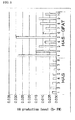
- FIG. 6 shows the hyaluronic acid production level of transgenic tobacco plants into which multiple genes have been introduced.
- the primary object of the present invention is to provide plants and plant cells that can produce hyaluronic acid more effectively by improving previously known methods of producing hyaluronic acid in plants, the methods of producing thereof, and the recombinant expression vectors therefor.
- hyaluronic acid is produced extensively in the plants by transforming plants and plant cells with genes that encode proteins having enzymatic activity of producing hyaluronic acid and genes that encode proteins having enzymatic activity of synthesizing sugar-nucleotides, and further extensively study has achieved the present invention.
- the present invention relates to the following items.
- hyaluronic acid which is not naturally produced in plants, is produced in plants.
- a gene encoding a protein with hyaluronic acid synthase activity and a gene encoding a protein with sugar-nucleotide synthase activity are expressed in plants, so that hyaluronic acid is highly produced in plants.
- Plants or cultured plant cells capable of producing more hyaluronic acid than by conventional methods, a method thereof, and a recombinant expression vector thereof can be provided. Therefore, the present invention can provide plant-produced safe hyaluronic acid at low cost.
- a feature of the present invention is a method of producing hyaluronic acid, containing co-expressing a protein with hyaluronic acid synthase activity and an exogenous protein with sugar nucleotide synthase activity in plant cells or plants so as to obtain hyaluronic acid.
- Another feature of the present invention is a method of producing hyaluronic acid containing:
- Yet another feature of the present invention is cosmetic compositions that contain hyaluronic acid as an active agent, wherein the hyaluronic acid is obtained by the above method for producing hyaluronic acid.
- Yet another feature of the present invention is a recombinant expression vector for producing hyaluronic acid, wherein the recombinant expression vector contains DNA encoding a protein with hyaluronic acid synthase activity and DNA encoding a protein with sugar-nucleotide synthase activity under the control of a promoter(s) capable of fuctioning in plants.
- Some features of the present invention are transgenic plant cells or transgenic plants, the progenies having the same nature thereof, or the organs or the tissues thereof, wherein the transformants have obtained an ability to produce hyaluronic acid by co-expressing a protein with hyaluronic acid synthase activity and an exogenous protein with sugar-nucleotide synthase activity.
- a feature of the present invention is transgenic plant cells or transgenic plants, the progenies having the same nature thereof, or the organs or the tissues thereof, wherein the transformants are transformed using a recombinant expression vector containing DNA encoding a protein with hyaluronic acid synthase activity and DNA encoding a protein with sugar-nucleotide synthase activity under the control of a promoter(s) capable of fuctioning in plants.
- Another feature of the present invention is a method for producing transgenic plant cells or transgenic plants that have an ability to produce hyaluronic acid.
- the method includes transforming plant cells or plants using a recombinant expression vector that contains DNA encoding a protein with hyaluronic acid synthase activity and DNA encoding a protein with sugar-nucleotide synthase activity under the control of a promoter(s) capable of functioning in plants.
- plant cells or plants are transformed using DNA encoding a protein with hyaluronic acid synthase activity and DNA encoding a protein with sugar-nucleotide synthase activity under the control of a promoter(s) capable of functioning in plants.
- a protein with hyaluronic acid synthase activity synthesizes hyaluronic acid using UDP-glucuronic acid and UDP-N-acetylglucosamine as substrates.
- the hyaluronic acid has a polymer structure consisting of repeated units of glucuronic acid and N-acetylglucosamine.
- a protein with hyaluronic acid synthase activity is, as long as the protein has the above mentioned nature, not particularly limited.
- Hyaluronic acid synthase (hereinafter be occasionally abbreviated as HAS) derived from animals, microorganisms, viruses and the like can be used.
- examples of the protein with hyaluronic acid synthase activity are HAS (A98R) derived from chlorella virus PBCV-1; HAS1, HAS2 and HAS3 of the hyaluronic acid synthase (hHAS) derived from humans; HAS1, HAS2 and HAS3 of the mouse derived hyaluronic acid synthase (mHAS); HAS1, HAS2 and HAS3 of the chicken derived hyaluronic acid synthase (gHAS); HAS2 of the rat derived hyaluronic acid synthase (rHAS); HAS2 of the cattle derived hyaluronic acid synthase (bHAS); HAS1, HAS2 and HAS3 of the Xenopus laevis derived hyaluronic acid synthase (xHAS); the Pasteurella multocida derived hyaluronic acid synthase (pmHAS); the Streptococcus
- HAS hyaluronic acid synthase genes
- HAS1, HAS2 and HAS3 the type is not particularly limited. Any of the above described HAS can be used, among which the chlorella virus derived HAS is preferable, chlorella virus derived HAS which are shown by a protein consisting of an amino acid sequence represented by SEQ ID NO: 2 or 4 is more preferable.
- the protein consisting of an amino acid sequence represented by SEQ ID NO: 2 or 4 may be a protein having one or a few amino acids deleted, substituted or added, as long as hyaluronic acid synthase activity is not lost.
- the amino acid sequence represented by SEQ ID NO: 2 or 4 may have a deletion of at least one amino acid, preferably 1 to 10 amino acids, more preferably 1 to 5 amino acids, an addition of at least one amino acid, preferably 1 to 10 amino acids, more preferably 1 to 5 amino acids, or a substitution of at least one amino acid, preferably 1 to 10 amino acids, more preferably 1 to 5 amino acids by other amino acids.
- mutations are not limited to the above. Such mutations include artificial mutations other than naturally occurring mutations.
- HAS may be a protein consisting of a part of the amino acid sequence represented by SEQ ID NO: 2 or 4, having hyaluronic acid synthase activity.
- Hyaluronic acid synthase activities are determined as follows. For the reaction, samples are incubated in 0.2ml of 50mM Tris-HCI buffer (pH7.0) containing 1mM dithiothreitol, 20mM magnesium chloride, 1mM ethylene glycol bis ( ⁇ -aminoethyl ether)-N,N,N,N-tetra-acetic acid, 15% glycerol, 0.5mM uridine-5'-diphosphoglucuronic acid (hereinafter abbreviated as UDP-GlcA), 0.5mM uridine-5'-diphospho-N-acetylglucosamine (hereinafter abbreviated as UDP-GIcNAc below), 0.1 ⁇ M UDP-[14C]GIcA, 0.24 ⁇ M UDP-[3H]GlcNAc, and 125 ⁇ g of glucuronic acid for 1 hour.
- Tris-HCI buffer pH7.0
- reaction After the incubation, the reaction is terminated by boiling for 10 minutes.
- the reaction mixture is divided into two, 0.5 units of hyaluronidase (Seikagaku Corporation) derived from Streptococcus dysgalactiae is added to one of the solutions, and then incubated at 30°C for 4 hours. Then the reaction solution is boiled for 10 minutes to inactivate the hyaluronidase.
- the reaction mixture is fractionated per 0.5ml using Superdex Peptide HR10/30 (produced by Amarsham Pharmacia Biotech Inc.) column chromatography (elute: 0.2M ammonium acetate). Each fraction is measured for radioactivity.
- hyaluronic acid activity can be determined from the sample reaction mixture based on the amounts of low-molecular-weight products digested by the hyaluronidase.
- Hyaluronic acid synthase activity can be also determined using the sandwich method, in which hyaluronic acid produced is measured using hyaluronic acid binding proteins.
- the DNA encoding a protein with hyaluronic acid synthase and is DNA encoding a protein that synthesizes hyaluronic acid from UDP-glucuronic acid and UDP-N-acetylglucosamine as substrates, wherein the hyaluronic acid has a polymer structure consisting of repeated units of glucuronic acid and N-acetylglucosamine.
- the DNA encoding a protein with hyaluronic acid synthase activity is, as long as the protein has the above mentioned properties, not particularly limited.
- Hyaluronic acid synthase (hereinafter occasionally abbreviated as HAS) genes derived from animals, microorganisms, virus and the like can be used.
- HAS Hyaluronic acid synthase
- the hyaluronic acid synthase gene derived from vertebrates such as humans, mice, rabbits, chickens, cattle and Xenopus laevis , microorganisms such as Streptococcus and Pasteurella, and viruses such as chlorella virus and the like can be used.
- HAS HAS genes derived from chlorella virus strain PBCV-1; HAS1, HAS2 and HAS3 of the hyaluronic acid synthase (hHAS) gene derived from humans; HAS1, HAS2 and HAS3 of the mouse derived hyaluronic acid synthase (mHAS) gene; HAS1, HAS2 and HAS3 of the chicken derived hyaluronic acid synthase (gHAS) gene; HAS2 of the rat derived hyaluronic acid synthase (rHAS) gene; HAS2 of the cattle derived hyaluronic acid synthase (bHAS) gene; HAS1, HAS2 and HAS3 of the Xenopus laevis derived hyaluronic acid synthase (xHAS) gene; the Pasteurella multocida derived hyaluronic acid synthase (pmHAS) gene; the Streptococcus pyogen
- chlorella virus derived HAS genes which are shown by DNA consisting of a nucleotide sequence represented by SEQ ID NO: 1 or 3 are more preferable.
- the DNA may be DNA that hybridizes with DNA consisting of the nucleotide sequence complementary to the nucleotide sequence represented by SEQ ID NO: 1 or 3 under stringent conditions, and encodes a protein with hyaluronic acid synthase activity.
- stringent conditions means conditions in which only a nucleotide sequence that encodes a polypeptide having hyaluronic acid synthase activity that is equivalent to that of hyaluronic acid synthase having a nucleotide sequence represented by SEQ ID NO: 1 or 3 forms a hybrid with the particular sequence (that is a specific hybrid), whereas a nucleotide sequence that encodes a polypeptide having non-equivalent activity does not form a hybrid with the particular sequence (that is a non-specific hybrid).
- Persons skilled in the art can easily choose such conditions by changing the temperatures of the hybridization reaction and washing, and the salt concentrations of hybridization reaction solutions and washing solutions, and the like.
- one example of the stringent conditions of the present invention is the conditions in which hybridizing is performed in 6 ⁇ SSC (0.9M NaCl, 0.09M trisodium citrate) or 6 ⁇ SSPE (3M NaCl, 0.2M NAH 2 PO 4 , 20mM EDTA ⁇ 2Na, pH7.4) at 42°C, and further washing is performed using 0.5 ⁇ SSC at 42°C, however, the stringent conditions are not limited to such conditions.
- the stringent conditions are preferably highly stringent conditions.
- the highly stringent conditions are not particularly limited, as long as a gene encoding A98R does not hybridize.
- the highly stringent conditions are conditions in which washing is performed in salt concentrations equivalent to that of 0.1 ⁇ SSC or 0.1% SDS at 60°C.
- sugar nucleotides examples include UDP-N-acetylglucosamine, UDP-glucuronic acid, UDP-N-acetylgalactosamine, UDP-glucose, UDP-galactose, UDP-xylose, GDP-fucose, GDP-mannose, CMP-neuraminic acid, and the like, however, the sugar nucleotide is not limited to these.
- UDP sugar is preferable, UDP-N-acetylglucosamine and UDP-glucuronic acid are more preferable.
- sugar nucleotide biosynthetic pathway enzyme that is, a protein with sugar-nucleotide synthase activity is introduced into plant cells or plants.
- plant cells or plants are transformed with DNA encoding a protein with hyaluronic acid synthase activity and DNA encoding a protein with sugar-nucleotide synthase activity under the control of a promoter(s) capable of functioning in plants.
- Proteins with sugar-nucleotide synthase activity such as UDP-N-acetylglucosamine, UDP-glucuronic acid, UDP-N-acetylgalactosamine, UDP-glucose, UDP-galactose, UDP-xylose, GDP-fucose, GDP-mannose and CMP-neuraminic acid may be used.
- Proteins having synthase activity directed to, among these sugar nucleotides, UDP-N-acetylglucosamine, UDP-glucuronic acid, UDP-N-acetylgalactosamine, UDP-glucose, UDP-galactose, UDP-xylose are preferable. Proteins having sugar-nucleotide synthase activity directed to sugars, UDP-N-acetylglucosamine and UDP-glucuronic acid are more preferable.
- the protein having sugar-nucleotide synthase activity of the present invention may be an enzyme catalyzing the reactions that are associated with sugar nucleotide biosynthesis pathways.
- the enzymes are glutamine:fructose-6-phosphate amidotransferase, UDP-N-acetylglucosamine diphosphorylase, phosphoacetyl glucosamine mutase, glucosamine-6-phosphate N-acetyltransferase, glucosamine-1-phosphate-N-acetyltransferase, phosphoglucomutase, N-acetylglucosamine kinase, hexokinase, N-acetylglucosamine acetylase, UDP-glucose dehydrogenase, UDP-glucose-1-phosphate uridyltransferase, inositol oxygenase, glucuronokinase
- At least glutamine:fructose-6-phosphate amidotransferase may also be selected, and expressed in combination with a protein having other sugar-nucleotide synthase activity in plant cells or plants.
- Examples of other proteins having sugar-nucleotide synthase activity than glutamine:fructose-6-phosphate amidotransferase are at least one amino-acid protein selected from the group consisting of UDP-N-acetylglucosamine diphosphorylase, phosphoacetyl glucosamine mutase, glucosamine-6-phosphate N-acetyltransferase, glucosamine-1-phosphate N-acetyltransferase, phosphoglucomutase, N-acetylglucosamine kinase, hexokinase, N-acetylglucosamine acetylase, UDP-glucose dehydrogenase, UDP-glucose-1-phosphate uridyltransferase, inositol oxygenase, glucuronokinase, glucuronic acid-1-phosphate uridyl transfera
- glutamine:fructose-6-phosphate amidotransferase is selected as a protein having the sugar-nucleotide synthase activity, thereby a better effect than that of conventional methods is obtained. More preferably, both of glutamine:fructose-6-phosphate amidotransferase (hereinafter occasionally abbreviated as GFAT) and UDP-glucose dehydrogenase (hereinafter occasionally abbreviated as UGD) are selected. The single use of UDP-glucose dehydrogenase also shows more enhanced effects than that of conventional methods.
- GFAT glutamine:fructose-6-phosphate amidotransferase
- UGD UDP-glucose dehydrogenase
- the protein having glutamine:fructose-6-phosphate amidotransferase activity of the present invention is a protein that synthesizes glucosamine-6-phosphate from L-glutamine and fructose-6-phosphate as substrates.
- the protein having glutamine:fructose-6-phosphate amidotransferase activity of the present invention is, as long as the protein has the above mentioned nature, not particularly limited.
- proteins are GFAT derived from eukaryotes, prokaryotes, viruses and the like.
- GFAT derived from eukaryotes such as humans, mice, cornes, Arabidopsis thaliana, Caenorhabditis elegans and Sacaharamyces cerevisiae
- GFAT derived from prokaryotes such as Bacillus subtilis and Escherichia coli
- viruses such as chlorella virus
- the GFAT above can be preferably used, among which the GFAT derived from chlorella virus or Arabidopsis thaliana is more preferable.
- the chlorella virus derived GFAT shown by a protein consisting of the amino acid sequence represented by SEQ ID NO: 6 or 8 and the Arabidapsis thaliana derived GFAT shown by a protein consisting of an amino acid sequence represented by SEQ ID NO: 10 are especially preferable.
- the protein may also be a protein consisting of the amino acid sequence represented by SEQ ID NO: 6, 8 or 10, or the protein with one or a few amino acids deleted, substituted or added to its amino acid sequence as long as the glutamine:fructose-6-phosphate amidotransferase activity is not lost.
- the amino acid sequence represented by SEQ ID NO: 6, 8 or 10 may have a deletion of at least one amino acid, preferably 1 to 10 amino acids, and more preferably 1 to 5 amino acids.
- the amino acid sequence represented by SEQ ID NO: 6, 8 or 10 may have an addition of at least one amino acid, preferably 1 to 10 amino acids, more preferably 1 to 5 amino acids.
- the amino acid sequence represented by SEQ ID NO: 6, 8 or 10 may have a substitution of at least one amino acid, preferably 1 to 10 amino acids, more preferably 1 to 5 amino acids, and more preferably 1 to 5 amino acids, with other amino acids.
- mutations are not limited to the aforementioned examples. Such mutations include artificial mutations other than naturally occurring mutations. The number of mutated amino acids is, as long as the GFAT activity is not lost, not particularly limited.
- An example of naturally occurring mutations is the GFAT derived form chlorella virus strain Hirosaki and having a sequence of SEQ ID NO: 5 that departs from known GFAT of chlorella virus strain PBCV-1 and K21 at least by 2% in their amino acid sequences due to mutation.
- the protein may be a protein having a part of the amino acid sequence represented by SEQ ID NO: 6, 8 or 10, and having glutamine:fructose-6-phosphate amidotransferase activity.
- the Glutamine:fructose-6-phosphate amidotransferase activity can be evaluated by adding the enzyme solution to reaction mixture (pH7.0) containing fructose-6-phosphate (15mM), L-glutamine (15mM), EDTA (1mM), DTT (1mM) and KH 2 PO 4 (60mM), and then incubating at 37°C for a few hours, and subsequently measuring the amount of glucosamine-6-phosphate or glutamic acid produced.
- reaction mixture pH7.0
- examples of the methods are the Reissig method ( J.Biol.Chem, 1955, 217(2), 959-66 ), which is a modified version of the Morgan & Elson method for measuring glucosamine-6-phosphate; enzymatic analysis ( J Biochem Biophys Methods, 2004, 59(3), 201-8 ) for measuring glutamic acid using glutamic acid dehydrogenase; and the like.
- DNA encoding a protein with glutamine:fructose-6-phosphate amidotransferase activity of the present invention is DNA encoding a protein that has enzyme activity to synthesize glucosamine-6-phosphate from L-glutamine and fructose-6-phosphate as substrates.
- DNA encoding a protein with glutamine:fructose-6-phosphate amidotransferase activity of the present invention is, as long as the proteins have the above mentioned properties, not particularly limited.
- GFAT genes are GFAT genes derived from eukaryotes, prokaryotes, viruses and the like. GFAT genes derived from eukaryotes such as humans, mice, corns, Arabidopsis thaliana, Caenorhabditis elegans and Saccharomyces cerevisiae, GFAT genes derived from prokaryotes such as Bacillus subtilis and Escherichia coli , GFAT genes derived from viruses such as chlorella virus and the like can be used. There are various types of GFAT genes such as GFAT1 and GFAT2, however, the type is not particularly limited.
- the above described GFAT genes can be preferably used, among which the GFAT gene derived from Chlorella virus or derived from Arabidopsis thaliana is more preferable.
- the GFAT gene derived from Chlorella virus and consisting of the nucleotide sequence represented by SEQ ID NO: 5 or 7, or the GFAT gene derived from Arabidopsis thaliana and consisting of the nucleotide sequence represented by SEQ ID NO: 9 is especially preferable.
- the DNA may also be DNA hybridizing with a nucleotide sequence complementary to the nucleotide sequence represented by SEQ ID NO: 5, 7 or 9 under stringent conditions, and encoding a protein with GFAT activity.
- stringent conditions means conditions in which only a nucleotide sequence encoding a polypeptide with a glutamine:fructose-6-phosphate amidotransferase activity equivalent to that of glutamine:fructose-6-phosphate amidotransferase represented by SEQ ID NO: 5, 7 or 9 forms a hybrid with the particular sequence (i.e., a specific hybrid), whereas a nucleotide sequence encoding a polypeptide with non-equivalent activity does form a hybrid with the particular sequence (i.e., a non-specific hybrid).
- Persons skilled in the art can easily choose such conditions by changing temperatures for the hybridization reaction and washing, salt concentrations of hybridization reaction solutions and washing solutions, and the like.
- One example of the stringent conditions of the present invention is conditions in which hybridization is performed using 6 ⁇ SSC (0.9M NaCI, 0.09M trisodium citrate) or 6 ⁇ SSPE (3M NaCl, 0.2M NAH 2 PO 4 , 20mM EDTA ⁇ 2Na, pH7.4) at 42°C, and subsequently washing is performed using 0.5 ⁇ SSC at 42°C, however, the stringent conditions are not limited to these.
- the stringent conditions are preferably highly stringent conditions.
- the "highly stringent conditions" are for example, conditions in which washing is performed in salt concentrations equivalent to that of 0.1 ⁇ SSC and 0.1% SDS at 60°C.
- the protein having UDP-glucose dehydrogenase activity of the present invention may be a protein that synthesizes UDP-glucuronic acid from UDP-glucose as a substrate.
- the protein having UDP-glucose dehydrogenase activity of the present invention is, as long as the protein has the above-mentioned nature, not particularly limited.
- the proteins are UGD derived from eukaryotes, prokaryotes, viruses and the like.
- UGD derived from eukaryotes such as UGD derived from humans, cattle mice, poplars, sugarcanes and Arabidopsis thaliana
- UGD derived from prokaryotes such as Escherichia coli, Pasteurella multocida and Lactobacillus lactis
- UGD derived from viruses such as chlorella virus can be used, however, the protein of the invention is not limited to these.
- the UGD described above can be preferably used, among which UGD derived from chlorella virus or Arabidopsis thaliana is more preferable.
- UGD derived from chlorella virus and shown by a protein consisting of an amino acid sequence represented by SEQ ID NO: 12 or 14, or UGD derived from Arabidopsis thaliana shown by a protein consisting of an amino acid sequence represented by SEQ ID NO: 16, 18, 20 or 22 is particularly preferable.
- the protein may be a protein consisting of the amino acid sequence represented by SEQ ID NO: 12, 14, 16, 18, 20, or 22, or a protein having a mutation such as a deletion of one or a few amino acids, a substitution, or an addition as long as the UDP-glucose dehydrogenase activity is not lost.
- the amino acid sequence represented by SEQ ID NO: 12, 14, 16, 18, 20, or 22 may have a deletion of at least one amino acid, preferably 1 to 10 amino acids, and more preferably 1 to 5 amino acids.
- the amino acid sequence represented by SEQ ID NO: 12, 14, 16, 18, 20, or 22 may have an addition of at least one amino acid, preferably 1 to 10 amino acids, and more preferably 1 to 5 amino acids.
- the amino acid sequence represented by SEQ ID NO: 12, 14, 16, 18, 20, or 22 may also have a substitution of at least 1 amino acid, preferably 1 to 10 amino acids, and more preferably 1 to 5 amino acids by other amino acids.
- the mutations are not limited to the above. Such mutations also include artificial mutations other than naturally occurring mutations. The number of mutated amino acids is not particularly limited, as long as the UGD activity is not lost.
- the protein may also be a protein having a part of the amino acid sequence represented by SEQ ID NO: 12, 14, 16, 18, 20, or 22, and having UDP-glucose dehydrogenase.
- UDP-glucose dehydrogenase activity is evaluated by adding the enzyme solution to reaction mixture (pH 8.0) containing UDP-glucose (4mM), NAD+ (1mM), EDTA (1mM) and Tris-HCl (20mM), performing the reaction at 37°C, and subsequently measuring the UDP-glucuronic acid or NADH produced.
- reaction mixture pH 8.0
- UDP-glucose 4mM
- NAD+ 1mM
- EDTA EDTA
- Tris-HCl 20mM
- NADH can be measured according to Tenhaken and Thulke's report (Plant Physiol. 1996, 112:1127-34 ).
- the DNA encoding a protein with UDP-glucose dehydrogenase activity of the present invention is DNA encoding a protein that has enzyme activity to synthesize UDP-glucuronic acid from UDP-glucose as a substrate.
- the DNA encoding a protein with UDP-glucose dehydrogenase activity of the present invention is, as long as the protein has the above-mentioned nature, not particularly limited.
- Examples of the DNA are UGD genes derived from eukaryotes, prokaryotes, viruses and the like.
- UGD genes derived from eukaryotes such as humans, cattle, mice, poplars, sugarcanes and Arabidopsis thaliana
- UGD genes derived from prokaryotes such as Escherichia coli, Pasteurella multocida and Lactobacillus lactis
- UGD genes derived from viruses such as chlorella virus and the like can be used, however, the UGD genes are not limited to these.
- UGD genes described above can be preferably used, among which UGD gene derived from chlorella virus or Arabidopsis thaliana is more preferable, UGD gene derived from chlorella viruses and having a nucleotide sequence represented by SEQ ID NO: 11, or 13 or UGD gene derived from Arabidopsis thaliana having a nucleotide sequence represented by SEQ ID NO: 15, 17, 19 or 21 is particularly preferable.
- the DNA may be DNA hybridizing with DNA consisting of a nucleotide sequence complementary to the nucleotide sequences represented by SEQ ID NO: 11, 13, 15, 17, 19, or 21 under stringent conditions, and encoding a protein with UDP-glucose dehydrogenase activity.
- stringent conditions are conditions in which only a nucleotide sequence encoding a polypeptide with the activity equivalent to that of UDP-glucose dehydrogenase represented by SEQ ID NO: 11, 13, 15, 17, 19, or 21 forms a particular hybrid with the particular sequence (i.e., a specific hybrid), whereas a nucleotide sequence encoding a polypeptide with non-equivalent activity does not form a hybrid with the particular sequence (i.e., a non-specific hybrid).
- Persons skilled in the art can easily choose such conditions by changing the temperatures for hybridization reaction and washing, adjusting the salt concentrations of the hybridization reaction solutions and washing solutions, and the like.
- stringent conditions are conditions in which hybridization is performed using 6 ⁇ SSC (0.9M NaCl, 0.09M trisodium citrate) or 6xSSPE (3M NaCl, 0.2M NAH 2 PO 4 , 20mM EDTA) ⁇ 2Na, pH7.4) at 42°C, and then washing is performed using 0.5 ⁇ SSC.
- 6 ⁇ SSC 0.09M trisodium citrate
- 6xSSPE 3M NaCl, 0.2M NAH 2 PO 4 , 20mM EDTA) ⁇ 2Na, pH7.4
- the stringent conditions are preferably highly stringent conditions. Highly stringent conditions are, for example, conditions in which washing is performed in salt concentrations equivalent to that of 0.1 ⁇ SSC or 0.1% SDS at 60°C.
- Transgenic plant cells or transgenic plants capable of producing hyaluronic acid, progenies, or organs or tissues thereof having the same nature thereof can be obtained by transforming hosts using a recombinant expression vector.
- the recombinant expression vector contains DNA encoding a protein with hyaluronic acid synthase activity and DNA encoding a protein with sugar-nucleotide synthase activity under the control of a promoter(s) capable of functioning in plants.
- a protein having hyaluronic acid synthase activity and a protein with sugar-nucleotide synthase activity are expressed in the above transgenic plant cells or the transgenic plants, the progenies, or the organs or the tissues thereof having the same nature thereof.
- "An exogenous protein with sugar-nucleotide synthase activity” is, unlike an endogenous protein, a foreign protein having sugar nucleotide synthase activity and being newly introduced into plant cells or plants from outside.
- An example of a method for "newly introducing such a gene from outside” includes transformation using a recombinant expression vector and the like.
- Newly introducing a gene from outside includes transforming an endogenous gene from outside of the cell using a recombinant expression vector. Since there have been no proteins with hyaluronic acid synthase activity found in plant cells and plants, it is obvious that the protein is exogenous without the description.
- transgenic plant cells or transgenic plants, the progenies, or the organs or tissues thereof having the same nature thereof enable high-level production of hyaluronic acid. This is demonstrated below.
- the hosts mean any whole plants, seeds, plant organs (for example, petals, roots, stems, stem tubers, leaves, floral organs, tuberous roots, seeds, shoot apices and the like), plant tissues (for example, epidermis, phloem, soft tissues, xylem, vascular bundles and the like), or cultured plant cells.
- plant organs for example, petals, roots, stems, stem tubers, leaves, floral organs, tuberous roots, seeds, shoot apices and the like
- plant tissues for example, epidermis, phloem, soft tissues, xylem, vascular bundles and the like
- plants mean any multicellular plants including spermatophytes, gymnosperms, pteridophytes, bryophytes, lichenes and the like, and include any whole plants, seeds, plant organs (for example, petals, roots, stems, stem tubers, leaves, floral organs, tuberous roots, seeds, shoot apices and the like), plant tissues (for example, epidermis, phloem, soft tissues, xylem, vascular bundles and the like), or cultured plant cells.
- plant organs for example, petals, roots, stems, stem tubers, leaves, floral organs, tuberous roots, seeds, shoot apices and the like
- plant tissues for example, epidermis, phloem, soft tissues, xylem, vascular bundles and the like
- Hyaluronic acid may also be produced thus by culturing the transformants resulting from the transformation, and isolating the produced hyaluronic acid thereby.
- Vectors that are generally used for producing transgenic plant cells or transgenic plants can be used as recombinant expression vectors.
- vectors are not particularly limited as long as the vectors comprise a promoter sequence capable of being transcribed in plant cells and a polyadenylation site required for stabilizing transcripts.
- vectors such as "pBI121”, “pBI221”, “pBI101” and “pIG121Hm” can be used.
- transformation can be achieved by introducing a recombinant expression vector for producing hyaluronic acid in cultured plant cells by the electroporation method, the Agrobacterium binary vector method or the Particle Bombardment method.
- the vector includes DNA encoding a protein with hyaluronic acid synthase activity and DNA encoding a protein with sugar-nucleotide synthase activity placed under the control of a promoter(s) capable of functioning in plants.
- the plant cells in which the expression vector has been introduced are, for example, selected on the basis of resistance to antibiotics such as kanamycin and the like.
- the transformed plant cells can be used for cell culture, tissue culture and organ culture. It is also possible to regenerate plants using a previously known plant tissue culture method.
- plant cells subjected to the transformation include BY-2 cells and T-13 cells derived from tobacco, kurodagosun cells derived from carrots, VR cells and VW cells derived from grapes, PAR cells, PAP cells and PAW cells derived from Phytolacca americana L., T87 cells derived from Arabidopsis thaliana, Asp-86 cells, A. per cells, A. pas cells and A.
- plo cells derived from asparagus Cba-1 cells derived from watermelon, Sly-1 cells derived from tomatoes, 1-Mar cells derived from peppermint, CRA cells and V208 cells derived from Madagascar periwinkle, Spi-WT cells, Spi-I-1 cells and Spi-12F cells derived from spinach, Lcy-1 cells, LcyD6 cells and LcyD7 cells derived from gourds, OS-1. cells derived from Oryza sativa , Vma-1 cells derived from Vinca rosea , PSB cells, PSW cells and PSG cells derived from sesame, and ZE3 cells derived from Zinnia elegans .
- transformation is performed by introducing a recombinant expression vector for producing hyaluronic acid into the plant by the Agrobacterium binary vector method, the Particle Bombardment method or the electroporation method into protoplasts, where the vector includes DNA encoding a protein with hyaluronic acid synthase activity and DNA encoding a protein with sugar-nucleotide synthase activity under the control of a promoter(s) capable of functioning in plants, and then isolating the tumor tissues, shoots, hair roots and the like resulting from the transformation.
- Tumor tissues, shoots, hair roots and the like obtained as described above can be directly used for cell culture, tissue culture or organ culture. These transformants can also be regenerated into plants by previously known plant tissue culture methods, by applying plant hormones in appropriate concentrations and the like.
- Such a plant cell may be cultured on a regeneration medium, a hormone-free MS medium or the like.
- the resultant rooting young plant can be planted in soil and grown.
- Methods for regeneration differ depending on the type of the plant cell, but it is possible to use a previously known method for plant tissue culture.
- the method of Fujimura et al. ( Fujimura et al. (1955), Plant Tissue Culture Lett., Vol. 2: p. 74 ) can be used for Oryza sativa
- the method of Shillito et al. Shillito et al. (1989), Bio/Technology, Vol. 7: p. 581 , and Gorden-Kamm (1990), Plant Cell, 2, 603
- the method of Visser et al. Visser et al. (1989), Theor. Appl. Genet, Vol. 78: p 589
- Plants produced by such methods, or the progenies; for example, plants regenerated from seeds, stem tubers, cutting and the like) having the same nature thereof, are also objectives of the present invention.
- DNA encoding a protein with hyaluronic acid synthase activity and DNA encoding a protein with sugar-nucleotide synthase activity are preferably placed under the control of a promoter(s) capable of functioning in plants, so that the DNA is specifically expressed in the desired tissues or organs.
- tissue specific- or an organ-specific promoter may be further inserted into a recombinant expression vector.
- stage-specific promoter a target gene can be expressed only during a particular period. Therefore, productivity can be improved only during the particular period. For example, use of a vegetative stage-specific promoter improves productivity only during the vegetative stage.
- organ-specific promoters examples include root-specific promoters, tuber-promoters tuber-specific promoters, leaf-specific promoters, seed-specific promoters, stem-specific promoters and the like.
- tissue-specific promoters examples include green tissue-specific promoters and the like.
- usable promoters include constitutively high expression promoters such as a CaMV35S promoter, which is a promoter of the cauliflower mosaic virus 35S RNA, and the like.
- Green tissue-specific promoters include, for example, a rbs promoter for a gene encoding the small subunit protein of ribulose-1,5-bisphosphate carboxylase, a CAB promoter for a gene encoding the chlorophyll a/b-binding protein, and a GapA promoter for a gene encoding encoding the A subunit protein of glyceraldehyde-3-phosphate dehydrogenase.
- Seed-specific promoters include a LOX promoter of the lipoxygenase gene, a Psl promoter of the lectin gene, an AmylA promoter of the amylase gene, and the like.
- Root-specific promoters include a A6H6H promoter of the hyoscyamine 6b-hydroxylase gene, a PMT promoter of the putrescine N-methyltransferase, and the like.
- Stem-specific promoters include a Sus4 promoter of the sucrose synthase, a patatin promoter for a gene encoding the glycoprotein, and the like.
- inducible promoters examples include a PRla promoter, which is a promoter of a disease resistance related gene whose expression level is enhanced by injury or an addition of salicylic acid, and an rd29A promoter whose expression level is enhanced by dryness, low temperature, high salt concentration, addition of abscisic acid and the like.
- promoters whose expression is induced by compounds used as agricultural chemicals include a GST-27 promoter for a gene encoding a 27 KDa subunit protein of glutathion-S-transferase and is induced by herbicide safeners, a kinase promoter and a PR promoters for genes being induced by benzo(1,2,3)-thiadiazole-7-carbothioic acid S-methyl ester (BTH).
- insulators may be utilized, a signal peptide may be added to localize the a protein with hyaluronic acid synthase activity and a protein with sugar-nucleotide synthase activity in a target organelle, a part of hyaluronic acid synthase may be substituted or deleted, and the like.
- the plants subjected to transformation include any plants in which gene transfer is possible.
- the plants or the plant bodies of the present invention include monocotyledons and dicotyledons of angiosperms, and gymnosperms. Such plants include optionally useful plants, particularly crop plants, vegetable plants, flower plants and woody plants.
- the plants or the plant bodies of the present invention also include pteridophytes and bryophytes.
- plant species usable in the present invention specifically include plants belonging to the families Solanaceae, Gramineae, Cruciferae, Rosaceae, Leguminosae, Cucurbitaceae, Labiatae, Liliaceae, Chenopodiaceae, Umbeliferae, Myrtaceae, Convolvulaceae, and like.
- plants belonging to Solanaceae include the plants belonging to the genus Nicotiana, Solanum, Datura, Lycopersion or Petunia, and, for example, include tobacco, eggplants, potatoes, tomatoes, chili peppers, petunias and the like.
- plants belonging to Gramineae include the plants belonging to the genus Oryza, Hordeum, Secale, Saccharum, Echinochloa or Zea, and, for example, include Oryza sativa, barley, rye, cockspur, Sorghums, corn, sugarcane and the like.
- plants belonging to Cruciferae include the plants belonging to the genus Raphanus, Brassica, Arabidopsis, Wasabia or Capsella, and, for example, include daikon radish, rapeseed, Arabidopsis thaliana, Japanese horseradish, Shepherd's Purse and the like.
- plants belonging to Rosaceae include the plants belonging to the genus Orunus, Malus, Pynus, Fragaria or Rosa, and, for example, include Japanese apricots, peaches, apples, pears, strawberry, roses and the like.
- Examples of plants belonging to Leguminosae include the plants belonging to the genus Glycine, Vigna, PHASeolus, Pisum, Vicia, Arachis, Trifolium, Alfalfa or Medicag, and, for example, include soy beans, adzuki beans, butter beans, peas, fava beans, peanuts, clovers, bur clovers and the like.
- Examples of plants belonging to Cucurbitaceae include the plants belonging to the genus Luffa, Cucurbita or Cucumis, and, for example, include gourds, pumpkins, cucumber, melons and the like.
- plants belonging to Labiatae include the plants belonging to the genus Lavadula, Mentha or Perilla, and, for example, include lavender, mint, Japanese basil and the like.
- Examples of plants belonging to Liliaceae include the plants belonging to the genus Allium, Lilium or Tulipa, and, for example, include Welsh onions, garlic, lilies, tulips and the like.
- plants belonging to Chenopodiaceae include the plants belonging to the genus Spinacia, and, for example, include sugar beets, spinach and the like.
- Examples of plants belonging to Umbelliferae include the plants belonging to the genus Angelica, Daucus, Cryptotaenia or Apitum, and, for example, include shishiudos, carrots, hornworts, celeries and the like.
- plants belonging to Convolvulaceae include the plants belonging to the genus Ipomoea, and, for example, include sweet potatoes and the like.
- the progenies having the same nature as the above transgenic plants, or the organs or tissues thereof are also the subjects of the present invention.
- transgenic plant cells which produce a protein with hyaluronic acid synthase activity and a protein having a sugar-nucleotide synthase activity are included in the present invention.
- the transgenic plant cells or the transgenic plants are cultured or grown, the hyaluronic acid is produced, and subsequently, the hyaluronic acid is optionally extracted from the transgenic plant cells or the transgenic plants by a known method.
- the extracts are checked for hyaluronic acid.
- the transgenic plants, the progenies having the same nature thereof, the organs or the tissues thereof, or the like can be subsequently dried, grinded and then extracted by an appropriate organic solvent.
- the extract containing the hyaluronic acid is filtrated, and a filtrate containing hyaluronic acid and no plant cells is obtained.
- This filtrate is purified by diafiltration to remove low-molecular-weight impurities. It is possible to separate the hyaluronic acid by the diafiltration of the filtrate containing dissolved hyaluronic acid with pure water followed by continuously discarding the filtrate.
- a step of precipitating nucleic acids from the solution may be further performed. This step can be, for example, performed by adding cation surfactant such as quaternary ammonium compounds of cetylpyridinium chloride.
- Hyaluronic acid accumulated in the transformed plant cells may be also purified by known methods for the separation.
- Hyaluronic acid acquired by the present invention can be usefully utilized for cosmetic and pharmaceutical compositions, or biomaterials.
- hyaluronic acid can be used as a moisturizing composition in cosmetics, a therapeutic agent for arthritis, chronic rheumatism, burns and cuts, or a component in eye drops.
- Hyaluronic acid obtained by the production method of the present invention may be used as an active agent to make cosmetic compositions.
- hyaluronic acid can be applied in liquid forms such as aqueous solutions, oil solutions, emulsions and suspensions, in semi-solid forms such as gels and creams, and in solid forms such as powders, granules, capsules, microcapsules and solids.
- Hyaluronic acid can be prepared into those forms using known methods, and made in the formulation of lotions, emulsions, gels, creams, ointments, emplastrums, cataplasms, aerosols, suppositories, injections, powders, granules, tablets, pills, syrups, troches and the like.
- Such formulations can be applied by applying, attaching, spraying, drinking and the like.
- lotions, emulsions, creams, ointments, emplastrums, cataplasms, aerosols and the like are suitable for skin applications.
- hyaluronic acid can be used for skin care cosmetics such as lotions, serums, emulsions, creams and masks, makeup cosmetics such as makeup base lotions, makeup creams, foundations in emulsions, cream and ointment forms, lipsticks, eye shadows and cheek colors, body care cosmetics such as hand creams, leg creams, body lotions and the like, bath essences, oral care cosmetics and hair care cosmetics.
- Hyaluronic acid can be produced into such formulations according to the general method for making cosmetics.
- a UDP-glucose dehydrogenase (BT006380:AtUGD1, SEQ ID NO: 15) gene has been isolated from Arabidapsis thaliana and shown to have activity ( Plant J. 2000 21(6):537-46 ). Further, the NCBI BLAST (http://www.ncbi.nlm.nih.gov/BLAST/) database shows three types of Arabidopsis-thaliana -derived genes that are predicted to encode UGD (AF424576:AtUGD2 (SEQ ID NO: 17), AY056200:AtUGD3 (SEQ ID NO: 19), and AY070758:AtUGD4 (SEQ ID NO: 21)). These four types of UGD genes were cloned to confirm their UGD activity.
- RNeasy QIAGEN
- PCR primers were designed based on the four nucleotide sequences on the database. Restriction enzyme cleavage sites that are necessary for introduction into the expression vector pMAL-c2 (NewEngland Biolab) were added to the primers. EcoRI or HindIII (SEQ ID NO: 23 or 24) were added to AtUGD1; EcoRI or PstI (SEQ ID NO: 25 or 26) to AtUGD2; EcoRI or PstI (SEQ ID NO: 27 or 28) to AtUGD3; and EcoRI or XbaI (SEQ ID NO: 29 or 30) to AtUGD4.
- PCR was performed using a KOD -plus- DNA polymerase (Toyobo) and a reaction program of 1 cycle of 94°C for 2 minutes, 3 cycles of 94°C for 15 seconds, 45°C for 30 seconds, and 68°C for 1 minute, and 30 cycles of 94°C for 15 seconds, 55°C for 30 seconds, and 68°C for 1 minute.
- KOD -plus- DNA polymerase Toyobo
- reaction program 1 cycle of 94°C for 2 minutes, 3 cycles of 94°C for 15 seconds, 45°C for 30 seconds, and 68°C for 1 minute, and 30 cycles of 94°C for 15 seconds, 55°C for 30 seconds, and 68°C for 1 minute.
- One microliter of reverse transcription reaction product was used as template DNA.
- An agarose gel electrophoresis analysis showed PCR-amplified bands with predicted size.
- Each PCR-amplified fragment was cleaved with restriction enzymes (AtUGD1: EcoRI and HindIII; AtUGD2 and AtUGD3: EcoRI and PstI; AtUGD4: EcoRI and Xbal), and cloned into pMAL-c2 digested with the same restriction enzymes, using Ligation High (Toyobo).
- Escherichia coli strain JM109 was transformed by the above-mentioned known method, and the transformants were applied to Luria-Bertani (LB) agar medium (10 g/L bactotryptone, 10 g/L yeast extract, 5 g/L sodium chloride, 15 g/L agar) containing ampicillin (50 ⁇ g/mL) , and cultured overnight at 37°C.
- Luria-Bertani (LB) agar medium (10 g/L bactotryptone, 10 g/L yeast extract, 5 g/L sodium chloride, 15 g/L agar) containing ampicillin (50 ⁇ g/mL) , and cultured overnight at 37°C.
- the plasmid was extracted from the grown colonies of transformants using a known method.
- the nucleotide sequences of the inserted fragments were determined using a DNA sequencer, and it was confirmed that the amplified genes were those represented by SEQ ID NOS:
- Escherichia coli strain JM109 carrying the above expression plasmids were cultured overnight in LB liquid medium containing ampicillin (50 ⁇ g/mL) at 37°C.
- LB medium (30 ml) containing ampicillin (50 ⁇ g/mL) and 0.2% glucose was inoculated with 300 ⁇ L of the preculture and cultured at 37°C for 2 hours. The temperature was then lowered to 25°C, isopropyl- ⁇ -thiogalactopyranoside (IPTG) at a final concentration of 0.3 mM was added, and expression of the recombinant proteins was induced for 24 hours.
- IPTG isopropyl- ⁇ -thiogalactopyranoside
- MBP fusion proteins were purified using MagExtractor-MBP- (Toyobo).
- FIG. 1 shows the SDS-PAGE analysis of the expressed MBP fusion proteins. A band of the predicted size was observed in all enzyme solutions of the clones.
- the UGD activity of the obtained MBP fusion proteins was measured according to the method reported by Tenhaken and Thulke (Plant Physiol. 1996, 112:1127-34 ). In the method, the increase in NADH caused by UGD reaction is detected as an increase in Abs340. Specifically, 15 ⁇ L of the enzyme solution (MBP-UGD fusion protein) was added to a reaction mixture (pH 8.0) containing UDP-glucose (4 mM) , NAD+ (1 mM), EDTA (1 mM), and Tris-HCI (20 mM); a reaction was carried out at 37°C; and the absorbance (Abs340) of the reaction mixture was measured over time. Table 1 shows the enzymatic activity of the MBP fusion proteins. [Table 1] U/mg AtUGD1 2.15 AtUGD2 1.32 AtUGD3 1.15 AtUGD4 0.25 cvUGD-HI 0.06 cvUGDOKA 0.14
- the primers of SEQ ID NOS: 31 and 32 were designed based on the known sequence information of chlorella virus strain PBCV-1.
- PBCV-1 chlorella virus strain
- EcoRI and PstI sites were added to the 5'-end and 3'-end primers, respectively.
- PCR was carried out using a KOD -plus- DNA polymerase and a reaction program of 1 cycle of 94°C for 2 minutes and 30 cycles of 94°C for 15 seconds, 60°C for 30 seconds, and 68°C for 1 minute.
- the genomic DNA of chlorella virus strain Hirosaki (CVHI1) and strain Kakunodate (CVKA1) was used as template DNA.
- An agarose gel electrophoresis analysis showed PCR-amplified bands with predicted size.
- Each PCR-amplified fragment was cleaved with EcoRI and PstI, and cloned into pMAL-c2 digested with the same restriction enzymes, using Ligation High.
- Escherichia coli strain JM109 was transformed according to the above-mentioned known method, and the transformants were applied to LB agar medium containing 50 ⁇ g/mL ampicillin, and cultured overnight at 37°C.
- the plasmid was extracted from the grown colonies of the transformants using a known method.
- the nucleotide sequences of the inserted fragments were determined using a DNA sequencer, and novel UGD genes derived from strains CVHI1 and CVKA1 were obtained and named "cvUGD-HI gene” and "cvUGD-KA gene".
- the nucleotide sequences of the cvGFAT-HI and cvUGD-KA genes are shown in SEQ ID NOS: 11 and 13.
- the plasmids pMAL-c2/cvUGD-HI and pMAL-c2/cvUGD-KA were constructed.
- MBP fusion proteins were expressed and purified in the same manner as in Example 1.
- Fig. 2 shows the SDS-PAGE analysis of the obtained MBP fusion proteins. A band of the predicted size was observed in all enzyme solutions of the clones.
- the UGD activities of the expressed MBP fusion proteins were measured in the same manner as in Example 1.
- Table 1 shows the enzymatic activity of the MBP fusion proteins.
- a corns-derived GFAT gene As a plant-derived GFAT gene, a corns-derived GFAT gene (Accession No. AY106905) has been reported to be isolated ( WO 00/11192 ), but no GFAT genes have been isolated from other species of plants.
- NCBI BLAST http://www.ncbi.nlm.nih.gov/BLAST/
- the NCBI BLAST http://www.ncbi.nlm.nih.gov/BLAST/
- Arabidopsis-thaliana- derived GFAT gene accesion No. NM_113314.
- the nucleotide sequence of the Arabidopsis-thaliana- derived GFAT gene is shown in SEQ ID NO: 9 in the Sequence Listing.
- RNeasy QIAGEN
- the primers of SEQ ID NOS: 33 and 34 were designed based on nucleotide sequences on the database.
- pEU-NII Toyobo
- a Sail site was added to the 3'-end primer.
- PCR was performed using a KOD -plus- DNA polymerase and a reaction program of 1 cycle of 94°C for 2 minutes, 3 cycles of 94°C for 15 seconds, 45°C for 30 seconds, and 68°C for 1 minute, and 30 cycles of 94°C for 15 seconds, 55°C for 30 seconds, and 68°C for minute.
- the nucleotide sequence of the inserted fragment was determined using a DNA sequencer, and it was confirmed that the amplified fragment was the gene represented by SEQ ID NO: 9. The above reveals that the GFAT gene is expressed in Arabidopsis thaliana.
- the reconmbinant protein of the AtGFAT was expressed. Specifically, a reaction was carried out at 37°C for 4 hours using 5 ⁇ g of the plasmid pEU/AtGFAT as a template and a T7 RNA Polymerase, to synthesize mRNA. Thereafter, 6 ⁇ g of mRNA was mixed with wheat germ extract, and a reaction was carried out at 26°C for 24 hours by the bilayer method.
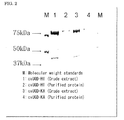
- the reaction mixture was suspended in sample buffer (50 mM Tris-HCl (pH6.8), 2% SDS, 10% glycerol, 0.6% ⁇ -mercaptoethanol) and boiled for 5 minutes, and then the expressed protein was analyzed by SDS-PAGE. A band of the predicted size (about 75 kDa) was observed, indicating the expression of the AtGFAT protein ( FIG. 3 ).
- the protein expression solution was subjected to GFAT reaction. Specifically, 50 ⁇ L of the protein expression solution was added to a solution (pH 7.0) containing fructose-6-phosphate (15 mM), L-glutamine (15 mM), EDTA (1 mM), DTT(1 mM), and KH 2 PO 4 (60 mM), and reacted at 37°C for 4 hours.
- Glucosamine-6-phosphate in the reaction mixture was measured using the Reissig method ( J. Biol. Chem, 1955, 217 (2), 959-66 ), which is an improvement of the Morgan & Elson method, to evaluate GFAT activity.
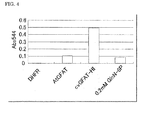
- FIG. 4 shows the results.
- Glucosamine-6-phosphate was not detected in pEU-NII/DHFR used as a control, whereas an increase of glucosamine-6-phosphate was observed in pEU-NII/AtGFAT, demonstrating that an active GFAT enzyme was present in the protein expression solution.
- AtGFAT gene encodes a functional enzyme in Arabidopsis thaliana.
- PCR primers were prepared to isolate the chlorella-virus-derived glutamine-fructose-6-phosphate amidotransferase gene (cvGFAT) by PCR. Based on already reported nucleotide sequence information of the chlorella virus strain PBCV-1, the primers of SEQ ID NOS: 35 and 36 were designed so as to amplify from 100 bp outside the putative GFAT region PCR was performed using a KOD -plus- DNA polymerase and a reaction program of 1 cycle of 94°C for 2 minutes and 30 cycles of 94°C for 15 seconds, 60°C for 30 seconds, and 68°C for 1 minute.
- cvGFAT chlorella-virus-derived glutamine-fructose-6-phosphate amidotransferase gene
- the genomic DNA of chlorella virus strains Hirosaki (CVHI1) and Kakunodate (CVKA1) was used as template DNA.
- the PCR-amplified fragments were cloned into a pPCR-Script Amp SK(+) cloning vector (Stratagene).
- the nucleotide sequences of the inserted fragments were determined using a DNA sequencer, and novel GFAT genes derived from strains cvHI1 and cvKA1 were identified and named "cvGFAT-HI gene" and "cvGFAT-KA gene".
- the nucleotide sequences of cvGFAT-HI and cvGFAT-KA genes are shown in SEQ ID NOS: 5 and 7.
- the open reading frame regions of the cvGFAT-HI and cvGFAT-KA genes represented by SEQ ID NOS: 5 and 7 were cloned into vectors for cell-free protein synthesis to express proteins.
- PCR was performed under the above-mentioned conditions using pPCR-Script Amp SK(+) cloning vector containing the cvGFAT-HI gene as a template and the primers represented by SEQ ID NOS: 37 and 38.
- PCR was performed under the above-mentioned conditions using pPCR-Script Amp SK(+) cloning vector containing the cvGFAT-KA gene as a template and the primers represented by SEQ ID NOS: 37 and 39.
- a KOD -plus- DNA polymerase, and a reaction cycle of 1 cycle of 94°C for 2 minutes and 30 cycles of 94°C for 15 seconds, 60°C for 30 seconds, and 68°C for 1 minute were used.
- Each PCR-amplified fragment was cleaved with Xbal and cloned into the EcoRV and Xbal sites of the pEU-NII vector.
- Escherichia coli strain DH5 ⁇ was transformed according to the above-mentioned known method, and the transformants were applied to LB agar medium containing 50 ⁇ g/mL ampicillin, and cultured overnight at 37°C.
- the plasmid was extracted from the grown colonies of the transformants using a known method.
- the plasmids pEU-NII/cvGFAT-HI and pEU-NII/cvGFAT-KA were constructed.
- proteins were expressed in the same manner as in Example 3. SDS-PAGE analysis of the expressed proteins confirmed bands of the predicted sizes (about 65 kDa), indicating the expression of cvGFAT proteins ( FIG. 3 ).
- FIG. 4 shows the results. Glucosamine-6-phosphate was not detected in pEU/DHFR used as a control, whereas an increase of glucosamine-6-phosphate was observed in pEU/cvGFAT-HI, confirming that an active GFAT enzyme was present in the protein expression solution.
- PCR was performed using cvHAS-containing plasmid DNA as a template, a KOD -plus-DNA polymerase, and a reaction program of 1 cycle of 94°C for 2 minutes, 3 cycles of 94°C for 15 seconds, 45°C for 30 seconds, and 68°C for 1 minute, and 30 cycles of 94°C for 15 seconds, 55°C for 30 seconds, and 68°C for 1 minute.
- PCR-amplified fragment was purified and cleaved with BamHI and DraI.
- cvHAS was inserted into the expression vector pBI121 as follows: pBI121 was digested with the restriction enzyme SacI, blunted with Blunting High (Toyobo), and digested with BamHI; and then the cvHAS gene digested with a restriction enzyme was cloned.
- Escherichia coli strain DH5 ⁇ was transformed according to the above-mentioned known method, and the transformants were applied to LB agar medium containing 50 ⁇ g/mL ampicillin, and cultured overnight at 37°C. The plasmid was extracted from the grown colonies of the transformants using a known method.
- pBI121/cvHAS hereinafter sometimes referred to as pBIHA
- PCR was performed using the primers represented by SEQ ID NOS: 42 and 38 and cvGFAT-HI-containing plasmid DNA as a template.
- the PCR-amplified fragment was digested with BamHI.
- cvGFAT-HI was inserted into the expression vector ppBI121 as follows: pBI121 was digested with SacI, blunted with Blunting High, and digested with BamHI, and then the cvGFAT-HI gene digested with the above restriction enzymes was cloned. Using the ligation mixture, Escherichia coli strain DH5 ⁇ was transformed according to the above-mentioned known method, and the transformants were applied to LB agar medium containing 50 ⁇ g/mL ampicillin and cultured overnight at 37°C. The plasmid was extracted from the grown colonies of the transformants using a known method. Thus, pBI121/cvGFAT-HI (hereinafter sometimes referred to as pBIGF) containing cvGFAT-HI was prepared.
- pBI121/cvGFAT-HI hereinafter sometimes referred to as pBIGF
- pBIHA was digested with the restriction enzymes PvuII and PstI, in that order, and subcloned into the PstI and SmaI sites of pBluescript to obtain pBluescript/35S-cvHAS-NOS (hereinafter sometimes referred to as pBSHA).
- pBIGF was digested with the restriction enzymes PvuII and SphI, in that order. After blunting with Blunting High (Toyobo), pBIGF was subcloned into the EcoRV site of pBluescript to obtain pBluescript/35S-cvGFAT-NOS (hereinafter sometimes referred to as pBSGF).
- pBSGF was digested with the restriction enzymes KpnI and NotI, in that order. After blunting with Blunting High (Toyobo), 35S-cvGFAT-NOS was subcloned into pBSHA previously digested with SpeI, blunting, and dephosphorylation, in that order, to obtain pBluescript/cvHAS-cvGFAT (hereinafter sometimes referred to as pBSHG).
- pBSHG was digested with the restriction enzymes Kpnl and NotI in that order, and the expression cassette of cvHAS-cvGFAT was cleaved and blunted. Then, cvHAS-cvGFAT was inserted into the expression vector pBI121 as follows: pBI121 was digested with the restriction enzymes SacI and HindIII, and blunted with Blunting High, and then the cvHAS-cvGFAT gene digested with the above restriction enzymes was cloned.
- Escherichia coli strain DH5 ⁇ was transformed according to the above-mentioned known method, and the transformants were applied to LB agar medium containing 50 ⁇ g/mL ampicillin, and cultured overnight at 37°C.
- the plasmid was extracted from the grown colonies of the transformants using a known method.
- pBI121/cvHAS-cvGFAT hereinafter sometimes referred to as pBIHG
- pBIHG containing cvHAS-cvGFAT was prepared.
- LB medium Five milliliters of LB medium was inoculated with a single colony of Agrobacterium LBA4404 (Agrobacterium tumefaciens strain LBA4404), and subjected to shaking culture overnight at 28°C.
- the culture medium was inoculated into 500 mL of LB medium and subjected to shaking culture at 28°C until the turbidity at 600 nm became 0.5.
- the culture medium was harvested by centrifugation (5000 rpm, 10 min, 4°C); the supernatant was removed; 500 mL of sterile water was added to suspend and wash the cells; centrifugation (5000 rpm, 10 min, 4°C) was carried out again to harvest the cells; and the supernatant was removed.
- the precipitates were suspended in 20 mL of cooled 10% glycerol solution, the cells were harvested by centrifugation (5000 rpm, 10 min, 4°C), and the supernatant was removed. The precipitates were suspended in 3 mL of cooled 10% glycerol solution, and 40- ⁇ L aliquots of the suspension were placed in 1.5 mL centrifuge tubes, frozen with liquid nitrogen, and stored at -80°C.
- Tobacco (Nicotiana tabacum SR-1) was transformed according to the leaf disc method using Agrobacterium (" Plant Biotechnology II” edited by Yasuyuki Yamada and Yoshimi Okada, Tokyo Kagaku Dojin, 1991 ). Tobacco leaf discs were immersed for 3 minutes in an Agrobacterium culture medium carrying pBIHG or pBIHA previously cultured overnight at 28°C in 5 mL of LB medium containing 50 mg/L kanamycin. Excess cells were then removed on filter paper.
- the leaf discs were placed in a differentiation medium prepared by adding 3% sucrose, B5 vitamin, 1 mg/L benzylaminopurine, 1 mg/L naphthalene acetic acid, and 0.3% gellan gum to MS (Murashige and Skoog) inorganic salt ( Murashige and Skoog, 1962, Physiol. Plant., 15, 473 ) and adjusting the pH to 5.7, and were left to stand in the dark at 28°C for 2 days.
- MS Middle and Skoog
- the infected leaf discs were washed three times with sterile water, and excess moisture was removed on filter paper.
- the leaf discs were then left to stand in the differentiation medium containing kanamycin (100 mg/L) and cefotaxime (250 mg/L) as antibiotics, and callus formation was induced at 25°C under 16-hour light conditions.
- morphologically normal shoots were selected, cut out in a form containing stems and leaves, and transferred into a rooting medium (MS inorganic salt, 3% sucrose, B5 vitamin and 0.3% gellan gum, pH 5.7) containing kanamycin (100 mg/L) and cefotaxime (250 mg/L) to induce rooting at 25°C under 16-hour light conditions.
- a rooting medium MS inorganic salt, 3% sucrose, B5 vitamin and 0.3% gellan gum, pH 5.7
- kanamycin 100 mg/L
- cefotaxime 250 mg/L
- FIG. 5 shows the results.
- the transformed tobacco into which the cvHAS-cvGFAT gene had been introduced had significantly improved hyaluronic acid productivity compared to the transformed tobacco into which the cvHAS gene had been introduced.
- PCR was performed using the primers represented by SEQ ID NO: 43 and SEQ ID NO: 44 and plasmid DNA containing cvUGD-HI as a template.
- PCR-amplified fragment was digested with BamHI and SacI.
- cvUGD-HI was inserted into the expression vector pBI121 as follows: pBI121 was digested with SacI and then with BamHI, and the cvUGD-HI gene digested with the above-mentioned restriction enzymes was cloned into pBI121. Using the ligation mixture, Escherichia coli strain DH5 ⁇ was transformed according to the above-mentioned known method, and the transformant was applied to LB agar medium containing 50 ⁇ g/ml ampicillin, and cultured overnight at 37°C. The plasmid was extracted from the grown colonies of the transformants using a known method. Thus, pBIUG containing cvUGD-HI was prepared.
- pBIUG was digested with restriction enzymes EcoRI and HindIII, subcloned into the EcoRI and HindIII sites of pBluescript to prepare pBSUG.
- pBSUG was digested with SpeI and blunted with Blunting High to destroy the SpeI site. Subsequently, pBSHA was digested with NotI, blunted, and digested with KpnI to cut out 35S-cvHAS-NOS.
- pBSUG was digested with XhoI, blunted, and digested with KpnI; and 35S-cvHAS-NOS, which had been cut out, was ligated to produce pBSHU.
- pBSGF was digested with SalI, blunted, and digested with NotI to cut out 35S-cvGFAT-NOS.
- pBHU was digested with SpeI, blunted, and digested with NotI, and 35S-cvGFAT-NOS, which had been cut out, was legated to produce pBSHUG.
- modified pBI121 was produced in which a SmaI site had been added downstream of the HindIII site of pBI121, and a KpnI site had been added upstream of the EcoRI site.
- pBSHUG was digested with NotI, blunted, and digested with KpnI; the linked expression cassettes of HAS, UGD and GFAT were cut out and cloned into the modified pBI121 cleaved with SmaI and KpnI.
- Escherichia coli strain DH5 ⁇ was transformed according to the above-mentioned known method, and the transformants were applied to LB agar medium containing 50 ⁇ g/ml ampicillin, and cultured overnight at 37°C.
- the plasmid was extracted from the grown colonies of the transformants using a known method.
- pBIHUG containing expression cassettes of HAS, UGD and GFAT were prepared.
- pBIHUG was introduced into Agrobacterium strain LBA4404, and tobacco leaf discs were infected with Agrobacterium strain LBA4404 containing pBIHUG.
- 20 lines of tobacco were obtained in which introduction of HAS, UGD, and GFAT genes had been confirmed.
- crude extacts were prepared and hyaluronic acid was quantitated.
- FIG. 6 shows the results.
- the transformed tobacco into which the HAS, UGD and GFAT genes had been introduced showed significantly improved hyaluronic acid productivity compared to the transformed tobacco into which the cvHAS gene had been introduced and the transformed tobacco into which the cvHAS-cvGFAT gene had been introduced.
- Seeds were collected from the transformed tobacco of Example 12, into which the cvHAS-cvGFAT gene had been introduced, and inoculated into MS differentiation medium containing kanamycin (100 mg/L) .
- a crude extract was obtained from the grown transformed tobacco (T1 generation) in the same manner as in Example 12, and hyaluronic acid was quantitated, demonstrating the production level of hyaluronic acid equivalent to that of TO generation.
- a hyaluronic acid synthetase gene is expressed in a plant, and in particular, hyaluronic acid is produced in a high yield in a plant.
- the present invention provides a plant or cultured plant cells that are capable of producing hyaluronic acid in a higher yield than the prior art; a method for producing the plant or cultured plant cells; and an expression vector. Since safe hyaluronic acid produced in a plant can be provided at a low cost, the present invention is expected to greatly contribute to the industry.
Landscapes
- Life Sciences & Earth Sciences (AREA)
- Health & Medical Sciences (AREA)
- Genetics & Genomics (AREA)
- Chemical & Material Sciences (AREA)
- Engineering & Computer Science (AREA)
- Organic Chemistry (AREA)
- Molecular Biology (AREA)
- Wood Science & Technology (AREA)
- Zoology (AREA)
- Biotechnology (AREA)
- General Engineering & Computer Science (AREA)
- Bioinformatics & Cheminformatics (AREA)
- Biomedical Technology (AREA)
- Biochemistry (AREA)
- Microbiology (AREA)
- General Health & Medical Sciences (AREA)
- Cell Biology (AREA)
- General Chemical & Material Sciences (AREA)
- Biophysics (AREA)
- Physics & Mathematics (AREA)
- Pharmacology & Pharmacy (AREA)
- Medicinal Chemistry (AREA)
- Chemical Kinetics & Catalysis (AREA)
- Plant Pathology (AREA)
- Preparation Of Compounds By Using Micro-Organisms (AREA)
- Micro-Organisms Or Cultivation Processes Thereof (AREA)
- Breeding Of Plants And Reproduction By Means Of Culturing (AREA)
- Cosmetics (AREA)
- Polysaccharides And Polysaccharide Derivatives (AREA)
- Enzymes And Modification Thereof (AREA)
Applications Claiming Priority (3)
| Application Number | Priority Date | Filing Date | Title |
|---|---|---|---|
| JP2005244192 | 2005-08-25 | ||
| JP2006043724 | 2006-02-21 | ||
| PCT/JP2006/315817 WO2007023682A1 (fr) | 2005-08-25 | 2006-08-10 | Végétal producteur d'acide hyaluronique |
Publications (2)
| Publication Number | Publication Date |
|---|---|
| EP1932909A1 true EP1932909A1 (fr) | 2008-06-18 |
| EP1932909A4 EP1932909A4 (fr) | 2009-04-08 |
Family
ID=37771433
Family Applications (1)
| Application Number | Title | Priority Date | Filing Date |
|---|---|---|---|
| EP06782621A Withdrawn EP1932909A4 (fr) | 2005-08-25 | 2006-08-10 | Vegetal producteur d'acide hyaluronique |
Country Status (6)
| Country | Link |
|---|---|
| US (1) | US8003851B2 (fr) |
| EP (1) | EP1932909A4 (fr) |
| JP (1) | JP4935359B2 (fr) |
| BR (1) | BRPI0614885A2 (fr) |
| CA (1) | CA2620210A1 (fr) |
| WO (1) | WO2007023682A1 (fr) |
Cited By (3)
| Publication number | Priority date | Publication date | Assignee | Title |
|---|---|---|---|---|
| EP1951030B1 (fr) * | 2005-10-05 | 2015-02-25 | Bayer Intellectual Property GmbH | Procedes et moyens ameliores de production d'hyaluronan |
| EP1951878B1 (fr) * | 2005-10-05 | 2015-02-25 | Bayer Intellectual Property GmbH | Vegetaux a production d'hyaluronan accrue |
| WO2016119911A1 (fr) * | 2015-01-27 | 2016-08-04 | Eye Tech S.R.L. | Composition comprenant de l'acide hyaluronique et roc® et son utilisation |
Families Citing this family (5)
| Publication number | Priority date | Publication date | Assignee | Title |
|---|---|---|---|---|
| AU2013201153B2 (en) * | 2005-10-05 | 2014-10-02 | Bayer Intellectual Property Gmbh | Improved Methods and Means for Producing Hyaluronan |
| EP2036983A1 (fr) * | 2007-09-12 | 2009-03-18 | Bayer CropScience AG | Structures de liaison pour réservoirs et leur procédé de liaison |
| JP5561636B2 (ja) * | 2009-03-03 | 2014-07-30 | 東洋紡株式会社 | 改良されたヒアルロン酸の製造方法 |
| EP3433377A4 (fr) * | 2016-03-23 | 2019-08-28 | The General Hospital Corporation | Dosages et procédés pour détecter l'udp-glucose |
| CN112852774A (zh) * | 2019-11-28 | 2021-05-28 | 中国科学院大连化学物理研究所 | 磷酸果糖氨基转移酶编码基因及酶的制备与应用 |
Family Cites Families (14)
| Publication number | Priority date | Publication date | Assignee | Title |
|---|---|---|---|---|
| JPS5856692A (ja) | 1981-09-26 | 1983-04-04 | Shiseido Co Ltd | ヒアルロン酸の製造方法 |
| JPH05125103A (ja) | 1991-11-06 | 1993-05-21 | Rooman Kogyo:Kk | ヒアルロン酸の製造法 |
| US5496726A (en) | 1993-04-16 | 1996-03-05 | Lucky Limited | Streptococcus zooepidemicus medium and process for preparing hyaluronic acid |
| JPH06319579A (ja) | 1993-05-17 | 1994-11-22 | Kyowa Hakko Kogyo Co Ltd | ヒアルロン酸の製造法 |
| IT1271001B (it) | 1994-07-26 | 1997-05-26 | Poli Ind Chimica Spa | Procedimento di preparazione di acido ialuronico mediante fermentazione con streptococcus |
| JP2781779B2 (ja) | 1996-05-30 | 1998-07-30 | 日本電気アイシーマイコンシステム株式会社 | 分岐制御回路 |
| DE69828193T2 (de) | 1997-10-31 | 2005-12-01 | The Board Of Regents Of The University Of Oklahoma, Norman | Hyaluronan synthase gen und seine verwendung |
| EP1108040A2 (fr) | 1998-08-25 | 2001-06-20 | Pioneer Hi-Bred International, Inc. | Acides nucleiques de glutamine vegetale: fructose-6-phosphate amidotransferase |
| AU2002366711C1 (en) * | 2001-12-21 | 2009-01-22 | Novozymes A/S | Methods for producing hyaluronan in a recombinant host cell |
| WO2005012529A1 (fr) * | 2003-07-31 | 2005-02-10 | Toyo Boseki Kabushiki Kaisha | Plantes produisant de l'acide hyaluronique |
| JP4948412B2 (ja) * | 2004-09-23 | 2012-06-06 | バイエル・クロップサイエンス・アーゲー | ヒアルロナンを製造するための方法および手段 |
| JP2006204260A (ja) * | 2005-01-31 | 2006-08-10 | Toyobo Co Ltd | ヒアルロン酸合成酵素及びその遺伝子 |
| CA2624592C (fr) * | 2005-10-05 | 2016-07-19 | Basf Se | Plantes exprimant de la glutamine fructose-6-phosphate amidotransferase avec une production d'hyaluronan accrue |
| EP1951030B1 (fr) | 2005-10-05 | 2015-02-25 | Bayer Intellectual Property GmbH | Procedes et moyens ameliores de production d'hyaluronan |
-
2006
- 2006-08-10 CA CA002620210A patent/CA2620210A1/fr not_active Abandoned
- 2006-08-10 WO PCT/JP2006/315817 patent/WO2007023682A1/fr not_active Ceased
- 2006-08-10 EP EP06782621A patent/EP1932909A4/fr not_active Withdrawn
- 2006-08-10 JP JP2006543308A patent/JP4935359B2/ja active Active
- 2006-08-10 US US12/063,888 patent/US8003851B2/en not_active Expired - Fee Related
- 2006-08-10 BR BRPI0614885-9A patent/BRPI0614885A2/pt not_active IP Right Cessation
Cited By (3)
| Publication number | Priority date | Publication date | Assignee | Title |
|---|---|---|---|---|
| EP1951030B1 (fr) * | 2005-10-05 | 2015-02-25 | Bayer Intellectual Property GmbH | Procedes et moyens ameliores de production d'hyaluronan |
| EP1951878B1 (fr) * | 2005-10-05 | 2015-02-25 | Bayer Intellectual Property GmbH | Vegetaux a production d'hyaluronan accrue |
| WO2016119911A1 (fr) * | 2015-01-27 | 2016-08-04 | Eye Tech S.R.L. | Composition comprenant de l'acide hyaluronique et roc® et son utilisation |
Also Published As
| Publication number | Publication date |
|---|---|
| CA2620210A1 (fr) | 2007-03-01 |
| EP1932909A4 (fr) | 2009-04-08 |
| US8003851B2 (en) | 2011-08-23 |
| BRPI0614885A2 (pt) | 2011-04-19 |
| JP4935359B2 (ja) | 2012-05-23 |
| WO2007023682A1 (fr) | 2007-03-01 |
| JPWO2007023682A1 (ja) | 2009-02-26 |
| US20090260108A1 (en) | 2009-10-15 |
Similar Documents
| Publication | Publication Date | Title |
|---|---|---|
| JP4816082B2 (ja) | ヒアルロン酸生産植物 | |
| US10428341B2 (en) | Transgenic potato plants with increased hyaluronan production | |
| US8106256B2 (en) | Methods and means for producing hyaluronan | |
| JP2006304779A (ja) | ヘキソサミン高生産植物 | |
| US8003851B2 (en) | Plant producing hyaluronic acid | |
| JPH0686670A (ja) | エンド型キシログルカン転移酵素遺伝子 | |
| CN107190015B (zh) | 玉米糖基转移酶基因ufgt2在提高植物体内黄酮含量中的应用 | |
| AU739905B2 (en) | Transgenic plant cells and plants with modified acetyl coa production | |
| CN101248179A (zh) | 产生透明质酸的植物 | |
| AU719452B2 (en) | Transgenic plant cells and plants with an increased glycolysis rate | |
| WO2001059136A1 (fr) | Production de sucres non cariogenes dans des plantes transgeniques | |
| CN101273135B (zh) | 透明质烷产量增加的植物 | |
| US7057091B2 (en) | Brassica pyruvate dehydrogenase kinase gene | |
| JP5561636B2 (ja) | 改良されたヒアルロン酸の製造方法 | |
| JP2007174957A (ja) | ヒアルロン酸生産酵母 | |
| CN101277610B (zh) | 用于产生乙酰透明质酸的改良的方法和手段 | |
| JP2006304778A (ja) | UDP−GlcNAc高生産植物 | |
| Shi et al. | The AkCSLA3-AkMSR1 module mediates Konjac glucomannan biosynthesis in Amorphophallus konjac | |
| AU2013201153B2 (en) | Improved Methods and Means for Producing Hyaluronan | |
| BRPI9917852B1 (pt) | Molécula de ácido nucléico codificadora de frutosiltransferase, vetor, célula hospedeira, produto alimentício, oligonucleotídeo, processo para produzir planta, preparar célula hospedeira, preparar frutosiltransferase, preparar polifrutose, ou preparar agentes tensoativos, e emprego de célula hospedeira, frutosiltransferase ou polifrutose |
Legal Events
| Date | Code | Title | Description |
|---|---|---|---|
| PUAI | Public reference made under article 153(3) epc to a published international application that has entered the european phase |
Free format text: ORIGINAL CODE: 0009012 |
|
| 17P | Request for examination filed |
Effective date: 20080320 |
|
| AK | Designated contracting states |
Kind code of ref document: A1 Designated state(s): DE FR GB |
|
| DAX | Request for extension of the european patent (deleted) | ||
| RBV | Designated contracting states (corrected) |
Designated state(s): DE FR GB |
|
| A4 | Supplementary search report drawn up and despatched |
Effective date: 20090311 |
|
| 17Q | First examination report despatched |
Effective date: 20090610 |
|
| STAA | Information on the status of an ep patent application or granted ep patent |
Free format text: STATUS: THE APPLICATION IS DEEMED TO BE WITHDRAWN |
|
| 18D | Application deemed to be withdrawn |
Effective date: 20121016 |