EP1963482B1 - Avirulentes isolat von neospora caninum und verwendungen davon - Google Patents
Avirulentes isolat von neospora caninum und verwendungen davon Download PDFInfo
- Publication number
- EP1963482B1 EP1963482B1 EP06829777A EP06829777A EP1963482B1 EP 1963482 B1 EP1963482 B1 EP 1963482B1 EP 06829777 A EP06829777 A EP 06829777A EP 06829777 A EP06829777 A EP 06829777A EP 1963482 B1 EP1963482 B1 EP 1963482B1
- Authority
- EP
- European Patent Office
- Prior art keywords
- isolate
- caninum
- animals
- parasite
- tachyzoites
- Prior art date
- Legal status (The legal status is an assumption and is not a legal conclusion. Google has not performed a legal analysis and makes no representation as to the accuracy of the status listed.)
- Not-in-force
Links
Images





Classifications
-
- A—HUMAN NECESSITIES
- A61—MEDICAL OR VETERINARY SCIENCE; HYGIENE
- A61P—SPECIFIC THERAPEUTIC ACTIVITY OF CHEMICAL COMPOUNDS OR MEDICINAL PREPARATIONS
- A61P33/00—Antiparasitic agents
- A61P33/02—Antiprotozoals, e.g. for leishmaniasis, trichomoniasis, toxoplasmosis
-
- C—CHEMISTRY; METALLURGY
- C12—BIOCHEMISTRY; BEER; SPIRITS; WINE; VINEGAR; MICROBIOLOGY; ENZYMOLOGY; MUTATION OR GENETIC ENGINEERING
- C12N—MICROORGANISMS OR ENZYMES; COMPOSITIONS THEREOF; PROPAGATING, PRESERVING, OR MAINTAINING MICROORGANISMS; MUTATION OR GENETIC ENGINEERING; CULTURE MEDIA
- C12N1/00—Microorganisms; Compositions thereof; Processes of propagating, maintaining or preserving microorganisms or compositions thereof; Processes of preparing or isolating a composition containing a microorganism; Culture media therefor
- C12N1/10—Protozoa; Culture media therefor
- C12N1/105—Protozoal isolates
-
- C—CHEMISTRY; METALLURGY
- C12—BIOCHEMISTRY; BEER; SPIRITS; WINE; VINEGAR; MICROBIOLOGY; ENZYMOLOGY; MUTATION OR GENETIC ENGINEERING
- C12R—INDEXING SCHEME ASSOCIATED WITH SUBCLASSES C12C - C12Q, RELATING TO MICROORGANISMS
- C12R2001/00—Microorganisms ; Processes using microorganisms
- C12R2001/90—Protozoa ; Processes using protozoa
Definitions
- the present invention relates to a new isolate of Neospora caninum, pharmaceutical compositions for the prevention and treatment of neosporosis in animals, and the development of diagnostic tests to detect infection by Neospora caninum therein.
- Neospora caninum is a parasite of the Sarcocystidae family belonging to the Phylum Apicomplexa, within which some of the most important diseases causing organisms known by humans are grouped. This group includes genera such as Plasmodium, Babesia, Cryptosporidium, Eimeria and Toxoplasma.
- N. caninum has been implicated as a producing agent of miscarriage and neonatal mortality in cattle, although the infection has also been described in other ungulates and canines, such as the coyote and the dog, who act as definitive hosts in this parasite's biological cycle. It undoubtedly highlights the importance of this disease in cattle and dogs.
- Bovine neosporosis is considered as a parasitic disease of cosmopolitan distribution and represents one of the most frequent causes of reproductive failure in the various countries where it has been studied, among them Spain.
- the diagnosis methods used to detect infection by N. caninum mainly in adult cattle, are constituted by techniques based on the detection of specific serum antibodies against the parasite.
- the antigens used in these serological tests come from tachyzoites obtained in cell cultures of bovine and canine isolates of N. caninum. Said tachyzoites are used in various ways: whole, cellular extracts obtained therefrom, and recombinant antigenic proteins or affinity-purified by cellular extracts of tachyzoites.
- Patent application PCT WO-A-97/39009 discloses a method to diagnose neosporosis which uses an antigenic protein derived from N. caninum tachyzoites.
- the state of the art discloses various vaccine products for protection against neosporosis which include inactivated vaccines, vaccines developed from recombinant antigenic protein or from DNA, and live vaccines.
- Patent application WO-A-99/20303 discloses a vaccine which comprises inactivated tachyzoites and the adjuvant POLYGEN, which generates an immune response in cattle. In later studies it has been seen that said vaccine was incapable of protecting against miscarriage in experimentally infected gestating reproducers. Currently, it is the only vaccine against N. caninum registered in the United States of America, and is marketed under the name of NEOGUARD.
- Patent application PCT WO-A-95/25541 discloses a vaccine against neosporosis which comprises cell cultures of tachyzoites of a Neospora caninum isolate.
- Patent application EP-A-0898969 proposes a vaccine which includes a homogenate of N. caninum tachyzoites, wherein no viable cells are found.
- Patent application EP-A-0953641 discloses a vaccine which contains a Neospora caninum protein selected from the group formed by GRA1, GRA2, SAG1, MIC1 or MAG1, or a polynucleotide that codes for said proteins.
- inactivated vaccines As disclosed in Patent application WO-A-2004/026903 , the main drawback of inactivated vaccines is that they often do not provide sufficient cellular immunity, require adjuvant agents, do not provide local immunity and are dangerous if the inactivation is not total.
- Patent application EP-A-0841392 discloses a vaccine which comprises live cells from temperature-sensitive N. caninum mutants which are capable of preventing the development of clinical symptoms associated with neosporosis in a challenge test in an experimental murine model.
- the live attenuated vaccines have a number of advantages such as: the activation of all phases of the immune system, the induction of humoral IgG and local IgA, the generation of immune responses to multiple protective antigens, and to provide longer lasting immunity.
- the drawbacks we should highlight the difficulty in establishing the appropriate level of attenuation and the possibility of reversion to virulence.
- Patent application PCT WO-A-02/103430 discloses vaccines which comprise live tachyzoites of a Neospora isolate called Nc-Nowra. Said parasite was isolated in Australia, and has a naturally attenuated pathogenicity.
- Neospora caninum which is naturally attenuated, and which is suitable for the preparation of pharmaceutical compositions and the development of diagnostic methods.
- the object of the present invention is a parasite isolate deposited in the culture Collection of Algae and Protozoa (CCAP) with access number CCAP 2051/2 which has a high degree of natural attenuation.
- CCAP Algae and Protozoa
- the invention also has the object of a biologically pure cell culture infected by the isolate of the invention.
- the invention also has the object of an antibody which reacts specifically against an antigen from the isolate of the invention characterized in that the antigen is selected from the group formed by the isolate, tachyzoites, bradyzoites and sporozoites.
- the invention also has the object of a vaccine which comprises the isolate of the invention.
- the invention also has the object of the use of the isolate of the invention to prepare a vaccine for the treatment and/or prevention of neosporosis in animals.
- the invention also has the object of the use of antibodies which specifically react against an antigen from the parasite isolate of the invention characterized in that the antigen is selected from the group formed by the isolate, tachyzoites, bradyzoites and sporozoites to prepare a drug for the treatment of an infection and/or disease caused by Neospora caninum in animals.
- the invention also has the object of the use of antigens from the isolate of the invention characterized in that the antigen is selected from the group formed by the isolate, tachyzoites, bradyzoites and sporozoites to detect infection by the parasite Neospora caninum in animals, from a biological sample.
- the invention also has the object of the use of antibodies which specifically react against an antigen from the parasite isolate of the invention characterized in that the antigen is selected from the group formed by the isolate, tachyzoites, bradyzoites and sporozoites to detect the infection by the Neospora caninum parasite in animals, from a biological sample.
- Neospora caninum at any stage of its biological cycle which includes tachyzoites, bradyzoites and sporozoites.
- the object of the present invention is a new strain of Neospora caninum isolated from the nerve tissue of a calf of the Frisian-Holstein breed which is congenitally infected.
- the new isolate has been called Nc-Spain 1H.
- Neospora caninum Said isolate has been identified and characterized by different in vitro studies and in vivo experimental infections as a new isolate of Neospora caninum.
- the isolate of the invention has a high degree of natural attenuation, in other worlds, it shows attenuation without having been manipulated, and is therefore an appropriate candidate for the development of vaccines against neosporosis, and for the development of diagnostic tests to detect the presence of the parasite or infection caused thereby from biological samples of animals.
- This isolate was obtained from homogenates of the nerve tissue (brain and spinal cord) from a congenitally infected dairy calf, as described in Example1.
- genomic DNA was extracted from a sample of nerve tissue, which was subjected to a nested PCR developed for the specific detection of the parasite DNA in clinical samples.
- the specific amplification of the ITS-1 region as described in Buxton et al., 1998, J.Comp Pathol. 118: 267-279 , confirmed the presence of Neospora parasites in said sample.
- the genetic characterization of the isolate of the invention was performed using microsatellite technology, which was a suitable tool to apply in the identification and discrimination of the different isolates of N. caninum, as described in Example 2 of this description.
- microsatellites are constituted by simple nucleotide sequences of 2 to 5 nucleotides which are repeated in tandem and which are characterized by high polymorphism, mainly in accordance with the number of repetitions of the nucleotide motive they show.
- This type of sequences has been described in a multitude of prokaryotic and eukaryotic organisms, including protozoa, and they have been extensively used for the genotyping of different apicomplexa parasites such as Toxoplasma gondii ( Ajzenberg et al., 2002, Int.J.Parasitol.
- the in vivo verification that the parasite was of the Neospora genus was performed by the inoculation of athymic mice of the BALB/c strain with different quantities of infected tissue, which led to the appearance of clinical signs compatible with neosporosis. Finally, the parasite was isolated in cell cultures of the MARC-145 cell line (monkey kidney cells).
- the pathogenicity of the isolate of the invention was tested in a gestating murine and bovine model as described below in Examples 3 and 4, respectively.
- mice were divided in four groups, three of which were inoculated with 10 5 , 10 6 and 10 7 tachyzoites of the Nc-Spain 1H parasite obtained from cell culture, and the fourth group (control) inoculated with PBS buffer solution.
- mice of the infected groups did not develop signs compatible with infection by Neospora, nor mortality during the 32 days' duration of the experiment. This demonstrates the high degree of attenuation of the Nc-Spain 1H strain.
- mice Although in said mice, the presence of N. caninum DNA was detected in the blood, lungs and brain, its persistence in these organs was very inferior to that which is observed when virulent strains of N. caninum were inoculated which also corroborates the high degree of attenuation of this strain.
- the immunogenicity assays were performed on a murine model with mice (Example 5), and on a bovine model with cows (Example 6).
- the presence of antibodies was detected from day 8 post-inoculation (PI) in the groups inoculated with the highest dose (10 7 tachyzoites), and the IgG titres obtained by IIF also varied in accordance with the infective dose, obtaining the highest ones (1:200 - 1:400) in the mice of the group inoculated with the highest dose, as observed in Figure 2 .
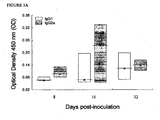
- the detection of immunoglobulins of isotypes IgG1 and IgG2a specific for N . caninum in the plasma was performed using an indirect immunoenzymatic assay (ELISA) using, as an antigen, protein from the soluble extract of tachyzoites of the reference isolate Nc-1 from N. caninum obtained by sonication.
- ELISA indirect immunoenzymatic assay
- Figures 3A , 3B and 3C show the results of the optical density readings at 450 nm, which is a measurement of the IgG1 and IgG2 antibodies, for the mice infected with 10 5 , 10 6 and 10 7 tachyzoites of the Nc-Spain 1H isolate, respectively.
- mice with tachyzoites of the isolate of the invention induces the production of antibodies which specifically react with antigens of a reference isolate of N. caninum such as the Nc-1 isolate.
- IFN- ⁇ gamma interferon
- the IgG1 and IgG2 isotypes were evaluated from the day on which a significant increase in the values of IgG were observed with respect to the control group.
- IgG2 values remained slightly above those of the control group, but no significant differences were found between both.
- the results corresponding to isotype IgG1 are shown in Figure 6A
- those of isotype IgG2 are shown in Figure 6B .
- the Nc-Spain 1H isolate is a N. caninum strain with a high degree of attenuation which induces the production of antibodies which specifically react against N. caninum antigens.
- a biologically pure cell culture infected by the isolate of the invention is also an object of the invention.
- biologically pure cell culture of the N. caninum isolate refers to a culture of the Nc-Spain 1H isolate continuously maintained substantially free from other organisms except the host cells where the Neospora parasite grows. It is considered that a culture is substantially free from other organisms if, after the procedures of normalized recovery of the isolate, they give the result of a preparation with at least 95% and, preferably 99% or more of the organism.
- the infected cell culture is from monkey kidney cells.
- the cell lines MA-104, Vero, and the cell clones C8 and MARC-145 we can mention the cell lines MA-104, Vero, and the cell clones C8 and MARC-145.
- An antibody specifically against an antigen from the isolate of the invention also forms part of the object of the invention.
- antibody refers to an immunoglobulin molecule produced by an animal organism capable of bonding to a specific epitope in an antigen.
- the antibodies may be constituted by a polyclonal mixture or be monoclonal antibodies. They may also be constituted by intact immunoglobulins of natural origin or recombinant nature or fragments of these antibodies which retain their capacity for recognition and bonding of the target antigen and which include Fv, F(ab), and F(ab) 2 , as well as simple chains. It can also use antibodies formed by simple chains wherein the heavy chain or the light chain may be combined with other molecules.
- the antigen from the Nc-Spain 1H isolate is selected from the group formed by the isolate, tachyzoites, bradyzoites, and sporozoites.
- the antigen is a tachyzoite.
- the antibodies can be monoclonal antibodies or be constituted from a polyclonal mixture.
- the monoclonal antibodies are identical antibodies as they are produced by a single type of immune system cell.
- the antibody of the invention is monoclonal.
- the monoclonal antibodies can be obtained by different techniques well described in the state of the art, such as, for example, in Harlow and Lane, 1988, “Antibodies: A Laboratory Manual”, Cold Spring Harbor Laboratory Press, Cold Spring Harbor.
- the antibodies of the invention are suitable for detecting the presence of the Neospora caninum parasite or the infection caused thereby in animals, from biological samples.
- the invention also has the object of a vaccine which comprises the isolate of the invention deposited with access number CCAP 2051/2.
- Said vaccine is a pharmaceutical composition which can be used for the treatment and prevention of infections and diseases caused by N. caninum.
- the isolate of the invention is preferably in the form of live attenuated isolate, inactivated or fixed, at any stage of its biological cycle.
- Neospora caninum strain of the invention can be directly used to prepare the vaccines against neosporosis, since it has a high degree of attenuation. Nevertheless, it can also be additionally attenuated using attenuation techniques which are well known by persons skilled in the art.
- the vaccines that contain the isolate of the invention as immunogenic agent are typically prepared as injectable in liquid solutions or suspensions, or in solid form, for their later reconstitution in solution or suspension previous to their administration.
- the vaccine can also be formulated as an emulsion or can encapsulate the immunogenic agent in liposomes, or any suitable system.
- the immunogenic agent can be combined with habitual excipients of pharmaceutical use compatible therewith, such as, for example: water, saline solution, dextrose, glycerol, ethanol or similar, and their combinations.
- the vaccine can also contain wetting or emulsifying agents, pH regulators, preservatives and/or adjuvants which increase the effectiveness of the vaccine such as, for example: aluminium compounds (such as, for example, aluminium hydroxide, aluminium phosphate, and aluminium potassium sulphate), beryllium sulphate, silice, caolin, carbon, water/oil or oil/water emulsions, bacterial endotoxin, Corynebacterium parvum (Propionobacterium acnes), Bordetella pertussis, polyribonucleotides, sodium alginate, lanolin, vitamin A, saponins, liposomes, DEAE-dextran, copolymers and other synthetic adjuvants.
- aluminium compounds such as, for example, aluminium hydroxide, aluminium phosphate, and aluminium potassium sulphate
- beryllium sulphate silice
- caolin carbon
- carbon water/oil or oil/water emul
- Cytokines and/or immunomodulators such as IFN- ⁇ can also be incorporated in the vaccine.
- the concentration of the immunogenic agent and of the adjuvant compound may vary within a wide margin provided that the quantity of both is effective.
- the vaccines that are presented as injectable can be administered parenterally, by subcutaneous, intradermal, endovenous or intramuscular injection.
- formulations can also be used to administer the vaccine such as, for example, suppositories or oral formulations, for example, capsules or tablets.
- formulation techniques, the adjuvants and the suitable auxiliary substances are well known by persons skilled in the art.
- the vaccines of the present invention can be administered preventively to animals sensitive to infection or the disease in order to induce a more efficient immune response to the parasite.
- the vaccine can also be administered for the treatment of the infection or the disease once the first symptoms have appeared.
- Various vaccination regimes can also be effective for the immunization of cattle and other animals.
- the cattle can be vaccinated during the reproductive period to prevent miscarriage and reduce the possibility of congenital effects.
- biological sample refers to any sample obtained from live or dead organisms.
- biological samples are biological fluids (blood, serum, plasma, urine, semen, ascitic fluid, cerebrospinal fluid and foetal fluids), tissue samples (from brain, spinal fluids, lung, heart, liver and placenta) and cell cultures.
- antigens from the isolate of the invention to detect infection by the Neospora caninum parasite in animals, from a biological sample characterized in that the antigen is selected from the group formed by the isolate, tachyzoites, bradyzoites and sporozoites also forms part of the object of the invention.
- the antigen of the parasite isolate Nc-Spain 1H is selected from the group formed by the isolate, tachyzoites, bradyzoites, and sporozoites.
- the antigen used is a tachyzoite.
- Neospora To detect infection by the Neospora parasite in animals from a biological sample, processes can be used to detect the immune response generated by infection by Neospora, well described in immunology texts, such as, for example, in Brostoff, Male, and Roitt, 2000, Inmunologia, 5th Edition, Editorial Harcourt Brace .
- the antigen of the invention can be immobilized in a solid surface, and the antigen-antibody complex can be detected using anti-immunoglobulin antigens of the species from which the sample being studied comes, marked with fluorescent molecules or those with enzymatic activity.
- the antigen from the parasite isolate Nc-Spain 1H is selected from the group formed by the isolate, tachyzoites, bradyzoites, and sporozoites.
- the antigen used is a tachyzoite.
- the antibodies can be monoclonal antibodies or be constituted by a polyclonal mixture.
- the antibody of the invention is monoclonal.
- the immunoassays used to measure the anti- Neospora antigens or antigens of the parasite can use competitive or non-competitive antigen-antibody bonding assays.
- the sample to analyse for example, anti-N. caninum antibodies
- another marked antibody for example, an anti- N. caninum monoclonal antibody
- an antigen for example, isolated protein of N. caninum
- the concentration of the marked antibody bound to the antigen will be inversely proportionate to the quantity of free antibody present in the sample.
- Non-competitive assays are the most typical, and therein the components of the sample to be analysed which indicate the presence of the parasite are specifically bound to two reagents which form part of the assay. One of them is used to capture the sample's components and remain bound to a solid surface. The second is marked and is used to measure or detect the presence of previously formed complexes.
- the immunoassay can be performed in liquid phase and by a variety of methods which enable the complex formed from the components of the non-bound sample to be separated. These methods include, for example, immunoprecipitation, column chromatography, absorption and addition of magnetic particles covered with a reagent capable of bonding to the complex.
- the immunoblot technique can also be to detect the presence of specific antibodies against Neospora in a biological sample.
- This technique is typically applied to detect the presence of specific antibodies of the sample against a particular protein.
- Said technique involves the separation of the proteins by electrophoresis in acrylamide gels according to their size and/or isoelectric point in a pH gradient, the transfer of the separated proteins to a suitable solid surface (nitrocellulose or nylon membrane) and the incubation of the transferred proteins with the sample that contains the antibodies. This permits the specific bonding of the antibodies present in the sample to the respective proteins present, forming antigen-antibody complexes which are detected by the use of marked anti-immunoglobulin antibodies from the source animals of the sample.
- the marking of the reagents used in the previously described tests can be carried out by radioactive marking with the H 3 , I 125 , C 14 or P 32 isotopes or by the bonding of fluorophore ligands, such as, for example, fluorescein and rhodamine, chemiluminescence, such as, for example, luciferase, enzymes, such as, for example, phosphatase, esterase, peroxidase, to the biotin-streptavidin complex and other antibodies that may act as bonding target for a marked compound. Even so, in some assays, the use of marked compounds is not necessary. For example, in binding texts developed to detect the presence of antibodies, the antigen coats particles which bind together in the presence of specific antibodies against that antigen, detecting the formation of the complexes simply by visual inspection or microscopic viewing.
- fluorophore ligands such as, for example, fluorescein and rhodamine
- Example 1 Obtainment of a new isolate of N . caninum from a congenitally infected calf
- This example describes the isolation of the N. caninum Nc-Spain 1H parasite from a congenitally infected calf from the Frisian-Holstein race.
- the calf was born from a cow that had previously given positive results in the detection tests for specific antibodies to Neospora kept in a dairy farm located in the province of Madrid, Spain. Since 2001, the farm has been subjected to different studies to confirm the presence and prevalence of infection by Neospora, establishing an endemic infection pattern.
- the presence of DNA from the parasite in the brain using nested PCR from the ITS-1 region was detected in the miscarried foetuses from the farm.
- the amplification of the ITS-1 region of ribosomal N. caninum DNA was performed on a first PCR reaction using the oligos NN1 (5'-TCAACCTTTGAATCCCAA) and NN2 (5'- CGAGCCAAGACATCCATT), and in a second reaction using the oligos NP1 (5'- TACTACTCCCTGTGAGTTG) and NP2 (5'- TCTCTTCCCTCAACGCT).
- the PCR mixture of (25 ⁇ l) is composed of 0.15 ⁇ M of each oligo (Sigma), 200 ⁇ M dNTPs (Sigma), 1 x buffer (75mM Tris pH 9, 20mM (NH 4 ) 2 SO 4 , 50mM KCl,) (Biotools, Spain), 2mM MgCl 2 (Biotools) and 0.625 units of DNA polymerase (Biotools).
- 1 x buffer 75mM Tris pH 9, 20mM (NH 4 ) 2 SO 4 , 50mM KCl,
- Biotools Biotools, Spain
- 2mM MgCl 2 Biotools
- Biotools 0.625 units of DNA polymerase
- thermocycler 94° C for 5 min and 25 cycles of 94° C/1 min, 48o C/1 min and 72° C/1,5 min and a last cycle of 72° C for 5 min.
- the products resulting from the second amplification with a size of 210 pb, are displayed in 1.6% agarose gel in 0.5 TBE (Tris-borate-EDTA buffer) x ethidium bromide stain.
- the presence of the parasite was detected in the majority of brain portions analysed.
- the brain samples were homogenized with cycles of 1 min. duration in an automatic IUL Masticator until its perfect disintegration; the macerates were filtered through a previously sterilized 150 ⁇ m mesh and centrifuged for 10 minutes at 1350 g. The supernatant was discarded and the precipitate equivalent to approximately 5 grams of starting tissue was inoculated intraperitoneally with an insulin syringe and needle with a diameter of 0.5x16 mm in female mice of the Balb/c nu / nu strain with an approximate weight of 20-25 grams. The entire process was performed in aseptic conditions.
- mice inoculated were observed daily to detect the appearance of clinical signs attributable to neosporosis which include weight loss, nervous disorders, paralysis of the extremities and lethargy, as described in Yamane et al., 1998, J. Vet. Diagn. Invest. 10: 364-368 . These clinical signs were observed in all the mice inoculated between 32-40 days post-inoculation (PI). After the appearance of these symptoms, the mice were sacrificed in a CO 2 atmosphere and used for the isolation of the parasite in cell culture, by the inoculation of the peritoneal wash.
- PI post-inoculation
- mice were removed and it was homogenized in PBS solution with antibiotics-antimycotics (Gibco, BRL, UK) by successive rounds of the syringe with 21 G and 25 G needles.
- the homogenate equivalent to half a brain was inoculated in a new mouse of the Balbc nu / nu strain which was also monitored until the appearance of the clinical signs described. The process was performed up to 7 consecutive rounds of mouse to mouse, observing the appearance of the clinical signs already described in all the mice inoculated between days 28 and 35 PI. In order to confirm that the clinical signs observed were a consequence of infection by N. caninum, the DNA was extracted from 20 mg of brain sample of the mice that showed the symptoms and was subjected to the detection of the product of specific amplification of the nested PCR of the ITS-1 region of DNA from the parasite as we have previously described.
- DMEM Dulbeco's Modified Essential Medium
- bovine foetal serum 2% bovine foetal serum
- antibiotic-antimycotic solution 100 UI/ml Penicillin G, 100 ⁇ g/ml Streptomycin and 250 ng/ml Amphotericin B (Gibco BRL, UK)
- the medium was removed and replaced by DMEM supplemented with 2% equine serum and the same 2% antibiotic-antimycotic solution.
- the culture was resuspended every 4-7 days with the use of a cell "scraper", it was passed through a syringe and 25 G needle and was added to a new culture of 5x10 5 MARC-145 cells.
- the medium was removed after 24 hours and replaced by DMEM supplemented with 2% equine serum.
- the cultures were maintained in a humid stove at 37° C and 5% CO 2 atmosphere and it was observed daily in a phase contrast microscope to view the parasite.
- tachyzoites were observed in the cell culture that was then kept for successive rounds according to the described procedure until obtaining counts in Neubauer chamber equal to or greater than 10 6 tachyzoites.
- This example describes the identification and genetic characterization of the Nc-Spain 1H isolate, together with other isolates obtained from various hosts and for different geographic origins, enabling its identification and discrimination from the other isolates.
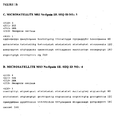
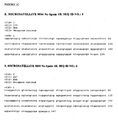
- 13 microsatellite sequences identified in the genome of N. caninum were amplified and sequenced from 10 different isolates, including the one object of the present invention.
- the 181 sequences were analysed using the computer program BLASTN confirming the presences of 40 redundant sequences.
- 126 sequences were found which contained microsatellites resulting from the tandem repetition of the motive (TA) n , 2 of the (AGA) n , and 1 for the motives (TC) n , (GT) n , (GA) n , (TTC) n , (CCT) n , (AAG) n , (TACA) n and (ATCT)n.
- microsatellite markers were selected following different criteria which included the possibility of designing primers for their subsequent amplification by PCR and sequencing, the number of tandem repetitions they presented, selecting those of greatest number, and their localization, outside the coding regions of the genome, with the purpose of selecting the most polymorphic ones.
- Table I describes the microsatellites used in this study as molecular markers.
- specific primers were designed (Genotek, Bonsay Techonologies, Spain) for the amplification of PCR products of approximately 300 pb, which included the repetition motive and part of the sequences flanking them. Subsequently, these primers were applied for the amplification and sequencing of the microsatellites selected from the genomic DNA of ten N. caninum isolates from different hosts and geographic origin, including the isolate object of the invention, as shown in Table II.
- the PCR reactions were performed in volumes of 50 ⁇ l composed of 0.2 ⁇ M of each primer, 200 ⁇ M dNTPs (Sigma), 1 x buffer (75mM Tris pH 9, 20mM (NH4)2SO4, 50mM KCI,) (Biotools, Spain), 2mM MgCl2 (Biotools), 2 units of DNA polymerase (Biotools) and 50 ng of DNA mould.
- the reaction conditions were the following: 1 cycle at 94° C for 5 min, 35 cycles of 94° C/1 min, 60° C / 1 min, and 72o C / 1 min, with a final cycle of 72° C for 10 min.
- microsatellites was monomorphic in the 10 isolates analysed (MS21).
- the presence of polymorphism for the 13 microsatellites selected varied from a low polymorphism with 3 alleles for each microsatellite (MS1A, MS1B, MS12 and MS21) up to 4 to 9 alleles for the remaining microsatellites.
- MS7 showed an allele with SNP ( Single Nucleotide Polymorphism ).
- each allele was designated with a number in accordance with the length of the repetitive motive and the differences found in its sequences.
- the analysis in "multilocus” considerably increased the discriminatory power of the microsatellite sequences and thus, unique genetic profiles were obtained for each isolate, indicating that all the isolates differed significantly from one another, as can be observed in Table II.
- mice Female BALB/c mice, of 6 weeks of age were inoculated intraperitoneally with 10 5 (group A), 10 6 (group B) and 10 7 (group C) tachyzoites of the Nc-Spain 1H isolate obtained from the cell culture prepared in Example 1.
- the animals were housed in plastic cages, in groups of 5 animals per cage, they were kept at an ambient temperature of 20-24° C subjected to a photoperiod of 12 hours of light and 12 hours of darkness.
- the fodder and the water were supplied ad libitum.
- mice All the mice were examined daily to observe symptoms compatible with infection by N. caninum in mice ( Lindsay & Dubey, 1989, J.Parasitol. 75:772-779 ; Lindsay & Dubey, 1990, J.Parasitol. 76:410-413 ; Lindsay et al., 1995, J.Parasitol. 81:313-315 ).
- mice were sacrificed in a CO 2 bell. Immediately after the sacrifice, blood was obtained by intracardiac punction with an insulin syringe and 0.5x16 mm diameter needle. The mice were weighed at the time of sacrifice in order to detect a significant reduction in weight with respect to the control group. The blood samples (200-500 ⁇ l) were deposited in 1.5 ml tubes with EDTA to study the parasitaemia. Next, the autopsy of each individual was performed, opening the abdominal and thoraxic cavities, evaluating the presence of macroscopic lesions and extracting the lung and the brain, which were frozen at -80° C in a sterile 1.5 ml tube until the DNA was extracted in order to detect the presence of the parasite using PCR.
- the blood samples were centrifuged at 2000g for 10 min, collecting the supernatant (plasma) which was conserved at -80o C until the humoral immune response study induced by the parasite using IIF and ELISA techniques.
- the sediment formed by the blood cells obtained after centrifuging the blood samples and removing the plasma, was used for DNA extraction using the commercial system: "Genomic-Prep cell and blood DNA isolation kit” (Amershan Biosciences), which includes the necessary reagents and instructions for its use.
- the DNA samples were stored at -20° C until later analysis by PCR.
- DNA extraction from the lungs and brain was performed from 10-20 mg of fresh frozen tissue, broken up with a scalpel, using the commercial system: "Genomic-Prep cell and tissue DNA isolation kit” (Amershan Biosciences) as a method, which includes the necessary reagents and instructions for its use.
- the nested PCR technique of the ITS-1 region was used to detect the parasite in the blood, lungs and brain samples collected from the sacrificed animals, following the procedure described in Example 1.
- the DNA obtained from N . caninum tachyzoites in all the reactions was used as positive control and ultrapure sterile water as negative control.
- mice of the infected groups did not develop signs compatible with infection or mortality, for the duration of the experiment.
- Splenomegaly and lymphadenopathy were observed during the autopsy in mesenteric and iliac ganglia in most of the mice infected with the parasite from day 2 to day 16 Pl.
- N. caninum DNA was detected in blood from 1 to 5 PI (post-inoculation) and in the lungs and brain from day 1 to 16 PI. With regard to the detection frequency of N. caninum, greater detectability of the parasite was observed on increasing the dose of inoculation. In the Group D (control group) all the samples analysed were negative, in accordance with that expected.
- This example describes the experiments performed to investigate the pathogenicity of the Nc-Spain 1H isolate in a gestating bovine model.
- the tachyzoites of the Nc-1 and Nc-Spain 1H isolates were obtained by replication in cell culture as described in Example 1.
- a transrectal ecography was performed once a week, after the inoculation, in order to determine the feasibility of the foetus, sacrificing those animals where foetal death was detected by ecography. All the remaining heifers were sacrificed on day 45 post-inoculation (PI).
- the histological study of the samples taken post-mortem was based on the observation of the lesions characteristic of infection by N. caninum in the bovine species. Lesions in the brain, heart, liver, and placenta were graduated to the extension and intensity of the lesion that occurred in absent (0), mild (1), moderate (2) or severe (3).
- the clinical signs observed during the experiment were diarrhoea, fever and foetal death.
- the diarrhoea was observed on days 6 (animal 1776) and 7 PI (animals 8862 and 1776), probably due to the arrival of a new lot of fodder.
- Foetal death was diagnosed by ecography in 3 of the 5 animals belonging to group 1.
- the animals and days on which foetal death was diagnosed were the following: 7848 on day 26 PI, 1785 and 1767 on day 34 PI.
- One day 35 PI the presence of amber coloured mucus was observed in the vulva and cervix of animal 1785.
- the remaining animals from group 1 and all animals from groups 2 and 3 showed a normal ecographic image with foetal movement.
- Table IV shows the detection of the presence of N. caninum DNA in the blood of the animals infected with the isolate Nc-1 (group 1) and Nc-Spain 1H (group 2).
- Table IV Day PI Group 1 (Nc-1) Group 2 (Nc-Spain1H) 1767 1785 1587 1786 7848 1711 1638 1563 1782 1965 3 - - - - - - - - + 5 - - + + - - - - - - + 10 - - - - - - - - - 12 - - - - + - - - - - - 17 - - - - - - - - - - - - 19 - + - - - - - - + - 24 + - - - - - - - - 26 - - - - - - - - - 31
- Table V shows the intensity of the lesions observed in the heifers in the central nervous system (CNS) and in the placenta.
- the miscarried foetuses showed lymphocytic myocarditis, whilst in the other animals a slight diffusion of round cells and the presence of perivascular cuffs were observed.
- the most noteworthy lesions were the presence of microhaemorrhages, foci of perivascular lymphocytic cuffs and glial nodules.
- Table VI shows the intensity of the lesions observed in the foetuses in the liver, heart and the central nervous system.
- mice serums were carried out in PBS starting with a 1:25 dilution and making serum dilutions until achieving the last dilution wherein the serums stopped being positive.
- serums were used from the mice with PBS and PBS was used as blank of the reaction.
- the slide was washed twice with PBS (10 min each time) and the IgG mouse immunoglobulin was added bound to fluoroscein isothiocyanate fluorochrome (Sigma, reference F-0257) at a 1:128 dilution in a PBS-Evans blue solution (1:10000), being incubated at 37° C during half an hour in a humid chamber.
- the wells were again washed with PBS (3 times during 10 min each time) performing the last wash for 10 min with distilled water, after which, the wells were dried in the air and the slide was mounted with Fluoprep (Biomerieux) and a 24 x 60 mm slide cover.
- the wells were examined with a fluorescence microscope at x 400 (Nikon, Mercury lamp model HB-10101AF).
- the titres obtained by IIF also varied in accordance with the infective dose, the highest one being obtained (1:200-1:400) in the mice of group C, as shown in Figure 2 .
- the detection of the immunoglobulins of the IgG1 and IgG2a isotypes specific for N. caninum in the plasma was performed by an indirect immunoenzymatic assay (ELISA) following conventional procedures. The results were expressed as optical density. As controls of the assay, a negative sample of mouse serum was included on each plate (optical density less than 0.1) as well as a mouse serum experimentally infected with an optical density over 2.0.
- ELISA indirect immunoenzymatic assay
- 10 7 tachyzoites of the Nc-1 isolate (group 1) were administered intravenously to 5 animals, 10 7 tachyzoites of the Nc-Spain 1H isolate (group 2) to another 5 animals, or PBS (group 3, control group) to another three animals.
- the blood samples were stored at ambient temperature and the culture process was started immediately after its obtainment. The entire process was performed in a laminar flow cabin using micropipette points with a filter.
- the blood in the heparinized tubes was homogenized 10 times, and 900 ⁇ l of whole blood was added to each well of a flat-bottom culture plate (3 wells per animal).
- a well was stimulated with Concanavalina A (100 ⁇ l, final concentration 10 ⁇ g/ml, Sigma), a second with soluble Nc-1 antigen (100 ⁇ l, final concentration 1 ⁇ g/ml) and the third with sterile PBSI (100 ⁇ l, 0.01 M, pH 7.2).
- the plates were homogenized 20 times and they were incubated in a stove at 37° C in an atmosphere with 5% CO 2 .
- the plates were centrifuged at 500g, 10 min at ambient temperature and 200-400 ⁇ l of the supernatant was collected from each well which were stored in 1.5 ml tubes at -20° C until their later analysis.
- the determination of IFN- ⁇ was performed from the supernatants using a commercial ELISA assay (Bovigam, CSL, Ingenasa) following the manufacturer's indications. The results were expressed as values of optical density (OD) at 450 nm.
- the characterization of the humoral immune response was performed using an indirect ELISA assay with soluble N. caninum proteins as antigen.
- the serum samples were diluted to 1:100.
- positive control the serum was used of from reproducer with miscarriage associated to infection by N. caninum with positive serology results by WB and IIF (titre 1:1600-3200).
- negative control the serum from a reproducer was used from a farm without a history of reproductive failure and negative serology results by WB and IIF.
- a monoclonal mAb anti bovine IgG1 and IgG2 antibody (Laboratoire Service International, France) was used at a dilution of 1:2000 in 0.05%PBS-Tween.
- the conjugates for the evaluation of IgG1 and IgG2 (Serotec) were used at a dilution of 1:100000 and 1:40000, respectively.
- the results were expressed as values of optical density at 450 nm (OD).
- group 1 On analysing the results obtained for total specific IgG, in group 1 (Nc-1) a significant increase was observed in the OD values with respect to the control group on day 10 PI, but especially from day 17 PI (P ⁇ 0.05; Duncan), obtaining the highest values on days 24 and 26 PI. In group 2 (Nc-Spain1H), an increase was also observed from day 17 PI with the maximum value on day 19 PI.
- Figure 5 shows the OD values for the three groups.
- the isotypes IgG1 and IgG2 were evaluated from the day on which a significant increase in the OD values of IgG with respect to the control group were observed (day 10 PI).
- the IgG1 levels remained at the same level as the control group during the first days PI analysed.
- a significant increase was detected versus the control group on day 12 PI (P ⁇ 0.05; Duncan) and the highest levels were attained from day 34 PI.
- IgG2 values in group 1 a significant increase was detected compared with the control group on day 17 PI (P ⁇ 0.05; Duncan), reaching the maximum levels on days 34 and 39 PI.
- group 2 the IgG2 values remained slightly above the control group, not finding, however, significant differences between both (P>0.05; Duncan).
- the IgG1 concentration was greater than the IgG2 concentration during the experiment.
- the values of both isotypes were higher in group 1 than in group 2 from day 17 PI (P ⁇ 0.05, Duncan).
- the control animals remained seronegative to N. caninum throughout the experiment.
- Figures 6A and 6B represent the mean values of IgG1 and IgG2 anti- N . caninum in the animals inoculated with the isolate Nc-1, Nc-Spain 1 H, and PBS.
Landscapes
- Health & Medical Sciences (AREA)
- Life Sciences & Earth Sciences (AREA)
- Chemical & Material Sciences (AREA)
- Engineering & Computer Science (AREA)
- Organic Chemistry (AREA)
- Genetics & Genomics (AREA)
- Biotechnology (AREA)
- Zoology (AREA)
- Bioinformatics & Cheminformatics (AREA)
- Wood Science & Technology (AREA)
- Tropical Medicine & Parasitology (AREA)
- General Health & Medical Sciences (AREA)
- Medicinal Chemistry (AREA)
- Microbiology (AREA)
- Biomedical Technology (AREA)
- Virology (AREA)
- Biochemistry (AREA)
- General Engineering & Computer Science (AREA)
- Veterinary Medicine (AREA)
- Chemical Kinetics & Catalysis (AREA)
- General Chemical & Material Sciences (AREA)
- Nuclear Medicine, Radiotherapy & Molecular Imaging (AREA)
- Pharmacology & Pharmacy (AREA)
- Animal Behavior & Ethology (AREA)
- Public Health (AREA)
- Medicines Containing Antibodies Or Antigens For Use As Internal Diagnostic Agents (AREA)
- Peptides Or Proteins (AREA)
Claims (13)
- Parasitenisolat, welches bei der Culture Collection of Algae and Protozoa (CCAP, Kultursammlung von Algen und Protozoen) mit der Hinterlegungsnummer CCAP 2051/2 hinterlegt ist.
- Biologisch reine Zellkultur, welche mit dem Isolat nach Anspruch 1 infiziert ist.
- Zellkultur nach Anspruch 2, dadurch gekennzeichnet, dass sie von Affen-Nierenzellen ist.
- Antikörper, welcher spezifisch gegen ein Antigen aus dem Isolat nach Anspruch 1 reagiert, dadurch gekennzeichnet, dass das Antigen aus der Gruppe gewählt wird, welche aus Folgendes besteht: das Isolat, Tachyzoiten, Bradyzoiten und Sporozoiten.
- Antikörper nach Anspruch 4, dadurch gekennzeichnet, dass das Antigen ein Tachyzoit ist.
- Antikörper nach einem der Ansprüche 4 bis 5, dadurch gekennzeichnet, dass er monoklonal ist.
- Impfstoff, welcher das Isolat nach Anspruch 1 umfasst.
- Impfstoff nach Anspruch 7, dadurch gekennzeichnet, dass das Isolat in Form eines abgeschwächten, inaktivierten oder fixierten, Lebendisolats, in irgendeine Phase seines biologischen Zyklus ist.
- Verwendung des Isolats nach Anspruch 1, um einen Impfstoff für die Behandlung und/oder die Vorbeugung von Neosporose in Tieren herzustellen.
- Verwendung von Antikörpern nach einem der Ansprüche 4 bis 6, um ein Arzneimittel für die Behandlung einer von Neospora caninum in Tieren verursachten Infektion und/oder Krankheit herzustellen.
- Verwendung von Antigenen aus dem Isolat nach Anspruch 1, um eine Infektion durch den Parasiten Neospora caninum in Tieren, aus einer biologischen Probe nachzuweisen, dadurch gekennzeichnet, dass das Antigen aus der Gruppe gewählt wird, welche aus Folgendes besteht: das Isolat, Tachyzoiten, Bradyzoiten und Sporozoiten.
- Verwendung nach Anspruch 11, dadurch gekennzeichnet, dass das Antigen ein Tachyzoit ist.
- Verwendung von Antikörpern nach einem der Ansprüche 4 bis 6, um eine Infektion durch den Parasiten Neospora caninum in Tieren, aus einer biologischen Probe nachzuweisen.
Applications Claiming Priority (2)
| Application Number | Priority Date | Filing Date | Title |
|---|---|---|---|
| ES200503163A ES2319242B1 (es) | 2005-12-23 | 2005-12-23 | Aislado avirulento de neospora canimum y sus usos. |
| PCT/EP2006/012296 WO2007073914A1 (en) | 2005-12-23 | 2006-12-20 | Avirulent isolate of neospora caninum and its uses |
Publications (2)
| Publication Number | Publication Date |
|---|---|
| EP1963482A1 EP1963482A1 (de) | 2008-09-03 |
| EP1963482B1 true EP1963482B1 (de) | 2012-05-23 |
Family
ID=37968698
Family Applications (1)
| Application Number | Title | Priority Date | Filing Date |
|---|---|---|---|
| EP06829777A Not-in-force EP1963482B1 (de) | 2005-12-23 | 2006-12-20 | Avirulentes isolat von neospora caninum und verwendungen davon |
Country Status (5)
| Country | Link |
|---|---|
| US (1) | US20120269823A1 (de) |
| EP (1) | EP1963482B1 (de) |
| BR (1) | BRPI0620367A2 (de) |
| ES (1) | ES2319242B1 (de) |
| WO (1) | WO2007073914A1 (de) |
Families Citing this family (2)
| Publication number | Priority date | Publication date | Assignee | Title |
|---|---|---|---|---|
| ES2326770B1 (es) * | 2007-07-13 | 2010-07-26 | Universidad Complutense De Madrid | Uso de un nuevo aislado de neospora caninum para el desarrollo de pruebas de diagnostico y para la fabricacion de productos para el tratamiento y prevencion de la infenccion causada por neospora. |
| WO2010022454A1 (en) * | 2008-08-26 | 2010-03-04 | University Of Technology, Sydney | Methods, primers and kits for genotyping neospora species and strains |
Family Cites Families (8)
| Publication number | Priority date | Publication date | Assignee | Title |
|---|---|---|---|---|
| US5707617A (en) | 1994-03-21 | 1998-01-13 | The Regents Of The University Of California | Bovine neospora isolates |
| US6476192B1 (en) | 1996-04-15 | 2002-11-05 | Nicola C. Lally | Recombinant antigens useful for the serodiagnosis of neosporosis |
| PT841392E (pt) | 1996-11-12 | 2004-11-30 | Univ Auburn | Vacina viva atenuada de neospora |
| BR9803232A (pt) | 1997-08-26 | 2000-01-11 | Pfizer Prod Inc | Vaicna de neospora. |
| JP2001520205A (ja) | 1997-10-20 | 2001-10-30 | バイエル・コーポレーシヨン | ネオスポラワクチン |
| EP0953641A3 (de) | 1998-03-26 | 2002-03-13 | Pfizer Products Inc. | Für Neospora Proteine kodierende polynukleotid Moleküle |
| AUPQ905600A0 (en) * | 2000-07-28 | 2000-08-24 | Insearch Limited | Parasites |
| CN100393866C (zh) | 2002-09-20 | 2008-06-11 | 英特威国际有限公司 | 减毒活寄生虫疫苗 |
-
2005
- 2005-12-23 ES ES200503163A patent/ES2319242B1/es not_active Expired - Fee Related
-
2006
- 2006-12-20 EP EP06829777A patent/EP1963482B1/de not_active Not-in-force
- 2006-12-20 US US12/158,633 patent/US20120269823A1/en not_active Abandoned
- 2006-12-20 BR BRPI0620367-1A patent/BRPI0620367A2/pt not_active IP Right Cessation
- 2006-12-20 WO PCT/EP2006/012296 patent/WO2007073914A1/en not_active Ceased
Non-Patent Citations (2)
| Title |
|---|
| DATABASE EM EST 16 January 2001 (2001-01-16), COLE R. ET AL.: "NcEST3a23g02.y1 Nc 1314 Tachyzoite cDNA Neospora caninum cDNA 5', mRNA sequence", Database accession no. BF824453 * |
| DATABASE EM EST 20 November 2003 (2003-11-20), COLE R. ET AL.: "NcEST3e25b11.y1 Nc-LIV Tachyzoite cDNA Library Neospora caninum cDNS 5' mRNA sequence", Database accession no. CF937360 * |
Also Published As
| Publication number | Publication date |
|---|---|
| US20120269823A1 (en) | 2012-10-25 |
| BRPI0620367A2 (pt) | 2011-11-08 |
| EP1963482A1 (de) | 2008-09-03 |
| ES2319242B1 (es) | 2009-12-01 |
| ES2319242A1 (es) | 2009-05-05 |
| WO2007073914A1 (en) | 2007-07-05 |
Similar Documents
| Publication | Publication Date | Title |
|---|---|---|
| Dijkstra et al. | Dogs shed Neospora caninum oocysts after ingestion of naturally infected bovine placenta but not after ingestion of colostrum spiked with Neospora caninum tachyzoites | |
| Lindsay et al. | Confirmation that the dog is a definitive host for Neospora caninum | |
| Rojo-Montejo et al. | Isolation and characterization of a bovine isolate of Neospora caninum with low virulence | |
| da Silva et al. | Genotyping of Toxoplasma gondii strains isolated from dogs with neurological signs | |
| Cutler et al. | Immunoconversion against Sarcocystis neurona in normal and dexamethasone-treated horses challenged with S. neurona sporocysts | |
| US9585949B2 (en) | Use of attenuated strains of parasites for the prevention or treatment of pathologies associates with an apicomplexan | |
| Smith et al. | Toxoplasma gondii strain variation and pathogenicity | |
| US20080107645A1 (en) | Neospora caninum isolate | |
| US20120269823A1 (en) | Virulent isolate of neospora caninum and its uses | |
| EP2196532B1 (de) | Verwendung eines neues isolats aus neospora caninum zur entwicklung diagnostischer tests und zur herstellung von produkten zur behandlung und prävention von neospora-infektionen | |
| BRPI0921843B1 (pt) | composição de vacina, e, uso de uma composição de vacina | |
| Pishva et al. | First report of isolation of Brucella melitensis, vaccine strain Rev. 1 as a source of cattle infection in Iran | |
| Eskeland et al. | Clinical and immunological responses in sheep after inoculation with Himar1-transformed Anaplasma phagocytophilum and subsequent challenge with a virulent strain of the bacterium | |
| EP0585390A1 (de) | Entdeckung eines sich verborgen haltenden virus beim chronischen-müdigkeitssyndrom | |
| Shkap et al. | Babesia bigemina: Attenuation of an Uzbek isolate for immunization of cattle with live calf-or culture-derived parasites | |
| Abbas et al. | GIARDIASIS IN HUMAN AND ANIMALS | |
| AU2001277390B2 (en) | Neospora caninum isolate. | |
| Latham | The epidemiology of Neospora caninum | |
| ANJALI | MODULATION OF CYTOKINE EXPRESSION BY BETAINE IN CAECAL COCCIDIOSIS INFECTED CHICKEN | |
| Arshi et al. | Detection of Toxoplasma gondii from Native Cattle in Southwest of Iran | |
| El-Askalany et al. | Vaccination of Egyptian balady goats (Capra hircus) against Haemonchus contortus with adult and larval extract | |
| Samadi et al. | Ovine and caprine brucellosis (Brucella melitensis) | |
| REBUCK | Toxoplasma gondii Strain Variation and Pathogenicity | |
| Arshi et al. | Animal and Veterinary Sciences Detection of Toxoplasma gondii from Native Cattle in Southwest of Iran | |
| DAS | STUDIES ON Cryptosporidium RELATED DIARRHOEA IN CATTLE |
Legal Events
| Date | Code | Title | Description |
|---|---|---|---|
| PUAI | Public reference made under article 153(3) epc to a published international application that has entered the european phase |
Free format text: ORIGINAL CODE: 0009012 |
|
| 17P | Request for examination filed |
Effective date: 20080619 |
|
| AK | Designated contracting states |
Kind code of ref document: A1 Designated state(s): AT BE BG CH CY CZ DE DK EE ES FI FR GB GR HU IE IS IT LI LT LU LV MC NL PL PT RO SE SI SK TR |
|
| 17Q | First examination report despatched |
Effective date: 20081024 |
|
| GRAP | Despatch of communication of intention to grant a patent |
Free format text: ORIGINAL CODE: EPIDOSNIGR1 |
|
| DAX | Request for extension of the european patent (deleted) | ||
| GRAS | Grant fee paid |
Free format text: ORIGINAL CODE: EPIDOSNIGR3 |
|
| GRAA | (expected) grant |
Free format text: ORIGINAL CODE: 0009210 |
|
| AK | Designated contracting states |
Kind code of ref document: B1 Designated state(s): AT BE BG CH CY CZ DE DK EE ES FI FR GB GR HU IE IS IT LI LT LU LV MC NL PL PT RO SE SI SK TR |
|
| REG | Reference to a national code |
Ref country code: GB Ref legal event code: FG4D |
|
| REG | Reference to a national code |
Ref country code: CH Ref legal event code: EP |
|
| REG | Reference to a national code |
Ref country code: AT Ref legal event code: REF Ref document number: 559100 Country of ref document: AT Kind code of ref document: T Effective date: 20120615 |
|
| REG | Reference to a national code |
Ref country code: IE Ref legal event code: FG4D |
|
| REG | Reference to a national code |
Ref country code: DE Ref legal event code: R096 Ref document number: 602006029720 Country of ref document: DE Effective date: 20120726 |
|
| REG | Reference to a national code |
Ref country code: NL Ref legal event code: VDEP Effective date: 20120523 |
|
| REG | Reference to a national code |
Ref country code: LT Ref legal event code: MG4D Effective date: 20120523 |
|
| PG25 | Lapsed in a contracting state [announced via postgrant information from national office to epo] |
Ref country code: FI Free format text: LAPSE BECAUSE OF FAILURE TO SUBMIT A TRANSLATION OF THE DESCRIPTION OR TO PAY THE FEE WITHIN THE PRESCRIBED TIME-LIMIT Effective date: 20120523 Ref country code: LT Free format text: LAPSE BECAUSE OF FAILURE TO SUBMIT A TRANSLATION OF THE DESCRIPTION OR TO PAY THE FEE WITHIN THE PRESCRIBED TIME-LIMIT Effective date: 20120523 Ref country code: IS Free format text: LAPSE BECAUSE OF FAILURE TO SUBMIT A TRANSLATION OF THE DESCRIPTION OR TO PAY THE FEE WITHIN THE PRESCRIBED TIME-LIMIT Effective date: 20120923 Ref country code: SE Free format text: LAPSE BECAUSE OF FAILURE TO SUBMIT A TRANSLATION OF THE DESCRIPTION OR TO PAY THE FEE WITHIN THE PRESCRIBED TIME-LIMIT Effective date: 20120523 Ref country code: CY Free format text: LAPSE BECAUSE OF FAILURE TO SUBMIT A TRANSLATION OF THE DESCRIPTION OR TO PAY THE FEE WITHIN THE PRESCRIBED TIME-LIMIT Effective date: 20120523 |
|
| REG | Reference to a national code |
Ref country code: AT Ref legal event code: MK05 Ref document number: 559100 Country of ref document: AT Kind code of ref document: T Effective date: 20120523 |
|
| PG25 | Lapsed in a contracting state [announced via postgrant information from national office to epo] |
Ref country code: LV Free format text: LAPSE BECAUSE OF FAILURE TO SUBMIT A TRANSLATION OF THE DESCRIPTION OR TO PAY THE FEE WITHIN THE PRESCRIBED TIME-LIMIT Effective date: 20120523 Ref country code: GR Free format text: LAPSE BECAUSE OF FAILURE TO SUBMIT A TRANSLATION OF THE DESCRIPTION OR TO PAY THE FEE WITHIN THE PRESCRIBED TIME-LIMIT Effective date: 20120824 Ref country code: SI Free format text: LAPSE BECAUSE OF FAILURE TO SUBMIT A TRANSLATION OF THE DESCRIPTION OR TO PAY THE FEE WITHIN THE PRESCRIBED TIME-LIMIT Effective date: 20120523 Ref country code: PT Free format text: LAPSE BECAUSE OF FAILURE TO SUBMIT A TRANSLATION OF THE DESCRIPTION OR TO PAY THE FEE WITHIN THE PRESCRIBED TIME-LIMIT Effective date: 20120924 |
|
| PG25 | Lapsed in a contracting state [announced via postgrant information from national office to epo] |
Ref country code: BE Free format text: LAPSE BECAUSE OF FAILURE TO SUBMIT A TRANSLATION OF THE DESCRIPTION OR TO PAY THE FEE WITHIN THE PRESCRIBED TIME-LIMIT Effective date: 20120523 |
|
| PG25 | Lapsed in a contracting state [announced via postgrant information from national office to epo] |
Ref country code: DK Free format text: LAPSE BECAUSE OF FAILURE TO SUBMIT A TRANSLATION OF THE DESCRIPTION OR TO PAY THE FEE WITHIN THE PRESCRIBED TIME-LIMIT Effective date: 20120523 Ref country code: AT Free format text: LAPSE BECAUSE OF FAILURE TO SUBMIT A TRANSLATION OF THE DESCRIPTION OR TO PAY THE FEE WITHIN THE PRESCRIBED TIME-LIMIT Effective date: 20120523 Ref country code: SK Free format text: LAPSE BECAUSE OF FAILURE TO SUBMIT A TRANSLATION OF THE DESCRIPTION OR TO PAY THE FEE WITHIN THE PRESCRIBED TIME-LIMIT Effective date: 20120523 Ref country code: RO Free format text: LAPSE BECAUSE OF FAILURE TO SUBMIT A TRANSLATION OF THE DESCRIPTION OR TO PAY THE FEE WITHIN THE PRESCRIBED TIME-LIMIT Effective date: 20120523 Ref country code: CZ Free format text: LAPSE BECAUSE OF FAILURE TO SUBMIT A TRANSLATION OF THE DESCRIPTION OR TO PAY THE FEE WITHIN THE PRESCRIBED TIME-LIMIT Effective date: 20120523 Ref country code: NL Free format text: LAPSE BECAUSE OF FAILURE TO SUBMIT A TRANSLATION OF THE DESCRIPTION OR TO PAY THE FEE WITHIN THE PRESCRIBED TIME-LIMIT Effective date: 20120523 Ref country code: EE Free format text: LAPSE BECAUSE OF FAILURE TO SUBMIT A TRANSLATION OF THE DESCRIPTION OR TO PAY THE FEE WITHIN THE PRESCRIBED TIME-LIMIT Effective date: 20120523 |
|
| PG25 | Lapsed in a contracting state [announced via postgrant information from national office to epo] |
Ref country code: PL Free format text: LAPSE BECAUSE OF FAILURE TO SUBMIT A TRANSLATION OF THE DESCRIPTION OR TO PAY THE FEE WITHIN THE PRESCRIBED TIME-LIMIT Effective date: 20120523 Ref country code: IT Free format text: LAPSE BECAUSE OF FAILURE TO SUBMIT A TRANSLATION OF THE DESCRIPTION OR TO PAY THE FEE WITHIN THE PRESCRIBED TIME-LIMIT Effective date: 20120523 |
|
| PLBE | No opposition filed within time limit |
Free format text: ORIGINAL CODE: 0009261 |
|
| STAA | Information on the status of an ep patent application or granted ep patent |
Free format text: STATUS: NO OPPOSITION FILED WITHIN TIME LIMIT |
|
| PG25 | Lapsed in a contracting state [announced via postgrant information from national office to epo] |
Ref country code: ES Free format text: LAPSE BECAUSE OF FAILURE TO SUBMIT A TRANSLATION OF THE DESCRIPTION OR TO PAY THE FEE WITHIN THE PRESCRIBED TIME-LIMIT Effective date: 20120903 |
|
| 26N | No opposition filed |
Effective date: 20130226 |
|
| REG | Reference to a national code |
Ref country code: DE Ref legal event code: R097 Ref document number: 602006029720 Country of ref document: DE Effective date: 20130226 |
|
| PG25 | Lapsed in a contracting state [announced via postgrant information from national office to epo] |
Ref country code: MC Free format text: LAPSE BECAUSE OF NON-PAYMENT OF DUE FEES Effective date: 20121231 Ref country code: BG Free format text: LAPSE BECAUSE OF FAILURE TO SUBMIT A TRANSLATION OF THE DESCRIPTION OR TO PAY THE FEE WITHIN THE PRESCRIBED TIME-LIMIT Effective date: 20120823 |
|
| REG | Reference to a national code |
Ref country code: CH Ref legal event code: PL |
|
| GBPC | Gb: european patent ceased through non-payment of renewal fee |
Effective date: 20121220 |
|
| REG | Reference to a national code |
Ref country code: IE Ref legal event code: MM4A |
|
| REG | Reference to a national code |
Ref country code: FR Ref legal event code: ST Effective date: 20130830 |
|
| PG25 | Lapsed in a contracting state [announced via postgrant information from national office to epo] |
Ref country code: LI Free format text: LAPSE BECAUSE OF NON-PAYMENT OF DUE FEES Effective date: 20121231 Ref country code: CH Free format text: LAPSE BECAUSE OF NON-PAYMENT OF DUE FEES Effective date: 20121231 Ref country code: DE Free format text: LAPSE BECAUSE OF NON-PAYMENT OF DUE FEES Effective date: 20130702 Ref country code: IE Free format text: LAPSE BECAUSE OF NON-PAYMENT OF DUE FEES Effective date: 20121220 |
|
| REG | Reference to a national code |
Ref country code: DE Ref legal event code: R119 Ref document number: 602006029720 Country of ref document: DE Effective date: 20130702 |
|
| PG25 | Lapsed in a contracting state [announced via postgrant information from national office to epo] |
Ref country code: FR Free format text: LAPSE BECAUSE OF NON-PAYMENT OF DUE FEES Effective date: 20130102 Ref country code: GB Free format text: LAPSE BECAUSE OF NON-PAYMENT OF DUE FEES Effective date: 20121220 |
|
| PG25 | Lapsed in a contracting state [announced via postgrant information from national office to epo] |
Ref country code: TR Free format text: LAPSE BECAUSE OF FAILURE TO SUBMIT A TRANSLATION OF THE DESCRIPTION OR TO PAY THE FEE WITHIN THE PRESCRIBED TIME-LIMIT Effective date: 20120523 |
|
| PG25 | Lapsed in a contracting state [announced via postgrant information from national office to epo] |
Ref country code: LU Free format text: LAPSE BECAUSE OF NON-PAYMENT OF DUE FEES Effective date: 20121220 |
|
| PG25 | Lapsed in a contracting state [announced via postgrant information from national office to epo] |
Ref country code: HU Free format text: LAPSE BECAUSE OF FAILURE TO SUBMIT A TRANSLATION OF THE DESCRIPTION OR TO PAY THE FEE WITHIN THE PRESCRIBED TIME-LIMIT Effective date: 20061220 |