EP2196532B1 - Verwendung eines neues isolats aus neospora caninum zur entwicklung diagnostischer tests und zur herstellung von produkten zur behandlung und prävention von neospora-infektionen - Google Patents
Verwendung eines neues isolats aus neospora caninum zur entwicklung diagnostischer tests und zur herstellung von produkten zur behandlung und prävention von neospora-infektionen Download PDFInfo
- Publication number
- EP2196532B1 EP2196532B1 EP08805322.8A EP08805322A EP2196532B1 EP 2196532 B1 EP2196532 B1 EP 2196532B1 EP 08805322 A EP08805322 A EP 08805322A EP 2196532 B1 EP2196532 B1 EP 2196532B1
- Authority
- EP
- European Patent Office
- Prior art keywords
- isolate
- spain
- caninum
- neospora
- dna
- Prior art date
- Legal status (The legal status is an assumption and is not a legal conclusion. Google has not performed a legal analysis and makes no representation as to the accuracy of the status listed.)
- Not-in-force
Links
Images



Classifications
-
- G—PHYSICS
- G01—MEASURING; TESTING
- G01N—INVESTIGATING OR ANALYSING MATERIALS BY DETERMINING THEIR CHEMICAL OR PHYSICAL PROPERTIES
- G01N33/00—Investigating or analysing materials by specific methods not covered by groups G01N1/00 - G01N31/00
- G01N33/48—Biological material, e.g. blood, urine; Haemocytometers
- G01N33/50—Chemical analysis of biological material, e.g. blood, urine; Testing involving biospecific ligand binding methods; Immunological testing
- G01N33/53—Immunoassay; Biospecific binding assay; Materials therefor
- G01N33/569—Immunoassay; Biospecific binding assay; Materials therefor for microorganisms, e.g. protozoa, bacteria, viruses
- G01N33/56905—Protozoa
-
- A—HUMAN NECESSITIES
- A61—MEDICAL OR VETERINARY SCIENCE; HYGIENE
- A61K—PREPARATIONS FOR MEDICAL, DENTAL OR TOILETRY PURPOSES
- A61K35/00—Medicinal preparations containing materials or reaction products thereof with undetermined constitution
- A61K35/66—Microorganisms or materials therefrom
- A61K35/68—Protozoa, e.g. flagella, amoebas, sporozoans, plasmodium or toxoplasma
-
- A—HUMAN NECESSITIES
- A61—MEDICAL OR VETERINARY SCIENCE; HYGIENE
- A61K—PREPARATIONS FOR MEDICAL, DENTAL OR TOILETRY PURPOSES
- A61K39/00—Medicinal preparations containing antigens or antibodies
- A61K39/002—Protozoa antigens
-
- C—CHEMISTRY; METALLURGY
- C07—ORGANIC CHEMISTRY
- C07K—PEPTIDES
- C07K14/00—Peptides having more than 20 amino acids; Gastrins; Somatostatins; Melanotropins; Derivatives thereof
- C07K14/435—Peptides having more than 20 amino acids; Gastrins; Somatostatins; Melanotropins; Derivatives thereof from animals; from humans
- C07K14/44—Peptides having more than 20 amino acids; Gastrins; Somatostatins; Melanotropins; Derivatives thereof from animals; from humans from protozoa
-
- C—CHEMISTRY; METALLURGY
- C07—ORGANIC CHEMISTRY
- C07K—PEPTIDES
- C07K14/00—Peptides having more than 20 amino acids; Gastrins; Somatostatins; Melanotropins; Derivatives thereof
- C07K14/435—Peptides having more than 20 amino acids; Gastrins; Somatostatins; Melanotropins; Derivatives thereof from animals; from humans
- C07K14/44—Peptides having more than 20 amino acids; Gastrins; Somatostatins; Melanotropins; Derivatives thereof from animals; from humans from protozoa
- C07K14/45—Toxoplasma
-
- C—CHEMISTRY; METALLURGY
- C12—BIOCHEMISTRY; BEER; SPIRITS; WINE; VINEGAR; MICROBIOLOGY; ENZYMOLOGY; MUTATION OR GENETIC ENGINEERING
- C12N—MICROORGANISMS OR ENZYMES; COMPOSITIONS THEREOF; PROPAGATING, PRESERVING, OR MAINTAINING MICROORGANISMS; MUTATION OR GENETIC ENGINEERING; CULTURE MEDIA
- C12N1/00—Microorganisms; Compositions thereof; Processes of propagating, maintaining or preserving microorganisms or compositions thereof; Processes of preparing or isolating a composition containing a microorganism; Culture media therefor
- C12N1/10—Protozoa; Culture media therefor
-
- C—CHEMISTRY; METALLURGY
- C12—BIOCHEMISTRY; BEER; SPIRITS; WINE; VINEGAR; MICROBIOLOGY; ENZYMOLOGY; MUTATION OR GENETIC ENGINEERING
- C12N—MICROORGANISMS OR ENZYMES; COMPOSITIONS THEREOF; PROPAGATING, PRESERVING, OR MAINTAINING MICROORGANISMS; MUTATION OR GENETIC ENGINEERING; CULTURE MEDIA
- C12N1/00—Microorganisms; Compositions thereof; Processes of propagating, maintaining or preserving microorganisms or compositions thereof; Processes of preparing or isolating a composition containing a microorganism; Culture media therefor
- C12N1/10—Protozoa; Culture media therefor
- C12N1/105—Protozoal isolates
-
- G—PHYSICS
- G01—MEASURING; TESTING
- G01N—INVESTIGATING OR ANALYSING MATERIALS BY DETERMINING THEIR CHEMICAL OR PHYSICAL PROPERTIES
- G01N33/00—Investigating or analysing materials by specific methods not covered by groups G01N1/00 - G01N31/00
- G01N33/48—Biological material, e.g. blood, urine; Haemocytometers
- G01N33/50—Chemical analysis of biological material, e.g. blood, urine; Testing involving biospecific ligand binding methods; Immunological testing
- G01N33/53—Immunoassay; Biospecific binding assay; Materials therefor
-
- C—CHEMISTRY; METALLURGY
- C12—BIOCHEMISTRY; BEER; SPIRITS; WINE; VINEGAR; MICROBIOLOGY; ENZYMOLOGY; MUTATION OR GENETIC ENGINEERING
- C12R—INDEXING SCHEME ASSOCIATED WITH SUBCLASSES C12C - C12Q, RELATING TO MICROORGANISMS
- C12R2001/00—Microorganisms ; Processes using microorganisms
- C12R2001/90—Protozoa ; Processes using protozoa
Definitions
- the present invention is comprised within the field of animal health and relates, as expressed in the title of this specification, to the development of diagnostic tests for the detection of Neospora caninum in animals and to the manufacture of pharmaceutical compositions for the prevention and the treatment of neosporosis therein.
- the invention relates to the use of the isolate Nc-Spain 7 of N. caninum the relevant feature of which is the ease of conversion between the tachyzoite and bradyzoite stages under in vitro conditions, and for that reason it is a suitable candidate for the manufacture of new vaccine and therapeutic products against neosporosis, and for the development of new diagnostic methods to detect the infection caused by the Neospora caninum parasite in animals from biological samples.
- Neospora caninum is a parasite belonging to the phylum Apicomplexa in which the genera Plasmodium, Babesia, Cryptosporidium, Eimeria and Toxoplasma are grouped, which include some of the most important disease-causing organisms known to man. N. caninum was first described in 1984 as a protozoan able to cause encephalitis and myositis in dogs, and shortly thereafter it was recognized as an abortion- and neonatal mortality-causing agent in cattle.
- sporozoites which are developed in the oocysts eliminated in the feces of the definitive host and are able to infect the intermediate host
- tachyzoites the fast multiplication form, responsible for the acute phase of the infection and its propagation to other tissues
- bradyzoites the slow multiplication stage of the parasite giving rise to tissue cysts in which the parasite remains stationed during the chronic phase until its reactivation.
- Bovine neosporosis is considered a parasitic disease with cosmopolitan distribution and one of the most frequent causes of reproductive failure in cattle in several producing countries in which it has been studied, including Spain ( Pereira-Bueno et al., 2003, Vet Parasitol 111: 143-152 ).
- the most important clinical manifestation of the infection is abortion, which generally takes place between the fifth and seventh month of gestation.
- live infected calves can be born that may have neuromuscular problems up to two months post-partum.
- the most frequent manifestation is the birth of clinically healthy but chronically infected calves.
- the diagnostic methods used to detect infection by N. caninum generally in adult bovines, mainly consist of techniques based on the detection of serum antibodies specific for the parasite.
- different immunoassays have been designed comprising indirect immunofluorescence assay (IFA), several immunoenzymatic assays (ELISA) and immunoblot (IB) ( Ortega-Mora et al., 2006, Acta Parasitológica 51: 1-14 ).
- IFA indirect immunofluorescence assay
- ELISA immunoenzymatic assays
- IB immunoblot
- the antigens used in these serologic tests are from tachyzoites obtained in cell cultures of bovine and canine isolates of N. caninum.
- bradyzoite-derived antigens have mainly been associated to chronic infections, in which there is a predominance of the bradyzoite stage. It has therefore been suggested that a serologic test using bradyzoite-derived antigens could be more suitable for the identification of animals persistently infected ( Maley et al., 2001, Vet Parasitol. 5; 96(1):1-9 ).
- NeoGuardTM the efficacy of which has recently been evaluated in the field ( Romero et al., 2004, Vet Parasitol. 123(3-4): 149-59 ).
- Neospora caninum with a high in vitro capability of conversion between the tachyzoite and bradyzoite stages of its biological cycle and applicable in the development of diagnostic tests and products for the treatment and prevention of the infection caused by this parasite.
- the new isolate is called Nc-Spain 7 in compliance with the international code of nomenclature of microorganisms, and it has been identified and characterized by means of different in vitro studies and experimental in vivo infections as a new isolate of the species Neospora caninum.
- a sample of the culture of tachyzoites of the isolate Nc-Spain 7 was deposited on 20/03/2005, according to the provisions of the Budapest Treaty on the International Recognition of the Deposit of Microorganisms for the Purposes of Patent Procedure, in the Culture Collection of Algae and Protozoa (CCAP) located in the Dunstaffnage Marine Laboratory, Dunbeg, OBAN, Argyll PA37 1QA, Scotland, Great Britain, with access number CCAP 2051/1.
- CCAP Culture Collection of Algae and Protozoa
- the expression isolated parasite or simply isolate of the invention refers to the new isolate of Neospora caninum , Nc-Spain 7, obtained in any stage of its biological cycle.
- the expression extracts, cell lysates, polypeptides and polynucleotides obtained from the isolate of the invention relates to extracts, cell lysates, polypeptides and polynucleotides obtained from the isolate of the invention in any stage of its biological cycle.
- Said isolate was obtained from the nervous tissue of a congenitally infected calf of the species Bos taurus of the Holstein Friesian race as described in Example 1.
- the presence of the parasite in samples of nervous tissue from the infected calf was confirmed by means of nested PCR developed for the specific detection of the DNA of the parasite in clinical samples.
- the specific amplification of the ITS-1 region allowed detecting the presence of DNA of this parasite in said samples.
- the histological and immunohistochemical analysis of the same nervous tissue once again confirmed the presence of the parasite in this tissue, with the observation of lesions compatible with the infection by N. caninum, as well as the detection of cysts by means of the use of a rabbit polyclonal antibody obtained for tachyzoites of N. caninum.
- mice of the BALB/c strain sensitive to the infection which were inoculated with different amounts of the nervous tissue.
- the onset of clinical signs compatible with the neosporosis allowed, in a second step, its in vitro isolation in cell cultures of the cell line MARC-145 (African vervet monkey ( Cercopithecus aethiops) kidney cells).
- mice infected according to the experimental murine model was verified in the immunogenicity assays described in Example 4 by means of an ELISA technique for the detection of the immunoglobulins IgG2a and IgG1 specific for Neospora .
- the isolate Nc-Spain 7 belongs to the species N. caninum and has an elevated capability of in vitro conversion from the tachyzoite stage to the bradyzoite stage, which makes it very useful for the development of new diagnostic tests, as well as for the development of new pharmaceutical compositions for the treatment and prevention of infection by Neospora, as described in Examples 7 and 8.
- Another aspect of the invention relates to biologically pure cell cultures infected by the isolate Nc-Spain 7 of the invention which is maintained in vitro by means of successive passages in cultures of different cell lines.
- Tachyzoites and bradyzoites of the isolate of the invention are obtained, by means of these cell cultures, which are used in obtaining polypeptides, antigens, antibodies, nucleic acids and other compounds of use in the preparation of products for the diagnosis, treatment and prevention of neosporosis.
- biologically pure cell culture of the isolate of the invention relates to a culture of the isolate Nc-Spain 7 maintained in a continuous manner substantially free of other organisms, except the host cells in which the parasite multiplies. It is considered that a culture is substantially free of other organisms if after the normalized processes for the recovery of the isolate they result in a preparation with at least 95%, and preferably 99% or more, of the parasite.
- the preferred cell culture is of vervet monkey kidney cells among which lines MA-1 04, MARC-145, and Vero cells, can be mentioned.
- the disclosure also comprises the antibodies which react specifically against the antigens from the isolate of the invention.
- antibody relates to an immunoglobulin molecule produced by an animal organism able to bind to a specific epitope of an antigen.
- the antibodies can be formed by a polyclonal mixture or can be monoclonal antibodies. They can also be formed by intact natural or recombinant immunoglobulins or fragments of these antibodies which retain their capability of recognition and binding of the target epitope and include the Fc fragment and the antigen binding fragments, F(ab) and F(ab) 2 , as well as single chains (heavy chain (H) and light chain (L)) fused or not to other molecules.
- the antigen from the isolate Nc-Spain 7, against which the antibody specifically reacts is preferably selected from the group consisting of the isolate itself in any of its stages of the biological cycle, extracts or cell lysates, antigenic polypeptides, or mixtures thereof.
- the antigen is selected from the group consisting of tachyzoites and/or bradyzoites, and antigenic polypeptides.
- the antigenic polypeptides are the obtained from the isolate itself or by means of recombinant technology from polynucleotides of the isolate of the invention.
- polyclonal antibodies different previously selected animals species (mice, rabbits, goats or horses, among others) are immunized with an immunogen formed by the isolate itself of the invention inactivated in any of the stages of its biological cycle, or one or several natural and/or recombinant proteins, purified or not, in formulation or not with an adjuvant.
- the serum of the immunized animal is subsequently collected and there is an option of treating it for the purpose of producing an enrichment of the immunoreactive antibodies of interest according to different conventional processes.
- the monoclonal antibodies are defined as the antibodies produced by a clonal population of cells generated from a single immortalized cell and, therefore, are identical and able to specifically recognize a single epitope.
- the monoclonal and polyclonal antibodies developed against certain epitopes are particularly useful for the diagnosis of the disease, and those having a neutralizing activity against the parasite are very useful in passive immunotherapies.
- Their applications include diagnostic tests by means of immunoassay such as, for example, competitive ELISA or agglutination, immunohistochemical tests, and other applications such as in vitro evaluation of the capability of adhesion/invasion of the parasite, the detection and prior selection of antigens for the development of new vaccines, purification of proteins of interest, and the search in genomic and complementary DNA gene libraries for the identification of genes of interest.
- the antibodies of the present disclosure specifically bind to the isolate itself of the invention in any of its stages of the biological cycle, extracts and/or cell lysates, antigenic polypeptides, or mixtures thereof, and are suitable for detecting the presence of the N. caninum parasite or of the infection caused by the same in animals from biological samples.
- the antibody of the disclosure is preferably monoclonal.
- polypeptides obtained from the isolated parasite are also part of the disclosure.
- polypeptide includes the polypeptides obtained from the isolate of the invention in any stage of its biological cycle, from extracts and/or cell lysates, or mixtures thereof.
- the recombinant polypeptides produced in heterologous expression systems after the transcription and translation of nucleotide sequences obtained from the isolate of the invention in any stage of its biological cycle are also included.
- polypeptide sequences of the disclosure include not only “identical” sequences, but also those which are “substantially identical” thereto.
- the polypeptides can vary by means of performing deletions, insertions and substitutions in their amino acid sequence, giving rise to different but substantially identical polypeptides.
- the term "identical or percentage of identity" of sequences for two or more polynucleotides and polypeptides relates to two or more sequences which are the same or have a specific percentage of nucleotide or amino acid residues which are equal, respectively, when these are aligned for maximum correspondence, compared and this percentage is calculated by means of the use of algorithms used in their comparison or by visual inspection.
- substantially identical relates to polynucleotide or polypeptide sequences having at least 60%, preferably 80% and much more preferably 90-95% identity in the amino acid or nucleotide residues, when they are compared, aligned for maximum correspondence and their percentage of identity calculated by the already mentioned methods.
- the BLAST program is an example of the programs used to calculate the percentage of identity and similarity between sequences ( http://www.ncbi.nlm.nih.gov/blast ).
- polypeptides of the disclosure have diagnostic or immunogenic interest. In the first case, they are part of immunoassay tests as an antigen for the detection of antibodies specific for N. caninum, and in the second case, they are part of pharmaceutical compositions for the prevention and treatment of infections caused by Neospora and/or obtaining antibodies.
- One option for the isolation of antigenic polypeptides of the new isolate Nc-Spain 7 comprises the use of normalized techniques for purification of proteins or polypeptides.
- An alternative process is based on using the polynucleotides obtained from the isolate of the invention for the expression of recombinant proteins by means of the introduction of the polynucleotides encoding the proteins of interest in heterologous expression systems suitable for their production, subsequently performing a purification process.
- heterologous expression systems suitable for their production, subsequently performing a purification process.
- prokaryotic cells for example Escherichia coli
- yeasts for example Saccharomyces cerevisiae, Schizosaccharomyces pombe, Pichia pastoris
- cell lines of mammals for example CHO, HEK, COS
- insects for example Sf9, Sf21).
- polypeptides used in the heterologous expression of polypeptides to give rise to polypeptides modified by means of deletions, insertions and/or substitutions in their amino acid sequence although they continue to maintain their immunogenic capacity for the purpose of obtaining variations to make their expression and/or purification easier, or to increase their plasma half-life, increasing their therapeutic efficacy, and reducing the degree and/or the onset of side effects, if their use is therapeutic.
- the introduction of the genetic material into the host cell or expression system of the polypeptide is performed, for example, by transfection with calcium salts, spheroplasts, electroporation, liposomes or viral vectors.
- the vector for the inclusion of the genetic material inside the cell there is a possibility of using any of the conventional expression vectors developed for the expression of proteins in prokaryotic and eukaryotic cells.
- the recombinant polypeptides obtained are purified, they are used in obtaining antibodies, for the development of diagnostic tests and for the preparation of immunogenic pharmaceutical compositions.
- the disclosure also comprises polynucleotides obtained from the isolated parasite of the invention.
- nucleic acid or polynucleotide relates to molecules of the DNA or RNA nucleic acids obtained from the isolate of the invention in any stage of its biological cycle.
- polynucleotides of the disclosure include “identical” sequences and also sequences “substantially identical” thereto.
- a variable number of polynucleotide sequences which are transcribed and translated can produce identical functional polypeptides due to the degeneration of the genetic code.
- polynucleotide sequences are "substantially identical” when they have at least 60%, preferably 80% and much more preferably between 90-95% of identity in the nucleotide residues, when they are compared, aligned for maximum correspondence and their percentage of identity calculated by the already mentioned methods.
- Two polynucleotide sequences are also substantially identical if two molecules hybridize one with the other under high specificity conditions.
- the selected conditions are generally the temperature, which is usually up to 5°C lower than the dissociation temperature or Tm for a specific sequence in a saline solution at a determined pH.
- the Tm is the temperature at which 50% of the sequence was dehybridized from the complementary sequence.
- One of the applications of these molecules polynucleotide comprises the heterologous expression of proteins of Neospora of diagnostic or immunogenic interest, as previously described, for the preparation of DNA vaccines or as probes in different diagnostic tests of the infection in animals from a biological sample.
- polynucleotides of interest in the development of diagnostic tests and for the expression of recombinant proteins are obtained by means of techniques known in the art and, preferably, by means of the polymerase chain reaction or PCR technique from messenger RNA, genomic DNA or gene libraries.
- One option for the identification of the polynucleotide required for the heterologous expression of a specific protein is based on reverse translation and on the design of oligonucleotides degenerated from the sequence of the protein of interest or of the conserved regions of homologous proteins of phylogenetically related species.
- new oligonucleotides are designed based on its sequence, which will be used for the amplification and cloning of the polynucleotide of interest for their subsequent heterologous expression, the diagnosis of disease by means of the amplification of specific Neospora DNA from the DNA obtained from a biological sample, or for obtaining nucleotide probes which allow detecting the presence of messenger RNA or DNA of the parasite in clinical samples, or for any other method of detection based on the nucleic acids of the parasite.
- the invention also includes the use of the new isolate for preparing a vaccine for the treatment and/or prevention of the infection caused by N. caninum in animals.
- preparations are formulated from the isolate of the invention in any of the stages of its biological cycle, preferably from the attenuated live, inactivated and/or fixed parasite, or they are formed by a cell extract or lysate thereof.
- the vaccines included in the disclosure also include recombinant vaccines such as DNA vaccines by means of cloning the gene encoding the immunogen in plasmid vectors which are transfected into the host cells in the animals.
- the virus such as, for example, the vaccine virus ( vaccinia ) or some adenovirus as vectors, are other alternatives for the generation of recombinant vaccines.
- the vaccines formed by the different immunogens described are preferably prepared as injectables in liquid formulations, such as solutions, suspensions or emulsions in which the immunogen is encapsulated or not in liposomes or any other suitable system, or in solid form for their subsequent reconstitution prior to its administration.
- liquid formulations such as solutions, suspensions or emulsions in which the immunogen is encapsulated or not in liposomes or any other suitable system, or in solid form for their subsequent reconstitution prior to its administration.
- oral formulations for example capsules and tablets.
- the immunogen in its formulation can be combined with excipients for pharmaceutical use, wetting agents or emulsifiers, pH regulators, preservatives and/or adjuvants increasing the effectiveness of the vaccine, in addition to cytokines and/or other immunomodulators.
- the vaccines of the present invention can be administered preventively to animals sensitive to infection for the purpose of inducing an effective immune response against the parasite.
- the vaccine can also be administered for the treatment of the disease once the first clinical signs are shown.
- antibodies that specifically react against an antigen from the isolate of the invention, and preferably those having a neutralizing activity against the parasite in passive immunotherapies, for the preparation of a pharmaceutical product for the treatment of the infection and/or disease caused by N. caninum in the animals, is also part of the present disclosure.
- biological sample or clinical sample relates to any sample obtained from living or dead organisms.
- biological samples are biological fluids (blood, serum, plasma, milk, urine, semen, ascitic fluid, cerebrospinal fluid and fetal fluids), tissue samples (from the brain, spinal cord, lung, heart, liver and placenta, among others) and cell cultures.
- antigens from the isolate of the invention to detect infection by the N. caninum parasite in animals from a biological sample is included as an object of the disclosure.
- the antigen will preferably be formed by the isolate itself in any of its stages of the biological cycle, extracts or cell lysates obtained therefrom, antigenic polypeptides obtained from the isolate of the invention or produced by means of recombinant DNA techniques from partially or completely purified polynucleotides obtained from the isolate of the invention, or mixtures thereof.
- the antigen used will more preferably be formed by tachyzoites and/or bradyzoites, and antigenic polypeptides.
- antibodies that specifically react against an antigen from the isolate of the invention to detect infection by the N. caninum parasite in animals from a biological sample is also part of this disclosure. Even though the antibodies can be monoclonal antibodies or can be formed by a polyclonal mixture, a preferred embodiment of this disclosure uses monoclonal antibodies.
- the diagnosis of the infection by the Neospora parasite in animals from a biological sample can be performed by means of different immunoassay techniques allowing the detection of antibodies specific for N. caninum generated during the immune response developed in the infected animal, such as immunoenzymatic (such as the ELISA technique), immunofluorescence (such as the IFA technique), immunoblot (IB) and agglutination (DAT) techniques or any other method based on the detection of the mentioned antibodies.
- immunoenzymatic such as the ELISA technique
- immunofluorescence such as the IFA technique
- IB immunoblot
- DAT agglutination
- the detection of the parasite in a biological sample can also be performed by means of immunological techniques using antibodies specific for the parasite (such as the immunohistochemical (IHC) technique).
- immunological techniques using antibodies specific for the parasite (such as the immunohistochemical (IHC) technique).
- This disclosure also includes the detection of the nucleic acids of the parasite for diagnostic purposes by means of the use of different molecular biology techniques, based on specific hybridization techniques, stressing the application of PCR, in situ hybridization and in situ PCR.
- specific hybridization relates to the specific hybridization between the sequence acting as a probe with the target sequence.
- the probe could bind to other unrelated sequences, at least 90% and preferably 95% or more of the hybridization complexes formed will be with the target sequence.
- the disclosure also includes the use of the new genetically modified isolate and of the extracts obtained therefrom for the preparation of diagnostic tests and the preparation of products for the treatment and prevention of the infection caused by Neospora. Additionally and with the same uses, the polypeptides and polynucleotides obtained from the genetically modified isolate and the immunoreactive antibodies developed against antigens thereof are included.
- the isolate of the invention can be genetically manipulated by means of the insertion and/or deletion of homologous or heterologous polynucleotide sequences in its genome, or by means of directed mutagenesis by the substitution of nucleotides in the sequence of the genome thereof.
- the introduction of the genetic material is performed by means of processes well known in the art such as the electroporation or the transformation with calcium salts.
- the isolate can also be genetically modified by alternative processes including random mutagenesis using chemical agents, such as ethyl methanesulfonate (EMS) or diethyl sulfate (DES) and physical agents such as ionizing and/or ultraviolet radiations.
- chemical agents such as ethyl methanesulfonate (EMS) or diethyl sulfate (DES)
- physical agents such as ionizing and/or ultraviolet radiations.
- the genetically modified isolates of the disclosure mainly have a diagnostic and immunoprophylactic interest.
- they are part of immunoassay tests incorporating the expression of new antigenic proteins which allow increasing the sensitivity and specificity of the assay for the detection of antibodies specific for N.
- caninum for example, expression of specific proteins of bradyzoite during the tachyzoite stage used as an antigen
- they are part of vaccines for the prevention and treatment of infections caused by Neospora by means of the generation of isolates expressing new antigenic proteins of immunoprophylactic interest (specific of the bradyzoite and/or sporozoite stages), by means of the generation of isolates attenuated by the genetic modification of genes directly involved in the virulence of Neospora or the insertion of polynucleotide sequences as "markers" if the isolate is part of a live vaccine.
- Example 1 Obtaining a new isolate of N. caninum from a congenitally infected calf
- Nc-Spain 7 This example describes obtaining the isolate of N. caninum called Nc-Spain 7 from a congenitally infected calf of the Holstein Friesian race.
- the calf was born from a cow with positive serology in the detection tests for antibodies specific for N. caninum maintained in a milk production farm located in the province of Navarre, Spain.
- the precolostral serum of the calf was analyzed for the detection of antibodies specific for Neospora by the IFA technique, resulting in a titer of 1:800.
- Two months after its birth it remained healthy and showing no clinical sign attributable to infection by Neospora. It was sacrificed on this date by means of an injection of 30 ml of T-61 (embutramide and mebezonium iodide, Intervet) by endovenous route and the brain and the upper portion of the spinal cord were then immediately extracted under aseptic conditions and maintained at 4°C.
- T-61 embutramide and mebezonium iodide, Intervet
- the different samples of nervous tissue maintained at 4°C were analyzed for the purpose of detecting the presence of the DNA of N. caninum by means of the use of nested PCR amplifying the ITS-1 region of the parasite ( Buxton et al., 1998, J. Comp Pathol. 118: 267-279 ).
- different portions of about 20 mg were removed from all the sections collected and processed for the extraction of the genomic DNA with the commercial kit "Genomic-Prep cell and tissue DNA isolation kit" (Amershan Biosciences) following the manufacturer's instructions, and subsequently 5 ⁇ l of the solution of the resulting DNA (100-200 ng) were used as a mold in the nested PCR of the ITS-1 region described below.
- the amplification of the ITS-1 region of the ribosomal DNA of N. caninum was performed in a first PCR reaction using the oligonucleotides NN1 (SEQ ID NO: 13) and NN2 (SEQ ID NO: 14), and in a second reaction using the oligonucleotides NP1 (SEQ ID NO: 15) and NP2 (SEQ ID NO: 16).
- the PCR mixture (25 ⁇ l) was made up of 0.15 ⁇ M of each oligo (Sigma), 200 ⁇ M dNTPs (Sigma), 1x buffer (75 mM Tris pH 9, 20 mM (NH 4 ) 2 SO 4 , 50 mM KCI) (Biotools, Spain), 2 mM MgCl 2 (Biotools) and 0.625 units of DNA polymerase (Biotools).
- 1x buffer 75 mM Tris pH 9, 20 mM (NH 4 ) 2 SO 4 , 50 mM KCI) (Biotools, Spain)
- 2 mM MgCl 2 Biotools
- Biotools 0.625 units of DNA polymerase
- DNA of the parasite was detected in all the analyzed brain sections.
- the samples maintained in the 10% buffered formalin solution were dehydrated, embedded in paraffin and multiple sections of 3 to 6 ⁇ m thick were stained with hematoxylin-eosin following the usual method.
- the samples were microscopically examined as described in González et al., 1999, Vet Rec 144: 145-150 . All the analyzed samples showed lesions compatible with the infection by this parasite characterized by symptoms of non-suppurative meningoencephalitis, with multiple glial nodules and perivascular cuffing.
- the brain samples maintained at 4°C were processed for isolation by means of their homogenization with cycles of 1 minute of duration in a tissue homogenizer (IUL Masticator) until their perfect breakdown. Then the filtration of the macerated products through a previously sterilized 150 ⁇ m mesh was performed, and it was centrifuged at 1350 x g for 10 minutes. The supernatant was discarded and the sediment equivalent to about 5 grams of starting tissue was intraperitoneally inoculated with an insulin syringe and needle with a diameter of 0.5x16 mm in female mice of the Balb/c nu / nu strain with an approximate weight of 20-25 grams. The entire process was performed under aseptic conditions.
- tissue homogenizer IUL Masticator
- mice were examined daily to detect the onset of clinical signs attributable to neosporosis, including weight loss, limb paralysis, ataxia, lethargy, and other neurological signs, as described in Yamane et al., 1998, J. Vet. Diagn. Invest. 10: 364-368 . These signs were detected in all the inoculated mice between the days 18-21 post-inoculation (PI) and, after their onset, the mice were sacrificed in CO 2 atmosphere and used for the isolation of the parasite in cell culture by means of the inoculation of the peritoneal wash.
- PI post-inoculation
- the brain of the sacrificed mice was removed and homogenized in a PBS solution supplemented with an antibiotic-antimycotic solution (100 IU/ml penicillin G, 100 ⁇ g/ml streptomycin and 250 ng/ml amphotericin B) (Gibco, BRL, UK) by means of successive syringe passages with 21 G and 25 G needles and, then the homogenate equivalent to the fourth part of the brain, was intraperitoneally inoculated in a new athymic mouse of the Balbc nu / nu strain which was likewise monitored until the onset of the previously described clinical signs.
- an antibiotic-antimycotic solution 100 IU/ml penicillin G, 100 ⁇ g/ml streptomycin and 250 ng/ml amphotericin B
- the process was performed up to 6 consecutive passages from mouse to mouse, observing the onset of the already described clinical signs, in all the inoculated mice, between days 6 and 15 PI.
- the extraction of the DNA from 20 mg of sample of the brain of the mice inoculated with the brain of the calf was performed, which was subjected to analysis by means of the nested PCR of the previously described ITS-1 region, the specific amplification product being detected in all the analyzed mice.
- the isolation in cell culture was performed by means of the inoculation of the peritoneal wash of the previously sacrificed mice with clinical signs on a monolayer culture of the cell line MARC-145.
- the washing of the peritoneal cavity was performed with approximately 8 ml of Dulbeco's Modified Eagle Medium (DMEM) supplemented with 2% bovine fetal serum and a 2% antibiotic-antimycotic solution (200 IU/ml penicillin G, 200 ⁇ g/ml streptomycin and 500 ng/ml amphotericin B) (Gibco BRL, UK) which was then immediately added to a monolayer of approximately 10 6 cells of the line MARC-145 in a culture flask of 25 cm 2 .
- DMEM Dulbeco's Modified Eagle Medium
- Gibco BRL 500 ng/ml amphotericin B
- the medium was removed and substituted with DMEM supplemented with 2% equine serum and the same 1% antibiotic-antimycotic solution. Every 4 days the layer of cells was mechanically lifted with the use of a cell scraper, it was passed through a syringe and 25 G needle and added to a new culture of 5x10 5 MARC-145 cells. After 24 hours the medium was removed again and substituted with DMEM supplemented with 2% equine serum.
- the cultures were maintained in a wet oven at 37°C and 5% CO 2 atmosphere and were observed daily under phase contrast microscopy for viewing the parasite.
- At 4 days PI some vacuoles and tachyzoites were observed in the cell culture, which was then maintained by successive passages according to the described process until obtaining counts in a Neubauer chamber equal to or greater than 10 6 tachyzoites at the third passage. From this moment, the culture was maintained as described by Perez-Zaballos et al., 2005, J. Parasitol., 91 (3): 507-10 .
- This example describes the genetic characterization of the isolate Nc-Spain 7 along with other isolates obtained from different hosts and from a different geographic origin, allowing their identification and discrimination from the rest.
- 13 microsatellite sequences previously identified in the genome of N. caninum were amplified and sequenced from the isolate of the invention, as had previously been done with 9 other isolates ( Regidor-Cerrillo et al., 2006, J. Parasitol., 92(3): 517-524 ).
- microsatellites are formed by single nucleotide sequences of 2 to 5 nucleotides which are repeated in tandem and which are characterized by elevated polymorphism, mainly depending on the number of repeats of the nucleotide motif they have, being a suitable tool for the identification and discrimination of the different isolates of N. caninum.
- 13 markers of the 126 microsatellite sequences detected were selected depending on several criteria which included the possibility of designing primers for their subsequent PCR amplification and sequencing, the number of tandem repeats they had, selecting those with the highest number, and their location outside encoding regions of the genome, for the purpose of selecting the most polymorphic.
- Table I describes the 13 microsatellites used in this study as molecular markers.
- specific primers SEQ ID NO: 17 to SEQ ID NO: 42
- were designed which were used for the amplification of PCR products of approximately 300 bp, including the repeat motif and part of the sequences which flank it, from the genomic DNA of ten isolates of N. caninum of different hosts and geographic origin, including the isolate object of the invention, as shown in Table II.
- the genomic DNA of the isolate Nc-Spain 7 was obtained from 10 8 tachyzoites by means of the use of the Genomic Prep Cells and Tissue DNA Isolation Kit commercial system (Amersham Biosciences, Uppsala, Sweden).
- the tachyzoites maintained in monolayer of cell line MARC-145, as described in Example 1 were collected from the culture when 70-80% of the parasitophorous vacuoles had been ruptured and purified from the cell residues by means of several passages through a 25 G needle and the use of PD10 chromatograph columns (Amersham Biosciences, Uppsala, Sweden). After their extraction, the concentration of the genomic DNA was determined by means of spectrophotometry at 260/280 nm and stored at - 20°C.
- the PCR reactions were performed in volumes of 50 ⁇ l made up of 0.2 ⁇ M of each oligonucleotide, 200 ⁇ M dNTPs (Sigma), 1x reaction buffer (75 mM Tris pH 9, 20 mM (NH 4 ) 2 SO 4 , 50 mM KCI,) (Biotools, Spain), 2 mM MgCl 2 (Biotools), 2 units of DNA polymerase (Biotools) and 50 ng of DNA mold.
- the reaction conditions were the following: 1 cycle at 94°C for 5 minutes, 35 cycles of 94°C/1 minute, 60°C/1 minute, and 72°C/1 minute, with a final cycle of 72°C for 10 minutes.
- DNA obtained from the cells in which the parasite was usually maintained and H 2 O were included as a negative control.
- the PCR products obtained were separated by electrophoresis in agarose gels with 2.5% ethidium bromide (NuSieve 3:1, Cambrex BioScience, USA) and were viewed under UV light.
- the products were subsequently purified with the Exo-SAP IT kit (USB, USA), according to the manufacturer's instructions, and directly sequenced in both directions.
- sequences were analyzed using the BioEdit Sequence Alignment Editor v.7.0.1 computer program (Copyright ⁇ 1997-2004 Tom Hall, Ibis Therapeutics, Carlsbad CA 92008, USA) and were deposited in the GenBank database under access numbers AY935165-AY935200 and AY937107-AY937178, except for the isolate Nc-Spain 7.
- polymorphism for the 13 microsatellites selected ranged from a low polymorphism with 2 or 3 alleles for each microsatellite (MS1A, MS1B, MS12 and MS21) to 4 to 9 alleles for the remaining microsatellites in the 10 isolates analyzed. Furthermore, MS7 showed an allele carrying an SNP (Single Nucleotide Polymorphism) in the microsatellite.
- SNP Single Nucleotide Polymorphism
- SEQ ID NO: 1 microsatellite MS1A
- SEQ ID NO: 2 microsatellite MS1B
- SEQ ID NO: 3 microsatellite MS2
- SEQ ID NO: 4 microsatellite MS3
- SEQ ID NO: 5 microsatellite MS4
- SEQ ID NO: 6 microsatellite MS5
- SEQ ID NO: 7 microsatellites MS6A and MS6B
- SEQ ID NO: 8 microsatellite MS7
- SEQ ID NO: 9 microsatellite MS8
- SEQ ID NO: 10 microsatellite MS10
- SEQ ID NO: 11 microsatellite MS12
- SEQ ID NO: 12 microsatellite MS21
- each allele was designed with a number according to the length of the repeat motif and the differences found in its sequence.
- the multilocus analysis considerably increased the discriminatory power of the microsatellite sequences and unique genetic profiles were thus obtained for each isolate, indicating that all the isolates significantly differed from one another, as can be seen in Table II.
- This section describes the experiments conducted to determine the pathogenicity of the isolate object of the invention Nc-Spain 7 in an experimental murine model.
- mice of the BALB/c strain of 6 weeks of age were inoculated by intraperitoneal route with 10 6 (group A) and 10 7 (group B) tachyzoites of the isolate Nc-Spain 7 maintained in cell culture as described in Example 1.
- the control group (group C) consisted of BALB/c mice of the same features inoculated with 200 ⁇ l of PBS by intraperitoneal route. Five animals from each group were sacrificed randomly in the course of the experiment on days 1, 2, 4, 8, 16, 32 and 64, except for the control group, which were sacrificed three mice a day.
- mice All the mice were examined daily to observe clinical signs compatible with the infection by N. caninum.
- mice were sacrificed in CO 2 atmosphere. Immediately after the sacrifice blood was obtained by means of intracardial puncture with an insulin syringe and 0.5 x 16 mm needle. The mice were weighed at the time of the sacrifice for the purpose of detecting weight reductions with respect to the control group. The blood samples (200-500 ⁇ l) were deposited in 1.5 ml tubes with EDTA for the parasitemia study. Subsequently, the necropsy of each subject was performed, opening the abdominal and chest cavities, assessing the presence of macroscopic lesions and removing the lung and the brain, which were frozen at -80°C in sterile 1.5 ml tubes until extraction of the DNA for the purpose of detecting the presence of the parasite by PCR.
- the blood samples were centrifuged at 2000 x g for 10 minutes.
- the sediment formed by the blood cells was intended for the extraction of the DNA using the "Genomic-Prep cell and blood DNA isolation kit" commercial system (Amershan Biosciences) and the plasma obtained was maintained at -80°C.
- the lung and brain DNA was extracted from 10-20 mg of frozen tissue with the Genomic-Prep cell and tissue DNA isolation kit commercial system (Amershan Biosciences).
- the nested PCR technique of the ITS-1 region was used, following the process described in Example 1.
- the DNA obtained from tachyzoites of N. caninum was used as a positive control and sterile ultra-pure water was used as a negative control.
- mice of the control group survived until the end of the experiment clinically healthy.
- one of the mice of group A developed clinical signs clearly compatible with neosporosis (hemiparesis and ataxia) from day 31 and survived until day 38 post-inoculation (PI) when, due to the severity of the symptoms, it was sacrificed.
- group B a total of 11 mice presented clinical signs compatible with neosporosis to a greater or lesser degree throughout the experiment. From day 14 PI, they presented bristling of the hair, severe anorexia, lethargy, hemiparesis and some of them, staggers. Three of the mice were sacrificed on days 24 and 58 PI due to the severity of the symptoms.
- the DNA of N. caninum was detected in blood from day 1 to 8 PI, and in the lung and brain from day 2 to 64 PI. With respect to the frequency of detection of N. caninum, a higher detectability of the parasite was observed when the dose of the inoculum was increased. In group C (control group), all the analyzed samples were negative, as was expected. The results obtained for the distribution of the parasite in the groups A and B are shown in Table III.
- the parasite load of the positive brain and lung samples was determined by means of quantitative real-time PCR technique as described in patent EP1655378 .
- the parasite loads obtained for group A in the lung were low on day 4 PI, slightly increasing on day 8 PI.
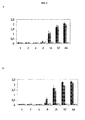
- group B the detected load was significantly increased on day 4 PI, reaching a maximum on day 8 PI ( Figure 1 , panel A).
- the number of parasites found on days 16 and 32 PI was similar and slightly increased on day 64 PI.
- group B the parasite load was maximum on day 16 PI, and on days 32 and 64 it decreased, although it was maintained at elevated levels.
- the comparative statistical analysis of both groups by means of the Statistica computer program (version 5.0, copyright Statsoft.
- the y-axis represents the number of tachyzoites detected per microgram of genomic DNA of the host, quantified by the real-time PCR technique in the lung (Panel A) and brain (Panel B) of the mice of groups A (point bars), inoculated with 10 6 tachyzoites of the isolate Nc-Spain 7, and B (striped bars), inoculated with 10 7 tachyzoites, throughout the experimental infection.
- the day post-inoculation is represented on the x-axis.
- the bars are represented with their median and the 25% and 75% quartiles.
- the detection of the immunoglobulins of the isotypes IgG1 and IgG2a specific for N. caninum in the plasma of the infected mice of Example 3 was performed by means of an indirect immunoenzymatic assay (ELISA).
- ELISA indirect immunoenzymatic assay
- each 96-well plate (Nunc Maxisorp) was antigenized with 0.5 ⁇ g of protein of the soluble extract of tachyzoites of the isolate Nc-1 of N. caninum obtained by sonication and fixed with 10% buffered formalin solution. After blocking 0.05% PBS-Tween-20 buffer and 1% bovine serum albumin and incubating with the test sera at a 1/100 dilution, anti-IgG1 and anti-IgG2a of mice conjugated with peroxidase (Southern Biotechnology) at a 1/5000 dilution were used as secondary antibodies.
- the colorimetric reaction was finally developed by means of the addition of the o-dihydrochloride-diamino-phenylene substrate (0.6 mg/ml; Sigma) in 0.05 M citrate buffer supplemented with 0.045% H 2 O 2 . After stopping the colorimetric reaction with a solution of 2M H 2 SO 4 , the absorbance was measured in an ELISA reader at a wavelength of 405 nm. The results were expressed as optical density. A sample of negative mouse serum (optical density less than 0.1) as well as a mouse serum experimentally infected with an optical density greater than 2.0 were used as controls of the test.
- the optical density (OD), determined at 450 nm using the ELISA technique, is represented on the y-axis as the measurement of antibodies IgG1 (black bars) and IgG2a (grey bars) specific for N. caninum produced by the mice of groups A, (Panel A) and B (Panel B), which were inoculated with 10 6 and 10 7 tachyzoites of the isolate Nc-Spain 7, respectively, against the control group (IgG1, represented by bars with slanted lines, and IgG2a represented by white bars) throughout the experimental infection.
- the x-axis shows the days post-infection (PI).
- Example 5 Determination of the capability of conversion between the tachyzoite and bradyzoite stage of the isolate Nc-Spain 7 in in vitro studies
- Monolayers of cell line MARC-145 were cultivated on circular cover slips 10 mm in diameter, inside 24-well plates using as a medium DMEM culture medium supplemented with 10% bovine fetal serum, 15 mM HEPES (pH 7.2), 2 mM glutamine, 100 U/ml penicillin, 100 ⁇ g/ml streptomycin and 250 ng/ml amphotericin B.
- the cell monolayers were infected at 24 hours with tachyzoites of the isolate Nc-Spain 7 at a host:parasite infection dose of 2:1.
- the medium was replaced with fresh medium containing 2% bovine fetal serum and 70 ⁇ M sodium nitroprussiate (Sigma) as a stressing agent inductor of the conversion into the bradyzoite stage. This medium was replaced daily for 7 days and the cultures were maintained at 37°-C and 5% CO 2 .
- FICT fluorescein isothiocyanate
- TAC tetramethyl rhodamine
- the crystals were observed in an inverted fluorescence microscope (Nikon Eclipse TE200) using a 100X immersion lens. The conversion was evaluated in duplicate for each day studied, randomly counting 10 fields in each crystal, to determine the expression of each specific protein.
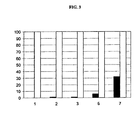
- the expression of BAG1 was detected from the second day post-stress and progressively increased until observing 32% of BAG1-positive parasitophorous vacuoles on day 7 post-stress ( Figure 3 ).
- the degree of conversion between stages was established as the relative percentage of the number of parasitophorous vacuoles which expressed BAG1 versus the total parasitophorous vacuoles counted.
- Example 6 Immunohistochemical analysis of the capability of in vivo tachyzoite-bradyzoite conversion of the isolate Nc-Spain 7
- This example describes the immunohistochemical analysis performed on the samples of the brain of the congenitally infected calf from which the isolate of the invention with which the capability of in vivo conversion between the stages of tachyzoite-bradyzoite of the isolate Nc-Spain 7 was obtained.
- the different samples of nervous tissue maintained in 10% formalin solution were dehydrated and embedded in paraffin following the usual method. Consecutive multiple sections 3 to 6 ⁇ m thick of the paraffined samples were deparaffinized with xylene, rehydrated and subjected to treatment in 0.3% H 2 O 2 in methanol for 30 minutes, for the purpose of inhibiting the endogenous peroxidase activity. They were subsequently treated calcium chloride-trypsin solution (pH 7.8) for 40 minutes at 37°C and blocked with goat serum for 30 minutes.
- the different sections were incubated with rabbit polyclonal serum developed against antigen BAG1, expressed in bradyzoite stage ( ⁇ BAG1) at a 1:200 dilution for 12-18 hours at room temperature, or an anti-tachyzoites of N. caninum ( ⁇ tachyzoite) rabbit polyclonal serum at a 1:3000 dilution.
- the samples were then immediately incubated with biotinylated anti-rabbit immunoglobulin IgG antibody for 30 minutes and then with the ABC-P solution for 40 minutes. It was developed by means of the use of diaminobenzidine as a substrate according to the manufacturer's instructions specified in the ABC kit (Vectastain ABC kit, Vector Lab.).
- the different sections were stained with hematoxylin, dehydrated and mounted for their microscopic observation.
- bradyzoites located in cysts was detected in most of the analyzed sections. These bradyzoites were specifically recognized by the ⁇ BAG1 antibody.
- Example 7 Evaluation of the protective capability of an inactivated vaccine prepared with the isolate Nc-Spain 7
- This example describes the development of an inactivated vaccine prepared with the isolate of the invention Nc-Spain 7 and its safety and efficacy were evaluated using an experimental murine model.
- the antigen for the immunizations was prepared from tachyzoites obtained, collected and purified as described in Example 2, which were inactivated by means of their treatment with the binary ethyleneimine agent (BEI) at a concentration of 0.01 M in distilled water for a period of 96 hours at 4°C and, it was subsequently neutralized with a sodium thiosulfate solution.
- BEI binary ethyleneimine agent
- the vaccine product was then formulated by means of its adjuvanting with adjuvant A (Laboratorios Hipra S.A., Girona, Spain) at a concentration of antigen equivalent to 5x10 5 inactivated tachyzoites per dose of inoculation in the Laboratorios Hipra S.A. (Gerona, Spain).
- Female mice of the BALB/c strain 8 weeks of age (Harlan Iberica, Barcelona) were used for the vaccination test.
- Table IV comprises the different groups included in the vaccine test including a group vaccinated with the adjuvanted antigen (G1) or with the adjuvant without antigen (G2) which were challenged with a dose of experimental infection of 2x10 6 tachyzoites of the isolate Nc-1, and two groups of control mice, one group not vaccinated and challenged (G3) and the other group not vaccinated or challenged (G4), which formed "not vaccinated" group during the inductor period.
- G1 the adjuvanted antigen
- G2 adjuvant without antigen
- the vaccination regime With respect to the vaccination regime, it consisted of two vaccine doses with 21 days of interval considering the first inoculation as day 0 of the experiment, and at 53 days post-inoculation the challenge was performed with 2x10 6 tachyzoites of the isolate Nc-1, by subcutaneous route.
- the safety of the vaccine product was evaluated by observing the animals daily, verifying if they produced local reactions in the inoculation area or systemic reactions due to the vaccination.
- the presence of the parasite in the brain of the animals sacrificed on day 30 post-challenge was determined by means of the PCR technique.
- the extraction of the genomic DNA from 10-20 mg of nervous tissue of the different brains was performed by means of the Realpure Genomic DNA Extraction commercial test (Realpure, Durviz), following the manufacturer's instructions, and then the detection of the parasite was performed by means of the nested PCR technique of the ITS-1 region following the process described in Example 1.
- the highest levels of the isotypes IgG1 and IgG2a were detected in the inductor phase in the vaccinated group (G1). With respect to IgG1 significant differences were observed when comparing group G1 to G2 (one-factor Anova) and the "not vaccinated" group (G4) (Dunnett's test). In the case of the isotype IgG2a, no statistically significant differences were observed ( Figure 4 , Panel A). Elevated levels were detected during the effector phase for both isotypes IgG2a and IgG1 in all the challenged groups (G1, G2 and G3).
- the optical density (OD), determined at 450 nm using the ELISA technique, is represented on the y-axis as the measurement of the antibodies IgG1 (grey bars) and IgG2a (black bars) specific for N. caninum produced by the mice of the different groups of the vaccine test for the inductor phase on day 23 post-inoculation (Panel A) and effector phase on day 30 after the challenge (Panel B).
- the different groups included in the vaccine test are shown on the x-axis.
- the results obtained during the inductor period demonstrated the capability of the vaccine preparation of inducing an immunological response, at least a humoral type response, specific for N. caninum.
- the antigen equivalent to 2x10 7 tachyzoites per gel was thus resolved through a 4% bis/acrylamide packing gel (pH 6.8) then followed by a 12.5% acrylamide-DATD separating gel using the Mini-PROTEAN II System (Bio-Rad, California, USA).
- Mini-PROTEAN II System Bio-Rad, California, USA.
- the Precision Plus Protein Standards Kaleidoscope marker Bio-Rad was also included. Then the proteins were transferred to a 0.22 ⁇ m nitrocellulose membrane using the Mini Trans-Blot Cell system (Bio-Rad).
- TBS TBS blocking solution
- TBS 3% BSA in 0.05% TBS-Tween
- the antigen-antibody complexes formed were detected using the chromogenic 4-chloro-1-naphthol compound (Bio-Rad) as a substrate.
- mice plasma samples used were obtained by means of the mixture at equal parts of the plasmas collected after day 32 post-infection of experimentally infected mice with 10 6 tachyzoites of the isolates Nc-1, Nc-Liverpool and Nc-Spain 7 and 10 7 tachyzoites of Nc-Spain 7, as described in Example 3.
- the mixture of the plasmas of the control mice inoculated with PBS on day 32 post-infection was included as a control.
- the antigenic profiles detected when using the plasma of the analyzed mice were identical in the extracts of both isolates, Nc-Spain 7 and Nc-1 ( Figure 5 ).
- the main antigenic proteins detected in both isolates were 17, 24, 30, 34-35, 37, 39, 72-74 kDa, and some with an elevated molecular weight (> 80 kDa).
- Figure 5 shows the immunoblot analysis with the whole protein extract of the isolates of N. caninum Nc-Spain 7 (Panel A) and Nc-1 (Panel B) under reducing conditions with a mixture at equal parts of the plasmas obtained from experimentally infected mice as described next: Balb/c mice infected with 10 6 tachyzoites of Nc-1 (line 1), Balb/c mice infected with 10 6 tachyzoites of Nc-Liverpool (line 2), Balb/c mice infected with 10 7 tachyzoites of Nc-Spain 7 (line 3), Balb/c mice infected with 10 6 tachyzoites of Nc-Spain 7 (line 4) and Balb/c mice inoculated with PBS (line 5).
- the migration profile of the proteins corresponding to the Precision Plus Protein Standards Kaleidoscope marker (Bio-Rad) is indicated by means of lines with their corresponding molecular weight in kDa.
- the main immunodominant antigens detected are indicated by means of arrow tips, indicating the apparent molecular weight in kDa.
- Figure 6 shows the immunoblot analysis with the whole protein extract of the isolates of N. caninum Nc-Spain 7 (Panel A) and Nc-1 (Panel B) under reducing conditions of the sera obtained from bovines, as described next: precolostral calf serum (1:1600 IFA titer) (line 1), precolostral calf serum (1:800 IFA titer) (calf of origin for the isolation of Nc-Spain 7) (line 2), negative control precolostral calf serum (line 3), mixture at equal parts of the sera of heifers experimentally infected with 10 8 tachyzoites of Nc-1 (line 4 and 5), mixture at equal parts of the sera of heifers inoculated with PBS (line 6) and serum of naturally infected cows (line 7 and 8).
- precolostral calf serum (1:1600 IFA titer
- precolostral calf serum (1:800 IFA tit
- the migration profile of the proteins corresponding to the Precision Plus Protein Standards Kaleidoscope marker is indicated by means of lines with their corresponding molecular weight in kDa.
- the main immunodominant antigens detected are indicated by means of arrow tips, indicated the apparent molecular weight in kDa.
- the results shown in this test confirm the usefulness of the isolate Nc-Spain 7 as an antigen in immunoassay tests for the detection of antibodies specific for Neospora in a biological sample.
- the series of sera used in the immunoblot test developed in the present example formed by sera from animals naturally and experimentally infected with the N. caninum parasite, showed an identical antigenic pattern of detection in the cell extracts obtained from the reference isolate, Nc-1, and from Nc-Spain 7, including the detection of the set of antigenically predominant proteins or immunodominant antigens described in previous studies by other authors, which confirms their diagnostic usefulness.
Landscapes
- Health & Medical Sciences (AREA)
- Life Sciences & Earth Sciences (AREA)
- Chemical & Material Sciences (AREA)
- Engineering & Computer Science (AREA)
- General Health & Medical Sciences (AREA)
- Medicinal Chemistry (AREA)
- Organic Chemistry (AREA)
- Microbiology (AREA)
- Immunology (AREA)
- Tropical Medicine & Parasitology (AREA)
- Genetics & Genomics (AREA)
- Zoology (AREA)
- Biotechnology (AREA)
- Biochemistry (AREA)
- Biomedical Technology (AREA)
- Molecular Biology (AREA)
- Bioinformatics & Cheminformatics (AREA)
- Wood Science & Technology (AREA)
- Hematology (AREA)
- Mycology (AREA)
- Urology & Nephrology (AREA)
- Veterinary Medicine (AREA)
- Public Health (AREA)
- Animal Behavior & Ethology (AREA)
- Epidemiology (AREA)
- Pharmacology & Pharmacy (AREA)
- Virology (AREA)
- General Engineering & Computer Science (AREA)
- Toxicology (AREA)
- Gastroenterology & Hepatology (AREA)
- Biophysics (AREA)
- Proteomics, Peptides & Aminoacids (AREA)
- Pathology (AREA)
- General Physics & Mathematics (AREA)
- Analytical Chemistry (AREA)
- Physics & Mathematics (AREA)
- Food Science & Technology (AREA)
- Cell Biology (AREA)
- Peptides Or Proteins (AREA)
- Medicines Containing Antibodies Or Antigens For Use As Internal Diagnostic Agents (AREA)
Claims (12)
- Parasit, isoliert aus Rinder-Nervengewebe, der Spezies Neospora caninum, namens Nc-Spain 7, hinterlegt in den Kultursammlungen von Algen und Protozoen mit der Zugangsnummer CCAP 2051/1.
- Parasit, isoliert aus Rinder-Nervengewebe, wie in Anspruch 1 definiert, zur Verwendung für die Diagnose der durch Neospora verursachten Infektion.
- Isolat zur Verwendung nach Anspruch 2, wobei die Diagnose mittels immunologischer Techniken durchgeführt wird.
- Isolat zur Verwendung nach Anspruch 3, wobei die immunologische Technik, die verwendet wird, eine Immun-Enzym Technik, eine Immunfluoreszenz-Technik, Immunoblot-Technik oder eine Agglutinations-Technik ist.
- Parasit, isoliert aus Rinder-Nervengewebe, wie in Anspruch 1 definiert, zur Verwendung bei der Herstellung eines Impfstoffs zur Behandlung und/oder Verhinderung der Infektion, die durch Neospora beim Tier hervorgerufen wird.
- Isolat zur Verwendung nach Anspruch 5, wobei die Herstellung des Impfstoffs von dem Isolat Nc-Spain 7 in einer der Phasen des biologischen Zyklus durchgeführt wird.
- Isolat zur Verwendung nach Anspruch 5, wobei die Herstellung des Impfstoffs von dem abgeschwächten lebenden, inaktivierten und/oder fixierten Isolat Nc-Spain 7 in einer der Phasen des biologischen Zyklus durchgeführt wird.
- Isolat zur Verwendung nach Anspruch 5, wobei die Herstellung des Impfstoffs von einem Zellextrakt und/oder Lysat des Isolats Nc-Spain 7 in einer der Phasen des biologischen Zyklus durchgeführt wird.
- Isolat zur Verwendung nach einem der Ansprüche 5 bis 8, wobei der Impfstoff als eine Injizierbare in flüssigen Formulierungen oder in fester Form für die anschließende Wiederherstellung oder als orale Formulierung hergestellt wird.
- Isolat zur Verwendung nach Anspruch 9, wobei der Impfstoff ein Adjuvans und/oder ein oder mehrere Zytokine und/oder Immunstimulanzien umfasst.
- Biologisch reine Zellkulturen, die mit dem Isolat Nc-7 aus Anspruch 1 infiziert sind.
- Biologisch reine Zellkulturen nach Anspruch 11, wobei die Kulturen aus Nierenzellen der Grünmeerkatze sind.
Applications Claiming Priority (2)
| Application Number | Priority Date | Filing Date | Title |
|---|---|---|---|
| ES200701978A ES2326770B1 (es) | 2007-07-13 | 2007-07-13 | Uso de un nuevo aislado de neospora caninum para el desarrollo de pruebas de diagnostico y para la fabricacion de productos para el tratamiento y prevencion de la infenccion causada por neospora. |
| PCT/ES2008/000492 WO2009010614A1 (es) | 2007-07-13 | 2008-07-11 | Uso de un nuevo aislado de neospora caninum para el desarrollo de pruebas de diagnóstico y para la fabricación de productos para el tratamiento y prevención de la infección causada por neospora |
Publications (3)
| Publication Number | Publication Date |
|---|---|
| EP2196532A1 EP2196532A1 (de) | 2010-06-16 |
| EP2196532A4 EP2196532A4 (de) | 2011-03-02 |
| EP2196532B1 true EP2196532B1 (de) | 2014-12-10 |
Family
ID=40259347
Family Applications (1)
| Application Number | Title | Priority Date | Filing Date |
|---|---|---|---|
| EP08805322.8A Not-in-force EP2196532B1 (de) | 2007-07-13 | 2008-07-11 | Verwendung eines neues isolats aus neospora caninum zur entwicklung diagnostischer tests und zur herstellung von produkten zur behandlung und prävention von neospora-infektionen |
Country Status (4)
| Country | Link |
|---|---|
| US (1) | US20100255577A1 (de) |
| EP (1) | EP2196532B1 (de) |
| ES (1) | ES2326770B1 (de) |
| WO (1) | WO2009010614A1 (de) |
Families Citing this family (3)
| Publication number | Priority date | Publication date | Assignee | Title |
|---|---|---|---|---|
| CN104312922A (zh) * | 2014-10-15 | 2015-01-28 | 延边大学 | 犬新孢子虫的分离方法和体外培养方法 |
| HUE057035T2 (hu) | 2016-10-05 | 2022-04-28 | Zoetis Services Llc | Liofilizálási eljárások, amelyek stabilan dhidratált egysejtûeket eredményeznek, potens élõ vakcinaként történõ alkalmazásra |
| WO2018224656A1 (en) * | 2017-06-09 | 2018-12-13 | Université François-Rabelais De Tours | Neospora for use in treating cancer and infectious diseases |
Family Cites Families (14)
| Publication number | Priority date | Publication date | Assignee | Title |
|---|---|---|---|---|
| CA92008A (en) | 1904-04-28 | 1905-03-07 | Josiah Byram Millet | Submarine signalling |
| US5707617A (en) * | 1994-03-21 | 1998-01-13 | The Regents Of The University Of California | Bovine neospora isolates |
| US6476192B1 (en) | 1996-04-15 | 2002-11-05 | Nicola C. Lally | Recombinant antigens useful for the serodiagnosis of neosporosis |
| DK0841392T3 (da) | 1996-11-12 | 2004-11-22 | Pfizer | Svækket levende Neospora vaccine |
| BR9803232A (pt) | 1997-08-26 | 2000-01-11 | Pfizer Prod Inc | Vaicna de neospora. |
| KR20010024245A (ko) * | 1997-10-20 | 2001-03-26 | 조지 제이. 리코스 | 네오스포라 백신 |
| FR2771101B1 (fr) * | 1997-11-14 | 2000-10-06 | Ass Pour Le Dev De L Hygiene M | Diagnostic serologique d'infection a neospora caninum |
| EP0953641A3 (de) | 1998-03-26 | 2002-03-13 | Pfizer Products Inc. | Für Neospora Proteine kodierende polynukleotid Moleküle |
| AUPQ905600A0 (en) * | 2000-07-28 | 2000-08-24 | Insearch Limited | Parasites |
| KR20030020364A (ko) | 2001-05-22 | 2003-03-08 | 소니 가부시끼 가이샤 | 광학픽업용 대물렌즈, 광학픽업 및 디스크 드라이브장치 |
| CA2498604A1 (en) | 2002-09-20 | 2004-04-01 | Akzo Nobel N.V. | Live antenuated parasite vaccine |
| ES2253035B1 (es) | 2003-07-25 | 2007-03-16 | Universidad Complutense De Madrid | Procedimiento para la cuantificacion de neospora caninum en muestras de semen bovino. |
| ES2263317B2 (es) * | 2003-12-04 | 2007-10-01 | Universidad Complutense De Madrid | Uso del gen ncsag4 para el diagnostico y prevencion de la neosporosis, y como marcador para el analisis de la patogenia. |
| ES2319242B1 (es) * | 2005-12-23 | 2009-12-01 | Laboratorios Hipra, S.A. | Aislado avirulento de neospora canimum y sus usos. |
-
2007
- 2007-07-13 ES ES200701978A patent/ES2326770B1/es active Active
-
2008
- 2008-07-11 US US12/668,956 patent/US20100255577A1/en not_active Abandoned
- 2008-07-11 WO PCT/ES2008/000492 patent/WO2009010614A1/es not_active Ceased
- 2008-07-11 EP EP08805322.8A patent/EP2196532B1/de not_active Not-in-force
Also Published As
| Publication number | Publication date |
|---|---|
| EP2196532A1 (de) | 2010-06-16 |
| ES2326770B1 (es) | 2010-07-26 |
| EP2196532A4 (de) | 2011-03-02 |
| WO2009010614A8 (es) | 2010-04-01 |
| WO2009010614A1 (es) | 2009-01-22 |
| ES2326770A1 (es) | 2009-10-19 |
| US20100255577A1 (en) | 2010-10-07 |
Similar Documents
| Publication | Publication Date | Title |
|---|---|---|
| Black et al. | Merozoite surface protein 8 of Plasmodium falciparum contains two epidermal growth factor-like domains | |
| Haldorson et al. | Immunization with native surface protein NcSRS2 induces a Th2 immune response and reduces congenital Neospora caninum transmission in mice | |
| Carcy et al. | Genetic basis for GPI-anchor merozoite surface antigen polymorphism of Babesia and resulting antigenic diversity | |
| Osier et al. | Naturally acquired antibodies to polymorphic and conserved epitopes of Plasmodium falciparum merozoite surface protein 3 | |
| Zhang et al. | Apical membrane antigen 1 is a cross-reactive antigen between Neospora caninum and Toxoplasma gondii, and the anti-NcAMA1 antibody inhibits host cell invasion by both parasites | |
| Wilkowsky et al. | Babesia bovis merozoite surface protein-2c (MSA-2c) contains highly immunogenic, conserved B-cell epitopes that elicit neutralization-sensitive antibodies in cattle | |
| Musoke et al. | Subunit vaccine based on the p67 major surface protein of Theileria parva sporozoites reduces severity of infection derived from field tick challenge | |
| Igarashi et al. | Toxoplasma gondii: evaluation of an intranasal vaccine using recombinant proteins against brain cyst formation in BALB/c mice | |
| KR0165115B1 (ko) | 콕시듐증 백신 | |
| Pinitkiatisakul et al. | Immunisation of mice against neosporosis with recombinant NcSRS2 iscoms | |
| Schetters et al. | Comparison of Babesia rossi and Babesia canis isolates with emphasis on effects of vaccination with soluble parasite antigens: a review | |
| EP2196532B1 (de) | Verwendung eines neues isolats aus neospora caninum zur entwicklung diagnostischer tests und zur herstellung von produkten zur behandlung und prävention von neospora-infektionen | |
| JPH07196690A (ja) | コクシジウム症家禽ワクチン | |
| Milek et al. | Plasmodium falciparum: heterologous synthesis of the transmission-blocking vaccine candidate Pfs48/45 in recombinant vaccinia virus-infected cells | |
| JPH08127593A (ja) | 家禽コクシジウム症ワクチン | |
| US20080107645A1 (en) | Neospora caninum isolate | |
| US7462707B1 (en) | Nucleic acids encoding a recombinant 250 kDa antigen from sporozoites/merozoites of Eimeria maxima and their uses | |
| EP0995799B1 (de) | Impstoffe gegen Coccidiosis | |
| Madruga et al. | Genetic and antigenic analysis of Babesia bigemina isolates from five geographical regions of Brazil | |
| Morrison et al. | Theileriosis: progress towards vaccine development through understanding immune responses to the parasite | |
| EP1963482B1 (de) | Avirulentes isolat von neospora caninum und verwendungen davon | |
| US7090849B2 (en) | Babesia canis vaccine | |
| ES2755952T3 (es) | Cepas mutantes de neospora y sus usos | |
| US5422428A (en) | Immunization against babesiosis using purified surface antigens of Babesia bigemina and similar immunogens | |
| AU2001277390B2 (en) | Neospora caninum isolate. |
Legal Events
| Date | Code | Title | Description |
|---|---|---|---|
| PUAI | Public reference made under article 153(3) epc to a published international application that has entered the european phase |
Free format text: ORIGINAL CODE: 0009012 |
|
| 17P | Request for examination filed |
Effective date: 20100212 |
|
| AK | Designated contracting states |
Kind code of ref document: A1 Designated state(s): AT BE BG CH CY CZ DE DK EE ES FI FR GB GR HR HU IE IS IT LI LT LU LV MC MT NL NO PL PT RO SE SI SK TR |
|
| AX | Request for extension of the european patent |
Extension state: AL BA MK RS |
|
| DAX | Request for extension of the european patent (deleted) | ||
| A4 | Supplementary search report drawn up and despatched |
Effective date: 20110131 |
|
| 17Q | First examination report despatched |
Effective date: 20130318 |
|
| GRAP | Despatch of communication of intention to grant a patent |
Free format text: ORIGINAL CODE: EPIDOSNIGR1 |
|
| INTG | Intention to grant announced |
Effective date: 20140721 |
|
| GRAS | Grant fee paid |
Free format text: ORIGINAL CODE: EPIDOSNIGR3 |
|
| GRAA | (expected) grant |
Free format text: ORIGINAL CODE: 0009210 |
|
| AK | Designated contracting states |
Kind code of ref document: B1 Designated state(s): AT BE BG CH CY CZ DE DK EE ES FI FR GB GR HR HU IE IS IT LI LT LU LV MC MT NL NO PL PT RO SE SI SK TR |
|
| REG | Reference to a national code |
Ref country code: GB Ref legal event code: FG4D |
|
| REG | Reference to a national code |
Ref country code: CH Ref legal event code: EP |
|
| REG | Reference to a national code |
Ref country code: IE Ref legal event code: FG4D |
|
| REG | Reference to a national code |
Ref country code: AT Ref legal event code: REF Ref document number: 700671 Country of ref document: AT Kind code of ref document: T Effective date: 20150115 |
|
| REG | Reference to a national code |
Ref country code: DE Ref legal event code: R096 Ref document number: 602008035804 Country of ref document: DE Effective date: 20150122 |
|
| REG | Reference to a national code |
Ref country code: AT Ref legal event code: MK05 Ref document number: 700671 Country of ref document: AT Kind code of ref document: T Effective date: 20141210 Ref country code: NL Ref legal event code: VDEP Effective date: 20141210 |
|
| REG | Reference to a national code |
Ref country code: NL Ref legal event code: VDEP Effective date: 20141210 |
|
| PG25 | Lapsed in a contracting state [announced via postgrant information from national office to epo] |
Ref country code: ES Free format text: LAPSE BECAUSE OF FAILURE TO SUBMIT A TRANSLATION OF THE DESCRIPTION OR TO PAY THE FEE WITHIN THE PRESCRIBED TIME-LIMIT Effective date: 20141210 Ref country code: NO Free format text: LAPSE BECAUSE OF FAILURE TO SUBMIT A TRANSLATION OF THE DESCRIPTION OR TO PAY THE FEE WITHIN THE PRESCRIBED TIME-LIMIT Effective date: 20150310 Ref country code: FI Free format text: LAPSE BECAUSE OF FAILURE TO SUBMIT A TRANSLATION OF THE DESCRIPTION OR TO PAY THE FEE WITHIN THE PRESCRIBED TIME-LIMIT Effective date: 20141210 Ref country code: LT Free format text: LAPSE BECAUSE OF FAILURE TO SUBMIT A TRANSLATION OF THE DESCRIPTION OR TO PAY THE FEE WITHIN THE PRESCRIBED TIME-LIMIT Effective date: 20141210 |
|
| REG | Reference to a national code |
Ref country code: LT Ref legal event code: MG4D |
|
| PG25 | Lapsed in a contracting state [announced via postgrant information from national office to epo] |
Ref country code: SE Free format text: LAPSE BECAUSE OF FAILURE TO SUBMIT A TRANSLATION OF THE DESCRIPTION OR TO PAY THE FEE WITHIN THE PRESCRIBED TIME-LIMIT Effective date: 20141210 Ref country code: GR Free format text: LAPSE BECAUSE OF FAILURE TO SUBMIT A TRANSLATION OF THE DESCRIPTION OR TO PAY THE FEE WITHIN THE PRESCRIBED TIME-LIMIT Effective date: 20150311 Ref country code: LV Free format text: LAPSE BECAUSE OF FAILURE TO SUBMIT A TRANSLATION OF THE DESCRIPTION OR TO PAY THE FEE WITHIN THE PRESCRIBED TIME-LIMIT Effective date: 20141210 Ref country code: AT Free format text: LAPSE BECAUSE OF FAILURE TO SUBMIT A TRANSLATION OF THE DESCRIPTION OR TO PAY THE FEE WITHIN THE PRESCRIBED TIME-LIMIT Effective date: 20141210 Ref country code: HR Free format text: LAPSE BECAUSE OF FAILURE TO SUBMIT A TRANSLATION OF THE DESCRIPTION OR TO PAY THE FEE WITHIN THE PRESCRIBED TIME-LIMIT Effective date: 20141210 |
|
| PG25 | Lapsed in a contracting state [announced via postgrant information from national office to epo] |
Ref country code: NL Free format text: LAPSE BECAUSE OF FAILURE TO SUBMIT A TRANSLATION OF THE DESCRIPTION OR TO PAY THE FEE WITHIN THE PRESCRIBED TIME-LIMIT Effective date: 20141210 |
|
| PG25 | Lapsed in a contracting state [announced via postgrant information from national office to epo] |
Ref country code: EE Free format text: LAPSE BECAUSE OF FAILURE TO SUBMIT A TRANSLATION OF THE DESCRIPTION OR TO PAY THE FEE WITHIN THE PRESCRIBED TIME-LIMIT Effective date: 20141210 Ref country code: CZ Free format text: LAPSE BECAUSE OF FAILURE TO SUBMIT A TRANSLATION OF THE DESCRIPTION OR TO PAY THE FEE WITHIN THE PRESCRIBED TIME-LIMIT Effective date: 20141210 Ref country code: PT Free format text: LAPSE BECAUSE OF FAILURE TO SUBMIT A TRANSLATION OF THE DESCRIPTION OR TO PAY THE FEE WITHIN THE PRESCRIBED TIME-LIMIT Effective date: 20150410 Ref country code: RO Free format text: LAPSE BECAUSE OF FAILURE TO SUBMIT A TRANSLATION OF THE DESCRIPTION OR TO PAY THE FEE WITHIN THE PRESCRIBED TIME-LIMIT Effective date: 20141210 Ref country code: SK Free format text: LAPSE BECAUSE OF FAILURE TO SUBMIT A TRANSLATION OF THE DESCRIPTION OR TO PAY THE FEE WITHIN THE PRESCRIBED TIME-LIMIT Effective date: 20141210 |
|
| PG25 | Lapsed in a contracting state [announced via postgrant information from national office to epo] |
Ref country code: IS Free format text: LAPSE BECAUSE OF FAILURE TO SUBMIT A TRANSLATION OF THE DESCRIPTION OR TO PAY THE FEE WITHIN THE PRESCRIBED TIME-LIMIT Effective date: 20150410 Ref country code: PL Free format text: LAPSE BECAUSE OF FAILURE TO SUBMIT A TRANSLATION OF THE DESCRIPTION OR TO PAY THE FEE WITHIN THE PRESCRIBED TIME-LIMIT Effective date: 20141210 |
|
| REG | Reference to a national code |
Ref country code: DE Ref legal event code: R097 Ref document number: 602008035804 Country of ref document: DE |
|
| PLBE | No opposition filed within time limit |
Free format text: ORIGINAL CODE: 0009261 |
|
| STAA | Information on the status of an ep patent application or granted ep patent |
Free format text: STATUS: NO OPPOSITION FILED WITHIN TIME LIMIT |
|
| PG25 | Lapsed in a contracting state [announced via postgrant information from national office to epo] |
Ref country code: DK Free format text: LAPSE BECAUSE OF FAILURE TO SUBMIT A TRANSLATION OF THE DESCRIPTION OR TO PAY THE FEE WITHIN THE PRESCRIBED TIME-LIMIT Effective date: 20141210 |
|
| 26N | No opposition filed |
Effective date: 20150911 |
|
| PG25 | Lapsed in a contracting state [announced via postgrant information from national office to epo] |
Ref country code: IT Free format text: LAPSE BECAUSE OF FAILURE TO SUBMIT A TRANSLATION OF THE DESCRIPTION OR TO PAY THE FEE WITHIN THE PRESCRIBED TIME-LIMIT Effective date: 20141210 |
|
| REG | Reference to a national code |
Ref country code: DE Ref legal event code: R119 Ref document number: 602008035804 Country of ref document: DE |
|
| PG25 | Lapsed in a contracting state [announced via postgrant information from national office to epo] |
Ref country code: MC Free format text: LAPSE BECAUSE OF FAILURE TO SUBMIT A TRANSLATION OF THE DESCRIPTION OR TO PAY THE FEE WITHIN THE PRESCRIBED TIME-LIMIT Effective date: 20141210 Ref country code: SI Free format text: LAPSE BECAUSE OF FAILURE TO SUBMIT A TRANSLATION OF THE DESCRIPTION OR TO PAY THE FEE WITHIN THE PRESCRIBED TIME-LIMIT Effective date: 20141210 |
|
| REG | Reference to a national code |
Ref country code: CH Ref legal event code: PL |
|
| GBPC | Gb: european patent ceased through non-payment of renewal fee |
Effective date: 20150711 |
|
| PG25 | Lapsed in a contracting state [announced via postgrant information from national office to epo] |
Ref country code: LU Free format text: LAPSE BECAUSE OF FAILURE TO SUBMIT A TRANSLATION OF THE DESCRIPTION OR TO PAY THE FEE WITHIN THE PRESCRIBED TIME-LIMIT Effective date: 20150711 |
|
| REG | Reference to a national code |
Ref country code: IE Ref legal event code: MM4A |
|
| PG25 | Lapsed in a contracting state [announced via postgrant information from national office to epo] |
Ref country code: GB Free format text: LAPSE BECAUSE OF NON-PAYMENT OF DUE FEES Effective date: 20150711 Ref country code: CH Free format text: LAPSE BECAUSE OF NON-PAYMENT OF DUE FEES Effective date: 20150731 Ref country code: DE Free format text: LAPSE BECAUSE OF NON-PAYMENT OF DUE FEES Effective date: 20160202 Ref country code: LI Free format text: LAPSE BECAUSE OF NON-PAYMENT OF DUE FEES Effective date: 20150731 |
|
| REG | Reference to a national code |
Ref country code: FR Ref legal event code: ST Effective date: 20160331 |
|
| PG25 | Lapsed in a contracting state [announced via postgrant information from national office to epo] |
Ref country code: BE Free format text: LAPSE BECAUSE OF FAILURE TO SUBMIT A TRANSLATION OF THE DESCRIPTION OR TO PAY THE FEE WITHIN THE PRESCRIBED TIME-LIMIT Effective date: 20141210 Ref country code: FR Free format text: LAPSE BECAUSE OF NON-PAYMENT OF DUE FEES Effective date: 20150731 |
|
| PG25 | Lapsed in a contracting state [announced via postgrant information from national office to epo] |
Ref country code: IE Free format text: LAPSE BECAUSE OF NON-PAYMENT OF DUE FEES Effective date: 20150711 |
|
| PG25 | Lapsed in a contracting state [announced via postgrant information from national office to epo] |
Ref country code: MT Free format text: LAPSE BECAUSE OF FAILURE TO SUBMIT A TRANSLATION OF THE DESCRIPTION OR TO PAY THE FEE WITHIN THE PRESCRIBED TIME-LIMIT Effective date: 20141210 |
|
| PG25 | Lapsed in a contracting state [announced via postgrant information from national office to epo] |
Ref country code: BG Free format text: LAPSE BECAUSE OF FAILURE TO SUBMIT A TRANSLATION OF THE DESCRIPTION OR TO PAY THE FEE WITHIN THE PRESCRIBED TIME-LIMIT Effective date: 20141210 Ref country code: HU Free format text: LAPSE BECAUSE OF FAILURE TO SUBMIT A TRANSLATION OF THE DESCRIPTION OR TO PAY THE FEE WITHIN THE PRESCRIBED TIME-LIMIT; INVALID AB INITIO Effective date: 20080711 |
|
| PG25 | Lapsed in a contracting state [announced via postgrant information from national office to epo] |
Ref country code: CY Free format text: LAPSE BECAUSE OF FAILURE TO SUBMIT A TRANSLATION OF THE DESCRIPTION OR TO PAY THE FEE WITHIN THE PRESCRIBED TIME-LIMIT Effective date: 20141210 |
|
| PG25 | Lapsed in a contracting state [announced via postgrant information from national office to epo] |
Ref country code: TR Free format text: LAPSE BECAUSE OF FAILURE TO SUBMIT A TRANSLATION OF THE DESCRIPTION OR TO PAY THE FEE WITHIN THE PRESCRIBED TIME-LIMIT Effective date: 20141210 |