EP1967207A1 - Hemmer der zytotoxischen t-zell-induktion - Google Patents
Hemmer der zytotoxischen t-zell-induktion Download PDFInfo
- Publication number
- EP1967207A1 EP1967207A1 EP06832657A EP06832657A EP1967207A1 EP 1967207 A1 EP1967207 A1 EP 1967207A1 EP 06832657 A EP06832657 A EP 06832657A EP 06832657 A EP06832657 A EP 06832657A EP 1967207 A1 EP1967207 A1 EP 1967207A1
- Authority
- EP
- European Patent Office
- Prior art keywords
- antibody
- receptor
- antibodies
- human
- cells
- Prior art date
- Legal status (The legal status is an assumption and is not a legal conclusion. Google has not performed a legal analysis and makes no representation as to the accuracy of the status listed.)
- Granted
Links
Images



Classifications
-
- A—HUMAN NECESSITIES
- A61—MEDICAL OR VETERINARY SCIENCE; HYGIENE
- A61K—PREPARATIONS FOR MEDICAL, DENTAL OR TOILETRY PURPOSES
- A61K39/00—Medicinal preparations containing antigens or antibodies
- A61K39/395—Antibodies; Immunoglobulins; Immune serum, e.g. antilymphocytic serum
-
- C—CHEMISTRY; METALLURGY
- C07—ORGANIC CHEMISTRY
- C07K—PEPTIDES
- C07K16/00—Immunoglobulins [IG], e.g. monoclonal or polyclonal antibodies
- C07K16/18—Immunoglobulins [IG], e.g. monoclonal or polyclonal antibodies against material from animals or humans
- C07K16/24—Immunoglobulins [IG], e.g. monoclonal or polyclonal antibodies against material from animals or humans against cytokines, lymphokines or interferons
- C07K16/244—Interleukins [IL]
- C07K16/248—IL-6
-
- A—HUMAN NECESSITIES
- A61—MEDICAL OR VETERINARY SCIENCE; HYGIENE
- A61P—SPECIFIC THERAPEUTIC ACTIVITY OF CHEMICAL COMPOUNDS OR MEDICINAL PREPARATIONS
- A61P37/00—Drugs for immunological or allergic disorders
- A61P37/02—Immunomodulators
- A61P37/06—Immunosuppressants, e.g. drugs for graft rejection
-
- A—HUMAN NECESSITIES
- A61—MEDICAL OR VETERINARY SCIENCE; HYGIENE
- A61P—SPECIFIC THERAPEUTIC ACTIVITY OF CHEMICAL COMPOUNDS OR MEDICINAL PREPARATIONS
- A61P41/00—Drugs used in surgical methods, e.g. surgery adjuvants for preventing adhesion or for vitreum substitution
-
- A—HUMAN NECESSITIES
- A61—MEDICAL OR VETERINARY SCIENCE; HYGIENE
- A61P—SPECIFIC THERAPEUTIC ACTIVITY OF CHEMICAL COMPOUNDS OR MEDICINAL PREPARATIONS
- A61P43/00—Drugs for specific purposes, not provided for in groups A61P1/00-A61P41/00
-
- C—CHEMISTRY; METALLURGY
- C07—ORGANIC CHEMISTRY
- C07K—PEPTIDES
- C07K16/00—Immunoglobulins [IG], e.g. monoclonal or polyclonal antibodies
- C07K16/18—Immunoglobulins [IG], e.g. monoclonal or polyclonal antibodies against material from animals or humans
- C07K16/28—Immunoglobulins [IG], e.g. monoclonal or polyclonal antibodies against material from animals or humans against receptors, cell surface antigens or cell surface determinants
- C07K16/2866—Immunoglobulins [IG], e.g. monoclonal or polyclonal antibodies against material from animals or humans against receptors, cell surface antigens or cell surface determinants against receptors for cytokines, lymphokines, interferons
-
- A—HUMAN NECESSITIES
- A61—MEDICAL OR VETERINARY SCIENCE; HYGIENE
- A61K—PREPARATIONS FOR MEDICAL, DENTAL OR TOILETRY PURPOSES
- A61K39/00—Medicinal preparations containing antigens or antibodies
- A61K2039/505—Medicinal preparations containing antigens or antibodies comprising antibodies
Definitions
- the present invention relates to agents for suppressing the induction of cytotoxic T cells (killer T cells), which comprise IL-6 inhibitors as active ingredients, and uses thereof.
- the present invention also relates to methods for suppressing rejections after transplantation, which comprise the step of administering IL-6 inhibitors to recipients.
- IL-6 is a cytokine called B-cell stimulating factor 2 (BSF2) or interferon ⁇ 2.
- BSF2 B-cell stimulating factor 2
- IL-6 was discovered as a differentiation factor involved in the activation of B-cell lymphocytes (Non-Patent Document 1), and was later revealed to be a multifunctional cytokine that influences the function of various cells (Non-Patent Document 2).
- IL-6 has been reported to induce maturation of T lymphocyte cells (Non-Patent Document 3).
- IL-6 transmits its biological activity via two kinds of proteins on the cell.
- the first kind of protein is the IL-6 receptor, which is a ligand binding protein to which IL-6 binds; it has a molecular weight of about 80 kDa (Non-Patent Documents 4 and 5).
- the IL-6 receptor is present in a membrane-bound form that penetrates and is expressed on the cell membrane, and also as a soluble IL-6 receptor, which mainly consists of the extracellular region of the membrane-bound form.
- the other kind of protein is the membrane protein gap130, which has a molecular weight of about 130 kDa and is involved in non-ligand binding signal transduction.
- the biological activity of IL-6 is transmitted into the cell through formation of an IL-6/IL-6 receptor complex by IL-6 and Il-6 receptor followed by binding of the complex with gap130 (Non-Patent Document 6).
- IL-6 inhibitors are substances that inhibit the transmission of IL-6 biological activity.
- known IL-6 inhibitors include antibodies against IL-6 (anti-IL-6 antibodies), antibodies against IL-6 receptor (anti-IL-6 receptor antibodies), antibodies against gp130 (anti-gp130 antibodies), IL-6 variants, partial peptides of IL-6 or IL-6 receptor, and such.
- Non-Patent Documents 7 and 8; and Patent Documents 1-3 There are several reports regarding anti-IL-6 receptor antibodies (Non-Patent Documents 7 and 8; and Patent Documents 1-3).
- One such report details a humanized PM-1 antibody, which is obtained by transplanting the complementarity determining region (CDR) of mouse antibody PM-1 (Non-Patent Document 9), which is an anti-IL-6 receptor antibody, into a human antibody (Patent Document 4).
- IL-6 is known to serve as a killer cell helper factor (KHF) involved in the induction of cytotoxic T cells (Non-Patent Document 10).
- KHF killer cell helper factor
- In-vitro experiments using human rIL-6 show that in the presence of IL-2, rIL-6 induces the differentiation of cytotoxic T cells from human peripheral blood T cells and CD4-/CD8- or CD4-/CD8+ thymus T cells.
- IL-6 is also known to function in vivo as a cytotoxic T cell differentiation-inducing factor (Non-Patent Document 11).
- An objective of the present invention is to provide agents for suppressing the induction of cytotoxic T cells, which comprise IL-6 inhibitors as active ingredients.
- a further objective of the present invention is to provide methods for suppressing rejections after transplantation, which comprise the step of administering IL-6 inhibitors to subjects.
- the present inventors tested anti-IL-6 receptor antibodies for the effect of suppressing cytotoxic T cell induction.
- the present inventors intraperitoneally administered cells of the mastocytoma line P815 into C57BL/6 mice.
- the inventors also intraperitoneally administered cells of the EL4 lymphoma cell line to BALB/c mice as immunizing cells (alloantigens).
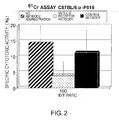
- Spleens were isolated from these mice, and the splenic cells (effector cells) were cultured at various effector cell/target cell (E/T) ratios, where the above-described immunizing cells were used as target cells, and the CTL activity (cytotoxic T cell activity) per target cell was measured.
- an anti-IL-6 receptor antibody or rat IgG control antibody
- was administered to a mouse model having the above-described alloantigens was assayed under the same conditions.
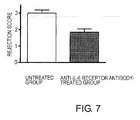
- the present inventors also assessed the effect of administering anti-IL-6 receptor antibodies to an allogenic mouse heart transplantation model. As a result, administering anti-IL-6 receptor antibodies suppressed acute heart transplant rejection and statistically significantly prolonged the survival of transplanted hearts. Further, the inventors histopathologically examined transplanted hearts isolated from recipients five days after transplantation. The results showed that in the group treated with anti-IL-6 receptor antibodies, the infiltration of inflammatory cells into transplanted heart tissues was significantly suppressed, and cardiomyocytes were relatively preserved.
- the present inventors discovered for the first time that administering anti-IL-6 receptor antibodies can suppress cytotoxic T cell induction and suppress rejections after transplantation, and they thus completed the present invention.
- the present invention provides the following inventions:
- the present inventors discovered that administration of an anti-IL-6 receptor antibody can suppress cytotoxic T cell induction.
- the present invention is based on these findings.
- the present invention relates to agents for suppressing cytotoxic T cell induction, which comprise an IL-6 inhibitor as an active ingredient.
- an "L-6 inhibitor” is a substance that blocks IL-6-mediated signal transduction and inhibits IL-6 biological activity.
- the IL-6 inhibitor is a substance that has inhibitory function against the binding of IL-6, IL-6 receptor, or gp130.
- the IL-6 inhibitors of the present invention include, but are not limited to, for example, anti-IL-6 antibodies, anti-IL-6 receptor antibodies, anti-gp130 antibodies, IL-6 variants, soluble IL-6 receptor variants, and partial peptides of IL-6 or IL-6 receptor and low molecular weight compounds that show similar activities.
- Preferable IL-6 inhibitors of the present invention include antibodies that recognize IL-6 receptors.
- the source of the antibodies is not particularly restricted in the present invention; however, the antibodies are preferably derived from mammals, and more preferably derived from humans.
- the anti-IL-6 antibodies used in the present invention can be obtained as polyclonal or monoclonal antibodies using known means.
- monoclonal antibodies derived from mammals are preferred as the anti-IL-6 antibodies used in the present invention.
- Monoclonal antibodies derived from mammals include those produced from hybridomas and those produced by genetic engineering methods from hosts transformed with an expression vector that comprises an antibody gene. By binding to IL-6, the antibody inhibits IL-6 from binding to an IL-6 receptor and thus blocks the transmission of IL-6 biological activity into the cell.
- Such antibodies include, MH166 ( Matsuda, T. et al., Eur. J. Immunol. (1988) 18, 951-956 ), SK2 antibody ( Sato, K. et al., transaction of the 21 st Annual Meeting of the Japanese Society for Immunology (1991) 21,166 ), and so on.
- hybridomas that produce anti-IL-6 antibodies can be prepared using known techniques, as follows: Specifically, such hybridomas can be prepared by using IL-6 as a sensitizing antigen to carry out immunization using a conventional immunization method, fusing the obtained immune cells with known parent cells by a conventional cell fusion method, and screening for monoclonal antibody-producing cells using a conventional screening method.
- anti-IL-6 antibodies can be produced as follows:
- human IL-6 for use as the sensitizing antigen for obtaining antibodies can be obtained using the IL-6 gene and/or amino acid sequences disclosed in Eur. J. Biochem. (1987) 168, 543-550 ; J. Immunol. (1988) 140, 534-1541 ; and/or Agr. Biol. Chem. (1990) 54, 2685-2688 .
- the desired IL-6 protein is purified using known methods from the inside of the host cell or from the culture supernatant.
- This purified IL-6 protein may be used as a sensitizing antigen.
- a fusion protein of the IL-6 protein and another protein may be used as a sensitizing antigen.
- Anti-IL6 receptor antibodies used for the present invention can be obtained as polyclonal or monoclonal antibodies by using known methods.
- the anti-IL-6 receptor antibodies used in the present invention are preferably monoclonal antibodies derived from mammals.
- the monoclonal antibodies derived from mammals include those produced from hybridomas and those produced using genetic engineering methods from hosts transformed with an expression vector that comprises an antibody gene. By binding to an IL-6 receptor, the antibody inhibits IL-6 from binding to the IL-6 receptor, and thus blocks the transmission of IL-6 biological activity into the cell.
- Such antibodies include, MR16-1 antibody ( Tamura, T. et al., Proc. Natl. Acad. Sci. USA (1993) 90, 11924-11928 ); PM-1 antibody ( Hirata, Y et al., J. Immunol. (1989) 143, 2900-2906 ); AUK12-20 antibody, AUK64-7 antibody and AUK146-15 antibody ( WO 92/19759 ); and so on.
- the PM-1 antibody can be exemplified as a preferred monoclonal antibody against the human IL-6 receptor, and the MR16-1 antibody as a preferred monoclonal antibody against the mouse IL-6 receptor.
- hybridomas producing an anti-IL-6 receptor monoclonal antibody can be prepared using known techniques, as follows: Specifically, such hybridomas can be prepared by using an IL-6 receptor as the sensitizing antigen to carry out immunization by a conventional immunization method, fusing the obtained immune cells with a known parent cell using a conventional cell fusion method, and screening for monoclonal antibody-producing cells using a conventional screening method.
- anti-IL-6 receptor antibodies can be produced as follows:
- a human IL-6 receptor or mouse IL-6 receptor for use as a sensitizing antigen for obtaining antibodies can be obtained by using the IL-6 receptor genes and/or amino acid sequences disclosed in European Patent Application Publication No. EP 325474 and Japanese Patent Application Kokai Publication No. (JP-A) Hei 3-155795 , respectively.
- IL-6 receptor proteins There are two kinds of IL-6 receptor proteins: one expressed on the cell membrane and the other separated from the cell membrane (soluble IL-6 receptors) ( Yasukawa, K. et al., J. Biochem. (1990) 108, 673-676 ).
- the soluble IL-6 receptor essentially consists of the extracellular region of the cell membrane-bound IL-6 receptor, and differ from the membrane-bound IL-6 receptor in that it lacks the transmembrane region or both the transmembrane and intracellular regions.
- Any IL-6 receptor may be employed as an IL-6 receptor protein, so long as it can be used as a sensitizing antigen for producing an anti-IL-6 receptor antibody used in the present invention.
- the desired IL-6 receptor protein is purified from the inside of the host cell or from the culture supernatant using a known method.
- This purified IL-6 receptor protein may be used as a sensitizing antigen.
- a cell expressing the IL-6 receptor or a fusion protein of the IL-6 receptor protein and another protein may be used as a sensitizing antigen.
- Anti-gp130 antibodies used in the present invention can be obtained as polyclonal or monoclonal antibodies by using known methods.
- the anti-gp130 antibodies used in the present invention are preferably monoclonal antibodies derived from mammals.
- Mammal-derived monoclonal antibodies include those produced from hybridomas and those produced using genetic engineering methods from hosts transformed with an expression vector that comprises an antibody gene. By binding to gp130, the antibody inhibits gp130 from binding to the IL-6/IL-6 receptor complex, and thus blocks transmission of IL-6 biological activity into the cell.
- Such antibodies include, AM64 antibody ( JP-A Hei 3-219894 ); 4B11 antibody and 2H4 antibody ( US 5571513 ); B-S12 antibody and B-P8 antibody ( JP-AHei 8-291199 ); and so on.
- anti-gp130 monoclonal antibody-producing hybridomas can be prepared using known techniques, as follows: Specifically, such hybridomas can be prepared by using gp130 as a sensitizing antigen to carry out the immunization using a conventional immunization method, fusing the obtained immune cells with a known parent cell by a conventional cell fusion method, and screening for monoclonal antibody-producing cells using a conventional screening method.
- monoclonal antibodies can be produced as follows:
- gp130 for use as a sensitizing antigen for obtaining antibodies can be obtained using the gp130 gene and/or amino acid sequence disclosed in European Patent Application Publication No. EP 411946 .
- the desired gp130 protein is purified by a known method from the inside of the host cell or from the culture supernatant.
- This purified gp130 protein may be used as a sensitizing antigen.
- a cell expressing gp130 or a fusion protein of the gp130 protein and another protein may be used as a sensitizing antigen.
- Mammals to be immunized with a sensitizing antigen are not particularly limited, but are preferably selected in consideration of compatibility with the parent cell used for cell fusion. Generally, rodents such as mice, rats, and hamsters are used.
- Animals are immunized with sensitizing antigens according to known methods.
- animals are immunized by intraperitoneal or subcutaneous injection of a sensitizing antigen.
- the sensitizing antigen is preferably diluted or suspended in an appropriate amount of phosphate-buffered saline (PBS), physiological saline or such, mixed with an appropriate amount of a general adjuvant (e.g., Freund's complete adjuvant), emulsified, and then administered to a mammal several times, every four to 21 days.
- PBS phosphate-buffered saline
- a general adjuvant e.g., Freund's complete adjuvant
- an appropriate carrier may be used for immunization with a sensitizing antigen.
- immune cells are obtained from the mammal for cell fusion.
- Preferred immune cells for cell fusion include, in particular, spleen cells.
- the mammalian myeloma cells used as parent cells, i.e. as partner cells to be fused with the above immune cells include various known cell strains, for example, P3X63Ag8.653 ( Kearney, J. F. et al., J. Immunol (1979) 123, 1548-1550 ), P3X63Ag8U.1 ( Current Topics in Microbiology and Immunology (1978) 81, 1-7 ), NS-1 ( Kohler, G. and Milstein, C., Eur. J. Immunol. (1976) 6, 511-519 ), MPC-11 ( Margulies, D. H. et al., Cell (1976) 8, 405-415 ), SP2/0 ( Shulman, M.
- P3X63Ag8.653 Kearney, J. F. et al., J. Immunol (1979) 123, 1548-1550
- P3X63Ag8U.1 Current Topics in Microbiology and Immunology
- cell fusion of the aforementioned immune cells and myeloma cells can be performed using known methods, for example, the method of Milstein et al. ( Kohler, G and Milstein, C., Methods Enzymol. (1981) 73, 3-46 ), and such.
- the aforementioned cell fusion is achieved in general nutrient culture medium in the presence of a cell fusion enhancing agent.
- a cell fusion enhancing agent for example, polyethylene glycol (PEG), Sendai virus (HVJ), and such are used as fusion enhancing agents.
- auxiliary agents such as dimethyl sulfoxide may be added depending on needs.
- the ratio of immune cells to myeloma cells used is preferably, for example, 1 to 10 immune cells for each myeloma cell.
- the culture medium used for the aforementioned cell fusion is, for example, the RPMI1640 or MEM culture medium, which are suitable for proliferation of the aforementioned myeloma cells.
- a general culture medium used for culturing this type of cell can also be used.
- serum supplements such as fetal calf serum (FCS) can be used in combination.
- the fusion cells (hybridomas) of interest are formed by mixing predetermined amounts of an aforementioned immune cell and myeloma cell in an aforementioned culture medium, and then adding and mixing a concentration of 30% to 60% (w/v) PEG solution (e.g. , a PEG solution with a mean molecular weight of about a to 6,000) pre-heated to about 37°C. Then, cell fusion agents and such that are unsuitable for the growth of hybridomas can be removed by repeatedly adding an appropriate culture medium and then removing the supernatant by centrifugation.
- a concentration of 30% to 60% (w/v) PEG solution e.g. , a PEG solution with a mean molecular weight of about a to 6,000
- the above hybridomas are selected by culturing cells in a general selection culture medium, for example, HAT culture medium (a culture medium containing hypoxanthine, aminopterin, and thymidine), Culture in HAT culture medium is continued for a sufficient period, generally several days to several weeks, to kill cells other than the hybridomas of interest (unfused cells). Then, a standard limited dilution method is performed to screen and clone hybridomas that produce an antibody of interest.
- HAT culture medium a culture medium containing hypoxanthine, aminopterin, and thymidine
- desired human antibodies with the activity of binding to a desired antigen or antigen-expressing cell can be obtained by sensitizing a human lymphocyte with a desired antigen protein or antigen-expressing cell in vitro, and fusing the sensitized B lymphocyte with a human myeloma cell (e.g. , U266) (see, Japanese Patent Application Kokoku Publication No. (JP-B) Hei 1-59878 (examined, approved Japanese patent application published for opposition)).
- JP-B Japanese Patent Application Kokoku Publication No.
- a desired human antibody can be obtained by administering an antigen or antigen-expressing cell to a transgenic animal that has a repertoire of human antibody genes, and then following the aforementioned method (see, International Patent Application Publication Nos. WO 93/12227 , WO 92/03918 , WO 94/02602 , WO 94/25585 , WO 96/34096 , and WO 96/33735 ).
- the thus-prepared hybridomas which produce monoclonal antibodies can be subcultured in a conventional culture medium and stored in liquid nitrogen for a long period.
- the following methods may be employed: (1) methods where the hybridomas are cultured according to conventional methods and the antibodies are obtained as a culture supernatant; (2) methods where the hybridomas are proliferated by administering them to a compatible mammal and the antibodies are obtained as ascites; and so on.
- the former method is preferred for obtaining antibodies with high purity, and the latter is preferred for large-scale antibody production.
- anti-IL-6 receptor antibody-producing hybridomas can be prepared by the method disclosed in JP-A Hei 3-139293 .
- Such hybridomas can be prepared by injecting a PM-1 antibody-producing hybridoma into the abdominal cavity of a BALB/c mouse, obtaining ascites, and then purifying a PM-1 antibody from the ascites; or by culturing the hybridoma in an appropriate medium (e . g , RPMI1640 medium containing 10% fetal bovine serum, and 5% BM-Condirned H1 (Boehringer Mannheim); hybridoma SFM medium (GIBCO-BRL); PFHM-II medium (GIBCO-BRL), etc. ) and then obtaining PM-1 antibody from the culture supernatant.
- an appropriate medium e . g , RPMI1640 medium containing 10% fetal bovine serum, and 5% BM-Condirned H1 (Boehringer Mannheim)
- Recombinant antibodies can be used as the monoclonal antibodies of the present invention, wherein the antibodies are produced using genetic recombination techniques by cloning an antibody gene from a hybridoma, inserting the gene into an appropriate vector, and then introducing the vector into a host (see, for example, Borrebaeck, C. A. K. and Larrick, J. W., Therapeutic Monoclonal Antibodies, published in the United Kingdom by Macmillan Publishers Ltd,1990 ).
- mRNAs coding for antibody variable (V) regions are isolated from cells that produce antibodies of interest, such as hybridomas.
- mRNAs can be isolated by preparing total RNAs according to known methods, such as the guanidine ultracentrifugation method ( Chirgwin, J. M. et al., Biochemistry (1979) 18, 5294-5299 ) and the AGPC method ( Chomezynski, P. et al., Anal. Biochem. (1987) 162, 156-159 ), and preparing mRNAs using the an mRNA Purification Kit (Pharmacia) and such.
- mRNAs can be directly prepared using a QuickPrep mRNA Purification Kit (Pharmacia).
- cDNAs of the antibody V regions are synthesized from the obtained mRNAs using reverse transcriptase.
- cDNAs may be synthesized using an AMV Reverse Transcriptase First-strand cDNA Synthesis Kit and so on.
- the 5'-RACE method Frohman, M. A. et al., Proc. Natl. Acad. Sci. USA (1988) 85, 8998-9002 ; Belyavsky, A. et al., Nucleic Acids Res. (1989) 17,2919-2932 ) using 5'-amply FINDER RACE Kit (Clontech) and PCR may be employed.
- a DNA fragment of interest is purified from the obtained PCR products and then ligated with a vector DNA. Then, a recombinant vector is prepared using the above DNA and introduced into Escherichia coli or such, and then its colonies are selected to prepare a desired recombinant vector.
- the nucleotide sequence of the DNA of interest is confirmed by, for example, the dideoxy method.
- the DNA is ligated with a DNA that encodes a desired antibody constant region (C region), and inserted into an expression vector.
- a DNA encoding an antibody V region may be inserted into an expression vector comprising a DNA of an antibody C region.
- an antibody gene is inserted into an expression vector such that it is expressed under the control of an expression regulating region, for example, an enhancer and promoter. Then, the antibody can be expressed by transforming a host cell with this expression vector.
- artificially modified genetic recombinant antibodies for example, chimeric antibodies, humanized antibodies, or human antibodies, can be used. These modified antibodies can be prepared using known methods.
- a chimeric antibody can be obtained by ligating a DNA encoding an antibody V region, obtained as above, with a DNA encoding a human antibody C region, then inserting the DNA into an expression vector and introducing it into a host for production (see, European Patent Application Publication No. EP 125023 ; International Patent Application Publication No. WO 92/19759 ). This known method can be used to obtain chimeric antibodies useful for the present invention.
- Humanized antibodies are also referred to as reshaped human antibodies, and are antibodies wherein the complementarity determining regions (CDRs) of an antibody from a mammal other than human (e.g. , a mouse antibody) are transferred into the CDRs of human antibodies.
- CDRs complementarity determining regions
- General methods for this gene recombination are also known (see, European Patent Application Publication No. EP 125023 , International Patent Application Publication No. WO 92/19759 ).
- DNA sequences designed such that the CDRs of a mouse antibody are ligated with the framework regions (FRs) of a human antibody are synthesized by PCR from several oligonucleotides produced to contain overlapping portions at their termini.
- the obtained DNA is ligated with a human antibody C region-encoding DNA and then inserted into an expression vector.
- the expression vector is introduced into a host to produce the humanized antibody (see, European Patent Application Publication No. EP 239400 , International Patent Application Publication No. WO 92/19759 ).
- the human antibody FRs to be ligated via the CDRs are selected so that the CDRs form suitable antigen binding sites.
- the amino acid(s) within the FRs of the antibody variable regions may be substituted as necessary so that the CDRs of the reshaped human antibody form an appropriate antigen binding site ( Sato, K. et al., Cancer Res. (1993) 53, 851-856 ).
- Human antibody C regions are used for the chimeric and humanized antibodies, and include C ⁇ . For example, C ⁇ 1, C ⁇ 2, C ⁇ 3, or C ⁇ 4 may be used. Furthermore, to improve the stability of the antibodies or their production, the human antibody C regions may be modified.
- Chimeric antibodies consist of the variable region of an antibody derived from a non-human mammal and the constant region of an antibody derived from a human; humanized antibodies consist of the CDRs of an antibody derived from a non-human mammal and the framework regions and constant regions derived from a human antibody. Both have reduced antigenicity in the human body, and are thus useful as antibodies for use in the present invention.
- variable regions of human antibodies can be expressed on phage surfaces as single chain antibodies (scFv) by using the phage display method, and antigen-binding phages can then be selected.
- scFv single chain antibodies
- DNA sequences coding for the human antibody variable regions that bind to the antigen can be determined. Once the DNA sequence of an scFv that binds to the antigen is revealed, an appropriate expression vector comprising the sequence can be constructed to obtain an human antibody.
- the antibody genes constructed above can be expressed according to conventional methods.
- the antibody gene can be expressed using a DNA in which the antibody gene to be expressed is functionally ligated to a useful commonly used promoter and a poly A signal downstream of the antibody gene, or a vector comprising the DNA.
- a promoter/enhancer include the human cytomegalovirus immediate early promoter/enhancer.
- viral promoters/enhancers from retroviruses, polyoma viruses, adenoviruses, simian virus 40 (SV40), and such; and also include mammalian cell-derived promoters/enhancers such as human elongation factor 1 ⁇ , (HEF1 ⁇ ).
- the expression can be easily performed by following the method by Mulligan et al. ( Mulligan, R. C. et al., Nature (1979) 277, 108-114 ).
- the method by Mizushima et al. Mizushima, S. and Nagata S., Nucleic Acids Res. (1990) 18, 5322 ) can be used.
- an antibody gene can be expressed by functionally ligating a conventional promoter, a signal sequence for antibody secretion, and the antibody gene to be expressed.
- the promoter include a lacZ promoter, araB promoter and such.
- genes can be expressed according to the method of Ward et al. ( Ward, E. S. et al., Nature (1989) 341, 544-546 ; Ward, E. S. et al., FASEB J. (1992) 6, 2422-2427 ); and the araB promoter may be used according to the method of Better et al. ( Better, M. et al., Science (1988) 240, 1041-1043 ).
- the pel B signal sequence Lei, S. P. et al., J. Bacteriol. (1987) 169, 4379-4383 ) may be used as a signal sequence for antibody secretion.
- the antibodies produced into the periplasm are isolated, and then used after appropriately refolding the antibody structure (see, for example, WO 96/30394 ).
- the expression vector may comprise the aminoglycoside phosphotransferase (APH) gene, thymidine kinase (TK) gene, E. coli xanthine-guanine phosphoribosyltransferase (Ecogpt) gene, dihydrofolate reductase (dhfr) gene, or such as a selection marker.
- APH aminoglycoside phosphotransferase
- TK thymidine kinase
- Ecogpt E. coli xanthine-guanine phosphoribosyltransferase
- dhfr dihydrofolate reductase
- Any production system may be used to prepare the antibodies for use in the present invention.
- the production systems for antibody preparation include in vitro and in vivo production systems.
- In vitro production systems include those using eukaryotic cells or prokaryotic cells.
- Production systems using eukaryotic cells include those using animal cells, plant cells or fungal cells.
- animal cells include (1) Mammalian cells, for example, CHO, COS, myeloma, baby hamster kidney (BHK), HeLa, Vero, and such; (2) amphibian cells, for example, Xenopus oocyte; and (3) insect cells, for example, sf9, sf21, Tn5, and such.
- Known plant cells include cells derived from Nicotiana tabacum, which may be cultured as a callus.
- Known fungal cells include yeasts such as Saccharomyces ( e.g., S. cerevisiae ), mold fungi such as Aspergillus ( e.g., A. niger ), and such.
- Production systems using prokaryotic cells include those using bacterial cells.
- Known bacterial cells include E. coli and Bacillus subtilis.
- Antibodies can be obtained by using transformation to introduce an antibody gene of interest into these cells, and then culturing the transformed cells in vitro. Cultures are conducted according to known methods. For example, DMEM, MEM, RPMI1640, IMDM may be used as the culture medium, and serum supplements such as FCS may be used in combination. Further, cells introduced with antibody genes may be transferred into the abdominal cavity or such of an animal to produce the antibodies in vivo.
- in vivo production systems include those using animals or plants.
- Production systems using animals include those that use mammals or insects.
- Mammals that can be used include goats, pigs, sheep, mice, bovines and such (Vicki Glaser, SPECTRUM Biotechnology Applications, 1993). Further, insects that can be used include silkworms. When using plants, tobacco may be used, for example.
- an antibody gene is introduced into these animals or plants, the antibody is produced in the body of the animals or plants, and this antibody is then recovered.
- an antibody gene can be prepared as a fusion gene by inserting it into the middle of a gene encoding a protein such as goat ⁇ casein, which is uniquely produced into milk. DNA fragments comprising the fusion gene, which includes the antibody gene, are injected into goat embryos, and the embryos are introduced into female goats.
- the desired antibody is obtained from milk produced by the transgenic animals born to the goats that received the embryos, or produced from progenies of these animals.
- the transgenic goats can be given hormones to increase the volume of milk containing the desired antibody that they produce ( Ebert, K. M. et al., Bio/Technology (1994) 1.2, 699-702 ).
- the silkworms When silkworms are used, the silkworms are infected with a baculovirus inserted with a desired antibody gene, and the desired antibody is obtained from the body fluids of these silkworm ( Maeda, S. et al., Nature (1985) 315, 592-594 ).
- the desired antibody gene is inserted into a plant expression vector (e.g. , pMON530) and the vector is introduced into bacteria such as Agrobacterium tumefaciens. This bacterium is used to infect tobacco ( e.g., Nicotiana tabacum ) such that desired antibodies can be obtained from the leaves of this tobacco ( Julian, K. -C. Ma et al., Eur. J. Immunol. (1994) 24, 131-138 ).
- DNAs encoding an antibody heavy chain (H chain) and light chain (L chain) may be inserted into separate expression vectors and a host is then co-transformed with the vectors.
- the DNAs may be inserted into a single expression vector for transforming a host (see International Patent Application Publication No. WO 94/11523 ).
- the antibodies used in the present invention may be antibody fragments or modified products thereof, so long as they can be suitably used in the present invention.
- antibody fragments include Fab, F(ab')2, Fv, and single chain Fv (scFv), in which the Fvs of the H and L chains are linked via an appropriate linker.
- the antibody fragments are produced by treating antibodies with enzymes, for example, papain or pepsin, or alternatively, genes encoding these fragments are constructed, introduced into expression vectors, and these are expressed in appropriate host cells (see, for example, Co, M. S. et al., J. Immunol. (1994) 152, 2968-2976 ; Better, M. & Horwitz, A. H., Methods in Enzymology (1989) 178, 476-496 ; Plueckthun, A. & Skerra, A., Methods in Enzymology (1989) 178,497-515 ; Lamoyi, E., Methods in Enzymology (1989) 121, 652-663 ; Rousseaux, J. et al., Methods in Enzymology (1989) 121, 663-666 ; Bird, R. E. et al., TIBTECH (1991) 9, 132-137 ).
- enzymes for example, papain or pepsin
- An scFv can be obtained by linking the H-chain V region and the L-chain V region of an antibody.
- the H-chain V region and the L-chain V region are linked via a linker, preferably via a peptide linker ( Huston, J. S. et al., Proc. Natl. Acad. Sci. USA (1988) 85, 5879-5883 ).
- the V regions of the H and L chains in an scFv may be derived from any of the antibodies described above.
- Peptide linkers for linking the V regions include, for example, arbitrary single chain peptides consisting of 12 to 19 amino acid residues.
- An scFv-encoding DNA can be obtained by using a DNA encoding an H chain or a V region and a DNA encoding an L chain or a V region of the aforementioned Antibodies as templates, using PCR to amplify a DNA portion that encodes the desired amino acid sequence in the template sequence and uses primers that define the termini of the portion, and then further amplifying the amplified DNA portion with a DNA that encodes a peptide linker portion and primer pairs that link both ends of the linker to the H chain and L chain.
- an expression vector comprising the DNA and a host transformed with the vector can be obtained according to conventional methods.
- scFv can be obtained according to conventional methods using the host.
- antibody fragments can be produced from the host by obtaining and expressing their genes.
- an "antibody” encompasses such antibody fragments.
- Antibodies bound to various molecules such as polyethylene glycol (PEG) may also be used as modified antibodies.
- an “antibody” encompasses such modified antibodies.
- These modified antibodies can be obtained by chemically modifying the obtained antibodies. Such methods are already established in the art.
- Antibodies produced and expressed as above can be isolated from the inside or outside of the cells or from the hosts, and then purified to homogeneity.
- the antibodies for use in the present invention can be isolated and/or purified using affinity chromatography.
- Columns to be used for the affinity chromatography include, for example, protein A columns and protein G columns.
- Carriers used for the protein A columns include, for example, HyperD, POROS, Sepharose FF and such.
- other methods used for the isolation and/or purification of common proteins may be used, and are not limited in any way.
- the antibodies used for the present invention may be isolated and/or purified by appropriately selecting and combining chromatographies in addition to affinity chromatography, filters, ultrafiltration, salting-out, dialysis, and such. Chromatographies include, for example, ion-exchange chromatography, hydrophobic chromatography, gel filtration, and such. These chromatographies can be applied to high performance liquid chromatography (HPLC). Alternatively, reverse phase HPLC may be used.
- HPLC high performance liquid chromatography
- the measurement can be performed as follows: Specifically, 100 ⁇ l of goat anti-human IgG (TAG) diluted to 1 ⁇ g/ml with 0.1 M bicarbonate buffer (pH 9.6) is added to a 96-well plate (Nunc) and incubated overnight at 4°C to immobilize the antibody. After blocking, 100 ⁇ l of an appropriately diluted antibody of the present invention or an appropriately diluted sample comprising the antibody, and human IgG (CAPPEL) are added as a standard, and incubated for one hour at room temperature.
- TAG goat anti-human IgG
- CAPPEL human IgG
- the IL-6 variants used in the present invention are substances with the activity of binding to an IL-6 receptor and which do not transmit IL-6 biological activity. That is, the IL-6 variants compete with IL-6 to bind to IL-6 receptors, but fail to transmit IL-6 biological activity, and hence the block IL-6-mediated signal transduction.
- the IL-6 variants are produced by introducing mutation(s) by substituting amino acid residues in the amino acid sequence of IL-6.
- the origin of IL-6 used as the base of the IL-6 variants is not limited, but is preferably human IL-6 in consideration of antigenicity and such.
- amino acid substitutions are performed by predicting the secondary structure of the IL-6 amino acid sequence using known molecular modeling programs (e . g ., WHATIF; Vriend et al., J. Mol. Graphics (1990) 8, 52-56 ), and further assessing the influence of the substituted amino acid residue(s) on the whole molecule.
- known molecular modeling programs e . g ., WHATIF; Vriend et al., J. Mol. Graphics (1990) 8, 52-56 .
- PCR methods are carried out using a nucleotide sequence encoding a human IL-6 gene as a template, and mutations are introduced to cause amino acids substitutions, and thus genes encoding IL-6 variants are obtained. If needed, this gene is inserted into an appropriate expression vector, and the IL-6 variant can be obtained by applying the aforementioned methods for expression, production, and purification of recombinant antibodies.
- IL-6 variants are disclosed in Brakenhoff et al., J. Biol. Chem. (1994) 269, 86-93 , Savino et al., EMBO J. (1994) 13, 1357-1367 , WO 96/18648 , and WO 96/17869 .
- the partial peptides of IL-6 and of the IL-6 receptor to be used in the present invention are substances with the activity of binding to the IL-6 receptor and to IL-6, respectively, and which do not transmit IL-6 biological activity. Namely, by binding to and capturing an IL-6 receptor or IL-6, the IL-6 partial peptides or IL-6 receptor partial peptides can specifically inhibit IL-6 from binding to the IL-6 receptor. As a result, the biological activity of IL-6 is not transmitted, and IL-6-mediated signal transduction is blocked.
- the partial peptides of IL-6 or IL-6 receptor are peptides that comprise part or all of the amino acid sequence of the region of the IL-6 or IL-6 receptor amino acid sequence that is involved in the binding between the IL-6 and IL-6 receptor.
- Such peptides usually comprise ten to 80, preferably 20 to 50, more preferably 20 to 40 amino acid residues.
- the IL-6 partial peptides or IL-6 receptor partial peptides can be produced according to generally known methods, for example, genetic engineering techniques or peptide synthesis methods, by specifying the region of the IL-6 or IL-6 receptor amino acid sequence that is involved in the binding between the IL-6 and IL-6 receptor, and using a portion or entirety of the amino acid sequence of the specified region.
- a DNA sequence encoding the desired peptide is inserted into an expression vector, and then the peptide can be obtained by applying the aforementioned methods for expressing, producing, and purifying recombinant antibodies.
- peptide synthesis methods for example, solid phase synthesis methods or liquid phase synthesis methods, may be used.
- the peptides can be synthesized according to the method described in " Continuation of Development of Pharmaceuticals, Vol. 14, Peptide Synthesis (in Japanese) (ed. Haruaki Yajima, 1991, Hirokawa Shoten )".
- the following method can be employed: the amino acid corresponding to the C terminus of the peptide to be synthesized is bound to a support that is insoluble in organic solvents, then the peptide strand is elongated by alternately repeating (1) the reaction of condensing amino acids, whose ⁇ -amino groups and branch chain functional groups are protected with appropriate protecting groups, one at a time in a C- to N-terminal direction; and (2) the reaction of removing the protecting groups from the ⁇ -amino groups of the resin-bound amino acids or peptides.
- Solid phase peptide synthesis is broadly classified into the Boc method and the Fmoc method, depending on the type of protecting groups used.
- the peptide strand is cleaved from its support.
- hydrogen fluoride or trifluoromethane sulfonic acid are generally used for the Boc method
- TFA is generally used for the Fmoc method.
- Boc method for example, the above-mentioned protected peptide resin is treated with hydrogen fluoride in the presence of anisole. Then, the peptide is recovered by removing the protecting groups and cleaving the peptide from its support. By freeze-drying the recovered peptide, a crude peptide can be obtained.
- the deprotection reaction and the reaction to cleave the peptide strand from the support can be performed in TFA using a method similar to those described above, for example.
- Obtained crude peptides can be separated and/or purified by applying HPLC. Elution may be performed under optimum conditions using a water-acetonitrile solvent system, which is generally used for protein purification. The fractions corresponding to the peaks of the obtained chromatographic profile are collected and freeze-dried. Thus, purified peptide fractions are identified by molecular weight analysis via mass spectrum analysis, amino acid composition analysis, amino acid sequence analysis, or such.
- IL-6 partial peptides and IL-6 receptor partial peptides are disclosed in JP-A Hei 2-188600 , JP-A Hei 7-324097 , JP-A Hei 8-311098 , and United States Patent Publication No. US 5210075 .
- the antibodies used in the present invention may also be conjugated antibodies that are bound to various molecules, such as polyethylene glycol (PEG), radioactive substances, and toxins.
- conjugated antibodies can be obtained by chemically modifying the obtained antibodies. Methods for modifying antibodies are already established in the art.
- the "antibodies" of the present invention encompass these conjugated antibodies.
- agents of the present invention for suppressing cytotoxic T cell induction which comprise IL-6 inhibitors as active ingredients, can be used to suppress post-transplantation rejection.
- the present invention also provides agents for suppressing rejection in heart transplantation, which comprise IL-6 inhibitors as active ingredients.
- the types of rejection suppressed by the suppressing agents of the present invention are not particularly limited, but are preferably acute rejections, which become problematic in actual transplantation medicine. These rejections are pathological states in which allografts are recognized as foreign antigens due to differences in the major histocompatibility complex (MHC) that determines histocompatibility, and are thus attacked through activation of the recipient's cytotoxic T cells and helper T cells. Rejections are generally developed within three months of transplantation. However, rejections can also be recognized as cell infiltrations into the allograft tissue, three months or more after transplantation.
- MHC major histocompatibility complex
- suppressing rejection after transplantation means improving viability of a transplanted organ by suppressing damage to it.
- organ transplantations for which the suppressing agents of the present invention can be used are not particularly limited, and preferred organs for the organ transplantations in the present invention include parenchymal organs, such as hearts, livers, kidneys, pancreas, lungs, and small intestines.
- the present invention can also be applied to transplantation of tissues such as cardiac valves, vessels, skin, bones, and corneas.
- the suppression of a post-transplantation rejection can be confirmed by using a method described in the Examples to determine CTL activity in the subjects following administration of a suppressing agent of the present invention.
- a recipient's CTL activity towards a donor's HLA antigen is continuously reduced upon administration of a suppressing agent of the present invention, the agent can be said to suppress transplant failures.
- organ viability is improved as a result, the agent can also be said to "suppress transplant failures" in the organ transplantation.
- the survival of each organ can be assessed by examining whether organ function becomes normal after transplantation.
- the activity of IL-6 inhibitors in inhibiting the transduction of IL-6 signals can be evaluated by conventional methods. Specifically, IL-6 is added to cultures of IL-6-dependent human myeloma cell lines (S6B45 and KPMM2), human Lennert T lymphoma cell line KT3, or IL-6-dependent cell line MH60.BSF2; and the 3 H-thymidine uptake by the IL-6-dependent cells is measured in the presence of an IL-6 inhibitor.
- S6B45 and KPMM2 IL-6-dependent human myeloma cell lines
- KT3 human Lennert T lymphoma cell line
- MH60.BSF2 IL-6-dependent cell line
- IL-6 receptor-expressing U266 cells are cultured, and 125 I-abeled IL-6 and an IL-6 inhibitor are added to the culture at the same time; and then 125 I-labeled IL-6 bound to the IL-6 receptor-expressing cells is quantified.
- a negative control group that does not contain an IL-6 inhibitor is included in the assay system described above. The activity of the IL-6 inhibitor to inhibit IL-6 can be evaluated by comparing the results of both groups.
- Subjects to be administered with the suppressing agents of the present invention are mammals.
- the mammals are preferably humans.
- the suppressing agents of the present invention can be administered as pharmaceuticals, and may be administered systemically or locally via oral or parenteral administration.
- intravenous injections such as drip infusions, intramuscular injections, intraperitoneal injections, subcutaneous injections, suppositories, enemas, oral enteric tablets, or the like can be selected.
- Appropriate administration methods can be selected depending on a patient's age and symptoms.
- the effective dose per administration is selected from the range of 0.01 1 to 100 mg/kg body weight.
- the dose may be selected from the range of 1 to 1000 mg/patient, preferably from the range of 5 to 50 mg/patient.
- a preferred dose and administration method are as follows: For example, when an anti-IL-6 receptor antibody is used, the effective dose is an amount such that free antibody is present in the blood. Specifically, a dose of 0.5 to 40 mg/kg body weight/month (four weeks), preferably 1 to 20 mg/kg body weight/month is administered via an intravenous injection such as a drip infusion, subcutaneous injection or such, once to several times a month, for example, twice a week, once a week, once every two weeks, or once every four weeks.
- the administration schedule may be adjusted by, for example, extending the administration interval of twice a week or once a week to once every two weeks, once every three weeks, or once every four weeks, while monitoring the condition after transplantation and changes in the blood test values.
- the suppressing agents may contain pharmaceutically acceptable carriers, such as preservatives and stabilizers.
- pharmaceutically acceptable carriers refer to materials that can be co-administered with an above-described agent; and may or may not themselves produce the above-described effect of suppressing cytotoxic T cell induction.
- the carriers may be materials that do not have the effect of suppressing cytotoxic T cell induction, but that produce an additive or synergistic stabilizing effect when used in combination with an IL-6 inhibitor.
- Such pharmaceutically acceptable materials include, for example, sterile water, physiological saline, stabilizers, excipients, buffers, preservatives, detergents, chelating agents (EDTA and such), and binders.
- detergents include non-ionic detergents, and typical examples of such include sorbitan fatty acid esters such as sorbitan monocaprylate, sorbitan monolaurate, and sorbitan monopalmitate; glycerin fatty acid esters such as glycerin monocaprylate, glycerin monomyristate and glycerin monostearate; polyglycerin fatty acid esters such as decaglyceryl monostearate, decaglyceryl distearate, and decaglyceryl monolinoleate; polyoxyethylene sorbitan fatty acid esters such as polyoxyethylene sorbitan monolaurate, polyoxyethylene sorbitan monooleate, polyoxyethylene sorbitan monostearate, polyoxyethylene sorbitan monopalmitate, polyoxyethylene sorbitan trioleate, and polyoxyethylene sorbitan tristearate; polyoxyethylene sorbit fatty acid esters such as polyoxyethylene sorbitan fatty acid est
- Detergents also include anionic detergents, and typical examples of such include, for example, alkyl sulfates having an alkyl group with ten to 18 carbon atoms, such as sodium cetylsulfate, sodium laurylsulfate, and sodium oleylsulfate; polyoxyethylene alkyl ether sulfates in which the alkyl group has ten to 18 carbon atoms and the average molar number of added ethylene oxide is 2 to 4, such as sodium polyoxyethylene lauryl sulfate; alkyl sulfosuccinate ester salts having an alkyl group with eight to 18 carbon atoms, such as sodium lauryl sulfosuccinate ester; natural detergents, for example, lecithin; glycerophospholipids; sphingo-phospholipids such as sphingomyelin; and sucrose fatty acid esters in which the fatty acids have 12 to 18 carbon atoms.
- Detergents that are preferably used in the preparations of the present invention include polyoxyethylene sorbitan fatty acid esters, such as polysorbates 20, 40, 60, and 80. Polysorbates 20 and 80 are particularly preferred. Polyoxyethylene polyoxypropylene glycols, such as poloxamer (Pluronic F-68 ® and such), are also preferred.
- the amount of detergent added varies depending on the type of detergent used.
- the amount is in general in the range of 0.001 to 100 mg/ml, preferably in the range of 0.003 to 50 mg/ml, more preferably in the range of 0.005 to 2 mg/ml.
- buffers include phosphate, citrate buffer, acetic acid, malic acid, tartaric acid, succinic acid, lactic acid, potassium phosphate, gluconic acid, capric acid, deoxycholic acid, salicylic acid, triethanolamine, fumaric acid, and other organic acids; and carbonic acid buffer, Tris buffer, histidine buffer, and imidazole buffer.
- Liquid preparations may be formulated by dissolving the agents in aqueous buffers known in the field of liquid preparations.
- the buffer concentration is in general in the range of 1 to 500 mM, preferably in the range of 5 to 100 mM, more preferably in the range of 10 to 20 mM.
- the agents of the present invention may also comprise other low-molecular-weight polypeptides; proteins such as serum albumin, gelatin, and immunoglobulin; amino acids; sugars and carbohydrates such as polysaccharides and monosaccharides, sugar alcohols, and such.
- amino acids include basic amino acids, for example, arginine, lysine, histidine, and ornithine, and inorganic salts of these amino acids (preferably hydrochloride salts, and phosphate salts, namely phosphate amino acids).
- inorganic salts preferably hydrochloride salts, and phosphate salts, namely phosphate amino acids.
- the pH is adjusted to a preferred value by adding appropriate physiologically acceptable buffering substances, for example, inorganic acids, and in particular hydrochloric acid, phosphoric acid, sulfuric acid, acetic acid, and formic acid, and salts thereof.
- phosphate is particularly beneficial because it gives quite stable freeze-dried products.
- Phosphate is particularly advantageous when preparations do not substantially contain organic acids, such as malic acid, tartaric acid, citric acid, succinic acid, and fumaric acid, or do not contain corresponding anions (malate ion, tartrate ion, citrate ion, succinate ion, fumarate ion, and such).
- Preferred amino acids are arginine, lysine, histidine, and ornithine.
- Acidic amino acids can also be used, for example, glutamic acid and aspartic acid, and salts thereof (preferably sodium salts); neutral amino acids, for example, isoleucine, leucine, glycine, serine, threonine, valine, methionine, cysteine, and alanine; and aromatic amino acids, for example, phenylalanine, tyrosine, tryptophan, and its derivative, N-acetyl tryptophan.
- neutral amino acids for example, isoleucine, leucine, glycine, serine, threonine, valine, methionine, cysteine, and alanine
- aromatic amino acids for example, phenylalanine, tyrosine, tryptophan, and its derivative, N-acetyl tryptophan.
- sugars and carbohydrates such as polysaccharides and monosaccharides include, for example, dextran, glucose, fructose, lactose, xylose, mannose, maltose, sucrose, trehalose, and raffinose.
- sugar alcohols include, for example, mannitol, sorbitol, and inositol.
- the agents of the present invention are prepared as aqueous solutions for injection
- the agents may be mixed with, for example, physiological saline, and/or isotonic solution containing glucose or other auxiliary agents (such as D-sorbitol, D-mannose, D-mannitol, and sodium chloride).
- glucose or other auxiliary agents such as D-sorbitol, D-mannose, D-mannitol, and sodium chloride.
- the aqueous solutions may be used in combination with appropriate solubilizing agents such as alcohols (ethanol and such), polyalcohols (propylene glycol, PEG. and such), or non-ionic detergents (polysorbate 80 and HCO-50).
- the agents may further comprise, if required, diluents, solubilizers, pH adjusters, soothing agents, sulfur-containing reducing agents, antioxidants, and such.
- the sulfur-cantaining reducing agents include, for example, compounds comprising sulfhydryl groups, such as N-acetylcysteine, N-acetylhomocysteine, thioctic acid, thiodiglycol, thioethanolamine, thioglycerol, thiosorbitol, thioglycolic acid and salts thereof, sodium thiosulfate, glutathione, and thioalkanoic acids having one to seven carbon atoms.
- sulfhydryl groups such as N-acetylcysteine, N-acetylhomocysteine, thioctic acid, thiodiglycol, thioethanolamine, thioglycerol, thiosorbitol, thioglycolic acid and salts thereof, sodium thiosulfate, glutathione, and thioalkanoic acids having one to seven carbon atoms.
- the antioxidants in the present invention include, for example, erythorbic acid, dibutylhydroxy toluene, butylhydroxy anisole, ⁇ -tocopherol, tocopherol acetate, L-ascorbic acid and salts thereof, L-ascorbic acid palmitate, L-ascorbic acid stearate, sodium hydrogen sulfite, sodium sulfite, triamyl gallate, propyl gallate, and chelating agents such as disodium ethylenediamine tetraacetate (EDTA), sodium pyrophosphate, and sodium metaphosphate.
- EDTA disodium ethylenediamine tetraacetate
- the agents may be encapsulated in microcapsules (microcapsules of hydroxymethylcellulose, gelatin, poly[methylmethaerylic acid] or such) or prepared as colloidal drug delivery systems (liposome, albumin microspheres, microemulsion, nano-particles, nano-capsules, and such)(see “ Remington's Pharmaceutical Science 16th edition", Oslo Ed., 1980 , and the like).
- methods for preparing agents as sustained-release agents are also known, and are applicable to the present invention ( Langer et al., J. Biomed. Mater. Res. 1981, 15: 167-277 ; Langer, Chem. Tech. 1982,12: 98-105 ; U.S. Patent No. 3,773,919 ; European Patent Application No. (EP) 58,481 ; Sidman et al., Biopolymers 1983, 22: 547-556 ; and EP 133,988 ).
- microcapsules microcapsules of hydroxymethylcellulose, gelatin, poly[
- Pharmaceutically acceptable carriers used are appropriately selected from those described above or combined depending on the type of dosage form, but are not limited thereto.
- the present invention relates to methods for suppressing rejection after transplantation, which comprise the step of administering IL-6 inhibitors to subjects.
- the present invention also relates to methods for suppressing rejection in heart transplantation, which comprise the step of administering IL-6 inhibitors to subjects.
- the types of rejections suppressed by the methods of the present invention are not particularly limited, and acute rejections are preferable.
- the types of organ transplantations for which the suppressing agents of the present invention can be used are not particularly limited.
- Preferred organs for the organ transplantations in the present invention include parenchymal organs, such as hearts, livers, kidneys, pancreas, lungs, and small intestines.
- the present invention can also be applied to transplantation of tissues such as cardiac valves, vessels, skin, bones, and corneas.
- the "subject” refers to the organisms or organism body parts to be administered with an IL-6 inhibitor of the present invention.
- the organisms include animals (for example, human, domestic animal species, and wild animals) but are not particularly limited.
- the "organism body parts” are not particularly limited.
- oral administration includes, for example, administration of oral agents.
- oral agents include, for example, granules, powders, tablets, capsules, solutions, emulsions, and suspensions.
- Parenteral administration includes, for example, administration of injections.
- injections include, for example, subcutaneous injections, intramuscular injections, and intraperitoneal injection.
- the effects of the methods of the present invention can be achieved by introducing genes comprising oligonucleotides to be administered to living bodies using gene therapy techniques.
- the agents of the present invention may be administered locally to intended areas of treatment.
- the agents can be administered by local injection during surgery, use of catheters, or targeted gene delivery of DNAs encoding peptides of the present invention.
- the suppressing agents of the present invention may be administered to subjects prior to organ transplantation, at the time of organ transplantation, or after organ transplantation. Further, the suppressing agents may be administered once or repeatedly.
- the suppressing agents of the present invention when administered to an excised or delivered part of an organism, may be "contacted" with the organism part.
- "contacting" is performed according to the condition of the organism. Examples include spraying the suppressing agents of the present invention over the organism parts, and adding the suppressing agents of the present invention to crushed organism parts, but are not limited thereto.
- the above-mentioned "contact” can be achieved by adding the suppressing agents of the present invention to culture medium of these cells, or by introducing DNAs comprising oligonucleotides of the present invention into cells that constitute the organism part.
- the agents of the present invention may be administered as parts of pharmaceutical compositions in combination with at least one known chemotherapeutant.
- the agents of the present invention may be administered simultaneously with at least one known immunosuppressant.
- the known chemotherapeutants and the suppressing agents of the present invention may be administered virtually simultaneously.
- the agents for suppressing the induction of cytotoxic T cells of the present invention may be administered to sites of organ transplantation after the organ have been transplanted, or may be administered to targets at the same time as the organ. Alternatively, the agents may be added to the organ in vitro, prior to transplantation.
- 3 x 10 7 cells of the mastocytoma line P815 (immunizing cells) were administered intraperitoneally into C57BL/6 mice. After 13 days, spleens were isolated from the mice and the splenic cells (effector cells) were co-cultured with 51 Cr-labeled P815 cells (target cells) at various effector cell/target cell (E/T) ratios to assay the CTL activity against 51 Cr-labeled P815.
- CTL activity was assayed by determining the cell lysis rate for each cell sample.
- Cell lysis rate is expressed as follows: [(the amount of 51 Cr released in an experiment - the amount of spontaneously released 51 Cr) /(the total amount of released 51 Cr ⁇ the amount of spontaneously released 51 Cr)] x 100.
- an anti-IL-6 receptor antibody (MR16-1) were intraperitoneally administered four days and one day before isoantigen administration, respectively. Then, four and nine days after isoantigen administration, 500 mg of the antibody was administered. CTL activity was determined by the methods described above. Meanwhile, under the same treatment conditions, control mice were injected with rat IgG as a control antibody, instead of the anti-IL-6 receptor antibody. CTL activity was determined by the same method as described above.
- CTL activity was determined by the method described above.
- control mice were injected with rat IgG as a control antibody, instead of the anti-IL-6 receptor antibody. CTL activity was determined using the methods described above.
- mice used in the experiments were purchased from Japan SLC Inc. and bred at the Division of Laboratory Animal Research, Department of Life Science, Research Center for Human and Environmental Sciences, Shinshu University, according to the center's animal experiment protocol.
- Both donor and recipient mice were anesthetized by intraperitoneally injecting pentobarbital sodium (Nenbutal(R)) at a dose of 70 mg/kg.
- pentobarbital sodium Naenbutal(R)
- the heart to be transplanted was isolated after ligating vessels other than ascending aorta and pulmonary artery to be used for anastomosis.
- the isolated heart graft was preserved in cold physiological saline containing 7.5% heparin on ice.
- the recipient was laparotomized in the midline and the intestines were flipped over to expose the abdominal aorta and inferior vena cava. After blood flow was stopped using microclips for microvessels, an about 1-mm incision was created on each surface for anastomotic sites.
- the aorta and the pulmonary artery of the transplanted heart were anastomosed to the abdominal aorta and the inferior vena cava of the recipient, respectively, by continuous suture using 10-0 nylon suture.
- the microclips were unfastened gradually to resume the blood flow.
- the transplanted heart was confirmed to resume beating. After confirming hemorrhage arrest, the abdominal wall and the skin were sutured to close the abdomen.
- the treated group were intraperitoneally injected with the anti-IL-6 receptor antibody at a dose of 2 mg/mouse/administration immediately, three days, and six days after transplantation. Beating of the transplanted heart was confirmed every day by abdominal palpation. When the heart completely stopped beating, the heart was concluded to have been rejected. At that time, the recipient was anesthetized and laparotomized to confirm by visual inspection that the heart had stopped beating. Time until rejection was defined as the survival period of the cardiac allograft. The periods were compared with each other.
- Untreated group 7, 7, 7, 7, 7, 7, 8,9,9,9, and 10 (days). (11 cases, Median survival time: seven days).
- Anti-IL-6 receptor antibody-treated group 11, 13, 16,17,20, and 21 (days), (six cases, Median survival time: 16.5 days).
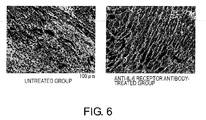
- Pathological tissue sections were prepared from frozen tissue samples of the cardiac allografts five days after transplantation, and these were stained with hematoxylin-eosin. Diffuse infiltration of inflammatory cells and myocardial necrosis were found in the untreated group. In the anti-IL-6 receptor antibody-treated group, the infiltration of inflammatory cells was mild and cardiomyocytes were relatively preserved ( Fig. 6 ).
- the present invention demonstrated that cytotoxic T cells induction could be suppressed by administering an anti-IL-6 receptor antibody.
- the invention also demonstrated that immunorejections after transplantation could be suppressed by administering the anti-IL-6 receptor antibody.
Landscapes
- Health & Medical Sciences (AREA)
- Chemical & Material Sciences (AREA)
- Organic Chemistry (AREA)
- Immunology (AREA)
- Medicinal Chemistry (AREA)
- Life Sciences & Earth Sciences (AREA)
- General Health & Medical Sciences (AREA)
- Engineering & Computer Science (AREA)
- Bioinformatics & Cheminformatics (AREA)
- Public Health (AREA)
- Biophysics (AREA)
- Proteomics, Peptides & Aminoacids (AREA)
- Animal Behavior & Ethology (AREA)
- Molecular Biology (AREA)
- Pharmacology & Pharmacy (AREA)
- Veterinary Medicine (AREA)
- Genetics & Genomics (AREA)
- Biochemistry (AREA)
- Chemical Kinetics & Catalysis (AREA)
- General Chemical & Material Sciences (AREA)
- Nuclear Medicine, Radiotherapy & Molecular Imaging (AREA)
- Surgery (AREA)
- Transplantation (AREA)
- Microbiology (AREA)
- Mycology (AREA)
- Epidemiology (AREA)
- Medicines Containing Antibodies Or Antigens For Use As Internal Diagnostic Agents (AREA)
- Medicines That Contain Protein Lipid Enzymes And Other Medicines (AREA)
- Peptides Or Proteins (AREA)
Applications Claiming Priority (3)
| Application Number | Priority Date | Filing Date | Title |
|---|---|---|---|
| JP2005330637 | 2005-11-15 | ||
| JP2006170950 | 2006-06-21 | ||
| PCT/JP2006/322726 WO2007058194A1 (ja) | 2005-11-15 | 2006-11-15 | 細胞傷害性t細胞の誘導抑制剤 |
Publications (3)
| Publication Number | Publication Date |
|---|---|
| EP1967207A1 true EP1967207A1 (de) | 2008-09-10 |
| EP1967207A4 EP1967207A4 (de) | 2010-01-06 |
| EP1967207B1 EP1967207B1 (de) | 2016-06-22 |
Family
ID=38048579
Family Applications (1)
| Application Number | Title | Priority Date | Filing Date |
|---|---|---|---|
| EP06832657.8A Not-in-force EP1967207B1 (de) | 2005-11-15 | 2006-11-15 | Agenzien zur hemmung der zytotoxischen t-zell-induktion |
Country Status (7)
| Country | Link |
|---|---|
| US (1) | US8623355B2 (de) |
| EP (1) | EP1967207B1 (de) |
| JP (2) | JP5189366B2 (de) |
| KR (1) | KR101457709B1 (de) |
| AR (1) | AR057582A1 (de) |
| TW (1) | TWI441647B (de) |
| WO (1) | WO2007058194A1 (de) |
Cited By (21)
| Publication number | Priority date | Publication date | Assignee | Title |
|---|---|---|---|---|
| US8470316B2 (en) | 2005-10-14 | 2013-06-25 | Chugai Seiyaku Kabushiki Kaisha | Agents for suppressing damage to transplanted islets after islet transplantation |
| US8623355B2 (en) | 2005-11-15 | 2014-01-07 | Chugai Seiyaku Kabushiki Kaisha | Methods for suppressing acute rejection of a heart transplant |
| US8771686B2 (en) | 2006-01-27 | 2014-07-08 | Chugai Seiyaku Kabushiki Kaisha | Methods for treating a disease involving choroidal neovascularization by administering an IL-6 receptor antibody |
| US8945558B2 (en) | 2005-10-21 | 2015-02-03 | Chugai Seiyaku Kabushiki Kaisha | Methods for treating myocardial infarction comprising administering an IL-6 inhibitor |
| EP2123302B1 (de) * | 2007-01-23 | 2015-12-09 | Shinshu University | Il-6 inhibitoren zur behandlung der chronischen abstossung |
| US9260516B2 (en) | 2006-04-07 | 2016-02-16 | Osaka University | Method for promoting muscle regeneration by administering an antibody to the IL-6 receptor |
| US9539322B2 (en) | 2010-05-28 | 2017-01-10 | National University Corporation Hokkaido University | Method of enhancing an antitumor T cell response by administering an anti-IL-6 receptor antibody |
| US10662245B2 (en) | 2008-09-26 | 2020-05-26 | Chugai Seiyaku Kabushiki Kaisha | Methods of reducing IL-6 activity for disease treatment |
| US10697883B2 (en) | 2015-05-19 | 2020-06-30 | National Center Of Neurology And Psychiatry | Method for determining application of therapy to multiple sclerosis (MS) patient |
| US10717781B2 (en) | 2008-06-05 | 2020-07-21 | National Cancer Center | Neuroinvasion inhibitor |
| US10774148B2 (en) | 2015-02-27 | 2020-09-15 | Chugai Seiyaku Kabushiki Kaisha | Composition for treating IL-6-related diseases |
| US10782290B2 (en) | 2013-06-11 | 2020-09-22 | National Center Of Neurology And Psychiatry | Method for predicting post-therapy prognosis of relapsing-remitting multiple sclerosis (RRMS) patient, and method for determining applicability of novel therapy |
| US11046784B2 (en) | 2006-03-31 | 2021-06-29 | Chugai Seiyaku Kabushiki Kaisha | Methods for controlling blood pharmacokinetics of antibodies |
| US11248053B2 (en) | 2007-09-26 | 2022-02-15 | Chugai Seiyaku Kabushiki Kaisha | Method of modifying isoelectric point of antibody via amino acid substitution in CDR |
| US11332533B2 (en) | 2007-09-26 | 2022-05-17 | Chugai Seiyaku Kabushiki Kaisha | Modified antibody constant region |
| US11359194B2 (en) | 2008-04-11 | 2022-06-14 | Chugai Seiyaku Kabushiki Kaisha | Antigen-binding molecule capable of binding two or more antigen molecules repeatedly |
| US11692037B2 (en) | 2017-10-20 | 2023-07-04 | Hyogo College Of Medicine | Anti-IL-6 receptor antibody-containing medicinal composition for preventing post-surgical adhesion |
| US11851486B2 (en) | 2017-05-02 | 2023-12-26 | National Center Of Neurology And Psychiatry | Method for predicting and evaluating therapeutic effect in diseases related to IL-6 and neutrophils |
| US11891434B2 (en) | 2010-11-30 | 2024-02-06 | Chugai Seiyaku Kabushiki Kaisha | Antigen-binding molecule capable of binding to plurality of antigen molecules repeatedly |
| US12583918B2 (en) | 2019-04-17 | 2026-03-24 | Tokyo Women's Medical University | Therapeutic agent for urological cancer which is characterized by being administered with IL-6 inhibitor and CCR2 inhibitor in combination |
| US12600772B2 (en) | 2018-01-31 | 2026-04-14 | Motokazu Kato | Therapeutic agent for asthma containing IL-6 inhibitor |
Families Citing this family (20)
| Publication number | Priority date | Publication date | Assignee | Title |
|---|---|---|---|---|
| AU736282B2 (en) | 1997-03-21 | 2001-07-26 | Chugai Seiyaku Kabushiki Kaisha | A preventive or therapeutic agent for sensitized T cell- mediated diseases comprising IL-6 antagonist as an active ingredient |
| UA80091C2 (en) | 2001-04-02 | 2007-08-27 | Chugai Pharmaceutical Co Ltd | Remedies for infant chronic arthritis-relating diseases and still's disease which contain an interleukin-6 (il-6) antagonist |
| AU2003211990A1 (en) * | 2002-02-14 | 2003-09-04 | Chugai Seiyaku Kabushiki Kaisha | Antibody-containing solution pharmaceuticals |
| GB2401040A (en) * | 2003-04-28 | 2004-11-03 | Chugai Pharmaceutical Co Ltd | Method for treating interleukin-6 related diseases |
| US8398980B2 (en) | 2004-03-24 | 2013-03-19 | Chugai Seiyaku Kabushiki Kaisha | Subtypes of humanized antibody against interleuken-6 receptor |
| TW200803894A (en) * | 2005-11-25 | 2008-01-16 | Univ Keio | Prostate cancer therapeutic agents |
| TW200831528A (en) | 2006-11-30 | 2008-08-01 | Astrazeneca Ab | Compounds |
| CA2701155C (en) | 2007-10-02 | 2016-11-22 | Chugai Seiyaku Kabushiki Kaisha | Therapeutic agents for graft-versus-host disease comprising interleukin 6 receptor inhibitor as active ingredient |
| PE20091174A1 (es) | 2007-12-27 | 2009-08-03 | Chugai Pharmaceutical Co Ltd | Formulacion liquida con contenido de alta concentracion de anticuerpo |
| WO2011051231A1 (en) | 2009-10-26 | 2011-05-05 | F. Hoffmann-La Roche Ag | Method for the production of a glycosylated immunoglobulin |
| TWI603738B (zh) | 2010-11-08 | 2017-11-01 | 建南德克公司 | 皮下投予抗-il-6受體抗體 |
| JP5582983B2 (ja) * | 2010-11-24 | 2014-09-03 | 楠本化成株式会社 | 水系沈降防止剤 |
| JP6048949B2 (ja) * | 2012-05-23 | 2016-12-21 | 国立大学法人 筑波大学 | 同種間での移植心臓、移植血管、または移植腎臓の生着を維持するために用いられる薬剤 |
| CN105378480B (zh) | 2013-07-04 | 2018-06-12 | 豪夫迈·罗氏有限公司 | 检测血清样品中抗药物抗体的干扰抑制性免疫测定 |
| US11484591B2 (en) | 2016-02-22 | 2022-11-01 | Ohio State Innovation Foundation | Chemoprevention using controlled-release formulations of anti-interleukin 6 agents, synthetic vitamin A analogues or metabolites, and estradiol metabolites |
| KR20200012823A (ko) | 2017-02-01 | 2020-02-05 | 예일 유니버시티 | 이뇨제 내성의 치료 |
| WO2018170405A1 (en) | 2017-03-17 | 2018-09-20 | Ohio State Innovation Foundation | Nanoparticles for delivery of chemopreventive agents |
| CA3087699A1 (en) | 2018-01-05 | 2019-07-11 | Corvidia Therapeutics, Inc. | Methods for treating il-6 mediated inflammation without immunosuppression |
| JP2022527972A (ja) | 2019-04-02 | 2022-06-07 | アンスティチュ ナショナル ドゥ ラ サンテ エ ドゥ ラ ルシェルシュ メディカル | 前悪性病変を有する患者において癌を予測及び予防する方法 |
| US20220288202A1 (en) * | 2019-09-04 | 2022-09-15 | Cedars-Sinai Medical Center | Use of Calcineurin Inhibitor Free CTLA4-IG + Anti-IL6/IL6R For Long Term Immunosuppression in Solid Organ Transplant Recipients |
Family Cites Families (103)
| Publication number | Priority date | Publication date | Assignee | Title |
|---|---|---|---|---|
| US3773919A (en) | 1969-10-23 | 1973-11-20 | Du Pont | Polylactide-drug mixtures |
| IE52535B1 (en) | 1981-02-16 | 1987-12-09 | Ici Plc | Continuous release pharmaceutical compositions |
| JPS58201994A (ja) | 1982-05-21 | 1983-11-25 | Hideaki Hagiwara | 抗原特異的ヒト免疫グロブリンの生産方法 |
| US4816567A (en) | 1983-04-08 | 1989-03-28 | Genentech, Inc. | Recombinant immunoglobin preparations |
| HUT35524A (en) | 1983-08-02 | 1985-07-29 | Hoechst Ag | Process for preparing pharmaceutical compositions containing regulatory /regulative/ peptides providing for the retarded release of the active substance |
| GB8607679D0 (en) | 1986-03-27 | 1986-04-30 | Winter G P | Recombinant dna product |
| US5670373A (en) * | 1988-01-22 | 1997-09-23 | Kishimoto; Tadamitsu | Antibody to human interleukin-6 receptor |
| US5171840A (en) | 1988-01-22 | 1992-12-15 | Tadamitsu Kishimoto | Receptor protein for human B cell stimulatory factor-2 |
| US5530101A (en) * | 1988-12-28 | 1996-06-25 | Protein Design Labs, Inc. | Humanized immunoglobulins |
| JP2914672B2 (ja) | 1989-01-17 | 1999-07-05 | 中外製薬株式会社 | Bsf▲下2▼アンタゴニスト |
| US5216128A (en) * | 1989-06-01 | 1993-06-01 | Yeda Research And Development Co., Ltd. | IFN-β2/IL-6 receptor its preparation and pharmaceutical compositions containing it |
| JP2998976B2 (ja) | 1989-07-20 | 2000-01-17 | 忠三 岸本 | ヒトインタ―ロイキン―6レセプターに対する抗体 |
| JP2898064B2 (ja) | 1989-08-03 | 1999-05-31 | 忠三 岸本 | ヒトgp130蛋白質 |
| JPH03155795A (ja) | 1989-11-13 | 1991-07-03 | Chuzo Kishimoto | マウス・インターロイキン―6レセプター蛋白質 |
| JP2898040B2 (ja) | 1990-01-26 | 1999-05-31 | 忠三 岸本 | gp130蛋白質に対する抗体 |
| US5210075A (en) | 1990-02-16 | 1993-05-11 | Tanabe Seiyaku Co., Ltd. | Interleukin 6 antagonist peptides |
| GB9015198D0 (en) | 1990-07-10 | 1990-08-29 | Brien Caroline J O | Binding substance |
| EP0585287B1 (de) | 1990-07-10 | 1999-10-13 | Cambridge Antibody Technology Limited | Verfahren zur herstellung von spezifischen bindungspaargliedern |
| ATE300615T1 (de) | 1990-08-29 | 2005-08-15 | Genpharm Int | Transgene mäuse fähig zur produktion heterologer antikörper |
| EP0628639B1 (de) * | 1991-04-25 | 1999-06-23 | Chugai Seiyaku Kabushiki Kaisha | Rekombinierte humane antikörper gegen den humanen interleukin 6-rezeptor |
| AU665025B2 (en) | 1991-09-23 | 1995-12-14 | Cambridge Antibody Technology Limited | Production of chimeric antibodies - a combinatorial approach |
| CA2122266A1 (en) * | 1991-11-08 | 1993-05-13 | Carol Clayberger | Cd8 binding domain peptides |
| ES2341666T3 (es) | 1991-12-02 | 2010-06-24 | Medimmune Limited | Produccion de autoanticuerpos de repertorios de segmentos de anticue rpos expresados en la superficie de fagos. |
| CA2124967C (en) | 1991-12-17 | 2008-04-08 | Nils Lonberg | Transgenic non-human animals capable of producing heterologous antibodies |
| DE69333823T2 (de) | 1992-03-24 | 2006-05-04 | Cambridge Antibody Technology Ltd., Melbourn | Verfahren zur herstellung von gliedern von spezifischen bindungspaaren |
| NZ255101A (en) | 1992-07-24 | 1997-08-22 | Cell Genesys Inc | A yeast artificial chromosome (yac) vector containing an hprt minigene expressible in murine stem cells and genetically modified rodent therefor |
| FR2694767B1 (fr) | 1992-08-13 | 1994-10-21 | Innotherapie Lab Sa | Anticorps monoclonaux anti-IL6R, et leurs applications. |
| US5648267A (en) | 1992-11-13 | 1997-07-15 | Idec Pharmaceuticals Corporation | Impaired dominant selectable marker sequence and intronic insertion strategies for enhancement of expression of gene product and expression vector systems comprising same |
| JP3525221B2 (ja) * | 1993-02-17 | 2004-05-10 | 味の素株式会社 | 免疫抑制剤 |
| US5468772A (en) * | 1993-03-10 | 1995-11-21 | Pharmagenesis, Inc. | Tripterinin compound and method |
| CA2161351C (en) | 1993-04-26 | 2010-12-21 | Nils Lonberg | Transgenic non-human animals capable of producing heterologous antibodies |
| JP3614183B2 (ja) | 1993-05-31 | 2005-01-26 | 中外製薬株式会社 | ヒトインターロイキン−6に対する再構成ヒト抗体 |
| US5856135A (en) * | 1993-05-31 | 1999-01-05 | Chugai Seiyaku Kabushiki Kaisha | Reshaped human antibody to human interleukin-6 |
| GB9313509D0 (en) | 1993-06-30 | 1993-08-11 | Medical Res Council | Chemisynthetic libraries |
| US5888510A (en) * | 1993-07-21 | 1999-03-30 | Chugai Seiyaku Kabushiki Kaisha | Chronic rheumatoid arthritis therapy containing IL-6 antagonist as effective component |
| US6074643A (en) | 1993-09-09 | 2000-06-13 | Cli Oncology, Inc. | Site-directed chemotherapy of metastases |
| AU7967294A (en) | 1993-10-06 | 1995-05-01 | Board Of Regents, The University Of Texas System | A monoclonal anti-human il-6 receptor antibody |
| EP0731842A1 (de) | 1993-12-03 | 1996-09-18 | Medical Research Council | Rekombinante indungsproteine und -peptide |
| JPH07324097A (ja) | 1994-05-30 | 1995-12-12 | Daicel Chem Ind Ltd | インターロイキン6拮抗剤、及びペプチド類または医薬として許容されるその塩類 |
| EP0721783B1 (de) | 1994-06-07 | 2005-03-16 | Toray Industries, Inc. | Vorbeugungs- und heilmittel für erkrankungen, die durch fibrin- oder thrombusbildung hervorgerufen werden |
| US8017121B2 (en) * | 1994-06-30 | 2011-09-13 | Chugai Seiyaku Kabushika Kaisha | Chronic rheumatoid arthritis therapy containing IL-6 antagonist as effective component |
| PT783893E (pt) | 1994-10-07 | 2012-05-24 | Chugai Pharmaceutical Co Ltd | Inibição do crescimento anormal das células sinoviais usando antagonistas de il-6 como componente ativo |
| CN1306963C (zh) * | 1994-10-21 | 2007-03-28 | 岸本忠三 | 用于治疗il-6产生所致疾病的药物组合物 |
| IT1274350B (it) | 1994-12-06 | 1997-07-17 | Angeletti P Ist Richerche Bio | Antagonisti di interleuchina-6(il-6) che consistono di forme solubili del ricettore alfa di il-6, mutate nell'interfaccia che si lega a gp 130 |
| IT1274782B (it) | 1994-12-14 | 1997-07-24 | Angeletti P Ist Richerche Bio | Metodo per selezionare superagonisti, antagonisti e superantagonisti di ormoni del cui complesso recettoriale fa parte gp 130 |
| ES2264135T3 (es) | 1995-02-13 | 2006-12-16 | Chugai Seiyaku Kabushiki Kaisha | Inhibidor de la descomposicion de proteinas musculares que contienen anticuerpos frente al receptor de il-6. |
| EP0817794A1 (de) | 1995-03-31 | 1998-01-14 | Jakob Bohr | Verfahren zur (rück) faltung der proteine |
| FR2733250B1 (fr) | 1995-04-21 | 1997-07-04 | Diaclone | Anticorps monoclonaux anti-gp130, et leurs utilisations |
| CA2219361C (en) | 1995-04-27 | 2012-02-28 | Abgenix, Inc. | Human antibodies derived from immunized xenomice |
| EP0823941A4 (de) | 1995-04-28 | 2001-09-19 | Abgenix Inc | Menschliche antikörper aus xenomäusen |
| JPH08311098A (ja) | 1995-05-22 | 1996-11-26 | Daicel Chem Ind Ltd | 新規ペプチド類およびそれを含有するインターロイキン6拮抗剤 |
| US5571513A (en) | 1995-05-31 | 1996-11-05 | The Board Of Regents Of The University Of Oklahoma | Anti-gp130 monoclonal antibodies |
| RU2127117C1 (ru) | 1996-06-26 | 1999-03-10 | Филиппова Ольга Всеволодовна | Способ лечения ишемической болезни сердца |
| GB9702944D0 (en) | 1997-02-13 | 1997-04-02 | Univ Manchester | Reducing fibrosis |
| CN1202864C (zh) * | 1997-05-17 | 2005-05-25 | 拜奥根有限公司 | Cd40:cd154结合阻断物在制备预防逆适应性免疫应答,特别是移植物排斥反应的药物中的用途 |
| US20020187150A1 (en) * | 1997-08-15 | 2002-12-12 | Chugai Seiyaku Kabushiki Kaisha | Preventive and/or therapeutic agent for systemic lupus erythematosus comprising anti-IL-6 receptor antibody as an active ingredient |
| US6047643A (en) * | 1997-12-12 | 2000-04-11 | Eg&G Star City, Inc. | Hermetically sealed laser actuator/detonator and method of manufacturing the same |
| JPH11180873A (ja) | 1997-12-22 | 1999-07-06 | Kaken Shoyaku Kk | NF−κB活性阻害剤 |
| DK1074268T3 (da) * | 1998-03-17 | 2008-04-28 | Chugai Pharmaceutical Co Ltd | IL-6-receptorantagonistantistofholdige forebyggende eller terapeutiske midler mod inflammatoriske tarmsygdomme |
| JP4698652B2 (ja) | 1998-03-17 | 2011-06-08 | 中外製薬株式会社 | Il−6アンタゴニストを有効成分として含有する炎症性腸疾患の予防又は治療剤 |
| JP4799516B2 (ja) | 1998-08-24 | 2011-10-26 | 中外製薬株式会社 | Il−6アンタゴニストを有効成分として含有する膵炎の予防又は治療剤 |
| ATE350060T1 (de) | 1998-08-24 | 2007-01-15 | Chugai Pharmaceutical Co Ltd | Mittel zur vorbeugung oder behandlung von pankreatitis die anti-il-6 receptor antikörper als aktive komponente enthalten |
| US20030130212A1 (en) * | 1999-01-14 | 2003-07-10 | Rossignol Daniel P. | Administration of an anti-endotoxin drug by intravenous infusion |
| US6552083B1 (en) * | 1999-07-16 | 2003-04-22 | Kissei Pharmaceutical Co., Ltd. | Agents inhibiting chronic rejection reactions after organ transplantation |
| AU3162001A (en) | 1999-12-21 | 2001-07-03 | Id-Pharma Gmbh | Medicament, a method for its production and the use thereof |
| DE60133029T2 (de) * | 2000-10-25 | 2009-03-12 | Chugai Seiyaku K.K. | Mittel zur prävention oder behandlung von psoriasis mit einem il-6-antagonist als wirkstoff |
| WO2002036165A1 (fr) * | 2000-10-27 | 2002-05-10 | Chugai Seiyaku Kabushiki Kaisha | Agent à base d'antagoniste d'il-6, faisant baisser le niveau des mmp-3 dans le sang |
| BRPI0214168B8 (pt) | 2001-11-14 | 2021-05-25 | Centocor Inc | anticorpos anti-il-6, moléculas de ácido nucleico codificando os mesmos, vetores compreendendo as referidas moléculas, composições e formulações compreendendo os referidos anticorpos, bem como métodos de produção dos mesmos |
| FR2833011B1 (fr) * | 2001-12-04 | 2004-10-29 | Univ Claude Bernard Lyon | Nouvelle proteine a activite inhibitrice de l'il-6 |
| DE10231096B9 (de) | 2002-07-10 | 2006-11-09 | Brita Gmbh | Filtervorrichtung und Innenbehälter für eine Filtervorrichtung |
| DE10231655A1 (de) | 2002-07-12 | 2004-02-26 | Blasticon Biotechnologische Forschung Gmbh | Transplantat-Akzeptanz induzierende Zellen monozytären Ursprungs, sowie deren Herstellung und Verwendung |
| US7438907B2 (en) * | 2002-11-15 | 2008-10-21 | Genmab A/S | Human monoclonal antibodies against CD25 |
| EP1572103A4 (de) | 2002-11-15 | 2008-02-13 | Centocor Inc | Verwendungen von il-6-antagonisten gegen die angiogenese |
| WO2004071404A2 (en) | 2003-02-04 | 2004-08-26 | Centocor Inc. | Use of il-6 antagonists in combination with steroids to enhance apoptosis |
| AU2004212843B2 (en) * | 2003-02-24 | 2009-06-25 | Chugai Seiyaku Kabushiki Kaisha | Remedy for spinal injury containing interleukin-6 antagonist |
| US20040208876A1 (en) | 2003-04-18 | 2004-10-21 | Kim Kyung Jin | Monoclonal antibodies to hepatocyte growth factor |
| GB2401040A (en) | 2003-04-28 | 2004-11-03 | Chugai Pharmaceutical Co Ltd | Method for treating interleukin-6 related diseases |
| NZ592039A (en) * | 2003-08-27 | 2013-03-28 | Ophthotech Corp | Combination therapy for the treatment of ocular neovascular disorders |
| CN1874991A (zh) * | 2003-08-29 | 2006-12-06 | 小野药品工业株式会社 | 能够结合s1p受体的化合物及其药物用途 |
| WO2005027970A1 (ja) * | 2003-09-24 | 2005-03-31 | Kyowa Hakko Kogyo Co., Ltd. | 癌治療用医薬 |
| KR101193708B1 (ko) * | 2003-10-17 | 2012-10-22 | 추가이 세이야쿠 가부시키가이샤 | 중피종 치료제 |
| KR100556660B1 (ko) | 2003-11-11 | 2006-03-10 | 국립암센터 | Hgf의 중화가능 에피토프 및 이에 결합하는 중화 항체 |
| AR048210A1 (es) | 2003-12-19 | 2006-04-12 | Chugai Pharmaceutical Co Ltd | Un agente preventivo para la vasculitis. |
| JP4609877B2 (ja) | 2004-03-30 | 2011-01-12 | 塩野義製薬株式会社 | 慢性拒絶反応抑制剤 |
| CN101014329B (zh) * | 2004-07-16 | 2010-09-08 | 杏林制药株式会社 | 用于对器官或组织的移植的排异反应或骨髓移植的移植物抗宿主反应预防或治疗的药物组合物 |
| CA2574848A1 (en) * | 2004-08-05 | 2006-12-21 | Wyeth | Antagonizing interleukin-21 receptor activity |
| US7884196B2 (en) * | 2004-10-06 | 2011-02-08 | Oliver Lawless | Vaccine composition comprising methylated DNA and immunomodulatory motifs |
| PE20061324A1 (es) * | 2005-04-29 | 2007-01-15 | Centocor Inc | Anticuerpos anti-il-6, composiciones, metodos y usos |
| RU2446826C2 (ru) | 2005-10-14 | 2012-04-10 | Фукуока Юниверсити | Агенты для подавления повреждения трансплантированных островков после трансплантации островков |
| AR058135A1 (es) * | 2005-10-21 | 2008-01-23 | Chugai Pharmaceutical Co Ltd | Agentes para el tratamiento de cardiopatias |
| AR057582A1 (es) | 2005-11-15 | 2007-12-05 | Nat Hospital Organization | Agentes para suprimir la induccion de linfocitos t citotoxicos |
| TW200803894A (en) * | 2005-11-25 | 2008-01-16 | Univ Keio | Prostate cancer therapeutic agents |
| AR057227A1 (es) * | 2005-12-09 | 2007-11-21 | Centocor Inc | Metodo para usar antagonistas de il6 con inhibidores del proteasoma |
| CA2637917C (en) | 2006-01-27 | 2015-11-24 | Keio University | Therapeutic agents for diseases involving choroidal neovascularization |
| EP2025346B1 (de) | 2006-04-07 | 2016-08-10 | Osaka University | Mittel zur förderung der muskelregeneration |
| WO2008042611A2 (en) * | 2006-09-29 | 2008-04-10 | Centocor, Inc. | Method of using il6 antagonists with mitoxantrone for prostate cancer |
| WO2008090901A1 (ja) | 2007-01-23 | 2008-07-31 | Shinshu University | 慢性拒絶反応抑制剤 |
| AU2008304748C1 (en) * | 2007-09-26 | 2014-06-12 | Chugai Seiyaku Kabushiki Kaisha | Modified antibody constant region |
| EP2206775B1 (de) * | 2007-09-26 | 2016-06-29 | Chugai Seiyaku Kabushiki Kaisha | Anti-il-6-rezeptor-antikörper |
| KR102057826B1 (ko) * | 2008-04-11 | 2019-12-20 | 추가이 세이야쿠 가부시키가이샤 | 복수 분자의 항원에 반복 결합하는 항원 결합 분자 |
| TWI528973B (zh) * | 2008-06-05 | 2016-04-11 | Chugai Pharmaceutical Co Ltd | Nerve infiltration inhibitor |
| TWI440469B (zh) | 2008-09-26 | 2014-06-11 | Chugai Pharmaceutical Co Ltd | Improved antibody molecules |
| AU2010278067B2 (en) * | 2009-07-31 | 2016-10-27 | Shin Maeda | Cancer metastasis inhibitor |
-
2006
- 2006-11-14 AR ARP060104993A patent/AR057582A1/es not_active Application Discontinuation
- 2006-11-15 EP EP06832657.8A patent/EP1967207B1/de not_active Not-in-force
- 2006-11-15 KR KR1020087014199A patent/KR101457709B1/ko not_active Expired - Fee Related
- 2006-11-15 WO PCT/JP2006/322726 patent/WO2007058194A1/ja not_active Ceased
- 2006-11-15 US US12/085,065 patent/US8623355B2/en not_active Expired - Fee Related
- 2006-11-15 TW TW095142203A patent/TWI441647B/zh not_active IP Right Cessation
- 2006-11-15 JP JP2007545256A patent/JP5189366B2/ja not_active Expired - Fee Related
-
2012
- 2012-11-09 JP JP2012247354A patent/JP2013056914A/ja active Pending
Cited By (28)
| Publication number | Priority date | Publication date | Assignee | Title |
|---|---|---|---|---|
| US8470316B2 (en) | 2005-10-14 | 2013-06-25 | Chugai Seiyaku Kabushiki Kaisha | Agents for suppressing damage to transplanted islets after islet transplantation |
| US8945558B2 (en) | 2005-10-21 | 2015-02-03 | Chugai Seiyaku Kabushiki Kaisha | Methods for treating myocardial infarction comprising administering an IL-6 inhibitor |
| US8623355B2 (en) | 2005-11-15 | 2014-01-07 | Chugai Seiyaku Kabushiki Kaisha | Methods for suppressing acute rejection of a heart transplant |
| US8771686B2 (en) | 2006-01-27 | 2014-07-08 | Chugai Seiyaku Kabushiki Kaisha | Methods for treating a disease involving choroidal neovascularization by administering an IL-6 receptor antibody |
| US11046784B2 (en) | 2006-03-31 | 2021-06-29 | Chugai Seiyaku Kabushiki Kaisha | Methods for controlling blood pharmacokinetics of antibodies |
| US12473375B2 (en) | 2006-03-31 | 2025-11-18 | Chugai Seiyaku Kabushiki Kaisha | Methods for controlling blood pharmacokinetics of antibodies |
| US9260516B2 (en) | 2006-04-07 | 2016-02-16 | Osaka University | Method for promoting muscle regeneration by administering an antibody to the IL-6 receptor |
| EP2123302B1 (de) * | 2007-01-23 | 2015-12-09 | Shinshu University | Il-6 inhibitoren zur behandlung der chronischen abstossung |
| US9725514B2 (en) | 2007-01-23 | 2017-08-08 | Shinshu University | Chronic rejection inhibitor |
| US11248053B2 (en) | 2007-09-26 | 2022-02-15 | Chugai Seiyaku Kabushiki Kaisha | Method of modifying isoelectric point of antibody via amino acid substitution in CDR |
| US12600789B2 (en) | 2007-09-26 | 2026-04-14 | Chugai Seiyaku Kabushiki Kaisha | Modified antibody constant region |
| US12122840B2 (en) | 2007-09-26 | 2024-10-22 | Chugai Seiyaku Kabushiki Kaisha | Method of modifying isoelectric point of antibody via amino acid substitution in CDR |
| US12116414B2 (en) | 2007-09-26 | 2024-10-15 | Chugai Seiyaku Kabushiki Kaisha | Method of modifying isoelectric point of antibody via amino acid substitution in CDR |
| US11332533B2 (en) | 2007-09-26 | 2022-05-17 | Chugai Seiyaku Kabushiki Kaisha | Modified antibody constant region |
| US11371039B2 (en) | 2008-04-11 | 2022-06-28 | Chugai Seiyaku Kabushiki Kaisha | Antigen-binding molecule capable of binding to two or more antigen molecules repeatedly |
| US11359194B2 (en) | 2008-04-11 | 2022-06-14 | Chugai Seiyaku Kabushiki Kaisha | Antigen-binding molecule capable of binding two or more antigen molecules repeatedly |
| US10717781B2 (en) | 2008-06-05 | 2020-07-21 | National Cancer Center | Neuroinvasion inhibitor |
| US10662245B2 (en) | 2008-09-26 | 2020-05-26 | Chugai Seiyaku Kabushiki Kaisha | Methods of reducing IL-6 activity for disease treatment |
| US9539322B2 (en) | 2010-05-28 | 2017-01-10 | National University Corporation Hokkaido University | Method of enhancing an antitumor T cell response by administering an anti-IL-6 receptor antibody |
| US11891434B2 (en) | 2010-11-30 | 2024-02-06 | Chugai Seiyaku Kabushiki Kaisha | Antigen-binding molecule capable of binding to plurality of antigen molecules repeatedly |
| US10782290B2 (en) | 2013-06-11 | 2020-09-22 | National Center Of Neurology And Psychiatry | Method for predicting post-therapy prognosis of relapsing-remitting multiple sclerosis (RRMS) patient, and method for determining applicability of novel therapy |
| US10774148B2 (en) | 2015-02-27 | 2020-09-15 | Chugai Seiyaku Kabushiki Kaisha | Composition for treating IL-6-related diseases |
| US10697883B2 (en) | 2015-05-19 | 2020-06-30 | National Center Of Neurology And Psychiatry | Method for determining application of therapy to multiple sclerosis (MS) patient |
| US11851486B2 (en) | 2017-05-02 | 2023-12-26 | National Center Of Neurology And Psychiatry | Method for predicting and evaluating therapeutic effect in diseases related to IL-6 and neutrophils |
| US12509511B2 (en) | 2017-05-02 | 2025-12-30 | National Center Of Neurology And Psychiatry | Method for predicting and evaluating therapeutic effect in diseases related to IL-6 and neutrophils |
| US11692037B2 (en) | 2017-10-20 | 2023-07-04 | Hyogo College Of Medicine | Anti-IL-6 receptor antibody-containing medicinal composition for preventing post-surgical adhesion |
| US12600772B2 (en) | 2018-01-31 | 2026-04-14 | Motokazu Kato | Therapeutic agent for asthma containing IL-6 inhibitor |
| US12583918B2 (en) | 2019-04-17 | 2026-03-24 | Tokyo Women's Medical University | Therapeutic agent for urological cancer which is characterized by being administered with IL-6 inhibitor and CCR2 inhibitor in combination |
Also Published As
| Publication number | Publication date |
|---|---|
| JP2013056914A (ja) | 2013-03-28 |
| US8623355B2 (en) | 2014-01-07 |
| WO2007058194A1 (ja) | 2007-05-24 |
| AR057582A1 (es) | 2007-12-05 |
| KR101457709B1 (ko) | 2014-11-03 |
| TW200803893A (en) | 2008-01-16 |
| JP5189366B2 (ja) | 2013-04-24 |
| KR20080070855A (ko) | 2008-07-31 |
| EP1967207A4 (de) | 2010-01-06 |
| US20090263384A1 (en) | 2009-10-22 |
| JPWO2007058194A1 (ja) | 2009-04-30 |
| TWI441647B (zh) | 2014-06-21 |
| EP1967207B1 (de) | 2016-06-22 |
Similar Documents
| Publication | Publication Date | Title |
|---|---|---|
| US8623355B2 (en) | Methods for suppressing acute rejection of a heart transplant | |
| EP2123302B1 (de) | Il-6 inhibitoren zur behandlung der chronischen abstossung | |
| US8470316B2 (en) | Agents for suppressing damage to transplanted islets after islet transplantation | |
| US8529895B2 (en) | Method for suppressing the development of graft-versus-host-disease by administering interleukin 6 receptor antibodies | |
| EP1967209B1 (de) | Therapeutisches mittel gegen prostatakrebs | |
| EP2174667B1 (de) | Mittel zur behandlung von augenentzündungen mit interleukin-6-rezeptorhemmer als wirkstoff | |
| HK1140134B (en) | Chronic rejection inhibitor | |
| MX2008004901A (es) | Agentes para suprimir el daño a islotes trasplantados despues del trasplante del islote. |
Legal Events
| Date | Code | Title | Description |
|---|---|---|---|
| PUAI | Public reference made under article 153(3) epc to a published international application that has entered the european phase |
Free format text: ORIGINAL CODE: 0009012 |
|
| 17P | Request for examination filed |
Effective date: 20080613 |
|
| AK | Designated contracting states |
Kind code of ref document: A1 Designated state(s): AT BE BG CH CY CZ DE DK EE ES FI FR GB GR HU IE IS IT LI LT LU LV MC NL PL PT RO SE SI SK TR |
|
| A4 | Supplementary search report drawn up and despatched |
Effective date: 20091203 |
|
| 17Q | First examination report despatched |
Effective date: 20100317 |
|
| DAX | Request for extension of the european patent (deleted) | ||
| GRAP | Despatch of communication of intention to grant a patent |
Free format text: ORIGINAL CODE: EPIDOSNIGR1 |
|
| INTG | Intention to grant announced |
Effective date: 20151221 |
|
| GRAS | Grant fee paid |
Free format text: ORIGINAL CODE: EPIDOSNIGR3 |
|
| GRAA | (expected) grant |
Free format text: ORIGINAL CODE: 0009210 |
|
| AK | Designated contracting states |
Kind code of ref document: B1 Designated state(s): AT BE BG CH CY CZ DE DK EE ES FI FR GB GR HU IE IS IT LI LT LU LV MC NL PL PT RO SE SI SK TR |
|
| REG | Reference to a national code |
Ref country code: GB Ref legal event code: FG4D |
|
| REG | Reference to a national code |
Ref country code: CH Ref legal event code: EP |
|
| REG | Reference to a national code |
Ref country code: IE Ref legal event code: FG4D |
|
| REG | Reference to a national code |
Ref country code: AT Ref legal event code: REF Ref document number: 807272 Country of ref document: AT Kind code of ref document: T Effective date: 20160715 |
|
| REG | Reference to a national code |
Ref country code: DE Ref legal event code: R096 Ref document number: 602006049416 Country of ref document: DE |
|
| REG | Reference to a national code |
Ref country code: LT Ref legal event code: MG4D |
|
| REG | Reference to a national code |
Ref country code: NL Ref legal event code: MP Effective date: 20160622 |
|
| PG25 | Lapsed in a contracting state [announced via postgrant information from national office to epo] |
Ref country code: FI Free format text: LAPSE BECAUSE OF FAILURE TO SUBMIT A TRANSLATION OF THE DESCRIPTION OR TO PAY THE FEE WITHIN THE PRESCRIBED TIME-LIMIT Effective date: 20160622 Ref country code: LT Free format text: LAPSE BECAUSE OF FAILURE TO SUBMIT A TRANSLATION OF THE DESCRIPTION OR TO PAY THE FEE WITHIN THE PRESCRIBED TIME-LIMIT Effective date: 20160622 |
|
| REG | Reference to a national code |
Ref country code: AT Ref legal event code: MK05 Ref document number: 807272 Country of ref document: AT Kind code of ref document: T Effective date: 20160622 |
|
| REG | Reference to a national code |
Ref country code: FR Ref legal event code: PLFP Year of fee payment: 11 |
|
| PG25 | Lapsed in a contracting state [announced via postgrant information from national office to epo] |
Ref country code: GR Free format text: LAPSE BECAUSE OF FAILURE TO SUBMIT A TRANSLATION OF THE DESCRIPTION OR TO PAY THE FEE WITHIN THE PRESCRIBED TIME-LIMIT Effective date: 20160923 Ref country code: SE Free format text: LAPSE BECAUSE OF FAILURE TO SUBMIT A TRANSLATION OF THE DESCRIPTION OR TO PAY THE FEE WITHIN THE PRESCRIBED TIME-LIMIT Effective date: 20160622 Ref country code: NL Free format text: LAPSE BECAUSE OF FAILURE TO SUBMIT A TRANSLATION OF THE DESCRIPTION OR TO PAY THE FEE WITHIN THE PRESCRIBED TIME-LIMIT Effective date: 20160622 Ref country code: LV Free format text: LAPSE BECAUSE OF FAILURE TO SUBMIT A TRANSLATION OF THE DESCRIPTION OR TO PAY THE FEE WITHIN THE PRESCRIBED TIME-LIMIT Effective date: 20160622 |
|
| PG25 | Lapsed in a contracting state [announced via postgrant information from national office to epo] |
Ref country code: RO Free format text: LAPSE BECAUSE OF FAILURE TO SUBMIT A TRANSLATION OF THE DESCRIPTION OR TO PAY THE FEE WITHIN THE PRESCRIBED TIME-LIMIT Effective date: 20160622 Ref country code: SK Free format text: LAPSE BECAUSE OF FAILURE TO SUBMIT A TRANSLATION OF THE DESCRIPTION OR TO PAY THE FEE WITHIN THE PRESCRIBED TIME-LIMIT Effective date: 20160622 Ref country code: IS Free format text: LAPSE BECAUSE OF FAILURE TO SUBMIT A TRANSLATION OF THE DESCRIPTION OR TO PAY THE FEE WITHIN THE PRESCRIBED TIME-LIMIT Effective date: 20161022 Ref country code: EE Free format text: LAPSE BECAUSE OF FAILURE TO SUBMIT A TRANSLATION OF THE DESCRIPTION OR TO PAY THE FEE WITHIN THE PRESCRIBED TIME-LIMIT Effective date: 20160622 Ref country code: CZ Free format text: LAPSE BECAUSE OF FAILURE TO SUBMIT A TRANSLATION OF THE DESCRIPTION OR TO PAY THE FEE WITHIN THE PRESCRIBED TIME-LIMIT Effective date: 20160622 Ref country code: IT Free format text: LAPSE BECAUSE OF FAILURE TO SUBMIT A TRANSLATION OF THE DESCRIPTION OR TO PAY THE FEE WITHIN THE PRESCRIBED TIME-LIMIT Effective date: 20160622 |
|
| PG25 | Lapsed in a contracting state [announced via postgrant information from national office to epo] |
Ref country code: ES Free format text: LAPSE BECAUSE OF FAILURE TO SUBMIT A TRANSLATION OF THE DESCRIPTION OR TO PAY THE FEE WITHIN THE PRESCRIBED TIME-LIMIT Effective date: 20160622 Ref country code: BE Free format text: LAPSE BECAUSE OF FAILURE TO SUBMIT A TRANSLATION OF THE DESCRIPTION OR TO PAY THE FEE WITHIN THE PRESCRIBED TIME-LIMIT Effective date: 20160622 Ref country code: PT Free format text: LAPSE BECAUSE OF FAILURE TO SUBMIT A TRANSLATION OF THE DESCRIPTION OR TO PAY THE FEE WITHIN THE PRESCRIBED TIME-LIMIT Effective date: 20161024 Ref country code: PL Free format text: LAPSE BECAUSE OF FAILURE TO SUBMIT A TRANSLATION OF THE DESCRIPTION OR TO PAY THE FEE WITHIN THE PRESCRIBED TIME-LIMIT Effective date: 20160622 Ref country code: AT Free format text: LAPSE BECAUSE OF FAILURE TO SUBMIT A TRANSLATION OF THE DESCRIPTION OR TO PAY THE FEE WITHIN THE PRESCRIBED TIME-LIMIT Effective date: 20160622 |
|
| REG | Reference to a national code |
Ref country code: DE Ref legal event code: R097 Ref document number: 602006049416 Country of ref document: DE |
|
| PLBE | No opposition filed within time limit |
Free format text: ORIGINAL CODE: 0009261 |
|
| STAA | Information on the status of an ep patent application or granted ep patent |
Free format text: STATUS: NO OPPOSITION FILED WITHIN TIME LIMIT |
|
| 26N | No opposition filed |
Effective date: 20170323 |
|
| PG25 | Lapsed in a contracting state [announced via postgrant information from national office to epo] |
Ref country code: DK Free format text: LAPSE BECAUSE OF FAILURE TO SUBMIT A TRANSLATION OF THE DESCRIPTION OR TO PAY THE FEE WITHIN THE PRESCRIBED TIME-LIMIT Effective date: 20160622 |
|
| REG | Reference to a national code |
Ref country code: CH Ref legal event code: PL |
|
| PG25 | Lapsed in a contracting state [announced via postgrant information from national office to epo] |
Ref country code: LI Free format text: LAPSE BECAUSE OF NON-PAYMENT OF DUE FEES Effective date: 20161130 Ref country code: CH Free format text: LAPSE BECAUSE OF NON-PAYMENT OF DUE FEES Effective date: 20161130 |
|
| REG | Reference to a national code |
Ref country code: IE Ref legal event code: MM4A |
|
| PG25 | Lapsed in a contracting state [announced via postgrant information from national office to epo] |
Ref country code: SI Free format text: LAPSE BECAUSE OF FAILURE TO SUBMIT A TRANSLATION OF THE DESCRIPTION OR TO PAY THE FEE WITHIN THE PRESCRIBED TIME-LIMIT Effective date: 20160622 |
|
| PG25 | Lapsed in a contracting state [announced via postgrant information from national office to epo] |
Ref country code: LU Free format text: LAPSE BECAUSE OF NON-PAYMENT OF DUE FEES Effective date: 20161130 |
|
| REG | Reference to a national code |
Ref country code: FR Ref legal event code: PLFP Year of fee payment: 12 |
|
| PG25 | Lapsed in a contracting state [announced via postgrant information from national office to epo] |
Ref country code: IE Free format text: LAPSE BECAUSE OF NON-PAYMENT OF DUE FEES Effective date: 20161115 |
|
| PG25 | Lapsed in a contracting state [announced via postgrant information from national office to epo] |
Ref country code: CY Free format text: LAPSE BECAUSE OF FAILURE TO SUBMIT A TRANSLATION OF THE DESCRIPTION OR TO PAY THE FEE WITHIN THE PRESCRIBED TIME-LIMIT Effective date: 20160622 Ref country code: HU Free format text: LAPSE BECAUSE OF FAILURE TO SUBMIT A TRANSLATION OF THE DESCRIPTION OR TO PAY THE FEE WITHIN THE PRESCRIBED TIME-LIMIT; INVALID AB INITIO Effective date: 20061115 |
|
| PG25 | Lapsed in a contracting state [announced via postgrant information from national office to epo] |
Ref country code: TR Free format text: LAPSE BECAUSE OF FAILURE TO SUBMIT A TRANSLATION OF THE DESCRIPTION OR TO PAY THE FEE WITHIN THE PRESCRIBED TIME-LIMIT Effective date: 20160622 Ref country code: MC Free format text: LAPSE BECAUSE OF FAILURE TO SUBMIT A TRANSLATION OF THE DESCRIPTION OR TO PAY THE FEE WITHIN THE PRESCRIBED TIME-LIMIT Effective date: 20160622 |
|
| PG25 | Lapsed in a contracting state [announced via postgrant information from national office to epo] |
Ref country code: BG Free format text: LAPSE BECAUSE OF FAILURE TO SUBMIT A TRANSLATION OF THE DESCRIPTION OR TO PAY THE FEE WITHIN THE PRESCRIBED TIME-LIMIT Effective date: 20160622 |
|
| P01 | Opt-out of the competence of the unified patent court (upc) registered |
Effective date: 20230424 |
|
| PGFP | Annual fee paid to national office [announced via postgrant information from national office to epo] |
Ref country code: GB Payment date: 20231123 Year of fee payment: 18 |
|
| PGFP | Annual fee paid to national office [announced via postgrant information from national office to epo] |
Ref country code: FR Payment date: 20231120 Year of fee payment: 18 Ref country code: DE Payment date: 20231121 Year of fee payment: 18 |
|
| REG | Reference to a national code |
Ref country code: DE Ref legal event code: R119 Ref document number: 602006049416 Country of ref document: DE |
|
| GBPC | Gb: european patent ceased through non-payment of renewal fee |
Effective date: 20241115 |
|
| PG25 | Lapsed in a contracting state [announced via postgrant information from national office to epo] |
Ref country code: DE Free format text: LAPSE BECAUSE OF NON-PAYMENT OF DUE FEES Effective date: 20250603 |
|
| PG25 | Lapsed in a contracting state [announced via postgrant information from national office to epo] |
Ref country code: GB Free format text: LAPSE BECAUSE OF NON-PAYMENT OF DUE FEES Effective date: 20241115 |
|
| PG25 | Lapsed in a contracting state [announced via postgrant information from national office to epo] |
Ref country code: FR Free format text: LAPSE BECAUSE OF NON-PAYMENT OF DUE FEES Effective date: 20241130 |