EP2055708A1 - Neue epoxyverbindung und verfahren zu ihrer herstellung - Google Patents
Neue epoxyverbindung und verfahren zu ihrer herstellung Download PDFInfo
- Publication number
- EP2055708A1 EP2055708A1 EP07792677A EP07792677A EP2055708A1 EP 2055708 A1 EP2055708 A1 EP 2055708A1 EP 07792677 A EP07792677 A EP 07792677A EP 07792677 A EP07792677 A EP 07792677A EP 2055708 A1 EP2055708 A1 EP 2055708A1
- Authority
- EP
- European Patent Office
- Prior art keywords
- carbon atoms
- group
- groups
- general formula
- epoxy compound
- Prior art date
- Legal status (The legal status is an assumption and is not a legal conclusion. Google has not performed a legal analysis and makes no representation as to the accuracy of the status listed.)
- Granted
Links
- 0 COC(C1(*)C(*)(*2)C3(*)OC3(*)C2(*)C1*)=O Chemical compound COC(C1(*)C(*)(*2)C3(*)OC3(*)C2(*)C1*)=O 0.000 description 3
Images







Classifications
-
- C—CHEMISTRY; METALLURGY
- C07—ORGANIC CHEMISTRY
- C07F—ACYCLIC, CARBOCYCLIC OR HETEROCYCLIC COMPOUNDS CONTAINING ELEMENTS OTHER THAN CARBON, HYDROGEN, HALOGEN, OXYGEN, NITROGEN, SULFUR, SELENIUM OR TELLURIUM
- C07F7/00—Compounds containing elements of Groups 4 or 14 of the Periodic Table
- C07F7/02—Silicon compounds
- C07F7/08—Compounds having one or more C—Si linkages
- C07F7/18—Compounds having one or more C—Si linkages as well as one or more C—O—Si linkages
-
- C—CHEMISTRY; METALLURGY
- C07—ORGANIC CHEMISTRY
- C07F—ACYCLIC, CARBOCYCLIC OR HETEROCYCLIC COMPOUNDS CONTAINING ELEMENTS OTHER THAN CARBON, HYDROGEN, HALOGEN, OXYGEN, NITROGEN, SULFUR, SELENIUM OR TELLURIUM
- C07F7/00—Compounds containing elements of Groups 4 or 14 of the Periodic Table
- C07F7/02—Silicon compounds
- C07F7/08—Compounds having one or more C—Si linkages
- C07F7/18—Compounds having one or more C—Si linkages as well as one or more C—O—Si linkages
- C07F7/1804—Compounds having Si-O-C linkages
-
- Y—GENERAL TAGGING OF NEW TECHNOLOGICAL DEVELOPMENTS; GENERAL TAGGING OF CROSS-SECTIONAL TECHNOLOGIES SPANNING OVER SEVERAL SECTIONS OF THE IPC; TECHNICAL SUBJECTS COVERED BY FORMER USPC CROSS-REFERENCE ART COLLECTIONS [XRACs] AND DIGESTS
- Y10—TECHNICAL SUBJECTS COVERED BY FORMER USPC
- Y10S—TECHNICAL SUBJECTS COVERED BY FORMER USPC CROSS-REFERENCE ART COLLECTIONS [XRACs] AND DIGESTS
- Y10S525/00—Synthetic resins or natural rubbers -- part of the class 520 series
- Y10S525/934—Powdered coating composition
Definitions
- the present invention relates to a novel epoxy compound that is useful as raw materials, such as sealing materials, formed materials, injection molding materials, laminated materials, composite materials, adhesives and powder coatings of electrical, electronic or optical components as well as in silane coupling agents, modified silicone and the like.
- Epoxy compounds are used in a wide range of fields, including sealing materials, formed materials, injection molding materials, laminated materials, composite materials, adhesives and powder coatings of electrical, electronic and optical components since they allow the obtaining of cured articles having superior mechanical strength, moisture resistance and electrical properties.
- sealing materials including sealing materials, formed materials, injection molding materials, laminated materials, composite materials, adhesives and powder coatings of electrical, electronic and optical components since they allow the obtaining of cured articles having superior mechanical strength, moisture resistance and electrical properties.
- technical advances are placing even greater demands on the performance of epoxy compounds with respect to heat resistance and the like.
- Non-Patent Document 1 N-(2,3-epoxypropyl)-perfluoro-4,5-epoxyphthalimide having an imide structure (see Non-Patent Document 1) has been previously proposed for the purpose of improving heat resistance, since epichlorhydrin is used in a step for producing an intermediate in the production process thereof, the presence of residual halogen in the finished product cannot be avoided, thereby making it undesirable as a production process for products of electronic material applications for which it is desired to reduce residual levels of halogens as much as possible.
- organopolysiloxanes or cyclic siloxanes have been proposed having a 3-glycidoxypropyl group or 2-(3,4-epoxycyclohexyl)ethyl group at the end of the molecular chain or in a side chain thereof for use as organopolysiloxanes having an epoxy group-containing organic group (see Patent Document 1).
- Y is represented by any of the following formulas: or wherein, R 1 and R 2 represent alkyl groups having 1 to 5 carbon atoms, n represents an integer of 1 to 3, R 3 and R 4 represent hydrogen atoms, alkyl groups having 1 to 6 carbon atoms or trialkylsilyl groups having 1 to 4 carbon atoms, R 5 represents a hydrogen atom, an alkyl group having 1 to 6 carbon atoms or a trialkylsilyl group having 1 to 4 carbon atoms, R 6 to R 12 represent hydrogen atoms, alkyl groups having 1 to 6 carbon atoms or trialkylsilyl groups having 1 to 4 carbon atoms, and R 13 represents a hydrogen atom, an alkyl group having
- a novel epoxy compound obtained in the present invention is represented by the following general formula (I): Y-(CH 2 ) 3 -Si(OR 1 ) n R 2 3-n (I) (wherein, Y is represented by any of the following formulas: or wherein, R 1 and R 2 represent alkyl groups having 1 to 5 carbon atoms, n represents an integer of 1 to 3, R 3 and R 4 represent hydrogen atoms, alkyl groups having 1 to 6 carbon atoms or trialkylsilyl groups having 1 to 4 carbon atoms, R 5 represents a hydrogen atom, an alkyl group having 1 to 6 carbon atoms or a trialkylsilyl group having 1 to 4 carbon atoms, R 6 to R 12 represent hydrogen atoms, alkyl groups having 1 to 6 carbon atoms or trialkylsilyl groups having 1 to 4 carbon atoms, and R 13 represents a hydrogen atom, an alkyl group having 1 to 6 carbon atoms, a trial
- R 1 and R 2 in formula (I) include, but are not limited to, alkyl groups having 1 to 5 carbon atoms such as a methyl group, ethyl group, propyl group, isopropyl group, butyl group or pentyl group.
- R 1 and R 2 are more preferably methyl groups or ethyl groups.
- R 3 and R 4 in formula (I) include, but are not limited to, hydrogen atoms, methyl groups, ethyl groups, propyl groups, isopropyl groups, butyl groups, isobutyl groups, tertiary butyl groups, pentyl groups, hexyl groups, trimethylsilyl groups, triethylsilyl groups and tertiary- butyldimethylsilyl groups.
- R 3 and R 4 are more preferably hydrogen atoms, methyl groups, trimethylsilyl groups or tertiary-butyldimethylsilyl groups, and even more preferably hydrogen atoms or methyl groups.
- R 5 in formula (I) include, but are not limited to, a hydrogen atom, methyl group, ethyl group, propyl group, isopropyl group, butyl group, isobutyl group, tertiary-butyl group, pentyl group, hexyl group, trimethylsilyl group, triethylsilyl group and tertiary-butyldimethylsilyl group.
- R 5 is more preferably a hydrogen atom, methyl group, trimethylsilyl group or tertiary-butyldimethylsilyl group, and even more preferably a hydrogen atom or methyl group.
- R 6 to R 12 in formula (I) include, but are not limited to, hydrogen atoms, methyl groups, ethyl groups, propyl groups, isopropyl groups, butyl groups, isobutyl groups, tertiary-butyl groups, pentyl groups, hexyl groups, trimethylsilyl groups, triethylsilyl groups and tertiary-butyldimethylsilyl groups.
- R 6 to R 12 are more preferably hydrogen atoms, methyl groups, trimethylsilyl groups or tertiary-butyldimethylsilyl groups, and even more preferably hydrogen atoms or methyl groups.
- R 13 in formula (I) include a hydrogen atom, methyl group, ethyl group, propyl group, isopropyl group, butyl group, isobutyl group, tertiary-butyl group, pentyl group, hexyl group, trimethylsilyl group, triethylsilyl group, tertiary-butyldimethylsilyl group and phenyl group.
- R 13 is more preferably a hydrogen atom, methyl group, trimethylsilyl group, tertiary-butyldimethylsilyl group or phenyl group, and even more preferably a hydrogen atom, methyl group or phenyl group.
- R 1 and R 2 in formula (II) include, but are not limited to, alkyl groups having 1 to 5 carbon atoms such as a methyl group, ethyl group, propyl group, isopropyl group, butyl group or pentyl group.
- R 1 and R 2 are more preferably methyl groups or ethyl groups.
- R 3 and R 4 in formula (III) include, but are not limited to, hydrogen atoms, methyl groups, ethyl groups, propyl groups, isopropyl groups, butyl groups, isobutyl groups, tertiary butyl groups, pentyl groups, hexyl groups, trimethylsilyl groups, triethylsilyl groups and tertiary- butyldimethylsilyl groups.
- R 3 and R 4 are more preferably hydrogen atoms, methyl groups, trimethylsilyl groups or tertiary-butyldimethylsilyl groups, and even more preferably hydrogen atoms or methyl groups.
- R 5 in formula (III) include, but are not limited to, a hydrogen atom, methyl group, ethyl group, propyl group, isopropyl group, butyl group, isobutyl group, tertiary-butyl group, pentyl group, hexyl group, trimethylsilyl group, triethylsilyl group and tertiary-butyldimethylsilyl group.
- R 5 is more preferably a hydrogen atom, methyl group, trimethylsilyl group or tertiary-butyldimethylsilyl group, and even more preferably a hydrogen atom or methyl group.
- R 6 to R 12 in formula (III) include, but are not limited to, hydrogen atoms, methyl groups, ethyl groups, propyl groups, isopropyl groups, butyl groups, isobutyl groups, tertiary-butyl groups, pentyl groups, hexyl groups, trimethylsilyl groups, triethylsilyl groups and tertiary-butyldimethylsilyl groups.
- R 6 to R 12 are more preferably hydrogen atoms, methyl groups, trimethylsilyl groups or tertiary-butyldimethylsilyl groups, and even more preferably hydrogen atoms or methyl groups.
- R 13 in formula (III) include a hydrogen atom, methyl group, ethyl group, propyl group, isopropyl group, butyl group, isobutyl group, tertiary-butyl group, pentyl group, hexyl group, trimethylsilyl group, triethylsilyl group, tertiary-butyldimethylsilyl group and phenyl group.
- R 13 is more preferably a hydrogen atom, methyl group, trimethylsilyl group, tertiary-butyldimethylsilyl group or phenyl group, and even more preferably a hydrogen atom, methyl group or phenyl group.
- the blending ratio of the silicon compound represented by general formula (II) and the epoxy compound having a double bond represented by general formula (III) is arbitrary, and although there are no particular limitations thereon, in general, preferably 0.7 to 1.5 moles, and particularly preferably 0.9 to 1.1 moles, of the silicon compound represented by general formula (II) are blended to 1 mole of the epoxy compound having a double bond represented by general formula (II). If outside of this range, there are cases in which the reaction is economically disadvantageous since one of the raw materials is not used and remains unreacted.
- a catalyst comprised of a transition metal or compound thereof in the manner of platinum, rhodium, palladium, nickel, iridium or ruthenium is selected as a catalyst used in the hydrosilylation reaction of the present invention.
- catalysts include chloroplatinic acid, various complexes of platinum, complexes of platinum and vinylsiloxane expelled of chlorine, Karsted's catalyst, various solutions of platinum compounds (those in which platinum is dissolved or dispersed in alcohol, ketone, ether, ester or aromatic hydrocarbon and the like), Speier's catalyst, catalysts loaded on various solids (such as silica gel or activated charcoal), Rh catalysts such as Wilkinson's catalyst and various types of complex catalysts of palladium, and there are no particular limitations on the type or form thereof.
- the amount of platinum catalyst it is such that there are preferably 1 x 10 -2 to 1 x 10 -8 times moles, and particularly preferably 1 x 10 -3 to 1 x 10 -6 times moles, of platinum atoms to 1 mole of hydroalkoxysilane. If the amount of platinum atoms is less than 1 x 10 -8 times moles, the reaction rate becomes quite slow, while if the amount of platinum atoms exceeds 1 x 10 -2 times moles, although the reaction rate increases, there are cases in which this is economically disadvantageous and results in the risk of the occurrence of ring-opening polymerization of the epoxy groups.
- a solvent may be used in an arbitrary amount by arbitrarily selecting from saturated hydrocarbons such as pentane, hexane, isooctane, decane or cyclohexane, aromatic hydrocarbons such as toluene, xylene, mesitylene, ethylbenzene, decalin or tetralin, ethers such as diethylether or tetrahydrofuran (THF), esters and various types of silicones such as polydimethylsiloxanes.
- the solvent is not particularly limited to one type thereof, but rather
- the procedure for carrying out the hydrosilylation reaction of the present invention typically consists of charging an epoxy compound having a double bond represented by general formula (III) and an addition reaction catalyst into a reactor in which the interior thereof has been adequately replaced with a dry inert gas such as nitrogen gas. At this time, a solvent may also be charged into the reactor as necessary. Next, after heating to a prescribed temperature while stirring, a silicon compound represented by general formula (II) is added by dropping into the aforementioned mixture and allowed to react, and aging is carried out following completion of dropping until the reaction is completed.
- a silicon compound represented by general formula (II) is added by dropping into the aforementioned mixture and allowed to react, and aging is carried out following completion of dropping until the reaction is completed.
- the process may also consist of charging the silicon compound represented by general formula (II) instead of the epoxy compound having a double bond represented by general (III) followed by adding the epoxy compound having a double bond represented by general formula (III) instead of the silicon compound represented by general formula (II).
- the process may also consist of adding a mixture of the silicon compound represented by general formula (II) and the epoxy compound having a double bond represented by general formula (III) to an addition reaction catalyst and suitable solvent, or the process may consist of charging all raw materials all at once followed by heating.
- the production process of the present invention can be applied to either a batch type, continuous type or semi-continuous type of reaction process.
- the reaction temperature is preferably within the range of 20 to 200°C and particularly preferably within the range of 40 to 150°C. If the reaction temperature is lower than 20°C, the reaction rate becomes slow which may prevent the reaction from being completed within a practical process time. In addition, if the reaction temperature exceeds 200°C, although the reaction rate increases, there is the possibility of the occurrence of ring-opening polymerization of epoxy groups of the epoxy compound having a double bond represented by general formula (III) and those of the target novel epoxy compound represented by general formula (I).
- the pressure conditions are such that atmospheric pressure is typically adequate for carrying out the reaction, and is also preferably in terms of ease of operation and economy. However, the reaction may also be carried out under pressure as necessary.
- the atmosphere within the reactor is preferably an inert gas such as nitrogen gas. Contamination by moisture (or air containing moisture) not only as a detrimental effect on the reaction, but also results in the risk of decreasing yield by causing hydrolysis of the silicon compound represented by general formula (II). Furthermore, there are also no particular problems with employing a known technology consisting of introducing an inert gas containing dry air or oxygen into the reactor atmosphere for the purpose of enhancing catalytic activity of the addition reaction catalyst.
- the reaction time can be arbitrarily varied within the range of 0.1 to 100 hours according to the reaction temperature, pressure conditions, catalyst concentration or concentrations of raw materials in the reaction system.
- any commonly used method can be used to purify the product, examples of which include adsorptive separation, and more specifically, impurity or colored substance adsorption methods using an absorbent such as activated charcoal, acid clay or active clay, or column chromatography or thin layer chromatography, and more specifically, that using silica gel, aqueous silica gel, alumina, activated charcoal, titania or zirconia, and even more specifically, column chromatography using a packing material such as silica gel, aqueous silica gel or alumina.
- the reaction product can also be purified by distillation, and more specifically, vacuum distillation or molecular distillation.
- reaction vessel used in the present invention, it is preferably equipped with apparatuses such as a stirring apparatus, thermometer, reflux condenser and dropping apparatus.
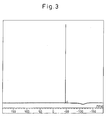
- the structure of the epoxy compound represented by formula (IV) was able to be confirmed by measuring the 1 H-NMR, 13 C-NMR and 29 Si-NMR spectra thereof in deuterated chloroform solvent using the AL-400 Nuclear Magnetic Resonance System manufactured by JEOL Ltd.
- the 1 H-NMR, 13 C-NMR and 29 Si-NMR spectra of the epoxy compound represented by formula (IV) are shown in Figs. 1 , 2 and 3 , respectively.
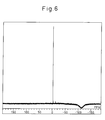
- the structure of the epoxy compound represented by formula (V) was able to be confirmed by measuring the 1 H-NMR, 13 C-NMR and 29 Si-NMR spectra thereof in deuterated chloroform solvent using the AL-400 Nuclear Magnetic Resonance System manufactured by JEOL Ltd.
- the 1 H-NMR, 13 C-NMR and 29 Si-NMR spectra of the epoxy compound represented by formula (V) are shown in Figs. 4 , 5 and 6 , respectively.
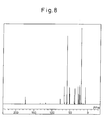
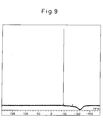
- the structure of the epoxy compound represented by formula (VI) was able to be confirmed by measuring the 1 H-NMR, 13 C-NMR and 29 Si-NMR spectra thereof in deuterated chloroform solvent using the AL-400 Nuclear Magnetic Resonance System manufactured by JEOL Ltd.
- the 1 H-NMR, 13 C-NMR and 29 Si-NMR spectra of the epoxy compound represented by formula (VI) are shown in Figs. 7 , 8 and 9 , respectively.
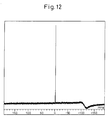
- the structure of the epoxy compound represented by formula (VII) was able to be confirmed by measuring the 1 H-NMR, 13 C-NMR and 29 Si-NMR spectra thereof in deuterated chloroform solvent using the AL-400 Nuclear Magnetic Resonance System manufactured by JEOL Ltd.
- the 1 H-NMR, 13 C-NMR and 29 Si-NMR spectra of the epoxy compound represented by formula (VII) are shown in Figs. 10 , 11 and 12 , respectively.
- novel epoxy compound of the present invention is useful in a wide range of fields such as sealing materials, formed materials, injection molding materials, laminated materials, composite materials, adhesives and powder coatings of electrical, electronic or optical components.
Landscapes
- Chemical & Material Sciences (AREA)
- Organic Chemistry (AREA)
- Epoxy Compounds (AREA)
- Epoxy Resins (AREA)
Applications Claiming Priority (2)
| Application Number | Priority Date | Filing Date | Title |
|---|---|---|---|
| JP2006221648 | 2006-08-15 | ||
| PCT/JP2007/066061 WO2008020637A1 (en) | 2006-08-15 | 2007-08-13 | Novel epoxy compound and process for production thereof |
Publications (3)
| Publication Number | Publication Date |
|---|---|
| EP2055708A1 true EP2055708A1 (de) | 2009-05-06 |
| EP2055708A4 EP2055708A4 (de) | 2011-01-26 |
| EP2055708B1 EP2055708B1 (de) | 2013-07-17 |
Family
ID=39082158
Family Applications (1)
| Application Number | Title | Priority Date | Filing Date |
|---|---|---|---|
| EP07792677.2A Not-in-force EP2055708B1 (de) | 2006-08-15 | 2007-08-13 | Neue epoxyverbindung und verfahren zu ihrer herstellung |
Country Status (7)
| Country | Link |
|---|---|
| US (1) | US7880018B2 (de) |
| EP (1) | EP2055708B1 (de) |
| JP (1) | JP5153635B2 (de) |
| KR (1) | KR101013394B1 (de) |
| CN (1) | CN101501047B (de) |
| TW (1) | TW200815492A (de) |
| WO (1) | WO2008020637A1 (de) |
Cited By (2)
| Publication number | Priority date | Publication date | Assignee | Title |
|---|---|---|---|---|
| EP2270020A4 (de) * | 2008-03-24 | 2012-04-18 | Showa Denko Kk | Epoxidverbindung und verfahren zur herstellung der epoxidverbindung |
| WO2014150841A3 (en) * | 2013-03-15 | 2015-01-08 | Dow Corning Corporation | A method for making an optical assembly comprising depositing a solid silicone-containing hot melt composition in powder form and forming an encapsulant thereof |
Families Citing this family (7)
| Publication number | Priority date | Publication date | Assignee | Title |
|---|---|---|---|---|
| KR101375445B1 (ko) * | 2007-11-07 | 2014-03-17 | 쇼와 덴코 가부시키가이샤 | 에폭시기 함유 오르가노실록산 화합물, 전사 재료용 경화성 조성물 및 상기 조성물을 사용한 미세 패턴 형성 방법 |
| JP5210122B2 (ja) * | 2008-10-31 | 2013-06-12 | 昭和電工株式会社 | 接着剤用硬化性組成物 |
| JP5149126B2 (ja) * | 2008-11-07 | 2013-02-20 | 昭和電工株式会社 | 半導体封止用硬化性組成物 |
| KR101408006B1 (ko) * | 2010-08-11 | 2014-06-17 | 쇼와 덴코 가부시키가이샤 | 에폭시 실리콘 축합물, 그 축합물을 포함하는 경화성 조성물 및 그 경화물 |
| CN105669738A (zh) * | 2016-01-19 | 2016-06-15 | 南昌大学 | 一种改性硅烷偶联剂的制备方法 |
| JPWO2023008493A1 (de) * | 2021-07-29 | 2023-02-02 | ||
| CN119798304B (zh) * | 2024-12-31 | 2025-10-10 | 苏州高泰电子技术股份有限公司 | 一种耐高温硅烷偶联剂及其制备方法和应用 |
Family Cites Families (9)
| Publication number | Priority date | Publication date | Assignee | Title |
|---|---|---|---|---|
| JPS5580430A (en) | 1978-12-13 | 1980-06-17 | Teijin Ltd | Preparation of polyester |
| JPS58222160A (ja) | 1982-06-16 | 1983-12-23 | Tokuyama Soda Co Ltd | コ−テイング用組成物 |
| JPH03255130A (ja) | 1990-03-05 | 1991-11-14 | Shin Etsu Chem Co Ltd | エポキシ基含有オルガノポリシロキサンの製造方法 |
| US5206328A (en) * | 1990-02-08 | 1993-04-27 | Shin-Etsu Chemical Co., Ltd. | Process for the production of an organopolysiloxane |
| US6080872A (en) | 1997-12-16 | 2000-06-27 | Lonza S.P.A. | Cycloaliphatic epoxy compounds |
| WO2003084928A1 (en) * | 2002-04-08 | 2003-10-16 | Ranbaxy Laboratories Limited | Alpha, omega-dicarboximide derivatives as useful uro-selective α1α adrenoceptor blockers |
| US7244473B2 (en) * | 2003-04-22 | 2007-07-17 | Konica Minolta Medical & Graphic, Inc. | Active ray curable ink-jet composition, image forming method using the same, ink-jet recording apparatus, and triarylsulfonium salt compound |
| FI116844B (fi) * | 2004-03-22 | 2006-03-15 | Valtion Teknillinen | Reaktiiviset kalvonmuodostajat |
| US20080085494A1 (en) * | 2004-07-14 | 2008-04-10 | Mader Roger M | Dental Compositions Containing Oxirane Monomers |
-
2007
- 2007-08-13 KR KR1020097001894A patent/KR101013394B1/ko not_active Expired - Fee Related
- 2007-08-13 CN CN2007800302866A patent/CN101501047B/zh not_active Expired - Fee Related
- 2007-08-13 WO PCT/JP2007/066061 patent/WO2008020637A1/ja not_active Ceased
- 2007-08-13 EP EP07792677.2A patent/EP2055708B1/de not_active Not-in-force
- 2007-08-13 JP JP2008529895A patent/JP5153635B2/ja not_active Expired - Fee Related
- 2007-08-13 US US12/377,055 patent/US7880018B2/en not_active Expired - Fee Related
- 2007-08-14 TW TW096130023A patent/TW200815492A/zh not_active IP Right Cessation
Cited By (3)
| Publication number | Priority date | Publication date | Assignee | Title |
|---|---|---|---|---|
| EP2270020A4 (de) * | 2008-03-24 | 2012-04-18 | Showa Denko Kk | Epoxidverbindung und verfahren zur herstellung der epoxidverbindung |
| US8426614B2 (en) | 2008-03-24 | 2013-04-23 | Showa Denko K.K. | Epoxy compound and process for producing the epoxy compound |
| WO2014150841A3 (en) * | 2013-03-15 | 2015-01-08 | Dow Corning Corporation | A method for making an optical assembly comprising depositing a solid silicone-containing hot melt composition in powder form and forming an encapsulant thereof |
Also Published As
| Publication number | Publication date |
|---|---|
| TWI362397B (de) | 2012-04-21 |
| US20100197936A1 (en) | 2010-08-05 |
| EP2055708B1 (de) | 2013-07-17 |
| KR20090024827A (ko) | 2009-03-09 |
| CN101501047A (zh) | 2009-08-05 |
| JP5153635B2 (ja) | 2013-02-27 |
| KR101013394B1 (ko) | 2011-02-14 |
| JPWO2008020637A1 (ja) | 2010-01-07 |
| EP2055708A4 (de) | 2011-01-26 |
| CN101501047B (zh) | 2011-12-14 |
| WO2008020637A1 (en) | 2008-02-21 |
| US7880018B2 (en) | 2011-02-01 |
| TW200815492A (en) | 2008-04-01 |
Similar Documents
| Publication | Publication Date | Title |
|---|---|---|
| EP2055708B1 (de) | Neue epoxyverbindung und verfahren zu ihrer herstellung | |
| EP2270020B1 (de) | Epoxidverbindung und verfahren zur herstellung der epoxidverbindung | |
| JP5115729B2 (ja) | トリアルキルシリル基で保護されたアセト酢酸エステル基含有有機ケイ素化合物及びその製造方法 | |
| EP0499409A1 (de) | Olefin- und Acetylen-Azasilacyclopentane | |
| CN101460537B (zh) | 新型环氧化合物及其制备方法 | |
| US7402648B2 (en) | Method for producing cyclic organic silicon compound and organic silicon resin having alcoholic hydroxyl group | |
| Liu et al. | Tricyclic 6–8–6 laddersiloxanes derived from all-cis-tetravinylcyclotetrasiloxanolate: Synthesis, characterization and reactivity | |
| EP2099809A1 (de) | Verfahren zur herstellung organischer silanverbindungen mit beta-cyanoestergruppe | |
| JP5052209B2 (ja) | 新規エポキシ化合物とその製造方法 | |
| JPH082911B2 (ja) | 1,3―ビス(p―ヒドロキシベンジル)―1,1,3,3―テトラメチルジシロキサン及びその製造方法 | |
| KR101097570B1 (ko) | 환상 유기 규소 화합물의 제조 방법 | |
| KR101145492B1 (ko) | 신규 유기 규소 화합물 및 디올을 갖는 유기 규소 수지, 및이들의 제조 방법 | |
| JP4276805B2 (ja) | 新規シラザン化合物及びその製造方法、並びに新規シラザン化合物重合体及びその製造方法 | |
| JP6844384B2 (ja) | 液状ケイ素化合物及びその製造方法 | |
| Miguel | Faculty of Chemistry AMU | |
| JPH03184983A (ja) | アミノ基含有シラン | |
| Rühlmann et al. | On the synthesis of siloxanes. XXIV. Nucleophilic substitution reactions of 2-functional 1, 3-dioxa-2-4, 7-trisilacylcloheptanes and 1, 3-dioxa-2, 4, 8-trisilacyclooctanes | |
| JPH0786114B2 (ja) | ビス(メルカプトアルキル)テトラオルガノジシロキサンの製造方法 | |
| JP2005023006A (ja) | 環状有機ケイ素化合物及びその製造方法 |
Legal Events
| Date | Code | Title | Description |
|---|---|---|---|
| PUAI | Public reference made under article 153(3) epc to a published international application that has entered the european phase |
Free format text: ORIGINAL CODE: 0009012 |
|
| 17P | Request for examination filed |
Effective date: 20090313 |
|
| AK | Designated contracting states |
Kind code of ref document: A1 Designated state(s): AT BE BG CH CY CZ DE DK EE ES FI FR GB GR HU IE IS IT LI LT LU LV MC MT NL PL PT RO SE SI SK TR |
|
| AX | Request for extension of the european patent |
Extension state: AL BA HR MK RS |
|
| A4 | Supplementary search report drawn up and despatched |
Effective date: 20101227 |
|
| 17Q | First examination report despatched |
Effective date: 20110120 |
|
| RTI1 | Title (correction) |
Free format text: NOVEL EPOXY COMPOUND AND PRODUCTION PROCESS OF SAME |
|
| DAX | Request for extension of the european patent (deleted) | ||
| GRAJ | Information related to disapproval of communication of intention to grant by the applicant or resumption of examination proceedings by the epo deleted |
Free format text: ORIGINAL CODE: EPIDOSDIGR1 |
|
| GRAP | Despatch of communication of intention to grant a patent |
Free format text: ORIGINAL CODE: EPIDOSNIGR1 |
|
| GRAS | Grant fee paid |
Free format text: ORIGINAL CODE: EPIDOSNIGR3 |
|
| GRAA | (expected) grant |
Free format text: ORIGINAL CODE: 0009210 |
|
| AK | Designated contracting states |
Kind code of ref document: B1 Designated state(s): AT BE BG CH CY CZ DE DK EE ES FI FR GB GR HU IE IS IT LI LT LU LV MC MT NL PL PT RO SE SI SK TR |
|
| REG | Reference to a national code |
Ref country code: GB Ref legal event code: FG4D |
|
| REG | Reference to a national code |
Ref country code: CH Ref legal event code: EP |
|
| REG | Reference to a national code |
Ref country code: IE Ref legal event code: FG4D |
|
| REG | Reference to a national code |
Ref country code: AT Ref legal event code: REF Ref document number: 622155 Country of ref document: AT Kind code of ref document: T Effective date: 20130815 |
|
| REG | Reference to a national code |
Ref country code: DE Ref legal event code: R096 Ref document number: 602007031726 Country of ref document: DE Effective date: 20130912 |
|
| PGFP | Annual fee paid to national office [announced via postgrant information from national office to epo] |
Ref country code: FR Payment date: 20130812 Year of fee payment: 7 |
|
| REG | Reference to a national code |
Ref country code: AT Ref legal event code: MK05 Ref document number: 622155 Country of ref document: AT Kind code of ref document: T Effective date: 20130717 |
|
| REG | Reference to a national code |
Ref country code: NL Ref legal event code: VDEP Effective date: 20130717 |
|
| REG | Reference to a national code |
Ref country code: LT Ref legal event code: MG4D |
|
| PG25 | Lapsed in a contracting state [announced via postgrant information from national office to epo] |
Ref country code: AT Free format text: LAPSE BECAUSE OF FAILURE TO SUBMIT A TRANSLATION OF THE DESCRIPTION OR TO PAY THE FEE WITHIN THE PRESCRIBED TIME-LIMIT Effective date: 20130717 Ref country code: SE Free format text: LAPSE BECAUSE OF FAILURE TO SUBMIT A TRANSLATION OF THE DESCRIPTION OR TO PAY THE FEE WITHIN THE PRESCRIBED TIME-LIMIT Effective date: 20130717 Ref country code: LT Free format text: LAPSE BECAUSE OF FAILURE TO SUBMIT A TRANSLATION OF THE DESCRIPTION OR TO PAY THE FEE WITHIN THE PRESCRIBED TIME-LIMIT Effective date: 20130717 Ref country code: PT Free format text: LAPSE BECAUSE OF FAILURE TO SUBMIT A TRANSLATION OF THE DESCRIPTION OR TO PAY THE FEE WITHIN THE PRESCRIBED TIME-LIMIT Effective date: 20131118 Ref country code: CY Free format text: LAPSE BECAUSE OF FAILURE TO SUBMIT A TRANSLATION OF THE DESCRIPTION OR TO PAY THE FEE WITHIN THE PRESCRIBED TIME-LIMIT Effective date: 20130731 Ref country code: BE Free format text: LAPSE BECAUSE OF FAILURE TO SUBMIT A TRANSLATION OF THE DESCRIPTION OR TO PAY THE FEE WITHIN THE PRESCRIBED TIME-LIMIT Effective date: 20130717 Ref country code: IS Free format text: LAPSE BECAUSE OF FAILURE TO SUBMIT A TRANSLATION OF THE DESCRIPTION OR TO PAY THE FEE WITHIN THE PRESCRIBED TIME-LIMIT Effective date: 20131117 |
|
| PGFP | Annual fee paid to national office [announced via postgrant information from national office to epo] |
Ref country code: GB Payment date: 20131015 Year of fee payment: 7 Ref country code: DE Payment date: 20131015 Year of fee payment: 7 |
|
| PG25 | Lapsed in a contracting state [announced via postgrant information from national office to epo] |
Ref country code: ES Free format text: LAPSE BECAUSE OF FAILURE TO SUBMIT A TRANSLATION OF THE DESCRIPTION OR TO PAY THE FEE WITHIN THE PRESCRIBED TIME-LIMIT Effective date: 20131028 Ref country code: FI Free format text: LAPSE BECAUSE OF FAILURE TO SUBMIT A TRANSLATION OF THE DESCRIPTION OR TO PAY THE FEE WITHIN THE PRESCRIBED TIME-LIMIT Effective date: 20130717 Ref country code: NL Free format text: LAPSE BECAUSE OF FAILURE TO SUBMIT A TRANSLATION OF THE DESCRIPTION OR TO PAY THE FEE WITHIN THE PRESCRIBED TIME-LIMIT Effective date: 20130717 Ref country code: PL Free format text: LAPSE BECAUSE OF FAILURE TO SUBMIT A TRANSLATION OF THE DESCRIPTION OR TO PAY THE FEE WITHIN THE PRESCRIBED TIME-LIMIT Effective date: 20130717 Ref country code: GR Free format text: LAPSE BECAUSE OF FAILURE TO SUBMIT A TRANSLATION OF THE DESCRIPTION OR TO PAY THE FEE WITHIN THE PRESCRIBED TIME-LIMIT Effective date: 20131018 Ref country code: SI Free format text: LAPSE BECAUSE OF FAILURE TO SUBMIT A TRANSLATION OF THE DESCRIPTION OR TO PAY THE FEE WITHIN THE PRESCRIBED TIME-LIMIT Effective date: 20130717 Ref country code: LV Free format text: LAPSE BECAUSE OF FAILURE TO SUBMIT A TRANSLATION OF THE DESCRIPTION OR TO PAY THE FEE WITHIN THE PRESCRIBED TIME-LIMIT Effective date: 20130717 |
|
| PG25 | Lapsed in a contracting state [announced via postgrant information from national office to epo] |
Ref country code: CY Free format text: LAPSE BECAUSE OF FAILURE TO SUBMIT A TRANSLATION OF THE DESCRIPTION OR TO PAY THE FEE WITHIN THE PRESCRIBED TIME-LIMIT Effective date: 20130717 |
|
| REG | Reference to a national code |
Ref country code: CH Ref legal event code: PL |
|
| PG25 | Lapsed in a contracting state [announced via postgrant information from national office to epo] |
Ref country code: RO Free format text: LAPSE BECAUSE OF FAILURE TO SUBMIT A TRANSLATION OF THE DESCRIPTION OR TO PAY THE FEE WITHIN THE PRESCRIBED TIME-LIMIT Effective date: 20130717 Ref country code: DK Free format text: LAPSE BECAUSE OF FAILURE TO SUBMIT A TRANSLATION OF THE DESCRIPTION OR TO PAY THE FEE WITHIN THE PRESCRIBED TIME-LIMIT Effective date: 20130717 Ref country code: CH Free format text: LAPSE BECAUSE OF NON-PAYMENT OF DUE FEES Effective date: 20130831 Ref country code: LI Free format text: LAPSE BECAUSE OF NON-PAYMENT OF DUE FEES Effective date: 20130831 Ref country code: CZ Free format text: LAPSE BECAUSE OF FAILURE TO SUBMIT A TRANSLATION OF THE DESCRIPTION OR TO PAY THE FEE WITHIN THE PRESCRIBED TIME-LIMIT Effective date: 20130717 Ref country code: SK Free format text: LAPSE BECAUSE OF FAILURE TO SUBMIT A TRANSLATION OF THE DESCRIPTION OR TO PAY THE FEE WITHIN THE PRESCRIBED TIME-LIMIT Effective date: 20130717 Ref country code: EE Free format text: LAPSE BECAUSE OF FAILURE TO SUBMIT A TRANSLATION OF THE DESCRIPTION OR TO PAY THE FEE WITHIN THE PRESCRIBED TIME-LIMIT Effective date: 20130717 Ref country code: MC Free format text: LAPSE BECAUSE OF FAILURE TO SUBMIT A TRANSLATION OF THE DESCRIPTION OR TO PAY THE FEE WITHIN THE PRESCRIBED TIME-LIMIT Effective date: 20130717 |
|
| REG | Reference to a national code |
Ref country code: IE Ref legal event code: MM4A |
|
| PLBE | No opposition filed within time limit |
Free format text: ORIGINAL CODE: 0009261 |
|
| STAA | Information on the status of an ep patent application or granted ep patent |
Free format text: STATUS: NO OPPOSITION FILED WITHIN TIME LIMIT |
|
| PG25 | Lapsed in a contracting state [announced via postgrant information from national office to epo] |
Ref country code: IT Free format text: LAPSE BECAUSE OF FAILURE TO SUBMIT A TRANSLATION OF THE DESCRIPTION OR TO PAY THE FEE WITHIN THE PRESCRIBED TIME-LIMIT Effective date: 20130717 |
|
| 26N | No opposition filed |
Effective date: 20140422 |
|
| PG25 | Lapsed in a contracting state [announced via postgrant information from national office to epo] |
Ref country code: IE Free format text: LAPSE BECAUSE OF NON-PAYMENT OF DUE FEES Effective date: 20130813 |
|
| REG | Reference to a national code |
Ref country code: DE Ref legal event code: R097 Ref document number: 602007031726 Country of ref document: DE Effective date: 20140422 |
|
| REG | Reference to a national code |
Ref country code: DE Ref legal event code: R119 Ref document number: 602007031726 Country of ref document: DE |
|
| GBPC | Gb: european patent ceased through non-payment of renewal fee |
Effective date: 20140813 |
|
| REG | Reference to a national code |
Ref country code: DE Ref legal event code: R119 Ref document number: 602007031726 Country of ref document: DE Effective date: 20150303 |
|
| REG | Reference to a national code |
Ref country code: FR Ref legal event code: ST Effective date: 20150430 |
|
| PG25 | Lapsed in a contracting state [announced via postgrant information from national office to epo] |
Ref country code: MT Free format text: LAPSE BECAUSE OF FAILURE TO SUBMIT A TRANSLATION OF THE DESCRIPTION OR TO PAY THE FEE WITHIN THE PRESCRIBED TIME-LIMIT Effective date: 20130717 Ref country code: TR Free format text: LAPSE BECAUSE OF FAILURE TO SUBMIT A TRANSLATION OF THE DESCRIPTION OR TO PAY THE FEE WITHIN THE PRESCRIBED TIME-LIMIT Effective date: 20130717 |
|
| PG25 | Lapsed in a contracting state [announced via postgrant information from national office to epo] |
Ref country code: GB Free format text: LAPSE BECAUSE OF NON-PAYMENT OF DUE FEES Effective date: 20140813 Ref country code: DE Free format text: LAPSE BECAUSE OF NON-PAYMENT OF DUE FEES Effective date: 20150303 Ref country code: BG Free format text: LAPSE BECAUSE OF FAILURE TO SUBMIT A TRANSLATION OF THE DESCRIPTION OR TO PAY THE FEE WITHIN THE PRESCRIBED TIME-LIMIT Effective date: 20130717 Ref country code: LU Free format text: LAPSE BECAUSE OF NON-PAYMENT OF DUE FEES Effective date: 20130813 Ref country code: HU Free format text: LAPSE BECAUSE OF FAILURE TO SUBMIT A TRANSLATION OF THE DESCRIPTION OR TO PAY THE FEE WITHIN THE PRESCRIBED TIME-LIMIT; INVALID AB INITIO Effective date: 20070813 |
|
| PG25 | Lapsed in a contracting state [announced via postgrant information from national office to epo] |
Ref country code: FR Free format text: LAPSE BECAUSE OF NON-PAYMENT OF DUE FEES Effective date: 20140901 |