EP2116208A1 - Instrument chirurgical invasif muni d'un transpondeur - Google Patents
Instrument chirurgical invasif muni d'un transpondeur Download PDFInfo
- Publication number
- EP2116208A1 EP2116208A1 EP09290315A EP09290315A EP2116208A1 EP 2116208 A1 EP2116208 A1 EP 2116208A1 EP 09290315 A EP09290315 A EP 09290315A EP 09290315 A EP09290315 A EP 09290315A EP 2116208 A1 EP2116208 A1 EP 2116208A1
- Authority
- EP
- European Patent Office
- Prior art keywords
- surgical instrument
- transponder
- reading system
- housing
- computer system
- Prior art date
- Legal status (The legal status is an assumption and is not a legal conclusion. Google has not performed a legal analysis and makes no representation as to the accuracy of the status listed.)
- Withdrawn
Links
- 210000000988 bone and bone Anatomy 0.000 claims description 12
- 230000001954 sterilising effect Effects 0.000 claims description 10
- 238000004659 sterilization and disinfection Methods 0.000 claims description 10
- 238000003860 storage Methods 0.000 claims description 10
- 238000004140 cleaning Methods 0.000 claims description 8
- 238000003754 machining Methods 0.000 claims description 8
- 239000000463 material Substances 0.000 claims description 8
- 238000003466 welding Methods 0.000 claims description 8
- 238000001356 surgical procedure Methods 0.000 claims description 5
- RTAQQCXQSZGOHL-UHFFFAOYSA-N Titanium Chemical compound [Ti] RTAQQCXQSZGOHL-UHFFFAOYSA-N 0.000 claims description 4
- 238000003780 insertion Methods 0.000 claims description 4
- 230000037431 insertion Effects 0.000 claims description 4
- 238000012986 modification Methods 0.000 claims description 4
- 230000004048 modification Effects 0.000 claims description 4
- 229920000642 polymer Polymers 0.000 claims description 4
- 239000010935 stainless steel Substances 0.000 claims description 4
- 229910001220 stainless steel Inorganic materials 0.000 claims description 4
- 239000010936 titanium Substances 0.000 claims description 4
- 229910052719 titanium Inorganic materials 0.000 claims description 4
- 229910000684 Cobalt-chrome Inorganic materials 0.000 claims description 3
- WAIPAZQMEIHHTJ-UHFFFAOYSA-N [Cr].[Co] Chemical compound [Cr].[Co] WAIPAZQMEIHHTJ-UHFFFAOYSA-N 0.000 claims description 3
- 239000010952 cobalt-chrome Substances 0.000 claims description 3
- 238000004891 communication Methods 0.000 claims description 3
- 230000007797 corrosion Effects 0.000 claims description 3
- 238000005260 corrosion Methods 0.000 claims description 3
- 210000004262 dental pulp cavity Anatomy 0.000 claims description 2
- 208000031968 Cadaver Diseases 0.000 description 5
- 238000000034 method Methods 0.000 description 5
- 230000036541 health Effects 0.000 description 4
- 230000005540 biological transmission Effects 0.000 description 3
- 229910052751 metal Inorganic materials 0.000 description 3
- 239000002184 metal Substances 0.000 description 3
- 238000012544 monitoring process Methods 0.000 description 3
- 238000005202 decontamination Methods 0.000 description 2
- 230000003588 decontaminative effect Effects 0.000 description 2
- 238000012423 maintenance Methods 0.000 description 2
- 208000006379 syphilis Diseases 0.000 description 2
- 238000009482 thermal adhesion granulation Methods 0.000 description 2
- 241001080024 Telles Species 0.000 description 1
- 238000004026 adhesive bonding Methods 0.000 description 1
- 238000013459 approach Methods 0.000 description 1
- 230000008859 change Effects 0.000 description 1
- IUWCPXJTIPQGTE-UHFFFAOYSA-N chromium cobalt Chemical compound [Cr].[Co].[Co].[Co] IUWCPXJTIPQGTE-UHFFFAOYSA-N 0.000 description 1
- 230000003750 conditioning effect Effects 0.000 description 1
- 230000008878 coupling Effects 0.000 description 1
- 238000010168 coupling process Methods 0.000 description 1
- 238000005859 coupling reaction Methods 0.000 description 1
- 230000001747 exhibiting effect Effects 0.000 description 1
- 239000007943 implant Substances 0.000 description 1
- 230000003287 optical effect Effects 0.000 description 1
- 238000002360 preparation method Methods 0.000 description 1
- 230000008569 process Effects 0.000 description 1
- 238000012545 processing Methods 0.000 description 1
- 239000000523 sample Substances 0.000 description 1
- 230000035939 shock Effects 0.000 description 1
- 238000012360 testing method Methods 0.000 description 1
- 238000005493 welding type Methods 0.000 description 1
- 238000004804 winding Methods 0.000 description 1
- 229910000859 α-Fe Inorganic materials 0.000 description 1
Images



Classifications
-
- A—HUMAN NECESSITIES
- A61—MEDICAL OR VETERINARY SCIENCE; HYGIENE
- A61B—DIAGNOSIS; SURGERY; IDENTIFICATION
- A61B17/00—Surgical instruments, devices or methods
- A61B17/16—Instruments for performing osteoclasis; Drills or chisels for bones; Trepans
- A61B17/1659—Surgical rasps, files, planes, or scrapers
-
- A—HUMAN NECESSITIES
- A61—MEDICAL OR VETERINARY SCIENCE; HYGIENE
- A61B—DIAGNOSIS; SURGERY; IDENTIFICATION
- A61B90/00—Instruments, implements or accessories specially adapted for surgery or diagnosis and not covered by any of the groups A61B1/00 - A61B50/00, e.g. for luxation treatment or for protecting wound edges
- A61B90/90—Identification means for patients or instruments, e.g. tags
-
- A—HUMAN NECESSITIES
- A61—MEDICAL OR VETERINARY SCIENCE; HYGIENE
- A61B—DIAGNOSIS; SURGERY; IDENTIFICATION
- A61B90/00—Instruments, implements or accessories specially adapted for surgery or diagnosis and not covered by any of the groups A61B1/00 - A61B50/00, e.g. for luxation treatment or for protecting wound edges
- A61B90/90—Identification means for patients or instruments, e.g. tags
- A61B90/98—Identification means for patients or instruments, e.g. tags using electromagnetic means, e.g. transponders
Definitions
- the present invention relates to the field of surgical instrumentation. It relates, more particularly, an invasive surgical instrument, such as a femoral rasp, provided with a transponder.
- Medical instruments and more particularly, surgical instruments, are generally subject to rigorous monitoring to ensure their conditions of decontamination use and patient safety.
- This monitoring consists of recording and updating any useful information about the instrument, for example, its serial number, the dates of its maintenance or sterilization operations, the number of uses, etc.
- electronic tags also called transponders or TAGs RFID (in English, radio frequency identification)
- TAGs RFID in English, radio frequency identification
- Solidarity of an instrument they allow, in association with a reading module and / or writing with an antenna and a central computer, the writing, reading and storage of a large number of data relating to this instrument .
- the recording of information can be done automatically, during a cleaning step, for example, so as to limit the error of human origin.
- Such a mode of operation is described, for example, in the document EP 0 992 212 .
- electronic tags are extremely reliable and withstand the high temperatures of sterilization processes.
- the transponders are generally attached to a non-functional area of the tool, for example, its handle. They are then placed in a metal box, itself soldered to the handle.
- the transponder is generally integral with an external part so as to be easily accessible for reading and writing.
- the document EP 1 480 153 shows, for example, a endoscope consisting of an invasive part, an optical coupling unit and a control equipped with a transponder.
- This arrangement of the transponder on an external part of the endoscope is not ideal, particularly in case of partial or total disassembly of the instrument, for cleaning, for example, or for the change of an element. Indeed, once the instrument disassembled, the different parts and in particular, the active parts are no longer identifiable. If several instruments are disassembled simultaneously, their parts can be reversed when reassembling. Therefore, only the traceability of the labeled part can be really guaranteed. More serious even, an incompatibility between the different parts can occur following such an inversion. The operation of the instrument and, consequently, the health of the patient are then mortgaged.
- the document FR 2,811,923 proposes a rasp intended to prepare the intramedullary canal of a bone so that it later receives a prosthesis.
- the grater comprises a body, elongated along an axis substantially parallel to the longitudinal axis of the channel, of variable cross section, consisting of a so-called upper face and an outer casing and having a shape capable of collaborating with the inner wall of the intramedullary canal of the bone.
- the rasp ends in a shaped shape to facilitate the insertion of the rasp into the channel.
- Male or female geometric elements disposed on the upper face of the body constitute a snap-in system intended to receive a mouthpiece constituting the end of a handle for handling the rasp in the channel and intended to optionally receive test prosthetic components.
- the present invention aims to overcome one or more of the disadvantages of the prior art and proposes an invasive surgical instrument, such as a femoral rasp, forming a single piece whose traceability can be easily ensured by a reading system.
- an invasive surgical instrument such as a femoral rasp
- the reading system for cooperating with a transponder disposed on a surgical instrument so as to quickly identify the surgical instrument by approaching the reading system to the transponder of the surgical instrument and reading information associated with the surgical instrument contained in the transponder and communication with a computer system characterized in that the transponder is enclosed in a housing formed in the surgical instrument for receiving inside the transponder, said housing being closed sealingly by a thin cover, of the same material as the surgical instrument, welded or glued to the body of the surgical instrument so that the external surface of the surgical instrument has no protruding asperity, the transponder communicating or recording by the system for reading information about the history, pos the surgical instrument in a box being displayed on a computer system screen by displaying data from a database and associated with the traceability.
- the invasive surgical instrument forms a one-piece piece comprising the housing formed by a machining operation of the body of the surgical instrument in a smooth zone or recessed from the body which does not weaken the surgical instrument and does not do not bother setting up a handle.
- the dimensions of the housing and the reduced thickness of the cover position the transponder near the outer surface of the body of the surgical instrument.
- the housing and the lid are substantially cylindrical in shape.
- the cover of the housing of the surgical instrument is made of stainless steel or titanium or cobalt chromium or polymer or any other material exhibiting characteristics of corrosion resistance and mechanical strength, the same material being used to form the body of the surgical instrument.
- the lid is assembled by welding, such as laser welding, so as to ensure a metallurgical continuity between the outer surface of the body of the surgical instrument and the lid and ensure the tightness of the housing.
- the lid is glued to the body of the surgical instrument so as to seal the housing.
- a reading system is intended to cooperate with the transponder enclosed and wedged in the housing of the surgical instrument so as to quickly ensure the traceability of the transponder by approaching the reading system to the housing cover of the surgical instrument then reads the characteristic information of the surgical instrument contained in the transponder that is displayed, after transmission of the reading system to a computer system, on a computer system screen.
- the surgical instrument is a femoral rasp having an elongate body parallel to the longitudinal axis of the bone channel to be operated and an upper portion for use as a gripping means for manipulating the femoral rasp, the body of the femoral rasp having an upper smooth zone and ending in a spindle-shaped shape to facilitate the insertion of the femoral rasp into the bone channel, the profiled shape of the femoral rasp having a toothing to allow grate the bone channel.
- the reading system is able to identify the user of the surgical instrument using a badge.
- the computer system is a portable personal computer.
- the dimensions of the housing and the reduced thickness of the cover position the transponder near the outer surface of the body of the surgical instrument.
- the bores for forming the housing and the cavity for receiving the lid are made along an axis perpendicular to the outer surface of the body of the surgical instrument.
- the diameter of the bore forming the housing is smaller than the diameter of the bore forming the cavity for the cover and the depth of the bore forming the housing is greater than the depth of the bore forming the cavity. for the lid.
- the diameter and the depth of the housing formed by machining are respectively substantially greater than the diameter and the depth of the transponder so that the transponder is wedged in the housing when the lid is welded or glued to the body of the transponder. surgical instrument.
- the computer data associated with the surgical instrument and displayed on the interface of the computer system can be selected by the user via a user interface of the computer system and can provide information on the conditions of use, cleaning, sterilization and storage of the surgical instrument.
- the traceability data associated with the surgical instrument can be modified as and when the surgical instrument is used, the modifications being entered by means of the interface of the computer system and then retransmitted via the transponder reading system so that they are stored in the transponder.
- the traceability data associated with the surgical instrument may be modified as and when the surgical instrument is used, the modifications being entered at the same time. means of the user interface of the computer system and then retransmitted via the transponder reading system so that they are stored in the transponder memory.
- the traceability data associated with the surgical instrument once transmitted to the computer system, can be transmitted over the internet to the manufacturer and / or to the establishment where the surgical instrument is delivered.
- an audible alarm of the computer system informs of the wear of the surgical instrument and the forecast of the purchase of a new surgical instrument.
- the invention relates to a surgical instrument forming a single piece, such as a femoral rasp (1), equipped with a transponder (2).
- the femoral rasp (1) equipped with such a transponder (2) improves its monitoring or traceability between different health facilities and its management, such as, for example, the use on such patients, the management stocks, etc.
- the femoral rasp (1) represented on the Figures 1 to 3 , conventionally comprises an elongated body (10) parallel to the longitudinal axis of the bone channel to be operated.
- the femoral rasp (1) comprises an upper portion (11) for use as a gripping means for manipulating the femoral rasp (1).
- the body (10) of the femoral rasp (1) has a smooth upper region (12a) and terminates in a spindle shaped shape (12b) to facilitate insertion of the femoral rasp (1) into the root canal. bone.
- the shaped shape (12b) of the body (10) of the femoral rasp (1) has a toothing to allow grating the bone channel. It should be noted that the femoral rasp (1) forms a single piece.
- the femoral rasp (1) has the characteristic of being made of stainless material such as, for example, a stainless steel or a TA6V titanium or a cobalt chromium or polymer.
- the geometrical shape of the femoral grater (1) is particular and depends on the prosthesis or implant to be inserted into the bone canal before being grated by means of the femoral rasp (1).
- the femoral rasp (1) comprises a housing (13) formed by a machining or reaming operation of the body (10) of the femoral rasp (1) in the upper smooth zone (12a) or in a recessed area by relative to the teeth of the profiled form (12b) of the body (10) of the femoral rasp (1) so as not to weaken the femoral rasp (1).
- the housing (13) is provided in the upper smooth zone (12b) of the body (10) of the femoral rasp (1).
- the housing (13), substantially cylindrical in shape and opening on the smooth outer surface of the rasp (1), is intended to receive inside a transponder (2) or an electronic tag or a TAG RFID then is closed sealingly by a thin cover (14) welded or glued (3) to the body (10) of the femoral rasp (1) so that the external surface of the femoral rasp (1) has no protruding roughness.
- the femoral rasp (1) being an invasive surgical instrument, it is absolutely necessary that it resume its original shape that is to say before machining the housing (13) in the body (10).
- the cover (14), of substantially cylindrical shape, of the housing (13) of the rasp (1) is made of stainless steel or titanium or chromium cobalt or polymer or any other material with characteristics of resistance to corrosion and mechanical resistance.
- the reduced thickness of the lid (14) of the lid and the dimensions of the housing (13) allow the transponder (2) to be positioned substantially close to the external surface of the body (10) of the femoral rasp (1). so that the information contained in the transponder (2) can be read easily.
- the welding operation (3) of the cover (14) to the body (10) of the rasp (1) is performed, without affecting the operation of the transponder (2), by laser so as to ensure continuity metallurgical between the outer surface of the body (10) of the rasp (1) and the cover (14) or by any other type of welding to ensure metallurgical continuity.
- the welding or bonding operation (3) makes it possible to seal the housing (13) of the femoral rasp (1) so as not to affect the transponder (2) and the information that it contains, for example, sterilization operations of the femoral rasp (1) or any other operations of cleaning or use of the femoral rasp (1), etc.
- the transponder (2) withstands sterilization operations performed at high temperatures, for example 135 ° C, but can not withstand to moisture. It is therefore necessary that the housing (13) formed in the body (10) of the femoral rasp (1) is sealed to protect the transponder (2) from moisture.
- transponder (2) can withstand maximum temperatures of the order of 250 ° C.
- transponder (2) is inserted into the housing (13) formed in the femoral rasp (1).
- the transponder (2) thus inserted into its housing (13) is protected from mechanical shocks during the use and cleaning of the femoral rasp (1).
- Passive transponders (2) are known to those skilled in the art. They are used for marking objects.
- the transponders (2) comprise an electronic circuit provided with two contact pads and a coil formed of a wire wound on a ferrite core and whose ends are welded to the contact pads.
- the read / write of these transponders (2) is performed using the antenna formed of the annular winding capable of transmitting and receiving a radiofrequency (RF) signal containing information (serial number, dates of maintenance operations or sterilization, etc.) and a central computer for storing and processing information from the RF signal.
- RF radiofrequency
- the present invention also provides a use of the surgical instrument, such as a femoral rasp (1), provided with a transponder (2), the surgical instrument being intended to cooperate with a reading system (4) connected to a computer system (5).
- the surgical instrument such as a femoral rasp (1), provided with a transponder (2), the surgical instrument being intended to cooperate with a reading system (4) connected to a computer system (5).
- the display step provides access to the traceability data related to the surgical instrument such as the storage box number, the number of the housing of the surgical instrument in said box, the number of the surgical instrument, the clinical history associated with the surgical instrument, patient data, and operative data from previous surgical procedures.
- the traceability data related to the surgical instrument such as the storage box number, the number of the housing of the surgical instrument in said box, the number of the surgical instrument, the clinical history associated with the surgical instrument, patient data, and operative data from previous surgical procedures.
- the computer data associated with the surgical instrument and displayed on the interface (50) of the computer system (5) can be selected by the user via a user interface such as a keyboard or a mouse connected to the computer system (5) and can provide information on the conditions of use, cleaning, sterilization and storage of the surgical instrument.
- This computer data can be stored in the system itself or connected to a remote server via an internet connection, for example. Their update can thus be managed remotely.
- the step of reading the transponder (2) of the surgical instrument is either to approach the reading system (4) which by a short-distance electronic sensor, about 2 to 3 millimeters from the cover (14) of the housing (13) of the femoral rasp (1), makes it possible to read the information contained in the transponder (2) and associated with the surgical instrument or to connect the reading system (4) to the transponder (2) by means of a reading probe which makes it possible to read the information contained in the transponder (2) and associated with the surgical instrument.
- the information read by the reading system (4) is sent to the computer system (5) which by appropriate software performs the search step in the database. Then, this information or traceability data associated with the surgical instrument can optionally be advantageously transmitted over the internet to the manufacturer and / or to the establishment where the surgical instrument is delivered, this exchange acting as a shuttle plug.
- the traceability data associated with the surgical instrument can be modified as the surgical instrument is used, for example, the data related to the last surgical procedure such as the name of the last patient, the name of the surgeon, the name of the health facility.
- These modifications are entered by means of the user interface, for example via the keyboard, of the computer system (5) and then retransmitted via the reading system (4) to the transponder (2) so that they are stored in the memory.
- transponder memory (2) the data stored in the memory of the transponder (2) is rewritable.
- the management of the surgical instrument can therefore be done by the department responsible for a hospital or a remote competent company.
- the computer system (5) is, for example, a personal computer having at least means for accessing a server via a communication network and a user interface.
- the entire reading system and computer system may be a portable personal computer. It can be installed and used directly in the operating room or in adjoining rooms for preparation, control, cleaning, sterilization, instrument conditioning. Operators performing these tasks may also use the same reading system to identify themselves with a badge. The names of the performers can thus be saved and stored in an associated database.
- the reading system (4) connected to the computer system (5) can be used by pharmacy staff to, for example, control the reception of each surgical instrument, to know operating history, inventory management, follow-up of each surgical instrument, re-ordering of purchase orders, but also by the staff in charge of sterilization in health facilities, for example, to rapidly reconstitute instrument boxes after surgery and decontamination of all medical devices.
- this reading system (4) associated with the computer system (5) and cooperating with the surgical instrument, such as the femoral rasp (1) saves time for the traceability or retrieval of associated information to the surgical instrument and can effectively manage a recall of the surgical instrument or patient recall.
- an audible alarm of the computer system (5) informs the user of the wear of the surgical instrument and consequently of provide for the purchase of a new surgical instrument.
- the method of integrating the transponder (2) into the femoral rasp (1) consists in performing a machining or boring operation (step 100) to form the substantially cylindrical housing (13) and then the cylindrical cavity intended to receiving the end cover (14) of the housing (13) of the femoral rasp (1).
- the bores for forming the housing (13) and the cavity for receiving the lid (14) are made along an axis ( ⁇ ) perpendicular to the outer surface of the body (10) of the femoral rasp (1).
- the diameter (DI) of the bore forming the housing (13) is smaller than the diameter (Dc) of the bore forming the cavity for the cover (14).
- the thickness or depth (el) of the bore forming the housing (13) is greater than the depth (ec) of the bore forming the cavity for the cover (14).
- the bore to form the housing (13) must be made to a depth (el) and a diameter (DI) defined to not affect the femoral rasp (1) and to allow positioning transponder (2) substantially in proximity to the outer surface of the body (10) of the femoral rasp (1).
- a diameter bore (DI) substantially equal to 6 , 6 millimeters and depth (el) substantially equal to 1.9 millimeters is achieved. It should be noted that the drill tip used for boring to form the housing (13) must not exceed a diameter substantially equal to 4.5 millimeters in order not to weaken or affect the femoral rasp (1).
- a diameter bore (DI) substantially equal to 7.5 millimeters and depth (el) substantially equal to 2.7 millimeters is achieved.
- the drill tip used for boring to form the housing (13) must not exceed a diameter substantially equal to 6.5 millimeters to not weaken or affect the femoral rasp (1).
- the diameter (DI) and the depth (el) of the housing (13) formed by the machining operation are respectively substantially greater than the diameter (Dt) and the depth (and) of the transponder (2).
- the small difference between the diameters (D1, Dt) and the depths (el, and) respectively of the housing (13) and the transponder (2) allows the transponder (2) to be wedged in the housing (13). ) when the lid (14) is welded or glued to the body (10) of the femoral rasp (1).
- the method of integrating the transponder (2) into the femoral rasp (1) comprises a positioning step (step 102) of the cover (14) in the cavity provided for receiving said cover (14) and then a welding or gluing operation (step 103) of the cover (14) to body (10) of the femoral rasp (1) so that the outer surface of the rasp (1) has no protruding asperity.
- One of the advantages of the invention is that the surgical instrument equipped with a transponder (2) allows its identification and individual traceability while keeping these invasive properties.
Landscapes
- Health & Medical Sciences (AREA)
- Surgery (AREA)
- Life Sciences & Earth Sciences (AREA)
- Medical Informatics (AREA)
- Animal Behavior & Ethology (AREA)
- Veterinary Medicine (AREA)
- Oral & Maxillofacial Surgery (AREA)
- Engineering & Computer Science (AREA)
- Biomedical Technology (AREA)
- Heart & Thoracic Surgery (AREA)
- Public Health (AREA)
- Molecular Biology (AREA)
- Nuclear Medicine, Radiotherapy & Molecular Imaging (AREA)
- General Health & Medical Sciences (AREA)
- Pathology (AREA)
- Dentistry (AREA)
- Orthopedic Medicine & Surgery (AREA)
- Physics & Mathematics (AREA)
- Electromagnetism (AREA)
- Surgical Instruments (AREA)
Abstract
La présente invention concerne un système de lecture (4) et son utilisation destiné à coopérer avec un transpondeur (2) disposé sur un instrument chirurgical de façon à assurer rapidement l'identification de l'instrument chirurgical par approchement du système de lecture (4) au transpondeur (2) de l'instrument chirurgical puis lecture des informations associées à l'instrument contenues dans le transpondeur (2) et communication avec un système informatique (5), caractérisé en ce que le transpondeur (2) est enfermé dans un logement (13) formé dans l'instrument destiné à recevoir à l'intérieur le transpondeur (2), ledit logement (13) étant refermé de façon étanche par un couvercle fin (14), de même manière que l'instrument chirurgical, soudé ou collé (3) au corps (10) de l'instrument chirurgical de façon à ce que la surface externe de l'instrument chirurgical ne présente aucune aspérité saillante, le transpondeur (2) communiquant ou enregistrant par le système de lecture (4) des informations concernant l'historique.
Description
- La présente invention concerne le domaine de l'instrumentation chirurgicale. Elle concerne, plus particulièrement, un instrument chirurgical invasif, tel qu'une râpe fémorale, muni d'un transpondeur.
- Les instruments médicaux, et plus particulièrement, les instruments chirurgicaux, font généralement l'objet d'un suivi rigoureux destiné à garantir leurs conditions d'utilisation de décontamination et la sécurité des patients. Ce suivi consiste à enregistrer et mettre à jour toute information utile portant sur l'instrument, par exemple, son numéro de série, les dates de ses opérations de maintenance ou de stérilisation, le nombre d'utilisations, etc. A cet effet, les étiquettes électroniques, encore appelées transpondeurs ou TAGs RFID (en anglais, radio frequency identification), sont largement utilisées car elles présentent des avantages considérables. Solidaires d'un instrument, elles permettent, en association avec un module de lecture et/ou écriture doté d'une antenne et un ordinateur central, l'écriture, la lecture et le stockage d'un grand nombre de données relatives à cet instrument. L'enregistrement d'une information peut être réalisé automatiquement, lors d'une étape de nettoyage, par exemple, de façon à limiter l'erreur d'origine humaine. Un tel mode de fonctionnement est décrit, par exemple, dans le document
EP 0 992 212 . Les étiquettes électroniques sont, en outre, extrêmement fiables et supportent les températures élevées des procédés de stérilisation. - Concernant les instruments métalliques simples, tels que des ciseaux, des scalpels, etc., les transpondeurs sont généralement fixés sur une zone non fonctionnelle de l'outil, par exemple, son manche. Ils sont alors disposés dans une boîte métallique, elle même soudée au manche.
- Pour les instruments plus complexes comportant plusieurs pièces montées ensemble dont au moins un outil, le transpondeur est généralement solidaire d'une pièce extérieure de façon à être facilement accessible en lecture et en écriture. Le document
EP 1 480 153 montre, par exemple, un endoscope formé d'une partie invasive, d'une unité de couplage optique et d'une commande munie d'un transpondeur. Cette disposition du transpondeur sur une pièce externe de l'endoscope n'est pas idéale, particulièrement en cas de démontage partiel ou total de l'instrument, pour un nettoyage, par exemple, ou pour le changement d'un élément. En effet, une fois l'instrument démonté, les différentes pièces et en particulier, les pièces actives ne sont plus identifiables. Si plusieurs instruments sont démontés simultanément, leurs pièces peuvent être interverties au remontage. Par conséquent, seule la traçabilité de la pièce étiquetée peut être réellement garantie. Plus grave même, une incompatibilité entre les différentes pièces peut survenir suite à une telle interversion. Le fonctionnement de l'instrument et, par conséquent, la santé du patient, sont alors hypothéqués. - Il est également connu, par le document
EP 1 774 917 , un instrument médical comportant un élément tubulaire métallique, un outil fixé à l'une de ses extrémités et des moyens d'actionnement de l'outil couplés à son autre extrémité. Selon ce document, l'élément tubulaire renferme un transpondeur passif cylindrique contenant des informations relatives à l'outil. Mais ce document ne concerne qu'un certain type d'instrument médical, tel qu'un laparoscope, comportant un outil interchangeable solidaire d'une tige montée à l'intérieur d'un actionneur. - Enfin, le document
FR 2 811 923 - La présente invention a pour but de pallier un ou plusieurs des inconvénients de l'art antérieur et propose un instrument chirurgical invasif, tel qu'une râpe fémorale, formant une pièce monobloc dont la traçabilité peut être assurée facilement par un système de lecture.
- Pour atteindre ce but, le système de lecture destiné à coopérer avec un transpondeur disposé sur un instrument chirurgical de façon à assurer rapidement l'identification de l'instrument chirurgical par approchement du système de lecture au transpondeur de l'instrument chirurgical puis lecture des informations associées à l'instrument chirurgical contenues dans le transpondeur et communication avec un système informatique caractérisé en ce que le transpondeur est enfermé dans un logement formé dans l'instrument chirurgical destiné à recevoir à l'intérieur le transpondeur, ledit logement étant refermé de façon étanche par un couvercle fin, de même matière que l'instrument chirurgical, soudé ou collé au corps de l'instrument chirurgical de façon à ce que la surface externe de l'instrument chirurgical ne présent aucune aspérité saillante, le transpondeur communiquant ou enregistrant par le système de lecture des informations concernant l'historique, les positions de l'instrument chirurgical dans une boîte étant affichées sur un écran du système informatique par affichage des données provenant d'une base de données et associées à la traçabilité.
- Selon une autre particularité, l'instrument chirurgical invasif forme une pièce monobloc comprenant le logement formé par une opération d'usinage du corps de l'instrument chirurgical dans une zone lisse ou en retrait du corps qui ne fragilise pas l'instrument chirurgical et ne gêne pas la mise en place d'une poignée.
- Selon une autre particularité, les dimensions du logement et l'épaisseur réduite du couvercle permettent de positionner le transpondeur près de la surface externe du corps de l'instrument chirurgical.
- Selon une autre particularité, le logement et le couvercle sont de forme sensiblement cylindrique.
- Selon une autre particularité, le couvercle du logement de l'instrument chirurgical est réalisé en acier inoxydable ou en titane ou en chrome cobalt ou en polymère ou tous autres matériaux présentant des caractéristiques de résistance à la corrosion et de résistance mécanique, le même matériau étant utilisé pour former le corps de l'instrument chirurgical.
- Selon une autre particularité, le couvercle est assemblé par soudage, tel le soudage par laser, de façon à assurer une continuité métallurgique entre la surface externe du corps de l'instrument chirurgical et le couvercle et assurer l'étanchéité du logement.
- Selon une autre particularité, le couvercle est collé au corps de l'instrument chirurgical de façon à assurer l'étanchéité du logement.
- Selon une autre particularité, un système de lecture est destiné à coopérer avec le transpondeur enfermé et calé dans le logement de l'instrument chirurgical de façon à assurer rapidement la traçabilité du transpondeur par approchement du système de lecture vers le couvercle du logement de l'instrument chirurgical puis lecture des informations caractéristiques de l'instrument chirurgical contenues dans le transpondeur qui s'affichent, après transmission du système de lecture vers un système informatique, sur un écran du système informatique.
- Selon une autre particularité, l'instrument chirurgical est une râpe fémorale comportant un corps allongé, parallèle à l'axe longitudinal du canal de l'os à opérer et une partie supérieure destinée à être utilisée comme moyen de préhension pour manipuler la râpe fémorale, le corps de la râpe fémorale comportant une zone lisse supérieure et se terminant par une forme profilé en fuseau pour faciliter l'enfoncement de la râpe fémorale dans le canal de l'os, la forme profilé de la râpe fémorale comportant une denture pour permettre de râper le canal de l'os.
- Selon une autre particularité, le système de lecture est apte à identifier l'utilisateur de l'instrument chirurgical à l'aide d'un badge.
- Selon une autre particularité, le système informatique est un ordinateur personnel portable.
- Un autre but est atteint en proposant un procédé d'intégration d'un transpondeur dans un instrument chirurgical selon l'invention, caractérisé en ce qu'il comprend :
- une étape d'usinage ou d'alésage du corps de l'instrument chirurgical pour former le logement puis la cavité destiné à recevoir le couvercle du logement de l'instrument chirurgical ;
- une étape de mise en place du transpondeur dans le logement précédemment usiné de l'instrument chirurgical ;
- une étape de mise en place du couvercle dans la cavité précédemment usinée du corps de l'instrument chirurgical ; et
- une étape de soudage ou de collage du couvercle fin au corps de l'instrument chirurgical de façon à ce que la surface externe de l'instrument chirurgical ne présente aucune aspérité saillante.
- Selon une autre particularité, les dimensions du logement et l'épaisseur réduite du couvercle permettent de positionner le transpondeur près de la surface externe du corps de l'instrument chirurgical.
- Selon une autre particularité, les alésages pour former le logement et la cavité prévue pour recevoir le couvercle sont réalisés selon un axe perpendiculaire à la surface externe du corps de l'instrument chirurgical.
- Selon une autre particularité, le diamètre de l'alésage formant le logement est inférieur au diamètre de l'alésage formant la cavité pour le couvercle et la profondeur de l'alésage formant le logement est supérieure à la profondeur de l'alésage formant la cavité pour le couvercle.
- Selon une autre particularité, le diamètre et la profondeur du logement formé par usinage sont respectivement sensiblement supérieurs au diamètre et à la profondeur du transpondeur de façon à ce que le transpondeur soit calé dans le logement lorsque le couvercle est soudé ou collé au corps de l'instrument chirurgical.
- Un autre but est atteint en proposant une utilisation d'un instrument chirurgical selon l'invention, caractérisée en ce que l'instrument chirurgical est destiné à coopérer avec un système de lecture relié à un système informatique gérant une base de données, l'utilisation comportant :
- une étape de lecture des informations contenues dans le transpondeur calé dans le logement de l'instrument chirurgical au moyen du système de lecture ;
- une étape de transmission des informations lues par le système de lecture à destination du système informatique ; les informations pouvant être éventuellement transmises par internet au fabricant et/ou établissement où est livré l'instrument chirurgical.
- une étape de recherche, au moyen d'un logiciel approprié du système informatique, dans la base de données du système informatique des données de traçabilité associées à l'instrument chirurgical ; et
- une étape d'affichage sur l'écran (50) du système informatique (5) de l'emplacement pour l'instrument chirurgical dans la boîte de rangement et des données de traçabilité associées à l'instrument chirurgical telles que le numéro de boîte de rangement, le numéro du logement de l'instrument chirurgical dans ladite boîte, le numéro de l'instrument chirurgical et l'historique clinique associé à l'instrument chirurgical ou les données relatives aux patients ou les données opératoires des interventions chirurgicales précédentes.
- Selon une autre particularité, les données informatiques associées à l'instrument chirurgical et affichées sur l'interface du système informatique peuvent être sélectionnées par l'utilisateur via une interface utilisateur du système informatique et peuvent renseignées sur les conditions d'utilisation, de nettoyage, de stérilisation et de stockage de l'instrument chirurgical.
- Selon une autre particularité, les données de traçabilité associées à l'instrument chirurgical sont aptes à être modifiées au fur et à mesure des utilisations de l'instrument chirurgical, les modifications étant saisies au moyen de l'interface du système informatique puis retransmises via le système de lecture au transpondeur de façon à ce qu'elles soient mémorisées dans le transpondeur.
- Selon une autre particularité, les données de traçabilité associées à l'instrument chirurgical peuvent être modifiées au fur et à mesure des utilisations de l'instrument chirurgical, les modifications étant saisies au moyen de l'interface utilisateur du système informatique puis retransmises via le système de lecture au transpondeur de façon à ce qu'elles soient mémorisées dans la mémoire du transpondeur.
- Selon une autre particularité, les données de traçabilité associées à l'instrument chirurgical, une fois transmises au système informatique, peuvent être transmises par internet au fabricant et/ou à l'établissement où est livré l'instrument chirurgical.
- Selon une autre particularité, une alarme sonore du système informatique informe de l'usure de l'instrument chirurgical et de la prévision du rachat d'un nouvel instrument chirurgical.
- L'invention sera mieux comprise et d'autres buts, caractéristiques, détails et avantages de celle-ci apparaîtront plus clairement au cours de la description explicative qui va suivre faite en référence aux figures annexées données à titre d'exemples non limitatifs dans lesquelles :
- la
figure 1 représente une vue en coupe d'une partie du corps d'un instrument chirurgical, tel qu'une râpe fémorale, pourvu d'un transpondeur disposé dans un logement usiné ; - la
figure 2 représente une vue en coupe d'une partie du corps d'un instrument chirurgical, tel qu'une râpe fémorale, dans lequel un logement a été usiné pour recevoir un transpondeur ; - la
figure 3 représente une vue en coupe d'une râpe fémorale pourvue d'un logement destiné à recevoir un transpondeur ; - la
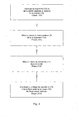
figure 4 illustre le procédé d'intégration d'un transpondeur dans un instrument chirurgical formé d'une pièce monobloc ; et - la
figure 5 illustre l'utilisation de l'instrument chirurgical coopérant avec un système de lecture associé à un système informatique. - L'invention concerne un instrument chirurgical formant une pièce monobloc, tel qu'une râpe fémorale (1), équipé d'un transpondeur (2).
- La suite de la description fait référence à une râpe fémorale (1) pour les prothèses de hanches mais l'invention s'applique à tout instrument chirurgical formant une pièce monobloc.
- De façon avantageuse, la râpe fémorale (1) équipée d'un tel transpondeur (2) permet d'améliorer son suivi ou traçabilité entre les différents établissements de santé et sa gestion, comme par exemple, l'utilisation sur tels patients, la gestion des stocks, etc.
- La râpe fémorale (1) représentée sur les
figures 1 à 3 , comporte classiquement un corps (10) allongé, parallèle à l'axe longitudinal du canal de l'os à opérer. La râpe fémorale (1) comprend une partie supérieure (11) destinée à être utilisée comme moyen de préhension pour manipuler la râpe fémorale (1). Le corps (10) de la râpe fémorale (1) comporte une zone supérieure lisse (12a) et se termine par une forme profilé (12b) en fuseau pour faciliter l'enfoncement de la râpe fémorale (1) dans le canal de l'os. La forme profilée (12b) du corps (10) de la râpe fémorale (1) comporte une denture pour permettre de râper le canal de l'os. Il est à noter que la râpe fémorale (1) forme une pièce monobloc. - En outre, la râpe fémorale (1) présente la caractéristique d'être réalisée en matériau inoxydable comme par exemple, un acier inoxydable ou un titane TA6V ou un chrome cobalt ou en polymère.
- La forme géométrique de la râpe fémorale (1) est particulière et dépend de la prothèse ou implant à insérer dans le canal de l'os préalablement râper au moyen de la râpe fémorale (1).
- La râpe fémorale (1) comprend un logement (13) formé par une opération d'usinage ou d'alésage du corps (10) de la râpe fémorale (1) dans la zone supérieure lisse (12a) ou dans une zone en retrait par rapport à la denture de la forme profilé (12b) du corps (10) de la râpe fémorale (1) de façon à ne pas fragiliser la râpe fémorale (1).
- Dans l'exemple représenté à la
figure 3 , le logement (13) est prévu dans la zone supérieure lisse (12b) du corps (10) de la râpe fémorale (1). - Le logement (13), de forme sensiblement cylindrique et débouchant sur la surface externe lisse de la râpe (1), est destiné à recevoir à l'intérieur un transpondeur (2) ou une étiquette électronique ou encore un TAG RFID puis est refermé de façon étanche par un couvercle fin (14) soudé ou collé (3) au corps (10) de la râpe fémorale (1) de façon à ce que la surface externe de la râpe fémorale (1) ne présente aucune aspérité saillante.
- En effet, la râpe fémorale (1) étant un instrument chirurgical invasif, il est absolument nécessaire que celle-ci reprenne sa forme initiale c'est-à-dire avant l'usinage du logement (13) dans le corps (10).
- De manière non limitative, le couvercle (14), de forme sensiblement cylindrique, du logement (13) de la râpe (1) est réalisé en acier inoxydable ou en titane ou en chrome cobalt ou en polymère ou tous autres matériaux présentant des caractéristiques de résistance à la corrosion et de résistance mécanique.
- De façon avantageuse, l'épaisseur réduite du couvercle (14) du couvercle et les dimensions du logement (13) permettent de positionner le transpondeur (2) sensiblement à proximité de la surface externe du corps (10) de la râpe fémorale (1) de façon à ce que les informations contenues dans le transpondeur (2) puissent être lues aisément.
- Il est à noter que le même matériau sera utilisé pour former le corps (10) de la râpe (1) et le couvercle (14) du logement (13) de la râpe (1).
- De manière non limitative, l'opération de soudage (3) du couvercle (14) au corps (10) de la râpe (1) est réalisée, sans affecter le fonctionnement du transpondeur (2), par laser de façon à assurer une continuité métallurgique entre la surface externe du corps (10) de la râpe (1) et le couvercle (14) ou par tous autres types de soudage permettant d'assurer cette continuité métallurgique.
- De façon avantageuse, l'opération de soudage ou de collage (3) permet d'assurer l'étanchéité du logement (13) de la râpe fémorale (1) de façon à ne pas affecter le transpondeur (2) et les informations qu'il contient lors, par exemple, des opérations de stérilisation de la râpe fémorale (1) ou tous autres opérations de nettoyage ou d'utilisation de la râpe fémorale (1), etc. En effet, le transpondeur (2) résiste aux opérations de stérilisation réalisées à de hautes températures, par exemple 135°C, mais ne résiste pas à l'humidité. Il est, par conséquent, nécessaire que le logement (13) formé dans le corps (10) de la râpe fémorale (1) soit étanche pour protéger le transpondeur (2) de l'humidité.
- Il est à noter que le transpondeur (2) peut supporter des températures maximales de l'ordre de 250°C.
- Il est également à noter que seulement un transpondeur (2) est inséré dans le logement (13) formé dans la râpe fémorale (1).
- De façon avantageuse, le transpondeur (2) ainsi inséré dans son logement (13) est protégé des chocs mécaniques au cours de l'utilisation et du nettoyage de la râpe fémorale (1).
- Les transpondeurs (2) passifs cylindriques sont connus de l'homme du métier. Ils sont employés pour le marquage d'objets. Les transpondeurs (2) comportent un circuit électronique muni de deux plages de contact et une bobine formée d'un fil enroulé sur un noyau en ferrite et dont les extrémités sont soudées aux plages de contact. La lecture/écriture de ces transpondeurs (2) est réalisée à l'aide de l'antenne formée du bobinage annulaire apte à émettre et recevoir un signal radiofréquence (RF) contenant des informations (numéro de série, dates des opérations de maintenance ou de stérilisation, etc.) et d'un ordinateur central destiné à stocker et traiter l'information issue du signal RF.
- En référence à la
figure 5 , la présente invention propose également une utilisation de l'instrument chirurgical, tel qu'une râpe fémorale (1), muni d'un transpondeur (2), l'instrument chirurgical étant destiné à coopérer avec un système de lecture (4) relié à un système informatique (5). - L'utilisation de l'instrument chirurgical comporte :
- une étape de lecture des informations contenues dans le transpondeur (2) calé dans le logement (13) de l'instrument chirurgical au moyen du système de lecture (4) ;
- une étape de transmission des informations lues par le système de lecture (4) à destination du système informatique (5) ;
- une étape de recherche dans la base de données, au moyen d'un logiciel approprié du système informatique (5), des données de traçabilité associées à l'instrument chirurgical ; et
- une étape d'affichage sur l'interface (50) du système informatique (5) de l'emplacement pour l'instrument chirurgical dans la boîte de rangement et des données de traçabilité associées à l'instrument chirurgical.
- L'étape d'affichage permet d'accéder aux données de traçabilité liées à l'instrument chirurgical telles que le numéro de boîte de rangement, le numéro du logement de l'instrument chirurgical dans ladite boîte, le numéro de l'instrument chirurgical, l'historique clinique associé à l'instrument chirurgical, les données relatives aux patients et les données opératoires des interventions chirurgicales précédentes.
- Les données informatiques associées à l'instrument chirurgical et affichées sur l'interface (50) du système informatique (5) peuvent être sélectionnées par l'utilisateur via une interface utilisateur telle qu'un clavier ou une souris reliée au système informatique (5) et peuvent renseignées sur les conditions d'utilisation, de nettoyage, de stérilisation et de stockage de l'instrument chirurgical. Ces données informatiques peuvent être stockées dans le système lui-même ou être reliées à un serveur à distance par une connexion à internet, par exemple. Leur mise à jour peut ainsi être gérée à distance.
- L'étape de lecture du transpondeur (2) de l'instrument chirurgical consiste soit à approcher le système de lecture (4) qui par un capteur électronique à courte distance, environ 2 à 3 millimètres du couvercle (14) du logement (13) de la râpe fémorale (1), permet de lire les informations contenues dans le transpondeur (2) et associées à l'instrument chirurgical soit à relier le système de lecture (4) au transpondeur (2) au moyen d'une sonde de lecture qui permet de lire les informations contenues dans le transpondeur (2) et associées à l'instrument chirurgical. Les informations lues par le système de lecture (4) sont envoyées au système informatique (5) qui par un logiciel approprié effectue l'étape de recherche dans la base de données. Puis, ces informations ou données de traçabilité associées à l'instrument chirurgical peuvent éventuellement être avantageusement transmises par internet au fabricant et/ou à l'établissement où est livré l'instrument chirurgical, cet échange faisant office de fiche navette.
- En outre, les données de traçabilité associées à l'instrument chirurgical peuvent être modifiées au fur et à mesure des utilisations de l'instrument chirurgical, par exemple, les données liées à la dernière intervention chirurgicale telles que le nom du dernier patient, le nom du chirurgien, le nom de l'établissement de santé. Ces modifications sont saisies au moyen de l'interface utilisateur, par exemple via le clavier, du système informatique (5) puis retransmises via le système de lecture (4) au transpondeur (2) de façon à ce qu'elles soient mémorisées dans la mémoire du transpondeur (2). De façon avantageuse, les données stockées dans la mémoire du transpondeur (2) sont réinscriptibles.
- La gestion de l'instrument chirurgical peut donc se faire par le service responsable d'un hôpital ou une société compétente éloignée.
- Le système informatique (5) est, par exemple, un ordinateur personnel comportant au moins des moyens d'accès à un serveur via un réseau de communication et une interface utilisateur.
- Avantageusement, l'ensemble du système de lecture et système informatique peut être un ordinateur personnel portable. Il peut être installé et utilisé directement en bloc opératoire ou dans des salles annexes de préparation, contrôle, nettoyage, stérilisation, conditionnement des instruments. Les opérateurs qui exécutent ces tâches peuvent également utiliser le même système de lecture pour s'identifier à l'aide d'un badge. Le nom des exécutants peut ainsi être enregistré et stocké dans une base de données associée.
- Il est à noter que l'emplacement pour l'instrument chirurgical dans la boîte de rangement s'affiche, par exemple, en surbrillance sur l'interface (50) du système informatique (5).
- De façon avantageuse, le système de lecture (4) relié au système informatique (5) peut être utilisé par du personnel de pharmacies pour, par exemple, contrôler la réception de chaque instrument chirurgical, connaître l'historique opératoire, gérer les stocks, faire un suivi de chaque instrument chirurgical, réassortir des commandes d'achat mais aussi par le personnel en charge de la stérilisation dans les établissements de santé pour, par exemple, reconstituer rapidement les boîtes d'instruments médicaux après l'intervention chirurgicale et la décontamination de tous les instruments médicaux. De façon avantageuse, ce système de lecture (4) associé au système informatique (5) et coopérant avec l'instrument chirurgical, tel que la râpe fémorale (1), permet un gain de temps pour la traçabilité ou la récupération d'informations associées à l'instrument chirurgical et permet de gérer efficacement un rappel de l'instrument chirurgical ou un rappel patients. En outre, lors de la lecture du transpondeur (2) de l'instrument chirurgical, il est possible qu'une alarme sonore du système informatique (5) informe l'utilisateur de l'usure de l'instrument chirurgical et par conséquent, de prévoir le rachat d'un nouvel instrument chirurgical.
- En référence à la
figure 4 , le procédé d'intégration du transpondeur (2) dans la râpe fémorale (1) consiste à effectuer une opération d'usinage ou alésage (étape 100) pour former le logement (13) de forme sensiblement cylindrique puis la cavité de forme cylindrique destinée à recevoir le couvercle fin (14) du logement (13) de la râpe fémorale (1). - Les alésages pour former le logement (13) et la cavité prévue pour recevoir le couvercle (14) sont réalisés selon un axe (Δ) perpendiculaire à la surface externe du corps (10) de la râpe fémorale (1).
- Il est à noter que le diamètre (DI) de l'alésage formant le logement (13) est inférieur au diamètre (Dc) de l'alésage formant la cavité pour le couvercle (14). En outre, l'épaisseur ou la profondeur (el) de l'alésage formant le logement (13) est supérieure à la profondeur (ec) de l'alésage formant la cavité pour le couvercle (14).
- En fonction de la zone lisse du corps (10) de la râpe (1) qui est usinée et des dimensions du transpondeur (2), l'alésage pour former le logement (13) doit être réalisé selon une profondeur (el) et un diamètre (DI) définis pour ne pas affecter la râpe fémorale (1) et pour permettre le positionnement du transpondeur (2) sensiblement à proximité de la surface externe du corps (10) de la râpe fémorale (1).
- Dans un premier exemple de réalisation, pour un transpondeur (2) de diamètre (Dt) sensiblement égal à 5,6 millimètres et une épaisseur (et) sensiblement égale à 1,7 millimètres, un alésage de diamètre (DI) sensiblement égal à 6,6 millimètres et de profondeur (el) sensiblement égale à 1,9 millimètres est réalisé. Il est à noter que la pointe du foret servant à l'alésage pour former le logement (13) ne doit pas dépasser un diamètre sensiblement égal à 4,5 millimètres pour ne pas fragiliser ou affecter la râpe fémorale (1).
- Dans un deuxième exemple de réalisation, pour un transpondeur (2) de diamètre (Dt) sensiblement égal à 7.4 millimètres et une épaisseur (et) sensiblement égale à 2,6 millimètres, un alésage de diamètre (DI) sensiblement égale à 7.5 millimètres et de profondeur (el) sensiblement égale à 2.7 millimètres est réalisé. Il est à noter que la pointe du foret servant à l'alésage pour former le logement (13) ne doit pas dépasser un diamètre sensiblement égal à 6.5 millimètres pour ne pas fragiliser ou affecter la râpe fémorale (1).
- Par conséquent, le diamètre (DI) et la profondeur (el) du logement (13) formé par l'opération d'usinage sont respectivement sensiblement supérieurs au diamètre (Dt) et à la profondeur (et) du transpondeur (2).
- De façon avantageuse, la faible différence entre les diamètres (Dl, Dt) et les profondeurs (el, et) respectivement du logement (13) et du transpondeur (2) permet au transpondeur (2) d'être caler dans le logement (13) lorsque le couvercle (14) est soudé ou collé au corps (10) de la râpe fémorale (1).
- Une fois que le transpondeur (2) est positionné ou calé dans le logement (13) (étape 101), le procédé d'intégration du transpondeur (2) dans la râpe fémorale (1) comporte une étape de positionnement (étape 102) du couvercle (14) dans la cavité prévue pour recevoir ledit couvercle (14) puis une opération de soudage ou de collage (étape 103) du couvercle (14) au corps (10) de la râpe fémorale (1) de façon à ce que la surface externe de la râpe (1) ne présente aucune aspérité saillante.
- Un des avantages de l'invention est que l'instrument chirurgical équipé d'un transpondeur (2) permet son identification et sa traçabilité individuelle tout en gardant ces propriétés invasives.
- Il doit être évident pour les personnes versées dans l'art que la présente invention permet des modes de réalisation sous de nombreuses autres formes spécifiques sans l'éloigner du domaine d'application de l'invention comme revendiqué. Par conséquent, les présents modes de réalisation doivent être considérés à titre d'illustration, mais peuvent être modifiés dans le domaine défini par la portée des revendications jointes, et l'invention ne doit pas être limitée aux détails donnés ci-dessus.
Claims (15)
- Système de lecture (4) destiné à coopérer avec un transpondeur (2) disposé sur un instrument chirurgical de façon à assurer rapidement l'identification de l'instrument chirurgical par approchement du système de lecture (4) au transpondeur (2) de l'instrument chirurgical puis lecture des informations associées à l'instrument chirurgical contenues dans le transpondeur (2) et communication avec un système informatique (5), caractérisé en ce que le transpondeur (2) est enfermé dans un logement (13) formé dans l'instrument chirurgical destiné à recevoir à l'intérieur le transpondeur (2), ledit logement (13) étant refermé de façon étanche par un couvercle fin (14), de même manière que l'instrument chirurgical, soudé ou collé (3) au corps (10) de l'instrument chirurgical de façon à ce que la surface externe de l'instrument chirurgical ne présente aucune aspérité saillante, le transpondeur (2) communiquant ou enregistrant par le système de lecture (4) des informations concernant l'historique, les positions de l'instrument chirurgical dans une boîte étant affichées sur un écran du système informatique (5) par affichage des données provenant d'une base de données et associées à la traçabilité.
- Système de lecture (4) selon la revendication 1, caractérisé en ce que l'instrument chirurgical invasif forme une pièce monobloc comprenant le logement (13) formé par une opération d'usinage du corps (10) de l'instrument chirurgical dans une zone lisse ou en retrait du corps (10) qui ne fragilise pas l'instrument chirurgical et ne gêne pas la mise en place d'une poignée.
- Système de lecture (4) selon les revendications 1 et 2, caractérisé en ce que les dimensions du logement (13) et l'épaisseur réduite du couvercle (14) permettent de positionner le transpondeur (2) près de la surface externe du corps (10) de l'instrument chirurgical.
- Système de lecture (4) selon les revendications 1 à 3, caractérisé en ce que le logement (13) et le couvercle (14) sont de forme sensiblement cylindrique.
- Système de lecture (4) selon les revendications 1 à 4, caractérisé en ce que le couvercle (14) du logement (13) de l'instrument chirurgical est réalisé en matériau, présentant des caractéristiques de résistance à la corrosion et de résistance mécanique, tel que l'acier inoxydable ou le titane ou le chrome cobalt ou le polymère, le même matériau étant utilisé pour former le corps (10) de l'instrument chirurgical.
- Système de lecture (4) selon les revendications 1 à 5, caractérisé en ce que le couvercle (14) est assemblé par soudage, tel que le soudage par laser, de façon à assurer une continuité métallurgique entre la surface externe du corps (10) de l'instrument chirurgical et le couvercle (14) et assurer l'étanchéité du logement (13).
- Système de lecture (4) selon les revendications 1 à 6, caractérisé en ce que le couvercle (14) est collé au corps (10) de l'instrument chirurgical de façon à assurer l'étanchéité du logement (13).
- Système de lecture (4) selon les revendication 1 à 7, caractérisé en ce que l'instrument chirurgical est une râpe fémorale (1) comportant un corps (10) allongé, parallèle à l'axe longitudinal du canal de l'os à opérer et une partie supérieure (11) destinée à être utilisée comme moyen de préhension pour manipuler la râpe fémorale (1), le corps (10) de la râpe fémorale (1) comportant une zone supérieure lisse (12a) et se terminant par une forme profilé (12b) en fuseau pour faciliter l'enfoncement de la râpe fémorale (1) dans le canal de l'os, la forme profilé (12b) de la râpe fémorale (1) comportant une denture pour permettre de râper le canal de l'os.
- Système de lecture (4) selon les revendications 1 à 8, caractérisé en ce que le système de lecture est apte à identifier l'utilisateur de l'instrument chirurgical à l'aide d'un badge.
- Système de lecture (4) selon les revendications 1 à 9, caractérisé en ce que le système informatique est un ordinateur personnel.
- Utilisation du système de lecture (4) selon les revendications 1 à 10, caractérisée en ce que le système de lecture est destiné à coopérer avec un instrument chirurgical relié à un système informatique (5) gérant une base de données, l'utilisation comportant :- une étape de lecture des informations contenues dans le transpondeur (2) calé dans le logement (13) de l'instrument chirurgical au moyen du système de lecture (4) ;- une étape de transmission des informations lues par le système de lecture (4) à destination du système informatique (5), les informations pouvant être éventuellement transmises par internet au fabricant et/ou établissement où est livré l'instrument chirurgical ;- une étape de recherche, au moyen d'un logiciel approprié du système informatique (5), dans la base de données du système informatique (5) des données de traçabilité associées à l'instrument chirurgical ; et- une étape d'affichage sur l'écran (50) du système informatique (5) de l'emplacement pour l'instrument chirurgical dans la boîte de rangement et des données de traçabilité associées à l'instrument chirurgical telles que le numéro de boîte de rangement, le numéro du logement de l'instrument chirurgical dans ladite boîte, le numéro de l'instrument chirurgical et l'historique clinique associé à l'instrument chirurgical ou les données relatives aux patients ou les données opératoires des interventions chirurgicales précédentes.
- Utilisation du système de lecture (4) selon la revendication 11, caractérisée en ce que les données informatiques associées à l'instrument chirurgical et affichées sur l'écran (50) du système informatique (5) peuvent être sélectionnées par l'utilisateur via une interface utilisateur du système informatique (5) et peuvent renseignées sur les conditions d'utilisation, de nettoyage, de stérilisation et de stockage de l'instrument chirurgical.
- Utilisation du système de lecture selon les revendications 11 et 12 , caractérisé en ce que les données de traçabilité associées à l'instrument chirurgical sont aptes à être modifiées au fur et à mesure des utilisations de l'instrument chirurgical, les modifications étant saisies au moyen de l'interface du système informatique (5) puis retransmises via le système de lecture (4) au transpondeur (2) de façon à ce qu'elles soient mémorisées dans le transpondeur (2).
- Utilisation du système de lecture selon une des revendications 11 à 13, caractérisée en ce que les données de traçabilité associées à l'instrument chirurgical peuvent être modifiées au fur et à mesure des utilisations de l'instrument chirurgical, les modifications étant saisies au moyen de l'interface utilisateur du système informatique (5) puis retransmises via le système de lecture (4) au transpondeur (2) de façon à ce qu'elles soient mémorisées dans la mémoire du transpondeur (2).
- Utilisation du système de lecture selon une des revendications 11 à 14, caractérisée en ce qu'une alarme sonore du système informatique (5) informe de l'usure de l'instrument chirurgical et de la prévision du rachat d'un nouvel instrument chirurgical.
Applications Claiming Priority (1)
| Application Number | Priority Date | Filing Date | Title |
|---|---|---|---|
| FR0802521A FR2930887A1 (fr) | 2008-05-06 | 2008-05-06 | Instrument chirurgical invasif muni d'un transpondeur |
Publications (1)
| Publication Number | Publication Date |
|---|---|
| EP2116208A1 true EP2116208A1 (fr) | 2009-11-11 |
Family
ID=40084206
Family Applications (1)
| Application Number | Title | Priority Date | Filing Date |
|---|---|---|---|
| EP09290315A Withdrawn EP2116208A1 (fr) | 2008-05-06 | 2009-04-30 | Instrument chirurgical invasif muni d'un transpondeur |
Country Status (3)
| Country | Link |
|---|---|
| US (1) | US8087584B2 (fr) |
| EP (1) | EP2116208A1 (fr) |
| FR (1) | FR2930887A1 (fr) |
Cited By (1)
| Publication number | Priority date | Publication date | Assignee | Title |
|---|---|---|---|---|
| WO2012146867A1 (fr) | 2011-04-26 | 2012-11-01 | Sergeant Marc Antoine | Dispositif médical muni d'un système innovant de marquage, permettant une identification rapide, multiple et à distance |
Families Citing this family (9)
| Publication number | Priority date | Publication date | Assignee | Title |
|---|---|---|---|---|
| US8600478B2 (en) | 2007-02-19 | 2013-12-03 | Medtronic Navigation, Inc. | Automatic identification of instruments used with a surgical navigation system |
| US8233963B2 (en) | 2007-02-19 | 2012-07-31 | Medtronic Navigation, Inc. | Automatic identification of tracked surgical devices using an electromagnetic localization system |
| US9623187B2 (en) * | 2009-06-01 | 2017-04-18 | Sanofi-Aventis Deutschland Gmbh | Resettable drug delivery device |
| US8702592B2 (en) | 2010-09-30 | 2014-04-22 | David Allan Langlois | System and method for inhibiting injury to a patient during laparoscopic surgery |
| DE102011052501A1 (de) * | 2011-08-08 | 2013-02-14 | Aesculap Ag | RFID-Tag |
| US8925812B2 (en) * | 2013-03-15 | 2015-01-06 | Carol A Schmucker | Medical device tracking system and apparatus |
| US10733267B2 (en) | 2015-02-27 | 2020-08-04 | Surgical Black Box Llc | Surgical data control system |
| WO2016157180A1 (fr) * | 2015-04-01 | 2016-10-06 | Haldor Advanced Technologies Ltd | Étiquette interchangeable et élément de fixation |
| DE102018121682A1 (de) * | 2018-09-05 | 2020-03-05 | Aesculap Ag | Verpackung für ein medizintechnisches Werkzeug mit automatischer Werkzeugerkennung und Verfahren zum Verpacken mit einer solchen Verpackung |
Citations (10)
| Publication number | Priority date | Publication date | Assignee | Title |
|---|---|---|---|---|
| EP0992212A2 (fr) | 1998-10-02 | 2000-04-12 | Medinorme S.à.r.l. | Paillasse de décontamination d'endoscopes souples avec traçabilité informatique |
| FR2811923A1 (fr) | 2000-07-20 | 2002-01-25 | Sferic | Dispositif pour raper le canal intra-medullaire d'un os et procede de fabrication du dispositif |
| DE10014542C2 (de) * | 2000-03-23 | 2003-11-20 | Aesculap Ag & Co Kg | Erfassungssystem und Erfassungsverfahren für chirurgische Instrumente und Materialien |
| EP1480153A2 (fr) | 2003-05-20 | 2004-11-24 | Olympus Corporation | Système de gestion et de support pour instrument médical |
| FR2868939A1 (fr) * | 2004-04-14 | 2005-10-21 | Is Medical | Dispositif de tracabilite adaptable sur tous instruments et materiels de blocs operatoires |
| US20050247319A1 (en) * | 2004-05-07 | 2005-11-10 | Berger J L | Medical implant device with RFID tag and method of identification of device |
| WO2006067610A2 (fr) * | 2004-12-22 | 2006-06-29 | Precimed S.A. | Dispositif intelligent possedant un transpondeur radiofrequence passif encastre dans le metal et exemples d'utilisation |
| US20060244652A1 (en) * | 2005-04-28 | 2006-11-02 | Sdgi Holdings, Inc. | Method and apparatus for surgical instrument identification |
| EP1774917A1 (fr) | 2005-10-13 | 2007-04-18 | MBBS Holding SA | Instrument médical et son procédé d'identification |
| US20070198297A1 (en) * | 2005-04-06 | 2007-08-23 | Mallinckrodt Inc. | Systems and methods for managing information relating to medical fluids and containers therefor |
Family Cites Families (9)
| Publication number | Priority date | Publication date | Assignee | Title |
|---|---|---|---|---|
| US6366206B1 (en) * | 1999-06-02 | 2002-04-02 | Ball Semiconductor, Inc. | Method and apparatus for attaching tags to medical and non-medical devices |
| US20040008123A1 (en) * | 2002-07-15 | 2004-01-15 | Battelle Memorial Institute | System and method for tracking medical devices |
| US7218232B2 (en) * | 2003-07-11 | 2007-05-15 | Depuy Products, Inc. | Orthopaedic components with data storage element |
| US6989749B2 (en) * | 2003-11-21 | 2006-01-24 | The United States Of America As Represented By The Secretary Of The Navy | Electronic check out system |
| US20050182451A1 (en) * | 2004-01-12 | 2005-08-18 | Adam Griffin | Implantable device with improved radio frequency capabilities |
| US7256699B2 (en) * | 2005-03-24 | 2007-08-14 | Sdgi Holdings, Inc. | Button-type RFID tag |
| US7362228B2 (en) * | 2005-04-28 | 2008-04-22 | Warsaw Orthepedic, Inc. | Smart instrument tray RFID reader |
| US7557710B2 (en) * | 2006-03-17 | 2009-07-07 | Med Wave, Llc | System for tracking surgical items in an operating room environment |
| US20080177267A1 (en) * | 2007-01-19 | 2008-07-24 | Sands Daniel L | Retrofit clamp with rfid tag for a surgical tool |
-
2008
- 2008-05-06 FR FR0802521A patent/FR2930887A1/fr not_active Withdrawn
-
2009
- 2009-04-30 EP EP09290315A patent/EP2116208A1/fr not_active Withdrawn
- 2009-05-05 US US12/435,677 patent/US8087584B2/en not_active Expired - Fee Related
Patent Citations (10)
| Publication number | Priority date | Publication date | Assignee | Title |
|---|---|---|---|---|
| EP0992212A2 (fr) | 1998-10-02 | 2000-04-12 | Medinorme S.à.r.l. | Paillasse de décontamination d'endoscopes souples avec traçabilité informatique |
| DE10014542C2 (de) * | 2000-03-23 | 2003-11-20 | Aesculap Ag & Co Kg | Erfassungssystem und Erfassungsverfahren für chirurgische Instrumente und Materialien |
| FR2811923A1 (fr) | 2000-07-20 | 2002-01-25 | Sferic | Dispositif pour raper le canal intra-medullaire d'un os et procede de fabrication du dispositif |
| EP1480153A2 (fr) | 2003-05-20 | 2004-11-24 | Olympus Corporation | Système de gestion et de support pour instrument médical |
| FR2868939A1 (fr) * | 2004-04-14 | 2005-10-21 | Is Medical | Dispositif de tracabilite adaptable sur tous instruments et materiels de blocs operatoires |
| US20050247319A1 (en) * | 2004-05-07 | 2005-11-10 | Berger J L | Medical implant device with RFID tag and method of identification of device |
| WO2006067610A2 (fr) * | 2004-12-22 | 2006-06-29 | Precimed S.A. | Dispositif intelligent possedant un transpondeur radiofrequence passif encastre dans le metal et exemples d'utilisation |
| US20070198297A1 (en) * | 2005-04-06 | 2007-08-23 | Mallinckrodt Inc. | Systems and methods for managing information relating to medical fluids and containers therefor |
| US20060244652A1 (en) * | 2005-04-28 | 2006-11-02 | Sdgi Holdings, Inc. | Method and apparatus for surgical instrument identification |
| EP1774917A1 (fr) | 2005-10-13 | 2007-04-18 | MBBS Holding SA | Instrument médical et son procédé d'identification |
Cited By (1)
| Publication number | Priority date | Publication date | Assignee | Title |
|---|---|---|---|---|
| WO2012146867A1 (fr) | 2011-04-26 | 2012-11-01 | Sergeant Marc Antoine | Dispositif médical muni d'un système innovant de marquage, permettant une identification rapide, multiple et à distance |
Also Published As
| Publication number | Publication date |
|---|---|
| US20090277959A1 (en) | 2009-11-12 |
| US8087584B2 (en) | 2012-01-03 |
| FR2930887A1 (fr) | 2009-11-13 |
Similar Documents
| Publication | Publication Date | Title |
|---|---|---|
| EP2116208A1 (fr) | Instrument chirurgical invasif muni d'un transpondeur | |
| EP2794199B1 (fr) | Installation comportant une boite a gants et un dispositif de changement de gant integrant un suivi du changement des gants | |
| US7837694B2 (en) | Method and apparatus for surgical instrument identification | |
| EP3217914A1 (fr) | Tracabilite et suivi d'une boite de sterilisation et de son contenu | |
| WO2007092910A3 (fr) | flux d'informations pour une station de travail de diagnostic medical | |
| EP2371310A1 (fr) | Dispositif de déplacement de tissus, notamment de tissus osseux | |
| Jablonski-Momeni et al. | Use of ICDAS‐II, fluorescence‐based methods, and radiography in detection and treatment decision of occlusal caries lesions: an in vitro study | |
| US20180049753A1 (en) | Offset reamer driver | |
| WO2013144262A1 (fr) | Procédé de qualification de conteneur, enceinte de stockage associée | |
| ES3040371T3 (en) | Tool comprising an effector end detection device in the shaft region | |
| US7819318B2 (en) | Intelligent implement having metal encased passive radio frequency transponder and examples of use | |
| WO2007036063A1 (fr) | Procede et dispositif d’identification et de controle d’un instrument medical | |
| CA2516844C (fr) | Dispositif de scelle a transpondeur multiple | |
| FR3073729A1 (fr) | Dispositif d'ancrage et de reperage de lesions suspectes a multiples organes d'ancrage | |
| EP1774917B1 (fr) | Instrument médical et son procédé d'identification | |
| WO2003015625A1 (fr) | Dispositif de mesure d'au moins un parametre physique dans une cavite de l'organisme d'un etre vivant | |
| WO2016139370A1 (fr) | Endoprothèse et cathéter perfectionnés | |
| CA2528021A1 (fr) | Dispositif d'acquisition et de surveillance de l'evolution d'une grandeur liee a un produit et systeme de surveillance de produit incorporant un tel dispositif | |
| JP2016105265A (ja) | 作業用具 | |
| WO2025087793A1 (fr) | Système de changement d'outil pour des interventions médicales mini-invasives robotisées | |
| WO2025016589A1 (fr) | Coiffe de verrouillage pour recipient a col equipee d'un composant apte a renseigner sur l'etat de verrouillage | |
| JP2024511148A (ja) | 手動器具に一体化されるrfidタグ | |
| EP4661732A1 (fr) | Procédé pour déterminer si le canal opérateur d'un endoscope médical a été utilisé | |
| Swift | ‘How should Health Care Chaplaincy Negotiate its Professional Identity?’, Contact 144.1 (2004) | |
| Patankar et al. | Breakage of cystoscope sheath and detachment of metallic tip, a rare cystoscope dysfunction: A report of two occasions, one with retained metallic foreign body in urinary bladder |
Legal Events
| Date | Code | Title | Description |
|---|---|---|---|
| PUAI | Public reference made under article 153(3) epc to a published international application that has entered the european phase |
Free format text: ORIGINAL CODE: 0009012 |
|
| AK | Designated contracting states |
Kind code of ref document: A1 Designated state(s): AT BE BG CH CY CZ DE DK EE ES FI FR GB GR HR HU IE IS IT LI LT LU LV MC MK MT NL NO PL PT RO SE SI SK TR |
|
| 17P | Request for examination filed |
Effective date: 20100326 |
|
| 17Q | First examination report despatched |
Effective date: 20140520 |
|
| STAA | Information on the status of an ep patent application or granted ep patent |
Free format text: STATUS: THE APPLICATION IS DEEMED TO BE WITHDRAWN |
|
| 18D | Application deemed to be withdrawn |
Effective date: 20141202 |