EP2123302A1 - Inhibiteur de rejet chronique - Google Patents
Inhibiteur de rejet chronique Download PDFInfo
- Publication number
- EP2123302A1 EP2123302A1 EP08703686A EP08703686A EP2123302A1 EP 2123302 A1 EP2123302 A1 EP 2123302A1 EP 08703686 A EP08703686 A EP 08703686A EP 08703686 A EP08703686 A EP 08703686A EP 2123302 A1 EP2123302 A1 EP 2123302A1
- Authority
- EP
- European Patent Office
- Prior art keywords
- antibody
- rejection reaction
- chronic rejection
- antibodies
- receptor
- Prior art date
- Legal status (The legal status is an assumption and is not a legal conclusion. Google has not performed a legal analysis and makes no representation as to the accuracy of the status listed.)
- Granted
Links
Images

Classifications
-
- A—HUMAN NECESSITIES
- A61—MEDICAL OR VETERINARY SCIENCE; HYGIENE
- A61K—PREPARATIONS FOR MEDICAL, DENTAL OR TOILETRY PURPOSES
- A61K39/00—Medicinal preparations containing antigens or antibodies
- A61K39/395—Antibodies; Immunoglobulins; Immune serum, e.g. antilymphocytic serum
-
- C—CHEMISTRY; METALLURGY
- C07—ORGANIC CHEMISTRY
- C07K—PEPTIDES
- C07K16/00—Immunoglobulins [IG], e.g. monoclonal or polyclonal antibodies
- C07K16/18—Immunoglobulins [IG], e.g. monoclonal or polyclonal antibodies against material from animals or humans
- C07K16/28—Immunoglobulins [IG], e.g. monoclonal or polyclonal antibodies against material from animals or humans against receptors, cell surface antigens or cell surface determinants
- C07K16/2866—Immunoglobulins [IG], e.g. monoclonal or polyclonal antibodies against material from animals or humans against receptors, cell surface antigens or cell surface determinants against receptors for cytokines, lymphokines, interferons
-
- A—HUMAN NECESSITIES
- A61—MEDICAL OR VETERINARY SCIENCE; HYGIENE
- A61P—SPECIFIC THERAPEUTIC ACTIVITY OF CHEMICAL COMPOUNDS OR MEDICINAL PREPARATIONS
- A61P37/00—Drugs for immunological or allergic disorders
- A61P37/02—Immunomodulators
- A61P37/06—Immunosuppressants, e.g. drugs for graft rejection
-
- A—HUMAN NECESSITIES
- A61—MEDICAL OR VETERINARY SCIENCE; HYGIENE
- A61P—SPECIFIC THERAPEUTIC ACTIVITY OF CHEMICAL COMPOUNDS OR MEDICINAL PREPARATIONS
- A61P43/00—Drugs for specific purposes, not provided for in groups A61P1/00-A61P41/00
-
- A—HUMAN NECESSITIES
- A61—MEDICAL OR VETERINARY SCIENCE; HYGIENE
- A61K—PREPARATIONS FOR MEDICAL, DENTAL OR TOILETRY PURPOSES
- A61K39/00—Medicinal preparations containing antigens or antibodies
- A61K2039/505—Medicinal preparations containing antigens or antibodies comprising antibodies
-
- C—CHEMISTRY; METALLURGY
- C07—ORGANIC CHEMISTRY
- C07K—PEPTIDES
- C07K2317/00—Immunoglobulins specific features
- C07K2317/70—Immunoglobulins specific features characterized by effect upon binding to a cell or to an antigen
- C07K2317/76—Antagonist effect on antigen, e.g. neutralization or inhibition of binding
Definitions
- IL-6 transmits its biological activity via two kinds of proteins on cells.
- the first is the IL-6 receptor, which is a ligand binding protein to which IL-6 binds, with a molecular weight of about 80 kDa (Non-Patent Documents 4 and 5).
- the IL-6 receptor is present in a membrane-bound form that penetrates and is expressed on the cell membrane, and also as a soluble IL-6 receptor that mainly consists of the extracellular region of the membrane-bound form.
- IL-6 inhibitors are substances that inhibit the transmission of IL-6 biological activity.
- known IL-6 inhibitors include antibodies against IL-6 (anti-IL-6 antibodies), antibodies against IL-6 receptor (anti-IL-6 receptor antibodies), antibodies against gp130 (anti-gp130 antibodies), IL-6 variants, partial peptides of IL-6 or IL-6 receptor, and such.
- Non-Patent Documents 7 and 8, and Patent Documents 1 to 3 There are several reports regarding anti-IL-6 receptor antibodies (Non-Patent Documents 7 and 8, and Patent Documents 1 to 3).
- One such report details a humanized PM-1 antibody, which is obtained by transplanting the complementarity determining region (CDR) of mouse antibody PM-1 (Non-Patent Document 9), which is an anti-IL-6 receptor antibody, into a human antibody (Patent Document 4).
- Non-Patent Documents 10 and 11 Due to advances in multidrug therapy and clinical application of various immunosuppressants, therapeutic strategies for the acute rejection reaction that follow organ transplantation are almost established, and the one-year survival rate after various organ transplantations has been significantly improved.
- the chronic rejection reaction which becomes problematic from after a year following transplantation, occurs even in clinical cases where the acute rejection reaction has been overcome by conventional immunosuppressive therapy, and where that therapy has been continued for a long term.
- neither preventive nor therapeutic methods effective against the chronic rejection reaction have been established.
- the mechanism behind this pathological condition has not been fully elucidated, and it is difficult to diagnose it compared to the acute rejection reaction.
- the chronic rejection reaction is known to be a complication that affects long-term prognosis in recipients (Non-Patent Documents 10 and 11).
- Non-Patent Documents 13 and 14 the development of pharmaceutical agents effective for the chronic rejection reaction and having few side effects has been anticipated.
- a further objective of the present invention is to provide methods for suppressing the chronic rejection reaction, which comprise the step of administering an IL-6 inhibitor to subjects.
- the present inventors discovered for the first time that administering anti-IL-6 receptor antibodies suppresses the rejection reaction in the chronic phase after organ transplantation, and thus completed the present invention.
- the present invention provides the following inventions:
- the present inventors discovered that administration of an anti-IL-6 receptor antibody can suppress the chronic rejection reaction.
- the present invention is based on these findings.
- the present invention relates to agents for suppressing the chronic rejection reaction, which comprise an IL-6 inhibitor as an active ingredient.
- an "IL-6 inhibitor” is a substance that blocks IL-6-mediated signal transduction and inhibits IL-6 biological activity.
- the IL-6 inhibitor is a substance that has an inhibitory function against the binding of IL-6, IL-6 receptor, or gp130.
- anti-IL-6 antibody-producing hybridomas can be prepared using known techniques, as follows: Specifically, such hybridomas can be prepared by using IL-6 as a sensitizing antigen to carry out immunization using a conventional immunization method, fusing the obtained immune cells with known parent cells by a conventional cell fusion method, and screening for monoclonal antibody-producing cells using a conventional screening method.
- anti-IL-6 antibodies can be produced as follows:
- human IL-6 for use as the sensitizing antigen for obtaining antibodies can be obtained using the IL-6 gene and/or amino acid sequences disclosed in Eur. J. Biochem. (1987) 168, 543-550 ; J. Immunol. (1988) 140, 1534-1541 ; and/or Agr. Biol. Chem. (1990) 54, 2685-2688 .
- the desired IL-6 protein is purified using known methods from the inside of the host cell or from the culture supernatant.
- This purified IL-6 protein may be used as a sensitizing antigen.
- a fusion protein of the IL-6 protein and another protein may be used as a sensitizing antigen.
- Anti-IL6 receptor antibodies used for the present invention can be obtained as polyclonal or monoclonal antibodies by using known methods.
- the anti-IL-6 receptor antibodies used in the present invention are preferably monoclonal antibodies derived from mammals.
- the monoclonal antibodies derived from mammals include those produced from hybridomas and those produced using genetic engineering methods from hosts transformed with an expression vector that comprises an antibody gene. By binding to an IL-6 receptor, the antibodies inhibit IL-6 from binding to the IL-6 receptor, and thus block the transmission of IL-6 biological activity into the cell.
- Such antibodies include, MR16-1 antibody ( Tamura, T. et al., Proc. Natl. Acad. Sci. USA (1993) 90, 11924-11928 ); PM-1 antibody ( Hirata, Y. et al., J. Immunol. (1989) 143, 2900-2906 ); AUK12-20 antibody, AUK64-7 antibody and AUK146-15 antibody (International Patent Application Publication No. WO 92/19759 ), and so on.
- the PM-1 antibody can be exemplified as a preferred monoclonal antibody against the human IL-6 receptor, and the MR16-1 antibody as a preferred monoclonal antibody against the mouse IL-6 receptor.
- hybridomas producing an anti-IL-6 receptor monoclonal antibody can be prepared using known techniques, as follows: Specifically, such hybridomas can be prepared by using an IL-6 receptor as the sensitizing antigen to carry out immunization by a conventional immunization method, fusing the obtained immune cells with a known parent cell using a conventional cell fusion method, and screening for monoclonal antibody-producing cells using a conventional screening method.
- IL-6 receptor proteins There are two kinds of IL-6 receptor proteins: one expressed on the cell membrane and the other detached from the cell membrane (soluble IL-6 receptors) ( Yasukawa, K. et al., J. Biochem. (1990) 108, 673-676 ).
- the soluble IL-6 receptor consists essentially of the extracellular region of the cell membrane-bound IL-6 receptor, and differs from the membrane-bound IL-6 receptor in that it lacks the transmembrane region or both the transmembrane and intracellular regions.
- Any IL-6 receptor may be employed as an IL-6 receptor protein, so long as it can be used as a sensitizing antigen for producing an anti-IL-6 receptor antibody used in the present invention.
- the desired IL-6 receptor protein is purified from the inside of the host cell or from the culture supernatant using a known method.
- This purified IL-6 receptor protein may be used as a sensitizing antigen.
- a cell expressing the IL-6 receptor or a fusion protein of the IL-6 receptor protein and another protein may be used as a sensitizing antigen.
- Such antibodies include, AM64 antibody (JP-A (Kokai) H03-219894 ), 4B11 antibody and 2H4 antibody ( US 5571513 ), B-S12 antibody and B-P8 antibody (JP-A (Kokai) H08-291199 ), and so on.
- anti-gp130 monoclonal antibody-producing hybridomas can be prepared using known techniques, as follows: Specifically, such hybridomas can be prepared by using gp130 as a sensitizing antigen to carry out the immunization using a conventional immunization method, fusing the obtained immune cells with a known parent cell by a conventional cell fusion method, and screening for monoclonal antibody-producing cells using a conventional screening method.
- the desired gp130 protein is purified by a known method from the inside of the host cell or from the culture supernatant.
- This purified gp130 protein may be used as a sensitizing antigen.
- a cell expressing gp130 or a fusion protein of the gp130 protein and another protein may be used as a sensitizing antigen.
- Animals are immunized with sensitizing antigens according to known methods.
- animals are immunized by intraperitoneal or subcutaneous injection of a sensitizing antigen.
- the sensitizing antigen is preferably diluted or suspended in an appropriate amount of phosphate-buffered saline (PBS), physiological saline or such, mixed with an appropriate amount of a general adjuvant (e . g ., Freund's complete adjuvant), emulsified, and then administered to a mammal several times, every four to 21 days.
- PBS phosphate-buffered saline
- a general adjuvant e . g ., Freund's complete adjuvant
- an appropriate carrier may be used for immunization with a sensitizing antigen.
- the mammalian myeloma cells used as parent cells, i. e. as partner cells to be fused with the above immune cells include various known cell strains, for example, P3X63Ag8.653 ( Kearney, J. F. et al., J. Immunol (1979) 123, 1548-1550 ), P3X63Ag8U.1 ( Current Topics in Microbiology and Immunology (1978) 81, 1-7 ), NS-1 ( Kohler, G. and Milstein, C., Eur. J. Immunol. (1976) 6, 511-519 ), MPC-11 ( Margulies, D. H.
- cell fusion of the aforementioned immune cells and myeloma cells can be performed using known methods, for example, the method of Milstein et al. ( Kohler, G and Milstein, C., Methods Enzymol. (1981) 73, 3-46 ), and such.
- the aforementioned cell fusion is achieved in general nutrient culture medium in the presence of a cell fusion enhancing agent.
- a cell fusion enhancing agent for example, polyethylene glycol (PEG), Sendai virus (HVJ), and such are used as fusion enhancing agents.
- auxiliary agents such as dimethyl sulfoxide may be added depending on needs.
- the ratio of immune cells to myeloma cells used is preferably, for example, 1 to 10 immune cells for each myeloma cell.
- the culture medium used for the aforementioned cell fusion is, for example, the RPMI1640 or MEM culture medium, which are suitable for proliferation of the aforementioned myeloma cells.
- a general culture medium used for culturing this type of cell can also be used.
- serum supplements such as fetal calf serum (FCS) can be used in combination.
- the fusion cells (hybridomas) of interest are formed by mixing predetermined amounts of an aforementioned immune cell and myeloma cell in an aforementioned culture medium, and then adding and mixing a concentration of 30% to 60% (w/v) PEG solution (e . g ., a PEG solution with a mean molecular weight of about 1,000 to 6,000) pre-heated to about 37°C. Then, cell fusion agents and such that are unsuitable for the growth of hybridomas can be removed by repeatedly adding an appropriate culture medium and then removing the supernatant by centrifugation.
- a concentration of 30% to 60% (w/v) PEG solution e . g ., a PEG solution with a mean molecular weight of about 1,000 to 6,000
- the above hybridomas are selected by culturing cells in a general selection culture medium, for example, HAT culture medium (a culture medium containing hypoxanthine, aminopterin, and thymidine). Culture in HAT culture medium is continued for a sufficient period, generally several days to several weeks, to kill cells other than the hybridomas of interest (unfused cells). Then, a standard limited dilution method is performed to screen and clone hybridomas that produce an antibody of interest.
- HAT culture medium a culture medium containing hypoxanthine, aminopterin, and thymidine.
- desired human antibodies with the activity of binding to a desired antigen or antigen-expressing cell can be obtained by sensitizing a human lymphocyte with a desired antigen protein or antigen-expressing cell in vitro, and fusing the sensitized B lymphocyte with a human myeloma cell ( e.g., U266) (see, Japanese Patent Application Kokoku Publication No. (JP-B) H01-59878 (examined, approved Japanese patent application published for opposition)).
- JP-B Japanese Patent Application Kokoku Publication No.
- a desired human antibody can be obtained by administering an antigen or antigen-expressing cell to a transgenic animal that has a repertoire of human antibody genes, and then following the aforementioned method (see International Patent Application Publication Nos. WO 93/12227 , WO 92/03918 , WO 94/02602 , WO 94/25585 , WO 96/34096 , and WO 96/33735 ).
- the thus-prepared hybridomas which produce monoclonal antibodies can be subcultured in a conventional culture medium and stored in liquid nitrogen for a long period.
- anti-IL-6 receptor antibody-producing hybridomas can be prepared by the method disclosed in JP-A (Kokai) H03-139293 .
- Such hybridomas can be prepared by injecting a PM-1 antibody-producing hybridoma into the abdominal cavity of a BALB/c mouse, obtaining ascites, and then purifying a PM-1 antibody from the ascites; or by culturing the hybridoma in an appropriate medium ( e .
- Recombinant antibodies can be used as the monoclonal antibodies of the present invention, wherein the antibodies are produced using genetic recombination techniques by cloning an antibody gene from a hybridoma, inserting the gene into an appropriate vector, and then introducing the vector into a host (see, for example, Borrebaeck, C. A. K. and Larrick, J. W., Therapeutic Monoclonal Antibodies, published in the United Kingdom by Macmillan Publishers Ltd, 1990 ).
- mRNAs coding for antibody variable (V) regions are isolated from cells that produce antibodies of interest, such as hybridomas.
- mRNAs can be isolated by preparing total RNAs according to known methods, such as the guanidine ultracentrifugation method ( Chirgwin, J. M. et al., Biochemistry (1979) 18, 5294-5299 ) and the AGPC method ( Chomczynski, P. et al., Anal. Biochem. (1987) 162, 156-159 ), and preparing mRNAs using the mRNA Purification Kit (Pharmacia) and such.
- mRNAs can be directly prepared using a QuickPrep mRNA Purification Kit (Pharmacia).
- cDNAs of the antibody V regions are synthesized from the obtained mRNAs using reverse transcriptase.
- cDNAs may be synthesized using an AMV Reverse Transcriptase First-strand cDNA Synthesis Kit and so on.
- the 5'-RACE method Frohman, M. A. et al., Proc. Natl. Acad. Sci. USA (1988) 85, 8998-9002 ; Belyavsky, A. et al., Nucleic Acids Res. (1989) 17, 2919-2932 ) using 5'-Ampli FINDER RACE Kit (Clontech) and PCR may be employed.
- the DNA is ligated with a DNA that encodes a desired antibody constant region (C region), and inserted into an expression vector.
- a DNA encoding an antibody V region may be inserted into an expression vector comprising a DNA of an antibody C region.
- artificially modified genetic recombinant antibodies for example, chimeric antibodies, humanized antibodies, or human antibodies, can be used. These modified antibodies can be prepared using known methods.
- DNA sequences designed such that the CDRs of a mouse antibody are ligated with the framework regions (FRs) of a human antibody are synthesized by PCR from several oligonucleotides produced to contain overlapping portions at their termini.
- the obtained DNA is ligated with a human antibody C region-encoding DNA and then inserted into an expression vector.
- the expression vector is introduced into a host to produce the humanized antibody (see, European Patent Application Publication No. EP 239400 , International Patent Application Publication No. WO 92/19759 ).
- Human antibody C regions are used for the chimeric and humanized antibodies, and include C ⁇ . For example, C ⁇ 1, C ⁇ 2, C ⁇ 3, or C ⁇ 4 may be used. Furthermore, to improve the stability of the antibodies or their production, the human antibody C regions may be modified.
- Any production system may be used to prepare the antibodies for use in the present invention.
- the production systems for antibody preparation include in vitro and in vivo production systems.
- In vitro production systems include those using eukaryotic cells or prokaryotic cells.
- in vivo production systems include those using animals or plants.
- Production systems using animals include those that use mammals or insects.
- DNAs encoding an antibody heavy chain (H chain) and light chain (L chain) may be inserted into separate expression vectors and a host is then co-transformed with the vectors.
- the DNAs may be inserted into a single expression vector for transforming a host (see International Patent Application Publication No. WO 94/11523 ).
- the antibodies used in the present invention may be antibody fragments or modified products thereof, so long as they can be suitably used in the present invention.
- antibody fragments include Fab, F(ab')2, Fv, and single chain Fv (scFv), in which the Fvs of the H and L chains are linked via an appropriate linker.
- the antibody fragments are produced by treating antibodies with enzymes, for example, papain or pepsin, or alternatively, genes encoding these fragments are constructed, introduced into expression vectors, and these are expressed in appropriate host cells (see, for example, Co, M. S. et al., J. Immunol. (1994) 152, 2968-2976 ; Better, M. & Horwitz, A. H., Methods in Enzymology (1989) 178, 476-496 ; Plueckthun, A. & Skerra, A., Methods in Enzymology (1989) 178, 497-515 ; Lamoyi, E., Methods in Enzymology (1989) 121, 652-663 ; Rousseaux, J. et al., Methods in Enzymology (1989) 121, 663-666 ; Bird, R. E. et al., TIBTECH (1991) 9, 132-137 ).
- enzymes for example, papain or pepsin
- An scFv can be obtained by linking the H-chain V region and the L-chain V region of an antibody.
- the H-chain V region and the L-chain V region are linked via a linker, preferably via a peptide linker ( Huston, J. S. et al., Proc. Natl. Acad. Sci. USA (1988) 85, 5879-5883 ).
- the V regions of the H and L chains in an scFv may be derived from any of the antibodies described above.
- Peptide linkers for linking the V regions include, for example, arbitrary single chain peptides consisting of 12 to 19 amino acid residues.
- An scFv-encoding DNA can be obtained by using a DNA encoding an H chain or a V region and a DNA encoding an L chain or a V region of the aforementioned antibodies as templates, using PCR to amplify a DNA portion that encodes the desired amino acid sequence in the template sequence and uses primers that define the termini of the portion, and then further amplifying the amplified DNA portion with a DNA that encodes a peptide linker portion and primer pairs that link both ends of the linker to the H chain and L chain.
- an expression vector comprising the DNA and a host transformed with the vector can be obtained according to conventional methods.
- scFv can be obtained according to conventional methods using the host.
- antibody fragments can be produced from the host by obtaining and expressing their genes.
- an "antibody” encompasses such antibody fragments.
- Antibodies bound to various molecules such as polyethylene glycol (PEG) may also be used as modified antibodies.
- an “antibody” encompasses such modified antibodies.
- These modified antibodies can be obtained by chemically modifying the obtained antibodies. Such methods are already established in the art.
- Antibodies produced and expressed as above can be isolated from the inside or outside of the cells or from the hosts, and then purified to homogeneity.
- the antibodies for use in the present invention can be isolated and/or purified using affinity chromatography.
- Columns to be used for the affinity chromatography include, for example, protein A columns and protein G columns.
- Carriers used for the protein A columns include, for example, HyperD, POROS, Sepharose FF and such.
- other methods used for the isolation and/or purification of common proteins may be used, and are not limited in any way.
- the antibodies used for the present invention may be isolated and/or purified by appropriately selecting and combining chromatographies in addition to affinity chromatography, filters, ultrafiltration, salting-out, dialysis, and such. Chromatographies include, for example, ion-exchange chromatography, hydrophobic chromatography, gel filtration, and such. These chromatographies can be applied to high performance liquid chromatography (HPLC). Alternatively, reverse phase HPLC may be used.
- HPLC high performance liquid chromatography
- the measurement can be performed as follows: Specifically, 100 ⁇ l of goat anti-human IgG (TAG) diluted to 1 ⁇ g/ml with 0.1 M bicarbonate buffer (pH 9.6) is added to a 96-well plate (Nunc) and incubated overnight at 4°C to immobilize the antibody. After blocking, 100 ⁇ l of an appropriately diluted antibody of the present invention or an appropriately diluted sample comprising the antibody, and human IgG (CAPPEL) are added as a standard, and incubated for one hour at room temperature.
- TAG goat anti-human IgG
- CAPPEL human IgG
- the IL-6 variants used in the present invention are substances with the activity of binding to an IL-6 receptor and which do not transmit IL-6 biological activity. That is, the IL-6 variants compete with IL-6 to bind to IL-6 receptors, but fail to transmit IL-6 biological activity, and hence they block IL-6-mediated signal transduction.
- the IL-6 variants are produced by introducing mutation(s) by substituting amino acid residues in the amino acid sequence of IL-6.
- the origin of IL-6 used as the base of the IL-6 variants is not limited, but is preferably human IL-6 in consideration of antigenicity and such.
- amino acid substitutions are performed by predicting the secondary structure of the IL-6 amino acid sequence using known molecular modeling programs (e . g ., WHATIF; Vriend et al., J. Mol. Graphics (1990) 8, 52-56 ), and further assessing the influence of the substituted amino acid residue(s) on the whole molecule.
- known molecular modeling programs e . g ., WHATIF; Vriend et al., J. Mol. Graphics (1990) 8, 52-56 .
- PCR methods are carried out using a nucleotide sequence encoding a human IL-6 gene as a template, and mutations are introduced to cause amino acids substitutions, and thus genes encoding IL-6 variants are obtained. If needed, this gene is inserted into an appropriate expression vector, and the IL-6 variant can be obtained by applying the aforementioned methods for expression, production, and purification of recombinant antibodies.
- IL-6 variants are disclosed in Brakenhoff et al., J. Biol. Chem. (1994) 269, 86-93 , Savino et al., EMBO J. (1994) 13, 1357-1367 , WO 96/18648 , and WO 96/17869 .
- the partial peptides of IL-6 and of the IL-6 receptor to be used in the present invention are substances with the activity of binding to the IL-6 receptor and to IL-6, respectively, and which do not transmit IL-6 biological activity. Namely, by binding to and capturing an IL-6 receptor or IL-6, the IL-6 partial peptides or IL-6 receptor partial peptides can specifically inhibit IL-6 from binding to the IL-6 receptor. As a result, the biological activity of IL-6 is not transmitted, and IL-6-mediated signal transduction is blocked.
- the partial peptides of IL-6 or IL-6 receptor are peptides that comprise part or all of the amino acid sequence of the region of the IL-6 or IL-6 receptor amino acid sequence that is involved in the binding between the IL-6 and IL-6 receptor.
- Such peptides usually comprise ten to 80, preferably 20 to 50, more preferably 20 to 40 amino acid residues.
- the IL-6 partial peptides or IL-6 receptor partial peptides can be produced according to generally known methods, for example, genetic engineering techniques or peptide synthesis methods, by specifying the region of the IL-6 or IL-6 receptor amino acid sequence that is involved in the binding between the IL-6 and IL-6 receptor, and using a portion or entirety of the amino acid sequence of the specified region.
- a DNA sequence encoding the desired peptide is inserted into an expression vector, and then the peptide can be obtained by applying the aforementioned methods for expressing, producing, and purifying recombinant antibodies.
- peptide synthesis methods for example, solid phase synthesis methods or liquid phase synthesis methods, may be used.
- the peptides can be synthesized according to the method described in " Continuation of Development of Pharmaceuticals, Vol. 14, Peptide Synthesis (in Japanese) (ed. Haruaki Yajima, 1991, Hirokawa Shoten )".
- the following method can be employed: the amino acid corresponding to the C terminus of the peptide to be synthesized is bound to a support that is insoluble in organic solvents, then the peptide strand is elongated by alternately repeating (1) the reaction of condensing amino acids, whose ⁇ -amino groups and branch chain functional groups are protected with appropriate protecting groups, one at a time in a C- to N-terminal direction; and (2) the reaction of removing the protecting groups from the ⁇ -amino groups of the resin-bound amino acids or peptides.
- Solid phase peptide synthesis is broadly classified into the Boc method and the Fmoc method, depending on the type of protecting groups used.
- the peptide strand is cleaved from its support.
- hydrogen fluoride or trifluoromethane sulfonic acid is generally used for the Boc method
- TFA is generally used for the Fmoc method.
- Boc method for example, the above-mentioned protected peptide resin is treated with hydrogen fluoride in the presence of anisole. Then, the peptide is recovered by removing the protecting groups and cleaving the peptide from its support. By freeze-drying the recovered peptide, a crude peptide can be obtained.
- the deprotection reaction and the reaction to cleave the peptide strand from the support can be performed in TFA using a method similar to those described above, for example.
- Obtained crude peptides can be separated and/or purified by applying HPLC. Elution may be performed under optimum conditions using a water-acetonitrile solvent system, which is generally used for protein purification. The fractions corresponding to the peaks of the obtained chromatographic profile are collected and freeze-dried. Thus, purified peptide fractions are identified by molecular weight analysis via mass spectrum analysis, amino acid composition analysis, amino acid sequence analysis, or such.
- IL-6 partial peptides and IL-6 receptor partial peptides are disclosed in JP-A (Kokai) H02-188600 , JP-A (Kokai) H07-324097 , JP-A (Kokai) H08-311098 , and United States Patent Publication No. US 5210075 .
- the antibodies used in the present invention may also be conjugated antibodies that are bound to various molecules, such as polyethylene glycol (PEG), radioactive substances, and toxins.
- conjugated antibodies can be obtained by chemically modifying the obtained antibodies. Methods for modifying antibodies are already established in the art.
- the "antibodies" of the present invention encompass these conjugated antibodies.
- the agents of the present invention for suppressing chronic rejection reaction which comprise IL-6 inhibitors as active ingredients, can be used to treat chronic rejection reaction.
- the present invention also provides agents for suppressing chronic rejection reaction in heart transplantation, which comprise an IL-6 inhibitor as active ingredient.
- a rejection reaction that is suppressed by the suppressing agents of the present invention is preferably the chronic rejection reaction, which is a problem in actual transplantation medicine.
- the chronic rejection reaction is a complication characterized by the intimal thickening of blood vessels and fibrosis of interstitium, which becomes problematic from after one year post-transplantation and affects the long-term prognosis of recipients.
- the chronic rejection reaction gradually progresses even after the acute rejection reaction is clinically overcome.
- the present inventors have previously discovered the therapeutic effect of IL-6 inhibitors in a mouse model for post-heart-transplantation acute rejection ( WO2007/058194 ).
- the mechanism for pathological conditions of the acute rejection reaction mainly mediated by cytotoxic T cells is assumed to be different from that of the chronic rejection reaction.
- Specific evidences suggesting that the chronic rejection reaction is different from the acute rejection reaction are as follows:
- suppression of chronic rejection reaction after transplantation refers to suppression of the above-described various symptoms associated with the chronic rejection reaction, such as fibrosis of interstitium and stenosis due to intimal thickening of luminal tissues in transplanted organs.
- organ transplantations for which the suppressing agents of the present invention can be used are not particularly limited, and preferred organs for the organ transplantations in the present invention include parenchymal organs, such as hearts, livers, kidneys, pancreas, lungs, and small intestines.
- the present invention can also be applied to transplantation of tissues such as cardiac valves, vessels, skin, bones, and corneas.
- the activity of IL-6 inhibitors in inhibiting the transduction of IL-6 signals can be evaluated by conventional methods. Specifically, IL-6 is added to cultures of IL-6-dependent human myeloma cell lines (S6B45 and KPMM2), human Lennert T lymphoma cell line KT3, or IL-6-dependent cell line MH60.BSF2; and the 3 H-thymidine uptake by the IL-6-dependent cells is measured in the presence of an IL-6 inhibitor.
- S6B45 and KPMM2 IL-6-dependent human myeloma cell lines
- KT3 human Lennert T lymphoma cell line
- MH60.BSF2 IL-6-dependent cell line
- IL-6 receptor-expressing U266 cells are cultured, and 125 I-labeled IL-6 and an IL-6 inhibitor are added to the culture at the same time; and then 125 I-labeled IL-6 bound to the IL-6 receptor-expressing cells is quantified.
- a negative control group that does not contain an IL-6 inhibitor is included in the assay system described above. The activity of the IL-6 inhibitor to inhibit IL-6 can be evaluated by comparing the results of both groups.
- a post-transplantation rejection reaction is suppressed can be assessed as follows: in organ transplantation, the "suppression of post-transplant injury" can also be assumed to be achieved when the graft survival is improved as a result. Graft survival can be assessed based on whether each organ functions normally after transplantation.
- Subjects to be administered with the suppressing agents of the present invention are mammals.
- the mammals are preferably humans.
- the suppressing agents of the present invention can be administered as pharmaceuticals, and may be administered systemically or locally via oral or parenteral administration.
- intravenous injections such as drip infusions, intramuscular injections, intraperitoneal injections, subcutaneous injections, suppositories, enemas, oral enteric tablets, or the like can be selected.
- Appropriate administration methods can be selected depending on a patient's age and symptoms.
- the effective dose per administration is selected from the range of 0.01 to 100 mg/kg body weight.
- the dose may be selected from the range of 1 to 1000 mg/patient, preferably from the range of 5 to 50 mg/patient.
- a preferred dose and administration method are as follows: For example, when an anti-IL-6 receptor antibody is used, the effective dose is an amount such that free antibody is present in the blood. Specifically, a dose of 0.5 to 40 mg/kg body weight/month (four weeks), preferably 1 to 20 mg/kg body weight/month is administered via an intravenous injection such as a drip infusion, subcutaneous injection or such, once to several times a month, for example, twice a week, once a week, once every two weeks, or once every four weeks.
- the administration schedule may be adjusted by, for example, extending the administration interval of twice a week or once a week to once every two weeks, once every three weeks, or once every four weeks, while monitoring the condition after transplantation and changes in the blood test values.
- the suppressing agents may contain pharmaceutically acceptable carriers, such as preservatives and stabilizers.
- pharmaceutically acceptable carriers refer to materials that can be co-administered with an above-described agent; and may or may not themselves produce the above-described effect of suppressing chronic rejection reaction.
- the carriers may be materials that do not have the effect of suppressing chronic rejection reaction, but that produce an additional or synergistic stabilizing effect when used in combination with an IL-6 inhibitor.
- Such pharmaceutically acceptable materials include, for example, sterile water, physiological saline, stabilizers, excipients, buffers, preservatives, surfactants, chelating agents (EDTA and such), and binders.
- surfactants include non-ionic surfactants, and typical examples of such include sorbitan fatty acid esters such as sorbitan monocaprylate, sorbitan monolaurate, and sorbitan monopalmitate; glycerin fatty acid esters such as glycerin monocaprylate, glycerin monomyristate and glycerin monostearate; polyglycerin fatty acid esters such as decaglyceryl monostearate, decaglyceryl distearate, and decaglyceryl monolinoleate; polyoxyethylene sorbitan fatty acid esters such as polyoxyethylene sorbitan monolaurate, polyoxyethylene sorbitan monooleate, polyoxyethylene sorbitan monostearate, polyoxyethylene sorbitan monopalmitate, polyoxyethylene sorbitan trioleate, and polyoxyethylene sorbitan tristearate; polyoxyethylene sorbit fatty acid esters such as polyoxyethylene sorbitan fatty
- Surfactants also include anionic surfactants, and typical examples of such include, for example, alkylsulfates having an alkyl group with ten to 18 carbon atoms, such as sodium cetylsulfate, sodium laurylsulfate, and sodium oleylsulfate; polyoxyethylene alkyl ether sulfates in which the alkyl group has ten to 18 carbon atoms and the average molar number of added ethylene oxide is 2 to 4, such as sodium polyoxyethylene lauryl sulfate; alkyl sulfosuccinate ester salts having an alkyl group with eight to 18 carbon atoms, such as sodium lauryl sulfosuccinate ester; natural surfactants, for example, lecithin; glycerophospholipids; sphingo-phospholipids such as sphingomyelin; and sucrose fatty acid esters in which the fatty acids have 12 to 18 carbon atoms.
- surfactants that are preferably used in the preparations of the present invention include polyoxyethylene sorbitan fatty acid esters, such as polysorbates 20, 40, 60, and 80. Polysorbates 20 and 80 are particularly preferred. Polyoxyethylene polyoxypropylene glycols, such as poloxamer (Pluronic F-68 ® and such), are also preferred.
- the amount of surfactant added varies depending on the type of surfactant used.
- the amount is in general in the range of 0.001 to 100 mg/ml, preferably in the range of 0.003 to 50 mg/ml, more preferably in the range of 0.005 to 2 mg/ml.
- buffers include phosphate, citrate buffer, acetic acid, malic acid, tartaric acid, succinic acid, lactic acid, potassium phosphate, gluconic acid, capric acid, deoxycholic acid, salicylic acid, triethanolamine, fumaric acid, and other organic acids; and carbonic acid buffer, Tris buffer, histidine buffer, and imidazole buffer.
- Liquid preparations may be formulated by dissolving the agents in aqueous buffers known in the liquid preparation field.
- the buffer concentration is in general in the range of 1 to 500 mM, preferably in the range of 5 to 100 mM, more preferably in the range of 10 to 20 mM.
- the agents of the present invention may also comprise other low-molecular-weight polypeptides; proteins such as serum albumin, gelatin, and immunoglobulin; amino acids; sugars and carbohydrates such as polysaccharides and monosaccharides, sugar alcohols, and such.
- amino acids include basic amino acids, for example, arginine, lysine, histidine, and ornithine, and inorganic salts of these amino acids (preferably hydrochloride salts, and phosphate salts, namely phosphate amino acids).
- inorganic salts preferably hydrochloride salts, and phosphate salts, namely phosphate amino acids.
- the pH is adjusted to a preferred value by adding appropriate physiologically acceptable buffering substances, for example, inorganic acids, and in particular hydrochloric acid, phosphoric acid, sulfuric acid, acetic acid, and formic acid, and salts thereof.
- phosphate is particularly beneficial because it gives quite stable freeze-dried products.
- Phosphate is particularly advantageous when preparations do not substantially contain organic acids, such as malic acid, tartaric acid, citric acid, succinic acid, and fumaric acid, or do not contain corresponding anions (malate ion, tartrate ion, citrate ion, succinate ion, fumarate ion, and such).
- Preferred amino acids are arginine, lysine, histidine, and ornithine.
- Acidic amino acids can also be used, for example, glutamic acid and aspartic acid, and salts thereof (preferably sodium salts); neutral amino acids, for example, isoleucine, leucine, glycine, serine, threonine, valine, methionine, cysteine, and alanine; and aromatic amino acids, for example, phenylalanine, tyrosine, tryptophan, and its derivative, N-acetyl tryptophan.
- neutral amino acids for example, isoleucine, leucine, glycine, serine, threonine, valine, methionine, cysteine, and alanine
- aromatic amino acids for example, phenylalanine, tyrosine, tryptophan, and its derivative, N-acetyl tryptophan.
- sugars and carbohydrates such as polysaccharides and monosaccharides include, for example, dextran, glucose, fructose, lactose, xylose, mannose, maltose, sucrose, trehalose, and raffinose.
- sugar alcohols include, for example, mannitol, sorbitol, and inositol.
- the agents of the present invention are prepared as aqueous solutions for injection
- the agents may be mixed with, for example, physiological saline, and/or isotonic solution containing glucose or other auxiliary agents (such as D-sorbitol, D-mannose, D-mannitol, and sodium chloride).
- glucose or other auxiliary agents such as D-sorbitol, D-mannose, D-mannitol, and sodium chloride.
- the aqueous solutions may be used in combination with appropriate solubilizing agents such as alcohols (ethanol and such), polyalcohols (propylene glycol, PEG, and such), or non-ionic surfactants (polysorbate 80 and HCO-50).
- the agents may further comprise, if required, diluents, solubilizers, pH adjusters, soothing agents, sulfur-containing reducing agents, antioxidants, and such.
- the sulfur-containing reducing agents include, for example, compounds comprising sulfhydryl groups, such as N-acetylcysteine, N-acetylhomocysteine, thioctic acid, thiodiglycol, thioethanolamine, thioglycerol, thiosorbitol, thioglycolic acid and salts thereof, sodium thiosulfate, glutathione, and thioalkanoic acids having one to seven carbon atoms.
- sulfhydryl groups such as N-acetylcysteine, N-acetylhomocysteine, thioctic acid, thiodiglycol, thioethanolamine, thioglycerol, thiosorbitol, thioglycolic acid and salts thereof, sodium thiosulfate, glutathione, and thioalkanoic acids having one to seven carbon atoms.
- the antioxidants in the present invention include, for example, erythorbic acid, dibutylhydroxy toluene, butylhydroxy anisole, ⁇ -tocopherol, tocopherol acetate, L-ascorbic acid and salts thereof, L-ascorbic acid palmitate, L-ascorbic acid stearate, sodium hydrogen sulfite, sodium sulfite, triamyl gallate, propyl gallate, and chelating agents such as disodium ethylenediamine tetraacetate (EDTA), sodium pyrophosphate, and sodium metaphosphate.
- EDTA disodium ethylenediamine tetraacetate
- the agents may be encapsulated in microcapsules (microcapsules of hydroxymethylcellulose, gelatin, poly[methylmethacrylic acid] or such) or prepared as colloidal drug delivery systems (liposome, albumin microspheres, microemulsion, nano-particles, nano-capsules, and such) (see “ Remington's Pharmaceutical Science 16th edition", Oslo Ed., 1980, and the like ).
- methods for preparing agents as sustained-release agents are also known, and are applicable to the present invention ( Langer et al., J. Biomed. Mater. Res. (1981) 15, 167-277 ; Langer, Chem. Tech. (1982) 12, 98-105 ; United States Patent No. 3,773,919 ; European Patent Application No. (EP) 58,481 ; Sidman et al., Biopolymers (1983) 22, 547-556 ; and EP 133,988 ).
- microcapsules microcapsules of hydroxymethylcellulose, gelatin, poly[methylme
- Pharmaceutically acceptable carriers used are appropriately selected from those described above or combined depending on the type of dosage form, but are not limited thereto.
- the present invention relates to methods for suppressing the chronic rejection reaction, which comprise the step of administering IL-6 inhibitors to subjects.
- the present invention also relates to methods for suppressing the chronic rejection reaction in heart transplantation, which comprise the step of administering IL-6 inhibitors to subjects.
- the "subject” refers to the organisms or organism body parts to be administered with an IL-6 inhibitor of the present invention.
- the organisms include animals (for example, human, domestic animal species, and wild animals) but are not particularly limited.
- the "organism body parts” are not particularly limited.
- oral administration includes, for example, administration of oral agents.
- oral agents include, for example, granules, powders, tablets, capsules, solutions, emulsions, and suspensions.
- Parenteral administration includes, for example, administration of injections.
- injections include, for example, intravenous injections, subcutaneous injections, intramuscular injections, and intraperitoneal injection.
- the effects of the methods of the present invention can be achieved by introducing genes comprising oligonucleotides to be administered to living bodies using gene therapy techniques.
- the agents of the present invention may be administered locally to intended areas of treatment.
- the agents can be administered by local injection during surgery, use of catheters, or targeted gene delivery of DNAs encoding peptides of the present invention.
- the suppressing agents of the present invention may be administered to subjects prior to organ transplantation, at the time of organ transplantation, or after organ transplantation. Further, the suppressing agents may be administered once or repeatedly.
- the suppressing agents of the present invention when administered to an excised or delivered part of an organism, may be "contacted" with the organism part.
- "contacting" is performed according to the condition of the organism. Examples include spraying the suppressing agents of the present invention over the organism parts, and adding the suppressing agents of the present invention to crushed organism parts, but are not limited thereto.
- the above-mentioned "contact” can be achieved by adding the suppressing agents of the present invention to culture medium of these cells, or by introducing DNAs comprising oligonucleotides of the present invention into cells that constitute the organism part.
- the agents of the present invention may be administered as parts of pharmaceutical compositions in combination with at least one known chemotherapeutant.
- the agents of the present invention may be administered simultaneously with at least one known immunosuppressant.
- the known chemotherapeutants and the suppressing agents of the present invention may be administered virtually simultaneously.
- the agents for suppressing the chronic rejection reaction of the present invention is preferably administered systemically, but may be administered to sites of organ transplantation after the organ have been transplanted, or may be administered to targets at the same time as the organ. Alternatively, the agents may be added to the organ ex vivo, prior to transplantation.
- mice As donors, B6.C-H2 bm12 mice were purchased via Charles River Laboratories Japan Inc. from Jackson Laboratory (Bar Harbor, ME) in the United States. As recipients, C57BL/6 mice were purchased from Japan SLC, Inc. There are only minor MHC antigen mismatches (class II mismatching) between the two mouse strains so that the acute rejection reaction to transplanted hearts does not occur, while the histopathological features observed about two months after transplantation are consistent with those of the human chronic rejection reaction. Thus, they are established as an animal model for the chronic rejection reaction. The mice were bred in the institute for animal experiments of Shinshu University (formal name: Division of Laboratory Animal Research, Department of Life Science, Research Center for Human and Environmental Sciences, Shinshu University) according to the institution's animal experiment protocols.
- Mouse heart transplantation was performed using a partially-modified mouse model originating from the previously-reported mouse model for ectopic heart transplantation ( Corry, R. J. et al., Transplantation (1973) 16, 343-350 ). Six- to eight-week-old mice underwent heart transplantation by microsurgery using the procedure described below.
- Both donor and recipient mice were anesthetized by intraperitoneally injecting pentobarbital sodium (Nenbutal (trademark)) at a dose of 70 mg/kg.
- pentobarbital sodium Naenbutal (trademark)
- the heart to be transplanted was isolated after ligating vessels other than ascending aorta and pulmonary artery to be used for anastomosis.
- the isolated heart graft was preserved in cold physiological saline containing 7.5% heparin on ice.
- the recipient was laparotomized in the midline and the intestines were flipped over to expose the abdominal aorta and inferior vena cava. After blood flow was stopped using microclips for microvessels, an incision of about 1-mm was created on each surface for anastomotic sites.
- the aorta and the pulmonary artery of the transplanted heart were anastomosed to the abdominal aorta and the inferior vena cava of the recipient, respectively, by continuous suture using 10-0 nylon suture.
- the microclips were gradually released to resume the blood flow.
- the transplanted heart was confirmed to resume beating. After confirming hemorrhage arrest, the abdominal wall and the skin were sutured to close the abdomen. Each surgery took about 45 minutes. The success rate was 95% or greater.
- MR16-1 was administered to the peritoneal cavities at a single dose of 0.5 mg/head twice a week.
- the control treatment group was administered with rat IgG (control Ig) in the same way.
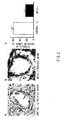
- the administration of MR16-1 to the recipients suppressed chronic rejection reaction to the transplanted hearts and significantly suppressed fibrosis and intimal thickening of blood vessels in the transplanted hearts which are considered to be the characteristic histopathological features.
- the chronic rejection reaction is a complication that affects long-term prognosis in recipients, and thus novel immunosuppressive therapy is expected to be developed through the clinical application of the agents of the present invention.
- the present invention provides agents for suppressing the chronic rejection reaction which comprise an IL-6 inhibitor as an active ingredient, and methods for suppressing the chronic rejection reaction which comprise the step of administering an IL-6 inhibitor to subjects.
- the chronic rejection reaction gradually progresses even after the acute-phase rejection reaction is overcome by various immunosuppressants.
- the pathological condition is complicated and very different in many ways from the acute rejection reaction.
- the effect of preventing and treating the chronic rejection reaction has not been achieved by any existing pharmaceutical agent.
- the present invention provides novel therapeutic utilities of IL-6 inhibitors having the effect of suppressing the chronic rejection. Furthermore, since the inhibitors selectively suppress the activity of IL-6, an inflammatory cytokine, they are expected to serve as superior immunosuppressants having fewer side effects as compared to existing pharmaceutical agents.
Landscapes
- Health & Medical Sciences (AREA)
- Chemical & Material Sciences (AREA)
- Immunology (AREA)
- Organic Chemistry (AREA)
- Medicinal Chemistry (AREA)
- Life Sciences & Earth Sciences (AREA)
- General Health & Medical Sciences (AREA)
- Bioinformatics & Cheminformatics (AREA)
- Engineering & Computer Science (AREA)
- Public Health (AREA)
- Veterinary Medicine (AREA)
- Animal Behavior & Ethology (AREA)
- Pharmacology & Pharmacy (AREA)
- Proteomics, Peptides & Aminoacids (AREA)
- Molecular Biology (AREA)
- Genetics & Genomics (AREA)
- Biophysics (AREA)
- Biochemistry (AREA)
- Chemical Kinetics & Catalysis (AREA)
- General Chemical & Material Sciences (AREA)
- Nuclear Medicine, Radiotherapy & Molecular Imaging (AREA)
- Transplantation (AREA)
- Microbiology (AREA)
- Mycology (AREA)
- Epidemiology (AREA)
- Medicines Containing Antibodies Or Antigens For Use As Internal Diagnostic Agents (AREA)
- Medicines That Contain Protein Lipid Enzymes And Other Medicines (AREA)
- Peptides Or Proteins (AREA)
Applications Claiming Priority (2)
| Application Number | Priority Date | Filing Date | Title |
|---|---|---|---|
| JP2007012572 | 2007-01-23 | ||
| PCT/JP2008/050842 WO2008090901A1 (fr) | 2007-01-23 | 2008-01-23 | Inhibiteur de rejet chronique |
Publications (3)
| Publication Number | Publication Date |
|---|---|
| EP2123302A1 true EP2123302A1 (fr) | 2009-11-25 |
| EP2123302A4 EP2123302A4 (fr) | 2010-09-22 |
| EP2123302B1 EP2123302B1 (fr) | 2015-12-09 |
Family
ID=39644475
Family Applications (1)
| Application Number | Title | Priority Date | Filing Date |
|---|---|---|---|
| EP08703686.9A Active EP2123302B1 (fr) | 2007-01-23 | 2008-01-23 | Inhibiteurs de il-6 pour le traitement de rejet chronique |
Country Status (16)
| Country | Link |
|---|---|
| US (1) | US9725514B2 (fr) |
| EP (1) | EP2123302B1 (fr) |
| JP (1) | JP5254807B2 (fr) |
| KR (1) | KR101508019B1 (fr) |
| CN (1) | CN101646459B (fr) |
| AR (1) | AR065004A1 (fr) |
| AU (1) | AU2008208321B2 (fr) |
| BR (1) | BRPI0806812B8 (fr) |
| CA (1) | CA2675625C (fr) |
| CL (1) | CL2008000188A1 (fr) |
| ES (1) | ES2564392T3 (fr) |
| MX (1) | MX2009007830A (fr) |
| PE (1) | PE20081635A1 (fr) |
| RU (1) | RU2450829C2 (fr) |
| TW (1) | TWI438208B (fr) |
| WO (1) | WO2008090901A1 (fr) |
Cited By (14)
| Publication number | Priority date | Publication date | Assignee | Title |
|---|---|---|---|---|
| US8529895B2 (en) | 2007-10-02 | 2013-09-10 | Chugai Seiyaku Kabushiki Kaisha | Method for suppressing the development of graft-versus-host-disease by administering interleukin 6 receptor antibodies |
| US10662245B2 (en) | 2008-09-26 | 2020-05-26 | Chugai Seiyaku Kabushiki Kaisha | Methods of reducing IL-6 activity for disease treatment |
| US10697883B2 (en) | 2015-05-19 | 2020-06-30 | National Center Of Neurology And Psychiatry | Method for determining application of therapy to multiple sclerosis (MS) patient |
| US10774148B2 (en) | 2015-02-27 | 2020-09-15 | Chugai Seiyaku Kabushiki Kaisha | Composition for treating IL-6-related diseases |
| US10782290B2 (en) | 2013-06-11 | 2020-09-22 | National Center Of Neurology And Psychiatry | Method for predicting post-therapy prognosis of relapsing-remitting multiple sclerosis (RRMS) patient, and method for determining applicability of novel therapy |
| US11046784B2 (en) | 2006-03-31 | 2021-06-29 | Chugai Seiyaku Kabushiki Kaisha | Methods for controlling blood pharmacokinetics of antibodies |
| US11248053B2 (en) | 2007-09-26 | 2022-02-15 | Chugai Seiyaku Kabushiki Kaisha | Method of modifying isoelectric point of antibody via amino acid substitution in CDR |
| US11332533B2 (en) | 2007-09-26 | 2022-05-17 | Chugai Seiyaku Kabushiki Kaisha | Modified antibody constant region |
| US11359194B2 (en) | 2008-04-11 | 2022-06-14 | Chugai Seiyaku Kabushiki Kaisha | Antigen-binding molecule capable of binding two or more antigen molecules repeatedly |
| US11692037B2 (en) | 2017-10-20 | 2023-07-04 | Hyogo College Of Medicine | Anti-IL-6 receptor antibody-containing medicinal composition for preventing post-surgical adhesion |
| US11851486B2 (en) | 2017-05-02 | 2023-12-26 | National Center Of Neurology And Psychiatry | Method for predicting and evaluating therapeutic effect in diseases related to IL-6 and neutrophils |
| US11891434B2 (en) | 2010-11-30 | 2024-02-06 | Chugai Seiyaku Kabushiki Kaisha | Antigen-binding molecule capable of binding to plurality of antigen molecules repeatedly |
| US12583918B2 (en) | 2019-04-17 | 2026-03-24 | Tokyo Women's Medical University | Therapeutic agent for urological cancer which is characterized by being administered with IL-6 inhibitor and CCR2 inhibitor in combination |
| US12600772B2 (en) | 2018-01-31 | 2026-04-14 | Motokazu Kato | Therapeutic agent for asthma containing IL-6 inhibitor |
Families Citing this family (29)
| Publication number | Priority date | Publication date | Assignee | Title |
|---|---|---|---|---|
| EP2322216A1 (fr) | 1997-03-21 | 2011-05-18 | Chugai Seiyaku Kabushiki Kaisha | Agent thérapeutique ou préventif pour les maladies liées aux lymphocytes T sensibilisés comprenant l'antagoniste IL-6 en tant qu'ingrédient actif |
| UA80091C2 (en) | 2001-04-02 | 2007-08-27 | Chugai Pharmaceutical Co Ltd | Remedies for infant chronic arthritis-relating diseases and still's disease which contain an interleukin-6 (il-6) antagonist |
| CN101721362B (zh) * | 2002-02-14 | 2018-07-03 | 中外制药株式会社 | 包含抗体的溶液制剂 |
| GB2401040A (en) | 2003-04-28 | 2004-11-03 | Chugai Pharmaceutical Co Ltd | Method for treating interleukin-6 related diseases |
| WO2005090405A1 (fr) * | 2004-03-24 | 2005-09-29 | Chugai Seiyaku Kabushiki Kaisha | Sous-type d'anticorps humanisé contre un récepteur de l'interleukine-6 |
| WO2007043641A1 (fr) * | 2005-10-14 | 2007-04-19 | Fukuoka University | Inhibiteur de dysfonctionnement d'îlots transplantés dans un transplant d'îlots |
| AR058135A1 (es) * | 2005-10-21 | 2008-01-23 | Chugai Pharmaceutical Co Ltd | Agentes para el tratamiento de cardiopatias |
| AR057582A1 (es) | 2005-11-15 | 2007-12-05 | Nat Hospital Organization | Agentes para suprimir la induccion de linfocitos t citotoxicos |
| TW200803894A (en) * | 2005-11-25 | 2008-01-16 | Univ Keio | Prostate cancer therapeutic agents |
| AU2007208678B2 (en) * | 2006-01-27 | 2013-01-10 | Chugai Seiyaku Kabushiki Kaisha | Therapeutic agents for diseases involving choroidal neovascularization |
| JP5754875B2 (ja) * | 2006-04-07 | 2015-07-29 | 国立大学法人大阪大学 | 筋再生促進剤 |
| TWI438208B (zh) | 2007-01-23 | 2014-05-21 | 中外製藥股份有限公司 | 抑制慢性排斥反應之藥劑 |
| US8062864B2 (en) | 2007-05-21 | 2011-11-22 | Alderbio Holdings Llc | Nucleic acids encoding antibodies to IL-6, and recombinant production of anti-IL-6 antibodies |
| DK2164514T3 (en) | 2007-05-21 | 2017-02-27 | Alderbio Holdings Llc | Antibodies to IL-6 and its use |
| US8252286B2 (en) | 2007-05-21 | 2012-08-28 | Alderbio Holdings Llc | Antagonists of IL-6 to prevent or treat thrombosis |
| US8178101B2 (en) | 2007-05-21 | 2012-05-15 | Alderbio Holdings Inc. | Use of anti-IL-6 antibodies having specific binding properties to treat cachexia |
| PE20091174A1 (es) | 2007-12-27 | 2009-08-03 | Chugai Pharmaceutical Co Ltd | Formulacion liquida con contenido de alta concentracion de anticuerpo |
| CA2728243C (fr) * | 2008-06-05 | 2020-03-10 | Chugai Seiyaku Kabushiki Kaisha | Inhibiteur de neuro-invasion |
| US8420089B2 (en) | 2008-11-25 | 2013-04-16 | Alderbio Holdings Llc | Antagonists of IL-6 to raise albumin and/or lower CRP |
| SI2493922T1 (sl) | 2009-10-26 | 2017-06-30 | F. Hoffmann-La Roche Ag | Postopek za proizvodnjo glikoziliranega imunoglobulina |
| WO2011149051A1 (fr) | 2010-05-28 | 2011-12-01 | 中外製薬株式会社 | Agent améliorant la réponse de lymphocytes t anti-tumoraux |
| KR20190120439A (ko) | 2010-11-08 | 2019-10-23 | 제넨테크, 인크. | 피하 투여용 항―il―6 수용체 항체 |
| BR112015032960B1 (pt) | 2013-07-04 | 2021-01-05 | F. Hoffmann-La Roche Ag | imunoensaio suprimido por interferência para detectar anticorpos anti-fármaco em amostras de soro |
| US20170022280A1 (en) * | 2015-07-24 | 2017-01-26 | Cedars-Sinai Medical Center | Method for treating antibody-mediated rejection post-transplantation |
| WO2017147169A1 (fr) | 2016-02-22 | 2017-08-31 | Ohio State Innovation Foundation | Chimioprévention utilisant des formulations à libération contrôlée d'agents anti-interleukine 6, d'analogues ou des métabolites synthétiques de la vitamine a et de métabolites de l'œstradiol |
| CN110603057A (zh) | 2017-03-17 | 2019-12-20 | 俄亥俄州创新基金会 | 用于递送化学预防剂的纳米颗粒 |
| BR112020013531A2 (pt) * | 2018-01-04 | 2020-12-08 | Vitaeris, Inc. | Uso de anticorpo anti-il-6, por exemplo, clazakizumab para dessensibilização de receptores de transplante de órgãos sólidos e/ou para prevenir, estabilizar ou reduzir rejeição mediada por anticorpos (abmr) |
| EP3947737A2 (fr) | 2019-04-02 | 2022-02-09 | INSERM (Institut National de la Santé et de la Recherche Médicale) | Méthodes de prédiction et de prévention du cancer chez des patients ayant des lésions prémalignes |
| JPWO2022250147A1 (fr) * | 2021-05-28 | 2022-12-01 |
Family Cites Families (116)
| Publication number | Priority date | Publication date | Assignee | Title |
|---|---|---|---|---|
| US3773919A (en) | 1969-10-23 | 1973-11-20 | Du Pont | Polylactide-drug mixtures |
| IE52535B1 (en) | 1981-02-16 | 1987-12-09 | Ici Plc | Continuous release pharmaceutical compositions |
| US4816567A (en) | 1983-04-08 | 1989-03-28 | Genentech, Inc. | Recombinant immunoglobin preparations |
| HUT35524A (en) | 1983-08-02 | 1985-07-29 | Hoechst Ag | Process for preparing pharmaceutical compositions containing regulatory /regulative/ peptides providing for the retarded release of the active substance |
| GB8607679D0 (en) | 1986-03-27 | 1986-04-30 | Winter G P | Recombinant dna product |
| JPS6459878A (en) | 1987-08-31 | 1989-03-07 | Matsushita Electric Industrial Co Ltd | Semiconductor laser protective circuit |
| US5670373A (en) * | 1988-01-22 | 1997-09-23 | Kishimoto; Tadamitsu | Antibody to human interleukin-6 receptor |
| CA1341152C (fr) | 1988-01-22 | 2000-12-12 | Tadamitsu Kishimoto | Proteine du recepteur du facteur d'induction des cellules humaines b2 |
| US5530101A (en) * | 1988-12-28 | 1996-06-25 | Protein Design Labs, Inc. | Humanized immunoglobulins |
| US5216128A (en) * | 1989-06-01 | 1993-06-01 | Yeda Research And Development Co., Ltd. | IFN-β2/IL-6 receptor its preparation and pharmaceutical compositions containing it |
| JP2898064B2 (ja) | 1989-08-03 | 1999-05-31 | 忠三 岸本 | ヒトgp130蛋白質 |
| JPH03155795A (ja) | 1989-11-13 | 1991-07-03 | Chuzo Kishimoto | マウス・インターロイキン―6レセプター蛋白質 |
| WO1996033735A1 (fr) | 1995-04-27 | 1996-10-31 | Abgenix, Inc. | Anticorps humains derives d'une xenosouris immunisee |
| US5210075A (en) | 1990-02-16 | 1993-05-11 | Tanabe Seiyaku Co., Ltd. | Interleukin 6 antagonist peptides |
| GB9015198D0 (en) | 1990-07-10 | 1990-08-29 | Brien Caroline J O | Binding substance |
| DK0585287T3 (da) | 1990-07-10 | 2000-04-17 | Cambridge Antibody Tech | Fremgangsmåde til fremstilling af specifikke bindingsparelementer |
| WO1993012227A1 (fr) | 1991-12-17 | 1993-06-24 | Genpharm International, Inc. | Animaux transgeniques non humains capables de produire des anticorps heterologues |
| ATE158021T1 (de) | 1990-08-29 | 1997-09-15 | Genpharm Int | Produktion und nützung nicht-menschliche transgentiere zur produktion heterologe antikörper |
| US5795965A (en) * | 1991-04-25 | 1998-08-18 | Chugai Seiyaku Kabushiki Kaisha | Reshaped human to human interleukin-6 receptor |
| EP0605522B1 (fr) | 1991-09-23 | 1999-06-23 | Medical Research Council | Méthodes de production d'anticorps humanisés |
| AU673985B2 (en) | 1991-11-08 | 1996-12-05 | Board Of Trustees Of The Leland Stanford Junior University | CD8 binding domain peptides |
| PT1024191E (pt) | 1991-12-02 | 2008-12-22 | Medical Res Council | Produção de auto-anticorpos a partir de reportórios de segmentos de anticorpo e exibidos em fagos |
| CA2131151A1 (fr) | 1992-03-24 | 1994-09-30 | Kevin S. Johnson | Methodes de production d'elements formant des paires specifiques de liaison |
| ES2301158T3 (es) | 1992-07-24 | 2008-06-16 | Amgen Fremont Inc. | Produccion de anticuerpos xenogenicos. |
| FR2694767B1 (fr) | 1992-08-13 | 1994-10-21 | Innotherapie Lab Sa | Anticorps monoclonaux anti-IL6R, et leurs applications. |
| US5648267A (en) | 1992-11-13 | 1997-07-15 | Idec Pharmaceuticals Corporation | Impaired dominant selectable marker sequence and intronic insertion strategies for enhancement of expression of gene product and expression vector systems comprising same |
| JP3525221B2 (ja) | 1993-02-17 | 2004-05-10 | 味の素株式会社 | 免疫抑制剤 |
| US5468772A (en) | 1993-03-10 | 1995-11-21 | Pharmagenesis, Inc. | Tripterinin compound and method |
| JPH08509612A (ja) | 1993-04-26 | 1996-10-15 | ジェンファーム インターナショナル インコーポレイテッド | 異種抗体を産生することができるトランスジェニック非ヒト動物 |
| JP3614183B2 (ja) | 1993-05-31 | 2005-01-26 | 中外製薬株式会社 | ヒトインターロイキン−6に対する再構成ヒト抗体 |
| AU6808194A (en) * | 1993-05-31 | 1994-12-20 | Chugai Seiyaku Kabushiki Kaisha | Reconstructed human antibody against human interleukin-6 |
| GB9313509D0 (en) | 1993-06-30 | 1993-08-11 | Medical Res Council | Chemisynthetic libraries |
| US5888510A (en) | 1993-07-21 | 1999-03-30 | Chugai Seiyaku Kabushiki Kaisha | Chronic rheumatoid arthritis therapy containing IL-6 antagonist as effective component |
| US6074643A (en) * | 1993-09-09 | 2000-06-13 | Cli Oncology, Inc. | Site-directed chemotherapy of metastases |
| AU7967294A (en) | 1993-10-06 | 1995-05-01 | Board Of Regents, The University Of Texas System | A monoclonal anti-human il-6 receptor antibody |
| WO1995015388A1 (fr) | 1993-12-03 | 1995-06-08 | Medical Research Council | Proteines et peptides de liaison recombines |
| DE69534075T2 (de) | 1994-06-07 | 2005-07-21 | Chugai Seiyaku K.K. | Vorbeugungs- und heilmittel für erkrankungen, die durch fibrin- oder thrombusbildung hervorgerufen werden |
| US8017121B2 (en) | 1994-06-30 | 2011-09-13 | Chugai Seiyaku Kabushika Kaisha | Chronic rheumatoid arthritis therapy containing IL-6 antagonist as effective component |
| ES2384222T3 (es) | 1994-10-07 | 2012-07-02 | Chugai Seiyaku Kabushiki Kaisha | Inhibición del crecimiento anómalo de células sinoviales utilizando un antagonista de IL-6 como principio activo |
| CN1306963C (zh) | 1994-10-21 | 2007-03-28 | 岸本忠三 | 用于治疗il-6产生所致疾病的药物组合物 |
| IT1274350B (it) | 1994-12-06 | 1997-07-17 | Angeletti P Ist Richerche Bio | Antagonisti di interleuchina-6(il-6) che consistono di forme solubili del ricettore alfa di il-6, mutate nell'interfaccia che si lega a gp 130 |
| IT1274782B (it) | 1994-12-14 | 1997-07-24 | Angeletti P Ist Richerche Bio | Metodo per selezionare superagonisti, antagonisti e superantagonisti di ormoni del cui complesso recettoriale fa parte gp 130 |
| EP0811384B1 (fr) | 1995-02-13 | 2006-06-21 | Chugai Seiyaku Kabushiki Kaisha | Inhibiteur de decomposition des proteines musculaires contenant un anticorps du recepteur de l'interleukine-6 |
| WO1996030394A1 (fr) | 1995-03-31 | 1996-10-03 | Jakob Bohr | Procede de pliage de proteine |
| FR2733250B1 (fr) | 1995-04-21 | 1997-07-04 | Diaclone | Anticorps monoclonaux anti-gp130, et leurs utilisations |
| WO1996034096A1 (fr) | 1995-04-28 | 1996-10-31 | Abgenix, Inc. | Anticorps humains derives de xeno-souris immunisees |
| US5571513A (en) | 1995-05-31 | 1996-11-05 | The Board Of Regents Of The University Of Oklahoma | Anti-gp130 monoclonal antibodies |
| RU2127117C1 (ru) | 1996-06-26 | 1999-03-10 | Филиппова Ольга Всеволодовна | Способ лечения ишемической болезни сердца |
| GB9702944D0 (en) | 1997-02-13 | 1997-04-02 | Univ Manchester | Reducing fibrosis |
| EP2322216A1 (fr) | 1997-03-21 | 2011-05-18 | Chugai Seiyaku Kabushiki Kaisha | Agent thérapeutique ou préventif pour les maladies liées aux lymphocytes T sensibilisés comprenant l'antagoniste IL-6 en tant qu'ingrédient actif |
| BR9809641A (pt) * | 1997-05-17 | 2000-07-11 | Biogen Inc | Uso de um interruptor de ligação cd40:cd154 para evitar respostas imunes inadaptadas, particularmente rejeição a enxerto |
| US20020187150A1 (en) * | 1997-08-15 | 2002-12-12 | Chugai Seiyaku Kabushiki Kaisha | Preventive and/or therapeutic agent for systemic lupus erythematosus comprising anti-IL-6 receptor antibody as an active ingredient |
| JPH11180873A (ja) | 1997-12-22 | 1999-07-06 | Kaken Shoyaku Kk | NF−κB活性阻害剤 |
| CN100374159C (zh) * | 1998-03-17 | 2008-03-12 | 中外制药株式会社 | 一种包含il-6拮抗剂活性成分的炎性肠道疾病的预防或治疗剂 |
| JP4698652B2 (ja) | 1998-03-17 | 2011-06-08 | 中外製薬株式会社 | Il−6アンタゴニストを有効成分として含有する炎症性腸疾患の予防又は治療剤 |
| EP0972780A1 (fr) | 1998-05-18 | 2000-01-19 | Applied Research Systems ARS Holding N.V. | Peptides antagonistes de l'Il-6 |
| ES2276525T3 (es) | 1998-08-24 | 2007-06-16 | Chugai Seiyaku Kabushiki Kaisha | Preventivos o remedios para la pancreatitis que contienen anticuerpos anti-receptor il-6 como ingrediente activo. |
| JP4799516B2 (ja) | 1998-08-24 | 2011-10-26 | 中外製薬株式会社 | Il−6アンタゴニストを有効成分として含有する膵炎の予防又は治療剤 |
| US20030130212A1 (en) | 1999-01-14 | 2003-07-10 | Rossignol Daniel P. | Administration of an anti-endotoxin drug by intravenous infusion |
| ES2250154T3 (es) | 1999-07-16 | 2006-04-16 | Kissei Pharmaceutical Co., Ltd. | Agentes que inhiben las reacciones de rechazo cronico despues de un transplante de organo. |
| WO2001045678A2 (fr) | 1999-12-21 | 2001-06-28 | Id Pharma Gmbh | Medicament, son procede de production et son utilisation |
| US6413663B1 (en) | 2000-06-29 | 2002-07-02 | Graftech Inc. | Fluid permeable flexible graphite fuel cell electrode |
| CN1259973C (zh) * | 2000-10-25 | 2006-06-21 | 中外制药株式会社 | 含有il-6拮抗剂作为有效成分的牛皮癣的预防或治疗剂 |
| JP4889187B2 (ja) * | 2000-10-27 | 2012-03-07 | 中外製薬株式会社 | Il−6アンタゴニストを有効成分として含有する血中mmp−3濃度低下剤 |
| UA80091C2 (en) | 2001-04-02 | 2007-08-27 | Chugai Pharmaceutical Co Ltd | Remedies for infant chronic arthritis-relating diseases and still's disease which contain an interleukin-6 (il-6) antagonist |
| US20050182007A1 (en) | 2001-05-18 | 2005-08-18 | Sirna Therapeutics, Inc. | RNA interference mediated inhibition of interleukin and interleukin receptor gene expression using short interfering nucleic acid (SINA) |
| PT2308888T (pt) * | 2001-11-14 | 2017-05-03 | Janssen Biotech Inc | Anticorpos anti-il-6, composições, métodos e utilizações |
| FR2833011B1 (fr) | 2001-12-04 | 2004-10-29 | Univ Claude Bernard Lyon | Nouvelle proteine a activite inhibitrice de l'il-6 |
| JP3856734B2 (ja) | 2002-06-28 | 2006-12-13 | 株式会社日立製作所 | 多発性硬化症に対するインターフェロン・ベータ薬物治療の有効性予測方法 |
| DE10231655A1 (de) * | 2002-07-12 | 2004-02-26 | Blasticon Biotechnologische Forschung Gmbh | Transplantat-Akzeptanz induzierende Zellen monozytären Ursprungs, sowie deren Herstellung und Verwendung |
| EP1572103A4 (fr) | 2002-11-15 | 2008-02-13 | Centocor Inc | Utilisations anti-angiogeniques d'antagonistes de il-6 |
| US7438907B2 (en) | 2002-11-15 | 2008-10-21 | Genmab A/S | Human monoclonal antibodies against CD25 |
| WO2004071404A2 (fr) | 2003-02-04 | 2004-08-26 | Centocor Inc. | Utilisation d'antagonistes de il-6 en combinaison avec des steroides en vue de stimuler l'apoptose |
| WO2004073741A1 (fr) * | 2003-02-24 | 2004-09-02 | Chugai Seiyaku Kabushiki Kaisha | Traitement curatif pour les traumatismes medullaires contenant un antagoniste de l'interleukine-6 |
| US20040208876A1 (en) | 2003-04-18 | 2004-10-21 | Kim Kyung Jin | Monoclonal antibodies to hepatocyte growth factor |
| GB2401040A (en) | 2003-04-28 | 2004-11-03 | Chugai Pharmaceutical Co Ltd | Method for treating interleukin-6 related diseases |
| NZ592039A (en) * | 2003-08-27 | 2013-03-28 | Ophthotech Corp | Combination therapy for the treatment of ocular neovascular disorders |
| US7825109B2 (en) * | 2003-08-29 | 2010-11-02 | Ono Pharmaceutical Co., Ltd. | Compound capable of binding S1P receptor and pharmaceutical use thereof |
| JP4960096B2 (ja) | 2003-09-22 | 2012-06-27 | ペントラコール ゲゼルシャフト ミット ベシュレンクテル ハフツング | Il−6の生物学的効果を減じる化合物の使用 |
| JPWO2005027970A1 (ja) * | 2003-09-24 | 2007-11-15 | 協和醗酵工業株式会社 | 癌治療用医薬 |
| MXPA06003768A (es) | 2003-10-17 | 2006-06-23 | Chugai Pharmaceutical Co Ltd | Agente terapeutico para el mesotelioma. |
| KR100556660B1 (ko) | 2003-11-11 | 2006-03-10 | 국립암센터 | Hgf의 중화가능 에피토프 및 이에 결합하는 중화 항체 |
| AR048210A1 (es) | 2003-12-19 | 2006-04-12 | Chugai Pharmaceutical Co Ltd | Un agente preventivo para la vasculitis. |
| JP4609877B2 (ja) | 2004-03-30 | 2011-01-12 | 塩野義製薬株式会社 | 慢性拒絶反応抑制剤 |
| US7781617B2 (en) | 2004-07-16 | 2010-08-24 | Kyorin Pharmaceutical Co., Ltd | Effective use method of medicaments and method of preventing expression of side effect |
| RU2007102287A (ru) * | 2004-08-05 | 2008-09-10 | Вайет (Us) | Антагонисты активности рецептора интерлейкина-21 |
| US7884196B2 (en) * | 2004-10-06 | 2011-02-08 | Oliver Lawless | Vaccine composition comprising methylated DNA and immunomodulatory motifs |
| PT1831258E (pt) | 2004-12-28 | 2016-01-07 | Univ Genova | Anticorpos monoclonais contra nkg2a |
| WO2006072954A2 (fr) | 2005-01-05 | 2006-07-13 | Compugen Ltd. | Nouveaux polynucleotides il-6 codant pour des polypeptides il-6 variants et leurs methodes d'utilisation |
| JO3058B1 (ar) * | 2005-04-29 | 2017-03-15 | Applied Molecular Evolution Inc | الاجسام المضادة لمضادات -اي ال-6,تركيباتها طرقها واستعمالاتها |
| WO2007043641A1 (fr) * | 2005-10-14 | 2007-04-19 | Fukuoka University | Inhibiteur de dysfonctionnement d'îlots transplantés dans un transplant d'îlots |
| AR058135A1 (es) * | 2005-10-21 | 2008-01-23 | Chugai Pharmaceutical Co Ltd | Agentes para el tratamiento de cardiopatias |
| AR057582A1 (es) * | 2005-11-15 | 2007-12-05 | Nat Hospital Organization | Agentes para suprimir la induccion de linfocitos t citotoxicos |
| TW200803894A (en) | 2005-11-25 | 2008-01-16 | Univ Keio | Prostate cancer therapeutic agents |
| AR057227A1 (es) | 2005-12-09 | 2007-11-21 | Centocor Inc | Metodo para usar antagonistas de il6 con inhibidores del proteasoma |
| ATE550353T1 (de) | 2005-12-30 | 2012-04-15 | Merck Patent Gmbh | Die bindung von mit il-6ralpha komplexiertem il-6 an gp130 verhindernde anti-il-6-antikörper |
| AU2007208678B2 (en) * | 2006-01-27 | 2013-01-10 | Chugai Seiyaku Kabushiki Kaisha | Therapeutic agents for diseases involving choroidal neovascularization |
| JP5754875B2 (ja) | 2006-04-07 | 2015-07-29 | 国立大学法人大阪大学 | 筋再生促進剤 |
| JP5307708B2 (ja) | 2006-06-02 | 2013-10-02 | リジェネロン・ファーマシューティカルズ・インコーポレイテッド | ヒトil−6受容体に対する高親和性抗体 |
| WO2008020079A1 (fr) | 2006-08-18 | 2008-02-21 | Ablynx N.V. | Séquences d'acides aminés dirigées contre l'il-6r et polypeptides les contenant utilisés pour le traitement de maladies et de troubles associés au signal médié par il-6 |
| WO2008042611A2 (fr) * | 2006-09-29 | 2008-04-10 | Centocor, Inc. | Procédé permettant d'utiliser des antagonistes il-6 avec la mitoxantrone pour traiter le cancer de la prostate |
| TWI438208B (zh) | 2007-01-23 | 2014-05-21 | 中外製藥股份有限公司 | 抑制慢性排斥反應之藥劑 |
| DK2164514T3 (en) | 2007-05-21 | 2017-02-27 | Alderbio Holdings Llc | Antibodies to IL-6 and its use |
| WO2009010539A2 (fr) | 2007-07-19 | 2009-01-22 | Ablynx. N.V. | Recepteur de l'interleukine-6 (il-6) derive de macaca fascicularis |
| MX2010003329A (es) | 2007-09-26 | 2010-04-27 | Chugai Pharmaceutical Co Ltd | Anticuerpo anti-receptor de il-6. |
| KR101680906B1 (ko) | 2007-09-26 | 2016-11-30 | 추가이 세이야쿠 가부시키가이샤 | 항체 정상영역 개변체 |
| KR102057826B1 (ko) * | 2008-04-11 | 2019-12-20 | 추가이 세이야쿠 가부시키가이샤 | 복수 분자의 항원에 반복 결합하는 항원 결합 분자 |
| CA2728243C (fr) | 2008-06-05 | 2020-03-10 | Chugai Seiyaku Kabushiki Kaisha | Inhibiteur de neuro-invasion |
| TWI440469B (zh) | 2008-09-26 | 2014-06-11 | Chugai Pharmaceutical Co Ltd | Improved antibody molecules |
| US8323649B2 (en) | 2008-11-25 | 2012-12-04 | Alderbio Holdings Llc | Antibodies to IL-6 and use thereof |
| JP4809930B2 (ja) | 2009-03-19 | 2011-11-09 | 中外製薬株式会社 | 関節リウマチ治療剤 |
| WO2011013786A1 (fr) | 2009-07-31 | 2011-02-03 | Maeda Shin | Inhibiteur de métastases cancéreuses |
| WO2011149046A1 (fr) | 2010-05-28 | 2011-12-01 | 独立行政法人国立がん研究センター | Agent thérapeutique contre le cancer du pancréas |
| WO2011149051A1 (fr) * | 2010-05-28 | 2011-12-01 | 中外製薬株式会社 | Agent améliorant la réponse de lymphocytes t anti-tumoraux |
| MX353143B (es) | 2011-02-28 | 2017-12-20 | Genentech Inc | Marcadores biologicos y metodos para pronosticar respuesta a antagonistas de celulas b. |
| US10782290B2 (en) | 2013-06-11 | 2020-09-22 | National Center Of Neurology And Psychiatry | Method for predicting post-therapy prognosis of relapsing-remitting multiple sclerosis (RRMS) patient, and method for determining applicability of novel therapy |
-
2008
- 2008-01-23 TW TW097102457A patent/TWI438208B/zh not_active IP Right Cessation
- 2008-01-23 CA CA2675625A patent/CA2675625C/fr active Active
- 2008-01-23 CN CN200880002822.6A patent/CN101646459B/zh not_active Expired - Fee Related
- 2008-01-23 PE PE2008000168A patent/PE20081635A1/es not_active Application Discontinuation
- 2008-01-23 US US12/524,041 patent/US9725514B2/en not_active Expired - Fee Related
- 2008-01-23 BR BRPI0806812A patent/BRPI0806812B8/pt not_active IP Right Cessation
- 2008-01-23 WO PCT/JP2008/050842 patent/WO2008090901A1/fr not_active Ceased
- 2008-01-23 CL CL200800188A patent/CL2008000188A1/es unknown
- 2008-01-23 KR KR1020097017288A patent/KR101508019B1/ko not_active Expired - Fee Related
- 2008-01-23 MX MX2009007830A patent/MX2009007830A/es active IP Right Grant
- 2008-01-23 RU RU2009131747/15A patent/RU2450829C2/ru active
- 2008-01-23 AU AU2008208321A patent/AU2008208321B2/en not_active Ceased
- 2008-01-23 ES ES08703686.9T patent/ES2564392T3/es active Active
- 2008-01-23 JP JP2008555078A patent/JP5254807B2/ja active Active
- 2008-01-23 EP EP08703686.9A patent/EP2123302B1/fr active Active
- 2008-01-24 AR ARP080100282A patent/AR065004A1/es not_active Application Discontinuation
Cited By (20)
| Publication number | Priority date | Publication date | Assignee | Title |
|---|---|---|---|---|
| US12473375B2 (en) | 2006-03-31 | 2025-11-18 | Chugai Seiyaku Kabushiki Kaisha | Methods for controlling blood pharmacokinetics of antibodies |
| US11046784B2 (en) | 2006-03-31 | 2021-06-29 | Chugai Seiyaku Kabushiki Kaisha | Methods for controlling blood pharmacokinetics of antibodies |
| US12116414B2 (en) | 2007-09-26 | 2024-10-15 | Chugai Seiyaku Kabushiki Kaisha | Method of modifying isoelectric point of antibody via amino acid substitution in CDR |
| US11332533B2 (en) | 2007-09-26 | 2022-05-17 | Chugai Seiyaku Kabushiki Kaisha | Modified antibody constant region |
| US12600789B2 (en) | 2007-09-26 | 2026-04-14 | Chugai Seiyaku Kabushiki Kaisha | Modified antibody constant region |
| US12122840B2 (en) | 2007-09-26 | 2024-10-22 | Chugai Seiyaku Kabushiki Kaisha | Method of modifying isoelectric point of antibody via amino acid substitution in CDR |
| US11248053B2 (en) | 2007-09-26 | 2022-02-15 | Chugai Seiyaku Kabushiki Kaisha | Method of modifying isoelectric point of antibody via amino acid substitution in CDR |
| US8529895B2 (en) | 2007-10-02 | 2013-09-10 | Chugai Seiyaku Kabushiki Kaisha | Method for suppressing the development of graft-versus-host-disease by administering interleukin 6 receptor antibodies |
| US11371039B2 (en) | 2008-04-11 | 2022-06-28 | Chugai Seiyaku Kabushiki Kaisha | Antigen-binding molecule capable of binding to two or more antigen molecules repeatedly |
| US11359194B2 (en) | 2008-04-11 | 2022-06-14 | Chugai Seiyaku Kabushiki Kaisha | Antigen-binding molecule capable of binding two or more antigen molecules repeatedly |
| US10662245B2 (en) | 2008-09-26 | 2020-05-26 | Chugai Seiyaku Kabushiki Kaisha | Methods of reducing IL-6 activity for disease treatment |
| US11891434B2 (en) | 2010-11-30 | 2024-02-06 | Chugai Seiyaku Kabushiki Kaisha | Antigen-binding molecule capable of binding to plurality of antigen molecules repeatedly |
| US10782290B2 (en) | 2013-06-11 | 2020-09-22 | National Center Of Neurology And Psychiatry | Method for predicting post-therapy prognosis of relapsing-remitting multiple sclerosis (RRMS) patient, and method for determining applicability of novel therapy |
| US10774148B2 (en) | 2015-02-27 | 2020-09-15 | Chugai Seiyaku Kabushiki Kaisha | Composition for treating IL-6-related diseases |
| US10697883B2 (en) | 2015-05-19 | 2020-06-30 | National Center Of Neurology And Psychiatry | Method for determining application of therapy to multiple sclerosis (MS) patient |
| US11851486B2 (en) | 2017-05-02 | 2023-12-26 | National Center Of Neurology And Psychiatry | Method for predicting and evaluating therapeutic effect in diseases related to IL-6 and neutrophils |
| US12509511B2 (en) | 2017-05-02 | 2025-12-30 | National Center Of Neurology And Psychiatry | Method for predicting and evaluating therapeutic effect in diseases related to IL-6 and neutrophils |
| US11692037B2 (en) | 2017-10-20 | 2023-07-04 | Hyogo College Of Medicine | Anti-IL-6 receptor antibody-containing medicinal composition for preventing post-surgical adhesion |
| US12600772B2 (en) | 2018-01-31 | 2026-04-14 | Motokazu Kato | Therapeutic agent for asthma containing IL-6 inhibitor |
| US12583918B2 (en) | 2019-04-17 | 2026-03-24 | Tokyo Women's Medical University | Therapeutic agent for urological cancer which is characterized by being administered with IL-6 inhibitor and CCR2 inhibitor in combination |
Also Published As
| Publication number | Publication date |
|---|---|
| KR101508019B1 (ko) | 2015-04-06 |
| JPWO2008090901A1 (ja) | 2010-05-20 |
| RU2009131747A (ru) | 2011-02-27 |
| EP2123302B1 (fr) | 2015-12-09 |
| US20100061986A1 (en) | 2010-03-11 |
| WO2008090901A1 (fr) | 2008-07-31 |
| RU2450829C2 (ru) | 2012-05-20 |
| TWI438208B (zh) | 2014-05-21 |
| ES2564392T3 (es) | 2016-03-22 |
| KR20090109563A (ko) | 2009-10-20 |
| CN101646459A (zh) | 2010-02-10 |
| AU2008208321B2 (en) | 2013-03-21 |
| JP5254807B2 (ja) | 2013-08-07 |
| BRPI0806812A2 (pt) | 2011-09-13 |
| US9725514B2 (en) | 2017-08-08 |
| BRPI0806812B8 (pt) | 2021-09-14 |
| CL2008000188A1 (es) | 2008-07-18 |
| PE20081635A1 (es) | 2009-01-07 |
| HK1140134A1 (en) | 2010-10-08 |
| EP2123302A4 (fr) | 2010-09-22 |
| CA2675625C (fr) | 2016-09-13 |
| AR065004A1 (es) | 2009-05-06 |
| MX2009007830A (es) | 2009-10-07 |
| TW200838874A (en) | 2008-10-01 |
| BRPI0806812B1 (pt) | 2021-08-03 |
| CA2675625A1 (fr) | 2008-07-31 |
| AU2008208321A1 (en) | 2008-07-31 |
| CN101646459B (zh) | 2014-02-12 |
Similar Documents
| Publication | Publication Date | Title |
|---|---|---|
| EP2123302B1 (fr) | Inhibiteurs de il-6 pour le traitement de rejet chronique | |
| EP1967207B1 (fr) | Agents pour l'induction des cellules t cytotoxiques | |
| EP1941907B1 (fr) | Inhibiteur de dysfonctionnement d'îlots transplantés dans un transplant d'îlots | |
| US8771686B2 (en) | Methods for treating a disease involving choroidal neovascularization by administering an IL-6 receptor antibody | |
| EP1967209A1 (fr) | Agent thérapeutique pour le cancer de la prostate | |
| EP1941908A1 (fr) | Agent therapeutique pour maladie de coeur | |
| JP2010095445A (ja) | Il−6アンタゴニストを有効成分とする炎症性筋疾患治療剤 | |
| HK1140134B (en) | Chronic rejection inhibitor |
Legal Events
| Date | Code | Title | Description |
|---|---|---|---|
| PUAI | Public reference made under article 153(3) epc to a published international application that has entered the european phase |
Free format text: ORIGINAL CODE: 0009012 |
|
| 17P | Request for examination filed |
Effective date: 20090715 |
|
| AK | Designated contracting states |
Kind code of ref document: A1 Designated state(s): AT BE BG CH CY CZ DE DK EE ES FI FR GB GR HR HU IE IS IT LI LT LU LV MC MT NL NO PL PT RO SE SI SK TR |
|
| DAX | Request for extension of the european patent (deleted) | ||
| A4 | Supplementary search report drawn up and despatched |
Effective date: 20100824 |
|
| RIC1 | Information provided on ipc code assigned before grant |
Ipc: C07K 16/28 20060101ALI20100813BHEP Ipc: A61P 37/06 20060101ALI20100813BHEP Ipc: A61K 45/00 20060101ALI20100813BHEP Ipc: A61K 39/395 20060101AFI20100813BHEP |
|
| 17Q | First examination report despatched |
Effective date: 20120521 |
|
| REG | Reference to a national code |
Ref country code: DE Ref legal event code: R079 Ref document number: 602008041523 Country of ref document: DE Free format text: PREVIOUS MAIN CLASS: A61K0045000000 Ipc: A61K0039395000 |
|
| RIC1 | Information provided on ipc code assigned before grant |
Ipc: A61P 37/06 20060101ALI20150421BHEP Ipc: C07K 16/24 20060101ALN20150421BHEP Ipc: A61K 39/395 20060101AFI20150421BHEP Ipc: A61K 45/00 20060101ALI20150421BHEP Ipc: C07K 16/28 20060101ALI20150421BHEP |
|
| GRAP | Despatch of communication of intention to grant a patent |
Free format text: ORIGINAL CODE: EPIDOSNIGR1 |
|
| RIC1 | Information provided on ipc code assigned before grant |
Ipc: A61K 45/00 20060101ALI20150504BHEP Ipc: C07K 16/28 20060101ALI20150504BHEP Ipc: A61K 39/395 20060101AFI20150504BHEP Ipc: C07K 16/24 20060101ALN20150504BHEP Ipc: A61P 37/06 20060101ALI20150504BHEP |
|
| INTG | Intention to grant announced |
Effective date: 20150610 |
|
| GRAS | Grant fee paid |
Free format text: ORIGINAL CODE: EPIDOSNIGR3 |
|
| GRAA | (expected) grant |
Free format text: ORIGINAL CODE: 0009210 |
|
| AK | Designated contracting states |
Kind code of ref document: B1 Designated state(s): AT BE BG CH CY CZ DE DK EE ES FI FR GB GR HR HU IE IS IT LI LT LU LV MC MT NL NO PL PT RO SE SI SK TR |
|
| REG | Reference to a national code |
Ref country code: GB Ref legal event code: FG4D |
|
| REG | Reference to a national code |
Ref country code: AT Ref legal event code: REF Ref document number: 764267 Country of ref document: AT Kind code of ref document: T Effective date: 20151215 Ref country code: CH Ref legal event code: EP |
|
| REG | Reference to a national code |
Ref country code: IE Ref legal event code: FG4D |
|
| REG | Reference to a national code |
Ref country code: CH Ref legal event code: NV Representative=s name: VOSSIUS AND PARTNER, CH |
|
| REG | Reference to a national code |
Ref country code: DE Ref legal event code: R096 Ref document number: 602008041523 Country of ref document: DE Ref country code: FR Ref legal event code: PLFP Year of fee payment: 9 |
|
| REG | Reference to a national code |
Ref country code: ES Ref legal event code: FG2A Ref document number: 2564392 Country of ref document: ES Kind code of ref document: T3 Effective date: 20160322 |
|
| REG | Reference to a national code |
Ref country code: LT Ref legal event code: MG4D |
|
| REG | Reference to a national code |
Ref country code: NL Ref legal event code: MP Effective date: 20151209 |
|
| PG25 | Lapsed in a contracting state [announced via postgrant information from national office to epo] |
Ref country code: LT Free format text: LAPSE BECAUSE OF FAILURE TO SUBMIT A TRANSLATION OF THE DESCRIPTION OR TO PAY THE FEE WITHIN THE PRESCRIBED TIME-LIMIT Effective date: 20151209 Ref country code: NO Free format text: LAPSE BECAUSE OF FAILURE TO SUBMIT A TRANSLATION OF THE DESCRIPTION OR TO PAY THE FEE WITHIN THE PRESCRIBED TIME-LIMIT Effective date: 20160309 |
|
| REG | Reference to a national code |
Ref country code: AT Ref legal event code: MK05 Ref document number: 764267 Country of ref document: AT Kind code of ref document: T Effective date: 20151209 |
|
| PG25 | Lapsed in a contracting state [announced via postgrant information from national office to epo] |
Ref country code: NL Free format text: LAPSE BECAUSE OF FAILURE TO SUBMIT A TRANSLATION OF THE DESCRIPTION OR TO PAY THE FEE WITHIN THE PRESCRIBED TIME-LIMIT Effective date: 20151209 Ref country code: GR Free format text: LAPSE BECAUSE OF FAILURE TO SUBMIT A TRANSLATION OF THE DESCRIPTION OR TO PAY THE FEE WITHIN THE PRESCRIBED TIME-LIMIT Effective date: 20160310 Ref country code: LV Free format text: LAPSE BECAUSE OF FAILURE TO SUBMIT A TRANSLATION OF THE DESCRIPTION OR TO PAY THE FEE WITHIN THE PRESCRIBED TIME-LIMIT Effective date: 20151209 Ref country code: BE Free format text: LAPSE BECAUSE OF NON-PAYMENT OF DUE FEES Effective date: 20160131 Ref country code: FI Free format text: LAPSE BECAUSE OF FAILURE TO SUBMIT A TRANSLATION OF THE DESCRIPTION OR TO PAY THE FEE WITHIN THE PRESCRIBED TIME-LIMIT Effective date: 20151209 Ref country code: SE Free format text: LAPSE BECAUSE OF FAILURE TO SUBMIT A TRANSLATION OF THE DESCRIPTION OR TO PAY THE FEE WITHIN THE PRESCRIBED TIME-LIMIT Effective date: 20151209 |
|
| PG25 | Lapsed in a contracting state [announced via postgrant information from national office to epo] |
Ref country code: IS Free format text: LAPSE BECAUSE OF FAILURE TO SUBMIT A TRANSLATION OF THE DESCRIPTION OR TO PAY THE FEE WITHIN THE PRESCRIBED TIME-LIMIT Effective date: 20151209 |
|
| REG | Reference to a national code |
Ref country code: CH Ref legal event code: PFA Owner name: SHINSHU UNIVERSITY, JP Free format text: FORMER OWNER: SHINSHU UNIVERSITY, JP |
|
| PG25 | Lapsed in a contracting state [announced via postgrant information from national office to epo] |
Ref country code: CZ Free format text: LAPSE BECAUSE OF FAILURE TO SUBMIT A TRANSLATION OF THE DESCRIPTION OR TO PAY THE FEE WITHIN THE PRESCRIBED TIME-LIMIT Effective date: 20151209 |
|
| PG25 | Lapsed in a contracting state [announced via postgrant information from national office to epo] |
Ref country code: RO Free format text: LAPSE BECAUSE OF FAILURE TO SUBMIT A TRANSLATION OF THE DESCRIPTION OR TO PAY THE FEE WITHIN THE PRESCRIBED TIME-LIMIT Effective date: 20151209 Ref country code: AT Free format text: LAPSE BECAUSE OF FAILURE TO SUBMIT A TRANSLATION OF THE DESCRIPTION OR TO PAY THE FEE WITHIN THE PRESCRIBED TIME-LIMIT Effective date: 20151209 Ref country code: IS Free format text: LAPSE BECAUSE OF FAILURE TO SUBMIT A TRANSLATION OF THE DESCRIPTION OR TO PAY THE FEE WITHIN THE PRESCRIBED TIME-LIMIT Effective date: 20160409 Ref country code: SK Free format text: LAPSE BECAUSE OF FAILURE TO SUBMIT A TRANSLATION OF THE DESCRIPTION OR TO PAY THE FEE WITHIN THE PRESCRIBED TIME-LIMIT Effective date: 20151209 Ref country code: LU Free format text: LAPSE BECAUSE OF FAILURE TO SUBMIT A TRANSLATION OF THE DESCRIPTION OR TO PAY THE FEE WITHIN THE PRESCRIBED TIME-LIMIT Effective date: 20160123 Ref country code: EE Free format text: LAPSE BECAUSE OF FAILURE TO SUBMIT A TRANSLATION OF THE DESCRIPTION OR TO PAY THE FEE WITHIN THE PRESCRIBED TIME-LIMIT Effective date: 20151209 Ref country code: PT Free format text: LAPSE BECAUSE OF FAILURE TO SUBMIT A TRANSLATION OF THE DESCRIPTION OR TO PAY THE FEE WITHIN THE PRESCRIBED TIME-LIMIT Effective date: 20160411 |
|
| REG | Reference to a national code |
Ref country code: DE Ref legal event code: R097 Ref document number: 602008041523 Country of ref document: DE |
|
| PG25 | Lapsed in a contracting state [announced via postgrant information from national office to epo] |
Ref country code: MC Free format text: LAPSE BECAUSE OF FAILURE TO SUBMIT A TRANSLATION OF THE DESCRIPTION OR TO PAY THE FEE WITHIN THE PRESCRIBED TIME-LIMIT Effective date: 20151209 |
|
| PLBE | No opposition filed within time limit |
Free format text: ORIGINAL CODE: 0009261 |
|
| STAA | Information on the status of an ep patent application or granted ep patent |
Free format text: STATUS: NO OPPOSITION FILED WITHIN TIME LIMIT |
|
| PG25 | Lapsed in a contracting state [announced via postgrant information from national office to epo] |
Ref country code: DK Free format text: LAPSE BECAUSE OF FAILURE TO SUBMIT A TRANSLATION OF THE DESCRIPTION OR TO PAY THE FEE WITHIN THE PRESCRIBED TIME-LIMIT Effective date: 20151209 Ref country code: PL Free format text: LAPSE BECAUSE OF FAILURE TO SUBMIT A TRANSLATION OF THE DESCRIPTION OR TO PAY THE FEE WITHIN THE PRESCRIBED TIME-LIMIT Effective date: 20151209 |
|
| REG | Reference to a national code |
Ref country code: IE Ref legal event code: MM4A |
|
| 26N | No opposition filed |
Effective date: 20160912 |
|
| PG25 | Lapsed in a contracting state [announced via postgrant information from national office to epo] |
Ref country code: SI Free format text: LAPSE BECAUSE OF FAILURE TO SUBMIT A TRANSLATION OF THE DESCRIPTION OR TO PAY THE FEE WITHIN THE PRESCRIBED TIME-LIMIT Effective date: 20151209 |
|
| PG25 | Lapsed in a contracting state [announced via postgrant information from national office to epo] |
Ref country code: BE Free format text: LAPSE BECAUSE OF FAILURE TO SUBMIT A TRANSLATION OF THE DESCRIPTION OR TO PAY THE FEE WITHIN THE PRESCRIBED TIME-LIMIT Effective date: 20151209 |
|
| REG | Reference to a national code |
Ref country code: FR Ref legal event code: PLFP Year of fee payment: 10 |
|
| PG25 | Lapsed in a contracting state [announced via postgrant information from national office to epo] |
Ref country code: IE Free format text: LAPSE BECAUSE OF NON-PAYMENT OF DUE FEES Effective date: 20160123 |
|
| PG25 | Lapsed in a contracting state [announced via postgrant information from national office to epo] |
Ref country code: MT Free format text: LAPSE BECAUSE OF FAILURE TO SUBMIT A TRANSLATION OF THE DESCRIPTION OR TO PAY THE FEE WITHIN THE PRESCRIBED TIME-LIMIT Effective date: 20151209 |
|
| REG | Reference to a national code |
Ref country code: FR Ref legal event code: PLFP Year of fee payment: 11 |
|
| PG25 | Lapsed in a contracting state [announced via postgrant information from national office to epo] |
Ref country code: CY Free format text: LAPSE BECAUSE OF FAILURE TO SUBMIT A TRANSLATION OF THE DESCRIPTION OR TO PAY THE FEE WITHIN THE PRESCRIBED TIME-LIMIT Effective date: 20151209 Ref country code: HU Free format text: LAPSE BECAUSE OF FAILURE TO SUBMIT A TRANSLATION OF THE DESCRIPTION OR TO PAY THE FEE WITHIN THE PRESCRIBED TIME-LIMIT; INVALID AB INITIO Effective date: 20080123 |
|
| PG25 | Lapsed in a contracting state [announced via postgrant information from national office to epo] |
Ref country code: HR Free format text: LAPSE BECAUSE OF FAILURE TO SUBMIT A TRANSLATION OF THE DESCRIPTION OR TO PAY THE FEE WITHIN THE PRESCRIBED TIME-LIMIT Effective date: 20151209 Ref country code: MT Free format text: LAPSE BECAUSE OF FAILURE TO SUBMIT A TRANSLATION OF THE DESCRIPTION OR TO PAY THE FEE WITHIN THE PRESCRIBED TIME-LIMIT Effective date: 20160131 |
|
| PG25 | Lapsed in a contracting state [announced via postgrant information from national office to epo] |
Ref country code: BG Free format text: LAPSE BECAUSE OF FAILURE TO SUBMIT A TRANSLATION OF THE DESCRIPTION OR TO PAY THE FEE WITHIN THE PRESCRIBED TIME-LIMIT Effective date: 20151209 |
|
| P01 | Opt-out of the competence of the unified patent court (upc) registered |
Effective date: 20230424 |
|
| PGFP | Annual fee paid to national office [announced via postgrant information from national office to epo] |
Ref country code: ES Payment date: 20240223 Year of fee payment: 17 |
|
| PGFP | Annual fee paid to national office [announced via postgrant information from national office to epo] |
Ref country code: DE Payment date: 20240119 Year of fee payment: 17 Ref country code: GB Payment date: 20240123 Year of fee payment: 17 Ref country code: CH Payment date: 20240202 Year of fee payment: 17 |
|
| PGFP | Annual fee paid to national office [announced via postgrant information from national office to epo] |
Ref country code: TR Payment date: 20240119 Year of fee payment: 17 Ref country code: IT Payment date: 20240129 Year of fee payment: 17 Ref country code: FR Payment date: 20240124 Year of fee payment: 17 |
|
| REG | Reference to a national code |
Ref country code: DE Ref legal event code: R119 Ref document number: 602008041523 Country of ref document: DE |
|
| REG | Reference to a national code |
Ref country code: CH Ref legal event code: PL |
|
| GBPC | Gb: european patent ceased through non-payment of renewal fee |
Effective date: 20250123 |
|
| PG25 | Lapsed in a contracting state [announced via postgrant information from national office to epo] |
Ref country code: DE Free format text: LAPSE BECAUSE OF NON-PAYMENT OF DUE FEES Effective date: 20250801 |
|
| PG25 | Lapsed in a contracting state [announced via postgrant information from national office to epo] |
Ref country code: GB Free format text: LAPSE BECAUSE OF NON-PAYMENT OF DUE FEES Effective date: 20250123 |
|
| PG25 | Lapsed in a contracting state [announced via postgrant information from national office to epo] |
Ref country code: FR Free format text: LAPSE BECAUSE OF NON-PAYMENT OF DUE FEES Effective date: 20250131 |
|
| PG25 | Lapsed in a contracting state [announced via postgrant information from national office to epo] |
Ref country code: CH Free format text: LAPSE BECAUSE OF NON-PAYMENT OF DUE FEES Effective date: 20250131 |
|
| PG25 | Lapsed in a contracting state [announced via postgrant information from national office to epo] |
Ref country code: IT Free format text: LAPSE BECAUSE OF NON-PAYMENT OF DUE FEES Effective date: 20250123 |
|
| REG | Reference to a national code |
Ref country code: ES Ref legal event code: FD2A Effective date: 20260303 |
|
| PG25 | Lapsed in a contracting state [announced via postgrant information from national office to epo] |
Ref country code: ES Free format text: LAPSE BECAUSE OF NON-PAYMENT OF DUE FEES Effective date: 20250124 |