EP2133091A2 - Compositions renfermant des assemblages supramoléculaires pour le traitement du diabète - Google Patents
Compositions renfermant des assemblages supramoléculaires pour le traitement du diabète Download PDFInfo
- Publication number
- EP2133091A2 EP2133091A2 EP09155775A EP09155775A EP2133091A2 EP 2133091 A2 EP2133091 A2 EP 2133091A2 EP 09155775 A EP09155775 A EP 09155775A EP 09155775 A EP09155775 A EP 09155775A EP 2133091 A2 EP2133091 A2 EP 2133091A2
- Authority
- EP
- European Patent Office
- Prior art keywords
- insulin
- assembly
- sia
- supramolecular
- treatment
- Prior art date
- Legal status (The legal status is an assumption and is not a legal conclusion. Google has not performed a legal analysis and makes no representation as to the accuracy of the status listed.)
- Granted
Links
- NOESYZHRGYRDHS-UHFFFAOYSA-N insulin Chemical compound N1C(=O)C(NC(=O)C(CCC(N)=O)NC(=O)C(CCC(O)=O)NC(=O)C(C(C)C)NC(=O)C(NC(=O)CN)C(C)CC)CSSCC(C(NC(CO)C(=O)NC(CC(C)C)C(=O)NC(CC=2C=CC(O)=CC=2)C(=O)NC(CCC(N)=O)C(=O)NC(CC(C)C)C(=O)NC(CCC(O)=O)C(=O)NC(CC(N)=O)C(=O)NC(CC=2C=CC(O)=CC=2)C(=O)NC(CSSCC(NC(=O)C(C(C)C)NC(=O)C(CC(C)C)NC(=O)C(CC=2C=CC(O)=CC=2)NC(=O)C(CC(C)C)NC(=O)C(C)NC(=O)C(CCC(O)=O)NC(=O)C(C(C)C)NC(=O)C(CC(C)C)NC(=O)C(CC=2NC=NC=2)NC(=O)C(CO)NC(=O)CNC2=O)C(=O)NCC(=O)NC(CCC(O)=O)C(=O)NC(CCCNC(N)=N)C(=O)NCC(=O)NC(CC=3C=CC=CC=3)C(=O)NC(CC=3C=CC=CC=3)C(=O)NC(CC=3C=CC(O)=CC=3)C(=O)NC(C(C)O)C(=O)N3C(CCC3)C(=O)NC(CCCCN)C(=O)NC(C)C(O)=O)C(=O)NC(CC(N)=O)C(O)=O)=O)NC(=O)C(C(C)CC)NC(=O)C(CO)NC(=O)C(C(C)O)NC(=O)C1CSSCC2NC(=O)C(CC(C)C)NC(=O)C(NC(=O)C(CCC(N)=O)NC(=O)C(CC(N)=O)NC(=O)C(NC(=O)C(N)CC=1C=CC=CC=1)C(C)C)CC1=CN=CN1 NOESYZHRGYRDHS-UHFFFAOYSA-N 0.000 title claims abstract description 1548
- 229940125396 insulin Drugs 0.000 title claims abstract description 779
- 102000004877 Insulin Human genes 0.000 title claims abstract description 766
- 108090001061 Insulin Proteins 0.000 title claims abstract description 766
- 206010012601 diabetes mellitus Diseases 0.000 title claims abstract description 129
- 238000011282 treatment Methods 0.000 title claims abstract description 110
- 239000000203 mixture Substances 0.000 title claims description 61
- 238000000429 assembly Methods 0.000 title abstract description 6
- 230000000712 assembly Effects 0.000 title abstract description 6
- 108010011459 Exenatide Proteins 0.000 claims abstract description 71
- JUFFVKRROAPVBI-PVOYSMBESA-N chembl1210015 Chemical compound C([C@@H](C(=O)N[C@@H]([C@@H](C)CC)C(=O)N[C@@H](CCC(O)=O)C(=O)N[C@@H](CC=1C2=CC=CC=C2NC=1)C(=O)N[C@@H](CC(C)C)C(=O)N[C@@H](CCCCN)C(=O)N[C@@H](CC(=O)N[C@H]1[C@@H]([C@@H](O)[C@H](O[C@H]2[C@@H]([C@@H](O)[C@@H](O)[C@@H](CO[C@]3(O[C@@H](C[C@H](O)[C@H](O)CO)[C@H](NC(C)=O)[C@@H](O)C3)C(O)=O)O2)O)[C@@H](CO)O1)NC(C)=O)C(=O)NCC(=O)NCC(=O)N1[C@@H](CCC1)C(=O)N[C@@H](CO)C(=O)N[C@@H](CO)C(=O)NCC(=O)N[C@@H](C)C(=O)N1[C@@H](CCC1)C(=O)N1[C@@H](CCC1)C(=O)N1[C@@H](CCC1)C(=O)N[C@@H](CO)C(N)=O)NC(=O)[C@H](CC(C)C)NC(=O)[C@H](CCCNC(N)=N)NC(=O)[C@@H](NC(=O)[C@H](C)NC(=O)[C@H](CCC(O)=O)NC(=O)[C@H](CCC(O)=O)NC(=O)[C@H](CCC(O)=O)NC(=O)[C@H](CCSC)NC(=O)[C@H](CCC(N)=O)NC(=O)[C@H](CCCCN)NC(=O)[C@H](CO)NC(=O)[C@H](CC(C)C)NC(=O)[C@H](CC(O)=O)NC(=O)[C@H](CO)NC(=O)[C@@H](NC(=O)[C@H](CC=1C=CC=CC=1)NC(=O)[C@@H](NC(=O)CNC(=O)[C@H](CCC(O)=O)NC(=O)CNC(=O)[C@@H](N)CC=1NC=NC=1)[C@@H](C)O)[C@@H](C)O)C(C)C)C1=CC=CC=C1 JUFFVKRROAPVBI-PVOYSMBESA-N 0.000 claims abstract description 71
- 229960001519 exenatide Drugs 0.000 claims abstract description 71
- 208000030159 metabolic disease Diseases 0.000 claims abstract description 59
- 108090000623 proteins and genes Proteins 0.000 claims abstract description 57
- 102000004169 proteins and genes Human genes 0.000 claims abstract description 56
- 239000008194 pharmaceutical composition Substances 0.000 claims abstract description 49
- 239000003814 drug Substances 0.000 claims abstract description 40
- 238000000034 method Methods 0.000 claims description 91
- 239000000178 monomer Substances 0.000 claims description 79
- 208000001072 type 2 diabetes mellitus Diseases 0.000 claims description 61
- 208000002249 Diabetes Complications Diseases 0.000 claims description 57
- 230000008569 process Effects 0.000 claims description 50
- 101001011741 Bos taurus Insulin Proteins 0.000 claims description 39
- 241000283690 Bos taurus Species 0.000 claims description 33
- 239000000243 solution Substances 0.000 claims description 28
- 238000002360 preparation method Methods 0.000 claims description 25
- 101000976075 Homo sapiens Insulin Proteins 0.000 claims description 19
- 238000001727 in vivo Methods 0.000 claims description 19
- 230000037396 body weight Effects 0.000 claims description 18
- PBGKTOXHQIOBKM-FHFVDXKLSA-N insulin (human) Chemical compound C([C@@H](C(=O)N[C@@H](CC(C)C)C(=O)N[C@H]1CSSC[C@H]2C(=O)N[C@H](C(=O)N[C@@H](CO)C(=O)N[C@H](C(=O)N[C@H](C(N[C@@H](CO)C(=O)N[C@@H](CC(C)C)C(=O)N[C@@H](CC=3C=CC(O)=CC=3)C(=O)N[C@@H](CCC(N)=O)C(=O)N[C@@H](CC(C)C)C(=O)N[C@@H](CCC(O)=O)C(=O)N[C@@H](CC(N)=O)C(=O)N[C@@H](CC=3C=CC(O)=CC=3)C(=O)N[C@@H](CSSC[C@H](NC(=O)[C@H](C(C)C)NC(=O)[C@H](CC(C)C)NC(=O)[C@H](CC=3C=CC(O)=CC=3)NC(=O)[C@H](CC(C)C)NC(=O)[C@H](C)NC(=O)[C@H](CCC(O)=O)NC(=O)[C@H](C(C)C)NC(=O)[C@H](CC(C)C)NC(=O)[C@H](CC=3NC=NC=3)NC(=O)[C@H](CO)NC(=O)CNC1=O)C(=O)NCC(=O)N[C@@H](CCC(O)=O)C(=O)N[C@@H](CCCNC(N)=N)C(=O)NCC(=O)N[C@@H](CC=1C=CC=CC=1)C(=O)N[C@@H](CC=1C=CC=CC=1)C(=O)N[C@@H](CC=1C=CC(O)=CC=1)C(=O)N[C@@H]([C@@H](C)O)C(=O)N1[C@@H](CCC1)C(=O)N[C@@H](CCCCN)C(=O)N[C@@H]([C@@H](C)O)C(O)=O)C(=O)N[C@@H](CC(N)=O)C(O)=O)=O)CSSC[C@@H](C(N2)=O)NC(=O)[C@H](CCC(N)=O)NC(=O)[C@H](CCC(O)=O)NC(=O)[C@H](C(C)C)NC(=O)[C@@H](NC(=O)CN)[C@@H](C)CC)[C@@H](C)CC)[C@@H](C)O)NC(=O)[C@H](CCC(N)=O)NC(=O)[C@H](CC(N)=O)NC(=O)[C@@H](NC(=O)[C@@H](N)CC=1C=CC=CC=1)C(C)C)C1=CN=CN1 PBGKTOXHQIOBKM-FHFVDXKLSA-N 0.000 claims description 18
- XLYOFNOQVPJJNP-UHFFFAOYSA-N water Substances O XLYOFNOQVPJJNP-UHFFFAOYSA-N 0.000 claims description 16
- QTBSBXVTEAMEQO-UHFFFAOYSA-N Acetic acid Chemical compound CC(O)=O QTBSBXVTEAMEQO-UHFFFAOYSA-N 0.000 claims description 12
- VEXZGXHMUGYJMC-UHFFFAOYSA-N Hydrochloric acid Chemical compound Cl VEXZGXHMUGYJMC-UHFFFAOYSA-N 0.000 claims description 12
- 239000003937 drug carrier Substances 0.000 claims description 9
- 238000005406 washing Methods 0.000 claims description 9
- 229940002612 prodrug Drugs 0.000 claims description 8
- 239000000651 prodrug Substances 0.000 claims description 8
- 239000007979 citrate buffer Substances 0.000 claims description 7
- 101000993800 Sus scrofa Insulin Proteins 0.000 claims description 6
- 239000003085 diluting agent Substances 0.000 claims description 6
- 231100000065 noncytotoxic Toxicity 0.000 claims description 6
- 230000002020 noncytotoxic effect Effects 0.000 claims description 6
- 230000002163 immunogen Effects 0.000 claims description 5
- 230000004987 nonapoptotic effect Effects 0.000 claims description 5
- 230000000263 nonmitogenic effect Effects 0.000 claims description 5
- 239000008363 phosphate buffer Substances 0.000 claims description 5
- 239000000654 additive Substances 0.000 claims description 4
- 239000007943 implant Substances 0.000 claims description 4
- 239000007974 sodium acetate buffer Substances 0.000 claims description 4
- 241000700159 Rattus Species 0.000 description 107
- WQZGKKKJIJFFOK-GASJEMHNSA-N Glucose Natural products OC[C@H]1OC(O)[C@H](O)[C@@H](O)[C@@H]1O WQZGKKKJIJFFOK-GASJEMHNSA-N 0.000 description 105
- 239000008103 glucose Substances 0.000 description 105
- 210000004369 blood Anatomy 0.000 description 87
- 239000008280 blood Substances 0.000 description 87
- 210000002966 serum Anatomy 0.000 description 77
- ZSJLQEPLLKMAKR-GKHCUFPYSA-N streptozocin Chemical compound O=NN(C)C(=O)N[C@H]1[C@@H](O)O[C@H](CO)[C@@H](O)[C@@H]1O ZSJLQEPLLKMAKR-GKHCUFPYSA-N 0.000 description 44
- 241001465754 Metazoa Species 0.000 description 41
- IXIBAKNTJSCKJM-BUBXBXGNSA-N bovine insulin Chemical compound C([C@@H](C(=O)N[C@@H](CC(C)C)C(=O)N[C@H]1CSSC[C@H]2C(=O)N[C@@H](C)C(=O)N[C@@H](CO)C(=O)N[C@H](C(=O)N[C@H](C(N[C@@H](CO)C(=O)N[C@@H](CC(C)C)C(=O)N[C@@H](CC=3C=CC(O)=CC=3)C(=O)N[C@@H](CCC(N)=O)C(=O)N[C@@H](CC(C)C)C(=O)N[C@@H](CCC(O)=O)C(=O)N[C@@H](CC(N)=O)C(=O)N[C@@H](CC=3C=CC(O)=CC=3)C(=O)N[C@@H](CSSC[C@H](NC(=O)[C@H](C(C)C)NC(=O)[C@H](CC(C)C)NC(=O)[C@H](CC=3C=CC(O)=CC=3)NC(=O)[C@H](CC(C)C)NC(=O)[C@H](C)NC(=O)[C@H](CCC(O)=O)NC(=O)[C@H](C(C)C)NC(=O)[C@H](CC(C)C)NC(=O)[C@H](CC=3NC=NC=3)NC(=O)[C@H](CO)NC(=O)CNC1=O)C(=O)NCC(=O)N[C@@H](CCC(O)=O)C(=O)N[C@@H](CCCNC(N)=N)C(=O)NCC(=O)N[C@@H](CC=1C=CC=CC=1)C(=O)N[C@@H](CC=1C=CC=CC=1)C(=O)N[C@@H](CC=1C=CC(O)=CC=1)C(=O)N[C@@H]([C@@H](C)O)C(=O)N1[C@@H](CCC1)C(=O)N[C@@H](CCCCN)C(=O)N[C@@H](C)C(O)=O)C(=O)N[C@@H](CC(N)=O)C(O)=O)=O)CSSC[C@@H](C(N2)=O)NC(=O)[C@H](CCC(N)=O)NC(=O)[C@H](CCC(O)=O)NC(=O)[C@H](C(C)C)NC(=O)[C@@H](NC(=O)CN)[C@@H](C)CC)C(C)C)NC(=O)[C@H](CCC(N)=O)NC(=O)[C@H](CC(N)=O)NC(=O)[C@@H](NC(=O)[C@@H](N)CC=1C=CC=CC=1)C(C)C)C1=CN=CN1 IXIBAKNTJSCKJM-BUBXBXGNSA-N 0.000 description 35
- IQFVPQOLBLOTPF-HKXUKFGYSA-L congo red Chemical compound [Na+].[Na+].C1=CC=CC2=C(N)C(/N=N/C3=CC=C(C=C3)C3=CC=C(C=C3)/N=N/C3=C(C4=CC=CC=C4C(=C3)S([O-])(=O)=O)N)=CC(S([O-])(=O)=O)=C21 IQFVPQOLBLOTPF-HKXUKFGYSA-L 0.000 description 34
- 238000002347 injection Methods 0.000 description 32
- 239000007924 injection Substances 0.000 description 32
- 239000000543 intermediate Substances 0.000 description 31
- 238000000338 in vitro Methods 0.000 description 25
- 210000004027 cell Anatomy 0.000 description 24
- 230000000694 effects Effects 0.000 description 24
- 210000001789 adipocyte Anatomy 0.000 description 23
- 238000002965 ELISA Methods 0.000 description 20
- 102100021496 Insulin-degrading enzyme Human genes 0.000 description 19
- 108090000828 Insulysin Proteins 0.000 description 19
- HIMXGTXNXJYFGB-UHFFFAOYSA-N alloxan Chemical compound O=C1NC(=O)C(=O)C(=O)N1 HIMXGTXNXJYFGB-UHFFFAOYSA-N 0.000 description 18
- 230000002641 glycemic effect Effects 0.000 description 18
- 230000004044 response Effects 0.000 description 18
- 238000007920 subcutaneous administration Methods 0.000 description 18
- JADVWWSKYZXRGX-UHFFFAOYSA-M thioflavine T Chemical compound [Cl-].C1=CC(N(C)C)=CC=C1C1=[N+](C)C2=CC=C(C)C=C2S1 JADVWWSKYZXRGX-UHFFFAOYSA-M 0.000 description 17
- 238000002560 therapeutic procedure Methods 0.000 description 16
- 230000015572 biosynthetic process Effects 0.000 description 15
- 208000037265 diseases, disorders, signs and symptoms Diseases 0.000 description 15
- 208000013016 Hypoglycemia Diseases 0.000 description 14
- 230000007423 decrease Effects 0.000 description 14
- 241000699670 Mus sp. Species 0.000 description 13
- 108091005804 Peptidases Proteins 0.000 description 13
- 102000035195 Peptidases Human genes 0.000 description 13
- 239000004365 Protease Substances 0.000 description 13
- 241000700157 Rattus norvegicus Species 0.000 description 13
- 238000013268 sustained release Methods 0.000 description 13
- 239000012730 sustained-release form Substances 0.000 description 13
- 108091008611 Protein Kinase B Proteins 0.000 description 12
- ZSJLQEPLLKMAKR-UHFFFAOYSA-N Streptozotocin Natural products O=NN(C)C(=O)NC1C(O)OC(CO)C(O)C1O ZSJLQEPLLKMAKR-UHFFFAOYSA-N 0.000 description 12
- 208000035475 disorder Diseases 0.000 description 12
- 238000002474 experimental method Methods 0.000 description 12
- 239000000835 fiber Substances 0.000 description 12
- 230000002218 hypoglycaemic effect Effects 0.000 description 12
- 238000011002 quantification Methods 0.000 description 12
- 229960001052 streptozocin Drugs 0.000 description 12
- 230000002354 daily effect Effects 0.000 description 11
- 102000007665 Extracellular Signal-Regulated MAP Kinases Human genes 0.000 description 10
- 108010007457 Extracellular Signal-Regulated MAP Kinases Proteins 0.000 description 10
- 238000007446 glucose tolerance test Methods 0.000 description 10
- 235000019419 proteases Nutrition 0.000 description 10
- 210000001519 tissue Anatomy 0.000 description 10
- 241000283973 Oryctolagus cuniculus Species 0.000 description 9
- 238000004630 atomic force microscopy Methods 0.000 description 9
- 238000001802 infusion Methods 0.000 description 9
- 230000001019 normoglycemic effect Effects 0.000 description 9
- 230000001225 therapeutic effect Effects 0.000 description 9
- BPYKTIZUTYGOLE-IFADSCNNSA-N Bilirubin Chemical compound N1C(=O)C(C)=C(C=C)\C1=C\C1=C(C)C(CCC(O)=O)=C(CC2=C(C(C)=C(\C=C/3C(=C(C=C)C(=O)N\3)C)N2)CCC(O)=O)N1 BPYKTIZUTYGOLE-IFADSCNNSA-N 0.000 description 8
- 238000005033 Fourier transform infrared spectroscopy Methods 0.000 description 8
- 230000004913 activation Effects 0.000 description 8
- 230000003247 decreasing effect Effects 0.000 description 8
- 230000006698 induction Effects 0.000 description 8
- 238000007918 intramuscular administration Methods 0.000 description 8
- 239000012528 membrane Substances 0.000 description 8
- 210000003205 muscle Anatomy 0.000 description 8
- 230000000291 postprandial effect Effects 0.000 description 8
- 230000011664 signaling Effects 0.000 description 8
- 238000001262 western blot Methods 0.000 description 8
- 208000002177 Cataract Diseases 0.000 description 7
- 208000017667 Chronic Disease Diseases 0.000 description 7
- 102000019058 Glycogen Synthase Kinase 3 beta Human genes 0.000 description 7
- 108010051975 Glycogen Synthase Kinase 3 beta Proteins 0.000 description 7
- OUYCCCASQSFEME-QMMMGPOBSA-N L-tyrosine Chemical compound OC(=O)[C@@H](N)CC1=CC=C(O)C=C1 OUYCCCASQSFEME-QMMMGPOBSA-N 0.000 description 7
- 238000002835 absorbance Methods 0.000 description 7
- 230000009471 action Effects 0.000 description 7
- 238000004458 analytical method Methods 0.000 description 7
- 238000006243 chemical reaction Methods 0.000 description 7
- 239000002158 endotoxin Substances 0.000 description 7
- 230000014101 glucose homeostasis Effects 0.000 description 7
- 230000003345 hyperglycaemic effect Effects 0.000 description 7
- 229920006008 lipopolysaccharide Polymers 0.000 description 7
- 210000004185 liver Anatomy 0.000 description 7
- 238000012544 monitoring process Methods 0.000 description 7
- 230000026731 phosphorylation Effects 0.000 description 7
- 238000006366 phosphorylation reaction Methods 0.000 description 7
- 108090000765 processed proteins & peptides Proteins 0.000 description 7
- 238000002415 sodium dodecyl sulfate polyacrylamide gel electrophoresis Methods 0.000 description 7
- OUYCCCASQSFEME-UHFFFAOYSA-N tyrosine Natural products OC(=O)C(N)CC1=CC=C(O)C=C1 OUYCCCASQSFEME-UHFFFAOYSA-N 0.000 description 7
- 102000051325 Glucagon Human genes 0.000 description 6
- 108060003199 Glucagon Proteins 0.000 description 6
- PEDCQBHIVMGVHV-UHFFFAOYSA-N Glycerine Chemical compound OCC(O)CO PEDCQBHIVMGVHV-UHFFFAOYSA-N 0.000 description 6
- 108091007960 PI3Ks Proteins 0.000 description 6
- 102000038030 PI3Ks Human genes 0.000 description 6
- 230000001517 counterregulatory effect Effects 0.000 description 6
- 238000001514 detection method Methods 0.000 description 6
- 238000009472 formulation Methods 0.000 description 6
- 229960004666 glucagon Drugs 0.000 description 6
- MASNOZXLGMXCHN-ZLPAWPGGSA-N glucagon Chemical compound C([C@@H](C(=O)N[C@H](C(=O)N[C@@H](CCC(N)=O)C(=O)N[C@@H](CC=1C2=CC=CC=C2NC=1)C(=O)N[C@@H](CC(C)C)C(=O)N[C@@H](CCSC)C(=O)N[C@@H](CC(N)=O)C(=O)N[C@@H]([C@@H](C)O)C(O)=O)C(C)C)NC(=O)[C@H](CC(O)=O)NC(=O)[C@H](CCC(N)=O)NC(=O)[C@H](C)NC(=O)[C@H](CCCNC(N)=N)NC(=O)[C@H](CCCNC(N)=N)NC(=O)[C@H](CO)NC(=O)[C@H](CC(O)=O)NC(=O)[C@H](CC(C)C)NC(=O)[C@H](CC=1C=CC(O)=CC=1)NC(=O)[C@H](CCCCN)NC(=O)[C@H](CO)NC(=O)[C@H](CC=1C=CC(O)=CC=1)NC(=O)[C@H](CC(O)=O)NC(=O)[C@H](CO)NC(=O)[C@@H](NC(=O)[C@H](CC=1C=CC=CC=1)NC(=O)[C@@H](NC(=O)CNC(=O)[C@H](CCC(N)=O)NC(=O)[C@H](CO)NC(=O)[C@@H](N)CC=1NC=NC=1)[C@@H](C)O)[C@@H](C)O)C1=CC=CC=C1 MASNOZXLGMXCHN-ZLPAWPGGSA-N 0.000 description 6
- 201000001421 hyperglycemia Diseases 0.000 description 6
- 238000011534 incubation Methods 0.000 description 6
- 230000003914 insulin secretion Effects 0.000 description 6
- 238000007912 intraperitoneal administration Methods 0.000 description 6
- 239000007787 solid Substances 0.000 description 6
- 230000002459 sustained effect Effects 0.000 description 6
- 102000001049 Amyloid Human genes 0.000 description 5
- 108010094108 Amyloid Proteins 0.000 description 5
- 206010061218 Inflammation Diseases 0.000 description 5
- 206010067584 Type 1 diabetes mellitus Diseases 0.000 description 5
- 230000000975 bioactive effect Effects 0.000 description 5
- 239000003153 chemical reaction reagent Substances 0.000 description 5
- 238000003776 cleavage reaction Methods 0.000 description 5
- 230000000875 corresponding effect Effects 0.000 description 5
- 229940079593 drug Drugs 0.000 description 5
- 235000013305 food Nutrition 0.000 description 5
- 235000021588 free fatty acids Nutrition 0.000 description 5
- 229940088597 hormone Drugs 0.000 description 5
- 239000005556 hormone Substances 0.000 description 5
- 230000001976 improved effect Effects 0.000 description 5
- 230000004054 inflammatory process Effects 0.000 description 5
- 238000009592 kidney function test Methods 0.000 description 5
- 230000001105 regulatory effect Effects 0.000 description 5
- 230000007017 scission Effects 0.000 description 5
- 230000019491 signal transduction Effects 0.000 description 5
- 238000010186 staining Methods 0.000 description 5
- 230000001988 toxicity Effects 0.000 description 5
- 231100000419 toxicity Toxicity 0.000 description 5
- 238000004627 transmission electron microscopy Methods 0.000 description 5
- 238000005303 weighing Methods 0.000 description 5
- 108010067770 Endopeptidase K Proteins 0.000 description 4
- 238000000134 MTT assay Methods 0.000 description 4
- 231100000002 MTT assay Toxicity 0.000 description 4
- OAICVXFJPJFONN-UHFFFAOYSA-N Phosphorus Chemical compound [P] OAICVXFJPJFONN-UHFFFAOYSA-N 0.000 description 4
- FAPWRFPIFSIZLT-UHFFFAOYSA-M Sodium chloride Chemical compound [Na+].[Cl-] FAPWRFPIFSIZLT-UHFFFAOYSA-M 0.000 description 4
- 102000004142 Trypsin Human genes 0.000 description 4
- 108090000631 Trypsin Proteins 0.000 description 4
- XSQUKJJJFZCRTK-UHFFFAOYSA-N Urea Chemical compound NC(N)=O XSQUKJJJFZCRTK-UHFFFAOYSA-N 0.000 description 4
- 210000000577 adipose tissue Anatomy 0.000 description 4
- 230000004071 biological effect Effects 0.000 description 4
- 230000033228 biological regulation Effects 0.000 description 4
- 230000015556 catabolic process Effects 0.000 description 4
- 230000008859 change Effects 0.000 description 4
- DDRJAANPRJIHGJ-UHFFFAOYSA-N creatinine Chemical compound CN1CC(=O)NC1=N DDRJAANPRJIHGJ-UHFFFAOYSA-N 0.000 description 4
- 238000006731 degradation reaction Methods 0.000 description 4
- 238000000502 dialysis Methods 0.000 description 4
- 238000010790 dilution Methods 0.000 description 4
- 239000012895 dilution Substances 0.000 description 4
- 239000003925 fat Substances 0.000 description 4
- 238000003364 immunohistochemistry Methods 0.000 description 4
- 230000008595 infiltration Effects 0.000 description 4
- 238000001764 infiltration Methods 0.000 description 4
- 238000012528 insulin ELISA Methods 0.000 description 4
- 210000003734 kidney Anatomy 0.000 description 4
- 230000001404 mediated effect Effects 0.000 description 4
- 235000020925 non fasting Nutrition 0.000 description 4
- 230000008520 organization Effects 0.000 description 4
- 239000008188 pellet Substances 0.000 description 4
- 239000013641 positive control Substances 0.000 description 4
- 150000003839 salts Chemical class 0.000 description 4
- 238000001228 spectrum Methods 0.000 description 4
- 239000000725 suspension Substances 0.000 description 4
- 239000012588 trypsin Substances 0.000 description 4
- 239000003981 vehicle Substances 0.000 description 4
- UCTWMZQNUQWSLP-VIFPVBQESA-N (R)-adrenaline Chemical compound CNC[C@H](O)C1=CC=C(O)C(O)=C1 UCTWMZQNUQWSLP-VIFPVBQESA-N 0.000 description 3
- 229930182837 (R)-adrenaline Natural products 0.000 description 3
- 238000004483 ATR-FTIR spectroscopy Methods 0.000 description 3
- 102000002260 Alkaline Phosphatase Human genes 0.000 description 3
- 108020004774 Alkaline Phosphatase Proteins 0.000 description 3
- 238000011740 C57BL/6 mouse Methods 0.000 description 3
- IAZDPXIOMUYVGZ-UHFFFAOYSA-N Dimethylsulphoxide Chemical compound CS(C)=O IAZDPXIOMUYVGZ-UHFFFAOYSA-N 0.000 description 3
- 239000006144 Dulbecco’s modified Eagle's medium Substances 0.000 description 3
- LFQSCWFLJHTTHZ-UHFFFAOYSA-N Ethanol Chemical compound CCO LFQSCWFLJHTTHZ-UHFFFAOYSA-N 0.000 description 3
- 108090000723 Insulin-Like Growth Factor I Proteins 0.000 description 3
- 102000004218 Insulin-Like Growth Factor I Human genes 0.000 description 3
- 102000005686 Serum Globulins Human genes 0.000 description 3
- 108010045362 Serum Globulins Proteins 0.000 description 3
- 238000003917 TEM image Methods 0.000 description 3
- 230000003941 amyloidogenesis Effects 0.000 description 3
- 239000000872 buffer Substances 0.000 description 3
- 239000000969 carrier Substances 0.000 description 3
- 230000001413 cellular effect Effects 0.000 description 3
- 238000005119 centrifugation Methods 0.000 description 3
- 230000001276 controlling effect Effects 0.000 description 3
- UQLDLKMNUJERMK-UHFFFAOYSA-L di(octadecanoyloxy)lead Chemical compound [Pb+2].CCCCCCCCCCCCCCCCCC([O-])=O.CCCCCCCCCCCCCCCCCC([O-])=O UQLDLKMNUJERMK-UHFFFAOYSA-L 0.000 description 3
- 235000005911 diet Nutrition 0.000 description 3
- 230000037213 diet Effects 0.000 description 3
- 201000010099 disease Diseases 0.000 description 3
- -1 e.g. Substances 0.000 description 3
- 229960005139 epinephrine Drugs 0.000 description 3
- 230000001610 euglycemic effect Effects 0.000 description 3
- 238000011156 evaluation Methods 0.000 description 3
- 230000005284 excitation Effects 0.000 description 3
- 230000012010 growth Effects 0.000 description 3
- 210000002216 heart Anatomy 0.000 description 3
- 238000007490 hematoxylin and eosin (H&E) staining Methods 0.000 description 3
- 230000000910 hyperinsulinemic effect Effects 0.000 description 3
- 210000004969 inflammatory cell Anatomy 0.000 description 3
- 238000002372 labelling Methods 0.000 description 3
- 239000007788 liquid Substances 0.000 description 3
- 230000005923 long-lasting effect Effects 0.000 description 3
- 238000005259 measurement Methods 0.000 description 3
- 230000002503 metabolic effect Effects 0.000 description 3
- 239000010445 mica Substances 0.000 description 3
- 229910052618 mica group Inorganic materials 0.000 description 3
- 239000012071 phase Substances 0.000 description 3
- 102000004196 processed proteins & peptides Human genes 0.000 description 3
- 230000035755 proliferation Effects 0.000 description 3
- 230000002035 prolonged effect Effects 0.000 description 3
- 230000009467 reduction Effects 0.000 description 3
- 239000011780 sodium chloride Substances 0.000 description 3
- 241000894007 species Species 0.000 description 3
- 239000006228 supernatant Substances 0.000 description 3
- 229940124597 therapeutic agent Drugs 0.000 description 3
- 238000009482 thermal adhesion granulation Methods 0.000 description 3
- 241000588724 Escherichia coli Species 0.000 description 2
- 238000001157 Fourier transform infrared spectrum Methods 0.000 description 2
- 102000001267 GSK3 Human genes 0.000 description 2
- 108060006662 GSK3 Proteins 0.000 description 2
- 239000012981 Hank's balanced salt solution Substances 0.000 description 2
- 101150088952 IGF1 gene Proteins 0.000 description 2
- 108010001127 Insulin Receptor Proteins 0.000 description 2
- WHUUTDBJXJRKMK-VKHMYHEASA-N L-glutamic acid Chemical compound OC(=O)[C@@H](N)CCC(O)=O WHUUTDBJXJRKMK-VKHMYHEASA-N 0.000 description 2
- 102000019149 MAP kinase activity proteins Human genes 0.000 description 2
- 108040008097 MAP kinase activity proteins Proteins 0.000 description 2
- TWRXJAOTZQYOKJ-UHFFFAOYSA-L Magnesium chloride Chemical compound [Mg+2].[Cl-].[Cl-] TWRXJAOTZQYOKJ-UHFFFAOYSA-L 0.000 description 2
- 108091000080 Phosphotransferase Proteins 0.000 description 2
- 101710098398 Probable alanine aminotransferase, mitochondrial Proteins 0.000 description 2
- 102000009516 Protein Serine-Threonine Kinases Human genes 0.000 description 2
- 108010009341 Protein Serine-Threonine Kinases Proteins 0.000 description 2
- PXIPVTKHYLBLMZ-UHFFFAOYSA-N Sodium azide Chemical compound [Na+].[N-]=[N+]=[N-] PXIPVTKHYLBLMZ-UHFFFAOYSA-N 0.000 description 2
- 238000008050 Total Bilirubin Reagent Methods 0.000 description 2
- 102000003929 Transaminases Human genes 0.000 description 2
- 108090000340 Transaminases Proteins 0.000 description 2
- 208000021017 Weight Gain Diseases 0.000 description 2
- 238000010521 absorption reaction Methods 0.000 description 2
- OIRDTQYFTABQOQ-KQYNXXCUSA-N adenosine Chemical compound C1=NC=2C(N)=NC=NC=2N1[C@@H]1O[C@H](CO)[C@@H](O)[C@H]1O OIRDTQYFTABQOQ-KQYNXXCUSA-N 0.000 description 2
- 238000010171 animal model Methods 0.000 description 2
- 238000003556 assay Methods 0.000 description 2
- 238000003149 assay kit Methods 0.000 description 2
- 230000009286 beneficial effect Effects 0.000 description 2
- 230000008827 biological function Effects 0.000 description 2
- 239000004202 carbamide Substances 0.000 description 2
- 150000001720 carbohydrates Chemical class 0.000 description 2
- 230000004663 cell proliferation Effects 0.000 description 2
- 238000012512 characterization method Methods 0.000 description 2
- 150000001875 compounds Chemical class 0.000 description 2
- 229940109239 creatinine Drugs 0.000 description 2
- 230000001934 delay Effects 0.000 description 2
- 230000008021 deposition Effects 0.000 description 2
- 238000011161 development Methods 0.000 description 2
- 230000018109 developmental process Effects 0.000 description 2
- 239000000539 dimer Substances 0.000 description 2
- 239000003995 emulsifying agent Substances 0.000 description 2
- 230000003203 everyday effect Effects 0.000 description 2
- 239000012091 fetal bovine serum Substances 0.000 description 2
- 230000006870 function Effects 0.000 description 2
- 230000002496 gastric effect Effects 0.000 description 2
- 229930195712 glutamate Natural products 0.000 description 2
- 230000036541 health Effects 0.000 description 2
- 238000003384 imaging method Methods 0.000 description 2
- 230000006872 improvement Effects 0.000 description 2
- 230000003834 intracellular effect Effects 0.000 description 2
- 238000010255 intramuscular injection Methods 0.000 description 2
- 239000007927 intramuscular injection Substances 0.000 description 2
- 230000004130 lipolysis Effects 0.000 description 2
- 230000007246 mechanism Effects 0.000 description 2
- NFVJNJQRWPQVOA-UHFFFAOYSA-N n-[2-chloro-5-(trifluoromethyl)phenyl]-2-[3-(4-ethyl-5-ethylsulfanyl-1,2,4-triazol-3-yl)piperidin-1-yl]acetamide Chemical compound CCN1C(SCC)=NN=C1C1CN(CC(=O)NC=2C(=CC=C(C=2)C(F)(F)F)Cl)CCC1 NFVJNJQRWPQVOA-UHFFFAOYSA-N 0.000 description 2
- 239000003921 oil Substances 0.000 description 2
- KHPXUQMNIQBQEV-UHFFFAOYSA-N oxaloacetic acid Chemical compound OC(=O)CC(=O)C(O)=O KHPXUQMNIQBQEV-UHFFFAOYSA-N 0.000 description 2
- 239000002245 particle Substances 0.000 description 2
- 230000037361 pathway Effects 0.000 description 2
- YBYRMVIVWMBXKQ-UHFFFAOYSA-N phenylmethanesulfonyl fluoride Chemical compound FS(=O)(=O)CC1=CC=CC=C1 YBYRMVIVWMBXKQ-UHFFFAOYSA-N 0.000 description 2
- 102000020233 phosphotransferase Human genes 0.000 description 2
- 229920001184 polypeptide Polymers 0.000 description 2
- 239000002243 precursor Substances 0.000 description 2
- 239000011541 reaction mixture Substances 0.000 description 2
- 108020003175 receptors Proteins 0.000 description 2
- 102000005962 receptors Human genes 0.000 description 2
- 239000001044 red dye Substances 0.000 description 2
- 230000000717 retained effect Effects 0.000 description 2
- 239000000523 sample Substances 0.000 description 2
- 238000012216 screening Methods 0.000 description 2
- 210000002027 skeletal muscle Anatomy 0.000 description 2
- 235000020183 skimmed milk Nutrition 0.000 description 2
- 230000003595 spectral effect Effects 0.000 description 2
- 238000003756 stirring Methods 0.000 description 2
- UCSJYZPVAKXKNQ-HZYVHMACSA-N streptomycin Chemical compound CN[C@H]1[C@H](O)[C@@H](O)[C@H](CO)O[C@H]1O[C@@H]1[C@](C=O)(O)[C@H](C)O[C@H]1O[C@@H]1[C@@H](NC(N)=N)[C@H](O)[C@@H](NC(N)=N)[C@H](O)[C@H]1O UCSJYZPVAKXKNQ-HZYVHMACSA-N 0.000 description 2
- 238000010254 subcutaneous injection Methods 0.000 description 2
- 239000007929 subcutaneous injection Substances 0.000 description 2
- 239000000758 substrate Substances 0.000 description 2
- 238000012360 testing method Methods 0.000 description 2
- 238000012546 transfer Methods 0.000 description 2
- UFTFJSFQGQCHQW-UHFFFAOYSA-N triformin Chemical compound O=COCC(OC=O)COC=O UFTFJSFQGQCHQW-UHFFFAOYSA-N 0.000 description 2
- 210000000689 upper leg Anatomy 0.000 description 2
- 235000019786 weight gain Nutrition 0.000 description 2
- 238000009736 wetting Methods 0.000 description 2
- 239000000080 wetting agent Substances 0.000 description 2
- MZOFCQQQCNRIBI-VMXHOPILSA-N (3s)-4-[[(2s)-1-[[(2s)-1-[[(1s)-1-carboxy-2-hydroxyethyl]amino]-4-methyl-1-oxopentan-2-yl]amino]-5-(diaminomethylideneamino)-1-oxopentan-2-yl]amino]-3-[[2-[[(2s)-2,6-diaminohexanoyl]amino]acetyl]amino]-4-oxobutanoic acid Chemical compound OC[C@@H](C(O)=O)NC(=O)[C@H](CC(C)C)NC(=O)[C@H](CCCN=C(N)N)NC(=O)[C@H](CC(O)=O)NC(=O)CNC(=O)[C@@H](N)CCCCN MZOFCQQQCNRIBI-VMXHOPILSA-N 0.000 description 1
- FJQZXCPWAGYPSD-UHFFFAOYSA-N 1,3,4,6-tetrachloro-3a,6a-diphenylimidazo[4,5-d]imidazole-2,5-dione Chemical compound ClN1C(=O)N(Cl)C2(C=3C=CC=CC=3)N(Cl)C(=O)N(Cl)C12C1=CC=CC=C1 FJQZXCPWAGYPSD-UHFFFAOYSA-N 0.000 description 1
- JKMHFZQWWAIEOD-UHFFFAOYSA-N 2-[4-(2-hydroxyethyl)piperazin-1-yl]ethanesulfonic acid Chemical compound OCC[NH+]1CCN(CCS([O-])(=O)=O)CC1 JKMHFZQWWAIEOD-UHFFFAOYSA-N 0.000 description 1
- FWBHETKCLVMNFS-UHFFFAOYSA-N 4',6-Diamino-2-phenylindol Chemical compound C1=CC(C(=N)N)=CC=C1C1=CC2=CC=C(C(N)=N)C=C2N1 FWBHETKCLVMNFS-UHFFFAOYSA-N 0.000 description 1
- 102000007469 Actins Human genes 0.000 description 1
- 108010085238 Actins Proteins 0.000 description 1
- 108010039627 Aprotinin Proteins 0.000 description 1
- 210000002237 B-cell of pancreatic islet Anatomy 0.000 description 1
- 108091003079 Bovine Serum Albumin Proteins 0.000 description 1
- 239000002126 C01EB10 - Adenosine Substances 0.000 description 1
- 108060001064 Calcitonin Proteins 0.000 description 1
- 102000055006 Calcitonin Human genes 0.000 description 1
- UXVMQQNJUSDDNG-UHFFFAOYSA-L Calcium chloride Chemical compound [Cl-].[Cl-].[Ca+2] UXVMQQNJUSDDNG-UHFFFAOYSA-L 0.000 description 1
- BVKZGUZCCUSVTD-UHFFFAOYSA-L Carbonate Chemical compound [O-]C([O-])=O BVKZGUZCCUSVTD-UHFFFAOYSA-L 0.000 description 1
- 208000024172 Cardiovascular disease Diseases 0.000 description 1
- VEXZGXHMUGYJMC-UHFFFAOYSA-M Chloride anion Chemical compound [Cl-] VEXZGXHMUGYJMC-UHFFFAOYSA-M 0.000 description 1
- 208000000094 Chronic Pain Diseases 0.000 description 1
- 102000005870 Coenzyme A Ligases Human genes 0.000 description 1
- 102000029816 Collagenase Human genes 0.000 description 1
- 108060005980 Collagenase Proteins 0.000 description 1
- RYGMFSIKBFXOCR-UHFFFAOYSA-N Copper Chemical compound [Cu] RYGMFSIKBFXOCR-UHFFFAOYSA-N 0.000 description 1
- 230000006820 DNA synthesis Effects 0.000 description 1
- 238000008157 ELISA kit Methods 0.000 description 1
- 108090000394 Erythropoietin Proteins 0.000 description 1
- 102000003951 Erythropoietin Human genes 0.000 description 1
- 229930182566 Gentamicin Natural products 0.000 description 1
- CEAZRRDELHUEMR-URQXQFDESA-N Gentamicin Chemical compound O1[C@H](C(C)NC)CC[C@@H](N)[C@H]1O[C@H]1[C@H](O)[C@@H](O[C@@H]2[C@@H]([C@@H](NC)[C@@](C)(O)CO2)O)[C@H](N)C[C@@H]1N CEAZRRDELHUEMR-URQXQFDESA-N 0.000 description 1
- 208000002705 Glucose Intolerance Diseases 0.000 description 1
- 102000058061 Glucose Transporter Type 4 Human genes 0.000 description 1
- 206010018429 Glucose tolerance impaired Diseases 0.000 description 1
- 102100031181 Glyceraldehyde-3-phosphate dehydrogenase Human genes 0.000 description 1
- 229920002527 Glycogen Polymers 0.000 description 1
- 108010017080 Granulocyte Colony-Stimulating Factor Proteins 0.000 description 1
- 102000004269 Granulocyte Colony-Stimulating Factor Human genes 0.000 description 1
- 239000007995 HEPES buffer Substances 0.000 description 1
- 101001046686 Homo sapiens Integrin alpha-M Proteins 0.000 description 1
- CPELXLSAUQHCOX-UHFFFAOYSA-N Hydrogen bromide Chemical class Br CPELXLSAUQHCOX-UHFFFAOYSA-N 0.000 description 1
- DGAQECJNVWCQMB-PUAWFVPOSA-M Ilexoside XXIX Chemical compound C[C@@H]1CC[C@@]2(CC[C@@]3(C(=CC[C@H]4[C@]3(CC[C@@H]5[C@@]4(CC[C@@H](C5(C)C)OS(=O)(=O)[O-])C)C)[C@@H]2[C@]1(C)O)C)C(=O)O[C@H]6[C@@H]([C@H]([C@@H]([C@H](O6)CO)O)O)O.[Na+] DGAQECJNVWCQMB-PUAWFVPOSA-M 0.000 description 1
- 102000003746 Insulin Receptor Human genes 0.000 description 1
- 206010022489 Insulin Resistance Diseases 0.000 description 1
- 102100036721 Insulin receptor Human genes 0.000 description 1
- 102100037852 Insulin-like growth factor I Human genes 0.000 description 1
- 102100022338 Integrin alpha-M Human genes 0.000 description 1
- 108010041012 Integrin alpha4 Proteins 0.000 description 1
- 102000014150 Interferons Human genes 0.000 description 1
- 108010050904 Interferons Proteins 0.000 description 1
- 102000004388 Interleukin-4 Human genes 0.000 description 1
- 108090000978 Interleukin-4 Proteins 0.000 description 1
- PIWKPBJCKXDKJR-UHFFFAOYSA-N Isoflurane Chemical compound FC(F)OC(Cl)C(F)(F)F PIWKPBJCKXDKJR-UHFFFAOYSA-N 0.000 description 1
- 241000581650 Ivesia Species 0.000 description 1
- YQEZLKZALYSWHR-UHFFFAOYSA-N Ketamine Chemical compound C=1C=CC=C(Cl)C=1C1(NC)CCCCC1=O YQEZLKZALYSWHR-UHFFFAOYSA-N 0.000 description 1
- 108010008604 L-alpha-glycerol-phosphate oxidase Proteins 0.000 description 1
- 108010011449 Long-chain-fatty-acid-CoA ligase Proteins 0.000 description 1
- 229910000661 Mercury cadmium telluride Inorganic materials 0.000 description 1
- 206010028980 Neoplasm Diseases 0.000 description 1
- 208000012902 Nervous system disease Diseases 0.000 description 1
- 208000025966 Neurological disease Diseases 0.000 description 1
- 239000000020 Nitrocellulose Substances 0.000 description 1
- 208000008589 Obesity Diseases 0.000 description 1
- 241000283977 Oryctolagus Species 0.000 description 1
- 208000001132 Osteoporosis Diseases 0.000 description 1
- 102000016979 Other receptors Human genes 0.000 description 1
- 229910019142 PO4 Inorganic materials 0.000 description 1
- 208000002193 Pain Diseases 0.000 description 1
- 229930040373 Paraformaldehyde Natural products 0.000 description 1
- 229930182555 Penicillin Natural products 0.000 description 1
- JGSARLDLIJGVTE-MBNYWOFBSA-N Penicillin G Chemical compound N([C@H]1[C@H]2SC([C@@H](N2C1=O)C(O)=O)(C)C)C(=O)CC1=CC=CC=C1 JGSARLDLIJGVTE-MBNYWOFBSA-N 0.000 description 1
- 102000003993 Phosphatidylinositol 3-kinases Human genes 0.000 description 1
- 108090000430 Phosphatidylinositol 3-kinases Proteins 0.000 description 1
- 108010001014 Plasminogen Activators Proteins 0.000 description 1
- 102000001938 Plasminogen Activators Human genes 0.000 description 1
- 229920000954 Polyglycolide Polymers 0.000 description 1
- 239000004743 Polypropylene Substances 0.000 description 1
- 229920001213 Polysorbate 20 Polymers 0.000 description 1
- KQHKSGRIBYJYFX-UHFFFAOYSA-J Ponceau S Chemical compound [Na+].[Na+].[Na+].[Na+].Oc1c(cc2cc(ccc2c1N=Nc1ccc(cc1S([O-])(=O)=O)N=Nc1ccc(cc1)S([O-])(=O)=O)S([O-])(=O)=O)S([O-])(=O)=O KQHKSGRIBYJYFX-UHFFFAOYSA-J 0.000 description 1
- XBDQKXXYIPTUBI-UHFFFAOYSA-N Propionic acid Chemical class CCC(O)=O XBDQKXXYIPTUBI-UHFFFAOYSA-N 0.000 description 1
- 229940124158 Protease/peptidase inhibitor Drugs 0.000 description 1
- 102100033810 RAC-alpha serine/threonine-protein kinase Human genes 0.000 description 1
- 101100508105 Rattus norvegicus Ide gene Proteins 0.000 description 1
- 101001044347 Rattus norvegicus Insulin-degrading enzyme Proteins 0.000 description 1
- 208000001647 Renal Insufficiency Diseases 0.000 description 1
- 241000283984 Rodentia Species 0.000 description 1
- 108091006300 SLC2A4 Proteins 0.000 description 1
- 206010040047 Sepsis Diseases 0.000 description 1
- 108010071390 Serum Albumin Proteins 0.000 description 1
- 102000007562 Serum Albumin Human genes 0.000 description 1
- QAOWNCQODCNURD-UHFFFAOYSA-N Sulfuric acid Chemical compound OS(O)(=O)=O QAOWNCQODCNURD-UHFFFAOYSA-N 0.000 description 1
- AYFVYJQAPQTCCC-UHFFFAOYSA-N Threonine Natural products CC(O)C(N)C(O)=O AYFVYJQAPQTCCC-UHFFFAOYSA-N 0.000 description 1
- 239000004473 Threonine Substances 0.000 description 1
- 108091023040 Transcription factor Proteins 0.000 description 1
- 102000040945 Transcription factor Human genes 0.000 description 1
- 239000007983 Tris buffer Substances 0.000 description 1
- 108060008682 Tumor Necrosis Factor Proteins 0.000 description 1
- 102000000852 Tumor Necrosis Factor-alpha Human genes 0.000 description 1
- COQLPRJCUIATTQ-UHFFFAOYSA-N Uranyl acetate Chemical compound O.O.O=[U]=O.CC(O)=O.CC(O)=O COQLPRJCUIATTQ-UHFFFAOYSA-N 0.000 description 1
- LEHOTFFKMJEONL-UHFFFAOYSA-N Uric Acid Chemical compound N1C(=O)NC(=O)C2=C1NC(=O)N2 LEHOTFFKMJEONL-UHFFFAOYSA-N 0.000 description 1
- TVWHNULVHGKJHS-UHFFFAOYSA-N Uric acid Natural products N1C(=O)NC(=O)C2NC(=O)NC21 TVWHNULVHGKJHS-UHFFFAOYSA-N 0.000 description 1
- 108010000134 Vascular Cell Adhesion Molecule-1 Proteins 0.000 description 1
- 102100023543 Vascular cell adhesion protein 1 Human genes 0.000 description 1
- 241000700605 Viruses Species 0.000 description 1
- 210000000579 abdominal fat Anatomy 0.000 description 1
- 238000009825 accumulation Methods 0.000 description 1
- 150000001242 acetic acid derivatives Chemical class 0.000 description 1
- 239000002253 acid Substances 0.000 description 1
- 239000008186 active pharmaceutical agent Substances 0.000 description 1
- 230000001154 acute effect Effects 0.000 description 1
- 229960005305 adenosine Drugs 0.000 description 1
- 230000011759 adipose tissue development Effects 0.000 description 1
- 238000013019 agitation Methods 0.000 description 1
- 230000004075 alteration Effects 0.000 description 1
- 150000001413 amino acids Chemical class 0.000 description 1
- 206010002022 amyloidosis Diseases 0.000 description 1
- 239000010775 animal oil Substances 0.000 description 1
- 230000003178 anti-diabetic effect Effects 0.000 description 1
- 239000003472 antidiabetic agent Substances 0.000 description 1
- 229960004405 aprotinin Drugs 0.000 description 1
- 239000012736 aqueous medium Substances 0.000 description 1
- 206010003246 arthritis Diseases 0.000 description 1
- 230000003190 augmentative effect Effects 0.000 description 1
- 239000012752 auxiliary agent Substances 0.000 description 1
- 230000008901 benefit Effects 0.000 description 1
- 150000001558 benzoic acid derivatives Chemical class 0.000 description 1
- 238000004166 bioassay Methods 0.000 description 1
- 238000010256 biochemical assay Methods 0.000 description 1
- 229960000074 biopharmaceutical Drugs 0.000 description 1
- 230000000903 blocking effect Effects 0.000 description 1
- 239000012152 bradford reagent Substances 0.000 description 1
- MCMSPRNYOJJPIZ-UHFFFAOYSA-N cadmium;mercury;tellurium Chemical compound [Cd]=[Te]=[Hg] MCMSPRNYOJJPIZ-UHFFFAOYSA-N 0.000 description 1
- 229960004015 calcitonin Drugs 0.000 description 1
- BBBFJLBPOGFECG-VJVYQDLKSA-N calcitonin Chemical compound N([C@H](C(=O)N[C@@H](CC(C)C)C(=O)NCC(=O)N[C@@H](CCCCN)C(=O)N[C@@H](CC(C)C)C(=O)N[C@@H](CO)C(=O)N[C@@H](CCC(N)=O)C(=O)N[C@@H](CCC(O)=O)C(=O)N[C@@H](CC(C)C)C(=O)N[C@@H](CC=1NC=NC=1)C(=O)N[C@@H](CCCCN)C(=O)N[C@@H](CC(C)C)C(=O)N[C@@H](CCC(N)=O)C(=O)N[C@@H]([C@@H](C)O)C(=O)N[C@@H](CC=1C=CC(O)=CC=1)C(=O)N1[C@@H](CCC1)C(=O)N[C@@H](CCCNC(N)=N)C(=O)N[C@@H]([C@@H](C)O)C(=O)N[C@@H](CC(N)=O)C(=O)N[C@@H]([C@@H](C)O)C(=O)NCC(=O)N[C@@H](CO)C(=O)NCC(=O)N[C@@H]([C@@H](C)O)C(=O)N1[C@@H](CCC1)C(N)=O)C(C)C)C(=O)[C@@H]1CSSC[C@H](N)C(=O)N[C@@H](CO)C(=O)N[C@@H](CC(N)=O)C(=O)N[C@@H](CC(C)C)C(=O)N[C@@H](CO)C(=O)N[C@@H]([C@@H](C)O)C(=O)N1 BBBFJLBPOGFECG-VJVYQDLKSA-N 0.000 description 1
- 239000001110 calcium chloride Substances 0.000 description 1
- 229910001628 calcium chloride Inorganic materials 0.000 description 1
- 235000011148 calcium chloride Nutrition 0.000 description 1
- 201000011510 cancer Diseases 0.000 description 1
- 239000002775 capsule Substances 0.000 description 1
- 239000013592 cell lysate Substances 0.000 description 1
- 210000000170 cell membrane Anatomy 0.000 description 1
- 238000001516 cell proliferation assay Methods 0.000 description 1
- 230000005754 cellular signaling Effects 0.000 description 1
- 230000001684 chronic effect Effects 0.000 description 1
- 229960002424 collagenase Drugs 0.000 description 1
- 238000011340 continuous therapy Methods 0.000 description 1
- 238000013270 controlled release Methods 0.000 description 1
- 238000007796 conventional method Methods 0.000 description 1
- 229920001577 copolymer Polymers 0.000 description 1
- 229910052802 copper Inorganic materials 0.000 description 1
- 239000010949 copper Substances 0.000 description 1
- 230000002596 correlated effect Effects 0.000 description 1
- 239000013078 crystal Substances 0.000 description 1
- 238000011461 current therapy Methods 0.000 description 1
- 230000006378 damage Effects 0.000 description 1
- 230000034994 death Effects 0.000 description 1
- 239000008367 deionised water Substances 0.000 description 1
- 229910021641 deionized water Inorganic materials 0.000 description 1
- 239000003398 denaturant Substances 0.000 description 1
- 230000001419 dependent effect Effects 0.000 description 1
- 235000014113 dietary fatty acids Nutrition 0.000 description 1
- 230000004069 differentiation Effects 0.000 description 1
- 208000016097 disease of metabolism Diseases 0.000 description 1
- 238000004090 dissolution Methods 0.000 description 1
- 238000009826 distribution Methods 0.000 description 1
- 231100000673 dose–response relationship Toxicity 0.000 description 1
- 230000002526 effect on cardiovascular system Effects 0.000 description 1
- 239000003792 electrolyte Substances 0.000 description 1
- 238000005516 engineering process Methods 0.000 description 1
- 239000003623 enhancer Substances 0.000 description 1
- 210000003979 eosinophil Anatomy 0.000 description 1
- 201000010063 epididymitis Diseases 0.000 description 1
- 229940105423 erythropoietin Drugs 0.000 description 1
- 230000001747 exhibiting effect Effects 0.000 description 1
- 229930195729 fatty acid Natural products 0.000 description 1
- 239000000194 fatty acid Substances 0.000 description 1
- 150000004665 fatty acids Chemical class 0.000 description 1
- MHMNJMPURVTYEJ-UHFFFAOYSA-N fluorescein-5-isothiocyanate Chemical compound O1C(=O)C2=CC(N=C=S)=CC=C2C21C1=CC=C(O)C=C1OC1=CC(O)=CC=C21 MHMNJMPURVTYEJ-UHFFFAOYSA-N 0.000 description 1
- 230000030136 gastric emptying Effects 0.000 description 1
- 230000006377 glucose transport Effects 0.000 description 1
- 230000004190 glucose uptake Effects 0.000 description 1
- 150000004676 glycans Chemical class 0.000 description 1
- 108020004445 glyceraldehyde-3-phosphate dehydrogenase Proteins 0.000 description 1
- 229940096919 glycogen Drugs 0.000 description 1
- 230000004121 glycogenesis Effects 0.000 description 1
- 239000008187 granular material Substances 0.000 description 1
- 239000003102 growth factor Substances 0.000 description 1
- 208000019622 heart disease Diseases 0.000 description 1
- 210000005003 heart tissue Anatomy 0.000 description 1
- 235000009200 high fat diet Nutrition 0.000 description 1
- 230000002962 histologic effect Effects 0.000 description 1
- BHEPBYXIRTUNPN-UHFFFAOYSA-N hydridophosphorus(.) (triplet) Chemical compound [PH] BHEPBYXIRTUNPN-UHFFFAOYSA-N 0.000 description 1
- 150000003840 hydrochlorides Chemical class 0.000 description 1
- 238000003119 immunoblot Methods 0.000 description 1
- 238000003312 immunocapture Methods 0.000 description 1
- 230000005847 immunogenicity Effects 0.000 description 1
- 238000012744 immunostaining Methods 0.000 description 1
- 208000027866 inflammatory disease Diseases 0.000 description 1
- 238000002329 infrared spectrum Methods 0.000 description 1
- 230000005764 inhibitory process Effects 0.000 description 1
- ZPNFWUPYTFPOJU-LPYSRVMUSA-N iniprol Chemical compound C([C@H]1C(=O)NCC(=O)NCC(=O)N[C@H]2CSSC[C@H]3C(=O)N[C@@H](CCCCN)C(=O)N[C@@H](C)C(=O)N[C@@H](CCCNC(N)=N)C(=O)N[C@H](C(N[C@H](C(=O)N[C@@H](CCCNC(N)=N)C(=O)N[C@@H](CC=4C=CC(O)=CC=4)C(=O)N[C@@H](CC=4C=CC=CC=4)C(=O)N[C@@H](CC=4C=CC(O)=CC=4)C(=O)N[C@@H](CC(N)=O)C(=O)N[C@@H](C)C(=O)N[C@@H](CCCCN)C(=O)N[C@@H](C)C(=O)NCC(=O)N[C@@H](CC(C)C)C(=O)N[C@@H](CSSC[C@H](NC(=O)[C@H](CC(O)=O)NC(=O)[C@H](CCC(O)=O)NC(=O)[C@H](C)NC(=O)[C@H](CO)NC(=O)[C@H](CCCCN)NC(=O)[C@H](CC=4C=CC=CC=4)NC(=O)[C@H](CC(N)=O)NC(=O)[C@H](CC(N)=O)NC(=O)[C@H](CCCNC(N)=N)NC(=O)[C@H](CCCCN)NC(=O)[C@H](C)NC(=O)[C@H](CCCNC(N)=N)NC2=O)C(=O)N[C@@H](CCSC)C(=O)N[C@@H](CCCNC(N)=N)C(=O)N[C@@H]([C@@H](C)O)C(=O)N[C@@H](CSSC[C@H](NC(=O)[C@H](CC=2C=CC=CC=2)NC(=O)[C@H](CC(O)=O)NC(=O)[C@H]2N(CCC2)C(=O)[C@@H](N)CCCNC(N)=N)C(=O)N[C@@H](CC(C)C)C(=O)N[C@@H](CCC(O)=O)C(=O)N2[C@@H](CCC2)C(=O)N2[C@@H](CCC2)C(=O)N[C@@H](CC=2C=CC(O)=CC=2)C(=O)N[C@@H]([C@@H](C)O)C(=O)NCC(=O)N2[C@@H](CCC2)C(=O)N3)C(=O)NCC(=O)NCC(=O)N[C@@H](C)C(O)=O)C(=O)N[C@@H](CCC(N)=O)C(=O)N[C@H](C(=O)N[C@@H](CC=2C=CC=CC=2)C(=O)N[C@H](C(=O)N1)C(C)C)[C@@H](C)O)[C@@H](C)CC)=O)[C@@H](C)CC)C1=CC=C(O)C=C1 ZPNFWUPYTFPOJU-LPYSRVMUSA-N 0.000 description 1
- 229910052500 inorganic mineral Inorganic materials 0.000 description 1
- 230000004155 insulin signaling pathway Effects 0.000 description 1
- 229940047124 interferons Drugs 0.000 description 1
- 230000031146 intracellular signal transduction Effects 0.000 description 1
- 238000001990 intravenous administration Methods 0.000 description 1
- 229960002725 isoflurane Drugs 0.000 description 1
- 238000002955 isolation Methods 0.000 description 1
- 229960003299 ketamine Drugs 0.000 description 1
- 230000003907 kidney function Effects 0.000 description 1
- 150000002632 lipids Chemical class 0.000 description 1
- 239000002502 liposome Substances 0.000 description 1
- 239000006193 liquid solution Substances 0.000 description 1
- 239000006194 liquid suspension Substances 0.000 description 1
- 230000003908 liver function Effects 0.000 description 1
- 210000005228 liver tissue Anatomy 0.000 description 1
- 238000011866 long-term treatment Methods 0.000 description 1
- 230000007774 longterm Effects 0.000 description 1
- 239000006210 lotion Substances 0.000 description 1
- 210000004698 lymphocyte Anatomy 0.000 description 1
- 239000006166 lysate Substances 0.000 description 1
- 239000012139 lysis buffer Substances 0.000 description 1
- 229920002521 macromolecule Polymers 0.000 description 1
- 229910001629 magnesium chloride Inorganic materials 0.000 description 1
- 238000012423 maintenance Methods 0.000 description 1
- 150000002690 malonic acid derivatives Chemical class 0.000 description 1
- 238000004519 manufacturing process Methods 0.000 description 1
- 239000000463 material Substances 0.000 description 1
- 235000012054 meals Nutrition 0.000 description 1
- 238000002483 medication Methods 0.000 description 1
- 239000002609 medium Substances 0.000 description 1
- 239000011707 mineral Substances 0.000 description 1
- 235000010755 mineral Nutrition 0.000 description 1
- 230000002297 mitogenic effect Effects 0.000 description 1
- 230000008747 mitogenic response Effects 0.000 description 1
- 230000004048 modification Effects 0.000 description 1
- 238000012986 modification Methods 0.000 description 1
- 239000003068 molecular probe Substances 0.000 description 1
- 210000001616 monocyte Anatomy 0.000 description 1
- 239000012120 mounting media Substances 0.000 description 1
- VMGAPWLDMVPYIA-HIDZBRGKSA-N n'-amino-n-iminomethanimidamide Chemical compound N\N=C\N=N VMGAPWLDMVPYIA-HIDZBRGKSA-N 0.000 description 1
- 229920001220 nitrocellulos Polymers 0.000 description 1
- 235000020824 obesity Nutrition 0.000 description 1
- 235000014593 oils and fats Nutrition 0.000 description 1
- 239000002674 ointment Substances 0.000 description 1
- 210000000056 organ Anatomy 0.000 description 1
- 150000007524 organic acids Chemical class 0.000 description 1
- 235000005985 organic acids Nutrition 0.000 description 1
- 230000003204 osmotic effect Effects 0.000 description 1
- 239000006179 pH buffering agent Substances 0.000 description 1
- 206010033675 panniculitis Diseases 0.000 description 1
- 239000012188 paraffin wax Substances 0.000 description 1
- 229920002866 paraformaldehyde Polymers 0.000 description 1
- 230000007170 pathology Effects 0.000 description 1
- 230000035515 penetration Effects 0.000 description 1
- 229940049954 penicillin Drugs 0.000 description 1
- 239000000137 peptide hydrolase inhibitor Substances 0.000 description 1
- 235000021317 phosphate Nutrition 0.000 description 1
- 150000003013 phosphoric acid derivatives Chemical class 0.000 description 1
- 230000001766 physiological effect Effects 0.000 description 1
- 230000035479 physiological effects, processes and functions Effects 0.000 description 1
- 239000006187 pill Substances 0.000 description 1
- 230000036470 plasma concentration Effects 0.000 description 1
- 229940127126 plasminogen activator Drugs 0.000 description 1
- 238000007747 plating Methods 0.000 description 1
- 229920000747 poly(lactic acid) Polymers 0.000 description 1
- 239000000256 polyoxyethylene sorbitan monolaurate Substances 0.000 description 1
- 235000010486 polyoxyethylene sorbitan monolaurate Nutrition 0.000 description 1
- 229920001155 polypropylene Polymers 0.000 description 1
- 229920001282 polysaccharide Polymers 0.000 description 1
- 239000005017 polysaccharide Substances 0.000 description 1
- 238000010837 poor prognosis Methods 0.000 description 1
- OXCMYAYHXIHQOA-UHFFFAOYSA-N potassium;[2-butyl-5-chloro-3-[[4-[2-(1,2,4-triaza-3-azanidacyclopenta-1,4-dien-5-yl)phenyl]phenyl]methyl]imidazol-4-yl]methanol Chemical compound [K+].CCCCC1=NC(Cl)=C(CO)N1CC1=CC=C(C=2C(=CC=CC=2)C2=N[N-]N=N2)C=C1 OXCMYAYHXIHQOA-UHFFFAOYSA-N 0.000 description 1
- 230000003389 potentiating effect Effects 0.000 description 1
- 210000000229 preadipocyte Anatomy 0.000 description 1
- 201000009104 prediabetes syndrome Diseases 0.000 description 1
- 239000000047 product Substances 0.000 description 1
- 230000000750 progressive effect Effects 0.000 description 1
- 230000000770 proinflammatory effect Effects 0.000 description 1
- 230000017854 proteolysis Effects 0.000 description 1
- 239000010453 quartz Substances 0.000 description 1
- 238000000163 radioactive labelling Methods 0.000 description 1
- 238000011552 rat model Methods 0.000 description 1
- 210000005084 renal tissue Anatomy 0.000 description 1
- BOLDJAUMGUJJKM-LSDHHAIUSA-N renifolin D Natural products CC(=C)[C@@H]1Cc2c(O)c(O)ccc2[C@H]1CC(=O)c3ccc(O)cc3O BOLDJAUMGUJJKM-LSDHHAIUSA-N 0.000 description 1
- 230000001359 rheumatologic effect Effects 0.000 description 1
- 230000000630 rising effect Effects 0.000 description 1
- 238000000926 separation method Methods 0.000 description 1
- 239000012679 serum free medium Substances 0.000 description 1
- 239000004017 serum-free culture medium Substances 0.000 description 1
- 230000007781 signaling event Effects 0.000 description 1
- VYPSYNLAJGMNEJ-UHFFFAOYSA-N silicon dioxide Inorganic materials O=[Si]=O VYPSYNLAJGMNEJ-UHFFFAOYSA-N 0.000 description 1
- 229940126586 small molecule drug Drugs 0.000 description 1
- 150000003384 small molecules Chemical class 0.000 description 1
- 239000011734 sodium Substances 0.000 description 1
- 229910052708 sodium Inorganic materials 0.000 description 1
- 239000007790 solid phase Substances 0.000 description 1
- 238000005063 solubilization Methods 0.000 description 1
- 230000007928 solubilization Effects 0.000 description 1
- 239000003381 stabilizer Substances 0.000 description 1
- 238000007447 staining method Methods 0.000 description 1
- 235000000891 standard diet Nutrition 0.000 description 1
- 230000000638 stimulation Effects 0.000 description 1
- 210000002784 stomach Anatomy 0.000 description 1
- 229960005322 streptomycin Drugs 0.000 description 1
- 210000004304 subcutaneous tissue Anatomy 0.000 description 1
- 239000000126 substance Substances 0.000 description 1
- 150000003467 sulfuric acid derivatives Chemical class 0.000 description 1
- 230000008093 supporting effect Effects 0.000 description 1
- 239000000829 suppository Substances 0.000 description 1
- 208000024891 symptom Diseases 0.000 description 1
- 208000011580 syndromic disease Diseases 0.000 description 1
- 239000003826 tablet Substances 0.000 description 1
- 230000002123 temporal effect Effects 0.000 description 1
- 238000010257 thawing Methods 0.000 description 1
- 229940126585 therapeutic drug Drugs 0.000 description 1
- 230000036962 time dependent Effects 0.000 description 1
- 230000000699 topical effect Effects 0.000 description 1
- 230000009466 transformation Effects 0.000 description 1
- 230000014616 translation Effects 0.000 description 1
- 230000005945 translocation Effects 0.000 description 1
- 150000003626 triacylglycerols Chemical class 0.000 description 1
- 230000001960 triggered effect Effects 0.000 description 1
- LENZDBCJOHFCAS-UHFFFAOYSA-N tris Chemical compound OCC(N)(CO)CO LENZDBCJOHFCAS-UHFFFAOYSA-N 0.000 description 1
- IHIXIJGXTJIKRB-UHFFFAOYSA-N trisodium vanadate Chemical compound [Na+].[Na+].[Na+].[O-][V]([O-])([O-])=O IHIXIJGXTJIKRB-UHFFFAOYSA-N 0.000 description 1
- 238000003108 two site enzyme immunoassay Methods 0.000 description 1
- 229940116269 uric acid Drugs 0.000 description 1
- 239000008158 vegetable oil Substances 0.000 description 1
- 235000013311 vegetables Nutrition 0.000 description 1
- 210000003462 vein Anatomy 0.000 description 1
- 238000012800 visualization Methods 0.000 description 1
- 230000004584 weight gain Effects 0.000 description 1
Images









Classifications
-
- A—HUMAN NECESSITIES
- A61—MEDICAL OR VETERINARY SCIENCE; HYGIENE
- A61K—PREPARATIONS FOR MEDICAL, DENTAL OR TOILETRY PURPOSES
- A61K9/00—Medicinal preparations characterised by special physical form
- A61K9/0002—Galenical forms characterised by the drug release technique; Application systems commanded by energy
-
- A—HUMAN NECESSITIES
- A61—MEDICAL OR VETERINARY SCIENCE; HYGIENE
- A61K—PREPARATIONS FOR MEDICAL, DENTAL OR TOILETRY PURPOSES
- A61K38/00—Medicinal preparations containing peptides
- A61K38/16—Peptides having more than 20 amino acids; Gastrins; Somatostatins; Melanotropins; Derivatives thereof
- A61K38/17—Peptides having more than 20 amino acids; Gastrins; Somatostatins; Melanotropins; Derivatives thereof from animals; from humans
- A61K38/22—Hormones
- A61K38/23—Calcitonins
-
- A—HUMAN NECESSITIES
- A61—MEDICAL OR VETERINARY SCIENCE; HYGIENE
- A61K—PREPARATIONS FOR MEDICAL, DENTAL OR TOILETRY PURPOSES
- A61K38/00—Medicinal preparations containing peptides
- A61K38/16—Peptides having more than 20 amino acids; Gastrins; Somatostatins; Melanotropins; Derivatives thereof
- A61K38/17—Peptides having more than 20 amino acids; Gastrins; Somatostatins; Melanotropins; Derivatives thereof from animals; from humans
- A61K38/22—Hormones
- A61K38/28—Insulins
-
- A—HUMAN NECESSITIES
- A61—MEDICAL OR VETERINARY SCIENCE; HYGIENE
- A61P—SPECIFIC THERAPEUTIC ACTIVITY OF CHEMICAL COMPOUNDS OR MEDICINAL PREPARATIONS
- A61P19/00—Drugs for skeletal disorders
- A61P19/02—Drugs for skeletal disorders for joint disorders, e.g. arthritis, arthrosis
-
- A—HUMAN NECESSITIES
- A61—MEDICAL OR VETERINARY SCIENCE; HYGIENE
- A61P—SPECIFIC THERAPEUTIC ACTIVITY OF CHEMICAL COMPOUNDS OR MEDICINAL PREPARATIONS
- A61P19/00—Drugs for skeletal disorders
- A61P19/08—Drugs for skeletal disorders for bone diseases, e.g. rachitism, Paget's disease
- A61P19/10—Drugs for skeletal disorders for bone diseases, e.g. rachitism, Paget's disease for osteoporosis
-
- A—HUMAN NECESSITIES
- A61—MEDICAL OR VETERINARY SCIENCE; HYGIENE
- A61P—SPECIFIC THERAPEUTIC ACTIVITY OF CHEMICAL COMPOUNDS OR MEDICINAL PREPARATIONS
- A61P25/00—Drugs for disorders of the nervous system
- A61P25/02—Drugs for disorders of the nervous system for peripheral neuropathies
-
- A—HUMAN NECESSITIES
- A61—MEDICAL OR VETERINARY SCIENCE; HYGIENE
- A61P—SPECIFIC THERAPEUTIC ACTIVITY OF CHEMICAL COMPOUNDS OR MEDICINAL PREPARATIONS
- A61P29/00—Non-central analgesic, antipyretic or antiinflammatory agents, e.g. antirheumatic agents; Non-steroidal antiinflammatory drugs [NSAID]
-
- A—HUMAN NECESSITIES
- A61—MEDICAL OR VETERINARY SCIENCE; HYGIENE
- A61P—SPECIFIC THERAPEUTIC ACTIVITY OF CHEMICAL COMPOUNDS OR MEDICINAL PREPARATIONS
- A61P3/00—Drugs for disorders of the metabolism
- A61P3/08—Drugs for disorders of the metabolism for glucose homeostasis
- A61P3/10—Drugs for disorders of the metabolism for glucose homeostasis for hyperglycaemia, e.g. antidiabetics
-
- A—HUMAN NECESSITIES
- A61—MEDICAL OR VETERINARY SCIENCE; HYGIENE
- A61P—SPECIFIC THERAPEUTIC ACTIVITY OF CHEMICAL COMPOUNDS OR MEDICINAL PREPARATIONS
- A61P31/00—Antiinfectives, i.e. antibiotics, antiseptics, chemotherapeutics
- A61P31/04—Antibacterial agents
-
- A—HUMAN NECESSITIES
- A61—MEDICAL OR VETERINARY SCIENCE; HYGIENE
- A61P—SPECIFIC THERAPEUTIC ACTIVITY OF CHEMICAL COMPOUNDS OR MEDICINAL PREPARATIONS
- A61P35/00—Antineoplastic agents
-
- A—HUMAN NECESSITIES
- A61—MEDICAL OR VETERINARY SCIENCE; HYGIENE
- A61P—SPECIFIC THERAPEUTIC ACTIVITY OF CHEMICAL COMPOUNDS OR MEDICINAL PREPARATIONS
- A61P37/00—Drugs for immunological or allergic disorders
-
- A—HUMAN NECESSITIES
- A61—MEDICAL OR VETERINARY SCIENCE; HYGIENE
- A61P—SPECIFIC THERAPEUTIC ACTIVITY OF CHEMICAL COMPOUNDS OR MEDICINAL PREPARATIONS
- A61P37/00—Drugs for immunological or allergic disorders
- A61P37/08—Antiallergic agents
-
- A—HUMAN NECESSITIES
- A61—MEDICAL OR VETERINARY SCIENCE; HYGIENE
- A61P—SPECIFIC THERAPEUTIC ACTIVITY OF CHEMICAL COMPOUNDS OR MEDICINAL PREPARATIONS
- A61P43/00—Drugs for specific purposes, not provided for in groups A61P1/00-A61P41/00
-
- A—HUMAN NECESSITIES
- A61—MEDICAL OR VETERINARY SCIENCE; HYGIENE
- A61P—SPECIFIC THERAPEUTIC ACTIVITY OF CHEMICAL COMPOUNDS OR MEDICINAL PREPARATIONS
- A61P5/00—Drugs for disorders of the endocrine system
- A61P5/48—Drugs for disorders of the endocrine system of the pancreatic hormones
Definitions
- the present invention relates to protein therapeutics for treatment of diabetes and other chronic diseases.
- Protein medications are the most rapidly expanding class of therapeutics, serving patients with diabetes, cancer, cardiovascular, renal, gastrointestinal, rheumatologic and neurological diseases, among many others.
- the therapeutic and commercial value of proteins as therapeutics including insulin, erythropoietin, G-CSF, plasminogen activator, and interferons is undisputed. Improved proteins or their formulations have enhanced the therapeutic efficacy of these parent products, by increasing their potency, time of action, and other properties.
- Diabetes is a chronic disease characterized by either the inability of the body to produce insulin (Type I) or the failure to respond to it (Type II) ( http://www.who.int/diabetes/en, King, H., Aubert, R.E. & Herman, W. H. Global burden of diabetes, 1995-2025: Prevalence, numerical estimates, and projections. Diabetes Care 21, 1414-1431 (1998 )).
- Type I the inability of the body to produce insulin
- Type II the failure to respond to it
- a conventional insulin regimen for type I diabetes with twice-daily insulin injections is effective in controlling postprandial blood glucose levels, this treatment is of limited value due to its failure to control fasting hyperglycemia.
- Patients with diabetes mellitus need insulin therapy to boost intrinsic insulin supply once or twice a day.
- post-prandial glucose homeostasis is maintained through regular insulin injections before each meal.
- Intensive insulin therapy delays the onset and or slows the progression of secondary complications, yet patients remain at a high risk of fasting hypoglycemia.
- An insulin formulation which releases insulin in a controlled manner for long periods of time would free the patients from the need to administer multiple doses of insulin daily.
- the present invention provides a composition for a prolonged release of insulin and/or exendin-4 for treating diabetes, both type I and II.
- the present invention discloses protein therapeutics for treatment of diabetes and other chronic diseases.
- the present invention particularly discloses supramolecular insulin assembly, wherein the supramolecular insulin assembly comprises the insoluble and aggregated oligomeric form of insulin and/or exendin-4.
- the present invention also discloses the supramolecular exendin-4 assembly (SEA).
- SEA supramolecular exendin-4 assembly
- SIA supramolecular insulin assembly
- SIA supramolecular insulin assembly
- the assembly comprises of insoluble and aggregated oligomeric form of insulin as SIA I, SIA II, SIA III or combination thereof, wherein SIA I consists of elongated clusters having pearl like arrangement of insulin monomer, SIA II consists of linear association of elongated clusters having pearl like arrangement of insulin monomer and SIA III consists of about 90% SIA-II, that is a dense, linear association of insulin oligomers.
- SIA supramolecular insulin assembly
- SIA supramolecular insulin assembly
- Still another aspect of the present invention relates to a supramolecular insulin assembly (SIA) useful as protein therapeutics for the treatment of metabolic disorders selected from the group consisting of type 1, type 2 diabetes mellitus and complications thereof, wherein the assembly comprises insoluble and aggregated oligomeric form of insulin as SIA III, wherein SIA III consists dense, linear association of insulin oligomers.
- SIA supramolecular insulin assembly
- SEA supramolecular exendin-4 assembly
- Another aspect of the present invention relates to a pharmaceutical composition for the treatment of metabolic disorders selected from the group consisting of type 1, type 2 diabetes mellitus and complications thereof, the composition comprising therapeutically effective amount of the supramolecular insulin assembly (SIA) as disclosed in the present invention.
- SIA supramolecular insulin assembly
- Yet another aspect of the present invention relates to a pharmaceutical composition for the treatment of metabolic disorders selected from the group consisting of type 1, type 2 diabetes mellitus and complications thereof, said composition comprising therapeutically effective amount of the supramolecular insulin assembly-II (SIA-II) disclosed in the present invention.
- SIA-II supramolecular insulin assembly-II
- Still another aspect of the present invention relates to a pharmaceutical composition for the treatment of metabolic disorders selected from the group consisting of type 1, type 2 diabetes mellitus and complications thereof, the composition comprising therapeutically effective amount of the supramolecular insulin assembly (SIA) and supramolecular exendin-4 assembly (SEA) as disclosed in the present invention.
- SIA supramolecular insulin assembly
- SEA supramolecular exendin-4 assembly
- Still yet another aspect of the present invention relates to a pharmaceutical composition for the treatment of metabolic disorders selected from the group consisting of type 1, type 2 diabetes mellitus and complications thereof, the composition comprising therapeutically effective amount of the supramolecular insulin assembly (SIA) and supramolecular exendin-4 assembly (SEA) as disclosed in the present invention.
- SIA supramolecular insulin assembly
- SEA supramolecular exendin-4 assembly
- Yet another aspect of the present invention relates to a pharmaceutical composition for the treatment of metabolic disorders selected from the group consisting of type 1, type 2 diabetes mellitus and complications thereof, the composition comprising therapeutically effective amount of supramolecular exendin-4 assembly (SEA) as disclosed in the present invention.
- SEA supramolecular exendin-4 assembly
- SIA supramolecular insulin assembly
- the process comprising; dissolving insulin at a temperature of about 25 to 60°C in a solution having pH in the range of about 1.5 to 7.8; and incubating the above for a period of about 6 to 48 hours with constant shaking to obtain Supramolecular Insulin Assembly (SIA), wherein SIA comprises insoluble and aggregated oligomeric form of insulin
- Yet another aspect of the present invention relates to a process of preparation of supramolecular exendin-4 assembly as disclosed in the present invention, wherein the process comprises dissolving exendin-4 at a temperature of about 25°C to 60°C in a solution having pH in the range of about 2.0 to 7.6; and incubating the above for a period of 6 to 192 hours with constant shaking to obtain Supramolecular Exendin-4 Assembly (SEA), wherein SEA comprises insoluble and aggregated oligomeric form of Exendin-4.
- SEA Supramolecular Exendin-4 Assembly
- Further aspect of the present invention relates to a method for treating metabolic disorders selected from the group consisting of type 1, type 2 diabetes mellitus and complications thereof, wherein the method comprises administering to a subject in need thereof a therapeutically effective amount of the pharmaceutical composition comprising the supramolecular insulin assembly as disclosed in the present invention, which is effective for the alleviation of the disorder.
- Yet another aspect of the present invention relates to a method for treating metabolic disorders selected from the group consisting of type 1, type 2 diabetes mellitus and complications thereof, wherein the method comprises administering to a subject in need thereof a therapeutically effective amount of the pharmaceutical composition comprising the supramolecular insulin assembly-II (SIA-II) as disclosed in the present invention, which is effective for the alleviation of the disorder.
- SIA-II supramolecular insulin assembly-II
- Yet another aspect of the present invention relates to a method for treating metabolic disorders selected from the group consisting of type 1, type 2 diabetes mellitus and complications thereof, wherein the method comprising administering to a subject in need thereof a therapeutically effective amount of the pharmaceutical composition comprising the supramolecular exendin-4 assembly as disclosed in the present invention, which is effective for the alleviation of said disorder.
- Still yet another aspect of the present invention relates to a method for treating metabolic disorders selected from the group consisting of type 1, type 2 diabetes mellitus and complications thereof, wherein the method comprising administering to a subject in need thereof a therapeutically effective amount of the pharmaceutical composition comprising the supramolecular insulin assembly and supramolecular exendin-4 assembly as disclosed in the present invention, which is effective for the alleviation of said disorder.
- Another aspect of the present invention relates to use of supramolecular insulin assembly as disclosed in the present invention for the treatment of metabolic disorders selected from the group consisting of type 1, type 2 diabetes mellitus and complications thereof.
- Still yet another aspect of the present invention relates to use of supramolecular exendin-4 assembly as disclosed in the present invention for the treatment of metabolic disorders selected from the group consisting of type 1, type 2 diabetes mellitus and complications thereof.
- Still yet another embodiment of the present invention relates to use of supramolecular insulin assembly in combination with supramolecular exendin-4 assembly as disclosed in the present invention for the treatment of metabolic disorders selected from the group consisting of type 1, type 2 diabetes mellitus and complications thereof.
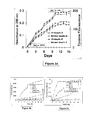
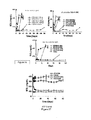
- Figure 1 shows kinetics of fibril formation at pH 2.0 and 7.0 monitored with 50 ⁇ M Th-T fluorescence of recombinant human (rH) and bovine insulin.
- Figure 3 shows Congo-Red binding studies with native insulin, supramolecular insulin assembly II (alternatively pre-amyloid insulin II), supramolecular insulin assembly III (alternatively pre-amyloid insulin III) and insulin amyloid (bovine and human).
- Figure 4 shows fourier transform infrared (FTIR) spectroscopic characterization of r-human and bovine insulin.
- FTIR Fourier transform infrared
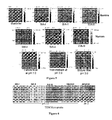
- FIG. 5 shows morphologies of supramolecular insulin assembly (alternatively pre-amyloid insulin) intermediates and insulin fibrils studied by Atomic Force Microscopy (AFM):
- Figure 6 shows negative staining TEM micrographs of insulin fibrils and the intermediates during the formation of supramolecular insulin assembly
- Figure 7 shows in vivo efficacy of supramolecular insulin assembly (alternatively pre-amyloid insulin) in glucose homeostasis.
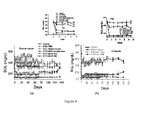
- Figure 8 shows Post-prandial blood glucose levels monitored over a period of 135 days after administration of bovine SIA-II
- Figure 9 shows Pre-prandial blood glucose levels monitored over a period of 160 days after administration of human SIA-II
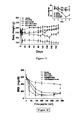
- Figure 10 shows blood glucose level monitored after administration of insulin amyloid formed at pH 2.0 and 7.0.
- Figure 11 shows body weight profile of SIA-II treated diabetic rats, diabetic control and non-diabetic control rats.
- Figure 12 shows blood glucose profile during intraperitoneal glucose tolerance test (IPGTT)
- Figure 14 shows 125 I labeled bovine insulin SIA II treatment of STZ diabetic rats
- Figure 15 shows Tricine-SDS-PAGE of serum from animals treated with labeled SIA II. Coommassie staning (left) and phosphor images (rest after left) of serum of 1-28 days after treatment either subcutaneously (upper panel) or intramuscularly (middle panel). The lower panel shows in vitro released monomers from SIA II.
- FIG. 16 shows hyperglycemic clamp studies after treatment with supramolecular insulin assembly II.
- GIR-glucose infusion rate (mg/kg/min)
- FIG 17 shows Western blot (WB) analysis of cultured adipocytes for insulin signaling cascade Adipocytes treated with (a) PBS, insulin, SIA-II, insulin released from SIA-II, (b) serum as indicated, and analysed for insulin signaling.
- WB Western blot
- Figure 18 shows male Wistar rats rendered diabetic with STZ and treated subcutaneously with supramolecular insulin assembly II (alternatively pre-amyloid insulin II) and checked for the presence of residual supramolecular insulin assembly using Congo red and the occurrence of inflammation respectively.
- supramolecular insulin assembly II alternatively pre-amyloid insulin II
- Figure 20 shows blood glucose profile of rH-insulin SIA-II treatment of rats rendered diabetic using Alloxan.
- Figure 21 shows monitoring cataract formation
- Figure 22 shows heart, kidney and liver tissue were sectioned and examined for amyloid deposition by staining with CR. Cellular morphology was also assessed using H&E Staining.Congo red Birefringence of heart kidney and liver (i-iii), Congo red stained sections (iv-vi), H&E staining of heart, kidney and liver (vii-ix).
- Figure 23 shows detection of Rat Insulin degrading enzyme (IDE) after treatment with SIA-II.
- Figure 24 shows screening for anti-insulin antibody in Rat serum treated with SIA-II.
- FIG 25 shows MTT assay for cell proliferation: MCF 7 cells were assayed for their growth kinetics by the administration of PBS, pH 7.4, human/bovine insulin (20nM), SIA II (Human/ bovine insulin), released insulin monomers from SIA II (20nM), Insulin like Growth Factor I (IGF-1) (6ng/ml).
- Figure 26 shows blood glucose level in response to various dosages of supramolecular insulin assembly administered both subcutaneously and intramuscularly in mice rendered diabetic using STZ.
- Human SIA-II injected (a) subcutaneously, (b) intramuscularly and (c) bovine SIA-II subcutaneously at indicated dosage.
- Figure 27 shows blood glucose level in response to supramolecular insulin assembly administered subcutaneously in rabbit rendered diabetic using STZ.
- Figure 28 shows blood glucose profile of Type II diabetic rats given various treatments as indicated in the figure, over a period of 35 days.
- Figure 29 shows monitoring insulin counter regulatory response using Hyperinsulinemic Euglycemic / Hypoglycemic clamp studies
- Figure 30 shows 20 % coomassie stained gel showing cleavage pattern of (i) rH insulin, (ii) SIA-I, (iii) SIA-II and (iv) SIA-III with different dilutions of 2 mg/ml Trypsin and Proteinase K.
- the present invention provides protein therapeutics for treatment of diabetes and other chronic diseases/disorders.
- the present invention particularly provides supramolecular insulin assembly (SIA), wherein the SIA comprises the insoluble and aggregated oligomeric form of insulin.
- SIA supramolecular insulin assembly
- SEA supramolecular exendin-4 assembly
- the present invention also provides the pharmaceutical compositions comprising supramolecular insulin assembly and/or supramolecular exendin-4 assembly.
- the present invention also provides the feasibility of treating Type II diabetes.
- SIA monoclonuclear insulin assembly
- SIA monoclonuclear insulin assembly
- SIA-II insoluble and aggregated oligomeric form of insulin, wherein the higher order oligomeric form of SIA-II and III, prevents the proteases to cleave them.
- Resistance of SIA-II and SIA-II to cleavage by Trypsin and Proteinase K further demonstrate the difference in the structural organization of these oligomers.
- rH Insulin and SIA-I are more susceptible to cleavage by the proteases as compared to SIA-II and SIA-III, which adopt an higher order oligomeric form resistant to protease action.
- SIA supramolecular insulin assembly
- SIA I refers to "supramolecular insulin assembly" at stage I, wherein “SIA I” comprises the insoluble and aggregated oligomeric form of insulin, wherein the oligomers consists of elongated clusters having pearl like arrangement of insulin monomer.
- SIA II refers to "supramolecular insulin assembly" at stage II, wherein “SIA II” comprises the insoluble and aggregated oligomeric form of insulin, wherein the oligomers of insulin are arranged as a linear association of the above mentioned elongated clusters, having a unique entity with a supra-oligomeric structural organization.
- SIA III refers to "supramolecular insulin assembly” at stage III, wherein “SIA III” consists of a dense, linear association of oligomeric form of insulin.
- SIA at stage III i.e. SIA III consist of about 90% of SIA-II.
- one embodiment provides a supramolecular insulin assembly (SIA) useful as protein therapeutics for the treatment of metabolic disorders selected from the group consisting of type 1, type 2 diabetes mellitus and complications thereof, wherein said assembly comprises insoluble and aggregated oligomeric form of insulin.
- SIA supramolecular insulin assembly
- a supramolecular insulin assembly useful as protein therapeutics for the treatment of metabolic disorders selected from the group consisting of type 1, type 2 diabetes mellitus and complications thereof, wherein the assembly comprises insoluble and aggregated oligomeric form of insulin as SIA I, SIA II, SIA III or combination thereof, wherein SIA I consists of elongated clusters having pearl like arrangement of insulin monomer, SIA II consists of linear association of elongated clusters having pearl like arrangement of insulin monomer and SIA III consists of about 90% SIA-II, that is a dense, linear association of insulin oligomers.
- SIA supramolecular insulin assembly
- a supramolecular insulin assembly useful as protein therapeutics for the treatment of metabolic disorders selected from the group consisting of type 1, type 2 diabetes mellitus and complications thereof, wherein the assembly comprises insoluble and aggregated oligomeric form of insulin as SIA I, wherein SIA I consists of elongated clusters having pearl like arrangement of insulin monomer.
- a supramolecular insulin assembly useful as protein therapeutics for the treatment of metabolic disorders selected from the group consisting of type 1, type 2 diabetes mellitus and complications thereof, wherein the assembly comprises insoluble and aggregated oligomeric form of insulin as SIA II, wherein SIA II consists of linear association of elongated clusters having pearl like arrangement of insulin monomer.
- a supramolecular insulin assembly useful as protein therapeutics for the treatment of metabolic disorders selected from the group consisting of type 1, type 2 diabetes mellitus and complications thereof, wherein the assembly comprises insoluble and aggregated oligomeric form of insulin as SIA III, wherein SIA III consists dense, linear association of insulin oligomers.
- One embodiment provides the supramolecular insulin assembly (SIA), wherein the insulin is recombinant human insulin, bovine or pig insulin, or mutants/analogs of insulin.
- SIA supramolecular insulin assembly
- One embodiment of the present invention provides the supramolecular insulin assembly (SIA), wherein the assembly comprises insoluble and aggregated oligomeric form of insulin, wherein the assembly release insulin at a rate ranging from about 0.2 to 0.6 IU per hour in vitro.
- SIA supramolecular insulin assembly
- SIA supramolecular insulin assembly
- the assembly comprises insoluble and aggregated oligomeric form of insulin as SIA I, SIA II, SIA III or combination thereof, wherein SIA I consists of elongated clusters having pearl like arrangement of insulin monomer, SIA II consists of linear association of elongated clusters having pearl like arrangement of insulin monomer and SIA III consists of about 90% SIA-II, that is a dense, linear association of insulin oligomers, wherein the assembly release insulin at a rate ranging from about 0.2 to 0.6 IU per hour in vitro.
- SIA supramolecular insulin assembly
- One embodiment of the present invention provides the supramolecular insulin assembly (SIA), wherein the assembly comprises insoluble and aggregated oligomeric form of insulin, wherein the assembly releases insulin at a rate ranging from 0.1 to 5.4 ng/ml, wherein rate of release of insulin is in the range of for about 7 to 180 days, in vivo.
- SIA supramolecular insulin assembly
- SIA supramolecular insulin assembly
- the assembly comprises insoluble and aggregated oligomeric form of insulin as SIA I, SIA II, SIA III or combination thereof, wherein SIA I consists of elongated clusters having pearl like arrangement of insulin monomer, SIA II consists of linear association of elongated clusters having pearl like arrangement of insulin monomer and SIA III consists of about 90% SIA-II, that is a dense, linear association of insulin oligomers, wherein the assembly releases insulin at a rate ranging from 0.1 to 5.4 ng/ml, wherein rate of release of insulin is in the range of for about 7 to 180 days, in vivo.
- SIA supramolecular insulin assembly
- One embodiment of the present invention provides the supramolecular insulin assembly (SIA), wherein the assembly comprises insoluble and aggregated oligomeric form of insulin, wherein the assembly release insulin at a rate ranging from about 0.2 to 0.6 IU per hour in vitro, wherein rate of release of insulin is in the range of 4 - 5.4 ng/ml for at least 7-10 days.
- SIA supramolecular insulin assembly
- SIA supramolecular insulin assembly
- the assembly comprises insoluble and aggregated oligomeric form of insulin as SIA I, SIA II, SIA III or combination thereof
- SIA I consists of elongated clusters having pearl like arrangement of insulin monomer
- SIA II consists of linear association of elongated clusters having pearl like arrangement of insulin monomer
- SIA III consists of about 90% SIA-II, that is a dense, linear association of insulin oligomers, wherein the assembly release insulin at a rate ranging from about 0.2 to 0.6 IU per hour in vitro, wherein rate of release of insulin is in the range of 4 - 5.4 ng/ml for at least 7-10 days.
- a supramolecular insulin assembly useful as protein therapeutics for the treatment of metabolic disorders selected from the group consisting of type 1, type 2 diabetes mellitus and complications thereof, wherein the assembly comprises insoluble and aggregated oligomeric form of insulin as SIA II, wherein SIA II consists of linear association of elongated clusters having pearl like arrangement of insulin monomer, wherein rate of release of insulin is in the range of 0.5 - 1.8 ng/ml for at least 160 days.
- a supramolecular insulin assembly useful as protein therapeutics for the treatment of metabolic disorders selected from the group consisting of type 1, type 2 diabetes mellitus and complications thereof, wherein the assembly comprises insoluble and aggregated oligomeric form of insulin as SIA III, wherein SIA III consists dense, linear association of insulin oligomers, wherein rate of release of insulin is in the range of 0.1 -0.7 ng/ml for at least 180 days.
- SIA supramolecular insulin assembly
- a supramolecular insulin assembly useful as protein therapeutics for the treatment of metabolic disorders selected from the group consisting of type 1, type 2 diabetes mellitus and complications thereof, wherein the assembly comprises insoluble and aggregated oligomeric form of insulin as SIA II, wherein SIA II consists of linear association of elongated clusters having pearl like arrangement of insulin monomer, wherein the assembly upon administration to diabetic subjects maintains near-normoglycemic level (120 ⁇ 30 mg/dl) for atleast 160 days in a subj ect in need thereof.
- SIA supramolecular insulin assembly
- SIA supramolecular insulin assembly
- SIA supramolecular insulin assembly
- One embodiment of the present invention provides a supramolecular exendin-4 assembly (SEA) useful as protein therapeutics for the treatment of diabetes, wherein the assembly comprises insoluble and aggregated oligomeric form of exendin-4.
- SEA supramolecular exendin-4 assembly
- Another embodiment of the present invention provides the supramolecular insulin assembly, wherein the assembly is a non cytotoxic, non immunogenic, non-apoptotic and non-mitogenic prodrug.
- Another embodiment of the present invention provides the supramolecular insulin assembly, wherein the assembly is a non cytotoxic, non immunogenic, non-apoptotic and non-mitogenic prodrug.
- One embodiment of the present invention provides a pharmaceutical composition for the treatment of metabolic disorders selected from the group consisting of type 1, type 2 diabetes mellitus and complications thereof, the composition comprising therapeutically effective amount of the supramolecular insulin assembly (SIA) as disclosed in the present invention.
- SIA supramolecular insulin assembly
- Another embodiment of the present invention provides a pharmaceutical composition for the treatment of metabolic disorders selected from the group consisting of type 1, type 2 diabetes mellitus and complications thereof, the composition comprising therapeutically effective amount of the supramolecular insulin assembly-II (SIA-II).
- SIA-II supramolecular insulin assembly-II
- Yet another embodiment of the present invention provides a pharmaceutical composition for the treatment of metabolic disorders selected from the group consisting of type 1, type 2 diabetes mellitus and complications thereof, the composition comprising therapeutically effective amount of the supramolecular insulin assembly (SIA) and supramolecular exendin-4 assembly (SEA).
- SIA supramolecular insulin assembly
- SEA supramolecular exendin-4 assembly
- Still yet another embodiment of the present invention provides a pharmaceutical composition for the treatment of metabolic disorders selected from the group consisting of type 1, type 2 diabetes mellitus and complications thereof, the composition comprising therapeutically effective amount of the supramolecular insulin assembly (SIA) and supramolecular exendin-4 assembly (SEA).
- SIA supramolecular insulin assembly
- SEA supramolecular exendin-4 assembly
- compositions for the treatment of metabolic disorders selected from the group consisting of type 1, type 2 diabetes mellitus and complications thereof, the composition comprising therapeutically effective amount of supramolecular exendin-4 assembly (SEA).
- SEA supramolecular exendin-4 assembly
- composition(s) disclosed in the present invention optionally comprises pharmaceutically acceptable carriers, additives or diluents.
- composition(s) disclosed in the present invention is administered intramuscularly, intradermally or subcutaneously.
- composition(s) disclosed in the present invention is administered through a device capable of releasing the said composition, wherein said device is selected from a group consisting of pumps, catheters, patches and implants.
- SIA supramolecular insulin assembly
- the process comprising dissolving insulin at a temperature of about 25 to 60°C in a solution having pH in the range of about 1.5 to 7.8; and incubating the above for a period of about 6 to 48 hours with constant shaking to obtain Supramolecular Insulin Assembly (SIA), wherein SIA comprises insoluble and aggregated oligomeric form of insulin
- SIA supramolecular insulin assembly
- SEA supramolecular exendin-4 assembly
- the process comprising dissolving exendin-4 at a temperature of about 25 to 60°C in a solution having pH in the range of about 2.0 to 7.6; and incubating the above for a period of 6 to 192 hours with constant shaking to obtain Supramolecular Exendin-4 Assembly (SEA), wherein SEA comprises insoluble and aggregated oligomeric form of Exendin-4
- SEA comprises insoluble and aggregated oligomeric form of Exendin-4
- the process of preparation of supramolecular exendin-4 assembly disclosed in the present invention further comprises washing the SEA with PBS; and re-suspending the washed SEA in PBS.
- SEA supramolecular exendin-4 assembly
- SIA supramolecular insulin assembly
- the solution is selected from a group consisting of hydrochloric or acetic acid in water having pH in the range of about 1.5 to 2.5; sodium acetate buffer having pH in the range of about 3.5 to 5.5; phosphate buffer (PBS) having pH 6-7.5, and citrate buffer having pH in the range of about 4 to 6.
- PBS phosphate buffer
- SEA supramolecular exendin-4 assembly
- SEA supramolecular exendin-4 assembly
- One embodiment of the present invention relates to a method for treating metabolic disorders selected from the group consisting of type 1, type 2 diabetes mellitus and complications thereof, wherein the method comprising administering to a subject in need thereof a therapeutically effective amount of the pharmaceutical composition comprising the supramolecular insulin assembly, which is effective for the alleviation of the disorder.
- Yet another embodiment of the present invention provides a method for treating metabolic disorders selected from the group consisting of type 1, type 2 diabetes mellitus and complications thereof, wherein the method comprising administering to a subject in need thereof a therapeutically effective amount of the pharmaceutical composition comprising the supramolecular insulin assembly-II (SIA-II), which is effective for the alleviation of the disorder.
- SIA-II supramolecular insulin assembly-II
- Still yet another embodiment of the present invention provides a method for treating metabolic disorders selected from the group consisting of type 1, type 2 diabetes mellitus and complications thereof, wherein the method comprising administering to a subject in need thereof a therapeutically effective amount of the pharmaceutical composition comprising the supramolecular exendin-4, which is effective for the alleviation of the disorder.
- Still yet another embodiment of the present invention provides a method for treating metabolic disorders selected from the group consisting of type 1, type 2 diabetes mellitus and complications thereof, wherein the method comprising administering to a subject in need thereof a therapeutically effective amount of the pharmaceutical composition comprising the supramolecular insulin assembly and supramolecular exendin-4 assembly, which is effective for the alleviation of the disorder.
- supramolecular insulin assembly for the treatment of metabolic disorders selected from the group consisting of type 1, type 2 diabetes mellitus and complications thereof.
- supramolecular exendin-4 assembly for the treatment of metabolic disorders selected from the group consisting of type 1, type 2 diabetes mellitus and complications thereof.
- supramolecular insulin assembly in combination with supramolecular exendin-4 assembly for the treatment of metabolic disorders selected from the group consisting of type 1, type 2 diabetes mellitus and complications thereof.
- SIA supramolecular insulin assembly
- FTIR Fourier Transform infrared spectroscopy
- the present invention provides the supramolecular insulin assembly (SIA), wherein the insulin is recombinant Human insulin.
- SIA supramolecular insulin assembly
- the present invention provides the supramolecular insulin assembly (SIA), wherein the insulin is human, bovine or pig insulin.
- SIA supramolecular insulin assembly
- SIA supramolecular insulin assembly
- the present invention provides the supramolecular protein assembly, wherein the peptide in assembly is coupled with a small molecule drug.
- One embodiment of the present invention provides the supramolecular protein assembly disclosed in the present invention acts as a prodrug
- the pharmaceutical composition disclosed in the present invention comprises pharmaceutically acceptable carriers, additives or diluents.
- the pharmaceutical composition disclosed in the present invention is administered intramuscularly or subcutaneously.
- the pharmaceutical composition disclosed in the present invention is administered through a device capable of releasing the composition, wherein the device is selected from a group consisting of pumps, catheters and implants.
- composition disclosed in the present invention wherein single dose of the composition upon administration releases said protein for prolonged period.
- the process of preparation of supramolecular insulin assembly disclosed in the present invention comprises incubation of the insulin in the solution for 10 hours.
- the process of preparation of supramolecular protein assembly disclosed in the present invention comprises incubation of the protein in the solution for 6-192 hours.
- composition as disclosed in the present invention, wherein the composition is administered intramuscularly, intra-peritonealy or subcutaneously.
- the present invention provides a composition comprising of the supramolecular insulin assembly (SIA) which is stable, protease resistant and has longer shelf life.
- SIA supramolecular insulin assembly
- the present invention provides a composition comprising of the exendin-4 assembly (SEA) which is stable, protease resistant and has longer shelf life.
- SEA exendin-4 assembly
- the present invention provides a composition comprising of the supramolecular insulin assembly (SIA) which is stable, protease resistance and has longer shelf life ranging from about 10 days to 150 days or more.
- SIA supramolecular insulin assembly
- the present invention provides a composition comprising of the supramolecular exendin-4 assembly (SEA) which is stable, protease resistance and has longer shelf life ranging from about 10 days to 150 days or more.
- SEA supramolecular exendin-4 assembly
- terapéuticaally effective amount refers to an amount of a therapeutic agent to treat, ameliorate, or prevent a desired disease or condition, or to exhibit a detectable therapeutic or preventative effect.
- the precise effective amount for a subject will depend upon the subject's size and health, the nature and extent of the condition, and the therapeutics or combination of therapeutics selected for administration. The effective amount for a given situation is determined by routine experimentation and is within the judgment of the clinician.
- an effective dose of SIA will generally be from about 0.1 mg/kg to about 1.0 mg/kg, or about 0.2 mg/kg to about 2.0 mg/kg or about 0.5 mg/kg to about 3.0 mg/kg of the compositions of the present invention in the subject to which it is administered.
- a pharmaceutical composition can also contain a pharmaceutically acceptable carrier.
- pharmaceutically acceptable carrier refers to a carrier for administration of a therapeutic agent, such as antibodies or a polypeptide, genes, and other therapeutic agents. The term refers to any pharmaceutical carrier that does not itself induce the production of antibodies harmful to the individual receiving the composition, and which can be administered without undue toxicity.
- Suitable carriers can be large, slowly metabolized macromolecules such as proteins, polysaccharides, polylactic acids, polyglycolic acids, polymeric amino acids, amino acid copolymers, and inactive virus particles. Such carriers are well known to those of ordinary skill in the art.
- Pharmaceutically acceptable carriers in therapeutic compositions can include liquids such as water, saline, glycerol and ethanol.
- the therapeutic compositions are prepared as injectables, either as liquid solutions or suspensions; solid forms suitable for solution in, or suspension in, liquid vehicles prior to injection can also be prepared.
- Liposomes and neosomes are included within the definition of a pharmaceutically acceptable carrier.
- Pharmaceutically acceptable salts can also be present in the pharmaceutical composition, e.g., mineral acid salts such as hydrochlorides, hydrobromides, phosphates, sulfates, and the like; and the salts of organic acids such as acetates, propionates, malonates, benzoates, and the like.
- compositions can be prepared in various forms, such as granules, tablets, pills, suppositories, capsules, suspensions, salves, lotions and the like.
- Pharmaceutical grade organic or inorganic carriers and/or diluents suitable for oral and topical use can be used to make up compositions containing the therapeutically-active compounds.
- Diluents known to the art include aqueous media, vegetable and animal oils and fats. Stabilizing agents, wetting and emulsifying agents, salts for varying the osmotic pressure or buffers for securing an adequate pH value, and skin penetration enhancers can be used as auxiliary agents.
- compositions disclosed in the present invention comprise supramolecular protein assemblies of the relevant/applicable therapeutic proteins and are applicable for treatment of a number of chronic diseases and acute symptoms.
- compositions disclosed in the present invention comprises oligomers of therapeutic proteins particularly the supramolecular assembly of a protein for sustained release of the protein.
- Some widely-used biopharmaceuticals such as insulin, glucagon, and calcitonin can be induced to form amyloids.
- amorphous aggregates formed as a prelude to amyloid formation gain new properties such as enhanced stability, protease resistance, self-propagation, longer shelf life, highly organized structure and can serve as a concentrated compact source of pure molecules.
- the supramolecular insulin assemblies disclosed in the present invention exist with in a defined structure having both ⁇ -helical and ⁇ -sheet components.
- the adoption of the above mentioned unique structure results in a change in its solubility and its structure from the native insulin molecules in solution.
- release of insulin monomers from this supramolecular structure are biologically active and thus resemble the native insulin structure.
- Novel dissolution properties are conferred upon this supramolecular structure formed, which acts as a prodrug, as by itself viz. In its prodrug form it was found that it has no action or effect on the signaling events or glucose homeostasis of the insulin sensitive fat cells. It is transformed into a drug by the release of insulin monomers from the depot or site of injection in vivo. Both in vitro and in vivo results demonstrate the uniqueness of the formulation to release bioactive insulin molecules showing an effect on the glucose homeostasis and other clinical parameters usually assessed for type I and II diabetes.
- the present invention provides a composition comprising supramolecular insulin assembly useful in the treatment of diabetes mellitus.
- Supramolecular insulin is a hybrid of amorphous and nascent fibrillar oligomers of insulin and serves as a sustained release formulation for the release of bioactive insulin.
- the glucose regulatory hormone insulin is a 51 residue polypeptide that exists in equilibrium as a mixture of different oligomeric states, including hexamers, dimers and monomers, depending on the environment.
- pancreatic secretary vesicles insulin is stored as a hexamer at physiological pH, whereas it interacts with its receptor as a monomer. Under denaturing conditions, such as low pH or in the presence of strong denaturants, insulin aggregates to form amyloid fibrils ( Paul Bevan Insulin signalling. J. Cell Sci., 114, 1429-1430 (2001 )).
- the supramolecular oligomers of insulin disclosed in the present invention is prepared at a pH ranging from 6.8 to 7.8 preferably 7.2.
- the present invention provides a composition comprising supramolecular insulin assembly capable of sustained release of insulin monomers.
- the composition comprising a given supramolecular insulin assembly (viz SIA I, II, III or a combination thereof) is useful for achieving better glycemic control.
- the present invention provides insulin oligomers, supramolecular insulin assembly II that is useful in achieving tighter glycemic control by achieving a sustained release of insulin.
- Supramolecular insulin assembly II when administered subcutaneously or intramuscularly maintains a basal level of insulin in STZ induced diabetic rat for a prolonged period ranging from about 10 days to 180 days or more, while simultaneously keeping a tight glycemic control, thus affording a long lasting treatment against diabetes mellitus.
- one embodiment provides a composition comprising supramolecular insulin assembly II that causes a sustained release of insulin monomers ranging between 0.5-1.5 ng/ml and lasts about at least 180 days when administered intramuscularly or subcutaneously.
- composition comprising supramolecular insulin assembly II wherein the amount of insulin monomer released from the supramolecular insulin assembly II is in the range of 0.5-1.5 ng/ml in serum.
- the in-vivo effect of the composition comprising supramolecular oligomers of insulin on controlling blood glycemic levels have been verified using STZ induced diabetic rats.
- Another embodiment of the present invention provides the dosage of the composition comprising supramolecular insulin assembly wherein the dosage ranging from about 50 ⁇ g to about 400 ⁇ g of insulin was monitored for the experimental time period.
- Another embodiment of the present invention provides the dosage of the composition comprising supramolecular insulin assembly wherein the dosage is 200 ⁇ g of insulin.
- Another embodiment of the present invention provides the dosage of the composition comprising supramolecular insulin assembly wherein the dosage is 100 ⁇ g of insulin.
- composition comprising the supramolecular insulin assembly, wherein the composition does not elicit insulin degrading enzyme activity (IDE) in and around the site of injection for a time period ranging from about 10 days to 180 days or more.
- IDE insulin degrading enzyme activity
- the present invention provides a composition comprising of the supramolecular insulin assembly which is stable, protease resistance and has longer shelf life ranging from about 10 days to 150 days or more.
- composition comprising the supramolecular insulin assembly which is capable of releasing insulin monomers in a controlled manner for a long period of time without any burst of rapid release.
- the kinetics of transformation can be controlled both in vivo and in vitro.
- composition comprising the supramolecular insulin assembly disclosed in the present invention can be used as a single dose having long lasting effect that frees the patients from the need to administer multiple doses of insulin every day.
- composition comprising the supramolecular insulin assembly disclosed in the present invention does not exhibit an abrupt large release of insulin thwarting hypoglycemic stage in diabetic subjects.
- composition comprising the supramolecular insulin assembly disclosed in the present invention is capable of releasing insulin monomers at a constant rate both in vitro and in vivo.
- the higher oligomeric stage of the supramolecular insulin assembly achieves a tightly regulated glycemic control without fasting hypoglycemia in diabetic subject.
- the higher oligomeric stage of the supramolecular insulin assembly achieves a tightly regulated glycemic control without fasting hypoglycemia in Type 1 diabetic subject.
- the higher oligomeric stage of the supramolecular insulin assembly achieves a tightly regulated glycemic control without fasting hypoglycemia in Type 2 diabetic subject.
- no lag phase is found in the release of bioactive insulin monomers from the supramolecular insulin assembly II in the Intraperitoneal Glucose Tolerance Test (IPGTT) blood glucose profile of the subject, similar to the administration of free insulin.
- IPGTT Intraperitoneal Glucose Tolerance Test
- insulin released from the supramolecular insulin assembly II is equivalent in biological function to soluble insulin.
- toxicity of the supramolecular insulin assembly is ruled out by performing biological assays for Serum glutamate oxalo-acetate transaminase (SGOT), serum glutamate pyruvate transaminase (SGPT), total Bilirubin, Bilirubin, Alkaline Phosphatase, Serum total proteins, Serum Albumin, Serum Globulin, Serum A/G ratio, Kidney function test (KFT), Cataract Formation, Adipose Tissue weight, Body Weight and appearance.
- SGOT Serum glutamate oxalo-acetate transaminase
- SGPT serum glutamate pyruvate transaminase
- total Bilirubin Bilirubin
- Alkaline Phosphatase Serum total proteins
- Serum Albumin Serum Albumin
- Serum Globulin Serum Globulin
- Serum A/G ratio Serum A/G ratio
- Kidney function test KFT
- the rate of glucose infusion remains the same in treated animals. This concludes that the monomers released from the depot at the site of injection are biologically active and stimulate the muscles and the liver to take up glucose.
- MTT assay was performed on MCF 7 cells to validate the unchanged structural and binding dynamics of the insulin monomers, released from SIA II.
- male Wistar rats were rendered diabetic using another chemical compound Alloxan. These diabetic rats were further treated with SIA II and showed similar result to that of STZ induced diabetic rat. A tight glycemic control was observed.
- C57BL/6 mice were made diabetic using streptozotocin, thereafter treated with SIA II, also showed normo-glycemic levels.
- the supramolecular insulin assembly is a stable depot useful for the controlled release of active peptide drugs from the supramolecular insulin assembly termini.
- the supramolecular insulin assembly II is capable of affording a long lasting treatment against diabetes.
- the insulin used for preparation of supramolecular insulin assembly is preferably recombinant human insulin, bovine and pig insulin.
- composition comprising the supramolecular insulin assembly I and II (SIA I and II) or a combination thereof, disclosed in the present invention is capable of lowering blood glucose levels in animal subjects treated with streptozotocin to induce type II diabetes.
- SIA I which releases insulin monomers at a faster rate was administered to rats suffering from Diabetes Mellitus Type II (DM II).
- SIA II was also administered to DM II rats for the treatment.
- diabetic rats treated with both SIA I and II showed near normoglycemic levels bordering on the higher side, in both pre-prandial and post-prandial (180 ⁇ 15 mg/dl) states.
- the dosage of SIA II injected was 150 ⁇ g in two places, both subcutaneously and intramuscularly.
- Another embodiment of the present invention demonstrates the ability of SIA I and II to maintain near normoglycemic levels for upto 30 days.
- Exendin 4 administered along with insulin therapy was able to maintain near normoglycemic levels (135 ⁇ 10 mg/dl) for upto 45 days, and was a better formulation for treating DM II.
- SIA III which releases insulin monomers but at a very slow rate (0.05-0.3 ng/ml) which can be useful in the treatment of borderline diabetic patients, viz prediabetic or subjects with poor prognosis in glucose tolerance tests, who require very little amount of insulin as a therapy.
- the level of human insulin detected in the serum of diabetic rats is about 0.7-0.85 ng/ml.
- various serum parameters were estimated, such as triglycerides (TAG), free fatty acids (FFA), to demonstrate the effectiveness of the treatment.
- TAG triglycerides
- FFA free fatty acids
- the level of TAG in the serum was in the range of 0.45-0.6 mmol/l for the Exendin 4 treated rats, which is almost same to the control.
- the FFA levels in the serum was estimated to be about 0.85-0.9 mmol/l for the Exendin 4a treated rats, which is almost same to the control.
- the increase in the body weight of the treated animals was almost same as that of control rats.
- the current methodology can be extended to those chronic and inflammatory diseases where a sustained and continuous therapy is required using peptides, proteins or small molecules.
- Example 1 and 2 of the present invention provides a process for preparation of supramolecular insulin assembly II.
- the figure 1 provides details of the insulin (both human and bovine) fibril formation monitored by using Thioflavin T (Th-T) fluorescence ( Le Vine, H. Quantification of ⁇ -Sheet Amyloid Fibril Structures with Thioflavin T. Methods Enzymol 309, 274-284 (1999 )). Fibril formation by bovine insulin was noted by acquisition of Th-T fluorescence, when the insulin was agitated at 180 rpm at 37°C, both at pH 7.0 (50 mM PBS) and pH 2.0 (hydrochloric acid in water) ( Fig 1 ).
- Th-T fluorescence occurred due to its binding to insulin fibrils reaching a maximum value at 48 hrs for insulin incubated at pH 7.0, while at pH 2.0 the fibril formation is rapid and therefore, Th-T fluorescence attained a maximum value at 20 hr.
- Fig 1 compares the fibril formation by both bovine and human insulin.
- Example 3 of the present invention provides kinetics of the release of insulin monmers from supramolecular insulin assembly-II.
- the supramolecular insulin assembly form of insulin acts as a reservoir for the sustained release of insulin monomer for a long time ( Fig 2a ).
- the release of insulin monomers from its amyloid and various supramolecular assemblies of insulin were noted and is depicted by Fig 2b & c.
- the fully formed amyloid fibers release negligible insulin irrespective of pH.
- supramolecular insulin assembly intermediates, particularly, supramolecular insulin assembly II release insulin at a very slow rate suggesting that these oligomers are sturdy and tightly associated.
- the pH 7.0 intermediate (termed supramolecular insulin assembly II), exhibiting a turbidity of 0.9-1.3 at 600 nm, release insulin at an appreciable rate.
- a bell shaped curve was observed ( Fig 2d ). This demonstrates the reversibility of the oligomer formation procedure and the existence of equilibrium between free insulin and SIA.
- the tyrosine fluorescence of the released sample corroborated these observations as is provided in Fig 2a .
- the insulin amyloid intermediate, supramolecular insulin assembly II (alternatively called insulin pre-amyloid II) meets the requirement of a sustained release of 2-4 ⁇ M (0.4-0.6 IU) of insulin monomers per hour in vitro, thereby achieving a constant yet slow release in vivo for maintaining basal insulin levels in the body.
- Example 4 provides characterization of supramolecular insulin assembly using Congo-Red (CR) binding ( Klunk, W.E., Jacob, R.F. & Mason, R.P. Quantifying amyloid by Congo red spectral shift assay. Methods Enzymol 309, 285-305 (1999 )). Like Th-T, CR also binds specifically to the ⁇ -sheet rich structures of amyloid and has been used routinely for their detection. CR binding to samples incubated with 50 M CR in PBS for 1h at 37°C was monitored by the red shift in its absorption maximum by scanning 400-600 nm regions. Figure 3 provides that the supramolecular insulin assembly (rH and bovine) exhibits weak binding to CR, whereas fully grown fibers at pH 2.0 and 7.0 showed significant binding.
- CR Congo-Red
- Example 5 provides tyrosine fluorescence study.
- Example 6 provides Fourier Transform infrared spectroscopy study.
- Supramolecular insulin assembly I, II and III were also characterized using ATR-FTIR. Distinct spectra corresponding to each stage was observed ( Fig. 4 ). A shift of the IR band towards lower frequencies is observed.
- Supramolecular insulin assembly II has a sharp peak at 1647-1645 cm-1, while the fully formed insulin fibril (amyloid) has a peak at 1630-1628 cm-1 for bovine and rH insulin respectively.
- the FTIR spectra of Supramolecular insulin assembly II is in good agreement with the CR data showing that the protein is still largely helical, albeit with an increase in the content of random coil structure.
- Morphology of fibers formed at pH 2.0 and 7.0 were assessed by Atomic Force Microscopy (AFM) and Transmission Electron Microscopy (TEM) as provided in Example 7 and 8 respectively.
- Native insulin molecules both bovine and rH
- TEM Transmission Electron Microscopy
- Native insulin molecules both bovine and rH
- TEM Transmission Electron Microscopy
- Fig.5(i) the dimension of insulin monomers (1.11 nm) and dimers (1.49 nm)
- Fig.5(i) Intermediates of the fibrilization process at pH 7.0 are shown in Fig. 5 (ii-iv) for bovine insulin and Fig 5 (v-vi) for rH insulin.
- SIA-I represent elongated clusters having a pearl-like arrangement.
- SIA-II In between, there are some elongated linear particles with 12 ⁇ 2 nm heights, suggesting further association into higher oligomeric states.
- the SIA-II intermediate is seen as a linear association of the above mentioned elongated clusters in case of both bovine and rH insulin, having a unique entity with a supra-oligomeric structural organization.
- SIA-III (fibril stage succeeding SIA-II) showed an increase in density of higher oligomeric structures.
- Fully grown fibers at pH 7.0 represent the typical cross ⁇ structure of insulin amyloid ( Fig. 5 (vii)).
- Example 8 provides Transmission Electron Microscopy (TEM) to assess the presence of the possible assemblies of insulin.
- TEM micrographs shows the presence of some amorphous and higher oligomeric structures in the supramolecular insulin assembly II stage ( Fig 6i ).
- the stages after supramolecular insulin assembly II ( Fig 6 (ii) ) have more fibrillar structure as shown in ( Fig 6 (iii & iv)).
- Example 9 provides details of the animal models used for studying the effectiveness of insulin amyloid and supramolecular insulin assembly forms.
- the authors have used four different diabetes models for testing the hypothesis and the therapeutic potential of SIA, in the treatment of diabetes, namely, (a) STZ treated rats, (b) Alloxan treated rats and (c) STZ treated mice (d) STZ rabbit
- a single dose of 50 and 100 ⁇ g of supramolecular insulin assembly maintained near-normoglycemic levels up to only 10 and 30 days respectively, compared to 135 and 160 days when 200 ⁇ g supramolecular insulin assembly, both bovine and human respectively was used.
- 400 ⁇ g dosage sudden non-fasting normoglycemia and fasting hypoglycemia was observed irrespective of the route used, suggesting release of an initial bolus of a basal level of insulin monomer from the SIA depot of bovine insulin.
- the usage of 200 ⁇ g of supramolecular insulin assembly as a therapeutic dosage was chosen for the detailed long term prospective studies.
- Example 10 provides the treatment of the diabetic animals with supramolecular insulin assembly form of insulin.
- the STZ-induced diabetic rats assigned to multiple groups were treated with insulin (4 IU/kg, IP), supramolecular insulin assembly (200 ⁇ g both SC and IM), respectively, to study the in vivo effect of the supramolecular insulin assembly therapy on controlling blood glycemic levels.
- one group of PBS treated diabetic rats and another group of normal rats served as diabetic and non-diabetic control.
- the pre-prandial and post-prandial blood glucose levels of the rats were monitored for a period till the physiological effect of insulin was observed.
- Fig 8a &b treatment with 200 ⁇ g of supramolecular insulin assembly maintained the basal level of insulin by the sustained and slow release of insulin monomers from supramolecular insulin assembly depot in STZ-induced diabetic rats, leading to a significant reduction in the non-fasting blood glucose levels without fasting hypoglycemia ( Fig 9a &b).
- No significant difference was observed whether supramolecular insulin assembly was injected via subcutaneous or intramuscular route.
- free insulin viz. in its normal counterpart; non-supramolecularly organized form
- daily blood glucose was reduced to a non-fasting value of 350-450 mg/dl and fasting 300-400 mg/dl only.
- Diabetic rats were given insulin intraperitoneally everyday maintained hyperglycemic blood glucose levels (300 ⁇ 100 mg/dl). In contrast to free insulin treatment, where daily dose was required to keep blood glucose from plummeting to very high levels, single injection of supramolecular insulin assembly was sufficient for achieving near-normoglycemia levels (150 ⁇ 60 mg/dl) in diabetic rat for 3 months without fasting hypoglycemia (90 ⁇ 50 mg/dl). Similar results were obtained with supramolecular insulin assembly formed from human insulin, as depicted in Fig 8b &9b. Administration of insulin amyloid, formed at pH 7.0 and 2.0, had no beneficial effect on the glycemic status of diabetic rats, as evident from Fig 10 .
- Example 11 provides intraperitoneal glucose tolerance test to assess the efficacy of supramolecular insulin assembly to release insulin in a continuous manner.
- the in vivo release of insulin was monitored.
- the biological activity of the released monomer was estimated by blood glucose disposal from the blood.
- the details of the independent experiments performed are shown in Fig 12 .
- the glucose levels were determined before (T0) and 30, 90, 150, 270 and 330 min after glucose administration to fasting normal and STZ treated rats, upon treatment with PBS, supramolecular insulin assembly II and insulin.
- insulin injection, supramolecular insulin assembly II treatment or in vitro released monomers alone significantly improved the glucose tolerance test in treated animals, and their elevated blood glucose levels after the glucose infusion returned to the pre challenged levels within 1.5 hrs.
- Example 12 describes serum insulin quantification of bovine and rH insulin on administering supramolecular insulin assembly ( Figure 13 a) .
- Serum insulin was detectable upto a period of 150 and 180 days for bovine and rH insuline SIA-II, respectively, which corresponded to a decrease in BGL.
- the decrease in blood glucose levels was sustained up to a period of 150 and 180 days for bovine and rH insuline SIA-II, respectively, maintaining near normal glucose values for more than 20-25 weeks with a single dose of the supramolecular insulin assembly II.
- Solid state ELISA was performed to quantify the plasma levels of insulin released from the insulin SIA II, which is responsible for the maintenance of normal blood glucose values.
- basal or slightly above basal level insulin release was achieved in case of supramolecular insulin assembly treated diabetic rats (0.5-1.2 ng/ml) compared to non-detectable insulin level (0.08 ng/ml) in PBS treated diabetic rats ( Fig 13 a&c).
- a sustained release of insulin (0.8-1.1 ng/ml) was observed from the day of injection up to 150-180 days irrespective of the route, which contributed to near-normoglycemic values in the supramolecular insulin assembly treated animals. While some variation was seen from animal to animal, remarkable values of insulin release could be achieved ranging from 0.5-1.2 ng/ml. This basal level was enough to maintain normo-glycemic levels up until the exhaustion of the supramolecular insulin assembly.
- Fig 13b describes the bovine insulin values in the serum of rats up to 270 min in IPGTT experiments. In case of both control and STZ treated rats given PBS only, the bovine insulin value is almost negligible ( Fig 13b ). Whereas, in case of insulin administration, the insulin values increases to ⁇ 0.9 ng/ml in 30 min, and then decreases over a period of time. Similar profile was observed when terminally released insulin which is equivalent to free insulin was used.
- Example 13 provides I125 labeling of insulin to validate and quantify the in vitro release from the termini of SIA II.
- Supramolecular insulin assembly II formed from labeled insulin has a specific activity of 49912 CPM/ml/ ⁇ g.
- 50 ⁇ l of supramolecular insulin assembly (4991200 CPM) was injected subcutaneously as well as intramuscularly and blood glucose levels were monitored and serum samples were collected at 0, 30 min, 1h, 4h, 10h, 24 hrs, thereafter once a day, and then on alternate days or once in a week. Counts in per ml of serum were measured ( Fig 14a ). As shown, blood glucose profile was same as observed with unlabeled SIA II.
- the CPM/ml calculated remained almost constant ( Fig 14a ) when plotted against number of days of treatment. However there was an initial high count at 30 min- 4 hrs, which then gradually decreased to constant level of 2000-3000 in 10 hrs.
- the amount of insulin released in blood was calculated and was in the range of 0.5-1.2 ng/ml which corresponds to the basal or slightly above basal level of insulin in the serum as observed with ELISA ( Fig 14b ).
- serum of different time points were resolved on tricine-SDS-PAGE and radiogram was developed using the phosphor imager.
- the band in serum corresponds to free insulin monomer and its intensity remained constant for a long period when equal amount of serum was loaded.
- a decrease in intensity was observed after 20 days showing usage and depletion of the supramolecular insulin assembly depot over a period of time together with some effect of the decay of the radio-label itself.
- Example 14 describes hyperglycemic clamp studies performed to assess the slow and continuous release of insulin monomers from the injected SIA II. At one week, one month and three month time interval, the rate of glucose infused for maintaining hyperglycemic state remained unchanged during the course of the experiment. This shows that there is constant insulin release from the depot at the site of injection. In case of the group being administered free insulin, the amount of glucose infused decreases over time, which is due to a decrease in the uptake of blood glucose by muscle and liver in the absence of continuous supply of free insulin ( Figure 16 a-c ).
- Example 15 provides the effect of insulin on glucose transport and other metabolic events in adipose tissues by performing primary culture of rat adiposites that are mediated by intracellular signaling cascades which start after insulin binds to insulin receptors on cell surface ( Paul Bevan Insulin signaling. J. Cell Sci., 114, 1429-1430 (2001 )).
- the effect of insulin in the cell is mediated by the activation of intracellular mediators like PI3K, AKT and ERK.
- PI3 kinase and Akt mediates insulin induced glucose uptake and GLUT-4 vesicle translocation to the plasma membrane and is involved in various other insulin effects including inhibition of lipolysis and activation of fatty acid, glycogen, protein and DNA synthesis.
- ERK extracellular signal-regulated kinase
- ERK 2 The phosphorylation of ERK 2 was two fold higher than ERK 1 suggesting more expression of ERK 2 on treatment. There were no significant difference in phosphorylation pattern of ERK 1/2 in SIA, insulin or serum treated cells. Therefore the ERK phosphorylation in supramolecular insulin assembly II and insulin treated cells were similar in the context of PI3K, Akt and GSK3 ⁇ mediated signaling. Similar activation of signaling mediators was observed, when serum from insulin or its SIA-II treated animals was added to cultured adipocytes ( Fig. 17b ). Together these data demonstrate that insulin released from supramolecular insulin assembly II is able to activate the insulin signaling pathway in adipocytes as insulin itself. The effects observed are even better as insulin in its monomeric form is released predominantly from its supramolecular insulin assembly.
- Example 16 describes Western blot analyses of insulin, supramolecular insulin assembly and in vitro released insulin (monomers) and serum from rats treated with insulin, supramolecular insulin assembly and PBS.
- Example 17 describes histology and immunohistochemistry details of supramolecular insulin assembly of insulin.
- the diabetic rats treated with supramolecular insulin assembly were monitored for the presence of residual amount of supramolecular insulin assembly from the day of injection from one week to 12 weeks.
- Supramolecular insulin assembly deposits in subcutaneous as well as muscle tissues were detected using Congo red.
- Subcutaneous and muscle tissue sections were prepared, stained and analyzed as described in materials and methods. Tissues obtained after 24h of supramolecular insulin assembly injection were found to bind with Congo red effectively, confirming the presence of higher amounts of supramolecular insulin assembly fibrils ( Fig 18 ).
- Amyloid formed at pH 2.0 binds congo red dye very efficiently as seen in fig 19b , when injected subcutaneously. Moreover there is no decrease in the depot corroborating the data that no release of insulin monomers takes place from the fully formed amyloid ( Fig 19b i-viii ).
- Example 18 describes alloxan model of diabetes.
- Male wistar rats were rendered diabetic using alloxan and their blood glucose levels were monitored.
- Administration of supramolecular insulin assembly II to diabetic rats lowered the blood glucose level to near normoglycemic levels, and maintained a tight glycemic control for upto >120 days, in both pre-prandial and post-prandial conditions ( Fig 20 a&b).
- Serum insulin quantification was done using ELISA. From the day of injection, a sustained and constant release of human insulin is observed in the serum of the treated rats (0.5-0.9 ng/ml) ( Fig 20c ).
- the physiologic effect seen by the lowering of the glucose levels in diabetic rat is due to the continuous release of insulin monomers from the SIA-II depot formed at the site of injection.
- Example 19 Reduction of secondary complications related to hyperglycemia in type I diabetes: In type-1 diabetes, insufficient supply of insulin leads to increased protein degradation in skeletal muscles and lipolysis in adipocytes. Diabetic rats showed a marked decrease in skeletal muscle ( ⁇ 20-40%) and abdominal fat (>60%) ( Nathan, D. M., Cleary, P. A., Backlund, J. Y., et al. Intensive diabetes treatment and cardiovascular disease in patients with type 1 diabetes. N. Engl. J. Med. 353, 2643-53 (2005 )). In contrast, supramolecular insulin assembly treated diabetic animals had normal weight for these tissues and were healthy. Development of cataract in diabetic rats as well as in insulin treated ones were observed ( Fig 21 ).
- Example 20 provides the details of detection of insulin degrading enzyme (IDE) and screening of antibodies against insulin.
- Subcutaneous resistance to insulin in Type-1 diabetes is a rare syndrome ( Paulsen, E.P., Courtney, J.W. & Duckworth, W.C. Insulin resistance caused by massive degradation of subcutaneous insulin. Diabetes 28, 640-645 (1979 ) and Freidenberg, G.R., White, N., Cataland, S., O'Dorisio, T.M., Sotos, J.F. & Santiago, J.V. Diabetes responsive to intravenous but not subcutaneous insulin: effectiveness of aprotinin, N. Engl. J. Med.
- IDE degrades insulin specifically ( Duckworth, W.C., Bennett, R.G. & Hamel, F.G. Insulin degradation: progress and potential, Endocr. Rev. 19, 608-624 (1998 )) and the partially degraded insulin is reabsorbed into the circulation with increased immunogenicity but no biological activity.
- IDE is present in insulin responsive tissues and in insulin insensitive cells such as monocytes and lymphocytes.
- IDE activity was negligible in all the serum samples (1-12 weeks) from supramolecular insulin assembly treated animals ( Fig 23 ). Similarly there was no presence of anti-insulin antibodies even after 12 weeks of treatment, supporting the absence of IDE activity ( Fig 24 ).
- MTT assay on MCF 7 cell lines was performed.
- the proliferation of MCF 7 cells, when SIA was added to the culture was similar to that of those cells to which native insulin was added.
- the released monomers from the SIA II formed also showed the same kinetics of cell proliferation.
- Insulin like growth factor I was used as a positive control for the proliferation of MCF 7 cells ( Fig 25 ).
- Insulin and IGF 1 have similar structure, and in the absence of the other, each can bind to the other receptor. But whereas IGF 1 is mitogenic, insulin upon binding to insulin receptor or IGF receptor does not cause proliferation of cells.
- the monomers released from SIA II have the same binding kinetics as that of native insulin, and do not undergo any structural change.
- Example 21 describes Streptozotocin model for induction of diabetes in mice. Dose response for human and bovine SIA in mice rendered diabetic using STZ. The administration of various dosage 20, 50, 100 and 200 ⁇ g of respective SIA to diabetic mice maintained the normo/near-normo glycemia for 5, 15, 30, 120 days respectively ( Fig 26 a-c ).
- Example 22 describes Streptozotocin model for induction of diabetes in rabbit.
- the administration of 1mg/kg body weight of rH-insulin SIA-II to diabetic rabbit maintained the normo/near-normo glycemia for atlest 80 days ( Fig 27 ).
- Example 23 provides details of the experiments carried out with supramolecular insulin assembly along with Exendin 4.
- supramolecular insulin assembly or exendin 4 was administered.
- the therapy administered was able to lower blood glucose levels and maintain at near normoglycemic levels in diabetic rats upto >30 days ( Fig 28 ).
- the levels of TAGs and FFA also remained near about normal as compared to only insulin or PBS treated rats, where the levels increased up to 1.5 fold in the serum as shown in Table 2.
- the supramolecular insulin assembly formulation of the present invention shows surprising result of release of insulin monomers for a long period. Further, the supramolecular insulin assembly II of the present invention does not exhibit an abrupt large release of insulin; thwarting hypoglycemic stage in STZ treated diabetic rats. To validate the above unexpected result the intermediates of insulin supramolecular assembly II obtained during insulin fibrilization process at pH 7.0 was assessed. The intermediate supramolecular insulin assembly II is found to release insulin monomers at a constant rate for long duration. The intermediate (supramolecular insulin assembly II) selected does not show significant Congo-red binding indicating its failure to progress to an amyloid state and AFM analysis confirmed the presence of a linear association of elongated oligomers as the predominant species.
- the height of this unique entity is 18 ⁇ 5 nm compared to highly twisted fully grown fiber with height 12 ⁇ 5 nm suggesting that the elongated oligomers which form supramolecular insulin assembly are swollen and have retained native like structure. Similar non-fibrillar structures are also observed by TEM studies.
- the biological effectiveness of insulin is generally assessed by its ability to regulate glycemic level in the blood. The resultant decrease in the blood glucose concentration represents the most noticeable and, therapeutically, the most important effect of insulin.
- the efficiency of glycemic control in STZ-induced diabetic rats treated with single dose of supramolecular insulin assembly and compared with single-daily insulin injections was assessed. Both supramolecular insulin assembly treatment and insulin injection reduced the severity of hyperglycemia.
- single dose of supramolecular insulin assembly of the present invention maintains near-normoglycemic levels (120 mg/dL) in the diabetic animal for a period of about 150-180 days.
- the present invention further assesses the effect of supramolecular insulin assembly II therapy in regulation of blood glucose level.
- the supramolecular insulin assembly treated diabetic animals were subjected to overnight fasting. These fasted animals were able to maintain their fasting blood glucose levels within the normal range (60-100 mg/dl) and no pre-prandial hypoglycemia was observed.
- these data provided that higher oligomeric state of supramolecular insulin assembly II compared to conventional insulin therapy achieves a tightly regulated glycemic control without fasting hypoglycemia in diabetic animals.
- the present invention further assesses the effect of supramolecular insulin assembly II treatment on body weight.
- Intraperitoneal glucose tolerance test conducted to determine the onset of the action of supramolecular insulin assembly in case of severe hyperglycemia.
- the IPGTT blood glucose profile showed that both insulin and supramolecular insulin assembly treatment showed their effect within 30 min, suggesting no lag phase in release of bioactive insulin monomers from supramolecular insulin assembly II depot.
- the present invention provides in vivo release profile of insulin from supramolecular insulin assembly by bovine/human insulin quantification in the serum using ELISA.
- in vivo release of insulin monomers from supramolecular insulin assembly followed zero order kinetics as expected for a sustained release.
- a sustained release of basal and above basal level (0.5-1.2 ng/ml) of insulin for maintaining normoglycemia was seen, which correlated well with the duration of the treatment.
- radiolabeling of insulin with 125I was done and 125I labeled supramolecular insulin assembly were injected either subcutaneously or intramuscularly to STZ treated animals. The amount of insulin release was measured by monitoring CPM/ml.
- CPM/ml/ ⁇ g (49912) was used for the quantification of insulin released in the serum at a particular time point and this paralleled to the amount of bovine insulin quantified using ELISA. After measuring counts, serum samples were resolved on Tricine-SDS-PAGE. The phosphor images developed showed bands corresponding to insulin monomer.
- the insulin monomers released from the supramolecular insulin assembly depot triggered efficaciously the insulin signaling cascade in insulin responsive adipocytes. Insulin released from the supramolecular insulin assembly in vitro and in vivo (serum), when added to isolated adipocytes was able to activate the intracellular mediators (i.e. PI3K, Akt, ERK1/2 and GSK3 ⁇ ) of the signaling pathway.
- the insulin monomers released from supramolecular insulin assembly depot are biologically active and follow the same mechanism as insulin to regulate the glucose homeostasis in the body.
- the histochemistry also provides that the supramolecular insulin assembly II injected in animals formed a depot from which there is a slow and sustained release of bioactive insulin. Furthermore, there is no inflammation observed as opposed to infiltration of leucocytes in response to subcutaneously or intramuscularly injected LPS.
- the present invention provides that the supramolecular insulin assembly therapy confers profound physiological benefits in diabetic animals. This is partially reflected in the significantly improved glycemic control as well as markedly reduced urea and creatinine concentrations due to improved liver and kidney functions in diabetic rats as provided in Table 1.
- the present invention provides details of anti-insulin antibodies and insulin degrading enzyme (IDE) in serum on administration of supramolecular insulin assembly.
- IDE insulin degrading enzyme
- the present invention provides that insulin monomer released from supramolecular insulin assembly II has equivalent biological function as soluble insulin.
- a significant difference lies in the duration of action, whereas it is only the 6-10 hrs for standard insulin injection, but surprisingly so, about 10 days to about 180 days or more depending on the dosage of the supramolecular insulin assembly II. This may be attributed to the remarkable stability of insulin in the supramolecular insulin assembly, which forms a depot at the site of injection for the supply of the most physiologically relevant form of insulin, viz. insulin monomers, for long periods of time.
- the supramolecular insulin assembly I is characterized by swollen and more globular species with 18 ⁇ 2 nm height.
- the unfolding of the peptide structure during the process of amyloid formation results in globular monomeric species randomly distributed over the surface individually. Further onwards there is a linear association of these monomers at stage II of the human insulin supramolecular assembly II, albeit retaining their swollen morphology.
- the oligomers formed represent elongated clusters, same as bovine insulin with a height of 18 ⁇ 4 nm.
- an increase in density of higher oligomeric structures is seen.
- the structure is more compact with a height of 5 ⁇ 1 nm.
- the overall structural morphology resembles bovine SIA stages, with fully formed fibers seen further onwards.
- the present invention provides the efficacy as well as the feasibility of supramolecular insulin assembly therapy for the significant improvement of blood glucose level without causing fasting hypoglycemia in STZ-induced diabetic animal model.
- intensive insulin therapy by which blood glucose levels is controlled by an increased frequency of insulin injection with concomitant risk of hypoglycemia, the significantly improved glycemic control using supramolecular insulin assembly therapy, is accomplished without the need for multiple insulin injections and without excessive body weight gain.
- Exendin 4 is known to lower blood glucose levels, through decrease in the absorption of food from the stomach. It also delays gastric emptying, lowers the levels of HbAc and prevents the large increase in weight observed due to insulin therapy.
- Exendin 4 aggregated into an oligomeric complex, from which the native monomers of Exendin 4 is released as is the case with insulin reported in the above section.
- Exendin 4 is used as an adjunct therapy along with SIA I and II for the treatment of DM II in animal subjects.
- Example 24 describes monitoring of counter-regulatory hormones, wherein Hyperinsulinemic Euglycemic/Hypoglycemic Clamp studies were performed to monitor the levels of insulin counter-regulatory hormones, such as glucagon and epinephrine. A decrease of 40% was observed in the peak level of glucagon for SIA-II treated rats in comparison to normal control Wistar rats ( Fig 29 ). In contrast, daily insulin treated rats showed 80-90% reduction in glucagon response. Thus, basal insulin release from SIA-II mimics the physiology of the body and does not cause a significant alteration in the counter-regulatory mechanism of the body for maintaining glucose homeostasis, unlike the daily insulin treatment.
- Example 25 describes protease resistance study to evaluate the stability of the supramolecular insulin assembly I, II and II.
- SIA-II and SIA-III Resistance of SIA-II and SIA-III to cleavage by Trypsin and Proteinase K further demonstrate the difference in the structural organization of these oligomers.
- rH Insulin and SIA-I are more susceptible to cleavage by the proteases as compared to SIA-II and SIA-III ( Fig. 30 ), which adopt an higher order oligomeric form resistant to protease action.
- the present invention not only encompasses metabolic disease such as Diabetes, both type I and II, but can be further extended to all those diseases such as chronic pain, sepsis, arthritis, osteoporosis, inflammation, etc, where a continuous infusion of the therapeutic drug is required, be it a peptide, protein or a small drug molecule.
- This invention also discusses the feasibility of using insulin oligomer (SIA I, SIA II and SIA III) for the treatment of DM I, DM II and borderline diabetic cases. This methodology of utilizing the oligomers of the drug as a depot for treatment can be extended to many more diseases, having a all round, broad spectrum applicability.
- Bovine and rH insulin 2 mg/ml, was dissolved in phosphate buffer saline (50 mM, pH 7.0) or pH 2.0 (Hydrochloric acid in water) and incubated at 37°C for 72 hr -7 days with constant agitation at 180 rpm.
- the kinetics of fibril formation was monitored by monitoring the acquisition of fluorescence by Thioflavin T (ThT).
- a ex and A em are the absorbance of the reaction solution at the excitation and emission wavelengths respectively.
- Figure 1 Kinetics of formation of fibrils by bovine and rH insulin at 37°C is provided in Figure 1.
- Figure 1 (a) demonstrates kinetics of fibril formation at pH 7.0 monitored with 50 ⁇ M Th-T fluorescence.
- Figure 3 provides congo-Red binding studies with native insulin, supramolecular insulin assembly II, supramolecular insulin assembly III and amyloid insulin.
- IR spectra were recorded with a Bruker Tensor 27 bench top FTIR spectrometer, equipped with a liquid N 2 -cooled mercury cadmium telluride detector. Insulin samples were analysed on Bio-ATR and 256 interferograms were recorded at room temperature with a resolution of 2 cm -1 . For each spectrum, water vapor was subtracted and baseline corrected.
- SIA I, II and III were also characterized using ATR-FTIR. Distinct spectra corresponding to each stage was observed ( Fig 4 ).
- Supramolecular insulin assembly I, II and III of bovine and rH insulin were also characterized using ATR-FTIR. Distinct spectra corresponding to each stage was observed ( Fig. 4 ). A shift of the IR band towards lower frequencies is observed during fibrillization. Supramolecular insulin assembly II (SIA-II) has a sharp peak at 1647 cm -1 and 1645 cm -1 for bovine and rH insulin respectively, while the fully formed amyloid peaks at 1630cm -1 and 1628 cm -1 for the same. The FTIR spectra is in good agreement with the CR binding data showing that the conformation of SIA-II is still largely helical, albeit with an increase in the content of random coil structure.
- Pico plus atomic force microscope (Agilent Technologies) was used in magnetic acoustic MAC (contact) mode for imaging. Images were recorded in air with either a bare mica surface or mica with sample using MAC cantilever Type II (spring constant of cantilever: 2.8 N/m, Frequency: 59.722 kHz). Samples were withdrawn from the fibrilization reaction mixture at various time points, diluted 20 fold with water and immobilized on freshly cleaved mica for 2 minutes. The samples were washed with nanopure water, dried under N 2 and subjected to AFM analysis.
- Figure 5 provides morphologies of supramolecular insulin assembly intermediates and insulin fibrils studied by Atomic Force Microscopy.
- Figure 5(a) insulin monomer (b) Supramolecular insulin assembly-I intermediate, pH 7.0, (c) Supramolecular insulin assembly II, pH 7.0, (d) Supramolecular insulin assembly intermediate III, pH 7.0, (e) human SIA I, (f) human SIA II, (g) human SIA III, and (h) Fully formed fibrils at pH 7.0., (i) provide supramolecular insulin assembly intermediate formed at 6 hrs, pH 2.0 at 37°C, (j) provides fully formed amyloid fibril formed at pH 2.0.
- Figure 6 provides negative staining TEM micrographs of insulin fibrils and supramolecular insulin assembly intermediates, wherein Figure 6(a) provides supramolecular insulin assembly I intermediate, pH 7.0, Figure 6(b) provides supramolecular insulin assembly II, pH 7.0, Figure 6(c) provides supramolecular insulin assembly intermediate III, pH 7.0, Figure 6(d) provides mature fibers at pH 7.0, Figure 6(e) provides fiber formed at pH 2.0, 37°C.
- Rattus norvegicus albinus weighing 210 ⁇ 10 g were used. Rats were housed in commercially available polypropylene cages and maintained under controlled temperature conditions on a 12h light-dark cycle and allowed to access food and water ad libitum.
- Rats weighing 250-300g were divided into four groups and blood glucose estimation was done using Roche Accu Check glucose strips. Rats were kept on fasting for 48 hours. 50mg/kg b.wt of Streptozotocin prepared freshly in citrate buffer (pH 4.5) was administered intraperitoneally to 10-20 rats. Food was provided immediately and blood glucose levels were checked after three days. The animals were grouped according to their blood glucose level (group I: 250-350 mg/dl, group II: 350-450 mg/dl and group III: >450 mg/dL). High blood glucose levels were maintained for a week with 2-6U/kg body weight (b.wt) of bovine insulin.
- mice After one week of maintaining high blood glucose levels with insulin, the rats were divided into three groups, each containing 5 rats. Group I rats were administered single dose of 4U/kg b.wt of bovine insulin intraperitoneally per day. Group II rats were injected 4U/kg b.wt of insulin twice daily. Group III treated with 200 ⁇ g of supramolecular insulin assembly II (subcutaneously as well as intramuscularly) in 100 ⁇ l of PBS and group IV rats were administered 100 ⁇ l of PBS, constituting the diabetic control. A group of 5 normal rats injected 100 ⁇ l of PBS, served as the non-diabetic control. Body weight and blood glucose levels, both pre-prandial after 8-10hr fasting and post-prandial were checked initially daily and then with decreasing frequency.
- Figure 7 shows in vivo efficacy of supramolecular insulin assembly (alternatively pre-amyloid insulin) in glucose homeostasis.
- supramolecular insulin assembly-II (bovine) administered both subcutaneously and intramuscularly.
- r-human Blood glucose level in response to various dosages of supramolecular insulin assembly-II (r-human) administered both subcutaneously and intramuscularly.
- Figure 8 shows Post-prandial blood glucose levels monitored over a period of 135 days after administration of bovine SIA-II (a) Bovine insulin, (b) rH insulin.
- Figure 9 shows Pre-prandial blood glucose levels monitored over a period of 160 days after administration of human SIA-II (a) Bovine insulin, (b) rH insulin.
- Figure 10 shows blood glucose level monitored after administration of insulin amyloid formed at pH 2.0 and 7.0.
- Figure 11 shows body weight profile of SIA-II treated diabetic rats, diabetic control and non-diabetic control rats.
- IPGTT Intraperitoneal Glucose Tolerance Test
- Serum was isolated from the blood samples collected and stored at -20°C till further analysis.
- Bovine and rat insulin levels were quantified using solid phase two site enzyme immunoassay (ELISA) from Mercodia (Sweden), by following the manufacturer's protocol.
- ELISA solid phase two site enzyme immunoassay
- Figure 13a provides quantification of serum human and bovine insulin using ELISA in STZ treated rats in response to supramolecular insulin assembly injected SC or IM
- Figure 13(b) provides quantification of serum bovine insulin of IPGTT
- Figure 13(c) provides serum rat insulin ELISA performed for IPGTT.
- aqueous glucose assembly (4991200 CPM) was injected either subcutaneously or intramuscularly and blood glucose levels were monitored and serum samples were collected at 0, 30 min, 1h, 4h, 10h, 24 hrs, thereafter once a day, and then on alternate days or once in a week. Counts in per ml of serum were measured ( Fig 14a ). As shown in Fig 14b , blood glucose profile was same as observed with the unlabeled SIA II. The CPM/ml calculated remained almost constant ( Fig 14a ) when plotted against the number of days of treatment. However, there was an initial high count at 30 min- 4 hrs, which then gradually decreased to a constant level of 2000-3000 in 10 hrs.
- the amount of insulin released in blood was calculated and was in the range of 0.5-1.2 ng/ml which corresponded to the basal or slightly above basal level of insulin in the serum as observed with ELISA ( Fig 14b ).
- serum of different time points were resolved on tricine-SDS-PAGE ( Schaögger, H. & Von Jagow, G. Tricine-sodium dodecyl sulfate-polyacrylamide gel electrophoresis for the separation of proteins in the range from 1 to 100 kDa. Anal Biochem 166, 368-379 (1987 )) and radiogram was developed using the phosphor imager.
- the band in serum corresponds to free insulin monomer and its intensity remained constant for a long period when equal amount of serum was loaded.
- a decrease in intensity was observed after 20 days showing usage and depletion of the supramolecular insulin assembly depot over a period of time together with some effect of the decay of the radio-label itself.
- Rat adipocytes were isolated and cultured according to the method described by Björntorp et al. ( Björntorp, P., Karlsson, M., Pettersson, P. & Sypniewska, G. Differentiation and function of rat adipocyte precursor cells in primary culture. J. Lipid Res. 21, 714-723 (1987 )).
- Male Wistar rats fed freely were sacrificed and epididymal fat tissue was dissected and collected in reagent A (HBSS, 100U/ml penicillin, 100 ⁇ g/ml streptomycin and 50 ⁇ g/L gentamycin). The tissue was washed properly in HBSS.
- tissue was cut and minced finely and transferred to a falcon, centrifuged at 200g for 2 min.
- the layer of transparent oil was removed and the adipocyte cell layer (thick and dense) was added to three times the volume of reagent B (reagent A containing 0.1% BSA and 1mg/ml Collagenase) in a flask.
- the flask was incubated at 37°C for 60 min with continuous slow shaking.
- the reaction was stopped by addition of DMEM complete media (with HEPES 15mM, glc, 0.1% BSA, 50nM adenosine and 1% fetal bovine serum) three times the volume and incubated at room temperature for 5 min.
- reaction was transferred to a falcon and centrifuged at 200g for 10 min.
- Adipocytes were collected after discarding the top layer of oil and washed twice with reagent A by centrifuging at 200g for 10 min.
- Cells were dispensed into a flask with appropriate volume of DMEM complete media and incubated for 24 hrs at 37°C.
- adipocytes were centrifuged and maintained in serum free medium for 12 hrs before plating approximately 2ml into 6 well culture plates, and incubated further for 2 hrs.
- Plated cell were incubated with either 20 nM insulin, 50 ⁇ l of supramolecular insulin assembly and in vitro released insulin (monomers) or 50 ⁇ l of serum from rats treated with insulin, supramolecular insulin assembly and PBS for 10 min. After incubation, the cells were collected in a falcon tube and centrifuged at 200g for 10 min. The top layer of adipocytes were collected in an eppendorf and kept in ice.
- lysis buffer (20mM Tris pH 8.0, 1% NP 40, 137mM NaCl, 1mM MgCl2, 1mM CaCl2, 1mM DTT, 10% glycerol, 1mM PMSF, 0.4mM sodium orthovanadate and protease inhibitor cocktail) was added and the samples were frozen at -80°C, for 2 hrs. This was followed by thawing and incubating at 4°C for 4 hrs with constant rotation. The supernatant was collected after centrifugation at 13000 rpm for 30 min and protein concentration in cell lysate was estimated using Bradford reagent.
- FIG. 17 provides western blot (WB) analysis of cultured adipocytes for insulin signaling cascade. Adipocytes treated with (a) PBS, insulin, SIA-II, insulin released from SIA-II, (b) serum as indicated, and analysed for insulin signaling.
- Rats were injected 200 ⁇ g of insulin SIA-II or 150 ⁇ g of Lipopolysaccharides (LPS) from Escherichia coli (Sigma-Aldrich, MO, USA) either through intramuscular or subcutaneous injections into thigh muscle and dorsal skin respectively.
- LPS injected rats were sacrificed after 48 h of injection whereas rats injected insulin SIA-II were monitored from 1 to 12 week and tissue sections were excised at an interval of every 7 days. Rats were anesthetized by ketamine and perfused with 4% paraformaldehyde. Skin and thigh muscles were removed and the injection site was excised out.
- Tissues were then processed for paraffin embedding and were sagitally sectioned at a thickness of 10 ⁇ m and further processed for routine hematoxylin-eosin (H & E) staining to see histology and the infiltration of inflammatory cells, Congo red staining ( Lee, G. & Luna, H. T. Manual of Histologic staining methods of armed forces institute of pathology. 3rd Ed. McRaw-Hill book company (1960 )) for the presence of residual SIA-II and Immunohistochemistry ( Sanz MJ, Marinova-Mutafchiev L, Green P, Lobb RR, & Feldmann M, Nourshargh S.
- IL-4-induced eosinophil accumulation in rat skin is dependent on endogenous TNF-alpha and alpha 4 integrin/VCAM-1 adhesion pathways.
- H&E sections were observed under bright light whereas, CR stained slides under bright and polarized lights (Nikon Eclipse 80i, Nikon, Japan). Images were captured using DS SMc CCD camera (Nikon, Japan) and were analyzed by NIS-Element software (Nikon, Japan).
- Rats weighing 250-300g were divided into four groups and blood glucose estimation was done using Roche Accu Check glucose strips. Rats were kept on fasting for 24 hours. 150mg/kg b.wt of Alloxan prepared freshly in citrate buffer (pH 4.5) was administered intraperitoneally to 10-20 rats. Food was provided immediately and blood glucose levels were checked after three days. The animals were grouped according to their blood glucose level (group I: 250-350 mg/dl, group II: 350-450 mg/dl and group III: >450 mg/dL). High blood glucose levels were maintained for a week with 2-6U/kg body weight (b.wt) of bovine insulin.
- Biochemical assays were performed for the evaluation of toxicity of supramolecular insulin assembly treatment.
- Serum glutamate oxalo-acetate transaminase (SGOT) serum glutamate pyruvate transaminase (SGPT)
- total Bilirubin Bilirubin
- Alkaline Phosphatase Serum total proteins
- Serum Albumin Serum Globulin
- Serum A/G ratio Serum A/G ratio
- Kidney function test (KFT) Cataract Formation
- Adipose Tissue weight, Body Weight and Appearance were estimated using assay kits available from Merck India Ltd.
- Indirect ELISA was performed for the detection of anti-insulin antibodies in the rat serum by following the standard ELISA protocol. Indirect ELISA was performed for the detection of anti-insulin antibodies in the rat serum by following the standard ELISA protocol. Briefly, 200 ⁇ l of 2mg/ml of bovine insulin in 50 mM carbonate buffer, pH 9.6, was coated onto a 96 well ELISA plate and kept overnight at 4°C. 5% BSA in PBS was used for blocking at 37°C for 1 hr. The plate was then washed with PBST (0.02% Tween 20) and 20031 of 1:100 diluted serum was added and kept at 37°C for 1hr.
- PBST 0.02% Tween 20
- Cells were plated in 24-well plates with 10,000 cells/well in regular DMEM media containing 10%FBS. Cells were switched to Serum Free Media for 12 h and then treated as indicated in the figure legends of Fig 25 . All treatments were done in triplicates. Growth was measured 3 days after treatment. Growth was assayed by the MTT assay. A total of 50 ⁇ l of 5 mg/ml MTT solution in PBS was added to each well. After incubation for 4 h at 37°C, formazan crystals were lysed with 500 ⁇ l of solubilization solution (20% SDS, 50% DMSO). Absorbance was measured with a plate reader at 570 nm using a 670-nm differential filter.
- mice Inbred 12-16-week-old C57BL/6 male mice were used. Mice were injected intraperitoneally with 50 mg/kg b.wt of streptozotocin daily for 5 days. Blood glucose levels were estimated after two weeks. Mice with >300 mg/dl of blood glucose were considered diabetic and selected for further experiments. A total of six groups were made, with each group consisting of six mice each. Various dosages, such as 10 ⁇ l, 25 ⁇ l, 50 ⁇ l and 100 ⁇ l of bovine/human insulin SIA-II was administered either subcutaneously or intramuscularly to mice rendered diabetic using Streptozotocin, with the two other groups serving as the diabetic and the non-diabetic group. Both fasting and fed blood glucose levels were monitore using the Roche Accu Check glucose strips.
- mice Male New Zealand rabbits, weighing between 1000 and 1200 g were used. Animals were maintained under controlled conditions of humidity, temperature (22 ⁇ 2 °C) and 12 h light and dark cycle. The experimental protocol and animal handling was in accordance with the Institutional animal ethics committee of the National Institute of Immunology, New Delhi, India. For induction of experimental diabetes, rabbits used were fasted for 12 h, followed by administration of 80 mg/kg b.wt of Streptozotocin, prepared in citrate buffer, pH 4.5. Blood glucose levels were checked after three days. Rabbits showing BGL >450 mg/dL were termed diabetic and further divided three groups of three rabbits each. Group I - normal healthy rabbits, group II - diabetic treated with insulin, group III - diabetic treated with SIA-II (SC) and group IV - diabetic treated with PBS.
- mice Male Wistar rats, 7 weeks of age, and weighing approximately 200 g, were used for all studies. Animals were fed either a normal chow diet consisting (as a percentage of total kcal) of 12% fat, 60% carbohydrate, and 28% protein or a high-fat diet consisting of 40% fat, 41% carbohydrate, and 18% protein. After 2 weeks on either diet, animals (with the exception of non-injected controls) after an overnight fast were injected with STZ (50 mg/kg) into the tail vein via a temporary indwelling 24-gauge catheter. Animals had free access to food and water after the STZ injection, and both STZ-injected and non-injected animals were continued on their original diets (chow or fat) for the duration of the study.
- STZ 50 mg/kg
- Diabetes Type II Db/db model
- Db/db mice on a C57BL/6 background were fed ad libitum with a standard diet and kept under a 12-h light/dark cycle.
- Blood samples were collected via mouse tail bleeds, and circulating glucose levels were determined using a glucometer (Roche Accu Check glucose strips).
- Serum insulin levels were determined from serum samples using an insulin enzyme linked immunosorbent assay kit (Mercodia). Fasting blood glucose and random-fed glucose were performed in the morning on alternate days.
- the hyperinsulinemic glucose-clamp procedure was followed to provide a fixed hypoglycemic stimulus to rats.
- Animals were catheterized as described above. Conscious and unstressed rats were fasted for 12-14 hours before the start of the experiment. Constant insulin infusion of 30 mU/kg.min was begun along with a variable infusion of exogenous glucose, which was adjusted based on the blood glucose measurement obtained at 10 min intervals to achieve the desired glucose level.
- the rats were brought to euglycemia, ⁇ 110 mg/dL. Thereafter, blood glucose level was decreased to - 50 mg/dL (induced hypoglycemia by infusion of insulin), and was maintained for the next 90 min.
- Table 1 Analysis of clinical parameters for the evaluation of toxicity of Supramolecular Insulin Assembly II (SIA II) Parameters estimated Normal rats SIA II treated Single daily Insulin Injection Twice daily Insulin Injection LFT Bilirubin (Total) (mg/dL) 0.35 ⁇ 0.03 0.35 ⁇ 0.06 0.40 ⁇ 0.08* 0.35 ⁇ 0.1 Bilirubin (Direct) (mg/dL) 0.108 ⁇ 0.02 0.1 ⁇ 0.03 0.36 ⁇ 0.08* 0.25 ⁇ 0.06* SGOT (U/L) 222.8 ⁇ 79 219.8 ⁇ 61 355 ⁇ 83* 300 ⁇ 56* SGPT (U/L) 74.8 ⁇ 17 77 ⁇ 21 86 ⁇ 36 85 ⁇ 15 Alkaline Phosphatase (U/L) 343.2 ⁇ 76.8 431 ⁇ 70.3 777.8 ⁇ 89.4* 489 ⁇ 65 Serum total proteins (g/dL) 3.92 ⁇ 0.095 6.14 ⁇ 0.3 6.70 ⁇
- the present invention relates to:
Landscapes
- Health & Medical Sciences (AREA)
- Life Sciences & Earth Sciences (AREA)
- Public Health (AREA)
- Pharmacology & Pharmacy (AREA)
- Veterinary Medicine (AREA)
- Chemical & Material Sciences (AREA)
- General Health & Medical Sciences (AREA)
- Animal Behavior & Ethology (AREA)
- Medicinal Chemistry (AREA)
- Engineering & Computer Science (AREA)
- Bioinformatics & Cheminformatics (AREA)
- Organic Chemistry (AREA)
- Nuclear Medicine, Radiotherapy & Molecular Imaging (AREA)
- General Chemical & Material Sciences (AREA)
- Chemical Kinetics & Catalysis (AREA)
- Immunology (AREA)
- Endocrinology (AREA)
- Diabetes (AREA)
- Epidemiology (AREA)
- Proteomics, Peptides & Aminoacids (AREA)
- Gastroenterology & Hepatology (AREA)
- Zoology (AREA)
- Physical Education & Sports Medicine (AREA)
- Rheumatology (AREA)
- Orthopedic Medicine & Surgery (AREA)
- Obesity (AREA)
- Hematology (AREA)
- Neurology (AREA)
- Neurosurgery (AREA)
- Oncology (AREA)
- Pain & Pain Management (AREA)
- Communicable Diseases (AREA)
- Biomedical Technology (AREA)
- Emergency Medicine (AREA)
- Pulmonology (AREA)
- Medicines That Contain Protein Lipid Enzymes And Other Medicines (AREA)
- Peptides Or Proteins (AREA)
- Medicinal Preparation (AREA)
- Acyclic And Carbocyclic Compounds In Medicinal Compositions (AREA)
- Pharmaceuticals Containing Other Organic And Inorganic Compounds (AREA)
Priority Applications (1)
| Application Number | Priority Date | Filing Date | Title |
|---|---|---|---|
| PL09155775T PL2133091T3 (pl) | 2008-04-07 | 2009-03-20 | Kompozycje zawierające supramolekularne układy insuliny użyteczne do leczenia cukrzycy |
Applications Claiming Priority (1)
| Application Number | Priority Date | Filing Date | Title |
|---|---|---|---|
| IN914DE2008 | 2008-04-07 |
Publications (3)
| Publication Number | Publication Date |
|---|---|
| EP2133091A2 true EP2133091A2 (fr) | 2009-12-16 |
| EP2133091A3 EP2133091A3 (fr) | 2010-07-14 |
| EP2133091B1 EP2133091B1 (fr) | 2013-05-22 |
Family
ID=40841040
Family Applications (2)
| Application Number | Title | Priority Date | Filing Date |
|---|---|---|---|
| EP08873840.6A Not-in-force EP2282763B1 (fr) | 2008-04-07 | 2008-10-13 | Procédé de préparation d'ensembles supramoléculaires de la calcitonine |
| EP09155775.1A Not-in-force EP2133091B1 (fr) | 2008-04-07 | 2009-03-20 | Compositions renfermant des assemblages supramoléculaires pour le traitement du diabète |
Family Applications Before (1)
| Application Number | Title | Priority Date | Filing Date |
|---|---|---|---|
| EP08873840.6A Not-in-force EP2282763B1 (fr) | 2008-04-07 | 2008-10-13 | Procédé de préparation d'ensembles supramoléculaires de la calcitonine |
Country Status (12)
| Country | Link |
|---|---|
| US (3) | US20110034385A1 (fr) |
| EP (2) | EP2282763B1 (fr) |
| JP (3) | JP2011516541A (fr) |
| CN (1) | CN102088997A (fr) |
| AU (2) | AU2008354530B2 (fr) |
| CA (1) | CA2720864C (fr) |
| ES (1) | ES2425491T3 (fr) |
| HR (1) | HRP20130772T1 (fr) |
| PL (1) | PL2133091T3 (fr) |
| PT (1) | PT2133091E (fr) |
| WO (1) | WO2009125423A2 (fr) |
| ZA (2) | ZA200902374B (fr) |
Families Citing this family (48)
| Publication number | Priority date | Publication date | Assignee | Title |
|---|---|---|---|---|
| ES2569916T3 (es) | 1999-06-29 | 2016-05-13 | Mannkind Corporation | Formulaciones farmacéuticas que comprenden insulina complejada con una dicetopiperazina |
| US9006175B2 (en) | 1999-06-29 | 2015-04-14 | Mannkind Corporation | Potentiation of glucose elimination |
| US6923175B2 (en) | 2002-03-20 | 2005-08-02 | Mannkind Corporation | Inhalation apparatus |
| ATE486064T1 (de) | 2004-08-20 | 2010-11-15 | Mannkind Corp | Katalyse der diketopiperazinsynthese |
| KR20130066695A (ko) | 2004-08-23 | 2013-06-20 | 맨카인드 코포레이션 | 약물 전달용 디케토피페라진염, 디케토모르포린염 또는 디케토디옥산염 |
| MX373000B (es) | 2005-09-14 | 2020-05-21 | Mannkind Corp | Metodo para formulacion de farmaco basado en el aumento de la afinidad de agentes activos hacia las superficies de microparticulas cristalinas. |
| EP1986679B1 (fr) | 2006-02-22 | 2017-10-25 | MannKind Corporation | Procédé pour améliorer les propriétés pharmaceutiques de microparticules comprenant de la dicétopipérazine et un agent actif |
| DE102006033167A1 (de) * | 2006-07-10 | 2008-01-24 | Gelita Ag | Verwendung von Gelatine und einem Vernetzungsmittel zur Herstellung eines vernetzenden medizinischen Klebers |
| JP5813323B2 (ja) * | 2007-10-24 | 2015-11-17 | マンカインド コーポレイション | 活性薬剤の送達方法 |
| US8785396B2 (en) | 2007-10-24 | 2014-07-22 | Mannkind Corporation | Method and composition for treating migraines |
| CN101827626B (zh) | 2008-06-13 | 2015-03-18 | 曼金德公司 | 干粉吸入器和用于药物输送的系统 |
| US8485180B2 (en) | 2008-06-13 | 2013-07-16 | Mannkind Corporation | Dry powder drug delivery system |
| ES2421385T3 (es) | 2008-06-20 | 2013-09-02 | Mannkind Corp | Aparato interactivo y procedimiento para establecer el perfil, en tiempo real, de esfuerzos de inhalación |
| TWI532497B (zh) | 2008-08-11 | 2016-05-11 | 曼凱公司 | 超快起作用胰島素之用途 |
| US8314106B2 (en) | 2008-12-29 | 2012-11-20 | Mannkind Corporation | Substituted diketopiperazine analogs for use as drug delivery agents |
| DK2405963T3 (da) | 2009-03-11 | 2013-12-16 | Mannkind Corp | Apparat, system og fremgangsmåde til at måle modstand i en inhalator |
| KR102584844B1 (ko) | 2009-06-12 | 2023-10-04 | 맨카인드 코포레이션 | 한정된 비표면적을 갖는 디케토피페라진 마이크로입자 |
| CA2778698A1 (fr) | 2009-11-03 | 2011-05-12 | Mannkind Corporation | Appareil et methode de simulation d'efforts d'inhalation |
| CN102985125A (zh) | 2010-06-21 | 2013-03-20 | 曼金德公司 | 干粉药物输送系统和方法 |
| SG194034A1 (en) | 2011-04-01 | 2013-11-29 | Mannkind Corp | Blister package for pharmaceutical cartridges |
| WO2012156811A2 (fr) * | 2011-05-19 | 2012-11-22 | National Institute Of Immunology | Compositions utiles pour traiter les maladies ou les troubles inflammatoires |
| WO2012174472A1 (fr) | 2011-06-17 | 2012-12-20 | Mannkind Corporation | Microparticules de dicétopipérazine de capacité élevée |
| MX2014004983A (es) | 2011-10-24 | 2014-09-22 | Mannkid Corp | Metodos y composiciones para tratar dolor. |
| WO2013102921A2 (fr) * | 2011-11-17 | 2013-07-11 | Sanzyme Limited | Hcg - nouvelle modalité de traitement du diabète de type 2 (t2dm) |
| KR102264177B1 (ko) | 2012-07-12 | 2021-06-11 | 맨카인드 코포레이션 | 건조 분말 약물 전달 시스템 및 방법 |
| WO2014054046A1 (fr) * | 2012-10-04 | 2014-04-10 | Gavish-Galilee Bio Applications Ltd | Fibrilles, agrégats et multimères réversibles ordonnés de protéines et leurs utilisations |
| UA116217C2 (uk) | 2012-10-09 | 2018-02-26 | Санофі | Пептидна сполука як подвійний агоніст рецепторів glp1-1 та глюкагону |
| WO2014066856A1 (fr) | 2012-10-26 | 2014-05-01 | Mannkind Corporation | Compositions et procédés de vaccin antigrippal inhalable |
| US9707276B2 (en) | 2012-12-03 | 2017-07-18 | Merck Sharp & Dohme Corp. | O-glycosylated carboxy terminal portion (CTP) peptide-based insulin and insulin analogues |
| HK1211232A1 (en) | 2012-12-21 | 2016-05-20 | Sanofi | Exendin-4 derivatives as dual glp1/gip or trigonal glp1/gip/glucagon agonists |
| EP3587404B1 (fr) | 2013-03-15 | 2022-07-13 | MannKind Corporation | Compositions de dicétopipérazine microcristallines, procédés de préparation et leur utilisation |
| MX375448B (es) | 2013-07-18 | 2025-03-06 | Mannkind Corp | Composiciones farmacéuticas en polvo seco estables al calor y métodos. |
| EP3030294B1 (fr) | 2013-08-05 | 2020-10-07 | MannKind Corporation | Appareil d'insufflation |
| EP3080152A1 (fr) | 2013-12-13 | 2016-10-19 | Sanofi | Analogues peptidiques de l'exendine 4 non acylés |
| TW201609799A (zh) | 2013-12-13 | 2016-03-16 | 賽諾菲公司 | 雙重glp-1/gip受體促效劑 |
| WO2015086733A1 (fr) | 2013-12-13 | 2015-06-18 | Sanofi | Agonistes mixtes des récepteurs du glp-1/glucagon |
| WO2015086728A1 (fr) | 2013-12-13 | 2015-06-18 | Sanofi | Analogues peptidiques de l'exendine 4 en tant qu'agonistes mixtes des récepteurs glp-1/gip |
| US10307464B2 (en) | 2014-03-28 | 2019-06-04 | Mannkind Corporation | Use of ultrarapid acting insulin |
| TW201625670A (zh) | 2014-04-07 | 2016-07-16 | 賽諾菲公司 | 衍生自exendin-4之雙重glp-1/升糖素受體促效劑 |
| TW201625668A (zh) | 2014-04-07 | 2016-07-16 | 賽諾菲公司 | 作為胜肽性雙重glp-1/昇糖素受體激動劑之艾塞那肽-4衍生物 |
| TW201625669A (zh) | 2014-04-07 | 2016-07-16 | 賽諾菲公司 | 衍生自艾塞那肽-4(Exendin-4)之肽類雙重GLP-1/升糖素受體促效劑 |
| US9932381B2 (en) | 2014-06-18 | 2018-04-03 | Sanofi | Exendin-4 derivatives as selective glucagon receptor agonists |
| US10561806B2 (en) | 2014-10-02 | 2020-02-18 | Mannkind Corporation | Mouthpiece cover for an inhaler |
| AR105319A1 (es) | 2015-06-05 | 2017-09-27 | Sanofi Sa | Profármacos que comprenden un conjugado agonista dual de glp-1 / glucagón conector ácido hialurónico |
| AR105284A1 (es) | 2015-07-10 | 2017-09-20 | Sanofi Sa | Derivados de exendina-4 como agonistas peptídicos duales específicos de los receptores de glp-1 / glucagón |
| CN106977609B (zh) * | 2017-04-19 | 2020-07-28 | 刘崇东 | 一种融合蛋白、制备方法及其应用 |
| CN111714643A (zh) * | 2019-03-22 | 2020-09-29 | 约翰霍普金斯大学 | 一种单宁酸/Fe3+纳米颗粒体系、药物递送方法 |
| US10799564B1 (en) | 2019-05-06 | 2020-10-13 | Baxter International Inc. | Insulin premix formulation and product, methods of preparing same, and methods of using same |
Family Cites Families (17)
| Publication number | Priority date | Publication date | Assignee | Title |
|---|---|---|---|---|
| US5714167A (en) * | 1992-06-15 | 1998-02-03 | Emisphere Technologies, Inc. | Active agent transport systems |
| GB9108634D0 (en) * | 1991-04-23 | 1991-06-12 | Ciba Geigy | Pharmaceutical compositions |
| US6531448B1 (en) * | 1997-12-23 | 2003-03-11 | Eli Lilly And Company | Insoluble compositions for controlling blood glucose |
| FR2786098B1 (fr) * | 1998-11-20 | 2003-05-30 | Flamel Tech Sa | Particules a base de polyaminoacide(s) et susceptibles d'etre utilisees comme vecteurs de principe(s) actif(s), suspension colloidale les comprenant et leurs procedes de fabrication |
| US6506724B1 (en) * | 1999-06-01 | 2003-01-14 | Amylin Pharmaceuticals, Inc. | Use of exendins and agonists thereof for the treatment of gestational diabetes mellitus |
| US20020099013A1 (en) * | 2000-11-14 | 2002-07-25 | Thomas Piccariello | Active agent delivery systems and methods for protecting and administering active agents |
| AU2002248464A1 (en) * | 2001-02-21 | 2002-09-12 | Medtronic Minimed, Inc. | Stabilized insulin formulations |
| FR2822834B1 (fr) * | 2001-04-02 | 2005-02-25 | Flamel Tech Sa | Suspension colloidale de nanoparticules a base de copolymeres amphiphile pour la vectorisation de principes actifs et leur mode de preparation |
| US7655618B2 (en) * | 2002-12-27 | 2010-02-02 | Diobex, Inc. | Compositions and methods for the prevention and control of insulin-induced hypoglycemia |
| ATE541582T1 (de) * | 2003-06-03 | 2012-02-15 | Novo Nordisk As | Stabilisierte pharmazeutische glp-1 peptid zusammensetzungen |
| JP5137400B2 (ja) * | 2003-06-30 | 2013-02-06 | テル アヴィヴ ユニヴァーシティ フューチャー テクノロジー ディヴェロップメント エル.ピー. | アミロイド関連疾患を診断および処置するためのペプチド、それに対する抗体、ならびにその使用方法 |
| CA2586846C (fr) * | 2004-11-10 | 2013-12-31 | Qlt Usa Inc. | Systeme d'administration polymere stabilise |
| US20060281669A1 (en) * | 2005-06-13 | 2006-12-14 | Yue Samuel K | Method and compositions for the treatment of diabetes and related complications |
| US8759290B2 (en) * | 2005-10-18 | 2014-06-24 | Biocon Limited | Oral glucagon-like peptide conjugates for metabolic diseases |
| CA2631981A1 (fr) * | 2005-12-05 | 2007-06-14 | Trinity Biosystems, Inc. | Procedes et compositions d'apport sans aiguille de partenaires de liaison |
| US8440214B2 (en) * | 2006-01-31 | 2013-05-14 | Boston Scientific Scimed, Inc. | Medical devices for therapeutic agent delivery with polymeric regions that contain copolymers having both soft segments and uniform length hard segments |
| CA2671925A1 (fr) * | 2006-12-21 | 2008-07-10 | Stryker Corporation | Formulations a liberation entretenue comprenant des cristaux, des gels macromoleculaires et des suspensions particulaires d'agents biologiques |
-
2008
- 2008-10-13 JP JP2011503551A patent/JP2011516541A/ja active Pending
- 2008-10-13 AU AU2008354530A patent/AU2008354530B2/en not_active Ceased
- 2008-10-13 CA CA2720864A patent/CA2720864C/fr not_active Expired - Fee Related
- 2008-10-13 EP EP08873840.6A patent/EP2282763B1/fr not_active Not-in-force
- 2008-10-13 US US12/936,709 patent/US20110034385A1/en not_active Abandoned
- 2008-10-13 CN CN2008801296299A patent/CN102088997A/zh active Pending
- 2008-10-13 WO PCT/IN2008/000664 patent/WO2009125423A2/fr not_active Ceased
-
2009
- 2009-03-06 AU AU2009200906A patent/AU2009200906B2/en not_active Ceased
- 2009-03-20 ES ES09155775T patent/ES2425491T3/es active Active
- 2009-03-20 PL PL09155775T patent/PL2133091T3/pl unknown
- 2009-03-20 EP EP09155775.1A patent/EP2133091B1/fr not_active Not-in-force
- 2009-03-20 PT PT91557751T patent/PT2133091E/pt unknown
- 2009-04-02 JP JP2009090219A patent/JP5592077B2/ja not_active Expired - Fee Related
- 2009-04-06 ZA ZA200902374A patent/ZA200902374B/xx unknown
- 2009-04-07 US US12/419,669 patent/US8426362B2/en not_active Expired - Fee Related
-
2010
- 2010-10-06 ZA ZA2010/07114A patent/ZA201007114B/en unknown
-
2013
- 2013-03-18 US US13/845,209 patent/US8940691B2/en not_active Expired - Fee Related
- 2013-08-16 HR HRP20130772AT patent/HRP20130772T1/hr unknown
-
2014
- 2014-08-28 JP JP2014173649A patent/JP5964373B2/ja not_active Expired - Fee Related
Non-Patent Citations (15)
| Title |
|---|
| "Prevalence, numerical estimates, and projections", DIABETES CARE, vol. 21, 1998, pages 1414 - 1431 |
| BJOMTORP, P. ET AL.: "Differentiation and function of rat adipocyte precursor cells in primary culture", J. LIPID RES., vol. 21, 1987, pages 714 - 723 |
| DUCKWORTH, W.C.; BENNETT, R.G.; HAMEL, F.G.: "Insulin degradation: progress and potential", ENDOCR. REV., vol. 19, 1998, pages 608 - 624 |
| DUNSTAN, D. W. ET AL.: "The rising prevalence of diabetes and impaired glucose tolerance: The Australian Diabetes, Obesity and Lifestyle Study", DIABETES CARE, vol. 25, 2002, pages 829 - 834 |
| FREIDENBERG, G.R. ET AL.: "Diabetes responsive to intravenous but not subcutaneous insulin: effectiveness of aprotinin", N. ENGL. J. MED., vol. 305, 1981, pages 363 - 368 |
| KING, H.; AUBERT, R.E.; HERMAN, W. H., GLOBAL BURDEN OF DIABETES, pages 1995 - 2025, Retrieved from the Internet <URL:http://www.who.int/diabetes/en> |
| KLUNK, W.E.; JACOB, R.F.; MASON, R.P.: "Quantifying amyloid by Congo red spectral shift assay", METHODS ENZYMOL, vol. 309, 1999, pages 285 - 305 |
| LEE, G.; LUNA, H. T.: "Manual of Histologic staining methods of armed forces institute of pathology", 1960, MCRAW-HILL BOOK COMPANY |
| NATHAN, D. M.; CLEARY, P. A.; BACKLUND, J. Y. ET AL.: "Intensive diabetes treatment and cardiovascular disease in patients with type 1 diabetes", N. ENGL. J. MED., vol. 353, 2005, pages 2643 - 53 |
| PAUL BEVAN: "Insulin signaling", J. CELL SCI., vol. 114, 2001, pages 1429 - 1430 |
| PAUL BEVAN: "Insulin signalling", J. CELL SCI., vol. 114, 2001, pages 1429 - 1430 |
| PAULSEN, E.P.; COURTNEY, J.W.; DUCKWORTH, W.C.: "Insulin resistance caused by massive degradation of subcutaneous insulin", DIABETES, vol. 28, 1979, pages 640 - 645 |
| SANZ MJ ET AL.: "IL-4-induced eosinophil accumulation in rat skin is dependent on endogenous TNF-alpha and alpha 4 integrin/VCAM-1 adhesion pathways", J IMMUNOL., vol. 160, 1998, pages 5637 - 5645 |
| SCHAOGGER, H.; VON JAGOW, G.: "Tricine-sodium dodecyl sulfate- polyacrylamide gel electrophoresis for the separation of proteins in the range from 1 to 100 kDa", ANAL BIOCHEM, vol. 166, 1987, pages 368 - 379 |
| THIOFLAVIN T., METHODS ENZYMOL, vol. 309, 1999, pages 274 - 284 |
Also Published As
| Publication number | Publication date |
|---|---|
| EP2282763B1 (fr) | 2013-12-11 |
| PL2133091T3 (pl) | 2014-03-31 |
| AU2008354530A1 (en) | 2009-10-15 |
| PT2133091E (pt) | 2013-08-28 |
| JP5592077B2 (ja) | 2014-09-17 |
| CA2720864C (fr) | 2017-07-04 |
| EP2133091B1 (fr) | 2013-05-22 |
| EP2133091A3 (fr) | 2010-07-14 |
| JP5964373B2 (ja) | 2016-08-03 |
| JP2014231520A (ja) | 2014-12-11 |
| WO2009125423A2 (fr) | 2009-10-15 |
| ZA201007114B (en) | 2011-06-29 |
| AU2009200906A1 (en) | 2010-03-25 |
| CA2720864A1 (fr) | 2009-10-15 |
| ZA200902374B (en) | 2009-12-30 |
| EP2282763A2 (fr) | 2011-02-16 |
| CN102088997A (zh) | 2011-06-08 |
| JP2009249382A (ja) | 2009-10-29 |
| US20090258818A1 (en) | 2009-10-15 |
| US8940691B2 (en) | 2015-01-27 |
| HRP20130772T1 (hr) | 2013-12-06 |
| US20130217621A1 (en) | 2013-08-22 |
| ES2425491T3 (es) | 2013-10-15 |
| AU2009200906B2 (en) | 2014-04-03 |
| US8426362B2 (en) | 2013-04-23 |
| US20110034385A1 (en) | 2011-02-10 |
| WO2009125423A3 (fr) | 2010-03-04 |
| AU2008354530B2 (en) | 2014-02-27 |
| JP2011516541A (ja) | 2011-05-26 |
Similar Documents
| Publication | Publication Date | Title |
|---|---|---|
| EP2133091B1 (fr) | Compositions renfermant des assemblages supramoléculaires pour le traitement du diabète | |
| EDWARDS et al. | Subcutaneous glucagon-like peptide-1 (7-36) amide is insulinotropic and can cause hypoglycaemia in fasted healthy subjects | |
| CN102389413B (zh) | 用于治疗糖尿病的组合物及其应用 | |
| WO2021136302A1 (fr) | Dérivé d'insuline | |
| US8338369B2 (en) | Methods for administering long-lasting hypoglycemic agents | |
| CN101151047A (zh) | 使用肺施用的胰岛素组合基础胰岛素来在糖尿病中控制血糖 | |
| KR20060110353A (ko) | 제2형 당뇨병 환자에서 혈청 프로인슐린 농도의 감소 방법 | |
| ZA200306332B (en) | Methods of treating diabetes mellitus | |
| EP3268029B1 (fr) | Traitement de patients atteints de diabète sucré de type 2 | |
| US20120269911A1 (en) | Compositions and Method for Enhancing Insulin Activity | |
| US20110135681A1 (en) | Composition and Method for Enhancing Insulin Activity | |
| KR20260022330A (ko) | 대사 장애의 치료에 사용하기 위한 glp-1 유사체 | |
| Mahaseth | Incretin system: Recent advances in glucagon like peptide-1 and dipeptidyl peptidase-4 inhibitors | |
| WO2019243980A1 (fr) | Utilisation et méthode de régulation des taux de glucose postprandiale chez un sujet | |
| HK1118204A (en) | Control of blood glucose in diabetes treatment using pulmonarily administered insulin in combination with basal insulin | |
| MXPA06007966A (en) | A method of reducing serum proinsulin levels in type 2 diabetics | |
| HK1198577A1 (en) | Treatment protocol of diabetes type 2 | |
| HK1198577B (en) | Treatment protocol of diabetes type 2 |
Legal Events
| Date | Code | Title | Description |
|---|---|---|---|
| PUAI | Public reference made under article 153(3) epc to a published international application that has entered the european phase |
Free format text: ORIGINAL CODE: 0009012 |
|
| AK | Designated contracting states |
Kind code of ref document: A2 Designated state(s): AT BE BG CH CY CZ DE DK EE ES FI FR GB GR HR HU IE IS IT LI LT LU LV MC MK MT NL NO PL PT RO SE SI SK TR |
|
| AX | Request for extension of the european patent |
Extension state: AL BA RS |
|
| PUAL | Search report despatched |
Free format text: ORIGINAL CODE: 0009013 |
|
| AK | Designated contracting states |
Kind code of ref document: A3 Designated state(s): AT BE BG CH CY CZ DE DK EE ES FI FR GB GR HR HU IE IS IT LI LT LU LV MC MK MT NL NO PL PT RO SE SI SK TR |
|
| AX | Request for extension of the european patent |
Extension state: AL BA RS |
|
| 17P | Request for examination filed |
Effective date: 20110114 |
|
| AKX | Designation fees paid |
Designated state(s): AT BE BG CH CY CZ DE DK EE ES FI FR GB GR HR HU IE IS IT LI LT LU LV MC MK MT NL NO PL PT RO SE SI SK TR |
|
| 17Q | First examination report despatched |
Effective date: 20120224 |
|
| GRAP | Despatch of communication of intention to grant a patent |
Free format text: ORIGINAL CODE: EPIDOSNIGR1 |
|
| GRAS | Grant fee paid |
Free format text: ORIGINAL CODE: EPIDOSNIGR3 |
|
| GRAA | (expected) grant |
Free format text: ORIGINAL CODE: 0009210 |
|
| AK | Designated contracting states |
Kind code of ref document: B1 Designated state(s): AT BE BG CH CY CZ DE DK EE ES FI FR GB GR HR HU IE IS IT LI LT LU LV MC MK MT NL NO PL PT RO SE SI SK TR |
|
| REG | Reference to a national code |
Ref country code: GB Ref legal event code: FG4D |
|
| REG | Reference to a national code |
Ref country code: CH Ref legal event code: EP |
|
| REG | Reference to a national code |
Ref country code: AT Ref legal event code: REF Ref document number: 612842 Country of ref document: AT Kind code of ref document: T Effective date: 20130615 |
|
| REG | Reference to a national code |
Ref country code: IE Ref legal event code: FG4D |
|
| REG | Reference to a national code |
Ref country code: DE Ref legal event code: R096 Ref document number: 602009015823 Country of ref document: DE Effective date: 20130711 |
|
| REG | Reference to a national code |
Ref country code: HR Ref legal event code: TUEP Ref document number: P20130772 Country of ref document: HR |
|
| REG | Reference to a national code |
Ref country code: SE Ref legal event code: TRGR |
|
| REG | Reference to a national code |
Ref country code: PT Ref legal event code: SC4A Free format text: AVAILABILITY OF NATIONAL TRANSLATION Effective date: 20130819 |
|
| REG | Reference to a national code |
Ref country code: NL Ref legal event code: T3 |
|
| REG | Reference to a national code |
Ref country code: ES Ref legal event code: FG2A Ref document number: 2425491 Country of ref document: ES Kind code of ref document: T3 Effective date: 20131015 |
|
| REG | Reference to a national code |
Ref country code: GR Ref legal event code: EP Ref document number: 20130401704 Country of ref document: GR Effective date: 20130920 |
|
| REG | Reference to a national code |
Ref country code: LT Ref legal event code: MG4D |
|
| PG25 | Lapsed in a contracting state [announced via postgrant information from national office to epo] |
Ref country code: IS Free format text: LAPSE BECAUSE OF FAILURE TO SUBMIT A TRANSLATION OF THE DESCRIPTION OR TO PAY THE FEE WITHIN THE PRESCRIBED TIME-LIMIT Effective date: 20130922 Ref country code: NO Free format text: LAPSE BECAUSE OF FAILURE TO SUBMIT A TRANSLATION OF THE DESCRIPTION OR TO PAY THE FEE WITHIN THE PRESCRIBED TIME-LIMIT Effective date: 20130822 Ref country code: LT Free format text: LAPSE BECAUSE OF FAILURE TO SUBMIT A TRANSLATION OF THE DESCRIPTION OR TO PAY THE FEE WITHIN THE PRESCRIBED TIME-LIMIT Effective date: 20130522 Ref country code: SI Free format text: LAPSE BECAUSE OF FAILURE TO SUBMIT A TRANSLATION OF THE DESCRIPTION OR TO PAY THE FEE WITHIN THE PRESCRIBED TIME-LIMIT Effective date: 20130522 |
|
| PG25 | Lapsed in a contracting state [announced via postgrant information from national office to epo] |
Ref country code: BG Free format text: LAPSE BECAUSE OF FAILURE TO SUBMIT A TRANSLATION OF THE DESCRIPTION OR TO PAY THE FEE WITHIN THE PRESCRIBED TIME-LIMIT Effective date: 20130822 |
|
| REG | Reference to a national code |
Ref country code: HR Ref legal event code: T1PR Ref document number: P20130772 Country of ref document: HR |
|
| PG25 | Lapsed in a contracting state [announced via postgrant information from national office to epo] |
Ref country code: LV Free format text: LAPSE BECAUSE OF FAILURE TO SUBMIT A TRANSLATION OF THE DESCRIPTION OR TO PAY THE FEE WITHIN THE PRESCRIBED TIME-LIMIT Effective date: 20130522 |
|
| PG25 | Lapsed in a contracting state [announced via postgrant information from national office to epo] |
Ref country code: EE Free format text: LAPSE BECAUSE OF FAILURE TO SUBMIT A TRANSLATION OF THE DESCRIPTION OR TO PAY THE FEE WITHIN THE PRESCRIBED TIME-LIMIT Effective date: 20130522 Ref country code: SK Free format text: LAPSE BECAUSE OF FAILURE TO SUBMIT A TRANSLATION OF THE DESCRIPTION OR TO PAY THE FEE WITHIN THE PRESCRIBED TIME-LIMIT Effective date: 20130522 Ref country code: DK Free format text: LAPSE BECAUSE OF FAILURE TO SUBMIT A TRANSLATION OF THE DESCRIPTION OR TO PAY THE FEE WITHIN THE PRESCRIBED TIME-LIMIT Effective date: 20130522 |
|
| PG25 | Lapsed in a contracting state [announced via postgrant information from national office to epo] |
Ref country code: RO Free format text: LAPSE BECAUSE OF FAILURE TO SUBMIT A TRANSLATION OF THE DESCRIPTION OR TO PAY THE FEE WITHIN THE PRESCRIBED TIME-LIMIT Effective date: 20130522 |
|
| REG | Reference to a national code |
Ref country code: HU Ref legal event code: AG4A |
|
| PLBE | No opposition filed within time limit |
Free format text: ORIGINAL CODE: 0009261 |
|
| STAA | Information on the status of an ep patent application or granted ep patent |
Free format text: STATUS: NO OPPOSITION FILED WITHIN TIME LIMIT |
|
| 26N | No opposition filed |
Effective date: 20140225 |
|
| REG | Reference to a national code |
Ref country code: DE Ref legal event code: R097 Ref document number: 602009015823 Country of ref document: DE Effective date: 20140225 |
|
| PG25 | Lapsed in a contracting state [announced via postgrant information from national office to epo] |
Ref country code: LU Free format text: LAPSE BECAUSE OF FAILURE TO SUBMIT A TRANSLATION OF THE DESCRIPTION OR TO PAY THE FEE WITHIN THE PRESCRIBED TIME-LIMIT Effective date: 20140320 |
|
| PG25 | Lapsed in a contracting state [announced via postgrant information from national office to epo] |
Ref country code: MT Free format text: LAPSE BECAUSE OF FAILURE TO SUBMIT A TRANSLATION OF THE DESCRIPTION OR TO PAY THE FEE WITHIN THE PRESCRIBED TIME-LIMIT Effective date: 20130522 |
|
| REG | Reference to a national code |
Ref country code: FR Ref legal event code: PLFP Year of fee payment: 8 |
|
| PG25 | Lapsed in a contracting state [announced via postgrant information from national office to epo] |
Ref country code: MC Free format text: LAPSE BECAUSE OF FAILURE TO SUBMIT A TRANSLATION OF THE DESCRIPTION OR TO PAY THE FEE WITHIN THE PRESCRIBED TIME-LIMIT Effective date: 20130522 |
|
| PG25 | Lapsed in a contracting state [announced via postgrant information from national office to epo] |
Ref country code: CY Free format text: LAPSE BECAUSE OF FAILURE TO SUBMIT A TRANSLATION OF THE DESCRIPTION OR TO PAY THE FEE WITHIN THE PRESCRIBED TIME-LIMIT Effective date: 20130522 |
|
| PG25 | Lapsed in a contracting state [announced via postgrant information from national office to epo] |
Ref country code: TR Free format text: LAPSE BECAUSE OF FAILURE TO SUBMIT A TRANSLATION OF THE DESCRIPTION OR TO PAY THE FEE WITHIN THE PRESCRIBED TIME-LIMIT Effective date: 20130522 |
|
| REG | Reference to a national code |
Ref country code: FR Ref legal event code: PLFP Year of fee payment: 9 |
|
| REG | Reference to a national code |
Ref country code: HR Ref legal event code: ODRP Ref document number: P20130772 Country of ref document: HR Payment date: 20180315 Year of fee payment: 10 |
|
| REG | Reference to a national code |
Ref country code: FR Ref legal event code: PLFP Year of fee payment: 10 |
|
| PGFP | Annual fee paid to national office [announced via postgrant information from national office to epo] |
Ref country code: GB Payment date: 20180321 Year of fee payment: 10 Ref country code: FI Payment date: 20180322 Year of fee payment: 10 Ref country code: CZ Payment date: 20180319 Year of fee payment: 10 Ref country code: NL Payment date: 20180321 Year of fee payment: 10 Ref country code: DE Payment date: 20180322 Year of fee payment: 10 Ref country code: CH Payment date: 20180321 Year of fee payment: 10 |
|
| PGFP | Annual fee paid to national office [announced via postgrant information from national office to epo] |
Ref country code: SE Payment date: 20180321 Year of fee payment: 10 Ref country code: HR Payment date: 20180315 Year of fee payment: 10 Ref country code: HU Payment date: 20180314 Year of fee payment: 10 Ref country code: IE Payment date: 20180323 Year of fee payment: 10 Ref country code: GR Payment date: 20180322 Year of fee payment: 10 Ref country code: PL Payment date: 20180319 Year of fee payment: 10 Ref country code: BE Payment date: 20180321 Year of fee payment: 10 Ref country code: AT Payment date: 20180322 Year of fee payment: 10 Ref country code: PT Payment date: 20180315 Year of fee payment: 10 Ref country code: FR Payment date: 20180330 Year of fee payment: 10 |
|
| PG25 | Lapsed in a contracting state [announced via postgrant information from national office to epo] |
Ref country code: MK Free format text: LAPSE BECAUSE OF FAILURE TO SUBMIT A TRANSLATION OF THE DESCRIPTION OR TO PAY THE FEE WITHIN THE PRESCRIBED TIME-LIMIT Effective date: 20130522 |
|
| PGFP | Annual fee paid to national office [announced via postgrant information from national office to epo] |
Ref country code: ES Payment date: 20180430 Year of fee payment: 10 |
|
| PGFP | Annual fee paid to national office [announced via postgrant information from national office to epo] |
Ref country code: IT Payment date: 20180327 Year of fee payment: 10 |
|
| REG | Reference to a national code |
Ref country code: DE Ref legal event code: R119 Ref document number: 602009015823 Country of ref document: DE |
|
| REG | Reference to a national code |
Ref country code: HR Ref legal event code: PBON Ref document number: P20130772 Country of ref document: HR Effective date: 20190320 |
|
| REG | Reference to a national code |
Ref country code: SE Ref legal event code: EUG |
|
| PG25 | Lapsed in a contracting state [announced via postgrant information from national office to epo] |
Ref country code: CZ Free format text: LAPSE BECAUSE OF NON-PAYMENT OF DUE FEES Effective date: 20190320 Ref country code: SE Free format text: LAPSE BECAUSE OF NON-PAYMENT OF DUE FEES Effective date: 20190321 Ref country code: PT Free format text: LAPSE BECAUSE OF NON-PAYMENT OF DUE FEES Effective date: 20190920 Ref country code: FI Free format text: LAPSE BECAUSE OF NON-PAYMENT OF DUE FEES Effective date: 20190320 |
|
| REG | Reference to a national code |
Ref country code: CH Ref legal event code: PL |
|
| REG | Reference to a national code |
Ref country code: NL Ref legal event code: MM Effective date: 20190401 |
|
| REG | Reference to a national code |
Ref country code: AT Ref legal event code: MM01 Ref document number: 612842 Country of ref document: AT Kind code of ref document: T Effective date: 20190320 |
|
| GBPC | Gb: european patent ceased through non-payment of renewal fee |
Effective date: 20190320 |
|
| REG | Reference to a national code |
Ref country code: BE Ref legal event code: MM Effective date: 20190331 |
|
| PG25 | Lapsed in a contracting state [announced via postgrant information from national office to epo] |
Ref country code: HR Free format text: LAPSE BECAUSE OF NON-PAYMENT OF DUE FEES Effective date: 20190320 Ref country code: CH Free format text: LAPSE BECAUSE OF NON-PAYMENT OF DUE FEES Effective date: 20190331 Ref country code: GB Free format text: LAPSE BECAUSE OF NON-PAYMENT OF DUE FEES Effective date: 20190320 Ref country code: DE Free format text: LAPSE BECAUSE OF NON-PAYMENT OF DUE FEES Effective date: 20191001 Ref country code: IE Free format text: LAPSE BECAUSE OF NON-PAYMENT OF DUE FEES Effective date: 20190320 Ref country code: HU Free format text: LAPSE BECAUSE OF NON-PAYMENT OF DUE FEES Effective date: 20190321 Ref country code: LI Free format text: LAPSE BECAUSE OF NON-PAYMENT OF DUE FEES Effective date: 20190331 Ref country code: AT Free format text: LAPSE BECAUSE OF NON-PAYMENT OF DUE FEES Effective date: 20190320 Ref country code: NL Free format text: LAPSE BECAUSE OF NON-PAYMENT OF DUE FEES Effective date: 20190401 |
|
| PG25 | Lapsed in a contracting state [announced via postgrant information from national office to epo] |
Ref country code: IT Free format text: LAPSE BECAUSE OF NON-PAYMENT OF DUE FEES Effective date: 20190320 Ref country code: BE Free format text: LAPSE BECAUSE OF NON-PAYMENT OF DUE FEES Effective date: 20190331 Ref country code: FR Free format text: LAPSE BECAUSE OF NON-PAYMENT OF DUE FEES Effective date: 20190331 Ref country code: GR Free format text: LAPSE BECAUSE OF NON-PAYMENT OF DUE FEES Effective date: 20191007 |
|
| REG | Reference to a national code |
Ref country code: ES Ref legal event code: FD2A Effective date: 20200727 |
|
| PG25 | Lapsed in a contracting state [announced via postgrant information from national office to epo] |
Ref country code: ES Free format text: LAPSE BECAUSE OF NON-PAYMENT OF DUE FEES Effective date: 20190321 |
|
| PG25 | Lapsed in a contracting state [announced via postgrant information from national office to epo] |
Ref country code: PL Free format text: LAPSE BECAUSE OF NON-PAYMENT OF DUE FEES Effective date: 20190320 |