EP2187608A2 - Anrufverzögerungssystem, Anrufverzögerungsvorrichtung, Anrufverzögerungsverfahren und Programm - Google Patents
Anrufverzögerungssystem, Anrufverzögerungsvorrichtung, Anrufverzögerungsverfahren und Programm Download PDFInfo
- Publication number
- EP2187608A2 EP2187608A2 EP09175650A EP09175650A EP2187608A2 EP 2187608 A2 EP2187608 A2 EP 2187608A2 EP 09175650 A EP09175650 A EP 09175650A EP 09175650 A EP09175650 A EP 09175650A EP 2187608 A2 EP2187608 A2 EP 2187608A2
- Authority
- EP
- European Patent Office
- Prior art keywords
- call
- terminal
- call terminal
- incoming
- outgoing
- Prior art date
- Legal status (The legal status is an assumption and is not a legal conclusion. Google has not performed a legal analysis and makes no representation as to the accuracy of the status listed.)
- Withdrawn
Links
- 238000000034 method Methods 0.000 title claims description 13
- 238000011156 evaluation Methods 0.000 claims abstract description 39
- 230000002596 correlated effect Effects 0.000 claims abstract description 24
- 238000004891 communication Methods 0.000 description 9
- 230000006870 function Effects 0.000 description 8
- 238000013459 approach Methods 0.000 description 4
- 230000008901 benefit Effects 0.000 description 2
- 238000010586 diagram Methods 0.000 description 2
- 238000011161 development Methods 0.000 description 1
- 230000018109 developmental process Effects 0.000 description 1
- 230000000694 effects Effects 0.000 description 1
- 238000005516 engineering process Methods 0.000 description 1
- 230000010365 information processing Effects 0.000 description 1
- 230000000977 initiatory effect Effects 0.000 description 1
- 230000002093 peripheral effect Effects 0.000 description 1
- 230000004044 response Effects 0.000 description 1
Images



Classifications
-
- H—ELECTRICITY
- H04—ELECTRIC COMMUNICATION TECHNIQUE
- H04M—TELEPHONIC COMMUNICATION
- H04M3/00—Automatic or semi-automatic exchanges
- H04M3/42—Systems providing special services or facilities to subscribers
-
- H—ELECTRICITY
- H04—ELECTRIC COMMUNICATION TECHNIQUE
- H04M—TELEPHONIC COMMUNICATION
- H04M3/00—Automatic or semi-automatic exchanges
- H04M3/42—Systems providing special services or facilities to subscribers
- H04M3/436—Arrangements for screening incoming calls, i.e. evaluating the characteristics of a call before deciding whether to answer it
-
- H—ELECTRICITY
- H04—ELECTRIC COMMUNICATION TECHNIQUE
- H04M—TELEPHONIC COMMUNICATION
- H04M1/00—Substation equipment, e.g. for use by subscribers
- H04M1/66—Substation equipment, e.g. for use by subscribers with means for preventing unauthorised or fraudulent calling
- H04M1/663—Preventing unauthorised calls to a telephone set
-
- H—ELECTRICITY
- H04—ELECTRIC COMMUNICATION TECHNIQUE
- H04M—TELEPHONIC COMMUNICATION
- H04M3/00—Automatic or semi-automatic exchanges
- H04M3/42—Systems providing special services or facilities to subscribers
- H04M3/42025—Calling or Called party identification service
- H04M3/42034—Calling party identification service
- H04M3/42059—Making use of the calling party identifier
Definitions
- the present invention relates to a call relay system, a call relay device, a call relay method and a program for relaying a call to an incoming call terminal connected via an incoming call network from an outgoing call terminal connected via an outgoing call network.
- VoIP voice over Internet protocol
- IP Internet protocols
- PC personal computers
- Patent Document 1 Japanese Unexamined Patent Application, First Publication No. 2004-48441 discloses a method to avoid disadvantages caused by unwanted calls. According to Patent Document 1, with respect to incoming calls from communication terminals having a telephone number other than those previously registered, those appearing in an outgoing call history and those appearing in the incoming call history with which a user talked for a period of time longer than a certain period of time, an off-hook signal is automatically transmitted to the incoming call and the caller is charged. Such an approach discourages callers making unwanted calls.
- Patent Document 1 Since IP telephone networks are increasing in number and call charges are being reduced, the approach disclosed in Patent Document 1 becomes less effective to discourage callers from making unwanted calls.
- An exemplary object of the invention is to provide a call relay system, a call relay device, a call relay method and a program for specifying unwanted calls regardless of whether a telephone number of a caller is reported or not.
- a call relay system includes: an outgoing call terminal; an incoming call terminal; and a call relay device which relays a call from the outgoing call terminal to the incoming call terminal.
- the call relay device includes: a relay section which relays the call from the outgoing call terminal to the incoming call terminal, correlates a telephone number of the outgoing call terminal indicated by the call with a telephone number of the incoming call terminal indicated by the call and registers call history information including the telephone umbers of the outgoing call terminal and the incoming call terminal in a call history storage section; a receiving side report acquisition section which acquires, from the incoming call terminal, a receiving side report indicating an evaluation attribute regarding the call; and a call attribute setting section which acquires, from the call history storage section, the call history information regarding the call indicated by the acquired receiving side report, correlates the evaluation attribute indicated by the receiving side report with the telephone numbers of the outgoing call terminal and the incoming call terminal included in the acquired call history information regarding the acquired call and registers the correlated information
- a call relay device relays a call to an incoming call terminal connected via an incoming call network from an outgoing call terminal connected via an outgoing call network.
- the call relay device includes: a relay section which relays the call from the outgoing call terminal to the incoming call terminal, correlates a telephone number of the outgoing call terminal indicated by the call with a telephone number of the incoming call terminal indicated by the call and registers call history information including the telephone numbers of the outgoing call terminal and the incoming call terminal in a call history storage section; a receiving side report acquisition section which acquires, from the incoming call terminal, a receiving side report indicating an evaluation attribute regarding the call; and a call attribute setting section which acquires, from the call history storage section, the call history information regarding the call indicated by the acquired receiving side repart, correlates the evaluation attribute indicated by the receiving side report with the telephone numbers of the outgoing call terminal and the incoming call terminal included in the acquired call history information and registers the correlated information in the call attribute storage section.
- a call relay method uses a call relay system including an outgoing call terminal, an incoming call terminal and a call relay device which relays a call from the outgoing call terminal to the incoming call terminal.
- the call relay method includes: relaying the call from the outgoing call terminal to the incoming call terminal; correlating a telephone number of the outgoing call terminal indicated by the call with a telephone number of the incoming call terminal indicated by the call; registering call history information including the telephone numbers of the outgoing call terminal and the incoming call terminal in a call history storage section; acquiring, from the incoming call terminal, a receiving side report indicating an evaluation attribute regarding the call; acquiring, from the call history storage section, the call history information regarding the call indicated by the receiving side report; correlating the evaluation attribute indicated by the receiving side report with the telephone numbers of the outgoing call terminal and the incoming call terminal included in the acquired call history information regarding the acquired call; and registering the correlated information in a call attribute storage section.
- a program causes a call relay device which relays a call to an incoming call terminal connected via an incoming call network from an outgoing call terminal connected via an outgoing call network to function as: a relay section which relays the call from the outgoing call terminal to the incoming call terminal, correlates a telephone number of the outgoing call terminal indicated by the call with a telephone number of the incoming call terminal indicated by the call and registers call history information including the telephone numbers of the outgoing call terminal and the incoming call terminal in a call history storage section; a receiving side report acquisition section which acquires, from the incoming call terminal, a receiving side report indicating an evaluation attribute regarding the call; and a call attribute setting section which acquires, from the call history storage section, the call history information regarding the call indicated by the acquired receiving side report, correlates the evaluation attribute indicated by the receiving side report with the telephone numbers of the outgoing call terminal and the incoming call terminal included in the acquired call history information regarding the acquired call and registers the correlated information in the call attribute storage section.
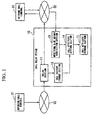
- FIG 1 is a block diagram schematically illustrating a configuration of a call relay system according to one exemplary embodiment of the present invention.
- the call relay system includes a call relay device 10, an outgoing call terminal 21, an outgoing call network 22, an incoming call terminal 31 and an incoming call network 32.
- the call relay device 10 is connected to the outgoing call network 22 and the incoming call network 32, and relays a call made by the outgoing call terminal 21 to the incoming call terminal 31.
- the call relay system is an IP telephone system
- the call relay device 10 has a function of a server, such as a call session control function (CSCF) server and a session initiation protocol (SIP) server
- CSCF call session control function
- SIP session initiation protocol
- the incoming call terminal 31 receives a call from the outgoing call terminal 21.
- the incoming call terminal 31 also transmits, to the call relay device 10, a receiving side report indicating an evaluation attribute regarding the received call.
- the evaluation attribute herein is information indicating whether or not the received call is an unwanted call.
- the call relay device 10 is connected to a plurality of terminals and networks.
- the call relay device 10 includes a relay section 11, a call history storage section 12, a receiving side report acquisition section 13, a call attribute setting section 14 and a call attribute storage section 15.
- the relay section 11 relays a call from outgoing call terminal 21 to the incoming call terminal 31, correlates a telephone number of the outgoing call terminal 2 with a telephone number of the incoming call terminal 31, and registers the correlated information in a call history table of the call history storage section 12.
- the receiving side report acquisition section 13 acquires a receiving side report transmitted from the incoming call terminal 31.
- the call attribute setting section 14 acquires a call indicated by the receiving side report from the call history storage section 12, correlates the acquired call with an evaluation attribute of the receiving side report and registers the correlated information in a call attribute table of the call attribute storage section 15.
- FIG. 2 illustrates the call history table stored in the call history storage section 12.
- telephone numbers of the callers that is, telephone numbers of the outgoing call terminals
- telephone numbers of the receivers that is, telephone numbers of the incoming call terminals
- call history information information regarding pairs of the telephone numbers of the caller and the telephone numbers of the receiver stored in the call history table.
- FIG. 3 illustrates a call attribute table stored in the call attribute storage section 15.
- telephone numbers of the callers, telephone numbers of the receivers and evaluation attributes are registered in the call attribute table.
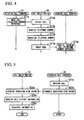
- FIG 4 is a flowchart which illustrates an operation of a call relay system when an outgoing call terminal makes a call, in a case where the outgoing call terminal makes a call with a telephone number being reported and an incoming call terminal transmits a receiving side report after the call is released.
- the outgoing call terminal 21 makes a call to the incoming call terminal 31 with the telephone number of the caller being reported to the incoming call terminal 31 (step S11a).
- “To report the telephone number of the caller” means that the incoming call terminal 31 does not add to the call a flag indicating that the telephone number of the caller is not reported or the incoming call terminal 31 adds a flag to the call explicitly indicating that the telephone number is reported.
- the relay section 11 of the call relay device 10 detects the call via the outgoing call network 22 (step S12a).
- the relay section 11 acquires the telephone number of the caller and the telephone number of the receiver from the acquired call (step S13a). That is, the relay section 11 acquires the telephone number of outgoing call terminal 21 and the telephone number of incoming call terminal 31.
- the relay section 11 correlates the telephone number of the outgoing call terminal 21 with the telephone number of the incoming call terminal 31 and registers the correlated information in the call history table of the call history storage section 12 (step S14a).
- the relay section 11 overwrites, among the information in the call history table stored in the call history storage section 12, the call history information having the same telephone number of the receiver as that of the call acquired in step S13a with the information regarding the newly acquired call and registers the overwritten information. In this manner, the telephone number of the receiver can be specified uniquely in the call history table of the call history storage section 12.
- the relay section 11 relays the call to the incoming call terminal 31 via the incoming call network 32 (step S15a). In this manner, the call is received by the incoming call terminal 31 with the telephone number of the caller being reported (step S16a).
- FIG. 5 is a flowchart which illustrates an operation of the call relay system when the incoming call terminal transmits the receiving side report in a case where the outgoing call terminal makes a call with a telephone number being reported and an incoming call terminal transmits a receiving side report after the call is released.
- the evaluation attribute included in the receiving side report indicates that the call was an unwanted call if the user presses the unwanted call designation button, for example, or dials a specific number to report that the call was an unwanted call.
- the evaluation attribute also indicates that the call was not an unwanted call if the user presses a non-unwanted call designation button, for example, or dials a specific number to report that the call was not an unwanted call.
- the receiving side report acquisition section 13 of the call relay device 10 acquires a receiving side report (step S23a).
- the call attribute setting section 14 acquires, from the call history table of the call history storage section 12, call history information regarding the call of which the incoming call terminal 31 is the receiver (step S24a). Since the telephone number of the receiver can be uniquely specified in the call history table of the call history storage section 12 as described above, only single call history information exists in which the incoming call terminal 31 is the receiver. This call history information is related to the most recent call that the incoming call terminal 31 received.
- the call attribute setting section 14 After the call attribute setting section 14 acquires the call history information is acquired, it correlates the telephone number of the caller and the telephone number of the receiver include in the call history information, and the evaluation attribute indicated in the receiving side report acquired by the receiving side report acquisition section 13 and registers the correlated information in the call attribute storage suction 15 (step S25a). In this manner, information regarding whether or not the call from a certain caller to a certain receiver is an unwanted call is accumulated in the call attribute storage section 15.
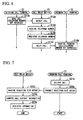
- FIG 6 is a flowchart which illustrates an operation of the call relay system when the outgoing call terminal makes a call, in a case where the outgoing call terminal makes the call without reporting the telephone number and the incoming call terminal transmits the receiving side report after the call is released.
- the outgoing call terminal 21 makes a call to the incoming call terminal 31 without reporting the telephone number of the caller (step S11b).
- “To not report the telephone number” means that the outgoing call terminal 21 adds, to a call, a flag for not reporting the telephone number of the caller.
- the relay section 11 of the call relay device 10 detects the call via the outgoing call network 22 (step S12b). After the call is detected, the relay section 11 acquires the telephone number of the caller and the telephone number of the receiver from the acquired call (step S13b). That is, the relay section 11 acquires the telephone number of the outgoing call terminal 21. and the telephone number of the incoming call terminal 31.
- the call relay device 10 can acquire the telephone number of the outgoing call terminal 21 irrespective of whether or not the telephone number is reported.
- the relay section 11 correlates the telephone number of the outgoing call terminal 21 with the telephone number of the incoming call terminal 31 and registers tha correlated information in the call history table of the call history storage section 12 (step S14b), The relay section 11 overwrites, among the information in the call history table stored in the call history storage section 12, the call history information having the same telephone number of the receiver as that of the call acquired in step S13b with the information regarding the newly acquired call and registers the overwritten information. In this manner, the telephone number of the receiver can be specified uniquely in the call history table of the call history storage section 12.
- the relay section 11 relays the call to the incoming call terminal 31 via the incoming call network 32 (step S15b). In this manner, the call is received by the incoming call terminal 31 with the telephone number of the caller not being reported (stop S16b).
- FIG. 7 is a flowchart which illustrates an operation of the call relay system when the incoming call terminal transmits the receiving side report in a case where the outgoing call terminal makes the call without reporting the telephone number and the incoming call terminal transmits the receiving side report after the call is released.
- the evaluation attribute included in the receiving side report indicates that the call was an unwanted call if the user presses the unwanted call designation button, or dials a specific number to report that the call was an unwanted call, for example.
- the evaluation attribute also indicates that the call was not an unwanted call if the user presses a non-unwanted call designation button, or dials a specific number to notify that the call was not an unwanted call, for example.
- the receiving side report acquisition section 13 of the call relay device 10 acquires a receiving side report (step S23b).
- the call attribute setting section 14 acquires, from the call history table of the call history storage section 12, call history information regarding the call of which the incoming call terminal 31 is the receiver (step S24b). Since the telephone number of the receiver can be uniquely specified in the call history table of the call history storage section 12 as described above, only single call history information exists in which the incoming call terminal 31 is the receiver. This call history information is related to the most recent call that the incoming call terminal 31 received.
- the call attribute setting section 14 correlates the telephone number of the caller and the telephone number of the receiver included in the call history information and the evaluation attribute indicated in the receiving side report acquired by the receiving side report acquisition section 13 and registers the correlated information in the call attribute storage section 15 (step S25b). In this manner, information regarding whether or not the call from a certain caller to a certain receiver is an unwanted call is accumulated in the can attribute storage section 15.
- FIG. 8 is a flowchart which illustrates an operation of a call relay system when an outgoing call terminal makes a call, in a case where the outgoing call terminal makes a call with a telephone number being reported and an incoming call terminal transmits a receiving side report before the call is released.
- the outgoing call terminal 21 makes a call to the incoming call terminal 31 with the telephone number of the caller being reported to the incoming call terminal 31 (step S11c).
- To report the telephone number of the caller means that the incoming call terminal 31 does not add to the call a flag indicating that the telephone number of the caller is not reported or the incoming call terminal 31 adds a flag to the call explicitly indicating that the telephone number is reported.
- the relay section 11 of the call relay device 10 detects the call via the outgoing call network 22 (step S12c).
- the relay section 11 acquires the telephone number of the caller and the telephone number of the receiver from the acquired call (step S13c). That is, the relay section 11 acquires the telephone number of outgoing call terminal 21 and the telephone number of incoming call terminal 31.
- the relay section 11 correlates the telephone number of the outgoing call terminal 21 with the telephone number of the incoming call terminal 31 and registers the correlated information in the call history table of the call history storage section 12 (step S14c).
- the relay section 11 overwrites, among the information in the call history table stored in the call history storage section 12, the call history information having the same telephone number of the receiver as that of the call acquired in step S13c with the information regarding the newly acquired call and registers the overwritten information. In this manner, the telephone number of the receiver can be specified uniquely in the call history table of the call history storage section 12.
- the relay section 11 relays the call to the incoming call terminal 31 via the incoming call network 32 (step S15c). In this manner, the call is received by the incoming call terminal 31 with the telephone number of the caller being reported (step S16c).
- FIG. 9 is a flowchart which illustrates an operation of the call relay system when the incoming call terminal transmits the receiving side report, in a case where the outgoing call terminal makes a call with a telephone number being reported and the incoming call terminal transmits a receiving side report before the call is released.
- the incoming call terminal 31 transmits the receiver side report to the call relay device 10 (step S21c).
- the evaluation attribute included in the receiving side report indicates that the call was an unwanted call if the user presses the unwanted call designation button, or dials a specific number to report that the call was an unwanted call, for example,
- the evaluation attribute also indicates that the call was not an unwanted call if the user presses a non-unwanted call designation button, or dials a specific number to report that the call was not an unwanted call, for example.
- the user presses a telephone call end button or other buttons of the incoming call terminal 31 or the outgoing call terminal 21 cuts the telephone call off so that the incoming call terminal 31 releases the call (step S22c).
- the receiving side report acquisition section 13 of the call relay device 10 acquires a receiving side report (step S23c).
- the call attribute setting section 14 acquires, from the call history table of the call history storage section 12, call history information regarding the call of which the incoming call terminal 31 is the receive (step S24c). Since the telephone number of the receiver can be uniquely specified in the call history table of the call history storage section 12 as described above, only single call history information exists in which the incoming call terminal 31 is the receiver. This can history information is related to the most recent call that the incoming call terminal 31 received.
- the call attribute setting section 14 correlates the telephone number of the caller and the telephone number of the receiver included in the call history information and the evaluation attribute indicated in the receiving side report acquired by the receiving side report acquisition section 13 and registers the correlated information in the call attribute storage section 15 (step S2Sc). In this manner, information regarding whether or not the call from a certain caller to a certain receiver is an unwanted call is accumulated in the call attribute storage section 15.
- FIG. 10 is a flowchart which illustrates an operation of the call relay system when the outgoing call terminal makes a call, in a case where the outgoing call terminal makes the call without reporting the telephone number and the incoming call terminal transmits the receiving side report before the call is released.
- the outgoing call terminal 21 makes a call to the incoming call terminal 31 without reporting the telephone number of the caller (step S11d).
- “To not report the telephone number” means that the outgoing call terminal 21 adds, to a call, a flag for not reporting the telephone number of the caller.
- the relay section 11 of the call relay device 10 detects the call via the outgoing call network 22 (step S12d). After the call is detected, the relay section 11 acquires the telephone number of the caller and the telephone number of the receiver from the acquired call (step S13d). That is, the relay section 11 acquires the telephone number of the outgoing call terminal 21 and the telephone number of the incoming call terminal 31.
- the call relay device 10 can acquire the telephone number of the outgoing call terminal 21 irrespective of whether or not the telephone number is reported.
- the relay section 11 correlates the telephone number of the outgoing call terminal 21 with the telephone number of the incoming call terminal 31 and registers the correlated information in the call history table of the call history storage section 12 (step S 14d).
- the relay section 11 overwrites, among the information is the call history table stored in the call history storage section 12, the call history information having the same telephone number of the receiver as that of the call acquired in step S13d with the information regarding the newly acquired call and registers the overwritten information. In this manner, the telephone number of the receiver can be specified uniquely in the call history table of the call history storage section 12.
- the relay section 11 relays the call to the incoming call terminal 31 via the incoming call network 32 (step S15d). In this manner, the call is received by the incoming call terminal 31 with the telephone number of the caller not being reported (step S16d).
- FIG. 11 is a flowchart which illustrates an operation of the call relay system when the incoming call terminal transmits the receiving side report, in a case where the outgoing call terminal makes a call with a telephone number not being reported and the incoming call terminal transmits the receiving side report before the call is released.
- the incoming call terminal 31 transmits the receiver side report to the call relay device 10 (step S21d).
- the evaluation attribute included in the receiving side report indicates that the call was an unwanted call if the user presses an unwanted call designation button, or dials a specific number to report that the call was an unwanted call, for example.
- the evaluation attribute also indicates that the call was not an unwanted call if the user presses a non-unwanted call designation button, or dials a specific number to report that the call was not an unwanted call, for example.
- the user presses a telephone call end button or other buttons of the incoming call terminal 31 or the outgoing call terminal 21 cuts the telephone call off so that the incoming call terminal 31 releases the call (step S22d).
- the receiving side report acquisition section 13 of the call relay device 10 acquires a receiving side report (step S23d).
- the call attribute setting section 14 acquires, from the call history table of the call history storage section 12, call history information regarding the call of which the incoming call terminal 31 is the receiver (step S24d). Since the telephone number of the receiver can be uniquely specified in the call history table of the call history storage section 12 as described above, only single call history information exists in which the incoming call terminal 31 is the receiver. This call history information is related to the most recent call that the incoming call terminal 31 received.
- the call attribute setting section 14 correlates the telephone number of the caller and the telephone number of the receiver included in the call history information, and the evaluation attribute indicated in the receiving side report acquired by the receiving side report acquisition section 13 and registers the correlated information in the call attribute storage section 15 (step S25d). In this manner, information regarding whether or not the call from a certain caller to a certain receiver is an unwanted call is accumulated in the call attribute storage section 15.
- unwanted calls can be specified by retrieving the call attribute storage section 15.
- Various services can therefore be provided using information stored in the call attribute storage section 15. Examples of the services include rejecting unwanted calls, adding a mark to incoming calls indicating that they are unwanted calls, and adding, to incoming calls without reporting its telephone number, a mark indicating that they are not unwanted calls if the calls were registered as non-unwanted calls.
- the relay section 11 of the call relay device 10 correlates the telephone number of the caller of the call with the telephone number of the receiver of the call and registers the correlated information in the call history storage section 12.
- the call attribute setting section 14 acquires, from the call history storage section 12, a call indicated by the receiving side report acquired from the incoming call terminal 31, correlates the evaluation attribute indicated by the receiving side report with the telephone number of the caller of the acquired call and the telephone number of the receiver of the acquired call and then registers the correlated information in the call attribute storage section 12.
- the call relay device 10 specifies the outgoing call terminal 21 by transmitting the receiving side report indicating that the call is an unwanted call from the incoming call terminal 31 to the call relay device 10.
- the specified call is then registered in the call attribute storage section 15 as an unwanted call for that user. Since the unwanted calls can be specified by retrieving the call attribute storage section 15, novel service can be provided using the information registered in the call attribute storage section 15.
- Such services may include rejecting unwanted calls, adding a mark to incoming calls indicating that they are unwanted calls, and adding, to incoming calls without reporting is telephone number, a mark indicating that they are not unwanted calls if the calls were registered as non-unwanted calls.
- the relay section of the call relay device correlates the telephone number of the outgoing call terminal and the telephone number of the incoming call terminal indicated by the call and registers the call history information including the telephone numbers of the outgoing call terminal and the incoming call terminal in the call history storage section.
- the call attribute setting section acquires, from the call history storage section, the call history information regarding the call indicated by the receiving side notification acquired from the incoming call terminal, correlates the evaluation attribute indicated by the receiving side notification with the telephone numbers of the outgoing call terminal and the incoming call terminal included in the call history information regarding the acquired call and then registers the correlated information in the call attribute storage section.
- an exemplary advantage according to the invention is that it is possible to provide a novel service using the information registered in the call attribute storage section.
- Such services may include rejecting unwanted calls, adding, to incoming calls without reporting is telephone number, a mark indicating that they are not unwanted calls.
- step S14 that is, one of steps S14a to S14d
- the relay section 11 correlates the telephone number of the caller of the acquired call, the telephone number of the receiver of the acquired call and the calling time of the call and registers the correlated information in the call history storage section 12 without overwriting the data.
- step S23 that is, one of steps S23a to S23d) described above, the call attribute setting section 14 retrieves the call history table stored in the call history storage section 12 to acquire the most recent information regarding the call of which the receiver is the incoming call terminal 31 and the calling time is the most recent.
- the receiving side report transmitted by the incoming call terminal 31 indicates the evaluation attribute regarding the most recent call received by the incoming call terminal 31, but the invention is not limited thereto.
- the relay section 11 correlates the telephone number of the caller, the telephone number of the receiver of the acquired call and the calling time of the call and registers the correlated information in the call history storage section 12 without overwriting the data.
- the incoming call terminal 31 transmits the receiving side report to the call relay device 10.
- the call relay device 10 makes an announcement to encourage the incoming call terminal 31 to input the hour and minute of the time at which the incoming call terminal 31 received the call.
- the user inputs the calling time by pressing the numerical button of the incoming call terminal 31, so that the call relay device 10 acquires the time input from a tone signal of the numerical button.
- the call attribute setting section 14 acquires, by retrieving the call history table registered in the call history storage section 12, information in which the receiver is the incoming call terminal 31 and the calling time is the most recent to the calling time acquired from the tone signal.
- the evaluation attribute may be provided not only to the most recent call but to the calls which were received before the most recent call.
- the program may cause the call relay device 10 to function as the relay section 11, the receiving side report acquisition section 13 and the call attribute setting section 14.
- a program for implementing the functions of the relay section 11, the receiving side report acquisition section 13 and the call attribute setting section 14 illustrated in FIG. 1 may be recorded in a computer-readable recording medium.
- the program recorded on the recording medium may be read into a computer system and the call relay device 10 may be caused to function as the relay section 11, the receiving side report acquisition section 13 and the call attribute setting section 14.
- the computer system used herein includes hardware, such as an OS and peripheral devices.
- the computer system may also include a homepage providing environment (or a display environment) so long as such an environment utilizes a WWW system.
- Examples of the computer-readable recording medium include a portable medium, such as a flexible disc, a magneto-optical disc, a ROM and a CD-ROM and a storage device, such as hard disk incorporated in the computer system.
- Examples of the computer-readable recording medium include a medium which dynamically holds a program for a short time.
- Such a medium includes a communication line for transmitting a program via a communication line, such as a network, like the Internet, and a telephone line.
- Examples of the computer-readable recording medium may also include a medium which holds the program for a certain period of time to implement the communication described above.
- Such a medium may include a volatile memory incorporated in the computer system used as a server or a client.
- the above-described program may implement only part of the above-described functions.
- the above-described functions may be implemented in combination with programs previously recorded in the computer system.
Landscapes
- Engineering & Computer Science (AREA)
- Signal Processing (AREA)
- Telephonic Communication Services (AREA)
- Telephone Function (AREA)
Applications Claiming Priority (1)
| Application Number | Priority Date | Filing Date | Title |
|---|---|---|---|
| JP2008289959A JP5365149B2 (ja) | 2008-11-12 | 2008-11-12 | 呼中継方法 |
Publications (2)
| Publication Number | Publication Date |
|---|---|
| EP2187608A2 true EP2187608A2 (de) | 2010-05-19 |
| EP2187608A3 EP2187608A3 (de) | 2010-10-20 |
Family
ID=41665378
Family Applications (1)
| Application Number | Title | Priority Date | Filing Date |
|---|---|---|---|
| EP09175650A Withdrawn EP2187608A3 (de) | 2008-11-12 | 2009-11-11 | Anrufverzögerungssystem, Anrufverzögerungsvorrichtung, Anrufverzögerungsverfahren und Programm |
Country Status (4)
| Country | Link |
|---|---|
| US (1) | US20100119048A1 (de) |
| EP (1) | EP2187608A3 (de) |
| JP (1) | JP5365149B2 (de) |
| CN (1) | CN101741990A (de) |
Cited By (3)
| Publication number | Priority date | Publication date | Assignee | Title |
|---|---|---|---|---|
| WO2011060448A1 (en) * | 2009-11-16 | 2011-05-19 | Qualcomm Incorporated | Methods and apparatus for determining costs associated with sending communications |
| US8526911B2 (en) | 2009-11-16 | 2013-09-03 | Qualcomm Incorporated | Methods and apparatus for determining costs associated with sending communications |
| ITRM20120128A1 (it) * | 2012-03-30 | 2013-10-01 | Andrea Cecchetti | Metodo per la gestione di connessioni telefoniche. |
Families Citing this family (6)
| Publication number | Priority date | Publication date | Assignee | Title |
|---|---|---|---|---|
| US10230837B2 (en) * | 2012-10-17 | 2019-03-12 | Kedlin Company, LLC | Methods and systems for inbound and outbound call control |
| US9014359B1 (en) * | 2013-01-11 | 2015-04-21 | Time Warner Cable Enterprises Llc | Generation of phone number lists and call filtering |
| JP6605867B2 (ja) * | 2015-07-23 | 2019-11-13 | Necプラットフォームズ株式会社 | 交換機、通信システム、交換機の制御方法および交換機のプログラム |
| JP6679119B1 (ja) * | 2019-02-01 | 2020-04-15 | Necプラットフォームズ株式会社 | 通信制御方法、通信制御装置及び通信制御プログラム |
| US11159665B2 (en) * | 2020-01-29 | 2021-10-26 | Lenovo (Singapore) Pte. Ltd. | Generate user-friendly string to replace telephone number |
| JP6796349B1 (ja) * | 2020-07-29 | 2020-12-09 | アイティオール株式会社 | 通信管理装置、通信管理方法、通信管理プログラムおよび通信管理システム |
Citations (1)
| Publication number | Priority date | Publication date | Assignee | Title |
|---|---|---|---|---|
| JP2004048441A (ja) | 2002-07-12 | 2004-02-12 | Kddi Corp | 携帯端末、着信制御方法および着信制御システム |
Family Cites Families (21)
| Publication number | Priority date | Publication date | Assignee | Title |
|---|---|---|---|---|
| US5033076A (en) * | 1990-01-31 | 1991-07-16 | At&T Bell Laboratories | Enhanced privacy feature for telephone systems |
| JP2908056B2 (ja) * | 1991-04-19 | 1999-06-21 | 富士通株式会社 | 悪意呼認識交換機 |
| FI105434B (fi) * | 1997-05-30 | 2000-08-15 | Ericsson Telefon Ab L M | Menetelmä ja järjestely liikennöintiverkossa |
| JP2001237962A (ja) * | 2000-02-22 | 2001-08-31 | Kansai Nippon Denki Tsushin System Kk | 悪意呼着信識別サービス機能を有する交換機、及びその識別方法 |
| US20010036258A1 (en) * | 2000-06-01 | 2001-11-01 | Binay Sugla | Telecommunication service for prioritizing and enhancing privacy of incoming calls |
| US20010055376A1 (en) * | 2000-06-27 | 2001-12-27 | Gregg Karas | No caller ID call block |
| JP3467014B2 (ja) * | 2000-12-08 | 2003-11-17 | 株式会社東芝 | 電話装置及び該装置における発呼方法 |
| US6671358B1 (en) * | 2001-04-25 | 2003-12-30 | Universal Identity Technologies, Inc. | Method and system for rewarding use of a universal identifier, and/or conducting a financial transaction |
| US8291015B2 (en) * | 2001-10-29 | 2012-10-16 | Cisco Technology, Inc. | System and method for modeling video network reliability |
| US7076267B2 (en) * | 2001-12-07 | 2006-07-11 | Research In Motion Limited | System and method for event-dependent state activation for a dual-mode mobile communication device |
| US7236577B2 (en) * | 2002-11-14 | 2007-06-26 | International Business Machines Corporation | Call screening system and method |
| JP2005333417A (ja) * | 2004-05-20 | 2005-12-02 | Tamura Seisakusho Co Ltd | Ip電話端末装置、ip電話用仲介サーバ、ip電話システム、制御方法及びプログラム |
| US7835941B2 (en) * | 2005-01-21 | 2010-11-16 | J2 Global Communications | Method for cross-promoting communications services |
| US7912192B2 (en) * | 2005-02-15 | 2011-03-22 | At&T Intellectual Property Ii, L.P. | Arrangement for managing voice over IP (VoIP) telephone calls, especially unsolicited or unwanted calls |
| US8942363B2 (en) * | 2006-09-20 | 2015-01-27 | At&T Intellectual Property I, Lp | Method and apparatus for abstracting telephony functions |
| CN1937671B (zh) * | 2006-09-25 | 2011-07-20 | 华为技术有限公司 | 阻止垃圾电话的方法、系统、终端和服务器端 |
| US8270588B2 (en) * | 2006-10-04 | 2012-09-18 | Ronald Schwartz | Method and system for incoming call management |
| JP2008118409A (ja) * | 2006-11-06 | 2008-05-22 | Nec Engineering Ltd | 交換システム |
| US8670545B2 (en) * | 2007-09-28 | 2014-03-11 | Ringcentral, Inc. | Inbound call identification and management |
| US8208619B2 (en) * | 2007-12-22 | 2012-06-26 | Brevium, Inc. | Method and apparatus for improving call yields when contacting patients who are due for a visit but do not have a scheduled appointment |
| US8139747B2 (en) * | 2008-03-20 | 2012-03-20 | Steve Cha | Method and apparatus for selective silencing of telephone ringing |
-
2008
- 2008-11-12 JP JP2008289959A patent/JP5365149B2/ja not_active Expired - Fee Related
-
2009
- 2009-11-10 CN CN200910211707A patent/CN101741990A/zh active Pending
- 2009-11-11 EP EP09175650A patent/EP2187608A3/de not_active Withdrawn
- 2009-11-11 US US12/616,557 patent/US20100119048A1/en not_active Abandoned
Patent Citations (1)
| Publication number | Priority date | Publication date | Assignee | Title |
|---|---|---|---|---|
| JP2004048441A (ja) | 2002-07-12 | 2004-02-12 | Kddi Corp | 携帯端末、着信制御方法および着信制御システム |
Cited By (3)
| Publication number | Priority date | Publication date | Assignee | Title |
|---|---|---|---|---|
| WO2011060448A1 (en) * | 2009-11-16 | 2011-05-19 | Qualcomm Incorporated | Methods and apparatus for determining costs associated with sending communications |
| US8526911B2 (en) | 2009-11-16 | 2013-09-03 | Qualcomm Incorporated | Methods and apparatus for determining costs associated with sending communications |
| ITRM20120128A1 (it) * | 2012-03-30 | 2013-10-01 | Andrea Cecchetti | Metodo per la gestione di connessioni telefoniche. |
Also Published As
| Publication number | Publication date |
|---|---|
| EP2187608A3 (de) | 2010-10-20 |
| CN101741990A (zh) | 2010-06-16 |
| JP2010118846A (ja) | 2010-05-27 |
| JP5365149B2 (ja) | 2013-12-11 |
| US20100119048A1 (en) | 2010-05-13 |
Similar Documents
| Publication | Publication Date | Title |
|---|---|---|
| EP2187608A2 (de) | Anrufverzögerungssystem, Anrufverzögerungsvorrichtung, Anrufverzögerungsverfahren und Programm | |
| US8126120B2 (en) | Providing missed call and message information | |
| US6169734B1 (en) | Internet phone set | |
| US7620160B2 (en) | Announcing presence information during telephone call ringback | |
| US6442245B1 (en) | System and method for providing voice messaging services utilizing a network connection | |
| US7933397B2 (en) | Telephone system that notifies caller of called party's state | |
| CN105657138B (zh) | 呼叫处理方法及通信终端 | |
| CN111264053B (zh) | 移动设备及其中的透明传真呼叫处理方法、以及非暂态机器可读介质 | |
| DE19622969A1 (de) | Kommunikationssystem und Telefon-Server | |
| US6697479B1 (en) | Selective filtering of incoming telephone calls | |
| US11445363B1 (en) | Method and apparatus for protecting sensitive data | |
| US7054428B1 (en) | Telephone call interuption request via internet | |
| JP5084652B2 (ja) | 電話サービスシステムおよび電話サービス方法 | |
| JP2017067881A (ja) | 音声認識装置、音声認識システムおよび音声認識方法 | |
| US20080095344A1 (en) | Presence Agent for a Telephone | |
| WO2007007090A1 (en) | Apparatus and system for recording communications | |
| US12244764B2 (en) | Captioned telephone service system for providing original number service and anti-spam function | |
| US20090003568A1 (en) | System and method to enhance telephone call awareness | |
| JP2017184158A (ja) | 呼処理システム及び呼処理方法 | |
| US10153991B2 (en) | Use based scalable instant voice communication | |
| KR20160011050A (ko) | 생활 패턴에 따른 통화 연결음 제공 장치 및 방법 | |
| WO2007148037A1 (en) | Communications terminal with preference information relating to a messaging system | |
| CN109168136B (zh) | 一种来电转接装置和方法 | |
| TW499806B (en) | Communications control method and apparatus | |
| TR201619423A2 (tr) | Yakin gerçek zamanli kali̇te eği̇li̇mi̇ni̇ gösteren ve alarm üreten bi̇r si̇stem |
Legal Events
| Date | Code | Title | Description |
|---|---|---|---|
| PUAI | Public reference made under article 153(3) epc to a published international application that has entered the european phase |
Free format text: ORIGINAL CODE: 0009012 |
|
| AK | Designated contracting states |
Kind code of ref document: A2 Designated state(s): AT BE BG CH CY CZ DE DK EE ES FI FR GB GR HR HU IE IS IT LI LT LU LV MC MK MT NL NO PL PT RO SE SI SK SM TR |
|
| AX | Request for extension of the european patent |
Extension state: AL BA RS |
|
| PUAL | Search report despatched |
Free format text: ORIGINAL CODE: 0009013 |
|
| AK | Designated contracting states |
Kind code of ref document: A3 Designated state(s): AT BE BG CH CY CZ DE DK EE ES FI FR GB GR HR HU IE IS IT LI LT LU LV MC MK MT NL NO PL PT RO SE SI SK SM TR |
|
| AX | Request for extension of the european patent |
Extension state: AL BA RS |
|
| RIC1 | Information provided on ipc code assigned before grant |
Ipc: H04M 3/436 20060101ALI20100916BHEP Ipc: H04M 3/42 20060101AFI20100217BHEP |
|
| 17P | Request for examination filed |
Effective date: 20110420 |
|
| 17Q | First examination report despatched |
Effective date: 20141212 |
|
| STAA | Information on the status of an ep patent application or granted ep patent |
Free format text: STATUS: THE APPLICATION IS DEEMED TO BE WITHDRAWN |
|
| 18D | Application deemed to be withdrawn |
Effective date: 20150423 |