EP2229367B1 - Verfahren zur herstellung von disubstituierten imidazoliumsalzen - Google Patents
Verfahren zur herstellung von disubstituierten imidazoliumsalzen Download PDFInfo
- Publication number
- EP2229367B1 EP2229367B1 EP08859229.0A EP08859229A EP2229367B1 EP 2229367 B1 EP2229367 B1 EP 2229367B1 EP 08859229 A EP08859229 A EP 08859229A EP 2229367 B1 EP2229367 B1 EP 2229367B1
- Authority
- EP
- European Patent Office
- Prior art keywords
- process according
- water
- anion
- reaction
- acid
- Prior art date
- Legal status (The legal status is an assumption and is not a legal conclusion. Google has not performed a legal analysis and makes no representation as to the accuracy of the status listed.)
- Not-in-force
Links
- 150000004693 imidazolium salts Chemical class 0.000 title claims description 31
- 238000000034 method Methods 0.000 title claims description 31
- 238000004519 manufacturing process Methods 0.000 title claims 2
- XLYOFNOQVPJJNP-UHFFFAOYSA-N water Substances O XLYOFNOQVPJJNP-UHFFFAOYSA-N 0.000 claims description 96
- 239000002253 acid Substances 0.000 claims description 30
- 150000001450 anions Chemical class 0.000 claims description 29
- -1 1,3-disubstituted imidazolium Chemical class 0.000 claims description 28
- 125000004435 hydrogen atom Chemical group [H]* 0.000 claims description 27
- 238000006243 chemical reaction Methods 0.000 claims description 25
- 239000000203 mixture Substances 0.000 claims description 24
- LEQAOMBKQFMDFZ-UHFFFAOYSA-N glyoxal Chemical compound O=CC=O LEQAOMBKQFMDFZ-UHFFFAOYSA-N 0.000 claims description 22
- 239000002904 solvent Substances 0.000 claims description 19
- IAZDPXIOMUYVGZ-UHFFFAOYSA-N Dimethylsulphoxide Chemical compound CS(C)=O IAZDPXIOMUYVGZ-UHFFFAOYSA-N 0.000 claims description 18
- 125000004432 carbon atom Chemical group C* 0.000 claims description 16
- QTBSBXVTEAMEQO-UHFFFAOYSA-M Acetate Chemical compound CC([O-])=O QTBSBXVTEAMEQO-UHFFFAOYSA-M 0.000 claims description 14
- 150000001875 compounds Chemical class 0.000 claims description 14
- 150000001412 amines Chemical class 0.000 claims description 13
- 150000007942 carboxylates Chemical group 0.000 claims description 13
- 229930195733 hydrocarbon Natural products 0.000 claims description 13
- 229910052739 hydrogen Inorganic materials 0.000 claims description 12
- 229940015043 glyoxal Drugs 0.000 claims description 11
- 239000001257 hydrogen Substances 0.000 claims description 11
- 239000011541 reaction mixture Substances 0.000 claims description 11
- 150000001299 aldehydes Chemical class 0.000 claims description 10
- 239000007800 oxidant agent Substances 0.000 claims description 10
- 125000002915 carbonyl group Chemical group [*:2]C([*:1])=O 0.000 claims description 8
- 239000007858 starting material Substances 0.000 claims description 6
- 150000002430 hydrocarbons Chemical class 0.000 claims description 5
- 125000000008 (C1-C10) alkyl group Chemical group 0.000 claims description 3
- 239000007795 chemical reaction product Substances 0.000 claims description 3
- 230000001590 oxidative effect Effects 0.000 claims description 2
- 239000011877 solvent mixture Substances 0.000 claims 1
- WEVYAHXRMPXWCK-UHFFFAOYSA-N Acetonitrile Chemical compound CC#N WEVYAHXRMPXWCK-UHFFFAOYSA-N 0.000 description 24
- 125000002496 methyl group Chemical group [H]C([H])([H])* 0.000 description 22
- WSFSSNUMVMOOMR-UHFFFAOYSA-N Formaldehyde Chemical compound O=C WSFSSNUMVMOOMR-UHFFFAOYSA-N 0.000 description 21
- LFQSCWFLJHTTHZ-UHFFFAOYSA-N Ethanol Chemical compound CCO LFQSCWFLJHTTHZ-UHFFFAOYSA-N 0.000 description 20
- QUSNBJAOOMFDIB-UHFFFAOYSA-N Ethylamine Chemical compound CCN QUSNBJAOOMFDIB-UHFFFAOYSA-N 0.000 description 20
- QTBSBXVTEAMEQO-UHFFFAOYSA-N Acetic acid Chemical compound CC(O)=O QTBSBXVTEAMEQO-UHFFFAOYSA-N 0.000 description 18
- 125000001495 ethyl group Chemical group [H]C([H])([H])C([H])([H])* 0.000 description 15
- 150000003254 radicals Chemical class 0.000 description 15
- 150000007513 acids Chemical class 0.000 description 12
- 125000000217 alkyl group Chemical group 0.000 description 11
- 125000001931 aliphatic group Chemical group 0.000 description 10
- 125000003118 aryl group Chemical group 0.000 description 10
- 239000004215 Carbon black (E152) Substances 0.000 description 9
- MHAJPDPJQMAIIY-UHFFFAOYSA-N Hydrogen peroxide Chemical compound OO MHAJPDPJQMAIIY-UHFFFAOYSA-N 0.000 description 9
- OKKJLVBELUTLKV-UHFFFAOYSA-N Methanol Chemical compound OC OKKJLVBELUTLKV-UHFFFAOYSA-N 0.000 description 9
- YXFVVABEGXRONW-UHFFFAOYSA-N Toluene Chemical compound CC1=CC=CC=C1 YXFVVABEGXRONW-UHFFFAOYSA-N 0.000 description 9
- 239000007787 solid Substances 0.000 description 9
- 229930040373 Paraformaldehyde Natural products 0.000 description 8
- 229960000583 acetic acid Drugs 0.000 description 8
- QVGXLLKOCUKJST-UHFFFAOYSA-N atomic oxygen Chemical compound [O] QVGXLLKOCUKJST-UHFFFAOYSA-N 0.000 description 8
- 229960001760 dimethyl sulfoxide Drugs 0.000 description 8
- 229910052760 oxygen Inorganic materials 0.000 description 8
- 239000001301 oxygen Substances 0.000 description 8
- 229920002866 paraformaldehyde Polymers 0.000 description 8
- 238000002360 preparation method Methods 0.000 description 8
- 239000000047 product Substances 0.000 description 8
- 150000003839 salts Chemical class 0.000 description 8
- 239000000725 suspension Substances 0.000 description 8
- 239000003586 protic polar solvent Substances 0.000 description 7
- 238000003756 stirring Methods 0.000 description 7
- BAVYZALUXZFZLV-UHFFFAOYSA-N Methylamine Chemical compound NC BAVYZALUXZFZLV-UHFFFAOYSA-N 0.000 description 6
- HEMHJVSKTPXQMS-UHFFFAOYSA-M Sodium hydroxide Chemical compound [OH-].[Na+] HEMHJVSKTPXQMS-UHFFFAOYSA-M 0.000 description 6
- 238000013459 approach Methods 0.000 description 6
- 125000001797 benzyl group Chemical group [H]C1=C([H])C([H])=C(C([H])=C1[H])C([H])([H])* 0.000 description 6
- 229910052799 carbon Inorganic materials 0.000 description 6
- 238000001816 cooling Methods 0.000 description 6
- 239000000706 filtrate Substances 0.000 description 6
- 239000012362 glacial acetic acid Substances 0.000 description 6
- 125000005842 heteroatom Chemical group 0.000 description 6
- JUINSXZKUKVTMD-UHFFFAOYSA-N hydrogen azide Chemical compound N=[N+]=[N-] JUINSXZKUKVTMD-UHFFFAOYSA-N 0.000 description 6
- 125000002887 hydroxy group Chemical group [H]O* 0.000 description 6
- 125000004108 n-butyl group Chemical group [H]C([H])([H])C([H])([H])C([H])([H])C([H])([H])* 0.000 description 6
- 239000012071 phase Substances 0.000 description 6
- IJGRMHOSHXDMSA-UHFFFAOYSA-N Atomic nitrogen Chemical compound N#N IJGRMHOSHXDMSA-UHFFFAOYSA-N 0.000 description 5
- 125000001033 ether group Chemical group 0.000 description 5
- 125000004123 n-propyl group Chemical group [H]C([H])([H])C([H])([H])C([H])([H])* 0.000 description 5
- WYURNTSHIVDZCO-UHFFFAOYSA-N Tetrahydrofuran Chemical compound C1CCOC1 WYURNTSHIVDZCO-UHFFFAOYSA-N 0.000 description 4
- 150000001491 aromatic compounds Chemical class 0.000 description 4
- WPYMKLBDIGXBTP-UHFFFAOYSA-N benzoic acid Chemical compound OC(=O)C1=CC=CC=C1 WPYMKLBDIGXBTP-UHFFFAOYSA-N 0.000 description 4
- 125000000484 butyl group Chemical group [H]C([*])([H])C([H])([H])C([H])([H])C([H])([H])[H] 0.000 description 4
- XBDQKXXYIPTUBI-UHFFFAOYSA-N dimethylselenoniopropionate Natural products CCC(O)=O XBDQKXXYIPTUBI-UHFFFAOYSA-N 0.000 description 4
- 125000004185 ester group Chemical group 0.000 description 4
- 239000007788 liquid Substances 0.000 description 4
- 239000003960 organic solvent Substances 0.000 description 4
- 230000003647 oxidation Effects 0.000 description 4
- 238000007254 oxidation reaction Methods 0.000 description 4
- 125000001997 phenyl group Chemical group [H]C1=C([H])C([H])=C(*)C([H])=C1[H] 0.000 description 4
- HVVRUQBMAZRKPJ-UHFFFAOYSA-N 1,3-dimethylimidazolium Chemical compound CN1C=C[N+](C)=C1 HVVRUQBMAZRKPJ-UHFFFAOYSA-N 0.000 description 3
- 125000003903 2-propenyl group Chemical group [H]C([*])([H])C([H])=C([H])[H] 0.000 description 3
- OKTJSMMVPCPJKN-UHFFFAOYSA-N Carbon Chemical compound [C] OKTJSMMVPCPJKN-UHFFFAOYSA-N 0.000 description 3
- MUBZPKHOEPUJKR-UHFFFAOYSA-N Oxalic acid Chemical compound OC(=O)C(O)=O MUBZPKHOEPUJKR-UHFFFAOYSA-N 0.000 description 3
- 150000007824 aliphatic compounds Chemical class 0.000 description 3
- 125000003342 alkenyl group Chemical group 0.000 description 3
- 238000010533 azeotropic distillation Methods 0.000 description 3
- 239000006227 byproduct Substances 0.000 description 3
- 239000002608 ionic liquid Substances 0.000 description 3
- 229910052757 nitrogen Inorganic materials 0.000 description 3
- 125000004430 oxygen atom Chemical group O* 0.000 description 3
- 150000003141 primary amines Chemical class 0.000 description 3
- IXXGDRVRGXFUAR-UHFFFAOYSA-M 1,3-diethylimidazol-1-ium;acetate Chemical compound CC([O-])=O.CCN1C=C[N+](CC)=C1 IXXGDRVRGXFUAR-UHFFFAOYSA-M 0.000 description 2
- JYARJXBHOOZQQD-UHFFFAOYSA-N 1-butyl-3-ethylimidazol-1-ium Chemical compound CCCC[N+]=1C=CN(CC)C=1 JYARJXBHOOZQQD-UHFFFAOYSA-N 0.000 description 2
- IQQRAVYLUAZUGX-UHFFFAOYSA-N 1-butyl-3-methylimidazolium Chemical compound CCCCN1C=C[N+](C)=C1 IQQRAVYLUAZUGX-UHFFFAOYSA-N 0.000 description 2
- IRGDPGYNHSIIJJ-UHFFFAOYSA-N 1-ethyl-2,3-dimethylimidazol-3-ium Chemical compound CCN1C=C[N+](C)=C1C IRGDPGYNHSIIJJ-UHFFFAOYSA-N 0.000 description 2
- NJMWOUFKYKNWDW-UHFFFAOYSA-N 1-ethyl-3-methylimidazolium Chemical compound CCN1C=C[N+](C)=C1 NJMWOUFKYKNWDW-UHFFFAOYSA-N 0.000 description 2
- 238000005160 1H NMR spectroscopy Methods 0.000 description 2
- 239000005711 Benzoic acid Substances 0.000 description 2
- AEMRFAOFKBGASW-UHFFFAOYSA-N Glycolic acid Chemical compound OCC(O)=O AEMRFAOFKBGASW-UHFFFAOYSA-N 0.000 description 2
- YZCKVEUIGOORGS-UHFFFAOYSA-N Hydrogen atom Chemical compound [H] YZCKVEUIGOORGS-UHFFFAOYSA-N 0.000 description 2
- XEEYBQQBJWHFJM-UHFFFAOYSA-N Iron Chemical compound [Fe] XEEYBQQBJWHFJM-UHFFFAOYSA-N 0.000 description 2
- OFOBLEOULBTSOW-UHFFFAOYSA-N Malonic acid Chemical compound OC(=O)CC(O)=O OFOBLEOULBTSOW-UHFFFAOYSA-N 0.000 description 2
- XOBKSJJDNFUZPF-UHFFFAOYSA-N Methoxyethane Chemical compound CCOC XOBKSJJDNFUZPF-UHFFFAOYSA-N 0.000 description 2
- WNLRTRBMVRJNCN-UHFFFAOYSA-N adipic acid Chemical compound OC(=O)CCCCC(O)=O WNLRTRBMVRJNCN-UHFFFAOYSA-N 0.000 description 2
- 150000003863 ammonium salts Chemical class 0.000 description 2
- WPYMKLBDIGXBTP-UHFFFAOYSA-M benzoate Chemical compound [O-]C(=O)C1=CC=CC=C1 WPYMKLBDIGXBTP-UHFFFAOYSA-M 0.000 description 2
- 235000010233 benzoic acid Nutrition 0.000 description 2
- 238000005282 brightening Methods 0.000 description 2
- 238000010924 continuous production Methods 0.000 description 2
- HGCIXCUEYOPUTN-UHFFFAOYSA-N cyclohexene Chemical compound C1CCC=CC1 HGCIXCUEYOPUTN-UHFFFAOYSA-N 0.000 description 2
- LPIQUOYDBNQMRZ-UHFFFAOYSA-N cyclopentene Chemical compound C1CC=CC1 LPIQUOYDBNQMRZ-UHFFFAOYSA-N 0.000 description 2
- YADSGOSSYOOKMP-UHFFFAOYSA-N dioxolead Chemical compound O=[Pb]=O YADSGOSSYOOKMP-UHFFFAOYSA-N 0.000 description 2
- 150000002170 ethers Chemical class 0.000 description 2
- 239000007789 gas Substances 0.000 description 2
- 230000002209 hydrophobic effect Effects 0.000 description 2
- QQVIHTHCMHWDBS-UHFFFAOYSA-N isophthalic acid Chemical compound OC(=O)C1=CC=CC(C(O)=O)=C1 QQVIHTHCMHWDBS-UHFFFAOYSA-N 0.000 description 2
- 125000001449 isopropyl group Chemical group [H]C([H])([H])C([H])(*)C([H])([H])[H] 0.000 description 2
- NUJOXMJBOLGQSY-UHFFFAOYSA-N manganese dioxide Chemical compound O=[Mn]=O NUJOXMJBOLGQSY-UHFFFAOYSA-N 0.000 description 2
- WLJVXDMOQOGPHL-UHFFFAOYSA-N phenylacetic acid Chemical compound OC(=O)CC1=CC=CC=C1 WLJVXDMOQOGPHL-UHFFFAOYSA-N 0.000 description 2
- XNGIFLGASWRNHJ-UHFFFAOYSA-N phthalic acid Chemical compound OC(=O)C1=CC=CC=C1C(O)=O XNGIFLGASWRNHJ-UHFFFAOYSA-N 0.000 description 2
- 235000019260 propionic acid Nutrition 0.000 description 2
- IUVKMZGDUIUOCP-BTNSXGMBSA-N quinbolone Chemical compound O([C@H]1CC[C@H]2[C@H]3[C@@H]([C@]4(C=CC(=O)C=C4CC3)C)CC[C@@]21C)C1=CCCC1 IUVKMZGDUIUOCP-BTNSXGMBSA-N 0.000 description 2
- 125000002914 sec-butyl group Chemical group [H]C([H])([H])C([H])([H])C([H])(*)C([H])([H])[H] 0.000 description 2
- 125000000999 tert-butyl group Chemical group [H]C([H])([H])C(*)(C([H])([H])[H])C([H])([H])[H] 0.000 description 2
- YLQBMQCUIZJEEH-UHFFFAOYSA-N tetrahydrofuran Natural products C=1C=COC=1 YLQBMQCUIZJEEH-UHFFFAOYSA-N 0.000 description 2
- 238000010626 work up procedure Methods 0.000 description 2
- 125000004169 (C1-C6) alkyl group Chemical group 0.000 description 1
- 125000004209 (C1-C8) alkyl group Chemical group 0.000 description 1
- BGJSXRVXTHVRSN-UHFFFAOYSA-N 1,3,5-trioxane Chemical compound C1OCOCO1 BGJSXRVXTHVRSN-UHFFFAOYSA-N 0.000 description 1
- MCTWTZJPVLRJOU-UHFFFAOYSA-O 1-methylimidazole Chemical compound CN1C=C[NH+]=C1 MCTWTZJPVLRJOU-UHFFFAOYSA-O 0.000 description 1
- RTBFRGCFXZNCOE-UHFFFAOYSA-N 1-methylsulfonylpiperidin-4-one Chemical compound CS(=O)(=O)N1CCC(=O)CC1 RTBFRGCFXZNCOE-UHFFFAOYSA-N 0.000 description 1
- OQSQRYMTDPLPNY-UHFFFAOYSA-O 2,3-diethyl-1h-imidazol-3-ium Chemical compound CC[NH+]1C=CN=C1CC OQSQRYMTDPLPNY-UHFFFAOYSA-O 0.000 description 1
- LCPVQAHEFVXVKT-UHFFFAOYSA-N 2-(2,4-difluorophenoxy)pyridin-3-amine Chemical compound NC1=CC=CN=C1OC1=CC=C(F)C=C1F LCPVQAHEFVXVKT-UHFFFAOYSA-N 0.000 description 1
- 0 CC**1C(*)=*(*)C(O)=C1* Chemical compound CC**1C(*)=*(*)C(O)=C1* 0.000 description 1
- 239000004593 Epoxy Substances 0.000 description 1
- 241001272720 Medialuna californiensis Species 0.000 description 1
- 238000005481 NMR spectroscopy Methods 0.000 description 1
- KDYFGRWQOYBRFD-UHFFFAOYSA-N Succinic acid Natural products OC(=O)CCC(O)=O KDYFGRWQOYBRFD-UHFFFAOYSA-N 0.000 description 1
- NINIDFKCEFEMDL-UHFFFAOYSA-N Sulfur Chemical compound [S] NINIDFKCEFEMDL-UHFFFAOYSA-N 0.000 description 1
- 239000004809 Teflon Substances 0.000 description 1
- 229920006362 Teflon® Polymers 0.000 description 1
- 239000001361 adipic acid Substances 0.000 description 1
- 235000011037 adipic acid Nutrition 0.000 description 1
- 150000008044 alkali metal hydroxides Chemical class 0.000 description 1
- JFCQEDHGNNZCLN-UHFFFAOYSA-N anhydrous glutaric acid Natural products OC(=O)CCCC(O)=O JFCQEDHGNNZCLN-UHFFFAOYSA-N 0.000 description 1
- 239000008346 aqueous phase Substances 0.000 description 1
- KDYFGRWQOYBRFD-NUQCWPJISA-N butanedioic acid Chemical compound O[14C](=O)CC[14C](O)=O KDYFGRWQOYBRFD-NUQCWPJISA-N 0.000 description 1
- BVKZGUZCCUSVTD-UHFFFAOYSA-N carbonic acid Chemical class OC(O)=O BVKZGUZCCUSVTD-UHFFFAOYSA-N 0.000 description 1
- 239000003054 catalyst Substances 0.000 description 1
- 150000001768 cations Chemical class 0.000 description 1
- 239000001913 cellulose Substances 0.000 description 1
- 229920002678 cellulose Polymers 0.000 description 1
- 239000003795 chemical substances by application Substances 0.000 description 1
- KRVSOGSZCMJSLX-UHFFFAOYSA-L chromic acid Substances O[Cr](O)(=O)=O KRVSOGSZCMJSLX-UHFFFAOYSA-L 0.000 description 1
- 239000012141 concentrate Substances 0.000 description 1
- 125000004122 cyclic group Chemical group 0.000 description 1
- 238000000354 decomposition reaction Methods 0.000 description 1
- 235000014113 dietary fatty acids Nutrition 0.000 description 1
- 238000004090 dissolution Methods 0.000 description 1
- 238000004821 distillation Methods 0.000 description 1
- 230000000694 effects Effects 0.000 description 1
- 238000002474 experimental method Methods 0.000 description 1
- 229930195729 fatty acid Natural products 0.000 description 1
- 239000000194 fatty acid Substances 0.000 description 1
- 150000004665 fatty acids Chemical class 0.000 description 1
- AWJWCTOOIBYHON-UHFFFAOYSA-N furo[3,4-b]pyrazine-5,7-dione Chemical compound C1=CN=C2C(=O)OC(=O)C2=N1 AWJWCTOOIBYHON-UHFFFAOYSA-N 0.000 description 1
- 238000010438 heat treatment Methods 0.000 description 1
- 239000008241 heterogeneous mixture Substances 0.000 description 1
- 150000004966 inorganic peroxy acids Chemical class 0.000 description 1
- 229910052742 iron Inorganic materials 0.000 description 1
- ACKFDYCQCBEDNU-UHFFFAOYSA-J lead(2+);tetraacetate Chemical compound [Pb+2].CC([O-])=O.CC([O-])=O.CC([O-])=O.CC([O-])=O ACKFDYCQCBEDNU-UHFFFAOYSA-J 0.000 description 1
- 238000002844 melting Methods 0.000 description 1
- 230000008018 melting Effects 0.000 description 1
- 150000002736 metal compounds Chemical class 0.000 description 1
- 150000004972 metal peroxides Chemical class 0.000 description 1
- 239000003595 mist Substances 0.000 description 1
- QJGQUHMNIGDVPM-UHFFFAOYSA-N nitrogen group Chemical group [N] QJGQUHMNIGDVPM-UHFFFAOYSA-N 0.000 description 1
- 150000002894 organic compounds Chemical class 0.000 description 1
- 150000001451 organic peroxides Chemical class 0.000 description 1
- 150000004967 organic peroxy acids Chemical class 0.000 description 1
- 235000006408 oxalic acid Nutrition 0.000 description 1
- RGSFGYAAUTVSQA-UHFFFAOYSA-N pentamethylene Natural products C1CCCC1 RGSFGYAAUTVSQA-UHFFFAOYSA-N 0.000 description 1
- KHIWWQKSHDUIBK-UHFFFAOYSA-N periodic acid Chemical compound OI(=O)(=O)=O KHIWWQKSHDUIBK-UHFFFAOYSA-N 0.000 description 1
- 239000003279 phenylacetic acid Substances 0.000 description 1
- 229960003424 phenylacetic acid Drugs 0.000 description 1
- 239000012286 potassium permanganate Substances 0.000 description 1
- 239000002244 precipitate Substances 0.000 description 1
- 238000012545 processing Methods 0.000 description 1
- 229920006395 saturated elastomer Polymers 0.000 description 1
- 238000000926 separation method Methods 0.000 description 1
- CHQMHPLRPQMAMX-UHFFFAOYSA-L sodium persulfate Substances [Na+].[Na+].[O-]S(=O)(=O)OOS([O-])(=O)=O CHQMHPLRPQMAMX-UHFFFAOYSA-L 0.000 description 1
- 159000000000 sodium salts Chemical class 0.000 description 1
- 239000000126 substance Substances 0.000 description 1
- 125000001424 substituent group Chemical group 0.000 description 1
- 229910052717 sulfur Inorganic materials 0.000 description 1
- 239000011593 sulfur Substances 0.000 description 1
- LMBFAGIMSUYTBN-MPZNNTNKSA-N teixobactin Chemical compound C([C@H](C(=O)N[C@@H]([C@@H](C)CC)C(=O)N[C@@H](CO)C(=O)N[C@H](CCC(N)=O)C(=O)N[C@H]([C@@H](C)CC)C(=O)N[C@@H]([C@@H](C)CC)C(=O)N[C@@H](CO)C(=O)N[C@H]1C(N[C@@H](C)C(=O)N[C@@H](C[C@@H]2NC(=N)NC2)C(=O)N[C@H](C(=O)O[C@H]1C)[C@@H](C)CC)=O)NC)C1=CC=CC=C1 LMBFAGIMSUYTBN-MPZNNTNKSA-N 0.000 description 1
- CIHOLLKRGTVIJN-UHFFFAOYSA-N tert‐butyl hydroperoxide Chemical compound CC(C)(C)OO CIHOLLKRGTVIJN-UHFFFAOYSA-N 0.000 description 1
- 238000012546 transfer Methods 0.000 description 1
Classifications
-
- C—CHEMISTRY; METALLURGY
- C07—ORGANIC CHEMISTRY
- C07D—HETEROCYCLIC COMPOUNDS
- C07D233/00—Heterocyclic compounds containing 1,3-diazole or hydrogenated 1,3-diazole rings, not condensed with other rings
- C07D233/54—Heterocyclic compounds containing 1,3-diazole or hydrogenated 1,3-diazole rings, not condensed with other rings having two double bonds between ring members or between ring members and non-ring members
- C07D233/56—Heterocyclic compounds containing 1,3-diazole or hydrogenated 1,3-diazole rings, not condensed with other rings having two double bonds between ring members or between ring members and non-ring members with only hydrogen atoms or radicals containing only hydrogen and carbon atoms, attached to ring carbon atoms
- C07D233/58—Heterocyclic compounds containing 1,3-diazole or hydrogenated 1,3-diazole rings, not condensed with other rings having two double bonds between ring members or between ring members and non-ring members with only hydrogen atoms or radicals containing only hydrogen and carbon atoms, attached to ring carbon atoms with only hydrogen atoms or radicals containing only hydrogen and carbon atoms, attached to ring nitrogen atoms
-
- C—CHEMISTRY; METALLURGY
- C07—ORGANIC CHEMISTRY
- C07D—HETEROCYCLIC COMPOUNDS
- C07D233/00—Heterocyclic compounds containing 1,3-diazole or hydrogenated 1,3-diazole rings, not condensed with other rings
- C07D233/54—Heterocyclic compounds containing 1,3-diazole or hydrogenated 1,3-diazole rings, not condensed with other rings having two double bonds between ring members or between ring members and non-ring members
- C07D233/56—Heterocyclic compounds containing 1,3-diazole or hydrogenated 1,3-diazole rings, not condensed with other rings having two double bonds between ring members or between ring members and non-ring members with only hydrogen atoms or radicals containing only hydrogen and carbon atoms, attached to ring carbon atoms
- C07D233/60—Heterocyclic compounds containing 1,3-diazole or hydrogenated 1,3-diazole rings, not condensed with other rings having two double bonds between ring members or between ring members and non-ring members with only hydrogen atoms or radicals containing only hydrogen and carbon atoms, attached to ring carbon atoms with hydrocarbon radicals, substituted by oxygen or sulfur atoms, attached to ring nitrogen atoms
Definitions
- Imidazolium salts have great application-related importance as ionic liquids.
- the term ionic liquids is understood to mean salts having a melting point of less than 200 ° C., in particular salts which are liquid at room temperature.
- Ionic liquids in particular imidazolium salts, are suitable for. B. as a solvent in many technical applications, eg. B. also for the dissolution of cellulose.
- WO 91/14678 describes a one-step process for the preparation of imidazolium salts from an ⁇ -dicarbonyl compound, an aldehyde, an amine and an acid. Water is removed by azeotropic distillation with toluene as entrainer. The process described is discontinuous, with azeotropic distillation, a continuous process is generally not possible.
- Preferred acids are strong acids with a pK s value less than 4.
- the reaction takes place in an organic solvent. The organic solvent and the water formed in the reaction must be removed by azeotropic distillation consuming. Due to other by-products, the resulting reaction product has a dark to black color.
- the object of the present invention is therefore a process for the preparation of imidazolium salts, which is as simple as possible and therefore inexpensive and which gives reaction products in high yield and quality.
- R 1 and R 3 are a hydrocarbon radical which, in addition to carbon and hydrogen, may at most also contain hydroxyl groups, ether groups, ester groups or carbonyl groups.
- R 1 and R 3 are particularly preferably independently of one another a hydrocarbon radical having 1 to 20 C atoms, in particular having 1 to 10 C atoms, which does not contain any other heteroatoms, eg. As oxygen or nitrogen.
- the hydrocarbon radical may be aliphatic (including unsaturated aliphatic groups) or aromatic, or may contain both aromatic and aliphatic groups.
- R 1 and R 2 are an aliphatic hydrocarbon radical.
- hydrocarbon radicals may be mentioned e.g. the phenyl group, benzyl group, a phenyl group or benzyl group substituted by one or more C1 to C4 alkyl groups, alkyl groups and alkenyl groups, especially the allyl group.
- R 1 and R 3 are a C 1 to C 10 alkyl group.
- the alkyl group a C1 to C6 alkyl group is particularly preferred, in a particular embodiment, the alkyl group is a C1 to C4 alkyl group.
- R 1 and R 3 are each independently a methyl, ethyl, n-propyl, isopropyl, n-butyl, sec-butyl or tert-butyl group, one wherein the methyl, ethyl, n-butyl Propyl and n-butyl group have special significance.
- R 1 and R 3 each represent the same organic radical, and the imidazolium salts of the formula I are therefore in particular symmetrical, disubstituted imidazolium salts.
- the imidazolium salts are mixtures of imidazolium salts of the formula I with different radicals R 1 and R 3. Such mixtures are obtainable by using different amines, e.g. for primary amines with different alkyl groups. The resulting mixture then contains both imidazolium salts in which R1 and r3 are identical as well as imidazolium salts in which R1 and R3 have different meanings.
- R1 and R3 represent a methyl group, R1 and R3 for an ethyl group, R1 and R3 represent an n-propyl group, R1 and R3 represent an n-butyl group R1 is a methyl group and R3 is an ethyl group R 1 is a methyl group and R 3 is a n propyl group R1 is a methyl group and R3 is a n-butyl group R1 is a methyl group and R3 is an allyl group R1 is an ethyl group and R3 is an allyl group R1 is a methyl group and R3 is a benzyl group R1 is an ethyl group and R3 is a benzyl group R1 is an ethyl group and R3 is a benzyl group
- R 2, R 4 and R 5 independently of one another are an H atom or an organic radical having 1 to 20 C atoms, where R 4 and R 5 can also together form an aliphatic or aromatic ring.
- the organic radical may contain not only carbon and hydrogen but also heteroatoms such as nitrogen or oxygen; it may preferably contain oxygen, in particular in the form of hydroxyl groups, ester groups, ether groups or carbonyl groups.
- R 2, R 4 and R 5 independently of one another are an H atom or a hydrocarbon radical which, apart from carbon and hydrogen, may at most also contain hydroxyl groups, ether groups, ester groups or carbonyl groups.
- R 2, R 4 and R 5 are preferably, independently of one another, a hydrogen atom or a hydrocarbon radical having 1 to 20 C atoms, in particular having 1 to 10 C atoms, which does not contain any other heteroatoms, eg. As oxygen or nitrogen.
- the hydrocarbon radical may be aliphatic (which also includes unsaturated aliphatic groups include) or aromatic or consist of both aromatic and aliphatic groups, wherein R4 and R5 can also form an aromatic or aliphatic Kohlenwasserstoffing, optionally by further aromatic or aliphatic hydrocarbon groups may be substituted (the number of C atoms of the optionally substituted hydrocarbon ring including the substituents may be preferably not more than 40, in particular not more than 20, more preferably not more than 15 or not more than 10).
- hydrocarbon radicals which may be mentioned are the phenyl group, a benzyl group, a phenyl group or benzyl group, alkyl groups, alkenyl groups substituted by one or more C1 to C4 alkyl groups and, in the case where R4 and R5 form a ring, an aromatic 5 formed by R4 and R5. or ring, a cyclohexene or cyclopentene, these ring systems in particular being able to be substituted by one or more C1 to C10, in particular C1 to C4 alkyl groups.
- the hydrocarbon radical aliphatic hydrocarbon radicals are preferred.
- R 2, R 4 and R 5 independently of one another are an H atom, a C 1 to C 8 alkyl group or a C 1 -C 8 alkenyl group, eg. An ally group,
- R 2, R 4 and R 5 independently of one another are an H atom, a methyl, ethyl, n-propyl, isopropyl, n-butyl, sec-butyl or tert-butyl group, where the methyl, ethyl , n-propyl and n-butyl group have special significance.
- R2 is independently of the other radicals R 4 and R 5 and the remaining radicals R 1 and R 3 an H atom.
- Imidazolium salts of the formula I in which R 2 is an H atom are particularly advantageous in the context of the present invention, they have a good solubility in the epoxy compounds and a high activity as a latent catalyst.
- R2 is an H atom when the anion is an acetate.
- R2 is an H atom or a C1 to C4 alkyl group and R4, R5 is an H atom or a C1 to C4 alkyl group
- n 1, 2 or 3; the anion has one, two or three negative charges and accordingly there are one, two or three imidazolium cations in the salt.
- n is 1 or 2, more preferably n is 1;
- the anion is therefore particularly preferably monovalent.
- X is the anion of a hydrogen acid having a pK s value of at least 2, in particular of at least 3 and in a particular embodiment of at least 4 (measured at 25 ° C., 1 bar in water or dimethyl sulfoxide).
- the pKs value of the hydrazoic acid of the anion X is preferably 2 to 15, preferably 3 to 15, in particular 3 to 8 and particularly preferably 4 to 6.
- Suitable anions X - are in particular compounds having one or more carboxylate groups (abbreviated to carboxylates) which have the above pk s value.
- carboxylates are organic compounds having 1 to 20 carbon atoms which contain one or two, preferably one carboxylate group.
- aromatic compounds may be both aliphatic and aromatic compounds, wherein the aromatic compounds are understood as meaning those containing aromatic groups. Particular preference is given to aliphatic or aromatic compounds which, apart from the oxygen atoms of the carboxylate group, contain no further heteroatoms or at most also contain one or two hydroxyl groups, carbonyl groups or ether groups. Very particular preference is given to aliphatic or aromatic compounds which, apart from the oxygen atoms of the carboxylate group, contain no further heteroatoms.
- Examples of compounds having two carboxylate groups are the anions of phthalic acid, isophthalic acid, C 2 to C 6 dicarboxylic acids, for example oxalic acid, malonic acid, succinic acid, glutaric acid, adipic acid.
- the anions of aromatic, aliphatic, saturated or unsaturated C 1 -C 20 -carboxylic acids in particular alkanecarboxylic acids, alkenecarboxylic acids, alkynecarboxylic acids, alkadienecarboxylic acids, alkadienecarboxylic acids, hydroxycarboxylic acids or ketocarboxylic acids or aromatic carboxylic acids such as benzoic acid or phenylacetic acid may be mentioned.
- Suitable alkanecarboxylic acids, alkene carboxylic acids and alkadiene carboxylic acids are also known as fatty acids.
- anions X may be mentioned in particular the benzoate anion and the anions of the C1 to C20 alkanecarboxylic acids, which may optionally be substituted by one or two, preferably a hydroxy group.
- Particularly preferred are the benzoate anion and the anions of the C2 to C20 alkanecarboxylic acids; in particular the acetate anion and propionate anion; most preferred is the acetate anion.
- the imidazolium salts of the formula I are soluble in water or miscible with water.
- the solubility in water or miscibility in water is at least 50 grams imidazolium salt, more preferably at least 100 grams imidazolium salt most preferably at least 200 grams imidazolium salt and especially at least 300 grams imidazolium salt in 1 liter of water (at 1 bar, 21 ° C).
- imidazolium salts are mentioned 1,3 Disubstituted imidazolium salts of the formula I, wherein R1 and R3 are identical and X is a compound having a carboxylate group, and especially preferred 1,3 Disubstituted imidazolium salts of the formula I, wherein R 1 and R 3 are identical to a C 2 to C 4 alkyl group, in particular an ethyl group, R2, R4 and R5 stand for an H atom and X is an acetate anion or a propionate anion
- an ⁇ -dicarbonyl compound, an aldehyde, an amine and the hydrazoic acid of the anion X - are reacted with one another.
- the ⁇ -dicarbonyl compound is preferably a compound of formula II R4-CO-CO-R5, wherein R4 and R5 have the abovementioned meaning.
- glyoxal is particularly preferred.
- the aldehyde is in particular an aldehyde of the formula R 2 -CHO, where R 2 has the abovementioned meaning.
- Particularly preferred is formaldehyde;
- the formaldehyde can also be used in the form of formaldehyde-releasing compounds such as paraformaldehyde or trioxane.
- the amines are, in particular, primary amines of the type R-NH 2.
- the radical R corresponds to the radicals R 1 and R 3 of the imidazolium salts obtained.
- an imidazolium salt is obtained in which R1 and R3 are identical.
- a mixture of amines for example a mixture of R'-NH 2 and R "-NH 2
- the hydrazoic acid is the desired hydrazoic acid of the anion X, preferably an alkanecarboxylic acid, more preferably acetic acid.
- reaction of the starting compounds is carried out according to the invention in water, a water-miscible solvent or mixtures thereof.
- water-miscible solvents are in particular protic solvents, preferably aliphatic alcohols or ethers having a maximum of 4 carbon atoms, for.
- protic solvents preferably aliphatic alcohols or ethers having a maximum of 4 carbon atoms, for.
- methanol ethanol, methyl ethyl ether, called tetrahydrofuran.
- Suitable protic solvents are miscible with water in any ratio (at 1 bar, 21 ° C).
- the reaction is carried out in water or mixtures of water with the protic solvents above.
- the reaction takes place in water.
- hydrophobic, water-immiscible organic solvents hydrocarbons, eg toluene
- the reaction mixture contains neither during nor after the reaction hydrophobic, water-immiscible organic solvents such as hydrocarbons; In particular, the reaction mixture contains no solvents other than water or said protic solvents (neither during nor after the reaction).
- the reaction of the starting components can be carried out at normal pressure and e.g. at temperatures of 5 to 100 ° C, in particular 5 to 50 ° C, particularly preferably 10 to 40 ° C take place.
- the output components can be combined in any order.
- the reaction can be carried out batchwise, semi-continuously or continuously.
- the semi-continuous driving can z.
- the starting components are continuously brought together and the product mixture is continuously removed.
- the starting components may be supplied singly or as a mixture of all or part of the starting components.
- the amine and the acid are mixed in advance and fed as a stream, the remaining components can be supplied individually or as a mixture (2nd stream).
- all starting components containing carbonyl groups i.e., the ⁇ -dicarbonyl compound, the aldehyde and the hydrazoic acid of the anion X, if it is a carboxylate
- the remaining amine is then fed separately.
- the continuous production can be carried out in any reaction vessels, for. B. carried out a stirred tank. It is preferred in a stirred tank cascade, z. B. from 2 to 4 Rhackkersseln, or performed in a tubular reactor.
- the resulting reaction mixture is generally dark colored due to by-products.
- a lightening of the reaction mixture can be achieved in the present case, surprisingly by oxidation.
- the resulting reaction mixture can be treated with an oxidizing agent.
- the oxidizing agent may, for. B. be gaseous or liquid.
- gaseous oxygen which is suitably, for. B. by pressure and / or introduction below the liquid surface, is brought into contact with the reaction mixture.
- liquid oxidizing agents in particular oxidizing agents, which are dissolved in suitable, miscible with the reaction mixture solvents.
- the solvent used is in particular water, a water-miscible solvent or mixtures thereof.
- water-miscible solvents are in particular protic solvents, preferably aliphatic alcohols or ethers having a maximum of 4 carbon atoms, for.
- protic solvents preferably aliphatic alcohols or ethers having a maximum of 4 carbon atoms, for.
- methanol ethanol, methyl ethyl ether, called tetrahydrofuran.
- Suitable protic solvents are miscible with water in any ratio (at 1 bar, 21 ° C).
- the oxidizing agent is dissolved in water or mixtures of water with the protic solvents above, more preferably it is dissolved in water.
- Oxidizing agents are compounds with high electron affinity (electrophilicity). Strong electrophilic and thus suitable as an oxidizing compounds are z.
- Oxygen and oxygen containing per compounds especially hydrogen peroxide, metal peroxides or organic peroxides such as sodium persulfate or tertiary butyl hydroperoxide, inorganic and organic peracids, e.g. Periodic acid or percarboxylic acids, but also other compounds such as sulfur or high valency metal compounds (e.g., iron III compounds, manganese dioxide, potassium permanganate, chromic acid, chromanhydride, lead dioxide or lead tetraacetate).
- gaseous oxygen and in particular hydrogen peroxide preferably in the form of the above solutions, in particular as 10 to 40% by weight solution.
- the amount of the oxidizing agent is selected as needed, to 1 mol of imidazolium salt (based on the theoretically obtained from the reaction mixture amount) can, for. B. 0.1 to 20 moles, preferably 0.5 to 10 moles of oxidizing agent are used.
- the oxidation can be carried out at temperatures of 20 to 100 ° C, in particular 50 to 90 ° C at atmospheric pressure, for example, until a lightening of the approach occurs.
- Water and / or other solvent preferably water, is preferably distilled off directly from the reaction mixture, ie there is no entraining agent, for.
- an organic, water-immiscible solvent used as an organic, water-immiscible solvent used.
- the water and / or other solvent may be separated before or after the oxidation described above. If an oxidation is carried out, the separation of the water is preferably carried out thereafter.
- Excess acid (HX) is preferably neutralized, e.g. B. with alkali metal hydroxide, in particular sodium hydroxide.
- the resulting salt (NaX) may preferably be precipitated by addition of a suitable solvent such as acetonitrile or methanol and removed from the mixture. The solvent used can then z. B. be separated by distillation again.
- imidazolium salts are obtained by a single-stage reaction in high purity and yield.
- the measures for implementation and processing are easy to perform.
- Unwanted salts, such as ammonium salts, which are difficult to remove, are not obtained in the process of the invention.
- Excess acid can be easily removed.
- the method can also be carried out continuously.
- Apparatus 6 l four-necked flask, Teflon half-moon stirrer, thermometer, condenser, dropping funnel
- the resulting black-brown product mixture was heated to 70 ° C (pH 6.68) 1.5 kg of hydrogen peroxide 30% in about 1 h at 70-80 ° C were added dropwise. After the end of the addition a brightening was observed (pH 6.33), stirring was continued for 4 h at 80 ° C (no gas evolution), there was a further brightening (light orange (pH 6.08).
- the stirring speed was increased to 480 rpm and about 375 g of 40% NaOH was added dropwise to neutralize excess acid in about 1.5 hours.
- the temperature remained at 65 ° C without further heating, the pH increased to 9.5 with very strong evolution of gas (decomposition of hydrogen peroxide, H2O2).
- the temperature rose to 95 ° C, at pH 10.3.
- the feed was stopped and stirred at room temperature (RT) overnight (lightening to yellow).
- the product mixture (pH 11.2) was concentrated on a rotary evaporator, 1.5 kg of acetonitrile were added and the mixture was stirred overnight. The sodium salt of the excess acid precipitates and is separated. Thereafter, the mixture was concentrated on a rotary evaporator.
- R1 and R2 combined (R3) R3 dissolved in EtOH / acetonitrile and treated with 1M KOH / EtOH, stirred for 1 h at RT, filtered off with suction, K1.
- Filtrate concentrated, R4 solid) pH (10% solution in EtOH / H2O 4: 1 of R4) 8.01
- the carbonyl components (Gly, FA and ES) were mixed in advance and fed continuously as feed 1.
- Feed 1 was fed at 8.73 ml / hour and feed 2 at 5.97 ml / hour to the first stirred tank of a stirred tank cascade from two stirred tanks.
Landscapes
- Chemical & Material Sciences (AREA)
- Organic Chemistry (AREA)
- Organic Low-Molecular-Weight Compounds And Preparation Thereof (AREA)
Description
- Die Erfindung betrifft ein Verfahren zur Herstellung von 1,3 disubstituierten Imidazoliumsalzen der Formel I

- R1 und R3 jeweils unabhängig voneinander für einen organischen Rest mit 1 bis 20 C-Atomen stehen,
- R2, R4, und R5 unabhängig voneinander für ein H-Atom oder für einen organischen Rest mit 1 bis 20 C-Atomen stehen,
- X für das Anion einer Wasserstoffsäure mit einem pKs-Wert von mindestens 2 (gemessen bei 25 °C, 1 bar in Wasser oder Dimethylsulfoxid) steht, und
- n für 1, 2 oder 3 steht,
- und welche eine Löslichkeit in Wasser beziehungsweise Mischbarkeit mit Wasser von mindestens 50 Gramm Imidazoliumsalz in 1 Liter Wasser (bei 1 bar, 21 °C) haben,
- und das Verfahren dadurch gekennzeichnet ist, dass
- a) eine α -Dicarbonylverbindung, ein Aldehyd, ein Amin und die Wasserstoffsäure des Anions X- miteinander umgesetzt werden und
- b) die Umsetzung in Wasser, einem mit Wasser mischbaren Lösemittel oder deren Gemische erfolgt und das Reaktionsgemisch weder während noch nach der Umsetzung Kohlenwasserstoffe enthält.
- Imidazoliumsalze haben eine große anwendungstechnische Bedeutung als ionische Flüssigkeiten. Unter dem Begriff ionische Flüssigkeiten werden Salze mit einem Schmelzpunkt kleiner 200°C, insbesondere bei Raumtemperatur flüssige Salze verstanden.
- Ionische Flüssigkeiten, insbesondere Imidazoliumsalze, eignen sich z. B. als Lösemittel in viele technische Anwendungen, z. B. auch für das Lösen von Zellulose.
- Gewünscht sind daher möglichst einfache und kostengünstige Verfahren zur Herstellung derartiger Imidazoliumsalze in möglichst hoher Reinheit und Qualität. In
WO 91/14678 - Bei dieser Umsetzung fallen unerwünschte Nebenprodukte an, insbesondere das Ammoniumsalz der verwendeten Säure. Bevorzugte Säuren sind starke Säuren mit einem pKs Wert kleiner 4.Weiterhin erfolgt die Umsetzung in einem organischen Lösmittel. Das organische Lösmittel und das bei der Umsetzung entstandene Wasser müssen aufwendig durch azeotrope Destillation entfernt werden. Aufgrund sonstiger Nebenprodukte hat das erhaltene Reaktionsprodukt eine dunkle bis schwarze Färbung.
- Ein entsprechendes Verfahren ist auch aus
WO 02/94883 - Die bisher bekannten einstufigen Verfahren zur Herstellung von Imidazolium-salzen erfüllen daher die obigen Anforderungen noch nicht im ausreichenden Maße.
- Aufgabe der vorliegenden Erfindung ist daher ein Verfahren zur Herstellung von Imidazoliumsalzen, welches möglichst einfach durchzuführen und daher kostengünstig ist und welches Reaktionsprodukte in hoher Ausbeute und Qualität ergibt.
- Demgemäß wurde das eingangs definierte Verfahren gefunden.
- Zu den Imidazoliumsalzen
- Es werden 1,3 disubstituierte Imidazoliumsalze der Formel I

- R1 und R3 jeweils unabhängig voneinander für einen organischen Rest mit 1 bis 20 C-Atomen stehen
- R2, R4, und R5 unabhängig voneinander für ein H-Atom oder für einen organischen Rest mit 1 bis 20 C-Atomen stehen
- X für das Anion einer Wasserstoffsäure mit einem pKs -Wert von mindestens 2 (gemessen bei 25 °C, 1 bar in Wasser oder Dimethylsulfoxid) steht, und
- n für 1, 2 oder 3 steht, hergestellt.
- R1 und R3 stehen vorzugsweise unabhängig voneinander für einen organischen Rest mit 1 bis 10 C-Atomen. Der organische Rest kann auch noch weitere Heteroatome, insbesondere Sauerstoffatome, zum Beispiel Hydroxylgruppen, Ethergruppen, Estergruppen oder Carbonylgruppen enthalten.
- Insbesondere stehen R1 und R3 für einen Kohlenwasserstoffrest, der außer Kohlenstoff und Wasserstoff allenfalls noch Hydroxylgruppen, Ethergruppen, Estergruppen oder Carbonylgruppen enthalten kann.
- R1 und R3 stehen besonders bevorzugt unabhängig voneinander für einen Kohlenwasserstoffrest mit 1 bis 20 C- Atomen, insbesondere mit 1 bis 10 C-Atomen, der keine sonstigen Heteroatome, z. B. Sauerstoff oder Stickstoff, enthält. Der Kohlenwasserstoffrest kann aliphatisch (wobei auch ungesättigte aliphatische Gruppen eingeschlossen sind) oder aromatisch sein oder sowohl aromatische als auch aliphatische Gruppen enthalten. Vorzugsweise stehen R1 und R2 für einen aliphatischen Kohlenwasserstoffrest.
- Als Kohlenwasserstoffreste genannt seien z.B. die Phenylgruppe, Benzylgruppe, eine durch eine oder mehrere C1 bis C4 Alkylgruppen substituierte Phenylgruppe oder Benzylgruppe, Alkylgruppen und Alkenylgruppen, insbesondere die Allylgruppe. Ganz besonders bevorzugt stehen R1 und R3 für eine C1 bis C10 Alkylgruppe. Als Alkylgruppe ist eine C1 bis C6 Alkylgruppe besonders bevorzugt, in einer besonderen Ausführungsform handelt es sich bei der Alkylgruppe um eine C1 bis C4 Alkylgruppe.
- Ganz besonders bevorzugt stehen R1 und R3 unabhängig voneinander für eine Methyl-, Ethyl-, n-Propyl-, Isopropyl-, n-Butyl-, sec.Butyl oder tert.Butylgruppe, eine, wobei die Methyl-, Ethyl-, n-Propyl- und n-Butylgruppe besondere Bedeutung haben.
- In einer bevorzugten Ausführungsform stehen R1 und R3 jeweils für den gleichen organischen Rest, bei den Imidazoliumsalzen der Formel I handelt es sich daher insbesondere um symmetrische, disubstituierte Imidazoliumsalze.
In einer ebenfalls bevorzugten Ausführungsform handelt es sich bei den Imidazoliumsalzen um Gemische von Imidazoliumsalzen der Formel I mit unterschiedlichen Resten R1 und R3. Derartige Gemische sind erhältlich durch Verwendung von unterschiedlichen Aminen, z. bei primären Aminen mit unterschiedlichen Alkylgruppen. Das erhaltenen Gemisch enthält dann sowohl Imidazoliumsalze, in denen R1 und r3 identisch sind als auch Imidazolumsalze, in denen R1 und R3 unterschiedliche Bedeutung haben. - In einer besonderen Ausführungsform stehen
R1 und R3 für eine Methylgruppe,
R1 und R3 für eine Ethylgruppe,
R1 und R3 für eine n-Propylgruppe,
R1 und R3 für eine n-Butylgruppe
R1 für eine Methylgruppe und R3 für eine Ethylgruppe
R1 für eine Methylgruppe und R3 für eine n Propylgruppe
R1 für eine Methylgruppe und R3 für eine n Butylgruppe
R1 für eine Methylgruppe und R3 für eine Allylgruppe
R1 für eine Ethylgruppe und R3 für eine Allylgruppe
R1 für eine Methylgruppe und R3 für eine Benzylgruppe
R1 für eine Ethylgruppe und R3 für eine Benzylgruppe - R2, R4, und R5 stehen unabhängig voneinander für ein H-Atom oder für einen organischen Rest mit 1 bis 20 C-Atomen stehen, wobei R4 und R5 auch zusammen einen aliphatischen oder aromatischen Ring ausbilden können. Der organische Rest kann neben Kohlenstoff und Wasserstoff auch Heteroatome wie Stickstoff oder Sauerstoff enthalten; vorzugsweise kann er Sauerstoff enthalten, insbesondere in Form von Hydroxylgruppen, Estergruppen, Ethergruppen oder Carbonylgruppen.
- Insbesondere stehen R2, R4 und R5 unabhängig voneinander für ein H-Atom oder einen Kohlenwasserstoffrest, der außer Kohlenstoff und Wasserstoff allenfalls noch Hydroxylgruppen, Ethergruppen, Estergruppen oder Carbonylgruppen enthalten kann.
- R2, R4 und R5 stehen bevorzugt unabhängig voneinander für ein Wasserstoffatom oder einen Kohlenwasserstoffrest mit 1 bis 20 C- Atomen, insbesondere mit 1 bis 10 C-Atomen, der keine sonstigen Heteroatome, z. B. Sauerstoff oder Stickstoff, enthält. Der Kohlenwasserstoffrest kann aliphatisch (wobei auch ungesättigte aliphatische Gruppen eingeschlossen sind) oder aromatisch sein oder sowohl aus aromatischen als auch aus aliphatischen Gruppen bestehen, wobei R4 und R5 auch auch einen aromatischen oder aliphatischen Kohlewasserstoffing ausbilden können, der gegebenenfalls durch weitere aromatische oder aliphatische Kohlenwasserstoffgruppen substituiert sein kann (die Anzahl der C-Atome des gegebenenfalls substituierten Kohlenwasserstoffrings einschließlich der Substituenten kann dabei vorzugsweise maximal 40, insbesondere maximal 20, besonders bevorzugt maximal 15 bzw. maximal 10 betragen).
Als Kohlenwasserstoffreste genannt seien z.B. die Phenylgruppe, eine Benzylgruppe, eine durch eine oder mehrere C1 bis C4 Alkylgruppen substituierte Phenylgruppe oder Benzylgruppe, Alkylgruppen, Alkenylgruppen und, im Falle, dass R4 und R5 einen Ring ausbilden, ein durch R4 und R5 ausgebildeter aromatischer 5 - oder 6 Ring, ein Cyclohexen - oder Cyclpenten, wobei diese Ringsysteme insbesondere durch eine oder mehrere C1 bis C10, insbesondere C1 bis C4 Alkylgruppen substituiert sein können.
Als Kohlenwasserstoffrest sind aliphatische Kohlenwasserstoffreste bevorzugt. - Besonders bevorzugt stehen R2, R4 und R5 unabhängig voneinander für ein H-Atom, eine C1 bis C8 Alkylgruppe oder eine C1-C8 Alkenylgruppe, z. B. eine Allygruppe,
- Ganz besonders bevorzugt stehen R2, R4 und R5 unabhängig voneinander für ein H-Atom, eine Methyl-, Ethyl-, n Propyl-, Isopropyl-, n Butyl-, sec.Butyl oder tert.Butylgruppe, wobei die Methyl-, Ethyl-, n Propyl- und n Butylgruppe besondere Bedeutung haben.
- In einer besonderen Ausführungsform steht R2 unabhängig von den anderen Resten R 4 und R5 und den übrigen Resten R1 und R3 für ein H-Atom. Imidazoliumsalze der Formel I, in denen R2 für ein H Atom steht, sind im Rahmen der vorliegenden Erfindung besonders vorteilhaft, sie haben eine gute Löslichkeit in den Epoxyverbindungen und eine hohe Wirksamkeit als latenter Katalysator. In einer besonderen Ausführungsform steht R2 für ein H-Atom, wenn es sich bei dem Anion um ein Acetat handelt.
- In einer besonderen Ausführungsform stehen
R2, R4 und R5 für ein H-Atom,
R2 für ein H-Atom oder eine C1 bis C4 Alkylgruppe und R4, R5 für ein H-Atom oder eine C1 bis C4 Alkylgruppe - Als Einzelfälle für die Kationen der Verbindungen der Formel I seien genannt:
- 1-Butyl-3-methyl-imidazolium (R1= Butyl, R3 = Methyl)
- 1-Butyl-3-ethyl-imidazolium (R1=Butyl, R3=Ethyl)
- 1,3-Di-methyl-imidazolium (R1= Methyl, R3 =Methyl)
- 1-Ethyl-3-methyl-imidazolium (R1=Ethyl, R3 =Methyl)
- 1-Ethyl-2,3 dimethyl- imidazolium (R1 =Ethyl, R2=Methyl, R3=Methyl)
- In Formel I steht n für 1, 2 oder 3; das Anion hat entsprechend ein, zwei oder drei negative Ladungen und entsprechend liegen im Salz ein, zwei oder drei Imidazoliumkationen vor.
- Bevorzugt steht n für 1 oder 2, besonders bevorzugt steht n für 1; das Anion ist daher besonders bevorzugt einwertig.
- In Formel I steht X für das Anion einer Wasserstoffsäure mit einem pKs -Wert von mindestens 2, insbesondere von mindestens 3 und in einer besonderen Ausführungsform von mindestens 4 (gemessen bei 25 °C, 1 bar in Wasser oder Dimethylsulfoxid).
- Der pKs -Wert der Wasserstoffsäure des Anions X beträgt vorzugsweise 2 bis 15, vorzugsweise 3 bis 15, insbesondere 3 bis 8 und besonders bevorzugt 4 bis 6.
- Der pks- Wert ist der negative dekadische Logarithmus der Säurekonstanten, KS. Der pKs- Wert wird dazu bei 25 °C, 1 bar wahlweise in Wasser oder Dimethylsulfoxid als Lösemittel gemessen; erfindungsgemäß ist es daher ausreichend, wenn ein Anion entweder in Wasser oder in Dimethylsulfoxid den entsprechenden pKS- Wert hat. Dimethylsulfoxid wird insbesondere dann verwendet, wenn das Anion in Wasser nicht gut löslich ist. Zu beiden Lösemitteln finden sich Literaturangaben in Standardwerken.
- Als geeignete Anionen X- seien insbesondere Verbindungen mit einer oder mehreren Carboxylatgruppen (kurz Carboxylate) genannt, die den vorstehenden pks Wert haben.
- Als derartige Carboxylate seien insbesondere organische Verbindungen mit 1 bis 20 C-Atomen genannt, die ein oder zwei, vorzugsweise eine Carboxylatgruppe enthalten.
- Es kann sich dabei sowohl um aliphatische als auch um aromatische Verbindungen handeln, wobei unter den aromatischen Verbindungen solche verstanden werden, die aromatische Gruppen enthalten. Besonders bevorzugt sind aliphatische oder aromatische Verbindungen, die außer den Sauerstoffatomen der Carboxylatgruppe keine weiteren Heteroatome enthalten oder allenfalls noch ein oder zwei Hydroxylgruppen, Carbonylgruppen oder Ethergrupen enthalten. Ganz besonders bevorzugt sind aliphatische oder aromatische Verbindungen, die außer den Sauerstoffatomen der Carboxylatgruppe keine weiteren Heteroatome enthalten.
- Als Verbindungen mit zwei Carboxylatgruppen seien z.B. die Anionen der der Phthalsäure, der Isophthalsäure, der C2 bis C6 Dicarbonsäuren, z.B. Oxalsäure Malonsäure, Bernsteinsäure, Glutarsäure, Adipinsäure genannt.
- Als Verbindungen mit einer Carboxylatgruppe seien die Anionen von aromatischen, aliphatischen, gesättigten oder ungesättigten C1 bis C20 Carbonsäuren, insbesondere Alkancarbonsäuren, Alkencarbonsäuren, Alkincarbonsäuren, Alkadiencarbonsäuren, Alkatriencarbonsäuren, Hydroxycarbonsäuren oder Ketocarbonsäuren oder aromatische carbonsäuren wir Benzoesäure oder Phenylessigsäure aufgeführt. Geeignete Alkancarbonsäuren, Alkencarbonsäuren und Alkadiencarbonsäuren sind auch als Fettsäuren bekannt.
- Als Anionen X genannt seien insbesondere das Benzoat-Anion und die Anionen der C1 bis C20 Alkancarbonsäuren, welche gegebenenfalls durch eine oder zwei, vorzugsweise eine Hydroxygruppe substituiert sein können. Besonders bevorzugt sind das Benzoat-Anion und die Anionen der C2 bis C20 Alkancarbonsäuren; insbesondere das Acetat - Anion und Propionat-Anion; ganz besonders bevorzugt ist das Acetat-Anion.
- Die Imidazoliumsalze der Formel I sind in Wasser löslich bzw. mit Wasser mischbar. Die Löslichkeit in Wasser beträgt bzw. Mischbarkeit in Wasser mindestens 50 Gramm Imidazoliumsalz, besonders bevorzugt mindestens 100 Gramm Imidazoliumsalz ganz besonders bevorzugt mindestens 200 Gramm Imidazoliumsalz und insbesondere mindestens 300 Gramm Imidazoliumsalz in 1 Liter Wasser (bei 1 bar, 21 °C).
- Als Imidazoliumsalze genannt seien insbesondere
1,3 Disubstituierte Imidazoliumsalze der Formel I, wobei
R1 und R3 identisch sind
und
X für eine Verbindung mit einer Carboxylatgruppe steht,
und besonders bevorzugt
1,3 Disubstituierte Imidazoliumsalze der Formel I, wobei
R1 und R3 identisch für eine C2 bis C4 Alkylgruppe, insbesondere eine Ethylgruppe stehen,
R2, R4 und R5 für ein H-Atom stehen
und X für ein Acetat-Anion oder ein Propionat-Anion steht - Erfindungsgemäß werden eine α -Dicarbonylverbindung, ein Aldehyd, ein Amin und die Wasserstoffsäure des Anions X- miteinander umgesetzt.
- Die vorstehenden Ausgangsverbindungen werden entsprechend den gewünschten Resten R1 bis R5 in Formel I gewählt.
- Bei der α -Dicarbonylverbindung handelt es sich vorzugsweise um eine Verbindung der Formel II
R4-CO-CO-R5,
wobei R4 und R5 die oben genannte Bedeutung haben. - Besonders bevorzugt handelt es sich um Glyoxal.
- Bei dem Aldehyd handelt es sich insbesondere um ein Aldehyd der Formel R2-CHO, wobei R2 die oben genannte Bedeutung hat. Besonders bevorzugt ist Formaldehyd; der Formaldehyd kann auch in Form von Formaldehyd freisetzenden Verbindungen wie Paraformaldehyd oder Trioxan eingesetzt werden.
- Bei den Aminen handelt es sich insbesondere um primäre Amine des Typs R- NH2. Der Rest R entspricht den Resten R1 und R3 der erhaltenen Imidazoliumsalze. Wenn ein definiertes primäres Amin eingesetzt wird, erhält man ein Imidazoliumsalz, in dem die Reste R1 und R3 identisch sind. Verwendet man ein Gemisch von Aminen (z. B. Gemisch aus R'-NH2 und R"-NH2) so erhält man ein Gemisch von Imidazoiliumsalzen (Gemisch von Salzen mit R1 und R3 = R', R1 und R3 = R" und Salzen mit R1 = R' und R3 = R").
Bei der Wasserstoffsäure handelt es sich um die gewünschte Wasserstoffsäure des Anions X, vorzugsweise um eine Alkancarbonsäure, besonders bevorzugt um Essigsäure. - Die Umsetzung der Ausgangsverbindungen erfolgt erfindungsgemäß in Wasser, einem mit Wasser mischbaren Lösemittel oder deren Gemische.
- Als mit Wasser mischbare Lösemittel seien insbesondere protische Lösemittel, vorzugsweise aliphatische Alkohole oder Ether mit maximal 4 Kohlenstoffatomen, z. B. Methanol, Ethanol, Methylethylether, Tetrahydrofuran genannt. Geeignete protische Lösemittel sind mit Wasser in jedem Verhältnis mischbar (bei 1 bar, 21 °C).
- Vorzugsweise erfolgt die Umsetzung in Wasser oder Gemischen von Wasser mit den vorstehenden protischen Lösemitteln. Besonders bevorzugt erfolgt die Umsetzung in Wasser.
- Zur Entfernung des Wassers oder Lösemittels nach der Umsetzung werden keine hydrophoben, mit Wasser nicht mischbaren organischen Lösemittel (Kohlenwasserstoffe, z. B. Toluol) als Schleppmittel verwendet.
Das Reaktionsgemisch enthält weder während noch nach der Umsetzung hydrophobe, mit Wasser nicht mischbare organische Lösemittel, wie Kohlenwasserstoffe; insbesondere enthält das Reaktionsgemisch keine anderen Lösemittel als Wasser oder die genannten protischen Lösemittel (weder während noch nach der Umsetzung). - Die Umsetzung der Ausgangskomponenten kann bei Normaldruck und z.B. bei Temperaturen von 5 bis 100 °C, insbesondere 5 bis 50 °C, besonders bevorzugt 10 bis 40 °C erfolgen.
- Die Ausgangskomponenten können in beliebiger Reihenfolge zusammengegeben werden.
- Die Umsetzung kann diskontinuierlich, semi-kontinuierlich oder kontinuierlich erfolgen. Bei der semi-kontinuierlichen Fahrweise kann z. B. mindestens eine Ausgangsverbindung vorgelegt werden und die übrigen Ausgangskomponenten können zudosiert werden.
- Bei der kontinuierlichen Fahrweise werden die Ausgangskomponenten kontinuierlich zusammengeführt und das Produktgemisch kontinuierlich abgeführt. Die Ausgangskomponenten können einzeln oder als Gemisch aller oder eines Teils der Ausgangskomponenten zugeführt werden. In einer besonderen Ausführungsform werden das Amin und die Säure vorab gemischt und als ein Stoffstrom zugeführt, die übrigen Komponenten können einzeln oder ebenfalls als Mischung (2. Stoffstrom) zugeführt werden.
- In einer weiteren besonderen Ausführungsform werden alle Ausgangskomponenten, die Carbonylgruppen enthalten (d.h. die α -Dicarbonylverbindung, das Aldehyd und die Wasserstoffsäure des Anions X, falls es sich um ein Carboxylat handelt) vorab gemischt und gemeinsam als Stoffstrom zugeführt; das verbleibende Amin wird dann separat zugeführt.
- Die kontinuierliche Herstellung kann in beliebigen Reaktionsgefäßen, z. B. einem Rührkessel durchgeführt werde. Bevorzugt wird sie in einer Rührkesselkaskade, z. B. aus 2 bis 4 Rührkersseln, oder in einem Rohrreaktor durchgeführt.
- Das erhaltenen Reaktionsgemisch aufgrund von Nebenprodukten im allgemeinen dunkel gefärbt. Eine Aufhellung des Reaktionsgemisches kann im vorliegenden Fall überraschenderweise durch eine Oxidation erreicht werden.
- Dazu kann das erhaltene Reaktionsgemisch mit einem Oxidationsmittel behandelt werden. Das Oxidationsmittel kann z. B. gasförmig oder flüssig sein. In Betracht kommt insbesondere gasförmiger Sauerstoff, der in geeigneter Weise, z. B. durch Druck und/oder Einleiten unterhalb der Flüssigkeitsoberfläche, mit dem Reaktionsgemisch in Kontakt gebracht wird.
In Betracht kommen insbesondere auch flüssige Oxidationsmittel, insbesondere Oxidationsmittel, welche in geeigneten, mit dem Reaktionsgemisch mischbaren Lösmitteln gelöst sind. Als Lösemittel kommt insbesondere Wasser, einem mit Wasser mischbaren Lösemittel oder deren Gemische. - Als mit Wasser mischbare Lösemittel seien insbesondere protische Lösemittel, vorzugsweise aliphatische Alkohole oder Ether mit maximal 4 Kohlenstoffatomen, z. B. Methanol, Ethanol, Methylethylether, Tetrahydrofuran genannt. Geeignete protische Lösemittel sind mit Wasser in jedem Verhältnis mischbar (bei 1 bar, 21 °C).
- Vorzugsweise ist das Oxidationsmittel in Wasser oder Gemischen von Wasser mit den vorstehenden protischen Lösemitteln gelöst, besonders bevorzugt ist es in Wasser gelöst.
- Geeignete Oxidationsmittel sind dem Fachmann bekannt. Oxidationsmittel sind Verbindungen mit hoher Elektronenaffinität (Elektrophilie). Stark elektrophile und damit als Oxidationsmittel geeignet Verbindungen sind z. B. Sauerstoff und Sauerstoff enthaltende Per-Verbindungen, insbesondere Wasserstoffperoxid, Metallperoxide oder organische Peroxide wie Natriumpersulfat oder tertiär Butylhydroperoxid, anorganische und organische Persäuren, z.B. Perjodsäure oder Percarbonsäuren, aber auch andere Verbindungen wie Schwefel oder Metallverbindungen hoher Wertigkeitsstufen (z.B. Eisen -III -Verbindungen, Mangandioxid, Kaliumpermanganat, Chromsäure, Chromanhydrid, Bleidioxid oder Bleitetraacetat).
- Bevorzugt sind gasförmiger Sauerstoff und insbesondere Wasserstoffperoxid, vorzugsweise in Form obiger Lösungen, insbesondere als 10 bis 40 Gew. % ige Lösung.
- Die Menge des Oxidationsmittels wird nach Bedarf gewählt, auf 1 Mol Imidazoliumsalz (wobei die theoretisch aus dem Reaktionsansatz erhaltenen Menge zugrunde gelegt wird) können z. B. 0,1 bis 20 Mol, vorzugsweise 0,5 bis 10 Mol Oxidationsmittel eingesetzt werden.
- Die Oxidation kann z.B. bei Temperaturen von 20 bis 100 °C, insbesondere 50 bis 90 °C bei Normaldruck durchgeführt werden bis eine Aufhellung des Ansatzes eintritt. Wasser und/oder sonstiges Lösemittel (siehe oben), vorzugsweise Wasser, wird aus dem Reaktionsgemisch vorzugsweise direkt abdestilliert, d.h. es wird kein Schleppmittel, z. B. ein organisches, mit Wasser nicht mischbares Lösemittel, verwendet.
- Das Wasser und/oder sonstiges Lösemittel kann vor oder nach der vorstehend beschriebenen Oxidation abgetrennt werden. Soweit eine Oxidation durchgeführt wird, erfolgt die Abtrennung des Wassers vorzugsweise danach.
Überschüssige Säure (HX) wird vorzugsweise neutralisiert, z. B. mit Alkalihydroxid, insbesondere Natriumhydroxid. Das dabei entstehende Salz (NaX) kann vorzugsweise durch Zugabe eines geeigneten Lösemittels wie Acetonitril oder Methanol ausgefällt und aus der Mischung entfernt werden. Das verwendete Lösemittel kann danach z. B. durch Destillation wieder abgetrennt werden. - Nach dem erfindungsgemäßen Verfahren werden Imidazoliumsalze durch eine nur einstufige Umsetzung in hoher Reinheit und Ausbeute erhalten. Die Maßnahmen zur Umsetzung und Aufarbeitung sind einfach durchzuführen. Unerwünschte Salze wie Ammoniumsalze, welche nur schwer entfernt werden können, werden beim erfindungsgemäßen Verfahren nicht erhalten. Überschüssige Säure kann leicht entfernt werden. Insbesondere kann das Verfahren auch kontinuierlich durchgeführt werden.
-

- Rührgeschwindigkeiten: Reaktionsbehälter: 350 U/min
- Apparatur: 6l Vierhalskolben, Teflon-Halbmondrührer, Thermometer, Kühler, Tropftrichter
-
Substanz 252,1 g 8,15 mol Paraformaldehyd 97%ig und 325 g 18,04 mol Wasser vorlegen 1048,7 g 16,27 mol Ethylamin 70%ig in Wasser zutropfen 488,9 g 8,15 mol Eisessig zutropfen 1181,4 g 8,15 mol Glyoxal 40%ig in Wasser zutropfen Zeit Temperatur 8:55 10°C Paraformaldehyd und Wasser vorlegen, weiße Suspension, Ethylamin bei 20-30°C zutropfen, exotherme Reaktion, Eisbadkühlung 9:35 23°C Nach Zutropfen der Hälfte des Amins lässt die Exothermie nach, es entsteht eine klare Lösung 9:50 23°C Zulaufende, 30min bei RT nachrühren lassen 10:35 25°C Eisessig bei 20-30°C zutropfen, exotherme Reaktion, Eisbadkühlung, weißer Nebel entsteht 11:10 25°C Zulaufende, zwei klare Phasen, 20min bei RT nachrühren lassen 11:30 21°C Glyoxal bei 20-35°C zutropfen, der Ansatz wird einphasig und verfärbt sich von gelb bis schwarzbraun 12:00 22°C Zulaufende, über Nacht bei RT nachrühren lassen - Die erhaltene, schwarzbraune Produktmischung wurde auf 70°C erhitzen (pH 6,68) 1,5kg Wasserstoffperoxid 30%ig in ca. 1h bei 70-80°C wurden zugetropft. Nach Zulaufende war eine Aufhellung festzustellen (pH 6,33), Es wurde noch 4h bei 80°C nachgerührt (keine Gasentwicklung), es trat eine weitere Aufhellung (hellorange (pH 6,08) ein.
- Die Rührgeschwindigkeit wurde auf 480 U/min erhöht und ca. 375g NaOH 40%ig zur Neutralisierung von überschüssiger Säure in ca. 1,5h zugetropft. Die Temperatur hielt sich ohne weiteres Heizen bei 65°C, der pH steigt auf 9,5 bei sehr starker Gasentwicklung (Zersetzung von Wasserstoffperoxid, H2O2). Die Temperatur stieg auf 95°C, bei pH 10,3. Der Zulauf wurde gestoppt und über Nacht bei Raumtemperatur (RT) nachgerührt (Aufhellung bis gelb).
- Das Produktgemisch (pH 11,2) wurde am Rotationsverdampfer eingeengt, 1,5kg Acetonitril zugegeben und über Nacht gerührt. Das Natriumsalz der überschüssigen Säure fällt aus und wird abgetrennt. Danach wurde das Gemisch am Rotationsverdampfer eingeengt.
- Insgesamt wurden 1444,14 Gramm Produkt (EEIM-acetat, 1H-NMR) erhalten.
Tabelle 1 mit Beispielen 2 bis 11 Abkürzungen: 1 eq, 2 eq entspricht 1 mol, 2 Mol MMIM: 1,3 Dimethylimidazolium EEIM: 1,3 Diethylimidazolium EMIM: 1-Ethyl, 3-methylimidazolium Beispiel Nr. Edukt1 Weitere Edukte Aufarbeitung und Durchführung Produkt (bestimmt durch (1H NMR) 2 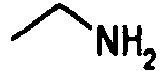

1Eq Ethylamin zu einer Suspension, bestehend aus 1Eq Paraformaldehyd in H2O, bei<31°C zugetropft (exotherm, Eisbad). Ca 30min nachgerührt. Mittels Eisbad auf ca 3°C abgekühlt und 1Eq Methylamin bei 3-5°C zulaufen lassen. 1Eq Eisessig bei <20°C zugetropft (exotherm, Eisbad)., 2-phasig 1Eq Glyoxal-Lös zugesetzt (exotherm, Eisbad, homogen). und bei RT 5 Tage gerührt. Ansatz bis zur Trockne am Rota eingeengt (schwarz-braunes Öl) 
1eq (70%ig in H2O) 1eq (97%ig) 

Gemisch von Produkten MMIM*Acetat/ EEIM*Acetat/ EMIM*Acetat 1:1.25:2.13 1eq (40%ig in H2O) 1eq (40%ig in H2O) 
1eq pKs : 4,75 3 

1Eq Ethylamin zu einer Suspension, bestehend aus 1Eq Paraformaldehyd in H2O, bei<31°C zugetropft (exotherm, Eisbad). Ca 30min nachgerührt. Mittels Eisbad auf ca 3°C abgekühlt und 1Eq Methylamin bei 3-5°C zulaufen lassen. 1Eq Glykolsäure bei <20°C zugetropft (exotherm, Eisbad), 2-phasig. 
2eq (70%ig in H2O) 1eq (97%ig) 
1eq (40%ig in H2O) 
1Eq Glyoxal-Lös zugesetzt (exotherm, Eisbad, homogen). und bei RT 5 Tage gerührt. Ansatz bis zur Trockne am Rota 1eq pKs 3,0 eingeengt (schwarz-braunes Öl) 5 

2eq ED1 zu einer Suspension, bestehend aus 1Eq Paraformaldehyd in H2O, bei 20-30°C zugetropft (exotherm, Eisbad). Ca 10min nachgerührt. 1Eq Propionsäure bei 20-30°C zugetropft (exotherm, Eisbad, 2-phasig, gelb-orangene trübe Suspension, ), ca 30min nachgerührt. 
1eq (97%ig) 
1eq (40%ig in H2O) 1Eq Glyoxal-Lös bei 20-30°C zugetropft (exotherm, Eisbad) und bei RT ü.N. gerührt (Wasserkühlung). 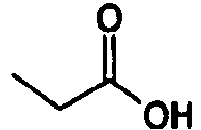
Den heterogenen rötlichen Ansatz am Rota bei max 70°C/4mbar eingeengt, (rot-braunes Öl) 1eq pH (10%ige Lös in EtOH/H2O 4:1 von R1) =6.50, H2O nKF=1,2050% Produkt in Acetonitril gelöst und mit 1M KOH/EtOH versetz, ca 2h bei RT gerührt, Feststoff abgesaugt, K1. Filtrat eingeengt, (Öl, enthält Feststoff) pH (10%ige Lös in EtOH/H2O 4:1 von R1) =8,40 nochmals in Acetonitril über Nacht bei RT gerührt, Feststoff abgesaugt, Filtrat eingeengt, (rot braunes Öl) 6 

2eq ED1 zu einer Suspension, bestehend aus 1Eq Paraformaldehyd in H2O, bei 20-30°C zugetropft (exotherm, Eisbad). Ca 10min nachgerührt. 
1eq (97%ig) 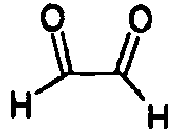
1Eq Benzoesäure bei 20-30°C portionsweise mit dem Spatel zugegeben (exotherm, Eisbad, gelbe klare Suspension), ca 30min nachgerührt. 1eq (40%ig in H2O) 1Eq Glyoxal-Lös bei 20-30°C zugetropft (exotherm, Eisbad) und bei RT über Nacht gerührt (Wasserkühlung). 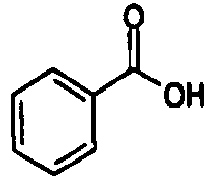
Den heterogenen Ansatz in einen Einhalskolben überführt und am Rota bei max 70°C/4mbar eingeengt, R1 (rot-braunes Öl das durchkristallisiert). 1eq Im Reaktionskolben bleibt ein gelblicher Feststoff an der Wand haften, diesen mit Toluol in einen Einhalskolben überführt und bei max 70°C/4mbar eingeengt, R2. R1 und R2 zusammen gegeben (R3) R3 in EtOH/Acetonitril gelöst und mit 1M KOH/EtOH versetzt, ca 1h bei RT gerührt, Feststoff abgesaugt, K1. Filtrat eingeengt, R4 Feststoff) pH (10%ige Lös in EtOH/H2O 4:1 von R4) =8,01 R4 nochmals in Acetonitril über Nacht bei Raumtemperatur (RT) T gerührt, Feststoff abgesaugt, Filtrat eingeengt, R5 (rot braunes Feststoff) 7 

2eq ED1 zu einer Suspension, bestehend aus 1Eq Paraformaldehyd in H2O, bei 20-30°C zugetropft (exotherm, Eisbad). 
1eq (97%ig) Ca 10min nachgerührt. 
1Eq Propionsäure bei 20-30°C zugetropft (exotherm, Eisbad,), ca 30min nachgerührt. 1eq (40%lg in H2O) 1Eq Glyoxal-Lös bei 20-30°C zugetropft (exotherm, Eisbad) und bei RT ü.N. gerührt (Wasserkühlung). Den heterogenen Ansatz am Rota bei max70°C/4mbar eingeengt, R1(dunkel-braunes Öl) 
1eq R1 in Acetonitril gelöst und mit 1M KOH/EtOH versetzt, ca 2h bei RT gerührt, Feststoff abgesaugt, K1. Filtrat eingeengt, R2 (Öl, enthält Feststoff) R2 nochmals in Acetonitril 5h bei RT gerührt, Feststoff abgesaugt, Filtrat eingeengt, R3 (rot braunes Öl) 8 

2Eq ED1 zu einer Lösung, bestehend aus 1Eq Formalin, 1Eq Glyoxal-Lös und 1Eq Ch3COOH bei <40°C zugetropft (exotherm, Elsbadkühlung). Ansatz rührt bei RT übers WE. Dabei wird aus der hell-braunen Lös eine dunkel-braune Lösung. 
2eq 1eq (36.5%ig in H2O) 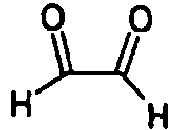
1 eq (40%ig In H2O) Ansatz am Rota bei max 70°C/4mbar eingeengt, R1 (schwarz-braunes Öl) 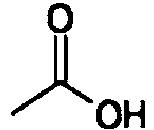
1eq 9 

1Eq Glyoxal-Lös und 1Eq Formalin und 1eq Eisessig werden vorgelegt (gering exotherm) homogen. 
1eq (70%igin H2O) 1eq (36.5%ig in H2O) 

1Eq Ethylamin + 1eq Methylamin bei<35°C zugetropft (exotherm, Eisbadküh-lung). Die Lösung rührt bei RT über Nacht. 
1eq (40%ig in H2O) Die dunk. Braune Lös am Rota eingeengt, R1(schwarz-braunes Öl) 1eq (40%ig in H2O) 

MMIM*Acetat/ EEIM*Acetat/ EMIM*Acetat 25:25:50 1eq - kontinuierliche Herstellung von 1,3-Diethylimidazolium-Acetat (EEIM-Acetat)
- Molverhältnis der Ausgangsstoffe Glyoxal (Gly), Formaldeyd (FA), Essigsäure bzw. Eisessig (ES), Ethylamin(EA):
- Gly : FA : ES : EA = 1 : 1 : 1 : 2
- Die Carbonylkomponenten (Gly, FA und ES) wurden vorab gemischt und als Zulauf 1 kontinuierlich zugeführt.
- 8 mol Glyoxal (40 %ig), 8 Mol Formaldehyd (40 %ig), 8 mol Eisessig,
- insgesamt 2249 g
- 16 mol Ethylamin (70 %ig); 1029 g
- Zulauf 1 wurde mit 8,73 ml/Stunde und Zulauf 2 mit 5,97 ml/Stunde dem ersten Rührkessel einer Rührkesselkaskade aus zwei Rührkesseln zugeführt.
- Der Versuch wurde bei unterschiedlichen Temperaturen durchgeführt:
Versuch Verweilzeit Minuten Temperatur °C Ausbeute an EEIM (1H- NMR) Mol % 12a 22 24 85 12b 30 40 96 12c 30 60 79
Claims (17)
- Verfahren zur Herstellung von 1,3 disubstituierten Imidazoliumsalzen der Formel I
 R1 und R3 jeweils unabhängig voneinander für einen organischen Rest mit 1 bis 20 C-Atomen stehenR2, R4, und R5 unabhängig voneinander für ein H-Atom oder für einen organischen Rest mit 1 bis 20 C-Atomen stehenX für das Anion einer Wasserstoffsäure mit einem pKs-Wert von mindestens 2 (gemessen bei 25 °C, 1 bar in Wasser oder Dimethylsulfoxid) steht, undn für 1, 2 oder 3 steht,und welche eine Löslichkeit in Wasser beziehungsweise Mischbarkeit mit Wasser von mindestens 50 Gramm Imidazoliumsalz in 1 Liter Wasser (bei 1 bar, 21°C) haben,dadurch gekennzeichnet, dassa) eine α -Dicarbonylverbindung, ein Aldehyd, ein Amin und die Wasserstoffsäure des Anions X- miteinander umgesetzt werden undb) die Umsetzung in Wasser, einem mit Wasser mischbaren Lösemittel oder deren Gemische erfolgt und das Reaktionsgemisch weder während noch nach der Umsetzung Kohlenwasserstoffe enthält
 - Verfahren gemäß Anspruch 1, dadurch gekennzeichnet, dass R1 und R3 jeweils für den gleichen organischen Rest stehen und es sich daher um symmetrische, disubstituierte Imidazoliumsalze handelt.
- Verfahren gemäß Anspruch 1 oder 2, dadurch gekennzeichnet, dass R1 und R3 unabhängig voneinander für eine C1 bis C10 Alkylgruppe stehen.
- Verfahren gemäß einem der Ansprüche 1 bis 3, dadurch gekennzeichnet, dass R2, R4 und R5 unabhängig voneinander für ein H-Atom oder eine C1 bis C10 Alkylgruppe stehen
- Verfahren gemäß einem der Ansprüche 1 bis 4, dadurch gekennzeichnet, dass n für 1 steht.
- Verfahren gemäß einem der Ansprüche 1 bis 5, dadurch gekennzeichnet, dass der pKs-Wert der Wasserstoffsäure des Anions X 3 bis 8, vorzugsweise 4 bis 6 beträgt.
- Verfahren gemäß einem der Ansprüche 1 bis 6, dadurch gekennzeichnet, dass X für das Anion einer Verbindung mit mindestens einer Carboxylatgruppe steht (kurz Carboxylat).
- Verfahren gemäß einem der Ansprüche 1 bis 7, dadurch gekennzeichnet, dass X für das Acetat- Anion steht
- Verfahren gemäß einem der Ansprüche 1 bis 8, dadurch gekennzeichnet, dass es sich bei der α -Dicarbonylverbindung um eine Verbindung der Formel II
R4-CO-CO-R5
handelt, wobei R4 und R5 die obengenannte Bedeutung haben. - Verfahren gemäß einem der Ansprüche 1 bis 9, dadurch gekennzeichnet, dass es sich bei der α -Dicarbonylverbindung um Glyoxal handelt.
- Verfahren gemäß einem der Ansprüche 1 bis 10, dadurch gekennzeichnet, dass es sich bei dem Aldehyd um ein Aldehyd der Formel R2-CHO handelt, worin R2 die oben genannte Bedeutung hat.
- Verfahren gemäß einem der Ansprüche 1 bis 11, dadurch gekennzeichnet, dass es sich bei dem Amin um ein Amin der Formel R1-NH2 oder ein Gemisch von Aminen mit unterschiedlichen Resten R1 handelt.
- Verfahren gemäß einem der Ansprüche 1 bis 12, dadurch gekennzeichnet, dass es sich bei der Wasserstoffsäure des Anions X um eine Alkancarbonsäure handelt.
- Verfahren gemäß einem der Ansprüche 1 bis 13, dadurch gekennzeichnet, dass die Umsetzung in Wasser erfolgt.
- Verfahren gemäß einem der Ansprüche 1 bis 14, dadurch gekennzeichnet, dass das Wasser oder das Wasser enthaltende Lösemittelgemisch nach der Umsetzung ohne Verwendung eines Schleppmittels abdestilliert wird.
- Verfahren gemäß einem der Ansprüche 1 bis 15, dadurch gekennzeichnet, dass das verfahren kontinuierlich durchgeführt wird, wobei alle Ausgangsstoffe mit Carbonyl- und Carboxylatgruppen, d.h. die α -Dicarbonylverbindung, der Aldehyd und ggb die Wasserstoffsäure des Anions X, vorab gemischt werden und dem Reaktionsgefäß gemeinsam als ein Zulauf zugeführt werden.
- Verfahren gemäß einem Ansprüche 1 bis 16, dadurch gekennzeichnet, dass das erhaltene Reaktionsprodukt mit einem Oxidationsmittel behandelt wird.
Priority Applications (2)
| Application Number | Priority Date | Filing Date | Title |
|---|---|---|---|
| PL08859229T PL2229367T3 (pl) | 2007-12-12 | 2008-12-08 | Sposób wytwarzania dipodstawionych soli imidazoliowych |
| EP08859229.0A EP2229367B1 (de) | 2007-12-12 | 2008-12-08 | Verfahren zur herstellung von disubstituierten imidazoliumsalzen |
Applications Claiming Priority (3)
| Application Number | Priority Date | Filing Date | Title |
|---|---|---|---|
| EP07122982 | 2007-12-12 | ||
| PCT/EP2008/067014 WO2009074535A2 (de) | 2007-12-12 | 2008-12-08 | Verfahren zur herstellung von disubstituierten imidazoliumsalzen |
| EP08859229.0A EP2229367B1 (de) | 2007-12-12 | 2008-12-08 | Verfahren zur herstellung von disubstituierten imidazoliumsalzen |
Publications (2)
| Publication Number | Publication Date |
|---|---|
| EP2229367A2 EP2229367A2 (de) | 2010-09-22 |
| EP2229367B1 true EP2229367B1 (de) | 2015-02-25 |
Family
ID=40755929
Family Applications (1)
| Application Number | Title | Priority Date | Filing Date |
|---|---|---|---|
| EP08859229.0A Not-in-force EP2229367B1 (de) | 2007-12-12 | 2008-12-08 | Verfahren zur herstellung von disubstituierten imidazoliumsalzen |
Country Status (9)
| Country | Link |
|---|---|
| US (1) | US9096540B2 (de) |
| EP (1) | EP2229367B1 (de) |
| JP (1) | JP5583024B2 (de) |
| KR (1) | KR20100098437A (de) |
| CN (1) | CN101896467A (de) |
| ES (1) | ES2536636T3 (de) |
| PL (1) | PL2229367T3 (de) |
| WO (1) | WO2009074535A2 (de) |
| ZA (1) | ZA201004848B (de) |
Families Citing this family (42)
| Publication number | Priority date | Publication date | Assignee | Title |
|---|---|---|---|---|
| PL2229366T3 (pl) * | 2007-12-12 | 2013-10-31 | Basf Se | Sposób przeróbki mieszanin zawierających sole imidazoliowe |
| WO2009105236A1 (en) * | 2008-02-19 | 2009-08-27 | The Board Of Trustees Of The University Of Alabama | Ionic liquid systems for the processing of biomass, their components and/or derivatives, and mixtures thereof |
| WO2010072571A1 (de) | 2008-12-22 | 2010-07-01 | Basf Se | Verfahren zur herstellung von polymeren, ionischen imidazoliumverbindungen |
| WO2010141470A2 (en) | 2009-06-01 | 2010-12-09 | The Board Of Trustees Of The University Of Alabama | Process for forming films, fibers, and beads from chitinous biomass |
| US20100331222A1 (en) * | 2009-06-26 | 2010-12-30 | Basf Se | Process for producing cellulose beads from solutions of cellulose in ionic liquid |
| WO2011011322A1 (en) | 2009-07-24 | 2011-01-27 | The Board Of Trustees Of The University Of Alabama | Conductive composites prepared using ionic liquids |
| WO2011061314A1 (de) | 2009-11-23 | 2011-05-26 | Basf Se | Katalysatoren für polyurethanbeschichtungsmassen |
| EP2576696B1 (de) * | 2010-06-01 | 2017-10-04 | Basf Se | Zusammensetzung zur metallgalvanisierung mit verlaufmittel |
| US9090567B2 (en) | 2011-03-15 | 2015-07-28 | Basf Se | Process for preparing ionic liquids by anion exchange |
| EP2686304B1 (de) | 2011-03-15 | 2016-05-18 | Basf Se | Verfahren zur Herstellung von ionischen Flüssigkeiten durch Anionenaustausch |
| US9394375B2 (en) | 2011-03-25 | 2016-07-19 | Board Of Trustees Of The University Of Alabama | Compositions containing recyclable ionic liquids for use in biomass processing |
| DE102011083976A1 (de) | 2011-10-04 | 2013-04-04 | Evonik Degussa Gmbh | Sorptionsmittel für Absorptionswärmepumpen |
| DE102012200907A1 (de) | 2012-01-23 | 2013-07-25 | Evonik Industries Ag | Verfahren und Absorptionsmedium zur Absorption von CO2 aus einer Gasmischung |
| DE102012207509A1 (de) | 2012-05-07 | 2013-11-07 | Evonik Degussa Gmbh | Verfahren zur Absorption von CO2 aus einer Gasmischung |
| FR2999180B1 (fr) * | 2012-12-12 | 2015-04-10 | Ecole Nationale Superieure De Chimie De Rennes | Procede de preparation de sels d'imidazolium dissymetriques |
| WO2014106578A1 (de) | 2013-01-07 | 2014-07-10 | Basf Se | Katalysatoren für polyurethanbeschichtungsmassen |
| DE102014214674A1 (de) | 2014-07-25 | 2016-01-28 | Evonik Degussa Gmbh | Verfahren zur Herstellung substituierter Imidazoliumsalze |
| JP2017524055A (ja) * | 2014-08-06 | 2017-08-24 | ビーエーエスエフ ソシエタス・ヨーロピアBasf Se | 高分子量のイオン性ポリマーイミダゾリウム化合物の製造方法 |
| US10100131B2 (en) | 2014-08-27 | 2018-10-16 | The Board Of Trustees Of The University Of Alabama | Chemical pulping of chitinous biomass for chitin |
| US10982381B2 (en) | 2014-10-06 | 2021-04-20 | Natural Fiber Welding, Inc. | Methods, processes, and apparatuses for producing welded substrates |
| US10011931B2 (en) | 2014-10-06 | 2018-07-03 | Natural Fiber Welding, Inc. | Methods, processes, and apparatuses for producing dyed and welded substrates |
| DE102014226441A1 (de) | 2014-12-18 | 2016-06-23 | Evonik Degussa Gmbh | Verfahren zum Reinigen einer ionischen Flüssigkeit und Verfahren zum Entfeuchten von Luft |
| DE102015212749A1 (de) | 2015-07-08 | 2017-01-12 | Evonik Degussa Gmbh | Verfahren zur Entfeuchtung von feuchten Gasgemischen |
| FR3038853B1 (fr) * | 2015-07-16 | 2019-06-07 | Universite De Bourgogne | Utilisation de liquides ioniques recyclables comme catalyseurs d'esterification |
| BR112018010046A2 (pt) * | 2015-11-20 | 2018-11-21 | Hexion Inc | composição, e, método para tratar incrustação |
| EP3433416B1 (de) | 2016-03-25 | 2023-12-06 | Natural Fiber Welding, Inc. | Verfahren zur herstellung von einem geschweissten substrat |
| AU2017259983B2 (en) | 2016-05-03 | 2021-08-19 | Natural Fiber Welding, Inc. | Methods, processes, and apparatuses for producing dyed and welded substrates |
| DE102016210483A1 (de) | 2016-06-14 | 2017-12-14 | Evonik Degussa Gmbh | Verfahren und Absorptionsmittel zur Entfeuchtung von feuchten Gasgemischen |
| DE102016210484A1 (de) | 2016-06-14 | 2017-12-14 | Evonik Degussa Gmbh | Verfahren zur Entfeuchtung von feuchten Gasgemischen |
| DE102016210478A1 (de) | 2016-06-14 | 2017-12-14 | Evonik Degussa Gmbh | Verfahren zur Entfeuchtung von feuchten Gasgemischen |
| DE102016210481B3 (de) | 2016-06-14 | 2017-06-08 | Evonik Degussa Gmbh | Verfahren zum Reinigen einer ionischen Flüssigkeit |
| EP3257843A1 (de) | 2016-06-14 | 2017-12-20 | Evonik Degussa GmbH | Verfahren zur herstellung von hochreinem imidazoliumsalz |
| EP3257568B1 (de) | 2016-06-14 | 2019-09-18 | Evonik Degussa GmbH | Verfahren zur entfeuchtung von feuchten gasgemischen mit ionischen flüssigkeiten |
| US10927191B2 (en) | 2017-01-06 | 2021-02-23 | The Board Of Trustees Of The University Of Alabama | Coagulation of chitin from ionic liquid solutions using kosmotropic salts |
| WO2018160678A1 (en) | 2017-02-28 | 2018-09-07 | Basf Se | Curable sealant composition |
| WO2018160691A1 (en) | 2017-02-28 | 2018-09-07 | Basf Se | Curable sealant composition |
| WO2018236445A2 (en) | 2017-03-24 | 2018-12-27 | The Board Of Trustees Of The University Of Alabama | METALLIC-CHITIN PARTICLE COMPOSITE MATERIALS AND METHODS OF MAKING SAME |
| TWI829660B (zh) | 2017-11-11 | 2024-01-21 | 美商天然纖維焊接股份有限公司 | 紗與熔接紗 |
| FR3085162B1 (fr) | 2018-08-21 | 2020-12-04 | Demeta | Procede de preparation de sels d'imidazolium dissymetriques |
| JP7690116B2 (ja) * | 2022-03-31 | 2025-06-09 | 広栄化学株式会社 | オニウム塩、オニウム塩組成物、当該オニウム塩と多糖類を含有する液状組成物及びその製造方法並びに多糖類の回収方法 |
| CN119372264A (zh) * | 2023-07-27 | 2025-01-28 | 广荣化学株式会社 | 鎓盐组合物、纤维素水解物的制造方法、醇和/或有机酸的制造方法 |
| JP2025058877A (ja) * | 2023-09-28 | 2025-04-09 | 広栄化学株式会社 | オニウム塩の製造方法及びオニウム塩の精製方法 |
Family Cites Families (19)
| Publication number | Priority date | Publication date | Assignee | Title |
|---|---|---|---|---|
| US398931A (en) * | 1889-03-05 | birth | ||
| US359396A (en) * | 1887-03-15 | Henry h | ||
| MW7087A1 (en) * | 1986-10-03 | 1988-05-11 | Hoffmann La Roche | 1,3-disubstituted imidazolium salts |
| US5182405A (en) * | 1990-03-29 | 1993-01-26 | E. I. Du Pont De Nemours And Company | Preparation of 1,3-disubstituted imidazolium salts |
| US5077414A (en) | 1990-03-29 | 1991-12-31 | E. I. Du Pont De Nemours And Company | Preparation of 1,3-disubstituted imidazolium salts |
| JP2964244B1 (ja) * | 1998-05-14 | 1999-10-18 | 三洋化成工業株式会社 | 4級環状アミジン有機酸塩の製造法 |
| US7253289B2 (en) * | 2001-01-22 | 2007-08-07 | Covalent Associates, Inc. | One-step process for the preparation of halide-free hydrophobic salts |
| JP4039828B2 (ja) * | 2001-08-24 | 2008-01-30 | セントラル硝子株式会社 | イオン液体組成物 |
| JP2005520013A (ja) * | 2002-03-11 | 2005-07-07 | チバ スペシャルティ ケミカルズ ホールディング インコーポレーテッド | カチオン化合物のアニオンを交換する方法 |
| JP2004207451A (ja) * | 2002-12-25 | 2004-07-22 | Sanyo Chem Ind Ltd | 電解液 |
| DE102004043632A1 (de) * | 2004-09-07 | 2006-03-09 | Basf Ag | Verfahren zur Herstellung heterocyclischer quartärer Ammonium- und/oder Guanidinium-Verbindungen |
| CN100569372C (zh) * | 2005-01-04 | 2009-12-16 | 华南理工大学 | 1,3-二酯基咪唑离子液体及其制备方法 |
| FR2888746B1 (fr) * | 2005-07-19 | 2007-10-12 | Oreal | Utilisation d'une composition tinctoriale comprenant un colorant direct comprenant au moins une charge cationique en presence d'une source de chaleur et procede de mise en oeuvre |
| CN1308367C (zh) * | 2005-09-09 | 2007-04-04 | 浙江大学 | 一种制备羟基酸缩聚物的缩合聚合方法 |
| WO2007076979A1 (de) * | 2005-12-23 | 2007-07-12 | Basf Se | Lösungssystem auf der basis geschmolzener ionischer flüssigkeiten, dessen herstellung sowie verwendung zur herstellung regenerierter kohlenhydrate |
| JP2008074740A (ja) * | 2006-09-20 | 2008-04-03 | Sanyo Chem Ind Ltd | イミダゾリウム塩の製造方法 |
| US8309760B2 (en) | 2007-05-31 | 2012-11-13 | University Of Alabama | Process for purification of aryl carboxylic acids |
| DE102007041416A1 (de) * | 2007-08-31 | 2009-03-05 | Basf Se | Destillation ionischer Flüssigkeiten |
| PL2229366T3 (pl) * | 2007-12-12 | 2013-10-31 | Basf Se | Sposób przeróbki mieszanin zawierających sole imidazoliowe |
-
2008
- 2008-12-08 WO PCT/EP2008/067014 patent/WO2009074535A2/de not_active Ceased
- 2008-12-08 CN CN2008801204846A patent/CN101896467A/zh active Pending
- 2008-12-08 EP EP08859229.0A patent/EP2229367B1/de not_active Not-in-force
- 2008-12-08 PL PL08859229T patent/PL2229367T3/pl unknown
- 2008-12-08 KR KR1020107015190A patent/KR20100098437A/ko not_active Ceased
- 2008-12-08 ES ES08859229.0T patent/ES2536636T3/es active Active
- 2008-12-08 JP JP2010537400A patent/JP5583024B2/ja not_active Expired - Fee Related
- 2008-12-08 US US12/744,259 patent/US9096540B2/en not_active Expired - Fee Related
-
2010
- 2010-07-09 ZA ZA2010/04848A patent/ZA201004848B/en unknown
Also Published As
| Publication number | Publication date |
|---|---|
| JP2011506382A (ja) | 2011-03-03 |
| US20100249432A1 (en) | 2010-09-30 |
| JP5583024B2 (ja) | 2014-09-03 |
| ES2536636T3 (es) | 2015-05-27 |
| ZA201004848B (en) | 2011-09-28 |
| WO2009074535A2 (de) | 2009-06-18 |
| KR20100098437A (ko) | 2010-09-06 |
| PL2229367T3 (pl) | 2015-08-31 |
| US9096540B2 (en) | 2015-08-04 |
| EP2229367A2 (de) | 2010-09-22 |
| CN101896467A (zh) | 2010-11-24 |
| WO2009074535A3 (de) | 2009-11-26 |
Similar Documents
| Publication | Publication Date | Title |
|---|---|---|
| EP2229367A2 (de) | Verfahren zur herstellung von disubstituierten imidazoliumsalzen | |
| DE102014214674A1 (de) | Verfahren zur Herstellung substituierter Imidazoliumsalze | |
| EP2229366B1 (de) | Verfahren zur Aufarbeitung von Gemischen, welche Imidazoliumsalze enthalten | |
| EP0388744B1 (de) | Verfahren zur Herstellung von beta-Amino-acrylsäureestern | |
| DE10061212A1 (de) | Verfahren zur Herstellung heterocyclischer Verbindungen | |
| DE2414280C2 (de) | Verfahren zur Herstellung von 1-Methyl-5-nitroimidazolen | |
| EP0008057A1 (de) | Verfahren zur Herstellung von N-substituierten alpha-Halogen-acetaniliden | |
| DE2365131A1 (de) | Verfahren zur herstellung von p-nitrobenzoesaeure | |
| DE3315510A1 (de) | Verfahren zur herstellung von oxiranen | |
| EP0347676B1 (de) | Verfahren zur Herstellung von N-Hydroxypyrazolen | |
| WO1995018093A1 (de) | Verfahren zur herstellung von n-substituierten glycinsäuren oder glycinestern und verwendung des verfahrens zur indigosynthese | |
| DE69008431T2 (de) | Verfahren zur Herstellung von Imidazol-Derivaten. | |
| DE2827351A1 (de) | 2-substituierte 1-alykl-nitroimidazole und verfahren zur herstellung von 2-substituierten 1-alkyl-nitroimidazolen | |
| DE1925379A1 (de) | Verfahren zur Herstellung von Percarbonsaeureloesungen | |
| EP0110116B1 (de) | Verfahren zur Herstellung von Keten-O,N-acetalen | |
| WO2004037795A1 (de) | Verfahren zur herstellung von 2-amino-4-chlor-6-alkoxypyrimidinen | |
| DE3113987C2 (de) | ||
| DE2359625A1 (de) | Verfahren zur herstellung von 1-hydroxyalkyl-5-nitroimidazolen | |
| DE1670356B2 (de) | Verfahren zur herstellung von 2-nitroalkyloxazolinen oder -imidazolinen | |
| DE1670356C3 (de) | Verfahren zur Herstellung von 2-NHroalkyloxazolinen oder -imidazolinen | |
| DE3150929A1 (de) | "verfahren zur herstellung von cytosin" | |
| EP0137176B1 (de) | N,N'-Bis-(2,3-epoxypropyl)-derivate cyclischer Dicarbonsäurehydrazide und ein Verfahren zu ihrer Herstellung | |
| DE2660213C2 (de) | Verfahren zur Herstellung von Acylcyaniden | |
| EP0623600A1 (de) | Verfahren zur Herstellung von 3-Amino-5-methylpyrazol | |
| EP0069905A2 (de) | Verfahren zur Herstellung von Hydrazidinen |
Legal Events
| Date | Code | Title | Description |
|---|---|---|---|
| PUAI | Public reference made under article 153(3) epc to a published international application that has entered the european phase |
Free format text: ORIGINAL CODE: 0009012 |
|
| 17P | Request for examination filed |
Effective date: 20100712 |
|
| AK | Designated contracting states |
Kind code of ref document: A2 Designated state(s): AT BE BG CH CY CZ DE DK EE ES FI FR GB GR HR HU IE IS IT LI LT LU LV MC MT NL NO PL PT RO SE SI SK TR |
|
| AX | Request for extension of the european patent |
Extension state: AL BA MK RS |
|
| DAX | Request for extension of the european patent (deleted) | ||
| 17Q | First examination report despatched |
Effective date: 20140910 |
|
| GRAP | Despatch of communication of intention to grant a patent |
Free format text: ORIGINAL CODE: EPIDOSNIGR1 |
|
| INTG | Intention to grant announced |
Effective date: 20141027 |
|
| GRAS | Grant fee paid |
Free format text: ORIGINAL CODE: EPIDOSNIGR3 |
|
| GRAA | (expected) grant |
Free format text: ORIGINAL CODE: 0009210 |
|
| AK | Designated contracting states |
Kind code of ref document: B1 Designated state(s): AT BE BG CH CY CZ DE DK EE ES FI FR GB GR HR HU IE IS IT LI LT LU LV MC MT NL NO PL PT RO SE SI SK TR |
|
| REG | Reference to a national code |
Ref country code: GB Ref legal event code: FG4D Free format text: NOT ENGLISH |
|
| REG | Reference to a national code |
Ref country code: CH Ref legal event code: EP |
|
| REG | Reference to a national code |
Ref country code: IE Ref legal event code: FG4D Free format text: LANGUAGE OF EP DOCUMENT: GERMAN |
|
| REG | Reference to a national code |
Ref country code: DE Ref legal event code: R096 Ref document number: 502008012715 Country of ref document: DE Effective date: 20150409 |
|
| REG | Reference to a national code |
Ref country code: AT Ref legal event code: REF Ref document number: 711846 Country of ref document: AT Kind code of ref document: T Effective date: 20150415 |
|
| REG | Reference to a national code |
Ref country code: SE Ref legal event code: TRGR |
|
| REG | Reference to a national code |
Ref country code: ES Ref legal event code: FG2A Ref document number: 2536636 Country of ref document: ES Kind code of ref document: T3 Effective date: 20150527 |
|
| REG | Reference to a national code |
Ref country code: LT Ref legal event code: MG4D |
|
| PG25 | Lapsed in a contracting state [announced via postgrant information from national office to epo] |
Ref country code: NO Free format text: LAPSE BECAUSE OF FAILURE TO SUBMIT A TRANSLATION OF THE DESCRIPTION OR TO PAY THE FEE WITHIN THE PRESCRIBED TIME-LIMIT Effective date: 20150525 Ref country code: LT Free format text: LAPSE BECAUSE OF FAILURE TO SUBMIT A TRANSLATION OF THE DESCRIPTION OR TO PAY THE FEE WITHIN THE PRESCRIBED TIME-LIMIT Effective date: 20150225 Ref country code: HR Free format text: LAPSE BECAUSE OF FAILURE TO SUBMIT A TRANSLATION OF THE DESCRIPTION OR TO PAY THE FEE WITHIN THE PRESCRIBED TIME-LIMIT Effective date: 20150225 |
|
| PG25 | Lapsed in a contracting state [announced via postgrant information from national office to epo] |
Ref country code: IS Free format text: LAPSE BECAUSE OF FAILURE TO SUBMIT A TRANSLATION OF THE DESCRIPTION OR TO PAY THE FEE WITHIN THE PRESCRIBED TIME-LIMIT Effective date: 20150625 Ref country code: GR Free format text: LAPSE BECAUSE OF FAILURE TO SUBMIT A TRANSLATION OF THE DESCRIPTION OR TO PAY THE FEE WITHIN THE PRESCRIBED TIME-LIMIT Effective date: 20150526 Ref country code: LV Free format text: LAPSE BECAUSE OF FAILURE TO SUBMIT A TRANSLATION OF THE DESCRIPTION OR TO PAY THE FEE WITHIN THE PRESCRIBED TIME-LIMIT Effective date: 20150225 |
|
| REG | Reference to a national code |
Ref country code: PL Ref legal event code: T3 |
|
| PG25 | Lapsed in a contracting state [announced via postgrant information from national office to epo] |
Ref country code: DK Free format text: LAPSE BECAUSE OF FAILURE TO SUBMIT A TRANSLATION OF THE DESCRIPTION OR TO PAY THE FEE WITHIN THE PRESCRIBED TIME-LIMIT Effective date: 20150225 Ref country code: SK Free format text: LAPSE BECAUSE OF FAILURE TO SUBMIT A TRANSLATION OF THE DESCRIPTION OR TO PAY THE FEE WITHIN THE PRESCRIBED TIME-LIMIT Effective date: 20150225 Ref country code: RO Free format text: LAPSE BECAUSE OF FAILURE TO SUBMIT A TRANSLATION OF THE DESCRIPTION OR TO PAY THE FEE WITHIN THE PRESCRIBED TIME-LIMIT Effective date: 20150225 Ref country code: EE Free format text: LAPSE BECAUSE OF FAILURE TO SUBMIT A TRANSLATION OF THE DESCRIPTION OR TO PAY THE FEE WITHIN THE PRESCRIBED TIME-LIMIT Effective date: 20150225 |
|
| REG | Reference to a national code |
Ref country code: DE Ref legal event code: R097 Ref document number: 502008012715 Country of ref document: DE |
|
| REG | Reference to a national code |
Ref country code: HU Ref legal event code: AG4A Ref document number: E024889 Country of ref document: HU Ref country code: FR Ref legal event code: PLFP Year of fee payment: 8 |
|
| PLBE | No opposition filed within time limit |
Free format text: ORIGINAL CODE: 0009261 |
|
| STAA | Information on the status of an ep patent application or granted ep patent |
Free format text: STATUS: NO OPPOSITION FILED WITHIN TIME LIMIT |
|
| 26N | No opposition filed |
Effective date: 20151126 |
|
| PG25 | Lapsed in a contracting state [announced via postgrant information from national office to epo] |
Ref country code: SI Free format text: LAPSE BECAUSE OF FAILURE TO SUBMIT A TRANSLATION OF THE DESCRIPTION OR TO PAY THE FEE WITHIN THE PRESCRIBED TIME-LIMIT Effective date: 20150225 |
|
| PG25 | Lapsed in a contracting state [announced via postgrant information from national office to epo] |
Ref country code: MC Free format text: LAPSE BECAUSE OF FAILURE TO SUBMIT A TRANSLATION OF THE DESCRIPTION OR TO PAY THE FEE WITHIN THE PRESCRIBED TIME-LIMIT Effective date: 20150225 Ref country code: LU Free format text: LAPSE BECAUSE OF FAILURE TO SUBMIT A TRANSLATION OF THE DESCRIPTION OR TO PAY THE FEE WITHIN THE PRESCRIBED TIME-LIMIT Effective date: 20151208 |
|
| REG | Reference to a national code |
Ref country code: IE Ref legal event code: MM4A |
|
| PG25 | Lapsed in a contracting state [announced via postgrant information from national office to epo] |
Ref country code: IE Free format text: LAPSE BECAUSE OF NON-PAYMENT OF DUE FEES Effective date: 20151208 |
|
| REG | Reference to a national code |
Ref country code: FR Ref legal event code: PLFP Year of fee payment: 9 |
|
| PG25 | Lapsed in a contracting state [announced via postgrant information from national office to epo] |
Ref country code: BG Free format text: LAPSE BECAUSE OF FAILURE TO SUBMIT A TRANSLATION OF THE DESCRIPTION OR TO PAY THE FEE WITHIN THE PRESCRIBED TIME-LIMIT Effective date: 20150225 |
|
| PG25 | Lapsed in a contracting state [announced via postgrant information from national office to epo] |
Ref country code: CY Free format text: LAPSE BECAUSE OF FAILURE TO SUBMIT A TRANSLATION OF THE DESCRIPTION OR TO PAY THE FEE WITHIN THE PRESCRIBED TIME-LIMIT Effective date: 20150225 |
|
| PG25 | Lapsed in a contracting state [announced via postgrant information from national office to epo] |
Ref country code: TR Free format text: LAPSE BECAUSE OF FAILURE TO SUBMIT A TRANSLATION OF THE DESCRIPTION OR TO PAY THE FEE WITHIN THE PRESCRIBED TIME-LIMIT Effective date: 20150225 Ref country code: MT Free format text: LAPSE BECAUSE OF FAILURE TO SUBMIT A TRANSLATION OF THE DESCRIPTION OR TO PAY THE FEE WITHIN THE PRESCRIBED TIME-LIMIT Effective date: 20150225 |
|
| REG | Reference to a national code |
Ref country code: FR Ref legal event code: PLFP Year of fee payment: 10 |
|
| PG25 | Lapsed in a contracting state [announced via postgrant information from national office to epo] |
Ref country code: PT Free format text: LAPSE BECAUSE OF FAILURE TO SUBMIT A TRANSLATION OF THE DESCRIPTION OR TO PAY THE FEE WITHIN THE PRESCRIBED TIME-LIMIT Effective date: 20150225 |
|
| PGFP | Annual fee paid to national office [announced via postgrant information from national office to epo] |
Ref country code: CZ Payment date: 20181205 Year of fee payment: 11 Ref country code: PL Payment date: 20181120 Year of fee payment: 11 Ref country code: FI Payment date: 20181219 Year of fee payment: 11 Ref country code: AT Payment date: 20181227 Year of fee payment: 11 Ref country code: HU Payment date: 20181121 Year of fee payment: 11 |
|
| PGFP | Annual fee paid to national office [announced via postgrant information from national office to epo] |
Ref country code: FR Payment date: 20181231 Year of fee payment: 11 Ref country code: CH Payment date: 20181227 Year of fee payment: 11 Ref country code: BE Payment date: 20181221 Year of fee payment: 11 Ref country code: GB Payment date: 20181221 Year of fee payment: 11 |
|
| PGFP | Annual fee paid to national office [announced via postgrant information from national office to epo] |
Ref country code: DE Payment date: 20190228 Year of fee payment: 11 Ref country code: IT Payment date: 20181220 Year of fee payment: 11 Ref country code: ES Payment date: 20190131 Year of fee payment: 11 Ref country code: NL Payment date: 20181221 Year of fee payment: 11 |
|
| PGFP | Annual fee paid to national office [announced via postgrant information from national office to epo] |
Ref country code: SE Payment date: 20181228 Year of fee payment: 11 |
|
| REG | Reference to a national code |
Ref country code: DE Ref legal event code: R119 Ref document number: 502008012715 Country of ref document: DE |
|
| REG | Reference to a national code |
Ref country code: FI Ref legal event code: MAE |
|
| REG | Reference to a national code |
Ref country code: SE Ref legal event code: EUG |
|
| PG25 | Lapsed in a contracting state [announced via postgrant information from national office to epo] |
Ref country code: CZ Free format text: LAPSE BECAUSE OF NON-PAYMENT OF DUE FEES Effective date: 20191208 Ref country code: FI Free format text: LAPSE BECAUSE OF NON-PAYMENT OF DUE FEES Effective date: 20191208 |
|
| REG | Reference to a national code |
Ref country code: CH Ref legal event code: PL |
|
| REG | Reference to a national code |
Ref country code: NL Ref legal event code: MM Effective date: 20200101 |
|
| REG | Reference to a national code |
Ref country code: AT Ref legal event code: MM01 Ref document number: 711846 Country of ref document: AT Kind code of ref document: T Effective date: 20191208 |
|
| REG | Reference to a national code |
Ref country code: BE Ref legal event code: MM Effective date: 20191231 |
|
| GBPC | Gb: european patent ceased through non-payment of renewal fee |
Effective date: 20191208 |
|
| PG25 | Lapsed in a contracting state [announced via postgrant information from national office to epo] |
Ref country code: NL Free format text: LAPSE BECAUSE OF NON-PAYMENT OF DUE FEES Effective date: 20200101 |
|
| PG25 | Lapsed in a contracting state [announced via postgrant information from national office to epo] |
Ref country code: DE Free format text: LAPSE BECAUSE OF NON-PAYMENT OF DUE FEES Effective date: 20200701 Ref country code: SE Free format text: LAPSE BECAUSE OF NON-PAYMENT OF DUE FEES Effective date: 20191209 Ref country code: IT Free format text: LAPSE BECAUSE OF NON-PAYMENT OF DUE FEES Effective date: 20191208 Ref country code: GB Free format text: LAPSE BECAUSE OF NON-PAYMENT OF DUE FEES Effective date: 20191208 Ref country code: FR Free format text: LAPSE BECAUSE OF NON-PAYMENT OF DUE FEES Effective date: 20191231 |
|
| PG25 | Lapsed in a contracting state [announced via postgrant information from national office to epo] |
Ref country code: CH Free format text: LAPSE BECAUSE OF NON-PAYMENT OF DUE FEES Effective date: 20191231 Ref country code: HU Free format text: LAPSE BECAUSE OF NON-PAYMENT OF DUE FEES Effective date: 20191209 Ref country code: LI Free format text: LAPSE BECAUSE OF NON-PAYMENT OF DUE FEES Effective date: 20191231 Ref country code: AT Free format text: LAPSE BECAUSE OF NON-PAYMENT OF DUE FEES Effective date: 20191208 Ref country code: BE Free format text: LAPSE BECAUSE OF NON-PAYMENT OF DUE FEES Effective date: 20191231 |
|
| REG | Reference to a national code |
Ref country code: ES Ref legal event code: FD2A Effective date: 20210601 |
|
| PG25 | Lapsed in a contracting state [announced via postgrant information from national office to epo] |
Ref country code: ES Free format text: LAPSE BECAUSE OF NON-PAYMENT OF DUE FEES Effective date: 20191209 |
|
| PG25 | Lapsed in a contracting state [announced via postgrant information from national office to epo] |
Ref country code: PL Free format text: LAPSE BECAUSE OF NON-PAYMENT OF DUE FEES Effective date: 20191208 |