EP2249842B2 - Use of 25-hydroxy-vitamin d3 and vitamin d to affect human muscle physiology - Google Patents
Use of 25-hydroxy-vitamin d3 and vitamin d to affect human muscle physiology Download PDFInfo
- Publication number
- EP2249842B2 EP2249842B2 EP09710537.3A EP09710537A EP2249842B2 EP 2249842 B2 EP2249842 B2 EP 2249842B2 EP 09710537 A EP09710537 A EP 09710537A EP 2249842 B2 EP2249842 B2 EP 2249842B2
- Authority
- EP
- European Patent Office
- Prior art keywords
- vitamin
- muscle
- combination
- oil
- treatment
- Prior art date
- Legal status (The legal status is an assumption and is not a legal conclusion. Google has not performed a legal analysis and makes no representation as to the accuracy of the status listed.)
- Active
Links
Images



Classifications
-
- A—HUMAN NECESSITIES
- A61—MEDICAL OR VETERINARY SCIENCE; HYGIENE
- A61K—PREPARATIONS FOR MEDICAL, DENTAL OR TOILETRY PURPOSES
- A61K31/00—Medicinal preparations containing organic active ingredients
- A61K31/59—Compounds containing 9, 10- seco- cyclopenta[a]hydrophenanthrene ring systems
- A61K31/593—9,10-Secocholestane derivatives, e.g. cholecalciferol, i.e. vitamin D3
-
- A—HUMAN NECESSITIES
- A23—FOODS OR FOODSTUFFS; TREATMENT THEREOF, NOT COVERED BY OTHER CLASSES
- A23L—FOODS, FOODSTUFFS OR NON-ALCOHOLIC BEVERAGES, NOT OTHERWISE PROVIDED FOR; PREPARATION OR TREATMENT THEREOF
- A23L33/00—Modifying nutritive qualities of foods; Dietetic products; Preparation or treatment thereof
- A23L33/10—Modifying nutritive qualities of foods; Dietetic products; Preparation or treatment thereof using additives
- A23L33/15—Vitamins
- A23L33/155—Vitamins A or D
-
- A—HUMAN NECESSITIES
- A61—MEDICAL OR VETERINARY SCIENCE; HYGIENE
- A61K—PREPARATIONS FOR MEDICAL, DENTAL OR TOILETRY PURPOSES
- A61K31/00—Medicinal preparations containing organic active ingredients
- A61K31/59—Compounds containing 9, 10- seco- cyclopenta[a]hydrophenanthrene ring systems
-
- A—HUMAN NECESSITIES
- A61—MEDICAL OR VETERINARY SCIENCE; HYGIENE
- A61P—SPECIFIC THERAPEUTIC ACTIVITY OF CHEMICAL COMPOUNDS OR MEDICINAL PREPARATIONS
- A61P21/00—Drugs for disorders of the muscular or neuromuscular system
-
- A—HUMAN NECESSITIES
- A61—MEDICAL OR VETERINARY SCIENCE; HYGIENE
- A61P—SPECIFIC THERAPEUTIC ACTIVITY OF CHEMICAL COMPOUNDS OR MEDICINAL PREPARATIONS
- A61P21/00—Drugs for disorders of the muscular or neuromuscular system
- A61P21/06—Anabolic agents
-
- A—HUMAN NECESSITIES
- A61—MEDICAL OR VETERINARY SCIENCE; HYGIENE
- A61P—SPECIFIC THERAPEUTIC ACTIVITY OF CHEMICAL COMPOUNDS OR MEDICINAL PREPARATIONS
- A61P43/00—Drugs for specific purposes, not provided for in groups A61P1/00-A61P41/00
-
- A—HUMAN NECESSITIES
- A23—FOODS OR FOODSTUFFS; TREATMENT THEREOF, NOT COVERED BY OTHER CLASSES
- A23V—INDEXING SCHEME RELATING TO FOODS, FOODSTUFFS OR NON-ALCOHOLIC BEVERAGES AND LACTIC OR PROPIONIC ACID BACTERIA USED IN FOODSTUFFS OR FOOD PREPARATION
- A23V2002/00—Food compositions, function of food ingredients or processes for food or foodstuffs
-
- Y—GENERAL TAGGING OF NEW TECHNOLOGICAL DEVELOPMENTS; GENERAL TAGGING OF CROSS-SECTIONAL TECHNOLOGIES SPANNING OVER SEVERAL SECTIONS OF THE IPC; TECHNICAL SUBJECTS COVERED BY FORMER USPC CROSS-REFERENCE ART COLLECTIONS [XRACs] AND DIGESTS
- Y02—TECHNOLOGIES OR APPLICATIONS FOR MITIGATION OR ADAPTATION AGAINST CLIMATE CHANGE
- Y02A—TECHNOLOGIES FOR ADAPTATION TO CLIMATE CHANGE
- Y02A50/00—TECHNOLOGIES FOR ADAPTATION TO CLIMATE CHANGE in human health protection, e.g. against extreme weather
- Y02A50/30—Against vector-borne diseases, e.g. mosquito-borne, fly-borne, tick-borne or waterborne diseases whose impact is exacerbated by climate change
Definitions
- the present invention relates to use of 25-hydroxyvitamin D3 (calcifediol, 25-OH D3) and Vitamin D3 in the manufacture of a pharmaceutical, nutraceutical, food supplement or food composition to retain or prevent the loss of muscle strength, muscle function, or both in an elderly person or a person who suffers chronic immobility.
- Vitamin D3 cholecalciferol
- 25-OH D3 is used together with 25-OH D3.
- Vitamin D e.g., ergocalciferol and cholecalciferol
- Vitamin D is a group of fat-soluble compounds defined by their biological activity. A deficiency of vitamin D causes rickets in children and osteomalacia in adults. But toxicity can occur after chronic intake of more than 100 times the recommended daily allowance (i.e., 5-15 ⁇ g or 200-600 IU vitamin D) for several months.
- the threshold for toxicity is 500 to 600 mcg/kg body weight per day. In general, adults should not consume more than three times the RDA for extended period of time" ( Garrison & Somer, The Nutrition Desk Reference, Third Ed., McGraw-Hill, pg. 82, 1997 ).
- Hypercalcemia may occur at a blood concentration of 25-hydroxyvitamin D greater than 375 nmol/L. More recently, a safe upper level of Vitamin D was identified to be at least 250 ⁇ g/ day (10'000 IU) ( Hathcock et aL Am.J Clin. Nutr. 85:6-18, 2007 ). Ingestion of such as a dietary supplement has been shown to result in a blood concentration of about 200 nmol/L 25-hydroxyvitamin D.
- Vitamin D is a prohormone which has to be hydroxylated in the liver to produce 25-hydroxyvitamin D (calcifediol; 25-OH vitamin D; 25-OH D), which then undergoes another hydroxylation in the kidney and other tissues to produce 1,25-dihydroxyvitamin D, the active hormone form of vitamin D.
- 1,25-dihydroxyvitamin D is released into the blood, binds to vitamin D binding protein (DBP), and is transported to target tissues. Binding between 1,25-dihydroxyvitamin D and vitamin D receptor allows the complex to act as a transcription factor in the cell's nucleus.
- DBP vitamin D binding protein
- Vitamin D deficiency may promote resorption of bone. It may also modulate function of the cardiovascular, immune, and muscular systems. Epidemiological studies find associations between vitamin D intake and its effect on blood pressure or glucose metabolism. The activity of vitamin D is under negative feedback control by parathyroid hormone.
- Vitamin D is of course widely available; 25-OH D3 was previously sold in the USA by Organon USA under the name "CALDEROL”, but is currently on the FDA's list of discontinued drugs. It was a gelatine capsule containing corn oil and 25-OH D3.
- a liquid form of 25-OH D3 is currently sold in Spain by FAES Farma under the name "HIDROFEROL" in an oil solution.
- Tritsch et al. disclose a feed premix composition of at least 25-OH D3 in an amount between 5% and 50% (wt/wt) dissolved in oil and an antioxidant, an agent encapsulating droplets of 25-OH D3 and oil, and a nutritional additive (e.g., Vitamin D3).
- the premix may be added to poultry, swine, canine, or feline food. This composition stabilizes 25-OH D3 against oxidation.
- Simoes-Nunes et al. discloses adding a combination of 25-OH Vitamin D3 and Vitamin D3 to animal feed.
- about 10 ⁇ g/kg to about 100 ⁇ g/kg of 25-OH Vitamin D3 and about 200 IU/kg to about 4,000 IU/kg of Vitamin D3 are added to swine feed. This addition improves the pig's bone strength.
- Stark et al. disclose adding a combination of 25-OH Vitamin D3 and Vitamin D3 to poultry feed to ameliorate the effects of tibial dyschondroplasia.
- Borenstein et al US 5,043,170 discloses the combination of Vitamin D3 and either 1-alpha-hydroxycholecalciferol or 1 alpha, 25-dihydroxycholecalciferol to improve egg strength and leg strength in laying hens and older hens.
- WO 2007/059960 discloses that sows fed a diet containing both Vitamin D3 and 25-hydroxVitamin D3 had improved general health status, body frame, litter size and health, and other production parameters. Also a 25-OH D3 human food supplement is disclosed, but its dosage range, 5-15 micrograms per kg body weight, which equals to an extremely high daily dosage of 300-900 micrograms per human is very high.
- Case 26706-EP-EPT PCT/EP08/006357 discloses that prenatal exposure of piglets to 25-OH D3 (by feeding the pregnant sow) enhances muscle development in the offspring.
- the invention provides the use of 25 hydroxyvitamin D3 ("25-OH D3”) and Vitamin D3 in the manufacture of a pharmaceutical, nutraceutical, food supplement or food composition to retain or prevent the loss of muscle function or muscle strength in a human, where the human is an elderly person or a person who suffers chronic immobility regardless of age.
- 25-OH D3 25 hydroxyvitamin D3
- Vitamin D3 in the manufacture of a pharmaceutical, nutraceutical, food supplement or food composition to retain or prevent the loss of muscle function or muscle strength in a human, where the human is an elderly person or a person who suffers chronic immobility regardless of age.
- 25-OH-D3 is useful as a medicament to increase muscle strength and/or function in a human.
- the medicament further comprises vitamin D3.
- forms and dosages of a pharmaceutical composition, as well as processes for manufacturing medicaments, are also disclosed.
- Vitamin D3 may be administered together with or separately from 25-OH D3. They may be administered once per day, once per week, or once per month. Generally, the administration period is at least for one month, preferably for more than two months, and more preferably for at least four months so that changes in muscle strength can be clearly observed. Strength may be measured using art-recognized tests, such as knee flexor and extensor strength tests.
- a method of increasing muscle function by administering an effective amount of 25-OH D3 and vitamin D3 is provided.
- vitamin D may be administered together with or separately from 25-OH D3. They may be administered once per day, once per week, or once per month. Muscle function may be assessed by art-recognized tests, such as the repeated sit-to-stand test, and the timed up and go test.
- a pharmaceutical composition suitable for human use which comprises vitamin D3, 25-OH D3, and a pharmaceutically acceptable carrier in muscle strengthening amounts.
- Another aspect of this disclosure is a food, functional food, food supplement or nutraceutical for use in maintaining muscle strength and function for human consumption containing a combination of Vitamin D and 25-OH D3.
- Vitamin D means either Vitamin D3 (cholecalciferol) and/or Vitamin D2 (ergocaciferol). Humans are unable to make Vitamin D2 (ergocalciferol), but are able to use it as a source of Vitamin D. Vitamin D2 can be synthesized by various plants and is often used in Vitamin D in supplements as an equivalent to Vitamin D.
- 25-OH D3 refers specifically to 25-hydroxyvitamin D3
- Prevent is meant to include amelioration of the disease, lessening of the severity of the symptoms, early intervention, and lengthening the duration of onset of the disease, and not intended to be limited to a situation where the patient is no longer able to contract the disease nor experience any symptoms.
- kit which is comprised of multiple, separate dosages of Vitamin D or Vitamin D3 along with a dosage of 25-OH D3. They may be enclosed in a container: e.g., bottle, blister pack, or vial rack. Further, instructions for administering the composition as a dosage to a human are provided within the kit.
- the 25-OH D3 in combination with Vitamin D3 is the active ingredient to preserve healthy muscle strength or function in a food, functional food, food supplement or nutraceutical suitable for human consumption.
- the dosages of the 25-OH and D3 may be the same as those present in the pharmaceutical product, but preferably will tend towards the lower ranges.
- the food supplements and nutraceuticals may be in the form of tablets, capsules or other convenient dosage forms.
- the food may be a beverage or food, and if desired, may also contain other nutritionally effective compounds such as other vitamins, minerals, and the like.
- this combination of 25-OH D3 and Vitamin D3 is suitable to maintain or prevent the loss of muscle strength and function in people who are at risk of developing muscle strength and or function conditions characterized by Vitamin D deficiency or insufficiency.
- the present disclosure is useful in a method to maintain, prevent the loss of, and/or restore healthy muscle strength and function in a human with a malabsorption syndrome (e.g., affected by celiac disease, sprue, or short bowel syndrome), and it thereby at risk of Vitamin D deficiency by administering the combination of Vitamin D and 25-OH D3.
- a malabsorption syndrome e.g., affected by celiac disease, sprue, or short bowel syndrome
- the present disclosure is useful in a method to maintain, prevent the loss of, and/or restore healthy muscle strength and function in a human with impaired liver function, wherein the human cannot process Vitamin D into 25-hydroxyvitamin D efficiently, by providing the human with a combination of Vitamin D and 25-hydroxyvitamin D3.
- compositions for use according to the invention are also beneficial for the retention of muscle mass in the elderly (up to 80 years old) and the very elderly (80 or above years old), particularly those who are in institutionalized care facilities (e.g., hospital, nursing home, rehabilitation clinic, elder assisted living), or those with muscle atrophy.
- institutionalized care facilities e.g., hospital, nursing home, rehabilitation clinic, elder assisted living
- 25-OH D3 and Vitamin D3 for use according to the invention maintain or prevent loss of muscle strength in the elderly. Loss of muscle strength is also a major cause of falls in the elderly and may contribute to the high number of falls that take place in the hospital. For an older person who has diminished physiologic reserves but still can perform daily activities (such as walking, bathing and toileting functions), the accelerated losses of muscle strength after even a few days bed rest may result in a prolonged loss if independent function. Even if this loss is eventually reversed, rehabilitation requires extensive and expensive intervention because reconditioning of muscles takes considerably longer than the deconditioning process.
- compositions for use according to the invention are also beneficial for the retention and/or increase of muscle mass in people who may not be elderly, but who lose muscle mass because they are immobilized due to another condition.
- compositions for use according to this invention are beneficial for people who are subject to loss of muscle mass due to decreased mobility, or who are even immobile.
- the cause of the decreased mobility does not matter in the practice of this invention, as the goal here is to protect against loss of muscle mass.
- the loss of mobility may be from trauma, stroke, being in a cast, Parkinson's disease, multiple sclerosis, myasthenia gravis, or even Creutzfeldt-Jacobs disease.
- another aspect is to administer the compounds for use according to of this invention to a paraplegic, or a quadriplegic individual.
- compositions for use described herein are also beneficial for those suffering from cachexia or sarcopenia.
- Cachexia is a "body-wasting" syndrome that is a co-morbidity with cancers and AIDS.
- Other syndromes or conditions which can induce skeletal muscle atrophy are congestive heart disease, chronic obstructive pulmonary disease, liver disease, starvation, burns, etc.
- Sarcopenia is another condition (distinct from cachexia and atrophy) which relates to an age-related decrease in muscle function. The exact cause is unknown.
- Muscle weakness is the physical part of fatigue (medical). Locations for muscle weakness are central, neural and peripheral. Central muscle weakness is an overall exhaustion of the whole body, while peripheral weakness is an exhaustion of individual muscles. Neural weakness is somewhere between.
- Muscle weakness may be due to problems with the nerve supply or problems with muscle itself.
- the latter category includes polymyositis and other muscle disorders e.g. amyotrophic lateral sclerosis, botulism, centronuclear myopathy, myotubular myopathy, dysautonomia, Charcot-Marie-Tooth, hypokalemia, motor neurone disease, muscular dystrophy, myotonic dystrophy, myasthenia gravis, progressive muscular atrophy, spinal muscular atrophy, cerebral palsy, infectious mononucleosis, herpes zoster, vitamin D deficiency, fibromyalgia, celiac disease, hypercortisolism (Cushing's syndrome), hypocortisolism (Addison's disease), primary hyperaldosteronism (Conn's syndrome), and diarrhea.
- polymyositis and other muscle disorders e.g. amyotrophic lateral sclerosis, botulism, centronuclear myopathy, myotub
- Vitamin D3 and 25-OH D3 may be obtained from any source, and a composition thereof may be prepared using convenient technology.
- crystals of vitamin D3, 25-OH D3, or both are dissolved in an oil with heating and agitation.
- the oil is transferred into a vessel and heated.
- vitamin D3, 25-OH D3, or both are added to the vessel, while maintaining the temperature of the oil or increasing it over time.
- the composition is agitated to dissolve the crystals of vitamin D3, 25-OH D3, or both.
- the crystals Prior to addition to the oil, the crystals may be reduced in size by milling and/or sieving, to enhance dissolving.
- the composition may be agitated by stirring, vessel rotation, mixing, homogenization, recirculation, or ultrasonication.
- the oil may be heated in the vessel to a temperature from about 80°C to about 85°C, sized crystals are introduced into the vessel, and the contents are stirred to dissolve the crystals into the oil.
- the "oil” may be any edible oil, lipid, or fat: e.g., babassu oil, coconut oil, cohune oil, murumyru tallow, palm kernel oil, or tucum oil.
- the oil may be natural, synthetic, semisynthetic, or any combination thereof. Natural oil may be derived from any source (e.g., animal, plant, fungal, marine); synthetic or semisynthetic oil may be produced by convenient technology.
- the oil is a mixture of plant medium chain triglycerides, mainly caprylic and capric acids.
- composition may optionally contain one or more other suitable ingredients such as, for example, and a pharmaceutically acceptable antioxidant, preservatives, dissolution agents, surfactants, pH adjusting agents or buffers, humectants, and any combination thereof.
- suitable ingredients such as, for example, and a pharmaceutically acceptable antioxidant, preservatives, dissolution agents, surfactants, pH adjusting agents or buffers, humectants, and any combination thereof.
- suitable ingredients such as, for example, and a pharmaceutically acceptable antioxidant, preservatives, dissolution agents, surfactants, pH adjusting agents or buffers, humectants, and any combination thereof.
- suitable ingredients such as, for example, and a pharmaceutically acceptable antioxidant, preservatives, dissolution agents, surfactants, pH adjusting agents or buffers, humectants, and any combination thereof.
- Suitable antioxidants include tocopherol, mixed tocopherols, tocopherols from natural or synthetic sources, butylated hydroxy toluene (BHT), butylated hydroxy anisole (BHA), natural antioxidants like rosemary extract, propyl galate, and any others used in the manufacture of pharmaceuticals for humans.
- the antioxidant is tocopherol.
- Suitable preservatives include methyl paraben, propyl paraben, potassium sorbate, sodium benzoate, benzoic acid, and any combination thereof.
- Suitable dissolution agents include inorganic or organic solvents: e.g., alcohols, chlorinated hydrocarbons, and any combination thereof.
- Suitable surfactants may be anionic, cationic, or nonionic: e.g., ascorbyl palmitate, polysorbates, polyethylene glycols, and any combination thereof.
- Suitable pH adjusting agents or buffers include citric acid-sodium citrate, phosphoric acid-sodium phosphate, acetic acid-sodium acetate, and any combination thereof.
- Suitable humectants include glycerol, sorbitol, polyethylene glycol, propylene glycol, and any combination thereof.
- the oil composition may be incorporated in various other useful compositions, some of which are discussed below.
- emulsions may be formed, which may be optionally encapsulated or spray dried.
- a variety of emulsions may be prepared by combining the nonaqueous compositions described above with an aqueous composition.
- the emulsion may be of any type. Suitable emulsions include oil-in-water emulsions, water-in-oil emulsions, anhydrous emulsions, solid emulsions, and microemulsions.
- the emulsions may be prepared by any convenient technology.
- the emulsion contains an aqueous composition and a nonaqueous (e.g., oil) composition, wherein the latter comprises vitamin D3, 25-OH D3, or both (separately or together) dissolved in an oil in an amount of between about 3% and about 50% by weight based on the total weight of the oil composition.
- aqueous composition and “aqueous phase” are used interchangeably.
- the emulsion may contain from about 20% to about 95% of an aqueous composition, and from about 5% to about 80% of a nonaqueous composition.
- the emulsion contains from about 85% to about 95% (vol/vol) of an aqueous composition, and from about 5% to about 15% (vol/vol) of a nonaqueous composition.
- the nonaqueous composition may be dispersed as droplets in the aqueous composition.
- the droplets may have a mean diameter of less than about 500 nm in the aqueous composition.
- the droplets have a mean diameter of between about 150 nm and about 300 nm.
- the emulsion contains an encapsulating agent, which facilitates encapsulating the oil composition upon further processing of the emulsion (e.g., by spray drying).
- the encapsulating agent may be any edible substance capable of encapsulating the oil composition.
- the encapsulation agent is predominantly a colloidal material.
- Such materials include starches, proteins from animal sources (including gelatins), proteins from plant sources, casein, pectin, alginate, agar, maltodextrins, lignin sulfonates, cellulose derivatives, sugars, saccharides, sorbitols, gums, and any combination thereof.
- Suitable starches include: plant starches (e.g., CAPSUL ® or HI-CAP ® from National Starch & Chemical Corp., New York, NY), other modified food starches, and any combination thereof.
- the starch is CAPSUL ® modified plant starch.
- Suitable proteins from animal sources include: gelatins (e.g., bovine gelatins, porcine gelatins (Type A or B) with different Bloom numbers, fish gelatins), skim milk protein, caseinate, and any combination thereof.
- the animal protein is a gelatin.
- Suitable proteins from plant sources include: potato protein (e.g., ALBUREX ® from Roquette Preres Societe Anonyme, Lestrem, France), pea protein, soy protein, and any combination thereof.
- the plant protein is ALBUREX ® potato protein.
- Suitable maltodextrins with a different dextrose equivalent include: maltodextrin 5, maltodextrin 10, maltodextrin 15, maltodextrin 20, maltodextrin 25, and any combination thereof.
- the maltodextrin is maltodextrin 15.
- Suitable cellulose derivatives include: ethyl cellulose, methylethyl cellulose, hydroxypropyl cellulose, hydroxypropylmethyl cellulose, carboxymethylcellulose, and any combination thereof.
- Suitable saccharides include lactose, sucrose, or any combination thereof. Preferably, the saccharide is sucrose.
- Suitable gums include: acacia, locust bean, carragean, and any combination thereof. Preferably, the gum is gum acacia.
- the encapsulating agent may be dispersed in water by any convenient technology to form an aqueous phase.
- the aqueous phase may be a solution or a mixture depending on the properties of the components selected.
- the selected components may be dispersed by any convenient technology including: homogenizing, mixing, emulsifying, recirculating, static mixing, ultrasonication, stirring, heating, or any combination thereof.
- the viscosity of the resulting aqueous phase may then be adjusted, as desired, by the addition of water.
- the aqueous composition of the emulsion may optionally contain any other suitable material including but not limited to, those discussed above in reference to the nonaqueous composition.
- the aqueous composition may include, an encapsulating agent, a film-forming agent, a plasticizer, a preservative, an antioxidant, or any combination thereof.
- Suitable preservatives include methyl paraben, propyl paraben, sorbic acid, potassium sorbate, sodium benzoate, and any combination thereof.
- Suitable antioxidants include sodium ascorbate, ascorbic acid, citric acid, and any combination thereof.
- the aqueous phase contains a modified food starch, such as octenyl succinyl starch (CAPSUL ® ), maltodextrin, and sodium ascorbate.
- a modified food starch such as octenyl succinyl starch (CAPSUL ® ), maltodextrin, and sodium ascorbate.
- Another preferred aqueous phase contains potato protein (ALBUREX ® ), maltodextrin 20, and sodium ascorbate.
- the selected components may be dissolved in water by any convenient technology, preferably stirring.
- the mixture is preferably homogenized until it is uniform and lump free.
- the homogenization is carried out at a temperature between about 50°C and about 75°C.
- the final viscosity of the resulting aqueous phase may then be adjusted to the desired viscosity, preferably about 250 cp to about 450 cp, more preferably about 300 cp to about 400 cp, even more preferably about 385 cp.
- the emulsion may be formed by emulsifying the nonaqueous composition and the aqueous phase by any means, including homogenization, rotor-stator shear, high pressure shear and cavitation, high speed "cowles” or shear agitation, and any combination thereof.
- the volume and viscosity of the emulsion may preferably be adjusted by the addition of water after emulsification.
- the nonaqueous and aqueous compositions are emulsified by homogenization.
- the emulsion should not contain any mineral, transition metal, or peroxide.
- the emulsion may be incorporated or employed in producing other useful compositions, especially encapsulated oils, e.g., spray-dried powders.
- the encapsulated oil comprises an oil composition and an encapsulation agent encapsulating the oil composition, wherein the oil composition contains vitamin D3, 25-OH D3, or both dissolved in the oil in an amount between about 3% and about 50% by weight based on the total weight of the oil composition.
- the encapsulated oil may be produced by any convenient technology: e.g., drying an emulsion described above by any conventional technology, including spray drying, freeze drying, fluid bed drying, tray drying, adsorbtion, and any combination thereof.
- the encapsulated oil is produced by spray drying an emulsion having an aqueous phase above containing an encapsulation agent; spray drying parameters are dictated by the physical characteristics desired in the final encapsulated oil. Such physical parameters include particle size, powder shape and flow, and water content.
- the oil is in an amount less than about 30%, less than about 20%, less than about 10%, or less than about 5% by weight based on the total weight of the encapsulated oil.
- the encapsulated oil should have good flowability and the vitamin D3 and/or 25-OH D3 should be distributed homogeneously throughout the composition.
- the encapsulated oil is a powder. Any other suitable additive may be added to the encapsulated oil. One such additive may be a flow agent such as silicon dioxide, to increase the flowability of the encapsulated oil.
- composition may be provided in the form of a tablet, capsule (e.g., hard or soft), or injection (e.g., oil or emulsion). They may be packaged in a single daily dosage.
- a composition according to this disclosure where the two active ingredients are to be administered separately contains Vitamin D or 25-OH D3 in an amount from about 1 ⁇ g to about 50 ⁇ g, preferably about 5 ⁇ g and 25 ⁇ g.
- a single daily dosage having both Vitamin D and 25-OH D3 contains each active ingredient in an amount from about 1 ⁇ g to about 50 ⁇ g, preferably about 5 ⁇ g and 25 ⁇ g.
- the dosage ratio of Vitamin D to 25-OH D3 may be from about 50:1 to about 1:50, more preferably from about 25:1 to about 1:25, and even more preferably from about 6:1 to about 1:6.
- kits may be packaged in a single kit (or container).
- the kit may be comprised of thirty separate daily dosages of both actives separately (i.e. 60 separate dosages), or combined (i.e. 30 dosages containing both active ingredients).
- Instructions for administering the dosages to a human may be included in the kit.
- a single monthly dosage contains Vitamin D or 25-OH D3 in an amount from 30 ⁇ g to about 1500 ⁇ g, preferably about 75 ⁇ g to about 500 ⁇ g.
- a single monthly dosage may contain both Vitamin D and 25-OH D3 each in an amount from 30 ⁇ g to about 1500 ⁇ g, preferably about 75 ⁇ g to about 500 ⁇ g.
- a kit may be comprised of one, two, three, four, five, six, seven, eight, nine, ten, eleven, or twelve weekly or monthly dosages.
- Described herein is a process of activating or regulating Vitamin D and 25-OH D responsive human muscle- related genes comprising administering to a person a combination of Vitamin D and 25-OH D3.
- Spray-dried formulation of 25-OH D3 was provided as a powder.
- 25-OH D3 and DL- ⁇ -tocopherol were dissolved in an oil of medium chain triglycerides, then emulsified into an aqueous solution of modified starch, sucrose, and sodium ascorbate.
- the emulsion was atomized in a spray dryer in the presence of silicon dioxide.
- the resulting powder was collected when water content (LDO) was less than 4% and sieved through 400 ⁇ m. It was packed and sealed in alu-bags, then stored in a dry area below 15 °C and used within 12 months of its manufacture.
- LDO water content
- a matrix was produced by mixing for 120 min in a FRYMIX processing unit with an anchor stirrer at 70°C under vacuum and consisting of:
- An oil phase was prepared by mixing for 35 min in a double-walled vessel with propeller stirrer at 82°C and consisting of:
- the oil phase was transferred to the matrix in the FRYMIX processing unit and was pre-emulsified with its internal colloid mill (60 min, 70°C).
- the pre-emulsion was circulated through a high-pressure homogenizer (20 min).
- the emulsion with a viscosity of 60 mPa ⁇ s to 90 mPa ⁇ s at 70°C was transferred over the high pressure pump to the spray nozzle.
- silicon dioxide SIPERNAT 320 DS
- the spraying and drying parameters are listed below.
- vitamin D3 was provided as a powder.
- vitamin D3 and DL- ⁇ -tocopherol were dissolved in an oil of medium chain triglycerides, then emulsified into an aqueous solution of modified starch, sucrose, and sodium ascorbate.
- the emulsion was atomized in a spray dryer in the presence of silicon dioxide.
- the resulting powder was collected when water content (LOD) was less than 4% and sieved to remove big lumps. It was stored in a dry area below 15°C and used within 12 months of its manufacture.
- LOD water content
- Healthy, postmenopausal women (50 to 70 years of age) were recruited using informed consent and screened using the following criteria: serum 25-OH D3 between 20 nmol/L and 50 nmol/L, body mass index between 18 kg/m 2 and 27 kg/m 2 , blood pressure less than 146/95 mm Hg, serum calcium less than 2.6 nmol/L, fasting glucose less than 100 mg/dl, no high-intensity exercise more than three times per week, no treatment for hypertension, no use of high-dose vitamin D or calcium supplement or drug affecting bone metabolism (e.g., biphosphonate, calcitonin, estrogen receptor modulator, hormone replacement therapy, parathyroid hormone), and not visiting a "sunny" location during the study.
- serum 25-OH D3 between 20 nmol/L and 50 nmol/L
- body mass index between 18 kg/m 2 and 27 kg/m 2
- blood pressure less than 146/95 mm Hg
- serum calcium less than 2.6 nmol/
- Subjects were randomly assigned to one of seven treatment groups (i.e., daily, weekly, bolus as single dose, and bolus as combination dose). Each group included five subjects. They are followed for four months in Zurich, Switzerland during the winter.
- the objective was studying and comparing the pharmacokinetic characteristics of vitamin D3 and 25-OH D3 administered to humans. Equimolar quantities of both substances were investigated.
- the regimen is based on 20 ⁇ g/day (or its equivalent on a weekly basis) of 25-OH D3. As the maximum pre-existing baseline concentration of 25-OH D3 will be 50 nmol/L, it is not anticipated that subjects will approach the range where disturbance in Ca 2+ homeostasis has been observed. For comparative purposes, it is necessary to administer equimolar quantities of either vitamin D3 or 25-OH D3. In respect to administration of vitamin D3, the dose is considered to be sufficient to overcome background variability and provide and efficacious dose to the participants. Daily: 120 administrations 1. 25-OH D3 20 ⁇ g 2.
- Hard gel capsules which are packaged in bottles, contain either 20 ⁇ g or 140 ⁇ g of either spray-dried vitamin D3 or 25-OH D3 per capsule. Each dosage is consumed orally at breakfast. The duration of the study is four months for the "Daily” and “Weekly” groups. Subjects enrolled in the "Bolus” group consume orally a single dosage at the second study visit.
- Plasma concentrations of 25-OH D3 are determined by obtaining samples from the subjects at various times after the dosage is ingested. For screening purposes and to establish baseline values, a blood sample is obtained prior to enrollment into the study and the clinical laboratory measures vitamin D3, 25-OH D3, calcium, creatinine, albumin, and fasting glucose in the serum.
- serum markers i.e., vitamin D3, 25-OH D3, calcium, creatinine, albumin, PTH, GOT, GPT, ALP, triglycerides, HDL, LDL, total cholesterol, bALP, and fasting glucose
- urine markers i.e., calcium, creatinine, and DPD
- the assessments continue on Monday of Weeks 3, 5, 7, 9, 11, 13 and 15. On Monday of Week 16, samples are taken to assess pharmacokinetics of serum vitamin D3, 25-OH D3, and 1,25-dihydroxy vitamin D3; serum markers (i.e., vitamin D3, 25-OH D3, calcium, creatinine, albumin, PTH, GOT, GPT, ALP, triglycerides, HDL, LDL, total cholesterol, bALP, and fasting glucose); and urine markers (i.e., calcium, creatinine, and DPD).
- serum markers i.e., vitamin D3, 25-OH D3, calcium, creatinine, albumin, PTH, GOT, GPT, ALP, triglycerides, HDL, LDL, total cholesterol, bALP, and fasting glucose
- urine markers i.e., calcium, creatinine, and DPD.
- Muscle strength and function were assessed by the following standard performance tests: knee flexor and extensor strength, repeated sit-to-stand test and timed up & go (TUG) in Week 1 on visit 2 (baseline) and at study end on visit 15. Muscle strength was measured as knee extensor and flexor in Newtons (kiloponds). TUG is a measure of functional mobility including muscle strength, gait speed, and balance and is assessed in seconds. The repeated sit-to-stand is a functional test and measured in seconds.
- Table 1 shows the change in muscle strength after daily and weekly treatment with 25-OH D3 (20 ⁇ g per day; 140 ⁇ g per week, respectively) or daily and weekly treatment with Vitamin D3 (20 ⁇ g per day; 140 ⁇ g per week, respectively). Treatment duration was 4 months. Values are given as change after 4 months versus baseline (before start of treatment). TABLE 1 Muscle strength (Change vs. baseline in Newton) Daily/weekly Vitamin D 3 Daily/weekly 25-OH D3 Knee extension (mean value) -23.7 13.0 Knee extension (best value) -24.8 13.6 Knee flexion (mean value) 3.6 7.9 Knee flexion (best value) 2.4 7.2
- Table 2 shows the relative change in muscle strength after daily and weekly treatment with 25-OH D3 (20 ⁇ g per day; 140 ⁇ g per week, respectively) compared to daily and weekly treatment with Vitamin D3 (20 ⁇ g per day; 140 ⁇ g per week, respectively). Treatment duration was 4 months. Values are GLM (general linear model) least square means given as % improvement adjusted for baseline strength, age and body mass index for 25-OH D3 versus Vitamin D3. TABLE 2 Muscle strength (Change vs. Daily/weekly Vitamin D3 in %) Daily/weekly 25-OH D3 Knee extension (mean value) 17.0 Knee extension (best value) 17.6 Knee flexion (mean value) 3.1 Knee flexion (best value) 4.7
- Table 3 shows the change in muscle function after daily and weekly treatment with 25-OH D3 (20 ⁇ g per day; 140 ⁇ g per week, respectively) or daily and weekly treatment with Vitamin D3 (20 ⁇ g per day; 140 ⁇ g per week, respectively).
- Treatment duration was 4 months. Values are given as time (in seconds) needed to complete the task after 4 months versus baseline (before start of treatment).
- Muscle function (Change vs. baseline in Seconds) Daily/weekly Vitamin D3 Daily/weekly 25-OH D3 Repeated sit-to-stand 0.30 0.63 Timed-up-and-go -0.46 0.27
- Table 4 shows the relative change in muscle functions after daily and weekly treatment with 25-OH D3 (20 ⁇ g per day; 140 ⁇ g per week, respectively) compared to daily and weekly treatment with Vitamin D3 (20 ⁇ g per day; 140 ⁇ g per week, respectively). Treatment duration was 4 months. Values are GLM (general linear model) least square means given as % time needed to complete the task adjusted for baseline function, age and body mass index for 25-OH D3 versus Vitamin D3. TABLE 4 Muscle function (Change vs. Daily/weekly Vitamin D3 in %) Daily/weekly 25-OH D3 Repeated sit-to-stand 13.9 Timed-up-and-go 8.4
- Muscle function determined by standard performance tests was better in subjects treated with 25-OH D3compared to treatment with identical dosages of Vitamin D3.
- subjects treated completed the performance tests faster compared to before treatment and compared to treatment with Vitamin D3.
- Relative improvements of muscle function after treatment with 25-OH D3 versus Vitamin D3 was between 8 to 14%, an effect size that is clinically relevant and represents a significant benefit for subjects in all age groups and especially for postmenopausal females.
- the objective of this study was to test the effects of Vitamin D3, 25-OH D3, and the combination of Vitamin D3 and 25-OH D3 in a skeletal muscle atrophy model using BalbC mice where tail suspension leads to skeletal muscle atrophy in the unloaded hindlimbs of the animals.
- this model was established in rats for simulating spaceflight in humans and is commonly used in other scientific fields to study the loss of skeletal muscle mass or bone.
- the results are considered indicative of human conditions such as sarcopenia (degenerative loss of skeletal muscle mass and strength during the process of ageing) or immobilization of skeletal muscle (e.g. after prolonged bed rest due to fractures, surgery or trauma).
- sarcopenia degenerative loss of skeletal muscle mass and strength during the process of ageing
- immobilization of skeletal muscle e.g. after prolonged bed rest due to fractures, surgery or trauma.
- mice were placed in special cages for duration of seven days; all mice were housed separately and had free access to feed and water ad libidum. All animals were treated twice by gavage at the beginning of the experiment and 3 hours before the section:
- the gastrocnemius muscle was taken out and directly frozen in liquid nitrogen for further analysis.
- Affymetrix Mouse 430-2 microarrays together with the version 27 (December 2008) annotation files from Affymetrix for this array type.
- the array contains "45,000 probe sets to analyze the expression level of more than 39,000 transcripts and variants from more than 34,000 well-characterized mouse genes and UniGene clusters" (Affymetrix, 2009).
- cRNA target is fragmented before hybridization onto a GeneChip probe arrays to obtain optimal assay sensitivity.
- the probes are hybridized on the chips (Affymetrix Mouse 430-2 chips).
- the chips are washed and stained in the fluidics station of Affymetrix and scanned in the gene chip scanner.
- the data is then transferred from the scanner for further analysis using software from Genedata (Expressionist 5.0: Refiner Array and Analyst). Data interpretation and pathway analysis was done with the online version of the GeneGo Metacore package (V5.2 build 17389).
- Refiner Array evaluates microarray data for quality issues and flags problematic measurements. It provides a set of normalization algorithms and validated condensing methods to automatically pre-process and summarize raw microarray data for subsequent statistical analysis.
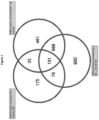
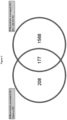
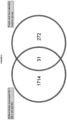
- mRNAs genes which were differentially expressed between HU group and HU plus treatment groups (Vitamin D3, 25-OH D3 or combination).
- the skeletal muscles are permanently adapting to different stimuli, such as physical exercise and training, but also to immobilization.
- the skeletal muscle responds with either hypertrophy or atrophy.
- the development and adaptation of the skeletal muscle is a complex process. Briefly, satellite cells - the so called stem cells of the skeletal muscle - receive stimuli and form undifferentiated myoblasts which undergo fusion to form myotubes - new muscle fibers.
- Skeletal muscle contraction is a mutual sliding of the two main skeletal muscle fibers myosin (thick filaments) and actin (thin filaments) which are organized in sarcomeres. They give skeletal muscles its cross striated appearance in the microscope.
- the skeletal muscle Beside the thin and the thick filaments the skeletal muscle is composed of titin and nebulin and also sarcomeric proteins such as tropomyosin. Skeletal muscle function depends on a precise alignment of the actin and myosin filaments and the accessory proteins such as ⁇ -actinin, myomesin, M-protein, titin, desmin and myosin binding proteins.
- myomesin and M-protein may connect titin and myosin filament systems and that myomesin plays a role in integrating thick filaments into assembling sarcomeres.
- Titin which is a huge protein, forms a continuous filament system in myofibrils.
- the predominant intermediate filament protein of striated muscle is desmin, and contributes to maintaining the integrity and alignment of myofibrils.
- Tropomyosin 1, alpha (Tpm1):
- Tropomyosin 1 alpha is a gene which is required for development and muscle function (e.g. muscle contraction). In general the muscle-specific Tropomyosins regulate actin-myosin interactions and hence contraction.
- the encoded protein is one type of alpha helical chain that forms the predominant tropomyosin of striated muscle, where it also functions in association with the troponin complex to regulate the calcium-dependent interaction of actin and myosin during muscle contraction. (NCBI)
- MYLK light chain kinase
- Myomesin is an end line protein that is part of the M line. It attaches myosin thick filaments at the M line. Expression pattern (Myomesin 1 - Myom1): HU HU+VitD3 HU+25-Hydroxyvitamin D3 HU+VitD3+25-Hydroxyvitamin D3 84697 99099 105393 114398
- Titin also known as connectin is a protein that is important in the contraction of striated muscle tissues. Titin is a large abundant protein of striated muscle. The protein is divided into two regions:
- Titin interacts with many sarcomeric proteins including:
- the objective of this study was to test the effects of 25-OH D3 in a muscle hypertrophy model and in an endurance exercise capacity test in C57BL/6J mice. It is recognized in the art that removal of the gastrocnemius muscle induces compensatory hypertrophy in the soleus and plantaris muscles by multiple mechanisms leading to improved muscle strength and leg power.
- mice treated with 25-OH D3 The wet weight of the soleus and plantaris muscles were increased in animals treated with 25-OH D3 compared to control animals (Table 8). Furthermore, when muscle weights were normalized to the body weights of in mice compared to the body weight, animals treated with 25-OH D3 demonstrated an increased soleus-plantaris muscle weight / body weight ratio (Table 8). Computer tomography measurements of muscle and total leg area confirmed that 25-OH D3 treatment increases skeletal mass (Table 8). Animals receiving 25-OH D3 displayed increased endurance exercise capacity compared to control mice demonstrated by longer running distance and time (Table 8).
- Table 8 shows muscle weights, muscle weight / body weight ratios, total leg and muscle cross-sectional areas, running distance and running time of mice treated with 25-OH D3 at a dosage of 50 ⁇ g/kg/day or placebo (control) for 3 weeks.
Landscapes
- Health & Medical Sciences (AREA)
- Life Sciences & Earth Sciences (AREA)
- Chemical & Material Sciences (AREA)
- General Health & Medical Sciences (AREA)
- Veterinary Medicine (AREA)
- Public Health (AREA)
- Medicinal Chemistry (AREA)
- Animal Behavior & Ethology (AREA)
- Pharmacology & Pharmacy (AREA)
- Epidemiology (AREA)
- Engineering & Computer Science (AREA)
- Food Science & Technology (AREA)
- Polymers & Plastics (AREA)
- General Chemical & Material Sciences (AREA)
- Chemical Kinetics & Catalysis (AREA)
- Mycology (AREA)
- Nutrition Science (AREA)
- Organic Chemistry (AREA)
- Nuclear Medicine, Radiotherapy & Molecular Imaging (AREA)
- Bioinformatics & Cheminformatics (AREA)
- Neurology (AREA)
- Orthopedic Medicine & Surgery (AREA)
- Physical Education & Sports Medicine (AREA)
- Endocrinology (AREA)
- Pharmaceuticals Containing Other Organic And Inorganic Compounds (AREA)
- Acyclic And Carbocyclic Compounds In Medicinal Compositions (AREA)
- Coloring Foods And Improving Nutritive Qualities (AREA)
Applications Claiming Priority (6)
| Application Number | Priority Date | Filing Date | Title |
|---|---|---|---|
| US2851008P | 2008-02-13 | 2008-02-13 | |
| US3167108P | 2008-02-26 | 2008-02-26 | |
| US3692408P | 2008-03-14 | 2008-03-14 | |
| US3692808P | 2008-03-15 | 2008-03-15 | |
| US12913908P | 2008-06-06 | 2008-06-06 | |
| PCT/EP2009/051641 WO2009101137A1 (en) | 2008-02-13 | 2009-02-12 | Use of 25-hydroxy-vitamin d3 to affect human muscle physiology |
Publications (3)
| Publication Number | Publication Date |
|---|---|
| EP2249842A1 EP2249842A1 (en) | 2010-11-17 |
| EP2249842B1 EP2249842B1 (en) | 2016-07-27 |
| EP2249842B2 true EP2249842B2 (en) | 2025-03-05 |
Family
ID=40551381
Family Applications (1)
| Application Number | Title | Priority Date | Filing Date |
|---|---|---|---|
| EP09710537.3A Active EP2249842B2 (en) | 2008-02-13 | 2009-02-12 | Use of 25-hydroxy-vitamin d3 and vitamin d to affect human muscle physiology |
Country Status (13)
| Country | Link |
|---|---|
| US (3) | US20110039810A1 (pt) |
| EP (1) | EP2249842B2 (pt) |
| JP (1) | JP5593550B2 (pt) |
| KR (1) | KR101561717B1 (pt) |
| CN (2) | CN101951916A (pt) |
| AU (1) | AU2009214054B2 (pt) |
| BR (1) | BRPI0907953A2 (pt) |
| EA (1) | EA019837B1 (pt) |
| ES (1) | ES2599761T5 (pt) |
| IL (1) | IL207588A (pt) |
| MX (1) | MX2010008904A (pt) |
| PL (1) | PL2249842T5 (pt) |
| WO (1) | WO2009101137A1 (pt) |
Families Citing this family (20)
| Publication number | Priority date | Publication date | Assignee | Title |
|---|---|---|---|---|
| ES2593047T3 (es) | 2006-02-03 | 2016-12-05 | Opko Renal, Llc | Tratamiento de la insuficiencia y deficiencia de vitamina D con 25-hidroxivitamina D2 y 25-hidroxivitamina D3 |
| ES2670029T3 (es) | 2006-06-21 | 2018-05-29 | Opko Ireland Global Holdings, Ltd. | Terapia usando agente de repleción de la vitamina D y agente de reemplazo de la hormona de la vitamina D |
| KR20190028822A (ko) | 2007-04-25 | 2019-03-19 | 사이토크로마 인코포레이티드 | 비타민 d 화합물과 밀랍성 담체를 포함하는 경구 조절성 방출 조성물 |
| HUE073014T2 (hu) | 2007-04-25 | 2025-12-28 | Opko Renal Llc | Eljárás a másodlagos hyperparathyreoidismus biztonságos és hatékony kezelésére és megelõzésére krónikus vesebetegség esetén |
| US11752158B2 (en) | 2007-04-25 | 2023-09-12 | Eirgen Pharma Ltd. | Method of treating vitamin D insufficiency and deficiency |
| EP2011835A1 (en) | 2007-07-06 | 2009-01-07 | Chr. Hansen A/S | A colouring composition comprising starch derivatives as a hydrocolloid |
| JP5593550B2 (ja) | 2008-02-13 | 2014-09-24 | ディーエスエム アイピー アセッツ ビー.ブイ. | ヒトの筋生理に影響を与えるための25−ヒドロキシビタミンd3の使用 |
| EP2281058B1 (en) | 2008-04-02 | 2016-06-29 | Opko Ireland Global Holdings, Ltd. | Methods, compositions, uses, and kits useful for vitamin d deficiency and related disorders |
| EP2321273B1 (en) * | 2008-07-24 | 2014-11-19 | Wisconsin Alumni Research Foundation | Once-a-week administration of 25-hydroxy vitamin d3 to sustain elevated steady-state pharmacokinetic blood concentration |
| WO2011123476A1 (en) | 2010-03-29 | 2011-10-06 | Cytochroma Inc. | Methods and compositions for reducing parathyroid levels |
| KR101847947B1 (ko) | 2013-03-15 | 2018-05-28 | 옵코 아이피 홀딩스 Ⅱ 인코포레이티드 | 안정화되고 변형된 비타민 d 방출 제형 |
| HK1219208A1 (zh) * | 2013-03-27 | 2017-03-31 | 帝斯曼知识产权资产管理有限公司 | 25-羟基维生素d3用於增强执行功能的用途 |
| US10220047B2 (en) | 2014-08-07 | 2019-03-05 | Opko Ireland Global Holdings, Ltd. | Adjunctive therapy with 25-hydroxyvitamin D and articles therefor |
| JP7032322B2 (ja) | 2016-03-28 | 2022-03-08 | オプコ アイルランド グローバル ホールディングス リミテッド | ビタミンd治療法 |
| CN108902985A (zh) * | 2018-06-08 | 2018-11-30 | 唐飞 | 25-羟基维生素d3在制备保健食品中的应用 |
| CN113164278B (zh) * | 2018-12-11 | 2024-11-01 | 马优斯珀茨澳大利亚私人有限公司 | 粘合垫 |
| IT202100007655A1 (it) * | 2021-03-29 | 2022-09-29 | Abiogen Pharma Spa | Uso di colecalciferolo come coadiuvante nel trattamento di distrofie muscolari |
| JP2022185501A (ja) * | 2021-06-02 | 2022-12-14 | 株式会社ダイセル | 閉経後の女性の筋肉の重量を増加させるための組成物 |
| CN114128763B (zh) * | 2021-11-24 | 2024-02-27 | 北大荒完达山乳业股份有限公司 | 一种维生素d3营养强化剂及其制备方法和应用 |
| CN116173217A (zh) * | 2023-02-24 | 2023-05-30 | 浙江大学 | 维生素d受体激动剂在制备治疗运动神经元疾病产品中的应用 |
Citations (2)
| Publication number | Priority date | Publication date | Assignee | Title |
|---|---|---|---|---|
| WO2007092755A2 (en) † | 2006-02-03 | 2007-08-16 | Proventiv Therapeutics, Llc | Treating vitamin d insufficiency and deficiency with 25-hydroxyvitamin d2 and 25-hydroxyvitamin d3 |
| WO2009047644A2 (en) † | 2007-04-25 | 2009-04-16 | Cytochroma Inc. | Method of treating vitamin d insufficiency and deficiency |
Family Cites Families (11)
| Publication number | Priority date | Publication date | Assignee | Title |
|---|---|---|---|---|
| US20040043971A1 (en) * | 1995-04-03 | 2004-03-04 | Bone Care International, Inc. | Method of treating and preventing hyperparathyroidism with active vitamin D analogs |
| US20020037279A1 (en) * | 1996-09-13 | 2002-03-28 | Herman H. Vandenburgh | Delivery of bioactive compounds to an organism |
| US7632518B2 (en) * | 2002-01-15 | 2009-12-15 | Dsm Ip Assets B.V. | 25-hydroxy vitamin D3 compositions |
| EP1662896B1 (en) * | 2003-09-22 | 2012-10-24 | DSM IP Assets B.V. | Vitamin containing pet food compositions |
| US7212141B2 (en) * | 2005-07-11 | 2007-05-01 | Intel Corporation | Filter with gain |
| CA2624897C (en) | 2005-10-12 | 2017-02-14 | Proventiv Therapeutics, Llc | Methods and articles for treating 25-hydroxyvitamin d insufficiency and deficiency |
| WO2007059960A1 (en) * | 2005-11-25 | 2007-05-31 | Dsm Ip Assets B.V. | Use of 25-hydroxy vitamin d3 to improve vitality of animals |
| KR20190028822A (ko) * | 2007-04-25 | 2019-03-19 | 사이토크로마 인코포레이티드 | 비타민 d 화합물과 밀랍성 담체를 포함하는 경구 조절성 방출 조성물 |
| JP5593550B2 (ja) | 2008-02-13 | 2014-09-24 | ディーエスエム アイピー アセッツ ビー.ブイ. | ヒトの筋生理に影響を与えるための25−ヒドロキシビタミンd3の使用 |
| ES2688424T3 (es) * | 2009-06-11 | 2018-11-02 | Dsm Ip Assets B.V. | Trigonelina como estimulante muscular |
| US8168611B1 (en) * | 2011-09-29 | 2012-05-01 | Chemo S.A. France | Compositions, kits and methods for nutrition supplementation |
-
2009
- 2009-02-12 JP JP2010546334A patent/JP5593550B2/ja active Active
- 2009-02-12 CN CN2009801052496A patent/CN101951916A/zh active Pending
- 2009-02-12 CN CN201710164772.2A patent/CN107412237A/zh active Pending
- 2009-02-12 US US12/867,305 patent/US20110039810A1/en not_active Abandoned
- 2009-02-12 WO PCT/EP2009/051641 patent/WO2009101137A1/en not_active Ceased
- 2009-02-12 MX MX2010008904A patent/MX2010008904A/es active IP Right Grant
- 2009-02-12 EP EP09710537.3A patent/EP2249842B2/en active Active
- 2009-02-12 PL PL09710537.3T patent/PL2249842T5/pl unknown
- 2009-02-12 ES ES09710537T patent/ES2599761T5/es active Active
- 2009-02-12 BR BRPI0907953-0A patent/BRPI0907953A2/pt not_active IP Right Cessation
- 2009-02-12 KR KR1020107020298A patent/KR101561717B1/ko active Active
- 2009-02-12 AU AU2009214054A patent/AU2009214054B2/en active Active
- 2009-02-12 EA EA201001285A patent/EA019837B1/ru not_active IP Right Cessation
-
2010
- 2010-08-12 IL IL207588A patent/IL207588A/en active IP Right Grant
-
2012
- 2012-05-09 US US13/467,414 patent/US20130150598A1/en not_active Abandoned
-
2016
- 2016-05-26 US US15/165,366 patent/US20160263128A1/en not_active Abandoned
Patent Citations (2)
| Publication number | Priority date | Publication date | Assignee | Title |
|---|---|---|---|---|
| WO2007092755A2 (en) † | 2006-02-03 | 2007-08-16 | Proventiv Therapeutics, Llc | Treating vitamin d insufficiency and deficiency with 25-hydroxyvitamin d2 and 25-hydroxyvitamin d3 |
| WO2009047644A2 (en) † | 2007-04-25 | 2009-04-16 | Cytochroma Inc. | Method of treating vitamin d insufficiency and deficiency |
Non-Patent Citations (5)
| Title |
|---|
| BATEMAN, T.A. ET AL: "Osteoprotegerin mitigates tail suspension-induced osteopenia", BONE, PERGAMON PRESS., OXFORD, GB, vol. 26, no. 5, 1 May 2000 (2000-05-01), GB , pages 443 - 449, ISSN: 8756-3282, DOI: 10.1016/S8756-3282(00)00256-8 † |
| GAO YUNFANG ET AL: "Muscle Atrophy Induced by Mechanical Unloading: Mechanisms and Potential Countermeasures", FRONTIERS IN PHYSIOLOGY, FRONTIERS RESEARCH FOUNDATION, CH, vol. 9, CH , pages 1 - 9, ISSN: 1664-042X, DOI: 10.3389/fphys.2018.00235 † |
| JETTER ET AL.: "Pharmacokinetics of oral vitamin D3 and calcifediol", BONE, vol. 59, 2014, pages 14 - 19 † |
| RIMANIOL ET AL.: "Muscle weakness in intensive care patients: Initial manifestation of vitamin D deficiency", INTENSIVE CARE MED, vol. 20, 1994, pages 591 - 592 † |
| WICHERTS ET AL.: "Vitamin D Status Predicts Physical Performance and Its Decline in Older Persons", J CLIN ENDOCRINOL METAB, vol. 92, 2007, pages 2058 - 2065 † |
Also Published As
| Publication number | Publication date |
|---|---|
| CN107412237A (zh) | 2017-12-01 |
| JP2011511828A (ja) | 2011-04-14 |
| EP2249842A1 (en) | 2010-11-17 |
| US20130150598A1 (en) | 2013-06-13 |
| AU2009214054B2 (en) | 2014-12-18 |
| KR20100117113A (ko) | 2010-11-02 |
| PL2249842T3 (pl) | 2017-01-31 |
| BRPI0907953A2 (pt) | 2015-08-04 |
| EA019837B1 (ru) | 2014-06-30 |
| US20110039810A1 (en) | 2011-02-17 |
| JP5593550B2 (ja) | 2014-09-24 |
| MX2010008904A (es) | 2010-11-05 |
| EA201001285A1 (ru) | 2011-02-28 |
| AU2009214054A1 (en) | 2009-08-20 |
| WO2009101137A1 (en) | 2009-08-20 |
| CN101951916A (zh) | 2011-01-19 |
| ES2599761T5 (en) | 2025-06-18 |
| EP2249842B1 (en) | 2016-07-27 |
| IL207588A0 (en) | 2010-12-30 |
| KR101561717B1 (ko) | 2015-10-19 |
| PL2249842T5 (pl) | 2025-11-12 |
| IL207588A (en) | 2016-06-30 |
| US20160263128A1 (en) | 2016-09-15 |
| ES2599761T3 (es) | 2017-02-03 |
Similar Documents
| Publication | Publication Date | Title |
|---|---|---|
| EP2249842B2 (en) | Use of 25-hydroxy-vitamin d3 and vitamin d to affect human muscle physiology | |
| AU2009214049B2 (en) | Combination of vitamin D and 25-hydroxyvitamin D 3 | |
| AU2009214053B2 (en) | Treating hyperglycemia with 25-hydroxyvitamin D3 | |
| HK1212210A1 (en) | Combined use of 25-hydroxy-vitamin d3 and vitamin d3 | |
| US20110052707A1 (en) | Combination of vitamin d and 25-hydroxyvitamin d 3 | |
| MX2010008896A (es) | Tratamiento de hipertension con 25-hidroxi-vitamina d3. | |
| US20240424066A1 (en) | Chondroprotective Nutraceutical Composition and Method of Using Same |
Legal Events
| Date | Code | Title | Description |
|---|---|---|---|
| PUAI | Public reference made under article 153(3) epc to a published international application that has entered the european phase |
Free format text: ORIGINAL CODE: 0009012 |
|
| 17P | Request for examination filed |
Effective date: 20100716 |
|
| AK | Designated contracting states |
Kind code of ref document: A1 Designated state(s): AT BE BG CH CY CZ DE DK EE ES FI FR GB GR HR HU IE IS IT LI LT LU LV MC MK MT NL NO PL PT RO SE SI SK TR |
|
| AX | Request for extension of the european patent |
Extension state: AL BA RS |
|
| DAX | Request for extension of the european patent (deleted) | ||
| 17Q | First examination report despatched |
Effective date: 20140411 |
|
| RIC1 | Information provided on ipc code assigned before grant |
Ipc: A61K 31/59 20060101ALI20160203BHEP Ipc: A61K 31/593 20060101AFI20160203BHEP Ipc: A61P 21/00 20060101ALI20160203BHEP |
|
| GRAP | Despatch of communication of intention to grant a patent |
Free format text: ORIGINAL CODE: EPIDOSNIGR1 |
|
| INTG | Intention to grant announced |
Effective date: 20160315 |
|
| GRAS | Grant fee paid |
Free format text: ORIGINAL CODE: EPIDOSNIGR3 |
|
| GRAA | (expected) grant |
Free format text: ORIGINAL CODE: 0009210 |
|
| AK | Designated contracting states |
Kind code of ref document: B1 Designated state(s): AT BE BG CH CY CZ DE DK EE ES FI FR GB GR HR HU IE IS IT LI LT LU LV MC MK MT NL NO PL PT RO SE SI SK TR |
|
| REG | Reference to a national code |
Ref country code: GB Ref legal event code: FG4D |
|
| REG | Reference to a national code |
Ref country code: CH Ref legal event code: EP |
|
| REG | Reference to a national code |
Ref country code: AT Ref legal event code: REF Ref document number: 815235 Country of ref document: AT Kind code of ref document: T Effective date: 20160815 |
|
| REG | Reference to a national code |
Ref country code: IE Ref legal event code: FG4D |
|
| REG | Reference to a national code |
Ref country code: DE Ref legal event code: R096 Ref document number: 602009039960 Country of ref document: DE |
|
| REG | Reference to a national code |
Ref country code: LT Ref legal event code: MG4D |
|
| REG | Reference to a national code |
Ref country code: NL Ref legal event code: MP Effective date: 20160727 |
|
| REG | Reference to a national code |
Ref country code: AT Ref legal event code: MK05 Ref document number: 815235 Country of ref document: AT Kind code of ref document: T Effective date: 20160727 |
|
| REG | Reference to a national code |
Ref country code: FR Ref legal event code: PLFP Year of fee payment: 9 |
|
| PG25 | Lapsed in a contracting state [announced via postgrant information from national office to epo] |
Ref country code: LT Free format text: LAPSE BECAUSE OF FAILURE TO SUBMIT A TRANSLATION OF THE DESCRIPTION OR TO PAY THE FEE WITHIN THE PRESCRIBED TIME-LIMIT Effective date: 20160727 Ref country code: IS Free format text: LAPSE BECAUSE OF FAILURE TO SUBMIT A TRANSLATION OF THE DESCRIPTION OR TO PAY THE FEE WITHIN THE PRESCRIBED TIME-LIMIT Effective date: 20161127 Ref country code: HR Free format text: LAPSE BECAUSE OF FAILURE TO SUBMIT A TRANSLATION OF THE DESCRIPTION OR TO PAY THE FEE WITHIN THE PRESCRIBED TIME-LIMIT Effective date: 20160727 Ref country code: NL Free format text: LAPSE BECAUSE OF FAILURE TO SUBMIT A TRANSLATION OF THE DESCRIPTION OR TO PAY THE FEE WITHIN THE PRESCRIBED TIME-LIMIT Effective date: 20160727 Ref country code: FI Free format text: LAPSE BECAUSE OF FAILURE TO SUBMIT A TRANSLATION OF THE DESCRIPTION OR TO PAY THE FEE WITHIN THE PRESCRIBED TIME-LIMIT Effective date: 20160727 Ref country code: NO Free format text: LAPSE BECAUSE OF FAILURE TO SUBMIT A TRANSLATION OF THE DESCRIPTION OR TO PAY THE FEE WITHIN THE PRESCRIBED TIME-LIMIT Effective date: 20161027 |
|
| REG | Reference to a national code |
Ref country code: ES Ref legal event code: FG2A Ref document number: 2599761 Country of ref document: ES Kind code of ref document: T3 Effective date: 20170203 |
|
| PG25 | Lapsed in a contracting state [announced via postgrant information from national office to epo] |
Ref country code: LV Free format text: LAPSE BECAUSE OF FAILURE TO SUBMIT A TRANSLATION OF THE DESCRIPTION OR TO PAY THE FEE WITHIN THE PRESCRIBED TIME-LIMIT Effective date: 20160727 Ref country code: GR Free format text: LAPSE BECAUSE OF FAILURE TO SUBMIT A TRANSLATION OF THE DESCRIPTION OR TO PAY THE FEE WITHIN THE PRESCRIBED TIME-LIMIT Effective date: 20161028 Ref country code: BE Free format text: LAPSE BECAUSE OF FAILURE TO SUBMIT A TRANSLATION OF THE DESCRIPTION OR TO PAY THE FEE WITHIN THE PRESCRIBED TIME-LIMIT Effective date: 20160727 Ref country code: PT Free format text: LAPSE BECAUSE OF FAILURE TO SUBMIT A TRANSLATION OF THE DESCRIPTION OR TO PAY THE FEE WITHIN THE PRESCRIBED TIME-LIMIT Effective date: 20161128 Ref country code: AT Free format text: LAPSE BECAUSE OF FAILURE TO SUBMIT A TRANSLATION OF THE DESCRIPTION OR TO PAY THE FEE WITHIN THE PRESCRIBED TIME-LIMIT Effective date: 20160727 Ref country code: SE Free format text: LAPSE BECAUSE OF FAILURE TO SUBMIT A TRANSLATION OF THE DESCRIPTION OR TO PAY THE FEE WITHIN THE PRESCRIBED TIME-LIMIT Effective date: 20160727 |
|
| REG | Reference to a national code |
Ref country code: DE Ref legal event code: R026 Ref document number: 602009039960 Country of ref document: DE |
|
| PG25 | Lapsed in a contracting state [announced via postgrant information from national office to epo] |
Ref country code: EE Free format text: LAPSE BECAUSE OF FAILURE TO SUBMIT A TRANSLATION OF THE DESCRIPTION OR TO PAY THE FEE WITHIN THE PRESCRIBED TIME-LIMIT Effective date: 20160727 Ref country code: RO Free format text: LAPSE BECAUSE OF FAILURE TO SUBMIT A TRANSLATION OF THE DESCRIPTION OR TO PAY THE FEE WITHIN THE PRESCRIBED TIME-LIMIT Effective date: 20160727 |
|
| PLBI | Opposition filed |
Free format text: ORIGINAL CODE: 0009260 |
|
| 26 | Opposition filed |
Opponent name: N.V. NUTRICIA Effective date: 20170426 |
|
| PG25 | Lapsed in a contracting state [announced via postgrant information from national office to epo] |
Ref country code: SK Free format text: LAPSE BECAUSE OF FAILURE TO SUBMIT A TRANSLATION OF THE DESCRIPTION OR TO PAY THE FEE WITHIN THE PRESCRIBED TIME-LIMIT Effective date: 20160727 Ref country code: BG Free format text: LAPSE BECAUSE OF FAILURE TO SUBMIT A TRANSLATION OF THE DESCRIPTION OR TO PAY THE FEE WITHIN THE PRESCRIBED TIME-LIMIT Effective date: 20161027 Ref country code: CZ Free format text: LAPSE BECAUSE OF FAILURE TO SUBMIT A TRANSLATION OF THE DESCRIPTION OR TO PAY THE FEE WITHIN THE PRESCRIBED TIME-LIMIT Effective date: 20160727 Ref country code: DK Free format text: LAPSE BECAUSE OF FAILURE TO SUBMIT A TRANSLATION OF THE DESCRIPTION OR TO PAY THE FEE WITHIN THE PRESCRIBED TIME-LIMIT Effective date: 20160727 |
|
| PLAX | Notice of opposition and request to file observation + time limit sent |
Free format text: ORIGINAL CODE: EPIDOSNOBS2 |
|
| PG25 | Lapsed in a contracting state [announced via postgrant information from national office to epo] |
Ref country code: SI Free format text: LAPSE BECAUSE OF FAILURE TO SUBMIT A TRANSLATION OF THE DESCRIPTION OR TO PAY THE FEE WITHIN THE PRESCRIBED TIME-LIMIT Effective date: 20160727 |
|
| PG25 | Lapsed in a contracting state [announced via postgrant information from national office to epo] |
Ref country code: MC Free format text: LAPSE BECAUSE OF FAILURE TO SUBMIT A TRANSLATION OF THE DESCRIPTION OR TO PAY THE FEE WITHIN THE PRESCRIBED TIME-LIMIT Effective date: 20160727 |
|
| REG | Reference to a national code |
Ref country code: CH Ref legal event code: PL |
|
| PLBB | Reply of patent proprietor to notice(s) of opposition received |
Free format text: ORIGINAL CODE: EPIDOSNOBS3 |
|
| PG25 | Lapsed in a contracting state [announced via postgrant information from national office to epo] |
Ref country code: CH Free format text: LAPSE BECAUSE OF NON-PAYMENT OF DUE FEES Effective date: 20170228 Ref country code: LI Free format text: LAPSE BECAUSE OF NON-PAYMENT OF DUE FEES Effective date: 20170228 |
|
| REG | Reference to a national code |
Ref country code: IE Ref legal event code: MM4A |
|
| PG25 | Lapsed in a contracting state [announced via postgrant information from national office to epo] |
Ref country code: LU Free format text: LAPSE BECAUSE OF NON-PAYMENT OF DUE FEES Effective date: 20170212 |
|
| REG | Reference to a national code |
Ref country code: FR Ref legal event code: PLFP Year of fee payment: 10 |
|
| PG25 | Lapsed in a contracting state [announced via postgrant information from national office to epo] |
Ref country code: IE Free format text: LAPSE BECAUSE OF NON-PAYMENT OF DUE FEES Effective date: 20170212 |
|
| PG25 | Lapsed in a contracting state [announced via postgrant information from national office to epo] |
Ref country code: MT Free format text: LAPSE BECAUSE OF NON-PAYMENT OF DUE FEES Effective date: 20170212 |
|
| APAH | Appeal reference modified |
Free format text: ORIGINAL CODE: EPIDOSCREFNO |
|
| APAW | Appeal reference deleted |
Free format text: ORIGINAL CODE: EPIDOSDREFNO |
|
| APBM | Appeal reference recorded |
Free format text: ORIGINAL CODE: EPIDOSNREFNO |
|
| APBP | Date of receipt of notice of appeal recorded |
Free format text: ORIGINAL CODE: EPIDOSNNOA2O |
|
| APBQ | Date of receipt of statement of grounds of appeal recorded |
Free format text: ORIGINAL CODE: EPIDOSNNOA3O |
|
| PG25 | Lapsed in a contracting state [announced via postgrant information from national office to epo] |
Ref country code: HU Free format text: LAPSE BECAUSE OF FAILURE TO SUBMIT A TRANSLATION OF THE DESCRIPTION OR TO PAY THE FEE WITHIN THE PRESCRIBED TIME-LIMIT; INVALID AB INITIO Effective date: 20090212 |
|
| PG25 | Lapsed in a contracting state [announced via postgrant information from national office to epo] |
Ref country code: CY Free format text: LAPSE BECAUSE OF NON-PAYMENT OF DUE FEES Effective date: 20160727 |
|
| PG25 | Lapsed in a contracting state [announced via postgrant information from national office to epo] |
Ref country code: MK Free format text: LAPSE BECAUSE OF FAILURE TO SUBMIT A TRANSLATION OF THE DESCRIPTION OR TO PAY THE FEE WITHIN THE PRESCRIBED TIME-LIMIT Effective date: 20160727 |
|
| APAH | Appeal reference modified |
Free format text: ORIGINAL CODE: EPIDOSCREFNO |
|
| APBU | Appeal procedure closed |
Free format text: ORIGINAL CODE: EPIDOSNNOA9O |
|
| P01 | Opt-out of the competence of the unified patent court (upc) registered |
Effective date: 20230520 |
|
| PLAY | Examination report in opposition despatched + time limit |
Free format text: ORIGINAL CODE: EPIDOSNORE2 |
|
| PLBC | Reply to examination report in opposition received |
Free format text: ORIGINAL CODE: EPIDOSNORE3 |
|
| PLAY | Examination report in opposition despatched + time limit |
Free format text: ORIGINAL CODE: EPIDOSNORE2 |
|
| PGFP | Annual fee paid to national office [announced via postgrant information from national office to epo] |
Ref country code: PL Payment date: 20231213 Year of fee payment: 16 |
|
| RIC2 | Information provided on ipc code assigned after grant |
Ipc: A61P 21/06 20060101ALI20240610BHEP Ipc: A61P 43/00 20060101ALI20240610BHEP Ipc: A61P 21/00 20060101ALI20240610BHEP Ipc: A23L 33/155 20160101ALI20240610BHEP Ipc: A61K 31/59 20060101ALI20240610BHEP Ipc: A61K 31/593 20060101AFI20240610BHEP |
|
| PUAH | Patent maintained in amended form |
Free format text: ORIGINAL CODE: 0009272 |
|
| STAA | Information on the status of an ep patent application or granted ep patent |
Free format text: STATUS: PATENT MAINTAINED AS AMENDED |
|
| 27A | Patent maintained in amended form |
Effective date: 20250305 |
|
| AK | Designated contracting states |
Kind code of ref document: B2 Designated state(s): AT BE BG CH CY CZ DE DK EE ES FI FR GB GR HR HU IE IS IT LI LT LU LV MC MK MT NL NO PL PT RO SE SI SK TR |
|
| REG | Reference to a national code |
Ref country code: DE Ref legal event code: R102 Ref document number: 602009039960 Country of ref document: DE |
|
| REG | Reference to a national code |
Ref country code: ES Ref legal event code: DC2A Ref document number: 2599761 Country of ref document: ES Kind code of ref document: T5 Effective date: 20250618 |
|
| PGFP | Annual fee paid to national office [announced via postgrant information from national office to epo] |
Ref country code: GB Payment date: 20260223 Year of fee payment: 18 |
|
| PGFP | Annual fee paid to national office [announced via postgrant information from national office to epo] |
Ref country code: ES Payment date: 20260317 Year of fee payment: 18 |
|
| PGFP | Annual fee paid to national office [announced via postgrant information from national office to epo] |
Ref country code: DE Payment date: 20260220 Year of fee payment: 18 |
|
| PGFP | Annual fee paid to national office [announced via postgrant information from national office to epo] |
Ref country code: IT Payment date: 20260220 Year of fee payment: 18 |
|
| PGFP | Annual fee paid to national office [announced via postgrant information from national office to epo] |
Ref country code: FR Payment date: 20260224 Year of fee payment: 18 |
|
| PGFP | Annual fee paid to national office [announced via postgrant information from national office to epo] |
Ref country code: TR Payment date: 20260202 Year of fee payment: 18 |