EP2324121B1 - Vecteurs améliorés et souches de levure pour une production de protéine : surexpression de la ca2+-atpase - Google Patents
Vecteurs améliorés et souches de levure pour une production de protéine : surexpression de la ca2+-atpase Download PDFInfo
- Publication number
- EP2324121B1 EP2324121B1 EP09791322A EP09791322A EP2324121B1 EP 2324121 B1 EP2324121 B1 EP 2324121B1 EP 09791322 A EP09791322 A EP 09791322A EP 09791322 A EP09791322 A EP 09791322A EP 2324121 B1 EP2324121 B1 EP 2324121B1
- Authority
- EP
- European Patent Office
- Prior art keywords
- protein
- host cell
- encoding
- yeast
- expression
- Prior art date
- Legal status (The legal status is an assumption and is not a legal conclusion. Google has not performed a legal analysis and makes no representation as to the accuracy of the status listed.)
- Not-in-force
Links
Images






Classifications
-
- C—CHEMISTRY; METALLURGY
- C07—ORGANIC CHEMISTRY
- C07K—PEPTIDES
- C07K16/00—Immunoglobulins [IG], e.g. monoclonal or polyclonal antibodies
-
- C—CHEMISTRY; METALLURGY
- C12—BIOCHEMISTRY; BEER; SPIRITS; WINE; VINEGAR; MICROBIOLOGY; ENZYMOLOGY; MUTATION OR GENETIC ENGINEERING
- C12N—MICROORGANISMS OR ENZYMES; COMPOSITIONS THEREOF; PROPAGATING, PRESERVING, OR MAINTAINING MICROORGANISMS; MUTATION OR GENETIC ENGINEERING; CULTURE MEDIA
- C12N15/00—Mutation or genetic engineering; DNA or RNA concerning genetic engineering, vectors, e.g. plasmids, or their isolation, preparation or purification; Use of hosts therefor
- C12N15/09—Recombinant DNA-technology
- C12N15/63—Introduction of foreign genetic material using vectors; Vectors; Use of hosts therefor; Regulation of expression
- C12N15/79—Vectors or expression systems specially adapted for eukaryotic hosts
- C12N15/80—Vectors or expression systems specially adapted for eukaryotic hosts for fungi
- C12N15/81—Vectors or expression systems specially adapted for eukaryotic hosts for fungi for yeasts
- C12N15/815—Vectors or expression systems specially adapted for eukaryotic hosts for fungi for yeasts for yeasts other than Saccharomyces
-
- C—CHEMISTRY; METALLURGY
- C12—BIOCHEMISTRY; BEER; SPIRITS; WINE; VINEGAR; MICROBIOLOGY; ENZYMOLOGY; MUTATION OR GENETIC ENGINEERING
- C12P—FERMENTATION OR ENZYME-USING PROCESSES TO SYNTHESISE A DESIRED CHEMICAL COMPOUND OR COMPOSITION OR TO SEPARATE OPTICAL ISOMERS FROM A RACEMIC MIXTURE
- C12P21/00—Preparation of peptides or proteins
- C12P21/005—Glycopeptides, glycoproteins
Definitions
- the present invention relates to host cells that include one or more nucleic acid molecules encoding a Ca 2+ ATPase, endoplasmic reticulum lectin chaperones, e.g., calreticulin (CRT) or calnexin (CRX), and/or ERp57 protein and their use for producing recombinant glycoproteins that have reduced O -glycosylation.
- endoplasmic reticulum lectin chaperones e.g., calreticulin (CRT) or calnexin (CRX)
- ERp57 protein e.g., calreticulin (CRT) or calnexin (CRX)
- Glycoproteins mediate many essential functions in humans and other mammals, including catalysis, signaling, cell-cell communication, and molecular recognition and association. Glycoproteins make up the majority of non-cytosolic proteins in eukaryotic organisms ( Lis and Sharon, Eur. J. Biochem. 218: 1-27 (1993 )). Many glycoproteins have been exploited for therapeutic purposes, and during the last two decades, recombinant versions of naturally-occurring glycoproteins have been a major part of the biotechnology industry.
- glycosylated proteins used as therapeutics include erythropoietin (EPO), therapeutic monoclonal antibodies (mAbs), tissue plasminogen activator (tPA), interferon- ⁇ (IFN- ⁇ ), granulocyte-macrophage colony stimulating factor (GM-CSF)5 and human chorionic gonadotrophin (hCH) ( Gumming et al., Glycobiology 1:115-130 (1991 )). Variations in glycosylation patterns of recombinantly produced glycoproteins have recently been the topic of much attention in the scientific community as recombinant proteins produced as potential prophylactics and therapeutics approach the clinic.
- EPO erythropoietin
- mAbs therapeutic monoclonal antibodies
- tPA tissue plasminogen activator
- IFN- ⁇ interferon- ⁇
- GM-CSF granulocyte-macrophage colony stimulating factor
- hCH human chorionic gonadotrophin
- glycosylation structures of glycoprotein oligosaccharides will vary depending upon the host species of the cells used to produce them.
- Therapeutic proteins produced in non-human host cells are likely to contain non-human glycosylation which may elicit an immunogenic response in humans—e.g. hypermannosylation in yeast ( Ballou, Methods Enzymol. 185:440-470 (1990 ); ⁇ (1,3)-fucose and ⁇ (1,2)-xylose in plants, ( Cabanes-Macheteau et al, Glycobiology 9: 365-372 (1999 )); N-glycolylneuraminic acid in Chinese hamster ovary cells ( Noguchi et al., J. Biochem. 117: 5-62 (1995 ); and, Gala-1,3Gal glycosylation in mice ( Borrebaeck et al., Immunol. Today, 14: 477-479 (1993 ).
- 7,029,872 disclosed methods for making recombinant lower eukaryote host cells that are capable of making glycoproteins that have human-like N-glycosylation patterns.
- 7,029,872 disclosed methods for making recombinant lower eukaryote host cells that are capable of making glycoproteins that have human-like N-glycosylation patterns.
- yeast-derived recombinant proteins often bear additional unnatural O -glycans compared to their natural counterpart (Van den Steen, et al., Crit. Reviews in Biochem. and Mole. Biol. 33: 151-208, (1998 )). These unnatural O -glycans can result in proteins that have unwanted immunogenicity or aberrant activity. Thus, there is a need to develop methods for producing proteins in yeast and other lower eukaryotes that have reduced or no O -glycosylation.
- Tanner et al. in U. S. Patent No. 5,714,377 describes the PMT1 and PMT2 genes of Saccharomyces cerevisiae and a method for making recombinant proteins having reduced O-linked glycosylation that uses fungal cells in which one or more of PMT genes have been genetically modified so that recombinant proteins are produced, which have reduced O -linked glycosylation.
- Ng et al. in U.S. Published Patent Application No. 20020068325 discloses inhibition of O -glycosylation through the use of antisense or cosuppression or through the engineering of yeast host strains that have loss of function mutations in genes associated with O- linked glycosylation, in particular, one or more of the PMT genes.
- Orchard et al. in U.S. Patent No. 7,105,554 describes benzylidene thiazolidinediones and their use as antimycotic agents, e.g., antifungal agents which Bobrowicz et al. in WO2007061631 show can be used in a way which is not lethal to the host cells for production of recombinant proteins with reduced O -linked glycosylation.
- Konrad et al. in U.S. Published Patent Application No. 20020128235 disclose a method for treating or preventing diabetes mellitus by pharmacologically inhibiting O -linked protein glycosylation in a tissue or cell.
- Kojima et al. in U. S. Patent No. 5,268,364 disclose therapeutic compositions for inhibition of O -glycosylation using compounds such as benzyle- ⁇ -N-acetylgalactosamine, which inhibits extension of O -glycosylation leading to accumulation of O - ⁇ -GalNAc, to block expression of SLex or SLea by leukocytes or tumor cells and thereby inhibit adhesion of these cells to endothelial cells and platelets.
- Boime et al. in U. S. Patent No. 6,103,501 disclose variants of hormones in which O -linked glycosylation was altered by modifying the amino acid sequence at the site of glycosylation.
- WO-A-94004687 discloses PMT1, 2 mutants with reduced O-glycosylation and methods of glycoprotein production using such mutants.
- the present inventors have found that expression of recombinant proteins in a recombinant host cell with reduced O -glycosylation can be effected by overexpressing an endogenous or exogenous Ca 2+ ATPase in the recombinant host cell.
- Host cells that overexpress an endogenous or exogenous Ca 2+ ATPase produce recombinant proteins with reduced O- glycosylation compared to the same cells that do not overexpress the Ca 2+ ATPase.
- recombinant host lower eukaryote host cells that included an expression cassette encoding a heterologous or endogenous Ca 2+ ATPase were capable of producing recombinant proteins wherein the O -glycan occupancy was reduced by up to 4 fold compared to cells that did not overexpress an endogenous or exogenous Ca 2+ ATPase.
- the present invention provides yeast or filamentous fungus host cells according to claim 1, in which a nucleic acid molecule encoding at least one endogenous or exogenous Ca 2+ ATPase is introduced into and expressed in the host cell, wherein the Ca 2+ ATPase is overexpressed.
- the Ca 2+ ATPase is encoded by an open reading frame operably linked to a heterologous regulatory sequences, which may provide constitutive or regulatable expression of the Ca 2+ ATPase, and which is operable in the host cell.
- the host cell is a methylotrophic yeast, for example Pichia pastoris.
- the Ca 2+ ATP is selected from the group consisting of the Pichia pastoris PMR1 and the Arabidopsis thaliana ECA1.
- the yeast or filamentous fungus host cells of the invention are further transformed with a recombinant vector comprising regulatory nucleotide sequences derived from lower eukaryotic host cells and a coding sequence encoding a selected mammalian protein to be produced by the above host cells.
- the selected mammalian protein is a therapeutic protein, and may be a glycoprotein, including but not limited to, an antibody.
- the host cell may be a Pichia pastoris cell, in which a vector encoding at least one endogenous or exogenous Ca 2+ ATPase is introduced into and expressed in the host cell and the host cell further expresses a nucleic acid molecule comprising regulatory nucleotide sequences derived from or functional in Pichia pastoris cells operably linked with an open reading frame encoding a human therapeutic glycoprotein, such as an antibody, which is introduced into the host cell.
- yeast or filamentous fungus host cells of claim 1 additionally comprising one or more nucleic acid molecules encoding a calreticulin and/or an ERp57 protein wherein the proteins are ectopically expressed.
- the host cells include a nucleic acid molecule encoding at least one endogenous or exogenous Ca 2+ ATPase, wherein expression of the Ca 2+ ATPase is ectopic.
- the lower eukaryote host cell further includes a nucleic acid molecule encoding a recombinant protein, which in particular aspects, is a glycoprotein, which in further aspects is an antibody or fragment thereof such as Fc or Fab.
- any one of the above host cell is engineered to reduce or eliminate the function of at least one endogenous Pichia pastoris gene encoding a protein O- mannosyltransferase (PMT ) protein to provide a host cell that is capable of making recombinant proteins having reduced O -glycosylation compared to host cells that have functional PMT genes.
- the PMT protein is selected from the group consisting of PMT1 and PMT4.
- the host cells are further contacted with one or more inhibitors of PMT gene expression or PMT protein function.
- the gene encoding an endogenous chaperone protein is reduced, deleted, or disrupted and a nucleic acid molecule encoding a heterologous chaperone protein is introduced into the cell.
- the chaperone protein is the PDI1 protein.
- the host cell is selected from the group consisting of Pichia pastoris, Pichia finlandica, Pichia trehalophila, Pichia koclamae, Pichia membranaefaciens, Pichia minuta (Ogataea minuta, Pichia lindneri), Pichia opuntiae, Pichia thermotolerans, Pichia salictaria, Pichia guercuum, Pichia pijperi, Pichia stipitis, Pichia methanolica, Pichia sp., Saccharomyces cerevisiae, Saccharomyces sp., Schizosaccharomyces sp., Schizosaccharomyce pombe, Hansenula polymorpha, Kluyveromyces sp., Kluyveromyces lactis, Candida albicans, Aspergillus nidulans, Aspergillus niger,
- Pichia sp. any Saccharomyces sp., Hansenula polymorpha, any Kluyveromyces sp., any Aspergillus sp., Trichoderma reesei, Chrysosporium lucknowense, any Fusarium sp. and Neurospora crassa.
- Further embodiments include methods for producing recombinant proteins that have reduced O -glycosylation or O -glycan occupancy compared to recombinant glycoproteins that do not include the genetic modifications disclosed herein.
- Recombinant proteins include proteins and glycoproteins of therapeutic relevance, including antibodies and fragments thereof.
- a method for producing a recombinant protein comprising: (a) providing a yeast or filamentous fungus host cell comprising a nucleic acid molecule encoding an endogenous or exogenous Ca 2+ ATPase wherein the Ca 2+ ATPase in the host cell is overexpressed; (b) introducing a nucleic acid molecule into the host cell encoding the recombinant protein: and (c) growing the host cell under conditions suitable for producing the recombinant protein.
- a method for producing a recombinant protein comprising: (a) providing a yeast or filamentous fungus host cell comprising nucleic acid molecules encoding an endogenous or exogenous Ca 2+ ATPase wherein the Ca 2+ ATPase in the host cell is overexpressed and at least one of CRT or ERp57, wherein expression of the Ca 2+ ATPase, CRT and/or ERp57 in the host cell is ectopic; (b) introducing a nucleic acid molecule into the host cell encoding the recombinant protein: and (c) growing the host cell under conditions suitable for producing the recombinant protein.
- the function of at least one endogenous Pichia pastoris gene encoding a protein O -mannosyltransferase (PMT) protein to provide a host cell that is capable of making recombinant proteins having reduced O -glycosylation compared to host cells that have functional PMT genes.
- the PMT protein is selected from the group consisting of PMT1 and PMT4.
- the host cells are further contacted with one or more inhibitors of PMT gene expression or PMT protein function.
- the gene encoding an endogenous chaperone protein is reduced, deleted, or disrupted and a nucleic acid molecule encoding a heterologous chaperone protein is introduced into the cell.
- the chaperone protein is the PDI1 protein.
- any one of the host cells disclosed herein can be grown in the presence of an inhibitor of a PMT gene.
- the methods herein are particularly useful for producing proteins of therapeutic value, including but not limited to, antibodies.
- any one of the host cells herein for producing a protein of therapeutic value is particularly useful.
- use of any one of the host cells herein for producing an antibody is particularly useful.
- the host cell is selected from the group consisting of Pichia pastoris, Pichia finlandica, Pichia trehalophila, Pichia koclamae, Pichia membranaefaciens, Pichia minuta (Ogataea minuta, Pichia lindneri), Pichia opuntiae, Pichia thermotolerans, Pichia salictaria, Pichia guercuum, Pichia pijperi, Pichia stipitis, Pichia methanolica, Pichia sp., Saccharomyces cerevisiae, Saccharomyces sp., Schizosaccharomyces sp., Schizosaccharomyce pombe, Hansenula polymorpha, Kluyveromyces sp., Kluyveromyces lactis, Candida albicans, Aspergillus nidulans, Aspergillus niger, As
- Pichia sp. any Saccharomyces sp., Hansenula polymorpha, any Kluyveromyces sp., any Aspergillus sp., Trichoderma reesei, Chrysosporium lucknowense, any Fusarium sp. and Neurospora crassa.
- any one of the aforementioned host cells can further include genetic modifications that enable the host cells to produce glycoproteins have predominantly particular N -glycan structures thereon or particular mixtures of N -glycan structures thereon.
- the host cells have been genetically engineered to produce N- glycans having a Man 3 GlcNAc 2 or Man 5 GlcNAc 2 core structure, which in particular aspects include one or more additional sugars such as GlcNAc, Galactose, or sialic acid on the nonreducing end, and optionally fucose on the GlcNAc at the reducing end.
- the N -glycans include both bi-antennary and multi-antennary glycoforms and glycoforms that are bisected.
- Examples of N -glycans include but are not limited to Man 8 GlcNAc 2 , Man 7 GlcNAc 2 , Man 6 GlcNAc 2 , Man 5 GlcNAc 2 , GlcNAcMan 5 GlcNAc 2 , GalGlcNAcMan 5 GlcNAc 2 , NANAGalGlcNAcMan 5 GlcNAc 2 , Man 3 GlcNAc 2 , GlcNAc (1-4) Man 3 GlcNAc 2 , Gal( 1-4 )GlcNAc (1-4) Man 3 GlcNAc 2 , NANA (1-4) Gal (1-4) GlcNAc (1-4) Man 3 GlcNAc 2 .
- N -glycan and “glycoform” are used interchangeably and refer to an N -linked oligosaccharide, e.g., one that is attached by an asparagine- N- acetylglucosamine linkage to an asparagine residue of a polypeptide.
- N -linked glycoproteins contain an N -acetylglucosamine residue linked to the amide nitrogen of an asparagine residue in the protein.
- glycoproteins The predominant sugars found on glycoproteins are glucose, galactose, mannose, fucose, N -acetylgalactosamine (GalNAc), N -acetylglucosamine (GlcNAc) and sialic acid (e.g., N- acetyl-neuraminic acid (NANA)).
- GalNAc N -acetylgalactosamine
- GlcNAc N acetylglucosamine
- sialic acid e.g., N- acetyl-neuraminic acid (NANA)
- N -glycans have a common pentasaccharide core of Man 3 GlcNAc 2 ("Man” refers to mannose; “Glc” refers to glucose; and “NAc” refers to N -acetyl; GlcNAc refers to N- acetylglucosamine).
- Man refers to mannose; “Glc” refers to glucose; and “NAc” refers to N -acetyl; GlcNAc refers to N- acetylglucosamine).
- N -glycans differ with respect to the number of branches (antennae) comprising peripheral sugars (e.g., GlcNAc, galactose, fucose and sialic acid) that are added to the Man 3 GlcNAc 2 (“Man3”) core structure which is also referred to as the "trimannose core", the "pentasaccharide core” or the "paucimannose core”.
- N -glycans are classified according to their branched constituents (e.g., high mannose, complex or hybrid).
- a "high mannose” type N -glycan has five or more mannose residues.
- a "complex” type N -glycan typically has at least one GlcNAc attached to the 1,3 mannose arm and at least one GlcNAc attached to the 1,6 mannose arm of a "trimannose" core.
- Complex N -glycans may also have galactose (“Gal”) or N- acetylgalactosamine (“GalNAc”) residues that are optionally modified with sialic acid or derivatives (e.g., "NANA” or “NeuAc”, where “Neu” refers to neuraminic acid and “Ac” refers to acetyl).
- Gal galactose
- GalNAc N- acetylgalactosamine
- sialic acid or derivatives e.g., "NANA” or “NeuAc”, where “Neu” refers to neuraminic acid and “Ac” refers to acetyl.
- Complex N -glycans may also have intrachain substitutions comprising "bisecting" GlcNAc and core fucose (“Fuc").
- N -glycans may also have multiple antennae on the "trimannose core,” often referred to as “multiple antennary glycans.”
- a "hybrid" N -glycan has at least one GlcNAc on the terminal of the 1,3 mannose arm of the trimannose core and zero or more mannoses on the 1,6 mannose arm of the trimannose core.
- the various N -glycans are also referred to as "glycoforms.”
- vector as used herein is intended to refer to a nucleic acid molecule capable of transporting another nucleic acid molecule to which it has been linked.
- plasmid vector refers to a circular double stranded DNA loop into which additional DNA segments may be ligated.
- Other vectors include cosmids, bacterial artificial chromosomes (BAC) and yeast artificial chromosomes (YAC).
- BAC bacterial artificial chromosome
- YAC yeast artificial chromosome
- viral vector Another type of vector, wherein additional DNA segments may be ligated into the viral genome (discussed in more detail below).
- Certain vectors are capable of autonomous replication in a host cell into which they are introduced (e.g ., vectors having an origin of replication which functions in the host cell).
- vectors can be integrated into the genome of a host cell upon introduction into the host cell, and are thereby replicated along with the host genome.
- certain preferred vectors are capable of directing the expression of genes to which they are operatively linked. Such vectors are referred to herein as "recombinant expression vectors" (or simply, “expression vectors”).
- sequence of interest or “gene of interest” refers to a nucleic acid sequence, typically encoding a protein, that is not normally produced in the host cell.
- the methods disclosed herein allow efficient expression of one or more sequences of interest or genes of interest stably integrated into a host cell genome.
- sequences of interest include sequences encoding one or more polypeptides having an enzymatic activity, e.g., an enzyme which affects N -glycan synthesis in a host such as mannosyltransferases, N- acetylglucosaminyltransferases, UDP- N -acetylglucosamine transporters, galactosyltransferases, UDP-N-acetylgalactosyltransferase, sialyltransferases and fucosyltransferases.
- an enzyme which affects N -glycan synthesis in a host such as mannosyltransferases, N- acetylglucosaminyltransferases, UDP- N -acetylglucosamine transporters, galactosyltransferases, UDP-N-acetylgalactosyltransferase, sialyltransferases and fucosyl
- marker sequence refers to a nucleic acid sequence capable of expressing an activity that allows either positive or negative selection for the presence or absence of the sequence within a host cell.
- the Pichia pastoris URA5 gene is a marker gene because its presence can be selected for by the ability of cells containing the gene to grow in the absence of uracil. Its presence can also be selected against by the inability of cells containing the gene to grow in the presence of 5-FOA. Marker sequences or genes do not necessarily need to display both positive and negative selectability.
- Non-limiting examples of marker sequences or genes from Pichia pastoris include ADE1, ARG4, HIS4 and URA3.
- antibiotic resistance marker genes kanamycin, neomycin, geneticin (or G418), paromomycin and hygromycin resistance genes are commonly used to allow for growth in the presence of these antibiotics.
- “Operatively linked” expression control sequences refers to a linkage in which the expression control sequence is contiguous with the gene of interest to control the gene of interest, as well as expression control sequences that act in trans or at a distance to control the gene of interest.
- expression control sequence or "regulatory sequences” are used interchangeably and as used herein refer to polynucleotide sequences which are necessary to affect the expression of coding sequences to which they are operatively linked.
- Expression control sequences are sequences which control the transcription, post-transcriptional events and translation of nucleic acid sequences.
- Expression control sequences include appropriate transcription initiation, termination, promoter and enhancer sequences; efficient RNA processing signals such as splicing and polyadenylation signals; sequences that stabilize cytoplasmic mRNA; sequences that enhance translation efficiency ( e.g ., ribosome binding sites); sequences that enhance protein stability; and when desired, sequences that enhance protein secretion.
- control sequences differs depending upon the host organism; in prokaryotes, such control sequences generally include promoter, ribosomal binding site, and transcription termination sequence.
- control sequences is intended to include, at a minimum, all components whose presence is essential for expression, and can also include additional components whose presence is advantageous, for example, leader sequences and fusion partner sequences.
- recombinant host cell ("expression host cell”, “expression host system”, “expression system” or simply “host cell”), as used herein, is intended to refer to a cell into which a recombinant vector has been introduced. It should be understood that such terms are intended to refer not only to the particular subject cell but to the progeny of such a cell. Because certain modifications may occur in succeeding generations due to either mutation or environmental influences, such progeny may not, in fact, be identical to the parent cell, but are still included within the scope of the term “host cell” as used herein.
- a recombinant host cell may be an isolated cell or cell line grown in culture or may be a cell which resides in a living tissue or organism.
- eukaryotic refers to a nucleated cell or organism, and includes insect cells, plant cells, mammalian cells, animal cells and lower eukaryotic cells.
- yeast and filamentous fungi include, but are not limited to: Pichia pastoris, Pichia finlandica, Pichia trehalophila, Pichia koclamae, Pichia membranaefaciens, Pichia minuta (Ogataea minuta, Pichia lindneri), Pichia opuntiae, Pichia thermotolerans, Pichia salictaria, Pichia guercuum, Pichia pijperi; Pichia stipitis, Pichia methanolica, Pichia sp., Saccharomyces cerevisiae, Saccharomyces sp., Schizosaccharomyces sp., Schizosaccharomyce pombe, Hansenula polymorpha, Kluyveromyces sp., Kluyveromyces lactis, Candida albicans, Asperg
- Pichia sp. any Saccharomyces sp., Hansenula polymorpha, any Kluyveromyces sp., any Aspergillus sp., Trichoderma reesei, Chrysosporium, lucknowense, any Fusarium sp. and Neurospora crassa.
- the function of a gene encoding a protein is said to be 'reduced' when that gene has been modified, for example, by deletion, insertion, mutation or substitution of one or more nucleotides, such that the modified gene encodes a protein which has at least 20% to 50% lower activity, in particular aspects, at least 40% lower activity or at least 50% lower activity, when measured in a standard assay, as compared to the protein encoded by the corresponding gene without such modification.
- the function of a gene encoding a protein is said to be 'eliminated' when the gene has been modified, for example, by deletion, insertion, mutation or substitution of one or more nucleotides, such that the modified gene encodes a protein which has at least 90% to 99% lower activity, in particular aspects, at least 95% lower activity or at least 99% lower activity, when measured in a standard assay, as compared to the protein encoded by the corresponding gene without such modification.
- the present invention provides recombinant host cells that are capable of producing recombinant proteins that have reduced O -glycosylation compared to host cells that have not been genetically engineered as disclosed herein.
- recombinant host cells comprising one or more nucleic acid molecules form over expression of one or more endogenous or exogenous Ca 2+ ATPases and the use of the recombinant host cells to produce glycoproteins that have reduced O -glycosylation.
- recombinant host cells that include one or more nucleic acid molecules encoding an endogenous or exogenous Golgi or ER Ca 2+ ATPase, wherein the Ca 2+ ATPase is operably linked to a heterologous promoter, will provide host cells that are capable of producing recombinant glycoproteins that have reduced O -glycosylation.
- These host cells can be used for producing recombinant proteins in which it is desired that the amount of O -glycosylation on the protein is reduced.
- Ca 2+ ATPases that are suitable include but are not limited to human SERCA2b protein (ATP2A2 ATPase, Ca ++ transporting, cardiac muscle, slow twitch 2) and the Pichia pastoris COD1 protein (homologue of Saccharomyces cerevisiae SPFI).
- human SERCA2b protein ATP2A2 ATPase, Ca ++ transporting, cardiac muscle, slow twitch 2
- Pichia pastoris COD1 protein homologue of Saccharomyces cerevisiae SPFI
- Calreticulin is a multifunctional protein that acts as a major Ca(2+)-binding (storage) protein in the lumen of the endoplasmic reticulum. It is also found in the nucleus, suggesting that it may have a role in transcription regulation. Calreticulin binds to the synthetic peptide KLGFFKR (SEQ ID NO:47), which is almost identical to an amino acid sequence in the DNA-binding domain of the superfamily of nuclear receptors. Calreticulin binds to antibodies in certain sera of systemic lupus and Sjogren patients which contain anti-Ro/SSA. antibodies, it is highly conserved among species, and it is located in the endoplasmic and sarcoplasmic reticulum where it may bind calcium.
- Calreticulin binds to misfolded proteins and prevents them from being exported from the Endoplasmic reticulum to the Golgi apparatus.
- Other proteins that are suitable include but are not limited to human UGGT (UDP-glucose:glycoprotein glucosyltransferase) protein and human ERp27 protein.
- ERp57 is a chaperone protein of the endoplasmic reticulum that interacts with lectin chaperones calreticulin and calnexin to modulate folding of newly synthesized glycoproteins.
- the protein was once thought to be a phospholipase; however, it has been demonstrated that the protein actually has protein disulfide isomerase activity.
- the ERp57 is a lumenal protein of the endoplasmic reticulum (ER) and a member of the protein disulfide isomerase (PDI) family. It is thought that complexes of lectins and this protein mediate protein folding by promoting formation of disulfide bonds in their glycoprotein substrates. In contrast to archetypal PDI, ERp57 interacts specifically with newly synthesized glycoproteins.
- recombinant host cells additionally comprising one or more nucleic acid molecules encoding a calreticulin protein and/or ERp57 protein for over expression in the host cell.
- These host cells can be used for producing recombinant proteins where it is desired that the amount of O -glycosylation on the protein is reduced.
- Example 4 providing a recombinant host cell that overexpressed either an endogenous Ca 2+ ATPase or an exogenous Ca 2+ ATPase and overexpressed the human calreticulin protein and human ERp57 protein had a further reduction in the O -glycosylation of recombinant proteins produced by the host cells.
- recombinant host cells comprising one or more nucleic acid molecules encoding an endogenous or heterologous Ca 2+ ATPase and one or more nucleic acid molecules encoding a calreticulin protein and/or an ERp57 protein. These host cells can be used to produce glycoproteins with reduced O -glycosylation.
- Protein Disulfide isomerase functions to catalyze inter and intra disulphide bond formation that link the antibody heavy and light chains.
- Protein disulfide isomerase can produce a substantial increase or a substantial decrease in the recovery of disulfide-containing proteins, when compared with the uncatalyzed reaction; a high concentration of PDI in the endoplasmic reticulum (ER) is essential for the expression of disulfide-containing proteins ( Puig and Gilbert, J. Biol. Chem. 269: 7764-7771 (1994 )).
- host cells that over express a CA 2+ ATPase and optionally a CRT and/or ERp57 protein and wherein one or more genes encoding an endogenous chaperone protein has been deleted or disrupted and a nucleic acid molecule encoding a heterologous chaperone protein has been introduced for over expression of the chaperone protein.
- additional heterologous co-chaperone proteins such as ERO-1 ⁇ and/or the GRP94 proteins are also expressed in the cells.
- Lower eukaryotic cells such as Saccharomyces cerevisiae, Candida albicans, and Pichia pastoris, contain a family of genes known as protein O -mannosyltransferases (PMTs) involved in the transfer of mannose to seryl and threonyl residues of secretory proteins.
- PMTs protein O -mannosyltransferases
- Pichia pastoris cell lines which have been genetically altered to express one or more humanized or chimeric chaperone genes, are better able to tolerate deletion of one or more PMT genes, with little or no effect on cell growth or protein expression.
- PMT genes which may be deleted include PMT1, PMT2, PMT4, PMT5, and PMT6.
- Pichia pastoris host cells in which both the OCH1 gene and the PMT gene is deleted either grow poorly or not at all. Deletion or functional knockout of the OCH1 gene is necessary for constructing recombinant Pichia pastoris host cells that can make human glycoproteins that have human-like N -glycans. Because it is desirable to produce human glycoproteins that have no or reduced O -glycosylation, there has been a need to find means for reducing O -glycosylation in recombinant Pichia pastoris host cells that are also capable of producing human glycoproteins with human-like N -glycans. Thus, in further embodiments, provided are host cells that further include deletion or disruption of one or more PMT genes.
- the overexpressed gene product is a secreted gene product.
- Procedures for observing whether an overexpressed gene product is secreted are readily available to the skilled artisan. For example, Goeddel, (Ed.) 1990, Gene Expression Technology, Methods in Enzymology, Vol 185, Academic Press , and Sambrook et al. 1989, Molecular Cloning: A Laboratory Manual, Vols. 1-3, Cold Spring Harbor Press, N.Y ., provide procedures for detecting secreted gene products.
- the host cell is cultivated under conditions sufficient for secretion of the overexpressed gene product.
- conditions include temperature, nutrient and cell density conditions that permit secretion by the cell.
- conditions are conditions under which the cell can perform basic cellular functions of transcription, translation and passage of proteins from one cellular compartment to another and are known to the skilled artisan.
- a secreted gene product can be detected in the culture medium used to maintain or grow the present host cells.
- the culture medium can be separated from the host cells by known procedures, for example, centrifugation or filtration.
- the overexpressed gene product can then be detected in the cell-free culture medium by taking advantage of known properties characteristic of the overexpressed gene product.
- properties can include the distinct immunological, enzymatic or physical properties of the overexpressed gene product. For example, if an overexpressed gene product has a unique enzyme activity an assay for that activity can be performed on the culture medium used by the host cells.
- antibodies reactive against a given overexpressed gene product when available, such antibodies can be used to detect the gene product in any known immunological assay (see Harlowe, et al., 1988, Antibodies: A Laboratory Manual, Cold Spring Harbor Laboratory Press ).
- a secreted gene product can be a fusion protein wherein the gene product includes a heterologous signal or leader peptide that facilitates the secretion of the gene product.
- Secretion signal peptides are discrete amino acid sequences, which cause the host cell to direct a gene product through internal and external cellular membranes and into the extracellular environment.
- Secretion signal peptides are present at the N -terminus of a nascent polypeptide gene product targeted for secretion. Additional eukaryotic secretion signals can also be present along the polypeptide chain of the gene product in the form of carbohydrates attached to specific amino acids, i.e. glycosylation secretion signals.
- N -terminal signal peptides include a hydrophobic domain of about 10 to about 30 amino acids which can be preceded by a short charged domain of about two to about 10 amino acids. Moreover, the signal peptide is present at the N -terminus of gene products destined for secretion. In general, the particular sequence of a signal sequence is not critical but signal sequences are rich in hydrophobic amino acids such as alanine (Ala), valine (Val), leucine (Leu), isoleucine (Ile), proline (Pro), phenylalanine (Phe), tryptophan (Trp), methionine (Met) and the like.
- overexpressed gene products which are preferably secreted by the present methods include mammalian gene products such as enzymes, cytokines, growth factors, hormones, vaccines, antibodies and the like. More particularly, overexpressed gene products include but are not limited to gene products such as erythropoietin, insulin, somatotropin, growth hormone releasing factor, platelet derived growth factor, epidermal growth factor, transforming growth factor ⁇ , transforming growth factor ⁇ , epidermal growth factor, fibroblast growth factor, nerve growth factor, insulin-like growth factor I, insulin-like growth factor II, clotting Factor VIII, superoxide dismutase, ⁇ -interferon, ⁇ -interferon, interleukin-1, interleukin-2, interleukin-3, interleukin-4, interleukin-5, interleukin-6, granulocyte colony stimulating factor, multi-lineage colony stimulating activity, granulocyte-macrophage stimulating factor, macrophage colony stimulating factor, T cell
- antibody encompass any recombinant monoclonal antibody produced by recombinant DNA technology and further is meant to include humanized and chimeric antibodies.
- Overexpressed gene products which can be used as vaccines include any structural, membrane-associated, membrane-bound or secreted gene product of a mammalian pathogen.
- Mammalian pathogens include viruses, bacteria, single-celled or multi-celled parasites which can infect or attack a mammal.
- viral vaccines can include vaccines against viruses such as human immunodeficiency virus (HIV), R.
- HIV human immunodeficiency virus
- rickettsii vaccinia, Shigella , poliovirus, adenovirus, influenza, hepatitis A, hepatitis B, dengue virus, Japanese B encephalitis, Varicella zoster, cytomegalovirus, hepatitis A, rotavirus, as well as vaccines against viral diseases like Lyme disease, measles, yellow fever, mumps, rabies, herpes, influenza, parainfluenza and the like.
- Bacterial vaccines can include vaccines against bacteria such as Vibrio cholerae, Salmonella typhi, Bordetella pertussis, Streptococcus pneumoniae, Hemophilus influenza, Clostridium tetani, Corynebacterium diphtheriae, Mycobacterium leprae, Neisseria gonorrhoeae, Neisseria meningitidis, Coccidioides immitis, and the like.
- bacteria such as Vibrio cholerae, Salmonella typhi, Bordetella pertussis, Streptococcus pneumoniae, Hemophilus influenza, Clostridium tetani, Corynebacterium diphtheriae, Mycobacterium leprae, Neisseria gonorrhoeae, Neisseria meningitidis, Coccidioides immitis, and the like.
- the overexpressed proteins of the present invention for example, Ca 2+ ATPase, ERp57, calreticulin
- recombinant protein are expressed recombinantly, that is, by placing a nucleic acid molecule encoding an overexpressed protein or recombinant protein into an expression cassette.
- Such an expression cassette minimally contains a regulatory sequence which effects expression of the protein when the sequence is operably linked to a nucleic acid molecule encoding the protein.
- the expression cassette is then inserted into a vector such as a plasmid that can also contain additional elements like origins of replication, selectable markers, transcription or termination signals, centromeres, autonomous replication sequences, and the like to provide an expression vector.
- An expression vector can be a replicable or a non-replicable expression vector.
- a replicable expression vector can replicate either independently of host cell chromosomal DNA or because such a vector has integrated into host cell chromosomal DNA.
- An integrating expression vector comprises a targeting sequence that targets the expression vector to a particular location in the host cell genome where the vector then integrates. Upon integration into host cell chromosomal DNA such an expression vector can lose some structural elements but retains the nucleic acid molecule encoding the overexpressed or recombinant protein and a segment which can effect expression of the overexpressed or recombinant protein. Therefore, the expression vectors herein can be chromosomally integrating or chromosomally nonintegrating expression vectors.
- one or more overexpressed or recombinant proteins are overexpressed in a host cell by introduction of integrating or nonintegrating expression vectors into the host cell. Following introduction of at least one expression vector encoding at least one overexpressed or recombinant protein, the gene product is then overexpressed by inducing expression of an endogenous gene encoding the gene product, or by introducing into the host cell an expression vector encoding the gene product.
- cell lines are established which constitutively or inducibly express at least one heterologous chaperone protein. An expression vector encoding the gene product to be overexpressed is introduced into such cell lines to achieve increased secretion of the overexpressed gene product.
- the present expression vectors can be replicable in one host cell type, e.g., Escherichia coli , and undergo little or no replication in another host cell type, e.g., a eukaryotic host cell, so long as an expression vector permits expression of the overexpressed or recombinant proteins and thereby facilitates secretion of such gene products in a selected host cell type.
- host cell type e.g., Escherichia coli
- another host cell type e.g., a eukaryotic host cell
- Expression vectors as described herein include DNA or RNA molecules that have been engineered for controlled expression of a desired gene, that is, a gene encoding the overexpressed or recombinant proteins. Such vectors also encode nucleic acid molecule segments which are operably linked to nucleic acid molecules encoding the overexpressed or recombinant proteins. Operably linked in this context means that such segments can effect expression of nucleic acid molecules encoding the overexpressed or recombinant proteins. These nucleic acid sequences include promoters, enhancers, upstream control elements, transcription factors or repressor binding sites, termination signals and other elements which can control gene expression in the contemplated host cell. Preferably the vectors are vectors, bacteriophages, cosmids, or viruses.
- yeast vectors of the present invention function in yeast or mammalian cells.
- Yeast vectors can include the yeast 2 ⁇ circle and derivatives thereof, yeast vectors encoding yeast autonomous replication sequences, yeast minichromosomes, any yeast integrating vector and the like. A comprehensive listing of many types of yeast vectors is provided in Parent et al. (Yeast 1: 83-138 (1985 )).
- Elements or nucleic acid regulatory sequences capable of effecting expression of a gene product include promoters, enhancer elements, upstream activating sequences, transcription termination signals and polyadenylation sites. All such promoter and transcriptional regulatory elements, singly or in combination, are contemplated for use in the present expression vectors. Moreover, genetically-engineered and mutated regulatory sequences are also contemplated herein.
- Promoters are DNA sequence elements for controlling gene expression.
- promoters specify transcription initiation sites and can include a TATA box and upstream promoter elements.
- the promoters selected are those which would be expected to be operable in the particular host system selected.
- yeast promoters are used in the present expression vectors when a yeast host cell such as Saccharomyces cerevisiae, Kluyveromyces lactis , or Pichia pastoris is used whereas fungal promoters would be used in host cells such as Aspergillus niger , Neurospora crassa , or Tricoderma reesei .
- yeast promoters include but are not limited to the GAPDH, AOXI, GAL1, PGK, GAP, TPI, CYC1, ADH2, PHOS, CUP1, MF ⁇ 1, PMA1, PDI, TEF, and GUT1 promoters.
- Romanos et al. Yeast 8: 423-488 (1992 ) provide a review of yeast promoters and expression vectors.
- the promoters that are operably linked to the nucleic acid molecules disclosed herein can be constitutive promoters or inducible promoters.
- Inducible promoters that is. promoters which direct transcription at an increased or decreased rate upon binding of a transcription factor.
- Transcription factors as used herein include any factor that can bind to a regulatory or control region of a promoter an thereby affect transcription.
- the synthesis or the promoter binding ability of a transcription factor within the host cell can be controlled by exposing the host to an inducer or removing an inducer from the host cell medium. Accordingly to regulate expression of an inducible promoter, an inducer is added or removed from the growth medium of the host cell.
- Such inducers can include sugars, phosphate, alcohol, metal ions, hormones, heat, cold and the like.
- commonly used inducers in yeast are glucose, galactose, and the like.
- Transcription termination sequences that are selected are those that are operable in the particular host cell selected.
- yeast transcription termination sequences are used in the present expression vectors when a yeast host cell such as Saccharomyces cerevisiae, Kluyveromyces lactis , or Pichia pastoris is used whereas fungal transcription termination sequences would be used in host cells such as Aspergillus niger , Neurospora crassa , or Tricoderma reesei .
- Transcription termination sequences include but are not limited to the Saccharomyces cerevisiae CYC transcription termination sequence (ScCYC TT), the Pichia pastoris ALG3 transcription termination sequence (ALG3 TT), and Pichia pastoris PMA1 transcription termination sequence (PpPMA1 TT).
- the expression vectors of the present invention can also encode selectable markers.
- Selectable markers are genetic functions that confer an identifiable trait upon a host cell so that cells transformed with a vector carrying the selectable marker can be distinguished from non-transformed cells. Inclusion of a selectable marker into a vector can also be used to ensure that genetic functions linked to the marker are retained in the host cell population.
- selectable markers can confer any easily identified dominant trait, e.g. drug resistance, the ability to synthesize or metabolize cellular nutrients and the like.
- Yeast selectable markers include drug resistance markers and genetic functions which allow the yeast host cell to synthesize essential cellular nutrients, e.g. amino acids.
- Drug resistance markers which are commonly used in yeast include chloramphenicol, kanamycin, methotrexate, G418 (geneticin), Zeocin, and the like. Genetic functions which allow the yeast host cell to synthesize essential cellular nutrients are used with available yeast strains having auxotrophic mutations in the corresponding genomic function.
- yeast selectable markers provide genetic functions for synthesizing leucine ( LEU2 ), tryptophan ( TRP1 and TRP2), proline (PRO1), uracil ( URA3 , URA5 , URA6 ), histidine ( HIS3 ), lysine ( LYS2 ), adenine ( ADE1 or ADE2 ), and the like.
- Other yeast selectable markers include the ARR3 gene from S. cerevisiae, which confers arsenite resistance to yeast cells that are grown in the presence of arsenite ( Bobrowicz et al., Yeast, 13:819-828 (1997 ); Wysocki et al., J. Biol. Chem.
- a number of suitable integration sites include those enumerated in U.S. Published application No. 2007/0072262 and include homologs to loci known for Saccharomyces cerevisiae and other yeast or fungi. Methods for integrating vectors into yeast are well known, for example, see U.S. Patent No. 7,479,389 , WO2007136865 , and PCT/US2008/13719 .
- Examples of insertion sites include, but are not limited to, Pichia ADE genes; Pichia TRP (including TRP1 through TRP2) genes; Pichia MCA genes; Pichia CYM genes; Pichia PEP genes; Pichia PRB genes; and Pichia LEU genes.
- Pichia ADE1 and ARG4 genes have been described in Lin Cereghino et al., Gene 263:159-169 (2001 ) and U.S. Patent No. 4,818,700 , the HIS3 and TRP1 genes have been described in Cosano et al., Yeast 14:861-867 (1998 ), HIS4 has been described in GenBank Accession No. X56180.
- the present expression vectors can encode selectable markers which are useful for identifying and maintaining vector-containing host cells within a cell population present in culture. In some circumstances selectable markers can also be used to amplify the copy number of the expression vector. After inducing transcription from the present expression vectors to produce an RNA encoding an overexpressed or recombinant protein, the RNA is translated by cellular factors to produce the overexpressed or recombinant protein.
- mRNA messenger RNA
- expression in yeast and mammalian cells generally does not require specific number of nucleotides between a ribosomal-binding site and an initiation codon, as is sometimes required in prokaryotic expression systems.
- the first AUG codon in an mRNA is preferably the desired translational start codon.
- yeast leader sequences when expression is performed in a yeast host cell the presence of long untranslated leader sequences, e.g. longer than 50-100 nucleotides, can diminish translation of an mRNA.
- Yeast mRNA leader sequences have an average length of about 50 nucleotides, are rich in adenine, have little secondary structure and almost always use the first AUG for initiation. Since leader sequences which do not have these characteristics can decrease the efficiency of protein translation, yeast leader sequences are preferably used for expression of an overexpressed gene product or a chaperone protein in a yeast host cell.
- the sequences of many yeast leader sequences are known and are available to the skilled artisan, for example, by reference to Cigan et al. (Gene 59: 1-18 (1987 )).
- factors which can effect the level of expression obtained include the copy number of a replicable expression vector.
- the copy number of a vector is generally determined by the vector's origin of replication and any cis-acting control elements associated therewith.
- an increase in copy number of a yeast episomal vector encoding a regulated centromere can be achieved by inducing transcription from a promoter which is closely juxtaposed to the centromere.
- encoding the yeast FLP function in a yeast vector can also increase the copy number of the vector.
- One skilled in the art can also readily design and make expression vectors which include the above-described sequences by combining DNA fragments from available vectors, by synthesizing nucleic acid molecules encoding such regulatory elements or by cloning and placing new regulatory elements into the present vectors. Methods for making expression vectors are well-known. Overexpressed DNA methods are found in any of the myriad of standard laboratory manuals on genetic engineering.
- the expression vectors of the present invention can be made by ligating the overexpressed or recombinant protein coding regions in the proper orientation to the promoter and other sequence elements being used to control gene expression. After construction of the present expression vectors, such vectors are transformed into host cells where the overexpressed gene product and the overexpressed or recombinant protein can be expressed. Methods for transforming yeast and other lower eukaryotic cells with expression vectors are well known and readily available to the skilled artisan. For example, expression vectors can be transformed into yeast cells by any of several procedures including lithium acetate, spheroplast, electroporation, and similar procedures.
- Such strains can be derived from Saccharomyces cerevisiae, Hansenula polymorpha, Kluyveromyces lactis, Pichia pastoris, Schizosaccharomyces pombe, Yarrowia lipolytica, and related species of yeast.
- useful mutant strains of yeast include strains which have a genetic deficiency that can be used in combination with a yeast vector encoding a selectable marker.
- yeast strains are available from the Yeast Genetics Stock Center (Donner Laboratory, University of California, Berkeley, Calif.
- lower eukaryotes such as yeast are useful for expression of glycoproteins because they can be economically cultured, give high yields, and when appropriately modified are capable of suitable glycosylation.
- Yeast particularly offers established genetics allowing for rapid transformations, tested protein localization strategies and facile gene knock-out techniques.
- Suitable vectors have expression control sequences, such as promoters, including 3-phosphoglycerate kinase or other glycolytic enzymes, and an origin of replication, termination sequences and the like as desired.
- yeasts such as Kluyveromyces lactis, Pichia pastoris, Pichia methanolica, and Hansenula polymorpha are useful for cell culture because they are able to grow to high cell densities and secrete large quantities of recombinant protein.
- filamentous fungi such as Aspergillus niger, Fusarium sp, Neurospora crassa and others can be used to produce glycoproteins of the invention at an industrial scale.
- Lower eukaryotes, particularly yeast, can be genetically modified so that they express glycoproteins in which the glycosylation pattern is human-like or humanized. Such can be achieved by eliminating selected endogenous glycosylation enzymes and/or supplying exogenous enzymes as described by Gemgross et al., US 20040018590 .
- a host cell can be selected or engineered to be depleted in 1,6-mannosyl transferase activities, which would otherwise add mannose residues onto the N -glycan on a glycoprotein.
- the host cell further includes an ⁇ 1,2-mannosidase catalytic domain fused to a cellular targeting signal peptide not normally associated with the catalytic domain and selected to target the ⁇ 1,2-mannosidase activity to the ER or Golgi apparatus of the host cell.
- Passage of a recombinant glycoprotein through the ER or Golgi apparatus of the host cell produces a recombinant glycoprotein comprising a Man 5 GlcNAc 2 glycoform, for example, a recombinant glycoprotein composition comprising predominantly a Man 5 GlcNAc 2 glycoform.
- U.S. Patent No, 7,029,872 and U.S. Published Patent Application Nos. 2004/0018590 and 2005/0170452 disclose lower eukaryote host cells capable of producing a glycoprotein comprising a Man 5 GlcNAc 2 glycoform.
- the immediately preceding host cell further includes a GlcNAc transferase I (GnT I) catalytic domain fused to a cellular targeting signal peptide not normally associated with the catalytic domain and selected to target GlcNAc transferase I activity to the ER or Golgi apparatus of the host cell.
- GnT I GlcNAc transferase I
- Passage of the recombinant glycoprotein through the ER or Golgi apparatus of the host cell produces a recombinant glycoprotein comprising a GlcNAcMan 5 GlcNAc 2 glycoform, for example a recombinant glycoprotein composition comprising predominantly a GlcNAcMan 5 GlcNAc 2 glycoform.
- Patent No, 7,029,872 and U.S. Published Patent Application Nos. 2004/0018590 and 2005/0170452 disclose lower eukaryote host cells capable of producing a glycoprotein comprising a GlcNAcMan 5 GlcNAc 2 glycoform.
- the glycoprotein produced in the above cells can be treated in vitro with a hexaminidase to produce a recombinant glycoprotein comprising a Man 5 GlcNAc 2 glycoform.
- the immediately preceding host cell further includes a mannosidase II catalytic domain fused to a cellular targeting signal peptide not normally associated with the catalytic domain and selected to target mannosidase II activity to the ER or Golgi apparatus of the host cell. Passage of the recombinant glycoprotein through the ER or Golgi apparatus of the host cell produces a recombinant glycoprotein comprising a GlcNAcMan 3 GlcNAc 2 glycoform, for example a recombinant glycoprotein composition comprising predominantly a GlcNAcMan 3 GlcNAc 2 glycoform.
- 2004/0230042 discloses lower eukaryote host cells that express mannosidase II enzymes and are capable of producing glycoproteins having predominantly a GlcNAc 2 Man 3 GlcNAc 2 glycoform.
- the glycoprotein produced in the above cells can be treated in vitro with a hexaminidase to produce a recombinant glycoprotein comprising a Man 3 GlcNAc 2 glycoform.
- the immediately preceding host cell further includes GlcNAc transferase II (GnT II) catalytic domain fused to a cellular targeting signal peptide not normally associated with the catalytic domain and selected to target GlcNAc transferase II activity to the ER or Golgi apparatus of the host cell.
- GnT II GlcNAc transferase II
- Passage of the recombinant glycoprotein through the ER or Golgi apparatus of the host cell produces a recombinant glycoprotein comprising a GlcNAc 2 Man 3 GlcNAc 2 glycoform, for example a recombinant glycoprotein composition comprising predominantly a GlcNAc 2 Man 3 GlcNAc 2 glycoform.
- Patent No, 7,029,872 and U.S. Published Patent Application Nos. 2004/0018590 and 2005/0170452 disclose lower eukaryote host cells capable of producing a glycoprotein comprising a GlcNAc 2 Man 3 GlcNAc 2 glycoform.
- the glycoprotein produced in the above cells can be treated in vitro with a hexaminidase to produce a recombinant glycoprotein comprising a Man 3 GlcNAc 2 glycoform.
- the immediately preceding host cell further includes a galactosyltransferase catalytic domain fused to a cellular targeting signal peptide not normally associated with the catalytic domain and selected to target galactosyltransferase activity to the ER or Golgi apparatus of the host cell.
- Passage of the recombinant glycoprotein through the ER or Golgi apparatus of the host cell produces a recombinant glycoprotein comprising a GalGlcNAc 2 Man 3 GlcNAc 2 or Gal 2 GlcNAc 2 Man 3 GlcNAc 2 glycoform, or mixture thereof for example a recombinant glycoprotein composition comprising predominantly a GalGlcNAc 2 Man 3 GlcNAc 2 glycoform or Gal 2 GocNAc 2 Man 3 GocNAc 2 glycoform or mixture thereof.
- 2005/0040353 discloses lower eukaryote host cells capable of producing a glycoprotein comprising a Gal 2 GlcNAc 2 Man 3 GlcNAc 2 glycoform.
- the glycoprotein produced in the above cells can be treated in vitro with a galactosidase to produce a recombinant glycoprotein comprising a GlcNAc 2 Man 3 GlcNAc 2 glycoform, for example a recombinant glycoprotein composition comprising predominantly a GlcNAc 2 Man 3 GlcNAc 2 glycoform.
- the immediately preceding host cell further includes a sialyltransferase catalytic domain fused to a cellular targeting signal peptide not normally associated with the catalytic domain and selected to target sialytransferase activity to the ER or Golgi apparatus of the host cell. Passage of the recombinant glycoprotein through the ER or Golgi apparatus of the host cell produces a recombinant glycoprotein comprising predominantly a NANA 2 Gal 2 GlcNAc 2 Man 3 GlcNAc 2 glycoform or NANAGal 2 GlcNAc 2 Man 3 GlcNAc 2 glycoform or mixture thereof.
- the host cell further include a means for providing CMP-sialic acid for transfer to the N -glycan.
- U.S. Published Patent Application No. 2005/0260729 discloses a method for genetically engineering lower eukaryotes to have a CMP-sialic acid synthesis pathway and U.S. Published Patent Application No. 2006/0286637 discloses a method for genetically engineering lower eukaryotes to produce sialylated glycoproteins.
- glycoprotein produced in the above cells can be treated in vitro with a neuraminidase to produce a recombinant glycoprotein comprising predominantly a Gal 2 GlcNAc 2 Man 3 GlcNAc 2 glycoform or GalGlcNAc 2 Man 3 GlcNAc 2 glycoform or mixture thereof.
- Any one of the preceding host cells can further include one or more GlcNAc transferase selected from the group consisting of GnT III, GnT IV, GnT V, GnT VI, and GnT IX to produce glycoproteins having bisected (GnT III) and/or multiantennary (GnT IV, V, VI, and IX) N -glycan structures such as disclosed in U.S. Published Patent Application Nos. 2004/074458 and 2007/0037248 .
- the host cell that produces glycoproteins that have predominantly GlcNAcMan 5 GlcNAc 2 N -glycans further includes a galactosyltransferase catalytic domain fused to a cellular targeting signal peptide not normally associated with the catalytic domain and selected to target Galactosyltransferase activity to the ER or Golgi apparatus of the host cell. Passage of the recombinant glycoprotein through the ER or Golgi apparatus of the host cell produces a recombinant glycoprotein comprising predominantly the GalGlcNAcMan 5 GlcNAc 2 glycoform.
- the immediately preceding host cell that produced glycoproteins that have predominantly the predominantly the GalGlcNAcMan 5 GlcNAc 2 N- glycans further includes a sialyltransferase catalytic domain fused to a cellular targeting signal peptide not normally associated with the catalytic domain and selected to target sialytransferase activity to the ER or Golgi apparatus of the host cell. Passage of the recombinant glycoprotein through the ER or Golgi apparatus of the host cell produces a recombinant glycoprotein comprising a NANAGalGlcNAcMan 5 GlcNAc 2 glycoform.
- Various of the preceding host cells further include one or more sugar transporters such as UDP-GlcNAc transporters (for example, Kluyveromyces lactis and Mus musculus UDP-GlcNAc transporters), UDP-galactose transporters (for example, Drosophila melanogaster UDP-galactose transporter), and CMP-sialic acid transporter (for example, human sialic acid transporter).
- UDP-GlcNAc transporters for example, Kluyveromyces lactis and Mus musculus UDP-GlcNAc transporters
- UDP-galactose transporters for example, Drosophila melanogaster UDP-galactose transporter
- CMP-sialic acid transporter for example, human sialic acid transporter
- the host cells are further genetically engineered to eliminate glycoproteins having ⁇ -mannosidase-resistant N -glycans by deleting or disrupting the ⁇ -mannosyltransferase gene ( BMT2 )( See , U.S. Published Patent Application No. 2006/0211085 ) and glycoproteins having phosphomannose residues by deleting or disrupting one or both of the phosphomannosyl transferase genes PNO1 and MNN4B ( See for example, U.S. Patent Nos. 7,198,921 and 7,259,007 ).
- BMT2 ⁇ -mannosyltransferase gene
- the host cells are further genetically modified to eliminate O-glycosylation of the glycoprotein by deleting or disrupting one or more of the protein O-mannosyltransferase (Dol-P-Man:Protein (Ser/Thr) Mannosyl Transferase genes) ( PMTs ) ( See U.S. Patent No. 5,714,377 ) or grown in the presence of i inhibitors such as Pmt-1, Pmti-2, and Pmti-3 as disclosed in Published International Application No. WO 2007061631 , or both.
- i inhibitors such as Pmt-1, Pmti-2, and Pmti-3 as disclosed in Published International Application No. WO 2007061631 , or both.
- host cells that have been genetically modified to produce glycoproteins wherein the predominant N-glycans thereon include but are not limited to MangGlcNAc 2 , Man 7 GlcNAc 2 , Man 6 GlcNAc 2 , Man 5 GlcNAc 2 , GlcNAcMan 5 GlcNAc 2 , GalGlcNAcMan 5 GlcNAc 2 , NANAGalGlcNAcMan 5 GlcNAc 2 , Man 3 GlcNAc 2 , GlcNAc( 1-4 )Man 3 GlcNAc 2 , Gal (1-4) GlcNAc (1-4) Man 3 GlcNAc 2 , NANA (1-4) Gal (1-4) GlcNAc (1-4) Man 3 GlcNAc 2 . Further included are host cells that produce glycoproteins that have particular mixtures of the aforementioned N -glycans thereon.
- heterologous human proteins are expressed in host cells of the species Pichia pastoris.
- This example shows the construction of a recombinant Pichia pastoris that produces recombinant proteins with Man 5 GlcNAc 2 N -glycans.
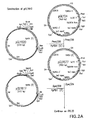
- expression/integration plasmid vector pGLY642 comprising an expression cassette encoding the human PDI protein and nucleic acid molecules to target the plasmid vector to the Pichia pastoris PDI1 locus for replacement of the gene encoding the Pichia pastoris PDI1 with a nucleic acid molecule encoding the human PDI was as follows and is shown in Figure 2 .
- cDNA encoding the human PDI1 was amplified by PCR using the primers hPDI/UP1: 5' AGCGCTGACGCCCCCGAGGAGGAGGACCAC 3' (SEQ ID NO: 1) and hPDI/LP-PacI: 5' CCTTAATTAATTACAGTTCATCATGCACAGCTTTC TGATCAT 3' (SEQ ID NO: 2), Pfu turbo DNA polymerase (Stratagene, La Jolla, CA), and a human liver cDNA (BD Bioscience, San Jose, CA).
- the PCR conditions were 1 cycle of 95°C for two minutes, 25 cycles of 95°C for 20 seconds, 58°C for 30 seconds, and 72°C for 1.5 minutes, and followed by one cycle of 72°C for 10 minutes.
- the resulting PCR product was cloned into plasmid vector pCR2.1 to make plasmid vector pGLY618.
- the nucleotide and amino acid sequences of the human PDI1 (SEQ ID NOs:19 and 20, respectively) are shown in Table 9.
- the nucleotide and amino acid sequences of the Pichia pastoris PDI1 are shown in Table 9. Isolation of nucleic acid molecules comprising the Pichia pastoris PDI1 5' and 3' regions was performed by PCR amplification of the regions from Pichia pastoris genomic DNA. The 5' region was amplified using primers PB248: 5' ATGAA TTCAG GCCAT ATCGG CCATT GTTTA CTGTG CGCCC ACAGT AG 3' (SEQ ID NO: 3); PB249: 5' ATGTT TAAAC GTGAG GATTA CTGGT GATGA AAGAC 3' (SEQ ID NO: 4).
- the 3' region was amplified using primers PB250: 5' AGACT AGTCT ATTTG GAGAC ATTGA CGGAT CCAC 3' (SEQ ID NO: 5); PB251: 5' ATCTC GAGAG GCCAT GCAGG CCAAC CACAA GATGA ATCAA ATTTT G-3' (SEQ ID NO: 6).
- Pichia pastoris strain NRRL-Y 11430 genomic DNA was used for PCR amplification. The PCR conditions were one cycle of 95°C for two minutes, 25 cycles of 95°C for 30 seconds, 55°C for 30 seconds, and 72°C for 2.5 minutes, and followed by one cycle of 72°C for 10 minutes.
- the nucleic acid molecule encoding the human PDI was then cloned into plasmid vector pGLY678 to produce plasmid vector pGLY642 in which the nucleic acid molecule encoding the human PDI was placed under the control of the Pichia pastoris GAPDH promoter (PpGAPDH).
- Expression/integration plasmid vector pGLY642 was constructed by ligating a nucleic acid molecule (SEQ ID NO:17) encoding the Saccharomyces cerevisiae alpha mating factor pre-signal peptide (Sc ⁇ MFpre-signal peptide (SEQ ID NO: 18) having a Not I restriction enzyme site at the 5' end and a blunt 3' end and the expression cassette comprising the nucleic acid molecule encoding the human PDI released from plasmid vector pGLY618 with Afe I and Pac I to produce a nucleic acid molecule having a blunt 5' end and a Pac I site at the 3' end into plasmid vector pGLY678 digested with NotI and Pac I.
- the resulting integration/expression plasmid vector pGLY642 comprises an expression cassette encoding a human PDI1/ Sc ⁇ MFpre-signal peptide fusion protein operably linked to the Pichia pastoris promoter and nucleic acid molecule sequences to target the plasmid vector to the Pichia pastoris PDII locus for disruption of the PDI1 locus and integration of the expression cassette into the PDI1 locus.
- Figure 2 illustrates the construction of plasmid vector pGLY642.
- the nucleotide and amino acid sequences of the Sc ⁇ MFpre-signal peptide are shown in SEQ ID NOs:17 and 18, respectively.
- the nucleic acid molecule encoding the human ERO1 ⁇ protein was released from the plasmid vector using restriction enzymes Afe I and Fse I and then ligated with a nucleic acid molecule encoding the Sc ⁇ MPpre-signal peptide with 5 ⁇ Not I and 3' blunt ends as above into plasmid vector pGLY2228 digested with Not I and F seI.
- Plasmid vector pGLY2228 also included nucleic acid molecules that included the 5' and 3' regions of the Pichia pastoris PRB1 gene (PpPRB1-5' and PpPRB1-3' regions, respectively).
- the resulting plasmid vector, pGLY2230 was digested with Bgl II and Not I and then ligated with a nucleic acid molecule containing the Pichia pastoris PDII promoter (PpPDI promoter) which had been obtained from plasmid vector pGLY2187 digested with BgIII and N otI.
- PpPDI promoter a nucleic acid molecule containing the Pichia pastoris PDII promoter
- the nucleotide sequence of the PpPDI promoter is 5'-AACACGAACACTGTAAA TAGAATAAAAGAAAACTTGGATAGTAGAACTTCAATGTAGTGTTTCTATTGTCTTAC GCGGCTCTTTAGATTGCAATCCCCAGAATGGAATCGTCCATCTTTCTCAACCCACTC AAAGATAATCTACCAGACATACCTACGCCCTCCATCCCAGCACCACGTCGCGATCAC CCCTAAAACTTCAATAATTGAACACGTACTGATTTCCAAACCTTCTTCTTCTTCCTAT CTATAAGA-3' (SEQ ID NO:31).
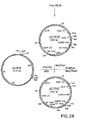
- the resulting plasmid vector, pGLY2232 is an expression/integration vector that contains an expression cassette that encodes the human ERO1 ⁇ fusion protein under control of the Pichia pastoris PDI1 promoter and includes the 5' and 3' regions of the Pichia pastoris PRB1 gene to target the plasmid vector to the PRB1 locus of genome for disruption of the PRB1 locus and integration of the expression cassette into the PRB1 locus.
- Figure 3 illustrates the construction of plasmid vector pGLY2232.
- the human GRP94 was PCR amplified from human liver cDNA (BD Bioscience) with the primers hGRP94/UP1: 5'-AGCGC TGACG ATGAA GTTGA TGTGG ATGGT ACAGT AG-3'; (SEQ ID NO: 15); and hGRP94/LP1: 5'-GGCCG GCCTT ACAAT TCATC ATGTT CAGCT GTAGA TTC 3'; (SEQ ID NO: 16).
- the PCR conditions were one cycle of 95°C for two minutes, 25 cycles of 95°C for 20 seconds, 55°C for 20 seconds, and 72°C for 2.5 minutes, and followed by one cycle of 72°C for 10 minutes.
- the PCR product was cloned into plasmid vector pCR2.1 to make plasmid vector pGLY2216.
- the nucleotide and amino acid sequences of the human GRP94 (SEQ ID NOs:25 and 26, respectively) are shown in Table 9.
- the nucleic acid molecule encoding the human GRP94 was released from plasmid vector pGLY2216 with Afe I and Fse I. The nucleic acid molecule was then ligated to a nucleic acid molecule encoding the ScaMPpre-signal peptide having NotI and blunt ends as above and plasmid vector pGLY2231 digested with Not I and Fse I carrying nucleic acid molecules comprising the Pichia pastoris PEP4 5' and 3' regions (PpPEP4-5' and PpPEP4-3' regions, respectively) to make plasmid vector pGLY2229.
- Plasmid vector pGLY2229 was digested with BglII and NotI and a DNA fragment containing the PpPDI1 promoter was removed from plasmid vector pGLY2187 with BglII and NotI and the DNA fragment ligated into pGLY2229 to make plasmid vector pGLY2233.
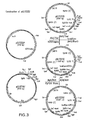
- Plasmid vector pGLY2233 encodes the human GRP94 fusion protein under control of the Pichia pastoris PDI promoter and includes the 5' and 3' regions of the Pichia pastoris PEP4 gene to target the plasmid vector to the PEP4 locus of genome for disruption of the PEP4 locus and integration of the expression cassette into the PEP4 locus.
- Figure 4 illustrates the construction of plasmid vector pGLY2233.
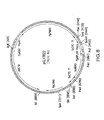
- Plasmid vectors pGLY1162, pGLY1896, and pGFI207t were as follows. All Trichoderma reesei ⁇ -1,2-mannosidase expression plasmid vectors were derived from pGFI165, which encodes the T. reesei ⁇ -1,2-mannosidase catalytic domain ( See published International Application No. WO2007061631 ) fused to S. cerevisiae ⁇ MATpre signal peptide herein expression is under the control of the Pichia pastoris GAP promoter and wherein integration of the plasmid vectors is targeted to the Pichia pastoris PRO1 locus and selection is using the Pichia pastoris URA5 gene.
- a map of plasmid vector pGF1165 is shown in Figure 5 .
- Plasmid vector pGLY1162 was made by replacing the GAP promoter in pGFI165 with the Pichia pastoris AOX1 (PpAOX1) promoter. This was accomplished by isolating the PpAOX1 promoter as an Eco RI (made blunt)- Bgl II fragment from pGLY2028, and inserting into pGFI165 that was digested with NotI (made blunt) and BglII. Integration of the plasmid vector is to the Pichia pastoris PRO1 locus and selection is using the Pichia pastoris URA5 gene. A map of plasmid vector pGLY1162 is shown in Figure 6 .
- Plasmid vector pGLY1896 contains an expression cassette encoding the mouse ⁇ -1,2-mannosidase catalytic domain fused to the S. cerevisiae MNN2 membrane insertion leader peptide fusion protein (See Choi et al., Proc. Natl. Acad. Sci. USA 100: 5022 (2003 )) inserted into plasmid vector pGFI165 ( Figure 5 ). This was accomplished by isolating the GAPp-ScMNN2-mouse MNSI expression cassette from pGLY1433 digested with Xho I (and the ends made blunt) and Pme I, and inserting the fragment into pGFI165 that digested with Pme I. Integration of the plasmid vector is to the Pichia pastoris PRO1 locus and selection is using the Pichia pastoris URA5 gene. A map of plasmid vector pGLY1896 is shown in Figure 5 .
- Plasmid vector pGFI207t is similar to pGLY1896 except that the URA5 selection marker was replaced with the S. cerevisiae ARR3 (ScARR3) gene, which confers resistance to arsenite. This was accomplished by isolating the ScARR3 gene from pGFI166 digested with Asc I and the Asc I ends made blunt) and Bgl II, and inserting the fragment into pGLY1896 that digested with Spe I and the Spe I ends made blunt and Bgl II. Integration of the plasmid vector is to the Pichia pastoris PRO1 locus and selection is using the Saccharomyces cerevisiae ARR3 gene. A map of plasmid vector pGFI207t is shown in Figure 5 .
- Anti-DKK1 antibodies are antibodies that recognize Dickkopf protein 1, a ligand involved in the Wnt signaling pathway.
- codon-optimized nucleic acid molecules encoding heavy chain (HC; fusion protein containing VH + IgG 2 m4) and light chain (LC; fusion protein containing VL + L ⁇ constant region) fusion proteins, each in frame with a nucleic acid molecule encoding an ⁇ -amylase (from Aspergillus niger ) signal peptide were synthesized by GeneArt AG.
- the nucleotide and amino acid sequences for the a-amylase signal peptide are shown in SEQ ID NOs:48 and 49.
- the nucleotide sequence of the HC is shown in SEQ ID NO:27 and the amino acid sequence is shown in SEQ ID NO:28.
- the nucleotide sequence of the LC is shown in SEQ ID NO:29 and the amino acid sequence is shown in SEQ ID NO:30.
- the IgG 2 m4 isotype has been disclosed in U.S. Published Application No. 2007/0148167 and U.S. Published Application No. 2006/0228349 .
- the nucleic acid molecules encoding the HC and LC fusion proteins were separately cloned using unique 5'- EcoR I and 3'- Fse I sites into expression plasmid vector pGLY1508 to form plasmid vectors pGLY1278 and pGLY1274, respectively.
- These plasmid vectors contained the Zeocin-resistance marker and TRP2 integration sites and the Pichia pastoris AOX1 promoter operably linked to the nucleic acid molecules encoding the HC and LC fusion proteins.
- the LC fusion protein expression cassette was removed from pGLY1274 with Bgl II and Bam H1 and cloned into pGLY1278 digested with Bgl II to generate plasmid vector pGLY2260, which encodes the HC and LC fusion proteins and targets the expression cassettes to the TRP2 locus for integration of the expression cassettes into the TRP2 locus.
- the plasmid vector pGLY2261 contains an additional LC in plasmid vector pGLY2260. ( Figure 7 ).
- Yeast transformations with the above expression/integration vectors were as follows. Pichia pastoris strains were grown in 50 mL YPD media (yeast extract (1 %), peptone (2%), dextrose (2%)) overnight to an OD of between about 0.2 to 6. After incubation on ice for 30 minutes, cells were pelleted by centrifugation at 2500-3000 rpm for 5minutes. Media was removed and the cells washed three times with ice cold sterile 1 M sorbitol before resuspension in 0.5 ml ice cold sterile 1 M sorbitol.
- strain yGLY24-1 ( ura5 ⁇ :: MET1 och1 ⁇ :: lacZ bmt2 ⁇ :: lacZ / KlMNN2-2 / mnn4L1 ⁇ :: lacZ / MmSLC35A3 pno1 ⁇ mnn4 ⁇ :: lacZ met16 ⁇ :: lacZ ), was constructed using methods described earlier ( See for example, Nett and Gerngross, Yeast 20:1279 (2003 ); Choi et al., Proc. Natl. Acad. Sci.
- the BMT2 gene has been disclosed in Mille et al., J. Biol. Chem. 283: 9724-9736 (2008 ) and U.S. Published Application No. 20060211085 .
- the PNO1 gene has been disclosed in U.S. Patent No. 7,198,921 and the mnn4L1 gene (also referred to as mnn4b ) has been disclosed in U.S. Patent No. 7,259,007 .
- the mnn4 refers to mnn4L2 or mnn4 ⁇ .
- KIMNN2-2 is the Kluveromyces lactis GlcNAc transporter and MmSLC35A3 is the Mus musculus GlcNAc transporter.
- the URA5 deletion renders the yGLY24-1 strain auxotrophic for uracil ( See U.S. Published application No. 2004/0229306 ) and was used to construct the humanized chaperone strains that follow. While the various expression cassettes were integrated into particular loci of the Pichia pastoris genome in the examples herein, it is understood that the operation of the invention is independent of the loci used for integration. Loci other than those disclosed herein can be used for integration of the expression cassettes. Suitable integration sites include those enumerated in U.S. Published application No. 20070072262 and include homologs to loci known for Saccharomyces cerevisiae and other yeast or fungi.
- Control strain yGLY645 (PpPDI1) was constructed.
- Strain yGLY645 expresses both a Trichoderma Reesei mannosidase1 (TrMNS1) and a mouse mannosidase IA (MuMNSIA), each constitutively expressed under the control of a PpGAPDH promoter, with the native Pichia pastoris PDI1 locus intact.
- Strain yGLY645 was generated from strain yGLY24-1 by transforming yGLY24-1 with plasmid vector pGLY1896, which targeted the plasmid vector to the Proline 1 ( PRO1 ) locus in the Pichia genome.
- Plasmid vector pGLY1896 contains expression cassettes encoding the Trichoderma Reesei mannosidase 1 (TrMNS 1) and the mouse mannosidase IA (FB53, MuMNS1A), each constitutively expressed under the control of a PpGAPDH promoter.
- Strains yGLY702 and yGLY704 were generated in order to test the effectiveness of the human PDI expressed in Pichia pastoris cells in the absence of the endogenous Pichia pastoris PDI1 gene.
- Strains yGLY702 and yGLY704 (hPDI) were constructed as follows.
- Strain yGLY702 was generated by transforming yGLY24-1 with plasmid vector pGLY642 containing the expression cassette encoding the human PDI under control of the constitutive PpGAPDH promoter.
- Plasmid vector pGLY642 also contained an expression cassette encoding the Pichia pastoris URA5, which rendered strain yGLY702 prototrophic for uracil.
- the URA5 expression cassette was removed by counterselecting yGLY702 on 5-FOA plates to produce strain yGLY704 in which, so that the Pichia pastoris PDI1 gene has been stably replaced by the human PDI gene and the strain is auxotrophic for uracil.
- Pichia pastoris PDI1 The replacement of the Pichia pastoris PDI1 with the human PDI using plasmid vector pGLY642 was confirmed by colony PCR using the following primers specific to only the PpPDI1 ORF; PpPDI/UPi-1, 5'-GGTGA GGTTG AGGTC CCAAG TGACT ATCAA GGTC-3'; (SEQ ID NO: 7); PpPDI/LPi-1, 5'-GACCT TGATA GTCAC TTGGG ACCTC AACCT CACC-3'; (SEQ ID NO: 8); PpPDI/UPi-2, 5' CGCCA ATGAT GAGGA TGCCT CTTCA AAGGT TGTG-3'; (SEQ ID NO: 9); and PpPDI/LPi-2, 5'-CACAA CCTTT GAAGA GGCAT CCTCA TCATT GGCG-3'; (SEQ ID NO: 10).
- PCR conditions were one cycle of 95°C for two minutes, 25 cycles of 95°C for 20 seconds, 58°C for 20 seconds, and 72°C for one minute, and followed by one cycle of 72°C for 10 minutes.
- PpPDI-5'/UP primes the upstream region of PpPDI1 that is absent in PpPDI1 (5') of pGY642
- hPDI-3'/LP primes human PDI ORF in pGLY642.
- the PCR conditions were one cycle of 95°C for two minutes, 25 cycles of 95°C for 20 seconds, 50°C for 30 seconds, and 72°C for 2.5 minutes, and followed by one cycle of 72°C for 10 minutes.
- the integration efficiency of a plasmid vector as a knockout (i.e., a double crossover event) or as a 'roll-in' (i.e., a single integration of the plasmid vector into the genome, can be dependent upon a number of factors, including the number and length of homologous regions between vectors and the corresponding genes on host chromosomal DNA, selection markers, the role of the gene of interest, and the ability of the knocked-in gene to complement the endogenous function.
- pGLY642 was integrated as a double crossover, resulting in replacement of the endogenous PpPDI gene with human PpPDI, while in other cases, the pGLY642 plasmid vector was integrated as a single integration, resulting in presence of both the endogenous PpPDII gene and a human PpPDI gene.
- the inventors utilized PCR primers of Sequence ID Nos. 11 through 14, described herein.
- PpPDI-5'/UP and hPDI-3'/LP directed to the internal PpPDI coding sequence, will result in an amplification product and a corresponding band.
- these primers will not result in any amplification product and no corresponding band will be visible.
- PpPDI/UPi-1 SEQ ID NO: 7
- PpPDI/LPi-1 SEQ ID NO: 8
- PpPDI1, and hPDI/UP 5'-GTGGC CACAC CAGGG GGCAT GGAAC-3'
- SEQ ID NO: 13 hPDI-3'/LP, 5'-CCTAG AGAGC GGTGG CCAAG ATG-3'
- SEQ ID NO: 14 encoding human PDI.
- the PCR conditions were one cycle of 95°C for two minutes, 25 cycles of 95°C for 20 seconds, 58°C for 20 seconds, and 72°C for one minute, and followed by 1 cycle of 72°C for 10 minutes for PpPDI1, and 1 cycle of 95°C for two minutes, 25 cycles of 95°C for 20 seconds, 50°C for 30 seconds, and 72°C for 2.5 minutes, and followed by one cycle of 72°C for 10 minutes for human PDI.
- Strain yGLY733 was generated by transforming with plasmid vector pGLY1162, which comprises an expression cassette that encodes the Trichoderma Reesei mannosidase (TrMNS1) operably linked to the Pichia pastoris AOX1 promoter (PpAOX1-TrMNS1), into the PRO1 locus of yGLY704.
- This strain has the gene encoding the Pichia pastoris PDI1 replaced with the expression cassette encoding the human PDI , has the PpAOX1-TrMNS1 expression cassette integrated into the PRO1 locus, and is a URA5 prototroph.
- the PpAOX1 promoter allows overexpression when the cells are grown in the presence of methanol.
- Strain yGLY762 was constructed by integrating expression cassettes encoding TrMNS1 and mouse mannosidase IA (MuMNS1A), each operably linked to the Pichia pastoris GAPDH promoter in plasmid vector pGFI207t into strain yGLY733 at the 5' PRO1 locus UTR in Pichia pastoris genome.
- This strain has the gene encoding the Pichia pastoris PDI1 replaced with the expression cassette encoding the human PDI, has the PpGAPDH-TrMNS1 and PpGAPDH-MuMNS1A expression cassettes integrated into the PRO1 locus, and is a URA5 prototroph.
- Strain yGLY2263 was generated by transforming strain yGLY645 with integration/expression plasmid pGLY2260, which targets an expression cassette encoding the anti-DKK1 antibody to the TRP2 locus.
- Strain yGLY2674 was generated by counterselecting yGLY733 on 5-FOA plates. This strain has the gene encoding the Pichia pastoris PD1 replaced with the expression cassette encoding the human PDI, has the PpAOX1-TrMNS1 expression cassette integrated into the PRO1 locus, and is a URA5 auxotroph.
- Strain yGLY2677 was generated by counterselecting yGLY762 on 5-FOA plates. This strain has the gene encoding the Pichia pastoris PDI1 replaced with the expression cassette encoding the human PDI, has the PpAOX1-TrMNS1 expression cassette integrated into the PRO1 locus, has the PpGAPH-TrMNS1 and PpGAPDH-MuMNS1A expression cassettes integrated into the PRO1 locus, and is a URA5 auxotroph.
- Strains yGLY2690 was generated by integrating plasmid vector pGLY2232, which encodes the human ERO1 ⁇ protein, into the PRB1 locus.
- This strain has the gene encoding the Pichia pastoris PDI1 replaced with the expression cassette encoding the human PDI, has the PpAOX1-TrMNS1 expression cassette integrated into the PRO1 locus, the human ERO1 ⁇ expression cassette integrated into the PRB1 locus, and is a URA5 prototroph.
- Strains yGLY2696 was generated by integrating plasmid vector pGLY2233, which encodes the human GRP94 protein, into the PEP4 locus.
- This strain has the gene encoding the Pichia pastoris PDI1 replaced with the expression cassette encoding the human PDI, has the PpAOX1-TrMNS1 expression cassette integrated into the PRO1 locus, has the PpGAPDH-TrMNS1 and PpGAPDH-MuMNS1A expression cassettes integrated into the PRO1 locus, has the human GRP94 integrated into the PEP4 locus, and is a URA5 prototroph.
- Strain yGLY3628 was generated by transforming strain yGLY2696 with integration/expression plasmid pGLY2261, which targets an expression cassette encoding the anti-DKK1 antibody to the TRP2 locus.
- Strain yGLY3647 was generated by transforming strain yGLY2690 with integration/expression plasmid pGLY2261, which targets an expression cassette encoding the anti-DKK1 antibody to the TRP2 locus.
- Table 1 shows that replacing the gene encoding the Pichia pastoris PDI1 with an expression cassette encoding the human PDI in yeast genetically engineered to produce glycoproteins that have predominantly Man 5 GlcNAc 2 N -glycans effects a reduction in O- glycosylation occupancy and an increase in N -glycosylation.
- Protein expression for the transformed yeast strains was carried out at in shake flasks at 24°C with buffered glycerol-complex medium (BMGY) consisting of 1% yeast extract, 2% peptone, 100 mM potassium phosphate buffer pH 6.0, 1.34% yeast nitrogen base, 4 x 10 -5 % biotin, and 1% glycerol.
- BMGY buffered glycerol-complex medium
- the induction medium for protein expression was buffered methanol-complex medium (BMMY) consisting of 1% methanol instead of glycerol in BMGY.
- Pmt inhibitor Pmti-3 in methanol was added to the growth medium to a final concentration of 18.3 ⁇ M at the time the induction medium was added. Cells were harvested and centrifuged at 2,000 rpm for five minutes.
- a bolus of 17 mL 50% glycerol solution (Glycerol Fed-Batch Feed, See Table 7 below) plus a larger dose (0.3 mL of 4 mg/mL) of Pmti-3 was added per vessel.
- a methanol feed (See Table 6 below) was initiated at 0.7 mL/hr continuously.
- another dose of Pmti-3 (0.3 mL of 4 mg/mL stock) was added per vessel.
- another dose (0.3 mL of 4 mg/mL) of Pmti-3 was added per vessel.
- O -glycan determination was performed using a Dionex-HPLC (HPAEC-PAD) as follows.
- HPAEC-PAD Dionex-HPLC
- protein was purified from the growth medium using protein A chromatography ( Li et al. Nat. Biotechnol. 24(2):210-5 (2006 )) and the O -glycans released from and separated from protein by alkaline elimination (beta -elimination) ( Harvey, Mass Spectrometry Reviews 18: 349- 451 (1999 )). This process also reduces the newly formed reducing terminus of the released O -glycan (either oligomannose or mannose) to mannitol.
- HPAEC-PAD Dionex-HPLC
- the mannitol group thus serves as a unique indicator of each O - glycan.
- the sample was treated with 25 ⁇ L alkaline borohydride reagent and incubated at 50°C for 16 hours. About 20 ⁇ L arabitol internal standard was added, followed by 10 ⁇ L glacial acetic acid.
- the sample was then centrifuged through a Millipore filter containing both SEPABEADS and AG 50W-X8 resin and washed with water.
- the samples, including wash, were transferred to plastic autosampler vials and evaporated to dryness in a centrifugal evaporator.
- This example demonstrates that occupancy of O -glycans in proteins produced in the above strains expressing the human PDI in place of the Pichia pastoris PDI1 can be significantly reduced when either the Pichia pastoris Golgi Ca 2+ ATPase (PpPMR1) or the Arabidopsis thaliana ER Ca 2+ ATPase (AtECA1) is overexpressed in the strains.
- PpPMR1 Pichia pastoris Golgi Ca 2+ ATPase
- AtECA1 Arabidopsis thaliana ER Ca 2+ ATPase
- the effect is illustrated using glycoengineered Pichia pastoris strains that produce antibodies having predominantly MansGlcNAc 2 N-glycans.
- PpPMR1 P. pastoris Golgi Ca 2+ ATPase
- PpPMR1 P. pastoris Golgi Ca 2+ ATPase
- PpPMR1/UP 5'-GAATTCATGACAGCTAATGAAAATCCTTTTGAGAATGAG-3'
- PpPMR 1/LP 5'-GGCCGGCCTCAAACAGCCATGCTGTATCCATTGTATG -3'
- the PCR conditions were one cycle of 95°C for two minutes; five cycles of 95°C for 10 seconds, 52°C for 20 seconds, and 72°C for 3 minutes; 20 cycles of 95°C for 10 seconds, 55°C for 20 seconds, and 72°C for 3 minutes; followed by 1 cycle of 72°C for 10 minutes.
- the resulting PCR product was cloned into pCR2.1 and designated pGLY3811.
- PpPNM1 was removed from pGLY3811 by digesting with plasmid with Pst I and Fse I and the Pst I end had been made blunt with T4 DNA polymerase prior to digestion with Fse I.
- Plasmid pGLY3822 targets the Pichia pastoris URA6 locus. Plasmid pGLY3822 is shown in Figure 8 .
- the DNA sequence of PpPMR1 is set forth in SEQ ID NO:32 and the amino acid sequence of the PpPMR1 is shown in SEQ ID NO:33.
- An expression cassette encoding the Arabidopsis thaliana ER Ca 2+ ATPase was constructed as follows.
- a DNA encoding AtECA1 was synthesized from GeneArt AG (Regensburg, Germany) and cloned to make pGLY3306.
- the synthesized AtECA1 was removed from pGLY3306 by digesting with Mly I and FseI and cloning the DNA fragment encoding the AtECA1 into pGFI30t digested with Eco RI with the ends made blunt with T4 DNA polymerase and FseI to generate integration/expression plasmid pGLY3827.
- Plasmid pGLY3827 targets the Pichia pastoris URA6 locus.
- Plasmid pGLY3827 is shown in Figure 9 .
- the DNA sequence of the AtECA1 was codon-optimized for expression in Pichia pastoris and is shown in SEQ ID NO:34.
- the encoded AtECA1 has the amino acid sequence set forth in SEQ ID NO:35.
- Integration/expression plasmid pGLY3822 (contains expression cassette encoding PpPMR1) or pGLY3827 (contains expression cassette encoding .AtECA1) was linearized with SpeI and transformed into Pichia pastoris strain yGLY3647 or yGLY3693 at the URA6 locus.
- the genomic integration of pGLY3822 or pGLY3827 at URA6 locus was confirmed by colony PCR (cPCR) using primers, 5'AOX1 (5'-GCGACTGGTTCCAATTGACAAGCTT-3' (SEQ ID NO:38) and PpPMR1/cLP (5'-GGTTGCTCTCGTCGATACTCAAGTGGGAAG-3' (SEQ ID NO:39) for confirming PpPMR1 integration into the URA6 locus, and 5'AOX1 and AtECA1/cLP (5'-GTCGGCTGGAACCTTATCACCAACTCTCAG-3' (SEQ ID NO:40) for confirming integration of AtECA1 into the URA6 locus.
- the PCR conditions were one cycle of 95°C for 2 minutes, 25 cycles of 95°C for 10 seconds, 55°C for 20 seconds, and 72°C for one minute; followed by one cycle of 72°C for 10 minutes.
- Strain yGLY8238 was generated by transforming strain yGLY3647 with integration/expression plasmid pGLY3822 encoding the PpPMR1 and targeting the URA6 locus.
- the Pichia pastoris PDI1 chaperone gene has been replaced with the human PD1 gene as described in Example 1 and shown in Figures 1A and 1B .
- Strain yGLY8240 was generated by transforming strain yGLY3647 with plasmid pGLY3827 encoding the AtECA1 and targeting the URA6 locus. The genealogy of the strains is shown in Figures 1A and 1B .
- strains were evaluated for the effect the addition of PpPMR1 or AtECA1 to the humanized chaperone strains might have on reducing O -glycosylation of the antibodies produced by the strains.
- Table 7 the addition of either PpPMR1 or AtECA1 into strain yGLY3647 effected a significant reduction in O -glycosylation occupancy compared to strain yGLY3647 expressing the human PDI in place of the Pichia pastoris PDI1 or strain yGLY2263 expressing only the endogenous PDI1 but capable of making antibodies with a Man 5 GlcNAc 2 glycoform as strain yGLY3647.
- hCRT human calreticulin
- hCRT-BstZ17I-HA/UP 5'-GTATACCCATACGACGTCCCAGACTACGCTGAGCCCGCCGTCTACTTCAAGGAGC-3' (SEQ ID NO:45)
- hCRT-PacI/LP 5'-TTAATTAACTACAGCTCGTCATGGGCCTGGCCG GGGACATCTTCC-3' (SEQ ID NO:46).
- the PCR conditions were one cycle of 98°C for two min; 30 cycles of 98°C for 10 seconds, 55°C for 30 seconds, and 72°C for two minutes, and followed by one cycle of 72°C for 10 minutes.
- the resulting PCR product was cloned into pCR2.1 Topo vector to make pGLY1224.
- the DNA encoding the hCRT further included modifications such that the encoded truncated hCRT has an HA tag at its N-terminus and HDEL at its C-terminus.
- the DNA encoding the hCRT was released from pGLY1224 by digestion with BstZ 17I and Pac I and the DNA fragment cloned into an expression vector pGLY579, which had been digested with Not I and Pac I, along with a DNA fragment encoding the S. cerevisiae alpha-mating factor pre signal sequence having Not I and Pac I compatible ends to create pGLY1230.
- This plasmid is an integration/expression plasmid that encodes the hCRT with the S.
- cerevisiae alpha-mating factor pre signal sequence and HA tag at the N-terminus and an HDEL sequence at its C-terminus operably linked to the Pichia pastoris GAPDH promoter and targeting the HIS3 locus of Pichia pastoris .
- hERp57 A DNA fragment encoding the human ERp57 (hERp57) was synthesized by GeneArt AG having Not I and PacI compatible ends. The DNA fragment was then cloned into pGLY129 digested with Not I and PacI to produce pGLY1231. This plasmid encodes the hERp57 operably linked to the Pichia pastoris PMA1 promoter.
- Plasmid pGLY1231 was digested with SwaI and the DNA fragment encoding the hERp57 was cloned into plasmid pGLY1230 digested with Pme I. Thus, integration/expression plasmid pGLY1234 encodes both the hCRT and hERp57. Plasmid pGLY1234 is shown in Figure 10 .
- Strain yGLY3642 was generated by counterselecting strain yGLY2690 in the presence of 5'FOA, a URA5 auxotroph.
- Strain yGLY3668 was generated by transforming yGLY3642 with integration/expression plasmid pGLY1234 encoding the hCRT and hERp57 and which targets the HIS3 locus.
- Strain yGLY3693 was generated by transforming strain yGLY3668 with integration/expression plasmid pGLY2261, which targets an expression cassette encoding the anti-DKK1 antibody to the TRP2 locus.
- Strain yGLY8239 was generated by transforming strain yGLY3693 with integration/expression plasmid pGLY3822 encoding the PpPMR1 and targeting the URA6 locus.
- Strain yGLY8241 was generated by transforming strain yGLY3693 with integration/expression plasmid pGLY3827 encoding the AtECA1 and targeting the URA6 locus.
- strains were evaluated to see whether the addition of hCRT and hERp57 to the humanized chaperone strains expressing PpPMR1 or AtECA1 of the previous example might effect a further reduction in O -glycan occupancy of the antibodies produced.
- Table 8 in strain yGLY3693 expressing hCRT and hERp57 alone, there was about a 2-fold decrease in O -glycan occupancy, which was further decreased up to a 4-fold in strains that further expressed PpPMR1 or AtECA1.
- yeast strains that express its endogenous PDI1 and overexpress a Ca 2+ ATPase will produce glycoproteins with reduced O -glycan occupancy.
Landscapes
- Life Sciences & Earth Sciences (AREA)
- Health & Medical Sciences (AREA)
- Chemical & Material Sciences (AREA)
- Organic Chemistry (AREA)
- Genetics & Genomics (AREA)
- Engineering & Computer Science (AREA)
- Zoology (AREA)
- Wood Science & Technology (AREA)
- Bioinformatics & Cheminformatics (AREA)
- Biotechnology (AREA)
- General Engineering & Computer Science (AREA)
- General Health & Medical Sciences (AREA)
- Molecular Biology (AREA)
- Biochemistry (AREA)
- Mycology (AREA)
- Microbiology (AREA)
- Biomedical Technology (AREA)
- Biophysics (AREA)
- Physics & Mathematics (AREA)
- Plant Pathology (AREA)
- Chemical Kinetics & Catalysis (AREA)
- General Chemical & Material Sciences (AREA)
- Immunology (AREA)
- Medicinal Chemistry (AREA)
- Proteomics, Peptides & Aminoacids (AREA)
- Micro-Organisms Or Cultivation Processes Thereof (AREA)
- Preparation Of Compounds By Using Micro-Organisms (AREA)
Claims (10)
- Cellule hôte de levure ou de champignon filamenteux comprenant une molécule d'acide nucléique codant au moins une Ca2+ ATPase endogène ou exogène, où la Ca2+ ATPase dans la cellule hôte est surexprimée et où la cellule hôte comprend en plus une molécule d'acide nucléique codant une protéine recombinante.
- Cellule hôte de levure ou de champignon filamenteux selon la revendication 1, dans laquelle la molécule d'acide nucléique comprend un cadre de lecture ouvert codant la Ca2+ ATPase, lié d'une manière opérationnelle à un promoteur hétérologue.
- Cellule hôte de levure ou de champignon filamenteux selon la revendication 1, dans laquelle la protéine recombinante est un anticorps.
- Cellule hôte de levure ou de champignon filamenteux selon la revendication 1, dans laquelle la fonction d'au moins un gène endogène codant une protéine chaperon a été réduite, brisée ou supprimée; et une molécule d'acide nucléique codant au moins un homologue mammalien de la protéine chaperon est exprimée dans la cellule hôte.
- Cellule hôte de levure ou de champignon filamenteux selon la revendication 1, dans laquelle la cellule hôte comprend en plus une molécule d'acide nucléique codant une protéine ERp57 et/ou une molécule d'acide nucléique codant une protéine calréticuline.
- Procédé de production d'une protéine recombinante ayant une O-glycosylation réduite, comprenant:(a) fournir un hôte de levure ou de champignon filamenteux comprenant une molécule d'acide nucléique codant au moins une Ca2+ ATPase endogène ou exogène, dans lequel la Ca2+ ATPase dans la cellule hôte est surexprimée;(b) introduire une molécule d'acide nucléique dans la cellule hôte codant la protéine recombinante; et(c) cultiver la cellule hôte dans des conditions convenant à la production de la protéine recombinante.
- Procédé selon la revendication 6, dans lequel la molécule d'acide nucléique comprend un cadre de lecture ouvert codant la Ca2+ ATPase, lié d'une manière opérationnelle à un promoteur hétérologue.
- Procédé selon la revendication 6, dans lequel la cellule hôte comprend en plus une molécule d'acide nucléique codant une protéine ERp57 et une molécule d'acide nucléique codant une protéine calréticuline.
- Procédé selon la revendication 6, dans lequel la protéine recombinante est un anticorps.
- Procédé selon la revendication 6, dans lequel la fonction d'au moins un gène endogène codant une protéine chaperon a été réduite, brisée ou supprimée; et une molécule d'acide nucléique codant au moins un homologue mammalien de la protéine chaperon est exprimée dans la cellule hôte.
Applications Claiming Priority (2)
| Application Number | Priority Date | Filing Date | Title |
|---|---|---|---|
| US18876108P | 2008-08-12 | 2008-08-12 | |
| PCT/US2009/053247 WO2010019487A1 (fr) | 2008-08-12 | 2009-08-10 | Vecteurs améliorés et souches de levure pour une production de protéine : surexpression de la ca<sp>2+</sp> atpase |
Publications (2)
| Publication Number | Publication Date |
|---|---|
| EP2324121A1 EP2324121A1 (fr) | 2011-05-25 |
| EP2324121B1 true EP2324121B1 (fr) | 2012-11-07 |
Family
ID=41064605
Family Applications (1)
| Application Number | Title | Priority Date | Filing Date |
|---|---|---|---|
| EP09791322A Not-in-force EP2324121B1 (fr) | 2008-08-12 | 2009-08-10 | Vecteurs améliorés et souches de levure pour une production de protéine : surexpression de la ca2+-atpase |
Country Status (8)
| Country | Link |
|---|---|
| US (2) | US8507224B2 (fr) |
| EP (1) | EP2324121B1 (fr) |
| JP (1) | JP2011530311A (fr) |
| CN (1) | CN102177247A (fr) |
| AU (1) | AU2009282228A1 (fr) |
| CA (1) | CA2733567A1 (fr) |
| MX (1) | MX2011001706A (fr) |
| WO (1) | WO2010019487A1 (fr) |
Families Citing this family (14)
| Publication number | Priority date | Publication date | Assignee | Title |
|---|---|---|---|---|
| JP2011514157A (ja) * | 2008-02-20 | 2011-05-06 | グライコフィ, インコーポレイテッド | 蛋白質生産用ベクター及び酵母株 |
| JP5652206B2 (ja) * | 2008-10-01 | 2015-01-14 | 旭硝子株式会社 | 宿主、形質転換体およびその製造方法、ならびにo−グリコシド型糖鎖含有異種蛋白質の製造方法 |
| KR101930961B1 (ko) | 2010-02-24 | 2018-12-19 | 머크 샤프 앤드 돔 코포레이션 | 피키아 파스토리스에서 생산된 치료 당단백질 상의 n-글리코실화 부위 점유를 증가시키는 방법 |
| WO2012143513A2 (fr) * | 2011-04-22 | 2012-10-26 | Dsm Ip Assets B.V. | Cellule de levure pouvant convertir des sucres comprenant l'arabinose et le xylose |
| EP2872644B1 (fr) * | 2012-07-12 | 2017-07-12 | UAB Baltymas | Génération de protéines chaperonnes du réticulum endoplasmique humaines sécrétées recombinantes endogènes à l'aide de leurs séquences signal endogènes dans des systèmes d'expression de levure |
| CA2879103A1 (fr) * | 2012-07-13 | 2014-01-16 | Jordan L. Holtzman | Modeles cellulaires et animaux pour le criblage d'agents therapeutiques pour le traitement de la maladie d'alzheimer |
| US9707276B2 (en) | 2012-12-03 | 2017-07-18 | Merck Sharp & Dohme Corp. | O-glycosylated carboxy terminal portion (CTP) peptide-based insulin and insulin analogues |
| CA2888645A1 (fr) * | 2012-12-17 | 2014-06-26 | Merck Sharp & Dohme Corp. | Cellules mutantes pmt2-, och1-, pmt5- |
| MX364532B (es) * | 2013-07-04 | 2019-04-29 | Glykos Finland Oy | Celulas de hongos filamentosos deficientes de o-manosiltransferasa y metodos de uso de las mismas. |
| AU2015293949B2 (en) | 2014-07-21 | 2019-07-25 | Teknologian Tutkimuskeskus Vtt Oy | Production of glycoproteins with mammalian-like N-glycans in filamentous fungi |
| CN108277232A (zh) * | 2018-01-30 | 2018-07-13 | 广西天昌投资有限公司 | 一种润肠功能的富硒酵母及其制备方法 |
| CN109749949A (zh) * | 2019-03-08 | 2019-05-14 | 中国人民解放军军事科学院军事医学研究院 | 一种重组酵母细胞的构建方法及其在制备低糖基化抗体中的应用 |
| CN112481246B (zh) * | 2020-12-16 | 2022-03-29 | 熊猫乳品集团股份有限公司 | 一种生物活性多肽fspankkltpkky及其制备方法和应用 |
| CN114292324B (zh) * | 2021-12-30 | 2024-02-09 | 江南大学 | 一种共表达分子伴侣蛋白生产α-乳白蛋白的菌株及其应用 |
Family Cites Families (28)
| Publication number | Priority date | Publication date | Assignee | Title |
|---|---|---|---|---|
| US2016A (en) * | 1841-03-26 | Mode of constructing fireplaces and chimney-staoks ii | ||
| US4818700A (en) | 1985-10-25 | 1989-04-04 | Phillips Petroleum Company | Pichia pastoris argininosuccinate lyase gene and uses thereof |
| US5268364A (en) | 1991-12-12 | 1993-12-07 | The Biomembrane Institute | Method for inhibiting selectin-dependent adhesion of leukocytes and platelets by O-glycosylation modification |
| DE4244915C2 (de) | 1992-08-14 | 1998-12-03 | Widmar Prof Dr Tanner | DNA-Moleküle codierend Proteine, die an der O-Glykosylierung von Proteinen beteiligt sind |
| US6103501A (en) | 1997-11-17 | 2000-08-15 | Washington University | Single chain glycoprotein hormones comprising two β and one α subunits and recombinant production thereof |
| WO2001070236A1 (fr) | 2000-03-21 | 2001-09-27 | Uab Research Foundation | Prevention et/ou traitement du diabete sucre par inhibition pharmacologique de la glycosylation de la proteine a liaison o de cellule beta pancreatique et/ou de la o-glycosylation p135 de cellule beta pancreatique |
| US7338932B2 (en) | 2000-05-11 | 2008-03-04 | Glycozym Aps | Methods of modulating functions of polypeptide GalNAc-transferases and of screening test substances to find agents herefor, pharmaceutical compositions comprising such agents and the use of such agents for preparing medicaments |
| ATE438722T1 (de) | 2000-05-17 | 2009-08-15 | Mitsubishi Tanabe Pharma Corp | Verfahren zur herstellung von proteinen unter reduktion von mannosephosphat in der zuckerkette und dadurch hergestelltes glykoprotein |
| ATE440959T1 (de) | 2000-06-28 | 2009-09-15 | Glycofi Inc | Verfahren für die herstellung modifizierter glykoproteine |
| US8697394B2 (en) | 2000-06-28 | 2014-04-15 | Glycofi, Inc. | Production of modified glycoproteins having multiple antennary structures |
| US7863020B2 (en) | 2000-06-28 | 2011-01-04 | Glycofi, Inc. | Production of sialylated N-glycans in lower eukaryotes |
| US7449308B2 (en) | 2000-06-28 | 2008-11-11 | Glycofi, Inc. | Combinatorial DNA library for producing modified N-glycans in lower eukaryotes |
| US7625756B2 (en) | 2000-06-28 | 2009-12-01 | GycoFi, Inc. | Expression of class 2 mannosidase and class III mannosidase in lower eukaryotic cells |
| US7795002B2 (en) | 2000-06-28 | 2010-09-14 | Glycofi, Inc. | Production of galactosylated glycoproteins in lower eukaryotes |
| GB0021421D0 (en) | 2000-08-31 | 2000-10-18 | Oxford Glycosciences Uk Ltd | Compounds |
| CN1592786A (zh) | 2000-12-05 | 2005-03-09 | 宾夕法尼亚州立研究基金会 | 在酵母菌中高效生产异源性蛋白质的方法和组合物 |
| CA2358758A1 (fr) | 2001-04-11 | 2002-10-11 | National Research Council Of Canada | Systeme a deux hybrides de levure pour detecter les interactions entre les proteines de la membrane et celles du lumen du reticulum endoplasmique |
| EP2359685B1 (fr) | 2001-12-27 | 2013-12-04 | GlycoFi, Inc. | Procede d'ingenierie de structures de sucres typiques des mammiferes |
| JP3906763B2 (ja) | 2002-08-28 | 2007-04-18 | アイシン精機株式会社 | 弁開閉時期制御装置 |
| US7514253B2 (en) | 2003-05-16 | 2009-04-07 | Glycofi, Inc. | URA5 gene and methods for stable genetic integration in yeast |
| CA2551484C (fr) | 2003-12-24 | 2015-03-31 | Glycofi, Inc. | Procedes destines a supprimer la mannosylphosphorylation de glycanes dans la production des glycoproteines |
| US7479389B2 (en) | 2004-03-02 | 2009-01-20 | Glycofi, Inc. | ARG1, ARG2, ARG3, HIS1, HIS2, HIS5, HIS6 genes and methods for stable genetic integration |
| WO2005090552A2 (fr) | 2004-03-17 | 2005-09-29 | Glycofi, Inc. | Procede de mise au point d'une voie de synthese du monophosphate de cytidine-acide sialique dans les champignons et la levure |
| CN101084233B (zh) | 2004-04-29 | 2012-08-15 | 格利科菲公司 | 用于在糖蛋白产生中减少或消除α-甘露糖苷酶抗性聚糖的方法 |
| JP5284789B2 (ja) | 2005-11-15 | 2013-09-11 | グライコフィ, インコーポレイテッド | O−グリコシル化を減少している糖タンパク質の生成 |
| BRPI0711898A2 (pt) | 2006-05-19 | 2011-12-27 | Glycofi Inc | composiÇço de proteÍna da eritropoietina substancialmente homogÊnea, composiÇço farmacÊutica, e, mÉtodos de aumentar hematàcrito em um mamÍfero, e de produzir uma composiÇço de eritropoietina |
| JP5960947B2 (ja) | 2007-12-19 | 2016-08-02 | グライコフィ, インコーポレイテッド | タンパク質の製造のための酵母株 |
| JP2011514157A (ja) | 2008-02-20 | 2011-05-06 | グライコフィ, インコーポレイテッド | 蛋白質生産用ベクター及び酵母株 |
-
2009
- 2009-08-10 EP EP09791322A patent/EP2324121B1/fr not_active Not-in-force
- 2009-08-10 CA CA2733567A patent/CA2733567A1/fr not_active Abandoned
- 2009-08-10 JP JP2011523061A patent/JP2011530311A/ja active Pending
- 2009-08-10 AU AU2009282228A patent/AU2009282228A1/en not_active Abandoned
- 2009-08-10 MX MX2011001706A patent/MX2011001706A/es active IP Right Grant
- 2009-08-10 WO PCT/US2009/053247 patent/WO2010019487A1/fr not_active Ceased
- 2009-08-10 US US13/057,807 patent/US8507224B2/en not_active Expired - Fee Related
- 2009-08-10 CN CN2009801403007A patent/CN102177247A/zh active Pending
-
2013
- 2013-07-10 US US13/938,603 patent/US8771989B2/en not_active Expired - Fee Related
Also Published As
| Publication number | Publication date |
|---|---|
| US8771989B2 (en) | 2014-07-08 |
| CN102177247A (zh) | 2011-09-07 |
| MX2011001706A (es) | 2011-03-24 |
| US20110143396A1 (en) | 2011-06-16 |
| WO2010019487A1 (fr) | 2010-02-18 |
| CA2733567A1 (fr) | 2010-02-18 |
| EP2324121A1 (fr) | 2011-05-25 |
| US8507224B2 (en) | 2013-08-13 |
| US20130316403A1 (en) | 2013-11-28 |
| JP2011530311A (ja) | 2011-12-22 |
| AU2009282228A1 (en) | 2010-02-18 |
Similar Documents
| Publication | Publication Date | Title |
|---|---|---|
| US8771989B2 (en) | Vectors and yeast strains for protein production: Ca2+ ATPase overexpression | |
| EP2245151B1 (fr) | Vecteurs et souches de levure pour la production de protéines | |
| US20120003695A1 (en) | Metabolic engineering of a galactose assimilation pathway in the glycoengineered yeast pichia pastoris | |
| US9428784B2 (en) | Methods for increasing N-glycan occupancy and reducing production of hybrid N-glycans in pichia pastoris strains lacking ALG3 expression | |
| EP2771461B1 (fr) | Souches hôtes eucaryotes inférieures génétiquement modifiées pour une expression protéique recombinante | |
| US8936918B2 (en) | Yeast strain for the production of proteins with modified O-glycosylation | |
| US20140287463A1 (en) | Engineered pichia strains with improved fermentation yield and n-glycosylation quality | |
| US20140302556A1 (en) | Controlling o-glycosylation in lower eukaryotes | |
| US9416389B2 (en) | Methods for reducing mannosyltransferase activity in lower eukaryotes | |
| AU2013363266A1 (en) | pmt2, och1, pmt5 Mutant Cells |
Legal Events
| Date | Code | Title | Description |
|---|---|---|---|
| PUAI | Public reference made under article 153(3) epc to a published international application that has entered the european phase |
Free format text: ORIGINAL CODE: 0009012 |
|
| 17P | Request for examination filed |
Effective date: 20110314 |
|
| AK | Designated contracting states |
Kind code of ref document: A1 Designated state(s): AT BE BG CH CY CZ DE DK EE ES FI FR GB GR HR HU IE IS IT LI LT LU LV MC MK MT NL NO PL PT RO SE SI SK SM TR |
|
| AX | Request for extension of the european patent |
Extension state: AL BA RS |
|
| 17Q | First examination report despatched |
Effective date: 20110711 |
|
| DAX | Request for extension of the european patent (deleted) | ||
| GRAP | Despatch of communication of intention to grant a patent |
Free format text: ORIGINAL CODE: EPIDOSNIGR1 |
|
| GRAS | Grant fee paid |
Free format text: ORIGINAL CODE: EPIDOSNIGR3 |
|
| GRAA | (expected) grant |
Free format text: ORIGINAL CODE: 0009210 |
|
| AK | Designated contracting states |
Kind code of ref document: B1 Designated state(s): AT BE BG CH CY CZ DE DK EE ES FI FR GB GR HR HU IE IS IT LI LT LU LV MC MK MT NL NO PL PT RO SE SI SK SM TR |
|
| REG | Reference to a national code |
Ref country code: GB Ref legal event code: FG4D |
|
| REG | Reference to a national code |
Ref country code: AT Ref legal event code: REF Ref document number: 583038 Country of ref document: AT Kind code of ref document: T Effective date: 20121115 Ref country code: CH Ref legal event code: EP |
|
| REG | Reference to a national code |
Ref country code: IE Ref legal event code: FG4D |
|
| REG | Reference to a national code |
Ref country code: CH Ref legal event code: NV Representative=s name: MARKS AND CLERK (LUXEMBOURG) LLP, CH |
|
| REG | Reference to a national code |
Ref country code: DE Ref legal event code: R096 Ref document number: 602009011086 Country of ref document: DE Effective date: 20130103 |
|
| REG | Reference to a national code |
Ref country code: NL Ref legal event code: T3 |
|
| REG | Reference to a national code |
Ref country code: AT Ref legal event code: MK05 Ref document number: 583038 Country of ref document: AT Kind code of ref document: T Effective date: 20121107 |
|
| REG | Reference to a national code |
Ref country code: LT Ref legal event code: MG4D |
|
| PG25 | Lapsed in a contracting state [announced via postgrant information from national office to epo] |
Ref country code: NO Free format text: LAPSE BECAUSE OF FAILURE TO SUBMIT A TRANSLATION OF THE DESCRIPTION OR TO PAY THE FEE WITHIN THE PRESCRIBED TIME-LIMIT Effective date: 20130207 Ref country code: IS Free format text: LAPSE BECAUSE OF FAILURE TO SUBMIT A TRANSLATION OF THE DESCRIPTION OR TO PAY THE FEE WITHIN THE PRESCRIBED TIME-LIMIT Effective date: 20130307 Ref country code: FI Free format text: LAPSE BECAUSE OF FAILURE TO SUBMIT A TRANSLATION OF THE DESCRIPTION OR TO PAY THE FEE WITHIN THE PRESCRIBED TIME-LIMIT Effective date: 20121107 Ref country code: HR Free format text: LAPSE BECAUSE OF FAILURE TO SUBMIT A TRANSLATION OF THE DESCRIPTION OR TO PAY THE FEE WITHIN THE PRESCRIBED TIME-LIMIT Effective date: 20121107 Ref country code: LT Free format text: LAPSE BECAUSE OF FAILURE TO SUBMIT A TRANSLATION OF THE DESCRIPTION OR TO PAY THE FEE WITHIN THE PRESCRIBED TIME-LIMIT Effective date: 20121107 Ref country code: SE Free format text: LAPSE BECAUSE OF FAILURE TO SUBMIT A TRANSLATION OF THE DESCRIPTION OR TO PAY THE FEE WITHIN THE PRESCRIBED TIME-LIMIT Effective date: 20121107 |
|
| PG25 | Lapsed in a contracting state [announced via postgrant information from national office to epo] |
Ref country code: LV Free format text: LAPSE BECAUSE OF FAILURE TO SUBMIT A TRANSLATION OF THE DESCRIPTION OR TO PAY THE FEE WITHIN THE PRESCRIBED TIME-LIMIT Effective date: 20121107 Ref country code: GR Free format text: LAPSE BECAUSE OF FAILURE TO SUBMIT A TRANSLATION OF THE DESCRIPTION OR TO PAY THE FEE WITHIN THE PRESCRIBED TIME-LIMIT Effective date: 20130208 Ref country code: BE Free format text: LAPSE BECAUSE OF FAILURE TO SUBMIT A TRANSLATION OF THE DESCRIPTION OR TO PAY THE FEE WITHIN THE PRESCRIBED TIME-LIMIT Effective date: 20121107 Ref country code: SI Free format text: LAPSE BECAUSE OF FAILURE TO SUBMIT A TRANSLATION OF THE DESCRIPTION OR TO PAY THE FEE WITHIN THE PRESCRIBED TIME-LIMIT Effective date: 20121107 Ref country code: PT Free format text: LAPSE BECAUSE OF FAILURE TO SUBMIT A TRANSLATION OF THE DESCRIPTION OR TO PAY THE FEE WITHIN THE PRESCRIBED TIME-LIMIT Effective date: 20130307 Ref country code: PL Free format text: LAPSE BECAUSE OF FAILURE TO SUBMIT A TRANSLATION OF THE DESCRIPTION OR TO PAY THE FEE WITHIN THE PRESCRIBED TIME-LIMIT Effective date: 20121107 |
|
| PG25 | Lapsed in a contracting state [announced via postgrant information from national office to epo] |
Ref country code: AT Free format text: LAPSE BECAUSE OF FAILURE TO SUBMIT A TRANSLATION OF THE DESCRIPTION OR TO PAY THE FEE WITHIN THE PRESCRIBED TIME-LIMIT Effective date: 20121107 |
|
| PG25 | Lapsed in a contracting state [announced via postgrant information from national office to epo] |
Ref country code: DK Free format text: LAPSE BECAUSE OF FAILURE TO SUBMIT A TRANSLATION OF THE DESCRIPTION OR TO PAY THE FEE WITHIN THE PRESCRIBED TIME-LIMIT Effective date: 20121107 Ref country code: EE Free format text: LAPSE BECAUSE OF FAILURE TO SUBMIT A TRANSLATION OF THE DESCRIPTION OR TO PAY THE FEE WITHIN THE PRESCRIBED TIME-LIMIT Effective date: 20121107 Ref country code: BG Free format text: LAPSE BECAUSE OF FAILURE TO SUBMIT A TRANSLATION OF THE DESCRIPTION OR TO PAY THE FEE WITHIN THE PRESCRIBED TIME-LIMIT Effective date: 20130207 Ref country code: SK Free format text: LAPSE BECAUSE OF FAILURE TO SUBMIT A TRANSLATION OF THE DESCRIPTION OR TO PAY THE FEE WITHIN THE PRESCRIBED TIME-LIMIT Effective date: 20121107 Ref country code: CZ Free format text: LAPSE BECAUSE OF FAILURE TO SUBMIT A TRANSLATION OF THE DESCRIPTION OR TO PAY THE FEE WITHIN THE PRESCRIBED TIME-LIMIT Effective date: 20121107 |
|
| PG25 | Lapsed in a contracting state [announced via postgrant information from national office to epo] |
Ref country code: IT Free format text: LAPSE BECAUSE OF FAILURE TO SUBMIT A TRANSLATION OF THE DESCRIPTION OR TO PAY THE FEE WITHIN THE PRESCRIBED TIME-LIMIT Effective date: 20121107 Ref country code: RO Free format text: LAPSE BECAUSE OF FAILURE TO SUBMIT A TRANSLATION OF THE DESCRIPTION OR TO PAY THE FEE WITHIN THE PRESCRIBED TIME-LIMIT Effective date: 20121107 |
|
| PLBE | No opposition filed within time limit |
Free format text: ORIGINAL CODE: 0009261 |
|
| STAA | Information on the status of an ep patent application or granted ep patent |
Free format text: STATUS: NO OPPOSITION FILED WITHIN TIME LIMIT |
|
| 26N | No opposition filed |
Effective date: 20130808 |
|
| PG25 | Lapsed in a contracting state [announced via postgrant information from national office to epo] |
Ref country code: ES Free format text: LAPSE BECAUSE OF FAILURE TO SUBMIT A TRANSLATION OF THE DESCRIPTION OR TO PAY THE FEE WITHIN THE PRESCRIBED TIME-LIMIT Effective date: 20130218 |
|
| PG25 | Lapsed in a contracting state [announced via postgrant information from national office to epo] |
Ref country code: CY Free format text: LAPSE BECAUSE OF FAILURE TO SUBMIT A TRANSLATION OF THE DESCRIPTION OR TO PAY THE FEE WITHIN THE PRESCRIBED TIME-LIMIT Effective date: 20121107 |
|
| REG | Reference to a national code |
Ref country code: DE Ref legal event code: R097 Ref document number: 602009011086 Country of ref document: DE Effective date: 20130808 |
|
| REG | Reference to a national code |
Ref country code: NL Ref legal event code: V1 Effective date: 20140301 |
|
| PG25 | Lapsed in a contracting state [announced via postgrant information from national office to epo] |
Ref country code: MC Free format text: LAPSE BECAUSE OF FAILURE TO SUBMIT A TRANSLATION OF THE DESCRIPTION OR TO PAY THE FEE WITHIN THE PRESCRIBED TIME-LIMIT Effective date: 20121107 Ref country code: NL Free format text: LAPSE BECAUSE OF NON-PAYMENT OF DUE FEES Effective date: 20140301 |
|
| REG | Reference to a national code |
Ref country code: IE Ref legal event code: MM4A |
|
| PG25 | Lapsed in a contracting state [announced via postgrant information from national office to epo] |
Ref country code: IE Free format text: LAPSE BECAUSE OF NON-PAYMENT OF DUE FEES Effective date: 20130810 |
|
| PGFP | Annual fee paid to national office [announced via postgrant information from national office to epo] |
Ref country code: CH Payment date: 20140725 Year of fee payment: 6 |
|
| PG25 | Lapsed in a contracting state [announced via postgrant information from national office to epo] |
Ref country code: SM Free format text: LAPSE BECAUSE OF FAILURE TO SUBMIT A TRANSLATION OF THE DESCRIPTION OR TO PAY THE FEE WITHIN THE PRESCRIBED TIME-LIMIT Effective date: 20121107 |
|
| REG | Reference to a national code |
Ref country code: FR Ref legal event code: PLFP Year of fee payment: 7 |
|
| PG25 | Lapsed in a contracting state [announced via postgrant information from national office to epo] |
Ref country code: MT Free format text: LAPSE BECAUSE OF FAILURE TO SUBMIT A TRANSLATION OF THE DESCRIPTION OR TO PAY THE FEE WITHIN THE PRESCRIBED TIME-LIMIT Effective date: 20121107 Ref country code: TR Free format text: LAPSE BECAUSE OF FAILURE TO SUBMIT A TRANSLATION OF THE DESCRIPTION OR TO PAY THE FEE WITHIN THE PRESCRIBED TIME-LIMIT Effective date: 20121107 |
|
| PG25 | Lapsed in a contracting state [announced via postgrant information from national office to epo] |
Ref country code: LU Free format text: LAPSE BECAUSE OF NON-PAYMENT OF DUE FEES Effective date: 20130810 Ref country code: HU Free format text: LAPSE BECAUSE OF FAILURE TO SUBMIT A TRANSLATION OF THE DESCRIPTION OR TO PAY THE FEE WITHIN THE PRESCRIBED TIME-LIMIT; INVALID AB INITIO Effective date: 20090810 Ref country code: MK Free format text: LAPSE BECAUSE OF FAILURE TO SUBMIT A TRANSLATION OF THE DESCRIPTION OR TO PAY THE FEE WITHIN THE PRESCRIBED TIME-LIMIT Effective date: 20121107 |
|
| PGFP | Annual fee paid to national office [announced via postgrant information from national office to epo] |
Ref country code: FR Payment date: 20150624 Year of fee payment: 7 |
|
| PGFP | Annual fee paid to national office [announced via postgrant information from national office to epo] |
Ref country code: DE Payment date: 20150831 Year of fee payment: 7 Ref country code: GB Payment date: 20150728 Year of fee payment: 7 |
|
| REG | Reference to a national code |
Ref country code: CH Ref legal event code: PL |
|
| PG25 | Lapsed in a contracting state [announced via postgrant information from national office to epo] |
Ref country code: CH Free format text: LAPSE BECAUSE OF NON-PAYMENT OF DUE FEES Effective date: 20150831 Ref country code: LI Free format text: LAPSE BECAUSE OF NON-PAYMENT OF DUE FEES Effective date: 20150831 |
|
| REG | Reference to a national code |
Ref country code: DE Ref legal event code: R119 Ref document number: 602009011086 Country of ref document: DE |
|
| GBPC | Gb: european patent ceased through non-payment of renewal fee |
Effective date: 20160810 |
|
| REG | Reference to a national code |
Ref country code: FR Ref legal event code: ST Effective date: 20170428 |
|
| PG25 | Lapsed in a contracting state [announced via postgrant information from national office to epo] |
Ref country code: FR Free format text: LAPSE BECAUSE OF NON-PAYMENT OF DUE FEES Effective date: 20160831 Ref country code: DE Free format text: LAPSE BECAUSE OF NON-PAYMENT OF DUE FEES Effective date: 20170301 Ref country code: GB Free format text: LAPSE BECAUSE OF NON-PAYMENT OF DUE FEES Effective date: 20160810 |