EP2411028B1 - Therapie zur förderung von zellwachstum - Google Patents
Therapie zur förderung von zellwachstum Download PDFInfo
- Publication number
- EP2411028B1 EP2411028B1 EP10756446.0A EP10756446A EP2411028B1 EP 2411028 B1 EP2411028 B1 EP 2411028B1 EP 10756446 A EP10756446 A EP 10756446A EP 2411028 B1 EP2411028 B1 EP 2411028B1
- Authority
- EP
- European Patent Office
- Prior art keywords
- neuroaid
- mlc
- root
- radix
- composition
- Prior art date
- Legal status (The legal status is an assumption and is not a legal conclusion. Google has not performed a legal analysis and makes no representation as to the accuracy of the status listed.)
- Active
Links
Images




Classifications
-
- A—HUMAN NECESSITIES
- A61—MEDICAL OR VETERINARY SCIENCE; HYGIENE
- A61K—PREPARATIONS FOR MEDICAL, DENTAL OR TOILETRY PURPOSES
- A61K36/00—Medicinal preparations of undetermined constitution containing material from algae, lichens, fungi or plants, or derivatives thereof, e.g. traditional herbal medicines
- A61K36/18—Magnoliophyta (angiosperms)
- A61K36/185—Magnoliopsida (dicotyledons)
- A61K36/23—Apiaceae or Umbelliferae (Carrot family), e.g. dill, chervil, coriander or cumin
- A61K36/232—Angelica
-
- A—HUMAN NECESSITIES
- A61—MEDICAL OR VETERINARY SCIENCE; HYGIENE
- A61K—PREPARATIONS FOR MEDICAL, DENTAL OR TOILETRY PURPOSES
- A61K35/00—Medicinal preparations containing materials or reaction products thereof with undetermined constitution
- A61K35/56—Materials from animals other than mammals
- A61K35/62—Leeches; Worms, e.g. cestodes, tapeworms, nematodes, roundworms, earth worms, ascarids, filarias, hookworms, trichinella or taenia
-
- A—HUMAN NECESSITIES
- A61—MEDICAL OR VETERINARY SCIENCE; HYGIENE
- A61K—PREPARATIONS FOR MEDICAL, DENTAL OR TOILETRY PURPOSES
- A61K36/00—Medicinal preparations of undetermined constitution containing material from algae, lichens, fungi or plants, or derivatives thereof, e.g. traditional herbal medicines
- A61K36/18—Magnoliophyta (angiosperms)
- A61K36/185—Magnoliopsida (dicotyledons)
- A61K36/23—Apiaceae or Umbelliferae (Carrot family), e.g. dill, chervil, coriander or cumin
- A61K36/236—Ligusticum (licorice-root)
-
- A—HUMAN NECESSITIES
- A61—MEDICAL OR VETERINARY SCIENCE; HYGIENE
- A61K—PREPARATIONS FOR MEDICAL, DENTAL OR TOILETRY PURPOSES
- A61K36/00—Medicinal preparations of undetermined constitution containing material from algae, lichens, fungi or plants, or derivatives thereof, e.g. traditional herbal medicines
- A61K36/18—Magnoliophyta (angiosperms)
- A61K36/185—Magnoliopsida (dicotyledons)
- A61K36/28—Asteraceae or Compositae (Aster or Sunflower family), e.g. chamomile, feverfew, yarrow or echinacea
- A61K36/286—Carthamus (distaff thistle)
-
- A—HUMAN NECESSITIES
- A61—MEDICAL OR VETERINARY SCIENCE; HYGIENE
- A61K—PREPARATIONS FOR MEDICAL, DENTAL OR TOILETRY PURPOSES
- A61K36/00—Medicinal preparations of undetermined constitution containing material from algae, lichens, fungi or plants, or derivatives thereof, e.g. traditional herbal medicines
- A61K36/18—Magnoliophyta (angiosperms)
- A61K36/185—Magnoliopsida (dicotyledons)
- A61K36/48—Fabaceae or Leguminosae (Pea or Legume family); Caesalpiniaceae; Mimosaceae; Papilionaceae
- A61K36/481—Astragalus (milkvetch)
-
- A—HUMAN NECESSITIES
- A61—MEDICAL OR VETERINARY SCIENCE; HYGIENE
- A61K—PREPARATIONS FOR MEDICAL, DENTAL OR TOILETRY PURPOSES
- A61K36/00—Medicinal preparations of undetermined constitution containing material from algae, lichens, fungi or plants, or derivatives thereof, e.g. traditional herbal medicines
- A61K36/18—Magnoliophyta (angiosperms)
- A61K36/185—Magnoliopsida (dicotyledons)
- A61K36/53—Lamiaceae or Labiatae (Mint family), e.g. thyme, rosemary or lavender
- A61K36/537—Salvia (sage)
-
- A—HUMAN NECESSITIES
- A61—MEDICAL OR VETERINARY SCIENCE; HYGIENE
- A61K—PREPARATIONS FOR MEDICAL, DENTAL OR TOILETRY PURPOSES
- A61K36/00—Medicinal preparations of undetermined constitution containing material from algae, lichens, fungi or plants, or derivatives thereof, e.g. traditional herbal medicines
- A61K36/18—Magnoliophyta (angiosperms)
- A61K36/185—Magnoliopsida (dicotyledons)
- A61K36/65—Paeoniaceae (Peony family), e.g. Chinese peony
-
- A—HUMAN NECESSITIES
- A61—MEDICAL OR VETERINARY SCIENCE; HYGIENE
- A61K—PREPARATIONS FOR MEDICAL, DENTAL OR TOILETRY PURPOSES
- A61K36/00—Medicinal preparations of undetermined constitution containing material from algae, lichens, fungi or plants, or derivatives thereof, e.g. traditional herbal medicines
- A61K36/18—Magnoliophyta (angiosperms)
- A61K36/185—Magnoliopsida (dicotyledons)
- A61K36/69—Polygalaceae (Milkwort family)
-
- A—HUMAN NECESSITIES
- A61—MEDICAL OR VETERINARY SCIENCE; HYGIENE
- A61K—PREPARATIONS FOR MEDICAL, DENTAL OR TOILETRY PURPOSES
- A61K36/00—Medicinal preparations of undetermined constitution containing material from algae, lichens, fungi or plants, or derivatives thereof, e.g. traditional herbal medicines
- A61K36/18—Magnoliophyta (angiosperms)
- A61K36/185—Magnoliopsida (dicotyledons)
- A61K36/73—Rosaceae (Rose family), e.g. strawberry, chokeberry, blackberry, pear or firethorn
- A61K36/736—Prunus, e.g. plum, cherry, peach, apricot or almond
-
- A—HUMAN NECESSITIES
- A61—MEDICAL OR VETERINARY SCIENCE; HYGIENE
- A61K—PREPARATIONS FOR MEDICAL, DENTAL OR TOILETRY PURPOSES
- A61K36/00—Medicinal preparations of undetermined constitution containing material from algae, lichens, fungi or plants, or derivatives thereof, e.g. traditional herbal medicines
- A61K36/18—Magnoliophyta (angiosperms)
- A61K36/88—Liliopsida (monocotyledons)
- A61K36/882—Acoraceae (Calamus family), e.g. sweetflag or Acorus calamus
-
- A—HUMAN NECESSITIES
- A61—MEDICAL OR VETERINARY SCIENCE; HYGIENE
- A61K—PREPARATIONS FOR MEDICAL, DENTAL OR TOILETRY PURPOSES
- A61K45/00—Medicinal preparations containing active ingredients not provided for in groups A61K31/00 - A61K41/00
- A61K45/06—Mixtures of active ingredients without chemical characterisation, e.g. antiphlogistics and cardiaca
-
- A—HUMAN NECESSITIES
- A61—MEDICAL OR VETERINARY SCIENCE; HYGIENE
- A61P—SPECIFIC THERAPEUTIC ACTIVITY OF CHEMICAL COMPOUNDS OR MEDICINAL PREPARATIONS
- A61P21/00—Drugs for disorders of the muscular or neuromuscular system
-
- A—HUMAN NECESSITIES
- A61—MEDICAL OR VETERINARY SCIENCE; HYGIENE
- A61P—SPECIFIC THERAPEUTIC ACTIVITY OF CHEMICAL COMPOUNDS OR MEDICINAL PREPARATIONS
- A61P21/00—Drugs for disorders of the muscular or neuromuscular system
- A61P21/02—Muscle relaxants, e.g. for tetanus or cramps
-
- A—HUMAN NECESSITIES
- A61—MEDICAL OR VETERINARY SCIENCE; HYGIENE
- A61P—SPECIFIC THERAPEUTIC ACTIVITY OF CHEMICAL COMPOUNDS OR MEDICINAL PREPARATIONS
- A61P25/00—Drugs for disorders of the nervous system
-
- A—HUMAN NECESSITIES
- A61—MEDICAL OR VETERINARY SCIENCE; HYGIENE
- A61P—SPECIFIC THERAPEUTIC ACTIVITY OF CHEMICAL COMPOUNDS OR MEDICINAL PREPARATIONS
- A61P25/00—Drugs for disorders of the nervous system
- A61P25/02—Drugs for disorders of the nervous system for peripheral neuropathies
-
- A—HUMAN NECESSITIES
- A61—MEDICAL OR VETERINARY SCIENCE; HYGIENE
- A61P—SPECIFIC THERAPEUTIC ACTIVITY OF CHEMICAL COMPOUNDS OR MEDICINAL PREPARATIONS
- A61P25/00—Drugs for disorders of the nervous system
- A61P25/06—Antimigraine agents
-
- A—HUMAN NECESSITIES
- A61—MEDICAL OR VETERINARY SCIENCE; HYGIENE
- A61P—SPECIFIC THERAPEUTIC ACTIVITY OF CHEMICAL COMPOUNDS OR MEDICINAL PREPARATIONS
- A61P25/00—Drugs for disorders of the nervous system
- A61P25/08—Antiepileptics; Anticonvulsants
-
- A—HUMAN NECESSITIES
- A61—MEDICAL OR VETERINARY SCIENCE; HYGIENE
- A61P—SPECIFIC THERAPEUTIC ACTIVITY OF CHEMICAL COMPOUNDS OR MEDICINAL PREPARATIONS
- A61P25/00—Drugs for disorders of the nervous system
- A61P25/14—Drugs for disorders of the nervous system for treating abnormal movements, e.g. chorea, dyskinesia
-
- A—HUMAN NECESSITIES
- A61—MEDICAL OR VETERINARY SCIENCE; HYGIENE
- A61P—SPECIFIC THERAPEUTIC ACTIVITY OF CHEMICAL COMPOUNDS OR MEDICINAL PREPARATIONS
- A61P25/00—Drugs for disorders of the nervous system
- A61P25/24—Antidepressants
-
- A—HUMAN NECESSITIES
- A61—MEDICAL OR VETERINARY SCIENCE; HYGIENE
- A61P—SPECIFIC THERAPEUTIC ACTIVITY OF CHEMICAL COMPOUNDS OR MEDICINAL PREPARATIONS
- A61P25/00—Drugs for disorders of the nervous system
- A61P25/28—Drugs for disorders of the nervous system for treating neurodegenerative disorders of the central nervous system, e.g. nootropic agents, cognition enhancers, drugs for treating Alzheimer's disease or other forms of dementia
-
- A—HUMAN NECESSITIES
- A61—MEDICAL OR VETERINARY SCIENCE; HYGIENE
- A61P—SPECIFIC THERAPEUTIC ACTIVITY OF CHEMICAL COMPOUNDS OR MEDICINAL PREPARATIONS
- A61P43/00—Drugs for specific purposes, not provided for in groups A61P1/00-A61P41/00
-
- A—HUMAN NECESSITIES
- A61—MEDICAL OR VETERINARY SCIENCE; HYGIENE
- A61P—SPECIFIC THERAPEUTIC ACTIVITY OF CHEMICAL COMPOUNDS OR MEDICINAL PREPARATIONS
- A61P9/00—Drugs for disorders of the cardiovascular system
-
- A—HUMAN NECESSITIES
- A61—MEDICAL OR VETERINARY SCIENCE; HYGIENE
- A61P—SPECIFIC THERAPEUTIC ACTIVITY OF CHEMICAL COMPOUNDS OR MEDICINAL PREPARATIONS
- A61P9/00—Drugs for disorders of the cardiovascular system
- A61P9/10—Drugs for disorders of the cardiovascular system for treating ischaemic or atherosclerotic diseases, e.g. antianginal drugs, coronary vasodilators, drugs for myocardial infarction, retinopathy, cerebrovascula insufficiency, renal arteriosclerosis
-
- A—HUMAN NECESSITIES
- A61—MEDICAL OR VETERINARY SCIENCE; HYGIENE
- A61K—PREPARATIONS FOR MEDICAL, DENTAL OR TOILETRY PURPOSES
- A61K38/00—Medicinal preparations containing peptides
Definitions
- the present invention generally relates to methods and compositions for promoting neuronal outgrowth and proliferation.
- the present invention also relates to an in vitro method for promoting cell growth.
- Nervous system injuries affect numerous people every year. As a result of this high incidence of neurological injuries, nerve regeneration and repair is becoming a rapidly growing field dedicated to the discovery of new ways to recover nerve functionality after injury.
- CNS central nervous system
- WO 2007/043796 relates to a diethyl ether soluble fraction of Salviae miltiorrhizae Bunge BGE that can inhibit beta-amyloid aggregation, toxicity and cell apoptosis, and therefore can be used in treating and preventing cognitive function disorders.
- CN 102091166 A relates to traditional Chinese medicines, such as codonopsis pilosula, astragalus, and root of red-rooted salvia, for promoting neuromuscular regeneration.
- WO 2007/106049 A1 provides compositions and methods including Radix Astragali, Rhizoma Salviae Miltiorrhizae root, and Radix Paeoniae Rubra, for treating conditions selected from stroke, neurodegenerative diseases, brain or nervous system trauma, or neuroplasticity.
- WO 2010/053456 provides compositions and methods for treating stroke patients using traditional Chinese medicine, such as NeuroAid. Siow C., Eur Neurol (2008) 60:264-266 relates to NeuroAid in stroke recovery.
- a composition comprising at least three of the following components: Radix Astragali (root of Membranous Milkvetch or Huang Qi), Radix et Rhizoma Salviae Miltiorrhizae (Red Sage root or Dan Shen), Radix Paeoniae Rubra (Red Peony root, Paeonia lactiflora Pall, Paeonia veitchii Lynch or Chi Shao), rhizome of Ligusticum Chuanxiong (Chuan Xiong), radix angelicae sinensis (root of Chinese Angelica or Dang Gui), Flower of Carthamus Tinctorius (Safflower or HongHua), Prunus Persica (Peach seed or Taoren), Radix Polygalae (root of thinleaf milkwort, Polygala tenuifolia Willd., Polygala sibirica L.
- Radix Astragali root of Membranous Milkvetch or Huang Qi
- Rhizoma acori Tatarinowii rhizome of grassleaf sweetflag or Shichangpu
- the composition further comprises one or more of: Buthus martensii (dried body of scorpio or Quanxie), Eupolyphaga Seu Setelephaga (dried body of ground beetle, Eupolyphaga sinensis Walker, Steleophaga plancyi or Tubiechong), Calculus Bovis Artifactus (Natural or Artificial cow-bezoar or Rengong Niuhuang), Cornu Saigae Tataricae (Antelope Horn or Lingyangjiao) and dried body of leeches (Hirudo, Whitmania pigra Whitman, Hirudo nipponica Whitman, Whitmania acranulata Whitman or Shuizhi).
- the composition comprises 3 to 14 of the components. In some embodiments, the composition comprises 4 of the components. In some embodiments, the composition comprises 9 of the components.
- the composition further comprises an agent used in Western medicine.
- the composition and Western medicine are suitable for administration to a human as a medicament in combination, sequentially or separately.
- the composition comprises the following components: rhizome of Ligusticum Chuanxiong (Chuan Xiong), radix angelicae sinensis (root of Chinese Angelica or Dang Gui Radix Astragali (root of Membranous Milkvetch or Huang Qi), Radix et Salviae Miltiorrhizae (Red Sage root or Dan Shen), Radix Paeoniae Rubra (Red Peony root, Paeonia lactiflora Pall, Paeonia veitchii Lynch or Chi Shao), Flower of Carthamus Tinctorius (Safflower or HongHua), Prunus Persica (Peach seed or Taoren), Radix Polygalae (root of thinleaf milkwort, Polygala tenuifolia Willd., Polygala sibirica L. or Yuanzhi) and Rhizoma acori Tatarinowii (rhizome of grassleaf sweetflag or Shichangpu).
- the composition comprises the following components: rhizome of Ligusticum Chuanxiong (Chuan Xiong), radix angelicae sinensis (root of Chinese Angelica or Dang Gui), Radix Astragali (root of Membranous Milkvetch or Huang Qi), Radix et Salviae Miltiorrhizae (Red Sage root or Dan Shen), Radix Paeoniae Rubra (Red Peony root, Paeonia lactiflora Pall, Paeonia veitchii Lynch or Chi Shao), Flower of Carthamus Tinctorius (Safflower or HongHua), Prunus Persica (Peach seed or Taoren), Radix Polygalae (root of thinleaf milkwort, Polygala tenuifolia Willd., Polygala sibirica L.
- Rhizoma acori Tatarinowii rhizome of grassleaf sweetflag or Shichangpu
- Buthus martensii dried body of scorpio or Quanxie
- Eupolyphaga Seu Setelephaga dried body of ground beetle, Eupolyphaga sinensis Walker, Steleophaga plancyi or Tubiechong
- Calculus Bovis Artifactus Natural or Artificial cow-bezoar or Rengong Niuhuang
- Cornu Saigae Tataricae Alingyangjiao
- dried body of leeches Hirudo, Whitmania pigra Whitman, Hirudo nipponica Whitman, Whitmania acranulata Whitman or Shuizhi).
- Neuronal outgrowth in the specification relates to the general directional outward growth of axons and dendrites. Neuronal outgrowth is important in synapse formation or development.
- the term "about” as used in relation to a numerical value means, for example, +50% or +30% of the numerical value, preferably +20%, more preferably +10%, more preferably still +5%, and most preferably +1%. Where necessary, the word "about” may be omitted from the definition of the invention.
- treatment includes any and all uses which remedy a disease state or symptoms, prevent the establishment of disease, or otherwise prevent, hinder, retard, or reverse the progression of disease or other undesirable symptoms in any way whatsoever. Hence, “treatment” includes prophylactic and therapeutic treatment.
- range format is merely for convenience and brevity and should not be construed as an inflexible limitation on the scope of the disclosed ranges. Accordingly, the description of a range should be considered to have specifically disclosed all the possible sub-ranges as well as individual numerical values within that range. For example, description of a range such as from 1 to 6 should be considered to have specifically disclosed sub-ranges such as from 1 to 3, from 1 to 4, from 1 to 5, from 2 to 4, from 2 to 6, from 3 to 6 etc., as well as individual numbers within that range, for example, 1, 2, 3, 4, 5, and 6. This applies regardless of the breadth of the range.
- composition comprising at least three of the following components: Radix Astragali (root of Membranous Mil kvetch or Huang Qi), Radix et Rhizoma Salviae Miltiorrhizae (Red Sage root or Dan Shen), Radix Paeoniae Rubra (Red Peony root, Paeonia lactiflora Pall, Paeonia veitchii Lynch or Chi Shao), rhizome of Ligusticum Chuanxiong (Chuan Xiong), radix angelicae sinensis (root of Chinese Angelica or Dang Gui), Flower of Carthamus Tinctorius (Safflower or HongHua), Prunus Persica (Peach seed or Taoren), Radix Polygalae (root of thinleaf milkwort, Polygala tenuifolia Willd., Polygala sibirica L.
- Radix Astragali root of Membranous Mil kvetch or Huang Qi
- Rhizoma acori Tatarinowii rhizome of grassleaf sweetflag or Shichangpu
- the composition may further comprise a component selected from the group consisting of Buthus martensii (dried body of scorpio or Quanxie), dried body of leeches (Hirudo, Whitmania pigra Whitman, Hirudo nipponica Whitman, Whitmania acranulata Whitman or Shuizhi), Eupolyphaga Seu Seteleophaga (dried body of ground beetle, Eupolyphaga sinensis Walker, Steleophaga plancyi or Tubiechong), Calculus Bovis Artifactus (Natural or Artificial cow-bezoar or Rengong Niuhuang), and Cornu Saigae Tataricae (Antelope Horn or Lingyangjiao).
- Buthus martensii dried body of scorpio or Quanxie
- leeches Hirudo, Whitmania pigra Whitman, Hirudo nipponica Whitman, Whitmania acranulata Whitman or Shuizh
- the composition may comprise at least 4, 5, 6, 7, 8, 9, 10, 11, 12, 13, or 14 of the components.
- the medicament may promote neuronal outgrowth and proliferation of neurons or stem cells in injured or diseased tissues which may occur patients with any of the following diseases: amyotrophic lateral sclerosis (ALS), brain abscess, brain ischemia, brain atrophy associated with diabetes, cerebral autosomal dominant arteriopathy with subcortical infarcts and leukoencephalopathy (CADASIL), cerebrovascular disorders, corticobasal ganglionic degeneration (CBGD), chronic ischemia, Creutzfeldt-Jakob Syndrome, Dandy-Walker Syndrome, Duchenne Muscular Dystrophy, senile dementia, dementia associated with Acquired Immunodeficiency Syndrome (AIDS), encephalomyelitis, essential tremor, friedreich ataxia, gerstmann straussler-scheinker disease, Huntington disease, hydrocephalus, hypoxia, fatal familial insomnia, transient ischemic attack, kuru, Landau-Kleffner Syndrome, Lewy body disease, Machad
- composition can also be used to treat patients having a condition selected from the group of psychiatric indications such as anxiety disorders, schizophrenia, depression and post-natal depression, natural aging, traumatic brain cell death and other neurologic manifestations such as amnesia, back pain, vertigo, unconsciousness, phantom limb, olfaction disorders, neck pain, headache, migranes, spasm and speech disorders.
- a condition selected from the group of psychiatric indications such as anxiety disorders, schizophrenia, depression and post-natal depression, natural aging, traumatic brain cell death and other neurologic manifestations such as amnesia, back pain, vertigo, unconsciousness, phantom limb, olfaction disorders, neck pain, headache, migranes, spasm and speech disorders.
- the composition may diminish the effect of stroke or neurodegeneration from predisposed subjects or subjects at risk of stroke or neurodegerenation.
- the neurodegeneration may be caused by diseases selected from the group of Alzheimer's disease, amyotrophic lateral sclerosis (ALS), brain abscess, brain ischemia, brain atrophy associated with diabetes, cerebral autosomal dominant arteriopathy with subcortical infarcts and leukoencephalopathy (CADASIL), cerebrovascular disorders, corticobasal ganglionic degeneration (CBGD), chronic ischemia, Creutzfeldt-Jakob Syndrome, Dandy-Walker Syndrome, Duchenne Muscular Dystrophy, senile dementia, dementia associated with Acquired Immunodeficiency Syndrome (AIDS), encephalomyelitis, essential tremor, friedreich ataxia, gerstmann straussler-scheinker disease, Huntington disease, hydrocephalus, hypoxia, fatal familial insomnia, transient ischemic attack, kuru, Landau
- NeuroAidTM or a NeuroAidTM-like composition e.g. a composition described below
- supplemental agents may be vitamins, mineral supplements, herbal supplements, fish oils and Western medicine.
- the supplemental agent used in combination with NeuroAidTM or a NeuroAidTM-like composition is one that targets a different mechanism from NeuroAidTM or a NeuroAidTM-like composition.
- the Western medicine may be growth factors typically used in improving recovery potential in the patients with degenerative diseases.
- suitable agents used in Western medicine include include Calcium Channel Blockers (D-600, Diltiazem, Nitrendipine, Nimodipine, Nifedipine, Flunarizine, Fluspirilene, Isradipine, Nicardipine, PY 108-068, Verapamil and Triapamil), Calcium chelator (DP-b99), free radical scavengers (Ebselen, Tirilazad, NXY-059), GABA receptor agonists (Diazepam, Baclofen), AMPA agonists (ZK 200775/ MPQX), competitive NMDA antagonists (aptiganel / cerestat, CP 101,606, dextrophan, MK 801/ dizocilpine, remacemide), glycine site antagonists (GV 150526, ACEA 1021), polyamine site antagonists (elipa), calcium Channel Block
- the disclosure provides a method for inducing proliferation or differentiation of cells, comprising contacting said cells with an effective amount of at least one of the following components: Radix Astragali (root of Membranous Milkvetch or Huang Qi), Radix et Rhizoma Salviae Miltiorrhizae (Red Sage root or Dan Shen), Radix Paeoniae Rubra (Red Peony root, Paeonia lactiflora Pall, Paeonia veitchii Lynch or Chi Shao), rhizome of Ligusticum Chuanxiong (Chuan Xiong), radix angelicae sinensis (root of Chinese Angelica or Dang Gui), Flower of Carthamus Tinctorius (Safflower or HongHua), Prunus Persica (Peach seed or Taoren), Radix Polygalae (root of thinleaf milkwort, Polygala tenuifolia Willd., Polygala sibirica L.
- Radix Astragali root of Membranous Milkvetch
- Buthus martensii (dried body of scorpio or Quanxie), Rhizoma acori Tatarinowii (rhizome of grassleaf sweetflag or Shichangpu), dried body of leeches (Hirudo, Whitmania pigra Whitman, Hirudo nipponica Whitman, Whitmania acranulata Whitman or Shuizhi), Eupolyphaga Seu Seteleophaga (dried body of ground beetle, Eupolyphaga sinensis Walker, Steleophaga plancyi or Tubiechong), Calculus Bovis Artifactus (Natural or Artificial cow-bezoar or Rengong Niuhuang), and Cornu Saigae Tataricae (Antelope Horn or Lingyangjiao).
- composition may promote cell growth or cell survival would facilitate in vitro culture of various cells that may be used for tissue engineering or ex vivo therapeutic uses.
- the patient receiving the cultured cells may also be administered with NeuroAidTM.
- ingredients set forth above may be present in the composition in a relatively crude form (e.g. unprocessed or crushed herbs) or in a more refined form (e.g. purified extracts).
- NeuroAidTM from Moleac Pte Ltd is used.
- NeuroAidTM is a TCM product in capsule form comprising 9 herbal components and 5 animal components.
- NeuroAidTM comprises Radix Astragali (root of Membranous Milkvetch or Huang Qi), Radix et Rhizoma Salviae Miltiorrhizae (Red Sage root or Dan Shen), Radix Paeoniae Rubra (Red Peony root, Paeonia lactiflora Pall, Paeonia veitchii Lynch or Chi Shao), rhizome of Ligusticum Chuanxiong (Chuan Xiong), radix angelicae sinensis (root of Chinese Angelica or Dang Gui), Flower of Carthamus Tinctorius (Safflower or HongHua), Prunus Persica (Peach seed or Taoren), Radix Polygalae (root of thinleaf milkwort, Polygala tenuifolia Willd., Polygala sibirica L
- Rhizoma acori Tatarinowii rhizome of grassleaf sweetflag or Shichangpu
- Buthus martensii dried body of leeches (Hirudo, Whitmania pigra Whitman, Hirudo nipponica Whitman, Whitmania acranulata Whitman or Shuizhi)
- Eupolyphaga Seu Seteleophaga dried body of ground beetle, Eupolyphaga sinensis Walker, Steleophaga plancyi or Tubiechong
- Calculus Bovis Artifactus Natural or Artificial cow-bezoar or Rengong Niuhuang
- Cornu Saigae Tataricae Alpha-1
- NeuroAid II comprises Radix Astragali (root of Membranous Milkvetch or Huang Qi), Radix et Rhizoma Salviae Miltiorrhizae (Red Sage root or Dan Shen), Radix Paeoniae Rubra (Red Peony root, Paeonia lactiflora Pall, Paeonia veitchii Lynch or Chi Shao), rhizome of Ligusticum Chuanxiong (Chuan Xiong), radix angelicae sinensis (root of Chinese Angelica or Dang Gui), Flower of Carthamus Tinctorius (Safflower or HongHua), Prunus Persica (Peach seed or Taoren), Radix Polygalae (root of thinleaf milkwort, Polygala tenuifolia Willd., Polygala sibirica L.
- Rhizoma acori Tatarinowii Rhizome of grassleaf sweetflag or Shichangpu.
- NeuroAidTM which may be registered under different names in different countries (e.g. in South Africa it is marketed as StrocaidTM or Danqi Piantan JiaonangTM) is manufactured by and available commercially in the People's Republic of China from Tianjin Shitian Pharmaceutical Group Co., Ltd (located in the Jianxin Industrial area, Wangwenzhuang town, Xiqing district, Tianjin City, China; Postal Code 300381;). It is also available from Moleac Pte Ltd (formerly Molecular Acupuncture Pte Ltd), the main licensee outside of the People's Republic of China (11 Biopolis Way, Helios #09-08 Singapore 138667).
- NeuroAidTM not only includes NeuroAidTM in the form in which it is currently marketed but also includes future formulations of NeuroAidTM which may, for example, be marketed by Tianjin Shitian Pharmaceutical Group Co., Ltd or Moleac Pte Ltd. Such future formulations may, for example, vary in dosage amounts or the concentration of its active ingredients etc.
- NeuroAidTM is also known as MLC 601 and the terms “NeuroAidTM” and “MLC 601" can be used interchangeably.
- NeuroAid II is also known as MLC 901 and the terms “NeuroAid II” and “MLC 901” can be used interchangeably.
- neuroprotectants are compounds that preserve neuronal tissue at risk of dying during the course of diseases that adversely cause neurodegeneration.
- Some neuroprotectant agents include antioxidants (e.g. selenium, 30 vitamin E, vitamin C, glutathione, cysteine, flavinoids, quinolines, enzymes with; reducing activity, etc), N-methyl-D-aspartate Receptor Antagonists (Dextrorphan, Selfotel, Magnesium), Narcotic Receptor antagonist (Nalmefene (Cervene), Ca-channel blockers, Na-channel modulators (Lubeluzole), Alpha-aminobutyric acid agonist (Clomethiazole), glutamate receptor modulators, serotonin receptor agonists (repinotan), phospholipids, free-radical scavenger (Tirilazad, and NXY-059), astrocyte activation inhibitor (ONO 2506), monoclonal antibodies such as anti-ICAM-1 (Enlimom
- growth factors are compounds that promotes particular cell to differentiate or proliferate.
- Some growth factors include bone morphogenetic proteins (BMPs), epidermal growth factor (EGF), erythropoietin (EPO), fibroblast growth factor (FGF), granulocyte-colony stimulating factor (G-CSF), granulocyte-macrophage colony stimulating factor (GM-CSF), hepatocyte growth factors (HGF), insulin-like growth factor (IGF), myostatin (GDF-8), nerve growth factor (NGF), neurotrophins, platelet-derived growth factor (PDGF), thrombopoietin (TPO), Transforming growth factor alpha (TGF- ⁇ ), Transforming growth factor beta (TGF- ⁇ ), vascular endothelial growth factor (VEGF), Interleukin-1 ⁇ (IL-1 ⁇ ), IL-2, IL-3, IL-4, IL-6, IL-7, IL-8, IL-21, IL-33, M-CSF, Noggin, BMP
- Suitable agents used in Western medicine include compounds capable of activating the potassium channels TREK-1.
- the activation of TREK-1 has been found to diminish the effects of stroke or neurodegeneration in predisposed subjects or subjects at risk of stroke or neurodegeneration.
- TREK-1 has been shown to play a role in treating patients with diseased or injured tissues of the central or peripheral nervous system, and patients suffering from depression, psychiatric indications, natural aging and traumatic brain cell death.
- NeuroAid ® does not activate potassium channels TREK 1
- compounds that are capable of activating the potassium channels TREK-1 may be used in combination with NeuroAidTM (MLC 601) to diminish the effects of stroke or neurodegeneration and treating patients with diseased or injured tissues of the central or peripheral nervous system, and patients suffering from depression, psychiatric indications, natural aging and traumatic brain cell death.
- MLC 601 NeuroAidTM
- Polyunsaturated fatty acids are fatty acids that contain more than one double bond.
- PUFAs can be categorized as methylene-Interrupted Polyenes or Conjugated fatty acids.
- Methylene-Interrupted Polyenes are fatty acids that have two or more cis double bonds that are separated from each other by a single methylene group.
- the essential fatty acids are all omega-3 and -6 methylene-interrupted fatty acids.
- Omega-3 fatty acids include without limitation: Alpha-linolenic acid (ALA), Stearidonic acid (STD), Eicosatrienoic acid (ETE), Eicosatetraenoic acid (ETA), Eicosapentaenoic acid (EPA), Docosapentaenoic acid (DPA), Docosahexaenoic acid (DHA), Clupanodonic acid, Tetracosapentaenoic acid, Tetracosahexaenoic acid or Nisinic acid.
- ALA Alpha-linolenic acid
- STD Stearidonic acid
- ETE Eicosatrienoic acid
- ETA Eicosatetraenoic acid
- EPA Eicosapentaenoic acid
- DPA Docosapentaenoic acid
- DHA Docosahexaenoic acid
- Clupanodonic acid Tetracosapentaenoic acid, Tetracos
- Omega-6 fatty acids include without limitation: Linoleic acid (LIN), Gamma-linolenic acid (GLA), Eicosadienoic acid, Dihomo-gamma-linolenic acid (DGLA), Arachidonic acid (AA), Docosadienoic acid, Adrenic acid, Docosapentaenoic acid or Osbond acid.
- Omega-9 fatty acids are also methylene-Interrupted polyenes, and may be monosaturated or polysaturated. Examples of Omega-9 fatty acids include without limitation: Oleic acid, Eicosenoic acid, Mead acid, Erucic acid or Nervonic acid.
- Conjugated fatty acids are fatty acids that have two or more conjugated double bonds.
- Conjugated fatty acids include without limitation: Remenic acid, ⁇ -Calendic acid, ⁇ -Calendic acid, Jacaric acid, ⁇ -Eleostearic acid, ⁇ -Eleostearic acid, Catalpic acid, Punicic acid, Rumelenic acid, ⁇ -Parinaric acid, ⁇ -Parinaric acid, Bosseopentaenoic acid.
- Some other PUFAs which are not catergorized as methylene-Interrupted Polyenes or Conjugated fatty include without limitation: Pinolenic acid and podocarpic acid.
- TREK-1 Other compounds that may be capable of activating the potassium channels TREK-1 include the drug Riluzole (Rilutek®), Lysophospholids (LPLs), Caffeic Acid esters and Xenon. These compounds may also be used in combination with NeuroAidTM (MLC 601) to diminish the effects of stroke or neurodegeneration and treating patients with diseased or injured tissues of the central or peripheral nervous system, and patients suffering from depression, psychiatric indications, natural aging and traumatic brain cell death.
- MLC 601 NeuroAidTM
- NeuroAidTM may be administered orally, parenterally, intravenously, subcutaneously, intradermally, intraperitoneally or topically, in liquid, semi-liquid or solid form and are formulated in a manner suitable for each route of administration.
- MLC 601 When NeuroAidTM (MLC 601) is administered orally, it may be administered as four 0.4g capsules being taken 3 times a day.
- capsules For patients with swallowing difficulties, capsules may be opened and powder diluted in water that can be drunk as such or injected via a gastric tube. Hence, a daily dose of about 4.8g is envisaged.
- the patient's daily dose of NeuroAidTM is about 1g to 8g; 2g to 8g; 3g to 7g; 4g to 6g; 4.25g to 5.75g; 4.5g to 5.25g; 4.5g to 5g; 4.6g to 4.10g; or 4.7g to 4.9g.
- a "daily dose" can be a single tablet or capsule etc. or multiple tablets or capsules etc. to be taken on a given day.
- Each course of NeuroAidTM (MLC 601) treatment may last about 4 weeks. Typically 3 courses are administered, most commonly back to back. No therapeutic window is required but additional courses can be added even after a few days of treatment cessation. Hence, in one embodiment, each NeuroAidTM (MLC 601) treatment lasts about 12 weeks. In another embodiment, the treatment course of NeuroAidTM (MLC 601) is about 4 to 24 weeks; 7 to 16 weeks; 9 to 15 weeks; 10 to 14 weeks; or 11 to 13 weeks.
- NeuroAidTM (MLC 601) can also be used as a chronic treatment to address chronic disease or as a preventive measure.
- NeuroAidTM (MLC 601) may be used as part of a combination therapy with western medicine that promotes cell growth.
- the combination partners of NeuroAidTM (MLC 601) and cell growth factor may be present in a single formulation or may be present as separate formulations. In one embodiment there may be a synergistic effect.
- the combination partners NeuroAidTM (MLC 601) and cell growth factor may be administered to the patient at the same time (e.g. simultaneously) or at different times (e.g. sequentially) and over different periods of time, which may be separate from one another or overlapping.
- the combination partners NeuroAidTM (MLC 601) and cell growth factor may be administered in any order.
- dosage regimens may depend on various factors including the patient's size, body surface area, age, the particular compound to be administered, sex, time and route of administration, general health, and other drugs being administered concurrently. While individual needs vary, determination of optimal ranges of effective amounts of each component is within the skill of the art. The dosage would be similar to that administered when the agent is used without NeuroAidTM (MLC 601).
- mice All experiments were performed according to policies on the care and use of laboratory animals of European Community legislation.
- the local Ethics Committee approved the experiments (protocol numbers NCA/2006/10-1 and NCA/2006/10-2).
- Adult male C57/B16 mice, weighing 22 to 26 g were used in this study.
- the animals housed under controlled laboratory conditions with a 12-hour dark-light cycle, a temperature of 21 ⁇ 2°C, and a humidity of 60 to 70% for at least one week prior to drug treatment or surgery.
- the mice had free access to standard rodent diet and tap water.
- MLC 901 One capsule of NeuroAid II (MLC 901) was dissolved in 66 ml water under stirring with an agitator for one hour at 37°C. The solution is then filtered with a 0.45 ⁇ m filter.
- NeuroAid II (MLC 901) for intraperitoneal injections 30 mg from a NeuroAid II (MLC 901) capsule was diluted in 3 ml saline solution corresponding to a concentration of 10 mg/ml (Stock solution) at 37°C during 60 min.
- the concentration used in the experiment is 1 ⁇ g/ml (injected volume: 500 ⁇ l).
- the stock solution is diluted by 100. After dilution, the mixture is vortexed to obtain a good homogenization and filtered on a 0.45 ⁇ m filter.
- Time-pregnant (E14) C57Bl6/J mice were anesthetized with isopentane followed by cervical dislocation. Fetuses were removed and placed in cold (Hanks Balanced Salt Solution) HBSS+ solution. Cerebral cortices were dissected in cold HBSS+ solution and the meninges were removed. The cortical samples were cut in small pieces and were gently triturated with a fire-polished glass Pasteur pipette in 8 ml HBSS+ solution. The mix was filtered (40 ⁇ M filter) and centrifuged at 800 rpm for 8 min. The supernatant was removed and the pellet was dissolved in 2 ml culture medium.
- Cells were plated on Polylysine-coated 12 well (24 mm diameter; Sigma-Aldrich Chimie, St. Quentin Fallavier, France)) plates with glass coverslips (12 mm diameter;CML, Nemours, France) at a density of 1 x 10 6 cells/well. Cultures were maintained at 37°C in a humidified 5% CO 2 atmosphere incubator in Neurobasal supplemented with B27, Glutamax, antibiotics were used for experiments after 16 days. Glial growth was suppressed by addition of 5-Fluoro-2-deoxyuridine (2 ⁇ M) and Uridine (2 ⁇ M) during the second day of culture.
- 5-Fluoro-2-deoxyuridine (2 ⁇ M
- Uridine 2 ⁇ M
- a NeuroAidTM (MLC 601) capsule was diluted in 3 ml Neurobasal medium corresponding to a concentration of 10 mg/ml (Stock solution) at 37°C for a duration of 60 minutes.
- concentrations tested in the experiments were: 1 ⁇ g/ml or 10 ⁇ g/ml of culture medium.
- 1 ml of NeuroAidTM (MLC 601) solution was put in each 24 mm well of plate.
- the stock solution was diluted by 100 times: 0.1mg/ml (10 ⁇ l per 24 mm well /ml, corresponding to 1 ⁇ g/well).
- the stock solution was diluted by 10 times: 1mg/ml (10 ⁇ l per 24 mm well /ml, corresponding to 10 ⁇ g/well).
- the mixture was vortexed to obtain a good homogenization and filtered on a 0.45 ⁇ m filter.
- NeuroAidTM MLC 601
- NeuroAid II MLC 901
- Neurobasal medium from Day 1 of culture.
- LDH lactic dehydrogenase
- Cortical cell are fixed onto coverslips with 4% paraformaldehyde in phosphate buffered saline (PBS), permeabilized in 0.3% polyoxyethylensorbitan monolaurate (Tween 20, Sigma) for 10 minutes and blocked with 2.5% donkey serum in PBS for 2 hours at room temperature. Coverslips were incubated with a goat anti-doublecortin (DCX) antibody (1:200, SC-8066, Santa Cruz Biotechnology Inc., Santa Cruz, CA) in 2% donkey serum/PBS overnight.
- DCX goat anti-doublecortin
- coverslips were incubated in anti-goat Alexa 488-coupled antibodies (FluoProbes, Interchim, Montluzzo, France) in 2% donkey serum for 2 hours, and washed three times in PBS for 5 min each.
- the coverslips are then incubated in Hoechst solution (3 ⁇ l in 10 ml; Sigma-Aldricht Chimie, Saint Quentin Fallavier, France) for 10 minutes to label cell nuclei.
- Hoechst solution 3 ⁇ l in 10 ml; Sigma-Aldricht Chimie, Saint Quentin Fallavier, France
- the coverslips are dried and mounted on glass slides with Fluoroprep (75521; BioMérieux, Marcy l'Etoile, France).
- mice were induced with 3% isoflurane and maintained with 1% isoflurane by means of an open facemask for each mouse. Mice were allowed to breathe spontaneously. A subset of animals (n 5 per group) were monitored for physiological parameters including mean arterial blood .pressure (MABP), rectal temperature, arterial blood gases and pH before, during and after ischemia.
- MABP mean arterial blood .pressure
- a heparinized blood sample (75 ⁇ l) was then obtained from the catheterized femoral artery and blood pO 2 , pCO 2 and pH were measured using an Acid-Base Laboratory system (ABL 555, Radiometer). Core temperature was monitored continuously with a thermometer (3-mm probe diameter; Harvard Apparatus, Massachusetts, USA), inserted into the rectum and maintained at physiological temperatures using a thermostatically controlled heating blanket (Harvard Apparatus, Massachusetts, USA). Core temperature was maintained at physiological values by a combination of the homeothermic blanket control.
- Focal ischemia was induced by occlusion of the left middle cerebral artery (MCA) using an intraluminal filament technique (Heurteaux et al, 2006) After a midline neck incision was made, the left common and external carotid arteries were isolated and ligated with a silk 4-0 silk suture (Ethicon). A temporary yasargil aneurysm clip (BMH31, Aesculap, Tuttlingen, Germany) was temporarily placed on the internal carotid artery.
- a 6-0 coated filament (Doccol, Redlands, CA, USA), blunted at tip with an open flame, was introduced through a small incision into the common carotid artery and 13 mm distal to the carotid bifurcation for occlusion of the origin of the MCA. Animals were kept at 37°C for one hour, after which time the thread was carefully withdrawn to allow reperfusion of the MCA territory.
- rCBF regional CBF
- mice were sacrificed at 24 hours after reperfusion. Their brains were removed and sectioned into six 1 mm-thick coronal slices using a tissue chopper (Phymep, France). Coronal brain slices were immediately immersed into 2% 2, 3, 5-Triphenyltetrazolium chloride (TTC, Sigma, France) for 20 min at room temperature in the dark followed by fixation in a 4% paraformaldehyde solution overnight prior to analysis as described previously (Ding-Zhou et al., 2002).
- TTC 2, 3, 5-Triphenyltetrazolium chloride
- the striatal and cortical areas of infarction, outlined in light were measured on each section using a computer image analysis system and corrected for brain edema according to Golanov and Reis (Golanov and Reis, 1995). Infarct volume, expressed in mm 3 was calculated by a linear integration of the corrected lesions areas.
- cresyl violet a dye that stains the Nissl bodies in the stellate somas of viable neurons was used to confirm the evolution of infarct volume in ischemic mice.
- Coronal frozen sections of brain (10 ⁇ m-thick) were added to a solution of 1% cresyl violet in 0.25% acetic acid for 3 min, rinsed, dehydrated and mounted with Entellan. Sections were analyzed under light microscopy.
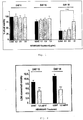
- Cortical cells as prepared by the methods disclosed above, were exposed to four concentrations of NeuroAidTM (MLC 601): 0.1, 0.5, 1.0, 10 ⁇ g/ml from Day 1 until Day 14 of culture. Cell viability was studied at Day 8, 10 and 14 by the methods disclosed above and the results are shown in Fig. 1 .
- MLC 601 NeuroAidTM
- LDH release was measured on day 10 and day 14 by the methods disclosed above and the results are shown in Fig. 2 .
- Example 1 Based on the experimental data in Example 1, it can be demonstrated that treatment with NeuroAidTM (MLC 601) in cortical cells in culture demonstrates an increase of cell viability and a reduction of LDH release, which is a marker of the cell suffering.
- Example 1 also demonstrates that NeuroAidTM (MLC 601) may be used for diminishing the effect of stroke or neurodegeneration in predisposed subjects or subjects at risk of stroke or neurodegeneration, for treating patients with diseased or injured tissues of the central or peripheral nervous systems, or for use as a cell culture reagent.
- DCX is a highly hydrophilic microtubule-associated protein that was expressed specifically in all migrating precursors of the developing CNS and in areas of continuous neurogenesis in adult brain.
- Neuronal proliferation was analyzed from DCX expression in cortical cells in culture by the methods disclosed above.
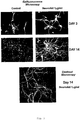
- Cortical cells, as prepared by the methods disclosed above were treated with 1 ⁇ g/ml NeuroAidTM (MLC 601) from Day 1 until Day 14 of culture. The cells were then prepared and observed using epifluorescence and confocal microscopy as described in the methods above to determine DCX expression. The results are shown in Fig. 3 .
- FIG. 3 staining with an antibody against DCX shows that at Day 3, there was no difference in DCX expression between the control and cortical cells treated with 1 ⁇ g/ml NeuroAidTM (MLC 601). However, at Day 14, DCX immunoreactivity disappeared in the control, while there was an increase of DCX expression induced by NeuroAidTM (MLC 601) treatment, highlighting the development of an important axonal and dendritic network.
- DCX is a microtubule-associated protein whose expression is associated with all migrating neuronal precursors in fetal and adult brain.
- DCX appears to be important for the normal developmental migration of cortical neurons, because mutations in DCX in humans lead to syndromes characterized by migrational arrest of these neurons and which is manifested clinically by subcortical laminar heterotopias, mental retardation and seizures.
- DCX is also expressed in some mature neurons in the adult brain, where it is involved in axonal outgrowth and synaptogenesis.
- Example 2 based on the experimental data of Example 2, it can be demonstrated that treatment with NeuroAidTM (MLC 601) results in an increase in DCX expression in cortical cells, suggesting strongly that treatment with NeuroAidTM (MLC 601) enhances neuroproliferation, neurogenesis, and neurorepair necessary to restore neurological function (such as motor and cognitive).
- MLC 601 may be used for promoting neuronal outgrowth and proliferation of neurons in tissues of the central or peripheral nervous systems, for promoting cell growth, and for a method for inducing cell survival, growth, proliferation or differentiation of cells using NeuroAidTM (MLC 601).
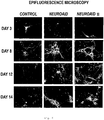
- Cortical cells were exposed to a concentration of 1 ⁇ g/ml NeuroAidTM (MLC 601) or NeuroAid II (MLC 901) from Day 1 until Day 14 of culture. This concentration of 1 ⁇ g/ml corresponds to the best results obtained on cell viability and LDH release as described above. Cell viability was studied at Day 8, 10, 12 and 14. Neuronal proliferation in the course of time was analyzed by observing DCX expression in cortical cells in culture treated with 1 ⁇ g/ml NeuroAidTM (MLC 601) or NeuroAid II (MLC 901).
- FIG 6 shows that, compared to the control, cortical cells treated with 1 ⁇ g/ml NeuroAidTM (MLC 601) or NeuroAid II (MLC 901) developed a much denser axonal and dendritic network from Day 3 in culture.
- MLC 601 NeuroAidTM
- MLC 901 NeuroAid II
- Example 3 also demonstrates that (NeuroAidTM (MLC 601) and NeuroAid II (MLC 901) may be used for promoting neuronal outgrowth and proliferation of neurons in tissues of the central or peripheral nervous systems, for promoting cell growth, for treating patients having a condition selected from the group of depression, psychiatric indications, natural aging and traumatic brain cell death, diminishing the effect of stroke or neurodegeneration in predisposed subjects or subjects at risk of stroke or neurodegeneration, promotin cell growth, for treating patients with diseased or injured tissues of the central or peripheral nervous systems, for use as a cell culture reagent and for a method for inducing cell survival, growth, proliferation or differentiation of cells.
- MLC 601 NeuroAid II
- MLC 901 NeuroAid II
- a pretreatment of NeuroAid II increases the rate of survival of mice subjected to ischemia
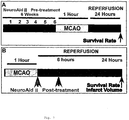
- the animals were treated with NeuroAid II (MLC 901) during six weeks before the induction of ischemia.
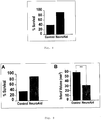
- Fig. 8 shows that a six week-pretreatment of NeuroAid II (MLC 901), given in the drinking induced a strong reduction of the mortality of NeuroAid II (MLC 901) - treated animals, compared to control mice.
- the NeuroAid II (MLC 901) pretreatment during six weeks induced a survival rate of 90.9 % as compared to 40.0% in control group.
- Example 4 demonstrates that NeuroAid is beneficial before an ischemic stroke. These studies illustrates that NeuroAid advantageously reduced the infarct size and mortality rate of ischemic mice in a clinically relevant model of stroke.
- mice received an acute post-treatment intraperitoneal injection of NeuroAid II (MLC 901), given at the onset of ischemia and 6h after reperfusion.
- Acute administration of NeuroAid II (MLC 901) induced a survival rate of 90.0% compared to 38.8% observed in control mice ( Fig. 9A ).
- This NeuroAid II (MLC 901) post-treatment drastically decreased cerebral infarction as shown in Fig. 9B .
- the NeuroAid post-treatment reduced the stroke volume by 47.4% (P ⁇ 0.001) as compared to control mice.
- Time-pregnant (E14) C57Bl6/J mice were anesthetized with isopentane followed by cervical dislocation. Fetuses were removed and placed in cold (Hanks Balanced Salt Solution) HBSS+ solution. Cerebral cortices were dissected in cold HBSS+ solution and the meninges were removed. The cortical samples were cut in small pieces and were gently triturated with a fire-polished glass Pasteur pipette in 8 ml HBSS+ solution. The mix was filtered (40 ⁇ M filter) and centrifuged at 800 rpm for 8 min. The supernatant was removed and the pellet was dissolved in 2 ml culture medium.
- Cells were plated on Polylysine-coated 12 well (24 mm diameter; Sigma-Aldrich Chimie, St. Quentin Fallavier, France)) plates with glass coverslips (12 mm diameter;CML, Nemours, France) at a density of 1 x 10 6 cells/well. Cultures were maintained at 37°C in a humidified 5% CO 2 atmosphere incubator in Neurobasal supplemented with B27, Glutamax, antibiotics were used for experiments after 16 days. Glial growth was suppressed by addition of 5-Fluoro-2-deoxyuridine (2 ⁇ M) and Uridine (2 ⁇ M) during the second day of culture.
- 5-Fluoro-2-deoxyuridine (2 ⁇ M
- Uridine 2 ⁇ M
- MTS 3-(4,5-dimethylthiazol-2-yl)-5-(3-carboxymethoxyphenyl)-2-(4-sulfophenyl)-2H-tetrazolium inner salt (MTS), a marker of mitochondrial activity and an electron-coupling reagent (phenazine ethosulfate, PES).
- MTS 3-(4,5-dimethylthiazol-2-yl)-5-(3-carboxymethoxyphenyl)-2-(4-sulfophenyl)-2H-tetrazolium inner salt
- PES electron-coupling reagent
- LDH lactic dehydrogenase
- the LDH release assay provided a measure of cytoplasmic membrane integrity.
- 100 ⁇ l of the cell culture medium was transferred from culture wells to 96-well plates and mixed with 100 ⁇ l of reaction solution according to LDH assay kit (Roche. Diagnostic: Cytotoxicity Detection kit: ref. 1644793, Indianapolis, USA).
- Optical density (OD) was measured 30 minutes later at 492 nm utilizing a Labsystem Multiscan microplate reader (Labsystem Multiscan RC, VWR International, Fontenay sous Bois, France).
- Results corresponded to the mean of three independent experiments with triplicate determination.
- Statistical analyses of cell viability and LDH results were assessed using one factor (analysis of variance) ANOVA test following by post-hoc test (P ⁇ 0.05).
- the researchers, who carried out the ischemic surgery and measured infarct volumes were double-blinded in regard to the treatment code.
- Focal ischemia was induced on Adult male C57/B16 mice, weighing 22 to 26 g (7-9 weeks old) by occlusion of the left middle cerebral artery (MCA) using an intraluminal filament technique (Huang et al., 1994)
- MCA left middle cerebral artery
- the left common and external carotid arteries were isolated and ligated with a silk 4-0 silk suture (Ethicon).
- a temporary yasargil aneurysm clip (BMH31, Aesculap, Tuttlingen, Germany) was temporarily placed on the internal carotid artery.
- a 6-0 coated filament (Doccol, Redlands, CA, USA), was introduced through a small incision into the common carotid artery and 13 mm distal to the carotid bifurcation for occlusion of the origin of the MCA. Animals were kept at 37°C for one hour, after which time, the thread was carefully withdrawn to allow reperfusion of the MCA territory.
- rCBF regional CBF
- cresyl violet staining on coronal frozen brain sections (10 pm-thick) was performed using a solution of 1% cresyl violet in 0.25% acetic acid and mounted with Entellan.
- the striatal and cortical areas of infarction, outlined in light were measured on each section using a computer image analysis system and corrected for brain edema according to Golanov and Reis (Golanov and Reis, 1995).
- Infarct volume, expressed in mm 3 was calculated by a linear integration of the corrected lesions areas as previously described (Heurteaux et al., 2006a).
- the composition of NeuroAid II (MLC 901) used (0.4 g per capsule) was as follows:
- mice were intraperitonally injected with a single dose of 2 ⁇ g/ml NeuroAid II (MLC 901) solution diluted in saline (as vehicle) in a total volume of 500 ⁇ l/mouse weighing 25 g, 3 and 24 hours following the end of ischemia.
- MLC 901 NeuroAid II
- Rhizoma chuanxiong Rhizoma chuanxiong
- Radix angelicae sinensis and combined Rhizoma chuanxiong/Radix angelicae sinensis pre-treatment was given in drinking water at the concentration of 6 mg/ml during the 6 weeks before the induction of ischemia.
- Cortical cells were fixed on coverslips with 4% paraformaldehyde/PBS, permeabilized in 0.3% polyoxyethylensorbitan monolaurate (Tween 20, Sigma) for 10 min and blocked with 2.5% donkey serum in PBS for 2 hours at room temperature.
- Cells were incubated with a goat anti-doublecortin (DCX) antibody (1:200, SC-8066, Santa Cruz Biotechnology Inc., Santa Cruz, CA) in 2% donkey serum/phosphate buffer saline overnight (Heurteaux et al., 2006b).
- DCX goat anti-doublecortin
- PBS phosphate buffer saline
- cells were incubated in anti-goat Alexa 488-coupled antibodies (FluoProbes, Interchim, Montlucon, France) in 2% donkey serum for 2 hours and washed three times in PBS for 5 minutes each.
- the neurons were then incubated in Hoechst solution (3 ⁇ l in 10 ml, Sigma-Aldricht Chimie, Saint Quentin Fallavier, France) for 10 min to label cell nuclei.
- the coverslips were dried and mounted on glass slides with Fluoroprep (75521; Biomérieux:, Marcy l'Etoile, France. Cells were observed using epifluorescence microscopy.
- Cortical cells as prepared by the methods disclosed above, were exposed to a concentration of 1 ⁇ g/ml NeuroAid II (MLC 901), Rhizoma chuanxiong, Radix angelicae sinensis or combined Rhizoma chuanxiong/Radix angelicae sinensis during 12 days.
- MLC 901 NeuroAid II
- Rhizoma chuanxiong Rhizoma chuanxiong
- Radix angelicae sinensis or combined Rhizoma chuanxiong/Radix angelicae sinensis during 12 days.
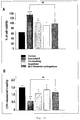
- Fig. 10A shows that at the concentration of 1 ⁇ g/ml, the three treatments induced a significant increase in neuronal viability as compared to control (*P ⁇ 0.05, **P ⁇ 0.01, ***P ⁇ 0.001)
- MLC 901 demonstrated a higher efficacy on cell survival compared to Rhizoma chuanxiong or Radix angelicae sinensis treatments.
- a NeuroAid II (MLC 901) treatment induced an approximately 51% increase of cell viability, as compared to the control (***P ⁇ 0.001), while the increase in cell survival induced by Rhizoma chuanxiong, Radix angelicae sinensis and combined Rhizoma chuanxiong/Radix angelicae sinensis was of 37%, 29.5% and 35% respectively.
- Fig. 10B shows that compared to the control, the three treatments significantly reduced the ratio LDH release/cell viability after 12 days of treatment (*P ⁇ 0.05 and **P ⁇ 0.01).
- MLC 901 NeuroAid II
- MLC 901 NeuroAid II
- Rhizoma chuanxiong Radix angelicae sinensis
- Rhizoma chuanxiong/Radix angelicae sinensis is more potent in increasing cell viability and reducing LDH release, in culture than either Rhizoma chuanxiong, Radix angelicae sinensis or combined Rhizoma chuanxiong/Radix angelicae sinensis.
- Ischemia was induced by transient middle cerebral artery occlusion (MCAO) for 60 min (Huang et al., 1994).
- MLC 901 NeuroAid II
- Rhizoma chuanxiong Rhizoma chuanxiong
- Radix angelicae sinensis or combined Rhizoma chuanxiong/Radix angelicae sinensis solution.
- FIG. 11A shows that a survival rate of 89% was achieved with NeuroAid II (MLC 901) as compared to a survival rate of 58.5%, 64%, 73% and 75% in ischemic vehicle-, rhizoma chuanxiong-, radix angelicae-treated and combined Rhizoma chuanxiong/Radix angelicae sinensis mice, respectively.
- Fig. 11B shows that NeuroAid II (MLC 901) reduced the stroke volume by 48.4% (***P ⁇ 0.001) as compared to control ischemic mice at 30 h post-ischemia.
- Pre-treatment To compare the potential in vivo effects between MLC 901, Rhizoma chuanxiong and Radix angelicae sinensis in prevention against stroke, each treatment was tested in pre-treatment.
- the animals were treated with NeuroAid II (MLC 901), Rhizoma chuanxiong or Radix angelicae sinensis administered in the drinking water (6 mg/ml) for 6 weeks before the induction of ischemia. There was no significant difference in the consumption of food and drinking solution between vehicle and NeuroAid II (MLC 901) treated groups.
- Fig.12A shows that a 6 week pretreatment of NeuroAid II (MLC 901), Rhizoma chuanxiong and Radix angelicae sinensis induced a reduction of the mortality of treated animals, compared to the control ischemic mice.
- Example 7 demonstrate that NeuroAid II (MLC 901) is more potent than either Rhizoma chuanxiong or Radix angelicae sinensis in pre- treatment of focal ischemia and NeuroAid II (MLC 901) is more potent than either Rhizoma chuanxiong, Radix angelicae sinensis or combined Rhizoma chuanxiong/Radix angelicae sinensis in post-treatment of focal ischemia.
- MLC 901 NeuroAid II
- MLC 901 is more potent than either Rhizoma chuanxiong, Radix angelicae sinensis or combined Rhizoma chuanxiong/Radix angelicae sinensis in post-treatment of focal ischemia.
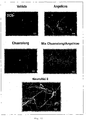
- FIG. 13 shows that there was an increase of DCX expression induced by NeuroAid II (MLC 901), Radix angelicae sinensis treatment or combined Rhizoma chuanxiong/Radix angelicae sinensis, highlighting the development of an important axonal and dendritic network with these three treatments as compared to cells treated with the vehicle group or Rhizoma chuanxiong alone.
- Fig. 14 showed that the best neuroproliferative effect was obtained in cortical cultures treated with NeuroAid II (MLC 901) .
- Fig. 15 shows that NeuroAid II (MLC 901), Radix angelicae sinensis and combined Rhizoma chuanxiong/Radix angelicae sinensis induced a significant neurite outgrowth when compared to vehicle group (*P ⁇ 0.05, ***P ⁇ 0.001).
- the best neurite outgrowth promoting activity was observed for NeuroAid II (MLC 901) when compared to that of Radix angelicae sinensis alone or combined Rhizoma chuanxiong/Radix angelicae sinensis (#P ⁇ 0.05).
- Example 8 demonstrate that NeuroAid II (MLC 901) is more potent than either Rhizoma chuanxiong, Radix angelicae sinensis or combined Rhizoma chuanxiong/Radix angelicae sinensis for producing neuroproliferation and neurite outgrowth.
- compositions and methods provide a new therapeutic strategy, which focuses on neural repair and restoring neurological functions.
- the disclosed methods provide regenerative therapies for treating nervous system injuries and neurological diseases, by promoting neural growth so as to enable damaged or diseased nerves to function again.
- the disclosed methods can also be used to promote in vitro cell growth.
- the in vitro culture of various cells may be used for tissue engineering or ex vivo therapeutic uses.
Landscapes
- Health & Medical Sciences (AREA)
- Natural Medicines & Medicinal Plants (AREA)
- Life Sciences & Earth Sciences (AREA)
- Medicinal Chemistry (AREA)
- Animal Behavior & Ethology (AREA)
- Chemical & Material Sciences (AREA)
- Veterinary Medicine (AREA)
- Public Health (AREA)
- General Health & Medical Sciences (AREA)
- Pharmacology & Pharmacy (AREA)
- Engineering & Computer Science (AREA)
- Epidemiology (AREA)
- Botany (AREA)
- Mycology (AREA)
- Biotechnology (AREA)
- Microbiology (AREA)
- Alternative & Traditional Medicine (AREA)
- Medical Informatics (AREA)
- Bioinformatics & Cheminformatics (AREA)
- Organic Chemistry (AREA)
- General Chemical & Material Sciences (AREA)
- Nuclear Medicine, Radiotherapy & Molecular Imaging (AREA)
- Chemical Kinetics & Catalysis (AREA)
- Neurology (AREA)
- Neurosurgery (AREA)
- Biomedical Technology (AREA)
- Pain & Pain Management (AREA)
- Tropical Medicine & Parasitology (AREA)
- Cardiology (AREA)
- Physical Education & Sports Medicine (AREA)
- Heart & Thoracic Surgery (AREA)
- Orthopedic Medicine & Surgery (AREA)
- Psychiatry (AREA)
- Hospice & Palliative Care (AREA)
- Urology & Nephrology (AREA)
- Vascular Medicine (AREA)
- Psychology (AREA)
- Medicines Containing Plant Substances (AREA)
- Medicines Containing Material From Animals Or Micro-Organisms (AREA)
- Medicines That Contain Protein Lipid Enzymes And Other Medicines (AREA)
Claims (9)
- Zusammensetzung, die zumindest drei der folgenden Komponenten umfasst:Rhizom des Ligusticum Chuanxiong (Chuan Xiong),Radix Angelicae sinensis (Wurzel des Chinesischen Engelsfuß bzw. Dang Gui),Radix Astragali (Wurzel von Astragalus membranaceus bzw. Huang Qi),Radix et Rhizoma Salviae Miltiorrhizae (Rotwurzelsalbeiwurzel bzw. Dan Shen),Radix Paeoniae Rubra (Wurzel der Roten Pfingstrose, Paeonia lactiflora Pall, Paeonia veitchii Lynch bzw. Chi Shao),Blüte des Carthamus Tinctorius (Färberdistel bzw. HongHua),Prunus Persica (Pfirsichsamen bzw. Taoren),Radix Polygalae (Wurzel der Kreuzblume, Polygala tenuifolia Willd., Polygala sibirica L. bzw. Yuanzhi) undRhizoma acori Tatarinowii (Rhizom des Grasblättrigen Kalmus bzw. Shichangpu),zur Verwendung in einem Verfahren zur Verringerung der Auswirkungen eines Schlaganfalls oder einer Neurodegeneration bei dafür anfälligen Individuen oder Individuen mit Schlaganfall- oder Neurodegenerationsrisiko.
- Zusammensetzung zur Verwendung nach Anspruch 1, die weiters eines oder mehrere des Folgenden umfasst:Buthus martensii (getrockneter Körper eines Skorpions bzw. Quanxie),Eupolyphaga Seu Setelephaga (getrockneter Körper des Laufkäfers, Eupolyphaga sinensis Walker, Steleophaga plancyi bzw. Tubiechong),Calculus Bovis Artifactus (natürliches oder künstliches Kuhbezoar bzw. Rengong Niuhuang),Cornu Saigae Tataricae (Antilopenhorn bzw. Lingyangjiao) undgetrockneten Körper von Egeln (Hirudo, Whitmania pigra Whitman, Hirudo nipponica Whitman, Whitmania acranulata Whitman bzw. Shuizhi).
- Zusammensetzung zur Verwendung nach Anspruch 1 oder Anspruch 2, wobei die Zusammensetzung 3 bis 14 der Komponenten umfasst.
- Zusammensetzung zur Verwendung nach Anspruch 1 oder Anspruch 2, wobei die Zusammensetzung 4 der Komponenten umfasst.
- Zusammensetzung zur Verwendung nach Anspruch 1 oder Anspruch 2, wobei die Zusammensetzung 9 der Komponenten umfasst.
- Zusammensetzung zur Verwendung nach einem der Ansprüche 1 bis 5, die weiters ein Mittel umfasst, das in der westlichen Medizin verwendet wird.
- Zusammensetzung zur Verwendung nach Anspruch 6, wobei die Zusammensetzung und eine westliche Medizin geeignet sind, in Kombination, nacheinander oder separat an einen Menschen als Medikament verabreicht zu werden.
- Zusammensetzung zur Verwendung nach Anspruch 1, wobei die Zusammensetzung die folgenden Komponenten umfasst:Rhizom des Ligusticum Chuanxiong (Chuan Xiong),Radix Angelicae sinensis (Wurzel des Chinesischen Engelsfuß bzw. Dang Gui),Radix Astragali (Wurzel von Astragalus membranaceus bzw. Huang Qi),Radix et Salviae Miltiorrhizae (Rotwurzelsalbeiwurzel bzw. Dan Shen),Radix Paeoniae Rubra (Wurzel der Roten Pfingstrose, Paeonia lactiflora Pall, Paeonia veitchii Lynch bzw. Chi Shao),Blüte des Carthamus Tinctorius (Färberdistel bzw. HongHua),Prunus Persica (Pfirsichsamen bzw. Taoren),Radix Polygalae (Wurzel der Kreuzblume, Polygala tenuifolia Willd., Polygala sibirica L. bzw. Yuanzhi) undRhizoma acori Tatarinowii (Rhizom des Grasblättrigen Kalmus bzw. Shichangpu).
- Zusammensetzung zur Verwendung nach Anspruch 1, wobei die Zusammensetzung die folgenden Komponenten umfasst:Rhizom des Ligusticum Chuanxiong (Chuan Xiong),Radix Angelicae sinensis (Wurzel des Chinesischen Engelsfuß bzw. Dang Gui),Radix Astragali (Wurzel von Astragalus membranaceus bzw. Huang Qi),Radix et Salviae Miltiorrhizae (Rotwurzelsalbeiwurzel bzw. Dan Shen),Radix Paeoniae Rubra (Wurzel der Roten Pfingstrose, Paeonia lactiflora Pall, Paeonia veitchii Lynch bzw. Chi Shao),Blüte des Carthamus Tinctorius (Färberdistel bzw. HongHua),Prunus Persica (Pfirsichsamen bzw. Taoren),Radix Polygalae (Wurzel der Kreuzblume, Polygala tenuifolia Willd., Polygala sibirica L. bzw. Yuanzhi),Rhizoma acori Tatarinowii (Rhizom des Grasblättrigen Kalmus bzw. Shichangpu),Buthus martensii (getrockneter Körper eines Skorpions bzw. Quanxie),Eupolyphaga Seu Setelephaga (getrockneter Körper des Laufkäfers, Eupolyphaga sinensis Walker, Steleophaga plancyi bzw. Tubiechong),Calculus Bovis Artifactus (natürliches oder künstliches Kuhbezoar bzw. Rengong Niuhuang),Cornu Saigae Tataricae (Antilopenhorn bzw. Lingyangjiao) undgetrockneten Körper von Egeln (Hirudo, Whitmania pigra Whitman, Hirudo nipponica Whitman, Whitmania acranulata Whitman bzw. Shuizhi).
Priority Applications (3)
| Application Number | Priority Date | Filing Date | Title |
|---|---|---|---|
| SI201031921T SI2411028T1 (sl) | 2009-03-27 | 2010-03-29 | Terapija za pospeševanje celične rasti |
| PL10756446T PL2411028T3 (pl) | 2009-03-27 | 2010-03-29 | Terapia do promowania wzrostu komórek |
| HRP20191452 HRP20191452T1 (hr) | 2009-03-27 | 2010-03-29 | Terapija za promicanje rasta stanica |
Applications Claiming Priority (2)
| Application Number | Priority Date | Filing Date | Title |
|---|---|---|---|
| US16435209P | 2009-03-27 | 2009-03-27 | |
| PCT/SG2010/000122 WO2010110755A1 (en) | 2009-03-27 | 2010-03-29 | Therapy for promoting cell growth |
Publications (4)
| Publication Number | Publication Date |
|---|---|
| EP2411028A1 EP2411028A1 (de) | 2012-02-01 |
| EP2411028A4 EP2411028A4 (de) | 2013-03-06 |
| EP2411028B1 true EP2411028B1 (de) | 2019-05-15 |
| EP2411028B9 EP2411028B9 (de) | 2019-11-20 |
Family
ID=42781275
Family Applications (1)
| Application Number | Title | Priority Date | Filing Date |
|---|---|---|---|
| EP10756446.0A Active EP2411028B9 (de) | 2009-03-27 | 2010-03-29 | Therapie zur förderung von zellwachstum |
Country Status (19)
| Country | Link |
|---|---|
| US (5) | US9289459B2 (de) |
| EP (1) | EP2411028B9 (de) |
| JP (1) | JP2012521984A (de) |
| BR (1) | BRPI1009871A2 (de) |
| CY (1) | CY1122664T1 (de) |
| DK (1) | DK2411028T3 (de) |
| ES (1) | ES2741676T3 (de) |
| HR (1) | HRP20191452T1 (de) |
| HU (1) | HUE044688T2 (de) |
| IL (1) | IL215393A (de) |
| LT (1) | LT2411028T (de) |
| MX (1) | MX2011010128A (de) |
| PL (1) | PL2411028T3 (de) |
| PT (1) | PT2411028T (de) |
| RU (1) | RU2586302C2 (de) |
| SG (1) | SG174573A1 (de) |
| SI (1) | SI2411028T1 (de) |
| TR (1) | TR201911199T4 (de) |
| WO (1) | WO2010110755A1 (de) |
Families Citing this family (39)
| Publication number | Priority date | Publication date | Assignee | Title |
|---|---|---|---|---|
| TR201911199T4 (tr) * | 2009-03-27 | 2019-08-21 | Moleac Pte Ltd | Hücre büyümesini arttırmak için tedavi. |
| CN102210735A (zh) * | 2010-04-05 | 2011-10-12 | 葫芦岛国帝药业有限责任公司 | 一种治疗骨折、骨伤的中药组合物 |
| JP5852773B2 (ja) * | 2010-06-01 | 2016-02-03 | ピアス株式会社 | 骨髄間葉系幹細胞の誘引剤の製造方法、骨髄間葉系幹細胞の誘引方法、及び、骨髄間葉系幹細胞の誘引剤を製造するための使用 |
| CN102526157B (zh) * | 2010-12-14 | 2014-03-19 | 北京大学 | 红花提取物在预防或治疗神经退行性疾病中的用途 |
| CN102274313A (zh) * | 2011-08-10 | 2011-12-14 | 王济见 | 治疗半身不遂的药物 |
| CN102600422B (zh) * | 2011-11-28 | 2013-12-18 | 王国荣 | 一种治疗缓解期心绞痛的中药合剂 |
| CN102406857A (zh) * | 2011-11-29 | 2012-04-11 | 宋爱民 | 治疗三叉神经痛的中药制剂 |
| CN102512521A (zh) * | 2011-12-16 | 2012-06-27 | 商洛学院 | 一种治疗中风后遗症的中药组合物 |
| CN102512517B (zh) * | 2011-12-19 | 2013-09-11 | 刘仁昌 | 一种治疗骨折的中药组合物 |
| CN102526343B (zh) * | 2012-02-09 | 2013-09-11 | 谭曜 | 补气活血通络中药组合物 |
| IN2014MN02112A (de) | 2012-03-23 | 2015-09-11 | Moleac Pte Ltd | |
| CN102631436B (zh) * | 2012-05-10 | 2013-08-21 | 梁乐亭 | 一种治疗脑萎缩的药剂 |
| CN102670828B (zh) * | 2012-05-15 | 2013-09-11 | 侯勇 | 促进骨折愈合的中药 |
| CN102670775A (zh) * | 2012-05-29 | 2012-09-19 | 梁立祥 | 一种治疗非化脓性肋软骨炎的中药 |
| CN102716210B (zh) * | 2012-06-05 | 2014-08-20 | 彭丽娟 | 一种治疗风湿骨病的中药及其生产方法 |
| CN102727552B (zh) * | 2012-06-14 | 2014-03-19 | 辽宁大学 | 红花在制备抗朊病毒药物中的应用 |
| CN102697908A (zh) * | 2012-06-26 | 2012-10-03 | 陈慧婷 | 治疗嗜睡症的赤芍中药制剂及制备方法 |
| KR101418061B1 (ko) * | 2012-09-28 | 2014-07-10 | 한국과학기술연구원 | 성상교세포의 글루타메이트 방출 기작 |
| CN102940702B (zh) * | 2012-10-31 | 2014-05-28 | 成都医路康医学技术服务有限公司 | 一种治疗心脑血管病的药物组合物 |
| CN102920792B (zh) * | 2012-11-23 | 2014-12-31 | 成都中医药大学 | 厚朴炙远志炮制品及其制备方法 |
| CN103071150B (zh) * | 2012-12-11 | 2014-08-06 | 上海浦东高星生物技术研究所 | 一种治疗阿尔兹海默氏症的中成药 |
| KR20140080289A (ko) | 2012-12-20 | 2014-06-30 | 대전대학교 산학협력단 | 산화적 뇌손상 및 뇌기능 장애의 예방 또는 치료용 조성물 및 이의 제조방법 |
| CN103083490A (zh) * | 2013-02-18 | 2013-05-08 | 柳少逸 | 一种治疗脑外伤后遗症的中药 |
| TWI484971B (zh) * | 2013-03-04 | 2015-05-21 | Univ Nat Taiwan Normal | 用於抑制小腦萎縮症之醫藥組成物 |
| US20140271568A1 (en) * | 2013-03-12 | 2014-09-18 | Hawking Biological Technology Co., Ltd | Method and kit for providing an increased expression of telomerase, brain-derived neurotrophic factor, stromal cell-derived factor-1, cxc chemokine receptor 4, and/or immune regulatory factor of stem cell |
| CN103127290B (zh) * | 2013-03-21 | 2014-07-09 | 张治国 | 一种外洗治疗中风后手足麻木的中药组合物 |
| CN103494940B (zh) * | 2013-10-07 | 2015-09-30 | 李艳辉 | 一种治疗酒渣鼻的外用药及其制备方法 |
| CN103585315B (zh) * | 2013-10-30 | 2016-01-06 | 孙玉珍 | 一种治疗下肢深静脉血栓形成的中药制剂 |
| TWI707040B (zh) * | 2014-09-11 | 2020-10-11 | 台灣粒線體應用技術股份有限公司 | 一種用於治療退化性神經疾病的細胞、含有該細胞的醫藥組合物及其應用 |
| CN104288241A (zh) * | 2014-10-21 | 2015-01-21 | 淄博延强医院 | 提高血小板中药及其配制方法 |
| SG10201507607RA (en) | 2015-09-14 | 2017-04-27 | Moleac Pte Ltd | Process For Producing Traditional Chinese Medicine Compositions, And Compositions Obtainable By The Process |
| SE539450C2 (en) * | 2016-02-29 | 2017-09-26 | Imatinib for use in the treatment of stroke | |
| CN113413375A (zh) * | 2016-05-30 | 2021-09-21 | 傅远桥 | 皮肤多种损伤创面治疗的外用药物组合物及其制备方法 |
| US10576125B2 (en) | 2016-10-31 | 2020-03-03 | Hough Ear Institute | Methods for enhancing synaptogenesis and neuritogenesis |
| CN106890365B (zh) * | 2017-04-25 | 2020-01-17 | 徐子雁 | 一种间充质干细胞来源的软骨细胞制剂及其制备方法 |
| CN111759915A (zh) | 2020-07-20 | 2020-10-13 | 南通大学 | 一种神经再生复方制剂及其制备方法和用途 |
| CN113476558B (zh) * | 2021-07-15 | 2022-10-04 | 湖南中医药大学 | 用于治疗帕金森病的中药组合物、中药制剂和中药制品 |
| KR20250068655A (ko) | 2022-09-15 | 2025-05-16 | 몰레악 피티이 엘티디 | 염증 치료 |
| CN118028212B (zh) * | 2024-04-12 | 2024-06-18 | 广东医科大学附属医院 | 土元外泌体在制备抗骨质疏松药物中的应用、药物 |
Family Cites Families (37)
| Publication number | Priority date | Publication date | Assignee | Title |
|---|---|---|---|---|
| DE3070086D1 (en) * | 1979-12-03 | 1985-03-14 | Kitasato Inst | A process for preparing substances having interferon inducing activity |
| CN1144097A (zh) * | 1993-08-03 | 1997-03-05 | 滨州医学院帕金森氏病研究所 | 龙珠散 |
| JP4299374B2 (ja) * | 1996-10-08 | 2009-07-22 | 高砂香料工業株式会社 | 細胞賦活剤及びその応用 |
| US6060590A (en) * | 1998-03-31 | 2000-05-09 | The Regents Of The University Of California | Chitinase related proteins and methods of use |
| JP3557095B2 (ja) * | 1998-04-20 | 2004-08-25 | 高砂香料工業株式会社 | メラニン産生抑制剤 |
| US6746695B1 (en) * | 1998-10-02 | 2004-06-08 | Armadillo Pharmaceuticals, Inc. | Pharmaceutical preparations of bioactive substances extracted from natural sources |
| GB9923077D0 (en) * | 1999-09-29 | 1999-12-01 | Phytopharm Plc | Sapogenin derivatives and their use |
| US20020031559A1 (en) * | 2000-03-08 | 2002-03-14 | Liang Kin C. | Herbal suppositories |
| US20020009506A1 (en) * | 2000-06-01 | 2002-01-24 | Yuanjin Tao | Compositions and methods for treating brain disorders and enhancing brain function |
| EP1335739A4 (de) * | 2000-11-22 | 2007-07-18 | Yong Chao Xia | Pflanzliche zusammensetzung zur behandlung von nervenverletzungen und neuronaler degeneration, verfahren zur herstellung dieser zusammensetzung und verwendungszwecke |
| US7416747B2 (en) * | 2000-11-22 | 2008-08-26 | Xia Yongchao | Herbal composition for treatment of neurodegeneration and neuronal dysfunction |
| EP1262167A1 (de) * | 2001-06-01 | 2002-12-04 | Cognis France S.A. | Kosmetische Zubereitungen enthaltend ein Extrakt von keimenden Pflanzen |
| US6447814B1 (en) * | 2001-08-28 | 2002-09-10 | Yung Shin Pharma Ind. Co. Ltd. | Chinese herbal composition for improving blood circulation and the method of preparing the same |
| CN1188149C (zh) * | 2001-12-27 | 2005-02-09 | 李建中 | 活络止痛祛风壮骨散 |
| US7695723B2 (en) | 2002-12-31 | 2010-04-13 | Sygnis Bioscience Gmbh & Co. Kg | Methods of treating neurological conditions with hematopoietic growth factors |
| TW200509955A (en) * | 2003-03-28 | 2005-03-16 | Nuliv Biomedicine Inc | Pharmaceutical composition for prophylaxis or treatment of osteoporosis, and method to prepare the same |
| US20050233377A1 (en) * | 2004-04-16 | 2005-10-20 | Mingjie Zhang | Drug screening method for the treatment of brain damage |
| CN1284561C (zh) * | 2004-09-28 | 2006-11-15 | 北京大学人民医院 | 促进周围神经修复的药物 |
| US20090004300A1 (en) * | 2004-09-30 | 2009-01-01 | Ai Ja Lee | Method and Composition for Enhancing Fertility |
| US7410657B2 (en) * | 2004-09-30 | 2008-08-12 | Ai Ja Lee | Alternative remedy-based composition for enhancing fertility |
| CN101380423A (zh) * | 2004-12-27 | 2009-03-11 | 杨俭 | 治疗中风病配方 |
| CN1301731C (zh) * | 2005-04-11 | 2007-02-28 | 咸阳步长医药科技发展有限公司 | 一种用于治疗中风病的药物组合物及其制备方法 |
| US20070059386A1 (en) * | 2005-09-12 | 2007-03-15 | Tsun-Nin Lee | Modular system for novel Chinese herbal formulas |
| CN1931294B (zh) * | 2005-10-08 | 2012-05-09 | 天津市石天药业有限责任公司 | 一种治疗缺血性中风的中药组合物及其制备方法 |
| KR20070040209A (ko) | 2005-10-11 | 2007-04-16 | 일성신약주식회사 | 단삼 분획물을 함유하는 인지기능 장애의 예방 및 치료용 조성물 |
| TWI446817B (zh) | 2006-02-23 | 2014-07-21 | Koninkl Philips Electronics Nv | 用於無線網路中延展範圍及調整頻寬之方法及系統 |
| AU2007225456B2 (en) * | 2006-03-16 | 2013-03-28 | Moleac Pte Ltd | Combination therapy for treatment of patients with neurological disorders and cerebral infarction |
| RU2330675C2 (ru) | 2006-07-28 | 2008-08-10 | ЗАО "РеМеТэкс" | Трансплантат для восстановления дефектов соединительной ткани и способ его получения |
| EP2095826B1 (de) | 2006-11-17 | 2012-12-26 | The Research Foundation for Microbial Diseases of Osaka University | Nervenelongationspromoter und elongationshemmer |
| RU2341270C2 (ru) | 2006-12-28 | 2008-12-20 | Александр Сергеевич Ботин | Композиция для стимулирования роста и регенерации клеток, а также способы ее получения |
| CN101099836B (zh) * | 2007-08-21 | 2010-06-02 | 高翔 | 一种治疗缺血性中风的中药组合物及其制备方法 |
| CN101244239B (zh) * | 2008-03-07 | 2010-12-08 | 向祚伟 | 一种治疗中风偏瘫后遗症的中药 |
| CN101279016A (zh) * | 2008-05-29 | 2008-10-08 | 赵青菊 | 一种内服治疗颅脑损伤后脑水肿的药物 |
| CN101361923A (zh) * | 2008-09-11 | 2009-02-11 | 周功庚 | 一种治疗风湿的中药 |
| LT2349300T (lt) | 2008-11-10 | 2019-10-25 | Moleac Pte Ltd | Kombinuota terapija pacientų su neurologiniais sutrikimais ir smegenų infarktu gydymui |
| TR201911199T4 (tr) * | 2009-03-27 | 2019-08-21 | Moleac Pte Ltd | Hücre büyümesini arttırmak için tedavi. |
| CN102091166B (zh) | 2009-12-15 | 2012-10-17 | 复旦大学附属华山医院 | 一种促进神经肌肉再生的复方制剂及其制备方法 |
-
2010
- 2010-03-29 TR TR2019/11199T patent/TR201911199T4/tr unknown
- 2010-03-29 WO PCT/SG2010/000122 patent/WO2010110755A1/en not_active Ceased
- 2010-03-29 PT PT10756446T patent/PT2411028T/pt unknown
- 2010-03-29 RU RU2011139190/15A patent/RU2586302C2/ru active
- 2010-03-29 LT LTEP10756446.0T patent/LT2411028T/lt unknown
- 2010-03-29 JP JP2012501967A patent/JP2012521984A/ja active Pending
- 2010-03-29 SG SG2011069705A patent/SG174573A1/en unknown
- 2010-03-29 HU HUE10756446 patent/HUE044688T2/hu unknown
- 2010-03-29 MX MX2011010128A patent/MX2011010128A/es active IP Right Grant
- 2010-03-29 EP EP10756446.0A patent/EP2411028B9/de active Active
- 2010-03-29 US US13/260,038 patent/US9289459B2/en active Active
- 2010-03-29 ES ES10756446T patent/ES2741676T3/es active Active
- 2010-03-29 PL PL10756446T patent/PL2411028T3/pl unknown
- 2010-03-29 BR BRPI1009871A patent/BRPI1009871A2/pt not_active Application Discontinuation
- 2010-03-29 SI SI201031921T patent/SI2411028T1/sl unknown
- 2010-03-29 HR HRP20191452 patent/HRP20191452T1/hr unknown
- 2010-03-29 DK DK10756446.0T patent/DK2411028T3/da active
-
2011
- 2011-09-26 IL IL215393A patent/IL215393A/en active IP Right Grant
-
2016
- 2016-02-08 US US15/018,505 patent/US10188688B2/en active Active
-
2019
- 2019-01-08 US US16/242,654 patent/US20190167742A1/en not_active Abandoned
- 2019-08-02 CY CY20191100825T patent/CY1122664T1/el unknown
-
2021
- 2021-06-02 US US17/336,745 patent/US20210346448A1/en not_active Abandoned
-
2024
- 2024-11-20 US US18/953,568 patent/US20250073294A1/en active Pending
Non-Patent Citations (1)
| Title |
|---|
| None * |
Also Published As
| Publication number | Publication date |
|---|---|
| PT2411028T (pt) | 2019-08-30 |
| SI2411028T1 (sl) | 2019-09-30 |
| US20160235795A1 (en) | 2016-08-18 |
| US20190167742A1 (en) | 2019-06-06 |
| US10188688B2 (en) | 2019-01-29 |
| EP2411028A4 (de) | 2013-03-06 |
| TR201911199T4 (tr) | 2019-08-21 |
| US20250073294A1 (en) | 2025-03-06 |
| US20120070407A1 (en) | 2012-03-22 |
| CY1122664T1 (el) | 2021-03-12 |
| RU2011139190A (ru) | 2013-05-10 |
| RU2586302C2 (ru) | 2016-06-10 |
| US20210346448A1 (en) | 2021-11-11 |
| ES2741676T3 (es) | 2020-02-11 |
| JP2012521984A (ja) | 2012-09-20 |
| EP2411028B9 (de) | 2019-11-20 |
| WO2010110755A1 (en) | 2010-09-30 |
| BRPI1009871A2 (pt) | 2016-03-08 |
| DK2411028T3 (da) | 2019-08-19 |
| LT2411028T (lt) | 2019-08-26 |
| HRP20191452T1 (hr) | 2019-11-15 |
| PL2411028T3 (pl) | 2019-10-31 |
| SG174573A1 (en) | 2011-10-28 |
| HUE044688T2 (hu) | 2019-11-28 |
| MX2011010128A (es) | 2012-01-12 |
| EP2411028A1 (de) | 2012-02-01 |
| IL215393A0 (en) | 2011-12-29 |
| IL215393A (en) | 2017-08-31 |
| US9289459B2 (en) | 2016-03-22 |
Similar Documents
| Publication | Publication Date | Title |
|---|---|---|
| US20250073294A1 (en) | Therapy for promoting cell growth | |
| Karimipour et al. | Quercetin promotes learning and memory performance concomitantly with neural stem/progenitor cell proliferation and neurogenesis in the adult rat dentate gyrus | |
| EP2349300B1 (de) | Kombinationstherapie zur behandlung von patienten mit neurologischen erkrankungen und hirninfarkt | |
| Liu et al. | The effects of ginsenoside Rg1 on chronic stress induced depression-like behaviors, BDNF expression and the phosphorylation of PKA and CREB in rats | |
| Quintard et al. | MLC901, a Traditional Chinese Medicine induces neuroprotective and neuroregenerative benefits after traumatic brain injury in rats | |
| Zou et al. | Induced cortical neurogenesis after focal cerebral ischemia–Three active components from Huang-Lian-Jie-Du Decoction | |
| Rao et al. | Periplaneta Americana (L.) extract activates the ERK/CREB/BDNF pathway to promote post-stroke neuroregeneration and recovery of neurological functions in rats | |
| Chen et al. | Improvement in the neural stem cell proliferation in rats treated with modified “Shengyu” decoction may contribute to the neurorestoration | |
| Cao et al. | Puerarin promotes the osteogenic differentiation of rat dental follicle cells by promoting the activation of the nitric oxide pathway | |
| WO2021149902A1 (ko) | 단삼 추출물을 유효성분으로 포함하는 폐경기 여성의 우울증 예방 및 치료용 조성물 | |
| CN114099564B (zh) | 具有增强神经营养因子功能的组合物及其应用 | |
| CN100509713C (zh) | 一种水溶性蜂胶制品的制备方法及用途 | |
| KR100842052B1 (ko) | 뇌혈관 질환 예방 및 치료용 조성물 | |
| KR20100070514A (ko) | 복신 건조분말 또는 그 추출물을 유효성분으로 함유하는건망증 및 기억력 장애 관련 질환의 예방 및 치료용 조성물 | |
| KR20000002474A (ko) | 퇴행성 대뇌 신경계 질환의 예방 및 치료제 | |
| KR20000002473A (ko) | 퇴행성 대뇌 신경계 질환의 예방 및 치료제 | |
| KR102953164B1 (ko) | 스펙신을 유효성분으로 포함하는 골 질환 예방 또는 치료용 약학 조성물 | |
| CN119033899B (zh) | 一种中药组合物、中药制剂及其应用 | |
| TWI771689B (zh) | 治療腦中風之組成物 | |
| CN102198143B (zh) | 哈巴俄苷在制药中的应用 | |
| KR20040042240A (ko) | 조구등을 주성분으로 함유하는 酸素自由基에 의하여 損傷된 培養脊髓感覺神經節細胞에 미치는 신경보호 효과에 대한 약학적 효능 | |
| JP2024122605A (ja) | オリゴデンドロサイト分化促進剤 | |
| HK40021577A (en) | Combination therapy for treatment of patients with neurological disorders and cerebral infarction | |
| Pan et al. | Huangqi Guizhi Wuwu Decoction promotes neuroprotection and functional recovery after ischemic stroke via activation of the PI3K/Akt/mTOR signaling pathway and modulation of microglial polarization | |
| TWI491394B (zh) | 二芐基丁內酯型木脂素或其順式異構物在製備治療關節炎之藥物的用途 |
Legal Events
| Date | Code | Title | Description |
|---|---|---|---|
| PUAI | Public reference made under article 153(3) epc to a published international application that has entered the european phase |
Free format text: ORIGINAL CODE: 0009012 |
|
| 17P | Request for examination filed |
Effective date: 20111007 |
|
| AK | Designated contracting states |
Kind code of ref document: A1 Designated state(s): AT BE BG CH CY CZ DE DK EE ES FI FR GB GR HR HU IE IS IT LI LT LU LV MC MK MT NL NO PL PT RO SE SI SK SM TR |
|
| DAX | Request for extension of the european patent (deleted) | ||
| TPAC | Observations filed by third parties |
Free format text: ORIGINAL CODE: EPIDOSNTIPA |
|
| A4 | Supplementary search report drawn up and despatched |
Effective date: 20130204 |
|
| RIC1 | Information provided on ipc code assigned before grant |
Ipc: A61K 36/286 20060101ALI20130125BHEP Ipc: A61K 36/888 20060101ALI20130125BHEP Ipc: A61K 36/236 20060101ALI20130125BHEP Ipc: A61K 36/736 20060101ALI20130125BHEP Ipc: A61K 36/69 20060101ALI20130125BHEP Ipc: A61P 9/10 20060101ALI20130125BHEP Ipc: A61K 36/537 20060101ALI20130125BHEP Ipc: A61P 25/28 20060101ALI20130125BHEP Ipc: A61K 36/65 20060101ALI20130125BHEP Ipc: A61K 36/00 20060101AFI20130125BHEP |
|
| 17Q | First examination report despatched |
Effective date: 20160408 |
|
| GRAJ | Information related to disapproval of communication of intention to grant by the applicant or resumption of examination proceedings by the epo deleted |
Free format text: ORIGINAL CODE: EPIDOSDIGR1 |
|
| GRAP | Despatch of communication of intention to grant a patent |
Free format text: ORIGINAL CODE: EPIDOSNIGR1 |
|
| GRAP | Despatch of communication of intention to grant a patent |
Free format text: ORIGINAL CODE: EPIDOSNIGR1 |
|
| RIC1 | Information provided on ipc code assigned before grant |
Ipc: A61K 36/736 20060101ALI20181102BHEP Ipc: A61P 25/28 20060101ALI20181102BHEP Ipc: A61P 9/10 20060101ALI20181102BHEP Ipc: A61K 36/537 20060101ALI20181102BHEP Ipc: A61K 36/69 20060101ALI20181102BHEP Ipc: A61K 36/236 20060101ALI20181102BHEP Ipc: A61K 36/286 20060101ALI20181102BHEP Ipc: A61K 36/888 20060101ALI20181102BHEP Ipc: A61K 36/00 20060101AFI20181102BHEP Ipc: A61K 36/65 20060101ALI20181102BHEP |
|
| INTG | Intention to grant announced |
Effective date: 20181203 |
|
| GRAS | Grant fee paid |
Free format text: ORIGINAL CODE: EPIDOSNIGR3 |
|
| GRAA | (expected) grant |
Free format text: ORIGINAL CODE: 0009210 |
|
| AK | Designated contracting states |
Kind code of ref document: B1 Designated state(s): AT BE BG CH CY CZ DE DK EE ES FI FR GB GR HR HU IE IS IT LI LT LU LV MC MK MT NL NO PL PT RO SE SI SK SM TR |
|
| REG | Reference to a national code |
Ref country code: GB Ref legal event code: FG4D Ref country code: CH Ref legal event code: EP |
|
| REG | Reference to a national code |
Ref country code: DE Ref legal event code: R096 Ref document number: 602010058910 Country of ref document: DE |
|
| REG | Reference to a national code |
Ref country code: IE Ref legal event code: FG4D |
|
| REG | Reference to a national code |
Ref country code: HR Ref legal event code: TUEP Ref document number: P20191452T Country of ref document: HR |
|
| REG | Reference to a national code |
Ref country code: RO Ref legal event code: EPE |
|
| REG | Reference to a national code |
Ref country code: NL Ref legal event code: FP |
|
| REG | Reference to a national code |
Ref country code: DK Ref legal event code: T3 Effective date: 20190816 |
|
| REG | Reference to a national code |
Ref country code: NO Ref legal event code: T2 Effective date: 20190515 |
|
| REG | Reference to a national code |
Ref country code: PT Ref legal event code: SC4A Ref document number: 2411028 Country of ref document: PT Date of ref document: 20190830 Kind code of ref document: T Free format text: AVAILABILITY OF NATIONAL TRANSLATION Effective date: 20190812 Ref country code: CH Ref legal event code: NV Representative=s name: DENNEMEYER AG, CH |
|
| REG | Reference to a national code |
Ref country code: SE Ref legal event code: TRGR |
|
| REG | Reference to a national code |
Ref country code: EE Ref legal event code: FG4A Ref document number: E017896 Country of ref document: EE Effective date: 20190812 |
|
| REG | Reference to a national code |
Ref country code: CH Ref legal event code: PK Free format text: BERICHTIGUNG B9 |
|
| REG | Reference to a national code |
Ref country code: SK Ref legal event code: T3 Ref document number: E 31804 Country of ref document: SK |
|
| REG | Reference to a national code |
Ref country code: HR Ref legal event code: T1PR Ref document number: P20191452 Country of ref document: HR |
|
| REG | Reference to a national code |
Ref country code: HU Ref legal event code: AG4A Ref document number: E044688 Country of ref document: HU |
|
| REG | Reference to a national code |
Ref country code: GR Ref legal event code: EP Ref document number: 20190402310 Country of ref document: GR Effective date: 20191128 |
|
| REG | Reference to a national code |
Ref country code: ES Ref legal event code: FG2A Ref document number: 2741676 Country of ref document: ES Kind code of ref document: T3 Effective date: 20200211 |
|
| REG | Reference to a national code |
Ref country code: DE Ref legal event code: R097 Ref document number: 602010058910 Country of ref document: DE |
|
| PG25 | Lapsed in a contracting state [announced via postgrant information from national office to epo] |
Ref country code: SM Free format text: LAPSE BECAUSE OF FAILURE TO SUBMIT A TRANSLATION OF THE DESCRIPTION OR TO PAY THE FEE WITHIN THE PRESCRIBED TIME-LIMIT Effective date: 20190515 |
|
| PLBE | No opposition filed within time limit |
Free format text: ORIGINAL CODE: 0009261 |
|
| STAA | Information on the status of an ep patent application or granted ep patent |
Free format text: STATUS: NO OPPOSITION FILED WITHIN TIME LIMIT |
|
| REG | Reference to a national code |
Ref country code: HR Ref legal event code: ODRP Ref document number: P20191452 Country of ref document: HR Payment date: 20200313 Year of fee payment: 11 |
|
| 26N | No opposition filed |
Effective date: 20200218 |
|
| REG | Reference to a national code |
Ref country code: HR Ref legal event code: ODRP Ref document number: P20191452 Country of ref document: HR Payment date: 20210324 Year of fee payment: 12 |
|
| REG | Reference to a national code |
Ref country code: HR Ref legal event code: ODRP Ref document number: P20191452 Country of ref document: HR Payment date: 20220323 Year of fee payment: 13 |
|
| REG | Reference to a national code |
Ref country code: AT Ref legal event code: UEP Ref document number: 1132646 Country of ref document: AT Kind code of ref document: T Effective date: 20190515 |
|
| REG | Reference to a national code |
Ref country code: HR Ref legal event code: ODRP Ref document number: P20191452 Country of ref document: HR Payment date: 20230320 Year of fee payment: 14 |
|
| P01 | Opt-out of the competence of the unified patent court (upc) registered |
Effective date: 20230525 |
|
| REG | Reference to a national code |
Ref country code: HR Ref legal event code: ODRP Ref document number: P20191452 Country of ref document: HR Payment date: 20240322 Year of fee payment: 15 |
|
| PGFP | Annual fee paid to national office [announced via postgrant information from national office to epo] |
Ref country code: BG Payment date: 20250321 Year of fee payment: 16 |
|
| PGFP | Annual fee paid to national office [announced via postgrant information from national office to epo] |
Ref country code: SI Payment date: 20250320 Year of fee payment: 16 |
|
| REG | Reference to a national code |
Ref country code: HR Ref legal event code: ODRP Ref document number: P20191452 Country of ref document: HR Payment date: 20250320 Year of fee payment: 16 |
|
| PGFP | Annual fee paid to national office [announced via postgrant information from national office to epo] |
Ref country code: ES Payment date: 20250425 Year of fee payment: 16 |
|
| PGFP | Annual fee paid to national office [announced via postgrant information from national office to epo] |
Ref country code: CH Payment date: 20250401 Year of fee payment: 16 |
|
| PGFP | Annual fee paid to national office [announced via postgrant information from national office to epo] |
Ref country code: MK Payment date: 20250220 Year of fee payment: 16 |
|
| REG | Reference to a national code |
Ref country code: CH Ref legal event code: U11 Free format text: ST27 STATUS EVENT CODE: U-0-0-U10-U11 (AS PROVIDED BY THE NATIONAL OFFICE) Effective date: 20260401 |
|
| PGFP | Annual fee paid to national office [announced via postgrant information from national office to epo] |
Ref country code: SE Payment date: 20260319 Year of fee payment: 17 |
|
| PGFP | Annual fee paid to national office [announced via postgrant information from national office to epo] |
Ref country code: LT Payment date: 20260220 Year of fee payment: 17 Ref country code: GB Payment date: 20260324 Year of fee payment: 17 |
|
| PGFP | Annual fee paid to national office [announced via postgrant information from national office to epo] |
Ref country code: MC Payment date: 20260323 Year of fee payment: 17 |
|
| REG | Reference to a national code |
Ref country code: HR Ref legal event code: ODRP Ref document number: P20191452 Country of ref document: HR Payment date: 20260319 Year of fee payment: 17 |
|
| PGFP | Annual fee paid to national office [announced via postgrant information from national office to epo] |
Ref country code: NO Payment date: 20260323 Year of fee payment: 17 Ref country code: DE Payment date: 20260319 Year of fee payment: 17 Ref country code: DK Payment date: 20260324 Year of fee payment: 17 Ref country code: IE Payment date: 20260319 Year of fee payment: 17 |
|
| PGFP | Annual fee paid to national office [announced via postgrant information from national office to epo] |
Ref country code: AT Payment date: 20260320 Year of fee payment: 17 Ref country code: HR Payment date: 20260319 Year of fee payment: 17 |
|
| PGFP | Annual fee paid to national office [announced via postgrant information from national office to epo] |
Ref country code: LU Payment date: 20260319 Year of fee payment: 17 Ref country code: BE Payment date: 20260319 Year of fee payment: 17 Ref country code: RO Payment date: 20260323 Year of fee payment: 17 Ref country code: FI Payment date: 20260323 Year of fee payment: 17 Ref country code: IT Payment date: 20260324 Year of fee payment: 17 |
|
| PGFP | Annual fee paid to national office [announced via postgrant information from national office to epo] |
Ref country code: HU Payment date: 20260323 Year of fee payment: 17 Ref country code: NL Payment date: 20260319 Year of fee payment: 17 |
|
| PGFP | Annual fee paid to national office [announced via postgrant information from national office to epo] |
Ref country code: IS Payment date: 20260311 Year of fee payment: 17 Ref country code: FR Payment date: 20260320 Year of fee payment: 17 |
|
| PGFP | Annual fee paid to national office [announced via postgrant information from national office to epo] |
Ref country code: TR Payment date: 20260325 Year of fee payment: 17 |
|
| PGFP | Annual fee paid to national office [announced via postgrant information from national office to epo] |
Ref country code: PT Payment date: 20260319 Year of fee payment: 17 Ref country code: CZ Payment date: 20260323 Year of fee payment: 17 |
|
| PGFP | Annual fee paid to national office [announced via postgrant information from national office to epo] |
Ref country code: GR Payment date: 20260320 Year of fee payment: 17 Ref country code: PL Payment date: 20260320 Year of fee payment: 17 Ref country code: CY Payment date: 20260306 Year of fee payment: 17 Ref country code: MT Payment date: 20260227 Year of fee payment: 17 |
|
| PGFP | Annual fee paid to national office [announced via postgrant information from national office to epo] |
Ref country code: EE Payment date: 20260324 Year of fee payment: 17 Ref country code: SK Payment date: 20260324 Year of fee payment: 17 Ref country code: LV Payment date: 20260316 Year of fee payment: 17 |