EP2507588B1 - Verfahren und steuergerät zur steuerung eines hybridantriebs eines fahrzeugs - Google Patents
Verfahren und steuergerät zur steuerung eines hybridantriebs eines fahrzeugs Download PDFInfo
- Publication number
- EP2507588B1 EP2507588B1 EP10773034.3A EP10773034A EP2507588B1 EP 2507588 B1 EP2507588 B1 EP 2507588B1 EP 10773034 A EP10773034 A EP 10773034A EP 2507588 B1 EP2507588 B1 EP 2507588B1
- Authority
- EP
- European Patent Office
- Prior art keywords
- route
- criterion
- information
- drive
- vehicle
- Prior art date
- Legal status (The legal status is an assumption and is not a legal conclusion. Google has not performed a legal analysis and makes no representation as to the accuracy of the status listed.)
- Not-in-force
Links
Images

Classifications
-
- B—PERFORMING OPERATIONS; TRANSPORTING
- B60—VEHICLES IN GENERAL
- B60W—CONJOINT CONTROL OF VEHICLE SUB-UNITS OF DIFFERENT TYPE OR DIFFERENT FUNCTION; CONTROL SYSTEMS SPECIALLY ADAPTED FOR HYBRID VEHICLES; ROAD VEHICLE DRIVE CONTROL SYSTEMS FOR PURPOSES NOT RELATED TO THE CONTROL OF A PARTICULAR SUB-UNIT
- B60W20/00—Control systems specially adapted for hybrid vehicles
- B60W20/10—Controlling the power contribution of each of the prime movers to meet required power demand
-
- B—PERFORMING OPERATIONS; TRANSPORTING
- B60—VEHICLES IN GENERAL
- B60W—CONJOINT CONTROL OF VEHICLE SUB-UNITS OF DIFFERENT TYPE OR DIFFERENT FUNCTION; CONTROL SYSTEMS SPECIALLY ADAPTED FOR HYBRID VEHICLES; ROAD VEHICLE DRIVE CONTROL SYSTEMS FOR PURPOSES NOT RELATED TO THE CONTROL OF A PARTICULAR SUB-UNIT
- B60W50/00—Details of control systems for road vehicle drive control not related to the control of a particular sub-unit, e.g. process diagnostic or vehicle driver interfaces
- B60W50/0097—Predicting future conditions
-
- B—PERFORMING OPERATIONS; TRANSPORTING
- B60—VEHICLES IN GENERAL
- B60W—CONJOINT CONTROL OF VEHICLE SUB-UNITS OF DIFFERENT TYPE OR DIFFERENT FUNCTION; CONTROL SYSTEMS SPECIALLY ADAPTED FOR HYBRID VEHICLES; ROAD VEHICLE DRIVE CONTROL SYSTEMS FOR PURPOSES NOT RELATED TO THE CONTROL OF A PARTICULAR SUB-UNIT
- B60W10/00—Conjoint control of vehicle sub-units of different type or different function
- B60W10/04—Conjoint control of vehicle sub-units of different type or different function including control of propulsion units
- B60W10/06—Conjoint control of vehicle sub-units of different type or different function including control of propulsion units including control of combustion engines
-
- B—PERFORMING OPERATIONS; TRANSPORTING
- B60—VEHICLES IN GENERAL
- B60W—CONJOINT CONTROL OF VEHICLE SUB-UNITS OF DIFFERENT TYPE OR DIFFERENT FUNCTION; CONTROL SYSTEMS SPECIALLY ADAPTED FOR HYBRID VEHICLES; ROAD VEHICLE DRIVE CONTROL SYSTEMS FOR PURPOSES NOT RELATED TO THE CONTROL OF A PARTICULAR SUB-UNIT
- B60W10/00—Conjoint control of vehicle sub-units of different type or different function
- B60W10/04—Conjoint control of vehicle sub-units of different type or different function including control of propulsion units
- B60W10/08—Conjoint control of vehicle sub-units of different type or different function including control of propulsion units including control of electric propulsion units, e.g. motors or generators
-
- B—PERFORMING OPERATIONS; TRANSPORTING
- B60—VEHICLES IN GENERAL
- B60W—CONJOINT CONTROL OF VEHICLE SUB-UNITS OF DIFFERENT TYPE OR DIFFERENT FUNCTION; CONTROL SYSTEMS SPECIALLY ADAPTED FOR HYBRID VEHICLES; ROAD VEHICLE DRIVE CONTROL SYSTEMS FOR PURPOSES NOT RELATED TO THE CONTROL OF A PARTICULAR SUB-UNIT
- B60W30/00—Purposes of road vehicle drive control systems not related to the control of a particular sub-unit, e.g. of systems using conjoint control of vehicle sub-units
- B60W30/18—Propelling the vehicle
- B60W30/182—Selecting between different operative modes, e.g. comfort and performance modes
-
- G—PHYSICS
- G01—MEASURING; TESTING
- G01C—MEASURING DISTANCES, LEVELS OR BEARINGS; SURVEYING; NAVIGATION; GYROSCOPIC INSTRUMENTS; PHOTOGRAMMETRY OR VIDEOGRAMMETRY
- G01C21/00—Navigation; Navigational instruments not provided for in groups G01C1/00 - G01C19/00
- G01C21/26—Navigation; Navigational instruments not provided for in groups G01C1/00 - G01C19/00 specially adapted for navigation in a road network
- G01C21/34—Route searching; Route guidance
- G01C21/3453—Special cost functions, i.e. other than distance or default speed limit of road segments
- G01C21/3469—Fuel consumption; Energy use; Emission aspects
-
- B—PERFORMING OPERATIONS; TRANSPORTING
- B60—VEHICLES IN GENERAL
- B60W—CONJOINT CONTROL OF VEHICLE SUB-UNITS OF DIFFERENT TYPE OR DIFFERENT FUNCTION; CONTROL SYSTEMS SPECIALLY ADAPTED FOR HYBRID VEHICLES; ROAD VEHICLE DRIVE CONTROL SYSTEMS FOR PURPOSES NOT RELATED TO THE CONTROL OF A PARTICULAR SUB-UNIT
- B60W20/00—Control systems specially adapted for hybrid vehicles
-
- B—PERFORMING OPERATIONS; TRANSPORTING
- B60—VEHICLES IN GENERAL
- B60W—CONJOINT CONTROL OF VEHICLE SUB-UNITS OF DIFFERENT TYPE OR DIFFERENT FUNCTION; CONTROL SYSTEMS SPECIALLY ADAPTED FOR HYBRID VEHICLES; ROAD VEHICLE DRIVE CONTROL SYSTEMS FOR PURPOSES NOT RELATED TO THE CONTROL OF A PARTICULAR SUB-UNIT
- B60W2556/00—Input parameters relating to data
- B60W2556/45—External transmission of data to or from the vehicle
- B60W2556/50—External transmission of data to or from the vehicle of positioning data, e.g. GPS [Global Positioning System] data
-
- Y—GENERAL TAGGING OF NEW TECHNOLOGICAL DEVELOPMENTS; GENERAL TAGGING OF CROSS-SECTIONAL TECHNOLOGIES SPANNING OVER SEVERAL SECTIONS OF THE IPC; TECHNICAL SUBJECTS COVERED BY FORMER USPC CROSS-REFERENCE ART COLLECTIONS [XRACs] AND DIGESTS
- Y02—TECHNOLOGIES OR APPLICATIONS FOR MITIGATION OR ADAPTATION AGAINST CLIMATE CHANGE
- Y02T—CLIMATE CHANGE MITIGATION TECHNOLOGIES RELATED TO TRANSPORTATION
- Y02T10/00—Road transport of goods or passengers
- Y02T10/60—Other road transportation technologies with climate change mitigation effect
- Y02T10/62—Hybrid vehicles
Definitions
- the present invention relates to a method for controlling a hybrid drive of a vehicle, to a corresponding control device and to a corresponding computer program product and a system for controlling hybrid drives of a plurality of vehicles.
- the use of hybrid powertrains in vehicles is becoming increasingly important as these vehicles can reduce fuel consumption.
- the publication EP 1 256 476 A2 describes a method that performs a complex control of the hybrid drive (energy recovery, etc.), while accessing information of the route guidance by the navigation.
- the publication EP 1 842 758 A1 describes a method that specifies a route guidance in order to obtain the largest possible energy recovery for the hybrid drive.
- the WO 2008/148606 A1 describes a hybrid vehicle having a first mode of operation for operation with an internal combustion engine and a second mode of operation for operation with an electric motor. Upon entry of the motor vehicle into a zone whose pollutant class-dependent passage restriction does not provide for operation of the motor vehicle in the first operating mode, a control command for the drive technology of the motor vehicle is output for switching to the second operating mode.
- the US 6,314,347 B1 shows a control unit for a hybrid vehicle.
- the control unit is designed to either depending on the route section, route condition and vehicle speed Electric motor or an internal combustion engine of the hybrid vehicle to choose as a drive unit.
- the hybrid vehicle can be moved as efficiently as possible.
- the present invention provides a method for controlling a hybrid drive of a vehicle, furthermore a control unit which uses these methods and a corresponding computer program product and finally a system for controlling hybrid drives of a plurality of vehicles according to the independent ones Claims presented.
- Advantageous embodiments emerge from the respective subclaims and the following description.
- the core of the present invention is the introduction of a simple (route) criterion for the use of a hybrid drive of a vehicle.
- route criterion can be specified when the electric and when the fuel drive of the hybrid drive should be used. This criterion depends on when the electric and when the fuel drive can be used more efficiently.
- a simple control of the hybrid drive can be realized. In doing so, a reduction in complexity is aimed for.
- the new route criterion is used, which evaluates the efficiency of the use of a type of hybrid drive.
- This criterion can be dynamized and managed via a server.
- the route criterion can be designed dynamically. Thus, an adaptation to the traffic situation can be made.
- the data for the route criterion can be detected by the motor vehicles driving on the respective route.
- the motor vehicles can transmit the collected data to a server, which redistributes the data to other vehicles.
- planning can be carried out over the entire route of a route to be traveled, in order to reach the destination with the available energy resources, if possible, and / or efficiently plan a stopover (gas station) on the basis of the known information.
- the present invention provides a method of controlling a hybrid drive of a vehicle, the hybrid drive having an electric drive and a fuel drive, and comprising the steps of: providing a database having associations between route information and first and second route criteria, the route information being from the Represent vehicle navigable routes and the first route criterion represents a preferred use of the electric drive on the respective associated route and the second route criterion represents a preferred use of the fuel drive on the respective associated route; Receiving current route information via an interface, wherein the current route information represents a route traveled or traveled by the vehicle; Determine a the current route criterion associated with the current route information based on the database; and providing control information for starting the electric drive when the current route criterion is the first route criterion or for starting the fuel drive when the current route criterion is the second route criterion.
- the method according to the invention can be executed, for example, by a navigation system of the vehicle.
- the database may be a map material for the navigation system or linked to corresponding map material.
- Each route may represent a directional portion of a road that may be traveled by the vehicle.
- Each route information contained in the database may be assigned the first or the second route criterion.
- the route criteria thus represent attributes assigned to the individual route sections to classify them with respect to efficient use of the hybrid drive.
- all or only selected route information of the database can be assigned a corresponding route criterion. If a route information is assigned the first route criterion, the corresponding route is so proven that it is more efficient to drive the route in the electric drive than in fuel mode.
- the database may already have been stored in a memory device before execution of the method according to the invention, so that already existing and prepared data can be accessed during execution of the method according to the invention. This means that a classification of the routes with regard to the use of the hybrid drive, a decision for each of the first or second route criterion and the assignment of the corresponding route criterion for the corresponding route can be carried out before the execution of the inventive method.
- the current route information may be provided by a navigation system and include information about a current location and a current direction of travel of the vehicle.
- a suitable map material By means of a suitable map material can be determined from the location and the direction of travel, the road or route that is currently used by the vehicle. Based on the database, the assigned route criterion can be determined for this route become. All that needs to be done is to read out the route criterion assigned to the route. Further assessment of the route criterion or other route properties is not required.
- the control information may be suitable for directly controlling the hybrid drive in order to switch over from the electric drive to the fuel drive, or vice versa. Alternatively, the control information may serve as one of several decision bases based on which hybrid drive control is performed.
- the method according to the invention comprises a step of receiving update information via an update interface.
- the update information has at least for a route information of the database an updated route criterion, which is either the first or the second route criterion.
- the database is updated based on the update information.
- a route can be reclassified dynamically, for example, from electric drive to fuel drive.
- the update interface may be coupled to a receiving device of the vehicle or a control device for carrying out the method according to the invention, so that the update information can be transmitted wirelessly from a transmission device external of the vehicle.
- the update information represents information provided from a central update device or another vehicle to a plurality of vehicles.
- the central updating device can be designed as a server.
- route-specific data can be collected and evaluated in order to check whether a change of a route criterion is necessary or sensible.
- a route to which no route criterion has yet been assigned can be assigned a corresponding route criterion.
- Corresponding changed or new route criteria can be transmitted via the update information in order to update the databases used with the changed or new route criteria.
- the database may represent a digital map of a navigation system.
- the passable routes are already present, so that only links with the route criteria required are.
- the individual routes can also be assigned further route options, which relate, for example, to the length or the possible driving speed on the routes.
- the method according to the invention may comprise a step of evaluating a current movement profile of the vehicle in order to determine a new route criterion for a current route traveled by the vehicle.
- the new route criterion may correspond to the first route criterion if the current driving route being used is classified based on the movement profile in such a way that it is suitable for the use of the electric drive.
- the new route criterion may correspond to the second route criterion if the current driven route is classified based on the motion profile to be suitable for use with the fuel drive.
- the new route criterion can serve as the basis for dynamically updating the existing route criteria.
- the existing route criterion assigned to the traveled current route can be replaced by the new route criterion.
- the new route criterion can be used to update your own database. Also, the new route criterion can be used to update the databases of subsequent vehicles.
- a number of start and stop operations, acceleration and braking events, and / or average vehicle consumption on the current route may be evaluated to determine the new route criterion.
- the new route criterion can be provided to a transmission interface so that the new route criterion can be received by the central updating device as a basis for the update information and / or from other vehicles as update information.
- the present invention further provides a control device which is designed to carry out or implement the steps of the method according to the invention. Also by this embodiment of the invention in the form of a control device, the object underlying the invention can be achieved quickly and efficiently.
- a control device can be understood as meaning an electrical device which processes sensor signals and outputs control signals in dependence thereon.
- the control unit may have an interface, which may be formed in hardware and / or software.
- the interfaces can be part of a so-called system ASIC, for example, which contains various functions of the control unit.
- the interfaces are their own integrated circuits or at least partially consist of discrete components.
- the interfaces may be software modules, for example are present on a microcontroller in addition to other software modules.
- Also of advantage is a computer program product with program code which is stored on a machine-readable carrier such as a semiconductor memory, a hard disk memory or an optical memory and is used to carry out the method according to the embodiment described above, when the program is executed on a controller.
- a machine-readable carrier such as a semiconductor memory, a hard disk memory or an optical memory
- the present invention further provides a system for controlling hybrid powertrains of a plurality of vehicles, the hybrid powertrains having an electric drive and a fuel drive, comprising: the plurality of vehicles, each of the vehicles having a control unit according to the invention; and at least one central updating device configured to transmit updating information to the plurality of vehicles, wherein the updating information comprises, at least for routing information of the databases of the control devices, an updated route criterion, which is either the first or the second route criterion.
- Fig. 1 shows a block diagram of a system for controlling hybrid drives of a plurality of vehicles; according to an embodiment of the present invention. Shown are two vehicles 101, 102, each having a hybrid drive.
- the hybrid drives each have an electric drive 111 and a fuel drive 113, for example an internal combustion engine.
- the vehicles 101, 102 each have a control unit 115 and a database 117.
- the controller 115 may be configured to read data from the database 117.
- the database 117 may be implemented as a look-up table, wherein route sections are entered in one column and route criteria are entered in a further column, so that each route section is assigned a route criterion.
- the route criterion may define whether a drive of the vehicle 101, 102 by the electric drive 111 or by the fuel drive 113 is advantageous for the assigned route section.
- the route criterion may have a first value if a route section is classified as suitable for the electric drive 111 and have a second value if a route section is classified as suitable for the fuel drive 113.
- the controller 115 may provide control data to the electric drive 111 and the fuel drive 113 or to an intermediate controller via an interface.
- the controller 115 may be configured to determine the control data based on the database 117 and information about a route segment being traveled or traveled.
- the system may include an updating device 120 configured to transmit data for updating the databases 117 to the vehicles 101, 102 and their controllers 115 or databases 117.
- the controller 115 may be configured to transmit data to the updater 120.
- the controller 115 may include other interfaces, for example to a GPS receiver, to obtain location and heading information.
- the system may include other vehicles and other updating devices.
- the controller 115 may be part of a navigation device.
- the database 117 may be integrated in the controller 115 or coupled via an interface.
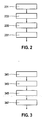
- FIG. 12 shows a flowchart of a method for controlling a hybrid drive of a vehicle according to an embodiment of the present invention.
- the vehicle may be one of the in Fig. 1 shown vehicles with a hybrid drive and a controller with a corresponding database.
- the database may be provided in advance with initial values in a step 231.
- a current route information can be received in a step 233.
- the route information may, for example, be provided by a navigation system and display a route traveled or driven by the vehicle.
- a current route criterion corresponding to the current route information can be read from the database.
- a step 237 it is determined in a step 237 whether the current route is to be driven by electric drive or by fuel drive.
- a corresponding control information can be provided to the hybrid drive.
- the electric drive or the fuel drive may be activated.
- the contents of the database can be continuously updated.
- corresponding update information for example from the in Fig. 1 shown updating device, are received.
- the update information may be based on data provided by vehicles.
- control units of the vehicles can continuously evaluate current movement profiles of the vehicles in order to determine which drive is most suitable for a route segment currently being traveled.
- Corresponding information can be transmitted, for example via a radio link, to the updating device.
- the electric motor is particularly well suited to situations with many start and stop operations and frequent acceleration and braking, such as occur in city traffic.
- the fuel drive is particularly well suited for high-speed routes, as is the case on the highway, for example.
- a new route criterion which takes into account both the number of start and stop operations, the acceleration and braking processes and the average consumption.
- This criterion can be determined on the basis of average values for a certain section of the route as well as determined dynamically.
- the route criterion can be stored with an initial value directly in the map data of the navigation.
- the detection of an average value for a particular link can be done both by recording comparison values, e.g. via a test fleet, or by determining it by "dynamic detection".
- the detected values are stored locally in the vehicles, e.g. in the head unit, and are read out of the vehicles at the end of the acquisition drive. From the read data, route criteria can be determined and assigned to the route sections.
- vehicles traveling on a link section send the above-mentioned data via a communication device, e.g. based on GSM or WLAN, to a server and to a database that evaluates the data obtained and transmits via another communication device to other vehicles.
- the radiating can e.g. via GSM or radio. This detection can be used to make the route criterion dynamic depending on the traffic situation on the traveled section.
- the affected route section is switched from the "fuel” mode to the "electric mode.”
- the switching may be in response to a change in the route criterion for the route section concerned.
- Fig. 3 shows a flowchart of a method for calculating a route by a navigation system, according to an embodiment of the present invention.
- a database can be provided which, in addition to the route or route information required for the route calculation, includes route criteria which indicate for which route sections the electric drive and for which route sections the fuel drive of the hybrid drive is suitable.
- start information and destination information may be received.
- the start information and the destination information may be entered by a user of the navigation system.
- a course of a route between the start and the destination can be determined in a step 345.
- the history may be provided for further processing in a step 347 and, for example, displayed to the user.
- other route options and also state data of the hybrid drive can be used.
- the route calculation can be tailored to the specific features of the hybrid drive.
- the route calculation can be carried out before starting a journey.
- the route criterion can be taken into account in such a way that the existing energy reserves in both the fuel tank and the state of charge of the battery are taken into account in such a way that the most efficient use of the energy source is made possible and that the goal is achieved without any intermediate stop. If a stopover has to be made, it will be planned in the route calculation based on existing filling stations or energy charging stations and proposed to the driver via the man-machine interface (HMI).
- HMI man-machine interface
Landscapes
- Engineering & Computer Science (AREA)
- Combustion & Propulsion (AREA)
- Chemical & Material Sciences (AREA)
- Transportation (AREA)
- Mechanical Engineering (AREA)
- Radar, Positioning & Navigation (AREA)
- Remote Sensing (AREA)
- Automation & Control Theory (AREA)
- Physics & Mathematics (AREA)
- General Physics & Mathematics (AREA)
- Human Computer Interaction (AREA)
- Navigation (AREA)
- Electric Propulsion And Braking For Vehicles (AREA)
- Hybrid Electric Vehicles (AREA)
Description
- Die vorliegende Erfindung bezieht sich auf ein Verfahren zur Steuerung eines Hybridantriebs eines Fahrzeugs, auf ein entsprechendes Steuergerät sowie auf ein entsprechendes Computerprogrammprodukt und ein System zur Steuerung von Hybridantrieben einer Mehrzahl von Fahrzeugen.
- Die Nutzung von Hybridantrieben in Fahrzeugen gewinnt zunehmend an Bedeutung, da diese Fahrzeuge den Kraftstoffverbrauch reduzieren können. Die Druckschrift
EP 1 256 476 A2 beschreibt ein Verfahren, das eine komplexe Steuerung des Hybridantriebes vornimmt (Energierückgewinnung etc.), und dabei auf Informationen der Routenführung durch die Navigation zugreift. Die DruckschriftEP 1 842 758 A1 beschreibt ein Verfahren, dass eine Routenführung vorgibt, um damit eine möglichst große Energierückgewinnung für den Hybridantrieb zu erhalten. - Die
WO 2008/148606 A1 beschreibt ein Hybridfahrzeug mit einem ersten Betriebsmodus für den Betrieb mit einem Verbrennungsmotor und einem zweiten Betriebsmodus für den Betrieb mit einem Elektromotor. Bei Einfahrt des Kraftfahrzeugs in eine Zone, deren schadstoffklassenabhängige Durchfahrtsbeschränkung einen Betrieb des Kraftfahrzeuges im ersten Betriebsmodus nicht vorsieht, wird ein Steuerbefehl für die Antriebstechnik des Kraftfahrzeuges zur Umschaltung auf den zweiten Betriebsmodus ausgegeben. - Die
US 6,314,347 B1 zeigt ein Steuergerät für ein Hybridfahrzeug. Das Steuergerät ist ausgebildet, um je nach Streckenabschnitt, Streckenbeschaffenheit und Fahrzeuggeschwindigkeit entweder einen Elektromotor oder einen Verbrennungsmotor des Hybridfahrzeugs als Antriebsaggregat zu wählen. Somit kann das Hybridfahrzeug möglichst effizient fortbewegt werden. - Vor diesem Hintergrund wird mit der vorliegenden Erfindung ein Verfahren zur Steuerung eines Hybridantriebs eines Fahrzeugs, weiterhin ein Steuergerät, das diese Verfahren verwendet sowie ein entsprechendes Computerprogrammprodukt und schließlich ein System zur Steuerung von Hybridantrieben einer Mehrzahl von Fahrzeugen gemäß den unabhängigen Patentansprüchen vorgestellt. Vorteilhafte Ausgestaltungen ergeben sich aus den jeweiligen Unteransprüchen und der nachfolgenden Beschreibung.
- Kern der vorliegenden Erfindung ist die Einführung eines einfachen (Routen-) Kriteriums für die Nutzung eines Hybridantriebes eines Fahrzeugs. Mit dem Routenkriterium kann vorgegeben werden, wann der Elektro- und wann der Kraftstoffantrieb des Hybridantriebs genutzt werden soll. Dieses Kriterium richtet sich danach, wann der Elektro- und wann der Kraftstoffantrieb effizienter genutzt werden kann. Erfindungsgemäß kann eine einfache Steuerung des Hybridantriebes realisiert werden. Dabei wird eine Reduktion der Komplexität angestrebt. Dazu wird das neue Routenkriterium genutzt, das die Effizienz des Einsatzes einer Art des Hybridantriebes bewertet. Dieses Kriterium kann dynamisiert und über einen Server verwaltet werden.
- Das Routenkriterium kann dynamisch gestaltet werden. Damit kann eine Anpassung an die Verkehrssituation vorgenommen werden. Dabei können die Daten für das Routenkriterium von den Kraftfahrzeugen erfasst werden, die die jeweilige Strecke befahren. Die Kraftfahrzeuge können die erfassten Daten zu einem Server übermitteln, der die Daten wieder an andere Fahrzeuge weiter verteilt.
- Ferner kann erfindungsgemäß eine Planung über die Gesamtstrecke einer abzufahrenden Route durchgeführt werden, um möglichst mit den vorhandenen Energie-Ressourcen das Ziel zu erreichen und/oder einen Zwischenstopp (Tankstelle) anhand der bekannten Informationen effizient zu planen.
- Die vorliegende Erfindung schafft ein Verfahren zur Steuerung eines Hybridantriebs eines Fahrzeugs, wobei der Hybridantrieb einen Elektroantrieb und einen Kraftstoffantrieb aufweist, und das die folgenden Schritte umfasst: Bereitstellen einer Datenbasis, die Zuordnungen zwischen Routeninformationen und ersten und zweiten Routenkriterien aufweist, wobei die Routeninformationen von dem Fahrzeug befahrbare Routen repräsentieren und das erste Routenkriterium einen bevorzugten Einsatz des Elektroantriebs auf der jeweils zugeordneten Route und das zweite Routenkriterium einen bevorzugten Einsatz des Kraftstoffantriebs auf der jeweils zugeordneten Route darstellt; Empfangen einer aktuellen Routeninformation über eine Schnittstelle, wobei die aktuelle Routeninformation eine von dem Fahrzeug befahrene oder zu befahrene Route repräsentiert; Bestimmen eines der aktuellen Routeninformation zugeordneten aktuellen Routenkriteriums basierend auf der Datenbasis; und Bereitstellen einer Steuerinformation zum Einsetzen des Elektroantriebs, wenn es sich bei dem aktuellen Routenkriterium um das erste Routenkriterium handelt oder zum Einsetzen des Kraftstoffantriebs, wenn es sich bei dem aktuellen Röutenkriterium um das zweite Routenkriterium handelt.
- Das erfindungsgemäße Verfahren kann beispielsweise von einem Navigationssystem des Fahrzeugs ausgeführt werden. Die Datenbasis kann ein Kartenmaterial für das Navigationssystem darstellen oder mit einem entsprechenden Kartenmaterial verknüpft sein. Jede Route kann einen richtungsbezogenen Abschnitt einer Straße repräsentieren, die von dem Fahrzeug befahren werden kann. Jeder in der Datenbasis enthaltenen Routeninformation kann das erste oder das zweite Routenkriterium zugeordnet sein. Die Routenkriterien repräsentieren somit Attribute, die den einzelnen Routenabschnitten zugewiesen sind, um sie in Bezug auf eine effiziente Nutzung des Hybridantriebs zu klassifizieren. Dabei kann allen oder nur ausgewählten Routeninformationen der Datenbasis ein entsprechendes Routenkriterium zugeordnet sein. Ist einer Routeninformation das erste Routenkriterium zugeordnet, so ist die entsprechende Route so eigestüft, dass es effizienter ist, die Route im Elektroantrieb zu befahren anstatt im Kraftstoffbetrieb. Ist einer Routeninformation das zweite Routenkriterium zugeordnet, so ist die entsprechende Route so eigestuft dass es effizienter ist, die Route im Kraftstoffbetrieb zu befahren anstatt im Elektroantrieb. Die Datenbasis kann bereits vor Ausführung des erfindungsgemäßen Verfahrens in einer Speichereinrichtung gespeichert worden sein, so dass bei der Ausführung des erfindungsgemäßen Verfahrens auf bereits bestehende und aufbereitete Daten zugegriffen werden kann. Dies bedeutet, dass eine Klassifizierung der Routen hinsichtlich der Nutzung des Hybridantriebs, eine Entscheidung für jeweils das erste oder zweite Routenkriterium sowie die Zuordnung des entsprechenden Routenkriteriums zur entsprechenden Route bereits vor Ausführung des erfindungsgemäßen Verfahrens durchgeführt werden kann. Die aktuelle Routeninformation kann von einem Navigationssystem bereitgestellt werden und eine Information über einen aktuellen Ort und eine aktuelle Fahrrichtung des Fahrzeugs umfassen. Mittels eines geeigneten Kartenmaterials kann aus dem Ort und der Fahrtrichtung die Straße oder Route bestimmt werden, die von dem Fahrzeug aktuell befahren wird. Basierend auf der Datenbasis kann für diese Route das zugeordnete Routenkriterium ermittelt werden. Dazu braucht lediglich das der Route zugeordnete Routenkriterium ausgelesen werden. Eine weitere Beurteilung des Routenkriteriums oder weiterer Routeneigenschaften ist nicht erforderlich. Die Steuerinformation kann geeignet sein, um den Hybridantrieb direkt anzusteuern, um vom Elektroantrieb auf den Kraftstoffantrieb, oder umgekehrt umzuschalten. Alternativ kann die Steuerinformation als eine von mehreren Entscheidungsgrundlagen dienen, basierend auf denen eine Steuerung des Hybridantriebs erfolgt.
- Das erfindungsgemäße Verfahren umfasst einen Schritt des Empfangens einer Aktualisierungsinformation über eine Aktualisierungsschnittstelle. Die Aktualisierungsinformation weist zumindest für eine Routeninformation der Datenbasis ein aktualisiertes Routenkriterium auf, bei dem es sich entweder um das erste oder das zweite Routenkriterium handelt. In einem Schritt des Aktualisierens wird die Datenbasis basierend auf der Aktualisierungsinformation aktualisiert. Somit kann eine Route dynamisch, beispielsweise von Elektroantrieb zu Kraftstoffantrieb, umklassifiziert werden. Die Aktualisierungsschnittstelle kann mit einer Empfangseinrichtung des Fahrzeugs oder eines Steuergeräts zum Ausführen des erfindungsgemäßen Verfahrens gekoppelt sein, so dass die Aktualisierungsinformation drahtlos von einer fahrzeugexternen Sendeeinrichtung aus übermittelt werden kann.
- Somit repräsentiert die Aktualisierungsinformation eine Information, die von einer zentralen Aktualisierungsvorrichtung oder einem weiteren Fahrzeug an eine Mehrzahl von Fahrzeugen bereitgestellt wird. Die zentrale Aktualisierungsvorrichtung kann als Server ausgebildet sein. In der zentralen Aktualisierungsvorrichtung können routenspezifische Daten gesammelt und ausgewertet werden, um zu überprüfen ob eine Änderung eines Routenkriteriums erforderlich oder sinnvoll ist. Auch kann einer Route, der bisher noch kein Routenkriterium zugewiesen ist, ein entsprechendes Routenkriterium zugewiesen werden. Entsprechende geänderte oder neue Routenkriterien können über die Aktualisierungsinformation übermittelt werden, um die eingesetzten Datenbasen mit den geänderten oder neuen Routenkriterien zu aktualisieren.
- Erfindungsgemäß kann die Datenbasis eine digitale Karte eines Navigationssystems repräsentieren. In einer solchen Karte sind die befahrbaren Routen bereits vorhanden, so dass lediglich Verknüpfungen mit den Routenkriterien erforderlich sind. Neben den erfindungsgemäßen Routenkriterien können den einzelnen Routen auch weitere Routenoptionen zugewiesen sein, die beispielsweise die Länge oder die mögliche Fahrgeschwindigkeit auf den Routen betreffen.
- Das erfindungsgemäße Verfahren kann eine Schritt des Bewertens eines aktuellen Bewegungsprofils des Fahrzeugs umfassen, um ein neues Routenkriterium für eine von dem Fahrzeug befahrene aktuelle Route zu bestimmen. Das neue Routenkriterium kann dem ersten Routenkriterium entsprechen wenn die befahrene aktuelle Route basierend auf dem Bewegungsprofil so eingestuft wird, das sie für den Einsatz des Elektroantriebs geeignet ist. Alternativ kann das neue Routenkriterium dem zweiten Routenkriterium entsprechen, wenn die befahrene aktuelle Route basierend auf dem Bewegungsprofil so eingestuft wird, das sie für den Einsatz des Kraftstoffantriebs geeignet ist. Das neue Routenkriterium kann als Grundlage für ein dynamisches Aktualisieren der bestehenden Routenkriterien dienen. Insbesondere kann das, der befahrenen aktuellen Route, zugeordnete bestehende Routenkriterium durch das neue Routenkriterium ersetzt werden. Das neue Routenkriterium kann zur Aktualisierung der eigenen Datenbasis eingesetzt werden. Auch kann das neue Routenkriterium genutzt werden, um die Datenbasen nachfolgender Fahrzeuge zu aktualisieren.
- Beispielsweise kann eine Anzahl von Start- und Stop-Vorgängen, Beschleunigungs- und Bremsvorgänge und/oder ein Durchschnittsverbrauch des Fahrzeugs auf der aktuellen Route bewertet werden, um das neue Routenkriterium zu bestimmen.
- In einem Schritt des Bereitstellens kann das neue Routenkriterium an eine Sendeschnittstelle bereitgestellt werden, so dass das neue Routenkriterium von der zentralen Aktualisierungsvorrichtung als Grundlage für die Aktualisierungsinformation und/oder von anderen Fahrzeugen als Aktualisierungsinformation empfangen werden kann. Somit ist eine fortlaufende Optimierung der Routenkriterien möglich.
- Die vorliegende Erfindung schafft ferner ein Steuergerät, das ausgebildet ist, um die Schritte des erfindungsgemäßen Verfahrens durchzuführen bzw. umzusetzen. Auch durch diese Ausführungsvariante der Erfindung in Form eines Steuergeräts kann die der Erfindung zugrunde liegende Aufgabe schnell und effizient gelöst werden.
- Unter einem Steuergerät kann vorliegend ein elektrisches Gerät verstanden werden, das Sensorsignale verarbeitet und in Abhängigkeit davon Steuersignale ausgibt. Das Steuergerät kann eine Schnittstelle aufweisen, die hard- und/oder softwaremäßig ausgebildet sein kann. Bei einer hardwaremäßigen Ausbildung können die Schnittstellen beispielsweise Teil eines sogenannten System-ASICs sein, der verschiedenste Funktionen des Steuergeräts beinhaltet. Es ist jedoch auch möglich, dass die Schnittstellen eigene, integrierte Schaltkreise sind oder zumindest teilweise aus diskreten Bauelementen bestehen. Bei einer softwaremäßigen Ausbildung können die Schnittstellen Softwaremodule sein, die beispielsweise auf einem Mikrocontroller neben anderen Softwaremodulen vorhanden sind.
- Von Vorteil ist auch ein Computerprogrammprodukt mit Programmcode, der auf einem maschinenlesbaren Träger wie einem Halbleiterspeicher, einem Festplattenspeicher oder einem optischen Speicher gespeichert ist und zur Durchführung des Verfahrens nach der vorstehend beschriebenen Ausführungsform verwendet wird, wenn das Programm auf einem Steuergerät ausgeführt wird.
- Die vorliegende Erfindung schafft ferner ein System zur Steuerung von Hybridantrieben einer Mehrzahl von Fahrzeugen, wobei die Hybridantriebe einen Elektroantrieb und einen Kraftstoffantrieb aufweisen, mit folgenden Merkmalen: die Mehrzahl von Fahrzeugen, wobei jedes der Fahrzeuge ein erfindungsgemäßes Steuergerät aufweist; und mindestens einer zentralen Aktualisierungsvorrichtung, die ausgebildet ist, um Aktualisierungsinformationen an die Mehrzahl von Fahrzeugen auszusenden, wobei die Aktualisierungsinformationen zumindest für eine Routeninformation der Datenbasen der Steuergeräte ein aktualisiertes Routenkriterium aufweisen, bei dem es sich entweder um das erste oder das zweite Routenkriterium handelt.
- Die Erfindung wird nachstehend anhand der beigefügten Zeichnungen beispielhaft näher erläutert. Es zeigen:
- Fig. 1
- ein Blockschaltbild eines Systems zur Steuerung von Hybridantrieben einer Mehrzahl von Fahrzeugen, gemäß einem Ausführungsbeispiel der vorliegenden Erfindung;
- Fig. 2
- ein Ablaufdiagramm eines Verfahrens zur Steuerung eines Hybridantriebs eines Fahrzeugs, gemäß einem Ausführungsbeispiel der vorliegenden Erfindung; und
- Fig. 3
- ein Ablaufdiagramm eines Verfahrens zur Routenberechnung durch ein Navigationssystem, gemäß einem Ausführungsbeispiel der vorliegenden Erfindung.
- In der nachfolgenden Beschreibung bevorzugter Ausführungsbeispiele der vorliegenden Erfindung werden für die in den verschiedenen Figuren dargestellten und ähnlich wirkenden Elemente gleiche oder ähnliche Bezugszeichen verwendet, wobei auf eine wiederholte Beschreibung dieser Elemente verzichtet wird.
-
Fig. 1 zeigt ein Blockschaltbild eines Systems zur Steuerung von Hybridantrieben einer Mehrzahl von Fahrzeugen; gemäß einem Ausführungsbeispiel der vorliegenden Erfindung. Gezeigt sind zwei Fahrzeuge 101, 102, die jeweils einen Hybridantrieb aufweisen. Die Hybridantriebe weisen jeweils einen Elektroantrieb 111 und einen Kraftstoffantrieb 113, beispielsweise einen Verbrennungsmotor, auf. Ferner weisen die Fahrzeuge 101, 102 jeweils ein Steuergerät 115 und eine Datenbasis 117 auf. Das Steuergerät 115 kann ausgebildet sein, um Daten aus der Datenbasis 117 auszulesen. Beispielsweise kann die Datenbasis 117 als Nachschlagetabelle realisiert sein, wobei in einer Spalte Routenabschnitte und in einer weiteren Spalte jeweils Routenkriterien eingetragen sind, so dass jedem Routenabschnitt ein Routenkriterium zugeordnet ist. Die Routenkriterium können definieren, ob für den zugeordneten Routenabschnitt ein Antrieb des Fahrzeugs 101, 102 durch den Elektroantrieb 111 oder durch den Kraftstoffantrieb 113 vorteilhaft ist. Beispielsweise kann das Routenkriterium einen ersten Wert aufweisen, wenn ein Routenabschnitt als für den Elektroantrieb 111 geeignet eingestuft ist und einen zweiten Wert aufweisen, wenn ein Routenabschnitt als für den Kraftstoffantrieb 113 geeignet eingestuft ist. Das Steuergerät 115 kann über eine Schnittstelle Steuerdaten an den Elektroantrieb 111 und den Kraftstoffantrieb 113 oder an eine zwischengeschaltete Steuereinrichtung bereitstellen. Das Steuergerät 115 kann ausgebildet sein, um die Steuerdaten basierend auf der Datenbasis 117 und Informationen über einen gerade befahrenen oder zu befahrenen Routenabschnitt zu bestimmen. Das System kann eine Aktualisierungsvorrichtung 120 aufweisen, die ausgebildet ist, um Daten zur Aktualisierung der Datenbasen 117 an die Fahrzeuge 101, 102 und deren Steuergeräte 115 oder Datenbasen 117 zu übertragen. Ferner kann das Steuergerät 115 ausgebildet sein, um Daten an die Aktualisierungsvorrichtung 120 zu übertragen. Das Steuergerät 115 kann weitere Schnittstellen, beispielsweise zu einem GPS-Empfänger aufweisen, um eine Orts- und Fahrtrichtungsinformation zu erhalten. Das System kann weitere Fahrzeuge und weitere Aktualisierungsvorrichtungen umfassen. Das Steuergerät 115 kann Teil eines Navigationsgeräts sein. Die Datenbasis 117 kann in dem Steuergerät 115 integriert oder über eine Schnittstelle gekoppelt sein. -
Fig. 2 zeigt ein Ablaufdiagramm eines Verfahrens zur Steuerung eines Hybridantriebs eines Fahrzeugs, gemäß einem Ausführungsbeispiel der vorliegenden Erfindung. Bei dem Fahrzeug kann es sich um eines der inFig. 1 gezeigten Fahrzeuge mit einem Hybridantrieb und einem Steuergerät mit einer entsprechenden Datenbasis handeln. Die Datenbasis kann in einem Schritt 231 mit Initialwerten vorab bereitgestellt werden. Beispielsweise während der Fahrt kann in einem Schritt 233 eine aktuelle Routeninformation empfangen werden. Die Routeninformation kann beispielsweise von einem Navigationssystem bereitgestellt werden und eine von dem Fahrzeug befahrene oder zu befahrene Route anzeigen. In einem Schritt 235 kann ein der aktuelle Routeninformation entsprechendes aktuelles Routenkriterium aus der Datenbasis ausgelesen werden. Basierend auf dem aktuellen Routenkriterium in einem Schritt 237 bestimmt werden, ob die aktuelle Route mit Elektroantrieb oder mit Kraftstoffantrieb befahren werden soll. Eine entsprechende Steuerinformation kann an den Hybridantrieb bereitgestellt werden. Ansprechend auf die Steuerinformation kann entweder der Elektroantrieb oder der Kraftstoffantrieb aktiviert werden. - Nach der ursprünglichen Bereitstellung der Datenbasis können die Inhalte der Datenbasis fortlaufend aktualisiert werden. Dazu können entsprechende Aktualisierungsinformationen, beispielsweise von der in
Fig. 1 gezeigten Aktualisierungsvorrichtung, empfangen werden. Die Aktualisierungsinformationen können auf Daten basieren, die von Fahrzeugen bereitgestellt werden. Dazu können Steuergeräte der Fahrzeuge fortlaufend aktuelle Bewegungsprofile der Fahrzeuge bewerten, um daraus zu ermitteln, welcher Antrieb für einen gerade befahrenen Routenabschnitt am geeignetsten ist. Entsprechende Informationen können, beispielsweise über eine Funkverbindung, an die Aktualisierungsvorrichtung übermittelt werden. - Der erfindungsgemäße Ansatz einer effizienten Steuerung des Hybridantriebes mittels Navigation basiert darauf, dass die unterschiedlichen Betriebsarten eines Hybridantriebes in verschiedenen-Fahrsituationen besonders effizient sind. Der Elektromotor eignet sich besonders gut für Situationen mit vielen Start- und Stopvorgängen und häufigen Beschleunigungs- und Bremsvorgängen, wie sie z.B. im Stadtverkehr auftreten. Der Kraftstoffantrieb eignet sich besonders gut für Strecken mit hohen Geschwindigkeiten, wie es z.B. auf der Autobahn der Fall ist.
- Daher wird erfindungsgemäß ein neues Routenkriterium festgelegt, welches sowohl die Anzahl der Start- und Stop Vorgänge, die Beschleunigungs- und Bremsvorgänge als auch den Durchschnittsverbrauch berücksichtigt. Dieses Kriterium kann anhand von Durchschnittswerten für einen bestimmten Streckenabschnitt ermittelt werden, als auch dynamisch festgelegt werden. Das Routenkriterium kann mit einem initialen Wert direkt in den Kartendaten der Navigation hinterlegt werden.
- Die Erfassung eines Durchschnittswertes für einen bestimmten Streckenabschnitt kann sowohl über das Aufnehmen von Vergleichswerten, z.B. über eine Testflotte, oder durch die Ermittlung über "dynamische Erfassung" erfasst werden.
- Bei der Ermittlung über die Testflotte werden die erfassten Werte in den Fahrzeugen lokal gespeichert, z.B. in der Headunit, und werden am Ende der Erfassungsfahrt aus den Fahrzeugen ausgelesen. Aus den ausgelesenen Daten können Routenkriterien ermittelt werden und den Routenabschnitten zugeordnet werden.
- Bei der "dynamische Erfassung" senden Fahrzeuge, die einen Streckenabschnitt Befahren, die oben erwähnte Daten über eine Kommunikationseinrichtung, die z.B. auf GSM oder WLAN basieren kann, an einen Server und an eine Datenbank, die die ermittelten Daten auswertet und über eine weitere Kommunikationseinrichtung an andere Fahrzeuge ausstrahlt. Das Ausstrahlen kann z.B. über GSM oder Rundfunk erfolgen. Diese Erfassung kann dazu genutzt werden das Routenkriterium dynamisch je nach Verkehrssituation auf dem befahrenen Abschnitt zu gestalten.
- Entsteht z.B. ein Stau auf einer Autobahn, so wird der betroffene Routenabschnitt von der Betriebsart "Kraftstoff" auf "Elektrobetrieb umgeschaltet. Das Umschalten kann ansprechend auf eine Änderung des Routenkriteriums für den betroffenen Routenabschnitt erfolgen.
-
Fig. 3 zeigt ein Ablaufdiagramm eines Verfahrens zur Routenberechnung durch ein Navigationssystem, gemäß einem Ausführungsbeispiel der vorliegenden Erfindung. Dabei kann zunächst in einem Schritt 341 eine Datenbasis bereitgestellt werden, die neben den für die Routenberechnung erforderlichen Routen- oder Streckeninformationen Routenkriterien umfasst, die angeben, für welche Routenabschnitte sich der Elektroantrieb und für welche Routenabschnitte sich der Kraftstoffantrieb des Hybridantriebs eignet. In einem Schritt 343 können eine Startinformation und eine Zielinformation empfangen werden. Die Startinformation und die Zielinformation können von einem Benutzer des Navigationssystems eingegeben werden. Basierend auf der Startinformation und der Zielinformation sowie der Datenbasis kann in einem Schritt 345 ein Verlauf einer Route zwischen dem Start und dem Ziel bestimmt werden. Der Verlauf kann in einem Schritt 347 zur Weiterverarbeitung bereitgestellt werden und beispielsweise dem Benutzer angezeigt werden. Zum Bestimmen des Verlaufs können weiteres Kartenmaterial, weitere Routenoptionen und auch Zustandsdaten des Hybridantriebs verwendet werden. Durch das Berücksichtigen der Routenkriterien kann die Routenberechnung auf die Besonderheiten des Hybridantriebs zugeschnitten werden. - Die Routenberechnung kann vor Antritt einer Fahrt durchgeführt werden. Dass Routenkriterium kann derart berücksichtigt werden, dass die vorhandenen Energiereserven sowohl im Kraftstofftank als auch der Ladezustand der Batterie derart berücksichtigt wird, dass eine möglichst effiziente Nutzung der Energiequelle ermöglicht wird, als auch dass möglichst ohne Zwischenstop das Ziel erreicht wird. Muss doch ein Zwischenstop eingelegt werden, so wird dieser anhand von vorhandenen Tankstellen oder Energieladestationen in der Routenberechnung geplant und dem Fahrer über die Mensch-Maschine-Schnittstelle (HMI) vorgeschlagen.
- Die beschriebenen und in den Figuren gezeigten Ausführungsbeispiele sind nur beispielhaft gewählt. Unterschiedliche Ausführungsbeispiele können vollständig oder in Bezug auf einzelne Merkmale miteinander kombiniert werden. Auch kann ein Ausführungsbeispiel durch Merkmale eines weiteren Ausführungsbeispiels ergänzt werden. Ferner können erfindungsgemäße Verfahrensschritte wiederholt sowie in einer anderen als in der beschriebenen Reihenfolge ausgeführt werden. Umfasst ein Ausführungsbeispiel eine "und/oder" Verknüpfung zwischen einem ersten Merkmal und einem zweiten Merkmal, so kann dies so gelesen werden, dass das Ausführungsbeispiel gemäß einer Ausführungsform sowohl das erste Merkmal als auch das zweite Merkmal und gemäß einer weiteren Ausführungsform entweder nur das erste Merkmal oder nur das zweite Merkmal aufweist.
Claims (8)
- Verfahren zur Steuerung eines Hybridantriebs eines Fahrzeugs (101, 102), wobei der Hybridantrieb einen Elektroantrieb (111) und einen Kraftstoffantrieb (113) aufweist, und das die folgenden Schritte umfasst:Bereitstellen (231) einer Datenbasis (117), die Zuordnungen zwischen Routeninformationen und ersten und zweiten Routenkriterien aufweist, wobei die Routeninformationen von dem Fahrzeug befahrbare Routen repräsentieren und das erste Routenkriterium einen bevorzugten Einsatz des Elektroantriebs auf der jeweils zugeordneten Route und das zweite Routenkriterium einen bevorzugten Einsatz des Kraftstoffantriebs auf der jeweils zugeordneten Route darstellt, wobei eine Route einer Routeninformation der das erste Routenkriterium zugeordnet ist, so eingestuft ist, dass es effizienter ist, die Route im Elektroantrieb zu befahren anstatt im Kraftstoffbetrieb, und wobei eine Route einer Routeninformation der das zweite Routenkriterium zugeordnet ist, so eingestuft ist, dass es effizienter ist, die Route im Kraftstoffbetrieb zu befahren anstatt im Elektroantrieb;Empfangen (233) einer aktuellen Routeninformation über eine Schnittstelle, wobei die aktuelle Routeninformation eine von dem Fahrzeug befahrene oder zu befahrene Route repräsentiert;Bestimmen (235) eines der aktuellen Routeninformation zugeordneten aktuellen Routenkriteriums, basierend auf der Datenbasis;Bereitstellen (237) einer Steuerinformation zum Einsetzen des Elektroantriebs, wenn es sich bei dem aktuellen Routenkriterium um das erste Routenkriterium handelt oder zum Einsetzen des Kraftstoffantriebs, wenn es sich bei dem aktuellen Routenkriterium um das zweite Routenkriterium handelt; undEmpfangen einer Aktualisierungsinformation über eine Aktualisierungsschnittstelle, wobei die Aktualisierungsinformation zumindest für eine Routeninformation der Datenbasis (117) ein aktualisiertes Routenkriterium aufweist, bei dem es sich entweder um das erste oder das zweite Routenkriterium handelt, und mit einem Schritt des Aktualisierens der Datenbasis basierend auf der Aktualisierungsinformation, wobei die Aktualisierungsinformation eine Information repräsentiert, die von einer zentralen Aktualisierungsvorrichtung (120) oder einem weiteren Fahrzeug an eine Mehrzahl von Fahrzeugen bereitgestellt wird.
- Verfahren gemäß Anspruch 1, bei dem die Datenbasis eine digitale Karte eines Navigationssystems repräsentiert.
- Verfahren gemäß einem der vorangegangenen Ansprüche, mit einem Schritt des Bewertens eines aktuellen Bewegungsprofils des Fahrzeugs, um ein neues Routenkriterium für eine von dem Fahrzeug befahrene aktuelle Route zu bestimmen.
- Verfahren gemäß Anspruch 3, bei dem eine Anzahl von Start- und Stop-Vorgängen, Beschleunigungs- und Bremsvorgänge und/oder ein Durchschnittsverbrauch des Fahrzeugs auf der aktuellen Route bewertet werden, um das neue Routenkriterium zu bestimmen.
- Verfahren gemäß einem der Ansprüche 3 oder 4, mit einem Schritt des Bereitstellens des neuen Routenkriteriums an eine Sendeschnittstelle, so dass das neue Routenkriterium von der zentralen Aktualisierungsvorrichtung (120) als Grundlage für die Aktualisierungsinformation und/oder von anderen Fahrzeugen als Aktualisierungsinformation empfangen werden kann.
- Steuergerät (115), das ausgebildet ist, um die Schritte eines Verfahrens gemäß einem der Ansprüche 1 bis 5 durchzuführen.
- Computerprogrammprodukt mit Programmcode, der auf einem maschinenlesbaren Träger gespeichert ist, zur Durchführung des Verfahrens nach einem der Ansprüche 1 bis 5, wenn das Programm auf einem Steuergerät ausgeführt wird.
- System zur Steuerung von Hybridantrieben einer Mehrzahl von Fahrzeugen (101, 102), wobei die Hybridantriebe einen Elektroantrieb (111) und einen Kraftstoffantrieb (113) aufweisen, mit folgenden Merkmalen:die Mehrzahl von Fahrzeugen, wobei jedes der Fahrzeuge ein Steuergerät (115) gemäß Anspruch 6 aufweist; undmindestens einer zentralen Aktualisierungsvorrichtung (120), die ausgebildet ist, um Aktualisierungsinformationen an die Mehrzahl von Fahrzeugen auszusenden, wobei die Aktualisierungsinformationen zumindest für eine Routeninformation der Datenbasen (117) der Steuergeräte ein aktualisiertes Routenkriterium aufweisen, bei dem es sich entweder um das erste oder das zweite Routenkriterium handelt.
Applications Claiming Priority (2)
| Application Number | Priority Date | Filing Date | Title |
|---|---|---|---|
| DE102009047395A DE102009047395A1 (de) | 2009-12-02 | 2009-12-02 | Verfahren und Steuergerät zur Steuerung eines Hybridantriebs eines Fahrzeugs |
| PCT/EP2010/065935 WO2011067033A1 (de) | 2009-12-02 | 2010-10-22 | Verfahren und steuergerät zur steuerung eines hybridantriebs eines fahrzeugs |
Publications (2)
| Publication Number | Publication Date |
|---|---|
| EP2507588A1 EP2507588A1 (de) | 2012-10-10 |
| EP2507588B1 true EP2507588B1 (de) | 2016-03-23 |
Family
ID=43242152
Family Applications (1)
| Application Number | Title | Priority Date | Filing Date |
|---|---|---|---|
| EP10773034.3A Not-in-force EP2507588B1 (de) | 2009-12-02 | 2010-10-22 | Verfahren und steuergerät zur steuerung eines hybridantriebs eines fahrzeugs |
Country Status (5)
| Country | Link |
|---|---|
| US (1) | US8849488B2 (de) |
| EP (1) | EP2507588B1 (de) |
| CN (1) | CN102648395B (de) |
| DE (1) | DE102009047395A1 (de) |
| WO (1) | WO2011067033A1 (de) |
Families Citing this family (11)
| Publication number | Priority date | Publication date | Assignee | Title |
|---|---|---|---|---|
| DE102011075226A1 (de) * | 2011-05-04 | 2012-11-08 | Bayerische Motoren Werke Aktiengesellschaft | Verfahren zum Betreiben eines Hybridantriebs |
| US8818593B2 (en) * | 2012-04-22 | 2014-08-26 | Caterpillar Inc. | Trolley driven machine record and playback automation |
| DE102012021879A1 (de) * | 2012-11-07 | 2014-05-08 | Volkswagen Aktiengesellschaft | Verfahren und Vorrichtung zum Festlegen von Parametern einer Route für ein Fahrzeug |
| DE102013105505A1 (de) * | 2013-05-29 | 2014-12-04 | Dr. Ing. H.C. F. Porsche Aktiengesellschaft | Navigationseinrichtung, Antriebssystem mit einer Navigationseinrichtung und Verfahren zur Ermittlung einer optimalen Fahrtroute für ein Hybridfahrzeug |
| DE102013211980A1 (de) | 2013-06-25 | 2015-01-08 | Bayerische Motoren Werke Aktiengesellschaft | Verfahren zum Betreiben eines Navigationssystems eines Kraftfahrzeugs, Navigationssystem und Kraftfahrzeug |
| KR20150070881A (ko) * | 2013-12-17 | 2015-06-25 | 현대자동차주식회사 | 고객 특성 정보 및 환경 분석 정보 기반 운전모드 추천 시스템 및 방법 |
| JP2017022911A (ja) * | 2015-07-13 | 2017-01-26 | 三菱自動車工業株式会社 | 車両の制御装置 |
| DE102018009267A1 (de) | 2018-11-26 | 2020-05-28 | Daimler Ag | Verfahren zum verbrauchsoptimierten Betrieb eines Fahrzeuges |
| US11358585B2 (en) | 2019-01-04 | 2022-06-14 | Delphi Technologies Ip Limited | System and method for torque split arbitration |
| DE102019002739A1 (de) | 2019-04-15 | 2020-04-23 | Daimler Ag | Verfahren und Vorrichtung zum verbrauchsoptimierten Betrieb eines Fahrzeuges sowie Fahrzeug |
| US11780453B2 (en) * | 2020-09-29 | 2023-10-10 | Delphi Technologies Ip Limited | Intelligent driving passive pedal control |
Citations (1)
| Publication number | Priority date | Publication date | Assignee | Title |
|---|---|---|---|---|
| US6314347B1 (en) * | 1999-05-20 | 2001-11-06 | Nissan Motor Co., Ltd. | Driving control apparatus of hybrid vehicle and method thereof |
Family Cites Families (14)
| Publication number | Priority date | Publication date | Assignee | Title |
|---|---|---|---|---|
| JP2680318B2 (ja) * | 1987-12-28 | 1997-11-19 | アイシン・エィ・ダブリュ株式会社 | ナビゲーション装置 |
| JPH05328521A (ja) * | 1992-05-15 | 1993-12-10 | Mitsubishi Motors Corp | ハイブリッド車の運転方法 |
| US5664635A (en) * | 1994-05-18 | 1997-09-09 | Mitsubishi Jidosha Kogyo Kabushiki Kaisha | Control system for inhibiting unintended use of hybrid electric vehicle |
| JP3264123B2 (ja) * | 1995-03-06 | 2002-03-11 | 三菱自動車工業株式会社 | ハイブリッド電気自動車用ナビゲーションシステム |
| DE19807291A1 (de) | 1998-02-20 | 1999-08-26 | Volkswagen Ag | Verfahren zum Betreiben eines Kraftfahrzeuges mit einem Hybridantrieb |
| US6487477B1 (en) | 2001-05-09 | 2002-11-26 | Ford Global Technologies, Inc. | Strategy to use an on-board navigation system for electric and hybrid electric vehicle energy management |
| JP4331905B2 (ja) * | 2001-09-28 | 2009-09-16 | パイオニア株式会社 | ハイブリッドカー、及びハイブリッドカーの制御方法 |
| DE102005047333A1 (de) * | 2005-09-30 | 2006-02-09 | Daimlerchrysler Ag | Verfahren zur Routenplanung und Navigationsgerät hierfür |
| ATE441561T1 (de) | 2006-04-03 | 2009-09-15 | Harman Becker Automotive Sys | Routenbestimmung für ein hybridfahrzeug und zugehíriges system |
| CN101259843B (zh) * | 2006-11-28 | 2011-08-17 | 通用汽车环球科技运作公司 | 在电动车辆运行状态中运行的混合式车辆的里程最大化 |
| JP4438812B2 (ja) * | 2007-03-27 | 2010-03-24 | アイシン・エィ・ダブリュ株式会社 | ハイブリッド走行補助方法及びハイブリッド走行補助装置 |
| DE102007026320B4 (de) * | 2007-06-06 | 2009-07-09 | Siemens Enterprise Communications Gmbh & Co. Kg | Verfahren für den Betrieb eines Navigationssystems und Navigationssystem für ein Kraftfahrzeug |
| US8849485B2 (en) * | 2007-07-06 | 2014-09-30 | Bayerische Motoren Werke Aktiengesellscahft | Utilization of navigation information for intelligent hybrid operating strategy |
| CN101323242B (zh) * | 2008-07-24 | 2010-07-21 | 上海交通大学 | 混合动力汽车双行星排机电耦合驱动装置 |
-
2009
- 2009-12-02 DE DE102009047395A patent/DE102009047395A1/de not_active Withdrawn
-
2010
- 2010-10-22 EP EP10773034.3A patent/EP2507588B1/de not_active Not-in-force
- 2010-10-22 CN CN201080054389.8A patent/CN102648395B/zh not_active Expired - Fee Related
- 2010-10-22 US US13/505,932 patent/US8849488B2/en active Active
- 2010-10-22 WO PCT/EP2010/065935 patent/WO2011067033A1/de not_active Ceased
Patent Citations (1)
| Publication number | Priority date | Publication date | Assignee | Title |
|---|---|---|---|---|
| US6314347B1 (en) * | 1999-05-20 | 2001-11-06 | Nissan Motor Co., Ltd. | Driving control apparatus of hybrid vehicle and method thereof |
Also Published As
| Publication number | Publication date |
|---|---|
| US8849488B2 (en) | 2014-09-30 |
| WO2011067033A1 (de) | 2011-06-09 |
| CN102648395A (zh) | 2012-08-22 |
| DE102009047395A1 (de) | 2011-06-09 |
| EP2507588A1 (de) | 2012-10-10 |
| US20120271497A1 (en) | 2012-10-25 |
| CN102648395B (zh) | 2016-04-06 |
Similar Documents
| Publication | Publication Date | Title |
|---|---|---|
| WO2011067033A1 (de) | Verfahren und steuergerät zur steuerung eines hybridantriebs eines fahrzeugs | |
| EP2857271B1 (de) | Betriebsverfahren für einen hybridantrieb, insbesondere zur auswahl optimaler betriebsmodi des hybridantriebs entlang einer fahrtroute | |
| DE112014004812B4 (de) | Fahrunterstützungsvorrichtung, Fahrunterstützungsverfahren und Fahrunterstützungssystem | |
| EP3365741B1 (de) | Verfahren zur vollautomatischen führung eines fahrzeugsystems und kraftfahrzeug | |
| EP3625785B1 (de) | Verfahren zum erzeugen einer überholwahrscheinlichkeitssammlung, verfahren zum betreiben einer steuereinrichtung eines kraftfahrzeugs, überholwahrscheinlichkeitssammeleinrichtung und steuereinrichtung | |
| WO2018108559A2 (de) | Speicherung von geschwindigkeitsinformationen zur prädiktion der zukünftigen geschwindigkeitstrajektorie | |
| DE102017119453A1 (de) | Energieoptimierte Fahrzeugroutenauswahl | |
| WO2018054914A1 (de) | Bestimmung des optimalen beginns der verzögerungsphase im backend | |
| EP2989422B1 (de) | Verfahren und vorrichtung zum auswählen einer route zum befahren durch ein fahrzeug | |
| EP3472027A1 (de) | Verfahren zum betrieb eines kraftfahrzeugs | |
| WO2011117141A1 (de) | Datenverarbeitung in einem fahrzeug | |
| WO2020020621A1 (de) | Verfahren und vorrichtung zur reichweitenschätzung für ein fahrzeug | |
| DE102019109561A1 (de) | Verfahren zur Routenplanung in einem Navigationssystem eines Fahrzeugs, Navigationssystem für ein Fahrzeug und Fahrzeug mit demselben | |
| DE102018221708B4 (de) | Bestimmung einer weiteren Erprobungsroute während einer Erprobungsfahrt eines Fahrzeugs | |
| DE102014001300A1 (de) | Verfahren zur Steuerung eines Hybridantriebs in einem Kraftfahrzeug und zugehöriges Kraftfahrzeug | |
| DE102024100526A1 (de) | Proaktives fahrzeuginteraktionssystem für die wahrnehmung von insassen, das die wahl des timings und des interaktionsstils umfasst | |
| DE102021000792A1 (de) | Verfahren zum Betrieb eines Fahrzeuges | |
| DE102015008174B4 (de) | Verfahren zum Bereitstellen einer alternativen Reiseroute für ein Kraftfahrzeug | |
| DE102022113022A1 (de) | Verfahren zum Betreiben eines automatisierten Kraftfahrzeugs, Computerprogramm, Datenverarbeitungsvorrichtung und automatisiertes Kraftfahrzeug | |
| DE102018007298A1 (de) | Verfahren zur Routenplanung | |
| DE102018008323A1 (de) | Verfahren zum Ermitteln einer Fahrtroute für ein Kraftfahrzeug | |
| WO2022090040A1 (de) | Verfahren und vorrichtung zum steuern eines fahrzeugs entlang einer fahrttrajektorie | |
| DE102021112267A1 (de) | Verfahren zum Ermitteln einer Reiseroute, Fahrerassistenzsystem und Kraftfahrzeug | |
| DE102019208588A1 (de) | Verfahren und Vorrichtung zum Bestimmen einer Route für ein Fahrzeug | |
| DE102013105505A1 (de) | Navigationseinrichtung, Antriebssystem mit einer Navigationseinrichtung und Verfahren zur Ermittlung einer optimalen Fahrtroute für ein Hybridfahrzeug |
Legal Events
| Date | Code | Title | Description |
|---|---|---|---|
| PUAI | Public reference made under article 153(3) epc to a published international application that has entered the european phase |
Free format text: ORIGINAL CODE: 0009012 |
|
| 17P | Request for examination filed |
Effective date: 20120702 |
|
| AK | Designated contracting states |
Kind code of ref document: A1 Designated state(s): AL AT BE BG CH CY CZ DE DK EE ES FI FR GB GR HR HU IE IS IT LI LT LU LV MC MK MT NL NO PL PT RO RS SE SI SK SM TR |
|
| DAX | Request for extension of the european patent (deleted) | ||
| 17Q | First examination report despatched |
Effective date: 20140623 |
|
| GRAP | Despatch of communication of intention to grant a patent |
Free format text: ORIGINAL CODE: EPIDOSNIGR1 |
|
| INTG | Intention to grant announced |
Effective date: 20151023 |
|
| GRAS | Grant fee paid |
Free format text: ORIGINAL CODE: EPIDOSNIGR3 |
|
| GRAA | (expected) grant |
Free format text: ORIGINAL CODE: 0009210 |
|
| AK | Designated contracting states |
Kind code of ref document: B1 Designated state(s): AL AT BE BG CH CY CZ DE DK EE ES FI FR GB GR HR HU IE IS IT LI LT LU LV MC MK MT NL NO PL PT RO RS SE SI SK SM TR |
|
| REG | Reference to a national code |
Ref country code: GB Ref legal event code: FG4D Free format text: NOT ENGLISH |
|
| REG | Reference to a national code |
Ref country code: CH Ref legal event code: EP |
|
| REG | Reference to a national code |
Ref country code: AT Ref legal event code: REF Ref document number: 783603 Country of ref document: AT Kind code of ref document: T Effective date: 20160415 |
|
| REG | Reference to a national code |
Ref country code: IE Ref legal event code: FG4D Free format text: LANGUAGE OF EP DOCUMENT: GERMAN |
|
| REG | Reference to a national code |
Ref country code: DE Ref legal event code: R096 Ref document number: 502010011280 Country of ref document: DE |
|
| REG | Reference to a national code |
Ref country code: LT Ref legal event code: MG4D |
|
| REG | Reference to a national code |
Ref country code: NL Ref legal event code: MP Effective date: 20160323 |
|
| PG25 | Lapsed in a contracting state [announced via postgrant information from national office to epo] |
Ref country code: FI Free format text: LAPSE BECAUSE OF FAILURE TO SUBMIT A TRANSLATION OF THE DESCRIPTION OR TO PAY THE FEE WITHIN THE PRESCRIBED TIME-LIMIT Effective date: 20160323 Ref country code: HR Free format text: LAPSE BECAUSE OF FAILURE TO SUBMIT A TRANSLATION OF THE DESCRIPTION OR TO PAY THE FEE WITHIN THE PRESCRIBED TIME-LIMIT Effective date: 20160323 Ref country code: NO Free format text: LAPSE BECAUSE OF FAILURE TO SUBMIT A TRANSLATION OF THE DESCRIPTION OR TO PAY THE FEE WITHIN THE PRESCRIBED TIME-LIMIT Effective date: 20160623 Ref country code: GR Free format text: LAPSE BECAUSE OF FAILURE TO SUBMIT A TRANSLATION OF THE DESCRIPTION OR TO PAY THE FEE WITHIN THE PRESCRIBED TIME-LIMIT Effective date: 20160624 |
|
| PG25 | Lapsed in a contracting state [announced via postgrant information from national office to epo] |
Ref country code: NL Free format text: LAPSE BECAUSE OF FAILURE TO SUBMIT A TRANSLATION OF THE DESCRIPTION OR TO PAY THE FEE WITHIN THE PRESCRIBED TIME-LIMIT Effective date: 20160323 Ref country code: RS Free format text: LAPSE BECAUSE OF FAILURE TO SUBMIT A TRANSLATION OF THE DESCRIPTION OR TO PAY THE FEE WITHIN THE PRESCRIBED TIME-LIMIT Effective date: 20160323 Ref country code: SE Free format text: LAPSE BECAUSE OF FAILURE TO SUBMIT A TRANSLATION OF THE DESCRIPTION OR TO PAY THE FEE WITHIN THE PRESCRIBED TIME-LIMIT Effective date: 20160323 Ref country code: LV Free format text: LAPSE BECAUSE OF FAILURE TO SUBMIT A TRANSLATION OF THE DESCRIPTION OR TO PAY THE FEE WITHIN THE PRESCRIBED TIME-LIMIT Effective date: 20160323 Ref country code: LT Free format text: LAPSE BECAUSE OF FAILURE TO SUBMIT A TRANSLATION OF THE DESCRIPTION OR TO PAY THE FEE WITHIN THE PRESCRIBED TIME-LIMIT Effective date: 20160323 |
|
| REG | Reference to a national code |
Ref country code: FR Ref legal event code: PLFP Year of fee payment: 7 |
|
| PG25 | Lapsed in a contracting state [announced via postgrant information from national office to epo] |
Ref country code: IS Free format text: LAPSE BECAUSE OF FAILURE TO SUBMIT A TRANSLATION OF THE DESCRIPTION OR TO PAY THE FEE WITHIN THE PRESCRIBED TIME-LIMIT Effective date: 20160723 Ref country code: EE Free format text: LAPSE BECAUSE OF FAILURE TO SUBMIT A TRANSLATION OF THE DESCRIPTION OR TO PAY THE FEE WITHIN THE PRESCRIBED TIME-LIMIT Effective date: 20160323 Ref country code: PL Free format text: LAPSE BECAUSE OF FAILURE TO SUBMIT A TRANSLATION OF THE DESCRIPTION OR TO PAY THE FEE WITHIN THE PRESCRIBED TIME-LIMIT Effective date: 20160323 |
|
| PG25 | Lapsed in a contracting state [announced via postgrant information from national office to epo] |
Ref country code: RO Free format text: LAPSE BECAUSE OF FAILURE TO SUBMIT A TRANSLATION OF THE DESCRIPTION OR TO PAY THE FEE WITHIN THE PRESCRIBED TIME-LIMIT Effective date: 20160323 Ref country code: ES Free format text: LAPSE BECAUSE OF FAILURE TO SUBMIT A TRANSLATION OF THE DESCRIPTION OR TO PAY THE FEE WITHIN THE PRESCRIBED TIME-LIMIT Effective date: 20160323 Ref country code: SK Free format text: LAPSE BECAUSE OF FAILURE TO SUBMIT A TRANSLATION OF THE DESCRIPTION OR TO PAY THE FEE WITHIN THE PRESCRIBED TIME-LIMIT Effective date: 20160323 Ref country code: PT Free format text: LAPSE BECAUSE OF FAILURE TO SUBMIT A TRANSLATION OF THE DESCRIPTION OR TO PAY THE FEE WITHIN THE PRESCRIBED TIME-LIMIT Effective date: 20160725 Ref country code: SM Free format text: LAPSE BECAUSE OF FAILURE TO SUBMIT A TRANSLATION OF THE DESCRIPTION OR TO PAY THE FEE WITHIN THE PRESCRIBED TIME-LIMIT Effective date: 20160323 Ref country code: CZ Free format text: LAPSE BECAUSE OF FAILURE TO SUBMIT A TRANSLATION OF THE DESCRIPTION OR TO PAY THE FEE WITHIN THE PRESCRIBED TIME-LIMIT Effective date: 20160323 |
|
| REG | Reference to a national code |
Ref country code: DE Ref legal event code: R097 Ref document number: 502010011280 Country of ref document: DE |
|
| PLBE | No opposition filed within time limit |
Free format text: ORIGINAL CODE: 0009261 |
|
| STAA | Information on the status of an ep patent application or granted ep patent |
Free format text: STATUS: NO OPPOSITION FILED WITHIN TIME LIMIT |
|
| PG25 | Lapsed in a contracting state [announced via postgrant information from national office to epo] |
Ref country code: DK Free format text: LAPSE BECAUSE OF FAILURE TO SUBMIT A TRANSLATION OF THE DESCRIPTION OR TO PAY THE FEE WITHIN THE PRESCRIBED TIME-LIMIT Effective date: 20160323 |
|
| PG25 | Lapsed in a contracting state [announced via postgrant information from national office to epo] |
Ref country code: BE Free format text: LAPSE BECAUSE OF NON-PAYMENT OF DUE FEES Effective date: 20161031 Ref country code: BG Free format text: LAPSE BECAUSE OF FAILURE TO SUBMIT A TRANSLATION OF THE DESCRIPTION OR TO PAY THE FEE WITHIN THE PRESCRIBED TIME-LIMIT Effective date: 20160623 |
|
| 26N | No opposition filed |
Effective date: 20170102 |
|
| PG25 | Lapsed in a contracting state [announced via postgrant information from national office to epo] |
Ref country code: SI Free format text: LAPSE BECAUSE OF FAILURE TO SUBMIT A TRANSLATION OF THE DESCRIPTION OR TO PAY THE FEE WITHIN THE PRESCRIBED TIME-LIMIT Effective date: 20160323 |
|
| REG | Reference to a national code |
Ref country code: CH Ref legal event code: PL |
|
| GBPC | Gb: european patent ceased through non-payment of renewal fee |
Effective date: 20161022 |
|
| REG | Reference to a national code |
Ref country code: IE Ref legal event code: MM4A |
|
| PG25 | Lapsed in a contracting state [announced via postgrant information from national office to epo] |
Ref country code: CH Free format text: LAPSE BECAUSE OF NON-PAYMENT OF DUE FEES Effective date: 20161031 Ref country code: LI Free format text: LAPSE BECAUSE OF NON-PAYMENT OF DUE FEES Effective date: 20161031 Ref country code: GB Free format text: LAPSE BECAUSE OF NON-PAYMENT OF DUE FEES Effective date: 20161022 |
|
| PG25 | Lapsed in a contracting state [announced via postgrant information from national office to epo] |
Ref country code: LU Free format text: LAPSE BECAUSE OF NON-PAYMENT OF DUE FEES Effective date: 20161022 |
|
| REG | Reference to a national code |
Ref country code: FR Ref legal event code: PLFP Year of fee payment: 8 |
|
| PG25 | Lapsed in a contracting state [announced via postgrant information from national office to epo] |
Ref country code: IE Free format text: LAPSE BECAUSE OF NON-PAYMENT OF DUE FEES Effective date: 20161022 |
|
| REG | Reference to a national code |
Ref country code: BE Ref legal event code: MM Effective date: 20161031 |
|
| REG | Reference to a national code |
Ref country code: AT Ref legal event code: MM01 Ref document number: 783603 Country of ref document: AT Kind code of ref document: T Effective date: 20161022 |
|
| PG25 | Lapsed in a contracting state [announced via postgrant information from national office to epo] |
Ref country code: AT Free format text: LAPSE BECAUSE OF NON-PAYMENT OF DUE FEES Effective date: 20161022 |
|
| PG25 | Lapsed in a contracting state [announced via postgrant information from national office to epo] |
Ref country code: CY Free format text: LAPSE BECAUSE OF FAILURE TO SUBMIT A TRANSLATION OF THE DESCRIPTION OR TO PAY THE FEE WITHIN THE PRESCRIBED TIME-LIMIT Effective date: 20160323 Ref country code: HU Free format text: LAPSE BECAUSE OF FAILURE TO SUBMIT A TRANSLATION OF THE DESCRIPTION OR TO PAY THE FEE WITHIN THE PRESCRIBED TIME-LIMIT; INVALID AB INITIO Effective date: 20101022 |
|
| PG25 | Lapsed in a contracting state [announced via postgrant information from national office to epo] |
Ref country code: MK Free format text: LAPSE BECAUSE OF FAILURE TO SUBMIT A TRANSLATION OF THE DESCRIPTION OR TO PAY THE FEE WITHIN THE PRESCRIBED TIME-LIMIT Effective date: 20160323 Ref country code: MC Free format text: LAPSE BECAUSE OF FAILURE TO SUBMIT A TRANSLATION OF THE DESCRIPTION OR TO PAY THE FEE WITHIN THE PRESCRIBED TIME-LIMIT Effective date: 20160323 Ref country code: MT Free format text: LAPSE BECAUSE OF FAILURE TO SUBMIT A TRANSLATION OF THE DESCRIPTION OR TO PAY THE FEE WITHIN THE PRESCRIBED TIME-LIMIT Effective date: 20160323 Ref country code: TR Free format text: LAPSE BECAUSE OF FAILURE TO SUBMIT A TRANSLATION OF THE DESCRIPTION OR TO PAY THE FEE WITHIN THE PRESCRIBED TIME-LIMIT Effective date: 20160323 |
|
| REG | Reference to a national code |
Ref country code: FR Ref legal event code: PLFP Year of fee payment: 9 |
|
| PG25 | Lapsed in a contracting state [announced via postgrant information from national office to epo] |
Ref country code: AL Free format text: LAPSE BECAUSE OF FAILURE TO SUBMIT A TRANSLATION OF THE DESCRIPTION OR TO PAY THE FEE WITHIN THE PRESCRIBED TIME-LIMIT Effective date: 20160323 |
|
| PGFP | Annual fee paid to national office [announced via postgrant information from national office to epo] |
Ref country code: FR Payment date: 20201020 Year of fee payment: 11 Ref country code: IT Payment date: 20201030 Year of fee payment: 11 |
|
| REG | Reference to a national code |
Ref country code: DE Ref legal event code: R084 Ref document number: 502010011280 Country of ref document: DE |
|
| PG25 | Lapsed in a contracting state [announced via postgrant information from national office to epo] |
Ref country code: FR Free format text: LAPSE BECAUSE OF NON-PAYMENT OF DUE FEES Effective date: 20211031 |
|
| PG25 | Lapsed in a contracting state [announced via postgrant information from national office to epo] |
Ref country code: IT Free format text: LAPSE BECAUSE OF NON-PAYMENT OF DUE FEES Effective date: 20211022 |
|
| PGFP | Annual fee paid to national office [announced via postgrant information from national office to epo] |
Ref country code: DE Payment date: 20231218 Year of fee payment: 14 |
|
| REG | Reference to a national code |
Ref country code: DE Ref legal event code: R119 Ref document number: 502010011280 Country of ref document: DE |
|
| PG25 | Lapsed in a contracting state [announced via postgrant information from national office to epo] |
Ref country code: DE Free format text: LAPSE BECAUSE OF NON-PAYMENT OF DUE FEES Effective date: 20250501 |