EP2555242B1 - Enhancement-/depletion-PHEMT device and manufacturing method thereof - Google Patents
Enhancement-/depletion-PHEMT device and manufacturing method thereof Download PDFInfo
- Publication number
- EP2555242B1 EP2555242B1 EP12178617.2A EP12178617A EP2555242B1 EP 2555242 B1 EP2555242 B1 EP 2555242B1 EP 12178617 A EP12178617 A EP 12178617A EP 2555242 B1 EP2555242 B1 EP 2555242B1
- Authority
- EP
- European Patent Office
- Prior art keywords
- layer
- recess
- depletion
- region
- enhancement
- Prior art date
- Legal status (The legal status is an assumption and is not a legal conclusion. Google has not performed a legal analysis and makes no representation as to the accuracy of the status listed.)
- Active
Links
Images





Classifications
-
- H—ELECTRICITY
- H10—SEMICONDUCTOR DEVICES; ELECTRIC SOLID-STATE DEVICES NOT OTHERWISE PROVIDED FOR
- H10D—INORGANIC ELECTRIC SEMICONDUCTOR DEVICES
- H10D84/00—Integrated devices formed in or on semiconductor substrates that comprise only semiconducting layers, e.g. on Si wafers or on GaAs-on-Si wafers
- H10D84/01—Manufacture or treatment
-
- H—ELECTRICITY
- H10—SEMICONDUCTOR DEVICES; ELECTRIC SOLID-STATE DEVICES NOT OTHERWISE PROVIDED FOR
- H10D—INORGANIC ELECTRIC SEMICONDUCTOR DEVICES
- H10D84/00—Integrated devices formed in or on semiconductor substrates that comprise only semiconducting layers, e.g. on Si wafers or on GaAs-on-Si wafers
- H10D84/01—Manufacture or treatment
- H10D84/02—Manufacture or treatment characterised by using material-based technologies
- H10D84/05—Manufacture or treatment characterised by using material-based technologies using Group III-V technology
-
- H—ELECTRICITY
- H10—SEMICONDUCTOR DEVICES; ELECTRIC SOLID-STATE DEVICES NOT OTHERWISE PROVIDED FOR
- H10D—INORGANIC ELECTRIC SEMICONDUCTOR DEVICES
- H10D84/00—Integrated devices formed in or on semiconductor substrates that comprise only semiconducting layers, e.g. on Si wafers or on GaAs-on-Si wafers
- H10D84/01—Manufacture or treatment
- H10D84/0123—Integrating together multiple components covered by H10D12/00 or H10D30/00, e.g. integrating multiple IGBTs
-
- H—ELECTRICITY
- H10—SEMICONDUCTOR DEVICES; ELECTRIC SOLID-STATE DEVICES NOT OTHERWISE PROVIDED FOR
- H10D—INORGANIC ELECTRIC SEMICONDUCTOR DEVICES
- H10D64/00—Electrodes of devices having potential barriers
- H10D64/01—Manufacture or treatment
- H10D64/017—Manufacture or treatment using dummy gates in processes wherein at least parts of the final gates are self-aligned to the dummy gates, i.e. replacement gate processes
-
- H—ELECTRICITY
- H10—SEMICONDUCTOR DEVICES; ELECTRIC SOLID-STATE DEVICES NOT OTHERWISE PROVIDED FOR
- H10D—INORGANIC ELECTRIC SEMICONDUCTOR DEVICES
- H10D84/00—Integrated devices formed in or on semiconductor substrates that comprise only semiconducting layers, e.g. on Si wafers or on GaAs-on-Si wafers
- H10D84/80—Integrated devices formed in or on semiconductor substrates that comprise only semiconducting layers, e.g. on Si wafers or on GaAs-on-Si wafers characterised by the integration of at least one component covered by groups H10D12/00 or H10D30/00, e.g. integration of IGFETs
- H10D84/82—Integrated devices formed in or on semiconductor substrates that comprise only semiconducting layers, e.g. on Si wafers or on GaAs-on-Si wafers characterised by the integration of at least one component covered by groups H10D12/00 or H10D30/00, e.g. integration of IGFETs of only field-effect components
- H10D84/83—Integrated devices formed in or on semiconductor substrates that comprise only semiconducting layers, e.g. on Si wafers or on GaAs-on-Si wafers characterised by the integration of at least one component covered by groups H10D12/00 or H10D30/00, e.g. integration of IGFETs of only field-effect components of only insulated-gate FETs [IGFET]
- H10D84/84—Combinations of enhancement-mode IGFETs and depletion-mode IGFETs
-
- H—ELECTRICITY
- H10—SEMICONDUCTOR DEVICES; ELECTRIC SOLID-STATE DEVICES NOT OTHERWISE PROVIDED FOR
- H10D—INORGANIC ELECTRIC SEMICONDUCTOR DEVICES
- H10D84/00—Integrated devices formed in or on semiconductor substrates that comprise only semiconducting layers, e.g. on Si wafers or on GaAs-on-Si wafers
- H10D84/80—Integrated devices formed in or on semiconductor substrates that comprise only semiconducting layers, e.g. on Si wafers or on GaAs-on-Si wafers characterised by the integration of at least one component covered by groups H10D12/00 or H10D30/00, e.g. integration of IGFETs
- H10D84/86—Integrated devices formed in or on semiconductor substrates that comprise only semiconducting layers, e.g. on Si wafers or on GaAs-on-Si wafers characterised by the integration of at least one component covered by groups H10D12/00 or H10D30/00, e.g. integration of IGFETs of Schottky-barrier gate FETs
Definitions
- the present invention relates, in general, to enhancement/depletion Pseudomorphic High Electron Mobility Transistors (PHEMTs) and, in particular, to an enhancement/depletion PHEMT device and a method for manufacturing enhancement/depletion PHEMT devices that finds advantageous, but not exclusive, application in the production of integrated circuits operating at millimetre-wave and microwave frequencies.
- PHEMTs enhancement/depletion Pseudomorphic High Electron Mobility Transistors
- PHEMTs Pseudomorphic High Electron Mobility Transistors
- MMICs Monolithic Microwave Integrated Circuits
- PHEMTs are widely exploited in various types of system, such as radio communication systems and radar systems.
- RF gain Radio Frequency gain
- PAE Power Added Efficiency
- NF Noise Figure
- the object of the present invention is that of providing an enhancement/depletion PHEMT device and a method of manufacturing an enhancement/depletion PHEMT device.
- the present invention relates to a layered epitaxial structure for enhancement/depletion PHEMT devices, to an enhancement/depletion PHEMT device and to a method for manufacturing an enhancement/depletion PHEMT device, according to that defined in the appended claims.
- the layered epitaxial structure for PHEMT devices comprises:
- the enhancement/depletion PHEMT device comprises:
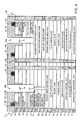
- Figures 1-6 are schematic section views that illustrate successive manufacturing steps of a first enhancement/depletion PHEMT device according to a first preferred embodiment of the present invention, said first enhancement/depletion PHEMT device being indicated as a whole in said Figures 1-6 by reference numeral 1.
- the first enhancement/depletion PHEMT device 1 comprises a layered epitaxial structure that includes:
- the first enhancement/depletion PHEMT device 1 also comprises:
- said pairs of electrodes 29 and 30 are manufactured by forming a first mask (for simplicity, not shown in Figure 1 ) on the ohmic layer 26 so as to leave only the four ohmic contact regions exposed.
- Said first mask is conveniently formed by means of a layer of photoresist deposited on the ohmic layer 26 and patterned so as to form a respective window on each ohmic contact region.
- the metallizations of the source and drain electrodes are then deposited on the four ohmic contact regions through the four windows of the first mask and are subjected to an annealing treatment.
- the first region 27 and the second region 28 of the first enhancement/depletion PHEMT device 1 are electrically insulated through ion implantation.
- a first electrical insulation barrier 31 and a second electrical insulation barrier 32 are formed by ion implantation in the layered epitaxial structure external to the first region 27 and the second region 28, respectively, so as to laterally surround, and therefore electrically insulate, said first region 27 and said second region 28, respectively.
- the ion implantation is preferably carried out using a second mask (for simplicity, not shown in Figure 1 ) formed on the first enhancement/depletion PHEMT device 1 so as to cover the first region 27 and the second region 28, or rather so as to leave exposed the upper surfaces of a fifth and a sixth portion of the ohmic layer 26 that extend externally to said first region 27 and to said second region 28, respectively.
- a second mask for simplicity, not shown in Figure 1
- Said second mask is conveniently formed by means of a layer of photoresist deposited on the first enhancement/depletion PHEMT device 1 and patterned so as to form a first opening on the upper surface of the fifth portion of the ohmic layer 26 and a second opening on the upper surface of the sixth portion of the ohmic layer 26.
- the ion implantation is then carried out so as to implant ions through the two openings of the second mask and into the fifth and sixth portions of the ohmic layer 26 and also into the corresponding underlying portions of all layers of the layered epitaxial structure, i.e. up to the superlattice and buffer layer 11.
- a first recess 33 and a second recess 34 are formed in said first region 27 and in said second region 28, respectively.
- said first recess 33 is formed through a seventh portion of the ohmic layer 26 extending in the first region 27 and laterally spaced apart from the first and second portions of the ohmic layer 26, i.e. from the first and the second ohmic contact regions, and also through a first portion of the third etch stopper layer 25 extending in the first region 27 beneath said seventh portion of the ohmic layer 26, so as to leave exposed an upper surface of a first portion of the second cap layer 24 extending in the first region 27 beneath said first portion of the third etch stopper layer 25.
- said second recess 34 is formed through an eighth portion of the ohmic layer 26 extending in the second region 28 and laterally spaced apart from the third and fourth portions of the ohmic layer 26, i.e. from the third and fourth ohmic contact regions, and also through a second portion of the third etch stopper layer 25 extending in the second region 28 beneath said eighth portion of the ohmic layer 26, so as to leave exposed an upper surface of a second portion of the second cap layer 24 extending in the second region 28 beneath said second portion of the third etch stopper layer 25.
- a third mask 35 is preferably formed on the first enhancement/depletion PHEMT device 1 so as to leave only the upper surfaces of the seventh and eighth portions of the ohmic layer 26 exposed.
- Said third mask 35 is conveniently formed by means of a layer of photoresist deposited on the first enhancement/depletion PHEMT device 1 and patterned so as to form a first window 35a on the upper surface of the seventh portion of the ohmic layer 26 and a second window 35b on the upper surface of the eighth portion of the ohmic layer 26, said first window 35a and said second window 35b of the third mask 35 having a lateral width preferably within the range of 2-5 ⁇ m.
- the first recess 33 and the second recess 34 are formed by means of a first etching process, dry or wet, carried out through the first window 35a and the second window 35b of said third mask 35.
- said first etching process which can be carried out by means of a single chemical solution or an opportune sequence of chemical solutions, removes:
- a third recess 36 is formed in the first region 27.
- said third recess 36 is formed through a first sub-portion of the first portion of the second cap layer 24, through a first portion of the first cap layer 23 extending in the first region 27 beneath said first sub-portion of the first portion of the second cap layer 24, and also through a first portion of the second etch stopper layer 22 extending in the first region 27 beneath said first portion of the first cap layer 23, so as to leave exposed an upper surface of a first portion of the second depletion barrier layer 21 extending in the first region 27 beneath said first portion of the second etch stopper layer 22.
- a fourth mask 37 is preferably formed on the first enhancement/depletion PHEMT device 1 so as to leave exposed only an upper surface of the first sub-portion of the first portion of the second cap layer 24.
- Said fourth mask 37 is conveniently formed by means of a layer of photoresist deposited on the first enhancement/depletion PHEMT device 1 and patterned so as to form a window 37a on the upper surface of the first sub-portion of the first portion of the second cap layer 24, said window 37a of the fourth mask 37 having a lateral width preferably within the range of 0.1-0.5 ⁇ m .
- the third recess 36 is formed by means of a second etching process, dry or wet, carried out through the window 37a of said fourth mask 37.
- said second etching process which can be carried out by means of a single chemical solution or an opportune sequence of chemical solutions, removes the first sub-portion of the first portion of the second cap layer 24, the first portion of the first cap layer 23 and also the first portion of the second etch stopper layer 22, stopping at the interface with the second depletion barrier layer 21 so as to leave exposed the upper surface of the first portion of said second depletion barrier layer 21 extending in the first region 27 beneath the first portion of the second etch stopper layer 22 removed by said second etching process.
- said third recess 36 is widened, forming a widened third recess 36* extending in the first region 27 and a fourth recess 38 and a fifth recess 39 are simultaneously formed in the first region 27 and in the second region 28, respectively.
- said widened third recess 36* is formed through a second sub-portion of the first portion of the second cap layer 24 that extends in the first region 27 and that, before said widening, laterally surrounds the third recess 36, through a second portion of the first cap layer 23 that extends in the first region 27 beneath said second sub-portion of the first portion of the second cap layer 24 and that, before said widening, laterally surrounds the third recess 36, and also through a second portion of the second etch stopper layer 22 that extends in the first region 27 beneath said second portion of the first cap layer 23 and that, before said widening, laterally surrounds the third recess 36, so as to leave exposed an upper surface of a second portion of the second depletion barrier layer 21 that extends in the first region 27 beneath said second portion of the second etch stopper layer 22, and that, before the formation of the fourth recess 38, laterally surrounds the first portion of the second depletion barrier layer 21, while, after the formation of the fourth recess 38,
- said fourth recess 38 is formed through the first portion of the second depletion barrier layer 21, through a portion of the first depletion barrier layer 20 extending in the first region 27 beneath said first portion of the second depletion barrier layer 21, and also through a portion of the first etch stopper layer 19 extending in the first region 27 beneath said portion of the first depletion barrier layer 20, so as to leave exposed an upper surface of a portion of the enhancement barrier layer 18 that extends in the first region 27 beneath said portion of the first etch stopper layer 19 and defines a first Schottky contact region.
- said fifth recess 39 is formed through a first sub-portion of the second portion of the second cap layer 24, through a third portion of the first cap layer 23 extending in the second region 28 beneath said first sub-portion of the second portion of the second cap layer 24, and also through a third portion of the second etch stopper layer 22 extending in the second region 28 beneath said third portion of the first cap layer 23, so as to leave exposed an upper surface of a third portion of the second depletion barrier layer 21 that extends in the second region 28 beneath said third portion of the second etch stopper layer 22 and defines a second Schottky contact region.
- a fifth mask 40 is preferably formed on the first enhancement/depletion PHEMT device 1 so as to leave exposed only the upper surfaces of the second sub-portion of the first portion of the second cap layer 24, of the first portion of the second depletion barrier layer 21 and of the first sub-portion of the second portion of the second cap layer 24.
- Said fifth mask 40 is conveniently formed by means of a layer of photoresist deposited on the first enhancement/depletion PHEMT device 1 and patterned so as to form:
- the widened third recess 36*, the fourth recess 38 and the fifth recess 39 are formed by means of a third etching process, dry or wet, carried out through the first window 40a and the second window 40b of said fifth mask 40.
- said third etching process which can be carried out by means of a single chemical solution or an opportune sequence of chemical solutions, removes:
- a first gate electrode 41 and a second gate electrode 42 are formed in the first region 27 and in the second region 28, respectively, thereby making an enhancement transistor in the first region 27 and a depletion transistor in the second region 28.
- said first gate electrode 41 is formed in the fourth recess 38, in the widened third recess 36* and in the first recess 33, and said second gate electrode 42 is formed in the fifth recess 39 and in the second recess 34.
- the first gate electrode 41 is formed so as to comprise:
- the second gate electrode 42 is formed on, and is in Schottky contact with, said third portion of the second depletion barrier layer 21 defining the second Schottky contact region, is formed so as to vertically extend through all of the fifth recess 39 and all of the second recess 34 arriving to protrude in height from said second recess 34, and can adhere or not adhere to the lateral walls of the fifth recess 39.
- said gate electrodes 41 and 42 are made using the fifth mask 40.
- the first gate electrode 41 is preferably made by means of chemical vapour deposition self-aligned to the first window 40a of the fifth mask 40 and the second gate electrode 42 is preferably made by means of chemical vapour deposition self-aligned to the second window 40b of said fifth mask 40.
- Figure 6 shows the first enhancement/depletion PHEMT device 1 comprising the enhancement transistor made in the first region 27 and the depletion transistor made in the second region 28 after removal of the fifth mask 40.
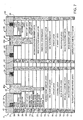
- FIGS 7 and 8 are schematic section views of a second enhancement/depletion PHEMT device made according to a second preferred embodiment of the present invention, said second enhancement/depletion PHEMT device being indicated as a whole in said Figures 7 and 8 by reference numeral 1'.
- the second enhancement/depletion PHEMT device 1' is made with the same manufacturing process described in relation to the first enhancement/depletion PHEMT device 1 up to the step of forming the widened third recess 36*, the fourth recess 38 and the fifth recess 39, while the step of forming the gate electrodes of the second enhancement/depletion PHEMT device 1' is different from that previously described in relation to the enhancement/depletion PHEMT device 1.
- a first gate electrode 43 and a second gate electrode 44 of the second enhancement/depletion PHEMT device 1' are formed in the first region 27 and in the second region 28, respectively, of the second enhancement/depletion PHEMT device 1', thereby making an enhancement transistor in said first region 27 of the second enhancement/depletion PHEMT device 1' and a depletion transistor in said second region 28 of the enhancement/depletion PHEMT device 1'.
- said first gate electrode 43 of the enhancement transistor of the second enhancement/depletion PHEMT device 1' is formed in the fourth recess 38, in the widened third recess 36* and in the first recess 33, while said second gate electrode 44 of the depletion transistor of the second enhancement/depletion PHEMT device 1' is formed in the fifth recess 39 and in the second recess 34.
- the first gate electrode 43 of the enhancement transistor of the second enhancement/depletion PHEMT device 1' is formed so as to comprise:
- the second gate electrode 44 of the depletion transistor of the second enhancement/depletion PHEMT device 1' is formed so as to comprise:
- a sixth mask 45 is formed on the second enhancement/depletion PHEMT device 1' so as to leave exposed only the upper surfaces of the portion of the enhancement barrier layer 18 defining the first Schottky contact region, of the second portion of the second depletion barrier layer 21 that laterally surrounds the fourth recess 38, of the third sub-portion of the first portion of the second cap layer 24 that laterally surrounds the widened third recess 36*, of the third portion of the second depletion barrier layer 21 defining the second Schottky contact region and of the second sub-portion of the second portion of the second cap layer 24 that laterally surrounds the fifth recess 39.
- Said sixth mask 45 is conveniently formed by means of a layer of photoresist deposited on the second enhancement/depletion PHEMT device 1' and patterned so as to form:
- the first gate electrode 43 of the enhancement transistor of the second enhancement/depletion PHEMT device 1' is preferably made by means of chemical vapour deposition self-aligned to the first window 45a of the sixth mask 45
- the second gate electrode 44 of the depletion transistor of the second enhancement/depletion PHEMT device 1' is preferably made by means of chemical vapour deposition self-aligned to the second window 45b of said sixth mask 45.
- Figure 8 shows the second enhancement/depletion PHEMT device 1' comprising the enhancement transistor made in the first region 27 and the depletion transistor made in the second region 28 after removal of the sixth mask 45.
- the present invention has numerous advantages.
- the etch stopper layers 19, 22 and 25, which enable making the first recess 33, the second recess 34, the third recess 36, the widened third recess 36*, the fourth recess 38 and the fifth recess 39 in a controlled manner, are made of aluminium arsenide (AlAs) instead of indium gallium phosphide (InGaP) as in currently known enhancement/depletion PHEMT devices.
- AlAs aluminium arsenide
- InGaP indium gallium phosphide
- the layered epitaxial structure and the manufacturing processes according to the present invention enable preventing the aluminium-based layers from being exposed to air, so as to reduce the phenomena of current breakdown often observed when aluminium-based layers are exposed to air.
- the enhancement barrier layer 18, the first depletion barrier layer 20, the second depletion barrier layer 21, the first cap layer 23, the second cap layer 24 and the ohmic layer 26 made, according to a preferred embodiment of the present invention, in gallium arsenide (GaAs) instead of aluminium gallium arsenide (AlGaAs) as in currently known enhancement/depletion PHEMT devices enables obtaining a lower barrier for the electrons that flow between the source and drain contacts in the enhancement transistor channel and in the depletion transistor channel.
- GaAs gallium arsenide
- AlGaAs aluminium gallium arsenide
- the manufacturing of the field plate portions of the gate electrodes enables reducing the output conductance of the enhancement transistors and the depletion transistors, said output conductance representing a critical factor for the performance of digital circuits.
Landscapes
- Junction Field-Effect Transistors (AREA)
Applications Claiming Priority (1)
| Application Number | Priority Date | Filing Date | Title |
|---|---|---|---|
| ITTO20110713 | 2011-08-01 |
Publications (2)
| Publication Number | Publication Date |
|---|---|
| EP2555242A1 EP2555242A1 (en) | 2013-02-06 |
| EP2555242B1 true EP2555242B1 (en) | 2014-07-23 |
Family
ID=44653489
Family Applications (1)
| Application Number | Title | Priority Date | Filing Date |
|---|---|---|---|
| EP12178617.2A Active EP2555242B1 (en) | 2011-08-01 | 2012-07-31 | Enhancement-/depletion-PHEMT device and manufacturing method thereof |
Country Status (4)
| Country | Link |
|---|---|
| US (1) | US8610173B2 (it) |
| EP (1) | EP2555242B1 (it) |
| ES (1) | ES2518917T3 (it) |
| IT (1) | ITTO20120675A1 (it) |
Families Citing this family (12)
| Publication number | Priority date | Publication date | Assignee | Title |
|---|---|---|---|---|
| US7501669B2 (en) | 2003-09-09 | 2009-03-10 | Cree, Inc. | Wide bandgap transistor devices with field plates |
| US9773877B2 (en) | 2004-05-13 | 2017-09-26 | Cree, Inc. | Wide bandgap field effect transistors with source connected field plates |
| US11791385B2 (en) | 2005-03-11 | 2023-10-17 | Wolfspeed, Inc. | Wide bandgap transistors with gate-source field plates |
| EP2040299A1 (en) * | 2007-09-12 | 2009-03-25 | Forschungsverbund Berlin e.V. | Electrical devices having improved transfer characteristics and method for tailoring the transfer characteristics of such an electrical device |
| US9679981B2 (en) | 2013-06-09 | 2017-06-13 | Cree, Inc. | Cascode structures for GaN HEMTs |
| US9755059B2 (en) | 2013-06-09 | 2017-09-05 | Cree, Inc. | Cascode structures with GaN cap layers |
| US9847411B2 (en) * | 2013-06-09 | 2017-12-19 | Cree, Inc. | Recessed field plate transistor structures |
| US9502535B2 (en) * | 2015-04-10 | 2016-11-22 | Cambridge Electronics, Inc. | Semiconductor structure and etch technique for monolithic integration of III-N transistors |
| US10720428B2 (en) * | 2015-11-10 | 2020-07-21 | Qorvo Us, Inc. | High bandgap Schottky contact layer device |
| US10811407B2 (en) * | 2019-02-04 | 2020-10-20 | Win Semiconductor Corp. | Monolithic integration of enhancement mode and depletion mode field effect transistors |
| US11177379B2 (en) * | 2019-06-19 | 2021-11-16 | Win Semiconductors Corp. | Gate-sinking pHEMTs having extremely uniform pinch-off/threshold voltage |
| US11081485B2 (en) * | 2019-10-23 | 2021-08-03 | Win Semiconductors Corp. | Monolithic integrated circuit device having gate-sinking pHEMTs |
Family Cites Families (13)
| Publication number | Priority date | Publication date | Assignee | Title |
|---|---|---|---|---|
| JP2551427B2 (ja) | 1987-03-12 | 1996-11-06 | 富士通株式会社 | 半導体装置及びその製造方法 |
| JPH02148740A (ja) | 1988-11-29 | 1990-06-07 | Fujitsu Ltd | 半導体装置及びその製造方法 |
| KR100379619B1 (ko) | 2000-10-13 | 2003-04-10 | 광주과학기술원 | 단일집적 e/d 모드 hemt 및 그 제조방법 |
| US6703638B2 (en) | 2001-05-21 | 2004-03-09 | Tyco Electronics Corporation | Enhancement and depletion-mode phemt device having two ingap etch-stop layers |
| US7449728B2 (en) | 2003-11-24 | 2008-11-11 | Tri Quint Semiconductor, Inc. | Monolithic integrated enhancement mode and depletion mode field effect transistors and method of making the same |
| US7183592B2 (en) | 2004-05-26 | 2007-02-27 | Raytheon Company | Field effect transistor |
| US20060175631A1 (en) | 2005-02-04 | 2006-08-10 | Raytheon Company | Monolithic integrated circuit having enhanced breakdown voltage |
| US7321132B2 (en) | 2005-03-15 | 2008-01-22 | Lockheed Martin Corporation | Multi-layer structure for use in the fabrication of integrated circuit devices and methods for fabrication of same |
| JP5431652B2 (ja) * | 2007-04-02 | 2014-03-05 | ルネサスエレクトロニクス株式会社 | 半導体装置 |
| JP2008263146A (ja) | 2007-04-13 | 2008-10-30 | Matsushita Electric Ind Co Ltd | 半導体装置およびその製造方法 |
| JP2009032729A (ja) | 2007-07-24 | 2009-02-12 | Sony Corp | スイッチ素子および電子機器 |
| JP2010016089A (ja) | 2008-07-02 | 2010-01-21 | Nec Electronics Corp | 電界効果トランジスタ、その製造方法、及び半導体装置 |
| US8390000B2 (en) | 2009-08-28 | 2013-03-05 | Transphorm Inc. | Semiconductor devices with field plates |
-
2012
- 2012-07-30 IT IT000675A patent/ITTO20120675A1/it unknown
- 2012-07-30 US US13/561,860 patent/US8610173B2/en not_active Expired - Fee Related
- 2012-07-31 EP EP12178617.2A patent/EP2555242B1/en active Active
- 2012-07-31 ES ES12178617.2T patent/ES2518917T3/es active Active
Also Published As
| Publication number | Publication date |
|---|---|
| EP2555242A1 (en) | 2013-02-06 |
| ES2518917T3 (es) | 2014-11-05 |
| US8610173B2 (en) | 2013-12-17 |
| US20130062667A1 (en) | 2013-03-14 |
| ITTO20120675A1 (it) | 2013-02-02 |
Similar Documents
| Publication | Publication Date | Title |
|---|---|---|
| EP2555242B1 (en) | Enhancement-/depletion-PHEMT device and manufacturing method thereof | |
| US9406773B2 (en) | Semiconductor device and method of manufacturing the same | |
| US20210028299A1 (en) | LDMOS Device And Method For Forming The Same | |
| CN103887334B (zh) | GaN高电子迁移率晶体管和GaN二极管 | |
| US11923453B2 (en) | LDMOS device and method for preparing same | |
| US20230238435A1 (en) | Semiconductor device and manufacturing process for the same | |
| US20080142845A1 (en) | HEMT including MIS structure | |
| US20250031398A1 (en) | Gan-based hemt structure having multi-threshold voltage, and preparation method and application therefor | |
| US20100314695A1 (en) | Self-aligned vertical group III-V transistor and method for fabricated same | |
| CN119421453A (zh) | 一种碳化硅阶梯沟槽mosfet及其制造方法 | |
| US11456371B2 (en) | Method for making LDMOS device and LDMOS device | |
| US12342570B2 (en) | Method for manufacturing semiconductor device and semiconductor device manufactured thereby | |
| US20200312997A1 (en) | Semiconductor device | |
| US9087888B2 (en) | Semiconductor device and electronic apparatus | |
| CN110957370A (zh) | 横向双扩散晶体管的制造方法 | |
| US20070138517A1 (en) | Field-effect transistor, semiconductor device including the field-effect transistor, and method of producing semiconductor device | |
| CN119325270A (zh) | 绝缘栅mis hemt器件、制备方法、芯片及电子设备 | |
| US20240274712A1 (en) | Field-effect transistors with self-aligned p-shield contacts | |
| EP4258341A2 (en) | Sealed cavity embedded in a semiconductor wafer | |
| US20200135865A1 (en) | Semiconductor devices, radio frequency devices and methods for forming semiconductor devices | |
| KR20160030074A (ko) | 갈륨 나이트라이드 소자 및 집적회로 내에 자기-정렬된 격리를 제작하는 방법 | |
| US8536645B2 (en) | Trench MOSFET and method for fabricating same | |
| CN224054687U (zh) | 高电子迁移率晶体管设备和电子设备 | |
| US12205949B1 (en) | High-voltage semiconductor device structures | |
| US20230187385A1 (en) | Rfldmos device and manufacturing method thereof |
Legal Events
| Date | Code | Title | Description |
|---|---|---|---|
| PUAI | Public reference made under article 153(3) epc to a published international application that has entered the european phase |
Free format text: ORIGINAL CODE: 0009012 |
|
| AK | Designated contracting states |
Kind code of ref document: A1 Designated state(s): AL AT BE BG CH CY CZ DE DK EE ES FI FR GB GR HR HU IE IS IT LI LT LU LV MC MK MT NL NO PL PT RO RS SE SI SK SM TR |
|
| AX | Request for extension of the european patent |
Extension state: BA ME |
|
| 17P | Request for examination filed |
Effective date: 20130806 |
|
| RBV | Designated contracting states (corrected) |
Designated state(s): AL AT BE BG CH CY CZ DE DK EE ES FI FR GB GR HR HU IE IS IT LI LT LU LV MC MK MT NL NO PL PT RO RS SE SI SK SM TR |
|
| GRAP | Despatch of communication of intention to grant a patent |
Free format text: ORIGINAL CODE: EPIDOSNIGR1 |
|
| INTG | Intention to grant announced |
Effective date: 20140212 |
|
| GRAS | Grant fee paid |
Free format text: ORIGINAL CODE: EPIDOSNIGR3 |
|
| RAP1 | Party data changed (applicant data changed or rights of an application transferred) |
Owner name: SELEX ELECTRONIC SYSTEMS S.P.A. |
|
| GRAA | (expected) grant |
Free format text: ORIGINAL CODE: 0009210 |
|
| RAP1 | Party data changed (applicant data changed or rights of an application transferred) |
Owner name: SELEX ES S.P.A. |
|
| AK | Designated contracting states |
Kind code of ref document: B1 Designated state(s): AL AT BE BG CH CY CZ DE DK EE ES FI FR GB GR HR HU IE IS IT LI LT LU LV MC MK MT NL NO PL PT RO RS SE SI SK SM TR |
|
| REG | Reference to a national code |
Ref country code: GB Ref legal event code: FG4D |
|
| RIN1 | Information on inventor provided before grant (corrected) |
Inventor name: CHINI, ALESSANDRO Inventor name: LANZIERI, CLAUDIO |
|
| REG | Reference to a national code |
Ref country code: CH Ref legal event code: EP |
|
| REG | Reference to a national code |
Ref country code: IE Ref legal event code: FG4D |
|
| REG | Reference to a national code |
Ref country code: AT Ref legal event code: REF Ref document number: 679292 Country of ref document: AT Kind code of ref document: T Effective date: 20140815 |
|
| REG | Reference to a national code |
Ref country code: DE Ref legal event code: R096 Ref document number: 602012002497 Country of ref document: DE Effective date: 20140904 |
|
| REG | Reference to a national code |
Ref country code: SE Ref legal event code: TRGR |
|
| REG | Reference to a national code |
Ref country code: ES Ref legal event code: FG2A Ref document number: 2518917 Country of ref document: ES Kind code of ref document: T3 Effective date: 20141105 |
|
| REG | Reference to a national code |
Ref country code: NL Ref legal event code: T3 |
|
| REG | Reference to a national code |
Ref country code: CH Ref legal event code: NV Representative=s name: ANDRE ROLAND S.A., CH |
|
| REG | Reference to a national code |
Ref country code: AT Ref legal event code: MK05 Ref document number: 679292 Country of ref document: AT Kind code of ref document: T Effective date: 20140723 |
|
| REG | Reference to a national code |
Ref country code: LT Ref legal event code: MG4D |
|
| PG25 | Lapsed in a contracting state [announced via postgrant information from national office to epo] |
Ref country code: NO Free format text: LAPSE BECAUSE OF FAILURE TO SUBMIT A TRANSLATION OF THE DESCRIPTION OR TO PAY THE FEE WITHIN THE PRESCRIBED TIME-LIMIT Effective date: 20141023 Ref country code: FI Free format text: LAPSE BECAUSE OF FAILURE TO SUBMIT A TRANSLATION OF THE DESCRIPTION OR TO PAY THE FEE WITHIN THE PRESCRIBED TIME-LIMIT Effective date: 20140723 Ref country code: PT Free format text: LAPSE BECAUSE OF FAILURE TO SUBMIT A TRANSLATION OF THE DESCRIPTION OR TO PAY THE FEE WITHIN THE PRESCRIBED TIME-LIMIT Effective date: 20141124 Ref country code: LT Free format text: LAPSE BECAUSE OF FAILURE TO SUBMIT A TRANSLATION OF THE DESCRIPTION OR TO PAY THE FEE WITHIN THE PRESCRIBED TIME-LIMIT Effective date: 20140723 Ref country code: BG Free format text: LAPSE BECAUSE OF FAILURE TO SUBMIT A TRANSLATION OF THE DESCRIPTION OR TO PAY THE FEE WITHIN THE PRESCRIBED TIME-LIMIT Effective date: 20141023 Ref country code: GR Free format text: LAPSE BECAUSE OF FAILURE TO SUBMIT A TRANSLATION OF THE DESCRIPTION OR TO PAY THE FEE WITHIN THE PRESCRIBED TIME-LIMIT Effective date: 20141024 |
|
| PG25 | Lapsed in a contracting state [announced via postgrant information from national office to epo] |
Ref country code: LV Free format text: LAPSE BECAUSE OF FAILURE TO SUBMIT A TRANSLATION OF THE DESCRIPTION OR TO PAY THE FEE WITHIN THE PRESCRIBED TIME-LIMIT Effective date: 20140723 Ref country code: AT Free format text: LAPSE BECAUSE OF FAILURE TO SUBMIT A TRANSLATION OF THE DESCRIPTION OR TO PAY THE FEE WITHIN THE PRESCRIBED TIME-LIMIT Effective date: 20140723 Ref country code: HR Free format text: LAPSE BECAUSE OF FAILURE TO SUBMIT A TRANSLATION OF THE DESCRIPTION OR TO PAY THE FEE WITHIN THE PRESCRIBED TIME-LIMIT Effective date: 20140723 Ref country code: IS Free format text: LAPSE BECAUSE OF FAILURE TO SUBMIT A TRANSLATION OF THE DESCRIPTION OR TO PAY THE FEE WITHIN THE PRESCRIBED TIME-LIMIT Effective date: 20141123 Ref country code: RS Free format text: LAPSE BECAUSE OF FAILURE TO SUBMIT A TRANSLATION OF THE DESCRIPTION OR TO PAY THE FEE WITHIN THE PRESCRIBED TIME-LIMIT Effective date: 20140723 Ref country code: PL Free format text: LAPSE BECAUSE OF FAILURE TO SUBMIT A TRANSLATION OF THE DESCRIPTION OR TO PAY THE FEE WITHIN THE PRESCRIBED TIME-LIMIT Effective date: 20140723 Ref country code: CY Free format text: LAPSE BECAUSE OF FAILURE TO SUBMIT A TRANSLATION OF THE DESCRIPTION OR TO PAY THE FEE WITHIN THE PRESCRIBED TIME-LIMIT Effective date: 20140723 |
|
| REG | Reference to a national code |
Ref country code: IE Ref legal event code: MM4A |
|
| REG | Reference to a national code |
Ref country code: DE Ref legal event code: R097 Ref document number: 602012002497 Country of ref document: DE |
|
| PG25 | Lapsed in a contracting state [announced via postgrant information from national office to epo] |
Ref country code: CZ Free format text: LAPSE BECAUSE OF FAILURE TO SUBMIT A TRANSLATION OF THE DESCRIPTION OR TO PAY THE FEE WITHIN THE PRESCRIBED TIME-LIMIT Effective date: 20140723 Ref country code: SK Free format text: LAPSE BECAUSE OF FAILURE TO SUBMIT A TRANSLATION OF THE DESCRIPTION OR TO PAY THE FEE WITHIN THE PRESCRIBED TIME-LIMIT Effective date: 20140723 Ref country code: DK Free format text: LAPSE BECAUSE OF FAILURE TO SUBMIT A TRANSLATION OF THE DESCRIPTION OR TO PAY THE FEE WITHIN THE PRESCRIBED TIME-LIMIT Effective date: 20140723 Ref country code: MC Free format text: LAPSE BECAUSE OF FAILURE TO SUBMIT A TRANSLATION OF THE DESCRIPTION OR TO PAY THE FEE WITHIN THE PRESCRIBED TIME-LIMIT Effective date: 20140723 Ref country code: EE Free format text: LAPSE BECAUSE OF FAILURE TO SUBMIT A TRANSLATION OF THE DESCRIPTION OR TO PAY THE FEE WITHIN THE PRESCRIBED TIME-LIMIT Effective date: 20140723 Ref country code: RO Free format text: LAPSE BECAUSE OF FAILURE TO SUBMIT A TRANSLATION OF THE DESCRIPTION OR TO PAY THE FEE WITHIN THE PRESCRIBED TIME-LIMIT Effective date: 20140723 |
|
| PLBE | No opposition filed within time limit |
Free format text: ORIGINAL CODE: 0009261 |
|
| STAA | Information on the status of an ep patent application or granted ep patent |
Free format text: STATUS: NO OPPOSITION FILED WITHIN TIME LIMIT |
|
| 26N | No opposition filed |
Effective date: 20150424 |
|
| PG25 | Lapsed in a contracting state [announced via postgrant information from national office to epo] |
Ref country code: IE Free format text: LAPSE BECAUSE OF NON-PAYMENT OF DUE FEES Effective date: 20140731 |
|
| PG25 | Lapsed in a contracting state [announced via postgrant information from national office to epo] |
Ref country code: SI Free format text: LAPSE BECAUSE OF FAILURE TO SUBMIT A TRANSLATION OF THE DESCRIPTION OR TO PAY THE FEE WITHIN THE PRESCRIBED TIME-LIMIT Effective date: 20140723 |
|
| PG25 | Lapsed in a contracting state [announced via postgrant information from national office to epo] |
Ref country code: SM Free format text: LAPSE BECAUSE OF FAILURE TO SUBMIT A TRANSLATION OF THE DESCRIPTION OR TO PAY THE FEE WITHIN THE PRESCRIBED TIME-LIMIT Effective date: 20140723 |
|
| REG | Reference to a national code |
Ref country code: FR Ref legal event code: PLFP Year of fee payment: 5 |
|
| PG25 | Lapsed in a contracting state [announced via postgrant information from national office to epo] |
Ref country code: MT Free format text: LAPSE BECAUSE OF FAILURE TO SUBMIT A TRANSLATION OF THE DESCRIPTION OR TO PAY THE FEE WITHIN THE PRESCRIBED TIME-LIMIT Effective date: 20140723 |
|
| PG25 | Lapsed in a contracting state [announced via postgrant information from national office to epo] |
Ref country code: BE Free format text: LAPSE BECAUSE OF FAILURE TO SUBMIT A TRANSLATION OF THE DESCRIPTION OR TO PAY THE FEE WITHIN THE PRESCRIBED TIME-LIMIT Effective date: 20140723 Ref country code: HU Free format text: LAPSE BECAUSE OF FAILURE TO SUBMIT A TRANSLATION OF THE DESCRIPTION OR TO PAY THE FEE WITHIN THE PRESCRIBED TIME-LIMIT; INVALID AB INITIO Effective date: 20120731 Ref country code: TR Free format text: LAPSE BECAUSE OF FAILURE TO SUBMIT A TRANSLATION OF THE DESCRIPTION OR TO PAY THE FEE WITHIN THE PRESCRIBED TIME-LIMIT Effective date: 20140723 Ref country code: LU Free format text: LAPSE BECAUSE OF NON-PAYMENT OF DUE FEES Effective date: 20140731 |
|
| PGFP | Annual fee paid to national office [announced via postgrant information from national office to epo] |
Ref country code: CH Payment date: 20160712 Year of fee payment: 5 |
|
| REG | Reference to a national code |
Ref country code: FR Ref legal event code: PLFP Year of fee payment: 6 |
|
| REG | Reference to a national code |
Ref country code: CH Ref legal event code: PL |
|
| PG25 | Lapsed in a contracting state [announced via postgrant information from national office to epo] |
Ref country code: CH Free format text: LAPSE BECAUSE OF NON-PAYMENT OF DUE FEES Effective date: 20170731 Ref country code: LI Free format text: LAPSE BECAUSE OF NON-PAYMENT OF DUE FEES Effective date: 20170731 |
|
| PG25 | Lapsed in a contracting state [announced via postgrant information from national office to epo] |
Ref country code: MK Free format text: LAPSE BECAUSE OF FAILURE TO SUBMIT A TRANSLATION OF THE DESCRIPTION OR TO PAY THE FEE WITHIN THE PRESCRIBED TIME-LIMIT Effective date: 20140723 |
|
| REG | Reference to a national code |
Ref country code: FR Ref legal event code: PLFP Year of fee payment: 7 |
|
| PG25 | Lapsed in a contracting state [announced via postgrant information from national office to epo] |
Ref country code: AL Free format text: LAPSE BECAUSE OF FAILURE TO SUBMIT A TRANSLATION OF THE DESCRIPTION OR TO PAY THE FEE WITHIN THE PRESCRIBED TIME-LIMIT Effective date: 20140723 |
|
| PGFP | Annual fee paid to national office [announced via postgrant information from national office to epo] |
Ref country code: NL Payment date: 20230726 Year of fee payment: 12 |
|
| PGFP | Annual fee paid to national office [announced via postgrant information from national office to epo] |
Ref country code: ES Payment date: 20230816 Year of fee payment: 12 |
|
| PGFP | Annual fee paid to national office [announced via postgrant information from national office to epo] |
Ref country code: SE Payment date: 20230726 Year of fee payment: 12 |
|
| PGFP | Annual fee paid to national office [announced via postgrant information from national office to epo] |
Ref country code: DE Payment date: 20240730 Year of fee payment: 13 |
|
| PGFP | Annual fee paid to national office [announced via postgrant information from national office to epo] |
Ref country code: GB Payment date: 20240724 Year of fee payment: 13 |
|
| PGFP | Annual fee paid to national office [announced via postgrant information from national office to epo] |
Ref country code: FR Payment date: 20240725 Year of fee payment: 13 |
|
| REG | Reference to a national code |
Ref country code: DE Ref legal event code: R079 Ref document number: 602012002497 Country of ref document: DE Free format text: PREVIOUS MAIN CLASS: H01L0027088000 Ipc: H10D0084830000 |
|
| REG | Reference to a national code |
Ref country code: NL Ref legal event code: MM Effective date: 20240801 |
|
| REG | Reference to a national code |
Ref country code: SE Ref legal event code: EUG |
|
| PG25 | Lapsed in a contracting state [announced via postgrant information from national office to epo] |
Ref country code: NL Free format text: LAPSE BECAUSE OF NON-PAYMENT OF DUE FEES Effective date: 20240801 |
|
| REG | Reference to a national code |
Ref country code: ES Ref legal event code: FD2A Effective date: 20250902 |
|
| PG25 | Lapsed in a contracting state [announced via postgrant information from national office to epo] |
Ref country code: ES Free format text: LAPSE BECAUSE OF NON-PAYMENT OF DUE FEES Effective date: 20240801 |
|
| PG25 | Lapsed in a contracting state [announced via postgrant information from national office to epo] |
Ref country code: SE Free format text: LAPSE BECAUSE OF NON-PAYMENT OF DUE FEES Effective date: 20240801 |
|
| PGFP | Annual fee paid to national office [announced via postgrant information from national office to epo] |
Ref country code: IT Payment date: 20250626 Year of fee payment: 14 |
|
| REG | Reference to a national code |
Ref country code: DE Ref legal event code: R119 Ref document number: 602012002497 Country of ref document: DE |
|
| GBPC | Gb: european patent ceased through non-payment of renewal fee |
Effective date: 20250731 |
|
| PG25 | Lapsed in a contracting state [announced via postgrant information from national office to epo] |
Ref country code: GB Free format text: LAPSE BECAUSE OF NON-PAYMENT OF DUE FEES Effective date: 20250731 |
|
| PG25 | Lapsed in a contracting state [announced via postgrant information from national office to epo] |
Ref country code: DE Free format text: LAPSE BECAUSE OF NON-PAYMENT OF DUE FEES Effective date: 20260203 |
|
| PG25 | Lapsed in a contracting state [announced via postgrant information from national office to epo] |
Ref country code: FR Free format text: LAPSE BECAUSE OF NON-PAYMENT OF DUE FEES Effective date: 20250731 |