EP2708230B1 - Composition pour utilisation externe sur la peau pour des maladies inflammatoires - Google Patents
Composition pour utilisation externe sur la peau pour des maladies inflammatoires Download PDFInfo
- Publication number
- EP2708230B1 EP2708230B1 EP12781963.9A EP12781963A EP2708230B1 EP 2708230 B1 EP2708230 B1 EP 2708230B1 EP 12781963 A EP12781963 A EP 12781963A EP 2708230 B1 EP2708230 B1 EP 2708230B1
- Authority
- EP
- European Patent Office
- Prior art keywords
- dgla
- test
- skin
- composition
- external use
- Prior art date
- Legal status (The legal status is an assumption and is not a legal conclusion. Google has not performed a legal analysis and makes no representation as to the accuracy of the status listed.)
- Active
Links
Images





Classifications
-
- A—HUMAN NECESSITIES
- A61—MEDICAL OR VETERINARY SCIENCE; HYGIENE
- A61K—PREPARATIONS FOR MEDICAL, DENTAL OR TOILETRY PURPOSES
- A61K9/00—Medicinal preparations characterised by special physical form
- A61K9/0012—Galenical forms characterised by the site of application
- A61K9/0014—Skin, i.e. galenical aspects of topical compositions
-
- A—HUMAN NECESSITIES
- A61—MEDICAL OR VETERINARY SCIENCE; HYGIENE
- A61K—PREPARATIONS FOR MEDICAL, DENTAL OR TOILETRY PURPOSES
- A61K31/00—Medicinal preparations containing organic active ingredients
- A61K31/185—Acids; Anhydrides, halides or salts thereof, e.g. sulfur acids, imidic, hydrazonic or hydroximic acids
- A61K31/19—Carboxylic acids, e.g. valproic acid
- A61K31/20—Carboxylic acids, e.g. valproic acid having a carboxyl group bound to a chain of seven or more carbon atoms, e.g. stearic, palmitic, arachidic acids
- A61K31/202—Carboxylic acids, e.g. valproic acid having a carboxyl group bound to a chain of seven or more carbon atoms, e.g. stearic, palmitic, arachidic acids having three or more double bonds, e.g. linolenic
-
- A—HUMAN NECESSITIES
- A61—MEDICAL OR VETERINARY SCIENCE; HYGIENE
- A61K—PREPARATIONS FOR MEDICAL, DENTAL OR TOILETRY PURPOSES
- A61K31/00—Medicinal preparations containing organic active ingredients
- A61K31/21—Esters, e.g. nitroglycerine, selenocyanates
- A61K31/215—Esters, e.g. nitroglycerine, selenocyanates of carboxylic acids
- A61K31/22—Esters, e.g. nitroglycerine, selenocyanates of carboxylic acids of acyclic acids, e.g. pravastatin
- A61K31/23—Esters, e.g. nitroglycerine, selenocyanates of carboxylic acids of acyclic acids, e.g. pravastatin of acids having a carboxyl group bound to a chain of seven or more carbon atoms
- A61K31/232—Esters, e.g. nitroglycerine, selenocyanates of carboxylic acids of acyclic acids, e.g. pravastatin of acids having a carboxyl group bound to a chain of seven or more carbon atoms having three or more double bonds, e.g. etretinate
-
- A—HUMAN NECESSITIES
- A61—MEDICAL OR VETERINARY SCIENCE; HYGIENE
- A61K—PREPARATIONS FOR MEDICAL, DENTAL OR TOILETRY PURPOSES
- A61K31/00—Medicinal preparations containing organic active ingredients
- A61K31/66—Phosphorus compounds
- A61K31/683—Diesters of a phosphorus acid with two hydroxy compounds, e.g. phosphatidylinositols
-
- A—HUMAN NECESSITIES
- A61—MEDICAL OR VETERINARY SCIENCE; HYGIENE
- A61K—PREPARATIONS FOR MEDICAL, DENTAL OR TOILETRY PURPOSES
- A61K31/00—Medicinal preparations containing organic active ingredients
- A61K31/66—Phosphorus compounds
- A61K31/683—Diesters of a phosphorus acid with two hydroxy compounds, e.g. phosphatidylinositols
- A61K31/685—Diesters of a phosphorus acid with two hydroxy compounds, e.g. phosphatidylinositols one of the hydroxy compounds having nitrogen atoms, e.g. phosphatidylserine, lecithin
-
- A—HUMAN NECESSITIES
- A61—MEDICAL OR VETERINARY SCIENCE; HYGIENE
- A61K—PREPARATIONS FOR MEDICAL, DENTAL OR TOILETRY PURPOSES
- A61K31/00—Medicinal preparations containing organic active ingredients
- A61K31/70—Carbohydrates; Sugars; Derivatives thereof
- A61K31/7028—Compounds having saccharide radicals attached to non-saccharide compounds by glycosidic linkages
- A61K31/7032—Compounds having saccharide radicals attached to non-saccharide compounds by glycosidic linkages attached to a polyol, i.e. compounds having two or more free or esterified hydroxy groups, including the hydroxy group involved in the glycosidic linkage, e.g. monoglucosyldiacylglycerides, lactobionic acid, gangliosides
-
- A—HUMAN NECESSITIES
- A61—MEDICAL OR VETERINARY SCIENCE; HYGIENE
- A61K—PREPARATIONS FOR MEDICAL, DENTAL OR TOILETRY PURPOSES
- A61K47/00—Medicinal preparations characterised by the non-active ingredients used, e.g. carriers or inert additives; Targeting or modifying agents chemically bound to the active ingredient
- A61K47/06—Organic compounds, e.g. natural or synthetic hydrocarbons, polyolefins, mineral oil, petrolatum or ozokerite
-
- A—HUMAN NECESSITIES
- A61—MEDICAL OR VETERINARY SCIENCE; HYGIENE
- A61P—SPECIFIC THERAPEUTIC ACTIVITY OF CHEMICAL COMPOUNDS OR MEDICINAL PREPARATIONS
- A61P17/00—Drugs for dermatological disorders
-
- A—HUMAN NECESSITIES
- A61—MEDICAL OR VETERINARY SCIENCE; HYGIENE
- A61P—SPECIFIC THERAPEUTIC ACTIVITY OF CHEMICAL COMPOUNDS OR MEDICINAL PREPARATIONS
- A61P17/00—Drugs for dermatological disorders
- A61P17/02—Drugs for dermatological disorders for treating wounds, ulcers, burns, scars, keloids, or the like
-
- A—HUMAN NECESSITIES
- A61—MEDICAL OR VETERINARY SCIENCE; HYGIENE
- A61P—SPECIFIC THERAPEUTIC ACTIVITY OF CHEMICAL COMPOUNDS OR MEDICINAL PREPARATIONS
- A61P17/00—Drugs for dermatological disorders
- A61P17/04—Antipruritics
-
- A—HUMAN NECESSITIES
- A61—MEDICAL OR VETERINARY SCIENCE; HYGIENE
- A61P—SPECIFIC THERAPEUTIC ACTIVITY OF CHEMICAL COMPOUNDS OR MEDICINAL PREPARATIONS
- A61P17/00—Drugs for dermatological disorders
- A61P17/06—Antipsoriatics
-
- A—HUMAN NECESSITIES
- A61—MEDICAL OR VETERINARY SCIENCE; HYGIENE
- A61P—SPECIFIC THERAPEUTIC ACTIVITY OF CHEMICAL COMPOUNDS OR MEDICINAL PREPARATIONS
- A61P19/00—Drugs for skeletal disorders
- A61P19/02—Drugs for skeletal disorders for joint disorders, e.g. arthritis, arthrosis
-
- A—HUMAN NECESSITIES
- A61—MEDICAL OR VETERINARY SCIENCE; HYGIENE
- A61P—SPECIFIC THERAPEUTIC ACTIVITY OF CHEMICAL COMPOUNDS OR MEDICINAL PREPARATIONS
- A61P29/00—Non-central analgesic, antipyretic or antiinflammatory agents, e.g. antirheumatic agents; Non-steroidal antiinflammatory drugs [NSAID]
-
- A—HUMAN NECESSITIES
- A61—MEDICAL OR VETERINARY SCIENCE; HYGIENE
- A61P—SPECIFIC THERAPEUTIC ACTIVITY OF CHEMICAL COMPOUNDS OR MEDICINAL PREPARATIONS
- A61P37/00—Drugs for immunological or allergic disorders
- A61P37/08—Antiallergic agents
Definitions
- the present invention relates to a composition for external use on skin that has therapeutic effect on various kinds of inflammatory disease such as dermatitis such as atopic dermatitis, contact dermatitis or UV-caused skin disorder, and rheumatism, psoriasis and lupus.
- dermatitis such as atopic dermatitis, contact dermatitis or UV-caused skin disorder, and rheumatism, psoriasis and lupus.
- allergic skin diseases are atopic dermatitis and contact dermatitis.
- Various methods are currently employed to treat these allergic skin diseases and they include avoidance of allergens through a better living environment or a dietary therapy and the administration of anti-allergic agents or steroids.
- no completely effective method has yet been established to treat allergic skin diseases and a therapeutic drug is desired that is safe to use without developing any side effects and which is capable of exhibiting satisfactory therapeutic efficacy.
- Dihomo- ⁇ -linolenic acid (8,11,14-eicosatrienoic acid), which is hereinafter abbreviated as DGLA, is an n-6 polyunsaturated fatty acid contained in breast milk, fish oil, seaweeds, meats, etc. and may be synthesized in vivo from linolic acid via ⁇ -linolenic acid.
- Non-Patent Document 1 the physiological actions of the orally administered DGLA precursor ⁇ -linolenic acid have been studied to yield numerous reports concerning hypertension, arterial infarction, complications of diabetes mellitus (neuropathy), and rheumatism, and a lot of cases have also been reported concerning diseases such as atopic dermatitis that involve allergic inflammations (for example, Non-Patent Document 1).
- a possible anti-inflammatory mechanism of orally administered ⁇ -linolenic acid is speculated to start with conversion of y-linolenic acid to DGLA which in turn is metabolized by cyclooxigenase or 15-lipoxygenase into prostaglandin E1 (PGE1) which competes with prostaglandin E2 or into 15-hydroxyeicosatrienoic acid (15-HETrE) which inhibits 5-lipoxygenase.
- PGE1 prostaglandin E1
- 15-HETrE 15-hydroxyeicosatrienoic acid
- Patent Document 1 a microorganism-based technology for DGLA production was discovered (Patent Document 1) and an atopy-like dermatitis suppressing action (Patent Document 2) and an anti-arterial infarction action have been reported from experiments with animal models.
- the feed was a mixed diet containing a DGLA oil which was administered orally.
- Non-Patent Document 2 discloses a cream using a ⁇ -linolenic acid containing oil in patients with atopic dermatitis.
- Patent Documents 3 and 4 suggest that essential fatty acids including DGLA be used as agents for external use for skin disease but no working examples were given.
- Patent Document 5 discloses the COX-2 inhibitory action of DGLA and suggests that it is used in inflammatory skin disease.
- Patent Document 6 describes a skin care or cosmetic preparation for eczema or psoriasis in which 0.1% to 2.0% of TA (thioctic acid) and 0.1% to 10.0% of GLA ( ⁇ -linolenic acid) or DGLA are incorporated in an emollient base.
- TA thioctic acid
- GLA ⁇ -linolenic acid
- Patent Document 7 describes a treatment for a period of 6 to 9 months of patients suffering from an inflammatory condition including osteoarthritis, rheumatoid arthritis, tendinitis, bursitis, fibromyalgia, autoimmune disorders, chronic fatigue syndrome and sports-related injuries with a formulation containing 0.1 to 20 wt% of GLA and/or DGLA.
- Non-Patent Document 3 describes a treatment of inflammatory keratosis by administration of eyedrops containing DGLA in a content of 1 wt%.
- the object of the present invention is to provide a composition for external use on skin that is safe to use and has an anti-inflammatory action.
- Drugs of first choice currently used to treat chronic skin diseases such as atopic dermatitis are agents for external use such as steroids and the immunosuppressant FK-506 (common name: tacrolimus; trade name: Protopic). Although showing a potent anti-inflammatory action, these drugs are suspected to cause side effects, so they are directly administered to the diseased area as an agent for external use to reduce the possibility of systemic side effects. Nevertheless, these drugs still have side effects and the advent of a safer agent for external use is desired.
- composition for external use means compositions that are to be directly applied to the skin, as exemplified by pharmaceutical drugs for external use, quasi-drugs for external use, and cosmetic products.
- the "pharmaceutical drugs” are intended for use in diagnosis, treatment or prevention of diseases in humans or animals;
- the "cosmetic products” are intended for use on the human body by rubbing, spraying or like methods in order to keep it clean, beautify it, make it more attractive, change the facial appearance, or keep the skin or hair in healthy condition, provided that they exert a mild action on the human body;
- the "quasi-drugs” which are intermediate between the two categories have more distinct efficacy than cosmetic products and prevent skin troubles without causing side effects.
- the composition for external use of the present invention shall be understood in the context of equivalents thereto.
- DGLA has been reported to be effective against skin disease if it is ingested by oral administration, there is no report on the effect that is obtained by using DGLA as an agent for external use on skin. Since highly unsaturated fatty acids including ⁇ -linolenic acid and eicosapentaenoic acid serve as the substrates for enzymes including cyclooxygenase and lipoxygenase which are involved in inflammations and allergy, they have been studied for their possible involvement in inflammations and allergic disease but their effects are so mild that only a few have reached the level of development as pharmaceutical drugs.
- the present invention relates to a composition for use in the treatment of inflammatory disease by external use on skin, which comprises dihomo- ⁇ -linolenic acid (DGLA) in the form of a free fatty acid as an active ingredient, wherein the composition contains 0.05 to 10 wt% of the dihomo- ⁇ -linolenic acid (DGLA) and is applied continuously for at least 14 consecutive days to an area affected by the inflammatory disease.
- DGLA dihomo- ⁇ -linolenic acid
- DGLA dihomo- ⁇ -linolenic acid
- the agent for external use of the present invention When applied to the skin, the agent for external use of the present invention has therapeutic effect on an inflammatory skin disease or allergic skin disease, as exemplified by atopic dermatitis.
- the dihomo- ⁇ -linolenic acid (DGLA) as used in the present invention is an n-6 unsaturated fatty acid with a 20-carbon chain and three double bonds.
- the DGLA to be used for the purpose of the present invention is contained in the form of a free fatty acid.
- DGLA can be mass-produced by the method publicly disclosed in Japanese Patent No. 3354581 .
- a microorganism of the genus Mortierella capable of producing a DGLA-containing oil is cultured and the oil is extracted from the cultured cells.
- the oil as obtained by this method contains 30-50% of DGLA, so it may be immediately used; alternatively, it may be used after enriching the DGLA.
- the DGLA containing oil is subjected to wintering, treatment with an enzyme such as lipase, or the like to enrich the DGLA.
- the DGLA containing oil is subjected to hydrolysis or alcoholysis to effect conversion to the free fatty acid, a salt thereof, an ester thereof with a lower alcohol, or the like.
- further enrichment may be performed by distillation, urea adduct process, column treatment, enzymatic treatment, supercritical carbon dioxide treatment, or the like.
- the pharmaceutical drug for external use, quasi-drug for external use, and the cosmetic product that are provided by the present invention may take on any dosage form that enables the active ingredient to be directly administered to the topical surface of the skin.
- examples include ointments such as oleaginous ointments, emulsion ointments (creams) and water-soluble ointments; as well as gels, lotions, tapes, patches, sprays, gels, and reservoirtype patches.
- composition for external use of the present invention permits the use of any materials that are commonly used in compositions for external use and they include bases, absorption promoters, moisturizers, thickeners, emulsifying agents, colorants, fragrances, antioxidants, stabilizers, sterilizers, and antiseptics.
- Bases for external use include, for example, white petrolatum, cetanol, stearyl alcohol, stearic acid, white beeswax, liquid paraffin, lauromacrogol, squalane, squalene, lanolin, isobutyl myristate, and middle-chain fatty acid triglyceride. Since the highly unsaturated fatty acids are oleaginous, they can be conveniently mixed with oleaginous bases to form a homogeneous mixture. Water-containing bases can also be used if they are emulsions (W/O or O/W type) and the active ingredient can be readily mixed by incorporating it into the oil phase.
- W/O or O/W type emulsions
- absorption promoter examples include urea, crotamiton, diethyl sebacate, diisopropyl adiptate, ethanol, isopropyl alcohol, dimethyl sulfoxide, 1-dodecylazacycloheptan-2-one, 1-menthol, salicylic acid, pyrrolidones, middle-chain fatty acid esters, phosphatidylcholine, silicone-based promoters, and limonene.
- Exemplary moisturizers include polyhydric alcohols such as glycerin, sorbitol, propylene glycol, 1,3-butanediol, sodium pyrrolidone carboxylic acid, and sodium hyaluronate.
- polyhydric alcohols such as glycerin, sorbitol, propylene glycol, 1,3-butanediol, sodium pyrrolidone carboxylic acid, and sodium hyaluronate.
- Exemplary thickeners include gum arabic, guar gum, locust bean gum, carrageenan, carboxymethylcellulose, carboxymethylcellulose sodium, polyacrylic acid salts, polyacrylic acid esters, natural latex, vinyl acetate resin emulsion, polyvinyl alcohol, hydroxypropyl cellulose, and hydroxypropyl methylcellulose.
- Exemplary emulsifying agents include glycerin fatty acid esters, sucrose fatty acid esters (sugar esters), sorbitan fatty acid esters, propylene glycol fatty acid esters, lecithin, polyoxyethylene fatty acid esters, polyloxyethylene castor oil, polyoxyethylene hardened castor oil, polyoxyethylene alkyl ethers, polyoxyethylene sorbitan fatty acid esters, and sodium lauryl sulfate.
- Exemplary fragrances include eucalyptus oil, lavender oil, menthol, peppermint oil, rose oil, orange oil, cherry flavor, fruit flavor, vanillin, and vanilla flavor.
- antioxidants include L-ascorbic acid, ascorbyl stearate, ascorbyl palmitate, sodium ascorbate, erythorbic acid, sodium erythorbate, isopropyl citrate, dl- ⁇ -tocopherol, dl- ⁇ -tocopherol, dibutylhydroxytoluene (BHT), and butylhydroxyanisole (BHA).
- BHT butylhydroxytoluene
- BHA butylhydroxyanisole
- ascorbyl palmitate, ascorbyl stearate, L-ascorbic acid, dl- ⁇ -tocopherol, dl- ⁇ -tocopherol, or combinations thereof are preferred.
- Exemplary stabilizers include polysorbates, polyethylene glycol, ethanol, acetone, light silicic anhydride, and EDTA.
- antiseptics include parahydroxybenzoic acid esters, benzalkonium chloride, sorbic acid, phenol, chlorobutanol, chlorocresol, and benzyl alcohol.
- composition for external use of the present invention may additionally contain other active principles, such as steroids, anti-allergic agents, immunosuppressants, and anti-inflammatory drugs, which are commonly used for the treatment of inflammatory diseases including various types of dermatitis, rheumatism, psoriasis, and lupus.
- active principles such as steroids, anti-allergic agents, immunosuppressants, and anti-inflammatory drugs, which are commonly used for the treatment of inflammatory diseases including various types of dermatitis, rheumatism, psoriasis, and lupus.
- composition for external use of the present invention is useful against inflammatory diseases including various types of dermatitis, rheumatism, and psoriasis that have been shown to be effectively treated with highly unsaturated fatty acids. Stated specifically, the composition can be directly applied to areas affected by atopic dermatitis, allergic contact dermatitis, irritant contact dermatitis, rheumatism, psoriasis, and lupus.
- composition for external use of the present invention is variable over a wide range depending upon such factors as the symptom, the surface area of the region affected by the disease, the age and body weight of the patient, and the mode of drug administration; the general standard dosage is within the range from 0.1 to 5 g per day and this is directly applied to the diseased area once or several times a day.
- the concentration of DGLA to be contained in the composition for external use ranges from 0.05 to 10 wt%, preferably from 0.05 to 7 wt%.
- a suitable amount of the DGLA containing oil may be mixed in the composition for external use. Since the DGLA itself is in oil form, the required amount of it can be readily mixed in any base for agents for external use.
- the agent for external use on skin of the present invention exhibits a comparable level of efficacy to the Protopic ointment which is currently used as a therapeutic agent for atopic dermatitis.
- a recommended method of using the agent involves continuous application for at least 14 days. When this agent was administered for 3 weeks, the clinical symptom score of atopic dermatitis could be lowered to a level comparable to that achieved by the Protopic ointment.
- the continuous application may be substantially continuous or continuous with an interval of one or two days as exemplified by a two-week application, with 5 days per week.
- the followings show exemplary formulations for the composition for external use of the present disclosure.
- concentrations of the DGLA containing oil that are indicated in the tables may be increased or decreased as appropriate.
- a DGLA containing oil was obtained by the method described in Patent No. 3354581 . Specifically, 500 mL of hexane was added to 200 g of dried cells of a filamentous fungus (Mortierella alpine) and the mixture was stirred and filtered; by repeating these steps three times, an oil fraction was extracted and the hexane layer was evaporated to give a DGLA containing oil.
- a filamentous fungus Moortierella alpine
- the resulting DGLA containing oil was analyzed for the fatty acid composition.
- a portion (25 ⁇ L) of the oil was collected in a test tube and after adding 1.5mL of a 0.5N aqueous solution of sodium hydroxide, the mixture was stirred well while it was heated at 80°C for 5 minutes in a nitrogen gas stream. Thereafter, 2 mL of a reagent solution consisting of 14% boron trifluoride in methanol was added and the mixture was stirred well while it was heated at 80°C for 80 minutes in a nitrogen gas stream.
- the mixture was air-cooled to approximately between 30°C and 40°C and following the addition of isooctane (2mL), the mixture was vigorously agitated for one minute in a nitrogen gas stream; thereafter, 5 mL of saturated saline was added and the mixture was allowed to stand at room temperature.
- the separating isooctane layer was recovered and used as a sample in gas chromatography to analyze the fatty acid composition. Indicated below are the conditions for measurement by gas chromatography. The results are shown in Table 8; the values in Table 8 refer to the proportions (%) of the respective fatty acids, with the total quantity of the fatty acids being taken as 100%.
- the DGLA containing oil was found to contain about 39.8 area% of DGLA.
- DGLA-EE or DGLA-TG 10 wt%), white petrolatum (89.95 wt%), and ascorbyl palmitate (0.05 wt%) were mixed under heating at 60°C to prepare two kinds of DGLA containing ointment.
- concentration of DGLA in each ointment was about 4%.
- NC/Nga mice which served as a model for spontaneous atopic dermatitis, the anti-inflammatory action of the DGLA containing ointments was examined.
- the animals that developed erythema, edema and scabbing on the neck and dorsal part during the period of acclimatization were carefully shaven over the area extending from the back of the head through the back of the neck to the dorsal part and those animals that had moderate symptoms of dermatitis such as erythema, edema and scabbing in the neck or the dorsal part were selected at intervals of several days and grouped in such a way that the clinical symptom scores would be as uniform as possible among the groups.
- each test substance was applied once daily for three weeks on a 5-days-a-week basis. Each application was conducted every day from 10:00 to 12:00.
- the symptomatic state of the outer surface of the site to which each test substance had been applied was observed before the test, twice a week during the administration, and the day after the final application, and the clinical symptom scores of the symptoms on the neck and dorsal part were recorded based upon the following descriptions of classification.
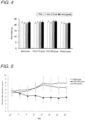
- Body weight measurement was conducted the day before the start of application, as well as at days 8, 15 and 22 thereafter (day 22 corresponding to the day after final application).
- the clinical symptom scores prior to the test were 6.4 - 6.9 on average in each group (moderate manifestation), with no statistical difference recognized between groups.
- the clinical symptom scores started to improve from the second to third weeks and, in particular, the dermatitis score for the fifth evaluation (at week 3) to the DGLA-EE group showed a statistically significant drop compared to the score before the start of the test (pre) (p ⁇ 0.05, Wilcoxon signed rank test).
- pre the start of the test
- the improvement tended to occur earlier, from the first to second weeks.
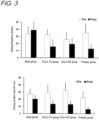
- the frequency and duration of scratching behavior were measured for 20 minutes before the start of the test and no statistical difference was recognized between groups.
- the frequency and duration of scratching behavior tended to decrease in each of the DGLA-TG group, the DGLA-EE group, and the Protopic group, but no statistical difference was recognized.
- both the DGLA-TG containing ointment and the DGLA-EE containing ointment had an immunosuppressive effect, which was by no means inferior to the Protopic ointment which is currently used as the drug of first choice against atopic dermatitis and the like.
- the test method was essentially the same as described in Example 4; about 100 mg of each test substance was applied to the shaven neck and dorsal part once daily for 4 weeks on a five-days-a-week basis.
- a DGLA-EE or DGLA containing ointment was prepared by mixing DGLA-EE or DGLA with white petrolatum as in Example 2 so that the concentration of DGLA-EE or DGLA would be about 10%. Note that DGLA was obtained by hydrolyzing DGLA-EE with potassium hydroxide.
- DGLA as an agent for external use preferably takes on the form of an ethyl ester.
- the frequency of scratching behavior was measured within a period of 30 minutes before the start of the test and no statistical difference was recognized between groups.
- both the DGLA-EE ointment group and the DGLA ointment group tended to improve the frequency of scratching behavior as compared with the base group and, particularly in the DGLA-EE ointment group, the frequency of scratching behavior decreased to 13.3 on average as compared with 48.6 for the base group.
- test was conducted with atopic dermatitis model mice to study the dose dependency of the DGLA-EE containing ointment.
- the test method was essentially the same as described in Example 4, except that the transepidermal water loss (TEWL) was an additional item of measurement; about 100 mg of the test substance was applied to the shaven neck and dorsal part once daily for 4 weeks on a five-days-a-week basis.
- TEWL transepidermal water loss
- DGLA-EE containing ointments were prepared by mixing DGLA-EE with white petrolatum so that the concentration of DGLA-EE would be 5, 10, and 20%.
- the transepidermal water loss (TEWL) was measured before the start of the test as well as at weeks 2 and 4.
- the measurement was conducted with a multi probe adapter (CK Electronic GmbH, Germany); the sensing probe was pressed against the site on the neck and dorsal part skin where the test substance had been applied and a substantially uniform pressure was maintained until the reading stabilized; three measurements were conducted and their average was taken.
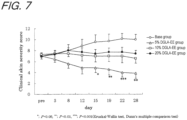
- the clinical symptom scores prior to the test were 7.0 - 7.3 on average in each group (moderate manifestation), with no statistical difference recognized between groups.
- the symptoms of the base group worsened as indicated by a score of 10.0, whereas the symptom scores of the DGLA-EE groups improved in a dose-dependent manner.
- the score of the 5% DGLA-E ointment group significantly decreased to 3.9 as compared with the base group (p ⁇ 0.01, Kruscal-Wallis test, Dunn's multiple comparison test).
- the frequency of scratching behavior was measured within a period of 30 minutes before the start of the test and no statistical difference was recognized between groups.
- each of the DGLA-EE ointment groups tended to improve the frequency of scratching behavior as compared with the base group in a dose-dependent manner and, particularly in the 5% DGLA-EE ointment group, the frequency of scratching behavior significantly decreased to 6.0 as compared with the value of 67.0 for the base group (p ⁇ 0.05, Kruscal-Wallis test, Dunn's multiple comparison test).
- TEWL was 27.8 and 31.1g/hr/m 2 , respectively, before the start of the test; after 4 weeks following the start of the test, however, they significantly dropped to 11.5 and 16.5 g/hr/m 2 (p ⁇ 0.05, Kruscal-Wallis test, Dunn's multiple comparison test). On the other hand, no significant difference occurred between groups at each week of measurement.
- DGLA has an action of improving symptoms of atopic dermatitis and, in particular, it has an itch suppressing action.
- the present invention provides an agent for external use on skin that is safe to use and effective against inflammatory diseases.
Landscapes
- Health & Medical Sciences (AREA)
- Chemical & Material Sciences (AREA)
- Life Sciences & Earth Sciences (AREA)
- General Health & Medical Sciences (AREA)
- Pharmacology & Pharmacy (AREA)
- Medicinal Chemistry (AREA)
- Animal Behavior & Ethology (AREA)
- Public Health (AREA)
- Veterinary Medicine (AREA)
- Epidemiology (AREA)
- General Chemical & Material Sciences (AREA)
- Chemical Kinetics & Catalysis (AREA)
- Engineering & Computer Science (AREA)
- Organic Chemistry (AREA)
- Nuclear Medicine, Radiotherapy & Molecular Imaging (AREA)
- Dermatology (AREA)
- Bioinformatics & Cheminformatics (AREA)
- Emergency Medicine (AREA)
- Oil, Petroleum & Natural Gas (AREA)
- Immunology (AREA)
- Rheumatology (AREA)
- Molecular Biology (AREA)
- Pulmonology (AREA)
- Pain & Pain Management (AREA)
- Orthopedic Medicine & Surgery (AREA)
- Physical Education & Sports Medicine (AREA)
- Acyclic And Carbocyclic Compounds In Medicinal Compositions (AREA)
- Pharmaceuticals Containing Other Organic And Inorganic Compounds (AREA)
- Cosmetics (AREA)
Claims (4)
- Composition pour utilisation dans le traitement d'une maladie inflammatoire par utilisation externe sur la peau, qui comprend l'acide dihomo-γ-linolénique (DGLA) sous la forme d'un acide gras libre en tant qu'ingrédient actif, dans laquelle la composition contient 0,05 à 10 % en poids de l'acide dihomo-γ-linolénique (DGLA) et est appliquée en continu pendant au moins 14 jours consécutifs sur une zone affectée par la maladie inflammatoire.
- Composition pour utilisation externe sur la peau dans le traitement d'une maladie inflammatoire selon la revendication 1, dans laquelle la maladie inflammatoire est une maladie inflammatoire de la peau.
- Composition pour utilisation externe sur la peau dans le traitement d'une maladie inflammatoire selon la revendication 2, dans laquelle la maladie inflammatoire est la dermatite atopique, la dermatite de contact allergique, la dermatite de contact irritative, le psoriasis, le rhumatisme ou le lupus.
- Composition pour utilisation externe sur la peau selon l'une quelconque des revendications 1 à 3, qui est destinée à supprimer la démangeaison de la maladie inflammatoire.
Priority Applications (1)
| Application Number | Priority Date | Filing Date | Title |
|---|---|---|---|
| EP24203468.4A EP4461359B1 (fr) | 2011-05-12 | 2012-05-11 | Composition pour utilisation externe sur la peau pour des maladies inflammatoires |
Applications Claiming Priority (2)
| Application Number | Priority Date | Filing Date | Title |
|---|---|---|---|
| JP2011107512 | 2011-05-12 | ||
| PCT/JP2012/062114 WO2012153832A1 (fr) | 2011-05-12 | 2012-05-11 | Composition pour utilisation externe sur la peau pour des maladies inflammatoires |
Related Child Applications (1)
| Application Number | Title | Priority Date | Filing Date |
|---|---|---|---|
| EP24203468.4A Division EP4461359B1 (fr) | 2011-05-12 | 2012-05-11 | Composition pour utilisation externe sur la peau pour des maladies inflammatoires |
Publications (4)
| Publication Number | Publication Date |
|---|---|
| EP2708230A1 EP2708230A1 (fr) | 2014-03-19 |
| EP2708230A4 EP2708230A4 (fr) | 2014-12-03 |
| EP2708230C0 EP2708230C0 (fr) | 2024-10-02 |
| EP2708230B1 true EP2708230B1 (fr) | 2024-10-02 |
Family
ID=47139306
Family Applications (2)
| Application Number | Title | Priority Date | Filing Date |
|---|---|---|---|
| EP12781963.9A Active EP2708230B1 (fr) | 2011-05-12 | 2012-05-11 | Composition pour utilisation externe sur la peau pour des maladies inflammatoires |
| EP24203468.4A Active EP4461359B1 (fr) | 2011-05-12 | 2012-05-11 | Composition pour utilisation externe sur la peau pour des maladies inflammatoires |
Family Applications After (1)
| Application Number | Title | Priority Date | Filing Date |
|---|---|---|---|
| EP24203468.4A Active EP4461359B1 (fr) | 2011-05-12 | 2012-05-11 | Composition pour utilisation externe sur la peau pour des maladies inflammatoires |
Country Status (5)
| Country | Link |
|---|---|
| US (5) | US9220702B2 (fr) |
| EP (2) | EP2708230B1 (fr) |
| JP (4) | JPWO2012153832A1 (fr) |
| ES (1) | ES3063839T3 (fr) |
| WO (1) | WO2012153832A1 (fr) |
Families Citing this family (5)
| Publication number | Priority date | Publication date | Assignee | Title |
|---|---|---|---|---|
| WO2012153832A1 (fr) | 2011-05-12 | 2012-11-15 | 日本水産株式会社 | Composition pour utilisation externe sur la peau pour des maladies inflammatoires |
| PL3077489T3 (pl) | 2013-12-04 | 2021-11-08 | Nippon Suisan Kaisha, Ltd. | Olej drobnoustrojowy zawierający kwas dihomo-gamma-linolenowy i biomasa drobnoustrojowa zawierająca kwas dihomo-gamma-linolenowy |
| US10639313B2 (en) | 2017-09-01 | 2020-05-05 | Ndsu Research Foundation | Compound for inhibition of delta-5-desaturase (D5D) and treatment of cancer and inflammation |
| AU2019417798B2 (en) * | 2018-12-28 | 2025-08-14 | Nippon Suisan Kaisha, Ltd. | Dihomo-γ-linolenic acid-containing microbial oil with reduced arachidonic acid content |
| WO2023181755A1 (fr) * | 2022-03-22 | 2023-09-28 | 東洋紡株式会社 | Régulateur d'expression pour un gène impliqué dans le facteur associé à des fonctions de la peau |
Citations (1)
| Publication number | Priority date | Publication date | Assignee | Title |
|---|---|---|---|---|
| US5709855A (en) * | 1995-09-22 | 1998-01-20 | Bockow; Barry I. | Compositions of spirulina algae and omega fatty acids for treatment of inflammation and pain |
Family Cites Families (27)
| Publication number | Priority date | Publication date | Assignee | Title |
|---|---|---|---|---|
| AU556817B2 (en) * | 1982-02-03 | 1986-11-20 | Efamol Limited | Topical application of a lithium salt and dihomo-alpha- linolenic acid |
| US5145686A (en) | 1982-02-03 | 1992-09-08 | Efamol Limited | Topical pharmaceutical compositions |
| GB8420771D0 (en) | 1984-08-15 | 1984-09-19 | Efamol Ltd | Treatment of skin disorders |
| GB8705459D0 (en) * | 1987-03-09 | 1987-04-15 | Efamol Ltd | Treatment of peptic ulcers |
| GB8813766D0 (en) * | 1988-06-10 | 1988-07-13 | Efamol Holdings | Essential fatty acid compositions |
| US6140304A (en) * | 1988-09-28 | 2000-10-31 | Eicotech Corporation | Method of and nutritional and pharmaceutical compositions for reduction of hyperinsulinemia |
| JPH04244023A (ja) * | 1991-01-29 | 1992-09-01 | Idemitsu Petrochem Co Ltd | ω6系不飽和脂肪酸含有薬剤 |
| JP3354581B2 (ja) | 1991-09-30 | 2002-12-09 | サントリー株式会社 | ジホモ−γ−リノレン酸及びこれを含有する脂質の製造方法 |
| DE4133694C2 (de) * | 1991-10-11 | 1993-10-07 | Fresenius Ag | Verwendung einer Emulsion mit mehrfach ungesättigten Fettsären zur i.v.-Verabreichung zur Behandlung von Hauterkrankungen |
| AU683027B2 (en) * | 1993-01-27 | 1997-10-30 | Scotia Holdings Plc | Triglycerides |
| JP3816545B2 (ja) * | 1993-04-16 | 2006-08-30 | 株式会社コーワテクノサーチ | 人工透析患者の皮膚そう痒症治療組成物及び副甲状腺機能亢進症治療組成物 |
| US5668174A (en) | 1993-12-29 | 1997-09-16 | Kowa Tekuno Sachi Co., Ltd. | Method of treating hyperparathyroidism |
| GB9403855D0 (en) * | 1994-03-01 | 1994-04-20 | Scotia Holdings Plc | Fatty acid derivatives |
| JPH07277987A (ja) * | 1994-04-05 | 1995-10-24 | Green Cross Corp:The | ステロイド消炎性外用剤 |
| FR2722410B1 (fr) | 1994-07-15 | 1996-10-04 | Grinda Jean Robert | Procede de stabilisation des acides gras poly-insatures et utilisation de ces produits stabilises entherapeutique |
| GB9423625D0 (en) * | 1994-11-23 | 1995-01-11 | Scotia Holdings Plc | Fortified fruit juice |
| JPH08217695A (ja) * | 1995-02-10 | 1996-08-27 | Pola Chem Ind Inc | 皮膚外用剤 |
| ZA962455B (en) * | 1995-03-31 | 1996-10-02 | B Eugene Guthery | Fast acting and persistent topical antiseptic |
| JPH10218731A (ja) * | 1997-02-10 | 1998-08-18 | Kowa Techno Saac:Kk | 脱毛処理後の皮膚トリートメント外用剤 |
| GB9715444D0 (en) * | 1997-07-22 | 1997-09-24 | Scotia Holdings Plc | Therapeutic and dietary compositions |
| JP2002047176A (ja) | 2000-08-04 | 2002-02-12 | Idemitsu Technofine Co Ltd | IgE産生抑制剤 |
| WO2006085687A1 (fr) | 2005-02-14 | 2006-08-17 | Suntory Limited | Préparation contenant de l'acide dihomo-ϝ-linolénique (dgla) au titre de principe actif |
| JP5546087B2 (ja) * | 2005-02-14 | 2014-07-09 | サントリーホールディングス株式会社 | 皮膚疾患経口治療または予防剤 |
| DE102007046202A1 (de) | 2007-09-26 | 2009-04-09 | Schmidt-Philipp, Ingo | Anwendung von Antioxidantien und ausgewählten Fettsäuren zur Linderung oder Verhütung von Schmerzen und anderer unerwünschter Körperreaktionen |
| GB0907413D0 (en) | 2009-04-29 | 2009-06-10 | Equateq Ltd | Novel methods |
| WO2012153832A1 (fr) * | 2011-05-12 | 2012-11-15 | 日本水産株式会社 | Composition pour utilisation externe sur la peau pour des maladies inflammatoires |
| PL3077489T3 (pl) * | 2013-12-04 | 2021-11-08 | Nippon Suisan Kaisha, Ltd. | Olej drobnoustrojowy zawierający kwas dihomo-gamma-linolenowy i biomasa drobnoustrojowa zawierająca kwas dihomo-gamma-linolenowy |
-
2012
- 2012-05-11 WO PCT/JP2012/062114 patent/WO2012153832A1/fr not_active Ceased
- 2012-05-11 EP EP12781963.9A patent/EP2708230B1/fr active Active
- 2012-05-11 ES ES24203468T patent/ES3063839T3/es active Active
- 2012-05-11 EP EP24203468.4A patent/EP4461359B1/fr active Active
- 2012-05-11 JP JP2013514065A patent/JPWO2012153832A1/ja active Pending
- 2012-05-11 US US14/117,330 patent/US9220702B2/en active Active
-
2015
- 2015-10-30 US US14/928,369 patent/US10525028B2/en active Active
-
2016
- 2016-05-06 JP JP2016092927A patent/JP2016172753A/ja active Pending
-
2018
- 2018-01-11 JP JP2018002531A patent/JP2018076367A/ja active Pending
-
2019
- 2019-07-02 JP JP2019123435A patent/JP6810201B2/ja active Active
- 2019-11-20 US US16/689,689 patent/US11103476B2/en active Active
-
2021
- 2021-07-20 US US17/380,900 patent/US11819486B2/en active Active
-
2023
- 2023-10-11 US US18/484,831 patent/US20240033241A1/en active Pending
Patent Citations (1)
| Publication number | Priority date | Publication date | Assignee | Title |
|---|---|---|---|---|
| US5709855A (en) * | 1995-09-22 | 1998-01-20 | Bockow; Barry I. | Compositions of spirulina algae and omega fatty acids for treatment of inflammation and pain |
Non-Patent Citations (1)
| Title |
|---|
| N. L.J. VERBEY ET AL: "Modulation of immunogenic keratitis in rabbits by topical administration of poly-unsaturated fatty acids", CURRENT EYE RESEARCH, vol. 7, no. 6, 2 January 1988 (1988-01-02), US, pages 549 - 556, XP055685974, ISSN: 0271-3683, DOI: 10.3109/02713688809031810 * |
Also Published As
| Publication number | Publication date |
|---|---|
| EP4461359B1 (fr) | 2026-02-11 |
| US20240033241A1 (en) | 2024-02-01 |
| EP2708230C0 (fr) | 2024-10-02 |
| US20160051504A1 (en) | 2016-02-25 |
| JP6810201B2 (ja) | 2021-01-06 |
| EP2708230A4 (fr) | 2014-12-03 |
| JPWO2012153832A1 (ja) | 2014-07-31 |
| EP4461359A2 (fr) | 2024-11-13 |
| US11819486B2 (en) | 2023-11-21 |
| US9220702B2 (en) | 2015-12-29 |
| US10525028B2 (en) | 2020-01-07 |
| EP4461359C0 (fr) | 2026-02-11 |
| US20140275251A1 (en) | 2014-09-18 |
| JP2016172753A (ja) | 2016-09-29 |
| US20200108038A1 (en) | 2020-04-09 |
| EP4461359A3 (fr) | 2025-01-29 |
| US11103476B2 (en) | 2021-08-31 |
| ES3063839T3 (en) | 2026-04-20 |
| JP2019178165A (ja) | 2019-10-17 |
| US20210346330A1 (en) | 2021-11-11 |
| EP2708230A1 (fr) | 2014-03-19 |
| JP2018076367A (ja) | 2018-05-17 |
| WO2012153832A1 (fr) | 2012-11-15 |
Similar Documents
| Publication | Publication Date | Title |
|---|---|---|
| US11819486B2 (en) | Composition for external use on skin for inflammatory diseases | |
| AU739440B2 (en) | Treatment of cell-mediated immune diseases | |
| EP1035846B1 (fr) | Agnim comme agents anti-inflammatoires dans les tissus superficiels des mammiferes | |
| JPH0232017A (ja) | 精神分裂症および/または関連した晩発性運動障害の治療のための薬剤を製造する方法 | |
| CA3085663C (fr) | Association d'un retinoide et d'un extrait de silybum marianum (l.) gaertn | |
| JP2015508094A (ja) | Dgla、15−ohepa、及び/又は15−hetreを含む医薬組成物並びにこれを使用する皮脂生成の低減法 | |
| US6348609B1 (en) | Method for obtaining an oil that is rich in hydroxyoctadecadienoic fatty acids (HODE) or the esters thereof from a mixture containing linoleic acid or the esters thereof | |
| EP3197460B1 (fr) | Utilisation dermocosmetique ou pharmaceutique d'une composition contenant au moins un inhibiteur de certaines chimiokines | |
| EP2872116B1 (fr) | Composition dermatologique comprenant des oléosomes et des rétinoïdes, son procédé de préparation et son utilisation | |
| EP1786384A1 (fr) | Utilisation d'au moins un triene d'acide gras conjugue pour la preparation d'un medicament destine au traitement de l'inflammation | |
| JPH08109128A (ja) | アレルギー性皮膚疾患治療用外用剤 | |
| CN121102070A (zh) | 具有uvb损伤修复作用的油脂组合物及其应用 | |
| JP2023058457A (ja) | 炎症性皮膚疾患の予防、治療又は改善剤 | |
| CN121421882A (zh) | 具有医美术后修护作用的油脂组合物及其应用 | |
| JP2015071555A (ja) | ヒアルロン酸産生促進剤及びそれを含有する香粧品 |
Legal Events
| Date | Code | Title | Description |
|---|---|---|---|
| PUAI | Public reference made under article 153(3) epc to a published international application that has entered the european phase |
Free format text: ORIGINAL CODE: 0009012 |
|
| 17P | Request for examination filed |
Effective date: 20131128 |
|
| AK | Designated contracting states |
Kind code of ref document: A1 Designated state(s): AL AT BE BG CH CY CZ DE DK EE ES FI FR GB GR HR HU IE IS IT LI LT LU LV MC MK MT NL NO PL PT RO RS SE SI SK SM TR |
|
| DAX | Request for extension of the european patent (deleted) | ||
| A4 | Supplementary search report drawn up and despatched |
Effective date: 20141104 |
|
| RIC1 | Information provided on ipc code assigned before grant |
Ipc: A61P 19/02 20060101ALI20141029BHEP Ipc: A61P 17/06 20060101ALI20141029BHEP Ipc: A61P 29/00 20060101ALI20141029BHEP Ipc: A61K 31/683 20060101ALI20141029BHEP Ipc: A61P 37/08 20060101ALI20141029BHEP Ipc: A61K 47/44 20060101ALI20141029BHEP Ipc: A61K 47/06 20060101ALI20141029BHEP Ipc: A61K 31/685 20060101ALI20141029BHEP Ipc: A61K 47/02 20060101ALI20141029BHEP Ipc: A61P 17/00 20060101ALI20141029BHEP Ipc: A61P 17/02 20060101ALI20141029BHEP Ipc: A61K 31/202 20060101AFI20141029BHEP Ipc: A61K 47/10 20060101ALI20141029BHEP Ipc: A61K 31/232 20060101ALI20141029BHEP |
|
| STAA | Information on the status of an ep patent application or granted ep patent |
Free format text: STATUS: EXAMINATION IS IN PROGRESS |
|
| 17Q | First examination report despatched |
Effective date: 20171103 |
|
| RAP3 | Party data changed (applicant data changed or rights of an application transferred) |
Owner name: NISSUI CORPORATION |
|
| GRAP | Despatch of communication of intention to grant a patent |
Free format text: ORIGINAL CODE: EPIDOSNIGR1 |
|
| STAA | Information on the status of an ep patent application or granted ep patent |
Free format text: STATUS: GRANT OF PATENT IS INTENDED |
|
| INTG | Intention to grant announced |
Effective date: 20240425 |
|
| RIC1 | Information provided on ipc code assigned before grant |
Ipc: A61P 17/04 20060101ALI20240412BHEP Ipc: A61K 31/7032 20060101ALI20240412BHEP Ipc: A61K 9/00 20060101ALI20240412BHEP Ipc: A61K 31/683 20060101ALI20240412BHEP Ipc: A61K 31/685 20060101ALI20240412BHEP Ipc: A61K 47/44 20060101ALI20240412BHEP Ipc: A61K 47/10 20060101ALI20240412BHEP Ipc: A61K 47/06 20060101ALI20240412BHEP Ipc: A61K 47/02 20060101ALI20240412BHEP Ipc: A61P 37/08 20060101ALI20240412BHEP Ipc: A61P 29/00 20060101ALI20240412BHEP Ipc: A61P 19/02 20060101ALI20240412BHEP Ipc: A61P 17/06 20060101ALI20240412BHEP Ipc: A61P 17/02 20060101ALI20240412BHEP Ipc: A61P 17/00 20060101ALI20240412BHEP Ipc: A61K 31/232 20060101ALI20240412BHEP Ipc: A61K 31/202 20060101AFI20240412BHEP |
|
| GRAS | Grant fee paid |
Free format text: ORIGINAL CODE: EPIDOSNIGR3 |
|
| GRAA | (expected) grant |
Free format text: ORIGINAL CODE: 0009210 |
|
| STAA | Information on the status of an ep patent application or granted ep patent |
Free format text: STATUS: THE PATENT HAS BEEN GRANTED |
|
| AK | Designated contracting states |
Kind code of ref document: B1 Designated state(s): AL AT BE BG CH CY CZ DE DK EE ES FI FR GB GR HR HU IE IS IT LI LT LU LV MC MK MT NL NO PL PT RO RS SE SI SK SM TR |
|
| REG | Reference to a national code |
Ref country code: GB Ref legal event code: FG4D |
|
| REG | Reference to a national code |
Ref country code: CH Ref legal event code: EP |
|
| REG | Reference to a national code |
Ref country code: IE Ref legal event code: FG4D |
|
| REG | Reference to a national code |
Ref country code: DE Ref legal event code: R096 Ref document number: 602012081107 Country of ref document: DE |
|
| U01 | Request for unitary effect filed |
Effective date: 20241031 |
|
| U07 | Unitary effect registered |
Designated state(s): AT BE BG DE DK EE FI FR IT LT LU LV MT NL PT RO SE SI Effective date: 20241108 |
|
| PG25 | Lapsed in a contracting state [announced via postgrant information from national office to epo] |
Ref country code: HR Free format text: LAPSE BECAUSE OF FAILURE TO SUBMIT A TRANSLATION OF THE DESCRIPTION OR TO PAY THE FEE WITHIN THE PRESCRIBED TIME-LIMIT Effective date: 20241002 Ref country code: IS Free format text: LAPSE BECAUSE OF FAILURE TO SUBMIT A TRANSLATION OF THE DESCRIPTION OR TO PAY THE FEE WITHIN THE PRESCRIBED TIME-LIMIT Effective date: 20250202 |
|
| PG25 | Lapsed in a contracting state [announced via postgrant information from national office to epo] |
Ref country code: ES Free format text: LAPSE BECAUSE OF FAILURE TO SUBMIT A TRANSLATION OF THE DESCRIPTION OR TO PAY THE FEE WITHIN THE PRESCRIBED TIME-LIMIT Effective date: 20241002 |
|
| PG25 | Lapsed in a contracting state [announced via postgrant information from national office to epo] |
Ref country code: NO Free format text: LAPSE BECAUSE OF FAILURE TO SUBMIT A TRANSLATION OF THE DESCRIPTION OR TO PAY THE FEE WITHIN THE PRESCRIBED TIME-LIMIT Effective date: 20250102 |
|
| PG25 | Lapsed in a contracting state [announced via postgrant information from national office to epo] |
Ref country code: GR Free format text: LAPSE BECAUSE OF FAILURE TO SUBMIT A TRANSLATION OF THE DESCRIPTION OR TO PAY THE FEE WITHIN THE PRESCRIBED TIME-LIMIT Effective date: 20250103 |
|
| PG25 | Lapsed in a contracting state [announced via postgrant information from national office to epo] |
Ref country code: CZ Free format text: LAPSE BECAUSE OF FAILURE TO SUBMIT A TRANSLATION OF THE DESCRIPTION OR TO PAY THE FEE WITHIN THE PRESCRIBED TIME-LIMIT Effective date: 20241002 Ref country code: PL Free format text: LAPSE BECAUSE OF FAILURE TO SUBMIT A TRANSLATION OF THE DESCRIPTION OR TO PAY THE FEE WITHIN THE PRESCRIBED TIME-LIMIT Effective date: 20241002 |
|
| PG25 | Lapsed in a contracting state [announced via postgrant information from national office to epo] |
Ref country code: RS Free format text: LAPSE BECAUSE OF FAILURE TO SUBMIT A TRANSLATION OF THE DESCRIPTION OR TO PAY THE FEE WITHIN THE PRESCRIBED TIME-LIMIT Effective date: 20250102 |
|
| U20 | Renewal fee for the european patent with unitary effect paid |
Year of fee payment: 14 Effective date: 20250407 |
|
| PG25 | Lapsed in a contracting state [announced via postgrant information from national office to epo] |
Ref country code: SM Free format text: LAPSE BECAUSE OF FAILURE TO SUBMIT A TRANSLATION OF THE DESCRIPTION OR TO PAY THE FEE WITHIN THE PRESCRIBED TIME-LIMIT Effective date: 20241002 |
|
| PGFP | Annual fee paid to national office [announced via postgrant information from national office to epo] |
Ref country code: CH Payment date: 20250601 Year of fee payment: 14 |
|
| PG25 | Lapsed in a contracting state [announced via postgrant information from national office to epo] |
Ref country code: SK Free format text: LAPSE BECAUSE OF FAILURE TO SUBMIT A TRANSLATION OF THE DESCRIPTION OR TO PAY THE FEE WITHIN THE PRESCRIBED TIME-LIMIT Effective date: 20241002 |
|
| PGFP | Annual fee paid to national office [announced via postgrant information from national office to epo] |
Ref country code: IE Payment date: 20250402 Year of fee payment: 14 |
|
| PLBE | No opposition filed within time limit |
Free format text: ORIGINAL CODE: 0009261 |
|
| STAA | Information on the status of an ep patent application or granted ep patent |
Free format text: STATUS: NO OPPOSITION FILED WITHIN TIME LIMIT |
|
| 26N | No opposition filed |
Effective date: 20250703 |
|
| PG25 | Lapsed in a contracting state [announced via postgrant information from national office to epo] |
Ref country code: MC Free format text: LAPSE BECAUSE OF FAILURE TO SUBMIT A TRANSLATION OF THE DESCRIPTION OR TO PAY THE FEE WITHIN THE PRESCRIBED TIME-LIMIT Effective date: 20241002 |
|
| PGFP | Annual fee paid to national office [announced via postgrant information from national office to epo] |
Ref country code: GB Payment date: 20260323 Year of fee payment: 15 |