EP2802560B1 - Procédé pour l'oxydation asymétrique de composés organiques avec des peroxydes en présence d'un catalyseur acide chiral - Google Patents
Procédé pour l'oxydation asymétrique de composés organiques avec des peroxydes en présence d'un catalyseur acide chiral Download PDFInfo
- Publication number
- EP2802560B1 EP2802560B1 EP13700986.6A EP13700986A EP2802560B1 EP 2802560 B1 EP2802560 B1 EP 2802560B1 EP 13700986 A EP13700986 A EP 13700986A EP 2802560 B1 EP2802560 B1 EP 2802560B1
- Authority
- EP
- European Patent Office
- Prior art keywords
- alkyl
- aryl
- optionally
- heterocycloalkyl
- formula
- Prior art date
- Legal status (The legal status is an assumption and is not a legal conclusion. Google has not performed a legal analysis and makes no representation as to the accuracy of the status listed.)
- Active
Links
- 0 CCCCNN(P(C)(*)=*)P(*C)(N)=* Chemical compound CCCCNN(P(C)(*)=*)P(*C)(N)=* 0.000 description 4
Classifications
-
- C—CHEMISTRY; METALLURGY
- C07—ORGANIC CHEMISTRY
- C07C—ACYCLIC OR CARBOCYCLIC COMPOUNDS
- C07C315/00—Preparation of sulfones; Preparation of sulfoxides
- C07C315/02—Preparation of sulfones; Preparation of sulfoxides by formation of sulfone or sulfoxide groups by oxidation of sulfides, or by formation of sulfone groups by oxidation of sulfoxides
-
- B—PERFORMING OPERATIONS; TRANSPORTING
- B01—PHYSICAL OR CHEMICAL PROCESSES OR APPARATUS IN GENERAL
- B01J—CHEMICAL OR PHYSICAL PROCESSES, e.g. CATALYSIS OR COLLOID CHEMISTRY; THEIR RELEVANT APPARATUS
- B01J31/00—Catalysts comprising hydrides, coordination complexes or organic compounds
- B01J31/02—Catalysts comprising hydrides, coordination complexes or organic compounds containing organic compounds or metal hydrides
- B01J31/0234—Nitrogen-, phosphorus-, arsenic- or antimony-containing compounds
- B01J31/0255—Phosphorus containing compounds
- B01J31/0257—Phosphorus acids or phosphorus acid esters
- B01J31/0258—Phosphoric acid mono-, di- or triesters ((RO)(R'O)2P=O), i.e. R= C, R'= C, H
-
- B—PERFORMING OPERATIONS; TRANSPORTING
- B01—PHYSICAL OR CHEMICAL PROCESSES OR APPARATUS IN GENERAL
- B01J—CHEMICAL OR PHYSICAL PROCESSES, e.g. CATALYSIS OR COLLOID CHEMISTRY; THEIR RELEVANT APPARATUS
- B01J31/00—Catalysts comprising hydrides, coordination complexes or organic compounds
- B01J31/02—Catalysts comprising hydrides, coordination complexes or organic compounds containing organic compounds or metal hydrides
- B01J31/0234—Nitrogen-, phosphorus-, arsenic- or antimony-containing compounds
- B01J31/0255—Phosphorus containing compounds
- B01J31/0264—Phosphorus acid amides
-
- C—CHEMISTRY; METALLURGY
- C07—ORGANIC CHEMISTRY
- C07B—GENERAL METHODS OF ORGANIC CHEMISTRY; APPARATUS THEREFOR
- C07B45/00—Formation or introduction of functional groups containing sulfur
- C07B45/04—Formation or introduction of functional groups containing sulfur of sulfonyl or sulfinyl groups
-
- C—CHEMISTRY; METALLURGY
- C07—ORGANIC CHEMISTRY
- C07B—GENERAL METHODS OF ORGANIC CHEMISTRY; APPARATUS THEREFOR
- C07B53/00—Asymmetric syntheses
-
- C—CHEMISTRY; METALLURGY
- C07—ORGANIC CHEMISTRY
- C07D—HETEROCYCLIC COMPOUNDS
- C07D493/00—Heterocyclic compounds containing oxygen atoms as the only ring hetero atoms in the condensed system
- C07D493/02—Heterocyclic compounds containing oxygen atoms as the only ring hetero atoms in the condensed system in which the condensed system contains two hetero rings
- C07D493/10—Spiro-condensed systems
-
- C—CHEMISTRY; METALLURGY
- C07—ORGANIC CHEMISTRY
- C07F—ACYCLIC, CARBOCYCLIC OR HETEROCYCLIC COMPOUNDS CONTAINING ELEMENTS OTHER THAN CARBON, HYDROGEN, HALOGEN, OXYGEN, NITROGEN, SULFUR, SELENIUM OR TELLURIUM
- C07F9/00—Compounds containing elements of Groups 5 or 15 of the Periodic Table
- C07F9/02—Phosphorus compounds
- C07F9/547—Heterocyclic compounds, e.g. containing phosphorus as a ring hetero atom
- C07F9/6564—Heterocyclic compounds, e.g. containing phosphorus as a ring hetero atom having phosphorus atoms, with or without nitrogen, oxygen, sulfur, selenium or tellurium atoms, as ring hetero atoms
- C07F9/6571—Heterocyclic compounds, e.g. containing phosphorus as a ring hetero atom having phosphorus atoms, with or without nitrogen, oxygen, sulfur, selenium or tellurium atoms, as ring hetero atoms having phosphorus and oxygen atoms as the only ring hetero atoms
- C07F9/657154—Cyclic esteramides of oxyacids of phosphorus
-
- C—CHEMISTRY; METALLURGY
- C07—ORGANIC CHEMISTRY
- C07F—ACYCLIC, CARBOCYCLIC OR HETEROCYCLIC COMPOUNDS CONTAINING ELEMENTS OTHER THAN CARBON, HYDROGEN, HALOGEN, OXYGEN, NITROGEN, SULFUR, SELENIUM OR TELLURIUM
- C07F9/00—Compounds containing elements of Groups 5 or 15 of the Periodic Table
- C07F9/02—Phosphorus compounds
- C07F9/547—Heterocyclic compounds, e.g. containing phosphorus as a ring hetero atom
- C07F9/6564—Heterocyclic compounds, e.g. containing phosphorus as a ring hetero atom having phosphorus atoms, with or without nitrogen, oxygen, sulfur, selenium or tellurium atoms, as ring hetero atoms
- C07F9/6571—Heterocyclic compounds, e.g. containing phosphorus as a ring hetero atom having phosphorus atoms, with or without nitrogen, oxygen, sulfur, selenium or tellurium atoms, as ring hetero atoms having phosphorus and oxygen atoms as the only ring hetero atoms
- C07F9/6574—Esters of oxyacids of phosphorus
- C07F9/65744—Esters of oxyacids of phosphorus condensed with carbocyclic or heterocyclic rings or ring systems
-
- B—PERFORMING OPERATIONS; TRANSPORTING
- B01—PHYSICAL OR CHEMICAL PROCESSES OR APPARATUS IN GENERAL
- B01J—CHEMICAL OR PHYSICAL PROCESSES, e.g. CATALYSIS OR COLLOID CHEMISTRY; THEIR RELEVANT APPARATUS
- B01J2231/00—Catalytic reactions performed with catalysts classified in B01J31/00
- B01J2231/70—Oxidation reactions, e.g. epoxidation, (di)hydroxylation, dehydrogenation and analogues
-
- C—CHEMISTRY; METALLURGY
- C07—ORGANIC CHEMISTRY
- C07B—GENERAL METHODS OF ORGANIC CHEMISTRY; APPARATUS THEREFOR
- C07B2200/00—Indexing scheme relating to specific properties of organic compounds
- C07B2200/07—Optical isomers
-
- C—CHEMISTRY; METALLURGY
- C07—ORGANIC CHEMISTRY
- C07C—ACYCLIC OR CARBOCYCLIC COMPOUNDS
- C07C2601/00—Systems containing only non-condensed rings
- C07C2601/12—Systems containing only non-condensed rings with a six-membered ring
- C07C2601/14—The ring being saturated
-
- C—CHEMISTRY; METALLURGY
- C07—ORGANIC CHEMISTRY
- C07C—ACYCLIC OR CARBOCYCLIC COMPOUNDS
- C07C2602/00—Systems containing two condensed rings
- C07C2602/02—Systems containing two condensed rings the rings having only two atoms in common
- C07C2602/04—One of the condensed rings being a six-membered aromatic ring
- C07C2602/08—One of the condensed rings being a six-membered aromatic ring the other ring being five-membered, e.g. indane
Definitions
- the present invention relates to a process for the asymmetric oxidation of nucleophilic organic compounds, particularly metal-free, with peroxide compounds in the presence of a chiral Br ⁇ nsted acid catalyst. Said process is distinct from known reactions which require an electrophilic organic compound for a reaction with a peroxide compound in the presence of a chiral Br ⁇ nsted acid catalyst ( Angew. Chem. Int. Ed. 2010, 49, 6589-6591 ; Angew. Chem. Int. Ed. 2008, 47, 8112-8115 ).
- the present invention exploits peroxide compounds as direct electrophilic sources of oxygen atom, while in the prior art peroxide compounds are exploited as nucleophiles.
- the present invention relates to a process for enantioselective sulfoxidation of thiocompounds with peroxide compounds in the presence of a chiral imidodiphosphate catalyst. In another detail, the present invention relates to a process for enantioselective sulfoxidation of thiocompounds with peroxide compounds in the presence of a chiral phosphoric acid catalyst.
- Asymmetric oxidations of organic compounds in particular those including oxygen atom transfer to the substrate, are highly valuable transformations for accessing chiral molecules.
- Both, enzymes and numerous artificial catalysts employ metals to facilitate these types of reactions.
- Hydrogen peroxide is next to oxygen the most attractive oxidant, with the waste produced after the reaction being only water. It is produced on a million ton scale each year, and widely available in the form of safe aqueous solutions. Unsurprisingly, significant efforts have been undertaken to utilize H 2 O 2 for oxidations in organic chemistry. In metal catalysis it is used as a terminal oxidant with actual oxidizing intermediates being, for example, metal-oxo and metal-peroxo species.
- Chiral sulfoxides are widely used as intermediates, auxiliaries, and ligands in modern organic synthesis, and they are also a common and perhaps underappreciated substructure of many biologically active molecules and pharmaceuticals such as Omeprazole, Esomeprazole and Modafinil ( R. Bentley, Chem. Soc. Rev. 2005, 34, 609 - 623 ; J. Legros, J. R. Dehli, C. Bolm, Adv. Synth. Catal. 2005, 347, 19 - 31 ).
- enantioenriched sulfoxides e.g.
- the inventors have developed a novel and metal-free method for the enantioselective oxidation of sulfides such as thioethers. Though it is quite difficult to activate simple thioethers via covalent or H-bonding activation, which are two most common activation models in organocatalysis, due to the lack of a site or a functional group to establish an efficient interaction between the organic catalysts and the sulfides, the inventors have found out that a viable approach was given by the activation of oxidants and that an asymmetric version of the sulfoxidation reaction was achieved by using chiral Br ⁇ nsted acids like binol-derived phosphoric acids or imidodiphosphates in combination with peroxide compounds like hydrogen peroxide or alkylhydroperoxide.
- the present invention is therefore directed to a process for preparing sulfoxides by enantioselectively oxidizing thiocompounds with hydrogen peroxide or alkyl hydroperoxide in the presence of a Br ⁇ nsted acid catalyst, such as chiral imidodiphosphates or phosphoric acids, for example, a binol-derived phosphoric acid, as represented in the following reaction scheme:
- a Br ⁇ nsted acid catalyst such as chiral imidodiphosphates or phosphoric acids, for example, a binol-derived phosphoric acid
- X s R X n can be any S, Se, P or N compound which can be oxidized to give an S + -O - , Se + -O - , P + -O - or N + -O - compound as a final product or as an intermediate which is further reacted in the reaction.
- the peroxide compound is hydrogen peroxide, but aliphatic or aromatic hydroperoxides, aliphatic or aromatic percarboxylic acids or mixtures thereof might be used as well.
- the present invention is directed to a process for oxidizing an alkylene compound to an epoxy compound and optionally, further hydrolyzing said epoxy compound to a hydroxyl compound or, depending on the substituent on the alkylene unit, to an alpha-hydroxy-carbonyl-compound.
- R s1 to R s4 may have the meaning as given before for R X .
- any double bond which can be oxidized to give an epoxide, as a final product or as an intermediate which is further reacted in the reaction.
- the present invention is directed to a process for oxidizing an alpha-hydrogen-carbonyl-compound to an alpha-hydroxy-carbonyl-compound.
- R s1 to R s3 may have the meaning as given before for R X and R p may have the meaning as given before.
- (CO)R s3 could be replaced by another electron-withdrawing groups having a tautomerizable double bond adjacent to the CH-site, such as -NO 2 , -CN.
- the present invention makes use of chiral imidodiphosphates and derivatives thereof having the general formula (I), which have been described in EP12150663.8 , as follows: wherein:
- imidodiphosphates is to be understood to comprise derivatives thereof, wherein one or more of the oxygen atoms of the imidodiphosphate moiety is replaced by S, Se, NR N as defined above.
- R 1 to R 4 may be selected each from C 1 to C 20 straight chain, branched chain or cyclic aliphatic hydrocarbons, optionally having one or more unsaturated bonds such as C 1 -C 20 -alkyl, C 2 -C 20 -alkenyl or C 2 -C 20 -alkinyl, C 3 -C 8 -heterocycloalkyl or C 6 to C 20 aromatic hydrocarbon and partially arene-hydrogenated forms such as aryl, aryl-(C 1 -C 6 )-alkyl, heteroaryl-(C 1 -C 6 )-alkyl, each hydrocarbon optionally being substituted by one or more groups selected from C 1 to C 20 straight chain, branched chain or cyclic aliphatic hydrocarbons, optionally having one or more unsaturated bonds such as C 1 C 20 -alkyl, C 2 -C 20 -alkenyl or C 2 -C 20 -alkinyl
- W is a substituent being capable of forming a covalent or ionic bond with the imidodiphosphate moiety such as hydrogen, -OH, halogen, a metal such as Li, Na, K, Rb, Cs, Be, Mg, Ca, Sr, Ba, Sc, Ti, V, Cr, Mn, Fe, Co, Ni, Cu, Zn, Y, Zr, Mo, Ru, Rh, Pd, Ag, W, Re, Os, Ir, Pt, Au, Al, Pb, La, Sm, Eu, Yb, U, or a cationic organic group as exemplified in Scheme 2 below, R w or a substituted silicon such as -SiR I R II R III , wherein R w , R I , R II and R III may be same or different and each stand for hydrogen, halogen, C 1 to C 20 straight chain, branched chain or cyclic aliphatic hydrocarbons, optionally having one or more uns
- partially arene-hydrogenated forms thereof is to be understood that in case that the aromatic structure comprises more than one aromatic cycle such as for naphthalene, at least one aromatic cycle, one aromatic cycle remaining, might be partially or fully hydrogenated.
- the anionic form may be complemented by any cation for forming an ion pair.
- Z 1 to Z 4 represent O, n is 1 and the other definitions are as given before for formula (I), as represented by formula (II):
- the moiety might be a five to ten-membered ring structure of (R 1 , R 2 , Z 1 , Z 2 and -PY-) or (R 3 , R 4 , Z 3 , Z 4 and -PX-), respectively.
- At least one of (R 1 and R 2 ) and (R 3 and R 4 ) may form a ring structure derived from a bridged aromatic structure such as biphenyl optionally substituted, BINOL, TADDOL, VAPOL, SPINOL, 1,1'-binaphthalene, 1,1'-bianthracene, 1,1-biphenanthrene, as well as the partially arene-hydrogenated forms such as 8H-BINOL, each of said rings systems optionally being substituted by one or more substituents selected from heterosubstituents, C 1 to C 20 straight chain, branched chain or cyclic aliphatic hydrocarbons, optionally having one or more unsaturated bonds such as C 1 -C 20 -alkyl, C 2 -C 20 -alkenyl or C 2 -C 20 -alkinyl, C 3 -C 8 -heterocycloalkyl or C 6 to C 20 aromatic hydrocarbon such as aryl,
- the substituent R may be the same or different on each position and may each stand for hydrogen, a heterosubstituent, C 1 to C 20 straight chain, branched chain or cyclic aliphatic hydrocarbons, optionally having one or more unsaturated bonds such as C 1 -C 20 -alkyl, C 2 -C 20 -alkenyl or C 2 -C 20 -alkinyl, C 3 -C 8 -heterocycloalkyl or C 6 to C 20 aromatic hydrocarbon and partially arene-hydrogenated forms such as aryl, aryl-(C 1 -C 6 )-alkyl, heteroaryl-(C 1 -C 6 )-alkyl, each hydrocarbon optionally being substituted by one or more groups selected from C 1 to C 20 straight chain, branched chain or cyclic aliphatic hydrocarbons, optionally having one or more unsaturated bonds such as C 1 -C 20 -alkyl, C 2 -C 20
- W is defined as given before for formula (I).
- the substituents on the ring structure proximal to the -Z-P- bond are preferably bulky groups and may be selected from the definitions for R N or heterosubstituents.
- the chiral imidodiphosphates having the general formula (II), (III) or (IV) are preferably used.
- any chiral groups are possible as chiral groups for the inventive compounds. If the other group in each case is not chiral, the groups R 1 to R 4 are any organic group which may be saturated or unsaturated, linear, cyclic or heterocyclic, aromatic and/or heteroaromatic.
- the compounds according to the invention are well suited as catalysts for enantioselective synthesis.
- they function as chiral Br ⁇ nsted acids or the conjugated bases thereof as chiral anions in enantioselective catalyses directed by counterions.
- a heterosubstituent as defined according to the invention can be selected from OH, F, Cl, Br, I, CN, NO 2 , SO 3 H, a monohalogenomethyl group, a dihalogenomethyl group, a trihalogenomethyl group, CF(CF3) 2 , SF 5 , amine bound through N atom, -O-alkyl (alkoxy),-O-aryl, -O-SiR S 3 , -S-R S , -S(O)-R S , -S(O) 2 -R S , -COOH, CO 2 -R S , -amide, bound through C or N atom, formyl group, C(O)-R S , COOM, where M may be a metal such as Na or K.
- R S 3 may be, independently from each other, the same or different and may be each an aliphatic, heteroaliphatic, aromatic or heteroaromatic group, each optionally being further substituted by one or more heterosubstituents, aliphatic, heteroaliphatic, aromatic or heteroaromatic groups.
- Aliphatic hydrocarbons including alkyl, alkenyl and alkinyl may comprise straight-chain, branched and cyclic hydrocarbons.
- Heteroaliphatic is a hydrocarbon including alkyl, alkenyl and alkinyl which may comprise straight-chain, branched and cyclic hydrocarbons with one or more carbon atoms substituted with a heteroatom.
- C 1 -C 20 -Alkyl can be straight chain or branched and has 1, 2, 3, 4, 5, 6, 7, 8, 9, 10, 11, 12, 13, 14, 15, 16, 17, 18, 19 or 20 carbon atoms.
- Alkyl might be C 1 -C 6 -alkyl, in particular methyl, ethyl, propyl, isopropyl, butyl, isobutyl, sec-butyl or tert-butyl, likewise pentyl, 1-, 2- or 3-methylpropyl, 1,1-, 1,2- or 2,2-dimethylpropyl, 1-ethylpropyl, hexyl, 1-, 2, 3- or 4-methylpentyl, 1,1-, 1,2-, 1,3-, 2,2-, 2,3- or 3,3-dimethylbutyl, 1- or 2-ethylbutyl, 1-ethyl-1-methylpropyl, 1-ethyl-2-methylpropyl, 1,1,2- or 1,2,2-trimethylpropyl. Substituted
- Cycloalkyl might be cyclopropyl, cyclobutyl, cyclopentyl, cyclohexyl or cycloheptyl.
- Alkenyl might be C 2 -C 20 alkenyl.
- Alkinyl might be C 2 -C 20 alkinyl.
- Said unsaturated alkenyl- or alkinyl groups can be used for linking the inventive compounds to a carrier such as a polymer to serve for an immobilized catalyst.
- Halogen is F, Cl, Br or I.
- Alkoxy is preferably C 2 -C 10 alkoxy such as methoxy, ethoxy, propoxy, tert-butoxy etc.
- C 3 -C 8 -Heterocycloalkyl having one or more heteroatoms selected from among N, O and S is preferably 2,3-dihydro-2-, -3-, -4- or -5-furyl, 2,5-dihydro-2-, -3-, -4- or -5-furyl, tetrahydro-2- or -3-furyl, 1,3-dioxolan-4-yl, tetrahydro-2- or -3-thienyl, 2,3-dihydro-1-, -2-, -3-, -4- or -5-pyrrolyl, 2,5-dihydro-1-, -2-, -3-, -4- or -5-pyrrolyl, 1-, 2- or 3-pyrrolidinyl, tetrahydro-1-, -2- or -4-imidazolyl, 2,3-dihydro-1-, -2-, -3-, -4- or -5-pyrazolyl
- Optionally substituted means unsubstituted or monosubstituted, disubstituted, trisubstituted, tetrasubstituted, pentasubstituted, or even further substituted for each hydrogen on the hydrocarbon.
- Aryl might be phenyl, naphthyl or biphenyl.
- Arylalkyl might be benzyl.
- Heteroaryl having one or more heteroatoms selected from among N, O and S is preferably 2- or 3-furyl, 2- or 3-thienyl, 1-, 2- or 3-pyrrolyl, 1-, 2-, 4- or 5-imidazolyl, 1-, 3-, 4- or 5-pyrazolyl, 2-, 4- or 5-oxazolyl, 3-, 4- or 5-isoxazolyl, 2-, 4- or 5-thiazolyl, 3-, 4- or 5-isothiazolyl, 2-, 3- or 4-pyridyl, 2-, 4-, 5- or 6-pyrimidinyl, also preferably 1,2,3-triazol-1-, -4- or -5-yl, 1,2,4-triazol-1-, -3- or -5-yl, 1- or 5-tetrazolyl, 1,2,3-oxadiazol-4- or -5-yl, 1,2,4-oxadiazol-3- or -5-yl, 1,3,4-thiadiazol-2- or -5-yl, 1,2,4-thiadiazol-3-
- At least one of R proximal to the -O-P- bond is not hydrogen and may be selected from among methyl, ethyl, isopropyl, cyclohexyl, cyclopentyl, phenyl, 2,4,6-triisopropylphenyl, 2,4,6-triethylphenyl, 2,6-diethylphenyl, 2,6-diethylphenyl, 2-isopropyllphenyl, 5-methyl-2-isopropyllphenyl, mesityl, 9-phenanthryl, 9-anthracenyl, ferrocenyl, N-(perfluorophenyl)acetamide, N-(4-chlorophenyl)acetamide, N-(naphthalen-1-yl)acetamide, N-benzhydrylacetamide, N-(2,6-diisopropylphenyl)acet
- the compounds according to the invention can be converted in process steps which are well known per se to those skilled in the art into organic salts, metal salts or metal complexes.
- the imidodiphosphates are reacted with an appropriate metal salt, for example with the carbonate of the appropriate metal.
- Examples of organic salts, metal salts and metal complexes are shown in the following Scheme 1 for formula (V):
- any metals or organic cations e.g. tertiary ammonium ions, can be represented by M.
- the compounds are shown as salts in scheme 1, the precise structure with metals is not known; they can also have the structure of metal complexes.
- the formulation metal salts or metal complexes is therefore used for the purposes of the present invention.
- the metal compounds are not restricted to particular metal compounds or complexes.
- Suitable metal compounds are derived from Li, Na, K, Rb, Cs, Be, Mg, Ca, Sr, Ba, Sc, Ti, V, Cr, Mn, Fe, Co, Ni, Cu, Zn, Y, Zr, Mo, Ru, Rh, Pd, Ag, W, Re, Os, Ir, Pt, Au, Al, Pb, La, Sm, Eu, Yb, U.
- the present invention makes use of chiral acids and derivatives thereof as catalysts which are known in the state of art such as those disclosed in:
- R can have the meaning as given above for R in formula (IV) and its preferred embodiments.
- the inventive process is usually carried out in conventional organic solvent such as hydrocarbon solvents such as hexanes, pentane, methylcyclohexane, heptane, isooctane preferably cyclohexane, halogenated solvents such as chloroform, dichloromethane, dichloroethane, chlorobenzene, fluorobenzene, preferably carbon tetrachloride, aromatic solvents such as benzene, toluene, substituted benzenes, xylenes, ethers such as tetrahydrofuran, methyltetrahydrofuran, tert-butylmethyl ether, diisopropyl ether, diethyl ether, dioxane, esters such as ethyl acetate, isopropyl acetate, or any other solvent or mixtures thereof that do not negatively influence the reaction,
- organic solvent such as hydrocarbon solvents such as hexanes,
- the inventive process can be carried out under an atmosphere of gas that does not negatively influence the reaction, preferably in a protective atmosphere such as nitrogen, argon, or in air, preferably in a closed container.
- a protective atmosphere such as nitrogen, argon, or in air, preferably in a closed container.
- the process temperature is usually from -78 °C to 100 °C, preferably -20 to 25 °C.
- Addition of a drying agent such as MgSO 4 , Na 2 SO 4 , or molecular sieves to the reaction mixture to partially remove water, is not necessary but can have beneficial effect on the reaction rate, enabling lower catalyst loadings, reduced reaction time, and possibly increase in enantioselectivity.
- reaction conditions might be optimized by the choice of the peroxide compound, in particular with respect to the reaction rate and enantioselectivity.
- the general method for oxidizing thiocompounds using hydrogen peroxide is carried out in an organic solvent such as hexane or CCl 4 in the presence of an exemplary catalyst such as imidodiphosphate catalyst as exemplified for compounds 5a and 5b.
- the catalyst preparation is carried out in line with the procedure as illustrated in EP12150663.8 in detail.
- the reaction time can be significantly shortened to 2 hours, and only 1.05 equivalents of hydrogen peroxides are required (entry 3).
- Both cyclohexane and CCl 4 can be employed as the solvent, giving the same results (entries 3-4).
- the catalyst loading can be lowered to 1 mol%, without erosion of enantioselectivity, though needing a longer reaction time (entry 5). Further lowering the catalyst loading to 0.1 mol% can also give a high enantioselectivity of 95:5 er (entry 6).
- Table - Test of bisphosphonimide catalysts Table - Test of bisphosphonimide catalysts.
- the ratios of sulfoxide/sulfone were determined by 1 H-NMR analysis of the crude product.
- the optical purity of the product was determined by HPLC analysis (Daicel Chiralcel OB-H, heptane/isopropanol 70:30, 0.5 ml/min, 254 nm).
- the absolute configuration of the sulfoxide was determined by comparison of the HPLC retention times and the optical rotation with the literature values.
- Reaction scope was investigated under the optimized reaction conditions. As shown in the Table above, the substrate scope is quite general, various sulfides, electron-rich or poor can all be converted into desired sulfoxides in high chemical yields and high enantioselectivities. Remarkably, bulky groups are also tolerated quite well, and even higher enantioselectivity was observed with substrates like pheny tertbutyl sulfide (entry 9). To the best of inventors knowledge, 95:5 er is the best results so far and even enzymes failed to oxidize this difficult substrate with high enantioselectivity.
Landscapes
- Chemical & Material Sciences (AREA)
- Organic Chemistry (AREA)
- Molecular Biology (AREA)
- Health & Medical Sciences (AREA)
- Life Sciences & Earth Sciences (AREA)
- Biochemistry (AREA)
- General Health & Medical Sciences (AREA)
- Materials Engineering (AREA)
- Chemical Kinetics & Catalysis (AREA)
- Engineering & Computer Science (AREA)
- Organic Low-Molecular-Weight Compounds And Preparation Thereof (AREA)
- Catalysts (AREA)
- Low-Molecular Organic Synthesis Reactions Using Catalysts (AREA)
Claims (14)
- Procédé d'oxydation asymétrique exempte de métal d'un composé organique nucléophile par addition électrophile d'un composé peroxyde, dans lequel le composé organique est mis à réagir avec un composé peroxyde Rp-OOH en présence d'un catalyseur acide chiral, ledit catalyseur acide chiral étant sélectionné dans le groupe constitué par les acides chiraux constitués par les imidodiphosphates chiraux, les acides phosphoriques, les acides sulfoniques, les acides carboxyliques, les bisulfonimides, les triflylphosphoramides, les phosphinylphosphoramides et leurs dérivés, ledit catalyseur acide chiral comprenant un site catalytiquement actif [-(P,S,C)=O][(-NHRE,-OH] où RE a la signification d'un groupe arracheur d'électrons,
dans lequel le composé organique à oxyder est sélectionné parmi XsRX n, Rs1Rs2C=CRs3Rs4 et Rs1Rs2CH-(C=O)Rs3, où
Xs peut être sélectionné parmi S, Se, P ou N,
RX peuvent être identiques ou différents sur X et peuvent être sélectionnés parmi -NRY 2, -SRY, -ORY, -OSiRY 3, des hydrocarbures aliphatiques en C1 à C20 à chaîne linéaire, à chaîne ramifiée ou cycliques, ayant facultativement une ou plusieurs liaisons insaturées telles qu'un groupe alkyle en C1 à C20, un groupe alcényle en C2 à C20 ou un groupe alcynyle en C2 à C20, un groupe hétérocycloalkyle en C3 à C8 ou un hydrocarbure aromatique en C6 à C20 et des formes arène partiellement hydrogénées telles qu'un groupe aryle, un groupe arylalkyle en C1 à C6, un groupe hétéroarylalkyle en C1 à C6, chaque hydrocarbure étant facultativement substitué par un ou plusieurs groupes sélectionnés parmi les hydrocarbures aliphatiques en C1 à C20 à chaîne linéaire, à chaîne ramifiée ou cycliques, ayant facultativement une ou plusieurs liaisons insaturées telles qu'un groupe alkyle en à C20, un groupe alcényle en C2 à C20 ou un groupe alcynyle en C2 à C20, un groupe hétérocycloalkyle en C3 à C8 ou un hydrocarbure aromatique en C6 à C20 et des formes arène partiellement hydrogénées telles qu'un groupe aryle, un groupe arylalkyle en C1 à C6, un groupe hétéroarylalkyle en C1 à C6 ou des hétérosubstituants,
n est 2 lorsque Xs est S ou Se, et n est 3 lorsque Xs est P ou N,
Rp, RY et Rs1 à Rs4 peuvent être indépendamment sélectionnés parmi les hydrocarbures aliphatiques en C1 à C20 à chaîne linéaire, à chaîne ramifiée ou cycliques, ayant facultativement une ou plusieurs liaisons insaturées telles qu'un groupe alkyle en C1 à C20, un groupe alcényle en C2 à C20 ou un groupe alcynyle en C2 à C20, un groupe hétérocycloalkyle en C3 à C8 ou un hydrocarbure aromatique en C6 à C20 et des formes arène partiellement hydrogénées telles qu'un groupe aryle, un groupe arylalkyle en C1 à C6, un groupe hétéroarylalkyle en C1 à C6, chaque hydrocarbure étant facultativement substitué par un ou plusieurs groupes sélectionnés parmi les hydrocarbures aliphatiques en C1 à C20 à chaîne linéaire, à chaîne ramifiée ou cycliques, ayant facultativement une ou plusieurs liaisons insaturées telles qu'un groupe alkyle en C1 à C20, un groupe alcényle en C2 à C20 ou un groupe alcynyle en C2 à C20, un groupe hétérocycloalkyle en C3 à C8 ou un hydrocarbure aromatique en C6 à C20 et des formes arène partiellement hydrogénées telles qu'un groupe aryle, un groupe arylalkyle en C1 à C6, un groupe hétéroarylalkyle en C1 à C6 ou des hétérosubstituants, Rp est un atome d'hydrogène ou un radical de formule :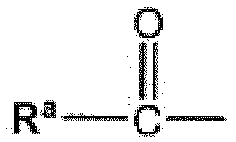
dans lequel ledit imidodiphosphate répond à la formule générale (I) X et Y peuvent être, indépendamment l'un de l'autre, identiques ou différents et représentent O, S, Se et NRN,Z1 à Z4 peuvent être, indépendamment les uns des autres, identiques ou différents et représentent O, S et NRN,n vaut 0 ou 1,W peut être un substituant qui est capable de former une liaison covalente ou ionique avec le fragment imidodiphosphate,R1 à R4 peuvent être, indépendamment les uns des autres, identiques ou différents et peuvent être chacun un groupe aliphatique, hétéroaliphatique, aromatique ou hétéroaromatique, chacun étant en outre facultativement substitué par un ou plusieurs hétérosubstituants, groupes aliphatiques, hétéroaliphatiques, aromatiques ou hétéroaromatiques, où R1 et R2 forment un système cyclique avec Z1 et Z2 et R3 et R4 forment un système cyclique avec Z3 and Z4, respectivement, etRN peut être sélectionné parmi un atome d'hydrogène, des hydrocarbures aliphatiques en C1 à C20 à chaîne linéaire, à chaîne ramifiée ou cycliques, ayant facultativement une ou plusieurs liaisons insaturées telles qu'un groupe alkyle en C1 à C20, un groupe alcényle en C2 à C20 ou un groupe alcynyle en C2 à C20, un groupe hétérocycloalkyle en C3 à C8 ou un hydrocarbure aromatique en C6 à C20 et des formes arène partiellement hydrogénées telles qu'un groupe aryle, un groupe arylalkyle en C1 à C6, un groupe hétéroarylalkyle en C1 à C6, chaque hydrocarbure étant facultativement substitué par un ou plusieurs groupes sélectionnés parmi les hydrocarbures aliphatiques en C1 à C20 à chaîne linéaire, à chaîne ramifiée ou cycliques, ayant facultativement une ou plusieurs liaisons insaturées telles qu'un groupe alkyle en C1 à C20, un groupe alcényle en C2 à C20 ou un groupe alcynyle en C2 à C20, un groupe hétérocycloalkyle en C3 à C8 ou un hydrocarbure aromatique en C6 à C20 et des formes arène partiellement hydrogénées telles qu'un groupe aryle, un groupe arylalkyle en C1 à C6, un groupe hétéroarylalkyle en C1 à C6 ou des hétérosubstituants,incluant ses formes tautomères et ioniques, et des dérivés de celui-ci.
 - Procédé selon la revendication 1, dans lequel le composé organique est un thioéther Rs1-S-Rs2 où Rs1 et Rs2 ont la signification donnée dans la revendication 1.
- Procédé selon l'une quelconque des revendications 1 à 2, dans lequel le peroxyde Rp-OOH est sélectionné parmi le peroxyde d'hydrogène, un hydroperoxyde aliphatique ou aromatique, un acide percarboxylique aliphatique ou aromatique ayant des hydrocarbures aliphatiques en C1 à C20 à chaîne linéaire, à chaîne ramifiée ou cycliques ou aromatiques en C6 à C20, ayant facultativement une ou plusieurs liaisons insaturées telles qu'un groupe alkyle en C1 à C20, un groupe alcényle en C2 à C20 ou un groupe alcynyle en C2 à C20, un groupe hétérocycloalkyle en C3 à C8 ou un hydrocarbure aromatique en C6 à C20 et des formes arène partiellement hydrogénées telles qu'un groupe aryle, un groupe arylalkyle en C1 à C6, un groupe hétéroarylalkyle en C1 à C6, chaque hydrocarbure étant facultativement substitué, ou des mélanges de ceux-ci.
- Procédé selon la revendication 1, dans lequel un imidodiphosphate chiral est utilisé, dans lequel dans la formule (I), Z1 à Z4 représentent O, n est 1, R1 à R4, R, X et Y ainsi que W sont tels que définis précédemment, comme représenté par la formule (II) :

- Procédé selon la revendication 1, dans lequel un imidodiphosphate chiral est utilisé, dans lequel au moins un fragment

- Procédé selon la revendication 4, dans lequel un imidodiphosphate chiral est utilisé, dans lequel dans la formule (I), Z1 à Z4 représentent O, n est 1, X et Y représentent O, R1 à R4 ainsi que W sont tels que définis précédemment, comme représenté par la formule (III) :

- Procédé selon la revendication 6, dans lequel dans ladite formule (III),
R1 à R4, peuvent être chacun respectivement sélectionnés parmi les hydrocarbures aliphatiques en C1 à C20 à chaîne linéaire, à chaîne ramifiée ou cycliques, ayant facultativement une ou plusieurs liaisons insaturées telles qu'un groupe alkyle en C1 à C20, un groupe alcényle en C2 à C20 ou un groupe alcynyle en C2 à C20, un groupe hétérocycloalkyle en C3 à C8 ou un hydrocarbure aromatique en C6 à C20 et des formes arène partiellement hydrogénées telles qu'un groupe aryle, un groupe arylalkyle en C1 à C6, un groupe hétéroarylalkyle en C1 à C6, chaque hydrocarbure étant facultativement substitué par un ou plusieurs groupes sélectionnés parmi les hydrocarbures aliphatiques en C1 à C20 à chaîne linéaire, à chaîne ramifiée ou cycliques, ayant facultativement une ou plusieurs liaisons insaturées telles qu'un groupe alkyle en C1 à C20, un groupe alcényle en C2 à C20 ou un groupe alcynyle en C2 à C20, un groupe hétérocycloalkyle en C3 à C8 ou un hydrocarbure aromatique en C6 à C20 et des formes arène partiellement hydrogénées telles qu'un groupe aryle, un groupe arylalkyle en C1 à C6, un groupe hétéroarylalkyle en C1 à C6 ou des hétérosubstituants, et
W peut être sélectionné parmi un atome d'hydrogène, -OH, un atome d'halogène, un métal tel que Li, Na, K, Rb, Cs, Be, Mg, Ca, Sr, Ba Sc, Ti, V, Cr, Mn, Fe, Co, Ni, Cu, Zn, Y, Zr, Mo, Ru, Rh, Pd, Ag, W, Re, Os, Ir, Pt, Au, Al, Pb, La, Sm, Eu, Yb, U, ou un groupe organique cationique, Rw ou un silicium substitué -SiRIRIIRIII, où Rw, RI, RII and RIII peuvent être identiques ou différents et chacun représente un atome d'hydrogène, un atome d'halogène, des hydrocarbures aliphatiques en C1 à C20 à chaîne linéaire, à chaîne ramifiée ou cycliques, ayant facultativement une ou plusieurs liaisons insaturées telles qu'un groupe alkyle en C1 à C20, un groupe alcényle en C2 à C20 ou un groupe alcynyle en C2 à C20, un groupe hétérocycloalkyle en C3 à C8 ou un hydrocarbure aromatique en C6 à C20 et des formes arène partiellement hydrogénées telles qu'un groupe aryle, un groupe arylalkyle en C1 à C6, un groupe hétéroarylalkyle en C1 à C6, chaque hydrocarbure étant facultativement substitué par un ou plusieurs groupes sélectionnés parmi les hydrocarbures aliphatiques en C1 à C20 à chaîne linéaire, à chaîne ramifiée ou cycliques, ayant facultativement une ou plusieurs liaisons insaturées telles qu'un groupe alkyle en C1 à C20, un groupe alcényle en C2 à C20 ou un groupe alcynyle en C2 à C20, un groupe hétérocycloalkyle en C3 à C8 ou un hydrocarbure aromatique en C6 à C20 et des formes arène partiellement hydrogénées telles qu'un groupe aryle, un groupe arylalkyle en C1 à C6, un groupe hétéroarylalkyle en C1 à C6 ou des hétérosubstituants,
incluant ses formes tautomères et ioniques, et des dérivés de celui-ci. - Procédé selon la revendication 6 ou 7, dans lequel, dans ladite formule (III), (R1 et R2) et (R3 et R4), forment chacun respectivement une structure cyclique qui peut être identique ou différente et est dérivée d'une structure aromatique pontée, facultativement dimérique, telle qu'un groupe biphényle facultativement substitué, BINOL, TADDOL, VAPOL, SPINOL, 1,1'-binaphtalène, 1,1'-bianthracène, 1,1-biphénanthrène, ou une forme arène partiellement hydrogénée d'une telle structure cyclique aromatique telle que le 8H-BINOL, chacun desdits systèmes cycliques étant facultativement substitué par un ou plusieurs substituants qui peuvent être identiques ou différents sur chaque position et peuvent être chacun sélectionnés parmi un atome d'hydrogène, des hétérosubstituants, des hydrocarbures aliphatiques en C1 à C20 à chaîne linéaire, à chaîne ramifiée ou cycliques, ayant facultativement une ou plusieurs liaisons insaturées telles qu'un groupe alkyle en C1 à C20, un groupe alcényle en C2 à C20 ou un groupe alcynyle en C2 à C20, un groupe hétérocycloalkyle en C3 à C8 ou un hydrocarbure aromatique en C6 à C20 et des formes arène partiellement hydrogénées telles qu'un groupe aryle, un groupe arylalkyle en C1 à C6, un groupe hétéroarylalkyle en C1 à C6, chaque hydrocarbure étant facultativement substitué par un ou plusieurs groupes sélectionnés parmi les hydrocarbures aliphatiques en C1 à C20 à chaîne linéaire, à chaîne ramifiée ou cycliques, ayant facultativement une ou plusieurs liaisons insaturées telles qu'un groupe alkyle en C1 à C20, un groupe alcényle en C2 à C20 ou un groupe alcynyle en C2 à C20, un groupe hétérocycloalkyle en C3 à C8 ou un hydrocarbure aromatique en C6 à C20 et des formes arène partiellement hydrogénées telles qu'un groupe aryle, un groupe arylalkyle en C1 à C6, un groupe hétéroarylalkyle en C1 à C6 ou un hétérosubstituant, et
W est tel que défini précédemment,
incluant ses formes tautomères et ioniques, et des dérivés de celui-ci. - Procédé selon la revendication 1, dans lequel le composé de formule (I) peut être représenté par la formule (IV) :

W a la signification comme défini dans la revendication 5. - Procédé selon l'une quelconque des revendications 1 à 9, dans lequel au moins une desdites structures cycliques formées par (R1 et R2) ou (R3 et R4) est chirale, de préférence avec un axe de symétrie C2.
- Procédé selon l'une quelconque des revendications 1 à 9, dans lequel les structures cycliques formées respectivement par (R1 et R2) ou (R3 et R4) sont identiques.
- Procédé selon la revendication 1, dans lequel un imidodiphosphate chiral est utilisé, représenté par la formule (IVa) suivante :

W est tel que défini dans la revendication 1,
y compris ses tautomères et formes ioniques, et des dérivés de celui-ci. - Procédé selon l'une quelconque des revendications 1 à 3, dans lequel le composé organique est oxydé de manière énantiosélective par un composé peroxyde en présence d'un catalyseur imidodiphosphate chiral, ledit imidodiphosphate étant représenté par la formule générale (I) définie ci-dessus.
- Procédé selon l'une quelconque des revendications 1 à 13, dans lequel, dans la formule ci-dessus, W représente un atome d'hydrogène.
Priority Applications (1)
| Application Number | Priority Date | Filing Date | Title |
|---|---|---|---|
| EP13700986.6A EP2802560B1 (fr) | 2012-01-10 | 2013-01-08 | Procédé pour l'oxydation asymétrique de composés organiques avec des peroxydes en présence d'un catalyseur acide chiral |
Applications Claiming Priority (4)
| Application Number | Priority Date | Filing Date | Title |
|---|---|---|---|
| EP12150663.8A EP2615098A1 (fr) | 2012-01-10 | 2012-01-10 | Imidodiphosphates chiraux et dérivés associés |
| EP12158469.2A EP2615083A1 (fr) | 2012-01-10 | 2012-03-07 | Procédé pour l'oxydation asymétrique de composés organiques avec des peroxydes en présence d'un catalyseur acide chiral |
| PCT/EP2013/050190 WO2013104605A2 (fr) | 2012-01-10 | 2013-01-08 | Procédé pour l'oxydation asymétrique de composés organiques avec des peroxydes en présence d'un catalyseur acide chiral |
| EP13700986.6A EP2802560B1 (fr) | 2012-01-10 | 2013-01-08 | Procédé pour l'oxydation asymétrique de composés organiques avec des peroxydes en présence d'un catalyseur acide chiral |
Publications (2)
| Publication Number | Publication Date |
|---|---|
| EP2802560A2 EP2802560A2 (fr) | 2014-11-19 |
| EP2802560B1 true EP2802560B1 (fr) | 2018-03-07 |
Family
ID=47603609
Family Applications (2)
| Application Number | Title | Priority Date | Filing Date |
|---|---|---|---|
| EP12158469.2A Withdrawn EP2615083A1 (fr) | 2012-01-10 | 2012-03-07 | Procédé pour l'oxydation asymétrique de composés organiques avec des peroxydes en présence d'un catalyseur acide chiral |
| EP13700986.6A Active EP2802560B1 (fr) | 2012-01-10 | 2013-01-08 | Procédé pour l'oxydation asymétrique de composés organiques avec des peroxydes en présence d'un catalyseur acide chiral |
Family Applications Before (1)
| Application Number | Title | Priority Date | Filing Date |
|---|---|---|---|
| EP12158469.2A Withdrawn EP2615083A1 (fr) | 2012-01-10 | 2012-03-07 | Procédé pour l'oxydation asymétrique de composés organiques avec des peroxydes en présence d'un catalyseur acide chiral |
Country Status (10)
| Country | Link |
|---|---|
| US (1) | US9932305B2 (fr) |
| EP (2) | EP2615083A1 (fr) |
| JP (1) | JP6312603B2 (fr) |
| KR (1) | KR102017923B1 (fr) |
| CN (1) | CN104144911A (fr) |
| AU (1) | AU2013209049B2 (fr) |
| BR (1) | BR112014016825B1 (fr) |
| CA (1) | CA2860493C (fr) |
| ES (1) | ES2671038T3 (fr) |
| WO (1) | WO2013104605A2 (fr) |
Families Citing this family (9)
| Publication number | Priority date | Publication date | Assignee | Title |
|---|---|---|---|---|
| EP3030635B1 (fr) * | 2013-08-06 | 2019-01-30 | The Scripps Research Institute | Conversion d'alcanes en composés organiques du sélénium et du tellure |
| EP3112353A1 (fr) * | 2015-06-30 | 2017-01-04 | Studiengesellschaft Kohle MbH | Sulfuranes d'imidazolium substitués et leur utilisation |
| EP3138845A1 (fr) * | 2015-09-01 | 2017-03-08 | Studiengesellschaft Kohle MbH | Phosphoramidimidates chiraux et leurs dérivés |
| CN106311330B (zh) * | 2016-08-24 | 2018-12-28 | 安徽师范大学 | 离子对型稀土金属催化剂及其制备方法和应用 |
| CR20210175A (es) | 2018-09-18 | 2021-06-01 | Nikang Therapeutics Inc | Derivados de anillo tricíclico condensado como inhibidores de la fosfatasa de homología a src 2 (shp2) |
| CN110407809A (zh) * | 2019-08-29 | 2019-11-05 | 湖州安屹诺生物医药科技有限公司 | 一种质子泵抑制剂埃索美拉唑的合成方法 |
| US11345681B1 (en) | 2020-06-05 | 2022-05-31 | Kinnate Biopharma Inc. | Inhibitors of fibroblast growth factor receptor kinases |
| CN113042073B (zh) * | 2021-03-24 | 2023-03-03 | 石河子大学 | 一种用于乙炔二聚反应的催化剂及其应用 |
| CN114733566B (zh) * | 2022-01-30 | 2023-10-31 | 上海师范大学 | 一种基于binol骨架的手性超强碳酸催化剂及其制备方法与应用 |
Family Cites Families (4)
| Publication number | Priority date | Publication date | Assignee | Title |
|---|---|---|---|---|
| DE10061981C2 (de) | 2000-12-13 | 2003-03-27 | Webasto Vehicle Sys Int Gmbh | Fahrzeugdach mit einer Dachöffnung und zumindest einem bewegbaren Deckel |
| JP4556869B2 (ja) * | 2003-04-25 | 2010-10-06 | 東亞合成株式会社 | キラルなブレンステッド酸を触媒として用いる不斉合成方法 |
| US8367871B2 (en) * | 2007-03-09 | 2013-02-05 | Nissan Chemical Industries, Ltd. | Process for production of optically active sulfoxide compound using iron-salan complex catalyst |
| WO2008152462A1 (fr) * | 2007-06-15 | 2008-12-18 | Emcure Pharmaceuticals Limited | Procédé de sulfoxydation de composés biologiquement actifs |
-
2012
- 2012-03-07 EP EP12158469.2A patent/EP2615083A1/fr not_active Withdrawn
-
2013
- 2013-01-08 BR BR112014016825A patent/BR112014016825B1/pt active IP Right Grant
- 2013-01-08 JP JP2014551589A patent/JP6312603B2/ja active Active
- 2013-01-08 WO PCT/EP2013/050190 patent/WO2013104605A2/fr not_active Ceased
- 2013-01-08 EP EP13700986.6A patent/EP2802560B1/fr active Active
- 2013-01-08 US US14/371,333 patent/US9932305B2/en active Active
- 2013-01-08 KR KR1020147020827A patent/KR102017923B1/ko active Active
- 2013-01-08 CA CA2860493A patent/CA2860493C/fr active Active
- 2013-01-08 AU AU2013209049A patent/AU2013209049B2/en active Active
- 2013-01-08 CN CN201380005110.0A patent/CN104144911A/zh active Pending
- 2013-01-08 ES ES13700986.6T patent/ES2671038T3/es active Active
Also Published As
| Publication number | Publication date |
|---|---|
| CA2860493C (fr) | 2021-09-21 |
| US20150005527A1 (en) | 2015-01-01 |
| KR102017923B1 (ko) | 2019-09-03 |
| EP2615083A1 (fr) | 2013-07-17 |
| ES2671038T3 (es) | 2018-06-04 |
| JP2015509093A (ja) | 2015-03-26 |
| WO2013104605A2 (fr) | 2013-07-18 |
| AU2013209049B2 (en) | 2017-05-04 |
| BR112014016825A2 (pt) | 2017-06-13 |
| CN104144911A (zh) | 2014-11-12 |
| BR112014016825B1 (pt) | 2019-12-17 |
| EP2802560A2 (fr) | 2014-11-19 |
| US9932305B2 (en) | 2018-04-03 |
| JP6312603B2 (ja) | 2018-04-18 |
| AU2013209049A1 (en) | 2014-07-24 |
| KR20140110006A (ko) | 2014-09-16 |
| CA2860493A1 (fr) | 2013-07-18 |
| BR112014016825A8 (pt) | 2017-07-04 |
| WO2013104605A3 (fr) | 2013-09-26 |
Similar Documents
| Publication | Publication Date | Title |
|---|---|---|
| EP2802560B1 (fr) | Procédé pour l'oxydation asymétrique de composés organiques avec des peroxydes en présence d'un catalyseur acide chiral | |
| KR100290516B1 (ko) | 레트로바이러스프로테아제억제인자의합성에유용한중간생성물의제조방법 | |
| US8097738B2 (en) | Ruthenium (II) catalysts for use in stereoselective cyclopropanations | |
| US11084834B2 (en) | Chiral phosphoramidimidates and derivatives thereof | |
| US20240083829A1 (en) | Process for the asymmetric synthesis of isopiperitenol | |
| US7714167B2 (en) | Catalytic asymmetric epoxidation | |
| KR102133884B1 (ko) | 섬유 원료 상에 촉매를 고정화하는 방법, 수득한 섬유 원료 및 이 원료의 용도 | |
| JP3759950B2 (ja) | オキシラン、アジリジンまたはシクロプロパンの製造法 | |
| CN102584715A (zh) | 手性螺环磷酸催化合成光学活性二氢嘧啶硫代酮衍生物的方法 | |
| EP2403842B1 (fr) | Disulfonimides chiraux | |
| JP5523355B2 (ja) | キラルのα,β−エポキシケトンの製造方法 | |
| US12534484B2 (en) | Process for preparing dimeric phosphazene derived BrØnsted acids | |
| EP3981775A1 (fr) | Procédé de préparation d'acides de brønsted dimériques dérivés du phosphazène | |
| KR101960859B1 (ko) | 키랄 2-플루오르-1,3-다이케톤 유도체의 제조방법 | |
| JPH04124181A (ja) | キラルヒドロペルオキシドを用いる不斉エポキシ化方法 | |
| IL301586A (en) | Metal-catalyzed double hydroboration of nitrogen heterocyclics | |
| WO2000056448A1 (fr) | Catalyseur et procede de production d'esters et d'acides amino beta optiquement actifs | |
| JPH06256363A (ja) | 光学活性なシリル化合物の製造法 |
Legal Events
| Date | Code | Title | Description |
|---|---|---|---|
| PUAI | Public reference made under article 153(3) epc to a published international application that has entered the european phase |
Free format text: ORIGINAL CODE: 0009012 |
|
| 17P | Request for examination filed |
Effective date: 20140701 |
|
| AK | Designated contracting states |
Kind code of ref document: A2 Designated state(s): AL AT BE BG CH CY CZ DE DK EE ES FI FR GB GR HR HU IE IS IT LI LT LU LV MC MK MT NL NO PL PT RO RS SE SI SK SM TR |
|
| DAX | Request for extension of the european patent (deleted) | ||
| 17Q | First examination report despatched |
Effective date: 20150731 |
|
| GRAP | Despatch of communication of intention to grant a patent |
Free format text: ORIGINAL CODE: EPIDOSNIGR1 |
|
| INTG | Intention to grant announced |
Effective date: 20160519 |
|
| GRAJ | Information related to disapproval of communication of intention to grant by the applicant or resumption of examination proceedings by the epo deleted |
Free format text: ORIGINAL CODE: EPIDOSDIGR1 |
|
| INTC | Intention to grant announced (deleted) | ||
| GRAP | Despatch of communication of intention to grant a patent |
Free format text: ORIGINAL CODE: EPIDOSNIGR1 |
|
| INTG | Intention to grant announced |
Effective date: 20160927 |
|
| GRAJ | Information related to disapproval of communication of intention to grant by the applicant or resumption of examination proceedings by the epo deleted |
Free format text: ORIGINAL CODE: EPIDOSDIGR1 |
|
| STAA | Information on the status of an ep patent application or granted ep patent |
Free format text: STATUS: EXAMINATION IS IN PROGRESS |
|
| REG | Reference to a national code |
Ref country code: DE Ref legal event code: R079 Ref document number: 602013033986 Country of ref document: DE Free format text: PREVIOUS MAIN CLASS: C07C0315020000 Ipc: C07F0009657100 |
|
| GRAP | Despatch of communication of intention to grant a patent |
Free format text: ORIGINAL CODE: EPIDOSNIGR1 |
|
| STAA | Information on the status of an ep patent application or granted ep patent |
Free format text: STATUS: GRANT OF PATENT IS INTENDED |
|
| INTC | Intention to grant announced (deleted) | ||
| INTG | Intention to grant announced |
Effective date: 20170210 |
|
| RIC1 | Information provided on ipc code assigned before grant |
Ipc: C07B 45/04 20060101ALI20170202BHEP Ipc: C07F 9/6571 20060101AFI20170202BHEP Ipc: C07C 315/02 20060101ALI20170202BHEP Ipc: C07D 493/10 20060101ALI20170202BHEP Ipc: C07F 9/6574 20060101ALI20170202BHEP Ipc: B01J 31/02 20060101ALI20170202BHEP Ipc: C07B 53/00 20060101ALI20170202BHEP |
|
| GRAJ | Information related to disapproval of communication of intention to grant by the applicant or resumption of examination proceedings by the epo deleted |
Free format text: ORIGINAL CODE: EPIDOSDIGR1 |
|
| STAA | Information on the status of an ep patent application or granted ep patent |
Free format text: STATUS: EXAMINATION IS IN PROGRESS |
|
| INTC | Intention to grant announced (deleted) | ||
| GRAS | Grant fee paid |
Free format text: ORIGINAL CODE: EPIDOSNIGR3 |
|
| STAA | Information on the status of an ep patent application or granted ep patent |
Free format text: STATUS: GRANT OF PATENT IS INTENDED |
|
| GRAP | Despatch of communication of intention to grant a patent |
Free format text: ORIGINAL CODE: EPIDOSNIGR1 |
|
| INTG | Intention to grant announced |
Effective date: 20170803 |
|
| GRAJ | Information related to disapproval of communication of intention to grant by the applicant or resumption of examination proceedings by the epo deleted |
Free format text: ORIGINAL CODE: EPIDOSDIGR1 |
|
| GRAL | Information related to payment of fee for publishing/printing deleted |
Free format text: ORIGINAL CODE: EPIDOSDIGR3 |
|
| STAA | Information on the status of an ep patent application or granted ep patent |
Free format text: STATUS: EXAMINATION IS IN PROGRESS |
|
| GRAJ | Information related to disapproval of communication of intention to grant by the applicant or resumption of examination proceedings by the epo deleted |
Free format text: ORIGINAL CODE: EPIDOSDIGR1 |
|
| STAA | Information on the status of an ep patent application or granted ep patent |
Free format text: STATUS: GRANT OF PATENT IS INTENDED |
|
| GRAP | Despatch of communication of intention to grant a patent |
Free format text: ORIGINAL CODE: EPIDOSNIGR1 |
|
| INTC | Intention to grant announced (deleted) | ||
| INTG | Intention to grant announced |
Effective date: 20171206 |
|
| GRAA | (expected) grant |
Free format text: ORIGINAL CODE: 0009210 |
|
| STAA | Information on the status of an ep patent application or granted ep patent |
Free format text: STATUS: THE PATENT HAS BEEN GRANTED |
|
| AK | Designated contracting states |
Kind code of ref document: B1 Designated state(s): AL AT BE BG CH CY CZ DE DK EE ES FI FR GB GR HR HU IE IS IT LI LT LU LV MC MK MT NL NO PL PT RO RS SE SI SK SM TR |
|
| REG | Reference to a national code |
Ref country code: GB Ref legal event code: FG4D |
|
| REG | Reference to a national code |
Ref country code: CH Ref legal event code: EP Ref country code: AT Ref legal event code: REF Ref document number: 976443 Country of ref document: AT Kind code of ref document: T Effective date: 20180315 |
|
| REG | Reference to a national code |
Ref country code: IE Ref legal event code: FG4D |
|
| REG | Reference to a national code |
Ref country code: DE Ref legal event code: R096 Ref document number: 602013033986 Country of ref document: DE |
|
| REG | Reference to a national code |
Ref country code: ES Ref legal event code: FG2A Ref document number: 2671038 Country of ref document: ES Kind code of ref document: T3 Effective date: 20180604 |
|
| REG | Reference to a national code |
Ref country code: NL Ref legal event code: FP |
|
| REG | Reference to a national code |
Ref country code: LT Ref legal event code: MG4D |
|
| PG25 | Lapsed in a contracting state [announced via postgrant information from national office to epo] |
Ref country code: LT Free format text: LAPSE BECAUSE OF FAILURE TO SUBMIT A TRANSLATION OF THE DESCRIPTION OR TO PAY THE FEE WITHIN THE PRESCRIBED TIME-LIMIT Effective date: 20180307 Ref country code: HR Free format text: LAPSE BECAUSE OF FAILURE TO SUBMIT A TRANSLATION OF THE DESCRIPTION OR TO PAY THE FEE WITHIN THE PRESCRIBED TIME-LIMIT Effective date: 20180307 Ref country code: NO Free format text: LAPSE BECAUSE OF FAILURE TO SUBMIT A TRANSLATION OF THE DESCRIPTION OR TO PAY THE FEE WITHIN THE PRESCRIBED TIME-LIMIT Effective date: 20180607 Ref country code: FI Free format text: LAPSE BECAUSE OF FAILURE TO SUBMIT A TRANSLATION OF THE DESCRIPTION OR TO PAY THE FEE WITHIN THE PRESCRIBED TIME-LIMIT Effective date: 20180307 Ref country code: CY Free format text: LAPSE BECAUSE OF FAILURE TO SUBMIT A TRANSLATION OF THE DESCRIPTION OR TO PAY THE FEE WITHIN THE PRESCRIBED TIME-LIMIT Effective date: 20180307 |
|
| REG | Reference to a national code |
Ref country code: AT Ref legal event code: MK05 Ref document number: 976443 Country of ref document: AT Kind code of ref document: T Effective date: 20180307 |
|
| PG25 | Lapsed in a contracting state [announced via postgrant information from national office to epo] |
Ref country code: LV Free format text: LAPSE BECAUSE OF FAILURE TO SUBMIT A TRANSLATION OF THE DESCRIPTION OR TO PAY THE FEE WITHIN THE PRESCRIBED TIME-LIMIT Effective date: 20180307 Ref country code: SE Free format text: LAPSE BECAUSE OF FAILURE TO SUBMIT A TRANSLATION OF THE DESCRIPTION OR TO PAY THE FEE WITHIN THE PRESCRIBED TIME-LIMIT Effective date: 20180307 Ref country code: GR Free format text: LAPSE BECAUSE OF FAILURE TO SUBMIT A TRANSLATION OF THE DESCRIPTION OR TO PAY THE FEE WITHIN THE PRESCRIBED TIME-LIMIT Effective date: 20180608 Ref country code: BG Free format text: LAPSE BECAUSE OF FAILURE TO SUBMIT A TRANSLATION OF THE DESCRIPTION OR TO PAY THE FEE WITHIN THE PRESCRIBED TIME-LIMIT Effective date: 20180607 Ref country code: RS Free format text: LAPSE BECAUSE OF FAILURE TO SUBMIT A TRANSLATION OF THE DESCRIPTION OR TO PAY THE FEE WITHIN THE PRESCRIBED TIME-LIMIT Effective date: 20180307 |
|
| PG25 | Lapsed in a contracting state [announced via postgrant information from national office to epo] |
Ref country code: AL Free format text: LAPSE BECAUSE OF FAILURE TO SUBMIT A TRANSLATION OF THE DESCRIPTION OR TO PAY THE FEE WITHIN THE PRESCRIBED TIME-LIMIT Effective date: 20180307 Ref country code: EE Free format text: LAPSE BECAUSE OF FAILURE TO SUBMIT A TRANSLATION OF THE DESCRIPTION OR TO PAY THE FEE WITHIN THE PRESCRIBED TIME-LIMIT Effective date: 20180307 Ref country code: PL Free format text: LAPSE BECAUSE OF FAILURE TO SUBMIT A TRANSLATION OF THE DESCRIPTION OR TO PAY THE FEE WITHIN THE PRESCRIBED TIME-LIMIT Effective date: 20180307 Ref country code: RO Free format text: LAPSE BECAUSE OF FAILURE TO SUBMIT A TRANSLATION OF THE DESCRIPTION OR TO PAY THE FEE WITHIN THE PRESCRIBED TIME-LIMIT Effective date: 20180307 |
|
| PG25 | Lapsed in a contracting state [announced via postgrant information from national office to epo] |
Ref country code: SM Free format text: LAPSE BECAUSE OF FAILURE TO SUBMIT A TRANSLATION OF THE DESCRIPTION OR TO PAY THE FEE WITHIN THE PRESCRIBED TIME-LIMIT Effective date: 20180307 Ref country code: SK Free format text: LAPSE BECAUSE OF FAILURE TO SUBMIT A TRANSLATION OF THE DESCRIPTION OR TO PAY THE FEE WITHIN THE PRESCRIBED TIME-LIMIT Effective date: 20180307 Ref country code: CZ Free format text: LAPSE BECAUSE OF FAILURE TO SUBMIT A TRANSLATION OF THE DESCRIPTION OR TO PAY THE FEE WITHIN THE PRESCRIBED TIME-LIMIT Effective date: 20180307 Ref country code: AT Free format text: LAPSE BECAUSE OF FAILURE TO SUBMIT A TRANSLATION OF THE DESCRIPTION OR TO PAY THE FEE WITHIN THE PRESCRIBED TIME-LIMIT Effective date: 20180307 |
|
| REG | Reference to a national code |
Ref country code: DE Ref legal event code: R097 Ref document number: 602013033986 Country of ref document: DE |
|
| PG25 | Lapsed in a contracting state [announced via postgrant information from national office to epo] |
Ref country code: PT Free format text: LAPSE BECAUSE OF FAILURE TO SUBMIT A TRANSLATION OF THE DESCRIPTION OR TO PAY THE FEE WITHIN THE PRESCRIBED TIME-LIMIT Effective date: 20180709 |
|
| PLBE | No opposition filed within time limit |
Free format text: ORIGINAL CODE: 0009261 |
|
| STAA | Information on the status of an ep patent application or granted ep patent |
Free format text: STATUS: NO OPPOSITION FILED WITHIN TIME LIMIT |
|
| PG25 | Lapsed in a contracting state [announced via postgrant information from national office to epo] |
Ref country code: DK Free format text: LAPSE BECAUSE OF FAILURE TO SUBMIT A TRANSLATION OF THE DESCRIPTION OR TO PAY THE FEE WITHIN THE PRESCRIBED TIME-LIMIT Effective date: 20180307 |
|
| 26N | No opposition filed |
Effective date: 20181210 |
|
| PG25 | Lapsed in a contracting state [announced via postgrant information from national office to epo] |
Ref country code: SI Free format text: LAPSE BECAUSE OF FAILURE TO SUBMIT A TRANSLATION OF THE DESCRIPTION OR TO PAY THE FEE WITHIN THE PRESCRIBED TIME-LIMIT Effective date: 20180307 |
|
| PG25 | Lapsed in a contracting state [announced via postgrant information from national office to epo] |
Ref country code: MC Free format text: LAPSE BECAUSE OF FAILURE TO SUBMIT A TRANSLATION OF THE DESCRIPTION OR TO PAY THE FEE WITHIN THE PRESCRIBED TIME-LIMIT Effective date: 20180307 |
|
| PG25 | Lapsed in a contracting state [announced via postgrant information from national office to epo] |
Ref country code: LU Free format text: LAPSE BECAUSE OF NON-PAYMENT OF DUE FEES Effective date: 20190108 |
|
| PG25 | Lapsed in a contracting state [announced via postgrant information from national office to epo] |
Ref country code: TR Free format text: LAPSE BECAUSE OF FAILURE TO SUBMIT A TRANSLATION OF THE DESCRIPTION OR TO PAY THE FEE WITHIN THE PRESCRIBED TIME-LIMIT Effective date: 20180307 |
|
| PG25 | Lapsed in a contracting state [announced via postgrant information from national office to epo] |
Ref country code: MT Free format text: LAPSE BECAUSE OF NON-PAYMENT OF DUE FEES Effective date: 20190108 |
|
| PG25 | Lapsed in a contracting state [announced via postgrant information from national office to epo] |
Ref country code: IS Free format text: LAPSE BECAUSE OF FAILURE TO SUBMIT A TRANSLATION OF THE DESCRIPTION OR TO PAY THE FEE WITHIN THE PRESCRIBED TIME-LIMIT Effective date: 20180707 |
|
| PG25 | Lapsed in a contracting state [announced via postgrant information from national office to epo] |
Ref country code: HU Free format text: LAPSE BECAUSE OF FAILURE TO SUBMIT A TRANSLATION OF THE DESCRIPTION OR TO PAY THE FEE WITHIN THE PRESCRIBED TIME-LIMIT; INVALID AB INITIO Effective date: 20130108 |
|
| PG25 | Lapsed in a contracting state [announced via postgrant information from national office to epo] |
Ref country code: MK Free format text: LAPSE BECAUSE OF FAILURE TO SUBMIT A TRANSLATION OF THE DESCRIPTION OR TO PAY THE FEE WITHIN THE PRESCRIBED TIME-LIMIT Effective date: 20180307 |
|
| P01 | Opt-out of the competence of the unified patent court (upc) registered |
Effective date: 20230528 |
|
| REG | Reference to a national code |
Ref country code: CH Ref legal event code: U11 Free format text: ST27 STATUS EVENT CODE: U-0-0-U10-U11 (AS PROVIDED BY THE NATIONAL OFFICE) Effective date: 20260201 |
|
| PGFP | Annual fee paid to national office [announced via postgrant information from national office to epo] |
Ref country code: NL Payment date: 20260121 Year of fee payment: 14 |
|
| PGFP | Annual fee paid to national office [announced via postgrant information from national office to epo] |
Ref country code: GB Payment date: 20260123 Year of fee payment: 14 |
|
| PGFP | Annual fee paid to national office [announced via postgrant information from national office to epo] |
Ref country code: ES Payment date: 20260227 Year of fee payment: 14 |
|
| PGFP | Annual fee paid to national office [announced via postgrant information from national office to epo] |
Ref country code: IE Payment date: 20260122 Year of fee payment: 14 Ref country code: DE Payment date: 20260121 Year of fee payment: 14 |
|
| PGFP | Annual fee paid to national office [announced via postgrant information from national office to epo] |
Ref country code: BE Payment date: 20260121 Year of fee payment: 14 Ref country code: IT Payment date: 20260126 Year of fee payment: 14 |
|
| PGFP | Annual fee paid to national office [announced via postgrant information from national office to epo] |
Ref country code: FR Payment date: 20260123 Year of fee payment: 14 |
|
| PGFP | Annual fee paid to national office [announced via postgrant information from national office to epo] |
Ref country code: CH Payment date: 20260201 Year of fee payment: 14 |