EP3064199A1 - Formulations transdermiques empêchant les abus constituées d'agonistes et d'agonistes/antagonistes d'opiacés - Google Patents
Formulations transdermiques empêchant les abus constituées d'agonistes et d'agonistes/antagonistes d'opiacés Download PDFInfo
- Publication number
- EP3064199A1 EP3064199A1 EP16151271.0A EP16151271A EP3064199A1 EP 3064199 A1 EP3064199 A1 EP 3064199A1 EP 16151271 A EP16151271 A EP 16151271A EP 3064199 A1 EP3064199 A1 EP 3064199A1
- Authority
- EP
- European Patent Office
- Prior art keywords
- opioid
- antagonist
- prodrug
- mil
- layer
- Prior art date
- Legal status (The legal status is an assumption and is not a legal conclusion. Google has not performed a legal analysis and makes no representation as to the accuracy of the status listed.)
- Granted
Links
- 0 C**([C@](C[C@]1(*CC2)[C@@](Cc(cc3)c4C5)N(CC6*C6)CCC1)C(C(C)(C)C)=C)[C@]25Oc4c3OC(OC)=* Chemical compound C**([C@](C[C@]1(*CC2)[C@@](Cc(cc3)c4C5)N(CC6*C6)CCC1)C(C(C)(C)C)=C)[C@]25Oc4c3OC(OC)=* 0.000 description 1
- RYEGHKOSNXWKEW-KXJVAAOYSA-N CC(C)(C)[C@](C)([C@@H](C[C@](CC1)([C@@H](Cc2ccc3OC(OCCOCCOC)=O)N(CC4CC4)CC4)[C@]44c2c3O[C@@]42C)[C@]12OC)O Chemical compound CC(C)(C)[C@](C)([C@@H](C[C@](CC1)([C@@H](Cc2ccc3OC(OCCOCCOC)=O)N(CC4CC4)CC4)[C@]44c2c3O[C@@]42C)[C@]12OC)O RYEGHKOSNXWKEW-KXJVAAOYSA-N 0.000 description 1
Images

Classifications
-
- A—HUMAN NECESSITIES
- A61—MEDICAL OR VETERINARY SCIENCE; HYGIENE
- A61K—PREPARATIONS FOR MEDICAL, DENTAL OR TOILETRY PURPOSES
- A61K9/00—Medicinal preparations characterised by special physical form
- A61K9/70—Web, sheet or filament bases ; Films; Fibres of the matrix type containing drug
- A61K9/7023—Transdermal patches and similar drug-containing composite devices, e.g. cataplasms
- A61K9/703—Transdermal patches and similar drug-containing composite devices, e.g. cataplasms characterised by shape or structure; Details concerning release liner or backing; Refillable patches; User-activated patches
- A61K9/7092—Transdermal patches having multiple drug layers or reservoirs, e.g. for obtaining a specific release pattern, or for combining different drugs
-
- A—HUMAN NECESSITIES
- A61—MEDICAL OR VETERINARY SCIENCE; HYGIENE
- A61K—PREPARATIONS FOR MEDICAL, DENTAL OR TOILETRY PURPOSES
- A61K47/00—Medicinal preparations characterised by the non-active ingredients used, e.g. carriers or inert additives; Targeting or modifying agents chemically bound to the active ingredient
- A61K47/30—Macromolecular organic or inorganic compounds, e.g. inorganic polyphosphates
- A61K47/36—Polysaccharides; Derivatives thereof, e.g. gums, starch, alginate, dextrin, hyaluronic acid, chitosan, inulin, agar or pectin
- A61K47/38—Cellulose; Derivatives thereof
-
- A—HUMAN NECESSITIES
- A61—MEDICAL OR VETERINARY SCIENCE; HYGIENE
- A61P—SPECIFIC THERAPEUTIC ACTIVITY OF CHEMICAL COMPOUNDS OR MEDICINAL PREPARATIONS
- A61P25/00—Drugs for disorders of the nervous system
-
- A—HUMAN NECESSITIES
- A61—MEDICAL OR VETERINARY SCIENCE; HYGIENE
- A61P—SPECIFIC THERAPEUTIC ACTIVITY OF CHEMICAL COMPOUNDS OR MEDICINAL PREPARATIONS
- A61P25/00—Drugs for disorders of the nervous system
- A61P25/04—Centrally acting analgesics, e.g. opioids
-
- A—HUMAN NECESSITIES
- A61—MEDICAL OR VETERINARY SCIENCE; HYGIENE
- A61P—SPECIFIC THERAPEUTIC ACTIVITY OF CHEMICAL COMPOUNDS OR MEDICINAL PREPARATIONS
- A61P25/00—Drugs for disorders of the nervous system
- A61P25/24—Antidepressants
-
- A—HUMAN NECESSITIES
- A61—MEDICAL OR VETERINARY SCIENCE; HYGIENE
- A61P—SPECIFIC THERAPEUTIC ACTIVITY OF CHEMICAL COMPOUNDS OR MEDICINAL PREPARATIONS
- A61P25/00—Drugs for disorders of the nervous system
- A61P25/30—Drugs for disorders of the nervous system for treating abuse or dependence
-
- A—HUMAN NECESSITIES
- A61—MEDICAL OR VETERINARY SCIENCE; HYGIENE
- A61P—SPECIFIC THERAPEUTIC ACTIVITY OF CHEMICAL COMPOUNDS OR MEDICINAL PREPARATIONS
- A61P25/00—Drugs for disorders of the nervous system
- A61P25/30—Drugs for disorders of the nervous system for treating abuse or dependence
- A61P25/32—Alcohol-abuse
-
- A—HUMAN NECESSITIES
- A61—MEDICAL OR VETERINARY SCIENCE; HYGIENE
- A61P—SPECIFIC THERAPEUTIC ACTIVITY OF CHEMICAL COMPOUNDS OR MEDICINAL PREPARATIONS
- A61P25/00—Drugs for disorders of the nervous system
- A61P25/30—Drugs for disorders of the nervous system for treating abuse or dependence
- A61P25/36—Opioid-abuse
-
- A—HUMAN NECESSITIES
- A61—MEDICAL OR VETERINARY SCIENCE; HYGIENE
- A61P—SPECIFIC THERAPEUTIC ACTIVITY OF CHEMICAL COMPOUNDS OR MEDICINAL PREPARATIONS
- A61P43/00—Drugs for specific purposes, not provided for in groups A61P1/00-A61P41/00
-
- Y—GENERAL TAGGING OF NEW TECHNOLOGICAL DEVELOPMENTS; GENERAL TAGGING OF CROSS-SECTIONAL TECHNOLOGIES SPANNING OVER SEVERAL SECTIONS OF THE IPC; TECHNICAL SUBJECTS COVERED BY FORMER USPC CROSS-REFERENCE ART COLLECTIONS [XRACs] AND DIGESTS
- Y10—TECHNICAL SUBJECTS COVERED BY FORMER USPC
- Y10T—TECHNICAL SUBJECTS COVERED BY FORMER US CLASSIFICATION
- Y10T156/00—Adhesive bonding and miscellaneous chemical manufacture
- Y10T156/10—Methods of surface bonding and/or assembly therefor
Definitions
- opioid agonists opioid agonist-antagonist or prodrugs of the foregoing in an abuse-resistant formulation and dosage form for transdermal delivery of the opioid agonist, opioid agonist-antagonist or prodrugs of the foregoing.
- Opioids have long been recognized as one of the most effective treatments of pain. However, they also have a high potential of abuse. In fact, opioid and narcotic abuse are major worldwide problems connected with tremendous social and personal strife. As of 1992, the estimated United States economic cost of drug and alcohol abuse was $246 billion. A recent National Household Survey on Drug Abuse survey conducted by the Substance Abuse and Mental Health Services Administration reported in July 2007 that nearly one in twelve full-time workers in the United States have serious enough drug/alcohol problems to require medical treatment. Providing recovery assistance for drug addicts and alcoholics with pharmacological interventions has proven helpful.
- the Food and Drug Administration (“FDA”) has recently emphasized the importance of reducing the risk of opioid abuse.
- FDA Food and Drug Administration
- the manufactures will be required to develop Risk Evaluation and Mitigations Strategies to ensure proper opioid use.
- an opioid agonist or agonist-antagonist such as buprenorphine
- the formulation or dosage form used to deliver the opioid agonist or agonist-antagonist is resistant to possible abuse or other illicit diversion.
- abuse resistant and “abuse deterrent” are synonymous and shall mean any pharmaceutical composition, formulation or dosage form that when misused, prevents the abuser from achieving the non-therapeutic effects sought from misuse of the composition, formulation or dosage form, such as opioid induced euphoria.
- opioid refers to compounds that affect opiate receptors, such as the mu, kappa, delta, epsilon, iota, lambda and zeta receptors and includes compounds and substances which activate opiate receptors ("opioid agonists"), inactivate or block opiate receptors ("opioid antagonist") and partially activate and partially inactivate or block opiate receptors ("opioid agonist-antagonists").
- opioid also includes natural opiates, semisynthetic opiates, fully synthetic opioids and endogenous opioid peptides, as well as prodrugs of such compounds.
- opioid also includes any pharmacologically acceptable salts of an opioid.
- acid addition salts can be prepared from the free base forms through a reaction of the free base with a suitable acid.
- suitable acids for preparing acid addition salts include both organic acids, e.g., acetic acid, propionic acid, glycolic acid, lactic acid, pyruvic acid, oxalic acid, malic acid, malonic acid, succinic acid, maleic acid, fumaric acid, tartaric acid, citric acid, benzoic acid, cinnamic acid, mandelic acid, methanesulfonic acid, ethanesulfonic acid, p-toluenesulfonic acid, salicylic acid, and the like, as well as inorganic acids, e.g., hydrochloric acid, hydrobromic acid, sulfuric acid, nitric acid, phosphoric acid, and the like.
- organic and inorganic acids are not meant to be exhaustive but merely illustrative as person of ordinary skill in the art would appreciate that other acids may be used to create pharmaceutically acceptable salts of opioids.
- an acid addition salt is reconverted to the free base by treatment with a suitable base.
- the basic salts are alkali metal salts, e.g., sodium salt.
- prodrug refers to a pharmacologically inactive (or significantly less active) chemical derivative that can be converted, enzymatically or non-enzymatically, in vivo or in vitro, to an active drug molecule, which is capable of exerting one or more physiological effects.
- composition is “substantially free of water” when water has not been separately added to the composition, but may be present in the final composition as a result of the incorporation of other formulation components which contain water and the external absorption of the water from the environment.
- a composition is "substantially free of water” if water is present in an amount less than about 5 % w/w, less than about 2 % w/w, less than about 1 % w/w, less than about 0.5 % w/w or less than about 0.1 % w/w of the composition.
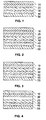
- FIG. 3 A further embodiment shown in Figure 3 is similar to the transdermal patch of Figure 2 but contains only one additional adhesive layer 45.
- Figure 4 illustrates another embodiment that is similar to the transdermal patch of Figure 2 but contains only one additional adhesive layer 25.
- R 1 is comprised of a bio-labile linker (e.g. ester, oxygenated ester, oxaester, pegylated ester, hydroxylated ester, non-hydroxylated ester, alkyl ester, amino ester, alkylamino ester, dialkylamino ester, carbonate, alkyl carbonate, oxygenated carbonate, pegylated carbonate, hydroxylated carbonate, non-hydroxylated carbonate, carbamate, alkyl carbamate, amino carbamate, alkylamino carbamate, dialkylamino carbamate or other suitable bio-labile linking structure) and further comprising moieties which can be selected in order to control the rate and extent of transdermal absorption and metabolism.
- a bio-labile linker e.g. ester, oxygenated ester, oxaester, pegylated ester, hydroxylated ester, non-hydroxylated ester, alkyl ester, amino ester,
- R 1 is an alkyl carbonate or an oxygenated alkyl carbonate. In a further embodiment R 1 is a hydroxylated alkyl carbonate. In another embodiment R 1 is an oxa-carbonate. In a further embodiment R 1 is a pegylated carbonate. In an additional embodiment R 1 is methyl carbonate.
- R 1 can be an oxygenated alkyl carbonate and have 1 alkyl carbon, 2 alkyl carbons, 3 alkyl carbons, 4 alkyl carbons, 5 alkyl carbons, 6 alkyl carbons, 7 alkyl carbons, 8 alkyl carbons, 9 alkyl carbons, 10 alkyl carbons, 11 alkyl carbons, 12 alkyl carbons, 13 alkyl carbons, or 14 alkyl carbons.
- R 1 can be an alkyl carbonate and have 2 alkyl carbons, 3 alkyl carbons, 4 alkyl carbons, 5 alkyl carbons, 6 alkyl carbons, 7 alkyl carbons or 8 alkyl carbons.
- R 1 can be a pegylated carbonate having 1 ethylene glycol repeat unit, 2 ethylene glycol repeat units, 3 ethylene glycol repeat units, 4 ethylene glycol repeat units, 5 ethylene glycol repeat units, 6 ethylene glycol repeat units, 7 ethylene glycol repeat units or 8 ethylene glycol repeat units.
- the oxygenated alkyl carbonate has 1 oxygen atom, 2 oxygen atoms, 3 oxygen atoms, 4 oxygen atoms, 5 oxygen atoms, 6 oxygen atoms, 7 oxygen atoms, 8 oxygen atoms, 9 oxygen atoms, 10 oxygen atoms, 11 oxygen atoms or 12 oxygen atoms.
- R 1 is an oxygenated ester. In a further embodiment R 1 is an oxa-ester. In a further embodiment R 1 is a pegylated oxa-ester. In further embodiments, R 1 is a pegylated oxa-ester having 1 ethylene glycol repeat unit, 2 ethylene glycol repeat units, 3 ethylene glycol repeat units, 4 ethylene glycol repeat units, 5 ethylene glycol repeat units, 6 ethylene glycol repeat units, 7 ethylene glycol repeat units or 8 ethylene glycol repeat units. In a further embodiment, R 1 is an oxygenated alkyl ester. In a further embodiment R 1 is a hydroxylated alkyl ester.
- R 1 Several options for R 1 are disclosed herein. Also included herein are pharmaceutically acceptable forms of Formula (I), including the free base, salt, ester, hydrate, polymorph and derivatives of compounds of Formula I provided that the free base, salt, ester, hydrate, enantiomer, isomer, tautomer, polymorph or any other pharmacologically suitable derivative is, or becomes, a therapeutically active form of buprenorphine.
- the various options for R 1 also includes isomers of R 1 , such as constitutional isomers, stereoisomers, enantiomers, diastereomers, and configurational diastereomers.
- buprenorphine prodrugs can be used with or instead of buprenorphine.
- the combined total weight percent of the water-insoluble polymeric material and a water-soluble polymer to be included in layer 20 is between about 1-99%, about 5-95%, about 5-40%, about 5-20%, about 10-90%, about 10-30%, about 15-85%, about 15-25%, about 20-80%, about 25-45%, about 30-70%, 35-80%, 40-90%, 50-80% or about 60-95% of layer 20.
- the barrier layer 30 is comprised of a polymeric film.
- the polymeric film is comprised of a mixture of a water-insoluble polymeric material and a water-soluble polymer.
- the water soluble polymer is suitable for forming pores or other openings in the water-insoluble polymeric material to allow the opioid antagonist (or prodrug thereof) a possible route of egress from layer 20 of the transdermal patch upon misuse or abuse.
- the water-insoluble polymeric material comprises between about 1-99%, about 5-95%, about 10-90%, about 15-85%, about 20-80%, about 30-70%, 35-80%, 40-90%, 50-80% or about 60-95% of the barrier layer.
- the water-insoluble polymeric material comprises between about 1%, about 2%, about 3%, about 4%, about 5%, about 10%, about 15%, about 20%, about 25%, about 30%, about 35%, about 40%, about 45%, about 50%, about 55%, about 60%, about 65%, about 70%, about 75%, about 80%, about 85%, about 90%, about 95% or about 99% of the barrier layer.
- the pore-forming water-soluble polymer(s) in the barrier layer comprises between about 1%, about 2%, about 3%, about 4%, about 5%, about 10%, about 15%, about 20%, about 25%, about 30%, about 35%, about 40%, about 45%, about 50%, about 55%, about 60%, about 65%, about 70%, about 75%, about 80%, about 85%, about 90%, about 95% or about 99% of the barrier layer.
- the barrier layer 30 further includes a plasticizer.
- a suitable plasticizer can be selected from the group consisting of: polyethylene glycol, propylene glycol, di-n-butylphthalate, glycerol, triethyl citrate, dibutyl phthalate, diethyl phthalate, paraffinic process oils, naphthenic process oils, aromatic process oils, and the like, squalane, squalene, olive oil, camellia oil, castor oil, tall oil, peanut oil, silicone oils, mineral oil, oleyl alcohol and the like, dioctyl phthalate, and the like, polybutene, liquid isoprene rubber, isopropyl myristate, hexyl laurate, diethyl sebacate, diisopropyl sebacate, diethylene glycol, glycol salicylate, dipropylene glycol, triacetin, crotamiton and the like, glycerol, oleic acid
- the non-reactive backing layer 10 is substantially impermeable to the opioid antagonist (or opioid antagonist prodrug) and other components of the multi-layer patch. Because the backing layer 10 is substantially impermeable to the opioid antagonist (or opioid antagonist prodrug), it prevents diffusion or other transport of the opioid antagonist (or antagonist prodrug) through the backing layer 10 even when the transdermal patch described herein has been placed in a solvent (e.g., water or ethanol) for attempted abuse or misuse of the transdermal patch.
- a solvent e.g., water or ethanol
- the phrase "substantially impermeable” means that the contents of the transdermal patch (e.g., an opioid antagonist or opioid antagonist prodrug) are less likely to permeate, diffuse or otherwise transported through the backing layer 10 and be separated from the transdermal patch. Further, even though the backing layer 10 is substantially impermeable to the contents of the transdermal patch, some contents of the patch may pass through the backing layer 10; however, it is intended that the amount of material diffusing through the backing layer 10 be negligible relative to the overall contents and function of the patch.
- the transdermal patch e.g., an opioid antagonist or opioid antagonist prodrug
- any unintended diffusion through the backing layer 10 would not be a significant route of material (e.g., the opioid antagonist or antagonist prodrug) leaving the patch under conditions of anticipated use (transdermal delivery of an opioid) or misuse/abuse (e.g., placing in a solvent such as water or alcohol to extract the opioid agonist) of the patch.
- material e.g., the opioid antagonist or antagonist prodrug
- the backing layer 10 may be made of a single layer or film of polymer, or be a laminate of one or more polymer layers. Preferably, the backing layer 10 has high flexibility, good oxygen transmission and high moisture-vapor transmission rate.
- Non-limiting examples of polymers suitable for use in the backing layer 10 are polyurethane, polyvinylchloride, polyvinylidene chloride, polyolefins such as ethylene-vinyl acetate copolymers, polyethylene, and polypropylene, and polyesters such as polyethyleneterephthalate.
- the backing layer 10 includes_CoTran 9701 Film 3MTM, CoTran 9702 Film 3MTM, CoTran 9706 Film 3MTM, CoTran 9715 Film 3MTM, CoTran 9720 Film 3MTM, CoTran 9722 Film 3MTM, Foam Tape 9772L 3MTM, Foam Tape 9773 3MTM, ScotchpakTM 1006, ScotchpakTM 1109, ScotchpakTM 9723, ScotchpakTM 9732 and ScotchpakTM 9733.
- acrylic adhesives suitable in the practice of the invention are described in Satas, "Acrylic Adhesives," Handbook of Pressure-Sensitive Adhesive Technology, 2nd ed., pp. 396-456 (D. Satas, ed.), Van Nostrand Reinhold, New York (1989 ).
- PSA pressure sensitive adhesives
- PIB synthetic rubber polyisobutylene
- the PIB adhesives normally include a tackifier such as polybutene oil and resins such as the ESCOREZ® resins available from Exxon Chemical.
- Rubber-based pressure-sensitive adhesives include hydrocarbon polymers such as natural and synthetic polyisoprene, polybutylene and polyisobutylene, styrene/butadiene polymers styrene-isoprene-styrene block copolymers, hydrocarbon polymers such as butyl rubber, halogen-containing polymers such as polyacrylicnitrile, polytetrafluoroethylene, polyvinylchloride, polyvinylidene chloride, and polychlorodiene, and other copolymers thereof. Additional suitable pressure sensitive adhesives can be found in U.S. Pat. No. 7,867,986 which is hereby incorporated by reference in its entirety. Polyisobutylene polymers are available commercially under the trademark name VISTANEX® from Exxon Chemical.
- Silicone-based pressure sensitive adhesives are also suitable for use in additional embodiments described herein. Suitable silicone-based pressure-sensitive adhesives can include those described in Sobieski, et al., "Silicone Pressure Sensitive Adhesives," Handbook of Pressure-Sensitive Adhesive Technology, 2nd ed., pp. 508-517 (D. Satas, ed.), Van Nostrand Reinhold, New York (1989 ), incorporated by reference in its entirety. Other useful silicone-based pressure sensitive adhesives are described in the following U.S. Patents: U.S. Pat. Nos.
- Suitable silicone-based pressure-sensitive adhesives are commercially available and include the silicone adhesives sold under the trademarks BIO-PSA 7-4503, BIO-PSA 7-4603, BIO-PSA 7-4301, 7-4202, 7-4102, 7-4106, and BIO-PSA 7-4303 by Dow Corning Corporation, Medical Products, Midland, Mich.
- BIO-PSA such as Bio-PSA 7-4102, 7-4202, 7- 4302, 7-4101, 7-4201, 7-4301, 7-4303, 7-4503, 7-4603 by Dow Coming Cooperation.
- the removable film covering 50 is a protective layer made of a polymeric material that may be optionally metalized.
- polymeric materials include, but not limited to, polypropylene, polystyrene, polyurethane, polyethylene, polyimide, polyethylene terephthalate, polybutylene terephthalate, polyvinyl chloride, ethyl vinyl acetate, paper and the like.
- Additional embodiments include pharmaceutical compositions, formulations and dosage forms containing an opioid such as buprenorphine or a prodrug of buprenorphine, respectively, and an opioid antagonist or an opioid antagonist prodrug.
- the opioid antagonist is selected from the group consisting of: naltrexone ("NTX”), 6-beta-naltrexol, nalbuphine, nalmefene, naloxone ("NLX”), cyclazocine, levallorphan, cyclorphan, oxilorphan and prodrugs of the foregoing.
- the rate at which the opioid antagonist is absorbed across the skin is insufficient to enhance the intended pharmacologic effects of the opioid agonist or agonist-antagonist, including the analgesic potency of the opioid agonist or agonist-antagonist.
- the ratio of opioid agonist or agonist-antagonist (or prodrugs thereof) to opioid antagonist (or prodrug thereof) in the pharmaceutical composition, formulation or dosage form is about 1 to about 60; 1 to about 50; 1 to about 40; 1 to about 30; 1 to about 20; about 1 to about 10; about 2 to about 10; about 3 to about 10; about 4 to about 10; about 5 to about 10; about 6 to about 10; about 7 to about 10; about 8 to about 10; about 9 to about 10; about 1 to about 9; about 2 to about 9; about 3 to about 9; about 4 to about 9; about 5 to about 9; about 6 to about 9; about 7 to about 9; about 8 to about 9; about 1 to about 8; about 2 to about 8; about 3 to about 8; about 4 to about 8; about 5 to about 8; about 6 to about 8; about 7 to about 8; about 1 to about 7; about 2 to about 7; about 3 to about 7; about 4 to about 7; about 5 to about 7; about 6 to about 7; about 1 to about 6; about 2 to
- the ratio of opioid antagonist to opioid agonist or agonist-antagonist in the pharmaceutical composition, formulation or dosage form is between about 1 to about 60 and about 1 to about 1; about 1 to about 40 and about 1 to about 20; and about 1 to about 15 and about 1 to about 10.
- transdermal patch compositions described herein can be subject to abuse, misuse or otherwise diverted from proper use by opioid-dependent individuals. Frequently employed methods of abuse or misuse may involve chewing the transdermal patch or attempting to dissolve the opioid agonist in a suitable solvent (e.g., water, ethanol, turpentine, acetone, nail polish remover) so that the solubilized opioid can then be swallowed, injected or otherwise ingested by the opioid-dependent individual.
- a suitable solvent e.g., water, ethanol, turpentine, acetone, nail polish remover
- the transdermal patch compositions described herein When placed in water, the transdermal patch compositions described herein will release about 0%, about 1%, about 2%, about 3%, about 4%, about 5%, about 10%, about 15%, about 20%, about 25%, about 30%, about 35%, about 40%, about 45%, about 50%, about 55%, about 60%, about 65%, about 70%, about 75%, about 80%, about 85%, about 90%, about 95% or about 100% of the opioid agonist (or prodrug thereof) or agonist-antagonist (or prodrug thereof) from the patch and into the water after about 30 seconds, about 1 minute, about 2 minutes, about 3 minutes, about 4 minutes, about 5 minutes, about 10 minutes, about 15 minutes, about 20 minutes, about 30 minutes, about 60 minutes, about 90 minutes or about 120 minutes.
- the transdermal patch compositions described herein When placed in water, the transdermal patch compositions described herein will release about 0%, about 1%, about 2%, about 3%, about 4%, about 5%, about 10%, about 15%, about 20%, about 25%, about 30%, about 35%, about 40%, about 45%, about 50%, about 55%, about 60%, about 65%, about 70%, about 75%, about 80%, about 85%, about 90%, about 95% or about 100% of the opioid antagonist (or prodrug thereof) from the patch and into the water after about 30 seconds, about 1 minute, about 2 minutes, about 3 minutes, about 4 minutes, about 5 minutes, about 10 minutes, about 15 minutes, about 20 minutes, about 30 minutes, about 60 minutes, about 90 minutes or about 120 minutes.
- the transdermal patch compositions described herein When placed in a 0.1 M phosphate buffer (pH 6.5), the transdermal patch compositions described herein will release about 0%, about 1%, about 2%, about 3%, about 4%, about 5%, about 10%, about 15%, about 20%, about 25%, about 30%, about 35%, about 40%, about 45%, about 50%, about 55%, about 60%, about 65%, about 70%, about 75%, about 80%, about 85%, about 90%, about 95% or about 100% of the opioid agonist (or prodrug thereof) or agonist-antagonist (or prodrug thereof) from the patch and into the buffer after about 30 seconds, about 1 minute, about 2 minutes, about 3 minutes, about 4 minutes, about 5 minutes, about 10 minutes, about 15 minutes, about 20 minutes, about 30 minutes, about 60 minutes, about 90 minutes or about 120 minutes.
- the transdermal patch compositions described herein When placed in a 0.1 M phosphate buffer (pH 6.5), the transdermal patch compositions described herein will release about 0%, about 1%, about 2%, about 3%, about 4%, about 5%, about 10%, about 15%, about 20%, about 25%, about 30%, about 35%, about 40%, about 45%, about 50%, about 55%, about 60%, about 65%, about 70%, about 75%, about 80%, about 85%, about 90%, about 95% or about 100% of the opioid antagonist (or prodrug thereof) from the patch and into the buffer after about 30 seconds, about 1 minute, about 2 minutes, about 3 minutes, about 4 minutes, about 5 minutes, about 10 minutes, about 15 minutes, about 20 minutes, about 30 minutes, about 60 minutes, about 90 minutes or about 120 minutes.
- the mass to mass ratio (release ratio) of (a) opioid agonist (or prodrug thereof) or opioid agonist-antagonist (or prodrug thereof) in the buffer to (b) opioid antagonist (or prodrug thereof) in the buffer will be about 1:60 to about 60:1, such as about 1:60; 1:55; 1:50; 1:45; 1:40; 1:35; 1:30; 1:25; 1:20; 1:15; 1:10; 1:5; 1:4; 1:3; 1:2; 1:1; 2:1; 3:1; 4:1; 5:1; 10:1; 15:1; 20:1; 25:1; 30:1; 35:1; 40:1; 45:1; 50:1; 55:1 and 60:1 after about 30 seconds, about 1 minute, about 2 minutes, about 3 minutes, about 4 minutes, about 5 minutes, about 10 minutes, about 15 minutes, about 20 minutes, about 30 minutes, about 60 minutes, about 60 minutes, about
- the transdermal patch compositions described herein When placed in ethanol (either anhydrous or USP), the transdermal patch compositions described herein will release about 0%, about 1%, about 2%, about 3%, about 4%, about 5%, about 10%, about 15%, about 20%, about 25%, about 30%, about 35%, about 40%, about 45%, about 50%, about 55%, about 60%, about 65%, about 70%, about 75%, about 80%, about 85%, about 90%, about 95% or about 100% of the opioid agonist (or prodrug thereof) or agonist-antagonist (or prodrug thereof) from the patch and into the ethanol after about 30 seconds, about 1 minute, about 2 minutes, about 3 minutes, about 4 minutes, about 5 minutes, about 10 minutes, about 15 minutes, about 20 minutes, about 30 minutes, about 60 minutes, about 90 minutes or about 120 minutes.
- the transdermal patch compositions described herein When placed in ethanol (either anhydrous or USP), the transdermal patch compositions described herein will release about 0%, about 1%, about 2%, about 3%, about 4%, about 5%, about 10%, about 15%, about 20%, about 25%, about 30%, about 35%, about 40%, about 45%, about 50%, about 55%, about 60%, about 65%, about 70%, about 75%, about 80%, about 85%, about 90%, about 95% or about 100% of the opioid antagonist (or prodrug thereof) from the patch and into the ethanol after about 30 seconds, about 1 minute, about 2 minutes, about 3 minutes, about 4 minutes, about 5 minutes, about 10 minutes, about 15 minutes, about 20 minutes, about 30 minutes, about 60 minutes, about 90 minutes or about 120 minutes.
- the release ratio of buprenorphine or a buprenorphine prodrug to naltrexone or a naltrexone prodrug from the pharmaceutical composition, formulation or dosage form is about 1:1 or less to block the pharmacological effect of the opioid agonist or agonist-antagonist if the composition, formulation or dosage form is misused or abused.
- One embodiment described herein comprises an opioid agonist, opioid agonist-antagonist or a prodrug of the foregoing and an opioid antagonist or a prodrug thereof.
- the opioid agonist or agonist-antagonist and opioid antagonist or prodrugs of either, as described herein may be in any form suitable for administration to a mammal, such as in the form of a free base, free acid, salt, ester, hydrate, anhydrate, enantiomer, isomer, tautomer, polymorph, derivative, or the like, provided that the free base, salt, ester, hydrate, enantiomer, isomer, tautomer, or any other pharmacologically suitable derivative is, or becomes, a therapeutically active form of buprenorphine and naltrexone or naloxone.
- compositions include a composition of buprenorphine and naltrexone or naloxone, or prodrugs thereof, in any form suitable for transdermal administration to a mammal.
- pharmaceutical compositions comprising: (a) buprenorphine or a prodrug thereof; (b) naltrexone or a prodrug thereof; and (c) a pharmaceutical excipient.
- compositions comprising: (a) buprenorphine or a prodrug thereof; (b) naloxone or a prodrug thereof; and (c) a pharmaceutical excipient.
- microneedle arrangements for use with the compounds, compositions, formulations and dosage forms described herein can be found in the foregoing references as well as in United States Patent Application No. 11/812,249, filed June 15, 2007 , published as U.S. 2008 0008745 A1 .
- compositions described herein can, if desired, include one or more pharmaceutically acceptable excipients.
- excipient herein means any substance, not itself a therapeutic agent, used as a carrier or vehicle for delivery of a therapeutic agent to a subject or added to a pharmaceutical composition to improve its handling or storage properties or to permit or facilitate formation of a dose unit of the composition, such as a patch for transdermal or topical delivery.
- Excipients include, by way of illustration and not limitation, solvents, thickening agents, penetration enhancers, wetting agents, lubricants, emulsifying agents, emollients, substances added to mask or counteract a disagreeable odor, fragrances, antimicrobial preservatives, antioxidants and substances added to improve appearance or texture of the composition. Any such excipients can be used in any dosage forms of the present disclosure. The foregoing list of excipient categories is not meant to be exhaustive but merely illustrative as a person of ordinary skill in the art would recognize that additional excipients could be utilized.
- compositions described herein containing excipients can be prepared by any technique known to a person of ordinary skill in the art of pharmacy, pharmaceutics, drug delivery, pharmacokinetics, medicine or other related discipline that comprises admixing one or more excipients with a therapeutic agent.
- the composition may comprise one or more penetration enhancing agents for transdermal drug delivery.
- penetration enhancing agents include C8-C22 fatty acids such as isostearic acid, octanoic acid, and oleic acid; C8-C22 fatty alcohols such as oleyl alcohol and lauryl alcohol; lower alkyl esters of C8-C22 fatty acids such as ethyl oleate, isopropyl myristate (IPM), butyl stearate, and methyl laurate; di(lower)alkyl esters of C6-C22 diacids such as diisopropyl adipate; monoglycerides of C8-C22 fatty acids such as glyceryl monolaurate; tetrahydrofurfuryl alcohol polyethylene glycol ether; polyethylene glycol, propylene glycol; 2-(2-ethoxyethoxy)ethanol (transcutol); diethylene glycol monomethyl ether
- the penetration enhancing agent is present in an amount sufficient to provide the desired physical properties and skin penetration profile for the composition.
- one or more pharmaceutically acceptable penetration enhancer can be present in a total amount by weight of the composition of about 0.1%, about 0.2%, about 0.3%, about 0.4%, about 0.5%, about 1.0%, about 1.5%, about 2.0%, about 2.5%, about 3.0%, about 3.5%, about 4.0%, about 4.5%, about 5.0%, about 5.5%, about 6.0%, about 6.5%, about 7.0%, about 7.5%, about 8.0%, about 8.5%, about 9.0%, about 9.5%, about 10.0%, about 10.5%, about 11.0%, about 11.5%, about 12.0%, about 12.5%, about 13.0%, about 13.5%, about 14.0%, about 14.5%, and or 15.0%.
- one or more pharmaceutically acceptable penetration enhancer is present in a total amount by weight between about 0.1 % and about 15%; between about 0.1% and about 10%; between about 0.5% and about 10%; or between about 3% and about 8%.
- one or more pharmaceutically acceptable penetration enhancer is present in a total amount by weight between about 1% and about 10%, between about 2% and about 10%, between about 3% and about 10%, between about 4% and about 10%, between about 5% and about 10%, between about 6% and about 10%, between about 7% and about 10%, between about 8% and about 10%, between about 9% and about 10%, between about 1% and about 9%, between about 2% and about 9%, between about 3% and about 9%, between about 4% and about 9%, between about 5% and about 9%, between about 6% and about 9%, between about 7% and about 9%, between about 8% and about 9%, between about 1% and about 8%, between about 2% and about 8%, between about 3% and about 8%, between about 4% and about 8%, between about 5% and about 8%, between about 6% and about 8%, between about 7% and about 8%, between about 1% and about 7%, between about 2% and about 7%, between about 3% and about 8%, between about
- a pressure sensitive adhesive is optionally used to assist in affixing a patch containing an opioid to be transdermally delivered to the subject.
- the pressure sensitive adhesive, or combination of pressure sensitive adhesives is present in an amount between about 10% and 100%; about 50% and 100%; about 75% and about 100% of the total amount by weight of a layer containing a pressure sensitive adhesive.
- compositions described herein optionally comprise one or more pharmaceutically acceptable wetting agents as excipients.
- surfactants that can be used as wetting agents in compositions of the disclosure include quaternary ammonium compounds, for example benzalkonium chloride, benzethonium chloride and cetylpyridinium chloride; dioctyl sodium sulfosuccinate; polyoxyethylene alkylphenyl ethers, for example nonoxynol 9, nonoxynol 10, and octoxynol 9; poloxamers (polyoxyethylene and polyoxypropylene block copolymers); polyoxyethylene fatty acid glycerides and oils, for example polyoxyethylene (8) caprylic/capric mono- and diglycerides (e.g., LabrasolTM of Gattefossé), polyoxyethylene (35) castor oil and polyoxyethylene (40) hydrogenated castor oil; polyoxyethylene alkyl ethers, for example polyoxyethylene (20) cetostearyl
- Such wetting agents constitute in total about 0.25% to about 15%, about 0.4% to about 10%, or about 0.5% to about 5%, of the total weight of the composition.
- one or more pharmaceutically acceptable wetting agents are present in a total amount by weight of about 0.25%, about 0.5%, about 0.75%, about 1%, about 1.25%, about 1.5%, about 1.75%, about 2.0%, about 2.25%, about 2.5%, about 2.75%, about 3.0%, about 3.25%, about 3.5%, about 3.75%, about 4.0%, about 4.25%, about 4.5%, about 4.75%, about 5.0%, about 5.25%, about 5.5%, about 5.75%, about 6.0%, about 6.25%, about 6.5%, about 6.75%, about 7.0%, about 7.25%, about 7.5%, about 7.75%, about 8.0%, about 8.25%, about 8.5%, about 8.75%, about 9.0%, about 9.25%, about 9.5%, about 9.75% or about 10%.
- compositions described herein optionally comprise one or more pharmaceutically acceptable lubricants (including anti-adherents and/or glidants) as excipients.
- Suitable lubricants include, either individually or in combination, glyceryl behenate (e.g ., CompritolTM 888); stearic acid and salts thereof, including magnesium (magnesium stearate), calcium and sodium stearates; hydrogenated vegetable oils (e.g., SterotexTM); colloidal silica; talc; waxes; boric acid; sodium benzoate; sodium acetate; sodium fumarate; sodium chloride; DL-leucine; PEG (e.g., CarbowaxTM 4000 and CarbowaxTM 6000); sodium oleate; sodium lauryl sulfate; and magnesium lauryl sulfate.
- glyceryl behenate e.g ., CompritolTM 888
- Such lubricants if present, constitute in total about 0.1% to about 10%, about 0.2% to about 8%, or about 0.25% to about 5%, of the total weight of the composition.
- one or more pharmaceutically acceptable lubricants are present in a total amount by weight of about 0.1%, about 0.2%, about 0.3%, about 0.4%, about 0.5%, about 0.6%, about 0.7%, about 0.8%, about 0.9%, about 1.0%, about 1.1%, about 1.2%, about 1.3%, about 1.4%, about 1.5%, about 1.6%, about 1.7%, about 1.8%, about 1.9%, about 2.0%, about 2.1%, about 2.2%, about 2.3%, about 2.4%, about 2.5%, about 2.6%, about 2.7%, about 2.8%, about 2.9%, about 3.0%, about 3.1%, about 3.2%, about 3.3%, about 3.4%, about 3.5%, about 3.6%, about 3.7%, about 3.8%, about 3.9%, about 4.0%, about 4.1%, about 4.2%, about 4.3%, about 4.4%, about 4.5%, about 4.6%,
- compositions described herein optionally comprise an emollient.
- emollients include mineral oil, mixtures of mineral oil and lanolin alcohols, cetyl alcohol, cetostearyl alcohol, petrolatum, petrolatum and lanolin alcohols, cetyl esters wax, cholesterol, glycerin, glyceryl monostearate, isopropyl myristate (IPM), isopropyl palmitate, lecithin, allyl caproate, althea officinalis extract, arachidyl alcohol, argobase EUC, butylene glycol, dicaprylate/dicaprate, acacia, allantoin, carrageenan, cetyl dimethicone, cyclomethicone, diethyl succinate, dihydroabietyl behenate, dioctyl adipate, ethyl laurate, ethyl palmitate, ethyl stearate, is
- An emollient if present, is present in the compositions described herein in an amount of about 1% to about 30%, about 3% to about 25%, or about 5% to about 15%, by weight.
- one or more emollients are present in a total amount by weight of about 1%, about 2%, about 3%, about 4%, about 5%, about 6%, about 7%, about 8%, about 9%, about 10%, about 11%, about 12%, about 13%, about 14%, about 15%, about 16%, about 17%, about 18%, about 19%, about 20%, about 21%, about 22%, about 23%, about 24%, about 25%, about 26%, about 27%, about 28%, about 29%, or about 30%.
- the compositions described herein comprise an antioxidant.
- antioxidants include citric acid, butylated hydroxytoluene (BHT), ascorbic acid, glutathione, retinol, ⁇ -tocopherol, ⁇ - carotene, ⁇ -carotene, ubiquinone, butylated hydroxyanisole, ethylenediaminetetraacetic acid, selenium, zinc, lignan, uric acid, lipoic acid, and N-acetylcysteine.
- An antioxidant, if present, is present in the compositions described herein in the amount of less than about 1% by weight.
- compositions described herein comprise an antimicrobial preservative.
- anti-microbial preservatives include acids, including but not limited to benzoic acid, phenolic acid, sorbic acids, alcohols, benzethonium chloride, bronopol, butylparaben, cetrimide, chlorhexidine, chlorobutanol, chlorocresol, cresol, ethylparaben, imidurea, methylparaben, phenol, phenoxyethanol, phenylethyl alcohol, phenylmercuric acetate, phenylmercuric borate, phenylmercuric nitrate, potassium sorbate, propylparaben, sodium propionate, or thimerosal.
- compositions described herein optionally compromise one or more emulsifying agents.
- emulsifying agent refers to an agent capable of lowering surface tension between a non-polar and polar phase and includes compounds defined elsewhere as “self emulsifying” agents.
- Suitable emulsifying agents can come from any class of pharmaceutically acceptable emulsifying agents including carbohydrates, proteins, high molecular weight alcohols, wetting agents, waxes and finely divided solids.
- the optional emulsifying agent may be present in the composition in a total amount of about 1% to about 25%, about 1% to about 20%, about 1% to about 15%, or about 1% to about 10% by weight of the composition.
- one or more emulsifying agents are present in a total amount by weight of about 1%, about 2%, about 3%, about 4%, about 5%, about 6%, about 7%, about 8%, about 9%, about 10%, about 11%, about 12%, about 13%, about 14%, about 15%, about 16%, about 17%, about 18%, about 19%, about 20%, about 21%, about 22%, about 23%, about 24%, or about 25%.
- propylene glycol is present in a composition in an amount of about 1% to about 99%, by weight of the composition, for example about 1%, about 5%, about 10%, about 15%, about 20%, about 25%, about 30%, about 35%, about 40%, about 45%, about 50%, about 55%, about 60%, about 65%, about 70%, about 75%, about 80%, about 85%, about 90%, about 95% or about 99%.
- Composition described herein may optionally comprise one or more alcohols.
- the alcohol is a lower alcohol.
- the term "lower alcohol,” alone or in combination, means a straight-chain or branched-chain alcohol moiety containing one to six carbon atoms.
- the lower alcohol contains one to four carbon atoms, and in another embodiment the lower alcohol contains two or three carbon atoms.
- Examples of such alcohol moieties include ethanol, ethanol USP (i.e., 95% v/v), n-propanol, isopropanol, n-butanol, isobutanol, sec-butanol, and tert-butanol.
- one or more pharmaceutically acceptable alcohol is present in a total amount by weight of about 1%, about 2%, about 3%, about 4%, about 5%, about 6%, about 7%, about 8%, about 9%,about 10%, about 11%, about 12%, about 13%, about 14%, about 15%, about 16%, about 17%, about 18%, about 19%, about 20%, about 21%, about 22%, about 23%, about 24%, about 25%, about 26%, about 27%, about 28%, about 29%, about 30%, about 31%, about 32%, about 33%, about 34%, about 35%, about 36%, about 37%, about 38%, about 39%, about 40%, about 41%, about 42%, about 43%, about 44%, about 45%, about 46%, about 47%, about 48%, about 49%, about 50%, about 51%, about 52%, about 53%, about 54%, about 55%, about 56%, about 57%, about 58%, about 59%, about 60%, about
- the pharmaceutical composition containing the opioid can also be combined with an optional second non-opioid pharmacologically active agent for the treatment of pain and/or polydrug abuse, including, for example, a cannabinoid (agonist, antagonist, or inverse agonist), bupropion, hydroxybupropion, nicotine, nornicotine, varenicline, doxepin, acetaminophen, aspirin, diclofenac or another non-steroidal anti-inflammatory drug.
- the cannabinoid could consist of one or more of the drugs or prodrugs as described in U.S. Pat. App. No. 11/157,034, filed June 20, 2005 , published as U.S. 2005/0266061 A1 , U.S. Pat. App. No.
- opioid agonists and/or agonist-antagonists like buprenorphine could also be combined with a second drug for the treatment of pain and/or polydrug abuse, such as a cannabinoid.
- a cannabinoid could consist of one or more of the foregoing drugs or prodrugs as described in previous patent applications.
- compositions described herein which are transdermally administrable include opioid agonists or agonist-antagonists, such as buprenorphine, and opioid antagonists, such as naltrexone and/or naloxone.
- compositions described herein which are transdermally administrable include opioid agonists or agonist-antagonists, such as buprenorphine, and prodrugs of opioid antagonists, such as prodrugs of naltrexone and/or naloxone.
- compositions described herein which are transdermally administrable include prodrugs of opioid agonists or agonist-antagonists, such as prodrugs of buprenorphine, and opioid antagonist prodrugs, such as prodrugs of naltrexone and/or naloxone.
- compositions disclosed herein comprise one or more opioid agonists or agonist-antagonists, including buprenorphine, in a total amount of about of between about 0.1% and about 95% by weight of the composition.
- one or more opioid agonists or agonist-antagonists may be present in the amount by weight of: about 0.1%, about 0.2%, about 0.3%, about 0.4%, about 0.5%, about 0.6%, about 0.7%, about 0.8%, about 0.9%, about 1%, about 1.1%, about 1.2%, about 1.3%, about 1.4%, about 1.5%, about 1.6%, about 1.7%, about 1.8%, about 1.9%, about 2%, about 2.1%, about 2.2%, about 2.3%, about 2.4%, about 2.5%, about 2.6%, about 2.7%, about 2.8%, about 2.9%, about 3%, about 4%, about 5%, about 6%, about 7%, about 8%, about 9%, about 3%, about 4%, about 5%, about 6%, about 7%, about 8%, about 9%, about 10%, about 1
- compositions disclosed herein comprise one or more prodrugs of opioid agonists or agonist-antagonists, including prodrugs of buprenorphine, in a total amount of about of between about 0.1% and about 95% by weight of the composition.
- one or more opioid agonists or agonist-antagonists may be present in the amount by weight of: about 0.1%, about 0.2%, about 0.3%, about 0.4%, about 0.5%, about 0.6%, about 0.7%, about 0.8%, about 0.9%, about 1%, about 1.1%, about 1.2%, about 1.3%, about 1.4%, about 1.5%, about 1.6%, about 1.7%, about 1.8%, about 1.9%, about 2%, about 2.1%, about 2.2%, about 2.3%, about 2.4%, about 2.5%, about 2.6%, about 2.7%, about 2.8%, about 2.9%, about 3%, about 4%, about 5%, about 6%, about 7%, about 8%, about 2.9%, about 3%, about 4%, about 5%, about 6%, about 7%, about 8%, about
- compositions disclosed herein comprise one or more opioid antagonists, including naltrexone and/or naloxone, in a total amount of about of between about 0.1% and about 95% by weight of the composition.
- one or more opioid antagonists may be present in an amount by weight of: about 0.1%, about 0.2%, about 0.3%, about 0.4%, about 0.5%, about 0.6%, about 0.7%, about 0.8%, about 0.9%, about 1%, about 1.1%, about 1.2%, about 1.3%, about 1.4%, about 1.5%, about 1.6%, about 1.7%, about 1.8%, about 1.9%, about 2%, about 2.1%, about 2.2%, about 2.3%, about 2.4%, about 2.5%, about 2.6%, about 2.7%, about 2.8%, about 2.9%, about 3%, about 4%, about 5%, about 6%, about 7%, about 8%, about 9%, about 3%, about 4%, about 5%, about 6%, about 7%, about 8%, about 9%, about 10%, about 11%, about 12%, about 1
- one or more opioid agonists or agonist-antagonists may be present in the amount by weight of: about 0.1%, about 0.2%, about 0.3%, about 0.4%, about 0.5%, about 0.6%, about 0.7%, about 0.8%, about 0.9%, about 1%, about 1.1%, about 1.2%, about 1.3%, about 1.4%, about 1.5%, about 1.6%, about 1.7%, about 1.8%, about 1.9%, about 2%, about 2.1%, about 2.2%, about 2.3%, about 2.4%, about 2.5%, about 2.6%, about 2.7%, about 2.8%, about 2.9%, about 3%, about 4%, about 5%, about 6%, about 7%, about 8%, about 9%, about 10%, about 11%, about 12%, about 13%, about 14%, about 15%, about 20%, about 25%, about 30%, about 35%, about 40%, about 45%, about 50%, about 55%, about 60%, about 65%, about 70%, about 75%, about 80%, about 85%, about 90% or about 95%.
- compositions described herein are used in a "pharmacologically effective amount.” This means that the rate and extent of absorption of the active by the subject is such that it results in a therapeutic level of the active in the subject over the period that such compound is to be used. Such delivery is dependent on a number of variables including the time period for which the individual dosage unit is to be used, the flux rate of the active from the composition into the subject, for example, buprenorphine or a buprenorphine prodrug, from the formulation, surface area of the application site, etc.
- a single dosage unit comprises a therapeutically effective amount or a therapeutically and/or prophylactically effective amount of an opioid such as buprenorphine or prodrugs of buprenorphine.
- the term "therapeutically effective amount” or “therapeutically and/or prophylactically effective amount” as used herein refers to an amount of opioid that is sufficient to elicit the required or desired therapeutic and/or prophylactic response, as the particular treatment context may require.
- Single dosage unit as used herein includes individual patches.
- a single dosage unit of any formulation comprises a therapeutically effective amount or a therapeutically and/or prophylactically effective amount of buprenorphine or a buprenorphine prodrug.
- compositions described herein are suitable for transdermal administration.
- transdermally administrable compositions are adapted for administration to the abdomen, back, chest, legs, arms, scalp or other suitable skin surface.
- Eating disorders can include anorexia nervosa, bulimia nervosa, binge eating disorder (BED), compulsive overeating, purging disorder, rumination, diabulimia, food maintenance, eating disorders not otherwise specified (EDNOS), pica, night eating syndrome and orthorexia nervosa.
- BED binge eating disorder
- Eating disorders can include anorexia nervosa, bulimia nervosa, binge eating disorder (BED), compulsive overeating, purging disorder, rumination, diabulimia, food maintenance, eating disorders not otherwise specified (EDNOS), pica, night eating syndrome and orthorexia nervosa.
- the pharmaceutical composition is administered every second day, every third day, every fourth day, every fifth, every sixth day, or once weekly.
- a transdermal patch can be one which is capable of controlling the release of the opioid agonists or agonist-antagonists or prodrugs of the foregoing such that transdermal delivery of the active compound is substantially uniform and sustained over a period of about 6 hours, about 12 hours, about 24 hours, about 48 hours or about 7 days.
- Such transdermal patch which can be used in the practice of the methods described herein can take the form of an occlusive body having a backing layer.
- the occlusive body which includes the opioid agonists or agonist-antagonists or prodrugs of the foregoing is positioned on the subject's skin under conditions suitable for transdermally delivering the active compound to the subject
- AUC can be calculated from 0 to 24 hours or from 0 hours to infinity.
- the transdermal dosage form is administered multiple times to the subject, until the opioid agonist or the opioid agonist-antagonist achieves a steady-state systemic concentration. After steady-state has been achieved, the systemic concentration of the opioid agonist or the agonist-antagonist can be measured over time, and a maximum steady state concentration ("Cmax-ss”) and minimum steady state concentration (“Cmin-ss”) of the opioid agonist or the agonist-antagonist can be determined.
- a second transdermal dosage form comprising the same opioid agonist, an opioid agonist prodrug, an opioid agonist-antagonist or an opioid agonist-antagonist prodrug and an opioid antagonist or an opioid antagonist prodrug of the prior transdermal dosage form, is administered to a subject.
- the second transdermal dosage form satisfies the regulatory requirements for bioequivalence to the prior transdermal dosage form.
- the Cmax, Tmax and AUC of the opioid agonist or the opioid agonist-antagonist from the second transdermal dosage form is between about 80% and 125% of the Cmax, Tmax and AUC of the opioid agonist or the opioid agonist-antagonist from the first dosage form.
- the second transdermal dosage form is administered multiple times to the subject, until the opioid agonist or the opioid antagonist achieves a steady state systemic concentration.
- the systemic concentration of the opioid agonist or the agonist-antagonist from the second transdermal dosage form can be measured over time, and Cmax-ss and Cmin-ss of the opioid agonist or the agonist-antagonist can be determined.
- the Cmax-ss and Cmin-ss of the opioid agonist or the opioid agonist-antagonist from the second transdermal dosage form is between about 60% and 140% of the Cmax-ss and Cmin-ss of the opioid agonist or the opioid agonist-antagonist from the first dosage form.
- the Cmax-ss and Cmin-ss of the opioid agonist or the opioid agonist-antagonist from the second transdermal dosage form is between about 80% and 125% of the Cmax-ss and Cmin-ss of the opioid agonist or the opioid agonist-antagonist from the first dosage form.
- the compounds and pharmaceutical compositions described herein are suitable for use in transdermal delivery devices such as patches and the like.
- the compounds and compositions described herein are suitable for use in a membrane-modulated transdermal delivery system.
- the reservoir containing the compound to be transdermally administered to the patient is encapsulated in a shallow compartment molded from a drug impermeable backing and a rate controlling polymeric membrane through which the compound to be delivered in a controlled manner.
- the external surface of the membrane has a thin layer of a drug-compatible, hypoallergenic adhesive polymer (e.g., silicone or polyacrylate adhesive) which is applied to achieve intimate contact of the transdermal system with the skin.
- a drug-compatible, hypoallergenic adhesive polymer e.g., silicone or polyacrylate adhesive
- the drug (e.g., one or more opioids) reservoir is formulated by directly dispersing the drug (or drugs) to be delivered in an adhesive polymer and then spreading the drug-loaded adhesive onto a flat sheet of a drug-impermeable backing membrane or backing layer to form a thin drug reservoir layer having a thickness of between about 0.1 mil and about 100 mil, such as about 1 mil to about 40 mil and about 30 mil to about 40 mil.
- additional layers of non-medicated rate controlling adhesive polymer of constant thickness are placed to produce an adhesive diffusion-controlled drug-delivery system.
- a second adhesive layer can be added which can contain a drug substance whether or not it is to be transdermally delivered to the subject.
- the compounds and pharmaceutical compositions described herein are also suitable for use in matrix dispersion-type systems.
- the drug reservoir is formed by homogeneously dispersing the drugs in a hydrophilic or lipophilic polymer matrix, and the medicated polymer then is molded into a medicated disc with a defined surface area and controlled thickness.
- the disc then is glued onto an occlusive baseplate in a compartment fabricated from a drug-impermeable backing.
- the adhesive polymer is spread along the circumference to form a strip of adhesive rim around the medicated disc.
- the compounds and pharmaceutical compositions described herein are also suitable for use in microreservoir systems.
- the drug reservoir is formed by first suspending the drug particles in an aqueous solution of water-soluble polymer and then dispersing it homogeneously in a lipophilic polymer by high-shear mechanical force to form a large number of unleachable, microscopic spheres of drug reservoirs.
- This unstable dispersion is quickly stabilized by immediately cross-linking, which produces a medicated polymer disc with a constant surface area and fixed thickness.
- a transdermal therapeutic system is produced in which the medicated disc is positioned at the center and surrounded by an adhesive rim.
- the transdermal delivery systems may optionally comprise one or more layers, whether containing an opioid or not, rate controlling, non-rate controlling, a barrier layer and/or a rate-controlling membrane film.
- Patch formulations can be optimized using in vitro human skin diffusion testing prior to the selection of a limited number of patch formulations or patch compositions for stability testing.
- the drug and adhesive are formulated into one monolithic layer.
- the drug can be mixed with an adhesive (e.g. silicone type, available from Dow Corning and other manufacturers) in a solvent (e.g. ethyl acetate).
- This drug mixture would then be extruded onto a polyester backing film to a uniform thickness of, for example, about 100 microns or greater with a precision wet film applicator.
- the solvent is allowed to evaporate in a drying oven and the resulting "patch" is trimmed to fit the diffusion cell donor chamber.
- Various patch formulations can be made until the desired steady-state flux rate and adhesive properties are obtained.
- transdermal patch embodiments may optionally include multiple layers of adhesive, multiple layers of opioid agonist, opioid agonist-antagonist or prodrugs of the foregoing multiple layers of opioid antagonist or opioid antagonist prodrugs and multiple barrier layers.
- reservoir patches can be made if it appears, for example, that the drugs are not compatible with a monolithic matrix patch formulation.
- the active ingredient(s) and any excipient(s) could be formulated into a gel and sealed between a release layer and an impermeable backing material such as polyester or other suitable material known to a person of skill in the art.
- Ethyl vinyl acetate membranes with acrylic adhesives have been found to be suitable.
- Adhesive patch formulations can be prepared containing different loadings of an opioid agonists or agonist-antagonists or prodrugs of the foregoing by using DURO-TAK adhesives (National Starch and Chemical Company, USA). Appropriate amounts of adhesive and drug can be sonicated for ten minutes, cast onto the release liner (9742 Scotchpak, 3M, St. Paul, MN) with a wet film applicator (Paul N. Gardner Company, Inc., Pompano Beach, FL) set at a 40 mil thickness, and kept at room temperature for one hour and then at 70°C in an oven for ten minutes (to remove any residual solvent). The patches would then be covered with backing membrane (CoTran 9722, 3M, St. Paul, MN), cut into appropriate sizes, and then can be stored in a desiccator for further study.
- DURO-TAK adhesives National Starch and Chemical Company, USA.
- Appropriate amounts of adhesive and drug can be sonicated for ten minutes, cast
- the transdermal patch may optionally comprise one or more than one layer of opioid agonist, opioid agonist-antagonist or opioid antagonist or a prodrug of any of the foregoing.
- a respective layer may comprise an opioid agonist or an opioid agonist-antagonist alone or, optionally, in combination with an opioid antagonist.
- a respective layer may comprise an opioid antagonist separate from a layer comprising an opioid agonist or an opioid agonist-antagonist.
- one or more buprenorphine prodrugs can be used with or instead of buprenorphine in the pharmaceutical compositions and patches described herein.
- a buprenorphine prodrug can be used with or instead of buprenorphine in the method of administering buprenorphine to a mammal as described herein.
- a buprenorphine prodrug can be used with or instead of buprenorphine in the method of treating a medical condition by the administration of buprenorphine described herein, wherein the medical conditions is selected from the group consisting of: opioid dependence, alcohol dependence, polydrug addiction, pain, cocaine addiction, eating disorders (e.g., binge eating) and treatment-resistant depression.
- the metered dose spray may contain alcohols, fragrance, chemical enhancers (penetration enhancers), plasticizers, emollients, water, thickening agents, pH modifiers, fillers and preservatives as well as other suitable excipients.
- alcohols fragrance, chemical enhancers (penetration enhancers), plasticizers, emollients, water, thickening agents, pH modifiers, fillers and preservatives as well as other suitable excipients.
- the bi-layer patch formulations contained a naltrexone (NTX) or naloxone (NLX) layer incorporating ethylcellulose (EC)/hydroxypropylcellulose (HPC) polymer, an EC/HPC polymeric film and a buprenorphine or buprenorphine prodrug (ALL00160) layer.
- NTX naltrexone
- NLX naloxone
- EC ethylcellulose
- HPC hydroxypropylcellulose
- ALL00160 buprenorphine prodrug
- ALL00160 has the following structure: The synthesis of ALL00160 can be found in US Pat. Appl. No. ___ filed on ___ which claims priority to US Provisional Patent Application 61/320,514, filed April 2, 2010 and U.S. Provisional Application Ser. No. 61/320,522, filed April 2, 2010 .
- the mass ratio of drug release from the transdermal patch formulation needed under abuse conditions is 4:1 for BUP:NLX to mimic the naloxone/buprenorphine sublingual tablet ratio, however this ratio needs to be 1:1 for BUP:NTX since naltrexone is a less potent opioid antagonist than NLX.
- a total of 1-5mg of naltrexone HCl per Embeda® (Pfizer/King Pharmaceuticals) tablet is sufficient to prevent abuse via buccal absorption or injection.
- the ratios here are optimized based on the higher potency of buprenorphine than morphine (Embeda).
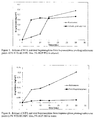
- the improved release ratio of buprenorphine:NLX in ethanol was 1.3-1.8:1 (required ratio to observe narcotic blockade is 4:1 or less). Similar results were also observed for naltrexone with release ratio of 0.5:1 in ethanol after 30 min (required ratio is 1:1 or less). Similarly, the release ratio of both NLX and NTX in water was in the required range.
- a film coater (EC-20, ChemInstruments Inc., Fairfield, OH)
- the formulations were cast onto a release liner (1022 ScotchPakTM, 3MTM, St. Paul, MN) with a wet film applicator (Paul N. Gardner Company Inc., Pompano Beach, FL) set at 20 mil thickness.
- the cast film was then dried at room temperature in the fume hood for 30 min and then at 65-70°C in an oven for 12-15 min to remove any residual solvent.
- the patch was then covered with a backing film (1109 ScotchPakTM, 3MTM, St. Paul, MN) and stored in a desiccant cabinet for further laminating with the other layers.
- a rate-controlling EC membrane incorporated with a water-soluble HPC polymer was prepared and evaluated for the abuse-resistant transdermal delivery system. 15% (w/v) EC dissolved in chloroform-methanol (8:2) and 15% (w/v) HPC dissolved in ethanol were used to prepare the polymeric film.
- Polyethylene glycol 400 at 40% w/w of the polymer was used as a plasticizer. 80% of EC and 20% of HPC by weight of the composition were mixed together with the plasticizer by vortex and sonication for about 15 min. The mixture was then cast onto the 1022 ScotchPakTM release liner with a wet film applicator set at 20 mil thickness. The cast film was dried overnight in a fume hood at room temperature. The dried film was stored in a desiccant cabinet for further laminating with an opioid agonist layer and an opioid antagonist layer to form a transdermal patch.
- Opioid antagonist layer loaded with naloxone hydrochloride (10%) or naltrexone hydrochloride (10%, 13% or 15%) was laminated with the EC/HPC polymeric film and the opioid agonist-antagonist layer (which was loaded with 5% or 7% buprenorphine prodrug or 5% buprenorphine).
- the polymeric film was placed between opioid antagonist layer and opioid agonist or agonist-antagonist (or prodrug of either an opioid agonist or opioid agonist-antagonist) ( Figure 1 ).
- the opioid agonist-antagonist layer comprised the buprenorphine formulation.
- the opioid agonist-antagonist layer comprised the buprenorphine prodrug formulation.
- An extra layer of adhesive (Acrylic 87-900A, 5 mil thickness) was used in the formulation of 15% NTX-EC/HPC, 5% BUP PD patch which was adhered to the 15% NTX-EC/HPC layer.
- the thickness of the 5% BUP PD layer was 15 mil compared to the 20 mil thickness used for the opioid agonist-antagonist layer in the patch formulations.
- Cumulative quantity of drug collected in the receiver compartment was plotted as a function of time.
- the flux value for a given experiment was obtained from the slope of a steady state portion of the cumulative amount of drug permeated vs. time plot.
- Lag time was obtained from the x-intercept of the steady state portion of the cumulative amount of drug permeated vs. time plot.
- Placebo adhesive layer 15% Naltrexone-EC / HPC film, 5% Buprenorphine prodrug
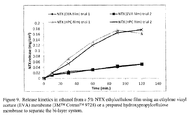
- naltrexone Release of naltrexone from a bi-layer patch in ethanol Time (min) NTX Release in Ethanol EVA Film (mg/cm 2 ) NTX Release in Ethanol HPC Film (mg/cm 2 ) 10 0.014 0.02 30 0.022 0.062 60 0.032 0.127 90 0.043 0.17 120 0.051 0.17
- the amount of broadening from the strict numerical boundary depends upon many factors. For example, some of the factors which may be considered include the criticality of the element and/or the effect a given amount of variation will have on the performance of the claimed subject matter, as well as other considerations known to those of skill in the art. As used herein, the use of differing amounts of significant digits for different numerical values is not meant to limit how the use of the words “about” or “approximately” will serve to broaden a particular numerical value or range. Thus, as a general matter, "about” or “approximately” broaden the numerical value.
- ranges is intended as a continuous range including every value between the minimum and maximum values plus the broadening of the range afforded by the use of the term "about” or “approximately.”
- ranges of values herein are merely intended to serve as a shorthand method of referring individually to each separate value falling within the range, unless otherwise indicated herein, and each separate value is incorporated into the specification as if it were individually recited herein.
- any ranges, ratios and ranges of ratios that can be formed by, or derived from, any of the data disclosed herein represent further embodiments of the present disclosure and are included as part of the disclosure as though they were explicitly set forth.
- the invention further includes the subject matter of the claims of WO 2011/123866 from which this application is derived, the content of which is reproduced below as numbered paragraphs.
Landscapes
- Health & Medical Sciences (AREA)
- Engineering & Computer Science (AREA)
- Bioinformatics & Cheminformatics (AREA)
- Chemical & Material Sciences (AREA)
- General Health & Medical Sciences (AREA)
- Veterinary Medicine (AREA)
- Medicinal Chemistry (AREA)
- Public Health (AREA)
- Animal Behavior & Ethology (AREA)
- Pharmacology & Pharmacy (AREA)
- Life Sciences & Earth Sciences (AREA)
- Organic Chemistry (AREA)
- Chemical Kinetics & Catalysis (AREA)
- Nuclear Medicine, Radiotherapy & Molecular Imaging (AREA)
- General Chemical & Material Sciences (AREA)
- Neurology (AREA)
- Neurosurgery (AREA)
- Biomedical Technology (AREA)
- Addiction (AREA)
- Psychiatry (AREA)
- Epidemiology (AREA)
- Dermatology (AREA)
- Pain & Pain Management (AREA)
- Inorganic Chemistry (AREA)
- Pharmaceuticals Containing Other Organic And Inorganic Compounds (AREA)
- Medicinal Preparation (AREA)
- Medicines That Contain Protein Lipid Enzymes And Other Medicines (AREA)
Applications Claiming Priority (3)
| Application Number | Priority Date | Filing Date | Title |
|---|---|---|---|
| US32052610P | 2010-04-02 | 2010-04-02 | |
| PCT/US2011/031135 WO2011123866A1 (fr) | 2010-04-02 | 2011-04-04 | Formulations transdermiques empêchant les abus constituées d'agonistes et d'agonistes/antagonistes d'opiacés |
| EP11715120.9A EP2552425B1 (fr) | 2010-04-02 | 2011-04-04 | Formulations transdermiques inviolables d'agonistes et d'agonistes-antagonistes d'opiacés |
Related Parent Applications (2)
| Application Number | Title | Priority Date | Filing Date |
|---|---|---|---|
| EP11715120.9A Division EP2552425B1 (fr) | 2010-04-02 | 2011-04-04 | Formulations transdermiques inviolables d'agonistes et d'agonistes-antagonistes d'opiacés |
| EP11715120.9A Division-Into EP2552425B1 (fr) | 2010-04-02 | 2011-04-04 | Formulations transdermiques inviolables d'agonistes et d'agonistes-antagonistes d'opiacés |
Publications (2)
| Publication Number | Publication Date |
|---|---|
| EP3064199A1 true EP3064199A1 (fr) | 2016-09-07 |
| EP3064199B1 EP3064199B1 (fr) | 2023-12-20 |
Family
ID=44121770
Family Applications (2)
| Application Number | Title | Priority Date | Filing Date |
|---|---|---|---|
| EP16151271.0A Active EP3064199B1 (fr) | 2010-04-02 | 2011-04-04 | Formulations transdermiques empêchant les abus constituées d'agonistes et d'agonistes/antagonistes d'opiacés |
| EP11715120.9A Active EP2552425B1 (fr) | 2010-04-02 | 2011-04-04 | Formulations transdermiques inviolables d'agonistes et d'agonistes-antagonistes d'opiacés |
Family Applications After (1)
| Application Number | Title | Priority Date | Filing Date |
|---|---|---|---|
| EP11715120.9A Active EP2552425B1 (fr) | 2010-04-02 | 2011-04-04 | Formulations transdermiques inviolables d'agonistes et d'agonistes-antagonistes d'opiacés |
Country Status (6)
| Country | Link |
|---|---|
| US (1) | US8481560B2 (fr) |
| EP (2) | EP3064199B1 (fr) |
| JP (2) | JP2013523780A (fr) |
| CA (1) | CA2795158C (fr) |
| ES (1) | ES2592277T3 (fr) |
| WO (1) | WO2011123866A1 (fr) |
Families Citing this family (58)
| Publication number | Priority date | Publication date | Assignee | Title |
|---|---|---|---|---|
| US7776314B2 (en) | 2002-06-17 | 2010-08-17 | Grunenthal Gmbh | Abuse-proofed dosage system |
| DE10361596A1 (de) | 2003-12-24 | 2005-09-29 | Grünenthal GmbH | Verfahren zur Herstellung einer gegen Missbrauch gesicherten Darreichungsform |
| US20070048228A1 (en) | 2003-08-06 | 2007-03-01 | Elisabeth Arkenau-Maric | Abuse-proofed dosage form |
| DE102005005446A1 (de) | 2005-02-04 | 2006-08-10 | Grünenthal GmbH | Bruchfeste Darreichungsformen mit retardierter Freisetzung |
| DE10336400A1 (de) | 2003-08-06 | 2005-03-24 | Grünenthal GmbH | Gegen Missbrauch gesicherte Darreichungsform |
| DE102004032049A1 (de) | 2004-07-01 | 2006-01-19 | Grünenthal GmbH | Gegen Missbrauch gesicherte, orale Darreichungsform |
| DE102005005449A1 (de) | 2005-02-04 | 2006-08-10 | Grünenthal GmbH | Verfahren zur Herstellung einer gegen Missbrauch gesicherten Darreichungsform |
| CA2713128C (fr) | 2008-01-25 | 2016-04-05 | Gruenenthal Gmbh | Forme posologique pharmaceutique |
| KR101738369B1 (ko) | 2009-07-22 | 2017-05-22 | 그뤼넨탈 게엠베하 | 핫 멜트 압출된 제어 방출 투여형 |
| CN102639118B (zh) | 2009-07-22 | 2015-07-29 | 格吕伦塔尔有限公司 | 氧化稳定的抗干扰剂型 |
| CA2795156C (fr) * | 2010-04-02 | 2019-05-14 | Alltranz Inc. | Prodrogues opioides administrables par voie transdermique, compositions anti-abus et methodes d'utilisation de prodrogues opioides |
| JP2013523780A (ja) | 2010-04-02 | 2013-06-17 | オールトランツ インコーポレイティド | オピエートアゴニスト及びアゴニスト−アンタゴニストの乱用抑止性経皮製剤 |
| BR112013005194A2 (pt) | 2010-09-02 | 2016-05-03 | Gruenenthal Gmbh | forma de dosagem resistente à violação compreendendo sal inorgânico |
| TWI516286B (zh) | 2010-09-02 | 2016-01-11 | 歌林達股份有限公司 | 含陰離子聚合物之抗破碎劑型 |
| US9566341B1 (en) | 2011-04-27 | 2017-02-14 | University Of Kentucky Research Foundation | Compounds including Cox inhibitor moiety and enhanced delivery of active drugs using same |
| WO2013006643A1 (fr) | 2011-07-06 | 2013-01-10 | The Parkinson's Institute | Compositions et méthodes de traitement de symptômes chez des patients atteints de la maladie de parkinson |
| BR112014001091A2 (pt) | 2011-07-29 | 2017-02-14 | Gruenenthal Gmbh | comprimido resistente à adulteração que fornece liberação imediata do fármaco |
| EA201400172A1 (ru) | 2011-07-29 | 2014-06-30 | Грюненталь Гмбх | Устойчивая к разрушению таблетка, которая обеспечивает немедленное высвобождение лекарственного средства |
| HUE035312T2 (en) * | 2012-01-31 | 2018-05-02 | Gruenenthal Gmbh | Pharmaceutical patch (1R, 4R) -6'-fluoro-N, N-dimethyl-4-phenyl-4 ', 9'-dihydro-3'H-spiro [cyclohexane-1,1'-pyrano [3,4- b] for transdermal administration of indole] -4-amine |
| MX356421B (es) | 2012-02-28 | 2018-05-29 | Gruenenthal Gmbh | Forma de dosificacion resistente a la manipulacion indebida que comprende un compuesto farmacologicamente activo y un polimero anionico. |
| KR102082529B1 (ko) | 2012-04-17 | 2020-02-27 | 퍼듀 퍼머 엘피 | 오피오이드-유도 유해 약역학 반응을 치료하기 위한 시스템 및 방법 |
| EP2838512B1 (fr) | 2012-04-18 | 2018-08-22 | Grünenthal GmbH | Forme pharmaceutique inviolable et résistante au basculement de dose |
| US10064945B2 (en) | 2012-05-11 | 2018-09-04 | Gruenenthal Gmbh | Thermoformed, tamper-resistant pharmaceutical dosage form containing zinc |
| EP3003279A1 (fr) | 2013-05-29 | 2016-04-13 | Grünenthal GmbH | Forme pharmaceutique inviolable contenant une ou plusieurs particules |
| US9737490B2 (en) | 2013-05-29 | 2017-08-22 | Grünenthal GmbH | Tamper resistant dosage form with bimodal release profile |
| BR112016000194A8 (pt) * | 2013-07-12 | 2019-12-31 | Gruenenthal Gmbh | forma de dosagem resistente à violação contendo o polímero de acetato de etileno-vinila |
| CA3042642A1 (fr) | 2013-08-12 | 2015-02-19 | Pharmaceutical Manufacturing Research Services, Inc. | Comprime extrude anti-abus a liberation immediate |
| US9770514B2 (en) | 2013-09-03 | 2017-09-26 | ExxPharma Therapeutics LLC | Tamper-resistant pharmaceutical dosage forms |
| EP3073994A1 (fr) | 2013-11-26 | 2016-10-05 | Grünenthal GmbH | Préparation de composition pharmaceutique en poudre par cryo-broyage |
| US10172797B2 (en) | 2013-12-17 | 2019-01-08 | Pharmaceutical Manufacturing Research Services, Inc. | Extruded extended release abuse deterrent pill |
| US9492444B2 (en) | 2013-12-17 | 2016-11-15 | Pharmaceutical Manufacturing Research Services, Inc. | Extruded extended release abuse deterrent pill |
| CN115444659A (zh) * | 2014-01-22 | 2022-12-09 | 4P治疗公司 | 滥用和误用制止透皮系统 |
| WO2015173195A1 (fr) | 2014-05-12 | 2015-11-19 | Grünenthal GmbH | Formulation pour capsule à libération immédiate résistant aux manipulations illicites comprenant du tapentadol |
| EA201692388A1 (ru) | 2014-05-26 | 2017-05-31 | Грюненталь Гмбх | Лекарственная форма в виде множества частиц, защищенная от вызываемого этанолом сброса дозы |
| CA2955229C (fr) | 2014-07-17 | 2020-03-10 | Pharmaceutical Manufacturing Research Services, Inc. | Forme posologique remplie de liquide anti-abus a liberation immediate |
| EP3169318B1 (fr) | 2014-07-18 | 2020-04-01 | Buzzz Pharmaceuticals Limited | Systeme transdermique à base d'opioïdes et d'antagoniste d'opioïdes securisé contre une utilisation non conforme ou usage abusif |
| AU2015336065A1 (en) | 2014-10-20 | 2017-05-04 | Pharmaceutical Manufacturing Research Services, Inc. | Extended release abuse deterrent liquid fill dosage form |
| US10010543B1 (en) | 2014-12-23 | 2018-07-03 | Barr Laboratories, Inc. | Transdermal dosage form |
| AU2016211330A1 (en) | 2015-01-28 | 2017-08-03 | Chrono Therapeutics Inc. | Drug delivery methods and systems |
| US10679516B2 (en) | 2015-03-12 | 2020-06-09 | Morningside Venture Investments Limited | Craving input and support system |
| WO2016170097A1 (fr) | 2015-04-24 | 2016-10-27 | Grünenthal GmbH | Forme galénique inviolable avec libération immédiate et résistance à l'extraction par solvant. |
| JP2018526414A (ja) | 2015-09-10 | 2018-09-13 | グリュネンタール・ゲゼルシャフト・ミト・ベシュレンクテル・ハフツング | 乱用抑止性の即放性製剤を用いた経口過剰摂取に対する保護 |
| GB201520390D0 (en) * | 2015-11-19 | 2016-01-06 | Euro Celtique Sa | Composition |
| GB201600920D0 (en) * | 2016-01-18 | 2016-03-02 | Buzzz Pharmaceuticals Ltd | Transdermal patch |
| GB201600919D0 (en) * | 2016-01-18 | 2016-03-02 | Buzzz Pharmaceuticals Ltd | Transdermal patch |
| JPWO2017159033A1 (ja) | 2016-03-16 | 2019-01-17 | テルモ株式会社 | ステント |
| CA3049529A1 (fr) | 2017-01-06 | 2018-07-12 | Chrono Therapeutics Inc. | Dispositifs et methodes d'administration transdermique de medicament |
| CN111315438B (zh) | 2017-08-10 | 2022-09-27 | 爱肤柔生命科学公司 | 经皮药物递送系统 |
| US20180193332A1 (en) * | 2017-10-09 | 2018-07-12 | Adapt Pharma Operations Limited | Low-temperature stable opioid antagonist solutions |
| WO2019090125A2 (fr) * | 2017-11-02 | 2019-05-09 | Chrono Therapeutics Inc. | Système d'administration de médicament transdermique anti-abus intelligent |
| ES3064839T3 (en) * | 2017-11-15 | 2026-04-29 | The Regents Of The Univ Of California | Combination of cannabidiol and buprenorphine and its use for the treatment of chronic pain |
| US11596779B2 (en) | 2018-05-29 | 2023-03-07 | Morningside Venture Investments Limited | Drug delivery methods and systems |
| US10799496B2 (en) | 2018-07-13 | 2020-10-13 | Alkermes Pharma Ireland Limited | Naphthylenyl compounds for long-acting injectable compositions and related methods |
| WO2020012245A1 (fr) | 2018-07-13 | 2020-01-16 | Alkermes Pharma Ireland Limited | Promédicaments de thiénothiophène-naltrexone pour compositions injectables à action prolongée |
| JP7603583B2 (ja) * | 2018-10-18 | 2024-12-20 | アビオール、インコーポレイテッド | 慢性腎疾患随伴掻痒を処置する方法及びデバイス |
| US10975099B2 (en) | 2018-11-05 | 2021-04-13 | Alkermes Pharma Ireland Limited | Thiophene compounds for long-acting injectable compositions and related methods |
| US12397141B2 (en) | 2018-11-16 | 2025-08-26 | Morningside Venture Investments Limited | Thermally regulated transdermal drug delivery system |
| US11389409B2 (en) * | 2019-08-30 | 2022-07-19 | Remedy Diagnostics LLC | Transdermal device comprising acetaminophen prodrug |
Citations (17)
| Publication number | Priority date | Publication date | Assignee | Title |
|---|---|---|---|---|
| US4582835A (en) * | 1983-12-06 | 1986-04-15 | Reckitt & Colman Products Limited | Analgesic compositions |
| US4584355A (en) | 1984-10-29 | 1986-04-22 | Dow Corning Corporation | Silicone pressure-sensitive adhesive process and product with improved lap-shear stability-I |
| US4585836A (en) | 1984-10-29 | 1986-04-29 | Dow Corning Corporation | Silicone pressure-sensitive adhesive process and product with improved lap-shear stability-II |
| US4591622A (en) | 1984-10-29 | 1986-05-27 | Dow Corning Corporation | Silicone pressure-sensitive adhesive process and product thereof |
| US4655767A (en) | 1984-10-29 | 1987-04-07 | Dow Corning Corporation | Transdermal drug delivery devices with amine-resistant silicone adhesives |
| US20020111377A1 (en) | 2000-12-22 | 2002-08-15 | Albany College Of Pharmacy | Transdermal delivery of cannabinoids |
| WO2003097020A1 (fr) * | 2002-05-15 | 2003-11-27 | Thalas Group Incorporated | Systeme d'administration transdermique comportant deux couches adhesives superposees ayant des affinites differentes par rapport a la substance active contenue |
| US20050266061A1 (en) | 2000-12-22 | 2005-12-01 | Stinchcomb Audra L | Transdermal delivery of cannabinoids |
| WO2007149438A2 (fr) * | 2006-06-19 | 2007-12-27 | Alpharma, Inc. | Compositions pharmaceutiques |
| US20080008745A1 (en) | 2006-06-21 | 2008-01-10 | University Of Kentucky Research Foundation | Transdermal delivery of naltrexone hydrochloride, naltrexol hydrochloride, and bis(hydroxy-methyl)propionyl-3-0 ester naltrexone using microneedles |
| WO2008063301A2 (fr) * | 2006-10-11 | 2008-05-29 | Alpharma, Inc. | Compositions pharmaceutiques |
| US20090017102A1 (en) | 2006-10-18 | 2009-01-15 | University Of Kentucky Research Foundation | Enhancing transdermal delivery of opiod antagonists and agonistis using codrugs links to bupropion or hydroxybupropion |
| US20090036523A1 (en) | 2007-07-30 | 2009-02-05 | Alltranz Inc. | Prodrugs of cannabidiol, compositions comprising prodrugs of cannabidiol and methods of using the same |
| US20090143462A1 (en) | 2007-11-30 | 2009-06-04 | Alltranz | Products of Tetrahydrocannabinol, Compositions Comprising Prodrugs of Tetrahydrocannabinol and Methods of Using the Same |
| WO2009120889A2 (fr) * | 2008-03-26 | 2009-10-01 | Alltranz Inc. | Formulations transdermiques inviolables d’agonistes et d’agonistes-antagonistes d’opiacés |
| US7867986B2 (en) | 2001-06-18 | 2011-01-11 | Noven Pharmaceuticals, Inc. | Enhanced drug delivery in transdermal systems |
| WO2011123866A1 (fr) | 2010-04-02 | 2011-10-06 | Alltranz Inc. | Formulations transdermiques empêchant les abus constituées d'agonistes et d'agonistes/antagonistes d'opiacés |
Family Cites Families (13)
| Publication number | Priority date | Publication date | Assignee | Title |
|---|---|---|---|---|
| US3216301A (en) | 1964-01-27 | 1965-11-09 | Bevis Ind Inc | Edge trimming apparatus |
| PT1079813E (pt) * | 1998-04-29 | 2005-05-31 | Virotex Corp | Dispositivo transportador farmaceutico adequado para entrega de compostos farmaceuticos as superficies mucosas |
| DE10025946A1 (de) * | 2000-05-26 | 2001-11-29 | Gruenenthal Gmbh | Wirkstoffkombination |
| DK2062573T3 (da) * | 2001-05-01 | 2012-01-30 | Euro Celtique Sa | Misbrugsresistent opioid indeholdende transdermale systemer |
| JP2005526839A (ja) * | 2002-04-23 | 2005-09-08 | アルザ・コーポレーシヨン | 不正使用の可能性が低い経皮鎮痛薬システム |
| RS20050812A (sr) * | 2003-04-30 | 2007-12-31 | Purdue Pharma L.P., | Transdermalni dozni oblik otporan na promene |
| US7182955B2 (en) * | 2003-04-30 | 2007-02-27 | 3M Innovative Properties Company | Abuse-resistant transdermal dosage form |
| CA2543610A1 (fr) * | 2003-10-30 | 2005-05-19 | Alza Corporation | Systemes analgesiques transdermiques reduisant les risques d'abus de consommation |
| PT1718258E (pt) * | 2004-02-23 | 2009-06-16 | Euro Celtique Sa | Dispositivo de administração transdérmica de opióides com resistência ao abuso |
| US9125833B2 (en) * | 2005-11-02 | 2015-09-08 | Relmada Therapeutics, Inc. | Multimodal abuse resistant and extended release opioid formulations |
| US20090082466A1 (en) * | 2006-01-27 | 2009-03-26 | Najib Babul | Abuse Resistant and Extended Release Formulations and Method of Use Thereof |
| EP1968539A2 (fr) * | 2005-12-13 | 2008-09-17 | Biodelivery Sciences International, Inc. | Dispositif resistant aux abus pour l'administration transmucosale de medicaments |
| EP2562177A3 (fr) * | 2006-09-22 | 2013-04-10 | AllTranz Inc. | Promédicaments de buprenorphine administrables de façon transdermique et leurs compositions empêchant une utilisation abusive |
-
2011
- 2011-04-04 JP JP2013502921A patent/JP2013523780A/ja not_active Withdrawn
- 2011-04-04 EP EP16151271.0A patent/EP3064199B1/fr active Active
- 2011-04-04 EP EP11715120.9A patent/EP2552425B1/fr active Active
- 2011-04-04 ES ES11715120.9T patent/ES2592277T3/es active Active
- 2011-04-04 CA CA2795158A patent/CA2795158C/fr active Active
- 2011-04-04 WO PCT/US2011/031135 patent/WO2011123866A1/fr not_active Ceased
- 2011-04-04 US US13/079,758 patent/US8481560B2/en not_active Expired - Fee Related
-
2015
- 2015-12-18 JP JP2015247413A patent/JP6212104B2/ja not_active Expired - Fee Related
Patent Citations (17)
| Publication number | Priority date | Publication date | Assignee | Title |
|---|---|---|---|---|
| US4582835A (en) * | 1983-12-06 | 1986-04-15 | Reckitt & Colman Products Limited | Analgesic compositions |
| US4584355A (en) | 1984-10-29 | 1986-04-22 | Dow Corning Corporation | Silicone pressure-sensitive adhesive process and product with improved lap-shear stability-I |
| US4585836A (en) | 1984-10-29 | 1986-04-29 | Dow Corning Corporation | Silicone pressure-sensitive adhesive process and product with improved lap-shear stability-II |
| US4591622A (en) | 1984-10-29 | 1986-05-27 | Dow Corning Corporation | Silicone pressure-sensitive adhesive process and product thereof |
| US4655767A (en) | 1984-10-29 | 1987-04-07 | Dow Corning Corporation | Transdermal drug delivery devices with amine-resistant silicone adhesives |
| US20020111377A1 (en) | 2000-12-22 | 2002-08-15 | Albany College Of Pharmacy | Transdermal delivery of cannabinoids |
| US20050266061A1 (en) | 2000-12-22 | 2005-12-01 | Stinchcomb Audra L | Transdermal delivery of cannabinoids |
| US7867986B2 (en) | 2001-06-18 | 2011-01-11 | Noven Pharmaceuticals, Inc. | Enhanced drug delivery in transdermal systems |
| WO2003097020A1 (fr) * | 2002-05-15 | 2003-11-27 | Thalas Group Incorporated | Systeme d'administration transdermique comportant deux couches adhesives superposees ayant des affinites differentes par rapport a la substance active contenue |
| WO2007149438A2 (fr) * | 2006-06-19 | 2007-12-27 | Alpharma, Inc. | Compositions pharmaceutiques |
| US20080008745A1 (en) | 2006-06-21 | 2008-01-10 | University Of Kentucky Research Foundation | Transdermal delivery of naltrexone hydrochloride, naltrexol hydrochloride, and bis(hydroxy-methyl)propionyl-3-0 ester naltrexone using microneedles |
| WO2008063301A2 (fr) * | 2006-10-11 | 2008-05-29 | Alpharma, Inc. | Compositions pharmaceutiques |
| US20090017102A1 (en) | 2006-10-18 | 2009-01-15 | University Of Kentucky Research Foundation | Enhancing transdermal delivery of opiod antagonists and agonistis using codrugs links to bupropion or hydroxybupropion |
| US20090036523A1 (en) | 2007-07-30 | 2009-02-05 | Alltranz Inc. | Prodrugs of cannabidiol, compositions comprising prodrugs of cannabidiol and methods of using the same |
| US20090143462A1 (en) | 2007-11-30 | 2009-06-04 | Alltranz | Products of Tetrahydrocannabinol, Compositions Comprising Prodrugs of Tetrahydrocannabinol and Methods of Using the Same |
| WO2009120889A2 (fr) * | 2008-03-26 | 2009-10-01 | Alltranz Inc. | Formulations transdermiques inviolables d’agonistes et d’agonistes-antagonistes d’opiacés |
| WO2011123866A1 (fr) | 2010-04-02 | 2011-10-06 | Alltranz Inc. | Formulations transdermiques empêchant les abus constituées d'agonistes et d'agonistes/antagonistes d'opiacés |
Non-Patent Citations (4)
| Title |
|---|
| D. SATAS,: "Handbook of Pressure-Sensitive Adhesive Technology, 2nd ed.,", 1989, NOSTRAND REINHOLD, article SOBIESKI ET AL.: "Silicone Pressure Sensitive Adhesives", pages: 508 - 517 |
| D. SATAS,: "Handbook of Pressure-Sensitive Adhesive Technology, 2nd ed.,", 1989, VAN NOSTRAND REINHOLD, article SATAS,: "Acrylic Adhesives", pages: 396 - 456 |
| STINCHCOMB A L ET AL: "PERMEATION OF BUPRENORPHINE AND ITS 3-ALKYL-ESTER PRODRUGS THROUGH HUMAN SKIN", PHARMACEUTICAL RESEARCH, KLUWER ACADEMIC PUBLISHERS, NEW YORK, NY, US, vol. 13, no. 10, 1 October 1996 (1996-10-01), pages 1519 - 1523, XP008016388, ISSN: 0724-8741, DOI: 10.1023/A:1016079513007 * |
| THONG ET AL.: "Percutaneous Penetration Enhancers: An Overview", SKIN PHARMACOLOGY AND PHYSIOLOGY, vol. 20, 2007, pages 272 - 828 |
Also Published As
| Publication number | Publication date |
|---|---|
| ES2592277T3 (es) | 2016-11-29 |
| EP3064199B1 (fr) | 2023-12-20 |
| EP2552425B1 (fr) | 2016-07-27 |
| JP2013523780A (ja) | 2013-06-17 |
| CA2795158C (fr) | 2019-10-22 |
| EP2552425A1 (fr) | 2013-02-06 |
| US8481560B2 (en) | 2013-07-09 |
| US20110245783A1 (en) | 2011-10-06 |
| JP6212104B2 (ja) | 2017-10-11 |
| JP2016053085A (ja) | 2016-04-14 |
| WO2011123866A1 (fr) | 2011-10-06 |
| CA2795158A1 (fr) | 2011-10-06 |
Similar Documents
| Publication | Publication Date | Title |
|---|---|---|
| EP3064199B1 (fr) | Formulations transdermiques empêchant les abus constituées d'agonistes et d'agonistes/antagonistes d'opiacés | |
| EP3169318B1 (fr) | Systeme transdermique à base d'opioïdes et d'antagoniste d'opioïdes securisé contre une utilisation non conforme ou usage abusif | |
| US20090246265A1 (en) | Abuse deterrent transdermal formulations of opiate agonists and agonist-antagonists | |
| KR101407131B1 (ko) | 경피 전달 장치에 포함된 활성 성분의 오용을 방지하는 경피 전달 장치의 처리 시스템 | |
| KR100742471B1 (ko) | 활성 물질 디아모르핀을 포함하는 약학 제제 및 아편제중독증의 치료 방법에서의 그의 용도 | |
| JP5329461B2 (ja) | 活性剤及び塩並びに副作用物質の遊離塩基形を含む経皮剤形 | |
| EP2552924B1 (fr) | Prodrogues opioïdes administrables par voie transdermique, compositions anti-abus et méthodes d'utilisation de prodrogues opioïdes | |
| EP2123274B1 (fr) | Composition médicinale pour une absorption transdermique, unité de stockage de la composition médicinale et préparation par absorption transdermique utilisant celle-ci | |
| US20190328681A1 (en) | Transdermal patch | |
| KR20070088823A (ko) | 활성제 층의 말단 부에 활성제 성분과 억제제 성분을포함하는 내변조성 경피제형 | |
| KR20060120678A (ko) | 남용될 가능성이 감소된 경피용 진통제 시스템 | |
| KR20180074797A (ko) | 통증 치료를 위한 오피오이드 작용제 및 오피오이드 길항제의 비-경피 전달된 n-옥시드 유도체를 포함하는 남용 방지 경피 전달 장치 및 조성물 | |
| AU2016298761A1 (en) | Transdermal delivery system |
Legal Events
| Date | Code | Title | Description |
|---|---|---|---|
| PUAI | Public reference made under article 153(3) epc to a published international application that has entered the european phase |
Free format text: ORIGINAL CODE: 0009012 |
|
| AC | Divisional application: reference to earlier application |
Ref document number: 2552425 Country of ref document: EP Kind code of ref document: P |
|
| AK | Designated contracting states |
Kind code of ref document: A1 Designated state(s): AL AT BE BG CH CY CZ DE DK EE ES FI FR GB GR HR HU IE IS IT LI LT LU LV MC MK MT NL NO PL PT RO RS SE SI SK SM TR |
|
| STAA | Information on the status of an ep patent application or granted ep patent |
Free format text: STATUS: REQUEST FOR EXAMINATION WAS MADE |
|
| 17P | Request for examination filed |
Effective date: 20170302 |
|
| RBV | Designated contracting states (corrected) |
Designated state(s): AL AT BE BG CH CY CZ DE DK EE ES FI FR GB GR HR HU IE IS IT LI LT LU LV MC MK MT NL NO PL PT RO RS SE SI SK SM TR |
|
| STAA | Information on the status of an ep patent application or granted ep patent |
Free format text: STATUS: EXAMINATION IS IN PROGRESS |
|
| 17Q | First examination report despatched |
Effective date: 20180206 |
|
| RIC1 | Information provided on ipc code assigned before grant |
Ipc: A61P 43/00 20060101ALI20230425BHEP Ipc: A61P 25/32 20060101ALI20230425BHEP Ipc: A61P 25/30 20060101ALI20230425BHEP Ipc: A61P 25/24 20060101ALI20230425BHEP Ipc: A61P 25/00 20060101ALI20230425BHEP Ipc: A61P 25/36 20060101ALI20230425BHEP Ipc: A61K 47/38 20060101ALI20230425BHEP Ipc: A61K 9/70 20060101AFI20230425BHEP |
|
| P01 | Opt-out of the competence of the unified patent court (upc) registered |
Effective date: 20230502 |
|
| GRAP | Despatch of communication of intention to grant a patent |
Free format text: ORIGINAL CODE: EPIDOSNIGR1 |
|
| STAA | Information on the status of an ep patent application or granted ep patent |
Free format text: STATUS: GRANT OF PATENT IS INTENDED |
|
| INTG | Intention to grant announced |
Effective date: 20230703 |
|
| GRAS | Grant fee paid |
Free format text: ORIGINAL CODE: EPIDOSNIGR3 |
|
| GRAA | (expected) grant |
Free format text: ORIGINAL CODE: 0009210 |
|
| STAA | Information on the status of an ep patent application or granted ep patent |
Free format text: STATUS: THE PATENT HAS BEEN GRANTED |
|
| AC | Divisional application: reference to earlier application |
Ref document number: 2552425 Country of ref document: EP Kind code of ref document: P |
|
| AK | Designated contracting states |
Kind code of ref document: B1 Designated state(s): AL AT BE BG CH CY CZ DE DK EE ES FI FR GB GR HR HU IE IS IT LI LT LU LV MC MK MT NL NO PL PT RO RS SE SI SK SM TR |
|
| REG | Reference to a national code |
Ref country code: GB Ref legal event code: FG4D |
|
| REG | Reference to a national code |
Ref country code: DE Ref legal event code: R096 Ref document number: 602011074485 Country of ref document: DE |
|
| REG | Reference to a national code |
Ref country code: CH Ref legal event code: EP |
|
| REG | Reference to a national code |
Ref country code: IE Ref legal event code: FG4D |
|
| PG25 | Lapsed in a contracting state [announced via postgrant information from national office to epo] |
Ref country code: GR Free format text: LAPSE BECAUSE OF FAILURE TO SUBMIT A TRANSLATION OF THE DESCRIPTION OR TO PAY THE FEE WITHIN THE PRESCRIBED TIME-LIMIT Effective date: 20240321 |
|
| REG | Reference to a national code |
Ref country code: LT Ref legal event code: MG9D |
|
| PG25 | Lapsed in a contracting state [announced via postgrant information from national office to epo] |
Ref country code: LT Free format text: LAPSE BECAUSE OF FAILURE TO SUBMIT A TRANSLATION OF THE DESCRIPTION OR TO PAY THE FEE WITHIN THE PRESCRIBED TIME-LIMIT Effective date: 20231220 |
|
| REG | Reference to a national code |
Ref country code: NL Ref legal event code: MP Effective date: 20231220 |
|
| PG25 | Lapsed in a contracting state [announced via postgrant information from national office to epo] |
Ref country code: ES Free format text: LAPSE BECAUSE OF FAILURE TO SUBMIT A TRANSLATION OF THE DESCRIPTION OR TO PAY THE FEE WITHIN THE PRESCRIBED TIME-LIMIT Effective date: 20231220 |
|
| PG25 | Lapsed in a contracting state [announced via postgrant information from national office to epo] |
Ref country code: LT Free format text: LAPSE BECAUSE OF FAILURE TO SUBMIT A TRANSLATION OF THE DESCRIPTION OR TO PAY THE FEE WITHIN THE PRESCRIBED TIME-LIMIT Effective date: 20231220 Ref country code: GR Free format text: LAPSE BECAUSE OF FAILURE TO SUBMIT A TRANSLATION OF THE DESCRIPTION OR TO PAY THE FEE WITHIN THE PRESCRIBED TIME-LIMIT Effective date: 20240321 Ref country code: FI Free format text: LAPSE BECAUSE OF FAILURE TO SUBMIT A TRANSLATION OF THE DESCRIPTION OR TO PAY THE FEE WITHIN THE PRESCRIBED TIME-LIMIT Effective date: 20231220 Ref country code: ES Free format text: LAPSE BECAUSE OF FAILURE TO SUBMIT A TRANSLATION OF THE DESCRIPTION OR TO PAY THE FEE WITHIN THE PRESCRIBED TIME-LIMIT Effective date: 20231220 Ref country code: BG Free format text: LAPSE BECAUSE OF FAILURE TO SUBMIT A TRANSLATION OF THE DESCRIPTION OR TO PAY THE FEE WITHIN THE PRESCRIBED TIME-LIMIT Effective date: 20240320 |
|
| REG | Reference to a national code |
Ref country code: AT Ref legal event code: MK05 Ref document number: 1641895 Country of ref document: AT Kind code of ref document: T Effective date: 20231220 |
|
| PG25 | Lapsed in a contracting state [announced via postgrant information from national office to epo] |
Ref country code: NL Free format text: LAPSE BECAUSE OF FAILURE TO SUBMIT A TRANSLATION OF THE DESCRIPTION OR TO PAY THE FEE WITHIN THE PRESCRIBED TIME-LIMIT Effective date: 20231220 |
|
| PG25 | Lapsed in a contracting state [announced via postgrant information from national office to epo] |
Ref country code: SE Free format text: LAPSE BECAUSE OF FAILURE TO SUBMIT A TRANSLATION OF THE DESCRIPTION OR TO PAY THE FEE WITHIN THE PRESCRIBED TIME-LIMIT Effective date: 20231220 Ref country code: RS Free format text: LAPSE BECAUSE OF FAILURE TO SUBMIT A TRANSLATION OF THE DESCRIPTION OR TO PAY THE FEE WITHIN THE PRESCRIBED TIME-LIMIT Effective date: 20231220 Ref country code: NO Free format text: LAPSE BECAUSE OF FAILURE TO SUBMIT A TRANSLATION OF THE DESCRIPTION OR TO PAY THE FEE WITHIN THE PRESCRIBED TIME-LIMIT Effective date: 20240320 Ref country code: NL Free format text: LAPSE BECAUSE OF FAILURE TO SUBMIT A TRANSLATION OF THE DESCRIPTION OR TO PAY THE FEE WITHIN THE PRESCRIBED TIME-LIMIT Effective date: 20231220 Ref country code: LV Free format text: LAPSE BECAUSE OF FAILURE TO SUBMIT A TRANSLATION OF THE DESCRIPTION OR TO PAY THE FEE WITHIN THE PRESCRIBED TIME-LIMIT Effective date: 20231220 Ref country code: HR Free format text: LAPSE BECAUSE OF FAILURE TO SUBMIT A TRANSLATION OF THE DESCRIPTION OR TO PAY THE FEE WITHIN THE PRESCRIBED TIME-LIMIT Effective date: 20231220 |
|
| PG25 | Lapsed in a contracting state [announced via postgrant information from national office to epo] |
Ref country code: IS Free format text: LAPSE BECAUSE OF FAILURE TO SUBMIT A TRANSLATION OF THE DESCRIPTION OR TO PAY THE FEE WITHIN THE PRESCRIBED TIME-LIMIT Effective date: 20240420 |
|
| PG25 | Lapsed in a contracting state [announced via postgrant information from national office to epo] |
Ref country code: AT Free format text: LAPSE BECAUSE OF FAILURE TO SUBMIT A TRANSLATION OF THE DESCRIPTION OR TO PAY THE FEE WITHIN THE PRESCRIBED TIME-LIMIT Effective date: 20231220 Ref country code: CZ Free format text: LAPSE BECAUSE OF FAILURE TO SUBMIT A TRANSLATION OF THE DESCRIPTION OR TO PAY THE FEE WITHIN THE PRESCRIBED TIME-LIMIT Effective date: 20231220 |
|
| PG25 | Lapsed in a contracting state [announced via postgrant information from national office to epo] |
Ref country code: SK Free format text: LAPSE BECAUSE OF FAILURE TO SUBMIT A TRANSLATION OF THE DESCRIPTION OR TO PAY THE FEE WITHIN THE PRESCRIBED TIME-LIMIT Effective date: 20231220 |
|
| PG25 | Lapsed in a contracting state [announced via postgrant information from national office to epo] |
Ref country code: SM Free format text: LAPSE BECAUSE OF FAILURE TO SUBMIT A TRANSLATION OF THE DESCRIPTION OR TO PAY THE FEE WITHIN THE PRESCRIBED TIME-LIMIT Effective date: 20231220 Ref country code: SK Free format text: LAPSE BECAUSE OF FAILURE TO SUBMIT A TRANSLATION OF THE DESCRIPTION OR TO PAY THE FEE WITHIN THE PRESCRIBED TIME-LIMIT Effective date: 20231220 Ref country code: RO Free format text: LAPSE BECAUSE OF FAILURE TO SUBMIT A TRANSLATION OF THE DESCRIPTION OR TO PAY THE FEE WITHIN THE PRESCRIBED TIME-LIMIT Effective date: 20231220 Ref country code: IT Free format text: LAPSE BECAUSE OF FAILURE TO SUBMIT A TRANSLATION OF THE DESCRIPTION OR TO PAY THE FEE WITHIN THE PRESCRIBED TIME-LIMIT Effective date: 20231220 Ref country code: IS Free format text: LAPSE BECAUSE OF FAILURE TO SUBMIT A TRANSLATION OF THE DESCRIPTION OR TO PAY THE FEE WITHIN THE PRESCRIBED TIME-LIMIT Effective date: 20240420 Ref country code: EE Free format text: LAPSE BECAUSE OF FAILURE TO SUBMIT A TRANSLATION OF THE DESCRIPTION OR TO PAY THE FEE WITHIN THE PRESCRIBED TIME-LIMIT Effective date: 20231220 Ref country code: CZ Free format text: LAPSE BECAUSE OF FAILURE TO SUBMIT A TRANSLATION OF THE DESCRIPTION OR TO PAY THE FEE WITHIN THE PRESCRIBED TIME-LIMIT Effective date: 20231220 Ref country code: AT Free format text: LAPSE BECAUSE OF FAILURE TO SUBMIT A TRANSLATION OF THE DESCRIPTION OR TO PAY THE FEE WITHIN THE PRESCRIBED TIME-LIMIT Effective date: 20231220 |
|
| PG25 | Lapsed in a contracting state [announced via postgrant information from national office to epo] |
Ref country code: PT Free format text: LAPSE BECAUSE OF FAILURE TO SUBMIT A TRANSLATION OF THE DESCRIPTION OR TO PAY THE FEE WITHIN THE PRESCRIBED TIME-LIMIT Effective date: 20240422 Ref country code: PL Free format text: LAPSE BECAUSE OF FAILURE TO SUBMIT A TRANSLATION OF THE DESCRIPTION OR TO PAY THE FEE WITHIN THE PRESCRIBED TIME-LIMIT Effective date: 20231220 |
|
| PG25 | Lapsed in a contracting state [announced via postgrant information from national office to epo] |
Ref country code: PT Free format text: LAPSE BECAUSE OF FAILURE TO SUBMIT A TRANSLATION OF THE DESCRIPTION OR TO PAY THE FEE WITHIN THE PRESCRIBED TIME-LIMIT Effective date: 20240422 Ref country code: PL Free format text: LAPSE BECAUSE OF FAILURE TO SUBMIT A TRANSLATION OF THE DESCRIPTION OR TO PAY THE FEE WITHIN THE PRESCRIBED TIME-LIMIT Effective date: 20231220 |
|
| REG | Reference to a national code |
Ref country code: DE Ref legal event code: R097 Ref document number: 602011074485 Country of ref document: DE |
|
| PG25 | Lapsed in a contracting state [announced via postgrant information from national office to epo] |
Ref country code: DK Free format text: LAPSE BECAUSE OF FAILURE TO SUBMIT A TRANSLATION OF THE DESCRIPTION OR TO PAY THE FEE WITHIN THE PRESCRIBED TIME-LIMIT Effective date: 20231220 |
|
| PLBE | No opposition filed within time limit |
Free format text: ORIGINAL CODE: 0009261 |
|
| STAA | Information on the status of an ep patent application or granted ep patent |
Free format text: STATUS: NO OPPOSITION FILED WITHIN TIME LIMIT |
|
| PG25 | Lapsed in a contracting state [announced via postgrant information from national office to epo] |
Ref country code: SI Free format text: LAPSE BECAUSE OF FAILURE TO SUBMIT A TRANSLATION OF THE DESCRIPTION OR TO PAY THE FEE WITHIN THE PRESCRIBED TIME-LIMIT Effective date: 20231220 |
|
| PG25 | Lapsed in a contracting state [announced via postgrant information from national office to epo] |
Ref country code: SI Free format text: LAPSE BECAUSE OF FAILURE TO SUBMIT A TRANSLATION OF THE DESCRIPTION OR TO PAY THE FEE WITHIN THE PRESCRIBED TIME-LIMIT Effective date: 20231220 Ref country code: DK Free format text: LAPSE BECAUSE OF FAILURE TO SUBMIT A TRANSLATION OF THE DESCRIPTION OR TO PAY THE FEE WITHIN THE PRESCRIBED TIME-LIMIT Effective date: 20231220 |
|
| REG | Reference to a national code |
Ref country code: DE Ref legal event code: R119 Ref document number: 602011074485 Country of ref document: DE |
|
| PG25 | Lapsed in a contracting state [announced via postgrant information from national office to epo] |
Ref country code: MC Free format text: LAPSE BECAUSE OF FAILURE TO SUBMIT A TRANSLATION OF THE DESCRIPTION OR TO PAY THE FEE WITHIN THE PRESCRIBED TIME-LIMIT Effective date: 20231220 |
|
| 26N | No opposition filed |
Effective date: 20240923 |
|
| PG25 | Lapsed in a contracting state [announced via postgrant information from national office to epo] |
Ref country code: MC Free format text: LAPSE BECAUSE OF FAILURE TO SUBMIT A TRANSLATION OF THE DESCRIPTION OR TO PAY THE FEE WITHIN THE PRESCRIBED TIME-LIMIT Effective date: 20231220 |
|
| REG | Reference to a national code |
Ref country code: CH Ref legal event code: PL |
|
| PG25 | Lapsed in a contracting state [announced via postgrant information from national office to epo] |
Ref country code: LU Free format text: LAPSE BECAUSE OF NON-PAYMENT OF DUE FEES Effective date: 20240404 |
|
| GBPC | Gb: european patent ceased through non-payment of renewal fee |
Effective date: 20240404 |
|
| REG | Reference to a national code |
Ref country code: BE Ref legal event code: MM Effective date: 20240430 |
|
| PG25 | Lapsed in a contracting state [announced via postgrant information from national office to epo] |
Ref country code: LU Free format text: LAPSE BECAUSE OF NON-PAYMENT OF DUE FEES Effective date: 20240404 |
|
| PG25 | Lapsed in a contracting state [announced via postgrant information from national office to epo] |
Ref country code: DE Free format text: LAPSE BECAUSE OF NON-PAYMENT OF DUE FEES Effective date: 20241105 |
|
| PG25 | Lapsed in a contracting state [announced via postgrant information from national office to epo] |
Ref country code: BE Free format text: LAPSE BECAUSE OF NON-PAYMENT OF DUE FEES Effective date: 20240430 |
|
| PG25 | Lapsed in a contracting state [announced via postgrant information from national office to epo] |
Ref country code: GB Free format text: LAPSE BECAUSE OF NON-PAYMENT OF DUE FEES Effective date: 20240404 |
|
| PG25 | Lapsed in a contracting state [announced via postgrant information from national office to epo] |
Ref country code: FR Free format text: LAPSE BECAUSE OF NON-PAYMENT OF DUE FEES Effective date: 20240430 |
|
| PG25 | Lapsed in a contracting state [announced via postgrant information from national office to epo] |
Ref country code: GB Free format text: LAPSE BECAUSE OF NON-PAYMENT OF DUE FEES Effective date: 20240404 Ref country code: FR Free format text: LAPSE BECAUSE OF NON-PAYMENT OF DUE FEES Effective date: 20240430 Ref country code: DE Free format text: LAPSE BECAUSE OF NON-PAYMENT OF DUE FEES Effective date: 20241105 Ref country code: BE Free format text: LAPSE BECAUSE OF NON-PAYMENT OF DUE FEES Effective date: 20240430 Ref country code: CH Free format text: LAPSE BECAUSE OF NON-PAYMENT OF DUE FEES Effective date: 20240430 |
|
| PG25 | Lapsed in a contracting state [announced via postgrant information from national office to epo] |
Ref country code: IE Free format text: LAPSE BECAUSE OF NON-PAYMENT OF DUE FEES Effective date: 20240404 |
|
| PG25 | Lapsed in a contracting state [announced via postgrant information from national office to epo] |
Ref country code: CY Free format text: LAPSE BECAUSE OF FAILURE TO SUBMIT A TRANSLATION OF THE DESCRIPTION OR TO PAY THE FEE WITHIN THE PRESCRIBED TIME-LIMIT; INVALID AB INITIO Effective date: 20110404 |
|
| PG25 | Lapsed in a contracting state [announced via postgrant information from national office to epo] |
Ref country code: HU Free format text: LAPSE BECAUSE OF FAILURE TO SUBMIT A TRANSLATION OF THE DESCRIPTION OR TO PAY THE FEE WITHIN THE PRESCRIBED TIME-LIMIT; INVALID AB INITIO Effective date: 20110404 |
|
| PG25 | Lapsed in a contracting state [announced via postgrant information from national office to epo] |
Ref country code: TR Free format text: LAPSE BECAUSE OF FAILURE TO SUBMIT A TRANSLATION OF THE DESCRIPTION OR TO PAY THE FEE WITHIN THE PRESCRIBED TIME-LIMIT Effective date: 20231220 |