EP3183249B1 - Bakterien-zielende 1,4,7,10-tetraazacyclododecanderivate und deren verwendung - Google Patents
Bakterien-zielende 1,4,7,10-tetraazacyclododecanderivate und deren verwendung Download PDFInfo
- Publication number
- EP3183249B1 EP3183249B1 EP15754150.9A EP15754150A EP3183249B1 EP 3183249 B1 EP3183249 B1 EP 3183249B1 EP 15754150 A EP15754150 A EP 15754150A EP 3183249 B1 EP3183249 B1 EP 3183249B1
- Authority
- EP
- European Patent Office
- Prior art keywords
- alkyl
- compound
- siderophore
- compound according
- μmol
- Prior art date
- Legal status (The legal status is an assumption and is not a legal conclusion. Google has not performed a legal analysis and makes no representation as to the accuracy of the status listed.)
- Active
Links
- NYTUAACAAYYSSW-UHFFFAOYSA-N OC(CN1CCN(CC(O)=O)CCN(CC(OCc2ccccc2)=O)CCN(CC(O)=O)CC1)=O Chemical compound OC(CN1CCN(CC(O)=O)CCN(CC(OCc2ccccc2)=O)CCN(CC(O)=O)CC1)=O NYTUAACAAYYSSW-UHFFFAOYSA-N 0.000 description 1
Images



Classifications
-
- C—CHEMISTRY; METALLURGY
- C07—ORGANIC CHEMISTRY
- C07H—SUGARS; DERIVATIVES THEREOF; NUCLEOSIDES; NUCLEOTIDES; NUCLEIC ACIDS
- C07H17/00—Compounds containing heterocyclic radicals directly attached to hetero atoms of saccharide radicals
- C07H17/04—Heterocyclic radicals containing only oxygen as ring hetero atoms
-
- A—HUMAN NECESSITIES
- A61—MEDICAL OR VETERINARY SCIENCE; HYGIENE
- A61K—PREPARATIONS FOR MEDICAL, DENTAL OR TOILETRY PURPOSES
- A61K49/00—Preparations for testing in vivo
- A61K49/001—Preparation for luminescence or biological staining
- A61K49/0013—Luminescence
- A61K49/0017—Fluorescence in vivo
- A61K49/0019—Fluorescence in vivo characterised by the fluorescent group, e.g. oligomeric, polymeric or dendritic molecules
- A61K49/0021—Fluorescence in vivo characterised by the fluorescent group, e.g. oligomeric, polymeric or dendritic molecules the fluorescent group being a small organic molecule
- A61K49/0023—Di-or triarylmethane dye
-
- A—HUMAN NECESSITIES
- A61—MEDICAL OR VETERINARY SCIENCE; HYGIENE
- A61K—PREPARATIONS FOR MEDICAL, DENTAL OR TOILETRY PURPOSES
- A61K49/00—Preparations for testing in vivo
- A61K49/001—Preparation for luminescence or biological staining
- A61K49/0013—Luminescence
- A61K49/0017—Fluorescence in vivo
- A61K49/0019—Fluorescence in vivo characterised by the fluorescent group, e.g. oligomeric, polymeric or dendritic molecules
- A61K49/0021—Fluorescence in vivo characterised by the fluorescent group, e.g. oligomeric, polymeric or dendritic molecules the fluorescent group being a small organic molecule
- A61K49/0032—Methine dyes, e.g. cyanine dyes
-
- A—HUMAN NECESSITIES
- A61—MEDICAL OR VETERINARY SCIENCE; HYGIENE
- A61K—PREPARATIONS FOR MEDICAL, DENTAL OR TOILETRY PURPOSES
- A61K49/00—Preparations for testing in vivo
- A61K49/001—Preparation for luminescence or biological staining
- A61K49/0013—Luminescence
- A61K49/0017—Fluorescence in vivo
- A61K49/005—Fluorescence in vivo characterised by the carrier molecule carrying the fluorescent agent
- A61K49/0052—Small organic molecules
-
- A—HUMAN NECESSITIES
- A61—MEDICAL OR VETERINARY SCIENCE; HYGIENE
- A61P—SPECIFIC THERAPEUTIC ACTIVITY OF CHEMICAL COMPOUNDS OR MEDICINAL PREPARATIONS
- A61P31/00—Antiinfectives, i.e. antibiotics, antiseptics, chemotherapeutics
-
- C—CHEMISTRY; METALLURGY
- C07—ORGANIC CHEMISTRY
- C07D—HETEROCYCLIC COMPOUNDS
- C07D257/00—Heterocyclic compounds containing rings having four nitrogen atoms as the only ring hetero atoms
- C07D257/02—Heterocyclic compounds containing rings having four nitrogen atoms as the only ring hetero atoms not condensed with other rings
-
- C—CHEMISTRY; METALLURGY
- C07—ORGANIC CHEMISTRY
- C07D—HETEROCYCLIC COMPOUNDS
- C07D403/00—Heterocyclic compounds containing two or more hetero rings, having nitrogen atoms as the only ring hetero atoms, not provided for by group C07D401/00
- C07D403/14—Heterocyclic compounds containing two or more hetero rings, having nitrogen atoms as the only ring hetero atoms, not provided for by group C07D401/00 containing three or more hetero rings
-
- C—CHEMISTRY; METALLURGY
- C07—ORGANIC CHEMISTRY
- C07D—HETEROCYCLIC COMPOUNDS
- C07D491/00—Heterocyclic compounds containing in the condensed ring system both one or more rings having oxygen atoms as the only ring hetero atoms and one or more rings having nitrogen atoms as the only ring hetero atoms, not provided for by groups C07D451/00 - C07D459/00, C07D463/00, C07D477/00 or C07D489/00
- C07D491/12—Heterocyclic compounds containing in the condensed ring system both one or more rings having oxygen atoms as the only ring hetero atoms and one or more rings having nitrogen atoms as the only ring hetero atoms, not provided for by groups C07D451/00 - C07D459/00, C07D463/00, C07D477/00 or C07D489/00 in which the condensed system contains three hetero rings
- C07D491/16—Peri-condensed systems
-
- C—CHEMISTRY; METALLURGY
- C12—BIOCHEMISTRY; BEER; SPIRITS; WINE; VINEGAR; MICROBIOLOGY; ENZYMOLOGY; MUTATION OR GENETIC ENGINEERING
- C12Q—MEASURING OR TESTING PROCESSES INVOLVING ENZYMES, NUCLEIC ACIDS OR MICROORGANISMS; COMPOSITIONS OR TEST PAPERS THEREFOR; PROCESSES OF PREPARING SUCH COMPOSITIONS; CONDITION-RESPONSIVE CONTROL IN MICROBIOLOGICAL OR ENZYMOLOGICAL PROCESSES
- C12Q1/00—Measuring or testing processes involving enzymes, nucleic acids or microorganisms; Compositions therefor; Processes of preparing such compositions
- C12Q1/02—Measuring or testing processes involving enzymes, nucleic acids or microorganisms; Compositions therefor; Processes of preparing such compositions involving viable microorganisms
- C12Q1/04—Determining presence or kind of microorganism; Use of selective media for testing antibiotics or bacteriocides; Compositions containing a chemical indicator therefor
- C12Q1/16—Determining presence or kind of microorganism; Use of selective media for testing antibiotics or bacteriocides; Compositions containing a chemical indicator therefor using radioactive material
-
- G—PHYSICS
- G01—MEASURING; TESTING
- G01N—INVESTIGATING OR ANALYSING MATERIALS BY DETERMINING THEIR CHEMICAL OR PHYSICAL PROPERTIES
- G01N2800/00—Detection or diagnosis of diseases
- G01N2800/26—Infectious diseases, e.g. generalised sepsis
Definitions
- the present invention relates to new compounds comprising a siderophore moiety as well as a core structure able to chelate a metal ion.
- the compounds may have additionally a moiety with a functional element including a marker molecule, a bioactive agent, an activity based probe suitable to monitor the aberrant expression or activity of proteins involved in the initiation and progression of bacterial infection, or a compound useful for bacterial inhibition.
- the present invention provides a pharmaceutical composition containing said compound, for example, said pharmaceutical composition is an antibiotic.
- the present invention relates to the use of said compounds in diagnostic methods, in particular, imaging methods including SPEC, PET or MRI.
- the compound is part of a theranostic composition having both, therapeutic as well as diagnostic activities.
- MDR strains multidrug-resistant strains
- Escherichia coli Enterococcus faecium
- Staphylococcus aureus Klebsiella pneumoniae
- Klebsiella pneumoniae Acinetobacter baumanii
- Pseudomonas aeruginosa Enterobacter spec.
- the mechanisms underlying the resistance against common antibiotics in the different pathogens include production of antibiotic inactivating enzymes, change of the binding side, thus, avoiding binding thereof as well as preventing binding or entry of the antibiotic into the cell, for example as described for some of Pseudomonas aeruginosa strains.
- Pseudomonas aeruginosa represents about 10 % of all infections occurring in hospital. Typically, these infections are lung, skin and wound infection as well as infection of the urogenital tract.
- the present invention aims in providing new compounds suitable for diagnosing as well as treating infections by pathogens, in particular, gram-negative bacteria. That is, the development of methods to overcome the permeability mediated resistance represents an important therapeutic goal as well as an important diagnostic goal.
- Siderophore are small, high affinity metal ion, typically iron ion, chelating compounds secreted by microorganisms, such as bacteria, and fungi but also grasses. Siderophores are among the strongest soluble Fe 3+ binding agents known. For chelating the metal ion, thus, binding the metal ion, various functional groups are known in siderophores including catecholate group, salicylate group, hydroxymate group, oxazole-ring, thiazole-ring, citrate-hydroxmate group, ⁇ -keto carboxylate group, ⁇ -hydroxy-carboxylate-group or carboxylic acid amid group. Typically at least two or at least three of these functional groups, also known as siderophore forming group, are present in the siderophore molecule.
- microbes siderophores scavenge iron from mineral phases by formation of soluble Fe 3+ complexes that can be taken up by active transport mechanisms. Siderophores usually form a stable hexadentate octahedral complex with metal ions, typically Fe 3+ ions. If there are less than six donor atoms water can also coordinate. Typically, three bidentate ligands per molecules for chelating a single ferric ion forming a hexadentate complex are present.
- siderophores include the catecholates, hydroxamates, N-hydroxy-pyridone and carboxylates.
- citric acid can also act as a siderophore.
- siderophores exist in nature, thus, different organisms release different types of siderophores which are not uptaken by other species.
- the microorganisms produce and release siderophores in case of iron limitation in their environment.
- the siderophores are excreted into the extracellular environment after manufacture where the siderophores acts to sequester and solubilize the iron. Thereafter, the siderophores are then recognized by cell specific receptors on the outer membrane of the cell and the metal ion siderophore complex is actively transported across the cell membrane.
- Siderophores have been described as being useful as drugs in facilitating iron mobilization in humans, especially in the treatment of iron diseases, due to their high affinity for iron. Moreover, it is speculated to use these structures to carry drugs into cells by preparation of conjugates between siderophores and anti-microbial agents.
- Microbial iron transport (siderophore) mediated drug delivery makes use of the recognition of siderophores as iron delivery agents in order to have the micro assimilated siderophore conjugates with attached drugs.
- agriculture applications are considered.
- Chelation describes a particular way that molecules bind metal ions. According to IUPAC chelation involves the formation or presence of two or more separate coordinate bonds between a polydentate ligand and a single central atom.
- the ligands are organic compounds also called chelants, chelators, chelating agents or sequestering agents. Chelators are used in producing nutritional supplements, fertilizers, chemical analysis, water softeners, commercial products such as shampoos and food preservatives, medicine, heavy metal detox and industrial applications. For example, chelation therapy is used to detoxify poisonous metal agents.
- a typical example of a chelator is a compound or a family of compounds falling under the acronym DOTA.
- DOTA refers to 1,4,7,10-tetraazacyclododecane-1,4,7,10-tetraacetic acid consisting of a central 12-membered tetraaza ring.
- Complexes with metal ions have medical applications as contrast agents and in cancer treatment.
- DOTA a lot of derivatives of DOTA as well as structures not having a tetracarboxylic acid are used.
- DOTAM refers to the DOTA derivative 1,4,7,10 tetraazacyclododecane-1,4,7,10 tetraaecetic acid amid.
- DOTA-tate is described as a substance bounding to various radionuclides.
- Y-DOTA-biotin is described in pretargeting radio immunotherapy.
- Yttrium containing drugs are described in the art wherein DOTA chelates the Y ions.
- Complexes of Gd 3+ and DOTA are used as gardolinium-based MRI contrast agent.
- the aim of the present invention is to provide new compounds useful as theranostics in medicine, i.e. allowing diagnostic and therapy of diseases, in particular, infectious diseases by microorganisms.
- the present inventors recognized that combining a core moiety able to chelate a metal ion, like copper ion, in combination with a siderophore activity allows to introduce the metal ions into pathogens.
- the present inventors provide compounds having a siderophore acting moiety and a moiety with a functional element.
- Said element may be a marker molecule, a bioactive agent, an activity based probe suitable to monitor the aberrant expression or activity of proteins involved in the initiation and progression of bacterial infection, or a compound useful for bacterial inhibition.
- a combination of all three moieties may be possible.
- the present invention provides a new theranostic composition, for example, theranostic composition for imaging including SPEC or PET or MRI wherein the positively charged metal ion are suitable metal ions useful for said methods and these ions are chelated within the core moiety.
- the core moiety is a DOTA derivative, e.g. as shown in formula (III).
- the present invention relates to a pharmaceutical composition containing the compounds according to the present invention.
- Said pharmaceutical compositions are useful as antibiotic, e.g. as an active ingredient against pathogens including MDR pathogens.
- the present invention relates to the use of said compounds for diagnosis as well as a vehicle for the transport of a compound of interest into microorganisms transporting actively siderophores into their cells.
- the present invention provides theranostic composition.
- structure able to chelate of metal ion or “structure for chelating a metal ion” which are used interchangeably herein, refers to a structure representing a polydentate ligand able to chelate a single metal ion as a single central atom.
- the metal ion is a M 2+ or M 3+ ion.
- the ions may be any one of M being a positively charged metal ion out of the group Gd, Yb, Mn, Cr, Cu, Fe, Pr, Nd, Sm, Tb, Yb, Dy, Ho, Er, Eu, Ga, 68 Ga, 64 Cu, 99m Tc, 177 Lu, 67 Ga, 111 In, 99 Mo, in particular, useful for imaging, in particular, SPEC or PET or MRI.
- metal ion refers to and include generally the various forms of metallic ions possible including e.g. in case of Fe the ferrous ion, Fe 2+ , or the ferric ion, Fe 3+ unless otherwise indicated.
- siderophore refers to chelating compounds forming a stable complex with a metal ion, typically, Fe 3+ .
- Siderophore are stable, hexadentate, octahedral complexes coordinating the metal ion, typically, the ferric ion.
- siderophoric group or “siderophore forming group” as used herein interchangeably refers to a structure, namely ligands used to chelate the metal ion.
- the siderophoric group are a group selected from catecholates, hydroxamates, carboxylates and N-hydroxy-pyridone derivatives as known to the skilled person.
- a comprehensive list of siderophores and siderophoric groups is shown in Hilder R.C. and Kong X., Nat Prod. Rep. 2010, 27, 637-657 .
- siderophore is generally to be understood in the broader sense by any compound containing at least two, preferably at least three, especially three residues selected from group consisting of hydroxamate, catecholate, ⁇ -hydroxy-carboxylate, ⁇ -keto-caroxylate, carboxylic acid amide, citrate, hydroxamate and, optionally, fully hydrogenated imidazole, oxazole or triazole.
- catecholate typically the two times deprotonated form of catechole is known.
- the catecholate residue includes also the fully or partially protonated form, that is, the protonated form of the catecholate is within the term “catecholate” according to the present invention.
- the other residues identified in particular, in the non-complexed form of the siderophore typically in the protonated form. That is, under the term “hydroxamate” hydroxam acid residues and under the term “carboxylate” carboxylic acid residues are included. When present in complexed form with a metal ion these residues are typically present in its deprotonated form accordingly.
- bioactive agent refers to any agent having a biological effect.
- the bioactive agent may be a small molecule or may be any compound having interaction with or effect on living matter including peptides and nucleic acids.
- alkyl refers to a saturated aliphatic hydrocarbon including straight chain and branched chain groups.
- Alkyl may be examplied by groups such as methyl, ethyl, n-propyl, isopropyl, n-butyl and the like. Alkyl groups may be substituted or unsubstituted. Substituents may also be themselves substituted. When substituted, the substituent group is preferably, but not limited to, C 1 -C 4 alkyl, aryl, amino, cyano, halogen, alkoxy or hydroxyl.
- C 0 -C 6 as used herein include compounds having C 0 , C 1 , C 2 , C 3 , C 4 , C 5 , C 6 carbon atoms.
- C 0 -C 4 include C 0 , C 1 , C 2 , C 3 , C 4 carbon atoms.
- C1-C4 include C 1 , C 2 , C 3 , C 4 carbon atoms.
- the groups may be present in linear, branched or cyclic form.
- cycloalkyl refers to carbocyclic groups, typically, said carbocyclic group is a monocyclic group.
- the C3-C7 cycloalkyl group refers to C 3 , C 4 , C 5 , C 6 , or C 7 cycloalkyl.
- the term "functional element” refers generally to a moiety having a specific biological, chemical or physical functionality.
- said functionality may be a label or marker, a bioactive agent, an activity based probe suitable to monitor the aberrant expression or activity of proteins involved in the initiation and progression of bacterial infection, or a compound useful for bacterial inhibition.
- the functional element may be other moieties having a specific activity.
- the term "activity-based probe” or "ABP” include a moiety containing two suitable fluorophores attached in a distance suitable for fluorescence energy resonance transfer (FRET) and linked by an ABP cleavable linker.
- the ABP cleavable linker may be a peptide consisting of two to 12 amino acids, containing cleavage sequences recognized be therapeutically relevant hydrolases including sortase, HTRA, CLP protease, LUN, FTSH or other relevant proteins, may be substituted, including substitution by C 1 -C 16 alkyl, polyethylenglykol chains, ethers, alkylamines or other residues.
- the ABP allows monitoring an aberrant expression or activity of proteins involved in the initiation and progression of bacterial infection.
- the substituents A, L, and Y may form a cleavable linker. That is, the cleavable linker is a linker that is cleaved inside the cell after uptake of the siderophore containing structure according to the present invention. Cleavages may be any biochemical mechanism including hydrolysis, e.g. of hydrazones, amides, esters, etc., or by reduction, e.g. in case of disulphide bonds.
- the term cleavable linkers describes linker systems, being cleaved either by enzymatic processing e.g.
- cleavable linkers are known by the skilled man in the art and are described in the literature, e.g. G. Leriche et al., Bioorg. Med. Chem. 20 (2012) 571-582 and references cited therein.
- Cleavable linker can also be selected from linker groups as indicated in the table 2 below.
- Table 2 Cleavage conditions
- Cleavable groups Enzymes Sortase, HtrA, Clp protease, Lon, FtsH Nucleophilic/ basic reagents Dialkyl dialkoxysilane, cyanoethyl group, sulfone, ethylene glycolyl disuccinate, 2-N-acyl nitrobenzenesulfonamide, a-thiophenylester, unsaturated vinyl sulfide, sulfonamide after activation, malondialdehyde (MDA)-indole derivative, levulinoyl ester, hydrazone, acylhydrazone, alkyl thioester Reducing reagents Disulfide bridges, azo compounds Photo-irradiation 2-Nitrobenzyl derivatives, phenacyl ester, 8-quinolinyl benz
- Cleavable linker can also be selected from acid-labile linker systems such as tert-butyloxycarbonyl, paramethoxybenzyl, dialkyl or diaryldialkoxysylane, orthoester, acetal, b-thioproponate, ketal, phosphoamidate, hydrazone, vinyl ether, imine, aconityl,trityl, polyketal and such as linker exemplified in scheme 8 of Leriche et al., Bioorg. Med. Chem. 20 (2012) 571-582 .
- acid-labile linker systems such as tert-butyloxycarbonyl, paramethoxybenzyl, dialkyl or diaryldialkoxysylane, orthoester, acetal, b-thioproponate, ketal, phosphoamidate, hydrazone, vinyl ether, imine, aconityl,trityl, polyketal and such as linker exemplified in scheme 8
- Cleavable linker can also be selected from photocleavable systems such as ortho-nitrobenzyl derivatives, phenacyl ester derivatives, and others photocleavable linkers such asortho-notribenzyl based linker, phenacyl ester based linker, 8-quinolinyl benzenesulfonate linker, dicoumarin linker, 6-bromo-7-alkoxycoumarin-4-ylmethoxycarbonyl, bimane based linker, bis-arylhydrazone based linker such as linker exemplified in scheme 8 of Leriche et al., Bioorg. Med. Chem. 20 (2012) 571-582 .
- Cleavable linker can be selected from P.J. Jaun et al, Angew Chem Int Ed Engl. 2013 Jan 28;52(5):1404-9 .
- label refers to a label or marker which is preferably capable of producing, either directly or indirectly, a detectable signal.
- the label or marker molecule may be a radioisotope, a fluorophore or chemiluminescent (chromophore) compound, an enzyme, an imaging agent, magnetic or paramagnetic labels, or a metal ion.
- marker molecule marker or label
- fluorophores include fluorophores.
- fluorophore describes compounds out of the group dimethylaminocoumarin derivative, preferably 7-dimethylaminocoumarin-4-acetic acid succinimidyl ester, dansyl, 5/6-carboxyfluorescein and tetramethylrhodamine, BODIPY-493/503, BODIPY-FL, BODIPY-TMR, BODIPY-TMR-X, BODIPY-TR-X, BODIPY630/550-X, BODIPY-650/665-X, Alexa 350, Alexa 488, Alexa 532, Alexa 546, Alexa 555, Alexa 635, Alexa 647, Cyanine 3 (Cy 3), Cyanine 3B (Cy 3B), Cyanine 5 (Cy 5), Cyanine 5.5 (Cy 5.5), Cyanine 7 (Cy 7), Cyanine 7.5 (Cy 7.5), ATTO 488,
- a fluorophore selected from the group consisting of a dimethylaminocoumarin derivative, preferably 7-dimethylaminocoumarin-4-acetic acid succinimidyl ester, dansyl, 5/6-carboxyfluorescein and tetramethylrhodamine, BODIPY-493/503, BODIPY-FL, BODIPY-TMR, BODIPY-TMR-X, BODIPY-TR-X, BODIPY630/550-X, BODIPY-650/665-X, Alexa 350, Alexa 488, Alexa 532, Alexa 546, Alexa 555, Alexa 635, Alexa 647, Cyanine 3 (Cy 3), Cyanine 3B (Cy 3B), Cyanine
- Cyanine dyes are compounds defined by a polyene chain containing an odd number of carbon atoms linked by alternating single and multiple, preferably double, carbon-carbon bonds, terminated at either end by an amino group, one of which is quaternised.
- the cyanine and analogues aryl-linker-aryl chromophores optionally carry pendant or fused ring substituents.
- the cyanine dyes are particularly useful due to the wide range of spectral properties and structural variations available. A range of cyanine dyes are well known and tested, they have low toxicity, and are commercially available.
- the cyanine dyes are a single family of highly intense dyes with good aqueous solubility. They are pH insensitive between pH 3-10, exhibit low non-specific binding, and are more photostable than fluorescein.
- compound useful for bacterial inhibition or “compound for bacterial inhibition” refers to a compound which interacts with bacterial targets, which can lead to, for example, inhibition of bacterial growth, killing of bacteria, a reduction of their virulence or a modulation of their functioning.
- the term "theranostic” refers to a compound enabling therapy as well as diagnostic.
- the compound of the present invention has diagnostic properties allowing imaging of microorganisms, in particular, bacterial cells which transported the compound according to the present invention due to the siderophoric properties into the cell.
- the therapeutic aspect namely, the active agent may be present in the functional element G or may be the metal ion M chelated in C, the core structure.
- the ABP may consist of a second fluorophore attached in a distance allowing FRET and linked by a ABP cleavable linker as defined above, such as upon cleavage of said linker system fluorescence intensity of the system changes.
- the ABP may contain a reactive capture group like AOMK (AcylOxyMethylKetone), an epoxide, fluoroketone or similar known to the one skilled in the art that can react with the active center of for example a protease of interest e.g. with a reactive cycteine to form a new covalent bond, thereby labelling said enzyme and attaching one part of the molecule (either containing Z or the DOTA) to the target protein.
- AOMK AcylOxyMethylKetone
- an epoxide epoxide
- fluoroketone fluoroketone or similar known to the one skilled in the art that can react with the active center of for example a protease of interest e.g. with a reactive cycteine to form a new covalent bond, thereby labelling said enzyme and attaching one part of the molecule (either containing Z or the DOTA) to the target protein.
- B can be independently from one another identical or different having the structure (II) which does not belong to the invention A-L-Y-Z (II)
- the core moiety can be a compound of the formula (III) or (IIIa), namely, a DOTA group.
- DOTA refers to the template 1,4,7,10-tetraazacyclododecane-1,4,7,10-tetraacetic acid.
- a representative of this DOTA derivative is DOTAM, 1,4,7,70-tetraazacyclododecane-1,4,7,10 tetraacetic acid amide as shown as a core unit in figures 1 to 3 . That is, the multivalently decorated DOTA derivatives represent a defined, monomeric unit able to complex metal ion, like copper ions, having bacteria growth inhibiting activity. In addition, due to the siderophoric groups forming a siderophore unit, targeting of this compound is possible to bacteria or other organisms actively transporting said siderophore into the cell.
- the compounds of the present invention can be therefore used for the localized administration of a therapeutic agent and/or a diagnostic agent selectively binding to bacteria or other organisms actively transporting the siderophore into cell, e.g. for real time in vivo imaging and treatment of bacterial infections.
- the compounds according to the present invention are designed to actively target and adhere to bacteria, thus, preventing significant systemic plasma concentration and exposure of the whole body of these diagnostic agent and therapeutic agent and, thus, serve to prevent adverse side effects.
- the siderophoric group Z is selected from the siderophore forming groups of catecholates (according to the invention), hydroxamates, N-hydroxy-pyridone derivative or carboxylates whereby the siderophore forming groups are identical.
- n 3 and m is 1 which means that the compound according to the present invention has three side groups (arms) B each of them having a siderophoric group, typically the identical siderophoric group, while the fourth side group is a group G having a moiety with a functional element.
- the substituent G representing the moiety with a functional element may be a group having the structure (V) , which does not belong to the invention A-L-Y-K (V)
- a suitable embodiment is represented by the structure of general formula (IV), which does not belong to the invention wherein each of A, L, Y, Z, and K are defined as above.
- the compound is a compound of the general formula (VI): wherein A4, L4, Y4 and K are as defined in the claims.
- the siderophoric group Z is a catecholate residue with Ac.
- H may be present instead of Ac.
- residues A 1 -L 1 -Y 1 -Z 1 ; A 2 -L 2 -Y 2 -Z 2 ; and A 3 -L 3 -Y 3 -Z 3 ; are identical. Furthermore, it is preferred that Z 1 , Z 2 and Z 3 being identical a group of:
- a 1 , A 2 , A 3 , L 1 , L 2 , L 3 and Y 1 , Y 2 , and Y 3 are identical whereby A is C 1 alkyl-C(O)-N(H)-, L is C 1 alkyl, and Y is C 1 alkyl-NH-.
- one arm of B identified with the general structure (II) contains three siderophoric groups in a row.
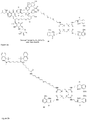
- FIG. 1 An example of this group is shown in figure 1 .
- figure 2 Possible embodiments of the compound according to the present invention are shown in figure 2 . That is, compound 30, figure 2a , shows a compound according to the present invention having a DOTA core unit, a catechol based siderophoric group on each arm one siderophoric group is present whereby the oxygen is present in its acetylated form. Normally, hydrolysation of the acetyl group occurs in situ, thus, a hydroxyl group is present in situ.
- a 1 , A 2 , A 3 , L 1 , L 2 , L 3 , Y 1 , Y 2 , and Y 3 are identical whereby A is C 1 alkyl-C(O)-N(H)-, L is C 1 alkyl, and Y is C 1 -alkyl-NH-.
- A is C 1 alkyl-C(O)-N(H)-
- L is C 3 -alkyl-O-C 2 -alkyl-O-C 2 -alkyl
- Y is C 1 -alkyl-NH-Another embodiment is shown as compound 32 in figure 2b having the same core moiety and the same B moieties while the G moiety is a fluorogenic probe, namely the cyanine dye Cy 5.5.
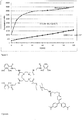
- FIG. 3 Another embodiment is shown in figure 3 , namely, compound 10 and compound 11.
- the core moiety together with the siderophore formed by three moieties of B, G is a compound wherein the functional element is coumarin 343.
- compound 11 additionally, a copper ion, Cu 2+ , is coordinated in the DOTA core unit.
- FIG. 6 A further embodiment is shown in figure 6 , namely DOTAM-MG.
- the present invention relates to a pharmaceutical composition containing a compound according to the present invention, optionally together with typical excipients, diluents or carrier.
- the compound according to the present invention is for use as an antibiotic.
- the compound according to the present invention is useful for diagnostic purposes.
- imaging purposes like optical imaging, molecular imaging and/or chemical imaging.
- the compounds are particularly useful for in vivo imaging, in particular, computer tomography (CT) as well as magnet resonance imaging (MRI) based methods.
- CT computer tomography
- MRI magnet resonance imaging
- radioactive marker molecules in particular, metal ions being positively charge metal ions, single-photon emission computed tomography (SPECT) or positron emission tomography (PET) may be used allowing morphological imaging accordingly
- the compounds according to the present invention may allow to differentiate between infection and inflammation, e.g. showing bacterial growth. Since the compounds according to the present invention including the siderophore moiety are transported actively into the pathogen cells, it is possible to image the presence of the pathogen cells in vivo. Suitable compounds allowing direct imaging of bacteria are in progress but are not established yet. Hence, the compounds according to the present invention complement suitable molecules useful in in vivo imaging. In addition, the compounds according to the present invention combing the diagnostic property with a therapeutic property, e.g. when coordinating Cu ions. Copper represents a known bacterial growth inhibiting compound.
- siderophore DOTA compounds according to the present invention containing Cu 2+ coordinated in the DOTA core demonstrate strong inhibition of bacterial growth in vitro.
- the metal ion M is a positively charged metal ion out of the group Gd, Yb, Mn, Cr, Cu, Fe, Pr, Nd, Sm, Tb, YDy, Ho, Er, Eu, Ga, 68 Ga, 64 Cu, 99m Tc, 177 Lu, 67 Ga, 111 In, 99 Mo for imaging, in particular, SPEC or PET or MRI. That is, while Fe 2+ or Fe 3+ ions are present in the siderophore, the metal ion present in the core unit is the same metal ion or a different metal ion as mentioned above.
- the present invention relates to the use of the compound according to the present invention as a vehicle for the transport of a compound of interest into bacteria, yeast, fungi or plants. That is, utilizing the siderophore activity of the compounds according to the present invention and, thus, the active transport thereof into the bacteria, yeast, fungi or plants, it is possible to transport other compounds of interest into the cell.
- These compounds of interest include the functional element as defined for substituent G including active agent inhibiting the growth of bacteria or killing bacteria or other pathogens accordingly.
- theranostic agents allowing therapy and/or diagnosis of pathogens, in particular, bacteria in a subject, typically, a mammal, like a human, and a non-human primate.
- the subject can be male or female.
- the pharmaceutical composition for use in connection with the invention can be formulated as neutral or salt forms.
- Pharmaceutical acceptable salts include those formed with anions such as those derived from hydrochloric, phosphoric, acetic, oxalic, tartaric acids etc., and those formed with cations, such as those derived from sodium, potassium, ammonium, calcium, ferric hydroxides, isopropyl amine, etc.
- the pharmaceutical composition is applied in therapeutically or pharmaceutically effective amount which refers to the amount of composition sufficient to adduce a desired biological result.
- the pharmaceutical composition is administered by known methods. The skilled person can easily determine the suitable way of administration as well as the suitable dosage regiment in order to achieve the desired results accordingly.
- the prepared compounds were in general characterized by spectroscopic data and chromatographic data, in particular mass spectra (MS) and/or nuclear magnetic resonance (NMR) spectra.
- MS mass spectra
- NMR nuclear magnetic resonance
- the chemical shift ⁇ (in ppm), the number of hydrogen atoms (H), the coupling constant J (in Hz) and the multiplicity (s: singlet, d: doublet, dd: double doublet, t: triplet, m: multiplet; br: broad) of the peaks are given.
- MS characterization the mass number (m/e) of the peak of the molecular ion (M) or of a related ion such as the ion (M+1), i.e.
- the protonated molecular ion (M+H), or the ion (M-1), which was formed depending on the ionization method used, is given.
- the ionization method was electrospray ionization (ES+ or ES-).
- HHY-10 (10 mg, 6 ⁇ mol) was dissolved in 80% methanol (1 mL) and a solution of 1 equiv. Cu(NO 3 ) 2 (1.2 mg, 6 ⁇ mol) in methanol (6 ⁇ L) was added. The reaction mixture stirred overnight under argon at room temperature then purified by HPLC to give HHY-11 (9 mg, 87%) as a green powder.
- ESI-MS found: [M] 2+ 861.84.
- the light blue solution was concentrated, rediltuted in EtOAc (10 mL) and a NaHCO 3 solution (0.1 M, 20 mL).
- the aqueous layer was extracted with EtOAc (3 ⁇ 10 mL) and the combined organic layers were washed with brine (3 ⁇ 10 mL).
- the organic layer was dried over MgSO 4 , filtered through paper and concentrated to yield a green colored oil (15 mg).
- reaction mixture was filtered and purified by reversed phase column chromatography (column: Phenomenex, C18, 250 ⁇ 10 mm, eluent: ACN/H 2 O/0.1 % TFA, linear gradient from 30% to 80% ACN). The fractions were gathered and lyophilized to yield a dark blue colored solid (8.5 mg, 13.8 ⁇ 0.6% of water content assessed by 1 H NMR, 56%).
- 1 H NMR 700 MHz, D 6 -DMSO).
- the aqueous layer was extracted with DCM (3 ⁇ 10 mL) and the combined organic layers were washed with brine (10 mL), dried over MgSO 4 , filtered and concentrated to yield a light blue colored oil (41 mg).
- the crude material was dissolved in DCM and purified by slica gel flash column chromatography to yield a dark blue colored solid (28 mg).
- the purified solid was dissolved in EtOAc (5 mL) and p-chloranil (9 mg, 37 ⁇ mol) was added to the blue solution. The reaction mixture was stirred at 25 °C for 3 h, filtered and concentrated to yield a dark blue colored solid (40 mg).
- the uptake of coumarin 343, HHY-10 and HHY-11 was investigated in gram-negative bacteria Pseudomonas aeruginosa PA7 (DSM 24068), Acinetobacter baumannii (DSM 30007, ATCC 19606) and gram-positive bacteria Staphylococcus aureus MRSA (DSM 11822, ICB 25701).
- Gram-negative bacteria were cultured overnight in Mueller Hinton Broth (M-H Broth) + 1% glucose (10 g/L) or Gram-positive bacteria were cultured overnight in trypticase soy yeast extract medium (TSY-Med) at 37 °C under 5% CO 2 in an incubator shaker set at 180 rpm.
- Bacteria (from the overnight culture) were re-suspended in 10 mL of PBS buffer, to an optical density of 0.1 at 600 nm.
- the bacterial culture solution was transferred into 48 well plates, with each well containing 200 ⁇ L of bacteria, and 0.4 ⁇ L of either coumarin 343, HHY- 10 and HHY- 11 stock solutions (10 mM in PBS) were added, generating a 20 ⁇ M probe concentration.
- the bacteria were incubated with the probes for 1 hour at 37 °C under 5% CO 2 in an incubator without shaking.
- the bacteria were harvested by centrifuging the bacterial solutions.
- the resulting pellets were washed 3 times with 200 ⁇ L PBS by resuspending the pellets in PBS and centrifuging.
- the washed bacterial pellets were transferred into a slice, then imaged using confocal fluorescent microscopy.
- the intensity of the green signal from coumarin presents the relevant amount of these probes taken by the bacteria.
- Incubation of coumarin 343 itself with Acinetobacter baumannii would not lead to obvious fluorescence.
- the conjugation of siderophores, both HHY-10 and HHY-11 revealed obvious fluorescent signals in Acinetobacter baumannii, suggesting large quantities of imaging probes were delivered to bacteria.
- the Fe(III)-siderophore complexes are recognized, and overcome membrane permeability barriers by entering cells through active transport mechanisms. Attachment of antibiotics to siderophores produces potential "Trojan Horse” conjugates that are anticipated to enter pathogenic bacteria via their iron uptake system, thereby circumventing the permeability-mediated drug resistance problem. Moellmann et al. demonstrated that using acylated catecholates as the siderophore components has the benefit of not only facilitating synthesis but also preventing pharmacological side effects of the catechol groups.
- Antibacterial activity of the compounds was determined by measuring their minimum inhibitory concentrations (MIC90's) using the broth microdilution method according to the Clinical and Laboratory Standards Institute (CLSI, formerly the NCCLS) guidelines. Each well of a 96-well microtiter plate was filled with 40 ⁇ L of sterile broth media (-Fe or +Fe). Each test compound was dissolved in DMSO making a 10 mM solution, and then diluted with sterile broth media (-Fe or +Fe) to 75 or 150 ⁇ M. Exactly 80 ⁇ L of the compound solution was added to the first well of the microtiter plate and 1.5-fold serial dilutions were made down each row of the plate.
- CCSI Clinical and Laboratory Standards Institute
- HHY-10 and HHY-11 were subjected to further assays to determine their minimum inhibitory concentrations (MIC) in both iron-rich and iron-deficient media (Table 1). Both compounds exhibited media antibacterial activity against Gram-negative bacter Pseudomonas aeruginosa PA7 (DSM 24068), Acinetobacter baumannii (DSM 30007, ATCC 19606) and gram-positive bacteria Staphylococcus aureus MRSA (DSM 11822, ICB 25701) in iron-deficient medium.
- HHY- 11 copper complex compound, showed better inhibition affinity than HHY- 10 , while coumarin 343 was generally inactive (>100 ⁇ M).
- PA01/pirA is a mutant of the wild type PAO1 with a defect in ferric enterobactin receptor (pirA)
- PA01/fptA is a mutant having a mutation in the pyochelin outer membrane receptor precursor in P. aeruginosa
- pyochelin is one of the two major siderophores in P. aeruginosa
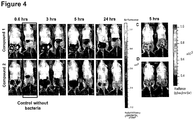
- Wild type P.aeruginosa (PA01) were streaked on LB agarose plates and incubated at 37 0 C overnight. Single colonies were picked and inoculated in LB media. Inoculated cultures were incubated on shakers at 180 rpm at 37 0 C until the optical density of the culture reached O.D 600 0.1. IFN- ⁇ reporter mice were used to visualize the immune response to infection. The dorsal side of the mice was shaved and 5 ⁇ l of the bacterial culture was injected subcutaneously. After infection, the Cy5.5 conjugated siderophore compound (20 ⁇ g/kg of mouse body weight), see figure 2B , and as a control Cy5.5 compound without siderophore were injected intravenously in mice through the tail vein.
- Fluorescent imaging was performed at excitation and emission wavelength of 675 and 694 nm respectively.
- 150 ⁇ l of (30mg/kg) luciferin injected in the same mice after 5 hours of infection and bioluminescent imaging was performed.
- Mice were sacrificed and organs such as liver, spleen, kidneys, intestine and heart were extracted and fluorescent imaging was done at excitation and emission wavelength of 675 and 694 nm respectively.
- Fluorescent images were processed by subtracting the auto fluorescence of the tissue using image math tool of Living image software.
- the advantage of monitoring uptake with the FAP system is the fact that a fluorescent signal can only be obtained, when the dye Malachite-Green (MG) is bound to the FAP protein. As the FAP protein is expressed inside of the bacteria, a fluorescent signal can only be monitored if the MG or any conjugate of MG (p.e. DOTAM-MG, see figure 6 ) entered the cytoplasm of the bacterial cell.
- MG Malachite-Green
- FAP dH6.2 6 The coding sequence of FAP dH6.2 6 was ordered as gene synthesis (GeneScript, USA) and cloned into the expression vector pET23b (Novagen).
- Chemically competent E.coli Origami DE3 (Genotype ⁇ (ara-leu)7697 ⁇ lacX74 ⁇ phoA Pvull phoR araD139 ahpC galE galK rpsL F' [ lac + lacl q pro] (DE3) gor522:: Tn 10 trxB (Str R , Tet R )) were transformed with pET_FAP dH6.2 and selected by Ampicillin resistance.
- E.coli Origami DE3 pET23b_FAP dH6.2 were cultured in LB medium containing 100 ⁇ g/ml Ampicillin and expression of FAP dH6.2 was induced by addition of IPTG at a final concentration of 1mM for 4h. Density of bacteria was adjusted to OD 600 of 2 and 100 ⁇ l of the resulting suspension was used for assaying uptake in 96 well plates.
- DOTAM-MG (1KF18) and MG (1KF10) were dissolved in DMSO to a concentration of 1mM and added to the bacteria at a final concentration of 10 ⁇ M. The kinetic of fluorescence intensity was measured using TECAN Infinite Pro 200 plate reader at 610nm excitation and 655nm emission wavelengths.
Landscapes
- Chemical & Material Sciences (AREA)
- Organic Chemistry (AREA)
- Health & Medical Sciences (AREA)
- Life Sciences & Earth Sciences (AREA)
- Engineering & Computer Science (AREA)
- General Health & Medical Sciences (AREA)
- Veterinary Medicine (AREA)
- Public Health (AREA)
- Animal Behavior & Ethology (AREA)
- Epidemiology (AREA)
- Biomedical Technology (AREA)
- Biochemistry (AREA)
- Molecular Biology (AREA)
- Genetics & Genomics (AREA)
- Biotechnology (AREA)
- Proteomics, Peptides & Aminoacids (AREA)
- Wood Science & Technology (AREA)
- Zoology (AREA)
- General Engineering & Computer Science (AREA)
- Bioinformatics & Cheminformatics (AREA)
- Immunology (AREA)
- Toxicology (AREA)
- Microbiology (AREA)
- Physics & Mathematics (AREA)
- Analytical Chemistry (AREA)
- Biophysics (AREA)
- Oncology (AREA)
- Pharmacology & Pharmacy (AREA)
- Nuclear Medicine, Radiotherapy & Molecular Imaging (AREA)
- Medicinal Chemistry (AREA)
- General Chemical & Material Sciences (AREA)
- Chemical Kinetics & Catalysis (AREA)
- Communicable Diseases (AREA)
- Pharmaceuticals Containing Other Organic And Inorganic Compounds (AREA)
- Medicines Containing Antibodies Or Antigens For Use As Internal Diagnostic Agents (AREA)
Claims (10)
- Eine Verbindung der allgemeinen Formel VI:
 M ist ein Metallion und kann vorhanden oder abwesend sein,wobeiA4, L4 und Y4 vorliegen oder abwesend sein kann,wobei A4 ausgewählt ist aus einer Bindung, -(C0-C4)-alkyl-C(O)-N(R1)-, -(Co-C4)-alkyl-, P(O)t-N(R1)-, -(C0-C4)-alkyl-S(O)t-N(R1)-, -(C0-C4)-alkyl-N(R2)-C(O)-N(R1)- und -(C0-C4)-alkyl-N(R1)-C(O)-;R1 und R2 sind unabhängig voneinander ausgewählt aus Wasserstoff, (C1-C4)-alkyl, (C3-C7)-cycloalkyl und -(C1-C4)-alkyl-(C3-C7)-cycloalkyl;t ist ausgewählt aus 1 und 2;L4 ist ausgewählt aus einer Bindung, C1-C18)-alkyl, -(CH2)u[-O-(CH2)p]qu, q und p sind unabhängig voneinander gleich oder unterschiedlich und sind ganze Zahlen 0, 1, 2, 3, 4, 5, 6, 7, 8, 9 oder 10;Y4 ist ausgewählt aus einer Bindung, -(C0-C4)-alkyl-N(R1)-, -(C0-C4)-alkyl-C(O)-N(R1)-, -N(R1)-C(O)-(C0-C6)-alkyl-, -(C0-C4)-alkyl-S(O)t-N(R1)-, -(C0-C4)-alkyl-N(R2)-C(O)-N(R1)-, -(C0-C4)-alkyl-N(R1)-C(O)-,R ist Ac oder H, wobei alle R identisch sind;K ist ein Wasserstoffatom, eine Fluorophor, dass optische Bildgebung erlaubt; ein bioaktives Mittel, eine aktivitätsbasierende Probe (Activity Based Probe, ABP) zum Überwachen einer abweichenden Expression oder Aktivität eines Proteins, das in dem Beginn oder dem Fortschreiten einer bakteriellen Infektion involviert ist oder einer Verbindung zur bakteriellen Hemmung.
 - Die Verbindung nach Anspruch 1 ausgewählt aus


- Die Verbindung nach Anspruch 1, wobei K ein Antibiotikum ist.
- Eine pharmazeutische Zusammensetzung enthaltend eine Verbindung nach einem der Ansprüche 1 bis 3.
- Eine Verbindung nach einem der Ansprüche 1 bis 3 zur Verwendung als ein Antibiotikum.
- Eine Verwendung einer Verbindung nach einem der Ansprüche 1 bis 3 zur Diagnose.
- Die Verwendung einer Verbindung nach Anspruch 6 zur Diagnose durch optische Bildgebung, molekulare Bildgebung und/oder chemische Bildgebung.
- Nicht-therapeutische Verwendung einer Verbindung nach einem der Ansprüche 1 bis 3 zur Verwendung als ein Vehikel zum Transport einer interessierenden Verbindung in Bakterien, Hefe, Pilze oder Pflanzen.
- Die Verwendung einer Verbindung nach einem der Ansprüche 1 bis 3 oder die Verwendung nach einem der Ansprüche 6 bis 8 oder die Verwendung der pharmazeutischen Zusammensetzung nach Anspruch 4, wobei M ein positiv geladenes Metallion ist aus der Gruppe Gd, Yb, Mn, Cr, Cu, Fe, Pr, Nd, Sm, Tb, Y, Dy, Ho, Er, Eu, Ga, 68Ga, 64Cu, 99mTc, 177Lu, 67Ga, 111In, 99Mo zur Bildgebung, insbesondere SPECT oder PET oder MRI.
- Theranostische Zusammensetzung umfassend eine Verbindung nach einem der Ansprüche 1 bis 3.
Applications Claiming Priority (2)
| Application Number | Priority Date | Filing Date | Title |
|---|---|---|---|
| EP14181231.3A EP2987792A1 (de) | 2014-08-18 | 2014-08-18 | Mittel auf 1,4,7,10-Tetraazacyclododecanbasis zum Abzielen auf Bakterien und deren Verwendung |
| PCT/EP2015/068914 WO2016026841A1 (en) | 2014-08-18 | 2015-08-18 | 1,4,7,10-tetrazacyclododecane based agents to target bacteria and its use |
Publications (2)
| Publication Number | Publication Date |
|---|---|
| EP3183249A1 EP3183249A1 (de) | 2017-06-28 |
| EP3183249B1 true EP3183249B1 (de) | 2021-10-06 |
Family
ID=51429025
Family Applications (2)
| Application Number | Title | Priority Date | Filing Date |
|---|---|---|---|
| EP14181231.3A Withdrawn EP2987792A1 (de) | 2014-08-18 | 2014-08-18 | Mittel auf 1,4,7,10-Tetraazacyclododecanbasis zum Abzielen auf Bakterien und deren Verwendung |
| EP15754150.9A Active EP3183249B1 (de) | 2014-08-18 | 2015-08-18 | Bakterien-zielende 1,4,7,10-tetraazacyclododecanderivate und deren verwendung |
Family Applications Before (1)
| Application Number | Title | Priority Date | Filing Date |
|---|---|---|---|
| EP14181231.3A Withdrawn EP2987792A1 (de) | 2014-08-18 | 2014-08-18 | Mittel auf 1,4,7,10-Tetraazacyclododecanbasis zum Abzielen auf Bakterien und deren Verwendung |
Country Status (3)
| Country | Link |
|---|---|
| US (1) | US11072590B2 (de) |
| EP (2) | EP2987792A1 (de) |
| WO (1) | WO2016026841A1 (de) |
Families Citing this family (6)
| Publication number | Priority date | Publication date | Assignee | Title |
|---|---|---|---|---|
| US12399123B1 (en) * | 2020-02-14 | 2025-08-26 | 10X Genomics, Inc. | Spatial targeting of analytes |
| WO2024152775A1 (zh) * | 2023-01-17 | 2024-07-25 | 云合智药(苏州)生物科技有限公司 | 缀合物、配体单元及其用途 |
| CN117088825A (zh) * | 2023-10-12 | 2023-11-21 | 成都威斯津生物医药科技有限公司 | 一种可离子化脂质、含该可离子化脂质的药物组合物及其用途 |
| WO2025239634A1 (ko) * | 2024-05-13 | 2025-11-20 | 경북대학교 산학협력단 | 감염성 질병 진단용 조성물 |
| CN119684224A (zh) * | 2024-12-18 | 2025-03-25 | 上海德浦生物医药科技有限公司 | 一种dota-pnp的制备方法 |
| CN120208850B (zh) * | 2025-03-13 | 2025-12-30 | 青岛大学 | 一种无激发小分子光敏剂药物及其制备方法与应用 |
Family Cites Families (1)
| Publication number | Priority date | Publication date | Assignee | Title |
|---|---|---|---|---|
| JP5770096B2 (ja) * | 2009-10-26 | 2015-08-26 | 富士フイルムRiファーマ株式会社 | 感染症診断薬 |
-
2014
- 2014-08-18 EP EP14181231.3A patent/EP2987792A1/de not_active Withdrawn
-
2015
- 2015-08-18 WO PCT/EP2015/068914 patent/WO2016026841A1/en not_active Ceased
- 2015-08-18 EP EP15754150.9A patent/EP3183249B1/de active Active
- 2015-08-18 US US15/503,783 patent/US11072590B2/en active Active
Non-Patent Citations (1)
| Title |
|---|
| None * |
Also Published As
| Publication number | Publication date |
|---|---|
| US20170240582A1 (en) | 2017-08-24 |
| EP3183249A1 (de) | 2017-06-28 |
| WO2016026841A1 (en) | 2016-02-25 |
| EP2987792A1 (de) | 2016-02-24 |
| US11072590B2 (en) | 2021-07-27 |
Similar Documents
| Publication | Publication Date | Title |
|---|---|---|
| EP3183249B1 (de) | Bakterien-zielende 1,4,7,10-tetraazacyclododecanderivate und deren verwendung | |
| US8323621B2 (en) | Multi-use multimodal imaging chelates | |
| DE69818987T2 (de) | Zusammensetzung und verfahren zur verzögerung des transports durch biologische membranen | |
| Rietveld et al. | Dendrimers with tetrabenzoporphyrin cores: near infrared phosphors for in vivo oxygen imaging | |
| CN108368067B (zh) | 二聚造影剂 | |
| US9506102B2 (en) | Fluorescent probe for high-sensitivity pancreatic fluid detection, and method for detecting pancreatic fluid | |
| Noël et al. | Synthesis and biological properties of conjugates between fluoroquinolones and a N3′′-functionalized pyochelin | |
| EA022137B1 (ru) | КОНЪЮГАТЫ ε-ПОЛИЛИЗИНА И ИХ ПРИМЕНЕНИЕ | |
| JPH02160789A (ja) | 13,17―プロピオン酸―及びプロピオン酸誘導体―置換ポルフイリン―錯化合物、その製法、これを含有するnmr―、レントゲン―、超音波―、放射線―及び光―診断剤並びに放射線―、光線―及び光―治療剤及びその薬剤の製法 | |
| CN102781909A (zh) | 作为显像剂的n-烷氧基酰胺共轭物 | |
| Wojciechowski et al. | A Robust and Convergent Synthesis of Dipeptide− DOTAM Conjugates as Chelators for Lanthanide Ions: New PARACEST MRI Agents | |
| CN116173204B (zh) | 一种谷胱甘肽激活的共组装纳米探针及其制备方法和应用 | |
| EP1379257B1 (de) | Prodrugs von krebsmitteln mit substituierten aromatischen säuren | |
| JPH06504301A (ja) | キレート化剤 | |
| DE19507820A1 (de) | Neuartig substituierte DTPA-Derivate, deren Metallkomplexe, diese Komplexe enthaltende pharmazeutische Mittel, deren Verwendung in der Diagnostik, sowie Verfahren zur Herstellung der Komplexe und Mittel | |
| US20090092550A1 (en) | Porphyrin linked metronidazole against gum disease: porphyromonas gingivalis | |
| US20140010762A1 (en) | Imaging agents | |
| Ton et al. | Fluorescent Antibiotics: Bridging Diagnostic and Therapy in the Fight against Bacterial Infections | |
| CN118995199A (zh) | 一种细胞内质网荧光探针、制备及应用 | |
| EP1170021A2 (de) | Konjugate von Peptiden und Lanthanid-Chelaten für die Fluoreszenzdiagnostik | |
| KR102273736B1 (ko) | 이중 인식 이광자 형광 프로브 및 이의 용도 | |
| CN101822846B (zh) | 一种磁光双模式分子影像探针及其制备方法 | |
| EP0822180B1 (de) | Chelierende Verbindungen, ihre Chelate mit paramagnetischen Metallen, ihre Herstellung und Verwendung | |
| WO2025136224A1 (en) | Peptide probes | |
| KR20110099984A (ko) | 분자영상 프로브 제조용 신규 리간드, 그 리간드를 포함하는 분자영상 프로브, 그 분자영상 프로브를 포함하는 분자영상 입자, 그 제조방법 및 그것을 포함하는 약학 조성물 |
Legal Events
| Date | Code | Title | Description |
|---|---|---|---|
| STAA | Information on the status of an ep patent application or granted ep patent |
Free format text: STATUS: THE INTERNATIONAL PUBLICATION HAS BEEN MADE |
|
| PUAI | Public reference made under article 153(3) epc to a published international application that has entered the european phase |
Free format text: ORIGINAL CODE: 0009012 |
|
| STAA | Information on the status of an ep patent application or granted ep patent |
Free format text: STATUS: REQUEST FOR EXAMINATION WAS MADE |
|
| 17P | Request for examination filed |
Effective date: 20170310 |
|
| AK | Designated contracting states |
Kind code of ref document: A1 Designated state(s): AL AT BE BG CH CY CZ DE DK EE ES FI FR GB GR HR HU IE IS IT LI LT LU LV MC MK MT NL NO PL PT RO RS SE SI SK SM TR |
|
| AX | Request for extension of the european patent |
Extension state: BA ME |
|
| DAV | Request for validation of the european patent (deleted) | ||
| DAX | Request for extension of the european patent (deleted) | ||
| STAA | Information on the status of an ep patent application or granted ep patent |
Free format text: STATUS: EXAMINATION IS IN PROGRESS |
|
| 17Q | First examination report despatched |
Effective date: 20180316 |
|
| GRAP | Despatch of communication of intention to grant a patent |
Free format text: ORIGINAL CODE: EPIDOSNIGR1 |
|
| STAA | Information on the status of an ep patent application or granted ep patent |
Free format text: STATUS: GRANT OF PATENT IS INTENDED |
|
| INTG | Intention to grant announced |
Effective date: 20200629 |
|
| GRAJ | Information related to disapproval of communication of intention to grant by the applicant or resumption of examination proceedings by the epo deleted |
Free format text: ORIGINAL CODE: EPIDOSDIGR1 |
|
| STAA | Information on the status of an ep patent application or granted ep patent |
Free format text: STATUS: EXAMINATION IS IN PROGRESS |
|
| INTC | Intention to grant announced (deleted) | ||
| GRAP | Despatch of communication of intention to grant a patent |
Free format text: ORIGINAL CODE: EPIDOSNIGR1 |
|
| STAA | Information on the status of an ep patent application or granted ep patent |
Free format text: STATUS: GRANT OF PATENT IS INTENDED |
|
| INTG | Intention to grant announced |
Effective date: 20210421 |
|
| GRAS | Grant fee paid |
Free format text: ORIGINAL CODE: EPIDOSNIGR3 |
|
| GRAA | (expected) grant |
Free format text: ORIGINAL CODE: 0009210 |
|
| STAA | Information on the status of an ep patent application or granted ep patent |
Free format text: STATUS: THE PATENT HAS BEEN GRANTED |
|
| AK | Designated contracting states |
Kind code of ref document: B1 Designated state(s): AL AT BE BG CH CY CZ DE DK EE ES FI FR GB GR HR HU IE IS IT LI LT LU LV MC MK MT NL NO PL PT RO RS SE SI SK SM TR |
|
| REG | Reference to a national code |
Ref country code: GB Ref legal event code: FG4D |
|
| REG | Reference to a national code |
Ref country code: CH Ref legal event code: EP Ref country code: AT Ref legal event code: REF Ref document number: 1436137 Country of ref document: AT Kind code of ref document: T Effective date: 20211015 |
|
| REG | Reference to a national code |
Ref country code: IE Ref legal event code: FG4D |
|
| REG | Reference to a national code |
Ref country code: DE Ref legal event code: R096 Ref document number: 602015073912 Country of ref document: DE |
|
| REG | Reference to a national code |
Ref country code: LT Ref legal event code: MG9D |
|
| REG | Reference to a national code |
Ref country code: NL Ref legal event code: MP Effective date: 20211006 |
|
| REG | Reference to a national code |
Ref country code: AT Ref legal event code: MK05 Ref document number: 1436137 Country of ref document: AT Kind code of ref document: T Effective date: 20211006 |
|
| PG25 | Lapsed in a contracting state [announced via postgrant information from national office to epo] |
Ref country code: RS Free format text: LAPSE BECAUSE OF FAILURE TO SUBMIT A TRANSLATION OF THE DESCRIPTION OR TO PAY THE FEE WITHIN THE PRESCRIBED TIME-LIMIT Effective date: 20211006 Ref country code: LT Free format text: LAPSE BECAUSE OF FAILURE TO SUBMIT A TRANSLATION OF THE DESCRIPTION OR TO PAY THE FEE WITHIN THE PRESCRIBED TIME-LIMIT Effective date: 20211006 Ref country code: FI Free format text: LAPSE BECAUSE OF FAILURE TO SUBMIT A TRANSLATION OF THE DESCRIPTION OR TO PAY THE FEE WITHIN THE PRESCRIBED TIME-LIMIT Effective date: 20211006 Ref country code: BG Free format text: LAPSE BECAUSE OF FAILURE TO SUBMIT A TRANSLATION OF THE DESCRIPTION OR TO PAY THE FEE WITHIN THE PRESCRIBED TIME-LIMIT Effective date: 20220106 Ref country code: AT Free format text: LAPSE BECAUSE OF FAILURE TO SUBMIT A TRANSLATION OF THE DESCRIPTION OR TO PAY THE FEE WITHIN THE PRESCRIBED TIME-LIMIT Effective date: 20211006 |
|
| PG25 | Lapsed in a contracting state [announced via postgrant information from national office to epo] |
Ref country code: IS Free format text: LAPSE BECAUSE OF FAILURE TO SUBMIT A TRANSLATION OF THE DESCRIPTION OR TO PAY THE FEE WITHIN THE PRESCRIBED TIME-LIMIT Effective date: 20220206 Ref country code: SE Free format text: LAPSE BECAUSE OF FAILURE TO SUBMIT A TRANSLATION OF THE DESCRIPTION OR TO PAY THE FEE WITHIN THE PRESCRIBED TIME-LIMIT Effective date: 20211006 Ref country code: PT Free format text: LAPSE BECAUSE OF FAILURE TO SUBMIT A TRANSLATION OF THE DESCRIPTION OR TO PAY THE FEE WITHIN THE PRESCRIBED TIME-LIMIT Effective date: 20220207 Ref country code: PL Free format text: LAPSE BECAUSE OF FAILURE TO SUBMIT A TRANSLATION OF THE DESCRIPTION OR TO PAY THE FEE WITHIN THE PRESCRIBED TIME-LIMIT Effective date: 20211006 Ref country code: NO Free format text: LAPSE BECAUSE OF FAILURE TO SUBMIT A TRANSLATION OF THE DESCRIPTION OR TO PAY THE FEE WITHIN THE PRESCRIBED TIME-LIMIT Effective date: 20220106 Ref country code: NL Free format text: LAPSE BECAUSE OF FAILURE TO SUBMIT A TRANSLATION OF THE DESCRIPTION OR TO PAY THE FEE WITHIN THE PRESCRIBED TIME-LIMIT Effective date: 20211006 Ref country code: LV Free format text: LAPSE BECAUSE OF FAILURE TO SUBMIT A TRANSLATION OF THE DESCRIPTION OR TO PAY THE FEE WITHIN THE PRESCRIBED TIME-LIMIT Effective date: 20211006 Ref country code: HR Free format text: LAPSE BECAUSE OF FAILURE TO SUBMIT A TRANSLATION OF THE DESCRIPTION OR TO PAY THE FEE WITHIN THE PRESCRIBED TIME-LIMIT Effective date: 20211006 Ref country code: GR Free format text: LAPSE BECAUSE OF FAILURE TO SUBMIT A TRANSLATION OF THE DESCRIPTION OR TO PAY THE FEE WITHIN THE PRESCRIBED TIME-LIMIT Effective date: 20220107 Ref country code: ES Free format text: LAPSE BECAUSE OF FAILURE TO SUBMIT A TRANSLATION OF THE DESCRIPTION OR TO PAY THE FEE WITHIN THE PRESCRIBED TIME-LIMIT Effective date: 20211006 |
|
| REG | Reference to a national code |
Ref country code: DE Ref legal event code: R097 Ref document number: 602015073912 Country of ref document: DE |
|
| PG25 | Lapsed in a contracting state [announced via postgrant information from national office to epo] |
Ref country code: SM Free format text: LAPSE BECAUSE OF FAILURE TO SUBMIT A TRANSLATION OF THE DESCRIPTION OR TO PAY THE FEE WITHIN THE PRESCRIBED TIME-LIMIT Effective date: 20211006 Ref country code: SK Free format text: LAPSE BECAUSE OF FAILURE TO SUBMIT A TRANSLATION OF THE DESCRIPTION OR TO PAY THE FEE WITHIN THE PRESCRIBED TIME-LIMIT Effective date: 20211006 Ref country code: RO Free format text: LAPSE BECAUSE OF FAILURE TO SUBMIT A TRANSLATION OF THE DESCRIPTION OR TO PAY THE FEE WITHIN THE PRESCRIBED TIME-LIMIT Effective date: 20211006 Ref country code: EE Free format text: LAPSE BECAUSE OF FAILURE TO SUBMIT A TRANSLATION OF THE DESCRIPTION OR TO PAY THE FEE WITHIN THE PRESCRIBED TIME-LIMIT Effective date: 20211006 Ref country code: DK Free format text: LAPSE BECAUSE OF FAILURE TO SUBMIT A TRANSLATION OF THE DESCRIPTION OR TO PAY THE FEE WITHIN THE PRESCRIBED TIME-LIMIT Effective date: 20211006 Ref country code: CZ Free format text: LAPSE BECAUSE OF FAILURE TO SUBMIT A TRANSLATION OF THE DESCRIPTION OR TO PAY THE FEE WITHIN THE PRESCRIBED TIME-LIMIT Effective date: 20211006 |
|
| PLBE | No opposition filed within time limit |
Free format text: ORIGINAL CODE: 0009261 |
|
| STAA | Information on the status of an ep patent application or granted ep patent |
Free format text: STATUS: NO OPPOSITION FILED WITHIN TIME LIMIT |
|
| 26N | No opposition filed |
Effective date: 20220707 |
|
| PG25 | Lapsed in a contracting state [announced via postgrant information from national office to epo] |
Ref country code: AL Free format text: LAPSE BECAUSE OF FAILURE TO SUBMIT A TRANSLATION OF THE DESCRIPTION OR TO PAY THE FEE WITHIN THE PRESCRIBED TIME-LIMIT Effective date: 20211006 |
|
| PG25 | Lapsed in a contracting state [announced via postgrant information from national office to epo] |
Ref country code: SI Free format text: LAPSE BECAUSE OF FAILURE TO SUBMIT A TRANSLATION OF THE DESCRIPTION OR TO PAY THE FEE WITHIN THE PRESCRIBED TIME-LIMIT Effective date: 20211006 |
|
| REG | Reference to a national code |
Ref country code: DE Ref legal event code: R082 Ref document number: 602015073912 Country of ref document: DE Representative=s name: MEISSNER BOLTE PATENTANWAELTE RECHTSANWAELTE P, DE |
|
| PG25 | Lapsed in a contracting state [announced via postgrant information from national office to epo] |
Ref country code: MC Free format text: LAPSE BECAUSE OF FAILURE TO SUBMIT A TRANSLATION OF THE DESCRIPTION OR TO PAY THE FEE WITHIN THE PRESCRIBED TIME-LIMIT Effective date: 20211006 |
|
| PG25 | Lapsed in a contracting state [announced via postgrant information from national office to epo] |
Ref country code: LU Free format text: LAPSE BECAUSE OF NON-PAYMENT OF DUE FEES Effective date: 20220818 |
|
| REG | Reference to a national code |
Ref country code: BE Ref legal event code: MM Effective date: 20220831 |
|
| PG25 | Lapsed in a contracting state [announced via postgrant information from national office to epo] |
Ref country code: IT Free format text: LAPSE BECAUSE OF FAILURE TO SUBMIT A TRANSLATION OF THE DESCRIPTION OR TO PAY THE FEE WITHIN THE PRESCRIBED TIME-LIMIT Effective date: 20211006 |
|
| P01 | Opt-out of the competence of the unified patent court (upc) registered |
Effective date: 20230516 |
|
| PG25 | Lapsed in a contracting state [announced via postgrant information from national office to epo] |
Ref country code: IE Free format text: LAPSE BECAUSE OF NON-PAYMENT OF DUE FEES Effective date: 20220818 |
|
| PG25 | Lapsed in a contracting state [announced via postgrant information from national office to epo] |
Ref country code: BE Free format text: LAPSE BECAUSE OF NON-PAYMENT OF DUE FEES Effective date: 20220831 |
|
| PG25 | Lapsed in a contracting state [announced via postgrant information from national office to epo] |
Ref country code: HU Free format text: LAPSE BECAUSE OF FAILURE TO SUBMIT A TRANSLATION OF THE DESCRIPTION OR TO PAY THE FEE WITHIN THE PRESCRIBED TIME-LIMIT; INVALID AB INITIO Effective date: 20150818 |
|
| PG25 | Lapsed in a contracting state [announced via postgrant information from national office to epo] |
Ref country code: CY Free format text: LAPSE BECAUSE OF FAILURE TO SUBMIT A TRANSLATION OF THE DESCRIPTION OR TO PAY THE FEE WITHIN THE PRESCRIBED TIME-LIMIT Effective date: 20211006 |
|
| PG25 | Lapsed in a contracting state [announced via postgrant information from national office to epo] |
Ref country code: MK Free format text: LAPSE BECAUSE OF FAILURE TO SUBMIT A TRANSLATION OF THE DESCRIPTION OR TO PAY THE FEE WITHIN THE PRESCRIBED TIME-LIMIT Effective date: 20211006 |
|
| PG25 | Lapsed in a contracting state [announced via postgrant information from national office to epo] |
Ref country code: TR Free format text: LAPSE BECAUSE OF FAILURE TO SUBMIT A TRANSLATION OF THE DESCRIPTION OR TO PAY THE FEE WITHIN THE PRESCRIBED TIME-LIMIT Effective date: 20211006 |
|
| PG25 | Lapsed in a contracting state [announced via postgrant information from national office to epo] |
Ref country code: MT Free format text: LAPSE BECAUSE OF FAILURE TO SUBMIT A TRANSLATION OF THE DESCRIPTION OR TO PAY THE FEE WITHIN THE PRESCRIBED TIME-LIMIT Effective date: 20211006 |
|
| PGFP | Annual fee paid to national office [announced via postgrant information from national office to epo] |
Ref country code: DE Payment date: 20250826 Year of fee payment: 11 |
|
| PGFP | Annual fee paid to national office [announced via postgrant information from national office to epo] |
Ref country code: GB Payment date: 20250822 Year of fee payment: 11 |
|
| PGFP | Annual fee paid to national office [announced via postgrant information from national office to epo] |
Ref country code: FR Payment date: 20250827 Year of fee payment: 11 |
|
| PGFP | Annual fee paid to national office [announced via postgrant information from national office to epo] |
Ref country code: CH Payment date: 20250901 Year of fee payment: 11 |