EP3190186B1 - Expression des miarn dans le tissu placentaire - Google Patents
Expression des miarn dans le tissu placentaire Download PDFInfo
- Publication number
- EP3190186B1 EP3190186B1 EP16201258.7A EP16201258A EP3190186B1 EP 3190186 B1 EP3190186 B1 EP 3190186B1 EP 16201258 A EP16201258 A EP 16201258A EP 3190186 B1 EP3190186 B1 EP 3190186B1
- Authority
- EP
- European Patent Office
- Prior art keywords
- mir
- cells
- mirna
- c19mc
- hsa
- Prior art date
- Legal status (The legal status is an assumption and is not a legal conclusion. Google has not performed a legal analysis and makes no representation as to the accuracy of the status listed.)
- Active
Links
Images




Classifications
-
- C—CHEMISTRY; METALLURGY
- C12—BIOCHEMISTRY; BEER; SPIRITS; WINE; VINEGAR; MICROBIOLOGY; ENZYMOLOGY; MUTATION OR GENETIC ENGINEERING
- C12N—MICROORGANISMS OR ENZYMES; COMPOSITIONS THEREOF; PROPAGATING, PRESERVING, OR MAINTAINING MICROORGANISMS; MUTATION OR GENETIC ENGINEERING; CULTURE MEDIA
- C12N15/00—Mutation or genetic engineering; DNA or RNA concerning genetic engineering, vectors, e.g. plasmids, or their isolation, preparation or purification; Use of hosts therefor
- C12N15/09—Recombinant DNA-technology
- C12N15/11—DNA or RNA fragments; Modified forms thereof; Non-coding nucleic acids having a biological activity
- C12N15/111—General methods applicable to biologically active non-coding nucleic acids
-
- C—CHEMISTRY; METALLURGY
- C12—BIOCHEMISTRY; BEER; SPIRITS; WINE; VINEGAR; MICROBIOLOGY; ENZYMOLOGY; MUTATION OR GENETIC ENGINEERING
- C12N—MICROORGANISMS OR ENZYMES; COMPOSITIONS THEREOF; PROPAGATING, PRESERVING, OR MAINTAINING MICROORGANISMS; MUTATION OR GENETIC ENGINEERING; CULTURE MEDIA
- C12N15/00—Mutation or genetic engineering; DNA or RNA concerning genetic engineering, vectors, e.g. plasmids, or their isolation, preparation or purification; Use of hosts therefor
- C12N15/09—Recombinant DNA-technology
- C12N15/11—DNA or RNA fragments; Modified forms thereof; Non-coding nucleic acids having a biological activity
- C12N15/117—Nucleic acids having immunomodulatory properties, e.g. containing CpG-motifs
-
- A—HUMAN NECESSITIES
- A61—MEDICAL OR VETERINARY SCIENCE; HYGIENE
- A61K—PREPARATIONS FOR MEDICAL, DENTAL OR TOILETRY PURPOSES
- A61K31/00—Medicinal preparations containing organic active ingredients
- A61K31/70—Carbohydrates; Sugars; Derivatives thereof
- A61K31/7042—Compounds having saccharide radicals and heterocyclic rings
- A61K31/7052—Compounds having saccharide radicals and heterocyclic rings having nitrogen as a ring hetero atom, e.g. nucleosides, nucleotides
- A61K31/706—Compounds having saccharide radicals and heterocyclic rings having nitrogen as a ring hetero atom, e.g. nucleosides, nucleotides containing six-membered rings with nitrogen as a ring hetero atom
-
- A—HUMAN NECESSITIES
- A61—MEDICAL OR VETERINARY SCIENCE; HYGIENE
- A61K—PREPARATIONS FOR MEDICAL, DENTAL OR TOILETRY PURPOSES
- A61K31/00—Medicinal preparations containing organic active ingredients
- A61K31/70—Carbohydrates; Sugars; Derivatives thereof
- A61K31/7088—Compounds having three or more nucleosides or nucleotides
- A61K31/7105—Natural ribonucleic acids, i.e. containing only riboses attached to adenine, guanine, cytosine or uracil and having 3'-5' phosphodiester links
-
- A—HUMAN NECESSITIES
- A61—MEDICAL OR VETERINARY SCIENCE; HYGIENE
- A61K—PREPARATIONS FOR MEDICAL, DENTAL OR TOILETRY PURPOSES
- A61K31/00—Medicinal preparations containing organic active ingredients
- A61K31/70—Carbohydrates; Sugars; Derivatives thereof
- A61K31/7088—Compounds having three or more nucleosides or nucleotides
- A61K31/713—Double-stranded nucleic acids or oligonucleotides
-
- C—CHEMISTRY; METALLURGY
- C12—BIOCHEMISTRY; BEER; SPIRITS; WINE; VINEGAR; MICROBIOLOGY; ENZYMOLOGY; MUTATION OR GENETIC ENGINEERING
- C12N—MICROORGANISMS OR ENZYMES; COMPOSITIONS THEREOF; PROPAGATING, PRESERVING, OR MAINTAINING MICROORGANISMS; MUTATION OR GENETIC ENGINEERING; CULTURE MEDIA
- C12N15/00—Mutation or genetic engineering; DNA or RNA concerning genetic engineering, vectors, e.g. plasmids, or their isolation, preparation or purification; Use of hosts therefor
- C12N15/09—Recombinant DNA-technology
- C12N15/11—DNA or RNA fragments; Modified forms thereof; Non-coding nucleic acids having a biological activity
- C12N15/113—Non-coding nucleic acids modulating the expression of genes, e.g. antisense oligonucleotides; Antisense DNA or RNA; Triplex- forming oligonucleotides; Catalytic nucleic acids, e.g. ribozymes; Nucleic acids used in co-suppression or gene silencing
-
- C—CHEMISTRY; METALLURGY
- C12—BIOCHEMISTRY; BEER; SPIRITS; WINE; VINEGAR; MICROBIOLOGY; ENZYMOLOGY; MUTATION OR GENETIC ENGINEERING
- C12Q—MEASURING OR TESTING PROCESSES INVOLVING ENZYMES, NUCLEIC ACIDS OR MICROORGANISMS; COMPOSITIONS OR TEST PAPERS THEREFOR; PROCESSES OF PREPARING SUCH COMPOSITIONS; CONDITION-RESPONSIVE CONTROL IN MICROBIOLOGICAL OR ENZYMOLOGICAL PROCESSES
- C12Q1/00—Measuring or testing processes involving enzymes, nucleic acids or microorganisms; Compositions therefor; Processes of preparing such compositions
- C12Q1/68—Measuring or testing processes involving enzymes, nucleic acids or microorganisms; Compositions therefor; Processes of preparing such compositions involving nucleic acids
-
- C—CHEMISTRY; METALLURGY
- C12—BIOCHEMISTRY; BEER; SPIRITS; WINE; VINEGAR; MICROBIOLOGY; ENZYMOLOGY; MUTATION OR GENETIC ENGINEERING
- C12Q—MEASURING OR TESTING PROCESSES INVOLVING ENZYMES, NUCLEIC ACIDS OR MICROORGANISMS; COMPOSITIONS OR TEST PAPERS THEREFOR; PROCESSES OF PREPARING SUCH COMPOSITIONS; CONDITION-RESPONSIVE CONTROL IN MICROBIOLOGICAL OR ENZYMOLOGICAL PROCESSES
- C12Q1/00—Measuring or testing processes involving enzymes, nucleic acids or microorganisms; Compositions therefor; Processes of preparing such compositions
- C12Q1/68—Measuring or testing processes involving enzymes, nucleic acids or microorganisms; Compositions therefor; Processes of preparing such compositions involving nucleic acids
- C12Q1/6876—Nucleic acid products used in the analysis of nucleic acids, e.g. primers or probes
- C12Q1/6883—Nucleic acid products used in the analysis of nucleic acids, e.g. primers or probes for diseases caused by alterations of genetic material
-
- C—CHEMISTRY; METALLURGY
- C12—BIOCHEMISTRY; BEER; SPIRITS; WINE; VINEGAR; MICROBIOLOGY; ENZYMOLOGY; MUTATION OR GENETIC ENGINEERING
- C12N—MICROORGANISMS OR ENZYMES; COMPOSITIONS THEREOF; PROPAGATING, PRESERVING, OR MAINTAINING MICROORGANISMS; MUTATION OR GENETIC ENGINEERING; CULTURE MEDIA
- C12N2310/00—Structure or type of the nucleic acid
- C12N2310/10—Type of nucleic acid
- C12N2310/14—Type of nucleic acid interfering nucleic acids [NA]
- C12N2310/141—MicroRNAs, miRNAs
-
- C—CHEMISTRY; METALLURGY
- C12—BIOCHEMISTRY; BEER; SPIRITS; WINE; VINEGAR; MICROBIOLOGY; ENZYMOLOGY; MUTATION OR GENETIC ENGINEERING
- C12N—MICROORGANISMS OR ENZYMES; COMPOSITIONS THEREOF; PROPAGATING, PRESERVING, OR MAINTAINING MICROORGANISMS; MUTATION OR GENETIC ENGINEERING; CULTURE MEDIA
- C12N2310/00—Structure or type of the nucleic acid
- C12N2310/10—Type of nucleic acid
- C12N2310/17—Immunomodulatory nucleic acids
-
- C—CHEMISTRY; METALLURGY
- C12—BIOCHEMISTRY; BEER; SPIRITS; WINE; VINEGAR; MICROBIOLOGY; ENZYMOLOGY; MUTATION OR GENETIC ENGINEERING
- C12N—MICROORGANISMS OR ENZYMES; COMPOSITIONS THEREOF; PROPAGATING, PRESERVING, OR MAINTAINING MICROORGANISMS; MUTATION OR GENETIC ENGINEERING; CULTURE MEDIA
- C12N2320/00—Applications; Uses
- C12N2320/30—Special therapeutic applications
-
- C—CHEMISTRY; METALLURGY
- C12—BIOCHEMISTRY; BEER; SPIRITS; WINE; VINEGAR; MICROBIOLOGY; ENZYMOLOGY; MUTATION OR GENETIC ENGINEERING
- C12N—MICROORGANISMS OR ENZYMES; COMPOSITIONS THEREOF; PROPAGATING, PRESERVING, OR MAINTAINING MICROORGANISMS; MUTATION OR GENETIC ENGINEERING; CULTURE MEDIA
- C12N2320/00—Applications; Uses
- C12N2320/30—Special therapeutic applications
- C12N2320/32—Special delivery means, e.g. tissue-specific
-
- C—CHEMISTRY; METALLURGY
- C12—BIOCHEMISTRY; BEER; SPIRITS; WINE; VINEGAR; MICROBIOLOGY; ENZYMOLOGY; MUTATION OR GENETIC ENGINEERING
- C12N—MICROORGANISMS OR ENZYMES; COMPOSITIONS THEREOF; PROPAGATING, PRESERVING, OR MAINTAINING MICROORGANISMS; MUTATION OR GENETIC ENGINEERING; CULTURE MEDIA
- C12N2320/00—Applications; Uses
- C12N2320/30—Special therapeutic applications
- C12N2320/34—Allele or polymorphism specific uses
-
- C—CHEMISTRY; METALLURGY
- C12—BIOCHEMISTRY; BEER; SPIRITS; WINE; VINEGAR; MICROBIOLOGY; ENZYMOLOGY; MUTATION OR GENETIC ENGINEERING
- C12Q—MEASURING OR TESTING PROCESSES INVOLVING ENZYMES, NUCLEIC ACIDS OR MICROORGANISMS; COMPOSITIONS OR TEST PAPERS THEREFOR; PROCESSES OF PREPARING SUCH COMPOSITIONS; CONDITION-RESPONSIVE CONTROL IN MICROBIOLOGICAL OR ENZYMOLOGICAL PROCESSES
- C12Q2600/00—Oligonucleotides characterized by their use
- C12Q2600/124—Animal traits, i.e. production traits, including athletic performance or the like
-
- C—CHEMISTRY; METALLURGY
- C12—BIOCHEMISTRY; BEER; SPIRITS; WINE; VINEGAR; MICROBIOLOGY; ENZYMOLOGY; MUTATION OR GENETIC ENGINEERING
- C12Q—MEASURING OR TESTING PROCESSES INVOLVING ENZYMES, NUCLEIC ACIDS OR MICROORGANISMS; COMPOSITIONS OR TEST PAPERS THEREFOR; PROCESSES OF PREPARING SUCH COMPOSITIONS; CONDITION-RESPONSIVE CONTROL IN MICROBIOLOGICAL OR ENZYMOLOGICAL PROCESSES
- C12Q2600/00—Oligonucleotides characterized by their use
- C12Q2600/178—Oligonucleotides characterized by their use miRNA, siRNA or ncRNA
Definitions
- the present invention generally relates to Exosomes comprising human miRNAs as characterized in the claims for use in modulation of the maternal immune system for treating disorders related to a misregulated immune system such as pregnancy-associated diseases, failure or problems of placentation.
- the embryonic/foetal part of the placenta and in particular its trophoblast is able to produce factors that can prevent rejection of the embryo by interacting with the maternal immune system locally, i.e. within the decidua, as well as in the periphery.
- the immunomodulation has to work efficiently already during early pregnancy. In the first trimester of pregnancy, no less than 30-40% of the decidua consists of maternal immune cells the majority (about 70%) of which are NK cells but macrophages and T cells are known to occur in considerable percentages as well (Warning et al., 2011).
- WO 2011127625 A1 describes a method for obtaining exosomes and their use to modulate the miRNA content in living beings.
- US 2010/0151480 A1 describes isolation of exosomes and their use for diagnostic purposes. During pregnancy, cells of the trophoblast can secrete exosomes which seem to suppress the maternal immune system (Southcombe et al., 2011). However, it is not known how this suppression is actually achieved and which factors exactly are involved therein. The identification of such factors would provide new means for therapeutic and diagnostic strategies within the field of pregnancy associated disorders or complications during pregnancy and might be useful as well in treatment of several diseases associated with a deregulated or overactive immune system.
- C19MC is the largest currently known human miRNA cluster at all with roughly 60 different miRNAs (Tab. 1).
- Tab. 1 the miR-371-373 (371-3) cluster contains only seven microRNAs.
- C19MC the largest currently known human miRNA cluster at all with roughly 60 different miRNAs.
- Members of C19MC have been reported to be abundantly expressed in the trophoblast but not in the stromal part of the placenta and to have an increased expression during the pregnancy (Luo et al., 2009). Concerning the expression of the miR371-373 cluster in the placenta, no details are known yet.
- the immunomodulatory functions of the miRNAs can be based on a variety of mechanisms.
- pro-apoptotic functions have been depicted in Example 8 showing that members of the C19MC cluster interact with different mRNAs antagonizing Fas-FasL induced apoptosis.
- other relevant mechanisms including the induction of cellular senescence as well as reversible cell cycle arrest and anergy can be affected by miRNAs as well.
- the present disclosure generally relates to exosomes comprising miRNAs for use in immunomodulation, wherein the miRNA is selected from the miRNAs encoded by any one of the transcription units comprised in the C19MC cluster as enlisted in Table 1 above and as specified in detail in the claims.
- microRNAs are selected from the group consisting of: hsa-miR-517-5p, hsa-miR-517a-3p, hsa-miR-517b-3p, hsa-miR-517c-3p, having the SEQ ID Nos.: 10 to 13 .
- the seed sequence is essential for the binding of the miRNA to the mRNA.
- the "seed sequence” or “seed region”, as referred to in the present invention, is a conserved heptametrical sequence which is mostly situated at positions 2-7 from the miRNA 5'-end. Even though base pairing of miRNA and its target mRNA does not match perfect, the “seed sequence” has to be perfectly complementary. Therefore, the described herein are also miRNAs having common seed sequences with miRNAs encoded from the cluster C19MC or miR-371-3, wherein the microRNA:
- miRNAs are produced in the cell from longer primary transcripts, precursor RNA molecules, which may comprise the sequence of several mature miRNAs ( Kim, Nature Rev. Mol. Cell Biol. 6 (2005), 376-385 ). Therefore, described herein is also a miRNA precursor comprising the nucleic acid sequence of the miRNA as defined hereinbefore for use in immunomodulation.
- the sequences of the respective miRNA precursors of the miRNAs indicated in Tables 1 and 2 can, if not indicated already herein, be obtained from the respective entries in the miRBase.
- miRNAs regulate gene expression by binding to mRNA of target genes. It is known in the art that this region may be targeted as well by other binding molecules, to achieve the regulatory effect induced in the normal case by the miRNAsuch as synthetic miRNA mimics, RNA-molecules, antibodies, aptamers, spiegelmers.
- Described herein is also a double-stranded nucleic acid comprising the nucleic acid sequence of the miRNA, or miRNA precursor or of the binding molecule as defined hereinbefore.
- RNA, precursor miRNA and/or other binding molecules encoding nucleotide sequences are operatively linked to at least one expression control sequence.
- expression control sequences are promoter, operator, enhancer, silencer sequences, transcription terminators, polyadenylation sites and other nucleic acid sequences known in the art which may be used for the expression of miRNA, precursor miRNA and/or other binding molecules described herein.
- Said expression control sequences may enhance or downregulate the expression levels of the miRNA encoding nucleotide sequences operatively linked to.
- One or several expression control sequences may be used in combination with each other and/or in combination with one or more of the miRNA, precursor miRNA and/or other binding molecules described herein encoding double-stranded nucleic acids (nucleotide sequences) as described herein depending on the cell type (e.g., prokaryotes or eukaryotes) or organism used for the expression of miRNA, precursor miRNA and/or other binding molecules encoding nucleotide sequences.
- the expression regulatory sequences may be chosen as well in respect of the time ( i . e .
- the miRNA and/or miRNA precursor molecule encoded by the nucleotide sequences as described hereinabove are expressed when said regulatory sequences operably linked to the polypeptide and/or peptide encoding nucleotide sequences permit their expression because one or more of the mentioned conditions are met or not expressed, when the circumstances permitting expression are not met.
- the expression control sequences used may originate from the same organism as the miRNA, precursor miRNA and/or other binding molecules encoding nucleotide sequences as defined hereinabove or they may be foreign, i.e. originate from another organism in the meaning of different taxonomy or phylogeny. Described herein is also a nucleic acid molecule comprising the polypeptide and/or peptide encoding nucleotide sequences, wherein at least one expression control sequence is foreign to the polypeptide and/or peptide encoding nucleotide sequences.
- the polynucleotide encoding the above described miRNA, precursor miRNA and/or other binding molecules may be, e.g., DNA, cDNA, RNA or synthetically produced DNA or RNA or a recombinantly produced chimeric nucleic acid molecule comprising any of those polynucleotides either alone or in combination.
- the polynucleotides are operatively linked to expression control sequences allowing expression in prokaryotic or eukaryotic cells. Expression of said polynucleotide comprises transcription of the polynucleotide into a translatable mRNA. Details describing the expression of the polynucleotides will be described further below in this description.
- a vector comprising the double-stranded nucleic acid as defined hereinabove.
- a host cell comprising the vector is described herein.
- the host cell as defined hereinabove and below is preferably a human cell, preferably wherein the cell is selected from the group of patient's autologous cells.
- Described herein is also a pharmaceutical composition or a diagnostic agent comprising as an agent at least one miRNA, the miRNA precursor, the binding molecule, the double-stranded nucleic acid, the vector and/or the host cell as defined hereinabove and below.
- the active agent is embedded in artificial exosomes (see also Example 4).
- the present invention provides the exosomes comprising the miRNA as defined hereinabove for use in treatment of a pregnancy-associated disease.
- the pregnancy-associated disease is selected from the group of diseases consisting of eclampsia, pre-eclampsia, HELLP-syndrome and failure or problems of placentation or implantation.
- Eclampsia, pre-eclampsia and the HELLP-syndrome are all known in the art to be associated with placental dysfunction; see, e.g., Benedetto et al., Adv Clin Chem 53 (2011), 85-104 .
- the disclosure provides the exosomes comprising the miRNA, as defined hereinabove and below for use in the ex vivo and/or in vivo treatment of cells or tissues attacked by autoimmune diseases.
- exosomes comrprising the miRNA as defined hereinabove may be applied in different forms as known in the art and may be designed for different forms of administration.
- the exosomes comrprising the miRNA, as defined hereinabove are designed for local administration. In another embodiment however, they are designed for systemic administration.
- Described herein are also novel methods and materials for obtaining, generating, isolating and/or purifying exosomes from biological samples such as cells, tissue, blood, aspirate, amniotic fluid and supernatants of, e.g., cells or cell cultures.
- biological samples such as cells, tissue, blood, aspirate, amniotic fluid and supernatants of, e.g., cells or cell cultures.
- General methods for isolation and purification of exosomes and their content such as miRNAs are known in the art.
- exosomes may be isolated from biological samples by ultracentrifugation and their content, i.e., miRNAs can be purified with the TRIZOL reagent (Invitrogen, Carlsbad, CA) according to the protocol provided by the manufacturer and identified after reverse transcription to cDNA by PCR using specific miRNA primers as described in the subsections "Exosome isolation” and “RNA Extraction and Reverse Transription” on pages 4 to 5 of Gallo et al. (2012), PLoS One.;7(3):e30679 .
- TRIZOL reagent Invitrogen, Carlsbad, CA
- miRNA quantification can be performed as described in the "miRNA quantification" subsection on page 5 of Gallo et al. (2012).
- miRNAs can be isolated by Exosome RNA Isolation Kits offered by several manufacturers, such as Norgen Biotek Corp (Thorold, CANADA), e.g., Norgen's Urine Exosome RNA Isolation Kit (Norgen; Cat. No. 47200) for isolation and enrichment of exosomes from urine and tissue culture media, or Plasma/Serum Exosome RNA Isolation Kit (Norgen; Cat. No. 49200) for isolation and enrichment of exosomal RNA from of plasma, serum and ascitic fluid in accordance to the manual of the supplier.
- exosomes can be isolated instead of ultracentrifugation by the use of further kits, such as ExoQuick-TC TM from Gentaur (Kampenhout, Belgium) in accordance to the manual of the supplier.
- enriched samples can be used to determine the presence or absence of particular types of exosomes or to determine the amount of particular types of exosomes present within a mammal (e.g., a human).
- the presence or amount of particular types of distinct expression products, such as miRNAs within an exosomes comprising sample can indicate that the mammal has a particular disease or disorder.
- modulation of the maternal immune system is necessary.
- specific miRNAs, such as miRNAs of the C19MC as well as of the miR-371-3 cluster are such important modulators of the maternal immune system.
- exosomes comprising sample
- the presence or amount of particular types of these miRNAs within an exosomes comprising sample may be used thus for the estimation of ability of the embryo to implant or of a sperm sample to fertilize if the exosomes were isolated from a supernatant of cell culture medium of blastocysts or embryos. Therefore, described herein is also a method for obtaining exosomes for use in immunomodulation comprising isolation and purification of exosomes from a supernatant of cell cultures of embryonic or fetal cells expressing miRNAs of the C19MC cluster, the miR-371-373 cluster and/or the miR302-367 cluster as defined hereinabove and below and as enlisted in Tables 1 and 2 above.
- exosomes can be isolated from cell cultures of different cell types including cell types associated with embryonal implantation and development.
- Methods of isolation, purification and culturing of umbilical cord, amniotic, placental and chorionic cells from a biological sample are known in the art and described, e.g., in international applications WO2005/001081 , WO 2000/073421 , WO2002/046373 and WO2003/042405 and can be used to obtain cell cultures of interest for the isolation of exosomes.
- the cell cultures can be selected from the group of cells comprising cells from the umbilical cord, the amniotic membrane, the placenta and chorionic membrane.
- exosomes for use in immunomodulation from a biological sample comprising the steps of setting up a cell culture from the biological sample, collecting the supernatant of the cell culture and isolating and purifying the exosomes thereof.
- the biological samples for obtaining exosomes may be isolated from cells, cell culture, tissue, animal or human patient with the same genetical background as those envisaged for the immunomodulating treatment with the obtained exosomes or their content, or from cells, cell culture, tissue, organism, animal or human patient with a different genetical background as those envisaged for the treatment.
- described herein is also the method for obtaining exosomes for use in immunomodulation from a biological sample, wherein the biological sample comprises autologous cells, tissue sample or aspirate.
- the method for obtaining exosomes for use in immunomodulation from a biological sample is described herein, wherein the biological sample comprises allologous cells, tissue sample or aspirate.
- Described herein is further a method for in vitro generation of exosomes comprising miRNAs, binding molecules and/or double stranded nucleic acids as defined hereinabove and below and exosomes obtained according to the aforementioned methods for use in immunomodulation.
- Methods for producing artificial exosomes are known in the art as well.
- Such artificial exosomes can be derived from coated liposomes as described in De La Pe ⁇ a et al., J. Immunol. Methods. 344 (2009), 121-132 .
- Exosomes obtained according to the methods described herein can be used in immunomodulation in patients suffering from several diseases and disease types.
- the exosomes obtained according to the aforementioned methods are provided for use in treatment of an autoimmune disease.
- the exosomes can be administered on distinct routes of administration depending on the intention whether the effect is local (in “topical” administration) or systemic (in “enteral” or “parenteral” administration) and can be formulated in accordance to the specific administration route requirements. Therefore, in one instance, exosomes obtained according to the aforementioned methods are provided prepared for use in treatment of an autoimmune disease by a local administration. In another instance, the exosomes prepared for use in treatment of an autoimmune disease are administered using joint injection, preferably intra-articular injection or intra-nasal application. In a further instance, the exosomes obtained according to the aforementioned methods are prepared for use in treatment of an autoimmune disease by a systemic administration.
- the cells, tissue, organs or animals the exosomes are isolated from can be genetically engineered to express, or to overexpress specific miRNAs such as the aforementioned miRNAs and/or may be exposed to one or more agents, such as Azacytidine (5-Aza-2'-deoxycytidine) or other DNA demethylating agents, which are also capable of enhancing the ability of the cells to secrete exosomes (see, e.g., Xiao et al., (2010) "Effect of 5-aza-2'-deoxycytidine on immune-associated proteins in exosomes from hepatoma.”. World J Gastroenterol. 16, 2371-2377 .). The exposition to such agents may be performed as described for Azacytidine on page 2372 in the "Cell culture” subsection of the " Materials and Methods" section of Xiao et al., (2010 ).
- the described herein is also the use of Azacytidine or other DNA demethylating agents for the treatment of cell cultures in the aforementioned methods for obtaining or generation of exosomes to enhance the ability of the cells to secrete exosomes.
- Azacytidine or other DNA demethylating agents for the use in treatment of tissues in vivo to enhance their ability to secrete exosomes enhanced for miRNAs of the C19MC, the miR-371-373 and/or the miR302-367 cluster as defined hereinabove and below and enlisted in Tables 1 and 2.
- the presence or amount of particular types of these miRNAs within an exosomes comprising sample can be used for the estimation of the ability of the embryo to implant.
- a supernatant of the respective cell culture medium can be isolated and analyzed for the presence and amount of miRNAs of the miR-371-3 and C19MC clusters as defined in Table 1 above. The results of this analysis can be then used to estimate the implantation probability of an embryo.
- a or “an” entity refers to one or more of that entity; for example, “an polypeptide,” is understood to represent one or more polypeptides.
- the terms “a” (or “an”), “one or more,” and “at least one” can be used interchangeably herein.
- subject or “individual” or “animal” or “patient” or “mammal” is meant any subject, particularly a mammalian subject, e.g., a human patient, for whom diagnosis, prognosis, prevention, or therapy is desired.
- microRNA relates to a non-protein coding RNAs, which may comprise 13-35, 18-25 or 21-24 nucleotides, generally of between about 19 to about 25 nucleotides, preferably of about 22 nucleotides as the majority of the naturally occurring miRNAs, that guide cleavage in trans of target transcripts, negatively regulating the expression of genes involved in various regulation and development pathways ( Bartel DP., Cell 116 (2004), 281-297 ; He and Hannon, Nat. Rev. Genet.
- Bases 2-8 of the mature miRNA are defined herein as the "miRNA seed sequence".
- the complete complementarity of 6 to 8 bp between the target RNA sequence and the miRNA seed sequence is a major determinant of miRNA target recognition. Younger and Corey, Nucleic Acids Res. 39 (2011), 5682-5691 .
- MIR genes Some miRNA genes (MIR genes) have been identified and made publicly available in a database ('miRBase", available on line at microrna.sanger.ac.uk/ sequences). Additional MIR genes and mature miRNAs are also described in U.S. Patent Application Publication 2005/0120415 . MIR genes have been reported to occur in inter-genic regions, both isolated and in clusters in the genome, but can also be located entirely or partially within introns of other genes (both protein-coding and non-protein-coding; Saini et al., Proc Natl Acad Sci USA 104 (2007), 17719-17724 ). For a recent review of miRNA biogenesis, see Kim VN., Nature Rev. Mol. Cell Biol .
- MIR genes can be, at least in some cases, under promotional control of a MIR gene's own promoter. Transcription is probably generally mediated by RNA polymerase II then ( Lee et al., Embo J 23 (2004), 4051-4060 ).
- the primary transcript (which can be polycistronic) termed a "pri-miRNA", a miRNA precursor molecule that can be quite large (several kilobases) and contains one or more local double-stranded or "hairpin” regions as well as the usual 5' "cap” and polyadenylated tail of an mRNA. See, for example, FIG. 1 in Kim, Nature Rev. Mol. Cell Biol. 6 (2005), 376-385 .
- pre-miRNA is believed to be "cropped” by the nuclear RNase III Drosha to produce a shorter ( ⁇ 70 nucleotides) miRNA precursor molecule known as a "pre-miRNA".
- pre-miRNAs are exported to the nucleus where the enzyme Dicer generates the short, mature miRNAs. See, for example, Lee et al. EMBO Journal 21 (2002), 4663-4670 ; Reinhart et al., Genes & Dev., 16 (2002):1616-1626 ; Lund et al., Science 303 (2004), 95-98 ; and Millar and Waterhouse, Funct. Integr Genomics 5 (2005), 129-135 .
- MicroRNAs can thus be described in terms of RNA (e.g., RNA sequence of a mature miRNA or a miRNA precursor RNA molecule), or in terms of DNA (e.g., DNA sequence corresponding to a mature miRNA, RNA sequence or DNA sequence encoding a MIR gene or fragment of a MIR gene or a miRNA precursor).
- RNA e.g., RNA sequence of a mature miRNA or a miRNA precursor RNA molecule
- DNA e.g., DNA sequence corresponding to a mature miRNA, RNA sequence or DNA sequence encoding a MIR gene or fragment of a MIR gene or a miRNA precursor.
- MIR gene families appear to be substantial, estimated to account for 1% of at least some genomes and capable of influencing or regulating expression of about a third of all genes (see, for example, Tomari et al., Curr. Biol., 15(2005), R61-64 ; Tang G., Trends Biochem. Sci., 30 (2005), 106-14 ; Kim Nature Rev. Mol. Cell Biol., 6 (2005), 376-385 ).
- miRNAs are involved, for example, in regulation of cellular differentiation, proliferation and apoptosis, and are probably involved in the pathology of at least some diseases, including cancer, where miRNAs may function variously as oncogenes or as tumor suppressors.
- MicroRNA (MIR) genes have identifying characteristics, including conservation among plant species, a stable foldback structure, and processing of a specific miRNA/ miRNA* duplex by Dicer-like enzymes ( Ambros et al. (2003) RNA, 9:277-279 ).
- miRNA precursor refers interchangeably to all precursor forms of a mature miRNA, i.e. pri-miRNA and pre-miRNA.
- a micro-RNA of the present disclosure a micro-RNA consisting of a nucleotide sequence having an identity of 80% or more to the nucleotide sequence of any one of SEQ ID.
- NO 1 to 66 and 68, 69, 71, 72, 74, 75, 77 and 78, preferably a micro-RNA consisting of a nucleotide sequence having an identity of 90% or more, more preferably 95% or more, can be mentioned and referred to as a variant thereof.
- a precursor micro-RNA of the present disclosure a precursor micro-RNA consisting of a nucleotide sequence having an identity of 80% or more to the nucleotide sequence of any one precursor miRNA of SEQ ID. NOs 1 to 66 as indicated in the miRBase within the entries of the respective miRNA molecules of the present disclosure indicated in Table 1 and of SEQ ID Nos.: 67, 70, 73 or 76, preferably a micro-RNA consisting of a nucleotide sequence having an identity of 90% or more, more preferably 95% or more, can be mentioned and referred to as a variant thereof.
- the variant may also be a nucleotide sequence which hybridizes under stringent conditions to the referenced nucleotide sequence, complements thereof, or nucleotide sequences substantially identical thereto.
- the depiction of a single strand also defines the sequence of the complementary strand.
- a nucleic acid also encompasses the complementary strand of a depicted single strand.
- many variants of a nucleic acid may be used for the same purpose as a given nucleic acid.
- a nucleic acid also encompasses substantially identical nucleic acids and complements thereof.
- a single strand provides a probe for a probe that may hybridize to the target sequence under stringent hybridization conditions.
- a nucleic acid also encompasses a probe that hybridizes under stringent hybridization conditions.
- Probe as used herein may mean an oligonucleotide capable of binding to a target nucleic acid of complementary sequence through one or more types of chemical bonds, usually through complementary base pairing, usually through hydrogen bond formation. Probes may bind target sequences lacking complete complementarity with the probe sequence depending upon the stringency of the hybridization conditions. There may be any number of base pair mismatches which will interfere with hybridization between the target sequence and the single stranded nucleic acids of the present disclosure. However, if the number of mutations is so great that no hybridization can occur under even the least stringent of hybridization conditions, the sequence is not a complementary target sequence.
- Stringent hybridization conditions used herein may mean conditions under which a first nucleic acid sequence (e.g., probe) will hybridize to a second nucleic acid sequence (e.g., target), such as in a complex mixture of nucleic acids, but to no other sequences. Stringent conditions are sequence-dependent and will be different in different circumstances. Generally, stringent conditions are selected to be about 5-10° C. lower than the thermal melting point (Tm) for the specific sequence at a defined ionic strength pH.
- Tm thermal melting point
- the Tm may be the temperature (under defined ionic strength, pH, and nucleic concentration) at which 50% of the probes complementary to the target hybridize to the target sequence at equilibrium (as the target sequences are present in excess, at Tm, 50% of the probes are occupied at equilibrium).
- Stringent conditions may be those in which the salt concentration is less than about 1.0 M sodium ion, typically about 0.01-1.0 M sodium ion concentration (or other salts) at pH 7.0 to 8.3 and the temperature is at least about 30° C for short probes (e.g., about 10-50 nucleotides) and at least about 60° C for long probes (e.g., greater than about 50 nucleotides).
- Stringent conditions may also be achieved with the addition of destabilizing agents such as formamide.
- destabilizing agents such as formamide.
- a positive signal may be at least 2 to 10 times background hybridization.
- Exemplary stringent hybridization conditions include the following: 50% formamide, 5 ⁇ SSC, and 1% SDS, incubating at 42° C., or, 5 ⁇ SSC, 1% SDS, incubating at 65° C., with wash in 0.2 ⁇ SSC, and 0.1% SDS at 65° C.
- Substantially complementary used herein may mean that a first sequence is at least 60%, 65%, 70%, 75%, 80%, 85%, 90%, 95%, 97%, 98% or 99% identical to the complement of a second sequence over a region of 8, 9, 10, 11, 12, 13, 14, 15, 16, 17, 18, 19, 20, 21, 22, 23, 24, 25, 30, 35, 40, 45, 50 or more nucleotides, or that the two sequences hybridize under stringent hybridization conditions.
- substantially identical used herein may mean that a first and second sequence are at least 60%, 65%, 70%, 75%, 80%, 85%, 90%, 95%, 97%, 98% or 99% identical over a region of 8, 9, 10, 11, 12, 13, 14, 15, 16, 17, 18, 19, 20, 21, 22, 23, 24, 25, 30, 35, 40, 45, 50 or more nucleotides or amino acids, or with respect to nucleic acids, if the first sequence is substantially complementary to the complement of the second sequence.
- binding molecule refers to any agent (e.g., peptide, protein, nucleic acid polymer, aptamer, aptamer or small molecule) that specifically binds to a target of interest.
- binding molecule in the sense of the present invention includes synthetic miRNA mimics, RNA-molecules, antibodies, aptamers, spiegelmers, and modified variants of siRNA, miRNA or a variant thereof. Such a variant may be chemically synthesised and may have advantages for RNA silencing-related processes.
- modifications may help protect the miRNA-related molecule from degradation, such as a 2'-o-methyl, 2'-o-allyl, 2'-deoxy-fluorouridine modification, or phosphorothioates.
- Other modifications may also help increase the affinity of the miRNA-related molecule for its target or reduce its off-target effects, such as the locked-nucleic acid modification, in which a methylene bridge connects the 2'-oxygen with the 4'-carbon of the ribose ring.
- Other modifications may enhance the loading of the correct strand of a siRNA or miRNA into the Argonaute complex ( Hammell CM., RNA Biol.
- miRNA* is the miRNA's partner strand that arises from the opposite arm in the precursor.
- the target of interest is herein defined as the recognition site of the miRNA molecules as defined hereinabove, preferably within a nucleic acid, most preferably a pre-mRNA or mRNA-molecule.
- modulation means either an increase (stimulation) or a decrease (inhibition) in the expression of a gene.
- inhibition is the preferred form of modulation of gene expression.
- mRNA having a nucleotide sequence complementary to the nucleotides 2 to 8 on the 5' terminal side of a microRNA undergoes suppression of the translation thereof by the micro-RNA (Current Biology, 15, R458-R460 (2005))
- a nucleotide sequence complementary to the seed sequence of a micro-RNA of the present disclosure can be mentioned as a target nucleotide sequence of the micro-RNA or binding molecule of the present disclosure.
- miRNA mimics are nonnatural double-stranded miRNA-like RNA fragments. They are designed to have the 5'-end bearing a partially complementary motif to the selected sequence in the 3'UTR unique to the target gene.
- a miRNA mimic can bind specifically to its target gene and produce posttranscriptional repression, more specifically translational inhibition, of the gene.
- miR-Mimics act in a gene-specific fashion ( Wang, Methods Mol Biol. 676 (2011), 211-223 ; Xiao et al., J Cell Physiol 212 (2007), 285-292 ).
- polynucleotide is intended to encompass a singular nucleic acid as well as plural nucleic acids, and refers to an isolated nucleic acid molecule or construct, e.g., messenger RNA (mRNA) or plasmid DNA (pDNA).
- a polynucleotide may comprise a conventional phosphodiester bond or a non-conventional bond (e.g., an amide bond, such as found in peptide nucleic acids (PNA)).
- PNA peptide nucleic acids
- nucleic acid or double-stranded nucleic acid refers to any one or more nucleic acid segments, e . g ., DNA or RNA fragments, present in a polynucleotide, comprising preferably the sequence encoding at least one miRNA molecule of the present disclosure.
- isolated nucleic acid or polynucleotide is intended a nucleic acid molecule, DNA or RNA, which has been removed from its native environment.
- a recombinant polynucleotide encoding at least one miRNA or an antibody contained in a vector is considered isolated for the purposes of the present invention.
- Further examples of an isolated polynucleotide include recombinant polynucleotides maintained in heterologous host cells or purified (partially or substantially) polynucleotides in solution.
- Isolated RNA molecules include in vivo or in vitro RNA transcripts of polynucleotides of the present disclosure.
- Isolated polynucleotides or nucleic acids according to the present disclosure further include such molecules produced synthetically.
- a polynucleotide or a nucleic acid may be or may include a regulatory element such as a promoter, ribosome binding site, or a transcription terminator.
- a "coding region” is a portion of nucleic acid which consists of codons translated into amino acids or comprising the sequence of a functional RNA, such as tRNA, rRNA, catalytic RNA, precursor of a miRNA molecule, miRNA, siRNA and antisense RNA.
- a "stop codon" (TAG, TGA, or TAA) is not translated into an amino acid, it may be considered to be part of a coding region, but any flanking sequences, for example promoters, ribosome binding sites, transcriptional terminators, introns, and the like, are not part of a coding region.
- a coding region may also be an mRNA or cDNA corresponding to the coding regions (e.g., exons and miRNA) optionally comprising 5'- or 3'-untranslated sequences linked thereto.
- a coding region may also be an amplified nucleic acid molecule produced in vitro comprising all or a part of the coding region and/or 5'- or 3'-untranslated sequences linked thereto.
- Two or more coding regions can be present in a single polynucleotide construct, e.g., on a single vector, or in separate polynucleotide constructs, e.g., on separate (different) vectors.
- any vector may contain a single coding region, or may comprise two or more coding regions, e.g., a single vector may separately encode an immunoglobulin heavy chain variable region and an immunoglobulin light chain variable region.
- a vector, polynucleotide, or nucleic acid of the disclosure may encode heterologous coding regions, either fused or not fused to a nucleic acid encoding a binding molecule, an antibody, or fragment, variant, or derivative thereof.
- Heterologous coding regions include without limitation specialized elements or motifs, such as a secretory signal peptide or a heterologous functional domain.
- the polynucleotide or nucleic acid can be DNA.
- a polynucleotide comprising a nucleic acid which encodes a miRNA or polypeptide normally may include a promoter and/or other transcription or translation control elements operably associated with one or more coding regions.
- An operable association exists when a coding region for a gene product, e.g., a polypeptide, is associated with one or more regulatory sequences in such a way as to place expression of the gene product under the influence or control of the regulatory sequence(s).
- Two DNA fragments are "operably associated” or “operably linked” if induction of promoter function results in the transcription of mRNA encoding the desired gene product and if the nature of the linkage between the two DNA fragments does not interfere with the ability of the expression regulatory sequences to direct the expression of the gene product or interfere with the ability of the DNA template to be transcribed.
- a promoter region would be operably associated with a nucleic acid encoding a miRNA/polypeptide if the promoter was capable of effecting transcription of that nucleic acid.
- the promoter may be a cell-specific promoter that directs substantial transcription of the DNA only in predetermined cells.
- transcription control elements besides a promoter, for example enhancers, operators, repressors, and transcription termination signals, can be operably associated with the polynucleotide to direct cell-specific transcription.
- Suitable promoters and other transcription control regions are disclosed herein.
- transcription control regions are known to those skilled in the art. These include, without limitation, transcription control regions which function in vertebrate cells, such as, but not limited to, promoter and enhancer segments from cytomegaloviruses (the immediate early promoter, in conjunction with intron-A), simian virus 40 (the early promoter), and retroviruses (such as Rous sarcoma virus).
- transcription control regions include those derived from vertebrate genes such as actin, heat shock protein, bovine growth hormone and rabbit ⁇ -globin, as well as other sequences capable of controlling gene expression in eukaryotic cells.
- transcription control regions include tissue-specific promoters and enhancers as well as lymphokine-inducible promoters (e.g., promoters inducible by interferons or interleukins).
- tissue-specific promoters and enhancers as well as lymphokine-inducible promoters (e.g., promoters inducible by interferons or interleukins).
- lymphokine-inducible promoters e.g., promoters inducible by interferons or interleukins.
- translation control elements include, but are not limited to ribosome binding sites, translation initiation and termination codons, and elements derived from picornaviruses (particularly an internal ribosome entry site, or IRES, also referred to as a CITE sequence).
- a polynucleotide of the present disclosure is RNA, for example, in the form of messenger RNA (mRNA), micro RNA (miRNA), miRNA precursor, small hairpin RNA (shRNA), small interfering RNA (siRNA) or any other RNA product.
- mRNA messenger RNA
- miRNA micro RNA
- miRNA precursor miRNA precursor
- shRNA small hairpin RNA
- siRNA small interfering RNA
- Similarity between two peptides is determined by comparing the amino acid sequence of one peptide to the sequence of a second peptide.
- An amino acid of one peptide is similar to the corresponding amino acid of a second peptide if it is identical or a conservative amino acid substitution.
- Conservative substitutions include those described in Dayhoff, M.O., ed., The Atlas of Protein Sequence and Structure 5, National Biomedical Research Foundation, Washington, D.C. (1978 ), and in Argos, EMBO J. 8 (1989), 779-785 .
- amino acids belonging to one of the following groups represent conservative changes or substitutions: -Ala, Pro, Gly, Gln, Asn, Ser, Thr; -Cys, Ser, Tyr, Thr; -Val, Ile, Leu, Met, Ala, Phe; -Lys, Arg, His; -Phe, Tyr, Trp, His; and -Asp, Glu.
- BLAST polynucleotide searches are performed with the BLASTn program.
- the "Max Target Sequences” box may be set to 100, the “Short queries” box may be ticked, the "Expect threshold” box may be set to 1000 and the “Word Size” box may be set to 7 as recommended for short sequences (less than 20 bases) on the NCBI webpage. For longer sequences the “Expect threshold” box may be set to 10 and the “Word Size” box may be set to 11.
- the "Match/mismatch Scores” may be set to 1,-2 and the "Gap Costs” box may be set to linear.
- the "Low complexity regions” box may not be ticked
- the "Species-specific repeats” box may not be ticked
- the "Mask for lookup table only” box may be ticked
- the "DUST Filter Settings” may be ticked
- the "Mask lower case letters” box may not be ticked.
- the “Search for short nearly exact matches” may be used in this respect, which provides most of the above indicated settings. Further information in this respect may be found in the "BLAST Program Selection Guide” published on the NCBI webpage.
- the "Max Target Sequences” box may be set to 100
- the "Short queries” box may be ticked
- the "Expect threshold” box may be set to 10
- the "Word Size” box may be set to "3”.
- the scoring parameters the "Matrix” box may be set to "BLOSUM62”
- the "Gap Costs” Box may be set to "Existence: 11 Extension: 1”
- the “Compositional adjustments” box may be set to "Conditional compositional score matrix adjustment”.
- the "Low complexity regions” box may not be ticked
- the "Mask for lookup table only” box may not be ticked and the "Mask lower case letters” box may not be ticked.
- autoimmune disorder is a disease or disorder arising from and directed against an individual's own tissues or organs or a co-segregate or manifestation thereof or resulting condition therefrom.
- Autoimmune diseases are primarily caused by dysregulation of adaptive immune responses and autoantibodies or autoreactive T cells against self-structures are formed. Nearly all autoimmune diseases have an inflammatory component, too.
- Autoinflammatory diseases are primarily inflammatory, and some classic autoinflammatory diseases are caused by genetic defects in innate inflammatory pathways. In autoinflammatory diseases, no autoreactive T cells or autoantibodies are found.
- B-cell mediated autoimmune disorder B cells demonstrate a pathogenic effect in human autoimmune diseases through a multitude of mechanistic pathways, including autoantibody production, immune complex formation, dendritic and T-cell activation, cytokine synthesis, direct chemokine release, and providing a nidus for ectopic neo-lymphogenesis. Each of these pathways may participate to different degrees in the pathology of autoimmune diseases.
- an "autoimmune disorder” can be an organ-specific disease (i.e., the immune response is specifically directed against an organ system such as the endocrine system, the hematopoietic system, the skin, the cardiopulmonary system, the gastrointestinal and liver systems, the renal system, the thyroid, the ears, the neuromuscular system, the central nervous system, etc.) or a systemic disease that can affect multiple organ systems (for example, systemic lupus erythematosus (SLE), rheumatoid arthritis, polymyositis, autoimmune polyendocrinopathy syndrome etc.
- organ system such as the endocrine system, the hematopoietic system, the skin, the cardiopulmonary system, the gastrointestinal and liver systems, the renal system, the thyroid, the ears, the neuromuscular system, the central nervous system, etc.
- a systemic disease that can affect multiple organ systems (for example, systemic lupus erythematosus (SLE), rheumatoid arthritis, polymy
- Preferred such diseases include Acute disseminated encephalomyelitis (ADEM), Alopecia areata, Ankylosing Spondylitis, Antiphospholipid syndrome (APS), Autoimmune cardiomyopathy, Autoimmune hemolytic anemia, Autoimmune hepatitis, Autoimmune inner ear disease, Autoimmune lymphoproliferative syndrome (ALPS), Autoimmune peripheral neuropathy, Autoimmune pancreatitis, Autoimmune polyendocrine syndrome, Autoimmune progesterone dermatitis, Autoimmune thrombocytopenic purpura, Autoimmune urticaria, Autoimmune uveitis, Celiac disease, Cold agglutinin disease, Crohns Disease, Dermatomyositis, Diabetes mellitus type 1, Endometriosis, Eosinophilic fasciitis, Gastrointestinal pemphigoid, Goodpasture's syndrome, Graves' disease, Guillain-Barré syndrome
- the terms “treat” or “treatment” refer to both therapeutic treatment and prophylactic or preventative measures, wherein the object is to prevent or slow down (lessen) an undesired physiological change or disorder, such as the development of an autoimmune and/or autoinflammatory disease.
- Beneficial or desired clinical results include, but are not limited to, alleviation of symptoms, diminishment of extent of disease, stabilized ( i.e., not worsening) state of disease, delay or slowing of disease progression, amelioration or palliation of the disease state, and remission (whether partial or total), whether detectable or undetectable.
- Treatment can also mean prolonging survival as compared to expected survival if not receiving treatment.
- Those in need of treatment include those already with the condition or disorder as well as those prone to have the condition or disorder or those in which the manifestation of the condition or disorder is to be prevented.
- drug drugs
- medicine or “medicament” are used interchangeably herein and shall include but are not limited to all (A) articles, medicines and preparations for internal or external use, and any substance or mixture of substances intended to be used for diagnosis, cure, mitigation, treatment, or prevention of disease of either man or other animals; and (B) articles, medicines and preparations (other than food) intended to affect the structure or any function of the body of man or other animals; and (C) articles intended for use as a component of any article specified in clause (A) and (B).
- drug shall include the complete formula of the preparation intended for use in either man or other animals containing one or more "agents,” “compounds”, “substances” or “(chemical) compositions” as and in some other context also other pharmaceutically inactive excipients as fillers, disintegrants, lubricants, glidants, binders or ensuring easy transport, disintegration, disaggregation, dissolution and biological availability of the "drug,” “medicine,” or “medicament” at an intended target location within the body of man or other animals, e.g., at the skin, in the stomach or the intestine.
- agent means for treating a patient.
- compound i.e. agents that induce a desired biological or pharmacological effect or are investigated or tested for the capability of inducing such a possible pharmacological effect by the methods of the present disclosure.
- immunomodulation refers to an alteration of the immune response by augmenting (immunopotentiation) or reducing (immunosuppression) the ability of the immune system to produce antibodies or sensitized cells that recognize and react with the antigen that initiated their production.
- substances suitable for immunomodulation are known in the art, e.g., corticosteroids, cytotoxic agents, thymosin, and immunoglobulins.
- compositions of the present disclosure can be formulated according to methods well known in the art; see for example Remington: The Science and Practice of Pharmacy (2000) by the University of Sciences in Philadelphia, ISBN 0-683-306472 , Vaccine Protocols.2nd Edition by Robinson et al., Humana Press, Totowa, New Jersey, USA, 2003 ; Banga, Therapeutic Peptides and Proteins: Formulation, Processing, and Delivery Systems. 2nd Edition by Taylor and Francis. (2006), ISBN: 0-8493-1630-8 .
- suitable pharmaceutical carriers include phosphate buffered saline solutions, water, emulsions, such as oil/water emulsions, various types of wetting agents, sterile solutions etc.
- Compositions comprising such carriers can be formulated by well-known conventional methods. These pharmaceutical compositions can be administered to the subject at a suitable dose. Administration of the suitable compositions may be effected by different ways. Examples include administering a composition containing a pharmaceutically acceptable carrier via oral, intranasal, rectal, topical, intraperitoneal, intravenous, intramuscular, subcutaneous, subdermal, transdermal, intrathecal, and intracranial methods.
- Aerosol formulations such as nasal spray formulations include purified aqueous or other solutions of the active agent with preservative agents and isotonic agents. Such formulations are preferably adjusted to a pH and isotonic state compatible with the nasal mucous membranes.
- Pharmaceutical compositions for oral administration such as single domain antibody molecules (e.g., "nanobodies TM ”) etc are also envisaged in the present invention.
- Such oral formulations may be in tablet, capsule, powder, liquid or semi-solid form.
- a tablet may comprise a solid carrier, such as gelatin or an adjuvant.
- Formulations for rectal or vaginal administration may be presented as a suppository with a suitable carrier; see also O'Hagan et al., Nature Reviews, Drug Discovery 2(9) (2003), 727-735 . Further guidance regarding formulations that are suitable for various types of administration can be found in Remington's Pharmaceutical Sciences, Mace Publishing Company, Philadelphia, PA, 17th ed. (1985 ) and corresponding updates. For a brief review of methods for drug delivery see Langer, Science 249 (1990), 1527-1533 .
- oligonucleotides may be modified or used in compositions with other agents such as lipid carriers ( Fattal et al., Adv. Drug Deliv. Rev. 56 (2004), 931-946 ), microparticles ( Khan et al., J.
- Drug Target 12 (2004), 393-404 vesicles such as exosomes (see Example 4) or by covalent conjugation to cell-penetrating peptides (CPP) allowing translocation of the antisense molecules through the cell membrane; see Lysik and Wu-Pong, J. Pharm. Sci. 92 (2003), 1559-1573 for an review.
- CPP cell-penetrating peptides
- exosomes are vesicles of endosomal origin of about 30-100 nm that are secreted in the extracellular milieu following fusion of late endosomal multivesicular bodies with the plasma membrane ( Garin et al., J Cell Biol 152 (2001), 165-180 ). Cells from various tissue types have been shown to secrete exosomes, such as dendritic cells, B lymphocytes, tumor cells and mast cells, for instance.
- Exosomes from different origin exhibit discrete sets of proteins and lipid moieties ( J Thery et al., Cell Biol 147 (1999), 599-610 ; Thery et al., J Immunol 166 (2001), 7309-7318 ). They notably contain proteins involved in antigen presentation and immunomodulation suggesting that exosomes play a role in cell-cell communications ( Simons and Raposo, Curr. Opin. Cell Biol. 21 (2009), 575-581 ; Thery et al., Nat. Rev. Immunol. 9 (2009), 581-593 ) leading to the modulation of immune responses.
- exosomes have been described in the art, which derive from cells transfected with plasmids encoding recombinant proteins. Such recombinant exosomes contain the plasmid-encoded recombinant protein ( WO00/28001 ).
- expression refers to a process by which a gene produces a biochemical, for example, a RNA, a miRNA or polypeptide.
- the process includes any manifestation of the functional presence of the gene within the cell including, without limitation, gene knockdown as well as both transient expression and stable expression. It includes without limitation transcription of the gene into messenger RNA (mRNA), transfer RNA (tRNA), small hairpin RNA (shRNA), small interfering RNA (siRNA) or any other RNA product, and the translation of such mRNA into polypeptide(s). If the final desired product is a biochemical, expression includes the creation of that biochemical and any precursors.
- mRNA messenger RNA
- tRNA transfer RNA
- shRNA small hairpin RNA
- siRNA small interfering RNA
- a gene product can be either a nucleic acid, e.g., micro RNA (miRNA), a messenger RNA produced by transcription of a gene, or a polypeptide which is translated from a transcript.
- Gene products described herein further include nucleic acids with post transcriptional modifications, e.g., polyadenylation, or polypeptides with post translational modifications, e.g., methylation, glycosylation, the addition of lipids, association with other protein subunits, proteolytic cleavage, and the like.
- a variety of expression vector/host systems may be utilized to contain and express polynucleotide sequences. These include, but are not limited to, microorganisms such as bacteria transformed with recombinant bacteriophage, plasmid, or cosmid DNA expression vectors; yeast transformed with yeast expression vectors; insect cell systems infected with virus expression vectors (e.g., baculovirus); plant cell systems transformed with virus expression vectors (e.g., cauliflower mosaic virus, CaMV; tobacco mosaic virus, TMV) or with bacterial expression vectors (e.g., Ti or pBR322 plasmids); animal or human cell systems.
- microorganisms such as bacteria transformed with recombinant bacteriophage, plasmid, or cosmid DNA expression vectors
- yeast transformed with yeast expression vectors insect cell systems infected with virus expression vectors (e.g., baculovirus)
- plant cell systems transformed with virus expression vectors e.g., cauliflower mosaic virus, CaMV; tobacco
- a restriction fragment containing a DNA sequence that encodes said product may be cloned into an appropriate recombinant plasmid containing an origin of replication that functions in the host cell and an appropriate selectable marker.
- the plasmid may include a promoter for inducible expression of the product (e.g., pTrc ( Amann et al, Gene 69 (1988), 301 315 ) and pETl Id ( Studier et al., Gene Expression Technology: Methods in Enzymology 185, Academic Press, San Diego, Calif.
- the recombinant plasmid may be introduced into the host cell by, for example, electroporation and cells containing the recombinant plasmid may be identified by selection for the marker on the plasmid. Expression of the product may be induced and detected in the host cell using an assay specific for the product.
- the DNA that encodes the product/miRNA/polypeptide may be optimized for expression in the host cell.
- the DNA may include codons for one or more amino acids that are predominant in the host cell relative to other codons for the same amino acid.
- inducible promoters is the combination of minimal promoters, such as the CMV promoter without the upstream enhancer sequence (sequence from +75 to -53 from the original CMV promoter; see Gossen and Bujard, Proc Natl Acad Sci U S A. 89 (1992), 5547-5551 ) with tetracycline-resistance operon sequences promoter, which shows a concentration dependent activity the presence of various Tetracycline/Doxycycline concentrations.
- the non-modified CMV promoter may be used for constitutive expression.
- an inducible promoter may lead to a reduced cytotoxicity of RNA accumulation or over-saturation in the miRNA expressing cells.
- a constitutive expression system capable of consistently expressing the intended miRNAs effectors for a certain period of time may be used.
- the expression of miRNAs or their analogues is driven by a CMV promoter, which is often silenced after about one-month activation in human cells due to DNA methylation. Such a one-month activation mechanism may be beneficial by preventing RNA accumulation or over-saturation in the treated cells.
- Delivery of the miRNA expressing nucleic acid composition into human cells can be accomplished using a non-transgenic or transgenic method selected from the group of liposomal/polysomal/chemical transfection, DNA recombination, electroporation, gene gun penetration, transposon/retrotransposon insertion, jumping gene integration, micro-injection, viral infection, retroviral/lentiviral infection, and a combination thereof.
- liposomal or polysomal transfection may be used to deliver the miRNA sequence comprising vector into the targeted human cells (e.g., the patient's autologous cells).
- artificial exosomes are used; see also Example 4 in this respect.
- the expression of the chosen, at least one miRNA, a precursor, variant or analogue thereof is dependent on the chosen promoter and may be, e.g., constitutive, inducible or temporarily.
- kits comprising a nucleic acid of the disclosure together with any or all of the following: assay reagents, buffers, probes and/or primers, and sterile saline or another pharmaceutically acceptable carrier.
- the kits may include instructional materials containing directions (e.g., protocols) for the practice of the methods of this disclosure.
- Example 1 Relative expression of miR-520c-3p in placental tissue in relation to the week of gestation
- FFPE formalin fixed and paraffin embedded
- RNA samples 200 ng were used to generate cDNA specific to miR-520c and RNU6B (which served as an internal control for relative quantification; CGCAAGGATGACACGCAAATTCGTGAAGCGTTCCATATTTTT SEQ ID NO 79) with the TaqMan microRNA Reverse Transcription Kit and RT primers from the TaqMan microRNA Assays (Applied Biosystems, Foster City, CA, USA) according to the manufacturer's instructions. The reactions were incubated in a thermal cycler for 30 min at 16°C, 30 min at 42°C, and 5 min at 85°C.
- Real-time PCR reactions were set up using miRNA specific probes and primers included in the TaqMan microRNA Assays and the TaqMan Universal PCR Master Mix (Applied Biosystems, Foster City, CA, USA). The reactions were incubated in 96-well plates at 95°C for 10 min followed by 40 cycles of 15 s at 95°C and one minute at 60°C. All reactions were run in triplicate on an Applied Biosystems 7300 Fast Real Time PCR system. Relative quantification (RQ) was calculated using the ⁇ Ct method (Livak and Schmittgen, 2001). RNU6B served as endogenous control for normalization.
- RQ Relative quantification
- the relative expression of miR-520c-3p was plotted against the week of gestation ( Fig. 2 ). The data indicates a slight decrease of the expression of miR-520c-3p with advancing pregnancy which is in contrast to Luo et al. (2009) who stated an increase of the expression of chromosome 19 miRNAs with advancing pregnancy.
- Example 2 Correlation of the relative expression of miR-371-3p, miR-372, and miR-373 with miR-520c-3p in placental tissue
- RNA samples 200 ng were used to generate cDNA specific to miR-520c, miR-371-3p, miR-372, miR-373, and RNU6B (which served as an internal control for relative quantification) with the TaqMan microRNA Reverse Transcription Kit and RT primers from the TaqMan microRNA Assays (Applied Biosystems, Foster City, CA, USA) according to the manufacturer's instructions.
- the reactions were incubated in a thermal cycler for 30 min at 16°C, 30 min at 42°C, and 5 min at 85°C.
- Real-time PCR reactions were set up using miRNA specific probes and primers included in the TaqMan microRNA Assays and the TaqMan Universal PCR Master Mix (Applied Biosystems, Foster City, CA, USA).
- Example 3 Comparison of the relative expression of miR-371-3p, miR-372, miR-373, and miR-520c-3p in stromal and trophoblast cells
- RNA samples 10 ng were used to generate cDNA specific to miR-520c, miR-371-3p, miR-372, miR-373, and RNU6B (which served as an internal control for relative quantification) with the TaqMan microRNA Reverse Transcription Kit and RT primers from the TaqMan microRNA Assays (Applied Biosystems, Foster City, CA, USA) according to the manufacturer's instructions.
- the reactions were incubated in a thermal cycler for 30 min at 16°C, 30 min at 42°C, and 5 min at 85°C.
- Real-time PCR reactions were set up using miRNA specific probes and primers included in the TaqMan microRNA Assays and the TaqMan Universal PCR Master Mix (Applied Biosystems, Foster City, CA, USA).
- Example 4 Test of the immunomodulatory properties of the miRNAs and binding molecules of the present disclosure.
- microRNAs or binding molecules of the present disclosure as defined herein above to suppress the immune system is tested by transfecting mesenchymal stem cells or trophoblast cells with microRNAs and isolation of exosomes released by these cells for use in experiments aimed at the immunomodulation of target cells of these exosomes.
- Methods for extraction of exosomes are known in the art and used as described, e.g., in Hedlund et al. (2009), in Materials and Methods part, in particular at pages 342 to 343 in the section "Isolation of exosomes from supernatants of placental explant cultures ", or as described in Taylor et al. (2006) at page 1535 in the section "Isolation of circulating exosomes ".
- the microRNAs is used directly to transfect the target cells which can, e.g., be lymphocytes or dendritic cells following routine methods as outlined, e.g., by Marasa et al. (2010) at page 340 in the section "Cell culture, transfections and b-galactosidase staining " analogously for HeLa cells and fibroblasts.
- the target cells can, e.g., be lymphocytes or dendritic cells following routine methods as outlined, e.g., by Marasa et al. (2010) at page 340 in the section "Cell culture, transfections and b-galactosidase staining " analogously for HeLa cells and fibroblasts.
- the relevant target cells, methods of transfection and the parameters used to evaluate the microRNAs potential to suppress the immune system are known in the art and used as described, e.g., by Sabapatha et al., 2006; Taylor et al., 2006; Hegmans et al., 2008; Hedlund et al., 2009; Ren et al., 2011; Zhang et al., 2011, in particular in the respective Materials and Methods sections.
- Example 5 Using miRNA mimics to suppress T-cell activity
- Electroporation was used to transfect T-cells and T-cell derived cell lines with mimics of miRNAs of C19MC (Qiagen, Hilden, Germany) at appropriate concentrations to test their proliferative capacity and cytokine expression.
- As a negative control scrambled siRNAs (Qiagen) are used. Efficiency of transfection is tested using AllStars Hs Cell Death siRNA (Qiagen).
- Example 6 Relative expression of miR-517a-3p, miR-519a-3p, and miR-520c-3p in term placenta and amniotic membrane tissue
- Mesenchymal cells from the amniotic membrane appear to have strong immunomodulatory properties, e.g., by actively suppressing T-cell proliferation induced by alloantigenes (Wolbank et al., 2007).
- the expression of miR-517a-3p, miR-519a-3p, and miR-520c-3p was measured in a term amniotic membrane and compared to the expression levels of the corresponding placenta tissue.
- FFPE formalin fixed and paraffin embedded
- RNA samples 200 ng were used to generate cDNA specific to miR-517a-3p, miR-519a-3p, miR-520c-3p and RNU6B (which served as an internal control for relative quantification) with the TaqMan microRNA Reverse Transcription Kit and RT primers from the TaqMan microRNA Assays (Applied Biosystems, Foster City, CA, USA) according to the manufacturer's instructions.
- the reactions were incubated in a thermal cycler for 30 min at 16°C, 30 min at 42°C, and 5 min at 85°C.
- Real-time PCR reactions were set up using miRNA specific probes and primers included in the TaqMan microRNA Assays and the TaqMan Universal PCR Master Mix (Applied Biosystems, Foster City, CA, USA).
- RQ Relative quantification
- Example 7 Comparison of the relative expression of miR-520c-3p and miR-517a-3p in decidua and trophoblast cells
- RNA samples 10 ng were used to generate cDNA specific to miR-520c-3p, miR-517a-3p and RNU6B (which served as an internal control for relative quantification) with the TaqMan microRNA Reverse Transcription Kit and RT primers from the TaqMan microRNA Assays (Applied Biosystems, Foster City, CA, USA) according to the manufacturer's instructions.
- the reactions were incubated in a thermal cycler for 30 min at 16°C, 30 min at 42°C, and 5 min at 85°C.
- Real-time PCR reactions were set up using miRNA specific probes and primers included in the TaqMan microRNA Assays and the TaqMan Universal PCR Master Mix (Applied Biosystems, Foster City, CA, USA).
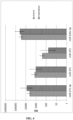
- the results presented herein show that miR-520c-3p and miR-517a-3p are not only present in trophoblast cells but also in decidual cells ( Figure 5 ).
- the decidua consists of maternal cells with a maternal methylation pattern that do not express C19MC microRNAs.
- Data presented herein therefore show that the presence of miR-517a-3p and miR-520c-3p cells in this tissue is due to the uptake of miRNAs (originally released via exosomes by placental cells) by decidual cells or, more specifically, decidual immune cells.
- Example 8 In silico analysis of C19MC microRNAs, their validated targets and potential role in immunomodulation
- microRNA registry miRBase http://www.mirbase.org/ was searched for validated targets of microRNAs of C19MC. The relevant literature was then searched for known functions of these validated targets.
- Example 9 Cells from the bovine amniotic membrane fail to inhibit the mixed lymphocyte reaction
- MLR mixed lymphocyte reactions
- Bovine amniotic membrane-derived cells were cocultured in RPMI complete medium with either
- the choriocarcinoma-derived cell line JEG-3 abundantly expresses C19MC microRNAs (Morales-Prieto et al., 2012). Furthermore, this cell line is known to exert an inhibitory effect on T cells (Hammer et al., 2002).
- the cell line S40.2 is derived from a thyroid adenoma and known to overexpress the microRNAs of the clusters C19MC and miR-371-373 (Rippe et al., 2010).
- JEG-3 and bAMC were irrradiated with 3000 Gy to ensure that the proliferation observed could be attributed to the lymphocytes.
- a mixed lymphocyte reaction MLR was set up using PBMCs from the two different donors A and B without the addition of bAMC or JEG-3 cells. All experiments were performed for 96h and 120h and all cultures were carried out in triplicate.
- BrdU was added to the cell cultures. After 96h and 72h, respectively, the supernatant (containing the PBMCs in suspension) was collected and the PBMCs' proliferation was measured by BrdU assay (Roche Applied Science, Mannheim, Germany).
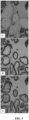
- PBMCs used within the present invention were sufficiently activated in MLR and by stimulation with Con A ( Fig. 8 ).
- cells of the thyroid adenoma cell line S40.2 can be used instead of JEG-3 cells to demonstrate their ability to suppress the mixed lymphocyte reaction.
- Example 10 A BAC clone containing the cluster C19MC
- the BAC clone BC280723 (GenBank accession no. Ac011453) spans the entire chromosomal region of C19MC including the adjacent CpG island, i.e. its presumed promoter region (BC280723) ( Fig. 9 ). This sequence is inserted into a pBACe3.6 vector.
- Example 11 Expression of C19MC miRNAs from a BAC clone containing the whole C19MC cluster transfected into cells from the bovine amniotic membrane
- RNA samples 200 ng were used to generate cDNA specific to miR-517a-3p and RNU6B (which served as an internal control for relative quantification) with the TaqMan microRNA Reverse Transcription Kit and RT primers from the TaqMan microRNA Assays (Applied Biosystems, Foster City, CA, USA) according to the manufacturer's instructions.
- the reactions were incubated in a thermal cycler for 30 min at 16°C, 30 min at 42°C, and 5 min at 85°C.
- Real-time PCR reactions were set up using miRNA specific probes and primers included in the TaqMan microRNA Assays and the TaqMan Universal PCR Master Mix (Applied Biosystems, Foster City, CA, USA).
- microRNA cluster C19MC is primate-specific, it is not expressed in bovine cells.
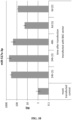
- Transfection of bovine amniotic membrane-derived cells with the BAC vector leads to a high expression of miR-517a-3p as compared to mock transfected cells which lasts up to six days at least; see also Fig. 10 .
- Example 12 Downregulation of cFLIP mRNA in Jurkat cells incubated with supernatant from JEG-3 cell cultures
- C19MC microRNAs seem to target anti-apoptotic genes involved in Fas-FasL induced apoptosis (see Example 8, above).
- One of the targets is c-FLIP (CFLAR).
- C19MC microRNAs are often packed into exosomes which are secreted by the cells. In cell culture these exosomes accumulate in the culture medium.
- JEG-3 is a choriocarcinoma-derived cell line highly expressing C19MC microRNAs.
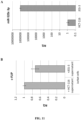
- HCT-116 is a colon carcinoma-derived cell line that does not significantly express C19MC microRNAs (see fig. 11A ).
- Jurkat is a T cell leukemia-derived cell line also not significantly expressing C19MC microRNAs. All three cell lines used are commercially available. All cell lines were grown in RPMI supplemented with 10% fetal calf serum and antibiotics (penicillin/streptomycin).
- the supernatants from cell cultures of JEG-3 and HCT-116 cells were collected after three days in culture. 4 ml of the collected JEG-3 supernatant were then added to Jurkat cells grown in 3 ml medium. A Jurkat cell culture incubated with supernatant of HCT-116 cells served as control. Jurkat cells of both preparations were harvested 24h after the addition of the supernatant.
- Reverse transcription was performed with 250 ng of total RNA using M-MLV Reverse Transcriptase (Invitrogen, Düsseldorf, Germany) with 150 ng random hexamers and RNaseOUT TM Recombinant Ribonuclease Inhibitor according to the manufacturer's instructions.
- CFLAR Real-time PCR for c-FLIP
- CFLAR was performed using the TaqMan Gene Expression Assay CFLAR (Hs00153439_m1) (Life Technologies, Darmstadt, Germany; Cat # 4331182) and the TaqMan Universal PCR Master Mix (Life Technologies, Darmstadt, Germany) according to the manufacturer's instructions. The reactions were incubated in 96-well plates at 95°C for 10 min followed by 40 cycles of 15 s at 95°C and one min at 60°C. All reactions were run in triplicate on an Applied Biosystems 7300 Fast Real Time PCR system. Relative quantification (RQ) was calculated using the ⁇ Ct method (Livak and Schmittgen 2001). HPRT served as endogenous control for normalization.
- RQ Relative quantification
- JEG-3 cells overexpress C19MC miRNAs and the supernatant contains exosomes with these microRNAs which in the present example are delivered to the Jurkat cells. Accordingly, c-FLIP mRNA becomes downregulated.
Landscapes
- Health & Medical Sciences (AREA)
- Life Sciences & Earth Sciences (AREA)
- Chemical & Material Sciences (AREA)
- Engineering & Computer Science (AREA)
- Genetics & Genomics (AREA)
- Molecular Biology (AREA)
- Biomedical Technology (AREA)
- Organic Chemistry (AREA)
- Zoology (AREA)
- Wood Science & Technology (AREA)
- General Health & Medical Sciences (AREA)
- Biotechnology (AREA)
- General Engineering & Computer Science (AREA)
- Bioinformatics & Cheminformatics (AREA)
- Biochemistry (AREA)
- Microbiology (AREA)
- Biophysics (AREA)
- Physics & Mathematics (AREA)
- Public Health (AREA)
- Veterinary Medicine (AREA)
- Medicinal Chemistry (AREA)
- Pharmacology & Pharmacy (AREA)
- Epidemiology (AREA)
- Animal Behavior & Ethology (AREA)
- Proteomics, Peptides & Aminoacids (AREA)
- Plant Pathology (AREA)
- Immunology (AREA)
- Analytical Chemistry (AREA)
- Pathology (AREA)
- Medicines Containing Material From Animals Or Micro-Organisms (AREA)
- Pharmaceuticals Containing Other Organic And Inorganic Compounds (AREA)
- Micro-Organisms Or Cultivation Processes Thereof (AREA)
Claims (3)
- Exosomes comprenant des ARNmi, dans lesquels l'ARNmi est codé par l'une quelconque des unités de transcription comprises dans le C19MC et choisies dans le groupe constitué de miR-517a-3p, miR-517b-3p, hsa-miR-517c-3p et hsa-miR-517-5p présentant les SEQ ID NO. : 10 à 13 à utiliser en immunomodulation dans une maladie associée à une grossesse liée à un système immunitaire dérégulé.
- Exosomes à utiliser selon la revendication 1, dans lesquels la maladie associée à une grossesse est choisie dans le groupe de maladies consistant en éclampsie, prééclampsie, syndrome HELLP et échec ou problèmes de placentation ou d'implantation.
- Exosomes à utiliser selon la revendication 1 ou 2 dans(i) le traitement d'une maladie auto-immune ;(ii) le traitement d'une maladie auto-immune par une administration locale, de préférence dans lesquels les exosomes sont administrés par injection conjointe, de préférence par injection intra-articulaire ou application intra-nasale ; ou(iii) le traitement d'une maladie auto-immune par une administration systémique.
Priority Applications (1)
| Application Number | Priority Date | Filing Date | Title |
|---|---|---|---|
| EP23216025.9A EP4349343A3 (fr) | 2011-11-30 | 2012-11-30 | Expression des miarn dans le tissu placnetaire |
Applications Claiming Priority (5)
| Application Number | Priority Date | Filing Date | Title |
|---|---|---|---|
| EP11191362 | 2011-11-30 | ||
| EP12163414 | 2012-04-05 | ||
| EP12180419 | 2012-08-14 | ||
| PCT/EP2012/074162 WO2013079701A2 (fr) | 2011-11-30 | 2012-11-30 | Expression d'arnmi dans le tissu placentaire |
| EP12795797.5A EP2785839A2 (fr) | 2011-11-30 | 2012-11-30 | Expression d'arnmi dans le tissu placentaire |
Related Parent Applications (1)
| Application Number | Title | Priority Date | Filing Date |
|---|---|---|---|
| EP12795797.5A Division EP2785839A2 (fr) | 2011-11-30 | 2012-11-30 | Expression d'arnmi dans le tissu placentaire |
Related Child Applications (1)
| Application Number | Title | Priority Date | Filing Date |
|---|---|---|---|
| EP23216025.9A Division EP4349343A3 (fr) | 2011-11-30 | 2012-11-30 | Expression des miarn dans le tissu placnetaire |
Publications (4)
| Publication Number | Publication Date |
|---|---|
| EP3190186A2 EP3190186A2 (fr) | 2017-07-12 |
| EP3190186A3 EP3190186A3 (fr) | 2017-11-15 |
| EP3190186C0 EP3190186C0 (fr) | 2023-12-13 |
| EP3190186B1 true EP3190186B1 (fr) | 2023-12-13 |
Family
ID=47294889
Family Applications (3)
| Application Number | Title | Priority Date | Filing Date |
|---|---|---|---|
| EP12795797.5A Withdrawn EP2785839A2 (fr) | 2011-11-30 | 2012-11-30 | Expression d'arnmi dans le tissu placentaire |
| EP16201258.7A Active EP3190186B1 (fr) | 2011-11-30 | 2012-11-30 | Expression des miarn dans le tissu placentaire |
| EP23216025.9A Pending EP4349343A3 (fr) | 2011-11-30 | 2012-11-30 | Expression des miarn dans le tissu placnetaire |
Family Applications Before (1)
| Application Number | Title | Priority Date | Filing Date |
|---|---|---|---|
| EP12795797.5A Withdrawn EP2785839A2 (fr) | 2011-11-30 | 2012-11-30 | Expression d'arnmi dans le tissu placentaire |
Family Applications After (1)
| Application Number | Title | Priority Date | Filing Date |
|---|---|---|---|
| EP23216025.9A Pending EP4349343A3 (fr) | 2011-11-30 | 2012-11-30 | Expression des miarn dans le tissu placnetaire |
Country Status (6)
| Country | Link |
|---|---|
| US (3) | US20140294840A1 (fr) |
| EP (3) | EP2785839A2 (fr) |
| JP (1) | JP2015500013A (fr) |
| CN (1) | CN104080911A (fr) |
| ES (1) | ES2967272T3 (fr) |
| WO (1) | WO2013079701A2 (fr) |
Families Citing this family (30)
| Publication number | Priority date | Publication date | Assignee | Title |
|---|---|---|---|---|
| US10941446B2 (en) | 2014-03-12 | 2021-03-09 | Icahn School Of Medicine At Mount Sinai | Method for identifying kidney allograft recipients at risk for chronic injury |
| ES2897004T3 (es) * | 2014-06-26 | 2022-02-28 | Icahn School Med Mount Sinai | Métodos para diagnosticar el riesgo de fibrosis y rechazo de aloinjerto renal |
| CN113444783B (zh) | 2014-06-26 | 2024-04-09 | 西奈山伊坎医学院 | 通过分析预示性基因集诊断亚临床和临床的急性排异的方法 |
| CN105561337B (zh) * | 2014-10-28 | 2020-06-26 | 江苏命码生物科技有限公司 | 胎盘通透性小rna及其应用 |
| GB201504772D0 (en) | 2015-03-20 | 2015-05-06 | Univ Aston | Preeclampsia |
| EP3307286B1 (fr) * | 2015-06-12 | 2023-01-11 | Hudson Institute of Medical Research | Exosomes allogènes amniotiques pour le traitement d'une maladie fibrotique |
| US10435757B1 (en) * | 2016-06-15 | 2019-10-08 | University Of South Florida | Methods of measuring C19MC miRNA in a post-natal tissue and uses thereof |
| CN106191236B (zh) * | 2016-07-06 | 2020-01-17 | 上海市内分泌代谢病研究所 | 一种用于研究Graves’病miR-4443的检测方法 |
| CN106119396B (zh) * | 2016-08-25 | 2020-02-21 | 朱伟 | 一种与桥本甲状腺炎辅助诊断相关的血浆miRNA标志物及其应用 |
| US11643690B2 (en) * | 2016-11-02 | 2023-05-09 | Mirdetect Gmbh | Early detection of preliminary stages of testicular germ cell tumors |
| JP6918062B2 (ja) * | 2017-01-19 | 2021-08-11 | シスメックス株式会社 | 細胞の分化状態を評価する方法 |
| JP6629770B2 (ja) * | 2017-01-19 | 2020-01-15 | シスメックス株式会社 | 細胞の分化状態を評価する方法 |
| WO2019033065A1 (fr) | 2017-08-11 | 2019-02-14 | Atila Biosystems, Inc. | Amplification numérique avec des amorces de composition nucléotidique limitée |
| US20210161967A1 (en) * | 2017-12-06 | 2021-06-03 | Fondazione Irccs "Ca' Granda - Ospedale Maggiore Policlinico" | Extracellular vesicles and uses thereof |
| WO2019113432A1 (fr) * | 2017-12-08 | 2019-06-13 | University Of Washington | Procédés et compositions pour détecter et activer un remodelage de cardiolipine et une maturation de cardiomyocytes et procédés associés de traitement d'un dysfonctionnement mitochondrial |
| JP2019129747A (ja) * | 2018-01-30 | 2019-08-08 | シスメックス株式会社 | 未分化細胞の状態を評価する方法及びその利用 |
| US12257266B2 (en) | 2018-03-02 | 2025-03-25 | The Regents Of The University Of California | Stem cell-derived exosomes for the treatment of corneal scarring |
| WO2019195765A1 (fr) * | 2018-04-06 | 2019-10-10 | University Of Massachusetts | Microarn régulés par mlk dans l'angiogenèse et le développement de tumeurs |
| CA3095198A1 (fr) | 2018-04-16 | 2019-10-24 | Icahn School Of Medicine At Mount Sinai | Procede et kits pour la prediction d'un rejet aigu et d'une perte d'allogreffe renale a l'aide de signatures transcriptomiques de pre-transplantation dans le sang du receveur |
| EP3569698A1 (fr) * | 2018-05-16 | 2019-11-20 | Veterinärmedizinische Universität Wien | Produits pour le traitement d'une condition musculo-squelettique et leurs procédés de production |
| CN109295213A (zh) * | 2018-11-01 | 2019-02-01 | 中国人民解放军第00医院 | 免疫性血小板减少症的miRNA标志物及试剂盒和应用 |
| CN110117647B (zh) * | 2018-11-30 | 2022-10-18 | 首都医科大学附属北京潞河医院 | 成人隐匿性自身免疫性糖尿病相关的microRNA及相关应用 |
| CN109504784B (zh) * | 2018-12-20 | 2022-03-15 | 华中科技大学同济医学院生殖医学中心(武汉同济生殖医学专科医院) | 用于预测人辅助生殖技术中早期胚胎质量的miRNA分子标志及其应用 |
| CN110951863B (zh) * | 2019-12-26 | 2023-06-02 | 广州医科大学附属第三医院(广州重症孕产妇救治中心、广州柔济医院) | 胎盘植入性疾病标志物 |
| CN110904222B (zh) * | 2019-12-26 | 2022-12-27 | 广州医科大学附属第三医院(广州重症孕产妇救治中心、广州柔济医院) | 胎盘植入性疾病标志物 |
| CN110951865B (zh) * | 2019-12-26 | 2023-06-06 | 广州医科大学附属第三医院(广州重症孕产妇救治中心、广州柔济医院) | 胎盘植入性疾病标志物 |
| KR102317052B1 (ko) * | 2020-05-04 | 2021-10-25 | 주식회사 티에스셀바이오 | 태반 유래의 세포외 소포의 항염증 항바이러스 효과 조성물 |
| EP3936616A1 (fr) * | 2020-07-10 | 2022-01-12 | Charité - Universitätsmedizin Berlin | Thérapie ciblée par micro-arn pour réparation cardiaque |
| CN114058696B (zh) * | 2020-07-29 | 2023-08-18 | 四川大学华西医院 | miR-519e-5p作为甲状腺乳头状癌远处转移检测或治疗靶点中的用途 |
| CN119932185B (zh) * | 2025-01-06 | 2025-12-12 | 健生生物技术有限公司 | 一种血浆miRNA异构体二代测序检测乳腺癌的试剂盒 |
Family Cites Families (25)
| Publication number | Priority date | Publication date | Assignee | Title |
|---|---|---|---|---|
| ATE243754T1 (de) | 1987-05-21 | 2003-07-15 | Micromet Ag | Multifunktionelle proteine mit vorbestimmter zielsetzung |
| ES2259800T3 (es) | 1990-06-11 | 2006-10-16 | Gilead Sciences, Inc. | Procedimientos de uso de ligandos de acido nucleico. |
| WO1997005900A1 (fr) | 1995-08-03 | 1997-02-20 | Rijksuniversiteit Te Leiden | Vesicules presentant des antigenes obtenues a partir de cellules |
| DE59708838D1 (de) | 1996-08-30 | 2003-01-09 | Jens Peter Fuerste | Spiegelselektion und spiegelevolution von nucleinsäuren |
| FR2766205B1 (fr) | 1997-07-16 | 2002-08-30 | Inst Nat Sante Rech Med | Nouveau procede de sensibilisation de cellules presentatrices d'antigene et nouveaux moyens pour la mise en oeuvre du procede |
| FR2785543B1 (fr) | 1998-11-05 | 2003-02-28 | Inst Nat Sante Rech Med | Exosomes modifies et utilisations |
| FR2788780B1 (fr) | 1999-01-27 | 2001-03-30 | Ap Cells Inc | Procede de preparation de vesicules membranaires |
| AU4860900A (en) | 1999-06-02 | 2000-12-18 | Lifebank Services, L.L.C. | Methods of isolation, cryopreservation, and therapeutic use of human amniotic epithelial cells |
| DK1349918T3 (da) | 2000-12-06 | 2014-11-10 | Anthrogenesis Corp | Fremgangsmåde til indsamling af stamceller fra moderkagen |
| EP1442115B9 (fr) | 2001-11-15 | 2009-12-16 | Children's Medical Center Corporation | Techniques d'isolation, de developpement et de differenciation de cellules souches provenant de villosites choriales, de liquide amniotique ainsi que de placenta et applications therapeutiques |
| CA2529718C (fr) | 2003-06-27 | 2012-10-23 | Universite Laval | Methode permettant d'isoler des cellules du cordon ombilical |
| GB0315450D0 (en) | 2003-07-01 | 2003-08-06 | Celltech R&D Ltd | Biological products |
| GB0315457D0 (en) | 2003-07-01 | 2003-08-06 | Celltech R&D Ltd | Biological products |
| ES2551439T5 (es) | 2003-07-01 | 2018-11-08 | Ucb Biopharma Sprl | Fragmentos Fab de anticuerpos modificados |
| US20050120415A1 (en) | 2003-10-09 | 2005-06-02 | E.I. Du Pont De Nemours And Company | Gene silencing |
| AU2007323469B2 (en) * | 2006-11-23 | 2014-07-24 | Guangdong Maijinjia Biotechnology Co., Ltd | Oligonucleotides for modulating target RNA activity |
| CA2676113C (fr) * | 2007-07-25 | 2014-07-08 | University Of Louisville Research Foundation, Inc. | Micro arn associe a l'exosome en tant que marqueur de diagnostic |
| NZ599825A (en) * | 2007-09-28 | 2014-10-31 | Anthrogenesis Corp | Tumor suppression using human placental perfusate and human placenta-derived intermediate natural killer cells |
| US20100305188A1 (en) * | 2007-10-03 | 2010-12-02 | Kyowa Hakko Kirin Co., Ltd. | Nucleic acid capable of regulating the proliferation of cell |
| EP2234483A4 (fr) * | 2008-01-27 | 2011-04-27 | Rosetta Genomics Ltd | Procédés et compositions pour diagnostiquer des complications de grossesse |
| US20110190372A1 (en) * | 2009-08-07 | 2011-08-04 | New York University | Compositions and methods for treating inflammatory disorders |
| US8828656B2 (en) * | 2009-08-31 | 2014-09-09 | University Of Bremen | Microrna-based methods and compositions for the diagnosis, prognosis and treatment of tumor involving chromosomal rearrangements |
| AU2010294197C9 (en) * | 2009-09-10 | 2018-09-13 | Velin-Pharma A/S | Method for the preparation of micro-RNA and its therapeutic application |
| EP2559442B1 (fr) * | 2010-04-13 | 2017-12-06 | Jiangsu Mingma Biotech Co., Ltd | Procédé pour réguler la teneur en microarn dans des organismes et utilisations de celui-ci |
| US8969315B2 (en) * | 2010-12-31 | 2015-03-03 | Anthrogenesis Corporation | Enhancement of placental stem cell potency using modulatory RNA molecules |
-
2012
- 2012-11-30 EP EP12795797.5A patent/EP2785839A2/fr not_active Withdrawn
- 2012-11-30 ES ES16201258T patent/ES2967272T3/es active Active
- 2012-11-30 EP EP16201258.7A patent/EP3190186B1/fr active Active
- 2012-11-30 US US14/361,351 patent/US20140294840A1/en not_active Abandoned
- 2012-11-30 WO PCT/EP2012/074162 patent/WO2013079701A2/fr not_active Ceased
- 2012-11-30 JP JP2014543926A patent/JP2015500013A/ja active Pending
- 2012-11-30 EP EP23216025.9A patent/EP4349343A3/fr active Pending
- 2012-11-30 CN CN201280058690.5A patent/CN104080911A/zh active Pending
-
2016
- 2016-12-09 US US15/374,740 patent/US20170114343A1/en not_active Abandoned
-
2021
- 2021-10-20 US US17/506,355 patent/US20220033822A1/en not_active Abandoned
Also Published As
| Publication number | Publication date |
|---|---|
| EP2785839A2 (fr) | 2014-10-08 |
| ES2967272T3 (es) | 2024-04-29 |
| JP2015500013A (ja) | 2015-01-05 |
| EP4349343A3 (fr) | 2024-10-16 |
| CN104080911A (zh) | 2014-10-01 |
| US20170114343A1 (en) | 2017-04-27 |
| EP3190186C0 (fr) | 2023-12-13 |
| US20220033822A1 (en) | 2022-02-03 |
| WO2013079701A3 (fr) | 2013-07-25 |
| WO2013079701A2 (fr) | 2013-06-06 |
| EP3190186A3 (fr) | 2017-11-15 |
| EP4349343A2 (fr) | 2024-04-10 |
| EP3190186A2 (fr) | 2017-07-12 |
| US20140294840A1 (en) | 2014-10-02 |
Similar Documents
| Publication | Publication Date | Title |
|---|---|---|
| EP3190186B1 (fr) | Expression des miarn dans le tissu placentaire | |
| AU2005282731B2 (en) | Regulation of oncogenes by microRNAs | |
| Zhou et al. | The let-7g microRNA promotes follicular granulosa cell apoptosis by targeting transforming growth factor-β type 1 receptor | |
| Lisse et al. | Vitamin D and microRNAs in bone | |
| EP2208499A1 (fr) | Acide nucléique capable de réguler la prolifération d'une cellule | |
| US12281310B2 (en) | Use of trinucleotide repeat RNAs to treat cancer | |
| Bardin et al. | Emerging microRNA therapeutic approaches for cystic fibrosis | |
| AU2009222056A1 (en) | Treatment, diagnostic, and method for discovering antagonist using SPARC specific miRNAs | |
| CA2827533A1 (fr) | Biodistribution amelioree d'oligomeres | |
| WO2009067644A1 (fr) | Compositions, systèmes et procédés pour obtenir des cellules produisant de l'insuline en expansion | |
| Wang et al. | Small RNA and its application in andrology and urology | |
| WO2008068047A1 (fr) | Microarn ciblant ets1 | |
| da Silva Maria et al. | Human Antigen R (HuR) facilitates miR-19 synthesis and affects cellular kinetics in papillary thyroid cancer | |
| US20100113577A1 (en) | Isolated nucleic acid molecules corresponding to micro rna 145 (mirna-145) and their use in treating colon cancer | |
| EP3898976A1 (fr) | Analogues de micro-arn synthétiques | |
| WO2011130464A1 (fr) | Régulation traductionnelle de sparc par les micro-arn mir29a, b et c | |
| Zhu | RNA pull-down-confocal nanoscanning (RP-CONA), a novel method for studying RNA/protein interactions in cell extracts that detected potential drugs for Parkinson’s disease targeting RNA/HuR complexes | |
| WO2011112607A2 (fr) | Saarn de nkx3-1 et saarn de klf4 et utilisations de ceux-ci | |
| WO2010004816A1 (fr) | Inhibiteur de la dégranulation des mastocytes |
Legal Events
| Date | Code | Title | Description |
|---|---|---|---|
| PUAI | Public reference made under article 153(3) epc to a published international application that has entered the european phase |
Free format text: ORIGINAL CODE: 0009012 |
|
| STAA | Information on the status of an ep patent application or granted ep patent |
Free format text: STATUS: THE APPLICATION HAS BEEN PUBLISHED |
|
| AC | Divisional application: reference to earlier application |
Ref document number: 2785839 Country of ref document: EP Kind code of ref document: P |
|
| AK | Designated contracting states |
Kind code of ref document: A2 Designated state(s): AL AT BE BG CH CY CZ DE DK EE ES FI FR GB GR HR HU IE IS IT LI LT LU LV MC MK MT NL NO PL PT RO RS SE SI SK SM TR |
|
| PUAL | Search report despatched |
Free format text: ORIGINAL CODE: 0009013 |
|
| AK | Designated contracting states |
Kind code of ref document: A3 Designated state(s): AL AT BE BG CH CY CZ DE DK EE ES FI FR GB GR HR HU IE IS IT LI LT LU LV MC MK MT NL NO PL PT RO RS SE SI SK SM TR |
|
| RIC1 | Information provided on ipc code assigned before grant |
Ipc: A61K 31/713 20060101ALI20171010BHEP Ipc: C12N 15/113 20100101AFI20171010BHEP |
|
| STAA | Information on the status of an ep patent application or granted ep patent |
Free format text: STATUS: REQUEST FOR EXAMINATION WAS MADE |
|
| STAA | Information on the status of an ep patent application or granted ep patent |
Free format text: STATUS: EXAMINATION IS IN PROGRESS |
|
| 17P | Request for examination filed |
Effective date: 20180831 |
|
| RBV | Designated contracting states (corrected) |
Designated state(s): AL AT BE BG CH CY CZ DE DK EE ES FI FR GB GR HR HU IE IS IT LI LT LU LV MC MK MT NL NO PL PT RO RS SE SI SK SM TR |
|
| 17Q | First examination report despatched |
Effective date: 20181004 |
|
| GRAP | Despatch of communication of intention to grant a patent |
Free format text: ORIGINAL CODE: EPIDOSNIGR1 |
|
| STAA | Information on the status of an ep patent application or granted ep patent |
Free format text: STATUS: GRANT OF PATENT IS INTENDED |
|
| INTG | Intention to grant announced |
Effective date: 20230623 |
|
| GRAS | Grant fee paid |
Free format text: ORIGINAL CODE: EPIDOSNIGR3 |
|
| GRAA | (expected) grant |
Free format text: ORIGINAL CODE: 0009210 |
|
| STAA | Information on the status of an ep patent application or granted ep patent |
Free format text: STATUS: THE PATENT HAS BEEN GRANTED |
|
| AC | Divisional application: reference to earlier application |
Ref document number: 2785839 Country of ref document: EP Kind code of ref document: P |
|
| AK | Designated contracting states |
Kind code of ref document: B1 Designated state(s): AL AT BE BG CH CY CZ DE DK EE ES FI FR GB GR HR HU IE IS IT LI LT LU LV MC MK MT NL NO PL PT RO RS SE SI SK SM TR |
|
| REG | Reference to a national code |
Ref country code: GB Ref legal event code: FG4D |
|
| REG | Reference to a national code |
Ref country code: CH Ref legal event code: EP |
|
| REG | Reference to a national code |
Ref country code: DE Ref legal event code: R096 Ref document number: 602012080412 Country of ref document: DE |
|
| REG | Reference to a national code |
Ref country code: IE Ref legal event code: FG4D |
|
| U01 | Request for unitary effect filed |
Effective date: 20240103 |
|
| U07 | Unitary effect registered |
Designated state(s): AT BE BG DE DK EE FI FR IT LT LU LV MT NL PT SE SI Effective date: 20240112 |
|
| PG25 | Lapsed in a contracting state [announced via postgrant information from national office to epo] |
Ref country code: GR Free format text: LAPSE BECAUSE OF FAILURE TO SUBMIT A TRANSLATION OF THE DESCRIPTION OR TO PAY THE FEE WITHIN THE PRESCRIBED TIME-LIMIT Effective date: 20240314 |
|
| REG | Reference to a national code |
Ref country code: ES Ref legal event code: FG2A Ref document number: 2967272 Country of ref document: ES Kind code of ref document: T3 Effective date: 20240429 |
|
| PG25 | Lapsed in a contracting state [announced via postgrant information from national office to epo] |
Ref country code: GR Free format text: LAPSE BECAUSE OF FAILURE TO SUBMIT A TRANSLATION OF THE DESCRIPTION OR TO PAY THE FEE WITHIN THE PRESCRIBED TIME-LIMIT Effective date: 20240314 |
|
| PG25 | Lapsed in a contracting state [announced via postgrant information from national office to epo] |
Ref country code: RS Free format text: LAPSE BECAUSE OF FAILURE TO SUBMIT A TRANSLATION OF THE DESCRIPTION OR TO PAY THE FEE WITHIN THE PRESCRIBED TIME-LIMIT Effective date: 20231213 Ref country code: NO Free format text: LAPSE BECAUSE OF FAILURE TO SUBMIT A TRANSLATION OF THE DESCRIPTION OR TO PAY THE FEE WITHIN THE PRESCRIBED TIME-LIMIT Effective date: 20240313 Ref country code: HR Free format text: LAPSE BECAUSE OF FAILURE TO SUBMIT A TRANSLATION OF THE DESCRIPTION OR TO PAY THE FEE WITHIN THE PRESCRIBED TIME-LIMIT Effective date: 20231213 |
|
| PG25 | Lapsed in a contracting state [announced via postgrant information from national office to epo] |
Ref country code: IS Free format text: LAPSE BECAUSE OF FAILURE TO SUBMIT A TRANSLATION OF THE DESCRIPTION OR TO PAY THE FEE WITHIN THE PRESCRIBED TIME-LIMIT Effective date: 20240413 |
|
| PG25 | Lapsed in a contracting state [announced via postgrant information from national office to epo] |
Ref country code: CZ Free format text: LAPSE BECAUSE OF FAILURE TO SUBMIT A TRANSLATION OF THE DESCRIPTION OR TO PAY THE FEE WITHIN THE PRESCRIBED TIME-LIMIT Effective date: 20231213 |
|
| PG25 | Lapsed in a contracting state [announced via postgrant information from national office to epo] |
Ref country code: SK Free format text: LAPSE BECAUSE OF FAILURE TO SUBMIT A TRANSLATION OF THE DESCRIPTION OR TO PAY THE FEE WITHIN THE PRESCRIBED TIME-LIMIT Effective date: 20231213 |
|
| PG25 | Lapsed in a contracting state [announced via postgrant information from national office to epo] |
Ref country code: SM Free format text: LAPSE BECAUSE OF FAILURE TO SUBMIT A TRANSLATION OF THE DESCRIPTION OR TO PAY THE FEE WITHIN THE PRESCRIBED TIME-LIMIT Effective date: 20231213 Ref country code: SK Free format text: LAPSE BECAUSE OF FAILURE TO SUBMIT A TRANSLATION OF THE DESCRIPTION OR TO PAY THE FEE WITHIN THE PRESCRIBED TIME-LIMIT Effective date: 20231213 Ref country code: RO Free format text: LAPSE BECAUSE OF FAILURE TO SUBMIT A TRANSLATION OF THE DESCRIPTION OR TO PAY THE FEE WITHIN THE PRESCRIBED TIME-LIMIT Effective date: 20231213 Ref country code: IS Free format text: LAPSE BECAUSE OF FAILURE TO SUBMIT A TRANSLATION OF THE DESCRIPTION OR TO PAY THE FEE WITHIN THE PRESCRIBED TIME-LIMIT Effective date: 20240413 Ref country code: CZ Free format text: LAPSE BECAUSE OF FAILURE TO SUBMIT A TRANSLATION OF THE DESCRIPTION OR TO PAY THE FEE WITHIN THE PRESCRIBED TIME-LIMIT Effective date: 20231213 |
|
| PG25 | Lapsed in a contracting state [announced via postgrant information from national office to epo] |
Ref country code: PL Free format text: LAPSE BECAUSE OF FAILURE TO SUBMIT A TRANSLATION OF THE DESCRIPTION OR TO PAY THE FEE WITHIN THE PRESCRIBED TIME-LIMIT Effective date: 20231213 |
|
| PG25 | Lapsed in a contracting state [announced via postgrant information from national office to epo] |
Ref country code: PL Free format text: LAPSE BECAUSE OF FAILURE TO SUBMIT A TRANSLATION OF THE DESCRIPTION OR TO PAY THE FEE WITHIN THE PRESCRIBED TIME-LIMIT Effective date: 20231213 |
|
| REG | Reference to a national code |
Ref country code: DE Ref legal event code: R097 Ref document number: 602012080412 Country of ref document: DE |
|
| PLBE | No opposition filed within time limit |
Free format text: ORIGINAL CODE: 0009261 |
|
| STAA | Information on the status of an ep patent application or granted ep patent |
Free format text: STATUS: NO OPPOSITION FILED WITHIN TIME LIMIT |
|
| 26N | No opposition filed |
Effective date: 20240916 |
|
| U20 | Renewal fee for the european patent with unitary effect paid |
Year of fee payment: 13 Effective date: 20241202 |
|
| U1N | Appointed representative for the unitary patent procedure changed after the registration of the unitary effect |
Representative=s name: WITTHOFF JAEKEL STEINECKE PATENTANWAELTE PARTG MBB; DE |
|
| REG | Reference to a national code |
Ref country code: CH Ref legal event code: PL |
|
| PG25 | Lapsed in a contracting state [announced via postgrant information from national office to epo] |
Ref country code: MC Free format text: LAPSE BECAUSE OF FAILURE TO SUBMIT A TRANSLATION OF THE DESCRIPTION OR TO PAY THE FEE WITHIN THE PRESCRIBED TIME-LIMIT Effective date: 20231213 |
|
| REG | Reference to a national code |
Ref country code: CH Ref legal event code: PL |
|
| PG25 | Lapsed in a contracting state [announced via postgrant information from national office to epo] |
Ref country code: CH Free format text: LAPSE BECAUSE OF NON-PAYMENT OF DUE FEES Effective date: 20241130 |
|
| U20 | Renewal fee for the european patent with unitary effect paid |
Year of fee payment: 14 Effective date: 20251124 |
|
| U76 | Licence for the european patent with unitary effect registered |
Designated state(s): AT BE BG DE DK EE FI FR IT LT LU LV MT NL PT SE SI Free format text: SERIAL NUMBER OF LICENSE: 0100; EXCLUSIVE LICENSE Name of requester: NUCLEO-X BIOTECHNOLOGY SA; CH Effective date: 20251127 |
|
| PGFP | Annual fee paid to national office [announced via postgrant information from national office to epo] |
Ref country code: GB Payment date: 20251127 Year of fee payment: 14 |
|
| REG | Reference to a national code |
Ref country code: GB Ref legal event code: 732E Free format text: REGISTERED BETWEEN 20251218 AND 20251224 |
|
| PGFP | Annual fee paid to national office [announced via postgrant information from national office to epo] |
Ref country code: TR Payment date: 20251128 Year of fee payment: 14 |
|
| PGFP | Annual fee paid to national office [announced via postgrant information from national office to epo] |
Ref country code: IE Payment date: 20251126 Year of fee payment: 14 |
|
| PGFP | Annual fee paid to national office [announced via postgrant information from national office to epo] |
Ref country code: ES Payment date: 20251216 Year of fee payment: 14 |
|
| PG25 | Lapsed in a contracting state [announced via postgrant information from national office to epo] |
Ref country code: CY Free format text: LAPSE BECAUSE OF FAILURE TO SUBMIT A TRANSLATION OF THE DESCRIPTION OR TO PAY THE FEE WITHIN THE PRESCRIBED TIME-LIMIT; INVALID AB INITIO Effective date: 20121130 |