EP3241845A1 - Anticorps anti-il-1r3 humanisés - Google Patents
Anticorps anti-il-1r3 humanisés Download PDFInfo
- Publication number
- EP3241845A1 EP3241845A1 EP16168617.5A EP16168617A EP3241845A1 EP 3241845 A1 EP3241845 A1 EP 3241845A1 EP 16168617 A EP16168617 A EP 16168617A EP 3241845 A1 EP3241845 A1 EP 3241845A1
- Authority
- EP
- European Patent Office
- Prior art keywords
- mab
- antibody
- cancer
- seq
- region
- Prior art date
- Legal status (The legal status is an assumption and is not a legal conclusion. Google has not performed a legal analysis and makes no representation as to the accuracy of the status listed.)
- Withdrawn
Links
Images






Classifications
-
- C—CHEMISTRY; METALLURGY
- C07—ORGANIC CHEMISTRY
- C07K—PEPTIDES
- C07K16/00—Immunoglobulins [IG], e.g. monoclonal or polyclonal antibodies
- C07K16/18—Immunoglobulins [IG], e.g. monoclonal or polyclonal antibodies against material from animals or humans
- C07K16/28—Immunoglobulins [IG], e.g. monoclonal or polyclonal antibodies against material from animals or humans against receptors, cell surface antigens or cell surface determinants
- C07K16/2866—Immunoglobulins [IG], e.g. monoclonal or polyclonal antibodies against material from animals or humans against receptors, cell surface antigens or cell surface determinants against receptors for cytokines, lymphokines, interferons
-
- A—HUMAN NECESSITIES
- A61—MEDICAL OR VETERINARY SCIENCE; HYGIENE
- A61P—SPECIFIC THERAPEUTIC ACTIVITY OF CHEMICAL COMPOUNDS OR MEDICINAL PREPARATIONS
- A61P35/00—Antineoplastic agents
-
- A—HUMAN NECESSITIES
- A61—MEDICAL OR VETERINARY SCIENCE; HYGIENE
- A61P—SPECIFIC THERAPEUTIC ACTIVITY OF CHEMICAL COMPOUNDS OR MEDICINAL PREPARATIONS
- A61P43/00—Drugs for specific purposes, not provided for in groups A61P1/00-A61P41/00
-
- A—HUMAN NECESSITIES
- A61—MEDICAL OR VETERINARY SCIENCE; HYGIENE
- A61K—PREPARATIONS FOR MEDICAL, DENTAL OR TOILETRY PURPOSES
- A61K39/00—Medicinal preparations containing antigens or antibodies
- A61K2039/505—Medicinal preparations containing antigens or antibodies comprising antibodies
-
- C—CHEMISTRY; METALLURGY
- C07—ORGANIC CHEMISTRY
- C07K—PEPTIDES
- C07K2317/00—Immunoglobulins specific features
- C07K2317/20—Immunoglobulins specific features characterized by taxonomic origin
- C07K2317/21—Immunoglobulins specific features characterized by taxonomic origin from primates, e.g. man
-
- C—CHEMISTRY; METALLURGY
- C07—ORGANIC CHEMISTRY
- C07K—PEPTIDES
- C07K2317/00—Immunoglobulins specific features
- C07K2317/20—Immunoglobulins specific features characterized by taxonomic origin
- C07K2317/24—Immunoglobulins specific features characterized by taxonomic origin containing regions, domains or residues from different species, e.g. chimeric, humanized or veneered
-
- C—CHEMISTRY; METALLURGY
- C07—ORGANIC CHEMISTRY
- C07K—PEPTIDES
- C07K2317/00—Immunoglobulins specific features
- C07K2317/50—Immunoglobulins specific features characterized by immunoglobulin fragments
- C07K2317/52—Constant or Fc region; Isotype
-
- C—CHEMISTRY; METALLURGY
- C07—ORGANIC CHEMISTRY
- C07K—PEPTIDES
- C07K2317/00—Immunoglobulins specific features
- C07K2317/50—Immunoglobulins specific features characterized by immunoglobulin fragments
- C07K2317/56—Immunoglobulins specific features characterized by immunoglobulin fragments variable (Fv) region, i.e. VH and/or VL
-
- C—CHEMISTRY; METALLURGY
- C07—ORGANIC CHEMISTRY
- C07K—PEPTIDES
- C07K2317/00—Immunoglobulins specific features
- C07K2317/50—Immunoglobulins specific features characterized by immunoglobulin fragments
- C07K2317/56—Immunoglobulins specific features characterized by immunoglobulin fragments variable (Fv) region, i.e. VH and/or VL
- C07K2317/565—Complementarity determining region [CDR]
-
- C—CHEMISTRY; METALLURGY
- C07—ORGANIC CHEMISTRY
- C07K—PEPTIDES
- C07K2317/00—Immunoglobulins specific features
- C07K2317/70—Immunoglobulins specific features characterized by effect upon binding to a cell or to an antigen
- C07K2317/76—Antagonist effect on antigen, e.g. neutralization or inhibition of binding
-
- C—CHEMISTRY; METALLURGY
- C07—ORGANIC CHEMISTRY
- C07K—PEPTIDES
- C07K2317/00—Immunoglobulins specific features
- C07K2317/90—Immunoglobulins specific features characterized by (pharmaco)kinetic aspects or by stability of the immunoglobulin
- C07K2317/92—Affinity (KD), association rate (Ka), dissociation rate (Kd) or EC50 value
Definitions
- the present invention relates to humanized anti-IL-IR3 antibodies and the use thereof.
- the interleukin 1 receptor accessory protein also called ILIR3
- IL1RAP is a coreceptor of type 1 interleukin 1 receptor (ILIRI) and is indispensable for transmission of IL-1 signaling.
- IL-1R1 Upon binding of IL-1, IL-1R1 associates with IL-1RAcP forming a functional signaling receptor complex, which stimulates NFkB activity.
- IL-33 its receptor ST2, and IL-1RAcP form also a complex (IL-33/ST2/IL-1RAcP) with a similar activity in regard to NFkB activation as the IL-1 ⁇ /IL-1R1/IL-1RAcP complex.
- IL-36 IL-36 ⁇ (IL-1F6), IL-36 ⁇ (IL-1F8), and IL-36y (IL-1F9)
- their receptor IL-36R, and IL-1RAcP form also a complex (IL-36/II-36R/IL-1RAcP) with a similar activity in regard to NFkB activation as the IL-1 ⁇ /IL-1R1/IL-1RAcP complex.
- Human NF-kB is an important regulator of expression of several genes involved in inflammation, immune response and apoptosis. Therefore, the dysfunction of NFkB is involved in the in the pathology of various diseases, including autoimmune diseases, neurodegenerative diseases, inflammation, and cancers. For example, in the treatment of osteoarthritis (OA), the NF-kB pathway is an important target.
- agents that regulate the human NFkB pathway via inhibiting the signaling activity of the human IL-1R1/IL-1RAcP complex represent possible treatments for various human diseases.
- high affinity neutralizing antibodies would make excellent therapeutic agents.
- WO199623067 relates to an IL-1RAcP antibody, which binds specifically to murine IL-1 receptor accessory protein. Examples 15 and 16 describe the attempt to generate anti-human IL-1RAcP antibodies, which neutralize IL-1 biological activity. However, no such antibody is provided by WO199623067 and example 16, describing an IL-1 induced IL-6 assay is only hypothetical. Do-Young Yoon D-Y and Charles A. Dinarello CA describe in J. Immunol. 1998; 160:3170-3179 polyclonal antibodies to domains II and III of the murine IL-1RAcP which inhibit IL-1beta activity but not binding.
- D10S is a subclone of the murine D10.G4.1 helper T-cell which proliferates to subfemtomolar (attomolar) concentrations of IL-1 beta or alpha in the absence of mitogens, cf. Orencole SF and Dinarello CA; Cytokine 1 (1989) 14-22 ).
- Jaras M. et al., PNAS 107 (2010) 16280-16285 describe the use of rabbit polyclonal anti-IL1RAcP antibody KMT-1 for killing CML stems cell.
- This antibody induces ADCC in an IL1RAcP-independent manner caused by its rabbit Fc part.
- Jaras et al. expect that "potential future therapeutic IL1RAP-targeting antibodies are expected to show low toxicity on normal hematopoietic cells”.
- Polyclonal rabbit antibodies against murine IL-1RAcP were also mentioned in Do-Young Yoon and Charles A. Dinarello, Journal of Biochemistry and Molecular Biology, Vol. 40, No. 4, July 2007, pp. 562-570 .
- WO2002064630 relates also to IL-1RAcP and its use, but no antibodies against IL-1RAcP are described.
- WO2004022718 and WO2009120903 mention theoretically that antibodies against CSF1R, IL13RA1, IL1RAP, IFNAR1, IL5R, INSR, IL1RL1, LTK, and TACSTD1 could be generated according to the state of the art. However, here also no antibody against IL-1RAcP is described.
- WO2011021014 and WO 2012098407 US20140017167 ) relate to the polyclonal rabbit anti-human IL-1RAcP antiserum KMT-1 (see Jaras et al. 2010) and its use.
- WO2014100772 relates to an anti-IL-1RAcP antibody binding to IL-1RAcP.
- any functional signaling receptor complex like IL-1 ⁇ /IL-1R1/IL-1RAcP
- US6280955 relates to IL-1RAcP and its use, but again no antibodies against IL-1RAcP are described.
- US7390880 mentions a N-terminal fragment of IL1RAcP, but describe also no antibodies against IL-1RAcP.
- WO2004100987 relates to the use of an interleukin-I (IL-1) antagonist in the preparation of a medicament for the treatment of neointimal hyperplasia and to the use of an IL-1 antagonist for the treatment of neointimal hyperplasia.
- an anti-IL-1RAcP antibody is suggested but not further described.
- US2003026806 relates to antibodies binding to IL-1.
- WO2002064630 relates also to an IL-1 antagonist ant to IL-1RAcP protein. Though to the use of IL-1RAcP for screening for IL-1RAcP antagonists are mentioned, no such method or antagonist is disclosed.
- the present invention encompasses humanized IL-1R3 antibody, with high affinity and specificity for IL-1R 3, with potent IL-1R3 neutralizing activity 3, and improved stability.
- the present invention relates to a humanized IgG1LALA antibody that specifically binds to IL-1R3 or a fragment or derivative thereof or a polypeptide that contains at least a portion of said antibody that is sufficient to confer IL-1R3 binding specificity.
- Said antibody inhibits IL-1R3 induced NFkB activity. It also inhibits IL-1alpha, IL-1beta, IL-33, and/or IL-36 stimulated NFkB activity.
- the invention further relates to an antibody according to the invention for the use in treating a IL-1R3 mediated disease.
- the invention further encompasses a method of treating an IL-1R3 mediated disease in a patient, comprising administering to a patient a pharmaceutically effective amount of said antibody.
- the present invention also comprises a pharmaceutical composition
- a pharmaceutical composition comprising a pharmaceutically acceptable carrier and a therapeutically effective amount of said antibody.
- rabbit means an animal of the members of the taxonomic order Lagomorpha, which includes the families (hares and rabbits) and Ochotonidae (pikas), preferably of genus Oryctolagus.
- antibody encompasses the various forms of antibody structures including, but not being limited to, whole antibodies and antibody fragments as long as it shows the properties according to the invention.
- rabbit monoclonal antibody means a monoclonal antibody produced by immunizing a rabbit and isolated from a antigen producing cell of said rabbit as well as such an antibody which is further modified, preferably a humanized antibody, a chimeric antibody, a fragment thereof, or a further genetically engineered and recombinant produced antibody as long as the characteristic properties according to the invention are retained.
- the antibody is from a B cell or a rabbit hybridoma cell of said rabbit.
- antibody producing cell means a rabbit B cell which produce antibodies, preferably a B cell or rabbit hybridoma cell.
- “Native antibodies” are usually heterotetrameric glycoproteins composed of two identical light (L) chains and two identical heavy (H) chains. Each light chain is linked to a heavy chain by one covalent disulfide bond, while the number of disulfide linkages varies among the heavy chains of different immunoglobulin isotypes. Each heavy and light chain also has regularly spaced intrachain disulfide bridges. Each heavy chain has at one end a variable domain (VH) followed by a number of constant domains. Each light chain has a variable domain at one end (VL) and a constant domain at its other end. The constant domain of the light chain is aligned with the first constant domain of the heavy chain, and the light-chain variable domain is aligned with the variable domain of the heavy chain. Particular amino acid residues are believed to form an interface between the light chain and heavy chain variable domains.
- Percent (%) amino acid sequence identity with respect to a peptide or polypeptide sequence is defined as the percentage of amino acid residues in a candidate sequence that are identical with the amino acid residues in the specific peptide or polypeptide sequence, after aligning the sequences and introducing gaps, if necessary, to achieve the maximum percent sequence identity, and not considering any conservative substitutions as part of the sequence identity. Alignment for purposes of determining percent amino acid sequence identity can be achieved in various ways that are within the skill in the art, for instance, using publicly available computer software such as BLAST, BLAST-2, ALIGN or Megalign (DNASTAR) software.
- VL (or VH) region has the same meaning as VL (or VH) domain.
- Fc receptor refers to a human receptor that binds to the Fc region of an antibody.
- FcRs bind IgG antibodies and include receptors of the Fc ⁇ RI, Fc ⁇ RII, and Fc ⁇ RIII subclasses, including allelic variants and alternatively spliced forms of these receptors.
- Fc ⁇ RII receptors include Fc ⁇ RIIA (an “activating receptor”) and Fc ⁇ RIIB (an “inhibiting receptor”), which have similar amino acid sequences that differ primarily in the cytoplasmic domains thereof.
- Activating receptor Fc ⁇ RIIA contains an immunoreceptor tyrosine-based activation motif (ITAM) in its cytoplasmic domain.
- ITAM immunoreceptor tyrosine-based activation motif
- Inhibiting receptor Fc ⁇ RIIB contains an immunoreceptor tyrosine-based inhibition motif (ITIM) in its cytoplasmic domain (see review M. in Daeron, Annu. Rev. Immunol. 15:203-234 (1997 )).
- FcRIIIA CD16a mediaties ADCC.
- FcRs are reviewed in Ravetch and Kinet, Annu. Rev. Immunol 9:457-92 (1991 ); Capel et al, Immunomethods 4:25-34 (1994 ); and de Haas et al, J. Lab. CHn. Med. 126:330-41 (1995 ). These and all other FcRs are encompassed by the term "FcR" herein.
- the term also includes the neonatal receptor, FcRn, which is responsible for the transfer of maternal IgGs to the fetus ( Guyer et al, J. Immunol. 117:587 (1976 ) and Kim et al, J. Immunol. 24:249 (1994 )) and mediates slower catabolism, thus longer half-life.
- FcRn neonatal receptor
- antibody effector function(s), or “effector function” as used herein refers to a function contributed by an Fc effector domain(s) of an IgG (e.g., the Fc region of an immunoglobulin). Such function can be effected by, for example, binding of an Fc effector domain(s) to an Fc receptor on an immune cell with phagocytic or lytic activity or by binding of an Fc effector domain(s) to components of the complement system.
- Typical effector functions are ADCC, ADCP and CDC.
- antibody fragment refers to a molecule other than an intact antibody that comprises a portion of an intact antibody that binds the antigen to which the intact antibody binds.
- antibody fragments include but are not limited to Fv, Fab, Fab', Fab'-SH, F(ab')2; diabodies; linear antibodies; single-chain antibody molecules (e.g. scFv); and multispecific antibodies formed from antibody fragments.
- an "antibody that binds to the same epitope” as a reference antibody refers to an antibody that blocks binding of the reference antibody to its antigen in a competition assay by 50% or more, and conversely, the reference antibody blocks binding of the antibody to its antigen in a competition assay by 50% or more.
- An exemplary competition assay is provided herein.
- Antibody-dependent cell-mediated cytotoxicity and “ADCC” refer to a cell- mediated reaction in which nonspecific cytotoxic cells that express FcRs (e.g. Natural Killer (NK) cells, neutrophils, and macrophages) recognize bound antibody on a target cell and subsequently cause lysis of the target cell.
- FcRs e.g. Natural Killer (NK) cells, neutrophils, and macrophages
- the primary cells for mediating ADCC NK cells, express Fc ⁇ RIII only, whereas monocytes express Fc ⁇ RI, Fc ⁇ RII and FCYRIII.
- Antibody-dependent cellular phagocytosis and "ADCP” refer to a process by which antibody-coated cells are internalized, either in whole or in part, by phagocytic immune cells (e.g., macrophages, neutrophils and dendritic cells) that bind to an immunoglobulin Fc region.
- phagocytic immune cells e.g., macrophages, neutrophils and dendritic cells
- C1q is a polypeptide that includes a binding site for the Fc region of an immunoglobulin. C1q together with two serine proteases, C1r and C1s, forms the complex C1, the first component of the complement dependent cytotoxicity (CDC) pathway. Human C1q can be purchased commercially from, e.g. Quidel, San Diego, Calif.
- the "class" of an antibody refers to the type of constant domain or constant region possessed by its heavy chain.
- the heavy chain constant domains that correspond to the different classes of immunoglobulins are called a, ⁇ , ⁇ , ⁇ , and ⁇ , respectively.
- an "effective amount" of an agent refers to an amount effective, at dosages and for periods of time necessary, to achieve the desired therapeutic or prophylactic result.
- Fc region herein is used to define a C-terminal region of an immunoglobulin heavy chain that contains at least a portion of the constant region.
- the term includes native sequence Fc regions and variant Fc regions. Unless otherwise specified herein, numbering of amino acid residues in the Fc region or constant region is according to the EU numbering system, also called the EU index, as described in Kabat, et al., Sequences of Proteins of Immunological Interest, 5th Ed. Public Health Service, National Institutes of Health, Bethesda, MD (1991 ).
- a “variant Fc region” comprises an amino acid sequence which differs from that of a “native” or “wildtype” sequence Fc region by virtue of at least one "amino acid modification” as herein defined.
- the term “Fc-variant” as used herein refers to a polypeptide comprising a modification in an Fc domain.
- the Fc variants of the present invention are defined according to the amino acid modifications that compose them.
- P329G is an Fc variant with the substitution of proline with glycine at position 329 relative to the parent Fc polypeptide, wherein the numbering is according to the EU index.
- the identity of the wildtype amino acid may be unspecified, in which case the aforementioned variant is referred to as P329G.
- the EU index or EU index as in Kabat or EU numbering scheme refers to the numbering of the EU antibody ( Edelman, et al., Proc Natl Acad Sci USA 63 (1969) 78-85 , hereby entirely incorporated by reference.)
- the modification can be an addition, deletion, or substitution.
- Substitutions can include naturally occurring amino acids and non- naturally occurring amino acids.
- Variants may comprise non-natural amino acids. Examples include U.S. Pat. No.
- Fc region-containing polypeptide refers to a polypeptide, such as an antibody or immunoadhesin (see definitions below), which comprises an Fc region.
- Fc receptor or “FcR” are used to describe a receptor that binds to the Fc region of an antibody.
- a FcR which binds an IgG antibody includes receptors of the Fc ⁇ RI, Fc ⁇ RII, and Fc ⁇ RIII subclasses, including allelic variants and alternatively spliced forms of these receptors.
- Fc ⁇ RII receptors include Fc ⁇ RIIA (an “activating receptor") and Fc ⁇ RIIB (an “inhibiting receptor”), which have similar amino acid sequences that differ primarily in the cytoplasmic domains thereof.
- Activating receptor Fc ⁇ RIIA contains an immunoreceptor tyrosine-based activation motif (ITAM) in its cytoplasmic domain.
- Inhibiting receptor Fc ⁇ RIIB contains an immunoreceptor tyrosine-based inhibition motif (ITIM) in its cytoplasmic domain, (see review in Daeron, M., Annu. Rev. Immunol. 15 (1997) 203-234 ).
- FcRs are reviewed in Ravetch, and Kinet, Annu. Rev. Immunol 9 (1991) 457-492 ; Capel, et al., Immunomethods 4 (1994) 25-34 ; and de Haas, et al., J. Lab. Clin. Med. 126 (1995) 330-41 .
- FcR FcR
- the term also includes the neonatal receptor, FcRn, which is responsible for the transfer of maternal IgGs to the fetus ( Guyer, et al., J. Immunol. 117 (1976) 587 and Kim, et al., J. Immunol. 24 (1994) 249 ).
- IgG Fc ligand as used herein is meant a molecule, preferably a polypeptide, from any organism that binds to the Fc region of an IgG antibody to form an Fc/Fc ligand complex.
- Fc ligands include but are not limited to FcyRs, FcyRs, FcyRs, FcRn, CIq, C3, mannan binding lectin, mannose receptor, staphylococcal protein A, streptococcal protein G, and viral FcyR.
- Fc ligands also include Fc receptor homologs (FcRH), which are a family of Fc receptors that are homologous to the FcyRs ( Davis, et al., Immunological Reviews 190 (2002) 123-136 , entirely incorporated by reference).
- Fc ligands may include undiscovered molecules that bind Fc. Particular IgG Fc ligands are FcRn and Fc gamma receptors.
- Fc ligand as used herein is meant a molecule, preferably a polypeptide, from any organism that binds to the Fc region of an antibody to form an Fc/Fc ligand complex.
- Fc gamma receptor any member of the family of proteins that bind the IgG antibody Fc region and is encoded by an FcyR gene. In humans this family includes but is not limited to FcyRI (CD64), including isoforms FcyRIA, FcyRIB, and FcyRIC; Fc ⁇ RII (CD32), including isoforms Fc ⁇ RIIA (including allotypes H131 and R131), Fc ⁇ RIIB (including FcyRIIB-I and FcyRIIB-2), and FcyRIIc; and Fc ⁇ RIII (CD 16), including isoforms FcyRIIIA (including allotypes VI 58 and F158) and FcyRIIIb (including allotypes FcyRIIB-NAI and FcyRIIB-NA2) ( Jefferis, et al., Immunol Lett 82 (2002) 57-
- An FcyR may be from any organism, including but not limited to humans, mice, rats, rabbits, and monkeys.
- Mouse FcyRs include but are not limited to FcyRI (CD64), Fc ⁇ RII (CD32), Fc ⁇ RIII (CD 16), and FCYRIII-2 (CD 16-2), as well as any undiscovered mouse FcyRs or FcyR isoforms or allotypes.
- FcRn or "neonatal Fc Receptor” as used herein is meant a protein that binds the IgG antibody Fc region and is encoded at least in part by an FcRn gene.
- the FcRn may be from any organism, including but not limited to humans, mice, rats, rabbits, and monkeys.
- the functional FcRn protein comprises two polypeptides, often referred to as the heavy chain and light chain.
- the light chain is beta-2-microglobulin and the heavy chain is encoded by the FcRn gene.
- FcRn or an FcRn protein refers to the complex of FcRn heavy chain with beta-2-microglobulin.
- an “immunoconjugate” means an antibody conjugated to one or more cytotoxic agents, such as a chemotherapeutic agent, a drug, a growth inhibitory agent, a toxin, another antibody or a radioactive isotope.
- cytotoxic agents such as a chemotherapeutic agent, a drug, a growth inhibitory agent, a toxin, another antibody or a radioactive isotope.
- Antibody fragments comprise a portion of a full length antibody, preferably the variable regions thereof, or at least the antigen binding site thereof.
- Examples of antibody fragments include diabodies, Fab fragments, and single-chain antibody molecules.
- scFv antibodies are, e.g., described in Huston, J.S., Methods in Enzymol. 203 (1991) 46-88 .
- monoclonal antibody or “monoclonal antibody composition” as used herein refer to a preparation of antibody molecules of a single amino acid composition.
- humanized antibody or “humanized version of an antibody” refers to antibodies in which a human variable region has been modified to comprise the CDRs of an antibody according to the invention.
- the CDRs of the VH and VL are grafted into the framework region of human antibody to prepare the "humanized antibody.” See e.g. Riechmann, L., et al, Nature 332 (1988) 323-327 ; and Neuberger, M.S., et al, Nature 314 (1985) 268-270 .
- the heavy and light chain variable framework regions can be derived from the same or different human antibody sequences.
- the human antibody sequences can be the sequences of naturally occurring human antibodies. Human heavy and light chain variable framework regions are listed e.g.
- ELISA Optical Density values
- antigen refers to the antigen used for immunization or a protein comprising said antigen as part of its protein sequence.
- a fragment of the extracellular domain of a protein e.g. the first 20 amino acids
- detection/assay and the like the extracellular domain of the protein or the full length protein can be used.
- “Appreciable” binding affinity includes binding with an affinity of at least 10exp7M-1, specifically at least 10exp8M-1, more specifically at least 10exp9M-1, or even more specifically at least 10exp10M-1.
- an antibody that "does not exhibit significant cross-reactivity" is one that will not appreciably bind to an undesirable other protein.
- An antibody specific for an epitope according to the invention will, for example, not significantly cross-react with other epitopes on IL-1R3. Specific binding can be determined according to any art-recognized means for determining such binding, e.g. by competitive binding assays (e.g. ELISA).
- IL-1alpha refers to human IL-1 (UniProtKB P01583).
- IL-1beta refer to human IL-1beta (UniProtKB P01584).
- IL-1 stimulates thymocyte proliferation by inducing IL-2 release, B-cell maturation and proliferation, and fibroblast growth factor activity.
- IL-1 proteins are involved in the inflammatory response, being identified as endogenous pyrogens (UniProtKB).
- IL-33 refers to human IL-33 (UniProtKB 095760), a cytokine that binds to and signals through the ILIRL1/ST2 receptor which in turn activates NF-kappa-B and MAPK signaling pathways in target cells (UniProtKB).
- IL-36 refers to human IL-36alpha (UniProtKB Q9UHA7, IL-36beta (UniProtKB Q9NZH7) and or IL-36gamma (UniProtKB Q9NZH8).
- IL-36 are cytokines that bind to and signal through the ILIRL2/IL-36R receptor which in turn activates NF-kappa-B and MAPK signaling pathways in target cells linked to a pro-inflammatory response.
- IL-36 seems to be involved in skin inflammatory response by acting on keratinocytes, dendritic cells and indirectly on T cells to drive tissue infiltration, cell maturation and cell proliferation (UniProtKB).
- NFkB refers to human nuclear factor NF-kappa-B, which consists of p105 subunit (P19838) and p100 subunit (Q00653).
- “Inhibition of NFkB” is measured according to the invention as inhibition of NFkB dependent luciferase gene expression in human cells. Such methods are e.g. described in Windheim M. et al., Mol. Cell. Biol. 28 (2008) 1783-1791 ; Huang J. et al. PNAS USA 94 (1997) 12829-12832 ; Xiaoxia L. et al., Mol. Cell, Biol. 19 (1999) 4643-4652 . If murine NFkB is meant herein it is explicitly mentioned.
- variable region (or domain) of an antibody according to the invention denotes each of the pair of light and heavy chain regions which are involved directly in binding the antibody to the antigen.
- the variable light and heavy chain regions have the same general structure and each region comprises four framework (FR) regions whose sequences are widely conserved, connected by three complementary determining regions, CDRs.
- the antibody according to the invention comprises a VH region and a VL region or parts thereof, which are both together sufficient for the specific binding to the respective antigen.
- antigen-binding portion of an antibody when used herein refer to the amino acid residues of an antibody which are responsible for antigen-binding.
- the antigen-binding portion of an antibody comprises preferably amino acid residues from the "complementary determining regions" or "CDRs".
- CDR sequences are defined according to Kabat et al, Sequences of Proteins of Immunological Interest, 5th Ed. Public Health Service, National Institutes of Health, Bethesda, Md. (1991 ). Using this numbering system, the actual linear amino acid sequence may contain fewer or additional amino acids corresponding to a shortening of, or insertion into, a FR or CDR of the variable region.
- parenteral administration and “administered parenterally” as used herein means modes of administration other than enteral and topical administration, usually by injection, and includes, without limitation, intravenous, intramuscular, intra-arterial, intrathecal, intracapsular, intraorbital, intracardiac, intradermal, intraperitoneal, transtracheal, subcutaneous, subcuticular, intra-articular, subcapsular, subarachnoid, intraspinal, epidural and intrasternal injection and infusion.
- cancer as used herein may be, for example, lung cancer, non-small cell lung (NSCL) cancer, bronchioloalviolar cell lung cancer, bone cancer, pancreatic cancer, skin cancer, cancer of the head or neck, cutaneous or intraocular melanoma, uterine cancer, ovarian cancer, rectal cancer, cancer of the anal region, stomach cancer, gastric cancer, colon cancer, breast cancer, uterine cancer, carcinoma of the fallopian tubes, carcinoma of the endometrium, carcinoma of the cervix, carcinoma of the vagina, carcinoma of the vulva, Hodgkin's Disease, cancer of the esophagus, cancer of the small intestine, cancer of the endocrine system, cancer of the thyroid gland, cancer of the parathyroid gland, cancer of the adrenal gland, sarcoma of soft tissue, cancer of the urethra, cancer of the penis, prostate cancer, cancer of the bladder, cancer of the kidney or ureter, renal cell carcinoma, carcinoma of the renal pelvis, mes
- the humanization of antibodies that originate from immunized mammals is required as quality feature in development, when said antibodies are meant for use as human therapeutics. Goal of the humanization is to keep the original characteristics (binding specificity, activity) of the antibody as far as possible, while reducing the immunological side effects that may occur when introducing non-humanized antibodies derived from other organisms, into humans.
- the present invention is based on the known humanization strategy of CDR grafting. Here, a large amount of active humanized antibodies was produced in parallel and top candidates were chosen for further assessment.
- the present invention encompasses humanized IL-1R3 antibody, with high affinity and specificity for IL-1R 3, with potent IL-1R3 neutralizing activity 3, and improved stability.
- the present invention relates to humanized antibody that specifically binds to IL-1R3 or a fragment or derivative thereof that contains at least a portion of said antibody that is sufficient to confer IL-1R3 binding specificity, comprising:
- the present invention encompasses a humanized antibody that specifically binds to IL-1R3 or a fragment or derivative thereof that contains at least a portion of said antibody that is sufficient to confer IL-1R3 binding specificity, wherein the antibody comprises a heavy chain variable (VH) region that is least 60% identical, preferably at least 70% identical, more preferably at least 80% identical, more preferably at least 90 % identical to a VH region selected from the group consisting of VH regions of SEQ ID NO: 1 to 34.
- VH heavy chain variable
- the humanized antibody that specifically binds to IL-1R3 or a fragment or derivative thereof that contains at least a portion of said antibody that is sufficient to confer IL-1R3 binding specificity comprises a heavy chain variable region (VH) sequence having at least 90%, 91%, 92%>, 93%>, 94%, 95%, 96%, 97%, 98%, 99%, or 100% sequence identity to an amino acid sequence selected from the group of VH sequences according to the invention.
- VH heavy chain variable region
- a VH sequence having at least 90%, 91%, 92%, 93%, 94%, 95%, 96%, 97%, 98%, or 99% identity contains substitutions (e.g., conservative substitutions), insertions, or deletions relative to the reference sequence, whereby the antibody retains the ability to bind specifically according to the invention to the respective antigen.
- a total of 1 to 10 amino acids have been substituted, inserted and/or deleted in each of said VH sequences.
- substitutions, insertions, or deletions occur in regions outside the CDRs (i.e., in the FRs).
- the present invention also relates to a humanized antibody that specifically binds to IL-1R3 or a fragment or derivative thereof that contains at least a portion of said antibody that is sufficient to confer IL-1R3 binding specificity, wherein the antibody comprises a light chain variable (VL) region that is least 60% identical, preferably at least 70% identical, more preferably at least 80% identical, more preferably at least 90% identical to a VL region selected from the group consisting of VL regions of SEQ ID NO: 35 to 68.
- VL light chain variable
- the humanized antibody that specifically binds to IL-1R3 or a fragment or derivative thereof that contains at least a portion of said antibody that is sufficient to confer IL-1R3 binding specificity comprises a light chain variable region (VL) having at least 90%, 91%, 92%, 93%, 94%, 95%, 96%, 97%, 98%, 99%, or 100% sequence identity to the amino acid sequence of the VL sequences according to the invention.
- VL light chain variable region
- a VL sequence having at least 90%, 91%, 92%, 93%, 94%, 95%, 96%, 97%, 98%, or 99% identity contains substitutions (e.g., conservative substitutions), insertions, or deletions relative to the reference sequence, whereby the antibody retains the ability to bind specifically to the respective antigen.
- a total of 1 to 10 amino acids have been substituted, inserted and/or deleted in said VL sequences.
- the substitutions, insertions, or deletions occur in regions outside the CDRs (i.e., in the FRs).
- the invention also comprises affinity matured antibodies which can be produced according to methods known in the art. Marks et al. Bio/Technology 10:779-783 (1992 ) describes affinity maturation by VH and VL domain shuffling. Random mutagenesis of CDR and/or framework residues is described by: Barbas et al., Proc Nat. Acad.
- the present invention also encompasses a humanized antibody that specifically binds to IL-1R3 or a fragment or derivative thereof that contains at least a portion of said antibody that is sufficient to confer IL-1R3 binding specificity, wherein the antibody comprises a heavy chain variable region (VH) comprising an amino acid sequence selected from the group of SEQ ID NO: 1 to 34.
- VH heavy chain variable region
- the heavy chain variable region (VH) sequence is SEQ ID NO:1, alternatively SEQ ID NO:2, or SEQ ID NO:3, SEQ ID NO:4, SEQ ID NO:5, SEQ ID NO:6, SEQ ID NO:7, SEQ ID NO:8, SEQ ID NO:9, SEQ ID NO:10, SEQ ID NO:11, SEQ ID NO:12, SEQ ID NO:13, SEQ ID NO:14, SEQ ID NO:15, SEQ ID NO:16, SEQ ID NO:17, SEQ ID NO:18, SEQ ID NO:19, SEQ ID NO:20, SEQ ID NO:21, SEQ ID NO:22, SEQ ID NO:23, SEQ ID NO:24, SEQ ID NO:25, SEQ ID NO:26, SEQ ID NO:27, SEQ ID NO:28, or SEQ ID NO:29, SEQ ID NO:30, SEQ ID NO:31, SEQ ID NO:32, SEQ ID NO:33,or alternatively SEQ ID NO:34.
- the invention relates to a humanized antibody that specifically binds to IL-1R3 or a fragment or derivative thereof that contains at least a portion of said antibody that is sufficient to confer IL-1R3 binding specificity, wherein the antibody comprises a light chain variable region (VL) comprising an amino acid sequence selected from the group of SEQ ID NO: 35 to 68.
- VL light chain variable region
- the light chain variable region (VL) sequence is SEQ ID NO:35, or SEQ ID NO:36, SEQ ID NO:37, SEQ ID NO:38, SEQ ID NO:39, SEQ ID NO:40, SEQ ID NO:41, SEQ ID NO:42, SEQ ID NO:43, SEQ ID NO:44, SEQ ID NO:45, SEQ ID NO:46, SEQ ID NO:47, SEQ ID NO:48, SEQ ID NO:49, SEQ ID NO:50, SEQ ID NO:51, SEQ ID NO:52, SEQ ID NO:53, SEQ ID NO:54, SEQ ID NO:55, SEQ ID NO:56, SEQ ID NO:57, SEQ ID NO:58, SEQ ID NO:59, SEQ ID NO:60, SEQ ID NO:61, SEQ ID NO:62, SEQ ID NO:63, SEQ ID NO:64, SEQ ID NO:65, SEQ ID NO:66, SEQ ID NO:67, or alternatively SEQ ID NO:
- the humanized antibody according to the invention that specifically binds to IL-1R3 or a fragment or derivative thereof that contains at least a portion of said antibody that is sufficient to confer IL-1R3 binding specificity also comprises a VH region and a VL region comprising the respective CDR1, CDR2 and CDR3 regions of an antibody selected from the group consisting of MAB-15-0139, MAB-15-0106MAB-15-0108, MAB-15-0110, MAB-15-0117, MAB-15-0121, MAB-15-0140, MAB-15-0115, MAB-15-0125, MAB-15-0119, MAB-15-0109, MAB-15-0097, MAB-15-0135, MAB-15-0133, MAB-15-0107, MAB-15-0128, MAB-15-0116, MAB-16-0004, MAB-16-0009, MAB-16-0028, MAB-16-0031, MAB-16-0043, MAB-16-0049, MAB-16-0045, MAB-16-0040, MAB-16-0036, MAB-16
- the humanized antibody that specifically binds to IL-1R3 or a fragment or derivative thereof that contains at least a portion of said antibody that is sufficient to confer IL-1R3 binding specificity comprises SEQ ID NO.: 1 and 35, or SEQ ID NO.: 2 and 36.
- An antibody according to the invention may also comprise SEQ ID NO.: 3 and 37, or SEQ ID NO.: 4 and 38, or SEQ ID NO.: 5 and 39., or SEQ ID NO.: 6 and 40., or SEQ ID NO.: 7 and 41., or SEQ ID NO.: 8 and 42, or SEQ ID NO.: 9 and 43, or SEQ ID NO.: 10 and 44, or SEQ ID NO.: 11 and 45, or SEQ ID NO.: 12 and 46.
- an antibody according to the invention comprises SEQ ID NO.: 13 and 47, or SEQ ID NO.: 14 and 48, or SEQ ID NO.: 15 and 49, or SEQ ID NO.: 16 and 50, or SEQ ID NO.: 17 and 51, or SEQ ID NO.: 18 and 52, or SEQ ID NO.: 19 and 53, or SEQ ID NO.: 20 and 54, or SEQ ID NO.: 21 and 55, or SEQ ID NO.: 22 and 56, or SEQ ID NO.: 23 and 57, or SEQ ID NO.: 24 and 58, or SEQ ID NO.: 25 and 59, or SEQ ID NO.: 26 and 60, or SEQ ID NO.: 27 and 61.
- an antibody according to the invention comprises SEQ ID NO.: 28 and 62, or SEQ ID NO.: 29 and 63, or SEQ ID NO.: 30 and 64, or SEQ ID NO.: 31 and 65, or SEQ ID NO.: 32 and 66, or SEQ ID NO.: 33 and 67, or SEQ ID NO.: 34 and 88.
- the humanized antibody that specifically binds to IL-1R3 or a fragment or derivative thereof that contains at least a portion of said antibody that is sufficient to confer IL-1R3 binding specificity comprises the constant region sequences CR-H (SEQ ID NO. 138) and CR-L (SEQ ID NO. 137) and a VH region selected from the group of SEQ ID NO: 1 to 34 and a VL region selected from the group of SEQ ID NO: 35 to 68.
- the humanized antibody that specifically binds to IL-1R3 or a fragment or derivative thereof that contains at least a portion of said antibody that is sufficient to confer IL-1R3 binding specificity also comprises the constant region sequences CR-H (SEQ ID NO. 138) and CR-L (SEQ ID NO.
- a humanized humanized antibody that specifically binds to IL-1R3 or a fragment or derivative thereof that contains at least a portion of said antibody that is sufficient to confer IL-1R3 binding specificity, inhibits IL-1R3 induced NFkB activity.
- the humanized antibody that specifically binds to IL-1R3 or a fragment or derivative thereof that contains at least a portion of said antibody that is sufficient to confer IL-1R3 binding specificity binds to the same epitope as an antibody selected from the group of antibodies MAB-15-0139, MAB-15-0106, MAB-15-0108, MAB-15-0110, MAB-15-0117, MAB-15-0121, MAB-15-0140, MAB-15-0115, MAB-15-0125, MAB-15-0119, MAB-15-0109, MAB-15-0097, MAB-15-0135, MAB-15-0133, MAB-15-0107, MAB-15-0128, MAB-15-0116, MAB-16-0004, MAB-16-0009, MAB-16-0028, MAB-16-0031, MAB-16-0043, MAB-16-0049, MAB-16-0045, MAB-16-0040, MAB-16-0036, MAB-16-0046, MAB-16-0030, MAB-16-0021, MA
- the antibody according to the invention specificity inhibits IL-1alpha and/or IL-1beta stimulated NFkB activity.
- the humanized antibody that specifically binds to IL-1R3 or a fragment or derivative thereof that contains at least a portion of said antibody that is sufficient to confer IL-1R3 binding specificity, inhibits IL-1alpha stimulated NFkB activity.
- the humanized antibody that specifically binds to IL-1R3 or a fragment or derivative thereof that contains at least a portion of said antibody that is sufficient to confer IL-1R3 binding specificity inhibits IL-1beta stimulated NFkB activity.
- the antibody is a humanized IgG1LALA antibody.
- the invention also encompasses a humanized antibody, wherein said antibody inhibits NFkB activity stimulated by a complex selected from the group consisting of IL-1 ⁇ /IL-1R1/IL-1RAcP, IL-1 ⁇ /IL-1R1/IL-1RAcP IL-33/ST2/IL-1RAcP, and/or IL-36/II-36R/IL-IRAcP.
- a complex selected from the group consisting of IL-1 ⁇ /IL-1R1/IL-1RAcP, IL-1 ⁇ /IL-1R1/IL-1RAcP IL-33/ST2/IL-1RAcP, and/or IL-36/II-36R/IL-IRAcP.
- a humanized antibody according to invention inhibits in a concentration of 10 ⁇ g/ml (rabbit IgG isotype has a molecular weight of 150 KD) NFkB expression in A549-NFkB-RE-Luc cell lysates (Steady-GloTM Luciferase Assay System; Promega; Cat. No.
- E2510 stimulated with 0.1 ng/ml human IL-1alpha, human IL-1beta, IL-33 and/or IL-36 (molecular weight see UniProtKB/Swiss-Prot), for 50% or more, preferably for 70% or more, preferably for 80% or more preferably for 90% and more, and more preferably for 95% or more, related to the same assay without said antibody according to the invention.
- the humanized antibody according to the invention inhibits IL-1alpha, IL-1beta, IL-33, and/or IL-36, respectively, stimulated luciferase activity in HEK 293T/17 cells (HEK 293T/17-FR cells transfected with luciferase under control of NF-kB reporter gene).
- said IL-1alpha, stimulated luciferase activity is inhibited by 50% or more, preferably by 70% or more, preferably by 80% or more, preferably by 90% and more, and more preferably by 95% or more.
- said IL-1alpha, stimulated luciferase activity is inhibited by 95%.
- said IL-1beta, stimulated luciferase activity is inhibited by 50% or more, preferably by 70% or more, preferably by 80% or more, preferably by 90% and more, and more preferably by 95% or more.
- said IL-1beta, stimulated luciferase activity is inhibited by 95%.
- said IL-33, stimulated luciferase activity is inhibited by 50% or more, preferably by 70% or more, preferably by 80% or more, preferably by 90% and more, and more preferably by 95% or more.
- said IL-33, stimulated luciferase activity is inhibited by 95%.
- said IL-36, stimulated luciferase activity is inhibited by 50% or more, preferably by 70% or more, preferably by 80% or more, preferably by 90% and more, and more preferably by 95% or more.
- said IL-36, stimulated luciferase activity is inhibited by 95%.
- the invention also relates to a humanized antibody, wherein said antibody comprises at least amino acid substitutions at L234A and L235A of the human IgG1 Fc region or S228P and L235E of the human IgG4 Fc region.
- the antibodies according to the invention or derivatives thereof or polypeptides that contains at least a portion of said antibody that is sufficient to confer IL-1R3 binding specificity are especially useful for the treatment of diseases where the dysregulation of the target is the underlying reason.
- the present invention further relates to a humanized antibody that specifically binds to IL-1R3 or a fragment or derivative thereof that contains at least a portion of said antibody that is sufficient to confer IL-1R3 binding specificity, for the use in treating a IL-1R3 mediated disease.
- the present invention also encompasses a method of treating an IL-1R3 mediated disease in a patient, comprising administering to a patient a pharmaceutically effective amount of the antibody, or derivative or fragment thereof according to the invention.
- the invention also relates to a pharmaceutical composition
- a pharmaceutical composition comprising a pharmaceutically acceptable carrier and a therapeutically effective amount of the humanized antibody that specifically binds to the IL-1R3 or a fragment or derivative thereof that contains at least a portion of said antibody that is sufficient to confer IL-1R3 binding specificity, according to the invention.
- pharmaceutical carrier includes any and all solvents, dispersion media, coatings, antibacterial and antifungal agents, isotonic and absorption delaying agents, and the like that are physiologically compatible.
- the carrier is suitable for intravenous, intramuscular, subcutaneous, parenteral, spinal or epidermal administration (e.g. by injection or infusion).
- a composition of the present invention can be administered by a variety of methods known in the art. As will be appreciated by the skilled artisan, the route and/or mode of administration will vary depending upon the desired results. To administer a compound of the invention by certain routes of administration, it may be necessary to coat the compound with, or co-administer the compound with, a material to prevent its inactivation.
- the compound may be administered to a subject in an appropriate carrier, for example, liposomes, or a diluent.
- Pharmaceutically acceptable diluents include saline and aqueous buffer solutions.
- Pharmaceutical carriers include sterile aqueous solutions or dispersions and sterile powders for the extemporaneous preparation of sterile injectable solutions or dispersion. The use of such media and agents for pharmaceutically active substances is known in the art.
- parenteral administration and “administered parenterally” as used herein means modes of administration other than enteral and topical administration, usually by injection, and includes, without limitation, intravenous, intramuscular, intra-arterial, intrathecal, intracapsular, intraorbital, intracardiac, intradermal, intraperitoneal, transtracheal, subcutaneous, subcuticular, intra-articular, subcapsular, subarachnoid, intraspinal, epidural and intrasternal injection and infusion.
- compositions may also contain adjuvants such as preservatives, wetting agents, emulsifying agents and dispersing agents. Prevention of presence of microorganisms may be ensured both by sterilization procedures, supra, and by the inclusion of various antibacterial and antifungal agents, for example, paraben, chlorobutanol, phenol, sorbic acid, and the like. It may also be desirable to include isotonic agents, such as sugars, sodium chloride, and the like into the compositions. In addition, prolonged absorption of the injectable pharmaceutical form may be brought about by the inclusion of agents which delay absorption such as aluminum monostearate and gelatin.
- the compounds of the present invention which may be used in a suitable hydrated form, and/or the pharmaceutical compositions of the present invention, are formulated into pharmaceutically acceptable dosage forms by conventional methods known to those of skill in the art.
- Actual dosage levels of the active ingredients in the pharmaceutical compositions of the present invention may be varied so as to obtain an amount of the active ingredient which is effective to achieve the desired therapeutic response for a particular patient, composition, and mode of administration, without being toxic to the patient.
- the selected dosage level will depend upon a variety of pharmacokinetic factors including the activity of the particular compositions of the present invention employed, the route of administration, the time of administration, the rate of excretion of the particular compound being employed, the duration of the treatment, other drugs, compounds and/or materials used in combination with the particular compositions employed, the age, sex, weight, condition, general health and prior medical history of the patient being treated, and like factors well known in the medical arts.
- One aspect of the invention is a pharmaceutical composition according to the invention for use in the treatment of cancer, as defined in this application.
- Another aspect of the invention is a method of treating an IL-1R3 mediated disease in a patient, comprising administering to a patient the pharmaceutical composition according to the invention.
- Such IL-1R3 mediated diseases may include cancer.
- cancer as used herein may be, for example, lung cancer, non-small cell lung (NSCL) cancer, bronchioloalviolar cell lung cancer, bone cancer, pancreatic cancer, skin cancer, cancer of the head or neck, cutaneous or intraocular melanoma, uterine cancer, ovarian cancer, rectal cancer, cancer of the anal region, stomach cancer, gastric cancer, colon cancer, breast cancer, uterine cancer, carcinoma of the fallopian tubes, carcinoma of the endometrium, carcinoma of the cervix, carcinoma of the vagina, carcinoma of the vulva, Hodgkin's Disease, cancer of the esophagus, cancer of the small intestine, cancer of the endocrine system, cancer of the thyroid gland, cancer of the parathyroid gland, cancer of the adrenal gland, sarcoma of soft tissue, cancer of the urethra, cancer of the penis, prostate cancer, cancer of the bladder, cancer of the kidney or ureter, renal cell carcinoma, carcinoma of the renal pelvis, mes
- the IL-1R3 mediated disease is selected from the group consisting of leukemia, breast cancer, colon cancer, lung cancer, or pancreatic cancer.
- NUNC Maxisorp 384well microtiter plates are coated with P013_03. After a blocking process, specific antibodies from B-cell supernatants bind to the antigen and are then detected by a POD-labeled antibody. Samples are tested 1:2 diluted.
- 293T/17-FR cells which express a NF-kB-RE firefly luciferase reporter, are seeded into Poly-D-Lysin-Cell culture plates. After stimulation of P013 the 293T/17-FR lysate is tested for activated NF-kB using the Steady-Glo Luciferase Assay Kit. Supernatants with functional antibodies bind to P013 and inhibit the NF-kB activation, which is shown in low signal. Samples are tested 1:2 diluted in P013 solution.
- Example 3 Determination of huIL1RaP, msIL1RaP, CD134 and CD137 specific antibodies in B-cell Supernatants
- NUNC Maxisorp 384well microtiter plates are coated with the target protein. After a blocking process, specific antibodies from B-cell supernatants bind to the targets and are then detected by a POD-labeled antibody.
- Example 4 Inhibition of NF ⁇ B-expression of A549-NF ⁇ B-RE-Luc stable transfected cells after stimulation with IL-1 ( ⁇ / ⁇ )
- A549-NF ⁇ B-RE-Luc stable transfected cells (Signosis) are pipetted to a 384-well plate and incubated overnight. On day 2 anti-IL1R3 antibodies are allowed to bind to A549-NFkB-RE-Luc stable transfected cells, which are then stimulated by addition of IL-1 ( ⁇ or ⁇ ). This results in transcription of the luciferase gene due to NF ⁇ B signaling pathway activation and can be measured by cell lysis and addition of luciferin.
- Example 5 IL-6 secretion of A549 cells after stimulation with IL-1 ( ⁇ / ⁇ )
- A549 cells are pipetted to a 384-well plate and incubated with anti-IL1R3 antibodies. Afterwards, the cells are stimulated with IL-1 ( ⁇ or ⁇ ) and secrete IL-6 into the assay medium. The amount of IL-6 is measured by an IL-6 ELISA.
- NUNC Maxisorp 384well microtiter plates are coated with the reference antibody Can04. During this time the His-tagged target protein is pre-incubated with the second antibody to test and an anti-HIS-POD antibody. Afterwards this preincubation-mix is added to the assay plate and after a sufficient development time the absorbance at 450 nm/620 nm is measured.
- Example 7 IL12 Counter screen
- the IL12 binding is used as a counterscreen.
- the HER proteins are tagged with a linker, huFc and His (HER1 does not have a His-Tag) like the IL12 protein.
- Antibodies which bind to the tag are positive in both assays, whereas antigen specific antibodies just bind to the HER proteins and not to IL12.
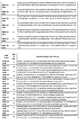
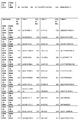
- Fig.1 Sequences (amino acids in one letter code) Complete sequences of Variable Regions (VR): Heavy chain: VH complete: SEQ ID NO: 1-34 Light chain: VL complete: SEQ ID NO: 35-68 Complementary Determining Regions (CDR): Heavy Chain: CDRH1: SEQ ID NO: 69-85 CDRH2: SEQ ID NO: 86-102 CDRH3: SEQ ID NO: 103-119 Light Chain: CDRL1: SEQ ID NO: 120-136 CDRL2: SEQ ID NO: 137-153 CDRL3: SEQ ID NO: 154-170 Constant Regions (CR): Light Chain: CR-L: SEQ ID NO: 171 Heavy Chain: CR-H: SEQ ID NO: 172
Landscapes
- Health & Medical Sciences (AREA)
- Chemical & Material Sciences (AREA)
- Organic Chemistry (AREA)
- Immunology (AREA)
- Life Sciences & Earth Sciences (AREA)
- Medicinal Chemistry (AREA)
- General Health & Medical Sciences (AREA)
- Proteomics, Peptides & Aminoacids (AREA)
- Biochemistry (AREA)
- Molecular Biology (AREA)
- Genetics & Genomics (AREA)
- Biophysics (AREA)
- Veterinary Medicine (AREA)
- General Chemical & Material Sciences (AREA)
- Pharmacology & Pharmacy (AREA)
- Public Health (AREA)
- Nuclear Medicine, Radiotherapy & Molecular Imaging (AREA)
- Animal Behavior & Ethology (AREA)
- Chemical Kinetics & Catalysis (AREA)
- Engineering & Computer Science (AREA)
- Bioinformatics & Cheminformatics (AREA)
- Medicines Containing Antibodies Or Antigens For Use As Internal Diagnostic Agents (AREA)
- Peptides Or Proteins (AREA)
- Medicines That Contain Protein Lipid Enzymes And Other Medicines (AREA)
Priority Applications (39)
| Application Number | Priority Date | Filing Date | Title |
|---|---|---|---|
| EP16168617.5A EP3241845A1 (fr) | 2016-05-06 | 2016-05-06 | Anticorps anti-il-1r3 humanisés |
| RS20240776A RS65804B1 (sr) | 2016-05-06 | 2017-05-08 | Humanizovana anti-il-1r3 antitela |
| BR112018072681-8A BR112018072681B1 (pt) | 2016-05-06 | 2017-05-08 | Anticorpos anti-il-1r3 humanizados, fragmento ou derivado do mesmo, seu uso e composição farmacêutica |
| IL262776A IL262776B2 (en) | 2016-05-06 | 2017-05-08 | Human anti-il-1r3 antibodies |
| CN201780041725.7A CN109415442B (zh) | 2016-05-06 | 2017-05-08 | 人源化抗il-1r3抗体 |
| HUE17724778A HUE066965T2 (hu) | 2016-05-06 | 2017-05-08 | Humanizált anti-IL-1R3 ellenanyagok |
| FIEP17724778.0T FI3452513T3 (fi) | 2016-05-06 | 2017-05-08 | Humanisoituja anti-il-1r3-vasta-aineita |
| JP2019510473A JP7038462B2 (ja) | 2016-05-06 | 2017-05-08 | ヒト化抗il-1r3抗体 |
| EP24169816.6A EP4434540A3 (fr) | 2016-05-06 | 2017-05-08 | Anticorps humanisés anti-il-1r3 |
| CN202211533431.5A CN116178549A (zh) | 2016-05-06 | 2017-05-08 | 人源化抗il-1r3抗体 |
| NZ748130A NZ748130A (en) | 2016-05-06 | 2017-05-08 | Humanized anti-il-1r3 antibodies |
| KR1020237021882A KR20230107695A (ko) | 2016-05-06 | 2017-05-08 | 인간화 항-il-1r3 항체 |
| IL297527A IL297527B1 (en) | 2016-05-06 | 2017-05-08 | Human anti-IL-1R3 antibodies |
| EP17724778.0A EP3452513B1 (fr) | 2016-05-06 | 2017-05-08 | Anticorps anti-il-1r3 humanisés |
| AU2017260399A AU2017260399B2 (en) | 2016-05-06 | 2017-05-08 | Humanized Anti-IL-1R3 antibodies |
| CA3022657A CA3022657A1 (fr) | 2016-05-06 | 2017-05-08 | Anticorps anti-il-1 r3 humanises |
| HRP20240961TT HRP20240961T1 (hr) | 2016-05-06 | 2017-05-08 | Humanizirana anti-il-1r3 protutijela |
| MX2018013517A MX2018013517A (es) | 2016-05-06 | 2017-05-08 | Anticuerpos anti-il-1r3 humanizados. |
| PCT/EP2017/060925 WO2017191325A1 (fr) | 2016-05-06 | 2017-05-08 | Anticorps anti-il-1 r3 humanisés |
| DK17724778.0T DK3452513T3 (da) | 2016-05-06 | 2017-05-08 | Humaniserede anti-il-ir3-antistoffer |
| PL17724778.0T PL3452513T3 (pl) | 2016-05-06 | 2017-05-08 | Humanizowane przeciwciała anty-il-1r3 |
| NZ788000A NZ788000B2 (en) | 2017-05-08 | Humanized Anti-IL-1R3 Antibodies | |
| CN202211533197.6A CN116178548A (zh) | 2016-05-06 | 2017-05-08 | 人源化抗il-1r3抗体 |
| SI201731536T SI3452513T1 (sl) | 2016-05-06 | 2017-05-08 | Humanizirana protitelesa proti-IL-1R3 |
| PT177247780T PT3452513T (pt) | 2016-05-06 | 2017-05-08 | Anticorpos anti-il-1r3 humanizados |
| KR1020187034930A KR102381257B1 (ko) | 2016-05-06 | 2017-05-08 | 인간화 항-il-1r3 항체 |
| KR1020227010275A KR102550643B1 (ko) | 2016-05-06 | 2017-05-08 | 인간화 항-il-1r3 항체 |
| LTEPPCT/EP2017/060925T LT3452513T (lt) | 2016-05-06 | 2017-05-08 | Humanizuoti anti-il-1r3 antikūnai |
| EA201892541A EA201892541A1 (ru) | 2016-05-06 | 2017-05-08 | Гуманизированные анти-il-1r3 антитела |
| US16/099,059 US11203642B2 (en) | 2016-05-06 | 2017-05-08 | Humanized anti-IL-1R3 antibodies |
| SG11201809764XA SG11201809764XA (en) | 2016-05-06 | 2017-05-08 | Humanized anti-il-1r3 antibodies |
| ES17724778T ES2982075T3 (es) | 2016-05-06 | 2017-05-08 | Anticuerpos anti-IL-1R3 humanizados |
| ZA2018/07167A ZA201807167B (en) | 2016-05-06 | 2018-10-26 | Humanized anti-il-1r3 antibodies |
| MX2023002554A MX2023002554A (es) | 2016-05-06 | 2018-11-05 | Anticuerpos anti-il-1r3 humanizados. |
| US17/410,153 US12024564B2 (en) | 2016-05-06 | 2021-08-24 | Humanized anti-IL-1R3 antibodies |
| JP2022032317A JP7480199B2 (ja) | 2016-05-06 | 2022-03-03 | ヒト化抗il-1r3抗体 |
| JP2024069425A JP2024102134A (ja) | 2016-05-06 | 2024-04-23 | ヒト化抗il-1r3抗体 |
| US18/668,446 US20240409644A1 (en) | 2016-05-06 | 2024-05-20 | Humanized anti-il-1r3 antibodies |
| AU2024204004A AU2024204004A1 (en) | 2016-05-06 | 2024-06-13 | Humanized Anti-IL-1R3 antibodies |
Applications Claiming Priority (1)
| Application Number | Priority Date | Filing Date | Title |
|---|---|---|---|
| EP16168617.5A EP3241845A1 (fr) | 2016-05-06 | 2016-05-06 | Anticorps anti-il-1r3 humanisés |
Publications (1)
| Publication Number | Publication Date |
|---|---|
| EP3241845A1 true EP3241845A1 (fr) | 2017-11-08 |
Family
ID=55919721
Family Applications (3)
| Application Number | Title | Priority Date | Filing Date |
|---|---|---|---|
| EP16168617.5A Withdrawn EP3241845A1 (fr) | 2016-05-06 | 2016-05-06 | Anticorps anti-il-1r3 humanisés |
| EP24169816.6A Pending EP4434540A3 (fr) | 2016-05-06 | 2017-05-08 | Anticorps humanisés anti-il-1r3 |
| EP17724778.0A Active EP3452513B1 (fr) | 2016-05-06 | 2017-05-08 | Anticorps anti-il-1r3 humanisés |
Family Applications After (2)
| Application Number | Title | Priority Date | Filing Date |
|---|---|---|---|
| EP24169816.6A Pending EP4434540A3 (fr) | 2016-05-06 | 2017-05-08 | Anticorps humanisés anti-il-1r3 |
| EP17724778.0A Active EP3452513B1 (fr) | 2016-05-06 | 2017-05-08 | Anticorps anti-il-1r3 humanisés |
Country Status (24)
| Country | Link |
|---|---|
| US (3) | US11203642B2 (fr) |
| EP (3) | EP3241845A1 (fr) |
| JP (3) | JP7038462B2 (fr) |
| KR (3) | KR102381257B1 (fr) |
| CN (3) | CN116178549A (fr) |
| AU (2) | AU2017260399B2 (fr) |
| CA (1) | CA3022657A1 (fr) |
| DK (1) | DK3452513T3 (fr) |
| EA (1) | EA201892541A1 (fr) |
| ES (1) | ES2982075T3 (fr) |
| FI (1) | FI3452513T3 (fr) |
| HR (1) | HRP20240961T1 (fr) |
| HU (1) | HUE066965T2 (fr) |
| IL (2) | IL262776B2 (fr) |
| LT (1) | LT3452513T (fr) |
| MX (2) | MX2018013517A (fr) |
| NZ (1) | NZ748130A (fr) |
| PL (1) | PL3452513T3 (fr) |
| PT (1) | PT3452513T (fr) |
| RS (1) | RS65804B1 (fr) |
| SG (1) | SG11201809764XA (fr) |
| SI (1) | SI3452513T1 (fr) |
| WO (1) | WO2017191325A1 (fr) |
| ZA (1) | ZA201807167B (fr) |
Cited By (1)
| Publication number | Priority date | Publication date | Assignee | Title |
|---|---|---|---|---|
| WO2018162724A1 (fr) * | 2017-03-09 | 2018-09-13 | Mab Discovery Gmbh | Anticorps se liant spécifiquement à il-1r7 humain |
Families Citing this family (14)
| Publication number | Priority date | Publication date | Assignee | Title |
|---|---|---|---|---|
| CN108026172B (zh) | 2015-06-26 | 2022-04-29 | 赛诺菲生物技术公司 | 单克隆抗il-1racp抗体 |
| EP3241845A1 (fr) | 2016-05-06 | 2017-11-08 | MAB Discovery GmbH | Anticorps anti-il-1r3 humanisés |
| EP3401332A1 (fr) | 2017-05-08 | 2018-11-14 | MAB Discovery GmbH | Anticorps anti-il-1r3 destinés à être utilisés dans des conditions inflammatoires |
| CA3066918A1 (fr) | 2017-06-12 | 2018-12-20 | Bluefin Biomedicine, Inc. | Anticorps anti-il1rap et conjugues anticorps-medicament |
| TW202021618A (zh) | 2018-08-17 | 2020-06-16 | 美商23與我有限公司 | 抗il1rap抗體及其使用方法 |
| CA3192323A1 (fr) | 2020-09-14 | 2022-03-17 | Julie MACOIN | Anticorps qui se lient a la il1rap et leurs utilisations |
| WO2022170008A2 (fr) * | 2021-02-05 | 2022-08-11 | Boehringer Ingelheim International Gmbh | Anticorps anti-il1rap |
| KR20240013138A (ko) | 2021-05-21 | 2024-01-30 | 레오 파마 에이/에스 | 항 il-1 수용체 보조 단백질 항체 |
| US11958899B2 (en) * | 2021-07-13 | 2024-04-16 | Mabwell Therapeutics Inc. | Anti-C1s antibodies and uses thereof |
| EP4590704A1 (fr) | 2022-09-21 | 2025-07-30 | Sanofi Biotechnology | Anticorps anti-il-1r3 humanisé et procédés d'utilisation |
| CN116574189A (zh) * | 2023-01-30 | 2023-08-11 | 北京智仁美博生物科技有限公司 | 针对人il-36r和/或人il-1r3的多种抗体及其用途 |
| CN116284401B (zh) * | 2023-02-20 | 2024-09-24 | 中国人民解放军军事科学院军事医学研究院 | 人源抗il-1r3抗体及其应用 |
| WO2025128837A1 (fr) * | 2023-12-13 | 2025-06-19 | Systimmune, Inc. | Conjugué anticorps anti-claudine18.2-médicament camptothécine et son utilisation pharmaceutique |
| WO2026022232A1 (fr) | 2024-07-24 | 2026-01-29 | Almirall, S.A. | Inhibiteur d'il-1rap pour le traitement ou la prévention de l'hidradénite suppurée |
Citations (20)
| Publication number | Priority date | Publication date | Assignee | Title |
|---|---|---|---|---|
| WO1996023067A1 (fr) | 1995-01-23 | 1996-08-01 | F.Hoffmann-La Roche Ag | Proteine accessoire humaine du recepteur de l'interleukine-1 |
| WO1998048032A2 (fr) | 1997-04-21 | 1998-10-29 | Donlar Corporation | ACIDE POLY-α-L-ASPARTIQUE, ACIDE-POLY-α-L-GLUTAMIQUE ET COPOLYMERES DE L-ASP ET L-GLU, LEUR PROCEDE DE PREPARATION ET LEUR UTILISATION |
| US6280955B1 (en) | 1997-12-16 | 2001-08-28 | Tularik Inc. | Interleukin-1 receptor accessory proteins, nucleic acids and methods |
| WO2002064630A2 (fr) | 2000-10-31 | 2002-08-22 | Immunex Corporation | Proteine accessoire de recepteur de l'il-1 |
| US20030026806A1 (en) | 2000-10-27 | 2003-02-06 | Amgen Inc. | Antibodies and other selective IL-1 binding agents that allow binding to IL-1 receptor but not activation thereof |
| US6586207B2 (en) | 2000-05-26 | 2003-07-01 | California Institute Of Technology | Overexpression of aminoacyl-tRNA synthetases for efficient production of engineered proteins containing amino acid analogues |
| WO2003073238A2 (fr) | 2002-02-27 | 2003-09-04 | California Institute Of Technology | Procede informatique de conception d'enzymes pour l'incorporation d'analogues d'acides amines dans des proteines |
| WO2004022718A2 (fr) | 2002-09-06 | 2004-03-18 | Amgen, Inc. | Anticorps monoclonal therapeutique anti-il-1r1 humain |
| US20040214988A1 (en) | 2000-03-23 | 2004-10-28 | California Institute Of Technology | Method for stabilization of proteins using non-natural amino acids |
| WO2004100987A2 (fr) | 2003-05-06 | 2004-11-25 | Regeneron Pharmaceuticals, Inc. | Procede d'utilisation d'antagonistes de l'il1 pour le traitement d'hyperplasie neointimale |
| WO2005035727A2 (fr) | 2003-10-09 | 2005-04-21 | Ambrx, Inc. | Derives polymeres |
| WO2005074524A2 (fr) | 2004-02-02 | 2005-08-18 | Ambrx, Inc. | Polypeptides de l'interferon humain modifies et leurs applications |
| US7390880B2 (en) | 1996-08-26 | 2008-06-24 | Human Genome Sciences, Inc. | Soluble interleukin-1 receptor accessory molecule |
| WO2009120903A2 (fr) | 2008-03-26 | 2009-10-01 | Cellerant Therapeutics, Inc. | Récepteurs de cytokine associés aux troubles prolifératifs hématologiques myélogènes et utilisations correspondantes |
| WO2010108127A1 (fr) | 2009-03-20 | 2010-09-23 | Genentech, Inc. | Anticorps anti-her di-spécifiques |
| WO2011021014A2 (fr) | 2009-08-21 | 2011-02-24 | Cantargia Ab | Nouveaux agents et leurs utilisations |
| WO2012098407A1 (fr) | 2011-01-19 | 2012-07-26 | Cantargia Ab | Anticorps anti-il1rap et son utilisation thérapeutique chez l'humain |
| WO2012177595A1 (fr) * | 2011-06-21 | 2012-12-27 | Oncofactor Corporation | Compositions et méthodes pour la thérapie et le diagnostic du cancer |
| WO2014100772A1 (fr) | 2012-12-21 | 2014-06-26 | Cellerant Therapeutics, Inc. | Anticorps qui se fixent à il1 rap lié à la membrane |
| WO2015132602A1 (fr) * | 2014-03-05 | 2015-09-11 | Cantargia Ab | Anticorps contre la protéine accessoire du récepteur humain de l'interleukine 1 (il1 rap) et leurs utilisations |
Family Cites Families (26)
| Publication number | Priority date | Publication date | Assignee | Title |
|---|---|---|---|---|
| US5202238A (en) | 1987-10-27 | 1993-04-13 | Oncogen | Production of chimeric antibodies by homologous recombination |
| US5204244A (en) | 1987-10-27 | 1993-04-20 | Oncogen | Production of chimeric antibodies by homologous recombination |
| US5283179A (en) | 1990-09-10 | 1994-02-01 | Promega Corporation | Luciferase assay method |
| ZA919299B (en) | 1990-11-26 | 1992-08-26 | Akzo Nv | Method for the production of antibodies |
| AU3657899A (en) | 1998-04-20 | 1999-11-08 | James E. Bailey | Glycosylation engineering of antibodies for improving antibody-dependent cellular cytotoxicity |
| US6541225B1 (en) | 2000-01-26 | 2003-04-01 | Raven Biotechnologies, Inc. | Methods and compositions for generating human monoclonal antibodies |
| EP1450837A4 (fr) | 2001-08-07 | 2006-01-04 | Immunex Corp | Recepteurs de l'interleukine-1 dans le traitement de maladies |
| CZ308720B6 (cs) | 2003-01-22 | 2021-03-24 | Roche Glycart Ag | Fúzní konstrukty a jejich použití pro přípravu protilátek se zvýšenou vazebnou afinitou k receptorům Fc a efektorovou funkcí |
| GB0312481D0 (en) | 2003-05-30 | 2003-07-09 | Celltech R&D Ltd | Antibodies |
| PT1692182E (pt) | 2003-11-05 | 2010-05-13 | Roche Glycart Ag | Anticorpos de cd20 com uma afinidade de ligação acrescida ao receptor fc e uma função efectora acrescida |
| WO2005073164A1 (fr) | 2004-01-30 | 2005-08-11 | Peplin Biolipids Pty Ltd | Molecules porteuses et therapeutiques |
| WO2007003041A1 (fr) | 2005-07-01 | 2007-01-11 | John Schrader | Methodes permettant d'isoler des cellules et de generer des anticorps monoclonaux |
| RU2482132C2 (ru) | 2005-08-26 | 2013-05-20 | Роше Гликарт Аг | Модифицированные антигенсвязывающие молекулы с измененной клеточной сигнальной активностью |
| CN101600793B (zh) | 2006-05-19 | 2013-06-26 | 奥尔德生物制药公司 | 用于获得抗原特异性b细胞的克隆群体的培养方法 |
| CN106977608A (zh) | 2010-04-09 | 2017-07-25 | 阿尔布麦狄克斯公司 | 白蛋白衍生物和变体 |
| ES2434256T3 (es) | 2010-05-28 | 2013-12-16 | F. Hoffmann-La Roche Ag | Método de cultivo de células B individuales y producción de anticuerpos específicos |
| ES2692268T5 (en) | 2011-03-29 | 2025-02-26 | Roche Glycart Ag | Antibody fc variants |
| CN103492416A (zh) * | 2011-04-15 | 2014-01-01 | 默克专利股份公司 | 用于癌症中使用的抗il-1r1抑制剂 |
| WO2013023015A2 (fr) | 2011-08-11 | 2013-02-14 | Albert Einstein College Of Medicine Of Yeshiva University | Cibles pour le diagnostic, le pronostic et la thérapie d'une leucémie myéloïde aiguë et de syndromes myélodysplasiques |
| US9090694B2 (en) | 2012-04-30 | 2015-07-28 | Janssen Biotech, Inc. | ST2L antibody antagonists |
| US10126304B2 (en) | 2013-01-16 | 2018-11-13 | George Mason Research Foundation, Inc. | Binding domain mapping |
| US20150315179A1 (en) | 2014-05-02 | 2015-11-05 | Torrey Pines Institute For Molecular Studies | Compounds and methods of treating neurological disorders |
| GB201413913D0 (en) * | 2014-08-06 | 2014-09-17 | Cantargia Ab | Novel antibodies and uses thereof |
| CN108026172B (zh) | 2015-06-26 | 2022-04-29 | 赛诺菲生物技术公司 | 单克隆抗il-1racp抗体 |
| EP3241845A1 (fr) | 2016-05-06 | 2017-11-08 | MAB Discovery GmbH | Anticorps anti-il-1r3 humanisés |
| EP3401332A1 (fr) | 2017-05-08 | 2018-11-14 | MAB Discovery GmbH | Anticorps anti-il-1r3 destinés à être utilisés dans des conditions inflammatoires |
-
2016
- 2016-05-06 EP EP16168617.5A patent/EP3241845A1/fr not_active Withdrawn
-
2017
- 2017-05-08 HR HRP20240961TT patent/HRP20240961T1/hr unknown
- 2017-05-08 PT PT177247780T patent/PT3452513T/pt unknown
- 2017-05-08 FI FIEP17724778.0T patent/FI3452513T3/fi active
- 2017-05-08 DK DK17724778.0T patent/DK3452513T3/da active
- 2017-05-08 AU AU2017260399A patent/AU2017260399B2/en active Active
- 2017-05-08 EA EA201892541A patent/EA201892541A1/ru unknown
- 2017-05-08 HU HUE17724778A patent/HUE066965T2/hu unknown
- 2017-05-08 PL PL17724778.0T patent/PL3452513T3/pl unknown
- 2017-05-08 SG SG11201809764XA patent/SG11201809764XA/en unknown
- 2017-05-08 KR KR1020187034930A patent/KR102381257B1/ko active Active
- 2017-05-08 CA CA3022657A patent/CA3022657A1/fr active Pending
- 2017-05-08 IL IL262776A patent/IL262776B2/en unknown
- 2017-05-08 KR KR1020237021882A patent/KR20230107695A/ko not_active Ceased
- 2017-05-08 CN CN202211533431.5A patent/CN116178549A/zh active Pending
- 2017-05-08 MX MX2018013517A patent/MX2018013517A/es unknown
- 2017-05-08 LT LTEPPCT/EP2017/060925T patent/LT3452513T/lt unknown
- 2017-05-08 KR KR1020227010275A patent/KR102550643B1/ko active Active
- 2017-05-08 RS RS20240776A patent/RS65804B1/sr unknown
- 2017-05-08 ES ES17724778T patent/ES2982075T3/es active Active
- 2017-05-08 SI SI201731536T patent/SI3452513T1/sl unknown
- 2017-05-08 JP JP2019510473A patent/JP7038462B2/ja active Active
- 2017-05-08 NZ NZ748130A patent/NZ748130A/en unknown
- 2017-05-08 EP EP24169816.6A patent/EP4434540A3/fr active Pending
- 2017-05-08 US US16/099,059 patent/US11203642B2/en active Active
- 2017-05-08 EP EP17724778.0A patent/EP3452513B1/fr active Active
- 2017-05-08 CN CN201780041725.7A patent/CN109415442B/zh active Active
- 2017-05-08 IL IL297527A patent/IL297527B1/en unknown
- 2017-05-08 WO PCT/EP2017/060925 patent/WO2017191325A1/fr not_active Ceased
- 2017-05-08 CN CN202211533197.6A patent/CN116178548A/zh active Pending
-
2018
- 2018-10-26 ZA ZA2018/07167A patent/ZA201807167B/en unknown
- 2018-11-05 MX MX2023002554A patent/MX2023002554A/es unknown
-
2021
- 2021-08-24 US US17/410,153 patent/US12024564B2/en active Active
-
2022
- 2022-03-03 JP JP2022032317A patent/JP7480199B2/ja active Active
-
2024
- 2024-04-23 JP JP2024069425A patent/JP2024102134A/ja active Pending
- 2024-05-20 US US18/668,446 patent/US20240409644A1/en active Pending
- 2024-06-13 AU AU2024204004A patent/AU2024204004A1/en active Pending
Patent Citations (21)
| Publication number | Priority date | Publication date | Assignee | Title |
|---|---|---|---|---|
| WO1996023067A1 (fr) | 1995-01-23 | 1996-08-01 | F.Hoffmann-La Roche Ag | Proteine accessoire humaine du recepteur de l'interleukine-1 |
| US7390880B2 (en) | 1996-08-26 | 2008-06-24 | Human Genome Sciences, Inc. | Soluble interleukin-1 receptor accessory molecule |
| WO1998048032A2 (fr) | 1997-04-21 | 1998-10-29 | Donlar Corporation | ACIDE POLY-α-L-ASPARTIQUE, ACIDE-POLY-α-L-GLUTAMIQUE ET COPOLYMERES DE L-ASP ET L-GLU, LEUR PROCEDE DE PREPARATION ET LEUR UTILISATION |
| US6280955B1 (en) | 1997-12-16 | 2001-08-28 | Tularik Inc. | Interleukin-1 receptor accessory proteins, nucleic acids and methods |
| US20040214988A1 (en) | 2000-03-23 | 2004-10-28 | California Institute Of Technology | Method for stabilization of proteins using non-natural amino acids |
| US6586207B2 (en) | 2000-05-26 | 2003-07-01 | California Institute Of Technology | Overexpression of aminoacyl-tRNA synthetases for efficient production of engineered proteins containing amino acid analogues |
| US20030026806A1 (en) | 2000-10-27 | 2003-02-06 | Amgen Inc. | Antibodies and other selective IL-1 binding agents that allow binding to IL-1 receptor but not activation thereof |
| WO2002064630A2 (fr) | 2000-10-31 | 2002-08-22 | Immunex Corporation | Proteine accessoire de recepteur de l'il-1 |
| WO2003073238A2 (fr) | 2002-02-27 | 2003-09-04 | California Institute Of Technology | Procede informatique de conception d'enzymes pour l'incorporation d'analogues d'acides amines dans des proteines |
| WO2004022718A2 (fr) | 2002-09-06 | 2004-03-18 | Amgen, Inc. | Anticorps monoclonal therapeutique anti-il-1r1 humain |
| WO2004100987A2 (fr) | 2003-05-06 | 2004-11-25 | Regeneron Pharmaceuticals, Inc. | Procede d'utilisation d'antagonistes de l'il1 pour le traitement d'hyperplasie neointimale |
| WO2005035727A2 (fr) | 2003-10-09 | 2005-04-21 | Ambrx, Inc. | Derives polymeres |
| WO2005074524A2 (fr) | 2004-02-02 | 2005-08-18 | Ambrx, Inc. | Polypeptides de l'interferon humain modifies et leurs applications |
| WO2009120903A2 (fr) | 2008-03-26 | 2009-10-01 | Cellerant Therapeutics, Inc. | Récepteurs de cytokine associés aux troubles prolifératifs hématologiques myélogènes et utilisations correspondantes |
| WO2010108127A1 (fr) | 2009-03-20 | 2010-09-23 | Genentech, Inc. | Anticorps anti-her di-spécifiques |
| WO2011021014A2 (fr) | 2009-08-21 | 2011-02-24 | Cantargia Ab | Nouveaux agents et leurs utilisations |
| WO2012098407A1 (fr) | 2011-01-19 | 2012-07-26 | Cantargia Ab | Anticorps anti-il1rap et son utilisation thérapeutique chez l'humain |
| US20140017167A1 (en) | 2011-01-19 | 2014-01-16 | Cantargia Ab | Anti-IL1RAP Antibodies and Their Use for Treating Human |
| WO2012177595A1 (fr) * | 2011-06-21 | 2012-12-27 | Oncofactor Corporation | Compositions et méthodes pour la thérapie et le diagnostic du cancer |
| WO2014100772A1 (fr) | 2012-12-21 | 2014-06-26 | Cellerant Therapeutics, Inc. | Anticorps qui se fixent à il1 rap lié à la membrane |
| WO2015132602A1 (fr) * | 2014-03-05 | 2015-09-11 | Cantargia Ab | Anticorps contre la protéine accessoire du récepteur humain de l'interleukine 1 (il1 rap) et leurs utilisations |
Non-Patent Citations (34)
| Title |
|---|
| BARBAS ET AL., PROC NAT. ACAD. SCI, USA, vol. 91, 1994, pages 3809 - 3813 |
| CAPEL ET AL., IMMUNOMETHODS, vol. 4, 1994, pages 25 - 34 |
| CHIN, J.W. ET AL., JOURNAL OF THE AMERICAN CHEMICAL SOCIETY, vol. 124, 2002, pages 9026 - 9027 |
| CHIN, J.W. ET AL., PICAS UNITED STATES OF AMERICA, vol. 99, 2002, pages 11020 - 11024 |
| CHIN, J.W.; SCHULTZ, P.G., CHEMBIOCHEM, vol. 11, 2002, pages 1135 - 1137 |
| DAERON, ANNU. REV. IMMUNOL., vol. 15, 1997, pages 203 - 234 |
| DAERON, M., ANNU. REV. IMMUNOL., vol. 15, 1997, pages 203 - 234 |
| DAVIS ET AL., IMMUNOLOGICAL REVIEWS, vol. 190, 2002, pages 123 - 136 |
| DE HAAS ET AL., J. LAB. CHN. MED., vol. 126, 1995, pages 330 - 41 |
| DE HAAS ET AL., J. LAB. CLIN. MED., vol. 126, 1995, pages 330 - 41 |
| DO-YOUNG YOON; CHARLES A. DINARELLO, JOURNAL OF BIOCHEMISTRY AND MOLECULAR BIOLOGY, vol. 40, 4 July 2007 (2007-07-04), pages 562 - 570 |
| DO-YOUNG; YOON D-Y; CHARLES A.; DINARELLO CA, J. IMMUNOL., vol. 160, 1998, pages 3170 - 3179 |
| EDELMAN ET AL., PROC NATL ACAD SCI USA, vol. 63, 1969, pages 78 - 85 |
| GUYER ET AL., J. IMMUNOL., vol. 117, 1976, pages 587 |
| HAWKINS ET AL., J. MOL. BIOL., vol. 226, 1992, pages 889 - 896 |
| HUANG J. ET AL., PNAS USA, vol. 94, 1997, pages 12829 - 12832 |
| HUSTON, J.S., METHODS IN ENZYMOL., vol. 203, 1991, pages 46 - 88 |
| JACKSON ET AL., J. IMMUNOL., vol. 1 54, no. 7, 1995, pages 3310 - 9 |
| JARAS M. ET AL., PNAS, vol. 107, 2010, pages 16280 - 16285 |
| JEFFERIS ET AL., IMMUNOL LETT, vol. 82 |
| KABAT ET AL.: "Sequences of Proteins of Immunological Interest", 1991, PUBLIC HEALTH SERVICE, NATIONAL INSTITUTES OF HEALTH |
| KIM ET AL., J. IMMUNOL., vol. 24, 1994, pages 249 |
| LEFRANC, M.-P., CURRENT PROTOCOLS IN IMMUNOLOGY, 2000 |
| MARKS ET AL., BIO/TECHNOLOGY, vol. 10, 1992, pages 779 - 783 |
| NEUBERGER, M.S. ET AL., NATURE, vol. 314, 1985, pages 268 - 270 |
| ORENCOLE SF; DINARELLO CA, CYTOKINE, vol. 1, 1989, pages 14 - 22 |
| RAVETCH; KINET, ANNU. REV. IMMUNOL, vol. 9, 1991, pages 457 - 492 |
| RAVETCH; KINET, ANNU. REV. IMMUNOL, vol. 9, 1991, pages 457 - 92 |
| RIECHMANN, L. ET AL., NATURE, vol. 332, 1988, pages 323 - 327 |
| SCHIER ET AL., GENE, vol. 169, 1995, pages 147 - 155 |
| WANG, L.; SCHULTZ, P.G., CHEM., 2002, pages 1 - 10 |
| WINDHEIM M. ET AL., MOL. CELL. BIOL., vol. 28, 2008, pages 1783 - 1791 |
| XIAOXIA L. ET AL., MOL. CELL, BIOL., vol. 19, 1999, pages 4643 - 4652 |
| YELTON ET AL., J. IMMUNOL., vol. 1, no. 55, 1995, pages 1994 - 2004 |
Cited By (4)
| Publication number | Priority date | Publication date | Assignee | Title |
|---|---|---|---|---|
| WO2018162724A1 (fr) * | 2017-03-09 | 2018-09-13 | Mab Discovery Gmbh | Anticorps se liant spécifiquement à il-1r7 humain |
| CN110382002A (zh) * | 2017-03-09 | 2019-10-25 | Mab发现股份有限公司 | 特异性结合人il-1r7的抗体 |
| US11352432B2 (en) | 2017-03-09 | 2022-06-07 | Mab Discovery Gmbh | Antibodies specifically binding to human IL-1R7 |
| CN110382002B (zh) * | 2017-03-09 | 2025-08-15 | Mab发现股份有限公司 | 特异性结合人il-1r7的抗体 |
Also Published As
Similar Documents
| Publication | Publication Date | Title |
|---|---|---|
| US20240409644A1 (en) | Humanized anti-il-1r3 antibodies | |
| US12240898B2 (en) | Monoclonal anti-IL-1RAcP antibodies | |
| HK40116833A (en) | Humanized anti-il-1r3 antibodies | |
| HK40094580A (zh) | 人源化抗il-1r3抗体 | |
| HK40069979A (en) | Monoclonal anti-il-1racp antibodies | |
| EA049751B1 (ru) | Гуманизированные анти-il-1r3 антитела | |
| EA040391B1 (ru) | Гуманизированные анти-il-1r3 антитела | |
| HK40003550B (en) | Humanized anti-il-1r3 antibodies | |
| HK40003550A (zh) | 人源化抗il-1r3 抗体 |
Legal Events
| Date | Code | Title | Description |
|---|---|---|---|
| PUAI | Public reference made under article 153(3) epc to a published international application that has entered the european phase |
Free format text: ORIGINAL CODE: 0009012 |
|
| AK | Designated contracting states |
Kind code of ref document: A1 Designated state(s): AL AT BE BG CH CY CZ DE DK EE ES FI FR GB GR HR HU IE IS IT LI LT LU LV MC MK MT NL NO PL PT RO RS SE SI SK SM TR |
|
| AX | Request for extension of the european patent |
Extension state: BA ME |
|
| STAA | Information on the status of an ep patent application or granted ep patent |
Free format text: STATUS: THE APPLICATION IS DEEMED TO BE WITHDRAWN |
|
| 18D | Application deemed to be withdrawn |
Effective date: 20180509 |