EP3327014A1 - Egfr-hemmer und pharmazeutisch unbedenkliches salz und polymorph davon und verwendung davon - Google Patents
Egfr-hemmer und pharmazeutisch unbedenkliches salz und polymorph davon und verwendung davon Download PDFInfo
- Publication number
- EP3327014A1 EP3327014A1 EP16829828.9A EP16829828A EP3327014A1 EP 3327014 A1 EP3327014 A1 EP 3327014A1 EP 16829828 A EP16829828 A EP 16829828A EP 3327014 A1 EP3327014 A1 EP 3327014A1
- Authority
- EP
- European Patent Office
- Prior art keywords
- compound
- crystal form
- formula
- another preferred
- pharmaceutically acceptable
- Prior art date
- Legal status (The legal status is an assumption and is not a legal conclusion. Google has not performed a legal analysis and makes no representation as to the accuracy of the status listed.)
- Withdrawn
Links
- 0 O=C1CC*CC1 Chemical compound O=C1CC*CC1 0.000 description 3
- YFJAIURZMRJPDB-UHFFFAOYSA-N CN(C)C1CCNCC1 Chemical compound CN(C)C1CCNCC1 YFJAIURZMRJPDB-UHFFFAOYSA-N 0.000 description 1
- XUYVZCBXQFPUJK-UHFFFAOYSA-N CN(CC1)C=C1c1nc(Cl)ncc1F Chemical compound CN(CC1)C=C1c1nc(Cl)ncc1F XUYVZCBXQFPUJK-UHFFFAOYSA-N 0.000 description 1
Images







Classifications
-
- A—HUMAN NECESSITIES
- A61—MEDICAL OR VETERINARY SCIENCE; HYGIENE
- A61K—PREPARATIONS FOR MEDICAL, DENTAL OR TOILETRY PURPOSES
- A61K31/00—Medicinal preparations containing organic active ingredients
- A61K31/33—Heterocyclic compounds
- A61K31/395—Heterocyclic compounds having nitrogen as a ring hetero atom, e.g. guanethidine or rifamycins
- A61K31/435—Heterocyclic compounds having nitrogen as a ring hetero atom, e.g. guanethidine or rifamycins having six-membered rings with one nitrogen as the only ring hetero atom
- A61K31/44—Non condensed pyridines; Hydrogenated derivatives thereof
- A61K31/445—Non condensed piperidines, e.g. piperocaine
- A61K31/4468—Non condensed piperidines, e.g. piperocaine having a nitrogen directly attached in position 4, e.g. clebopride, fentanyl
-
- A—HUMAN NECESSITIES
- A61—MEDICAL OR VETERINARY SCIENCE; HYGIENE
- A61K—PREPARATIONS FOR MEDICAL, DENTAL OR TOILETRY PURPOSES
- A61K31/00—Medicinal preparations containing organic active ingredients
- A61K31/33—Heterocyclic compounds
- A61K31/395—Heterocyclic compounds having nitrogen as a ring hetero atom, e.g. guanethidine or rifamycins
- A61K31/495—Heterocyclic compounds having nitrogen as a ring hetero atom, e.g. guanethidine or rifamycins having six-membered rings with two or more nitrogen atoms as the only ring heteroatoms, e.g. piperazine or tetrazines
- A61K31/505—Pyrimidines; Hydrogenated pyrimidines, e.g. trimethoprim
- A61K31/506—Pyrimidines; Hydrogenated pyrimidines, e.g. trimethoprim not condensed and containing further heterocyclic rings
-
- A—HUMAN NECESSITIES
- A61—MEDICAL OR VETERINARY SCIENCE; HYGIENE
- A61K—PREPARATIONS FOR MEDICAL, DENTAL OR TOILETRY PURPOSES
- A61K9/00—Medicinal preparations characterised by special physical form
- A61K9/20—Pills, tablets, discs, rods
- A61K9/2004—Excipients; Inactive ingredients
- A61K9/2022—Organic macromolecular compounds
- A61K9/205—Polysaccharides, e.g. alginate, gums; Cyclodextrin
- A61K9/2059—Starch, including chemically or physically modified derivatives; Amylose; Amylopectin; Dextrin
-
- A—HUMAN NECESSITIES
- A61—MEDICAL OR VETERINARY SCIENCE; HYGIENE
- A61K—PREPARATIONS FOR MEDICAL, DENTAL OR TOILETRY PURPOSES
- A61K9/00—Medicinal preparations characterised by special physical form
- A61K9/48—Preparations in capsules, e.g. of gelatin, of chocolate
- A61K9/4841—Filling excipients; Inactive ingredients
- A61K9/4866—Organic macromolecular compounds
-
- A—HUMAN NECESSITIES
- A61—MEDICAL OR VETERINARY SCIENCE; HYGIENE
- A61P—SPECIFIC THERAPEUTIC ACTIVITY OF CHEMICAL COMPOUNDS OR MEDICINAL PREPARATIONS
- A61P35/00—Antineoplastic agents
-
- C—CHEMISTRY; METALLURGY
- C07—ORGANIC CHEMISTRY
- C07C—ACYCLIC OR CARBOCYCLIC COMPOUNDS
- C07C53/00—Saturated compounds having only one carboxyl group bound to an acyclic carbon atom or hydrogen
- C07C53/08—Acetic acid
- C07C53/10—Salts thereof
-
- C—CHEMISTRY; METALLURGY
- C07—ORGANIC CHEMISTRY
- C07C—ACYCLIC OR CARBOCYCLIC COMPOUNDS
- C07C55/00—Saturated compounds having more than one carboxyl group bound to acyclic carbon atoms
- C07C55/02—Dicarboxylic acids
- C07C55/06—Oxalic acid
-
- C—CHEMISTRY; METALLURGY
- C07—ORGANIC CHEMISTRY
- C07C—ACYCLIC OR CARBOCYCLIC COMPOUNDS
- C07C55/00—Saturated compounds having more than one carboxyl group bound to acyclic carbon atoms
- C07C55/02—Dicarboxylic acids
- C07C55/10—Succinic acid
-
- C—CHEMISTRY; METALLURGY
- C07—ORGANIC CHEMISTRY
- C07C—ACYCLIC OR CARBOCYCLIC COMPOUNDS
- C07C55/00—Saturated compounds having more than one carboxyl group bound to acyclic carbon atoms
- C07C55/02—Dicarboxylic acids
- C07C55/14—Adipic acid
-
- C—CHEMISTRY; METALLURGY
- C07—ORGANIC CHEMISTRY
- C07C—ACYCLIC OR CARBOCYCLIC COMPOUNDS
- C07C57/00—Unsaturated compounds having carboxyl groups bound to acyclic carbon atoms
- C07C57/02—Unsaturated compounds having carboxyl groups bound to acyclic carbon atoms with only carbon-to-carbon double bonds as unsaturation
- C07C57/13—Dicarboxylic acids
- C07C57/145—Maleic acid
-
- C—CHEMISTRY; METALLURGY
- C07—ORGANIC CHEMISTRY
- C07C—ACYCLIC OR CARBOCYCLIC COMPOUNDS
- C07C57/00—Unsaturated compounds having carboxyl groups bound to acyclic carbon atoms
- C07C57/02—Unsaturated compounds having carboxyl groups bound to acyclic carbon atoms with only carbon-to-carbon double bonds as unsaturation
- C07C57/13—Dicarboxylic acids
- C07C57/15—Fumaric acid
-
- C—CHEMISTRY; METALLURGY
- C07—ORGANIC CHEMISTRY
- C07C—ACYCLIC OR CARBOCYCLIC COMPOUNDS
- C07C59/00—Compounds having carboxyl groups bound to acyclic carbon atoms and containing any of the groups OH, O—metal, —CHO, keto, ether, groups, groups, or groups
- C07C59/01—Saturated compounds having only one carboxyl group and containing hydroxy or O-metal groups
- C07C59/06—Glycolic acid
-
- C—CHEMISTRY; METALLURGY
- C07—ORGANIC CHEMISTRY
- C07C—ACYCLIC OR CARBOCYCLIC COMPOUNDS
- C07C59/00—Compounds having carboxyl groups bound to acyclic carbon atoms and containing any of the groups OH, O—metal, —CHO, keto, ether, groups, groups, or groups
- C07C59/01—Saturated compounds having only one carboxyl group and containing hydroxy or O-metal groups
- C07C59/08—Lactic acid
-
- C—CHEMISTRY; METALLURGY
- C07—ORGANIC CHEMISTRY
- C07C—ACYCLIC OR CARBOCYCLIC COMPOUNDS
- C07C59/00—Compounds having carboxyl groups bound to acyclic carbon atoms and containing any of the groups OH, O—metal, —CHO, keto, ether, groups, groups, or groups
- C07C59/01—Saturated compounds having only one carboxyl group and containing hydroxy or O-metal groups
- C07C59/10—Polyhydroxy carboxylic acids
- C07C59/105—Polyhydroxy carboxylic acids having five or more carbon atoms, e.g. aldonic acids
-
- C—CHEMISTRY; METALLURGY
- C07—ORGANIC CHEMISTRY
- C07C—ACYCLIC OR CARBOCYCLIC COMPOUNDS
- C07C59/00—Compounds having carboxyl groups bound to acyclic carbon atoms and containing any of the groups OH, O—metal, —CHO, keto, ether, groups, groups, or groups
- C07C59/147—Saturated compounds having only one carboxyl group and containing —CHO groups
- C07C59/153—Glyoxylic acid
-
- C—CHEMISTRY; METALLURGY
- C07—ORGANIC CHEMISTRY
- C07C—ACYCLIC OR CARBOCYCLIC COMPOUNDS
- C07C59/00—Compounds having carboxyl groups bound to acyclic carbon atoms and containing any of the groups OH, O—metal, —CHO, keto, ether, groups, groups, or groups
- C07C59/235—Saturated compounds containing more than one carboxyl group
- C07C59/245—Saturated compounds containing more than one carboxyl group containing hydroxy or O-metal groups
-
- C—CHEMISTRY; METALLURGY
- C07—ORGANIC CHEMISTRY
- C07C—ACYCLIC OR CARBOCYCLIC COMPOUNDS
- C07C59/00—Compounds having carboxyl groups bound to acyclic carbon atoms and containing any of the groups OH, O—metal, —CHO, keto, ether, groups, groups, or groups
- C07C59/235—Saturated compounds containing more than one carboxyl group
- C07C59/245—Saturated compounds containing more than one carboxyl group containing hydroxy or O-metal groups
- C07C59/255—Tartaric acid
-
- C—CHEMISTRY; METALLURGY
- C07—ORGANIC CHEMISTRY
- C07D—HETEROCYCLIC COMPOUNDS
- C07D401/00—Heterocyclic compounds containing two or more hetero rings, having nitrogen atoms as the only ring hetero atoms, at least one ring being a six-membered ring with only one nitrogen atom
- C07D401/14—Heterocyclic compounds containing two or more hetero rings, having nitrogen atoms as the only ring hetero atoms, at least one ring being a six-membered ring with only one nitrogen atom containing three or more hetero rings
-
- C—CHEMISTRY; METALLURGY
- C07—ORGANIC CHEMISTRY
- C07B—GENERAL METHODS OF ORGANIC CHEMISTRY; APPARATUS THEREFOR
- C07B2200/00—Indexing scheme relating to specific properties of organic compounds
- C07B2200/13—Crystalline forms, e.g. polymorphs
Definitions
- the present invention belongs to the technical field of medicine.
- the present invention relates to an EGFR inhibitor and pharmaceutically acceptable salts and polymorphs thereof and their applications, and the inhibitor is N-(2-(4-(dimethylamino)piperidin-1-yl)-5-(5-fluoro-4-(1-methyl-1H-pyrazol-4-yl)pyrimidin-2-yl-amino)-4-methoxyphenyl)acrylamide.
- Lung cancer is of the highest incidence in the world. In China, the incidence of lung cancer ranks first among all cancers, and the incidence and mortality rates of the cancer are also the highest in China. In the lung cancer patients in China, 30% of patients have EGFR mutations, over 90% of which are L858R and exon 19 deletion-mutation, and these patients are more sensitive to EGFR inhibitors.
- the marketed first-generation of EGFR inhibitors, such as erlotinib, gefitinib have good effect for these patients, and the tumor in more than 60% of patients will shrink, significantly prolonging the progression-free survival of patients. However, most of patients acquire resistance in 6-12 months, the first generation of EGFR inhibitors will no longer take effect, and currently no drugs are available for these patients.
- EGFR T790M mutation is clinically detected in 50% of patients who are resistant to the first-generation of EGFR inhibitors.
- the therapeutic effect of the second generation of irreversible pan-EGFR inhibitors (Afatinib (BIBW2992)) currently launched was significantly better than that of the first-generation of EGFR inhibitors for lung cancer patients with EGFR mutations.
- the second-generation of inhibitors also have strong inhibitory activity for wild-type EGFR, and the inhibitory activity for wild-type EGFR was significantly higher than that for resistant T790M mutation, and side effects, such as skin rashes, were severe in patients, and the effect of the second-generation of inhibitors on drug resistant patients was poor, only a small part of patients who are resistant to the first generation of EGFR inhibitors response to these drugs.
- the object of the present invention is to provide an inhibitor that effectively inhibits EGFR mutants, pharmaceutically acceptable salts and polymorphs, and uses thereof.
- the pharmaceutically acceptable salt is selected from the group consisting of hydrochloride, sulfate, phosphate, acetate, L-lactate, maleate, fumarate, succinate, L-malate, adipate, L-tartrate, hippurate, citrate, mucate, glycolate, D-glucuronate, benzoate, gentisinate, nicotinate, ethanedisulfonate, oxalate, methanesulfonate, benzenesulfonate, 2-hydroxyethanesulfonate and hydrobromide.
- the pharmaceutically acceptable salt is selected from the group consisting of hydrochloride, phosphate, maleate, L-malate, adipate, sulfate, fumarate, succinate, L-tartrate, citrate, methanesulfonate, benzoate and benzenesulfonate.
- the compound of formula X, or its pharmaceutically acceptable salt is in an anhydrous form, hydrate form or solvate form.
- the solvate includes a methanol solvate and an ethyl acetate solvate.
- the compound of formula X, or its pharmaceutically acceptable salt is a crystal.
- the pharmaceutically acceptable salt is selected from the group consisting of hydrochloride, phosphate, maleate, L-malate, adipate, sulfate, fumarate, succinate, L-tartrate, citrate, methanesulfonate, benzoate, and benzenesulfonate.
- the pharmaceutically acceptable salt is a hydrochloride, wherein the molar ratio of hydrochloric acid to the compound of formula X is (0.8-2.1): 1, preferably (0.9-1.1): 1.
- the pharmaceutically acceptable salt is phosphate, wherein the molar ratio of phosphoric acid to the compound of formula X is 1: (0.9-2.1), preferably 1: (1.1-2.1).
- the pharmaceutically acceptable salt is a maleate, wherein the molar ratio of maleic acid to the compound of formula X is (0.8-1.2): 1, preferably (0.9-1.1): 1, more preferably 1: 1.
- the pharmaceutically acceptable salt is L-malate, wherein the molar ratio of L-maleic acid to the compound of formula X is (0.5-1.4): 1, preferably (0.7- 1.3): 1.
- the pharmaceutically acceptable salt is adipate, wherein the molar ratio of adipic acid to the compound of formula X is (0.8-1.2): 1, preferably (0.9-1.1): 1.
- the pharmaceutically acceptable salt is fumarate, wherein the molar ratio of fumaric acid to the compound of formula X is (0.5-1.2): 1, preferably (0.5-1): 1.
- the pharmaceutically acceptable salt is citrate, wherein the molar ratio of citric acid to the compound of formula X is (0.5-1.2): 1, preferably (0.5-1): 1.
- the pharmaceutically acceptable salt is a mucate, wherein the molar ratio of mucic acid to the compound of formula X is (0.5-1.2): 1, preferably (0.5-1): 1.
- the pharmaceutically acceptable salt is a succinate, wherein the molar ratio of succinic acid to the compound of formula X is (0.9-1.1): 1, preferably 1: 1.
- the pharmaceutically acceptable salt is L-tartrate, wherein the molar ratio of L-tartaric acid to the compound of formula X is (0.9-1.1): 1, preferably 1: 1.
- the pharmaceutically acceptable salt is nicotinate, wherein the molar ratio of nicotinic acid to the compound of formula X is (0.9-1.1): 1, preferably 1: 1.
- the pharmaceutically acceptable salt is hippurate, wherein the molar ratio of hippuric acid to the compound of formula X is from (0.9-1.1): 1, preferably from 1: 1.
- the pharmaceutically acceptable salt is glycolate, wherein the molar ratio of glycolic acid to the compound of formula X is (0.9-1.1): 1, preferably 1: 1.
- the pharmaceutically acceptable salt is benzoate, wherein the molar ratio of benzoic acid to the compound of formula X is (0.9-1.1): 1, preferably 1: 1.
- the pharmaceutically acceptable salt is gentisate, wherein the molar ratio of gentisic acid to the compound of formula X is (0.9-1.1): 1, preferably 1: 1.
- the pharmaceutically acceptable salt is ethanedisulfonate, wherein the molar ratio of ethanedisulfonic acid to the compound of formula X is (0.9-1.1): 1, preferably 1: 1.
- the pharmaceutically acceptable salt is oxalate, wherein the molar ratio of oxalic acid to the compound of formula X is (0.9-1.1): 1, preferably 1: 1.
- the pharmaceutically acceptable salt is methanesulfonate, wherein the molar ratio of methanesulfonic acid to the compound of formula X is (0.9-1.1): 1, preferably 1: 1.
- the pharmaceutically acceptable salt is benzenesulfonate, wherein the molar ratio of benzenesulfonic acid to the compound of formula X is (0.9-1.1): 1, preferably 1: 1.
- the pharmaceutically acceptable salt is 2-hydroxyethanesulfonate, wherein the molar ratio of 2-hydroxyethanesulfonic acid to the compound of formula X is (0.9-1.1): 1, preferably 1: 1.
- the pharmaceutically acceptable salt is D-glucuronate, wherein the molar ratio of D-glucuronic acid to the compound of formula X is (0.9-1.1): 1, preferably 1: 1.
- the crystal is A crystalline form of the hydrochloride of compound of formula X, i.e. crystal form A, which has an X-ray powder diffraction pattern with diffraction angle 2 ⁇ (°) values of the following group A1: 8.47 ⁇ 0.10, 20.32 ⁇ 0.10, 23.31 ⁇ 0.10 (the highest peak) and 25.98 ⁇ 0.10.
- the X-ray powder diffraction pattern of crystal form A further includes 2 or more diffraction angle 2 ⁇ (°) values selected from the following group A2: 15.54 ⁇ 0.10, 16.97 ⁇ 0.10, 17.66 ⁇ 0.10, 17.90 ⁇ 0.10, 21.54 ⁇ 0.10, 22.19 ⁇ 0.10, 23.37 ⁇ 0.10, 24.81 ⁇ 0.10.
- the X-ray powder diffraction pattern of crystal form A further includes 2 or more diffraction angle 2 ⁇ (°) values selected from the following group A3: 9.44 ⁇ 0.10, 11.78 ⁇ 0.10, 13.29 ⁇ 0.10, 14.91 ⁇ 0.10, 15.23 ⁇ 0.10, 18.20 ⁇ 0.10, 18.68 ⁇ 0.10, 20.05 ⁇ 0.10, 21.07 ⁇ 0.10, 23.87 ⁇ 0.10, 24.19 ⁇ 0.10, 25.30 ⁇ 0.10, 25.61 ⁇ 0.10, 26.45 ⁇ 0.10, 27.42 ⁇ 0.10 , 28.49 ⁇ 0.10, 29.96 ⁇ 0.10, 32.00 ⁇ 0.10, 34.01 ⁇ 0.10, 35.25 ⁇ 0.10.
- the X-ray powder diffraction pattern of crystal form A includes six or more or all 2 ⁇ (°) values selected from the group A1, A2, and A3 (such as 6, 7, 8, 9, 11, 12, 13, 14, 15, etc.).
- the X-ray powder diffraction pattern of crystal form A has the values shown in Table A2 below: Table A2 2 ⁇ (°) d value [ ⁇ ] relative intensity I/I 0 [%] 2 ⁇ (°) d value [ ⁇ ] relative intensity I/I 0 [%] 8.47 10.43 VS 9.44 9.37 M 11.78 7.51 M 13.29 6.66 M 14.91 5.94 M 15.23 5.82 M 15.54 5.70 S 16.97 5.23 S 17.66 5.02 S 17.90 4.96 S 18.20 4.87 M 18.68 4.75 M 20.05 4.43 M 20.32 4.37 S 21.07 4.22 M 21.54 4.13 S 22.19 4.01 S 23.31 3.81 VS 23.37 3.81 VS 23.87 3.72 M 24.19 3.68 M 24.81 3.59 S 25.30 3.52 M 25.61 3.48 M 25.98 3.43 S 26.45 3.37 M 27.42 3.25 M 28.49 3.13 M 29.12 3.06 W 29.96 2.98 M 32.00 2.79 M 32.44 2.76
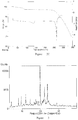
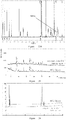
- the X-ray powder diffraction pattern of crystal form A is substantially as shown in Figure 1 .
- the molar ratio of hydrochloric acid to the compound of formula X in crystal form A is (0.8-2.1): 1, preferably (0.9-1.1): 1, more preferably 0.9: 1.
- the crystal form A further has one or more features selected from the following group:
- the crystal form A is in a hydrate form.
- the crystal is B crystalline form of the phosphate of compound of formula X, i.e. crystal form B, which has an X-ray powder diffraction pattern with diffraction angle 2 ⁇ (°) values of the following group B1: 11.94 ⁇ 0.10, 19.92 ⁇ 0.10 (the highest peak), 22.27 ⁇ 0.10, 23.93 ⁇ 0.10.
- the X-ray powder diffraction pattern of crystal form B further includes diffraction angle 2 ⁇ (°) values of the following group B2: 7.97 ⁇ 0.10, 9.50 ⁇ 0.10.
- the X-ray powder diffraction pattern of crystal form B further includes 2 or more diffraction angle 2 ⁇ (°) values selected from the following group B3: 4.01 ⁇ 0.10, 10.71 ⁇ 0.10, 12.11 ⁇ 0.10,12.56 ⁇ 0.10,12.89 ⁇ 0.10,13.94 ⁇ 0.10,14.47 ⁇ 0.10,15.16 ⁇ 0.10,15.52 ⁇ 0.10,16.54 ⁇ 0.10,17.00 ⁇ 0.10,17.42 ⁇ 0.10,17.99 ⁇ 0.10,18.38 ⁇ 0.10,18.91 ⁇ 0.10 , 20.81 ⁇ 0.10, 20.96 ⁇ 0.10, 21.29 ⁇ 0.10, 21.65 ⁇ 0.10, 21.99 ⁇ 0.10, 22.58 ⁇ 0.10, 23.02 ⁇ 0.10, 23.45 ⁇ 0.10, 24.31 ⁇ 0.10, 24.53 ⁇ 0.10, 24.76 ⁇ 0.10, 25.01 ⁇ 0.10, 27.
- the X-ray powder diffraction pattern of crystal form B includes six or more or all 2 ⁇ (°) values selected from the group B1, B2, and B3 (such as 6, 7, 8, 9, 11, 12, 13, 14, 15, etc.).
- the X-ray powder diffraction pattern of crystal form B has the values shown in Table B2 below: Table B2 2 ⁇ (°) d value [ ⁇ ] relative intensity I/I 0 [%] 2 ⁇ (°) d value [ ⁇ ] relative intensity I/I 0 [%] 4.01 22.04 M 6.65 13.29 W 7.97 11.09 S 9.50 9.31 S 10.71 8.26 M 11.94 7.41 S 12.11 7.31 M 12.56 7.05 M 12.89 6.87 M 13.94 6.35 M 14.47 6.12 M 15.16 5.85 M 15.52 5.71 M 16.54 5.36 M 17.00 5.22 M 17.42 5.09 M 17.99 4.93 M 18.38 4.83 M 18.91 4.69 M 19.92 4.46 VS 20.81 4.27 M 20.96 4.24 M 21.29 4.17 M 21.65 4.11 M 21.99 4.04 M 22.27 3.99 VS 22.58 3.94 M 23.02 3.86 M 23.45 3.79 M 23.93 3.72 VS 24.31 3.66 M 24.53 3.63 M 24.76 3.60
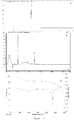
- the X-ray powder diffraction pattern of crystal form B is substantially as shown in Figure 3 .
- the molar ratio of phosphoric acid to the compound of formula X in crystal form B is 1: (0.9-2.1), preferably 1: (1.1-2.1), more preferably 1: 1.1.
- the crystal form B further has one or more features selected from the following group:
- the crystal form B is in a hydrate form.
- the crystal is C-1 crystalline form of the maleate of compound of formula X, i.e. crystal form C-1, which has an X-ray powder diffraction pattern with diffraction angle 2 ⁇ (°) values of the following group C-1-1: 8.73 ⁇ 0.10, 13.37 ⁇ 0.10, 18.08 ⁇ 0.10 and 25.55 ⁇ 0.10 (the highest peak).
- the X-ray powder diffraction pattern of crystal form C-1 further includes 2 or more diffraction angle 2 ⁇ (°) values selected from the following group C-1-2: 9.10 ⁇ 0.10, 14.14 ⁇ 0.10,15.15 ⁇ 0.10,17.20 ⁇ 0.10,17.42 ⁇ 0.10,18.61 ⁇ 0.10,18.95 ⁇ 0.10,19.15 ⁇ 0.10,19.74 ⁇ 0.10,20.59 ⁇ 0.10,21.07 ⁇ 0.10,21.49 ⁇ 0.10,22.09 ⁇ 0.10,22.58 ⁇ 0.10, 22.97 ⁇ 0.10, 23.32 ⁇ 0.10, 24.52 ⁇ 0.10, 24.86 ⁇ 0.10, 26.41 ⁇ 0.10, 26.77 ⁇ 0.10, 27.99 ⁇ 0.10, 28.80 ⁇ 0.10, 37.10 ⁇ 0.10.
- the X-ray powder diffraction pattern of crystal form C-1 further includes 2 or more diffraction angle 2 ⁇ (°) values selected from the following group C-1-3: 10.12 ⁇ 0.10 , 11.56 ⁇ 0.10, 23.85 ⁇ 0.10, 27.21 ⁇ 0.10, 27.55 ⁇ 0.10, 27.85 ⁇ 0.10, 29.54 ⁇ 0.10, 30.27 ⁇ 0.10, 30.76 ⁇ 0.10, 32.93 ⁇ 0.10, 33.47 ⁇ 0.10, 34.20 ⁇ 0.10, 35.03 ⁇ 0.10, 35.34 ⁇ 0.10, 36.04 ⁇ 0.10, 36.47 ⁇ 0.10, 37.56 ⁇ 0.10.
- the X-ray powder diffraction pattern of crystal form C-1 includes six or more or all 2 ⁇ (°) values selected from the group C-1-1, C-1-2 and C-1-3 (such as 6, 7, 8, 9, 11, 12, 13, 14, 15, etc.).
- the X-ray powder diffraction pattern of crystal form C-1 has the values shown in Table C-1-2 below: Table C-1-2 2 ⁇ (°) d value [ ⁇ ] relative intensity I/I 0 [%] 2 ⁇ (°) d value [ ⁇ ] relative intensity I/I 0 [%] 7.14 12.38 W 8.73 10.12 VS 9.10 9.72 S 10.12 8.74 M 11.56 7.66 M 13.37 6.62 VS 14.14 6.27 S 15.15 5.85 S 17.20 5.16 VS 17.42 5.09 VS 18.08 4.91 VS 18.61 4.77 S 18.95 4.68 VS 19.15 4.64 S 19.74 4.50 VS 20.59 4.31 S 21.07 4.22 S 21.49 4.13 VS 22.09 4.02 S 22.58 3.94 S 22.97 3.87 VS 23.32 3.81 VS 23.85 3.73 M 24.52 3.63 VS 24.86 3.58 S 25.55 3.49 VS 26.41 3.38 S 26.77 3.33 S 27.21 3.28 M 27.55 3.24 M
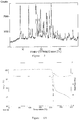
- the X-ray powder diffraction pattern of crystal form C-1 is substantially as shown in Figure 5 .
- the molar ratio of maleic acid to the compound of formula X in crystal form C-1 is (0.8-1.2): 1, preferably (0.9-1.1): 1, more preferably 1: 1.
- the crystal form C-1 further has one or more features selected from the following group:
- the crystal form C-1 is in an anhydrous form.
- the crystal is C-2 crystalline form of the maleate of compound of formula X, i.e. crystal form C-2, which has an X-ray powder diffraction pattern with diffraction angle 2 ⁇ (°) values of the following group C-2-1:7.48 ⁇ 0.10 (the highest peak), 8.60 ⁇ 0.10, 20.63 ⁇ 0.10 and 23.27 ⁇ 0.10.
- the X-ray powder diffraction pattern of crystal form C-2 further includes diffraction angle 2 ⁇ (°) values of the following group C-2-2: 17.21 ⁇ 0.10, 18.71 ⁇ 0.10.
- the X-ray powder diffraction pattern of crystal form C-2 further includes 2 or more diffraction angle 2 ⁇ (°) values selected from the following group C-2-3: 3.77 ⁇ 0.10, 11.75 ⁇ 0.10, 12.97 ⁇ 0.10, 15.36 ⁇ 0.10, 15.70 ⁇ 0.10, 18.03 ⁇ 0.10, 18.36 ⁇ 0.10, 20.13 ⁇ 0.10, 25.03 ⁇ 0.10.
- the X-ray powder diffraction pattern of crystal form C-2 includes six or more or all 2 ⁇ (°) values selected from the group C-2-1, C-2-2 and C-2-3 (such as 6, 7, 8, 9, 10, 11, 12, 13, 14, 15, etc.).
- the X-ray powder diffraction pattern of crystal form C-2 has the values shown in Table C-2-2 below: Table C-2-2 2 ⁇ (°) d value [ ⁇ ] relative intensity I/I 0 [%] 2 ⁇ (°) d value [ ⁇ ] relative intensity I/I 0 [%] 3.77 23.42 M 7.48 11.82 VS 8.60 10.29 VS 11.75 7.53 M 12.97 6.82 M 14.65 6.05 W 15.36 5.77 M 15.70 5.65 M 17.21 5.15 S 18.03 4.92 M 18.36 4.83 M 18.71 4.74 S 20.13 4.41 M 20.63 4.30 S 21.50 4.13 W 22.38 3.97 W 23.27 3.82 S 24.57 3.62 W 25.03 3.56 M 26.27 3.39 W 26.74 3.33 W 27.35 3.26 W 32.95 2.72 W 33.83 2.65 W
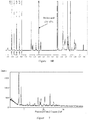
- the X-ray powder diffraction pattern of crystal form C-2 is substantially as shown in Figure 7 .
- the molar ratio of maleic acid to the compound of formula X in crystal form C-2 is (0.8-1.2): 1, preferably (0.9-1.1): 1, more preferably 1: 1.
- the crystal form C-2 further has one or more features selected from the following group:
- the crystal form C-2 is in an anhydrous form.
- the crystal is D crystalline form of the L-malate of compound of formula X, i.e. crystal form D, which has an X-ray powder diffraction pattern with diffraction angle 2 ⁇ (°) values of the following group D1:7.47 ⁇ 0.10, 18.75 ⁇ 0.10, 22.69 ⁇ 0.10 (the highest peak) and 24.39 ⁇ 0.10.
- the X-ray powder diffraction pattern of crystal form D further includes 2 or more diffraction angle 2 ⁇ (°) values selected from the following group D2: 17.79 ⁇ 0.10, 18.32 ⁇ 0.10, 20.81 ⁇ 0.10.
- the X-ray powder diffraction pattern of crystal form D further includes 2 or more diffraction angle 2 ⁇ (°) values selected from the following group D3: 11.23 ⁇ 0.10, 11.68 ⁇ 0.10, 12.72 ⁇ 0.10, 13.58 ⁇ 0.10, 14.67 ⁇ 0.10, 15.24 ⁇ 0.10, 20.09 ⁇ 0.10, 20.58 ⁇ 0.10, 21.15 ⁇ 0.10, 21.88 ⁇ 0.10, 22.20 ⁇ 0.10, 23.34 ⁇ 0.10, 24.81 ⁇ 0.10, 25.60 ⁇ 0.10, 26.33 ⁇ 0.10 , 26.68 ⁇ 0.10, 32.07 ⁇ 0.10.
- the X-ray powder diffraction pattern of crystal form D includes six or more or all 2 ⁇ (°) values selected from the group D1, D2 and D3 (such as 6, 7, 8, 9, 10, 11, 12, 13, 14, 15, etc.).
- the X-ray powder diffraction pattern of crystal form D has the values shown in Table D2 below: Table D2 2 ⁇ (°) d value [ ⁇ ] relative intensity [%] 2 ⁇ (°) d value [ ⁇ ] relative intensity [%] 7.47 11.83 S 11.23 7.88 M 11.68 7.58 M 12.72 6.96 M 13.58 6.52 M 14.67 6.04 M 15.24 5.81 M 17.79 4.99 S 18.32 4.84 S 18.75 4.73 S 19.72 4.50 W 20.09 4.42 M 20.58 4.32 M 20.81 4.27 S 21.15 4.20 M 21.88 4.06 M 22.20 4.00 M 22.69 3.92 VS 23.34 3.81 M 23.77 3.74 W 24.39 3.65 S 24.81 3.59 M 25.60 3.48 M 26.33 3.38 M 26.68 3.34 M 27.16 3.28 W 27.64 3.22 W 28.87 3.09 W 30.73 2.91 W 31.36 2.85 W 32.07 2.79 M 34.62 2.59 W 35.32 2.54 W 39.
- the X-ray powder diffraction pattern of crystal form D is substantially as shown in Figure 9 .
- the molar ratio of L-malic acid to the compound of formula X in crystal form D is (0.5-1.4): 1, preferably (0.7-1.3): 1, more preferably about 1.3: 1.
- the crystal form D further has one or more features selected from the following group:
- the crystal form D is in an anhydrous form.
- the crystal is E crystalline form of the adipate of compound of formula X, i.e. crystal form E, which has an X-ray powder diffraction pattern with diffraction angle 2 ⁇ (°) values of the following group E1: 7.43 ⁇ 0.10, 18.45 ⁇ 0.10, 21.64 ⁇ 0.10 (the highest peak) and 24.22 ⁇ 0.10.
- the X-ray powder diffraction pattern of crystal form E further includes 2 or more diffraction angle 2 ⁇ (°) values selected from the following group E2: 15.66 ⁇ 0.10, 18.83 ⁇ 0.10, 21.16 ⁇ 0.10, 21.39 ⁇ 0.10, 24.38 ⁇ 0.10.
- the X-ray powder diffraction pattern of crystal form E further includes 2 or more diffraction angle 2 ⁇ (°) values selected from the following group E3: 11.10 ⁇ 0.10, 11.43 ⁇ 0.10, 12.11 ⁇ 0.10, 13.78 ⁇ 0.10, 15.07 ⁇ 0.10, 15.25 ⁇ 0.10, 17.32 ⁇ 0.10, 20.07 ⁇ 0.10, 20.62 ⁇ 0.10, 20.96 ⁇ 0.10, 23.72 ⁇ 0.10, 25.41 ⁇ 0.10, 25.85 ⁇ 0.10, 26.42 ⁇ 0.10, 27.60 ⁇ 0.10.
- the X-ray powder diffraction pattern of crystal form E includes six or more or all 2 ⁇ (°) values selected from the group E1, E2 and E3 (such as 6, 7, 8, 9, 10, 11, 12, 13, 14, 15, etc.).
- the X-ray powder diffraction pattern of crystal form E has the values shown in Table E2 below: Table E2 2 ⁇ (°) d value [ ⁇ ] relative intensity I/I 0 [%] 2 ⁇ (°) d value [ ⁇ ] relative intensity I/I 0 [%] 7.43 11.90 S 11.10 7.97 M 11.43 7.74 M 12.11 7.31 M 13.78 6.43 M 15.07 5.88 M 15.25 5.81 M 15.66 5.66 S 17.32 5.12 M 18.45 4.81 VS 18.83 4.71 S 20.07 4.42 M 20.62 4.31 M 20.96 4.24 M 21.16 4.20 S 21.39 4.15 S 21.64 4.11 VS 23.72 3.75 M 24.22 3.67 S 24.38 3.65 S 25.41 3.50 M 25.85 3.45 M 26.42 3.37 M 27.60 3.23 M 28.73 3.11 W 32.43 2.76 W 35.37 2.54 W 37.24 2.41 W 38.72 2.33 W
- the X-ray powder diffraction pattern of crystal form E is substantially as shown in Figure 11 .
- the molar ratio of adipic acid to the compound of formula X in crystal form E is (0.8-1.2): 1, preferably (0.9-1.1): 1, more preferably about 1.1: 1.
- the crystal form E further has one or more features selected from the following group:
- the crystal form E is in an anhydrous form.
- the crystal is I crystalline form of the compound of formula X, which has an X-ray powder diffraction pattern with diffraction angle 2 ⁇ (°) values of the group I-1: 8.74 ⁇ 0.10, 9.80 ⁇ 0.10, 15.63 ⁇ 0.10, and 21.38 ⁇ 0.10 (the highest peak).
- the X-ray powder diffraction pattern of crystal form I further includes 2 or more diffraction angle 2 ⁇ (°) values selected from the following group 1-2: 15.45 ⁇ 0.10, 17.50 ⁇ 0.10 , 17.81 ⁇ 0.10, 20.56 ⁇ 0.10, 20.89 ⁇ 0.10, 21.51 ⁇ 0.10, 21.91 ⁇ 0.10, 24.14 ⁇ 0.10, 25.99 ⁇ 0.10, 28.26 ⁇ 0.10.
- the X-ray powder diffraction pattern of crystal form I further includes 2 or more diffraction angle 2 ⁇ (°) values selected from the following group 1-3: 10.68 ⁇ 0.10, 12.94 ⁇ 0.10 , 14.47 ⁇ 0.10, 16.39 ⁇ 0.10, 16.76 ⁇ 0.10, 18.69 ⁇ 0.10, 19.59 ⁇ 0.10, 24.84 ⁇ 0.10, 27.41 ⁇ 0.10, 31.13 ⁇ 0.10, 31.89 ⁇ 0.10.
- the X-ray powder diffraction pattern of crystal form I includes six or more or all 2 ⁇ (°) values selected from the group I-1, I-2 and I-3 (such as 6, 7, 8, 9, 10, 11, 12, 13, 14, 15, etc.).
- the X-ray powder diffraction pattern of crystal form I has the values shown in Table 12 below: Table 12 2 ⁇ (°) d value [ ⁇ ] relative intensity I/I 0 [%] 2 ⁇ (°) d value [ ⁇ ] relative intensity I/I 0 [%] 8.74 10.12 VS 9.80 9.02 VS 10.68 8.29 M 12.94 6.84 M 14.47 6.12 M 15.45 5.73 S 15.63 5.67 VS 16.39 5.41 M 16.76 5.29 M 17.50 5.07 S 17.81 4.98 S 18.69 4.75 M 19.59 4.53 M 20.56 4.32 VS 20.89 4.25 VS 21.38 4.16 VS 21.51 4.13 VS 21.91 4.06 S 24.14 3.69 S 24.84 3.58 M 25.99 3.43 S 27.41 3.25 M 28.26 3.16 S 29.49 3.03 W 31.13 2.87 M 31.89 2.81 M 33.40 2.68 W 34.81 2.58 W 35.45 2.53 W 39.02 2.31 W
- the X-ray powder diffraction pattern of crystal form I is substantially as shown in Figure 13 .
- the crystal form I further has one or more features selected from the following group:
- the crystal form I is in an anhydrous form.
- the crystal is II crystalline form of the compound of formula X, which has an X-ray powder diffraction pattern with diffraction angle 2 ⁇ (°) values of the group II-1: 9.47 ⁇ 0.10 (the highest peak), 17.34 ⁇ 0.10, 18.87 ⁇ 0.10, and 23.89 ⁇ 0.10.
- the X-ray powder diffraction pattern of crystal form II further includes 2 or more diffraction angle 2 ⁇ (°) values selected from the following group II-2: 6.61 ⁇ 0.10, 12.06 ⁇ 0.10 , 16.96 ⁇ 0.10, 19.19 ⁇ 0.10, 19.84 ⁇ 0.10, 20.66 ⁇ 0.10, 20.96 ⁇ 0.10, 24.22 ⁇ 0.10, 28.93 ⁇ 0.10.
- the X-ray powder diffraction pattern of crystal form II includes six or more or all 2 ⁇ (°) values selected from the group II-1, II-2 (such as 6, 7, 8, 9, 10, 11, 12, 13, 14, 15, etc.).
- the X-ray powder diffraction pattern of crystal form II has the values shown in Table II2 below: Table II2 2 ⁇ (°) d value [ ⁇ ] relative intensity I/I 0 [%] 2 ⁇ (°) d value [ ⁇ ] relative intensity I/I 0 [%] 6.61 13.37 M 9.47 9.34 VS 10.74 8.24 W 12.06 7.34 M 12.54 7.06 W 13.23 6.69 W 13.54 6.54 W 14.36 6.17 W 15.12 5.86 W 16.96 5.23 S 17.34 5.11 S 18.87 4.70 S 19.19 4.62 M 19.84 4.47 M 20.66 4.30 M 20.96 4.24 M 22.03 4.03 W 23.89 3.72 S 24.22 3.67 M 24.73 3.60 W 25.53 3.49 W 26.21 3.40 W 27.42 3.25 W 28.07 3.18 W 28.93 3.09 M 29.57 3.02 W 30.43 2.94 W 32.61 2.75 W 33.36 2.69 W 34.96 2.57 W 38.93 2.31 W
- the X-ray powder diffraction pattern of crystal form II is substantially as shown in Figure 15 .
- the crystal form II further has one or more features selected from the following group:
- the crystal form II is in a hydrate form, preferably in a dihydrate form.
- the crystal is III crystalline form of the compound of formula X, which has an X-ray powder diffraction pattern with diffraction angle 2 ⁇ (°) values of the group III-1: 9.72 ⁇ 0.10, 18.41 ⁇ 0.10, 23.89 ⁇ 0.10 (the highest peak) and 28.02 ⁇ 0.10.
- the X-ray powder diffraction pattern of crystal form III further includes 2 or more diffraction angle 2 ⁇ (°) values selected from the following group III-2: 11.78 ⁇ 0.10, 16.34 ⁇ 0.10 , 16.57 ⁇ 0.10, 17.54 ⁇ 0.10, 18.19 ⁇ 0.10, 20.06 ⁇ 0.10, 21.33 ⁇ 0.10, 23.68 ⁇ 0.10, 25.05 ⁇ 0.10.
- the X-ray powder diffraction pattern of crystal form III further includes 2 or more diffraction angle 2 ⁇ (°) values selected from the following group III-3: 6.68 ⁇ 0.10, 8.25 ⁇ 0.10, 13.19 ⁇ 0.10, 13.92 ⁇ 0.10, 15.54 ⁇ 0.10, 19.58 ⁇ 0.10, 21.66 ⁇ 0.10, 22.39 ⁇ 0.10, 22.96 ⁇ 0.10, 24.26 ⁇ 0.10, 26.34 ⁇ 0.10, 27.36 ⁇ 0.10, 29.06 ⁇ 0.10, 29.41 ⁇ 0.10, 31.00 ⁇ 0.10, 34.62 ⁇ 0.10.
- the X-ray powder diffraction pattern of crystal form III includes six or more or all 2 ⁇ (°) values selected from the group III-1, III-2 and III-3 (such as 6, 7, 8, 9, 10, 11, 12, 13, 14, 15, etc.).
- the X-ray powder diffraction pattern of crystal form III has the values shown in Table III2 below: Table III2 2 ⁇ (°) d value [ ⁇ ] relative intensity I/I 0 [%] 2 ⁇ (°) d value [ ⁇ ] relative intensity I/I 0 [%] 6.68 13.23 M 8.25 10.72 M 9.72 9.10 VS 11.78 7.51 S 13.19 6.71 M 13.92 6.36 M 15.54 5.70 M 16.34 5.42 S 16.57 5.35 S 17.54 5.06 S 18.19 4.88 S 18.41 4.82 VS 19.58 4.53 M 20.06 4.43 S 21.33 4.17 S 21.66 4.10 M 22.39 3.97 M 22.96 3.87 M 23.68 3.76 S 23.89 3.72 VS 24.26 3.67 M 25.05 3.55 S 26.34 3.38 M 27.36 3.26 M 28.02 3.18 VS 29.06 3.07 M 29.41 3.04 M 31.00 2.88 M 33.19 2.70 W 34.62 2.59 M 37.97 2.37 W 38.77 2.
- the X-ray powder diffraction pattern of crystal form III is substantially as shown in Figure 17 .
- the crystal form III further has one or more features selected from the following group:
- the crystal form III is in a solvate form, preferably a methanol solvate.
- the crystal is IV crystalline form of the compound of formula X, which has an X-ray powder diffraction pattern with diffraction angle 2 ⁇ (°) values of the group IV-1 : 7.69 ⁇ 0.10 (the highest peak), 18.90 ⁇ 0.10.
- the X-ray powder diffraction pattern of crystal form IV further includes 2 or more diffraction angle 2 ⁇ (°) values selected from the following group IV-2 : 5.38 ⁇ 0.10, 9.43 ⁇ 0.10, 13.31 ⁇ 0.10, 18.06 ⁇ 0.10, 23.19 ⁇ 0.10, 24.18 ⁇ 0.10.
- the X-ray powder diffraction pattern of crystal form IV includes four or more or all 2 ⁇ (°) values selected from the group IV-1 and IV-2 (such as 4, 5, 6, 7, 8, 9, 10, 11, 12, 13, etc.).
- the X-ray powder diffraction pattern of crystal form IV has the values shown in Table IV2 below: Table IV2 2 ⁇ (°) d value [ ⁇ ] relative intensity [%] 2 ⁇ (°) d value [ ⁇ ] relative intensity [%] 5.38 16.43 M 7.69 11.50 VS 9.43 9.38 M 13.31 6.65 M 15.28 5.80 W 16.31 5.44 W 18.06 4.91 M 18.90 4.70 VS 20.35 4.36 W 23.19 3.84 M 24.18 3.68 M 24.64 3.61 W 27.80 3.21 W
- the X-ray powder diffraction pattern of crystal form IV is substantially as shown in Figure 19 .
- the crystal form IV further has one or more features selected from the following group:
- the crystal form IV is in a hydrate form.
- the crystal is V crystalline form of the compound of formula X, which has an X-ray powder diffraction pattern with diffraction angle 2 ⁇ (°) values of the group V-1: 8.28 ⁇ 0.10, 8.89 ⁇ 0.10 (the highest peak), 9.44 ⁇ 0.10, 17.76 ⁇ 0.10.
- the X-ray powder diffraction pattern of crystal form V further includes 2 or more diffraction angle 2 ⁇ (°) values selected from the following group V-2: 14.01 ⁇ 0.10, 15.39 ⁇ 0.10 , 16.55 ⁇ 0.10, 18.46 ⁇ 0.10, 18.91 ⁇ 0.10, 21.71 ⁇ 0.10, 22.91 ⁇ 0.10, 23.24 ⁇ 0.10, 24.87 ⁇ 0.10.
- the X-ray powder diffraction pattern of crystal form V includes six or more or all 2 ⁇ (°) values selected from the group V-1 and V-2 (such as 6, 7, 8, 9, 10, 11, 12, 13, 14, 15, etc.).
- the X-ray powder diffraction pattern of crystal form V has the values shown in Table V2 below: Table V2 2 ⁇ (°) d value [ ⁇ ] relative intensity I/I 0 [%] 2 ⁇ (°) d value [ ⁇ ] relative intensity I/I 0 [%] 8.28 10.68 VS 8.89 9.95 VS 9.44 9.36 S 11.47 7.71 W 14.01 6.32 M 14.55 6.09 W 15.39 5.76 M 16.36 5.42 W 16.55 5.36 M 16.81 5.27 W 17.76 4.99 S 18.46 4.81 M 18.91 4.69 M 19.61 4.53 W 21.71 4.09 M 22.29 3.99 W 22.91 3.88 M 23.24 3.83 M 24.28 3.67 W 24.87 3.58 M 26.75 3.33 W 27.20 3.28 W 30.03 2.98 W 30.72 2.91 W 38.31 2.35 W
- the X-ray powder diffraction pattern of crystal form V is substantially as shown in Figure 21 .
- the crystal form V further has one or more features selected from the following group:
- the crystal form V is in a solvate form, preferably in an ethyl acetate solvate form.
- the inert solvent is selected from the group consisting of 1,4-dioxane, dimethylsulfoxide and DMF.
- the process further comprises the step:
- the organic solvent is selected from the group consisting of methanol, ethanol, propanol, isopropanol, butanol, acetone, acetonitrile, tetrahydrofuran, propylene glycol or a mixture thereof, preferably ethanol.
- the concentration of the compound of formula X in an organic solvent is 0.1-0.5 g/mL.
- the process comprises any of the following sub-processes (A) -(E) and (I) -(V):
- the organic solvent is selected from the group consisting of methanol, ethanol, propanol, isopropanol, butanol, acetone, acetonitrile, tetrahydrofuran, propylene glycol or mixtures thereof, and preferably, the organic solvent is acetonitrile.
- the concentration of phosphoric acid in organic solvent is 0.1 to 0.5 g / mL.
- the molar ratio of phosphoric acid to the compound of formula X is (1 - 2):1, preferably (1 - 1.2):1.
- the crystallization process is suspension stirring.
- the temperature for crystallization process is 5-30 °C, preferably 10-20 °C.
- the time for crystallization process is 1 to 72 hours, preferably 10 to 50 hours.
- the organic solvent is selected from the group consisting of methanol, ethanol, propanol, isopropanol, butanol, acetone, acetonitrile, tetrahydrofuran and propylene glycol and the mixture thereof, and preferably, the organic solvent is methanol, ethanol, acetone, acetonitrile.
- the molar ratio of maleic acid to the compound of formula X is (1 - 3):1, preferably (1 - 1.5):1.
- the concentration of the compound of formula X in organic solvent is 0.1 - 1g/mL, preferably 0.2 - 0.6g/mL.
- the cooling time is 1 - 10 hours.
- the solvent in sub-process (C-1-2), is cooled to 5 - 15 °C.
- the organic solvent is selected from the group consisting of methanol, ethanol, propanol, isopropanol, butanol, acetone, acetonitrile, tetrahydrofuran, propylene glycol or mixtures thereof, and preferably, the organic solvent is acetonitrile.
- the feed ratio (m: v) of adipic acid to the organic solvent is 5 - 12mg/mL.
- the molar ratio of adipic acid to the compound of formula X is (1 - 2):1, preferably (1 - 1.2):1.
- the crystallization process is suspension stirring.
- the temperature for crystallization process is 5-30 °C, preferably 10-20 °C.
- the time for crystallization process is 1 to 72 hours, preferably 10 to 50 hours.
- the solvent is selected from the group consisting of methanol, ethanol, propanol, isopropanol, butanol, acetone, acetonitrile, tetrahydrofuran, propylene glycol, ethyl acetate, 1,4-dioxane, 2- methyltetrahydrofuran, or a mixture thereof.
- the crystallization process in sub-process (V), is slow volatilization or addition of anti-solvent.
- the temperature for crystallization process is 5-30 °C, preferably 10-20 °C.
- the time for crystallization process is 1 to 10 days, preferably 4 to 6 days.
- the crystal is a crystalline form of the compound of formula X, and
- the solvent F is selected from the group consisting of methanol, isopropanol, methyl isobutyl ketone, ethyl acetate, isopropyl acetate, 2-methyltetrahydrofuran, acetonitrile, dichloromethane/methyl t-butyl ether (V: V is 1: 1 to 1: 4), dimethylsulfoxide/toluene (V: V is 1: 1 to 1: 4), N, N-dimethylacetamide/isopropyl acetate (V: V 1: 1-1: 4), N-methylpyrrolidone/methyl tert-butyl ether (V: V 1: 1-1: 4), water/acetone.
- the solvent H is selected from the group consisting of methanol, ethanol, propanol, isopropanol, butanol, acetone, acetonitrile, tetrahydrofuran, propylene glycol, ethyl acetate, 1,4-dioxane, 2-methyltetrahydrofuran, or a mixture thereof.
- the crystallization includes suspension stirring crystallization, concentration crystallization, supersaturation crystallization, evaporation crystallization, volatilization crystallization, or a combination thereof.
- composition comprising:
- the pharmaceutical composition further comprises one or more other drugs for treating and/or preventing tumors.
- the other drug is one or more selected from the group consisting of gefitinib, erlotinib, icotinib, lapatinib, XL647, NVP-DEE-788, DRRY-334543, EKB-569, BIBW2992, HKI272, BMS-690514, CI-1033, vandetanib, PF00299804, WZ4002, cetuximab, trastuzumab, panitumumab, matuzumab, nimotuzumab, zalutumumab, pertuzumab, MDX -214, CDX-110, IMC-11F8, ZemDb, Her2 vaccine PX 1041, HSP90 inhibitors, CNF2024, tanespimycin, alvespimycin, IPI-504, SNX-5422, NVP-DUY922, or a combination thereof.
- the use of the compound of the first aspect of the present invention, or a pharmaceutically acceptable salt, or prodrug thereof, or a pharmaceutical composition of the third aspect of the present invention for the manufacture of a medicament for regulating EGFR tyrosine kinase or treating EGFR-related diseases is provided.
- the EGFR-related disease is selected from the group consisting of cancer, diabetes, immune system diseases, neurodegenerative diseases, cardiovascular diseases, diseases with acquired resistance during treatment using EGFR modulators.
- the diseases with acquired resistance are caused by the T790 mutations encoded by EGFR exon 20, or by the inclusion of T790 mutations encoded by EGFR exon 20.
- Inventors discovered a series of free base polymorphs, salts and salt polymorphs of the compound of formula X after a long and intensive study.
- the in vitro enzyme and cell growth inhibition experiments showed that the free base of the compound of formula X exhibited a strong inhibitory activity against EGFR T790M mutant enzyme and cells, but had a weak inhibitory activity against EGFR wild type enzyme and cells, and showed low cytotoxicity, the compound of formula X is therefore an ideal third generation of EGFR mutant selective inhibitor.
- the study also found that a series of free base polymorphs, salts and salt polymorphs of the compound of formula X not only had good physical and chemical stability but also had good pharmacological activity in vivo and in vitro, and therefore could be further developed into drugs.
- compound of the present invention includes the compound of formula X of the present invention, a pharmaceutically acceptable salt of the compound of formula X of the present invention, and a polymorph of the present invention.
- the compound of formula X is N-(2-(4-(dimethylamino) piperidin-1-yl)-5-(5-fluoro-4-(1-methyl-1H-pyrazol-4-yl)pyrimidin-2-ylamino)-4-methoxyphenyl)acr ylamide, which has good selective inhibitory activity against T790M mutant EGFR and lower cytotoxicity, as well as favorable metabolic profiles.
- the free base sample or “free base” refers to the free base of the compound of Formula X prepared in Example 1.
- the pharmaceutically acceptable salts are preferably selected from the group consisting of hydrochloride, sulfate, phosphate, acetate, L-lactate, maleate, fumarate, succinate, L-malate, adipate, L-tartrate, hippurate, citrate, mucate, glycolate, glucuronate, benzoate, gentisate, nicotinate, ethanedisulfonate, oxalate, methanesulfonate, benzenesulfonate, hydroxyethanesulfonate and hydrobromide.
- the molecules are localized in the three-dimensional lattice sites.
- polymorphism space lattice arrangement
- Different polymorphs of a given substance may differ from each other in one or more physical properties (such as solubility and dissolution rate, true specific gravity, crystalline form, packing pattern, flowability and/or solid state stability).
- Crystallization on the production scale can be accomplished by manipulating a solution such that the solubility limit of the interested compound is exceeded. This can be done in a number of ways, for example, by dissolving the compound at a relatively high temperature and then cooling the solution below a saturation limit, or by boiling, evaporating at ordinary pressure, drying under vacuum or by some other means to reduce the liquid volume.
- the solubility of the interested compound may be reduced by adding an anti-solvent or a solvent in which the compound has a low solubility or a mixture of such solvents.
- An alternative method is to adjust the pH to reduce the solubility. See Crystallization, Third Edition, J W Mullens, Butterworth-Heineman Ltd., 1993, ISBN 0750611294 for a detailed description of crystallization.
- the term "suspension stirring” means a way to get crystals by mixing the compound of formula X with the corresponding acid or a solution of the corresponding acid to form a turbid solution, or by mixing the compound of formula X with a suitable solvent to form a turbid solution before stirring.
- suitable solvents may be water or organic solvents.
- slow volatilization means a way to get crystals by placing a solution of the compound of formula X or a solution of the compound of formula X and the corresponding acid at a certain temperature for slow volatilization of the solvent.
- addition of anti-solvent means a way to get crystals by adding a suitable solvent to a solution of the compound of formula X and precipitating the crystals.
- the addition of an appropriate acid or base can result in the direct crystallization of the desired salt if the salt is less soluble in the reaction medium than the raw material.
- the final product in a medium in which the solubility of the desired final form is lower than that of reactant, the final product can be directly crystallized when the synthetic reaction is completed.
- optimization of crystallization can include inoculation of the crystal of desired form as a seed into the crystallization medium.
- many crystallization methods include a combination of the above strategies.
- One example is to dissolve the interested compound in a solvent at a high temperature, followed by the addition of an antisolvent with a suitable volume in a controlled manner so that the system is just below saturation level.
- the seed of desired form (the integrity of the seed is kept) can be added and the system is cooled to complete the crystallization.
- room temperature generally means 4-30 °C, preferably 20 ⁇ 5 °C.
- crystals of the present invention can be used interchangeably and include the polymorphs of the compound of formula X of the present invention and the polymorphs of a pharmaceutically acceptable salt of the compound of formula X of the present invention.
- polymorph of the compound of formula X and “polymorph of the free base of the compound of formula X” are used interchangeably.
- polymorph of the present invention includes polymorphs of the free base of the compound of formula X or a pharmaceutically acceptable salt of the compound of formula X (e.g., hydrochloride, phosphate, maleate, L-malate, adipate, sulphate, fumarate, succinate, L-tartrate, citrate, methanesulfonate, benzoate, and benzenesulfonate), or polymorphs of various solvates of the compound of formula X, and also include different polymorphs of the same salts (such as hydrochloride, phosphate, maleate, L-malate, adipate, sulfate, fumarate, succinate, L-tartrate, citrate, methanesulfonate, benzoate and benzenesulfonate) or solvates.
- a pharmaceutically acceptable salt of the compound of formula X e.g., hydrochloride, phosphate, maleate, L-malate, adipate
- Preferred polymorphs of the present invention include (but not limited to):
- the present invention provides a method for mutual transformation of part of the crystal forms.
- Polymorphs of the compounds of formula X or the pharmaceutically acceptable salts can be characterized using known methods or instruments, for example, using a variety of means and instruments as follows.
- Methods of determining X-ray powder diffraction of the crystals are known in the art. For example, an X-ray powder diffractometer was used to obtain a pattern with a copper radiation target at a scanning speed of 2° per minute.
- the polymorph of the compound of formula X of the present invention or a pharmaceutically acceptable salt thereof has a specific crystalline form and has specific characteristic peaks in an X-ray powder diffraction (XRPD) pattern.
- XRPD X-ray powder diffraction
- DSC differential scanning calorimetry analysis
- the compound of formula X of the present invention or a pharmaceutically acceptable salt thereof may form a suitable dosage form for administration with one or more pharmaceutically acceptable carriers.
- These dosage forms are suitable for oral, rectal, topical, intraoral administration, and other parenteral administration (e.g., subcutaneous, intramuscular, intravenous administration, etc.).
- dosage forms suitable for oral administration include capsules, tablets, granules and syrups.
- Compounds of the present invention contained in these formulations may be solid powders or granules; aqueous or non-aqueous liquid solutions or suspensions; water-in-oil or oil-in-water emulsions.
- Such dosage forms may be prepared with active compounds and one or more carriers or excipients through the conventional pharmacy methods.
- the above-mentioned carriers should be compatible with active compounds or other excipients.
- conventional non-toxic carriers include, but not limited to mannitol, lactose, starch, magnesium stearate, cellulose, glucose, sucrose and the like.
- Carriers used for liquid preparations include water, saline, aqueous dextrose, ethylene glycol and polyethylene glycol.
- the active compounds may form a solution or suspension with the above-mentioned carriers.
- compositions of the present invention are formulated, quantified and administrated in a manner consistent with the practice of medicine.
- the "effective amount" of the administrated compound depends on the factors such as the specific disease to be treated, the individual being treated, the cause of diseases, the drug targets and the mode of administration, etc.
- the EGFR-related disease is cancer, diabetes, immune system diseases, neurodegenerative diseases or cardiovascular diseases.
- the cancer is non-small cell lung cancer, head and neck cancer, breast cancer, renal cancer, pancreatic cancer, cervical cancer, esophageal cancer, pancreatic cancer, prostate cancer, bladder cancer, colorectal cancer, ovarian cancer, stomach cancer, brain malignancies including glioblastoma, etc., or any combination thereof.
- the non-small cell lung cancer is caused by EGFR mutations, including sensitive mutations (such as L858R mutation or exon 19 deletion) and resistance mutations (such as EGFR T790M mutation).
- sensitive mutations such as L858R mutation or exon 19 deletion
- resistance mutations such as EGFR T790M mutation.
- the compound, or a pharmaceutically acceptable salt, or prodrug thereof can also be used to manufacture a medicament for treating a disease with EGFR abnormal expression, or a disease that has acquired resistance during the treatment using EGFR modulators.
- the acquired resistance is the resistance caused by the T790 mutations encoded by EGFR exon 20, or by comprising the T790 mutations encoded by EGFR exon 20, such as T790M.
- the EGFR modulator refers to a small molecule tyrosine kinase inhibitor which targets EGFR, such as gefitinib, erlotinib, Icotinib, lapatinib or afatinib.
- a pharmaceutical composition is also provided in the present invention, including a therapeutically effective amount of the compound of the first aspect of the present invention, or a pharmaceutically acceptable salt, or prodrug thereof, as well as one or more other drugs selected from a group consisting of gefitinib, erlotinib, icotinib, lapatinib, XL647, NVP-AEE-788, ARRY-334543, EKB-569, BIBW2992, HKI272, BMS-690514, CI-1033, vandetanib, PF00299804, WZ4002, cetuximab, trastuzumab, panitumumab, matuzumab, nimotuzumab, zalutumumab, pertuzumab, MDX -214, CDX-110, IMC-11F8, Zemab, Her2 vaccine PX 1041, HSP90 inhibitors, CNF2024, tanespimycin, alvespi
- terapéuticaally effective amount refers to the amount that yields a function or activity to humans and/or animals and may be tolerated by humans and/or animals.
- the therapeutically effective amount of the compound of the present invention, or a pharmaceutically acceptable salt, stereoisomer, solvate or prodrug thereof contained in the pharmaceutical composition or medicinal composition of the present invention is preferably 0.1 mg-5 g/kg (weight).
- compositions of the present invention are useful for treating EGFR-related diseases such as cancer, diabetes, immune system disorders, neurodegenerative diseases or cardiovascular diseases, or treating a disease with acquired resistance during the treatment of EGFR modulator.
- the disease with the acquired resistance is caused by the T790 mutations encoded by EGFR exon 20, or by comprising the T790 mutations encoded by EGFR exon 20.
- the T790 encoded by EGFR exon 20 is T790M.
- the compounds of the present invention or a pharmaceutically acceptable salt thereof may be used in combination with other drugs in order to achieve the desired therapeutic effect.
- An example of the combination is for treating advanced NSCLC.
- a therapeutically effective amount of the compound of formula I of the present invention is used in combination with mTOR inhibitors (e.g., rapamycin); or Met inhibitors (include Met antibody MetMAb and small molecule Met inhibitors PF02341066) MS; or IGF1R inhibitors (e.g., OSI-906); or heat shock protein inhibitors and the like.
- the polymorph of the compound of formula X or a pharmaceutically acceptable salt thereof has an excellent physical and chemical stability and outstanding related pharmacological activity and is an ideal third generation of EGFR mutant selective inhibitor.
- the structure and purity of the compounds are identified by nuclear magnetic resonance ( 1 HNMR) and / or LC-MS mass spectrometry (LC-MS) in the present invention.
- 1 HNMR Bruker AVANCE-400 NMR machine, the internal standard was tetramethylsilane (TMS).
- LC-MS Agilent 1200 HPLC System / 6140 MS liquid-mass spectrometer (available from Agilent), column Waters X-Bridge, 150 ⁇ 4.6mm, 3.5 ⁇ m.
- ISCO Combiflash-Rf75 or Rf200 automatic eluting column instrument Agela 4 g, 12g, 20g, 40g, 80g, 120g disposable silica gel column.
- the known starting materials of the invention may be synthesized by using the methods known in the art, or may be purchased from ABCR GmbH & Co.KG, Acros Organics, Aldrich Chemical Company, Accela ChemBio Inc and Darui Chemical Company etc.
- DMF refers to dimethylformamide
- DMSO dimethylsulfoxide
- THF tetrahydrofuran
- DIEA N,N-diisopropylethylamine
- EA ethyl acetate
- PE petroleum ether
- BINAP 2R, 3S)-2,2'- bis diphenylphosphino-1,1'-binaphthyl
- NBS refers to N-bromosuccinimide
- NCS refers to N-chlorosuccinimide
- Pd 2 (dba) 3 refers to tris(dibenzylideneacetone)dipalladium
- Pd(dppf)Cl 2 refers to [1,1'-bis (diphenylphosphino) ferrocene] palladium dichloride.
- room temperature refers to be about 25 °C.
- the powder X-ray diffraction patterns are obtained using a PANalytacal Empyrean X-ray powder diffraction analyzer through methods known in the art. Instrument test conditions are shown in Table i below: Table i Parameter XRPD (reflection mode) X-ray Cu, k ⁇ , K ⁇ 1( ⁇ ): 1.540598; K ⁇ 2 ( ⁇ ): 1.544426 K ⁇ 2/K ⁇ 1 Intensity ratio:0.50 X-ray tube settings 45 kV, 40 mA Divergence slit automatic Monochromator no Scanning mode continuous Scanning range (°2 ⁇ (°)) 3° - 40° Scanning step (°2 ⁇ (°)) 0.013 Scan time (minutes) - 7
- the site of each peak was determined by 2 ⁇ (°). It should be understood that different instruments and/or conditions could result in slightly different data and changes in peak site and relative intensity. The division of the intensity of peaks only reflects the approximate size of peaks in each site. In the present invention, the highest diffraction peak of each crystalline form was taken as the base peak which was defined as I 0 with the relative intensity as 100%.
- the acid-base molar ratio of the salts of the present invention or their crystalline forms was determined by HPLC/ IC or 1 H NMR.
- HPLC High Performance Liquid Chromatography
- TGA and DSC pattern were acquired on a TA Q500/5000 thermogravimetric analyzer and a TA Q200/2000 differential scanning calorimeter respectively.
- the instrument test conditions are shown in the following table iii: Table iii Parameter TGA DSC Method Linear warming Linear warming Sample tray Platinum plate, open Aluminum plate, gland Temperature range Room temperature - set temperature 25 °C-set the temperature Scanning rate (°C/min) 10 10 Protective gas Nitrogen Nitrogen
- Dynamic Vapor Sorption (DVS) curve collected on DVS Intrinsic SMS (Surface Measurement Systems). The relative humidity at 25 °C is corrected with the deliquescent points of LiCl, Mg (NO 3 ) 2 and KCl.
- Moisture content the test was performed on a Wantong 870 Karl Fischer moisture meter, the titrant solution used was Hydranal® R-Composite5 (34805-1L-R, Batch # SZBD3330V) from Sigma-Aldrich, and analytical pure MeOH was used as solvent. Correction with high purity water was performed before moisture measurement.
- Step a Compound 1a1 (10.6 g, 58 mmol) was added into a 500 ml reaction flask, and THF / water (100 ml / 60 ml) mixed solution was added to dissolve the compound. Ammonium chloride (15.5 g, 292 mmol) and reduced iron powder (26 g, 467 mmol) were sequentially added with stirring at room temperature, and then the reaction system was heated to 65°C and stirred continually for 3h. The reaction progress was monitored by TLC. After completion of the reaction, the excess iron powder was removed by filtration, and the filter cake was washed for three times with EA.
- Step b Compound 1a2 (8.0 g, 43 mmol) was added into a 500 ml reaction flask, and concentrated sulfuric acid (100 ml) was added to dissolve the substrate under constant agitation. At -20°C, concentrated nitric acid (6.15 ml, 48 mmol) was slowly added dropwise with stirring, and the reaction mixture was stirred for 5 mins at this temperature. The reaction progress was monitored by TLC. After completion of the reaction, the mixture was poured into ice water. Sodium hydroxide / water solution (150 ml / 300 ml) were added slowly to the reaction system at -20 °C in an ice-water bath, and the mixture was adjusted to pH 8-9.
- Step 1 Compound 2a1 (500 g, 2.51 mol) and dimethylamine hydrochloride (244 g, 3.01 mol) were added to methanol (2.2 L), triethylamine (508 g, 5.03 mol) and 10% Palladium on carbon (50 g) were added. The mixture was then reacted in hydrogen (15 kg, 40 °C) for 24 hours. The reaction was complete by LCMS, filtrated, the filtrate was evaporated to dryness under reduced pressure to give the oily crude compound 2a2 (542 g) which can be used directly in the next step without purification. MS m/z (ESI): 228 [M-H].
- Step 2 Compound 2a2 (542 g, 2.38 mol) was dissolved in methanol (1.5 L), concentrated hydrochloric acid (1 L) was added slowly and in portions and the mixture was stirred at 50 °C for 2 hours, and evaporated to dryness under reduced pressure to give a crude solid. The crude solid was slurried in methanol (2 L) for 1 h and filtered to give 2a as a white solid (389 g, 80%).
- Step 2 Compound 3a2 (11.46g, 40mmol) was dissolved in 60ml N,N-dimethylacetamide, and compound 2a (9.6 g, 48 mmol), N,N-diisopropylethylamine (7.74 g, 60mmol) were added and heated to 90°C and stirred for 6h. The reaction progress was monitored by TLC. After completion of the reaction, the reaction solution was cooled to room temperature, poured into ice water, extracted with ethyl acetate, washed with water and saturated brine, dried over anhydrous Na 2 SO 4 , and concentrated under reduced pressure to give the title product compound 3a3 (13.43g, 85%). It was used directly in the next reaction. MS m/z(ESI): 395 [M+H]+.
- Step 3 Compound 3a3 (12.8 g, 32.6 mmol) was dissolved in 200ml of methanol, and 1.0g 10% Pd / C was added. After the replacement of air with hydrogen, the reaction solution was stirred for 1h under hydrogen filled in the balloon at room temperature. The reaction progress was monitored by TLC. After completion of the reaction, the reaction system was filtered by buchuer funnel, the filter cake was washed with small amount of methanol, and the filtrate was concentrated to give the title product compound 3a4 (11.54g, 97%). It was used directly in the next reaction. MS m/z(ESI): 365 [M+H]+.
- Step 4 Compound 3a4 (10.95g, 30mmol) and triethylamine (6.12g, 60mmol) were dissolved in 200ml of dichloromethane, and cooled to 0°C. Acryloyl chloride (3.24g, 36mmol) was added and stirred under nitrogen at room temperature for 3h. The reaction progress was monitored by TLC. After completion of the reaction, the reaction solution was washed successively with saturated aqueous sodium bicarbonate solution and saturated brine, dried over anhydrous Na 2 SO 4 , filtered, and concentrated under reduced pressure to give the title product compound 3a5 (10.3g, 82%). It was used directly in the next reaction. MS m/z(ESI):419 [M+H]+.
- Step 5 Compound 3a5 (10 g, 24 mmol) was dissolved in 100ml of dichloromethane, cooled to 0°C, 20ml of trifluoroacetic acid was added, and the reaction was stirred under nitrogen at room temperature for 18h. The reaction progress was monitored by TLC. After completion of the reaction, the reaction solution was concentrated under reduced pressure.
- step 1 The mixed solution of 1-methyl-4-(4,4,5,5-tetramethyl-1,3,2-dioxaborolan-2-yl)-1H-pyrazole (1.1g, 5.25 mmol), compound I-1 (664mg, 4mmol), Pd(dppf)Cl 2 (109.7mg, 0.15 mmol) and sodium carbonate solution (5 ml, 2M) in acetonitrile (30 mL) was stirred under nitrogen atmosphere at 85 °C for 6h.
- Step 2 Cesium carbonate (487.5mg, 0.5 mmol) was added to a solution of compound 3a (159mg, 0.5mmol), compound 1-2 (106mg, 0.5mmol), Pd 2 (dba) 3 (45.75 mg, 0.05mmol) and Xantphos (28.4 mg, 0.05 mmol) in 1,4-dioxane (4ml), the reaction mixture was stirred at 100 °C for 3h, EA (50ml ⁇ 2) and water (10ml) were added to the reaction mixture, the organic phase was washed with water (10ml ⁇ 3), dried over Na 2 SO 4 , and concentrated to give the crude product, and the resulting crude product was separated and purified by preparative liquid chromatography to give the title compound X (22mg, 9%), MS m/z(ESI):495.0[M+H] + ; 1 HNMR(400MHz, DMSO-d 6 ) ⁇ 9.05(1s, 1H), 9.01
- the HPLC and IC spectra of the crystal are shown in Figures 2A and 2B respectively.
- the molar ratio of acid to base is 0.9: 1.
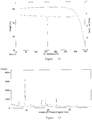
- the TGA / DSC spectra was characterized in Figure 2C ; mp 261-265 °C.
- the crystal form is defined as crystal form A in the present application.
- the HPLC and IC spectra of the crystal are shown in Figures 4A and 4B respectively.
- the molar ratio of acid to base is 0.9: 1.
- the TGA / DSC spectra was characterized in Figure 4C ; mp 231 °C-237 °C.
- the crystal form is defined as crystal form B in the present application.
- the powder X-ray diffraction pattern of the resulting crystal is shown in Figure 5 .
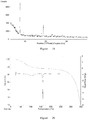
- the TGA/ DSC spectrum was characterized in Figure 6A ;
- the 1 H NMR spectrum is shown in Figure 6B .
- the molar ratio of acid to base is 1: 1. mp 212 °C-216 °C.
- the crystal form is defined as crystal form C-1 in the present application.
- the 1 H NMR spectrum is shown in Figure 10B , The molar ratio of acid to base is 1.3: 1, The TGA / DSC spectra was characterized in Figure 10A ; mp 202 °C-207 °C. The crystal form is defined as crystal form D in the present application.
- the 1 H NMR spectrum is shown in Figure 12B , The molar ratio of acid to base is 1: 1, The TGA / DSC spectra was characterized in Figure 12A ; mp 204 °C-206 °C. The crystal form is defined as crystal form E in the present application.
- 1,4-dioxane (1.5 mL) was added to a reaction flask containing 10 mg of the free base of compound of formula X as the starting sample to form a clear solution, the flask was sealed with a sealing film at 15 °C. After punctured 3-4 small holes with a needle, the flask was placed in a fume cupboard for slow natural volatilization, after 7 days, the sample was dried to give a yellow crystalline powder 8.7mg, yield 87%.
- the powder X-ray diffraction pattern of the resulting crystal is shown in Figure 13 , and the TGA / DSC pattern is characterized in Figure 14 ; mp 160 °C-163 °C.
- the crystal form is defined as crystal form I in the present application.
- Acetone (0.4 mL) was added to a reaction flask containing 10.1 mg of the free base of compound of formula X as the starting sample to give a clear solution.
- the antisolvent H 2 O was added dropwise to the flask under magnetic stirring at 15 °C. After added to 1.0 mL, the solution appeared cloudy and the solid was isolated by centrifugation (centrifuge speed: 10000 rpm; time: 3 minutes), and placed in a fume cupboard at 15 °C to dry, 8mg of yellow crystalline powder was obtained, yield: 79.2%.
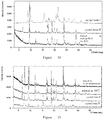
- the powder X-ray diffraction pattern of the resulting crystal is shown in Figure 15
- the TGA / DSC pattern is shown in Figure 16
- mp is 160 °C-163 °C.
- the crystal form is defined as crystal form II in the present application.
- the TGA / DSC pattern for crystal form II is shown in Figure 16 , and the TGA spectrum shows that the weight loss of the sample is about 7.2% when heated to about 80 °C.
- the DSC pattern shows a broad endothermic peak (peak temperature range 98 °C-102 °C) before melting at 158 °C-162 °C.
- the results of Karl Fischer test show that crystal form II contains 7.2% moisture, which is similar to the weight loss before decomposition in TGA characterization results ( Figure 16 ) of this sample.
- the XRPD pattern shows that crystal form II is converted to crystal form I after heated to 140 °C and then cooled to room temperature. Crystal form II therefore exists in hydrate form, more preferably in dihydrate form (theoretical weight loss of the free base dihydrate is 6.8%).
- the TGA / DSC pattern of crystal form III is shown in Figure 18A .
- the TGA spectrum shows that the weight loss of the sample is about 6.4% before heated to about 130 °C.
- the DSC pattern shows that there are multiple endothermic peaks before melting at 158 °C-162 °C (initial temperature).
- the XRPD pattern shows that crystal form III is converted to crystal form I after heated to 130 °C and then cooled to room temperature.
- the 1 H NMR results of crystal form III ( Figure 18B ) show that the methanol content is 4.9%. Crystal form III therefore exists in methanol solvate form.
- the TGA / DSC pattern of crystal form IV is shown in Figure 20 .
- the TGA spectrum shows that the weight loss of the sample is about 5.8% before heated to about 150 °C.
- the DSC pattern shows that there is an endothermic peak before melting at 158 °C-162 °C (the peak temperature range is 105 °C-109 °C).
- the XRPD pattern shows that crystal form IV is converted to crystal form I after heated to 130 °C and then cooled to room temperature. Crystal form IV also exists in hydrate form.
- the TGA / DSC pattern of crystal form V is shown in Figure 22A .
- the TGA spectrum shows that the weight loss of the sample is about 0.7% between about 130 °C and 160 °C, which is consistent with the EtOAc content of this sample detected by 1 H NMR ( Figure 22B ).
- the DSC pattern shows that there is no significant endothermic or exothermic peak before melting at 149 °C-153 °C (initial temperature).
- the XRPD pattern shows that crystal form V is converted to crystal form I after stirring in isopropanol at room temperature for about 24 hours.
- the 1 H NMR results of crystal form V ( Figure 22B ) show that crystal form V exists in ethyl acetate solvate form.
- solution B of the corresponding acid (the molar ratio of the acid to the compound of formula X is 1.05: 1) was added. After a period of reaction at a certain reaction temperature, the reaction solution was filtered, and the filter cake was washed with a solvent, and dried in vacuo to give the corresponding salt.
- Table 2 The original feeding of the reaction and the reaction conditions are shown in Table 2 below.
- Table 2 Salt The molar ratio of acid to compound of formula X in the salt Solvent A / B / washing solvent Reaction time / Reaction temperature The amount of product fumarate 0.5:1 3ml ethanol/2ml ethanol/4ml ethanol 2h/25 °C 246mg L-malate 0.7:1 3ml ethanol/2ml ethanol/4ml ethanol 2h/25 °C 286mg L-tartrate 1:1 4ml acetone/5ml acetone/4ml acetone 2h/25 °C 341mg citrate 0.5:1 3ml ethanol/2ml ethanol/4ml ethanol 2h/25 °C 312mg glycolate 1:1 3ml ethanol/2ml ethanol/4ml ethanol 2h/25 °C 230mg benzoate 1:1 3ml ethanol/2ml ethanol/4ml ethanol 2h/25 °C 282mg nicotinate 1:1 2.5ml ethanol/NA/4ml ethanol 4h
- Table 3 salt Solid form Melting point (°C) fumarate light yellow solid 214.3-215.4 L-malate light yellow solid 188.4-191.7 L-tartrate yellow solid 191.3-193.1 citrate light yellow solid 168.4-172.0 glycolate light yellow solid NA benzoate yellow solid 181.0-182.7 nicotinate light yellow solid NA oxalate yellow solid 227.4-228.9 benzenesulfonate light yellow solid 213.0-214.0 acetate light yellow solid 139.5-144.2 maleate light yellow solid 201.5-202.3 succinate light yellow solid 183.9-184.8 adipate light yellow solid 195.2-196.2 hippurate light yellow solid NA mucic acid salt light yellow solid NA D-glucuronate yellow solid NA gentisate light yellow solid 227.9-228.9 ethylene disulfonate yellow solid NA methanesulfonate yellow solid NA 2-hydroxyethanesulfo nate yellow solid NA
- Table 4 Samples of compound 5 °C (control)* 25 °C/60%RH 40 °C/75%RH Purity (%) Weight loss (%) crystal transition Relative purity (%) Weight loss (%) crystal transitio n Relative purity (%) Weight loss (%) crystal form A 99.45 3.0 no 100.0 4.3 no 100.0 3.4 crystal form B 99.56 4.1 no 100.0 4.6 no 100.0 4.5 crystal form C-1 99.39 0.1 no 100.0 1.2 no 100.0 1.3 crystal form D 99.37 1.6 no 100.0 1.3 no 100.0 1.2 crystal form E 99.30 0.1 no 100.0 0.5 no 100.0 0.4 the free base as the starting sample 99.23 5.1 no 100.0 5.3 no 100.0 6.2 *: a set of samples was stored at 5 °C for evaluation. Relative purity: compared with the control
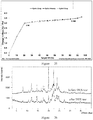
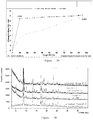
- crystal form C-1 was stored at 80 °C for 24 hours and samples were collected for XRPD and HPLC characterization. As illustrated in Figure 23 and Figure 24 , the crystal form and HPLC purity of crystal form C-1 did not change before and after the test, indicating that crystal form C-1 had better physical and chemical stability.
- Crystal form C-1 and crystal form E were dried at 0% RH to remove the adsorbed solvent or water before starting the test.
- Test for Crystal form B was started from 40% RH.
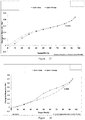
- the DVS test results of crystal form B are shown in Figure 25 .
- the rate of weight loss increases when the humidity is reduced to 20% RH at 25 °C.
- the XRPD comparison of the samples before and after the DVS test is shown in Figure 26 , indicating that crystal form B does not change before and after the DVS test.
- Crystal form C-1 and crystal form E were shown in Figure 27 and Figure 28 respectively.
- Crystal form C-1 and crystal form E absorbed 0.3% and 0.5% moisture respectively when the humidity increased to 80% RH at 25 °C, indicating that both anhydrous crystal forms are slightly hygroscopic.
- the crystal form of two samples before and after the DVS test did not change.
- the DVS test was performed on crystal form II sample at a constant temperature of 25 °C.
- the DVS results show that the sample has essentially no weight loss at humidity above 10% RH, indicating that crystal form II has good stability.
- Example 27 Wild type EGFR and mutant EGFR kinase inhibition test
- EGFR T790M / L858R Kinase double mutant EGFR kinase
- EGFR WT wild-type EGFR kinase
- the working concentration of each component in 10 ⁇ l T790M / L858R kinase reaction system was: 25 ⁇ M ATP, 0.08 (or 0.1) ng/ ⁇ l EGFR T790M / L858R kinase, 2 ⁇ M Tyr04 substrate (Invitrogen, PV3193, similarly hereinafter).
- the concentration of DMSO was 2 vol %.
- the working concentration of each component in 10 ⁇ l EGFR WT kinase reaction system was: 10 ⁇ M ATP, 0.8 ng/ ⁇ l EGFR WT kinase, 2 ⁇ M Tyr04 substrate. After the test compounds were added, the concentration of DMSO was 2 vol%.
- the reaction was performed on a shaking table at room temperature for 60 min. Afterwards, 5 ⁇ l of Development Reagent B (Invitrogen) was added, and reacted on a shaking table at room temperature for 60min.
- the plates were read on a VictorX5 Microplate Reader (PerkinElmer), for measuring the absorbance at excitation wavelength of 405 nm, and emission wavelength of 450 nm and 520 nm. (For example, C3 520nm represents the reading at 520nm of C3 well).
- Inhibition ratio was calculated (according to the instructions of Invitrogen, PV3193) as follows:
- MTT assay used the method well known to those skilled in the art, and the reagents used in the method can be commercially obtained.
- the medium was removed and 1 ml of 0.25% trypsin / EDTA (Gibco, 25200-056) was added. After rinsed for one time, 1.5 ml trypsin / EDTA was added to digest the adherent cells until the cells detached, and then 3.5 ml of medium was added to terminate the trypsinization.
- the digested cell suspension was transferred to a 15 ml falcon tube, and spun at 1300 rpm for 3min, the supernatant was discarded, and cells were suspended in fresh medium. The cells were then counted, and diluted to the following concentrations: 2.78x10 4 cells/ml (A431 and H1975), 3.33x10 4 cells/ml (NIH3T3). The cells were seeded in 96-well plates (BD 3072), 90 ⁇ l/well, and incubated overnight.
- A431 cell culture medium 10%FBS (Gibco, 10099-141) DMEM (Hyclone SH30243.01B); NIH3T3 cell culture medium: 10% FBS (Gibco, 10099-141) DMEM (Hyclone SH30243.01B); H1975 cell culture medium: 10%FBS (Gibco, 10099-141) RPMI-1640 (Hyclone SH30809.01B); 20 ⁇ l of 10mM test compound was taken, and the test compound was diluted according to the following concentration gradient (2000, 666.67, 222.22, 74.07, 24.69, 8.23, 2.74, 0.91 ⁇ M), serum-free medium was then added (the final concentration: 10, 3.333, 1.111, 0.370, 0.123, 0.041, 0.014, 0.005 ⁇ M), and 10 ⁇ l of the test compound in each well was added into the cell culture plates, and the final concentration of DMSO was 0.5%.
- the cells were added into the incubator after addition of the test compound, and incubated for 72h, 10 ⁇ l of 5 mg/ml MTT (Sigma, M5655) solution was added to each well of the plate, and incubated the 96-well plates at 37 °C 5% CO 2 for 4h in a incubator.
- the reagents, preparation methods of the solution, as well as the procedures of cell treatments and preparation of lysate, and the test steps of ELISA in the following method were conducted according to the instructions of R&D DYC3570, R&D DYC1095E and R&D DYC1095BE.
- Cell lysis buffer 1% NP-40, 20 mM Tris (pH 8.0), 137 mM NaCl, 10% glycerol, 1 mM NaVO 3 , 2 mM EDTA.
- Cell lysis liquid cell lysis buffer+10 ⁇ g/ml Aprotinin (Sigma), 10 ⁇ g/ml Leupeptin (Sigma). All reagents were prepared when using.
- Wash buffer 0.05% Tween-20 in PBS.
- Diluent for detecting antibody 20 mM Tris, 137 mM NaCl, 0.05% Tween-20, 0.1% BSA, pH 7.2-7.4.
- Block Buffer 1% BSA in PBS.
- ELISA kits R&D DYC3570, R&D DYC1095E and R&D DYC1095BE.
- the assay was operated according to the instructions of R&D DYC1095E or R&D DYC1095BE.
- Inhibition ratio % 100 % ⁇ OD cell ⁇ OD compound treatment / OD cell ⁇ OD blank
- the assay was operated according to the instructions of R&D DYC3570E.
- Inhibition ratio % 100 % ⁇ OD EGF ⁇ OD compound / OD EGF ⁇ OD cell
- Table 10 Compound No. H1975 cells (IC 50 /nM) A431 cells (IC 50 /nM) Selective inhibitory activities of target on cellular level [IC 50 (A431 cells)/IC 50 (H1975 cells)] the free base of compound of formula X 34 1693 50 BIBW2992 21 5 0.24 comparative compound 1 29 114 3.9 comparative compound 2 241 199 0.83 comparative 1139 3113 2.7 compound 3
- LC/MS/MS method was applied for the determination of the drug concentration in plasma at different times after the example compounds were administered via oral gavage to rats in order to study the pharmacokinetic behavior of the compound of the invention in vivo in rats and evaluate their pharmacokinetic characteristics.
- Test Animals healthy Adult male SD rats (weight 200-300g, 6, fasted) provided by SLAC company; Administration and Dosage: (5 mg/kg, 5 mL/kg, 0.5%CMC-Na solution) was administered via oral gavage to SD rats.
- Blood collection firstly, the animals which were selected to meet the test requirements prior to administration were weighed. The rats were bound before the blood collection, blood from each administered rat was taken at predetermined time points (gavage: blood was collected at 0.083, 0.25, 0.5, 1, 2, 4, 8, 24h before and after administration respectively, for 9 time points in total), about 150 ⁇ l of blood was collected via tail vein or heart (blood terminal). About 150 ⁇ l of blood was collected via orbital or heart (blood terminal). Blood was transferred to a 1.5ml tube to which K 2 EDTA was added previously. The collected blood sample was put on ice, and centrifuged to obtain plasma sample (2000g, 5 min under 4°C) within 15 minutes. All the plasma samples were stored at approximately -70°C until analysis.
- Tablets of adipate of the compound of formula X are prepared from the components shown in Table 12 below: Table 12 adipate of the compound of formula X (Example 20, condition 2) 20g starch 40g lactose 32g PVP 3g sodium carboxymethyl starch 3g sodium dodecyl sulfate 1g magnesium stearate 1g
- Adipate of the compound of formula X and starch are mixed and sieved, and then well mixed with the above other components, and tablets were compressed directly according to a conventional method.
- Crystal form C-1 Tablets of crystal form C-1 were prepared from the components shown in Table 13 below: Table 13 crystal form C-1 15g starch 40g lactose 37g PVP 3g sodium carboxymethyl starch 3g sodium dodecyl sulfate 1g magnesium stearate 1g
- Crystal form C-1 and the starch are mixed and sieved, and then well mixed with the above other components, and tablets were compressed directly according to a conventional method.
- Capsules of crystal form II were prepared from the components shown in Table 14 below: Table 14 crystal form II 20g starch 40g lactose 32g PVP 3g sodium carboxymethyl starch 3g sodium dodecyl sulfate 1g magnesium stearate 1g
- the form II and starch are mixed and sieved, and then well mixed with the above other components, and filled into ordinary gelatin capsules according to a conventional method.
- a suspension competition test was set up in aqueous system at room temperature and 50°C respectively.
- the free base suspension in acetone / H 2 O (aw - 0.6) was prepared at room temperature and 50 °C respectively.
- the suspension was filtered to obtain the near saturated solution at the corresponding temperature.
- An equal quantity of crystal form II and IV samples (about 6 mg each) was added to 0.8 ml of saturated solution to form a suspension which was magnetically stirred (-800 rpm) at room temperature and 50 °C for about 5 minutes, and sampled for XRPD test.
Landscapes
- Chemical & Material Sciences (AREA)
- Organic Chemistry (AREA)
- Health & Medical Sciences (AREA)
- Animal Behavior & Ethology (AREA)
- Life Sciences & Earth Sciences (AREA)
- Pharmacology & Pharmacy (AREA)
- General Health & Medical Sciences (AREA)
- Public Health (AREA)
- Veterinary Medicine (AREA)
- Medicinal Chemistry (AREA)
- Epidemiology (AREA)
- Chemical Kinetics & Catalysis (AREA)
- General Chemical & Material Sciences (AREA)
- Nuclear Medicine, Radiotherapy & Molecular Imaging (AREA)
- Pharmaceuticals Containing Other Organic And Inorganic Compounds (AREA)
Applications Claiming Priority (2)
| Application Number | Priority Date | Filing Date | Title |
|---|---|---|---|
| CN201510443673 | 2015-07-24 | ||
| PCT/CN2016/091591 WO2017016463A1 (zh) | 2015-07-24 | 2016-07-25 | Egfr抑制剂及其药学上可接受的盐和多晶型物及其应用 |
Publications (2)
| Publication Number | Publication Date |
|---|---|
| EP3327014A1 true EP3327014A1 (de) | 2018-05-30 |
| EP3327014A4 EP3327014A4 (de) | 2019-01-02 |
Family
ID=57884043
Family Applications (1)
| Application Number | Title | Priority Date | Filing Date |
|---|---|---|---|
| EP16829828.9A Withdrawn EP3327014A4 (de) | 2015-07-24 | 2016-07-25 | Egfr-hemmer und pharmazeutisch unbedenkliches salz und polymorph davon und verwendung davon |
Country Status (4)
| Country | Link |
|---|---|
| US (1) | US10561646B2 (de) |
| EP (1) | EP3327014A4 (de) |
| CN (1) | CN107531678B (de) |
| WO (1) | WO2017016463A1 (de) |
Cited By (1)
| Publication number | Priority date | Publication date | Assignee | Title |
|---|---|---|---|---|
| EP3885346A4 (de) * | 2018-12-21 | 2022-01-12 | Shenzhen TargetRx, Inc. | Aminopyrimidinverbindung zur hemmung der aktivität von proteinkinase |
Families Citing this family (10)
| Publication number | Priority date | Publication date | Assignee | Title |
|---|---|---|---|---|
| MX383920B (es) | 2016-05-26 | 2025-03-14 | Recurium Ip Holdings Llc | Compuestos inhibidores de egfr. |
| EA202192575A1 (ru) | 2019-03-21 | 2022-01-14 | Онксео | Соединения dbait в сочетании с ингибиторами киназ для лечения рака |
| WO2020245208A1 (en) | 2019-06-04 | 2020-12-10 | INSERM (Institut National de la Santé et de la Recherche Médicale) | Use of cd9 as a biomarker and as a biotarget in glomerulonephritis or glomerulosclerosis |
| CN114761006A (zh) | 2019-11-08 | 2022-07-15 | Inserm(法国国家健康医学研究院) | 对激酶抑制剂产生耐药性的癌症的治疗方法 |
| WO2021148581A1 (en) | 2020-01-22 | 2021-07-29 | Onxeo | Novel dbait molecule and its use |
| WO2022100641A1 (zh) * | 2020-11-11 | 2022-05-19 | 上海海雁医药科技有限公司 | 包含egfr抑制剂的药物组合物及其制备方法 |
| TW202222795A (zh) * | 2020-11-19 | 2022-06-16 | 大陸商上海翰森生物醫藥科技有限公司 | 一種含吲哚類衍生物的鹽、晶型及其製備方法和應用 |
| CN114685455A (zh) * | 2020-12-31 | 2022-07-01 | 鲁南制药集团股份有限公司 | Azd9291结晶固体 |
| WO2023040876A1 (zh) * | 2021-09-15 | 2023-03-23 | 上海海雁医药科技有限公司 | 氮杂芳环类化合物及其药学上可接受的盐的多晶型物、药物组合物和应用 |
| CN116514703A (zh) * | 2023-06-06 | 2023-08-01 | 浙江晖石药业有限公司 | 一种还原胺化n-叔丁氧羰基-4-哌啶酮的方法及n-叔丁氧羰基-4-二甲氨基哌啶酮 |
Family Cites Families (5)
| Publication number | Priority date | Publication date | Assignee | Title |
|---|---|---|---|---|
| UA104849C2 (uk) | 2007-11-16 | 2014-03-25 | Інсайт Корпорейшн | 4-піразоліл-n-арилпіримідин-2-аміни і 4-піразоліл-n-гетероарилпіримідин-2-аміни як інгібітори кіназ janus |
| EP4119551A1 (de) | 2011-07-27 | 2023-01-18 | Astrazeneca AB | 2-(2,4,5-substituierte anilino)pyrimidinverbindungen |
| BR112014022790B1 (pt) | 2012-03-15 | 2022-04-19 | Celgene Car Llc | Sais de um inibidor de quinase de receptor de fator do crescimento epidermal, composição farmacêutica e usos do mesmo |
| CN104860941B (zh) | 2014-02-25 | 2017-03-22 | 上海海雁医药科技有限公司 | 2,4‑二取代苯‑1,5‑二胺衍生物及其应用以及由其制备的药物组合物和药用组合物 |
| CN104788427B (zh) * | 2015-02-05 | 2017-05-31 | 上海泓博智源医药股份有限公司 | 3‑(2‑嘧啶氨基)苯基丙烯酰胺类化合物及其应用 |
-
2016
- 2016-07-25 CN CN201680027448.XA patent/CN107531678B/zh active Active
- 2016-07-25 US US15/746,966 patent/US10561646B2/en not_active Expired - Fee Related
- 2016-07-25 WO PCT/CN2016/091591 patent/WO2017016463A1/zh not_active Ceased
- 2016-07-25 EP EP16829828.9A patent/EP3327014A4/de not_active Withdrawn
Cited By (2)
| Publication number | Priority date | Publication date | Assignee | Title |
|---|---|---|---|---|
| EP3885346A4 (de) * | 2018-12-21 | 2022-01-12 | Shenzhen TargetRx, Inc. | Aminopyrimidinverbindung zur hemmung der aktivität von proteinkinase |
| US12312329B2 (en) | 2018-12-21 | 2025-05-27 | Shenzhen Targetrx, Inc. | Aminopyrimidine compound used for inhibiting activity of protein kinase |
Also Published As
| Publication number | Publication date |
|---|---|
| CN107531678B (zh) | 2020-12-22 |
| EP3327014A4 (de) | 2019-01-02 |
| US20180319770A1 (en) | 2018-11-08 |
| WO2017016463A1 (zh) | 2017-02-02 |
| US10561646B2 (en) | 2020-02-18 |
| CN107531678A (zh) | 2018-01-02 |
Similar Documents
| Publication | Publication Date | Title |
|---|---|---|
| EP3327014A1 (de) | Egfr-hemmer und pharmazeutisch unbedenkliches salz und polymorph davon und verwendung davon | |
| CN114929704B (zh) | 含螺环的喹唑啉化合物 | |
| CN115335379B (zh) | 含螺环的喹唑啉化合物 | |
| JP7383652B2 (ja) | B-rafキナーゼのマレイン酸塩、結晶形、調整方法、及びその使用 | |
| TW202311259A (zh) | 化合物i的新形式及其應用 | |
| CN110283162B (zh) | 一种表皮生长因子受体抑制剂及其应用 | |
| EP3112364B1 (de) | 2,4-disubstituierte phenylen-1,5-diamin-derivate und anwendungen davon sowie daraus hergestellte pharmazeutische zusammensetzungen und pharmazeutisch akzeptable zusammensetzungen | |
| CN107382879B (zh) | 一种嘧啶类化合物、egfr抑制剂及其应用 | |
| US20230167128A1 (en) | Polymorphs and solid forms of (s)-2-((2-((s)-4-(difluoromethyl)-2-oxooxazolidin-3-yl)-5,6-dihydrobenzo[f]imidazo[1,2-d][1,4]oxazepin-9-yl)amino)propanamide, and methods of production | |
| EP3190102B1 (de) | Kristalle von (s)-1-(2-hydroxyethyl)-4-methyl-n- [4-(methylsulfonyl)phenyl]-5-[2-(trifluoromethyl) phenyl]- 1h-pyrrol-3-carboxamid | |
| EP3144292B1 (de) | 2,3,4,6-tetrasubstituierte benzol-1,5-diamin-derivate, herstellungsverfahren dafür und medizinische verwendung davon | |
| CN118791505A (zh) | 一种含肟结构的杂环化合物及其制备方法与用途 | |
| CN111763215B (zh) | 一种具有含氮杂环结构的化合物及其制备方法和用途 | |
| CN116390728B (zh) | 喹唑啉衍生物及其制备方法和用途 | |
| EP3418277B1 (de) | Substituierte amino-sechsgliedrige stickstoffheterocyclische ringverbindung sowie deren herstellung und verwendung | |
| CN115413277B (zh) | 吡嗪取代的烟酰胺的固体形式及其制备和用途 | |
| EP4438600A1 (de) | Verbindung als kinasehemmer und verwendung davon | |
| CN115698000B (zh) | 新型吡嗪化合物 | |
| EP4169915A1 (de) | Kristalline form einer verbindung | |
| CN107868059B (zh) | 一种喹唑啉衍生物的盐、其制备方法及应用 | |
| US20210340142A1 (en) | Salt form and crystal form of novel azatricyclic compound and use thereof | |
| TW202327593A (zh) | Kras抑制劑的多晶型物及其製備方法和用途 | |
| HK40088129A (en) | Crystalline form of compound | |
| HK40089265A (zh) | 用於egfr蛋白降解的化合物及其用途 | |
| HK40089265B (zh) | 用於egfr蛋白降解的化合物及其用途 |
Legal Events
| Date | Code | Title | Description |
|---|---|---|---|
| STAA | Information on the status of an ep patent application or granted ep patent |
Free format text: STATUS: THE INTERNATIONAL PUBLICATION HAS BEEN MADE |
|
| PUAI | Public reference made under article 153(3) epc to a published international application that has entered the european phase |
Free format text: ORIGINAL CODE: 0009012 |
|
| STAA | Information on the status of an ep patent application or granted ep patent |
Free format text: STATUS: REQUEST FOR EXAMINATION WAS MADE |
|
| 17P | Request for examination filed |
Effective date: 20180130 |
|
| AK | Designated contracting states |
Kind code of ref document: A1 Designated state(s): AL AT BE BG CH CY CZ DE DK EE ES FI FR GB GR HR HU IE IS IT LI LT LU LV MC MK MT NL NO PL PT RO RS SE SI SK SM TR |
|
| AX | Request for extension of the european patent |
Extension state: BA ME |
|
| DAV | Request for validation of the european patent (deleted) | ||
| DAX | Request for extension of the european patent (deleted) | ||
| A4 | Supplementary search report drawn up and despatched |
Effective date: 20181203 |
|
| RIC1 | Information provided on ipc code assigned before grant |
Ipc: A61K 31/4468 20060101ALI20181127BHEP Ipc: C07D 401/14 20060101AFI20181127BHEP Ipc: A61K 31/506 20060101ALI20181127BHEP Ipc: A61P 35/00 20060101ALI20181127BHEP Ipc: A61P 37/00 20060101ALI20181127BHEP |
|
| STAA | Information on the status of an ep patent application or granted ep patent |
Free format text: STATUS: THE APPLICATION HAS BEEN WITHDRAWN |
|
| 18W | Application withdrawn |
Effective date: 20190301 |