EP3344681B1 - Verfahren zur reinigung von rohen polyetherpolyolen - Google Patents
Verfahren zur reinigung von rohen polyetherpolyolen Download PDFInfo
- Publication number
- EP3344681B1 EP3344681B1 EP16760470.1A EP16760470A EP3344681B1 EP 3344681 B1 EP3344681 B1 EP 3344681B1 EP 16760470 A EP16760470 A EP 16760470A EP 3344681 B1 EP3344681 B1 EP 3344681B1
- Authority
- EP
- European Patent Office
- Prior art keywords
- filter cake
- pressing
- polyether polyol
- recuperated
- batch
- Prior art date
- Legal status (The legal status is an assumption and is not a legal conclusion. Google has not performed a legal analysis and makes no representation as to the accuracy of the status listed.)
- Active
Links
Images

Classifications
-
- C—CHEMISTRY; METALLURGY
- C08—ORGANIC MACROMOLECULAR COMPOUNDS; THEIR PREPARATION OR CHEMICAL WORKING-UP; COMPOSITIONS BASED THEREON
- C08G—MACROMOLECULAR COMPOUNDS OBTAINED OTHERWISE THAN BY REACTIONS ONLY INVOLVING UNSATURATED CARBON-TO-CARBON BONDS
- C08G65/00—Macromolecular compounds obtained by reactions forming an ether link in the main chain of the macromolecule
- C08G65/02—Macromolecular compounds obtained by reactions forming an ether link in the main chain of the macromolecule from cyclic ethers by opening of the heterocyclic ring
- C08G65/30—Post-polymerisation treatment, e.g. recovery, purification, drying
-
- B—PERFORMING OPERATIONS; TRANSPORTING
- B01—PHYSICAL OR CHEMICAL PROCESSES OR APPARATUS IN GENERAL
- B01D—SEPARATION
- B01D15/00—Separating processes involving the treatment of liquids with solid sorbents; Apparatus therefor
-
- B—PERFORMING OPERATIONS; TRANSPORTING
- B01—PHYSICAL OR CHEMICAL PROCESSES OR APPARATUS IN GENERAL
- B01D—SEPARATION
- B01D25/00—Filters formed by clamping together several filtering elements or parts of such elements
- B01D25/12—Filter presses, i.e. of the plate or plate and frame type
-
- B—PERFORMING OPERATIONS; TRANSPORTING
- B01—PHYSICAL OR CHEMICAL PROCESSES OR APPARATUS IN GENERAL
- B01D—SEPARATION
- B01D29/00—Filters with filtering elements stationary during filtration, e.g. pressure or suction filters, not covered by groups B01D24/00 - B01D27/00; Filtering elements therefor
- B01D29/0093—Making filtering elements not provided for elsewhere
-
- B—PERFORMING OPERATIONS; TRANSPORTING
- B01—PHYSICAL OR CHEMICAL PROCESSES OR APPARATUS IN GENERAL
- B01D—SEPARATION
- B01D29/00—Filters with filtering elements stationary during filtration, e.g. pressure or suction filters, not covered by groups B01D24/00 - B01D27/00; Filtering elements therefor
- B01D29/76—Handling the filter cake in the filter for purposes other than for regenerating
- B01D29/80—Handling the filter cake in the filter for purposes other than for regenerating for drying
- B01D29/82—Handling the filter cake in the filter for purposes other than for regenerating for drying by compression
-
- B—PERFORMING OPERATIONS; TRANSPORTING
- B01—PHYSICAL OR CHEMICAL PROCESSES OR APPARATUS IN GENERAL
- B01D—SEPARATION
- B01D39/00—Filtering material for liquid or gaseous fluids
-
- C—CHEMISTRY; METALLURGY
- C08—ORGANIC MACROMOLECULAR COMPOUNDS; THEIR PREPARATION OR CHEMICAL WORKING-UP; COMPOSITIONS BASED THEREON
- C08G—MACROMOLECULAR COMPOUNDS OBTAINED OTHERWISE THAN BY REACTIONS ONLY INVOLVING UNSATURATED CARBON-TO-CARBON BONDS
- C08G65/00—Macromolecular compounds obtained by reactions forming an ether link in the main chain of the macromolecule
- C08G65/02—Macromolecular compounds obtained by reactions forming an ether link in the main chain of the macromolecule from cyclic ethers by opening of the heterocyclic ring
- C08G65/26—Macromolecular compounds obtained by reactions forming an ether link in the main chain of the macromolecule from cyclic ethers by opening of the heterocyclic ring from cyclic ethers and other compounds
- C08G65/2603—Macromolecular compounds obtained by reactions forming an ether link in the main chain of the macromolecule from cyclic ethers by opening of the heterocyclic ring from cyclic ethers and other compounds the other compounds containing oxygen
- C08G65/2606—Macromolecular compounds obtained by reactions forming an ether link in the main chain of the macromolecule from cyclic ethers by opening of the heterocyclic ring from cyclic ethers and other compounds the other compounds containing oxygen containing hydroxyl groups
-
- C—CHEMISTRY; METALLURGY
- C08—ORGANIC MACROMOLECULAR COMPOUNDS; THEIR PREPARATION OR CHEMICAL WORKING-UP; COMPOSITIONS BASED THEREON
- C08G—MACROMOLECULAR COMPOUNDS OBTAINED OTHERWISE THAN BY REACTIONS ONLY INVOLVING UNSATURATED CARBON-TO-CARBON BONDS
- C08G65/00—Macromolecular compounds obtained by reactions forming an ether link in the main chain of the macromolecule
- C08G65/02—Macromolecular compounds obtained by reactions forming an ether link in the main chain of the macromolecule from cyclic ethers by opening of the heterocyclic ring
- C08G65/26—Macromolecular compounds obtained by reactions forming an ether link in the main chain of the macromolecule from cyclic ethers by opening of the heterocyclic ring from cyclic ethers and other compounds
- C08G65/2642—Macromolecular compounds obtained by reactions forming an ether link in the main chain of the macromolecule from cyclic ethers by opening of the heterocyclic ring from cyclic ethers and other compounds characterised by the catalyst used
Definitions
- the invention relates to a process for purification of crude polyether polyols wherein the crude polyether polyols are prepared by anionic polymerization of alkylene oxides in the presence of basic catalysts.
- Polyether polyols are commonly prepared by anionic polymerization of alkylene oxides.
- the alkylene oxides in the presence of basic catalysts such as alkali metal hydroxides or alcoholates are added to a starter molecule which contains at least two reactive hydrogen atoms in bonded form.
- the alcoholate radicals must be transformed into free hydroxyl groups in such a manner that the polyether polyols essentially do not contain any inorganic components which can be detected by ashing or showing a buffer effect.
- the alkali-containing polyether polyols are, therefore, generally neutralized with inorganic or organic acids resulting in emulsions of aqueous salt solutions and polyether polyols. Subsequently, the water of the emulsions is removed by stripping under vacuum. The remaining salts which precipitate in the polyether polyol are separated by mechanical means.
- a process for purification of crude polyether polyols comprises the steps of mixing the crude polyether polyol with water and ortho-phosphoric acid, incorporating an adsorption agent in the reaction mixture, separating the resultant salts and the incorporated solid additives and removing the water from the polyether polyol by stripping.
- the separation of the salts and solid additives may be performed by means of filtration.
- US4137398 discloses a process of alkaline catalyst removal from crude polyoxyalkylene ether polyols by treating a mixture of crude polyol, adsorbent, and water with magnesium carbonate and carbon dioxide just prior to filtration.
- US4129718 discloses a similar process wherein the treatment is performed only in the presence of carbon dioxide.
- the salts and solid additives are removed by filtration means wherein liquid passes through a filtration means such as plate filters, candle filters or chamber filters.
- a filtration means such as plate filters, candle filters or chamber filters.
- the liquid phase then passes the filtration means and the remaining filter cake stays on the surface.
- the filter cake is then removed from the filter unit as waste.
- the filter cake comprises a considerable amount of liquid material including the desired product polyether polyol.
- Waste disposal of the filter cake is problematic as the polyether polyols which adhere to the solid material are not easily degradable and complete incineration is not possible due to the mineral content of the filter cake which remains as slag.
- polyether polyols are also referred to as polyols for convenience.
- the polyether polyols are prepared in accordance with well-known procedures.
- One or more optionally substituted alkylene oxides with 2 to 4 carbon atoms in the alkylene radical are added to a starter molecule which contains at least 2, preferably 2 to 8, and particularly 2 to 4 active hydrogen atoms in the presence of a basic catalyst.
- Suitable alkylene oxides include 2,3-epoxypropanol-1, 1,2- and/or 2,3-butylene oxide, styrene oxide and preferably ethylene oxide and 1,2-propylene oxide.
- the alkylene oxides may be used individually, alternatingly in sequence or as mixtures.
- Suitable starter molecules include, for example: water, organic dicarboxylic acids such as succinic acid, adipic acid, phthalic acid and terephthalic acid, aliphatic and aromatic optionally N-mono-, N,N- and N,N'-dialkyl substituted diamines with 1 to 4 carbon atoms in the alkyl radical such as optionally mono- and dialkyl substituted ethylenediamine, diethylenetriamine, triethylenetetramine, 1,3-propylenediamine, 1,3- and/or 1,4-butylenediamine, 1,2-, 1,3-, 1,4-, 1,5- and 1,6-hexamethylenediamine, phenylenediamine, 2,4- and 2,6-toluenediamine, 4,4'-, 2,4- and 2,2'-diaminodiphenylmethane and mixtures of diaminodiphenylmethanes and polyphenylene polymethylene polyamines.
- organic dicarboxylic acids
- starter molecules include alkanolamines such as ethanolamine, diethanolamine, N-methyl- and N-ethyl alkanolamines such as N-methyl- and N-ethyl-diethanolamine and triethanolamine, ammonia, hydrazine and hydrazides.
- alkanolamines such as ethanolamine, diethanolamine, N-methyl- and N-ethyl alkanolamines such as N-methyl- and N-ethyl-diethanolamine and triethanolamine, ammonia, hydrazine and hydrazides.
- Preferably used are multifunctional, particularly bi- and/or trifunctional, glycols such as ethylene glycol, 1,2-propylene glycol and trimethylene glycol, diethylene glycol, dipropylene glycol, 1,4-butanediol, 1,6-hexamethylene glycol, glycerine, trimethylolpropane, pentaerythritol, sorbitol and
- catalysts are alkali alkoxides with 1 to 4 carbon atoms in the alkyl radical such as sodium methylate, sodium and potassium ethylate, potassium isopropylate and sodium butylate and preferably alkali hydroxides such as sodium hydroxide and preferably potassium hydroxide.
- the catalyst is normally used in an amount of 0.02 to 3 weight percent, preferably of 0.2 to 1.0 weight percent, based on the overall weight of the starting components.
- the basic catalyst is neutralized with ortho-phosphoric acid in the presence of a defined amount of water.
- Suitable for this purpose are anhydrous as well as commercially available aqueous orthophosphoric acids if the listed quantity ratios are maintained.
- Preferably used is sirupy (85 weight percent) ortho-phosphoric acid.
- Other acids such as carbonic acid (CO 2 ) may also be used.
- the crude polyether polyol is mixed with 0.2 to 1.5 parts by weight of water per 100 parts of polyol, preferably 0.4 to 1.2 parts of water and, more preferably, 0.5 to 1.0 part by weight of water.
- the amount of orthophosphoric acid employed is from 0.3 to 1.1 mole of phosphoric acid per mole of alkaline catalyst, preferably 0.6 to 1.0 mole of acid with the pH of the mixture ranging from 12 to 5, preferably 9 to 6.
- Preferably used as the adsorption agent are natural and synthetic silicas of earth alkali metals and/or aluminum.
- examples include aluminum silicates such as bentonite, calcium silicates such as montmorillonite and magnesium silicates such as talc.
- a synthetic magnesium silicate with the assumed formula MgO(SiO 2 )2,7 has proven to work particularly well and is, therefore, used on a preferred basis.
- the adsorption agents are used in amounts of 0.05 to 0.5 part by weight, preferably of 0.1 to 0.2 part by weight per 100 parts by weight of crude polyether polyol.
- the salts formed by the neutralization and the adsorption agents incorporated in the reaction mixture may be easily separated by filtration. It has proven to be advantageous to use filtration aids such as perlite, Kieselguhr and diatomaceous earths for the filtration in addition to the adsorption agents. If filtration aids are used, they are normally applied in amounts of 0.05 to 1.0 part by weight, preferably 0.1 to 2.0 part by weight per 100 parts by weight of crude polyether polyol.
- the polyether polyols are advantageously prepared in such a manner that a mixture consisting of starter molecule and basic catalyst is introduced at temperatures of 60 °C to 150 °C, preferably 90 °C to 130 °C, and the alkylene oxide which may optionally be diluted with a gas inert under the reaction conditions such as nitrogen is introduced in the amount desired, for example, in 2 to 12 hours, preferably 6 to 10 hours, under atmospheric pressure or optionally under increased pressure at 0 to 20 bar, preferably 0 to 8 bar.
- the excess alkylene oxide is removed by stripping at temperatures of 90 ° C to 150 °C under reduced pressure, for example, at 5 to 50 mbar.
- the water and the ortho-phosphoric acid are added to the crude polyether polyol at a temperature of 50 °C to 140 °C, preferably of 70 °C to 120 °C, and more preferably at 85 °C to 100 °C at atmospheric pressure or optionally under increased pressure up to 6 bar.
- the water is initially added to the crude polyether polyol followed by the phosphoric acid.
- the reaction mixture is stirred within the mentioned temperature ranges for a period of 0.1 to 4 hours, preferably 0.5 to 1 hour, and the adsorption agent is subsequently incorporated while the mixture is stirred. It has proven to be advantageous to stir the mixture for another 0.5 to 5 hours, preferably 1 to 2 hours, after adding the adsorption agent.
- the reaction vessel is now optionally depressurized, a filtering aid is advantageously added to the reaction mixture, the mixture is optionally stirred for another 0.1 to 2 hours, and the resultant salts and the solid additives such as the adsorption and optionally the filtration agents are removed by means of filtration using a glass filter, a membrane filter or preferably metal filters having a mesh of 40 to 100 microns either without pressure or preferably under a pressure of 0.5 to 6 bars.
- a glass filter a membrane filter or preferably metal filters having a mesh of 40 to 100 microns either without pressure or preferably under a pressure of 0.5 to 6 bars.
- it is essential that the water content of the reaction mixture remains basically unchanged during the neutralization and advantageously also during the filtration.
- the water is removed from the polyether polyol produced as filtrate by means of stripping at a temperature of 90°C to 130°C under a reduced pressure of 5 to 50 mbar.
- the polyether polyols purified according to the process of this invention are preferably used for the preparation of polyurethane plastics.
- the products have functionalities of at least 2, hydroxyl numbers of 15 to 1000 and viscosities of 100 to 350,000 mPa ⁇ s at 25 °C.
- the wet filter cake from the filtration is removed after a production batch is complete.
- the wet filter cake comprises solids such as salts resultant from the neutralization of the basic catalyst with mineral acid and may further comprise adsorption agents and filter aids. Further, the wet filter cake contains a considerable amount of polyether polyol.
- the removed wet filter cake is inserted into a filter press and polyether polyol is recuperated by pressing the wet filter cake. The resulting dry filter cake is removed from the press after pressing is complete. The dry filter cake is then disposed.
- Recuperation of polyether polyols from the wet filter cakes is advantageous as the mass of filter cake which must be disposed as waste is reduced. Further, the amount of produced polyol per production batch is increased.
- the filter cake is heated prior to pressing.
- the polyether polyols are viscous liquids with viscosities in the range of 100 to 350,000 mPa ⁇ s at 25 °C.
- the viscosity decreases for increasing temperature.
- the temperature of the filter cake during the step of pressing is preferably in the range of from 40 °C to 90 °C, especially preferred in the range of from 50°C to 80°C and most preferred in the range of from 60 °C to 70 °C.
- the temperature of the filter cake is maintained at during the step of pressing.
- the filter cake is pressed using a pressure in the range of from 20 to 200 bar, especially preferred in the range of from 80 to 120 bar.
- the filter cake is inserted into a press and the pressing pressure is increased over a set pressing time until the maximum pressure is reached.
- the pressing time for pressing the filter cake is in the range of from 1 minute to 10 minutes, especially preferred in the range of from 2 minutes to 5 minutes.
- the press used in the step of pressing the filter cake is preferably a high-pressure chamber press filter.
- a high-pressure chamber press filter comprises at least one chamber which accepts the wet filter cake.
- the press further comprises a piston which limits the volume of the chamber. Pressure is applied to the filter cake by moving the piston into the chamber such that the volume of the chamber decreases.
- the piston may be moved by hydraulic means so that high pressures may be applied to the filter cake.
- At least one wall of the chamber comprises a filter membrane allowing liquid to leave the chamber. The liquid comprising polyether polyols is collected. After the maximum pressure has been reached the piston is moved back and the dry filter cake is discharged.
- a suitable high-pressure chamber press filter which is capable of applying a pressure of up to 100 bar to the filter cake is available from HD-Filtertechnik, Germany.
- the polyether polyols are recuperated from the wet filter cake by first drying the filter cake by blowing out residual polyether polyol using nitrogen and then subsequently pressing the pre-dried filter cake. Pre-drying the wet filter cake usually requires a drying time of about 60 minutes. If there is only a limited time allotted for recuperating the polyols from the filter cake it is therefore preferred not to pre-dry the filter cake and to press the wet filter cake without any further preparation and/or pre-drying step.
- the production process of the polyether polyols is conducted batch-wise and the step of pressing the filter cake is performed at the end of a batch.
- the batch ends when the filter cake has reached a certain thickness and filtration performance begins to degrade.
- At least two polyether polyol production lines are used wherein the cycle time of pressing the filter cake is less than half the cycle time of a batch and wherein one filter press is shared between at least two production lines.
- the cycle time for pressing comprises the pressing time and a changeover time required for loading the wet filter cake into the press and for discharging the dry filter cake. This makes recuperation of the polyether polyols from the filter cakes cost efficient as the used press can be shared between several polyether polyol production lines. For example, one filter press may be used for 3 or more production lines.
- the amount of residual inorganic material such as salts resulting from the neutralization of the basic catalyst in the recuperated polyether polyol may be higher than in the filtered and purified polyether polyol. It is thus preferred to measure the amount of inorganic residual material in the recuperated polyol.
- the main source of inorganic material is the basic catalyst it is sufficient to determine the amount of residual inorganic material of the catalyst in the recuperated polyether polyol.
- the amount of potassium ions is determined in the case of potassium hydroxide as catalyst and the amount of sodium ions is determined in case of sodium hydroxide as catalyst.
- the measured amount of ions is given as Na/K level in ppm (part per million).
- the amount of inorganic residual material in the recuperated polyether polyols is higher than the specified limit value for purified polyether polyols.
- recuperated polyether polyol is blended with the purified polyether polyol such that the viscosity and/or residual amounts residual inorganic material of the blended polyether polyol are within specified ranges.
- recuperated polyether polyol In order to avoid long storage times of recuperated polyether polyol it is preferred to press the filter cake at the end of a batch and to blend the recuperated polyether polyol with the filtered polyether polyol of the subsequent batch. Recuperated polyether polyol of the last batch of a production cycle is preferably stored and blended with filtered polyether polyol of the first batch of a subsequent production cycle.
- the residual amount of polyether polyol in the dry filter cake after pressing is preferably less than 40% by weight, especially preferred less than 30% by weight and most preferred less than 20% by weight.
- the reaction mixture is stirred for a time. Water is removed to form the salts. After the salts are formed an adsorption agent and filter aid is added to the reaction mixture. The salts resulting from the neutralization and the solid additives such as the adsorption agent and optionally the filtration aids are removed by means of filtration. Water is removed from the purified polyether polyol produced as filtrate in the workup reactor.
- the filter cake is removed from the filtration unit. For each example A to G several samples of wet filter cake have been taken. The weight of each of the wet filter cake samples is determined and for some samples the wet filter cake has been pre-dried by blowing nitrogen gas through the wet filter cake. The wet or pre-dried filter cake samples are then inserted into the chamber of a high pressure chamber filter press. The amount of recuperated polyether polyol is measured as well as the weight of the dry filter cake after pressing.
- the mass flow of filter cake m f which can be processed by the filter press is dependent on the pressing time t p and the changeover time t c required to insert the wet filter cake and to remove the dry filter cake.
- the amount of polyether polyol in the wet filter cake and in the dry filter cake have been analyzed in laboratory measurements wherein the polyol was extracted from a known amount of the filter cake using dichloromethane. The dichloromethane was then evaporated using a nitrogen flow and the mass of the extracted polyol has been measured. The laboratory measurements were performed twice for each sample to account for inhomogeneity in the sample. The polyol content for the dry filter cakes was determined on the actual sample after pressing, while measurements for the wet filter cake were performed on a different sample.
- the filter cake samples have been prepared by producing at least one batch of polyether polyols for each example using the parameters listed in table 1 wherein at least two samples were taken. Table 1 also lists the molecular weight of the polyol. In case of example G, two batches have been produced and the samples were taken from those two batches. In case of examples E, F and G some samples were pre-dried using nitrogen.
- potassium hydroxide has been used as basic catalyst and CO 2 has been used as acid. Further, for all examples magnesium silicate has been added as filtration aid.
- FIG. 1 shows a schematic view of a high pressure filter press 10 comprising a cylindrical housing 20.
- a chamber 12 is located inside the cylindrical housing 20.
- the chamber 12 is also of cylindrical shape with a diameter D.
- the chamber 12 is terminated on one side by a fixed end 22 and on the other side by a movable piston 14.
- the depth d of the chamber 12 can be adjusted by moving the piston 14.
- a filter cake inserted into the chamber 12 is pressed by applying a force F to piston 14.
- Polyether polyols are pressed out of the filter cake and leave the chamber 12 through filters 16 and drains 18. After pressing the piston 14 is moved back to its original position and the pressed filter cake is discharged from chamber 12.
- the recuperated polyols are collected and the amount of recuperated polyols is measured.
- the chamber of the high pressure filter press used for the pressing of the samples has a diameter D of 135 mm and the maximum applied pressure was 100 bar.
- the depth of the chamber, temperature of the filter cake and pressing time were varied. After pressing, the height h of the pressed filter cake and the mass m dc of the dried filter cake was determined.
- the filter cakes were heated prior to insertion into the chamber and the initial temperature was determined. The temperature decreased during pressing and the temperature of the pressed dry filter cake was measured at the end of the pressing step.
- the diameter of the pressed dry filter cake corresponds to the diameter of the chamber.
- recuperated polyether polyol R polyol for each example A to G an average value of recuperated polyether polyol R polyol in % of the initial mass m i of the filter cake calculated according to equation (1) is given. This average value is calculated over all samples for each example even though the measurement conditions are different for each sample. The results are listed in table 13. Further, table 13 gives the average value of recuperated polyether polyol R polyol, lab according to lab results according to equation (5).
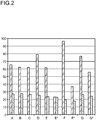
- figure 2 a bar diagram is shown wherein for each example a first bar (left) depicts the weight percent of the polyol in the wet / pre-dried cake and a second bar (right) depicts the weight percent of the polyol in the pressed cake. Additionally, figure 2 depicts the results for examples E to G wherein the samples have been pre-dried using nitrogen. These results have been marked with a * in the figure. It can be seen in figure 2 that there is some variation of polyol recuperation between products.
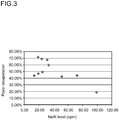
- Figure 3 shows a diagram wherein the recuperated polyol in % is plotted vs. Na/K level in ppm for each example including in addition the results for the pre-dried samples of examples E to G. A weak relation between Na/K levels in the final recuperated polyol can be seen. Na/K levels are higher for examples with worse polyol recuperation.
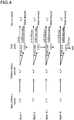
- Figure 4 shows a schematic flow diagram for a production campaign with N batches wherein polyether polyols are recuperated and blended with filtered polyols of a subsequent batch.
- steps of synthesis, filtration and workup are performed for each batch.
- Each step requires a set amount of time which is in the diagram of figure 4 expressed as a product of total time h and a fraction X 1 , X 2 and X 3 respectively.
- the synthesis step performed in the main synthesis reactor takes up most of the time.
- X 1 > X 2 and X 1 > X 3 Preferably the total time required for pressing the filter cake in the filter press is equal to or less than X 1 /2 allowing a single filter press to be shared between two production lines.
- a tons of filtered polyols and B tons of filter cake are obtained for each batch. If it is assumed that 51 % by weight of polyols can be recuperated from the wet filter cake and the recuperated polyols are blended with the filtered polyols, a total amount of A + 0.51 • B tons of purified polyols can be obtained by the proposed method and only 0.49 • B tons of filter cake have to be disposed of as waste. Typically, the amount B of obtained filter cake is about 1 % by weight of the filtered polyols A.
- the recuperated polyols are blended with the filtered polyols of the subsequent batch. For the last batch, the recuperated polyols may be stored in a tank.
- the Na/K levels of the recuperated polyols are higher than the respective Na/K levels of the filtered polyols.
- the recuperated polyols are blended with the filtered polyols in the work-up reactors.
Landscapes
- Chemical & Material Sciences (AREA)
- Chemical Kinetics & Catalysis (AREA)
- Health & Medical Sciences (AREA)
- Medicinal Chemistry (AREA)
- Polymers & Plastics (AREA)
- Organic Chemistry (AREA)
- Analytical Chemistry (AREA)
- Polyethers (AREA)
- Separation, Recovery Or Treatment Of Waste Materials Containing Plastics (AREA)
Claims (15)
- Verfahren zur Reinigung von rohen Polyetherpolyolen, wobei die rohen Polyetherpolyole durch anionische Polymerisation von Alkylenoxiden in Gegenwart von basischen Katalysatoren hergestellt werden, wobei das Verfahren die Schritte umfasst:Neutralisieren der Katalysatoren mit Mineralsäure, wobei Salze gebildet werden,Zugabe von Adsorptionsmittel und/oder Filterhilfsmittel, undEntfernen der resultierenden Salze und des zugefügten Adsorptionsmittels und/oder Filterhilfsmittels durch Filtration, wobei ein Filterkuchen gebildet wird, dadurch gekennzeichnet, dassPolyetherpolyole aus dem Filterkuchen in einem nachfolgenden Schritt des Pressens des Filterkuchens wiedererlangt werden.
- Verfahren nach Anspruch 1, dadurch gekennzeichnet, dass der Filterkuchen vor dem Pressen des Filterkuchens erwärmt wird.
- Verfahren nach Anspruch 2, dadurch gekennzeichnet, dass die Temperatur des Filterkuchens während des Pressschritts im Bereich von 40 °C bis 90 °C liegt.
- Verfahren nach einem der Ansprüche 1 bis 3, dadurch gekennzeichnet, dass der Filterkuchen unter Verwendung eines Drucks im Bereich von 20 bis 200 bar gepresst wird.
- Verfahren nach einem der Ansprüche 1 bis 4, dadurch gekennzeichnet, dass die Presszeit zum Pressen des Filterkuchens im Bereich von 1 Minute bis 10 Minuten liegt.
- Verfahren nach einem der Ansprüche 1 bis 5, dadurch gekennzeichnet, dass zum Pressen des Filterkuchens ein Pressfilter mit Hochdruckkammer verwendet wird.
- Verfahren nach einem der Ansprüche 1 bis 6, dadurch gekennzeichnet, dass Polyetherpolyole aus dem Filterkuchen wiedererlangt werden, indem der Filterkuchen zuerst getrocknet wird, indem restliches Polyetherpolyol mit Stickstoff ausgeblasen wird, und dann anschließend der Filterkuchen gepresst wird.
- Verfahren nach einem der Ansprüche 1 bis 7, wobei das Verfahren chargenweise durchgeführt wird, dadurch gekennzeichnet, dass der Schritt des Pressens des Filterkuchens am Ende einer Charge durchgeführt wird.
- Verfahren nach Anspruch 8, dadurch gekennzeichnet, dass die Zykluszeit des Pressens des Filterkuchens weniger als die Hälfte der Zykluszeit einer Charge beträgt, und dass eine Filterpresse von mindestens zwei Produktionsstraßen gemeinsam genutzt wird.
- Verfahren nach einem der Ansprüche 1 bis 9, dadurch gekennzeichnet, dass das wiedererlangte Polyetherpolyol mit filtriertem Polyetherpolyol vermischt wird, so dass die Viskosität und/oder Restmengen des basischen Katalysators des vermischten Polyetherpolyols innerhalb der spezifizierten Bereiche liegen.
- Verfahren nach Anspruch 10, wobei das Verfahren chargenweise durchgeführt wird, dadurch gekennzeichnet, dass der Filterkuchen am Ende einer Charge gepresst wird und das wiedererlangte Polyetherpolyol mit dem gereinigten Polyetherpolyol der Folgecharge vermischt wird.
- Verfahren nach Anspruch 11, dadurch gekennzeichnet, dass das wiedererlangte Polyetherpolyol der letzten Charge eines Produktionszyklus gelagert und mit filtriertem Polyetherpolyol der ersten Charge eines nachfolgenden Produktionszyklus vermischt wird.
- Verfahren nach einem der Ansprüche 1 bis 12, dadurch gekennzeichnet, dass die Restmenge an Polyetherpolyol in dem Filterkuchen nach dem Pressen weniger als 40 Gew.% beträgt, vorzugsweise weniger als 30 Gew.%, am meisten bevorzugt weniger als 20 Gew.%.
- Verfahren nach einem der Ansprüche 1 bis 13, dadurch gekennzeichnet, dass der basische Katalysator Kaliumhydroxid ist.
- Verfahren nach einem der Ansprüche 1 bis 14, dadurch gekennzeichnet, dass die Alkylenoxide ausgewählt sind aus Ethylenoxid, Propylenoxid und Mischungen von Ethylenoxid und Propylenoxid.
Applications Claiming Priority (2)
| Application Number | Priority Date | Filing Date | Title |
|---|---|---|---|
| EP15183912 | 2015-09-04 | ||
| PCT/EP2016/070692 WO2017037219A1 (en) | 2015-09-04 | 2016-09-02 | Process for purification of crude polyether polyols |
Publications (2)
| Publication Number | Publication Date |
|---|---|
| EP3344681A1 EP3344681A1 (de) | 2018-07-11 |
| EP3344681B1 true EP3344681B1 (de) | 2019-11-27 |
Family
ID=54065740
Family Applications (1)
| Application Number | Title | Priority Date | Filing Date |
|---|---|---|---|
| EP16760470.1A Active EP3344681B1 (de) | 2015-09-04 | 2016-09-02 | Verfahren zur reinigung von rohen polyetherpolyolen |
Country Status (5)
| Country | Link |
|---|---|
| US (1) | US10597490B2 (de) |
| EP (1) | EP3344681B1 (de) |
| KR (1) | KR102633620B1 (de) |
| CN (1) | CN108350165B (de) |
| WO (1) | WO2017037219A1 (de) |
Families Citing this family (3)
| Publication number | Priority date | Publication date | Assignee | Title |
|---|---|---|---|---|
| CN114149613A (zh) * | 2021-12-14 | 2022-03-08 | 山东蓝星东大有限公司 | 萃取提纯聚醚多元醇废渣的方法 |
| CN119192556B (zh) * | 2024-11-25 | 2025-03-14 | 合肥普力先进材料科技有限公司 | 一种脱除二氧化碳基多元醇中酚类化合物和金属离子的方法 |
| CN121592012B (zh) * | 2026-01-29 | 2026-04-24 | 中化东大(淄博)有限公司 | 利用纯化hppo法po制备低碱度聚醚多元醇的方法 |
Family Cites Families (17)
| Publication number | Priority date | Publication date | Assignee | Title |
|---|---|---|---|---|
| US4137396A (en) * | 1976-09-24 | 1979-01-30 | Basf Wyandotte Corporation | Filtration process for purifying polyols |
| US4129718A (en) * | 1977-12-01 | 1978-12-12 | Basf Wyandotte Corporation | Process for the removal of catalyst from polyether polyol |
| US4137398A (en) * | 1978-06-09 | 1979-01-30 | Basf Wyandotte Corporation | Process for the removal of catalyst from polyether polyol |
| JPS5770124A (en) * | 1980-10-20 | 1982-04-30 | Dai Ichi Kogyo Seiyaku Co Ltd | Purification of polyether-polyol |
| DE3229216A1 (de) | 1982-08-05 | 1984-02-09 | Basf Ag, 6700 Ludwigshafen | Verfahren zur reinigung von rohen polyether-polyolen |
| WO2001080994A1 (de) * | 2000-04-20 | 2001-11-01 | Bayer Aktiengesellschaft | Verfahren zur herstellung von dmc-katalysatoren |
| US20030158450A1 (en) | 2000-05-15 | 2003-08-21 | Melis Hasselaar | Process for the preparation of polyether polyols |
| FR2810667B1 (fr) * | 2000-06-23 | 2004-09-03 | Warner Lambert Co | Procede d'isolement et de purification d'une proteine, et proteine obtenue |
| DE10227655A1 (de) | 2002-06-20 | 2004-01-08 | Basf Ag | Verfahren zur Aufarbeitung von Polyetheralkoholen |
| US6962967B2 (en) * | 2004-03-31 | 2005-11-08 | Basf Corporation | Method of purifying polyether polyols of non-volatile impurities |
| US7074969B2 (en) * | 2004-06-18 | 2006-07-11 | E.I. Du Pont De Nemours And Company | Process for preparation of polytrimethylene ether glycols |
| CN101670250B (zh) * | 2008-09-12 | 2012-09-12 | 中国科学院理化技术研究所 | 烷基封端烷基酚聚氧乙烯醚苯磺酸盐表面活性剂及其制备方法和用途 |
| JP5713274B2 (ja) * | 2009-03-31 | 2015-05-07 | 日油株式会社 | 高分子量ポリオキシアルキレン誘導体の精製方法 |
| US8816099B2 (en) * | 2010-03-31 | 2014-08-26 | Nof Corporation | Polyfunctional polyoxyalkylene compound, and producing method and intermediate thereof |
| EP2657272B1 (de) * | 2010-12-21 | 2016-04-27 | NOF Corporation | Reinigungsverfahren für ein carboxylhaltiges polyoxyethylenderivat |
| CN102432296A (zh) * | 2011-08-12 | 2012-05-02 | 尹克胜 | 光伏晶体硅加工废砂浆综合处理技术 |
| CN102643710B (zh) * | 2012-04-07 | 2014-05-21 | 泗阳瑞泰光伏材料有限公司 | 一种硅片切割废砂浆回收方法 |
-
2016
- 2016-09-02 EP EP16760470.1A patent/EP3344681B1/de active Active
- 2016-09-02 WO PCT/EP2016/070692 patent/WO2017037219A1/en not_active Ceased
- 2016-09-02 US US15/757,392 patent/US10597490B2/en active Active
- 2016-09-02 CN CN201680064074.9A patent/CN108350165B/zh active Active
- 2016-09-02 KR KR1020187009568A patent/KR102633620B1/ko active Active
Non-Patent Citations (1)
| Title |
|---|
| None * |
Also Published As
| Publication number | Publication date |
|---|---|
| KR20180050698A (ko) | 2018-05-15 |
| CN108350165A (zh) | 2018-07-31 |
| US10597490B2 (en) | 2020-03-24 |
| US20180244843A1 (en) | 2018-08-30 |
| WO2017037219A1 (en) | 2017-03-09 |
| CN108350165B (zh) | 2021-08-17 |
| KR102633620B1 (ko) | 2024-02-02 |
| EP3344681A1 (de) | 2018-07-11 |
Similar Documents
| Publication | Publication Date | Title |
|---|---|---|
| CA1197264A (en) | Process for purification of crude polyether polyols | |
| SU797588A3 (ru) | Способ получени пенополиуретана | |
| RU2492190C2 (ru) | Способ получения полиолов и их применение для получения полиуретанов | |
| ES2290545T5 (es) | Procedimiento para llevar a cabo obtención de espumas blandas de poliuretano que generan pocas emisiones. | |
| RU2625310C2 (ru) | Способ получения простых полиэфирполиолов | |
| US10597490B2 (en) | Process for purification of crude polyether polyols | |
| JP6710552B2 (ja) | 環状ポリエーテルエステル、それを含む潤滑油組成物及び環状ポリエーテルエステルの製造方法 | |
| US5962749A (en) | Process for the removal of alkalinity in the manufacture of polyether polyols and the reuse of this alkalinity in the manufacture of polyether polyols | |
| CN102498152B (zh) | 用于中和未中和聚醚多元醇的方法 | |
| WO1995022573A1 (en) | Method for removing transesterification catalyst from polyether polyols | |
| MX2013001163A (es) | Preparacion de alcoxilatos de aminotriazina. | |
| EP3559083B1 (de) | Verfahren zur reinigung von polyetherpolyolen | |
| WO2018005191A1 (en) | Processes and systems for removing water and salt from a neutralized polyether polyol | |
| EP3475337B1 (de) | Verfahren zur entfernung von wasser aus einem polyetherpolyol | |
| US20050177005A1 (en) | Method for producing polyether alcohols | |
| JP2020513048A (ja) | 酸官能化シリカ及び金属ケイ酸塩を用いた粗ポリアルキレンオキシドポリマーの精製 | |
| EP4353767B1 (de) | Verfahren zur reinigung von polyetherpolyolen unter verwendung von ionenaustauschharzen | |
| US11572440B2 (en) | Methods for purifying polyols containing oxyalkylene units to reduce 2-methyl-2-pentenal content | |
| US20050215831A1 (en) | Method for the preparation of polyether alcohols | |
| JPH02305819A (ja) | ポリエーテルポリオールの精製方法 | |
| JPH0428718A (ja) | ポリエーテル類の製造方法 | |
| JPH04214722A (ja) | ポリエーテル類の製造方法 | |
| JPH05339361A (ja) | ポリエーテル類の製造方法 | |
| WO2026012786A1 (en) | Process for manufacturing low-salt polyalkoxylates | |
| JPH06322098A (ja) | ポリエーテル化合物の製造方法 |
Legal Events
| Date | Code | Title | Description |
|---|---|---|---|
| STAA | Information on the status of an ep patent application or granted ep patent |
Free format text: STATUS: THE INTERNATIONAL PUBLICATION HAS BEEN MADE |
|
| PUAI | Public reference made under article 153(3) epc to a published international application that has entered the european phase |
Free format text: ORIGINAL CODE: 0009012 |
|
| STAA | Information on the status of an ep patent application or granted ep patent |
Free format text: STATUS: REQUEST FOR EXAMINATION WAS MADE |
|
| 17P | Request for examination filed |
Effective date: 20180404 |
|
| AK | Designated contracting states |
Kind code of ref document: A1 Designated state(s): AL AT BE BG CH CY CZ DE DK EE ES FI FR GB GR HR HU IE IS IT LI LT LU LV MC MK MT NL NO PL PT RO RS SE SI SK SM TR |
|
| AX | Request for extension of the european patent |
Extension state: BA ME |
|
| DAV | Request for validation of the european patent (deleted) | ||
| DAX | Request for extension of the european patent (deleted) | ||
| GRAP | Despatch of communication of intention to grant a patent |
Free format text: ORIGINAL CODE: EPIDOSNIGR1 |
|
| STAA | Information on the status of an ep patent application or granted ep patent |
Free format text: STATUS: GRANT OF PATENT IS INTENDED |
|
| RIC1 | Information provided on ipc code assigned before grant |
Ipc: B01D 29/82 20060101ALI20190524BHEP Ipc: C08G 65/30 20060101ALI20190524BHEP Ipc: B01D 29/00 20060101ALI20190524BHEP Ipc: C08G 65/26 20060101AFI20190524BHEP |
|
| INTG | Intention to grant announced |
Effective date: 20190619 |
|
| GRAS | Grant fee paid |
Free format text: ORIGINAL CODE: EPIDOSNIGR3 |
|
| GRAA | (expected) grant |
Free format text: ORIGINAL CODE: 0009210 |
|
| STAA | Information on the status of an ep patent application or granted ep patent |
Free format text: STATUS: THE PATENT HAS BEEN GRANTED |
|
| AK | Designated contracting states |
Kind code of ref document: B1 Designated state(s): AL AT BE BG CH CY CZ DE DK EE ES FI FR GB GR HR HU IE IS IT LI LT LU LV MC MK MT NL NO PL PT RO RS SE SI SK SM TR |
|
| REG | Reference to a national code |
Ref country code: GB Ref legal event code: FG4D |
|
| REG | Reference to a national code |
Ref country code: CH Ref legal event code: EP |
|
| REG | Reference to a national code |
Ref country code: AT Ref legal event code: REF Ref document number: 1206616 Country of ref document: AT Kind code of ref document: T Effective date: 20191215 |
|
| REG | Reference to a national code |
Ref country code: DE Ref legal event code: R096 Ref document number: 602016025147 Country of ref document: DE |
|
| REG | Reference to a national code |
Ref country code: IE Ref legal event code: FG4D |
|
| REG | Reference to a national code |
Ref country code: NL Ref legal event code: MP Effective date: 20191127 |
|
| REG | Reference to a national code |
Ref country code: LT Ref legal event code: MG4D |
|
| PG25 | Lapsed in a contracting state [announced via postgrant information from national office to epo] |
Ref country code: NL Free format text: LAPSE BECAUSE OF FAILURE TO SUBMIT A TRANSLATION OF THE DESCRIPTION OR TO PAY THE FEE WITHIN THE PRESCRIBED TIME-LIMIT Effective date: 20191127 Ref country code: BG Free format text: LAPSE BECAUSE OF FAILURE TO SUBMIT A TRANSLATION OF THE DESCRIPTION OR TO PAY THE FEE WITHIN THE PRESCRIBED TIME-LIMIT Effective date: 20200227 Ref country code: NO Free format text: LAPSE BECAUSE OF FAILURE TO SUBMIT A TRANSLATION OF THE DESCRIPTION OR TO PAY THE FEE WITHIN THE PRESCRIBED TIME-LIMIT Effective date: 20200227 Ref country code: FI Free format text: LAPSE BECAUSE OF FAILURE TO SUBMIT A TRANSLATION OF THE DESCRIPTION OR TO PAY THE FEE WITHIN THE PRESCRIBED TIME-LIMIT Effective date: 20191127 Ref country code: LT Free format text: LAPSE BECAUSE OF FAILURE TO SUBMIT A TRANSLATION OF THE DESCRIPTION OR TO PAY THE FEE WITHIN THE PRESCRIBED TIME-LIMIT Effective date: 20191127 Ref country code: GR Free format text: LAPSE BECAUSE OF FAILURE TO SUBMIT A TRANSLATION OF THE DESCRIPTION OR TO PAY THE FEE WITHIN THE PRESCRIBED TIME-LIMIT Effective date: 20200228 Ref country code: LV Free format text: LAPSE BECAUSE OF FAILURE TO SUBMIT A TRANSLATION OF THE DESCRIPTION OR TO PAY THE FEE WITHIN THE PRESCRIBED TIME-LIMIT Effective date: 20191127 Ref country code: SE Free format text: LAPSE BECAUSE OF FAILURE TO SUBMIT A TRANSLATION OF THE DESCRIPTION OR TO PAY THE FEE WITHIN THE PRESCRIBED TIME-LIMIT Effective date: 20191127 |
|
| PG25 | Lapsed in a contracting state [announced via postgrant information from national office to epo] |
Ref country code: HR Free format text: LAPSE BECAUSE OF FAILURE TO SUBMIT A TRANSLATION OF THE DESCRIPTION OR TO PAY THE FEE WITHIN THE PRESCRIBED TIME-LIMIT Effective date: 20191127 Ref country code: RS Free format text: LAPSE BECAUSE OF FAILURE TO SUBMIT A TRANSLATION OF THE DESCRIPTION OR TO PAY THE FEE WITHIN THE PRESCRIBED TIME-LIMIT Effective date: 20191127 Ref country code: IS Free format text: LAPSE BECAUSE OF FAILURE TO SUBMIT A TRANSLATION OF THE DESCRIPTION OR TO PAY THE FEE WITHIN THE PRESCRIBED TIME-LIMIT Effective date: 20200327 |
|
| PG25 | Lapsed in a contracting state [announced via postgrant information from national office to epo] |
Ref country code: AL Free format text: LAPSE BECAUSE OF FAILURE TO SUBMIT A TRANSLATION OF THE DESCRIPTION OR TO PAY THE FEE WITHIN THE PRESCRIBED TIME-LIMIT Effective date: 20191127 |
|
| PG25 | Lapsed in a contracting state [announced via postgrant information from national office to epo] |
Ref country code: RO Free format text: LAPSE BECAUSE OF FAILURE TO SUBMIT A TRANSLATION OF THE DESCRIPTION OR TO PAY THE FEE WITHIN THE PRESCRIBED TIME-LIMIT Effective date: 20191127 Ref country code: CZ Free format text: LAPSE BECAUSE OF FAILURE TO SUBMIT A TRANSLATION OF THE DESCRIPTION OR TO PAY THE FEE WITHIN THE PRESCRIBED TIME-LIMIT Effective date: 20191127 Ref country code: ES Free format text: LAPSE BECAUSE OF FAILURE TO SUBMIT A TRANSLATION OF THE DESCRIPTION OR TO PAY THE FEE WITHIN THE PRESCRIBED TIME-LIMIT Effective date: 20191127 Ref country code: DK Free format text: LAPSE BECAUSE OF FAILURE TO SUBMIT A TRANSLATION OF THE DESCRIPTION OR TO PAY THE FEE WITHIN THE PRESCRIBED TIME-LIMIT Effective date: 20191127 Ref country code: EE Free format text: LAPSE BECAUSE OF FAILURE TO SUBMIT A TRANSLATION OF THE DESCRIPTION OR TO PAY THE FEE WITHIN THE PRESCRIBED TIME-LIMIT Effective date: 20191127 Ref country code: PT Free format text: LAPSE BECAUSE OF FAILURE TO SUBMIT A TRANSLATION OF THE DESCRIPTION OR TO PAY THE FEE WITHIN THE PRESCRIBED TIME-LIMIT Effective date: 20200419 |
|
| REG | Reference to a national code |
Ref country code: DE Ref legal event code: R097 Ref document number: 602016025147 Country of ref document: DE |
|
| PG25 | Lapsed in a contracting state [announced via postgrant information from national office to epo] |
Ref country code: SM Free format text: LAPSE BECAUSE OF FAILURE TO SUBMIT A TRANSLATION OF THE DESCRIPTION OR TO PAY THE FEE WITHIN THE PRESCRIBED TIME-LIMIT Effective date: 20191127 Ref country code: SK Free format text: LAPSE BECAUSE OF FAILURE TO SUBMIT A TRANSLATION OF THE DESCRIPTION OR TO PAY THE FEE WITHIN THE PRESCRIBED TIME-LIMIT Effective date: 20191127 |
|
| REG | Reference to a national code |
Ref country code: AT Ref legal event code: MK05 Ref document number: 1206616 Country of ref document: AT Kind code of ref document: T Effective date: 20191127 |
|
| PLBE | No opposition filed within time limit |
Free format text: ORIGINAL CODE: 0009261 |
|
| STAA | Information on the status of an ep patent application or granted ep patent |
Free format text: STATUS: NO OPPOSITION FILED WITHIN TIME LIMIT |
|
| 26N | No opposition filed |
Effective date: 20200828 |
|
| PG25 | Lapsed in a contracting state [announced via postgrant information from national office to epo] |
Ref country code: SI Free format text: LAPSE BECAUSE OF FAILURE TO SUBMIT A TRANSLATION OF THE DESCRIPTION OR TO PAY THE FEE WITHIN THE PRESCRIBED TIME-LIMIT Effective date: 20191127 Ref country code: PL Free format text: LAPSE BECAUSE OF FAILURE TO SUBMIT A TRANSLATION OF THE DESCRIPTION OR TO PAY THE FEE WITHIN THE PRESCRIBED TIME-LIMIT Effective date: 20191127 Ref country code: AT Free format text: LAPSE BECAUSE OF FAILURE TO SUBMIT A TRANSLATION OF THE DESCRIPTION OR TO PAY THE FEE WITHIN THE PRESCRIBED TIME-LIMIT Effective date: 20191127 |
|
| PG25 | Lapsed in a contracting state [announced via postgrant information from national office to epo] |
Ref country code: IT Free format text: LAPSE BECAUSE OF FAILURE TO SUBMIT A TRANSLATION OF THE DESCRIPTION OR TO PAY THE FEE WITHIN THE PRESCRIBED TIME-LIMIT Effective date: 20191127 |
|
| REG | Reference to a national code |
Ref country code: CH Ref legal event code: PL |
|
| GBPC | Gb: european patent ceased through non-payment of renewal fee |
Effective date: 20200902 |
|
| PG25 | Lapsed in a contracting state [announced via postgrant information from national office to epo] |
Ref country code: LU Free format text: LAPSE BECAUSE OF NON-PAYMENT OF DUE FEES Effective date: 20200902 |
|
| PG25 | Lapsed in a contracting state [announced via postgrant information from national office to epo] |
Ref country code: FR Free format text: LAPSE BECAUSE OF NON-PAYMENT OF DUE FEES Effective date: 20200930 |
|
| PG25 | Lapsed in a contracting state [announced via postgrant information from national office to epo] |
Ref country code: IE Free format text: LAPSE BECAUSE OF NON-PAYMENT OF DUE FEES Effective date: 20200902 Ref country code: LI Free format text: LAPSE BECAUSE OF NON-PAYMENT OF DUE FEES Effective date: 20200930 Ref country code: GB Free format text: LAPSE BECAUSE OF NON-PAYMENT OF DUE FEES Effective date: 20200902 Ref country code: CH Free format text: LAPSE BECAUSE OF NON-PAYMENT OF DUE FEES Effective date: 20200930 |
|
| PG25 | Lapsed in a contracting state [announced via postgrant information from national office to epo] |
Ref country code: TR Free format text: LAPSE BECAUSE OF FAILURE TO SUBMIT A TRANSLATION OF THE DESCRIPTION OR TO PAY THE FEE WITHIN THE PRESCRIBED TIME-LIMIT Effective date: 20191127 Ref country code: MT Free format text: LAPSE BECAUSE OF FAILURE TO SUBMIT A TRANSLATION OF THE DESCRIPTION OR TO PAY THE FEE WITHIN THE PRESCRIBED TIME-LIMIT Effective date: 20191127 Ref country code: CY Free format text: LAPSE BECAUSE OF FAILURE TO SUBMIT A TRANSLATION OF THE DESCRIPTION OR TO PAY THE FEE WITHIN THE PRESCRIBED TIME-LIMIT Effective date: 20191127 |
|
| PG25 | Lapsed in a contracting state [announced via postgrant information from national office to epo] |
Ref country code: MK Free format text: LAPSE BECAUSE OF FAILURE TO SUBMIT A TRANSLATION OF THE DESCRIPTION OR TO PAY THE FEE WITHIN THE PRESCRIBED TIME-LIMIT Effective date: 20191127 Ref country code: MC Free format text: LAPSE BECAUSE OF FAILURE TO SUBMIT A TRANSLATION OF THE DESCRIPTION OR TO PAY THE FEE WITHIN THE PRESCRIBED TIME-LIMIT Effective date: 20191127 |
|
| PGFP | Annual fee paid to national office [announced via postgrant information from national office to epo] |
Ref country code: DE Payment date: 20250926 Year of fee payment: 10 |
|
| PGFP | Annual fee paid to national office [announced via postgrant information from national office to epo] |
Ref country code: BE Payment date: 20250925 Year of fee payment: 10 |