EP3363439A2 - Compositions thérapeutiques destinées à une polyneuropathie symétrique diabétique - Google Patents
Compositions thérapeutiques destinées à une polyneuropathie symétrique diabétique Download PDFInfo
- Publication number
- EP3363439A2 EP3363439A2 EP17206278.8A EP17206278A EP3363439A2 EP 3363439 A2 EP3363439 A2 EP 3363439A2 EP 17206278 A EP17206278 A EP 17206278A EP 3363439 A2 EP3363439 A2 EP 3363439A2
- Authority
- EP
- European Patent Office
- Prior art keywords
- composition
- diabetic
- pirenzepine
- acetylcholine receptor
- muscarinic acetylcholine
- Prior art date
- Legal status (The legal status is an assumption and is not a legal conclusion. Google has not performed a legal analysis and makes no representation as to the accuracy of the status listed.)
- Granted
Links
- 0 *C(*)(*)C1CC*CC1 Chemical compound *C(*)(*)C1CC*CC1 0.000 description 1
- VSWPGAIWKHPTKX-UHFFFAOYSA-N Cc([s]cc12)c1N(C(CN1CCN(C)CC1)=O)c1ccccc1NC2=O Chemical compound Cc([s]cc12)c1N(C(CN1CCN(C)CC1)=O)c1ccccc1NC2=O VSWPGAIWKHPTKX-UHFFFAOYSA-N 0.000 description 1
- MYMYSVCRGARKCF-UHFFFAOYSA-N O=C(Nc(cc1)ccc1F)OC(c1ccccc1)C#CCN1CCCC1 Chemical compound O=C(Nc(cc1)ccc1F)OC(c1ccccc1)C#CCN1CCCC1 MYMYSVCRGARKCF-UHFFFAOYSA-N 0.000 description 1
Images






Classifications
-
- A—HUMAN NECESSITIES
- A61—MEDICAL OR VETERINARY SCIENCE; HYGIENE
- A61K—PREPARATIONS FOR MEDICAL, DENTAL OR TOILETRY PURPOSES
- A61K31/00—Medicinal preparations containing organic active ingredients
- A61K31/33—Heterocyclic compounds
- A61K31/395—Heterocyclic compounds having nitrogen as a ring hetero atom, e.g. guanethidine or rifamycins
- A61K31/55—Heterocyclic compounds having nitrogen as a ring hetero atom, e.g. guanethidine or rifamycins having seven-membered rings, e.g. azelastine, pentylenetetrazole
- A61K31/551—Heterocyclic compounds having nitrogen as a ring hetero atom, e.g. guanethidine or rifamycins having seven-membered rings, e.g. azelastine, pentylenetetrazole having two nitrogen atoms, e.g. dilazep
- A61K31/5513—1,4-Benzodiazepines, e.g. diazepam or clozapine
-
- A—HUMAN NECESSITIES
- A61—MEDICAL OR VETERINARY SCIENCE; HYGIENE
- A61K—PREPARATIONS FOR MEDICAL, DENTAL OR TOILETRY PURPOSES
- A61K31/00—Medicinal preparations containing organic active ingredients
- A61K31/33—Heterocyclic compounds
- A61K31/395—Heterocyclic compounds having nitrogen as a ring hetero atom, e.g. guanethidine or rifamycins
- A61K31/435—Heterocyclic compounds having nitrogen as a ring hetero atom, e.g. guanethidine or rifamycins having six-membered rings with one nitrogen as the only ring hetero atom
- A61K31/46—8-Azabicyclo [3.2.1] octane; Derivatives thereof, e.g. atropine, cocaine
-
- A—HUMAN NECESSITIES
- A61—MEDICAL OR VETERINARY SCIENCE; HYGIENE
- A61K—PREPARATIONS FOR MEDICAL, DENTAL OR TOILETRY PURPOSES
- A61K31/00—Medicinal preparations containing organic active ingredients
- A61K31/33—Heterocyclic compounds
- A61K31/395—Heterocyclic compounds having nitrogen as a ring hetero atom, e.g. guanethidine or rifamycins
- A61K31/495—Heterocyclic compounds having nitrogen as a ring hetero atom, e.g. guanethidine or rifamycins having six-membered rings with two or more nitrogen atoms as the only ring heteroatoms, e.g. piperazine or tetrazines
- A61K31/496—Non-condensed piperazines containing further heterocyclic rings, e.g. rifampin, thiothixene or sparfloxacin
-
- A—HUMAN NECESSITIES
- A61—MEDICAL OR VETERINARY SCIENCE; HYGIENE
- A61K—PREPARATIONS FOR MEDICAL, DENTAL OR TOILETRY PURPOSES
- A61K31/00—Medicinal preparations containing organic active ingredients
- A61K31/33—Heterocyclic compounds
- A61K31/395—Heterocyclic compounds having nitrogen as a ring hetero atom, e.g. guanethidine or rifamycins
- A61K31/55—Heterocyclic compounds having nitrogen as a ring hetero atom, e.g. guanethidine or rifamycins having seven-membered rings, e.g. azelastine, pentylenetetrazole
- A61K31/551—Heterocyclic compounds having nitrogen as a ring hetero atom, e.g. guanethidine or rifamycins having seven-membered rings, e.g. azelastine, pentylenetetrazole having two nitrogen atoms, e.g. dilazep
- A61K31/5513—1,4-Benzodiazepines, e.g. diazepam or clozapine
- A61K31/5517—1,4-Benzodiazepines, e.g. diazepam or clozapine condensed with five-membered rings having nitrogen as a ring hetero atom, e.g. imidazobenzodiazepines, triazolam
-
- A—HUMAN NECESSITIES
- A61—MEDICAL OR VETERINARY SCIENCE; HYGIENE
- A61P—SPECIFIC THERAPEUTIC ACTIVITY OF CHEMICAL COMPOUNDS OR MEDICINAL PREPARATIONS
- A61P25/00—Drugs for disorders of the nervous system
- A61P25/02—Drugs for disorders of the nervous system for peripheral neuropathies
-
- C—CHEMISTRY; METALLURGY
- C07—ORGANIC CHEMISTRY
- C07D—HETEROCYCLIC COMPOUNDS
- C07D417/00—Heterocyclic compounds containing two or more hetero rings, at least one ring having nitrogen and sulfur atoms as the only ring hetero atoms, not provided for by group C07D415/00
- C07D417/02—Heterocyclic compounds containing two or more hetero rings, at least one ring having nitrogen and sulfur atoms as the only ring hetero atoms, not provided for by group C07D415/00 containing two hetero rings
- C07D417/12—Heterocyclic compounds containing two or more hetero rings, at least one ring having nitrogen and sulfur atoms as the only ring hetero atoms, not provided for by group C07D415/00 containing two hetero rings linked by a chain containing hetero atoms as chain links
Definitions
- This invention relates to therapies for diabetic symmetrical polyneuropathy. More particularly, this invention relates to therapeutic compositions for distal symmetrical polyneuropathy, wherein the compositions comprise an effective amount of a muscarinic acetylcholine receptor antagonist or a salt or derivative thereof.
- Symmetrical polyneuropathy is a clinical problem in about 50% of persons affected with diabetes.
- the clinical symptoms may include development of upper back and/or abdominal pain (i.e., diabetic thoracoabdominal neuropathy), loss of control of eye movements (i.e., third-nerve palsy), and progressive loss of function of the nerves comprising the peripheral nervous system (e.g., polyneuropathy, mononeuropathy, mononeuritis simplex, autonomic neuropathy).
- diabetic neuropathy presents as a distal symmetrical polyneuropathy that initially affects subjects' feet, legs and hands.
- the primary symptoms include loss of touching and/or feeling sensations and the loss of ability to sense pain-causing stimuli.
- a sub-group of patients with early diabetic neuropathy also develop positive symptoms of neuropathic pain such as inappropriate tingling, burning, shooting or aching sensations that may co-exist with other negative symptoms of sensory loss.
- Such neuropathic pain is commonly referred to as tactile allodynia or mechano-hyperalgesia.
- Distal sensory neuropathy can be measured using skin biopsies to determine loss of intraepidermal nerve fibers (IENF).
- IENF loss represents retraction of sensory neuron nerve endings from the epidermis with subsequent sensory loss that ultimately contributes to high incidences of ulceration, gangrene and amputation in subjects suffering advanced diabetes.
- the exemplary embodiments of the present invention pertain to compositions suitable for therapy of diabetic symmetrical polyneuropathy.
- the therapeutic compositions comprise one of a muscarinic acetylcholine receptor antagonist, a salt of a muscarinic acetylcholine receptor antagonist, and a derivative of a muscarinic acetylcholine receptor antagonist.
- the compositions are suitable for treating both the negative symptoms of diabetic symmetrical polyneuropathy exemplified by nerve conduction slowing and by sensory loss, and the positive symptoms of diabetic symmetrical polyneuropathy exemplified by tactile allodynia and by mechano-hyperalgesia.
- the muscarinic acetylcholine receptor antagonist compositions are injectable.
- the injections may be subcutaneous injections into a subject's body.
- the injections may be sub-epidermal injections.
- Suitable target injection sites include, among others, toes, feet, ankles, knees and legs.
- Other suitable target injection sites include, among others, fingers, hands, wrists, arms and shoulders.
- Yet other suitable target injection sites include the upper and lower back, the chest and the abdominal area.
- the muscarinic acetylcholine receptor antagonist compositions are suitable for topical administrations onto selected target sites on a subject's body.
- Suitable target topical application sites include, among others, toes, feet, ankles, knees and legs.
- Other suitable target topical application sites include, among others, fingers, hands, wrists, arms and shoulders.
- Other suitable target topical application sites include the upper and lower back, the chest and the abdominal area.
- the muscarinic acetylcholine receptor antagonist compositions maybe delivered to selected target sites on a subject's body by transdermal patches.
- the muscarinic acetylcholine receptor antagonist compositions are suitable for oral delivery into a subject's body.
- the injectable compositions of the present invention can be used in combination with, concurrently with, or sequentially with the topical compositions of the present invention and/or in combination with, concurrently with, or sequentially with the oral compositions of the present invention.
- compositions of the present invention for therapy of diabetic symmetrical polyneuropathy.
- the use may include injections of dosages comprising effective amounts of a muscarinic antagonist into selected target sites on a subject's body.
- the use may include topical applications and/or transdermal patch applications of muscarinic acetylcholine receptor antagonist compositions onto selected target sites on a subject's body.
- the use may include oral delivery of muscarinic acetylcholine receptor antagonist compositions into a subject's body.
- a muscarinic acetylcholine receptor antagonist includes a plurality of such muscarinic acetylcholine receptor antagonists and reference to “the agent” includes reference to one or more agents and equivalents thereof known to those skilled in the art, and so forth.
- Inhibit means to decrease an activity, response, condition, disease, or other biological parameter. This can include but is not limited to the complete ablation of the activity, response, condition, or disease. This may also include, for example, a 10% reduction in the activity, response, condition, or disease as compared to the native or control level. Thus, the reduction can be a 10, 20, 30, 40, 50, 60, 70, 80, 90; 100%, or any amount of reduction in between the specifically recited percentages, as compared to native or control levels.
- Promoter refers to an increase in an activity, response, condition, disease, or other biological parameter. This can include but is not limited to the initiation of the activity, response, condition, or disease. This may also include, for example, a 10% increase in the activity, response, condition, or disease as compared to the native or control level. Thus, the increase in an activity, response, condition, disease, or other biological parameter can be a 10, 20, 30, 40, 50, 60, 70, 80, 90, 100%, or more, including any amount of increase in between the specifically recited percentages, as compared to native or control levels.
- the term "subject” means any target of administration.
- the subject can be a vertebrate, for example, a mammal.
- the subject can be a human.
- the term does not denote a particular age or sex. Thus, adult, juvenile, and newborn subjects, whether male or female, are intended to be covered.
- a patient refers to a subject afflicted with a disease or disorder.
- patient includes human and veterinary subjects.
- muscle acetylcholine receptors means G protein-coupled main end-receptors that are stimulated by acetylcholine released from several cell types including sensory neurons, keratinocytes, and postganglionic fibers in the parasympathetic nervous system, and function as signaling molecules that initiate signal cascades within cells in their immediate regions
- musclecarinic acetylcholine receptor antagonist means one or more extracted naturally occurring agents, purified naturally occurring agents, chemically synthesized agents, their salts, their derivatives, and their homologs, that reduce the activities of and/or function of muscarinic acetylcholine receptors that are found in neurons and other cells
- treatment refers to obtaining a desired pharmacologic and/or physiologic effect.
- the effect may be prophylactic in terms of completely or partially preventing a disease or symptom thereof and/or may be therapeutic in terms of a partial or complete cure for a disease and/or adverse affect attributable to the disease.
- Treatment covers any treatment of a disease in a mammal, particularly in a human, and includes: (a) preventing the disease from occurring in a subject which may be predisposed to the disease but has not yet been diagnosed as having it; (b) inhibiting the disease, i.e., arresting its development; and (c) relieving the disease, i.e., causing regression of the disease.
- terapéuticaally effective means that the amount of the composition used is of sufficient quantity to ameliorate one or more causes or symptoms of a disease or disorder. Such amelioration only requires a reduction or alteration, not necessarily elimination.
- the “therapeutically effective amount” will vary depending on the compound, the disease and its severity and the age, weight, etc., of the subject to be treated.
- compositions includes any composition for: (i) topical administration, or (ii) transdermal administration or (iii) parenteral administration, or (iv) oral administration, of a muscarinic acetylcholine receptor antagonist to a subject in need of therapy for distal symmetrical polyneuropathy.
- Pharmaceutical compositions may include carriers, thickeners, diluents, buffers, preservatives, surface active agents and the like in addition to a muscarinic acetylcholine receptor antagonist(s).
- Pharmaceutical compositions may also include one or more active ingredients such as antimicrobial agents, antiinflammatory agents, anaesthetics, and the like.
- unit dosage form refers to physically discrete units suitable as unitary dosages for human and animal subjects, each unit containing a predetermined quantity of muscarinic acetylcholine receptor antagonist(s) calculated in an amount sufficient to produce the desired effect in association with a pharmaceutically acceptable diluent, carrier or vehicle.
- carrier means a compound, composition, substance, or structure that, when in combination with a muscarinic acetylcholine receptor antagonist or composition, aids or facilitates preparation, storage, administration, delivery, effectiveness, selectivity, or any other feature of the muscarinic acetylcholine receptor antagonist or composition for its intended use or purpose.
- a carrier can be selected to minimize any degradation of the muscarinic acetylcholine receptor antagonists and to minimize any adverse side effects in the subject.
- Suitable pharmaceutically acceptable carriers include essentially chemically inert and nontoxic pharmaceutical compositions that do not interfere with the effectiveness of the biological activity of the pharmaceutical composition. Suitable carriers and their formulations are described in Remington: The Science and Practice of Pharmacy (19th ed.) ed. A. R. Gennaro, Mack Publishing Company, Easton, Pa. 1995 . Typically, an appropriate amount of a pharmaceutically-acceptable salt is used in the formulation to render the formulation isotonic.
- Suitable pharmaceutical carriers include, but are not limited to, saline solutions, glycerol solutions, ethanol, N-(1(2,3-dioleyloxy)propyl)-N,N,N-trimethylammonium chloride (DOTMA), diolesylphosphotidylethanolamine (DOPE), and liposomes.
- DOTMA N-(1(2,3-dioleyloxy)propyl)-N,N,N-trimethylammonium chloride
- DOPE diolesylphosphotidylethanolamine
- liposomes examples include, but are not limited to, saline solutions, glycerol solutions, ethanol, N-(1(2,3-dioleyloxy)propyl)-N,N,N-trimethylammonium chloride (DOTMA), diolesylphosphotidylethanolamine (DOPE), and liposomes.
- DOTMA N-(1(2,3-dioleyloxy)
- excipient herein means any substance, not itself a therapeutic agent, which may be used in a composition for delivery of muscarinic acetylcholine receptor antagonist(s) to a subject or alternatively combined with a muscarinic acetylcholine receptor antagonist (e.g., to create a pharmaceutical composition) to improve its handling or storage properties or to permit or facilitate formation of a dose unit of the composition (e.g., formation of a topical hydrogel which may then be optionally incorporated into a transdermal patch).
- Excipients include, by way of illustration and not limitation, binders, disintegrants, taste enhancers, solvents, thickening or gelling agents (and any neutralizing agents, if necessary), penetration enhancers, solubilizing agents, wetting agents, antioxidants, lubricants, emollients, substances added to mask or counteract a disagreeable odor, fragrances or taste, substances added to improve appearance or texture of the composition and substances used to form the pharmaceutical compositions. Any such excipients can be used in any dosage forms according to the present disclosure.
- excipients are not meant to be exhaustive but merely illustrative as a person of ordinary skill in the art would recognize that additional types and combinations of excipients could be used to achieve the desired goals for delivery of the muscarinic acetylcholine receptor antagonist(s).
- Pirenzepine is a well-known medicant that is used for treating duodenal ulcers, stomach ulcers, and intestinal problems, either alone or in combination with antacids or other medicants such as ranitidine. Pirenzepine has been used to relieve cramps and/or spasms in the stomach, intestines and bladder. Additionally, pirenzepine can be used as a prophylactic to prevent nausea, vomiting and motion sickness. Pirenzepine belongs to the following drug categories: (a) anti-ulcer agents, (b) antimuscarinics, (c) antispasmodics, and (d) muscarinic antagonists.
- pirenzepine The primary effects of pirenzepine are consequence of its binding to and modulation of the muscarinic acetylcholine receptor.
- the muscarinic acetylcholine receptor mediates various cellular responses, including inhibition of adenylate cyclase, breakdown of phosphoinositides and modulation of potassium channels through the action of G proteins.
- Current therapeutic uses of pirenzepine are based on orally administered compositions. Pirenzepine is absorbed from the gastro-digestive tract and after assimilation, modulates secretion of gastric acids, salivary secretions, the central nervous system, cardiovascular, ocular, and urinary functions.
- the effective dosages in orally administered pirenzepine compositions for these indications are in the range of about 50 to 300 mg/day, about 75 to 225 mg/day, about 100 to 150 mg/day.
- pirenzepine The molecular formula for pirenzepine is C 19 H 21 N 5 O 2 with a molecular weight of 351.402.
- Pirenzepine's IUPAC name is 11-[2-(4-methylpiperazin-1-yl)acetyl]-5H-pyrido[2,3-b][1,4]benzodiazepin-6-1.
- Pirenzipine is available as a HCL salt or hydrate.
- Muscarinic acetylcholine receptor antagonists are agents that reduce the activities and/or function of muscarinic acetylcholine receptors that are found in the plasma membranes of neurons and other cells.
- Muscarinic acetylcholine receptors are G protein-coupled main end-receptors that are stimulated by acetylcholine released from several cell types including sensory neurons, keratinocytes, and postganglionic fibers in the parasympathetic nervous system, and function as signaling molecules that initiate signal cascades within cells in their immediate regions.
- muscarinic acetylcholine receptor antagonists useful for treatment of maladies such as central nervous system malfunctioning, pulmonary diseases, and gastric ailments are exemplified by atropine, scopolamine, telenzepine, hyoscine, ipratropium tropicamide, cyclopentolate, glycopyrrolate, 4-diphenylacetoxy-1,1-dimethylpiperidinium, quinidine, orphenadrine, oxyphenonium, emepronium, procyclidine, propantheline, 4-fluorhexahydrosiladifenidol, octylonium,, quinuclidinyl benzilate, tolterodine, benactyzine, bipreiden, dicyclomine, benztropine, dexetimide, hexahydrosiladifenidol, among others.
- MIR muscarinic receptor
- telenzepine an analog of pirenzepine with an altered tricyclic structure but an unmodified piperazine side chain, is 4 to 10 times more potent than pirenzepine.
- VU0255035 a thiadiazole derivative and is 75 times more selective to M1R relative to M2, M3, M4 and M5 receptors.
- M1R antagonists there are three promising centrally active M1R antagonists, PD150714, and 77-LH-28-1 and spirotramine.
- Listings of suitable muscarinic acetylcholine receptor antagonists suitable for incorporation into therapeutic compositions for distal symmetrical polyneuropathy and/or tactile allodynia are shown in Tables 1-4.
- Tablel Chemical classification of MIR antagonists and their representative structures. S.
- R 4 may be a hydrogen ion or a chloride ion.
- R 5 may be a hydrogen ion or a chloride ion.
- R 6 may be a hydrogen ion or a chloride ion.
- R 7 may be a hydrogen ion or a chloride ion.
- X may be a methyl group or a "NR" group i.e. a primary amine group, a secondary amine group, or a tertiary amine group.
- R 1 may be or wherein " " indicates the point of connection of R1 with the upper structure in Formula II.
- R 2 may be a hydroxyl ion or a hydrogen ion or a ketone.
- R 3 may be a hydroxyl ion or a hydrogen ion or a ketone.
- the pharmaceutical compositions disclosed herein comprise a muscarinic acetylcholine receptor antagonist(s), in a total amount by weight of the composition of about 0.1% to about 95%.
- the amount of a muscarinic acetylcholine receptor antagonist, by weight of the pharmaceutical composition may be about 0.1%, about 0.2%, about 0.3%, about 0.4%, about 0.5%, about 0.6%, about 0.7%, about 0.8%, about 0.9%, about 1%, about 1.1%, about 1.2%, about 1.3%, about 1.4%, about 1.5%, about 1.6%, about 1.7%, about 1.8%, about 1.9%, about 2%, about 2.1%, about 2.2%, about 2.3%, about 2.4%, about 2.5%, about 2.6%, about 2.7%, about 2.8%, about 2.9%, about 3%, about 3.1%, about 3.2%, about 3.3%, about 3.4%, about 3.5%, about 3.6%, about 3.7%, about 3.8%, about 3.9%, about 4%, about 4.1%, about 4.2%, about 4.3%, about 4.
- compositions of the present invention comprising a muscarinic acetylcholine receptor antagonist(s) may be formulated for topical administration or alternatively, for transdermal administration.
- a pharmaceutical composition for topical administration may be provided as, for example, ointments, creams, suspensions, lotions, powders, solutions, pastes, gels, hydrogels, sprays, aerosols or oils.
- the active ingredient When formulated in an ointment, the active ingredient may be employed with either a paraffinic or a water-miscible ointment base.
- the active ingredient may be formulated in a cream with an oil-in-water base or a water-in-oil base.
- a pharmaceutical composition for transdermal administration may be provided as, for example, a hydrogel comprising a muscarinic acetylcholine receptor antagonist(s) incorporated into an adhesive patch composition intended to remain in intimate contact with a subject's epidermis for a prolonged period of time.
- An exemplary adhesive patch composition can comprise a monolithic layer produced by mixing a muscarinic acetylcholine receptor antagonist(s) with a silicone-type adhesive or alternatively an acrylate-vinyl acetate adhesive in a solvent exemplified by methylene chloride, ethyl acetate, isopropyl myristate, and propylene glycol.
- the mixture would then be extruded onto a polyester-backing film to a uniform thickness of about 100 microns or greater with a precision wet-film applicator.
- the solvent is allowed to evaporate in a drying oven and the resulting "patch" is trimmed to the appropriate size.
- the pharmaceutical for topical administration or alternatively for transdermal administration of a muscarinic acetylcholine receptor antagonist(s) may additionally incorporate a penetration enhancer and/or a thickening agent or gelling agent and/or an emollient and/or an antioxidant and/or an antimicrobial preservative and/or an emulsifying agent and/or a water miscible solvent and/or an alcohol and/or water.
- the pharmaceutical composition for topical administration or transdermal administration of a muscarinic acetylcholine receptor antagonist(s) may comprise one or more penetration enhancing agent or co-solvent for transdermal or topical delivery.
- a penetration enhancer is an excipient that aids in the diffusion of the active through the stratum corneum.
- Many penetration enhancers also function as co-solvents which are thought to increase the thermodynamic activity or solubility of the muscarinic acetylcholine receptor antagonist in the composition.
- Penetration enhancers are also known as accelerants, adjuvants or sorption promoters.
- a suitable penetration enhancer for use in the pharmaceutical compositions and methods described herein should: (i) be highly potent, with a specific mechanism of action; (ii) exhibit a rapid onset upon administration; (iii) have a predictable duration of action; (iv) have only non-permanent or reversible effects on the skin; (v) be chemically stable; (vi) have no or minimal pharmacological effects; (vii) be physically and chemically compatible with other composition components; (viii) be odorless; (ix) be colorless; (x) be hypoallergenic; (xi) be non-irritating; (xii) be non-phototoxic; (xiii) be non-comedogenic; (xiv) have a solubility parameter approximating that of the skin (10.5 cal/cm3); (xv) be readily available; (xvi) be inexpensive; and (xvii) be able to formulated in pharmaceutical compositions for topical or transdermal delivery of an active pharmaceutical agent.
- penetration enhancers can be used as penetration enhancers.
- penetration enhancing agents such as dimethylsulfoxide and decylmethylsulfoxide can be used as penetration enhancing agents.
- Dimethylsulfoxide enhances penetration in part by increasing lipid fluidity and promoting drug partitioning.
- decylmethylsulfoxide enhances penetration by reacting with proteins in the skin that change the conformation of the proteins, which results in the creation of aqueous channels.
- a penetration enhancers are alkanones, such as N-heptane, N-octane, N-nonane, N-decane, N-undecane, N-dodecane, N-tridecane, N-tetradecane and N-hexadecane. Alkanones are thought to enhance the penetration of an active agent by altering the stratum corneum.
- a further class of penetration enhancers are alkanol alcohols, such as ethanol, propanol, butanol, 2-butanol, pentanol, 2-pentanol, hexanol, octanol, nonanol, decanol and benzyl alcohol.
- Low molecular weight alkanol alcohols may enhance penetration in part by acting as solubilizing agents, while more hydrophobic alcohols may increase diffusion by extracting lipids from the stratum corneum.
- a further class of penetration enhancers are fatty alcohols, such as oleyl alcohol, caprylic alcohol, decyl alcohol, lauryl alcohol, 2-lauryl alcohol, myristyl alcohol, cetyl alcohol, stearyl alcohol, oleyl alcohol, linoleyl alcohol and linolenyl alcohol.
- Polyols including propylene glycol, polyethylene glycol, ethylene glycol, diethylene glycol, triethylene glycol, dipropylene glycol, glycerol, propanediol, butanediol, pentanediol, hexanetriol, propylene glycol monolaurate and diethylene glycol monomethyl ether (transcutol), can also enhance penetration.
- Some polyols, such as propylene glycol may function as a penetration enhancer by solvating alpha-kertin and occupying hydrogen bonding sites, thereby reducing the amount of active-tissue binding.
- amides including urea, dimethylacetamide, diethyltoluamide, dimethylformamide, dimethyloctamide, dimethyldecamide and biodegradable cyclic urea (e.g., 1-alkyl-4-imidazolin-2-one).
- Amides have various mechanisms of enhancing penetration. For example, some amides, such as urea increase the hydration of the stratum corneum, act as a keratolytic and create hydrophilic diffusion channels. In contrast, other amides, such as dimethylacetamide and dimethylformamide, increase the partition to keratin at low concentrations, while increasing lipid fluidity and disrupting lipid packaging at higher concentrations.
- pyrrolidone derivatives such as 1-methyl-2-pyrrolidone, 2-pyrrolidone, 1-lauryl-2-pyrrolidone, 1-methyl-4-carboxy-2-pyrrolidone, 1-hexyl-4-carboxy-2-pyrrolidone, 1-lauryl-4-carboxy-2-pyrrolidone, 1-methyl-4-methoxycarbonyl-2-pyrrolidone, 1-hexyl-4-methoxycarbonyl-2-pyrrolidone, 1-lauryl-4-methoxycarbonyl-2-pyrrolidone, N-methyl-pyrrolidone, N-cyclohexylpyrrolidone, N-dimethylaminopropyl-pyrrolidone, N-cocoalkypyrrolidone and N-tallowalkypyrrolidone, as well as biodegradable pyrrolidone derivatives, including fatty acid esters of N-(2-hydroxyethyl
- pyrrolidone derivatives enhance penetration through interactions with the keratin in the stratum corneum and lipids in the skin structure.
- An additional class of penetration enhancers are cyclic amides, including 1-dodecylazacycloheptane-2-one also known as Azone® (Azone is a registered trademark of Echo Therapuetics Inc., Franklin, MA, USA), 1-geranylazacycloheptan-2-one, 1-farnesylazacycloheptan-2-one, 1-geranylgeranylazacycloheptan-2-one, 1-(3,7-dimethyloctyl)-azacycloheptan-2-one, 1-(3,7,11-trimethyldodecyl)azacyclohaptan-2-one, 1-geranylazacyclohexane-2-one, 1-geranylazacyclopentan-2,5-dione and 1-farnesylazacyclopentan-2-one.
- Cyclic amides such as Azone®, enhance the penetration of active agents in part by affecting the stratum corneum's lipid structure, increasing partitioning and increasing membrane fluidity.
- Additional classes of penetration enhancers include diethanolamine, triethanolamine and hexamethylenlauramide and its derivatives.
- Additional penetration enhancers include linear fatty acids, such as octanoic acid, linoleic acid, valeric acid, heptanoic acid, pelagonic acid, caproic acid, capric acid, lauric acid, myristric acid, stearic acid, oleic acid and caprylic acid.
- Linear fatty acids enhance penetration in part via selective perturbation of the intercellular lipid bilayers.
- some linear fatty acids, such as oleic acid enhance penetration by decreasing the phase transition temperatures of the lipid, thereby increasing motional freedom or fluidity of the lipids.
- Branched fatty acids including isovaleric acid, neopentanoic acid, neoheptanoic acid, nonanoic acid, trimethyl hexaonic acid, neodecanoic acid and isostearic acid, are a further class of penetration enhancers.
- An additional class of penetration enhancers are aliphatic fatty acid esters, such as ethyl oleate, isopropyl n-butyrate, isopropyl n-hexanoate, isopropyl n-decanoate, isopropyl myristate (“IPM”), isopropyl palmitate and octyldodecyl myristate.
- Aliphatic fatty acid esters enhance penetration by increasing diffusivity in the stratum corneum and/or the partition coefficient.
- certain aliphatic fatty acid esters such as IPM, enhance penetration by directly acting on the stratum corneum and permeating into the liposome bilayers thereby increasing fluidity.
- Alkyl fatty acid esters such as ethyl acetate, butyl acetate, methyl acetate, methyl valerate, methyl propionate, diethyl sebacate, ethyl oleate, butyl stearate and methyl laurate, can act as penetration enhancers.
- Alkyl fatty acid esters enhance penetration in part by increasing the lipid fluidity.
- An additional class of penetration enhancers are anionic surfactants, including sodium laurate, sodium lauryl sulfate and sodium octyl sulfate.
- Anionic surfactants enhance penetration of active agents by altering the barrier function of the stratum corneum and allowing removal of water-soluble agents that normally act as plasticizers.
- a further class of penetration enhancers are cationic surfactants, such as cetyltrimethylammonium bromide, tetradecyltrimethylammonium, octyltrimethyl ammonium bromide, benzalkonium chloride, octadecyltrimethylammonium chloride, cetylpyridinium chloride, dodecyltrimethylammonium chloride and hexadecyltrimethylammonium chloride.
- Cationic surfactants enhance penetration by adsorbing at, and interacting with, interfaces of biological membranes, resulting in skin damage.
- a further class of penetration enhancers are zwitterionic surfactants, such as hexadecyl trimethyl ammoniopropane sulfonate, oleyl betaine, cocamidopropyl hydroxysultaine and cocamidopropyl betaine.
- Nonionic surfactants exemplified by Polyxamer 231, Polyxamer 182, Polyxamer 184, Polysorbate 20, Polysorbate 60, Brij® 30, Brij® 93, Brij® 96, Brij® 99 (Brij is a registered trademark of Uniqema Americas LLC, Wilmington, DE, USA), Span® 20, Span® 40, Span® 60, Span® 80, Span® 85 (Span is a registered trademark of Uniqema Americas LLC, Wilmington, DE, USA), Tween® 20, Tween® 40, Tween® 60, Tween® 80 (Tween is a registered trademark of Uniqema Americas LLC, Wilmington, DE, USA), Myrj 45, Myrj 51, Myrj 52, and Miglyol® 840 (Miglyol is a registered trademark of Sasol Germany GMBH Corp, Hamburg, Fed. Rep. Germany), and the like.
- Nonionic surfactants enhance penetration in part by emulsifying the se
- thermodynamic activity or solubility of the active include, but are not limited to, n-octanol, sodium oleate, D-limonene, monoolein, cineol, oleyl oleate, and isopropryl myristate.
- penetration enhancers are bile salts, such as sodium cholate, sodium salts of taurocholic acid, glycolic acids and desoxycholic acids. Lecithin also has been found to have penetration enhancing characteristics.
- An additional class of penetration enhancers are terpenes, which include hydrocarbons, such as d-limonene, alpha-pinene and beta-carene; alcohols, such as, alpha-terpineol, terpinen-4-ol and carvol; ketones, such ascarvone, pulegone, piperitone and menthone; oxides, such as cyclohexene oxide, limonene oxide, alpha-pinene oxide, cyclopentene oxide and 1,8-cineole; and oils such as ylang ylang, anise, chenopodium and eucalyptus.
- Terpenes enhance penetration in part by disrupting the intercellular lipid bilayer to increase diffusivity of the active and opening polar pathways within and across the stratum corneum.
- Organic acids such as salicylic acid and salicylates (including their methyl, ethyl and propyl glycol derivates), citric acid and succinic acid, are penetration enhancers.
- Another class of penetration enhancers are cyclodextrins, including 2-hydroxypropyl-beta-cyclodextrin and 2,6-dimethyl-beta-cyclodextrin. Cyclodextrins enhance the permeation of active agents by forming inclusion complexes with lipophilic actives and increasing their solubility in aqueous solutions.
- the penetration enhancing agent(s) and/or co-solvent(s) is/are present in the pharmaceutical composition for topical administration or transdermal administration of a muscarinic acetylcholine receptor antagonist(s) in an amount sufficient to provide the desired level of drug transport through the stratum corneum and epidermis or to increase the thermodynamic activity or solubility of the acetylcholine receptor antagonist(s).
- the one or more pharmaceutically acceptable penetration enhancer and/or co-solvent may be present in a total amount by weight of about 0.1%, about 0.2%, about 0.3%, about 0.4%, about 0.5%, about 0.6%, about 0.7%, about 0.8%, about 0.9%, about 1.0%, about 1.1%, about 1.2%, about 1.3%, about 1.4%, about 1.5%, about 1.6%, about 1.7%, about 1.8%, about 1.9%, about 2.0%, about 2.1%, about 2.2%, about 2.3%, about 2.4%, about 2.5%, about 2.6%, about 2.7%, about 2.8%, about 2.9%, about 3.0%, about 3.1%, about 3.2%, about 3.3%, about 3.4%, about 3.5%, about 3.6%, about 3.7%, about 3.8%, about 3.9%, about 4.0%, about 4.1%, about 4.2%, about 4.3%, about 4.4%, about 4.5%, about 4.6%, about 4.7%, about 4.8%, about 4.9%, about 5.0%, about 5.1%, about 5.2%, about 5.3%, about 5.4%, about 5.5%, about 5.6%, about 5.
- the pharmaceutical composition for topical administration or for transdermal application of a muscarinic acetylcholine receptor antagonist(s) may comprise a thickening or gelling agent suitable for use in the compositions and methods described herein to increase the viscosity of the composition.
- suitable agents also known as gelling agents
- neutralized anionic polymers or neutralized carbomers such as polyacrylic acid, carboxypolymethylene, carboxymethylcellulose and the like, including derivatives of Ultrez 10, Carbopol® polymers, such as Carbopol® Carbopol® 940, Carbopol® 941, Carbopol® 954, Carbopol® 980, Carbopol® 981, Carbopol® ETD 2001, Carbopol® EZ-2 and Carbopol® EZ-3.
- a "neutralized carbomer” is a synthetic, high molecular weight polymer, composed primarily of a neutralized polyacrylic acid. Further, when a base is added to neutralize a carbomer solution, the viscosity of the solution increases. Also suitable are other known polymeric thickening agents, such as Pemulen® polymeric emulsifiers, Noveon® polycarbophils (Pemulen and Noveon are registered trademarks of Lubrizol Advanced Materials Inc.), and Klucel® (Klucel is a registered trademark of Hercules Inc., Wilmington, DE, USA).
- the pharmaceutical composition for topical administration or for transdermal application of a muscarinic acetylcholine receptor antagonist(s) may comprise an anionic polymer thickening agent precursor, such as a carbomer, which has been combined with a neutralizer in an amount sufficient to form a gel or gel-like composition with a viscosity greater than 1000 cps as measured by a Brookfield RV DVII+ Viscometer with spindle CPE-52, torque greater than 10% and the temperature maintained at 25° C.
- the anionic polymer thickening agent precursor may be combined with a neutralizer selected from the group consisting of: sodium hydroxide, ammonium hydroxide, potassium hydroxide, arginine, aminomethyl propanol, tetrahydroxypropyl ethylenediamine, triethanolamine ("TEA"), tromethamine, PEG-15 cocamine, diisopropanolamine, and triisopropanolamine, or combinations thereof in an amount sufficient to neutralize the anionic polymer thickening agent precursor to form a gel or gel-like composition in the course of forming the composition.
- a neutralizer selected from the group consisting of: sodium hydroxide, ammonium hydroxide, potassium hydroxide, arginine, aminomethyl propanol, tetrahydroxypropyl ethylenediamine, triethanolamine (“TEA"), tromethamine, PEG-15 cocamine, diisopropanolamine, and triisopropanolamine, or combinations thereof in an amount sufficient to neutral
- the thickening agents or gelling agents are present in an amount sufficient to provide the desired rheological properties of the composition, which include having a sufficient viscosity for forming a gel or gel-like composition that can be applied to the skin of a mammal.
- the thickening agent or gelling agent is present in a total amount by weight of about 0.1%, about 0.25%, about 0.5%, about 0.75%, about 1%, about 1.25%, about 1.5%, about 1.75%, about 2.0%, about 2.25%, about 2.5%, about 2.75%, about 3.0%, about 3.25%, about 3.5%, about 3.75%, about 4.0%, about 4.25%, about 4.5%, about 4.75%, about 5.0%, about 5.25%, about 5.5%, about 5.75%, about 6.0%, about 6.25%, about 6.5%, about 6.75%, about 7.0%, about 7.25%, about 7.5%, about 7.75%, about 8.0%, about 8.25%, about 8.5%, about 8.75%, about 9.0%, about 9.25%
- the pharmaceutical composition for topical administration or for transdermal application of a muscarinic acetylcholine receptor antagonist(s) may comprise an emollient.
- emollients are exemplified by mineral oil, mixtures of mineral oil and lanolin alcohols, cetyl alcohol, cetostearyl alcohol, petrolatum, petrolatum and lanolin alcohols, cetyl esters wax, cholesterol, glycerin, glyceryl monostearate, isopropyl myristate, isopropyl palmitate, lecithin, allyl caproate, althea officinalis extract, arachidyl alcohol, argobase EUC, butylene glycol, dicaprylate/dicaprate, acacia, allantoin, carrageenan, cetyl dimethicone, cyclomethicone, diethyl succinate, dihydroabietyl behenate, dioctyl adipate,
- An emollient if present, is present in the compositions described herein in an amount by weight of the composition of about 1% to about 30%, about 3% to about 25%, or about 5% to about 15%.
- one or more emollients are present in a total amount of about 1%, about 2%, about 3%, about 4%, about 5%, about 6%, about 7%, about 8%, about 9%, about 10%, about 11%, about 12%, about 13%, about 14%, about 15%, about 16%, about 17%, about 18%, about 19%, about 20%, about 21%, about 22%, about 23%, about 24%, about 25%, about 26%, about 27%, about 28%, about 29%, or about 30%, by weight.
- the pharmaceutical composition for topical administration or for transdermal application of a muscarinic acetylcholine receptor antagonist(s) may comprise an antioxidant.
- Suitable antioxidants are exemplified by citric acid, butylated hydroxytoluene (BHT), ascorbic acid, glutathione, retinol, ⁇ -tocopherol, ⁇ -carotene, ⁇ -carotene, ubiquinone, butylated hydroxyanisole, ethylenediaminetetraacetic acid, selenium, zinc, lignan, uric acid, lipoic acid, and N-acetylcysteine.
- An antioxidant, if present, is present in the compositions described herein in a total amount selected from the range of about 0.025% to about 1.0% by weight.
- the pharmaceutical composition for topical administration or for transdermal application of a muscarinic acetylcholine receptor antagonist(s) may comprise an antimicrobial preservative.
- antimicrobial preservatives include acids, including but not limited to, benzoic acid, phenolic acid, sorbic acids, alcohols, benzethonium chloride, bronopol, butylparaben, cetrimide, chlorhexidine, chlorobutanol, chlorocresol, cresol, ethylparaben, imidurea, methylparaben, phenol, phenoxyethanol, phenylethyl alcohol, phenylmercuric acetate, phenylmercuric borate, phenylmercuric nitrate, potassium sorbate, propylparaben, sodium propionate or thimerosal.
- the anti-microbial preservative if present, is present in an amount by weight of the composition of about 0.1% to about 5%, about 0.2% to about 3%, or about 0.3% to about 2%, for example about 0.2%, about 0.4%, about 0.6%, about 0.8%, about 1%, about 1.2%, about 1.4%, about 1.6%, about 1.8%, about 2%, about 2.2%, about 2.4%, about 2.6%, about 2.8%, about 3.0%, about 3.2%, about 3.4%, about 3.6%, about 3.8%, about 4%, about 4.2%, about 4.4%, about 4.6%, about 4.8%, or about 5%.
- the pharmaceutical composition for topical administration or for transdermal application of a muscarinic acetylcholine receptor antagonist(s) may comprise one or more emulsifying agents.
- emulsifying agent refers to an agent capable of lowering surface tension between a non-polar and polar phase and includes self emulsifying agents.
- Suitable emulsifying agents can come from any class of pharmaceutically acceptable emulsifying agents exemplified by carbohydrates, proteins, high molecular weight alcohols, wetting agents, waxes and finely divided solids.
- the optional emulsifying agent if present, is present in a composition in a total amount of about 1% to about 25%, about 1% to about 20%, or about 1% to about 15% by weight of the composition.
- one or more emulsifying agents are present in a total amount by weight of about 1%, about 2%, about 3%, about 4%, about 5%, about 6%, about 7%, about 8%, about 9%, about 10%, about 11%, about 12%, about 13%, about 14%, about 15%, about 16%, about 17%, about 18%, about 19%, about 20%, about 21%, about 22%, about 23%, about 24%, or about 25%.
- the pharmaceutical composition for topical administration or for transdermal application of a muscarinic acetylcholine receptor antagonist(s) may comprise a water miscible solvent exemplified by propylene glycol.
- a suitable water miscible solvent refers to any solvent that is acceptable for use in a pharmaceutical composition and is miscible with water. If present, the water miscible solvent is present in a composition in a total amount of about 1% to about 95%, about 2% to about 75%, about 3% to about 50%, about 4% to about 40%, or about 5% to about 25% by weight of the composition.
- the pharmaceutical composition for topical administration or for transdermal application of a muscarinic acetylcholine receptor antagonist(s) may comprise one or more alcohols.
- the alcohol is a lower alcohol.
- the term "lower alcohol,” alone or in combination, means a straight-chain or branched-chain alcohol moiety containing one to about six carbon atoms.
- the lower alcohol contains one to about four carbon atoms, and in another embodiment the lower alcohol contains two or three carbon atoms.
- alcohol moieties examples include methanol, ethanol, ethanol USP (i.e., 95% v/v), n-propanol, isopropanol, n-butanol, isobutanol, sec-butanol, and tert-butanol.
- ethanol refers to C 2 H 5 OH. It may be used as dehydrated alcohol USP, alcohol USP or in any common form including in combination with various amounts of water. If present, the alcohol is present in an amount sufficient to form a composition which is suitable for contact with a mammal.
- the pharmaceutical composition for topical administration or for transdermal application of a muscarinic acetylcholine receptor antagonist(s) may comprise water separately in a quantity or amount sufficient to achieve the desired weight of the pharmaceutical composition.
- the muscarinic acetylcholine receptor antagonist(s) comprises about 0.1%, about 0.2%, about 0.3%, about 0.4%, about 0.5%, about 0.6%, about 0.7%, about 0.8%, about 0.9%, about 1%, about 1.1%, about 1.2%, about 1.3%, about 1.4%, about 1.5%, about 1.6%, about 1.7%, about 1.8%, about 1.9%, about 2%, about 2.1%, about 2.2%, about 2.3%, about 2.4%, about 2.5%, about 2.6%, about 2.7%, about 2.8%, about 2.9%, about 3%, about 3.1%, about 3.2%, about 3.3%, about 3.4%, about 3.5%, about 3.6%, about 3.7%, about 3.8%, about 3.9%, about 4%, about 4.1%, about 4.2%, about 4.3%, about 4.4%, about 4.5%, about 4.6%, about 4.7%, about 4.8%, about 4.9%, about 5%, about 5.1%, about 5.2%, about 5.3%, about 5.4%, about 5.5%, about 5.6%, about 5.7%, about 5.8%, about 5.9%
- compositions comprising a muscarinic acetylcholine receptor antagonist(s) formulated for parenteral administration by injection.
- the injectable pharmaceutical compositions of the present invention comprise a suitable carrier solution exemplified by sterile water, saline, and buffered solutions at physiological pH. Suitable buffered solutions are exemplified by Ringer's dextrose solution and Ringer's lactated solutions.
- the carrier solution may comprise in a total amount by weight of about 0.1%, about 0.2%, about 0.3%, about 0.4%, about 0.5%, about 0.6%, about 0.7%, about 0.8%, about 0.9%, about 1.0%, about 1.1%, about 1.2%, about 1.3%, about 1.4%, about 1.5%, about 1.6%, about 1.7%, about 1.8%, about 1.9%, about 2.0%, about 2.1%, about 2.2%, about 2.3%, about 2.4%, about 2.5%, about 2.6%, about 2.7%, about 2.8%, about 2.9%, about 3.0%, about 3.1%, about 3.2%, about 3.3%, about 3.4%, about 3.5%, about 3.6%, about 3.7%, about 3.8%, about 3.9%, about 4.0%, about 4.1%, about 4.2%, about 4.3%, about 4.4%, about 4.5%, about 4.6%, about 4.7%, about 4.8%, about 4.9%, about 5.0%, about 5.1%, about 5.2%, about 5.3%, about 5.4%, about 5.5%, about 5.6%, about 5.7%, about 5.8%, about 5.9%, about 6.0%, about
- the injectable pharmaceutical compositions may additionally incorporate one or more non-aqueous solvents exemplified by propylene glycol, polyethylene glycol, vegetable oils such as olive oil, and injectable organic esters exemplified by ethyl oleate.
- the injectable pharmaceutical compositions may additionally incorporate one or more of antimicrobials, anti-oxidants, chelating agents and the like.
- the injectable pharmaceutical compositions may be presented in unit-dose or multidose containers exemplified by sealed ampules and vials.
- the injectable pharmaceutical compositions may be stored in a freeze-dried (lyophilized) condition requiring the addition of a sterile liquid carrier, e.g., sterile saline solution for injections, immediately prior to use.
- a sterile liquid carrier e.g., sterile saline solution for injections
- compositions comprising a muscarinic acetylcholine receptor antagonist(s) formulated for oral administration.
- the oral pharmaceutical compositions may be provided as capsules or tablets; as powders or granules; as solutions, syrups or suspensions (in aqueous or non-aqueous liquids).
- Tablets or hard gelatine capsules may comprise, for example, lactose, starch or derivatives thereof, magnesium stearate, sodium saccharine, cellulose, magnesium carbonate, stearic acid or salts thereof.
- Soft gelatine capsules may comprise, for example, vegetable oils, waxes, fats, semisolid, or liquid polyols, etc.
- Solutions and syrups may comprise, for example, water, polyols and sugars.
- the muscarinic acetylcholine receptor antagonist(s) may be coated with or admixed with a material (e.g., glyceryl monostearate or glyceryl distearate) that delays disintegration or affects absorption of the active agent in the gastrointestinal tract.
- a material e.g., glyceryl monostearate or glyceryl distearate
- the sustained release of an active agent may be achieved over many hours and, if necessary, the active agent can be protected from being degraded within the gastrointestinal tract.
- pharmaceutical compositions for oral administration may be formulated to facilitate release of an active agent at a particular gastrointestinal location.
- compositions described herein are used in a "pharmacologically effective amount.”
- a “pharmacologically effective amount” is the amount of the muscarinic acetylcholine receptor antagonist(s) in the composition which is sufficient to deliver a therapeutic amount of the active agent during the dosing interval in which the pharmaceutical composition is administered.
- the amount of the pharmaceutical composition administered to deliver a therapeutically effective amount of the muscarinic acetylcholine receptor antagonist(s) is about 0.01 g, about 0.05 g, about 0.1 g, about 0.2 g, about 0.3 g, about 0.4 g, about 0.5 g, about 0.6 g, about 0.7 g, about 0.8 g, about 0.9 g, about 1 g, about 1.1 g, about 1.2 g, about 1.3 g, about 1.4 g, about 1.5 g, about 1.6 g, about 1.7 g, about 1.8 g, about 1.9 g, about 2 g, about 2.1 g, about 2.2 g, about 2.3 g, about 2.4 g, about 2.5 g, about 2.6 g, about 2.7 g, about 2.8 g, about 2.9 g, about 3 g, about 3.1 g, about 3.2 g, about 3.3 g, about 3.4 g, about 3.5 g,
- DRG were removed from all spinal levels, their roots trimmed, and then the cells were chemically dissociated in 0.125% collagenase (Worthington Biochemical Corp., Lakewood, NJ,, USA) in F12 nutrient medium (Invitrogen Canada Inc., Burlington, ON, Canada) for 1.5 h at 37° C.
- the ganglia were then mechanically dissociated by treatment with 0.05% trypsin (Worthington Biochemical Corp.) in F12 nutrient medium, followed by trituration with a glass pipette.
- the resulting cell suspension was then centrifuged at 600 rpm for 5 min through a cushion of 15% bovine serum albumin (BSA; Sigma-Aldrich Canada Ltd., Oakville, ON, Canada); this procedure eliminated much of the cellular debris and resulted in a neuronally enriched pellet of dissociated neurons.
- BSA bovine serum albumin
- the neuron cells were plated onto poly-L-ornithine-laminin-coated NUNC 48-well or 96-well plastic dishes with optically clear glass bottoms in serum-free and insulin-free F12 medium in the presence of modified N2 additives (containing no insulin) at 37° C in a 95% air/5% CO 2 humidified incubator.
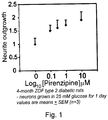
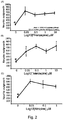
- the data in Fig. 2(A) show that the lowest pirenzepine dosage of 0.01 ⁇ M more than tripled neurite outgrowth from the excised neurons from a non-diabetic model, and that increasing pirenzepine dosages of 0.1, 1.0, and 10.0 ⁇ M did not further increase neurite outgrowth rates.
- the data in Fig. 2(B) show that the lowest telenzepine dosage of 0.01 ⁇ M more than doubled neurite outgrowth from the excised neurons from a non-diabetic model, and that the 0.1 ⁇ M and the 10.0 ⁇ M dosages tripled the neurite outgrowth rates.
- the data in Fig. 2(A) show that the lowest pirenzepine dosage of 0.01 ⁇ M more than tripled neurite outgrowth from the excised neurons from a non-diabetic model, and that increasing pirenzepine dosages of 0.1, 1.0, and 10.0 ⁇ M did not further increase neurite outgrowth rates.
- VU0255035 [N-(3-oxo-3-(4-(pyridine-4-yl)piperazin-1-yl)propyl)-benzo[c][1,2,5]thiadiazole-4 sulfonamide] is a novel M1R specific antagonist ( Sheffler et al., 2009, Molecular Pharmacology 76: 356-368 ). Equilibrium radioligand binding and functional studies demonstrate a greater than 75-fold selectivity of VU0255035 for M1R relative to M(2)-M(5). Molecular pharmacology and mutagenesis studies indicate that VU0255035 is a competitive orthosteric antagonist of M1R. VU0255035 has excellent blood brain barrier penetration in vivo in mice. Neurite outgrowth was then assessed after a culture period of 24 hr.
- Total neurite lengths (i.e., the sum of the length of all neurites produced by an individual neuron) were assessed using an immunostaining method.
- a Greiner Bio-One ⁇ Clear 96 well tissue culture plate (Greiner Bio-One North America Inc., Munroe, NC, US) with a thin optically clear plastic growing surface to optimize neurite outgrowth conditions.
- the neuronal marker ⁇ -tubulin III (Sigma-Aldrich Canada Ltd.) was applied to formalin fixed cells. The marker was tagged with the fluorescent conjugate Alexa Fluor 488 (Invitrogen Canada Ltd.).
- Fluorescent images were collected using an Olympus IX71 inverted microscope with a 20X / 0.45 PHI LUCPLANFLN objective that was suitable for resolving images on plastic surfaces. This system was equipped with a Xenon short arc lamp and a Delta Ram X monochromator (Photon Technology International, Birmingham, NJ, US) to provide a reliable excitation wavelength. Captured image fluorescence was thereafter converted to a grayscale 8-bit image to quantify total pixel volume. Specifically the raw TIFF image was opened using the public domain NIH sponsored image processing software Image J. The image was first inverted to create a black target image against a white background and then background pixel volume minimized by threshold adjustment. Subsequent images were standardized against the adjusted threshold value for continuity.
- Example 4 Responses of sensory neuron cultures derived from M1R knockout mice, to pirenzepine treatments
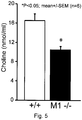
- Sensory neurons from cervical, thoracic and lumbar DRG sensory neurons were isolated from (A) wildtype mice (on a 129S6 x CF1 background), and from (B) M1R knockout mice (from Taconic, Hudson, NY and mediated through a collaboration with the Laboratory of Bioorganic Chemistry, NIH-NIDDK, Bethesda, MD) generally following the method outlined in Example 1.
- the muscarinic acetylcholine receptor M 1 (M1R), also known as the cholinergic receptor, has been inactivated in M1R knockout mice and therefore, administration of muscarinic acetylcholine receptor antagonists that specifically inactivate the M 1 muscarinic acetylcholine receptor will not be physiologically effective in M1R knockout mice.
- M1R muscarinic acetylcholine receptor
- the isolated DRG sensory neurons from the wildtype mice and the M1R knockout mice were separately cultured for 24 hr in a range of neurotrophic growth factor concentrations (NTs) plus 1 ⁇ M pirenzepine.
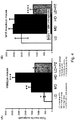
- the low dose (LD) cocktail of growth factors induced a significantly higher level of neurite outgrowth in cultures from M1R knockout mice ( Fig.
- keratinocytes secrete acetylcholine and communicate via a non-neuronal network of cholinergic receptors that has importance during wound repair.
- M1Rs acetylcholinergic receptors
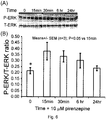
- Lumbar DRG were isolated from male out-bred Sprague Dawley rats generally following the method outlined in Example 1, and then were cultured for 24 h in serum-free and insulin-free F12 medium in the presence of modified N2 additives plus 10 ⁇ M pirenzepine. Samples were taken immediately (time 0) and then after 15 min, 30 min, 6 hr, and 24 hr of incubation. Quantitative Western blotting was performed as taught by Chowdhury et al (2010) and Fernyhough et al. (1999, Diabetes 48: 881-889 ). DRG homogenates of 5-10 ⁇ g of protein were resolved on a 10% SDS-PAGE gel and electroblotted onto nitrocellulose membrane.
- Blots were then blocked in 5% nonfat milk containing 0.05% Tween-20, rinsed in PBS (pH 7.4) and incubated with an antibody reagent specific to phosphorylated (Thr-202/Tyr-204) or total extracellular signal-regulated kinase (P-ERK or T-ERK; 1:4000 and 1:2000, respectively; Covance, Princeton, NJ, US).
- the blots were rinsed, incubated in Western blotting Luminol Reagent (Santa Cruz Biotechnology Inc., Santa Cruz, CA, US) and imaged using a BioRad Fluor-S image analyzer (BioRad, Hercules, CA, US).
- the data in Figs. 6(A) and 6(B) show that pirenzepine elevated phosphorylation of ERK (P-ERK) by approximately 2-fold after 15 min with a return to baseline by 24 hr (relative to total ERK levels).
- Lumbar DRG were isolated from male out-bred Sprague Dawley rats generally following the method outlined in Example 1, and then were cultured for 6 h in serum-free and insulin-free F12 medium in the presence of modified N2 additives plus 10 ⁇ M VU255035. Samples were taken immediately (time 0) and then after 15 min, 30 min, 60 min, and 6 hr of incubation. Quantitative Western blotting was performed as following the procedure taught in Example 5. DRG homogenates of 5-10 ⁇ g of protein were resolved on a 10% SDS-PAGE gel and electroblotted onto nitrocellulose membrane.
- Blots were then blocked in 5% nonfat milk containing 0.05% Tween-20, rinsed in PBS (pH 7.4) and incubated with the following antibodies: (i) polyclonal anti-phospho AMPK (on Thr-172, 1:1000, Cell Signaling Technology, Danvers, MA, US), and (ii) extracellular signal-regulated kinase (T-ERK; 1:2000, Covance, Princeton, NJ, US).
- the blots were rinsed, incubated in Western blotting Luminol Reagent (Santa Cruz Biotechnology Inc., Santa Cruz, CA, US) and imaged using a BioRad Fluor-S image analyzer (BioRad, Hercules, CA, US). The data in Figs.
- mice Male C57B16J mice were made diabetic with 2 injections of 90 mg/kg STZ on consecutive days, and then separated into four groups. A fifth group was the control (non-diabetic) group and comprised mice that did not receive the STZ injections. The first group of diabetic mice did not receive any pirenzepine treatments during the course of the two-month study and serve to illustrate the neuropathy induced by diabetes. The first group of STZ diabetic mice developed signs of neuropathy, including nerve conduction slowing, thermal hypoalgesia and IENF loss within 2 months of the STZ treatments. The second, third and fourth groups of STZ diabetic mice received daily pirenzepine treatments administered by subcutaneous injection at the scruff of the neck, starting one week after the second STZ injection.
- the second group of STZ diabetic mice received a daily dose of 0.1 mg pirenzepine / kg body weight.
- the third group of STZ diabetic mice received a daily dose of 1.0 mg pirenzepine / kg body weight.
- the fourth group of STZ diabetic mice received a daily dose of 10.0 mg pirenzepine / kg body weight.
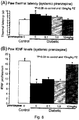
- mice Two months after the second STZ injection, the function of the small sensory neurons in all five groups of mice were determined by measuring hind paw thermal response latency using a modified Hargreaves apparatus (UARD, San Diego, CA, US) with a heating rate of approximately 1° C/sec from a baseline of 30° C and with a cut-off at 20 seconds as taught by Calcutt et al. (2004, Diabetologia 47: 718-724 ).
- the data in Fig. 8(A) show that the group of STZ diabetic mice that were otherwise untreated demonstrated a significant increase in thermal latency in comparison to the control (non-diabetic) mice.
- the group of diabetic mice receiving daily pirenzepine subcutaneous injections at 10mg/kg showed a thermal response latency that was not significantly different from the control non-diabetic mice ( Fig. 8(B) ).
- Statistical analysis was done using the one-way ANOVA with post-hoc comparison using Tukey's test.
- IENF intraepidermal nerve fiber
- MNCV sciatic motor nerve conduction velocity
- Example 8 Reversal of thermal hypoalgesia and IENF loss in STZ-induced diabetic mice with VU255035
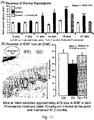
- Fig. 9(A) show that thermal hypoalgesia (sensory loss) had developed by 8 weeks and treatment with VU255035 caused a significant reversal back to control levels of thermal sensitivity.
- Fig. 9(B) shows that VU255035 also significantly reversed loss of IENF and SNP.
- mice Male C57B16J mice were made diabetic with 2 injections of 90 mg/kg STZ on consecutive days, and then separated into three groups. There were also two groups control (non-diabetic) mice. The first group of control (non-diabetic) mice received daily topical treatment with 50 ⁇ l Intrasite® hydrogel (Intrasite is a registered trademark of T.J. Smith and Nephew, Hull, England) to both hind paws, with a controlled exposure time of 20 minutes.
- Intrasite® hydrogel Intrasite is a registered trademark of T.J. Smith and Nephew, Hull, England
- the second group of control mice received a daily topical application of 50 ⁇ l of a gel composition comprising 10% pirenzepine in hydrogel to one hind paw and 50 ⁇ l hydrogel alone to the other paw, commencing when the diabetic mice received their topical treatments.
- the third group of mice were diabetic mice that received daily topical treatment with 50 ⁇ l hydrogel to both hind paws.
- the fourth group comprised diabetic mice that received a daily topical application of 50 ⁇ l of hydrogel comprising 2% pirenzepine to one hind paw and 50 ⁇ l hydrogel alone to the other hind paw, treatment commencing 7 days after the second STZ injection.
- the fifth group comprised diabetic mice that received a daily topical application of 50 ⁇ l hydrogel comprising 10% pirenzepine to one hind paw and 50 ⁇ l hydrogel alone to the other hind paw, treatment commencing 7 days after the second STZ injection.
- the group of STZ diabetic mice treated with hydrogel alone to both hindpaws developed signs of neuropathy, including nerve conduction slowing, thermal hypoalgesia and IENF loss within 2 months of the STZ treatments.
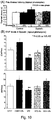
- mice receiving daily topical applications of pirenzepine hydrogel to one hindpaw did not demonstrate any significant changes in thermal response latency in that paw when compared to the control (non-diabetic) mice (statistical analysis was done using the one-way ANOVA with post-hoc comparison using Tukey's test).
- IENF profiles in hind paw plantar skin were assessed by measuring IENF profiles in hind paw plantar skin as described in Example 7.
- the data in Fig. 10(B) and 10(C) show that application of hydrogel comprising 10% pirenzepine to one hind paw of control (non-diabetic) mice resulted in numerically, but statistically insignificant, increases in IENF and SNP per mm of skin taken from the pirenzepine-treated hindpaw.
- the STZ diabetic mice treated with hydrogel alone to both hind paws demonstrated a significant decrease in the paw levels of IENF and SNP per mm of skin in comparison to the control (non-diabetic) mice that were treated with hydrogel alone to both hind paws.
- mice receiving daily topical applications of 50 ⁇ l hydrogel comprising 2% or 10% pirenzepine demonstrated no significant changes in the levels of IENF and SNP in the paw treated with pirenzepine when compared to the control (non-diabetic mice) that were treated with hydrogel alone to both hind paws (statistical analysis was done using the one-way ANOVA with post-hoc comparison using Tukey's test).
- mice Male out-bred Swiss Webster mice were made diabetic with 2 injections of 90 mg/kg STZ on consecutive days. A control group of age matched Swiss Webster mice did not receive the STZ injections. The mice were maintained for 14 weeks after STZ injections. Diabetic neuropathy was well-established in the mice that received STZ injections as evidenced by signs of neuropathy, thermal hypoalgesia and IENF loss. At 14 weeks, the diabetic mice were separated into two groups. The first was the untreated group of diabetic mice. The other group of diabetic mice received daily subcutaneous injections of pirenzepine at a dose of 10 mg/kg for 2 months.
- mice The function of the small sensory neurons in diabetic and non-diabetic groups of mice were assessed at 5 wks, 7 wks, 11 wks, and 14 wks after the STZ injections. There was a significant increase in thermal latency in the diabetic mice compared to non-diabetic mice, following the procedure described in Example 7. Hypoalgesia was observed 11 weeks after the STZ injections and became even more pronounced at 14 weeks ( Fig. 11(A) ). Microscopic examination of skin tissue samples collected from the diabetic mice at 14 weeks showed approximately a 40% loss in IENF.
- Example 11 Reappearance of neuropathy after withdrawal of pirenzepine treatments
- C57B16J mice were made diabetic with STZ as previously described and then received 10 mg/kg pirenzepine (daily subcutaneous injections). After 8 weeks, hypoalgesia was prevented by the pirenzepine treatments ( Fig. 12 ). At this juncture, the pirenzepine treatments were stopped and thermal latencies measured every two weeks thereafter ( Fig. 12 ). Only 9 weeks later (the 17-wk time point) was there a significant reappearance of hypoalgesia in the previously treated STZ-induced diabetic mice ( Fig. 12 ).
- One group of adult male Sprague Dawley rats were made diabetic with a single intraperitoneal injection of 75 mg/kg STZ, while a second group of adult male rats were maintained as non-diabetic controls.
- the two groups of rats were monitored for the onset of type 1 diabetes by assessing thermal latency at 4-wk intervals.
- neuropathy was well established in the STZ-treated rats ( Fig. 13 ).
- the diabetic rats were then separated into two groups, with one group of rats each receiving a daily subcutaneous injection of 10mg/kg of pirenzepine.
- Two groups of adult female Sprague Dawley rats were made diabetic with a single intraperitoneal injection of 55 mg/kg STZ.
- One of the two groups of STZ-injected rats received daily treatments of 10 mg/kg pirenzepine by subcutaneous injection, while the second group received injections of vehicle alone.
- a third group of adult male rats was maintained as non-diabetic controls.
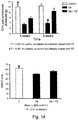
- the three groups of rats were monitored for the onset of diabetic painful neuropathy by measuring paw tactile response thresholds at weeks 5 and 9 of diabetes, as taught by Calcutt (1996, Pain: 68:293-299 ).
- Pirenzepine treated diabetic rats had paw tactile response thresholds that were significantly higher than vehicle treated diabetic rats after 5 weeks of diabetes ( Fig 14A ) and not different from control rats by week 9 of diabetes ( Fig. 14A ).
- SNCV Sensory nerve conduction velocity
- Example 14 Reversal of diabetic sensory neuropathy with oral dosing of pirenzepine
- mice Male out-bred Swiss Webster mice were made diabetic with 2 injections of 90 mg/kg STZ on consecutive days. A control group of age matched Swiss Webster mice did not receive the STZ injections. The mice were maintained for 8 weeks after STZ injections. Diabetic neuropathy was well-established in the mice that received STZ injections as evidenced by signs of thermal hypoalgesia. At 8 weeks, daily pirenzepine treatments were delivered to a sub-group of the STZ-diabetic mice by oral gavage for a further 8-week period. The data in Fig. 15(A) show that treatments delivering pirenzepine orally reversed thermal hypoalgesia. In addition, oral dosing with pirenzepine also reversed loss of IENF and SNP ( Fig. 15(B) ).
- mice in each of the three groups of mice were maintained through 22 weeks after the STZ injections.
- Lumbar DRG were isolated and rinsed in ice-cold solution containing STE buffer (250 mmol/l sucrose, 10 mmol/l Tris-HCl, 1 mmol/l EDTA, pH 7.4), and then homogenized with a polytron homogenizer (KINEMATICA GmbH, Switzerland) using 3 x 7.5s grinding pulses at 30s intervals according to the method taught by Chowdhury et al. (2010, Diabetes 59: 1082-1091 ).
- Blots were then blocked in 5% nonfat milk containing 0.05% Tween-20, rinsed in PBS (pH 7.4) and incubated with the following antibodies: polyclonal anti-phospho AMPK (1:1000, Cell Signaling Technology, Danvers, MA, US), polyclonal anti-PGC-la (1:1000, Santa Cruz Biotechnology Inc, Santa Cruz, CA, USA) and monoclonal anti-ATP synthase ⁇ subunit (1:2000 dilution, Mitosciences, Eugene, OR). Extracellular signal-regulated kinase (ERK; 1:2000, Covance, Princeton, NJ, US) was probed as a loading control (previous studies show this protein to not change level of expression in DRG in diabetes).
- ERK Extracellular signal-regulated kinase
- the blots were rinsed, incubated in Western blotting Luminol Reagent (Santa Cruz Biotechnology Inc., Santa Cruz, CA, US) and imaged using a BioRad Fluor-S image analyzer (BioRad, Hercules, CA, US).
- Figs. 16(A) - 16(D) show that gene expression of P-AMPK, T-AMPK, and PGC-1 ⁇ was reduced in diabetic mice compared to the non-diabetic controls, and that daily subcutaneous injections of pirenzepine for 8 weeks restored the expression of these genes.
- the DRG samples were assessed for the expression of specific mitochondrial proteins in diabetic rats that received daily injections of pirenzepine for 8 weeks. Quantitative Western blotting was performed as described in Example 15. Quantitative Western blotting was performed as previously disclosed by Chowdhury et al (2010) and Fernyhough et al. (1999). DRG homogenates of 5-10 ⁇ g of protein were resolved on a 10% SDS-PAGE gel and electroblotted onto nitrocellulose membrane.
- Blots were then blocked in 5% nonfat milk containing 0.05% Tween-20, rinsed in PBS (pH 7.4) and incubated with the following antibodies: monoclonal anti-cytochrome c oxidase subunit 4 (COX IV; 1:1000, Mitosciences, Eugene, OR, US), monoclonal anti-NADH dehydrogenase (ubiquinone) iron-sulfur protein 3 (NDUFS3, 1:1000, Mitosciences, Eugene, OR, US). Extracellular signal-regulated kinase (T-ERK; 1:2000, Covance, Princeton, NJ, US) was probed as a loading control.
- COX IV monoclonal anti-cytochrome c oxidase subunit 4
- ubiquinone monoclonal anti-NADH dehydrogenase
- NUFS3 1,0, Mitosciences, Eugene, OR, US
- Extracellular signal-regulated kinase T-ERK; 1:2000, Covance,
- the blots were rinsed, incubated in Western blotting Luminol Reagent (Santa Cruz Biotechnology Inc., Santa Cruz, CA, US) and imaged using a BioRad Fluor-S image analyzer (BioRad, Hercules, CA, US).
- the samples of lumbar DRG from mice described in Example 10 were assessed for the restoration of activity of mitochondrial complexes in diabetic mice that received daily injections of pirenzepine for 8 weeks.
- Figs. 18(A) - 18(C) demonstrate that pirenzepine treatments restored the deficits in mitochondrial respiratory complexes I and IV, and in citrate synthase.
- mice Some of the rats in each of the three groups of rats (non-diabetic control group; diabetic untreated group; diabetic group receiving daily pirenzepine injections from the 14 th week onward) from the study described in Example 12 were maintained through 20 weeks after the STZ injections.
- the rats were then culled and subsequently the lumbar DRG were isolated and rinsed in ice-cold solution containing STE buffer (250 mmol/l sucrose, 10 mmol/l Tris-HCl, 1 mmol/l EDTA, pH 7.4), and then homogenized with a polytron homogenizer (KINEMATICA GmbH, Switzerland) using 3 x 7.5s grinding pulses at 30s intervals according to the method taught by Chowdhury et al. (2010).
- STE buffer 250 mmol/l sucrose, 10 mmol/l Tris-HCl, 1 mmol/l EDTA, pH 7.4
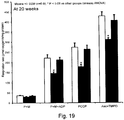
- Mitochondrial respiratory chain activity in freshly isolated mitochondria from lumbar DRG of age-matched control, diabetic, and pirenzepine-treated diabetic rats was determined using a Clarke-type electrode (Oroboros Oxygraph-2K; Oroboros Instruments, Innsbruck, Austria) following the method taught by Chowdhury et al. (2005, Biochem Biophys Res Commun. 333: 1139-1145 ), in the presence of specific substrates and inhibitors of the mitochondrial respiratory chain ( Fig. 19 ).
- Basal respiration in lumbar DRG mitochondria is stated as respiration at state 4 with energetic substrates, pyruvate and malate (P+M). Coupled respiration at state 3 was induced by addition of ADP.
- the uncoupled rate was determined by adding the uncoupling agent, carbonylcyanide p-trifluoromethoxyphenylhydrazone (FCCP).
- FCCP carbonylcyanide p-trifluoromethoxyphenylhydrazone
- Ascorbate (Asc) and N,N,N',N'-tetramethyl-p-phenylenediamine (TMPD) were then added to determine the capacity of cytochrome c oxidase (complex IV).
- TMPD is an artificial redox mediator that assists transfer of electrons from ascorbate to cytochrome c.
- Basal respiration rates with pyruvate and malate were similar for the control non-diabetic rats, diabetic rats, and in the diabetic rats that had received daily sub-cutaneous injections of pirenzepine daily during the last eight weeks of the study ( Fig. 19 ). Coupled respiration in diabetic rats after 20 weeks was decreased about 30% from the control non-diabetic rats (P + M + ADP). However, coupled respiration in diabetic rats that had received daily sub-cutaneous injections of pirenzepine, was not significantly different from the non-diabetic controls.
- Example 19 Preparation of a pirenzepine composition for topical application
- a pirenzepine composition for topical application was prepared by mixing 10 mg pirenzepine powder into 0.5 ml of a suitable gel for a 2% (20 mg/ml) gel.
- a suitable gel is exemplified by Intrasite® sterile hydrogel prod. no. 66027313 (Smith & Nephew Inc, St. Laurent, PQ, CA).
- 100 mg of pirenzepine powder can be mixed into 1.0 ml of gel to prepare a 10% (100 mg/ml) gel.
- Pirenzepine (either in its hydrochloride form or its hydrate form or other similar salt forms) can be either dissolved in saline, distilled water, or in a suitable tablet formulation for oral delivery. Such formulations can be prepared using the general knowledge available on pirenzepine or its various salt forms in the literature and by someone with the reasonable knowledge of the art. A formulation of pirenzepine hydrochloride dissolved in water and administered orally to mice exhibited efficacy ( Fig. 15 ). Numbered embodiments of the invention:
Landscapes
- Health & Medical Sciences (AREA)
- Chemical & Material Sciences (AREA)
- Public Health (AREA)
- Veterinary Medicine (AREA)
- Medicinal Chemistry (AREA)
- Pharmacology & Pharmacy (AREA)
- Life Sciences & Earth Sciences (AREA)
- Animal Behavior & Ethology (AREA)
- General Health & Medical Sciences (AREA)
- Epidemiology (AREA)
- Organic Chemistry (AREA)
- Emergency Medicine (AREA)
- Neurosurgery (AREA)
- Bioinformatics & Cheminformatics (AREA)
- Biomedical Technology (AREA)
- Neurology (AREA)
- Engineering & Computer Science (AREA)
- Chemical Kinetics & Catalysis (AREA)
- General Chemical & Material Sciences (AREA)
- Nuclear Medicine, Radiotherapy & Molecular Imaging (AREA)
- Pharmaceuticals Containing Other Organic And Inorganic Compounds (AREA)
- Medicines That Contain Protein Lipid Enzymes And Other Medicines (AREA)
- Medicinal Preparation (AREA)
Priority Applications (3)
| Application Number | Priority Date | Filing Date | Title |
|---|---|---|---|
| EP25150534.3A EP4537829A3 (fr) | 2010-10-25 | 2011-10-24 | Compositions thérapeutiques pour la polyneuropathie diabétique symétrique |
| RS20250342A RS66691B1 (sr) | 2010-10-25 | 2011-10-24 | Terapijske kompozicije za simetričnu dijabetesnu polineuropatiju |
| HRP20250395TT HRP20250395T1 (hr) | 2010-10-25 | 2011-10-24 | Terapijski pripravci za dijabetičku simetričnu polineuropatiju |
Applications Claiming Priority (4)
| Application Number | Priority Date | Filing Date | Title |
|---|---|---|---|
| US40650210P | 2010-10-25 | 2010-10-25 | |
| US201161531803P | 2011-09-07 | 2011-09-07 | |
| EP11835385.3A EP2632468B1 (fr) | 2010-10-25 | 2011-10-24 | Compositions thérapeutiques pour une polyneuropathie diabétique symétrique |
| PCT/CA2011/001186 WO2012055018A1 (fr) | 2010-10-25 | 2011-10-24 | Compositions thérapeutiques pour une polyneuropathie diabétique symétrique |
Related Parent Applications (1)
| Application Number | Title | Priority Date | Filing Date |
|---|---|---|---|
| EP11835385.3A Division EP2632468B1 (fr) | 2010-10-25 | 2011-10-24 | Compositions thérapeutiques pour une polyneuropathie diabétique symétrique |
Related Child Applications (1)
| Application Number | Title | Priority Date | Filing Date |
|---|---|---|---|
| EP25150534.3A Division EP4537829A3 (fr) | 2010-10-25 | 2011-10-24 | Compositions thérapeutiques pour la polyneuropathie diabétique symétrique |
Publications (4)
| Publication Number | Publication Date |
|---|---|
| EP3363439A2 true EP3363439A2 (fr) | 2018-08-22 |
| EP3363439A3 EP3363439A3 (fr) | 2018-12-05 |
| EP3363439B1 EP3363439B1 (fr) | 2025-01-08 |
| EP3363439C0 EP3363439C0 (fr) | 2025-01-08 |
Family
ID=45993001
Family Applications (3)
| Application Number | Title | Priority Date | Filing Date |
|---|---|---|---|
| EP17206278.8A Active EP3363439B1 (fr) | 2010-10-25 | 2011-10-24 | Compositions thérapeutiques destinées à une polyneuropathie symétrique diabétique |
| EP25150534.3A Pending EP4537829A3 (fr) | 2010-10-25 | 2011-10-24 | Compositions thérapeutiques pour la polyneuropathie diabétique symétrique |
| EP11835385.3A Active EP2632468B1 (fr) | 2010-10-25 | 2011-10-24 | Compositions thérapeutiques pour une polyneuropathie diabétique symétrique |
Family Applications After (2)
| Application Number | Title | Priority Date | Filing Date |
|---|---|---|---|
| EP25150534.3A Pending EP4537829A3 (fr) | 2010-10-25 | 2011-10-24 | Compositions thérapeutiques pour la polyneuropathie diabétique symétrique |
| EP11835385.3A Active EP2632468B1 (fr) | 2010-10-25 | 2011-10-24 | Compositions thérapeutiques pour une polyneuropathie diabétique symétrique |
Country Status (13)
| Country | Link |
|---|---|
| US (3) | US10307428B2 (fr) |
| EP (3) | EP3363439B1 (fr) |
| CN (1) | CN103298473B (fr) |
| CA (1) | CA2804797C (fr) |
| DK (1) | DK2632468T3 (fr) |
| ES (2) | ES3016907T3 (fr) |
| HR (1) | HRP20250395T1 (fr) |
| HU (1) | HUE070784T2 (fr) |
| NO (1) | NO2632468T3 (fr) |
| PL (2) | PL2632468T3 (fr) |
| PT (1) | PT2632468T (fr) |
| RS (1) | RS66691B1 (fr) |
| WO (1) | WO2012055018A1 (fr) |
Families Citing this family (4)
| Publication number | Priority date | Publication date | Assignee | Title |
|---|---|---|---|---|
| US20170027957A1 (en) * | 2013-12-20 | 2017-02-02 | University Of Manitoba | Methods and compositions for treatment of peripheral neuropathies |
| US9743513B2 (en) | 2014-12-26 | 2017-08-22 | Industrial Technology Research Institute | Flexible electronic device |
| KR20220003519A (ko) * | 2019-03-26 | 2022-01-10 | 윈산토르, 아이엔씨. | 말초 신경병증 치료를 위한 국소 제형 |
| CN121079085A (zh) * | 2023-03-16 | 2025-12-05 | 格劳科斯公司 | 眼科乳膏剂制剂及其用途 |
Family Cites Families (12)
| Publication number | Priority date | Publication date | Assignee | Title |
|---|---|---|---|---|
| US6512010B1 (en) * | 1996-07-15 | 2003-01-28 | Alza Corporation | Formulations for the administration of fluoxetine |
| JP2002515514A (ja) * | 1998-05-21 | 2002-05-28 | アイシス・ファーマシューティカルス・インコーポレーテッド | オリゴヌクレオチドの局所送逹のための組成物及び方法 |
| US20030104041A1 (en) * | 1999-12-16 | 2003-06-05 | Tsung-Min Hsu | Transdermal and topical administration of drugs using basic permeation enhancers |
| IL158904A0 (en) * | 2001-05-25 | 2004-05-12 | Valley Forge Pharmaceuticals | Pirenzepine ophthalmic gel |
| US20030064040A1 (en) * | 2001-09-26 | 2003-04-03 | Lukacsko Alison B. | Compositions and methods for inhibiting eccrine perspiration in humans |
| WO2007025613A2 (fr) * | 2005-07-15 | 2007-03-08 | Laboratorios Del Dr. Esteve, S.A. | Utilisation de composes se liant au recepteur sigma pour traiter la douleur associee au diabete |
| RU2008124805A (ru) * | 2005-11-21 | 2009-12-27 | Шеринг-Плоу Лтд. (CH) | Фармацевтические композиции, содержащие бупренорфин |
| UA98938C2 (ru) * | 2006-06-16 | 2012-07-10 | Теракос, Инк. | Лечение психологических состояний с применением антагонистов мускариновых рецепторов м1 |
| US8748419B2 (en) * | 2006-06-16 | 2014-06-10 | Theracos, Inc. | Treating obesity with muscarinic receptor M1 antagonists |
| US7893053B2 (en) | 2006-06-16 | 2011-02-22 | Theracos, Inc. | Treating psychological conditions using muscarinic receptor M1 antagonists |
| US20080255062A1 (en) * | 2007-02-13 | 2008-10-16 | University Of Manitoba | Axon regeneration from adult sensory neurons |
| CN101422610A (zh) * | 2007-12-04 | 2009-05-06 | 袁才蔚 | 一种化学药复合物制剂及其应用 |
-
2011
- 2011-10-24 PL PL11835385T patent/PL2632468T3/pl unknown
- 2011-10-24 RS RS20250342A patent/RS66691B1/sr unknown
- 2011-10-24 HR HRP20250395TT patent/HRP20250395T1/hr unknown
- 2011-10-24 EP EP17206278.8A patent/EP3363439B1/fr active Active
- 2011-10-24 CN CN201180062520.XA patent/CN103298473B/zh active Active
- 2011-10-24 WO PCT/CA2011/001186 patent/WO2012055018A1/fr not_active Ceased
- 2011-10-24 CA CA2804797A patent/CA2804797C/fr active Active
- 2011-10-24 PT PT118353853T patent/PT2632468T/pt unknown
- 2011-10-24 PL PL17206278.8T patent/PL3363439T3/pl unknown
- 2011-10-24 NO NO11835385A patent/NO2632468T3/no unknown
- 2011-10-24 US US13/877,619 patent/US10307428B2/en active Active
- 2011-10-24 ES ES17206278T patent/ES3016907T3/es active Active
- 2011-10-24 ES ES11835385.3T patent/ES2655688T3/es active Active
- 2011-10-24 EP EP25150534.3A patent/EP4537829A3/fr active Pending
- 2011-10-24 EP EP11835385.3A patent/EP2632468B1/fr active Active
- 2011-10-24 HU HUE17206278A patent/HUE070784T2/hu unknown
- 2011-10-24 DK DK11835385.3T patent/DK2632468T3/en active
-
2018
- 2018-10-15 US US16/160,403 patent/US11925649B2/en active Active
-
2024
- 2024-02-08 US US18/437,093 patent/US20240180922A1/en active Pending
Non-Patent Citations (17)
| Title |
|---|
| A. R. GENNARO,: "Remington: The Science and Practice of Pharmacy (19th ed.)", 1995, MACK PUBLISHING COMPANY |
| ARTHUR H. KIBBE: "Remington's The Science and Practice of Pharmacy as well as the Handbook of Pharmaceutical Excipients", 2000 |
| BEISWENGER ET AL., NEUROSCI LETT, vol. 442, 2008, pages 267 - 272 |
| CALCUTT ET AL., DIABETOLOGIA, vol. 47, 2004, pages 718 - 724 |
| CALCUTT, J. CLIN. INVEST., vol. 111, 2003, pages 507 - 514 |
| CALCUTT, PAIN, vol. 68, 1996, pages 293 - 299 |
| CHOWDHURY ET AL., BIOCHEM BIOPHYS RES COMMUN, vol. 333, 2005, pages 1139 - 1145 |
| CHOWDHURY ET AL., CLIN. CHIM. ACTA, vol. 298, 2000, pages 157 - 173 |
| CHOWDHURY ET AL., DIABETES, vol. 59, 2010, pages 1082 - 1091 |
| CHOWDHURY ET AL., FREE RADIC. RES., vol. 41, 2007, pages 1116 - 1124 |
| FEMYHOUGH ET AL., BRAIN RES., vol. 607, 1993, pages 117 - 124 |
| FEMYHOUGH ET AL., DIABETES, vol. 48, 1999, pages 881 - 889 |
| FERNYHOUGH ET AL., DIABETES, vol. 48, 1999, pages 881 - 889 |
| GARDINER ET AL., MOL. CELL NEUROSCI., vol. 28, 2005, pages 229 - 240 |
| HUANG ET AL., DIABETES, vol. 52, 2003, pages 2129 - 2136 |
| JOLIVALT ET AL., DIABETES OBESITY AND METABOLISM, 2 June 2011 (2011-06-02) |
| SHEFFLER ET AL., MOLECULAR PHARMACOLOGY, vol. 76, 2009, pages 356 - 368 |
Also Published As
| Publication number | Publication date |
|---|---|
| CN103298473A (zh) | 2013-09-11 |
| CA2804797C (fr) | 2014-12-23 |
| EP2632468A1 (fr) | 2013-09-04 |
| HUE070784T2 (hu) | 2025-06-28 |
| PL3363439T3 (pl) | 2025-09-22 |
| CA2804797A1 (fr) | 2012-05-03 |
| WO2012055018A1 (fr) | 2012-05-03 |
| US20240180922A1 (en) | 2024-06-06 |
| HRP20250395T1 (hr) | 2025-05-23 |
| ES2655688T3 (es) | 2018-02-21 |
| US20190046540A1 (en) | 2019-02-14 |
| US10307428B2 (en) | 2019-06-04 |
| NO2632468T3 (fr) | 2018-05-12 |
| EP4537829A3 (fr) | 2025-06-18 |
| CN103298473B (zh) | 2015-07-29 |
| EP2632468B1 (fr) | 2017-12-13 |
| US20130267506A1 (en) | 2013-10-10 |
| RS66691B1 (sr) | 2025-05-30 |
| EP4537829A2 (fr) | 2025-04-16 |
| DK2632468T3 (en) | 2018-02-12 |
| PT2632468T (pt) | 2018-03-02 |
| EP2632468A4 (fr) | 2014-08-27 |
| US11925649B2 (en) | 2024-03-12 |
| EP3363439B1 (fr) | 2025-01-08 |
| PL2632468T3 (pl) | 2018-04-30 |
| ES3016907T3 (en) | 2025-05-12 |
| EP3363439C0 (fr) | 2025-01-08 |
| EP3363439A3 (fr) | 2018-12-05 |
Similar Documents
| Publication | Publication Date | Title |
|---|---|---|
| US20240180922A1 (en) | Treatments for diabetic neuropathy | |
| JP5801794B2 (ja) | カンナビジオールの製剤及びその使用方法 | |
| AU2023202689B2 (en) | Formulation for soft anticholinergic analogs | |
| US20250090545A1 (en) | Methods and compositions for treatment of peripheral neuropathies | |
| AU2016297601B2 (en) | Formulation for soft anticholinergic analogs | |
| KR20220003519A (ko) | 말초 신경병증 치료를 위한 국소 제형 | |
| EP3677265B1 (fr) | Composition pour prévenir ou traiter les troubles du sommeil | |
| KR101510595B1 (ko) | 유제놀을 유효성분으로 함유하는 아토피성 피부염의 예방 또는 치료용 조성물 | |
| EP2247569B1 (fr) | Sel d'acide de la toltérodine ayant une stabilité efficace pour un système d'administration de médicament transdermique | |
| US20210038570A1 (en) | Compositions and methods for treating cutaneous fibrosis | |
| HK40035205A (en) | Methods and compositions for treatment of peripheral neuropathies | |
| CZ202244A3 (cs) | Heterocyklické purinové deriváty cytokininů, jejich použití při hojení ran a farmaceutické kompozice obsahující tyto deriváty |
Legal Events
| Date | Code | Title | Description |
|---|---|---|---|
| REG | Reference to a national code |
Ref country code: HR Ref legal event code: TUEP Ref document number: P20250395T Country of ref document: HR |
|
| PUAI | Public reference made under article 153(3) epc to a published international application that has entered the european phase |
Free format text: ORIGINAL CODE: 0009012 |
|
| STAA | Information on the status of an ep patent application or granted ep patent |
Free format text: STATUS: THE APPLICATION HAS BEEN PUBLISHED |
|
| AC | Divisional application: reference to earlier application |
Ref document number: 2632468 Country of ref document: EP Kind code of ref document: P |
|
| AK | Designated contracting states |
Kind code of ref document: A2 Designated state(s): AL AT BE BG CH CY CZ DE DK EE ES FI FR GB GR HR HU IE IS IT LI LT LU LV MC MK MT NL NO PL PT RO RS SE SI SK SM TR |
|
| PUAL | Search report despatched |
Free format text: ORIGINAL CODE: 0009013 |
|
| AK | Designated contracting states |
Kind code of ref document: A3 Designated state(s): AL AT BE BG CH CY CZ DE DK EE ES FI FR GB GR HR HU IE IS IT LI LT LU LV MC MK MT NL NO PL PT RO RS SE SI SK SM TR |
|
| RIC1 | Information provided on ipc code assigned before grant |
Ipc: A61K 31/5513 20060101AFI20181029BHEP Ipc: C07D 451/10 20060101ALI20181029BHEP Ipc: A61P 25/02 20060101ALI20181029BHEP Ipc: A61K 31/46 20060101ALI20181029BHEP Ipc: C07D 495/04 20060101ALI20181029BHEP Ipc: C07D 471/04 20060101ALI20181029BHEP Ipc: C07D 417/12 20060101ALI20181029BHEP Ipc: A61K 31/496 20060101ALI20181029BHEP |
|
| STAA | Information on the status of an ep patent application or granted ep patent |
Free format text: STATUS: REQUEST FOR EXAMINATION WAS MADE |
|
| 17P | Request for examination filed |
Effective date: 20190605 |
|
| RBV | Designated contracting states (corrected) |
Designated state(s): AL AT BE BG CH CY CZ DE DK EE ES FI FR GB GR HR HU IE IS IT LI LT LU LV MC MK MT NL NO PL PT RO RS SE SI SK SM TR |
|
| STAA | Information on the status of an ep patent application or granted ep patent |
Free format text: STATUS: EXAMINATION IS IN PROGRESS |
|
| 17Q | First examination report despatched |
Effective date: 20200312 |
|
| GRAP | Despatch of communication of intention to grant a patent |
Free format text: ORIGINAL CODE: EPIDOSNIGR1 |
|
| STAA | Information on the status of an ep patent application or granted ep patent |
Free format text: STATUS: GRANT OF PATENT IS INTENDED |
|
| INTG | Intention to grant announced |
Effective date: 20240730 |
|
| RIC1 | Information provided on ipc code assigned before grant |
Ipc: A61K 31/5517 20060101ALI20240719BHEP Ipc: A61K 31/46 20060101ALI20240719BHEP Ipc: A61K 31/496 20060101ALI20240719BHEP Ipc: A61P 25/02 20060101ALI20240719BHEP Ipc: C07D 417/12 20060101ALI20240719BHEP Ipc: C07D 451/10 20060101ALI20240719BHEP Ipc: C07D 471/04 20060101ALI20240719BHEP Ipc: C07D 495/04 20060101ALI20240719BHEP Ipc: A61K 31/5513 20060101AFI20240719BHEP |
|
| GRAS | Grant fee paid |
Free format text: ORIGINAL CODE: EPIDOSNIGR3 |
|
| GRAA | (expected) grant |
Free format text: ORIGINAL CODE: 0009210 |
|
| STAA | Information on the status of an ep patent application or granted ep patent |
Free format text: STATUS: THE PATENT HAS BEEN GRANTED |
|
| AC | Divisional application: reference to earlier application |
Ref document number: 2632468 Country of ref document: EP Kind code of ref document: P |
|
| AK | Designated contracting states |
Kind code of ref document: B1 Designated state(s): AL AT BE BG CH CY CZ DE DK EE ES FI FR GB GR HR HU IE IS IT LI LT LU LV MC MK MT NL NO PL PT RO RS SE SI SK SM TR |
|
| REG | Reference to a national code |
Ref country code: GB Ref legal event code: FG4D |
|
| REG | Reference to a national code |
Ref country code: CH Ref legal event code: EP |
|
| REG | Reference to a national code |
Ref country code: DE Ref legal event code: R096 Ref document number: 602011075200 Country of ref document: DE |
|
| REG | Reference to a national code |
Ref country code: IE Ref legal event code: FG4D |
|
| U01 | Request for unitary effect filed |
Effective date: 20250210 |
|
| U07 | Unitary effect registered |
Designated state(s): AT BE BG DE DK EE FI FR IT LT LU LV MT NL PT RO SE SI Effective date: 20250214 |
|
| RAP4 | Party data changed (patent owner data changed or rights of a patent transferred) |
Owner name: UNIVERSITY OF MANITOBA |
|
| U1H | Name or address of the proprietor changed after the registration of the unitary effect |
Owner name: UNIVERSITY OF MANITOBA; CA |
|
| REG | Reference to a national code |
Ref country code: ES Ref legal event code: FG2A Ref document number: 3016907 Country of ref document: ES Kind code of ref document: T3 Effective date: 20250512 |
|
| REG | Reference to a national code |
Ref country code: HR Ref legal event code: T1PR Ref document number: P20250395 Country of ref document: HR |
|
| REG | Reference to a national code |
Ref country code: SK Ref legal event code: T3 Ref document number: E 46212 Country of ref document: SK |
|
| REG | Reference to a national code |
Ref country code: GR Ref legal event code: EP Ref document number: 20250400696 Country of ref document: GR Effective date: 20250514 |
|
| REG | Reference to a national code |
Ref country code: HU Ref legal event code: AG4A Ref document number: E070784 Country of ref document: HU |
|
| PG25 | Lapsed in a contracting state [announced via postgrant information from national office to epo] |
Ref country code: SM Free format text: LAPSE BECAUSE OF FAILURE TO SUBMIT A TRANSLATION OF THE DESCRIPTION OR TO PAY THE FEE WITHIN THE PRESCRIBED TIME-LIMIT Effective date: 20250108 |
|
| REG | Reference to a national code |
Ref country code: CH Ref legal event code: U11 Free format text: ST27 STATUS EVENT CODE: U-0-0-U10-U11 (AS PROVIDED BY THE NATIONAL OFFICE) Effective date: 20251101 |
|
| REG | Reference to a national code |
Ref country code: HR Ref legal event code: ODRP Ref document number: P20250395 Country of ref document: HR Payment date: 20251013 Year of fee payment: 15 |
|
| PGFP | Annual fee paid to national office [announced via postgrant information from national office to epo] |
Ref country code: HU Payment date: 20251020 Year of fee payment: 15 |
|
| PLBE | No opposition filed within time limit |
Free format text: ORIGINAL CODE: 0009261 |
|
| STAA | Information on the status of an ep patent application or granted ep patent |
Free format text: STATUS: NO OPPOSITION FILED WITHIN TIME LIMIT |
|
| U20 | Renewal fee for the european patent with unitary effect paid |
Year of fee payment: 15 Effective date: 20251031 |
|
| 26N | No opposition filed |
Effective date: 20251009 |
|
| PGFP | Annual fee paid to national office [announced via postgrant information from national office to epo] |
Ref country code: IS Payment date: 20251022 Year of fee payment: 15 |
|
| PGFP | Annual fee paid to national office [announced via postgrant information from national office to epo] |
Ref country code: GB Payment date: 20251014 Year of fee payment: 15 |
|
| PGFP | Annual fee paid to national office [announced via postgrant information from national office to epo] |
Ref country code: NO Payment date: 20251022 Year of fee payment: 15 |
|
| PGFP | Annual fee paid to national office [announced via postgrant information from national office to epo] |
Ref country code: HR Payment date: 20251013 Year of fee payment: 15 |
|
| PGFP | Annual fee paid to national office [announced via postgrant information from national office to epo] |
Ref country code: GR Payment date: 20251021 Year of fee payment: 15 Ref country code: TR Payment date: 20251022 Year of fee payment: 15 |
|
| PGFP | Annual fee paid to national office [announced via postgrant information from national office to epo] |
Ref country code: CH Payment date: 20251101 Year of fee payment: 15 |
|
| PGFP | Annual fee paid to national office [announced via postgrant information from national office to epo] |
Ref country code: IE Payment date: 20251021 Year of fee payment: 15 Ref country code: CY Payment date: 20251014 Year of fee payment: 15 Ref country code: CZ Payment date: 20251013 Year of fee payment: 15 |
|
| PGFP | Annual fee paid to national office [announced via postgrant information from national office to epo] |
Ref country code: PL Payment date: 20251016 Year of fee payment: 15 |
|
| PGFP | Annual fee paid to national office [announced via postgrant information from national office to epo] |
Ref country code: SK Payment date: 20251016 Year of fee payment: 15 |
|
| PGFP | Annual fee paid to national office [announced via postgrant information from national office to epo] |
Ref country code: RS Payment date: 20251015 Year of fee payment: 15 |
|
| PGFP | Annual fee paid to national office [announced via postgrant information from national office to epo] |
Ref country code: ES Payment date: 20251114 Year of fee payment: 15 |