EP3364952B1 - Liposomen mit zellenpenetrierenden peptiden und tetraetherlipide zur oralen verabreichung von makromolekülen - Google Patents
Liposomen mit zellenpenetrierenden peptiden und tetraetherlipide zur oralen verabreichung von makromolekülen Download PDFInfo
- Publication number
- EP3364952B1 EP3364952B1 EP16788018.6A EP16788018A EP3364952B1 EP 3364952 B1 EP3364952 B1 EP 3364952B1 EP 16788018 A EP16788018 A EP 16788018A EP 3364952 B1 EP3364952 B1 EP 3364952B1
- Authority
- EP
- European Patent Office
- Prior art keywords
- liposomes
- cpps
- liposomal composition
- composition according
- liposomal
- Prior art date
- Legal status (The legal status is an assumption and is not a legal conclusion. Google has not performed a legal analysis and makes no representation as to the accuracy of the status listed.)
- Active
Links
Images









Classifications
-
- A—HUMAN NECESSITIES
- A61—MEDICAL OR VETERINARY SCIENCE; HYGIENE
- A61K—PREPARATIONS FOR MEDICAL, DENTAL OR TOILETRY PURPOSES
- A61K9/00—Medicinal preparations characterised by special physical form
- A61K9/10—Dispersions; Emulsions
-
- A—HUMAN NECESSITIES
- A61—MEDICAL OR VETERINARY SCIENCE; HYGIENE
- A61K—PREPARATIONS FOR MEDICAL, DENTAL OR TOILETRY PURPOSES
- A61K47/00—Medicinal preparations characterised by the non-active ingredients used, e.g. carriers or inert additives; Targeting or modifying agents chemically bound to the active ingredient
- A61K47/50—Medicinal preparations characterised by the non-active ingredients used, e.g. carriers or inert additives; Targeting or modifying agents chemically bound to the active ingredient the non-active ingredient being chemically bound to the active ingredient, e.g. polymer-drug conjugates
- A61K47/69—Medicinal preparations characterised by the non-active ingredients used, e.g. carriers or inert additives; Targeting or modifying agents chemically bound to the active ingredient the non-active ingredient being chemically bound to the active ingredient, e.g. polymer-drug conjugates the conjugate being characterised by physical or galenical forms, e.g. emulsion, particle, inclusion complex, stent or kit
- A61K47/6905—Medicinal preparations characterised by the non-active ingredients used, e.g. carriers or inert additives; Targeting or modifying agents chemically bound to the active ingredient the non-active ingredient being chemically bound to the active ingredient, e.g. polymer-drug conjugates the conjugate being characterised by physical or galenical forms, e.g. emulsion, particle, inclusion complex, stent or kit the form being a colloid or an emulsion
- A61K47/6911—Medicinal preparations characterised by the non-active ingredients used, e.g. carriers or inert additives; Targeting or modifying agents chemically bound to the active ingredient the non-active ingredient being chemically bound to the active ingredient, e.g. polymer-drug conjugates the conjugate being characterised by physical or galenical forms, e.g. emulsion, particle, inclusion complex, stent or kit the form being a colloid or an emulsion the form being a liposome
-
- A—HUMAN NECESSITIES
- A61—MEDICAL OR VETERINARY SCIENCE; HYGIENE
- A61K—PREPARATIONS FOR MEDICAL, DENTAL OR TOILETRY PURPOSES
- A61K38/00—Medicinal preparations containing peptides
- A61K38/04—Peptides having up to 20 amino acids in a fully defined sequence; Derivatives thereof
- A61K38/08—Peptides having 5 to 11 amino acids
-
- A—HUMAN NECESSITIES
- A61—MEDICAL OR VETERINARY SCIENCE; HYGIENE
- A61K—PREPARATIONS FOR MEDICAL, DENTAL OR TOILETRY PURPOSES
- A61K38/00—Medicinal preparations containing peptides
- A61K38/04—Peptides having up to 20 amino acids in a fully defined sequence; Derivatives thereof
- A61K38/10—Peptides having 12 to 20 amino acids
-
- A—HUMAN NECESSITIES
- A61—MEDICAL OR VETERINARY SCIENCE; HYGIENE
- A61K—PREPARATIONS FOR MEDICAL, DENTAL OR TOILETRY PURPOSES
- A61K38/00—Medicinal preparations containing peptides
- A61K38/04—Peptides having up to 20 amino acids in a fully defined sequence; Derivatives thereof
- A61K38/14—Peptides containing saccharide radicals; Derivatives thereof, e.g. bleomycin, phleomycin, muramylpeptides or vancomycin
-
- A—HUMAN NECESSITIES
- A61—MEDICAL OR VETERINARY SCIENCE; HYGIENE
- A61K—PREPARATIONS FOR MEDICAL, DENTAL OR TOILETRY PURPOSES
- A61K38/00—Medicinal preparations containing peptides
- A61K38/16—Peptides having more than 20 amino acids; Gastrins; Somatostatins; Melanotropins; Derivatives thereof
- A61K38/17—Peptides having more than 20 amino acids; Gastrins; Somatostatins; Melanotropins; Derivatives thereof from animals; from humans
- A61K38/22—Hormones
- A61K38/26—Glucagons
-
- A—HUMAN NECESSITIES
- A61—MEDICAL OR VETERINARY SCIENCE; HYGIENE
- A61K—PREPARATIONS FOR MEDICAL, DENTAL OR TOILETRY PURPOSES
- A61K38/00—Medicinal preparations containing peptides
- A61K38/16—Peptides having more than 20 amino acids; Gastrins; Somatostatins; Melanotropins; Derivatives thereof
- A61K38/17—Peptides having more than 20 amino acids; Gastrins; Somatostatins; Melanotropins; Derivatives thereof from animals; from humans
- A61K38/22—Hormones
- A61K38/28—Insulins
-
- A—HUMAN NECESSITIES
- A61—MEDICAL OR VETERINARY SCIENCE; HYGIENE
- A61K—PREPARATIONS FOR MEDICAL, DENTAL OR TOILETRY PURPOSES
- A61K39/00—Medicinal preparations containing antigens or antibodies
- A61K39/395—Antibodies; Immunoglobulins; Immune serum, e.g. antilymphocytic serum
-
- A—HUMAN NECESSITIES
- A61—MEDICAL OR VETERINARY SCIENCE; HYGIENE
- A61K—PREPARATIONS FOR MEDICAL, DENTAL OR TOILETRY PURPOSES
- A61K47/00—Medicinal preparations characterised by the non-active ingredients used, e.g. carriers or inert additives; Targeting or modifying agents chemically bound to the active ingredient
- A61K47/06—Organic compounds, e.g. natural or synthetic hydrocarbons, polyolefins, mineral oil, petrolatum or ozokerite
- A61K47/08—Organic compounds, e.g. natural or synthetic hydrocarbons, polyolefins, mineral oil, petrolatum or ozokerite containing oxygen, e.g. ethers, acetals, ketones, quinones, aldehydes, peroxides
- A61K47/10—Alcohols; Phenols; Salts thereof, e.g. glycerol; Polyethylene glycols [PEG]; Poloxamers; PEG/POE alkyl ethers
-
- A—HUMAN NECESSITIES
- A61—MEDICAL OR VETERINARY SCIENCE; HYGIENE
- A61K—PREPARATIONS FOR MEDICAL, DENTAL OR TOILETRY PURPOSES
- A61K47/00—Medicinal preparations characterised by the non-active ingredients used, e.g. carriers or inert additives; Targeting or modifying agents chemically bound to the active ingredient
- A61K47/06—Organic compounds, e.g. natural or synthetic hydrocarbons, polyolefins, mineral oil, petrolatum or ozokerite
- A61K47/24—Organic compounds, e.g. natural or synthetic hydrocarbons, polyolefins, mineral oil, petrolatum or ozokerite containing atoms other than carbon, hydrogen, oxygen, halogen, nitrogen or sulfur, e.g. cyclomethicone or phospholipids
-
- A—HUMAN NECESSITIES
- A61—MEDICAL OR VETERINARY SCIENCE; HYGIENE
- A61K—PREPARATIONS FOR MEDICAL, DENTAL OR TOILETRY PURPOSES
- A61K47/00—Medicinal preparations characterised by the non-active ingredients used, e.g. carriers or inert additives; Targeting or modifying agents chemically bound to the active ingredient
- A61K47/06—Organic compounds, e.g. natural or synthetic hydrocarbons, polyolefins, mineral oil, petrolatum or ozokerite
- A61K47/26—Carbohydrates, e.g. sugar alcohols, amino sugars, nucleic acids, mono-, di- or oligo-saccharides; Derivatives thereof, e.g. polysorbates, sorbitan fatty acid esters or glycyrrhizin
-
- A—HUMAN NECESSITIES
- A61—MEDICAL OR VETERINARY SCIENCE; HYGIENE
- A61K—PREPARATIONS FOR MEDICAL, DENTAL OR TOILETRY PURPOSES
- A61K47/00—Medicinal preparations characterised by the non-active ingredients used, e.g. carriers or inert additives; Targeting or modifying agents chemically bound to the active ingredient
- A61K47/30—Macromolecular organic or inorganic compounds, e.g. inorganic polyphosphates
- A61K47/42—Proteins; Polypeptides; Degradation products thereof; Derivatives thereof, e.g. albumin, gelatin or zein
-
- A—HUMAN NECESSITIES
- A61—MEDICAL OR VETERINARY SCIENCE; HYGIENE
- A61K—PREPARATIONS FOR MEDICAL, DENTAL OR TOILETRY PURPOSES
- A61K47/00—Medicinal preparations characterised by the non-active ingredients used, e.g. carriers or inert additives; Targeting or modifying agents chemically bound to the active ingredient
- A61K47/50—Medicinal preparations characterised by the non-active ingredients used, e.g. carriers or inert additives; Targeting or modifying agents chemically bound to the active ingredient the non-active ingredient being chemically bound to the active ingredient, e.g. polymer-drug conjugates
- A61K47/51—Medicinal preparations characterised by the non-active ingredients used, e.g. carriers or inert additives; Targeting or modifying agents chemically bound to the active ingredient the non-active ingredient being chemically bound to the active ingredient, e.g. polymer-drug conjugates the non-active ingredient being a modifying agent
- A61K47/54—Medicinal preparations characterised by the non-active ingredients used, e.g. carriers or inert additives; Targeting or modifying agents chemically bound to the active ingredient the non-active ingredient being chemically bound to the active ingredient, e.g. polymer-drug conjugates the non-active ingredient being a modifying agent the modifying agent being an organic compound
- A61K47/543—Lipids, e.g. triglycerides; Polyamines, e.g. spermine or spermidine
- A61K47/544—Phospholipids
-
- A—HUMAN NECESSITIES
- A61—MEDICAL OR VETERINARY SCIENCE; HYGIENE
- A61K—PREPARATIONS FOR MEDICAL, DENTAL OR TOILETRY PURPOSES
- A61K47/00—Medicinal preparations characterised by the non-active ingredients used, e.g. carriers or inert additives; Targeting or modifying agents chemically bound to the active ingredient
- A61K47/50—Medicinal preparations characterised by the non-active ingredients used, e.g. carriers or inert additives; Targeting or modifying agents chemically bound to the active ingredient the non-active ingredient being chemically bound to the active ingredient, e.g. polymer-drug conjugates
- A61K47/51—Medicinal preparations characterised by the non-active ingredients used, e.g. carriers or inert additives; Targeting or modifying agents chemically bound to the active ingredient the non-active ingredient being chemically bound to the active ingredient, e.g. polymer-drug conjugates the non-active ingredient being a modifying agent
- A61K47/54—Medicinal preparations characterised by the non-active ingredients used, e.g. carriers or inert additives; Targeting or modifying agents chemically bound to the active ingredient the non-active ingredient being chemically bound to the active ingredient, e.g. polymer-drug conjugates the non-active ingredient being a modifying agent the modifying agent being an organic compound
- A61K47/554—Medicinal preparations characterised by the non-active ingredients used, e.g. carriers or inert additives; Targeting or modifying agents chemically bound to the active ingredient the non-active ingredient being chemically bound to the active ingredient, e.g. polymer-drug conjugates the non-active ingredient being a modifying agent the modifying agent being an organic compound the modifying agent being a steroid plant sterol, glycyrrhetic acid, enoxolone or bile acid
-
- A—HUMAN NECESSITIES
- A61—MEDICAL OR VETERINARY SCIENCE; HYGIENE
- A61K—PREPARATIONS FOR MEDICAL, DENTAL OR TOILETRY PURPOSES
- A61K47/00—Medicinal preparations characterised by the non-active ingredients used, e.g. carriers or inert additives; Targeting or modifying agents chemically bound to the active ingredient
- A61K47/50—Medicinal preparations characterised by the non-active ingredients used, e.g. carriers or inert additives; Targeting or modifying agents chemically bound to the active ingredient the non-active ingredient being chemically bound to the active ingredient, e.g. polymer-drug conjugates
- A61K47/51—Medicinal preparations characterised by the non-active ingredients used, e.g. carriers or inert additives; Targeting or modifying agents chemically bound to the active ingredient the non-active ingredient being chemically bound to the active ingredient, e.g. polymer-drug conjugates the non-active ingredient being a modifying agent
- A61K47/56—Medicinal preparations characterised by the non-active ingredients used, e.g. carriers or inert additives; Targeting or modifying agents chemically bound to the active ingredient the non-active ingredient being chemically bound to the active ingredient, e.g. polymer-drug conjugates the non-active ingredient being a modifying agent the modifying agent being an organic macromolecular compound, e.g. an oligomeric, polymeric or dendrimeric molecule
- A61K47/59—Medicinal preparations characterised by the non-active ingredients used, e.g. carriers or inert additives; Targeting or modifying agents chemically bound to the active ingredient the non-active ingredient being chemically bound to the active ingredient, e.g. polymer-drug conjugates the non-active ingredient being a modifying agent the modifying agent being an organic macromolecular compound, e.g. an oligomeric, polymeric or dendrimeric molecule obtained otherwise than by reactions only involving carbon-to-carbon unsaturated bonds, e.g. polyureas or polyurethanes
- A61K47/60—Medicinal preparations characterised by the non-active ingredients used, e.g. carriers or inert additives; Targeting or modifying agents chemically bound to the active ingredient the non-active ingredient being chemically bound to the active ingredient, e.g. polymer-drug conjugates the non-active ingredient being a modifying agent the modifying agent being an organic macromolecular compound, e.g. an oligomeric, polymeric or dendrimeric molecule obtained otherwise than by reactions only involving carbon-to-carbon unsaturated bonds, e.g. polyureas or polyurethanes the organic macromolecular compound being a polyoxyalkylene oligomer, polymer or dendrimer, e.g. PEG, PPG, PEO or polyglycerol
-
- A—HUMAN NECESSITIES
- A61—MEDICAL OR VETERINARY SCIENCE; HYGIENE
- A61K—PREPARATIONS FOR MEDICAL, DENTAL OR TOILETRY PURPOSES
- A61K9/00—Medicinal preparations characterised by special physical form
- A61K9/0012—Galenical forms characterised by the site of application
- A61K9/0053—Mouth and digestive tract, i.e. intraoral and peroral administration
-
- A—HUMAN NECESSITIES
- A61—MEDICAL OR VETERINARY SCIENCE; HYGIENE
- A61K—PREPARATIONS FOR MEDICAL, DENTAL OR TOILETRY PURPOSES
- A61K9/00—Medicinal preparations characterised by special physical form
- A61K9/10—Dispersions; Emulsions
- A61K9/127—Synthetic bilayered vehicles, e.g. liposomes or liposomes with cholesterol as the only non-phosphatidyl surfactant
-
- A—HUMAN NECESSITIES
- A61—MEDICAL OR VETERINARY SCIENCE; HYGIENE
- A61K—PREPARATIONS FOR MEDICAL, DENTAL OR TOILETRY PURPOSES
- A61K9/00—Medicinal preparations characterised by special physical form
- A61K9/10—Dispersions; Emulsions
- A61K9/127—Synthetic bilayered vehicles, e.g. liposomes or liposomes with cholesterol as the only non-phosphatidyl surfactant
- A61K9/1271—Non-conventional liposomes, e.g. PEGylated liposomes or liposomes coated or grafted with polymers
-
- A—HUMAN NECESSITIES
- A61—MEDICAL OR VETERINARY SCIENCE; HYGIENE
- A61K—PREPARATIONS FOR MEDICAL, DENTAL OR TOILETRY PURPOSES
- A61K9/00—Medicinal preparations characterised by special physical form
- A61K9/14—Particulate form, e.g. powders, Processes for size reducing of pure drugs or the resulting products, Pure drug nanoparticles
- A61K9/19—Particulate form, e.g. powders, Processes for size reducing of pure drugs or the resulting products, Pure drug nanoparticles lyophilised, i.e. freeze-dried, solutions or dispersions
Definitions
- the present invention relates to liposomal compositions, comprising liposomes comprising tetraether lipids (TELs) and cell penetrating peptides (CPPs), wherein said CPPs are attached to a compound being part of the liposome's lipid double layer.
- TELs tetraether lipids
- CPPs cell penetrating peptides
- the present invention further relates to uses thereof for the oral delivery of therapeutic and/or diagnostic agents.
- Oral drug delivery is considered as the most advantageous way of application, in particular for the treatment of chronic diseases, which demand long-term and repeated drug administration.
- the oral route offers high drug safety and is widely accepted among patients due to its convenience. Additionally, non-sterility of oral drug forms reduces costs in production, storage and distribution, which could contribute to health care improvement in third world countries. It is estimated, that 90% of all marketed drug formulations are for oral use.
- a significant improvement in liposomes can be made by the combination of conventional phospholipids (PLs) and so-called tetraether lipids, specific lipids derived from archaea, e.g. the extremophilic archaeon Sulfolobus acidocaldarius. Recent studies showed that these TELs can both improve the liposomal stability in the GIT and also mediate mucosal penetration.
- PLs phospholipids
- tetraether lipids specific lipids derived from archaea, e.g. the extremophilic archaeon Sulfolobus acidocaldarius.
- S. acidocaldarius grows at temperatures between 50 to 100 °C mostly under acidic conditions, making a stable cell membrane inevitable.
- Archaeal membrane lipids comprise mainly C 20 -C 40 isoprenoid-subunit backbones, linked by ether bonds to glycerol and/or nonitol bridge group(s).
- the bridge group is either unsubstituted or substituted with one of a wide variety of polar or nonpolar head groups.
- the quantity of these moieties in the archaeal cell membrane differs with growth conditions and increases with the environmental temperature.
- the TELs glycerylcaldityltetraether (GCTE) and diglyceryltetraether (DGTE) with an average number of four to six cyclopentyl rings can be isolated from S. acidocaldarius.
- the technical problem underlying the present invention is the provision of means for the delivery of drugs via the oral route, having enhanced mucosal penetration.
- the present invention relates to a liposomal composition
- a liposomal composition comprising liposomes, said liposomes comprising
- liposomal composition relates to a composition comprising liposomes.
- liposome refers to artificially prepared vesicles composed of lipid bilayers. Liposomes can be used for delivery of agents due to their unique property of encapsulating a region of aqueous solution inside a hydrophobic membrane. Dissolved hydrophilic solutes cannot readily pass through the lipid bilayer. Hydrophobic compounds can be dissolved in the lipid bilayer, and in this way liposomes can carry both hydrophobic and hydrophilic compounds. To deliver the molecules to sites of action, the lipid bilayer can fuse with other bilayers such as cell membranes, thus delivering the liposome contents. By making liposomes in a solution of an agent, it can be delivered to the inner lumen of the liposome.
- TELs that can be used for the formation of liposomes are not particularly limited and are known in the art.
- said TELs are derived from an archaeal species of the genus Sulfolobus, e.g. S . islandicus or S. acidocaldarius, wherein the latter is particularly preferred.
- the TELs are selected from the group consisting of glycerylcaldityltetraether (GCTE), diglyceryltetraether (DGTE), and combinations thereof.
- the liposomes used in the compositions of the present invention comprise said TELs in an amount of 1 to 25 mol-%, preferably 1 to 10 mol-%, more preferably 3 to 7 mol-%, more preferably 4 to 6 mol-% based on the total lipid amount.
- said liposomes comprise said TELs in an amount of about 5 mol-% based on the total lipid amount.
- the liposomes used in the compositions according to the present invention are not particularly limited to specific lipids.
- the lipids used for the generation of said liposomes can be any suitable lipids known in the art. These lipids include - but are not restricted to - cholesterol or derivatives thereof, phospholipids, lysophospholipids or further tetraetherlipids.
- said liposomes comprise one or more lipids, selected from the group consisting of cholesterol and derivatives thereof, phospholipids, lysophospholipids, and tetraetherlipids.
- the cholesterol derivatives in the context of the present invention are steroids and compounds having a basic steroid molecular structure.
- said liposomes comprise phospholipids, wherein said phospholipids can be synthetic, semi-synthetic or natural phospholipids.
- suitable lipids can be selected from the group consisting of phosphatidylcholines, phosphatidylethanolamines, phosphatidylinosites, phosphatidylserines, cephalines, phosphatidylglycerols, and lysophospholipids.
- the liposomes comprise egg phosphatidylcholine (E-PC; lecithin) and cholesterol, preferably in an amount of about 85 mol-% E-PC and about 10 mol-% cholesterol.
- the liposomes to be used according to the present invention may further comprise any further suitable agents such as e.g. enzyme inhibitors, permeation enhancers, or other lipophilic or hydrophilic substances that can be used for the stabilization of liposomes or for altering liposome properties.
- Such lipophilic or hydrophilic substances are not particularly limited and are known in the art. They include for example vitamin E, fatty acids, waxes, and mono-, di- and triglycerides.
- substances that enhance the bioavailability of enclosed active agents like enzyme inhibitors, tight junction modulators or chelating agents can be added.
- CPPs that can be used in connection with the present invention are not particularly limited and are known in the art.
- the CPPs are CPPs having a positive total charge.
- Respective CPPs are known in the art. More preferably, the CPPs are selected from the group consisting of linear or cyclized penetratin (SEQ ID NO: 1; RQIKIWFQNRRMKWKK), derived from Drosophila melanogaster , TAT (transactivator of transcription)-peptide (SEQ ID NO: 2; CGRKKKRRQRRRPPQC), derived from HIV-1, MAP (model amphiphatic peptide) (SEQ ID NO: 3; GALFLGFLGAAGSTMGAWSQPKSKRKV), which is an artificial peptide, R9 (SEQ ID NO: 4; RRRRRRRRR), which is an artificial peptide, pVEC (SEQ ID NO: 5; LLIILRRRIRKQAHAHSK-amide), which is a CPP derived from mur
- all of the above peptides can be present in a linear or in a cyclized form, wherein the cyclized form is preferred.
- the CPPs of the present invention can be composed of L-amino acids, D-amino acids, or mixtures thereof, wherein for linear CPPs, D-amino acids are preferred.
- CPPs are attached to a compound being part of the liposome's lipid double layer.
- the term "being part of the liposome's lipid double layer” is intended to indicate the fact that said phospholipid is integrated into said lipid double layer.
- attachment is covalent attachment.
- the compound to which the CPPs are attached and which is part of the liposome's lipid double layer is preferably a suitable lipid as defined above, e.g. a lipid selected from the group consisting of cholesterol and derivatives thereof, phospholipids, lysophospholipids, and tetraetherlipids, wherein phospholipids are preferred, and wherein said lipids can be modified and/or activated lipids.
- the CPPs are attached to said compound via a linker.
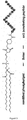
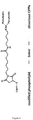
- monomeric CPPs can be covalently attached to a phospholipid via a linker ( Fig. 3 ), or dimerized CPPs, wherein homo- and heterodimers are possible, are covalently attached to a phospholipid via a linker ( Fig. 4 ).
- Dimerization of CPPs can be effected by any means known in the art.
- CPPs are dimerized via the tripeptide KAK.
- attachment is also possible without a linker, e.g. when using modified and/or activated lipids, such as e.g. phospholipids with a maleimide-modified headgroup.
- the liposomes comprised in the liposomal compositions of the present invention comprise said CPPs in an amount of 0.05 to 5 mol-%, preferably 0.1 to 1 mol-%, based on the total lipid amount.
- these are preferably comprised in an amount of 0.05 to 2 mol-%, preferably 0.1 to 1 mol-%, based on the total lipid amount.
- dimerized CPPs these are preferably comprised in an amount of 0.05 to 0.5 mol-%, preferably 0.1 mol-%, based on the total lipid amount.
- Suitable phospholipids for the covalent attachment of CPPs are not particularly limited to specific phospholipids.
- the phospholipids used for the covalent attachment of CPPs can be any suitable phospholipids known in the art, wherein said phospholipids can be synthetic, semi-synthetic or natural phospholipids.
- suitable phospholipids can be selected from the group consisting of phosphatidylcholines, phosphatidylethanolamines, phosphatidylinosites, phosphatidylserines, cephalines, phosphatidylglycerols, and lysophospholipids.
- a particular phospholipid in this respect is egg phosphatidylcholine (E-PC; lecithin).
- suitable phospholipids in this respect include PEG-modified versions of the above phospholipids, e.g. DSPE-PEG(2000) Maleimide (1,2-distearoyl-sn-glycero-3-phosphoethanolamine-N-[maleimide(polyethylene glycol)-2000] (ammonium salt)).
- Suitable linkers for the covalent attachment of CPPs to phospholipids are not particularly limited and are known in the art. They include for example bifunctional PEG-linkers in general; e.g. SM(PEG) 24 (PEGylated, long-chain SMCC crosslinker). Particular exemplary linkers in this respect are SMCC (succinimidyl-4-(N-maleimidomethyl)cyclohexane-1-carboxylate)-linker, and 6-maleimido hexanoic acid linker.
- the length of the PEG moiety in such linkers influences the encapsulation efficiency of drugs that are incorporated into the liposomes comprised in the liposomal compositions of the present invention. Accordingly, said PEG moiety preferably has a length of 8 to 50 individual PEG units.
- methods for covalently linking CPPs to phospholipids via linkers are not particularly limited and are known in the art.
- the lipids used for preparation of the liposomes comprised in the composition of the present invention can also be attached to target seeking structures such as peptide sequences, antibodies, receptor ligands and surfactants.
- the liposomes comprised in the composition of the present invention exhibit a Z-Average measured by dynamic light scattering after dilution in aqueous medium of at most 350 nm and a polydispersity index (PDI) of at most 0.3, where a Z-Average of 100 to 200 nm and a polydispersity index of 0.1 to 0.3, preferably about 0.2 is particularly preferred.
- PDI polydispersity index
- Methods for the generation of liposomes are not particularly limited and are known in the art. They include for example high pressure homogenization, extrusion and dual asymmetric centrifugation (DAC).
- DAC asymmetric centrifugation
- the liposomal compositions of the present invention further comprise at least one additional therapeutic agent and/or at least one diagnostic agent.
- Respective therapeutic agents are not particularly limited and include any agents for which oral delivery might be interesting. They include for example macromolecules such as peptidic drugs (e.g. octreotide, glatiramer acetate, vancomycin, Myrcludex B, all sorts of insulin, and liraglutide, as well as other GLP (glucagon-like peptide)-analogues such as exenatide, lixisenatide, albiglutide, dulaglutide, taspoglutide, and semaglutide), and proteins or antibodies (e.g.
- macromolecules such as peptidic drugs (e.g. octreotide, glatiramer acetate, vancomycin, Myrcludex B, all sorts of insulin, and liraglutide, as well as other GLP (glucagon-like peptide)-analogues such as exenatide, lixisenatide, albiglutide, dulaglutide, taspoglutide
- etanercept etanercept
- pegfilgrastim adalimumab, infliximab, rituximab, epoietin alfa, tratuzumab, ranibizumab, beta-interferon, omalizumab).
- compositions include pharmaceutically active agents selected from the group consisting of human growth hormone, growth hormone releasing hormone, growth hormone releasing peptide, interferons, colony stimulating factors, interleukins, macrophage activating factor, macrophage peptide, B cell factor, T cell factor, protein A, allergy inhibitor, cell necrosis glycoproteins, immunotoxin, lymphotoxin, tumor necrosis factor, tumor suppressors, metastasis growth factor, alpha-1 antitrypsin, albumin and fragment polypeptides thereof, apolipoprotein-E, erythropoietin, factor VII, factor VIII, factor IX, plasminogen activating factor, urokinase, streptokinase, protein C, C-reactive protein, renin inhibitor, collagenase inhibitor, superoxide dismutase, platelet-derived growth factor, epidermal growth factor, osteogenic growth factor, bone stimulating protein, calcitonin, insulin, atriopeptin, cartilage in
- respective diagnostic agents are not particularly limited and include any agents for which oral delivery might be interesting.
- the above agents may be present in the liposomal compositions of the present invention enclosed in the liposomes, i.e., in the inner lumen of said liposomes, e.g. when said agents are hydrophilic, or integrated into the liposomal membrane, e.g. when said agents are lipophilic.
- the encapsulation of therapeutic and/or diagnostic agents depends on the hydrophilicity of said agents and the liposome preparation method.
- the content of therapeutic and/or diagnostic agent in the liposomal compositions according to the present invention is above 0 and at most 50 % (w/w) in regard to the used amount of agent.
- the liposomal compositions of the present invention are for use in medicine.
- said liposomal compositions are for use in the treatment of sepsis, diabetes, rheumatism, acromegaly, all kinds of hepatitis, all kinds of cancer, and anemia.
- the liposomal compositions for use of the present invention are for oral administration.
- the subject is pretreated with a proton pump inhibitor, wherein said proton pump inhibitor is preferably omeprazole (6-methoxy-2-[(4-methoxy-3,5-dimethylpyridin-2-yl)methanesulfinyl]-1 H -1,3-benzodiazole), pantoprazole (( RS )-6-(difluoromethoxy)-2-[(3,4-dimethoxypyridin-2-yl)methylsulfinyl]-1 H -benzo[ d ]imidazole), esomeprazole (( S )-5-methoxy-2-[(4-methoxy-3,
- the liposomal compositions of the present invention can be freeze-dried, e.g. using 300 to 500 mM sucrose as a lyoprotector, which enables the long-term storage of said compositions.
- the present invention relates to the use of a liposomal composition of the present invention for the oral delivery of at least one therapeutic agent and/or at least one diagnostic agent.
- oral delivery relates to the delivery of one or more agents by way of oral administration of said agents.
- liposomal compositions, therapeutic agents, and diagnostic agents are as defined above.
- the present invention relates to a method of delivering at least one therapeutic agent and/or at least one diagnostic agent to a subject, comprising the step of administering, preferably orally administering, a liposomal composition of the present invention to said subject.
- liposomal compositions, therapeutic agents, and diagnostic agents are as defined above.
- the term "about” is intended to be a modifier of ⁇ 10% of the specified value. As an example, the term “about 5%” is intended to encompass the range of 4.5 to 5.5%.
- composition and “formulation” are used herein in an equivalent manner and are expressly intended to be interchangeable with one another.
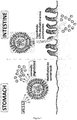
- the present invention utilizes CPPs that are covalently attached to liposomes for advantageously increasing mucosal penetration of said liposomes ( Fig. 2 ).
- Lecithin from Egg Bio Chemica AppliChem GmbH, Darmstadt, Germany
- cholesterol Sigma Aldrich, Taufmün, Germany
- 1,2-Dipalmitoyl-sn-Glycero-3-Phosphothioethanol thiol-modified lecithin; Avanti® polar lipids, Alabama, USA
- tetraether lipids TELs were isolated of S. acidocaldarius as described hereinafter; Dulbecco's phosphate buffered saline (gibco® by life technologiesTM, UK); glass beads (0.75-1.0 mm; Carl Roth GmbH + Co.
- Glycerylcaldityltetraether lipids were separated by silica gel column chromatography with water/methanol (1:1) as first eluent (for prewashing of the column), followed by water/methanol/chloroform (1:2.5:1) to remove unwanted lipids and methanol/chloroform (1:1) to obtain the GCTE fraction.
- Penetratin was produced by solid-phase synthesis using the fluorenylmethoxycarbonyl/t-butyl (Fmoc/tBu) chemistry on an Applied Biosystems 433A peptide synthesizer. Coupling conditions residues are performed as described. Purification was performed on a LaPrep P110 (VWR International) HPLC system equipped with a ReprosilTM Gold 120 C-18 column (4 ⁇ m, 150 x 20 mm). Water and acetonitrile containing 0.1% TFA were used as eluents with a flow rate of 20 ml/min. Separating condition was a linear gradient of 60-90% acetonitrile in 15 min.
- a 1 mmol stock solution of the model substance vancomycin in PBS was prepared.
- the required amount of radioactive iodine-131 was added to 25 ⁇ l of the stock solution and the labeling was performed using the chloramine T method known in the art.
- the reaction mixture was purified by semi-preparative HPLC as known in the art.
- Liposomes were prepared by the DAC-method using a SpeedMixerTM (DAC150FVZ Hauschild Engineering GmbH & Co. KG, Hamm, Germany). First of all, the lipids were dissolved in chloroform/methanol 9:1 to obtain 100 mmol stock solutions while the CPP was dissolved in chloroform/methanol 1:1 (1 mmol stock). The required amount of the CPP stock solution (0.1-1.0 mol-%) was added to the lipid mixture (85 mol-% EPC, 10 mol-% cholesterol and 5 mol-% TEL) and the organic solvent was evaporated by a nitrogen stream. Afterwards, the resulting lipid film was dried for 1h in a vacuum chamber.
- SpeedMixerTM DAC150FVZ Hauschild Engineering GmbH & Co. KG, Hamm, Germany
- Part 2 was purified by Sephadex G-25 gel filtration chromatography (NAPTM-5 column) and afterwards handled in the same way as part 1.
- the particle size, PDI and zeta potential of all liposomal formulations were determined at room temperature using a Zetasizer Nano ZS from MalvernTM (Malvern Instruments Ltd., Worcestershire, United Kingdom). Size and PDI were measured after the dilution to a concentration of 0.076 mg/ml with PBS while the zeta potential was determined after the dilution to a concentration of 0.95 mg/ml by a 50 mmol phosphate buffer. The measurements were conducted by using the automatic mode and the average of three measurements. The size is specified in nm and the zeta potential in mV, while the PDI is a dimensionless value.
- All liposomal formulations were freeze dried in a Delta 1-20 KD from Christ. The main drying was carried out at -20°C for two days with a following secondary drying at 0°C for at least six hours. Sucrose was used as lyoprotector in a range of 100-500 nm since it has been found to be a good lyoprotector before. Briefly, the liposomes were prepared as described above with the difference that during the 3 runs instead of the PBS-buffer the desired concentration of sucrose in PBD was added. The liposomal suspension was partitioned into 50 ⁇ l per Eppendorf vessel and freeze-dried. The freeze-fried liposomes were rehydrated with 50 ⁇ l PBS and the size and PDI were determined using the Zetasizer Nano ZS from MalvernTM as described above.
- the residual moisture of CPP-TEL-liposomes was determined by a moisture meter (Kern&Sohn, Balingen, Germany) using 100 mg of the freeze dried liposomes by heating up to 120 °C in 90 seconds.
- the rats were kept without food 12 h before the experiment but with free access to water. Oral application took place by gavage.
- the rats were sacrificed after 1 h, the blood samples were taken, weighed and the radioactivity in the blood samples was measured using a Berthold LB 951 G counter in comparison with standards.
- the blood-associated activity was related to the totally injected dose (ID) and expressed as a percentage of the totally injected dose per gram tissue (%ID). Afterwards, the total blood level (%ID) was calculated.
- ADVIA Centaur® VANC ReadyPack® Siemens, Tarrytown, USA
- the isolation procedure yielded tetraether lipids in purified form with only slight variations in the number of pentyl rings (3 to 5) in the lipophilic chains as determined by mass spectrometry and thin layer chromatography.
- the number of rings is influenced by the temperature during cultivation of the archaea. On average 1 g of tetraether lipids could be obtained per 400 g of wet cell mass.
- the CPP (Penetratin)-phospholipid-conjugate could be obtained in high purity as determined by mass spectrometry ( Figure 5 ).
- the total yield of the product was about 59% after purification by preparative HPLC.
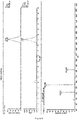
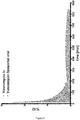
- the 131 I radiolabeling of Vancomycin yielded the desired product in high purity (> 95%) as determined by radioHPLC ( Figure 6 ).
- the labeling efficiency using the chloramine T method was about 60% of the radioactivity applied.
- the CPP-TEL-vancomycin-liposomes showed an encapsulation efficiency of 35.38 ⁇ 1.65% which is comparable with the determined value of the standard liposomes (38.73 ⁇ 1.23%).
- the applied DAC-method yielded CPP-TEL-vancomycin-liposomes with high homogeneity in size, PDI and incorporation efficiency (cf. Table 2). Compared with the standard liposomes, size and PDI showed a slightly increase, while the CPP-TEL-vancomycin-liposomes are characterized by a more positive zeta potential than the standard liposomes. Table 2.
- the Kryo-electron micrograph ( Figure 7 ) shows the size and lamellar structure of CPP-TEL-vancomycin-liposomes containing 85 mol-% lecithin; 10 mol-% cholesterol; 5 mol-% TEL and 0.1 mol-% penetratin. Most of the pictured liposomes show mono- respectively up to three lamellar layers.
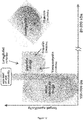
- Figure 12 shows the four model substances Vancomycin, Insulin, Liraglutide and the antibody Adalimumab (Humira®). These substances cover the whole range of molecular weight of macromolecular drugs and demonstrate that the novel liposomal formulations of the present invention can serve as platform for macromolecular drugs in general.
- the animal study was performed according to local authorities using male Wistar rats with a body weight of about 200 - 250 g.
- Vancomycin was radiolabeled with 131 I and incorporated into various liposomal formulations as described previously. 1 h after oral administration, the blood levels of Vancomycin were measured by direct counting of the radiolabeled sample. Briefly, groups (n ⁇ 3) of male Wistar rats were formed. Prior to 12 h of the experiment, the rats were kept without food, but with free access to water. Oral application of the liposomes and the free peptide took place by gavage. The blood was removed, weighed and the radioactivity was measured using a Berthold LB 951 G counter in comparison with standards.
- the blood-associated activity was related to the total injected dose (ID) and expressed as a percentage of the total injected dose per gram of tissue (%ID/g).
- ID total injected dose
- %ID/g percentage of the total injected dose per gram of tissue
- the statistical data were processed using the Prism® software (GraphPad Software, San Diego, CA, USA) and presented as mean ⁇ standard deviation of the mean (S.D.).
- S.D. standard deviation of the mean
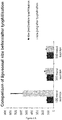
- the different groups of the animal trial were compared by one-way ANOVA test using the Prism® software and considered significant at *p ⁇ 0.05, **p ⁇ 0.01 and ***p ⁇ 0.001 ( Fig. 14 ).
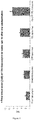
- the bioavailability of the peptide drug Liraglutide was examined. For this reason, the drug was injected i.v. and the blood levels were compared with the oral liposomal formulation containing 1 mol-% of the cyclic CPP-liposomes. Regarding this peptide drug, the bioavailability by the use of our liposomal formulation is > 50% in comparison with the i.v. application of Liraglutide ( Figure 15 ).
- the animal study was performed according to local authorities using male Wistar rats with a body weight of about 200 - 250 g.
- the anti-diabetic drug Liraglutide was radiolabeled with 131 I and incorporated into the liposomal formulation containing 1 mol-% of the cyclic CPP-phospholipid-conjugate and compared with Liraglutide i.v. as described previously.
- the blood levels of Liraglutide were measured by direct counting of the radiolabeled sample. Briefly, groups (n ⁇ 3) of male Wistar rats were formed. Prior to 12 h of the experiment, the rats were kept without food, but with free access to water. Oral application of the liposomes took place by gavage.
- the blood was removed, weighed and the radioactivity was measured using a Berthold LB 951 G counter in comparison with standards.
- the blood-associated activity was related to the total injected dose (ID) and expressed as a percentage of the total injected dose per gram of tissue (%ID/g).
- the statistical data were processed using the Prism® software (GraphPad Software, San Diego, CA, USA) and presented as mean ⁇ standard deviation of the mean (S.D.) ( Fig. 15 ).
- Adalimumab (Humira®) was examined.
- the antibody was radiolabeled with 131 I, incorporated into the liposomes containing 1 mol-% of the cyclic CPP-conjugate, orally administered and compared with the radiolabeled free peptide.
- the incorporation efficiency of the antibody into the liposomes was about 60% as detected by direct measurements of the radiolabeled antibody before and after purification.
- a strong increase in the oral availability of Adalimumab could be detected ( Figure 16 ). Therefore it could be claimed, that this novel liposomal formulation is also suitable for macromolecular drugs with a molecular weight > 100 kDa such as antibodies.
- the animal study was performed according to local authorities using male Wistar rats with a body weight of about 200 - 250 g.
- the antibody Adalimumab (Humira®) was radiolabeled with 131 I and incorporated into the liposomal formulation containing 1 mol-% of the cyclic CPP-phospholipid-conjugate and compared with the free antibody as described previously. After 6 h, the blood levels were measured by direct counting of the radiolabeled sample. Prior to 12 h of the experiment, the rats were kept without food, but with free access to water. Oral application of the liposomes and the radiolabeled free antibody took place by gavage.
- the blood was removed, weighed and the radioactivity was measured using a Berthold LB 951 G counter in comparison with standards.
- the blood-associated activity was related to the total injected dose (ID) and expressed as a percentage of the total injected dose per gram of tissue (%ID/g) ( Fig. 16 ).
- Part 1 was used to calculate the 100% value obtained by destroying the liposomes by the addition of 50 ⁇ l 1% TritonTM X-100 and determining the area under the curve (AUC) of the peptide drug by HPLC.
- Part 2 was purified by Sephadex G-25 gel filtration chromatography (NAPTM-5 columns) and quantified as part 1.
- NAPTM-5 columns Sephadex G-25 gel filtration chromatography
- the concentration of cholesterol in the liposomal suspension was measured directly after the speed mixing process and after the purification using NAPTM-5 columns. For both measurements, the liposomes were dissolved 1:10 (v/v) in methanol.
- [AUC] peptide drug 2 is the concentration of the peptide drug in the purified liposomal fraction and [AUC] peptide drug part 1 is the concentration of the peptide drug in the liposomal suspension.
- C is the correction factor considering the loss of lipids on the NAPTM-5 columns.
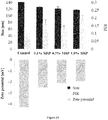
- the zeta potential of the CPP-modified liposomes showed a strong increase compared with the unmodified liposomes due to the positive charged amino acids of the CPPs ( Figure 19 ) confirming the successful incorporation of the conjugates into the liposomes.
- the zeta potential of the liposomes was determined at room temperature using the automatic mode of a Zetasizer Nano ZS from MalvernTM (Malvern Instruments Ltd., Worcestershire, United Kingdom).
- the particle size, PDI and zeta potential of all liposomal formulations were determined at room temperature using a Zetasizer Nano ZS from MalvernTM (Malvern Instruments Ltd., Worcestershire, United Kingdom). Size and PDI were measured after dilution to a lipid concentration of 0.076 mg/ml with a 10 mM phosphate buffer with a pH of 7.4 using the automatic mode.
- the zeta potential was determined after dilution to a lipid concentration of 0.95 mg/ml by a 50 mM phosphate buffer with a pH of 7.4.
- liposomes containing the cyclic CPP-phospholipid-conjugates were tested by radiolabeling of the antibody matuzumab.
- the liposomes containing the novel conjugate showed a significant higher binding capacity than the standard liposomes ( Figure 20 ).
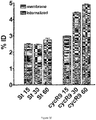
- Caco-2 cells were seeded in 6 well plates. After differentiation for 2 weeks, 1 ml of a liposomal sample was added after removal of the growth medium. The cells were washed with phosphate buffer after incubation at 37° C for 15, 30 and 60 minutes. Afterwards, the cells were incubated for 5 min with 1 ml of 1 mol glycine buffer pH 2.2. 0.3 mol NaOH was added and cell lysis took place by 0.25% SDS. The glycine buffer and the cell lysis fraction were collected and the amount of radioactivity was measured using a Berthold LB 951 G counter in comparison with standards.
- the bioavailability (absolute) of the peptide drug Vancomycin was examined. For this reason, the drug was injected i.v. and the blood levels were compared with the oral liposomal formulation containing 1 mol-% of the cyclic CPP-liposomes. Regarding this peptide drug, the bioavailability by the use of our liposomal formulation is up to 50% in comparison with the i.v. application of Vancomycin ( Figure 21 ).
- the animal study was performed according to local authorities using male Wistar rats with a body weight of about 200 - 250 g.
- the glycopeptide antibiotic Vancomycin was radiolabeled with 131 I and incorporated into the liposomal formulation containing 1 mol-% of the cyclic CPP-phospholipid-conjugate and compared with Vancomycin i.v. as described previously.
- the blood levels of Vancomycin were measured by direct counting of the radiolabeled sample. Briefly, groups (n ⁇ 3) of male Wistar rats were formed. Prior to 12 h of the experiment, the rats were kept without food, but with free access to water. Oral application of the liposomes took place by gavage.
- the blood was removed, weighed and the radioactivity was measured using a Berthold LB 951 G counter in comparison with standards.
- the blood-associated activity was related to the total injected dose (ID) and expressed as a percentage of the total injected dose per gram of tissue (%ID/g).
- the animal study was performed according to local authorities using male Wistar rats with a body weight of about 200 - 250 g.
- the antibody was radiolabeled with 131 I and incorporated into the liposomal formulation containing 1 mol-% of the cyclic CPP-phospholipid-conjugate and compared with Cetuximab free / i.v. as described previously.
- the tumor enrichment was measured by direct counting of the radiolabeled sample. Briefly, groups (n ⁇ 3) of male Wistar rats were formed. Prior to 12 h of the experiment, the rats were kept without food, but with free access to water. Oral application of the liposomes took place by gavage.
- the blood was removed, weighed and the radioactivity was measured using a Berthold LB 951 G counter in comparison with standards.
- the blood-associated activity was related to the total injected dose (ID) and expressed as a percentage of the total injected dose per gram of tissue (%ID/g tumor).
- the particle size, PDI and zeta potential of all liposomal formulations were determined at room temperature using a Zetasizer Nano ZS from MalvernTM (Malvern Instruments Ltd., Worcestershire, United Kingdom). Size and PDI were measured after dilution to a lipid concentration of 0.076 mg/ml with a 10 mM phosphate buffer with a pH of 7.4 using the automatic mode. The zeta potential was determined after dilution to a lipid concentration of 0.95 mg/ml by a 50 mM phosphate buffer with a pH of 7.4.
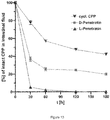
- the stability assays in simulated intestinal fluid showed that cyclic CPP-phospholipid-conjugates are more stable than the linear ones, regarding linear CPPs, the incorporation of D-amino acids is preferred. Regarding several linkers differing in the amount of PEG-units, it could be shown that the encapsulation efficiency is higher if PEG-linkers with 8-50 PEG-units are used.
- the CPP MAP was incorporated into the liposomes which showed characteristics similar to the other CPPs. All liposomal formulations showed no cytotoxicity in all tested concentrations.
- the long term storage of the CPP-TEL-liposomes could be provided by freeze drying using sucrose as lyoprotector.
- sucrose sucrose
- a 3-fold higher blood concentration of 131 I radiolabeled vancomycin could be detected compared with standard liposomes.
- the blood concentration was also determined by an immunoassay, which also showed a comparable enrichment of the Vancomycin blood level (7.83%ID vs. 8.68%ID) using the CPP-TEL-liposomal formulation.
Landscapes
- Health & Medical Sciences (AREA)
- Life Sciences & Earth Sciences (AREA)
- Chemical & Material Sciences (AREA)
- Medicinal Chemistry (AREA)
- Animal Behavior & Ethology (AREA)
- Pharmacology & Pharmacy (AREA)
- Epidemiology (AREA)
- General Health & Medical Sciences (AREA)
- Public Health (AREA)
- Veterinary Medicine (AREA)
- Engineering & Computer Science (AREA)
- Bioinformatics & Cheminformatics (AREA)
- Proteomics, Peptides & Aminoacids (AREA)
- Immunology (AREA)
- Gastroenterology & Hepatology (AREA)
- Dispersion Chemistry (AREA)
- Molecular Biology (AREA)
- Chemical Kinetics & Catalysis (AREA)
- General Chemical & Material Sciences (AREA)
- Oil, Petroleum & Natural Gas (AREA)
- Inorganic Chemistry (AREA)
- Biophysics (AREA)
- Biochemistry (AREA)
- Endocrinology (AREA)
- Zoology (AREA)
- Physiology (AREA)
- Botany (AREA)
- Nutrition Science (AREA)
- Microbiology (AREA)
- Mycology (AREA)
- Diabetes (AREA)
- Medicinal Preparation (AREA)
- Medicines That Contain Protein Lipid Enzymes And Other Medicines (AREA)
- Medicines Containing Antibodies Or Antigens For Use As Internal Diagnostic Agents (AREA)
- Peptides Or Proteins (AREA)
Claims (15)
- Liposomale Zusammensetzung, umfassend Liposomen, ferner umfassend mindestens ein therapeutisches Mittel und/oder mindestens ein diagnostisches Mittel, wobei die Liposomen umfassen(a) Tetraetherlipide (TELs), und(b) zellenpenetrierende Peptide (CPPs),wobei die CPPs an eine Verbindung, die Teil der Liposomen-Lipiddoppelschicht ist, angebracht sind.
- Liposomale Zusammensetzung gemäß Anspruch 1, wobei die TELs von Sulfolobus sp. abgeleitet sind.
- Liposomale Zusammensetzung gemäß Anspruch 2, wobei die TELs von Sulfolobus acidocaldarius abgeleitet sind.
- Liposomale Zusammensetzung gemäß einem der Ansprüche 1 bis 3, wobei die TELs aus der Gruppe ausgewählt sind, welche aus Glycerylcaldityltetraether (GCTE), Diglyceryltetraether (DGTE) und Kombinationen davon besteht.
- Liposomale Zusammensetzung gemäß einem der Ansprüche 1 bis 4, wobei die Liposomen die TELs in einer Menge von 1 bis 10 Mol-%, bezogen auf die Lipid-Gesamtmenge, umfassen.
- Liposomale Zusammensetzung gemäß einem der Ansprüche 1 bis 5, wobei die CPPs aus der Gruppe ausgewählt sind, welche aus linearem oder zyklisiertem Penetratin (SEQ ID Nr.: 1), TAT (Transaktivator von Transkription)-Peptid (SEQ ID Nr.: 2), MAP (amphiphatisches Modellpeptid) (SEQ ID Nr.: 3), R9 (SEQ ID Nr.: 4), pVEC (SEQ ID Nr.: 5), Transportan (SEQ ID Nr.: 6) und MPG (SEQ ID Nr.: 7), Kombinationen davon und Dimeren davon besteht.
- Liposomale Zusammensetzung gemäß einem der Ansprüche 1 bis 6, wobei die Liposomen die CPPs in einer Menge von 0,1 bis 1 Mol-%, bezogen auf die Lipid-Gesamtmenge, umfassen.
- Liposomale Zusammensetzung gemäß einem der Ansprüche 1 bis 7, wobei die Verbindung, an welche die CPPs angebracht sind, aus der Gruppe ausgewählt ist, welche aus Cholesterol und Derivaten davon, Phospholipiden, Lysophospholipiden und Tetraetherlipiden besteht, wobei die Derivate aus der Gruppe ausgewählt sind, welche aus Steroiden und Verbindungen mit einer Steroidmolekülgrundstruktur besteht.
- Liposomale Zusammensetzung gemäß einem der Ansprüche 1 bis 8, wobei die CPPs kovalent angebracht sind.
- Liposomale Zusammensetzung gemäß einem der Ansprüche 1 bis 9, wobei die CPPs über einen Linker angebracht sind.
- Liposomale Zusammensetzung gemäß Anspruch 10, wobei der Linker aus der Gruppe ausgewählt ist, welche aus bifunktionellen PEG-Linkern besteht.
- Liposomale Zusammensetzung gemäß einem der Ansprüche 1 bis 11 zur Verwendung in Medizin.
- Liposomale Zusammensetzung zur Verwendung gemäß Anspruch 12, wobei die Zusammensetzung für orale Verabreichung ist.
- Liposomale Zusammensetzung gemäß einem der Ansprüche 1 bis 13, wobei das therapeutische Mittel aus der Gruppe ausgewählt ist, welche peptidische Arzneistoffe, Proteine oder Antikörper umfasst.
- Liposomale Zusammensetzung gemäß einem der Ansprüche 1 bis 14, wobei die CPPs eine positive Gesamtladung aufweisen.
Applications Claiming Priority (2)
| Application Number | Priority Date | Filing Date | Title |
|---|---|---|---|
| EP15003011.2A EP3158992A1 (de) | 2015-10-21 | 2015-10-21 | Liposomen mit zellenpenetrierenden peptiden und tetraetherlipide zur oralen verabreichung von makromolekülen |
| PCT/EP2016/001682 WO2017067642A1 (en) | 2015-10-21 | 2016-10-11 | Liposomes containing cell penetrating peptides and tetraetherlipids for the oral delivery of macromolecules |
Publications (2)
| Publication Number | Publication Date |
|---|---|
| EP3364952A1 EP3364952A1 (de) | 2018-08-29 |
| EP3364952B1 true EP3364952B1 (de) | 2021-02-24 |
Family
ID=54345413
Family Applications (2)
| Application Number | Title | Priority Date | Filing Date |
|---|---|---|---|
| EP15003011.2A Withdrawn EP3158992A1 (de) | 2015-10-21 | 2015-10-21 | Liposomen mit zellenpenetrierenden peptiden und tetraetherlipide zur oralen verabreichung von makromolekülen |
| EP16788018.6A Active EP3364952B1 (de) | 2015-10-21 | 2016-10-11 | Liposomen mit zellenpenetrierenden peptiden und tetraetherlipide zur oralen verabreichung von makromolekülen |
Family Applications Before (1)
| Application Number | Title | Priority Date | Filing Date |
|---|---|---|---|
| EP15003011.2A Withdrawn EP3158992A1 (de) | 2015-10-21 | 2015-10-21 | Liposomen mit zellenpenetrierenden peptiden und tetraetherlipide zur oralen verabreichung von makromolekülen |
Country Status (8)
| Country | Link |
|---|---|
| US (1) | US10653796B2 (de) |
| EP (2) | EP3158992A1 (de) |
| JP (1) | JP6689378B2 (de) |
| CN (1) | CN108135846B (de) |
| ES (1) | ES2870223T3 (de) |
| RU (1) | RU2743431C2 (de) |
| WO (1) | WO2017067642A1 (de) |
| ZA (1) | ZA201801514B (de) |
Families Citing this family (15)
| Publication number | Priority date | Publication date | Assignee | Title |
|---|---|---|---|---|
| CN110520109A (zh) * | 2017-03-30 | 2019-11-29 | 海德堡大学 | 脂质体组合物及包含该组合物的固体口服剂型 |
| CN111867615A (zh) * | 2018-02-21 | 2020-10-30 | 小利兰.斯坦福大学托管委员会 | 具有次级作用方式的新型抗微生物剂组合物及方法 |
| EP3628309A1 (de) * | 2018-09-28 | 2020-04-01 | Universität Heidelberg | Verfahren zur herstellung oraler dosierungsformen |
| CN109392900B (zh) * | 2018-10-25 | 2020-05-19 | 武汉康科植保技术有限公司 | 一种含有细胞穿透肽的纳米脂质体及其制备方法和应用 |
| PL242410B1 (pl) * | 2019-01-31 | 2023-02-20 | Gdanski Univ Medyczny | Sposób otrzymywania koniugatów wankomycyny i TP10, koniugaty otrzymane tym sposobem oraz ich zastosowanie w leczeniu przeciwbakteryjnym |
| EP3708151A1 (de) * | 2019-03-15 | 2020-09-16 | Technische Universität Wien | Verfahren zur herstellung einer zusammensetzung mit archäischen lipiden aus einer sulfolobus-zellkultur |
| CN110075317B (zh) * | 2019-04-11 | 2022-03-08 | 天津大学 | 利用穿膜肽改性葡聚糖制备葡聚糖-穿膜肽高分子脂质体及其制备方法、应用 |
| WO2020224475A1 (zh) * | 2019-05-05 | 2020-11-12 | 复旦大学 | 药物递送载体以及使用其的药物制剂 |
| CN110201147A (zh) * | 2019-05-23 | 2019-09-06 | 中山市粤美医疗生物科技有限公司 | 一种包含肽的组合物及其制备方法 |
| EP4181881A1 (de) * | 2020-07-14 | 2023-05-24 | Universität Heidelberg | Orale pharmazeutische zusammensetzungen mit lipidkonjugaten |
| US20250134815A1 (en) * | 2021-10-28 | 2025-05-01 | Panexo Biotech Sg Pte. Ltd | Use of milk exosome in preparation of drug carrier |
| CN116549609A (zh) * | 2022-01-27 | 2023-08-08 | 北京良远生物医药研究有限公司 | 一种il2制剂、其制备方法及应用 |
| CN114452258B (zh) * | 2022-03-09 | 2023-07-25 | 成都大学 | 利拉鲁肽脂质体制剂及其制备方法和应用 |
| IL326647A (en) | 2023-09-01 | 2026-04-01 | Novoarc Gmbh | Lipid nanoparticles with a nucleic acid charge and an ionizable lipid |
| CN120661400B (zh) * | 2025-08-25 | 2025-11-11 | 烟台华康生物医药科技有限公司 | 一种含有海参肽的抗衰组合物及其制备方法 |
Family Cites Families (10)
| Publication number | Priority date | Publication date | Assignee | Title |
|---|---|---|---|---|
| US6132789A (en) * | 1995-12-15 | 2000-10-17 | National Research Council Of Canada | Archaeosomes, archaeosomes containing coenzyme Q10, and other types of liposomes containing coenzyme Q10 as adjuvants and as delivery vehicles |
| JP2002508765A (ja) * | 1997-06-23 | 2002-03-19 | アルザ コーポレイション | リポソーム被包ポリヌクレオチド組成物および方法 |
| US8889618B2 (en) * | 2008-11-07 | 2014-11-18 | The General Hospital Corporation | C-terminal fragments of glucagon-like peptide-1 (GLP-1) |
| CN101744768A (zh) * | 2010-03-19 | 2010-06-23 | 上海交通大学 | 基于四醚脂质的蛋白或核酸药物脂质体制剂及其制备方法 |
| KR101198715B1 (ko) * | 2010-05-14 | 2012-11-13 | 한국생명공학연구원 | 핵산 및 친수성 음이온 화합물의 고효율 포획을 위한 비대칭 리포솜 및 이의 제조방법 |
| EP2729127B1 (de) * | 2011-07-04 | 2018-05-02 | Statens Serum Institut | Verfahren zur herstellung von liposomen |
| US20130251783A1 (en) * | 2011-09-14 | 2013-09-26 | Universitat Heidelberg | Liposomes containing permeation enhancers for oral drug delivery |
| WO2013059617A1 (en) * | 2011-10-21 | 2013-04-25 | Ndsu Research Foundation | Liposome compositions and methods of use |
| WO2013084208A2 (pt) * | 2011-12-07 | 2013-06-13 | Universidade Do Minho | Lipossomas e respetivo método de produção |
| CN110464709A (zh) * | 2012-08-10 | 2019-11-19 | 德克萨斯州大学系统董事会 | 用于治疗中风的神经保护性脂质体组合物和方法 |
-
2015
- 2015-10-21 EP EP15003011.2A patent/EP3158992A1/de not_active Withdrawn
-
2016
- 2016-10-11 RU RU2018118176A patent/RU2743431C2/ru active
- 2016-10-11 US US15/769,630 patent/US10653796B2/en active Active
- 2016-10-11 WO PCT/EP2016/001682 patent/WO2017067642A1/en not_active Ceased
- 2016-10-11 EP EP16788018.6A patent/EP3364952B1/de active Active
- 2016-10-11 CN CN201680059561.6A patent/CN108135846B/zh active Active
- 2016-10-11 ES ES16788018T patent/ES2870223T3/es active Active
- 2016-10-11 JP JP2018520422A patent/JP6689378B2/ja not_active Expired - Fee Related
-
2018
- 2018-03-05 ZA ZA2018/01514A patent/ZA201801514B/en unknown
Non-Patent Citations (1)
| Title |
|---|
| None * |
Also Published As
| Publication number | Publication date |
|---|---|
| JP2018532740A (ja) | 2018-11-08 |
| ES2870223T3 (es) | 2021-10-26 |
| RU2018118176A (ru) | 2019-11-21 |
| EP3364952A1 (de) | 2018-08-29 |
| CN108135846B (zh) | 2022-02-18 |
| RU2018118176A3 (de) | 2020-02-26 |
| EP3158992A1 (de) | 2017-04-26 |
| US20180303956A1 (en) | 2018-10-25 |
| ZA201801514B (en) | 2019-07-31 |
| WO2017067642A1 (en) | 2017-04-27 |
| JP6689378B2 (ja) | 2020-04-28 |
| US10653796B2 (en) | 2020-05-19 |
| CN108135846A (zh) | 2018-06-08 |
| RU2743431C2 (ru) | 2021-02-18 |
Similar Documents
| Publication | Publication Date | Title |
|---|---|---|
| EP3364952B1 (de) | Liposomen mit zellenpenetrierenden peptiden und tetraetherlipide zur oralen verabreichung von makromolekülen | |
| Zhang et al. | Combination of cell-penetrating peptides with nanomaterials for the potential therapeutics of central nervous system disorders: a review | |
| EP3600253B1 (de) | Liposomale zusammensetzungen und feststoffdosierungsformen damit | |
| Uhl et al. | A liposomal formulation for the oral application of the investigational hepatitis B drug Myrcludex B | |
| Tan et al. | Cell-penetrating peptide together with PEG-modified mesostructured silica nanoparticles promotes mucous permeation and oral delivery of therapeutic proteins and peptides | |
| Rao et al. | TAT-conjugated nanoparticles for the CNS delivery of anti-HIV drugs | |
| US12390535B2 (en) | Method of making oral dosage forms | |
| Banerjee et al. | Peptide delivery using phospholipid micelles | |
| EP3405429B1 (de) | Bildung von funktionalisierten nanopartikeln durch supramolekulare co-assemblierung | |
| CA3172121A1 (en) | Colloidal carrier systems for transfer of agents to a desired site of action | |
| US20230241233A1 (en) | Oral pharmaceutical compositions comprising lipid conjugates | |
| EP3789491A1 (de) | Peptid und dessen verwendung | |
| US10716757B2 (en) | Liposomal formulation for the oral hepatic delivery of drugs | |
| Mun et al. | Injured cardiac targeting magnetic nanovesicles for mRNA treatment of myocardial infarction | |
| Laforgia et al. | Role of functionalized liposomes in drug delivery through the blood-brain barrier | |
| KR20240013402A (ko) | 테리파라타이드를 포함하는 골다공증 예방 또는 치료를 위한 경구용 약학적 조성물 및 이의 제조방법 | |
| US20190351069A1 (en) | Coating of Nanoparticle Surfaces with Cyclopeptides for Improving Delivery of Agents Via the Oral Route | |
| Tennikova | Novel Formulations of C-Peptide with Long-Acting Therapeutic Potential for Treatment of Diabetic Complications |
Legal Events
| Date | Code | Title | Description |
|---|---|---|---|
| STAA | Information on the status of an ep patent application or granted ep patent |
Free format text: STATUS: UNKNOWN |
|
| STAA | Information on the status of an ep patent application or granted ep patent |
Free format text: STATUS: THE INTERNATIONAL PUBLICATION HAS BEEN MADE |
|
| PUAI | Public reference made under article 153(3) epc to a published international application that has entered the european phase |
Free format text: ORIGINAL CODE: 0009012 |
|
| STAA | Information on the status of an ep patent application or granted ep patent |
Free format text: STATUS: REQUEST FOR EXAMINATION WAS MADE |
|
| 17P | Request for examination filed |
Effective date: 20180315 |
|
| AK | Designated contracting states |
Kind code of ref document: A1 Designated state(s): AL AT BE BG CH CY CZ DE DK EE ES FI FR GB GR HR HU IE IS IT LI LT LU LV MC MK MT NL NO PL PT RO RS SE SI SK SM TR |
|
| AX | Request for extension of the european patent |
Extension state: BA ME |
|
| DAV | Request for validation of the european patent (deleted) | ||
| DAX | Request for extension of the european patent (deleted) | ||
| GRAP | Despatch of communication of intention to grant a patent |
Free format text: ORIGINAL CODE: EPIDOSNIGR1 |
|
| STAA | Information on the status of an ep patent application or granted ep patent |
Free format text: STATUS: GRANT OF PATENT IS INTENDED |
|
| INTG | Intention to grant announced |
Effective date: 20200910 |
|
| GRAS | Grant fee paid |
Free format text: ORIGINAL CODE: EPIDOSNIGR3 |
|
| GRAA | (expected) grant |
Free format text: ORIGINAL CODE: 0009210 |
|
| STAA | Information on the status of an ep patent application or granted ep patent |
Free format text: STATUS: THE PATENT HAS BEEN GRANTED |
|
| AK | Designated contracting states |
Kind code of ref document: B1 Designated state(s): AL AT BE BG CH CY CZ DE DK EE ES FI FR GB GR HR HU IE IS IT LI LT LU LV MC MK MT NL NO PL PT RO RS SE SI SK SM TR |
|
| REG | Reference to a national code |
Ref country code: CH Ref legal event code: EP |
|
| REG | Reference to a national code |
Ref country code: DE Ref legal event code: R096 Ref document number: 602016053183 Country of ref document: DE |
|
| REG | Reference to a national code |
Ref country code: AT Ref legal event code: REF Ref document number: 1363599 Country of ref document: AT Kind code of ref document: T Effective date: 20210315 Ref country code: CH Ref legal event code: NV Representative=s name: VALIPAT S.A. C/O BOVARD SA NEUCHATEL, CH |
|
| REG | Reference to a national code |
Ref country code: IE Ref legal event code: FG4D |
|
| REG | Reference to a national code |
Ref country code: NL Ref legal event code: FP |
|
| REG | Reference to a national code |
Ref country code: LT Ref legal event code: MG9D |
|
| PG25 | Lapsed in a contracting state [announced via postgrant information from national office to epo] |
Ref country code: HR Free format text: LAPSE BECAUSE OF FAILURE TO SUBMIT A TRANSLATION OF THE DESCRIPTION OR TO PAY THE FEE WITHIN THE PRESCRIBED TIME-LIMIT Effective date: 20210224 Ref country code: GR Free format text: LAPSE BECAUSE OF FAILURE TO SUBMIT A TRANSLATION OF THE DESCRIPTION OR TO PAY THE FEE WITHIN THE PRESCRIBED TIME-LIMIT Effective date: 20210525 Ref country code: FI Free format text: LAPSE BECAUSE OF FAILURE TO SUBMIT A TRANSLATION OF THE DESCRIPTION OR TO PAY THE FEE WITHIN THE PRESCRIBED TIME-LIMIT Effective date: 20210224 Ref country code: NO Free format text: LAPSE BECAUSE OF FAILURE TO SUBMIT A TRANSLATION OF THE DESCRIPTION OR TO PAY THE FEE WITHIN THE PRESCRIBED TIME-LIMIT Effective date: 20210524 Ref country code: PT Free format text: LAPSE BECAUSE OF FAILURE TO SUBMIT A TRANSLATION OF THE DESCRIPTION OR TO PAY THE FEE WITHIN THE PRESCRIBED TIME-LIMIT Effective date: 20210624 Ref country code: LT Free format text: LAPSE BECAUSE OF FAILURE TO SUBMIT A TRANSLATION OF THE DESCRIPTION OR TO PAY THE FEE WITHIN THE PRESCRIBED TIME-LIMIT Effective date: 20210224 Ref country code: BG Free format text: LAPSE BECAUSE OF FAILURE TO SUBMIT A TRANSLATION OF THE DESCRIPTION OR TO PAY THE FEE WITHIN THE PRESCRIBED TIME-LIMIT Effective date: 20210524 |
|
| REG | Reference to a national code |
Ref country code: AT Ref legal event code: MK05 Ref document number: 1363599 Country of ref document: AT Kind code of ref document: T Effective date: 20210224 |
|
| PG25 | Lapsed in a contracting state [announced via postgrant information from national office to epo] |
Ref country code: RS Free format text: LAPSE BECAUSE OF FAILURE TO SUBMIT A TRANSLATION OF THE DESCRIPTION OR TO PAY THE FEE WITHIN THE PRESCRIBED TIME-LIMIT Effective date: 20210224 Ref country code: PL Free format text: LAPSE BECAUSE OF FAILURE TO SUBMIT A TRANSLATION OF THE DESCRIPTION OR TO PAY THE FEE WITHIN THE PRESCRIBED TIME-LIMIT Effective date: 20210224 Ref country code: LV Free format text: LAPSE BECAUSE OF FAILURE TO SUBMIT A TRANSLATION OF THE DESCRIPTION OR TO PAY THE FEE WITHIN THE PRESCRIBED TIME-LIMIT Effective date: 20210224 Ref country code: SE Free format text: LAPSE BECAUSE OF FAILURE TO SUBMIT A TRANSLATION OF THE DESCRIPTION OR TO PAY THE FEE WITHIN THE PRESCRIBED TIME-LIMIT Effective date: 20210224 |
|
| PG25 | Lapsed in a contracting state [announced via postgrant information from national office to epo] |
Ref country code: IS Free format text: LAPSE BECAUSE OF FAILURE TO SUBMIT A TRANSLATION OF THE DESCRIPTION OR TO PAY THE FEE WITHIN THE PRESCRIBED TIME-LIMIT Effective date: 20210624 |
|
| REG | Reference to a national code |
Ref country code: ES Ref legal event code: FG2A Ref document number: 2870223 Country of ref document: ES Kind code of ref document: T3 Effective date: 20211026 |
|
| PG25 | Lapsed in a contracting state [announced via postgrant information from national office to epo] |
Ref country code: EE Free format text: LAPSE BECAUSE OF FAILURE TO SUBMIT A TRANSLATION OF THE DESCRIPTION OR TO PAY THE FEE WITHIN THE PRESCRIBED TIME-LIMIT Effective date: 20210224 Ref country code: CZ Free format text: LAPSE BECAUSE OF FAILURE TO SUBMIT A TRANSLATION OF THE DESCRIPTION OR TO PAY THE FEE WITHIN THE PRESCRIBED TIME-LIMIT Effective date: 20210224 Ref country code: SM Free format text: LAPSE BECAUSE OF FAILURE TO SUBMIT A TRANSLATION OF THE DESCRIPTION OR TO PAY THE FEE WITHIN THE PRESCRIBED TIME-LIMIT Effective date: 20210224 Ref country code: AT Free format text: LAPSE BECAUSE OF FAILURE TO SUBMIT A TRANSLATION OF THE DESCRIPTION OR TO PAY THE FEE WITHIN THE PRESCRIBED TIME-LIMIT Effective date: 20210224 |
|
| REG | Reference to a national code |
Ref country code: DE Ref legal event code: R097 Ref document number: 602016053183 Country of ref document: DE |
|
| PG25 | Lapsed in a contracting state [announced via postgrant information from national office to epo] |
Ref country code: SK Free format text: LAPSE BECAUSE OF FAILURE TO SUBMIT A TRANSLATION OF THE DESCRIPTION OR TO PAY THE FEE WITHIN THE PRESCRIBED TIME-LIMIT Effective date: 20210224 Ref country code: RO Free format text: LAPSE BECAUSE OF FAILURE TO SUBMIT A TRANSLATION OF THE DESCRIPTION OR TO PAY THE FEE WITHIN THE PRESCRIBED TIME-LIMIT Effective date: 20210224 Ref country code: DK Free format text: LAPSE BECAUSE OF FAILURE TO SUBMIT A TRANSLATION OF THE DESCRIPTION OR TO PAY THE FEE WITHIN THE PRESCRIBED TIME-LIMIT Effective date: 20210224 |
|
| PLBE | No opposition filed within time limit |
Free format text: ORIGINAL CODE: 0009261 |
|
| STAA | Information on the status of an ep patent application or granted ep patent |
Free format text: STATUS: NO OPPOSITION FILED WITHIN TIME LIMIT |
|
| PG25 | Lapsed in a contracting state [announced via postgrant information from national office to epo] |
Ref country code: AL Free format text: LAPSE BECAUSE OF FAILURE TO SUBMIT A TRANSLATION OF THE DESCRIPTION OR TO PAY THE FEE WITHIN THE PRESCRIBED TIME-LIMIT Effective date: 20210224 |
|
| 26N | No opposition filed |
Effective date: 20211125 |
|
| PG25 | Lapsed in a contracting state [announced via postgrant information from national office to epo] |
Ref country code: SI Free format text: LAPSE BECAUSE OF FAILURE TO SUBMIT A TRANSLATION OF THE DESCRIPTION OR TO PAY THE FEE WITHIN THE PRESCRIBED TIME-LIMIT Effective date: 20210224 |
|
| PG25 | Lapsed in a contracting state [announced via postgrant information from national office to epo] |
Ref country code: IS Free format text: LAPSE BECAUSE OF FAILURE TO SUBMIT A TRANSLATION OF THE DESCRIPTION OR TO PAY THE FEE WITHIN THE PRESCRIBED TIME-LIMIT Effective date: 20210624 |
|
| GBPC | Gb: european patent ceased through non-payment of renewal fee |
Effective date: 20211011 |
|
| PG25 | Lapsed in a contracting state [announced via postgrant information from national office to epo] |
Ref country code: MC Free format text: LAPSE BECAUSE OF FAILURE TO SUBMIT A TRANSLATION OF THE DESCRIPTION OR TO PAY THE FEE WITHIN THE PRESCRIBED TIME-LIMIT Effective date: 20210224 |
|
| PG25 | Lapsed in a contracting state [announced via postgrant information from national office to epo] |
Ref country code: LU Free format text: LAPSE BECAUSE OF NON-PAYMENT OF DUE FEES Effective date: 20211011 Ref country code: GB Free format text: LAPSE BECAUSE OF NON-PAYMENT OF DUE FEES Effective date: 20211011 |
|
| PG25 | Lapsed in a contracting state [announced via postgrant information from national office to epo] |
Ref country code: IE Free format text: LAPSE BECAUSE OF NON-PAYMENT OF DUE FEES Effective date: 20211011 |
|
| PG25 | Lapsed in a contracting state [announced via postgrant information from national office to epo] |
Ref country code: HU Free format text: LAPSE BECAUSE OF FAILURE TO SUBMIT A TRANSLATION OF THE DESCRIPTION OR TO PAY THE FEE WITHIN THE PRESCRIBED TIME-LIMIT; INVALID AB INITIO Effective date: 20161011 |
|
| P01 | Opt-out of the competence of the unified patent court (upc) registered |
Effective date: 20230515 |
|
| PG25 | Lapsed in a contracting state [announced via postgrant information from national office to epo] |
Ref country code: CY Free format text: LAPSE BECAUSE OF FAILURE TO SUBMIT A TRANSLATION OF THE DESCRIPTION OR TO PAY THE FEE WITHIN THE PRESCRIBED TIME-LIMIT Effective date: 20210224 |
|
| PG25 | Lapsed in a contracting state [announced via postgrant information from national office to epo] |
Ref country code: MK Free format text: LAPSE BECAUSE OF FAILURE TO SUBMIT A TRANSLATION OF THE DESCRIPTION OR TO PAY THE FEE WITHIN THE PRESCRIBED TIME-LIMIT Effective date: 20210224 |
|
| PG25 | Lapsed in a contracting state [announced via postgrant information from national office to epo] |
Ref country code: MT Free format text: LAPSE BECAUSE OF FAILURE TO SUBMIT A TRANSLATION OF THE DESCRIPTION OR TO PAY THE FEE WITHIN THE PRESCRIBED TIME-LIMIT Effective date: 20210224 |
|
| REG | Reference to a national code |
Ref country code: CH Ref legal event code: U11 Free format text: ST27 STATUS EVENT CODE: U-0-0-U10-U11 (AS PROVIDED BY THE NATIONAL OFFICE) Effective date: 20251101 |
|
| PGFP | Annual fee paid to national office [announced via postgrant information from national office to epo] |
Ref country code: NL Payment date: 20251023 Year of fee payment: 10 |
|
| PG25 | Lapsed in a contracting state [announced via postgrant information from national office to epo] |
Ref country code: TR Free format text: LAPSE BECAUSE OF FAILURE TO SUBMIT A TRANSLATION OF THE DESCRIPTION OR TO PAY THE FEE WITHIN THE PRESCRIBED TIME-LIMIT Effective date: 20210224 |
|
| PGFP | Annual fee paid to national office [announced via postgrant information from national office to epo] |
Ref country code: DE Payment date: 20251020 Year of fee payment: 10 |
|
| PGFP | Annual fee paid to national office [announced via postgrant information from national office to epo] |
Ref country code: IT Payment date: 20251031 Year of fee payment: 10 |
|
| PGFP | Annual fee paid to national office [announced via postgrant information from national office to epo] |
Ref country code: FR Payment date: 20251029 Year of fee payment: 10 |
|
| PGFP | Annual fee paid to national office [announced via postgrant information from national office to epo] |
Ref country code: BE Payment date: 20251022 Year of fee payment: 10 |
|
| PGFP | Annual fee paid to national office [announced via postgrant information from national office to epo] |
Ref country code: CH Payment date: 20251101 Year of fee payment: 10 |
|
| PGFP | Annual fee paid to national office [announced via postgrant information from national office to epo] |
Ref country code: ES Payment date: 20251114 Year of fee payment: 10 |