EP3368692B1 - Modification des extrémités 3' d'acides nucléiques par l'adn polymérase thêta - Google Patents
Modification des extrémités 3' d'acides nucléiques par l'adn polymérase thêta Download PDFInfo
- Publication number
- EP3368692B1 EP3368692B1 EP16860925.3A EP16860925A EP3368692B1 EP 3368692 B1 EP3368692 B1 EP 3368692B1 EP 16860925 A EP16860925 A EP 16860925A EP 3368692 B1 EP3368692 B1 EP 3368692B1
- Authority
- EP
- European Patent Office
- Prior art keywords
- polθ
- nucleic acid
- ssdna
- dna
- template
- Prior art date
- Legal status (The legal status is an assumption and is not a legal conclusion. Google has not performed a legal analysis and makes no representation as to the accuracy of the status listed.)
- Active
Links
Images
























Classifications
-
- C—CHEMISTRY; METALLURGY
- C12—BIOCHEMISTRY; BEER; SPIRITS; WINE; VINEGAR; MICROBIOLOGY; ENZYMOLOGY; MUTATION OR GENETIC ENGINEERING
- C12N—MICROORGANISMS OR ENZYMES; COMPOSITIONS THEREOF; PROPAGATING, PRESERVING, OR MAINTAINING MICROORGANISMS; MUTATION OR GENETIC ENGINEERING; CULTURE MEDIA
- C12N9/00—Enzymes; Proenzymes; Compositions thereof; Processes for preparing, activating, inhibiting, separating or purifying enzymes
- C12N9/10—Transferases (2.)
- C12N9/12—Transferases (2.) transferring phosphorus containing groups, e.g. kinases (2.7)
- C12N9/1241—Nucleotidyltransferases (2.7.7)
- C12N9/1252—DNA-directed DNA polymerase (2.7.7.7), i.e. DNA replicase
-
- C—CHEMISTRY; METALLURGY
- C12—BIOCHEMISTRY; BEER; SPIRITS; WINE; VINEGAR; MICROBIOLOGY; ENZYMOLOGY; MUTATION OR GENETIC ENGINEERING
- C12P—FERMENTATION OR ENZYME-USING PROCESSES TO SYNTHESISE A DESIRED CHEMICAL COMPOUND OR COMPOSITION OR TO SEPARATE OPTICAL ISOMERS FROM A RACEMIC MIXTURE
- C12P19/00—Preparation of compounds containing saccharide radicals
- C12P19/26—Preparation of nitrogen-containing carbohydrates
- C12P19/28—N-glycosides
- C12P19/30—Nucleotides
- C12P19/34—Polynucleotides, e.g. nucleic acids, oligoribonucleotides
-
- C—CHEMISTRY; METALLURGY
- C12—BIOCHEMISTRY; BEER; SPIRITS; WINE; VINEGAR; MICROBIOLOGY; ENZYMOLOGY; MUTATION OR GENETIC ENGINEERING
- C12Q—MEASURING OR TESTING PROCESSES INVOLVING ENZYMES, NUCLEIC ACIDS OR MICROORGANISMS; COMPOSITIONS OR TEST PAPERS THEREFOR; PROCESSES OF PREPARING SUCH COMPOSITIONS; CONDITION-RESPONSIVE CONTROL IN MICROBIOLOGICAL OR ENZYMOLOGICAL PROCESSES
- C12Q1/00—Measuring or testing processes involving enzymes, nucleic acids or microorganisms; Compositions therefor; Processes of preparing such compositions
- C12Q1/68—Measuring or testing processes involving enzymes, nucleic acids or microorganisms; Compositions therefor; Processes of preparing such compositions involving nucleic acids
-
- C—CHEMISTRY; METALLURGY
- C12—BIOCHEMISTRY; BEER; SPIRITS; WINE; VINEGAR; MICROBIOLOGY; ENZYMOLOGY; MUTATION OR GENETIC ENGINEERING
- C12Q—MEASURING OR TESTING PROCESSES INVOLVING ENZYMES, NUCLEIC ACIDS OR MICROORGANISMS; COMPOSITIONS OR TEST PAPERS THEREFOR; PROCESSES OF PREPARING SUCH COMPOSITIONS; CONDITION-RESPONSIVE CONTROL IN MICROBIOLOGICAL OR ENZYMOLOGICAL PROCESSES
- C12Q1/00—Measuring or testing processes involving enzymes, nucleic acids or microorganisms; Compositions therefor; Processes of preparing such compositions
- C12Q1/68—Measuring or testing processes involving enzymes, nucleic acids or microorganisms; Compositions therefor; Processes of preparing such compositions involving nucleic acids
- C12Q1/6806—Preparing nucleic acids for analysis, e.g. for polymerase chain reaction [PCR] assay
-
- C—CHEMISTRY; METALLURGY
- C12—BIOCHEMISTRY; BEER; SPIRITS; WINE; VINEGAR; MICROBIOLOGY; ENZYMOLOGY; MUTATION OR GENETIC ENGINEERING
- C12Q—MEASURING OR TESTING PROCESSES INVOLVING ENZYMES, NUCLEIC ACIDS OR MICROORGANISMS; COMPOSITIONS OR TEST PAPERS THEREFOR; PROCESSES OF PREPARING SUCH COMPOSITIONS; CONDITION-RESPONSIVE CONTROL IN MICROBIOLOGICAL OR ENZYMOLOGICAL PROCESSES
- C12Q1/00—Measuring or testing processes involving enzymes, nucleic acids or microorganisms; Compositions therefor; Processes of preparing such compositions
- C12Q1/68—Measuring or testing processes involving enzymes, nucleic acids or microorganisms; Compositions therefor; Processes of preparing such compositions involving nucleic acids
- C12Q1/6813—Hybridisation assays
- C12Q1/6827—Hybridisation assays for detection of mutation or polymorphism
-
- C—CHEMISTRY; METALLURGY
- C12—BIOCHEMISTRY; BEER; SPIRITS; WINE; VINEGAR; MICROBIOLOGY; ENZYMOLOGY; MUTATION OR GENETIC ENGINEERING
- C12Q—MEASURING OR TESTING PROCESSES INVOLVING ENZYMES, NUCLEIC ACIDS OR MICROORGANISMS; COMPOSITIONS OR TEST PAPERS THEREFOR; PROCESSES OF PREPARING SUCH COMPOSITIONS; CONDITION-RESPONSIVE CONTROL IN MICROBIOLOGICAL OR ENZYMOLOGICAL PROCESSES
- C12Q1/00—Measuring or testing processes involving enzymes, nucleic acids or microorganisms; Compositions therefor; Processes of preparing such compositions
- C12Q1/68—Measuring or testing processes involving enzymes, nucleic acids or microorganisms; Compositions therefor; Processes of preparing such compositions involving nucleic acids
- C12Q1/6844—Nucleic acid amplification reactions
-
- C—CHEMISTRY; METALLURGY
- C12—BIOCHEMISTRY; BEER; SPIRITS; WINE; VINEGAR; MICROBIOLOGY; ENZYMOLOGY; MUTATION OR GENETIC ENGINEERING
- C12Q—MEASURING OR TESTING PROCESSES INVOLVING ENZYMES, NUCLEIC ACIDS OR MICROORGANISMS; COMPOSITIONS OR TEST PAPERS THEREFOR; PROCESSES OF PREPARING SUCH COMPOSITIONS; CONDITION-RESPONSIVE CONTROL IN MICROBIOLOGICAL OR ENZYMOLOGICAL PROCESSES
- C12Q1/00—Measuring or testing processes involving enzymes, nucleic acids or microorganisms; Compositions therefor; Processes of preparing such compositions
- C12Q1/68—Measuring or testing processes involving enzymes, nucleic acids or microorganisms; Compositions therefor; Processes of preparing such compositions involving nucleic acids
- C12Q1/6844—Nucleic acid amplification reactions
- C12Q1/6853—Nucleic acid amplification reactions using modified primers or templates
-
- C—CHEMISTRY; METALLURGY
- C07—ORGANIC CHEMISTRY
- C07H—SUGARS; DERIVATIVES THEREOF; NUCLEOSIDES; NUCLEOTIDES; NUCLEIC ACIDS
- C07H21/00—Compounds containing two or more mononucleotide units having separate phosphate or polyphosphate groups linked by saccharide radicals of nucleoside groups, e.g. nucleic acids
- C07H21/04—Compounds containing two or more mononucleotide units having separate phosphate or polyphosphate groups linked by saccharide radicals of nucleoside groups, e.g. nucleic acids with deoxyribosyl as saccharide radical
-
- C—CHEMISTRY; METALLURGY
- C12—BIOCHEMISTRY; BEER; SPIRITS; WINE; VINEGAR; MICROBIOLOGY; ENZYMOLOGY; MUTATION OR GENETIC ENGINEERING
- C12N—MICROORGANISMS OR ENZYMES; COMPOSITIONS THEREOF; PROPAGATING, PRESERVING, OR MAINTAINING MICROORGANISMS; MUTATION OR GENETIC ENGINEERING; CULTURE MEDIA
- C12N2310/00—Structure or type of the nucleic acid
- C12N2310/30—Chemical structure
- C12N2310/34—Spatial arrangement of the modifications
- C12N2310/344—Position-specific modifications, e.g. on every purine, at the 3'-end
-
- C—CHEMISTRY; METALLURGY
- C12—BIOCHEMISTRY; BEER; SPIRITS; WINE; VINEGAR; MICROBIOLOGY; ENZYMOLOGY; MUTATION OR GENETIC ENGINEERING
- C12Q—MEASURING OR TESTING PROCESSES INVOLVING ENZYMES, NUCLEIC ACIDS OR MICROORGANISMS; COMPOSITIONS OR TEST PAPERS THEREFOR; PROCESSES OF PREPARING SUCH COMPOSITIONS; CONDITION-RESPONSIVE CONTROL IN MICROBIOLOGICAL OR ENZYMOLOGICAL PROCESSES
- C12Q2521/00—Reaction characterised by the enzymatic activity
- C12Q2521/10—Nucleotidyl transfering
- C12Q2521/101—DNA polymerase
-
- C—CHEMISTRY; METALLURGY
- C12—BIOCHEMISTRY; BEER; SPIRITS; WINE; VINEGAR; MICROBIOLOGY; ENZYMOLOGY; MUTATION OR GENETIC ENGINEERING
- C12Q—MEASURING OR TESTING PROCESSES INVOLVING ENZYMES, NUCLEIC ACIDS OR MICROORGANISMS; COMPOSITIONS OR TEST PAPERS THEREFOR; PROCESSES OF PREPARING SUCH COMPOSITIONS; CONDITION-RESPONSIVE CONTROL IN MICROBIOLOGICAL OR ENZYMOLOGICAL PROCESSES
- C12Q2525/00—Reactions involving modified oligonucleotides, nucleic acids, or nucleotides
- C12Q2525/10—Modifications characterised by
- C12Q2525/101—Modifications characterised by incorporating non-naturally occurring nucleotides, e.g. inosine
-
- C—CHEMISTRY; METALLURGY
- C12—BIOCHEMISTRY; BEER; SPIRITS; WINE; VINEGAR; MICROBIOLOGY; ENZYMOLOGY; MUTATION OR GENETIC ENGINEERING
- C12Q—MEASURING OR TESTING PROCESSES INVOLVING ENZYMES, NUCLEIC ACIDS OR MICROORGANISMS; COMPOSITIONS OR TEST PAPERS THEREFOR; PROCESSES OF PREPARING SUCH COMPOSITIONS; CONDITION-RESPONSIVE CONTROL IN MICROBIOLOGICAL OR ENZYMOLOGICAL PROCESSES
- C12Q2563/00—Nucleic acid detection characterized by the use of physical, structural and functional properties
- C12Q2563/137—Metal/ion, e.g. metal label
-
- C—CHEMISTRY; METALLURGY
- C12—BIOCHEMISTRY; BEER; SPIRITS; WINE; VINEGAR; MICROBIOLOGY; ENZYMOLOGY; MUTATION OR GENETIC ENGINEERING
- C12Y—ENZYMES
- C12Y207/00—Transferases transferring phosphorus-containing groups (2.7)
- C12Y207/07—Nucleotidyltransferases (2.7.7)
- C12Y207/07007—DNA-directed DNA polymerase (2.7.7.7), i.e. DNA replicase
Definitions
- DNA polymerases are crucial to life since they are necessary for the propagation and maintenance of genetic information. Intriguingly, human cells encode for several different types of Pols, many of which are intrinsically error-prone due to their open active sites which enables them to tolerate particular DNA lesions ( Sale et al., 2012, Nature Rev Mol Cell Biol 13:141-52 ; Waters et al., 2009, Microbiol Mol Biol Rev 73:134-54 ). Such enzymes are referred to as translesion polymerases and are mostly among the Y-family of polymerases.
- a unique A-family polymerase encoded by POLQ also tolerates bulky lesions and is capable of replicating past the most lethal lesion, a double-strand break (DSB) ( Kent et al., 2015, Nat Struct Mol Biol 22:230-7 ; Yoon et al., 2014, J Biol Chem 289:13177-85 ; Yousefzadeh et al., 2014, PLoS Genet 10:e1004654 ; Mateos-Gomez et al., 2015, Nature 518:254-7 ; Hogg et al., 2011, J Mol Biol 405:642-52 ; Seki et al., 2003, Nucleic Acids Res 31:6117-26 ; Chan et al., 2010, PLoS Genet 6:e1001005 ; Koole et al., 2014, Nat Commun 5:3216 ).
- DSB double-strand break
- MMEJ microhomology-mediated end-joining
- alt-NHEJ alternative non-homologous endjoining
- TdT terminal deoxynucleotidyl transferase
- compositions and methods providing an effective template-independent transfer of canonical and modified deoxyribonucleotides and ribonucleotides to both DNA and RNA.
- the present invention satisfies this unmet need.
- the invention provides a method of modifying a 3' terminal end of a nucleic acid with a substrate.
- the present invention provides a method of modifying a 3' terminal end of a nucleic acid with a substrate, the method comprising:
- the present invention also provides a method of modifying a 3' terminal end of a nucleic acid with a substrate, the method comprising:
- the present invention also provides a method of modifying a 3' terminal end of a nucleic acid with a substrate, the method comprising:
- the method comprises forming a mixture comprising an A family polymerase, a substrate, a nucleic acid, and a reaction solution, wherein the reaction solution comprises at least one divalent metal; incubating the mixture; and isolating a 3'-terminal end modified nucleic acid.
- the nucleic acid is a single stranded DNA (ssDNA), double stranded DNA, partial ssDNA, RNA or telomeric ssDNA.
- the A family polymerase is Pol ⁇ or an active fragment thereof.
- Pol ⁇ comprises the amino acid sequence of SEQ ID NO 1.
- the divalent metal is manganese (Mn 2+ ), cobalt (Co 2+ ), or a combination thereof. In one embodiment, the divalent metal is at a concentration of about 1 mM to about 50 mM. In some embodiments, the divalent metal is at a concentration of about 5 mM.
- the reaction solution further comprises glycerol, a non-ionic detergent, and a buffer.
- concentration of the glycerol in the reaction solution is less than or equal to 20%. In one embodiment, the concentration of glycerol in the reaction solution is 10%. In one embodiment, concentration of the non-ionic detergent is less than 1%. In one embodiment, the concentration of the non-ionic detergent is 0.1%.
- the buffer is MES/TRIS and wherein MES/TRIS is at a concentration of about 20 mM to about 100 mM. In one embodiment, the pH of the buffer is 6.5-8.8. In one embodiment, the pH of the buffer is 8.2.
- the step incubating the mixture comprises incubating the mixture for at least 2 hours. In one embodiment, the step incubating the mixture comprises incubating the mixture at 25°C - 42°C. In one embodiment, the step incubating the mixture comprises incubating the mixture at 42°C.
- the present invention also provides a kit for modifying a 3' terminal end of a nucleic acid with a substrate, the kit comprising an A-family polymerase and a reaction solution, wherein the A-family polymerase is Pol ⁇ or an active fragment or variant thereof, and wherein the reaction solution comprises Mn 2+ .
- the kit comprises an A-family polymerase and a reaction solution. In one embodiment, the kit further comprises the substrate.
- the A-family polymerase is Pol ⁇ .
- the reaction solution comprises 5 mM Mn 2+ , 20 mM Tris HCl pH 8.2, 10% glycerol, 0.01% NP-40 and 0.1 mg/mL BSA.
- the present invention also provides a method de novo synthesis of nucleic acids.
- the present invention provides a method of synthesis of nucleic acids, the method comprising:
- the method comprises forming a mixture comprising an A family polymerase, at least one nucleobase, and a reaction solution, wherein the reaction solution comprises at least one divalent metal;incubating the mixture; and isolating a nucleic acid.
- a family polymerase is Pol ⁇ .
- the at least one nucleobase is selected from ATP, UTP, GTP, dATP, dTTP, dGTP, dCTP, and any combination thereof.
- the at least one divalent metal is Mn2+.
- the present invention is based on the discovery that Pol ⁇ possesses robust template-independent terminal transferase activity on DNA and RNA. In some instances, Pol ⁇ possesses robust template-independent terminal transferase activity exclusively in the presence of manganese. In other instances, Pol ⁇ possesses robust template-independent terminal transferase activity exclusively in the presence of cobalt. Under these conditions, Pol ⁇ efficiently transfers deoxyribonucleotides to the 3' terminal end of single-strand DNA (ssDNA), partial ssDNA (pssDNA), double-strand DNA (dsDNA), and single-strand RNA (RNA).
- ssDNA single-strand DNA
- pssDNA partial ssDNA
- dsDNA double-strand DNA
- RNA single-strand RNA
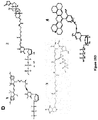
- Pol ⁇ also efficiently transfers ribonucleotides and modified nucleotide analogs containing various large functional groups, such as fluorophores, biotin, and digoxigenin, to DNA and RNA. Unexpectedly, Pol ⁇ is more effective in transferring ribonucleotides and modified nucleotides to ssDNA compared to commercially available terminal deoxynucleotidyl transferase (TdT).
- TdT terminal deoxynucleotidyl transferase
- the invention provides methods and compositions for modifying the terminal 3' ends of nucleic acids.
- the method of the invention comprises reacting an A-family polymerase with a nucleic acid to be modified on the 3' terminal end, a substrate to modify the nucleic acid in a reaction solution comprising a divalent metal, incubating the reaction and then isolating a 3'-terminal end modified nucleic acid.
- the nucleic acid oligo to be modified is single stranded DNA (ssDNA), double stranded DNA (dsDNA), partial ssDNA (psDNA), RNA, or telomeric ssDNA.
- the A-family polymerase is Pol ⁇ . In some embodiments, the A-family polymerase is a fragment of P ⁇ l ⁇ . In certain embodiments the fragment of Pol ⁇ is P ⁇ l ⁇ 1792-2590 , represented by SEQ ID NO 1. In certain embodiments Pol ⁇ is encoded by the human POLQ gene. In other embodiments Pol ⁇ is encoded by the C. elegans polq-1 gene.
- the substrate is a nucleotide.
- the deoxyribonucleotide is dATP, dGTP, dCTP, dATP, or dUTP.
- the ribonucleotide is ATP, GTP, CTP, or UTP.
- the nucleotide is modified.
- the modified nucleotide may be cy3-dUTP, Digoxigenin-11-dUTP, Biotin-16AA-dUTP, Texas Red-5-dCTP, Cyanine 3-AA-UTP, 4-Thio-UTP, Biotin-16-AACTP, Ganciclovir Triphosphate, N6-(6-Azido)hexyl-adenosine-5'-triphosphate, and 5-Hydroxymethyl-2'-deoxyuridine-5'-Triphosphate.
- the substrate can be any combination of nucleotides and modified nucleotides.
- the divalent metal is Mn 2+ or Co 2+ .
- the concentration of the divalent metal in the reaction solution is about 1-50 mM with about 2-5 mM being preferred and about 5 mM being most preferred.
- the reaction solution further comprises a buffer.
- the buffer is MES/TRIS.
- the concentration of the buffer in the reaction solution is about 20-100 mM with about 20 mM being preferred.
- the pH of the buffer is about 6.5-8.8, with a pH of about 7-8.2 being preferred and a pH of about 8.2 being more preferred.
- the reaction solution further comprises glycerol.
- the concentration of glycerol in the reaction solution is about 0-20% with about 10% being preferred.
- the reaction solution further comprises a non-ionic detergent.
- the non-ionic detergent is NP-40.
- the concentration of the non-ionic detergent in the reaction solution is about 0-1% with about 0.1% being preferred.
- reaction mixture is incubated for at least 2 hours. In one embodiment, the reaction mixture is incubated at a temperature of about 25°C - 42°C. In another embodiment the reaction mixture is incubated at a temperature of about 42°C.
- the invention also provides a kit for modifying a 3' terminal end of a nucleic acid with a substrate.
- the kit comprises an A-family polymerase and a reaction solution.
- the kit further comprises the substrate.
- the A-family polymerase is Pol ⁇ .
- the reaction solution comprises 5 mM Mn 2+ , 20 mM Tris HCl pH 8.2, 10% glycerol, 0.01% NP-40 and 0.1 mg/mL BSA.
- an element means one element or more than one element.
- Amplification refers to any means by which a polynucleotide sequence is copied and thus expanded into a larger number of polynucleotide molecules, e.g., by reverse transcription, polymerase chain reaction, and ligase chain reaction, among others. Amplification of polynucleotides encompasses a variety of chemical and enzymatic processes. The generation of multiple DNA copies from one or a few copies of a target or template DNA molecule during a polymerase chain reaction (PCR) or a ligase chain reaction (LCR) are forms of amplification. Amplification is not limited to the strict duplication of the starting molecule.
- PCR polymerase chain reaction
- LCR ligase chain reaction
- the generation of multiple cDNA molecules from a limited amount of RNA in a sample using reverse transcription (RT)-PCR is a form of amplification.
- the generation of multiple RNA molecules from a single DNA molecule during the process of transcription is also a form of amplification.
- “Complementary” refers to the broad concept of sequence complementarity between regions of two nucleic acid strands or between two regions of the same nucleic acid strand. It is known that an adenine residue of a first nucleic acid region is capable of forming specific hydrogen bonds ("base pairing") with a residue of a second nucleic acid region which is antiparallel to the first region if the residue is thymine or uracil. Similarly, it is known that a cytosine residue of a first nucleic acid strand is capable of base pairing with a residue of a second nucleic acid strand which is antiparallel to the first strand if the residue is guanine.
- a first region of a nucleic acid is complementary to a second region of the same or a different nucleic acid if, when the two regions are arranged in an antiparallel fashion, at least one nucleotide residue of the first region is capable of base pairing with a residue of the second region.
- the first region comprises a first portion and the second region comprises a second portion, whereby, when the first and second portions are arranged in an antiparallel fashion, at least about 50%, and preferably at least about 75%, at least about 90%, or at least about 95% of the nucleotide residues of the first portion are capable of base pairing with nucleotide residues in the second portion. More preferably, all nucleotide residues of the first portion are capable of base pairing with nucleotide residues in the second portion.
- Encoding refers to the inherent property of specific sequences of nucleotides in a polynucleotide, such as a gene, a cDNA, or an mRNA, to serve as templates for synthesis of other polymers and macromolecules in biological processes having either a defined sequence of nucleotides (i.e., rRNA, tRNA and mRNA) or a defined sequence of amino acids and the biological properties resulting therefrom.
- a gene encodes a protein if transcription and translation of mRNA corresponding to that gene produces the protein in a cell or other biological system.
- Both the coding strand, the nucleotide sequence of which is identical to the mRNA sequence and is usually provided in sequence listings, and the non-coding strand, used as the template for transcription of a gene or cDNA, can be referred to as encoding the protein or other product of that gene or cDNA.
- a "nucleotide sequence encoding an amino acid sequence" includes all nucleotide sequences that are degenerate versions of each other and that encode the same amino acid sequence. Nucleotide sequences that encode proteins and RNA may include introns.
- fragment refers to a subsequence of a larger nucleic acid.
- a “fragment” of a nucleic acid can be at least about 15 nucleotides in length; for example, at least about 50 nucleotides to about 100 nucleotides; at least about 100 to about 500 nucleotides, at least about 500 to about 1000 nucleotides, at least about 1000 nucleotides to about 1500 nucleotides; or about 1500 nucleotides to about 2500 nucleotides; or about 2500 nucleotides (and any integer value in between).
- homology refers to comparisons among amino acid and nucleic acid sequences.
- identity refers to the percent of the nucleotides of the subject nucleic acid sequence that have been matched to identical nucleotides by a sequence analysis program. Homology can be readily calculated by known methods. Nucleic acid sequences and amino acid sequences can be compared using computer programs that align the similar sequences of the nucleic or amino acids and thus define the differences. In preferred methodologies, the BLAST programs (NCBI) and parameters used therein are employed, and the ExPaSy is used to align sequence fragments of genomic DNA sequences. However, equivalent alignment assessments can be obtained through the use of any standard alignment software.
- homologous refers to the subunit sequence similarity between two polymeric molecules, e.g., between two nucleic acid molecules, e.g., two DNA molecules or two RNA molecules, or between two polypeptide molecules.
- two nucleic acid molecules e.g., two DNA molecules or two RNA molecules
- two polypeptide molecules e.g., two amino acids, amino acids, amino acids, amino acids, amino acids, amino acids, amino acids, amino acids, amino acids, amino acids, amino acids, amino acids, amino acids, amino acids, amino acids, amino acids, amino acids, amino acids, amino acids, amino acids, amino acids, amino acids, amino acids, amino acids, amino acids, amino acids, amino acids, amino acids, amino acids, amino acids, amino acids, amino acids, amino acids, amino acids, amino acids, amino acids, amino acids, amino acids, amino acids, amino acids, amino acids, amino acids, amino acids, amino acids, amino acids, amino acids, amino acids, amino acids, amino acids, amino acids, amino acids, amino acids, amino acids, amino acids, amino
- the homology between two sequences is a direct function of the number of matching or homologous positions, e.g., if half (e.g., five positions in a polymer ten subunits in length) of the positions in two compound sequences are homologous then the two sequences are 50% homologous, if 90% of the positions, e.g., 9 of 10, are matched or homologous, the two sequences share 90% homology.
- the DNA sequences 5'ATTGCC 3' and 5'TATGGC 3' share 50% homology.
- Hybridization probes are oligonucleotides capable of binding in a base-specific manner to a complementary strand of nucleic acid. Such probes include peptide nucleic acids, as described in Nielsen et al., 1991, Science 254, 1497-1500 , and other nucleic acid analogs and nucleic acid mimetics. See U.S. Pat No 6,156,501 .
- hybridization refers to the process in which two single-stranded nucleic acids bind non-covalently to form a double-stranded nucleic acid; triple-stranded hybridization is also theoretically possible. Complementary sequences in the nucleic acids pair with each other to form a double helix. The resulting double-stranded nucleic acid is a "hybrid.”
- Hybridization may be between, for example, two complementary or partially complementary sequences.
- the hybrid may have double-stranded regions and single stranded regions.
- the hybrid may be, for example, DNA:DNA, RNA:DNA or DNA:RNA.
- Hybrids may also be formed between modified nucleic acids.
- One or both of the nucleic acids may be immobilized on a solid support. Hybridization techniques may be used to detect and isolate specific sequences, measure homology, or define other characteristics of one or both strands.
- Hybridizations are usually performed under stringent conditions, for example, at a salt concentration of no more than 1 M and a temperature of at least 25°C.
- stringent conditions for example, at a salt concentration of no more than 1 M and a temperature of at least 25°C.
- conditions of 5X SSPE 750 mM NaCl, 50 mM Na Phosphate, 5 mM EDTA, pH 7.4 or 100 mM MES, 1 M Na, 20 mM EDTA, 0.01% Tween-20 and a temperature of 25-50°C are suitable for allele-specific probe hybridizations.
- hybridizations are performed at 40-50°C.
- Acetylated BSA and herring sperm DNA may be added to hybridization reactions.
- Hybridization conditions suitable for microarrays are described in the Gene Expression Technical Manual and the GeneChip Mapping Assay Manual available from Affymetrix (Santa Clara, CA).
- a first oligonucleotide anneals with a second oligonucleotide with "high stringency" if the two oligonucleotides anneal under conditions whereby only oligonucleotides which are at least about 75%, and preferably at least about 90% or at least about 95%, complementary anneal with one another.
- the stringency of conditions used to anneal two oligonucleotides is a function of, among other factors, temperature, ionic strength of the annealing medium, the incubation period, the length of the oligonucleotides, the G-C content of the oligonucleotides, and the expected degree of non-homology between the two oligonucleotides, if known.
- Methods of adjusting the stringency of annealing conditions are known (see, e.g. Sambrook et al., 2012, Molecular Cloning: A Laboratory Manual, Cold Spring Harbor Laboratory Press, Cold Spring Harbor, N.Y
- an "instructional material” includes a publication, a recording, a diagram, or any other medium of expression which can be used to communicate the usefulness of a compound, composition, vector, or delivery system of the invention in the kit for effecting alleviation of the various diseases or disorders recited herein.
- the instructional material can describe one or more methods of alleviating the diseases or disorders in a cell or a tissue of a mammal.
- the instructional material of the kit of the invention can, for example, be affixed to a container which contains the identified compound, composition, vector, or delivery system of the invention or be shipped together with a container which contains the identified compound, composition, vector, or delivery system.
- the instructional material can be shipped separately from the container with the intention that the instructional material and the compound be used cooperatively by the recipient.
- isolated refers to a nucleic acid obtained from an individual, or from a sample obtained from an individual.
- the nucleic acid may be analyzed at any time after it is obtained (e.g., before or after laboratory culture, before or after amplification.)
- purified or “to purify” refers to the removal of components (e.g., contaminants) from a sample.
- components e.g., contaminants
- nucleic acids are purified by removal of contaminating cellular proteins or other undesired nucleic acid species. The removal of contaminants results in an increase in the percentage of desired nucleic acid in the sample.
- label when used herein refers to a detectable compound or composition that is conjugated directly or indirectly to a probe to generate a "labeled" probe.
- the label may be detectable by itself (e.g. radioisotope labels or fluorescent labels) or, in the case of an enzymatic label, may catalyze chemical alteration of a substrate compound or composition that is detectable (e.g., avidin-biotin).
- primers can be labeled to detect a PCR product.
- mismatch refers to a nucleic acid whose sequence is not perfectly complementary to a particular target sequence.
- the mismatch may comprise one or more bases. While the mismatch(es) may be located anywhere in the mismatch probe, terminal mismatches are less desirable because a terminal mismatch is less likely to prevent hybridization of the target sequence. In a particularly preferred embodiment, the mismatch is located at or near the center of the probe such that the mismatch is most likely to destabilize the duplex with the target sequence under the test hybridization conditions.
- nucleic acid refers to both naturally-occurring molecules such as DNA and RNA, but also various derivatives and analogs.
- probes, hairpin linkers, and target polynucleotides of the present teachings are nucleic acids, and typically comprise DNA. Additional derivatives and analogs can be employed as will be appreciated by one having ordinary skill in the art.
- nucleotide base refers to a substituted or unsubstituted aromatic ring or rings.
- the aromatic ring or rings contain at least one nitrogen atom.
- the nucleotide base is capable of forming Watson-Crick and/or Hoogsteen hydrogen bonds with an appropriately complementary nucleotide base.
- nucleotide bases and analogs thereof include, but are not limited to, naturally occurring nucleotide bases adenine, guanine, cytosine, 6 methyl-cytosine, uracil, thymine, and analogs of the naturally occurring nucleotide bases, e.g., 7-deazaadenine, 7-deazaguanine, 7-deaza-8-azaguanine, 7-deaza-8-azaadenine, N6 delta 2-isopentenyladenine (6iA), N6-delta 2-isopentenyl-2-methylthioadenine (2 ms6iA), N2-dimethylguanine (dmG), 7methylguanine (7mG), inosine, nebularine, 2-aminopurine, 2-amino-6-chloropurine, 2,6-diaminopurine, hypoxanthine, pseudouridine, pseudocytosine, pseudoisocytosine, 5-propynylcytosine
- nucleotide refers to a compound comprising a nucleotide base linked to the C-1' carbon of a sugar, such as ribose, arabinose, xylose, and pyranose, and sugar analogs thereof.
- a sugar such as ribose, arabinose, xylose, and pyranose
- nucleotide also encompasses nucleotide analogs.
- the sugar may be substituted or unsubstituted.
- Substituted ribose sugars include, but are not limited to, those riboses in which one or more of the carbon atoms, for example the 2'-carbon atom, is substituted with one or more of the same or different Cl, F, --R, --OR, --NR2 or halogen groups, where each R is independently H, C1-C6 alkyl or C5-C14 aryl.
- Exemplary riboses include, but are not limited to, 2'-(C1-C6)alkoxyribose, 2'-(C5-C14)aryloxyribose, 2',3'-didehydroribose, 2'-deoxy-3'-haloribose, 2'-deoxy-3'-fluororibose, 2'-deoxy-3'-chlororibose, 2'-deoxy-3'-aminoribose, 2'-deoxy-3'-(C1-C6)alkylribose, 2'-deoxy-3'-(C1-C6)alkoxyribose and 2'-deoxy-3'-(C5-C14)aryloxyribose, ribose, 2'-deoxyribose, 2',3'-dideoxyribose, 2'-haloribose, 2'-fluororibose, 2'-chlororibos
- nucleotide analogs refers to modified or non-naturally occurring nucleotides including, but not limited to, analogs that have altered stacking interactions such as 7-deaza purines (i.e., 7-deaza-dATP and 7-deaza-dGTP); base analogs with alternative hydrogen bonding configurations (e.g., such as Iso-C and Iso-G and other non-standard base pairs described in U.S. Pat. No. 6,001,983 to S. Benner ); non-hydrogen bonding analogs (e.g., non-polar, aromatic nucleoside analogs such as 2,4-difluorotoluene, described by B. A. Schweitzer and E. T.
- 7-deaza purines i.e., 7-deaza-dATP and 7-deaza-dGTP
- base analogs with alternative hydrogen bonding configurations e.g., such as Iso-C and Iso-G and other non-standard base pairs described in U.S.
- Nucleotide analogs include nucleotides having one or more modification son the phosphate moiety, base moiety or sugar moiety, such as dideoxy nucleotides and 2'-O-methyl nucleotides. Nucleotide analogs include modified forms of deoxyribo-nucleotides as well as ribonucleotides.
- oligonucleotide typically refers to short polynucleotides, generally, no greater than about 50 nucleotides. It will be understood that when a nucleotide sequence is represented by a DNA sequence (i.e., A, T, G, C), this also includes an RNA sequence (i.e., A, U, G, C) in which "U" replaces "T.”
- nucleotide as used herein is defined as a chain of nucleotides.
- nucleic acids are polymers of nucleotides.
- nucleic acids and polynucleotides as used herein are interchangeable.
- nucleic acids are polynucleotides, which can be hydrolyzed into the monomeric “nucleotides.” The monomeric nucleotides can be hydrolyzed into nucleosides.
- polynucleotides include, but are not limited to, all nucleic acid sequences which are obtained by any means available in the art, including, without limitation, recombinant means, i.e., the cloning of nucleic acid sequences from a recombinant library or a cell genome, using ordinary cloning and amplification technology, and the like, and by synthetic means.
- recombinant means i.e., the cloning of nucleic acid sequences from a recombinant library or a cell genome, using ordinary cloning and amplification technology, and the like, and by synthetic means.
- An "oligonucleotide” as used herein refers to a short polynucleotide, typically less than 100 bases in length.
- sequences on the left-hand end of a single-stranded polynucleotide sequence is the 5'-end.
- the DNA strand having the same sequence as an mRNA is referred to as the "coding strand”; sequences on the DNA strand which are located 5' to a reference point on the DNA are referred to as “upstream sequences”; sequences on the DNA strand which are 3' to a reference point on the DNA are referred to as "downstream sequences.”
- nucleic acid sequences set forth herein throughout in their forward orientation are also useful in the compositions and methods of the invention in their reverse orientation, as well as in their forward and reverse complementary orientation, and are described herein as well as if they were explicitly set forth herein.
- Primer refers to a polynucleotide that is capable of specifically hybridizing to a designated polynucleotide template and providing a point of initiation for synthesis of a complementary polynucleotide. Such synthesis occurs when the polynucleotide primer is placed under conditions in which synthesis is induced, e.g., in the presence of nucleotides, a complementary polynucleotide template, and an agent for polymerization such as DNA polymerase.
- a primer is typically single-stranded, but may be double-stranded. Primers are typically deoxyribonucleic acids, but a wide variety of synthetic and naturally occurring primers are useful for many applications.
- a primer is complementary to the template to which it is designed to hybridize to serve as a site for the initiation of synthesis, but need not reflect the exact sequence of the template. In such a case, specific hybridization of the primer to the template depends on the stringency of the hybridization conditions.
- Primers can be labeled with a detectable label, e.g., chromogenic, radioactive, or fluorescent moieties and used as detectable moieties. Examples of fluorescent moieties include, but are not limited to, rare earth chelates (europium chelates), Texas Red, rhodamine, fluorescein, dansyl, phycocrytherin, phycocyanin, spectrum orange, spectrum green, and/or derivatives of any one or more of the above. Other detectable moieties include digoxigenin and biotin.
- a "probe” is defined as a nucleic acid capable of binding to a target nucleic acid of complementary sequence through one or more types of chemical bonds, usually through complementary base pairing, usually through hydrogen bond formation.
- a probe may include natural (i.e. A, G, U, C, or T) or modified bases (7-deazaguanosine, inosine, etc.).
- a linkage other than a phosphodiester bond may join the bases in probes, so long as it does not interfere with hybridization.
- probes may be peptide nucleic acids in which the constituent bases are joined by peptide bonds rather than phosphodiester linkages.
- match refers to a nucleic acid that has a sequence that is perfectly complementary to a particular target sequence.
- the nucleic acid is typically perfectly complementary to a portion (subsequence) of the target sequence.
- a perfect match (PM) probe can be a “test probe”, a "normalization control” probe, an expression level control probe and the like.
- a perfect match control or perfect match is, however, distinguished from a “mismatch” or “mismatch probe.”
- Target refers to a molecule that has an affinity for a given probe.
- Targets may be naturally-occurring or man-made molecules. Also, they can be employed in their unaltered state or as aggregates with other species. Targets may be attached, covalently or noncovalently, to a binding member, either directly or via a specific binding substance. Examples of targets which can be employed by this invention include, but are not restricted to, oligonucleotides and nucleic acids.
- Variant is a nucleic acid sequence or a peptide sequence that differs in sequence from a reference nucleic acid sequence or peptide sequence respectively, but retains essential properties of the reference molecule. Changes in the sequence of a nucleic acid variant may not alter the amino acid sequence of a peptide encoded by the reference nucleic acid, or may result in amino acid substitutions, additions, deletions, fusions and truncations.
- a variant of a nucleic acid or peptide can be a naturally occurring such as an allelic variant, or can be a variant that is not known to occur naturally. Non-naturally occurring variants of nucleic acids and peptides may be made by mutagenesis techniques or by direct synthesis.
- ranges throughout this disclosure, various aspects of the invention can be presented in a range format. It should be understood that the description in range format is merely for convenience and brevity and should not be construed as an inflexible limitation on the scope of the invention. Accordingly, the description of a range should be considered to have specifically disclosed all the possible subranges as well as individual numerical values within that range. For example, description of a range such as from 1 to 6 should be considered to have specifically disclosed subranges such as from 1 to 3, from 1 to 4, from 1 to 5, from 2 to 4, from 2 to 6, from 3 to 6 etc., as well as individual numbers within that range, for example, 1, 2, 2.7, 3, 4, 5, 5.3, and 6. This applies regardless of the breadth of the range.
- the invention provides compositions and method for modifying 3' terminal ends of DNA and RNA using Pol ⁇ .
- the invention provides a method for modification of the 3' terminal ends of a nucleic acid with a substrate by Pol ⁇ .
- the Pol ⁇ possesses robust template-independent terminal transferase activity exclusively in the presence of manganese. In another embodiment, Pol ⁇ possesses robust template-independent terminal transferase activity exclusively in the presence of cobalt. In one embodiment, the Pol ⁇ of the invention is more effective in transferring ribonucleotides and modified nucleotides to ssDNA compared to commercially available terminal deoxynucleotidyl transferase (TdT). In one embodiment Pol ⁇ synthesizes a nucleic acid containing a specific sequence.
- the invention provides recombinant Pol ⁇ .
- the invention includes an isolated protein (e.g. Pol ⁇ ), wherein the protein is used to modify 3'-terminal ends of nucleic acids.
- the isolated protein is an A family polymerase.
- the protein is Pol ⁇ .
- the protein is a fragment or active mutant of P ⁇ l ⁇ .
- the protein is P ⁇ l ⁇ 1792-2590 having the amino acid sequence of SEQ ID NO 1.
- the invention included a recombinant Pol ⁇ .
- the invention encompasses compositions and methods for producing recombinant Pol ⁇ , including but is not limited to, expression vectors, methods for the introduction of exogenous DNA into cells with concomitant expression of the exogenous DNA in the cells, and methods of protein modification, expression and isolation, such as those described, for example, in Sambrook et al. (2001, Molecular Cloning: A Laboratory Manual, Cold Spring Harbor Laboratory, New York ), and in Ausubel et al. (1997, Current Protocols in Molecular Biology, John Wiley & Sons, New York ).
- Pol ⁇ is encoded by the human POLQ gene.
- Pol ⁇ is encoded by the C . elegans polq-1 gene.
- Pol ⁇ is encoded by the mouse Polq gene.
- the protein is a fragment or mutant of a protein which is able to modify the 3'-terminal DNA end. Therefore, another embodiment of the invention is to provide an isolated nucleic acid molecule that code for the protein fragment or the mutated protein.
- the protein fragment or mutated protein is obtained by mutating the wild type protein coding sequence.
- the mutagenesis technique could be by chemical, error prone PCR or site-directed approach.
- the suitable technique can be selected and used for introducing mutations and the mutated nucleic acid molecule can be cloned and expressed and the transferase activity of the protein can be determined.
- the isolated nucleic acid sequence encoding the protein fragment or mutated protein can be obtained using any of the many recombinant methods known in the art, such as, for example by screening libraries from cells expressing the gene, by deriving the gene from a vector known to include the same, or by isolating directly from cells and tissues containing the same, using standard techniques.
- the gene of interest can be produced synthetically, rather than cloned.
- the isolated nucleic acid may comprise any type of nucleic acid, including, but not limited to DNA and RNA.
- the composition comprises an isolated DNA molecule, including for example, an isolated cDNA molecule, encoding the mutated protein, or functional fragment thereof.
- the composition comprises an isolated RNA molecule encoding the mutated protein, or a functional fragment thereof.
- the desired polynucleotide can be cloned into a number of types of vectors.
- the present invention should not be construed to be limited to any particular vector. Instead, the present invention should be construed to encompass a wide plethora of vectors which are readily available and/or well-known in the art.
- a desired polynucleotide of the invention can be cloned into a vector including, but not limited to a plasmid, a phagemid, a phage derivative, an animal viruse, and a cosmid.
- Vectors of particular interest include expression vectors, replication vectors, probe generation vectors, and sequencing vectors.
- the expression vector is selected from the group consisting of a viral vector, a bacterial vector and a mammalian cell vector.
- a viral vector a viral vector
- bacterial vector a viral vector
- mammalian cell vector a mammalian cell vector.
- the expression vector may be provided to a cell in the form of a viral vector.
- Viral vector technology is well known in the art and is described, for example, in Sambrook et al. (2001), and in Ausubel et al. (1997), and in other virology and molecular biology manuals.
- Viruses, which are useful as vectors include, but are not limited to, retroviruses, adenoviruses, adeno-associated viruses, herpes viruses, and lentiviruses.
- a suitable vector contains an origin of replication functional in at least one organism, a promoter sequence, convenient restriction endonuclease sites, and one or more selectable markers. (See, e.g., WO 01/96584 ; WO 01/29058 ; and U.S. Pat. No. 6,326,193 .
- At least one module in each promoter functions to position the start site for RNA synthesis.
- the best known example of this is the TATA box, but in some promoters lacking a TATA box, such as the promoter for the mammalian terminal deoxynucleotidyl transferase gene and the promoter for the SV40 genes, a discrete element overlying the start site itself helps to fix the place of initiation.
- promoter elements i.e., enhancers
- promoters regulate the frequency of transcriptional initiation.
- these are located in the region 30-110 bp upstream of the start site, although a number of promoters have recently been shown to contain functional elements downstream of the start site as well.
- the spacing between promoter elements frequently is flexible, so that promoter function is preserved when elements are inverted or moved relative to one another.
- tk thymidine kinase
- the spacing between promoter elements can be increased to 50 bp apart before activity begins to decline.
- individual elements can function either co-operatively or independently to activate transcription.
- a promoter may be one naturally associated with a gene or polynucleotide sequence, as may be obtained by isolating the 5' non-coding sequences located upstream of the coding segment and/or exon. Such a promoter can be referred to as "endogenous.”
- an enhancer may be one naturally associated with a polynucleotide sequence, located either downstream or upstream of that sequence.
- certain advantages will be gained by positioning the coding polynucleotide segment under the control of a recombinant or heterologous promoter, which refers to a promoter that is not normally associated with a polynucleotide sequence in its natural environment.
- a recombinant or heterologous enhancer refers also to an enhancer not normally associated with a polynucleotide sequence in its natural environment.
- Such promoters or enhancers may include promoters or enhancers of other genes, and promoters or enhancers isolated from any other prokaryotic, viral, or eukaryotic cell, and promoters or enhancers not "naturally occurring," i.e., containing different elements of different transcriptional regulatory regions, and/or mutations that alter expression.
- sequences may be produced using recombinant cloning and/or nucleic acid amplification technology, including PCRTM, in connection with the compositions disclosed herein ( U.S. Patent 4,683,202 , U.S. Patent 5,928,906 ).
- control sequences that direct transcription and/or expression of sequences within non-nuclear organelles such as fmitochondria, chloroplasts, and the like, can be employed as well.
- promoter and/or enhancer that effectively directs the expression of the DNA segment in the cell type, organelle, and organism chosen for expression.
- Those of skill in the art of molecular biology generally know how to use promoters, enhancers, and cell type combinations for protein expression, for example, see Sambrook et al. (2001).
- the promoters employed may be constitutive, tissue-specific, inducible, and/or useful under the appropriate conditions to direct high level expression of the introduced DNA segment, such as is advantageous in the large-scale production of recombinant proteins and/or peptides.
- the promoter may be heterologous or endogenous.
- CMV immediate early cytomegalovirus
- This promoter sequence is a strong constitutive promoter sequence capable of driving high levels of expression of any polynucleotide sequence operatively linked thereto.
- other constitutive promoter sequences may also be used, including, but not limited to the simian virus 40 (SV40) early promoter, mouse mammary tumor virus (MMTV), human immunodeficiency virus (HIV) long terminal repeat (LTR) promoter, Moloney virus promoter, the avian leukemia virus promoter, Epstein-Barr virus immediate early promoter, Rous sarcoma virus promoter, as well as human gene promoters such as, but not limited to, the actin promoter, the myosin promoter, the hemoglobin promoter, and the muscle creatine promoter.
- SV40 simian virus 40
- MMTV mouse mammary tumor virus
- HSV human immunodeficiency virus
- LTR long terminal repeat
- Moloney virus promoter the avian leuk
- the invention should not be limited to the use of constitutive promoters.
- Inducible promoters are also contemplated as part of the invention.
- the use of an inducible promoter in the invention provides a molecular switch capable of turning on expression of the polynucleotide sequence which it is operatively linked when such expression is desired, or turning off the expression when expression is not desired.
- inducible promoters include, but are not limited to a metallothionine promoter, a glucocorticoid promoter, a progesterone promoter, and a tetracycline promoter.
- the invention includes the use of a tissue specific promoter, which promoter is active only in a desired tissue. Tissue specific promoters are well known in the art and include, but are not limited to, the HER-2 promoter and the PSA associated promoter sequences.
- the vector can be readily introduced into a host cell, e.g., mammalian, bacterial, yeast or insect cell by any method in the art.
- a host cell e.g., mammalian, bacterial, yeast or insect cell
- the expression vector can be transferred into a host cell by physical, chemical or biological means. It is readily understood that the introduction of the expression vector comprising the polynucleotide of the invention yields a silenced cell with respect to a regulator.
- Physical methods for introducing a polynucleotide into a host cell include calcium phosphate precipitation, lipofection, particle bombardment, microinjection, electroporation, and the like.
- Methods for producing cells comprising vectors and/or exogenous nucleic acids are well-known in the art. See, for example, Sambrook et al. (2001, Molecular Cloning: A Laboratory Manual, Cold Spring Harbor Laboratory, New York ), and in Ausubel et al. (1997, Current Protocols in Molecular Biology, John Wiley & Sons, New York ).
- Biological methods for introducing a polynucleotide of interest into a host cell include the use of DNA and RNA vectors.
- Viral vectors, and especially retroviral vectors have become the most widely used method for inserting genes into mammalian, e.g., human cells.
- Other viral vectors can be derived from lentivirus, poxviruses, herpes simplex virus I, adenoviruses and adeno-associated viruses, and the like. See, for example, U.S. Pat. Nos. 5,350,674 and 5,585,362 .
- Chemical means for introducing a polynucleotide into a host cell include colloidal dispersion systems, such as macromolecule complexes, nanocapsules, microspheres, beads, and lipid-based systems including oil-in-water emulsions, micelles, mixed micelles, and liposomes.
- colloidal dispersion systems such as macromolecule complexes, nanocapsules, microspheres, beads, and lipid-based systems including oil-in-water emulsions, micelles, mixed micelles, and liposomes.
- a preferred colloidal system for use as a delivery vehicle in vitro and in vivo is a liposome (i.e., an artificial membrane vesicle). The preparation and use of such systems is well known in the art.
- assays include, for example, "molecular biological” assays well known to those of skill in the art, such as Southern and Northern blotting, RT-PCR and PCR; "biochemical” assays, such as detecting the presence or absence of a particular peptide, e.g., by immunological means (ELISAs and Western blots) or by assays described herein to identify agents falling within the scope of the invention.
- molecular biological assays well known to those of skill in the art, such as Southern and Northern blotting, RT-PCR and PCR
- biochemical assays, such as detecting the presence or absence of a particular peptide, e.g., by immunological means (ELISAs and Western blots) or by assays described herein to identify agents falling within the scope of the invention.
- Any DNA vector or delivery vehicle can be utilized to transfer the desired polynucleotide to a cell in vitro or in vivo.
- a preferred delivery vehicle is a liposome.
- the above-mentioned delivery systems and protocols therefore can be found in Gene Targeting Protocols, 2ed., pp 1-35 (2002 ) and Gene Transfer and Expression Protocols, Vol. 7, Murray ed., pp 81-89 (1991 ).
- Liposome is a generic term encompassing a variety of single and multilamellar lipid vehicles formed by the generation of enclosed lipid bilayers or aggregates. Liposomes may be characterized as having vesicular structures with a phospholipid bilayer membrane and an inner aqueous medium. Multilamellar liposomes have multiple lipid layers separated by aqueous medium. They form spontaneously when phospholipids are suspended in an excess of aqueous solution. The lipid components undergo self-rearrangement before the formation of closed structures and entrap water and dissolved solutes between the lipid bilayers (Ghosh and Bachhawat, 1991).
- the present invention also encompasses compositions that have different structures in solution than the normal vesicular structure.
- the lipids may assume a micellar structure or merely exist as nonuniform aggregates of lipid molecules.
- lipofectamine nucleic acid complexes are also contemplated.
- Transformation refers to the transfer of a nucleic acid (e.g., exogenous nucleic acid) into the genome of a host microorganism, resulting in genetically stable inheritance.
- Host microorganisms containing the transformed nucleic acid are referred to as "non-naturally occurring” or “recombinant” or “transformed” or “transgenic” microorganisms.
- Host microorganisms may be selected from, and the non-naturally occurring microorganisms generated in, any prokaryotic or eukaryotic microbial species from the domains of Archaea, Bacteria, or Eukarya.
- Exemplary bacteria include Escherichia coli, Klebsiella oxytoca, Anaerobiospirillum succiniciproducens, Actinobacillus succinogenes, Mannheimia succiniciproducens, Rhizobium etli, Bacillus subtilis, Corynebacterium glutamicum, Gluconobacter oxydans, Zymomonas mobilis, Lactococcus lactis, Lactobacillus plantarum, Streptomyces coelicolor, Clostridium acetobutylicum, Pseudomonas fluorescens, and Pseudomonas putida.
- Exemplary yeasts or fungal species include Saccharomyces cerevisiae, Schizosaccharomyces pombe, Kluyveromyces lactis, Kluyveromyces marxianus, Aspergillus terreus, Aspergillus niger, Rhizopus arrhizus, Rhizopus oryzae, Candida, Yarrowia, Hansenula, Pichia pastoris, Torulopsis, Rhodotorula and Yarrowia lipolytica.
- any suitable host microorganism can be used to introduce suitable genetic modifications (e.g., an exogenous nucleic acid encoding an enzyme with methane monooxygenase activity that is stable in the presence of a chemical or environmental stress) to produce a non-naturally occurring microorganism as provided in the specification.
- suitable genetic modifications e.g., an exogenous nucleic acid encoding an enzyme with methane monooxygenase activity that is stable in the presence of a chemical or environmental stress
- Reference proteins or nucleic acids also known as “wild type” or “parent” proteins and nucleic acids are used as starting molecules for genetic engineering of variant enzymes with the desired stability.
- nucleic acids e.g., a nucleic acid encoding an enzyme with transferase activity that is stable in the presence of a chemical or environmental stress
- nucleic acids may undergo codon optimization to enhance protein expression.
- Codon optimization refers to alteration of codons in genes or coding regions of nucleic acids for transformation of an organism to reflect the typical codon usage of the host organism without altering the polypeptide for which the DNA encodes. Codon optimization methods for optimum gene expression in heterologous organisms are known in the art and have been previously described (see., e.g., Welch et al., 2009, PLoS One 4:e7002 ; Gustafsson et al., 2004, Trends Biotechnol. 22:346-353 ; Wu et al., 2007, Nucl. Acids Res. 35:D76-79 ; Villalobos et al., 2006, BMC Bioinformatics 7:285 ; U.S. Patent Publication 2011/0111413 ; and U.S. Patent Publication 2008/0292918 ).
- the protein of the present invention may be made using chemical methods.
- peptides can be synthesized by solid phase techniques ( Roberge J Y et al (1995) Science 269: 202-204 ), cleaved from the resin, and purified by preparative high performance liquid chromatography. Automated synthesis may be achieved, for example, using the ABI 431 A Peptide Synthesizer (Perkin Elmer) in accordance with the instructions provided by the manufacturer.
- the peptide may alternatively be made by recombinant means or by cleavage from a longer polypeptide.
- the Escherichia coli (E. coli) Rosetta2(DE3)/pLysS strains, or other E. coli strains may be transformed with a vector to express the modified protein and expressed in a flask or fermenter.
- the cells may be grown in the autoinduction medium (IX Terrific Broth, 0.5% w/v glycerol, 0.05% w/v dextrose, 0.2% w/v alpha-lactose, 100 ⁇ g/ml ampicillin and 34 ⁇ g/ml chloramphenicol) and cells harvested anytime between 60 to 70 hours after inoculation.
- the autoinduction medium IX Terrific Broth, 0.5% w/v glycerol, 0.05% w/v dextrose, 0.2% w/v alpha-lactose, 100 ⁇ g/ml ampicillin and 34 ⁇ g/ml chloramphenicol
- the cell pellet obtained by fermentation or centrifugation may be lysed after addition of suitable amount of resuspension buffer, by any method not limited to sonication, high pressure homogenization, bead mill, freeze thawing or by addition of any chemical.
- the enzyme produced by fermentation may be enriched to obtain enzyme as usable for the transferase activity, by one or combination of methods.
- Methods of protein purification are known in the art. See, for example, Sambrook et al. (2001, Molecular Cloning: A Laboratory Manual, Cold Spring Harbor Laboratory, New York ).
- the methods may involve binding of the protein to any matrix with diethylaminoethyl (DEAE) or other weak anion exchange functional group in the presence of Tris buffer or phosphate buffer and eluting with 0.4M sodium chloride (NaCl) solution.
- DEAE diethylaminoethyl
- NaCl sodium chloride
- the methods may involve binding of the protein to matrix with Ni 2+ or other divalent metal cation affinity functional group in the presence of Tris buffer or phosphate buffer, or other buffer, and eluting with 0.5 M or other concentrations of Imidazole solution.
- An alternate method may involve addition of 0.3% (v/w) of polyethylenimine (PEI) to cell lysate and trapping the enzyme in the formed pellet, or releasing the enzyme from the pellet in to solution with the addition of 0.4M NaCl.
- PEI polyethylenimine
- 0.1% (v/v) PEI may be added stirred for suitable time, preferably 1 hour and centrifuged.
- the pellet obtained with the active protein may be used for further processing.
- the active protein thus obtained from any of the above processes may be used as solution or as lyophilized solid or as an immobilized solid or as a granule.
- composition of a protein may be confirmed by amino acid analysis or sequencing.
- the variants of the proteins according to the present invention may be (i) one in which one or more of the amino acid residues are substituted with a conserved or non-conserved amino acid residue (preferably a conserved amino acid residue) and such substituted amino acid residue may or may not be one encoded by the genetic code, (ii) one in which there are one or more modified amino acid residues, e.g., residues that are modified by the attachment of substituent groups, (iii) one in which the peptide is an alternative splice variant of the peptide of the present invention, (iv) fragments of the peptides and/or (v) one in which the peptide is fused with another peptide, such as a leader or secretory sequence or a sequence which is employed for purification (for example, His-tag) or for detection (for example, Sv5 epitope tag).
- a conserved or non-conserved amino acid residue preferably a conserved amino acid residue
- substituted amino acid residue may or
- the fragments include peptides generated via proteolytic cleavage (including multi-site proteolysis) of an original sequence. Variants may be post-translationally or chemically modified. Such variants are deemed to be within the scope of those skilled in the art from the teaching herein.
- the "similarity" between two peptides is determined by comparing the amino acid sequence and its conserved amino acid substitutes of one polypeptide to a sequence of a second polypeptide.
- Variants are defined to include peptide sequences different from the original sequence, preferably different from the original sequence in less than 40% of residues per segment of interest, more preferably different from the original sequence in less than 25% of residues per segment of interest, more preferably different by less than 10% of residues per segment of interest, most preferably different from the original protein sequence in just a few residues per segment of interest and at the same time sufficiently homologous to the original sequence to preserve the functionality of the original sequence and/or the ability to stimulate the differentiation of a stem cell into the osteoblast lineage.
- the present invention includes amino acid sequences that are at least 60%, 65%, 70%, 72%, 74%, 76%, 78%, 80%, 90%, or 95% similar or identical to the original amino acid sequence.
- the degree of identity between two peptides is determined using computer algorithms and methods that are widely known for the persons skilled in the art.
- the identity between two amino acid sequences is preferably determined by using the BLASTP algorithm [ BLAST Manual, Altschul, S., et al., NCBI NLM NIH Bethesda, Md. 20894 , Altschul, S., et al., J. Mol. Biol. 215: 403-410 (1990 )].
- the proteins of the invention can be post-translationally modified.
- post-translational modifications that fall within the scope of the present invention include signal peptide cleavage, glycosylation, acetylation, isoprenylation, proteolysis, myristoylation, parylation, ubiquitylation, sumolation, phosphorylation, protein folding and proteolytic processing, etc.
- Some modifications or processing events require introduction of additional biological machinery.
- processing events such as signal peptide cleavage and core glycosylation, are examined by adding canine microsomal membranes or Xenopus egg extracts ( U.S. Pat. No. 6,103,489 ) to a standard translation reaction.
- the proteins of the invention may include unnatural amino acids formed by post-translational modification or by introducing unnatural amino acids during translation.
- a variety of approaches are available for introducing unnatural amino acids during protein translation.
- a peptide or protein of the invention may be conjugated with other molecules, such as proteins, to prepare fusion proteins. This may be accomplished, for example, by the synthesis of N-terminal or C-terminal fusion proteins provided that the resulting fusion protein retains the functionality of the transferase.
- a peptide or protein of the invention may be phosphorylated using conventional methods such as the method described in Reedijk et al. (The EMBO Journal 11(4): 1365, 1992 ).
- the invention provides nucleic acids which can be modified to add a substrate on the 3'-terminal ends by Pol ⁇ .
- the nucleic acids as well as the substrate of the invention may be from any source.
- Nucleic acid in the context of the present invention includes but is not limited to deoxyribonucleic acid (DNA), ribonucleic acid (RNA) and peptide nucleic acid (PNA).
- DNA and RNA are naturally occurring in organisms, however, they may also exist outside living organisms or may be added to organisms.
- the nucleic acid may be of any origin, e.g., viral, bacterial, archae-bacterial, fungal, ribosomal, eukaryotic or prokaryotic.
- nucleic acid may be nucleic acid from any biological sample and any organism, tissue, cell or sub-cellular compartment. It may be nucleic acid from any organism.
- the nucleic acid may be pre-treated before quantification, e.g., by isolation, purification or modification. Also artificial or synthetic nucleic acid may be used.
- the length of the nucleic acids may vary.
- the nucleic acids may be modified, e.g. may comprise one or more modified nucleobases or modified sugar moieties (e.g., comprising methoxy groups).
- the backbone of the nucleic acid may comprise one or more peptide bonds as in peptide nucleic acid (PNA).
- the nucleic acid may comprise a base analog such as non-purine or non-pyrimidine analog or nucleotide analog. It may also comprise additional attachments such as proteins, peptides and/or or amino acids.
- the nucleic acid comprises single stranded DNA (ssDNA), double stranded DNA (dsDNA), partial ssDNA (pssDNA), RNA, and telomeric ssDNA.
- the substrate is transferred to the 3'-end of the ssDNA, pssDNA, RNA, telomeric ssDNA or dsDNA.
- the substrate is dATP, dGTP, dCTP, dATP, dUTP, or a nucleotide analog.
- a nucleotide or nucleotide analog can be labeled.
- Examples of possible labels include, but are not limited to a radioisotope, an enzyme, an enzyme cofactor, an enzyme substrate, an enzyme inhibitor, a dye, a hapten, a chemiluminescent molecule, a fluorescent molecule, a phosphorescent molecule, an electrochemiluminescent molecule, a chromophore, a magnetic particle, an affinity label, a chromogenic agent, an azide group or other groups used for click chemistry, and other moieties known in the art.
- a radioisotope an enzyme, an enzyme cofactor, an enzyme substrate, an enzyme inhibitor, a dye, a hapten, a chemiluminescent molecule, a fluorescent molecule, a phosphorescent molecule, an electrochemiluminescent molecule, a chromophore, a magnetic particle, an affinity label, a chromogenic agent, an azide group or other groups used for click chemistry, and other moieties known in the art.
- the substrate is a deoxyribonucleotide or ribonucleotide modified at one or more positions within the sugar moiety, tri-phosphate moiety or base moiety.
- the deoxyribonucleotide or ribonucleotide sugar moiety is modified.
- the deoxyribonucleotide or ribonucleotide tri-phosphate moiety is modified.
- the deoxyribonucleotide or ribonucleotide base moiety is modified.
- the substrate is cy3-dUTP, Digoxigenin-11-dUTP, Biotin-16AA-dUTP, Texas Red-5-dCTP, Cyanine 3-AA-UTP, 4-Thio-UTP, Biotin-16-AACTP, Ganciclovir Triphosphate, N6 -(6-Azido)hexyl-adenosine-5'-triphosphate, or 5-Hydroxymethyl-2'-deoxyuridine-5'-Triphosphate.
- the substrate is a 3'-O-blocked or 3'-unblocked reversible nucleotide terminator.
- the invention provides methods of generating 3'-terminal end modified nucleic acid with a substrate.
- the method comprises: providing an A family member polymerase and a substrate; forming a mixture comprising the A family member polymerase, the substrate or mixture of different substrates, the nucleic acid, and a reaction solution wherein the reaction mixture comprises at least one divalent metal; incubating the mixture; and isolating the 3'-terminal end modified nucleic acid.
- the method comprises:
- the divalent metal is Manganese (Mn 2+ ) or Cobalt (Co 2+ ). In certain embodiments, the divalent metal is Mn 2+ . In some embodiments the concentration of the divalent metal in the reaction solution is 1-50 mM, preferably 2-5 mM, and preferably 5 mM. In certain embodiments, a mixture of divalent metals including, but not limited to, Mn 2+ and magnesium Mg 2+ are used.
- the reaction solution further comprises a buffer.
- the buffer is Tris HCl.
- the pH of the buffer is 6.5-8.8, preferably 7.0-8.2 and preferably 8.2.
- the reaction solution further comprises glycerol.
- concentration of glycerol in the reaction solution is less than 20%, preferably 10%.
- the reaction solution further comprises a non-ionic detergent.
- the non-ionic detergent is NP-40.
- the concentration of NP-40 in the reaction solution is less than 1%, preferably 0.1%.
- the reaction solution further comprises bovine serum albumin (BSA).
- BSA bovine serum albumin
- concentration of BSA in the reaction solution is 0.1 mg/ml.
- the step incubating the mixture comprises incubating the mixture at a controlled temperature for a controlled length of time.
- the incubation temperature is 25°C-42°C.
- the temperature is 25°C, 37°C or preferably 42°C.
- the incubation time is at least 2 hours. In certain embodiments, the incubation time is 2 hours.
- the ratio of A-family polymerase to nucleic acid is defined. In certain embodiments, the molar ratio of Pol ⁇ :nucleic acid is at least 1:1, preferably 5:1.
- the modified DNA product that comprises the nucleic acid and substrate can be isolated or amplified using a primer that corresponds to a primer binding site present in the ligated product (i.e., primer binding site present in the donor molecule or the resulting hybrid product).
- the quantifying steps comprise a method selected from the group consisting of gel electrophoresis, capillary electrophoresis, labelling reactions with subsequent detection measures and quantitative real-time PCR or isothermal target amplification.
- the substrate is labelled with one or more fluorescent dye(s) and/or quencher(s) and wherein the quantifying steps comprise detecting fluorescence signals in the sample.
- the fluorescently labelled primers or probes are labelled with a dye selected from the group consisting of FAM, VIC, NED, Fluorescein, FITC, IRD-700/800, CY3, CY5, CY3.5, CY5.5, HEX, TET, TAMRA, JOE, ROX, BODIPY TMR, Oregon Green, Rhodamine Green, Rhodamine Red, Texas Red, Yakima Yellow, Alexa Fluor and PET or analogous dyes with similar excitation and emission properties.
- a dye selected from the group consisting of FAM, VIC, NED, Fluorescein, FITC, IRD-700/800, CY3, CY5, CY3.5, CY5.5, HEX, TET, TAMRA, JOE, ROX, BODIPY TMR, Oregon Green, Rhodamine Green, Rhodamine Red, Texas Red, Yakima Yellow, Alexa Fluor and PET or analogous dyes with similar excitation and emission properties.
- the primer or probe is a LightCycler probe (Roche) or the hydrolysis probe is a TaqMan probe (Roche).
- the primer or probe includes but is not limited to molecular beacon, Scorpion primer, Sunrise primer, LUX primer and Amplifluor primer.
- the invention provides methods of de novo synthesis of nucleic acids.
- the method comprises: providing an A family member polymerase and a substrate; forming a mixture comprising the A family member polymerase, at least one nucleobase, and a reaction solution wherein the reaction mixture comprises at least one divalent metal; incubating the mixture; and isolating the synthesized nucleic acid.
- the method comprises:
- Pol ⁇ synthesizes nucleic acid by transferring nucleotides the 3' terminus of a nucleic acid.
- the length of the synthesized nucleic acid is controlled by consecutive transfer of nucleobases via individual steps.
- the sequence of the synthesized nucleic acid is controlled by consecutive transfer of specific nucleobases, wherein the addition of specific of nucleobases during ordered individual transfer steps dictates the synthesized nucleic sequence.
- the A family polymerase is Pol ⁇ .
- the at least one nucleobase is selected from ATP, UTP, GTP, dATP, dTTP, dGTP , dCTP, and any combination thereof.
- the nucleotides are 3'-O-blocked or 3'-unblocked reversible terminators.
- the reversible terminator allows for multiple controlled consecutive single nucleotide transfer events in a DNA or RNA sequence dependent manner.
- the step incubating the mixture comprises incubating the mixture at a controlled temperature for a controlled length of time.
- the incubation temperature is 25°C-42°C.
- the temperature is 25°C, 37°C or preferably 42°C.
- the incubation time from about 30 minutes to about 2 hours. In certain embodiments, the incubation time is 2 hours.
- modified DNA or RNA composition of the present invention may be used in a wide variety of protocols and technologies.
- the modified DNA or RNA is used in the fields of molecular biology, genomics, transcriptomics, epigenetics, nucleic acid synthesis, nucleic acid sequencing, and the like. That is, modified DNA or RNA may be used in any technology that may require or benefit from the ligation, attachment or synthesis of modified DNA or RNA.
- This method can be used in many technology platforms, including but not limited to microarray, bead, and flow cytometry.
- the method will be useful in numerous applications, such as genomic research, drug target validation, drug discovery, diagnostic biomarker identification and therapeutic assessment.
- the present invention also relates to a kit for performing any of the above described methods, wherein the kit comprises one or more of: (a) an A-family polymerase (b) a reaction solution and optionally, (c) a substrate to modify a nucleic acid.
- the kit comprises an A-family polymerase and a reaction solution, wherein the A-family polymerase is Pol ⁇ or an active fragment or variant thereof, and wherein the reaction solution comprises Mn 2+ .
- the kit additionally comprises a Pol ⁇ . In another embodiment, the kit additionally comprises a polymerase.
- the kit may additionally also comprise a nucleotide mixture and (a) reaction buffer(s).
- the kit includes a reaction buffer comprising 5 mM Mn 2+ , 20 mM Tris HCl pH 8.2, 10% glycerol, 0.01% NP-40 and 0.1 mg/mL BSA.
- the kit additionally comprises one or more pre-quantified calibrator nucleic acids, and a substrate for the modification of said calibrator nucleic acid.
- one or more of the components are premixed in the same reaction container.
- Example 1 DNA Polymerase ⁇ Exhibits Robust Template-Independent Terminal Transferase Activity in the Presence of Manganese
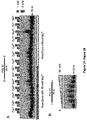
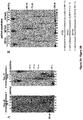
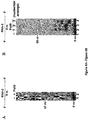
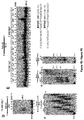
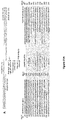
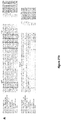
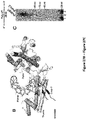
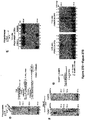
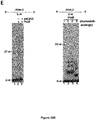
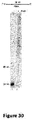
- Pol ⁇ definitively exhibits template-independent terminal transferase activity in vitro. After trying various conditions, Pol ⁇ was found to perform robust template independent terminal transferase activity in a manner that depends on the presence of the divalent cation manganese (Mn 2+ ), or cobalt (Co 2+ ). In the presence of Mn 2+ , this activity is highly efficient, resulting in the addition of hundreds of nucleotides to 3' termini of ssDNA, pssDNA, dsDNA and RNA ends.
- Mn 2+ divalent cation manganese
- Co 2+ cobalt
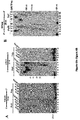
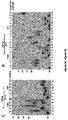
- Pol ⁇ was found to be more effective in transferring ribonucleotides and modified nucleotide analogs containing bulky functional groups to ssDNA than commercially available terminal deoxynucleotidyl transferase (TdT).
- Pol ⁇ (amino-acid residues 1792-2590) was purified as described ( Kent et al., 2015, Nat Struct Mol Biol 22:230-7 ).
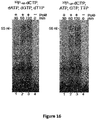
- Pol ⁇ terminal transferase activity 500 nM or 240 nM Pol ⁇ was incubated with 50 nM of the indicated radio-labeled DNA for 120 min at 42°C in the presence of 0.5 mM dNTPs in a 10 ⁇ l volume of the following buffer (20 mM TrisHCl pH 8.2, 10% glycerol, 5 mM MnCl, 0.01% NP-40, 0.1 mg/ml BSA). Reactions were terminated by the addition of 20 mM EDTA and 45% formamide and DNA was resolved by electrophoresis in urea polyacrylamide gels then visualized by autoradiography. Pol ⁇ terminal transferase reactions were performed using the same conditions as Pol ⁇ .
- TdT terminal transferase reactions were performed using conditions recommended by New England Biolabs, however, 0.6 units/ ⁇ l of TdT was used in order to compare its activity with identical concentrations of Pol ⁇ (240 nM); 0.6 units/ ⁇ l is 3-fold more than that recommended by supplier.
- Supplier's recommended buffer and temperature conditions used for TdT were as follows: 50 mM potassium acetate, 20 mM Tris acetate, 10 mM magnesium acetate, pH 7.9, with 0.25 mM cobalt at 37° C. Incubation times were the same as Pol ⁇ .
- Pol ⁇ possesses template-independent terminal transferase activity in the presence of Mn 2+ and Co 2+
- Pol ⁇ To determine whether Pol ⁇ definitively exhibits template-independent terminal transferase activity, the ability of Pol ⁇ to extend a homopolymeric ssDNA substrate composed exclusively of deoxycytidine-monophosphates (poly-dC) was tested. In previous studies, it was found that Pol ⁇ is only able to extend homopolynucleotide substrates in the presence of the complementary deoxy-ribonucleotide-triphosphate (dNTP) which demonstrates its ability to exclusively perform template dependent DNA synthesis ( Kent et al., 2015, Nat Struct Mol Biol 22:230-7 ; Hogg et al., 2012, Nucleic Acid Res 40:2611-22 ).
- dNTP complementary deoxy-ribonucleotide-triphosphate
- divalent cations other than Mg 2+ are present in cells, they may account for the discrepancy between the ability of Pol ⁇ to perform non-templated DNA synthesis in vivo but not in vitro. Therefore tested various divalent cations were tested in a reaction including Pol ⁇ , and a 5' radio-labeled poly-dC ssDNA substrate 29 nucleotides (nt) in length in the presence and absence of Mg 2+ ( Figure 1A ).
- the results show that Mn 2+ and Co 2+ activate Pol ⁇ extension of poly-dC with deoxythymidine-triphosphate (dTTP) which demonstrates template-independent terminal transferase activity (i.e. non-templated DNA synthesis). Since Mn 2+ and Co 2+ had a greater stimulatory effect in the absence of Mg 2+ , they likely bind the same position as Mg 2+ in the active site ( Figure 1A ).
- Pol ⁇ template-independent terminal transferase activity in the presence of Mn 2+ was further investigated since it showed a greater stimulatory effect than Co 2+ .
- Figure 1B shows that 2-5 mM Mn 2+ results in the most efficient extension of the poly-dC substrate in the presence of dTTP.
- the effects of different pH levels and buffer salt concentrations on Pol ⁇ template-independent terminal transferase activity were then examined. The results show that pH ⁇ 8.2 is most amenable to this activity, and that a relatively high concentration of buffer salt is inhibitory ( Figure 1C ).
- Figure 1C shows that pH ⁇ 8.2 is most amenable to this activity, and that a relatively high concentration of buffer salt is inhibitory ( Figure 1C ).
- NP-40 non-ionic detergent
- Pol ⁇ exhibits preferential terminal transferase activity on ssDNA and pssDNA
- Pol ⁇ terminal transferase activity was examined in the presence of Mn 2+ on a variety of other substrates.
- this activity was further tested on homopolymeric ssDNA composed of either deoxythymidine-monophosphates (poly-dT) or deoxycytidine-monophosphates (poly-dC), and ssDNA containing variable sequences.
- poly-dT deoxythymidine-monophosphates
- poly-dC deoxycytidine-monophosphates
- ssDNA containing variable sequences Interestingly, the polymerase preferentially extended these substrates by more than 100 nt in the presence of deoxyadenosine-triphosphate (dATP) regardless of the sequence context ( Figures 3A and 3B ).
- dAMP deoxyadenosine-monophosphate
- abasic site which is regarded as the A-rule
- these data are consistent with Pol ⁇ template-independent activity.
- Pol ⁇ also extends ssDNA in the presence of dTTP, dCTP, and dGTP, however, the lengths of extension products are shorter than with dATP ( Figures 3A and 3B ).
- Pol ⁇ transfers ⁇ 30-70 nt in the presence of dTTP, dCTP, or dGTP, and transfers at least 100 nt when dATP is present ( Figure 3B ).
- Pol ⁇ Consistent with its role in promoting alt-NHEJ of telomeres in cells deficient in telomere protection proteins and non-homologous end-joining (NHEJ) factors ( Mateos-Gomez et al., 2015, Nature 518:254-7 ), Pol ⁇ also exhibits efficient terminal transferase activity on ssDNA modeled after telomeres which is known to contain stable G-quadruplex (G4) secondary structures ( Figure 3G ). Here again extension in the presence of dGTP was the least efficient. Considering that multiple guanosines are present in the telomere repeat sequence, they likely suppress transfer of deoxyribonucloside-monophosphate (dGMP) by the polymerase.
- dGMP deoxyribonucloside-monophosphate
- terminal transferase activity is widely used to modify ssDNA ends for various types of applications including biotechnology, biomedical research, and synthetic biology.
- TdT terminal deoxynucleotidyl transferase
- Figure 4B compares the activities of Pol ⁇ and TdT. Remarkably, Pol ⁇ exhibits a similar ability to extend ssDNA as TdT assayed under conditions recommended by the supplier (New England Biolabs; Figure 4B ).
- Pol ⁇ efficiently transfers Texas Red dCTP, N6-dATP, and ganciclovir, whereas an identical concentration of TdT is unable to incorporate these modified nucleotides ( Figure 4D ; Figure 5 ).
- many of these modified deoxyribonucleotides and ribonucleotides include long linkers attached to functional groups including biotin, digoxigenin, Cy3, and Texas Red ( Figure 5 ).
- these results show that Pol ⁇ can efficiently transfer ribonucleotides and deoxyribonucleotides containing large modifications on their base moieties (i.e. uracil, cytosine) and sugar modifications (i.e. ganciclovir mono-phosphate).
- RNA Since RNA is increasingly being used for many types of applications in biotechnology and biomedical research, the ability of Pol ⁇ to modify the 3' terminus of RNA was further examined. It was observed that Pol ⁇ can transfer deoxyribonucleotides to the 3' terminus of RNA. Moreover, Pol ⁇ is capable of transferring modified nucleotides to RNA ( Figure 6B ; Figure 5 ). Hence, these results demonstrate that Pol ⁇ terminal transferase activity is not limited to DNA.
- Pol ⁇ is an unusual A-family polymerase that is highly error-prone and promiscuous due to the presence of three insertion motifs in its otherwise conserved polymerase domain ( Kent et al., 2015, Nat Struct Mol Biol 22:230-7 ; Hogg et al., 2011, J Mol Biol 405:642-52 ; Hogg et al., 2012, Nucleic Acid Res 40:2611-22 ; Arana et al., 2008, Nucleic Acid Res 36:3847-56 ; Zahn et al., 2015, Nat Struct Mol Biol 22:304-11 ).
- Mn 2+ is present at significantly lower concentrations than Mg 2+ in cells ( Martin et al., 2013, Nucleic Acid Res 41:2428-36 ), the data presented herein show that only a small amount of Mn 2+ is needed to stimulate Pol ⁇ template-independent terminal transferase activity when Mg 2+ is abundant ( Figure 1A ). Thus, the relatively low cellular concentration of Mn ( ⁇ 1 mM) is likely to activate Pol ⁇ template-independent terminal transferase activity.
- Pol ⁇ is more effective in transferring ribonucleotides and many modified nucleotide analogs containing large functional groups to the 3' terminus of ssDNA than identical concentrations of commercially available TdT assayed under the supplier's recommended optimal conditions, it is anticipated that Pol ⁇ will be more useful for modifying DNA as well as RNA substrates for biotechnology, biomedical research and synthetic biology applications. Moreover, since Pol ⁇ does not require toxic reaction components like TdT, such as Co 2+ salts or salts of cadodylic acid, Pol ⁇ terminal transferase assays are a safer option for research and biotechnology applications.
- peptide sequences and the calculated nucleic acid sequences for the peptides.
- the amino acid sequences were calculated using EMBOSS Backtranambig - a program that reads a protein sequence and writes the nucleic acid sequence it could have come from. It does this by using nucleotide ambiguity codes that represent all possible codons for each amino acid (Table 1).
- Nucleic acid sequence Table 1: Nucleic acid code to generate computed sequences of Pol ⁇ 1792-2590 Code Meaning Etymology Complement Opposite A A A denosine T B T/U T or U T hymidine/ U ridine A V G G G uanine C H C C C ytidine G D K G or T K eto M M M A or C A m ino K K R A or G Pu r ine Y Y Y C or T P y rimidine R R S C or G S trong S W W A or T W eak W S B C or G or T not A ( B comes after A) V A V A or C or G not T/U ( V comes after U) B T/U H A or C or T not G ( H comes after G) D G D A or G or T not C ( D comes after C) H C X/N G or A or T or C a n y N . . not
- Example 3 Polymerase ⁇ is a Robust Terminal Transferase that Oscillates Between Three Different Mechanisms During End-Joining
- 500 nM Pol ⁇ was incubated with 50 nM of the indicated 5' 32P-labeled DNA for 120 min at 42° C (or other indicated time intervals and temp) in the presence of 0.5 mM of indicated dNTPs in a 10 ⁇ l volume of buffer A (20 mM TrisHCl pH 8.2, 10% glycerol, 0.01% NP-40, 0.1 mg/ml BSA) with indicated divalent cations; optimal Pol ⁇ terminal transferase activity was performed with 5 mM MnCl2. Reactions were terminated by the addition of 20 mM EDTA and 45% formamide and DNA was resolved by electrophoresis in urea polyacrylamide gels then visualized by autoradiography.
- Pol ⁇ terminal transferase reactions were performed using the same conditions as Pol ⁇ . 50 nM Pol ⁇ was used in experiments employing ssDNA traps. 150-fold excess of unlabled ssDNA trap was added to reactions at indicated time points where indicated. Pol ⁇ terminal transferase activity in solid-phase. 50 nM RP347B was immobilized to magnetic streptavidin beads (Dynabeads® M-270, Invitrogen) in buffer A supplemented with 100 mM NaCl. Excess unbound DNA was then removed by washing beads 3x with buffer A with 100 mM NaCl.
- the bead-DNA mixture was washed and resuspended in buffer A containing 10 mM MgCl 2 and 1 mM MnCl. 500 nM Pol ⁇ was then added for 10 min to allow for ssDNA binding. Excess unbound Pol ⁇ was then removed by washing the beads 4x with 200 ⁇ l buffer A supplemented with 10 mM MgCl 2 and 1 mM MnCl 2 . Beads were resuspended in buffer A supplemented with 10 mM MgCl 2 and 1 mM MnCl 2 , then 0.5 mM dNTPs were added at 42° C.
- RNA ligase was denatured at 65° C, then the DNA was purified using Zymo DNA Clean and ConcentratorTm-5 kit. The ligated DNA was then amplified via PCR using GoTaq® Green (Promega) and primers RP347 and RP431. PCR products were purified using QIAquick PCR purification kit (Qiagen). Pure PCR products were then cloned into E. coli plasmid vectors using TOPO® TA cloning (Invitrogen). Individual plasmids containing PCR products were amplified in E. coli, isolated, and then sequenced.
- DNA was purified using QIAquick® Nucleotide Removal kit (QIAGEN) then amplified using PCR Master Mix (Promega) and end-joining specific primers RP431 and RP435. PCR products were purified using GeneJET PCR Purification Kit (ThermoScientific) then cloned into the pCRTM2.1-TOPOTM vector (Invitrogen). DNA was transformed into E. coli DH5 ⁇ cells, and individual plasmids from single colonies were purified and sequenced. Pol ⁇ mediated alt-EJ in Figure 3- figure supplement 3 was performed as described above, however, 1 mM MgCl 2 , 50 ⁇ M MnCl 2 and 100 ⁇ M dNTPs were used.
- Pol ⁇ mediated alt-EJ in cells Pol ⁇ mediated alt-EJ involving chromosomal translocation was performed as previously described (Mateos-Gomez et al., 2015). Briefly, mouse Embryonic Stem (ES) cells were transfected with 3 ⁇ g of Cas9-gRNA (Rosa26;H3f3b)(Mateos-Gomez et al., 2015).
- the primers used in the first PCR reaction include Tr6-11-Fwd:5'-GCGGGAGAAATGGATATGAA-3' (SEQ ID NO: 3); Tr6-11-Rev: 5'- TTGACGCCTTCCTTCTTCTG -3'(SEQ ID NO: 4), and Tr11-6-Fwd: 5'-AACCTTTGAAAAAGCCCACA-3'(SEQ ID NO: 5) and Tr11-6-Rev:5'-GCACGTTTCCGACTTGAGTT-3'(SEQ ID NO: 6), for Der(6) and Der (11) respectively.
- Tr6- 11NFwd 5'-GGCGGATCACAAGCAATAAT-3'(SEQ ID NO: 7); Tr6-11NRev: 5'-CTGCCATTCCAGAGATTGGT-3'(SEQ ID NO: 8) and Tr11- 6NFwd:5'-AGCCACAGTGCTCACATCAC-3'(SEQ ID NO: 9) and Tr11-6NRev:5'TCCCAAAGTCGCTCTGAGTT-3'(SEQ ID NO: 10).
- Amplified products corresponding to translocation events were subject to Sanger sequencing to determine the junction sequences.
- TdT terminal transferase reactions were performed on indicated 5' 32Plabeled DNA using conditions recommended by New England Biolabs: 50 mM potassium acetate, 20 mM Tris acetate, 10 mM magnesium acetate, pH 7.9, with 0.25 mM cobalt and incubated at 37° C. Incubation times and DNA concentrations were identical as experiments with Pol ⁇ . TdT was either used at concentrations recommended by New England Biolabs (0.2 units/ ⁇ l) or equimolar concentrations as Pol ⁇ as indicated in text. DNA products were resolved as indicated above.
- Pol ⁇ (500 nM) was incubated with 50 nM RP347 ssDNA along with 0.5 mM dNTPs in 100 ⁇ l of buffer A supplemented with either 5 mM MnCl2 or 1 mM MnCl2 and 10 mM MgCl 2 for 120 min at 42 °C. Reactions were terminated by the addition of 25 ⁇ l of 5X non-denaturing stop buffer (0.5 M Tris-HCl, pH 7.5, 10 mg/ml proteinase K, 80 mM EDTA, and 1.5% SDS).
- 5X non-denaturing stop buffer 0.5 M Tris-HCl, pH 7.5, 10 mg/ml proteinase K, 80 mM EDTA, and 1.5% SDS.
- Pol ⁇ -Mg 2+ primer-extension was performed as described (Kent, 2015) with either 10 mM MgCl 2 or 5 mM MnCl 2 and indicated dNTPs and time intervals.
- Primer-extension in solidphase was performed as follows. A 2:1 ratio of template (RP409) to biotinylated primer (RP25B) was annealed then immobilized to magnetic streptavidin beads (Dynabeads® M-270, Invitrogen) pre-washed with buffer A supplemented with 100 mM NaCl. Excess unbound DNA was then removed by washing beads 3x with 200 ⁇ l of buffer A with 100 mM NaCl.
- the bead-DNA mixture was washed and resuspended in buffer A containing 5 mM MnCl and 0.5 mM dNTPs. 500 ⁇ M Pol ⁇ was then added for 120 min at 42° C. The reaction was then terminated by the addition of 20 mM EDTA followed by boiling for 1-2 min. The supernatant was collected, then another cycle of boiling and supernatant collection was performed. The DNA from the supernatant was purified using Zymo DNA Clean and ConcentratorTm-5 kit. Purified DNA was then ligated to RP430P overnight at room temp using T4 RNA ligase (New Englan Biolabs).
- RNA ligase was denatured at 65° C, then the DNA was purified using Zymo DNA Clean and ConcentratorTm-5 kit. The ligated DNA was then amplified via PCR using GoTaq® Green (Promega) and primers RP25 and RP431. PCR products were purified using QIAquick PCR purification kit (Qiagen). Pure PCR products were then cloned into E. coli plasmid vectors using TOPO® TA cloning (Invitrogen). Individual plasmids containing PCR products were amplified in E. coli, isolated, then sequenced.
- primer-extension was performed with either a 1:1 ratio of Pol ⁇ WT or Pol ⁇ RR to primer-template (50 nM), or a 1:25 ratio of Pol ⁇ WT or Pol ⁇ RR to primer-template (50 nM).
- a 150-fold excess of ssDNA trap (7.5 ⁇ M RP316) was added 1 min after initiation of primer-extension where indicated.
- 500 nM Pol ⁇ was incubated with the indicated nucleotides at the following concentrations (500 nM ATP,UTP,GTP,dATP,dTTP,dGTP; 97 nM dCTP, [ ⁇ -32P]-6000Ci/mmol 20mCi/ml(Perkin Elmer)) for the indicated time intervals at 42° C in buffer A supplemented with 5 mM MnCl. Nucleic acid products were resolved in denaturing polyacrylamide gels and visualized by autoradiography. Pol ⁇ WT and mutant proteins Pol ⁇ L2 and Pol ⁇ RR were purified as described (Kent, 2015).
- pssDNA, dsDNA and primer-templates were assembled by mixing equimolar concentrations of ssDNA substrates together in deionized water, then heating to 95-100° C followed by slow cooling to room temp.
- ssDNA was 5' 32P-labeled using 32P- ⁇ -ATP (Perkin Elmer) and T4 polynucleotide kinase (NEB).
- DNA Integrated DNA technologies (IDT)
- RNA Dharmacon
- Pol ⁇ promotes non-templated (random) nucleotide insertions at DNA repair junctions in vivo, but lacks template-independent terminal transferase activity in vitro.
- Pol ⁇ fails to extend a homopolymeric ssDNA containing deoxycytidine-monophosphates (poly-dC) in the absence of the complementary deoxyguanosine-triphosphate (dGTP) under standard buffer conditions with magnesium (Mg 2+ ) ( Figure 7D ).
- divalent cations other than Mg 2+ are present in cells, they may account for the discrepancy between the ability of Pol ⁇ to perform template-independent DNA synthesis in vivo but not in vitro. Therefore various divalent cations were tested in a reaction including Pol ⁇ , poly-dC ssDNA and deoxythymidinetriphosphate (dTTP), in the presence and absence of Mg 2+ ( Figure 7E ). The results showed that Mn 2+ , and to a lesser extent Co 2+ , activates Pol ⁇ extension of poly-dC with dTTP ( Figure 7E ). For example, in the absence of Mn 2+ in Figure 7D , Pol ⁇ extended only a small fraction of substrates with dTTP (lane 4).
- Mn 2+ can act as a co-factor for DNA polymerases and RNA polymerases and reduces the fidelity of these enzymes (Andrade et al., 2009; Dominguez et al., 2000; Walmacq et al., 2009).
- Mn 2+ acts as a co-factor for Pol ⁇ which promotes template-independent activity and likely reduces the fidelity of the polymerase.
- Mn 2+ is a necessary co-factor for the yeast Mre11-Rad50-Xrs2 (MRX) nuclease complex and its mammalian counterpart, MRN, which is essential for generating 3' overhangs during alt-EJ, presumably by acting with CtIP (Lee-Theilen et al., 2011; Trujillo et al., 1998; Zhang and Jasin, 2011).
- MRX yeast Mre11-Rad50-Xrs2
- Pol ⁇ switches to the templated extension in trans mode where it copies 7 nt, then switches back to random mode for an additional 23 nt. Finally, Pol ⁇ switches back to snap-back mode, then after transferring 8 nt it ends the reaction by randomly incorporating an additional 5 nt. Sequence 3 from Figure 11B shows similar oscillation between these different mechanisms ( Figure 11D , bottom). Here, Pol ⁇ performs 55 consecutive random nucleotide transfer events then switches to snap-back mode where it incorporates another 15 nt. Since the melting temperature of this 15 bp duplex is predicted to be 50° C and the reaction was performed at 42° C, Pol ⁇ appears to be capable of unwinding duplexes formed during snap-back replication. Pol ⁇ then performs three additional switching events, ultimately generating in a 138 nt product composed of a combination of random and templated sequence.
- Pol ⁇ shows a preference for template-independent terminal transferase activity ( Figure 11C ), which is more prevalent when Mg 2+ is omitted (compare Figures 11A and 11B ).
- the ratio of Mn 2+ to Mg 2+ modulates the balance between these different mechanisms. For example, higher concentrations of Mn 2+ promote template-independent transfer events, whereas lower concentrations of Mn 2+ reduce random transferase activity while increasing template-dependent activity due to snap-back replication (compare Figures 11A and 11B ). Higher concentrations of Mn 2+ also promote longer extension products, which correlates with the polymerase's preference for template-independent activity under these identical conditions ( Figure 11E ; Figure 7G ).
- Pol ⁇ -Mn 2+ performs template-independent activity rather than highly error-prone template dependent activity which may be perceived as template-independent
- multiple additional controls were performed.
- template- dependent and independent activities were analyzed in the same reaction performed in solid-phase ( Figure 15 ).
- a biotinylated primer-template was immobilized to streptavidin beads, then excess template strand was removed by thorough washing.
- Primer extension in the presence of Mn 2+ was then performed and extension products were sequenced.
- the results show that the initial template-dependent activity is performed with relatively high fidelity ( Figure 15B ). For example, misincorporation and frameshift error rates of 5.6 x 10 -2 and 6.9 x 10 -3 , respectively, were observed on this short template.
- ssDNA extension was performed in the presence and absence of a ssDNA trap in solid-phase which enabled removal of excess unbound polymerase from solution ( Figure 18 ).
- Pol ⁇ was first allowed to bind ssDNA immobilized to streptavidin beads. Then, excess unbound Pol ⁇ was removed by thorough washing of the beads. Next, the reaction was initiated by the addition of dNTPs in buffer containing 10 mM Mn 2+ and 1 mM Mn 2+ . After 15 seconds, a 150-fold excess of ssDNA trap was added, whereas the negative control reaction contained no trap. Following completion of the reactions, the immobilized ssDNA was isolated and sequenced.
- Pol ⁇ terminal transferase activity was examined in the context of alt-EJ. Although cellular studies have shown that Pol ⁇ expression is required for the appearance of non-templated and templated insertions at alt-EJ repair junctions, it remains unknown whether additional factors or co-factors facilitate these insertion events. For example, Pol ⁇ has been shown to promote what appears to be random nucleotide insertion tracts at alt-EJ repair junctions in mice and flies ( Figure 1B )(Chan et al., 2010; Mateos-Gomez et al., 2015).
- pssDNA partial ssDNA
- G:C microhomology
- Templated extension in trans accounts for short sequence duplications (black and grey underlines), whereas templated extension in cis (snap-back replication) accounts for the appearance of short complementary sequence tracts (red and blue underlines) ( Figure 14A ).
- Individual nucleotide insertion events due to non-templated extension appear to be slightly lower in the in vivo system (33.2%) compared to the in vitro system (39%), which is likely due to a lower proportion of Mn 2+ to Mg 2+ in cells. Consistent with this, events due to templated extension in cis (snap-back replication) appear slightly higher in the in vivo system (37.2%) compared to the in vitro system (28.8%).
- Pol ⁇ -Mn 2+ terminal transferase activity on a variety of DNA substrates was characterized.
- Pol ⁇ -Mn 2+ was tested on homopolymeric ssDNA composed of either deoxythymidinemonophosphates (poly-dT) or deoxycytidine-monophosphates (poly-dC), and ssDNA containing variable sequences.
- the polymerase preferentially extended all of the substrates by more than 100 nt in the presence of deoxyadenosine-triphosphate (dATP), regardless of the sequence context ( Figures 25A and 25B ).
- Polymerases are known to preferentially incorporate deoxyadenosine-monophosphate (dAMP) when template base coding is not available, which is referred to as the A-rule.
- dAMP deoxyadenosine-monophosphate
- polymerases preferentially incorporate a single dAMP opposite an abasic site or at the end of a template.
- the observed preferential incorporation of dAMP by Pol ⁇ -Mn 2+ is consistent with the A-rule and template-independent activity.
- Pol ⁇ also extended ssDNA in the presence of dTTP, dCTP, and dGTP, however, the lengths of these products were shorter than with dATP ( Figures 25A and 25B ).
- Pol ⁇ exhibits efficient terminal transferase activity on ssDNA modeled after telomeres which are known to contain stable G-quadruplex (G4) secondary structures ( Figure 25F ).
- G4 stable G-quadruplex
- Pol ⁇ is a unique A family polymerase since it contains three insertion loops, and previous studies have shown that loop 2 is necessary for Pol ⁇ extension of ssDNA (Hogg et al., 2012; Kent, 2015).
- the position of this motif is conserved in Pol ⁇ and is located immediately downstream from a conserved positively charged residue, arginine (R) or lysine (K), at position 2254 ( Figure 27A ).
- terminal transferase activity is widely used to modify ssDNA ends for various types of applications including biotechnology, biomedical research, and synthetic biology.
- TdT terminal deoxynucleotidyl transferase
- the activities of Pol ⁇ and TdT were compared as shown in Figure 28A .
- Pol ⁇ exhibited a similar ability to extend ssDNA as TdT assayed under optimal conditions recommended by the supplier ( Figure 28A ).
- the results also show that in this reaction Pol ⁇ and TdT preferentially utilize dATP and dTTP, respectively, which suggests different mechanisms of action ( Figure 28A ).
- Pol ⁇ transferred nucleotides that TdT was unable to incorporate ( Figure 28C , black boxes).
- Pol ⁇ efficiently transferred a nucleotide containing a linker attached to an azide group which is widely used for "click chemistry" applications ( Figure 28C , lane 6).
- TdT failed to transfer this nucleotide altogether ( Figure 28C , lane 17).
- TdT failed to transfer nucleotides containing a modified sugar and a linker attached to Texas Red, whereas these substrates were efficiently incorporated by Pol ⁇ ( Figure 28C , nucleotide analogs 4 and 9).
- Pol ⁇ is essential for MMEJ/alt-NHEJ, which promotes chromosome rearrangements and resistance to DNA damaging agents, including those used for chemotherapy (Kent, 2015; Mateos-Gomez et al., 2015; Yousefzadeh et al., 2014). Pol ⁇ was previously shown to be essential for alt-EJ in flies and worms (Chan et al., 2010; Koole et al., 2014), demonstrating a conserved role for this polymerase in higher eukaryotes.
- Pol ⁇ exhibits robust template-independent terminal transferase activity in the presence of Mn 2+ .
- Mn 2+ binding likely facilitates an active site conformation more favorable for non-templated DNA synthesis.
- Pol ⁇ dependent nontemplated nucleotide insertions are commonly associated with alt-EJ in cells, these findings suggest that Mn 2+ acts as a co-factor of Pol ⁇ in vivo.
- Mn 2+ is relatively low in cells ( ⁇ 0.2 mM) and is considerably less than Mg 2+ ( ⁇ 1.0 mM), these concentrations of Mn 2+ and Mg 2+ stimulate Pol ⁇ template-independent terminal transferase activity by 3-8 fold. Thus, cellular concentrations of Mn 2+ are likely to activate Pol ⁇ template-independent activity.
- Mn 2+ has been shown to act as a necessary co-factor for the MRX nuclease complex and its mammalian counterpart, MRN, which is also essential for alt-EJ due to its role in generating 3' ssDNA overhangs onto which Pol ⁇ acts (Cannavo and Cejka, 2014; Trujillo et al., 1998).
- MRN mammalian counterpart
- various enzymes involved in DNA repair are likely to utilize Mn 2+ as a cofactor in addition to Mg 2+ .
- the Pol ⁇ -Mn 2+ complex exhibited a higher efficiency of transferring ribonucleotides and most modified nucleotide analogs to the 3' terminus of ssDNA than TdT at identical concentrations.
- Pol ⁇ -Mn 2+ generated substantially longer extension products, which demonstrates a lower discrimination against ribonucleotides.
- Pol ⁇ -Mn 2+ also produced longer extension products than TdT in the presence of most nucleotide analogs, including those that contain large functional groups.
- Pol ⁇ -Mn 2+ efficiently transfered certain nucleotide analags that TdT failed to utilize as substrates.
- Pol ⁇ -Mn 2+ exclusively transfers a nucleotide conjugated with Texas Red and a nucleotide containing an azide group which is widely used for "click" chemistry applications. Furthermore, Pol ⁇ -Mn 2+ is capable of transferring canonical and modified nucleotides to RNA, albeit with lower efficiency than DNA. Based on these unexpected findings, it is contemplated herein that Pol ⁇ will be more useful for modifying nucleic acid substrates for biotechnology, biomedical research and synthetic biology applications. Moreover, since Pol ⁇ does not require toxic reaction components like TdT, such as Co 2+ salts or salts of cacodylic acid, Pol ⁇ terminal transferase assays are a safer option for research and biotechnology applications.
- Pol ⁇ likely benefits cell survival at the expense of indels when lethal DSBs fail to be repaired by the primary HR pathway (Truong et al., 2013).
- Pol ⁇ mediated alt-EJ in C. elegans was shown to facilitate replication repair at stable G4 structures which may pose problems for the HR machinery and therefore potentially require an alternative and more accommodating error-prone form of repair (Koole et al., 2014).
- Pol ⁇ has also been shown to suppress large genetic deletions in C. elegans, which demonstrates an obvious benefit for the polymerase (Koole et al., 2014). Yet, whether these various functions of Pol ⁇ are conserved in mammals awaits further research.
- Pol ⁇ generates nucleotide insertions by oscillating between multiple mechanisms, which portrays a promiscuous enzyme that readily extends ssDNA by almost any means in order to catalyze end-joining products that frequently contain insertion mutations.
- Pol ⁇ generates nucleotide insertions during alt-EJ in vitro by spontaneously switching between three distinct modes of terminal transferase activity: non-templated extension, templated extension in cis, and templated extension in trans.
- the characteristics of these insertions are nearly identical to those generated by Pol ⁇ mediated alt-EJ in cells, which indicates that Pol ⁇ also switches between these three mechanisms of terminal transferase activity in vivo.
- Example 4 Polymerase ⁇ exhibits terminal transferase activity
- Figure 29 demonstrates the ability of invertebrate Pol ⁇ to modify the 3' ends of ssDNA.
- the polymerase domain of invertebrate and vertebrate Pol ⁇ differ within their respective insertion domains with regards to sequence identity. Invertebrate Pol ⁇ contains smaller insertion loops compared to vertebrate Pol ⁇ . Otherwise, the polymerase domains of these polymerases are very similar in sequence.
- the polymerase domain of C. elegans Pol ⁇ was purified and its terminal transferase activity was compared to human Pol ⁇ in Figure 29 . The results show that C. elegans Pol ⁇ also exhibits terminal transferase activity that is stimulated by Mn 2+ .
- vertebrate and invertebrate Pol ⁇ exhibit robust terminal transferase activity and can be used to modify the 3' terminus of nucleic acids with various types of nucleotides and nucleotide analogs for basic and applied research, and for commercial biotechnology and synthetic biology applications.
- Figure 30 demonstrates that human Pol ⁇ efficiently transfers dNMPs to the 3' terminus of a relatively long RNA substrate 34 nt in length under optimal conditions with Mn 2+ present in the reaction buffer.
Landscapes
- Chemical & Material Sciences (AREA)
- Life Sciences & Earth Sciences (AREA)
- Organic Chemistry (AREA)
- Health & Medical Sciences (AREA)
- Zoology (AREA)
- Wood Science & Technology (AREA)
- Engineering & Computer Science (AREA)
- Molecular Biology (AREA)
- Proteomics, Peptides & Aminoacids (AREA)
- Genetics & Genomics (AREA)
- Bioinformatics & Cheminformatics (AREA)
- Biochemistry (AREA)
- General Engineering & Computer Science (AREA)
- Biotechnology (AREA)
- General Health & Medical Sciences (AREA)
- Microbiology (AREA)
- Immunology (AREA)
- Analytical Chemistry (AREA)
- Chemical Kinetics & Catalysis (AREA)
- Biophysics (AREA)
- Physics & Mathematics (AREA)
- Medicinal Chemistry (AREA)
- Biomedical Technology (AREA)
- General Chemical & Material Sciences (AREA)
- Measuring Or Testing Involving Enzymes Or Micro-Organisms (AREA)
- Enzymes And Modification Thereof (AREA)
Claims (15)
- Procédé de modification d'une extrémité 3'-terminale d'un acide nucléique avec un substrat, le procédé comprenant :la formation d'un mélange comprenant une polymérase de la famille A, un substrat, un acide nucléique et une solution de réaction,dans lequel la polymérase de la famille A est Polθ ou un fragment actif ou un variant de celle-ci, etdans lequel la solution de réaction comprend Mn2+ ;l'incubation du mélange ; etl'isolement d'un acide nucléique modifié à l'extrémité 3'-terminale.
- Procédé de modification d'une extrémité 3'-terminale d'un acide nucléique avec un substrat, le procédé comprenant :la formation d'un mélange comprenant une polymérase de la famille A, un substrat, un acide nucléique, et une solution de réaction,dans lequel la polymérase de la famille A est Polθ ou un fragment actif ou un variant de celle-ci,dans lequel l'acide nucléique est un ARN, etdans lequel la solution de réaction comprend au moins un métal divalent ;l'incubation du mélange ; etl'isolement d'un acide nucléique modifié à l'extrémité 3'-terminale.
- Procédé de modification d'une extrémité 3'-terminale d'un acide nucléique avec un substrat, le procédé comprenant :la formation d'un mélange comprenant une polymérase de la famille A, un substrat, un acide nucléique, et une solution de réaction,dans lequel la polymérase de la famille A est Polθ ou un fragment actif ou un variant de celle-ci,dans lequel le substrat est un analogue de nucléotide, etdans lequel la solution de réaction comprend au moins un métal divalent ;l'incubation du mélange ; etl'isolement d'un acide nucléique modifié à l'extrémité 3'-terminale.
- Procédé selon la revendication 1 ou la revendication 3, dans lequel l'acide nucléique est choisi dans le groupe constitué d'un ADN simple brin (ADNsb), d'un ADN double brin, d'un ADNsb partiel, d'un ARN et d'un ADNsb télomérique.
- Procédé selon l'une quelconque des revendications 1 à 3, dans lequel Polθ comprend la séquence d'acides aminés de SEQ ID NO 1.
- Procédé selon les revendications 1 ou 2, dans lequel le substrat est choisi dans le groupe constitué de dATP, dGTP, dCTP, dTTP, dUTP, GTP, ATP, CTP, UTP, un nucléotide modifié, ou une combinaison quelconque de ceux-ci, facultativement dans lequel le nucléotide modifié est choisi parmi cy3-dUTP, digoxigénine-11-dUTP, biotine-16AA-dUTP, rouge Texas-5-dCTP, cyanine 3-AA-UTP, 4-thio-UTP, biotine-16-AACTP, ganciclovir triphosphate, N6-(6-azido)hexyl-adénosine-5'-triphosphate et 5-hydroxyméthyl-2'-désoxyuridine-5'-triphosphate.
- Procédé selon la revendication 1, dans lequel Mn2+ est à une concentration d'environ 1 mM à environ 50 mM, facultativement dans lequel Mn2+ est à une concentration d'environ 5 mM.
- Procédé selon la revendication 2 ou la revendication 3, dans lequel le métal divalent esta) choisi dans le groupe constitué du manganèse (Mn2+), du cobalt (Co2+), du magnésium (Mg2+) et une combinaison de ceux-ci ; oub) à une concentration d'environ 1 mM à environ 50 mM, facultativement dans lequel le métal divalent est à une concentration d'environ 5 mM.
- Procédé selon l'une quelconque des revendications 1 à 3, dans lequel la solution de réaction comprend en outrea) du glycérol, facultativement dans lequel la concentration du glycérol dans la solution de réaction est inférieure ou égale à 20 %, ou est de 10 % ;b) un détergent non ionique, facultativement dans lequel le détergent non ionique est NP-40 facultativement dans lequel, en outre, une concentration du détergent non ionique est inférieure à 1 % ou est de 0,1 % ; etc) un tampon, facultativement dans lequel le tampon est Tris HCl, facultativement dans lequel, en outre, le pH du tampon est de 6,5 à 8,8 ou est de 8,2.
- Procédé selon l'une quelconque des revendications 1 à 3, dans lequel l'incubation du mélange esta) l'incubation du mélange pendant au moins 2 heures ; oub) l'incubation du mélange à 25 °C à 42 °C.
- Kit pour modifier une extrémité 3'-terminale d'un acide nucléique avec un substrat, le kit comprenant une polymérase de la famille A et une solution de réaction, dans lequel la polymérase de la famille A est Polθ ou un fragment actif ou un variant de celle-ci, et dans lequel la solution de réaction comprend Mn2+.
- Kit selon la revendication 11, le kit comprenant en outre le substrat.
- Kit selon la revendication 11, dans lequel la solution de réaction comprend Mn2+ 5 mM, Tris HCl 20 mM pH 8,2, 10 % de glycérol, 0,01 % de NP-40 et 0,1 mg/ml de BSA.
- Procédé de synthèse d'acides nucléiques, le procédé comprenant :la formation d'un mélange comprenant une polymérase de la famille A, au moins un nucléotide, ou un nucléotide modifié, et une solution de réaction,dans lequel la polymérase de la famille A est Polθ ou un fragment actif ou un variant de celle-ci, etdans lequel la solution de réaction comprend Mn2+ ;l'incubation du mélange ; etl'isolement d'un acide nucléique.
- Procédé selon la revendication 14, dans lequel l'au moins un nucléotide est choisi parmi ATP, UTP, GTP, CTP, dATP, dTTP, dGTP, dCTP, dUTP, et une combinaison quelconque de ceux-ci.
Applications Claiming Priority (3)
| Application Number | Priority Date | Filing Date | Title |
|---|---|---|---|
| US201562248083P | 2015-10-29 | 2015-10-29 | |
| US201662338119P | 2016-05-18 | 2016-05-18 | |
| PCT/US2016/059419 WO2017075421A1 (fr) | 2015-10-29 | 2016-10-28 | Modification des extrémités 3' d'acides nucléiques par l'adn polymérase thêta |
Publications (3)
| Publication Number | Publication Date |
|---|---|
| EP3368692A1 EP3368692A1 (fr) | 2018-09-05 |
| EP3368692A4 EP3368692A4 (fr) | 2019-06-26 |
| EP3368692B1 true EP3368692B1 (fr) | 2021-07-21 |
Family
ID=58631153
Family Applications (1)
| Application Number | Title | Priority Date | Filing Date |
|---|---|---|---|
| EP16860925.3A Active EP3368692B1 (fr) | 2015-10-29 | 2016-10-28 | Modification des extrémités 3' d'acides nucléiques par l'adn polymérase thêta |
Country Status (4)
| Country | Link |
|---|---|
| US (3) | US10865396B2 (fr) |
| EP (1) | EP3368692B1 (fr) |
| JP (1) | JP7023842B2 (fr) |
| WO (1) | WO2017075421A1 (fr) |
Families Citing this family (15)
| Publication number | Priority date | Publication date | Assignee | Title |
|---|---|---|---|---|
| US11331643B2 (en) | 2013-04-02 | 2022-05-17 | Molecular Assemblies, Inc. | Reusable initiators for synthesizing nucleic acids |
| US11384377B2 (en) | 2013-04-02 | 2022-07-12 | Molecular Assemblies, Inc. | Reusable initiators for synthesizing nucleic acids |
| JP7023842B2 (ja) * | 2015-10-29 | 2022-02-22 | テンプル ユニヴァーシティ - オブ ザ コモンウェルス システム オブ ハイアー エデュケーション | Dnaポリメラーゼシータによる核酸の3’末端の修飾 |
| US20200190550A1 (en) * | 2017-05-24 | 2020-06-18 | President And Fellows Of Harvard College | Enzymatic DNA Synthesis Using the Terminal Transferase Activity of Template-Dependent DNA Polymerases |
| US10982276B2 (en) * | 2017-05-31 | 2021-04-20 | Molecular Assemblies, Inc. | Homopolymer encoded nucleic acid memory |
| EP3665274B1 (fr) | 2017-08-07 | 2025-10-15 | DNA Script | Variantes de la famille de polymérase d'adn et leurs utilisations |
| EP3684946B1 (fr) | 2017-09-20 | 2021-08-25 | Institut Pasteur | Mutants d'adn polymérase thêta, méthodes de production de ces mutants et leurs utilisations |
| US10752887B2 (en) | 2018-01-08 | 2020-08-25 | Dna Script | Variants of terminal deoxynucleotidyl transferase and uses thereof |
| WO2020084705A1 (fr) * | 2018-10-24 | 2020-04-30 | 株式会社日立ハイテク | Dispositif d'analyse de polymère biologique, analyseur l'utilisant et procédé d'analyse |
| US10653731B1 (en) * | 2019-07-15 | 2020-05-19 | Vigene Biosciences Inc. | Recombinantly-modified adeno-associated virus (rAAV) having improved packaging efficiency |
| CN111458506B (zh) * | 2020-03-08 | 2023-01-06 | 复旦大学 | 一种基于TdT信号放大的结直肠癌外泌体检测方法和体系 |
| CN114774512B (zh) * | 2022-04-15 | 2023-02-03 | 杭州圣域生物医药科技有限公司 | 一种地高辛标记以DNA聚合酶θ为靶点的早期药物筛选方法 |
| WO2023230335A1 (fr) * | 2022-05-27 | 2023-11-30 | Chen cheng yao | Procédé et kit de modification d'extrémité 3' d'acides nucléiques |
| WO2024168196A1 (fr) * | 2023-02-08 | 2024-08-15 | University Of Washington | Systèmes et procédés de synthèse enzymatique de polynucléotides contenant des paires de bases nucléotidiques non standard |
| CN116718658B (zh) * | 2023-06-15 | 2025-10-31 | 南京林业大学 | 一种恩诺沙星的电化学生物传感器及电化学检测方法 |
Family Cites Families (26)
| Publication number | Priority date | Publication date | Assignee | Title |
|---|---|---|---|---|
| US4683202A (en) | 1985-03-28 | 1987-07-28 | Cetus Corporation | Process for amplifying nucleic acid sequences |
| US5585362A (en) | 1989-08-22 | 1996-12-17 | The Regents Of The University Of Michigan | Adenovirus vectors for gene therapy |
| US5432272A (en) | 1990-10-09 | 1995-07-11 | Benner; Steven A. | Method for incorporating into a DNA or RNA oligonucleotide using nucleotides bearing heterocyclic bases |
| US5350674A (en) | 1992-09-04 | 1994-09-27 | Becton, Dickinson And Company | Intrinsic factor - horse peroxidase conjugates and a method for increasing the stability thereof |
| US6156501A (en) | 1993-10-26 | 2000-12-05 | Affymetrix, Inc. | Arrays of modified nucleic acid probes and methods of use |
| US5928906A (en) | 1996-05-09 | 1999-07-27 | Sequenom, Inc. | Process for direct sequencing during template amplification |
| ES2192672T3 (es) | 1996-11-18 | 2003-10-16 | Takeshi Imanishi | Nuevos analogos de nucleotidos. |
| JP3756313B2 (ja) | 1997-03-07 | 2006-03-15 | 武 今西 | 新規ビシクロヌクレオシド及びオリゴヌクレオチド類縁体 |
| US6103489A (en) | 1997-03-21 | 2000-08-15 | University Of Hawaii | Cell-free protein synthesis system with protein translocation and processing |
| US6143877A (en) | 1997-04-30 | 2000-11-07 | Epoch Pharmaceuticals, Inc. | Oligonucleotides including pyrazolo[3,4-D]pyrimidine bases, bound in double stranded nucleic acids |
| AU9063398A (en) | 1997-09-12 | 1999-04-05 | Exiqon A/S | Oligonucleotide analogues |
| US6127121A (en) | 1998-04-03 | 2000-10-03 | Epoch Pharmaceuticals, Inc. | Oligonucleotides containing pyrazolo[3,4-D]pyrimidines for hybridization and mismatch discrimination |
| CA2386270A1 (fr) | 1999-10-15 | 2001-04-26 | University Of Massachusetts | Genes de voies d'interference d'arn en tant qu'outils d'interference genetique ciblee |
| US6326193B1 (en) | 1999-11-05 | 2001-12-04 | Cambria Biosciences, Llc | Insect control agent |
| US6660845B1 (en) | 1999-11-23 | 2003-12-09 | Epoch Biosciences, Inc. | Non-aggregating, non-quenching oligomers comprising nucleotide analogues; methods of synthesis and use thereof |
| AU2001275474A1 (en) | 2000-06-12 | 2001-12-24 | Akkadix Corporation | Materials and methods for the control of nematodes |
| US20110111413A1 (en) | 2001-02-02 | 2011-05-12 | Padgett Hal S | Method of optimizing codon usage through dna shuffling |
| ATE534731T1 (de) * | 2001-05-30 | 2011-12-15 | Stratagene California | Zusammensetzungen und verfahren zur zufallsmutagenese von nukleinsäuren |
| RU2203924C1 (ru) * | 2001-12-26 | 2003-05-10 | Титов Александр Николаевич | Способ получения жидких углеводородов |
| US7074597B2 (en) * | 2002-07-12 | 2006-07-11 | The Trustees Of Columbia University In The City Of New York | Multiplex genotyping using solid phase capturable dideoxynucleotides and mass spectrometry |
| US7393640B2 (en) * | 2003-02-05 | 2008-07-01 | Ge Healthcare Bio-Sciences Corp. | Terminal-phosphate-labeled nucleotides with new linkers |
| WO2005080605A2 (fr) * | 2004-02-19 | 2005-09-01 | Helicos Biosciences Corporation | Procedes et kits pour analyser des sequences de polynucleotides |
| BRPI0807952A2 (pt) * | 2007-02-20 | 2014-06-10 | Anaptysbio Inc | Sistemas de hipermutação somática |
| US20080292918A1 (en) | 2007-05-25 | 2008-11-27 | Caine Finnerty | Electrochemical system having multiple independent circuits |
| JP2010068775A (ja) * | 2008-09-19 | 2010-04-02 | Nagasaki Univ | Dnaメチル化部位の局在検出方法 |
| JP7023842B2 (ja) * | 2015-10-29 | 2022-02-22 | テンプル ユニヴァーシティ - オブ ザ コモンウェルス システム オブ ハイアー エデュケーション | Dnaポリメラーゼシータによる核酸の3’末端の修飾 |
-
2016
- 2016-10-28 JP JP2018522674A patent/JP7023842B2/ja active Active
- 2016-10-28 US US15/772,192 patent/US10865396B2/en active Active
- 2016-10-28 EP EP16860925.3A patent/EP3368692B1/fr active Active
- 2016-10-28 WO PCT/US2016/059419 patent/WO2017075421A1/fr not_active Ceased
-
2020
- 2020-12-14 US US17/120,973 patent/US11993791B2/en active Active
-
2024
- 2024-05-03 US US18/654,176 patent/US20240336901A1/en active Pending
Non-Patent Citations (1)
| Title |
|---|
| ANASTASIYA L. KHANDAZHINSKAYA ET AL: "New substrates of terminal deoxynucleotidyl transferase: Synthesis and biological evaluation", COLLECTION SYMPOSIUM SERIES, 1 January 2002 (2002-01-01), Prague, pages 344 - 347, XP055530234, ISBN: 978-80-86-24116-6, DOI: 10.1135/css200205344 * |
Also Published As
| Publication number | Publication date |
|---|---|
| US11993791B2 (en) | 2024-05-28 |
| US10865396B2 (en) | 2020-12-15 |
| JP7023842B2 (ja) | 2022-02-22 |
| US20240336901A1 (en) | 2024-10-10 |
| EP3368692A4 (fr) | 2019-06-26 |
| WO2017075421A1 (fr) | 2017-05-04 |
| EP3368692A1 (fr) | 2018-09-05 |
| US20210171920A1 (en) | 2021-06-10 |
| US20180312820A1 (en) | 2018-11-01 |
| JP2018537969A (ja) | 2018-12-27 |
Similar Documents
| Publication | Publication Date | Title |
|---|---|---|
| US11993791B2 (en) | Modification of 3′ terminal ends of nucleic acids by DNA polymerase theta | |
| US20200140835A1 (en) | Engineered CRISPR-Cas9 Nucleases | |
| US20230340538A1 (en) | Compositions and methods for improved site-specific modification | |
| EP3822349B1 (fr) | Mutant d'adn polymérase adapté à l'amplification d'acide nucléique à partir d'arn | |
| US10131887B2 (en) | DNA polymerases with increased 3′-mismatch discrimination | |
| EP3423576B1 (fr) | Variants de polymérase | |
| US10724016B2 (en) | DNA polymerases with increased 3′-mismatch discrimination | |
| WO2022214522A2 (fr) | Compositions et procédés de modification spécifique à un site | |
| CA2802302C (fr) | Adn polymerases presentant une discrimination accrue des mesappariements a l'extremite 3' | |
| Gurha et al. | Differential roles of archaeal box H/ACA proteins in guide RNA-dependent and independent pseudouridine formation | |
| Gill et al. | Interaction of the family-B DNA polymerase from the archaeon Pyrococcus furiosus with deaminated bases | |
| CN103025867B (zh) | 具有增强的3’-错配辨别力的dna聚合酶 | |
| EP2582804B1 (fr) | Polymerases adn avec une distinction ameliorées des mésappariements 3' de paires de bases | |
| WO2024206856A2 (fr) | Synthèse d'arn dépendante de l'adn par des variants d'adn polymérase thêta | |
| CN103003418B (zh) | 具有增强的3’-错配辨别力的dna聚合酶 | |
| Lucas | The Characterization of Mip1 DNA Polymerase | |
| CA2802304C (fr) | Adn polymerases presentant une discrimination accrue des mesappariements a l'extremite 3' | |
| US9765311B2 (en) | DNA polymerases with increased 3′-mismatch discrimination | |
| CN117377761A (zh) | 用于位点特异性修饰的组合物和方法 | |
| In | Structure-function studies of late stages of E. Coli MMR: interaction of DNA helicase II with single-stranded DNA binding protein (SSB) and MutL |
Legal Events
| Date | Code | Title | Description |
|---|---|---|---|
| STAA | Information on the status of an ep patent application or granted ep patent |
Free format text: STATUS: THE INTERNATIONAL PUBLICATION HAS BEEN MADE |
|
| PUAI | Public reference made under article 153(3) epc to a published international application that has entered the european phase |
Free format text: ORIGINAL CODE: 0009012 |
|
| STAA | Information on the status of an ep patent application or granted ep patent |
Free format text: STATUS: REQUEST FOR EXAMINATION WAS MADE |
|
| 17P | Request for examination filed |
Effective date: 20180515 |
|
| AK | Designated contracting states |
Kind code of ref document: A1 Designated state(s): AL AT BE BG CH CY CZ DE DK EE ES FI FR GB GR HR HU IE IS IT LI LT LU LV MC MK MT NL NO PL PT RO RS SE SI SK SM TR |
|
| AX | Request for extension of the european patent |
Extension state: BA ME |
|
| DAV | Request for validation of the european patent (deleted) | ||
| DAX | Request for extension of the european patent (deleted) | ||
| A4 | Supplementary search report drawn up and despatched |
Effective date: 20190529 |
|
| RIC1 | Information provided on ipc code assigned before grant |
Ipc: C12Q 1/68 20180101AFI20190523BHEP Ipc: C12Q 1/6806 20180101ALI20190523BHEP Ipc: C12Q 1/6853 20180101ALI20190523BHEP Ipc: C12N 9/12 20060101ALI20190523BHEP |
|
| STAA | Information on the status of an ep patent application or granted ep patent |
Free format text: STATUS: EXAMINATION IS IN PROGRESS |
|
| 17Q | First examination report despatched |
Effective date: 20200121 |
|
| GRAP | Despatch of communication of intention to grant a patent |
Free format text: ORIGINAL CODE: EPIDOSNIGR1 |
|
| STAA | Information on the status of an ep patent application or granted ep patent |
Free format text: STATUS: GRANT OF PATENT IS INTENDED |
|
| INTG | Intention to grant announced |
Effective date: 20210204 |
|
| GRAS | Grant fee paid |
Free format text: ORIGINAL CODE: EPIDOSNIGR3 |
|
| GRAA | (expected) grant |
Free format text: ORIGINAL CODE: 0009210 |
|
| STAA | Information on the status of an ep patent application or granted ep patent |
Free format text: STATUS: THE PATENT HAS BEEN GRANTED |
|
| AK | Designated contracting states |
Kind code of ref document: B1 Designated state(s): AL AT BE BG CH CY CZ DE DK EE ES FI FR GB GR HR HU IE IS IT LI LT LU LV MC MK MT NL NO PL PT RO RS SE SI SK SM TR |
|
| REG | Reference to a national code |
Ref country code: GB Ref legal event code: FG4D |
|
| REG | Reference to a national code |
Ref country code: CH Ref legal event code: EP |
|
| REG | Reference to a national code |
Ref country code: DE Ref legal event code: R096 Ref document number: 602016061073 Country of ref document: DE |
|
| REG | Reference to a national code |
Ref country code: AT Ref legal event code: REF Ref document number: 1412668 Country of ref document: AT Kind code of ref document: T Effective date: 20210815 |
|
| REG | Reference to a national code |
Ref country code: IE Ref legal event code: FG4D |
|
| REG | Reference to a national code |
Ref country code: LT Ref legal event code: MG9D |
|
| REG | Reference to a national code |
Ref country code: NL Ref legal event code: MP Effective date: 20210721 |
|
| REG | Reference to a national code |
Ref country code: AT Ref legal event code: MK05 Ref document number: 1412668 Country of ref document: AT Kind code of ref document: T Effective date: 20210721 |
|
| PG25 | Lapsed in a contracting state [announced via postgrant information from national office to epo] |
Ref country code: BG Free format text: LAPSE BECAUSE OF FAILURE TO SUBMIT A TRANSLATION OF THE DESCRIPTION OR TO PAY THE FEE WITHIN THE PRESCRIBED TIME-LIMIT Effective date: 20211021 Ref country code: AT Free format text: LAPSE BECAUSE OF FAILURE TO SUBMIT A TRANSLATION OF THE DESCRIPTION OR TO PAY THE FEE WITHIN THE PRESCRIBED TIME-LIMIT Effective date: 20210721 Ref country code: LT Free format text: LAPSE BECAUSE OF FAILURE TO SUBMIT A TRANSLATION OF THE DESCRIPTION OR TO PAY THE FEE WITHIN THE PRESCRIBED TIME-LIMIT Effective date: 20210721 Ref country code: NO Free format text: LAPSE BECAUSE OF FAILURE TO SUBMIT A TRANSLATION OF THE DESCRIPTION OR TO PAY THE FEE WITHIN THE PRESCRIBED TIME-LIMIT Effective date: 20211021 Ref country code: PT Free format text: LAPSE BECAUSE OF FAILURE TO SUBMIT A TRANSLATION OF THE DESCRIPTION OR TO PAY THE FEE WITHIN THE PRESCRIBED TIME-LIMIT Effective date: 20211122 Ref country code: NL Free format text: LAPSE BECAUSE OF FAILURE TO SUBMIT A TRANSLATION OF THE DESCRIPTION OR TO PAY THE FEE WITHIN THE PRESCRIBED TIME-LIMIT Effective date: 20210721 Ref country code: HR Free format text: LAPSE BECAUSE OF FAILURE TO SUBMIT A TRANSLATION OF THE DESCRIPTION OR TO PAY THE FEE WITHIN THE PRESCRIBED TIME-LIMIT Effective date: 20210721 Ref country code: FI Free format text: LAPSE BECAUSE OF FAILURE TO SUBMIT A TRANSLATION OF THE DESCRIPTION OR TO PAY THE FEE WITHIN THE PRESCRIBED TIME-LIMIT Effective date: 20210721 Ref country code: ES Free format text: LAPSE BECAUSE OF FAILURE TO SUBMIT A TRANSLATION OF THE DESCRIPTION OR TO PAY THE FEE WITHIN THE PRESCRIBED TIME-LIMIT Effective date: 20210721 Ref country code: RS Free format text: LAPSE BECAUSE OF FAILURE TO SUBMIT A TRANSLATION OF THE DESCRIPTION OR TO PAY THE FEE WITHIN THE PRESCRIBED TIME-LIMIT Effective date: 20210721 Ref country code: SE Free format text: LAPSE BECAUSE OF FAILURE TO SUBMIT A TRANSLATION OF THE DESCRIPTION OR TO PAY THE FEE WITHIN THE PRESCRIBED TIME-LIMIT Effective date: 20210721 |
|
| PG25 | Lapsed in a contracting state [announced via postgrant information from national office to epo] |
Ref country code: PL Free format text: LAPSE BECAUSE OF FAILURE TO SUBMIT A TRANSLATION OF THE DESCRIPTION OR TO PAY THE FEE WITHIN THE PRESCRIBED TIME-LIMIT Effective date: 20210721 Ref country code: LV Free format text: LAPSE BECAUSE OF FAILURE TO SUBMIT A TRANSLATION OF THE DESCRIPTION OR TO PAY THE FEE WITHIN THE PRESCRIBED TIME-LIMIT Effective date: 20210721 Ref country code: GR Free format text: LAPSE BECAUSE OF FAILURE TO SUBMIT A TRANSLATION OF THE DESCRIPTION OR TO PAY THE FEE WITHIN THE PRESCRIBED TIME-LIMIT Effective date: 20211022 |
|
| REG | Reference to a national code |
Ref country code: DE Ref legal event code: R097 Ref document number: 602016061073 Country of ref document: DE |
|
| PG25 | Lapsed in a contracting state [announced via postgrant information from national office to epo] |
Ref country code: DK Free format text: LAPSE BECAUSE OF FAILURE TO SUBMIT A TRANSLATION OF THE DESCRIPTION OR TO PAY THE FEE WITHIN THE PRESCRIBED TIME-LIMIT Effective date: 20210721 |
|
| PLBE | No opposition filed within time limit |
Free format text: ORIGINAL CODE: 0009261 |
|
| STAA | Information on the status of an ep patent application or granted ep patent |
Free format text: STATUS: NO OPPOSITION FILED WITHIN TIME LIMIT |
|
| REG | Reference to a national code |
Ref country code: CH Ref legal event code: PL |
|
| PG25 | Lapsed in a contracting state [announced via postgrant information from national office to epo] |
Ref country code: SM Free format text: LAPSE BECAUSE OF FAILURE TO SUBMIT A TRANSLATION OF THE DESCRIPTION OR TO PAY THE FEE WITHIN THE PRESCRIBED TIME-LIMIT Effective date: 20210721 Ref country code: SK Free format text: LAPSE BECAUSE OF FAILURE TO SUBMIT A TRANSLATION OF THE DESCRIPTION OR TO PAY THE FEE WITHIN THE PRESCRIBED TIME-LIMIT Effective date: 20210721 Ref country code: RO Free format text: LAPSE BECAUSE OF FAILURE TO SUBMIT A TRANSLATION OF THE DESCRIPTION OR TO PAY THE FEE WITHIN THE PRESCRIBED TIME-LIMIT Effective date: 20210721 Ref country code: EE Free format text: LAPSE BECAUSE OF FAILURE TO SUBMIT A TRANSLATION OF THE DESCRIPTION OR TO PAY THE FEE WITHIN THE PRESCRIBED TIME-LIMIT Effective date: 20210721 Ref country code: CZ Free format text: LAPSE BECAUSE OF FAILURE TO SUBMIT A TRANSLATION OF THE DESCRIPTION OR TO PAY THE FEE WITHIN THE PRESCRIBED TIME-LIMIT Effective date: 20210721 Ref country code: AL Free format text: LAPSE BECAUSE OF FAILURE TO SUBMIT A TRANSLATION OF THE DESCRIPTION OR TO PAY THE FEE WITHIN THE PRESCRIBED TIME-LIMIT Effective date: 20210721 |
|
| REG | Reference to a national code |
Ref country code: BE Ref legal event code: MM Effective date: 20211031 |
|
| 26N | No opposition filed |
Effective date: 20220422 |
|
| PG25 | Lapsed in a contracting state [announced via postgrant information from national office to epo] |
Ref country code: MC Free format text: LAPSE BECAUSE OF FAILURE TO SUBMIT A TRANSLATION OF THE DESCRIPTION OR TO PAY THE FEE WITHIN THE PRESCRIBED TIME-LIMIT Effective date: 20210721 |
|
| PG25 | Lapsed in a contracting state [announced via postgrant information from national office to epo] |
Ref country code: LU Free format text: LAPSE BECAUSE OF NON-PAYMENT OF DUE FEES Effective date: 20211028 Ref country code: IT Free format text: LAPSE BECAUSE OF FAILURE TO SUBMIT A TRANSLATION OF THE DESCRIPTION OR TO PAY THE FEE WITHIN THE PRESCRIBED TIME-LIMIT Effective date: 20210721 Ref country code: BE Free format text: LAPSE BECAUSE OF NON-PAYMENT OF DUE FEES Effective date: 20211031 |
|
| PG25 | Lapsed in a contracting state [announced via postgrant information from national office to epo] |
Ref country code: LI Free format text: LAPSE BECAUSE OF NON-PAYMENT OF DUE FEES Effective date: 20211031 Ref country code: CH Free format text: LAPSE BECAUSE OF NON-PAYMENT OF DUE FEES Effective date: 20211031 |
|
| PG25 | Lapsed in a contracting state [announced via postgrant information from national office to epo] |
Ref country code: IE Free format text: LAPSE BECAUSE OF NON-PAYMENT OF DUE FEES Effective date: 20211028 |
|
| PG25 | Lapsed in a contracting state [announced via postgrant information from national office to epo] |
Ref country code: HU Free format text: LAPSE BECAUSE OF FAILURE TO SUBMIT A TRANSLATION OF THE DESCRIPTION OR TO PAY THE FEE WITHIN THE PRESCRIBED TIME-LIMIT; INVALID AB INITIO Effective date: 20161028 |
|
| PG25 | Lapsed in a contracting state [announced via postgrant information from national office to epo] |
Ref country code: CY Free format text: LAPSE BECAUSE OF FAILURE TO SUBMIT A TRANSLATION OF THE DESCRIPTION OR TO PAY THE FEE WITHIN THE PRESCRIBED TIME-LIMIT Effective date: 20210721 |
|
| P01 | Opt-out of the competence of the unified patent court (upc) registered |
Effective date: 20230529 |
|
| PG25 | Lapsed in a contracting state [announced via postgrant information from national office to epo] |
Ref country code: MK Free format text: LAPSE BECAUSE OF FAILURE TO SUBMIT A TRANSLATION OF THE DESCRIPTION OR TO PAY THE FEE WITHIN THE PRESCRIBED TIME-LIMIT Effective date: 20210721 |
|
| PG25 | Lapsed in a contracting state [announced via postgrant information from national office to epo] |
Ref country code: MT Free format text: LAPSE BECAUSE OF FAILURE TO SUBMIT A TRANSLATION OF THE DESCRIPTION OR TO PAY THE FEE WITHIN THE PRESCRIBED TIME-LIMIT Effective date: 20210721 |
|
| PG25 | Lapsed in a contracting state [announced via postgrant information from national office to epo] |
Ref country code: TR Free format text: LAPSE BECAUSE OF FAILURE TO SUBMIT A TRANSLATION OF THE DESCRIPTION OR TO PAY THE FEE WITHIN THE PRESCRIBED TIME-LIMIT Effective date: 20210721 |
|
| PGFP | Annual fee paid to national office [announced via postgrant information from national office to epo] |
Ref country code: DE Payment date: 20251029 Year of fee payment: 10 |
|
| PGFP | Annual fee paid to national office [announced via postgrant information from national office to epo] |
Ref country code: GB Payment date: 20251027 Year of fee payment: 10 |
|
| PGFP | Annual fee paid to national office [announced via postgrant information from national office to epo] |
Ref country code: FR Payment date: 20251027 Year of fee payment: 10 |