EP3424930A1 - Cristal de composé présentant une activité d'inhibition de jak - Google Patents
Cristal de composé présentant une activité d'inhibition de jak Download PDFInfo
- Publication number
- EP3424930A1 EP3424930A1 EP17759943.8A EP17759943A EP3424930A1 EP 3424930 A1 EP3424930 A1 EP 3424930A1 EP 17759943 A EP17759943 A EP 17759943A EP 3424930 A1 EP3424930 A1 EP 3424930A1
- Authority
- EP
- European Patent Office
- Prior art keywords
- patent literature
- pyrazolo
- compound
- thiazol
- mixture
- Prior art date
- Legal status (The legal status is an assumption and is not a legal conclusion. Google has not performed a legal analysis and makes no representation as to the accuracy of the status listed.)
- Granted
Links
Images

Classifications
-
- C—CHEMISTRY; METALLURGY
- C07—ORGANIC CHEMISTRY
- C07D—HETEROCYCLIC COMPOUNDS
- C07D513/00—Heterocyclic compounds containing in the condensed system at least one hetero ring having nitrogen and sulfur atoms as the only ring hetero atoms, not provided for in groups C07D463/00, C07D477/00 or C07D499/00 - C07D507/00
- C07D513/02—Heterocyclic compounds containing in the condensed system at least one hetero ring having nitrogen and sulfur atoms as the only ring hetero atoms, not provided for in groups C07D463/00, C07D477/00 or C07D499/00 - C07D507/00 in which the condensed system contains two hetero rings
- C07D513/04—Ortho-condensed systems
-
- A—HUMAN NECESSITIES
- A61—MEDICAL OR VETERINARY SCIENCE; HYGIENE
- A61K—PREPARATIONS FOR MEDICAL, DENTAL OR TOILETRY PURPOSES
- A61K31/00—Medicinal preparations containing organic active ingredients
- A61K31/33—Heterocyclic compounds
- A61K31/395—Heterocyclic compounds having nitrogen as a ring hetero atom, e.g. guanethidine or rifamycins
- A61K31/495—Heterocyclic compounds having nitrogen as a ring hetero atom, e.g. guanethidine or rifamycins having six-membered rings with two or more nitrogen atoms as the only ring heteroatoms, e.g. piperazine or tetrazines
- A61K31/505—Pyrimidines; Hydrogenated pyrimidines, e.g. trimethoprim
- A61K31/506—Pyrimidines; Hydrogenated pyrimidines, e.g. trimethoprim not condensed and containing further heterocyclic rings
-
- A—HUMAN NECESSITIES
- A61—MEDICAL OR VETERINARY SCIENCE; HYGIENE
- A61P—SPECIFIC THERAPEUTIC ACTIVITY OF CHEMICAL COMPOUNDS OR MEDICINAL PREPARATIONS
- A61P11/00—Drugs for disorders of the respiratory system
-
- A—HUMAN NECESSITIES
- A61—MEDICAL OR VETERINARY SCIENCE; HYGIENE
- A61P—SPECIFIC THERAPEUTIC ACTIVITY OF CHEMICAL COMPOUNDS OR MEDICINAL PREPARATIONS
- A61P25/00—Drugs for disorders of the nervous system
-
- A—HUMAN NECESSITIES
- A61—MEDICAL OR VETERINARY SCIENCE; HYGIENE
- A61P—SPECIFIC THERAPEUTIC ACTIVITY OF CHEMICAL COMPOUNDS OR MEDICINAL PREPARATIONS
- A61P29/00—Non-central analgesic, antipyretic or antiinflammatory agents, e.g. antirheumatic agents; Non-steroidal antiinflammatory drugs [NSAID]
-
- A—HUMAN NECESSITIES
- A61—MEDICAL OR VETERINARY SCIENCE; HYGIENE
- A61P—SPECIFIC THERAPEUTIC ACTIVITY OF CHEMICAL COMPOUNDS OR MEDICINAL PREPARATIONS
- A61P35/00—Antineoplastic agents
-
- A—HUMAN NECESSITIES
- A61—MEDICAL OR VETERINARY SCIENCE; HYGIENE
- A61P—SPECIFIC THERAPEUTIC ACTIVITY OF CHEMICAL COMPOUNDS OR MEDICINAL PREPARATIONS
- A61P37/00—Drugs for immunological or allergic disorders
-
- A—HUMAN NECESSITIES
- A61—MEDICAL OR VETERINARY SCIENCE; HYGIENE
- A61P—SPECIFIC THERAPEUTIC ACTIVITY OF CHEMICAL COMPOUNDS OR MEDICINAL PREPARATIONS
- A61P37/00—Drugs for immunological or allergic disorders
- A61P37/02—Immunomodulators
- A61P37/06—Immunosuppressants, e.g. drugs for graft rejection
-
- C—CHEMISTRY; METALLURGY
- C07—ORGANIC CHEMISTRY
- C07C—ACYCLIC OR CARBOCYCLIC COMPOUNDS
- C07C309/00—Sulfonic acids; Halides, esters, or anhydrides thereof
- C07C309/01—Sulfonic acids
- C07C309/28—Sulfonic acids having sulfo groups bound to carbon atoms of six-membered aromatic rings of a carbon skeleton
- C07C309/29—Sulfonic acids having sulfo groups bound to carbon atoms of six-membered aromatic rings of a carbon skeleton of non-condensed six-membered aromatic rings
- C07C309/30—Sulfonic acids having sulfo groups bound to carbon atoms of six-membered aromatic rings of a carbon skeleton of non-condensed six-membered aromatic rings of six-membered aromatic rings substituted by alkyl groups
-
- C—CHEMISTRY; METALLURGY
- C07—ORGANIC CHEMISTRY
- C07B—GENERAL METHODS OF ORGANIC CHEMISTRY; APPARATUS THEREFOR
- C07B2200/00—Indexing scheme relating to specific properties of organic compounds
- C07B2200/13—Crystalline forms, e.g. polymorphs
Definitions
- the present invention relates to a novel compound with a JAK1 inhibitory activity.
- Tyrosine kinases are a group of enzymes that specifically phosphorylate a tyrosine residue in proteins. The enzymes have a significant role in the intracellular signal transduction pathways and relate to a wide variety of biological functions including cell survival, differentiation, proliferation, and secretion.
- Janus Kinase also referred to as JAK
- JAK family is known as that of intracellular tyrosine kinases involving a cytokine signaling.
- JAK family includes the four types of enzymes: JAK1, JAK2, JAK3 and Tyrosine Kinase 2 (also referred to as Tyk2).
- a cytokine associates with its respective cytokine receptor
- JAK is phosphorylated
- a tyrosine residue of the receptor is then phosphorylated.
- signal transducer and activator of transcription also referred to as "STAT”
- STAT signal transducer and activator of transcription
- JAK/STAT pathways are the key intracellular signal transduction pathways of cytokines in immunocompetent cells (Non-Patent Literature 1). About 40 types of cytokine signal transductions are mediated by a combination of the four JAKs and seven STATs, and abnormalities of a cytokine production and a cytokine signaling are believed to have an intimate involvement in not only various immune and inflammatory diseases, such as autoimmune diseases and allergic diseases, but also diseases having diverse pathologies such as cancers.
- JAK inhibitors have already been approved in the United States and Japan as a therapeutic for myelofibrosis, polycythemia vera and rheumatoid arthritis.
- autoimmune diseases such as psoriatic arthritis, juvenile arthritis, Castleman's disease, systemic lupus erythematosus, Sjögren's syndrome, multiple sclerosis, inflammatory bowel disease, Behçet's disease, myasthenia gravis, type 1 diabetes mellitus, immunoglobulin nephropathy, autoimmune thyroid diseases, psoriasis, scleroderma, lupus nephritis, dry eye, vasculitis (such as Takayasu's arteritis, giant cell arteritis, microscopic polyangiitis, granulomatosis with polyangiitis and eosinophilic granulomatosis with polyangiitis), dermatomyositis, polymyositis and neuromyelitis optica), inflammatory diseases (such as atopic dermatitis, contact dermatitis, eczema), inflammatory diseases (such as atopic dermatiti
- Non-Patent Literatures 2, 3 and 4 various biological studies have demonstrated an important role of JAK1 in the signal transductions of many cytokines (See Non-Patent Literatures 2, 3 and 4), indicating that JAK1 inhibitors are useful in the treatment of the diseases, such as autoimmune diseases: psoriatic arthritis (See Non-Patent Literature 5), juvenile arthritis (See Non-Patent Literature 6), Castleman's disease (See Non-Patent Literature 6), systemic lupus erythematosus (See Non-Patent Literature 7), Sjögren's syndrome (See Non-Patent Literature 8), multiple sclerosis (See Non-Patent Literature 9), inflammatory bowel disease (See Non-Paten]t Literature 10), Behçet's disease (See Non-Patent Literature 11), myasthenia gravis (See Non-Patent Literature 12), type 1 diabetes mellitus (See Non-Patent Literature 9), immunoglobulin
- the inhibition of JAK1 signal is a preferred means for the prevention or treatment of the diseases caused by an abnormality of JAK1, such as autoimmune diseases, inflammatory diseases and proliferative diseases.
- An object of the present invention is to provide a compound with an excellent JAK1 inhibitory activity.
- the present invention is based on the inventor's discovery that a compound shown in the following (hereinafter referred to as "the compound of the invention”) has an excellent JAK1 inhibitory activity.
- the present invention includes the following (I) to (III).
- a specified diffraction angle may have an error within the range of ⁇ 0.2°, preferably within the range of ⁇ 0.1°.
- the crystal of the invention has high purity and is also easy to handle. Therefore, the crystal of the invention is useful as a manufacturing source for industrial production of a medicine, i.e., a JAK inhibitor.
- alkyl includes, for example, an alkyl of straight or branched chain having 1 to 10 carbon atoms, preferably 1 to 8 carbon atoms, more preferably 1 to 6 carbon atoms.
- the term may include, for example, methyl, ethyl, propyl, isopropyl, butyl, isobutyl, sec-butyl, tert-butyl, pentyl, sec-pentyl, 1-ethylpropyl, 1,2-dimethylpropyl, tert-pentyl, 2-methylbutyl, isopentyl, neopentyl, n-hexyl, sec-hexyl, 1-ethylbutyl, isohexyl, neohexyl, 1,1-dimethylbutyl, thexyl, 2-ethylbutyl, 1,2,2-trimethylpropyl, 2,2-dimethylbutyl, heptyl, is
- cycloalkyl may include, for example, mono-to tri-cyclic saturated hydrocarbon group having 3 to 10 carbon atoms. Monocyclic cycloalkyl having 3 to 6 carbon atoms is preferable. Specifically, the term may include cyclopropyl, cyclobutyl, cyclopentyl, cyclohexyl, cycloheptyl, bicyclo[2.1.0]pentyl, bicyclo[2.2.1]heptyl, and bicyclo[2.2.2]octyl.
- aryl refers to, for example, a mono- to tri-cyclic aromatic hydrocarbon group having 6 to 14 carbon atoms. Specifically, the term may include phenyl, 1-naphthyl, 2-naphthyl, 1-anthryl, 2-anthryl, 9-anthryl, 1-phenanthryl, 2-phenanthryl, 3-phenanthryl, 4-phenanthryl and 10-phenanthryl. Especially, phenyl is preferable.
- the compound of the invention can be produced according to, for example, the following procedures and examples as described below, or methods known in the art, using a compound or an intermediate, which is available or can be prepared easily.
- a starting material has a functional group that may affect the reaction in the process for the production of the compound of the invention
- the starting material should be protected with an appropriate protective group according to a known method in advance.
- the protective group can be removed by a known method after the reaction. (wherein, R 1 is alkyl or cycloalkyl substituted by alkyl, R 2 is alkyl or aryl optionally substituted by alkyl, and R 3 is alkyl or cycloalkyl substituted by alkyl.)
- Examples of the reducing agent to be used in this reaction include sodium borohydride, sodium triacetoxyborohydride and the like. Such reducing agent is preferably used in an amount within the range from 0.25 to 3 molar equivalents of Compound 1.
- the solvent to be used in this reaction is not limited so long as it does not participate in the reaction, but examples thereof include ethers such as tetrahydrofuran (hereinafter referred to as "THF"), diethyl ether; alcohols such as methanol and ethanol; and a mixed solvent thereof.
- THF tetrahydrofuran
- the reaction temperature may be within the range from -78°C to 100°C, preferably from -30°C to 20°C.
- the reaction time varies depending on the reaction temperature and the like, but it is generally within the range from 10 minutes to 24 hours.
- Examples of the acid to be used in this reaction include sulfuric acid, methanesulfonic acid, p-toluenesulfonic acid, and the like. Such acid is preferably used in an amount within the range from 1 to 3 molar equivalents of Compound 2.
- the solvent to be used in this reaction is not limited so long as it does not participate in the reaction, but examples thereof include alcohols such as 2-propanol and ethanol; nitriles such as acetonitrile and propionitrile; and a mixed solvent thereof.
- the reaction temperature may be within the range from 0°C to 100°C, preferably from 20°C to 70°C.
- the reaction time varies depending on the reaction temperature and the like, but it is generally within the range from 10 minutes to 2 hours for dehydration and is generally within the range from 30 minutes to 5 hours for cyclization.
- This step is conversion of nitrile compound 4 to the corresponding imidate compound 5 in the presence of a base, such as an alkali metal alkoxide, or an acid, such as hydrogen chloride, in a suitable solvent with stirring.
- a base such as an alkali metal alkoxide, or an acid, such as hydrogen chloride
- Examples of the base to be used in this reaction include alkoxides such as sodium methoxide and sodium ethoxide, and examples of the acid include gaseous hydrogen chloride.
- the hydrogen chloride may be prepared from acid chlorides, such as acetyl chloride, and alcohols, such as methanol and ethanol. Such base and acid are preferably used in an amount within the range from 1 to 100 molar equivalents of Compound 4.
- the solvent to be used is not particularly limited so long as it does not participate in the reaction, but examples thereof include alcohols such as methanol, ethanol; ethers such as THF; and a mixed solvent thereof.
- the reaction temperature may be within the range from -20°C to 150°C, preferably from 0°C to 100°C.
- the reaction time varies depending on the reaction temperature and the like, but it is generally within the range from 30 minutes to 48 hours.
- This step is conversion of imidate compound 5 to the corresponding amidine compound 6 by reacting the imidate compound 5 with ammonia or an ammonium salt.
- ammonium salt to be used in this reaction examples include ammonium acetate, ammonium chloride and the like. Such ammonium salt or ammonia is preferably used in an amount within the range from 1 to 10 molar equivalents of the imidate compound 5.
- the reaction may be carried out in the presence of a base.
- a base examples include organic bases such as triethylamine (hereinafter referred to as "TEA”), diisopropylethylamine (hereinafter referred to as "DIPEA”) and the like.
- the solvent to be used is not particularly limited so long as it does not participate in the reaction, but examples thereof include alcohols such as methanol, ethanol, and the like.
- the reaction temperature may be within the range from -20°C to 150°C, preferably from 0°C to 100°C.
- the reaction time varies depending on the reaction temperature and the like, but it is generally within the range from 30 minutes to 48 hours.
- amidine compound 6 is reacted with diethyl oxalacetate 7 or a salt thereof in the presence of a base in an appropriate solvent to obtain pyrimidine compound 8.
- Examples of the base to be used include inorganic bases such as sodium hydroxide, potassium hydroxide, sodium carbonate and the like; alkoxides such as sodium methoxide, sodium ethoxide, and the like.
- the base is preferably used in an amount within the range from 1 to 50 molar equivalents of the amidine compound 6.
- the solvent to be used in this reaction is not particularly limited so long as it does not participate in the reaction, but examples thereof include ethers such as THF, dimethoxyethane (hereinafter referred to as "DME"); alcohols such as methanol and ethanol; water; and a mixed solvent thereof.
- ethers such as THF, dimethoxyethane (hereinafter referred to as "DME”
- alcohols such as methanol and ethanol
- water and a mixed solvent thereof.
- the reaction temperature may be within the range from 0°C to 200°C, preferably from 0°C to 100°C.
- the reaction time varies depending on the reaction temperature and the like, but it is generally within the range from 30 minutes to 24 hours.
- carboxylic acid 8 is coupled with amine compound 9 in an appropriate solvent to obtain Compound 10.
- an activated derivative of the carboxylic acid 8 may be reacted with Compound 9 to obtain Compound 10.
- activated derivative examples include acid halides such as acid chloride, mixed acid anhydrides, imidazolides, active amides, and the like, as conventionally used for amide condensation reaction.
- a condensing agent may be used, examples of which include 1,1'-carbonyldiimidazole (hereinafter referred to as "CDI”), 1-ethyl-3-(3- dimethylaminopropyl)carbodiimide (hereinafter referred to as "EDCI”), O-(7-azabenzotriazol-1-yl)-1,1,3,3-tetramethyluronium hexafluorophosphate (hereinafter referred to as "HATU”), diphenylphosphoryl azide, and the like.
- the amount of the condensing agent to be used in this reaction is suitably 1 to 3 molar equivalents of carboxylic acid 8.
- the reaction may be carried out in the presence of a base.
- a base examples include organic bases such as TEA, DIPEA, pyridine and the like.
- the solvent to be used in this reaction is not limited so long as it does not participate in the reaction, but examples thereof include ethers such as THF and DME; amides such as dimethylformamide (hereinafter referred to as “DMF”), N-methylpyrrolidone (hereinafter referred to as "NMP”), nitriles such as acetonitrile and propionitrile, and a mixed solvent thereof.
- ethers such as THF and DME
- amides such as dimethylformamide (hereinafter referred to as "DMF"), N-methylpyrrolidone (hereinafter referred to as "NMP”)
- nitriles such as acetonitrile and propionitrile
- the reaction temperature may be within the range from -78°C to 200°C, preferably from -20 °C to 50°C.
- the reaction time varies depending on the reaction temperature and the like, but it is generally within the range from 10 minutes to 24 hours.
- Examples of the sulfonyl chloride 11 to be used include methanesulfonyl chloride, p-toluenesulfonyl chloride, benzenesulfonyl chloride, and the like.
- the amount of the sulfonyl chloride 11 to be used is preferably 1 to 3 molar equivalents of Compound 10.
- the reaction may be carried out in the presence of a base.
- a base examples include organic bases such as TEA, DIPEA, pyridine, and the like.
- the solvent to be used in this reaction is not limited so long as it does not participate in the reaction, but examples thereof include ethers such as THF and DME; nitriles such as acetonitrile and propionitrile; amides such as DMF and NMP; and a mixed solvent thereof.
- the reaction temperature may be within the range from -20°C to 200°C, preferably from 0°C to 100°C.
- the reaction time varies depending on the reaction temperature and the like, but it is generally within the range from 30 minutes to 24 hours.
- the amount of the amine compound 13 to be used in this reaction is suitably 1 to 10 molar equivalents of Compound 12.
- the reaction may be carried out in the presence of a base.
- bases examples include organic bases such as TEA, DIPEA, pyridine; inorganic bases such as sodium hydroxide, sodium bicarbonate, potassium carbonate, and the like.
- the solvent to be used in this reaction is not limited so long as it does not participate in the reaction, but examples thereof include ethers such as THF and DME; nitriles such as acetonitrile and propionitrile; amides such as DMF and NMP; alcohols such as ethanol, isopropyl alcohol; and a mixed solvent thereof.
- the reaction temperature may be within the range from 0°C to 200°C, preferably from 20°C to 150°C.
- the reaction may be carried out using microwave and/or under a sealed condition, if necessary.
- the reaction time varies depending on the reaction temperature and the like, but it is generally within the range from 30 minutes to 24 hours.
- a compound of the invention which is a tosylate monohydrate, may be obtained by addition of p-toluenesulfonic acid monohydrate to a solution of free base of the compound.
- the compound of the invention has JAK1 inhibitory activity as shown in the following test examples. Further, the compound of the invention also has anti-inflammatory, immunosuppressive and anti-proliferative effects etc., based on their JAK1 inhibitory activity.
- the compound of the invention can be used as a preventive or therapeutic agent, for example, for the diseases associated with JAK1 and also the diseases for which the effect of the compound is expected in view of its anti-inflammatory, immunosuppressive and anti-proliferative effects etc.
- autoimmune disease e.g., rheumatoid arthritis, psoriatic arthritis, juvenile arthritis, Castleman's disease, systemic lupus erythematosus, Sjögren's syndrome, multiple sclerosis, inflammatory bowel disease, Behçet's disease, myasthenia gravis, type 1 diabetes mellitus, immunoglobulin nephropathy, autoimmune thyroid diseases, psoriasis, scleroderma, lupus nephritis, dry eye, vasculitis (e.g., Takayasu's arteritis, giant cell arteritis, microscopic polyangiitis, granulomatosis with polyangiitis and eosinophilic granulomatosis with polyangiitis), dermatomyositis and polymyositis and neuromyelitis optica), inflammatory diseases (e.g., rheumatoid arthritis, ps
- the compound of the invention may be administered as a medicament to mammals, including human, as it is or as a pharmaceutical composition containing the same in an amount of, for example, 0.001 % to 99.5 %, preferably 0.1 % to 90 %, in combination with one or more pharmaceutically acceptable nontoxic and inactive carrier(s).
- the carrier to be used may be one or more selected from solid, semi-solid, or liquid diluents, fillers, and other auxiliaries for pharmaceutical formulation.
- the pharmaceutical composition according to the invention may be administered in a unit dosage form.
- the pharmaceutical composition may be administered by interstitial, oral, intravenous, topical (e.g., transdermal, ocular instillation, intraperitoneal or intrathoracic administration) or transrectal administration.
- the composition should be administered in a dosage form suitable for these administration methods.
- the dose of the compound should be adjusted taking into account the conditions of the patient, such as age, body weight, and the disease to be treated and the stage of the disease, the route of administration, and the compound to be administered, etc..
- a typical daily dose of the compound of the invention or its pharmaceutically acceptable salt may be 0.01 mg to 5 g, and preferably 1 mg to 500 mg. In some cases, a lower dose may be sufficient, or conversely, a higher dose may be required.
- the dose is given once a day or several times per day as divided portions, or in the case of intravenous administration, the medicine can be a bolus injection or continuously administered within 24 hours.
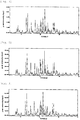
- the powder X-ray diffractometry was determined by using Rigaku Corporation's SmartLab (target: Cu, voltage: 45 kV, current: 200 mA, scan speed: 47.3 degrees/min).
- Mass spectrometry was determined by using high performance liquid chromatography mass spectrometry. Electron spray ionization method was used as the ionization method. The measurements of the mass spectrometry are shown as m/z.
- the measurement condition for high performance liquid chromatography mass spectrometry is as follows.
- the optical purity is determined by using high performance liquid chromatography (HPLC) under the following measurement condition.
- Step 2 Preparation of pyrazolo[5,1-b][1,3]thiazole-7-carbonitrile
- Step 1 Preparation of methyl 6- ⁇ [(1S)-1-cyclopropylethyl]amino ⁇ -2-(pyrazolo[5,1-b] [1,3]thiazol-7-yl)pyrimidine-4-carboxylate
- Step 2 Preparation of 6- ⁇ [(1S)-1-cyclopropylethyl]amino ⁇ -2-(pyrazolo[5,1-b] [1,3]thiazol-7-yl)pyrimidine-4-carboxylic acid
- Step 1 Preparation of methyl [1-( ⁇ 6-[(2S)-butan-2-ylamino]-2-(pyrazolo[5,1-b] [1,3]thiazol-7-yl)pyrimidin-4-yl ⁇ carbonyl)piperidin-4-yl] carbamate
- Step 2 Preparation of methyl [1-( ⁇ 6-[(2S)-butan-2-ylamino]-2-(pyrazolo[5,1-b] [1,3]thiazol-7-yl)pyrimidin-4-yl ⁇ carbonyl)piperidin-4-yl]carbamate tosylate monohydrate
- Step 1 Preparation of methyl [1-( ⁇ 6-[(2R)-butan-2-ylamino]-2-(pyrazolo[5,1-b] [1,3]thiazol-7-yl)pyrimidin-4-yl ⁇ carbonyl)piperidin-4-yl]carbamate
- Step 2 Preparation of methyl [1-( ⁇ 6-[(2R)-butan-2-ylamino]-2-(pyrazolo[5,1-b] [1, 3] thiazol-7-yl)pyrimidin-4-yl ⁇ carbonyl)piperidin-4-yl]carbamate tosylate monohydrate
- Step 1 Preparation of methyl (1- ⁇ [6- ⁇ [(1S)-1-cyclopropylethyl]amino ⁇ -2-(pyrazolo[5,1-b] [1,3]thiazol-7-yl)pyrimidin-4-yl]carbonyl ⁇ piperidin-4-yl) carbamate
- Step 2 Preparation of methyl (1- ⁇ [6- ⁇ [(1S)-1-cyclopropylethyl]amino ⁇ -2-(pyrazolo[5,1-b] [1,3]thiazol-7-yl)pyrimidin-4-yl]carbonyl ⁇ piperidin-4-yl) carbamate tosylate monohydrate
- test compound was dissolved in dimethyl sulfoxide (DMSO) to 10 mM and further diluted with DMSO to the concentrations of 1000, 100, 10, 1, 0.1 and 0.01 ⁇ M, respectively.
- DMSO dimethyl sulfoxide
- JAK1 these solutions of the test compound at the six concentrations 10 mM, 1000 ⁇ M, 100 ⁇ M, 10 ⁇ M, 1 ⁇ M and 0.1 ⁇ M were used.
- JAK2 and JAK3 these solutions of the test compound at the six concentrations 1000 ⁇ M, 100 ⁇ M, 10 ⁇ M, 1 ⁇ M, 0.1 ⁇ M and 0.01 ⁇ M were used.
- the test compound solutions were diluted further to 20-fold with an assay buffer to obtain a sample solution.
- biotinylated peptide substrate (1250 nM for JAK1, 625 nM for JAK2 and JAK3
- 2.5 mM ATP final concentration 1 mM
- 25 mM MgCl 2 25 mM MgCl 2
- JAK tyrosine kinase (Carna Biosciences, Inc.), which was previously diluted with the assay buffer to 7.5 nM for JAK1 and 0.75 nM for JAK2 and JAK3, was added to the plate at 20 ⁇ L/well, and the plate was incubated at 30 °C for 1 h. The plate was washed four times with buffer (50 mM Tris-HCl (pH 7.5), 150 mM NaCl, 0.02 (v/v) % Tween-20).
- a blocking buffer (0.1 % Bovine Serum Albumin, 50 mM Tris-HCl (pH 7.5), 150 mM NaCl, 0.02 (v/v) % Tween-20) was added to the plate at 150 ⁇ L/well, and the plate was blocked at 30 °C for 1 h.
- the blocking buffer was removed, and a horse radish peroxidase-labeled anti-phosphorylated tyrosine antibody (BD Biosciences, Inc.) (diluted to 10000-fold with the blocking buffer) was added to the plate at 100 ⁇ L/well, and the plate was incubated at 30 °C for 30 min.
- the plate was washed with the washing buffer four times, and 3,3',5,5'-tetramethylbenzidine solution (Nacalai Tesque) was added to the plate at 100 ⁇ L/well to develop the color for 10 minutes.
- To the plate was added 0.1 M sulfuric acid at 100 ⁇ L/well to stop the reaction.
- the absorbance at 450 nm was measured using a microplate reader (BIO-RAD).
- Test Example 1 By using the compounds shown above in Test Example 1, the following tests (Test Examples 2, 3 and 4) are conducted.
- Aspergillus fumigatus extracts are adjusted to 400 ⁇ g/mL with PBS.
- the Aspergillus fumigatus solutions thus prepared are administered to mice as nasal drops (50 ⁇ L) on Day 0, Day 1, Day 7 and Day 8.
- the nasal drop is administered one hour after the administration of test compounds in the morning.
- the test compound is administered twice a day in the morning and evening of Day 0 to Day 9.
- the test compound is suspended in 0.5 % methylcellulose at 10 mg/mL, and orally administered at the dosage of 10 mL/kg.
- the bronchoalveolar lavage fluid (BALF) is collected at Day 10, and the total white blood cell count in BALF is measured using Celltac (NIHON KOHDEN).
- the ratio of eosinophil in total white blood cell is calculated using ADVIA 120 (Siemens Healthcare Diagnostics), and the ratio is multiplied by the total white blood cell count to determine the eosinophil count in BALF.
- the inhibition rate of the test compound is determined, assuming the inhibitory ratio in the treatment with Aspergillus fumigatus extract and 0.5 % methylcellulose as 0 % and the inhibitory ratio in the treatment without Aspergillus fumigatus extract but with 0.5 % methylcellulose as 100 %.
- test compound is dissolved in dimethyl sulfoxide (DMSO) to 10 mM, and further diluted with DMSO to the concentrations of 300 and 100 ⁇ M.
- the solution is further diluted with RPMI 1640 medium to 100-fold to obtain a sample solution.
- DMSO is diluted to 100-fold with RPMI 1640 medium and is used as a negative control.
- the sample solution or the negative control solution (50 ⁇ L) is mixed with a solution of DND39 cell (400 ⁇ L) (Cell number: 10 5 cells) and shaken at 37 °C for 30 min.
- 50 ⁇ L of Interleukin-4 (10ng/ mL) is added as a stimulant, and the mixture is shaken for 15 min.
- 500 ⁇ L of Fixation buffer (BD Biosciences, Inc.) is added to the mixture, and the mixture is shaken for 10 min to stop the reaction. After centrifuge and removing the supernatant, 500 ⁇ L of a membrane permeabilizing agent Perm buffer III (BD Biosciences, Inc.) is added to the pellet, and is incubated at 4 °C for 30 min.
- test compound After washing twice with a stain buffer (BD Biosciences, Inc.), Alexa Fluor 647 Mouse Anti-Stat6 (pY641) (BD Biosciences, Inc.) is added, and incubated in a cool dark place for 30 min. The obtained cell solution is subjected to a flow cytometer. The inhibition activity of the test compound is calculated, assuming the GEOMEAN value of the interleukin-4 stimulated negative control group fluorescence intensity as the inhibitory ratio of 0 % and the GEOMEAN value of the non-stimulated negative control group fluorescence intensity as the inhibitory ratio of 100 %. From the results, it is confirmed that the test compounds suppressed IL-4 signaling.
- test compound is dissolved in dimethyl sulfoxide (DMSO) to 10 mM and further diluted with RPMI 1640 medium to 100-fold to prepare a sample solution. Also, DMSO is diluted with RPMI 1640 medium to 100-fold and is used as a negative control.
- DMSO dimethyl sulfoxide
- the inhibition activity of the test compound is calculated, assuming the GEOMEAN value of the IL-7 stimulated negative control group fluorescence intensity as the inhibitory ratio of 0 % and the GEOMEAN value of the non-stimulated negative control group fluorescence intensity as the inhibitory ratio of 100 %. From the result, it is confirmed that the test compounds suppressed IL-7 signaling.
- the compound of the invention showed JAK1 inhibitory activity, and thus, is effective against in vivo inflammation model.
- the compound of the invention exhibits JAK1 inhibitory activity
- it is useful as a therapeutic agent for an autoimmune disease (e.g., rheumatoid arthritis, psoriatic arthritis, juvenile arthritis, Castleman's disease, systemic lupus erythematosus, Sjögren's syndrome, multiple sclerosis, inflammatory bowel disease, Behçet's disease, myasthenia gravis, type 1 diabetes mellitus, immunoglobulin nephropathy, autoimmune thyroid diseases, psoriasis, scleroderma, lupus nephritis, dry eye, vasculitis (e.g., Takayasu's arteritis, giant cell arteritis, microscopic polyangiitis, granulomatosis with polyangiitis and eosinophilic granulomatosis with polyangiitis), dermatomyositis, polymyositis and
- a mixed powder of the components was tableted to form an oral tablet.
Landscapes
- Health & Medical Sciences (AREA)
- Chemical & Material Sciences (AREA)
- Organic Chemistry (AREA)
- Pharmacology & Pharmacy (AREA)
- Veterinary Medicine (AREA)
- Public Health (AREA)
- General Health & Medical Sciences (AREA)
- Animal Behavior & Ethology (AREA)
- Medicinal Chemistry (AREA)
- Life Sciences & Earth Sciences (AREA)
- Chemical Kinetics & Catalysis (AREA)
- Nuclear Medicine, Radiotherapy & Molecular Imaging (AREA)
- General Chemical & Material Sciences (AREA)
- Immunology (AREA)
- Bioinformatics & Cheminformatics (AREA)
- Engineering & Computer Science (AREA)
- Rheumatology (AREA)
- Pain & Pain Management (AREA)
- Transplantation (AREA)
- Epidemiology (AREA)
- Pulmonology (AREA)
- Neurosurgery (AREA)
- Neurology (AREA)
- Biomedical Technology (AREA)
- Pharmaceuticals Containing Other Organic And Inorganic Compounds (AREA)
- Nitrogen And Oxygen Or Sulfur-Condensed Heterocyclic Ring Systems (AREA)
Priority Applications (5)
| Application Number | Priority Date | Filing Date | Title |
|---|---|---|---|
| PL17759943T PL3424930T3 (pl) | 2016-03-01 | 2017-02-28 | Kryształ związku wykazującego aktywność hamującą JAK |
| HRP20210062TT HRP20210062T1 (hr) | 2016-03-01 | 2017-02-28 | Kristal spoja s aktivnošću inhibiranja jak |
| SM20200717T SMT202000717T1 (it) | 2016-03-01 | 2017-02-28 | Cristallo di composto avente attività di inibizione di jak |
| RS20201509A RS61238B1 (sr) | 2016-03-01 | 2017-02-28 | Kristal jedinjenja sa inhibitornom aktivnošću prema jak |
| SI201730521T SI3424930T1 (sl) | 2016-03-01 | 2017-02-28 | Kristal spojine z učinkovitostjo zaviranja JAK |
Applications Claiming Priority (2)
| Application Number | Priority Date | Filing Date | Title |
|---|---|---|---|
| JP2016039315 | 2016-03-01 | ||
| PCT/JP2017/007594 WO2017150477A1 (fr) | 2016-03-01 | 2017-02-28 | Cristal de composé présentant une activité d'inhibition de jak |
Publications (3)
| Publication Number | Publication Date |
|---|---|
| EP3424930A1 true EP3424930A1 (fr) | 2019-01-09 |
| EP3424930A4 EP3424930A4 (fr) | 2019-07-10 |
| EP3424930B1 EP3424930B1 (fr) | 2020-11-04 |
Family
ID=59743962
Family Applications (1)
| Application Number | Title | Priority Date | Filing Date |
|---|---|---|---|
| EP17759943.8A Active EP3424930B1 (fr) | 2016-03-01 | 2017-02-28 | Cristal de composé présentant une activité d'inhibition de jak |
Country Status (22)
| Country | Link |
|---|---|
| US (2) | US10822350B2 (fr) |
| EP (1) | EP3424930B1 (fr) |
| JP (1) | JP6791239B2 (fr) |
| KR (1) | KR102653231B1 (fr) |
| CN (1) | CN108699082B (fr) |
| BR (1) | BR112018016523B1 (fr) |
| CA (3) | CA3206830A1 (fr) |
| CY (1) | CY1123607T1 (fr) |
| DK (1) | DK3424930T3 (fr) |
| ES (1) | ES2844978T3 (fr) |
| HR (1) | HRP20210062T1 (fr) |
| HU (1) | HUE051615T2 (fr) |
| LT (1) | LT3424930T (fr) |
| MX (1) | MX385381B (fr) |
| PL (1) | PL3424930T3 (fr) |
| PT (1) | PT3424930T (fr) |
| RS (1) | RS61238B1 (fr) |
| RU (1) | RU2705721C1 (fr) |
| SI (1) | SI3424930T1 (fr) |
| SM (1) | SMT202000717T1 (fr) |
| TW (1) | TWI712604B (fr) |
| WO (1) | WO2017150477A1 (fr) |
Cited By (2)
| Publication number | Priority date | Publication date | Assignee | Title |
|---|---|---|---|---|
| WO2022053660A3 (fr) * | 2020-09-14 | 2022-06-09 | Eurochem Antwerpen | Composés n-hétérocycliques utilisés en tant qu'inhibiteur de nitrification |
| RU2855833C1 (ru) * | 2020-09-14 | 2026-02-03 | Еурочем Антверпен | N-гетероциклические соединения, используемые в качестве ингибитора нитрификации |
Families Citing this family (3)
| Publication number | Priority date | Publication date | Assignee | Title |
|---|---|---|---|---|
| TWI712604B (zh) * | 2016-03-01 | 2020-12-11 | 日商日本新藥股份有限公司 | 具jak抑制作用之化合物之結晶 |
| WO2025216268A1 (fr) * | 2024-04-09 | 2025-10-16 | 国立研究開発法人国立循環器病研究センター | Agent prophylactique ou thérapeutique contre l'hypertension pulmonaire sévère ou une maladie du tissu conjonctif |
| JP7742516B1 (ja) * | 2025-07-31 | 2025-09-19 | 日本新薬株式会社 | 好酸球性多発血管炎性肉芽腫症の処置剤 |
Family Cites Families (20)
| Publication number | Priority date | Publication date | Assignee | Title |
|---|---|---|---|---|
| DE3600390A1 (de) | 1986-01-09 | 1987-07-16 | Hoechst Ag | Diarylalkyl-substituierte alkylamine, verfahren zu ihrer herstellung, ihre verwendung sowie sie enthaltende arzneimittel |
| NZ546058A (en) | 2004-01-12 | 2010-09-30 | Ym Biosciences Australia Pty | Benzimidazole and other fused ring derivatives as selective janus kinase inhibitors |
| ZA200802685B (en) * | 2005-09-30 | 2009-10-28 | Vertex Pharma | Deazapurines useful as inhibitors of janus kinases |
| CN102532133A (zh) | 2006-01-17 | 2012-07-04 | 沃泰克斯药物股份有限公司 | 适用作詹纳斯激酶抑制剂的吖吲哚类 |
| US8158616B2 (en) | 2008-03-11 | 2012-04-17 | Incyte Corporation | Azetidine and cyclobutane derivatives as JAK inhibitors |
| JO3041B1 (ar) | 2008-07-25 | 2016-09-05 | Galapagos Nv | مركبات جديدة مفيدة لمعالجة الأمراض التنكسية والالتهابية |
| US8524707B2 (en) | 2008-12-19 | 2013-09-03 | Nerviano Medical Sciences S.R.L. | Bicyclic pyrazoles as protein kinase inhibitors |
| TWI462920B (zh) | 2009-06-26 | 2014-12-01 | 葛萊伯格有限公司 | 用於治療退化性及發炎疾病之新穎化合物 |
| ES2461967T3 (es) | 2009-12-18 | 2014-05-21 | Pfizer Inc. | Compuestos de pirrolo[2,3-d]pirimidina |
| EP2338888A1 (fr) | 2009-12-24 | 2011-06-29 | Almirall, S.A. | Dérivés d'imidazopyridine en tant qu'inhibiteurs JAK |
| JP2011136925A (ja) | 2009-12-28 | 2011-07-14 | Dainippon Sumitomo Pharma Co Ltd | 含窒素二環性化合物 |
| EP2523957A1 (fr) | 2010-01-12 | 2012-11-21 | F. Hoffmann-La Roche AG | Composés hétérocycliques tricycliques, leurs compositions et procédés d'utilisation |
| UY33213A (es) | 2010-02-18 | 2011-09-30 | Almirall Sa | Derivados de pirazol como inhibidores de jak |
| WO2012022045A1 (fr) | 2010-08-20 | 2012-02-23 | Hutchison Medipharma Limited | Composés pyrrolopyrimidiniques et leurs utilisations |
| WO2012037132A1 (fr) | 2010-09-14 | 2012-03-22 | Exelixis, Inc. | Dérivés de la phtalazine comme inhibiteurs de jak1 |
| EP2629777B1 (fr) | 2010-10-22 | 2018-12-19 | Merck Sharp & Dohme Corp. | Diamines bicycliques utiles en tant qu'inhibiteurs des kinases janus |
| WO2012085176A1 (fr) | 2010-12-23 | 2012-06-28 | F. Hoffmann-La Roche Ag | Composés pyrazinones tricycliques, leurs compositions et leurs procédés d'utilisation en tant qu'inhibiteurs de janus kinase |
| WO2013025628A1 (fr) * | 2011-08-15 | 2013-02-21 | Ligand Pharmaceuticals Incorporated | Composés et procédés d'inhibition de janus kinase |
| TWI679205B (zh) * | 2014-09-02 | 2019-12-11 | 日商日本新藥股份有限公司 | 吡唑并噻唑化合物及醫藥 |
| TWI712604B (zh) * | 2016-03-01 | 2020-12-11 | 日商日本新藥股份有限公司 | 具jak抑制作用之化合物之結晶 |
-
2017
- 2017-02-08 TW TW106104074A patent/TWI712604B/zh active
- 2017-02-28 JP JP2018503309A patent/JP6791239B2/ja active Active
- 2017-02-28 RU RU2018134041A patent/RU2705721C1/ru active
- 2017-02-28 HR HRP20210062TT patent/HRP20210062T1/hr unknown
- 2017-02-28 EP EP17759943.8A patent/EP3424930B1/fr active Active
- 2017-02-28 SM SM20200717T patent/SMT202000717T1/it unknown
- 2017-02-28 US US16/077,889 patent/US10822350B2/en active Active
- 2017-02-28 CA CA3206830A patent/CA3206830A1/fr active Pending
- 2017-02-28 ES ES17759943T patent/ES2844978T3/es active Active
- 2017-02-28 SI SI201730521T patent/SI3424930T1/sl unknown
- 2017-02-28 LT LTEP17759943.8T patent/LT3424930T/lt unknown
- 2017-02-28 MX MX2018010334A patent/MX385381B/es unknown
- 2017-02-28 PL PL17759943T patent/PL3424930T3/pl unknown
- 2017-02-28 HU HUE17759943A patent/HUE051615T2/hu unknown
- 2017-02-28 PT PT177599438T patent/PT3424930T/pt unknown
- 2017-02-28 RS RS20201509A patent/RS61238B1/sr unknown
- 2017-02-28 DK DK17759943.8T patent/DK3424930T3/da active
- 2017-02-28 CN CN201780014551.5A patent/CN108699082B/zh active Active
- 2017-02-28 CA CA3264321A patent/CA3264321A1/en active Pending
- 2017-02-28 KR KR1020187027122A patent/KR102653231B1/ko active Active
- 2017-02-28 BR BR112018016523-9A patent/BR112018016523B1/pt active IP Right Grant
- 2017-02-28 WO PCT/JP2017/007594 patent/WO2017150477A1/fr not_active Ceased
- 2017-02-28 CA CA3015464A patent/CA3015464C/fr active Active
-
2020
- 2020-09-29 US US17/035,947 patent/US11377453B2/en active Active
- 2020-12-02 CY CY20201101142T patent/CY1123607T1/el unknown
Cited By (5)
| Publication number | Priority date | Publication date | Assignee | Title |
|---|---|---|---|---|
| WO2022053660A3 (fr) * | 2020-09-14 | 2022-06-09 | Eurochem Antwerpen | Composés n-hétérocycliques utilisés en tant qu'inhibiteur de nitrification |
| BE1028574B1 (nl) * | 2020-09-14 | 2022-12-06 | Eurochem Antwerpen | Heterocyclische verbindingen gebruikt als nitrificatieremmer |
| EP4660176A1 (fr) * | 2020-09-14 | 2025-12-10 | EuroChem Antwerpen | Composés n-hétérocycliques utilisés en tant qu'inhibiteur de nitrification |
| EP4631354A3 (fr) * | 2020-09-14 | 2025-12-31 | EuroChem Antwerpen | Composés n-hétérocycliques utilisés en tant qu'inhibiteur de nitrification |
| RU2855833C1 (ru) * | 2020-09-14 | 2026-02-03 | Еурочем Антверпен | N-гетероциклические соединения, используемые в качестве ингибитора нитрификации |
Also Published As
Similar Documents
| Publication | Publication Date | Title |
|---|---|---|
| US11377453B2 (en) | Crystal of compound having JAK-inhibiting activity | |
| JP5918693B2 (ja) | Egfr阻害剤及び疾患の治療方法 | |
| EP2880035B1 (fr) | Nouveaux composés de pyrrolopyrimidine utilisés en tant qu'inhibiteurs des protéines kinases | |
| AU2020402942B2 (en) | Fluorine-containing heterocyclic derivatives with macrocyclic structure and use thereof | |
| US9999622B2 (en) | Pyrazolothiazole compound and medicine comprising same | |
| CN113773335B (zh) | 一种作为蛋白质激酶抑制剂的化合物及其制备方法和用途 | |
| TWI875911B (zh) | Bruton酪胺酸激酶(BTK)抑制劑 | |
| HK1208826B (en) | Novel compounds | |
| HK1208826A1 (en) | Novel compound |
Legal Events
| Date | Code | Title | Description |
|---|---|---|---|
| STAA | Information on the status of an ep patent application or granted ep patent |
Free format text: STATUS: THE INTERNATIONAL PUBLICATION HAS BEEN MADE |
|
| PUAI | Public reference made under article 153(3) epc to a published international application that has entered the european phase |
Free format text: ORIGINAL CODE: 0009012 |
|
| STAA | Information on the status of an ep patent application or granted ep patent |
Free format text: STATUS: REQUEST FOR EXAMINATION WAS MADE |
|
| 17P | Request for examination filed |
Effective date: 20180927 |
|
| AK | Designated contracting states |
Kind code of ref document: A1 Designated state(s): AL AT BE BG CH CY CZ DE DK EE ES FI FR GB GR HR HU IE IS IT LI LT LU LV MC MK MT NL NO PL PT RO RS SE SI SK SM TR |
|
| AX | Request for extension of the european patent |
Extension state: BA ME |
|
| DAV | Request for validation of the european patent (deleted) | ||
| DAX | Request for extension of the european patent (deleted) | ||
| A4 | Supplementary search report drawn up and despatched |
Effective date: 20190613 |
|
| RIC1 | Information provided on ipc code assigned before grant |
Ipc: A61P 35/00 20060101ALI20190606BHEP Ipc: A61P 37/06 20060101ALI20190606BHEP Ipc: C07C 309/30 20060101ALI20190606BHEP Ipc: A61P 29/00 20060101ALI20190606BHEP Ipc: A61K 31/506 20060101ALI20190606BHEP Ipc: C07D 513/04 20060101AFI20190606BHEP |
|
| GRAP | Despatch of communication of intention to grant a patent |
Free format text: ORIGINAL CODE: EPIDOSNIGR1 |
|
| STAA | Information on the status of an ep patent application or granted ep patent |
Free format text: STATUS: GRANT OF PATENT IS INTENDED |
|
| INTG | Intention to grant announced |
Effective date: 20200515 |
|
| GRAS | Grant fee paid |
Free format text: ORIGINAL CODE: EPIDOSNIGR3 |
|
| GRAA | (expected) grant |
Free format text: ORIGINAL CODE: 0009210 |
|
| STAA | Information on the status of an ep patent application or granted ep patent |
Free format text: STATUS: THE PATENT HAS BEEN GRANTED |
|
| AK | Designated contracting states |
Kind code of ref document: B1 Designated state(s): AL AT BE BG CH CY CZ DE DK EE ES FI FR GB GR HR HU IE IS IT LI LT LU LV MC MK MT NL NO PL PT RO RS SE SI SK SM TR |
|
| REG | Reference to a national code |
Ref country code: GB Ref legal event code: FG4D |
|
| REG | Reference to a national code |
Ref country code: CH Ref legal event code: EP |
|
| REG | Reference to a national code |
Ref country code: AT Ref legal event code: REF Ref document number: 1330677 Country of ref document: AT Kind code of ref document: T Effective date: 20201115 |
|
| REG | Reference to a national code |
Ref country code: DE Ref legal event code: R096 Ref document number: 602017026906 Country of ref document: DE |
|
| REG | Reference to a national code |
Ref country code: IE Ref legal event code: FG4D |
|
| REG | Reference to a national code |
Ref country code: NL Ref legal event code: FP |
|
| REG | Reference to a national code |
Ref country code: PT Ref legal event code: SC4A Ref document number: 3424930 Country of ref document: PT Date of ref document: 20201204 Kind code of ref document: T Free format text: AVAILABILITY OF NATIONAL TRANSLATION Effective date: 20201125 |
|
| REG | Reference to a national code |
Ref country code: FI Ref legal event code: FGE |
|
| REG | Reference to a national code |
Ref country code: SE Ref legal event code: TRGR |
|
| REG | Reference to a national code |
Ref country code: RO Ref legal event code: EPE |
|
| REG | Reference to a national code |
Ref country code: DK Ref legal event code: T3 Effective date: 20210108 |
|
| REG | Reference to a national code |
Ref country code: HR Ref legal event code: TUEP Ref document number: P20210062 Country of ref document: HR |
|
| REG | Reference to a national code |
Ref country code: CH Ref legal event code: NV Representative=s name: VOSSIUS AND PARTNER PATENTANWAELTE RECHTSANWAE, CH Ref country code: EE Ref legal event code: FG4A Ref document number: E020183 Country of ref document: EE Effective date: 20201214 |
|
| REG | Reference to a national code |
Ref country code: NO Ref legal event code: T2 Effective date: 20201104 |
|
| REG | Reference to a national code |
Ref country code: SK Ref legal event code: T3 Ref document number: E 36128 Country of ref document: SK |
|
| REG | Reference to a national code |
Ref country code: HU Ref legal event code: AG4A Ref document number: E051615 Country of ref document: HU |
|
| REG | Reference to a national code |
Ref country code: HR Ref legal event code: T1PR Ref document number: P20210062 Country of ref document: HR Ref country code: HR Ref legal event code: ODRP Ref document number: P20210062 Country of ref document: HR Payment date: 20210223 Year of fee payment: 5 |
|
| REG | Reference to a national code |
Ref country code: ES Ref legal event code: FG2A Ref document number: 2844978 Country of ref document: ES Kind code of ref document: T3 Effective date: 20210723 |
|
| REG | Reference to a national code |
Ref country code: DE Ref legal event code: R097 Ref document number: 602017026906 Country of ref document: DE |
|
| REG | Reference to a national code |
Ref country code: AT Ref legal event code: UEP Ref document number: 1330677 Country of ref document: AT Kind code of ref document: T Effective date: 20201104 |
|
| PLBE | No opposition filed within time limit |
Free format text: ORIGINAL CODE: 0009261 |
|
| STAA | Information on the status of an ep patent application or granted ep patent |
Free format text: STATUS: NO OPPOSITION FILED WITHIN TIME LIMIT |
|
| 26N | No opposition filed |
Effective date: 20210805 |
|
| REG | Reference to a national code |
Ref country code: HR Ref legal event code: ODRP Ref document number: P20210062 Country of ref document: HR Payment date: 20220211 Year of fee payment: 6 |
|
| REG | Reference to a national code |
Ref country code: HR Ref legal event code: ODRP Ref document number: P20210062 Country of ref document: HR Payment date: 20230224 Year of fee payment: 7 |
|
| REG | Reference to a national code |
Ref country code: EE Ref legal event code: HC1A Ref document number: E020183 Country of ref document: EE |
|
| REG | Reference to a national code |
Ref country code: HR Ref legal event code: ODRP Ref document number: P20210062 Country of ref document: HR Payment date: 20240123 Year of fee payment: 8 |
|
| REG | Reference to a national code |
Ref country code: HR Ref legal event code: ODRP Ref document number: P20210062 Country of ref document: HR Payment date: 20250110 Year of fee payment: 9 |
|
| PGFP | Annual fee paid to national office [announced via postgrant information from national office to epo] |
Ref country code: PT Payment date: 20250226 Year of fee payment: 9 |
|
| PGFP | Annual fee paid to national office [announced via postgrant information from national office to epo] |
Ref country code: BG Payment date: 20241231 Year of fee payment: 9 |
|
| PGFP | Annual fee paid to national office [announced via postgrant information from national office to epo] |
Ref country code: LV Payment date: 20250103 Year of fee payment: 9 Ref country code: EE Payment date: 20250121 Year of fee payment: 9 Ref country code: GR Payment date: 20250116 Year of fee payment: 9 Ref country code: CH Payment date: 20250301 Year of fee payment: 9 Ref country code: SI Payment date: 20250114 Year of fee payment: 9 |
|
| PGFP | Annual fee paid to national office [announced via postgrant information from national office to epo] |
Ref country code: CZ Payment date: 20250218 Year of fee payment: 9 |
|
| PGFP | Annual fee paid to national office [announced via postgrant information from national office to epo] |
Ref country code: SK Payment date: 20250113 Year of fee payment: 9 |
|
| PGFP | Annual fee paid to national office [announced via postgrant information from national office to epo] |
Ref country code: MT Payment date: 20250224 Year of fee payment: 9 |
|
| PGFP | Annual fee paid to national office [announced via postgrant information from national office to epo] |
Ref country code: AL Payment date: 20250211 Year of fee payment: 9 |
|
| PGFP | Annual fee paid to national office [announced via postgrant information from national office to epo] |
Ref country code: CY Payment date: 20250109 Year of fee payment: 9 |
|
| PGFP | Annual fee paid to national office [announced via postgrant information from national office to epo] |
Ref country code: MK Payment date: 20250108 Year of fee payment: 9 |
|
| PGFP | Annual fee paid to national office [announced via postgrant information from national office to epo] |
Ref country code: FR Payment date: 20251231 Year of fee payment: 10 |
|
| PGFP | Annual fee paid to national office [announced via postgrant information from national office to epo] |
Ref country code: PL Payment date: 20251230 Year of fee payment: 10 |
|
| PGFP | Annual fee paid to national office [announced via postgrant information from national office to epo] |
Ref country code: NL Payment date: 20260106 Year of fee payment: 10 |
|
| REG | Reference to a national code |
Ref country code: CH Ref legal event code: U11 Free format text: ST27 STATUS EVENT CODE: U-0-0-U10-U11 (AS PROVIDED BY THE NATIONAL OFFICE) Effective date: 20260301 |
|
| REG | Reference to a national code |
Ref country code: HR Ref legal event code: ODRP Ref document number: P20210062 Country of ref document: HR Payment date: 20260109 Year of fee payment: 10 |
|
| PGFP | Annual fee paid to national office [announced via postgrant information from national office to epo] |
Ref country code: LU Payment date: 20260216 Year of fee payment: 10 |
|
| PGFP | Annual fee paid to national office [announced via postgrant information from national office to epo] |
Ref country code: HU Payment date: 20260130 Year of fee payment: 10 |
|
| PGFP | Annual fee paid to national office [announced via postgrant information from national office to epo] |
Ref country code: SM Payment date: 20260225 Year of fee payment: 10 |
|
| PGFP | Annual fee paid to national office [announced via postgrant information from national office to epo] |
Ref country code: SE Payment date: 20260105 Year of fee payment: 10 |
|
| PGFP | Annual fee paid to national office [announced via postgrant information from national office to epo] |
Ref country code: GB Payment date: 20260106 Year of fee payment: 10 Ref country code: LT Payment date: 20260121 Year of fee payment: 10 |
|
| PGFP | Annual fee paid to national office [announced via postgrant information from national office to epo] |
Ref country code: ES Payment date: 20260304 Year of fee payment: 10 Ref country code: MC Payment date: 20260129 Year of fee payment: 10 |
|
| PGFP | Annual fee paid to national office [announced via postgrant information from national office to epo] |
Ref country code: DE Payment date: 20260102 Year of fee payment: 10 Ref country code: NO Payment date: 20260211 Year of fee payment: 10 Ref country code: DK Payment date: 20260213 Year of fee payment: 10 Ref country code: IE Payment date: 20260102 Year of fee payment: 10 |
|
| PGFP | Annual fee paid to national office [announced via postgrant information from national office to epo] |
Ref country code: AT Payment date: 20260127 Year of fee payment: 10 Ref country code: HR Payment date: 20260109 Year of fee payment: 10 |
|
| PGFP | Annual fee paid to national office [announced via postgrant information from national office to epo] |
Ref country code: RO Payment date: 20260127 Year of fee payment: 10 Ref country code: IT Payment date: 20260122 Year of fee payment: 10 Ref country code: BE Payment date: 20260105 Year of fee payment: 10 Ref country code: FI Payment date: 20260213 Year of fee payment: 10 |
|
| PGFP | Annual fee paid to national office [announced via postgrant information from national office to epo] |
Ref country code: RS Payment date: 20260121 Year of fee payment: 10 |
|
| PGFP | Annual fee paid to national office [announced via postgrant information from national office to epo] |
Ref country code: IS Payment date: 20260216 Year of fee payment: 10 |
|
| PGFP | Annual fee paid to national office [announced via postgrant information from national office to epo] |
Ref country code: TR Payment date: 20260225 Year of fee payment: 10 |