EP3470081A1 - Procédés de traitement du cancer chez des patients présentant des taux élevés de bim - Google Patents
Procédés de traitement du cancer chez des patients présentant des taux élevés de bim Download PDFInfo
- Publication number
- EP3470081A1 EP3470081A1 EP18210199.8A EP18210199A EP3470081A1 EP 3470081 A1 EP3470081 A1 EP 3470081A1 EP 18210199 A EP18210199 A EP 18210199A EP 3470081 A1 EP3470081 A1 EP 3470081A1
- Authority
- EP
- European Patent Office
- Prior art keywords
- cells
- bim
- cancer
- mice
- mammal
- Prior art date
- Legal status (The legal status is an assumption and is not a legal conclusion. Google has not performed a legal analysis and makes no representation as to the accuracy of the status listed.)
- Withdrawn
Links
- 0 CC1=*=*(C)CCC1 Chemical compound CC1=*=*(C)CCC1 0.000 description 1
Images







Classifications
-
- C—CHEMISTRY; METALLURGY
- C07—ORGANIC CHEMISTRY
- C07K—PEPTIDES
- C07K16/00—Immunoglobulins [IG], e.g. monoclonal or polyclonal antibodies
- C07K16/18—Immunoglobulins [IG], e.g. monoclonal or polyclonal antibodies against material from animals or humans
- C07K16/28—Immunoglobulins [IG], e.g. monoclonal or polyclonal antibodies against material from animals or humans against receptors, cell surface antigens or cell surface determinants
- C07K16/2803—Immunoglobulins [IG], e.g. monoclonal or polyclonal antibodies against material from animals or humans against receptors, cell surface antigens or cell surface determinants against the immunoglobulin superfamily
- C07K16/2827—Immunoglobulins [IG], e.g. monoclonal or polyclonal antibodies against material from animals or humans against receptors, cell surface antigens or cell surface determinants against the immunoglobulin superfamily against B7 molecules, e.g. CD80, CD86
-
- A—HUMAN NECESSITIES
- A61—MEDICAL OR VETERINARY SCIENCE; HYGIENE
- A61P—SPECIFIC THERAPEUTIC ACTIVITY OF CHEMICAL COMPOUNDS OR MEDICINAL PREPARATIONS
- A61P35/00—Antineoplastic agents
-
- C—CHEMISTRY; METALLURGY
- C07—ORGANIC CHEMISTRY
- C07K—PEPTIDES
- C07K16/00—Immunoglobulins [IG], e.g. monoclonal or polyclonal antibodies
- C07K16/18—Immunoglobulins [IG], e.g. monoclonal or polyclonal antibodies against material from animals or humans
- C07K16/28—Immunoglobulins [IG], e.g. monoclonal or polyclonal antibodies against material from animals or humans against receptors, cell surface antigens or cell surface determinants
- C07K16/2803—Immunoglobulins [IG], e.g. monoclonal or polyclonal antibodies against material from animals or humans against receptors, cell surface antigens or cell surface determinants against the immunoglobulin superfamily
- C07K16/2818—Immunoglobulins [IG], e.g. monoclonal or polyclonal antibodies against material from animals or humans against receptors, cell surface antigens or cell surface determinants against the immunoglobulin superfamily against CD28 or CD152
-
- C—CHEMISTRY; METALLURGY
- C12—BIOCHEMISTRY; BEER; SPIRITS; WINE; VINEGAR; MICROBIOLOGY; ENZYMOLOGY; MUTATION OR GENETIC ENGINEERING
- C12Q—MEASURING OR TESTING PROCESSES INVOLVING ENZYMES, NUCLEIC ACIDS OR MICROORGANISMS; COMPOSITIONS OR TEST PAPERS THEREFOR; PROCESSES OF PREPARING SUCH COMPOSITIONS; CONDITION-RESPONSIVE CONTROL IN MICROBIOLOGICAL OR ENZYMOLOGICAL PROCESSES
- C12Q1/00—Measuring or testing processes involving enzymes, nucleic acids or microorganisms; Compositions therefor; Processes of preparing such compositions
- C12Q1/68—Measuring or testing processes involving enzymes, nucleic acids or microorganisms; Compositions therefor; Processes of preparing such compositions involving nucleic acids
- C12Q1/6876—Nucleic acid products used in the analysis of nucleic acids, e.g. primers or probes
- C12Q1/6883—Nucleic acid products used in the analysis of nucleic acids, e.g. primers or probes for diseases caused by alterations of genetic material
- C12Q1/6886—Nucleic acid products used in the analysis of nucleic acids, e.g. primers or probes for diseases caused by alterations of genetic material for cancer
-
- G—PHYSICS
- G01—MEASURING; TESTING
- G01N—INVESTIGATING OR ANALYSING MATERIALS BY DETERMINING THEIR CHEMICAL OR PHYSICAL PROPERTIES
- G01N33/00—Investigating or analysing materials by specific methods not covered by groups G01N1/00 - G01N31/00
- G01N33/48—Biological material, e.g. blood, urine; Haemocytometers
- G01N33/50—Chemical analysis of biological material, e.g. blood, urine; Testing involving biospecific ligand binding methods; Immunological testing
- G01N33/53—Immunoassay; Biospecific binding assay; Materials therefor
- G01N33/575—Immunoassay; Biospecific binding assay; Materials therefor for cancer
- G01N33/57557—Immunoassay; Biospecific binding assay; Materials therefor for cancer of other specific parts of the body, e.g. brain
-
- G—PHYSICS
- G01—MEASURING; TESTING
- G01N—INVESTIGATING OR ANALYSING MATERIALS BY DETERMINING THEIR CHEMICAL OR PHYSICAL PROPERTIES
- G01N33/00—Investigating or analysing materials by specific methods not covered by groups G01N1/00 - G01N31/00
- G01N33/48—Biological material, e.g. blood, urine; Haemocytometers
- G01N33/50—Chemical analysis of biological material, e.g. blood, urine; Testing involving biospecific ligand binding methods; Immunological testing
- G01N33/53—Immunoassay; Biospecific binding assay; Materials therefor
- G01N33/575—Immunoassay; Biospecific binding assay; Materials therefor for cancer
- G01N33/5758—Immunoassay; Biospecific binding assay; Materials therefor for cancer involving compounds serving as markers for tumours, cancers or neoplasias, e.g. cellular determinants, receptors, heat shock/stress proteins, A-protein, oligosaccharides or metabolites
-
- A—HUMAN NECESSITIES
- A61—MEDICAL OR VETERINARY SCIENCE; HYGIENE
- A61K—PREPARATIONS FOR MEDICAL, DENTAL OR TOILETRY PURPOSES
- A61K39/00—Medicinal preparations containing antigens or antibodies
- A61K2039/505—Medicinal preparations containing antigens or antibodies comprising antibodies
-
- C—CHEMISTRY; METALLURGY
- C07—ORGANIC CHEMISTRY
- C07K—PEPTIDES
- C07K2317/00—Immunoglobulins specific features
- C07K2317/70—Immunoglobulins specific features characterized by effect upon binding to a cell or to an antigen
- C07K2317/76—Antagonist effect on antigen, e.g. neutralization or inhibition of binding
-
- C—CHEMISTRY; METALLURGY
- C12—BIOCHEMISTRY; BEER; SPIRITS; WINE; VINEGAR; MICROBIOLOGY; ENZYMOLOGY; MUTATION OR GENETIC ENGINEERING
- C12Q—MEASURING OR TESTING PROCESSES INVOLVING ENZYMES, NUCLEIC ACIDS OR MICROORGANISMS; COMPOSITIONS OR TEST PAPERS THEREFOR; PROCESSES OF PREPARING SUCH COMPOSITIONS; CONDITION-RESPONSIVE CONTROL IN MICROBIOLOGICAL OR ENZYMOLOGICAL PROCESSES
- C12Q2600/00—Oligonucleotides characterized by their use
- C12Q2600/106—Pharmacogenomics, i.e. genetic variability in individual responses to drugs and drug metabolism
-
- C—CHEMISTRY; METALLURGY
- C12—BIOCHEMISTRY; BEER; SPIRITS; WINE; VINEGAR; MICROBIOLOGY; ENZYMOLOGY; MUTATION OR GENETIC ENGINEERING
- C12Q—MEASURING OR TESTING PROCESSES INVOLVING ENZYMES, NUCLEIC ACIDS OR MICROORGANISMS; COMPOSITIONS OR TEST PAPERS THEREFOR; PROCESSES OF PREPARING SUCH COMPOSITIONS; CONDITION-RESPONSIVE CONTROL IN MICROBIOLOGICAL OR ENZYMOLOGICAL PROCESSES
- C12Q2600/00—Oligonucleotides characterized by their use
- C12Q2600/158—Expression markers
-
- G—PHYSICS
- G01—MEASURING; TESTING
- G01N—INVESTIGATING OR ANALYSING MATERIALS BY DETERMINING THEIR CHEMICAL OR PHYSICAL PROPERTIES
- G01N2333/00—Assays involving biological materials from specific organisms or of a specific nature
- G01N2333/435—Assays involving biological materials from specific organisms or of a specific nature from animals; from humans
- G01N2333/46—Assays involving biological materials from specific organisms or of a specific nature from animals; from humans from vertebrates
- G01N2333/47—Assays involving proteins of known structure or function as defined in the subgroups
-
- G—PHYSICS
- G01—MEASURING; TESTING
- G01N—INVESTIGATING OR ANALYSING MATERIALS BY DETERMINING THEIR CHEMICAL OR PHYSICAL PROPERTIES
- G01N2333/00—Assays involving biological materials from specific organisms or of a specific nature
- G01N2333/435—Assays involving biological materials from specific organisms or of a specific nature from animals; from humans
- G01N2333/705—Assays involving receptors, cell surface antigens or cell surface determinants
- G01N2333/70503—Immunoglobulin superfamily, e.g. VCAMs, PECAM, LFA-3
- G01N2333/70532—B7 molecules, e.g. CD80, CD86
-
- G—PHYSICS
- G01—MEASURING; TESTING
- G01N—INVESTIGATING OR ANALYSING MATERIALS BY DETERMINING THEIR CHEMICAL OR PHYSICAL PROPERTIES
- G01N2800/00—Detection or diagnosis of diseases
- G01N2800/52—Predicting or monitoring the response to treatment, e.g. for selection of therapy based on assay results in personalised medicine; Prognosis
Definitions
- This document relates to materials and methods for treating cancer, and more particularly to materials and methods for treating cancer in patients identified as having elevated levels of Bim.
- the metastatic spread of tumor cells is the primary cause of cancer related mortality, indicating a need for therapeutic approaches capable of controlling or preventing metastasis ( Gibbons et al. (2012) OncoImmunology 1(7):1061-1073 ; and Grivennikov et al. (2010) Cell 140:883-899 ).
- the presence of tumor-infiltrating effector and memory T cells is correlated with decreased metastatic spread, consistent with a role for T cells in preventing metastasis of primary tumors.
- B7-H1 (also referred to as PD-L1) is a polypeptide expressed by a variety of tumor cells. It also is constitutively expressed by macrophages and dendritic cells, and its expression is up-regulated upon cell activation. PD-1 is expressed on the surface of activated T cells, B cells, and macrophages, and is a receptor for B7-H1. CD80 is found on activated B cells and monocytes, and provides a costimulatory signal necessary for T cell activation and survival; CD80 also binds B7-H1.
- This document provides, inter alia, a method for determining whether PD-1 on T cells has engaged its ligand, B7-H1.
- the method is based in part on the discovery that engagement of PD-1 by B7-H1 results in up-regulation of Bim, a pro-apoptotic molecule, and is correlated with B7-H1-mediated T cell death.
- This discovery suggests that intracellular levels of Bim among PD-1 positive cells is a barometer of the extent to which PD-1 has been triggered by B7-H1, with lower levels of Bim identifying activated PD-1 positive T cells whose PD-1 molecules have not yet been extensively engaged, and higher levels of Bim reflecting chronic engagement of PD-1 with B7-H1.
- Stratifying Bim levels among PD-1 positive CD8 T cells may be a biomarker for gauging (1) whether PD-1 molecules on CD8 T cells have been engaged by B7-H1 tumor associated ligands; and (2) the efficacy of an anti-PD-1 or anti-B7-H1 blockade regimen in reducing PD-1 engagement.
- Bim as a signaling biomarker for PD-1 function, it may be possible to select patients more likely to benefit from checkpoint blockade therapy and to identify optimal therapeutic timing and dosing schedules.
- this document features a method for treating a mammal having cancer, wherein said method comprises: (a) identifying said mammal as containing an elevated level of Bim, and (b) administering to said mammal an anti-B7-H1 antibody, an anti-PD-1 antibody, an anti-CD80 antibody, a fusion protein comprising a portion of PD-1 linked to an immunoglobulin Fc sequence, or a fusion protein comprising a portion of CD80 linked to an Ig Fc sequence, under conditions wherein the interaction of naturally-occurring B7-H1 with PD-1 or CD80 in said mammal is reduced after said administering.
- the mammal can be a human.
- this document features a method for treating cancer, wherein said method comprises administering an anti-B7-H1 antibody, an anti-PD-1 antibody, an anti-CD80 antibody, a fusion protein comprising a portion of PD-1 linked to an immunoglobulin Fc sequence, or a fusion protein comprising a portion of CD80 linked to an immunoglobulin Fc sequence to a mammal identified as containing an elevated level of Bim, wherein said antibody or fusion protein is administered under conditions wherein the interaction of naturally-occurring B7-H1 with PD-1 or CD80 in said mammal is reduced after said administering.
- the mammal can be a human.
- the elevated level of Bim can be based on Bim protein levels, or on Bcl211 mRNA levels.
- the cancer can be a melanoma cancer, a breast cancer, a lung cancer, a renal cell carcinoma cancer, a pancreas cancer, a prostate cancer, a colon cancer, a brain cancer, a liver cancer, or an ovarian cancer.
- This document provides materials and methods for identifying patients as being more likely to benefit from checkpoint blockade therapy, materials and methods for determining optimal therapeutic timing and dosing schedules, and methods and materials for treating cancer.
- this document provides methods and materials for identifying a mammal (e.g., a human) as having an elevated level of Bim, and treating the mammal with a molecule that can interfere with the interaction between B7-H1 and PD-1, and/or the interaction between B7-H1 and CD80 (e.g., an antibody against B7-H1, PD-1, or CD80, or with a fusion protein containing a portion of PD-1 or a portion of CD80 fused to an immunoglobulin (Ig) Fc domain).
- a mammal e.g., a human
- B7-H1 and CD80 e.g., an antibody against B7-H1, PD-1, or CD80, or with a fusion protein containing a portion of PD-1 or a portion
- elevated levels of Bim can be related to increased apoptosis of antigen-primed CD8+ T cells, but inhibiting the interaction of B7-H1 with PD-1 or CD80 can lead to reduced levels of Bim and reduced T cell apoptosis.
- the term "elevated level” as used herein with respect to a level of Bim refers to a level that is greater (e.g., 50% greater, 2-fold greater, 3-fold greater, or more than 3-fold greater) than a reference level of Bim.
- the term "reference level” as used herein with respect to Bim refers to the level of Bim typically observed in healthy mammals without cancer. For example, a reference level of Bim can be the average level of Bim present in samples obtained from a random sampling of 50 humans free of cancer.
- the presence of an elevated level of Bim can be determined by measuring, for example, protein levels or nucleic acid levels.
- the level of Bim protein can be measured in a sample of blood (e.g., a peripheral blood sample) or another bodily fluid from a mammal with cancer or from a control mammal, using cell staining, western blotting, or other immunological techniques.
- the level of Bim expression also can be measured at the nucleic acid level, using Northern blotting, or any other method suitable for determining mRNA levels of Bcl211, which encodes the Bim protein.
- Bim protein or nucleic acid levels can be measured in tumor tissue samples, ascites samples, or lymphoid organ samples. It will be appreciated that levels from comparable samples are used when determining whether or not a particular level is an elevated level.
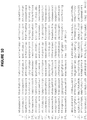
- a representative example of a human B7-H1 nucleic acid has the sequence set forth in GENBANK® Accession No. AF177937 (GI No. 6708118) (SEQ ID NO:1;
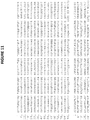
- a representative example of a human PD-1 nucleic acid can have the sequence set forth in GENBANK® Accession No. BC074740.2 (GI No. 50960296) (SEQ ID NO:3; Figure 11 ), and representative example of a human PD-1 polypeptide has the sequence set forth in GENBANK® Accession No. AAH74740.1 (GI No. 49902307) (SEQ ID NO:4; Figure 11 ).
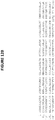
- a representative example of a human CD80 nucleic acid has the sequence set forth in NCBI Reference No. NM_005191.3 (GI No. 113722122) (SEQ ID NO:5; Figure 12A ), and a representative example of a human CD80 polypeptide has the sequence set forth in NCBI Reference No. NP_005182.1 (GI No. 4885123) (SEQ ID NO:6; Figure 12B ).
- the mammal can be administered a molecule that inhibits the interaction between B7-H1 and PD-1 and/or the interaction between B7-H1 and CD80.
- molecules include, without limitation, antibodies (e.g., anti-B7-H1 antibodies, anti-PD-1 antibodies, or anti-CD80 antibodies), and fusion proteins (e.g., PD-1 fusion proteins or CD80 fusion proteins).
- fusion proteins can contain, for example, the extracellular domain of PD-1 fused to an IgG Fc domain, or the extracellular domain of CD80 fused to an IgG Fc domain.
- the antibody/ies or fusion protein(s) can bind B7-H1, thus reducing or blocking B7-H1's action in inducing Bim up regulation.
- antibody includes monoclonal antibodies, polyclonal antibodies, recombinant antibodies, humanized antibodies ( Jones et al. (1986) Nature 321:522-525 ; Riechmann et al. (1988) Nature 332:323-329 ; and Presta (1992) Curr. Op. Struct. Biol. 2:593-596 ), chimeric antibodies ( Morrison et al. (1984) Proc. Natl. Acad. Sci. USA 81:6851-6855 ), multispecific antibodies (e.g., bispecific antibodies) formed from at least two antibodies, and antibody fragments.
- antibody fragment comprises any portion of the afore-mentioned antibodies, such as their antigen binding or variable regions.
- antibody fragments include Fab fragments, Fab' fragments, F(ab')2 fragments, Fv fragments, diabodies ( Hollinger et al. (1993) Proc. Natl. Acad. Sci. USA 90:6444-6448 ), single chain antibody molecules ( Plückthun in: The Pharmacology of Monoclonal Antibodies 113, Rosenburg and Moore, eds., Springer Verlag, N.Y. (1994), 269-315 ) and other fragments as long as they exhibit the desired capability of binding to B7-H1, PD-1, or CD80.
- anti-human B7-H1 antibodies include, without limitation, anti-human B7-H1 antibodies commercially available from Biolegend (e.g., Catalog No. 329701 or 329702; San Diego, CA) or eBioscience (e.g., Catalog No. 14-5983-80 or 14-5983-82).
- anti-human PD-1 antibodies examples include, without limitation, anti-human PD-1 antibodies commercially available from Biolegend (e.g., Catalog No. 329904 or 329905) or eBioscience (Catalog No. 12-2799-42; San Diego, CA).
- anti-human CD80 antibodies include, without limitation, anti-human CD8 antibodies commercially available from Biolegend (e.g., Catalog No. 305201 or 305202) or eBioscience (e.g., Catalog No. 14-0809-80 or 14-0809-82).
- antibody also includes antibody-like molecules that contain engineered sub-domains of antibodies or naturally occurring antibody variants. These antibody-like molecules may be single-domain antibodies such as V H -only or V L -only domains derived either from natural sources such as camelids ( Muyldermans et al. (2001) Rev. Mol. Biotechnol. 74:277-302 ) or through in vitro display of libraries from humans, camelids or other species ( Holt et al. (2003) Trends Biotechnol. 21:484-90 ).
- the polypeptide structure of the antigen binding proteins can be based on antibodies, including, but not limited to, minibodies, synthetic antibodies (sometimes referred to as “antibody mimetics”), human antibodies, antibody fusions (sometimes referred to as “antibody conjugates”), and fragments thereof, respectively.
- an “Fv fragment” is the minimum antibody fragment that contains a complete antigen-recognition and -binding site. This region consists of a dimer of one heavy chain variable domain and one light chain variable domain in tight, non-covalent association. It is in this configuration that the three CDR's of each variable domain interact to define an antigen-binding site on the surface of the VH-VL dimer. Collectively, the six CDR's confer antigen-binding specificity to the antibody. However, even a single variable domain (or half of an Fv comprising only three CDR's specific for an antigen) has the ability to recognize and bind the antigen, although usually at a lower affinity than the entire binding site.
- the “Fab fragment” also contains the constant domain of the light chain and the first constant domain (C H 1) of the heavy chain.
- the “Fab fragment” differs from the “Fab' fragment” by the addition of a few residues at the carboxy terminus of the heavy chain C H 1 domain, including one or more cysteines from the antibody hinge region.
- the “F(ab')2 fragment” originally is produced as a pair of “Fab' fragments” which have hinge cysteines between them. Methods of preparing such antibody fragments, such as papain or pepsin digestion, are known to those skilled in the art.
- An antibody can be of the IgA-, IgD-, IgE, IgG- or IgM-type, including IgG- or IgM-types such as, without limitation, IgG1-, IgG2-, IgG3-, IgG4-, IgM1- and IgM2-types.
- the antibody is of the IgG1-, IgG2- or IgG4- type.
- antibodies as used in the methods described herein can be fully human or humanized antibodies.
- Human antibodies can avoid certain problems associated with xenogeneic antibodies, such as antibodies that possess murine or rat variable and/or constant regions.
- the effector portion is human, it can interact better with other parts of the human immune system, e.g., to destroy target cells more efficiently by complement-dependent cytotoxicity or antibody-dependent cellular cytotoxicity.
- the human immune system should not recognize the antibody as foreign.
- half-life in human circulation will be similar to naturally occurring human antibodies, allowing smaller and less frequent doses to be given. Methods for preparing human antibodies are known in the art.
- Humanized antibodies can have many advantages.
- Humanized antibodies generally are chimeric or mutant monoclonal antibodies from mouse, rat, hamster, rabbit or other species, bearing human constant and/or variable region domains or specific changes.
- Techniques for generating humanized antibodies are well known to those of skill in the art. For example, controlled rearrangement of antibody domains joined through protein disulfide bonds to form new, artificial protein molecules or "chimeric" antibodies can be utilized ( Konieczny et al. (1981) Haematologia (Budap.) 14:95 ).
- Recombinant DNA technology can be used to construct gene fusions between DNA sequences encoding mouse antibody variable light and heavy chain domains and human antibody light and heavy chain constant domains ( Morrison et al. (1984) Proc. Natl. Acad. Sci. USA 81:6851 ).
- DNA sequences encoding antigen binding portions or complementarity determining regions (CDR's) of murine monoclonal antibodies can be grafted by molecular means into DNA sequences encoding frameworks of human antibody heavy and light chains ( Jones et al. (1986) Nature 321:522 ; Riechmann et al. (1988) Nature 332:323 ). Expressed recombinant products are called "reshaped" or humanized antibodies, and comprise the framework of a human antibody light or heavy chain and antigen recognition portions, CDR's, of a murine monoclonal antibody.
- Molecules that interfere with the interaction between B7-H1 and PD-1, and/or the interaction between B7-H1 and CD80, as described herein can be incorporated into pharmaceutical compositions for treatment of cancer.
- compositions can further include one or more pharmaceutically acceptable carriers, diluents and/or adjuvants.
- the potency of the pharmaceutical compositions provided herein typically is based on the binding of the antibody or fusion protein to B7-H1.
- a “pharmaceutically acceptable carrier” (also referred to as an “excipient” or a “carrier”) is a pharmaceutically acceptable solvent, suspending agent, stabilizing agent, or any other pharmacologically inert vehicle for delivering one or more therapeutic compounds to a subject, which is nontoxic to the cell or mammal being exposed thereto at the dosages and concentrations employed.
- Pharmaceutically acceptable carriers can be liquid or solid, and can be selected with the planned manner of administration in mind so as to provide for the desired bulk, consistency, and other pertinent transport and chemical properties, when combined with one or more of therapeutic compounds and any other components of a given pharmaceutical composition.
- Typical pharmaceutically acceptable carriers that do not deleteriously react with amino acids include, by way of example and not limitation: water, saline solution, binding agents (e.g., polyvinylpyrrolidone or hydroxypropyl methylcellulose), fillers (e.g., lactose and other sugars, gelatin, or calcium sulfate), lubricants (e.g., starch, polyethylene glycol, or sodium acetate), disintegrates (e.g., starch or sodium starch glycolate), and wetting agents (e.g., sodium lauryl sulfate).
- binding agents e.g., polyvinylpyrrolidone or hydroxypropyl methylcellulose
- fillers e.g., lactose and other sugars, gelatin, or calcium sulfate
- lubricants e.g., starch, polyethylene glycol, or sodium acetate
- disintegrates e.g., starch or sodium starch glycolate
- Pharmaceutically acceptable carriers also include aqueous pH buffered solutions or liposomes (small vesicles composed of various types of lipids, phospholipids and/or surfactants which are useful for delivery of a drug to a mammal).
- Further examples of pharmaceutically acceptable carriers include buffers such as phosphate, citrate, and other organic acids, antioxidants such as ascorbic acid, low molecular weight (less than about 10 residues) polypeptides, proteins such as serum albumin, gelatin, or immunoglobulins, hydrophilic polymers such as polyvinylpyrrolidone, amino acids such as glycine, glutamine, asparagine, arginine or lysine, monosaccharides, disaccharides, and other carbohydrates including glucose, mannose or dextrins, chelating agents such as EDTA, sugar alcohols such as mannitol or sorbitol, salt-forming counterions such as sodium, and/or nonionic surfactants such as TWEENTM,
- compositions can be formulated by mixing one or more active agents with one or more physiologically acceptable carriers, diluents, and/or adjuvants, and optionally other agents that are usually incorporated into formulations to provide improved transfer, delivery, tolerance, and the like.
- a pharmaceutical composition can be formulated, e.g., in lyophilized formulations, aqueous solutions, dispersions, or solid preparations, such as tablets, dragees or capsules.
- a multitude of appropriate formulations can be found in the formulary known to all pharmaceutical chemists: Remington's Pharmaceutical Sciences (18th ed, Mack Publishing Company, Easton, PA (1990 )), particularly Chapter 87 by Block, Lawrence, therein.
- formulations include, for example, powders, pastes, ointments, jellies, waxes, oils, lipids, lipid (cationic or anionic) containing vesicles (such as LIPOFECTINTM), DNA conjugates, anhydrous absorption pastes, oil-in-water and water-in-oil emulsions, emulsions carbowax (polyethylene glycols of various molecular weights), semi-solid gels, and semi-solid mixtures containing carbowax. Any of the foregoing mixtures may be appropriate in treatments and therapies as described herein, provided that the active agent in the formulation is not inactivated by the formulation and the formulation is physiologically compatible and tolerable with the route of administration.
- compositions include, without limitation, solutions, emulsions, aqueous suspensions, and liposome-containing formulations. These compositions can be generated from a variety of components that include, for example, preformed liquids, self-emulsifying solids and self-emulsifying semisolids.
- Emulsions are often biphasic systems comprising of two immiscible liquid phases intimately mixed and dispersed with each other; in general, emulsions are either of the water-in-oil (w/o) or oil-in-water (o/w) variety.
- Emulsion formulations have been widely used for oral delivery of therapeutics due to their ease of formulation and efficacy of solubilization, absorption, and bioavailability.
- compositions and formulations can include sterile aqueous solutions, which also can contain buffers, diluents and other suitable additives (e.g., penetration enhancers, carrier compounds and other pharmaceutically acceptable carriers). Compositions additionally can contain other adjunct components conventionally found in pharmaceutical compositions. Thus, the compositions also can include compatible, pharmaceutically active materials such as, for example, antipruritics, astringents, local anesthetics or anti-inflammatory agents, or additional materials useful in physically formulating various dosage forms of the compositions provided herein, such as dyes, flavoring agents, preservatives, antioxidants, opacifiers, thickening agents and stabilizers.
- suitable additives e.g., penetration enhancers, carrier compounds and other pharmaceutically acceptable carriers.
- Compositions additionally can contain other adjunct components conventionally found in pharmaceutical compositions.
- the compositions also can include compatible, pharmaceutically active materials such as, for example, antipruritics, astringents, local anesthetics or anti-inflammatory agents,
- compositions can be mixed with auxiliary agents, e.g., lubricants, preservatives, stabilizers, wetting agents, emulsifiers, salts for influencing osmotic pressure, buffers, colorings, flavorings, and aromatic substances.
- auxiliary agents e.g., lubricants, preservatives, stabilizers, wetting agents, emulsifiers, salts for influencing osmotic pressure, buffers, colorings, flavorings, and aromatic substances.
- auxiliary agents e.g., lubricants, preservatives, stabilizers, wetting agents, emulsifiers, salts for influencing osmotic pressure, buffers, colorings, flavorings, and aromatic substances.
- a composition containing an antibody or fusion protein as provided herein can be in the form of a solution or powder with or without a diluent to make an injectable suspension.
- the composition may contain additional ingredients including, without limitation, pharmaceutically acceptable vehicles, such as saline, water, lactic acid, mannitol, or combinations thereof, for example.
- Administration can be, for example, parenteral (e.g., by subcutaneous, intrathecal, intraventricular, intramuscular, or intraperitoneal injection, or by intravenous drip). Administration can be rapid (e.g., by injection) or can occur over a period of time (e.g., by slow infusion or administration of slow release formulations). In some embodiments, administration can be topical (e.g., transdermal, sublingual, ophthalmic, or intranasal), pulmonary (e.g., by inhalation or insufflation of powders or aerosols), or oral.
- a composition containing an antibody or fusion protein as described herein can be administered prior to, after, or in lieu of surgical resection of a tumor.
- a composition containing an antibody e.g., an anti-B7-H1 antibody, anti-PD-1 antibody, or anti-CD80 antibody
- a fusion protein e.g., a PD-1 Fc fusion or a CD80 Fc fusion
- a composition containing an antibody or fusion protein as described herein can be administered to a mammal having cancer to reduce the progression rate of the cancer by 5, 10, 25, 50, 75, 100, or more percent. For example, the progression rate can be reduced such that no additional cancer progression is detected.
- the progression rate can be assessed by imaging tissue at different time points and determining the amount of cancer cells present. The amounts of cancer cells determined within tissue at different times can be compared to determine the progression rate. After treatment as described herein, the progression rate can be determined again over another time interval. In some cases, the stage of cancer after treatment can be determined and compared to the stage before treatment to determine whether or not the progression rate has been reduced.
- skin cancer e.g., melanoma
- the progression rate can be assessed by imaging tissue at different time points and determining the amount of cancer cells present. The amounts of cancer cells determined within tissue at different times can be compared to determine the progression rate. After treatment as described herein, the progression rate can be determined again over another time interval. In some cases, the stage of cancer after treatment can be determined and compared to the stage before treatment to determine whether or not the progression rate has been reduced.
- a composition containing an antibody or a fusion protein as described herein can be administered to a mammal having cancer under conditions where progression-free survival is increased (e.g., by 5, 10, 25, 50, 75, 100, or more percent) as compared to the median progression-free survival of corresponding mammals having untreated cancer or the median progression-free survival of corresponding mammals having cancer and treated with other therapies (e.g., chemotherapeutic agents).
- progression-free survival can be measured over any length of time (e.g., one month, two months, three months, four months, five months, six months, or longer).
- Administration to a mammal of a molecule as set forth herein can result in increased numbers of naturally-occurring tumor-reactive CD8+ T cells, which can exert anti-cancer effects against cancer cells present within the mammal.
- An effective amount of a composition containing a molecule as provided herein can be any amount that reduces the progression rate of cancer, increases the progression-free survival rate, or increases the median time to progression without producing significant toxicity to the mammal.
- Optimum dosages can vary depending on the relative potency of individual polypeptides (e.g., antibodies and fusion proteins), and can generally be estimated based on EC 50 found to be effective in in vitro and in vivo animal models. Typically, dosage is from 0.01 ⁇ g to 100 g per kg of body weight.
- an effective amount of an antibody or fusion protein can be from about 1 mg/kg to about 100 mg/kg (e.g., about 5 mg/kg, about 10 mg/kg, about 20 mg/kg, about 50 mg/kg, or about 75 mg/kg). If a particular mammal fails to respond to a particular amount, then the amount of the antibody or fusion protein can be increased by, for example, two fold. After receiving this higher concentration, the mammal can be monitored for both responsiveness to the treatment and toxicity symptoms, and adjustments made accordingly. The effective amount can remain constant or can be adjusted as a sliding scale or variable dose depending on the mammal's response to treatment. Various factors can influence the actual effective amount used for a particular application. For example, the frequency of administration, duration of treatment, use of multiple treatment agents, route of administration, and severity of the cancer may require an increase or decrease in the actual effective amount administered.
- An effective duration for administering a composition provided herein can be any duration that reduces the progression rate of cancer, increases the progression-free survival rate, or increases the median time to progression without producing significant toxicity to the mammal.
- the effective duration can vary from several days to several weeks, months, or years.
- the effective duration for the treatment of cancer can range in duration from several weeks to several months.
- an effective duration can be for as long as an individual mammal is alive. Multiple factors can influence the actual effective duration used for a particular treatment.
- an effective duration can vary with the frequency of administration, effective amount, use of multiple treatment agents, route of administration, and severity of the cancer.
- the mammal After administering a composition provided herein to a mammal, the mammal can be monitored to determine whether or not the cancer was treated. For example, a mammal can be assessed after treatment to determine whether or not the progression rate of the cancer has been reduced (e.g., stopped). Any method, including those that are standard in the art, can be used to assess progression and survival rates.
- mice Female CD45.2+ C57BL/6 mice were purchased from Taconic Farms and CD45.1+ congenic C57BL/6-Ly5.1 mice were purchased from National Cancer Institute.
- OT-1 TCR (Thy 1.1+) transgenic mice were provided by T. Tian (Harvard University, Boston, MA).
- B7-H1-deficient C57BL/6 mice were provided by L. Chen (Yale University, New Haven, CT; Dong et al., Immunity 20:327-336, 2004 ).
- Bcl211- / - mice and Cd80- / - mice were purchased from Jackson Laboratory.
- Cd80- / - mice were crossbred into WT OT-1 mice and produced Cd80-/- OT-1 mice.
- Bcl-2 transgenic mice were provided by V. Shapiro (Mayo Clinic, Rochester). Mice were maintained under pathogen-free conditions and used at 8-12 weeks of age.
- B16-OVA murine melanoma cells were provided by R. Vile (Mayo Clinic, Rochester, MN), and were cultured in RPMI 1640 medium (Cellgro) with 10% FBS (Life Technologies), 1 U/mL penicillin, 1 ⁇ g/mL streptomycin and 20 mM HEPES buffer (all from Mediatech).
- Hamster anti-mouse B7-H1 mAb (10B5) and PD-1 (G4) was obtained from hybridoma cells provided by L. Chen.
- Hamster anti-mouse B7-H1 mAb (43H12) was provided by K. Tamada (John Hopkins University).
- Class I MHC (K b OVA peptide SIINFEKL; SEQ ID NO:1) tetramer and negative control tetramer were purchased from Beckman Coulter. Fluorochrome-conjugated Abs against CD8, CD11a, Fas (CD95), Fas ligand, CD90.1 (Thy 1.1), CD90.2 (Thy 1.2), CD107a, IFN ⁇ , IL-2 and TNF ⁇ were purchased from BD Biosciences, BioLegend, or eBiosciences. To detect intracellular cytokine levels, cells were incubated with GolgiPlug (BD Biosciences) for 4 hours prior to analysis.
- GolgiPlug BD Biosciences
- T cells were first stained for surface antigens, then fixed with 2% paraformaldehyde for 10 minutes at 37°C, followed by permeabilization with ice-cold methanol for 30 minutes. After blocking with 15% rat serum for 15 minutes, cells were stained with Abs for 1 hour at room temperature. After staining, cells were washed three times with incubation buffer before analysis. At least 100,000 viable cells were live gated on FACScan or FACSCailbur (BD Biosciences) instrumentation. Flow cytometry analysis was performed using FlowJo software (Tree Star).
- T-cell immunization, activation, apoptosis assay and proliferation assay Mice were immunized by i.p. injection of 0.5 mg ovalbumin (OVA, from Sigma-Aldrich) and 50 ⁇ g poly (I:C) (Sigma Aldrich).
- OVA ovalbumin
- I:C poly
- purified CD8+ T cells were labeled with CFSE (Invitrogen-Molecular Probes) and incubated with OVA peptide 257-264 (Mayo Clinic Core Facilities) at 0.2 ⁇ g/mL for 72 hours.
- Apoptosis of CD8+ T cells was analyzed by staining using Annexin V (BD Biosciences) and TMRE (tetramethylrhodamine ethyl ester, Invitrogen/Molecular Probes T-669). Proliferation was also measured by detection of BrdU incorporation and Ki67 staining. Immunized mice were injected i.p. with 0.8 mg/mL BrdU (BD Biosciences) on days 4 through 6 following immunization. On day 7 after immunization BrdU incorporation was determined by intra-nuclear staining with anti-BrdU (B9285, Sigma-Aldrich) and anti-Ki67 (556027, BD Biosciences).
- In vivo CTL assay OVA 257-264 peptide-pulsed or control peptide-pulsed spleen cells (as target cells) from syngeneic mice were labeled with a high dose of CFSE (5 ⁇ M) or low dose of CFSE (0.5 ⁇ M), mixed at 1:1 (2.5 ⁇ 10 6 of each) before injection.
- Target cells were i.v. injected into immunized mice on day 4 after re-challenge with cognate antigen protein.
- mice were inoculated i.v. with 5 ⁇ 10 5 B16-OVA tumor cells on day 25 after immunization. On day 21-post tumor injection, mice were sacrificed and the lung tissue was perfused with PBS. The number of tumor foci on the lung tissue was counted.
- T-cell transfer experiments Purified CD8+ T cells (1 ⁇ 10 6 ) from Thy1.1+OT-1 transgenic mice were i.v. injected into Thy 1.2+ WT or B7-H1-deficient recipient mice, followed by immunization with OVA plus poly I:C. On day 7 after immunization, transferred CD8+ T cells were identified by their expression of Thy1.1 and used for detection of intracellular expression of Bim, Bcl-2 and Bcl-xL. Equal numbers of Cd80-/- (CD45.2+) and WT OT-1 (Thy1.1+, CD45.2+) CD8+ T cells (10 6 of each) were i.v. injected into CD45.1+ mice followed with immunization of OVA and poly I:C. The transferred OT-1 CD8+ T cells in the spleen were identified by flow cytometry.
- T-cell activation and culturing with fusion proteins Spleen cells were harvested from naive mice and pre-activated with ConA (5 ⁇ g/mL, L7647, Sigma-Aldrich) for 48 hours. Following activation, CD8+ T cells were purified (EasySep CD8+ T-cell negative selection kit, Stem Cell Technologies) and incubated with plate-bound anti-CD3 (BD Biosciences) and B7-H1 Fc fusion protein or control Fc protein (R&D Systems). Cultures were maintained for indicated time periods, and then cells were harvested for analysis.
- ConA 5 ⁇ g/mL, L7647, Sigma-Aldrich
- CD8+ T cells were purified (EasySep CD8+ T-cell negative selection kit, Stem Cell Technologies) and incubated with plate-bound anti-CD3 (BD Biosciences) and B7-H1 Fc fusion protein or control Fc protein (R&D Systems). Cultures were maintained for indicated time periods, and
- Example 2 More memory T cells are generated in the absence of B7-H1
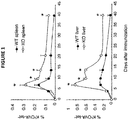
- CD8+ T-cell responses in the spleen and liver of WT and B7-H1-deficient C57BL/6 mice were compared following immunization with ovalbumin (OVA) protein and polyinosinic:polycytidylic acid (poly (I:C)) as adjuvant.
- OVA ovalbumin
- polyinosinic:polycytidylic acid poly (I:C)
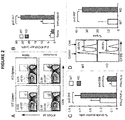
- OVA peptide- or control peptide-pulsed target cells (syngeneic splenocytes labeled with either high or low CFSE) were injected into immunized WT and B7-H1-deficient mice. Four hours following cell injection, the remaining CFSE positive cells in the spleen were analyzed. Memory CD8+ T cells in the B7-H1-deficient mice lysed more OVA-peptide pulsed target cells (33.5%) than those in WT mice (9.3%, p ⁇ 0.01; FIG. 2D ). Collectively, these data suggest that B7-H1 negatively regulates the generation of memory CD8+ T cells in immunized mice.
- B16-OVA melanoma tumor cells (engineered to express OVA) were injected into immunized WT and B7-H1-deficient mice. Intravenously injected B16-OVA tumor cells form metastases in the lung, and antitumor immunity can be monitored by counting the number of tumor foci.
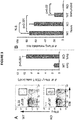
- the frequency of functional memory CD8+ T cells in the lungs of WT and B7-H1-deficient mice was determined by intracellular staining for IFN ⁇ . About 4 to 5-fold more IFN ⁇ + CD8+ T cells were detected in the lungs of B7-H1-deficient mice as compared with WT mice (p ⁇ 0.01; FIG. 3A ).
- CD11a was used as a surrogate activation marker.
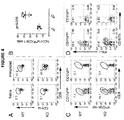
- An advantage of this method is that CD11a high CD8+ T cells represent antigen-primed CD8+ T cells that are responsive to undefined antigen epitopes not recognized by tetramers. CD11a high CD8+ T cells were detected at low levels in the spleens of naive WT and B7-H1-deficient mice ( FIG. 4A ).
- TMRE tetramethylrhodamine ethyl ester
- OT-1 CD8+ T cells transferred into B7-H1-deficient hosts expressed lower levels of Bim in both the spleen and liver as compared with the OT-1 CD8+ T cells transferred into WT hosts ( FIG. 7 ).
- the expression of Bcl-2 and Bcl-x L in OT-1 CD8+ T cells transferred into WT or B7-H1-deficient mice was comparable ( FIG. 7 ).
- CD80 signaling in the regulation of memory generation was addressed by transferring equal numbers of CD80-deficient OT-1 and WT OT-1 naive CD8+ T cells into CD45.1+ mice.
- host mice were immunized with OVA plus poly I:C.
- the frequency and phenotype of the transferred CD80-deficient and WT OT-1 CD8+ T cells was analyzed.
- B7-H1 might regulate Bim levels in activated CD8+ T cells.
- Pre-activated WT CD8+ T cells were incubated with platebound B7-H1 fusion protein for 48 hours in the presence of TCR stimulation (anti-CD3 antibody).
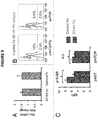
- Bim expression was analyzed by western blotting, and increased expression levels were observed in CD8+ T cells cultured in the presence of B7-H1 fusion protein, as compared with a control fusion protein ( FIG. 8A ).
- Bim expression also was analyzed by intracellular flow cytometry, revealing that the B7-H1 fusion protein dramatically increased the levels of Bim protein in CD8+ T cells compared with a control fusion protein (p ⁇ 0.02; FIGS. 8B and 8C ).
- pre-activated WT CD8+ T cells were incubated with plate-bound B7-H1 fusion protein pre-blocked with anti-B7-H1 (10B5 or 43H12) or anti-PDl (G4) antibodies.
- the 10B5 antibody blocks the interaction of B7-H1 with both PD-1 and CD80.
- Both 10B5 and G4 antibodies completely blocked Bim upregulation induced by B7-H1 fusion protein, while 43H12 only partially, but significantly, did so ( FIG. 8F ).
- B7-H1 regulates Bim expression levels was then examined.
- mRNA levels of Bcl211, which encodes the Bim protein were examined by quantitative real-time PCR analysis using mRNA isolated from pre-activated CD8+ T cells that were exposed to B7-H1 fusion protein or to a control fusion protein and anti-CD3 for 24 hours. Incubation of pre-activated CD8+ T cells with B7-H1 fusion protein did not increase the levels of Bcl211 ( FIG. 9A ), indicating that the B7-H1-mediated upregulation of Bim does not result from transcriptional regulation.
- the degradation of Bim is tightly regulated, at least in part via the activation of Akt followed by Akt-mediated Bim phosphorylation and degradation ( Qi et al. (2006) J. Biol. Chem. 281:813-823 ).
- the level of Akt activation in CD8+ T cells after B7-H1 engagement was measured by intracellular flow cytometry for phosphorylated-Akt (Ser473).
- CD8+ T cells cultured with B7-H1 fusion protein exhibited decreased levels of phosphorylated Akt as compared with CD8+ T cells cultured with a control fusion protein (p ⁇ 0.01; FIGS. 9B and 9C ).
- Example 5 - Bim is increased in tumor-reactive CD8+ T cells in peripheral blood of melanoma and prostate cancer patients
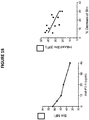
- Peripheral blood lymphocytes were isolated from 26 patients with stage IV (advanced) melanoma, and from 11 healthy blood donors. Lymphocytes were stained with CD8, CD11a and PD-1 followed with intracellular staining for Bim. High expression of CD11a by CD8 T cells was used to identify antigen-primed T cells. Tumor-reactive CD8+ T cells were defined by their expression of CD11a high and PD-1+ ( FIG. 13 , left panel). The histograms shown in the right panel of FIG. 13 indicate expression of Bim by subsets of CD8+ T cells (Tn: T naive cells; PD-1-, PD-1 negative primed cells; PD-1 +, PD-1 positive primed cells).
- PD-1+ primed cells (tumor-reactive) CD8+ T cells expressed high levels of Bim.
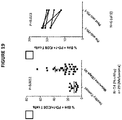
- Bim expression was increased in tumor-reactive CD8+ T cells in peripheral blood of melanoma patients as compared to the healthy controls, and also was increased in tumor-reactive CD8+ T cells in peripheral blood of prostate cancer patients as compared to healthy controls ( FIG. 14 ).
- the Bim upregulation in melanoma patients was PD-1 dependent, as depicted in FIG. 15 .
- Bim expression was not increased in PD-1+ T cells in healthy donors, suggesting that Bim upregulation is dependent on PD-1 expression and is cancer-related.
- Example 6 B7-H1 protein induces high expression of Bim in human pre-activated CD8+ T cells
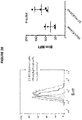
- Example 7 Anti-PD-1 treatment reduced the frequency of Bim+ PD-1+tumor-reactive CD8 T cells
- Example 8 B7-H1 expressed by tumor cells induces Bim up-regulation in human pre-activated CD8 T cells
- Example 9 - Bim expression is associated with B7-H1 expression in human RCC
- B7-H1 The ability of B7-H1 to up-regulate Bim in pre-activated, but not newly activated, CD8+ T cells, implied that reactivation of tumor-reactive CD8+ T cells at tumor sites could be dampened through this mechanism by B7-H1 positive tumor cells.
- human cancer tissues stained for B7-H1 and Bim were evaluated. The hypothesis was that B7-H1 positive human cancer tissues would be associated with more Bim positive tumor-infiltrating lymphocytes (TILs). As shown in FIG. 21 (left panel), human renal cell carcinoma tissues were stained with anti-B7-H1 and anti-Bim antibodies in immunohistochemistry assays.
- B7-H1 reactivity was identified on the surface of cancer cells, while Bim positive staining was identified on cancer cells and also on TILs ( FIG. 21 , left panel). Bim reactivity was determined by an arbitrary scoring system: 0 (absence), 1(focal), 2 (moderate), and 3 (marked). The association between B7-H1 positive or negative tumors and the frequency of Bim reactivity at different levels is demonstrated in the right panel of FIG. 21 , and was analyzed using Fisher's exact test. B7-H1 positive tumors were found in general to have a higher degree (2-3 scores) of Bim positive TILs than B7-H1 negative tumors (Fisher's exact test, p ⁇ 0.01). These results suggest that B7-H1 positive tumors can induce more death in tumor-reactive T cells at tumor sites via up-regulation of Bim when these T cells are re-activated with tumor antigen stimulation.
- Example 10 - Bim expression is correlated with Granzyme B and T-bet expressed by cancer-related PD-1+ CD11a high CD8+ T cells
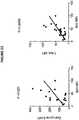
- Bim levels were measured in PD-1+ CD11a high CD8 T cells from the peripheral blood of patients with melanoma and prostate cancers before and post radiotherapy. As shown in FIG. 23 (left panel), decreased levels of Bim were observed in melanoma patients post radiotherapy. In contrast, increased levels of Bim were observed in prostate cancer patients post radiotherapy (right panel). Due to the limited numbers of patients in this study, these changes did not reach statistical significance.
Landscapes
- Health & Medical Sciences (AREA)
- Chemical & Material Sciences (AREA)
- Immunology (AREA)
- Life Sciences & Earth Sciences (AREA)
- Organic Chemistry (AREA)
- Engineering & Computer Science (AREA)
- Molecular Biology (AREA)
- Proteomics, Peptides & Aminoacids (AREA)
- General Health & Medical Sciences (AREA)
- Biochemistry (AREA)
- Genetics & Genomics (AREA)
- Medicinal Chemistry (AREA)
- Pathology (AREA)
- Analytical Chemistry (AREA)
- Biophysics (AREA)
- Urology & Nephrology (AREA)
- Hematology (AREA)
- Biomedical Technology (AREA)
- Physics & Mathematics (AREA)
- Microbiology (AREA)
- Biotechnology (AREA)
- Zoology (AREA)
- Wood Science & Technology (AREA)
- Cell Biology (AREA)
- General Physics & Mathematics (AREA)
- Food Science & Technology (AREA)
- Hospice & Palliative Care (AREA)
- Oncology (AREA)
- Bioinformatics & Cheminformatics (AREA)
- General Engineering & Computer Science (AREA)
- Pharmacology & Pharmacy (AREA)
- Animal Behavior & Ethology (AREA)
- Public Health (AREA)
- Veterinary Medicine (AREA)
- General Chemical & Material Sciences (AREA)
- Chemical Kinetics & Catalysis (AREA)
- Nuclear Medicine, Radiotherapy & Molecular Imaging (AREA)
- Medicines Containing Antibodies Or Antigens For Use As Internal Diagnostic Agents (AREA)
- Peptides Or Proteins (AREA)
Applications Claiming Priority (3)
| Application Number | Priority Date | Filing Date | Title |
|---|---|---|---|
| US201361885218P | 2013-10-01 | 2013-10-01 | |
| PCT/US2014/053870 WO2015050663A1 (fr) | 2013-10-01 | 2014-09-03 | Procédés de traitement du cancer chez des patients présentant des taux élevés de bim |
| EP14850189.3A EP3052131B1 (fr) | 2013-10-01 | 2014-09-03 | Procédés de traitement du cancer chez des patients présentant des taux élevés de bim |
Related Parent Applications (1)
| Application Number | Title | Priority Date | Filing Date |
|---|---|---|---|
| EP14850189.3A Division EP3052131B1 (fr) | 2013-10-01 | 2014-09-03 | Procédés de traitement du cancer chez des patients présentant des taux élevés de bim |
Publications (1)
| Publication Number | Publication Date |
|---|---|
| EP3470081A1 true EP3470081A1 (fr) | 2019-04-17 |
Family
ID=52779026
Family Applications (2)
| Application Number | Title | Priority Date | Filing Date |
|---|---|---|---|
| EP18210199.8A Withdrawn EP3470081A1 (fr) | 2013-10-01 | 2014-09-03 | Procédés de traitement du cancer chez des patients présentant des taux élevés de bim |
| EP14850189.3A Active EP3052131B1 (fr) | 2013-10-01 | 2014-09-03 | Procédés de traitement du cancer chez des patients présentant des taux élevés de bim |
Family Applications After (1)
| Application Number | Title | Priority Date | Filing Date |
|---|---|---|---|
| EP14850189.3A Active EP3052131B1 (fr) | 2013-10-01 | 2014-09-03 | Procédés de traitement du cancer chez des patients présentant des taux élevés de bim |
Country Status (4)
| Country | Link |
|---|---|
| US (2) | US10259875B2 (fr) |
| EP (2) | EP3470081A1 (fr) |
| ES (1) | ES2714708T3 (fr) |
| WO (1) | WO2015050663A1 (fr) |
Families Citing this family (22)
| Publication number | Priority date | Publication date | Assignee | Title |
|---|---|---|---|---|
| EP4209510B1 (fr) | 2008-12-09 | 2024-01-31 | F. Hoffmann-La Roche AG | Anticorps anti-pd-l1 et leur utilisation pour améliorer la fonction des lymphocytes t |
| US9302005B2 (en) | 2013-03-14 | 2016-04-05 | Mayo Foundation For Medical Education And Research | Methods and materials for treating cancer |
| EP3470081A1 (fr) | 2013-10-01 | 2019-04-17 | Mayo Foundation for Medical Education and Research | Procédés de traitement du cancer chez des patients présentant des taux élevés de bim |
| HUE046249T2 (hu) | 2013-12-12 | 2020-02-28 | Shanghai hengrui pharmaceutical co ltd | PD-1 antitest, antigén-kötõ fragmense, és gyógyászati alkalmazása |
| US10302653B2 (en) | 2014-05-22 | 2019-05-28 | Mayo Foundation For Medical Education And Research | Distinguishing antagonistic and agonistic anti B7-H1 antibodies |
| EP3171896A4 (fr) | 2014-07-23 | 2018-03-21 | Mayo Foundation for Medical Education and Research | Ciblage d'adn-pkcs et de b7-h1 pour traiter le cancer |
| CN108112254B (zh) | 2015-03-13 | 2022-01-28 | 西托姆克斯治疗公司 | 抗-pdl1抗体、可活化的抗-pdl1抗体、及其使用方法 |
| CA2991976A1 (fr) | 2015-07-13 | 2017-01-19 | Cytomx Therapeutics, Inc. | Anticorps anti-pd-1, anticorps anti-pd-1 activables, et leurs procedes d'utilisation |
| CN107921093B (zh) | 2015-08-20 | 2022-04-01 | 弗劳恩霍夫应用研究促进协会 | 用于治疗和预防器官衰竭的b7-h1融合多肽 |
| EP3355920A4 (fr) | 2015-09-29 | 2019-05-15 | Celgene Corporation | Protéines de liaison à pd-1 et leurs méthodes d'utilisation |
| US10875923B2 (en) | 2015-10-30 | 2020-12-29 | Mayo Foundation For Medical Education And Research | Antibodies to B7-H1 |
| JP6936221B2 (ja) | 2015-11-02 | 2021-09-15 | ファイブ プライム セラピューティクス, インコーポレイテッド | Cd80細胞外ドメインポリペプチドと、がん治療でのそれらの使用 |
| EP3515943A4 (fr) | 2016-09-19 | 2020-05-06 | Celgene Corporation | Méthodes de traitement du vitiligo au moyen de protéines de liaison à pd-1 |
| WO2018053405A1 (fr) | 2016-09-19 | 2018-03-22 | Celgene Corporation | Procédés de traitement de troubles immunitaires à l'aide de protéines de liaison à pd-1 |
| AU2018258661A1 (en) | 2017-04-28 | 2019-10-17 | Five Prime Therapeutics, Inc. | Methods of treatment with CD80 extracellular domain polypeptides |
| BR112019025188A2 (pt) | 2017-06-01 | 2020-06-23 | Cytomx Therapeutics, Inc. | Anticorpos anti-pdl1 ativáveis e métodos de uso dos mesmos |
| CN109721657B (zh) * | 2017-10-27 | 2021-11-02 | 北京比洋生物技术有限公司 | 阻断pd-1/pd-l1信号传导途径且活化t细胞的融合蛋白及其用途 |
| EP3873540A4 (fr) | 2018-10-31 | 2022-07-27 | Mayo Foundation for Medical Education and Research | Procédés et matériaux pour le traitement du cancer |
| WO2020092839A1 (fr) | 2018-10-31 | 2020-05-07 | Mayo Foundation For Medical Education And Research | Méthodes et matériaux de traitement du cancer |
| CA3116412A1 (fr) | 2018-10-31 | 2020-05-07 | Humanigen, Inc. | Substances et methodes pour le traitement du cancer |
| TW202045544A (zh) | 2019-02-22 | 2020-12-16 | 美商戊瑞治療有限公司 | 用於治療PD-L1陰性腫瘤之CD80胞外結構域Fc融合蛋白 |
| US20240043529A1 (en) * | 2020-12-22 | 2024-02-08 | Eutropics Pharmaceuticals, Inc. | Methods and compositions related to bcl2 and bim heterodimer antibodies |
Citations (13)
| Publication number | Priority date | Publication date | Assignee | Title |
|---|---|---|---|---|
| US4816567A (en) | 1983-04-08 | 1989-03-28 | Genentech, Inc. | Recombinant immunoglobin preparations |
| US4935496A (en) | 1984-12-04 | 1990-06-19 | Teijin Limited | Mouse-human chimaeric immunoglobulin heavy chain specific for the call antigen |
| US5502167A (en) | 1991-12-06 | 1996-03-26 | Waldmann; Herman | CDR grafted humanised chimeric T-cell antibodies |
| US5530101A (en) | 1988-12-28 | 1996-06-25 | Protein Design Labs, Inc. | Humanized immunoglobulins |
| US5558864A (en) | 1991-03-06 | 1996-09-24 | Merck Patent Gesellschaft Mit Beschrankter Haftung | Humanized and chimeric anti-epidermal growth factor receptor monoclonal antibodies |
| US5565332A (en) | 1991-09-23 | 1996-10-15 | Medical Research Council | Production of chimeric antibodies - a combinatorial approach |
| US5639641A (en) | 1992-09-09 | 1997-06-17 | Immunogen Inc. | Resurfacing of rodent antibodies |
| US5693493A (en) | 1985-11-01 | 1997-12-02 | Xoma Corporation | Modular assembly of antibody genes, antibodies prepared thereby and use |
| US5705154A (en) | 1995-03-08 | 1998-01-06 | Schering Corporation | Humanized monoclonal antibodies against human interleukin-4 |
| US5733743A (en) | 1992-03-24 | 1998-03-31 | Cambridge Antibody Technology Limited | Methods for producing members of specific binding pairs |
| US5750078A (en) | 1991-09-18 | 1998-05-12 | Kyowa Hakko Kogyo Co., Ltd. | Process for producing humanized chimera antibody |
| US5770403A (en) | 1992-02-19 | 1998-06-23 | Schering Corporation | Cloning and exprssion of humanized monoclonal antibodies against human interluekin-4 |
| WO2013090552A1 (fr) * | 2011-12-13 | 2013-06-20 | Yale University | Compositions et procédés pour la réduction de l'épuisement de ctl |
Family Cites Families (163)
| Publication number | Priority date | Publication date | Assignee | Title |
|---|---|---|---|---|
| US3687808A (en) | 1969-08-14 | 1972-08-29 | Univ Leland Stanford Junior | Synthetic polynucleotides |
| US4034074A (en) | 1974-09-19 | 1977-07-05 | The Board Of Trustees Of Leland Stanford Junior University | Universal reagent 2-site immunoradiometric assay using labelled anti (IgG) |
| US4036945A (en) | 1976-05-03 | 1977-07-19 | The Massachusetts General Hospital | Composition and method for determining the size and location of myocardial infarcts |
| US4098876A (en) | 1976-10-26 | 1978-07-04 | Corning Glass Works | Reverse sandwich immunoassay |
| US4233402A (en) | 1978-04-05 | 1980-11-11 | Syva Company | Reagents and method employing channeling |
| US4272398A (en) | 1978-08-17 | 1981-06-09 | The United States Of America As Represented By The Secretary Of Agriculture | Microencapsulation process |
| US4257774A (en) | 1979-07-16 | 1981-03-24 | Meloy Laboratories, Inc. | Intercalation inhibition assay for compounds that interact with DNA or RNA |
| US4331647A (en) | 1980-03-03 | 1982-05-25 | Goldenberg Milton David | Tumor localization and therapy with labeled antibody fragments specific to tumor-associated markers |
| US4376110A (en) | 1980-08-04 | 1983-03-08 | Hybritech, Incorporated | Immunometric assays using monoclonal antibodies |
| US4469863A (en) | 1980-11-12 | 1984-09-04 | Ts O Paul O P | Nonionic nucleic acid alkyl and aryl phosphonates and processes for manufacture and use thereof |
| US4769330A (en) | 1981-12-24 | 1988-09-06 | Health Research, Incorporated | Modified vaccinia virus and methods for making and using the same |
| US5155020A (en) | 1989-03-08 | 1992-10-13 | Health Research Inc. | Recombinant poxvirus host range selection system |
| US4650764A (en) | 1983-04-12 | 1987-03-17 | Wisconsin Alumni Research Foundation | Helper cell |
| US5235033A (en) | 1985-03-15 | 1993-08-10 | Anti-Gene Development Group | Alpha-morpholino ribonucleoside derivatives and polymers thereof |
| US4861719A (en) | 1986-04-25 | 1989-08-29 | Fred Hutchinson Cancer Research Center | DNA constructs for retrovirus packaging cell lines |
| WO1988001213A1 (fr) | 1986-08-18 | 1988-02-25 | Clinical Technologies Associates, Inc. | Systemes de distribution pour agents pharmacologiques |
| US4946778A (en) | 1987-09-21 | 1990-08-07 | Genex Corporation | Single polypeptide chain binding molecules |
| US4987071A (en) | 1986-12-03 | 1991-01-22 | University Patents, Inc. | RNA ribozyme polymerases, dephosphorylases, restriction endoribonucleases and methods |
| US4980289A (en) | 1987-04-27 | 1990-12-25 | Wisconsin Alumni Research Foundation | Promoter deficient retroviral vector |
| US4861627A (en) | 1987-05-01 | 1989-08-29 | Massachusetts Institute Of Technology | Preparation of multiwall polymeric microcapsules |
| US5254678A (en) | 1987-12-15 | 1993-10-19 | Gene Shears Pty. Limited | Ribozymes |
| US5567584A (en) | 1988-01-22 | 1996-10-22 | Zymogenetics, Inc. | Methods of using biologically active dimerized polypeptide fusions to detect PDGF |
| US6018026A (en) | 1988-01-22 | 2000-01-25 | Zymogenetics, Inc. | Biologically active dimerized and multimerized polypeptide fusions |
| EP0721983A1 (fr) | 1988-01-22 | 1996-07-17 | ZymoGenetics, Inc. | Procédé de préparation de peptides dimères biologiquement actifs |
| US5750375A (en) | 1988-01-22 | 1998-05-12 | Zymogenetics, Inc. | Methods of producing secreted receptor analogs and biologically active dimerized polypeptide fusions |
| US5278056A (en) | 1988-02-05 | 1994-01-11 | The Trustees Of Columbia University In The City Of New York | Retroviral packaging cell lines and process of using same |
| US5750666A (en) | 1988-05-26 | 1998-05-12 | Competitve Technologies, Inc. | Polynucleotide phosphorodithioate compounds |
| US6303121B1 (en) | 1992-07-30 | 2001-10-16 | Advanced Research And Technology | Method of using human receptor protein 4-1BB |
| IL162181A (en) | 1988-12-28 | 2006-04-10 | Pdl Biopharma Inc | A method of producing humanized immunoglubulin, and polynucleotides encoding the same |
| US5124263A (en) | 1989-01-12 | 1992-06-23 | Wisconsin Alumni Research Foundation | Recombination resistant retroviral helper cell and products produced thereby |
| US5225538A (en) | 1989-02-23 | 1993-07-06 | Genentech, Inc. | Lymphocyte homing receptor/immunoglobulin fusion proteins |
| US5225336A (en) | 1989-03-08 | 1993-07-06 | Health Research Incorporated | Recombinant poxvirus host range selection system |
| US5175099A (en) | 1989-05-17 | 1992-12-29 | Research Corporation Technologies, Inc. | Retrovirus-mediated secretion of recombinant products |
| US5240846A (en) | 1989-08-22 | 1993-08-31 | The Regents Of The University Of Michigan | Gene therapy vector for cystic fibrosis |
| US5013556A (en) | 1989-10-20 | 1991-05-07 | Liposome Technology, Inc. | Liposomes with enhanced circulation time |
| ES2284161T3 (es) | 1990-01-12 | 2007-11-01 | Amgen Fremont Inc. | Generacion de anticuerpos xenogenicos. |
| SG46445A1 (en) | 1990-01-26 | 1998-02-20 | Immunomedics Inc | Vaccines against cancer and infectious diseases |
| US5204243A (en) | 1990-02-14 | 1993-04-20 | Health Research Incorporated | Recombinant poxvirus internal cores |
| US5214136A (en) | 1990-02-20 | 1993-05-25 | Gilead Sciences, Inc. | Anthraquinone-derivatives oligonucleotides |
| US6641809B1 (en) | 1990-03-26 | 2003-11-04 | Bristol-Myers Squibb Company | Method of regulating cellular processes mediated by B7 and CD28 |
| US5427908A (en) | 1990-05-01 | 1995-06-27 | Affymax Technologies N.V. | Recombinant library screening methods |
| CA2086325C (fr) | 1990-07-02 | 2010-10-05 | Peter S. Linsley | Ligand pour le recepteur cd28 sur les cellules b et methodes |
| CA2109602C (fr) | 1990-07-10 | 2002-10-01 | Gregory P. Winter | Methodes de production de membres de paires de liaison specifiques |
| GB9015198D0 (en) | 1990-07-10 | 1990-08-29 | Brien Caroline J O | Binding substance |
| US5218105A (en) | 1990-07-27 | 1993-06-08 | Isis Pharmaceuticals | Polyamine conjugated oligonucleotides |
| EP0549686A4 (en) | 1990-09-20 | 1995-01-18 | Gilead Sciences Inc | Modified internucleoside linkages |
| US5296347A (en) | 1991-02-08 | 1994-03-22 | Ciba Corning Diagnostics Corp. | Bridge immunoassay |
| NZ241954A (en) | 1991-03-15 | 1994-01-26 | Amgen Inc | Compositions of g-csf for pulmonary administration. |
| EP0592668B1 (fr) | 1991-07-03 | 1999-03-10 | Kanebo, Ltd. | Procede et dispositiv de production d' un elastomere de polyurethane thermoplastique |
| US7211259B1 (en) | 1993-05-07 | 2007-05-01 | Immunex Corporation | 4-1BB polypeptides and DNA encoding 4-1BB polypeptides |
| WO1994026290A1 (fr) | 1993-05-07 | 1994-11-24 | Immunex Corporation | Cytokine denommee ligand 4-1bb et recepteur humain s'y fixant |
| US5942607A (en) | 1993-07-26 | 1999-08-24 | Dana-Farber Cancer Institute | B7-2: a CTLA4/CD28 ligand |
| US5861310A (en) | 1993-11-03 | 1999-01-19 | Dana-Farber Cancer Institute | Tumor cells modified to express B7-2 with increased immunogenicity and uses therefor |
| AU7526894A (en) | 1993-08-16 | 1995-03-14 | Arch Development Corporation | B7-2: ctla4/cd28 counter receptor |
| JP3926839B2 (ja) | 1993-09-14 | 2007-06-06 | エピミューン,インコーポレイティド | 万能dr−結合性ペプチドを用いる免疫応答の改変 |
| DE69435261D1 (de) | 1993-09-16 | 2010-02-25 | Univ Indiana Res & Tech Corp | Menschlicher rezeptor h4-1bb |
| US5451569A (en) | 1994-04-19 | 1995-09-19 | Hong Kong University Of Science And Technology R & D Corporation Limited | Pulmonary drug delivery system |
| US5972703A (en) | 1994-08-12 | 1999-10-26 | The Regents Of The University Of Michigan | Bone precursor cells: compositions and methods |
| AU5369996A (en) | 1995-03-23 | 1996-10-08 | Indiana University Foundation | Monoclonal antibody against human receptor protein 4-1bb and methods of its use for treatment of diseases |
| DK0766745T3 (da) | 1995-04-08 | 2002-11-25 | Lg Chemical Ltd | Monoklonalt antistof, som er specifikt for humant 4-1BB samt cellelinje, som producerer dette |
| US5675848A (en) | 1995-10-18 | 1997-10-14 | Mallinckrodt Medical, Inc. | Inflatable blanket having perforations of different sizes |
| EP1281718A3 (fr) | 1995-11-10 | 2005-01-19 | ELAN CORPORATION, Plc | Peptides accroissant le transport dans les tissus |
| EP0871747A1 (fr) | 1996-01-02 | 1998-10-21 | Chiron Viagene, Inc. | Immunostimulation a mediation par cellules dendritiques modifiees par des genes |
| US5874240A (en) | 1996-03-15 | 1999-02-23 | Human Genome Sciences, Inc. | Human 4-1BB receptor splicing variant |
| ATE230801T1 (de) | 1996-10-03 | 2003-01-15 | Canon Kk | Verfahren zur detektion von zielnukleinsäure, verfahren zu ihrer quantifizierung und pyrylium- verbindungen zur chemilumineszenz-analyse |
| IL129138A0 (en) | 1996-10-11 | 2000-02-17 | Bristol Myers Squibb Co | Methods and compositions for immunomodulation |
| CA2271783C (fr) | 1996-11-20 | 2013-04-16 | Yale University | La survivine, proteine inhibant l'apoptose cellulaire, et sa modulation |
| AUPO390396A0 (en) | 1996-11-29 | 1996-12-19 | Csl Limited | Novel promiscuous T helper cell epitopes |
| AU737910B2 (en) | 1997-01-31 | 2001-09-06 | Regents Of The University Of California, The | Chimeric antibody fusion proteins for the recruitment and stimulation of an antitumor immune response |
| AU6534898A (en) | 1997-02-14 | 1998-09-08 | E.I. Du Pont De Nemours And Company | Detection of double-stranded dna in a homogeneous solution |
| US7411051B2 (en) | 1997-03-07 | 2008-08-12 | Human Genome Sciences, Inc. | Antibodies to HDPPA04 polypeptide |
| US20060223088A1 (en) | 1997-03-07 | 2006-10-05 | Rosen Craig A | Human secreted proteins |
| US20070224663A1 (en) | 1997-03-07 | 2007-09-27 | Human Genome Sciences, Inc. | Human Secreted Proteins |
| US7368531B2 (en) | 1997-03-07 | 2008-05-06 | Human Genome Sciences, Inc. | Human secreted proteins |
| CA2304124A1 (fr) | 1997-09-17 | 1999-03-25 | The Walter And Eliza Hall Institute Of Medical Research | Proteine bim de type bci-2 et methodes pour l'utiliser |
| AU4545799A (en) | 1998-06-10 | 1999-12-30 | Government Of The United States Of America, As Represented By The Secretary Of The Department Of Health And Human Services, The | Beta2 microglobulin fusion proteins and high affinity variants |
| AU1329700A (en) | 1998-10-30 | 2000-05-22 | Northwestern University | Method of interfering with cell proliferation |
| KR20000034847A (ko) | 1998-11-17 | 2000-06-26 | 성재갑 | 인간 4-1비비 분자에 대한 인간화 항체 및 이를 포함하는 약학조성물 |
| US6734172B2 (en) | 1998-11-18 | 2004-05-11 | Pacific Northwest Research Institute | Surface receptor antigen vaccines |
| WO2000041508A2 (fr) | 1999-01-15 | 2000-07-20 | Mount Sinai School Of Medicine Of The City University Of New York | Polytherapie contre le cancer s'effectuant par activation de molecules de co-stimulation exprimees par des cellules immunitaires et des cytokines |
| AU3899700A (en) | 1999-03-17 | 2000-10-04 | Alphagene, Inc. | Secreted proteins and polynucleotides encoding them |
| MXPA01009962A (es) | 1999-04-02 | 2002-08-20 | Corixa Corp | Compuestos y metodos para terapia y diagnostico de cancer de pulmon. |
| EP1074617A3 (fr) | 1999-07-29 | 2004-04-21 | Research Association for Biotechnology | Amorces pour la synthèse de cADN de pleine longueur et leur utilisation |
| US6423885B1 (en) | 1999-08-13 | 2002-07-23 | Commonwealth Scientific And Industrial Research Organization (Csiro) | Methods for obtaining modified phenotypes in plant cells |
| US20020177551A1 (en) | 2000-05-31 | 2002-11-28 | Terman David S. | Compositions and methods for treatment of neoplastic disease |
| CA2387959A1 (fr) | 1999-11-12 | 2001-05-17 | Human Genome Sciences, Inc. | 21 proteines humaines secretees |
| EP1234031B2 (fr) | 1999-11-30 | 2021-11-24 | Mayo Foundation For Medical Education And Research | Nouvelle molécule immunorégulatrice b7-h1, |
| US6803192B1 (en) | 1999-11-30 | 2004-10-12 | Mayo Foundation For Medical Education And Research | B7-H1, a novel immunoregulatory molecule |
| EP1259595B1 (fr) | 2000-02-25 | 2007-04-04 | Immunex Corporation | Antagonistes des integrines |
| WO2001070979A2 (fr) | 2000-03-21 | 2001-09-27 | Millennium Pharmaceuticals, Inc. | Nouveaux genes, compositions, trousses et methodes d'identification, de verification, de prevention et de traitement du cancer des ovaires |
| EP1274720A4 (fr) | 2000-04-12 | 2004-08-18 | Human Genome Sciences Inc | Proteines fusionnees a l'albumine |
| US7030219B2 (en) | 2000-04-28 | 2006-04-18 | Johns Hopkins University | B7-DC, Dendritic cell co-stimulatory molecules |
| WO2001094413A2 (fr) | 2000-06-06 | 2001-12-13 | Bristol-Myers Squibb Company | Acides nucleiques et polypeptides apparentes a b7 utiles pour effectuer une immunomodulation |
| US20030031675A1 (en) | 2000-06-06 | 2003-02-13 | Mikesell Glen E. | B7-related nucleic acids and polypeptides useful for immunomodulation |
| EP1320599A2 (fr) | 2000-06-28 | 2003-06-25 | Genetics Institute, LLC | Molecules pd-l2: nouveaux ligands pour pd-1 et leurs utilisations |
| WO2002002587A1 (fr) | 2000-06-30 | 2002-01-10 | Human Genome Sciences, Inc. | Polynucléotides du type b7, polypeptides et anticorps en rapport |
| CA2414593C (fr) | 2000-07-05 | 2006-11-07 | Jerome Foy | Structure de support pour une piscine exterieure |
| US20020076409A1 (en) | 2000-07-12 | 2002-06-20 | March Carl J. | Method for treating cancer |
| US6635750B1 (en) | 2000-07-20 | 2003-10-21 | Millennium Pharmaceuticals, Inc. | B7-H2 nucleic acids, members of the B7 family |
| AU2001283507A1 (en) | 2000-07-27 | 2002-02-13 | Mayo Foundation For Medical Education And Research | B7-h3 and b7-h4, novel immunoregulatory molecules |
| DK1326961T3 (da) | 2000-09-15 | 2008-01-07 | Ortho Mcneil Pharm Inc | Sammensætninger og fremgangsmåder tl inducering af specifikke cytolytiske T-cellereaktioner |
| CA2422215A1 (fr) | 2000-09-20 | 2002-03-28 | Amgen Inc. | Molecules semblables a b7 (b7-like, b7-l) et utilisations correspondantes |
| US20040247563A1 (en) | 2000-11-02 | 2004-12-09 | Lynch David H. | Method of enhancing lymphocyte-mediated immune responses |
| EP1353935A4 (fr) | 2000-12-07 | 2005-02-23 | Penn State Res Found | Selection d'acides nucleiques catalytiques cibles sur des agents infectieux |
| WO2002057453A2 (fr) | 2000-12-19 | 2002-07-25 | Curagen Corporation | Polypeptides et acides nucleiques codant ces derniers |
| US6773702B2 (en) | 2000-12-26 | 2004-08-10 | Oxigene, Inc. | Use of combretastatin A4 and its prodrugs as an immune enhancing therapy |
| US20030180309A1 (en) | 2001-01-08 | 2003-09-25 | Baum Peter R. | Human B7 polypeptides |
| AU2002246970B2 (en) | 2001-01-12 | 2007-06-14 | Yale University | Detection of survivin in the biological fluids of cancer patients |
| US6743619B1 (en) | 2001-01-30 | 2004-06-01 | Nuvelo | Nucleic acids and polypeptides |
| WO2003008583A2 (fr) | 2001-03-02 | 2003-01-30 | Sagres Discovery | Nouvelles compositions et methodes relatives au cancer |
| AR036993A1 (es) | 2001-04-02 | 2004-10-20 | Wyeth Corp | Uso de agentes que modulan la interaccion entre pd-1 y sus ligandos en la submodulacion de respuestas inmunologicas |
| US20060084794A1 (en) | 2001-04-12 | 2006-04-20 | Human Genome Sciences, Inc. | Albumin fusion proteins |
| US7794710B2 (en) | 2001-04-20 | 2010-09-14 | Mayo Foundation For Medical Education And Research | Methods of enhancing T cell responsiveness |
| US20060276422A1 (en) | 2001-05-18 | 2006-12-07 | Nassim Usman | RNA interference mediated inhibition of B7-H1 gene expression using short interfering nucleic acid (siNA) |
| AU2002322211A1 (en) | 2001-07-12 | 2003-01-29 | Canvac | Methods and compisitions for activation human t cells in vitro |
| DE60232895D1 (de) | 2001-10-09 | 2009-08-20 | Mayo Foundation | Verwendung von agonistischen 4-1bb antikörpern zur erhöhung der immunantwort |
| DE60224822T2 (de) | 2001-10-19 | 2009-01-22 | Zymogenetics, Inc., Seattle | Dimerisierter wachstumsfaktor sowie materialien und verfahren zu seiner herstellung |
| CA2466279A1 (fr) | 2001-11-13 | 2003-05-22 | Dana-Farber Cancer Institute, Inc. | Agents modulant l'activite de cellules immunes et procedes d'utilisation associes |
| US7164500B2 (en) | 2002-01-29 | 2007-01-16 | Hewlett-Packard Development Company, L.P. | Method and apparatus for the automatic generation of image capture device control marks |
| WO2003076575A2 (fr) | 2002-03-04 | 2003-09-18 | Fidelity Systems, Inc., Et Al. | Genome et sequence proteinique complets de methanopyrus kandleri av19 hyperthermophile, monophyletisme des archaea methanogenes, et methodes d'utilisation |
| US20030223989A1 (en) | 2002-04-18 | 2003-12-04 | Pluenneke John D. | CD137 agonists to treat patients with IgE-mediated conditions |
| PT1537878E (pt) | 2002-07-03 | 2010-11-18 | Ono Pharmaceutical Co | Composições de imunopotenciação |
| WO2004006853A2 (fr) | 2002-07-15 | 2004-01-22 | Mayo Foundation For Medical Education And Research | Traitement et prevention a l'aide d'agents fixant 4-1bb |
| US7432351B1 (en) | 2002-10-04 | 2008-10-07 | Mayo Foundation For Medical Education And Research | B7-H1 variants |
| US7449300B2 (en) | 2002-11-21 | 2008-11-11 | Mayo Foundation For Medical Education And Research | Detection of antibodies specific for B7-H1 in subjects with diseases or pathological conditions mediated by activated T cells |
| WO2004072286A1 (fr) | 2003-01-23 | 2004-08-26 | Ono Pharmaceutical Co., Ltd. | Substance specifique a pd-1 humain |
| WO2004085418A2 (fr) | 2003-03-24 | 2004-10-07 | Luitpold Pharmaceuticals, Inc. | Materiaux et procedes de potentialisation d'un traitement anticancereux |
| ATE517914T1 (de) | 2004-03-08 | 2011-08-15 | Zymogenetics Inc | Dimere fusionsproteine und materialien und verfahren zu deren herstellung |
| DK3428191T3 (da) | 2004-10-06 | 2025-01-02 | Mayo Found Medical Education & Res | B7-h1 og pd-1 til behandling af renalcellekarcinom |
| AU2005302459A1 (en) | 2004-10-29 | 2006-05-11 | University Of Southern California | Combination cancer immunotherapy with co-stimulatory molecules |
| KR101510065B1 (ko) | 2005-06-08 | 2015-04-07 | 다나-파버 캔서 인스티튜트 인크. | 예정 세포사 1(pd-1) 경로를 억제함으로써 지속 감염 및 암을 치료하기 위한 방법 및 조성물 |
| US20070231344A1 (en) | 2005-10-28 | 2007-10-04 | The Brigham And Women's Hospital, Inc. | Conjugate vaccines for non-proteinaceous antigens |
| WO2007082144A2 (fr) | 2006-01-05 | 2007-07-19 | Mayo Foundation For Medical Education And Research | Methode permettant de detecter un cancer a l'aide de b7-h1 et de survivine |
| US20090215084A1 (en) | 2006-01-05 | 2009-08-27 | Mayo Foundation For Medical Education And Research | B7-h1 and b7-h4 in cancer |
| WO2007124361A2 (fr) | 2006-04-20 | 2007-11-01 | Mayo Foundation For Medical Education And Research | B7-h1 soluble |
| US8268635B2 (en) | 2006-05-19 | 2012-09-18 | Antonio Ferrante | Methods of identifying agents that selectively activate p38 and/or NKkB signaling |
| US20090304711A1 (en) * | 2006-09-20 | 2009-12-10 | Drew Pardoll | Combinatorial Therapy of Cancer and Infectious Diseases with Anti-B7-H1 Antibodies |
| WO2008037080A1 (fr) | 2006-09-29 | 2008-04-03 | Universite De Montreal | Procédés et compositions pour une modulation de la réponse immunitaire et utilisation de ceux-ci |
| CA2947292C (fr) | 2006-12-27 | 2019-07-23 | Emory University | Compositions et procedes pour le traitement d'infections et de tumeurs |
| AU2008293885A1 (en) | 2007-07-13 | 2009-03-05 | The John Hopkins University | B7-DC variants |
| EP2581441A1 (fr) | 2007-08-09 | 2013-04-17 | Genzyme Corporation | Procédé de traitement d'une maladie auto-immune avec des cellules souches mésenchymateuses |
| WO2009089149A1 (fr) | 2008-01-03 | 2009-07-16 | The Johns Hopkins University | Antagonistes de b7-h1 (cd274) induisant l'apoptose de cellules tumorales |
| WO2009111315A2 (fr) | 2008-02-29 | 2009-09-11 | Mayo Foundation For Medical Education And Research | Méthodes de réduction de l’inflammation granulomateuse |
| WO2009114110A1 (fr) | 2008-03-08 | 2009-09-17 | Immungene, Inc. | Immunothérapie avec molécules de fusion modifiées utilisées dans le cancer et les maladies inflammatoires |
| JP2012500652A (ja) | 2008-08-25 | 2012-01-12 | アンプリミューン、インコーポレーテッド | 標的化共刺激ポリペプチドおよび癌を処置するための使用方法 |
| ES2545609T3 (es) | 2008-08-25 | 2015-09-14 | Amplimmune, Inc. | Composiciones de antagonistas de PD-1 y métodos de uso |
| US8577949B2 (en) | 2009-07-07 | 2013-11-05 | L-3 Communications Integrated Systems, L.P. | System for conjugate gradient linear iterative solvers |
| US20130017199A1 (en) | 2009-11-24 | 2013-01-17 | AMPLIMMUNE ,Inc. a corporation | Simultaneous inhibition of pd-l1/pd-l2 |
| NO2504364T3 (fr) | 2009-11-24 | 2018-01-06 | ||
| US9029340B2 (en) | 2010-07-22 | 2015-05-12 | The Johns Hopkins University | Radiation sensitization agents for prostate cancer |
| EA201390370A1 (ru) | 2010-09-15 | 2013-07-30 | Олмак Дайэгностикс Лимитед | Молекулярно-диагностический тест для определения онкологического заболевания |
| WO2012048213A1 (fr) | 2010-10-08 | 2012-04-12 | Regents Of The University Of Minnesota | Procédé d'augmentation de fréquences de ciblage de gène |
| CN103765212A (zh) | 2011-06-27 | 2014-04-30 | 杰克逊实验室 | 治疗癌症和自体免疫性疾病的方法和组合物 |
| EP2739358B1 (fr) | 2011-08-01 | 2018-11-28 | F.Hoffmann-La Roche Ag | Procédés de traitement du cancer à l'aide d'antagonistes se liant à l'axe pd-1 et inhibiteurs de mek |
| EP2747781B1 (fr) | 2011-08-23 | 2017-11-15 | Roche Glycart AG | Anticorps bispécifiques spécifiques pour les antigènes d'activation des lymphocytes t et un antigène tumoral et procédés d'utiliation correspondants |
| AR090263A1 (es) | 2012-03-08 | 2014-10-29 | Hoffmann La Roche | Terapia combinada de anticuerpos contra el csf-1r humano y las utilizaciones de la misma |
| WO2014131711A1 (fr) | 2013-02-26 | 2014-09-04 | Roche Glycart Ag | Molécules bispécifiques de liaison à l'antigène activant les lymphocytes t |
| US9302005B2 (en) | 2013-03-14 | 2016-04-05 | Mayo Foundation For Medical Education And Research | Methods and materials for treating cancer |
| US9944992B2 (en) | 2013-03-15 | 2018-04-17 | The University Of Chicago | Methods and compositions related to T-cell activity |
| EP3470081A1 (fr) | 2013-10-01 | 2019-04-17 | Mayo Foundation for Medical Education and Research | Procédés de traitement du cancer chez des patients présentant des taux élevés de bim |
| US10302653B2 (en) | 2014-05-22 | 2019-05-28 | Mayo Foundation For Medical Education And Research | Distinguishing antagonistic and agonistic anti B7-H1 antibodies |
| EP3171896A4 (fr) | 2014-07-23 | 2018-03-21 | Mayo Foundation for Medical Education and Research | Ciblage d'adn-pkcs et de b7-h1 pour traiter le cancer |
| US10875923B2 (en) | 2015-10-30 | 2020-12-29 | Mayo Foundation For Medical Education And Research | Antibodies to B7-H1 |
-
2014
- 2014-09-03 EP EP18210199.8A patent/EP3470081A1/fr not_active Withdrawn
- 2014-09-03 EP EP14850189.3A patent/EP3052131B1/fr active Active
- 2014-09-03 WO PCT/US2014/053870 patent/WO2015050663A1/fr not_active Ceased
- 2014-09-03 US US15/026,461 patent/US10259875B2/en active Active
- 2014-09-03 ES ES14850189T patent/ES2714708T3/es active Active
-
2019
- 2019-04-15 US US16/384,313 patent/US11136393B2/en active Active
Patent Citations (17)
| Publication number | Priority date | Publication date | Assignee | Title |
|---|---|---|---|---|
| US4816567A (en) | 1983-04-08 | 1989-03-28 | Genentech, Inc. | Recombinant immunoglobin preparations |
| US4935496A (en) | 1984-12-04 | 1990-06-19 | Teijin Limited | Mouse-human chimaeric immunoglobulin heavy chain specific for the call antigen |
| US5698417A (en) | 1985-11-01 | 1997-12-16 | Xoma Corporation | Modular assembly of antibody genes, antibodies prepared thereby and use |
| US5693493A (en) | 1985-11-01 | 1997-12-02 | Xoma Corporation | Modular assembly of antibody genes, antibodies prepared thereby and use |
| US5693761A (en) | 1988-12-28 | 1997-12-02 | Protein Design Labs, Inc. | Polynucleotides encoding improved humanized immunoglobulins |
| US5530101A (en) | 1988-12-28 | 1996-06-25 | Protein Design Labs, Inc. | Humanized immunoglobulins |
| US5585089A (en) | 1988-12-28 | 1996-12-17 | Protein Design Labs, Inc. | Humanized immunoglobulins |
| US5693762A (en) | 1988-12-28 | 1997-12-02 | Protein Design Labs, Inc. | Humanized immunoglobulins |
| US5558864A (en) | 1991-03-06 | 1996-09-24 | Merck Patent Gesellschaft Mit Beschrankter Haftung | Humanized and chimeric anti-epidermal growth factor receptor monoclonal antibodies |
| US5750078A (en) | 1991-09-18 | 1998-05-12 | Kyowa Hakko Kogyo Co., Ltd. | Process for producing humanized chimera antibody |
| US5565332A (en) | 1991-09-23 | 1996-10-15 | Medical Research Council | Production of chimeric antibodies - a combinatorial approach |
| US5502167A (en) | 1991-12-06 | 1996-03-26 | Waldmann; Herman | CDR grafted humanised chimeric T-cell antibodies |
| US5770403A (en) | 1992-02-19 | 1998-06-23 | Schering Corporation | Cloning and exprssion of humanized monoclonal antibodies against human interluekin-4 |
| US5733743A (en) | 1992-03-24 | 1998-03-31 | Cambridge Antibody Technology Limited | Methods for producing members of specific binding pairs |
| US5639641A (en) | 1992-09-09 | 1997-06-17 | Immunogen Inc. | Resurfacing of rodent antibodies |
| US5705154A (en) | 1995-03-08 | 1998-01-06 | Schering Corporation | Humanized monoclonal antibodies against human interleukin-4 |
| WO2013090552A1 (fr) * | 2011-12-13 | 2013-06-20 | Yale University | Compositions et procédés pour la réduction de l'épuisement de ctl |
Non-Patent Citations (35)
| Title |
|---|
| "Remington's Pharmaceutical Sciences", 1990, MACK PUBLISHING COMPANY |
| "The Pharmacology of Monoclonal Antibodies", vol. 113, 1994, SPRINGER VERLAG, pages: 269 - 315 |
| ALLIE ET AL., J. IMMUNOL., vol. 186, 2011, pages 6280 - 6286 |
| BALDRICK, REGUL. TOXICOL. PHARMACOL., vol. 32, 2000, pages 210 - 218 |
| BERRIEN-ELLIOTT MELISSA M ET AL: "Durable adoptive immunotherapy for leukemia produced by manipulation of multiple regulatory pathways of CD8+ T-cell tolerance.", CANCER RESEARCH 15 JAN 2013, vol. 73, no. 2, 15 January 2013 (2013-01-15), pages 605 - 616, XP002767417, ISSN: 1538-7445 * |
| CHARMAN, J. PHARM. SCI., vol. 89, 2000, pages 967 - 978 |
| DONG ET AL., IMMUNITY, vol. 20, 2004, pages 327 - 336 |
| DONG ET AL.: "A novel method for identifying downstream signals in tumor-reactive T cells following PD-1 engagement and monitoring endogenous tumor immunity and immunotherapy.", JOURNAL OF CLINICAL ONCOLOGY, vol. 31, no. 15.SUPPL.1, 3039, 20 May 2014 (2014-05-20) * |
| DRONCA ROXANA S ET AL: "BCL-2-interacting mediator of cell death (Bim) is a novel biomarker for response to anti-PD-1 therapy in patients with advanced melanoma.", IMMUNOTHERAPY 12 2016, vol. 8, no. 12, December 2016 (2016-12-01), pages 1351 - 1353, XP002788155, ISSN: 1750-7448 * |
| DRONCA ROXANA S ET AL: "T cell Bim levels reflect responses to anti-PD-1 cancer therapy.", JCI INSIGHT 05 MAY 2016, vol. 1, no. 6, 5 May 2016 (2016-05-05), XP002788154, ISSN: 2379-3708 * |
| GERDES ET AL., J. IMMUNOL., vol. 133, 1984, pages 1710 - 1715 |
| GIBBONS ET AL., ONCOLMMUNOLOGY, vol. 1, no. 7, 2012, pages 1061 - 1073 |
| GRIVENNIKOV ET AL., CELL, vol. 140, 2010, pages 883 - 899 |
| HIRANO ET AL., CANCER RES., vol. 65, 2005, pages 1089 - 1096 |
| HOLLINGE ET AL., PROC. NATL. ACAD. SCI. USA, vol. 90, 1993, pages 6444 - 6448 |
| HOLT ET AL., TRENDS BIOTECHNOL., vol. 21, 2003, pages 484 - 90 |
| JACINTO ET AL., CELL, vol. 127, 2006, pages 125 - 137 |
| JAYARAMAN, J. IMMUNOL. METHODS, vol. 306, 2005, pages 68 - 79 |
| JONES ET AL., NATURE, vol. 321, 1986, pages 522 |
| JONES ET AL., NATURE, vol. 321, 1986, pages 522 - 525 |
| KONIECZNY ET AL., HAEMATOLOGIA (BUDAP.), vol. 14, 1981, pages 95 |
| LIU XIN ET AL: "Endogenous tumor-reactive CD8<+>T cells are differentiated effector cells expressing high levels of CD11a and PD-1 but are unable to control tumor growth.", ONCOIMMUNOLOGY 01 JUN 2013, vol. 2, no. 6, 1 June 2013 (2013-06-01), pages e23972, XP055795429, ISSN: 2162-4011, DOI: 10.4161/onci.23972 * |
| MORRISON ET AL., PROC. NATL. ACAD. SCI. USA, vol. 81, 1984, pages 6851 |
| MORRISON ET AL., PROC. NATL. ACAD. SCI. USA, vol. 81, 1984, pages 6851 - 6855 |
| MUYLDERMANS ET AL., REV. MOL. BIOTECHNOL., vol. 74, 2001, pages 277 - 302 |
| PARK ET AL., BLOOD, vol. 116, 2010, pages 1291 - 1298 |
| POWELL ET AL., PDA J. PHARM. SCI. TECHNOL., vol. 52, 1998, pages 238 - 311 |
| PRESTA, CURR. OP. STRUCT. BIOL., vol. 2, 1992, pages 593 - 596 |
| QI ET AL., J. BIOL. CHEM., vol. 281, 2006, pages 813 - 823 |
| RACHEL M GIBBONS ET AL: "B7-H1 limits the entry of effector CD8 + T cells to the memory pool by upregulating Bim", ONCOIMMUNOLOGY, vol. 1, no. 7, 1 October 2012 (2012-10-01), pages 1061 - 1073, XP055332328, DOI: 10.4161/onci.20850 * |
| RIECHMANN ET AL., NATURE, vol. 332, 1988, pages 323 |
| RIECHMANN ET AL., NATURE, vol. 332, 1988, pages 323 - 329 |
| SARBASSOV ET AL., SCIENCE, vol. 307, 2005, pages 1098 - 1101 |
| TOPALIAN SUZANNE L ET AL: "Safety, activity, and immune correlates of anti-PD-1 antibody in cancer.", THE NEW ENGLAND JOURNAL OF MEDICINE 28 JUN 2012, vol. 366, no. 26, 28 June 2012 (2012-06-28), pages 2443 - 2454, XP002767416, ISSN: 1533-4406 * |
| WANG, INT. J. PHARM., vol. 203, 2000, pages 1 - 60 |
Also Published As
| Publication number | Publication date |
|---|---|
| ES2714708T3 (es) | 2019-05-29 |
| US10259875B2 (en) | 2019-04-16 |
| US11136393B2 (en) | 2021-10-05 |
| WO2015050663A1 (fr) | 2015-04-09 |
| US20190315869A1 (en) | 2019-10-17 |
| US20160251437A1 (en) | 2016-09-01 |
| EP3052131A4 (fr) | 2017-03-29 |
| EP3052131A1 (fr) | 2016-08-10 |
| EP3052131B1 (fr) | 2018-12-05 |
Similar Documents
| Publication | Publication Date | Title |
|---|---|---|
| US11136393B2 (en) | Methods for treating cancer in patients with elevated levels of Bim | |
| US10302653B2 (en) | Distinguishing antagonistic and agonistic anti B7-H1 antibodies | |
| US20240400688A1 (en) | Enhanced depletion of targeted cells with cd47 blockade and an immune costimulatory agonist | |
| AU2017210224B2 (en) | Treatment of cancer with combinations of immunoregulatory agents | |
| EP3177321B1 (fr) | Anticorps specifique d'antigenes tumoraux et de stimulation de tlr3 pour ameliorer la performance de la therapie par interference du point de contrôle du cancer | |
| AU2018351007B2 (en) | Treatment of ovarian cancer with anti-CD47 and anti-PD-L1 | |
| JP2018512397A (ja) | 癌治療の有効性を高めるための組成物及び方法 | |
| AU2020231343B2 (en) | IL-4/IL-13 pathway inhibitors for enhanced efficacy in treating cancer | |
| US20160176967A1 (en) | Methods and materials for treating cancer | |
| KR20190098995A (ko) | 면역 반응의 조절을 위한 옥사바이사이클로헵탄 | |
| KR102423631B1 (ko) | 케모카인 억제제, 콜로니 자극 인자 억제제 및 면역항암제를 포함하는 암의 예방 또는 치료용 조성물 및 병용 요법 | |
| Nair et al. | IL-12+ GM-CSF microsphere therapy induces eradication of advanced spontaneous tumors in her-2/neu transgenic mice but fails to achieve long-term cure due to the inability to maintain effector T-cell activity | |
| KR20230044315A (ko) | 췌장 암 평가 및 치료를 위한 방법 및 조성물 | |
| HK40092424A (en) | Treatment of ovarian cancer with anti-cd47 and anti-pd-l1 | |
| US20230023174A1 (en) | Cd80 extracellular domain fc fusion protein regimens | |
| HK40077720A (en) | Treatment of cancer with combinations of immunoregulatory agents | |
| HK40036031B (en) | Treatment of ovarian cancer with anti-cd47 and anti-pd-l1 | |
| HK40036031A (en) | Treatment of ovarian cancer with anti-cd47 and anti-pd-l1 | |
| HK40032879A (en) | Treatment of ovarian cancer with anti-cd47 and anti-pd-l1 |
Legal Events
| Date | Code | Title | Description |
|---|---|---|---|
| PUAI | Public reference made under article 153(3) epc to a published international application that has entered the european phase |
Free format text: ORIGINAL CODE: 0009012 |
|
| STAA | Information on the status of an ep patent application or granted ep patent |
Free format text: STATUS: REQUEST FOR EXAMINATION WAS MADE |
|
| 17P | Request for examination filed |
Effective date: 20181204 |
|
| AC | Divisional application: reference to earlier application |
Ref document number: 3052131 Country of ref document: EP Kind code of ref document: P |
|
| AK | Designated contracting states |
Kind code of ref document: A1 Designated state(s): AL AT BE BG CH CY CZ DE DK EE ES FI FR GB GR HR HU IE IS IT LI LT LU LV MC MK MT NL NO PL PT RO RS SE SI SK SM TR |
|
| STAA | Information on the status of an ep patent application or granted ep patent |
Free format text: STATUS: EXAMINATION IS IN PROGRESS |
|
| 17Q | First examination report despatched |
Effective date: 20200214 |
|
| GRAP | Despatch of communication of intention to grant a patent |
Free format text: ORIGINAL CODE: EPIDOSNIGR1 |
|
| STAA | Information on the status of an ep patent application or granted ep patent |
Free format text: STATUS: GRANT OF PATENT IS INTENDED |
|
| INTG | Intention to grant announced |
Effective date: 20250522 |
|
| STAA | Information on the status of an ep patent application or granted ep patent |
Free format text: STATUS: THE APPLICATION IS DEEMED TO BE WITHDRAWN |
|
| 18D | Application deemed to be withdrawn |
Effective date: 20250923 |