EP3587567A1 - Alpha (1,2) fucosyltransférases appropriées pour une utilisation dans la production d'oligosaccharides fucosylés - Google Patents
Alpha (1,2) fucosyltransférases appropriées pour une utilisation dans la production d'oligosaccharides fucosylés Download PDFInfo
- Publication number
- EP3587567A1 EP3587567A1 EP19174435.8A EP19174435A EP3587567A1 EP 3587567 A1 EP3587567 A1 EP 3587567A1 EP 19174435 A EP19174435 A EP 19174435A EP 3587567 A1 EP3587567 A1 EP 3587567A1
- Authority
- EP
- European Patent Office
- Prior art keywords
- gene
- lactobacillus
- lactose
- coli
- bacillus
- Prior art date
- Legal status (The legal status is an assumption and is not a legal conclusion. Google has not performed a legal analysis and makes no representation as to the accuracy of the status listed.)
- Withdrawn
Links
Images



Classifications
-
- C—CHEMISTRY; METALLURGY
- C12—BIOCHEMISTRY; BEER; SPIRITS; WINE; VINEGAR; MICROBIOLOGY; ENZYMOLOGY; MUTATION OR GENETIC ENGINEERING
- C12P—FERMENTATION OR ENZYME-USING PROCESSES TO SYNTHESISE A DESIRED CHEMICAL COMPOUND OR COMPOSITION OR TO SEPARATE OPTICAL ISOMERS FROM A RACEMIC MIXTURE
- C12P19/00—Preparation of compounds containing saccharide radicals
- C12P19/18—Preparation of compounds containing saccharide radicals produced by the action of a glycosyl transferase, e.g. alpha-, beta- or gamma-cyclodextrins
-
- C—CHEMISTRY; METALLURGY
- C12—BIOCHEMISTRY; BEER; SPIRITS; WINE; VINEGAR; MICROBIOLOGY; ENZYMOLOGY; MUTATION OR GENETIC ENGINEERING
- C12N—MICROORGANISMS OR ENZYMES; COMPOSITIONS THEREOF; PROPAGATING, PRESERVING, OR MAINTAINING MICROORGANISMS; MUTATION OR GENETIC ENGINEERING; CULTURE MEDIA
- C12N15/00—Mutation or genetic engineering; DNA or RNA concerning genetic engineering, vectors, e.g. plasmids, or their isolation, preparation or purification; Use of hosts therefor
- C12N15/09—Recombinant DNA-technology
- C12N15/11—DNA or RNA fragments; Modified forms thereof; Non-coding nucleic acids having a biological activity
- C12N15/52—Genes encoding for enzymes or proenzymes
-
- C—CHEMISTRY; METALLURGY
- C12—BIOCHEMISTRY; BEER; SPIRITS; WINE; VINEGAR; MICROBIOLOGY; ENZYMOLOGY; MUTATION OR GENETIC ENGINEERING
- C12N—MICROORGANISMS OR ENZYMES; COMPOSITIONS THEREOF; PROPAGATING, PRESERVING, OR MAINTAINING MICROORGANISMS; MUTATION OR GENETIC ENGINEERING; CULTURE MEDIA
- C12N15/00—Mutation or genetic engineering; DNA or RNA concerning genetic engineering, vectors, e.g. plasmids, or their isolation, preparation or purification; Use of hosts therefor
- C12N15/09—Recombinant DNA-technology
- C12N15/63—Introduction of foreign genetic material using vectors; Vectors; Use of hosts therefor; Regulation of expression
- C12N15/70—Vectors or expression systems specially adapted for E. coli
- C12N15/72—Expression systems using regulatory sequences derived from the lac-operon
-
- C—CHEMISTRY; METALLURGY
- C12—BIOCHEMISTRY; BEER; SPIRITS; WINE; VINEGAR; MICROBIOLOGY; ENZYMOLOGY; MUTATION OR GENETIC ENGINEERING
- C12N—MICROORGANISMS OR ENZYMES; COMPOSITIONS THEREOF; PROPAGATING, PRESERVING, OR MAINTAINING MICROORGANISMS; MUTATION OR GENETIC ENGINEERING; CULTURE MEDIA
- C12N9/00—Enzymes; Proenzymes; Compositions thereof; Processes for preparing, activating, inhibiting, separating or purifying enzymes
- C12N9/10—Transferases (2.)
- C12N9/1048—Glycosyltransferases (2.4)
- C12N9/1051—Hexosyltransferases (2.4.1)
-
- C—CHEMISTRY; METALLURGY
- C12—BIOCHEMISTRY; BEER; SPIRITS; WINE; VINEGAR; MICROBIOLOGY; ENZYMOLOGY; MUTATION OR GENETIC ENGINEERING
- C12Y—ENZYMES
- C12Y204/00—Glycosyltransferases (2.4)
- C12Y204/01—Hexosyltransferases (2.4.1)
- C12Y204/01069—Galactoside 2-alpha-L-fucosyltransferase (2.4.1.69)
-
- G—PHYSICS
- G16—INFORMATION AND COMMUNICATION TECHNOLOGY [ICT] SPECIALLY ADAPTED FOR SPECIFIC APPLICATION FIELDS
- G16B—BIOINFORMATICS, i.e. INFORMATION AND COMMUNICATION TECHNOLOGY [ICT] SPECIALLY ADAPTED FOR GENETIC OR PROTEIN-RELATED DATA PROCESSING IN COMPUTATIONAL MOLECULAR BIOLOGY
- G16B15/00—ICT specially adapted for analysing two-dimensional [2D] or three-dimensional [3D] molecular structures, e.g. structural or functional relations or structure alignment
-
- G—PHYSICS
- G16—INFORMATION AND COMMUNICATION TECHNOLOGY [ICT] SPECIALLY ADAPTED FOR SPECIFIC APPLICATION FIELDS
- G16B—BIOINFORMATICS, i.e. INFORMATION AND COMMUNICATION TECHNOLOGY [ICT] SPECIALLY ADAPTED FOR GENETIC OR PROTEIN-RELATED DATA PROCESSING IN COMPUTATIONAL MOLECULAR BIOLOGY
- G16B35/00—ICT specially adapted for in silico combinatorial libraries of nucleic acids, proteins or peptides
-
- G—PHYSICS
- G16—INFORMATION AND COMMUNICATION TECHNOLOGY [ICT] SPECIALLY ADAPTED FOR SPECIFIC APPLICATION FIELDS
- G16C—COMPUTATIONAL CHEMISTRY; CHEMOINFORMATICS; COMPUTATIONAL MATERIALS SCIENCE
- G16C20/00—Chemoinformatics, i.e. ICT specially adapted for the handling of physicochemical or structural data of chemical particles, elements, compounds or mixtures
- G16C20/60—In silico combinatorial chemistry
Definitions
- the invention provides compositions and methods for producing purified oligosaccharides, in particular certain fucosylated oligosaccharides that are typically found in human milk.
- Human milk contains a diverse and abundant set of neutral and acidic oligosaccharides. More than 130 different complex oligosaccharides have been identified in human milk, and their structural diversity and abundance is unique to humans. Although these molecules may not be utilized directly by infants for nutrition, they nevertheless serve critical roles in the establishment of a healthy gut microbiome, in the prevention of disease, and in immune function.
- HMOS human milk oligosaccharides
- the invention features an efficient and economical method for producing fucosylated oligosaccharides.
- Such production of a fucosylated oligosaccharide is accomplished using an isolated nucleic acid comprising a sequence encoding a lactose-utilizing ⁇ (1,2) fucosyltransferase gene product (e.g., polypeptide or protein), which is operably linked to one or more heterologous control sequences that direct the production of the recombinant fucosyltransferase gene product in a bacterium such as Escherichia coli ( E. coli ).
- the bacterium is an enteric bacterium.
- the amino acid sequence of the lactose-accepting ⁇ (1,2) fucosyltransferase gene product is preferably at least 10% and less than 40% identical to FutC (SEQ ID NO:2).
- nucleic acid construct comprising an isolated nucleic acid encoding a lactose-accepting ⁇ (1,2) fucosyltransferase enzyme, said nucleic acid being operably linked to one or more heterologous control sequences that direct the production of the enzyme in a host bacteria production strain, wherein the amino acid sequence of the gene product (enzyme) encoded by the nucleic acid comprises about 70% identity to SEQ ID NO:2.
- the construct comprises SEQ ID NO: 7, which encodes a FutL protein.
- heterologous is meant that the control sequence and protein-encoding sequence originate from different bacterial strains.
- a suitable production host bacterial strain is one that is not the same bacterial strain as the source bacterial strain from which the fucosyltransferase-encoding nucleic acid sequence was identified.
- a method for producing a fucosylated oligosaccharide, e.g., an HMOS, in a bacterium is carried out by providing a bacterium such as a production host strain, Escherichia coli ( E. coli ), that is characterized by a reduced level of ⁇ -galactosidase activity, a defective colonic acid synthesis pathway, a mutation in an ATP-dependent intracellular protease, a mutation in a lacA gene and an exogenous ⁇ (1,2) fucosyltransferase gene.
- a mutation in a thyA gene in the host bacterium allows for the maintenance of plasmids that carry thyA as a selectable marker gene.
- Exemplary alternative selectable markers include antibiotic resistance genes such as BLA (beta-lactamase), or proBA genes (to complement a proAB host strain proline auxotropy) or purC (to complement a purC host strain adenine auxotrophy).
- the bacterium comprising these characteristics is cultured in the presence of lactose, and a fucosylated oligosaccharide is retrieved from the bacterium or from a culture supernatant of the bacterium.
- the method further comprises culturing the bacterium in the presence of tryptophan and in the absence of thymidine.
- the production host strain comprises E. coli K12. Other production host organisms are listed below.
- the invention provides a purified fucosylated oligosaccharide produced by the methods described herein.
- the fucosylated oligosaccharide is purified for use in therapeutic or nutritional products, or the bacterium is used directly in such products.
- the fucosylated oligosaccharide produced by the engineered bacterium is 2'-fucosyllactose (2'-FL) or lactodifucotetraose (LDFT).
- the new alpha 1,2-fucosyltransferases are also useful to synthesize HMOS of larger molecular weight bearing alpha 1,2 fucose moieties, e.g., lacto-N-fucopentaose (LNF I) and lacto-N-difucohexaose (LDFH I).
- LNF I lacto-N-fucopentaose
- LDFH I lacto-N-difucohexaose
- the bacterium used to produce the oligosaccharides is genetically engineered to comprise an increased intracellular guanosine diphosphate (GDP)-fucose pool (compared to wild type), an increased intracellular lactose pool (compared to wild type), and to comprise fucosyltransferase activity. Accordingly, an endogenous lacZ gene and an endogenous lacI gene of the E. coli are deleted or functionally inactivated to reduce the level of ⁇ -galactosidase activity.
- the bacterium may also comprise a mutation in the lacA gene.
- the isolated E . coli bacterium also comprises a lacIq gene promoter immediately upstream of a lacY gene. In some cases, the isolated E.
- coli bacterium comprises a defective colonic acid synthesis pathway due to an endogenous wcaJ gene of the E . coli being deleted or functionally inactivated.
- the bacterium comprises a mutation in an adenosine-5'-triphosphate (ATP)-dependant intracellular protease.
- ATP adenosine-5'-triphosphate
- the bacterium comprises a null mutation in a lon gene.
- the bacterium also comprises a mutation in a thyA gene.
- the bacterium accumulates an increased intracellular lactose pool and an increased intracellular GDP-fucose pool.
- the E is a defective colonic acid synthesis pathway due to an endogenous wcaJ gene of the E . coli being deleted or functionally inactivated.
- the bacterium comprises a mutation in an adenosine-5'-triphosphate (ATP)-dependant intracellular protease.
- the bacterium comprises a nu
- coli bacterium comprises the genotype ⁇ ampC ::Ptrp B c I , ⁇ ( lacI-lacZ ):: FRT , P lacIq lacY + , ⁇ wca J ::FRT, thyA ::Tn 10, ⁇ lon :(npt3, lacZ + ), ⁇ lacA .
- the bacterium possesses fucosyl transferase activity.
- the bacterium comprises an exogenous ⁇ (1,2) fucosyltransferase gene.
- the exogenous ⁇ (1,2) fucosyltransferase gene comprises at least 10% homology/identity and less than 40% at the amino acid level to Helicobacter pylori 26695 alpha-(1,2) fucosyltransferase ( futC ), e.g., at least 15%, at least 20%, at least 25%, at least 30% identity.
- sequences are at least 50%, at least 55%, at least 60%, at least 65%, at least 70%, at least 75%, at least 80%, at least 85%, at least 90%, at least 95% homology/identity to Helicobacter pylori 26695 alpha-(1,2) fucosyltransferase ( futC ).
- FutL is 70% identical to FutC at the amino acid level.
- % identity in the context of two or more nucleic acid or polypeptide sequences, refer to two or more sequences or subsequences that are the same or have a specified percentage of amino acid residues or nucleotides that are the same, when compared and aligned for maximum correspondence, as measured using one of the following sequence comparison algorithms or by visual inspection. For example, % identity is relative to the entire length of the coding regions of the sequences being compared.
- sequence comparison typically one sequence acts as a reference sequence, to which test sequences are compared.
- test and reference sequences are input into a computer, subsequence coordinates are designated, if necessary, and sequence algorithm program parameters are designated.
- sequence comparison algorithm then calculates the percent sequence identity for the test sequence(s) relative to the reference sequence, based on the designated program parameters.
- Percent identity is determined using search algorithms such as BLAST and PSI-BLAST ( Altschul et al., 1990, J Mol Biol 215:3, 403-410 ; Altschul et al., 1997, Nucleic Acids Res 25:17, 3389-402 ).
- PSI-BLAST search the following exemplary parameters are employed: (1) Expect threshold was 10; (2) Gap cost was Existence: 11 and Extension:1; (3) The Matrix employed was BLOSUM62; (4) The filter for low complexity regions was "on”.
- the bacterium expresses a fucosyltransferase gene product encoded by a sequence that is not identical to futC.
- Exemplary ⁇ (1,2) fucosyltransferase genes include Escherichia coli 0126 wbgL , Helicobacter mustelae 12198 (ATCC 43772) alpha-1,2-fucosyltransferase ( futL ), and Bacteroides vulgatus ATCC 8482 glycosyl transferase family protein ( futN ) .
- An exogenous ⁇ (1,2) fucosyltransferase gene is selected from the group consisting of Escherichia coli 0126 wbgL , Helicobacter mustelae 12198 (ATCC 43772) alpha-1,2-fucosyltransferase ( futL ), Bacteroides vulgatus ATCC 8482 glycosyl transferase family protein ( futN ), Bacteroides fragilis (NCTC) 9343 fucosyl transferase ( bft3lwcfB ), Escherichia coli O55:H7 (str.
- the invention also features a vector, e.g., a vector containing a nucleic acid.
- the vector can further include one or more regulatory elements, e.g., a heterologous promoter.
- the regulatory elements can be operably linked to a gene encoding a protein, a gene construct encoding a fusion protein gene, or a series of genes linked in an operon in order to express the fusion protein.
- the invention comprises an isolated recombinant cell, e.g., a bacterial cell containing an aforementioned nucleic acid molecule or vector.
- the nucleic acid is optionally integrated into the genome.
- nucleic acid construct comprising at least one of a promoter of bacteriophage ⁇ , an E . coli rcsA gene, a bla gene, and a native thyA gene.
- a promoter of bacteriophage ⁇ an E . coli rcsA gene
- a bla gene a gene that is a promoter of bacteriophage ⁇
- a native thyA gene a native thyA gene.
- sequence of pG171 is set forth below with annotations from GenBank regarding specific features (SEQ ID NO: 1): LOCUS pEC2-futC-MYC-rcsA-thyA_(pG171) 6244 bp DNA circular SYN 24-MAY-1995 DEFINITION Fusion cloning vector pTRXFUS, complete sequence. ACCESSION U16857 VERSION U16857.1 GI:575447 KEYWORDS thioredoxin gene fusion vector. SOURCE Cloning vector pTRXFUS (unknown) ORGANISM Cloning vector pTRXFUS other sequences; artificial sequences; vectors.
- REFERENCE 1 (bases 1 to 3585) AUTHORS LaVallie,E.R., DiBlasio,E.A., Kovacic,S., Grant,K.L., Schendel,P.F. and McCoy,J.M. TITLE A thioredoxin gene fusion expression system that circumvents inclusion body formation in the E. coli cytoplasm JOURNAL Biotechnology (N.Y.) 11 (2), 187-193 (1993 ) PUBMED 7763371 REFERENCE 2 (bases 1 to 3585) AUTHORS LaVallie,E.R. TITLE Direct submission JOURNAL Submitted (03-NOV-1994) Edward R.
- the nucleic acid construct further comprises an ⁇ (1,2) fucosyltransferase gene comprising, e.g., at least 10% and less than 40% identity at the amino acid level to Helicobacter pylori 26695 alpha-(1,2) fucosyltransferase ( futC ).
- the exogenous ⁇ (1,2) fucosyltransferase gene is selected from the group consisting of Helicobacter pylori 26695 alpha-(1,2) fucosyltransferase ( futC ), Vibrio cholera 022 wblA , Escherichia coli 0126 wbgL , Helicobacter bilis ATCC 437879 futD , Helicobacter cinaedi CCUG 18818 alpha-1,2-fucosyltransferase ( futE ), Helicobacter mustelae 12198 (ATCC 43772) alpha-1,2-fucosyltransferase ( futL ), Bacteroides vulgatus ATCC 8482 glycosyl transferase family protein ( futN ), Bacteroides ovatus ATCC 8483 futO , Escherichia coli O55:H7 (str.
- futC Helicobacter pylori 26695 alpha-(1,2) fucosy
- CB9615 fucosyltransferase ( wbgN ), Bacteroides fragilis (NCTC) 9343 alpha-1,2-fucosyltransferase ( bft1 ), and Bacteroides fragilis (NCTC) 9343 fucosyl transferase ( bft3 / wcfB ).
- NCTC Bacteroides fragilis
- NCTC Bacteroides fragilis
- an isolated E. coli bacterium as described above and characterized as comprising a reduced level of ⁇ -galactosidase activity, a defective colonic acid synthesis pathway, a mutation in the lacA gene, a mutation in an ATP-dependant intracellular protease, and a mutation in a thyA gene.
- the invention also provides methods of identifying an ⁇ (1,2) fucosyltransferase gene capable of synthesizing 2'-fucosyllactose (2'-FL) in E . coli.
- the method of identifying non-FutC lactose-utilizing, ⁇ (1,2)fucosyltransferase enzyme comprises the following steps:
- a purified fucosylated oligosaccharide produced by the methods described above is also within the invention.
- the purified oligosaccharide (2'-FL) obtained at the end of the process is a white/slightly off-white, crystalline, sweet powder.
- the methods utilizing certain non-FutC enzymes e.g. FutL
- the lack of ⁇ (1,3) fucosyltransferase activity associated with FutL contributes to its efficiency in producing 2'FL and is an advantage compared to FutC. FutL does not possess alpha 1,3 fucosyltransferase activity.
- an engineered E.coli cell, E.coli culture supernatant, or E.coli cell lysate according to the invention comprises recombinant 2'-FL and does not substantially comprise a 1,3 fucosylated lactose prior to purification of 2'-FL from the cell, culture supernatant, or lysate.
- Both FutN and WbgL appear to have alpha 1,3 fucosyltransferase activity (similar to FutC).
- the fucosylated oligosaccharide produced by the methods contains a negligible amount of 3-FL in a 2'-FL-containing cell, cell lysate or culture, or supernatant, e.g., less than 1% of the level of 2'-FL or 0.5% of the level of 2'-FL.
- a purified oligosaccharide e.g., 2'-FL or LDFT
- the invention includes a method of purifying a fucosylated oligosaccharide produced by the genetically engineered bacterium described above, which method comprises separating the desired fucosylated oligosaccharide (e.g., 2'-FL) from contaminants in a bacterial cell lysate or bacterial cell culture supernatant of the bacterium.
- oligosaccharides are purified and used in a number of products for consumption by humans as well as animals, such as companion animals (dogs, cats) as well as livestock (bovine, equine, ovine, caprine, or porcine animals, as well as poultry).
- a pharmaceutical composition comprises purified 2'-FL and a pharmaceutically-acceptable excipient that is suitable for oral administration.
- Large quantities of 2'-FL are produced in bacterial hosts, e.g., an E. coli bacterium comprising an exogenous ⁇ (1,2) fucosyltransferase gene.
- E. coli bacterium comprising an enhanced cytoplasmic pool of lactose and GDP-fucose is useful in such production systems.
- Endogenous E. coli metabolic pathways and genes are manipulated in ways that result in the generation of increased cytoplasmic concentrations of lactose and/or GDP-fucose, as compared to levels found in wild type E. coli.
- the bacteria contain at least 10%, 20%, 50%, or 2X, 5X, 10X or more of the levels compared to a corresponding wild type bacteria that lacks the genetic modifications described above.
- a method of producing a pharmaceutical composition comprising a purified human milk oligosaccharide (HMOS) is carried out by culturing the bacterium described above, purifying the HMOS produced by the bacterium, and combining the HMOS with an excipient or carrier to yield a dietary supplement for oral administration.
- HMOS human milk oligosaccharide
- the invention also provides methods for increasing the intracellular concentration of lactose in E. coli, for cells grown in the presence of lactose, by using manipulations of endogenous E. coli genes involved in lactose import, export, and catabolism.
- described herein are methods of increasing intracellular lactose levels in E. coli genetically engineered to produce a human milk oligosaccharide by simultaneous deletion of the endogenous ⁇ -galactosidase gene ( lacZ ) and the lactose operon repressor gene ( lacI ).
- the lacIq promoter is placed immediately upstream of (contiguous with) the lactose permease gene, lacY , i.e., the sequence of the lacIq promoter is directly upstream and adjacent to the start of the sequence encoding the lacY gene, such that the lacY gene is under transcriptional regulation by the lacIq promoter.
- the modified strain maintains its ability to transport lactose from the culture medium (via LacY), but is deleted for the wild-type chromosomal copy of the lacZ (encoding ⁇ -galactosidase) gene responsible for lactose catabolism.
- an intracellular lactose pool is created when the modified strain is cultured in the presence of exogenous lactose.
- lactose Another method for increasing the intracellular concentration of lactose in E. coli involves deletion of the lacA gene.
- the lacA mutation prevents the formation of intracellular acetyl-lactose, which not only removes this molecule as a contaminant from subsequent purifications, but also eliminates E.coli' s ability to export excess lactose from its cytoplasm ( Danchin A. Cells need safety valves. Bioessays 2009, Jul;31(7):769-73 .), thus greatly facilitating purposeful manipulations of the E.coli intracellular lactose pool.
- the invention also provides methods for increasing intracellular levels of GDP-fucose in Escherichia coli by manipulating the organism's endogenous colanic acid biosynthesis pathway. This increase is achieved through a number of genetic modifications of endogenous E. coli genes involved either directly in colanic acid precursor biosynthesis, or in overall control of the colanic acid synthetic regulon.
- described herein are methods of increasing intracellular GDP-fucose levels in E. coli genetically engineered to produce a human milk oligosaccharide by deletion of the wcaJ gene, encoding the UDP-glucose lipid carrier transferase. In a wcaJ null background, GDP-fucose accumulates in the E . coli cytoplasm.
- the human milk oligosaccharide produced by engineered bacteria comprising an exogenous nucleic acid molecule encoding an ⁇ (1,2) fucosyltransferase is 2'- FL (2'-fucosyllactose).
- the ⁇ (1,2) fucosyltransferase utilized is any ⁇ (1,2) fucosyltransferase capable of using lactose as the sugar acceptor substrate for 2'-FL synthesis.
- the exogenous ⁇ (1,2) fucosyltransferase gene comprises at least 10% identity at the amino acid level and less than about 40% to Helicobacter pylori 26695 alpha-(1,2) fucosyltransferase (FutC).
- the invention also provides compositions comprising E. coli genetically engineered to produce the human milk tetrasaccharide lactodifucotetraose (LDFT).
- the E. coli in this instance comprise an exogenous nucleic acid molecule encoding an ⁇ (1,2) fucosyltransferase that also possesses ⁇ (1,3) fucosyltransferase activity.
- the invention provides a method of treating, preventing, or reducing the risk of infection in a subject comprising administering to said subject a composition comprising a purified recombinant human milk oligosaccharide, wherein the HMOS binds to a pathogen and wherein the subject is infected with or at risk of infection with the pathogen.
- the infection is caused by a Norwalk-like virus or Campylobacter jejuni.
- the subject is preferably a mammal in need of such treatment.
- the mammal is, e.g., any mammal, e.g., a human, a primate, a mouse, a rat, a dog, a cat, a cow, a horse, or a pig.
- the mammal is a human.
- the compositions are formulated into animal feed (e.g., pellets, kibble, mash) or animal food supplements for companion animals, e.g., dogs or cats, as well as livestock or animals grown for food consumption, e.g., cattle, sheep, pigs, chickens, and goats.
- the purified HMOS is formulated into a powder (e.g., infant formula powder or adult nutritional supplement powder, each of which is mixed with a liquid such as water or juice prior to consumption) or in the form of tablets, capsules or pastes or is incorporated as a component in dairy products such as milk, cream, cheese, yogurt or kefir, or as a component in any beverage, or combined in a preparation containing live microbial cultures intended to serve as probiotics, or in prebiotic preparations to enhance the growth of beneficial microorganisms either in vitro or in vivo.
- a powder e.g., infant formula powder or adult nutritional supplement powder, each of which is mixed with a liquid such as water or juice prior to consumption
- a powder e.g., infant formula powder or adult nutritional supplement powder, each of which is mixed with a liquid such as water or juice prior to consumption
- a powder e.g., infant formula powder or adult nutritional supplement powder, each of which is mixed with a liquid such as water or juice prior to consumption
- Polynucleotides, polypeptides, and oligosaccharides of the invention are purified and/or isolated. Purified defines a degree of sterility that is safe for administration to a human subject, e.g., lacking infectious or toxic agents.
- an "isolated” or “purified” nucleic acid molecule, polynucleotide, polypeptide, protein or oligosaccharide is substantially free of other cellular material, or culture medium when produced by recombinant techniques, or chemical precursors or other chemicals when chemically synthesized.
- purified HMOS compositions are at least 60% by weight (dry weight) the compound of interest.
- the preparation is at least 75%, more preferably at least 90%, and most preferably at least 99%, by weight the compound of interest.
- Purity is measured by any appropriate standard method, for example, by column chromatography, thin layer chromatography, or high-performance liquid chromatography (HPLC) analysis.
- a "purified protein” refers to a protein that has been separated from other proteins, lipids, and nucleic acids with which it is naturally associated.
- the protein constitutes at least 10, 20, 50, 70, 80, 90, 95, 99-100% by dry weight of the purified preparation.
- substantially pure an oligosaccharide that has been separated from the components that naturally accompany it.
- the oligosaccharide is substantially pure when it is at least 60%, 70%, 80%, 90%, 95%, or even 99%, by weight, free from the proteins and naturally-occurring organic molecules with which it is naturally associated.
- isolated nucleic acid is meant a nucleic acid that is free of the genes which, in the naturally-occurring genome of the organism from which the DNA of the invention is derived, flank the gene.
- the term covers, for example: (a) a DNA which is part of a naturally occurring genomic DNA molecule, but is not flanked by both of the nucleic acid sequences that flank that part of the molecule in the genome of the organism in which it naturally occurs; (b) a nucleic acid incorporated into a vector or into the genomic DNA of a prokaryote or eukaryote in a manner, such that the resulting molecule is not identical to any naturally occurring vector or genomic DNA; (c) a separate molecule such as a cDNA, a genomic fragment, a fragment produced by polymerase chain reaction (PCR), or a restriction fragment; and (d) a recombinant nucleotide sequence that is part of a hybrid gene, i.e., a gene encoding a
- heterologous promoter is a promoter which is different from the promoter to which a gene or nucleic acid sequence is operably linked in nature.
- overexpress or "overexpression” refers to a situation in which more factor is expressed by a genetically-altered cell than would be, under the same conditions, by a wild type cell. Similarly, if an unaltered cell does not express a factor that it is genetically altered to produce, the term “express” (as distinguished from “overexpress”) is used indicating the wild type cell did not express the factor at all prior to genetic manipulation.
- treating and “treatment” as used herein refer to the administration of an agent or formulation to a clinically symptomatic individual afflicted with an adverse condition, disorder, or disease, so as to effect a reduction in severity and/or frequency of symptoms, eliminate the symptoms and/or their underlying cause, and/or facilitate improvement or remediation of damage.
- preventing and “prevention” refer to the administration of an agent or composition to a clinically asymptomatic individual who is susceptible to a particular adverse condition, disorder, or disease, and thus relates to the prevention of the occurrence of symptoms and/or their underlying cause.
- an effective amount and “therapeutically effective amount” of a formulation or formulation component is meant a nontoxic but sufficient amount of the formulation or component to provide the desired effect.
- transitional term “comprising,” which is synonymous with “including,” “containing,” or “characterized by,” is inclusive or open-ended and does not exclude additional, unrecited elements or method steps.
- the transitional phrase “consisting of” excludes any element, step, or ingredient not specified in the claim.
- the transitional phrase “consisting essentially of” limits the scope of a claim to the specified materials or steps "and those that do not materially affect the basic and novel characteristic(s)" of the claimed invention.
- the host organism used to express the non-FutC lactose-accepting fucosyltransferase gene product is typically the enterobacterium Escherichia coli K12 ( E. coli ).
- E. coli K-12 is not considered a human or animal pathogen nor is it toxicogenic.
- E. coli K-12 is a standard production strain of bacteria and is noted for its safety due to its poor ability to colonize the colon and establish infections (see, e.g., epa.gov/oppt/biotech/pubs/fra/fra004.htm).
- bacterial species may be used in the oligosaccharide biosynthesis methods, e.g., Erwinia herbicola ( Pantoea agglomerans ), Citrobacter freundii , Pantoea citrea , Pectobacterium carotovorum , or Xanthomonas campestris .
- Bacteria of the genus Bacillus may also be used, including Bacillus subtilis , Bacillus licheniformis , Bacillus coagulans , Bacillus thermophilus , Bacillus laterosporus , Bacillus megaterium , Bacillus mycoides , Bacillus pumilus , Bacillus lentus , Bacillus cereus , and Bacillus circulans .
- bacteria of the genera Lactobacillus and Lactococcus may be modified using the methods of this invention, including but not limited to Lactobacillus acidophilus , Lactobacillus salivarius , Lactobacillus plantarum , Lactobacillus helveticus , Lactobacillus delbrueckii , Lactobacillus rhamnosus , Lactobacillus bulgaricus, Lactobacillus crispatus, Lactobacillus gasseri , Lactobacillus casei , Lactobacillus reuteri , Lactobacillus jensenii , and Lactococcus lactis.
- Streptococcus thermophiles and Proprionibacterium freudenreichii are also suitable bacterial species for the invention described herein. Also included as part of this invention are strains, modified as described here, from the genera Enterococcus (e.g., Enterococcus faecium and Enterococcus thermophiles ), Bifidobacterium (e.g., Bifidobacterium longum , Bifidobacterium infantis , and Bifidobacterium bifdum ), Sporolactobacillus spp., Micromomospora spp., Micrococcus spp., Rhodococcus spp., and Pseudomonas (e.g., Pseudomonas fluorescens and Pseudomonas aeruginosa ).
- Enterococcus e.g., Enterococcus faecium and Enteroc
- Bacteria comprising the characteristics described herein are cultured in the presence of lactose, and a fucosylated oligosaccharide is retrieved, either from the bacterium itself or from a culture supernatant of the bacterium.
- the fucosylated oligosaccharide is purified for use in therapeutic or nutritional products, or the bacteria are used directly in such products.
- Curr Opin Chem Biol 4, 110-119 (2000 )) provide a precise and efficient synthesis ( Palcic, M. M. Curr Opin Biotechnol 10, 616-624 (1999 )); Crout, D. H. & Vic, G. Curr Opin Chem Biol 2, 98-111 (1998 )), but the high cost of the reactants, especially the sugar nucleotides, limits their utility for low-cost, large-scale production.
- Microbes have been genetically engineered to express the glycosyltransferases needed to synthesize oligosaccharides from the bacteria's innate pool of nucleotide sugars ( Endo, T., Koizumi, S., Tabata, K., Kakita, S.
- ⁇ (1,2)fucosyltransferases can utilize lactose as an acceptor sugar.
- a desired enzyme utilizes GDP-fucose as a donor, and lactose is the acceptor for that donor.
- a method of identifying novel ⁇ (1,2)fucosyltransferase enzymes capable of utilizing lactose as an acceptor was carried out using the following steps:: 1) performing a computational search of sequence databases to define a broad group of simple sequence homologs of any known, lactose-utilizing ⁇ (1,2)fucosyltransferase; 2) using the list of homologs from step 1 to derive a search profile containing common sequence and/or structural motifs shared by the members of the broad group, e.g.
- the MEME suite of sequence analysis tools ( meme.sdsc.edu/meme/cgi-bin/meme.cgi ) can also be used as an alternative to PSI-BLAST. Sequence motifs are discovered using the program "MEME”. These motifs can then be used to search sequence databases using the program "MAST”. The BLAST and PHI-BLAST search algorithms are other well known alternatives.
- 2'-FL is evaluated in a host organism that expresses the candidate enzyme and which contains both cytoplasmic GDP-fucose and lactose pools.
- the production of 2'-FL indicates that the candidate enzyme-encoding sequence functions as a lactose-utilizing ⁇ (1,2)fucosyltransferase.
- Human milk contains a diverse and abundant set of neutral and acidic oligosaccharides ( Kunz, C., Rudloff, S., Baier, W., Klein, N., and Strobel, S. (2000). Annu Rev Nutr 20, 699-722 ; Bode, L. (2006). J Nutr 136, 2127-130 ). More than 130 different complex oligosaccharides have been identified in human milk, and their structural diversity and abundance is unique to humans. Although these molecules may not be utilized directly by infants for nutrition, they nevertheless serve critical roles in the establishment of a healthy gut microbiome ( Marcobal, A., Barboza, M., Froehlich, J. W., Block, D. E., et al.
- HMOS HMOS
- This approach involves the construction of microbial strains overexpressing heterologous glycosyltransferases, membrane transporters for the import of precursor sugars into the bacterial cytosol, and possessing enhanced pools of regenerating nucleotide sugars for use as biosynthetic precursors ( Dumon, C., Samain, E., and Priem, B. (2004). Biotechnol Prog 20, 412-19 ; Ruffing, A., and Chen, R.R. (2006). Microb Cell Fact 5, 25 ).
- a key aspect of this approach is the heterologous glycosyltransferase selected for overexpression in the microbial host.
- glycosyltransferase can significantly affect the final yield of the desired synthesized oligosaccharide, given that enzymes can vary greatly in terms of kinetics, substrate specificity, affinity for donor and acceptor molecules, stability and solubility.
- a few glycosyltransferases derived from different bacterial species have been identified and characterized in terms of their ability to catalyze the biosynthesis of HMOS in E. coli host strains ( Dumon, C., Bosso, C., Utille, J.P., Heyraud, A., and Samain, E. (2006). Chembiochem 7, 359-365 ; Dumon, C., Samain, E., and Priem, B. (2004).
- HMOS human milk oligosaccharides
- Advantages include efficient expression of the enzyme, improved stability and/or solubility of the gene product (2'-FL) and reduced toxicity to the host organism.
- ⁇ (1,2) fucosyltransferases derived from E.coli strains e.g. WbgL
- WbgL E.coli strains
- futN highly active fucosyltransferase
- E. coli (or other bacteria) is engineered to produce 2'-FL in commercially viable levels.
- yields are >5 grams/liter in a bacterial fermentation process.
- Human milk glycans which comprise both unbound oligosaccharides and their glycoconjugates, play a significant role in the protection and development of the infant gastrointestinal (GI) tract.
- Neutral fucosylated oligosaccharides including 2'-fucosyllactose (2'-FL), protect infants against several important pathogens.
- Milk oligosaccharides found in various mammals differ greatly, and the composition in humans is unique ( Hamosh M., 2001 Pediatr Clin North Am, 48:69-86 ; Newburg D.S., 2001 Adv Exp Med Biol, 501:3-10 ).
- glycan levels in human milk change throughout lactation and also vary widely among individuals ( Morrow A.L.
- Human milk oligosaccharides are composed of 5 monosaccharides: D-glucose (Glc), D-galactose (Gal), N-acetylglucosamine (GlcNAc), L-fucose (Fuc), and sialic acid (N-acetyl neuraminic acid, Neu5Ac, NANA).
- Human milk oligosaccharides are usually divided into two groups according to their chemical structures: neutral compounds containing Glc, Gal, GlcNAc, and Fuc, linked to a lactose (Gal ⁇ 1-4Glc) core, and acidic compounds including the same sugars, and often the same core structures, plus NANA ( Charlwood J.
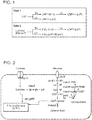
- oligosaccharides in human milk are fucosylated, and their synthetic pathways are believed to proceed as shown in Figure 1 (Type I and Type II pathways begin with different precursor molecules).
- a smaller proportion of the oligosaccharides are sialylated or both fucosylated and sialylated, but their synthetic pathways are not fully defined. Understanding of the acidic (sialylated) oligosaccharides is limited in part by the ability to measure these compounds. Sensitive and reproducible methods for the analysis of both neutral and acidic oligosaccharides have been designed.
- Human milk glycans have structural homology to cell receptors for enteropathogens and function as receptor decoys.
- pathogenic strains of Campylobacter bind specifically to glycans containing H-2, i.e., 2'-fucosyl- N -acetyllactosamine or 2'-fucosyllactose (2'FL); Campylobacter binding and infectivity are inhibited by 2'-FL and other glycans containing this H-2 epitope.
- some diarrheagenic E. coli pathogens are strongly inhibited in vivo by human milk oligosaccharides containing 2-linked fucose moieties.
- pathogens utilize sialylated glycans as their host receptors, such as influenza ( Couceiro, J. N., Paulson, J. C. & Baum, L. G. Virus Res 29, 155-165 (1993 )), parainfluenza ( Amonsen, M., Smith, D. F., Cummings, R. D. & Air, G. M. J Virol 81, 8341-8345 (2007 ), and rotoviruses ( Kuhlenschmidt, T. B., Hanafin, W. P., Gelberg, H. B. & Kuhlenschmidt, M. S. Adv Exp Med Biol 473, 309-317 (1999 )).
- influenza Couceiro, J. N., Paulson, J. C. & Baum, L. G. Virus Res 29, 155-165 (1993 )
- parainfluenza Amonsen, M., Smith, D. F., Cummings, R. D. & Air,
- sialyl-Lewis X epitope is used by Helicobacter pylori ( Mahdavi, J., Sonén, B., Hurtig, M., Olfat, F. O., et al. Science 297, 573-578 (2002 )), Pseudomonas aeruginosa ( Scharfman, A., Delmotte, P., Beau, J., Lamblin, G., et al. Glycoconj J 17, 735-740 (2000 )), and some strains of noroviruses ( Rydell, G. E., Nilsson, J., Rodriguez-Diaz, J., Ruvo ⁇ n-Clouet, N., et al. Glycobiology 19, 309-320 (2009 )).
- ⁇ (1,2) fucosyltransferases ⁇ (1,2) FTs
- ⁇ (1,2) FTs fucosyltransferases
- 2'-FL is the most abundant fucosylated oligosaccharide present in human milk, and this oligosaccharide provides protection to newborn infants against infectious diarrhea caused by bacterial pathogens such as Campylobacter jejuni ( Ruiz-Palacios, G.M., et al. (2003).
- 2'-FL consists of a fucose molecule ⁇ 1,2 linked to the galactose portion of lactose (Fuc ⁇ 1-2Gal ⁇ 1-4Glc).
- An ⁇ (1,2) FT from H. pylori strain 26695 termed FutC has been utilized to catalyze the synthesis of 2'-FL in metabolically engineered E. coli ( Drouillard, S. et al. (2006). Angew Chem Int Ed Engl 45, 1778-780 ).
- the amino acid sequence of FutC was used as a query in the search algorithm PSI-BLAST ( P osition S pecific I terated B asic L ocal A lignment S earch T ool) to identify candidate novel ⁇ (1,2) FTs for the production of 2'-FL in E. coli.
- PSI-BLAST P osition S pecific I terated B asic L ocal A lignment S earch T ool
- the FutC amino acid sequence was used as a query for 2 iterations of the PSI-BLAST search algorithm. This search yielded a group of 277 candidates with similarity to FutC, some of which were more closely related (shared amino acid identity greater than 25%) as well as a group that was more distantly related to FutC (shared amino acid identity less than 25%).
- the predicted ⁇ (1,2) FTs from bacterial species that incorporate fucose into the O-antigen of their lipopolysaccharide (LPS) or into the polysaccharide subunits that compose the cell surface capsule were analyzed.
- ⁇ (1,2) FTs from these types of organisms are more likely to utilize fucose as a substrate, given the presence of fucose in their surface carbohydrate structures.
- ⁇ (1,2) FTs from known enteric bacterial species, either commensals or pathogens were also analyzed. Such organisms sometimes display carbohydrate structures on their cell-surface that contain fucose and mimic various 2'-fucosyl containing Lewis antigen structures found in higher organisms ( Appelmelk, B.J. et al. (1998). Infect Immun 66, 70-76 ; Coyne, M.J. et al. (2005). Science 307, 1778-781 ).
- Candidate ⁇ (1,2) FTs from these types of organisms are more likely to utilize fucose as a substrate and also to catalyze the linkage of fucose to useful acceptor oligosaccharides.
- Vibrio cholera 022 WblA The amino acid sequence of Vibrio cholera 022 WblA is set forth below (SEQ ID NO: 3; GenBank Accession Number BAA33632 (GI:3721682), incorporated herein by reference).
- the amino acid sequence of Escherichia coli 0126 WbgL is set forth below (SEQ ID NO: 4; GenBank Accession Number ADN43847 (GI:307340785), incorporated herein by reference).
- FutL One ⁇ (1,2)fucosyltransferase identified through the screen that possessed comparable enzymatic activity relative to FutC was termed FutL.
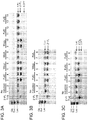
- FutL was found to direct the synthesis of 2'-FL at ⁇ 75% the level of FutC in the metabolically engineered E. coli production strain (Table 1 and Figure 3 ).
- FutL is derived from Helicobacter mustelae and is 70% identical to FutC at the amino acid level.
- the amino acid sequence of Bacteroides ovatus ATCC 8483 FutO is set forth below (SEQ ID NO: 9; GenBank Accession Number ZP_02065239 (GI: 160884236), incorporated herein by reference).
- NCTC Bacteroides fragilis
- Bft1 Bacteroides fragilis 9343 alpha-1,2-fucosyltransferase
- NCTC Bacteroides fragilis
- Bft3/WcfB Bacteroides fragilis
- Candidate ⁇ (1,2) FTs were cloned by standard molecular biological techniques into an expression plasmid.
- This plasmid utilizes the strong leftwards promoter of bacteriophage ⁇ (termed P L ) to direct expression of the candidate genes ( Sanger, F. et al. (1982). J Mol Biol 162, 729-773 ).
- the promoter is controllable, e.g., a trp-cI construct is stably integrated the into the E.coli host's genome (at the ampC locus), and control is implemented by adding tryptophan to the growth media. Gradual induction of protein expression is accomplished using a temperature sensitive cI repressor.
- the plasmid also carries the E . coli rcsA gene to up-regulate GDP-fucose synthesis, a critical precursor for the synthesis of fucosyl-linked oligosaccharides.
- the plasmid carries a ⁇ -lactamase ( bla ) gene for maintaining the plasmid in host strains by ampicillin selection (for convenience in the laboratory) and a native thyA (thymidylate synthase) gene as an alternative means of selection in thyA - hosts.
- Alternative selectable markers include the proBA genes to complement proline auxotrophy ( Stein et al., (1984), J Bacteriol 158:2, 696-700 (1984 ) or purC to complement adenine auxotrophy ( Parker, J., (1984), J Bacteriol 157:3, 712-7 ).
- proBA genes to complement proline auxotrophy Stein et al., (1984), J Bacteriol 158:2, 696-700 (1984 ) or purC to complement adenine auxotrophy ( Parker, J., (1984), J Bacteriol 157:3, 712-7 ).
- a drug resistance gene may be used on the plasmid, e.g. beta-lactamase (this gene is already on the expression plasmid described above, thereby permitting selection with ampicillin).
- Ampicilline selection is well known in the art and described in standard manuals such as Maniatis et al., (1982) Molecular cloning, a laboratory manual. Cold Spring Harbor Laboratory, Cold Spring,
- the expression constructs were transformed into a host strain useful for the production of 2'-FL. Biosynthesis of 2'-FL requires the generation of an enhanced cellular pool of both lactose and GDP-fucose ( Figure 2 ).
- the wild-type Eschericia coli K12 prototrophic strain W3110 was selected as the parent background to test the ability of the candidates to catalyze 2'-FL production ( Bachmann, B.J. (1972). Bacteriol Rev 36, 525-557 ).
- the particular W3110 derivative employed was one that previously had been modified by the introduction (at the ampC locus) of a tryptophan-inducible P trpB cI + repressor cassette, generating an E.coli strain known as GI724 ( LaVallie, E.R. et al. (2000). Methods Enzymol 326, 322-340 ).
- Other features of GI724 include lacIq and lacPL8 promoter mutations.
- E.coli strain GI724 affords economical production of recombinant proteins from the phage ⁇ P L promoter following induction with low levels of exogenous tryptophan ( LaVallie, E.R. et al. (1993).
- the ability of the E. coli host strain to accumulate intracellular lactose was engineered by simultaneous deletion of the endogenous ⁇ -galactosidase gene ( lacZ ) and the lactose operon repressor gene ( lacI ).
- lacZ endogenous ⁇ -galactosidase gene
- lacI lactose operon repressor gene
- lacY lactose permease gene
- the modified strain maintains its ability to transport lactose from the culture medium (via LacY), but is deleted for the wild-type copy of the lacZ ( ⁇ -galactosidase) gene responsible for lactose catabolism. Therefore, an intracellular lactose pool is created when the modified strain is cultured in the presence of exogenous lactose.
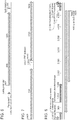
- a schematic of the P lacIq lacY + chromosomal construct is shown in Figure 6 .
- Genomic DNA sequence of the P lacIq lacY + chromosomal construct is set forth below (SEQ ID NO: 13) (the ATG start codon is underlined):
- sequence of the chromosomal region bearing the ⁇ wcaJ ::FRT mutation is set forth below (SEQ ID NO: 14) (the mutation is underlined):
- Lon is an ATP-dependant intracellular protease that is responsible for degrading RcsA, which is a positive transcriptional regulator of colanic acid biosynthesis in E. coli ( Gottesman, S. & Stout, V. Mol Microbiol 5, 1599-1606 (1991 )).
- RcsA is stabilized, RcsA levels increase, the genes responsible for GDP-fucose synthesis in E . coli are up-regulated, and intracellular GDP-fucose concentrations are enhanced.
- the lon gene was almost entirely deleted and replaced by an inserted functional, wild-type, but promoter-less E.coli lacZ + gene ( ⁇ lon::(kan, lacZ + ). ⁇ Red recombineering was used to perform the construction.
- a schematic of the kan , lacZ + insertion into the lon locus is shown in Figure 8 .
- Genomic DNA sequence surrounding the lacZ+ insertion into the lon region in the E.coli strain is set forth below (SEQ ID NO: 15):
- the genomic DNA sequence surrounding the lacZ+ insertion into the lon region in the E.coli strain is as set forth below (SEQ ID NO: 19) (the ribosome binding site is designated by lowercase, the codon complementary to the 5' ATG start codon lacZ , and the codon complementary to the STOP codon is in bold and underlined):
- the nucleic acid sequence that encodes the lacZ protein is set forth below (SEQ ID NO: 20) (the ATG start codon is underlined and the STOP codon is in bold and underlined):
- thyA thymidylate synthase
- LacA is a lactose acetyltransferase that is only active when high levels of lactose accumulate in the E. coli cytoplasm.
- High intracellular osmolarity e.g ., caused by a high intracellular lactose pool
- coli has evolved a mechanism for protecting itself from high intra cellular osmlarity caused by lactose by "tagging" excess intracellular lactose with an acetyl group using LacA, and then actively expelling the acetyl-lactose from the cell ( Danchin, A. Bioessays 31, 769-773 (2009 )).
- Production of acetyl-lactose in E. coli engineered to produce 2'-FL or other human milk oligosaccharides is therefore undesirable: it reduces overall yield.
- acetyl-lactose is a side product that complicates oligosaccharide purification schemes. The incorporation of a lacA mutation resolves these problems.
- the strain used to test the different ⁇ (1,2) FT candidates incorporates all the above genetic modifications and has the following genotype: ⁇ ampC ::P trp B cI , ⁇ ( lacI-lacZ ):: FRT , P lacIq lacY + , ⁇ w ca J ::FRT, thyA :: Tn 10 , ⁇ lon :( npt3 , lacZ + ), ⁇ lacA
- the E . coli strains harboring the different ⁇ (1,2) FT candidate expression plasmids were analyzed. Strains were grown in selective media (lacking thymidine) to early exponential phase. Lactose was then added to a final concentration of 1%, and tryptophan (200 ⁇ M) was added to induce expression of each candidate ⁇ (1,2) FT from the P L promoter. At the end of the induction period (-20 h) equivalent OD 600 units of each strain were harvested. Lysates were prepared and analyzed for the presence of 2'-FL by thin layer chromatography (TLC).
- TLC thin layer chromatography
- plasmid pG216 was capable of directing the synthesis of robust amounts of 2'-FL, comparable to the levels obtained utilizing FutC-Myc and WbgL ( Figure 3B , lanes 7 and 8). Furthermore, a strain producing FutN (derived from B. vulgatus ATCC 8482) from plasmid pG217 also produced significant amounts of 2'-FL, approximately ⁇ 50% the amount produced by FutC-Myc ( Figure 3C , lanes 5 and 6). FutN is derived from the commensal bacterium B. vulgatus , and therefore may not be subject to the same concerns associated with utilization of an ⁇ (1,2) FT obtained from a pathogenic bacterium for the production of a food additive.
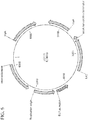
- a map of plasmid pG204 is shown in Figure 11 .
- the sequence of plasmid pG204 is set forth below (SEQ ID NO: 16) (the codon complementary to the ATG start codon for E . coli 0126 WbgL is underlined; and the codon complementary to the STOP codon is underlined and in bold):
- the nucleic acid sequence that encodes E . coli O126 WbgL protein from plasmid G204 is set forth below (SEQ ID NO: 21) (the ATG start codon is underlined and the STOP codon is in bold and underlined):
- a map of plasmid pG216 is shown in Figure 9 .
- the sequence of plasmid pG216 is set forth below (SEQ ID NO: 17) (the codon complementary to the 5' ATG start codon for H . mustelae FutL is underlined, and the codon complementary to the STOP codon is in bold and underlined):
- nucleic acid sequence that encodes H. mustelae FutL protein from plasmid pG216 is set forth below (SEQ ID NO: 22) (the ATG start codon is underlined and the STOP codon is in bold and underlined):
- a map of plasmid pG217 is shown in Figure 10 .
- the sequence of plasmid pG217 is set forth below (SEQ ID NO: 18) (the codon complementary to the 5' ATG start codon for B. vulgatus FutN is underlined, and the codon complementary to the STOP codon is in bold and underlined):
- the nucleic acid sequence that encodes B. vulgatus FutN protein from plasmid pG217 is set forth below (SEQ ID NO: 23) (the ATG start codon is underlined and the STOP codon is in bold and underlined):
- Fucosylated oligosaccharides produced by metabolically engineered E. coli cells are purified from culture broth post-fermentation.
- An exemplary procedure comprises five steps.
- Clarification Fermentation broth is harvested and cells removed by sedimentation in a preparative centrifuge at 6000 x g for 30 min. Each bioreactor run yields about 5-7 L of partially clarified supernatant.
- Product capture on coarse carbon A column packed with coarse carbon (Calgon 12x40 TR) of ⁇ 1000 ml volume (dimension 5 cm diameter x 60 cm length) is equilibrated with 1 column volume (CV) of water and loaded with clarified culture supernatant at a flow rate of 40 ml/min. This column has a total capacity of about 120 g of sugar.
- the column is connected to an evaporative light scattering (ELSD) detector to detect peaks of eluting sugars during the chromatography.
- ELSD evaporative light scattering
- a four-step gradient of isopropanol, ethanol or methanol is run in order to separate 2'-FL from monosaccharides (if present), lactose and color bodies. Fractions corresponding to sugar peaks are collected automatically in 120-ml bottles, pooled and directed to step 5.
- passage of the 2'-FL-containing fraction through anion-exchange and cation exchange columns can remove excess protein/DNA/caramel body contaminants. Resins tested successfully for this purpose are Dowex 22
- E . coli K-12 is a well-studied bacterium which has been the subject of extensive research in microbial physiology and genetics and commercially exploited for a variety of industrial uses.
- the natural habitat of the parent species, E. coli is the large bowel of mammals.
- E. coli K-12 has a history of safe use, and its derivatives are used in a large number of industrial applications, including the production of chemicals and drugs for human administration and consumption.
- E. coli K-12 was originally isolated from a convalescent diphtheria patient in 1922.
- E. coli K-12 is now considered an enfeebled organism as a result of being maintained in the laboratory environment for over 70 years. As a result, K-12 strains are unable to colonize the intestines of humans and other animals under normal conditions. Additional information on this well known strain is available at http://epa.gov/oppt/biotech/pubs/fra/fra004.htm. In addition to E .
- coli K12 other bacterial strains are used as production host strains, e.g., a variety of bacterial species may be used in the oligosaccharide biosynthesis methods, e.g., Erwinia herbicola ( Pantoea agglomerans ), Citrobacterfreundii , Pantoea citrea , Pectobacterium carotovorum , or Xanthomonas campestris.
- Erwinia herbicola Pantoea agglomerans
- Citrobacterfreundii Citrobacterfreundii
- Pantoea citrea e.g., Pectobacterium carotovorum
- Xanthomonas campestris e.g., Xanthomonas campestris.
- Bacteria of the genus Bacillus may also be used, including Bacillus subtilis , Bacillus licheniformis , Bacillus coagulans , Bacillus thermophilus , Bacillus laterosporus , Bacillus megaterium , Bacillus mycoides , Bacillus pumilus , Bacillus lentus , Bacillus cereus , and Bacillus circulans .
- bacteria of the genera Lactobacillus and Lactococcus may be modified using the methods of this invention, including but not limited to Lactobacillus acidophilus , Lactobacillus salivarius , Lactobacillus plantarum , Lactobacillus helveticus , Lactobacillus delbrueckii , Lactobacillus rhamnosus , Lactobacillus bulgaricus, Lactobacillus crispatus, Lactobacillus gasseri, Lactobacillus casei, Lactobacillus reuteri, Lactobacillus jensenii, and Lactococcus lactis.
- Lactobacillus acidophilus Lactobacillus salivarius , Lactobacillus plantarum , Lactobacillus helveticus , Lactobacillus delbrueckii , Lactobacillus rhamnosus , Lactobacillus bulgaricus, Lactobacillus crispatus, Lactobacill
- Streptococcus thermophiles and Proprionibacterium freudenreichii are also suitable bacterial species for the invention described herein. Also included as part of this invention are strains, modified as described here, from the genera Enterococcus (e.g., Enterococcus faecium and Enterococcus thermophiles ), Bifidobacterium (e.g., Bifidobacterium longum , Bifidobacterium infantis , and Bifidobacterium bifidum ), Sporolactobacillus spp., Micromomospora spp., Micrococcus spp., Rhodococcus spp., and Pseudomonas (e.g., Pseudomonas fluorescens and Pseudomonas aeruginosa ).
- Enterococcus e.g., Enterococcus faecium and Entero
- Suitable host strains are amenable to genetic manipulation, e.g., they maintain expression constructs, accumulate precursors of the desired end product, e.g., they maintain pools of lactose and GDP-fucose, and accumulate endproduct, e.g., 2'-FL.
- Such strains grow well on defined minimal media that contains simple salts and generally a single carbon source.
- the strains engineered as described above to produce the desired fucosylated oligosaccharide(s) are grown in a minimal media.
- An exemplary minimal medium used in a bioreactor, minimal "FERM" medium is detailed below.
- Minimal medium comprising:
- a suitable production host strain is one that is not the same bacterial strain as the source bacterial strain from which the fucosyltransferase-encoding nucleic acid sequence was identified.
- the fucosyltransferase-encoding nucleic acid sequence FutL was identified in Helicobacter mustelae and a suitable host strain is a bacteria other than Helicobacter mustelae , e.g., FutL is produced in production host strain E.coli K12 or any of the other strains described above.
- Bacteria comprising the characteristics described herein are cultured in the presence of lactose, and a fucosylated oligosaccharide is retrieved, either from the bacterium itself or from a culture supernatant of the bacterium.
- the fucosylated oligosaccharide is purified for use in therapeutic or nutritional products, or the bacteria are used directly in such products.
Landscapes
- Health & Medical Sciences (AREA)
- Life Sciences & Earth Sciences (AREA)
- Engineering & Computer Science (AREA)
- Chemical & Material Sciences (AREA)
- Genetics & Genomics (AREA)
- Organic Chemistry (AREA)
- Bioinformatics & Cheminformatics (AREA)
- Zoology (AREA)
- Wood Science & Technology (AREA)
- Biotechnology (AREA)
- General Health & Medical Sciences (AREA)
- General Engineering & Computer Science (AREA)
- Biomedical Technology (AREA)
- Biochemistry (AREA)
- Physics & Mathematics (AREA)
- Molecular Biology (AREA)
- Microbiology (AREA)
- Biophysics (AREA)
- Theoretical Computer Science (AREA)
- Spectroscopy & Molecular Physics (AREA)
- Bioinformatics & Computational Biology (AREA)
- Plant Pathology (AREA)
- Medicinal Chemistry (AREA)
- Medical Informatics (AREA)
- Crystallography & Structural Chemistry (AREA)
- Evolutionary Biology (AREA)
- Chemical Kinetics & Catalysis (AREA)
- General Chemical & Material Sciences (AREA)
- Computing Systems (AREA)
- Library & Information Science (AREA)
- Micro-Organisms Or Cultivation Processes Thereof (AREA)
- Preparation Of Compounds By Using Micro-Organisms (AREA)
- Saccharide Compounds (AREA)
- Measuring Or Testing Involving Enzymes Or Micro-Organisms (AREA)
- Enzymes And Modification Thereof (AREA)
- Pharmaceuticals Containing Other Organic And Inorganic Compounds (AREA)
Applications Claiming Priority (3)
| Application Number | Priority Date | Filing Date | Title |
|---|---|---|---|
| US13/557,655 US9029136B2 (en) | 2012-07-25 | 2012-07-25 | Alpha (1,2) fucosyltransferases suitable for use in the production of fucosylated oligosaccharides |
| EP13823740.9A EP2877574B1 (fr) | 2012-07-25 | 2013-07-24 | Alpha (1,2) fucosyltransférases appropriées pour une utilisation dans la production d'oligosaccharides fucosylés |
| PCT/US2013/051777 WO2014018596A2 (fr) | 2012-07-25 | 2013-07-24 | Alpha (1,2) fucosyltransférases appropriées pour une utilisation dans la production d'oligosaccharides fucosylés |
Related Parent Applications (1)
| Application Number | Title | Priority Date | Filing Date |
|---|---|---|---|
| EP13823740.9A Division EP2877574B1 (fr) | 2012-07-25 | 2013-07-24 | Alpha (1,2) fucosyltransférases appropriées pour une utilisation dans la production d'oligosaccharides fucosylés |
Publications (1)
| Publication Number | Publication Date |
|---|---|
| EP3587567A1 true EP3587567A1 (fr) | 2020-01-01 |
Family
ID=49995491
Family Applications (2)
| Application Number | Title | Priority Date | Filing Date |
|---|---|---|---|
| EP19174435.8A Withdrawn EP3587567A1 (fr) | 2012-07-25 | 2013-07-24 | Alpha (1,2) fucosyltransférases appropriées pour une utilisation dans la production d'oligosaccharides fucosylés |
| EP13823740.9A Active EP2877574B1 (fr) | 2012-07-25 | 2013-07-24 | Alpha (1,2) fucosyltransférases appropriées pour une utilisation dans la production d'oligosaccharides fucosylés |
Family Applications After (1)
| Application Number | Title | Priority Date | Filing Date |
|---|---|---|---|
| EP13823740.9A Active EP2877574B1 (fr) | 2012-07-25 | 2013-07-24 | Alpha (1,2) fucosyltransférases appropriées pour une utilisation dans la production d'oligosaccharides fucosylés |
Country Status (9)
| Country | Link |
|---|---|
| US (3) | US9029136B2 (fr) |
| EP (2) | EP3587567A1 (fr) |
| JP (3) | JP6355632B2 (fr) |
| AU (3) | AU2013293116B2 (fr) |
| CA (1) | CA2879677C (fr) |
| DK (1) | DK2877574T3 (fr) |
| ES (1) | ES2738589T3 (fr) |
| HU (1) | HUE044693T2 (fr) |
| WO (1) | WO2014018596A2 (fr) |
Cited By (1)
| Publication number | Priority date | Publication date | Assignee | Title |
|---|---|---|---|---|
| WO2023011724A1 (fr) * | 2021-08-05 | 2023-02-09 | Wacker Chemie Ag | Alpha-1,2-fucosyltransférase spécifique pour la synthèse biocatalytique du 2'-fucosyllactose |
Families Citing this family (53)
| Publication number | Priority date | Publication date | Assignee | Title |
|---|---|---|---|---|
| ES2439507T3 (es) * | 2011-01-20 | 2014-01-23 | Jennewein Biotechnologie Gmbh | Fucosiltransferasas novedosas y sus aplicaciones |
| EP2707379A4 (fr) | 2011-05-13 | 2014-10-08 | Glycosyn LLC | Utilisation de 2'-fucosyllactose, 3-fucosyllactose et lactodifucotétraose purifiés en tant que prébiotiques |
| US9029136B2 (en) | 2012-07-25 | 2015-05-12 | Glycosyn LLC | Alpha (1,2) fucosyltransferases suitable for use in the production of fucosylated oligosaccharides |
| HUE060672T2 (hu) | 2013-03-14 | 2023-04-28 | Glycosyn LLC | Mikroorganizmusok és eljárások szialilált és N-acetilglükózamint tartalmazó oligoszacharidok elõállítására |
| ES2701163T3 (es) | 2014-01-20 | 2019-02-21 | Jennewein Biotechnologie Gmbh | Procedimiento para la purificación eficiente de oligosacáridos de la leche humana (HMO) neutros a partir de la fermentación microbiana |
| CN106164251B (zh) * | 2014-02-07 | 2020-06-12 | 巴斯夫欧洲公司 | 具有改进的生物质分离行为的修饰微生物 |
| US10287571B2 (en) * | 2014-05-08 | 2019-05-14 | Basf Se | Genetically modified microorganism for improved production of fine chemicals on sucrose |
| CA2945661C (fr) * | 2014-05-15 | 2023-10-17 | Glycosyn LLC | Genes synthetiques (syngenes) d'alpha (1,2) fucosyltransferase destines a etre utilises dans la production d'oligosaccharides fucosyles |
| CA2960835A1 (fr) * | 2014-09-09 | 2016-03-17 | Glycosyn LLC | Alpha (1,3) fucosyltransferases destinees a etre utilisees dans la production d'oligosaccharides fucosyles |
| US9616114B1 (en) | 2014-09-18 | 2017-04-11 | David Gordon Bermudes | Modified bacteria having improved pharmacokinetics and tumor colonization enhancing antitumor activity |
| EP3227309B1 (fr) * | 2014-12-05 | 2025-09-24 | Glycom A/S | Difucosyllactose cristallin |
| EP3050973A1 (fr) | 2015-01-30 | 2016-08-03 | Jennewein Biotechnologie GmbH | Procédé de fermentation pour la production de monosaccharides sous forme libre à partir de sucres activés par des nucléotides |
| WO2016123628A1 (fr) * | 2015-01-30 | 2016-08-04 | The Regents Of The University Of Colorado, A Body Corporate | Agents antimicrobiens spécifiques d'une séquence et spécifiques d'un organisme ainsi que matériaux et procédés associés |
| WO2016153300A1 (fr) * | 2015-03-24 | 2016-09-29 | 서울대학교 산학협력단 | Micro-organismes mutants produisant du 2-fucosyllactose et procédé de production de 2-fucosyllactose les utilisant |
| US10676723B2 (en) | 2015-05-11 | 2020-06-09 | David Gordon Bermudes | Chimeric protein toxins for expression by therapeutic bacteria |
| WO2017101958A1 (fr) | 2015-12-18 | 2017-06-22 | Glycom A/S | Production d'oligosaccharides par fermentation |
| EP3315610B1 (fr) | 2016-10-29 | 2020-12-16 | Jennewein Biotechnologie GmbH | Procédé de production d'oligosaccharides fucosylés |
| US11129906B1 (en) | 2016-12-07 | 2021-09-28 | David Gordon Bermudes | Chimeric protein toxins for expression by therapeutic bacteria |
| US11180535B1 (en) | 2016-12-07 | 2021-11-23 | David Gordon Bermudes | Saccharide binding, tumor penetration, and cytotoxic antitumor chimeric peptides from therapeutic bacteria |
| ES2928859T3 (es) * | 2017-03-17 | 2022-11-23 | Chr Hansen Hmo Gmbh | Un método para inhibir la isomerización de un sacárido reductor tras el tratamiento térmico |
| US11884961B2 (en) | 2017-06-02 | 2024-01-30 | Georgia State University Research Foundation, Inc. | DNA-glycan conjugates and methods of use |
| EP3425052A1 (fr) | 2017-07-07 | 2019-01-09 | Jennewein Biotechnologie GmbH | Fucosyltransférases et leur utilisation dans la production d'oligosaccharides fucosylés |
| EP3438122A1 (fr) * | 2017-08-01 | 2019-02-06 | OligoScience Biotechnology GmbH | Micro-organisme pour produire des oligosaccharides du lait humain |
| CA3073332A1 (fr) | 2017-09-29 | 2019-04-04 | Frieslandcampina Nederland B.V. | Procede de purification d'un oligosaccharide neutre de lait humain (hmo) a partir de fermentation microbienne |
| EP3724344A4 (fr) * | 2017-12-15 | 2021-11-24 | Glycosyn LLC | Sialyltransférases et utilisations de celles-ci |
| CN109735479B (zh) * | 2019-01-30 | 2022-04-01 | 光明乳业股份有限公司 | 一种合成2’-岩藻糖基乳糖的重组枯草芽孢杆菌及其构建方法与应用 |
| EP3702468A1 (fr) * | 2019-03-01 | 2020-09-02 | Jennewein Biotechnologie GmbH | Production par fermentation de glucides par des cellules microbiennes utilisant une alimentation melangee |
| EP3751003A1 (fr) * | 2019-06-12 | 2020-12-16 | Jennewein Biotechnologie GmbH | Production d'oligosaccharides fucosylees dans bacillus |
| CN110846268B (zh) * | 2019-12-03 | 2021-06-25 | 齐鲁工业大学 | 一种食品级植物乳杆菌表达系统及其在酸奶制备中的应用 |
| JP2023506287A (ja) * | 2019-12-17 | 2023-02-15 | インバイオス エン.フェー. | ラクトースを変換するアルファ-1,2-フコシルトランスフェラーゼ酵素 |
| CN111218488B (zh) * | 2020-02-10 | 2022-11-15 | 中国科学院上海高等研究院 | 一种利用大肠杆菌生产2’-岩藻糖基乳糖的方法 |
| CN111471606B (zh) * | 2020-03-17 | 2022-03-08 | 山东大学 | 一株优化的高产岩藻糖基乳糖的酿酒酵母菌株及其应用 |
| KR102719035B1 (ko) * | 2020-04-20 | 2024-10-18 | 주식회사 리비옴 | 혈관 작동성 장 펩티드를 발현하는 미생물, 및 그의 용도 |
| US11324766B2 (en) | 2020-05-13 | 2022-05-10 | Glycosyn LLC | 2'-fucosyllactose for the prevention and treatment of coronavirus-induced inflammation |
| US11331329B2 (en) | 2020-05-13 | 2022-05-17 | Glycosyn LLC | Fucosylated oligosaccharides for prevention of coronavirus infection |
| CN113969256A (zh) * | 2020-07-24 | 2022-01-25 | 上海交通大学 | 一种生产n-乙酰氨基葡萄糖的菌株及其构建方法和应用 |
| US20250361477A1 (en) | 2020-08-10 | 2025-11-27 | Inbiose N.V. | Production of an oligosaccharide mixture by a cell |
| CN112094782A (zh) * | 2020-09-27 | 2020-12-18 | 深圳市家家分类环保技术开发有限公司 | 一种用于降解厨余垃圾的复合菌剂及其制备方法 |
| CN112280795A (zh) * | 2020-11-17 | 2021-01-29 | 昆明理工大学 | 糖基转移酶基因的用途 |
| KR102633804B1 (ko) * | 2020-12-31 | 2024-02-05 | 주식회사 삼양사 | 재조합 바실러스 속 미생물 및 이를 이용한 모유올리고당 제조방법 |
| KR102793833B1 (ko) * | 2020-12-31 | 2025-04-11 | 주식회사 삼양사 | 푸코오스 전이효소를 발현하는 재조합 미생물 및 이를 이용한 2’-푸코실락토오스 제조방법 |
| WO2022176994A1 (fr) * | 2021-02-19 | 2022-08-25 | 協和発酵バイオ株式会社 | PROTEINE MODIFIÉE AYANT UNE ACTIVITÉ α1, 2-FUCOSYLTRANSFÉRASE ET PROCÉDÉ DE PRODUCTION D'HYDRATE DE CARBONE CONTENANT DU FUCOSE |
| CN112961888B (zh) * | 2021-03-03 | 2023-05-05 | 东北师范大学 | 一种重组酶在合成含有α-(1,2)糖苷键的葡聚糖中的应用 |
| CN113025548B (zh) * | 2021-04-08 | 2023-06-20 | 西南大学 | 基于kosakonia sp.菌株生产2’-岩藻糖基乳糖的重组菌及其方法和应用 |
| DK181497B1 (en) | 2021-05-17 | 2024-03-12 | Dsm Ip Assets Bv | ENHANCING FORMATION OF THE HMOS LNT AND/OR LNnT BY MODIFYING LACTOSE IMPORT IN THE CELL |
| CN116286919A (zh) * | 2021-12-03 | 2023-06-23 | 虹摹生物科技(上海)有限公司 | 基因工程菌及利用其制备岩藻糖基化寡糖的方法 |
| CN118871566A (zh) * | 2022-03-25 | 2024-10-29 | 麒麟控股株式会社 | 乳糖二岩藻四糖(ldft)的制造方法 |
| EP4502160A1 (fr) * | 2022-03-25 | 2025-02-05 | Kirin Holdings Kabushiki Kaisha | Protéine ayant une activité alpha 1,2-fucosyltransférase et procédé de production de lacto-n-fucopentaose i (lnfpi) |
| CN116200360B (zh) * | 2023-01-30 | 2023-09-15 | 芝诺(苏州)生物科技有限公司 | 一种futCB突变体及生物合成2’-岩藻糖基乳糖的方法 |
| WO2024253084A1 (fr) * | 2023-06-05 | 2024-12-12 | キリンホールディングス株式会社 | PROTÉINE PRÉSENTANT UNE ACTIVITÉ DE α1,2-FUCOSYLTRANSFERASE ET PROCÉDÉ DE PRODUCTION DE LACTO-N-FUCOPENTAOSE I (LNFPI) |
| CN117467589B (zh) * | 2023-10-30 | 2024-07-26 | 江苏集萃未来食品技术研究所有限公司 | 一种高效生产3-岩藻糖基乳糖的大肠杆菌及其构建方法与应用 |
| CN119899815B (zh) * | 2024-12-30 | 2026-04-14 | 嘉必优生物技术(武汉)股份有限公司 | 一种α-1,2-岩藻糖基转移酶的突变体及其应用 |
| CN120505711A (zh) * | 2025-07-22 | 2025-08-19 | 三亚华大生命科学研究院 | 一种构建细菌突变体文库的方法及其应用 |
Citations (3)
| Publication number | Priority date | Publication date | Assignee | Title |
|---|---|---|---|---|
| WO2001077313A1 (fr) * | 2000-04-11 | 2001-10-18 | Kyowa Hakko Kogyo Co., Ltd. | α1,2-FUCOSYLTRANSFERASE ET PROCEDE SERVANT A PREPARER UN GLUCIDE COMPLEXE CONTENANT FUCOSE |
| US20040219553A1 (en) * | 2001-08-24 | 2004-11-04 | Nozomu Kamada | Alpha-1,2-fucosyltransferase and dna encoding the same |
| WO2010070104A1 (fr) * | 2008-12-19 | 2010-06-24 | Jennewein Biotechnologie Gmbh | Synthèse de composés fucosylés |
Family Cites Families (7)
| Publication number | Priority date | Publication date | Assignee | Title |
|---|---|---|---|---|
| US6238894B1 (en) | 1998-11-04 | 2001-05-29 | Diane Taylor | α1,2 fucosyltransferase |
| US6329170B1 (en) | 1999-04-23 | 2001-12-11 | Northwest Hospital | Nucleic acids and proteins of a rat ganglioside GM1-specific α1→2fucosyltransferase and uses thereof |
| US20080145899A1 (en) | 2004-09-17 | 2008-06-19 | Neose Technologies Inc | Production of Oligosaccharides By Microorganisms |
| ES2439507T3 (es) | 2011-01-20 | 2014-01-23 | Jennewein Biotechnologie Gmbh | Fucosiltransferasas novedosas y sus aplicaciones |
| AU2012217650B9 (en) | 2011-02-16 | 2017-09-14 | Glycosyn LLC | Biosynthesis of human milk oligosaccharides in engineered bacteria |
| US9029136B2 (en) | 2012-07-25 | 2015-05-12 | Glycosyn LLC | Alpha (1,2) fucosyltransferases suitable for use in the production of fucosylated oligosaccharides |
| CA2945661C (fr) * | 2014-05-15 | 2023-10-17 | Glycosyn LLC | Genes synthetiques (syngenes) d'alpha (1,2) fucosyltransferase destines a etre utilises dans la production d'oligosaccharides fucosyles |
-
2012
- 2012-07-25 US US13/557,655 patent/US9029136B2/en active Active
-
2013
- 2013-07-24 DK DK13823740.9T patent/DK2877574T3/da active
- 2013-07-24 HU HUE13823740 patent/HUE044693T2/hu unknown
- 2013-07-24 CA CA2879677A patent/CA2879677C/fr active Active
- 2013-07-24 EP EP19174435.8A patent/EP3587567A1/fr not_active Withdrawn
- 2013-07-24 JP JP2015524410A patent/JP6355632B2/ja not_active Expired - Fee Related
- 2013-07-24 WO PCT/US2013/051777 patent/WO2014018596A2/fr not_active Ceased
- 2013-07-24 AU AU2013293116A patent/AU2013293116B2/en not_active Ceased
- 2013-07-24 ES ES13823740T patent/ES2738589T3/es active Active
- 2013-07-24 EP EP13823740.9A patent/EP2877574B1/fr active Active
-
2015
- 2015-05-11 US US14/708,568 patent/US10273516B2/en active Active
-
2018
- 2018-02-06 JP JP2018018760A patent/JP6944886B2/ja active Active
-
2019
- 2019-04-29 US US16/397,755 patent/US11236376B2/en not_active Expired - Fee Related
- 2019-05-15 AU AU2019203433A patent/AU2019203433C1/en not_active Ceased
- 2019-09-06 AU AU2019226246A patent/AU2019226246A1/en not_active Abandoned
-
2020
- 2020-04-03 JP JP2020067403A patent/JP2020127403A/ja active Pending
Patent Citations (3)
| Publication number | Priority date | Publication date | Assignee | Title |
|---|---|---|---|---|
| WO2001077313A1 (fr) * | 2000-04-11 | 2001-10-18 | Kyowa Hakko Kogyo Co., Ltd. | α1,2-FUCOSYLTRANSFERASE ET PROCEDE SERVANT A PREPARER UN GLUCIDE COMPLEXE CONTENANT FUCOSE |
| US20040219553A1 (en) * | 2001-08-24 | 2004-11-04 | Nozomu Kamada | Alpha-1,2-fucosyltransferase and dna encoding the same |
| WO2010070104A1 (fr) * | 2008-12-19 | 2010-06-24 | Jennewein Biotechnologie Gmbh | Synthèse de composés fucosylés |
Non-Patent Citations (83)
| Title |
|---|
| "GenBank", Database accession no. ADN43847 |
| "GenBank", Database accession no. BAA33632 |
| "GenBank", Database accession no. CAH06753 |
| "GenBank", Database accession no. CAH09369 |
| "GenBank", Database accession no. NP_206893 |
| "GenBank", Database accession no. NP_206894 |
| "GenBank", Database accession no. YP_001300461 |
| "GenBank", Database accession no. YP_003500093 |
| "GenBank", Database accession no. YP_003517185 |
| "GenBank", Database accession no. ZP_02065239 |
| "GenBank", Database accession no. ZP_04580654 |
| "GenBank", Database accession no. ZP_07805473 |
| A. EARL ET AL: "E5UR75", 8 March 2011 (2011-03-08), XP055632675, Retrieved from the Internet <URL:https://www.uniprot.org/uniprot/E5UR75.txt> [retrieved on 20191016] * |
| ALBERMANN, C.; PIEPERSBERG, W.; WEHMEIER, U. F., CARBOHYDR RES, vol. 334, 2001, pages 97 - 103 |
| ALTSCHUL ET AL., J MOL BIOL, vol. 215, no. 3, 1990, pages 403 - 410 |
| ALTSCHUL ET AL., NUCLEIC ACIDS RES, vol. 25, no. 17, 1997, pages 3389 - 402 |
| AMONSEN, M.; SMITH, D. F.; CUMMINGS, R. D.; AIR, G. M., J VIROL, vol. 81, 2007, pages 8341 - 8345 |
| APPELMELK, B.J. ET AL., INFECT IMMUN, vol. 66, 1998, pages 70 - 76 |
| BACHMANN, B.J., BACTERIOL REV, vol. 36, 1972, pages 525 - 557 |
| BELFORT, M.; MALEY, G.F.; MALEY, F., PROC NATL ACAD SCI U S A, vol. 80, 1983, pages 1858 - 861 |
| BETTLER, E.; SAMAIN, E.; CHAZALET, V.; BOSSO, C. ET AL., GLYCOCONJ J, vol. 16, 1999, pages 205 - 212 |
| BODE, L., J NUTR, vol. 136, 2006, pages 2127 - 130 |
| CHARLWOOD J. ET AL., ANAL BIOCHEM, vol. 273, 1999, pages 261 - 277 |
| CHATURVEDI P ET AL., GLYCOBIOLOGY, vol. 11, 2001, pages 365 - 372 |
| CHATURVEDI, P.; WARREN, C. D.; BUESCHER, C. R.; PICKERING, L. K.; NEWBURG, D. S., ADV EXP MED BIOL, vol. 501, 2001, pages 315 - 323 |
| COUCEIRO, J. N.; PAULSON, J. C.; BAUM, L. G., VIRUS RES, vol. 29, 1993, pages 155 - 165 |
| COURT, D.L. ET AL., ANNU REV GENET, vol. 36, 2002, pages 361 - 388 |
| COX, A.D. ET AL., CARBOHYDR RES, vol. 304, 1997, pages 191 - 208 |
| COYNE, M.J. ET AL., SCIENCE, vol. 307, 2005, pages 1778 - 781 |
| CROUT, D. H.; VIC, G., CURR OPIN CHEM BIOL, vol. 2, 1998, pages 98 - 111 |
| DANCHIN A.: "Cells need safety valves", BIOESSAYS, vol. 31, no. 7, July 2009 (2009-07-01), pages 769 - 73 |
| DANCHIN, A., BIOESSAYS, vol. 31, 2009, pages 769 - 773 |
| DROUILLARD, S. ET AL., ANGEW CHEM INT ED ENGL, vol. 45, 2006, pages 1778 - 780 |
| DUMON, C. ET AL., GLYCOCONJ J, vol. 18, 2001, pages 465 - 474 |
| DUMON, C.; BOSSO, C.; UTILLE, J.P.; HEYRAUD, A.; SAMAIN, E., CHEMBIOCHEM, vol. 7, 2006, pages 359 - 365 |
| DUMON, C.; SAMAIN, E.; PRIEM, B., BIOTECHNOL PROG, vol. 20, 2004, pages 412 - 19 |
| ENDO, T.; KOIZUMI, S., CURR OPIN STRUCT BIOL, vol. 10, 2000, pages 536 - 541 |
| ENDO, T.; KOIZUMI, S.; TABATA, K.; KAKITA, S.; OZAKI, A., CARBOHYDR RES, vol. 316, 1999, pages 179 - 183 |
| ENDO, T.; KOIZUMI, S.; TABATA, K.; KAKITA, S.; OZAKI, A., CARBOHYDR RES, vol. 330, 2001, pages 439 - 443 |
| ENDO, T.; KOIZUMI, S.; TABATA, K.; OZAKI, A., APPL MICROBIOL BIOTECHNOL, vol. 53, 2000, pages 257 - 261 |
| FLOWERS, H. M., METHODS ENZYMOL, vol. 50, 1978, pages 93 - 121 |
| GOTTESMAN, S.; STOUT, V., MOL MICROBIOL, vol. 5, 1991, pages 1599 - 1606 |
| HAMOSH M., PEDIATR CLIN NORTH AM, vol. 48, 2001, pages 69 - 86 |
| IGUCHI A. ET AL.: "B1B4K2", 29 April 2008 (2008-04-29), XP055632683, Retrieved from the Internet <URL:https://www.uniprot.org/uniprot/B1B4K2.txt> [retrieved on 20191016] * |
| JOHNSON, K. F., GLYCOCONJ J, vol. 16, 1999, pages 141 - 146 |
| KOELLER, K. M.; WONG, C. H., CHEM REV, vol. 100, 2000, pages 4465 - 4494 |
| KOIZUMI, S.; ENDO, T.; TABATA, K.; OZAKI, A., NAT BIOTECHNOL, vol. 16, 1998, pages 847 - 850 |
| KUHLENSCHMIDT, T. B.; HANAFIN, W. P.; GELBERG, H. B.; KUHLENSCHMIDT, M. S., ADV EXP MED BIOL, vol. 473, 1999, pages 309 - 317 |
| KUNZ, C.; RUDLOFF, S.; BAIER, W.; KLEIN, N.; STROBEL, S., ANNU REV NUTR, vol. 20, 2000, pages 699 - 722 |
| LAVALLIE, E.R. ET AL., BIOTECHNOLOGY (N Y, vol. 11, 1993, pages 187 - 193 |
| LAVALLIE, E.R. ET AL., METHODS ENZYMOL, vol. 326, 2000, pages 322 - 340 |
| LI, M.; LIU, X.W.; SHAO, J.; SHEN, J.; JIA, Q.; YI, W.; SONG, J.K.; WOODWARD, R.; CHOW, C.S.; WANG, P.G., BIOCHEMISTRY, vol. 47, 2008, pages 378 - 387 |
| MAHDAVI, J.; SONDEN, B.; HURTIG, M.; OLFAT, F. O. ET AL., SCIENCE, vol. 297, 2002, pages 573 - 578 |
| MANIATIS ET AL.: "Molecular cloning, a laboratory manual", 1982, COLD SPRING HARBOR LABORATORY |
| MARCOBAL, A.; BARBOZA, M.; FROEHLICH, J. W.; BLOCK, D. E. ET AL., J AGRIC FOOD CHEM, vol. 58, 2010, pages 5334 - 5340 |
| MARTFN-SOSA ET AL., J DAIRY SCI, vol. 86, 2003, pages 52 - 59 |
| MIESCHENDAHL ET AL., BIO/TECHNOLOGY, vol. 4, 1986, pages 802 - 08 |
| MIESCHENDAHL ET AL., BIO/TECHNOLOGY, vol. 4, 1986, pages 802 - 808 |
| MORROW A.L. ET AL., J PEDIATR, vol. 145, 2004, pages 297 - 303 |
| MORROW, A.L. ET AL., J PEDIATR, vol. 145, 2004, pages 297 - 303 |
| NEWBURG D.S. ET AL., GLYCOBIOLOGY, vol. 14, 2004, pages 253 - 263 |
| NEWBURG D.S. ET AL., LANCET, vol. 351, 1998, pages 1160 - 1164 |
| NEWBURG D.S., ADV EXP MED BIOL, vol. 501, 2001, pages 3 - 10 |
| NEWBURG D.S., CURR MED CHEM, vol. 6, 1999, pages 117 - 127 |
| NEWBURG, D. S.; RUIZ-PALACIOS, G. M.; MORROW, A. L., ANNU REV NUTR, vol. 25, 2005, pages 37 - 58 |
| NEWBURG, D. S.; WALKER, W. A., PEDIATR RES, vol. 61, 2007, pages 2 - 8 |
| NEWBURG, D.S. ET AL., GLYCOBIOLOGY, vol. 14, 2004, pages 253 - 263 |
| NINONUEVO M. ET AL., J AGRIC FOOD CHEM, vol. 54, 2006, pages 7471 - 74801 |
| PALCIC, M. M., CURR OPIN BIOTECHNOL, vol. 10, 1999, pages 616 - 624 |
| PARKER, J., J BACTERIOL, vol. 157, no. 3, 1984, pages 712 - 7 |
| PARKKINEN J.; FINNE J., METHODS ENZYMOL, vol. 138, 1987, pages 289 - 300 |
| RUFFING, A.; CHEN, R.R., MICROB CELL FACT, vol. 5, 2006, pages 25 |
| RUIZ-PALACIOS, G.M. ET AL., J BIOL CHEM, vol. 278, 2003, pages 14112 - 120 |
| RYDELL, G. E.; NILSSON, J.; RODRIGUEZ-DIAZ, J.; RUVOEN-CLOUET, N. ET AL., GLYCOBIOLOGY, vol. 19, 2009, pages 309 - 320 |
| SANGER, F. ET AL., J MOL BIOL, vol. 162, 1982, pages 729 - 773 |
| SCHARFMAN, A.; DELMOTTE, P.; BEAU, J.; LAMBLIN, G. ET AL., GLYCOCONJ J, vol. 17, 2000, pages 735 - 740 |
| SEEBERGER, P. H., CHEM COMMUN (CAMB, 2003, pages 1115 - 1121 |
| SHEN Z. ET AL., J CHROMATOGR A, vol. 921, 2001, pages 315 - 321 |
| STEIN ET AL., J BACTERIOL, vol. 158, no. 2, 1984, pages 696 - 700 |
| STEVENSON, G. ET AL., J BACTERIOL, vol. 178, 1996, pages 4885 - 893 |
| WYMER, N.; TOONE, E. J., CURR OPIN CHEM BIOL, vol. 4, 2000, pages 110 - 119 |
| YAMASAKI S ET AL: "The genes responsible for O-antigen synthesis of Vibrio cholerae O139 are closely related to those of Vibrio cholerae O22", GENE, ELSEVIER, AMSTERDAM, NL, vol. 237, no. 2, 17 September 1999 (1999-09-17), pages 321 - 332, XP004183525, ISSN: 0378-1119, DOI: 10.1016/S0378-1119(99)00344-3 * |
| Z. SHEN ET AL: "C3XIB3", 16 June 2009 (2009-06-16), uniprot database, XP055632668, Retrieved from the Internet <URL:https://www.uniprot.org/uniprot/C3XIB3.txt> [retrieved on 20191016] * |
Cited By (1)
| Publication number | Priority date | Publication date | Assignee | Title |
|---|---|---|---|---|
| WO2023011724A1 (fr) * | 2021-08-05 | 2023-02-09 | Wacker Chemie Ag | Alpha-1,2-fucosyltransférase spécifique pour la synthèse biocatalytique du 2'-fucosyllactose |
Also Published As
| Publication number | Publication date |
|---|---|
| WO2014018596A2 (fr) | 2014-01-30 |
| US20200087691A1 (en) | 2020-03-19 |
| WO2014018596A3 (fr) | 2014-04-24 |
| JP2020127403A (ja) | 2020-08-27 |
| EP2877574B1 (fr) | 2019-05-15 |
| AU2019203433A1 (en) | 2019-07-18 |
| AU2019203433C1 (en) | 2022-12-08 |
| US20140031541A1 (en) | 2014-01-30 |
| JP6355632B2 (ja) | 2018-07-11 |
| CA2879677C (fr) | 2022-06-21 |
| CA2879677A1 (fr) | 2014-01-30 |
| AU2013293116A1 (en) | 2015-02-05 |
| EP2877574A4 (fr) | 2016-07-20 |
| JP6944886B2 (ja) | 2021-10-06 |
| JP2018093883A (ja) | 2018-06-21 |
| AU2013293116A8 (en) | 2016-03-31 |
| DK2877574T3 (da) | 2019-08-05 |
| US10273516B2 (en) | 2019-04-30 |
| US11236376B2 (en) | 2022-02-01 |
| AU2019203433B2 (en) | 2021-11-04 |
| HUE044693T2 (hu) | 2019-11-28 |
| AU2013293116B2 (en) | 2019-06-06 |
| US20170081689A1 (en) | 2017-03-23 |
| AU2019226246A1 (en) | 2019-09-26 |
| ES2738589T3 (es) | 2020-01-23 |
| EP2877574A2 (fr) | 2015-06-03 |
| JP2015529453A (ja) | 2015-10-08 |
| US9029136B2 (en) | 2015-05-12 |
Similar Documents
| Publication | Publication Date | Title |
|---|---|---|
| EP2877574B1 (fr) | Alpha (1,2) fucosyltransférases appropriées pour une utilisation dans la production d'oligosaccharides fucosylés | |
| US11643675B2 (en) | Alpha (1,2) fucosyltransferase syngenes for use in the production of fucosylated oligosaccharides | |
| US10487346B2 (en) | Biosynthesis of human milk oligosaccharides in engineered bacteria | |
| US11453900B2 (en) | Alpha (1,3) fucosyltransferases for use in the production of fucosylated oligosaccharides |
Legal Events
| Date | Code | Title | Description |
|---|---|---|---|
| PUAI | Public reference made under article 153(3) epc to a published international application that has entered the european phase |
Free format text: ORIGINAL CODE: 0009012 |
|
| STAA | Information on the status of an ep patent application or granted ep patent |
Free format text: STATUS: THE APPLICATION HAS BEEN PUBLISHED |
|
| AC | Divisional application: reference to earlier application |
Ref document number: 2877574 Country of ref document: EP Kind code of ref document: P |
|
| AK | Designated contracting states |
Kind code of ref document: A1 Designated state(s): AL AT BE BG CH CY CZ DE DK EE ES FI FR GB GR HR HU IE IS IT LI LT LU LV MC MK MT NL NO PL PT RO RS SE SI SK SM TR |
|
| STAA | Information on the status of an ep patent application or granted ep patent |
Free format text: STATUS: REQUEST FOR EXAMINATION WAS MADE |
|
| 17P | Request for examination filed |
Effective date: 20200701 |
|
| RBV | Designated contracting states (corrected) |
Designated state(s): AL AT BE BG CH CY CZ DE DK EE ES FI FR GB GR HR HU IE IS IT LI LT LU LV MC MK MT NL NO PL PT RO RS SE SI SK SM TR |
|
| STAA | Information on the status of an ep patent application or granted ep patent |
Free format text: STATUS: EXAMINATION IS IN PROGRESS |
|
| 17Q | First examination report despatched |
Effective date: 20210311 |
|
| STAA | Information on the status of an ep patent application or granted ep patent |
Free format text: STATUS: THE APPLICATION IS DEEMED TO BE WITHDRAWN |
|
| 18D | Application deemed to be withdrawn |
Effective date: 20230919 |