EP3630460B9 - Verfahren zur funktionsüberwachung einer schlauchbeutelmaschine - Google Patents
Verfahren zur funktionsüberwachung einer schlauchbeutelmaschine Download PDFInfo
- Publication number
- EP3630460B9 EP3630460B9 EP18729335.2A EP18729335A EP3630460B9 EP 3630460 B9 EP3630460 B9 EP 3630460B9 EP 18729335 A EP18729335 A EP 18729335A EP 3630460 B9 EP3630460 B9 EP 3630460B9
- Authority
- EP
- European Patent Office
- Prior art keywords
- drive
- torque
- actual
- measured
- target
- Prior art date
- Legal status (The legal status is an assumption and is not a legal conclusion. Google has not performed a legal analysis and makes no representation as to the accuracy of the status listed.)
- Active
Links
Images

Classifications
-
- B—PERFORMING OPERATIONS; TRANSPORTING
- B29—WORKING OF PLASTICS; WORKING OF SUBSTANCES IN A PLASTIC STATE IN GENERAL
- B29C—SHAPING OR JOINING OF PLASTICS; SHAPING OF MATERIAL IN A PLASTIC STATE, NOT OTHERWISE PROVIDED FOR; AFTER-TREATMENT OF THE SHAPED PRODUCTS, e.g. REPAIRING
- B29C66/00—General aspects of processes or apparatus for joining preformed parts
- B29C66/01—General aspects dealing with the joint area or with the area to be joined
- B29C66/05—Particular design of joint configurations
- B29C66/10—Particular design of joint configurations particular design of the joint cross-sections
- B29C66/11—Joint cross-sections comprising a single joint-segment, i.e. one of the parts to be joined comprising a single joint-segment in the joint cross-section
- B29C66/112—Single lapped joints
- B29C66/1122—Single lap to lap joints, i.e. overlap joints
-
- B—PERFORMING OPERATIONS; TRANSPORTING
- B29—WORKING OF PLASTICS; WORKING OF SUBSTANCES IN A PLASTIC STATE IN GENERAL
- B29C—SHAPING OR JOINING OF PLASTICS; SHAPING OF MATERIAL IN A PLASTIC STATE, NOT OTHERWISE PROVIDED FOR; AFTER-TREATMENT OF THE SHAPED PRODUCTS, e.g. REPAIRING
- B29C65/00—Joining or sealing of preformed parts, e.g. welding of plastics materials; Apparatus therefor
- B29C65/02—Joining or sealing of preformed parts, e.g. welding of plastics materials; Apparatus therefor by heating, with or without pressure
-
- B—PERFORMING OPERATIONS; TRANSPORTING
- B29—WORKING OF PLASTICS; WORKING OF SUBSTANCES IN A PLASTIC STATE IN GENERAL
- B29C—SHAPING OR JOINING OF PLASTICS; SHAPING OF MATERIAL IN A PLASTIC STATE, NOT OTHERWISE PROVIDED FOR; AFTER-TREATMENT OF THE SHAPED PRODUCTS, e.g. REPAIRING
- B29C66/00—General aspects of processes or apparatus for joining preformed parts
- B29C66/40—General aspects of joining substantially flat articles, e.g. plates, sheets or web-like materials; Making flat seams in tubular or hollow articles; Joining single elements to substantially flat surfaces
- B29C66/41—Joining substantially flat articles ; Making flat seams in tubular or hollow articles
- B29C66/43—Joining a relatively small portion of the surface of said articles
- B29C66/431—Joining the articles to themselves
- B29C66/4312—Joining the articles to themselves for making flat seams in tubular or hollow articles, e.g. transversal seams
-
- B—PERFORMING OPERATIONS; TRANSPORTING
- B29—WORKING OF PLASTICS; WORKING OF SUBSTANCES IN A PLASTIC STATE IN GENERAL
- B29C—SHAPING OR JOINING OF PLASTICS; SHAPING OF MATERIAL IN A PLASTIC STATE, NOT OTHERWISE PROVIDED FOR; AFTER-TREATMENT OF THE SHAPED PRODUCTS, e.g. REPAIRING
- B29C66/00—General aspects of processes or apparatus for joining preformed parts
- B29C66/80—General aspects of machine operations or constructions and parts thereof
- B29C66/82—Pressure application arrangements, e.g. transmission or actuating mechanisms for joining tools or clamps
- B29C66/822—Transmission mechanisms
- B29C66/8226—Cam mechanisms; Wedges; Eccentric mechanisms
- B29C66/82265—Eccentric mechanisms
-
- B—PERFORMING OPERATIONS; TRANSPORTING
- B29—WORKING OF PLASTICS; WORKING OF SUBSTANCES IN A PLASTIC STATE IN GENERAL
- B29C—SHAPING OR JOINING OF PLASTICS; SHAPING OF MATERIAL IN A PLASTIC STATE, NOT OTHERWISE PROVIDED FOR; AFTER-TREATMENT OF THE SHAPED PRODUCTS, e.g. REPAIRING
- B29C66/00—General aspects of processes or apparatus for joining preformed parts
- B29C66/80—General aspects of machine operations or constructions and parts thereof
- B29C66/83—General aspects of machine operations or constructions and parts thereof characterised by the movement of the joining or pressing tools
- B29C66/834—General aspects of machine operations or constructions and parts thereof characterised by the movement of the joining or pressing tools moving with the parts to be joined
- B29C66/8351—Jaws mounted on rollers, cylinders, drums, bands, belts or chains; Flying jaws
- B29C66/83541—Jaws mounted on rollers, cylinders, drums, bands, belts or chains; Flying jaws flying jaws, e.g. jaws mounted on crank mechanisms or following a hand over hand movement
- B29C66/83543—Jaws mounted on rollers, cylinders, drums, bands, belts or chains; Flying jaws flying jaws, e.g. jaws mounted on crank mechanisms or following a hand over hand movement cooperating flying jaws
-
- B—PERFORMING OPERATIONS; TRANSPORTING
- B29—WORKING OF PLASTICS; WORKING OF SUBSTANCES IN A PLASTIC STATE IN GENERAL
- B29C—SHAPING OR JOINING OF PLASTICS; SHAPING OF MATERIAL IN A PLASTIC STATE, NOT OTHERWISE PROVIDED FOR; AFTER-TREATMENT OF THE SHAPED PRODUCTS, e.g. REPAIRING
- B29C66/00—General aspects of processes or apparatus for joining preformed parts
- B29C66/80—General aspects of machine operations or constructions and parts thereof
- B29C66/87—Auxiliary operations or devices
-
- B—PERFORMING OPERATIONS; TRANSPORTING
- B29—WORKING OF PLASTICS; WORKING OF SUBSTANCES IN A PLASTIC STATE IN GENERAL
- B29C—SHAPING OR JOINING OF PLASTICS; SHAPING OF MATERIAL IN A PLASTIC STATE, NOT OTHERWISE PROVIDED FOR; AFTER-TREATMENT OF THE SHAPED PRODUCTS, e.g. REPAIRING
- B29C66/00—General aspects of processes or apparatus for joining preformed parts
- B29C66/90—Measuring or controlling the joining process
- B29C66/92—Measuring or controlling the joining process by measuring or controlling the pressure, the force, the mechanical power or the displacement of the joining tools
- B29C66/922—Measuring or controlling the joining process by measuring or controlling the pressure, the force, the mechanical power or the displacement of the joining tools by measuring the pressure, the force, the mechanical power or the displacement of the joining tools
- B29C66/9221—Measuring or controlling the joining process by measuring or controlling the pressure, the force, the mechanical power or the displacement of the joining tools by measuring the pressure, the force, the mechanical power or the displacement of the joining tools by measuring the pressure, the force or the mechanical power
-
- B—PERFORMING OPERATIONS; TRANSPORTING
- B29—WORKING OF PLASTICS; WORKING OF SUBSTANCES IN A PLASTIC STATE IN GENERAL
- B29C—SHAPING OR JOINING OF PLASTICS; SHAPING OF MATERIAL IN A PLASTIC STATE, NOT OTHERWISE PROVIDED FOR; AFTER-TREATMENT OF THE SHAPED PRODUCTS, e.g. REPAIRING
- B29C66/00—General aspects of processes or apparatus for joining preformed parts
- B29C66/90—Measuring or controlling the joining process
- B29C66/92—Measuring or controlling the joining process by measuring or controlling the pressure, the force, the mechanical power or the displacement of the joining tools
- B29C66/924—Measuring or controlling the joining process by measuring or controlling the pressure, the force, the mechanical power or the displacement of the joining tools by controlling or regulating the pressure, the force, the mechanical power or the displacement of the joining tools
- B29C66/9241—Measuring or controlling the joining process by measuring or controlling the pressure, the force, the mechanical power or the displacement of the joining tools by controlling or regulating the pressure, the force, the mechanical power or the displacement of the joining tools by controlling or regulating the pressure, the force or the mechanical power
-
- B—PERFORMING OPERATIONS; TRANSPORTING
- B29—WORKING OF PLASTICS; WORKING OF SUBSTANCES IN A PLASTIC STATE IN GENERAL
- B29C—SHAPING OR JOINING OF PLASTICS; SHAPING OF MATERIAL IN A PLASTIC STATE, NOT OTHERWISE PROVIDED FOR; AFTER-TREATMENT OF THE SHAPED PRODUCTS, e.g. REPAIRING
- B29C66/00—General aspects of processes or apparatus for joining preformed parts
- B29C66/90—Measuring or controlling the joining process
- B29C66/92—Measuring or controlling the joining process by measuring or controlling the pressure, the force, the mechanical power or the displacement of the joining tools
- B29C66/929—Measuring or controlling the joining process by measuring or controlling the pressure, the force, the mechanical power or the displacement of the joining tools characterized by specific pressure, force, mechanical power or displacement values or ranges
- B29C66/9292—Measuring or controlling the joining process by measuring or controlling the pressure, the force, the mechanical power or the displacement of the joining tools characterized by specific pressure, force, mechanical power or displacement values or ranges in explicit relation to another variable, e.g. pressure diagrams
-
- B—PERFORMING OPERATIONS; TRANSPORTING
- B65—CONVEYING; PACKING; STORING; HANDLING THIN OR FILAMENTARY MATERIAL
- B65B—MACHINES, APPARATUS OR DEVICES FOR, OR METHODS OF, PACKAGING ARTICLES OR MATERIALS; UNPACKING
- B65B57/00—Automatic control, checking, warning, or safety devices
-
- B—PERFORMING OPERATIONS; TRANSPORTING
- B65—CONVEYING; PACKING; STORING; HANDLING THIN OR FILAMENTARY MATERIAL
- B65B—MACHINES, APPARATUS OR DEVICES FOR, OR METHODS OF, PACKAGING ARTICLES OR MATERIALS; UNPACKING
- B65B57/00—Automatic control, checking, warning, or safety devices
- B65B57/18—Automatic control, checking, warning, or safety devices causing operation of audible or visible alarm signals
-
- B—PERFORMING OPERATIONS; TRANSPORTING
- B29—WORKING OF PLASTICS; WORKING OF SUBSTANCES IN A PLASTIC STATE IN GENERAL
- B29C—SHAPING OR JOINING OF PLASTICS; SHAPING OF MATERIAL IN A PLASTIC STATE, NOT OTHERWISE PROVIDED FOR; AFTER-TREATMENT OF THE SHAPED PRODUCTS, e.g. REPAIRING
- B29C66/00—General aspects of processes or apparatus for joining preformed parts
- B29C66/80—General aspects of machine operations or constructions and parts thereof
- B29C66/82—Pressure application arrangements, e.g. transmission or actuating mechanisms for joining tools or clamps
- B29C66/824—Actuating mechanisms
- B29C66/8246—Servomechanisms, e.g. servomotors
-
- B—PERFORMING OPERATIONS; TRANSPORTING
- B29—WORKING OF PLASTICS; WORKING OF SUBSTANCES IN A PLASTIC STATE IN GENERAL
- B29C—SHAPING OR JOINING OF PLASTICS; SHAPING OF MATERIAL IN A PLASTIC STATE, NOT OTHERWISE PROVIDED FOR; AFTER-TREATMENT OF THE SHAPED PRODUCTS, e.g. REPAIRING
- B29C66/00—General aspects of processes or apparatus for joining preformed parts
- B29C66/80—General aspects of machine operations or constructions and parts thereof
- B29C66/84—Specific machine types or machines suitable for specific applications
- B29C66/849—Packaging machines
-
- B—PERFORMING OPERATIONS; TRANSPORTING
- B29—WORKING OF PLASTICS; WORKING OF SUBSTANCES IN A PLASTIC STATE IN GENERAL
- B29L—INDEXING SCHEME ASSOCIATED WITH SUBCLASS B29C, RELATING TO PARTICULAR ARTICLES
- B29L2031/00—Other particular articles
- B29L2031/712—Containers; Packaging elements or accessories, Packages
- B29L2031/7128—Bags, sacks, sachets
-
- B—PERFORMING OPERATIONS; TRANSPORTING
- B65—CONVEYING; PACKING; STORING; HANDLING THIN OR FILAMENTARY MATERIAL
- B65B—MACHINES, APPARATUS OR DEVICES FOR, OR METHODS OF, PACKAGING ARTICLES OR MATERIALS; UNPACKING
- B65B51/00—Devices for, or methods of, sealing or securing package folds or closures; Devices for gathering or twisting wrappers, or necks of bags
- B65B51/10—Applying or generating heat or pressure or combinations thereof
- B65B2051/105—Heat seal temperature control
-
- B—PERFORMING OPERATIONS; TRANSPORTING
- B65—CONVEYING; PACKING; STORING; HANDLING THIN OR FILAMENTARY MATERIAL
- B65B—MACHINES, APPARATUS OR DEVICES FOR, OR METHODS OF, PACKAGING ARTICLES OR MATERIALS; UNPACKING
- B65B51/00—Devices for, or methods of, sealing or securing package folds or closures; Devices for gathering or twisting wrappers, or necks of bags
- B65B51/10—Applying or generating heat or pressure or combinations thereof
- B65B51/26—Devices specially adapted for producing transverse or longitudinal seams in webs or tubes
- B65B51/30—Devices, e.g. jaws, for applying pressure and heat, e.g. for subdividing filled tubes
- B65B51/303—Devices, e.g. jaws, for applying pressure and heat, e.g. for subdividing filled tubes reciprocating along only one axis
Definitions
- the invention relates to a method for monitoring the function of a tubular bagging machine according to the preamble of claim 1.
- Tubular bag machines are generically equipped with a drive control that can control several electronic drive units independently of each other. This makes it possible to drive the various functional elements of the packaging machine, in particular the sealing units, synchronously when executing predefined movement sequences DE 10 2013 203 295 A1 known.
- the method according to the invention is aimed at monitoring the function of the transverse sealing unit of a tubular bagging machine.
- the transverse sealing unit of generic tubular bag machines comprises at least one drive motor with which two transverse sealing jaws that can be driven relative to one another can be driven.
- the drive motor can, for example, be in the form of a servomotor, a geared servomotor or a torque motor.
- the film tubes are welded transversely to the conveying direction by means of the transverse sealing jaws.
- the transverse sealing jaws are moved together, enclosing the film web of the tubular bag, and welded by the introduction of process heat.
- Generic provision is made for a servo motor, which is equipped with a position sensor, to drive the transverse sealing jaws.
- the drive motor is operated with a drive controller.
- Such generic devices and methods for controlling the movement of transverse sealing units of a tubular bagging machine are, for example, from JP 2006 193176 A , the DE 10 2007 004140 A1 and the EP 0 865 989 A2 known.
- the drive controller is to be characterized very generally in that it can be used to directly or indirectly measure the drive torque applied by the drive motor.
- the position sensor system should be characterized very generally in that the position of the drive motor can be measured directly or indirectly with it.
- the sealing force acting between the transverse sealing jaws is a highly relevant process parameter for maintaining the desired sealing quality.
- a generic method for controlling the movement of the transverse sealing jaws as a function of contact pressure, temperature and required sealing time is known.
- the direct measurement of the sealing force between the two sealing jaws is only possible with complex sensor systems, which is why the drive torque of the drive motor is usually measured instead in known tubular bag machines.
- the sealing force acting between the cross-sealing jaws can be obtained using a transfer function, which essentially represents the spring stiffness of the mechanical components of the cross-sealing unit respective drive torque of the drive motor and the position of the drive can be derived.
- the transfer function to be used in each case to characterize the mechanical properties of the transverse sealing unit, with which the drive torque of the drive motor is transferred to the sealing force of the sealing jaws is determined experimentally. The tubular bag machine is then operated using this transfer function, once it has been set, but faults and deviations in the transfer function can no longer be detected.
- a generic method for converting the position of the drive motor in the sealing force between the transverse sealing jaws is from U.S. 5,653,085 A known.
- the film with dimensional deviations gets between the sealing tools and the transverse sealing jaws. Due to these dimensional deviations and the resulting changing geometry, the transfer function with which the drive torque is converted into the sealing force changes significantly. Different installation conditions can also lead to changes in the transfer function.
- Object of the present invention is therefore to propose a method for monitoring the function of a tubular bagging machine, with the changes and disturbances in the transfer function between Drive motor and transverse sealing unit can be determined during the actual tubular bag manufacturing process.
- the method according to the invention is based first of all on the fact that at the beginning of the function monitoring the film tube is brought between the transverse sealing jaws. During the production of the tubular bag, the tubular film is located between the transverse sealing jaws anyway, so that the method according to the invention for monitoring the function can be carried out parallel to the actual manufacturing process.
- the transverse sealing jaws are then moved together under specification of a desired torque stored in the drive control.
- the actual position of the drive motor is then measured.
- this actual position of the drive motor is compared with a target position stored in the drive controller and assigned to the specified target torque. If the measured actual position deviates from the expected target position when the target torque is reached, it can be concluded that the transfer function between the drive motor and the cross-sealing unit has undergone an unexpected change, so that the previously available transfer function does not have the desired quality can be produced. In these cases, a further error analysis must then be carried out in order to bring the production process back within the desired quality limits.
- the manner in which the target position, which is associated with the specified target torque, is determined is fundamentally arbitrary. This can be achieved in a particularly simple manner in that, in order to determine the target position, the transverse sealing unit is first calibrated and thus defined boundary conditions are set. The transverse sealing jaws are then closed and the desired target torque is built up. After the setpoint torque has been reached, the actual position of the drive motor that is reached is measured and this actual position is then stored in the drive controller as the setpoint position that is associated with the setpoint torque.
- the corresponding process for approaching the target torque and measuring the actual position achieved can be repeated several times, with the measured actual positions are then converted into an average value and this average value is then saved as the target position in the drive control.
- the method according to the invention can also be carried out by specifying a target position instead of a target torque when the transverse sealing jaws are moved together. Then the applied actual torque of the drive motor after reaching the target position is measured and finally this measured actual torque is compared with a target torque stored in the drive controller, which is associated with the specified target position.
- the transverse sealing unit in order to determine the target torque, can first be calibrated and then an actual torque can be measured for the specified target position.
- This actual torque which is achieved under the defined boundary conditions, is then stored in the drive position as the setpoint torque, which is assigned to the setpoint position.
- the accuracy of the Determination of the desired torque can in turn be achieved by repeating the corresponding actual torque measurements and averaging them.
- the prevailing process temperature in particular is of decisive importance. Because the mechanical strength of the components between the drive motor and the cross-sealing jaws is either increased or decreased depending on the respective temperature. The transfer function between the drive motor and the cross-sealing jaws also changes accordingly. In order to eliminate this source of error, it is therefore particularly advantageous if the method according to the invention with method steps a), b), c) and d) is carried out at a reference temperature stored in the drive controller.
- the reference temperature should preferably correspond to the temperature at which the target position or the target torques were determined by measuring actual positions or actual torques of the calibrated transverse sealing unit.
- the measured actual values are compared with the expected setpoint values for the position or the torque of the drive motor.
- the manner in which the actual position of the drive motor is measured is fundamentally arbitrary. According to a preferred embodiment, it is provided that first the actual position is measured directly with a rotation angle sensor. When the film is welded, the cross-sealing jaws cannot be moved together completely. That means, depending on the specification of the sealing force, there is a sealing path on which the film is compressed.
- the two methods according to the invention can be used to monitor the function of both continuously operating tubular bagging machines and intermittently operating tubular bagging machines.
- the transverse sealing jaws 13a and 13b are in the in 1 illustrated embodiment each arranged on support rods 16, which are mounted in a support rod bearing 17 linearly displaceable in the transverse direction.
- a movement of the transverse sealing jaws 13a and 13b in opposite directions is realized by means of an eccentric arrangement.
- an eccentric element 14a and 14b is attached in a rotationally fixed manner to the drive shaft 04 for each holding rod 16 .
- a coupling element 15 is rotatably mounted on the eccentric element 14a or 14b and is pivotably connected to the associated holding rod 16 .
- the transmission device with the transverse sealing jaws 13a and 13b is part of the transverse sealing unit 11.
- a drive motor 02 designed in the manner of a servomotor with a stator 03a and a stator 03b is provided to drive the drive shaft 04.
- the drive motor 02 is designed in the manner of a servo motor, in which the actual position, namely the angle of rotation ⁇ , and the actual torque M are controlled with a drive controller, which is 1 is not shown can be measured.
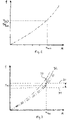
- FIG. 2 shows a diagram for recording a target position, namely the target angle of rotation ⁇ , which is assigned to a target torque M in each case.
- the entire tubular bag machine is first calibrated with the transverse sealing unit 01 and the tubular film 09 used for the tubular bag manufacturing process is placed between the transverse sealing jaws 13a and 13b.
- the drive controller specifies the target torque M target for the transverse sealing unit 01 .
- the position sensors of the servo motor determine the actual angle of rotation ⁇ actual and the actual angle of rotation thus determined is then stored as the setpoint angle of rotation ⁇ setpoint in the drive controller.
- the value pair of M desired and ⁇ desired lies on a spring characteristic that represents the spring stiffness of the transverse sealing unit.
- 3 shows the diagram according to 2 supplemented by two tolerance thresholds 30 and 31.
- the two tolerance thresholds 30 and 31 form a corridor around the value of the target rotation angle ⁇ target .
- the resulting value pairs of the target torque M target and the The resulting actual position is checked during the process.
- two such pairs of values 32 and 33 are shown as an example.
- the actual position after the setpoint torque M setpoint has been reached is slightly above the value of the setpoint rotation angle ⁇ setpoint but still below the tolerance threshold 30. In this case, no error message has been issued since the deviation error is still relatively small .
Landscapes
- Engineering & Computer Science (AREA)
- Mechanical Engineering (AREA)
- Package Closures (AREA)
- Containers And Plastic Fillers For Packaging (AREA)
Description
- Die Erfindung betrifft ein Verfahren zur Funktionsüberwachung einer Schlauchbeutelmaschine nach dem Oberbegriff des Anspruchs 1.
- Schlauchbeutelmaschinen sind gattungsgemäß mit einer Antriebssteuerung ausgestattet, die mehrere elektronische Antriebseinheiten unabhängig voneinander ansteuern kann. Dadurch wird es möglich, die verschiedenen Funktionselemente der Verpackungsmaschine, insbesondere die Siegeleinheiten, beim Abfahren von vordefinierten Bewegungsabläufen taktsynchron anzutreiben.. Eine derartige Schlauchbeutelmaschine ist beispielsweise aus der
DE 10 2013 203 295 A1 bekannt. - Das erfindungsgemäße Verfahren ist dabei auf die Funktionsüberwachung der Quersiegeleinheit einer Schlauchbeutelmaschine gerichtet. Die Quersiegeleinheit gattungsgemäßer Schlauchbeutelmaschinen umfasst zumindest einen Antriebsmotor, mit dem zwei relativ zueinander antreibbare Quersiegelbacken angetrieben werden können. Der Antriebsmotor kann beispielsweise in der Art eines Servomotor, eines Getriebe-Servomotors oder eines Torquemotors ausgebildet sein.
- Mittels der Quersiegelbacken werden die Folienschläuche bei der Herstellung der Schlauchbeutel quer zur Förderrichtung verschweißt. Dazu werden die Quersiegelbacken unter Einschluss der Folienbahn des Schlauchbeutels zusammengefahren und durch Einbringung von Prozesswärme verschweißt. Gattungsgemäß ist es dabei vorgesehen, dass zum Antrieb der Quersiegelbacken ein Servomotor vorgesehen ist, der mit einer Lagesensorik ausgestattet ist. Der Antriebsmotor wird mit einem Antriebsregler betrieben. Derartige gattungsgemäße Vorrichtungen und Verfahren zur Steuerung der Bewegung von Quersiegeleinheiten einer Schlauchbeutelmaschine sind beispielsweise aus der
JP 2006 193176 A DE 10 2007 004140 A1 und derEP 0 865 989 A2 bekannt. - Der Antriebsregler soll dabei ganz allgemein dadurch charakterisiert werden, dass mit ihm mittelbar oder unmittelbar das vom Antriebsmotor aufgebrachte Antriebsmoment gemessen werden kann. Die Lagesensorik soll ganz allgemein dadurch charakterisiert sein, dass mit ihr mittelbar oder unmittelbar die Stellung des Antriebsmotors gemessen werden kann.
- Für den eigentlichen Siegelprozess in der Schweißzone zwischen den beiden Quersiegelbacken ist die zwischen den Quersiegelbacken wirkende Siegelkraft ein hochrelevanter Prozessparameter für die Einhaltung der gewünschten Siegelqualität. Aus der
EP 0 368 016 A2 ist ein gattungsgemäßes Verfahren zur Steuerung der Bewegung der Quersiegelbacken in Abhängigkeit von Anpressdruck, Temperatur und erforderlicher Siegelzeit bekannt. Allerdings ist die unmittelbare Messung der Siegelkraft zwischen den beiden Siegelbacken nur mit aufwendigen Sensorsystemen möglich, weshalb stattdessen bei bekannten Schlauchbeutelmaschinen üblicherweise das Antriebsmoment des Antriebsmotors gemessen wird. Da das Antriebsmoment von den mechanischen Komponenten der Quersiegeleinheit auf die Quersiegelbacken übertragen wird, kann die zwischen den Quersiegelbacken wirkende Siegelkraft unter Verwendung einer Übertragungsfunktion, die im Wesentlichen die Federsteifigkeit der mechanischen Komponenten der Quersiegeleinheit darstellt, aus dem jeweiligen Antriebsmoment des Antriebsmotors und der Position des Antriebs abgeleitet werden. Vielfach wird die jeweils zu verwendende Übertragungsfunktion zur Charakterisierung der mechanischen Eigenschaften der Quersiegeleinheit, mit der das Antriebsmoment des Antriebsmotors in die Siegelkraft der Siegelbacken übertragen wird, experimentell ermittelt. Unter Verwendung dieser einmal eingestellten Übertragungsfunktion wird dann der Betrieb der Schlauchbeutelmaschine vorgenommen, wobei jedoch Störungen und Abweichungen der Übertragungsfunktion nicht mehr feststellbar sind. Ein gattungsgemäßes Verfahren zur Umrechnung der Position des Antriebsmotors in die Siegelkraft zwischen den Quersiegelbacken ist aus derUS 5 653 085 A bekannt. - Ist beispielsweise die Quersiegelnaht kontaminiert oder befinden sich Einschlüsse zwischen der Folienlage oder wurde der Beutel beim Umformen nicht korrekt eingefaltet, so gelangt die Folie mit Maßabweichungen zwischen die Siegelwerkzeuge in die Quersiegelbacken. Aufgrund dieser Maßabweichungen und der sich dadurch ändernden Geometrie kommt es dazu, dass sich die Übertragungsfunktion, mit der das Antriebsmoment in die Siegelkraft übersetzt wird, entscheidend verändert. Auch durch unterschiedliche Montagebedingungen kann es zu Veränderungen in der Übertragungsfunktion kommen.
- Bei den bekannten Schlauchbeutelmaschinen können diese Änderungen in der Charakteristik der Übertragungsfunktion zwischen Antriebsmotor und Quersiegelbacken nicht festgestellt werden, weshalb bei Störungen des Verpackungsprozesses eine Fehleranalyse bzw. Fehlervermeidung vielfach nicht möglich ist. Stattdessen wird die Produktion der Schlauchbeutel trotz der Störung fortgesetzt, ohne dass der eigentliche Fehler und die mangelhafte Qualität der Quersiegelung erkannt werden könnte.
- Aufgabe der vorliegenden Erfindung ist es deshalb, ein Verfahren zur Funktionsüberwachung einer Schlauchbeutelmaschine vorzuschlagen, mit der Änderungen und Störungen der Übertragungsfunktion zwischen Antriebsmotor und Quersiegeleinheit während des eigentlichen Schlauchbeutelherstellungsprozesses festgestellt werden können.
- Diese Aufgabe wird durch die Lehre der beiden unabhängigen Hauptansprüche gelöst.
- Vorteilhafte Ausführungsformen der Erfindung sind Gegenstand der Unteransprüche.
- Das erfindungsgemäße Verfahren beruht zunächst einmal darauf, dass zu Beginn der Funktionsüberwachung der Folienschlauch zwischen die Quersiegelbacken gebracht wird. Während der Herstellung der Schlauchbeutel befindet sich der Folienschlauch ohnehin zwischen den Quersiegelbacken, so dass das erfindungsgemäße Verfahren zur Funktionsüberwachung parallel zum eigentlichen Herstellungsverfahren durchgeführt werden kann.
- Gemäß der ersten Variante des erfindungsgemäßen Verfahrens werden die Quersiegelbacken dann unter Vorgabe eines in der Antriebssteuerung abgespeicherten Soll-Drehmoments zusammengefahren. Nach Erreichen des Soll-Drehmoments wird anschließend die Ist-Stellung des Antriebsmotors gemessen. Diese Ist-Stellung des Antriebsmotors wird bei Erreichen des Soll-Drehmoments mit einer in der Antriebssteuerung abgespeicherten Soll-Stellung, die dem vorgegebenen Soll-Drehmoment zugeordnet ist, verglichen. Weicht die gemessene Ist-Stellung bei Erreichen des Soll-Drehmoments von der erwarteten Soll-Stellung ab, so kann daraus geschlossen werden, dass die Übertragungsfunktion zwischen Antriebsmotor und Quersiegeleinheit eine unerwartete Änderung erfahren hat, so dass mit der bisher vorhandenen Übertragungsfunktion nicht die gewünschte Qualität produziert werden kann. In diesen Fällen muss dann eine weitere Fehleranalyse vorgenommen werden, um den Produktionsprozess wieder in die gewünschten Qualitätsgrenzen zu führen.
- In welcher Weise die Soll-Stellung, die dem vorgegebenen Soll-Drehmoment zugeordnet ist, ermittelt wird, ist grundsätzlich beliebig. Besonders einfach kann dies dadurch gelingen, dass zur Ermittlung der Soll-Stellung die Quersiegeleinheit zunächst kalibriert und damit definierte Randbedingungen eingestellt werden. Anschließend werden die Quersiegelbacken zugammengefahren und das gewünschte Soll-Drehmoment aufgebaut. Nach Erreichen des Soll-Drehmoments wird die dabei erreichte Ist-Stellung des Antriebsmotors gemessen und diese Ist-Stellung anschließend in der Antriebssteuerung als die Soll-Stellung abgespeichert, die dem Soll-Drehmoment zugeordnet ist.
- Um die Genauigkeit bei der Ermittlung der Soll-Stellung, die dem Soll-Drehmoment zugeordnet ist, zu erhöhen, kann der entsprechende Prozess zum Anfahren des Soll-Drehmoments und der Messung der dabei erreichten Ist-Stellung mehrfach wiederholt werden, wobei die dabei gemessenen Ist-Stellungen anschließend in einen Durchschnittswert überführt und dieser Durchschnittswert dann als Soll-Stellung in der Antriebssteuerung abgespeichert wird.
- Alternativ kann das erfindungsgemäße Verfahren auch dadurch durchgeführt werden, dass beim Zusammenfahren der Quersiegelbacken statt eines Soll-Drehmoments eine Soll-Stellung vorgegeben wird. Anschließend wird dann das nach Erreichen der Soll-Stellung aufgebrachte Ist-Drehmoment des Antriebsmotors gemessen und zuletzt dieses gemessene Ist-Drehmoment mit einem in der Antriebssteuerung abgespeicherten Soll-Drehmoment, das der vorgegebenen Soll-Stellung zugeordnet ist, verglichen.
- Bei dieser Verfahrensvariante kann wiederum zur Ermittlung des Soll-Drehmoments die Quersiegeleinheit zunächst kalibriert und anschließend für die vorgegebene Soll-Stellung ein Ist-Drehmoment gemessen werden. Dieses bei den definierten Randbedingungen erreichte Ist-Drehmoment wird anschließend in der Antriebsstellung als Soll-Drehmoment, das der Soll-Stellung zugeordnet ist, abgespeichert. Die Genauigkeit bei der Ermittlung des Soll-Drehmoments kann wiederum durch Wiederholung der entsprechenden Messungen des Ist-Drehmoments und Bildung eines Durchschnittswerts erreicht werden.
- Für das mechanische Verhalten der Übertragung des Antriebsmoments des Antriebsmotors auf die Siegelkraft der Siegeleinheit ist insbesondere auf die jeweils vorhandene Prozesstemperatur von maßgeblicher Bedeutung. Denn die mechanische Festigkeit der Bauteile zwischen Antriebsmotor und Quersiegelbacken wird abhängig von der jeweiligen Temperatur entweder erhöht oder abgesenkt. Entsprechend verändert sich dadurch auch die Übertragungsfunktion zwischen Antriebsmotor und Quersiegelbacken. Um diese Fehlerquelle auszuschalten ist es deshalb besonders vorteilhaft, wenn das erfindungsgemäße Verfahren mit den Verfahrensschritten a), b), c) und d) bei einer in der Antriebssteuerung abgespeicherten Referenztemperatur durchgeführt wird.
- Die Referenztemperatur sollte dabei bevorzugt der Temperatur entsprechen, bei der die Soll-Stellung bzw. die Soll-Drehmomente durch Messung von Ist-Stellungen bzw. Ist-Drehmomenten der kalibrierten Quersiegeleinheit ermittelt wurden.
- Im Verfahrensschritt d) der beiden erfindungsgemäßen Verfahren werden die gemessenen Ist-Werte jeweils mit den erwarteten Soll-Werten für die Stellung bzw. das Drehmoment des Antriebsmotors verglichen. Um eine Auswertung dieser Vergleichsergebnisse zu erleichtern, ist es besonders vorteilhaft, wenn die im Verfahrensschritt d) ermittelte Differenz zwischen Soll-Stellung und Ist-Stellung bzw. zwischen Soll-Drehmoment und Ist-Drehmoment mit einer in der Antriebssteuerung abgespeicherten Toleranzschwelle verglichen wird. Erst bei Überschreiten der Toleranzschwelle wird dann eine Fehlermeldung ausgegeben. Dadurch wird verhindert, dass bereits sehr kleine Abweichungen zwischen Soll-Wert und Ist-Wert bereits zu einer Fehlermeldung führen.
- In welcher Weise die Ist-Stellung des Antriebsmotors gemessen wird, ist grundsätzlich beliebig. Gemäß einer bevorzugten Ausführungsform ist es vorgesehen, dass zunächst die Ist-Stellung unmittelbar mit einem Drehwinkelsensor gemessen wird. Wenn die Folie verschweißt wird, können die Quersiegelbacken nicht vollständig zusammengefahren werden. Das heißt, je nach Vorgabe der Siegelkraft ergibt sich ein Siegelweg, auf dem die Folie komprimiert wird.
- Weiter ist es auch im Prinzip beliebig, in welcher Weise das Ist-Drehmoment des Antriebsmotors gemessen wird. Besonders einfach kann dies durch mittelbare Messung mit dem Antriebsregler realisiert werden. Denn Servomotoren gemäß dem Stand der Technik übertragen vorbestimmte Drehmomente mit hoher Genauigkeit.
- Um die korrekten Siegelparameter bei der Herstellung von Schlauchbeutel zu dokumentieren, ist es besonders vorteilhaft, wenn nach Durchführung der Verfahrensschritte a), b), c) und d) das jeweils gemessene Ist-Drehmoment und die jeweils gemessene Ist-Stellung abgespeichert und dokumentiert wird.
- Die beiden erfindungsgemäßen Verfahren können zur Funktionsüberwachung sowohl von kontinuierlich arbeitenden Schlauchbeutelmaschinen als auch von intermittierend arbeitenden Schlauchbeutelmaschinen eingesetzt werden.
- Eine Ausführungsform der Erfindung ist in den Zeichnungen schematisch dargestellt und wird nachfolgend beispielhaft erläutert.
- Es zeigen:
-
Fig. 1 die Quersiegeleinheit einer bekannten Schlauchbeutelmaschine in schematisierter seitlicher Ansicht; -
Fig. 2 ein Diagramm zur Ermittlung der einem Soll-Drehmoment zugeordneten Soll-Stellung; -
Fig. 3 ein Diagramm zur Funktionsüberwachung der Quersiegeleinheit gemäßFig. 1 unter Berücksichtigung einer Toleranzschwelle. - In
Fig. 1 ist die Quersiegeleinheit einer Schlauchbeutelmaschine mit zwei relativ zueinander beweglichen Quersiegelbacken beispielhaft skizziert. - Zu erkennen ist in
Fig. 1 ein endlos erzeugter Folienschlauch 09, in dem ein Verpackungsgut mittels eines Einführrohrs 08 eingeführt werden kann. Der Folienschlauch 09 wird dabei in Förderrichtung 21 transportiert. Zur Erzeugung der einzelnen Schlauchbeutel wird der Folienschlauch 09 quergesiegelt. Dazu dienen die Quersiegelbacken 13a und 13b. Diese Quersiegelbacken 13a und 13b können in Querrichtung 22 quer zur Förderrichtung 21 aufeinander zu bzw. voneinander weg bewegt werden. In der Siegelstellung werden die Quersiegelbacken 13a und 13b gegeneinander gefahren, so dass der dazwischenliegende Folienschlauch 09 verpresst und durch Beheizen der Quersiegelbacken 13a und 13b verschweißt werden kann. Die Technik für das Quersiegeln von Schlauchbeuteln ist im Prinzip bekannt und bedarf keiner weiteren Erläuterung. - Die Quersiegelbacken 13a und 13b sind in dem in
Fig. 1 dargestellten Ausführungsbeispiel jeweils an Haltestangen 16 angeordnet, die in einer Haltestangenlagerung 17 in Querrichtung linear verschiebbar gelagert sind. Eine gegenläufige Bewegung der Quersiegelbacken 13a und 13b wird mittels einer Exzenteranordnung realisiert. Hierzu wird auf der Antriebswelle 04 je Haltestange 16 ein Exzenterelement 14a und 14b drehfest angeschlagen. Am Exzenterelement 14a bzw. 14b ist wiederum ein Koppelelement 15 drehbar gelagert, welches schwenkbar mit der zugehörigen Haltestange 16 in Verbindung steht. Somit können die rotierende Drehbewegung 24 der Antriebswelle 04 und zugleich die Exzenterelemente 14a und 14b in alternierender Bewegung der jeweiligen Haltestande 16 und somit der Quersiegelbacken 13a und 13b übertragen werden. - Die Anordnung der Exzenterelemente 14a und 14b auf der Antriebswelle 04 bildet zusammen mit dem Koppelelement 15 und der Haltestange 16 eine Übersetzungseinrichtung, welche die Drehbewegung 24 der Antriebswelle 04 in alternierende gegenläufige Bewegung der Quersiegelbacken 13a und 13b übersetzt. Die Übersetzungseinrichtung mit den Quersiegelbacken 13a und 13b ist Bestandteil der Quersiegeleinheit 11. Zum Antrieb der Antriebwelle 04 ist ein in der Art eines Servomotors ausgebildeter Antriebsmotor 02 mit einem Stator 03a und einem Stator 03b vorgesehen. Der Antriebsmotor 02 ist in der Art eines Servomotors ausgebildet, bei dem die Ist-Stellung, nämlich der Drehwinkel ϕ, und das Ist-Drehmoment M mit einem Antriebsregler, der in
Fig. 1 nicht dargestellt ist, gemessen werden kann. -
Fig. 2 zeigt ein Diagramm zur Aufnahme einer Soll-Stellung, nämlich des Soll-Drehwinkels ϕ, die jeweils einem Soll-Drehmoment M zugeordnet ist. Zur Aufnahme des entsprechenden Wertes des Soll-Drehwinkels ϕ wird zunächst die gesamte Schlauchbeutelmaschine mit der Quersiegeleinheit 01 kalibriert und der für den Schlauchbeutelherstellungsprozess verwendete Folienschlauch 09 zwischen die Quersiegelbacken 13a und 13b gebracht. Anschließend wird der Quersiegeleinheit 01 von der Antriebssteuerung das Soll-Drehmoment MSoll vorgegeben. Sobald der Drehmomentwert MSoll erreicht wurde, wird von der Stellungssensorik des Servomotors der Ist-Drehwinkel ϕIst ermittelt und der so ermittelte Ist-Drehwinkel anschließend als Soll-Drehwinkel ϕSoll in der Antriebssteuerung abgespeichert. Wie inFig. 2 skizzenhaft beispielhaft dargestellt, liegt das Wertepaar von MSoll und ϕSoll auf einer Federkennlinie, die die Federsteifigkeit der Quersiegeleinheit repräsentiert. -
Fig. 3 zeigt das Diagramm gemäßFig. 2 ergänzt durch zwei Toleranzschwellen 30 und 31. Die beiden Toleranzschwellen 30 und 31 bilden dabei einen Korridor um den Wert des Soll-Drehwinkels ϕSoll. Während der Herstellung der Schlauchbeutel werden nun permanent die dabei sich ergebenden Wertepaare des angefahren Soll-Drehmoments MSoll und die sich dabei ergebende Ist-Stellung prozessbegleitend überprüft. InFig. 3 sind beispielhaft zwei solche Wertepaare 32 und 33 angetragen. Beim Wertepaar 32 liegt die Ist-Stellung nach Erreichen des Soll-Drehmoments MSoll etwas oberhalb des Werts des Soll-Drehwinkels ϕSoll aber noch unterhalb der Toleranzschwelle 30. In diesem Fall wurde also noch keine Fehlermeldung ausgegeben, da der Abweichungsfehler noch relativ gering ist. - Beim Wertepaar 33 liegt der Ist-Drehwinkel bei Erreichen des Soll-Drehmoments MSoll bereits außerhalb des Toleranzkorridors, so dass eine Fehlermeldung ausgegeben wurde.
Claims (14)
- Verfahren zur Funktionsüberwachung einer Schlauchbeutelmaschine, wobei die Schlauchbeutelmaschine eine Antriebsteuerung und mehrere elektronische Antriebseinheiten umfasst, die unabhängig voneinander von der Antriebsteuerung angesteuert werden und die verschiedene Funktionselemente der Verpackungsmaschine beim Abfahren von vordefinierten Bewegungsabläufen taktzeitsynchron antreiben, und wobei eine Antriebseinheit in der Art einer Quersiegeleinheit ausgebildet ist, und wobei die Quersiegeleinheit zumindest einen Antriebsmotor (02) und zwei vom Antriebsmotor (02) relativ zueinander antreibbaren Quersiegelbacken (13a, 13b) umfasst, mittels denen ein Folienschlauch (09) quer zur Förderrichtung (21) verschweißt werden kann, und wobei die Stellung (ϕ) des Antriebsmotors (02) mit einem Stellungssensor mittelbar oder unmittelbar gemessen werden kann,
dadurch gekennzeichnet,
dass das Antriebsmoment (M) des Antriebsmotors (02) mit einem Antriebsregler mittelbar oder unmittelbar gemessen werden kann, und dass
das Verfahren folgende Verfahrensschritte aufweist:a) Einfördern des Folienschlauchs (09) in die Siegelzone zwischen den Quersiegelbacken (13a, 13b);b) Zusammenfahren der Quersiegelbacken (13a, 13b) unter Vorgabe eines in der Antriebsteuerung gespeicherten Soll-Drehmoments;c) Messen der Ist-Stellung des Antriebsmotors (02) nach Erreichen des Soll-Drehmoments;d) Vergleich der gemessenen Ist-Stellung mit einer in der Antriebsteuerung abgespeicherten Soll-Stellung, die dem vorgegebenen Soll-Drehmoments zugeordnet ist. - Verfahren nach Anspruch 1,
dadurch gekennzeichnet,
dass zur Ermittlung der Soll-Stellung die Quersiegeleinheit zunächst kalibriert und anschließend für das vorgegebene Soll-Drehmoment die erreichten Ist-Stellung gemessen wird, wobei die so gemessenen Ist-Stellungen in der Antriebssteuerung als Soll-Stellung, die dem Soll-Drehmoment zugeordnet ist, abgespeichert wird. - Verfahren nach Anspruch 2,
dadurch gekennzeichnet,
dass für das vorgegebene Soll-Drehmoment mehrfach hintereinander die jeweils erreichten Ist-Stellungen gemessen wird, wobei aus den so gemessenen Ist-Stellungen ein Durchschnittswert errechnet wird, und wobei der Durchschnittswert in der Antriebssteuerung als Soll-Stellung, die dem Soll-Drehmoment zugeordnet ist, abgespeichert wird. - Verfahren zur Funktionsüberprüfung einer Schlauchbeutelmaschine, wobei die Schlauchbeutelmaschine eine Antriebsteuerung und mehrere elektronische Antriebseinheiten umfasst, die unabhängig voneinander von der Antriebsteuerung angesteuert werden und die verschiedene Funktionselemente der Verpackungsmaschine beim Abfahren von vordefinierten Bewegungsabläufen taktzeitsynchron antreiben, und wobei eine Antriebseinheit in der Art einer Quersiegeleinheit ausgebildet ist, und wobei die Quersiegeleinheit zumindest einen Antriebsmotors (02) und zwei vom Antriebsmotor (02) relativ zueinander antreibbaren Quersiegelbacken (13a, 13b) umfasst, mittels denen ein Folienschlauch (09) quer zur Förderrichtung (21) verschweißt werden kann, und wobei die Stellung (ϕ) des Antriebsmotors (02) mit einem Stellungssensor mittelbar oder unmittelbar gemessen werden kann,
dadurch gekennzeichnet,
dass das Antriebsmoment (M) des Antriebsmotors (02) mit einem Antriebsregler mittelbar oder unmittelbar gemessen werden kann, und dass das Verfahren folgende Verfahrensschritte aufweist:a) Einfördern des Folienschlauchs (09) in die Siegelzone zwischen den Quersiegelbacken (13a, 13b);b) Zusammenfahren der Quersiegelbacken (13a, 13b) unter Vorgabe einer in der Antriebsteuerung gespeicherten Soll-Stellung;c) Messen des Ist-Drehmoments des Antriebsmotors nach Erreichen des Soll-Stellung;d) Vergleich des gemessenen Ist-Drehmoments mit einem in der Antriebsteuerung abgespeicherten Soll-Drehmoment, das der vorgegebenen Soll-Stellung zugeordnet ist. - Verfahren nach Anspruch 4,
dadurch gekennzeichnet,
dass zur Ermittlung des Soll-Drehmoments die Quersiegeleinheit zunächst kalibriert und anschließend für die vorgegebene Soll-Stellung das erreichte Ist-Drehmoment gemessen wird, wobei das so gemessene Ist-Drehmoment in der Antriebssteuerung als Soll-Drehmoment, das der Soll-Stellung zugeordnet ist, abgespeichert wird. - Verfahren nach Anspruch 5,
dadurch gekennzeichnet,
dass für die vorgegebene Soll-Stellung mehrfach hintereinander das jeweils erreichte Ist-Drehmoment gemessen wird, wobei aus den so gemessenen Ist-Drehmomenten ein Durchschnittswert errechnet wird, und wobei der Durchschnittswert in der Antriebssteuerung als Soll-Drehmoment, das der Soll-Stellung zugeordnet ist, abgespeichert wird. - Verfahren nach einem der Ansprüche 1 bis 6,
dadurch gekennzeichnet,
dass die Verfahrensschritte a), b), c) und d) bei einer in der Antriebssteuerung abgespeichert Referenztemperatur durchgeführt werden. - Verfahren nach Anspruch 7,
dadurch gekennzeichnet,
dass die Referenztemperatur der gemessenen Temperatur entspricht, bei der die Soll-Stellungen oder Soll-Drehmomenten durch Messung von Ist-Stellungen oder Ist-Drehmomenten der kalibrierten Quersiegeleinheit ermittelt wurden. - Verfahren nach einem der Ansprüche 1 bis 8,
dadurch gekennzeichnet,
dass eine im Verfahrensschritt d) ermittelte Differenz zwischen Soll-Stellung und Ist-Stellung oder zwischen Soll-Drehmoment und Ist-Drehmoment mit einem in der Antriebsteuerung abgespeicherten Toleranzschwelle (30, 31) verglichen wird, wobei beim Überschreiten der Toleranzschwelle (30, 31) eine Fehlermeldung ausgegeben wird. - Verfahren nach einem der Ansprüche 1 bis 9,
dadurch gekennzeichnet,
dass die Ist-Stellung unmittelbar mit einem Drehwinkelsensor gemessen wird. - Verfahren nach einem der Ansprüche 1 bis 10,
dadurch gekennzeichnet,
dass das Ist-Drehmoment mittelbar vom Antriebsregler des Antriebsmotors (02) gemessen wird. - Verfahren nach einem der Ansprüche 1 bis 11,
dadurch gekennzeichnet,
dass nach Durchführung der Verfahrensschritte a), b), c) und d) das jeweils gemessene Ist-Drehmoment und/oder die jeweils gemessene Ist-Stellung abgespeichert und dokumentiert wird. - Verfahren nach einem der Ansprüche 1 bis 12,
dadurch gekennzeichnet,
dass von den Antriebseinheiten ein Bewegungsablauf zur intermittierenden Herstellung von Schlauchbeuteln abgefahren wird. - Verfahren nach einem der Ansprüche 1 bis 12,
dadurch gekennzeichnet,
dass von den Antriebseinheiten ein Bewegungsablauf zur kontinuierlichen Herstellung von Schlauchbeuteln abgefahren wird.
Applications Claiming Priority (2)
| Application Number | Priority Date | Filing Date | Title |
|---|---|---|---|
| DE102017208768.4A DE102017208768A1 (de) | 2017-05-23 | 2017-05-23 | Verfahren zur Funktionsüberwachung einer Schlauchbeutelmaschine |
| PCT/EP2018/062734 WO2018215261A1 (de) | 2017-05-23 | 2018-05-16 | Verfahren zur funktionsüberwachung einer schlauchbeutelmaschine |
Publications (3)
| Publication Number | Publication Date |
|---|---|
| EP3630460A1 EP3630460A1 (de) | 2020-04-08 |
| EP3630460B1 EP3630460B1 (de) | 2021-08-11 |
| EP3630460B9 true EP3630460B9 (de) | 2022-11-23 |
Family
ID=62530180
Family Applications (1)
| Application Number | Title | Priority Date | Filing Date |
|---|---|---|---|
| EP18729335.2A Active EP3630460B9 (de) | 2017-05-23 | 2018-05-16 | Verfahren zur funktionsüberwachung einer schlauchbeutelmaschine |
Country Status (5)
| Country | Link |
|---|---|
| US (1) | US11504919B2 (de) |
| EP (1) | EP3630460B9 (de) |
| DE (1) | DE102017208768A1 (de) |
| ES (1) | ES2887266T3 (de) |
| WO (1) | WO2018215261A1 (de) |
Families Citing this family (1)
| Publication number | Priority date | Publication date | Assignee | Title |
|---|---|---|---|---|
| US11794993B2 (en) | 2020-10-19 | 2023-10-24 | Jamison F. Gavin | Autonomously propelled waste receptacle and associated methods |
Family Cites Families (10)
| Publication number | Priority date | Publication date | Assignee | Title |
|---|---|---|---|---|
| DE3907208A1 (de) * | 1988-10-18 | 1990-04-19 | Rovema Gmbh | Verfahren und vorrichtung zur steuerung der bewegung von querschweissbacken einer schlauchbeutelmaschine |
| US5322586A (en) * | 1992-05-11 | 1994-06-21 | Reynolds Metals Company | Computer controller heat-sealing machine |
| JP3473861B2 (ja) | 1993-12-28 | 2003-12-08 | 株式会社イシダ | 包材の封止部に介在する介在物の有無の判定方法 |
| WO1996040558A1 (en) * | 1995-06-07 | 1996-12-19 | Tetra Laval Holdings & Finance S.A. | Diagnostic system for a servomotor driven apparatus |
| US5653085A (en) | 1996-05-20 | 1997-08-05 | Ibaraki Seiki Machinery Company, Ltd. | Sealing device for packaging machine |
| US5836136A (en) * | 1997-03-18 | 1998-11-17 | Kliklok Corporation | Seal integrity monitoring and adaptive control method and apparatus |
| JP2006193176A (ja) | 2005-01-13 | 2006-07-27 | Ishida Co Ltd | 製袋包装機 |
| DE102007004140B4 (de) | 2007-01-26 | 2018-04-26 | Rovema Gmbh | Schlauchbeutelmaschine |
| US20100108249A1 (en) | 2008-11-05 | 2010-05-06 | Cmd Corporation | Method and Apparatus For Making Sealed Pouches |
| DE102013203295A1 (de) | 2013-02-27 | 2014-08-28 | Rovema Gmbh | Schlauchbeutelmaschine mit kombiniertem Antrieb für zwei Achsen |
-
2017
- 2017-05-23 DE DE102017208768.4A patent/DE102017208768A1/de not_active Ceased
-
2018
- 2018-05-16 ES ES18729335T patent/ES2887266T3/es active Active
- 2018-05-16 EP EP18729335.2A patent/EP3630460B9/de active Active
- 2018-05-16 WO PCT/EP2018/062734 patent/WO2018215261A1/de not_active Ceased
- 2018-05-16 US US16/614,227 patent/US11504919B2/en active Active
Also Published As
| Publication number | Publication date |
|---|---|
| WO2018215261A1 (de) | 2018-11-29 |
| US20200171759A1 (en) | 2020-06-04 |
| DE102017208768A1 (de) | 2018-11-29 |
| EP3630460B1 (de) | 2021-08-11 |
| EP3630460A1 (de) | 2020-04-08 |
| US11504919B2 (en) | 2022-11-22 |
| ES2887266T3 (es) | 2021-12-22 |
Similar Documents
| Publication | Publication Date | Title |
|---|---|---|
| EP2974827B1 (de) | Verfahren zum Betreiben einer Bandschleifvorrichtung | |
| EP2485108B1 (de) | Verfahren zum Referenzieren einer Antriebsstellung wenigstens eines elektrischen Antriebs | |
| EP1508396B1 (de) | Verfahren und Vorrichtung zum Steuern der Andruckkraft einer Schweisszange | |
| EP3630459B9 (de) | Verfahren zur funktionsüberprüfung einer schlauchbeutelmaschine | |
| EP3630460B9 (de) | Verfahren zur funktionsüberwachung einer schlauchbeutelmaschine | |
| DE102014226008B3 (de) | Verfahren zur Überprüfung der Zuordnung eines Antriebs zu einer Steuereinrichtung | |
| CH703394A2 (de) | Verfahren und Messvorrichtung zum Erfassen der Temperatur von Siegelwerkzeugen. | |
| EP2497621A2 (de) | Verfahren zum Betreiben einer Schweißvorrichtung, insbesondere eines wärmeimpulsgesteuerten und/oder dauerbeheizten Folienschweiß- und/oder Heißsiegelgerätes mit vorwählbarer elektronischer, prozessorgesteuerter Anpreßdruck- und Temperaturregelung und Vorrichtung hierzu | |
| EP1642831B1 (de) | Verfahren und Vorrichtung zum Bewegen einer Schweissbacke | |
| WO2018215258A1 (de) | Verfahren zum betrieb einer schlauchbeutelmaschine und schlauchbeutelmaschine | |
| EP3251817B1 (de) | Trennschweisseinrichtung und verfahren zum bereichsweisen fügen und bereichsweisen trennen von verschweissbaren folienbahnen mit einer trennschweisseinrichtung | |
| DE102009044120A1 (de) | Heißsiegeleinheit und Verfahren zur Steuerung einer Heißsiegeleinheit für eine Flachbeutelmaschine | |
| DE102011075378A1 (de) | Schlauchbeutelmaschine | |
| DE112022005622T5 (de) | Einrichtung zur Herstellung von Behältern, die mit einer Flüssigkeit gefüllt und versiegelt sind | |
| EP2885214A1 (de) | Verpackungsmaschine | |
| EP3127825A1 (de) | Aufblasstation zum aufblasen von folienbeuteln und verfahren dazu | |
| WO2017198375A1 (de) | Verfahren zum versiegeln einer verpackung | |
| EP3127683B1 (de) | Schweissstation zum verschweissen von folienbeuteln und verfahren dazu | |
| WO2019233767A1 (de) | Schlauchbeutelmaschine mit körperteilüberwachung | |
| EP3615432B1 (de) | Vorrichtung zum siegeln einer packstoffbahn | |
| CH699215A2 (de) | Vorrichtung zum Verschweissen von bahnenförmigem, thermoplastischem Material, mit einem Heizkeil und zumindest einer Andruckrolle. | |
| CH721934B1 (de) | Vorrichtung zum Heisssiegeln von Verpackungen | |
| DE102017219948A1 (de) | Vorrichtung zum Siegeln einer Verpackung | |
| DE102014208313A1 (de) | Vorrichtung zum Siegeln einer Verpackung |
Legal Events
| Date | Code | Title | Description |
|---|---|---|---|
| STAA | Information on the status of an ep patent application or granted ep patent |
Free format text: STATUS: UNKNOWN |
|
| STAA | Information on the status of an ep patent application or granted ep patent |
Free format text: STATUS: THE INTERNATIONAL PUBLICATION HAS BEEN MADE |
|
| PUAI | Public reference made under article 153(3) epc to a published international application that has entered the european phase |
Free format text: ORIGINAL CODE: 0009012 |
|
| STAA | Information on the status of an ep patent application or granted ep patent |
Free format text: STATUS: REQUEST FOR EXAMINATION WAS MADE |
|
| 17P | Request for examination filed |
Effective date: 20191205 |
|
| AK | Designated contracting states |
Kind code of ref document: A1 Designated state(s): AL AT BE BG CH CY CZ DE DK EE ES FI FR GB GR HR HU IE IS IT LI LT LU LV MC MK MT NL NO PL PT RO RS SE SI SK SM TR |
|
| AX | Request for extension of the european patent |
Extension state: BA ME |
|
| DAV | Request for validation of the european patent (deleted) | ||
| DAX | Request for extension of the european patent (deleted) | ||
| GRAP | Despatch of communication of intention to grant a patent |
Free format text: ORIGINAL CODE: EPIDOSNIGR1 |
|
| STAA | Information on the status of an ep patent application or granted ep patent |
Free format text: STATUS: GRANT OF PATENT IS INTENDED |
|
| RIC1 | Information provided on ipc code assigned before grant |
Ipc: B65B 51/10 20060101ALN20210311BHEP Ipc: B65B 57/18 20060101ALI20210311BHEP Ipc: B65B 57/00 20060101ALI20210311BHEP Ipc: B65B 51/30 20060101ALI20210311BHEP Ipc: B29C 65/02 20060101AFI20210311BHEP |
|
| INTG | Intention to grant announced |
Effective date: 20210322 |
|
| GRAS | Grant fee paid |
Free format text: ORIGINAL CODE: EPIDOSNIGR3 |
|
| GRAA | (expected) grant |
Free format text: ORIGINAL CODE: 0009210 |
|
| STAA | Information on the status of an ep patent application or granted ep patent |
Free format text: STATUS: THE PATENT HAS BEEN GRANTED |
|
| AK | Designated contracting states |
Kind code of ref document: B1 Designated state(s): AL AT BE BG CH CY CZ DE DK EE ES FI FR GB GR HR HU IE IS IT LI LT LU LV MC MK MT NL NO PL PT RO RS SE SI SK SM TR |
|
| REG | Reference to a national code |
Ref country code: CH Ref legal event code: EP |
|
| REG | Reference to a national code |
Ref country code: DE Ref legal event code: R096 Ref document number: 502018006547 Country of ref document: DE |
|
| REG | Reference to a national code |
Ref country code: IE Ref legal event code: FG4D Free format text: LANGUAGE OF EP DOCUMENT: GERMAN Ref country code: AT Ref legal event code: REF Ref document number: 1418948 Country of ref document: AT Kind code of ref document: T Effective date: 20210915 |
|
| REG | Reference to a national code |
Ref country code: NL Ref legal event code: FP |
|
| REG | Reference to a national code |
Ref country code: LT Ref legal event code: MG9D |
|
| REG | Reference to a national code |
Ref country code: ES Ref legal event code: FG2A Ref document number: 2887266 Country of ref document: ES Kind code of ref document: T3 Effective date: 20211222 |
|
| PG25 | Lapsed in a contracting state [announced via postgrant information from national office to epo] |
Ref country code: FI Free format text: LAPSE BECAUSE OF FAILURE TO SUBMIT A TRANSLATION OF THE DESCRIPTION OR TO PAY THE FEE WITHIN THE PRESCRIBED TIME-LIMIT Effective date: 20210811 Ref country code: HR Free format text: LAPSE BECAUSE OF FAILURE TO SUBMIT A TRANSLATION OF THE DESCRIPTION OR TO PAY THE FEE WITHIN THE PRESCRIBED TIME-LIMIT Effective date: 20210811 Ref country code: SE Free format text: LAPSE BECAUSE OF FAILURE TO SUBMIT A TRANSLATION OF THE DESCRIPTION OR TO PAY THE FEE WITHIN THE PRESCRIBED TIME-LIMIT Effective date: 20210811 Ref country code: RS Free format text: LAPSE BECAUSE OF FAILURE TO SUBMIT A TRANSLATION OF THE DESCRIPTION OR TO PAY THE FEE WITHIN THE PRESCRIBED TIME-LIMIT Effective date: 20210811 Ref country code: NO Free format text: LAPSE BECAUSE OF FAILURE TO SUBMIT A TRANSLATION OF THE DESCRIPTION OR TO PAY THE FEE WITHIN THE PRESCRIBED TIME-LIMIT Effective date: 20211111 Ref country code: PT Free format text: LAPSE BECAUSE OF FAILURE TO SUBMIT A TRANSLATION OF THE DESCRIPTION OR TO PAY THE FEE WITHIN THE PRESCRIBED TIME-LIMIT Effective date: 20211213 Ref country code: BG Free format text: LAPSE BECAUSE OF FAILURE TO SUBMIT A TRANSLATION OF THE DESCRIPTION OR TO PAY THE FEE WITHIN THE PRESCRIBED TIME-LIMIT Effective date: 20211111 Ref country code: LT Free format text: LAPSE BECAUSE OF FAILURE TO SUBMIT A TRANSLATION OF THE DESCRIPTION OR TO PAY THE FEE WITHIN THE PRESCRIBED TIME-LIMIT Effective date: 20210811 |
|
| PG25 | Lapsed in a contracting state [announced via postgrant information from national office to epo] |
Ref country code: PL Free format text: LAPSE BECAUSE OF FAILURE TO SUBMIT A TRANSLATION OF THE DESCRIPTION OR TO PAY THE FEE WITHIN THE PRESCRIBED TIME-LIMIT Effective date: 20210811 Ref country code: LV Free format text: LAPSE BECAUSE OF FAILURE TO SUBMIT A TRANSLATION OF THE DESCRIPTION OR TO PAY THE FEE WITHIN THE PRESCRIBED TIME-LIMIT Effective date: 20210811 Ref country code: GR Free format text: LAPSE BECAUSE OF FAILURE TO SUBMIT A TRANSLATION OF THE DESCRIPTION OR TO PAY THE FEE WITHIN THE PRESCRIBED TIME-LIMIT Effective date: 20211112 |
|
| PG25 | Lapsed in a contracting state [announced via postgrant information from national office to epo] |
Ref country code: DK Free format text: LAPSE BECAUSE OF FAILURE TO SUBMIT A TRANSLATION OF THE DESCRIPTION OR TO PAY THE FEE WITHIN THE PRESCRIBED TIME-LIMIT Effective date: 20210811 |
|
| REG | Reference to a national code |
Ref country code: DE Ref legal event code: R097 Ref document number: 502018006547 Country of ref document: DE |
|
| PG25 | Lapsed in a contracting state [announced via postgrant information from national office to epo] |
Ref country code: SM Free format text: LAPSE BECAUSE OF FAILURE TO SUBMIT A TRANSLATION OF THE DESCRIPTION OR TO PAY THE FEE WITHIN THE PRESCRIBED TIME-LIMIT Effective date: 20210811 Ref country code: SK Free format text: LAPSE BECAUSE OF FAILURE TO SUBMIT A TRANSLATION OF THE DESCRIPTION OR TO PAY THE FEE WITHIN THE PRESCRIBED TIME-LIMIT Effective date: 20210811 Ref country code: RO Free format text: LAPSE BECAUSE OF FAILURE TO SUBMIT A TRANSLATION OF THE DESCRIPTION OR TO PAY THE FEE WITHIN THE PRESCRIBED TIME-LIMIT Effective date: 20210811 Ref country code: EE Free format text: LAPSE BECAUSE OF FAILURE TO SUBMIT A TRANSLATION OF THE DESCRIPTION OR TO PAY THE FEE WITHIN THE PRESCRIBED TIME-LIMIT Effective date: 20210811 Ref country code: AL Free format text: LAPSE BECAUSE OF FAILURE TO SUBMIT A TRANSLATION OF THE DESCRIPTION OR TO PAY THE FEE WITHIN THE PRESCRIBED TIME-LIMIT Effective date: 20210811 |
|
| PLBE | No opposition filed within time limit |
Free format text: ORIGINAL CODE: 0009261 |
|
| STAA | Information on the status of an ep patent application or granted ep patent |
Free format text: STATUS: NO OPPOSITION FILED WITHIN TIME LIMIT |
|
| 26N | No opposition filed |
Effective date: 20220512 |
|
| PG25 | Lapsed in a contracting state [announced via postgrant information from national office to epo] |
Ref country code: SI Free format text: LAPSE BECAUSE OF FAILURE TO SUBMIT A TRANSLATION OF THE DESCRIPTION OR TO PAY THE FEE WITHIN THE PRESCRIBED TIME-LIMIT Effective date: 20210811 |
|
| REG | Reference to a national code |
Ref country code: CH Ref legal event code: PK Free format text: BERICHTIGUNG B9 |
|
| REG | Reference to a national code |
Ref country code: CH Ref legal event code: PL |
|
| REG | Reference to a national code |
Ref country code: BE Ref legal event code: MM Effective date: 20220531 |
|
| PG25 | Lapsed in a contracting state [announced via postgrant information from national office to epo] |
Ref country code: MC Free format text: LAPSE BECAUSE OF FAILURE TO SUBMIT A TRANSLATION OF THE DESCRIPTION OR TO PAY THE FEE WITHIN THE PRESCRIBED TIME-LIMIT Effective date: 20210811 Ref country code: LU Free format text: LAPSE BECAUSE OF NON-PAYMENT OF DUE FEES Effective date: 20220516 Ref country code: LI Free format text: LAPSE BECAUSE OF NON-PAYMENT OF DUE FEES Effective date: 20220531 Ref country code: CH Free format text: LAPSE BECAUSE OF NON-PAYMENT OF DUE FEES Effective date: 20220531 |
|
| PG25 | Lapsed in a contracting state [announced via postgrant information from national office to epo] |
Ref country code: IE Free format text: LAPSE BECAUSE OF NON-PAYMENT OF DUE FEES Effective date: 20220516 |
|
| PG25 | Lapsed in a contracting state [announced via postgrant information from national office to epo] |
Ref country code: BE Free format text: LAPSE BECAUSE OF NON-PAYMENT OF DUE FEES Effective date: 20220531 |
|
| P01 | Opt-out of the competence of the unified patent court (upc) registered |
Effective date: 20230524 |
|
| PG25 | Lapsed in a contracting state [announced via postgrant information from national office to epo] |
Ref country code: MK Free format text: LAPSE BECAUSE OF FAILURE TO SUBMIT A TRANSLATION OF THE DESCRIPTION OR TO PAY THE FEE WITHIN THE PRESCRIBED TIME-LIMIT Effective date: 20210811 Ref country code: CY Free format text: LAPSE BECAUSE OF FAILURE TO SUBMIT A TRANSLATION OF THE DESCRIPTION OR TO PAY THE FEE WITHIN THE PRESCRIBED TIME-LIMIT Effective date: 20210811 |
|
| PG25 | Lapsed in a contracting state [announced via postgrant information from national office to epo] |
Ref country code: HU Free format text: LAPSE BECAUSE OF FAILURE TO SUBMIT A TRANSLATION OF THE DESCRIPTION OR TO PAY THE FEE WITHIN THE PRESCRIBED TIME-LIMIT; INVALID AB INITIO Effective date: 20180516 |
|
| PG25 | Lapsed in a contracting state [announced via postgrant information from national office to epo] |
Ref country code: TR Free format text: LAPSE BECAUSE OF FAILURE TO SUBMIT A TRANSLATION OF THE DESCRIPTION OR TO PAY THE FEE WITHIN THE PRESCRIBED TIME-LIMIT Effective date: 20210811 |
|
| REG | Reference to a national code |
Ref country code: AT Ref legal event code: MM01 Ref document number: 1418948 Country of ref document: AT Kind code of ref document: T Effective date: 20230516 |
|
| PG25 | Lapsed in a contracting state [announced via postgrant information from national office to epo] |
Ref country code: AT Free format text: LAPSE BECAUSE OF NON-PAYMENT OF DUE FEES Effective date: 20230516 |
|
| PG25 | Lapsed in a contracting state [announced via postgrant information from national office to epo] |
Ref country code: AT Free format text: LAPSE BECAUSE OF NON-PAYMENT OF DUE FEES Effective date: 20230516 |
|
| PG25 | Lapsed in a contracting state [announced via postgrant information from national office to epo] |
Ref country code: MT Free format text: LAPSE BECAUSE OF FAILURE TO SUBMIT A TRANSLATION OF THE DESCRIPTION OR TO PAY THE FEE WITHIN THE PRESCRIBED TIME-LIMIT Effective date: 20210811 |
|
| PGFP | Annual fee paid to national office [announced via postgrant information from national office to epo] |
Ref country code: NL Payment date: 20250522 Year of fee payment: 8 |
|
| PGFP | Annual fee paid to national office [announced via postgrant information from national office to epo] |
Ref country code: GB Payment date: 20250522 Year of fee payment: 8 Ref country code: ES Payment date: 20250616 Year of fee payment: 8 |
|
| PGFP | Annual fee paid to national office [announced via postgrant information from national office to epo] |
Ref country code: IT Payment date: 20250530 Year of fee payment: 8 |
|
| PGFP | Annual fee paid to national office [announced via postgrant information from national office to epo] |
Ref country code: FR Payment date: 20250523 Year of fee payment: 8 |
|
| PGFP | Annual fee paid to national office [announced via postgrant information from national office to epo] |
Ref country code: CZ Payment date: 20250430 Year of fee payment: 8 |
|
| PGFP | Annual fee paid to national office [announced via postgrant information from national office to epo] |
Ref country code: DE Payment date: 20250722 Year of fee payment: 8 |
|
| PGFP | Annual fee paid to national office [announced via postgrant information from national office to epo] |
Ref country code: AT Payment date: 20260410 Year of fee payment: 5 |