EP3660045A1 - Polypeptid, verfahren zur herstellung davon und verwendung davon - Google Patents
Polypeptid, verfahren zur herstellung davon und verwendung davon Download PDFInfo
- Publication number
- EP3660045A1 EP3660045A1 EP19211389.2A EP19211389A EP3660045A1 EP 3660045 A1 EP3660045 A1 EP 3660045A1 EP 19211389 A EP19211389 A EP 19211389A EP 3660045 A1 EP3660045 A1 EP 3660045A1
- Authority
- EP
- European Patent Office
- Prior art keywords
- polypeptide
- seq
- acid sequence
- amino acid
- protein
- Prior art date
- Legal status (The legal status is an assumption and is not a legal conclusion. Google has not performed a legal analysis and makes no representation as to the accuracy of the status listed.)
- Granted
Links
Images

Classifications
-
- C—CHEMISTRY; METALLURGY
- C07—ORGANIC CHEMISTRY
- C07K—PEPTIDES
- C07K14/00—Peptides having more than 20 amino acids; Gastrins; Somatostatins; Melanotropins; Derivatives thereof
- C07K14/435—Peptides having more than 20 amino acids; Gastrins; Somatostatins; Melanotropins; Derivatives thereof from animals; from humans
- C07K14/78—Connective tissue peptides, e.g. collagen, elastin, laminin, fibronectin, vitronectin or cold insoluble globulin [CIG]
-
- C—CHEMISTRY; METALLURGY
- C07—ORGANIC CHEMISTRY
- C07K—PEPTIDES
- C07K1/00—General methods for the preparation of peptides, i.e. processes for the organic chemical preparation of peptides or proteins of any length
- C07K1/14—Extraction; Separation; Purification
- C07K1/145—Extraction; Separation; Purification by extraction or solubilisation
-
- C—CHEMISTRY; METALLURGY
- C07—ORGANIC CHEMISTRY
- C07K—PEPTIDES
- C07K1/00—General methods for the preparation of peptides, i.e. processes for the organic chemical preparation of peptides or proteins of any length
- C07K1/14—Extraction; Separation; Purification
- C07K1/16—Extraction; Separation; Purification by chromatography
- C07K1/18—Ion-exchange chromatography
-
- C—CHEMISTRY; METALLURGY
- C12—BIOCHEMISTRY; BEER; SPIRITS; WINE; VINEGAR; MICROBIOLOGY; ENZYMOLOGY; MUTATION OR GENETIC ENGINEERING
- C12N—MICROORGANISMS OR ENZYMES; COMPOSITIONS THEREOF; PROPAGATING, PRESERVING, OR MAINTAINING MICROORGANISMS; MUTATION OR GENETIC ENGINEERING; CULTURE MEDIA
- C12N15/00—Mutation or genetic engineering; DNA or RNA concerning genetic engineering, vectors, e.g. plasmids, or their isolation, preparation or purification; Use of hosts therefor
- C12N15/09—Recombinant DNA-technology
- C12N15/63—Introduction of foreign genetic material using vectors; Vectors; Use of hosts therefor; Regulation of expression
- C12N15/70—Vectors or expression systems specially adapted for E. coli
Definitions
- the invention belongs to the technical field of genetic engineering, and relates to a polypeptide, a process for the production thereof, and a use thereof.
- Collagen is a type of protein widely distributed in connective tissues of the human body, and is also the most abundant protein in the human body and can account for 25% to 35% of total proteins. Its main function is to maintain the extracellular environment, maintain the normal physiological functions of tissues and organs, and repair the body damage. Collagen is a natural biological resource, which has the biological histocompatibility, support elasticity to cells and degradability that other polymer materials cannot achieve. Therefore, collagen may be widely used in industries such as medicine and cosmetics.
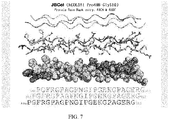
- the natural collagen molecule has a special supercoiled structure consisting of three polypeptide chains which have no intrachain hydrogen bonds and are supported only by interchain hydrogen bonds.
- This helical structure is a left-handed helix with three amino acid residues as the basic repeat, and these three amino acid residues are typically Gly-X-Pro.
- Gly is essential for the formation of hydrogen bonds in collagen; it has no side chains itself, resulting in that collagen piles up tightly. At a higher structural level, collagen supercoils will further associate to form collagen fibrils.
- procollagen In organisms, the synthesis and modification of collagen begins with procollagen and undergoes many chemical changes such as hydroxylation, glycosylation, and cross-linking, and are regulated by a variety of biological enzymes.
- procollagen In addition to the collagen chain, procollagen also contains spherical heads and tails. Without these heads and tails, the collagen chain would not fold into the correct triple helix, leading to loss of the biological activity of collagen. Therefore, collagen prepared according to the original gene sequence is unlikely to spontaneously organize in vitro to form the correct spatial structure. Such difficulties have seriously hindered the development and production of human collagen.
- the traditional process for the production of collagen is to treat animal-derived tissues by acid, alkali, and enzymolysis methods and extract collagen derivatives.
- the collagen extracted by these methods has lost the original biological activity and thus cannot be applied to the biomedical field to perform the true function.
- people continue to try to utilize transgenic techniques to prepare recombinant human collagen in animal, plant and microbial expression systems, which solves many shortcomings of the traditional extraction processes.
- Foreign research institutes have obtained milk comprising human collagen by cultivating mice containing a human collagen gene, whereas the cost of such production is too high and the production cycle is too long, so that it cannot be put into mass production.
- Chinese Patent Invention No. 201210482543.2 discloses a recombinant human collagen and a process for producing the same, and it discloses a recombinant human collagen obtained by linking a type III collagen peptide segment via a linker and adding a stable sequence at C-terminus.
- the present invention provides the following contents:
- the polypeptide of the present invention has the following advantages: its cell adhesion is stronger than the existing recombinant type III collagens; it has higher stability in an aqueous solution, as demonstrated by degradation in more than half a year, thus eliminating the need to add a reagent for prevent polypeptide degradation; most of the endotoxin may be removed by purification by a Ni column and an anion exchange chromatography from the product of the polypeptide, and the purified polypeptide product is substantially free of endotoxin or contains 5 EU/ml or less endotoxin; the polypeptide of the present invention is obtained from a host cell in higher yield and purity.
- medical instrument refers to apparatus, devices, appliances, in vitro diagnostic reagents and calibrators, materials, and other similar or related articles that are used directly or indirectly in the human body.
- tissue engineering product refers to a product used in tissue engineering.
- Tissue engineering is an emerging discipline that combines cell biology and materials science to construct tissues or organs in vitro or in vivo.
- the present invention is based, in part, on the following findings by the inventors: when a polypeptide comprising a plurality of repeat sequences of SEQ ID No. 1 is expressed in E. coli , in order to increase the gelling property of the recombinantly expressed polypeptide, it is often necessary to add a sequence such as the hinge-region amino acids GPPGPCCGGG (SEQ ID No. 2) at the C-terminus of the polypeptide to aid gelling (Reference: Journal of Biochemistry. 2004; 136: 643-649 ) because the protein of interest is a truncated protein and lacks the hinge protein structure of the full-length protein. Therefore, a polypeptide sequence comprising SEQ ID NO. 3 and SEQ ID No.
- the sequence T16a of SEQ ID No. 9 was designed; however, it was found that when the polypeptide of the sequence such as T16a was cultured in a shake flask or a fermentation tank, most of the polypeptide of interest formed a gelatinous precipitate which could not be dissolved and purified, so the yield was very low.
- a polypeptide comprising a plurality of such repeat sequences was obtained; besides, the modification of such a polypeptide was also mainly concentrated on the linker amino acid residues and C-terminal hinge region amino acids, also known as a C-terminal stable sequence.
- the inventors found that the region of SEQ ID No. 1 can form a very stable collagen trimer structure without the involvement of a hinge region. Therefore, the inventors continued to modify the polypeptide sequence and found that in the process of expressing a polypeptide of the sequence set forth in SEQ ID No. 5, which comprises the sequence set forth in SEQ ID No. 4 and the sequence set forth in SEQ ID No. 3, a polypeptide comprising the sequence set forth in SEQ ID No. 3 may be obtained in large quantities, and the involvement of the C-terminal stable sequence is no further required.
- a polypeptide does not form a colloidal structure prematurely while being recombinantly expressed, thereby not affecting subsequent protein purification.
- the inventors have surprisingly found that compared with the recombinant human collagen (SEQ ID No. 6) in Chinese Patent Invention No. 201210482543.2 , the polypeptide of the present invention is more stable in aqueous solution, may be obtained from host cells in higher yield and purity, and has significantly lower endotoxin after purification by a Ni column and an anion exchange column.
- the used repeat sequence of SEQ ID No. 1 is GERGAPGFRGPAGPNGIPGEKGPAGERGAP (SEQ ID No. 1).
- the polypeptide of the present invention may comprise a plurality of repeat sequences set forth in SEQ ID No. 1, provided that there is no linker between the repeat sequences.
- the linker may be one or more amino acid residues.
- the present invention does not limit the number of repeat sequences as long as it can actualize the characteristics verified in the adhesion examples.
- the number of repeat sequences is 16, i.e., a polypeptide comprising the sequence set forth in SEQ ID No. 3:
- the polypeptide sequence of the invention may comprise the C-terminal sequence GPPGPCCGGG (SEQ ID No. 2).
- GPPGPCCGGG SEQ ID No. 2
- the polypeptide sequence may not comprise the C-terminal sequence GPPGPCCGGG (SEQ ID No. 2), maintaining sequence identity to human type III collagen without introducing additional amino acids.
- the sequence of ENLYFQ (SEQ ID No. 4) should be added at its N-terminus, which can be cut by TEV protease to directly obtain the sequence of SEQ ID No. 3.
- the ENLYFQ (SEQ ID No. 4) sequence is directly linked to the N-terminus, to get the sequence of SEQ ID No. 5:
- polypeptides are recombinant type III collagens, which are used interchangeably herein with recombinant human collagens.
- recombination of human collagens may be carried out by a conventional method in the art.
- they may be produced as follows: (1) construction of E. coli genetically engineered bacteria; (2) fermentation culture of E. coli genetically engineered bacteria; (3) induction and expression of recombinant human collagen; and (4) purification and optional digestion of recombinant human collagen.
- step (1) the construction of E. coli genetically engineered bacteria may be carried out as follows: (1) obtaining a gene fragment of interest; (2) inserting the obtained gene fragment of interest into PET-32a expression vector to obtain a recombinant expression plasmid; (3) transforming the recombinant expression plasmid into E. coli competent cell BL21 (DE3), and screening positive E. coli genetically engineered bacteria.
- the fermentation culture of E. coli genetically engineered bacteria and the induction and expression of recombinant human collagen may be carried out as follows: (1) picking up optimum single colonies of E. coli genetically engineered bacteria from LAB plate, placing in 10 mL of LB medium, and culturing at 37°C and 220 rpm for 12-16 hours; (2) inoculating bacterial solution into 2xYT medium at 1:100 for scale-up culture, and culturing at 37°C for about 3 hours, and when OD 600 is between 0.4 and 0.6, adding IPTG to a final concentration of 0.5 mM for induction, continuing to culture at 16°C for 20 hours, and collecting bacteria by centrifugation.
- step (4) the purification and digestion of recombinant human collagen polypeptide may be carried out as follows: (1) resuspending the bacteria with phosphate buffer (40 mM NaH 2 PO 3 , 500 mM NaCl, pH 7.8) prior to ultrasonication, and collecting the supernatant by centrifugation; (2) using NI-NTA affinity column to bind to recombinant human collagen, and after washing out impurity proteins with 10 mM imidazole, adding TEV protease, performing on-column enzymatic digestion at 4°C for 16 hours, and finally obtaining the collagen polypeptide of interest.
- phosphate buffer 40 mM NaH 2 PO 3 , 500 mM NaCl, pH 7.8
- the host cell may be a eukaryotic cell, such as a fungus and yeast, a prokaryotic cell, such as an Enterobacteriaceae bacterium. It will be appreciated that those skilled in the art can replace the above-mentioned E. coli strain with other expression strains as a host cell.
- the present invention further provides a nucleic acid molecule comprising a nucleic acid sequence encoding a polypeptide of the present invention.
- the nucleic acid may be DNA or cDNA.
- the nucleic acid molecule may consist essentially of a nucleic acid sequence encoding the peptide of the present invention, or may consist solely of a nucleic acid sequence encoding the peptide of the present invention.
- Such a nucleic acid molecule may be synthesized by methods known in the art. Due to the degeneracy of genetic code, those skilled in the art will appreciate that nucleic acid molecules of different nucleic acid sequences may encode the same amino acid sequence.
- the present invention further provides a vector comprising the nucleic acid sequence of the present invention.
- Suitable vectors are known in the field of vector construction, including choices of promoters and other regulatory elements, such as enhancer elements.
- the vector of the present invention comprises a sequence suitable for introduction into a cell.
- the vector may be an expression vector; in the vector, the coding sequence of the polypeptide is under the control of its own cis-acting regulatory element, and the design of the vector facilitates gene integration or gene replacement in a host cell.
- vector includes a DNA molecule, for example, a plasmid, a phage, virus or other vectors; it comprises one or more heterologous or recombinant nucleic acid sequences.
- Suitable phages and viral vectors include, but are not limited to, lambda-phage, EMBL phage, simian virus, bovine papilloma virus, Epstein-Barr virus, adenovirus, herpes virus, murine sarcoma virus, murine mammary tumor virus, lentivirus, and the like.
- the polypeptide of the present invention comprises a sequence set forth in SEQ ID No. 3 or a sequence in which one or more amino acids are substituted, deleted, inserted and/or added in the sequence set forth in SEQ ID No. 3, as long as the polypeptide of the present invention retains cell adhesion effect of the amino acid sequence of SEQ ID No. 3.
- "More” may be 2, 3, 4, 5, 6, 7, 8, 9, 10 or 11.
- Amino acid addition refers to addition of an amino acid(s) at the C-terminus or the N-terminus of an amino acid sequence, e . g . SEQ ID No. 3, as long as the polypeptide of the present invention retains cell adhesion effect of the amino acid sequence of SEQ ID No. 3.
- Amino acid substitution refers to replacement of an amino acid residue at a position in an amino acid sequence, e . g . the sequence of SEQ ID No. 3, with another amino acid residue, as long as the polypeptide of the present invention retains cell adhesion effect of the amino acid sequence of SEQ ID No. 3.
- Amino acid insertion refers to insertion of an amino acid residue(s) at an appropriate position(s) in an amino acid sequence, e . g . the sequence of SEQ ID No. 3, and all or part of the inserted amino acid residues may also be adjacent to each other, or the inserted amino acid residues are not adjacent to each other, as long as the polypeptide of the present invention retains cell adhesion effect of the amino acid sequence of SEQ ID No. 3.
- the positions of the inserted amino acid herein are not between repeat sequences.
- Amino acid deletion means that 1, 2, 3 or more amino acids may be deleted from an amino acid sequence, e . g . the sequence of SEQ ID No. 3, as long as the polypeptide of the present invention retains cell adhesion effect of the amino acid sequence of SEQ ID No. 3.
- the substitution may be a conservative amino acid substitution, meaning that 3, more preferably 2 or 1 amino acid is replaced by an amino acid having similar or same property to form a peptide compared to the amino acid sequence of SEQ ID No. 3.
- conservative variant peptides may be produced by amino acid replacements according to Table 1.
- the terms “medium stringency conditions”, “medium-high stringency conditions”, “high stringency conditions” or “very high stringency conditions” describe conditions for nucleic acid hybridization and washing.
- Guidance for performing hybridization reactions is described in Current Protocols in Molecular Biology, John Wiley & Sons, N.Y (1989), 6.3.1-6.3.6 , which is incorporated herein by reference. Both a method involving water and a method not involving water are described in this reference, and any of them may be used.
- specific hybridization conditions are as follows: (1) low stringency hybridization conditions are hybridization in 6X sodium chloride/sodium citrate (SSC) at about 45°C, followed by two washes in 0.2 X SSC, 0.1% SDS at at least 50°C (for low stringency hybridization conditions, wash temperature can be raised to 55°C); (2) medium stringency conditions are hybridization in 6X SSC at about 45°C, followed by one or more washes in 0.2 X SSC, 0.1% SDS at 60°C; (3) high stringency conditions are hybridization in 6X SSC at about 45°C, followed by one or more washes in 0.2 X SSC, 0.1% SDS at 65°C; and preferably (4) very high stringency conditions are 0.5 M sodium phosphate, 7% SDS, followed by one or more washes in 0.2X SSC, 1% SDS at 65°C, then at 65°C.
- SSC 6X sodium chloride/sodium citrate
- the protein sample was subjected to DTT reduction and alkylation of iodoacetamide, and then trypsin was added to digest overnight.
- the peptide segment obtained after enzymolysis was desalted by C18 ZipTip and then mixed with matrix ⁇ -cyano-4-hydroxycinnamic acid (CHCA) for spotting.
- CHCA matrix ⁇ -cyano-4-hydroxycinnamic acid
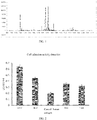
- the mass spectrometry peak results are shown in FIG. 1 .
- Table 1 Mass spectrometry detection of molecular weight and corresponding peptide Observed value Mr (Expected value Peptide 2246.2323 2246.1424 GAPGERGAPGFRGPAGPNGIPGEK 2246.2323 2246.1424 GAPGFRGPAGPNGIPGEKGPAGER 1738.8731 1738.9095 GPAGERGAPGERGAPGFR 1678.9003 1678.8659 GAPGFRGPAGPNGIPGEK 1660.8401 1661.8607 GPAGPNGIPGEKGPAGER 1171.5966 1171.6295 GAPGERGAPGFR 1093.5636 1093.5784 GPAGPNGIPGEK
- More than 98.8% of the sequence of the protein TE16C to be determined can be detected by mass spectrometry, and the results are very reliable.
- the mass spectrometric characteristic peaks of the undetermined protein were 2246.2323, 2246.2323, 1738.8731, 1678.9003, 1660.8401, 1171.5966, and 1093.5636, and it was concluded that the TE16C protein was correctly expressed.
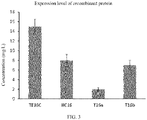
- the results in FIG. 2 indicate that the two human recombinant collagens (i.e., type III collagen HC16 and type III collagen TE16C) have better adhesion activities than commercial human collagen, and the recombinant type III collagen TE16C of the present invention achieves the most potent cell adhesion activity.
- the proteins obtained by the two construction methods of T16a and T16b as controls have lower cell adhesion activities than the TE16C protein of the present invention.
- the HC16 protein, the polypeptide T16a comprising repeat sequences and a C-terminal stable sequence, and the polypeptide T16b comprising repeat sequences and linker amino acids were treated in the same manner.
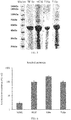
- FIG. 3 shows the expression of recombinant type III collagens.
- the purification of the type III collagen HC16 about 8 mg of pure protein can be obtained from 1 L of the bacterial solution.
- the purification of the type III collagen TE16C about 15 mg or more of pure protein can be obtained from 1 L of the bacterial solution.
- the expression levels of the proteins obtained by the two construction methods of T16a and T16b as controls were also not as high as that of the TE16C protein of the present invention. It is important to note that for the construction method of T16a, the amount of soluble protein in the supernatant is very low because of the formation of a large amount of colloid during the purification of the protein.
- FIG. 4 shows the purification of recombinant type III collagens.
- the type III collagen HC16 had a purity of about 95% after Ni column and anion exchange column, while the type III collagen TE16C could be rapidly purified to a purity of more than 99% by a Ni column and an anion exchange column.
- the proteins obtained by the two construction methods of T16a and T16b as controls had high purities, their yields were not high and were much lower than the TE16C protein of the present invention.
- FIG. 5 shows the electrophoresis images of HC16, TE16C, T16a and T16b at the time point of half a year.
- the type III collagen HC16 was unstable in the aqueous solution, significant degradation occurred after one month, and degradation after six months was very serious.
- the type III collagen TE16C has a stable structure, and after being placed in an aqueous solution for half a year, more than 90% of the protein remained as a complete full-length protein, and only a small amount was degraded.
- the proteins obtained by the two construction methods of T16a and T16b as controls also had different degrees of degradation, with the degradation of T16b being more serious; their stability is much lower than that of the TE16C protein of the present invention.
- FIG. 6 shows the residual endotoxin status of recombinant type III collagens.
- the type III collagen HC16 is not uniform in structure and is easy to bind to endotoxin, so the residual endotoxin after Ni column and anion exchange is about 100EU/mL, while the new type III collagen TE16C can be rapidly purified to contain less than 5EU/mL of endotoxin by a Ni column and an anion exchange column.
- the proteins obtained by the two construction methods of T16a and T16b as controls are also tightly bound to endotoxin, and it is not easy to remove endotoxin.
Landscapes
- Chemical & Material Sciences (AREA)
- Health & Medical Sciences (AREA)
- Organic Chemistry (AREA)
- Life Sciences & Earth Sciences (AREA)
- Genetics & Genomics (AREA)
- Biophysics (AREA)
- General Health & Medical Sciences (AREA)
- Biochemistry (AREA)
- Molecular Biology (AREA)
- Zoology (AREA)
- Engineering & Computer Science (AREA)
- Proteomics, Peptides & Aminoacids (AREA)
- Medicinal Chemistry (AREA)
- General Engineering & Computer Science (AREA)
- Wood Science & Technology (AREA)
- Bioinformatics & Cheminformatics (AREA)
- Biomedical Technology (AREA)
- Biotechnology (AREA)
- Gastroenterology & Hepatology (AREA)
- Toxicology (AREA)
- Analytical Chemistry (AREA)
- Microbiology (AREA)
- Plant Pathology (AREA)
- Physics & Mathematics (AREA)
- Peptides Or Proteins (AREA)
- Preparation Of Compounds By Using Micro-Organisms (AREA)
- Micro-Organisms Or Cultivation Processes Thereof (AREA)
- Cosmetics (AREA)
Priority Applications (4)
| Application Number | Priority Date | Filing Date | Title |
|---|---|---|---|
| HRP20241179TT HRP20241179T1 (hr) | 2018-11-28 | 2019-11-26 | Polipeptid, postupak za njegovu proizvodnju i uporaba |
| SI201930815T SI3660045T1 (sl) | 2018-11-28 | 2019-11-26 | Polipeptid, postopek za njegovo proizvodnjo in njegova uporaba |
| RS20240937A RS65903B1 (sr) | 2018-11-28 | 2019-11-26 | Polipeptid, postupak za njegovu proizvodnju i njegova upotreba |
| SM20240340T SMT202400340T1 (it) | 2018-11-28 | 2019-11-26 | Polipeptide, processo per la sua produzione e suo uso |
Applications Claiming Priority (1)
| Application Number | Priority Date | Filing Date | Title |
|---|---|---|---|
| CN201811438582.6A CN109593126B (zh) | 2018-11-28 | 2018-11-28 | 多肽、其生产方法和用途 |
Publications (2)
| Publication Number | Publication Date |
|---|---|
| EP3660045A1 true EP3660045A1 (de) | 2020-06-03 |
| EP3660045B1 EP3660045B1 (de) | 2024-08-07 |
Family
ID=65959862
Family Applications (1)
| Application Number | Title | Priority Date | Filing Date |
|---|---|---|---|
| EP19211389.2A Active EP3660045B1 (de) | 2018-11-28 | 2019-11-26 | Polypeptid, verfahren zur herstellung davon und verwendung davon |
Country Status (14)
| Country | Link |
|---|---|
| US (1) | US11396537B2 (de) |
| EP (1) | EP3660045B1 (de) |
| CN (1) | CN109593126B (de) |
| DK (1) | DK3660045T3 (de) |
| ES (1) | ES2986457T3 (de) |
| FI (1) | FI3660045T3 (de) |
| HR (1) | HRP20241179T1 (de) |
| HU (1) | HUE068092T2 (de) |
| LT (1) | LT3660045T (de) |
| PL (1) | PL3660045T3 (de) |
| PT (1) | PT3660045T (de) |
| RS (1) | RS65903B1 (de) |
| SI (1) | SI3660045T1 (de) |
| SM (1) | SMT202400340T1 (de) |
Cited By (2)
| Publication number | Priority date | Publication date | Assignee | Title |
|---|---|---|---|---|
| US11396537B2 (en) * | 2018-11-28 | 2022-07-26 | Shanxi Jinbo Bio-Pharmaceutical Co., Ltd. | Polypeptide, process for the production thereof and use thereof |
| EP4349871A4 (de) * | 2022-06-29 | 2024-12-11 | Shanxi Jinbo Bio-Pharmaceutical Co., Ltd. | Polypeptid und verwendung davon |
Families Citing this family (42)
| Publication number | Priority date | Publication date | Assignee | Title |
|---|---|---|---|---|
| CN113440431A (zh) * | 2021-08-02 | 2021-09-28 | 山西锦波生物医药股份有限公司 | 重组ⅲ型人源化胶原蛋白在头皮护理中的用途及包含其的头皮护理产品 |
| CN113713086A (zh) * | 2021-08-20 | 2021-11-30 | 山西锦波生物医药股份有限公司 | 一种含有重组iii型人源化胶原蛋白的组合物及其制备方法和用途 |
| CN113621052B (zh) * | 2021-08-23 | 2022-06-07 | 山西锦波生物医药股份有限公司 | 一种重组i型人源化胶原蛋白多肽及其制备方法和用途 |
| CN113476593A (zh) * | 2021-08-25 | 2021-10-08 | 山西锦波生物医药股份有限公司 | 重组人源化胶原蛋白的用途及其相关组合物和制备方法 |
| CN113730557B (zh) * | 2021-09-03 | 2023-12-22 | 山西锦波生物医药股份有限公司 | 重组i型人源化胶原蛋白在盆底修复中的用途 |
| CN114085284B (zh) * | 2021-11-19 | 2022-11-08 | 西安德诺海思医疗科技有限公司 | 一种重组iii型人源化胶原蛋白、核酸、载体及植入剂 |
| CN114106111B (zh) * | 2021-11-28 | 2023-04-11 | 中国人民解放军军事科学院军事医学研究院 | 一种高黏附力多肽及其用途 |
| CN114276435B (zh) * | 2021-12-29 | 2023-12-01 | 广州赛莱拉干细胞科技股份有限公司 | 一种重组人源ⅲ型胶原蛋白及其应用 |
| CN114632022A (zh) * | 2022-03-17 | 2022-06-17 | 山西锦波生物医药股份有限公司 | 一种胶原蛋白冻干纤维及其制备方法和应用 |
| CN117462750A (zh) * | 2022-05-07 | 2024-01-30 | 四川大学 | 具有心肌组织修复功能的抗心衰可注射水凝胶及其制备方法和应用 |
| EP4509136A4 (de) * | 2022-05-13 | 2025-08-20 | Shanxi Jinbo Bio Pharmaceutical Co Ltd | Fusionsprotein und verwendung davon |
| CN114940712B (zh) * | 2022-06-01 | 2023-12-26 | 山西锦波生物医药股份有限公司 | 一种生物合成人体结构性材料的制备方法 |
| CN117143223B (zh) * | 2022-08-23 | 2024-03-08 | 山西锦波生物医药股份有限公司 | 一种生物合成人体结构性材料的制备方法 |
| CN115947827B (zh) * | 2022-10-08 | 2025-02-18 | 四川大学 | 一种重组胶原蛋白及其在软骨修复基质中的用途 |
| CN118146352A (zh) * | 2022-12-06 | 2024-06-07 | 武汉佳惟达生物科技有限公司 | 胶原蛋白肽及其制备方法和用途 |
| CN115960211B (zh) * | 2022-12-23 | 2023-11-21 | 江苏创健医疗科技股份有限公司 | 一种重组人源ⅵ型胶原蛋白及其制备方法和应用 |
| CN117229386B (zh) * | 2023-03-16 | 2025-05-23 | 山西锦波生物医药股份有限公司 | 一种具有164.88°三螺旋结构低分子量胶原蛋白 |
| CN118047857B (zh) * | 2023-03-24 | 2024-11-15 | 山西锦波生物医药股份有限公司 | 一种生物合成人体结构性材料的制备方法 |
| CN116836264B (zh) * | 2023-06-01 | 2024-02-20 | 广东完美生命健康科技研究院有限公司 | 一种重组人源化纤连蛋白rhFEB及应用 |
| EP4717271A1 (de) * | 2023-07-19 | 2026-04-01 | Shanxi Jinbo Bio-Pharmaceutical Co., Ltd. | Rekombinantes humanisiertes typ-iii-kollagen mit 6488-grad für gefässreparatur |
| CN116813751B (zh) * | 2023-08-04 | 2025-03-21 | 山西锦波生物医药股份有限公司 | 自交联重组人源化胶原蛋白高分子生物材料及其制备方法 |
| CN118290567A (zh) * | 2023-08-28 | 2024-07-05 | 科兴生物制药股份有限公司 | 重组人源化iii型三螺旋胶原蛋白及其制备方法和应用 |
| CN117126874B (zh) | 2023-09-28 | 2024-04-16 | 山西锦波生物医药股份有限公司 | 大规模制备164.88°三螺旋结构胶原蛋白生物方法 |
| WO2025076821A1 (en) | 2023-10-13 | 2025-04-17 | L'oreal | Composition and method using the same |
| CN117069827B (zh) * | 2023-10-17 | 2023-12-22 | 北京世纪伟信医药科技有限公司 | 一种重组胶原重复序列蛋白的表达及其应用 |
| CN117447582A (zh) * | 2023-10-27 | 2024-01-26 | 陕西巨子生物技术有限公司 | 一种新的重组胶原蛋白、其制备方法及用途 |
| CN117510619B (zh) * | 2023-12-22 | 2024-03-12 | 南京天纵易康生物科技股份有限公司 | 一种创新空间结构的重组ⅲ型人源化胶原蛋白微球及其设计、制备工艺和应用 |
| CN117903288B (zh) * | 2024-01-25 | 2024-08-20 | 广州市科臣生物技术有限公司 | 一种重组iii型胶原蛋白水光精华液的制备方法及其功效测试方法 |
| CN118141987B (zh) * | 2024-03-01 | 2025-01-03 | 山西锦波生物医药股份有限公司 | 一种a型重组人源化胶原蛋白骨修复材料及其制备方法和用途 |
| CN118240064A (zh) * | 2024-03-21 | 2024-06-25 | 江西崇山生物制品有限公司 | 一种合成ⅲ型人源化胶原蛋白及其制备方法和应用 |
| CN118561987A (zh) * | 2024-08-01 | 2024-08-30 | 英特菲尔(成都)生物制品有限责任公司 | 一种可自组装的重组胶原蛋白及其制备方法与应用 |
| CN119390816B (zh) * | 2024-08-09 | 2026-03-27 | 山西锦波生物医药股份有限公司 | 一种新型重组人源化胶原蛋白水凝胶制备方法 |
| CN119242674A (zh) * | 2024-12-05 | 2025-01-03 | 山东义才和锐生物技术有限公司 | 一种重组表达质粒、构建重组人源化胶原蛋白大肠杆菌的方法和透皮型重组人源化胶原蛋白的制备方法及其用途 |
| CN120114574B (zh) * | 2024-12-16 | 2025-12-12 | 山西锦波生物医药股份有限公司 | 重组iii型人源化胶原蛋白在胃癌产品中的新用途 |
| CN119564836B (zh) * | 2024-12-31 | 2026-02-17 | 山西锦波生物医药股份有限公司 | 重组iii型人源化胶原蛋白在治疗宫颈癌中的用途 |
| CN120037359B (zh) * | 2025-01-16 | 2025-10-28 | 山西锦波生物医药股份有限公司 | 重组iii型人源化胶原蛋白及包含其的组合物在眼部的应用 |
| CN119909007B (zh) * | 2025-04-02 | 2025-06-03 | 四川大学 | 一种具有氧化还原活性和电活性的可注射水凝胶及其制备方法与应用 |
| CN119978111A (zh) * | 2025-04-15 | 2025-05-13 | 哈药集团生物工程有限公司 | 一种人源重组iii型胶原蛋白及其制备方法和应用 |
| CN120988100B (zh) * | 2025-06-03 | 2026-04-28 | 山西锦波生物医药股份有限公司 | 一种重组v型人源化胶原蛋白及其应用 |
| CN120754232A (zh) * | 2025-07-09 | 2025-10-10 | 山西锦波生物医药股份有限公司 | 重组iii型人源化胶原蛋白在注射剂中的应用 |
| CN120988105B (zh) * | 2025-10-16 | 2026-02-06 | 北京祥原生物科技有限公司 | 一种人源胶原蛋白的制备方法及其在抗衰老中的应用 |
| CN121293373A (zh) * | 2025-10-24 | 2026-01-09 | 德州康泽生物医药有限公司 | 一种具有抗衰老作用的胶原蛋白肽及其制备方法和应用 |
Citations (3)
| Publication number | Priority date | Publication date | Assignee | Title |
|---|---|---|---|---|
| CN103122027A (zh) * | 2012-11-26 | 2013-05-29 | 杨霞 | 一种重组人源胶原蛋白及其生产方法 |
| EP2976352A1 (de) * | 2013-03-21 | 2016-01-27 | Commonwealth Scientific and Industrial Research Organisation | Reinigung von tripelhelikalen proteinen |
| CN109593126B (zh) * | 2018-11-28 | 2019-11-22 | 山西锦波生物医药股份有限公司 | 多肽、其生产方法和用途 |
Family Cites Families (5)
| Publication number | Priority date | Publication date | Assignee | Title |
|---|---|---|---|---|
| US6969523B1 (en) * | 2001-10-19 | 2005-11-29 | Integra Lifesciences Corporation | Collagen/glycosaminoglycan matrix stable to sterilizing by electron beam radiation |
| EP2479277B1 (de) * | 2004-07-22 | 2015-09-02 | Five Prime Therapeutics, Inc. | Verwendung von MGD-CDF zur Behandlung der Alzheimer's Krankheit |
| EP2698173A1 (de) * | 2008-02-29 | 2014-02-19 | Coloplast A/S | Zusammensetzungen und Verfahren zur Verstärkung und Renegeration von lebendem Gewebe in einer Person |
| EP2697370A1 (de) * | 2011-04-15 | 2014-02-19 | Universität Zürich Prorektorat MNW | Collagen-hydroxylasen |
| CN108822209A (zh) * | 2018-07-06 | 2018-11-16 | 山西锦波生物医药股份有限公司 | 多肽、其生产方法和用途 |
-
2018
- 2018-11-28 CN CN201811438582.6A patent/CN109593126B/zh active Active
-
2019
- 2019-11-26 ES ES19211389T patent/ES2986457T3/es active Active
- 2019-11-26 HU HUE19211389A patent/HUE068092T2/hu unknown
- 2019-11-26 LT LTEP19211389.2T patent/LT3660045T/lt unknown
- 2019-11-26 PT PT192113892T patent/PT3660045T/pt unknown
- 2019-11-26 SI SI201930815T patent/SI3660045T1/sl unknown
- 2019-11-26 DK DK19211389.2T patent/DK3660045T3/da active
- 2019-11-26 FI FIEP19211389.2T patent/FI3660045T3/fi active
- 2019-11-26 HR HRP20241179TT patent/HRP20241179T1/hr unknown
- 2019-11-26 RS RS20240937A patent/RS65903B1/sr unknown
- 2019-11-26 PL PL19211389.2T patent/PL3660045T3/pl unknown
- 2019-11-26 SM SM20240340T patent/SMT202400340T1/it unknown
- 2019-11-26 EP EP19211389.2A patent/EP3660045B1/de active Active
- 2019-11-27 US US16/698,206 patent/US11396537B2/en active Active
Patent Citations (3)
| Publication number | Priority date | Publication date | Assignee | Title |
|---|---|---|---|---|
| CN103122027A (zh) * | 2012-11-26 | 2013-05-29 | 杨霞 | 一种重组人源胶原蛋白及其生产方法 |
| EP2976352A1 (de) * | 2013-03-21 | 2016-01-27 | Commonwealth Scientific and Industrial Research Organisation | Reinigung von tripelhelikalen proteinen |
| CN109593126B (zh) * | 2018-11-28 | 2019-11-22 | 山西锦波生物医药股份有限公司 | 多肽、其生产方法和用途 |
Non-Patent Citations (12)
| Title |
|---|
| "Current Protocols in Molecular Biology", 1989, JOHN WILEY & SONS |
| C HUA ET AL: "Characterization by high-resolution crystal structure analysis of a triple-helix region of human collagen type III with potent cell adhesion activity.", BIOCHEM BIOPHYS RES COMMUN., vol. 508, no. 4, 11 December 2018 (2018-12-11), pages 1018 - 1023, XP055677661, DOI: 10.1016/j.bbrc.2018.12.018 * |
| DATABASE Geneseq [online] 11 July 2019 (2019-07-11), "Human collagen like polypeptide (TE16C) with N-terminal sequence, SEQ 5.", retrieved from EBI accession no. GSP:BGE85516 Database accession no. BGE85516 * |
| DATABASE Geneseq [online] 5 December 2013 (2013-12-05), "Human collagen type III peptide.", retrieved from EBI accession no. GSP:BAX15724 Database accession no. BAX15724 * |
| DATABASE Geneseq [online] 5 December 2013 (2013-12-05), "Recombinant collagen protein.", retrieved from EBI accession no. GSP:BAX15728 Database accession no. BAX15728 * |
| HAN RUNLIN ET AL: "Assessment of prokaryotic collagen-like sequences derived from streptococcal Scl1 and Scl2 proteins as a source of recombinant GXY polymers", APPLIED MICROBIOLOGY AND BIOTECHNOLOGY, SPRINGER BERLIN HEIDELBERG, BERLIN/HEIDELBERG, vol. 72, no. 1, 22 March 2006 (2006-03-22), pages 109 - 115, XP037008420, ISSN: 0175-7598, [retrieved on 20060322], DOI: 10.1007/S00253-006-0387-5 * |
| J YAO ET AL: "Design, expression and characterization of collagen-like proteins based on the cell adhesive and crosslinking sequences derived from native collagens.", J BIOCHEM, vol. 136, no. 5, 1 November 2004 (2004-11-01), pages 643 - 649, XP055677659 * |
| JBIOCHEM., vol. 136, 2004, pages 643 - 649 |
| JOURNAL OF BIOCHEMISTRY, vol. 136, 2004, pages 643 - 649 |
| PROTEIN J., vol. 35, 2016, pages 212 - 7 |
| WALKER JM.: "The Protein Protocols Handbook", HUMANA PRESS, pages: 43 - 45 |
| YONG Y PENG ET AL: "Constructs for the expression of repeating triple-helical protein domains; Repeating triple-helical domains", BIOMEDICAL MATERIALS, INSTITUTE OF PHYSICS PUBLISHING, BRISTOL, GB, vol. 4, no. 1, 1 February 2009 (2009-02-01), pages 15006, XP020157716, ISSN: 1748-605X, DOI: 10.1088/1748-6041/4/1/015006 * |
Cited By (3)
| Publication number | Priority date | Publication date | Assignee | Title |
|---|---|---|---|---|
| US11396537B2 (en) * | 2018-11-28 | 2022-07-26 | Shanxi Jinbo Bio-Pharmaceutical Co., Ltd. | Polypeptide, process for the production thereof and use thereof |
| EP4349871A4 (de) * | 2022-06-29 | 2024-12-11 | Shanxi Jinbo Bio-Pharmaceutical Co., Ltd. | Polypeptid und verwendung davon |
| US12351603B2 (en) | 2022-06-29 | 2025-07-08 | Shanxi Jinbo Bio-Pharmaceutical Co., Ltd. | Polypeptides and uses thereof |
Also Published As
| Publication number | Publication date |
|---|---|
| US20200165319A1 (en) | 2020-05-28 |
| DK3660045T3 (da) | 2024-09-09 |
| EP3660045B1 (de) | 2024-08-07 |
| FI3660045T3 (fi) | 2024-09-23 |
| RS65903B1 (sr) | 2024-09-30 |
| US11396537B2 (en) | 2022-07-26 |
| SI3660045T1 (sl) | 2024-10-30 |
| HUE068092T2 (hu) | 2024-12-28 |
| HRP20241179T1 (hr) | 2024-11-22 |
| LT3660045T (lt) | 2024-09-10 |
| CN109593126A (zh) | 2019-04-09 |
| SMT202400340T1 (it) | 2024-11-15 |
| ES2986457T3 (es) | 2024-11-11 |
| PL3660045T3 (pl) | 2024-12-02 |
| PT3660045T (pt) | 2024-09-04 |
| CN109593126B (zh) | 2019-11-22 |
Similar Documents
| Publication | Publication Date | Title |
|---|---|---|
| EP3660045B1 (de) | Polypeptid, verfahren zur herstellung davon und verwendung davon | |
| US12428468B2 (en) | Human collagen 17-type polypeptide, production method therefor and use thereof | |
| KR102559311B1 (ko) | 재조합 인간 xvii형 콜라겐, 제조방법 및 응용 | |
| CN114106150B (zh) | 重组胶原蛋白、制备方法及其应用 | |
| JP7840432B2 (ja) | 生合成の人体構造性材料の製造方法 | |
| EP4349871A1 (de) | Polypeptid und verwendung davon | |
| EP4667488A1 (de) | Selbstvernetzendes rekombinantes humanisiertes kollagenpolymerbiomaterial und herstellungsverfahren dafür | |
| CN108822209A (zh) | 多肽、其生产方法和用途 | |
| WO2024199081A1 (zh) | 一种生物合成人体结构性材料的制备方法 | |
| WO2025066310A1 (zh) | 大规模制备164.88°三螺旋结构胶原蛋白生物方法 | |
| JP7838126B2 (ja) | 生合成による人体構造性材料の製造方法 | |
| CN118373898B (zh) | 生物合成人体结构性材料vi型胶原蛋白的方法 | |
| CN119331078B (zh) | 生物合成人体结构性材料xxii型胶原蛋白的方法 | |
| CN116041440B (zh) | 抗衰老短肽及其制备方法 | |
| CN110357970A (zh) | 一种易于纯化的人表皮生长因子融合蛋白及其核酸分子、一种人表皮生长因子制备方法 | |
| HK40130909A (en) | Self‑crosslinking recombinant humanized collagen polymer biomaterial and preparation method therefor | |
| CN119552267A (zh) | 重组iii型人源化胶原蛋白以及其制备方法和应用 | |
| HK40117989A (en) | Preparation method for biosynthetic human body structural material | |
| CN118546260A (zh) | 一种具有耐高温能力的重组胶原蛋白及其制备方法和应用 |
Legal Events
| Date | Code | Title | Description |
|---|---|---|---|
| REG | Reference to a national code |
Ref country code: HR Ref legal event code: TUEP Ref document number: P20241179T Country of ref document: HR |
|
| PUAI | Public reference made under article 153(3) epc to a published international application that has entered the european phase |
Free format text: ORIGINAL CODE: 0009012 |
|
| STAA | Information on the status of an ep patent application or granted ep patent |
Free format text: STATUS: THE APPLICATION HAS BEEN PUBLISHED |
|
| AK | Designated contracting states |
Kind code of ref document: A1 Designated state(s): AL AT BE BG CH CY CZ DE DK EE ES FI FR GB GR HR HU IE IS IT LI LT LU LV MC MK MT NL NO PL PT RO RS SE SI SK SM TR |
|
| AX | Request for extension of the european patent |
Extension state: BA ME |
|
| STAA | Information on the status of an ep patent application or granted ep patent |
Free format text: STATUS: REQUEST FOR EXAMINATION WAS MADE |
|
| 17P | Request for examination filed |
Effective date: 20201202 |
|
| RBV | Designated contracting states (corrected) |
Designated state(s): AL AT BE BG CH CY CZ DE DK EE ES FI FR GB GR HR HU IE IS IT LI LT LU LV MC MK MT NL NO PL PT RO RS SE SI SK SM TR |
|
| STAA | Information on the status of an ep patent application or granted ep patent |
Free format text: STATUS: EXAMINATION IS IN PROGRESS |
|
| 17Q | First examination report despatched |
Effective date: 20211001 |
|
| GRAP | Despatch of communication of intention to grant a patent |
Free format text: ORIGINAL CODE: EPIDOSNIGR1 |
|
| STAA | Information on the status of an ep patent application or granted ep patent |
Free format text: STATUS: GRANT OF PATENT IS INTENDED |
|
| INTG | Intention to grant announced |
Effective date: 20240305 |
|
| P01 | Opt-out of the competence of the unified patent court (upc) registered |
Effective date: 20240518 |
|
| GRAS | Grant fee paid |
Free format text: ORIGINAL CODE: EPIDOSNIGR3 |
|
| GRAA | (expected) grant |
Free format text: ORIGINAL CODE: 0009210 |
|
| STAA | Information on the status of an ep patent application or granted ep patent |
Free format text: STATUS: THE PATENT HAS BEEN GRANTED |
|
| AK | Designated contracting states |
Kind code of ref document: B1 Designated state(s): AL AT BE BG CH CY CZ DE DK EE ES FI FR GB GR HR HU IE IS IT LI LT LU LV MC MK MT NL NO PL PT RO RS SE SI SK SM TR |
|
| REG | Reference to a national code |
Ref country code: GB Ref legal event code: FG4D |
|
| REG | Reference to a national code |
Ref country code: CH Ref legal event code: EP |
|
| REG | Reference to a national code |
Ref country code: IE Ref legal event code: FG4D |
|
| REG | Reference to a national code |
Ref country code: DE Ref legal event code: R096 Ref document number: 602019056485 Country of ref document: DE |
|
| REG | Reference to a national code |
Ref country code: PT Ref legal event code: SC4A Ref document number: 3660045 Country of ref document: PT Date of ref document: 20240904 Kind code of ref document: T Free format text: AVAILABILITY OF NATIONAL TRANSLATION Effective date: 20240829 |
|
| REG | Reference to a national code |
Ref country code: DK Ref legal event code: T3 Effective date: 20240904 |
|
| REG | Reference to a national code |
Ref country code: SE Ref legal event code: TRGR |
|
| REG | Reference to a national code |
Ref country code: NL Ref legal event code: FP |
|
| REG | Reference to a national code |
Ref country code: FI Ref legal event code: FGE |
|
| REG | Reference to a national code |
Ref country code: SK Ref legal event code: T3 Ref document number: E 44896 Country of ref document: SK |
|
| REG | Reference to a national code |
Ref country code: ES Ref legal event code: FG2A Ref document number: 2986457 Country of ref document: ES Kind code of ref document: T3 Effective date: 20241111 |
|
| REG | Reference to a national code |
Ref country code: EE Ref legal event code: FG4A Ref document number: E024609 Country of ref document: EE Effective date: 20240903 |
|
| REG | Reference to a national code |
Ref country code: HR Ref legal event code: T1PR Ref document number: P20241179 Country of ref document: HR |
|
| REG | Reference to a national code |
Ref country code: GR Ref legal event code: EP Ref document number: 20240402073 Country of ref document: GR Effective date: 20241111 |
|
| REG | Reference to a national code |
Ref country code: HR Ref legal event code: ODRP Ref document number: P20241179 Country of ref document: HR Payment date: 20241016 Year of fee payment: 6 |
|
| REG | Reference to a national code |
Ref country code: HU Ref legal event code: AG4A Ref document number: E068092 Country of ref document: HU |
|
| REG | Reference to a national code |
Ref country code: DE Ref legal event code: R097 Ref document number: 602019056485 Country of ref document: DE |
|
| PLBE | No opposition filed within time limit |
Free format text: ORIGINAL CODE: 0009261 |
|
| STAA | Information on the status of an ep patent application or granted ep patent |
Free format text: STATUS: NO OPPOSITION FILED WITHIN TIME LIMIT |
|
| 26N | No opposition filed |
Effective date: 20250508 |
|
| REG | Reference to a national code |
Ref country code: AT Ref legal event code: UEP Ref document number: 1710842 Country of ref document: AT Kind code of ref document: T Effective date: 20240807 |
|
| PGFP | Annual fee paid to national office [announced via postgrant information from national office to epo] |
Ref country code: NL Payment date: 20251024 Year of fee payment: 7 |
|
| REG | Reference to a national code |
Ref country code: CH Ref legal event code: U11 Free format text: ST27 STATUS EVENT CODE: U-0-0-U10-U11 (AS PROVIDED BY THE NATIONAL OFFICE) Effective date: 20251201 |
|
| REG | Reference to a national code |
Ref country code: HR Ref legal event code: ODRP Ref document number: P20241179 Country of ref document: HR Payment date: 20251031 Year of fee payment: 7 |
|
| PGFP | Annual fee paid to national office [announced via postgrant information from national office to epo] |
Ref country code: PT Payment date: 20251119 Year of fee payment: 7 |
|
| PGFP | Annual fee paid to national office [announced via postgrant information from national office to epo] |
Ref country code: HU Payment date: 20251112 Year of fee payment: 7 |
|
| PGFP | Annual fee paid to national office [announced via postgrant information from national office to epo] |
Ref country code: LU Payment date: 20251113 Year of fee payment: 7 |
|
| PGFP | Annual fee paid to national office [announced via postgrant information from national office to epo] |
Ref country code: IS Payment date: 20251119 Year of fee payment: 7 Ref country code: DE Payment date: 20251022 Year of fee payment: 7 |
|
| PGFP | Annual fee paid to national office [announced via postgrant information from national office to epo] |
Ref country code: LT Payment date: 20251021 Year of fee payment: 7 Ref country code: GB Payment date: 20251016 Year of fee payment: 7 |
|
| PGFP | Annual fee paid to national office [announced via postgrant information from national office to epo] |
Ref country code: NO Payment date: 20251113 Year of fee payment: 7 Ref country code: MC Payment date: 20251028 Year of fee payment: 7 |
|
| PGFP | Annual fee paid to national office [announced via postgrant information from national office to epo] |
Ref country code: SM Payment date: 20251030 Year of fee payment: 7 Ref country code: MK Payment date: 20251020 Year of fee payment: 7 Ref country code: AT Payment date: 20251027 Year of fee payment: 7 |
|
| PGFP | Annual fee paid to national office [announced via postgrant information from national office to epo] |
Ref country code: FI Payment date: 20251113 Year of fee payment: 7 Ref country code: DK Payment date: 20251112 Year of fee payment: 7 |
|
| PG25 | Lapsed in a contracting state [announced via postgrant information from national office to epo] |
Ref country code: IT Free format text: LAPSE BECAUSE OF NON-PAYMENT OF DUE FEES Effective date: 20241126 |
|
| PGFP | Annual fee paid to national office [announced via postgrant information from national office to epo] |
Ref country code: HR Payment date: 20251031 Year of fee payment: 7 Ref country code: FR Payment date: 20251023 Year of fee payment: 7 |
|
| PGFP | Annual fee paid to national office [announced via postgrant information from national office to epo] |
Ref country code: TR Payment date: 20251121 Year of fee payment: 7 Ref country code: AL Payment date: 20251117 Year of fee payment: 7 Ref country code: GR Payment date: 20251029 Year of fee payment: 7 Ref country code: BE Payment date: 20251024 Year of fee payment: 7 |
|
| PGFP | Annual fee paid to national office [announced via postgrant information from national office to epo] |
Ref country code: CH Payment date: 20251201 Year of fee payment: 7 Ref country code: SE Payment date: 20251028 Year of fee payment: 7 |
|
| PGFP | Annual fee paid to national office [announced via postgrant information from national office to epo] |
Ref country code: IE Payment date: 20251024 Year of fee payment: 7 Ref country code: CZ Payment date: 20251119 Year of fee payment: 7 Ref country code: CY Payment date: 20251024 Year of fee payment: 7 |
|
| PGFP | Annual fee paid to national office [announced via postgrant information from national office to epo] |
Ref country code: LV Payment date: 20251022 Year of fee payment: 7 Ref country code: MT Payment date: 20251121 Year of fee payment: 7 |
|
| PGFP | Annual fee paid to national office [announced via postgrant information from national office to epo] |
Ref country code: PL Payment date: 20251028 Year of fee payment: 7 Ref country code: BG Payment date: 20251031 Year of fee payment: 7 |
|
| PGFP | Annual fee paid to national office [announced via postgrant information from national office to epo] |
Ref country code: EE Payment date: 20251024 Year of fee payment: 7 |
|
| PGFP | Annual fee paid to national office [announced via postgrant information from national office to epo] |
Ref country code: SK Payment date: 20251024 Year of fee payment: 7 Ref country code: RO Payment date: 20251105 Year of fee payment: 7 |
|
| PGFP | Annual fee paid to national office [announced via postgrant information from national office to epo] |
Ref country code: RS Payment date: 20251105 Year of fee payment: 7 |
|
| PGFP | Annual fee paid to national office [announced via postgrant information from national office to epo] |
Ref country code: ES Payment date: 20251212 Year of fee payment: 7 Ref country code: SI Payment date: 20251027 Year of fee payment: 7 |
|
| PG25 | Lapsed in a contracting state [announced via postgrant information from national office to epo] |
Ref country code: IT Free format text: LAPSE BECAUSE OF NON-PAYMENT OF DUE FEES Effective date: 20241126 |
|
| PGFP | Annual fee paid to national office [announced via postgrant information from national office to epo] |
Ref country code: IT Payment date: 20251030 Year of fee payment: 7 |
|
| PGRI | Patent reinstated in contracting state [announced from national office to epo] |
Ref country code: IT Effective date: 20250331 |