EP3718559B1 - Utilisation de prg4 comme agent anti-inflammatoire - Google Patents
Utilisation de prg4 comme agent anti-inflammatoire Download PDFInfo
- Publication number
- EP3718559B1 EP3718559B1 EP20170338.6A EP20170338A EP3718559B1 EP 3718559 B1 EP3718559 B1 EP 3718559B1 EP 20170338 A EP20170338 A EP 20170338A EP 3718559 B1 EP3718559 B1 EP 3718559B1
- Authority
- EP
- European Patent Office
- Prior art keywords
- prg4
- cell
- rhprg4
- lubricin
- inflammatory
- Prior art date
- Legal status (The legal status is an assumption and is not a legal conclusion. Google has not performed a legal analysis and makes no representation as to the accuracy of the status listed.)
- Active
Links
Images










Classifications
-
- A—HUMAN NECESSITIES
- A61—MEDICAL OR VETERINARY SCIENCE; HYGIENE
- A61K—PREPARATIONS FOR MEDICAL, DENTAL OR TOILETRY PURPOSES
- A61K38/00—Medicinal preparations containing peptides
- A61K38/16—Peptides having more than 20 amino acids; Gastrins; Somatostatins; Melanotropins; Derivatives thereof
- A61K38/17—Peptides having more than 20 amino acids; Gastrins; Somatostatins; Melanotropins; Derivatives thereof from animals; from humans
-
- A—HUMAN NECESSITIES
- A61—MEDICAL OR VETERINARY SCIENCE; HYGIENE
- A61K—PREPARATIONS FOR MEDICAL, DENTAL OR TOILETRY PURPOSES
- A61K38/00—Medicinal preparations containing peptides
- A61K38/16—Peptides having more than 20 amino acids; Gastrins; Somatostatins; Melanotropins; Derivatives thereof
- A61K38/17—Peptides having more than 20 amino acids; Gastrins; Somatostatins; Melanotropins; Derivatives thereof from animals; from humans
- A61K38/1703—Peptides having more than 20 amino acids; Gastrins; Somatostatins; Melanotropins; Derivatives thereof from animals; from humans from vertebrates
- A61K38/1709—Peptides having more than 20 amino acids; Gastrins; Somatostatins; Melanotropins; Derivatives thereof from animals; from humans from vertebrates from mammals
-
- A—HUMAN NECESSITIES
- A61—MEDICAL OR VETERINARY SCIENCE; HYGIENE
- A61P—SPECIFIC THERAPEUTIC ACTIVITY OF CHEMICAL COMPOUNDS OR MEDICINAL PREPARATIONS
- A61P1/00—Drugs for disorders of the alimentary tract or the digestive system
- A61P1/16—Drugs for disorders of the alimentary tract or the digestive system for liver or gallbladder disorders, e.g. hepatoprotective agents, cholagogues, litholytics
-
- A—HUMAN NECESSITIES
- A61—MEDICAL OR VETERINARY SCIENCE; HYGIENE
- A61P—SPECIFIC THERAPEUTIC ACTIVITY OF CHEMICAL COMPOUNDS OR MEDICINAL PREPARATIONS
- A61P1/00—Drugs for disorders of the alimentary tract or the digestive system
- A61P1/18—Drugs for disorders of the alimentary tract or the digestive system for pancreatic disorders, e.g. pancreatic enzymes
-
- A—HUMAN NECESSITIES
- A61—MEDICAL OR VETERINARY SCIENCE; HYGIENE
- A61P—SPECIFIC THERAPEUTIC ACTIVITY OF CHEMICAL COMPOUNDS OR MEDICINAL PREPARATIONS
- A61P11/00—Drugs for disorders of the respiratory system
-
- A—HUMAN NECESSITIES
- A61—MEDICAL OR VETERINARY SCIENCE; HYGIENE
- A61P—SPECIFIC THERAPEUTIC ACTIVITY OF CHEMICAL COMPOUNDS OR MEDICINAL PREPARATIONS
- A61P11/00—Drugs for disorders of the respiratory system
- A61P11/02—Nasal agents, e.g. decongestants
-
- A—HUMAN NECESSITIES
- A61—MEDICAL OR VETERINARY SCIENCE; HYGIENE
- A61P—SPECIFIC THERAPEUTIC ACTIVITY OF CHEMICAL COMPOUNDS OR MEDICINAL PREPARATIONS
- A61P11/00—Drugs for disorders of the respiratory system
- A61P11/06—Antiasthmatics
-
- A—HUMAN NECESSITIES
- A61—MEDICAL OR VETERINARY SCIENCE; HYGIENE
- A61P—SPECIFIC THERAPEUTIC ACTIVITY OF CHEMICAL COMPOUNDS OR MEDICINAL PREPARATIONS
- A61P13/00—Drugs for disorders of the urinary system
- A61P13/08—Drugs for disorders of the urinary system of the prostate
-
- A—HUMAN NECESSITIES
- A61—MEDICAL OR VETERINARY SCIENCE; HYGIENE
- A61P—SPECIFIC THERAPEUTIC ACTIVITY OF CHEMICAL COMPOUNDS OR MEDICINAL PREPARATIONS
- A61P13/00—Drugs for disorders of the urinary system
- A61P13/12—Drugs for disorders of the urinary system of the kidneys
-
- A—HUMAN NECESSITIES
- A61—MEDICAL OR VETERINARY SCIENCE; HYGIENE
- A61P—SPECIFIC THERAPEUTIC ACTIVITY OF CHEMICAL COMPOUNDS OR MEDICINAL PREPARATIONS
- A61P17/00—Drugs for dermatological disorders
-
- A—HUMAN NECESSITIES
- A61—MEDICAL OR VETERINARY SCIENCE; HYGIENE
- A61P—SPECIFIC THERAPEUTIC ACTIVITY OF CHEMICAL COMPOUNDS OR MEDICINAL PREPARATIONS
- A61P17/00—Drugs for dermatological disorders
- A61P17/02—Drugs for dermatological disorders for treating wounds, ulcers, burns, scars, keloids, or the like
-
- A—HUMAN NECESSITIES
- A61—MEDICAL OR VETERINARY SCIENCE; HYGIENE
- A61P—SPECIFIC THERAPEUTIC ACTIVITY OF CHEMICAL COMPOUNDS OR MEDICINAL PREPARATIONS
- A61P17/00—Drugs for dermatological disorders
- A61P17/04—Antipruritics
-
- A—HUMAN NECESSITIES
- A61—MEDICAL OR VETERINARY SCIENCE; HYGIENE
- A61P—SPECIFIC THERAPEUTIC ACTIVITY OF CHEMICAL COMPOUNDS OR MEDICINAL PREPARATIONS
- A61P17/00—Drugs for dermatological disorders
- A61P17/06—Antipsoriatics
-
- A—HUMAN NECESSITIES
- A61—MEDICAL OR VETERINARY SCIENCE; HYGIENE
- A61P—SPECIFIC THERAPEUTIC ACTIVITY OF CHEMICAL COMPOUNDS OR MEDICINAL PREPARATIONS
- A61P17/00—Drugs for dermatological disorders
- A61P17/14—Drugs for dermatological disorders for baldness or alopecia
-
- A—HUMAN NECESSITIES
- A61—MEDICAL OR VETERINARY SCIENCE; HYGIENE
- A61P—SPECIFIC THERAPEUTIC ACTIVITY OF CHEMICAL COMPOUNDS OR MEDICINAL PREPARATIONS
- A61P19/00—Drugs for skeletal disorders
- A61P19/06—Antigout agents, e.g. antihyperuricemic or uricosuric agents
-
- A—HUMAN NECESSITIES
- A61—MEDICAL OR VETERINARY SCIENCE; HYGIENE
- A61P—SPECIFIC THERAPEUTIC ACTIVITY OF CHEMICAL COMPOUNDS OR MEDICINAL PREPARATIONS
- A61P21/00—Drugs for disorders of the muscular or neuromuscular system
-
- A—HUMAN NECESSITIES
- A61—MEDICAL OR VETERINARY SCIENCE; HYGIENE
- A61P—SPECIFIC THERAPEUTIC ACTIVITY OF CHEMICAL COMPOUNDS OR MEDICINAL PREPARATIONS
- A61P25/00—Drugs for disorders of the nervous system
-
- A—HUMAN NECESSITIES
- A61—MEDICAL OR VETERINARY SCIENCE; HYGIENE
- A61P—SPECIFIC THERAPEUTIC ACTIVITY OF CHEMICAL COMPOUNDS OR MEDICINAL PREPARATIONS
- A61P25/00—Drugs for disorders of the nervous system
- A61P25/04—Centrally acting analgesics, e.g. opioids
-
- A—HUMAN NECESSITIES
- A61—MEDICAL OR VETERINARY SCIENCE; HYGIENE
- A61P—SPECIFIC THERAPEUTIC ACTIVITY OF CHEMICAL COMPOUNDS OR MEDICINAL PREPARATIONS
- A61P25/00—Drugs for disorders of the nervous system
- A61P25/28—Drugs for disorders of the nervous system for treating neurodegenerative disorders of the central nervous system, e.g. nootropic agents, cognition enhancers, drugs for treating Alzheimer's disease or other forms of dementia
-
- A—HUMAN NECESSITIES
- A61—MEDICAL OR VETERINARY SCIENCE; HYGIENE
- A61P—SPECIFIC THERAPEUTIC ACTIVITY OF CHEMICAL COMPOUNDS OR MEDICINAL PREPARATIONS
- A61P27/00—Drugs for disorders of the senses
- A61P27/02—Ophthalmic agents
-
- A—HUMAN NECESSITIES
- A61—MEDICAL OR VETERINARY SCIENCE; HYGIENE
- A61P—SPECIFIC THERAPEUTIC ACTIVITY OF CHEMICAL COMPOUNDS OR MEDICINAL PREPARATIONS
- A61P29/00—Non-central analgesic, antipyretic or antiinflammatory agents, e.g. antirheumatic agents; Non-steroidal antiinflammatory drugs [NSAID]
-
- A—HUMAN NECESSITIES
- A61—MEDICAL OR VETERINARY SCIENCE; HYGIENE
- A61P—SPECIFIC THERAPEUTIC ACTIVITY OF CHEMICAL COMPOUNDS OR MEDICINAL PREPARATIONS
- A61P3/00—Drugs for disorders of the metabolism
- A61P3/08—Drugs for disorders of the metabolism for glucose homeostasis
- A61P3/10—Drugs for disorders of the metabolism for glucose homeostasis for hyperglycaemia, e.g. antidiabetics
-
- A—HUMAN NECESSITIES
- A61—MEDICAL OR VETERINARY SCIENCE; HYGIENE
- A61P—SPECIFIC THERAPEUTIC ACTIVITY OF CHEMICAL COMPOUNDS OR MEDICINAL PREPARATIONS
- A61P31/00—Antiinfectives, i.e. antibiotics, antiseptics, chemotherapeutics
- A61P31/04—Antibacterial agents
-
- A—HUMAN NECESSITIES
- A61—MEDICAL OR VETERINARY SCIENCE; HYGIENE
- A61P—SPECIFIC THERAPEUTIC ACTIVITY OF CHEMICAL COMPOUNDS OR MEDICINAL PREPARATIONS
- A61P31/00—Antiinfectives, i.e. antibiotics, antiseptics, chemotherapeutics
- A61P31/10—Antimycotics
-
- A—HUMAN NECESSITIES
- A61—MEDICAL OR VETERINARY SCIENCE; HYGIENE
- A61P—SPECIFIC THERAPEUTIC ACTIVITY OF CHEMICAL COMPOUNDS OR MEDICINAL PREPARATIONS
- A61P31/00—Antiinfectives, i.e. antibiotics, antiseptics, chemotherapeutics
- A61P31/12—Antivirals
-
- A—HUMAN NECESSITIES
- A61—MEDICAL OR VETERINARY SCIENCE; HYGIENE
- A61P—SPECIFIC THERAPEUTIC ACTIVITY OF CHEMICAL COMPOUNDS OR MEDICINAL PREPARATIONS
- A61P33/00—Antiparasitic agents
-
- A—HUMAN NECESSITIES
- A61—MEDICAL OR VETERINARY SCIENCE; HYGIENE
- A61P—SPECIFIC THERAPEUTIC ACTIVITY OF CHEMICAL COMPOUNDS OR MEDICINAL PREPARATIONS
- A61P35/00—Antineoplastic agents
-
- A—HUMAN NECESSITIES
- A61—MEDICAL OR VETERINARY SCIENCE; HYGIENE
- A61P—SPECIFIC THERAPEUTIC ACTIVITY OF CHEMICAL COMPOUNDS OR MEDICINAL PREPARATIONS
- A61P37/00—Drugs for immunological or allergic disorders
- A61P37/02—Immunomodulators
-
- A—HUMAN NECESSITIES
- A61—MEDICAL OR VETERINARY SCIENCE; HYGIENE
- A61P—SPECIFIC THERAPEUTIC ACTIVITY OF CHEMICAL COMPOUNDS OR MEDICINAL PREPARATIONS
- A61P37/00—Drugs for immunological or allergic disorders
- A61P37/02—Immunomodulators
- A61P37/06—Immunosuppressants, e.g. drugs for graft rejection
-
- A—HUMAN NECESSITIES
- A61—MEDICAL OR VETERINARY SCIENCE; HYGIENE
- A61P—SPECIFIC THERAPEUTIC ACTIVITY OF CHEMICAL COMPOUNDS OR MEDICINAL PREPARATIONS
- A61P37/00—Drugs for immunological or allergic disorders
- A61P37/08—Antiallergic agents
-
- A—HUMAN NECESSITIES
- A61—MEDICAL OR VETERINARY SCIENCE; HYGIENE
- A61P—SPECIFIC THERAPEUTIC ACTIVITY OF CHEMICAL COMPOUNDS OR MEDICINAL PREPARATIONS
- A61P39/00—General protective or antinoxious agents
-
- A—HUMAN NECESSITIES
- A61—MEDICAL OR VETERINARY SCIENCE; HYGIENE
- A61P—SPECIFIC THERAPEUTIC ACTIVITY OF CHEMICAL COMPOUNDS OR MEDICINAL PREPARATIONS
- A61P43/00—Drugs for specific purposes, not provided for in groups A61P1/00-A61P41/00
-
- A—HUMAN NECESSITIES
- A61—MEDICAL OR VETERINARY SCIENCE; HYGIENE
- A61P—SPECIFIC THERAPEUTIC ACTIVITY OF CHEMICAL COMPOUNDS OR MEDICINAL PREPARATIONS
- A61P7/00—Drugs for disorders of the blood or the extracellular fluid
- A61P7/06—Antianaemics
-
- A—HUMAN NECESSITIES
- A61—MEDICAL OR VETERINARY SCIENCE; HYGIENE
- A61P—SPECIFIC THERAPEUTIC ACTIVITY OF CHEMICAL COMPOUNDS OR MEDICINAL PREPARATIONS
- A61P9/00—Drugs for disorders of the cardiovascular system
-
- A—HUMAN NECESSITIES
- A61—MEDICAL OR VETERINARY SCIENCE; HYGIENE
- A61P—SPECIFIC THERAPEUTIC ACTIVITY OF CHEMICAL COMPOUNDS OR MEDICINAL PREPARATIONS
- A61P9/00—Drugs for disorders of the cardiovascular system
- A61P9/10—Drugs for disorders of the cardiovascular system for treating ischaemic or atherosclerotic diseases, e.g. antianginal drugs, coronary vasodilators, drugs for myocardial infarction, retinopathy, cerebrovascula insufficiency, renal arteriosclerosis
-
- A—HUMAN NECESSITIES
- A61—MEDICAL OR VETERINARY SCIENCE; HYGIENE
- A61P—SPECIFIC THERAPEUTIC ACTIVITY OF CHEMICAL COMPOUNDS OR MEDICINAL PREPARATIONS
- A61P1/00—Drugs for disorders of the alimentary tract or the digestive system
Definitions
- This invention relates to new uses of the human glycoprotein PRG4 or lubricin.
- PRG4 is disclosed as an anti-inflammatory agent to reduce or inhibit inflammatory responses and to treat inflammatory conditions.
- the proteoglycan 4 gene encodes megakaryocyte stimulating factor (MSF) as well as highly glycosylated differently splice variant and glycoforms of "superficial zone protein” also known as lubricin.
- MSF megakaryocyte stimulating factor
- superficial zone protein was first localized at the surface of explant cartilage from the superficial zone and identified in conditioned medium.
- Lubricin was first isolated from synovial fluid and demonstrated lubricating ability in vitro similar to synovial fluid at a cartilage-glass interface and in a latex-glass interface.
- PRG4 has been shown to be present inside the body at the surface of synovium, tendon, articular cartilage such as meniscus, and in the protective film of the eye, among other sites, and plays an important role in joint lubrication and synovial homeostasis.
- PRG4 Prior to Applicants' inventions, PRG4 had been appreciated as a protein with only mechanical properties, providing mechanical functionalities such as lubricating joints, tendons, cartilage, and acting as a mechanical barrier to inhibit intercellular interactions. However, as shown herein, Applicants have discovered that lubricin has properties that extend beyond its ability to provide boundary lubrication and anti-adhesion. In particular, Applicants have determined that PRG4 has anti-inflammatory properties due to its ability to act as a ligand or signaling molecule, participating in ligand receptor interactions to modulate, for example, CD44 activation, NF- ⁇ B translocation, and cytokine-mediated inflammation.
- the current invention exploits the heretofore unknown anti-inflammatory properties of PRG4, also known as lubricin. Accordingly, the invention provides PRG4 for use in a method of treating inflammatory bowel disease as defined in the claims appended hereto. Underlying the discovery of PRG4's anti-inflammatory properties is the understanding of various putative mechanisms by which PRG4 achieves its anti-inflammatory effect. These mechanisms were discovered by Applicants who have determined that PRG4 binds CD44 receptors, enabling it to act as a CD44 receptor antagonist. As a result, PRG4 is able to down-regulate pro-inflammatory responses mediated by CD44 receptor signaling. The ability of PRG4 to affect CD44 signaling also has the effect of down-regulating translocation of NF- ⁇ B.
- PRG4 has been shown to inhibit production of a number of pro-inflammatory cytokines, as well as to modulate cellular responses and proliferation due to pro-inflammatory cytokine induction (e.g., TNF-a); a feature unique to PRG4 and not to other lubricants such as high molecular weight hyaluronic acid.
- PRG4 can therefore be used in a number of novel ways in therapeutic and prophylactic contexts to effect anti-inflammatory action via its effect on signaling pathways involved in producing an inflammatory response.
- PRG4 may be administered systemically to the patient.
- the administration may be intravenous, by inhalation, intramuscular, subcutaneous, oral, rectal, buccal, or sublingual.
- PRG4 may also be administered locally to the patient, for example administered to the brain topically during surgery or by injection.
- PRG4-containing compositions can be conveniently administered to patients by formulating PRG4 into a matrix/scaffold dosage form for injection/or placement within a location in a patient.
- a PRG4-containing composition may be in the form of a controlled release formulation that is capable of slowly releasing PRG4 at a location in the patient.
- Suitable matrix/scaffold dosage forms include, but are not limited to, biocompatible polymers, polymeric matrices, capsules, microcapsules, microparticles, diffusion devices and liposomes. Other such formulations include liquids that, upon association with the matrix or upon administration to the patient, form a solid or a gel.
- compositions may also be formulated to contain recombinantly engineered cells designed to express PRG4.
- PRG4-containing compositions may be administered in any manner suitable to direct PRG4 to the location within a patient, including by direct injection or placement of a pre-formed PRG4 composition during an open surgery or during a laparoscopic or arthroscopic procedure.
- PRG4 can be administered locally to the patient, for example, topically or by injection.
- the disclosure provides for administration of PRG4 to be conducted in orifices including the rectum, nose, ear, pharynx, larynx, trachea.
- the disclosure also provides for administration to be performed in visci including the small intestine, large intestine, colon or esophagus
- PRG4 is administered systemically or locally to a patient who suffers from Crohn's disease; irritable bowel syndrome; In a further embodiment, the PRG4 administered is recombinant human PRG4. In another embodiment, the PRG4 has the sequence of SEQ ID NO:1 minus the signal sequence. In one embodiment, PRG4 is administered in an amount insufficient to provide boundary lubrication in the patient. In another embodiment, PRG4 is administered in an amount ranging from 0.1 ⁇ g/kg - 4,000 ⁇ g/kg or as a coating on a tissue surface applied from a PRG4 solution comprising, for example, a concentration of PRG4 between 10 ⁇ g/mL to about 2 mg/mL.
- the reduction or inhibition of the inflammatory response may be measured by the level of production of a pro-inflammatory cytokine in the patient.
- the pro-inflammatory cytokine is selected from the group consisting of IL-1 ⁇ , IL-1 ⁇ , IL-2, IL-3, IL-4, IL-5, IL-6, IL-7, IL-8, IL-9, IL-10, IL-11, IL-12, IL-12p70, IL-13, IL-14, IL-15, IL-16, IL-17, IL-17 ⁇ , IL-18, IL-19, IL-20, IL-21, IL-22, IL-23, IL-24, IL-25, IL-26, IL-27, IL-28, IL-29, IL-30, IL-31, IL-32, IL-33, IL-34, IL-35, IL-36, TNF- ⁇ , TNF- ⁇ (lymphotoxin- ⁇ ), lymphotoxin- ⁇
- PRG4 binds a CD44 receptor on a cell in the patient, reduces or inhibits the production of a pro-inflammatory cytokine in the patient, and/or reduces or inhibits the translocation of NF- ⁇ B in a cell in the patient and thereby reduces or inhibits the inflammatory response in the patient.
- the PRG4 is administered locally to said patient to cells where the cell is a gastric cell, intestinal cell, colon cell, or rectal cell, in yet another embodiment, whether PRG4 is administered locally or systemically, it is administered in an amount insufficient to provide boundary lubrication in the patient.
- the PRG4 is administered in amount ranging from 0.1 ⁇ g/kg - 4,000 ⁇ g/kg.
- Administration of PRG4 may reduce or inhibit a pro-inflammatory cytokine selected from the group consisting of IL-2, IL-4, IL-6, IL-8, IL-10, VEGF, IFN- ⁇ , TNF- ⁇ , IL-1 ⁇ , IL-1 ⁇ , MCP-1, EGF, FGF-2, Fractalkine, IFN- ⁇ 2, GRO, MCP-3, MDC, EPO, IL-13, IL-18, MCSF, MIP-3 ⁇ , MG-CSF, IL-7, IL-5, G-CSF, Rantes, IL-17 ⁇ , or IL-12p70.
- a pro-inflammatory cytokine selected from the group consisting of IL-2, IL-4, IL-6, IL-8, IL-10, VEGF, IFN- ⁇ , TNF- ⁇ , IL-1 ⁇ , IL-1 ⁇ , MCP-1, EGF, FGF-2, Fractalkine, IFN- ⁇ 2, GRO, MCP-3, MDC, EPO, IL-13,
- Administration of PRG4 may inhibit binding of an activating ligand to CD44 present on a surface when the surface is exposed to PRG4 at a concentration sufficient to bind CD44 and to inhibit binding of the ligand, for example, when PRG4 is present at the surface in an amount sufficient to bind CD44 but insufficient to provide boundary lubrication.
- the surface may be a mammalian cell membrane or the surface may be in a surface plasmon resonance detector.
- the surface may be in a human subject.
- PRG4 may be rhPRG4 (recombinant human PRG4) or nhPRG4 (native human PRG4).
- the PRG4, for example rhPRG4, may be administered to a human subject in amount ranging from 0.1 ⁇ g/kg - 4,000 ⁇ g/kg.
- the PRG4, for example, rhPRG4, may be administered in an amount of 0.1 ⁇ g/mL to 30 mg/mL in small volumes of 1-100 ⁇ L per dose.
- Tthe PRG4 may be administered in an amount of 10 ⁇ g/mL to 4 mg/mL in volumes of 100 ⁇ L - 4 L per dose, for instance as an enema.
- the cell is a a lower intestinal epithelial cell of a person with colitis or Crohn's disease; As described herein, exposing a surface to PRG4, for example, rhPRG4, antagonizes a pro-inflammatory ligand of CD44.
- the ligand is hyaluronan (HA), a hyaluronan serum-derived hyaluronan-associated protein complex (HA-SHAP), or a matrix metalloproteinase (e.g., MMP-9).
- the ligand is hemopexin, EMMPRIN, somatomedin-B, osteopontin, OKT3, or a complement related protein such as C3a, CD3, CD46.
- PRG4 may reduce or inhibit pro-inflammatory cytokine levels in blood, for example, in a human subject.
- PRG4 may be administered systemically in an amount sufficient to reduce or inhibit pro-inflammatory cytokine levels.
- proinflammatory cytokines include IL-2, IL-4, IL-6, IL-8, IL-10, VEGF, IFN- ⁇ , TNF- ⁇ , IL1- ⁇ , IL-1- ⁇ , MCP-1, EGF, FGF-2, fractalkine, IFN- ⁇ 2, GRO, MCP-3, MDC, EPO, IL-13, IL-18, MCSF, MIP-3 ⁇ , MG-CSF, IL-7, IL-5, G-CSF, Rantes, IL-17 ⁇ , or IL-12p70.
- PRG4 may inhibit NF- ⁇ B translocation in a cell. Contacting a cell containing NF- ⁇ B with PRG4, wherein PRG4 binds to a cell surface receptor, may inhibit activation of the NF- ⁇ B signaling pathway. PRG4 may inhibit a TNF- ⁇ receptor or an IL-1 receptor on the cell surface.
- the cell is a an epithelial cell
- the invention disclosed herein is based on the discovery of the previously unknown and unappreciated anti-inflammatory properties of PRG4, also known as lubricin.
- the invention exploits the anti-inflammatory properties of PRG4 to provide a number of new therapeutic and prophylactic uses for PRG4.
- the invention finds application in methods of treating inflammatory bowel disease.
- PRG4 can be used as an anti-inflammatory agent, for example, to mitigate inflammation when it is excessive, rogue or unwarranted provides promise for treating chronic or acute inflammatory conditions and regulating, reducing or inhibiting the levels of associated inflammation.
- CD44 ligands include extracellular matrix components e.g. collagens, fibronectin and laminin ( Naor et al., Adv Cancer Res 1997; 71:241-319 ; Knudson et al., Cell Mol. Life Sci. 2002; 59:36-44 ), matrix metalloproteinase-9, the HA-serum-derived hyaluronan associated protein complex (HA-SHAP), hemopexin, EMMPRIN, somatomedin-B, osteopontin, OKT3, or complement related proteins (such as C3a, CD3, CD46).
- extracellular matrix components e.g. collagens, fibronectin and laminin ( Naor et al., Adv Cancer Res 1997; 71:241-319 ; Knudson et al., Cell Mol. Life Sci. 2002; 59:36-44 ), matrix metalloproteinase-9, the HA-serum-derived hyaluronan associated protein
- Lubricin also can achieves its anti-inflammatory effect via its function as an anti-adhesive/lubricant. Applicants have observed that the mitochondria in cells subjected to mechanical stress can be deformed, perturbing their function, and leading to production of reactive oxidative species, cell death, and production of localized cell debris, and consequent local inflammation. The lubricating action of lubricin present at or about such mechanically stressed cells, to the extent it mitigates the mechanical stress on the cells and their mitochondria, also inhibits the development of localized inflammation.
- lubricin accordingly will be useful as a pan-immune modulator and as an anti-inflammatory agent to reduce or inhibit the inflammatory response through, for example, reducing or inhibiting pro-inflammatory cytokine generation. Consequently, lubricin is indicated as an agent for treating inflammatory conditions, reducing or inhibiting inflammation, and reducing or inhibiting an inflammatory response.
- treating the patient may involve preventing the worsening of the condition, while in others it may involve alleviating or reducing or inhibiting inflammation associated with the condition, or “treating” may refer to reducing the level of one or more pro-inflammatory cytokines in the patient.
- the PRG4 administered to the patient is exogenous human lubricin
- the PRG4 administered to the patient is recombinant human lubricin (rhPRG4).
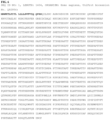
- rhPRG4 has the sequence of SEQ ID NO: 1.
- the PRG4 is administered in an amount that is insufficient to provide boundary lubrication.
- a therapeutically effective amount of lubricin for administration according to the invention is in the range of 0.1 ⁇ g/kg to 4,000 ⁇ g/kg, or 0.1 ⁇ g/kg to 1,000 ⁇ g/kg, or 0.1 ⁇ g/kg to 100 ⁇ g/kg, or 0.1 to 50 ⁇ g/kg.
- Lubricin may be administered, e.g., by application to a tissue surface, in an amount of 0.1 ⁇ g/mL to 30 mg/mL, or 1 ⁇ g/mL to 10 mg/mL, or 10 ⁇ g/mL to 1 mg/mL.
- lubricin is administered in small volumes of 1 to 100 ⁇ L per dose. In some cases, lubricin is administered in large volumes of 100 ⁇ L to 4 L, for instance, as an enema. In further cases, lubricin is administered at concentrations no greater than 60 ⁇ g/mL.
- the amount of lubricin administered will depend on variables such as the level or locus of the inflammation, the extent of the condition to be treated, the overall health of the patient, the pharmaceutical formulation, and the route of administration.
- the initial dosage can be increased beyond the upper level in order to rapidly achieve the desired blood-level or tissue level.
- the initial dosage can be smaller than the optimum, and the dosage may be progressively increased during the course of treatment.
- the optimal dose can be determined by routine experimentation.
- lubricin is preferably combined with a pharmaceutically acceptable carrier.
- pharmaceutically acceptable carrier means buffers, carriers, and excipients suitable for use in contact with the tissues of human beings and animals without excessive toxicity, irritation, allergic response, or other problem or complication, commensurate with a reasonable benefit/risk ratio.
- the carrier(s) should be “acceptable” in the sense of being compatible with the other ingredients of the formulations and not deleterious to the recipient.
- Pharmaceutically acceptable carriers include buffers, solvents, dispersion media, coatings, isotonic and absorption delaying agents, and the like, that are compatible with pharmaceutical administration.
- Carriers may also include biomaterials such as a matrices, hydrogels, polymers, tissue scaffolds, and resorbable carrier materials including collagen sponges.
- biomaterials such as a matrices, hydrogels, polymers, tissue scaffolds, and resorbable carrier materials including collagen sponges.
- Use of such media and agents for pharmaceutically active substances is known in the art.
- Useful formulations can be prepared by methods well known in the pharmaceutical art. For example, see Remington's Pharmaceutical Sciences, 18th ed. (Mack Publishing Company, 1990 ).
- Formulation components suitable for parenteral administration include a sterile diluent such as water for injection, saline solution, fixed oils, polyethylene glycols, glycerine, propylene glycol or other synthetic solvents; antibacterial agents such as benzyl alcohol or methyl paraben; antioxidants such as ascorbic acid or sodium bisulfite; chelating agents such as EDTA; buffers such as acetates, citrates or phosphates; and agents for the adjustment of tonicity such as sodium chloride or dextrose.
- Lubricin for administration can be presented in a dosage unit form and can be prepared by any suitable method and should be formulated to be compatible with its intended route of administration.
- PRG4 may be administered to the patient systemically or locally.
- Local administration may be warranted in cases where the inflammatory response is localized to a specific tissue or organ and accessing the tissue or organ is possible by, for example, injection or local administration.
- systemic administration is also contemplated by some embodiments of the invention. Systemic administration may be warranted when the inflammatory response is localized but local administration is not feasible or otherwise indicated. Systemic administration also may be warranted when the inflammatory response is not localized in one area of the patient but is found throughout the patient or in more than one location in the patient.
- systemic administration may be the optimal mode of administration to ensure PRG4 has the greatest opportunity to interact with and counteract the activities of pro-inflammatory cells, e.g., in treatment of sepsis.
- Lubricin is disclosed for administration systemically to achieve a reduction or inhibition of the inflammatory response or to treat an inflammatory condition.
- lubricin may be systemically administered in an enteral manner, such as oral, rectal, sublingual, sublabial, or buccal delivery.
- Lubricin is also disclosed for systemic administration in a parenteral manner, such as nasal, by inhalation, intravenous, intramuscular, subcutaneous, intradermal, intraperitoneal or transmucosal delivery.
- the disclosure provides for administration of PRG4 to be conducted in orifices including the rectum, nose, ear, pharynx, larynx, trachea.
- the disclosure also provides for administration to be performed in visci including the small intestine, large intestine, colon or esophagus.
- the site of administration may be a location of inflammation in some embodiments, while in other embodiments, the site of administration may be chosen for ease of administration.
- PRG4 may be formulated in a carrier, e.g., suspended in phosphate buffered saline, at concentrations ranging from 1 ⁇ g/mL to 1,000 ⁇ g/mL, and more preferably, 100-500 ⁇ g/mL.
- Suitable carriers include physiological saline, bacteriostatic water, Cremophor ELTM (BASF, Parsippany, NJ) or phosphate buffered saline (PBS), optionally in admixture with surfactants such as polysorbates.
- the carrier should be stable under the conditions of manufacture and storage, and should be preserved against microorganisms.
- the carrier can be a solvent or dispersion medium containing, for example, water, ethanol, polyol (for example, glycerol, propylene glycol, and liquid polyethylene glycol), and suitable mixtures thereof.
- administration of lubricin to treat inflammation that is incident to a chronic condition may result in administration daily, weekly, bi-weekly, twice daily or monthly.
- treating inflammation that is incident to an acute condition may require administration of lubricin continuously, for example, via intravenous drip, for a fixed period of time.
- the cell may be a white blood cell (i.e., leukocyte) such as a lymphocyte (e.g., T-cell, B-cell, NK-cell), neutrophil, eosinophil, basophil, and monocyte, macrophage, or dendritic cell; adrenal cell;; brain cell; cancer cell; cardiac cell; chondrocyte; colon cell; conjunctival cell; corneal cell; dendritic cell; endothelial cell; epithelial cell; fibroblast; gall bladder cell; gastric cell; hepatic cell; immune cell such as a mast cell, dendritic cell, lymphocyte, leukocyte or macrophage; intestinal cell; leukocytes; limbal cell; lung cell; lymphocyte; macrophage; mast cell; muscle cell; nerve cell;
- leukocyte e.g., T-cell, B-cell, NK-cell
- neutrophil e.g., T-cell, B-cell, NK-cell
- monocyte macrophage
- the cell may be a white blood cell (i.e., leukocyte) such as a lymphocyte (e.g., T-cell, B-cell, NK-cell), neutrophil, eosinophil, basophil, and monocyte, macrophage, or dendritic cell; adrenal cell;; brain cell; cancer cell; cardiac cell; chondrocyte; colon cell; conjunctival cell; corneal cell; dendritic cell; endothelial cell; epithelial cell; fibroblast; gall bladder cell; gastric cell; hepatic cell; immune cell such as a mast cell, dendritic cell, lymphocyte, leukocyte or macrophage; intestinal cell; leukocytes; limbal cell; lung cell; lymphocyte; macrophage; mast cell; muscle cell; nerve cell; ocular or ophthalmic cell; osteoblast; osteoclast; pancreatic cell; rectal cell; renal cell; retina
- leukocyte such as a lymphocyte (e.g., T-cell, B-cell,
- PRG4 binds a CD44 receptor on a cell or where PRG4 administration reduces or inhibits translocation of NF- ⁇ B in a cell
- the cell is a synoviocyte, a chondrocyte, an osteocyte, an osteoblast, a retinal cell, a limbal cell, a trabecular meshwork cell, a corneal cell, a conjunctival cell, an ocular cell, or an ophthalmic cell
- PRG4 is administered to the patient systemically.
- the pro-inflammatory cytokine the production of which is inhibited or reduced by the administration of lubricin is IL-1 ⁇ , IL-1 ⁇ , IL-2, IL-3, IL-4, IL-5, IL-6, IL-7, IL-8, IL-9, IL-10, IL-11, IL-12, IL-12p70, IL-13, IL-14, IL-15, IL-16, IL-17, IL-17 ⁇ , IL-18, IL-19, IL-20, IL-21, IL-22, IL-23, IL-24, IL-25, IL-26, IL-27, IL-28, IL-29, IL-30, IL-31, IL-32, IL-33, IL-34, IL-35, IL-36, TNF- ⁇ , TNF- ⁇ (lymphotoxin- ⁇ ), lymphotoxin- ⁇ , CXC31L (Fractalkine), CXCL-8, CCL2, CCL3, C
- the reduction or inhibition of the production of a pro-inflammatory cytokine may be confirmed by the lower level of the cytokine in a body fluid sample taken from the patient after administration of lubricin compared to the level before.
- the body fluid sample may be blood or plasma, for example.
- lubricin's effect on a given cytokine level may not be measurable immediately upon administration of lubricin, reduction or inhibition may be observed over the course of hours, days or weeks after the initial administration or lubricin.
- Disclosed herein is a method of inhibiting binding of a ligand to CD44 present on a surface. According to this method, the surface is exposed to lubricin and lubricin binds to CD44 and inhibits binding of the ligand.
- the surface may be the surface of a cell expressing CD44, such as a mammalian cell.
- the surface is in a surface plasmon resonance detector.
- the surface of the cell is in a human.
- a cell expressing CD44 may include white blood cells (i.e., leukocytes) such as lymphocytes (e.g., T-cells, B-cells, NK-cells), neutrophils, eosinophils, basophils, and monocytes, macrophages, and dendritic cells; epithelial cells, endothelial cells, fibroblasts, synoviocytes, chondrocytes, osteoclasts, osteoblasts, cardiac cells, mast cells, muscle cells, lung cells, renal cells, hepatic cells, brain cells, spleen cells, urethral cells, vascular cells, nerve cells, pancreatic cells, gastric cells, intestinal cells, colon cells, rectal cells, ocular or ophthalmic cells, gall bladder cells, and stem cells.
- leukocytes such as lymphocytes (e.g., T-cells, B-cells, NK-cells), neutrophils, eosinophils, basophils, and monocytes
- a cell expressing CD44 is a neoplastic or cancer cell.
- a cancer cell includes breast cancer cells, colon cancer cells, endometrial cancer cells, ovarian cancer cells, skin cancer cells, bladder cancer cells, liver cancer cells, renal cancer cells, cervical cancer cells, lung cancer cells, tongue cancer cells, pancreatic cancer cells, non-small cell lung carcinoma cells, head and neck cancer cells, prostate cancer cells, uterine cancer cells, hepatocellular carcinoma cells, gastric cancer cells, nasopharyngeal carcinoma cells, gall bladder cancer cells, anal cancer cells, osteosarcoma cells, liposarcoma cells, leiomyosarcoma cells, rhabdomyosarcoma cells, neurofibrosarcoma cells, gastrointestinal stromal tumor cells, blood vessel tumor cells, fibrosarcoma cells, lymphoma cells, and brain cancer cells.
- the ligand inhibited by the PRG4 binding to CD44 present on a surface may be hyaluronan (HA), a hyaluronan serum-derived hyaluronan associated protein complex (HA-SHAP), matrix-metalloproteinase-9, a cytokine, a chemokine, a interferon, an interleukin, a lymphokine, a tumor necrosis factor, a growth factor, or a hormone.
- HA hyaluronan
- HA-SHAP hyaluronan serum-derived hyaluronan associated protein complex
- Lubricin may be provided in an amount that is insufficient to provide boundary lubrication. Applicants have determined that the effects of lubricin on CD44 binding can be achieved at concentrations much lower than what is necessary to achieve boundary lubrication. Accordingly, in one embodiment, lubricin is administered in an amount ranging from 0.1 ⁇ g/kg to 4,000 ⁇ g/kg. Lubricin, in one embodiment, is administered systemically, i.e., intravenous, subcutaneous, or intramuscular injection although it may be administered locally.
- the cell expressing CD44 may be a mammalian cell, for example a human cell.
- lubricin can be used to bind to CD44 on a cancer cell surface to inhibit CD44 signaling involved in cancer cell growth, survivability, progression or metastatic activity.
- lubricin is administered to a patient having cancer or a patient at risk of developing cancer to treat the cancer or slow the growth or progression of a tumor.
- lubricin may be administered concurrently with a chemotherapeutic or radiologic treatment for cancer. Accordingly, in one embodiment, lubricin is administered to a patient having cancer wherein the lubricin is administered to treat the cancer, or wherein the lubricin is administered in connection with another cancer drug or treatment in order to treat the cancer. In one embodiment, the cancer is in a human subject.
- PRG4 may be used to treat inflammatory bowel disease such as Crohn's disease or colitis.
- a concentrated solution of PRG4 will be introduced into the gastrointestinal tract by simple ingestion, enema, a feeding tube, G-tube, J-tube or a colostomy.
- the PRG4 may be encapsulated within an a tablet, enclosure or capsule, preferably biodegradable, wherein the tablet, enclosure or capsule is made of a substance that degrades or otherwise dissociates when exposed to conditions present in the gastro-intestinal tract of a patient.
- Such oral formulations may be present in a polymer as a slow release delivery system.
- Oral formulations are well known in drug delivery technology and one of skill could select such a tablet, enclosure or capsule as appropriate for ingestable delivery of PRG-4.
- PRG4 may reduce the level of pro-inflammatory cytokines in the body.
- Cytokines whose production may be inhibited or reduced by administration of lubricin include IL-1 ⁇ , IL-1 ⁇ , IL-2, IL-3, IL-4, IL-5, IL-6, IL-7, IL-8, IL-9, IL-10, IL-11, IL-12, IL-12p70, IL-13, IL-14, IL-15, IL-16, IL-17, IL-17 ⁇ , IL-18, IL-19, IL-20, IL-21, IL-22, IL-23, IL-24, IL-25, IL-26, IL-27, IL-28, IL-29, IL-30, IL-31, IL-32, IL-33, IL-34, IL-35, IL-36, TNF- ⁇ , TNF- ⁇ (lymphotoxin- ⁇ ), lymphotoxin- ⁇ , CXC31L (Fractalkine),
- the human cell is an ; gastric cell; intestinal cell; colon cell; rectal cell
- lubricin is administered in amount insufficient to provide boundary lubrication, i.e., it is administered in the range of 0.1 ⁇ g/kg to 4,000 ⁇ g/kg.
- lubricin is administered in an amount of 0.1 ⁇ g/mL to 30 mg/mL and is administered in small volumes of 1 to 100 ⁇ L per dose.
- lubricin is administered in volumes of 100 ⁇ L to 4 L per dose.
- lubricin is provided to a human patient by systemic administration.
- PRG4 may inhibit NF- ⁇ B translocation in a cell by inhibiting activation of the NF- ⁇ B signaling pathway.
- PRG4 may inhibit NF- ⁇ B translocation indirectly by binding to CD44 or reducing or inhibiting CD44 signaling or interacting with other cell-surface bound receptors.
- RG4 mediated reduction or inhibition of NF- ⁇ B translocation may result in reduction of proinflammatory cytokine levels in the blood and thereby may be used to treat an inflammatory condition.
- rhPRG4 binding to CD44 and competition with high molecular weight hyaluronic acid (HMW HA) was evaluated using a direct enzyme linked immunosorbent assay (ELISA) and surface plasmon resonance.
- ELISA direct enzyme linked immunosorbent assay
- Sialidase-A and O-glycosidase digestion of rhPRG4 was performed and CD44 binding was evaluated using ELISA.
- Rheumatoid arthritis fibroblast-like synoviocytes (RA-FLS) were stimulated with interleukin-1 beta (IL-1 ⁇ ) or tumor necrosis factor alpha (TNF- ⁇ ) for 48 hours in the presence or absence of rhPRG4 or HMW HA at 20, 40 and 80 ⁇ g/mL and cell proliferation was measured.
- IL-1 ⁇ interleukin-1 beta
- TNF- ⁇ tumor necrosis factor alpha
- CD44 contribution was assessed by co-incubation with an anti-CD44 antibody (IM7).
- IM7 anti-CD44 antibody
- rhPRG4 M r ⁇ 240 KDa
- HMW HA high molecular weight HA
- M r ⁇ 1,500 KDa medium molecular weight HA
- MMW HA medium molecular weight HA
- Mr ⁇ 75 KDa vitronectin
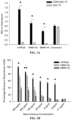
- FIG. 1A Binding of rhPRG4, HMW HA, MMW HA and vitronectin to CD44-IgG 1 Fc fusion protein and IgGiFc is presented in FIG. 1A .
- the 450 nm absorbance in the CD44-IgG 1 Fc group was significantly higher (p ⁇ 0.001) than the absorbance in the IgGiFc group for rhPRG4, HMW HA and MMW HA-coated wells.
- rhPRG4 binds CD44 and interferes with HMW HA CD44 binding.
- rhPRG4, HMW HA and MMW HA specifically bind to chimeric CD44 with extremely low non-specific binding.
- vitronectin that shares significant sequence homology with lubricin does not show any specificity towards CD44 binding. Because rhPRG4 binds CD44, it may function as an antagonist of CD44, thereby interfering with CD44 pro-inflammatory signaling.
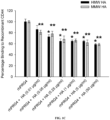
- the concentration-dependent binding of rhPRG4, HMW HA and MMW HA to CD44 was performed by coating microtiter plates with 400, 200, 100, 20, 4, 2 and 0.1 ⁇ g/mL of the macromolecules. The assay was performed as described above. The absorbance values in the IgG 1 Fc wells were subtracted from the absorbance values in the CD44 IgG 1 Fc wells and the corrected CD44 IgG 1 Fc absorbance values were normalized to those of the 400 ⁇ g/mL rhPRG4 group and data was expressed as percentage binding to CD44.
- the concentration-dependent binding of rhPRG4, HMW HA and MMW HA to recombinant CD44 is depicted in FIG. 1B .
- the percentage recombinant CD44 binding was significantly higher (p ⁇ 0.001) in the rhPRG4-coated wells compared to the HMW HA or MMW HA-coated wells for the 400, 100, 20, 4 and 2 ⁇ g/mL concentrations. Additionally, the percentage recombinant CD44 binding was significantly higher (p ⁇ 0.001) in the rhPRG4-coated wells compared to the MMW HA coated wells for the 200 ⁇ g/mL concentration. There were no significant differences in percentage CD44 binding between the rhPRG4, HMW HA and MMW HA-coated wells at the 0.1 ⁇ g/mL concentration. The data represents an average of 4 independent assays, each with triplicate wells per group.
- microtiter plates were coated with either CD44 IgG 1 Fc or IgGiFc at 1 ⁇ g/mL (100 ⁇ L per well) overnight at 4 °C. Subsequently, wells were washed with PBS+0.1% tween 20 and wells were blocked using 2% BSA (300 ⁇ L per well) for at least 2 hours at room temperature.
- rhPRG4 at 5 ⁇ g/mL or a combination of rhPRG4 (5 ⁇ g/mL) and HMW HA or MMW HA at 0.01, 0.05, 0.25, 1, 5 or 50 ⁇ g/mL were added to the wells (100 ⁇ L per well) and incubated at room temperature for 60 min.
- lubricin-specific monoclonal antibody (Mab 9G3) was added at 1:1,000 (100 ⁇ L per well) and incubated for 60 min at room temp.
- rhPRG4 binds to CD44 in a concentration-dependent manner with comparable affinity to HMW HA. Furthermore, rhPRG4 competes with HMW HA in binding to CD44. The presence of an excess of HMW or MMW HA reduced rhPRG4 binding to CD44 only by approximately 50%. These data suggest that rhPRG4 is an antagonist of CD44; accordingly, it has the potential to interfere with CD44 pro-inflammatory signaling.
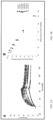
- Binding of rhPRG4 to CD44-IgG1Fc was investigated using surface plasmon resonance (Biacore T100, GE Healthcare Lifesciences, NJ, USA). See Figure 1C .
- Series S chips were functionalized using the human antibody capture kit (GE Life Sciences) and either CD44-IgGiFc or IgG 1 FC was allowed to bind to the surface of the functionalized chips in flow cell 1 (Fc 1 ) and flow cell 2 (Fc 2 ), respectively.
- rhPRG4 was injected at 30 ⁇ L/min for 8 min at concentrations of 300, 250, 200, 150, 100 and 50 ⁇ g/mL followed by a 10 min dissociation using 0.1M HEPES, 1.5M NaCl, 30mM EDTA, and 0.5% P20 (GE Life Sciences). The surface of the chip was regenerated at the end of each cycle with 1 min pulse of 3M MgCl 2 . Each analyte concentration was injected in duplicate. The resulting curves were double referenced (i.e. Fc 2 -Fc 1 , followed by subtraction of the 0 ⁇ g/mL curve).
- rhPRG4 displayed a concentration-dependent association with, and dissociation from immobilized CD44-IgGiFc ( FIG. 2A ), with an apparent K d ⁇ 38 nM based on a rhPRG4 molecular weight of 240 KDa.
- rhPRG4 interfered with binding of HMW HA to recombinant CD44 as shown by an inverse relationship between the HMW HA binding signal intensity ( x-axis ) and the rhPRG4 binding signal intensity ( y-axis ) ( FIG. 2B ).
- lubricin will be able to bind to CD44 on surface of synoviocytes and chondrocytes and exert a CD44-mediated biological function in the presence of HA, thereby providing a joint homeostatic role by interfering with mediators that otherwise promote inflammation.
- Lubricin's boundary lubricating ability is mediated by the O-linked ( ⁇ 1-3) Gal-GalNAc oligosaccharides ( Jay et al., Glucoconj J 2001; 18(10):807-15 ).
- a combination of neuraminidase and beta 1,3, 6 galactosidase digestions reduced lubricin's boundary lubricating ability by 50% ( Jay et al., Glucoconj J2001; 18(10):807-15 ).
- Lubricin isolated from RA SF samples contains increased core 1 glycosylation structures and displays the sulfated epitope that is proposed to be part of the L-selectin ligand ( Estrella et al., Biochem J2010; 429(2):359-67 ). Additionally, lubricin from RA SF binds L-selectin in a glycosylation-dependent manner and coats polymorphonuclear granulocytes recruited to inflamed synovia and SF of patients with RA ( Jin et al. J Biol Chem 2012; 287(43):35922-33 ).
- rhPRG4 was digested using sialidase A (Prozyme, USA), O-glycosidase (New England Biolabs, USA) or a combination of sialidase A and O-glycosidase for 16 hours at 37°C.
- sialidase A Prozyme, USA
- O-glycosidase New England Biolabs, USA
- a combination of sialidase A and O-glycosidase for 16 hours at 37°C.
- 12 ⁇ L of the enzyme (1U/200 ⁇ L) was added to rhPRG4 in a total reaction volume of 180 ⁇ L and a rhPRG4 final concentration of 300 ⁇ g/mL.
- Sialidase-A digestion resulted in a significant increase (p ⁇ 0.001) in the percentage binding of rhPRG4 to CD44 compared to untreated control as shown in FIG. 3A .
- There was no significant difference in percentage CD44 binding between the sialidase-A digested and the O-glycosidase codigested rhPRG4 (p 0.105).
- Sialidase-A and O-glycosidase treatments individually resulted in enhancing rhPRG4's binding to CD44 receptor. Cumulative sialidase-A and O-glycosidase digestions resulted in even more significant binding to CD44 by rhPRG4 compared to individual enzyme digestions.
- Sialidase-A cleaves branched and unbranched terminal sialic acid residues from glycoproteins, while O-glycosidase catalyzes the removal of cores 1 and 2 from glycoproteins.
- the enhancement in CD44 binding indicates that neither the core 1 glycosylation nor the sialic acid terminal residues are required in rhPRG4 binding to CD44. Accordingly, the level of sialylation and core 1 glycosylations on rhPRG4 protein core are not essential to the PRG4's ability to bind CD44. In contrast, removal of these residues may lead to a conformational change in the rhPRG4 semi-rigid rod shaped structure that results in enhanced interaction with CD44.
- RA-FLS Rheumatoid arthritis fibroblast-like synoviocytes
- CD44v7/8 a unique CD44 variant contributes to the proliferation of RA-FLS in vitro ( Wibulswas et al., Am J Pathol 2000;157(6):2037-2044 ) and pharmacological agents that bind cell surface CD44 with subsequent receptor shedding have shown efficacy in experimental arthritis models ( Runnels et al. Adv Ther 2010; 27(3):168-80 ).
- RA-FLS Rheumatoid arthritis fibroblast-like synoviocytes
- DMEM fetal bovine serum
- FBS fetal bovine serum
- TNF- ⁇ tumor necrosis factor alpha
- the total volume in each well was 200 ⁇ L.
- Cell proliferation an indication of inflammation, was determined using the CellTiter 96 AQueous one solution cell proliferation assay (MTS; Promega, USA) and the 490 nm absorbance was determined. Data is presented as the number of fold change in 490 nm absorbance compared to untreated control RA-FLS. The data represents the average of 3 independent experiments with at least triplicate wells per treatment.
- RA-FLS were stimulated with IL-1 ⁇ or TNF- ⁇ as described above.
- Treatment with rhPRG4 or HMW HA was conducted to a final concentration of 80 ⁇ g/mL in the absence or presence of IM7 (Abcam, USA), a CD44 neutralizing antibody that recognizes a conserved epitope across all CD44 isoforms ( Samson et al., Exp Eye Res, 2014; 127C:14-19 ), at a final dilution of 1:200.
- the total volume in each well was 200 ⁇ l.
- Cell proliferation across the experimental groups was determined as described above and data is presented as the number of fold change in 490 nm absorbance compared to untreated control RA-FLS. The data represents the average of 3 independent experiments with at least triplicate wells per treatment.
- IL-1 ⁇ and TNF- ⁇ induced RA-FLS proliferation over a 48 hour period is shown in FIG. 4A .
- Treatment with 40 and 80 ⁇ g/mL rhPRG4 or HMW HA significantly suppressed RA-FLS proliferation with IL-1 ⁇ stimulation (p ⁇ 0.05).
- Treatment with 20, 40 and 80 ⁇ g/mL rhPRG4 significantly suppressed RA-FLS proliferation with TNF- ⁇ stimulation (p ⁇ 0.05).
- Treatment with HMW HA did not result in suppressing RA-FLS proliferation with TNF- ⁇ .
- rhPRG4 and HMW HA at 40 and 80 ⁇ g/mL significantly suppressed IL-1 ⁇ induced RA-FLS proliferation (p ⁇ 0.05).
- rhPRG4 at 20, 40 and 80 ⁇ g/mL significantly suppressed TNF- ⁇ induced RA-FLS proliferation (p ⁇ 0.05).
- CD44 neutralization reversed the effect of rhPRG4 on IL-1 ⁇ and TNF- ⁇ stimulated RA-FLS and the effect of HMW HA on IL-1 ⁇ stimulated RA-FLS.
- rhPRG4 inhibited the IL-1 ⁇ and TNF- ⁇ induced RA-FLS proliferation in a mechanism that involves CD44 binding.
- the downstream effect of rhPRG4 and CD44 interaction is the inhibition of nuclear translocation of NF- ⁇ B.
- HMW HA inhibited IL-1 ⁇ induced proliferation of RA-FLS but did not inhibit TNF- ⁇ induced proliferation.
- the effect of HMW HA was reversed with a CD44 antibody, indicating the role of CD44 in mediating this effect.
- rhPRG4 exerts an anti-proliferative, anti-inflammatory effect on RA-FLS subsequent to IL-1 ⁇ or TNF- ⁇ stimulation.
- rhPRG4 concentrations that demonstrate this anti-proliferative effect are generally lower than the optimal rhPRG4 concentrations required to provide boundary lubrication.
- This anti-proliferative effect of rhPRG4 is mediated by CD44 interaction with a downstream inhibition of NF- ⁇ B nuclear translocation, suggesting that therapeutically applied lubricin may mitigate the effects of pro-inflammatory cytokines on the proliferation of deleterious cell types via a CD44 dependent mechanism.
- RA-FLS (400,000 cells/well) were cultured and stimulated with TNF- ⁇ (5 ng/mL) and treated with rhPRG4 (200 ⁇ g/mL) or a commercially available NF ⁇ B translocation inhibitor MG 132 (3 ⁇ M; Tocris Bioscience) for 24 hours in serum free media.
- Cells were harvested and nuclear extraction was performed using a commercially available kit (Thermo scientific).
- Total protein was measured using a micro bicinchonic acid (BCA) kit (Thermo scientific) and 3 ⁇ g of nuclear extract of each experimental group were used.
- BCA micro bicinchonic acid
- Thermo scientific Thermo scientific
- the p50 subunit of NF ⁇ B was detected in the nuclear extract using a commercially available NF ⁇ B DNA binding assay kit (Abcam).
- TNF- ⁇ treatment resulted in significant NF ⁇ B nuclear translocation compared to untreated controls (p ⁇ 0.001) ( FIG. 4C ).
- Treatment with rhPRG4 or NF ⁇ B translocation inhibitor MG132 significantly reduced NF ⁇ B nuclear translocation compared to TNF- ⁇ -treated RA-FLS (p ⁇ 0.001).
- NF ⁇ B nuclear translocation in the TNF- ⁇ +rhPRG4+IM7 group was significantly higher than NF ⁇ B translocation in the TNF- ⁇ +rhPRG4 group (p ⁇ 0.001) and was not significantly different from the TNF- ⁇ group.
- rhPRG4 has the ability to directly reduce the pro-inflammatory effects of NF- ⁇ B nuclear translocation via a CD44 dependent mechanism.
- Synovial tissue was harvested from Prg4-/- and Prg4+/+ male mice (8-10 weeks old; 5-8 animals per genotype) and digested with pronase enzyme (2 mg/mL; Sigma Aldrich) in sterile HBSS buffer for 30 min at 37°C with shaking. This was followed by digestion with type I collagenase (1 mg/mL; Sigma Aldrich) for 4 hours at 37°C with shaking. The enzymatic reaction was stopped using DMEM+10% FBS. Cells were grown in DMEM+10%FBS and Prg4-/- synoviocytes were used between 2 nd and 4 th passages while Prg4+/+ synoviocytes were used in their second passage.
- Prg4-/- and Prg4+/+ synoviocytes were grown in chamber slides (Thermo Scientific). Cells were fixed in 4% formaldehyde for 15 min and washed twice with PBS buffer. Cells were permeabilized with 0.2% Triton X-100 for 10 min and washed 3 times with PBS buffer. Cells were blocked with 2% BSA for 30 min. Synoviocytes were incubated with IM7 anti-CD44 antibody (1:200) at 4°C overnight. Following washing three times with PBS, synoviocytes were incubated with Alexa Fluor 488 goat anti-rat IgG (Life Technologies) at 1:400 dilution for 1 hour in the dark. All incubations were performed at room temperature unless otherwise specified.
- Vectashield mounting medium containing DAPI (Vector Labs, Burlingame, CA, USA) was added. Cells were imaged with the Nikon Eclipse 90i Fluorescence Microscope using NIS Elements imaging software.
- FIG. 5A CD44 immunocytochemistry of Prg4-/- and Prg4+/+ synoviocytes is shown in FIG. 5A .
- Intense green fluorescence indicative of CD44 localization and unoccupied CD44 epitopes, was observed for Prg4-/- synoviocytes.
- no or faint green fluorescence was observed for Prg4+/+ synoviocytes, indicating that most CD44 receptors (epitopes) were occupied or antagonized by native Prg4 expression.
- IL-1 ⁇ and TNF- ⁇ treatment resulted in a significant increase in Prg4-/- synoviocytes proliferation compared to untreated Prg4-/- synoviocytes (p ⁇ 0.001) ( FIG. 5B ).
- Prg4 -/- mice exhibit early signs of cartilage degeneration, demonstrated by surface fibrillations and increased joint coefficient of friction compared to Prg4+/- and Prg4+/+ mice ( Jay et al., Arthritis Rheum, 2007; 56(11):3662-9 ). Additionally, Prg4-/- mice exhibit increased activated caspase-3 chondrocyte staining in articular cartilage compared to age-matched Prg4+/+ cartilage ( Waller et al., Proc. Natl. Acad. Sci.
- Prg4-/- mice display enhanced CD44 staining compared to Prg4+/+ synoviocytes. Additionally, pro-inflammatory cytokines induced significant proliferation of Prg4-/- synoviocytes with no appreciable effect on Prg4+/+ synoviocytes.
- rhPRG4-CD44 interaction in the setting of TNF- ⁇ and IL-1 ⁇ stimulation of Prg4-/- synoviocytes may potentially be due to rhPRG4's ability to modulate other signaling pathways independent of its ability to interact with CD44. Accordingly, rhPRG4 inhibits IL-1 ⁇ and TNF- ⁇ induced proliferation of Prg4-/- synoviocytes in a mechanism that involves CD44, and therefore is an antagonist of CD44 capable of down-regulating the pro-inflammatory activity of CD44 signaling.
- Lubricin modulates production of inflammatory cytokines in human whole blood systems.
- LPS Lipopolysaccharides
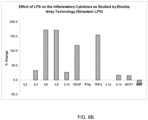
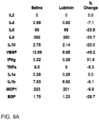
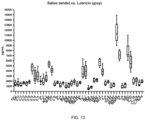
- FIGS. 8A-B supplementation of lipopolysaccharide in a 1:10 dilution in whole blood results in an increase in production of the inflammatory cytokines IL-4, IL-6, IL-8, IL-10, VEGF, TNF- ⁇ , IL1- ⁇ , and MCP-1 under the specified conditions. No changes in IL2, IFNg, and IL1b were noted.
- Figure 8B shows the percent changes in the various parameters clearly demonstrating a pronounced increase in IL6, IL8, VEGF and TNFa.
- TNF- ⁇ mediated inflammatory cytokine generation was studied using Biochip Array technology. Recombinant TNF- ⁇ was used as a trigger to generate inflammatory cytokines in whole blood. The effect of lubricin was studied on the TNF- ⁇ mediated generation of various cytokines. TNF- ⁇ alone at a concentration of 100 mg/mL was supplemented to the whole blood which was incubated for 60 minutes at 37°C. TNF- ⁇ was supplemented to whole blood in a 1:10 dilution. The modulatory effects of lubricin on TNF- ⁇ -mediated generation of various cytokines were studied by supplementing lubricin at 0.57 mg/mL in the whole blood immediately prior to addition of TNF- ⁇ .
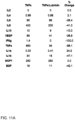
- FIGS. 11A-B After 60 minutes plasma was obtained from centrifugation and analyzed for inflammatory cytokine using Randox Biochip arrays. As shown in FIGS. 11A-B , the presence of lubricin resulted in a decrease in IL-6, IL-8, IL-10, VEGF, TNF- ⁇ , IL-1 ⁇ , and EGF, even though challenge with TNF- ⁇ alone resulted in the production of each these cytokines.
- Figure 11B shows that lubricin decreased the levels of cytokines in a range of 10-100%.
- TNF- ⁇ stimulated cytokine expression was found to be the reduction of stimulated IFN- ⁇ and TNF- ⁇ (as lubricin apparently interrupted a positive feedback loop of TNF- ⁇ production) as compared to stimulation in the absence of lubricin.
- tissue factor recombinant tissue factor
- IL Laboratories tissue factor was used to trigger the generation of inflammatory cytokines in human whole blood.
- the effect of lubricin at 0.57 mg/mL was studied by supplementing this agent prior to the addition of tissue factor to the whole blood.
- Tissue factor alone served as a positive control.
- the blood samples were centrifuged and plasma retrieved. This plasma was then profiled for the inflammatory cytokine profile on the Randox Biochip arrays.
- TF was supplemented to whole blood in a 1:10 dilution. As shown in FIGS.
- lubricin is capable of inhibiting the generation of various inflammatory cytokines in whole blood which was supplemented bacterial lipopolysaccharide (LPS), TNF- ⁇ and tissue factor. All these agents are mediators of inflammation. Thus lubricin is capable of down-regulating the generation of inflammatory cytokines across a wide variety of mediators.
- LPS bacterial lipopolysaccharide
- TNF- ⁇ TNF- ⁇
- tissue factor tissue factor
- a rat model was used.
- Nine rats were subject to surgery to destabilize the medial meniscus (DMM surgery).
- Seven days after surgery each rat received a single intraarticular dose of lubricin of 200 ⁇ g/kg.
- Control rats received an injection of an equal volume of saline.
- Cytokine levels in serum samples taken from the test mice were compared with control mice who received surgery but no dose of lubricin post-surgery. Samples were drawn 3 weeks after the dose of lubricin was administered and analyzed using the Luminex Multiplex platform. The results are shown in FIG.
- this shows the broad anti-inflammatory effects of lubricin, as this pattern of inflammatory cytokines was distinct from the TNF- ⁇ /IL-6/IL-8 dominated profile of the LPS and TF mediators (which were generally not upregulated in this model). Nevertheless, lubricin was able to significantly reduce pro-inflammatory cytokine production in vivo.
- Synovial fluid cells were obtained from normal and osteoarthritic (OA) patients and purified with CD90+ following an immune cell depletion.
- the cells were plated at 10,000 per well and suspended in media containing DMEM, heat-inactivated Hyclone FBS (10%), and Anti-Anti (1%).
- the assays contained the cell suspension (cells + media) at 180 ⁇ L and the ligands at 20 ⁇ L for a total volume of 200 ⁇ L.
- Recombinant lubricin (rhPRG4) was then introduced to the cells at a concentration of 90 ⁇ g/mL and the negative control was PBS.
- the plate was then incubated at 37°C at 5% CO 2 for 24 hours, after which the supernatants were collected for cytokine analysis via the Luminex multiplex platform.
- normal cells did not show any changes in cytokine response when comparing the lubricin vs. PBS conditions.
- the OA cells showed a down-regulation in FGF-2 and IL-1Ra cytokines when exposed to lubricin. Accordingly, in cells already exhibiting an inflammatory response, such as the osteoarthritic cells tested herein, administration of lubricin has the ability to reduce the levels of pro-inflammatory cytokines expressed from these cells.
- Inflammatory bowel disease is characterized by a cytokine mediated recruitment of activated T cells that results in oxidative damage and a wearing of the intestinal epithelium. It is estimated that 25%-40% of people with ulcerative colitis (UC) or Crohn's disease may progress to surgery, such as an ileal pouch anal anastomosis, or proctocolectomy that removes portions of the colon and rectum.
- Common therapies include broad spectrum anti-inflammatory medications such as corticosteroids, anti-TNF antibodies, or more targeted anti-integrin antibodies that aim to prevent gut-homing T-cell mobility. None of these approaches are suitable for long term therapy because of serious side effects such as infections and cancer that accompany these approaches.
- recombinant hPRG4 can be selectively applied to the gut to both replenish the missing epithelial glycocalyx and reduce cytokine expression locally.
- a recent characterization of the cytokine profile of predominantly colonic inflammatory bowel disease revealed increased TNF- ⁇ , GRO, CCL11 (eotaxin) in UC, IL-6 in Crohn's, and IL-8 in both UC and Crohn's versus controls ( Korolkova et al., Clin Med Insights Gastroenerol 2015 May 6;8:29-44 ). Lubricin has been shown to significantly reduce expression of these cytokines.
- rhPRG4 is administered via enema or orally, whether through gavage, whole bowel irrigation, drinking a solution, or through encapsulated pills (e.g., microparticle encapsulation, nanoparticle encapsulation, polymer encapsulation, etc.).
- encapsulated pills e.g., microparticle encapsulation, nanoparticle encapsulation, polymer encapsulation, etc.
- an enema administration of 100 mL to 4 L rhPRG4 in concentrations ranging from 10 ⁇ g/mL to 200 ⁇ g/mL, more preferably volumes of 200 mL to 500 mL in concentrations from 50 ⁇ g/mL to 150 ⁇ g/mL, suspended in an intestinally acceptable buffered salt solution replenishes the glycocalyx, prevents T cell homing and downregulates cytokine expression in the locality of the administered lubricin.
- Administration of rhPRG4 results in improved epithelial barrier function, less vascular permeability, less susceptibility to protease activity, and improved nutrient absorption.
- a magnesium citrate or other laxative is administered up to 24 hours prior to lubricin administration, followed by appropriate fasting.
Landscapes
- Health & Medical Sciences (AREA)
- Life Sciences & Earth Sciences (AREA)
- Veterinary Medicine (AREA)
- Pharmacology & Pharmacy (AREA)
- Chemical & Material Sciences (AREA)
- Public Health (AREA)
- General Health & Medical Sciences (AREA)
- Medicinal Chemistry (AREA)
- Animal Behavior & Ethology (AREA)
- Engineering & Computer Science (AREA)
- Bioinformatics & Cheminformatics (AREA)
- Chemical Kinetics & Catalysis (AREA)
- Organic Chemistry (AREA)
- Nuclear Medicine, Radiotherapy & Molecular Imaging (AREA)
- General Chemical & Material Sciences (AREA)
- Immunology (AREA)
- Gastroenterology & Hepatology (AREA)
- Epidemiology (AREA)
- Proteomics, Peptides & Aminoacids (AREA)
- Zoology (AREA)
- Marine Sciences & Fisheries (AREA)
- Pulmonology (AREA)
- Dermatology (AREA)
- Neurology (AREA)
- Neurosurgery (AREA)
- Diabetes (AREA)
- Pain & Pain Management (AREA)
- Biomedical Technology (AREA)
- Urology & Nephrology (AREA)
- Communicable Diseases (AREA)
- Oncology (AREA)
- Rheumatology (AREA)
- Hematology (AREA)
- Cardiology (AREA)
- Heart & Thoracic Surgery (AREA)
- Physical Education & Sports Medicine (AREA)
- Psychiatry (AREA)
- Virology (AREA)
- Hospice & Palliative Care (AREA)
- Vascular Medicine (AREA)
Claims (15)
- Protéoglycane 4 (PRG4) destiné à être utilisé dans un procédé de traitement d'une maladie inflammatoire de l'intestin.
- PRG4 destiné à être utilisé selon la revendication 1, comprenant l'administration du PRG4 au tractus gastro-intestinal d'un sujet.
- PRG4 destiné à être utilisé selon la revendication 2, dans lequel le PRG4 est administré par voie orale, rectale, au côlon, à l'intestin grêle, à l'estomac, ou à travers une combinaison de ceux-ci.
- PRG4 destiné à être utilisé selon l'une quelconque des revendications précédentes, dans lequel le PRG4 est un PRG4 humain exogène recombinant.
- PRG4 destiné à être utilisé selon l'une quelconque des revendications précédentes, dans lequel le PRG4 a la séquence de SEQ ID NO:1 moins la séquence signal.
- PRG4 destiné à être utilisé selon l'une quelconque des revendications précédentes, dans lequel le PRG4 est administré en une quantité insuffisante pour fournir une lubrification limite chez le patient.
- PRG4 destiné à être utilisé selon l'une quelconque des revendications précédentes, dans lequel le PRG4 est administré en une quantité allant de 0,1 µg/kg à 4000 µg/kg, ou est administré localement pour fournir un enrobage de PRG4 à partir d'une solution de PRG4.
- PRG4 destiné à être utilisé selon l'une quelconque des revendications précédentes, dans lequel ledit PRG4 :a) se lie à un récepteur CD44 sur une cellule chez ledit patient ;b) réduit ou inhibe la production d'une cytokine pro-inflammatoire dans une cellule chez ledit patient, éventuellement dans lequel ladite cytokine est choisie dans le groupe constitué d'IL-6, IL-8, TNF-α, CCL11, et GRO ;
et/ouc) réduit ou inhibe la translocation du NF-κB dans une cellule chez ledit patient, réduisant ou inhibant ainsi la réponse inflammatoire chez ledit patient. - PRG4 destiné à être utilisé selon la revendication 8, dans lequel la cellule est une cellule gastrique, une cellule intestinale ou une cellule du côlon.
- PRG4 destiné à être utilisé selon l'une quelconque des revendications précédentes, dans lequel la maladie inflammatoire de l'intestin est la maladie de Crohn ou la colite ulcéreuse.
- PRG4 destiné à être utilisé selon l'une quelconque des revendications précédentes, dans lequel le PRG4 est administré par voie orale en tant que comprimé, capsule, en tant que solution par ingestion, ou par sonde d'alimentation.
- PRG4 destiné à être utilisé selon la revendication 11, dans lequel le PRG4 est administré par voie orale en tant que comprimé ou capsule ou le comprimé ou la capsule est constituée d'une substance qui se dégrade lorsqu'elle est exposée à des conditions présentes dans le tractus gastro-intestinal.
- PRG4 destiné à être utilisé selon l'une quelconque des revendications 1 à 10, dans lequel le PRG4 est administré par lavement, colostomie, tube en J, injection dans l'estomac, le côlon, l'intestin grêle ou le rectum.
- PRG4 destiné à être utilisé selon l'une quelconque des revendications précédentes, dans lequel le PRG4 est administré en une quantité de 100 µL à 4 L en une concentration allant de 10 µg/mL à 200 µg/mL.
- PRG4 destiné à être utilisé selon l'une quelconque des revendications précédentes, dans lequel un laxatif est administré jusqu'à 24 heures avant l'administration de lubricine, suivi d'un jeûne approprié.
Applications Claiming Priority (4)
| Application Number | Priority Date | Filing Date | Title |
|---|---|---|---|
| US201562107799P | 2015-01-26 | 2015-01-26 | |
| US201562273059P | 2015-12-30 | 2015-12-30 | |
| EP16704975.8A EP3250221B1 (fr) | 2015-01-26 | 2016-01-26 | Utilisation de prg4 comment agent anti-inflammatoire |
| PCT/US2016/014952 WO2016123123A1 (fr) | 2015-01-26 | 2016-01-26 | Utilisation de prg4 comment agent anti-inflammatoire |
Related Parent Applications (2)
| Application Number | Title | Priority Date | Filing Date |
|---|---|---|---|
| EP16704975.8A Division EP3250221B1 (fr) | 2015-01-26 | 2016-01-26 | Utilisation de prg4 comment agent anti-inflammatoire |
| EP16704975.8A Division-Into EP3250221B1 (fr) | 2015-01-26 | 2016-01-26 | Utilisation de prg4 comment agent anti-inflammatoire |
Publications (2)
| Publication Number | Publication Date |
|---|---|
| EP3718559A1 EP3718559A1 (fr) | 2020-10-07 |
| EP3718559B1 true EP3718559B1 (fr) | 2024-12-04 |
Family
ID=55361962
Family Applications (2)
| Application Number | Title | Priority Date | Filing Date |
|---|---|---|---|
| EP20170338.6A Active EP3718559B1 (fr) | 2015-01-26 | 2016-01-26 | Utilisation de prg4 comme agent anti-inflammatoire |
| EP16704975.8A Active EP3250221B1 (fr) | 2015-01-26 | 2016-01-26 | Utilisation de prg4 comment agent anti-inflammatoire |
Family Applications After (1)
| Application Number | Title | Priority Date | Filing Date |
|---|---|---|---|
| EP16704975.8A Active EP3250221B1 (fr) | 2015-01-26 | 2016-01-26 | Utilisation de prg4 comment agent anti-inflammatoire |
Country Status (19)
| Country | Link |
|---|---|
| US (2) | US10967048B2 (fr) |
| EP (2) | EP3718559B1 (fr) |
| JP (2) | JP6758299B2 (fr) |
| KR (1) | KR20170123619A (fr) |
| CN (2) | CN107847556B (fr) |
| AU (2) | AU2016211694B2 (fr) |
| BR (1) | BR112017015310A8 (fr) |
| CL (2) | CL2017001893A1 (fr) |
| EA (1) | EA036291B1 (fr) |
| ES (2) | ES2808199T3 (fr) |
| IL (2) | IL253596B (fr) |
| MA (1) | MA53108A (fr) |
| MX (1) | MX2017009723A (fr) |
| PH (1) | PH12017501323A1 (fr) |
| RU (1) | RU2017129880A (fr) |
| SG (2) | SG11201705636SA (fr) |
| TN (1) | TN2017000270A1 (fr) |
| WO (1) | WO2016123123A1 (fr) |
| ZA (1) | ZA201705378B (fr) |
Families Citing this family (21)
| Publication number | Priority date | Publication date | Assignee | Title |
|---|---|---|---|---|
| WO2015060935A1 (fr) | 2013-10-22 | 2015-04-30 | Lubris, Llc | Régulation des propriétés rhéologiques de solutions de hyaluronate/lubricine mélangées |
| EP4062924A1 (fr) | 2013-11-26 | 2022-09-28 | Lubris LLC | Compositions et procédés pour inhiber les interactions intercellulaires |
| RU2017129880A (ru) | 2015-01-26 | 2019-03-04 | ЛУБРИС ЭлЭлСи | Применение prg4 в качестве противовоспалительного средства |
| HK1251130A1 (zh) | 2015-05-01 | 2019-01-25 | Gentex Corporation | 头盔冲击衰减物品 |
| JP7291459B2 (ja) | 2015-05-19 | 2023-06-15 | ルブリス,エルエルシー. | 動体視力および高次収差を改善するためのprg4の使用 |
| CN106215170A (zh) * | 2016-08-23 | 2016-12-14 | 重庆医科大学 | 白细胞介素36α在制备治疗、诊断或预防脓毒症药物中的用途 |
| US10813761B2 (en) | 2017-05-23 | 2020-10-27 | Harmony Development Group, Inc. | Tethered implantable device having a vortical intracardiac velocity adjusting balloon |
| US10940002B2 (en) | 2017-06-28 | 2021-03-09 | Harmony Development Group, Inc. | Force transducting inflatable implant system including a dual force annular transduction implant |
| US11167122B2 (en) | 2018-03-05 | 2021-11-09 | Harmony Development Group, Inc. | Force transducting implant system for the mitigation of atrioventricular pressure gradient loss and the restoration of healthy ventricular geometry |
| CN108795867A (zh) * | 2018-06-05 | 2018-11-13 | 华东理工大学 | 用于构建结肠癌细胞腹膜转移体外三维模型的方法 |
| MX2020013869A (es) * | 2018-06-21 | 2021-03-02 | Lubris Llc | Lubricina para uso en curacion de heridas referencia cruzada con solicitudes relacionadas. |
| CN109125709B (zh) * | 2018-08-23 | 2021-10-22 | 成都华创生物技术有限公司 | Trail突变体在制备治疗痤疮药物中的应用及一种制剂 |
| US12285182B2 (en) | 2018-10-10 | 2025-04-29 | Innova Vascular, Inc. | Devices and methods for removing an embolus |
| CN109620952A (zh) * | 2019-01-04 | 2019-04-16 | 北京中台恒基生物技术有限公司 | 一种肿瘤疫苗及其制备方法 |
| CN113573724B (zh) * | 2019-01-15 | 2025-12-19 | 康奈尔大学 | 重组润滑素和组合物以及其使用方法 |
| EP3976085A4 (fr) * | 2019-06-03 | 2023-04-05 | Lubris LLC | Utilisation de prg4 pour traiter le cancer |
| WO2022010996A1 (fr) * | 2020-07-07 | 2022-01-13 | University Of Connecticut | Méthode et composition pour réduire ou prévenir la résorption osseuse |
| IT202000022636A1 (it) * | 2020-09-25 | 2022-03-25 | Ente Ospedaliero Specializzato In Gastroenterologia Istituto Nazionale Di Ricovero E Cura A Caratter | “terapia di combinazione di sorafenib e/o regorafenib con la proteina ricombinante umana proteoglicano-4 per il trattamento dell'epatocarcinoma” |
| JP2022070061A (ja) * | 2020-10-26 | 2022-05-12 | サンスター株式会社 | 外用組成物 |
| CN114184792B (zh) * | 2021-11-17 | 2024-05-28 | 中国人民解放军总医院第二医学中心 | 冠心病标志物il-29及其应用 |
| KR102882547B1 (ko) * | 2022-05-16 | 2025-11-05 | 중앙대학교 산학협력단 | 인터루킨 1 베타 검출용 신규한 펩타이드 |
Family Cites Families (32)
| Publication number | Priority date | Publication date | Assignee | Title |
|---|---|---|---|---|
| US6433142B1 (en) | 1989-08-08 | 2002-08-13 | Genetics Institute, Llc | Megakaryocyte stimulating factors |
| US6960562B2 (en) | 1999-04-23 | 2005-11-01 | Rhode Island Hospital, A Lifespan Partner | Tribonectin polypeptides and uses thereof |
| US6743774B1 (en) | 1999-04-23 | 2004-06-01 | Rhode Island Hospital | Tribonectins |
| US7001881B1 (en) | 1999-04-23 | 2006-02-21 | Rhode Island Hospital | Tribonectins |
| US20020006665A1 (en) | 2000-04-05 | 2002-01-17 | D'elia John | Ketogulonigenium endogenous plasmids |
| US7415381B2 (en) | 2003-01-09 | 2008-08-19 | Rhode Island Hospital, A Lifespan Partner | Joint friction sensing |
| US20060240037A1 (en) | 2003-06-04 | 2006-10-26 | Edward Fey | Methods and compositions for the treatment and prevention of degenerative joint disorders |
| UA91818C2 (ru) * | 2003-08-14 | 2010-09-10 | Уайт | Рекомбинантные молекулы лубрицина и их использование |
| WO2005102363A2 (fr) | 2004-04-20 | 2005-11-03 | Mucosal Therapeutics Llc | Methodes destinees a favoriser la cicatrisation du cartilage ou l'integration du cartilage |
| WO2006012492A2 (fr) | 2004-07-23 | 2006-02-02 | Mucosal Therapeutics Llc | Compositions et procedes de viscosupplementation |
| WO2006060473A2 (fr) * | 2004-12-03 | 2006-06-08 | Mucosal Therapeutics Llc | Methodes de traitement d'articulations lesees ou malades |
| US20070111327A1 (en) | 2005-05-05 | 2007-05-17 | Jay Gregory D | Methods of detecting lubricin |
| CN101077887A (zh) * | 2006-05-23 | 2007-11-28 | 中国医学科学院血液学研究所 | 人促造血细胞增殖的细胞因子及其制备方法和用途 |
| UY30776A1 (es) | 2006-12-21 | 2008-07-03 | Medarex Inc | Anticuerpos cd44 |
| WO2008143816A1 (fr) | 2007-05-15 | 2008-11-27 | Mucosal Therapeutics | Compositions et procédés pour la réduction de la friction entre la surface des tendons et d'autres tissus mous |
| US20090068247A1 (en) | 2007-09-12 | 2009-03-12 | Mucosal Therapeutics | Biocompatible devices coated with a tribonectin and methods for their production |
| US20090104148A1 (en) | 2007-09-18 | 2009-04-23 | Jay Gregory D | Treatment and prevention of joint disease |
| US20090191287A1 (en) | 2008-01-29 | 2009-07-30 | Johnson W Dudley | Mitigation of Inflammation-Related Injuries |
| CN105664136A (zh) * | 2008-05-07 | 2016-06-15 | 加利福尼亚大学董事会 | 眼表润滑的治疗性补充和富集 |
| US8506944B2 (en) | 2008-05-07 | 2013-08-13 | The Regents Of The University Of California | Replenishment and enrichment of ocular surface lubrication |
| EP2381957B1 (fr) * | 2009-01-13 | 2015-01-07 | Lubris LLC | Modulation thérapeutique de la lubrification limite de l'épithélium vaginal |
| CA3110817C (fr) * | 2009-05-22 | 2023-08-15 | Lubris, Llc | Application et utilisation de prg4 et modulation therapeutique connexe |
| US9107885B2 (en) | 2009-08-13 | 2015-08-18 | Lubris Llc | PRG4 treatment for interstitial cystitis |
| ES2627103T3 (es) | 2010-01-19 | 2017-07-26 | Lubris Llc | Composiciones de cuidado bucal y métodos |
| US20130116186A1 (en) | 2011-10-04 | 2013-05-09 | Rhode Island Hospital, A Lifespan Partner | Lubricin injections to maintain cartilage health |
| PL2948553T3 (pl) | 2013-01-25 | 2020-11-16 | Baylor College Of Medicine | Adenowirusowy system dostarczania i ekspresji terapii genowej zależny od pomocnika |
| WO2015060935A1 (fr) | 2013-10-22 | 2015-04-30 | Lubris, Llc | Régulation des propriétés rhéologiques de solutions de hyaluronate/lubricine mélangées |
| EP4062924A1 (fr) | 2013-11-26 | 2022-09-28 | Lubris LLC | Compositions et procédés pour inhiber les interactions intercellulaires |
| RU2017129880A (ru) | 2015-01-26 | 2019-03-04 | ЛУБРИС ЭлЭлСи | Применение prg4 в качестве противовоспалительного средства |
| US20180161393A1 (en) | 2015-01-26 | 2018-06-14 | Lubris Llc | Prg4 for treating gout and its symptoms |
| JP7291459B2 (ja) | 2015-05-19 | 2023-06-15 | ルブリス,エルエルシー. | 動体視力および高次収差を改善するためのprg4の使用 |
| US20170312335A1 (en) | 2015-12-30 | 2017-11-02 | Lubris Llc | Topical use of prg4 for treatment of allergy and symptoms of inflammation |
-
2016
- 2016-01-26 RU RU2017129880A patent/RU2017129880A/ru not_active Application Discontinuation
- 2016-01-26 CN CN201680007369.2A patent/CN107847556B/zh not_active Expired - Fee Related
- 2016-01-26 ES ES16704975T patent/ES2808199T3/es active Active
- 2016-01-26 ES ES20170338T patent/ES3014621T3/es active Active
- 2016-01-26 BR BR112017015310A patent/BR112017015310A8/pt not_active IP Right Cessation
- 2016-01-26 CN CN202111044599.5A patent/CN113908257A/zh active Pending
- 2016-01-26 EP EP20170338.6A patent/EP3718559B1/fr active Active
- 2016-01-26 EA EA201791688A patent/EA036291B1/ru unknown
- 2016-01-26 JP JP2017535349A patent/JP6758299B2/ja active Active
- 2016-01-26 TN TN2017000270A patent/TN2017000270A1/en unknown
- 2016-01-26 MX MX2017009723A patent/MX2017009723A/es unknown
- 2016-01-26 US US15/546,192 patent/US10967048B2/en active Active
- 2016-01-26 AU AU2016211694A patent/AU2016211694B2/en not_active Ceased
- 2016-01-26 SG SG11201705636SA patent/SG11201705636SA/en unknown
- 2016-01-26 WO PCT/US2016/014952 patent/WO2016123123A1/fr not_active Ceased
- 2016-01-26 MA MA053108A patent/MA53108A/fr unknown
- 2016-01-26 EP EP16704975.8A patent/EP3250221B1/fr active Active
- 2016-01-26 SG SG10201809947UA patent/SG10201809947UA/en unknown
- 2016-01-26 KR KR1020177023786A patent/KR20170123619A/ko not_active Ceased
-
2017
- 2017-07-20 IL IL253596A patent/IL253596B/en unknown
- 2017-07-20 PH PH12017501323A patent/PH12017501323A1/en unknown
- 2017-07-24 CL CL2017001893A patent/CL2017001893A1/es unknown
- 2017-08-08 ZA ZA201705378A patent/ZA201705378B/en unknown
-
2018
- 2018-11-21 CL CL2018003302A patent/CL2018003302A1/es unknown
-
2020
- 2020-08-19 JP JP2020138846A patent/JP7212653B2/ja active Active
-
2021
- 2021-03-08 US US17/194,747 patent/US11717557B2/en active Active
- 2021-08-11 IL IL285553A patent/IL285553A/en unknown
-
2022
- 2022-02-08 AU AU2022200812A patent/AU2022200812A1/en not_active Abandoned
Also Published As
Similar Documents
| Publication | Publication Date | Title |
|---|---|---|
| US11717557B2 (en) | Use of PRG4 as an anti-inflammatory agent | |
| Dinarello | The IL-1 family of cytokines and receptors in rheumatic diseases | |
| US11007356B2 (en) | Ingestible device for delivery of therapeutic agent to the gastrointestinal tract | |
| Clemente et al. | Osteopontin bridging innate and adaptive immunity in autoimmune diseases | |
| Al‐Sharif et al. | Lubricin/proteoglycan 4 binding to CD44 receptor: a mechanism of the suppression of proinflammatory cytokine–induced synoviocyte proliferation by lubricin | |
| US20030148955A1 (en) | Soluble tumor necrosis factor receptor treatment of medical disorders | |
| Sun et al. | Suppression of FoxO3a attenuates neurobehavioral deficits after traumatic brain injury through inhibiting neuronal autophagy | |
| Lee et al. | IL-23 in arthritic and inflammatory pain development in mice | |
| Regatieri et al. | Dual role of intravitreous infliximab in experimental choroidal neovascularization: effect on the expression of sulfated glycosaminoglycans | |
| Mehta et al. | Amelioration of collagen antibody induced arthritis in mice by an antibody directed against the fibronectin type III repeats of tenascin-C: Targeting fibronectin type III repeats of tenascin-C in rheumatoid arthritis | |
| JP2022501388A (ja) | 関節リウマチにおけるptprs及びプロテオグリカン | |
| CA2972817C (fr) | Utilisation de prg4 comment agent anti-inflammatoire | |
| HK1247834B (en) | Use of prg4 as an anti-inflammatory agent | |
| HK40036871A (en) | Use of prg4 as an anti-inflammatory agent | |
| AU2017205185B2 (en) | Therapeutics for ocular immunoinflammatory diseases | |
| Towns et al. | Inhibition of Interleukin-1 as a Strategy for the Treatment of Rheumatoid Arthritis | |
| Andersone et al. | Oxidant—antioxidant system in patients with reactive arthritis |
Legal Events
| Date | Code | Title | Description |
|---|---|---|---|
| PUAI | Public reference made under article 153(3) epc to a published international application that has entered the european phase |
Free format text: ORIGINAL CODE: 0009012 |
|
| STAA | Information on the status of an ep patent application or granted ep patent |
Free format text: STATUS: THE APPLICATION HAS BEEN PUBLISHED |
|
| AC | Divisional application: reference to earlier application |
Ref document number: 3250221 Country of ref document: EP Kind code of ref document: P |
|
| AK | Designated contracting states |
Kind code of ref document: A1 Designated state(s): AL AT BE BG CH CY CZ DE DK EE ES FI FR GB GR HR HU IE IS IT LI LT LU LV MC MK MT NL NO PL PT RO RS SE SI SK SM TR |
|
| AX | Request for extension of the european patent |
Extension state: BA ME |
|
| RIN1 | Information on inventor provided before grant (corrected) |
Inventor name: JAY, GREGORY, D. Inventor name: TRUITT, EDWARD, R. Inventor name: FAREED, JAWED Inventor name: ELSAID, KHALED Inventor name: KRAWETZ, ROMAN Inventor name: SCHMIDT, TANNIN, AVERY Inventor name: SULLIVAN, BENJAMIN, D. |
|
| STAA | Information on the status of an ep patent application or granted ep patent |
Free format text: STATUS: REQUEST FOR EXAMINATION WAS MADE |
|
| RAP1 | Party data changed (applicant data changed or rights of an application transferred) |
Owner name: LUBRIS LLC |
|
| 17P | Request for examination filed |
Effective date: 20210407 |
|
| RAV | Requested validation state of the european patent: fee paid |
Extension state: MA Effective date: 20210407 |
|
| RAX | Requested extension states of the european patent have changed |
Extension state: BA Payment date: 20210407 Extension state: ME Payment date: 20210407 |
|
| RBV | Designated contracting states (corrected) |
Designated state(s): AL AT BE BG CH CY CZ DE DK EE ES FI FR GB GR HR HU IE IS IT LI LT LU LV MC MK MT NL NO PL PT RO RS SE SI SK SM TR |
|
| REG | Reference to a national code |
Ref country code: HK Ref legal event code: DE Ref document number: 40036871 Country of ref document: HK |
|
| STAA | Information on the status of an ep patent application or granted ep patent |
Free format text: STATUS: EXAMINATION IS IN PROGRESS |
|
| 17Q | First examination report despatched |
Effective date: 20230214 |
|
| P01 | Opt-out of the competence of the unified patent court (upc) registered |
Effective date: 20230514 |
|
| GRAP | Despatch of communication of intention to grant a patent |
Free format text: ORIGINAL CODE: EPIDOSNIGR1 |
|
| STAA | Information on the status of an ep patent application or granted ep patent |
Free format text: STATUS: GRANT OF PATENT IS INTENDED |
|
| INTG | Intention to grant announced |
Effective date: 20231013 |
|
| RAP3 | Party data changed (applicant data changed or rights of an application transferred) |
Owner name: LUBRIS, LLC |
|
| GRAJ | Information related to disapproval of communication of intention to grant by the applicant or resumption of examination proceedings by the epo deleted |
Free format text: ORIGINAL CODE: EPIDOSDIGR1 |
|
| STAA | Information on the status of an ep patent application or granted ep patent |
Free format text: STATUS: EXAMINATION IS IN PROGRESS |
|
| GRAP | Despatch of communication of intention to grant a patent |
Free format text: ORIGINAL CODE: EPIDOSNIGR1 |
|
| STAA | Information on the status of an ep patent application or granted ep patent |
Free format text: STATUS: GRANT OF PATENT IS INTENDED |
|
| INTC | Intention to grant announced (deleted) | ||
| RIC1 | Information provided on ipc code assigned before grant |
Ipc: A61P 37/02 20060101ALI20240304BHEP Ipc: A61P 35/00 20060101ALI20240304BHEP Ipc: A61P 31/12 20060101ALI20240304BHEP Ipc: A61P 31/04 20060101ALI20240304BHEP Ipc: A61P 25/00 20060101ALI20240304BHEP Ipc: A61P 21/00 20060101ALI20240304BHEP Ipc: A61P 19/06 20060101ALI20240304BHEP Ipc: A61P 17/06 20060101ALI20240304BHEP Ipc: A61P 17/04 20060101ALI20240304BHEP Ipc: A61P 17/02 20060101ALI20240304BHEP Ipc: A61P 13/08 20060101ALI20240304BHEP Ipc: A61P 11/00 20060101ALI20240304BHEP Ipc: A61P 9/10 20060101ALI20240304BHEP Ipc: A61P 9/00 20060101ALI20240304BHEP Ipc: A61P 7/06 20060101ALI20240304BHEP Ipc: A61P 3/10 20060101ALI20240304BHEP Ipc: A61P 1/18 20060101ALI20240304BHEP Ipc: A61P 1/16 20060101ALI20240304BHEP Ipc: A61K 38/17 20060101AFI20240304BHEP |
|
| INTG | Intention to grant announced |
Effective date: 20240318 |
|
| GRAS | Grant fee paid |
Free format text: ORIGINAL CODE: EPIDOSNIGR3 |
|
| GRAA | (expected) grant |
Free format text: ORIGINAL CODE: 0009210 |
|
| STAA | Information on the status of an ep patent application or granted ep patent |
Free format text: STATUS: THE PATENT HAS BEEN GRANTED |
|
| AC | Divisional application: reference to earlier application |
Ref document number: 3250221 Country of ref document: EP Kind code of ref document: P |
|
| AK | Designated contracting states |
Kind code of ref document: B1 Designated state(s): AL AT BE BG CH CY CZ DE DK EE ES FI FR GB GR HR HU IE IS IT LI LT LU LV MC MK MT NL NO PL PT RO RS SE SI SK SM TR |
|
| REG | Reference to a national code |
Ref country code: CH Ref legal event code: EP |
|
| REG | Reference to a national code |
Ref country code: DE Ref legal event code: R096 Ref document number: 602016090549 Country of ref document: DE |
|
| REG | Reference to a national code |
Ref country code: IE Ref legal event code: FG4D |
|
| REG | Reference to a national code |
Ref country code: LT Ref legal event code: MG9D |
|
| REG | Reference to a national code |
Ref country code: NL Ref legal event code: MP Effective date: 20241204 |
|
| PG25 | Lapsed in a contracting state [announced via postgrant information from national office to epo] |
Ref country code: HR Free format text: LAPSE BECAUSE OF FAILURE TO SUBMIT A TRANSLATION OF THE DESCRIPTION OR TO PAY THE FEE WITHIN THE PRESCRIBED TIME-LIMIT Effective date: 20241204 |
|
| PG25 | Lapsed in a contracting state [announced via postgrant information from national office to epo] |
Ref country code: FI Free format text: LAPSE BECAUSE OF FAILURE TO SUBMIT A TRANSLATION OF THE DESCRIPTION OR TO PAY THE FEE WITHIN THE PRESCRIBED TIME-LIMIT Effective date: 20241204 |
|
| PG25 | Lapsed in a contracting state [announced via postgrant information from national office to epo] |
Ref country code: BG Free format text: LAPSE BECAUSE OF FAILURE TO SUBMIT A TRANSLATION OF THE DESCRIPTION OR TO PAY THE FEE WITHIN THE PRESCRIBED TIME-LIMIT Effective date: 20241204 |
|
| PG25 | Lapsed in a contracting state [announced via postgrant information from national office to epo] |
Ref country code: NO Free format text: LAPSE BECAUSE OF FAILURE TO SUBMIT A TRANSLATION OF THE DESCRIPTION OR TO PAY THE FEE WITHIN THE PRESCRIBED TIME-LIMIT Effective date: 20250304 |
|
| REG | Reference to a national code |
Ref country code: ES Ref legal event code: FG2A Ref document number: 3014621 Country of ref document: ES Kind code of ref document: T3 Effective date: 20250423 |
|
| PG25 | Lapsed in a contracting state [announced via postgrant information from national office to epo] |
Ref country code: LV Free format text: LAPSE BECAUSE OF FAILURE TO SUBMIT A TRANSLATION OF THE DESCRIPTION OR TO PAY THE FEE WITHIN THE PRESCRIBED TIME-LIMIT Effective date: 20241204 Ref country code: GR Free format text: LAPSE BECAUSE OF FAILURE TO SUBMIT A TRANSLATION OF THE DESCRIPTION OR TO PAY THE FEE WITHIN THE PRESCRIBED TIME-LIMIT Effective date: 20250305 |
|
| PG25 | Lapsed in a contracting state [announced via postgrant information from national office to epo] |
Ref country code: RS Free format text: LAPSE BECAUSE OF FAILURE TO SUBMIT A TRANSLATION OF THE DESCRIPTION OR TO PAY THE FEE WITHIN THE PRESCRIBED TIME-LIMIT Effective date: 20250304 |
|
| PG25 | Lapsed in a contracting state [announced via postgrant information from national office to epo] |
Ref country code: NL Free format text: LAPSE BECAUSE OF FAILURE TO SUBMIT A TRANSLATION OF THE DESCRIPTION OR TO PAY THE FEE WITHIN THE PRESCRIBED TIME-LIMIT Effective date: 20241204 |
|
| REG | Reference to a national code |
Ref country code: AT Ref legal event code: MK05 Ref document number: 1747436 Country of ref document: AT Kind code of ref document: T Effective date: 20241204 |
|
| PG25 | Lapsed in a contracting state [announced via postgrant information from national office to epo] |
Ref country code: SM Free format text: LAPSE BECAUSE OF FAILURE TO SUBMIT A TRANSLATION OF THE DESCRIPTION OR TO PAY THE FEE WITHIN THE PRESCRIBED TIME-LIMIT Effective date: 20241204 |
|
| PG25 | Lapsed in a contracting state [announced via postgrant information from national office to epo] |
Ref country code: PL Free format text: LAPSE BECAUSE OF FAILURE TO SUBMIT A TRANSLATION OF THE DESCRIPTION OR TO PAY THE FEE WITHIN THE PRESCRIBED TIME-LIMIT Effective date: 20241204 |
|
| PG25 | Lapsed in a contracting state [announced via postgrant information from national office to epo] |
Ref country code: IS Free format text: LAPSE BECAUSE OF FAILURE TO SUBMIT A TRANSLATION OF THE DESCRIPTION OR TO PAY THE FEE WITHIN THE PRESCRIBED TIME-LIMIT Effective date: 20250404 |
|
| PG25 | Lapsed in a contracting state [announced via postgrant information from national office to epo] |
Ref country code: PT Free format text: LAPSE BECAUSE OF FAILURE TO SUBMIT A TRANSLATION OF THE DESCRIPTION OR TO PAY THE FEE WITHIN THE PRESCRIBED TIME-LIMIT Effective date: 20250404 |
|
| PG25 | Lapsed in a contracting state [announced via postgrant information from national office to epo] |
Ref country code: EE Free format text: LAPSE BECAUSE OF FAILURE TO SUBMIT A TRANSLATION OF THE DESCRIPTION OR TO PAY THE FEE WITHIN THE PRESCRIBED TIME-LIMIT Effective date: 20241204 |
|
| PG25 | Lapsed in a contracting state [announced via postgrant information from national office to epo] |
Ref country code: AT Free format text: LAPSE BECAUSE OF FAILURE TO SUBMIT A TRANSLATION OF THE DESCRIPTION OR TO PAY THE FEE WITHIN THE PRESCRIBED TIME-LIMIT Effective date: 20241204 Ref country code: RO Free format text: LAPSE BECAUSE OF FAILURE TO SUBMIT A TRANSLATION OF THE DESCRIPTION OR TO PAY THE FEE WITHIN THE PRESCRIBED TIME-LIMIT Effective date: 20241204 |
|
| PG25 | Lapsed in a contracting state [announced via postgrant information from national office to epo] |
Ref country code: SK Free format text: LAPSE BECAUSE OF FAILURE TO SUBMIT A TRANSLATION OF THE DESCRIPTION OR TO PAY THE FEE WITHIN THE PRESCRIBED TIME-LIMIT Effective date: 20241204 |
|
| PG25 | Lapsed in a contracting state [announced via postgrant information from national office to epo] |
Ref country code: CZ Free format text: LAPSE BECAUSE OF FAILURE TO SUBMIT A TRANSLATION OF THE DESCRIPTION OR TO PAY THE FEE WITHIN THE PRESCRIBED TIME-LIMIT Effective date: 20241204 |
|
| REG | Reference to a national code |
Ref country code: CH Ref legal event code: PL |
|
| REG | Reference to a national code |
Ref country code: DE Ref legal event code: R097 Ref document number: 602016090549 Country of ref document: DE |
|
| PG25 | Lapsed in a contracting state [announced via postgrant information from national office to epo] |
Ref country code: SE Free format text: LAPSE BECAUSE OF FAILURE TO SUBMIT A TRANSLATION OF THE DESCRIPTION OR TO PAY THE FEE WITHIN THE PRESCRIBED TIME-LIMIT Effective date: 20241204 |
|
| PG25 | Lapsed in a contracting state [announced via postgrant information from national office to epo] |
Ref country code: MC Free format text: LAPSE BECAUSE OF FAILURE TO SUBMIT A TRANSLATION OF THE DESCRIPTION OR TO PAY THE FEE WITHIN THE PRESCRIBED TIME-LIMIT Effective date: 20241204 Ref country code: LU Free format text: LAPSE BECAUSE OF NON-PAYMENT OF DUE FEES Effective date: 20250126 |
|
| PG25 | Lapsed in a contracting state [announced via postgrant information from national office to epo] |
Ref country code: DK Free format text: LAPSE BECAUSE OF FAILURE TO SUBMIT A TRANSLATION OF THE DESCRIPTION OR TO PAY THE FEE WITHIN THE PRESCRIBED TIME-LIMIT Effective date: 20241204 |
|
| PLBE | No opposition filed within time limit |
Free format text: ORIGINAL CODE: 0009261 |
|
| STAA | Information on the status of an ep patent application or granted ep patent |
Free format text: STATUS: NO OPPOSITION FILED WITHIN TIME LIMIT |
|
| PG25 | Lapsed in a contracting state [announced via postgrant information from national office to epo] |
Ref country code: BE Free format text: LAPSE BECAUSE OF NON-PAYMENT OF DUE FEES Effective date: 20250131 |
|
| PG25 | Lapsed in a contracting state [announced via postgrant information from national office to epo] |
Ref country code: CH Free format text: LAPSE BECAUSE OF NON-PAYMENT OF DUE FEES Effective date: 20250131 |
|
| REG | Reference to a national code |
Ref country code: BE Ref legal event code: MM Effective date: 20250131 |
|
| 26N | No opposition filed |
Effective date: 20250905 |
|
| PG25 | Lapsed in a contracting state [announced via postgrant information from national office to epo] |
Ref country code: IE Free format text: LAPSE BECAUSE OF NON-PAYMENT OF DUE FEES Effective date: 20250126 |
|
| PGFP | Annual fee paid to national office [announced via postgrant information from national office to epo] |
Ref country code: GB Payment date: 20260127 Year of fee payment: 11 |
|
| PGFP | Annual fee paid to national office [announced via postgrant information from national office to epo] |
Ref country code: ES Payment date: 20260202 Year of fee payment: 11 |
|
| PGFP | Annual fee paid to national office [announced via postgrant information from national office to epo] |
Ref country code: DE Payment date: 20260128 Year of fee payment: 11 |
|
| PGFP | Annual fee paid to national office [announced via postgrant information from national office to epo] |
Ref country code: IT Payment date: 20260121 Year of fee payment: 11 |
|
| VS25 | Lapsed in a validation state [announced via postgrant information from nat. office to epo] |
Ref country code: MA Free format text: LAPSE BECAUSE OF FAILURE TO SUBMIT A TRANSLATION OF THE DESCRIPTION OR TO PAY THE FEE WITHIN THE PRESCRIBED TIME-LIMIT; INVALID AB INITIO Effective date: 20160126 |
|
| PGFP | Annual fee paid to national office [announced via postgrant information from national office to epo] |
Ref country code: FR Payment date: 20260126 Year of fee payment: 11 |