EP3830132B1 - Humanisierte antikörper gegen psma - Google Patents
Humanisierte antikörper gegen psma Download PDFInfo
- Publication number
- EP3830132B1 EP3830132B1 EP19745146.1A EP19745146A EP3830132B1 EP 3830132 B1 EP3830132 B1 EP 3830132B1 EP 19745146 A EP19745146 A EP 19745146A EP 3830132 B1 EP3830132 B1 EP 3830132B1
- Authority
- EP
- European Patent Office
- Prior art keywords
- seq
- antigen
- binding
- antibody
- cdr
- Prior art date
- Legal status (The legal status is an assumption and is not a legal conclusion. Google has not performed a legal analysis and makes no representation as to the accuracy of the status listed.)
- Active
Links
Images


Classifications
-
- C—CHEMISTRY; METALLURGY
- C07—ORGANIC CHEMISTRY
- C07K—PEPTIDES
- C07K16/00—Immunoglobulins [IG], e.g. monoclonal or polyclonal antibodies
- C07K16/18—Immunoglobulins [IG], e.g. monoclonal or polyclonal antibodies against material from animals or humans
- C07K16/28—Immunoglobulins [IG], e.g. monoclonal or polyclonal antibodies against material from animals or humans against receptors, cell surface antigens or cell surface determinants
- C07K16/30—Immunoglobulins [IG], e.g. monoclonal or polyclonal antibodies against material from animals or humans against receptors, cell surface antigens or cell surface determinants from tumour cells
- C07K16/3069—Reproductive system, e.g. ovaria, uterus, testes, prostate
-
- A—HUMAN NECESSITIES
- A61—MEDICAL OR VETERINARY SCIENCE; HYGIENE
- A61K—PREPARATIONS FOR MEDICAL, DENTAL OR TOILETRY PURPOSES
- A61K47/00—Medicinal preparations characterised by the non-active ingredients used, e.g. carriers or inert additives; Targeting or modifying agents chemically bound to the active ingredient
- A61K47/50—Medicinal preparations characterised by the non-active ingredients used, e.g. carriers or inert additives; Targeting or modifying agents chemically bound to the active ingredient the non-active ingredient being chemically bound to the active ingredient, e.g. polymer-drug conjugates
- A61K47/51—Medicinal preparations characterised by the non-active ingredients used, e.g. carriers or inert additives; Targeting or modifying agents chemically bound to the active ingredient the non-active ingredient being chemically bound to the active ingredient, e.g. polymer-drug conjugates the non-active ingredient being a modifying agent
- A61K47/68—Medicinal preparations characterised by the non-active ingredients used, e.g. carriers or inert additives; Targeting or modifying agents chemically bound to the active ingredient the non-active ingredient being chemically bound to the active ingredient, e.g. polymer-drug conjugates the non-active ingredient being a modifying agent the modifying agent being an antibody, an immunoglobulin or a fragment thereof, e.g. an Fc-fragment
- A61K47/6801—Drug-antibody or immunoglobulin conjugates defined by the pharmacologically or therapeutically active agent
- A61K47/6803—Drugs conjugated to an antibody or immunoglobulin, e.g. cisplatin-antibody conjugates
-
- A—HUMAN NECESSITIES
- A61—MEDICAL OR VETERINARY SCIENCE; HYGIENE
- A61P—SPECIFIC THERAPEUTIC ACTIVITY OF CHEMICAL COMPOUNDS OR MEDICINAL PREPARATIONS
- A61P35/00—Antineoplastic agents
-
- C—CHEMISTRY; METALLURGY
- C07—ORGANIC CHEMISTRY
- C07K—PEPTIDES
- C07K16/00—Immunoglobulins [IG], e.g. monoclonal or polyclonal antibodies
- C07K16/40—Immunoglobulins [IG], e.g. monoclonal or polyclonal antibodies against enzymes
-
- A—HUMAN NECESSITIES
- A61—MEDICAL OR VETERINARY SCIENCE; HYGIENE
- A61K—PREPARATIONS FOR MEDICAL, DENTAL OR TOILETRY PURPOSES
- A61K39/00—Medicinal preparations containing antigens or antibodies
- A61K2039/505—Medicinal preparations containing antigens or antibodies comprising antibodies
-
- C—CHEMISTRY; METALLURGY
- C07—ORGANIC CHEMISTRY
- C07K—PEPTIDES
- C07K2317/00—Immunoglobulins specific features
- C07K2317/20—Immunoglobulins specific features characterized by taxonomic origin
- C07K2317/24—Immunoglobulins specific features characterized by taxonomic origin containing regions, domains or residues from different species, e.g. chimeric, humanized or veneered
-
- C—CHEMISTRY; METALLURGY
- C07—ORGANIC CHEMISTRY
- C07K—PEPTIDES
- C07K2317/00—Immunoglobulins specific features
- C07K2317/40—Immunoglobulins specific features characterized by post-translational modification
- C07K2317/41—Glycosylation, sialylation, or fucosylation
-
- C—CHEMISTRY; METALLURGY
- C07—ORGANIC CHEMISTRY
- C07K—PEPTIDES
- C07K2317/00—Immunoglobulins specific features
- C07K2317/50—Immunoglobulins specific features characterized by immunoglobulin fragments
- C07K2317/56—Immunoglobulins specific features characterized by immunoglobulin fragments variable (Fv) region, i.e. VH and/or VL
- C07K2317/565—Complementarity determining region [CDR]
-
- C—CHEMISTRY; METALLURGY
- C07—ORGANIC CHEMISTRY
- C07K—PEPTIDES
- C07K2317/00—Immunoglobulins specific features
- C07K2317/60—Immunoglobulins specific features characterized by non-natural combinations of immunoglobulin fragments
- C07K2317/62—Immunoglobulins specific features characterized by non-natural combinations of immunoglobulin fragments comprising only variable region components
- C07K2317/622—Single chain antibody (scFv)
-
- C—CHEMISTRY; METALLURGY
- C07—ORGANIC CHEMISTRY
- C07K—PEPTIDES
- C07K2317/00—Immunoglobulins specific features
- C07K2317/90—Immunoglobulins specific features characterized by (pharmaco)kinetic aspects or by stability of the immunoglobulin
- C07K2317/92—Affinity (KD), association rate (Ka), dissociation rate (Kd) or EC50 value
Definitions
- the present application relates to humanized antibodies, antigen-binding antibody fragments or antigen-binding portions thereof that bind to Prostate Specific Membrane Antigen (PSMA), and said antibodies, antibody fragments or portions thereof for use in the treatment of prostate cancer.
- PSMA Prostate Specific Membrane Antigen
- PSMA Prostate specific membrane antigen
- GCPII glutamate carboxypeptidase II
- NAALADase I N-acetyl-L-aspartyl-L-glutamate peptidase I
- NAAG N-acetyl-aspartylglutamate
- PSMA is an enzyme that is encoded by the human folate hydrolase (FOLH1) gene.
- FOLH1 human folate hydrolase
- PSMA is a membrane-bound cell surface peptidase that plays different physiological roles and is expressed in various tissues such as the prostate, kidney, small intestine, central and peripheral nervous system. It is highly expressed by malignant prostate epithelial cells and vascular endothelial cells of numerous solid tumor malignancies, including glioblastomas, breast and bladder cancers. The protein is also involved in a variety of neurological diseases including schizophrenia and ALS.
- PSMA is a class II transmembrane glycoprotein with a short N-terminal cytoplasmic tail of 18 amino acids (aa 1-18), a single membrane-spanning helix (aa 19-43), and an extracellular moiety consisting of aa 44-750 with an approximate molecular weight of 84 kDa (Barinka et al., 2004).
- the short N-terminal cytoplasmic tail has been shown to interact with membrane scaffold proteins that govern the endocytosis of some of the PSMA-bound substrates, such as clathrin, clathrin adaptor protein 2, filamin A (FLNa), and caveolin-1.
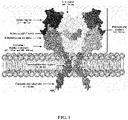
- the extracellular part is further divided in three domains: the protease (aa 57-116 and aa 352-590), the apical part (aa 117-351), and the C-terminal or dimerization domain (aa 591-750); these moieties collectively perform the substrate/ligand recognition role (Ba ⁇ inka et al., 2012) ( Fig. 1 ).
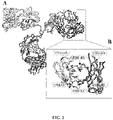
- the 3-dimensional extracellular structure of PSMA resembles the transferrin receptor (Tfr).
- PSMA is enzymatically active only in its dimeric form. Dimerization as well as glycosylation are essential for the correct conformation and enzymatic activity of the molecule.
- PSMA expression and localization in the normal human prostate are associated with the cytoplasm and apical side of the epithelium surrounding the prostatic ducts.
- Dysplastic and neoplastic transformation of prostate tissue results in the transfer of PSMA from the apical membrane to the luminal surface of the ducts.
- PSMA was originally thought to be prostate-specific, more recent studies have shown that it is also expressed by small intestine epithelial (brush-border) cells, proximal renal tubule cells and salivary glands as well as in the nervous system.
- PSMA is located in the brush border of the proximal jejunum, where it acts as a hydrolase on poly- ⁇ -glutamated folate and actively transports the mono-glutamylated folates into the blood stream (Navrátil et al., 2014). It thus exhibits both hydrolysing and endocytic functions, at least in humans and pigs.
- the endocytic internalization occurs through clathrin coated pits via receptor-mediated endocytosis.
- PSMA also termed as NAAG-Hydrolase
- NAAG N-acetylaspartate
- the different roles of PSMA in different tissues have triggered broad exploration of various therapeutic approaches to target the delivery of drugs and small molecules specifically to PSMA-expressing cells (Evans et al., 2016).
- PSMA expression levels are higher in the malignant tissues of different origin than in the normal and healthy tissues (Evans et al., 2016; Haffner et al., 2009). This expression pattern directly implies a role of PSMA in cancer progression and invasion and makes the molecule a desirable target for diagnosis and treatment of solid tumours.
- PSMA is an ideal target in prostate cancer.
- it is significantly overexpressed on nearly all prostate cancer cells.
- the level of expression on prostate cancer cells is 100- to 1,000-fold higher than in normal tissue.
- PSMA is expressed in almost all prostate cancers; only 5%-10% of primary prostate cancer or prostate cancer lesions had negative PSMA results on PET (Eiber et al., 2017).
- PSMA as a type II integral membrane cell surface protein is not secreted and, therefore, is an excellent target for, e.g ., antibody or other ligand-mediated therapy.
- PSMA ligands After binding to the active center of the extracellular domain, PSMA ligands are internalized. Subsequent endosomal recycling increases the deposition, leading to enhanced tumor uptake, retention, and subsequent high local dose for therapeutic applications.
- prostate cancer metastases frequently involve the bone marrow and lymph nodes, which are locations that take up high levels of circulating antibodies and have been well responsive to monoclonal antibody therapies in other tumor types such as lymphoma and breast cancer (Nanus et al., 2003).
- a targeting ligand such as a monoclonal antibody or aptamer
- a radionuclide allows for the targeting of a cancer-associated cell-surface antigen like PSMA and thus reduction of unwanted side effects and dosage enhancement.
- Immunotherapies based on primed dendritic cells (DC) or T-cells bearing a chimeric antigen receptor (CAR) against PSMA to elicit CTL activity against PSMA-positive tumour cells are at clinical stage.
- PSMA Antibodies which bind PSMA have been described in the prior art.
- PSMA was first characterized by the murine monoclonal antibody 7E11, derived from mice immunized with partially purified cell membrane fractions, isolated from the human prostate adenocarcinoma (LNCap) cell line (Horoszewicz et al., 1986).
- LNCap human prostate adenocarcinoma
- This first published monoclonal antibody against PSMA recognizes the N-terminal end (MWNLLH) of the intracellular domain of PSMA (Troyer et al., 1995).
- An anti-PSMA single-chain antibody fragment called D7, isolated by phage display from the monoclonal antibody 3/F11, was used for construction of an immunotoxin by C-terminal ligation of the Pseudomonas Exotoxin A to the cDNA of D7; this immunotoxin inhibited PSMA-positive prostate cancer cell growth in vitro as well as in vivo (Wolf et al., 2010b).
- PSMA-specific mouse monoclonal antibodies were characterized in terms of their binding activity to native and denatured antigen by Tykvart et al. (2014).
- WO2001009192 (Medarex ) describes the development of human monoclonal antibodies to prostate-specific membrane antigen.
- Human anti-PSMA monoclonal antibodies were generated by immunizing mice with purified PSMA or enriched preparations of PSMA antigen.
- purified antigen is a denatured PSMA since it has been purified by immunoadsorption after cell lysis with ionic detergents.
- WO1997035616 (Pacific Northwest Cancer Foundation ) describes monoclonal antibodies specific for the extracellular domain of prostate-specific membrane antigen. Immunizations were performed with a C-terminal peptide or a PSMA-expressing tumor membrane preparation. The monoclonal antibodies obtained did not bind specifically to PSMA-expressing cells and can therefore not be used for diagnostic or therapeutic purposes.
- WO2010037836 describes a bispecific single chain antibody molecule comprising a first binding domain capable of binding to an epitope of human and non-chimpanzee primate CD3 epsilon chain, wherein the epitope is part of an amino acid sequence comprised in the group consisting of SEQ ID NOs. 2, 4, 6, and 8, and a second binding domain capable of binding to prostate-specific membrane antigen (PSMA).
- PSMA prostate-specific membrane antigen
- PSMA prostate-specific membrane antigen
- antibodies, the antigen-binding antibody fragments or antigen-binding portions thereof, disclosed herein comprise humanized sequences, in particular of the preferred VH- and VL-based antigen-binding region which maintain appropriate ligand affinity.
- the amino acid sequence modifications to obtain said humanized sequences may occur in the CDR regions and/or in the framework regions of the original antibody and/or in antibody constant region sequences.
- this antibody is a monoclonal antibody, antigen-binding antibody fragment or antigen-binding portion thereof.
- ADCs antibody-drug conjugates
- the humanized sequences according to the present invention exhibit the specific and strong binding as demonstrated in the examples, and retain or even exceed the binding characteristics of the original murine antibody 3F11, without any affinity maturation which is usually required after humanization of antibodies.
- a skilled person would not have expected that the binding characteristics of the humanized variants would be similar to, not to speak of even better binding characteristics than the original murine antibody.
- the beneficial binding characteristics of the humanized sequences demonstrated herein must be considered a surprising technical effect.
- antibody shall refer to a protein consisting of one or more polypeptide chains encoded by immunoglobulin genes or fragments of immunoglobulin genes or cDNAs derived from the same.
- Said immunoglobulin genes include the light chain kappa, lambda and heavy chain alpha, delta, epsilon, gamma and mu constant region genes as well as any of the many different variable region genes.
- the basic immunoglobulin (antibody) structural unit is usually a tetramer composed of two identical pairs of polypeptide chains, the light chains (L, having a molecular weight of about 25 kDa) and the heavy chains (H, having a molecular weight of about 50-70 kDa).
- Each heavy chain is comprised of a heavy chain variable region (abbreviated as VH or V H ) and a heavy chain constant region (abbreviated as CH or C H ).
- the heavy chain constant region is comprised of three domains, namely CHI, CH2 and CH3.
- Each light chain contains a light chain variable region (abbreviated as VL or V L ) and a light chain constant region (abbreviated as CL or C L ).
- VH and VL regions can be further subdivided into regions of hypervariability, which are also called complementarity determining regions (CDR) interspersed with regions that are more conserved called framework regions (FR).
- CDR complementarity determining regions
- FR framework regions
- Each VH and VL region is composed of three CDRs and four FRs arranged from the amino terminus to the carboxy terminus in the order of FR1, CDR1, FR2, CDR2, FR3, CDR3, FR4.
- the variable regions of the heavy and light chains form a binding domain that interacts with an antigen.
- the CDRs are most important for binding of the antibody or the antigen binding portion thereof.
- the FRs can be replaced by other sequences, provided the three-dimensional structure which is required for binding of the antigen is retained. Structural changes of the construct most often lead to a loss of sufficient binding to the antigen.
- antigen binding portion of the (monoclonal) antibody refers to one or more fragments of an antibody which retain the ability to specifically bind to the prostate specific membrane antigen in its native form.
- antigen binding portions of the antibody include a Fab fragment, a monovalent fragment consisting of the VL, VH, CL and CH1 domains, an F(ab')2 fragment, a bivalent fragment comprising two Fab fragments linked by a disulfid bridge at the hinge region, an Fd fragment consisting of the VH and CH1 domain, an Fv fragment consisting of the VL and VH domains of a single arm of an antibody, and a dAb fragment which consists of a VH domain and an isolated complementarity determining region (CDR).
- CDR complementarity determining region
- mAb monoclonal antibody
- mAb monoclonal antibody
- an antibody composition having a homogenous antibody population i.e., a homogeneous population consisting of a whole immunoglobulin, or a fragment or derivative thereof.
- a homogenous antibody population i.e., a homogeneous population consisting of a whole immunoglobulin, or a fragment or derivative thereof.
- such antibody is selected from the group consisting of IgG, IgD, IgE, IgA and/or IgM, or a fragment or derivative thereof.
- fragment shall refer to fragments of such antibody retaining target binding capacities, e.g., a CDR (complementarity determining region), a hypervariable region, a variable domain (Fv), an IgG heavy chain (consisting of VH, CHI, hinge, CH2 and CH3 regions), an IgG light chain (consisting of VL and CL regions), and/or a Fab and/or F(ab) 2 .
- CDR complementarity determining region
- Fv variable domain
- IgG heavy chain consististing of VH, CHI, hinge, CH2 and CH3 regions
- IgG light chain consististing of VL and CL regions
- Fab and/or F(ab) 2 Fab and/or F(ab) 2 .
- derivative shall refer to protein constructs being structurally different from, but still having some structural relationship to, the common antibody concept, e.g., scFv, Fab and/or F(ab) 2 , as well as bi-, tri- or higher specific antibody constructs. All these items are explained below.
- antibody derivatives known to the skilled person are Diabodies, Camelid Antibodies, Domain Antibodies, bivalent homodimers with two chains consisting of scFvs, IgAs (two IgG structures joined by a J chain and a secretory component), shark antibodies, antibodies consisting of new world primate framework plus non-new world primate CDR, dimerised constructs comprising CH3+VL+VH, other scaffold protein formats comprising CDRs, and antibody conjugates (e.g., antibody, or fragments or derivatives thereof, linked to a drug, a toxin, a cytokine, an aptamer, a nucleic acid such as a desoxyribonucleic acid (DNA) or ribonucleic acid (RNA), a therapeutic polypeptide, a radioisotope or a label).
- Said scaffold protein formats may comprise, for example, ankyrin and affilin proteins and others.
- Fab relates to an IgG fragment comprising the antigen binding region, said fragment being composed of one constant and one variable domain from each heavy and light chain of the antibody
- F(ab) 2 relates to an IgG fragment consisting of two Fab fragments connected to one another by disulfide bonds.
- scFv relates to a single-chain variable fragment being a fusion of the variable regions of the heavy and light chains of immunoglobulins, linked together with a short linker, usually comprising serine (S) and/or glycine (G) residues.
- S serine
- G glycine
- Modified antibody formats are for example bi- or trispecific antibody constructs, antibody-based fusion proteins, immunoconjugates and the like.
- IgG, scFv, Fab and/or F(ab) 2 are antibody formats which are well known to the skilled person. Related enabling techniques are available from respective textbooks.
- Monoclonal antibodies (mAb) derived from mouse may cause unwanted immunological side-effects due to the fact that they contain a protein from another species which may elicit antibodies.
- antibody humanization and maturation methods have been designed to generate antibody molecules with minimal immunogenicity when applied to humans, while ideally still retaining specificity and affinity of the non-human parental antibody (for review see Almagro and Fransson 2008).
- CDR grafting e.g., the framework regions of a mouse mAb are replaced by corresponding human framework regions.
- WO200907861 discloses the generation of humanized forms of mouse antibodies by linking the CDR regions of non-human antibodies to human constant regions by recombinant DNA technology.
- US6548640 by Medical Research Council describes CDR grafting techniques
- US5859205 by Celltech describes the production of humanised antibodies.
- Immunogenicity is the ability to induce a T-helper (Th) cell response which is triggered when a unique T cell receptor recognizes a peptide bound to HLA (human leukocyte antigen) class II molecules displayed on antigen presenting cells (APCs).
- HLA human leukocyte antigen
- APCs antigen presenting cells
- the peptides are generated from proteins internalized by the antigen presenting cells which are then processed through the endosomal cleavage pathway. Only peptides with sufficient affinity for the HLA class II molecules will be presented on the cell surface of APCs and could possibly trigger a Th response.
- HLA class II genes There are several HLA class II genes, and HLA class II molecules consist of an alpha and a beta chain, each expressed from a different gene, increasing variation (DRA/DRB, DQA/ DQB, and DPA/DPB) and almost all are highly polymorphic; only DRA is non-polymorphic.
- the focus during deimmunization lies on the DR allotypes which are known to express at higher levels than DQ and DP.
- the assessment of relevance of individual epitopes is based on the criteria of promiscuity, i.e., the number of HLA allotypes a specific epitope binds to, as well as the importance (frequency) of the allotypes in the population and a qualitative assessment of the HLA-peptide complex binding strength.
- T-cell population of an individual has been selected to not recognize "self-peptides" of endogenous proteins like antibodies, it is possible to screen the protein to be deimmunized for peptides that correspond to (known) self-peptides which should not normally induce a Th response.
- humanized antibody relates to an antibody, a fragement or a derivative thereof, in which at least a portion of the constant regions and/or the framework regions, and optionally a portion of CDR regions, of the antibody is derived from or adjusted to human immunoglobulin sequences.
- sequence identity relates to the percentage of identical nucleotides or amino acids when carrying out a sequence alignment.
- amino acid substitution relates to modifications of the amino acid sequence of the protein, wherein one or more amino acids are replaced with the same number of different amino acids, producing a protein which contains a different amino acid sequence than the original protein.
- a conservative amino acid substitution is understood to relate to a substitution which due to similar size, charge, polarity and/or conformation does not significantly affect the structure and function of the protein.
- Groups of conservative amino acids in that sense represent, e.g., the non-polar amino acids Gly, Ala, Val, Ile and Leu; the aromatic amino acids Phe, Trp and Tyr; the positively charged amino acids Lys, Arg and His; and the negatively charged amino acids Asp and Glu.
- the present invention relates to a humanized antibody, or antigen-binding fragment or antigen-binding portion thereof according to the claims, that binds to the extracellular domain of prostate specific membrane antigen (PSMA).
- PSMA prostate specific membrane antigen
- CDR sequences In the follwing, preferred CDR sequences will be discussed. It is important to understand that the CDRs are comprised in a suitable protein framework so as to be capable to bind to the extracellular domain of prostate specific membrane antigen (PSMA).
- PSMA prostate specific membrane antigen
- a humanized antibody or antigen-binding antibody fragment or antigen-binding portion thereof, that binds to the extracellular domain of PSMA, comprising a VH domain that comprises CDR sequences of
- VH domain comprises the CDR H1 sequence GYTFTYF (SEQ ID No. 1).
- humanized antibody or antigen-binding antibody fragment or antigen-binding portion thereof, binding to the extracellular domain of PSMA, wherein the VH domain comprises the CDR H2 sequence SEQ ID No. 2 or SEQ ID No. 7 or SEQ ID No. 9 or SEQ ID No. 11.
- humanized antibody or antigen-binding antibody fragment or antigen-binding portion thereof, binding to the extracellular domain of PSMA, wherein the VH domain comprises the CDR H3 sequence DGNFPYYAMDS (SEQ ID No. 3).
- an antibody, or antigen-binding antibody fragment or antigen-binding portion thereof, binding to the extracellular domain of PSMA comprises a VH domain comprising
- an antibody, or antigen-binding antibody fragment or antigen-binding portion thereof, binding to the extracellular domain of PSMA comprises a VH domain comprising any of the sequences SEQ ID Nos. 13, 15, 17 or 19.
- a humanized antibody or antigen-binding antibody fragment or antigen-binding portion thereof, that binds to the extracellular domain of PSMA, comprising a VL domain that comprises CDR sequences of
- said antibody, or antigen-binding antibody fragment or antigen-binding portion thereof comprises a VL domain that comprises CDR L1 sequence SEQ ID No. 4 or SEQ ID No. 8 or SEQ ID No. 10.
- said antibody, or antigen-binding antibody fragment or antigen-binding portion thereof comprises a VL domain that comprises CDR L2 sequence SEQ ID No. 5 or SEQ ID No. 12.
- an antibody, or antigen-binding antibody fragment or antigen-binding portion thereof comprises a VL domain that comprises a combination of
- an antibody, or antigen-binding antibody fragment or antigen-binding portion thereof comprising a VL domain that comprises any of the sequences SEQ ID Nos. 14, 16, 18 or 20.
- an antibody, or antigen-binding antibody fragment or antigen-binding portion thereof comprising a combination of at least one of the VH CDR sequences mentioned above and at least one of the VL CDR sequences mentioned above.
- the invention relates to said antibody, or antigen-binding antibody fragment or antigen-binding portion thereof, comprising a combination of at least one of the VH domain sequences selected from the group consisting of SEQ ID No. 13, 15, 17 and 19 and at least one of the VL domain sequences selected from the group consisting of SEQ ID No. 14, 16, 18 and 20.
- the invention also relates to any such antibody, or antigen-binding antibody fragment or antigen-binding portion thereof described above, wherein the same binds to the extracellular domain of PSMA with an affinity of EC 50 ⁇ 0.4 ⁇ g/ml, preferably an affinity of EC 50 ⁇ 0.3 ⁇ g/ml, most preferably an affinity of EC 50 ⁇ 0.4 ⁇ g/ml.
- said humanized anti-PSMA antibody, or antigen-binding antibody fragment or antigen-binding portion thereof can be glycosylated.
- the glycan can be an N-linked oligosaccharide chain at asparagin 297 of the heavy chain.
- Said prostate specific membrane antigen can be a mammalian, non-primate, primate, and in particular a human prostate specific membrane antigen.
- the antibody, or antigen-binding antibody fragment or antigen-binding portion thereof, according to the present invention preferably is of IgG isotype.
- the present invention relates to an antibody fragment that is selected from the group consisting of a variable domain (Fv), a Fab fragment and an F(ab) 2 fragment, or is a single-chain Fv (scFv).
- Fv variable domain
- Fab fragment
- F(ab) 2 fragment fragment
- scFv single-chain Fv
- the humanized antibody, or antigen-binding fragement or antigen-binding portion, such as a scFv, described in this application specifically bind to native cell-surface PSMA and therefore will have value in diagnostic and therapeutic applications focusing on PSMA as a target antigen for, e.g., prostate cancer.
- PSMA is expressed on prostate cancer cells with a specific tertiary and quaternary structure, particularly antibodies against this cellular conformation can recognize and strongly bind to viable prostate cancer cells and PSMA expressing tissue. Therefore, one aim of the present study was to generate such antibodies, or antigen-binding fragments or antigen-binding portions thereof, that can be used for therapeutic targeting of prostate cancer.
- the invention furthermore relates to an antibody-drug conjugate (ADC, also termed immunoconjugate) comprising the humanized antibody, or antigen-binding fragment or antigen-binding portion thereof, according to the claims, conjugated to a therapeutic agent, optionally via a linker moiety.
- ADC antibody-drug conjugate
- Said therapeutic agent could be, e.g., a drug, a chemotherapeutic agent, a cytotoxic agent such as for example taxol, cytocalasin B, gramicidin D, a toxin, a growth inhibitory agent, an aptamer, a nucleic acid such as a desoxyribonucleic acid (DNA) or ribonucleic acid (RNA), a therapeutic polypeptide, or a radioactive substance.
- a drug e.g., a drug, a chemotherapeutic agent, a cytotoxic agent such as for example taxol, cytocalasin B, gramicidin D, a toxin, a growth inhibitory agent, an aptamer, a nucleic acid such as a desoxyribonucleic acid (DNA) or ribonucleic acid (RNA), a therapeutic polypeptide, or a radioactive substance.
- a chemotherapeutic agent such as for example taxol,
- the ADC can comprise a linker region between the therapeutic agent and the anti-PSMA antibody, or antibody fragment or antibody derivative thereof.
- the linker can be cleavable by, for example but not limited to, a cleaving agent or acidic pH conditions.
- a humanized anti-PSMA antibody, or antigen-binding fragment or antigen-binding portion thereof, according to the claims is provided, said antibody being formulated in a pharmaceutical formulation.
- said pharmaceutical formulation may be ready for administration, while in lyophilised form said formulation can be transferred into liquid form prior to administration, e.g., by addition of water for injection which may or may not comprise a preservative such as for example, but not limited to, benzyl alcohol, antioxidants like vitamin A, vitamin E, vitamin C, retinyl palmitate, and selenium, the amino acids cysteine and methionine, citric acid and sodium citrate, synthetic preservatives like the parabens methyl paraben and propyl paraben.
- a preservative such as for example, but not limited to, benzyl alcohol, antioxidants like vitamin A, vitamin E, vitamin C, retinyl palmitate, and selenium, the amino acids cysteine and methionine, citric acid and sodium citrate, synthetic preservatives like the parabens methyl paraben and propyl paraben.
- Said pharmaceutical formulation may further comprise one or more stabilizer, which may be, e.g., an amino acid, a sugar polyol, a disaccharide and/or a polysaccharide.
- Said pharmaceutical formulation may further comprise one or more surfactant, one or more isotonizing agents, and/or one or more metal ion chelator, and/or one or more preservative.
- the pharmaceutical formulation as described herein can be suitable for at least intravenous, intramuscular or subcutaneous administration.
- the antibody according to the present invention may be provided in a depot formulation which allows the sustained release of the biologically active agent over a certain period of time.
- a primary packaging such as a prefilled syringe or pen, a vial, or an infusion bag, which comprises said formulation according to the previous aspect of the invention and/or said humanized anti-PSMA antibody, or fragment or portion thereof.
- the prefilled syringe or pen may contain the formulation either in lyophilised form (which has then to be solubilised, e.g., with water for injection, prior to administration), or in aqueous form.
- Said syringe or pen is often a disposable article for single use only, and may have a volume between 0.1 and 20 ml.
- the syringe or pen may also be a multi-use or multi-dose syringe or pen.
- Said vial may also contain the formulation in lyophilised form or in aqueous form and may serve as a single or multiple use device. As a multiple use device, said vial can have a bigger volume.
- Said infusion bag usually contains the formulation in aqueous form and may have a volume between 20 and 5000 ml.
- Said pharmaceutical formulation is disclosed herein for the treatment of a medical disorder associated with overexpression of PSMA and comprises a humanized antibody, or antibody fragment or antibody derivative thereof, as described herein, together with at least a pharmaceutically acceptable carrier.
- said medical disorder associated with overexpression of PSMA can be, e.g., prostate cancer or a neurologic disorder.
- Humanized anti-PSMA antibodies, or fragments or portionsthereof, can mediate antitumoral effects by activating humoral or cellular immune functions, or by targeting tumors with conjugated cytotoxins or radioactivity as described above.
- the present invention relates to an antibody, or antigen-binding antibody fragment or antigen-binding portion thereof according to the claims, as described herein for use in the treatment of prostate cancer.
- Disclosed herein is a method of treating a patient suffering from prostate cancer comprising administering an effective amount of an antibody, or antigen-binding antibody fragment or antigen-binding portion thereof, as described herein.
- a diagnostic kit for the detection of tumor cells comprising an isolated monoclonal antibody, or an antigen binding fragement or derivative thereof, allowing for the detection of the same after binding with suitable detection reagents and devices.
- a method for the in vitro identification of tumor cells by which the tumor cells to be identified are contacted with an isolated monoclonal antibody, or an antigen binding fragment or portion thereof, which carries a label which can be detected by suitable analytical devices.
- the label allows the diagnostic identification of tumor cells, for example in sections of human tissues obtained after surgery or biopsy.
- the present invention also relates to a host cell capable of producing said humanized anti-PSMA antibodies, or antigen-binding fragments or antigen-binding portions thereof according to the claims.
- This may be a cell line transfected with a recombinant plasmid containing coding sequences of said antibodies of the present invention.
- said host cell is a mammalian cell.
- said host cell may be at least one selected from the group comprising, e.g., Baby Hamster Kidney cells (e.g., BHK21), Chinese Hamster Ovary cells (CHO), mouse myeloma cells (e.g., SP2/0 or NS0), human embryonic kidney cells (e.g., HEK-293), human retina-derived cells (e.g., PER-C6), and amniocyte cells (e.g., CAP).
- Baby Hamster Kidney cells e.g., BHK21
- Chinese Hamster Ovary cells CHO
- mouse myeloma cells e.g., SP2/0 or NS0
- human embryonic kidney cells e.g., HEK-293
- human retina-derived cells e.g., PER-C6
- amniocyte cells e.g., CAP
- the mammalian cell is a CHO cell line. This may be, for example" CHO-K1, CHO-DG44, CHO-DXB, or CHO-dhfr - .
- the present invention also relates to a nucleic acid encoding for a humanized antibody, an antigen-binding antibody fragment or antigen-binding portion thereof according to the claims, binding to PSMA as described in the present application.
- the present invention relates to a humanized antibody, or antigen-binding antibody fragment or antigen-binding portion thereof, comprising a variable heavy (VH) domain comprising
- the present invention relates to a humanized antibody, or antigen-binding antibody fragment or antigen-binding portion thereof, comprising a VH domain having at least 90%, preferably 95%, sequence homology to a sequence selected from any of the sequences according to SEQ ID No. 13, SEQ ID No. 15, SEQ ID No. 17, and SEQ ID No. 19.
- the present invention relates to a humanized antibody, or antigen-binding antibody fragment or antigen-binding portion thereof, comprising a VH domain sequence selected from any of the sequences according to SEQ ID No. 13, SEQ ID No. 15, SEQ ID No. 17, and SEQ ID No. 19.
- the present invention relates to a humanized antibody, or antigen-binding antibody fragment or antigen-binding portion thereof, comprising a VL domain having at least 90%, preferably 95%, sequence homology to a sequence selected from any of the sequences according to SEQ ID No. 14, SEQ ID No. 16, SEQ ID No. 18, and SEQ ID No. 20.
- the present invention relates to a humanized antibody, or antigen-binding antibody fragment or antigen-binding portion thereof, comprising a VL domain sequence selected from any of the sequences according to SEQ ID No. 14, SEQ ID No. 16, SEQ ID No. 18, and SEQ ID No. 20.
- the present invention relates to a humanized antibody, or antigen-binding antibody fragment or antigen-binding portion thereof, comprising the VH domain sequence according to SEQ ID No. 13 and a VL domain sequence selected from any of the sequences according to SEQ ID No. 14, SEQ ID No. 16, SEQ ID No. 18, and SEQ ID No. 20, or the VH domain sequence according to SEQ ID No. 15 and a VL domain sequence selected from any of the sequences according to SEQ ID No. 14, SEQ ID No. 16, SEQ ID No. 18, and SEQ ID No. 20, or the VH domain sequence according to SEQ ID No. 17 and a VL domain sequence selected from any of the sequences according to SEQ ID No. 14, SEQ ID No. 16, SEQ ID No.
- the present invention relates to a humanized antibody, or antigen-binding antibody fragment or antigen-binding portion thereof, wherein the heavy chain comprises any of the sequences SEQ ID No. 21, SEQ ID No. 23, SEQ ID No. 25, or SEQ ID No. 27.
- the present invention relates to a humanized antibody, or antigen-binding antibody fragment or antigen-binding portion thereof, wherein the light chain comprises any of the sequences SEQ ID Nos. 22, SEQ ID No. 24, SEQ ID No. 26, or SEQ ID No. 28.
- the present invention relates to a humanized antibody, or antigen-binding antibody fragment or antigen-binding portion thereof, comprising at least one heavy chain comprising any of the sequences SEQ ID Nos. 21, 23, 25 or 27, and at least one light chain comprising any of the sequences SEQ ID Nos. 22, 24, 26 or 28.
- the present invention relates to a humanized antibody, or antigen-binding antibody fragment or antigen-binding portion thereof, comprising at least one heavy chain comprising SEQ ID No. 27 and at least one light chain comprising SEQ ID No. 28.
- the present invention relates to a humanized antibody, or antigen-binding antibody fragment or antigen-binding portion thereof, according to the present invention, binding to the extracellular domain of PSMA with an affinity of EC 50 ⁇ 0.4 ⁇ g/ml.
- Said glycosylation can relate to a glycan which is an N-linked oligosaccharide chain at asparagin 297 of the heavy chain.
- the present invention relates to a humanized antibody, or antigen-binding antibody fragment or antigen-binding portion thereof, according to the present invention, wherein said prostate specific membrane antigen is human prostate specific membrane antigen.
- Said humanized antibody or antigen-binding antibody fragment or antigen-binding portion thereof preferably is of the isotype IgG.
- the humanized antibody fragment according to the present invention can be selected from the group consisting of a variable domain (Fv), a Fab fragment and an F(ab) 2 fragment.
- the humanized antigen-binding portion according to the present invention can be a single-chain Fv (scFv).
- the present invention relates to an antibody-drug conjugate (ADC) comprising the humanized antibody, or antigen-binding fragment or antigen-binding portion thereof, according to the present invention conjugated to a therapeutic agent, optionally via a linker moiety.
- ADC antibody-drug conjugate
- the present invention relates to a pharmaceutical formulation
- a pharmaceutical formulation comprising a humanized antibody, or antigen-binding antibody fragment or antigen-binding portion thereof, according to the present invention, together with at least a pharmaceutically acceptable carrier.
- Said pharmaceutical formulation according to the present invention can be a formulation that is suitable for at least intravenous, intramuscular or subcutaneous administration.
- the present invention relates to a humanized antibody, or antigen-binding antibody fragment or antigen-binding portion thereof, according to the present invention for use in the treatment of prostate cancer.
- Disclosed herein is a method of treating a patient suffering from prostate cancer comprising administering an effective amount of a humanized antibody, or antigen-binding antibody fragment or antigen-binding portion thereof, according to the present disclosure to the patient.
- the present invention relates to a nucleic acid encoding for a humanized antibody, an antigen-binding antibody fragment or antigen-binding portion thereof, according to the present invention.
- the present invention relates to a host cell capable of producing a humanized antibody, an antigen-binding antibody fragment or antigen-binding portion thereof, according to the present invention.
- Said host cell according to the present invention can be a mammalian cell.
- Said mammalian cell according to the present invention preferably is a CHO cell line.
- the antibodies or fragments or derivatives of the present invention may be produced by transfection of a host cell with an expression vector comprising the coding sequence for the antibody according to the invention.
- the expression vector or recombinant plasmid is produced by placing the coding antibody sequences under control of suitable regulatory genetic elements, including promoter and enhancer sequences like, e.g., a CMV promoter.
- Heavy and light chain sequences might be expressed from individual expression vectors which are co-transfected, or from dual expression vectors.
- Said transfection may be a transient transfection or a stabile transfection.
- the transfected cells are subsequently cultivated to produce the transfected antibody construct.
- stabile transfection is performed, then stable clones secreting antibodies with properly associated heavy and light chains are selected by screening with an appropriate assay, such as, e.g., ELISA, subcloned, and propagated for future production.
- the murine anti-PSMA antibody 3/F11 (Wolf et al., 2010a; EP 1883698 B2 ) was subjected to humanization by grafting of the complementarity determining regions (CDRs) into a selected acceptor framework from the set of human germlines.
- CDRs complementarity determining regions
- Epibase TM immunoprofiling of parental 3/F11 against 85 HLA class II allotypes was performed, analyzing epitopes or clusters of adjoining epitopes for possible substitutions that would remove or reduce binding to HLA allotypes with a focus on HLA-DRB1 allotypes.
- Critical positions making up the VH/VL inter-chain interface or are responsible for the discrete set of canonical structures of CDRs were identified. Based on sequence alignment of the parental antibody sequence to human germline sequences, the closest matching, optimal human germline sequence as acceptor was identified, taking particularly sequence identity across the framework, identical or compatible inter-chain interface residues, support loops with the parental CDR canonical conformations and the combination of heavy and light germlines found in expressed antibodies into consideration.
- Sequences were analyzed for potential post-translational modification sites (asparagine deamidation, aspartate isomerization, C-terminal lysine clipping, free Cys thiol groups, N- and O-glycosylation, N-terminal cyclization, oxidation and pyroglutamate formation) that might cause problems during development of a therapeutic product.
- Structural models of the F v -region of 3/F11 and variants were generated using an in-silico modelling platform, and candidate structural fragments for the frameworks and CDRs as well as the full Fv were scored and ranked.
- substitutions were grouped where appropriate, and a total of four humanized/deimmunized light chains and four humanized/deimmunized heavy chains were selected.
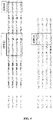
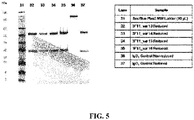
- Table 2 lists the name of the engineered amino acid chains along with a description of the modifications. The amino acid sequences of the engineered chains are given in Table 1. Sequence alignments of the humanized/deimmunized light and heavy chains, respectively, are shown in Fig. 3 and 4 .
- Heavy chain variable domain variant 3F11-VH-1 comprises all three CDRs of the parental murine VH sequence.
- variant 3F11-VH-2 two CDRs are identical to the parental murine VH sequence, whereas the CDR H2 differs in four positions from the parental murine sequence (aa 61-63: NEN > AQK, aa 65: K > Q).
- variant 3F11-VH-3 again two CDRs are identical to the parental murine VH sequence, whereas the CDR H2 differs in five positions from the parental murine sequence (aa 58: T > V, aa 61-63: NEN > AQK, aa 65: K > Q).
- Light chain variable domain variant 3F11-VL-1 comprises all three CDRs of the parental murine VL sequence.
- variant 3F11-VL-2 two CDRs are identical to the parental murine VL sequence, whereas the CDR L1 comprises a substitution at amino acid No. 35 (N > Q).
- variant 3F11-VL-3 two CDRs are identical to the parental murine VL sequence, whereas the CDR L1 differs in two positions from the parental murine sequence (aa 33: N > S, aa 35: N > Q).
- CDR L1 differs in two positions (aa 33: N > S, aa 35: N > Q) and CDR L2 differs in one position (aa 60: F > A) from the parental murine sequence, and CDR L3 is identical to the parental murine sequence.
- Table 2 CDR composition of 3F11 wt and humanized/deimmunized 3F11variants with respective substitutions (amino acid numbering according to Kabat et al.
- 3F11-VL-2 has optionally the following mutation: aa 41: F>Y.
- 3F11-VL-3 has optionally the following mutation: aa 41: F>Y.
- 3F11-VL-4 has optionally the following mutations: aa 41: F>Y; aa 42: L>Q, and/or aa 90: V>T.
- Table 4 Predicted critical epitope counts of HLA DRB1, DRB3/4/5, DQ and DP for the parental and humanized/deimmunized sequences Variant Name DRB1 DRB3/4/5 DQ DP 3-F11 5 (7) 30(2) 1(0) 2(0) 3-F11_var1 41(22) 25(12) 1(0) 2(0) 3-F11_var2 38(25) 21(15) 1(1) 2(0) 3-F11_var3 40(24) 24(14) 1(1) 2(0) 3-F11_var4 40(24) 24(14) 1(1) 2(0) 3-F11_var5 40(24) 22(13) 0(1) 2(0) 3-F11_var6 37(27) 18(16) 0(2) 2(0) 3-F11_var7 39(26) 21(15) 0(2) 2(0) 3-F11_var8 39(26) 21(15) 0(2) 2(0) 3-F11_var9 41(24) 23(13) 0(1) 2(0) 3-F11_var10 38(27) 19(16) 0(2) 2(0)
- the heavy and light chain variable domains for the antibodies were synthesized and subcloned into GS Xceed TM vectors (Lonza). Light chain variable domain encoding regions were transferred into pXC-Kappa and heavy chain variable domain encoding regions into pXC-IgG1zadeltaK vectors, respectively.
- Single gene vectors were transiently co-transfected into Chinese Hamster Ovary GS knock-out cells (CHOK1SV GS-KO) alongside the reference murine antibody at 200-ml scale. Transient transfections were performed via electroporation (Gene Pulse XCell, BioRad) using CHOK1SV GS-KO cells which had been in culture for a minimum of two weeks. Cells were subcultured 24 hours prior to transfection and cell viability was >99% at the time of transfection. Six days post-transfection, cell viability and viable cell concentrations were measured at the time of harvest. Cells were found to be in the range of 4.4 - 7.5 ⁇ 10 6 viable cells/ml with viabilities ranging from 89.0 - 96.1%.
- the clarified supernatants were purified by protein A chromatography using pre-packed 5-ml HiTrap MabSelect SuRE columns on an AKTA purifier by standard procedures. Upon elution with 10 mM sodium formate, pH 3.5, the pH of the protein containing fractions was adjusted immediately by addition of 2 ⁇ phosphate-buffered saline (PBS) to yield final buffer conditions of 1x PBS, 5 mM sodium formate, pH 7.4. Table 5 below shows titers and product yields for the 3F11 parental murine antibody and the various humanized antibody variants.
- PBS phosphate-buffered saline
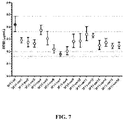
- the inventors observed significantly higher expression titers for some of the humanized anti-PSMA antibody variants as compared to the parental murine 3F11 antibody (see Table AA).
- humanized variants 3F11_var2, 3F11_var6, 3F11_var9, 3F11_var11, 3F11_var13, 3F11_var15 and 3F11_var16 expression titers of 9.5 - 13 mg/liter were obtained, as compared to 3.88 mg/liter for the parental murine 3F11 antibody. Due to the increase of expression titers by a factor of 3 - 4, production costs for humanized/ deimmunized variant-based therapeutic products can be expected to be considerably reduced.
- Various concentrations of the monoclonal antibody samples (murine wt and 16 humanized variants) ranging from 50 to 0.0032 ⁇ g/ml were prepared in staining media and incubated with the cells in pre-cooled 96-well plates for 30 min. on ice to allow antibody binding to the LNCAP cell surface. Subsequently, cells were washed at 4°C with PBS to remove free antibody, and bound antibody was labelled with FITC goat anti-human IgG H&L preabsorbed (Abcam) secondary antibody for 30 min. on ice. Finally, cells were washed, fixed and FITC fluorescence associated to the antibody bound to the cells was measured by flow cytometry (GUAVA 8HT Cytometer).
- the obtained dose-response data (plotted as log-transformed dose vs. response) typically produced sigmoidal curves with variable slope which were fitted to a 4-parameter logistic dose-response equation using GraphPad Prism software.
- the EC 50 dose defined as the concentration of antibody that provides half of maximal target cell binding, was used to compare the bioactivity of different antibody variants. Data points represent the average of duplicate wells and standard error of the mean (SEM). Binding curves for the parental 3F11 wt antibody and the sixteen humanized variants are shown in Fig. 6 .
- the cell-based binding assay revealed that all of the sixteen 3F11 humanized variants bind to PSMA-expressing cells with a higher affinity than obtained with the parental murine antibody 3F11.
- Table 6 EC 50 binding activity and 95% CI for humanized 3F11 antibody variants
- Combinations of the 3F11-VH-1 and 3F11-VL-1 chains (3F11-var1) and of 3F11-VH-4 and 3F11-VL-4 chains (3F11-var16) were also used for generation of single-chain Fv (scFv) constructs.
- scFv constructs respective variable domain sequences were cloned in VL-VH composition into the expression vector pHOG21 and expressed in bacterial cells. After affinity chromatographic purification, binding of both scFv constructs to PSMA-expressing cells of the LNCAP sub-cell line C4-2 and to PSMA-negative DU145 prostate cancer cells was tested. Both scFv constructs showed strong binding to C4-2 cells, but no binding to the negative control DU145 cells.
- PSMA/GCPII prostate specific membrane antigen/glutamate carboxypeptidase II
Landscapes
- Health & Medical Sciences (AREA)
- Chemical & Material Sciences (AREA)
- Organic Chemistry (AREA)
- Life Sciences & Earth Sciences (AREA)
- Immunology (AREA)
- General Health & Medical Sciences (AREA)
- Medicinal Chemistry (AREA)
- Biophysics (AREA)
- Genetics & Genomics (AREA)
- Proteomics, Peptides & Aminoacids (AREA)
- Molecular Biology (AREA)
- Biochemistry (AREA)
- Engineering & Computer Science (AREA)
- Bioinformatics & Cheminformatics (AREA)
- Animal Behavior & Ethology (AREA)
- Public Health (AREA)
- Veterinary Medicine (AREA)
- Pharmacology & Pharmacy (AREA)
- Gynecology & Obstetrics (AREA)
- Cell Biology (AREA)
- Pregnancy & Childbirth (AREA)
- Reproductive Health (AREA)
- General Chemical & Material Sciences (AREA)
- Chemical Kinetics & Catalysis (AREA)
- Nuclear Medicine, Radiotherapy & Molecular Imaging (AREA)
- Epidemiology (AREA)
- Peptides Or Proteins (AREA)
- Medicines Containing Antibodies Or Antigens For Use As Internal Diagnostic Agents (AREA)
- Preparation Of Compounds By Using Micro-Organisms (AREA)
- Micro-Organisms Or Cultivation Processes Thereof (AREA)
- Medicinal Preparation (AREA)
- Medicines That Contain Protein Lipid Enzymes And Other Medicines (AREA)
Claims (20)
- Humanisierter Antikörper, oder Antigen-bindendes Fragment oder Antigen-bindender Teil davon, umfassend eine variable Schwerketten (VH)-Domäne umfassendeine CDR H1-Sequenz gemäß SEQ ID Nr. 1,eine CDR H2-Sequenz ausgewählt aus irgendeiner der Sequenzen gemäß SEQ ID Nr. 2, SEQ ID Nr. 7, SEQ ID Nr. 9, und SEQ ID Nr. 11,eine CDR H3-Sequenz gemäß SEQ ID Nr. 3,und eine variable Leichtketten (VL)-Domäne umfassendeine CDR L1-Sequenz ausgewählt aus irgendeiner der Sequenzen gemäß SEQ ID Nr. 4, SEQ ID Nr. 8, und SEQ ID Nr. 10,eine CDR L2-Sequenz ausgewählt aus irgendeiner der Sequenzen gemäß SEQ ID Nr. 5 und SEQ ID Nr. 12, undeine CDR L3-Sequenz gemäß SEQ ID Nr. 6,aber nicht umfassend die Kombination aus einer CDR H1-Sequenz gemäß SEQ ID Nr. 1, einer CDR H2-Sequenz gemäß SEQ ID Nr. 2, und einer CDR H3-Sequenz gemäß SEQ ID Nr. 3, einer CDR L1-Sequenz gemäß SEQ ID Nr. 4, einer CDR L2-Sequenz gemäß SEQ ID Nr. 5, und einer CDR L3-Sequenz gemäß SEQ ID Nr. 6,welcher an die extrazelluläre Domäne des Prostata-spezifischen Membran-Antigens (PSMA) bindet.
- Humanisierter Antikörper, oder Antigen-bindendes Fragment oder Antigen-bindender Teil davon gemäß Anspruch 1, umfassend eine VH-Domäne, die mindestens 90%, vorzugsweise 95% Sequenzhomologie mit einer Sequenz ausgewählt aus irgendeiner der Sequenzen gemäß SEQ ID Nr. 13, SEQ ID Nr. 15, SEQ ID Nr. 17, und SEQ ID Nr. 19 besitzt.
- Humanisierter Antikörper, oder Antigen-bindendes Fragment oder Antigen-bindender Teil davon gemäß Anspruch 1, umfassend eine VH-Domänensequenz ausgewählt aus irgendeiner der Sequenzen gemäß SEQ ID Nr. 13, SEQ ID Nr. 15, SEQ ID Nr. 17, und SEQ ID Nr. 19.
- Humanisierter Antikörper, oder Antigen-bindendes Fragment oder Antigen-bindender Teil davon gemäß Anspruch 1, umfassend eine VL-Domäne die mindestens 90%, vorzugsweise 95% Sequenzhomologie mit einer Sequenz ausgewählt aus irgendeiner der Sequenzen gemäß SEQ ID Nr. 14, SEQ ID Nr. 16, SEQ ID Nr. 18, und SEQ ID Nr. 20 besitzt.
- Humanisierter Antikörper, oder Antigen-bindendes Fragment oder Antigen-bindender Teil davon gemäß Anspruch 1, umfassend eine VL-Domänensequenz ausgewählt aus irgendeiner der Sequenzen gemäß SEQ ID Nr. 14, SEQ ID Nr. 16, SEQ ID Nr. 18, und SEQ ID Nr. 20.
- Humanisierter Antikörper, oder Antigen-bindendes Fragment oder Antigen-bindender Teil davon gemäß Anspruch 1, umfassenddie VH-Domänensequenz gemäß SEQ ID Nr. 13 und eine VL-Domänensequenz ausgewählt aus irgendeiner der Sequenzen gemäß SEQ ID Nr. 14, SEQ ID Nr. 16, SEQ ID Nr. 18, und SEQ ID Nr. 20, oderdie VH-Domänensequenz gemäß SEQ ID Nr. 15 und eine VL-Domänensequenz ausgewählt aus irgendeiner der Sequenzen gemäß SEQ ID Nr. 14, SEQ ID Nr. 16, SEQ ID Nr. 18, und SEQ ID Nr. 20, oderdie VH-Domänensequenz gemäß SEQ ID Nr. 17 und eine VL-Domänensequenz ausgewählt aus irgendeiner der Sequenzen gemäß SEQ ID Nr. 14, SEQ ID Nr. 16, SEQ ID Nr. 18, und SEQ ID Nr. 20, oderdie VH-Domänensequenz gemäß SEQ ID Nr. 19 und eine VL-Domänensequenz ausgewählt aus irgendeiner der Sequenzen gemäß SEQ ID Nr. 14, SEQ ID Nr. 16, SEQ ID Nr. 18, und SEQ ID Nr. 20.
- Humanisierter Antikörper, oder Antigen-bindendes Fragment oder Antigen-bindender Teil davon gemäß Anspruch 3, wobei die schwere Kette irgendeine der Sequenzen gemäß SEQ ID Nr. 21, SEQ ID Nr. 23, SEQ ID Nr. 25, oder SEQ ID Nr. 27 umfasst.
- Humanisierter Antikörper, oder Antigen-bindendes Fragment oder Antigen-bindender Teil davon gemäß Anspruch 5, wobei die leichte Kette irgendeine der Sequenzen gemäß SEQ ID Nr. 22, SEQ ID Nr. 24, SEQ ID Nr. 26, oder SEQ ID Nr. 28 umfasst.
- Humanisierter Antikörper, oder Antigen-bindendes Fragment oder Antigen-bindender Teil davon, umfassend mindestens eine schwere Kette umfassend irgendeine der Sequenzen SEQ ID Nr. 21, 23, 25 oder 27, und mindestens eine leichte Kette umfassend irgendeine der Sequenzen SEQ ID Nr. 22, 24, 26 oder 28.
- Humanisierter Antikörper, oder Antigen-bindendes Fragment oder Antigen-bindender Teil davon, umfassend mindestens eine schwere Kette umfassend SEQ ID Nr. 27 und mindestens eine leichte Kette umfassend SEQ ID Nr. 28.
- Humanisierter Antikörper, oder Antigen-bindendes Fragment oder Antigen-bindender Teil davon gemäß irgendeinem der oben genannten Ansprüche, welcher an die extrazelluläre Domäne des Prostata-spezifischen Membran-Antigens (PSMA) mit einer Affinität von EC50 < 0.4 µg/ml bindet.
- Humanisierter Antikörper, oder Antigen-bindendes Fragment oder Antigen-bindender Teil davon gemäß irgendeinem der oben genannten Ansprüche, wobei besagtes Prostata-spezifisches Membran-Antigen humanes Prostata-spezifisches Membran-Antigen ist.
- Humanisierter Antikörper, oder Antigen-bindendes Fragment oder Antigen-bindender Teil davon gemäß irgendeinem der oben genannten Ansprüche, wobei der Antikörper vom Isotyp IgG ist.
- Humanisiertes Antigen-bindendes Fragment gemäß irgendeinem der oben genannten Ansprüche, wobei das Antikörper-Fragment ausgewählt ist aus der Gruppe bestehend aus einer variablen Domäne (Fv), einem Fab-Fragment und einem F(ab)2-Fragment, oder wobei der Antigen-bindende Teil ein Einzelketten-Fv (scFv) ist.
- Ein Antikörper-Arzneimittel-Konjugat (ADC) umfassend den humanisierten Antikörper, oder das Antigen-bindende Fragment oder das Antigen-bindende Teil davon gemäß irgendeinem der oben genannten Ansprüche, konjugiert an ein therapeutisches Agens, optional über einen Linker-Anteil.
- Eine pharmazeutische Formulierung umfassend einen humanisierten Antikörper, oder ein Antigen-bindendes Fragment oder einen Antigen-bindenden Teil davon gemäß irgendeinem der oben genannten Ansprüche, zusammen mit mindestens einem pharmazeutisch akzeptablen Trägerstoff, wobei die Formulierung für mindestens die intravenöse, intramuskuläre oder subkutane Verabreichung geeignet ist.
- Der humanisierte Antikörper, oder das Antigen-bindende Fragment oder der Antigen-bindende Teil davon gemäß irgendeinem der Ansprüche 1-14, oder die pharmazeutische Formulierung gemäß Anspruch 16, zur Verwendung bei der Behandlung von Prostata-Krebs.
- Eine Nukleinsäure, codierend für einen humanisierten Antikörper, ein Antigen-bindendes Fragment oder ein Antigen-bindendes Teil davon gemäß irgendeinem der Ansprüche 1-17.
- Eine Wirtszelle, die fähig ist zur Herstellung eines humanisierten Antikörpers, oder eines Antigen-bindenden Fragments oder eines Antigen-bindenden Teils davon gemäß irgendeinem der Ansprüche 1-14, wobei die Wirtszelle eine Säugerzelle ist.
- Eine Wirtszelle gemäß Anspruch 19, wobei die Säugerzelle eine CHO-Zellinie ist.
Priority Applications (3)
| Application Number | Priority Date | Filing Date | Title |
|---|---|---|---|
| RS20230088A RS63943B1 (sr) | 2018-07-31 | 2019-07-30 | Humanizovana antitela protiv psma |
| HRP20230115TT HRP20230115T1 (hr) | 2018-07-31 | 2019-07-30 | Humanizirana antitijela protiv psma |
| SI201930458T SI3830132T1 (sl) | 2018-07-31 | 2019-07-30 | Humanizirana protitelesa proti PSMA |
Applications Claiming Priority (2)
| Application Number | Priority Date | Filing Date | Title |
|---|---|---|---|
| EP18186591 | 2018-07-31 | ||
| PCT/EP2019/070407 WO2020025564A1 (en) | 2018-07-31 | 2019-07-30 | Humanized antibodies against psma |
Publications (2)
| Publication Number | Publication Date |
|---|---|
| EP3830132A1 EP3830132A1 (de) | 2021-06-09 |
| EP3830132B1 true EP3830132B1 (de) | 2022-11-23 |
Family
ID=63259376
Family Applications (1)
| Application Number | Title | Priority Date | Filing Date |
|---|---|---|---|
| EP19745146.1A Active EP3830132B1 (de) | 2018-07-31 | 2019-07-30 | Humanisierte antikörper gegen psma |
Country Status (26)
| Country | Link |
|---|---|
| US (1) | US11976131B2 (de) |
| EP (1) | EP3830132B1 (de) |
| JP (1) | JP7586399B2 (de) |
| KR (1) | KR102927925B1 (de) |
| CN (1) | CN112533956B (de) |
| AR (1) | AR115288A1 (de) |
| AU (1) | AU2019312801B2 (de) |
| BR (1) | BR112021001237A2 (de) |
| CA (1) | CA3104800A1 (de) |
| CL (1) | CL2021000146A1 (de) |
| CO (1) | CO2021000386A2 (de) |
| DK (1) | DK3830132T5 (de) |
| ES (1) | ES2934963T3 (de) |
| FI (1) | FI3830132T3 (de) |
| HR (1) | HRP20230115T1 (de) |
| HU (1) | HUE061078T2 (de) |
| IL (1) | IL279823B2 (de) |
| LT (1) | LT3830132T (de) |
| MX (1) | MX428228B (de) |
| PL (1) | PL3830132T3 (de) |
| PT (1) | PT3830132T (de) |
| RS (1) | RS63943B1 (de) |
| SG (1) | SG11202100607RA (de) |
| SI (1) | SI3830132T1 (de) |
| WO (1) | WO2020025564A1 (de) |
| ZA (1) | ZA202008095B (de) |
Families Citing this family (7)
| Publication number | Priority date | Publication date | Assignee | Title |
|---|---|---|---|---|
| WO2016089862A1 (en) * | 2014-12-01 | 2016-06-09 | The Trustees Of The University Of Pennsylvania | Dna antibody constructs and method of using same |
| WO2020216947A1 (en) | 2019-04-24 | 2020-10-29 | Heidelberg Pharma Research Gmbh | Amatoxin antibody-drug conjugates and uses thereof |
| CN116744969A (zh) | 2020-11-04 | 2023-09-12 | 海德堡医药研究有限责任公司 | 用于癌症疗法的包含免疫检查点抑制剂与抗体-鹅膏毒素缀合物的组合的组合物 |
| WO2023026235A1 (en) * | 2021-08-27 | 2023-03-02 | Janssen Biotech, Inc. | Anti-psma antibodies and uses thereof |
| WO2023194539A1 (en) | 2022-04-07 | 2023-10-12 | Heidelberg Pharma Research Gmbh | Methods of improving the therapeutic index of amatoxin-antibody conjugates |
| TW202442689A (zh) | 2023-03-03 | 2024-11-01 | 美商亞森諾生物科學公司 | 靶向psma及ca9之系統 |
| WO2024189048A1 (en) | 2023-03-13 | 2024-09-19 | Heidelberg Pharma Research Gmbh | Subcutaneously administered antibody-drug conjugates for use in cancer treatment |
Family Cites Families (13)
| Publication number | Priority date | Publication date | Assignee | Title |
|---|---|---|---|---|
| US6548640B1 (en) | 1986-03-27 | 2003-04-15 | Btg International Limited | Altered antibodies |
| US5859205A (en) | 1989-12-21 | 1999-01-12 | Celltech Limited | Humanised antibodies |
| DE69735294T2 (de) | 1996-03-25 | 2006-09-21 | Medarex Inc. | Spezifische monoklonale antikörper für die extrazelluläre domäne von protasta-spezifischem membranantigen |
| US6107090A (en) | 1996-05-06 | 2000-08-22 | Cornell Research Foundation, Inc. | Treatment and diagnosis of prostate cancer with antibodies to extracellur PSMA domains |
| ES2277846T3 (es) | 1999-07-29 | 2007-08-01 | Medarex, Inc. | Anticuerpos monoclonales humanos para antigeno prostatico especifico. |
| US7666414B2 (en) | 2001-06-01 | 2010-02-23 | Cornell Research Foundation, Inc. | Methods for treating prostate cancer using modified antibodies to prostate-specific membrane antigen |
| US7462697B2 (en) * | 2004-11-08 | 2008-12-09 | Epitomics, Inc. | Methods for antibody engineering |
| EP1726650A1 (de) | 2005-05-27 | 2006-11-29 | Universitätsklinikum Freiburg | Monoklonale Antikörper und Einzelkettenantikörper Fragments gegen das zelloberflächen Prostataspezifische Membranantigen |
| DE202007018529U1 (de) | 2007-07-07 | 2008-12-04 | Chamalow S.A. | Implantierbarer Funkfrequenzdefibrillator R.F. |
| MX2011003502A (es) * | 2008-10-01 | 2011-09-01 | Micromet Ag | Anticuerpo de cadena sencilla biespecifica de psmaxcd3 especifico a traves de especies. |
| JP2012505654A (ja) * | 2008-10-14 | 2012-03-08 | ヤンセン バイオテツク,インコーポレーテツド | 抗体をヒト化及び親和性成熟する方法 |
| TWI653333B (zh) * | 2010-04-01 | 2019-03-11 | 安進研究(慕尼黑)有限責任公司 | 跨物種專一性之PSMAxCD3雙專一性單鏈抗體 |
| EP3587454A1 (de) * | 2018-06-27 | 2020-01-01 | Albert-Ludwigs-Universität Freiburg | Chimäre antigenrezeptoren, die an prostataspezifisches membranantigen binden |
-
2019
- 2019-07-30 EP EP19745146.1A patent/EP3830132B1/de active Active
- 2019-07-30 AU AU2019312801A patent/AU2019312801B2/en active Active
- 2019-07-30 WO PCT/EP2019/070407 patent/WO2020025564A1/en not_active Ceased
- 2019-07-30 US US17/264,209 patent/US11976131B2/en active Active
- 2019-07-30 FI FIEP19745146.1T patent/FI3830132T3/fi active
- 2019-07-30 LT LTEPPCT/EP2019/070407T patent/LT3830132T/lt unknown
- 2019-07-30 KR KR1020217003941A patent/KR102927925B1/ko active Active
- 2019-07-30 SI SI201930458T patent/SI3830132T1/sl unknown
- 2019-07-30 JP JP2021505326A patent/JP7586399B2/ja active Active
- 2019-07-30 CA CA3104800A patent/CA3104800A1/en active Pending
- 2019-07-30 CN CN201980050808.1A patent/CN112533956B/zh active Active
- 2019-07-30 HU HUE19745146A patent/HUE061078T2/hu unknown
- 2019-07-30 DK DK19745146.1T patent/DK3830132T5/da active
- 2019-07-30 PL PL19745146.1T patent/PL3830132T3/pl unknown
- 2019-07-30 RS RS20230088A patent/RS63943B1/sr unknown
- 2019-07-30 PT PT197451461T patent/PT3830132T/pt unknown
- 2019-07-30 MX MX2021000783A patent/MX428228B/es unknown
- 2019-07-30 SG SG11202100607RA patent/SG11202100607RA/en unknown
- 2019-07-30 BR BR112021001237-0A patent/BR112021001237A2/pt unknown
- 2019-07-30 IL IL279823A patent/IL279823B2/en unknown
- 2019-07-30 HR HRP20230115TT patent/HRP20230115T1/hr unknown
- 2019-07-30 ES ES19745146T patent/ES2934963T3/es active Active
- 2019-07-31 AR ARP190102169A patent/AR115288A1/es unknown
-
2020
- 2020-12-22 ZA ZA2020/08095A patent/ZA202008095B/en unknown
-
2021
- 2021-01-18 CL CL2021000146A patent/CL2021000146A1/es unknown
- 2021-01-18 CO CONC2021/0000386A patent/CO2021000386A2/es unknown
Also Published As
Similar Documents
| Publication | Publication Date | Title |
|---|---|---|
| US11976131B2 (en) | Humanized antibodies against PSMA | |
| TWI883057B (zh) | 抗pd-l1抗體及抗體藥物結合物 | |
| US20240327527A1 (en) | Activatable antibodies and methods of use thereof | |
| AU2021337687A1 (en) | Nectin-4 antibodies and uses thereof | |
| US20250277026A1 (en) | Antibodies against claudin-6 and uses thereof | |
| US20250277030A1 (en) | Anti-napi2b antibodies and methods of use | |
| JP2025513721A (ja) | 抗葉酸受容体アルファ抗体及び使用方法 | |
| AU2013342779B2 (en) | Anti-ADAM28 antibody for treating cancer | |
| RU2794450C2 (ru) | Гуманизированные антитела против psma | |
| HK40044830B (en) | Humanized antibodies against psma | |
| HK40044830A (en) | Humanized antibodies against psma | |
| CN117597362A (zh) | 抗紧密连接蛋白-6的抗体及其用途 | |
| HK40119528A (en) | Anti-folate receptor alpha antibodies and methods of use | |
| WO2025133322A1 (en) | Cnx antigen-binding molecules | |
| KR20240001136A (ko) | IgE 항체를 포함하는 조성물 | |
| US20140242073A1 (en) | Cartilage/bone destruction suppressor |
Legal Events
| Date | Code | Title | Description |
|---|---|---|---|
| REG | Reference to a national code |
Ref country code: HR Ref legal event code: TUEP Ref document number: P20230115T Country of ref document: HR |
|
| STAA | Information on the status of an ep patent application or granted ep patent |
Free format text: STATUS: UNKNOWN |
|
| STAA | Information on the status of an ep patent application or granted ep patent |
Free format text: STATUS: THE INTERNATIONAL PUBLICATION HAS BEEN MADE |
|
| PUAI | Public reference made under article 153(3) epc to a published international application that has entered the european phase |
Free format text: ORIGINAL CODE: 0009012 |
|
| STAA | Information on the status of an ep patent application or granted ep patent |
Free format text: STATUS: REQUEST FOR EXAMINATION WAS MADE |
|
| 17P | Request for examination filed |
Effective date: 20210225 |
|
| AK | Designated contracting states |
Kind code of ref document: A1 Designated state(s): AL AT BE BG CH CY CZ DE DK EE ES FI FR GB GR HR HU IE IS IT LI LT LU LV MC MK MT NL NO PL PT RO RS SE SI SK SM TR |
|
| REG | Reference to a national code |
Ref country code: HK Ref legal event code: DE Ref document number: 40044830 Country of ref document: HK |
|
| DAV | Request for validation of the european patent (deleted) | ||
| STAA | Information on the status of an ep patent application or granted ep patent |
Free format text: STATUS: EXAMINATION IS IN PROGRESS |
|
| 17Q | First examination report despatched |
Effective date: 20220302 |
|
| GRAP | Despatch of communication of intention to grant a patent |
Free format text: ORIGINAL CODE: EPIDOSNIGR1 |
|
| STAA | Information on the status of an ep patent application or granted ep patent |
Free format text: STATUS: GRANT OF PATENT IS INTENDED |
|
| RIC1 | Information provided on ipc code assigned before grant |
Ipc: A61K 39/00 20060101ALI20220511BHEP Ipc: C07K 16/40 20060101ALI20220511BHEP Ipc: C07K 16/30 20060101AFI20220511BHEP |
|
| INTG | Intention to grant announced |
Effective date: 20220609 |
|
| GRAS | Grant fee paid |
Free format text: ORIGINAL CODE: EPIDOSNIGR3 |
|
| GRAA | (expected) grant |
Free format text: ORIGINAL CODE: 0009210 |
|
| STAA | Information on the status of an ep patent application or granted ep patent |
Free format text: STATUS: THE PATENT HAS BEEN GRANTED |
|
| AK | Designated contracting states |
Kind code of ref document: B1 Designated state(s): AL AT BE BG CH CY CZ DE DK EE ES FI FR GB GR HR HU IE IS IT LI LT LU LV MC MK MT NL NO PL PT RO RS SE SI SK SM TR |
|
| REG | Reference to a national code |
Ref country code: GB Ref legal event code: FG4D |
|
| REG | Reference to a national code |
Ref country code: CH Ref legal event code: EP |
|
| REG | Reference to a national code |
Ref country code: DE Ref legal event code: R096 Ref document number: 602019022255 Country of ref document: DE |
|
| REG | Reference to a national code |
Ref country code: AT Ref legal event code: REF Ref document number: 1533110 Country of ref document: AT Kind code of ref document: T Effective date: 20221215 |
|
| REG | Reference to a national code |
Ref country code: IE Ref legal event code: FG4D |
|
| REG | Reference to a national code |
Ref country code: DK Ref legal event code: T3 Effective date: 20221222 |
|
| REG | Reference to a national code |
Ref country code: PT Ref legal event code: SC4A Ref document number: 3830132 Country of ref document: PT Date of ref document: 20230105 Kind code of ref document: T Free format text: AVAILABILITY OF NATIONAL TRANSLATION Effective date: 20221228 |
|
| REG | Reference to a national code |
Ref country code: NO Ref legal event code: T2 Effective date: 20221123 |
|
| REG | Reference to a national code |
Ref country code: NL Ref legal event code: FP |
|
| REG | Reference to a national code |
Ref country code: SE Ref legal event code: TRGR |
|
| REG | Reference to a national code |
Ref country code: EE Ref legal event code: FG4A Ref document number: E022965 Country of ref document: EE Effective date: 20221222 |
|
| REG | Reference to a national code |
Ref country code: RO Ref legal event code: EPE |
|
| REG | Reference to a national code |
Ref country code: ES Ref legal event code: FG2A Ref document number: 2934963 Country of ref document: ES Kind code of ref document: T3 Effective date: 20230228 |
|
| REG | Reference to a national code |
Ref country code: SK Ref legal event code: T3 Ref document number: E 41109 Country of ref document: SK |
|
| REG | Reference to a national code |
Ref country code: GR Ref legal event code: EP Ref document number: 20230400153 Country of ref document: GR Effective date: 20230307 |
|
| REG | Reference to a national code |
Ref country code: HU Ref legal event code: AG4A Ref document number: E061078 Country of ref document: HU |
|
| REG | Reference to a national code |
Ref country code: HR Ref legal event code: T1PR Ref document number: P20230115 Country of ref document: HR |
|
| P01 | Opt-out of the competence of the unified patent court (upc) registered |
Effective date: 20230526 |
|
| PG25 | Lapsed in a contracting state [announced via postgrant information from national office to epo] |
Ref country code: SM Free format text: LAPSE BECAUSE OF FAILURE TO SUBMIT A TRANSLATION OF THE DESCRIPTION OR TO PAY THE FEE WITHIN THE PRESCRIBED TIME-LIMIT Effective date: 20221123 |
|
| REG | Reference to a national code |
Ref country code: HR Ref legal event code: ODRP Ref document number: P20230115 Country of ref document: HR Payment date: 20230720 Year of fee payment: 5 |
|
| REG | Reference to a national code |
Ref country code: DE Ref legal event code: R097 Ref document number: 602019022255 Country of ref document: DE |
|
| PG25 | Lapsed in a contracting state [announced via postgrant information from national office to epo] |
Ref country code: AL Free format text: LAPSE BECAUSE OF FAILURE TO SUBMIT A TRANSLATION OF THE DESCRIPTION OR TO PAY THE FEE WITHIN THE PRESCRIBED TIME-LIMIT Effective date: 20221123 |
|
| PLBE | No opposition filed within time limit |
Free format text: ORIGINAL CODE: 0009261 |
|
| STAA | Information on the status of an ep patent application or granted ep patent |
Free format text: STATUS: NO OPPOSITION FILED WITHIN TIME LIMIT |
|
| 26N | No opposition filed |
Effective date: 20230824 |
|
| REG | Reference to a national code |
Ref country code: AT Ref legal event code: UEP Ref document number: 1533110 Country of ref document: AT Kind code of ref document: T Effective date: 20221123 |
|
| REG | Reference to a national code |
Ref country code: HR Ref legal event code: ODRP Ref document number: P20230115 Country of ref document: HR Payment date: 20240718 Year of fee payment: 6 |
|
| REG | Reference to a national code |
Ref country code: DK Ref legal event code: T5 Effective date: 20240813 |
|
| REG | Reference to a national code |
Ref country code: DE Ref legal event code: R082 Ref document number: 602019022255 Country of ref document: DE Representative=s name: FISCHER, TOBIAS, DIPL.-BIOL., DR. RER. NAT., DE |
|
| PGFP | Annual fee paid to national office [announced via postgrant information from national office to epo] |
Ref country code: MT Payment date: 20250624 Year of fee payment: 7 |
|
| PGFP | Annual fee paid to national office [announced via postgrant information from national office to epo] |
Ref country code: SI Payment date: 20250717 Year of fee payment: 7 |
|
| PGFP | Annual fee paid to national office [announced via postgrant information from national office to epo] |
Ref country code: HU Payment date: 20250723 Year of fee payment: 7 |
|
| REG | Reference to a national code |
Ref country code: HR Ref legal event code: ODRP Ref document number: P20230115 Country of ref document: HR Payment date: 20250717 Year of fee payment: 7 |
|
| PGFP | Annual fee paid to national office [announced via postgrant information from national office to epo] |
Ref country code: NL Payment date: 20250721 Year of fee payment: 7 Ref country code: LU Payment date: 20250721 Year of fee payment: 7 |
|
| PGFP | Annual fee paid to national office [announced via postgrant information from national office to epo] |
Ref country code: ES Payment date: 20250827 Year of fee payment: 7 Ref country code: FI Payment date: 20250725 Year of fee payment: 7 |
|
| PGFP | Annual fee paid to national office [announced via postgrant information from national office to epo] |
Ref country code: DK Payment date: 20250725 Year of fee payment: 7 Ref country code: DE Payment date: 20250722 Year of fee payment: 7 |
|
| PGFP | Annual fee paid to national office [announced via postgrant information from national office to epo] |
Ref country code: MC Payment date: 20250723 Year of fee payment: 7 Ref country code: NO Payment date: 20250725 Year of fee payment: 7 Ref country code: GR Payment date: 20250721 Year of fee payment: 7 |
|
| PGFP | Annual fee paid to national office [announced via postgrant information from national office to epo] |
Ref country code: TR Payment date: 20250707 Year of fee payment: 7 Ref country code: IT Payment date: 20250724 Year of fee payment: 7 |
|
| PGFP | Annual fee paid to national office [announced via postgrant information from national office to epo] |
Ref country code: BE Payment date: 20250721 Year of fee payment: 7 Ref country code: BG Payment date: 20250722 Year of fee payment: 7 Ref country code: GB Payment date: 20250722 Year of fee payment: 7 |
|
| PGFP | Annual fee paid to national office [announced via postgrant information from national office to epo] |
Ref country code: HR Payment date: 20250717 Year of fee payment: 7 |
|
| PGFP | Annual fee paid to national office [announced via postgrant information from national office to epo] |
Ref country code: AT Payment date: 20250722 Year of fee payment: 7 Ref country code: FR Payment date: 20250725 Year of fee payment: 7 |
|
| PGFP | Annual fee paid to national office [announced via postgrant information from national office to epo] |
Ref country code: CH Payment date: 20250801 Year of fee payment: 7 Ref country code: SE Payment date: 20250722 Year of fee payment: 7 |
|
| PGFP | Annual fee paid to national office [announced via postgrant information from national office to epo] |
Ref country code: IE Payment date: 20250723 Year of fee payment: 7 Ref country code: RS Payment date: 20250717 Year of fee payment: 7 Ref country code: EE Payment date: 20250806 Year of fee payment: 7 Ref country code: CZ Payment date: 20250718 Year of fee payment: 7 |
|
| PGFP | Annual fee paid to national office [announced via postgrant information from national office to epo] |
Ref country code: RO Payment date: 20250722 Year of fee payment: 7 |
|
| PGFP | Annual fee paid to national office [announced via postgrant information from national office to epo] |
Ref country code: SK Payment date: 20250725 Year of fee payment: 7 |
|
| PGFP | Annual fee paid to national office [announced via postgrant information from national office to epo] |
Ref country code: IS Payment date: 20250710 Year of fee payment: 7 |
|
| PGFP | Annual fee paid to national office [announced via postgrant information from national office to epo] |
Ref country code: LV Payment date: 20250714 Year of fee payment: 7 |
|
| PGFP | Annual fee paid to national office [announced via postgrant information from national office to epo] |
Ref country code: MK Payment date: 20250623 Year of fee payment: 7 |
|
| PGFP | Annual fee paid to national office [announced via postgrant information from national office to epo] |
Ref country code: CY Payment date: 20250620 Year of fee payment: 7 |
|
| PGFP | Annual fee paid to national office [announced via postgrant information from national office to epo] |
Ref country code: PL Payment date: 20260618 Year of fee payment: 8 |
|
| PGFP | Annual fee paid to national office [announced via postgrant information from national office to epo] |
Ref country code: LT Payment date: 20260623 Year of fee payment: 8 |
|
| PGFP | Annual fee paid to national office [announced via postgrant information from national office to epo] |
Ref country code: PT Payment date: 20260619 Year of fee payment: 8 |
|
| REG | Reference to a national code |
Ref country code: CH Ref legal event code: U11 Free format text: ST27 STATUS EVENT CODE: U-0-0-U10-U11 (AS PROVIDED BY THE NATIONAL OFFICE) Effective date: 20260801 |