EP3842461A1 - Chimäre antigenrezeptoren, die an prostataspezifisches membranantigen binden - Google Patents
Chimäre antigenrezeptoren, die an prostataspezifisches membranantigen binden Download PDFInfo
- Publication number
- EP3842461A1 EP3842461A1 EP19219238.3A EP19219238A EP3842461A1 EP 3842461 A1 EP3842461 A1 EP 3842461A1 EP 19219238 A EP19219238 A EP 19219238A EP 3842461 A1 EP3842461 A1 EP 3842461A1
- Authority
- EP
- European Patent Office
- Prior art keywords
- cells
- car
- seq
- chimeric antigen
- antigen receptor
- Prior art date
- Legal status (The legal status is an assumption and is not a legal conclusion. Google has not performed a legal analysis and makes no representation as to the accuracy of the status listed.)
- Withdrawn
Links
Images









Classifications
-
- C—CHEMISTRY; METALLURGY
- C07—ORGANIC CHEMISTRY
- C07K—PEPTIDES
- C07K16/00—Immunoglobulins [IG], e.g. monoclonal or polyclonal antibodies
- C07K16/18—Immunoglobulins [IG], e.g. monoclonal or polyclonal antibodies against material from animals or humans
- C07K16/28—Immunoglobulins [IG], e.g. monoclonal or polyclonal antibodies against material from animals or humans against receptors, cell surface antigens or cell surface determinants
- C07K16/30—Immunoglobulins [IG], e.g. monoclonal or polyclonal antibodies against material from animals or humans against receptors, cell surface antigens or cell surface determinants from tumour cells
- C07K16/3069—Reproductive system, e.g. ovaria, uterus, testes, prostate
-
- A—HUMAN NECESSITIES
- A61—MEDICAL OR VETERINARY SCIENCE; HYGIENE
- A61K—PREPARATIONS FOR MEDICAL, DENTAL OR TOILETRY PURPOSES
- A61K40/00—Cellular immunotherapy
- A61K40/10—Cellular immunotherapy characterised by the cell type used
- A61K40/11—T-cells, e.g. tumour infiltrating lymphocytes [TIL] or regulatory T [Treg] cells; Lymphokine-activated killer [LAK] cells
-
- A—HUMAN NECESSITIES
- A61—MEDICAL OR VETERINARY SCIENCE; HYGIENE
- A61K—PREPARATIONS FOR MEDICAL, DENTAL OR TOILETRY PURPOSES
- A61K40/00—Cellular immunotherapy
- A61K40/30—Cellular immunotherapy characterised by the recombinant expression of specific molecules in the cells of the immune system
- A61K40/31—Chimeric antigen receptors [CAR]
-
- A—HUMAN NECESSITIES
- A61—MEDICAL OR VETERINARY SCIENCE; HYGIENE
- A61K—PREPARATIONS FOR MEDICAL, DENTAL OR TOILETRY PURPOSES
- A61K40/00—Cellular immunotherapy
- A61K40/40—Cellular immunotherapy characterised by antigens that are targeted or presented by cells of the immune system
- A61K40/41—Vertebrate antigens
- A61K40/42—Cancer antigens
- A61K40/4274—Prostate associated antigens e.g. Prostate stem cell antigen [PSCA]; Prostate carcinoma tumor antigen [PCTA]; Prostatic acid phosphatase [PAP]; Prostate-specific G-protein-coupled receptor [PSGR]
- A61K40/4276—Prostate specific membrane antigen [PSMA]
-
- A—HUMAN NECESSITIES
- A61—MEDICAL OR VETERINARY SCIENCE; HYGIENE
- A61P—SPECIFIC THERAPEUTIC ACTIVITY OF CHEMICAL COMPOUNDS OR MEDICINAL PREPARATIONS
- A61P35/00—Antineoplastic agents
-
- C—CHEMISTRY; METALLURGY
- C07—ORGANIC CHEMISTRY
- C07K—PEPTIDES
- C07K14/00—Peptides having more than 20 amino acids; Gastrins; Somatostatins; Melanotropins; Derivatives thereof
- C07K14/435—Peptides having more than 20 amino acids; Gastrins; Somatostatins; Melanotropins; Derivatives thereof from animals; from humans
- C07K14/705—Receptors; Cell surface antigens; Cell surface determinants
- C07K14/70503—Immunoglobulin superfamily
- C07K14/7051—T-cell receptor (TcR)-CD3 complex
-
- C—CHEMISTRY; METALLURGY
- C07—ORGANIC CHEMISTRY
- C07K—PEPTIDES
- C07K2317/00—Immunoglobulins specific features
- C07K2317/50—Immunoglobulins specific features characterized by immunoglobulin fragments
- C07K2317/56—Immunoglobulins specific features characterized by immunoglobulin fragments variable (Fv) region, i.e. VH and/or VL
- C07K2317/565—Complementarity determining region [CDR]
-
- C—CHEMISTRY; METALLURGY
- C07—ORGANIC CHEMISTRY
- C07K—PEPTIDES
- C07K2317/00—Immunoglobulins specific features
- C07K2317/60—Immunoglobulins specific features characterized by non-natural combinations of immunoglobulin fragments
- C07K2317/62—Immunoglobulins specific features characterized by non-natural combinations of immunoglobulin fragments comprising only variable region components
- C07K2317/622—Single chain antibody (scFv)
-
- C—CHEMISTRY; METALLURGY
- C07—ORGANIC CHEMISTRY
- C07K—PEPTIDES
- C07K2319/00—Fusion polypeptide
- C07K2319/01—Fusion polypeptide containing a localisation/targetting motif
- C07K2319/02—Fusion polypeptide containing a localisation/targetting motif containing a signal sequence
-
- C—CHEMISTRY; METALLURGY
- C07—ORGANIC CHEMISTRY
- C07K—PEPTIDES
- C07K2319/00—Fusion polypeptide
- C07K2319/01—Fusion polypeptide containing a localisation/targetting motif
- C07K2319/03—Fusion polypeptide containing a localisation/targetting motif containing a transmembrane segment
-
- C—CHEMISTRY; METALLURGY
- C07—ORGANIC CHEMISTRY
- C07K—PEPTIDES
- C07K2319/00—Fusion polypeptide
- C07K2319/33—Fusion polypeptide fusions for targeting to specific cell types, e.g. tissue specific targeting, targeting of a bacterial subspecies
Definitions
- the present invention relates to chimeric antigen receptors that bind to tumor antigens whereby the antigen is the prostate specific membrane antigen (PSMA).
- PSMA prostate specific membrane antigen
- the chimeric antigen receptors (in the following CAR) are brought into immune cells, in particular T cells, NK cells, iNKT cells and CIK cells, which then specifically react with tumor cells expressing PSMA which leads to the elimination of the tumor cells.
- the constructs of the present invention contain two major parts. On the one hand the antigen-binding region which specifically binds to the prostate specific membrane antigen (PSMA) and on the other hand co-stimulatory and activating domains derived from a receptor of an immune cell responsible for signal transduction and activation of the immune cell.
- Prostate cancer remains the second-most frequently diagnosed cancer among men worldwide with estimated 1.1 million new cases per year. Moreover, with expected 307,000 deaths, it represents the fifth leading cause of cancer deaths. Whereas primary tumors can successfully be treated, there is no curative treatment for advanced stages. Therefore, new therapeutic options are urgently needed.
- PSMA prostate specific membrane antigen
- This protein is also known as glutamate carboxypeptidase II (EC 3.4.17.21), N-acetyl-linked acidic dipeptidase I (NAALADase), or folate hydrolase.
- PSMA is a type II membrane glycoprotein consisting of 750 amino acids (aa) with a small intracellular domain of 19 aa, a transmembrane domain of 24 aa, and a large extracellular domain of 707 aa.
- the extracellular domain folds into three distinct domains: the protease domain (aa 57-116 and 352-590), the apical domain (aa 117-351), and the C-terminal domain (aa 591-750). It shows a high structural similarity and identity to the human transferrin receptor 1.
- PSMA is highly restricted to the surface of prostate cancer cells, is present on cancer cells during all tumor stages, and shows an enhanced expression in androgen-independent and metastatic disease. PSMA is not secreted into the extracellular space and undergoes constitutive internalization, which is enhanced by binding of PSMA-specific antibodies. These characteristics make it an ideal candidate for the targeted treatment of local and advanced prostate cancer.
- PSMA was also found to be expressed in the neovascular endothelium of virtually all solid tumor types without expression in normal vascular endothelium. It is therefore considered to be a unique antiangiogenic target.
- Monoclonal antibodies are highly specific and versatile tools for cell targeting. In the last decades, they have attracted high interest in medical research and have become the most rapidly expanding class of pharmaceuticals for treating a variety of human diseases including cancer.
- Antibody 7E11 was the first published PSMA-specific mAb and was found to bind to the N-terminus (MWNLLH) of the intracellular domain of PSMA.
- MWNLLH N-terminus
- the In-labeled form of 7E11 ProstaScint, Cytogen, Philadelphia, PA
- FDA U.S. Food and Drug Administration
- 7E11 is not capable to bind to viable cells.
- EP 1 883 698 discloses three different mAbs, 3/A12, 3/E7, 3/F11, which show a strong and specific binding to the extracellular moiety of PSMA on the surface of prostate cancer cells and prostate tissue specimens.
- mAb J591 a clinically validated antibody for radioimmunotherapy
- the single-chain variable fragment (scFv) A5 (as disclosed in WO 2006/125481 ) was generated by phage display technique from the mAb 3/A12.
- the most important fragments for the specificity of the anti-PSMA scFv are the V L and the V H parts, which are preferably linked with a polyglycin linker.
- the A5 scFv was used for the construction of chimeric antigen receptors (CAR's) to provide constructs for use in immune cells for targeting cancer cells expressing PSMA.
- CAR's chimeric antigen receptors
- Zhong et al. [Molecular Therapy (2010), pp. 413-420 ] disclose also chimeric antigen receptors whereby the PSMA binding fragment is also derived from the antibody J591.
- the sequence of J591 is well-known in the art.
- WO 2009/017823 discloses the VH and VL domains thereof.
- the antigen-binding fragments are derived from the murine sequences.
- the murine sequence of the variable domain of the heavy chain (VH) of A5 is shown as SEQ ID NO:1 and the murine sequence of the variable domain of the light chain (VL) of A5 is shown as SEQ ID NO:5.
- the CDR regions were identified as follows: CDR-H1 as SEQ ID NO:2 having the amino acid sequence of GFTFSDYYM; as CD-H2 (SEQ ID NO:3) IISDGGY and as CDR-H3 (SEQ ID NO:4) GFPLLRHGAMDY.
- CDRs CDR-L1 (SEQ ID NO:6) has the amino acid sequence KASQNVDTNVA
- CDR-L2 (SEQ ID NO:7) has the amino acid sequence SASYRYS
- CDR-L3 (SEQ ID NO:8) has the amino acid sequence QQYDSYPYT.
- CDR-H1 has been determined as SEQ ID NO:9: GFTFSDYY
- SEQ ID NO:10 ISDGGYYT as CDR-H2
- SEQ ID NO:11 corresponding to CDR-H3: TRGFPLLRHGAMDYWG.
- CDR-L1 SEQ ID NO:12: QNVDTN
- SEQ ID NO:13 showing CDR-L2: SAS
- SEQ ID NO:14 showing CDR-L3: QQYDSYPYT.
- Humanization of murine antibodies involves the transfer of beneficial properties (e.g. antigen-specific binding, avoidance of off-target effects by non-crossreactivity with other antigens) from one antibody to another to reduce immunogenicity. Humanization is usually necessary for human use as patients typically respond with an immune reaction against non-human antibodies that can lead to ineffectiveness of treatment and, in the worst-case scenario, to a life-threatening situation.
- a humanized construct can be derived from the sequence of the antigen-binding fragment shown in SEQ ID NO:1 and 5, respectively.
- the CDR regions structurally define the paratope, that is, the contact site of the antigen-binding fragment with the antigen.
- the remainder of the sequence codes for the framework regions, which form the scaffold of the paratope.
- the framework sequence is first compared with other antigen-binding sequences derived from humans.
- a human sequence acceptor framework
- acceptor framework which has the highest similarity with the framework sequence shown of the murine sequence.
- the CDR regions are grafted into the human acceptor framework to eliminate amino acid sequences which may cause undesired human anti-mouse-antibody (HAMA) immune reactions.
- Substitutions at potentially critical positions e.g. amino acids responsible for folding the paratope or the VH-VL interface
- exceptional modifications of amino acids may be made to avoid immunogenicity, to ensure the right folding of the paratope, and to maintain the antigen-specific binding.
- a sequence is selected among human immune sequences which have the highest homology with the corresponding murine sequence. Then the location of the CDRs is determined.
- the determination of the CDRs is well-known in the art and it should be noted that different methods for the determination are known whereby it is possible that the locations of the CDRs differ somewhat.
- the determination of the CDRs according to Kabat was used and also the determination according to the IMGT (International Immunogene Ticks).
- the humanization was performed according to the so-called "CDR-grafting".
- the functional CDRs are determined preferably according the IMGT method and those CDRs are transferred in a human framework region which has the highest sequence homology to the starting murine antibody.
- the differences regarding the single amino acids in the framework region of the humanized and murine antibodies were determined with regard to the biochemical properties like size, polarity or charge.
- similar amino acids were adapted and successively the different amino acids were changed in order to end up with a complete human framework.
- the humanized versions disclosed herein have maintained the CDRs either completely or to a very large extent the humanized variants have the same function of the murine antibody whereby, however, the affinity may differ somewhat from each other.
- sequences obtained by the humanization experiments are as SEQ ID NO:15 to 36.
- CDR-L1 QNVDTN
- CDR-L2 SAS
- CDR-L3 QQYDSYPYT.
- the preferred humanized CDRs were deduced from the murine sequences, but adapted to suitable human framework.
- the humanized antigen binding fragments like preferably scFv fragments or the like have at least three, preferably at least four, more preferably at least five and particularly preferred six CDRs as mentioned above.
- CARs chimeric antigen receptors
- HLA human leukocyte antigen
- CD19 targeting CAR T cells have been successfully used to treat B cell acute lymphoblastic leukemia (B-ALL), with >90% of patients going into complete remission in several clinical trials. Based on this success, more than 200 clinical trials have been initiated to treat mostly hematological malignancies. For solid tumors, however, the potency of CAR T cell therapy seems rather low to date.
- TME tumor microenvironment
- ECM extracellular matrix
- the tumor eradication requires an adequate survival and intratumoral activation of tumor antigen-specific immune cells, preferably T cells.
- T cells preferably T cells.
- T cells must be given appropriate activating signals at the time of antigen-priming and stimulation.
- the chimeric antigen receptors of the present invention combine therefore an antigen-binding fragment as part of the receptor on T cells.
- the antigen-binding fragment binds to the specific antigen (here PSMA) to which the T cells should bind.
- the receptors contain sequences from CD28 and 4-1BB, respectively, as co-stimulatory signaling domains.
- CD28 sequences or other co-stimulatory signaling domains
- CD3 ⁇ chain-based receptors increase antigen-induced secretion of interleukin-2 and in vitro T cell expansion.
- the signaling domain consists of the CD3 ⁇ domain and either the intracellular CD28 or the 4-1 BB domain.
- the design of a CAR can vary and meanwhile several generations of CARs are known.
- the main components of a CAR system are the CD3 ⁇ intracellular domain of the T cell receptor (TCR) complex, the transmembrane domain, the hinge region and the antigen-binding part.
- TCR T cell receptor
- the antigen-binding domain is linked to a hinge region, which is also called a spacer region, the transmembrane domain, and a cytoplasmic domain.
- Those parts are responsible for the position of the antigen-binding part, the attachment in T cell membrane, and intracellular signaling.
- the morphological characteristics of the hinge region such as their length and sequence, are important for an efficient targeting.
- the intracellular domain acts as a signal transducer.
- the cytoplasmic segment of the CD3 ⁇ plays the principal rule due to different functions in activated T cells and the resting ones. However, this cytoplasmic part cannot activate the resting T cells alone. Therefore, there is a need of at least a secondary signal for the full activation of T cells.
- 4-1BB or CD28 co-stimulatory domains were used.
- mutations are introduced into the human IgG1 Fc hinge region whereby side effects like preventing LcK activation or an unintended initiation of an innate immune response are avoided.
- One of those mutations avoids LcK binding and another mutation may inhibit the binding of Treg cells to the construct.
- Such mutations may improve the biological activity of the construct.
- T cells For the treatment of human patients, T cells have to be enriched from the individual patient's peripheral blood (autologous setting) or provided by a donor (allogeneic setting). This can be done for example by leukapheresis. The enriched T cells are then transfected or transduced ex vivo with a suitable vector comprising the genetic information for the CAR.
- the genetic information coding for the CAR is inserted into a suitable vector.
- suitable vectors are preferably lentiviral or retroviral vectors.
- a gold standard for transduction of primary T cells are presently considered lentiviral vectors which seem to be a valid alternative to simpler retroviral vectors.
- the information can be introduced into the T cells with the help of transposons or plasmids.
- An alternative to both viral and non-viral delivery are the recently described gene editing tools, designated as CRISPR/Cas or other designer nucleases, such as transcription activator-like effector nucleases (TALENs) or zinc finger nucleases (ZFNs). This technology platforms offer the possibility to target virtually any genomic site in a targeted manner.
- the editing complex comprises a Cas nuclease and a guide RNA, usually composed of a CRISPR RNA (crRNA) and a transacting crRNA.
- Cas9 or another Cas nuclease, such as e.g. Cpf1/Cas12a
- NHEJ non-homologous end joining
- CAR sequence an exogenous sequence
- genome editing is used to place the CAR coding sequence under control of an endogenous promoter.
- the expression from an endogenous promoter, such as the promoter of the TRAC locus, could ensure optimal expression levels of the CAR construct to fulfill its function.
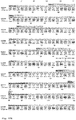
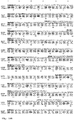
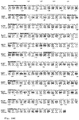
- the nucleic acid sequence coding for the CARs of the present invention is preferably optimized for the human codon usage. Particularly preferred embodiments are SEQ ID NO:37 coding for the CAR28 construct ( Fig. 7A-D ) and SEQ ID NO:38 coding for the CAR41 construct ( Fig. 8A-D ).
- the RNA coding for the CAR construct is introduced into the target cells, such as T-cells.
- Nucleic acid coding for the CAR construct may be introduced into the target cells by physical procedures, such as electroporation, or by fusion of the cells' membranes with suitable vesicles.
- the CAR construct is preferably transiently expressed in the T-cells. The advantage is that there is then a population of transduced T-cells which is present in the treated patient only for a transient time.
- the CAR construct is introduced into natural killer cells (NK), invariant natural killer T-cells (iNKT), diverse natural killer cells (dNKT), cytokine-induced killer cells (CIK) or ⁇ - ⁇ T-cells.
- NK natural killer cells
- iNKT invariant natural killer T-cells
- dNKT diverse natural killer cells
- CIK cytokine-induced killer cells
- suitable allogenic cells may be used.
- another transgene that modulates the immune system such as a genes coding for cytokines, chemokine receptors and/or checkpoint inhibitors, may be introduced in the immune cells.
- genome editing is used to disrupt the expression of genes that modulate the immune system, such as genes coding for cytokines, chemokine receptors and/or checkpoint inhibitors.
- constructs according to the present invention and immune cells containing such constructs can be used for local therapy with a targeted tumor injection.
- this embodiment which is performed preferably with automated devices that apply the CAR T-cells to certain places in the body of the patient, where local tumor areas are located. With a biopsy needle a sample is then withdrawn whereby a small cavity is formed. In this cavity the transduced or transfected T-cells are introduced and then the needle is withdrawn.
- This embodiment is particularly advantageous when there are solid tumors which are extremely difficult to treat with regular methods.
- the chimeric antigen receptors disclosed herein can be used for the treatment of diseases which are related to the expression of PSMA.
- PSMA is expressed in tumor cells derived from prostatic cancer. There are several stages of prostatic cancer known, but it seems that PSMA is one of the markers best suited for the treatment of prostate cancer.
- prostatic cancer comprises all forms of prostate cancer cells either derived from a primary tumor or from a metastatic tumor or from circulating tumor cells.
- immune cells engineered with the chimeric antigen receptors of the present invention are used against the neovascularization of solid tumors expressing PSMA.
- immune cells engineered with the chimeric antigen receptors disclosed herein are used in combination with a therapeutic agent, in particular a cytotoxic agent.
- a therapeutic agent in particular a cytotoxic agent.
- Cytotoxic agents as used for the treatment of prostate cancer are known.
- such substances comprise taxol derivatives, 5-fluorouracil, cyclophosphamide, mitoxantrone, docetaxel, cabazitaxel and etoposide.
- the following drugs are approved for prostate cancer and preferably used: Abiraterone Acetate, Apalutamide, Bicalutamide, Cabazitaxel, Casodex (Bicalutamide), Degarelix, Docetaxel, Eligard (Leuprolide Acetate), Enzalutamide, Erleada (Apalutamide), Firmagon (Degarelix), Flutamide, Goserelin Acetate, Jevtana (Cabazitaxel), Leuprolide Acetate, Lupron Depot (Leuprolide Acetate), Mitoxantrone Hydrochloride, Nilandron (Nilutamide), Nilutamide, Provenge (Sipuleucel-T), Radium 223 Dichloride, Sipuleucel-T, Taxotere (Docetaxel), Xofigo (Radium 223 Dichloride), Xtandi (Enzalutamide), Zoladex (Gosereliin Acetate), Zytiga (Abira
- the Figures show the results of the experiments as follows: In the Figures and in the experiments the following abbreviations were used: Abbreviation Explanation 4-1BB tumor necrosis factor receptor superfamily member 9 BLI bioluminescence imaging bw body weight C4-2 PSMA positive prostate cancer cell line CAR Chimeric Antigen Receptor CAR28 anti-PSMA CAR with CD28 co-stimulatory domain CAR41 anti-PSMA CAR with 4-1 BB co-stimulatory domain CD28 cluster of differentiation 28 CD3 ⁇ CD3 zeta region CD45RA cluster of differentiation 45 isoform RA CD62L cluster of differentiation 62, L-selectin CR complete remission DOC, DTX docetaxel DU145 PSMA negative prostate cancer cell line EFS Short version of the elongation factor alpha gene promoter ELISA enzyme-linked immunosorbent assay i.v.
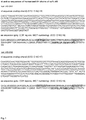
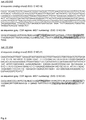
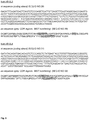
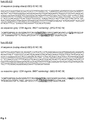
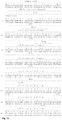
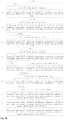
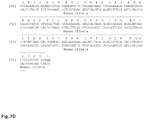
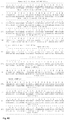
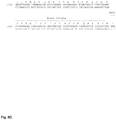
- Figure 1-6 Sequences of humanized ScFv derived from A5
- the humanized sequences have a homology of at least 80% to SEQ ID NO:1 or/and SEQ ID NO:5, respectively. In a more preferred embodiment the sequences have a homology of at least 90% and more preferred at least 95% to SEQ ID NO:1 and/or SEQ ID NO:5 and even more preferred the homology is at least 98% to SEQ ID NO:1 and/or SEQ ID NO:5. It should be noted that the CDR regions which are shown in Figure 13 are conserved to a very high level which means that the CDR regions which are determined by the Kabat method have not more than three, preferably not more than one and preferably no amino acid exchange. Fig.
- CARs are composed of an extracellular domain containing the antigen recognizing scFv, a hinge region, a transmembrane region, and one or more intracellular signaling domains that activate the T cell, including the CD3 ⁇ chain.
- co-stimulatory domains usually derived from CD28, 4-1BB, OX40, CD27 and/or ICOS are included.
- CARs targeting PSMA epitopes and some of these strategies have already entered clinical trials (e.g. NCT01140373, NCT01929239).
- A5-based CAR T cells were compared side-by-side with J591 and 3D8-based CAR T cells ( Figure 9 ).
- the antigen-specific activation profiles were compared in Jurkat cells transduced with expression vectors coding for A5, J591 and 3D8-based CARs. While the A5-based CAR and the J591-based CAR were able to mediate massive activation of the Jurkat cells upon antigen-specific sensitization ( Figure 9C ), 3D8-CAR bearing cells were only weakly activated.
- A5-based CAR T cells revealed a superior cytotoxicity profile as compared to J591-based CAR T cells on two PSMA positive tumor cell lines ( Figure 10A ), as evidenced by the fact that both tumor cell lines were eliminated with lower effector-to-target ratios.
- the manufactured A5-CAR T cell products expanded better ( Figure 11C ), showed less exhaustion ( Figure 11F ) and contained a higher percentage of undifferentiated T cells, such as a na ⁇ ve T cell and T stem cell memory cells ( Figure 11E ), as compared to J591-based CAR T cells.
- the A5-based anti-PSMA CAR T cells have unexpected properties that are superior to previously published PSMA-targeting CAR T cells, particularly in view of their superior in vitro cytotoxicity, as well as their T cell phenotype and their expansion and exhaustion profiles upon antigen-specific stimulation. Based on these results, the A5-based CAR T cells are promising tools for the development of novel immunotherapies for the treatment of local and advanced prostate cancer.
- the present invention relates therefore to chimeric antigen receptors for T cells which comprise an antigen-binding fragment which binds specifically to the PSMA antigen.
- the antigen-binding fragment comprises preferably a V H and a V L fragment which are connected with a suitable linker.
- the chimeric antigen receptor comprises preferably a spacer element, a transmembrane fragment and a CDR3 ⁇ cytoplasmic domain.
- the chimeric antigen receptor preferably comprises a fragment from the CD28 and/or a 4-1BB cytoplasmic domain.
- the chimeric antigen receptors of the present invention contain preferably at least three CDRs selected from the group consisting of CDR-H1, CDR-H2, CDR-H3, CDR-L1, CDR-L2 and CDR-L3.
- the CDRs are shown by grey arrows above the amino acid sequence and the relevant nucleic acid sequence coding.
- the chimeric antigen receptor comprises at least three (CDR-H1, CDR-H3, CDR-L3), preferably four (CDR-H1, CDR-H3, CDR-L2, CDR-L3), and more preferred at least five (CDR-H1, CDR-H3, CDR-L1, CDR-L2, CDR-L3) of the CDRs.
- the chimeric antigen receptors are preferably present in a humanized format.
- a humanized format can be obtained by inserting the at least three, preferably four, more preferred five or six CDRs into a suitable human antigen-binding scaffold having a high homology to the murine scaffold as shown in Fig. 1-6 .
- HEK293T cells were cultured at 37 °C in a humidified incubator with 5% CO 2 in DMEM (Gibco, Invitrogen, Düsseldorf, Germany) supplemented with 10% fetal calf serum (Biochrom, Berlin, Germany), penicillin (100 U/ml), streptomycin (100 mg/L) and 10 mM HEPES (Sigma-Aldrich).
- DMEM Gibco, Invitrogen, Düsseldorf, Germany
- penicillin 100 U/ml
- streptomycin 100 mg/L
- 10 mM HEPES Sigma-Aldrich
- Biological titers of the vector preparations were determined by transducing Jurkat T cells, followed by staining of the transduced cells with anti-human IgG to determine the fraction of CAR positive cells.
- PBMCs Peripheral blood mononuclear cells
- phase separation Ficoll, Sigma-Aldrich
- PBMCs were thawed and let to recover for 24 h in RPMI complete medium [RPMI 1640 medium (Gibco, Invitrogen, Düsseldorf, Germany) supplemented with 10% fetal calf serum (Biochrom, Berlin, Germany), penicillin (100 U/ml), streptomycin (100 mg/L) and 10 mM HEPES buffer (Sigma-Aldrich)].
- PBMCs were activated using anti-CD2/CD3/CD28 antibodies (Immunocult, StemCell Technologies) and cultured in RPMI complete medium supplemented with 100 U/ml of IL-2, 25 U/ml of IL-7 and 50 U/ml of IL-15 (all from Miltenyi Biotech) for 2 to 3 days before transduction with gamma-retroviral constructs encoding either of the PSMA targeting CAR T cells with a dose ranging from 50-300 transducing units per cell.
- anti-CD2/CD3/CD28 antibodies Immunocult, StemCell Technologies
- RPMI complete medium supplemented with 100 U/ml of IL-2, 25 U/ml of IL-7 and 50 U/ml of IL-15 (all from Miltenyi Biotech) for 2 to 3 days before transduction with gamma-retroviral constructs encoding either of the PSMA targeting CAR T cells with a dose ranging from 50-300 transducing units per
- Transduced cells were cultured in wells coated with poly-D-lysin (PDL, Sigma-Aldrich) containing RPMI complete medium supplemented with 5 ⁇ g/ml of protamine sulfate (Sigma-Aldrich) and 1000 U/ml of IL-2, 25 U/ml of IL-7 and 50 U/ml of IL-15. After one day, medium was changed and cells were further expanded for 8-9 days in RPMI complete medium supplemented with 100 U/ml of IL-2, 25 U/ml of IL-7 and 50 U/ml of IL-15 before being frozen in liquid nitrogen until further use.
- PDL poly-D-lysin
- RPMI complete medium supplemented with 5 ⁇ g/ml of protamine sulfate (Sigma-Aldrich) and 1000 U/ml of IL-2, 25 U/ml of IL-7 and 50 U/ml of IL-15.
- the biological activity of a preferred construct according to the present invention has been compared with a construct wherein the PSMA binding fragment is derived from the antibody J591. Furthermore, it was compared with a similar construct wherein the antigen binding construct was derived from another antibody (3D8).
- the constructs were introduced into Jurkat T-cell line and the CAR expression level was determined by flow cytometry after staining of cells with anti-human IgG. As shown in Figure 9B , all CAR constructs were properly expressed in Jurkat T-cells. UT (untransduced cells) served as a negative control for staining.
- the antigen-specific activation of transduced Jurkat T cells was measured by monitoring the expression of the activation marker CD69 upon antigen stimulation Figure 9C .
- the 3D8-based CAR mediated only weak activation of the transduced Jurkat cells upon exposure to antigen positive cells. This was independent of the expression of the inhibitory ligand PD-L1. None of the CAR constructs were activated when they were stimulated with antigen negative (DU145) cells.
- CAR T cells were generated from PBMCs following retroviral transduction as described in example 2.
- CAR T cells were co-cultured with irradiated PSMA positive (C4-2) tumor positive cells for 12 days at a 1:1 effector-to-target ratio in RPMI complete medium supplemented with 100 U/ml of IL-2, 25 U/ml of IL-7 and 50 U/ml of IL-15 (all from Miltenyi Biotech). Every 3 days, cells were harvested, counted and plated over fresh irradiated antigen positive (C4-2) tumor positive cells. To determine CAR expression levels and the fraction of CAR-positive cells by flow cytometry (FACS Canto II or Accuri, BD Biosciences), cells were stained with anti-human IgG-PE (Southern Biotech).
- the number of CAR T cells was counted at different time points using a NucleoCounter (NC-250, ChemoMetec). The number of cell divisions was calculated based on the absolute cell number.
- CAR T cells were determined by flow cytometric analysis to check the CAR T cell phenotype and the CAR T cell exhaustion pattern.
- CAR T cells were exposed to antigen positive (C4-2) tumor cells before cells were harvested and stained with anti-human CD62L-Bv421 (BD Biosciences), anti-human CD45RA-FITC (Biolegend), anti-human CD3-APC/H7 (BD Biosciences) and anti-human IgG-PE (CAR) (Southern Biotec).
- the T cell phenotype was determined based on the expression of CD62L and CD45RA. Cells were pre-gated on CD3+/CAR- for untransduced (UT) T cells or on CD3+/CAR+ for both types of CAR T cells (not shown).
- A5-CAR T cells were less differentiated as compared to J591CAR T cells as indicated by the presence of high proportion of undifferentiated cells na ⁇ ve T cell (Tn) and T stem cell memory (Tscm) but a low proportion of effector T cells (Teff).
- CAR T cells were exposed to PSMA-positive tumor cells (C4-2) before being harvested and stained with anti-human CD279-FITC (PD-1, BD Biosciences), anti-human CD223-eFluor710 (LAG-3, BD Biosciences), anti-human CD3-APC/H7 (BD Biosciences) and anti-human IgG-PE (Southern Biotec).
- the exhaustion profile was determined by flow cytometry (FACS Canto II) based on the expression of CD279 (PD-1) and CD223 (LAG-3).
- A5-CAR T cells maintained a significantly increased number of LAG-3 and PD-1 double negative cells upon antigen encounter, indicating a less exhausted T cell phenotype.
- the cytotoxic potential of PSMA targeting CAR T cells was determined by assessing their ability to kill PSMA positive tumor cells using a cell viability XTT assay.
- CAR T cells were co-cultured with either PSMA-positive (C4-2) or (LNCaP) tumor cells or antigen-negative tumor control cells (DU145) in 96 well plates for 48 h at different effector-to-target ratios in a final volume of 200 ⁇ l/well of RPMI complete medium without any cytokines.
- To determine cell viability as a function of metabolic activity 100 ⁇ l/well of medium was removed and replaced with 100 ⁇ l/well of XTT solution (Sigma-Aldrich), and cells incubated at 37°C.
- the genetic information coding for the chimeric antigen receptor is introduced with the help of a suitable vector into the target immune cells (e.g. T cell).
- a suitable vector can preferably be a lentivirus vector or a retroviral vector or a transposon or a plasmid.
- the genetic information can be introduced into the genome of the T cell in a targeted fashion with the help of designer nuclease technology, such as the CRISPR/Cas technology or the TALEN technology, as described herein.
- the present invention relates to an in vitro method of providing T cells comprising a chimeric antigen receptor as described herein.
- T cells are isolated from a donor preferably by leukapheresis methods. This results in a substantial enrichment of the T cells.
- the T cells are then genetically modified by transfection with a suitable vector or by transduction with a viral vector containing the genetic information for the chimeric antigen receptor, respectively.
- Such genetically modified T cells can then be isolated and amplified whereby those T cells which do not contain the desired genetic information can be separated from the modified T cells or at least reduced.
- the transfected T cells can then be applied to the patient to be treated.
Landscapes
- Health & Medical Sciences (AREA)
- Life Sciences & Earth Sciences (AREA)
- Chemical & Material Sciences (AREA)
- General Health & Medical Sciences (AREA)
- Organic Chemistry (AREA)
- Veterinary Medicine (AREA)
- Public Health (AREA)
- Animal Behavior & Ethology (AREA)
- Immunology (AREA)
- Epidemiology (AREA)
- Medicinal Chemistry (AREA)
- Genetics & Genomics (AREA)
- Biophysics (AREA)
- Molecular Biology (AREA)
- Proteomics, Peptides & Aminoacids (AREA)
- Biochemistry (AREA)
- Cell Biology (AREA)
- Gynecology & Obstetrics (AREA)
- Pregnancy & Childbirth (AREA)
- Reproductive Health (AREA)
- General Chemical & Material Sciences (AREA)
- Pharmacology & Pharmacy (AREA)
- Nuclear Medicine, Radiotherapy & Molecular Imaging (AREA)
- Chemical Kinetics & Catalysis (AREA)
- Toxicology (AREA)
- Zoology (AREA)
- Gastroenterology & Hepatology (AREA)
- Micro-Organisms Or Cultivation Processes Thereof (AREA)
- Medicines That Contain Protein Lipid Enzymes And Other Medicines (AREA)
- Medicines Containing Material From Animals Or Micro-Organisms (AREA)
- Acyclic And Carbocyclic Compounds In Medicinal Compositions (AREA)
- Peptides Or Proteins (AREA)
- Medicines Containing Antibodies Or Antigens For Use As Internal Diagnostic Agents (AREA)
- Pharmaceuticals Containing Other Organic And Inorganic Compounds (AREA)
Priority Applications (6)
| Application Number | Priority Date | Filing Date | Title |
|---|---|---|---|
| EP19219238.3A EP3842461A1 (de) | 2019-12-23 | 2019-12-23 | Chimäre antigenrezeptoren, die an prostataspezifisches membranantigen binden |
| US17/788,723 US12428492B2 (en) | 2019-12-23 | 2020-12-14 | Chimeric antigen receptors that bind to prostate specific membrane antigen |
| EP20821244.9A EP4081553A1 (de) | 2019-12-23 | 2020-12-14 | Chimäre antigenrezeptoren, die an prostataspezifisches membranantigen binden |
| JP2022537320A JP7625281B2 (ja) | 2019-12-23 | 2020-12-14 | 前立腺特異的膜抗原に結合するキメラ抗原受容体 |
| PCT/EP2020/086003 WO2021130042A1 (en) | 2019-12-23 | 2020-12-14 | Chimeric antigen receptors that bind to prostate specific membrane antigen |
| CN202080090072.3A CN114867750A (zh) | 2019-12-23 | 2020-12-14 | 与前列腺特异性膜抗原结合的嵌合抗原受体 |
Applications Claiming Priority (1)
| Application Number | Priority Date | Filing Date | Title |
|---|---|---|---|
| EP19219238.3A EP3842461A1 (de) | 2019-12-23 | 2019-12-23 | Chimäre antigenrezeptoren, die an prostataspezifisches membranantigen binden |
Publications (1)
| Publication Number | Publication Date |
|---|---|
| EP3842461A1 true EP3842461A1 (de) | 2021-06-30 |
Family
ID=69005529
Family Applications (2)
| Application Number | Title | Priority Date | Filing Date |
|---|---|---|---|
| EP19219238.3A Withdrawn EP3842461A1 (de) | 2019-12-23 | 2019-12-23 | Chimäre antigenrezeptoren, die an prostataspezifisches membranantigen binden |
| EP20821244.9A Pending EP4081553A1 (de) | 2019-12-23 | 2020-12-14 | Chimäre antigenrezeptoren, die an prostataspezifisches membranantigen binden |
Family Applications After (1)
| Application Number | Title | Priority Date | Filing Date |
|---|---|---|---|
| EP20821244.9A Pending EP4081553A1 (de) | 2019-12-23 | 2020-12-14 | Chimäre antigenrezeptoren, die an prostataspezifisches membranantigen binden |
Country Status (5)
| Country | Link |
|---|---|
| US (1) | US12428492B2 (de) |
| EP (2) | EP3842461A1 (de) |
| JP (1) | JP7625281B2 (de) |
| CN (1) | CN114867750A (de) |
| WO (1) | WO2021130042A1 (de) |
Cited By (1)
| Publication number | Priority date | Publication date | Assignee | Title |
|---|---|---|---|---|
| WO2024037531A1 (en) * | 2022-08-17 | 2024-02-22 | Beijing Meikang Geno-Immune Biotechnology Co., Ltd. | Anti-psma single-chain antibody, chimeric antigen receptor associated therewith and use thereof |
Families Citing this family (1)
| Publication number | Priority date | Publication date | Assignee | Title |
|---|---|---|---|---|
| IL322949A (en) | 2023-03-03 | 2025-10-01 | Arsenal Biosciences Inc | Systems targeting PSMA and CA9 |
Citations (4)
| Publication number | Priority date | Publication date | Assignee | Title |
|---|---|---|---|---|
| WO2006125481A1 (en) | 2005-05-27 | 2006-11-30 | Universitätsklinikum Freiburg | Monoclonal antibodies and single chain antibody fragments against cell-surface prostate specific membrane antigen |
| WO2009017823A2 (en) | 2007-08-01 | 2009-02-05 | The Government Of The United States Of America, As Represented By The Secretary, Department Of Health Of Human Services, National Institutes Of Health | A fold-back diabody diphtheria toxin immunotoxin and methods of use |
| WO2010037836A2 (en) * | 2008-10-01 | 2010-04-08 | Micromet Ag | Cross-species-specific psmaxcd3 bispecific single chain antibody |
| WO2018111340A1 (en) * | 2016-12-16 | 2018-06-21 | Novartis Ag | Methods for determining potency and proliferative function of chimeric antigen receptor (car)-t cells |
Family Cites Families (6)
| Publication number | Priority date | Publication date | Assignee | Title |
|---|---|---|---|---|
| WO2016174652A1 (en) * | 2015-04-30 | 2016-11-03 | Technion Research & Development Foundation Limited | Chimeric antigen receptors and methods of their use |
| EA201891753A1 (ru) * | 2016-02-03 | 2019-01-31 | Эмджен Рисерч (Мюник) Гмбх | Биспецифические конструкции антител к psma и cd3, вовлекающие т-клетки |
| MX2019012017A (es) * | 2017-04-07 | 2020-02-12 | Juno Therapeutics Inc | Celulas modificadas que expresan antigeno de membrana especifico de prostata (psma) o una forma modificada del mismo y metodos relacionados. |
| EP3765041A4 (de) | 2018-03-14 | 2021-12-22 | Seattle Children's Hospital (DBA Seattle Children's Research Institute) | Chimärer il-13-rezeptor-alpha 2 (il13ra2)-antigenrezeptor für tumorspezifische t-zell-immuntherapie |
| JP7599205B2 (ja) * | 2018-06-01 | 2024-12-13 | アンヘレス セラピューティクス インコーポレイテッド | 細胞療法のための多様な抗原結合ドメイン、新規プラットフォームおよびその他の強化 |
| CN115427439A (zh) * | 2019-10-30 | 2022-12-02 | 德克萨斯A&M大学系统 | 用于双靶标嵌合抗原受体t细胞疗法的蛋白酶开关 |
-
2019
- 2019-12-23 EP EP19219238.3A patent/EP3842461A1/de not_active Withdrawn
-
2020
- 2020-12-14 JP JP2022537320A patent/JP7625281B2/ja active Active
- 2020-12-14 WO PCT/EP2020/086003 patent/WO2021130042A1/en not_active Ceased
- 2020-12-14 US US17/788,723 patent/US12428492B2/en active Active
- 2020-12-14 CN CN202080090072.3A patent/CN114867750A/zh active Pending
- 2020-12-14 EP EP20821244.9A patent/EP4081553A1/de active Pending
Patent Citations (5)
| Publication number | Priority date | Publication date | Assignee | Title |
|---|---|---|---|---|
| WO2006125481A1 (en) | 2005-05-27 | 2006-11-30 | Universitätsklinikum Freiburg | Monoclonal antibodies and single chain antibody fragments against cell-surface prostate specific membrane antigen |
| EP1883698A1 (de) | 2005-05-27 | 2008-02-06 | Universitätsklinikum Freiburg | Monoklonale antikörper und einzelkettenantikörper fragments gegen das zelloberflächen prostataspezifische membranantigen |
| WO2009017823A2 (en) | 2007-08-01 | 2009-02-05 | The Government Of The United States Of America, As Represented By The Secretary, Department Of Health Of Human Services, National Institutes Of Health | A fold-back diabody diphtheria toxin immunotoxin and methods of use |
| WO2010037836A2 (en) * | 2008-10-01 | 2010-04-08 | Micromet Ag | Cross-species-specific psmaxcd3 bispecific single chain antibody |
| WO2018111340A1 (en) * | 2016-12-16 | 2018-06-21 | Novartis Ag | Methods for determining potency and proliferative function of chimeric antigen receptor (car)-t cells |
Non-Patent Citations (10)
| Title |
|---|
| ALZUBI J ET AL: "A novel chimeric antigen receptor CAR-T cell approach eliminates prostate cancer in a mouse tumour model", HUMAN GENE THERAPY, vol. 29, no. 12, 1 December 2018 (2018-12-01), & CONFERENCE ON CHANGING THE FACE OF MODERN MEDICINE - STEM CELL AND GENE THERAPY; LAUSANNE, SWITZERLAND; OCTOBER 16 -19, 2018, pages A21, XP009520619, ISSN: 1557-7422 * |
| CARTELLIERI MARC ET AL: "Unicar: A Novel Modular Retargeting Platform Technology for CAR T Cells", BLOOD, THE AMERICAN SOCIETY OF HEMATOLOGY, US, vol. 126, no. 23, 30 November 2015 (2015-11-30), XP009502171, ISSN: 0006-4971 * |
| ELSAESSER-BEILE URSULA ET AL: "Anti-PSMA antibodies and recombinant fragments as agents for targeting prostate cancer", INTERNATIONAL JOURNAL OF MOLECULAR MEDICINE, SPANDIDOS PUBLICATIONS, GR, vol. 26, no. Suppl. 1, 1 January 2010 (2010-01-01), pages S50, XP009510752, ISSN: 1107-3756 * |
| MA ET AL., THE PROSTATE, vol. 74, 2014, pages 286 - 296 |
| MA QIANGZHONG ET AL: "Advanced generation anti-prostate specific membrane antigen designer T cells for prostate cancer immunotherapy", THE PROSTATE, JOHN WILEY & SONS, INC, US, vol. 74, no. 3, 1 February 2014 (2014-02-01), pages 286 - 296, XP002786351, ISSN: 1097-0045 * |
| MAHMOUD HASSANI ET AL: "Construction of a chimeric antigen receptor bearing a nanobody against prostate a specific membrane antigen in prostate cancer", JOURNAL OF CELLULAR BIOCHEMISTRY, vol. 120, no. 6, 22 January 2019 (2019-01-22), pages 10787 - 10795, XP055696932, ISSN: 0730-2312, DOI: 10.1002/jcb.28370 * |
| S. P. SANTORO ET AL: "T Cells Bearing a Chimeric Antigen Receptor against Prostate-Specific Membrane Antigen Mediate Vascular Disruption and Result in Tumor Regression", CANCER IMMUNOLOGY RESEARCH, vol. 3, no. 1, 1 January 2015 (2015-01-01), US, pages 68 - 84, XP055347210, ISSN: 2326-6066, DOI: 10.1158/2326-6066.CIR-14-0192 * |
| SANTORO ET AL., CANCER IMMUNOL. RES., 2015, pages 68 - 84 |
| XIAO-SONG ZHONG ET AL: "Chimeric Antigen Receptors Combining 4-1BB and CD28 Signaling Domains Augment PI3kinase/AKT/Bcl-XL Activation and CD8+ T Cell-mediated Tumor Eradication", MOLECULAR THERAPY, vol. 18, no. 2, 1 February 2010 (2010-02-01), pages 413 - 420, XP055023623, ISSN: 1525-0016, DOI: 10.1038/mt.2009.210 * |
| ZHONG ET AL., MOLECULAR THERAPY, 2010, pages 413 - 420 |
Cited By (1)
| Publication number | Priority date | Publication date | Assignee | Title |
|---|---|---|---|---|
| WO2024037531A1 (en) * | 2022-08-17 | 2024-02-22 | Beijing Meikang Geno-Immune Biotechnology Co., Ltd. | Anti-psma single-chain antibody, chimeric antigen receptor associated therewith and use thereof |
Also Published As
| Publication number | Publication date |
|---|---|
| JP7625281B2 (ja) | 2025-02-03 |
| JP2023508279A (ja) | 2023-03-02 |
| WO2021130042A1 (en) | 2021-07-01 |
| CN114867750A (zh) | 2022-08-05 |
| US20230039030A1 (en) | 2023-02-09 |
| US12428492B2 (en) | 2025-09-30 |
| EP4081553A1 (de) | 2022-11-02 |
Similar Documents
| Publication | Publication Date | Title |
|---|---|---|
| EP3599251B1 (de) | Konstruktion eines gegen cd20-antigen gerichteten antigenrezeptors und aktivitätsidentifizierung von manipulierten t-zellen davon | |
| US11090336B2 (en) | Tn-MUC1 chimeric antigen receptor (CAR) T cell therapy | |
| JP7737740B2 (ja) | 抗gpc3一本鎖抗体を含むcar | |
| TWI728308B (zh) | 一種結合bcma的嵌合抗原受體(car)及其應用 | |
| EP3674327A1 (de) | Bindung von chimärem antigen-rezeptor (car) an bcma und verwendungen davon | |
| US11453860B2 (en) | GPC3 and ASGPR1 double-targeted transgenic immune effector cell and use thereof | |
| JP2021072831A (ja) | 多様な多重抗原のターゲティングのための汎用的キメラ抗原受容体を発現する免疫細胞および該免疫細胞の製造方法ならびに該免疫細胞の、癌、感染症および自己免疫疾患の治療のための使用 | |
| US20170296623A1 (en) | INHIBITORY CHIMERIC ANTIGEN RECEPTOR (iCAR OR N-CAR) EXPRESSING NON-T CELL TRANSDUCTION DOMAIN | |
| US20210260118A1 (en) | Bcma car-t cells with enhanced activities | |
| JP6971986B2 (ja) | 免疫療法の抗腫瘍活性を高めるための間葉系幹細胞 | |
| BR112020024246A2 (pt) | pelo menos um polinucleotídeo recombinante, célula recombinante, receptor de antígeno quimérico, polinucleotídeo que codifica o receptor de antígeno quimérico, vetor, vírus, composição farmacêutica, e, método para tratar câncer | |
| KR20190101979A (ko) | 합성 면역 수용체 및 이의 사용 방법 | |
| JP7485371B2 (ja) | 前立腺特異的膜抗原に結合するキメラ抗原受容体 | |
| US12428492B2 (en) | Chimeric antigen receptors that bind to prostate specific membrane antigen | |
| JP2024514101A (ja) | Il-13ra2キメラ抗原受容体および使用方法 | |
| EP4703375A1 (de) | T-zell-rezeptor und verwendung davon | |
| CN121620529A (zh) | 嵌合细胞因子受体及其使用方法 | |
| Berinstein | The Development Of A Novel Chimeric Antigen Receptor Specific For Syndecan-1 | |
| HK40030405B (en) | Chimeric antigen receptor (car) binding to bcma, and uses thereof | |
| HK40030405A (en) | Chimeric antigen receptor (car) binding to bcma, and uses thereof |
Legal Events
| Date | Code | Title | Description |
|---|---|---|---|
| PUAI | Public reference made under article 153(3) epc to a published international application that has entered the european phase |
Free format text: ORIGINAL CODE: 0009012 |
|
| STAA | Information on the status of an ep patent application or granted ep patent |
Free format text: STATUS: THE APPLICATION HAS BEEN PUBLISHED |
|
| AK | Designated contracting states |
Kind code of ref document: A1 Designated state(s): AL AT BE BG CH CY CZ DE DK EE ES FI FR GB GR HR HU IE IS IT LI LT LU LV MC MK MT NL NO PL PT RO RS SE SI SK SM TR |
|
| STAA | Information on the status of an ep patent application or granted ep patent |
Free format text: STATUS: THE APPLICATION IS DEEMED TO BE WITHDRAWN |
|
| 18D | Application deemed to be withdrawn |
Effective date: 20220104 |