EP3885448B1 - Analyse de la chromatine au moyen d'une enzyme de coupure - Google Patents
Analyse de la chromatine au moyen d'une enzyme de coupure Download PDFInfo
- Publication number
- EP3885448B1 EP3885448B1 EP21174494.1A EP21174494A EP3885448B1 EP 3885448 B1 EP3885448 B1 EP 3885448B1 EP 21174494 A EP21174494 A EP 21174494A EP 3885448 B1 EP3885448 B1 EP 3885448B1
- Authority
- EP
- European Patent Office
- Prior art keywords
- cells
- chromatin
- dna
- labeled
- cell
- Prior art date
- Legal status (The legal status is an assumption and is not a legal conclusion. Google has not performed a legal analysis and makes no representation as to the accuracy of the status listed.)
- Active
Links
Images









Classifications
-
- C—CHEMISTRY; METALLURGY
- C12—BIOCHEMISTRY; BEER; SPIRITS; WINE; VINEGAR; MICROBIOLOGY; ENZYMOLOGY; MUTATION OR GENETIC ENGINEERING
- C12Q—MEASURING OR TESTING PROCESSES INVOLVING ENZYMES, NUCLEIC ACIDS OR MICROORGANISMS; COMPOSITIONS OR TEST PAPERS THEREFOR; PROCESSES OF PREPARING SUCH COMPOSITIONS; CONDITION-RESPONSIVE CONTROL IN MICROBIOLOGICAL OR ENZYMOLOGICAL PROCESSES
- C12Q1/00—Measuring or testing processes involving enzymes, nucleic acids or microorganisms; Compositions therefor; Processes of preparing such compositions
- C12Q1/68—Measuring or testing processes involving enzymes, nucleic acids or microorganisms; Compositions therefor; Processes of preparing such compositions involving nucleic acids
- C12Q1/6876—Nucleic acid products used in the analysis of nucleic acids, e.g. primers or probes
- C12Q1/6883—Nucleic acid products used in the analysis of nucleic acids, e.g. primers or probes for diseases caused by alterations of genetic material
- C12Q1/6886—Nucleic acid products used in the analysis of nucleic acids, e.g. primers or probes for diseases caused by alterations of genetic material for cancer
-
- C—CHEMISTRY; METALLURGY
- C12—BIOCHEMISTRY; BEER; SPIRITS; WINE; VINEGAR; MICROBIOLOGY; ENZYMOLOGY; MUTATION OR GENETIC ENGINEERING
- C12Q—MEASURING OR TESTING PROCESSES INVOLVING ENZYMES, NUCLEIC ACIDS OR MICROORGANISMS; COMPOSITIONS OR TEST PAPERS THEREFOR; PROCESSES OF PREPARING SUCH COMPOSITIONS; CONDITION-RESPONSIVE CONTROL IN MICROBIOLOGICAL OR ENZYMOLOGICAL PROCESSES
- C12Q1/00—Measuring or testing processes involving enzymes, nucleic acids or microorganisms; Compositions therefor; Processes of preparing such compositions
- C12Q1/68—Measuring or testing processes involving enzymes, nucleic acids or microorganisms; Compositions therefor; Processes of preparing such compositions involving nucleic acids
- C12Q1/6806—Preparing nucleic acids for analysis, e.g. for polymerase chain reaction [PCR] assay
-
- C—CHEMISTRY; METALLURGY
- C12—BIOCHEMISTRY; BEER; SPIRITS; WINE; VINEGAR; MICROBIOLOGY; ENZYMOLOGY; MUTATION OR GENETIC ENGINEERING
- C12Q—MEASURING OR TESTING PROCESSES INVOLVING ENZYMES, NUCLEIC ACIDS OR MICROORGANISMS; COMPOSITIONS OR TEST PAPERS THEREFOR; PROCESSES OF PREPARING SUCH COMPOSITIONS; CONDITION-RESPONSIVE CONTROL IN MICROBIOLOGICAL OR ENZYMOLOGICAL PROCESSES
- C12Q1/00—Measuring or testing processes involving enzymes, nucleic acids or microorganisms; Compositions therefor; Processes of preparing such compositions
- C12Q1/68—Measuring or testing processes involving enzymes, nucleic acids or microorganisms; Compositions therefor; Processes of preparing such compositions involving nucleic acids
- C12Q1/6813—Hybridisation assays
- C12Q1/6827—Hybridisation assays for detection of mutation or polymorphism
-
- C—CHEMISTRY; METALLURGY
- C12—BIOCHEMISTRY; BEER; SPIRITS; WINE; VINEGAR; MICROBIOLOGY; ENZYMOLOGY; MUTATION OR GENETIC ENGINEERING
- C12Q—MEASURING OR TESTING PROCESSES INVOLVING ENZYMES, NUCLEIC ACIDS OR MICROORGANISMS; COMPOSITIONS OR TEST PAPERS THEREFOR; PROCESSES OF PREPARING SUCH COMPOSITIONS; CONDITION-RESPONSIVE CONTROL IN MICROBIOLOGICAL OR ENZYMOLOGICAL PROCESSES
- C12Q1/00—Measuring or testing processes involving enzymes, nucleic acids or microorganisms; Compositions therefor; Processes of preparing such compositions
- C12Q1/68—Measuring or testing processes involving enzymes, nucleic acids or microorganisms; Compositions therefor; Processes of preparing such compositions involving nucleic acids
- C12Q1/6813—Hybridisation assays
- C12Q1/6841—In situ hybridisation
-
- C—CHEMISTRY; METALLURGY
- C12—BIOCHEMISTRY; BEER; SPIRITS; WINE; VINEGAR; MICROBIOLOGY; ENZYMOLOGY; MUTATION OR GENETIC ENGINEERING
- C12Q—MEASURING OR TESTING PROCESSES INVOLVING ENZYMES, NUCLEIC ACIDS OR MICROORGANISMS; COMPOSITIONS OR TEST PAPERS THEREFOR; PROCESSES OF PREPARING SUCH COMPOSITIONS; CONDITION-RESPONSIVE CONTROL IN MICROBIOLOGICAL OR ENZYMOLOGICAL PROCESSES
- C12Q1/00—Measuring or testing processes involving enzymes, nucleic acids or microorganisms; Compositions therefor; Processes of preparing such compositions
- C12Q1/68—Measuring or testing processes involving enzymes, nucleic acids or microorganisms; Compositions therefor; Processes of preparing such compositions involving nucleic acids
- C12Q1/6869—Methods for sequencing
-
- C—CHEMISTRY; METALLURGY
- C12—BIOCHEMISTRY; BEER; SPIRITS; WINE; VINEGAR; MICROBIOLOGY; ENZYMOLOGY; MUTATION OR GENETIC ENGINEERING
- C12Q—MEASURING OR TESTING PROCESSES INVOLVING ENZYMES, NUCLEIC ACIDS OR MICROORGANISMS; COMPOSITIONS OR TEST PAPERS THEREFOR; PROCESSES OF PREPARING SUCH COMPOSITIONS; CONDITION-RESPONSIVE CONTROL IN MICROBIOLOGICAL OR ENZYMOLOGICAL PROCESSES
- C12Q2521/00—Reaction characterised by the enzymatic activity
- C12Q2521/30—Phosphoric diester hydrolysing, i.e. nuclease
- C12Q2521/301—Endonuclease
-
- C—CHEMISTRY; METALLURGY
- C12—BIOCHEMISTRY; BEER; SPIRITS; WINE; VINEGAR; MICROBIOLOGY; ENZYMOLOGY; MUTATION OR GENETIC ENGINEERING
- C12Q—MEASURING OR TESTING PROCESSES INVOLVING ENZYMES, NUCLEIC ACIDS OR MICROORGANISMS; COMPOSITIONS OR TEST PAPERS THEREFOR; PROCESSES OF PREPARING SUCH COMPOSITIONS; CONDITION-RESPONSIVE CONTROL IN MICROBIOLOGICAL OR ENZYMOLOGICAL PROCESSES
- C12Q2521/00—Reaction characterised by the enzymatic activity
- C12Q2521/30—Phosphoric diester hydrolysing, i.e. nuclease
- C12Q2521/331—Methylation site specific nuclease
-
- C—CHEMISTRY; METALLURGY
- C12—BIOCHEMISTRY; BEER; SPIRITS; WINE; VINEGAR; MICROBIOLOGY; ENZYMOLOGY; MUTATION OR GENETIC ENGINEERING
- C12Q—MEASURING OR TESTING PROCESSES INVOLVING ENZYMES, NUCLEIC ACIDS OR MICROORGANISMS; COMPOSITIONS OR TEST PAPERS THEREFOR; PROCESSES OF PREPARING SUCH COMPOSITIONS; CONDITION-RESPONSIVE CONTROL IN MICROBIOLOGICAL OR ENZYMOLOGICAL PROCESSES
- C12Q2525/00—Reactions involving modified oligonucleotides, nucleic acids, or nucleotides
- C12Q2525/10—Modifications characterised by
- C12Q2525/117—Modifications characterised by incorporating modified base
-
- C—CHEMISTRY; METALLURGY
- C12—BIOCHEMISTRY; BEER; SPIRITS; WINE; VINEGAR; MICROBIOLOGY; ENZYMOLOGY; MUTATION OR GENETIC ENGINEERING
- C12Q—MEASURING OR TESTING PROCESSES INVOLVING ENZYMES, NUCLEIC ACIDS OR MICROORGANISMS; COMPOSITIONS OR TEST PAPERS THEREFOR; PROCESSES OF PREPARING SUCH COMPOSITIONS; CONDITION-RESPONSIVE CONTROL IN MICROBIOLOGICAL OR ENZYMOLOGICAL PROCESSES
- C12Q2527/00—Reactions demanding special reaction conditions
- C12Q2527/156—Permeability
-
- C—CHEMISTRY; METALLURGY
- C12—BIOCHEMISTRY; BEER; SPIRITS; WINE; VINEGAR; MICROBIOLOGY; ENZYMOLOGY; MUTATION OR GENETIC ENGINEERING
- C12Q—MEASURING OR TESTING PROCESSES INVOLVING ENZYMES, NUCLEIC ACIDS OR MICROORGANISMS; COMPOSITIONS OR TEST PAPERS THEREFOR; PROCESSES OF PREPARING SUCH COMPOSITIONS; CONDITION-RESPONSIVE CONTROL IN MICROBIOLOGICAL OR ENZYMOLOGICAL PROCESSES
- C12Q2531/00—Reactions of nucleic acids characterised by
- C12Q2531/10—Reactions of nucleic acids characterised by the purpose being amplify/increase the copy number of target nucleic acid
- C12Q2531/119—Strand displacement amplification [SDA]
-
- C—CHEMISTRY; METALLURGY
- C12—BIOCHEMISTRY; BEER; SPIRITS; WINE; VINEGAR; MICROBIOLOGY; ENZYMOLOGY; MUTATION OR GENETIC ENGINEERING
- C12Q—MEASURING OR TESTING PROCESSES INVOLVING ENZYMES, NUCLEIC ACIDS OR MICROORGANISMS; COMPOSITIONS OR TEST PAPERS THEREFOR; PROCESSES OF PREPARING SUCH COMPOSITIONS; CONDITION-RESPONSIVE CONTROL IN MICROBIOLOGICAL OR ENZYMOLOGICAL PROCESSES
- C12Q2535/00—Reactions characterised by the assay type for determining the identity of a nucleotide base or a sequence of oligonucleotides
- C12Q2535/122—Massive parallel sequencing
-
- C—CHEMISTRY; METALLURGY
- C12—BIOCHEMISTRY; BEER; SPIRITS; WINE; VINEGAR; MICROBIOLOGY; ENZYMOLOGY; MUTATION OR GENETIC ENGINEERING
- C12Q—MEASURING OR TESTING PROCESSES INVOLVING ENZYMES, NUCLEIC ACIDS OR MICROORGANISMS; COMPOSITIONS OR TEST PAPERS THEREFOR; PROCESSES OF PREPARING SUCH COMPOSITIONS; CONDITION-RESPONSIVE CONTROL IN MICROBIOLOGICAL OR ENZYMOLOGICAL PROCESSES
- C12Q2543/00—Reactions characterised by the reaction site, e.g. cell or chromosome
- C12Q2543/10—Reactions characterised by the reaction site, e.g. cell or chromosome the purpose being "in situ" analysis
-
- C—CHEMISTRY; METALLURGY
- C12—BIOCHEMISTRY; BEER; SPIRITS; WINE; VINEGAR; MICROBIOLOGY; ENZYMOLOGY; MUTATION OR GENETIC ENGINEERING
- C12Q—MEASURING OR TESTING PROCESSES INVOLVING ENZYMES, NUCLEIC ACIDS OR MICROORGANISMS; COMPOSITIONS OR TEST PAPERS THEREFOR; PROCESSES OF PREPARING SUCH COMPOSITIONS; CONDITION-RESPONSIVE CONTROL IN MICROBIOLOGICAL OR ENZYMOLOGICAL PROCESSES
- C12Q2563/00—Nucleic acid detection characterized by the use of physical, structural and functional properties
- C12Q2563/131—Nucleic acid detection characterized by the use of physical, structural and functional properties the label being a member of a cognate binding pair, i.e. extends to antibodies, haptens, avidin
-
- C—CHEMISTRY; METALLURGY
- C12—BIOCHEMISTRY; BEER; SPIRITS; WINE; VINEGAR; MICROBIOLOGY; ENZYMOLOGY; MUTATION OR GENETIC ENGINEERING
- C12Q—MEASURING OR TESTING PROCESSES INVOLVING ENZYMES, NUCLEIC ACIDS OR MICROORGANISMS; COMPOSITIONS OR TEST PAPERS THEREFOR; PROCESSES OF PREPARING SUCH COMPOSITIONS; CONDITION-RESPONSIVE CONTROL IN MICROBIOLOGICAL OR ENZYMOLOGICAL PROCESSES
- C12Q2565/00—Nucleic acid analysis characterised by mode or means of detection
- C12Q2565/10—Detection mode being characterised by the assay principle
- C12Q2565/133—Detection mode being characterised by the assay principle conformational analysis
-
- C—CHEMISTRY; METALLURGY
- C12—BIOCHEMISTRY; BEER; SPIRITS; WINE; VINEGAR; MICROBIOLOGY; ENZYMOLOGY; MUTATION OR GENETIC ENGINEERING
- C12Q—MEASURING OR TESTING PROCESSES INVOLVING ENZYMES, NUCLEIC ACIDS OR MICROORGANISMS; COMPOSITIONS OR TEST PAPERS THEREFOR; PROCESSES OF PREPARING SUCH COMPOSITIONS; CONDITION-RESPONSIVE CONTROL IN MICROBIOLOGICAL OR ENZYMOLOGICAL PROCESSES
- C12Q2600/00—Oligonucleotides characterized by their use
- C12Q2600/154—Methylation markers
Definitions
- a composition comprising: a nicking enzyme, a polymerase, four dNTPs and a labeled dNTP is provided.
- the composition may further comprise chromatin.
- the chromatin may comprise open chromatin and closed chromatin, and at least some of the open chromatin may be labeled by the labeled nucleotide.
- the composition may comprise an isolated nucleus, and the chromatin is contained within an isolated nucleus; or the composition may comprise a permeabilized cell, wherein the chromatin is contained in the permeabilized cell.
- the cell may be a fixed cell or an unfixed cell.
- the composition may comprise a clinical sample, e.g., a tumor biopsy.
- the method described herein may comprise: (a) obtaining a sample comprising chromatin; (b) reacting the sample with a nicking enzyme, a polymerase and a labeled nucleotide to selectively label the open chromatin in the sample; and (c) analyzing the labeled sample of (b).
- the analyzing may be done by: (i) detecting an optically-detectable signal from the sample, if the labeled nucleotide comprises an optically detectable label; and/or (ii) enriching for and then sequencing fragments that comprise the labeled nucleotide, if the labeled nucleotide comprises an affinity tag.
- dNTP mixture and "four dNTPs” is intended to refer to mixture of deoxyribonucleotides that correspond to G, A, T and C that can be incorporated by a polymerase into a growing polynucleotide strand.
- a dNTP mix may contain dGTP, dATP, dTTP and dCTP as well as other deoxyribonucleotides, e.g., a labeled dNTP.
- the method of the invention uses all four dNTPs dGTP, dATP, dTTP and dCTP, and also a labeled dNTP.
- the dNTPs may each be at a working concentration of 50 ⁇ M to 1 mM (e.g., 100 ⁇ M to 500 ⁇ M, or 150 ⁇ M to 300 ⁇ M).
- a "plurality” contains at least 2 members.
- a plurality of labeled nucleotides means 2 or more labeled nucleotides.
- a plurality may have at least 2, at least 5, at least 10, at least 100, at least 1000, at least 10,000, at least 100,000, at least 10 6 , at least 10 7 , at least 10 8 or at least 10 9 or more members.
- a preparation may contain a "non-naturally occurring" buffering agent (e.g., Tris, HEPES, TAPS, MOPS, tricine or MES), a detergent, a dye, a reaction enhancer or inhibitor, an oxidizing agent, a reducing agent, a solvent or a preservative that is not found in nature.
- a buffering agent e.g., Tris, HEPES, TAPS, MOPS, tricine or MES
- a detergent e.g., Tris, HEPES, TAPS, MOPS, tricine or MES
- a dye e.g., Tris, HEPES, TAPS, MOPS, tricine or MES
- a reaction enhancer or inhibitor e.g., an oxidizing agent, a reducing agent, a solvent or a preservative that is not found in nature.
- nicking enzyme refers to a site specific enzyme that cleaves (e.g. nicks) one strand (either the top or bottom strands, but not both strands) of a double-stranded nucleic acid at a nonrandom position in the DNA. In some cases a nicking enzyme will nick the bottom or top strand at a specific sequence on the nucleic acid.
- nicking enzymes useful in the methods of the invention which may be methylation-dependent, methylation-sensitive, or methylation-insensitive, are known in the art and various examples are provided herein.
- Nicking enzymes that are methylation-dependent include, but are not limited to: Nhol (GSmCNGSmC); BisI (GSmCNGSmC) ( Chmuzh, et al., Biotekhnologiya 3: 22-26 (2005 ); Pam 7902I (GSmCNNGSmC); N.BceSVIII; and Nb.LpnPI (C5mCDG(N) 10 /GGHmC(N) 14 , nicking of the bottom strand) ( Cohen Karni, et al., Proc. Natl. Acad. Sci. U. S. A. 108: 11040-11045 (2011 ); Xu et al, Sci. Rep. 6:28579 (2016 )).
- non-random cleavage by a nicking enzyme results from recognition sites within the nicking enzyme or from guide molecules that direct the nicking enzyme to a non-random site or optionally by inherent defined bias of the enzyme for a plurality of nucleotides that may be preferentially As and Ts or Gs and Cs.
- optically detectible label refers to a light-emitting or fluorescent label that can be detected using a light detector, e.g., a microscope.
- Light emitting labels include fluorophores, although others are known.
- Barcode sequences may vary widely in size and composition; the following references provide guidance for selecting sets of barcode sequences: Brenner, US 5,635,400 ; Brenner et al, Proc. Natl. Acad. Sci., 97: 1665-1670 (2000 ); Shoemaker, et al, Nature Genetics, 14: 450-456 (1996 ); Morris et al, European patent publication 0799897A1 ; Wallace, US 5,981,179 .
- a barcode sequence may have a length in range of from 4 to 36 nucleotides, or from 6 to 30 nucleotides, or from 8 to 20 nucleotides.
- reacting refers to combining under conditions (e.g., a suitable temperature, time and conditions) that result in a reaction, e.g., nicking and/or strand extension by a polymerase.
- NE-seq refers to embodiments in which nuclei are examined for open chromatin by adding a nicking enzyme to the nuclei, permitting open chromatin to be nicked, and with a strand-displacing polymerase having activity, causing a plurality of labeled nucleotides to be incorporated at the nick site by newly synthesized strand, enrichment of the labeled polynucleotides, followed by library construction, amplification, and sequencing.
- the polymerase employed in the method may be a nick translation polymerase.
- Nick translation occurs when the polymerase associated flap endonuclease chews up one strand of the DNA as the polymerase progresses in the 5'- 3' direction, essentially replacing the existing DNA strand. Strand displacement displaces the strand ahead of the replication fork without destroying it. Either activity could be employed here.
- DNA Polymerase I, Taq, and the wild type Bst DNA polymerase have a 5'-3' flap endonuclease activity and will do nick translation. Phi29 or Klenow fragment or Bst large fragment would do strand displacement.
- T4 and T7 DNA polymerases have neither strand displacement or nick translation abilities, but can be used in the chewback/fill-in approach described here.
- the polymerase and nick translation move in the 5' to 3' direction starting from a nick site.
- the polymerase could be a proofreading polymerase that removes one or more nucleotides in the 3' to 5' direction starting from a nick site, and then fills in the overhang it has just generated.
- the polymerase may or may not have strand displacement activity.
- the polymerase may be a strand-displacing polymerase. Examples of strand-displacing polymerases are known in the art.
- the polymerase can be a thermophilic polymerase such as Thermus aquaticus (Taq) DNA polymerase, Thermus flavus (Tfl) DNA polymerase, Thermus Thermophilus (Tth) DNA polymerase, Thermococcus aggregans (Tag) DNA polymerase, Thermococcus litoralis (Tli) DNA polymerase, Pyrococcus furiosus (Pfu) DNA polymerase, Vent DNA polymerase, or Bacillus stearothermophilus (Bst) DNA polymerase.
- Taq Thermus aquaticus
- Tfl Thermus flavus
- Tth Thermus Thermophilus
- Tth Thermococcus aggregans
- Tli Thermococcus litoralis
- Pfu Pyrococcus furiosus
- Vent DNA polymerase or Bacillus stearothermophilus
- a labeled dNTP may comprise an optically detectable label. If the labeled dNTP comprises an optically detectable label, the label may comprise a fluorophore (or any other type of optically detectable moiety). Fluorophores of interest include xanthene dyes, e.g.
- markers that can be investigated are well known.
- An example of one implementation of such a method is shown in FIG. 9 (wherein the use of Texas Red-5-dATP/dCTP is not intended to be limiting, and can be replaced by any other optically-detectably labeled nucleotides).
- the optically detectable label can be detected using any suitable means. For example, fluorescence can be viewed with a fluorescence microscope and an appropriate filter for each fluorophore, or by using dual or triple band-pass filter sets to observe multiple fluorophore ( See , e.g., US 5,776,688 ).
- the labelled, processed genomic DNA fragments may be enriched by capturing using a streptavidin-coated solid phase such as a streptavidin-coated bead.
- the enriched DNA may then be amplified using any convenient method.
- the enriched DNA is then analyzed and/or sequenced.
- the enriched sequences may be sequenced using any convenient method.
- the fragments may be sequenced using Illumina's reversible terminator method, Roche's pyrosequencing method (454), Life Technologies' sequencing by ligation (the SOLiD platform), Life Technologies' Ion Torrent platform or Pacific Biosciences' fluorescent base-cleavage method, etc.
- the sequence read obtained from the sequencing step may be mapped onto a genomic sequence to obtain a map of the open and closed chromatin.
- an abundant sequence indicates that the region corresponding to that sequence is in open chromatin.
- Such a map can show one or more of the following: a profile of chromatin accessibility along a region; DNA binding protein (e.g., transcription factor) occupancy for a site in a region; nucleosome-free DNA in a region; positioning of nucleosomes along a region; or a profile of chromatin states along a region, for example.
- the nuclei containing chromatin can be from any source.
- the nuclei may be obtained from a culture of cells, e.g., a cell line.
- the cells may be isolated from an individual (e.g., a patient).
- the cells may be isolated from a soft tissue or from a bodily fluid, or from a cell culture that is grown in vitro.
- the nuclei may be isolated from a soft tissue such as brain, adrenal gland, skin, lung, spleen, kidney, liver, spleen, lymph node, bone marrow, bladder, stomach, small intestine, large intestine or muscle, etc.
- Bodily fluids include blood, plasma, saliva, mucous, phlegm, cerebral spinal fluid, pleural fluid, tears, lacteal duct fluid, lymph, sputum, cerebrospinal fluid, synovial fluid, urine, amniotic fluid, and semen, etc.
- the chromatin may be from a tissue biopsy obtained from a patient.
- Biopsies of interest include both tumor and non-neoplastic biopsies of skin (melanomas, carcinomas, etc.), soft tissue, bone, breast, colon, liver, kidney, adrenal, gastrointestinal, pancreatic, gall bladder, salivary gland, cervical, ovary, uterus, testis, prostate, lung, thymus, thyroid, parathyroid, pituitary (adenomas, etc.), brain, spinal cord, ocular, nerve, and skeletal muscle, etc.
- the disease state in a subject can be analyzed.
- Exemplary conditions that are suitable for analysis using the methods set forth herein can be, for example, cell proliferative disorder or predisposition to cell proliferative disorder; metabolic malfunction or disorder; immune malfunction, damage or disorder; CNS malfunction, damage or disease; symptoms of aggression or behavioral disturbance; clinical, psychological and social consequences of brain damage; psychotic disturbance and personality disorder; dementia or associated syndrome; cardiovascular disease, malfunction and damage; malfunction, damage or disease of the gastrointestinal tract; malfunction, damage or disease of the respiratory system; lesion, inflammation, infection, immunity and/or convalescence; malfunction, damage or disease of the body as an abnormality in the development process; malfunction, damage or disease of the skin, the muscles, the connective tissue or the bones; endocrine and metabolic malfunction, damage or disease; headache or sexual malfunction, and combinations thereof.
- the method may provide a prognosis, e.g., to determine if a patient is at risk for recurrence.
- Cancer recurrence is a concern relating to a variety of types of cancer.
- the prognostic method can be used to identify surgically treated patients likely to experience cancer recurrence so that they can be offered additional therapeutic options, including preoperative or postoperative adjuncts such as chemotherapy, radiation, biological modifiers and other suitable therapies.
- the methods are especially effective for determining the risk of metastasis in patients who demonstrate no measurable metastasis at the time of examination or surgery.
- the method can also be used to determining a proper course of treatment for a patient having a disease or condition, e.g., a patient that has cancer.
- a course of treatment refers to the therapeutic measures taken for a patient after diagnosis or after treatment.
- a determination of the likelihood for recurrence, spread, or patient survival can assist in determining whether a more conservative or more radical approach to therapy should be taken, or whether treatment modalities should be combined.
- cancer recurrence it can be advantageous to precede or follow surgical treatment with chemotherapy, radiation, immunotherapy, biological modifier therapy, gene therapy, vaccines, and the like, or adjust the span of time during which the patient is treated.
- a lab will receive a sample (e.g., blood) from a remote location (e.g., a physician's office or hospital), the lab will analyze cells in the sample as described above to produce data, and the data may be forwarded to the remote location for analysis.
- a sample e.g., blood
- a remote location e.g., a physician's office or hospital
- Nicking enzymes used in the methods described above for epigenome analysis may also be used to differentiate eukaryotic DNA from prokaryotic DNA including mitochondria and chloroplast DNA. This can be achieved by relying on the substantially greater density of methylated nucleotides in eukaryotic DNA than in prokaryotic DNA.
- Human DNA can be separated from microbial sequences in body fluid and tissue samples (such as saliva, feces, etc.) for mutation, epimutation and genomics analysis.
- tissue samples such as saliva, feces, etc.
- Obtaining saliva for genomic analyses is a popular collection method with less invasiveness compared to blood draws or biopsies.
- a major drawback of saliva DNA is the non-human DNA contamination particularly of oral microbiome.
- a 5m C specific nicking enzyme e.g. Pam 7902 I, Nhol, N. Lpnpl, BisI and MspJl
- human genome for example, with biotin
- FIG. 20 is then enriched (for example, using streptavidin beads) for sequence analysis.
- HCT116 cells Open chromatin labeling of fixed cells: One million HCT116 cells were used for routine library construction. Cells were cross-linked using 1% formaldehyde for 10 minutes at room temperature and quenched by using 125 mM glycine. Nuclei were isolated by incubating the cross-linked cells in cytosolic buffer (15 mM Tris-HCl pH 7.5, 5 mM MgCl 2 , 60 mM KCI, 0.5 mM DTT, 15 mM NaCl, 300 mM sucrose and 1% NP40) for 10 minutes on ice with occasional agitation. Nuclei were precipitated by spinning at 1000 ⁇ g , 4°C for 5 minutes and supernatant were discarded.
- cytosolic buffer 15 mM Tris-HCl pH 7.5, 5 mM MgCl 2 , 60 mM KCI, 0.5 mM DTT, 15 mM NaCl, 300 mM sucrose and 1% NP40
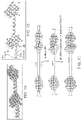
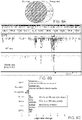
- Quantification of labeling efficiency-dot blot Open chromatin labeling efficiency was analyzed by dot blot on genomic DNA. Genomic DNA purified from labeled chromatin was denatured by heating at 95°C for 3 minutes followed by incubating in ice-water bath for 3 minutes. A serial dilution of genomic DNA was spotted onto positively charged nylon membrane (Roche, Basel, Switzerland) and cross-linked by UV. Membrane was blocked by 5% non-fat milk and blotted using an HRP-conjugated goat anti-biotin antibody (1:2000 dilution, Cell Signaling Technology, Beverly, MA). Biotin signal was revealed using the LumiGLO ® reagent (Cell Signaling Technology, Beverly MA). The above steps are parts of the method shown in FIG. 2 .
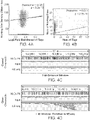
- correlation analysis was performed on CCD site density and open chromatin tag density in 100-bp genomic tiles or open chromatin peak regions called by MACS2. Hg19 was scanned for Nt.CviPII sites and the genomic coordinates of Nt.CviPII sites were recorded. Nt.CviPII site density was expressed as sites per kb genomic sequence.
- Labeling reaction was stopped by incubating the section in stop solution for 5 minutes and followed by 3 washes of 1X PBS with 0.05% TritonX-100 for 10 minutes each. Further sections were dehydrated in 70% and 100% ethanol washes for 2 minutes each; air-dried and mounted using DAPI containing mounting media. Finally, sections were visualized under a microscope for determining labeling efficiency. The visualization results for breast cancer tissue and adjacent no-cancerous tissue is shown in FIGs. 11A-13 .
- OCI open chromatin index
- Open chromatin labeling for NGS library preparation Open chromatin labeling of fresh frozen tissue sections for matched adjacent normal tissue, tumor tissue, and tumor microarray was performed using 10 ⁇ m tissue sections mounted on glass slide with OCT. The specimen was fixed using cold acetone at - 20°C for 8 minutes in a coplin jar and air dried under a fume hood for 20 minutes. Following this the specimen was hydrated in 1X PBS for 5 minutes and incubated in cytosol extraction buffer for 10 minutes using a coplin jar. The boundary of the specimen was marked using a hydrophobic pen and chromatin labeling mix as described above under the section entitled "Open chromatin labeling of fixed cells”.
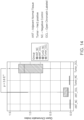
- streptavidin capture 5 ⁇ l of streptavidin-magnetic beads were added and incubated for 2 hours at room temperature to capture methylated human gDNA (bound fraction). The remaining DNA in the supernatant was the unbound DNA/fraction. Once the supernatant was collected, the beads were washed using wash buffer (10 mM tris pH 8.0, 2 M NaCl, 1 mM EDTA). The DNA was resolved on 0.8% TBE agarose gel (see FIG. 20 )
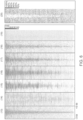
- signature transcriptional activation marks H3K27ac and H3K4me3 also displayed strong enrichment around OCSs in the heat map.
- H3K4me1 which is mainly enriched in the enhancer regions, were more depleted in the center and showed a bimodal distribution around OCS ( FIG. 6 ).
- the heat map for CpG methylation status for OCSs inversely mirrored the NE-seq open chromatin configuration.
- NE-seq identifies unique and divergent peaks on unfixed or fixed chromatin
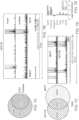
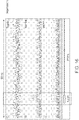
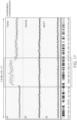
- DNase-seq and NE-seq identify regions of chromatin devoid of nucleosomes and other DNA binding proteins. To quantify the level of overlap between these assays, we identified the peaks common to both techniques. ENCODE data for DNase-seq analysis of HCT116 cells was used to call peaks as described in materials and methods. Among 85K and 90K peaks identified by both NE-seq and DNase-seq respectively, 75% of them overlapped and ⁇ 25% were unique ( FIG. 8A ). Comparison of genome browser track profiles for OCS and DHS from both NE-seq and DNase-seq also displayed common peaks ( FIG. 8B ). Annotation of peaks unique to NE-seq, DNase-seq and common to both NE-seq and DNase-seq showed similar enrichment across different genomic regions ( FIG. 8C ).
- the method described herein to identify tumor cells in a biopsy and to differentiate these cells from non-tumor cells can be used in the context of any method capable of introducing a foreign nucleotide into open chromatin.
- any of the prior art methods described in Table 1 including ATAC-seq that relies on the use of transposons may be used in the present method for identifying tumor cells.
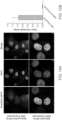
- Texas Red-5-dATP can be used to fill in the cross-linked HeLa cells after the nicking enzyme incubation to demonstrate the labeling of OCS.
- the cells without Nt.CviPII and E. coli DNA polymerase I (control) displayed no Texas Red signal ( FIG. 10A ).
- Strong labeling was observed when Nt.CviPII, E. coli DNA polymerase I and Texas Red-5-dATP and Texas Red-5-dCTP were added to cells ( FIG. 10A ).
- the cells were scored for Texas Red-5-dATP/dCTP incorporation and compared to DAPI for OCI measurement ( FIG. 10B ).
- cross-linked cells were efficiently labeled and the labeling reaction could be visualized in the nucleus.
- Fresh frozen acetone fixed breast cancer tissue sections were used to access open chromatin labeling and OCI calculation.
- Texas Red-5-dATP was used to fill in the cross-linked tissue sections after the nicking enzyme incubation to demonstrate the labeling of OCS.
- the cells were scored for Texas Red-5-dATP/dCTP incorporation and compared to DAPI for OCI measurement.
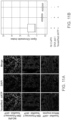
- the sections without Nt.CviPII and E. coli DNA polymerase I (control) or E. coli DNA polymerase I plus Texas Red-5-dATP displayed no fluorescence signal ( FIG. 11A ). Only in the presence of Nt.CviPII, E.
- FIG. 11A Box plot of OCI values showing the quantitation of open chromatin was plotted ( FIG. 11B ).
- Open chromatin labeling in fresh frozen acetone fixed Her2+ normal adjacent breast tissue section was performed using dNTPs supplemented with Texas Red-5-dATP/dCTP, Nt.CviPII, and E. coli DNA polymerase I.
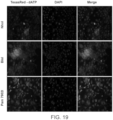
- Labeling reactions were performed in the absence of Nt.CviPII and DNA polymerase I showed background levels of fluorescence incorporation ( FIG. 12 , top panel). Further, labeling reaction performed in the presence of Nt.CviPII and DNA polymerase I showed limited levels of OCS labeling ( FIG. 12 , bottom panel). Herceptin levels were determined using anti-her2 antibody. Her2 levels were close to background as expected for a normal breast tissue section.
- human genomic DNA In a mixture of human genomic DNA that is naturally CpG methylated ( 5m CpG) and unmethylated synthetic DNA, the human genomic DNA was shown to be selectively nicked and labeled with Biotinylated-dATP and Biotinylated-dCTP by a 5m C recognizing nicking enzymes and a suitable DNA polymerase, as described herein. This reaction was incubated with streptavidin magnetic beads for human genomic DNA binding. The bound fraction was observed to retain all detectable human DNA whereas the unbound fraction contained the unmethylated DNA as shown on the gel in FIG. 20 .
- NE-seq is a straightforward method that can be performed on potentially any cell type from any species with a sequenced genome. It has similar but better resolution to DNase-seq and no prior knowledge is required with regards to histone modifications, transcription factor binding sites, gene annotation, or relative degree of sequence conservation between species. It can identify the location of most active gene regulatory elements with no false positive reads. This will aid in understanding chromatin landscape during mammalian development and epigenetic drug discovery.
Landscapes
- Chemical & Material Sciences (AREA)
- Life Sciences & Earth Sciences (AREA)
- Organic Chemistry (AREA)
- Health & Medical Sciences (AREA)
- Proteomics, Peptides & Aminoacids (AREA)
- Engineering & Computer Science (AREA)
- Zoology (AREA)
- Wood Science & Technology (AREA)
- Analytical Chemistry (AREA)
- Immunology (AREA)
- Genetics & Genomics (AREA)
- Molecular Biology (AREA)
- Bioinformatics & Cheminformatics (AREA)
- General Engineering & Computer Science (AREA)
- Biochemistry (AREA)
- Microbiology (AREA)
- General Health & Medical Sciences (AREA)
- Biotechnology (AREA)
- Physics & Mathematics (AREA)
- Biophysics (AREA)
- Chemical Kinetics & Catalysis (AREA)
- Pathology (AREA)
- Hospice & Palliative Care (AREA)
- Oncology (AREA)
- Measuring Or Testing Involving Enzymes Or Micro-Organisms (AREA)
- Cell Biology (AREA)
- Bioinformatics & Computational Biology (AREA)
- Enzymes And Modification Thereof (AREA)
Claims (14)
- Procédé destiné à détecter une chromatine ouverte dans des noyaux de cellule fixées ou no fixées,
comprenant :(a) la réaction d'un échantillon contenant des noyaux de cellule fixées ou non fixées, dans lequel les noyaux de cellule comprennent de la chromatine, avec :(i) un mélange réactionnel comprenant une enzyme de coupure ; et(ii) une ligase et des adaptateurs ; et(b) l'enrichissement en, facultativement l'amplification, et puis le séquençage de fragments d'ADN qui comprennent les adaptateurs. - Procédé selon la revendication 1, dans lequel l'enzyme de coupure est dépendante de la méthylation, sensible à la méthylation, ou insensible à la méthylation ; comme dans lequel l'enzyme de coupure est Nt.CviPII.
- Procédé selon la revendication 1 ou la revendication 2, dans lequel le mélange réactionnel comprenant une enzyme de coupure comprend en outre une polymérase, quatre dNTP, et un dNTP marqué.
- Procédé selon la revendication 3 dans lequel, après l'étape de réaction (i), le procédé comprend la réticulation inversée et l'isolation d'un ADN génomique marqué, et puis la fragmentation de l'ADN génomique marqué isolé, avant l'étape de réaction (ii) ;facultativement dans lequel la réticulation inversée est réalisée en utilisant un traitement thermique ou chimique ;facultativement dans lequel l'ADN est fragmenté en une dimension moyenne dans la plage de 100 bp à 1kg, par exemple 150 bp à 500 bp.
- Procédé selon la revendication 4, comprenant en outre une réparation d'extrémité et/ou une addition de dA en bout de chaîne avant la ligature d'adaptateur.
- Procédé selon l'une quelconque des revendications précédentes, dans lequel les adaptateurs comprennent une étiquette d'affinité.
- Procédé selon l'une quelconque des revendications précédentes, dans lequel le dNTP marqué est marqué par affinité, tel que biotinylé.
- Procédé selon la revendication 6 ou la revendication 7, dans lequel l'étape d'enrichissement implique la capture de fragments d'ADN marqués par affinité en utilisant un groupe de capture ;facultativement dans lequel le groupe de capture est lié à une phase solide telle qu'une bille ;comme dans lequel l'étiquette d'affinité ou le marqueur est une biotine et l'étape d'enrichissement implique la capture de fragments d'ADN biotinylés avec une phase solide revêtue de streptavidine telle qu'une bille.
- Procédé selon l'une quelconque des revendications précédentes, dans lequel l'étape (b) implique une amplification ; facultativement en utilisant des amorces à code à barres ; et/ou dans lequel les adaptateurs comprennent une séquence à code à barres.
- Procédé selon l'une quelconque des revendications précédentes, comprenant en outre la cartographie de la séquence lue obtenue à partir de l'étape de séquençage sur une séquence génomique.
- Procédé selon l'une quelconque des revendications précédentes, qui comprend :l'analyse d'une première population de cellules en utilisant le procédé selon l'une quelconque des revendications 1 à 10 pour produire un premier ensemble de données et facultativement une première carte épigénétique ; etl'analyse d'une deuxième population de cellules en utilisant le même procédé pour produire un deuxième ensemble de données et facultativement une deuxième carte épigénétique ; etla comparaison du premier ensemble de données ou de la première carte épigénétique avec le deuxième ensemble de données ou la deuxième carte épigénétique.
- Procédé selon la revendication 11, dans lequel la première population de cellules et la deuxième population de cellules proviennent du même individu à des moments différents.
- Procédé selon la revendication 11, dans lequel la première population de cellules et la deuxième population de cellules sont des populations différentes de cellules de tissus différents ou d'individus différents ; comme des cellules d'une biopsie tissulaire et des cellules normales du même tissu.
- Procédé selon l'une quelconque des revendications précédentes dans lequel les noyaux de cellule sont obtenus à partir d'une culture de cellules, par exemple une lignée de cellules, ou dans lequel les noyaux de cellule proviennent d'un patient, par exemple d'un fluide corporel ou d'une biopsie tissulaire.
Priority Applications (2)
| Application Number | Priority Date | Filing Date | Title |
|---|---|---|---|
| EP24213575.4A EP4491740B1 (fr) | 2016-09-02 | 2017-08-31 | Analyse de chromatine à l'aide d'une enzyme de coupure |
| EP23156800.7A EP4219746B1 (fr) | 2016-09-02 | 2017-08-31 | Analyse de chromatine à l'aide d'une enzyme de coupure |
Applications Claiming Priority (3)
| Application Number | Priority Date | Filing Date | Title |
|---|---|---|---|
| US201662383151P | 2016-09-02 | 2016-09-02 | |
| EP17765007.4A EP3507382B1 (fr) | 2016-09-02 | 2017-08-31 | Analyse de la chromatine au moyen d'une enzyme de coupure |
| PCT/US2017/049556 WO2018045141A1 (fr) | 2016-09-02 | 2017-08-31 | Analyse de la chromatine au moyen d'une enzyme de coupure |
Related Parent Applications (2)
| Application Number | Title | Priority Date | Filing Date |
|---|---|---|---|
| EP17765007.4A Division-Into EP3507382B1 (fr) | 2016-09-02 | 2017-08-31 | Analyse de la chromatine au moyen d'une enzyme de coupure |
| EP17765007.4A Division EP3507382B1 (fr) | 2016-09-02 | 2017-08-31 | Analyse de la chromatine au moyen d'une enzyme de coupure |
Related Child Applications (3)
| Application Number | Title | Priority Date | Filing Date |
|---|---|---|---|
| EP23156800.7A Division EP4219746B1 (fr) | 2016-09-02 | 2017-08-31 | Analyse de chromatine à l'aide d'une enzyme de coupure |
| EP23156800.7A Division-Into EP4219746B1 (fr) | 2016-09-02 | 2017-08-31 | Analyse de chromatine à l'aide d'une enzyme de coupure |
| EP24213575.4A Division EP4491740B1 (fr) | 2016-09-02 | 2017-08-31 | Analyse de chromatine à l'aide d'une enzyme de coupure |
Publications (2)
| Publication Number | Publication Date |
|---|---|
| EP3885448A1 EP3885448A1 (fr) | 2021-09-29 |
| EP3885448B1 true EP3885448B1 (fr) | 2023-03-22 |
Family
ID=59846704
Family Applications (4)
| Application Number | Title | Priority Date | Filing Date |
|---|---|---|---|
| EP24213575.4A Active EP4491740B1 (fr) | 2016-09-02 | 2017-08-31 | Analyse de chromatine à l'aide d'une enzyme de coupure |
| EP23156800.7A Active EP4219746B1 (fr) | 2016-09-02 | 2017-08-31 | Analyse de chromatine à l'aide d'une enzyme de coupure |
| EP17765007.4A Active EP3507382B1 (fr) | 2016-09-02 | 2017-08-31 | Analyse de la chromatine au moyen d'une enzyme de coupure |
| EP21174494.1A Active EP3885448B1 (fr) | 2016-09-02 | 2017-08-31 | Analyse de la chromatine au moyen d'une enzyme de coupure |
Family Applications Before (3)
| Application Number | Title | Priority Date | Filing Date |
|---|---|---|---|
| EP24213575.4A Active EP4491740B1 (fr) | 2016-09-02 | 2017-08-31 | Analyse de chromatine à l'aide d'une enzyme de coupure |
| EP23156800.7A Active EP4219746B1 (fr) | 2016-09-02 | 2017-08-31 | Analyse de chromatine à l'aide d'une enzyme de coupure |
| EP17765007.4A Active EP3507382B1 (fr) | 2016-09-02 | 2017-08-31 | Analyse de la chromatine au moyen d'une enzyme de coupure |
Country Status (3)
| Country | Link |
|---|---|
| US (3) | US11198910B2 (fr) |
| EP (4) | EP4491740B1 (fr) |
| WO (1) | WO2018045141A1 (fr) |
Families Citing this family (15)
| Publication number | Priority date | Publication date | Assignee | Title |
|---|---|---|---|---|
| US11021701B2 (en) * | 2017-11-22 | 2021-06-01 | New England Biolabs, Inc. | Method for fragmenting DNA by nick translation |
| CN110572692A (zh) * | 2018-06-06 | 2019-12-13 | 中国电信股份有限公司 | 直播视频美颜方法和装置、计算机可读存储介质 |
| CA3106677A1 (fr) * | 2018-08-17 | 2020-02-20 | Dana-Farber Cancer Institue, Inc. | Procede d'amplification d'adn pour la production de sonde |
| CA3120359A1 (fr) * | 2018-11-19 | 2020-05-28 | The Regents Of The University Of California | Procedes de detection et de sequencage d'un acide nucleique cible |
| US11634766B2 (en) * | 2019-02-04 | 2023-04-25 | The Broad Institute, Inc. | Methods and compositions for analyzing nucleic acids |
| CN111073953A (zh) * | 2019-12-19 | 2020-04-28 | 中国农业科学院棉花研究所 | 一种适合植物的Hi-C高通量测序建库方法 |
| CN111235249B (zh) * | 2020-03-26 | 2022-10-11 | 同济大学 | 一种检测线粒体基因组开放状态的方法 |
| US11492667B2 (en) | 2020-06-12 | 2022-11-08 | New England Biolabs, Inc. | Compositions and methods for detecting molecular targets on chromosomal DNA |
| WO2022109269A2 (fr) * | 2020-11-20 | 2022-05-27 | The General Hospital Corporation | Procédés d'analyse de méthylation de l'adn |
| GB202018476D0 (en) * | 2020-11-24 | 2021-01-06 | Genome Res Ltd | Novel method |
| EP4271835A1 (fr) * | 2020-12-30 | 2023-11-08 | Guardant Health, Inc. | Détection d'état épigénétique à l'aide d'une dégradation spécifique à une séquence |
| CN114381497B (zh) * | 2021-12-31 | 2024-01-26 | 湖南中医药大学 | Dna甲基化修饰的检测方法 |
| WO2025066245A1 (fr) * | 2023-09-28 | 2025-04-03 | 上海市同济医院 | Procédé de détection d'accessibilité à la chromatine ou d'empreintes protéiques de liaison à l'adn dans des cellules |
| WO2025081111A1 (fr) * | 2023-10-12 | 2025-04-17 | The University Of Chicago | Procédés et compositions pour caractériser des sites de liaison de protéine de liaison à l'arn par séquençage basé sur la transcription inverse in situ |
| WO2025104680A1 (fr) | 2023-11-17 | 2025-05-22 | Friedrich Miescher Institute For Biomedical Research | Accessibilité de l'adn pour l'évaluation de la fertilité masculine |
Citations (1)
| Publication number | Priority date | Publication date | Assignee | Title |
|---|---|---|---|---|
| US20070009937A1 (en) * | 2005-05-19 | 2007-01-11 | Laemmli Ulrich K | Mapping of proteins along chromatin by chromatin cleavage |
Family Cites Families (29)
| Publication number | Priority date | Publication date | Assignee | Title |
|---|---|---|---|---|
| US5264343A (en) | 1990-08-31 | 1993-11-23 | Eleanor Roosevelt Institute | Method for distinguishing normal and cancer cells |
| US5491224A (en) | 1990-09-20 | 1996-02-13 | Bittner; Michael L. | Direct label transaminated DNA probe compositions for chromosome identification and methods for their manufacture |
| US5981179A (en) | 1991-11-14 | 1999-11-09 | Digene Diagnostics, Inc. | Continuous amplification reaction |
| US5604097A (en) | 1994-10-13 | 1997-02-18 | Spectragen, Inc. | Methods for sorting polynucleotides using oligonucleotide tags |
| US6458530B1 (en) | 1996-04-04 | 2002-10-01 | Affymetrix Inc. | Selecting tag nucleic acids |
| US6191267B1 (en) | 2000-06-02 | 2001-02-20 | New England Biolabs, Inc. | Cloning and producing the N.BstNBI nicking endonuclease |
| US7081358B2 (en) | 2001-08-23 | 2006-07-25 | New England Biolabs, Inc. | Method for engineering strand-specific, sequence-specific, DNA-nicking enzymes |
| US7011966B2 (en) | 2003-04-16 | 2006-03-14 | New England Biolabs, Inc. | Method for cloning and expression of AcuI restriction endonuclease and AcuI methylase in E. coli |
| US7943303B2 (en) | 2003-12-18 | 2011-05-17 | New England Biolabs, Inc. | Method for engineering strand-specific nicking endonucleases from restriction endonucleases |
| US20050136462A1 (en) | 2003-12-19 | 2005-06-23 | New England Biolabs, Inc. | Method for engineering nicking enzymes |
| WO2005085477A1 (fr) * | 2004-03-02 | 2005-09-15 | Orion Genomics Llc | Fragmentation enzymatique differentielle par l'amplification de genome entier |
| US20080268507A1 (en) | 2004-05-25 | 2008-10-30 | Airbus Deutschland Gmbh | Recombinant Dna Nicking Endonuclease and Uses Thereof |
| WO2006012593A1 (fr) | 2004-07-22 | 2006-02-02 | Shuang-Yong Xu | Procedes et compositions d'endonuclease de coupure |
| TW200829566A (en) | 2006-12-08 | 2008-07-16 | Astrazeneca Ab | Chemical compounds |
| US9689031B2 (en) * | 2007-07-14 | 2017-06-27 | Ionian Technologies, Inc. | Nicking and extension amplification reaction for the exponential amplification of nucleic acids |
| US8221973B2 (en) * | 2007-10-17 | 2012-07-17 | Wisconsin Alumni Research Foundation | Methods of whole genome analysis |
| US9063156B2 (en) * | 2009-06-12 | 2015-06-23 | Pacific Biosciences Of California, Inc. | Real-time analytical methods and systems |
| EP2491138A1 (fr) * | 2009-10-21 | 2012-08-29 | Bionano Genomics, Inc. | Procédés et dispositifs correspondants pour une analyse génomique complète de molécule simple |
| US20110306042A1 (en) * | 2010-06-04 | 2011-12-15 | Bio-Rad Laboratories, Inc. | Determination of chromatin conformation |
| EP2577275A1 (fr) * | 2010-06-04 | 2013-04-10 | Katholieke Universiteit Leuven K.U. Leuven R&D | Cartographie optique de l'adn génomique |
| US8980553B2 (en) * | 2011-04-02 | 2015-03-17 | New England Biolabs, Inc. | Methods and compositions for enriching either target polynucleotides or non-target polynucleotides from a mixture of target and non-target polynucleotides |
| WO2014200926A2 (fr) * | 2013-06-10 | 2014-12-18 | Bionano Genomics, Inc. | Analyse de polynucléotides |
| WO2015035108A1 (fr) * | 2013-09-05 | 2015-03-12 | The Jackson Laboratory | Composition pour analyse de l'interaction entre un arn et la chromatine et utilisations de celle-ci |
| WO2016034405A1 (fr) * | 2014-09-03 | 2016-03-10 | Siemens Aktiengesellschaft | Procédé pour la séparation d'adn procaryote d'adn eucaryote dans un échantillon de sang total |
| JP6769969B2 (ja) * | 2015-01-12 | 2020-10-14 | 10エックス ジェノミクス, インコーポレイテッド | 核酸配列決定ライブラリーを作製するためのプロセス及びシステム、並びにこれらを使用して作製したライブラリー |
| RU2755495C2 (ru) * | 2015-01-30 | 2021-09-16 | Инвайролоджикс Инк. | Молекула субстрата |
| EP3250709B1 (fr) * | 2015-01-30 | 2019-12-25 | Envirologix Inc. | Compositions et procédés de détection rapide de salmonelle |
| US10538758B2 (en) * | 2015-08-19 | 2020-01-21 | Arc Bio, Llc | Capture of nucleic acids using a nucleic acid-guided nuclease-based system |
| DK3455372T3 (da) * | 2016-05-11 | 2020-01-06 | Illumina Inc | Polynukleotidberigelse og -amplifikation ved anvendelse af argonautsystemer |
-
2017
- 2017-08-31 US US16/327,698 patent/US11198910B2/en active Active
- 2017-08-31 EP EP24213575.4A patent/EP4491740B1/fr active Active
- 2017-08-31 WO PCT/US2017/049556 patent/WO2018045141A1/fr not_active Ceased
- 2017-08-31 EP EP23156800.7A patent/EP4219746B1/fr active Active
- 2017-08-31 EP EP17765007.4A patent/EP3507382B1/fr active Active
- 2017-08-31 EP EP21174494.1A patent/EP3885448B1/fr active Active
-
2021
- 2021-11-09 US US17/454,082 patent/US11840741B2/en active Active
-
2023
- 2023-11-15 US US18/509,884 patent/US20240158870A1/en active Pending
Patent Citations (1)
| Publication number | Priority date | Publication date | Assignee | Title |
|---|---|---|---|---|
| US20070009937A1 (en) * | 2005-05-19 | 2007-01-11 | Laemmli Ulrich K | Mapping of proteins along chromatin by chromatin cleavage |
Also Published As
| Publication number | Publication date |
|---|---|
| US11840741B2 (en) | 2023-12-12 |
| US20220056537A1 (en) | 2022-02-24 |
| WO2018045141A1 (fr) | 2018-03-08 |
| EP4219746A3 (fr) | 2023-10-18 |
| EP4219746A2 (fr) | 2023-08-02 |
| EP3507382A1 (fr) | 2019-07-10 |
| US20190211404A1 (en) | 2019-07-11 |
| EP4491740B1 (fr) | 2026-04-15 |
| US20240158870A1 (en) | 2024-05-16 |
| EP3507382B1 (fr) | 2021-06-23 |
| EP4491740A3 (fr) | 2025-02-26 |
| EP4219746B1 (fr) | 2024-12-18 |
| US11198910B2 (en) | 2021-12-14 |
| EP4491740A2 (fr) | 2025-01-15 |
| EP3885448A1 (fr) | 2021-09-29 |
Similar Documents
| Publication | Publication Date | Title |
|---|---|---|
| US11840741B2 (en) | Analysis of chromatin using a nicking enzyme | |
| JP7504854B2 (ja) | 個別的エピゲノミクスのための天然クロマチンへの転移 | |
| US10894980B2 (en) | Methods of amplifying nucleic acid sequences mediated by transposase/transposon DNA complexes | |
| CA2933387A1 (fr) | Procedes de marquage de fragments d'adn pour la reconstruction de liaison physique et de phase | |
| US20230089237A1 (en) | Compositions and Methods for Detecting Molecular Targets on Chromosomal DNA | |
| US11898200B2 (en) | Method for detecting single strand breaks in DNA | |
| CN121399276A (zh) | 核酸单链断裂的检测方法 |
Legal Events
| Date | Code | Title | Description |
|---|---|---|---|
| PUAI | Public reference made under article 153(3) epc to a published international application that has entered the european phase |
Free format text: ORIGINAL CODE: 0009012 |
|
| STAA | Information on the status of an ep patent application or granted ep patent |
Free format text: STATUS: THE APPLICATION HAS BEEN PUBLISHED |
|
| AC | Divisional application: reference to earlier application |
Ref document number: 3507382 Country of ref document: EP Kind code of ref document: P |
|
| AK | Designated contracting states |
Kind code of ref document: A1 Designated state(s): AL AT BE BG CH CY CZ DE DK EE ES FI FR GB GR HR HU IE IS IT LI LT LU LV MC MK MT NL NO PL PT RO RS SE SI SK SM TR |
|
| STAA | Information on the status of an ep patent application or granted ep patent |
Free format text: STATUS: REQUEST FOR EXAMINATION WAS MADE |
|
| 17P | Request for examination filed |
Effective date: 20220329 |
|
| RBV | Designated contracting states (corrected) |
Designated state(s): AL AT BE BG CH CY CZ DE DK EE ES FI FR GB GR HR HU IE IS IT LI LT LU LV MC MK MT NL NO PL PT RO RS SE SI SK SM TR |
|
| STAA | Information on the status of an ep patent application or granted ep patent |
Free format text: STATUS: EXAMINATION IS IN PROGRESS |
|
| 17Q | First examination report despatched |
Effective date: 20220826 |
|
| GRAP | Despatch of communication of intention to grant a patent |
Free format text: ORIGINAL CODE: EPIDOSNIGR1 |
|
| STAA | Information on the status of an ep patent application or granted ep patent |
Free format text: STATUS: GRANT OF PATENT IS INTENDED |
|
| INTG | Intention to grant announced |
Effective date: 20221013 |
|
| GRAS | Grant fee paid |
Free format text: ORIGINAL CODE: EPIDOSNIGR3 |
|
| GRAA | (expected) grant |
Free format text: ORIGINAL CODE: 0009210 |
|
| STAA | Information on the status of an ep patent application or granted ep patent |
Free format text: STATUS: THE PATENT HAS BEEN GRANTED |
|
| AC | Divisional application: reference to earlier application |
Ref document number: 3507382 Country of ref document: EP Kind code of ref document: P |
|
| AK | Designated contracting states |
Kind code of ref document: B1 Designated state(s): AL AT BE BG CH CY CZ DE DK EE ES FI FR GB GR HR HU IE IS IT LI LT LU LV MC MK MT NL NO PL PT RO RS SE SI SK SM TR |
|
| REG | Reference to a national code |
Ref country code: GB Ref legal event code: FG4D |
|
| REG | Reference to a national code |
Ref country code: CH Ref legal event code: EP |
|
| REG | Reference to a national code |
Ref country code: IE Ref legal event code: FG4D |
|
| REG | Reference to a national code |
Ref country code: DE Ref legal event code: R096 Ref document number: 602017067144 Country of ref document: DE |
|
| REG | Reference to a national code |
Ref country code: AT Ref legal event code: REF Ref document number: 1555317 Country of ref document: AT Kind code of ref document: T Effective date: 20230415 |
|
| P01 | Opt-out of the competence of the unified patent court (upc) registered |
Effective date: 20230515 |
|
| REG | Reference to a national code |
Ref country code: LT Ref legal event code: MG9D |
|
| REG | Reference to a national code |
Ref country code: NL Ref legal event code: MP Effective date: 20230322 |
|
| PG25 | Lapsed in a contracting state [announced via postgrant information from national office to epo] |
Ref country code: RS Free format text: LAPSE BECAUSE OF FAILURE TO SUBMIT A TRANSLATION OF THE DESCRIPTION OR TO PAY THE FEE WITHIN THE PRESCRIBED TIME-LIMIT Effective date: 20230322 Ref country code: NO Free format text: LAPSE BECAUSE OF FAILURE TO SUBMIT A TRANSLATION OF THE DESCRIPTION OR TO PAY THE FEE WITHIN THE PRESCRIBED TIME-LIMIT Effective date: 20230622 Ref country code: LV Free format text: LAPSE BECAUSE OF FAILURE TO SUBMIT A TRANSLATION OF THE DESCRIPTION OR TO PAY THE FEE WITHIN THE PRESCRIBED TIME-LIMIT Effective date: 20230322 Ref country code: LT Free format text: LAPSE BECAUSE OF FAILURE TO SUBMIT A TRANSLATION OF THE DESCRIPTION OR TO PAY THE FEE WITHIN THE PRESCRIBED TIME-LIMIT Effective date: 20230322 Ref country code: HR Free format text: LAPSE BECAUSE OF FAILURE TO SUBMIT A TRANSLATION OF THE DESCRIPTION OR TO PAY THE FEE WITHIN THE PRESCRIBED TIME-LIMIT Effective date: 20230322 |
|
| REG | Reference to a national code |
Ref country code: AT Ref legal event code: MK05 Ref document number: 1555317 Country of ref document: AT Kind code of ref document: T Effective date: 20230322 |
|
| PG25 | Lapsed in a contracting state [announced via postgrant information from national office to epo] |
Ref country code: SE Free format text: LAPSE BECAUSE OF FAILURE TO SUBMIT A TRANSLATION OF THE DESCRIPTION OR TO PAY THE FEE WITHIN THE PRESCRIBED TIME-LIMIT Effective date: 20230322 Ref country code: NL Free format text: LAPSE BECAUSE OF FAILURE TO SUBMIT A TRANSLATION OF THE DESCRIPTION OR TO PAY THE FEE WITHIN THE PRESCRIBED TIME-LIMIT Effective date: 20230322 Ref country code: GR Free format text: LAPSE BECAUSE OF FAILURE TO SUBMIT A TRANSLATION OF THE DESCRIPTION OR TO PAY THE FEE WITHIN THE PRESCRIBED TIME-LIMIT Effective date: 20230623 Ref country code: FI Free format text: LAPSE BECAUSE OF FAILURE TO SUBMIT A TRANSLATION OF THE DESCRIPTION OR TO PAY THE FEE WITHIN THE PRESCRIBED TIME-LIMIT Effective date: 20230322 |
|
| PG25 | Lapsed in a contracting state [announced via postgrant information from national office to epo] |
Ref country code: SM Free format text: LAPSE BECAUSE OF FAILURE TO SUBMIT A TRANSLATION OF THE DESCRIPTION OR TO PAY THE FEE WITHIN THE PRESCRIBED TIME-LIMIT Effective date: 20230322 Ref country code: RO Free format text: LAPSE BECAUSE OF FAILURE TO SUBMIT A TRANSLATION OF THE DESCRIPTION OR TO PAY THE FEE WITHIN THE PRESCRIBED TIME-LIMIT Effective date: 20230322 Ref country code: PT Free format text: LAPSE BECAUSE OF FAILURE TO SUBMIT A TRANSLATION OF THE DESCRIPTION OR TO PAY THE FEE WITHIN THE PRESCRIBED TIME-LIMIT Effective date: 20230724 Ref country code: ES Free format text: LAPSE BECAUSE OF FAILURE TO SUBMIT A TRANSLATION OF THE DESCRIPTION OR TO PAY THE FEE WITHIN THE PRESCRIBED TIME-LIMIT Effective date: 20230322 Ref country code: EE Free format text: LAPSE BECAUSE OF FAILURE TO SUBMIT A TRANSLATION OF THE DESCRIPTION OR TO PAY THE FEE WITHIN THE PRESCRIBED TIME-LIMIT Effective date: 20230322 Ref country code: AT Free format text: LAPSE BECAUSE OF FAILURE TO SUBMIT A TRANSLATION OF THE DESCRIPTION OR TO PAY THE FEE WITHIN THE PRESCRIBED TIME-LIMIT Effective date: 20230322 |
|
| PG25 | Lapsed in a contracting state [announced via postgrant information from national office to epo] |
Ref country code: SK Free format text: LAPSE BECAUSE OF FAILURE TO SUBMIT A TRANSLATION OF THE DESCRIPTION OR TO PAY THE FEE WITHIN THE PRESCRIBED TIME-LIMIT Effective date: 20230322 Ref country code: PL Free format text: LAPSE BECAUSE OF FAILURE TO SUBMIT A TRANSLATION OF THE DESCRIPTION OR TO PAY THE FEE WITHIN THE PRESCRIBED TIME-LIMIT Effective date: 20230322 Ref country code: IS Free format text: LAPSE BECAUSE OF FAILURE TO SUBMIT A TRANSLATION OF THE DESCRIPTION OR TO PAY THE FEE WITHIN THE PRESCRIBED TIME-LIMIT Effective date: 20230722 |
|
| REG | Reference to a national code |
Ref country code: DE Ref legal event code: R097 Ref document number: 602017067144 Country of ref document: DE |
|
| PLBE | No opposition filed within time limit |
Free format text: ORIGINAL CODE: 0009261 |
|
| STAA | Information on the status of an ep patent application or granted ep patent |
Free format text: STATUS: NO OPPOSITION FILED WITHIN TIME LIMIT |
|
| PG25 | Lapsed in a contracting state [announced via postgrant information from national office to epo] |
Ref country code: SI Free format text: LAPSE BECAUSE OF FAILURE TO SUBMIT A TRANSLATION OF THE DESCRIPTION OR TO PAY THE FEE WITHIN THE PRESCRIBED TIME-LIMIT Effective date: 20230322 Ref country code: DK Free format text: LAPSE BECAUSE OF FAILURE TO SUBMIT A TRANSLATION OF THE DESCRIPTION OR TO PAY THE FEE WITHIN THE PRESCRIBED TIME-LIMIT Effective date: 20230322 Ref country code: CZ Free format text: LAPSE BECAUSE OF FAILURE TO SUBMIT A TRANSLATION OF THE DESCRIPTION OR TO PAY THE FEE WITHIN THE PRESCRIBED TIME-LIMIT Effective date: 20230322 |
|
| 26N | No opposition filed |
Effective date: 20240102 |
|
| PG25 | Lapsed in a contracting state [announced via postgrant information from national office to epo] |
Ref country code: MC Free format text: LAPSE BECAUSE OF FAILURE TO SUBMIT A TRANSLATION OF THE DESCRIPTION OR TO PAY THE FEE WITHIN THE PRESCRIBED TIME-LIMIT Effective date: 20230322 |
|
| REG | Reference to a national code |
Ref country code: CH Ref legal event code: PL |
|
| PG25 | Lapsed in a contracting state [announced via postgrant information from national office to epo] |
Ref country code: MC Free format text: LAPSE BECAUSE OF FAILURE TO SUBMIT A TRANSLATION OF THE DESCRIPTION OR TO PAY THE FEE WITHIN THE PRESCRIBED TIME-LIMIT Effective date: 20230322 |
|
| PG25 | Lapsed in a contracting state [announced via postgrant information from national office to epo] |
Ref country code: LU Free format text: LAPSE BECAUSE OF NON-PAYMENT OF DUE FEES Effective date: 20230831 |
|
| PG25 | Lapsed in a contracting state [announced via postgrant information from national office to epo] |
Ref country code: LU Free format text: LAPSE BECAUSE OF NON-PAYMENT OF DUE FEES Effective date: 20230831 Ref country code: CH Free format text: LAPSE BECAUSE OF NON-PAYMENT OF DUE FEES Effective date: 20230831 |
|
| REG | Reference to a national code |
Ref country code: BE Ref legal event code: MM Effective date: 20230831 |
|
| REG | Reference to a national code |
Ref country code: IE Ref legal event code: MM4A |
|
| PG25 | Lapsed in a contracting state [announced via postgrant information from national office to epo] |
Ref country code: IT Free format text: LAPSE BECAUSE OF FAILURE TO SUBMIT A TRANSLATION OF THE DESCRIPTION OR TO PAY THE FEE WITHIN THE PRESCRIBED TIME-LIMIT Effective date: 20230322 |
|
| PG25 | Lapsed in a contracting state [announced via postgrant information from national office to epo] |
Ref country code: IE Free format text: LAPSE BECAUSE OF NON-PAYMENT OF DUE FEES Effective date: 20230831 |
|
| PG25 | Lapsed in a contracting state [announced via postgrant information from national office to epo] |
Ref country code: IE Free format text: LAPSE BECAUSE OF NON-PAYMENT OF DUE FEES Effective date: 20230831 |
|
| PG25 | Lapsed in a contracting state [announced via postgrant information from national office to epo] |
Ref country code: BE Free format text: LAPSE BECAUSE OF NON-PAYMENT OF DUE FEES Effective date: 20230831 |
|
| PG25 | Lapsed in a contracting state [announced via postgrant information from national office to epo] |
Ref country code: BG Free format text: LAPSE BECAUSE OF FAILURE TO SUBMIT A TRANSLATION OF THE DESCRIPTION OR TO PAY THE FEE WITHIN THE PRESCRIBED TIME-LIMIT Effective date: 20230322 |
|
| PG25 | Lapsed in a contracting state [announced via postgrant information from national office to epo] |
Ref country code: BG Free format text: LAPSE BECAUSE OF FAILURE TO SUBMIT A TRANSLATION OF THE DESCRIPTION OR TO PAY THE FEE WITHIN THE PRESCRIBED TIME-LIMIT Effective date: 20230322 |
|
| PG25 | Lapsed in a contracting state [announced via postgrant information from national office to epo] |
Ref country code: CY Free format text: LAPSE BECAUSE OF FAILURE TO SUBMIT A TRANSLATION OF THE DESCRIPTION OR TO PAY THE FEE WITHIN THE PRESCRIBED TIME-LIMIT; INVALID AB INITIO Effective date: 20170831 |
|
| PG25 | Lapsed in a contracting state [announced via postgrant information from national office to epo] |
Ref country code: HU Free format text: LAPSE BECAUSE OF FAILURE TO SUBMIT A TRANSLATION OF THE DESCRIPTION OR TO PAY THE FEE WITHIN THE PRESCRIBED TIME-LIMIT; INVALID AB INITIO Effective date: 20170831 |
|
| PGFP | Annual fee paid to national office [announced via postgrant information from national office to epo] |
Ref country code: DE Payment date: 20250720 Year of fee payment: 9 |
|
| PGFP | Annual fee paid to national office [announced via postgrant information from national office to epo] |
Ref country code: GB Payment date: 20250723 Year of fee payment: 9 |
|
| PGFP | Annual fee paid to national office [announced via postgrant information from national office to epo] |
Ref country code: FR Payment date: 20250723 Year of fee payment: 9 |
|
| PG25 | Lapsed in a contracting state [announced via postgrant information from national office to epo] |
Ref country code: TR Free format text: LAPSE BECAUSE OF FAILURE TO SUBMIT A TRANSLATION OF THE DESCRIPTION OR TO PAY THE FEE WITHIN THE PRESCRIBED TIME-LIMIT Effective date: 20230322 |