EP3919505B1 - Verwendungen von cas9-nukleinsäurekomplexen - Google Patents
Verwendungen von cas9-nukleinsäurekomplexen Download PDFInfo
- Publication number
- EP3919505B1 EP3919505B1 EP21175562.4A EP21175562A EP3919505B1 EP 3919505 B1 EP3919505 B1 EP 3919505B1 EP 21175562 A EP21175562 A EP 21175562A EP 3919505 B1 EP3919505 B1 EP 3919505B1
- Authority
- EP
- European Patent Office
- Prior art keywords
- cas9
- sequence
- rna
- certain embodiments
- nucleic acid
- Prior art date
- Legal status (The legal status is an assumption and is not a legal conclusion. Google has not performed a legal analysis and makes no representation as to the accuracy of the status listed.)
- Active
Links
Images




Classifications
-
- C—CHEMISTRY; METALLURGY
- C12—BIOCHEMISTRY; BEER; SPIRITS; WINE; VINEGAR; MICROBIOLOGY; ENZYMOLOGY; MUTATION OR GENETIC ENGINEERING
- C12N—MICROORGANISMS OR ENZYMES; COMPOSITIONS THEREOF; PROPAGATING, PRESERVING, OR MAINTAINING MICROORGANISMS; MUTATION OR GENETIC ENGINEERING; CULTURE MEDIA
- C12N9/00—Enzymes; Proenzymes; Compositions thereof; Processes for preparing, activating, inhibiting, separating or purifying enzymes
- C12N9/14—Hydrolases (3)
- C12N9/16—Hydrolases (3) acting on ester bonds (3.1)
-
- C—CHEMISTRY; METALLURGY
- C07—ORGANIC CHEMISTRY
- C07K—PEPTIDES
- C07K14/00—Peptides having more than 20 amino acids; Gastrins; Somatostatins; Melanotropins; Derivatives thereof
- C07K14/195—Peptides having more than 20 amino acids; Gastrins; Somatostatins; Melanotropins; Derivatives thereof from bacteria
-
- A—HUMAN NECESSITIES
- A61—MEDICAL OR VETERINARY SCIENCE; HYGIENE
- A61K—PREPARATIONS FOR MEDICAL, DENTAL OR TOILETRY PURPOSES
- A61K39/00—Medicinal preparations containing antigens or antibodies
-
- A—HUMAN NECESSITIES
- A61—MEDICAL OR VETERINARY SCIENCE; HYGIENE
- A61K—PREPARATIONS FOR MEDICAL, DENTAL OR TOILETRY PURPOSES
- A61K39/00—Medicinal preparations containing antigens or antibodies
- A61K39/0005—Vertebrate antigens
- A61K39/0011—Cancer antigens
-
- C—CHEMISTRY; METALLURGY
- C12—BIOCHEMISTRY; BEER; SPIRITS; WINE; VINEGAR; MICROBIOLOGY; ENZYMOLOGY; MUTATION OR GENETIC ENGINEERING
- C12N—MICROORGANISMS OR ENZYMES; COMPOSITIONS THEREOF; PROPAGATING, PRESERVING, OR MAINTAINING MICROORGANISMS; MUTATION OR GENETIC ENGINEERING; CULTURE MEDIA
- C12N15/00—Mutation or genetic engineering; DNA or RNA concerning genetic engineering, vectors, e.g. plasmids, or their isolation, preparation or purification; Use of hosts therefor
- C12N15/09—Recombinant DNA-technology
- C12N15/11—DNA or RNA fragments; Modified forms thereof; Non-coding nucleic acids having a biological activity
- C12N15/113—Non-coding nucleic acids modulating the expression of genes, e.g. antisense oligonucleotides; Antisense DNA or RNA; Triplex- forming oligonucleotides; Catalytic nucleic acids, e.g. ribozymes; Nucleic acids used in co-suppression or gene silencing
- C12N15/1131—Non-coding nucleic acids modulating the expression of genes, e.g. antisense oligonucleotides; Antisense DNA or RNA; Triplex- forming oligonucleotides; Catalytic nucleic acids, e.g. ribozymes; Nucleic acids used in co-suppression or gene silencing against viruses
-
- C—CHEMISTRY; METALLURGY
- C12—BIOCHEMISTRY; BEER; SPIRITS; WINE; VINEGAR; MICROBIOLOGY; ENZYMOLOGY; MUTATION OR GENETIC ENGINEERING
- C12N—MICROORGANISMS OR ENZYMES; COMPOSITIONS THEREOF; PROPAGATING, PRESERVING, OR MAINTAINING MICROORGANISMS; MUTATION OR GENETIC ENGINEERING; CULTURE MEDIA
- C12N15/00—Mutation or genetic engineering; DNA or RNA concerning genetic engineering, vectors, e.g. plasmids, or their isolation, preparation or purification; Use of hosts therefor
- C12N15/09—Recombinant DNA-technology
- C12N15/63—Introduction of foreign genetic material using vectors; Vectors; Use of hosts therefor; Regulation of expression
- C12N15/79—Vectors or expression systems specially adapted for eukaryotic hosts
- C12N15/82—Vectors or expression systems specially adapted for eukaryotic hosts for plant cells, e.g. plant artificial chromosomes (PACs)
- C12N15/8201—Methods for introducing genetic material into plant cells, e.g. DNA, RNA, stable or transient incorporation, tissue culture methods adapted for transformation
- C12N15/8213—Targeted insertion of genes into the plant genome by homologous recombination
-
- C—CHEMISTRY; METALLURGY
- C12—BIOCHEMISTRY; BEER; SPIRITS; WINE; VINEGAR; MICROBIOLOGY; ENZYMOLOGY; MUTATION OR GENETIC ENGINEERING
- C12N—MICROORGANISMS OR ENZYMES; COMPOSITIONS THEREOF; PROPAGATING, PRESERVING, OR MAINTAINING MICROORGANISMS; MUTATION OR GENETIC ENGINEERING; CULTURE MEDIA
- C12N15/00—Mutation or genetic engineering; DNA or RNA concerning genetic engineering, vectors, e.g. plasmids, or their isolation, preparation or purification; Use of hosts therefor
- C12N15/09—Recombinant DNA-technology
- C12N15/63—Introduction of foreign genetic material using vectors; Vectors; Use of hosts therefor; Regulation of expression
- C12N15/79—Vectors or expression systems specially adapted for eukaryotic hosts
- C12N15/82—Vectors or expression systems specially adapted for eukaryotic hosts for plant cells, e.g. plant artificial chromosomes (PACs)
- C12N15/8216—Methods for controlling, regulating or enhancing expression of transgenes in plant cells
-
- C—CHEMISTRY; METALLURGY
- C12—BIOCHEMISTRY; BEER; SPIRITS; WINE; VINEGAR; MICROBIOLOGY; ENZYMOLOGY; MUTATION OR GENETIC ENGINEERING
- C12N—MICROORGANISMS OR ENZYMES; COMPOSITIONS THEREOF; PROPAGATING, PRESERVING, OR MAINTAINING MICROORGANISMS; MUTATION OR GENETIC ENGINEERING; CULTURE MEDIA
- C12N15/00—Mutation or genetic engineering; DNA or RNA concerning genetic engineering, vectors, e.g. plasmids, or their isolation, preparation or purification; Use of hosts therefor
- C12N15/09—Recombinant DNA-technology
- C12N15/63—Introduction of foreign genetic material using vectors; Vectors; Use of hosts therefor; Regulation of expression
- C12N15/79—Vectors or expression systems specially adapted for eukaryotic hosts
- C12N15/82—Vectors or expression systems specially adapted for eukaryotic hosts for plant cells, e.g. plant artificial chromosomes (PACs)
- C12N15/8216—Methods for controlling, regulating or enhancing expression of transgenes in plant cells
- C12N15/8218—Antisense, co-suppression, viral induced gene silencing [VIGS], post-transcriptional induced gene silencing [PTGS]
-
- C—CHEMISTRY; METALLURGY
- C12—BIOCHEMISTRY; BEER; SPIRITS; WINE; VINEGAR; MICROBIOLOGY; ENZYMOLOGY; MUTATION OR GENETIC ENGINEERING
- C12N—MICROORGANISMS OR ENZYMES; COMPOSITIONS THEREOF; PROPAGATING, PRESERVING, OR MAINTAINING MICROORGANISMS; MUTATION OR GENETIC ENGINEERING; CULTURE MEDIA
- C12N15/00—Mutation or genetic engineering; DNA or RNA concerning genetic engineering, vectors, e.g. plasmids, or their isolation, preparation or purification; Use of hosts therefor
- C12N15/09—Recombinant DNA-technology
- C12N15/87—Introduction of foreign genetic material using processes not otherwise provided for, e.g. co-transformation
- C12N15/90—Stable introduction of foreign DNA into chromosome
- C12N15/902—Stable introduction of foreign DNA into chromosome using homologous recombination
-
- C—CHEMISTRY; METALLURGY
- C12—BIOCHEMISTRY; BEER; SPIRITS; WINE; VINEGAR; MICROBIOLOGY; ENZYMOLOGY; MUTATION OR GENETIC ENGINEERING
- C12N—MICROORGANISMS OR ENZYMES; COMPOSITIONS THEREOF; PROPAGATING, PRESERVING, OR MAINTAINING MICROORGANISMS; MUTATION OR GENETIC ENGINEERING; CULTURE MEDIA
- C12N9/00—Enzymes; Proenzymes; Compositions thereof; Processes for preparing, activating, inhibiting, separating or purifying enzymes
- C12N9/14—Hydrolases (3)
- C12N9/16—Hydrolases (3) acting on ester bonds (3.1)
- C12N9/22—Ribonucleases [RNase]; Deoxyribonucleases [DNase]
-
- C—CHEMISTRY; METALLURGY
- C12—BIOCHEMISTRY; BEER; SPIRITS; WINE; VINEGAR; MICROBIOLOGY; ENZYMOLOGY; MUTATION OR GENETIC ENGINEERING
- C12Y—ENZYMES
- C12Y301/00—Hydrolases acting on ester bonds (3.1)
- C12Y301/21—Endodeoxyribonucleases producing 5'-phosphomonoesters (3.1.21)
- C12Y301/21004—Type II site-specific deoxyribonuclease (3.1.21.4)
-
- A—HUMAN NECESSITIES
- A61—MEDICAL OR VETERINARY SCIENCE; HYGIENE
- A61K—PREPARATIONS FOR MEDICAL, DENTAL OR TOILETRY PURPOSES
- A61K35/00—Medicinal preparations containing materials or reaction products thereof with undetermined constitution
- A61K2035/11—Medicinal preparations comprising living procariotic cells
-
- A—HUMAN NECESSITIES
- A61—MEDICAL OR VETERINARY SCIENCE; HYGIENE
- A61K—PREPARATIONS FOR MEDICAL, DENTAL OR TOILETRY PURPOSES
- A61K39/00—Medicinal preparations containing antigens or antibodies
- A61K2039/51—Medicinal preparations containing antigens or antibodies comprising whole cells, viruses or DNA/RNA
- A61K2039/515—Animal cells
- A61K2039/5156—Animal cells expressing foreign proteins
-
- A—HUMAN NECESSITIES
- A61—MEDICAL OR VETERINARY SCIENCE; HYGIENE
- A61K—PREPARATIONS FOR MEDICAL, DENTAL OR TOILETRY PURPOSES
- A61K39/00—Medicinal preparations containing antigens or antibodies
- A61K2039/51—Medicinal preparations containing antigens or antibodies comprising whole cells, viruses or DNA/RNA
- A61K2039/52—Bacterial cells; Fungal cells; Protozoal cells
- A61K2039/523—Bacterial cells; Fungal cells; Protozoal cells expressing foreign proteins
-
- C—CHEMISTRY; METALLURGY
- C07—ORGANIC CHEMISTRY
- C07K—PEPTIDES
- C07K2319/00—Fusion polypeptide
- C07K2319/40—Fusion polypeptide containing a tag for immunodetection, or an epitope for immunisation
- C07K2319/42—Fusion polypeptide containing a tag for immunodetection, or an epitope for immunisation containing a HA(hemagglutinin)-tag
-
- C—CHEMISTRY; METALLURGY
- C07—ORGANIC CHEMISTRY
- C07K—PEPTIDES
- C07K2319/00—Fusion polypeptide
- C07K2319/85—Fusion polypeptide containing an RNA binding domain
-
- C—CHEMISTRY; METALLURGY
- C12—BIOCHEMISTRY; BEER; SPIRITS; WINE; VINEGAR; MICROBIOLOGY; ENZYMOLOGY; MUTATION OR GENETIC ENGINEERING
- C12N—MICROORGANISMS OR ENZYMES; COMPOSITIONS THEREOF; PROPAGATING, PRESERVING, OR MAINTAINING MICROORGANISMS; MUTATION OR GENETIC ENGINEERING; CULTURE MEDIA
- C12N2310/00—Structure or type of the nucleic acid
- C12N2310/10—Type of nucleic acid
- C12N2310/20—Type of nucleic acid involving clustered regularly interspaced short palindromic repeats [CRISPR]
-
- C—CHEMISTRY; METALLURGY
- C12—BIOCHEMISTRY; BEER; SPIRITS; WINE; VINEGAR; MICROBIOLOGY; ENZYMOLOGY; MUTATION OR GENETIC ENGINEERING
- C12N—MICROORGANISMS OR ENZYMES; COMPOSITIONS THEREOF; PROPAGATING, PRESERVING, OR MAINTAINING MICROORGANISMS; MUTATION OR GENETIC ENGINEERING; CULTURE MEDIA
- C12N2800/00—Nucleic acids vectors
- C12N2800/22—Vectors comprising a coding region that has been codon optimised for expression in a respective host
-
- Y—GENERAL TAGGING OF NEW TECHNOLOGICAL DEVELOPMENTS; GENERAL TAGGING OF CROSS-SECTIONAL TECHNOLOGIES SPANNING OVER SEVERAL SECTIONS OF THE IPC; TECHNICAL SUBJECTS COVERED BY FORMER USPC CROSS-REFERENCE ART COLLECTIONS [XRACs] AND DIGESTS
- Y02—TECHNOLOGIES OR APPLICATIONS FOR MITIGATION OR ADAPTATION AGAINST CLIMATE CHANGE
- Y02A—TECHNOLOGIES FOR ADAPTATION TO CLIMATE CHANGE
- Y02A50/00—TECHNOLOGIES FOR ADAPTATION TO CLIMATE CHANGE in human health protection, e.g. against extreme weather
- Y02A50/30—Against vector-borne diseases, e.g. mosquito-borne, fly-borne, tick-borne or waterborne diseases whose impact is exacerbated by climate change
Definitions
- This disclosure relates to Cas9-nucleic acid complexes and uses related thereto.
- the disclosure contemplates transgenic plants and animals genetically engineered to express Cas9-nucleic acid complexes disclosed herein.
- the disclosure relates to methods of treating or preventing, diseases, conditions, cancer, viral infections, or other pathogenic infection using vectors configured to express a Cas9-nucleic acid complex disclosed herein.
- CRISPR Clustered Regularly Interspaced Short Palindromic Repeats
- CAS CRISPR-associated genes
- crRNAs small CRISPR RNAs
- Horvath et al., WO2007025097 report the use of one or more Cas genes or proteins for modulating the resistance of a cell against a target nucleic acid or a transcription product thereof.
- Hale et al. report essential features and rational design of CRISPR RNAs that function with the Cas RAMP module complex to cleave RNAs. Molecular Cell, 2012 45, 292-302 .
- Nekrasov et al. report targeted mutagenesis in the model plant Nicotiana benthamiana using Cas9 RNA-guided endonuclease. Nat Biotechnol., 2013, 31(8):691-3 .
- Willemijn Hiobo et al. "Improving dendritic cell vaccine immunogenicity by silencing PD-1 ligands using siRNA-lipid nanoparticles combined with antigen mRNA electroporation", Cancer Immunol., Immunotherapy, 62(2):285-297 and K Iwamura et al.: "siRNA-mediated silencing of PD-1 ligands enhances tumor-specific human T-cell effector functions", Therapy, 19(10):959-966 disclose the silencing of PD-L 1 mRNA in order to enhance immune responses.
- an invention provides one or more vectors configured to express a Cas9-nucleic acid complex that targets a PD-1 or PD-L1 nucleic acid, comprising:
- an invention provides an in vitro bacterial, prokaryotic, eukaryotic, insect, mammalian, or plant cell transformed with the one or more vectors as defined herein.
- This disclosure relates to Cas9-nucleic acid complexes and uses related thereto.
- the disclosure contemplates transgenic plants and animals genetically engineered to express Cas9-nucleic acid complexes disclosed herein.
- the disclosure relates to methods of treating or preventing, diseases, conditions, cancer, viral infections or other pathogenic infection using vectors configured to express a Cas9-nucleic acid complex disclosed herein.
- the disclosure relates to methods of treating or preventing cancer or viral infections or other pathogenic infection or other genetic diseases using vectors configured to express a Cas9-nucleic acid complex that targets viral or pathogenic nucleic acids or RNA associated with oncogenes.
- the disclosure contemplates transgenic plants and animals genetically engineered to express Cas9-nucleic acid complexes disclosed herein for the purpose of cancer, genetic diseases, preventing or treating viral or other pathogenic infections.
- the disclosure relates to isolated or recombinant nucleic acids, cloning vectors, and recombinant cells containing the same. In certain embodiments, the disclosure relates to methods of treating or preventing viral infections or cancer or other genetic diseases comprising administering an effective amount of vector configured to express Cas9-nucleic acid complexes that target viral nucleic acids or RNA associated with oncogenes to a subject in need thereof.
- the disclosure contemplates compositions and methods of knocking down endogenous bacterial or other genes or preventing the production of a target protein in a prokaryotic, eukaryotic, mammalian, human, insect or plant cell.
- the disclosure relates to immune stimulating compositions and uses as described herein.
- the disclosure relates to recombinant nucleic acids comprising: a sequence comprising a Cas9 or bacterial Cas9 gene, a sequence encoding an RNA, wherein the RNA comprises a first segment that is configured to bind with the Cas9 after transcription and a second segment that is configured to bind a target nucleic acid.
- the bacterial Cas9 mRNA translates a Cas9 having SEQ ID NO: 1 or conserved variants thereof.
- the Cas9 has an arginine-rich, RuvC-III, and RuvC-IV motif.
- the Cas9 mRNA translates a Cas9 of greater than about 5% identity to SEQ ID NO: 1, a segment with 10% identity to SEQ ID NO: 6, a segment with 10% identity to SEQ ID NO: 7, and a segment with 10% identity to SEQ ID NO: 8.
- the first segment comprises SEQ ID NO: 5 or SEQ ID NO: 11 or 60% or more identity thereto.
- the first segment comprises a bacterial derived sequence associated with tracrRNA or scaRNA configured to bind the bacterial Cas9. In certain embodiments, the first segment forms a hairpin structure.
- the target sequence is a viral genome or viral RNA, or mRNA or microRNA associated with an oncogene.
- the second segment of RNA is single stranded. In certain embodiments, the second segment comprises more than 10, 15, 20, 25, 30, 50, or 100 continuous nucleotides configured to hybridize to a target sequence.
- the Cas9 gene is a human, animal, or plant code optimized sequence. In certain embodiments, the Cas9 gene comprises (SEQ ID NO: 9) or 60% or more identity thereto.
- the disclosure contemplates recombinant nucleic acids comprising: a sequence comprising a Cas9 or bacterial Cas9 gene, a sequence encoding SEQ ID NO: 5 or SEQ ID NO: 11 or 10%, 30%, 60%, 70%, 80%, 90%, 95% or more identity thereto conjugated a sequence encoding an third RNA, wherein the third RNA comprises more than 8 continuous nucleotides configured to hybridizes to a target sequence.
- the disclosure contemplates a recombinant nucleic acids comprising: a sequence encoding a single chimeric RNA 5'-[X] n CUCGUAAUUAAUAAACCA UGAAAGUAUGGUUUAUUAGAUUGUUG [Y] m -3' (SEQ ID NO: 13), wherein X and Y are individually at each occurrence any nucleotide an n and m are individually 8, 10, 15, 20, 25, 30, 50, or 100 more continuous nucleotides and typically less than 50, 100, or 200 nucleotide, a targeting sequencing or non-targeting sequence, typically at least one targeting sequence, typically Y is a non-targeting sequence, and/or one of n or m is less than 10 nucleotides, wherein the recombinant nucleic acid also optionally encodes a sequence comprising a Cas9 or bacterial Cas9 gene.
- the target sequence is a viral genome or mRNA or microRNA associated with an oncogene.
- the third RNA comprises more than 10, 15, 20, 25, 30, 50, or 100 continuous nucleotides configured to hybridize to a target sequence.
- the Cas9 or bacterial Cas9 gene is a human codon optimized sequence.
- the Cas9 gene comprises (SEQ ID NO: 9) or 10%, 30%, 50%, 60%, 70%, 80%, 90%, 95%, 98% or more identity thereto.
- the disclosure relates to recombinant vectors comprising a nucleic acid disclosed herein.
- the recombinant vector may be selected from a genetically engineered plasmid, bacteriophage, bacterial artificial chromosome, yeast artificial chromosome, or a genetically engineered virus.
- the disclosure relates to a bacterial, prokaryotic, eukaryotic, insect, mammalian, or plant cell transformed with the recombinant vector disclosed herein.
- the disclosure relates to isolated or recombinant nucleic acids comprising: a sequence encoding a bacterial or any Cas9 mRNA, a sequence encoding a bacterial scaRNA, and a sequence encoding an third RNA in operable combination with promoter sequences, wherein a portion of the sequence encoding the third RNA hybridizes to the scaRNA and wherein a second portion of the sequence encoding the third RNA hybridizes to a target sequence.
- the disclosure relates to isolated or recombinant nucleic acids comprising: a sequence encoding a Cas9 or bacterial Cas9 mRNA and a sequence encoding a portion of a bacterial scaRNA connected to a sequence encoding a third RNA that hybridizes to a target sequence to provide a RNA chimera, wherein the RNA chimera provides the function of both the scaRNA and the targeting RNA.
- the isolated nucleic acid is a cDNA.
- the Cas9 mRNA translates a Cas9 having SEQ ID NO: 1 or variants thereof.
- the Cas9 has an arginine-rich, RuvC-III and RuvC-IV motif.
- the Cas9 mRNA translates a Cas9 of greater than about 5%, 10%, 20%, 30%, 40%, 50%, 60%, 70%, 80%, 90%, or 95% identity to SEQ ID NO: 1.
- the Cas9 has an arginine rich motif has greater than about 10%, 20%, 30%, 40%, 50%, 60%, 80%, 90%, or 95% identity to MNNRTARRHQRRGIDRKQLVK (SEQ ID NO: 6).
- the Cas9 has an RuvC-III motif with greater than about 10%, 20%, 30%, 40%, 50%, 60%, 80%, 90%, or 95% identity to KNIVDDNWQNIKQVLSAKHQLHIPIITESNAFEFE (SEQ ID NO: 7).
- the Cas9 has an RuvC-IV motif with greater than about 10%, 20%, 30%, 40%, 50%, 60%, 80%, 90%, or 95% identity to AKGDKPQASYSHLIDAMLAFCIAADEHRNDG (SEQ ID NO: 8).
- the scaRNA comprises GUU GUXUAGAUUAUUUGGUAUGUACUUGUGUUAGUUUAAAGUAGXXCUAGAAAAU UCACUUUUAGACCUACUUAUUUU (SEQ ID NO: 3) wherein X is, individually at each occurrence any nucleotide.
- the scaRNA has greater than about 50%, 60%, 70%, 80%, 90%, or 95% identity to SEQ ID NO:3.
- the portion of the RNA that hybridizes to the scaRNA comprises GUACCAAAUAAUU (SEQ ID NO: 5).
- the RNA comprises GUACCAAAUAAUU[X] n (SEQ ID NO: 14) wherein X is, individually at each occurrence any nucleotide, and n is 10, 20, 50, 100, 200, or more nucleotides, typically less than 100, 200, or 500 nucleotides.
- the disclosure contemplates a recombinant vector comprising any of the nucleic acid sequences disclosed herein.
- the second portion of RNA that hybridizes to a target sequence is greater than about 10, 20, 50, 100, 200, 400, or 800 nucleotides.
- the disclosure relates to isolated nucleic acids disclosed herein further encoding a marker polypeptide such as an antibody epitope, ligand, polyhistidine, protein that confers resistance to an antibiotic, enzyme that breaks down an antibiotic such as beta-lactamase, or fluorescent protein such as green fluorescent protein.
- a marker polypeptide such as an antibody epitope, ligand, polyhistidine, protein that confers resistance to an antibiotic, enzyme that breaks down an antibiotic such as beta-lactamase, or fluorescent protein such as green fluorescent protein.
- the disclosure relates to cloning vectors comprising a nucleic acid disclosed herein.
- the cloning vector is selected from a genetically engineered plasmid, bacteriophage, bacterial artificial chromosome, yeast artificial chromosome, or a virus.
- the disclosure relates to recombinant bacterial cell transformed with cloning vectors disclosed herein.
- the disclosure contemplates methods of making recombinant bacterial cells comprising mixing a cloning vector disclosed herein with a bacterial cell under conditions such that nucleic acids of the cloning vector comprising the encoding sequences integrate into the genome of the bacteria cells.
- the disclosure relates to methods of reducing translation of a target polypeptide comprising mixing a bacterial, prokaryotic, eukaryotic, plant, insect, or mammalian cell, wherein the bacterial, prokaryotic, eukaryotic, plant, insect, or mammalian cell translates the target polypeptide, with a cloning vector disclosed herein under conditions such that transcription of the encoded sequences occurs, translation of Cas9 occurs, and a nucleic acid complex forms, wherein the second portion of the third RNA that hybridizes to a target RNA, e.g., rRNA, non-coding RNA, or mRNA encoding the target polypeptide and translation of the target protein is reduced or the targeted RNA is degraded.
- a target RNA e.g., rRNA, non-coding RNA, or mRNA encoding the target polypeptide and translation of the target protein is reduced or the targeted RNA is degraded.
- the target polypeptide has a function that is unknown.
- the disclosure contemplates that libraries and arrays of targeting RNAs and/or bacteria can be generated to determine the function of unknown RNA transcripts.
- the second portion of third RNA can be engineered to hybridize to a target RNA sequence of unknown function, e.g., mRNA, rRNA, or non-coding RNA.
- the disclosure relates to a vector encoding the protein-nucleic acid complex comprising: a Cas9 polypeptide, a scaRNA that forms a double stranded hairpin and comprises a portion of single stranded RNA; an RNA with a portion comprising the complement to the portion of single stranded RNA, and a second portion of the RNA that hybridizes to a target sequence, e.g., RNA.
- the vector can be transferred into a bacteria or prokaryotic or eukaryotic cells under conditions such that the complex is formed.
- Hybridization of the targeting sequence prevents the RNA transcripts, e.g., mRNA, of unknown function from performing its intended function, and the phenotype of the bacteria is analyzed to determine the effect of the knock-down.
- targeting by the third RNA and scaRNA and Cas9 complex leads to the degradation of the targeted RNA or hybridization prevents translation. Randomly screening large numbers of RNA transcripts of unknown function individually can be used to identify RNA transcripts that are necessary for growth, replication, or other traits.
- the disclosure relates to isolated protein-nucleic acid complexes comprising: a Cas9 or bacterial Cas9 polypeptide, a scaRNA that forms a double stranded hairpin and comprises a portion of single stranded RNA; an RNA with a portion comprising the complement to the portion of single stranded RNA, and a second portion of the RNA that hybridizes to a target sequence, wherein the portion of single stranded RNA hybridized to the complement to form a RNA complex; and wherein the Cas9 or bacterial Cas9 binds with the RNA complex to form a protein-nucleic acid complex.
- the disclosure relates to immune stimulating compositions comprising a bacterial strain with a mutated cas9, scaRNA, or tracrRNA gene, or combinations thereof.
- the mutation is in the Cas9 or bacterial Cas9 arginine-rich, RuvC-III and RuvC-IV motif.
- the mutation is a change or deletion of an amino acid, polypeptide, or segment.
- the mutation is a deletion of the scaRNA or segment, a deletion of the tracrRNA or segment, a deletion of Cas9 or segment, or creates a reverse complement in scaRNA or a reverse complement mutation in tracrRNA.
- the disclosure relates to methods of immunizing a subject against a bacterial strain comprising administering of an immune stimulating composition disclosed herein to a subject in an effective amount.
- the disclosure contemplates the use of a Cas9 system disclosed herein in any prokaryotic, eukaryotic, human, mammalian, or plant cell.
- Embodiments of the present disclosure will employ, unless otherwise indicated, techniques of medicine, organic chemistry, biochemistry, molecular biology, pharmacology, and the like, which are within the skill of the art. Such techniques are explained fully in the literature.
- subject refers to any animal, preferably a human patient, livestock, or domestic pet.
- nucleic acid refers to a single or double-stranded polymer of deoxyribonucleotide or ribonucleotide bases read from the 5' to the 3' end.
- the "nucleic acid” may also optionally contain non-naturally occurring or altered nucleotide bases that permit correct read through by a polymerase and do not reduce expression of a polypeptide encoded by that nucleic acid.
- nucleotide sequence or “nucleic acid sequence” refers to both the sense and antisense strands of a nucleic acid as either individual single strands or in the duplex.
- RNA ribonucleic acid
- RNAi inhibitor RNA
- dsRNA double stranded RNA
- siRNA small interfering RNA
- mRNA messenger RNA
- miRNA miRNA
- micro-RNA miRNA
- tRNA transfer RNA, whether charged or discharged with a corresponding acylated amino acid
- cRNA complementary RNA
- deoxyribonucleic acid DNA is inclusive of cDNA and genomic DNA and DNA-RNA hybrids.
- nucleic acid segment “nucleotide sequence segment”, or more generally “segment” will be understood by those in the art as a functional term that includes both genomic sequences, ribosomal RNA sequences, transfer RNA sequences, messenger RNA sequences, small regulatory RNAs, operon sequences and smaller engineered nucleotide sequences that express or may be adapted to express, proteins, polypeptides or peptides.
- Nucleic acids of the present disclosure may also be synthesized, either completely or in part, especially where it is desirable to provide plant-preferred sequences, by methods known in the art. Thus, all or a portion of the nucleic acids of the present codons may be synthesized using codons preferred by a selected host. Species-preferred codons may be determined, for example, from the codons used most frequently in the proteins expressed in a particular host species. Other modifications of the nucleotide sequences may result in mutants having slightly altered activity.
- a nucleic acid sequence encoding refers to a nucleic acid sequence comprising the coding region of a gene or in other words the nucleic acid sequence which encodes a gene product.
- the coding region may be present in either a cDNA, genomic DNA or RNA form.
- the oligonucleotide, polynucleotide, or nucleic acid may be single-stranded (i.e., the sense strand) or double-stranded.
- Suitable control elements such as enhancers/promoters, splice junctions, polyadenylation signals, etc.
- the coding region utilized in the expression vectors of the present disclosure may contain endogenous enhancers/promoters, splice junctions, intervening sequences, polyadenylation signals, etc. or a combination of both endogenous and exogenous control elements.
- cDNA refers to complementary DNA (cDNA), i.e., DNA synthesized from a RNA (e.g. mRNA) template typically catalyzed by the enzymes reverse transcriptase and DNA polymerase.
- RNA e.g. mRNA
- gene refers to a nucleic acid (e.g., DNA or RNA) sequence that comprises coding sequences necessary for the production of an RNA, or a polypeptide or its precursor (e.g., proinsulin).
- a functional polypeptide can be encoded by a full length coding sequence or by any portion of the coding sequence as long as the desired activity or functional properties (e.g., enzymatic activity, ligand binding, signal transduction, etc.) of the polypeptide are retained.
- portion when used in reference to a gene refers to fragments of that gene. The fragments may range in size from a few nucleotides to the entire gene sequence minus one nucleotide.
- a nucleotide comprising at least a portion of a gene may comprise fragments of the gene or the entire gene.
- the term “gene” also encompasses the coding regions of a structural gene and includes sequences located adjacent to the coding region on both the 5' and 3' ends for a distance of about 1 kb on either end such that the gene corresponds to the length of the full-length mRNA.
- the sequences which are located 5' of the coding region and which are present on the mRNA are referred to as 5' non-translated sequences.
- the sequences which are located 3' or downstream of the coding region and which are present on the mRNA are referred to as 3' non-translated sequences.
- genomic form or clone of a gene contains the coding region interrupted with non-coding sequences termed "introns” or “intervening regions” or “intervening sequences.”
- Introns are segments of a gene which are transcribed into nuclear RNA (mRNA); introns may contain regulatory elements such as enhancers. Introns are removed or “spliced out” from the nuclear or primary transcript; introns therefore are absent in the messenger RNA (mRNA) transcript.
- mRNA messenger RNA
- genomic forms of a gene may also include sequences located on both the 5' and 3' end of the sequences which are present on the RNA transcript. These sequences are referred to as "flanking" sequences or regions (these flanking sequences are located 5' or 3' to the non-translated sequences present on the mRNA transcript).
- the 5' flanking region may contain regulatory sequences such as promoters and enhancers which control or influence the transcription of the gene.
- the 3' flanking region may contain sequences which direct the termination of transcription, posttranscriptional cleavage and polyadenylation.
- heterologous gene refers to a gene encoding a factor that is not in its natural environment (i.e., has been altered by the hand of man).
- a heterologous gene includes a gene from one species introduced into another species.
- a heterologous gene also includes a gene native to an organism that has been altered in some way (e.g., mutated, added in multiple copies, linked to a non-native promoter or enhancer sequence, etc.).
- Heterologous genes may comprise bacterial gene sequences that comprise cDNA forms of a bacterial gene; the cDNA sequences may be expressed in either a sense (to produce mRNA) or anti-sense orientation (to produce an anti-sense RNA transcript that is complementary to the mRNA transcript).
- complementarity refers to polynucleotides (i.e., a sequence of nucleotides) related by the base-pairing rules. For example, for the sequence “A-G-T,” is complementary to the sequence “T-C-A.” Complementarity may be “partial,” in which only some of the nucleic acids' bases are matched according to the base pairing rules. Or, there may be “complete” or “total” complementarity between the nucleic acids. The degree of complementarity between nucleic acid strands has significant effects on the efficiency and strength of hybridization between nucleic acid strands. This is of particular importance in amplification reactions, as well as detection methods which depend upon binding between nucleic acids.
- nucleic acid molecules or guided or targeting RNA disclosed herein are capable of specifically hybridizing to the target nucleic acid under certain circumstances.
- two nucleic acid molecules are said to be capable of specifically hybridizing to one another if the two molecules are capable of forming a hydrogen bonding nucleic acid structure.
- a nucleic acid molecule may exhibit complete complementarity.
- Two molecules are said to be "minimally complementary” if they can hybridize to one another with sufficient stability to permit them to remain annealed to one another under at least conventional "lowstringency” conditions.
- the molecules are said to be complementary if they can hybridize to one another with sufficient stability to permit them to remain annealed to one another under conventional "high-stringency” conditions.
- Conventional stringency conditions are described by Sambrook, et al. (1989), and by Haymes et al. (1985).
- RNA molecules to form a hydrogen bonding structure with the target.
- the RNA needs only be sufficiently complementary in sequence to be able to form a stable hydrogen bonding structure under the physiological conditions of the cell expressing the RNA.
- nucleic acid molecule when made in reference to a nucleic acid molecule refers to a nucleic acid molecule which is comprised of segments of nucleic acid joined together by means of molecular biological techniques.
- recombinant when made in reference to a protein or a polypeptide refers to a protein molecule which is expressed using a recombinant nucleic acid molecule.
- a "cloning vector” or “vector” refers to a nucleic acid molecule used as a vehicle to carry foreign genetic material into another cell, where it can be replicated and/or expressed.
- a cloning vector containing foreign nucleic acid is termed a recombinant vector.
- vectors are plasmids, viral vectors, cosmids, and artificial chromosomes.
- Recombinant vectors typically contain an origin of replication, a multicloning site, and a selectable marker.
- the nucleic acid sequence typically consists of an insert (recombinant nucleic acid or transgene) and a larger sequence that serves as the "backbone" of the vector.
- Expression vectors are for the expression of the transgene in the target cell, and generally have a promoter sequence that drives expression of the transgene. Insertion of a vector into the target cell is referred to transformation or transfection for bacterial and eukaryotic cells, although insertion of a viral vector is often called transduction.
- operable combination refers to the linkage of nucleic acid sequences in such a manner that a nucleic acid molecule capable of directing the transcription of a given gene and/or the synthesis of a desired protein molecule is produced.
- the term also refers to the linkage of amino acid sequences in such a manner so that a functional protein is produced.
- regulatory element refers to a genetic element which controls some aspect of the expression of nucleic acid sequences.
- a promoter is a regulatory element which facilitates the initiation of transcription of an operably linked coding region.
- Other regulatory elements are splicing signals, polyadenylation signals, termination signals, etc.
- Promoters and enhancers consist of short arrays of DNA sequences that interact specifically with cellular proteins involved in transcription ( Maniatis, et al., Science 236:1237, 1987 ). Promoter and enhancer elements have been isolated from a variety of eukaryotic sources including genes in yeast, insect, mammalian and plant cells. Promoter and enhancer elements have also been isolated from viruses and analogous control elements, such as promoters, are also found in prokaryotes. The selection of a particular promoter and enhancer depends on the cell type used to express the protein of interest.
- Some eukaryotic promoters and enhancers have a broad host range while others are functional in a limited subset of cell types (for review, see Voss, et al., Trends Biochem. Sci., 11:287, 1986 ; and Maniatis, et al., supra 1987).
- promoter element refers to a DNA sequence that is located at the 5' end (i.e. precedes) the protein coding region of a DNA polymer. The location of most promoters known in nature precedes the transcribed region. The promoter functions as a switch, activating the expression of a gene. If the gene is activated, it is said to be transcribed, or participating in transcription. Transcription involves the synthesis of mRNA from the gene. The promoter, therefore, serves as a transcriptional regulatory element and also provides a site for initiation of transcription of the gene into mRNA.
- cell type specific refers to a promoter which is capable of directing selective expression of a nucleotide sequence of interest in a specific type of cell in the relative absence of expression of the same nucleotide sequence of interest in a different type of cell within the same tissue.
- Promoters may be constitutive or regulatable.
- constitutive when made in reference to a promoter means that the promoter is capable of directing transcription of an operably linked nucleic acid sequence in the absence of a stimulus (e.g., heat shock, chemicals, light, etc.).
- constitutive promoters are capable of directing expression of a transgene in substantially any cell and any tissue.
- a “regulatable” or “inducible” promoter is one which is capable of directing a level of transcription of an operably linked nuclei acid sequence in the presence of a stimulus (e.g., heat shock, chemicals, light, etc.) which is different from the level of transcription of the operably linked nucleic acid sequence in the absence of the stimulus.
- a stimulus e.g., heat shock, chemicals, light, etc.
- the enhancer and/or promoter may be "endogenous” or “exogenous” or “heterologous.”
- An “endogenous” enhancer or promoter is one that is naturally linked with a given gene in the genome.
- An “exogenous” or “heterologous” enhancer or promoter is one that is placed in juxtaposition to a gene by means of genetic manipulation (i.e., molecular biological techniques) such that transcription of the gene is directed by the linked enhancer or promoter.
- genetic manipulation i.e., molecular biological techniques
- an endogenous promoter in operable combination with a first gene can be isolated, removed, and placed in operable combination with a second gene, thereby making it a "heterologous promoter" in operable combination with the second gene.
- Efficient expression of recombinant DNA sequences in eukaryotic cells is believed to include the expression of signals directing the efficient termination and polyadenylation of the resulting transcript. Transcription termination signals are generally found downstream of the polyadenylation signal and are a few hundred nucleotides in length.
- the term "poly(A) site” or "poly(A) sequence” as used herein denotes a DNA sequence which directs both the termination and polyadenylation of the nascent RNA transcript. Efficient polyadenylation of the recombinant transcript is desirable, as transcripts lacking a poly(A) tail are unstable and are rapidly degraded.
- the poly(A) signal utilized in an expression vector may be "heterologous” or "endogenous.”
- An endogenous poly(A) signal is one that is found naturally at the 3' end of the coding region of a given gene in the genome.
- a heterologous poly(A) signal is one which has been isolated from one gene and positioned 3' to another gene.
- marker refers to a gene which encodes an enzyme having an activity that confers resistance to an antibiotic or drug upon the cell in which the selectable marker is expressed, or which confers expression of a trait which can be detected (e.g., luminescence or fluorescence).
- Selectable markers may be "positive” or “negative.” Examples of positive selectable markers include the neomycin phosphotrasferase (NPTII) gene which confers resistance to G418 and to kanamycin, and the bacterial hygromycin phosphotransferase gene (hyg), which confers resistance to the antibiotic hygromycin.
- Negative selectable markers encode an enzymatic activity whose expression is cytotoxic to the cell when grown in an appropriate selective medium.
- the HSV-tk gene is commonly used as a negative selectable marker. Expression of the HSV-tk gene in cells grown in the presence of gancyclovir or acyclovir is cytotoxic; thus, growth of cells in selective medium containing gancyclovir or acyclovir selects against cells capable of expressing a functional HSV TK enzyme.
- reporter gene refers to a gene encoding a protein that may be assayed.
- reporter genes include, but are not limited to, luciferase (See, e.g., deWet et al., Mol. Cell. Biol. 7:725 (1987 ) and U.S.
- Sequence identity refers to a measure of relatedness between two or more nucleic acids or proteins, and is typically given as a percentage with reference to the total comparison length. The identity calculation takes into account those nucleotide or amino acid residues that are identical and in the same relative positions in their respective larger sequences. Calculations of identity may be performed by algorithms contained within computer programs such as “GAP” (Genetics Computer Group, Madison, Wis.) and “ALIGN” (DNAStar, Madison, Wis.) using default parameters. In certain embodiments, sequence “identity” refers to the number of exactly matching residues (expressed as a percentage) in a sequence alignment between two sequences of the alignment.
- percentage identity of an alignment may be calculated using the number of identical positions divided by the greater of the shortest sequence or the number of equivalent positions excluding overhangs wherein internal gaps are counted as an equivalent position.
- polypeptides GGGGGG and GGGGT have a sequence identity of 4 out of 5 or 80%.
- polypeptides GGGPPP and GGGAPPP have a sequence identity of 6 out of 7 or 85%.
- sequence similarity is used to quantify the extent of similarity, e.g., hydrophobicity, hydrogen bonding potential, electrostatic charge, of amino acids between two sequences of the alignment. This method is similar to determining the identity except that certain amino acids do not have to be identical to have a match.
- sequence similarity may be calculated with well-known computer programs using default parameters.
- amino acids are classified as matches if they are among a group with similar properties, e.g., according to the following amino acid groups: Aromatic - F Y W; hydrophobic-A V I L; Charged positive: R K H; Charged negative - D E; Polar - S T N Q.
- a partially complementary sequence is one that at least partially inhibits (or competes with) a completely complementary sequence from hybridizing to a target nucleic acid - also referred to as "substantially homologous.”
- the inhibition of hybridization of the completely complementary sequence to the target sequence may be examined using a hybridization assay (Southern or Northern blot, solution hybridization and the like) under conditions of low stringency.
- a substantially homologous sequence or probe will compete for and inhibit the binding (i.e., the hybridization) of a sequence which is completely homologous to a target under conditions of low stringency.
- low stringency conditions are such that non-specific binding is permitted; low stringency conditions require that the binding of two sequences to one another be a specific (i.e., selective) interaction.
- the absence of non-specific binding may be tested by the use of a second target which lacks even a partial degree of complementarity (e.g., less than about 30% identity); in the absence of non-specific binding the probe will not hybridize to the second non-complementary target.
- reference sequence is a defined sequence used as a basis for a sequence comparison; a reference sequence may be a subset of a larger sequence, for example, as a segment of a full-length cDNA sequence given in a sequence listing or may comprise a complete gene sequence. Generally, a reference sequence is at least 20 nucleotides in length, frequently at least 25 nucleotides in length, and often at least 50 nucleotides in length.
- two polynucleotides may each (1) comprise a sequence (i.e., a portion of the complete polynucleotide sequence) that is similar between the two polynucleotides, and (2) may further comprise a sequence that is divergent between the two polynucleotides
- sequence comparisons between two (or more) polynucleotides are typically performed by comparing sequences of the two polynucleotides over a "comparison window" to identify and compare local regions of sequence similarity.
- a “comparison window”, as used herein, refers to a conceptual segment of at least 20 contiguous nucleotide positions wherein a polynucleotide sequence may be compared to a reference sequence of at least 20 contiguous nucleotides and wherein the portion of the polynucleotide sequence in the comparison window may comprise additions or deletions (i.e., gaps) of 20 percent or less as compared to the reference sequence (which does not comprise additions or deletions) for optimal alignment of the two sequences.
- Optimal alignment of sequences for aligning a comparison window may be conducted by the local homology algorithm of Smith and Waterman ( Smith and Waterman, Adv. Appl. Math.
- sequence identity refers to two polynucleotide sequences are identical (i.e., on a nucleotide-by-nucleotide basis) over the window of comparison.
- percentage of sequence identity is calculated by comparing two optimally aligned sequences over the window of comparison, determining the number of positions at which the identical nucleic acid base (e.g., A, T/U, C, G, or I) occurs in both sequences to yield the number of matched positions, dividing the number of matched positions by the total number of positions in the window of comparison (i.e., the window size), and multiplying the result by 100 to yield the percentage of sequence identity.
- variant when used in reference to a polypeptide refer to an amino acid sequence that differs by one or more amino acids from another, usually related polypeptide.
- the variant may have "conservative" changes, wherein a substituted amino acid has similar structural or chemical properties.
- conservative amino acid substitutions refers to the interchangeability of residues having similar side chains.
- a group of amino acids having aliphatic side chains is glycine, alanine, valine, leucine, and isoleucine; a group of amino acids having aliphatic-hydroxyl side chains is serine and threonine; a group of amino acids having amide-containing side chains is asparagine and glutamine; a group of amino acids having aromatic side chains is phenylalanine, tyrosine, and tryptophan; a group of amino acids having basic side chains is lysine, arginine, and histidine; and a group of amino acids having sulfur-containing side chains is cysteine and methionine.
- Preferred conservative amino acids substitution groups are: valine-leucine-isoleucine, phenylalanine-tyrosine, lysine-arginine, alanine-valine, and asparagine-glutamine. More rarely, a variant may have "non-conservative" changes (e.g., replacement of a glycine with a tryptophan). Similar minor variations may also include amino acid deletions or insertions (in other words, additions), or both. Guidance in determining which and how many amino acid residues may be substituted, inserted or deleted without abolishing biological activity may be found using computer programs well known in the art, for example, DNAStar software. Variants can be tested in functional assays. Certain variants have less than 10%, and preferably less than 5%, and still more preferably less than 2% changes (whether substitutions, deletions, and so on).
- a CRISPR-CAS System Mediates Bacterial Innate Immune Evasion and Virulence
- CRISPR-CAS-associated RNA scaRNA
- BLP bacterial lipoprotein
- Cas9 proteins are highly enriched in pathogenic and commensal bacteria. Studies disclosed herein indicate that CRISPR-CAS-mediated gene regulation may broadly contribute to the interaction of such bacteria with eukaryotic hosts.
- F. novicida is an intracellular pathogen that evades host defenses as it traffics through the phagosome of eukaryotic cells to replicate to high numbers within the cytosol. It has developed mechanisms to prevent recognition by a variety of pattern recognition receptors (PRR) that detect bacteria and localize to the surface and phagosomes of host phagocytic cells.
- PRR pattern recognition receptors
- TLR2 Toll-like Receptor 2
- F. novicida By dampening TLR2 activation, F. novicida reaches its replicative niche in the cytosol without inducing significant inflammatory signaling, promoting its pathogenesis.
- F. novicida gene FTN_0757 is involved in the repression of a BLP encoded by the gene FTN_1103 although its mechanism of action was unclear. See Jones et al., entitled “Repression of bacterial lipoprotein production by Francisella novicida facilitates evasion of innate immune recognition," Cell Microbiol, 2012. Unexpectedly, bioinformatics analysis revealed that FTN_0757 has significant sequence similarity to the CRISPR-CAS system protein Cas9, (See Figure 5 ) typically known to mediate the degradation of foreign DNA and not currently known to play a role in endogenous gene regulation.
- FTN_0757 is present in a complete Type II CRISPR-CAS system locus.
- the Type II CRISPR-CAS system is found in the genomes of pathogens and commensals such as Streptococcus spp., Listeria spp., Neisseria spp., and Lactobacillus spp. See Figure 6 .
- the locus contains Cas1, Cas2, and Cas4, all predicted to be involved in adaptive resistance by acquiring new targeting crRNAs as well as a predicted trans-activating RNA (tracrRNA), an accessory small RNA necessary for crRNA activity.
- tracrRNA trans-activating RNA
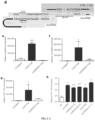
- Small CRISPR-CAS-associated RNA (scaRNA)( Fig. 1A ).
- Bacterial Cas9 homologs including those mentioned in ( Chylinski, 2013, RNA Biol ) and those listed below: Bacteroides fragilis Neisseria lactamica Bifidobacterium dentium Neisseria meningitidis Campylobacter jejuni Nocardia farcinica Campylobacter lari Olsenella uli Capnocytophaga ochracea Pasteurella multocida Clostridium botulinum Pseudoalteromonas atlantica Corynebacterium diphtheriae Rhodococcus erythropolis Corynebacterium kroppenstedtii Scardovia wiggsiae Enterococcus faecalis Sphin
- novicida is present in the host phagosome, this pathogen temporally represses its BLP expression and thereby evades TLR2 signaling.
- Eighty-five of a group of 109 bacteria that are known to encode Cas9 are pathogens or commensals indicating that the CRISPR-CAS component-mediated regulatory mechanism may function in other organisms that interact with eukaryotic cells.
- the disclosure relates to compositions and methods that use Cas9 systems disclosed herein, e.g., Cas9, tracrRNA, and scaRNA, to target RNAs of interest in the context of various biological systems.
- Cas9 is capable of functioning in the eukaryotic cytosol.
- the disclosure contemplates a segment of a targeting RNA of greater than 10, 20, 30, 40, 50, 60, 70, 80, 90, or 100 nucleotides.
- Cas9 systems disclosed herein leads to lower levels of protein from an RNA that is targeted.
- RNA is likely degraded, but it is also possible that Cas9 simply sits on the target RNA blocking access by the ribosome, thereby blocking translation or by some other unappreciated mechanism.
- Cas9 does not rely on any canonical RNAi host factors, such as Dicer or the components of the RISC complex, allowing use in systems which may have intrinsic inhibition of RNAi. Therefore, engineering of Cas9 as programmable RNA-directed RNA targeting systems is beneficial in numerous biological systems. While in some instances Cas9 is directed to its binding site by a "guide RNA" (gRNA or targeting RNA, or RNA-targeting guide RNA or rgRNA) that hybridizes to a target sequence, it is contemplated that the guide may contain a certain number of mismatches or secondary structures. In certain embodiments, the rgRNA is a fusion of the tracrRNA and scaRNAs or variant sequences thereof. In order to combat non-target interactions, certain strategies maybe used, e.g., creating rgRNA secondary structures that inhibit non-target interactions or altering the length of the rgRNA.
- gRNA or targeting RNA RNA-targeting guide RNA or rgRNA
- Cas9 in mammalian cells targeted to recognize viral RNAs prevents productive viral replication.
- Cas9 can be targeted to any RNA by changing the sequence of the RNA-targeting guide RNA as an anti-viral strategy capable of combating any virus.
- Cas9 system offer superiority with regard to conventional RNAi for treating or preventing viral infections. Viruses can mutate to evade conventional RNAi systems.
- the host RNAi machinery relies on sequences of 19-21 bp to interact with the targets to be degraded. In some cases even single base pair mutations in the target can completely abrogate degradation by the host RNAi machinery.
- RNAi with Cas9 RNA-targeting guide RNA does not rely on endogenous RNA silencing machinery of the host, i.e., self-sufficient.
- Viruses can directly suppress the RNAi machinery, but are not believed to suppress Cas9 activity because Cas9 is derived from bacteria, i.e., because viral pathogens have not evolved with Cas9, viruses likely cannot escape this system.
- multiple rgRNAs targeting different regions of viral RNA e.g., HCV RNA, simultaneously (multiplexing), can be utilized limiting the chances that viral mutations would facilitate escape from this targeting system.
- Suitable methods for transformation of host cells for use with the disclosure are believed to include virtually any method by which nucleic acids, e.g., DNA can be introduced into a cell, such as by transformation of protoplasts ( U.S. Pat. No. 5,508,184 ), by desiccation/inhibition-mediated DNA uptake, by electroporation, by agitation with silicon carbide fibers U.S. Pat. Nos. 5,302,523 ; and 5,464,765 ), by Agrobacterium-mediated transformation ( U.S. Pat. Nos. 5,563,055 ; 5,591,616 ; 5,693,512 ; 5,824,877 ; 5,981,840 ; 6,384,301 ) and by acceleration of DNA coated particles ( U.S. Pat.
- Plants and animals genetically engineered to express Cas9 with RNA targeting (rgRNA) or multiple RNA-targeting RNAs specific for different viruses or pests can used to create pest-resistant progeny.
- the disclosure relates to generating transgenic insect vectors that are resistant to viral infection.
- the disclosure contemplates the expression of Cas9 and a gRNA in eukaryotic cells used to target viruses, e.g., Hepatitis C (HCV) RNA, and prevent viral replication.
- Targeting Cas9 to the eukaryotic cell cytosol was done in order to target HCV RNA (HCV is an RNA virus, and has no DNA stage).
- Cas9 engineering studies in mammalian cells typically include NLS (nuclear localization signal) to the protein and targeted it to the nucleus in order to target DNA.
- a recombinantly produce Cas9 of this disclosure does not contain a NLS sequence.
- Cas9 has activity in the cytosol of a eukaryotic cell.
- Cas9 in the cytosol of eukaryotic cells may be used to target RNA or may be used to prevent its translation into protein.
- a Cas9 nucleic acid complex may be configured to target any RNA by changing the sequence of the "guide" RNA.
- Targeting of mRNA by the Cas9 system can use a much larger region of complementarity (in the range of 50 bp) that can also tolerate imperfect hybridization (mismatches, loops, etc.). This may be used to generate a "tunable" system in which one can control how much of a given RNA is knocked down.
- the disclosure contemplates single stranded targeting nucleic acids in the range of 25 to 50 nucleotides, or 25 to 100 or more nucleotides, or 35 to 65 nucleotides or more nucleotides, or 40 to 60 nucleotides or more nucleotides.
- the disclosure contemplates targeting numerous genes or target RNAs at the same time, e.g., host genes at the same time, viral genes at the same time, or viral and host genes at the same time.
- the disclosure contemplates that the Cas9 system can be used to target host RNAs.
- the disclosure contemplates that one may skew the immune response (e.g. to a Th1, Th2, or Th17 phenotype).
- One may treat an infection with a pathogen that induces a Th2 response with an rgRNA that will skew the response back to Th1 and lead to clearance of the pathogen.
- the disclosure contemplates plants genetically engineered to express Cas9-nucleic acid complexes disclosed herein, e.g., for the purpose of preventing infections from viral or other pests.
- the present disclosure relates to genetically modifying a plant to confer pest resistance by transforming a host plant cell with a heterologous nucleic acid configured to express a Cas9-nucleic acid complex disclosed herein.
- the disclosure provides recombinant nucleic acid constructs for use in achieving stable transformation of particular host targets, e.g., plants and plant cells.
- Transformed host targets may express effective levels of Cas9 systems disclosed herein from the recombinant nucleic acid constructs.
- nucleic acids that express certain Cas9 or bacterial Cas9 nucleotide sequences and RNA that binds the Cas9 conjugated to a nucleic acid sequences that hybridizes to an RNA molecule of a targeted gene in a plant or plant pest or combinations thereof.
- the disclosure provides nucleic acid sequences capable of being expressed as RNA in a cell to inhibit target gene expression in a cell or tissue of a plant, plant pest or combinations thereof.
- the sequences comprise a nucleic acid molecule coding for one or more different nucleotide sequences, wherein each of the different nucleotide sequences target a plant pest RNA molecule.
- the sequences may be connected by a spacer sequence.
- the nucleic acid molecule that encodes the Cas9 and targeting RNA may be placed operably under the control of a promoter sequence that functions in the cell or tissue of the host.
- a targeted sequence is in the genome of the pest or the RNA of a gene in the genome of the pest.
- a targeted sequence is selected that is essentially involved in the growth and development of a pest, for example, mRNA of proteins that play important roles in viability, growth, development, infectivity and of the pest. These mRNA targets may be one of the house keeping genes, transcription factors and the like.
- the disclosure provides a nucleic acid sequence for expression in a cell of a plant that, upon expression of the Cas9 and targeting RNA and ingestion by a plant pest, achieves suppression of a target in a cell or tissue.
- Methods to express a gene suppression molecule in plants are known (e.g. WO06073727 A2 ; US Publication 2006/0200878 A1 ), and may be used to express a nucleotide sequence disclosed herein.
- a nucleic acid sequence may be cloned between two tissue specific promoters, such as two root specific promoters which are operable in a transgenic plant cell and therein expressed to produce mRNA in the transgenic plant cell.
- tissue specific promoters such as the nematode-induced RB7 promoter; U.S. Pat. No. 5,459,252 ).
- Promoters that function in different plant species are also well known in the art. Promoters useful for expression of polypeptides in plants include those that are inducible, viral, synthetic, or constitutive, and/or promoters that are temporally regulated, spatially regulated, and spatio-temporally regulated. Preferred promoters include the enhanced CaMV35S promoters, and the FMV35S promoter. A fragment of the CaMV35S promoter exhibiting root-specificity may also be preferred. For the purpose of the present disclosure, it may be preferable to achieve the highest levels of expression of these genes within the root tissues of plants. A number of root-specific promoters have been identified and are known in the art (e.g. U.S. Pat. Nos. 5,110,732 ; 5,837,848 ; 5,459,252 ).
- a recombinant vector or cloning vector of the present disclosure may also include a screenable marker.
- Screenable markers may be used to monitor expression.
- Exemplary screenable markers include a beta-glucuronidase or uidA gene (GUS) which encodes an enzyme for which various chromogenic substrates are known; an R-locus gene, which encodes a product that regulates the production of anthocyanin pigments (red color) in plant tissues; a beta-lactamase gene, a gene which encodes an enzyme for which various chromogenic substrates are known (e.g., PADAC, a chromogenic cephalosporin); a luciferase gene a xylE gene which encodes a catechol dioxygenase that can convert chromogenic catechols; an alpha-amylase gene; a tyrosinase gene which encodes an enzyme capable of oxidizing tyrosine to DOPA and dopaquinone which
- Preferred plant cloning or transformation vectors include those derived from a Ti plasmid of Agrobacterium tumefaciens (e.g. U.S. Pat. Nos. 4,536,475 , 4,693,977 , 4,886,937 , 5,501,967 and EP 0 122 791 ).
- Agrobacterium rhizogenes plasmids (or "Ri") are also useful and known in the art.
- a transgenic plant formed using Agrobacterium transformation methods typically contains a single simple recombinant DNA sequence inserted into one chromosome and is referred to as a transgenic event. Such transgenic plants can be referred to as being heterozygous for the inserted exogenous sequence.
- a transgenic plant homozygous with respect to a transgene can be obtained by sexually mating (selfing) an independent segregant transgenic plant that contains a single exogenous gene sequence to itself, for example an F0 plant, to produce F1 seed.
- One fourth of the F1 seed produced will be homozygous with respect to the transgene.
- Germinating F1 seed results in plants that can be tested for heterozygosity, typically using a SNP assay or a thermal amplification assay that allows for the distinction between heterozygotes and homozygotes (i.e., a zygosity assay).
- Crossing a heterozygous plant with itself or another heterozygous plant typically results in only heterozygous progeny.
- a seed having the ability to express a Cas9 system disclosed herein also has a transgenic event that provides herbicide tolerance.
- a herbicide tolerance gene provides resistance to glyphosate, N-(phosphonomethyl)glycine, including the isopropylamine salt form of such herbicide.
- transgenic plants can be prepared by crossing a first plant having a recombinant DNA construct with a second plant lacking the construct.
- recombinant DNA for gene suppression can be introduced into first plant line that is amenable to transformation to produce a transgenic plant that can be crossed with a second plant line to introgress the recombinant DNA for gene suppression into the second plant line.
- the present disclosure may be used for transformation of any plant, including, but not limited to, corn (Zea mays), canola (Brassica napus, Brassica rapa ssp.), alfalfa (Medicago sativa), rice (Oryza sativa), rye (Secale cereale), sorghum (Sorghum bicolor, Sorghum vulgare), sunflower (Helianthus annuus), wheat (Triticum aestivum), soybean (Glycine max), tobacco (Nicotiana tabacum), potato (Solanum tuberosum), peanuts (Arachis hypogaea), cotton (Gossypium hirsutum), sweet potato (Ipomoea batatus), cassaya (Manihot esculenta), coffee (Cofea ssp.), coconut (Cocos nucifera), pineapple (Ananas comosus), citrus trees (Citrus spp.), cocoa (Theobrom
- crop plants are contemplated (for example, cereals and pulses, maize, wheat, potatoes, tapioca, rice, sorghum, millet, cassaya, barley, pea, and other root, tuber, or seed crops.
- Important seed crops for the present disclosure are oil-seed rape, sugar beet, maize, sunflower, soybean, and sorghum.
- horticultural plants are contemplated including lettuce, endive, and vegetable brassicas including cabbage, broccoli, and cauliflower, and carnations, geraniums, petunias, and begonias.
- plants such as grain seeds, such as corn, wheat, barley, rice, sorghum, rye are contemplated.
- plants such as oil-seed plants are contemplated.
- Oil seed plants include canola, cotton, soybean, safflower, sunflower, Brassica, maize, alfalfa, palm, coconut, etc.
- plants such as leguminous plants are contemplated.
- Leguminous plants include beans and peas. Beans include guar, locust bean, fenugreek, soybean, garden beans, cowpea, mung bean, lima bean, fava bean, lentils, chickpea, etc.
- the plants are monocots and/or dicots.
- useful monocots are rice, corn, wheat, palm trees, turf grasses, barley, and oats.
- useful dicots are soybean, cotton, alfalfa, canola, flax, tomato, sugar beet, sunflower, potato, tobacco, corn, wheat, rice, lettuce, celery, cucumber, carrot, cauliflower, grape, and turf grasses.
- plants such as flowering plants, trees, grasses, shade plants, and flowering and non-flowering ornamental plants are contemplated.
- Plant pests useful in the present disclosure include fungi, nematodes, bacteria, and parasitic plants such as striga, dodder and mistletoe. Plant pests usefully treated by the present disclosure include the downy mildews.
- Such a gene could be any pest gene that serves a direct or indirect role in such a pest's deleterious effects on a host plant.
- a gene may be one that serves a role in pest growth, development, replication and reproduction, and invasion or infection.
- the pest is a plant virus.
- plant viruses are soybean mosaic virus, bean pod mottle virus, tobacco ring spot virus, barley yellow dwarf virus, wheat spindle streak virus, soil born mosaic virus, wheat streak virus in maize, maize dwarf mosaic virus, maize chlorotic dwarf virus, cucumber mosaic virus, tobacco mosaic virus, alfalfa mosaic virus, potato virus X, potato virus Y, potato leaf roll virus and tomato golden mosaic virus.
- protection against maize dwarf mosaic virus, barley yellow dwarf virus, wheat streak mosaic virus, soil born mosaic virus, potato leafroll virus and cucumber mosaic virus is particularly important.
- the pest is Botrytis cinerea, a necrotrophic pathogenic fungus with an exceptionally wide host range.
- the cultivated tomato predominantly Lycopersicon esculentum
- the fungus generally affects stem, leaves and fruit of the tomato plant.
- the disclosure contemplates transgenic animals that express Cas9 systems disclosed herein to prevent pathogenic infections, e.g., viruses.
- contemplated transgenic animals include fish, livestock, and pets.
- the disclosure contemplates transforming embryonic stem cells (ES cells) growing in tissue culture with the desired nucleic acids that encode or express a Cas9 system disclosed herein.
- the disclosure contemplates injecting a cloning vector disclosed herein into isolated embryonic stem cells of a human or non-human animal.
- Implanting the embryos into the uterus provides conditions to develop a transgenic animal with nucleic acids that express Cas9 systems disclosed herein.
- the disclosure contemplates a transgenic animal comprising a nucleic acid that express Cas9 systems disclosed herein in combination with another protein, e.g., growth hormone.
- the cloning vectors disclosed herein may be configured to replace a target gene.
- the disclosure relates to transgenic sheep or goats comprising nucleic acids that express Cas9 systems disclosed herein and nucleic acids that express a recombinant protein in their milk.
- the disclosure contemplates a transgenic chicken comprising nucleic acids that express Cas9 systems disclosed herein and nucleic acids that express a recombinant protein in their eggs, e.g., whites.
- the disclosure relates to methods of treating or preventing diseases, conditions, or infections comprising administering an effective amount recombinant vectors to a subject that encode Cas9 and nucleic acid complexes disclosed herein, to a subject in need thereof.
- the disclosure relates to methods of treating or preventing viral infections or other pathogenic infection comprising administering an effective amount of vector configured to express a Cas9-nucleic acid complex that targets viral or pathogenic nucleic acids.
- the disclosure contemplates administration in combination with other therapeutic agents, anti-pathogenic agents, anti-viral agents, anti-bacterial agents or vaccines.
- the antiviral agent(s) are selected from abacavir, acyclovir, acyclovir, adefovir, amantadine, amprenavir, ampligen, arbidol, atazanavir, atripla, boceprevir, cidofovir, combivir, complera, darunavir, delavirdine, didanosine, docosanol, dolutegravir, edoxudine, efavirenz, emtricitabine, enfuvirtide, entecavir, famciclovir, fomivirsen, fosamprenavir, foscarnet, fosfonet, ganciclovir, ibacitabine, imunovir, idoxuridine, imiquimod, indinavir, in
- the disclosure contemplates treating and/or preventing viral infections by targeting both RNA and DNA viruses, e.g., targeting the genome of and/or transcript of RNA viruses or the viral transcript of DNA viruses.
- the virus is or a subject is diagnosed with influenza A virus including subtype H1N1, influenza B virus, influenza C virus, rotavirus A, rotavirus B, rotavirus C, rotavirus D, rotavirus E, SARS coronavirus, human adenovirus types (HAdV-1 to 55), human papillomavirus (HPV) Types 16, 18, 31, 33, 35, 39, 45, 51, 52, 56, 58, 59, parvovirus B19, molluscum contagiosum virus, JC virus (JCV), BK virus, Merkel cell polyomavirus, coxsackie A virus, norovirus, Rubella virus, lymphocytic choriomeningitis virus (LCMV), yellow fever virus, measles virus,
- LCMV lymphoc
- the disclosure contemplates targeting multiple sites in the RNA genome of an RNA virus, or RNA transcript of a DNA virus for the purpose of preventing development of resistance by viruses.
- the disclosure contemplates Cas9 and a cocktail of gRNAs targeting different viruses could be used as a "one-shot" therapeutic.
- the disclosure contemplates using the Cas9 system disclosed herein to improve the ability of a subject to process and respond to a vaccine by administering a cloning vector disclosed herein in combination with a vaccine wherein a Cac9 nucleic acid complex is configuring with gRNA to target mRNA expression of IL-10 and/or other anti-inflammatory cytokines, and/or targeting mRNA expression PD-1/PD-L1.
- the disclosure contemplates using the Cas9 system for treating cancer.
- gRNA may be configured to target mRNA or microRNA that is overexpressed in cancer cells or control the expression of oncogenes. Some cancers suppress the RNAi machinery, but would likely be unable to do the same with Cas9 systems disclosed herein. Targeting mRNA with Cas9 systems disclosed herein typically results in decreased expression of the gene product, while targeting microRNA typically results in increased expression of gene product.
- the disclosure relates to treating or preventing cancer comprising administering a vector that expresses Cas9 and guided nucleic acid complexes disclosed herein wherein the cancer is selected from brain, lung, cervical, ovarian, colon, breast, gastric, skin, ovarian, pancreatic, prostate, neck, and renal cancer.
- the disclosure relates to methods of treating cancer comprising administering an effective amount of cloning vector disclosed herein that is configure to express Cas9 and a guided nucleic acid complex that targets mRNA or microRNA associated with an oncogene.
- target mRNA or microRNA are associated with K-ras, baculoviral IAP repeat containing 3, baculoviral IAP repeat containing 7, tumor protein p53, tumor protein p53 regulated apoptosis inducing protein 1, tumor protein p73, vascular endothelial growth factor A, v-akt murine thymoma viral oncogene, phosphatase and tensin, B-cell CLL/lymphoma 2, signal transducer and activator of transcription 3, epidermal growth factor receptor, v-erb-b2 avian erythroblastic leukemia viral oncogene, tumor necrosis factor, tumor necrosis factor superfamily member 14, nuclear factor of kappa light polypeptid
- the disclosure relates to methods of treating cancer comprising administering an effective amount of cloning vector disclosed herein that is configure to express Cas9 and a guided nucleic acid complex that targets mRNA or microRNA associated with growth factors, or mitogens, e.g. c-Sis, to a subject in need thereof.
- the cancer is selected from or the subject is diagnosed with glioblastoma, fibrosarcoma, osteosarcoma, breast carcinoma, or melanoma.
- the disclosure relates to methods of treating cancer comprising administering an effective amount of cloning vector disclosed herein that is configure to express Cas9 and a guided nucleic acid complex that targets mRNA or microRNA associated with receptor tyrosine kinases, e.g., epidermal growth factor receptor (EGFR), platelet-derived growth factor receptor (PDGFR), and vascular endothelial growth factor receptor (VEGFR), HER2/neu, to a subject in need thereof.
- the cancer is selected from or the subject is diagnosed with breast cancer, gastrointestinal stromal tumors, non-small-cell lung cancer, or pancreatic cancer.
- the disclosure relates to methods of treating cancer comprising administering an effective amount of cloning vector disclosed herein that is configure to express Cas9 and a guided nucleic acid complex that targets mRNA or microRNA associated with cytoplasmic tyrosine kinases, e.g., Src-family, Syk-ZAP-70 family, and BTK family of tyrosine kinases, Abl, to a subject in need thereof.
- the cancer is selected from or the subject is diagnosed with colorectal, breast cancers, melanomas, ovarian cancers, gastric cancers, head and neck cancers, pancreatice cancer, lung cancer, brain cancers, or blood cancers.
- the disclosure relates to methods of treating cancer comprising administering an effective amount of cloning vector disclosed herein that is configure to express Cas9 and a guided nucleic acid complex that targets mRNA or microRNA associated with cytoplasmic Serine/threonine kinases and their regulatory subunits, e.g., Raf kinase, and cyclin-dependent kinases, to a subject in need thereof.
- the cancer is selected from or the subject is diagnosed with malignant melanoma, papillary thyroid cancer, colorectal cancer, or ovarian cancer.
- the disclosure relates to methods of treating cancer comprising administering an effective amount of cloning vector disclosed herein that is configure to express Cas9 and a guided nucleic acid complex that targets mRNA or microRNA associated with regulatory GTPases, e.g., Ras protein, to a subject in need thereof.
- the cancer is selected from or the subject is diagnosed with adenocarcinomas of the pancreas and colon, thyroid tumors, or myeloid leukemia
- the disclosure relates to methods of treating cancer comprising administering an effective amount of cloning vector disclosed herein that is configure to express Cas9 and a guided nucleic acid complex that targets mRNA or microRNA associated with transcription factors, e.g., myc, to a subject in need thereof.
- the cancer is selected from or the subject is diagnosed with malignant T-cell lymphomas and acute myleoid leukemias, breast cancer, pancreatic cancer, retinoblastoma, and small cell lung cancer
- the disclosure contemplates targeting multiple sites in a cancer oncogene, or any gene desirable to knockdown in cancer cells for the purpose of preventing the development of resistance in the cancer cells.
- the disclosure relates to methods of treating cancer comprising administering an effective amount of cloning vector disclosed herein that is configure to express Cas9 and a guided nucleic acid complex in combination with chemotherapies.
- the chemotherapy includes that administration of
- the disclosure contemplates using the Cas9 system disclosed herein to improve the ability of a subject to process and respond to chemotherapies by administering a cloning vector disclosed herein in combination with a chemotherapies wherein a Cas9 nucleic acid complex is configuring with gRNA to target mRNA expression of IL-10 and/or other anti-inflammatory cytokines, and/or targeting mRNA expression PD-1/PD-L1.
- Francisella novicida U112 and mutant strains were constructed by allelic replacement using primers. Mutant strains grew similarly to wild-type in broth.
- Murine bone marrowderived macrophages were prepared from wild-type and TLR2-/- C57BL/6 mice and cultured. Macrophages were infected with bacteria at a multiplicity of infection (MOI) of 20:1 bacteria per macrophage. The concentration of IL-6 in culture supernatants was quantified by ELISA (BD Biosciences). For stimulation with bacterial membrane protein fractions, cells were washed gently and media containing membrane protein fractions at a relative MOI of 20:1 were added and IL-6 was quantified.
- MOI multiplicity of infection
- Bacterial Cas9 (FTN_0757) is in a CRISPR-CAS locus
- FTN_0757 requires the canonical CRISPR-CAS system to repress expression of FTN_1103 (bacterial lipoprotein, BLP) was tested ( FIG. 1a ).
- FTN_1103 bacterial lipoprotein, BLP
- Fig. 1a Deletion of cas9, but not other CAS genes, led to 100-fold increased levels ofFTN_1103 transcript ( Fig. 1b ).
- Cas9 degrades DNA targeted by crRNAs, whether the crRNA array or the tracrRNA were necessary for repression of FTN_1103 was tested. Deletion of the crRNA array did not alter FTN_1103 transcript levels ( Fig. 1c ); however, deletion of the tracrRNA resulted in increased FTN_1103 transcript, similar to the cas9 mutant ( Fig. 1c ).
- deletion of the scaRNA resulted in increased FTN_1103 transcript, indicating that it is also important for FTN_1103 repression.
- Complementation of the cas9, tracrRNA, and scaRNA mutants restored FTN_1103 expression to near wild-type levels, and levels of FTN_1103 transcript in the mutants correlated with an increase in protein production.
- a triple mutant lacking cas9, tracrRNA, and scaRNA expressed similar levels of FTN_1103 mRNA as the single mutants, providing genetic evidence that these components may work together within the same regulatory pathway to repress expression of FTN_1103.
- Cas9 proteins contain four RuvC endonuclease domains (RuvC-I through RuvC-IV), as well as an HNH endonuclease domain ( Fig. 6 ). While RuvC-I and the HNH are known to be necessary for degradation of target DNA, the functions of the other domains were unknown. In order to determine which of these domains is necessary for the repression of FTN_1103 mRNA, point mutant strains lacking conserved residues were constructed in each domain ( Fig. 2a ).
- RuvC-I and HNH catalytic mutants maintained wild-type ability to repress FTN_1103, demonstrating that Cas9-mediated repression ofFTN_1103 does not require these domains, and differentiating this process from the targeting of DNA. While RuvC-II point mutants also had wild-type levels of FTN_1103 transcript ( Fig. 2b ). Additionally, no role for distinct RNase proteins in FTN_1103 repression was found, supporting the hypothesis that Cas9 is capable of mediating the degradation of targeted mRNA. Thus, the ability to repress FTN_1103 requires two Cas9 endonuclease domains distinct from those that mediate target DNA degradation.
- Cas9 contains a previously uncharacterized, conserved, arginine-rich motif (ARM)( Fig. 6 ). Since Cas9 and two sRNAs (tracrRNA and scaRNA) were involved in the repression and degradation ofFTN_1103 mRNA, this putative RNA binding region might be important for Cas9 function. Indeed, a point mutation in the ARM completely abrogated the ability of Cas9 to repress FTN_1103 expression ( Fig. 2b ), implicating this region in the ability of Cas9 to interact with RNAs. The sequences of the tracrRNA and scaRNA were analyzed and it was determined that the tracrRNA could hybridize to a degenerate repeat region in the scaRNA ( Fig.
- mice surviving this initial infection might be protected against subsequent lethal challenge with F. novicida. While naive mice rapidly succumbed to a challenge, mice immunized with cas9, tracrRNA or scaRNA mutants were completely protected ( Fig. 4c ). This demonstrates that mutants lacking these CRISPR-CAS components can efficiently vaccinate mice. Given that CRISPR systems of other pathogens may also contribute to virulence by regulating endogenous mRNA, mutants of these genes may represent attractive vaccine strains in numerous virulent bacteria.
- Francisella novicida Cas9 is expressed and produced in human cells
- Human hepatocellular carcinoma cells (Huh7.5 cells) were transfected with the pcDNA3.3 eukaryotic expression vector, containing the open reading frame for an HA epitope tagged human codon optimized F. novicida Cas9 (FnCas9), driven by the CMV promoter.
- FnCas9 F. novicida Cas9
- Human Codon Optimized Francisella novicida Cas9 (gene locus FTN_0757)
- FnCas9 can be directed to restrict viral infection in a sequence-specific fashion.
- Targeting rgRNA interacting with the portion of the indicated portion of the HCV genome either 5' UTR (A) or the 3' UTR (B) is illustrated in Figure 9 .
- Targeting rgRNA is Underlined indicates the targeting region (SEQ ID NO: 10) (See Figures 9 ) which can be modified to 19 bases (or more) to create base pairing with the desired RNA target.
- Double underlined indicates the F. novicida Cas9 binding region. This forms a double stranded structure (See Figures 9 )
- the single underlined region is the variable region which dictates specificity of targeting. Double-stranded region determines FnCas9 interaction.
- Huh7.5 cells were transfected with the indicated plasmid constructs containing Cas9, the HCV 5'and 3' targeting rgRNAs, the non-specific control targeting rgRNA, or combinations of both. Following transfection, cells were infected with HCV (strain Cp7) and 48 hours post infection, cells were stained with anti-E2 antibody to measure viral protein ( Fig. 9C ).
- Huh7.5 cells were transfected with the indicated FnCas9 and rgRNA plasmid constructs as above. Cells were then infected with a Renilla luciferase producing HCV (Cp7:rluc). At 48 hours post infection, infected cells were lysed and luciferase activity measured. Relative inhibition of luciferase activity compared to non-transfected cells is reported (Fig. 9E).
Landscapes
- Health & Medical Sciences (AREA)
- Life Sciences & Earth Sciences (AREA)
- Genetics & Genomics (AREA)
- Chemical & Material Sciences (AREA)
- Engineering & Computer Science (AREA)
- Organic Chemistry (AREA)
- Bioinformatics & Cheminformatics (AREA)
- Wood Science & Technology (AREA)
- Zoology (AREA)
- Biomedical Technology (AREA)
- General Engineering & Computer Science (AREA)
- Biotechnology (AREA)
- Molecular Biology (AREA)
- General Health & Medical Sciences (AREA)
- Biochemistry (AREA)
- Microbiology (AREA)
- Biophysics (AREA)
- Physics & Mathematics (AREA)
- Medicinal Chemistry (AREA)
- Plant Pathology (AREA)
- Cell Biology (AREA)
- Mycology (AREA)
- Immunology (AREA)
- Pharmacology & Pharmacy (AREA)
- Epidemiology (AREA)
- Animal Behavior & Ethology (AREA)
- Public Health (AREA)
- Veterinary Medicine (AREA)
- Virology (AREA)
- Proteomics, Peptides & Aminoacids (AREA)
- Gastroenterology & Hepatology (AREA)
- Oncology (AREA)
- Micro-Organisms Or Cultivation Processes Thereof (AREA)
- Pharmaceuticals Containing Other Organic And Inorganic Compounds (AREA)
- Medicines That Contain Protein Lipid Enzymes And Other Medicines (AREA)
- Medicines Containing Plant Substances (AREA)
- Agricultural Chemicals And Associated Chemicals (AREA)
- Medicines Containing Material From Animals Or Micro-Organisms (AREA)
Claims (12)
- Ein oder mehrere Vektoren, die so konfiguriert sind, dass sie einen Cas9-Nukleinsäurekomplex exprimieren, der auf eine PD-1- oder PD-L1-Nukleinsäure abzielt, umfassend:eine Sequenz, die ein Cas9-Protein codiert, wobei die Sequenz eine Francisella novicida-Cas9-Proteinsequenz ist, und wobei das Cas9-Protein ein argininreiches Motiv mit mindestens 90 % Identität zu SEQ ID NO: 6, ein RuvC-III-Motiv mit mindestens 90 % Identität zu SEQ ID NO: 7, und ein RuvC-IV-Motiv mit mindestens 90% Identität zu SEQ ID NO: 8 umfasst, undeine Sequenz, die eine RNA codiert, , wobei die RNA ein erstes Segment, das so konfiguriert ist, dass es nach der Transkription an das Cas9-Protein bindet, und ein zweites Segment, das so konfiguriert ist, dass es eine Ziel-Nukleinsäuresequenz bindet, umfasst,wobei die Zielsequenz das mRNA-Transkript von PD-1 oder PD-L1 ist.
- Ein oder mehrere Vektoren nach Anspruch 1, wobei die Sequenz, die ein Cas9-Protein codiert, eine menschliche, tierische oder pflanzliche Code-optimierte Sequenz ist.
- Ein oder mehrere Vektoren nach einem der vorhergehenden Ansprüche, wobei die Cas9-Proteinsequenz SEQ ID NO: 9 oder eine Variante mit 60 % oder mehr Identität dazu umfasst.
- Ein oder mehrere Vektoren nach einem der vorhergehenden Ansprüche, wobei das Cas9-Protein keine Kernlokalisierungssignal-(NLS)-Sequenz enthält.
- Ein oder mehrere Vektoren nach einem der vorhergehenden Ansprüche, wobei das zweite Segment der RNA einzelsträngig ist.
- Ein oder mehrere Vektoren nach einem der vorhergehenden Ansprüche, wobei das zweite Segment mehr als 50 kontinuierliche Nukleotide umfasst, die so konfiguriert sind, dass sie mit der Zielsequenz hybridisieren.
- Ein oder mehrere Vektoren nach einem der vorhergehenden Ansprüche, ausgewählt aus einem gentechnisch veränderten Plasmid, einem Bakteriophagen, einem bakteriellen künstlichen Chromosom, einem künstlichen Hefechromosom oder einem Virus.
- In-vitro-Bakterien-, -Prokaryonten-, -Eukaryonten-, -Insekten-, -Säugetier- oder -Pflanzenzelle, die mit einem oder mehreren Vektoren nach einem der vorhergehenden Ansprüche transformiert ist.
- Zelle nach Anspruch 8, die eine Säugetierzelle oder eine Pflanzenzelle ist.
- Ein oder mehrere Vektoren nach einem der Ansprüche 1 bis 7 zur Verwendung bei der Verbesserung der Fähigkeit eines Individuums, einen Impfstoff zu verarbeiten und auf ihn anzusprechen.
- Ein oder mehrere Vektoren nach einem der Ansprüche 1 bis 7 in Kombination mit einem Impfstoff zur Verwendung bei der Verbesserung der Fähigkeit eines Individuums, einen Impfstoff zu verarbeiten und auf ihn anzusprechen.
- Ein oder mehrere Vektoren zur Verwendung nach einem der Ansprüche 10 oder 11, wobei das Individuum ein Mensch ist.
Applications Claiming Priority (4)
| Application Number | Priority Date | Filing Date | Title |
|---|---|---|---|
| US201361753046P | 2013-01-16 | 2013-01-16 | |
| US201361905368P | 2013-11-18 | 2013-11-18 | |
| PCT/US2014/011716 WO2014113493A1 (en) | 2013-01-16 | 2014-01-15 | Cas9-nucleic acid complexes and uses related thereto |
| EP14740738.1A EP2946015B1 (de) | 2013-01-16 | 2014-01-15 | Cas9-nukleinsäurekomplexe und verwendungen dafür |
Related Parent Applications (1)
| Application Number | Title | Priority Date | Filing Date |
|---|---|---|---|
| EP14740738.1A Division EP2946015B1 (de) | 2013-01-16 | 2014-01-15 | Cas9-nukleinsäurekomplexe und verwendungen dafür |
Publications (3)
| Publication Number | Publication Date |
|---|---|
| EP3919505A1 EP3919505A1 (de) | 2021-12-08 |
| EP3919505B1 true EP3919505B1 (de) | 2023-08-30 |
| EP3919505C0 EP3919505C0 (de) | 2023-08-30 |
Family
ID=51210041
Family Applications (2)
| Application Number | Title | Priority Date | Filing Date |
|---|---|---|---|
| EP14740738.1A Active EP2946015B1 (de) | 2013-01-16 | 2014-01-15 | Cas9-nukleinsäurekomplexe und verwendungen dafür |
| EP21175562.4A Active EP3919505B1 (de) | 2013-01-16 | 2014-01-15 | Verwendungen von cas9-nukleinsäurekomplexen |
Family Applications Before (1)
| Application Number | Title | Priority Date | Filing Date |
|---|---|---|---|
| EP14740738.1A Active EP2946015B1 (de) | 2013-01-16 | 2014-01-15 | Cas9-nukleinsäurekomplexe und verwendungen dafür |
Country Status (6)
| Country | Link |
|---|---|
| US (2) | US10544405B2 (de) |
| EP (2) | EP2946015B1 (de) |
| CN (2) | CN104995302B (de) |
| AU (2) | AU2014207618A1 (de) |
| CA (1) | CA2898184A1 (de) |
| WO (1) | WO2014113493A1 (de) |
Families Citing this family (127)
| Publication number | Priority date | Publication date | Assignee | Title |
|---|---|---|---|---|
| US10323236B2 (en) | 2011-07-22 | 2019-06-18 | President And Fellows Of Harvard College | Evaluation and improvement of nuclease cleavage specificity |
| EP3604555B1 (de) | 2011-10-14 | 2024-12-25 | President and Fellows of Harvard College | Sequenzierung durch strukturanordnung |
| ES2991004T3 (es) | 2011-12-22 | 2024-12-02 | Harvard College | Métodos para la detección de analitos |
| GB201122458D0 (en) | 2011-12-30 | 2012-02-08 | Univ Wageningen | Modified cascade ribonucleoproteins and uses thereof |
| WO2013139861A1 (en) | 2012-03-20 | 2013-09-26 | Luc Montagnier | Methods and pharmaceutical compositions of the treatment of autistic syndrome disorders |
| AU2013266968B2 (en) | 2012-05-25 | 2017-06-29 | Emmanuelle CHARPENTIER | Methods and compositions for RNA-directed target DNA modification and for RNA-directed modulation of transcription |
| PL3360964T3 (pl) | 2012-12-06 | 2020-03-31 | Sigma-Aldrich Co. Llc | Modyfikacja i regulacja genomu oparta na crispr |
| EP2931899A1 (de) | 2012-12-12 | 2015-10-21 | The Broad Institute, Inc. | Funktionale genomik unter verwendung von crispr-cas systemen, zusammensetzungen, verfahren, knockout-bibliotheken und anwendungen davon |
| EP3031921B1 (de) | 2012-12-12 | 2025-03-12 | The Broad Institute, Inc. | Ausgabe, bearbeitung und optimierung von systeme, verfahren und zusammensetzungen für sequenzmanipulation und therapeutische anwendungen |
| WO2014093709A1 (en) | 2012-12-12 | 2014-06-19 | The Broad Institute, Inc. | Methods, models, systems, and apparatus for identifying target sequences for cas enzymes or crispr-cas systems for target sequences and conveying results thereof |
| CA2898184A1 (en) | 2013-01-16 | 2014-07-24 | Emory University | Cas9-nucleic acid complexes and uses related thereto |
| EP2971184B1 (de) | 2013-03-12 | 2019-04-17 | President and Fellows of Harvard College | Verfahren zur erzeugung einer dreidimensionalen nukleinsäure mit matrix |
| RU2662932C2 (ru) | 2013-03-14 | 2018-07-31 | Карибо Биосайенсиз, Инк. | Композиции и способы с участием нуклеиновых кислот, нацеленных на нуклеиновые кислоты |
| US9267135B2 (en) | 2013-06-04 | 2016-02-23 | President And Fellows Of Harvard College | RNA-guided transcriptional regulation |
| SG10201913068PA (en) | 2013-06-04 | 2020-02-27 | Harvard College | Rna-guided transcriptional regulation |
| CN105492611A (zh) | 2013-06-17 | 2016-04-13 | 布罗德研究所有限公司 | 用于序列操纵的优化的crispr-cas双切口酶系统、方法以及组合物 |
| MX374532B (es) | 2013-06-17 | 2025-03-06 | Broad Inst Inc | Suministro, uso y aplicaciones terapéuticas de los sistemas y composiciones crispr-cas, para actuar sobre trastornos y enfermedades utilizando componentes víricos. |
| RU2716420C2 (ru) | 2013-06-17 | 2020-03-11 | Те Брод Инститьют Инк. | Доставка и применение систем crispr-cas, векторов и композиций для целенаправленного воздействия и терапии в печени |
| WO2014204724A1 (en) | 2013-06-17 | 2014-12-24 | The Broad Institute Inc. | Delivery, engineering and optimization of tandem guide systems, methods and compositions for sequence manipulation |
| EP3725885A1 (de) | 2013-06-17 | 2020-10-21 | The Broad Institute, Inc. | Funktionale genomik unter verwendung von crispr-cas-systemen, zusammensetzungen, verfahren, schirme und anwendungen davon |
| US9163284B2 (en) | 2013-08-09 | 2015-10-20 | President And Fellows Of Harvard College | Methods for identifying a target site of a Cas9 nuclease |
| US9359599B2 (en) | 2013-08-22 | 2016-06-07 | President And Fellows Of Harvard College | Engineered transcription activator-like effector (TALE) domains and uses thereof |
| US9228207B2 (en) | 2013-09-06 | 2016-01-05 | President And Fellows Of Harvard College | Switchable gRNAs comprising aptamers |
| US9526784B2 (en) | 2013-09-06 | 2016-12-27 | President And Fellows Of Harvard College | Delivery system for functional nucleases |
| US9322037B2 (en) | 2013-09-06 | 2016-04-26 | President And Fellows Of Harvard College | Cas9-FokI fusion proteins and uses thereof |
| EP3988649B1 (de) | 2013-09-18 | 2024-11-27 | Kymab Limited | Verfahren, zellen und organismen |
| WO2015066119A1 (en) | 2013-10-30 | 2015-05-07 | North Carolina State University | Compositions and methods related to a type-ii crispr-cas system in lactobacillus buchneri |
| CN106459995B (zh) | 2013-11-07 | 2020-02-21 | 爱迪塔斯医药有限公司 | 使用统治型gRNA的CRISPR相关方法和组合物 |
| CA2930877A1 (en) * | 2013-11-18 | 2015-05-21 | Crispr Therapeutics Ag | Crispr-cas system materials and methods |
| EP3080259B1 (de) | 2013-12-12 | 2023-02-01 | The Broad Institute, Inc. | Konstruktion von systemen, verfahren und optimierte führungszusammensetzungen mit neuen architekturen zur sequenzmanipulation |
| US20150165054A1 (en) | 2013-12-12 | 2015-06-18 | President And Fellows Of Harvard College | Methods for correcting caspase-9 point mutations |
| WO2015089364A1 (en) | 2013-12-12 | 2015-06-18 | The Broad Institute Inc. | Crystal structure of a crispr-cas system, and uses thereof |
| EP3835419A1 (de) * | 2013-12-12 | 2021-06-16 | The Regents of The University of California | Verfahren und zusammensetzungen zur modifizierung einer einzelsträngigen zielnukleinsäure |
| SG10201804975PA (en) | 2013-12-12 | 2018-07-30 | Broad Inst Inc | Delivery, Use and Therapeutic Applications of the Crispr-Cas Systems and Compositions for HBV and Viral Diseases and Disorders |
| JP7103750B2 (ja) | 2013-12-12 | 2022-07-20 | ザ・ブロード・インスティテュート・インコーポレイテッド | ゲノム編集のためのCRISPR-Cas系及び組成物の送達、使用及び治療適用 |
| JP6793547B2 (ja) | 2013-12-12 | 2020-12-02 | ザ・ブロード・インスティテュート・インコーポレイテッド | 最適化機能CRISPR−Cas系による配列操作のための系、方法および組成物 |
| JP6712948B2 (ja) | 2013-12-12 | 2020-06-24 | ザ・ブロード・インスティテュート・インコーポレイテッド | 組成物、及びヌクレオチドリピート障害におけるcrispr−cas系の使用方法 |
| US10787654B2 (en) | 2014-01-24 | 2020-09-29 | North Carolina State University | Methods and compositions for sequence guiding Cas9 targeting |
| EP3690044B1 (de) | 2014-02-11 | 2024-01-10 | The Regents of the University of Colorado, a body corporate | Crispr-aktiviertes multiplexed-genom-engineering |
| JP2017512481A (ja) | 2014-04-08 | 2017-05-25 | ノースカロライナ ステート ユニバーシティーNorth Carolina State University | Crispr関連遺伝子を用いた、rna依存性の転写抑制のための方法および組成物 |
| WO2015184259A1 (en) | 2014-05-30 | 2015-12-03 | The Board Of Trustees Of The Leland Stanford Junior University | Compositions and methods to treat latent viral infections |
| WO2016007839A1 (en) | 2014-07-11 | 2016-01-14 | President And Fellows Of Harvard College | Methods for high-throughput labelling and detection of biological features in situ using microscopy |
| US10077453B2 (en) | 2014-07-30 | 2018-09-18 | President And Fellows Of Harvard College | CAS9 proteins including ligand-dependent inteins |
| EP3186375A4 (de) | 2014-08-28 | 2019-03-13 | North Carolina State University | Neuartige cas9-proteine und führungsmerkmale für dna-targeting und genomeditierung |
| AU2015330699B2 (en) | 2014-10-10 | 2021-12-02 | Editas Medicine, Inc. | Compositions and methods for promoting homology directed repair |
| MA40880A (fr) * | 2014-10-30 | 2017-09-05 | Temple Univ Of The Commonwealth | Éradication guidée par l'arn du virus jc humain et d'autres polyomavirus |
| US20170335331A1 (en) | 2014-10-31 | 2017-11-23 | The Trustees Of The University Of Pennsylvania | Altering Gene Expression in CART Cells and Uses Thereof |
| EP4464338A3 (de) | 2014-11-07 | 2025-02-12 | Editas Medicine, Inc. | Systeme zur verbesserung von crispr/cas-vermittelter genomeditierung |
| EP3889260A1 (de) | 2014-12-12 | 2021-10-06 | The Broad Institute, Inc. | Geschützte guide-rnas (pgrnas) |
| JP6814155B2 (ja) * | 2014-12-12 | 2021-01-13 | ジュー,ジェイムズ | 対象とする細胞を選択的に除去する方法及び組成物 |
| WO2016106236A1 (en) * | 2014-12-23 | 2016-06-30 | The Broad Institute Inc. | Rna-targeting system |
| CA2970370A1 (en) | 2014-12-24 | 2016-06-30 | Massachusetts Institute Of Technology | Crispr having or associated with destabilization domains |
| MA41349A (fr) * | 2015-01-14 | 2017-11-21 | Univ Temple | Éradication de l'herpès simplex de type i et d'autres virus de l'herpès associés guidée par arn |
| CN104805099B (zh) * | 2015-03-02 | 2018-04-13 | 中国人民解放军第二军医大学 | 一种安全编码Cas9蛋白的核酸分子及其表达载体 |
| EP3711488A1 (de) | 2015-05-06 | 2020-09-23 | Snipr Technologies Limited | Veränderung mikrobieller populationen und modifizierung von mikrobiota |
| CA2986310A1 (en) | 2015-05-11 | 2016-11-17 | Editas Medicine, Inc. | Optimized crispr/cas9 systems and methods for gene editing in stem cells |
| US10117911B2 (en) | 2015-05-29 | 2018-11-06 | Agenovir Corporation | Compositions and methods to treat herpes simplex virus infections |
| EA201792663A1 (ru) | 2015-05-29 | 2018-04-30 | Норт Каролина Стейт Юниверсити | Способы скрининга бактерий, архей, водорослей и дрожжей с использованием нуклеиновых кислот crispr |
| CN108026526B (zh) | 2015-06-09 | 2023-05-12 | 爱迪塔斯医药公司 | 用于改善移植的crispr/cas相关方法和组合物 |
| WO2016205276A1 (en) | 2015-06-15 | 2016-12-22 | North Carolina State University | Methods and compositions for efficient delivery of nucleic acids and rna-based antimicrobials |
| TWI906646B (zh) | 2015-06-18 | 2025-12-01 | 美商博得學院股份有限公司 | 降低脫靶效應的crispr酶突變 |
| WO2016205759A1 (en) | 2015-06-18 | 2016-12-22 | The Broad Institute Inc. | Engineering and optimization of systems, methods, enzymes and guide scaffolds of cas9 orthologs and variants for sequence manipulation |
| US20180201912A1 (en) * | 2015-07-14 | 2018-07-19 | The University Of Tokyo | Modified fncas9 protein and use thereof |
| EP3353296B1 (de) | 2015-09-24 | 2020-11-04 | Editas Medicine, Inc. | Verwendung von exonukleasen zur verbesserung der crispir-/cas-vermittelten genombearbeitung |
| EP3356533A1 (de) | 2015-09-28 | 2018-08-08 | North Carolina State University | Verfahren und zusammensetzungen für sequenzspezifische antimikrobielle mittel |
| IL310721B2 (en) | 2015-10-23 | 2025-11-01 | Harvard College | Nucleobase editors and uses thereof |
| AU2016349288A1 (en) | 2015-11-03 | 2018-05-31 | President And Fellows Of Harvard College | Method and apparatus for volumetric imaging of a three-dimensional nucleic acid containing matrix |
| CA3005968A1 (en) * | 2015-11-23 | 2017-06-01 | The Regents Of The University Of California | Tracking and manipulating cellular rna via nuclear delivery of crispr/cas9 |
| KR101906491B1 (ko) * | 2015-11-30 | 2018-12-05 | 기초과학연구원 | F. novicida 유래 Cas9을 포함하는 유전체 교정용 조성물 |
| AU2016366229A1 (en) * | 2015-12-09 | 2018-05-17 | Excision Biotherapeutics, Inc. | Gene editing methods and compositions for eliminating risk of JC virus activation and PML (progressive multifocal leukoencephalopathy) during immunosuppresive therapy |
| US11542466B2 (en) | 2015-12-22 | 2023-01-03 | North Carolina State University | Methods and compositions for delivery of CRISPR based antimicrobials |
| EP3417065A4 (de) * | 2016-02-18 | 2019-07-17 | President and Fellows of Harvard College | Verfahren und systeme zur molekularen aufzeichnung durch crispr-cas-system |
| CN105821039B (zh) * | 2016-03-09 | 2020-02-07 | 李旭 | 联合免疫基因抑制HBV复制的特异性sgRNA、表达载体及其应用 |
| US11597924B2 (en) | 2016-03-25 | 2023-03-07 | Editas Medicine, Inc. | Genome editing systems comprising repair-modulating enzyme molecules and methods of their use |
| US11236313B2 (en) | 2016-04-13 | 2022-02-01 | Editas Medicine, Inc. | Cas9 fusion molecules, gene editing systems, and methods of use thereof |
| EP4613756A3 (de) | 2016-04-25 | 2025-11-12 | President And Fellows Of Harvard College | Hybridisierungskettenreaktionsverfahren für den in-situ-molekularnachweis |
| WO2017205832A1 (en) * | 2016-05-26 | 2017-11-30 | Fred Hutchinson Cancer Research Center | L-myc pathway targeting as a treatment for small cell lung cancer |
| WO2017210380A1 (en) * | 2016-06-01 | 2017-12-07 | Excision Biotherapeutics, Inc. | Compositions and methods of treatment for lytic and lysogenic viruses |
| GB201609811D0 (en) | 2016-06-05 | 2016-07-20 | Snipr Technologies Ltd | Methods, cells, systems, arrays, RNA and kits |
| MX2018014993A (es) * | 2016-06-14 | 2019-09-06 | Pioneer Hi Bred Int | Uso de endonucleasa cpf1 para modificaciones de genoma de planta. |
| AU2017280353B2 (en) | 2016-06-24 | 2021-11-11 | Inscripta, Inc. | Methods for generating barcoded combinatorial libraries |
| CN110214183A (zh) | 2016-08-03 | 2019-09-06 | 哈佛大学的校长及成员们 | 腺苷核碱基编辑器及其用途 |
| WO2018031683A1 (en) | 2016-08-09 | 2018-02-15 | President And Fellows Of Harvard College | Programmable cas9-recombinase fusion proteins and uses thereof |
| US11542509B2 (en) | 2016-08-24 | 2023-01-03 | President And Fellows Of Harvard College | Incorporation of unnatural amino acids into proteins using base editing |
| CN118853848A (zh) | 2016-08-31 | 2024-10-29 | 哈佛学院董事及会员团体 | 将生物分子的检测组合到使用荧光原位测序的单个试验的方法 |
| US20190225974A1 (en) | 2016-09-23 | 2019-07-25 | BASF Agricultural Solutions Seed US LLC | Targeted genome optimization in plants |
| KR102622411B1 (ko) | 2016-10-14 | 2024-01-10 | 프레지던트 앤드 펠로우즈 오브 하바드 칼리지 | 핵염기 에디터의 aav 전달 |
| EP3555297A1 (de) | 2016-12-19 | 2019-10-23 | Editas Medicine, Inc. | Bewertung von nuklease-spaltung |
| WO2018119359A1 (en) | 2016-12-23 | 2018-06-28 | President And Fellows Of Harvard College | Editing of ccr5 receptor gene to protect against hiv infection |
| JP7229923B2 (ja) | 2017-01-06 | 2023-02-28 | エディタス・メディシン、インコーポレイテッド | ヌクレアーゼ切断を評価する方法 |
| US12390514B2 (en) | 2017-03-09 | 2025-08-19 | President And Fellows Of Harvard College | Cancer vaccine |
| EP3592853A1 (de) | 2017-03-09 | 2020-01-15 | President and Fellows of Harvard College | Unterdrückung von schmerzen durch geneditierung |
| US11542496B2 (en) | 2017-03-10 | 2023-01-03 | President And Fellows Of Harvard College | Cytosine to guanine base editor |
| KR20240116572A (ko) | 2017-03-23 | 2024-07-29 | 프레지던트 앤드 펠로우즈 오브 하바드 칼리지 | 핵산 프로그램가능한 dna 결합 단백질을 포함하는 핵염기 편집제 |
| US11499151B2 (en) | 2017-04-28 | 2022-11-15 | Editas Medicine, Inc. | Methods and systems for analyzing guide RNA molecules |
| WO2018208998A1 (en) | 2017-05-10 | 2018-11-15 | The Regents Of The University Of California | Directed editing of cellular rna via nuclear delivery of crispr/cas9 |
| US11560566B2 (en) | 2017-05-12 | 2023-01-24 | President And Fellows Of Harvard College | Aptazyme-embedded guide RNAs for use with CRISPR-Cas9 in genome editing and transcriptional activation |
| MX2019014640A (es) | 2017-06-09 | 2020-10-05 | Editas Medicine Inc | Nucleasas de repeticiones palíndromicas agrupadas y regularmente interespaciadas de proteina asociada 9 (cas9) genomanipuladas. |
| US10011849B1 (en) | 2017-06-23 | 2018-07-03 | Inscripta, Inc. | Nucleic acid-guided nucleases |
| US9982279B1 (en) | 2017-06-23 | 2018-05-29 | Inscripta, Inc. | Nucleic acid-guided nucleases |
| US11866726B2 (en) | 2017-07-14 | 2024-01-09 | Editas Medicine, Inc. | Systems and methods for targeted integration and genome editing and detection thereof using integrated priming sites |
| CN111801345A (zh) | 2017-07-28 | 2020-10-20 | 哈佛大学的校长及成员们 | 使用噬菌体辅助连续进化(pace)的进化碱基编辑器的方法和组合物 |
| EP3676376B1 (de) | 2017-08-30 | 2025-01-15 | President and Fellows of Harvard College | Hocheffiziente baseneditoren mit gam |
| KR20250107288A (ko) | 2017-10-16 | 2025-07-11 | 더 브로드 인스티튜트, 인코퍼레이티드 | 아데노신 염기 편집제의 용도 |
| CN108103090B (zh) * | 2017-12-12 | 2021-06-15 | 中山大学附属第一医院 | 靶向RNA甲基化的RNA Cas9-m6A修饰载体系统及其构建方法和应用 |
| US12406749B2 (en) | 2017-12-15 | 2025-09-02 | The Broad Institute, Inc. | Systems and methods for predicting repair outcomes in genetic engineering |
| AU2019207409B2 (en) | 2018-01-12 | 2023-02-23 | Basf Se | Gene underlying the number of spikelets per spike qtl in wheat on chromosome 7a |
| US10760075B2 (en) | 2018-04-30 | 2020-09-01 | Snipr Biome Aps | Treating and preventing microbial infections |
| US12157760B2 (en) | 2018-05-23 | 2024-12-03 | The Broad Institute, Inc. | Base editors and uses thereof |
| EP3823633A4 (de) | 2018-06-29 | 2023-05-03 | Editas Medicine, Inc. | Synthetische führungsmoleküle, zusammensetzungen und verfahren im zusammenhang damit |
| US12522807B2 (en) | 2018-07-09 | 2026-01-13 | The Broad Institute, Inc. | RNA programmable epigenetic RNA modifiers and uses thereof |
| US12203123B2 (en) | 2018-10-01 | 2025-01-21 | North Carolina State University | Recombinant type I CRISPR-Cas system and uses thereof for screening for variant cells |
| WO2020072254A1 (en) | 2018-10-01 | 2020-04-09 | North Carolina State University | Recombinant type i crispr-cas system and uses thereof for killing target cells |
| WO2020072248A1 (en) | 2018-10-01 | 2020-04-09 | North Carolina State University | Recombinant type i crispr-cas system |
| WO2020072250A1 (en) | 2018-10-01 | 2020-04-09 | North Carolina State University | Recombinant type i crispr-cas system and uses thereof for genome modification and alteration of expression |
| WO2020076976A1 (en) | 2018-10-10 | 2020-04-16 | Readcoor, Inc. | Three-dimensional spatial molecular indexing |
| WO2020092453A1 (en) | 2018-10-29 | 2020-05-07 | The Broad Institute, Inc. | Nucleobase editors comprising geocas9 and uses thereof |
| CN109468335A (zh) * | 2018-11-09 | 2019-03-15 | 中国热带农业科学院热带生物技术研究所 | 提高prsv抗病育种高效性和广谱性的基因及编辑方法 |
| US12351837B2 (en) | 2019-01-23 | 2025-07-08 | The Broad Institute, Inc. | Supernegatively charged proteins and uses thereof |
| WO2020191233A1 (en) | 2019-03-19 | 2020-09-24 | The Broad Institute, Inc. | Methods and compositions for editing nucleotide sequences |
| US12473543B2 (en) | 2019-04-17 | 2025-11-18 | The Broad Institute, Inc. | Adenine base editors with reduced off-target effects |
| US12435330B2 (en) | 2019-10-10 | 2025-10-07 | The Broad Institute, Inc. | Methods and compositions for prime editing RNA |
| EP4097251A1 (de) | 2020-01-29 | 2022-12-07 | 10X Genomics, Inc. | Zusammensetzungen und verfahren zur analytdetektion |
| IL297761A (en) | 2020-05-08 | 2022-12-01 | Broad Inst Inc | Methods and compositions for simultaneously editing two helices of a designated double-helix nucleotide sequence |
| US20220049303A1 (en) | 2020-08-17 | 2022-02-17 | Readcoor, Llc | Methods and systems for spatial mapping of genetic variants |
| GB202209518D0 (en) | 2022-06-29 | 2022-08-10 | Snipr Biome Aps | Treating & preventing E coli infections |
| AU2024270764A1 (en) | 2023-05-15 | 2025-12-04 | Nchroma Bio, Inc. | Compositions and methods for epigenetic regulation of hbv gene expression |
Family Cites Families (133)
| Publication number | Priority date | Publication date | Assignee | Title |
|---|---|---|---|---|
| US4693977A (en) | 1982-08-23 | 1987-09-15 | Queen's University At Kingston | Enzyme immobilization for producing cephalosporin antibiotics |
| US4536475A (en) | 1982-10-05 | 1985-08-20 | Phytogen | Plant vector |
| NZ207765A (en) | 1983-04-15 | 1987-03-06 | Lubrizol Genetics Inc | Plant expression of transferred dna(t-dna)from plasmids associated with agrobacterium sp |
| US4946787A (en) | 1985-01-07 | 1990-08-07 | Syntex (U.S.A.) Inc. | N-(ω,(ω-1)-dialkyloxy)- and N-(ω,(ω-1)-dialkenyloxy)-alk-1-yl-N,N,N-tetrasubstituted ammonium lipids and uses therefor |
| US5208036A (en) | 1985-01-07 | 1993-05-04 | Syntex (U.S.A.) Inc. | N-(ω, (ω-1)-dialkyloxy)- and N-(ω, (ω-1)-dialkenyloxy)-alk-1-yl-N,N,N-tetrasubstituted ammonium lipids and uses therefor |
| US4897355A (en) | 1985-01-07 | 1990-01-30 | Syntex (U.S.A.) Inc. | N[ω,(ω-1)-dialkyloxy]- and N-[ω,(ω-1)-dialkenyloxy]-alk-1-yl-N,N,N-tetrasubstituted ammonium lipids and uses therefor |
| US5049386A (en) | 1985-01-07 | 1991-09-17 | Syntex (U.S.A.) Inc. | N-ω,(ω-1)-dialkyloxy)- and N-(ω,(ω-1)-dialkenyloxy)Alk-1-YL-N,N,N-tetrasubstituted ammonium lipids and uses therefor |
| US4886937A (en) | 1985-05-20 | 1989-12-12 | North Carolina State University | Method for transforming pine |
| CA1293460C (en) | 1985-10-07 | 1991-12-24 | Brian Lee Sauer | Site-specific recombination of dna in yeast |
| US5583024A (en) | 1985-12-02 | 1996-12-10 | The Regents Of The University Of California | Recombinant expression of Coleoptera luciferase |
| ATE87032T1 (de) | 1986-12-05 | 1993-04-15 | Ciba Geigy Ag | Verbessertes verfahren zur transformation von pflanzlichen protoplasten. |
| US5015580A (en) | 1987-07-29 | 1991-05-14 | Agracetus | Particle-mediated transformation of soybean plants and lines |
| US5416011A (en) | 1988-07-22 | 1995-05-16 | Monsanto Company | Method for soybean transformation and regeneration |
| US5110732A (en) | 1989-03-14 | 1992-05-05 | The Rockefeller University | Selective gene expression in plants |
| US5302523A (en) | 1989-06-21 | 1994-04-12 | Zeneca Limited | Transformation of plant cells |
| US5501967A (en) | 1989-07-26 | 1996-03-26 | Mogen International, N.V./Rijksuniversiteit Te Leiden | Process for the site-directed integration of DNA into the genome of plants |
| US5550318A (en) | 1990-04-17 | 1996-08-27 | Dekalb Genetics Corporation | Methods and compositions for the production of stably transformed, fertile monocot plants and cells thereof |
| US7705215B1 (en) | 1990-04-17 | 2010-04-27 | Dekalb Genetics Corporation | Methods and compositions for the production of stably transformed, fertile monocot plants and cells thereof |
| WO1991010725A1 (en) | 1990-01-22 | 1991-07-25 | Dekalb Plant Genetics | Fertile transgenic corn plants |
| US5484956A (en) | 1990-01-22 | 1996-01-16 | Dekalb Genetics Corporation | Fertile transgenic Zea mays plant comprising heterologous DNA encoding Bacillus thuringiensis endotoxin |
| US5837848A (en) | 1990-03-16 | 1998-11-17 | Zeneca Limited | Root-specific promoter |
| US5466468A (en) | 1990-04-03 | 1995-11-14 | Ciba-Geigy Corporation | Parenterally administrable liposome formulation comprising synthetic lipids |
| US5264618A (en) | 1990-04-19 | 1993-11-23 | Vical, Inc. | Cationic lipids for intracellular delivery of biologically active molecules |
| WO1991017424A1 (en) | 1990-05-03 | 1991-11-14 | Vical, Inc. | Intracellular delivery of biologically active substances by means of self-assembling lipid complexes |
| US6326198B1 (en) | 1990-06-14 | 2001-12-04 | Regents Of The University Of Michigan | Methods and compositions for the ex vivo replication of stem cells, for the optimization of hematopoietic progenitor cell cultures, and for increasing the metabolism, GM-CSF secretion and/or IL-6 secretion of human stromal cells |
| US6403865B1 (en) | 1990-08-24 | 2002-06-11 | Syngenta Investment Corp. | Method of producing transgenic maize using direct transformation of commercially important genotypes |
| US5459252A (en) | 1991-01-31 | 1995-10-17 | North Carolina State University | Root specific gene promoter |
| US5580571A (en) | 1991-10-15 | 1996-12-03 | Hostetler; Karl Y. | Nucleoside analogues |
| SE9200951D0 (sv) | 1992-03-27 | 1992-03-27 | Kabi Pharmacia Ab | Pharmaceutical composition containing a defined lipid system |
| US5487994A (en) | 1992-04-03 | 1996-01-30 | The Johns Hopkins University | Insertion and deletion mutants of FokI restriction endonuclease |
| US5436150A (en) | 1992-04-03 | 1995-07-25 | The Johns Hopkins University | Functional domains in flavobacterium okeanokoities (foki) restriction endonuclease |
| US5356802A (en) | 1992-04-03 | 1994-10-18 | The Johns Hopkins University | Functional domains in flavobacterium okeanokoites (FokI) restriction endonuclease |
| ATE398679T1 (de) | 1992-07-07 | 2008-07-15 | Japan Tobacco Inc | Verfahren zur transformation einer monokotyledon pflanze |
| JP2952041B2 (ja) | 1992-07-27 | 1999-09-20 | パイオニア ハイ−ブレッド インターナショナル,インコーポレイテッド | 培養ダイズ細胞のagrobacterium媒介形質転換の改良法 |
| US5527695A (en) | 1993-01-29 | 1996-06-18 | Purdue Research Foundation | Controlled modification of eukaryotic genomes |
| AT401526B (de) | 1993-02-10 | 1996-09-25 | Scheirer Winfried | Reagenzlösung zur stabilisierung der lumineszenz bei der luciferasemessung |
| EP1624068A1 (de) | 1993-06-01 | 2006-02-08 | Life Technologies Inc. | Genetische Impfung mit kationischen Lipidstoffen |
| US6140466A (en) | 1994-01-18 | 2000-10-31 | The Scripps Research Institute | Zinc finger protein derivatives and methods therefor |
| US6242568B1 (en) | 1994-01-18 | 2001-06-05 | The Scripps Research Institute | Zinc finger protein derivatives and methods therefor |
| USRE39229E1 (en) | 1994-08-20 | 2006-08-08 | Gendaq Limited | Binding proteins for recognition of DNA |
| US5789538A (en) | 1995-02-03 | 1998-08-04 | Massachusetts Institute Of Technology | Zinc finger proteins with high affinity new DNA binding specificities |
| US5925567A (en) | 1995-05-19 | 1999-07-20 | T. Breeders, Inc. | Selective expansion of target cell populations |
| US5693512A (en) | 1996-03-01 | 1997-12-02 | The Ohio State Research Foundation | Method for transforming plant tissue by sonication |
| US5925523A (en) | 1996-08-23 | 1999-07-20 | President & Fellows Of Harvard College | Intraction trap assay, reagents and uses thereof |
| US5976796A (en) | 1996-10-04 | 1999-11-02 | Loma Linda University | Construction and expression of renilla luciferase and green fluorescent protein fusion genes |
| US5981840A (en) | 1997-01-24 | 1999-11-09 | Pioneer Hi-Bred International, Inc. | Methods for agrobacterium-mediated transformation |
| US6335195B1 (en) | 1997-01-28 | 2002-01-01 | Maret Corporation | Method for promoting hematopoietic and mesenchymal cell proliferation and differentiation |
| US6074859A (en) | 1997-07-08 | 2000-06-13 | Kikkoman Corporation | Mutant-type bioluminescent protein, and process for producing the mutant-type bioluminescent protein |
| US6410248B1 (en) | 1998-01-30 | 2002-06-25 | Massachusetts Institute Of Technology | General strategy for selecting high-affinity zinc finger proteins for diverse DNA target sites |
| US6383481B1 (en) | 1998-03-30 | 2002-05-07 | Japan Immunoresearch Laboratories Co., Ltd. | Method for transplantation of hemopoietic stem cells |
| US20050222075A1 (en) | 1998-09-14 | 2005-10-06 | Hans Herweijer | Process for delivering nucleic acids to cardiac tissue |
| US6453242B1 (en) | 1999-01-12 | 2002-09-17 | Sangamo Biosciences, Inc. | Selection of sites for targeting by zinc finger proteins and methods of designing zinc finger proteins to bind to preselected sites |
| US6534261B1 (en) | 1999-01-12 | 2003-03-18 | Sangamo Biosciences, Inc. | Regulation of endogenous gene expression in cells using zinc finger proteins |
| WO2000042207A2 (en) | 1999-01-14 | 2000-07-20 | Monsanto Technology Llc | Soybean transformation method |
| US6713291B2 (en) | 1999-01-28 | 2004-03-30 | Alan D. King | Electrodes coated with treating agent and uses thereof |
| US6468989B1 (en) | 2000-07-13 | 2002-10-22 | Dow Pharmaceutical Sciences | Gel compositions containing metronidazole |
| US6387383B1 (en) | 2000-08-03 | 2002-05-14 | Dow Pharmaceutical Sciences | Topical low-viscosity gel composition |
| WO2004062526A2 (en) | 2003-01-16 | 2004-07-29 | Galil Medical Ltd. | Device, system, and method for detecting, localizing, and characterizing plaque-induced stenosis of a blood vessel |
| US7163685B2 (en) | 2003-04-16 | 2007-01-16 | City Of Hope | Human cytomegalovirus antigens expressed in MVA and methods of use |
| US7888121B2 (en) | 2003-08-08 | 2011-02-15 | Sangamo Biosciences, Inc. | Methods and compositions for targeted cleavage and recombination |
| US8409861B2 (en) | 2003-08-08 | 2013-04-02 | Sangamo Biosciences, Inc. | Targeted deletion of cellular DNA sequences |
| US9592277B2 (en) | 2004-04-14 | 2017-03-14 | Avirid, Inc. | Compositions with modified nucleases targeted to viral nucleic acids and methods of use for prevention and treatment of viral diseases |
| US20060200878A1 (en) | 2004-12-21 | 2006-09-07 | Linda Lutfiyya | Recombinant DNA constructs and methods for controlling gene expression |
| EP2765189A1 (de) | 2004-12-21 | 2014-08-13 | Monsanto Technology LLC | Rekombinante DNA-Konstrukte und Verfahren zur Steuerung der Gen-Expression |
| EP1844136B1 (de) | 2004-12-29 | 2014-08-27 | Hadasit Medical Research Services And Development Ltd. | Stammzellenkultursysteme |
| DK2341149T3 (en) * | 2005-08-26 | 2017-02-27 | Dupont Nutrition Biosci Aps | Use of CRISPR-associated genes (Cas) |
| GB0526211D0 (en) | 2005-12-22 | 2006-02-01 | Oxford Biomedica Ltd | Viral vectors |
| EP2027262B1 (de) | 2006-05-25 | 2010-03-31 | Sangamo Biosciences Inc. | Variante foki-spaltungshälften-domänen |
| CN101688241B (zh) * | 2007-03-02 | 2015-01-21 | 杜邦营养生物科学有限公司 | 具有改善的噬菌体抗性的培养物 |
| US20100076057A1 (en) | 2008-09-23 | 2010-03-25 | Northwestern University | TARGET DNA INTERFERENCE WITH crRNA |
| WO2010056728A1 (en) | 2008-11-11 | 2010-05-20 | Helicos Biosciences Corporation | Nucleic acid encoding for multiplex analysis |
| US20110023144A1 (en) | 2008-12-04 | 2011-01-27 | Sigma-Aldrich Co. | Genomic editing of genes involved in amyotrophyic lateral sclerosis disease |
| WO2010075424A2 (en) | 2008-12-22 | 2010-07-01 | The Regents Of University Of California | Compositions and methods for downregulating prokaryotic genes |
| CN101880649B (zh) | 2009-05-05 | 2012-09-05 | 中国福利会国际和平妇幼保健院 | 一种干细胞培养方法 |
| US10537725B2 (en) | 2010-03-05 | 2020-01-21 | Cornell University | Ultrasound-assisted convection enhanced delivery of compounds in vivo with a transducer cannula assembly |
| TR201802741T4 (tr) | 2010-05-14 | 2018-03-21 | Univ Oregon Health & Science | Rekombinant hcmv ve rhcmv vektörleri ve bunların kullanımları. |
| EP2392648A1 (de) | 2010-06-04 | 2011-12-07 | Institut Pasteur | Verfahren zum Erhalt von Stammzellen |
| US8348890B2 (en) | 2011-03-01 | 2013-01-08 | Sanovas, Inc. | Nested balloon catheter for localized drug delivery |
| ES2666303T3 (es) | 2011-04-29 | 2018-05-03 | University Of Washington | Composiciones terapéuticas de nucleasa y métodos |
| LU91864B1 (en) | 2011-09-02 | 2013-03-04 | Univ Luxembourg | Method and kit for the isolation of genomic DNA, RNA, proteins and metabolites from a single biological sample |
| WO2013141680A1 (en) | 2012-03-20 | 2013-09-26 | Vilnius University | RNA-DIRECTED DNA CLEAVAGE BY THE Cas9-crRNA COMPLEX |
| US9637739B2 (en) | 2012-03-20 | 2017-05-02 | Vilnius University | RNA-directed DNA cleavage by the Cas9-crRNA complex |
| AU2013266968B2 (en) | 2012-05-25 | 2017-06-29 | Emmanuelle CHARPENTIER | Methods and compositions for RNA-directed target DNA modification and for RNA-directed modulation of transcription |
| WO2013188037A2 (en) | 2012-06-11 | 2013-12-19 | Agilent Technologies, Inc | Method of adaptor-dimer subtraction using a crispr cas6 protein |
| EP3196301B1 (de) | 2012-07-11 | 2018-10-17 | Sangamo Therapeutics, Inc. | Verfahren und zusammensetzungen zur behandlung von monogener krankheiten |
| EP2875133B1 (de) | 2012-07-17 | 2018-01-10 | Université de Genève | Nukleinsäuren zur herunterregulierung der genexpression |
| AU2013329186B2 (en) | 2012-10-10 | 2019-02-14 | Sangamo Therapeutics, Inc. | T cell modifying compounds and uses thereof |
| US20150315576A1 (en) | 2012-11-01 | 2015-11-05 | Massachusetts Institute Of Technology | Genetic device for the controlled destruction of dna |
| WO2014093479A1 (en) | 2012-12-11 | 2014-06-19 | Montana State University | Crispr (clustered regularly interspaced short palindromic repeats) rna-guided control of gene regulation |
| US8697359B1 (en) | 2012-12-12 | 2014-04-15 | The Broad Institute, Inc. | CRISPR-Cas systems and methods for altering expression of gene products |
| WO2014093655A2 (en) | 2012-12-12 | 2014-06-19 | The Broad Institute, Inc. | Engineering and optimization of systems, methods and compositions for sequence manipulation with functional domains |
| EP2840140B2 (de) | 2012-12-12 | 2023-02-22 | The Broad Institute, Inc. | CRISPR-Cas verwendetes Verfahren zur Mutation von Prokaryonten |
| IL239344B2 (en) | 2012-12-12 | 2024-06-01 | Broad Inst Inc | Systems engineering, methods and optimal guiding components for sequence manipulation |
| US20140186843A1 (en) | 2012-12-12 | 2014-07-03 | Massachusetts Institute Of Technology | Methods, systems, and apparatus for identifying target sequences for cas enzymes or crispr-cas systems for target sequences and conveying results thereof |
| EP3031921B1 (de) * | 2012-12-12 | 2025-03-12 | The Broad Institute, Inc. | Ausgabe, bearbeitung und optimierung von systeme, verfahren und zusammensetzungen für sequenzmanipulation und therapeutische anwendungen |
| CN113355357B (zh) | 2012-12-12 | 2024-12-03 | 布罗德研究所有限公司 | 对用于序列操纵的改进的系统、方法和酶组合物进行的工程化和优化 |
| DK2931891T3 (da) | 2012-12-17 | 2019-08-19 | Harvard College | Rna-styret modificering af menneskelige genomer |
| CA2898184A1 (en) | 2013-01-16 | 2014-07-24 | Emory University | Cas9-nucleic acid complexes and uses related thereto |
| US10660943B2 (en) | 2013-02-07 | 2020-05-26 | The Rockefeller University | Sequence specific antimicrobials |
| WO2014143381A1 (en) | 2013-03-09 | 2014-09-18 | Agilent Technologies, Inc. | Methods of in vivo engineering of large sequences using multiple crispr/cas selections of recombineering events |
| RU2662932C2 (ru) | 2013-03-14 | 2018-07-31 | Карибо Биосайенсиз, Инк. | Композиции и способы с участием нуклеиновых кислот, нацеленных на нуклеиновые кислоты |
| CN112301024A (zh) | 2013-03-15 | 2021-02-02 | 通用医疗公司 | 使用RNA引导的FokI核酸酶(RFN)提高RNA引导的基因组编辑的特异性 |
| US20140349400A1 (en) | 2013-03-15 | 2014-11-27 | Massachusetts Institute Of Technology | Programmable Modification of DNA |
| US20140273230A1 (en) | 2013-03-15 | 2014-09-18 | Sigma-Aldrich Co., Llc | Crispr-based genome modification and regulation |
| US9234213B2 (en) | 2013-03-15 | 2016-01-12 | System Biosciences, Llc | Compositions and methods directed to CRISPR/Cas genomic engineering systems |
| CA2908253C (en) | 2013-04-04 | 2024-01-09 | Trustees Of Dartmouth College | Compositions and methods for in vivo excision of hiv-1 proviral dna |
| US20160186208A1 (en) | 2013-04-16 | 2016-06-30 | Whitehead Institute For Biomedical Research | Methods of Mutating, Modifying or Modulating Nucleic Acid in a Cell or Nonhuman Mammal |
| CN105683376A (zh) | 2013-05-15 | 2016-06-15 | 桑格摩生物科学股份有限公司 | 用于治疗遗传病状的方法和组合物 |
| US9873907B2 (en) | 2013-05-29 | 2018-01-23 | Agilent Technologies, Inc. | Method for fragmenting genomic DNA using CAS9 |
| RU2716420C2 (ru) | 2013-06-17 | 2020-03-11 | Те Брод Инститьют Инк. | Доставка и применение систем crispr-cas, векторов и композиций для целенаправленного воздействия и терапии в печени |
| ES2929143T3 (es) | 2013-07-09 | 2022-11-25 | Harvard College | Ingeniería genómica guiada por ARN múltiplex |
| CA2917348A1 (en) | 2013-07-11 | 2015-01-15 | Moderna Therapeutics, Inc. | Compositions comprising synthetic polynucleotides encoding crispr related proteins and synthetic sgrnas and methods of use |
| JP6482546B2 (ja) | 2013-07-19 | 2019-03-13 | ラリクス・バイオサイエンス・リミテッド・ライアビリティ・カンパニーLarix Bioscience, Llc | 二重対立遺伝子ノックアウトを生成するための方法および組成物 |
| JP7118588B2 (ja) | 2013-08-29 | 2022-08-16 | テンプル ユニヴァーシティ オブ ザ コモンウェルス システム オブ ハイヤー エデュケイション | Hiv感染のrnaガイド処置のための方法および組成物 |
| EP4074330A1 (de) | 2013-09-05 | 2022-10-19 | Massachusetts Institute of Technology | Abstimmung von mikrobiellen populationen mit programmierbaren nukleasen |
| US9526784B2 (en) | 2013-09-06 | 2016-12-27 | President And Fellows Of Harvard College | Delivery system for functional nucleases |
| US9322037B2 (en) | 2013-09-06 | 2016-04-26 | President And Fellows Of Harvard College | Cas9-FokI fusion proteins and uses thereof |
| US20150098954A1 (en) | 2013-10-08 | 2015-04-09 | Elwha Llc | Compositions and Methods Related to CRISPR Targeting |
| HRP20192080T1 (hr) | 2013-10-31 | 2020-02-07 | Resolve Therapeutics, Llc | Terapeutske fuzije nukleaza-albumine i postupci |
| CN106459995B (zh) | 2013-11-07 | 2020-02-21 | 爱迪塔斯医药有限公司 | 使用统治型gRNA的CRISPR相关方法和组合物 |
| SG10201804975PA (en) | 2013-12-12 | 2018-07-30 | Broad Inst Inc | Delivery, Use and Therapeutic Applications of the Crispr-Cas Systems and Compositions for HBV and Viral Diseases and Disorders |
| EP3470089A1 (de) | 2013-12-12 | 2019-04-17 | The Broad Institute Inc. | Freisetzung, verwendung und therapeutische anwendungen der crispr-cas-systeme und zusammensetzungen für störungen und erkrankungen mittels partikelfreisetzungskomponenten |
| WO2015105928A1 (en) | 2014-01-08 | 2015-07-16 | President And Fellows Of Harvard College | Rna-guided gene drives |
| US10286084B2 (en) | 2014-02-18 | 2019-05-14 | Duke University | Compositions for the inactivation of virus replication and methods of making and using the same |
| WO2015153889A2 (en) | 2014-04-02 | 2015-10-08 | University Of Florida Research Foundation, Incorporated | Materials and methods for the treatment of latent viral infection |
| CN103911376B (zh) | 2014-04-03 | 2017-02-15 | 黄行许 | CRISPR‑Cas9靶向敲除乙肝病毒cccDNA及其特异性sgRNA |
| WO2015184259A1 (en) | 2014-05-30 | 2015-12-03 | The Board Of Trustees Of The Leland Stanford Junior University | Compositions and methods to treat latent viral infections |
| EP3300507A4 (de) | 2015-04-02 | 2019-03-13 | Agenovir Corporation | Genverabreichungsverfahren und zusammensetzungen |
| US20160346362A1 (en) | 2015-05-29 | 2016-12-01 | Agenovir Corporation | Methods and compositions for treating cytomegalovirus infections |
| WO2016196282A1 (en) | 2015-05-29 | 2016-12-08 | Agenovir Corporation | Compositions and methods for cell targeted hpv treatment |
| EP3331582A4 (de) | 2015-05-29 | 2019-08-07 | Agenovir Corporation | Verfahren und zusammensetzungen zur behandlung von zellen zur transplantation |
| US20160350476A1 (en) | 2015-05-29 | 2016-12-01 | Agenovir Corporation | Antiviral methods and compositions |
| US10117911B2 (en) | 2015-05-29 | 2018-11-06 | Agenovir Corporation | Compositions and methods to treat herpes simplex virus infections |
-
2014
- 2014-01-15 CA CA2898184A patent/CA2898184A1/en not_active Abandoned
- 2014-01-15 AU AU2014207618A patent/AU2014207618A1/en not_active Abandoned
- 2014-01-15 CN CN201480008880.5A patent/CN104995302B/zh active Active
- 2014-01-15 WO PCT/US2014/011716 patent/WO2014113493A1/en not_active Ceased
- 2014-01-15 EP EP14740738.1A patent/EP2946015B1/de active Active
- 2014-01-15 US US14/760,113 patent/US10544405B2/en active Active
- 2014-01-15 CN CN202110281667.3A patent/CN113005148A/zh active Pending
- 2014-01-15 EP EP21175562.4A patent/EP3919505B1/de active Active
-
2019
- 2019-07-10 US US16/507,745 patent/US11312945B2/en active Active
- 2019-11-25 AU AU2019271886A patent/AU2019271886A1/en not_active Abandoned
Also Published As
| Publication number | Publication date |
|---|---|
| US20200354700A1 (en) | 2020-11-12 |
| US10544405B2 (en) | 2020-01-28 |
| EP2946015B1 (de) | 2021-05-26 |
| EP2946015A4 (de) | 2016-07-06 |
| CN113005148A (zh) | 2021-06-22 |
| EP2946015A1 (de) | 2015-11-25 |
| AU2014207618A1 (en) | 2015-08-06 |
| EP3919505C0 (de) | 2023-08-30 |
| US11312945B2 (en) | 2022-04-26 |
| CN104995302B (zh) | 2021-08-31 |
| HK1217728A1 (zh) | 2017-01-20 |
| WO2014113493A1 (en) | 2014-07-24 |
| AU2019271886A1 (en) | 2019-12-12 |
| CN104995302A (zh) | 2015-10-21 |
| US20150353905A1 (en) | 2015-12-10 |
| CA2898184A1 (en) | 2014-07-24 |
| EP3919505A1 (de) | 2021-12-08 |
Similar Documents
| Publication | Publication Date | Title |
|---|---|---|
| US11312945B2 (en) | CAS9-nucleic acid complexes and uses related thereto | |
| AU2007283566B2 (en) | Method of increasing resistance against soybean rust in transgenic plants | |
| EP3476865B1 (de) | Verfahren zur erstellung eines pd-1-gen-modifizierten humanisierten tiermodells und verwendung davon | |
| WO2017015015A1 (en) | Crispr-associated protein from francisella and uses related thereto | |
| JP2023134462A (ja) | 標的化核酸編集のための系、方法、及び組成物 | |
| CN101203611B (zh) | 控制基因表达的改良方法 | |
| US20230365989A1 (en) | Compositions and methods for enhanced lentiviral production | |
| CN113795587A (zh) | 使用Tn7样转座子进行RNA引导的DNA整合 | |
| CN113840925A (zh) | 修饰非编码rna分子对于在真核细胞中的沉默基因的特异性 | |
| US20220220469A1 (en) | Non-class i multi-component nucleic acid targeting systems | |
| KR20210148187A (ko) | 기능장애 RNA(dysfunctional RNA) 분자에 침묵 활성(silencing activity) 도입 및 관심 유전자에 대한 특이성(specificity) 변형 | |
| WO2015007194A1 (zh) | 植物基因组定点修饰方法 | |
| KR20190016970A (ko) | 식물 게놈 변형을 위한 cpf1 엔도뉴클레아제의 용도 | |
| CN104561085B (zh) | OsAGO18基因在提高水稻对水稻条纹叶枯病抗性中的应用 | |
| WO2017066845A1 (en) | Organisms with modified growth and performance characteristics and methods of making them | |
| WO2016065896A1 (zh) | OsAGO18蛋白或其编码基因在调控植物对水稻矮缩病毒或其同科病毒的抗性中的应用 | |
| US10000766B2 (en) | Recombinant construct, recombinant microorganism, recombinant plant cell and method of providing plant with resistance against DNA virus and RNA virus | |
| US10550400B2 (en) | Methods to monitor post-translational gene silencing activity in plant tissues/cell types relevant for pathogen entry, propagation or replication | |
| CN103361325B (zh) | 一种与水稻白叶枯抗性相关的蛋白及其编码基因与应用 | |
| HK1217728B (en) | Cas9-nucleic acid complexes and uses related thereto | |
| Zerbini et al. | Transgenic plants | |
| CN107083396B (zh) | ZmPDIL基因在玉米矮花叶病防治中的应用 | |
| CN103667294B (zh) | 表达抑制麦长管蚜脂蛋白酯酶的发卡rna的dna分子及其应用 | |
| CN102212520B (zh) | 特异性沉默鸡马立克氏病病毒gI、gE基因的siRNA序列及其载体和应用 | |
| US20140047582A1 (en) | INTERFERING RNAs THAT PROMOTE ROOT GROWTH |
Legal Events
| Date | Code | Title | Description |
|---|---|---|---|
| PUAI | Public reference made under article 153(3) epc to a published international application that has entered the european phase |
Free format text: ORIGINAL CODE: 0009012 |
|
| STAA | Information on the status of an ep patent application or granted ep patent |
Free format text: STATUS: THE APPLICATION HAS BEEN PUBLISHED |
|
| AC | Divisional application: reference to earlier application |
Ref document number: 2946015 Country of ref document: EP Kind code of ref document: P |
|
| AK | Designated contracting states |
Kind code of ref document: A1 Designated state(s): AL AT BE BG CH CY CZ DE DK EE ES FI FR GB GR HR HU IE IS IT LI LT LU LV MC MK MT NL NO PL PT RO RS SE SI SK SM TR |
|
| B565 | Issuance of search results under rule 164(2) epc |
Effective date: 20211105 |
|
| STAA | Information on the status of an ep patent application or granted ep patent |
Free format text: STATUS: REQUEST FOR EXAMINATION WAS MADE |
|
| 17P | Request for examination filed |
Effective date: 20220606 |
|
| RBV | Designated contracting states (corrected) |
Designated state(s): AL AT BE BG CH CY CZ DE DK EE ES FI FR GB GR HR HU IE IS IT LI LT LU LV MC MK MT NL NO PL PT RO RS SE SI SK SM TR |
|
| GRAP | Despatch of communication of intention to grant a patent |
Free format text: ORIGINAL CODE: EPIDOSNIGR1 |
|
| STAA | Information on the status of an ep patent application or granted ep patent |
Free format text: STATUS: GRANT OF PATENT IS INTENDED |
|
| INTG | Intention to grant announced |
Effective date: 20230329 |
|
| GRAS | Grant fee paid |
Free format text: ORIGINAL CODE: EPIDOSNIGR3 |
|
| GRAA | (expected) grant |
Free format text: ORIGINAL CODE: 0009210 |
|
| STAA | Information on the status of an ep patent application or granted ep patent |
Free format text: STATUS: THE PATENT HAS BEEN GRANTED |
|
| AC | Divisional application: reference to earlier application |
Ref document number: 2946015 Country of ref document: EP Kind code of ref document: P |
|
| AK | Designated contracting states |
Kind code of ref document: B1 Designated state(s): AL AT BE BG CH CY CZ DE DK EE ES FI FR GB GR HR HU IE IS IT LI LT LU LV MC MK MT NL NO PL PT RO RS SE SI SK SM TR |
|
| REG | Reference to a national code |
Ref country code: GB Ref legal event code: FG4D |
|
| REG | Reference to a national code |
Ref country code: CH Ref legal event code: EP |
|
| REG | Reference to a national code |
Ref country code: DE Ref legal event code: R096 Ref document number: 602014088179 Country of ref document: DE |
|
| REG | Reference to a national code |
Ref country code: IE Ref legal event code: FG4D |
|
| U01 | Request for unitary effect filed |
Effective date: 20230925 |
|
| U07 | Unitary effect registered |
Designated state(s): AT BE BG DE DK EE FI FR IT LT LU LV MT NL PT SE SI Effective date: 20230929 |
|
| PG25 | Lapsed in a contracting state [announced via postgrant information from national office to epo] |
Ref country code: GR Free format text: LAPSE BECAUSE OF FAILURE TO SUBMIT A TRANSLATION OF THE DESCRIPTION OR TO PAY THE FEE WITHIN THE PRESCRIBED TIME-LIMIT Effective date: 20231201 |
|
| PG25 | Lapsed in a contracting state [announced via postgrant information from national office to epo] |
Ref country code: IS Free format text: LAPSE BECAUSE OF FAILURE TO SUBMIT A TRANSLATION OF THE DESCRIPTION OR TO PAY THE FEE WITHIN THE PRESCRIBED TIME-LIMIT Effective date: 20231230 |
|
| PG25 | Lapsed in a contracting state [announced via postgrant information from national office to epo] |
Ref country code: RS Free format text: LAPSE BECAUSE OF FAILURE TO SUBMIT A TRANSLATION OF THE DESCRIPTION OR TO PAY THE FEE WITHIN THE PRESCRIBED TIME-LIMIT Effective date: 20230830 Ref country code: NO Free format text: LAPSE BECAUSE OF FAILURE TO SUBMIT A TRANSLATION OF THE DESCRIPTION OR TO PAY THE FEE WITHIN THE PRESCRIBED TIME-LIMIT Effective date: 20231130 Ref country code: IS Free format text: LAPSE BECAUSE OF FAILURE TO SUBMIT A TRANSLATION OF THE DESCRIPTION OR TO PAY THE FEE WITHIN THE PRESCRIBED TIME-LIMIT Effective date: 20231230 Ref country code: HR Free format text: LAPSE BECAUSE OF FAILURE TO SUBMIT A TRANSLATION OF THE DESCRIPTION OR TO PAY THE FEE WITHIN THE PRESCRIBED TIME-LIMIT Effective date: 20230830 Ref country code: GR Free format text: LAPSE BECAUSE OF FAILURE TO SUBMIT A TRANSLATION OF THE DESCRIPTION OR TO PAY THE FEE WITHIN THE PRESCRIBED TIME-LIMIT Effective date: 20231201 |
|
| U20 | Renewal fee for the european patent with unitary effect paid |
Year of fee payment: 11 Effective date: 20240125 |
|
| PG25 | Lapsed in a contracting state [announced via postgrant information from national office to epo] |
Ref country code: PL Free format text: LAPSE BECAUSE OF FAILURE TO SUBMIT A TRANSLATION OF THE DESCRIPTION OR TO PAY THE FEE WITHIN THE PRESCRIBED TIME-LIMIT Effective date: 20230830 |
|
| PG25 | Lapsed in a contracting state [announced via postgrant information from national office to epo] |
Ref country code: ES Free format text: LAPSE BECAUSE OF FAILURE TO SUBMIT A TRANSLATION OF THE DESCRIPTION OR TO PAY THE FEE WITHIN THE PRESCRIBED TIME-LIMIT Effective date: 20230830 |
|
| PG25 | Lapsed in a contracting state [announced via postgrant information from national office to epo] |
Ref country code: SM Free format text: LAPSE BECAUSE OF FAILURE TO SUBMIT A TRANSLATION OF THE DESCRIPTION OR TO PAY THE FEE WITHIN THE PRESCRIBED TIME-LIMIT Effective date: 20230830 Ref country code: RO Free format text: LAPSE BECAUSE OF FAILURE TO SUBMIT A TRANSLATION OF THE DESCRIPTION OR TO PAY THE FEE WITHIN THE PRESCRIBED TIME-LIMIT Effective date: 20230830 Ref country code: ES Free format text: LAPSE BECAUSE OF FAILURE TO SUBMIT A TRANSLATION OF THE DESCRIPTION OR TO PAY THE FEE WITHIN THE PRESCRIBED TIME-LIMIT Effective date: 20230830 Ref country code: CZ Free format text: LAPSE BECAUSE OF FAILURE TO SUBMIT A TRANSLATION OF THE DESCRIPTION OR TO PAY THE FEE WITHIN THE PRESCRIBED TIME-LIMIT Effective date: 20230830 Ref country code: SK Free format text: LAPSE BECAUSE OF FAILURE TO SUBMIT A TRANSLATION OF THE DESCRIPTION OR TO PAY THE FEE WITHIN THE PRESCRIBED TIME-LIMIT Effective date: 20230830 |
|
| REG | Reference to a national code |
Ref country code: DE Ref legal event code: R097 Ref document number: 602014088179 Country of ref document: DE |
|
| PLBE | No opposition filed within time limit |
Free format text: ORIGINAL CODE: 0009261 |
|
| STAA | Information on the status of an ep patent application or granted ep patent |
Free format text: STATUS: NO OPPOSITION FILED WITHIN TIME LIMIT |
|
| 26N | No opposition filed |
Effective date: 20240603 |
|
| PG25 | Lapsed in a contracting state [announced via postgrant information from national office to epo] |
Ref country code: MC Free format text: LAPSE BECAUSE OF FAILURE TO SUBMIT A TRANSLATION OF THE DESCRIPTION OR TO PAY THE FEE WITHIN THE PRESCRIBED TIME-LIMIT Effective date: 20230830 |
|
| PG25 | Lapsed in a contracting state [announced via postgrant information from national office to epo] |
Ref country code: MC Free format text: LAPSE BECAUSE OF FAILURE TO SUBMIT A TRANSLATION OF THE DESCRIPTION OR TO PAY THE FEE WITHIN THE PRESCRIBED TIME-LIMIT Effective date: 20230830 |
|
| REG | Reference to a national code |
Ref country code: CH Ref legal event code: PL |
|
| PG25 | Lapsed in a contracting state [announced via postgrant information from national office to epo] |
Ref country code: CH Free format text: LAPSE BECAUSE OF NON-PAYMENT OF DUE FEES Effective date: 20240131 |
|
| PG25 | Lapsed in a contracting state [announced via postgrant information from national office to epo] |
Ref country code: CH Free format text: LAPSE BECAUSE OF NON-PAYMENT OF DUE FEES Effective date: 20240131 |
|
| PG25 | Lapsed in a contracting state [announced via postgrant information from national office to epo] |
Ref country code: IE Free format text: LAPSE BECAUSE OF NON-PAYMENT OF DUE FEES Effective date: 20240115 |
|
| PG25 | Lapsed in a contracting state [announced via postgrant information from national office to epo] |
Ref country code: IE Free format text: LAPSE BECAUSE OF NON-PAYMENT OF DUE FEES Effective date: 20240115 |
|
| U20 | Renewal fee for the european patent with unitary effect paid |
Year of fee payment: 12 Effective date: 20250127 |
|
| PGFP | Annual fee paid to national office [announced via postgrant information from national office to epo] |
Ref country code: GB Payment date: 20250127 Year of fee payment: 12 |
|
| PG25 | Lapsed in a contracting state [announced via postgrant information from national office to epo] |
Ref country code: CY Free format text: LAPSE BECAUSE OF FAILURE TO SUBMIT A TRANSLATION OF THE DESCRIPTION OR TO PAY THE FEE WITHIN THE PRESCRIBED TIME-LIMIT; INVALID AB INITIO Effective date: 20140115 |
|
| PG25 | Lapsed in a contracting state [announced via postgrant information from national office to epo] |
Ref country code: HU Free format text: LAPSE BECAUSE OF FAILURE TO SUBMIT A TRANSLATION OF THE DESCRIPTION OR TO PAY THE FEE WITHIN THE PRESCRIBED TIME-LIMIT; INVALID AB INITIO Effective date: 20140115 |
|
| PG25 | Lapsed in a contracting state [announced via postgrant information from national office to epo] |
Ref country code: TR Free format text: LAPSE BECAUSE OF FAILURE TO SUBMIT A TRANSLATION OF THE DESCRIPTION OR TO PAY THE FEE WITHIN THE PRESCRIBED TIME-LIMIT Effective date: 20230830 |