EP3986419B1 - Dérivés d'acide boronique et leurs utilisations thérapeutiques - Google Patents
Dérivés d'acide boronique et leurs utilisations thérapeutiques Download PDFInfo
- Publication number
- EP3986419B1 EP3986419B1 EP20827883.8A EP20827883A EP3986419B1 EP 3986419 B1 EP3986419 B1 EP 3986419B1 EP 20827883 A EP20827883 A EP 20827883A EP 3986419 B1 EP3986419 B1 EP 3986419B1
- Authority
- EP
- European Patent Office
- Prior art keywords
- compound
- bacteroides
- pharmaceutically acceptable
- staphylococcus
- salt
- Prior art date
- Legal status (The legal status is an assumption and is not a legal conclusion. Google has not performed a legal analysis and makes no representation as to the accuracy of the status listed.)
- Active
Links
Images
Classifications
-
- A—HUMAN NECESSITIES
- A61—MEDICAL OR VETERINARY SCIENCE; HYGIENE
- A61K—PREPARATIONS FOR MEDICAL, DENTAL OR TOILETRY PURPOSES
- A61K31/00—Medicinal preparations containing organic active ingredients
- A61K31/33—Heterocyclic compounds
- A61K31/395—Heterocyclic compounds having nitrogen as a ring hetero atom, e.g. guanethidine or rifamycins
- A61K31/41—Heterocyclic compounds having nitrogen as a ring hetero atom, e.g. guanethidine or rifamycins having five-membered rings with two or more ring hetero atoms, at least one of which being nitrogen, e.g. tetrazole
- A61K31/425—Thiazoles
- A61K31/429—Thiazoles condensed with heterocyclic ring systems
- A61K31/43—Compounds containing 4-thia-1-azabicyclo [3.2.0] heptane ring systems, i.e. compounds containing a ring system of the formula, e.g. penicillins, penems
-
- A—HUMAN NECESSITIES
- A61—MEDICAL OR VETERINARY SCIENCE; HYGIENE
- A61K—PREPARATIONS FOR MEDICAL, DENTAL OR TOILETRY PURPOSES
- A61K31/00—Medicinal preparations containing organic active ingredients
- A61K31/33—Heterocyclic compounds
- A61K31/395—Heterocyclic compounds having nitrogen as a ring hetero atom, e.g. guanethidine or rifamycins
- A61K31/41—Heterocyclic compounds having nitrogen as a ring hetero atom, e.g. guanethidine or rifamycins having five-membered rings with two or more ring hetero atoms, at least one of which being nitrogen, e.g. tetrazole
- A61K31/425—Thiazoles
- A61K31/429—Thiazoles condensed with heterocyclic ring systems
- A61K31/43—Compounds containing 4-thia-1-azabicyclo [3.2.0] heptane ring systems, i.e. compounds containing a ring system of the formula, e.g. penicillins, penems
- A61K31/431—Compounds containing 4-thia-1-azabicyclo [3.2.0] heptane ring systems, i.e. compounds containing a ring system of the formula, e.g. penicillins, penems containing further heterocyclic rings, e.g. ticarcillin, azlocillin, oxacillin
-
- A—HUMAN NECESSITIES
- A61—MEDICAL OR VETERINARY SCIENCE; HYGIENE
- A61K—PREPARATIONS FOR MEDICAL, DENTAL OR TOILETRY PURPOSES
- A61K31/00—Medicinal preparations containing organic active ingredients
- A61K31/33—Heterocyclic compounds
- A61K31/395—Heterocyclic compounds having nitrogen as a ring hetero atom, e.g. guanethidine or rifamycins
- A61K31/54—Heterocyclic compounds having nitrogen as a ring hetero atom, e.g. guanethidine or rifamycins having six-membered rings with at least one nitrogen and one sulfur as the ring hetero atoms, e.g. sulthiame
- A61K31/542—Heterocyclic compounds having nitrogen as a ring hetero atom, e.g. guanethidine or rifamycins having six-membered rings with at least one nitrogen and one sulfur as the ring hetero atoms, e.g. sulthiame ortho- or peri-condensed with heterocyclic ring systems
- A61K31/545—Compounds containing 5-thia-1-azabicyclo [4.2.0] octane ring systems, i.e. compounds containing a ring system of the formula:, e.g. cephalosporins, cefaclor, or cephalexine
- A61K31/546—Compounds containing 5-thia-1-azabicyclo [4.2.0] octane ring systems, i.e. compounds containing a ring system of the formula:, e.g. cephalosporins, cefaclor, or cephalexine containing further heterocyclic rings, e.g. cephalothin
-
- A—HUMAN NECESSITIES
- A61—MEDICAL OR VETERINARY SCIENCE; HYGIENE
- A61K—PREPARATIONS FOR MEDICAL, DENTAL OR TOILETRY PURPOSES
- A61K31/00—Medicinal preparations containing organic active ingredients
- A61K31/69—Boron compounds
-
- A—HUMAN NECESSITIES
- A61—MEDICAL OR VETERINARY SCIENCE; HYGIENE
- A61P—SPECIFIC THERAPEUTIC ACTIVITY OF CHEMICAL COMPOUNDS OR MEDICINAL PREPARATIONS
- A61P31/00—Antiinfectives, i.e. antibiotics, antiseptics, chemotherapeutics
- A61P31/04—Antibacterial agents
-
- A—HUMAN NECESSITIES
- A61—MEDICAL OR VETERINARY SCIENCE; HYGIENE
- A61K—PREPARATIONS FOR MEDICAL, DENTAL OR TOILETRY PURPOSES
- A61K2300/00—Mixtures or combinations of active ingredients, wherein at least one active ingredient is fully defined in groups A61K31/00 - A61K41/00
-
- Y—GENERAL TAGGING OF NEW TECHNOLOGICAL DEVELOPMENTS; GENERAL TAGGING OF CROSS-SECTIONAL TECHNOLOGIES SPANNING OVER SEVERAL SECTIONS OF THE IPC; TECHNICAL SUBJECTS COVERED BY FORMER USPC CROSS-REFERENCE ART COLLECTIONS [XRACs] AND DIGESTS
- Y02—TECHNOLOGIES OR APPLICATIONS FOR MITIGATION OR ADAPTATION AGAINST CLIMATE CHANGE
- Y02A—TECHNOLOGIES FOR ADAPTATION TO CLIMATE CHANGE
- Y02A50/00—TECHNOLOGIES FOR ADAPTATION TO CLIMATE CHANGE in human health protection, e.g. against extreme weather
- Y02A50/30—Against vector-borne diseases, e.g. mosquito-borne, fly-borne, tick-borne or waterborne diseases whose impact is exacerbated by climate change
Definitions
- the present application relates to the fields of chemistry and medicine. More particularly, the present application relates to boronic acid antimicrobial compounds, compositions, their preparation, and their use as therapeutic agents.
- the invention is defined in the appended claims.
- Antibiotics have been effective tools in the treatment of infectious diseases during the last half-century. From the development of antibiotic therapy to the late 1980s there was almost complete control over bacterial infections in developed countries. However, in response to the pressure of antibiotic usage, multiple resistance mechanisms have become widespread and are threatening the clinical utility of anti-bacterial therapy.
- the increase in antibiotic resistant strains has been particularly common in major hospitals and care centers. The consequences of the increase in resistant strains include higher morbidity and mortality, longer patient hospitalization, and an increase in treatment costs.
- ⁇ -lactamases Various bacteria have evolved ⁇ -lactam deactivating enzymes, namely, ⁇ -lactamases, that counter the efficacy of the various ⁇ -lactam antibiotics.
- ⁇ -lactamases can be grouped into 4 classes based on their amino acid sequences, namely, Ambler classes A, B, C, and D.
- Enzymes in classes A, C, and D include active-site serine ⁇ -lactamases, and class B enzymes, which are encountered less frequently, are Zn-dependent. These enzymes catalyze the chemical degradation of ⁇ -lactam antibiotics, rendering them inactive.
- Some ⁇ -lactamases can be transferred within and between various bacterial strains and species. The rapid spread of bacterial resistance and the evolution of multi-resistant strains severely limits ⁇ -lactam treatment options available.
- extended-spectrum cephalosporins When initially released into clinical practice, extended-spectrum cephalosporins resisted hydrolysis by the prevalent class A ⁇ -lactamases, TEM-1 and SHV-1. However, the development of resistant strains by the evolution of single amino acid substitutions in TEM-1 and SHV-1 resulted in the emergence of the extended-spectrum ⁇ -lactamase (ESBL) phenotype.
- ESBL extended-spectrum ⁇ -lactamase
- New ⁇ -lactamases have recently evolved that hydrolyze the carbapenem class of antimicrobials, including imipenem, biapenem, doripenem, meropenem, and ertapenem, as well as other ⁇ -lactam antibiotics.
- carbapenemases belong to molecular classes A, B, and D.
- Class A carbapenemases of the KPC-type predominantly in Klebsiella pneumoniae but now also reported in other Enterobacteriaceae, Pseudomonas aeruginosa and Acinetobacter baumannii.
- the KPC carbapenemase was first described in 1996 in North Carolina, but since then has disseminated widely in the US.
- the zinc-dependent class B metallo- ⁇ -lactamases are represented mainly by the VIM, IMP, and NDM types.
- IMP and VIM-producing K. pneumonia were first observed in 1990s in Japan and 2001 in Southern Europe, respectively. IMP-positive strains remain frequent in Japan and have also caused hospital outbreaks in China and Australia. However, dissemination of IMP-producing Enterobacteriaceae in the rest of the word appears to be somewhat limited. VIM-producing enterobacteria can be frequently isolated in Mediterranean countries, reaching epidemic proportions in Greece. Isolation of VIM-producing strains remains low in Northern Europe and in the United States. In stark contrast, a characteristic of NDM-producing K . pneumonia isolates has been their rapid dissemination from their epicenter, the Indian subcontinent, to Western Europe, North America, Australia and Far East. Moreover, NDM genes have spread rapidly to various species other than K. pneumonia.
- the plasmid-expressed class D carbapenemases belong to OXA-48 type.
- OXA-48 producing K. pneumonia was first detected in Turkey, in 2001.
- the Middle East and North Africa remain the main centers of infection.
- recent isolation of OXA-48-type producing organisms in India, Senegal and Argentina suggest the possibility of a global expansion. Isolation of OXA-48 in bacteria other than K. pneumonia underlines the spreading potential of OXA-48.
- Another mechanism of ⁇ -lactamase mediated resistance to carbapenems involves combination of permeability or efflux mechanisms combined with hyper production of beta-lactamases.
- One example is the loss of a porin combined in hyperproduction of ampC beta-lactamase results in resistance to imipenem in Pseudomonas aeruginosa.
- Efflux pump over expression combined with hyperproduction of the ampC ⁇ -lactamase can also result in resistance to a carbapenem such as meropenem.
- D1 ( WO 2018/005662 ) relates to antimicrobial compounds compositions, pharmaceutical compositions, the method of use and preparation thereof. Some embodiments of D1 relate to boronic acid derivatives and their use as therapeutic agents, for example, B-lactamase inhibitors (BLIs).
- BBIs B-lactamase inhibitors
- compositions comprising a therapeutically effective amount of a compound, or a pharmaceutically acceptable salt thereof, having the structure: and a pharmaceutically acceptable excipient; and further comprising an additional medicament, wherein the additional medicament is cefiderocol.
- the pharmaceutically acceptable salt may be an alkaline metal salt or an ammonium salt.
- the sodium salt may be In other embodiments, the sodium salt may be
- the invention described herein relates to a compound, or a pharmaceutically acceptable salt thereof, having the structure: for treating a bacterial infection in combination with an additional medicament, wherein the additional medicament is cefiderocol.
- the infection may comprise a bacteria selected from the group consisting of Pseudomonas acidovorans, Pseudomonas alcaligenes, Pseudomonas putida, Burkholderia cepacia, Aeromonas hydrophilia, Francisella tularensis, Morganella morganii, Proteus mirabilis, Proteus vulgaris, Providencia alcalifaciens, Providencia rettgeri, Providencia stuartii, Acinetobacter baumannii, Bordetella pertussis, Bordetella para pertussis, Bordetella bronchiseptica, Haemophilus ducreyi, Pasteurella multocida, Pasteurella haemolytica, Branhamella catarrhalis, Borrelia burgdorferi, Kingella, Gardnerella vaginalis, Bacteroides distasonis, Bacteroides 3452A homology group, Clos
- the infection may comprise a bacteria selected from the group consisting of Pseudomonas aeruginosa, Pseudomonas fluorescens, Stenotrophomonas maltophilia, Escherichia coli, Citrobacter freundii, Salmonella typhimurium, Salmonella typhi, Salmonella paratyphi, Salmonella enteritidis, Shigella dysenteriae, Shigella flexneri, Shigella sonnei, Enterobacter cloacae, Enterobacter aerogenes, Klebsiella pneumoniae, Klebsiella oxytoca, Serratia marcescens, Acinetobacter calcoaceticus, Acinetobacter haemolyticus, Yersinia enterocolitica, Yersinia pestis, Yersinia pseudotuberculosis, Yersinia intermedia, Haemophilus influenzae, Haemophilus
- the infection may comprise the bacteria Pseudomonas aeruginosa. In other specific embodiments, the infection may comprise the bacteria Acinetobacter baumannii.
- the compound and additional medicament may be administered simultaneously. In other embodiments, the compound and additional medicament may be administered sequentially.
- the infection may comprise the bacteria Pseudomonas aeruginosa. In other specific embodiments, the infection may comprise the bacteria Acinetobacter baumannii.
- compositions including Compound 1, or a pharmaceutically acceptable salt thereof, which contains a boronic acid moiety.
- Compound 1 can act as an antimicrobial agent and/or as a potentiator of antimicrobial agents.
- the pharmaceutically acceptable salts are selected from alkaline metal salts or ammonium salts. In one embodiment, the pharmaceutically acceptable salts are sodium salts, including disodium salts.
- Compound 1 described herein may convert to or exist in equilibrium with alternate forms. Accordingly, in some embodiments, Compound 1 described herein may exist in combination with one or more of these forms. For example, as shown below, Compound 1 disclosed herein may exist in a cyclic boronate monoester with the structure of Compound 1-a depending on the medium. Exemplary equilibrium equation between Compound 1 and Compound 1-a in aqueous medium is demonstrated below:
- the terms “comprise(s)” and “comprising” are to be interpreted as having an open-ended meaning. That is, the terms are to be interpreted synonymously with the phrases “having at least” or “including at least.”
- the term “comprising” means that the process includes at least the recited steps, but may include additional steps.
- the term “comprising” means that the compound, composition, or device includes at least the recited features or components, but may also include additional features or components.
- Subject as used herein, means a human or a non-human mammal, e.g., a dog, a cat, a mouse, a rat, a cow, a sheep, a pig, a goat, a non-human primate or a bird, e.g., a chicken, as well as any other vertebrate or invertebrate.
- mammal is used in its usual biological sense. Thus, it specifically includes, but is not limited to, primates, including simians (chimpanzees, apes, monkeys) and humans, cattle, horses, sheep, goats, swine, rabbits, dogs, cats, rodents, rats, mice guinea pigs, or the like.
- primates including simians (chimpanzees, apes, monkeys) and humans, cattle, horses, sheep, goats, swine, rabbits, dogs, cats, rodents, rats, mice guinea pigs, or the like.
- pharmaceutically acceptable carrier or “pharmaceutically acceptable excipient” includes any and all solvents, dispersion media, coatings, antibacterial and antifungal agents, isotonic and absorption delaying agents and the like.
- the use of such media and agents for pharmaceutically active substances is well known in the art. Except insofar as any conventional media or agent is incompatible with the active ingredient, its use in the therapeutic compositions is contemplated.
- various adjuvants such as are commonly used in the art may be included. Considerations for the inclusion of various components in pharmaceutical compositions are described, e.g., in Gilman et al. (Eds.) (1990); Goodman and Gilman's: The Pharmacological Basis of Therapeutics, 8th Ed., Pergamon Press .
- a therapeutic effect relieves, to some extent, one or more of the symptoms of a disease or condition, and includes curing a disease or condition. "Curing” means that the symptoms of a disease or condition are eliminated; however, certain long-term or permanent effects may exist even after a cure is obtained (such as extensive tissue damage).
- Treatment refers to administering a compound or pharmaceutical composition to a subject for prophylactic and/or therapeutic purposes.
- prophylactic treatment refers to treating a subject who does not yet exhibit symptoms of a disease or condition, but who is susceptible to, or otherwise at risk of, a particular disease or condition, whereby the treatment reduces the likelihood that the patient will develop the disease or condition.
- therapeutic treatment refers to administering treatment to a subject already suffering from a disease or condition.
- Compounds disclosed herein may exist in one or more crystalline or amorphous forms. Unless otherwise indicated, all such forms are included in the scope of the compounds disclosed herein including any polymorphic forms. In addition, some of the compounds disclosed herein may form solvates with water (i.e., hydrates) or common organic solvents. Unless otherwise indicated, such solvates are included in the scope of the compounds disclosed herein.
- the structures described herein may be resonance forms or tautomers of compounds that may be fairly represented by other chemical structures, even when kinetically; the artisan recognizes that such structures may only represent a very small portion of a sample of such compound(s). Such compounds are considered within the scope of the structures depicted, though such resonance forms or tautomers are not represented herein.
- Isotopes may be present in the compounds described. Each chemical element as represented in a compound structure may include any isotope of said element.
- a hydrogen atom may be explicitly disclosed or understood to be present in the compound.
- the hydrogen atom can be any isotope of hydrogen, including but not limited to hydrogen-1 (protium) and hydrogen-2 (deuterium).
- reference herein to a compound encompasses all potential isotopic forms unless the context clearly dictates otherwise.
- Solidvate refers to the compound formed by the interaction of a solvent and a compound described herein, a metabolite, or salt thereof. Suitable solvates are pharmaceutically acceptable solvates including hydrates.
- pharmaceutically acceptable salt refers to salts that retain the biological effectiveness and properties of a compound, which are not biologically or otherwise undesirable for use in a pharmaceutical.
- the compounds herein are capable of forming acid and/or base salts by virtue of the presence of amino and/or carboxyl groups or groups similar thereto.
- Pharmaceutically acceptable acid addition salts can be formed with inorganic acids and organic acids. Inorganic acids from which salts can be derived include, for example, hydrochloric acid, hydrobromic acid, sulfuric acid, nitric acid, phosphoric acid, and the like.
- Organic acids from which salts can be derived include, for example, acetic acid, propionic acid, glycolic acid, pyruvic acid, oxalic acid, maleic acid, malonic acid, succinic acid, fumaric acid, tartaric acid, citric acid, benzoic acid, cinnamic acid, mandelic acid, methanesulfonic acid, ethanesulfonic acid, p-toluenesulfonic acid, salicylic acid, and the like.
- Pharmaceutically acceptable base addition salts can be formed with inorganic and organic bases.
- Inorganic bases from which salts can be derived include, for example, sodium, potassium, lithium, ammonium, calcium, magnesium, iron, zinc, copper, manganese, aluminum, and the like; particularly preferred are the ammonium, potassium, sodium, calcium and magnesium salts.
- Organic bases from which salts can be derived include, for example, primary, secondary, and tertiary amines, substituted amines including naturally occurring substituted amines, cyclic amines, basic ion exchange resins, and the like, specifically such as isopropylamine, trimethylamine, diethylamine, triethylamine, tripropylamine, and ethanolamine. Many such salts are known in the art, as described in WO 87/05297, Johnston et al., published September 11, 1987 .
- Some examples of pharmaceutically acceptable base addition salts of Compound 1 or 1-a disclosed herein have the structure of Compoud 1' or Compound 1-a': wherein each of Z ⁇ and R may be independently selected from an alkali metal cation or an ammodium cation (NH 4 + ).
- compositions of Compoud 1" or Compound 1-a disclosed herein have the structure of Compoud 1" or Compound 1-a": wherein each R may be independently selected from an alkali metal cation or an ammodium cation (NH 4 + ).
- the salt of Compound 1 has the structure In other embodiments, the salt of Compound 1 has the structure
- the salt of Compound 1-a has the structure In other embodiments, the salt of Compound 1-a has the structure
- Compound 1 and 1-a may be synthesized by method described in Example 1, by modification of this method, or using methods disclosed in International Patent Publication Nos. WO 2018/005662 and WO 2018/075084 . Ways of modifying the methodology include, among others, temperature, solvent, reagents etc., known to those skilled in the art. In general, during any of the processes for preparation of the compounds disclosed herein, it may be necessary and/or desirable to protect sensitive or reactive groups on any of the molecules concerned. This may be achieved by means of conventional protecting groups, such as those described in Protective Groups in Organic Chemistry (ed. J.F.W. McOmie, Plenum Press, 1973 ); and P.G.M. Green, T.W.
- a daily dose may be from about 0.25 mg/kg to about 120 mg/kg or more of body weight, from about 0.5 mg/kg or less to about 70 mg/kg, from about 1.0 mg/kg to about 50 mg/kg of body weight, or from about 1.5 mg/kg to about 10 mg/kg of body weight.
- the dosage range would be from about 17 mg per day to about 8000 mg per day, from about 35 mg per day or less to about 7000 mg per day or more, from about 70 mg per day to about 6000 mg per day, from about 100 mg per day to about 5000 mg per day, or from about 200 mg to about 3000 mg per day.
- the amount of active compound and additional medicament administered will, of course, be dependent on the subject and disease state being treated, the severity of the affliction, the manner and schedule of administration and the judgment of the prescribing physician.
- Administration of the combination of Compound 1 or 1-a and additional medicament disclosed herein or the pharmaceutically acceptable salts thereof can be via any of the accepted modes of administration for agents that serve similar utilities including, but not limited to, orally, subcutaneously, intravenously, intranasally, topically, transdermally, intraperitoneally, intramuscularly, intrapulmonarilly, vaginally, rectally, or intraocularly.
- Compound 1 or 1-a and additional medicaments useful as described herein can be formulated into pharmaceutical compositions for use in treatment of these conditions.
- Compound 1 or 1-a and the additional medicament may be formulated in separate pharmaceutical compositions, whereas in other embodiments, Compound 1 or 1-a and the additional medicament may be formulated in the same pharmaceutical composition.
- Standard pharmaceutical formulation techniques are used, such as those disclosed in Remington's The Science and Practice of Pharmacy, 21st Ed., Lippincott Williams & Wilkins (2005 ).
- compositions comprising: (a) a safe and therapeutically effective amount of a compound described herein (including enantiomers, diastereoisomers, tautomers, polymorphs, and solvates thereof), or pharmaceutically acceptable salts thereof; and (b) a pharmaceutically acceptable carrier, diluent, excipient or combination thereof.
- compositions containing a pharmaceutically-acceptable carrier include compositions containing a pharmaceutically-acceptable carrier.
- pharmaceutically acceptable carrier or “pharmaceutically acceptable excipient” includes any and all solvents, dispersion media, coatings, antibacterial and antifungal agents, isotonic and absorption delaying agents and the like. The use of such media and agents for pharmaceutically active substances is well known in the art. Except insofar as any conventional media or agent is incompatible with the active ingredient, its use in the therapeutic compositions is contemplated. In addition, various adjuvants such as are commonly used in the art may be included. Considerations for the inclusion of various components in pharmaceutical compositions are described, e.g., in Gilman et al. (Eds.) (1990); Goodman and Gilman's: The Pharmacological Basis of Therapeutics, 8th Ed., Pergamon Press .
- substances which can serve as pharmaceutically-acceptable carriers or components thereof, are sugars, such as lactose, glucose and sucrose; starches, such as corn starch and potato starch; cellulose and its derivatives, such as sodium carboxymethyl cellulose, ethyl cellulose, and methyl cellulose; powdered tragacanth; malt; gelatin; talc; solid lubricants, such as stearic acid and magnesium stearate; calcium sulfate; vegetable oils, such as peanut oil, cottonseed oil, sesame oil, olive oil, corn oil and oil of theobroma; polyols such as propylene glycol, glycerine, sorbitol, mannitol, and polyethylene glycol; alginic acid; emulsifiers, such as the TWEENS; wetting agents, such sodium lauryl sulfate; coloring agents; flavoring agents; tableting agents, stabilizers; antioxidants; preservatives; pyrogen-free sugars,
- a pharmaceutically-acceptable carrier to be used in conjunction with the subject compound and additional medicament is basically determined by the way the compound and additional medicament is to be administered.
- compositions described herein are preferably provided in unit dosage form.
- a "unit dosage form" is a composition containing an amount of a compound that is suitable for administration to an animal, preferably mammal subject, in a single dose, according to good medical practice.
- the preparation of a single or unit dosage form does not imply that the dosage form is administered once per day or once per course of therapy.
- Such dosage forms are contemplated to be administered once, twice, thrice or more per day and may be administered as infusion over a period of time (e.g., from about 30 minutes to about 2-6 hours), or administered as a continuous infusion, and may be given more than once during a course of therapy, though a single administration is not specifically excluded.
- the skilled artisan will recognize that the formulation does not specifically contemplate the entire course of therapy and such decisions are left for those skilled in the art of treatment rather than formulation.
- Compound 1 or Compound 1-a and additional medicaments disclosed herein may be formulated into a single unit dosage form suitable for administering to a subject in need thereof. In other embodiments, Compound 1 or Compound 1-a and additional medicaments disclosed herein may be formulated into separate unit dosage forms.
- compositions useful as described above may be in any of a variety of suitable forms for a variety of routes for administration, for example, for oral, nasal, rectal, topical (including transdermal), ocular, intracerebral, intracranial, intrathecal, intra-arterial, intravenous, intramuscular, or other parental routes of administration.
- oral and nasal compositions comprise compositions that are administered by inhalation, and made using available methodologies.
- pharmaceutically-acceptable carriers include, for example, solid or liquid fillers, diluents, hydrotropies, surface-active agents, and encapsulating substances.
- Optional pharmaceutically-active materials may be included, which do not substantially interfere with the inhibitory activity of the compound.
- the amount of carrier employed in conjunction with the compound is sufficient to provide a practical quantity of material for administration per unit dose of the compound.
- Techniques and compositions for making dosage forms useful in the methods described herein are described in the following references: Modern Pharmaceutics, 4th Ed., Chapters 9 and 10 (Banker & Rhodes, editors, 2002 ); Lieberman et al., Pharmaceutical Dosage Forms: Tablets (1989 ); and Ansel, Introduction to Pharmaceutical Dosage Forms 8th Edition (2004 ).
- Various oral dosage forms can be used, including such solid forms as tablets, capsules, granules and bulk powders. Tablets can be compressed, tablet triturates, enteric-coated, sugar-coated, film-coated, or multiple-compressed, containing suitable binders, lubricants, diluents, disintegrating agents, coloring agents, flavoring agents, flow-inducing agents, and melting agents.
- Liquid oral dosage forms include aqueous solutions, emulsions, suspensions, solutions and/or suspensions reconstituted from non-effervescent granules, and effervescent preparations reconstituted from effervescent granules, containing suitable solvents, preservatives, emulsifying agents, suspending agents, diluents, sweeteners, melting agents, coloring agents and flavoring agents.
- the pharmaceutically-acceptable carrier suitable for the preparation of unit dosage forms for peroral administration is well-known in the art.
- Tablets typically comprise conventional pharmaceutically-compatible adjuvants as inert diluents, such as calcium carbonate, sodium carbonate, mannitol, lactose and cellulose; binders such as starch, gelatin and sucrose; disintegrants such as starch, alginic acid and croscarmelose; lubricants such as magnesium stearate, stearic acid and talc.
- Glidants such as silicon dioxide can be used to improve flow characteristics of the powder mixture.
- Coloring agents such as the FD&C dyes, can be added for appearance.
- Sweeteners and flavoring agents such as aspartame, saccharin, menthol, peppermint, and fruit flavors, are useful adjuvants for chewable tablets.
- Capsules typically comprise one or more solid diluents disclosed above. The selection of carrier components depends on secondary considerations like taste, cost, and shelf stability, which are not critical, and can be readily made by a person skilled in the art.
- Peroral compositions also include liquid solutions, emulsions, suspensions, and the like.
- the pharmaceutically-acceptable carriers suitable for preparation of such compositions are well known in the art.
- Typical components of carriers for syrups, elixirs, emulsions and suspensions include ethanol, glycerol, propylene glycol, polyethylene glycol, liquid sucrose, sorbitol and water.
- typical suspending agents include methyl cellulose, sodium carboxymethyl cellulose, AVICEL RC-591, tragacanth and sodium alginate;
- typical wetting agents include lecithin and polysorbate 80; and typical preservatives include methyl paraben and sodium benzoate.
- Peroral liquid compositions may also contain one or more components such as sweeteners, flavoring agents and colorants disclosed above.
- compositions may also be coated by conventional methods, typically with pH or time-dependent coatings, such that the subject compound is released in the gastrointestinal tract in the vicinity of the desired topical application, or at various times to extend the desired action.
- dosage forms typically include, but are not limited to, one or more of cellulose acetate phthalate, polyvinylacetate phthalate, hydroxypropyl methyl cellulose phthalate, ethyl cellulose, Eudragit coatings, waxes and shellac.
- compositions described herein may optionally include other drug actives.
- compositions useful for attaining systemic delivery of the subject compounds include sublingual, buccal and nasal dosage forms.
- Such compositions typically comprise one or more of soluble filler substances such as sucrose, sorbitol and mannitol; and binders such as acacia, microcrystalline cellulose, carboxymethyl cellulose and hydroxypropyl methyl cellulose. Glidants, lubricants, sweeteners, colorants, antioxidants and flavoring agents disclosed above may also be included.
- a liquid composition which is formulated for topical ophthalmic use, is formulated such that it can be administered topically to the eye.
- the comfort should be maximized as much as possible, although sometimes formulation considerations (e.g. drug stability) may necessitate less than optimal comfort.
- the liquid should be formulated such that the liquid is tolerable to the patient for topical ophthalmic use.
- an ophthalmically acceptable liquid should either be packaged for single use, or contain a preservative to prevent contamination over multiple uses.
- solutions or medicaments are often prepared using a physiological saline solution as a major vehicle.
- Ophthalmic solutions should preferably be maintained at a comfortable pH with an appropriate buffer system.
- the formulations may also contain conventional, pharmaceutically acceptable preservatives, stabilizers and surfactants.
- Preservatives that may be used in the pharmaceutical compositions disclosed herein include, but are not limited to, benzalkonium chloride, PHMB, chlorobutanol, thimerosal, phenylmercuric, acetate and phenylmercuric nitrate.
- a useful surfactant is, for example, Tween 80.
- various useful vehicles may be used in the ophthalmic preparations disclosed herein. These vehicles include, but are not limited to, polyvinyl alcohol, povidone, hydroxypropyl methyl cellulose, poloxamers, carboxymethyl cellulose, hydroxyethyl cellulose and purified water.
- Tonicity adjustors may be added as needed or convenient. They include, but are not limited to, salts, particularly sodium chloride, potassium chloride, mannitol and glycerin, or any other suitable ophthalmically acceptable tonicity adjustor.
- buffers include acetate buffers, citrate buffers, phosphate buffers and borate buffers. Acids or bases may be used to adjust the pH of these formulations as needed.
- an ophthalmically acceptable antioxidant includes, but is not limited to, sodium metabisulfite, sodium thiosulfate, acetylcysteine, butylated hydroxyanisole and butylated hydroxytoluene.
- excipient components which may be included in the ophthalmic preparations, are chelating agents.
- a useful chelating agent is edetate disodium, although other chelating agents may also be used in place or in conjunction with it.
- Topical formulations may generally be comprised of a pharmaceutical carrier, co-solvent, emulsifier, penetration enhancer, preservative system, and emollient.
- the compounds and compositions described herein may be dissolved or dispersed in a pharmaceutically acceptable diluent, such as a saline or dextrose solution.
- a pharmaceutically acceptable diluent such as a saline or dextrose solution.
- Suitable excipients may be included to achieve the desired pH, including but not limited to NaOH, sodium carbonate, sodium acetate, HCl, and citric acid.
- the pH of the final composition ranges from 2 to 8, or preferably from 4 to 7.
- Antioxidant excipients may include sodium bisulfite, acetone sodium bisulfite, sodium formaldehyde, sulfoxylate, thiourea, and EDTA.
- excipients found in the final intravenous composition may include sodium or potassium phosphates, citric acid, tartaric acid, gelatin, and carbohydrates such as dextrose, mannitol, and dextran. Further acceptable excipients are described in Powell, et al., Compendium of Excipients for Parenteral Formulations, PDA J Pharm Sci and Tech 1998, 52 238-311 and Nema et al., Excipients and Their Role in Approved Injectable Products: Current Usage and Future Directions, PDA J Pharm Sci and Tech 2011, 65 287-332 .
- Antimicrobial agents may also be included to achieve a bacteriostatic or fungistatic solution, including but not limited to phenylmercuric nitrate, thimerosal, benzethonium chloride, benzalkonium chloride, phenol, cresol, and chlorobutanol.
- compositions for intravenous administration may be provided to caregivers in the form of one more solids that are reconstituted with a suitable diluent such as sterile water, saline or dextrose in water shortly prior to administration.
- a suitable diluent such as sterile water, saline or dextrose in water shortly prior to administration.
- the compositions are provided in solution ready to administer parenterally.
- the compositions are provided in a solution that is further diluted prior to administration.
- the combination may be provided to caregivers as a mixture, or the caregivers may mix the two agents prior to administration, or the two agents may be administered separately.
- Some embodiments of the present invention include Compound 1 or 1a and an additional medicament and compositions comprising Compound 1 or 1a and an additional medicament described herein for use in methods of treating bacterial infections, wherein the additional medicament is cefiderocol.
- Some methods include administering the combination described herein to a subject in need thereof.
- a subject can be an animal, e.g., a mammal (including a human).
- the bacterial infection comprises a bacteria described herein.
- methods of treating a bacterial infection include methods for preventing bacterial infection in a subject at risk thereof.
- the subject is a human.
- the additional medicament is cefiderocol.
- Some specific embodiments include the combination of Compound 1, or a pharmaceutically acceptable salt thereof, with cefiderocol.
- Other specific embodiments include the combination of Compound 1-a, or a pharmaceutically acceptable salt thereof, with cefiderocol.
- the combination of Compound 1 or Compound 1-a and cefiderocol may further included a second additional medicament.
- additional second medicaments include an antibacterial agent, antifungal agent, an antiviral agent, an antiinflammatory agent and an anti-allergic agent.
- the second additional medicaments include a ⁇ -lactam.
- Examples of such ⁇ -lactams include Amoxicillin, Ampicillin (e.g., Pivampicillin, Hetacillin, Bacampicillin, Metampicillin, Talampicillin), Epicillin, Carbenicillin (Carindacillin), Ticarcillin, Temocillin, Azlocillin, Piperacillin, Mezlocillin, Mecillinam (Pivmecillinam), Sulbenicillin, Benzylpenicillin (G), Clometocillin, Benzathine benzylpenicillin, Procaine benzylpenicillin, Azidocillin, Penamecillin, Phenoxymethylpenicillin (V), Propicillin, Benzathine phenoxymethylpenicillin, Pheneticillin, Cloxacillin (e.g., Dicloxacillin, Flucloxacillin), Oxacillin, Methicillin, Nafcillin, Faropenem, Biapenem, Doripenem, Ertapenem, Imipe
- Bacterial infections that can be treated with the compounds, compositions and methods described herein can comprise a wide spectrum of bacteria.
- Example organisms include gram-positive bacteria, gram-negative bacteria, aerobic and anaerobic bacteria, such as Staphylococcus, Lactobacillus, Streptococcus, Sarcina, Escherichia, Enterobacter, Klebsiella, Pseudomonas, Acinetobacter, Mycobacterium, Proteus, Campylobacter, Citrobacter, Nisseria, Baccillus, Bacteroides, Peptococcus, Clostridium, Salmonella, Shigella, Serratia, Haemophilus, Brucella and other organisms.
- More examples of bacterial infections include Pseudomonas aeruginosa, Pseudomonas fluorescens, Pseudomonas acidovorans, Pseudomonas alcaligenes, Pseudomonas putida, Stenotrophomonas maltophilia, Burkholderia cepacia, Aeromonas hydrophilia, Escherichia coli, Citrobacter freundii, Salmonella typhimurium, Salmonella typhi, Salmonella paratyphi, Salmonella enteritidis, Shigella dysenteriae, Shigella flexneri, Shigella sonnei, Enterobacter cloacae, Enterobacter aerogenes, Klebsiella pneumoniae, Klebsiella oxytoca, Serratia marcescens, Francisella tularensis, Morganella morganii, Proteus mirabilis, Proteus vulgaris
- Some preferred embodiments are directed to treating infections comprising the bacteria Acinetobacter baumannii.
- Other preferred embodiments are directed to treating infections comprising the bacteria Pseudomonas aeruginosa.
- Compound 1A was prepared from Boc-t-Butyl ester intermediate (previously disclosed in WO 2015/179308 ) by TFA deprotection followed by isopropylidene protection as described in step 2 of Example 1.
- Compound 1 was evaluated in combination with several ⁇ -lactams including sulbactam, meropenem, and ceftolozane against clinical isolates of carbapenem-resistant (CR) Acinetobacter baumannii (AB) and Pseudomonas aeruginosa (PA).
- CR carbapenem-resistant
- AB Acinetobacter baumannii
- PA Pseudomonas aeruginosa
- a total of 300 of carbapenem-resistant Acinetobacter baumannii (CRAB (including a subset of 100 CRAB strains containing defined carbapenemases and 1000 PA clinical isolates were tested by the reference broth microdilution method against ⁇ -lactams alone and combined with Compound 1 (4 ⁇ g/mL and 8 ⁇ g/mL).
- 500 PA isolates were selected to represent the normal distribution of meropenem (MER), ceftazidime-avibactam (CAZ-AVI), and ceftolozane-tazobactam (TOL-TAZ) resistance according to 2017 surveillance data (representative panel).
- NS non-susceptible
- MIC Minimum Inhibitory Concentration
- TOL-TAZ MIC, >4 ⁇ g/mL
- R resistant
- CAZ-AVI MIC, >8 ⁇ g/mL
- the activity data for Compound 1 in combination with sulbactam against representative AB strains are shown in Table 1.
- the data shows that the combination of Compound 1 with sulbactam improves the minimum inhibitory concentration of sulbactam alone against a variety of AB strains.
- Table 1 Activity (Minimum Inhibitory Concentration ( ⁇ g/mL)) of Compound 1 in Combination with Sulbactam (SUL) against Representative Strains Strain Carbapenemase SUL SUL+ Compound 1 at 4 ⁇ g/mL SUL + Compound 1 at 8 ⁇ g/mL AB1291 KPC-2 >64 0.25 0.05 AB1358 NDM-1 >64 16 4 AB1144 NDM-1 >64 4 0.25 AB1359 NDM-1 >64 2 ⁇ 0.06 AB1227 OXA-23 64 8 8 AB1244 OXA-23 64 32 32 AB1307 OXA-23 32 4 2 AB1333 OXA-239 16 2 AB1192 OXA-24, OXA-72 32 4 4 AB1223 OXA-72 4 0.25 ⁇ 0.06
- the minimum inhibitory concentration (MIC) distribution of various combinations of Compound 1 for the representative panel of PA is provided in Table 2.
- the combination of Compound 1 and ceftolozane has excellent potency against the representative panel of P. aeruginosa that reflects current MIC distributions.
- the combination of Compound 1 and ceftolozane is more potent than the combination of Compound 1 and meropenem, and more potent than the combinations of ceftolozane-tazobactam (TOL-TAZ) and ceftazidime-avibactam (CAZ-AVI) against this panel of isolates.
- the activity of Compound 1 combinations with meropenem (MER), ceftolozane (TOL), and sulbactam (SUL) is shown in Table 4.
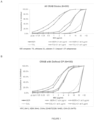
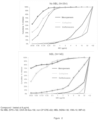
- Combinations of Compound 1 with various ⁇ -lactam antibiotics displayed potent activity against CRAB and PA isolates as shown in Table 4 and Figures 1A and 1B .
- the combination of Compound 1 with TOL exhibited activity against 300 CRAB, including 100 CRAB with defined CPs as well as against representative and challenge PA strains and restored susceptibility (S) to TOL.
- TOL-Compound 1 was also more potent compared to TOL-TAZ and CAZ-AVI against TOL-TAZ- and CAZ-AVI-resistant isolates.
Landscapes
- Health & Medical Sciences (AREA)
- Veterinary Medicine (AREA)
- Chemical & Material Sciences (AREA)
- Medicinal Chemistry (AREA)
- Pharmacology & Pharmacy (AREA)
- Life Sciences & Earth Sciences (AREA)
- Animal Behavior & Ethology (AREA)
- General Health & Medical Sciences (AREA)
- Public Health (AREA)
- Epidemiology (AREA)
- Communicable Diseases (AREA)
- Oncology (AREA)
- Chemical Kinetics & Catalysis (AREA)
- General Chemical & Material Sciences (AREA)
- Nuclear Medicine, Radiotherapy & Molecular Imaging (AREA)
- Organic Chemistry (AREA)
- Pharmaceuticals Containing Other Organic And Inorganic Compounds (AREA)
Claims (15)
- Composition pharmaceutique comprenant une quantité thérapeutiquement efficace d'un composé ayant la structure :

- Composition pharmaceutique selon la revendication 1, dans laquelle le sel pharmaceutiquement acceptable est un sel de métal alcalin ou un sel d'ammonium.
- Composition pharmaceutique selon la revendication 2, dans laquelle le sel pharmaceutiquement acceptable est un sel de sodium.
- Composition pharmaceutique selon la revendication 3, dans laquelle le sel de sodium est

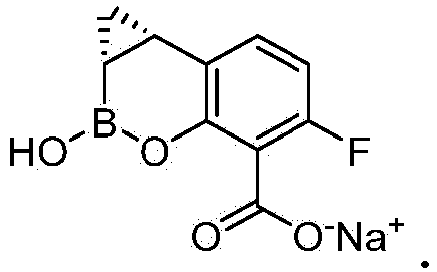
- Composition pharmaceutique selon la revendication 3, dans laquelle le sel de sodium est


- Composition selon l'une quelconque des revendications 1 à 5, pour une utilisation dans un procédé de traitement d'une infection bactérienne.
- Composition pour une utilisation selon la revendication 6, dans laquelle l'infection comprend une bactérie choisie dans le groupe constitué de Pseudomonas acidovorans, Pseudomonas alcaligenes, Pseudomonas putida, Burkholderia cepacia, Aeromonas hydrophilia, Francisella tularensis, Morganella morganii, Proteus mirabilis, Proteus vulgaris, Providencia alcalifaciens, Providencia rettgeri, Providencia stuartii, Acinetobacter baumannii, Bordetella pertussis, Bordetella para pertussis, Bordetella bronchiseptica, Haemophilus ducreyi, Pasteurella multocida, Pasteurella haemolytica, Branhamella catarrhalis, Borrelia burgdorferi, Kingella, Gardnerella vaginalis, Bacteroides distasonis, Bacteroides du groupe d'homologie 3452A, Clostridium difficile, Mycobacterium tuberculosis, Mycobacterium avium, Mycobacterium intracellulare, Mycobacterium leprae, Corynebacterium diphtheriae, Corynebacterium ulcerans, Streptococcus pneumoniae, Streptococcus agalactiae, Streptococcus pyogenes, Enterococcus faecalis, Enterococcus faecium, Staphylococcus aureus, Staphylococcus epidermidis, Staphylococcus saprophyticus, Staphylococcus intermedius, Staphylococcus hyicus subsp. hyicus, Staphylococcus haemolyticus, Staphylococcus hominis et Staphylococcus saccharolyticus ; ou
dans laquelle l'infection comprend une bactérie choisie dans le groupe constitué de Pseudomonas aeruginosa, Pseudomonas fluorescens, Stenotrophomonas maltophilia, Escherichia coli, Citrobacter freundii, Salmonella typhimurium, Salmonella typhi, Salmonella paratyphi, Salmonella enteritidis, Shigella dysenteriae, Shigella flexneri, Shigella sonnei, Enterobacter cloacae, Enterobacter aerogenes, Klebsiella pneumoniae, Klebsiella oxytoca, Serratia marcescens, Acinetobacter calcoaceticus, Acinetobacter haemolyticus, Yersinia enterocolitica, Yersinia pestis, Yersinia pseudotuberculosis, Yersinia intermedia, Haemophilus influenzae, Haemophilus parainfluenzae, Haemophilus haemolyticus, Haemophilus parahaemolyticus, Helicobacter pylori, Campylobacter fetus, Campylobacter jejuni, Campylobacter coli, Vibrio cholerae, Vibrio parahaemolyticus, Legionella pneumophila, Listeria monocytogenes, Neisseria gonorrhoeae, Neisseria meningitidis, Moraxella, Bacteroides fragilis, Bacteroides vulgatus, Bacteroides ovalus, Bacteroides thetaiotaomicron, Bacteroides uniformis, Bacteroides eggerthii et Bacteroides splanchnicus. - Composition pour une utilisation selon la revendication 7, dans laquelle l'infection comprend la bactérie Pseudomonas aeruginosa ; ou
dans laquelle l'infection comprend la bactérie Acinetobacter baumannii. - Composé ayant la structure :
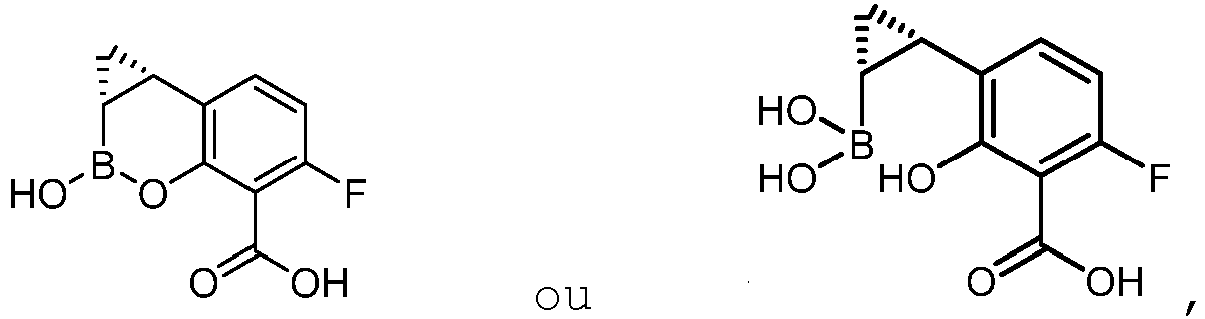
- Composé pour une utilisation selon la revendication 9, dans lequel le sel pharmaceutiquement acceptable est un sel de métal alcalin ou un sel d'ammonium ; de préférence
dans lequel le sel pharmaceutiquement acceptable est un sel de sodium. - Composé pour une utilisation selon la revendication 10, dans lequel le sel de sodium est
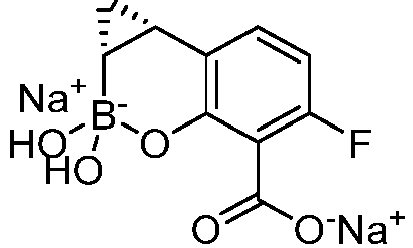

- Composé pour une utilisation selon la revendication 10, dans lequel le sel de sodium est
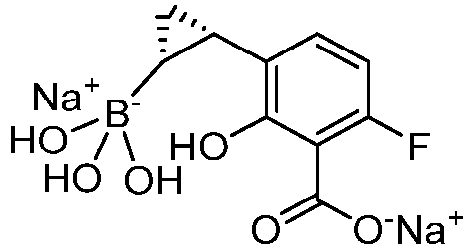

- Composé pour une utilisation selon l'une quelconque des revendications 9 à 12, dans lequel le composé et le médicament supplémentaire sont administrés simultanément.
- Composé pour une utilisation selon l'une quelconque des revendications 9 à 12, dans lequel le composé et le médicament supplémentaire sont administrés séquentiellement.
- Composé pour une utilisation selon l'une quelconque des revendications 9 à 14, dans lequel l'infection comprend la bactérie Pseudomonas aeruginosa ; ou
dans lequel l'infection comprend la bactérie Acinetobacter baumannii.
Priority Applications (3)
| Application Number | Priority Date | Filing Date | Title |
|---|---|---|---|
| EP25175312.5A EP4599892A3 (fr) | 2019-06-19 | 2020-06-17 | Dérivés d'acide boronique et leurs utilisations thérapeutiques |
| HRP20250815TT HRP20250815T1 (hr) | 2019-06-19 | 2020-06-17 | Derivati boronične kiseline i njihova terapijska upotreba |
| SI202030640T SI3986419T1 (sl) | 2019-06-19 | 2020-06-17 | Derivati borove kisline in njihove terapevtske uporabe |
Applications Claiming Priority (2)
| Application Number | Priority Date | Filing Date | Title |
|---|---|---|---|
| US201962863752P | 2019-06-19 | 2019-06-19 | |
| PCT/US2020/038171 WO2020257306A1 (fr) | 2019-06-19 | 2020-06-17 | Dérivés d'acide boronique et leurs utilisations thérapeutiques |
Related Child Applications (1)
| Application Number | Title | Priority Date | Filing Date |
|---|---|---|---|
| EP25175312.5A Division EP4599892A3 (fr) | 2019-06-19 | 2020-06-17 | Dérivés d'acide boronique et leurs utilisations thérapeutiques |
Publications (3)
| Publication Number | Publication Date |
|---|---|
| EP3986419A1 EP3986419A1 (fr) | 2022-04-27 |
| EP3986419A4 EP3986419A4 (fr) | 2023-07-12 |
| EP3986419B1 true EP3986419B1 (fr) | 2025-05-14 |
Family
ID=74040882
Family Applications (2)
| Application Number | Title | Priority Date | Filing Date |
|---|---|---|---|
| EP25175312.5A Pending EP4599892A3 (fr) | 2019-06-19 | 2020-06-17 | Dérivés d'acide boronique et leurs utilisations thérapeutiques |
| EP20827883.8A Active EP3986419B1 (fr) | 2019-06-19 | 2020-06-17 | Dérivés d'acide boronique et leurs utilisations thérapeutiques |
Family Applications Before (1)
| Application Number | Title | Priority Date | Filing Date |
|---|---|---|---|
| EP25175312.5A Pending EP4599892A3 (fr) | 2019-06-19 | 2020-06-17 | Dérivés d'acide boronique et leurs utilisations thérapeutiques |
Country Status (13)
| Country | Link |
|---|---|
| US (1) | US20230144152A1 (fr) |
| EP (2) | EP4599892A3 (fr) |
| CN (1) | CN114340639A (fr) |
| DK (1) | DK3986419T3 (fr) |
| ES (1) | ES3036963T3 (fr) |
| FI (1) | FI3986419T3 (fr) |
| HR (1) | HRP20250815T1 (fr) |
| HU (1) | HUE072159T2 (fr) |
| LT (1) | LT3986419T (fr) |
| PL (1) | PL3986419T3 (fr) |
| PT (1) | PT3986419T (fr) |
| SI (1) | SI3986419T1 (fr) |
| WO (1) | WO2020257306A1 (fr) |
Families Citing this family (5)
| Publication number | Priority date | Publication date | Assignee | Title |
|---|---|---|---|---|
| ES2894251T3 (es) | 2016-06-30 | 2022-02-14 | Qpex Biopharma Inc | Derivados de ácido borónico y usos terapéuticos de los mismos |
| US12016868B2 (en) | 2018-04-20 | 2024-06-25 | Qpex Biopharma, Inc. | Boronic acid derivatives and therapeutic uses thereof |
| BR112022022367A2 (pt) | 2020-05-05 | 2023-01-10 | Qpex Biopharma Inc | Derivados e síntese de ácido borônico, formas polimórficas e usos terapêuticos dos mesmos |
| EP4319760A4 (fr) * | 2021-04-05 | 2025-01-08 | Qpex Biopharma, Inc. | Schémas posologiques de ceftibutène |
| WO2024167937A1 (fr) * | 2023-02-08 | 2024-08-15 | Qpex Biopharma, Inc. | Procédés pour déterminer la sensibilité des bêta-lactames sidérophores |
Family Cites Families (9)
| Publication number | Priority date | Publication date | Assignee | Title |
|---|---|---|---|---|
| US4783443A (en) | 1986-03-03 | 1988-11-08 | The University Of Chicago | Amino acyl cephalosporin derivatives |
| US7271186B1 (en) | 2002-12-09 | 2007-09-18 | Northwestern University | Nanomolar β-lactamase inhibitors |
| JP2011504468A (ja) | 2007-11-13 | 2011-02-10 | プロテズ・ファーマシューティカルズ・インコーポレイテッド | β−ラクタマーゼ阻害剤 |
| EP3139930B1 (fr) * | 2014-05-05 | 2024-08-14 | Melinta Therapeutics, Inc. | Sels et polymorphes de dérivés cycliques d'ester d'acide boronique, et leurs utilisations thérapeutiques |
| WO2015179308A1 (fr) | 2014-05-19 | 2015-11-26 | Rempex Pharmaceuticals, Inc. | Dérivés d'acide boronique et leurs utilisations thérapeutiques |
| WO2017100537A1 (fr) * | 2015-12-10 | 2017-06-15 | VenatoRx Pharmaceuticals, Inc. | Inhibiteurs de bêta-lactamases |
| ES2894251T3 (es) * | 2016-06-30 | 2022-02-14 | Qpex Biopharma Inc | Derivados de ácido borónico y usos terapéuticos de los mismos |
| DE112016007363T5 (de) | 2016-10-20 | 2019-07-11 | Symbol Technologies, Llc | Mobiles Gerät mit Kantenaktivierung |
| MX2020003495A (es) * | 2017-10-11 | 2020-09-18 | Qpex Biopharma Inc | Derivados de acido boronico y sintesis de los mismos. |
-
2020
- 2020-06-17 PL PL20827883.8T patent/PL3986419T3/pl unknown
- 2020-06-17 WO PCT/US2020/038171 patent/WO2020257306A1/fr not_active Ceased
- 2020-06-17 US US17/619,752 patent/US20230144152A1/en active Pending
- 2020-06-17 FI FIEP20827883.8T patent/FI3986419T3/fi active
- 2020-06-17 DK DK20827883.8T patent/DK3986419T3/da active
- 2020-06-17 EP EP25175312.5A patent/EP4599892A3/fr active Pending
- 2020-06-17 ES ES20827883T patent/ES3036963T3/es active Active
- 2020-06-17 CN CN202080059598.5A patent/CN114340639A/zh active Pending
- 2020-06-17 PT PT208278838T patent/PT3986419T/pt unknown
- 2020-06-17 LT LTEPPCT/US2020/038171T patent/LT3986419T/lt unknown
- 2020-06-17 EP EP20827883.8A patent/EP3986419B1/fr active Active
- 2020-06-17 SI SI202030640T patent/SI3986419T1/sl unknown
- 2020-06-17 HR HRP20250815TT patent/HRP20250815T1/hr unknown
- 2020-06-17 HU HUE20827883A patent/HUE072159T2/hu unknown
Also Published As
| Publication number | Publication date |
|---|---|
| HRP20250815T1 (hr) | 2025-09-12 |
| US20230144152A1 (en) | 2023-05-11 |
| EP3986419A1 (fr) | 2022-04-27 |
| FI3986419T3 (fi) | 2025-07-24 |
| EP4599892A3 (fr) | 2025-09-10 |
| SI3986419T1 (sl) | 2025-09-30 |
| PT3986419T (pt) | 2025-07-31 |
| PL3986419T3 (pl) | 2025-09-08 |
| WO2020257306A1 (fr) | 2020-12-24 |
| CN114340639A (zh) | 2022-04-12 |
| EP4599892A2 (fr) | 2025-08-13 |
| LT3986419T (lt) | 2025-08-25 |
| EP3986419A4 (fr) | 2023-07-12 |
| HUE072159T2 (hu) | 2025-10-28 |
| TW202114706A (zh) | 2021-04-16 |
| ES3036963T3 (en) | 2025-09-25 |
| DK3986419T3 (da) | 2025-08-04 |
Similar Documents
| Publication | Publication Date | Title |
|---|---|---|
| EP3986419B1 (fr) | Dérivés d'acide boronique et leurs utilisations thérapeutiques | |
| US11007206B2 (en) | Cyclic boronic acid ester derivatives and therapeutic uses thereof | |
| EP3139930B1 (fr) | Sels et polymorphes de dérivés cycliques d'ester d'acide boronique, et leurs utilisations thérapeutiques | |
| CA2982911C (fr) | Methodes de traitement d'infections bacteriennes | |
| KR101987091B1 (ko) | 고리형 보론산 에스터 유도체 및 이의 치료상 용도 | |
| US9241947B2 (en) | Boronic acid derivatives and therapeutic uses thereof | |
| EP3145936B1 (fr) | Dérivés d'acide boronique et leurs utilisations thérapeutiques | |
| US9101638B2 (en) | Boronic acid derivatives and therapeutic uses thereof | |
| US9156858B2 (en) | Boronic acid derivatives and therapeutic uses thereof | |
| US12016868B2 (en) | Boronic acid derivatives and therapeutic uses thereof | |
| JP7819925B2 (ja) | ボロン酸誘導体およびその治療的使用 | |
| TWI913224B (zh) | 硼酸衍生物以及其治療用途 | |
| HK40072316A (en) | Boronic acid derivatives and therapeutic uses thereof | |
| HK40097685A (en) | Methods of treating bacterial infections with vaborbactam and meropenem | |
| HK1249432B (en) | Dosage regimen of vaborbactam and meropenem for treating bacterial infections in subjects with reduced renal function |
Legal Events
| Date | Code | Title | Description |
|---|---|---|---|
| REG | Reference to a national code |
Ref country code: HR Ref legal event code: TUEP Ref document number: P20250815T Country of ref document: HR |
|
| STAA | Information on the status of an ep patent application or granted ep patent |
Free format text: STATUS: THE INTERNATIONAL PUBLICATION HAS BEEN MADE |
|
| PUAI | Public reference made under article 153(3) epc to a published international application that has entered the european phase |
Free format text: ORIGINAL CODE: 0009012 |
|
| STAA | Information on the status of an ep patent application or granted ep patent |
Free format text: STATUS: REQUEST FOR EXAMINATION WAS MADE |
|
| 17P | Request for examination filed |
Effective date: 20220112 |
|
| AK | Designated contracting states |
Kind code of ref document: A1 Designated state(s): AL AT BE BG CH CY CZ DE DK EE ES FI FR GB GR HR HU IE IS IT LI LT LU LV MC MK MT NL NO PL PT RO RS SE SI SK SM TR |
|
| DAV | Request for validation of the european patent (deleted) | ||
| DAX | Request for extension of the european patent (deleted) | ||
| A4 | Supplementary search report drawn up and despatched |
Effective date: 20230612 |
|
| RIC1 | Information provided on ipc code assigned before grant |
Ipc: A61K 31/546 20060101ALI20230605BHEP Ipc: A61K 31/431 20060101ALI20230605BHEP Ipc: A61K 31/43 20060101ALI20230605BHEP Ipc: A61P 31/04 20060101ALI20230605BHEP Ipc: A61K 31/69 20060101AFI20230605BHEP |
|
| GRAP | Despatch of communication of intention to grant a patent |
Free format text: ORIGINAL CODE: EPIDOSNIGR1 |
|
| STAA | Information on the status of an ep patent application or granted ep patent |
Free format text: STATUS: GRANT OF PATENT IS INTENDED |
|
| RIC1 | Information provided on ipc code assigned before grant |
Ipc: A61P 31/04 20060101ALI20241126BHEP Ipc: A61K 31/546 20060101ALI20241126BHEP Ipc: A61K 31/43 20060101ALI20241126BHEP Ipc: A61K 31/69 20060101AFI20241126BHEP |
|
| INTG | Intention to grant announced |
Effective date: 20241204 |
|
| RAP3 | Party data changed (applicant data changed or rights of an application transferred) |
Owner name: QPEX BIOPHARMA, INC. |
|
| GRAS | Grant fee paid |
Free format text: ORIGINAL CODE: EPIDOSNIGR3 |
|
| GRAA | (expected) grant |
Free format text: ORIGINAL CODE: 0009210 |
|
| STAA | Information on the status of an ep patent application or granted ep patent |
Free format text: STATUS: THE PATENT HAS BEEN GRANTED |
|
| AK | Designated contracting states |
Kind code of ref document: B1 Designated state(s): AL AT BE BG CH CY CZ DE DK EE ES FI FR GB GR HR HU IE IS IT LI LT LU LV MC MK MT NL NO PL PT RO RS SE SI SK SM TR |
|
| REG | Reference to a national code |
Ref country code: GB Ref legal event code: FG4D |
|
| REG | Reference to a national code |
Ref country code: CH Ref legal event code: EP |
|
| REG | Reference to a national code |
Ref country code: DE Ref legal event code: R096 Ref document number: 602020051356 Country of ref document: DE |
|
| REG | Reference to a national code |
Ref country code: IE Ref legal event code: FG4D |
|
| REG | Reference to a national code |
Ref country code: FI Ref legal event code: FGE |
|
| REG | Reference to a national code |
Ref country code: SE Ref legal event code: TRGR |
|
| REG | Reference to a national code |
Ref country code: PT Ref legal event code: SC4A Ref document number: 3986419 Country of ref document: PT Date of ref document: 20250731 Kind code of ref document: T Free format text: AVAILABILITY OF NATIONAL TRANSLATION Effective date: 20250724 |
|
| REG | Reference to a national code |
Ref country code: DK Ref legal event code: T3 Effective date: 20250728 |
|
| PGFP | Annual fee paid to national office [announced via postgrant information from national office to epo] |
Ref country code: NL Payment date: 20250715 Year of fee payment: 6 Ref country code: LU Payment date: 20250715 Year of fee payment: 6 |
|
| REG | Reference to a national code |
Ref country code: NL Ref legal event code: FP |
|
| REG | Reference to a national code |
Ref country code: HR Ref legal event code: ODRP Ref document number: P20250815T Country of ref document: HR Payment date: 20250715 Year of fee payment: 6 |
|
| REG | Reference to a national code |
Ref country code: HR Ref legal event code: T1PR Ref document number: P20250815 Country of ref document: HR |
|
| PGFP | Annual fee paid to national office [announced via postgrant information from national office to epo] |
Ref country code: HU Payment date: 20250722 Year of fee payment: 6 |
|
| REG | Reference to a national code |
Ref country code: SK Ref legal event code: T3 Ref document number: E 46785 Country of ref document: SK |
|
| REG | Reference to a national code |
Ref country code: ES Ref legal event code: FG2A Ref document number: 3036963 Country of ref document: ES Kind code of ref document: T3 Effective date: 20250925 |
|
| PGFP | Annual fee paid to national office [announced via postgrant information from national office to epo] |
Ref country code: ES Payment date: 20250715 Year of fee payment: 6 Ref country code: PT Payment date: 20250804 Year of fee payment: 6 Ref country code: FI Payment date: 20250717 Year of fee payment: 6 |
|
| PGFP | Annual fee paid to national office [announced via postgrant information from national office to epo] |
Ref country code: DE Payment date: 20250729 Year of fee payment: 6 Ref country code: LT Payment date: 20250715 Year of fee payment: 6 Ref country code: DK Payment date: 20250721 Year of fee payment: 6 |
|
| PG25 | Lapsed in a contracting state [announced via postgrant information from national office to epo] |
Ref country code: GR Free format text: LAPSE BECAUSE OF FAILURE TO SUBMIT A TRANSLATION OF THE DESCRIPTION OR TO PAY THE FEE WITHIN THE PRESCRIBED TIME-LIMIT Effective date: 20250815 |
|
| PGFP | Annual fee paid to national office [announced via postgrant information from national office to epo] |
Ref country code: NO Payment date: 20250724 Year of fee payment: 6 |
|
| PGFP | Annual fee paid to national office [announced via postgrant information from national office to epo] |
Ref country code: TR Payment date: 20250722 Year of fee payment: 6 Ref country code: PL Payment date: 20250716 Year of fee payment: 6 Ref country code: IT Payment date: 20250730 Year of fee payment: 6 |
|
| REG | Reference to a national code |
Ref country code: EE Ref legal event code: FG4A Ref document number: E025190 Country of ref document: EE Effective date: 20250718 |
|
| PGFP | Annual fee paid to national office [announced via postgrant information from national office to epo] |
Ref country code: BG Payment date: 20250715 Year of fee payment: 6 Ref country code: BE Payment date: 20250715 Year of fee payment: 6 Ref country code: GB Payment date: 20250714 Year of fee payment: 6 |
|
| PGFP | Annual fee paid to national office [announced via postgrant information from national office to epo] |
Ref country code: HR Payment date: 20250715 Year of fee payment: 6 |
|
| PGFP | Annual fee paid to national office [announced via postgrant information from national office to epo] |
Ref country code: FR Payment date: 20250717 Year of fee payment: 6 Ref country code: AT Payment date: 20250725 Year of fee payment: 6 |
|
| PGFP | Annual fee paid to national office [announced via postgrant information from national office to epo] |
Ref country code: MT Payment date: 20250715 Year of fee payment: 6 Ref country code: SE Payment date: 20250717 Year of fee payment: 6 Ref country code: CH Payment date: 20250715 Year of fee payment: 6 |
|
| PG25 | Lapsed in a contracting state [announced via postgrant information from national office to epo] |
Ref country code: RS Free format text: LAPSE BECAUSE OF FAILURE TO SUBMIT A TRANSLATION OF THE DESCRIPTION OR TO PAY THE FEE WITHIN THE PRESCRIBED TIME-LIMIT Effective date: 20250814 |
|
| PGFP | Annual fee paid to national office [announced via postgrant information from national office to epo] |
Ref country code: IE Payment date: 20250724 Year of fee payment: 6 Ref country code: EE Payment date: 20250728 Year of fee payment: 6 |
|
| PGFP | Annual fee paid to national office [announced via postgrant information from national office to epo] |
Ref country code: RO Payment date: 20250807 Year of fee payment: 6 |
|
| PGFP | Annual fee paid to national office [announced via postgrant information from national office to epo] |
Ref country code: SK Payment date: 20250715 Year of fee payment: 6 |
|
| PGFP | Annual fee paid to national office [announced via postgrant information from national office to epo] |
Ref country code: IS Payment date: 20250722 Year of fee payment: 6 |
|
| REG | Reference to a national code |
Ref country code: HU Ref legal event code: AG4A Ref document number: E072159 Country of ref document: HU |
|
| PGFP | Annual fee paid to national office [announced via postgrant information from national office to epo] |
Ref country code: LV Payment date: 20250718 Year of fee payment: 6 |
|
| PGFP | Annual fee paid to national office [announced via postgrant information from national office to epo] |
Ref country code: SI Payment date: 20250715 Year of fee payment: 6 |
|
| PG25 | Lapsed in a contracting state [announced via postgrant information from national office to epo] |
Ref country code: SM Free format text: LAPSE BECAUSE OF FAILURE TO SUBMIT A TRANSLATION OF THE DESCRIPTION OR TO PAY THE FEE WITHIN THE PRESCRIBED TIME-LIMIT Effective date: 20250514 |
|
| PG25 | Lapsed in a contracting state [announced via postgrant information from national office to epo] |
Ref country code: CZ Free format text: LAPSE BECAUSE OF FAILURE TO SUBMIT A TRANSLATION OF THE DESCRIPTION OR TO PAY THE FEE WITHIN THE PRESCRIBED TIME-LIMIT Effective date: 20250514 |
|
| PGFP | Annual fee paid to national office [announced via postgrant information from national office to epo] |
Ref country code: CY Payment date: 20250716 Year of fee payment: 6 |
|
| P01 | Opt-out of the competence of the unified patent court (upc) registered |
Free format text: CASE NUMBER: UPC_APP_0016925_3986419/2025 Effective date: 20251210 |
|
| REG | Reference to a national code |
Ref country code: DE Ref legal event code: R097 Ref document number: 602020051356 Country of ref document: DE |
|
| PG25 | Lapsed in a contracting state [announced via postgrant information from national office to epo] |
Ref country code: MC Free format text: LAPSE BECAUSE OF FAILURE TO SUBMIT A TRANSLATION OF THE DESCRIPTION OR TO PAY THE FEE WITHIN THE PRESCRIBED TIME-LIMIT Effective date: 20250514 |
|
| PLBE | No opposition filed within time limit |
Free format text: ORIGINAL CODE: 0009261 |
|
| STAA | Information on the status of an ep patent application or granted ep patent |
Free format text: STATUS: NO OPPOSITION FILED WITHIN TIME LIMIT |
|
| REG | Reference to a national code |
Ref country code: CH Ref legal event code: L10 Free format text: ST27 STATUS EVENT CODE: U-0-0-L10-L00 (AS PROVIDED BY THE NATIONAL OFFICE) Effective date: 20260325 |
|
| 26N | No opposition filed |
Effective date: 20260217 |