EP4005604B1 - Administration de médicaments - Google Patents
Administration de médicaments Download PDFInfo
- Publication number
- EP4005604B1 EP4005604B1 EP22151242.9A EP22151242A EP4005604B1 EP 4005604 B1 EP4005604 B1 EP 4005604B1 EP 22151242 A EP22151242 A EP 22151242A EP 4005604 B1 EP4005604 B1 EP 4005604B1
- Authority
- EP
- European Patent Office
- Prior art keywords
- cluster
- composition
- clusters
- activation
- microbubbles
- Prior art date
- Legal status (The legal status is an assumption and is not a legal conclusion. Google has not performed a legal analysis and makes no representation as to the accuracy of the status listed.)
- Active
Links
Images












Classifications
-
- A—HUMAN NECESSITIES
- A61—MEDICAL OR VETERINARY SCIENCE; HYGIENE
- A61K—PREPARATIONS FOR MEDICAL, DENTAL OR TOILETRY PURPOSES
- A61K41/00—Medicinal preparations obtained by treating materials with wave energy or particle radiation ; Therapies using these preparations
- A61K41/0047—Sonopheresis, i.e. ultrasonically-enhanced transdermal delivery, electroporation of a pharmacologically active agent
-
- A—HUMAN NECESSITIES
- A61—MEDICAL OR VETERINARY SCIENCE; HYGIENE
- A61K—PREPARATIONS FOR MEDICAL, DENTAL OR TOILETRY PURPOSES
- A61K31/00—Medicinal preparations containing organic active ingredients
- A61K31/33—Heterocyclic compounds
- A61K31/335—Heterocyclic compounds having oxygen as the only ring hetero atom, e.g. fungichromin
- A61K31/337—Heterocyclic compounds having oxygen as the only ring hetero atom, e.g. fungichromin having four-membered rings, e.g. taxol
-
- A—HUMAN NECESSITIES
- A61—MEDICAL OR VETERINARY SCIENCE; HYGIENE
- A61K—PREPARATIONS FOR MEDICAL, DENTAL OR TOILETRY PURPOSES
- A61K31/00—Medicinal preparations containing organic active ingredients
- A61K31/33—Heterocyclic compounds
- A61K31/395—Heterocyclic compounds having nitrogen as a ring hetero atom, e.g. guanethidine or rifamycins
- A61K31/435—Heterocyclic compounds having nitrogen as a ring hetero atom, e.g. guanethidine or rifamycins having six-membered rings with one nitrogen as the only ring hetero atom
- A61K31/44—Non condensed pyridines; Hydrogenated derivatives thereof
- A61K31/445—Non condensed piperidines, e.g. piperocaine
- A61K31/4523—Non condensed piperidines, e.g. piperocaine containing further heterocyclic ring systems
- A61K31/454—Non condensed piperidines, e.g. piperocaine containing further heterocyclic ring systems containing a five-membered ring with nitrogen as a ring hetero atom, e.g. pimozide, domperidone
-
- A—HUMAN NECESSITIES
- A61—MEDICAL OR VETERINARY SCIENCE; HYGIENE
- A61K—PREPARATIONS FOR MEDICAL, DENTAL OR TOILETRY PURPOSES
- A61K31/00—Medicinal preparations containing organic active ingredients
- A61K31/33—Heterocyclic compounds
- A61K31/395—Heterocyclic compounds having nitrogen as a ring hetero atom, e.g. guanethidine or rifamycins
- A61K31/435—Heterocyclic compounds having nitrogen as a ring hetero atom, e.g. guanethidine or rifamycins having six-membered rings with one nitrogen as the only ring hetero atom
- A61K31/47—Quinolines; Isoquinolines
- A61K31/475—Quinolines; Isoquinolines having an indole ring, e.g. yohimbine, reserpine, strychnine, vinblastine
-
- A—HUMAN NECESSITIES
- A61—MEDICAL OR VETERINARY SCIENCE; HYGIENE
- A61K—PREPARATIONS FOR MEDICAL, DENTAL OR TOILETRY PURPOSES
- A61K31/00—Medicinal preparations containing organic active ingredients
- A61K31/33—Heterocyclic compounds
- A61K31/395—Heterocyclic compounds having nitrogen as a ring hetero atom, e.g. guanethidine or rifamycins
- A61K31/495—Heterocyclic compounds having nitrogen as a ring hetero atom, e.g. guanethidine or rifamycins having six-membered rings with two or more nitrogen atoms as the only ring heteroatoms, e.g. piperazine or tetrazines
- A61K31/505—Pyrimidines; Hydrogenated pyrimidines, e.g. trimethoprim
- A61K31/506—Pyrimidines; Hydrogenated pyrimidines, e.g. trimethoprim not condensed and containing further heterocyclic rings
-
- A—HUMAN NECESSITIES
- A61—MEDICAL OR VETERINARY SCIENCE; HYGIENE
- A61K—PREPARATIONS FOR MEDICAL, DENTAL OR TOILETRY PURPOSES
- A61K31/00—Medicinal preparations containing organic active ingredients
- A61K31/33—Heterocyclic compounds
- A61K31/395—Heterocyclic compounds having nitrogen as a ring hetero atom, e.g. guanethidine or rifamycins
- A61K31/495—Heterocyclic compounds having nitrogen as a ring hetero atom, e.g. guanethidine or rifamycins having six-membered rings with two or more nitrogen atoms as the only ring heteroatoms, e.g. piperazine or tetrazines
- A61K31/505—Pyrimidines; Hydrogenated pyrimidines, e.g. trimethoprim
- A61K31/517—Pyrimidines; Hydrogenated pyrimidines, e.g. trimethoprim ortho- or peri-condensed with carbocyclic ring systems, e.g. quinazoline, perimidine
-
- A—HUMAN NECESSITIES
- A61—MEDICAL OR VETERINARY SCIENCE; HYGIENE
- A61K—PREPARATIONS FOR MEDICAL, DENTAL OR TOILETRY PURPOSES
- A61K31/00—Medicinal preparations containing organic active ingredients
- A61K31/33—Heterocyclic compounds
- A61K31/395—Heterocyclic compounds having nitrogen as a ring hetero atom, e.g. guanethidine or rifamycins
- A61K31/495—Heterocyclic compounds having nitrogen as a ring hetero atom, e.g. guanethidine or rifamycins having six-membered rings with two or more nitrogen atoms as the only ring heteroatoms, e.g. piperazine or tetrazines
- A61K31/505—Pyrimidines; Hydrogenated pyrimidines, e.g. trimethoprim
- A61K31/519—Pyrimidines; Hydrogenated pyrimidines, e.g. trimethoprim ortho- or peri-condensed with heterocyclic rings
- A61K31/52—Purines, e.g. adenine
-
- A—HUMAN NECESSITIES
- A61—MEDICAL OR VETERINARY SCIENCE; HYGIENE
- A61K—PREPARATIONS FOR MEDICAL, DENTAL OR TOILETRY PURPOSES
- A61K31/00—Medicinal preparations containing organic active ingredients
- A61K31/33—Heterocyclic compounds
- A61K31/395—Heterocyclic compounds having nitrogen as a ring hetero atom, e.g. guanethidine or rifamycins
- A61K31/535—Heterocyclic compounds having nitrogen as a ring hetero atom, e.g. guanethidine or rifamycins having six-membered rings with at least one nitrogen and one oxygen as the ring hetero atoms, e.g. 1,2-oxazines
- A61K31/5375—1,4-Oxazines, e.g. morpholine
- A61K31/5377—1,4-Oxazines, e.g. morpholine not condensed and containing further heterocyclic rings, e.g. timolol
-
- A—HUMAN NECESSITIES
- A61—MEDICAL OR VETERINARY SCIENCE; HYGIENE
- A61K—PREPARATIONS FOR MEDICAL, DENTAL OR TOILETRY PURPOSES
- A61K31/00—Medicinal preparations containing organic active ingredients
- A61K31/70—Carbohydrates; Sugars; Derivatives thereof
- A61K31/7028—Compounds having saccharide radicals attached to non-saccharide compounds by glycosidic linkages
- A61K31/7034—Compounds having saccharide radicals attached to non-saccharide compounds by glycosidic linkages attached to a carbocyclic compound, e.g. phloridzin
- A61K31/704—Compounds having saccharide radicals attached to non-saccharide compounds by glycosidic linkages attached to a carbocyclic compound, e.g. phloridzin attached to a condensed carbocyclic ring system, e.g. sennosides, thiocolchicosides, escin, daunorubicin
-
- A—HUMAN NECESSITIES
- A61—MEDICAL OR VETERINARY SCIENCE; HYGIENE
- A61K—PREPARATIONS FOR MEDICAL, DENTAL OR TOILETRY PURPOSES
- A61K31/00—Medicinal preparations containing organic active ingredients
- A61K31/70—Carbohydrates; Sugars; Derivatives thereof
- A61K31/7042—Compounds having saccharide radicals and heterocyclic rings
- A61K31/7052—Compounds having saccharide radicals and heterocyclic rings having nitrogen as a ring hetero atom, e.g. nucleosides, nucleotides
- A61K31/706—Compounds having saccharide radicals and heterocyclic rings having nitrogen as a ring hetero atom, e.g. nucleosides, nucleotides containing six-membered rings with nitrogen as a ring hetero atom
- A61K31/7064—Compounds having saccharide radicals and heterocyclic rings having nitrogen as a ring hetero atom, e.g. nucleosides, nucleotides containing six-membered rings with nitrogen as a ring hetero atom containing condensed or non-condensed pyrimidines
- A61K31/7068—Compounds having saccharide radicals and heterocyclic rings having nitrogen as a ring hetero atom, e.g. nucleosides, nucleotides containing six-membered rings with nitrogen as a ring hetero atom containing condensed or non-condensed pyrimidines having oxo groups directly attached to the pyrimidine ring, e.g. cytidine, cytidylic acid
-
- A—HUMAN NECESSITIES
- A61—MEDICAL OR VETERINARY SCIENCE; HYGIENE
- A61K—PREPARATIONS FOR MEDICAL, DENTAL OR TOILETRY PURPOSES
- A61K41/00—Medicinal preparations obtained by treating materials with wave energy or particle radiation ; Therapies using these preparations
- A61K41/0028—Disruption, e.g. by heat or ultrasounds, sonophysical or sonochemical activation, e.g. thermosensitive or heat-sensitive liposomes, disruption of calculi with a medicinal preparation and ultrasounds
-
- A—HUMAN NECESSITIES
- A61—MEDICAL OR VETERINARY SCIENCE; HYGIENE
- A61K—PREPARATIONS FOR MEDICAL, DENTAL OR TOILETRY PURPOSES
- A61K49/00—Preparations for testing in vivo
- A61K49/001—Preparation for luminescence or biological staining
- A61K49/0063—Preparation for luminescence or biological staining characterised by a special physical or galenical form, e.g. emulsions, microspheres
- A61K49/0069—Preparation for luminescence or biological staining characterised by a special physical or galenical form, e.g. emulsions, microspheres the agent being in a particular physical galenical form
- A61K49/0076—Preparation for luminescence or biological staining characterised by a special physical or galenical form, e.g. emulsions, microspheres the agent being in a particular physical galenical form dispersion, suspension, e.g. particles in a liquid, colloid, emulsion
- A61K49/0078—Preparation for luminescence or biological staining characterised by a special physical or galenical form, e.g. emulsions, microspheres the agent being in a particular physical galenical form dispersion, suspension, e.g. particles in a liquid, colloid, emulsion microemulsion, nanoemulsion
-
- A—HUMAN NECESSITIES
- A61—MEDICAL OR VETERINARY SCIENCE; HYGIENE
- A61K—PREPARATIONS FOR MEDICAL, DENTAL OR TOILETRY PURPOSES
- A61K49/00—Preparations for testing in vivo
- A61K49/22—Echographic preparations; Ultrasonic imaging preparations
- A61K49/222—Echographic preparations; Ultrasonic imaging preparations characterised by a special physical form, e.g. emulsions, liposomes
- A61K49/223—Microbubbles, hollow microspheres, free gas bubbles, gas microspheres
-
- A—HUMAN NECESSITIES
- A61—MEDICAL OR VETERINARY SCIENCE; HYGIENE
- A61K—PREPARATIONS FOR MEDICAL, DENTAL OR TOILETRY PURPOSES
- A61K9/00—Medicinal preparations characterised by special physical form
- A61K9/0002—Galenical forms characterised by the drug release technique; Application systems commanded by energy
- A61K9/0009—Galenical forms characterised by the drug release technique; Application systems commanded by energy involving or responsive to electricity, magnetism or acoustic waves; Galenical aspects of sonophoresis, iontophoresis, electroporation or electroosmosis
-
- A—HUMAN NECESSITIES
- A61—MEDICAL OR VETERINARY SCIENCE; HYGIENE
- A61K—PREPARATIONS FOR MEDICAL, DENTAL OR TOILETRY PURPOSES
- A61K9/00—Medicinal preparations characterised by special physical form
- A61K9/10—Dispersions; Emulsions
- A61K9/107—Emulsions ; Emulsion preconcentrates; Micelles
- A61K9/1075—Microemulsions or submicron emulsions; Preconcentrates or solids thereof; Micelles, e.g. made of phospholipids or block copolymers
-
- A—HUMAN NECESSITIES
- A61—MEDICAL OR VETERINARY SCIENCE; HYGIENE
- A61K—PREPARATIONS FOR MEDICAL, DENTAL OR TOILETRY PURPOSES
- A61K9/00—Medicinal preparations characterised by special physical form
- A61K9/14—Particulate form, e.g. powders, Processes for size reducing of pure drugs or the resulting products, Pure drug nanoparticles
- A61K9/16—Agglomerates; Granulates; Microbeadlets ; Microspheres; Pellets; Solid products obtained by spray drying, spray freeze drying, spray congealing,(multiple) emulsion solvent evaporation or extraction
-
- A—HUMAN NECESSITIES
- A61—MEDICAL OR VETERINARY SCIENCE; HYGIENE
- A61K—PREPARATIONS FOR MEDICAL, DENTAL OR TOILETRY PURPOSES
- A61K9/00—Medicinal preparations characterised by special physical form
- A61K9/14—Particulate form, e.g. powders, Processes for size reducing of pure drugs or the resulting products, Pure drug nanoparticles
- A61K9/19—Particulate form, e.g. powders, Processes for size reducing of pure drugs or the resulting products, Pure drug nanoparticles lyophilised, i.e. freeze-dried, solutions or dispersions
-
- A—HUMAN NECESSITIES
- A61—MEDICAL OR VETERINARY SCIENCE; HYGIENE
- A61L—METHODS OR APPARATUS FOR STERILISING MATERIALS OR OBJECTS IN GENERAL; DISINFECTION, STERILISATION OR DEODORISATION OF AIR; CHEMICAL ASPECTS OF BANDAGES, DRESSINGS, ABSORBENT PADS OR SURGICAL ARTICLES; MATERIALS FOR BANDAGES, DRESSINGS, ABSORBENT PADS OR SURGICAL ARTICLES
- A61L24/00—Surgical adhesives or cements; Adhesives for colostomy devices
- A61L24/001—Use of materials characterised by their function or physical properties
-
- A—HUMAN NECESSITIES
- A61—MEDICAL OR VETERINARY SCIENCE; HYGIENE
- A61L—METHODS OR APPARATUS FOR STERILISING MATERIALS OR OBJECTS IN GENERAL; DISINFECTION, STERILISATION OR DEODORISATION OF AIR; CHEMICAL ASPECTS OF BANDAGES, DRESSINGS, ABSORBENT PADS OR SURGICAL ARTICLES; MATERIALS FOR BANDAGES, DRESSINGS, ABSORBENT PADS OR SURGICAL ARTICLES
- A61L24/00—Surgical adhesives or cements; Adhesives for colostomy devices
- A61L24/001—Use of materials characterised by their function or physical properties
- A61L24/0015—Medicaments; Biocides
-
- A—HUMAN NECESSITIES
- A61—MEDICAL OR VETERINARY SCIENCE; HYGIENE
- A61P—SPECIFIC THERAPEUTIC ACTIVITY OF CHEMICAL COMPOUNDS OR MEDICINAL PREPARATIONS
- A61P7/00—Drugs for disorders of the blood or the extracellular fluid
- A61P7/04—Antihaemorrhagics; Procoagulants; Haemostatic agents; Antifibrinolytic agents
-
- A—HUMAN NECESSITIES
- A61—MEDICAL OR VETERINARY SCIENCE; HYGIENE
- A61L—METHODS OR APPARATUS FOR STERILISING MATERIALS OR OBJECTS IN GENERAL; DISINFECTION, STERILISATION OR DEODORISATION OF AIR; CHEMICAL ASPECTS OF BANDAGES, DRESSINGS, ABSORBENT PADS OR SURGICAL ARTICLES; MATERIALS FOR BANDAGES, DRESSINGS, ABSORBENT PADS OR SURGICAL ARTICLES
- A61L2300/00—Biologically active materials used in bandages, wound dressings, absorbent pads or medical devices
- A61L2300/40—Biologically active materials used in bandages, wound dressings, absorbent pads or medical devices characterised by a specific therapeutic activity or mode of action
- A61L2300/418—Agents promoting blood coagulation, blood-clotting agents, embolising agents
-
- A—HUMAN NECESSITIES
- A61—MEDICAL OR VETERINARY SCIENCE; HYGIENE
- A61L—METHODS OR APPARATUS FOR STERILISING MATERIALS OR OBJECTS IN GENERAL; DISINFECTION, STERILISATION OR DEODORISATION OF AIR; CHEMICAL ASPECTS OF BANDAGES, DRESSINGS, ABSORBENT PADS OR SURGICAL ARTICLES; MATERIALS FOR BANDAGES, DRESSINGS, ABSORBENT PADS OR SURGICAL ARTICLES
- A61L2300/00—Biologically active materials used in bandages, wound dressings, absorbent pads or medical devices
- A61L2300/40—Biologically active materials used in bandages, wound dressings, absorbent pads or medical devices characterised by a specific therapeutic activity or mode of action
- A61L2300/45—Mixtures of two or more drugs, e.g. synergistic mixtures
-
- A—HUMAN NECESSITIES
- A61—MEDICAL OR VETERINARY SCIENCE; HYGIENE
- A61L—METHODS OR APPARATUS FOR STERILISING MATERIALS OR OBJECTS IN GENERAL; DISINFECTION, STERILISATION OR DEODORISATION OF AIR; CHEMICAL ASPECTS OF BANDAGES, DRESSINGS, ABSORBENT PADS OR SURGICAL ARTICLES; MATERIALS FOR BANDAGES, DRESSINGS, ABSORBENT PADS OR SURGICAL ARTICLES
- A61L2300/00—Biologically active materials used in bandages, wound dressings, absorbent pads or medical devices
- A61L2300/60—Biologically active materials used in bandages, wound dressings, absorbent pads or medical devices characterised by a special physical form
- A61L2300/62—Encapsulated active agents, e.g. emulsified droplets
-
- A—HUMAN NECESSITIES
- A61—MEDICAL OR VETERINARY SCIENCE; HYGIENE
- A61L—METHODS OR APPARATUS FOR STERILISING MATERIALS OR OBJECTS IN GENERAL; DISINFECTION, STERILISATION OR DEODORISATION OF AIR; CHEMICAL ASPECTS OF BANDAGES, DRESSINGS, ABSORBENT PADS OR SURGICAL ARTICLES; MATERIALS FOR BANDAGES, DRESSINGS, ABSORBENT PADS OR SURGICAL ARTICLES
- A61L2430/00—Materials or treatment for tissue regeneration
- A61L2430/36—Materials or treatment for tissue regeneration for embolization or occlusion, e.g. vaso-occlusive compositions or devices
Definitions
- the present invention relates to ultrasound (US) mediated delivery of therapeutic agents, such as the delivery of a drug, gene, nanoparticle or radioisotope, using a bi-phasic microparticle system comprising gas microbubbles, emulsion microdroplets and clusters thereof.
- therapeutic agents such as the delivery of a drug, gene, nanoparticle or radioisotope
- a bi-phasic microparticle system comprising gas microbubbles, emulsion microdroplets and clusters thereof.
- the present invention relates to a cluster composition and a pharmaceutical composition, and their use for delivery of therapeutic agents and as a contrast agent for ultrasound imaging. It further relates to methods for delivering such therapeutic agents and to the use of said compositions.
- a prerequisite for a successful medicinal therapy is that the drug reaches its target pathology and that the toxicity towards healthy tissue is limited.
- a number of drugs display a low therapeutic index severely limiting their clinical utility.
- the pharmaceutical industry has spent considerable resources in trying to solve this dilemma with various approaches for targeted/localized drug delivery applying e.g. nanoparticle, micro bubble or liposome platforms.
- Microbubbles have the potential of altering the structure of tissue and cell membranes via mechanisms such as sonoporation, hence enhancing extravasation of the released or co-administered drug to the targeted tissue.
- Tumour vasculature is generally more 'leaky' but suffers from higher interstitial fluid and oncotic pressure that can impede passage of drug throughout the tumour bulk. Uptake of established chemotherapeutics can be highly variable depending on tumour type and such uptake differences may contribute to the variable nature of the therapeutic effect.
- microbubble mediated delivery mechanisms have been clearly demonstrated in vivo, there are related bio-effects that raise safety issues for the approach. To all likelihood, microbubble cavitation mechanisms are involved and in particular micro-haemorrhage and irreversible vascular damage has been observed. For techniques that address application to the blood brain barrier, there are also issues related to delivering sufficient ultrasound energy to the pathological area of interest, particularly if the overlying skull bone remains intact and is not removed.
- ultrasound/microbubble mediated drug delivery is administration of a microbubble formulation together with a systemically administered drug such as a enhanced uptake to the targeted pathology.
- a systemically administered drug such as a enhanced uptake to the targeted pathology.
- An example of such an approach has recently entered clinical trials [ Kotopoulis et al, Med Phys., 40(7) (2013 )], where the commercial US contrast agent Sonovue (Bracco Spa.) is co-administered with Gemcitabine followed by US irradiation for treatment of pancreatic cancer.
- microbubble technologies explored for drug delivery [ Geers et al, Journal of Controlled Release 164 (2012) 248-255 ]: (1) drug loaded microbubbles; (2) in situ formed microbubbles from nanodroplets; and (3) targeted microbubbles (e.g. microbubbles with ligands attached for targeting to cell surface receptors).
- drug loaded microbubbles (2) in situ formed microbubbles from nanodroplets; and (3) targeted microbubbles (e.g. microbubbles with ligands attached for targeting to cell surface receptors).
- targeted microbubbles e.g. microbubbles with ligands attached for targeting to cell surface receptors.
- the thin, stabilizing shell or membrane carries a limited volume available for drug loading, and it has been estimated that litres of a regular US contrast agent will be required in order to obtain a therapeutic dose for common chemotherapeutic drugs [ Geers et al, Journal of Controlled Release 164 (2012) 248-255 ].
- chemical modification of the drug may be required, with potential changes to biological activity.
- Microbubbles are also free flow blood tracers, and as soon as they have been triggered to release their payload, the drug will immediately start to wash out with the blood flow.
- a more basic microbubble approach includes co-injection with a regular drug formulation.
- the microbubbles are micron-sized and as such remain in the vascular space, and consequently bio-effects such as sonoporation for facilitating enhanced uptake will be restricted to the vascular endothelium.
- the microbubbles are small and normally not in contact with the vessel walls, limiting the magnitude and range of the bio-effects for enhanced drug uptake.
- a different approach utilize nano emulsion technologies.
- Acoustic microdroplet vaporisation (ADV) techniques have been described for a number of applications including drug delivery and embolotherapy [ Stanley, S. et al., Microcirculation 19: 501-509 (2012 ), Reznik, N., Phys. Med. Biol. 57 (2012) 7205-7217 ].
- These microdroplets are small enough (typically less than 200 nm) to extravasate the (tumour) blood vessels via the enhanced permeability and retention (EPR) effect and have the advantage of overcoming the short circulation time of drug loaded microbubbles. They may be induced to evaporate (liquid to gas phase transition, i.e. phase shift) in-vivo by appliance of ultrasound irradiation.
- acoustic power is normally described by "the Mechanical Index” (Ml).
- Ml the Mechanical Index
- PNP peak negative pressure in the ultrasound field
- F c the centre frequency of the ultrasound field in MHz
- MI ⁇ ⁇ ⁇ ⁇ ⁇ ⁇ ⁇ ⁇ ⁇ ⁇ ⁇ ⁇ ⁇ ⁇ ⁇ ⁇ ⁇ ⁇ ⁇ ⁇ ⁇ ⁇ ⁇ ⁇ ⁇ ⁇ ⁇ ⁇ ⁇ ⁇ ⁇ ⁇ ⁇ ⁇ ⁇ ⁇ ⁇ ⁇ ⁇ ⁇ ⁇ ⁇ ⁇ ⁇ ⁇ ⁇ ⁇ ⁇ ⁇ ⁇ ⁇ ⁇ ⁇ ⁇ ⁇ ⁇ ⁇ ⁇ ⁇ ⁇ ⁇ ⁇ ⁇ ⁇ ⁇ ⁇ ⁇ ⁇ ⁇ ⁇ ⁇ ⁇ ⁇ ⁇ ⁇ ⁇ ⁇ ⁇ ⁇ ⁇ ⁇ ⁇ ⁇ ⁇ ⁇ ⁇ ⁇ ⁇ ⁇ ⁇ ⁇ ⁇ ⁇ ⁇ ⁇ ⁇ ⁇ ⁇ ⁇ ⁇ ⁇ ⁇ ⁇ ⁇ ⁇ ⁇ ⁇ ⁇ ⁇ ⁇ ⁇ ⁇ ⁇ ⁇ ⁇ ⁇ ⁇ ⁇ ⁇ ⁇ ⁇ ⁇ ⁇ ⁇ ⁇ ⁇
- MI > 4 at 3.5 MHz needs to be applied to facilitate an efficacious phase shift of the oil, powers which are well above the regulatory requirements to medical ultrasound imaging (MI ⁇ 1.9) and far above the recommended MI of less than 0.7, and carry significant related bio-effects that raise safety issues for the approach, particularly micro-haemorrhage and irreversible vascular damage. In addition, they tend to re-condense to microdroplets almost immediately after the phase shift event; hence, potential sonoporation mechanisms for improvement of drug bioavailability are limited.
- targeted microbubbles may improve the specificity for drug delivery to the targeted pathology and/or the extent of the sonoporation bio effects, but technology is complex and again, limited success and transition to clinical use has emerged from these efforts.
- WO 98/17324 "Improvements in or relating to contrast agents”, proposes a combined preparation comprising 1) a microbubble composition and 2) a "diffusible composition", e.g. in the form of an oil in water emulsion, capable of diffusion in vivo into the microbubble composition, transiently increasing its size.
- this patent teaches that application of ultrasound, after co-administration of these two compositions, activates the bi-phasic (gas/liquid) system with an ensuing liquid-to-gas phase shift of the diffusible component and generation of large phase shift bubbles that transiently traps in the microvasculature, and hence could be used as a deposit tracer, US contrast agent.
- the patent teaches the use of oils that are essentially insoluble and immiscible in water and which exist as gasses or display a substantial vapour pressure at body temperature.
- WO 98/17324 notes the possibility of using the proposed system for drug delivery by attaching a therapeutic component to the microbubble composition.
- the patent also notes the possibility of mixing the two compositions prior to simultaneous administration, but states that the mixture would then typically need to be stored at elevated pressures or reduced temperatures in order to avoid spontaneous growth of the microbubbles prior to administration.
- WO 98/51284 "Novel acoustically active drug delivery systems", proposes a therapeutic delivery system comprising a microbubble wherein the bubble comprises an oil, a surfactant and a therapeutic agent dissolved in the oil layer.
- this patent teaches that application of ultrasound, after administration, will disrupt the microbubbles and induce a localized release of their drug load. It also teaches the preferred use of oils with a melting point between -20 to 42 °C. The oil component is presented as a carrier (solvent) for the therapeutic agent and with the melting point rage in question, these oils will not serve as a "diffusible component" as taught in WO 98/17324 .
- WO 99/53963 "Improvements in or relating to contrast agents" builds further on the invention detailed in WO 98/17324 .
- this patent teaches that the efficacy of preparations of the type disclosed in WO 98/17324 may be substantially enhanced if the two components are formulated such that the microbubbles and the diffusible component have affinity for each other, e.g. as a result of attractive electrostatic forces.
- WO 99/53963 also notes the possibility of using the proposed system for drug delivery by attaching a therapeutic component to the microbubble composition. As in WO 98/17324 the patent notes the possibility of mixing the two compositions prior to simultaneous administration, but states that the mixture would then typically need to be stored at elevated pressures or reduced temperatures in order to avoid spontaneous growth of the microbubbles prior to administration.
- WO 98/17324 and WO 99/53963 consistently describe administration (simultaneous, separate or sequential) of two distinct compositions; a disperse gas (microbubble) composition and a diffusible composition (microdroplet emulsion).
- WO 98/17324 nor WO 99/53963 describe loading a therapeutic agent to the diffusible (microdroplet emulsion) composition.
- WO 98/17324 nor WO 99/53963 describe the use of US insonation after activation of the phase shift event to facilitate extravasation of drug from the vascular compartment to target tissue.
- microbubble' or 'regular, contrast microbubble' is used in this text to describe microbubbles with a diameter in the range from 0.2 to 10 microns, typically with a mean diameter between 2 to 3 ⁇ m.
- 'Regular, contrast microbubbles' include commercially available agents such as Sonazoid (GE Healthcare), Optison (GE Healthcare), Sonovue (Bracco Spa.), Definity (Lantheus Medical Imagin), Micromarker (VisualSonics Inc.) and Polyson L (Miltenyi Biotec GmbH).
- HEPS/PFB microbubble is used in this text to describe the microbubbles formed by reconstituting the 1 st component (see Example 1) with 2 mL of water.
- phase shift bubbles', 'large, phase shift bubbles, 'large, activated bubbles' and 'activated bubbles' in this text is used to describe the large (> 10 ⁇ m) bubbles that forms after US induced activation of the cluster composition.
- microdroplet' is used in this text to describe emulsion microdroplets with a diameter in the range from 0.2 to 10 microns.
- 'emulsion' is used in this text to describe an aqueous suspension or dispersion of microbubbles.
- ⁇ surfactant' is used in this text for chemical compounds that lower the surface tension between two liquids, e.g. used a stabiliser in a dispersion of microdroplets, or a gas and a liquid, e.g. used as a stabiliser in a dispersion of microbubbles.
- ⁇ nanoparticle' is used in this text to describe particles with linear dimensions less than 200nm.
- 'Insonation' or 'US irradiation' are terms used to describe exposure to, or treatment with, ultrasound.
- 'deposit tracer' is used in this text is used in relation to the activated phase shift bubbles, in the sense that the temporary mechanical trapping of the large bubbles in the microcirculation implies that the regional deposition of phase shift bubbles in the tissue will reflect the amount of blood that flowed through the microcirculation of the tissue at the time of activated bubble deposition. Thus, the number of trapped 'deposited' phase shift bubbles will be linearly dependent on the tissue perfusion at the time of deposition.
- phase shift (process)' is used in this text to describe the phase transition from the liquid to gaseous states of matter. Specifically the transition (process) of the change of state from liquid to gas of the oil component of the microdroplets of the cluster composition.
- 'bi-phasic' refers to a system comprising of two phases of state, specifically liquid and gaseous states, such as the microbubble (gas) and microdroplet (liquid) components of the cluster composition.
- therapy delivery / therapeutic agent(s) and “drug delivery / drug(s)” are both understood to include the delivery of drug molecules, nanoparticles and nanoparticle delivery systems, genes, and radioisotopes.
- '1 st component' is used in this text to describe the dispersed gas (microbubble) component.
- '2 nd component' is used in this text to describe the dispersed oil phase (microdroplet) component comprising a diffusible component.
- composition resulting from a combination of the 1 st (microbubble) component and the 2 nd (microdroplet) component.
- diffusible component is used in this text to describe a chemical component of the oil phase of the 2 nd component that is capable of diffusion in vivo into the microbubbles in the 1 st component of, transiently increasing its size.
- 'loading capacity' is used in this text to describe the amount (capacity) of the drug that can be incorporated into the drug delivery vehicle.
- composition used in this text has its conventional meaning, and in particular are in a form suitable for mammalian administration, especially via parenteral injection.
- a form suitable for mammalian administration is meant a composition that is sterile, pyrogen-free, lacks compounds which produce excessive toxic or adverse effects, and is formulated at a biocompatible pH (approximately pH 4.0 to 10.5).
- a biocompatible pH approximately pH 4.0 to 10.5
- Such a composition is formulated so that precipitation does not occur on contact with biological fluids (e.g. blood), contain only biologically compatible excipients, and is preferably isotonic.
- 'Sonometry (system)' in this text refers to a measurement system to size and count activated phase shift bubbles dynamically using an acoustic technique.
- the term 'Reactivity' is used in this text to describe the ability of the microbubbles in the 1 st component and the microdroplets in the 2 nd component to form microbubble/microdroplet clusters upon mixing.
- microbubble/microdroplet cluster refers to groups of microbubbles and microdroplets permanently held together by electrostatic attractive forces, in a single particle, agglomerated entity.
- 'clustering' in this text refers to the process where microbubbles in the 1 st component and microdroplets of the 2 nd component forms clusters.
- activation' in this text refers to the induction of a phase shift of microbubble/microdroplet clusters by US irradiation.
- the present inventors have surprisingly found that drug delivery can be achieved by the use of a two component, bi-phasic microbubble/microdroplet formulation system where microbubbles in a first component, via electrostatic attraction, are physically attached to micron sized emulsion microdroplets in a second component prior to administration. Contrary to the teachings in WO 99/53963 we have found that mixing the first component with the second component prior to administration is a pre-requisite for the efficient formation of such microbubble/microdroplet clusters and that the cluster composition can be stable at ambient conditions.
- the clusters are readily activated in-vivo with low power ultrasound (i.e.
- a therapeutic agent may be added to the microdroplet oil phase and/or co-administered as a regular drug formulation.
- the large, activated bubbles are temporarily retained in the microvasculature and may be utilized to facilitate drug uptake to target tissue by further application of ultrasound.
- the drug delivery technology of the present invention differs markedly from the existing ultrasound mediated drug delivery technologies and prior art outlined above.
- Main improvements/novelty elements vs. standard microbubble approaches are:
- a cluster composition, a pharmaceutical composition for delivery of drugs and a method for delivery has now been identified that uses phase shift technology of the current invention to generate large phase shift bubbles in vivo from an administered composition containing microbubble/microdroplet clusters, and which facilitates delivery of associated and/or pre-, and/or co- and/or post administered therapeutic agent(s).
- the invention provides a cluster composition that comprises a suspension of clusters in an aqueous biocompatible medium, where said clusters have a diameter in the range of 1 to 10 ⁇ m, and a circularity ⁇ 0.9 and comprise:
- the cluster composition i.e. the combination of the first and second components, comprises clusters of gas microbubbles and oil microdroplets, i.e. is a suspension or dispersion of individual microbubbles and microdroplets together with stable microbubble/microdroplet clusters.
- the cluster composition is intended for administration (e.g. intravenously) to a mammalian subject. Analytical methodologies for quantitative detection and characterisation of said clusters are described in Example 1.
- clusters refers to groups of microbubbles and microdroplets permanently held together by electrostatic attractive forces, in a single particle, agglomerated entity.
- the content and size of the clusters in the cluster composition is essentially stable over some time (e.g. > 1h) after combining the first and second components in vitro, i.e. they do not spontaneously disintegrate, form larger aggregates or activates (phase shifts) spontaneously, and are essentially stable over some time after dilution, even during continued agitation. It is hence possible to detect and characterize the clusters in the cluster composition with various analytical techniques that require dilution and/or agitation.
- the clusters typically contain at least one microbubble and one microdroplet, typically 2-50 individual microbubbles/microdroplets, are typically 1 to 10 ⁇ m in diameter and can hence flow freely in the vasculature. They are further characterized and separated from individual microbubbles and microdroplets by a circularity parameter.
- the circularity of a two-dimensional form e.g. a projection of a microbubble, microdroplet or microbubble/microdroplet cluster
- the circularity of a two-dimensional form is the ratio of the perimeter of a circle with the same area as the form, divided by the actual perimeter of the form.
- A is the two dimensional, projection area of the form and P is the two dimensional, projection perimeter of the form. Accordingly, a perfect circle (i.e. a two dimensional projection of a spherical microbubble or microdroplet) has a theoretical circularity value of 1, and any other geometrical form (e.g. projection of a cluster) has a circularity of less than 1.
- circularity (C) as defined above is used.
- the present inventors have found that mixing the first component with the second component prior to administration is a pre-requisite for the efficient formation of such microbubble/microdroplet clusters and that the cluster composition can be stable at ambient conditions.
- the inventors have found that it is the clustered form of the microbubbles and microdroplets in the cluster composition that enables an efficacious activation (phase shift) and deposition of the activated bubbles in-vivo in the vasculature.
- clusters in the size range 1-10 ⁇ m defined by a circularity of ⁇ 0.9 are considered particularly useful, as demonstrated in Examples 2 and 5-1.
- Clusters in this size range are free-flowing in the vasculature before activation, they are readily activated by US irradiation and they produce activated bubbles that are large enough to deposit and lodge temporarily in the microvasculature.
- the presence of the microbubbles in the clusters permits efficient energy transfer of ultrasound energy in the diagnostic frequency range (1-10 MHz), i.e. activation, and allows vaporisation (phase shift) of the emulsion microdroplets at low MI (under 1.9 and preferably under 0.7 and more preferably under 0.4) and diffusion of the vaporized liquid into the microbubbles and/or fusion between the vapour bubble and the microbubble.
- the activated bubble then expands further from the inwards diffusion of matrix gases (e.g. blood gases) to reach a diameter of more than 10 ⁇ m, preferably more than 20 ⁇ m.
- matrix gases e.g. blood gases
- theses clusters is a prerequisite for an efficient phase shift event and that their number and size characteristics are strongly related to the efficacy of the composition, i.e. its ability to form large, activated (i.e. phased shifted) bubbles in-vivo.
- the number and size characteristics can be controlled through various formulation parameters such as, but not limited to; the strength of the attractive forces between the microbubbles in the first component and the microdroplets in the second component (e.g. the difference in surface charge between the microbubbles and microdroplets): the size distribution of microbubbles and microdroplets: the ratio between microbubbles and microdroplets: and the composition of the aqueous matrix (e.g. buffer concentration, ionic strength) (see Examples 1 and 2).
- the strength of the attractive forces between the microbubbles in the first component and the microdroplets in the second component e.g. the difference in surface charge between the microbubbles and microdroplets
- the size distribution of microbubbles and microdroplets the ratio between microbubble
- the size of the activated bubbles can be engineered by varying the size distribution of the microdroplets in the emulsion and the size characteristics of the clusters (see Example 1).
- the clusters are activated to produce large bubbles by application of external ultrasound energy, such as from a clinical ultrasound imaging system, under imaging control.
- the large phase shift bubbles produced are typically of a diameter of 10 ⁇ m or more (see Examples 1, 2, 3 and 4).
- Low MI energy levels which are well within the diagnostic imaging exposure limits (MI ⁇ 1.9), are sufficient to activate the clusters which make the technology significantly different from the other phase transition technologies available (e.g. ADV).
- the large, activated bubbles produced (10 ⁇ m or more in diameter) have acoustic resonances at low ultrasound frequency (1 MHz or less). It has been found that the application of low frequency ultrasound, close to the resonance frequencies of the large, activated bubbles (i.e.
- frequency components in the range 0.05 to 2 MHz, preferably in the range 0.1 to 1.5 MHz, most preferably in the range of 0.2 to 1 MHz), can be used to produce mechanical and/or thermal bio-effect mechanisms to increase the local permeability of the vasculature and/or sonoporation and/or endocytosis and hence increase delivery and retention of drugs (see Example 8).
- microbubbles such as contrast agents for US imaging.
- the large phase shift microbubbles are entrapped in a segment of the vessels and the microbubble surface is in close contact with the endothelium, micron sized microbubbles are free-flowing and (on average) relatively far from the vessel wall (see Example 4).
- the volume of an activated bubble from the current invention is typically 1000 times that of a regular microbubble.
- phase shift bubbles can be oscillated in a softer manner (lower Ml, e.g. ⁇ 0.4), avoiding cavitation mechanisms, but still inducing sufficient mechanical work to enhance the uptake of drug from the vasculature and into the target tissue (see Example 8).
- the trapping of the large phase shift bubbles will also act as a deposit tracer. This further allows quantification of the number of activated clusters and perfusion of the tissue, and allows contrast agent imaging of the tissue vasculature to identify the spatial extent of the pathology to be treated (see Example 7).
- the cluster composition i.e. comprising the combination of the first and second components, is comprised of a bi-phasic micro particle system engineered to cluster and phase shift in a controlled manner.
- Drug may be incorporated into low boiling point, micron sized oil microdroplets of the second component, which are stabilised e.g. with a positively charged phospholipid membrane.
- the drug loaded oil microdroplets of the second component are mixed with micron sized gas microbubbles in the first component.
- gas microbubbles may consist of, for example but not limited to, a low solubility perfluorocarbon gas core stabilised with a negatively charged phospholipid membrane.
- the microbubble When exposed to ultrasound (standard medical imaging frequency and intensity) at the targeted pathology, the microbubble transfers acoustic energy to the attached oil microdroplets and acts as a ⁇ seed' for the oil to undergo a liquid-to-gas phase shift (vaporisation). During this process the drug load is released from the oil phase or expressed at the surface of the activated bubble.
- the resulting bubble undergoes an initial rapid expansion due to vaporisation of the oil, followed by a slower expansion due to inward diffusion of blood gases, to at least 10 ⁇ m diameter or more, preferably at least 20 ⁇ m diameter or more, and temporarily blocks the microcirculation (met arteriole and capillary network), transiently stopping blood flow for approximately 1 minute or more, preferably 2-3 minutes or more, most preferably 3-6 minutes or more, keeping the released or expressed drug at high concentration and close proximity to the target pathology (see Examples 4 and 7).
- microcirculation metal arteriole and capillary network
- the therapeutic agent can be separately administered, such as being co-administered or pre-administered or post-administered with the cluster composition.
- the therapeutic agent can be administered in any convenient for including, but not limited to, injectable or oral forms, e.g. as a regular drug formulation, e.g. Taxol, Gemzar or other marketed chemotherapeutics .
- a therapeutic agent may be included both in the oil phase and administered as a separate composition. Activation of the phase shift technology produces large phase shift bubbles which are trapped at the site of interest temporarily stopping blood flow which contains the separately administered therapeutic agent. Further application of ultrasound after trapping facilitates extravasation of the drug to the targeted tissue.
- the first component of the present invention contain microbubbles that are similar to conventional ultrasound contrast agents that are on the market and approved for use for several clinical applications such as Sonazoid, Optison, Definity or Sonovue, or similar agents used for pre-clinical application such as Micromarker and Polyson L.
- the first component is an injectable aqueous medium comprising dispersed gas and material to stabilise said gas. Any biocompatible gas may be present in the gas dispersion, the term "gas” as used herein including any substances (including mixtures) at least partially, e.g. substantially or completely in gaseous (including vapour) form at the normal human body temperature of 37 °C.
- the gas may thus, for example, comprise air; nitrogen; oxygen; carbon dioxide; hydrogen; an inert gas such as helium, argon, xenon or krypton; a sulphur fluoride such as sulphur hexafluoride, disulphur decafluoride or trifluoromethylsulphur pentafluoride; selenium hexafluoride; an optionally halogenated silane such as methylsilane or dimethylsilane; a low molecular weight hydrocarbon (e.g.
- an alkane such as methane, ethane, a propane, a butane or a pentane, a cycloalkane such as cyclopropane, cyclobutane or cyclopentane, an alkene such as ethylene, propene, propadiene or a butene, or an alkyne such as acetylene or propyne; an ether such as dimethyl ether; a ketone; an ester; a halogenated low molecular weight hydrocarbon (e.g. containing up to 7 carbon atoms); or a mixture of any of the foregoing.
- an alkane such as methane, ethane, a propane, a butane or a pentane
- a cycloalkane such as cyclopropane, cyclobutane or cyclopentane
- an alkene such as ethylene, propene, propadiene or a butene
- biocompatible halogenated hydrocarbon gases may, for example, be selected from bromochlorodifluoromethane, chlorodifluoromethane, dichlorodifluoromethane, bromotrifluoromethane, chlorotrifluoromethane, chloropentafluoroethane, dichlorotetrafluoroethane, chlorotrifluoroethylene, fluoroethylene, ethylfluoride, 1,1-difluoroethane and perfluorocarbons.
- perfluorocarbons include perfluoroalkanes such as perfluoromethane, perfluoroethane, perfluoropropanes, perfluorobutanes (e.g. perfluoro-n-butane, optionally in admixture with other isomers such as perfluoro-iso-butane), perfluoropentanes, perfluorohexanes or perfluoroheptanes; perfluoroalkenes such as perfluoropropene, perfluorobutenes (e.g. perfluorobut-2-ene), perfluorobutadiene, perfluoropentenes (e.g.
- perfluoroalkanes such as perfluoromethane, perfluoroethane, perfluoropropanes, perfluorobutanes (e.g. perfluoro-n-butane, optionally in admixture with other isomers such as perfluoro-iso
- perfluoropent-1-ene or perfluoro-4-methylpent-2-ene
- perfluoroalkynes such as perfluorobut-2-yne
- perfluorocycloalkanes such as perfluorocyclobutane, perfluoromethylcyclobutane, perfluorodimethylcyclobutanes, perfluorotrimethyl-cyclobutanes, perfluorocyclopentane, perfluoromethyl-cyclopentane, perfluorodimethylcyclopentanes, perfluorocyclohexane, perfluoromethylcyclohexane or perfluorocycloheptane.
- halogenated gases include methyl chloride, fluorinated (e.g. perfluorinated) ketones such as perfluoroacetone and fluorinated (e.g. perfluorinated) ethers such as perfluorodiethyl ether.
- perfluorinated gases for example sulphur hexafluoride and perfluorocarbons such as perfluoropropane, perfluorobutanes, perfluoropentanes and perfluorohexanes
- gases with physicochemical characteristics which cause them to form highly stable microbubbles in the bloodstream may likewise be useful.
- the dispersed gas comprise sulphur hexafluoride, perfluoropropane, perfluorobutane, perfluoropentane, perflurohexane, nitrogen, air or a mix thereof.
- the dispersed gas may be in any convenient form, for example using any appropriate gas-containing ultrasound contrast agent formulation as the gas-containing component such as Sonazoid, Optison, Sonovue or Definity or pre-clinical agents such as Micromarker or PolySon L.
- the first component will also contain material in order to stabilise the microbubble dispersion, in this text termed 'first stabiliser'.
- Representative examples of such formulations include microbubbles of gas stabilised (e.g.
- a first stabiliser such as a coalescence-resistant surface membrane (for example gelatin), a filmogenic protein (for example an albumin such as human serum albumin), a polymer material (for example a synthetic biodegradable polymer, an elastic interfacial synthetic polymer membrane, a microparticulate biodegradable polyaldehyde, a microparticulate N-dicarboxylic acid derivative of a polyamino acid - polycyclic imide), a non-polymeric and non-polymerisable wall-forming material, or a surfactant (for example a polyoxyethylene-polyoxypropylene block copolymer surfactant such as a Pluronic, a polymer surfactant, or a film-forming surfactant such as a phospholipid).
- a coalescence-resistant surface membrane for example gelatin
- a filmogenic protein for example an albumin such as human serum albumin
- a polymer material for example a synthetic biodegradable polymer, an elastic interfa
- the dispersed gas is in the form of phospholipid-, protein- or polymer- stabili sed gas microbubbles.
- Particularly useful surfactants include phospholipids comprising molecules with net overall negative charge, such as naturally occurring (e.g. soya bean or egg yolk derived), semisynthetic (e.g. partially or fully hydrogenated) and synthetic phosphatidylserines, phosphatidylglycerols, phosphatidylinositols, phosphatidic acids and/or cardiolipins.
- the phospholipids applied for stabilization may carry and overall neutral charge and be added a negative surfactant such as a fatty acid, e.g. phosphatidylcholine added palmitic acid, or be a mix of differently charged phospholipids, e.g. phosphatidylethanolamines and/or phosphatidylcholine and/or phosphatidic acid.
- the microbubble size of the dispersed gas component intended for intravenous injection should preferably be less than 7 ⁇ m, more preferably less than 5 ⁇ m and most preferably less than 3 ⁇ m in order to facilitate unimpeded passage through the pulmonary system, even when in a microbubble/microdroplet cluster.
- the "diffusible component” is suitably a gas/vapour, volatile liquid, volatile solid or precursor thereof capable of gas generation, e.g. upon administration, the principal requirement being that the component should either have or be capable of generating a sufficient gas or vapour pressure in vivo (e.g. at least 50 torr and preferably greater than 100 torr) so as to be capable of promoting inward diffusion of gas or vapour molecules into the dispersed gas.
- the 'diffusible component' is preferably formulated as an emulsion (i.e. a stabilised suspension) of microdroplets in an appropriate aqueous medium, since in such systems the vapour pressure in the aqueous phase of the diffusible component will be substantially equal to that of pure component material, even in very dilute emulsions.
- the diffusible component in such microdroplets is advantageously a liquid at processing and storage temperature, which may for example be as low as -10°C if the aqueous phase contains appropriate antifreeze material, while being a gas or exhibiting a substantial vapour pressure at body temperature.
- Appropriate compounds may, for example, be selected from the various lists of emulsifiable low boiling liquids given in the patent WO-A-9416379 , the contents of which are incorporated herein by reference.
- emulsifiable diffusible components include aliphatic ethers such as diethyl ether; polycyclic oils or alcohols such as menthol, camphor or eucalyptol; heterocyclic compounds such as furan or dioxane; aliphatic hydrocarbons, which may be saturated or unsaturated and straight chained or branched, e.g.
- n-butane n-pentane, 2-methylpropane, 2-methylbutane, 2,2-dimethylpropane, 2,2-dimethylbutane, 2,3-dimethylbutane, 1-butene, 2-butene, 2-methylpropene, 1,2-butadiene, 1,3-butadiene, 2-methyl-1-butene, 2-methyl-2-butene, isoprene, 1-pentene, 1,3-pentadiene, 1,4-pentadiene, butenyne, 1-butyne, 2-butyne or 1,3-butadiyne; cycloaliphatic hydrocarbons such as cyclobutane, cyclobutene, methylcyclopropane or cyclopentane; and halogenated low molecular weight hydrocarbons (e.g.
- halogenated hydrocarbons include dichloromethane, methyl bromide, 1,2-dichloroethylene, 1,1-dichloroethane, 1-bromoethylene, 1-chloroethylene, ethyl bromide, ethyl chloride, 1-chloropropene, 3-chloropropene, 1-chloropropane, 2-chloropropane and t-butyl chloride.
- halogen atoms are fluorine atoms, for example as in dichlorofluoromethane, trichlorofluoromethane, 1,2-dichloro-1,2-difluoroethane, 1,2-dichloro-1,1,2,2-tetrafluoroethane, 1,1,2-trichloro-1,2,2-trifluoroethane, 2-bromo-2-chloro-1,1,1-trifluoroethane, 2-chloro-1,1,2-trifluoroethyl difluoromethyl ether, 1-chloro-2,2,2-trifluoroethyl difluoromethyl ether, partially fluorinated alkanes (e.g.
- pentafluoropropanes such as 1H,1H,3H-pentafluoropropane, hexafluorobutanes, nonafluorobutanes such as 2H-nonafluoro-t-butane, and decafluoropentanes such as 2H,3H-decafluoropentane
- partially fluorinated alkenes e.g. heptafluoropentenes such as 1H,1H,2H-heptafluoropent-1-ene, and nonafluorohexenes such as 1H,1H,2H-nonafluorohex-1-ene
- fluorinated ethers e.g.
- perfluorocarbons examples include perfluoroalkanes such as perfluorobutanes, perfluoropentanes, perfluorohexanes (e.g.
- perfluoro-2-methylpentane perfluoroheptanes, perfluorooctanes, perfluorononanes and perfluorodecanes
- perfluorocycloalkanes such as perfluorocyclobutane, perfluorodimethyl-cyclobutanes, perfluorocyclopentane and perfluoromethylcyclopentane
- perfluoroalkenes such as perfluorobutenes (e.g. perfluorobut-2-ene or perfluorobuta-1,3-diene), perfluoropentenes (e.g. perfluoropent-1-ene) and perfluorohexenes (e.g.
- perfluoro-2-methylpent-2-ene or perfluoro-4-methylpent-2-ene perfluorocycloalkenes such as perfluorocyclopentene or perfluorocyclopentadiene
- perfluorinated alcohols such as perfluoro-t-butanol.
- diffusible components with an aqueous solubility below 1 ⁇ 10 -4 M, more preferably below 1 ⁇ 10 -5 M (see Example 5-3). It should be noted, however, that if a mixture of diffusible components and/or co-solvents are used, a substantial fraction of the mixture may contain compounds with a higher water solubility (see Example 5-4).
- diffusible component if desired be employed in accordance with the invention; references herein to "the diffusible component" are to be interpreted as including such mixtures. It will also be appreciated that drugs may be incorporated into the diffusible component(s) and that co-solvents, described in the text below, may also be used in order to increase the drug loading capacity of the system.
- the second component will also contain material in order to stabilise the microdroplet dispersion, in this text termed 'second stabiliser'.
- the second stabiliser may be the same as or different from any materials(s) used to stabilise the gas dispersion, e.g. a surfactant, a polymer or a protein. The nature of any such material may significantly affect factors such as the rate of growth of the dispersed gas phase.
- a wide range of surfactants may be useful, for example selected from the extensive lists given in EP-A-0727225 , the contents of which are incorporated herein by reference.
- Representative examples of useful surfactants include fatty acids (e.g.
- straight chain saturated or unsaturated fatty acids for example containing 10-20 carbon atoms
- carbohydrate and triglyceride esters thereof phospholipids (e.g. lecithin), fluorine-containing phospholipids, proteins (e.g. albumins such as human serum albumin), polyethylene glycols, and polymer such as a block copolymer surfactants (e.g. polyoxyethylene-polyoxypropylene block copolymers such as Pluronics, extended polymers such as acyloxyacyl polyethylene glycols, for example polyethyleneglycol methyl ether 16-hexadecanoyloxy-hexadecanoate, e.g.
- polyethylene glycol moiety has a molecular weight of 2300, 5000 or 10000
- fluorine-containing surfactants e.g. as marketed under the trade names Zonyl and Fluorad, or as described in WO-A-9639197 , the contents of which are incorporated herein by reference.
- Particularly useful surfactants include phospholipids comprising molecules with overall neutral charge, e.g. distearoyl-sn-glycerol-phosphocoline.
- a cationic surfactant may be added to the stabilizing structure.
- a wide range of cationic substances may be used, for example at least somewhat hydrophobic and/or substantially water-insoluble compounds having a basic nitrogen atom, e.g. primary, secondary or tertiary amines and alkaloids.
- a particularly useful cationic surfactant is stearylamine.
- the mixing of the first and second components can be achieved in various manners depended on the form of the components; e.g. mixing two fluid components, reconstitution of one component in dry powder form with one component in fluid form, mixing two components in dry form prior to reconstitution with fluid (e.g. water for injection or buffer solution).
- fluid e.g. water for injection or buffer solution
- other components may influence the ability of the microbubbles and microdroplets to form clusters upon mixing including, but not limited to; the level of surface charge of the microbubbles/microdroplets, the concentration of the microbubbles/microdroplets in the two components, the size of the microbubbles/microdroplets, the composition and concentration of ions, the composition and concentration of excipients (e.g.
- Such characteristics of the components and the composition may also influence the size and stability (both in-vitro and in-vivo) of the clusters generated and may be important factors influencing biological attributes (e.g. efficacy and safety profile). It is also appreciated that not all of the microbubbles/microdroplets in the cluster composition may be present in clustered form, but that a substantial fraction of the microbubbles and/or microdroplets may be present together in a free (non-clustered) form together with a population of microbubble/microdroplet clusters. In addition, the way the two components are mixed may influence these aspects, including, but not limited to; shear stress applied during homogenization (e.g. soft manual homogenization or strong mechanical homogenization) and time range for homogenization.
- shear stress applied during homogenization e.g. soft manual homogenization or strong mechanical homogenization
- the microdroplet size of the dispersed diffusible component in emulsions intended for intravenous injection should preferably be less than 7 ⁇ m, more preferably less than 5 ⁇ m, most preferably less than 3 ⁇ m, and greater than 0.5 ⁇ m, more preferably greater than 1 ⁇ m in order to facilitate unimpeded passage through the pulmonary system, but still retain a volume that is sufficient for drug loading and activated bubble retention in the microvasculature.
- the dispersed gas phase in vivo may, for example, be accompanied by expansion of any encapsulating material (where this has sufficient flexibility) and/or by abstraction of excess surfactant from the administered material to the growing gas-liquid interfaces. It is also possible, however, that stretching of the encapsulating material and/or interaction of the material with ultrasound may substantially increase its porosity. Whereas such disruption of encapsulating material has hitherto in many cases been found to lead to rapid loss of echogenicity through outward diffusion and dissolution of the gas thereby exposed, we have found that when using compositions in accordance with the present invention, the exposed gas exhibits substantial stability. Whilst not wishing to be bound by theoretical calculations, we believe that the exposed gas, e.g.
- the exposed gas surface by virtue of the substantial absence of encapsulating material, may cause the activated bubbles to exhibit exceptionally favourable acoustic properties as evidenced by high backscatter and low energy absorption (e.g. as expressed by high backscatter: attenuation ratios) at typical diagnostic imaging frequencies; this echogenic effect may continue for a significant period, even during continuing ultrasound irradiation.
- the acoustic resonance of the microbubble component of the clusters is within the diagnostic frequency range (1-10 MHz).
- Activation of the clusters is readily obtained with standard diagnostic ultrasound imaging pulses used for example in conventional medical ultrasound abdominal and cardiac applications, at mid-range to low mechanical indices (Ml below 1.9 and preferably below 0.7 and more preferably below 0.4).
- Activation of the clusters to phase shift to produce larger (10 ⁇ m or more in diameter) phase shift bubbles can be achieved with a clinical imaging system to within millimetre spatial resolution by employing imaging pulses.
- the oil in the microdroplet vaporises, releasing the therapeutic agent (if included) to the surround fluid in free drug form, or as crystallised drug (in particulate form) or expressed on/associated with the activated bubble surface.
- the activated bubbles trap in the microvasculature, temporarily stopping blood flow and keeping the drug in the microvasculature at high concentration. Further application of ultrasound after trapping facilitates delivery mechanisms to increase the efficiency of drug delivery to the tissue.
- the clusters are not activated at low MI (below the cluster activation threshold of approx. 0.1) allowing standard medical ultrasound contrast agent imaging to be performed, for example to identify tumour micro vascular pathology without activation of the clusters.
- Activation under medical ultrasound imaging control using the imaging pulses allows spatially targeted activation of the clusters in the tissue region being interrogated by the ultrasound field.
- the large phase shift bubbles produced are temporarily trapped in the microvasculature due to their size (10 ⁇ m or more in diameter).
- the resulting large phase shift bubbles are approximately 1000 times the volume of the emulsion microdroplet vaporised (30 ⁇ m bubble diameter from a 3 ⁇ m diameter oil microdroplet).
- the scattering cross sections of these large phase shift bubbles are orders of magnitude greater than the scattering cross sections of the micron sized microbubbles comprised in the clusters before activation.
- the large phase shift bubbles produce copious backscatter signal and are readily imaged in fundamental imaging mode with diagnostic imaging systems (see Examples 2 and 7).
- the mechanical resonance frequencies of the large phase shift bubbles are also an order of magnitude lower (1 MHz or less) than the resonance frequencies of the microbubbles comprised in the clusters before activation.
- Application of acoustic fields commensurate with the resonance frequencies of the larger phase shift bubbles produces relatively large radius oscillations at Ml's within the medical diagnostic range.
- low frequency (0.05 to 2MHz, preferably 0.1 to 1.5 MHz and most preferably 0.2 to 1 MHz) ultrasound can be applied to produce the bio-effect mechanisms that enhance the uptake of the released or co-administered drug.
- the therapeutic agent also called “the drug” to be delivered may be selected from the group of drug molecules, nanoparticles and nanoparticle delivery systems, genes, and radioisotopes. This is either dissolved or otherwise incorporated (e.g. dispersed) in the oil phase of the second component, or is alternatively administered as a separate composition.
- the drug classes include, but are not limited to, genes (for gene therapy), chemotherapeutics, immunotherapeutics (e.g. for cancer therapy or organ transplant therapy), angiogenesis producing drugs for example to stimulate the growth of new blood vessels, drugs to pass the blood brain barrier for example to treat cancer or neurological diseases such as Parkinson's and Alzheimers.
- example drugs include, but are not limited to, the drug classes: Alkylating agents such as Cyclophosphamide, Mechlorethamine, Chlorambucil, Melphalan; Anthracyclines such as Daunorubicin, Doxorubicin, Epirubicin, Idarubicin, Mitoxantrone, Valrubicin; Cytoskeletal disruptors (Taxanes) such as Paclitaxel and Docetaxel; Epothilones; Histone Deacetylase Inhibitors such as Vorinostat, Romidepsin; Inhibitors of Topoisomerase I and II such as Irinotecan, Topotecan, Etoposide, Teniposide, Tafluposide, ; Kinase inhibitors such as Bortezomib, Erlotinib, Gefitinib, Imatinib, Vemurafenib, Vismodegib; Monoclonal antibodies such as Bevacizuma
- hydrophobic drugs with a LogS of less than - 2 are preferred.
- the drug is dissolved in the oil microdroplets comprising the diffusable component.
- one or more solvents may be added to the main oil component.
- the chemical Reactivity of the solvents should preferably be inert such as, but not limited to, non-substituted alkanes and ethers, hydrogenated fluoro carbons (hFC) and perfluorinated (pF) alkanes (pFC), pF-cycloalkanes, pF-ethers, hydrogenated fluoro ethers (hFE), pF-oxolanes, pF-furanes, pF-pyranes, diethylsilane.
- inert such as, but not limited to, non-substituted alkanes and ethers, hydrogenated fluoro carbons (hFC) and perfluorinated (pF) alkanes (pFC), pF-cycloalkanes, pF-ethers, hydrogenated fluoro ethers (hFE), pF-oxolanes, pF-furanes, pF-pyranes, diethylsilane.
- Co-solvents should preferably be restricted to the IHC classes 2, 3 and 4, Solvents with Low Toxic Potential and Solvents for which No Adequate Toxicological Data, such as, but not limited to, acetone, ethanol, ethyl acetate, 2-propanol, 1,1-dimethoxymethane, isopropyl ether, trichloroacetic acid, etc.
- solvents include, but are not limited to, dimethylsulfoxide (DMSO), oxetane (trimethyleneoxide), 1-chloro-2-fluoroethane, diethyleneglycolmonoethylether, methylenedichloride (dichloromethane), methylenetrichloride (trichloromethane), 3-fluorooxetane, glycofurol, dichloroethylene, 1,3-difluoropropane, 2-chloro-1,1-difluoroethane, 1-chloro-2,2-difluoroethane, 1,2,2-tetrafluoroethylfluoromethylether, methylisopropylether, 1-propanol, propyleneglycol, 2-propanol, 1-pentanol, 1-butanol, 2-butanol, 1,3-butanediol and isobutylalcohol.
- DMSO dimethylsulfoxide
- co-solvents include methylenedichloride, methylenerrichloride and 2-chloro-1,1-difluoroethane.
- the acoustic signal from the large phase shift bubbles produced upon activation of the cluster composition at the desired spatial location can be measured, typically with a medical ultrasound imaging system, in order to quantify the amount of drug released by the composition and delivered to the tissue region.
- the acoustic information recorded and interpreted, for example by means of suitable software algorithms and support methods using computer processing.
- the invention provides a method of quantification of the amount of drug released by analysis of the acoustic signature produced by the large phase shift bubbles liberated by activation of the phase shift technology.
- the amount of drug delivered is quantified by processing of the acoustic signatures of the large, activated bubbles.
- the invention provides a method for delivery of drugs as part of a multidrug treatment regime.
- the invention provides the method including a step of using low MI contrast agent imaging modes (MI ⁇ 0.15) to image the microbubble component, i.e. the dispersed gas, without activation of the clusters to identify the pathology region for treatment.
- MI contrast agent imaging modes MI ⁇ 0.15
- standard medical ultrasound contrast agent imaging may be performed, prior to the activation step, for example to identify tumour micro vascular pathology without activation of the clusters.
- the invention provides the use of the deposit tracer properties of the activated bubbles and ultrasound imaging to identify the pathology region for treatment and to quantify perfusion.
- the method may include use of the deposit tracer properties of the activated bubbles to identify the pathology region for treatment and to quantify perfusion.
- a therapeutic agent is pre-, and/or co- and/or post administered.
- the cluster composition is administered and the activation step is performed.
- the activation of the cluster composition produces large phase shift bubbles that are trapped at the site of interest temporarily stopping blood flow.
- Further application of ultrasound after trapping facilitates bio-mechanisms, such as increasing the permeability of the vasculature, hence increasing the uptake and/or distribution and hence the efficiency of the pre-, and/or co- and/or post administered drug.
- a therapeutic agent is given both as loaded into the emulsion microdroplets in the second component and as a separate composition.
- the perfusion of the tissue region being treated is quantified by processing of the acoustic signatures of the large, activated bubbles.
- the acoustic signature of the large phase shift bubbles is wholly or partially separated from the acoustic signature of the tissue region by means of processing of the backscattered signals and used to improve the quantification of the drug delivered and/or the perfusion of the tissue being treated.
- high power ultrasound High Intensity Focused Ultrasound, HIFU
- HIFU High Intensity Focused Ultrasound
- high power ultrasound is applied to the tissue region containing large phase shift bubbles to lyse cells, for example cancer cells, to invoke a systemic immune response to the cancer tissue.
- the cluster composition of the invention can thus be for use as a pharmaceutical composition.
- the invention provides a pharmaceutical composition that comprises
- the therapeutic agent in the cluster composition of the pharmaceutical composition is absent, but provided as a separate composition.
- a first therapeutic agent is present in the cluster composition of the pharmaceutical composition, and a second therapeutic agent is also present and provided as a separate composition.
- the invention provides an ultrasound contrast agent that comprises the cluster composition as described in the first aspect or the pharmaceutical composition described in the second aspects.
- the invention provides a method of delivering at least one therapeutic agent to the mammalian subject, comprising the steps of:
- ultrasound of any mechanical index may be used.
- step ii a MI of ⁇ 0.15 is preferred, and in steps iii and iv a MI of ⁇ 0.7 is preferred.
- ultrasound of any frequency between 0.05 to 30 MHz may be used.
- steps ii and iii a frequency in the range of 1-10 MHz is preferred, and in step iv a frequency in the range 0.05-2 MHz is preferred.
- the pharmaceutical composition is preferably administered to said mammalian subject parenterally, preferably intravenously.
- the route of administration might also be selected from the intra-arterial, intra-muscular, intra-peritoneal or subcutaneous administration.
- the invention provides a method treatment of the mammalian subject that comprises the method of delivery as defined in the fourth aspect.
- the invention also relates to the use of the pharmaceutical composition of the invention or the method of delivery of the invention in the treatment of a mammalian subject.
- the invention provides a method of treatment of the mammalian subject, which comprises administering the cluster composition of the invention or the pharmaceutical composition of the invention and application of High Intensity Focused Ultrasound (HIFU) to a region of interest.
- HIFU High Intensity Focused Ultrasound
- the invention provides use of the cluster composition of the invention or the pharmaceutical composition of the invention as an ultrasound contrast agent or medicament.
- the invention provides a method of ultrasound imaging, which comprises imaging a mammalian subject previously administered with the ultrasound contrast agent of the invention
- the 1 st component is designated C1
- the 2 nd component is designated C2
- the cluster composition i.e. the composition resulting from a combination of the 1 st and 2 nd components, is designated DP (drug product).
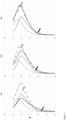
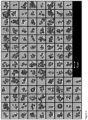
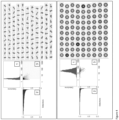
- Example 1 provides descriptions of analytical methodologies for characterisation and quantitation of microbubble/microdroplet clusters in DP, and explains relevant responses and attributes including concentration, size and circularity. It also provides details on analytical methodology for characterisation and quantification of activated bubble size and concentration. In addition, data on cluster stability after preparation are presented, as is a comparison of characteristics for pre-mixed vs. co-injected DP. It also details engineering steps for controlled manipulations of cluster content and size in DP.
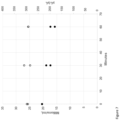
- Example 2 provides results from two in-vivo studies elucidating effects of cluster characteristics on product efficacy as the ability to deposit large, activated bubbles in the microcirculation. It further analyse these data and concludes that clusters with a size between 3 to 10 ⁇ m, defined by a circularity of less than 0.9, are contributing to the efficacy of the cluster composition. It also compares results on product efficacy with results reported in WO 99/53963 and shows that the current invention offers a 10-fold increase in the amount of deposited phase shift bubbles.
- Example 3 provides results from a study demonstrating activated bubbles size and dynamics in-vivo. It confirms the results from the in-vitro analysis, showing an activated mean bubble size of approx. 20 ⁇ m.
- Example 4 provides results from an in-vivo study demonstrating the deposit nature of the activated bubbles by intravital microscopy of mesentery tissue. It also provides theoretical calculations on the volume oscillations of the large, activated bubbles upon US irradiation and compares these to volume oscillations of regular contrast microbubbles. It concludes that the absolute volume oscillations provided by the large, activated bubbles of the current invention is three orders of magnitude larger than with regular contrast microbubbles.
- Example 5 provides results from various formulation studies on C1 and C2. It shows that the concept taught by the current invention is functional when using commercially available microbubble formulations; Sonazoid, Optison, Sonovue, Micromarker and Polyson as C1, hence proving that a range of microbubble components can be explored for use in the current invention. Results for cluster compositions made with some of these agents demonstrate the clusters down to approx. 1 ⁇ m in diameter can be activated and hence contribute to the overall efficacy of the composition.
- Example 5 also investigate a range of diffusible components for use in C2 and shows that spontaneous activation upon mixing of C1 and C2 can be avoided by using low water solubility, perfluorated hydrocarbons and also that use of such compounds increase the ability to form large phase shift bubbles upon US activation. Further, example 5 provides data from investigations on drug loading of C2 and the use of partially halogenated hydrocarbons as co-solvents to facilitate such loading.
- Example 6 provides results from fluorescence microscopy on activated bubbles made with C2 loaded with Nile Red fluorescence dye. It demonstrate that, after activation, the loaded substance is homogeneously expressed at the surface of the activated bubbles and hence will be in close contact with the endothelial wall and accessible for extravasation.
- Example 7 provides results from a US imaging contrast study demonstrating the deposit nature of the activated bubbles in a murine cancer model, and compares their characteristics with regular HEPS/PFB microbubbles (C1). It shows that, upon administration of DP and subsequent activation, the large phase shift bubbles are deposited in the tumour microcirculation and remain stationary for several minutes. No change in contrast level is observed 1.5 minutes after activation. Contrary, HEPS/PFB microbubbles show free flowing contrast that washes out rapidly and return completely to base line after less than 1 minute.
- Example 8 provides results from investigations of delivery of co-administered and loaded compounds.
- administration of DP with subsequent activation and further US irradiation increases the uptake in muscle tissue by a factor of 2.
- HEPS/PFB microbubbles (C1) Using identical US irradiation procedures, no increase in uptake was observed after administration of HEPS/PFB microbubbles (C1) only.
- uptake in tumour increased with a factor of 2 upon activation only and by a factor of 3.4 after further US irradiation.
- administration of DP with subsequent activation increase the tumour uptake (as increase in luminescence intensity) of a CW800 IR dye with approx.
- Example 9 provides a description of the manufacture of C1 and C2. Three consecutive batches of C1 and C2 passed sterility testing according to pharmacopeia (Ph.Eur./USP).
- microbubble/microdroplet clusters formed upon combining C1 and C2, i.e. present in DP, are crucial to the critical quality attributes of the composition, i.e. its functionality for delivery of drugs.
- analytical methodology to characterize and control the clusters formed with regards to concentration and size is an imperative tool to assess the current invention as well as for medicinal Quality Control (QC).
- QC medicinal Quality Control
- HEPS-Na carries a negatively charged head group with an ensuing negative surface charge of the microbubbles.
- Each vial of C1 contains approximately 16 ⁇ L or 2 ⁇ 10 9 microbubbles, with a mean diameter of approximately 2.0 ⁇ m.
- the 2 nd component (C2) in the all the compositions investigated in this example consisted of perfluoromethyl-cyclopentane (pFMCP) microdroplets stabilised by a 1,2Distrearoyl-sn-glycerol-3-phosphocholine (DSPC) membrane with 3% mol/mol stearlyamine (SA) added to provide a positive surface charge.
- pFMCP perfluoromethyl-cyclopentane
- DSPC 1,2Distrearoyl-sn-glycerol-3-phosphocholine
- SA mol/mol stearlyamine
- the cluster composition (DP) was prepared aseptically by reconstituting a vial of C1 with 2 mL of C2 followed by 30s manual homogenisation. 2 mL was withdrawn from a vial of C2 using a sterile, single use syringe and needle. The content of the syringe was added through the stopper of a vial of C1 and the resulting DP was homogenised.
- C1 was prepared with pure water instead of C2 to produce an aqueous dispersion of HEPS/PFB microbubbles.
- Coulter counting is one of the most widely used analytical technique for quantification and size characterization of particulate substances larger than 1 ⁇ m and has been shown suitable for QC of medicinal drug products [ Sontum, PC. and Christiansen, C., J. Pharm. Biomed. Anal. Vol.12, No.10, 1233-1241 (1994 )].
- analyte e.g. C1, C2 or DP
- PBS phosphate buffered saline
- each particle that is drawn through the aperture will cause the resistivity to change proportionally to the volume of the particle.
- the instrument draws a known volume of electrolyte through the aperture, measures and counts each resistivity pulse, and presents the results as number concentration of particles measured vs. size.
- a Coulter Multisizer III or IV (Beckman Coulter Ltd.) set up with a 50 ⁇ m aperture (measuring range 1 to 30 ⁇ m) was utilized.
- a suitable sample volume was diluted in Isoton II (PBS electrolyte, Beckman Coulter Ltd.) and homogenized by continues stirring throughout the analysis.
- Coulter counting is suitable for quantification of microbubble and microdroplet concentration and size distribution in C1 and C2, and for characterization of particles in DP.
- the formation of clusters upon combining the two components will lead to 1) a reduction in the total number of particles in the system and 2) a shift towards larger sizes.
- Plots are showing results using a C2 formulation with 1.5%, 3.5% and 5.5% SA, a positively charged surfactant, in the stabilizing membrane.
- SA a positively charged surfactant
- the amount of SA affects the surface charge (zeta potential) of the microdroplets and the strength of the attractive electrostatic forced between the microdroplets in C2 and the microbubbles in C1, and hence the ability to form clusters upon mixing.
- the zeta potential of the microdroplets in these three samples was measured to +22 mV, +35 mV and +43 mV for the 1.5%, 3.5% and 5.5% SA formulations, respectively. All samples were made with the same C1 formulation.
- the zeta potential of the microbubbles in C1 was measured to -57 mV.
- C C1 ,C C2 and C DP are the number concentration observed in C1, C2 and DP, respectively (in C1, then after reconstitution in 2 mL of pure water).
- This Reactivity is hence a measure of how many of the individual microbubbles and microdroplets in C1 and C2 that are contained in cluster form in the DP.
- the Reactivity is also correlated to how large these clusters are (i.e. how many individual microbubbles and microdroplets comprises a single cluster), see E2-5 for further details.
- Coulter analysis is suitable for characterization of the total particle concentration and size distribution in DP, it does not, per se, discriminate between microbubbles, microdroplets or clusters; all entities are counted and sized as "a particle". In order to differentiate and characterize the clusters specifically, microscopy techniques are necessary.
- FPIA Flow Particle Image Analysis
- the particles in each frame are automatically isolated and analyzed by the image analysis software, and a variety of morphological parameters are calculated for each particle. In addition, the particle concentration was reported. Of particular interest to the current invention are parameters that discriminate between free microbubbles or microdroplets and clusters of the same.
- the particle size, described as circular equivalent diameter, and their circularity has been used as standard responses.
- Circular equivalent diameter is defined as the diameter of a circle with an equivalent area as the particle detected.
- the term "circularity" (C) has its conventional meaning in the field of image analysis and is defined on page 12.
- the instrument provides a representative selection of micrographs for different size classes; ⁇ 5 ⁇ m, 5 to 10 ⁇ m, 10 to 20 ⁇ m and 20 to 40 ⁇ m.
- a Sysmex 2100 instrument (Malvern Instruments Ltd.) set up with a High Power Field (20X) and measuring range 0.7 to 40 ⁇ m was utilized.
- a suitable sample volume was diluted in water and homogenized by continues stirring throughout the analysis.
- FIG. 2 A representative selection of micrographs of individual clusters in the size class between 5 and 10 ⁇ m, from analysis of a DP sample made with C2 containing 3.5% stearlyamine is shown in Figure 2 .
- this size class all detections but one of 117 (i.e. ⁇ 1%) are microbubble/microdroplet clusters.
- Table 1 states the number concentration of clusters observed in different size classes for the samples with variable amount of stearlyamine (1.5 to 5.5 %) visualized in Figure 1 .
- the cluster concentration at 1.5% stearlyamine was negligible, at 3.5% a significant number of small (i.e. ⁇ 5 ⁇ m) and medium (i.e.
- a more manual microscopy technique coupled with an image analysis software may be employed.
- a Malvern Morphology G3 system (Malvern Instruments Ltd.) with a 20X objective and a measuring range of 1.8 to 100 ⁇ m was utilized.
- a 50X objective with a measuring range of 0.5 to 40 ⁇ m was utilized.
- a small aliquot of the analyte (e.g. C1, C2 or DP) was diluted/dispersed in a particle free aqueous diluent (e.g. water or PBS) and homogenized.
- a particle free aqueous diluent e.g. water or PBS
- the diluted sample was then introduced into a microscopy channel slide (IBIDI ⁇ -slide, IBIDI GmBh), with a known channel height of 400 ⁇ m and placed under the microscope.
- the instrument automatically scans a preset area of the slide and a fixed set of micrographs are taken by a CCD camera.
- the particles in each frame are automatically isolated and analyzed by the image analysis software, and a variety of morphological parameters are calculated for each particle.
- the total number of particles are reported and from the known scan area and known channel height, the concentration of particles in the analyte can be calculated.
- the FPIA analysis the circular equivalent diameter and particle circularity was reported.
- Micrographs of all particles detected can be displayed and evaluated by manual, visual inspection. Hence all clusters can be isolated from e.g. free microbubbles and a full cluster size and circularity distribution can be constructed for the clusters in each sample.
- This methodology can also be used to characterize the activated bubble population, i.e. the cluster composition after ultrasound activation.
- the microscopy slide was immersed in 37 °C water and insonated for 10s with an ATL 3-2 transducer (center frequency of 2.25 MHz) at a nominal Ml of 0.8. Immediately after activation, the slide was placed under the microscope and the analysis was repeated.
- Typical examples of output from this analysis are shown in Figure 3 for C1 and C2 and Figure 4 for DP pre- and post- activation.
- C1 and C2 display a narrow size distribution with essentially spherical particles whereas non-activated DP contain a ridge of material with lower Circularity caused by the presence of microbubble/microdroplet clusters.
- a visual inspection of all micrographs show that no microbubble/microbubble or microdroplet/microdroplet agglomerates are observed in the neat C1 and C2 samples; all detected particles consist of single spherical entities.
- An acoustic transmission technique was used to measure the size distribution dynamics of the activated, large bubble population in-vitro.
- the acoustic technique requires the measurement of attenuation over a range of frequencies, which are an order of magnitude lower (around 0.2 MHz) than those used for conventional imaging (1-10 MHz).
- the subsequent conversion to activated bubble size information is based on bubble resonance theory and the solution of the resulting Fredholm integral equation of the first kind, using standard techniques.
- the associated velocity dispersion data are used to provide a quantitative quality metric with which to assess the performance of the inversion procedure.
- the technique is based on methods described in the sonar literature to size bubble populations in the upper ocean, with inessential modifications to suit the problem at hand.
- a low frequency (Panametrics Videoscan SN:267202 part #V1012, 0.25 MHz centre frequency) broadband pulse is directed through a sample cell, reflected from a steel plate (approximately 25 cm from the low frequency transducer), propagates back through the sample and is received by the same transducer. Thus the pulse passes through the sample cell twice.
- the internal dimensions of the sample cell are: width 7.4 cm, thickness 3.1 cm, height 10.3 cm, giving a total volume capacity of 236.28 cm 3 .
- the cell is closed and contains no headspace so that it may be kept at a controlled gas saturation.
- the temperature to perform the measurements is chosen to be 37 °C to mimic body temperature.
- the gas saturation in the blood in-vivo is approximately 98kPa in arterial blood and 90kPa in venous blood. Coupled with systemic overpressure ( ⁇ 100mmHg) this provides a gas saturation environment of approximately 85% in-vivo.
- the gas saturation of the sample cell was controlled at 85% to mimic the in-vivo environment.
- Gentle stirring is incorporated to ensure adequate mixing.
- Mylar membranes are used to provide acoustically transparent windows.
- the low frequency source does not activate the clusters. Activation is provided by the high frequency transducer.
- the bandwidth of the low frequency pulse is able to cover a activated bubble size range from 4 to 80 ⁇ m in diameter.
- the inversion procedure is ill-posed in the sense of Hadamard and therefore requires optimisation of the data signal-to-noise ratio. Hence it is appropriate to average as much as is practically possible.
- 200 consecutive rf A-line signals are recorded at 10 MHz sampling frequency to a nominal 8 bits and comprise one measurement data set.
- the pulse repetition frequency of the transmission transducer is set to 200 Hz, and thus one second is required for data capture.
- Data sets are recorded once every 15 seconds and downloaded to a PC for subsequent numerical inversion. 45 such measurement data sets comprise one run, spanning 11 minutes in total.
- acoustic attenuation and velocity as a function of frequency may both be calculated.
- the velocity data may be regarded as independent to the attenuation data. Only attenuation data is used to calculate the activated bubble size distribution, the velocity data can be used as the basis of an independent check of the estimated activated bubble size distribution.
- the velocity of a bubbly liquid is highly dispersive around the resonance frequency. This phenomenon may be used to derive a 'quality' metric in order to quantitatively infer the accuracy or confidence of the estimated activated bubble size distribution, after [ IEEE J. of Oceanic Engineering, vol. 23, no. 3, 1998 ].
- primary responses evaluated from this analysis are peak activated bubble volume per microdroplet volume or per volume of DP, and volume weighted mean diameter at peak activated volume.
- the clusters in the DP are formed and kept by the electrostatic attraction between the microbubbles and the microdroplets. These forces are finite and the clusters may break up after formation through various routes/influences such as mechanical stress or thermal (Brownian) motion.
- Figure 7 shows the cluster concentration between 5 to 10 ⁇ m from the FPIA analysis and the peak activated volume per microdroplet volume from the Sonometry analysis in two DP samples, stored at ambient room temperature and pressure, versus time after preparation. No evidence of spontaneous activation was observed during the FPIA analysis. As can be observed from Figure 7 , a negligible change in cluster content and activated bubble volume is observed over a period of 1h after preparation of DP.
- a number of different formulation aspects can be explored for controlling the cluster content and size in the DP and for targeting optimal properties.
- Parameters that can be used to engineer cluster content and size distribution include, but are not limited to; the difference in surface charge between the microbubbles and the microdroplets (e.g. SA% as shown in E1-3): the microdroplet size of C2: the pH: the concentration of TRIS in C2: and the concentration of microbubbles and microdroplets.
- chemical degradation of the components e.g. during prolonged storage at high temperatures, may influence the ability of C1 and C2 to form clusters during preparation of the DP.
- Microdroplet size Samples of C2 with variable microdroplet size was made from a single batch of raw emulsion by centrifugation and control removal of supernatant and/or sediment after different centrifugation times. After size adjustment, the concentration of all samples was adjusted to the same volume concentration of microdroplets (approx. 4 ⁇ l microdroplets/mL). C2 samples with microdroplet size as volume median diameters of 1.8 ⁇ m, 2.4 ⁇ m and 3.1 ⁇ m were prepare and used for preparation of DP with vials from a single batch of C1 and the Reactivity was measured by Coulter counting.
- pH - two vials of DP were prepared to a pH of 6.6 and two vials were prepared to a pH of 6.1.
- the resulting Reactivity, as measured by Coulter counting, was 30-32% and 51-52% for the pH 6.6. and pH 6.1 samples, respectively.
- a decrease in pH hence increase formation of clusters.
- TRIS concentration - for three samples of C2 from the same batch the concentration of TRIS was varied from 1 mM to 10 mM.
- concentration of TRIS was varied from 1 mM to 10 mM.
- each sample was used to prepare DP and the concentration of clusters between 5 to 10 ⁇ m was measured by FPIA analysis on all samples.
- the formation of clusters was found to decrease with increasing TRIS concentration, with a lowering of cluster concentration from 6.7 to 3.7 millions/mL, going from 1 to 10 mM TRIS in C2.
- Microdroplet concentration The formation of clusters upon combining C1 and C2 is also a function of the concentration of microbubbles and microdroplets in the two components, i.e. the ratio of microbubbles to microdroplets. From an intuitive perspective, it seems likely that in a system where the total surface charge presented by the two components balance completely, the result would be that all microbubbles and all microdroplets would form a few, very large clusters (i.e. resulting in a total collapse of the system). We have found that in order to generate a controlled and targeted clustering where most all of the microdroplets are contained in cluster form, and were the clusters formed are of an acceptable size, the total charge presented by the microbubbles should be in excess of the total charge presented by the microdroplets.
- the size of the activated bubbles may be of importance to the biological attributes of the administered composition, e.g. safety and efficacy aspects. Whereas naturally depended upon the size of the microdroplets in C2, the activated bubble size is also strongly related to the cluster size.
- Figure 8 shows the covariance between Reactivity by Coulter analysis and activated bubble diameter by Sonometry, measured on the samples detailed in Table 4, E2-3. As can be noted the activated bubble diameter increases from approx. 20 ⁇ m at low Reactivity (i.e. from small clusters) to approx. 50 ⁇ m at high Reactivity (i.e. from large clusters).
- the 1 st component (C1) in the compositions investigated in this example is described in E1-2.
- the 2 nd component (C2) in the all the compositions investigated in this example consisted of perfluoromethyl-cyclopentane (pFMCP) microdroplets stabilised by a 1,2Distrearoyl-sn-glycerol-3-phosphocholine (DSPC) membrane with stearlyamine (SA) added to provide a positive surface charge.
- pFMCP perfluoromethyl-cyclopentane
- DSPC 1,2Distrearoyl-sn-glycerol-3-phosphocholine
- SA stearlyamine
- cluster composition (DP) formulation variables such as SA content, microdroplet size, microdroplet concentration, TRIS concentration and pH was varied in a controlled manner, as described in E1.
- the animal (mongrel or mixed breed dog) arrived on the morning of the experiment day. There was no acclimatization. Anesthesia was induced with pentobarbital (12 - 25 mg kg -1 i.v.) and fentanyl (1.5 - 2.5 ⁇ g kg -1 ) and an endotracheal tube was inserted. The animal was transferred to the operating table and was put on volume-controlled mechanical room air ventilation (New England mod. 101 Large Animal Ventilator). When required, O 2 -enriched air might be given during some time periods, however not in any of the time intervals from 10 minutes before to 11 minutes after test substance injections.
- the animal was kept in general anaesthesia by a continuous i.v. infusion of fentanyl (20 ⁇ g kg -1 h -1 ) controlled by a syringe infusion pump (IVAC model P2000), and pentobarbital (10 mg kg -1 h -1 ) by drip line.
- the rate of anaesthetics administered might be adjusted somewhat from the nominal value to assure a constant depth of anaesthesia.
- the depth of anaesthesia was monitored by physiological recordings (heart rate, blood pressure) and by general observation of the animal (signs of muscular activity, breathing efforts, reflexes).
- the body temperature was kept constant at 38° by a Harvard homeothermic feedback control unit.
- a Swann-Ganz catheter for pressure measurements was inserted into the pulmonary artery via the femoral vein and a groin incision.
- a systemic arterial pressure transducer catheter was inserted into the femoral artery by the same incision.
- a mid-line sternotomy was performed, and the anterior pericardium was removed.
- the heart was suspended in a pericardial cradle to avoid compression of the atria and veins.
- a 0.8 mm Venflon TM cannula was inserted in the right cephalic vein proximal to the elbow joint for injections of test substances.
- a midline, mid-papillary short axis view of the heart was imaged by an ATL HDI-5000 scanner.
- a P3-2 transducer was used, the scanner was operated in conventional fundamental B-mode with two focal zones, at the highest frame rate and maximum output power (Ml ⁇ 1.0).
- a 30 mm soft silicone rubber pad was used between the transducer surface and the epicardium. All material interfaces are covered by water-based acoustic contact gel.
- the depth of the image was adjusted to the smallest value that will include the whole heart.
- a dynamic range of 50 dB was used.
- a pair of digital images from end-diastole and end-systole was stored at each specified point in time.
- the scanner was left continuously running, except brief periods of cine-loop recalls for storing the images.
- Digital images are transferred to magneto-optical disk after completion of the experimental session.
- a PAL VHS video recording of the screen was performed to document the procedures. The identity of the animal and all injections (injection number, substance and dose) should be annotated on the screen.
- a new vial of C1 was reconstituted with 2 mL of C2.
- the desired dose of DP 200 ⁇ l was withdrawn and diluted to 2,5 mL with 50mg/mL TRIS-buffered mannitol (10 mM, pH 7,4).
- the dose administered was equivalent to 10 ⁇ l DP/kg b.w, equivalent to nominally 0.04 ⁇ l pFMCP microdroplet and 0.08 ⁇ l HEPS/PFB microbubbles per kg. b.w.
- Injections are performed via a Venflon TM cannula equipped with a rubber membrane port. The cannula and port dead space (about 0.1 mL) was flushed with 5 mL of isotonic saline immediately after each injection.
- Injections of DP are made via the right cephalic vein, and the resulting myocardial contrast effect is quantified at 90 seconds, 3, 5, 7 and 11 minutes. A baseline reading was performed before each injection. At least 20 minutes was allowed between injections to reduce potential carry-over effects.
- Examples 20 to 27 given in WO99/53963 also sites data for myocardial enhancement in a model identical to the one described in E2-4 and the procedures applied are identical.
- doses in terms of gas and microdroplet volume administered per kg b.w. are comparable between these studies; WO99/53963 sites 0.35 ⁇ l gas and 0.04 ⁇ l microdroplets/kg. b.w. whereas in the current example effective doses were 0.08 ⁇ l gas and 0.026 to 0.059 ⁇ l microdroplets/kg b.w.
- the in-vivo enhancement is well correlated to the two in-vitro parameters, proving their relevance as predictors for in-vivo performance; i.e. the clusters comprise the active component in DP.
- the maximum value for linear myocardial enhancement reported in WO/9953963 was 51 versus 693 in the current study. Applying the concept of the present invention then; by preparing a composition from C1 and C2 prior to administration, hence forming microbubble/microdroplet clusters, opposed to co-injection of the two components as taught by WO/9953963 , enable a > 10-fold increase in efficacy.
- a multivariate, principle component analysis was performed.
- the correlation between the content in the various cluster size classes (X) and enhancement (Y) was determined by partial least squares regression (PLSR).
- the PLSR algorithm discriminates noise to extract and define true correlations.
- the validation of PLSR models was performed by applying full cross validation (CV). The CV procedure keeps one sample out followed by testing the precision of the model by estimating (predicting) Y for the excluded sample and compare with the measured Y. The procedure was repeated for each sample, and the number of models was hence equal to the number of samples.
- CV full cross validation
- the CV procedure keeps one sample out followed by testing the precision of the model by estimating (predicting) Y for the excluded sample and compare with the measured Y.
- the procedure was repeated for each sample, and the number of models was hence equal
- Model accuracy and reliability was done by comparing predicted enhancement and measured enhancement and reliable models were verified by classic statistical quality estimates (r, RMSEC, RMSEP). The evaluation of additional statistical parameters as model leverage and sample distance to model concluded that no critical outliers influenced the model solutions.
- Figure 13 shows the cluster size and circularity distribution of this sample. As can be noted the clusters in this sample are between ⁇ 3 to ⁇ 10 ⁇ m and display a circularity less than 0.9.
- compositions investigated in this study were as detailed in E1-2.
- Measurement of activated bubble size distribution and yield of activation was performed in a dog model. The study was approved by the local animal welfare committee. A cannula was placed in the aorta to allow blood flow through an extracorporeal measurement chamber that performs the acoustic bubble sizing. Compound was administered by intra venous injection at 10 ⁇ l DP/kg. b.w. and activation provided by a clinical ultrasound scanner imaging the cardiac chambers.
- compound was also administered via a left atrium cannula with acoustic activation in the cannula, thus providing data that can be directly compared to the same administration (activation in the cannula) into the in-vitro bubble sizing system.
- a mathematical model was developed to calculate the volume of activated bubbles liberated from the measurements performed in the extracorporeal measurement chamber. Results of the model were validated by injecting activated bubbles into the left atrium via a cannula, and comparing the result to the same administration in the in-vitro measurement system.
- Injections were performed with an 18 G needle through a rubber membrane port on a forelimb Venflon TM i.v. cannula. Due to the low dose levels, all i.v. injections were given after 1:10 dilution of DP with an aqueous mannitol/ TRIS solution. The injections were given in about 5 seconds, followed by a flush of saline. On some occasions, injections were performed into the left atrium of the heart via a short polyethylene catheter, either with or without prior activation of the drug product by ultrasound ex vivo. Left atrium injections were slow (20 seconds) to simulate the temporal dispersion of the bolus during normal lung passage. Due to the need for diluting the injected sample in order for the ex vivo ultrasound exposure to penetrate into the fluid, the atrial injections were further diluted with isotonic saline to a total volume of 20 mL.
- the body temperature was kept constant at 38 degree C by a Harvard homeothermic feedback control unit (rectal temperature sensor controlling an electrical heating blanket).
- a Swann-Ganz catheter for pressure measurements and monitoring of cardiac output (Baxter Vigilance Continuous Cardiac Output (CCO) monitor) was inserted into the pulmonary artery via the femoral vein and a groin incision.
- a systemic arterial pressure transducer catheter was inserted into the femoral artery via the same incision.
- a 1.4-mm Venflon TM cannula was inserted in the right cephalic vein proximal to the elbow joint, for injection of test substances.
- a midline sternotomy was performed, and PEEP was applied to the respirator outlet when entering the pleural spaces.
- the anterior pericardium was removed, and the heart was suspended by suturing the rim of the remaining pericardium to the wound edges.
- the auricular appendix of the left atrium was cannulated for injections of activated DP, bypassing the pulmonary circulation.
- the animal was fully anticoagulated by a single intravenous injection of Heparin (1000 i. u. / kg body weight) after complete surgical hemostasis was achieved, and before extracorporal circulation was started.
- Heparin 1000 i. u. / kg body weight
- the extracorporal shunt and its associated tubing were filled with isotonic saline and all air was evacuated from the system before the connections to the carotid and jugular catheters were established.
- the pressure inside the acoustic measurement chamber was checked at regular intervals by briefly connecting the pulmonary artery pressure transducer to a side port on the chamber, keeping the transducer at the same elevation level as the chamber.
- a mathematical model of the flow system was developed, in order to estimate the peak concentration in the measurement cell, as a function of flow rate into the cell, and the activated bubble half-life, and bolus half-life. The flow rate may then be adjusted, by altering the flow resistance, in order to ensure adequate dose to the measurement cell.
- a mathematical model to estimate the concentration of activated bubbles in the arterial blood from the concentration observed in the measuring cell was developed, in order to estimate the concentration of activated bubbles in the arterial blood from the concentration observed in the measuring cell.
- Figure 14 shows a typical activated bubble concentration-time curve in the arterial blood compartment after correction for cardiac output, flow through cell, transit time to cell, and activated bubble lifetime. Only the first two minutes are plotted for clarity of display.
- the x-axis is the time in seconds and the y-axis is the activated bubble population gas fraction in arterial blood in parts per million.
- Table 7 shows the volume-weighted mean activated bubble diameters after i.v. injection measured at arterial conditions (normal arterial blood gas saturation, hydrostatic pressure of about 60 mmHg). The mean value of all observations in the table is 21.4 ⁇ m. Table 7 Volume weighted, mean activated bubble diameter at arterial conditions Injection # Dog 1 Dog 2 Dog 3 1 19.7 ⁇ m 22.2 ⁇ m 20.5 ⁇ m 2 21.7 ⁇ m 22.3 ⁇ m 21.8 ⁇ m 3 21.3 ⁇ m 21.3 ⁇ m 21.6 ⁇ m
- Table 8 shows the rates of activated bubble shrinkage at arterial and venous pressure, given as half-life of gas volume fraction decay in the acoustic measurement chamber.
- the pressures have been calculated from catheter/ transducer measurements of arterial pressure, and assuming a venous (jugular vein) pressure of zero. Note the faster decay at arterial pressure, this is caused by the elevated partial pressure of all gases inside the activated bubbles, giving larger gradients for outward gas diffusion.
- the activated bubbles in arterial blood have diameters of 20 - 22 microns, well within the predicted range. After injection of the substance into the left atrium and activating in the left ventricle the activated bubbles become slightly larger, 22 - 25 micron in diameter. Verification of correct measurements and calculations in all animals has been obtained by parallel in-vitro analysis with activation of the injected samples by US irradiation.
- Example 3 confirm that the composition is activated within the desired Ml range and produces bubble growth and dynamics within the desired size range in vivo after intravenous administration.
- Example 4 Intravital microscopy on deposit nature of activated bubbles and modeling of response to US irradiation, compared to regular microbubbles
- compositions investigated in this study were as detailed in E1-2.
- the composition was administered intravenously at a dose of 1 mL DP/kg b.w. (i.e. 4 ⁇ L/kg b.w. microdroplets and 8 ⁇ L/kg b.w. microbubbles).
- General anaesthesia was administered and maintained with i.v. and i.m. pentbarbital sodium.
- the rats were intubated, and the tail vein or carotid vein was cannulised for administration of the test formulation. Ultrasound was applied to activate the clusters in the mesentery.
- the abdomen was opened by means of a vertical midline incision, the rats were then placed in the lateral position on a plastic plate incorporating a round window of cover glass, and the exteriorized mesenteries were placed on the cover glass window.
- the spread mesenteries were perfused with Krebs-Ringer buffer at 37°C.
- Ultrasound was applied directly onto the exteriorised mesentery under the objective lens of the microscope.
- An ultrasound scanner (Elegra; Siemens, Seattle, WA) equipped with a linear probe (7.5L40) was used for ultrasound exposure.
- Output power was set at maximum corresponding to an MI value of 1.2.
- Sonar gel was applied between ultrasound transducer and chest wall or the mesentery. Images were recorded on S-VHS or DV tape for subsequent review.
- Simulations of the change in volume of the activated bubbles from the current invention and regular HEPS/PFB microbubbles (C1 reconstituted with water) upon insonation was modelled using the nonlinear bubble model developed by Lars Hoff and described in Acoustic Characterisation of Contrast Agents for Medical Ultrasound Imaging, Kluwer Academic Publishers, 2001, Chapter 8.
- Simulation parameters for activated phase shift bubble 8 cycles driving pulse with a MI of 0.2 and frequency of 0.5MHz, in blood, and 30 micron resting diameter.
- Simulation parameters for HEPS/PFB microbubbles 8 cycles driving pulse with a MI of 0.2 and frequency of 5MHz, in blood, and 3 micron resting diameter.
- Figure 15 shows video frames of an activated phase shift bubble in the mesentery at; (top left) 17 seconds post-injection in a micro vessel, blocking blood flow; (top right) at 5 minutes and 19 seconds; (bottom right) at 5 minutes and 45 seconds, respectively.
- the activated phase shift bubble (indicated by the arrow) gradually shrinks and advances in the micro vessel by intermittent lodging and dislodging, before it clears completely.
- Figure 15 (bottom left) shows a 5 times schematic zoom of the dashed rectangular box indicated in the image (top left).
- the outline of the phase shift bubble is shown (A) with a 20 micron scale bar shown in C.
- the phase shift bubble has a minimum diameter 22.8 and maximum diameter 36.4 microns when oscillating in response to the driving ultrasound field.
- the HEPS/PFB microbubble has a minimum diameter 2.3 and maximum diameter 4.1 microns when oscillating in response to the driving ultrasound field.
- the absolute volume changes induced for the phase shift bubbles is approx. three orders of magnitude greater than the HEPS/PFB microbubble.
- Activated phase shift bubbles with a size of approximately 20 ⁇ m were observed when ultrasound activation was applied. No activated phase shift bubbles were observed when ultrasound activation was not applied. The activated phase shift bubbles were transiently (5-19 minutes) deposited in the microcirculation but dislodged as their size decreased.
- Simulation of the volume changes of a phase shift bubble during US insonation shows a three orders of magnitude greater response than a HEPS/PFB microbubble, demonstrating the orders of magnitude greater mechanical work exerted on the tissue by the phase shift bubble.
- microbubble formulations DP made from C2 as detailed in E1-2 and six commercially available microbubble products as C1, were tested for cluster content by microscopy/image analysis and activated bubble volume and diameter by Sonometry.
- the microbubble components investigated as C1 are detailed in Table 9 together with vendors, composition of gas core, stabilizing membrane and pharmaceutical form.
- C1 Product Vendor Gas core Stabilizing membrane Form Sonazoid GE Healthcare PFB HEPS-Na Lyophilized Optison GE Healthcare PFP Human albumin Aqueous dispersion Sonovue Bracco Spa SF 6 DSPC, DPPG-Na, palmitic acid, PEG4000 Lyophilized Definity Lanteus Medical Imaging Inc.
- Results for cluster content and activated bubble volume and diameter in the various cluster compositions are stated in Table 10.
- the C1 component detailed in E1-2 has the same formulation and form as the commercial contrast agent Sonazoid, hence it would be expected that these two agents, when used as C1, would generate a cluster compositions with similar characteristics; as confirmed by the results stated in Table 11.
- Micromarker, Optison, Sonovue and Polyson although displaying a strong variance in the chemical composition of the gas core and the stabilizing membrane, show characteristics for their respective cluster compositions which are comparable to those prepared with Sonazoid and C1 as detailed in E1-2. Whilst not wishing to be bound by theoretical considerations it is possible that the reason why the Definity microbubbles does not form clusters with the microdroplet in C2 is the use of the PEG-DDPE component in the stabilizing membrane. This component is likely to create a thick, dens layer of water surrounding the microbubble, thus screening the electrostatic attraction to the microdroplets of C2.
- C1 Product (C1) Cluster conc. (millions/mL) Activated bubble volume ( ⁇ L/ ⁇ L) Activated bubble diameter ( ⁇ m) Sonazoid 45 293 40
- the basic nature of the formulation is directed towards a destabilisation of the system i.e. the US induced generation of large phase shift bubbles from the combination of microbubbles and microdroplets.
- This destabilisation must occur in a controlled manner, in-vivo and at the target site (pathology), and spontaneous growth (activation) upon preparation of DP, or immediately after administration (i.e. in the absence of insonation) is detrimental to the functionality of the invention.
- WO99/53963 only explore co-administration of the two components but notes that, if the components are mixed prior to administration, avoiding such spontaneous activation of the system is likely to require storage at elevated pressure or low temperature after combination of C1 and C2.
- DSPC distearoylphosphateidylcholine
- DSTAP 1,2-distearoyl-3-(trimethylammonio) propane chloride
- Emulsions were prepared by transferring aliquots of 1 mL of the cold lipid dispersion to 2 mL chromatography vials. To each of seven vials was added 100 ⁇ L of the fluorocarbon oils as detailed in Table 11. The chromatography vials were shaken on a CapMix (Espe, GmbH) for 75 seconds. The vials were immediately cooled in ice, pooled and kept cold until use. Coulter counter analysis was performed to determine the volume concentration of the microdroplets and the emulsions were then diluted with water to 10 ⁇ l/mL disperse phase.
- C1 (as detailed in E1-2) was reconstituted in 2 mL of water and mixed together with the C2 samples prepared in a 10 mL tube to a ratio of 10:1 and shaken carefully by hand. The mixture was then diluted with 7 mL water. The samples were evaluated for spontaneously activated and US activated bubbles by microscopy in manual version of the methodology described in E1-4. One mL of this solution was transferred to a microscope cell where the temperature was stabilised to 37°C after 2 minutes. The cell was set up so that US sonication, using an ATL 3-2 transducer with a center frequency of 2.25 MHz, could be applied to the sample.
- emulsion microdroplet component can be comprised by components (e.g. co-solvents added for increased drug loading) with a higher water solubility without leading to increased spontaneous activation or decreased in US induced activation.
- components e.g. co-solvents added for increased drug loading
- a therapeutic compound is added to the microdroplet oil phase for release at targeted site in vivo upon activation.
- perfluoromethylcyclopentane was selected as the primary oil component for manufacture of C2, with a distearoylphosphateidylcholine (DSPC) stabilising membrane added stearlyamine (SA) for positive surface charge.
- SA membrane added stearlyamine
- HSPiP v.4 This evaluation was performed using a state-of-the-art software for assessment of solvent-solute compatibility; Hansen solubility parameters, HSPiP v.4 (Steven Abbott TCNF Ltd.).
- the HSPiP analysis calculates three basic properties relating to compatibility between substances; Polarity, Dispersion and Hydrogen binding and a distance in this three dimensional space between e.g. a solvent and a solute; the Hansen distance (H d ). The closer the solvent and solute are in this space, the (relatively) better the solubility of the solute in the solvent.
- Hansen theory predicts that a H d ⁇ 8 represents a soluble "solute in solvent" pair, 8 ⁇ H d ⁇ 12 represent partial solubility and H d > 12 represents non-solubility.
- This analysis was performed for 1) a series of solvents, selected based on b.p. ⁇ 65 °C, water solubility ⁇ 0.1 M and probable biocompatibility (toxicity), with a large span in Hansen parameters and 2) a series of targeted solutes; chemotherapeutic drugs and molecules suitable for optical imaging. Based on the stated solvent selection criteria, preferred solvents were all partially halogenated hydrocarbons. The miscibility between the solvent and the solubility of the solutes in one of the solvents were experimentally determined.
- Nile Red (NR), DiR and Paclitaxel (Ptx) was evaluated in the 1:1:1 mixture of pFMCP, ClrFPr and pFMCP and found to > 5 mg/mL, > 10 mg/mL and > 25 mg/mL, respectively.
- a 1:1:2 mixture of said three solvents loaded with Ptx was explored.
- the solubility of Ptx in this solvent mixture was > 50 mg/mL, showing that the loading capacity can be substantially increased by changing the composition of the oil phase.
- C2 with a 1:1:1 mixture of these components was manufactured as detailed below.
- a lipid dispersion containing was made by weighting out 250 mg of DSPC with 3% mol/mol SA to 50 mL of water in a 100 mL round bottom flask, hydrated for 30 minutes at 80°C and allowed to cool.
- X mg substance (X being 5, 10 and 25 mg for NR, DiR and Ptx, respectively) was weighted out and dissolve in 333 ⁇ L tClMe (solution A).
- 333 ⁇ l of solution A was diluted with 333 ⁇ l CltFPr + 333 ⁇ L pFMCP (solution B).
- 900 ⁇ l lipid dispersion was added to a 1.5 mL centrifuge tube.
- 100 ⁇ l of solution B was added to the lipid dispersion in the centrifuge tube.
- Emulsification was achieved using a ZoneRay ® Dental HL-AH G7 Amalgamator at 3200 rpm for 20s.
- the resulting emulsion was centrifuged for 5 min at 25g. After centrifugation, the microdroplets formed a defined sediment layer. The supernatant, containing excess lipid vesicles, was carefully removed, an equivalent volume of 5 mM TRIS in water was added and the microdroplets redispersed by manual shaking.
- a Coulter analysis was performed and based on the detected volume concentration of microdroplets the emulsion was diluted in 5 mM to 3 ⁇ l microdroplets/mL.
- Images of the activated cluster composition were acquired using a Leica TCS SP8 confocal microscope.
- the objective used was a HCX IRAPO L 25X water immersion objective with a numerical aperture of 0.95.
- the fluorescent dye was excited at 539 nm by a tunable white light laser. Emission in the range 570 - 670 nm was detected by a hybrid detector (HyD).
- the laser speed used was 400 Hz and pinhole diameter was set to 1 AU.
- Transmission images were acquired simultaneously in another detector, which could be overlaid with the fluorescence images. Intersections and 3D images of the sample were acquired by moving the objective nosepiece stepwise in the z-direction.
- Figure 19 shows a fluorescence micrograph of an intersection of phase shift bubbles after activation of DP where the C2 microdroplet component was loaded with 5 mg NR/mL.
- compositions investigated in this study were as detailed in E1-2.
- mice Female Balb/c nude mice were used. Before tumour implantation, mice were weighted, anesthetized with isoflurane, and ear marked. 100 ⁇ L cell suspension containing 3 ⁇ 10 6 PC-3 cells were slowly injected subcutaneously on the lateral side of the left hind leg between the hip and the knee.
- mice were administered surgical anesthesia by subcutaneous injection of a mix of Fentanyl (0.05 mg/kg), Midazolam (5 mg/kg), and Medetomidine (0.5 mg/kg).
- An intravenous cannula (BD NeoflonTM 24 GA) was placed in the tail vein. Patency was verified by injection of a slight amount ( ⁇ 20 ⁇ L) of 0.9% sodium chloride for injection after which a small amount of ( ⁇ 10pL) heparin (10U/mL) was injection to prevent clotting.
- the hub of the cannula was filled with 0.9% sodium chloride for injection to eliminate any dead space and closed with a cap. The cannula was secured to the tail with surgical tape.
- the tumour was imaged for all experiments with a high frequency small animal imaging system Vevo 2100 (VisualSonic Inc.) with a MS250 transducer (16-18MHz).
- the cluster composition was activated in-vivo either with a Vivid E-9 clinical imaging system (GE Healthcare) using a 2MHz imaging probe with MI setting of 0.28, or a Vscan 1.2 clinical imaging system (GE Healthcare) with a 2MHz imaging probe with an nominal MI setting of 0.8.
- the 16 animals were split into 4 groups of 4 animals in each group.
- the activation system and dose for the groups are stated in Table 13.
- Table 13 Groups investigated with activation procedure and dose Group Activation Dose 1 Vivid E9, MI 0.28 1.5 ⁇ L/kg pFMCP + 4 ⁇ L/kg HEPS/PFB 2 Vscan, MI 0.8 1.5 ⁇ L/kg pFMCP + 4 ⁇ L/kg HEPS/PFB 3
- Vivid E9 MI 0.28 6 ⁇ L/kg pFMCP + 16 ⁇ L/kg HEPS/PFB 4 Vscan, MI 0.8 6 ⁇ L/kg pFMCP + 16 ⁇ L/kg HEPS/PFB
- mice were place on a handling table (with temperature control set to 37°C), on its right side.
- the left leg was lifted horizontally, supported by a piece of cloth and fixated with surgical tape.
- Ultrasound gel was richly applied unto the tumour and a water-bath-bag was placed on top of the tumour.
- Imaging was performed with the Visualsonics Vevo 2100 imaging system with the transducer placed in the water bath with the imaging transducer held in a fixed scan plane.
- Activation of the cluster composition was performed with an additional transducer (either the Vivid E9 or Vscan) for 75 seconds starting from the time of injection of the cluster composition.
- Activation of the cluster composition produces contrast echoes which remain stationary in the ultrasound image for several minutes.
- the number of stationary contrast signals was counted per unit area of the tumour imaged in the scan plane. Assuming a scan plane thickness of 0.2 mm the number of phase shift echoes per unit volume of tumour was derived.
- tumour is hypo echogenic in the ultrasound image.
- Typical tumour images are shown in Figure 20 for both pre injection of the cluster composition (left image) and post injection and activation (right image), showing the presence of the stationary phase shift echoes post activation (right image).
- the estimated number of stationary phase shift contrast echoes per mL of tumour tissue is shown in Table 14. All tumours showed deposition of stationary contrast echoes. These echoes are termed stationary as they remain static in the ultrasound images for several minutes.
- Application of a burst sequence from the Vevo 2100 imaging system which is designed to destroy regular contrast microbubbles such as HEPS/PFB does not destroy the stationary echoes.
- Figure 21 shows the typical integrated contrast enhancement kinetics in the tumour region from the phase shift bubbles (labelled A in the figure) compared to an equivalent dose of HEPS/PFB microbubbles only (labelled B in the figure). This demonstrates the difference in kinetics of phase shift bubbles compared to HEPS/PFB microbubbles, i.e. deposit vs. free flowing nature. The free flowing HEPS/PFB microbubbles enhancement is much more transient.
- phase shift stationary echoes that are deposited in the tumour and remain for several minutes.
- Table 14 Estimated mean number of phase shift stationary echoes per mL tumour tissue, and standard deviation (SD). Group Mean number per mL SD 1 (MI 0.28, low dose) 3685 2188 2 (MI 0.9, low dose) 6675 1701 3 (MI 0.28, high dose) 10705 6394 4 (MI 0.9, high dose) 12597 7884
- Evans blue is often used as a model compound in drug delivery studies [ Bohmer et al., J Controlled Release, 148, Issue 1, 2010, pp. 18-24 ].
- EPR Enhanced permeability and retention
- the vascular endothelium in the tumour microenvironment is often discontinuous, allowing molecules to diffuse into the surrounding tumour tissue.
- the commercially available (Li-Cor Biosciences Inc.) IR dye 800CW PEG contrast agent (25-60 kDa) is a non-specific imaging agent intended accumulate in tumours due to the EPR effect.
- DiR dye is a commercially available (Life Technologies, Thermo Fisher Scientific Inc.) near IR fluorescent, lipophilic carbocyanine DiOC 18 (7) dye which is weakly fluorescent in aqueous conditions but highly fluorescent and photostable when incorporated into e.g. cell membranes.
- the standard techniques of extraction and quantification of Evans Blue in tissue, and optical imaging with the 800CW PEG and DiR dyes, were employed as model compounds for in-vivo demonstration of drug delivery with the current invention.
- compositions investigated in this study were as detailed in E1-2 (co-injection models) and E5-4 (DiR loaded).
- mice Female Balb/c nude mice were used in the study. Before tumour implantation, mice were weighted, anesthetized with isoflurane, and ear marked. 100- ⁇ l cell suspension containing 3 ⁇ 10 6 PC-3 cells were slowly injected subcutaneously on the lateral side of the left hind leg between the hip and the knee.
- mice were administered surgical anesthesia by subcutaneous injection of a mix of Fentanyl (0.05 mg/kg), Midazolam (5 mg/kg), and Medetomidine (0.5 mg/kg).
- An intravenous cannula (BD NeoflonTM 24 GA) was placed in the tail vein. Patency was verified by injection of a slight amount ( ⁇ 20 ⁇ L) of 0.9% sodium chloride for injection after which a small amount of ( ⁇ 10 ⁇ L) heparin (10U/mL) was injection to prevent clotting.
- the hub of the cannula was filled with 0.9% sodium chloride for injection to eliminate any dead space and closed with a cap.
- the cannula was secured to the tail with surgical tape.
- the hind limb of the mouse was placed in a water bath with two US transducers poised for insonation of the tumour.
- Ultrasound activation of the cluster composition was provided by a Vscan with 2MHz probe and nominal MI of 0.8.
- Subsequent ultrasound exposure was applied using 500 kHz custom made transducer (Imasonic SAS), 8 cycle pulses with a pulse repetition frequency of 1kHz at MI ranging from 0.1 to 0.8.
- 50 ⁇ l Evans Blue (50 mg/kg) was injected followed immediately by 50 ⁇ L of the cluster composition containing a nominal 1.5 ⁇ L pFMCP microdroplets + 4.0 ⁇ L HEPS/PFB microbubbles per mL, or 4.0 ⁇ L HEPS/PFB microbubbles per mL only.
- Activation was provided by a Vscan clinical ultrasound scanner with a 2MHz probe for 45 seconds starting from the injection time. This was subsequently followed by 5 minutes 500 kHz ultrasound irradiation at an MI of 0.1 or 0.2. 30 minutes after treatment the animals were sacrificed, tissue samples; tumour, thigh muscle from the treated leg and thigh muscle from the contra lateral untreated leg, were harvested and Evans Blue content extracted and quantified.
- LiCor CW800 EPR agent was administered at a dose of 5 nmol/kg body weight followed immediately by 50 ⁇ L of the cluster composition containing a nominal 1.5 ⁇ L pFMCP microdroplets + 4.0 ⁇ L HEPS/PFB microbubbles per mL.
- Activation was provided by a Vscan clinical ultrasound scanner with a 2MHz probe for 45 seconds starting from the injection time. This was subsequently followed by 5 minutes 500 kHz ultrasound irradiation at an MI of 0.2.
- Whole body epifluorescence imaging was performed with a Pearl Impulse imaging system up to 12 hours post administration. Animal groups and numbers are given in Table 16. Table 16 Groups investigated with co-injection of LiCor CW800; US procedures. All animals were dosed with cluster composition. Group # animals Activation Subsequent US Irradiation 1 3 None None 2 4 45 seconds None 3 5 45 seconds MI 0.2, 5 min
- a region of interest was drawn over the tumour in the epifluorescence image and the mean intensity calculated.
- a commensurate region of interest was also drawn over the untreated, contralateral thigh in approximately the same location on the leg.
- a dimensionless ratio was calculated of the average image intensity in the tumour region area divided by the average image intensity in the untreated leg. The area under the curve of this ratio was calculated and integrated from the 1 minute to 1 hour time points.
- Epifluorescent images were acquired with the Pearl Impulse fluorescence imaging system both pre-injection and 1 minute post treatment (approximately 7 minutes post-injection) with standardised image acquisitions to allow quantitative comparisons. Regions of interest were drawn over the tumour on the left thigh, and a commensurate region of interest drawn on the non-tumour bearing right thigh of approximately the same size and anatomical location. The mean fluorescence intensity in the regions was recorded. As primary response, the difference in the fluorescence intensity between the pre-injection image and the post-treatment image was assessed. A two way analysis of variance was performed with factors of tumour vs non-tumour bearing leg, and US irradiation vs no US irradiation.
- the Evans Blue was extracted and quantified from the tissue samples (mg/mL tissue). The concentration in the treated thigh muscle was divided by the concentration in the untreated thigh muscle for each animal (matched pair) to provide a dimensionless ratio of the increased uptake in the treated muscle. A one way ANOVA was applied to the data and results are given in Table 18. There was a statistically significant, approximate doubling in the Evans Blue uptake in the leg treated with the activated cluster composition with subsequent low frequency applied. For the other groups, no statistically significant increase in uptake was observed. Table 18 Uptake ratios (mean and standard deviation) for treated vs. untreated muscle tissue in different groups. Group Mean SD 1 - Cluster composition, activation and subsequent US irradiation 2.0 0.3 2 - Cluster composition and activation only 1.3 0.4 3 - HEPS/PFB microbubbles, activation and US irradiation 1.1 0.2
- Tumour samples were taken from groups 1 and 2.
- the Evans Blue concentration was divided by the concentration of Evans Blue in the untreated thigh muscle tissue sample to provide a dimensionless ratio describing increase in uptake.
- a 2 sample t-test was applied with assumed equal sample variance. The results are shown in Table 19.
- Table 19 Uptake ratios (mean, standard deviation and standard error of mean) for treated tumour tissue vs. untreated thigh tissue in different groups
- Typical epifluorescence images are shown in Figure 22 for an animal from group 1 (left image; activation and subsequent US irradiation), and group 3 (right image; no activation, no subsequent US irradiation).
- the arrows indicate the location of the tumours.
- the images were taken with the same Pearl imaging system scanner setting and are presented with the same fluorescence intensity linear grey scale for direct comparison.
- the tumours in the two animals are of approximately the same location and size.
- Figure 23 shows the ratio of tumour fluorescence intensity to untreated control leg intensity from 1 minute to 9 hours post treatment. There is statistically increased initial uptake in group 2 (squares; activation only) compared to group 1 (diamonds; no activation, no subsequent US irradiation), and statistically increased initial uptake and uptake rate in group 3 (circles; activation and subsequent US irradiation), compared to groups 1 and 2.
- TBR Target to Background
- Figure 24 shows the mean and estimated standard errors of groups 1, 2 and 3, labelled A, B and C respectively in the Figure.
- Table 20 Area under curve (AUC) for TBR uptake ratios (mean and standard deviation) for treated tumour tissue vs. untreated thigh tissue in different groups Group Mean AUC SD 1 - No activation, no subsequent US irradiation 63.7 4.5 2 - Activation only 77.0 7.3 3 - Activation and subsequent US irradiation 94.0 7.5
- Typical post-treatment epifluorescence images are shown in Figure 25 for an animal from group 1 receiving no ultrasound exposure (labelled A), and an animal from group 2 (labelled B) with activation and subsequent US irradiation to the left, tumour bearing leg.
- the mean difference in fluorescence intensity defined as the post-treatment mean intensity minus the pre-injection mean intensity for the left (tumour bearing) and right legs are shown in Table 21.
- Table 21 Mean increase ⁇ SD in fluorescence intensity from pre-injection values in different groups Group Left (tumour) leg Right leg 1 - no activation or US irradiation -0.02 ⁇ 0.20 0.17 ⁇ 0.19 2 - activation and subsequent US irradiation 2.83 ⁇ 0.57 0.23 ⁇ 0.31
- C1 - A raw dispersion of microbubbles were prepared from a sterile lipid dispersion and sterile gas component.
- the lipid dispersion was thermally sterilised in a bulk vessel and the gas was sterile filtered.
- the complete production line was steam sterilised.
- the microspheres were produced in-situ in a colloid mill, simultaneous fed with lipid dispersion and gas.
- the intermediate product (raw dispersion) was then size fractionated in a flotation vessel, diluted to target microbubble concentration with an aqueous solution of lyophilisation-protecting agent, filled aseptically and lyophilised.
- microdroplet emulsion was prepared from a sterile lipid dispersion and a sterile oil component.
- the lipid dispersion was thermally sterilised in a bulk vessel and the oil component was sterile filtered.
- the complete production line was steam sterilised.
- the microdroplets was produced in-situ in a colloid mill, simultaneously fed with the lipid dispersion and oil component.
- the raw emulsion was then size fractionated in an in-line centrifuge, diluted to target microdroplet concentration with an aqueous solution of TRIS buffer, and filled aseptically.
- DP - The cluster composition was prepared aseptically by reconstituting a vial of C1 with 2 mL of C2 followed by 30s manual homogenisation. 2 mL was withdrawn from a vial of C2 using a sterile, single use syringe and needle. The content of the syringe was added through the stopper of a vial of C1 and the resulting DP was homogenised.
Landscapes
- Health & Medical Sciences (AREA)
- Life Sciences & Earth Sciences (AREA)
- Chemical & Material Sciences (AREA)
- Veterinary Medicine (AREA)
- Public Health (AREA)
- General Health & Medical Sciences (AREA)
- Animal Behavior & Ethology (AREA)
- Epidemiology (AREA)
- Medicinal Chemistry (AREA)
- Pharmacology & Pharmacy (AREA)
- Engineering & Computer Science (AREA)
- Bioinformatics & Cheminformatics (AREA)
- Molecular Biology (AREA)
- Biophysics (AREA)
- Nuclear Medicine, Radiotherapy & Molecular Imaging (AREA)
- Dispersion Chemistry (AREA)
- Surgery (AREA)
- Materials Engineering (AREA)
- Acoustics & Sound (AREA)
- Radiology & Medical Imaging (AREA)
- Physics & Mathematics (AREA)
- Dermatology (AREA)
- Hematology (AREA)
- Nanotechnology (AREA)
- Chemical Kinetics & Catalysis (AREA)
- Biomedical Technology (AREA)
- General Chemical & Material Sciences (AREA)
- Organic Chemistry (AREA)
- Diabetes (AREA)
- Medicinal Preparation (AREA)
- Medicines Containing Antibodies Or Antigens For Use As Internal Diagnostic Agents (AREA)
- Medicines That Contain Protein Lipid Enzymes And Other Medicines (AREA)
- Acyclic And Carbocyclic Compounds In Medicinal Compositions (AREA)
- Pharmaceuticals Containing Other Organic And Inorganic Compounds (AREA)
Claims (14)
- Composition de groupements qui comprend une suspension de groupements dans un milieu biocompatible aqueux, lesdits groupements ayant un diamètre compris dans la plage de 1 à 10 µm, et une circularité < 0,9 et comprenant :(i) un premier composant qui comprend une micro bulle de gaz et un premier stabilisant pour stabiliser ladite micro bulle, le gaz de la micro bulle de gaz comprenant de l'hexafluorure de soufre, un perfluorocarbure en C3-6, de l'azote, de l'air ou des mélanges de ceux-ci ; et(ii) un second composant qui comprend une micro gouttelette comprenant une phase d'huile et un second stabilisant pour stabiliser ladite micro gouttelette, l'huile comprenant un composant diffusible capable de diffuser dans ladite micro bulle de gaz de manière à en augmenter au moins transitoirement la taille, et la phase d'huile comprenant un hydrocarbure partiellement ou entièrement halogéné ou un mélange de ceux-ci, ledit second composant comprenant en outre un premier agent thérapeutique ;les micro bulles et les micro gouttelettes desdits premier et second composants ayant des charges superficielles opposées et formant lesdits groupements par l'intermédiaire d'interactions électrostatiques attractives, le premier stabilisateur et le second stabilisateur ayant chacun une charge électrostatique nette qui est opposée à celle de l'autre, etle premier stabilisant et le second stabilisant comprenant chacun indépendamment un phospholipide, une protéine ou un polymère.
- Composition de groupement selon la revendication 1, dans laquelle le premier agent thérapeutique est chargé dans le composant diffusible de la micro gouttelette.
- Composition de groupement selon la revendication 1 ou 2, à utiliser comme composition pharmaceutique.
- Composition pharmaceutique qui comprend :(I) la composition de groupement selon la revendication 1 ou 2 ;(II) un second agent thérapeutique facultatif, fourni soit en mélange avec (I), soit en tant que composition séparée (I) ;
- Composition pharmaceutique selon la revendication 4, dans laquelle le second agent thérapeutique est présent et est fourni en tant que composition distincte sur la composition de groupement (I).
- Composition pharmaceutique selon l'une quelconque des revendications 4 à 5, dans laquelle les premier et second agents thérapeutiques sont choisis indépendamment dans le groupe constitué : des molécules de médicament, des nanoparticules et des systèmes de distribution de nanoparticules, des gènes et des radio-isotopes.
- Agent de contraste pour ultrasons qui comprend la composition de groupement selon la revendication 1 ou 2, ou la composition pharmaceutique selon l'une quelconque des revendications 4 à 6.
- Composition pharmaceutique à utiliser dans un procédé de distribution d'au moins un agent thérapeutique au sujet mammifère, ledit procédé comprenant les étapes suivantes :(i) l'administration de la composition pharmaceutique telle que définie dans l'une quelconque des revendications 4 à 6 à un sujet mammifère ;(ii) la formation éventuellement d'une image des micro bulles de ladite composition pharmaceutique à l'aide d'une imagerie par ultrasons pour identifier la région d'intérêt pour le traitement chez ledit sujet ;(iii) l'activation d'un changement de phase du composant diffusible du second composant de la composition de groupements de l'étape (i) par irradiation par ultrasons d'une région d'intérêt chez ledit sujet, de telle sorte que :(a) les micro bulles desdits groupements sont agrandies par ledit composant diffusible de l'étape (iii) pour donner des bulles agrandies qui sont localisées au niveau de ladite région d'intérêt en raison d'un blocage temporaire de la micro circulation au niveau de ladite région d'intérêt par lesdites bulles agrandies ; et(b) ladite activation de l'étape (iii) facilite l'extravasation du ou des agents thérapeutiques administrés à l'étape (i) ;(iv) la facilitation d'une extravasation supplémentaire du ou des agents thérapeutiques administrés à l'étape (i) par irradiation par ultrasons supplémentaire.
- Composition pharmaceutique selon la revendication 8, à utiliser conformément au procédé selon la revendication 8, dans laquelle les ultrasons appliqués à l'étape (iv) ont une fréquence comprise dans la plage de 0,05 à 2 MHz.
- Composition pharmaceutique selon la revendication 8, à utiliser selon le procédé de la revendication 8, dans laquelle les ultrasons appliqués à l'étape (iii) ont un indice mécanique inférieur à 0,7.
- Composition pharmaceutique selon la revendication 8 à utiliser selon le procédé de l'une quelconque des revendications 8 à 10, qui comprend en outre la quantification de la quantité d'agent(s) thérapeutique(s) libéré(s), par analyse de la signature acoustique produite par les bulles agrandies de l'étape (iii) (a).
- Composition pharmaceutique selon la revendication 8 à utiliser selon le procédé de l'une quelconque des revendications 8 à 11 dans une méthode de traitement dudit sujet mammifère.
- Composition de groupements selon la revendication 1 ou 2 ou composition pharmaceutique selon l'une quelconque des revendications 4 à 6, à utiliser dans une méthode de traitement du sujet mammifère, qui comprend l'administration de la composition de groupements ou de la composition pharmaceutique et l'application d'ultrasons focalisés de haute intensité (HIFU) à une région d'intérêt.
- Composition de groupements selon la revendication 1 ou 2 ou composition pharmaceutique selon l'une quelconque des revendications 4 à 6, à utiliser en tant qu'agent de contraste pour ultrasons ou médicament.
Applications Claiming Priority (3)
| Application Number | Priority Date | Filing Date | Title |
|---|---|---|---|
| NO20131293 | 2013-09-27 | ||
| PCT/NO2014/050177 WO2015047103A1 (fr) | 2013-09-27 | 2014-09-26 | Administration de médicaments médiée par ultrasons |
| EP14847119.6A EP3049117B1 (fr) | 2013-09-27 | 2014-09-26 | Administration de médicaments médiée par ultrasons |
Related Parent Applications (2)
| Application Number | Title | Priority Date | Filing Date |
|---|---|---|---|
| EP14847119.6A Division-Into EP3049117B1 (fr) | 2013-09-27 | 2014-09-26 | Administration de médicaments médiée par ultrasons |
| EP14847119.6A Division EP3049117B1 (fr) | 2013-09-27 | 2014-09-26 | Administration de médicaments médiée par ultrasons |
Publications (4)
| Publication Number | Publication Date |
|---|---|
| EP4005604A1 EP4005604A1 (fr) | 2022-06-01 |
| EP4005604C0 EP4005604C0 (fr) | 2023-06-07 |
| EP4005604B1 true EP4005604B1 (fr) | 2023-06-07 |
| EP4005604B8 EP4005604B8 (fr) | 2023-07-19 |
Family
ID=52744068
Family Applications (2)
| Application Number | Title | Priority Date | Filing Date |
|---|---|---|---|
| EP14847119.6A Active EP3049117B1 (fr) | 2013-09-27 | 2014-09-26 | Administration de médicaments médiée par ultrasons |
| EP22151242.9A Active EP4005604B8 (fr) | 2013-09-27 | 2014-09-26 | Administration de médicaments |
Family Applications Before (1)
| Application Number | Title | Priority Date | Filing Date |
|---|---|---|---|
| EP14847119.6A Active EP3049117B1 (fr) | 2013-09-27 | 2014-09-26 | Administration de médicaments médiée par ultrasons |
Country Status (15)
| Country | Link |
|---|---|
| US (7) | US20160243234A1 (fr) |
| EP (2) | EP3049117B1 (fr) |
| JP (2) | JP6876436B2 (fr) |
| CN (1) | CN105658243B (fr) |
| DK (1) | DK3049117T3 (fr) |
| ES (2) | ES2951663T3 (fr) |
| HR (1) | HRP20221118T1 (fr) |
| HU (1) | HUE060034T2 (fr) |
| LT (1) | LT3049117T (fr) |
| PL (1) | PL3049117T3 (fr) |
| PT (1) | PT3049117T (fr) |
| RS (1) | RS63646B1 (fr) |
| SI (1) | SI3049117T1 (fr) |
| SM (1) | SMT202200398T1 (fr) |
| WO (1) | WO2015047103A1 (fr) |
Families Citing this family (18)
| Publication number | Priority date | Publication date | Assignee | Title |
|---|---|---|---|---|
| PT3049117T (pt) | 2013-09-27 | 2022-10-19 | Phoenix Solutions As | Libertação de medicamentos mediada por ultrassons |
| HK1251190A1 (zh) | 2014-12-19 | 2019-01-25 | 皮埃尔与玛丽‧居里-巴黎第六大学 | 用於脑治疗的可植入的超声发生治疗装置、包括此装置的设备以及实施此装置的方法 |
| WO2017080481A1 (fr) * | 2015-11-11 | 2017-05-18 | Navifus Co., Ltd. | Procédé et trousse pour le traitement d'une tumeur cérébrale au moyen d'un système à ultrasons |
| US10981021B2 (en) * | 2016-03-11 | 2021-04-20 | Carthera | Method for transiently disrupting a region of the blood-brain barrier of a human |
| US11420078B2 (en) | 2016-03-11 | 2022-08-23 | Sorbonne Universite | Implantable ultrasound generating treating device for spinal cord and/or spinal nerve treatment, apparatus comprising such device and method |
| ES2912885T3 (es) | 2016-03-11 | 2022-05-30 | Univ Sorbonne | Dispositivo de tratamiento externo de generación de ultrasonidos para el tratamiento de la médula espinal y de los nervios espinales |
| WO2018222339A1 (fr) * | 2017-05-29 | 2018-12-06 | Bionaut Labs Ltd. | Déclenchement par résonance ultrasonore de libération de charge utile à partir de dispositifs miniaturisés |
| CN111032157B (zh) * | 2017-06-29 | 2023-04-21 | 医视特有限公司 | 基于模拟的药物治疗计划 |
| EP3735308A4 (fr) * | 2018-01-02 | 2021-09-01 | FloDesign Sonics, Inc. | Particules à utiliser dans des procédés d'ondes stationnaires acoustiques |
| US12274530B2 (en) | 2018-09-18 | 2025-04-15 | The Johns Hopkins University | Neuromodulation based nerve identification |
| GB201821049D0 (en) * | 2018-12-21 | 2019-02-06 | Ge Healthcare As | Ultrasound contrast agent and methods for use therof |
| AU2020371044B2 (en) * | 2019-10-25 | 2025-10-30 | Exact Therapeutics As | Treatment of pancreatic cancer |
| GB2595513B (en) * | 2020-05-29 | 2023-03-29 | Act Therapeutics Ltd | Treatment of infections |
| GB2605422B (en) | 2021-03-31 | 2025-04-30 | Act Therapeutics Ltd | Treatment of the central nervous system |
| GB2629999B (en) | 2021-04-21 | 2025-03-26 | Act Therapeutics Ltd | Enhancement of treatment with immunotherapeutic agents |
| WO2024050075A2 (fr) * | 2022-09-01 | 2024-03-07 | Microvascular Therapeutics, Llc | Méthodes et compositions pour le traitement d'une obstruction vasculaire |
| NO20221061A1 (en) * | 2022-10-05 | 2024-04-08 | Exact Therapeutics As | Act enhanced ablation therapy |
| NO20221187A1 (en) * | 2022-11-04 | 2024-05-06 | Exact Therapeutics As | Method and system for calculating a point estimate of an ultrasound dose |
Family Cites Families (39)
| Publication number | Priority date | Publication date | Assignee | Title |
|---|---|---|---|---|
| US5356490A (en) | 1992-04-01 | 1994-10-18 | Henkel Corporation | Composition and process for treating metal |
| US5335168A (en) | 1993-01-13 | 1994-08-02 | Compaq Computer Corporation | Computer system with power-down mode for monitor |
| EP0727225A3 (fr) | 1995-02-14 | 1997-01-15 | Sonus Pharma Inc | Compositions et méthodes pour l'imagerie ultrasonique dirigée |
| US5997898A (en) | 1995-06-06 | 1999-12-07 | Imarx Pharmaceutical Corp. | Stabilized compositions of fluorinated amphiphiles for methods of therapeutic delivery |
| WO1998001297A1 (fr) | 1996-07-09 | 1998-01-15 | Panex Corporation | Structure a quartz |
| MXPA99003664A (es) | 1996-10-21 | 2002-06-11 | Nycomed Imaging As | Mejoras relacionadas con agentes de contraste. |
| US6416740B1 (en) | 1997-05-13 | 2002-07-09 | Bristol-Myers Squibb Medical Imaging, Inc. | Acoustically active drug delivery systems |
| AU753196B2 (en) * | 1998-02-09 | 2002-10-10 | Bracco Research S.A. | Targeted delivery of biologically active media |
| JP3514776B2 (ja) * | 1998-04-15 | 2004-03-31 | 三菱電機株式会社 | マルチビジョンシステム |
| GB9808599D0 (en) * | 1998-04-22 | 1998-06-24 | Nycomed Imaging As | Improvements in or realting to contrast agents |
| GB9808581D0 (en) * | 1998-04-22 | 1998-06-24 | Nycomed Imaging As | Improvements in or relating to contrast agents |
| NO20010234D0 (no) * | 2001-01-12 | 2001-01-12 | Nycomed Imaging As | Perfusjon avbildningsbilde |
| JP2005168312A (ja) * | 2003-12-08 | 2005-06-30 | Mebiopharm Co Ltd | 遺伝子類導入方法 |
| ES2531751T3 (es) * | 2003-12-22 | 2015-03-18 | Bracco Suisse Sa | Montaje de microvesícula rellena de gas con componente activo para imagenología de contraste |
| CN102921019B (zh) * | 2004-08-26 | 2015-04-01 | 恩杰内克分子递送有限公司 | 通过细菌性来源的完整小细胞向哺乳动物细胞递送功能性核酸 |
| CN100427142C (zh) * | 2005-01-10 | 2008-10-22 | 重庆海扶(Hifu)技术有限公司 | 一种高强度聚焦超声治疗用助剂及其筛选方法 |
| US10219815B2 (en) | 2005-09-22 | 2019-03-05 | The Regents Of The University Of Michigan | Histotripsy for thrombolysis |
| JP2007197403A (ja) * | 2006-01-30 | 2007-08-09 | Hitachi Ltd | 薬物キャリアー及び超音波装置 |
| JP5342102B2 (ja) | 2006-07-04 | 2013-11-13 | 昭和電工株式会社 | エマルション組成物 |
| US20100298709A1 (en) | 2009-04-17 | 2010-11-25 | Visualsonics Inc. | Method for nonlinear imaging of ultrasound contrast agents at high frequencies |
| EP2468191B1 (fr) | 2010-12-22 | 2019-01-30 | Samsung Medison Co., Ltd. | Appareil de diagnostic par ultrasons pour la fourniture d'une carte d'indices d'intérêt |
| WO2012125172A1 (fr) | 2011-03-15 | 2012-09-20 | Kona Medical, Inc. | Modulation énergétique de nerfs |
| PT3049117T (pt) | 2013-09-27 | 2022-10-19 | Phoenix Solutions As | Libertação de medicamentos mediada por ultrassons |
| WO2017080481A1 (fr) | 2015-11-11 | 2017-05-18 | Navifus Co., Ltd. | Procédé et trousse pour le traitement d'une tumeur cérébrale au moyen d'un système à ultrasons |
| US12635974B2 (en) | 2016-07-15 | 2026-05-26 | The Regents Of The University Of Michigan | Methods and systems for using phase change nanodroplets to enhance sonothrombolysis |
| WO2018126322A1 (fr) | 2017-01-05 | 2018-07-12 | Warren Lee | Appareil, procédé et utilisation pour l'administration de microbulles produites par ultrasons de compositions pharmaceutiques |
| CN111836666A (zh) | 2017-11-09 | 2020-10-27 | 蒙特非奥里医疗中心 | 用于治疗癌症和转移的低能量免疫致敏 |
| CN108815725A (zh) | 2018-04-04 | 2018-11-16 | 重庆融海超声医学工程研究中心有限公司 | 治疗剂量规划方法及系统 |
| GB201819853D0 (en) | 2018-12-05 | 2019-01-23 | Innovation Ulster Ltd | Therapy |
| US11273331B2 (en) | 2019-02-12 | 2022-03-15 | The Board Of Trustees Of The Leland Stanford Junior University | Systems and methods for high intensity focused ultrasound |
| US11730452B2 (en) | 2019-04-09 | 2023-08-22 | Insightec Ltd. | Systems and methods for regulating microbubbles in ultrasound procedures |
| KR102379296B1 (ko) | 2019-09-02 | 2022-03-29 | (주)아이엠지티 | 면역 마이크로버블 복합체 및 이의 이용 |
| AU2020371044B2 (en) | 2019-10-25 | 2025-10-30 | Exact Therapeutics As | Treatment of pancreatic cancer |
| US11786760B2 (en) | 2019-12-10 | 2023-10-17 | GE Precision Healthcare LLC | Multi-beam neuromodulation techniques |
| US11123046B1 (en) | 2020-05-05 | 2021-09-21 | Techsomed Medical Technologies Ltd. | Monitoring thermal ablation using registration of B-mode ultrasound images |
| GB2595513B (en) | 2020-05-29 | 2023-03-29 | Act Therapeutics Ltd | Treatment of infections |
| EP4222716A1 (fr) | 2020-09-29 | 2023-08-09 | Koninklijke Philips N.V. | Rendu d'images en mode b sur la base d'une différenciation tissulaire |
| GB2605422B (en) | 2021-03-31 | 2025-04-30 | Act Therapeutics Ltd | Treatment of the central nervous system |
| GB2629999B (en) | 2021-04-21 | 2025-03-26 | Act Therapeutics Ltd | Enhancement of treatment with immunotherapeutic agents |
-
2014
- 2014-09-26 PT PT148471196T patent/PT3049117T/pt unknown
- 2014-09-26 DK DK14847119.6T patent/DK3049117T3/da active
- 2014-09-26 EP EP14847119.6A patent/EP3049117B1/fr active Active
- 2014-09-26 SI SI201431993T patent/SI3049117T1/sl unknown
- 2014-09-26 ES ES22151242T patent/ES2951663T3/es active Active
- 2014-09-26 US US15/024,265 patent/US20160243234A1/en not_active Abandoned
- 2014-09-26 JP JP2016545714A patent/JP6876436B2/ja active Active
- 2014-09-26 HU HUE14847119A patent/HUE060034T2/hu unknown
- 2014-09-26 RS RS20220889A patent/RS63646B1/sr unknown
- 2014-09-26 CN CN201480052814.8A patent/CN105658243B/zh active Active
- 2014-09-26 LT LTEPPCT/NO2014/050177T patent/LT3049117T/lt unknown
- 2014-09-26 ES ES14847119T patent/ES2927884T3/es active Active
- 2014-09-26 EP EP22151242.9A patent/EP4005604B8/fr active Active
- 2014-09-26 PL PL14847119.6T patent/PL3049117T3/pl unknown
- 2014-09-26 HR HRP20221118TT patent/HRP20221118T1/hr unknown
- 2014-09-26 SM SM20220398T patent/SMT202200398T1/it unknown
- 2014-09-26 WO PCT/NO2014/050177 patent/WO2015047103A1/fr not_active Ceased
-
2020
- 2020-03-25 JP JP2020054358A patent/JP7042862B2/ja active Active
-
2021
- 2021-05-14 US US17/302,917 patent/US12343396B2/en active Active
-
2023
- 2023-03-21 US US18/187,413 patent/US20230218760A1/en not_active Abandoned
- 2023-03-21 US US18/187,248 patent/US12478676B2/en active Active
- 2023-03-21 US US18/187,244 patent/US20230233681A1/en not_active Abandoned
- 2023-03-21 US US18/187,264 patent/US12377146B2/en active Active
-
2025
- 2025-09-29 US US19/344,192 patent/US20260027211A1/en active Pending
Also Published As
Similar Documents
| Publication | Publication Date | Title |
|---|---|---|
| US12377146B2 (en) | Method of using high-frequency sound waves | |
| AU2020371044B2 (en) | Treatment of pancreatic cancer | |
| ES2238724T3 (es) | Microesferas proteicas resistentes a la presion como agentes para ecografias. | |
| US20070128117A1 (en) | Ultrasound contrast agents and process for the preparation thereof | |
| US20240358984A1 (en) | Ultrasound delivery | |
| JP2006520754A (ja) | 超音波造影剤およびその製造方法 | |
| CA3216195C (fr) | Amelioration du traitement avec des agents immunotherapeutiques | |
| JP7712878B2 (ja) | 校正されたガス充填微小胞を調製するための凍結乾燥組成物 |
Legal Events
| Date | Code | Title | Description |
|---|---|---|---|
| PUAI | Public reference made under article 153(3) epc to a published international application that has entered the european phase |
Free format text: ORIGINAL CODE: 0009012 |
|
| STAA | Information on the status of an ep patent application or granted ep patent |
Free format text: STATUS: REQUEST FOR EXAMINATION WAS MADE |
|
| 17P | Request for examination filed |
Effective date: 20220112 |
|
| AC | Divisional application: reference to earlier application |
Ref document number: 3049117 Country of ref document: EP Kind code of ref document: P |
|
| AK | Designated contracting states |
Kind code of ref document: A1 Designated state(s): AL AT BE BG CH CY CZ DE DK EE ES FI FR GB GR HR HU IE IS IT LI LT LU LV MC MK MT NL NO PL PT RO RS SE SI SK SM TR |
|
| GRAP | Despatch of communication of intention to grant a patent |
Free format text: ORIGINAL CODE: EPIDOSNIGR1 |
|
| STAA | Information on the status of an ep patent application or granted ep patent |
Free format text: STATUS: GRANT OF PATENT IS INTENDED |
|
| INTG | Intention to grant announced |
Effective date: 20220913 |
|
| GRAS | Grant fee paid |
Free format text: ORIGINAL CODE: EPIDOSNIGR3 |
|
| GRAA | (expected) grant |
Free format text: ORIGINAL CODE: 0009210 |
|
| STAA | Information on the status of an ep patent application or granted ep patent |
Free format text: STATUS: THE PATENT HAS BEEN GRANTED |
|
| AC | Divisional application: reference to earlier application |
Ref document number: 3049117 Country of ref document: EP Kind code of ref document: P |
|
| AK | Designated contracting states |
Kind code of ref document: B1 Designated state(s): AL AT BE BG CH CY CZ DE DK EE ES FI FR GB GR HR HU IE IS IT LI LT LU LV MC MK MT NL NO PL PT RO RS SE SI SK SM TR |
|
| REG | Reference to a national code |
Ref country code: GB Ref legal event code: FG4D |
|
| REG | Reference to a national code |
Ref country code: CH Ref legal event code: EP Ref country code: AT Ref legal event code: REF Ref document number: 1572949 Country of ref document: AT Kind code of ref document: T Effective date: 20230615 |
|
| REG | Reference to a national code |
Ref country code: DE Ref legal event code: R096 Ref document number: 602014087352 Country of ref document: DE |
|
| REG | Reference to a national code |
Ref country code: CH Ref legal event code: PK Free format text: BERICHTIGUNG B8 |
|
| RAP4 | Party data changed (patent owner data changed or rights of a patent transferred) |
Owner name: EXACT THERAPEUTICS AS |
|
| U01 | Request for unitary effect filed |
Effective date: 20230627 |
|
| U07 | Unitary effect registered |
Designated state(s): AT BE BG DE DK EE FI FR IT LT LU LV MT NL PT SE SI Effective date: 20230720 |
|
| REG | Reference to a national code |
Ref country code: LT Ref legal event code: MG9D |
|
| U20 | Renewal fee for the european patent with unitary effect paid |
Year of fee payment: 10 Effective date: 20230913 |
|
| REG | Reference to a national code |
Ref country code: ES Ref legal event code: FG2A Ref document number: 2951663 Country of ref document: ES Kind code of ref document: T3 Effective date: 20231024 |
|
| PG25 | Lapsed in a contracting state [announced via postgrant information from national office to epo] |
Ref country code: NO Free format text: LAPSE BECAUSE OF FAILURE TO SUBMIT A TRANSLATION OF THE DESCRIPTION OR TO PAY THE FEE WITHIN THE PRESCRIBED TIME-LIMIT Effective date: 20230907 |
|
| PG25 | Lapsed in a contracting state [announced via postgrant information from national office to epo] |
Ref country code: RS Free format text: LAPSE BECAUSE OF FAILURE TO SUBMIT A TRANSLATION OF THE DESCRIPTION OR TO PAY THE FEE WITHIN THE PRESCRIBED TIME-LIMIT Effective date: 20230607 Ref country code: HR Free format text: LAPSE BECAUSE OF FAILURE TO SUBMIT A TRANSLATION OF THE DESCRIPTION OR TO PAY THE FEE WITHIN THE PRESCRIBED TIME-LIMIT Effective date: 20230607 Ref country code: GR Free format text: LAPSE BECAUSE OF FAILURE TO SUBMIT A TRANSLATION OF THE DESCRIPTION OR TO PAY THE FEE WITHIN THE PRESCRIBED TIME-LIMIT Effective date: 20230908 |
|
| PG25 | Lapsed in a contracting state [announced via postgrant information from national office to epo] |
Ref country code: SK Free format text: LAPSE BECAUSE OF FAILURE TO SUBMIT A TRANSLATION OF THE DESCRIPTION OR TO PAY THE FEE WITHIN THE PRESCRIBED TIME-LIMIT Effective date: 20230607 |
|
| PG25 | Lapsed in a contracting state [announced via postgrant information from national office to epo] |
Ref country code: IS Free format text: LAPSE BECAUSE OF FAILURE TO SUBMIT A TRANSLATION OF THE DESCRIPTION OR TO PAY THE FEE WITHIN THE PRESCRIBED TIME-LIMIT Effective date: 20231007 |
|
| PG25 | Lapsed in a contracting state [announced via postgrant information from national office to epo] |
Ref country code: SM Free format text: LAPSE BECAUSE OF FAILURE TO SUBMIT A TRANSLATION OF THE DESCRIPTION OR TO PAY THE FEE WITHIN THE PRESCRIBED TIME-LIMIT Effective date: 20230607 Ref country code: SK Free format text: LAPSE BECAUSE OF FAILURE TO SUBMIT A TRANSLATION OF THE DESCRIPTION OR TO PAY THE FEE WITHIN THE PRESCRIBED TIME-LIMIT Effective date: 20230607 Ref country code: RO Free format text: LAPSE BECAUSE OF FAILURE TO SUBMIT A TRANSLATION OF THE DESCRIPTION OR TO PAY THE FEE WITHIN THE PRESCRIBED TIME-LIMIT Effective date: 20230607 Ref country code: IS Free format text: LAPSE BECAUSE OF FAILURE TO SUBMIT A TRANSLATION OF THE DESCRIPTION OR TO PAY THE FEE WITHIN THE PRESCRIBED TIME-LIMIT Effective date: 20231007 Ref country code: CZ Free format text: LAPSE BECAUSE OF FAILURE TO SUBMIT A TRANSLATION OF THE DESCRIPTION OR TO PAY THE FEE WITHIN THE PRESCRIBED TIME-LIMIT Effective date: 20230607 |
|
| PG25 | Lapsed in a contracting state [announced via postgrant information from national office to epo] |
Ref country code: PL Free format text: LAPSE BECAUSE OF FAILURE TO SUBMIT A TRANSLATION OF THE DESCRIPTION OR TO PAY THE FEE WITHIN THE PRESCRIBED TIME-LIMIT Effective date: 20230607 |
|
| REG | Reference to a national code |
Ref country code: DE Ref legal event code: R097 Ref document number: 602014087352 Country of ref document: DE |
|
| PLBE | No opposition filed within time limit |
Free format text: ORIGINAL CODE: 0009261 |
|
| STAA | Information on the status of an ep patent application or granted ep patent |
Free format text: STATUS: NO OPPOSITION FILED WITHIN TIME LIMIT |
|
| REG | Reference to a national code |
Ref country code: CH Ref legal event code: PL |
|
| 26N | No opposition filed |
Effective date: 20240308 |
|
| PG25 | Lapsed in a contracting state [announced via postgrant information from national office to epo] |
Ref country code: MC Free format text: LAPSE BECAUSE OF FAILURE TO SUBMIT A TRANSLATION OF THE DESCRIPTION OR TO PAY THE FEE WITHIN THE PRESCRIBED TIME-LIMIT Effective date: 20230607 |
|
| REG | Reference to a national code |
Ref country code: IE Ref legal event code: MM4A |
|
| PG25 | Lapsed in a contracting state [announced via postgrant information from national office to epo] |
Ref country code: IE Free format text: LAPSE BECAUSE OF NON-PAYMENT OF DUE FEES Effective date: 20230926 |
|
| PG25 | Lapsed in a contracting state [announced via postgrant information from national office to epo] |
Ref country code: CH Free format text: LAPSE BECAUSE OF NON-PAYMENT OF DUE FEES Effective date: 20230930 |
|
| PG25 | Lapsed in a contracting state [announced via postgrant information from national office to epo] |
Ref country code: IE Free format text: LAPSE BECAUSE OF NON-PAYMENT OF DUE FEES Effective date: 20230926 Ref country code: CH Free format text: LAPSE BECAUSE OF NON-PAYMENT OF DUE FEES Effective date: 20230930 |
|
| U20 | Renewal fee for the european patent with unitary effect paid |
Year of fee payment: 11 Effective date: 20240916 |
|
| PG25 | Lapsed in a contracting state [announced via postgrant information from national office to epo] |
Ref country code: CY Free format text: LAPSE BECAUSE OF FAILURE TO SUBMIT A TRANSLATION OF THE DESCRIPTION OR TO PAY THE FEE WITHIN THE PRESCRIBED TIME-LIMIT; INVALID AB INITIO Effective date: 20140926 |
|
| PG25 | Lapsed in a contracting state [announced via postgrant information from national office to epo] |
Ref country code: HU Free format text: LAPSE BECAUSE OF FAILURE TO SUBMIT A TRANSLATION OF THE DESCRIPTION OR TO PAY THE FEE WITHIN THE PRESCRIBED TIME-LIMIT; INVALID AB INITIO Effective date: 20140926 |
|
| PGFP | Annual fee paid to national office [announced via postgrant information from national office to epo] |
Ref country code: GB Payment date: 20250916 Year of fee payment: 12 |
|
| U20 | Renewal fee for the european patent with unitary effect paid |
Year of fee payment: 12 Effective date: 20250916 |
|
| PG25 | Lapsed in a contracting state [announced via postgrant information from national office to epo] |
Ref country code: TR Free format text: LAPSE BECAUSE OF FAILURE TO SUBMIT A TRANSLATION OF THE DESCRIPTION OR TO PAY THE FEE WITHIN THE PRESCRIBED TIME-LIMIT Effective date: 20230607 |
|
| PGFP | Annual fee paid to national office [announced via postgrant information from national office to epo] |
Ref country code: ES Payment date: 20251006 Year of fee payment: 12 |