EP4483957A2 - Composition pharmaceutique - Google Patents
Composition pharmaceutique Download PDFInfo
- Publication number
- EP4483957A2 EP4483957A2 EP24213283.5A EP24213283A EP4483957A2 EP 4483957 A2 EP4483957 A2 EP 4483957A2 EP 24213283 A EP24213283 A EP 24213283A EP 4483957 A2 EP4483957 A2 EP 4483957A2
- Authority
- EP
- European Patent Office
- Prior art keywords
- 5meodmt
- dose
- hydrochloride
- pharmaceutical composition
- crystalline
- Prior art date
- Legal status (The legal status is an assumption and is not a legal conclusion. Google has not performed a legal analysis and makes no representation as to the accuracy of the status listed.)
- Pending
Links
Images








Classifications
-
- A—HUMAN NECESSITIES
- A61—MEDICAL OR VETERINARY SCIENCE; HYGIENE
- A61K—PREPARATIONS FOR MEDICAL, DENTAL OR TOILETRY PURPOSES
- A61K9/00—Medicinal preparations characterised by special physical form
- A61K9/14—Particulate form, e.g. powders, Processes for size reducing of pure drugs or the resulting products, Pure drug nanoparticles
-
- C—CHEMISTRY; METALLURGY
- C07—ORGANIC CHEMISTRY
- C07D—HETEROCYCLIC COMPOUNDS
- C07D209/00—Heterocyclic compounds containing five-membered rings, condensed with other rings, with one nitrogen atom as the only ring hetero atom
- C07D209/02—Heterocyclic compounds containing five-membered rings, condensed with other rings, with one nitrogen atom as the only ring hetero atom condensed with one carbocyclic ring
- C07D209/04—Indoles; Hydrogenated indoles
- C07D209/10—Indoles; Hydrogenated indoles with substituted hydrocarbon radicals attached to carbon atoms of the hetero ring
- C07D209/14—Radicals substituted by nitrogen atoms, not forming part of a nitro radical
- C07D209/16—Tryptamines
-
- A—HUMAN NECESSITIES
- A61—MEDICAL OR VETERINARY SCIENCE; HYGIENE
- A61K—PREPARATIONS FOR MEDICAL, DENTAL OR TOILETRY PURPOSES
- A61K31/00—Medicinal preparations containing organic active ingredients
- A61K31/33—Heterocyclic compounds
- A61K31/395—Heterocyclic compounds having nitrogen as a ring hetero atom, e.g. guanethidine or rifamycins
- A61K31/40—Heterocyclic compounds having nitrogen as a ring hetero atom, e.g. guanethidine or rifamycins having five-membered rings with one nitrogen as the only ring hetero atom, e.g. sulpiride, succinimide, tolmetin, buflomedil
- A61K31/403—Heterocyclic compounds having nitrogen as a ring hetero atom, e.g. guanethidine or rifamycins having five-membered rings with one nitrogen as the only ring hetero atom, e.g. sulpiride, succinimide, tolmetin, buflomedil condensed with carbocyclic rings, e.g. carbazole
- A61K31/404—Indoles, e.g. pindolol
- A61K31/4045—Indole-alkylamines; Amides thereof, e.g. serotonin, melatonin
-
- A—HUMAN NECESSITIES
- A61—MEDICAL OR VETERINARY SCIENCE; HYGIENE
- A61K—PREPARATIONS FOR MEDICAL, DENTAL OR TOILETRY PURPOSES
- A61K9/00—Medicinal preparations characterised by special physical form
- A61K9/0012—Galenical forms characterised by the site of application
- A61K9/0043—Nose
-
- A—HUMAN NECESSITIES
- A61—MEDICAL OR VETERINARY SCIENCE; HYGIENE
- A61P—SPECIFIC THERAPEUTIC ACTIVITY OF CHEMICAL COMPOUNDS OR MEDICINAL PREPARATIONS
- A61P25/00—Drugs for disorders of the nervous system
-
- A—HUMAN NECESSITIES
- A61—MEDICAL OR VETERINARY SCIENCE; HYGIENE
- A61P—SPECIFIC THERAPEUTIC ACTIVITY OF CHEMICAL COMPOUNDS OR MEDICINAL PREPARATIONS
- A61P25/00—Drugs for disorders of the nervous system
- A61P25/04—Centrally acting analgesics, e.g. opioids
-
- A—HUMAN NECESSITIES
- A61—MEDICAL OR VETERINARY SCIENCE; HYGIENE
- A61P—SPECIFIC THERAPEUTIC ACTIVITY OF CHEMICAL COMPOUNDS OR MEDICINAL PREPARATIONS
- A61P25/00—Drugs for disorders of the nervous system
- A61P25/06—Antimigraine agents
-
- A—HUMAN NECESSITIES
- A61—MEDICAL OR VETERINARY SCIENCE; HYGIENE
- A61P—SPECIFIC THERAPEUTIC ACTIVITY OF CHEMICAL COMPOUNDS OR MEDICINAL PREPARATIONS
- A61P25/00—Drugs for disorders of the nervous system
- A61P25/14—Drugs for disorders of the nervous system for treating abnormal movements, e.g. chorea, dyskinesia
- A61P25/16—Anti-Parkinson drugs
-
- A—HUMAN NECESSITIES
- A61—MEDICAL OR VETERINARY SCIENCE; HYGIENE
- A61P—SPECIFIC THERAPEUTIC ACTIVITY OF CHEMICAL COMPOUNDS OR MEDICINAL PREPARATIONS
- A61P25/00—Drugs for disorders of the nervous system
- A61P25/22—Anxiolytics
-
- A—HUMAN NECESSITIES
- A61—MEDICAL OR VETERINARY SCIENCE; HYGIENE
- A61P—SPECIFIC THERAPEUTIC ACTIVITY OF CHEMICAL COMPOUNDS OR MEDICINAL PREPARATIONS
- A61P25/00—Drugs for disorders of the nervous system
- A61P25/24—Antidepressants
-
- A—HUMAN NECESSITIES
- A61—MEDICAL OR VETERINARY SCIENCE; HYGIENE
- A61P—SPECIFIC THERAPEUTIC ACTIVITY OF CHEMICAL COMPOUNDS OR MEDICINAL PREPARATIONS
- A61P25/00—Drugs for disorders of the nervous system
- A61P25/30—Drugs for disorders of the nervous system for treating abuse or dependence
-
- C—CHEMISTRY; METALLURGY
- C07—ORGANIC CHEMISTRY
- C07C—ACYCLIC OR CARBOCYCLIC COMPOUNDS
- C07C51/00—Preparation of carboxylic acids or their salts, halides or anhydrides
- C07C51/41—Preparation of salts of carboxylic acids
- C07C51/412—Preparation of salts of carboxylic acids by conversion of the acids, their salts, esters or anhydrides with the same carboxylic acid part
-
- C—CHEMISTRY; METALLURGY
- C07—ORGANIC CHEMISTRY
- C07C—ACYCLIC OR CARBOCYCLIC COMPOUNDS
- C07C57/00—Unsaturated compounds having carboxyl groups bound to acyclic carbon atoms
- C07C57/02—Unsaturated compounds having carboxyl groups bound to acyclic carbon atoms with only carbon-to-carbon double bonds as unsaturation
- C07C57/13—Dicarboxylic acids
- C07C57/15—Fumaric acid
-
- C—CHEMISTRY; METALLURGY
- C07—ORGANIC CHEMISTRY
- C07C—ACYCLIC OR CARBOCYCLIC COMPOUNDS
- C07C63/00—Compounds having carboxyl groups bound to a carbon atoms of six-membered aromatic rings
- C07C63/04—Monocyclic monocarboxylic acids
- C07C63/06—Benzoic acid
- C07C63/08—Salts thereof
-
- C—CHEMISTRY; METALLURGY
- C07—ORGANIC CHEMISTRY
- C07D—HETEROCYCLIC COMPOUNDS
- C07D209/00—Heterocyclic compounds containing five-membered rings, condensed with other rings, with one nitrogen atom as the only ring hetero atom
- C07D209/02—Heterocyclic compounds containing five-membered rings, condensed with other rings, with one nitrogen atom as the only ring hetero atom condensed with one carbocyclic ring
- C07D209/04—Indoles; Hydrogenated indoles
- C07D209/10—Indoles; Hydrogenated indoles with substituted hydrocarbon radicals attached to carbon atoms of the hetero ring
- C07D209/14—Radicals substituted by nitrogen atoms, not forming part of a nitro radical
-
- C—CHEMISTRY; METALLURGY
- C07—ORGANIC CHEMISTRY
- C07B—GENERAL METHODS OF ORGANIC CHEMISTRY; APPARATUS THEREFOR
- C07B2200/00—Indexing scheme relating to specific properties of organic compounds
- C07B2200/13—Crystalline forms, e.g. polymorphs
Definitions
- This invention relates to pharmaceutically acceptable salts of 5-methoxy-N,N-dimethyltryptamine.
- the invention relates to formulations and uses of the same as a medicament.
- 5-methoxy-N,N-dimethyltryptamine is a pharmacologically active compound of the tryptamine class and has the chemical formula:
- 5MeODMT is a psychoactive/psychedelic substance found in nature and is believed to act mainly through serotonin receptors. It is also believed to have a high affinity for the 5-HT 2 and 5-HT 1A subtypes, and/or inhibits monoamine reuptake.
- composition comprising a pharmaceutically effective amount of a pharmaceutically acceptable salt of 5-methoxy-N,N-dimethyltryptamine (5MeODMT).
- MeODMT 5-methoxy-N,N-dimethyltryptamine
- the invention provides for improved formulations and uses of 5MeODMT salts.
- composition comprises a dosage amount of 5MeODMT in the range of 0.05mg to 100mg.
- composition comprises a dosage amount of 5MeODMT in the range of 0.1mg to 50mg.
- composition comprises a dosage amount of 5MeODMT in the range of 0.5mg to 25mg.
- composition comprises a dosage amount of 5MeODMT in the range of 0.5mg to 10mg.
- composition comprises a dosage amount of 5MeODMT in the range of 1mg to 10mg.
- composition comprises a dosage amount of 5MeODMT in the range of 1mg to 8mg.
- composition comprises a dosage amount of 5MeODMT in the range of 3mg to 15mg.
- composition comprises a dosage amount of 5MeODMT in the range of 0.005mg to 100mg.
- composition comprises a dosage amount of 5MeODMT in the range of 0.001mg to 100mg.
- composition comprises a dosage amount of 5MeODMT in the range of 0.0005mg to 100mg.
- the level of the active agent can be adjusted as required by need for example to suit a certain patient group (e.g. the elderly) or the conditions being treated.
- composition is formulated in a dosage form selected from: oral, transdermal, inhalable, intravenous, or rectal dosage form.
- composition is formulated in a dosage form selected from: tablet, capsule, granules, powder, free-flowing powder, inhalable powder, aerosol, nebulised, vaping, buccal, sublingual, sublabial, injectable, or suppository dosage form.
- the powder is suitable for administration by inhalation via a medicament dispenser selected from a reservoir dry powder inhaler, a unit-dose dry powder inhaler, a pre-metered multi-dose dry powder inhaler, a nasal inhaler or a pressurized metered dose inhaler.
- a medicament dispenser selected from a reservoir dry powder inhaler, a unit-dose dry powder inhaler, a pre-metered multi-dose dry powder inhaler, a nasal inhaler or a pressurized metered dose inhaler.
- the powder comprises particles, the particles having a median diameter of less than 2000 ⁇ m, 1000 ⁇ m, 500 ⁇ m, 250 ⁇ m, 100 ⁇ m, 50 ⁇ m, or 1 ⁇ m.
- the powder comprises particles, the particles having a median diameter of greater than 500 ⁇ m, 250 ⁇ m, 100 ⁇ m, 50 ⁇ m, 1 ⁇ m or 0.5 ⁇ m.
- the nature of the powder can be adjusted to suit need. For example, if being made for nasal inhalation, then the particles may be adjusted to be much finer than if the powder is going to be formulated into a gelatine capsule, or differently again if it is going to be compacted into a tablet.
- the 5MeODMT salt is amorphous or crystalline.
- 5MeODMT salt is in a polymorphic crystalline form, optionally 5MeODMT salt is Polymorph A.
- the 5MeODMT salt is a benzoate, fumarate, citrate, acetate, succinate, halide, fluoride, chloride, bromide, iodide, oxalate, or triflate salt, optionally the salt is the chloride, benzoate or fumarate salt.
- the 5MeODMT salt is the chloride salt. In an embodiment, the 5MeODMT salt is the chloride salt in a liquid medium. In an embodiment, the 5MeODMT salt is the chloride salt in solution.
- the dosage amount is the equivalent amount of the free base delivered when the salt is taken. So 100mg dosage amount of 5MeODMT corresponds to 117mg of the hydrochloride salt (i.e. both providing the same molar amount of the active substance).
- the greater mass of the salt needed is due to the larger formula weight of the hydrogen chloride salt (i.e. 218.3 g/mol for the free base as compared to 254.8 g/mol for the salt).
- a slight increase in mass can be expected due to the increased formula weight of these isotopic compounds.
- Amorphous and crystalline substances often show different chemical/physical properties, e.g. improved rate of dissolution in a solvent, or improved thermal stability. Similarly, different polymorphs may also show different and useful chemical/physical properties.
- composition comprises one or more pharmaceutically acceptable carriers or excipients.
- the composition comprises one or more of: mucoadhesive enhancer, penetrating enhancer, cationic polymers, cyclodextrins, Tight Junction Modulators, enzyme inhibitors, surfactants, chelators, and polysaccharides.
- the composition comprises one or more of: chitosan, chitosan derivatives (such as N,N,N-trimethyl chitosan (TMC), n-propyl-(QuatPropyl), n-butyl-(QuatButyl) and n-hexyl (QuatHexyl)-N,N-dimethyl chitosan, chitosan chloride), ⁇ -cyclodextrin, clostridium perfringens enterotoxin, zonula occludens toxin (ZOT), human neutrophil elastase inhibitor (ER143), sodium taurocholate, sodium deoxycholate sodium, sodium lauryl sulphate, glycodeoxycholat, palmitic acid, palmitoleic acid, stearic acid, oleyl acid, oleyl alchohol, capric acid sodium salt, DHA, EPA, dipalmitoyl phophatidyl cho
- composition disclosed herein is for use as a medicament. In an embodiment the composition disclosed herein is for use in a method of treatment of a human or animal subject by therapy.
- Treatment of the above conditions may be beneficially improved by taking the invention.
- the method of treatment is a method of treatment of alcohol-related diseases and disorders, eating disorders, impulse control disorders, nicotine-related disorders, tobacco-related disorders, methamphetamine-related disorders, amphetamine-related disorders, cannabis-related disorders, cocaine-related disorders, hallucinogen use disorders, inhalant-related disorders, benzodiazepine abuse or dependence related disorders, and/or opioid-related disorders.
- the method of treatment is a method of treatment of tobacco addiction. In an embodiment, the method is a method of reducing tobacco use. In an embodiment, the method of treatment is a method of treatment of nicotine addiction. In an embodiment, the method is a method of reducing nicotine use.
- the method of treatment is a method of treating alcohol abuse and/or addiction. In an embodiment, the method of treatment is a method of reducing alcohol use.
- the method of treatment is a method of treating or preventing heavy drug use.
- the method of treatment is a method of treating or preventing heavy drug use, including, but not limited to, alcohol, tobacco, nicotine, cocaine, methamphetamine, other stimulants, phencyclidine, other hallucinogens, marijuana, sedatives, tranquilizers, hypnotics, and opiates. It will be appreciated by one of ordinary skill in the art that heavy use or abuse of a substance does not necessarily mean the subject is dependent on the substance.
- the method of treatment is a method of treatment of more than one of the above conditions, for example, the method of treatment may be a method of treatment of depression and anxiety.
- composition is administered one or more times a year.
- composition is administered one or more times a month.
- composition is administered one or more times a week.
- composition is administered one or more times a day.
- composition is administered at such a frequency as to avoid tachyphylaxis.
- composition is administered together with a complementary treatment and/or with a further active agent.
- the further active agent is a psychedelic compound, optionally a tryptamine.
- the further active agent is lysergic acid diethylamide (LSD), psilocybin, psilocin or a prodrug thereof.
- the further active agent is an antidepressant compound.
- the further active agent is selected from an SSRI, SNRI, TCA or other antidepressant compounds.
- the further active agent is selected from Citalopram (Celexa, Cipramil), Escitalopram (Lexapro, Cipralex), Fluoxetine (Prozac, Sarafem), Fluvoxamine (Luvox, Faverin), Paroxetine (Paxil, Seroxat), Sertraline (Zoloft, Lustral), Desvenlafaxine (Pristiq), Duloxetine (Cymbalta), Levomilnacipran (Fetzima), Milnacipran (Ixel, Savella), Venlafaxine (Effexor), Vilazodone (Viibryd), Vortioxetine (Trintellix), Nefazodone (Dutonin, Nefadar, Serzone), Trazodone (Desyrel), Reboxetine (Edronax), Teniloxazine (Lucelan, Metatone), Viloxazine (Vivalan), Bupropion (Wellbutrin), Ami
- the further active agent is selected from Celexa (citalopram), Cymbalta (duloxetine), Effexor (venlafaxine), Lexapro (escitalopram), Luvox (fluvoxamine), Paxil (paroxetine), Prozac (fluoxetine), Remeron (mirtazapine), Savella (milnacipran), Trintellix (vortioxetine), Vestra (reboxetine), Viibryd (vi!azodone), Wellbutrin (bupropion), Zoloft (sertraline).
- the complementary treatment is psychotherapy.
- composition comprising a pharmaceutically effective amount of a pharmaceutically acceptable salt of 5MeODMT for use in a method of treatment of treatment resistant depression.
- composition comprising a pharmaceutically effective amount of a pharmaceutically acceptable salt of 5MeODMT for use in a method of treatment of depression.
- composition comprising a pharmaceutically effective amount of a pharmaceutically acceptable salt of 5MeODMT for use in a method of treatment of PTSD.
- composition comprising a pharmaceutically effective amount of a pharmaceutically acceptable salt of 5MeODMT for use in a method of treatment of addiction/substance misuse disorders.
- a nasal inhalation composition comprising a pharmaceutically effective amount of a pharmaceutically acceptable salt of 5MeODMT for use in a method of treatment of treatment resistant depression.
- Treatment of the above conditions may be beneficially improved by taking the invention together with some complementary treatments; also these treatments may occur much less regularly than some other treatments that require daily treatments or even multiple treatments a day.
- Figure 1 shows a one-step synthesis of 5MeODMT from the reaction of 4-methoxyphenylhydrazine hydrochloride with (N,N)-dimethylamino)butanal dimethyl acetal.
- Figure 2 shows a three step synthesis of 5MeODMT.
- the first step involves the reaction of 5-methoxyindole with oxalyl chloride.
- the resultant product is aminated with dimethylamine and then is reduced with lithium aluminium hydride.
- Figure 3 shows the schematic route for the formation of a powder form of 5MeODMT using a spray drying process.
- Step 1 Add methyl tert-butyl ether (MTBE) (15vol) into the reaction vessel and cool to -20 to -30°C, before adding oxalyl chloride (1.5 eq), maintaining the temperature at no more than -20°C. Add a solution of 5-methoxyindole (1.0 eq) in THF (1vol) to the reaction vessel, maintaining the temperature at no more than -20°C. Allow the reaction to warm to 0-5°C and stir for at least 1 hour, ensuring that no more than 2% of the starting material indole remains.
- MTBE methyl tert-butyl ether
- Step 2 Add the compound obtained in step 1 (1.0 eq) to a reaction vessel together with dimethylamine hydrochloride (3.0 eq) and methanol (2vol). Add 25% NaOMe in methanol (3.5 eq), to the reaction maintaining the temperature at no more than 30°C. Warm to and stir for no less than 5 hours, ensuring that no more than 0.5% of the starting material from step 1 remains. Adjust the temperature to 0-5°C over no less than 2 hours, then add water (5vol) over no less than 1 hour with stirring at 0-5°C for no less than 1 hour.
- Step 3 Add the compound obtained in step 2 (1.0 eq) to a reaction vessel. Add 1M LiAIH4 in THF (1.5 eq) in THF (8vol) to the reaction maintaining no more than 40°C. Heat at reflux for no less than 4 hours ensuring that no more than 2% of the starting material from step 2 remains.
- toluene (6.25vol) is added over 30 minutes. The mixture was then stirred at 0-5°C for 2 hours. The resultant solid is filtered, washed with toluene (3.8vol). The solid was dried under vacuum at ambient temperature. Yield 58%.
- Isopropyl acetate (IPAc) (15.8vol) was added to the solids obtained above and the temperature was raised to about 73°C until the solid dissolved. The solution was allowed to cool to 0-5°C over 2 hours and this temperature was maintained for 1 hour with stirring. The resultant benzoate salt was filtered and vacuum dried at room temperature. Yield 68%.
- 5MeODMT (the free base) is added to a solution of fumaric acid (0.5 eq) in IPA over 15 minutes at 40-45°C.
- the resultant solution was cooled at room temperature and stirred for 16 hours.
- the solution was then cooled to 0-5°C with stirring for 2 hours.
- the resulting precipitation/crystallization was filtered and was rinsed with toluene (2.5vol). Yield 68%.
- FIG. 3 A schematic route for the preparation of a powder form of 5MeODMT (or the salt thereof) is shown in Figure 3 .
- the three main steps in the process are:
- BPL-5MEO refers to 5-methoxy-N,N-dimethyltryptamine (5MeODMT).
- Table 1 Experimental Design of Study 15951 Group No. Group Designation a Dose Level (mg/kg) Dose Concentration (mg/mL) Dose Volume c ( ⁇ L/kg) No. of Male Animals 4 Control b 0 0 75 Right Nostril + 75 Left Nostril 6 3 Low Dose 1.5 10 6 2 Mid Dose 3 20 6 1 High Dose 10 66.67 6 a The observers performing the FOB were not aware of the specific treatment administered to the animals. b Control animals were administered 0.1% hydroxypropyl methyl cellulose (HPMC) in water. c Dose volume did not exceed 25 ⁇ L/nostril for all animals regardless of their bodyweight.
- HPMC hydroxypropyl methyl cellulose
- FOB was performed at 4 stages: when the animals were in their home cage, while handling the animals, when the animals were freely moving in an open-field, and when they received diverse stimuli for reactivity evaluation.
- the body temperature and neuromuscular strength were also measured on each of the occasions detailed above.
- the FOB examinations were grouped according to functional domains of the nervous system as shown in Table .
- Table 2 Functional Domains of the Nervous System and Associated Observations Domain Behavioral Observations Performed Behavioral Posture and activity in home cage/bin Ease of removal from the cage/bin Handling reactivity Arousal Rearing Exploratory activity Touch response Abnormal or stereotyped behavior Neurological (sensorimotor) / Neuromuscular Vision test Touch response Auditory test Tail pinch response Eye blink response Flexor reflex Extensor thrust reflex Pinna reflex Proprioceptive positioning Righting reaction Hindlimb foot splay Involuntary motor movements (such as convulsion and tremors) Gait Forelimb and hindlimb grip strength Autonomic Lacrimation Salivation Pupil response to light Palpebral closure Defecation Urination Piloerection Exophthalmos Body temperature
- Phase 1 assessed the onset and steady-state inhibition of hERG at a selected concentration of 30 ⁇ M 5MeODMT; Phase 2 assessed the concentration response if the results from Phase 1 showed inhibition of 20% or more.
- the initial concentration of 30 ⁇ M was selected based on the results of an exploratory dose-range finding study in dogs, where intranasal administration of 2.5mg/kg BPL-5MEO resulted in a mean C max of 803 ng/mL (3.67 ⁇ M) 5MeODMT.
- a solution of 30 ⁇ M used in Phase 1 provided an 8-fold margin over this concentration.
- the calculated IC 50 of 5MeODMT for hERG potassium channel current was 8.69 ⁇ M (95% confidence limits 5.78-13.06 ⁇ M) compared to 12.8 nM (95% confidence limits 6.8-24.3 nM) for the positive control, terfenadine.
- the highest dose level was selected based on the results from an intranasal maximum tolerated dose (MTD) toxicity study in dogs (Study 62958) where repeated daily dosing 2.5mg/kg/day of BPL-MEO once daily for 5 consecutive days was marginally tolerable and associated with transient clinical observations of moderate to severe incoordination, vocalization, salivation, shaking, circling, sneezing, decreased activity, and labored respiration that resolved within 60 minutes post dosing. Therefore, the highest dose selected for this study was 1.2mg/kg/day. The lowest dose of 0.4mg/kg/day was based on consideration of a maximum clinical dose of 14mg/day, with the mid-dose of 0.8mg/kg/day selected to provide a dose-response assessment.
- MTD intranasal maximum tolerated dose
- BPL-5MEO and control/vehicle were administered by intranasal instillation to both nostrils per session to a total of 4 dogs.
- Each dog received 4 administrations (control/vehicle and 3 dose levels of BPL-5MEO) according to a Latin-square design, such that each dog received the various administrations in a unique sequence, as in Table .
- a washout period of at least 2 days was allowed between each successive dose.
- Table 4 Latin-square design for Dog Cardiovascular Study Test Session Treatment 1001A 1002A 1003A 1004A a 1104A 1 Control/Vehicle Low Dose Mid Dose High Dose - 2 High Dose Control/Vehicle Low Dose Mid Dose - 3 Mid Dose High Dose Control/Vehicle - Low Dose 4 Low Dose Mid Dose High Dose - Control/Vehicle a Animal 1004A was replaced prior to dosing for Test Session 3 with animal 1104A due to low implant battery.
- Low Dose, Mid Dose, High Dose were 0.4, 0.8, and 1.2mg/kg/day, respectively.
- the nominal dose levels refer to the freebase of 5MeODMT salt form.
- the dose volume administered to each animal was 7 ⁇ L/kg/nostril. No animal exceeded a dose volume of 100 ⁇ L/nostril.
- Control/Vehicle was 0.1% hydroxypropyl methyl cellulose (HPMC) in water.
- the telemetry signals for arterial blood pressure and pulse rate were recorded continuously over the telemetry recording period of at least 1.5 hours before the start of dosing and for at least 24 hours postdosing.
- Systolic, diastolic and mean arterial blood pressures and pulse rate were obtained from transmitter catheter inserted into the femoral artery.
- ECGs were obtained from the biopotential leads, from the telemetry transmitter, in a Lead II configuration.
- the morphology of the P-QRS-T waveforms remained normal and no rhythm or conduction abnormalities were observed in the ECGs between control and treated groups. There were minor differences in the % change of mean HR averaged between approximately 0 and 150 minutes postdose between all dose levels and the control vehicle. While mean % increases in mean HR increased by 3.7% in the control vehicle during this period, compared to baseline, the observed increases with the low, mid and high dose levels of BPL-5MEO were respectively 7.6%, 10.3%, and 17.2%. However, arterial blood pressure did not seem to show any appreciable differences that were sufficient to have any effect on HR. No other findings were observed. The observed increases in mean HR with all dose levels were non-adverse, reversible and did not show a typical dose relationship.
- the toxicology program completed with BPL-5MEO consisted of non-pivotal single/repeat dose intranasal studies to determine the MTD in order to help select the highest doses for the pivotal 14-day GLP intranasal toxicology studies in male and female Sprague Dawley rats and Beagle dogs.
- the intranasal route of administration was used as this is the clinical route of administration.
- the species selected were based upon information from the published literature, preliminary PK information, availability of historical control information from the testing laboratory, and their standard use and acceptance as appropriate surrogates for intranasal administration.
- the experimental design of the pivotal 14-day studies included an assessment of systemic exposures (toxicokinetics) and a 14-day recovery period to assess reversibility of any adverse or delayed responses.
- the once daily dosing for 14 consecutive days in the pivotal studies was intended to provide sufficient systemic exposure to characterize the toxicity potential for a drug substance with a very short half-life.
- the objectives of this non-GLP study were to determine the maximum tolerated dose and the toxicity profile of BPL-5MEO following intranasal instillation in the rat.
- the study consisted of 2 parts.
- the objective of the first part was to determine the MTD of BPL-5MEO following a single intranasal administration to Sprague-Dawley rats.
- the doses used in part 1 were 15, 30, 50, 65, and 75mg/kg. Each subsequent dose was administered following at least 24 hours from the commencement of the previous dose. There were 2 males and 2 females in each dose group.
- the objective of the second part was to determine the toxicity of BPL-5MEO at the MTD of 75mg/kg following once daily intranasal administration for 7 consecutive days to Sprague-Dawley rats.
- necropsy consisted of an external examination, including reference to all clinically-recorded lesions, as well as a detailed internal examination.
- the objectives of this study were to determine the maximum tolerated dose and the toxicity of the test item, 5MeODMT (as the hydrochloride salt), following intranasal instillation in the dogs. In support of these objectives, the study consisted of 2 individual phases.
- the test item was administered once by intranasal instillation to one male and female dog for up to 5 dose levels until the highest tolerable dose (MTD) was determined as described in Table .
- Table 5 Doses Administered in the Dose Escalation Phase in Study 62958 Dosing Day a Group Designation Total Dose Level b (mg/kg) Dose Concentration c (mg/mL) Dose Volume ( ⁇ L/kg) Number of Animals Males Females Day 1 Dose 1 2 100 10 Right Nostril + 10 Left Nostril 1 1 Day 7 Dose 2 4 200 Day 10 Dose 3 5 d 250 Day 14 Dose 4 3 150 Day 17 Dose 5 3.5 175 a Each subsequent dose was administered following a washout period of minimum 3 days between doses.
- b Dose levels refer to the freebase of BPL-5MEO salt form.
- c Targeted dose concentrations were calculated based on an estimated body weight of 10 kg. d These animals were
- BPL-5MEO was administered at the MTD to one male and female dog once daily by intranasal instillation for 5 consecutive days and then twice daily on Days 6 and 7 (minimum 4 hours apart).
- assessments of mortality, clinical signs, body weights and food consumption were performed.
- a series of blood samples were collected on Days 1 and 7 for determination of plasma concentrations of 5MeODMT using an LC/MS/MS method.
- All animals were euthanized and subjected to a necropsy examination on Day 8.
- the necropsy consisted of an external examination; including reference to all clinically-recorded lesions, as well as a detailed internal examination. Study plan specific tissues/organs were collected and preserved following necropsy but were not further examined microscopically.
- the objective of this GLP study was to determine the toxicity and toxicokinetic (TK) profile of BPL-5MEO following intranasal instillation in Sprague Dawley rats for 14 consecutive days and to assess the persistence, delayed onset, or reversibility of any changes following a 14-day recovery period.
- TK toxicokinetic
- BPL-5MEO and control/vehicle were administered to groups of rats once daily by intranasal instillation for 14 consecutive days as described in Table .
- Table 6 Doses Administered in 14-Day Repeat Dose Study in Rats Group No. Group Designation Total Dose Level b (mg/kg /day) Dose Conc.
- the animals were monitored for mortality, clinical signs, respiratory measurements, body weights, food consumption, and body temperature. Ophthalmoscopic examinations and respiratory function tests were performed on all animals at scheduled timepoints. Clinical pathology assessments (hematology, coagulation, clinical chemistry, and urinalysis) were evaluated at termination. Blood samples were collected from the jugular vein from the TK animals on Days 1 and 14, for up to 8 hours after treatment for bioanalysis of 5MeODMT concentrations in plasma and the subsequent calculation of toxicokinetic parameters. Following dosing, the Main animals were euthanized and subjected to a complete necropsy examination on Day 15. The Recovery animals were observed for an additional 14 days and then euthanized and subjected to a complete necropsy examination on Day 28.
- TK animals were euthanized after the last blood collection and discarded without further examination. At terminal euthanasia, selected tissues/organs were weighed, and microscopic evaluations of a standard set of tissues including the nasal turbinates (4 sections) and brain (7 sections) were performed for all Main and Recovery study animals.
- mice in the Main group were euthanized and subjected to a necropsy examination on Day 15.
- the animals in the Recovery group were observed for 14 days and then euthanized and subjected to a necropsy examination on Day 28.
- a series of 8 blood samples (approximately 0.5ml each) were collected from all rats in the Toxicokinetic group (3 rats/sex/timepoint) on Days 1 and 14 of the treatment period at 2, 5, 10, 15 and 30 minutes, and 1.0, 3.0 and 8 hours after treatment.
- rats (3 rats/sex) in the Toxicokinetic group only 1 sample was collected at the 15 minutes post dosing timepoint on Days 1 and 14.
- Toxicity was based on the following parameters monitored: mortality/morbidity, clinical observations, body weights/gains, food consumption, ophthalmoscopy, clinical pathology (hematology, coagulation, chemistry, and urinalysis), necropsy observations, selected organ weights, and microscopic examination of a complete set of standard tissues including 4 cross levels of the nasal cavity and 7 sections of the brain.
- activated partial thromboplastin times were increased for both sexes in the mid (20mg/kg/day) and high (75mg/kg/day) dose groups. All the coagulation values on Day 28 were comparable to control group. All other changes in the coagulation parameters were not attributed to the administration of BPL-5MEO as they were minor (within the normal physiological range), comparable to control values, and/or not dose-related.
- miceroscopic changes observed in rats dosed with 75mg/kg/day of BPL-5MEO included: respiratory epithelium, minimal to mild degeneration, hyperplasia, and squamous metaplasia, minimal mononuclear infiltrate and/or lumen exudate in nasal cavities 1, 2, 3, and/or 4; transitional epithelium, minimal hyperplasia in nasal cavity 1, and; olfactory epithelium, minimal to mild degeneration and/or minimal mononuclear infiltrate and erosion in nasal cavities 2, 3, and/or 4.
- Minimal degeneration of the olfactory epithelium of the nasal cavities 2 and 3 was noted in male and/or female rats dosed with 5 and/or 20mg/kg/day of BPL-5MEO (Group 2 and 3).
- Minimal degeneration of the respiratory epithelium of the nasal cavities 1 and 2 was noted in male and/or female rats dosed with 20mg/kg/day of BPL-5MEO (Group 3).
- the sex ratios ranged between 0.4 and 6.2, but as the sex ratio randomly varied between dose groups and occasions, it was considered there was no sex-related difference.
- Accumulation ratios (based on AUC 0-Tlast ) ranged sporadically from 0.3 to 2.9 (Day 14/Day1) suggesting that 5MeODMT does not accumulate when administered once daily for 14 consecutive days (2 weeks) by intranasal instillation in the Sprague Dawley rats at doses up to 75mg/kg/days.
- Table 8 Mean Toxicokinetic Parameters From Study 700041 Group Dose (mg/kg/day) Parameter Day 1 Day 14 Male Female Male Female 2 5 Tmax (h) 0.0833 0.166 0.0833 0.0333 AUC 0-Tlast [SE] (AUC INF_obs ) (h*ng/mL) 39.9 [7.35] (40.1) 53.2 [15.9] (53.7) 114 [13.8] (115) 63.8 [4.55] (64.0) C max [SE] (ng/mL) 191 [45.6] 186 [98.7] 627 [102] 645 [106] t 1/2 (h) 0.137 0.150 0.142 0.113 3 20 T max (h) 0.0333 0.0833 0.0333 0.0833 AUC 0-Tlast [SE] (AUC INF_obs ) (h*ng/mL) 420 [62.1] (421) 198 [15.2] (198) 133
- AUC 0-Tlast Area under the plasma drug concentration-time curve from the time of dosing to the last quantifiable concentration
- AUC INF_obs Area under the plasma drug concentration-time curve from the time of dosing extrapolated to infinity
- C max The maximum plasma concentration
- h hours
- SE standard error of mean
- t 1/2 Terminal elimination half-life
- T max Time to maximum plasma concentration.
- the NOAEL was reported as the lowest dose of 5mg/kg.
- the objective of this GLP study was to determine the toxicity and TK profile of BPL-5MEO following intranasal instillation in Beagle dogs for 14 consecutive days and to assess the persistence, delayed onset, or reversibility of any changes following a 14-day recovery period.
- BPL-5MEO and control/vehicle were administered to groups of dogs once daily by intranasal instillation for 14 consecutive days as described in Table .
- Table 9 Doses Administered in 14-Day Repeat Dose Study in Dogs Group Number Group Designation Total Dose Level b (mg/kg/day) Dose Conc.
- Dose Volume d, e ( ⁇ L/kg) Number of Animals Main Recovery Male Female Male Female 1 Vehicle Control a 0 0 10 Right Nostril + 10 Left Nostril 3 3 2 2 2 Low Dose 0.4 20 3 3 - - 3 Mid Dose 0.8 40 3 3 - - 4 High Dose 2.5 & 1.5 c 125 & 75 c 3 3 2 2 a Vehicle control animals were administered 0.1% Hydroxypropyl methyl cellulose (HPMC) in water.
- Dose levels refer to the freebase of 5MeODMT salt form.
- a series of 8 blood samples were collected from the jugular vein from all treated animals on each of Days 1 and 14 of the treatment period at 2, 5, 10, 15, 30, and 60 minutes as well as 3 and 8 hours after treatment.
- Group 1 only one sample was taken at 15 minutes post dosing on Days 1 and 14 in order to confirm the absence of BPL-5MEO in animals in the vehicle control group. Blood samples were analysed for the BPL-5MEO concentration in plasma and the subsequent calculation of TK parameters.
- Replicate A high dose animals showed severe clinical signs of muscle stiffness (rigidity), tachycardia, tachypnea, hyperthermia and aggressiveness after dosing on Day 1 at the dose level of 2.5mg/kg. The dose level was subsequently decreased on Day 1 for the Replicates B and C to 1.5mg/kg. Replicate A received 1.5mg/kg on Days 2 to 14.
- Table 11 Mean Toxicokinetic Parameters From Study 62959 Group Dose (mg/kg/day) Parameter Day 1 Day 14 Male Female Male Female 2 0.4 T max (h) 0.0942 0.194 0.111 0.0942 AUC 0-Tlast (AUC INF_obs ) (h*ng/mL) 77.9 (80.9) 104 (106) 70.6 (77.7) 86.4 (95.9) C max (ng/mL) 343 242 285 196 t 1/2 (h) 0.571 0.312 0.429 0.706 3 0.8 T max (h) 0.111 0.139 0.111 0.0833 AUC 0-Tlast (AUC INF_obs ) (h*ng/mL) 152 (160) 261 (265) 298 (322) 248 (279) C max (ng/mL) 300 328 411 244 t 1/2 (h) 0.595 0.730 1.32 1.59 4 2.5 &
- a Replicate A high dose animals showed severe clinical signs of muscle stiffness (rigidity), tachycardia, tachypnea, hyperthermia and aggressiveness after dosing on Day 1 at the dose level of 2.5mg/kg. The dose level was subsequently decreased on Day 1 for the Replicates B and C to 1.5mg/kg. Replicate A received 1.5mg/kg on Days 2 to 14.
- Accumulation ratios (based on AUC 0-Tlast ) ranged sporadically from 0.6 to 2.0 (Day 14/Day1) suggesting that BPL-5MEO does not accumulate when administered once daily for 14 consecutive days (2 weeks) by intranasal instillation in beagle dogs at doses up to 1.5mg/kg/day.
- the reported NOAEL for BPL-5MEO, when dosed for 14 consecutive days by intranasal administration, followed by a 14-day recovery period was considered to be 1.5mg/kg/day, corresponding to a C max of 421 ng/mL, and AUC 0-Tlast (AUC INF_obs ) of 213 (220) h*ng/mL (combined for both sexes).
- Table 1 Summary of Clinical Observations in Applicant-Sponsored Animal Studies Dog (HED) 0.4mg/kg (14mg) 0.8mg/kg (26mg) 1.5mg/kg a (50mg) 2.5mg/kg (83mg) 3.0 - 5.0mg/kg (100 - 166mg) Salivation Mydriasis Mydriasis Salivation Mydriasis Mydriasis Salivation Salivation, Pupil dilated Salivation Incoordination Excessive licking Excessive licking Circling Excessive licking Vocalization Incoordination Dilated pupil Muscle stiffness Dilated pupil Decreased activity Vocalization Vocalizing Activity decreased Vocalizing Increased activity Decreased activity Tachypnea Increased respiration Labored respiration Increased respiration Increased activity Increased respiration Gnawing cage Increased respiration Diarrhea Tongue outside Gnawing cage
- the genotoxicity potential of 5MeODMT was evaluated in silico (computational analysis) for structural alerts and in vitro in GLP assays to assess mutagenic and clastogenic potential following the ICH S2 (R1) Guidance.
- 5MeODMT its primary active metabolite, bufotenine, and an identified drug substance impurity, MW234, were evaluated for quantitative structural activity relationships for potential mutagenicity and/or carcinogenicity using two computation analytical methods, Arthur Nexus and the Leadscope Genetox Statistical Models. The evaluation from both analyses did not identify any structural alerts associated with 5MeODMT or bufotenine, and a possible nor an identified drug substance impurity MW234.
- the mutagenic potential of 5MeODMT was evaluated in a GLP Bacterial Reverse Mutation Test (Ames test) for the ability to induce reverse mutations at selected loci of Salmonella typhimurium tester strains TA98, TA100, TA1535, and TA1537 and the Escherichia coli tester strain WP2uvrA. These strains were treated with 5MeODMT at concentrations of 1.6, 5, 16, 50, 160, 500, 1600 and 5000 ⁇ g per plate along with the vehicle/negative and appropriate positive controls. The assay was performed in triplicate using the pre-incubation method in the absence and presence of an exogenous metabolic activation system, phenobarbital/5,6-benzoflavone-induced rat liver S9 microsomal enzyme mix (S9 mix)
- the clastogenic potential of 5MeODMT was evaluated in a GLP in vitro micronucleus test using Chinese hamster ovary (CHO)-K1 cells using flow cytometry. Exponentially growing cells were treated in duplicate with the 5MeODMT at 9 concentrations up to the recommended upper limit of 1 mM (corresponding to approximately 300 ⁇ g/mL): 1.25, 2.5, 5.0, 10, 20, 40, 80, 150 and 300 ⁇ g/mL. The treatment with the vehicle/negative and positive controls was concurrently performed.
- BPL-5MEO has been synthesised to Good Manufacturing Practice (GMP) standards and prefilled into the Aptar Unidose Intranasal Liquid Delivery System device.
- the device allows a single fixed dose of BPL-5MEO to be administered intranasally.
- the liquid is prefilled into and administered using a standard single unit dose nasal pump device.
- Excipients used in the formulation are water, 0.1% hydroxypropyl methylcellulose (HPMC) and sodium hydroxide (NaOH). Two concentrations of the formulation will be used, 70mg/mL (for dose levels below 7mg), and 140mg/mL (for dose levels above 7mg).
- composition comprising 5MeODMT hydrochloride, wherein the composition comprises:
- composition comprising 5MeODMT hydrochloride, wherein the composition comprises:
- an intranasal composition comprising 5MeODMT hydrochloride, wherein the composition comprises:
- an intranasal composition comprising 5MeODMT hydrochloride, wherein the composition comprises:
- the composition comprises 25-400mg/mL; 25-300mg/mL; 25-200mg/mL; 25-100mg/mL; 25-50mg/mL; 50-400mg/mL; 50-300mg/mL; 60-400mg/mL; 60-300mg/mL; 150-400mg/mL; 150-300mg/mL; 200-300mg/mL; 200-400mg/mL; 30-100mg/mL; 300-400mg/mL; 300-500mg/mL; 45-75mg/mL; 50-70mg/mL; 55-65mg/mL; or 50-60mg/mL 5MeODMT.
- an intranasal liquid delivery system comprising a composition of 5MeODMT.
- a single unit dose capsule of a composition of 5MeODMT there is provided a single unit dose capsule of a composition of 5MeODMT.
- BPL-5MEO is administered to subjects by a trained member of the research team using a single unit dose pump spray.
- the unit contains only 1 spray, so should not be tested before use. While sitting down the subject is asked to blow their nose to clear the nasal passages. Once the tip of the device is placed into the nostril the clinic staff will press the plunger to release the dose.
- a method for the administration of 5MeODMT comprising administering the 5MeODMT as an instranasal spray to a human subject wherein the human subject has followed patient preparation parameters that include blowing their nose to clear their nasal passages immediately prior to administration.
- the human subject is seated.
- a method for the delivery of 5MeODMT to the brain of a human subject comprising administering the 5MeODMT as an instranasal spray to a human subject wherein the human subject has followed patient preparation parameters that include blowing their nose to clear their nasal passages immediately prior to administration.
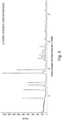
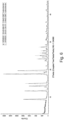
- 5MeODMT hydrochloride Pattern A there is provided crystalline 5MeODMT hydrochloride, characterised by peaks in an XRPD diffractogram at 9.2, 12.2, 14.1, 15.0, 18.5 and 19.5°2 ⁇ 0.1°2 ⁇ .
- crystalline 5MeODMT hydrochloride characterised by peaks in an XRPD diffractogram at 9.2, 12.2, 14.1, 15.0, 18.5 and 19.5°2 ⁇ 0.2°2 ⁇ .
- crystalline 5MeODMT hydrochloride characterised by peaks in an XRPD diffractogram at 9.2, 12.2, 14.1, 15.0, 18.5 and 19.5°2 ⁇ 0.3°2 ⁇ .
- crystalline 5MeODMT hydrochloride characterised by peaks in an XRPD diffractogram at 9.2, 12.2, 14.1, 15.0, 18.5 and 19.5°2 ⁇ 0.1°2 ⁇ as measured by x-ray powder diffraction using an x-ray wavelength of 1.5406 ⁇ .
- crystalline 5MeODMT hydrochloride characterised by peaks in an XRPD diffractogram at 9.2, 12.2, 14.1, 15.0, 18.5 and 19.5°2 ⁇ 0.2°2 ⁇ as measured by x-ray powder diffraction using an x-ray wavelength of 1.5406 ⁇ .
- crystalline 5MeODMT hydrochloride characterised by peaks in an XRPD diffractogram at 9.2, 12.2, 14.1, 15.0, 18.5 and 19.5°2 ⁇ 0.3°2 ⁇ as measured by x-ray powder diffraction using an x-ray wavelength of 1.5406 ⁇ .
- crystalline 5MeODMT hydrochloride characterised by peaks in an XRPD diffractogram at 9.2, 12.2, 14.1, 15.0, 18.5, 19.5, 23.9, 24.5, 25.1, 26.0, 26.9 and 28.3°2 ⁇ 0.1°2 ⁇ .
- crystalline 5MeODMT hydrochloride characterised by peaks in an XRPD diffractogram at 9.2, 12.2, 14.1, 15.0, 18.5, 19.5, 23.9, 24.5, 25.1, 26.0, 26.9 and 28.3°2 ⁇ 0.2°2 ⁇ .
- crystalline 5MeODMT hydrochloride characterised by peaks in an XRPD diffractogram at 9.2, 12.2, 14.1, 15.0, 18.5, 19.5, 23.9, 24.5, 25.1, 26.0, 26.9 and 28.3°2 ⁇ 0.3°2 ⁇ .
- crystalline 5MeODMT hydrochloride characterised by peaks in an XRPD diffractogram at 9.2, 12.2, 14.1, 15.0, 18.5, 19.5, 23.9, 24.5, 25.1, 26.0, 26.9 and 28.3°2 ⁇ 0.1°2 ⁇ as measured by x-ray powder diffraction using an x-ray wavelength of 1.5406 ⁇ .
- crystalline 5MeODMT hydrochloride characterised by peaks in an XRPD diffractogram at 9.2, 12.2, 14.1, 15.0, 18.5, 19.5, 23.9, 24.5, 25.1, 26.0, 26.9 and 28.3°2 ⁇ 0.2°2 ⁇ as measured by x-ray powder diffraction using an x-ray wavelength of 1.5406 ⁇ .
- crystalline 5MeODMT hydrochloride characterised by peaks in an XRPD diffractogram at 9.2, 12.2, 14.1, 15.0, 18.5, 19.5, 23.9, 24.5, 25.1, 26.0, 26.9 and 28.3°2 ⁇ 0.3°2 ⁇ as measured by x-ray powder diffraction using an x-ray wavelength of 1.5406 ⁇ .
- crystalline 5MeODMT hydrochloride characterised by peaks in an XRPD diffractogram at 9.2, 12.2, 13.7, 14.1, 15.0, 18.5, 19.0, 19.5, 21.2, 23.3, 23.9, 24.5, 25.1, 26.0, 26.9, 27.5, 28.3, 29.0, 30.9 and 31.1°2 ⁇ 0.1°2 ⁇ .
- crystalline 5MeODMT hydrochloride characterised by peaks in an XRPD diffractogram at 9.2, 12.2, 13.7, 14.1, 15.0, 18.5, 19.0, 19.5, 21.2, 23.3, 23.9, 24.5, 25.1, 26.0, 26.9, 27.5, 28.3, 29.0, 30.9 and 31.1°2 ⁇ 0.1°2 ⁇ .
- crystalline 5MeODMT hydrochloride characterised by peaks in an XRPD diffractogram at 9.2, 12.2, 13.7, 14.1, 15.0, 18.5, 19.0, 19.5, 21.2, 23.3, 23.9, 24.5, 25.1, 26.0, 26.9, 27.5, 28.3, 29.0, 30.9 and 31.1°2 ⁇ 0.2°2 ⁇ .
- crystalline 5MeODMT hydrochloride characterised by peaks in an XRPD diffractogram at 9.2, 12.2, 13.7, 14.1, 15.0, 18.5, 19.0, 19.5, 21.2, 23.3, 23.9, 24.5, 25.1, 26.0, 26.9, 27.5, 28.3, 29.0, 30.9 and 31.1°2 ⁇ 03°2 ⁇ .
- crystalline 5MeODMT hydrochloride characterised by peaks in an XRPD diffractogram at 9.2, 12.2, 13.7, 14.1, 15.0, 18.5, 19.0, 19.5, 21.2, 23.3, 23.9, 24.5, 25.1, 26.0, 26.9, 27.5, 28.3, 29.0, 30.9 and 31.1°2 ⁇ 0.1°2 ⁇ as measured by x-ray powder diffraction using an x-ray wavelength of 1.5406 ⁇ .
- crystalline 5MeODMT hydrochloride characterised by peaks in an XRPD diffractogram at 9.2, 12.2, 13.7, 14.1, 15.0, 18.5, 19.0, 19.5, 21.2, 23.3, 23.9, 24.5, 25.1, 26.0, 26.9, 27.5, 28.3, 29.0, 30.9 and 31.1°2 ⁇ 0.2°2 ⁇ as measured by x-ray powder diffraction using an x-ray wavelength of 1.5406 ⁇ .
- crystalline 5MeODMT hydrochloride characterised by peaks in an XRPD diffractogram at 9.2, 12.2, 13.7, 14.1, 15.0, 18.5, 19.0, 19.5, 21.2, 23.3, 23.9, 24.5, 25.1, 26.0, 26.9, 27.5, 28.3, 29.0, 30.9 and 31.1°2 ⁇ 0.3°2 ⁇ as measured by x-ray powder diffraction using an x-ray wavelength of 1.5406 ⁇ .
- crystalline 5MeODMT hydrochloride characterised by peaks in an XRPD diffractogram as substantially illustrated in Figures 4 , 5 or 6 .
- crystalline 5MeODMT hydrochloride characterised by peaks in an XRPD diffractogram as substantially illustrated in Figure 4 .
- crystalline 5MeODMT hydrochloride characterised by peaks in an XRPD diffractogram as substantially illustrated in Figure 5 .
- DSC Differential scanning calorimetry
- TGA thermogravimetric analysis
- Figure 7 shows a DSC and TGA thermograph of 5MeODMT Hydrochloride, lot 20/20/126-FP at 10°C/Min heating rate.
- Figure 8 shows DSC thermographs of 5MeODMT hydrochloride, lot 20/20/126-FP at 5°C/Min (Black), 10°C/Min (Red), 20°C/Min (Blue) and 40°C/Min (Green) heating rates.
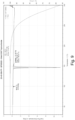
- Figure 9 shows a DSC and TGA thermograph of 5MeODMT Hydrochloride, lot 20/45/006-FP at 10°C/Min heating rate.
- Figure 10 shows DSC thermographs of 5MeODMT hydrochloride, lot 20/45/006-FP at 5°C/Min (Black), 10°C/Min (Red), 20°C/Min (Blue) and 40°C/Min (Green) heating rates.
- a crystalline 5MeODMT Hydrochloride characterised by an endothermic event in a DSC thermograph having an onset temperature of between 140 and 150°C.
- a crystalline 5MeODMT Hydrochloride characterised by an endothermic event in a DSC thermograph having an onset temperature of between 140 and 150°C, as substantially illustrated in Figure 7 or Figure 8 .
- a crystalline 5MeODMT Hydrochloride characterised by an endothermic event in a DSC thermograph having an onset temperature of 146°C.
- a crystalline 5MeODMT Hydrochloride characterised by an endothermic event in a DSC thermograph having an onset temperature of 146°C as substantially illustrated in Figure 7 or Figure 8 .
- a crystalline 5MeODMT Hydrochloride characterised by an endothermic event in a DSC thermograph having an onset temperature of between 140 and 150°C and a peak of between 142 and 148°C.
- a crystalline 5MeODMT Hydrochloride characterised by an endothermic event in a DSC thermograph having an onset temperature of between 140 and 150°C and a peak of between 142 and 148°C as substantially illustrated in Figure 7 or Figure 8 .
- a crystalline 5MeODMT Hydrochloride characterised by an endothermic event in a DSC thermograph having an onset temperature of 145.95°C and a peak of 146.74°C.
- a crystalline 5MeODMT Hydrochloride characterised by an endothermic event in a DSC thermograph having an onset temperature of 145.95°C and a peak of 146.74°C as substantially illustrated in Figure 7 or Figure 8 .
- a crystalline 5MeODMT Hydrochloride characterised by an endothermic event in a DSC thermograph having an onset temperature of between 140 and 150°C and an enthalpy of between - 113J/g and -123J/g.
- a crystalline 5MeODMT Hydrochloride characterised by an endothermic event in a DSC thermograph having an onset temperature of between 140 and 150°C and an enthalpy of between - 113J/g and -123J/g as substantially illustrated in Figure 7 or Figure 8 .
- a crystalline 5MeODMT Hydrochloride characterised by an endothermic event in a DSC thermograph having an onset temperature of between 140 and 150°C, a peak of between 142 and 148°C and an enthalpy of between -113J/g and -123J/g.
- a crystalline 5MeODMT Hydrochloride characterised by an endothermic event in a DSC thermograph having an onset temperature of between 140 and 150°C, a peak of between 142 and 148°C and an enthalpy of between -113J/g and -123J/g as substantially illustrated in Figure 7 or Figure 8 .
- a crystalline 5MeODMT Hydrochloride characterised by an endothermic event in a DSC thermograph having an onset temperature of 145.95°C, a peak of 146.74°C and an enthalpy of - 118.29/g.
- a crystalline 5MeODMT Hydrochloride characterised by an endothermic event in a DSC thermograph having an onset temperature of 145.95°C, a peak of 146.74°C and an enthalpy of - 118.29/g as substantially illustrated in Figure 7 or Figure 8 .
- a crystalline 5MeODMT Hydrochloride characterised by an onset of decomposition in a TGA thermograph of between 120 and 165°C.
- a crystalline 5MeODMT Hydrochloride characterised by an onset of decomposition in a TGA thermograph of between 120 and 165°C as substantially illustrated in Figure 7 .
- a crystalline 5MeODMT Hydrochloride characterised by one or more of:
- a crystalline 5MeODMT Hydrochloride characterised by one or more of:
- a crystalline 5MeODMT Hydrochloride characterised by one or more of:
- a crystalline 5MeODMT Hydrochloride characterised by one or more of:
- a crystalline 5MeODMT Hydrochloride characterised by one or more of:
- a crystalline 5MeODMT Hydrochloride characterised by one or more of:
- a crystalline 5MeODMT Hydrochloride characterised by one or more of:
- a crystalline 5MeODMT Hydrochloride characterised by one or more of:
- a crystalline 5MeODMT Hydrochloride characterised by an endothermic event in a DSC thermograph having an onset temperature of between 140 and 150°C.
- a crystalline 5MeODMT Hydrochloride characterised by an endothermic event in a DSC thermograph having an onset temperature of between 140 and 150°C, as substantially illustrated in Figure 9 .
- a crystalline 5MeODMT Hydrochloride characterised by an endothermic event in a DSC thermograph having an onset temperature of 146°C.
- a crystalline 5MeODMT Hydrochloride characterised by an endothermic event in a DSC thermograph having an onset temperature of 146°C as substantially illustrated in Figure 9 .
- a crystalline 5MeODMT Hydrochloride characterised by an endothermic event in a DSC thermograph having an onset temperature of 145°C.
- a crystalline 5MeODMT Hydrochloride characterised by an endothermic event in a DSC thermograph having an onset temperature of 145°C as substantially illustrated in Figure 9 .
- a crystalline 5MeODMT Hydrochloride characterised by an endothermic event in a DSC thermograph having an onset temperature of between 140 and 150°C and a peak of between 142 and 148°C.
- a crystalline 5MeODMT Hydrochloride characterised by an endothermic event in a DSC thermograph having an onset temperature of between 140 and 150°C and a peak of between 142 and 148°C as substantially illustrated in Figure 9 .
- a crystalline 5MeODMT Hydrochloride characterised by an endothermic event in a DSC thermograph having an onset temperature of 145.57°C and a peak of 146.22°C.
- a crystalline 5MeODMT Hydrochloride characterised by an endothermic event in a DSC thermograph having an onset temperature of 145.57°C and a peak of 146.22°C as substantially illustrated in Figure 9 .
- a crystalline 5MeODMT Hydrochloride characterised by an endothermic event in a DSC thermograph having an onset temperature of between 140 and 150°C and an enthalpy of between - 115J/g and -125J/g.
- a crystalline 5MeODMT Hydrochloride characterised by an endothermic event in a DSC thermograph having an onset temperature of between 140 and 150°C and an enthalpy of between - 115J/g and -125J/g as substantially illustrated in Figure 9 .
- a crystalline 5MeODMT Hydrochloride characterised by an endothermic event in a DSC thermograph having an onset temperature of between 140 and 150°C, a peak of between 142 and 148°C and an enthalpy of between -115J/g and -125J/g.
- a crystalline 5MeODMT Hydrochloride characterised by an endothermic event in a DSC thermograph having an onset temperature of between 140 and 150°C, a peak of between 142 and 148°C and an enthalpy of between -115J/g and -125J/g as substantially illustrated in Figure 9 .
- a crystalline 5MeODMT Hydrochloride characterised by an endothermic event in a DSC thermograph having an onset temperature of 145.57°C, a peak of 146.22°C and an enthalpy of - 121.95J/g.
- a crystalline 5MeODMT Hydrochloride characterised by an endothermic event in a DSC thermograph having an onset temperature of 145.57°C, a peak of 146.22°C and an enthalpy of - 121.95J/g as substantially illustrated in Figure 9 .
- a crystalline 5MeODMT Hydrochloride characterised by an onset of decomposition in a TGA thermograph of between 120 and 165°C.
- a crystalline 5MeODMT Hydrochloride characterised by an onset of decomposition in a TGA thermograph of between 120 and 165°C as substantially illustrated in Figure 9 .
- a crystalline 5MeODMT Hydrochloride characterised by one or more of:
- a crystalline 5MeODMT Hydrochloride characterised by one or more of:
- a crystalline 5MeODMT Hydrochloride characterised by one or more of:
- a crystalline 5MeODMT Hydrochloride characterised by one or more of:
- a crystalline 5MeODMT Hydrochloride characterised by one or more of:
- a crystalline 5MeODMT Hydrochloride characterised by one or more of:
- a crystalline 5MeODMT Hydrochloride characterised by one or more of:
- a crystalline 5MeODMT Hydrochloride characterised by one or more of:
- Sorption isotherms were obtained using a Hiden Isochema moisture sorption analyser (IGAsorp Systems Firmware V20.19.005 COM3) and operated by Isochema Hlsorp 2019 V4.02.0102.
- the sample was maintained at a constant temperature (25 oC) by the instrument controls.
- the humidity was controlled by mixing streams of dry and wet nitrogen, with a total flow of 250ml.min-1.
- the weight change of the sample was monitored as a function of humidity by a microbalance (accuracy +/- 0.005mg).
- the instrument was verified for relative humidity content by measuring three calibrated Rotronic salt solutions (10 - 50 - 88 %).
- a defined amount of sample was placed in a tared mesh stainless steel basket under ambient conditions.
- a typical experimental run consisted of three cycles (desorption, sorption, desorption, sorption, desorption and sorption) at a constant temperature (25°C) and 10 %RH intervals over a 0 - 90 %RH range (60 minutes for each humidity level). This type of experiment should demonstrate the ability of samples studied to absorb moisture (or not) over a set of well-determined humidity ranges.
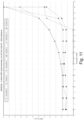
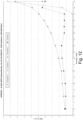
- the DVS isotherm of 5MeODMT Hydrochloride, lot 20/20/126-FP ( Figure 11 ) was found to undergo significant moisture uptake upon the first sorption cycle from 70%RH. Approximately 23% w /w uptake is observed between 70-80%RH, whereas less than 0.3%" w / w moisture uptake from 0-70%RH was observed. A further 20% w / w moisture uptake is observed up to and when held at 90%RH before commencement of the second desorption cycle. Subsequent sorption and desorption cycles follow a similar profile with some observed hysteresis between operations that do not match the original desorption step. These return to ca . 6-9% w / w above the minimum mass recorded at 0%RH, which indicates significant retention of moisture. Upon completion of the DVS cycle, the input material was noted to have completed deliquesced.
- crystalline 5MeODMT Hydrochloride characterised by a DVS isotherm profile as substantially illustrated in Figure 11 or Figure 12 .
- a crystalline 5MeODMT Hydrochloride characterised by one or more of:
- a crystalline 5MeODMT Hydrochloride characterised by one or more of:
- Optical microscopy examination was undertaken using an Olympus BX53M polarised light microscope and an Olympus SC50 digital video camera for image capture using imaging software Olympus Stream Basic, V2.4.
- the image scale bar was verified against an external graticule, 1.5/0.6/0.01 mm DIV, on a monthly basis.
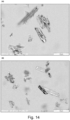
- microscopy of 5MeODMT Hydrochloride, lots 20/20/126-FP ( Figures 13-14 ) and 20/45/006-FP ( Figures 15-16 ) do not differ significantly. Both consist of highly birefringent particulates with evidence of significant solid attrition of the particulates. A thin, columnar habit is, however, observed from individual crystallites that remain intact. There is also evidence of larger particulates that are made up of several individual crystallites that have accreted together during manufacture. Particle size of the main individual crystallites is estimated between ca . 10-50 ⁇ m, with some longer particulates up to 100 ⁇ m and a width of ca . 5-10 ⁇ m. A large quantity of smaller fragments of variable size and shape below 10 ⁇ m are noted, with several large solid accretions above 100 ⁇ m in diameter also present.
- the forced swim test is a model of behavioural despair and is sensitive to detection of various classes of antidepressant drugs.
- CCAC Canadian Council on Animal Care
- mice Male CD-1 mice from Charles River Laboratories (St. Constant, Quebec, Canada) served as test subjects in this study. Animals generally weighed 25-30 g at the time of testing.
- mice received the appropriate dose of vehicle, test article, or positive control (treatments summarized above). Following the appropriate pre-treatment time, animals were gently placed into tall glass cylinders filled with water (20-25°C). After a period of vigorous activity, each mouse adopted a characteristic immobile posture which is readily identifiable. The swim test involves scoring the duration of immobility. Over a 6-minute test session, the latency to first immobility is recorded (in seconds). The duration of immobility (in seconds) during the last 4 minutes of the test is also measured. Activity or inactivity from 0-2 minutes is not recorded.
- Latency to immobility vehicle: 95.5 ⁇ 4.6 seconds - 5MeODMT salt 121.8 ⁇ 22.0 seconds (0.5 mg/kg), 120.9 ⁇ 13.3 seconds (1.5 mg/kg), 85.0 ⁇ 9.5 seconds (5 mg/kg), imipramine 268.6 ⁇ 30.3 second, Figure 18 ).
- the physical surroundings of the participant/patient/subject are of high importance in the character of many psychedelic experiences.
- the space should be private, meaning that there should be no chance of intrusion by others. Ideally, sound from outside (e.g. the hallway, the street, etc.) will be minimal.
- the dosing sessions should take place in rooms that feel like a living room or den rather than a clinical setting. Artwork, plants, flowers, soft furniture, soft lighting, and related décor should be employed in creating a cozy and relaxing aesthetic. Artwork with any specific religious iconography, ideological connotation, or tendency to evoke negative emotions should be avoided.
- the dosing room may also provide comfortable furniture for the participant and the therapists, who may sit on either side of the participant.
- 5MEODMT may exhibit spontaneous movement or slide off of the bed or couch in their prone position. It is therefore important to make sure no sharp or hard objects are nearby that the participant may fall on. Additionally, pillows may be useful to physically support participants who are mobile during the experience. A therapist can provide physical support to the participant by placing a pillow between their hands and the participant's body.
- the room should shield the participant from sights and sounds of the world beyond the room, and the participant should not have any cause for concern of observation or interruption by anyone other than the therapists.
- the space may also contain:
- the space may be large enough to accommodate chairs for two therapists, the stereo equipment and cabinet for storage of the participant's belongings and any extra supplies the therapists may need during the day.
- the space may accommodate a bed or couch on which the participant can either sit up or lie down with a comfortable surroundings of pillows.
- the space may be at least 100 2 feet or 10 2 meters so that participants do not feel cramped or too physically close to therapists. Participants should have room to explore a variety of positions including sitting on the floor or stretch their bodies without restriction. A bathroom should be either accessible directly from the session room or nearby.
- 5MEODMT sessions may use a pre-set playlist of nature sounds for creating a calm atmosphere. These nature sounds are considered to be a background element, helping drown out any noise from outside the room, and keep the participant focused on their experience. Participants are not instructed to listen to the sounds in any particular way, but may be asked to focus on it as a way of grounding their senses and relaxing before or after session.
- Medication discontinuation can be challenging for participants. Participants are to have discontinued all contraindicated medications and completed washout periods prior to Prep-1 with the therapist.
- the study team members, including the therapist, may provide supportive check-in calls with the participant prior to this, as-needed during the washout period, but should not start Prep-1 until washout is complete and the participant confirms intention to continue with the therapy.
- This treatment model includes three, 60-90 minute preparatory sessions with the therapist. These take place 7 days, 4 days, and 1 day before the 5MEODMT session. Preparatory sessions are designed to take place via telemedicine, but can be in-person if possible.
- the therapist will spend some of the preparation session time getting to know the participant.
- the therapist may ask open-ended questions about:
- the therapist should be listening for how the participant talks about themselves and their relationship to their depression, how they relate to the therapist and study environment, and stay attuned to establishing a sense of trust and rapport with the participant. Clinical impressions of difficulty forming a trusting relationship with the therapist or any other clinical factors that could interfere with the participants' ability to engage in the treatment should be noted and discussed with the study team. Although in the preparatory session stage, the therapist may learn more of the participant that could be reasons for study exclusion.
- Therapists in the SMEODMT-assisted therapy treatment model form a relationship with study participants which becomes part of the container in which the 5MDE (subjective experience of 5MeODMT) takes place.
- This formation of this relationship is deliberate on the therapist's part and characterized by the therapist establishing transparency and trust, taking clinical responsibility for the patient's wellbeing, and relational and emotional safety for the patient.
- the therapeutic relationship is understood as a critical component of the set and setting for the therapeutic use of the 5MDE.
- the communication and establishment of this relationship is both explicit (overt) and implicit (covert) in the therapists behaviours and mannerisms throughout the treatment.
- the therapist should explain the therapeutic model used in this research study to the participant in the first preparation session.
- the explanation should include:
- the therapist establishes the environment of physical, emotional, and psychological safety.
- the therapist explains the safety of SMEODMT and the safety procedures relevant to the participant's physical health for the session.
- emotional safety the therapist states that all emotional experiences are welcomed, that there is no area of experience that the participant is not welcome to share.
- Safety can also be established through the calm reassuring presence of the therapist, which does not always require the use of language.
- Psychological/relational safety is established by assuring the participant that their wishes will be respected with regards to the use of touch. Also, the participant is to be reassured that if they choose not to participate in the 5MDE experience they may do so at any point up until drug administration and that this will be respected, and that the therapy sessions will still be available to them if they make that choice.
- the therapist can use the following techniques to establish safety with the participant:
- Non-ordinary state of consciousness was often associated with experienced engendered by psychedelic compounds. However, alterations of consciousness are experienced on a daily basis, as moods or feelings shift, or when people shift from awake alertness to feeling tired and drowsy. "Non-ordinary state of consciousness” emphasizes the quality of an experience that is not ordinarily had on a daily occurrence, but can still be within human experience.
- the therapist may begin this conversation by asking the participant about their existing knowledge of 5MEODMT effects, and listen for specific expectation or ideas about it.
- the therapist is to encourage an attitude of openness toward the experience, encouraging participants to explore what kinds/ideas they may have and be open to the possibility that it will not be possible to imagine what this will be like. Participants may have specific expectations based on the media, prior experience with 5MEODMT or other psychedelics, or other kinds of non-ordinary states of consciousness. It is important for therapists to provide a balanced description of what the participant may experience.
- Participant's social support may be assessed during preparation sessions and be determined by the therapist to be adequate to support the patient through the process of change, especially in the event of either disappointment or dramatic symptom reduction.
- the study therapist may, with the participant's permission, have a phone call with the participants therapist to describe the nature of the study and therapeutic approach and answer any questions the therapist may have.
- the study therapist may also educate any friends or family members who are close to the participant and have questions regarding the nature of the study, the SMEODMT experience, and what to expect.
- the therapist should discuss social support with the participant including preparing the participant for the variety of reactions their friends and family may have.
- Therapists may advise participants to take caution around posting about their experience on social media so as not to elicit excessive public commentary. Inadequate social support or use of social media in a way that may be disruptive to the therapeutic process may be discussed and resolved prior to SMEODMT administration.
- the therapist should explain that on the day of the session that a member of the research team will enter the room briefly to administer the study drug.
- the therapist should explain the participant positioning, e.g. they will be in a seated position on the bed or couch, that the research team member will insert the nasal spray device in one nostril, and that they will be asked to allow the therapist to assist them in lying down on the bed or couch immediately afterward.
- Session procedures including boundaries, use of touch, safety, etc.
- the therapist will explain the process of the session.
- the session is contained by the timing of the dosing and the physical environment of the dosing room. It begins when the participant enters the room and engages with the therapist in the Session Opening. Session Opening is a formal moment in which the participant and therapist sit together in the room, all preparations having been made, and playlist started. The therapist may lead a breathing exercise of the participant's choice, if the participant is open to engaging in one, and ask the participant to reflect on the values they choose in the preparation session, or any other value or intention that is important to them. Once the participant signals that they are ready, a member of the research team will administer the nasal spray to the participant.
- Trust and safety are not only communicated verbally, but also this may be nonverbally through how a therapist holds themselves in the presence of the participant. If a therapist is overly anxious, or fearful, this may be felt by the participant. It is important that the therapist is centered throughout the dosing session, particularly at times when a participant is expressing intense affect, unusual somatic expressions, or is asking for support.
- Some participants may experience an intensified awareness of their body such as feeling their heart rate more strongly or physical sensations in their temple. Other participants may be aware of a tingling in their body, changes or perceived difficulty breathing, or other unusual physiological experiences. It is important for the therapist to communicate that these changes in perception are normal and should not be a focus of preoccupation or fear. If these sensations arise, the participant should be encouraged to communicate these to the therapist, if they so desire. The therapist should reassure the participant that these sensations are expected and are normal to have. The therapist can inform and remind the participant that naturally occurring SMEODMT has been consumed in other settings for hundreds of years with no indication that it is physically harmful, and that these changes are expected and will resolve shortly.
- Expectations can be defined as mental representations and beliefs of how something in the future will be. Sometimes expectations can be explicitly identified, and sometimes they are subperceptual, taken for granted. Both kinds of expectations may be important to treatment.
- the therapist should ask about explicit expectations and encourage the participant to acknowledge and set these aside such that they do not engage in comparing their experience to expectations.
- the therapist is also listening for subperceptual expectations that may come into awareness through the therapy.
- Intentions are ways of relating to a behavior or experience. In the SMEODMT treatment, it can be important for the therapist to elicit and understand the participant's intentions as these can vary greatly and may be taken for granted.
- Therapists are to engage participants in a process of identifying and setting their intentions such that these are explicit and can be referenced later in integration. The purpose of the intention is for it to be identified and then let go of, with the knowledge that it can be part of the 5MED.
- Therapeutic touch is touch that is intended to connect with, sooth, or otherwise communicate with the participant for therapeutic aims. It is always fully consensual, non-sexual, and the participant is encouraged to decline or cease therapeutic touch at any time.
- Touch for safety reasons can include supporting a participant who is having trouble walking by offering an arm to hold, or blocking a patient back from leaving the room while under acute drug effects. This touch is agreed to in advance, is always non-sexual, and limited to specific safety concerns. Therapists should discuss both of these and establish boundaries with participants ahead of session.
- Participants should be encouraged to take some time to rest and integrate their experience after their session day. Study therapists should ask participants to plan for time off after their session, at least the full day of the session and the day after the session. Therapists should explain that after the acute effects of the 5MeODMT have worn off they will stay together in the room for a while. This period of time will be for the participant to readjust to their experience after the acute effects. They will be asked to share what they can recall about their experience and any reactions they have. They will not be asked to share anything they don't want to share, and are welcome to keep their experience private. They may choose to write or draw about their experience, art supplies and writing supplies will be available.
- Breathing practices include: Balancing Breath, Diaphragmatic Breath and Counted Breath.
- the therapeutic protocol may use a customized Personal Values Card Sort to assist with the therapeutic focus on shift in sense of self. This is done by asking about how people relate to their chosen values before the session, and how they relate to them afterward, drawing attention to shifts, changes, and using these as a guide for the kind of changes the participant may desire to make. It is used as a way to elicit conversation about the participant's sense of self, beliefs about self, and changes in those senses/beliefs throughout the therapy. Therapists may engage participants in the card sort exercise in the third preparation session such that it occurs 1-2 days before the dosing session.
- the session may be conducted by the therapist with an assistant therapist such that a second person is available to assist in case of any adverse event or physical complication in the participants safety.
- the assistant who will be present for the session should be introduced in Prep Session 3 and included in a conversation such that they get to know the participant.
- the therapist is present with the participant during the session - including pre-experience and post-experience times. This is the only session that must be conducted in-person.
- the site and therapist should schedule about 3 hours for the session, including pre-experience and post-experience time. This does not include the time allotted to engage in baseline measures and enrolment confirmation prior to the session.
- Local regulatory approvals will determine the minimum length of time a participant must be under observation following SMEODMT administration.
- the Therapist, Assistant Therapist, and participant together in the room review all aspects of the room and safety procedures.
- the therapist should introduce the participant to the team member administering the SMEODMT, to create a sense of familiarity.
- Therapist introduces any Assistant Therapist and reviews safety features of the room and the equipment present.
- Participant has time to ask any questions. The therapist will ask about any responses to the situation and how the participant is feeling about their session. The participant should not be rushed into the dosing by the therapists. The therapist will ask the participant to engage in a period of relaxation prior to dosing.
- Participant will be asked to lie down, close their eyes, listen to the music, and, if willing, engage in at least one of the breathing exercises with the therapist's guidance. When the participant is settled and comfortable, the therapist will initiate the Session Opening. This practice helps contain and emphasize the specialness of the experience. Therapists will contact the member of the research team to come to the room and administer the SMEODMT. The team member should be aware not to disrupt the peaceful atmosphere of the room. The participant should be in a seated position when insufflating the SMEODMT, as the effects may be felt quickly, the participant should be transitioned to a prone position and remain prone for the duration of the effect of the SMEODMT.
- This may be in the form of slow intentional inhaling and exhaling, or any other activity that helps the therapist ground and self-regulate. This is both for the therapist's benefit, as well as the participants', because a participant in a heightened non-ordinary state may be particularly attune to or pick up on their therapist's anxiety. It is optimal for the therapist to follow the participant's lead when choosing to verbally engage as the SMEODMT experience appears to be subsiding. Therapists may be eager to ask the participant about their experience, but it is preferable to wait until the participant is ready to share on their own. A participant may wish to remain in a period of silence, even after the apparent acute SMEODMT effect is gone. It is appropriate for therapists to greet participants with a friendly smile and welcoming nonverbal behavior, and allow participants to take the lead on sharing when they feel ready.
- the Therapist will encourage the participant to stay with their experience for a period of time of at least one hour after the acute effects of the SMEODMT have worn off and the participant is once again aware of their surroundings and situation in the treatment room.
- To stay with the experience means to continue directing attention toward it in whatever way feels most appropriate to the participant, without turning to engagement in distractions, entertainment, or the concerns of daily life.
- the therapist will invite the participant to describe their experience, if they choose to, and respect the choice not to if the participant is unready. If the participant does describe their experience the therapist is to listen and encourage the participant to express whatever they would like to share without interpretation or attempts to make meaning. The therapist practices simply listening, encouraging the participant to describe what they can about the experience.
- the therapist also offers the participant the option of resting and listening to the music, or to write about or draw any aspects of the experience they desire. At the end of this time period, the therapist will verify with the participant that they feel ready to close the session, will engage in the Session Closing, and contact the study team for exit assessment.
- the key principle of integration sessions is to help the participant focus on shifts in their perception of themselves and the implications of these as they relate to their depression.
- Self for the purpose of this study, is broadly defined as the narrative or historical self, the sense of a coherent "I" that moves through experiences, and the self-identities one may use. It is key to remember that the sense of self, or the "I,” is reflected in both the experiencer's self-experience and experience of the object of experience, therefore descriptions may, on the surface, be of changes in the perception of the external world, but reflect shifts in the internal processes. To this end, the following therapeutic tasks will guide the integration sessions.
- the sessions are less structured than preparatory sessions to accommodate variations in participant responses. There are three tasks: The first should occur at all sessions, the second and third may be introduced and engaged in if and when the participant is ready and willing. The tasks are:
- Therapists ask open-ended questions about the participant's experience and listen with non-judgmental curiosity to the participant's descriptions. Therapists ask only that participants focus on the 5MDE and related material, such that their time together is focused on the treatment. Therapists should focus inquiry on the participant's experience, asking them to tune into any aspect of the three types of sense of self they can identify.
- the therapist will reintroduce the values identified in the Values Card Sort from preparation and bring discussion back to them if and when appropriate in the integration sessions. There is by no means a requirement to engage in the structured discussion of the values, but it serves as a framework where needed to direct the focus of sessions toward participants' shift in sense of self.
- the therapist may ask for example, to reintroduce the values:
- the therapist can for example continue to focus on shifts in how the participant is relating to his value of "Family” by enquiring about what he is noticing in this area.
- Integration can be understood as a process of embodying or living out the insights one has.
- the therapist should introduce the idea of identifying value-oriented actions they can take in their lives as integration practices.
- the therapist can invite the participant to recall the values they identified (or any other that is important to them), recall the insights or experiences of their SMEODMT session, and think creatively about things they might try intentionally doing differently in order to implement positive change in their relationship to the values based on those insights and experiences
- the objective of this toxicokinetic study was to assess and compare the toxicokinetic profile of the test items, 5MeODMT -HC! (in a vehicle of 0.1% metolose, Group 2) and 5MeODMT -benzoate (in a vehicle of 0.2% metolose + 0.01% BZK, Group 4).
- the vehicle or active test item formulations were administered to male Beagle dogs intranasally, at a dose level of 0.4mg/kg in the active groups (corresponding to freebase).
- a series of blood samples was collected from each dog at the following time points: pre-dose (0), 2, 5, 8, 10, 15, 30 and 60 minutes, and 2- and 8-hours post-dose. Plasma samples were analysed for quantification of concentration of 5MeODMT in each sample using a validated method
- polymorph of 5MeODMT benzoate as characterised by an XRPD pattern as substantially illustrated in any one of the Figures or as previously or subsequently described.
- a polymorph of 5MeODMT benzoate as characterised by one or more peaks in an XRPD diffractogram as substantially illustrated in any one of the Figures or as previously or subsequently described.
- a polymorph of 5MeODMT benzoate as characterised by one or more endothermic events in a DSC thermograph as substantially illustrated in any one of the Figures or as previously or subsequently described.
- polymorph of 5MeODMT benzoate as characterised by TGA thermograph as substantially illustrated in any one of the Figures or as previously or subsequently described.
- compositions as herein described for the manufacture of a medicament for the treatment of any one of: conditions caused by dysfunctions of the central nervous system, conditions caused by dysfunctions of the peripheral nervous system, conditions benefiting from sleep regulation (such as insomnia), conditions benefiting from analgesics (such as chronic pain), migraines, trigeminal autonomic cephalgias (such as short-lasting unilateral neuralgiform headache with conjunctival injection and tearing (SUNCT), and short-lasting neuralgiform headaches with cranial autonomic symptoms (SUNA)), conditions benefiting from neurogenesis (such as stroke, traumatic brain injury, Parkinson's dementia), conditions benefiting from anti-inflammatory treatment, depression, treatment resistant depression, anxiety, substance use disorder, addictive disorder, gambling disorder, eating disorders, obsessive-compulsive disorders, or body dysmorphic disorders.
- sleep regulation such as insomnia
- analgesics such as chronic pain
- migraines migraines
- trigeminal autonomic cephalgias such as short-lasting unilateral neuralgiform
- sleep regulation such as insomnia
- analgesics such as chronic pain
- migraines migraines
- trigeminal autonomic cephalgias such as short-lasting unilateral neuralgi
Landscapes
- Health & Medical Sciences (AREA)
- Chemical & Material Sciences (AREA)
- Organic Chemistry (AREA)
- Medicinal Chemistry (AREA)
- Veterinary Medicine (AREA)
- Public Health (AREA)
- General Health & Medical Sciences (AREA)
- Animal Behavior & Ethology (AREA)
- Life Sciences & Earth Sciences (AREA)
- Pharmacology & Pharmacy (AREA)
- Engineering & Computer Science (AREA)
- Bioinformatics & Cheminformatics (AREA)
- Biomedical Technology (AREA)
- Neurosurgery (AREA)
- Neurology (AREA)
- Nuclear Medicine, Radiotherapy & Molecular Imaging (AREA)
- General Chemical & Material Sciences (AREA)
- Chemical Kinetics & Catalysis (AREA)
- Pain & Pain Management (AREA)
- Psychiatry (AREA)
- Epidemiology (AREA)
- Psychology (AREA)
- Addiction (AREA)
- Otolaryngology (AREA)
- Oil, Petroleum & Natural Gas (AREA)
- Organic Low-Molecular-Weight Compounds And Preparation Thereof (AREA)
- Acyclic And Carbocyclic Compounds In Medicinal Compositions (AREA)
- Pharmaceuticals Containing Other Organic And Inorganic Compounds (AREA)
- Medicinal Preparation (AREA)
- Medicines That Contain Protein Lipid Enzymes And Other Medicines (AREA)
Applications Claiming Priority (13)
| Application Number | Priority Date | Filing Date | Title |
|---|---|---|---|
| GBGB2008964.5A GB202008964D0 (en) | 2020-06-12 | 2020-06-12 | Pharmaceutical composition |
| GBGB2008968.6A GB202008968D0 (en) | 2020-06-12 | 2020-06-12 | Phamaceutical composition |
| GBGB2008961.1A GB202008961D0 (en) | 2020-06-12 | 2020-06-12 | Pharmaceutical composition |
| GB2019241.5A GB2596884B8 (en) | 2020-06-12 | 2020-12-07 | A pharmaceutical composition comprising a benzoate salt of 5-methoxy-N,N-dimethyltryptamine |
| GBGB2101634.0A GB202101634D0 (en) | 2021-02-05 | 2021-02-05 | Pharmaceutical composition |
| GBGB2101640.7A GB202101640D0 (en) | 2021-02-05 | 2021-02-05 | Pharmaceutical composition |
| GBGB2102095.3A GB202102095D0 (en) | 2021-02-15 | 2021-02-15 | Pharmaceutical composition |
| GBGB2102100.1A GB202102100D0 (en) | 2021-02-15 | 2021-02-15 | Pharmaceutical composition |
| GBGB2105049.7A GB202105049D0 (en) | 2021-04-08 | 2021-04-08 | Pharmaceutical composition |
| GBGB2105047.1A GB202105047D0 (en) | 2021-04-08 | 2021-04-08 | Pharmaceutical composition |
| GBGB2105462.2A GB202105462D0 (en) | 2021-04-16 | 2021-04-16 | Pharmaceutical composition |
| EP21735380.4A EP3941904A1 (fr) | 2020-06-12 | 2021-06-14 | Composition pharmaceutique comprenant de la 5-méthoxy-n, n-diméthyltryptamine |
| PCT/GB2021/051476 WO2021250435A1 (fr) | 2020-06-12 | 2021-06-14 | Composition pharmaceutique comprenant de la 5-méthoxy-n, n-diméthyltryptamine |
Related Parent Applications (1)
| Application Number | Title | Priority Date | Filing Date |
|---|---|---|---|
| EP21735380.4A Division EP3941904A1 (fr) | 2020-06-12 | 2021-06-14 | Composition pharmaceutique comprenant de la 5-méthoxy-n, n-diméthyltryptamine |
Publications (2)
| Publication Number | Publication Date |
|---|---|
| EP4483957A2 true EP4483957A2 (fr) | 2025-01-01 |
| EP4483957A3 EP4483957A3 (fr) | 2025-03-05 |
Family
ID=76641719
Family Applications (5)
| Application Number | Title | Priority Date | Filing Date |
|---|---|---|---|
| EP23157604.2A Active EP4279070B1 (fr) | 2020-06-12 | 2021-06-14 | Composition comprenant un sel de benzoate de 5-méthoxy-n,n-diméthyltryptamine |
| EP21735379.6A Active EP3941583B9 (fr) | 2020-06-12 | 2021-06-14 | Composition comprenant un sel de benzoate de 5-méthoxy-n,n-diméthyltryptamine |
| EP24208163.6A Pending EP4595962A3 (fr) | 2020-06-12 | 2021-06-14 | Composition pharmaceutique |
| EP24213283.5A Pending EP4483957A3 (fr) | 2020-06-12 | 2021-06-14 | Composition pharmaceutique |
| EP21735380.4A Withdrawn EP3941904A1 (fr) | 2020-06-12 | 2021-06-14 | Composition pharmaceutique comprenant de la 5-méthoxy-n, n-diméthyltryptamine |
Family Applications Before (3)
| Application Number | Title | Priority Date | Filing Date |
|---|---|---|---|
| EP23157604.2A Active EP4279070B1 (fr) | 2020-06-12 | 2021-06-14 | Composition comprenant un sel de benzoate de 5-méthoxy-n,n-diméthyltryptamine |
| EP21735379.6A Active EP3941583B9 (fr) | 2020-06-12 | 2021-06-14 | Composition comprenant un sel de benzoate de 5-méthoxy-n,n-diméthyltryptamine |
| EP24208163.6A Pending EP4595962A3 (fr) | 2020-06-12 | 2021-06-14 | Composition pharmaceutique |
Family Applications After (1)
| Application Number | Title | Priority Date | Filing Date |
|---|---|---|---|
| EP21735380.4A Withdrawn EP3941904A1 (fr) | 2020-06-12 | 2021-06-14 | Composition pharmaceutique comprenant de la 5-méthoxy-n, n-diméthyltryptamine |
Country Status (14)
| Country | Link |
|---|---|
| US (6) | US11518742B2 (fr) |
| EP (5) | EP4279070B1 (fr) |
| JP (2) | JP7795482B2 (fr) |
| KR (1) | KR20230024378A (fr) |
| CN (2) | CN119613319A (fr) |
| AU (1) | AU2021289147A1 (fr) |
| BR (1) | BR112022025306A2 (fr) |
| CA (1) | CA3187020A1 (fr) |
| DK (1) | DK4279070T3 (fr) |
| ES (1) | ES3007386T3 (fr) |
| FI (1) | FI4279070T3 (fr) |
| IL (1) | IL298871A (fr) |
| NZ (1) | NZ795865A (fr) |
| WO (2) | WO2021250435A1 (fr) |
Families Citing this family (35)
| Publication number | Priority date | Publication date | Assignee | Title |
|---|---|---|---|---|
| CN114787363A (zh) | 2019-10-01 | 2022-07-22 | 恩派瑞安神经科学公司 | 对真菌进行遗传工程化以调节色胺表达 |
| AU2021268204A1 (en) | 2020-05-08 | 2022-12-08 | Psilera Inc. | Novel compositions of matter and pharmaceutical compositions |
| WO2021250435A1 (fr) | 2020-06-12 | 2021-12-16 | Beckley Psytech Limited | Composition pharmaceutique comprenant de la 5-méthoxy-n, n-diméthyltryptamine |
| EP4126857A1 (fr) | 2021-01-15 | 2023-02-08 | Beckley Psytech Limited | Analogues d'ergoline |
| US12534441B2 (en) | 2021-01-15 | 2026-01-27 | Beckley Psytech Limited | Tryptamine analogues |
| US11312684B1 (en) | 2021-02-10 | 2022-04-26 | Eleusis Therapeutics Us, Inc. | Pharmaceutically acceptable salts of psilocin and uses thereof |
| IL308816A (en) | 2021-05-25 | 2024-01-01 | Atai Therapeutics Inc | New n,n-dimethyltryptamine salts and crystalline salt forms |
| JP2024520017A (ja) * | 2021-05-26 | 2024-05-21 | マインドセット ファーマ インコーポレイテッド | 幻覚剤と脂肪酸との併用 |
| MX2023014620A (es) | 2021-06-09 | 2024-01-30 | Atai Therapeutics Inc | Nuevos profarmacos y conjugados de dimetiltriptamina. |
| KR20240132439A (ko) | 2021-07-22 | 2024-09-03 | 지에이치 리서치 아일랜드 리미티드 | 트립타민 유도체의 제조 방법 |
| EP4159201A1 (fr) | 2021-09-30 | 2023-04-05 | Biomind Labs Inc | Nanoparticules encapsulées et nanoparticules de diméthyltriptamines |
| EP4408412A4 (fr) * | 2021-09-30 | 2025-07-16 | ATAI Life Sciences AG | Compositions et procédés de traitement de céphalées |
| EP4159192A1 (fr) * | 2021-09-30 | 2023-04-05 | Biomind Labs Inc | Spray nasal à base de diméthyltriptamine pour le traitement personnalisé des troubles neurologiques et psychiatriques |
| AU2022413759A1 (en) * | 2021-12-13 | 2024-06-27 | Beckley Psytech Limited | Benzoate salt of 5-methoxy-n,n-dimethyltryptamine |
| JP2024545787A (ja) | 2021-12-30 | 2024-12-11 | アタイ セラピューティクス, インコーポレイテッド | 一酸化窒素送達剤としてのジメチルトリプタミン類似体 |
| EP4457336A4 (fr) | 2021-12-31 | 2026-01-14 | Empyrean Neuroscience Inc | Organismes génétiquement modifiés pour produire des alcaloïdes psychotropes |
| WO2023137094A1 (fr) * | 2022-01-12 | 2023-07-20 | Eleusis Therapeutics Us, Inc. | Formulation de benzoate de psilocine pour perfusion intraveineuse |
| WO2023168023A1 (fr) | 2022-03-04 | 2023-09-07 | Reset Pharmaceuticals, Inc. | Co-cristaux ou sels comprenant de la psilocine |
| PT4313945T (pt) | 2022-03-27 | 2024-06-11 | Gh Res Ireland Limited | Sal de hidrobrometo cristalino de 5-meo-dmt |
| KR20250005175A (ko) * | 2022-03-27 | 2025-01-09 | 지에이치 리서치 아일랜드 리미티드 | 양극성 장애의 치료를 위한 5-meo-dtm |
| US20250213532A1 (en) | 2022-03-27 | 2025-07-03 | GH Research Ireland Limited | 5-methoxy-n,n-dimethyltryptamine for the treatment of bipolar disorder |
| US12264131B2 (en) * | 2022-08-19 | 2025-04-01 | Beckley Psytech Limited | Pharmaceutically acceptable salts and compositions thereof |
| GB202212116D0 (en) | 2022-08-19 | 2022-10-05 | Beckley Psytech Ltd | Pharmaceutically acceptable salts and Compositions thereof |
| CA3267555A1 (fr) * | 2022-10-26 | 2024-05-02 | Atai Therapeutics, Inc. | Compositions d'analogues de n-n-diméthyltryptamine (dmt) et de dmt, leurs procédés de fabrication et leurs procédés d'utilisation |
| WO2024105379A1 (fr) * | 2022-11-14 | 2024-05-23 | Beckley Psytech Limited | Formulations de 5-meo-dmt |
| GB202306256D0 (en) | 2023-04-27 | 2023-06-14 | Beckley Psytech Ltd | 5-Methoxy-N,N-Dimethyltryptamine Formulations |
| EP4727525A1 (fr) * | 2023-06-13 | 2026-04-22 | Beckley Psytech Limited | Compositions pharmaceutiques comprenant de la 5-méthoxy-n, n-diméthyltryptamine (5-meo-dmt) |
| US12246005B2 (en) | 2023-06-13 | 2025-03-11 | Beckley Psytech Limited | 5-methoxy-n,n-dimethyltryptamine (5-MeO-DMT) formulations |
| WO2025024637A1 (fr) * | 2023-07-25 | 2025-01-30 | Atai Therapeutics, Inc. | Compositions pour limiter les effets sympathomimétiques d'agents thérapeutiques psychédéliques |
| WO2025068714A1 (fr) * | 2023-09-28 | 2025-04-03 | Beckley Psytech Limited | Compositions pharmaceutiques comprenant de la 5-méthoxy-n,n-diméthyltryptamine (5-meo-dmt) |
| WO2025153822A1 (fr) | 2024-01-18 | 2025-07-24 | Beckley Psytech Limited | Formulations de poudre de 5-méthoxy-n,n-diméthyltryptamine (5-meo-dmt) |
| WO2026068950A1 (fr) * | 2024-09-27 | 2026-04-02 | Beckley Psytech Limited | Compositions pharmaceutiques de 5-meo-dmt destinées à être utilisées dans le traitement de troubles d'abus de l'alcool |
| WO2026068951A1 (fr) * | 2024-09-27 | 2026-04-02 | Beckley Psytech Limited | 5-méthoxy-dmt pour utilisation dans le traitement de la dépression |
| WO2026068953A1 (fr) * | 2024-09-27 | 2026-04-02 | Beckley Psytech Limited | Méthodes et kits comprenant de la 5-meo-dmt à utiliser dans le traitement de la dépression |
| WO2026078143A1 (fr) * | 2024-10-09 | 2026-04-16 | GH Research Ireland Limited | Combinaisons de 5-meo-dmt avec des antidépresseurs pour traiter la dépression |
Family Cites Families (51)
| Publication number | Priority date | Publication date | Assignee | Title |
|---|---|---|---|---|
| US2774763A (en) | 1956-12-18 | Preparation of amides of lysergic age | ||
| US2997470A (en) | 1956-03-05 | 1961-08-22 | Lilly Co Eli | Lysergic acid amides |
| US3078214A (en) | 1958-09-12 | 1963-02-19 | Sandoz Ag | Treatment of mental disturbances with esters of indoles |
| GB981192A (en) | 1960-03-30 | 1965-01-20 | Westminster Bank Ltd | Improvements in or relating to 4 hydroxytryptamine esters |
| US3224945A (en) | 1963-05-06 | 1965-12-21 | College Of Pharmacy | Process for the production of ergot alkaloids |
| BE792515A (fr) | 1971-12-10 | 1973-06-08 | Sandoz Sa | Nouveaux derives de l'acide lysergique, leur preparation et leur application comme medicaments |
| CH578565A5 (en) | 1972-12-07 | 1976-08-13 | Sandoz Ag | N-(2-amino-5-pyridyl) lysergic acid amides - with saluretic and serotonin antagonist activity |
| HU172649B (hu) | 1975-04-24 | 1978-11-28 | Gyogyszerkutato Intezet | Sposob poluchenija novykh biologicheski aktivnykh lizergamidov |
| GB1584464A (en) | 1977-04-19 | 1981-02-11 | Farmaceutici Italia | Ergot alkaloids |
| EP0026899A1 (fr) | 1979-10-09 | 1981-04-15 | Sandoz Ag | Alcaloides peptidiques d'ergot, procédé pour leur préparation, compositions pharmaceutiques les contenant et leur application dans les traitements thérapeutiques |
| WO2001015677A2 (fr) * | 1999-08-31 | 2001-03-08 | Alcon Laboratories, Inc. | Utilisation d'agonistes de 5-ht1b/1d pour le traitement des douleurs oculaires |
| US20020173549A1 (en) | 2000-11-08 | 2002-11-21 | Wurtman Richard J. | Compositions and methods for treatment of mild cognitive impairment |
| KR100523257B1 (ko) * | 2000-12-29 | 2005-10-24 | 삼성전자주식회사 | 포지티브형 감광성 폴리이미드 전구체 및 이를 포함하는조성물 |
| BR0312176A (pt) | 2002-06-21 | 2005-04-05 | Suven Life Sciences Ltd | Composto, composição farmaceutica, uso de um composto, método para o tratamento, método para reduzir a morbidez e a mortalidade associadas com o excesso de peso, processo para a preparação de um composto, novo intermediario e processo para a preparação de um novo intermediario |
| ES2383768T3 (es) * | 2006-06-28 | 2012-06-26 | Chelsea Therapeutics Inc. | Composiciones farmacéuticas que comprenden droxidopa |
| AU2007309390A1 (en) * | 2006-10-27 | 2008-05-02 | Medivation Neurology, Inc. | Methods and combination therapies for treating Alzheimer's disease |
| ES2620672T3 (es) | 2008-01-09 | 2017-06-29 | Charleston Laboratories, Inc. | Comprimidos de doble capa que comprenden oxicodona y prometazina |
| WO2010054202A2 (fr) | 2008-11-06 | 2010-05-14 | Leon Rosenberg | Conditionnement de pilules servant à un titrage, et méthode de titrage chez un patient |
| US20120108510A1 (en) | 2010-05-20 | 2012-05-03 | Emory University | Methods of improving behavioral therapies |
| AU2011313814B2 (en) * | 2010-10-07 | 2015-12-24 | Eaglepharma Pty Ltd | Combination therapy for the treatment of depression and other non-infectious diseases |
| EP2771341A4 (fr) * | 2011-10-28 | 2015-09-23 | Univ Texas | Nouvelles compositions et procédés pour traiter le cancer |
| CN103816150A (zh) | 2014-03-14 | 2014-05-28 | 兰州理工大学 | 山蚂蝗生物碱单体成分的用途 |
| US20180147142A1 (en) | 2015-05-19 | 2018-05-31 | Joseph Robert Knight | Method for isolation of alkaloids and amino acids, and compositions containing isolated alkaloids and amino acids |
| US20180021326A1 (en) | 2016-07-23 | 2018-01-25 | Paul Edward Stamets | Compositions and methods for enhancing neuroregeneration and cognition by combining mushroom extracts containing active ingredients psilocin or psilocybin with erinacines or hericenones enhanced with niacin |
| US20210069170A1 (en) | 2016-07-23 | 2021-03-11 | Paul Edward Stamets | Tryptamine compositions for enhancing neurite outgrowth |
| US11974984B2 (en) | 2017-02-09 | 2024-05-07 | Caamtech, Inc. | Compositions and methods comprising a combination of serotonergic drugs |
| US20200147038A1 (en) | 2017-04-20 | 2020-05-14 | Eleusis Benefit Corporation, Pbc | Assessing and treating psychedelic-responsive subjects |
| GB2571696B (en) | 2017-10-09 | 2020-05-27 | Compass Pathways Ltd | Large scale method for the preparation of Psilocybin and formulations of Psilocybin so produced |
| MA50786A (fr) | 2017-10-26 | 2022-04-27 | Blumentech S L | Produit d'association pour le traitement de troubles neurologiques et/ou psychiatriques |
| CN120555529A (zh) | 2018-03-08 | 2025-08-29 | 指南针探路者有限公司 | 生产色胺的方法 |
| US10813116B2 (en) | 2018-05-11 | 2020-10-20 | Apple Inc. | Support of advanced user equipment (UE) minimum processing times in new radio (NR) systems |
| CA3148256A1 (fr) | 2018-06-21 | 2019-12-26 | Robert John Petcavich | Procede d'induction de la genese dendritique et synaptique dans des maladies neurodegeneratives chroniques |
| US11045454B2 (en) | 2018-12-06 | 2021-06-29 | Palo Alto Investors LP | Methods of treating food allergy conditions |
| JP2022512230A (ja) | 2018-12-14 | 2022-02-02 | ペア セラピューティクス インコーポレイテッド | ブプレノルフィン含有製品の誘導を最適化するためのデジタル治療構成要素 |
| MD3927338T2 (ro) | 2019-02-22 | 2025-03-31 | Gh Res Ireland Limited | Compoziții cuprinzând 5-metoxi-N,N-dimetiltriptamină (5-MeO-DMT) pentru utilizare în tratarea tulburărilor mentale |
| EP4353314A3 (fr) * | 2019-02-22 | 2024-07-03 | GH Research Ireland Limited | 5-methoxy-n,n-dimethyltryptamine (5-meo-dmt) pour le traitement de la depression majeure |
| AU2020228289B2 (en) | 2019-02-27 | 2026-02-05 | The Regents Of The University Of California | N-substituted indoles and other heterocycles for treating brain disorders |
| EP4219498A1 (fr) | 2019-03-07 | 2023-08-02 | Arbormentis LLC | Compositions et procédés d'utilisation comprenant des substances présentant des actions de plasticité neuronale administrées à des dosages et formulations non psychédéliques/psychotomimétiques |
| KR20220009954A (ko) | 2019-04-17 | 2022-01-25 | 컴퍼스 패쓰파인더 리미티드 | 신경인지 장애, 만성 통증을 치료하고 염증을 감소시키는 방법 |
| WO2021003467A1 (fr) * | 2019-07-04 | 2021-01-07 | Sw Holdings, Inc. | Compositions de dosage et procédés d'utilisation de composés psychédéliques |
| GB201911024D0 (en) * | 2019-08-01 | 2019-09-18 | Beckley Found | Compounds for use in a method of treating or preventing neurological and/or psychiatric disorders |
| AU2020337903A1 (en) | 2019-08-25 | 2022-03-31 | Caamtech, Inc. | Alkyl quarternary ammonium tryptamines and their therapeutic uses |
| JP7422473B2 (ja) | 2019-11-07 | 2024-01-26 | サイビン ユーケー リミテッド | 合成方法 |
| EP3868364A1 (fr) | 2020-02-24 | 2021-08-25 | GH Research Limited | Aérosol comrpenant 5-methoxy-n,n-dimethyltryptamine |
| AU2021254855A1 (en) | 2020-04-16 | 2022-09-15 | Pike Therapeutics, Inc. | Transdermal micro-dosing delivery of psychedelics derivatives |
| US20210322743A1 (en) | 2020-04-20 | 2021-10-21 | Indian Institute Of Technology Bombay | Microneedle array patch for drug delivery and production method thereof |
| IL297669A (en) | 2020-05-01 | 2022-12-01 | Emergex Usa Corp | Transdermal drug delivery devices having psilocybin, lysergic acid diethylamide or 3,4-methylenedioxymethamphetamine coated microprotrusions |
| IL297912A (en) | 2020-05-05 | 2023-01-01 | Univ Basel | Mdma treatment to enhance acute emotional effects profile of lsd, psilocybin or other psychedelics |
| WO2021250435A1 (fr) | 2020-06-12 | 2021-12-16 | Beckley Psytech Limited | Composition pharmaceutique comprenant de la 5-méthoxy-n, n-diméthyltryptamine |
| GB202008961D0 (en) | 2020-06-12 | 2020-07-29 | Beckley Psytech Ltd | Pharmaceutical composition |
| CN113288883A (zh) | 2021-05-24 | 2021-08-24 | 河南科技大学 | 一种长效缓解抑郁微针贴片及其制备方法 |
-
2021
- 2021-06-14 WO PCT/GB2021/051476 patent/WO2021250435A1/fr not_active Ceased
- 2021-06-14 CA CA3187020A patent/CA3187020A1/fr active Pending
- 2021-06-14 EP EP23157604.2A patent/EP4279070B1/fr active Active
- 2021-06-14 EP EP21735379.6A patent/EP3941583B9/fr active Active
- 2021-06-14 IL IL298871A patent/IL298871A/en unknown
- 2021-06-14 JP JP2022576811A patent/JP7795482B2/ja active Active
- 2021-06-14 DK DK23157604.2T patent/DK4279070T3/da active
- 2021-06-14 CN CN202411802400.4A patent/CN119613319A/zh active Pending
- 2021-06-14 BR BR112022025306A patent/BR112022025306A2/pt unknown
- 2021-06-14 EP EP24208163.6A patent/EP4595962A3/fr active Pending
- 2021-06-14 EP EP24213283.5A patent/EP4483957A3/fr active Pending
- 2021-06-14 FI FIEP23157604.2T patent/FI4279070T3/fi active
- 2021-06-14 NZ NZ795865A patent/NZ795865A/en unknown
- 2021-06-14 EP EP21735380.4A patent/EP3941904A1/fr not_active Withdrawn
- 2021-06-14 ES ES23157604T patent/ES3007386T3/es active Active
- 2021-06-14 CN CN202180055398.7A patent/CN116056762B/zh active Active
- 2021-06-14 AU AU2021289147A patent/AU2021289147A1/en active Pending
- 2021-06-14 KR KR1020237001336A patent/KR20230024378A/ko active Pending
- 2021-06-14 WO PCT/GB2021/051475 patent/WO2021250434A1/fr not_active Ceased
-
2022
- 2022-04-27 US US17/660,873 patent/US11518742B2/en active Active
- 2022-04-27 US US17/660,981 patent/US11518743B2/en active Active
- 2022-08-04 US US17/817,548 patent/US11603353B2/en active Active
- 2022-09-26 US US17/935,256 patent/US11680044B2/en active Active
-
2023
- 2023-02-01 US US18/162,976 patent/US20230348381A1/en active Pending
- 2023-05-02 US US18/310,822 patent/US20230382858A1/en not_active Abandoned
-
2025
- 2025-12-18 JP JP2025264947A patent/JP2026048894A/ja active Pending
Also Published As
Similar Documents
| Publication | Publication Date | Title |
|---|---|---|
| US11680044B2 (en) | Pharmaceutical composition comprising 5-methoxy-n,n-dimethyltryptamine | |
| WO2023111544A2 (fr) | Sel de benzoate de 5-méthoxy-n,n-diméthyltryptamine | |
| WO2023186826A1 (fr) | 5-meo-dmt destinée à être utilisée dans le traitement de la dépression post-partum | |
| WO2023186827A1 (fr) | 5-méthoxy-n, n-diméthyltryptamine pour le traitement de la dépression post-partum | |
| WO2025068714A1 (fr) | Compositions pharmaceutiques comprenant de la 5-méthoxy-n,n-diméthyltryptamine (5-meo-dmt) | |
| EP4658265A1 (fr) | 5-méthoxy-n,n-diméthyltryptamine pour le traitement de la dépression post-partum | |
| US20260035334A1 (en) | Method of synthesis | |
| US20260041667A1 (en) | Prescription digital therapeutics | |
| AU2023246547A1 (en) | 5-meo-dmt for use in the treatment of postpartum depression | |
| WO2026068950A1 (fr) | Compositions pharmaceutiques de 5-meo-dmt destinées à être utilisées dans le traitement de troubles d'abus de l'alcool | |
| AU2023242438A1 (en) | 5-methoxy-n,n-dimethyltryptamine for the treatment of postpartum depression | |
| US20250241894A1 (en) | Treatment of mental disorders | |
| AU2023428136A1 (en) | 5-meo-dmt for use in the treatment of postpartum depression |
Legal Events
| Date | Code | Title | Description |
|---|---|---|---|
| PUAI | Public reference made under article 153(3) epc to a published international application that has entered the european phase |
Free format text: ORIGINAL CODE: 0009012 |
|
| STAA | Information on the status of an ep patent application or granted ep patent |
Free format text: STATUS: THE APPLICATION HAS BEEN PUBLISHED |
|
| AC | Divisional application: reference to earlier application |
Ref document number: 3941904 Country of ref document: EP Kind code of ref document: P |
|
| AK | Designated contracting states |
Kind code of ref document: A2 Designated state(s): AL AT BE BG CH CY CZ DE DK EE ES FI FR GB GR HR HU IE IS IT LI LT LU LV MC MK MT NL NO PL PT RO RS SE SI SK SM TR |
|
| REG | Reference to a national code |
Ref country code: DE Ref legal event code: R079 Free format text: PREVIOUS MAIN CLASS: A61P0025300000 Ipc: C07D0209160000 |
|
| PUAL | Search report despatched |
Free format text: ORIGINAL CODE: 0009013 |
|
| AK | Designated contracting states |
Kind code of ref document: A3 Designated state(s): AL AT BE BG CH CY CZ DE DK EE ES FI FR GB GR HR HU IE IS IT LI LT LU LV MC MK MT NL NO PL PT RO RS SE SI SK SM TR |
|
| RIC1 | Information provided on ipc code assigned before grant |
Ipc: A61P 25/00 20060101ALI20250128BHEP Ipc: A61P 25/24 20060101ALI20250128BHEP Ipc: A61P 25/22 20060101ALI20250128BHEP Ipc: A61P 25/16 20060101ALI20250128BHEP Ipc: A61P 25/06 20060101ALI20250128BHEP Ipc: A61P 25/04 20060101ALI20250128BHEP Ipc: A61P 25/30 20060101ALI20250128BHEP Ipc: C07D 209/16 20060101AFI20250128BHEP |
|
| STAA | Information on the status of an ep patent application or granted ep patent |
Free format text: STATUS: REQUEST FOR EXAMINATION WAS MADE |
|
| 17P | Request for examination filed |
Effective date: 20250903 |
|
| STAA | Information on the status of an ep patent application or granted ep patent |
Free format text: STATUS: EXAMINATION IS IN PROGRESS |
|
| 17Q | First examination report despatched |
Effective date: 20260223 |