EP4522143B1 - Traitement de douleur associée à la sensibilisation centrale - Google Patents
Traitement de douleur associée à la sensibilisation centrale Download PDFInfo
- Publication number
- EP4522143B1 EP4522143B1 EP23837005.0A EP23837005A EP4522143B1 EP 4522143 B1 EP4522143 B1 EP 4522143B1 EP 23837005 A EP23837005 A EP 23837005A EP 4522143 B1 EP4522143 B1 EP 4522143B1
- Authority
- EP
- European Patent Office
- Prior art keywords
- pain
- neuropathic pain
- administered
- day
- pharmaceutical composition
- Prior art date
- Legal status (The legal status is an assumption and is not a legal conclusion. Google has not performed a legal analysis and makes no representation as to the accuracy of the status listed.)
- Active
Links
Images




Classifications
-
- A—HUMAN NECESSITIES
- A61—MEDICAL OR VETERINARY SCIENCE; HYGIENE
- A61K—PREPARATIONS FOR MEDICAL, DENTAL OR TOILETRY PURPOSES
- A61K31/00—Medicinal preparations containing organic active ingredients
- A61K31/185—Acids; Anhydrides, halides or salts thereof, e.g. sulfur acids, imidic, hydrazonic or hydroximic acids
- A61K31/19—Carboxylic acids, e.g. valproic acid
- A61K31/192—Carboxylic acids, e.g. valproic acid having aromatic groups, e.g. sulindac, 2-aryl-propionic acids, ethacrynic acid
-
- A—HUMAN NECESSITIES
- A61—MEDICAL OR VETERINARY SCIENCE; HYGIENE
- A61K—PREPARATIONS FOR MEDICAL, DENTAL OR TOILETRY PURPOSES
- A61K31/00—Medicinal preparations containing organic active ingredients
- A61K31/66—Phosphorus compounds
-
- A—HUMAN NECESSITIES
- A61—MEDICAL OR VETERINARY SCIENCE; HYGIENE
- A61K—PREPARATIONS FOR MEDICAL, DENTAL OR TOILETRY PURPOSES
- A61K31/00—Medicinal preparations containing organic active ingredients
- A61K31/21—Esters, e.g. nitroglycerine, selenocyanates
-
- A—HUMAN NECESSITIES
- A61—MEDICAL OR VETERINARY SCIENCE; HYGIENE
- A61K—PREPARATIONS FOR MEDICAL, DENTAL OR TOILETRY PURPOSES
- A61K31/00—Medicinal preparations containing organic active ingredients
- A61K31/21—Esters, e.g. nitroglycerine, selenocyanates
- A61K31/215—Esters, e.g. nitroglycerine, selenocyanates of carboxylic acids
- A61K31/216—Esters, e.g. nitroglycerine, selenocyanates of carboxylic acids of acids having aromatic rings, e.g. benactizyne, clofibrate
-
- A—HUMAN NECESSITIES
- A61—MEDICAL OR VETERINARY SCIENCE; HYGIENE
- A61K—PREPARATIONS FOR MEDICAL, DENTAL OR TOILETRY PURPOSES
- A61K31/00—Medicinal preparations containing organic active ingredients
- A61K31/33—Heterocyclic compounds
- A61K31/335—Heterocyclic compounds having oxygen as the only ring hetero atom, e.g. fungichromin
- A61K31/337—Heterocyclic compounds having oxygen as the only ring hetero atom, e.g. fungichromin having four-membered rings, e.g. taxol
-
- A—HUMAN NECESSITIES
- A61—MEDICAL OR VETERINARY SCIENCE; HYGIENE
- A61K—PREPARATIONS FOR MEDICAL, DENTAL OR TOILETRY PURPOSES
- A61K31/00—Medicinal preparations containing organic active ingredients
- A61K31/33—Heterocyclic compounds
- A61K31/38—Heterocyclic compounds having sulfur as a ring hetero atom
- A61K31/385—Heterocyclic compounds having sulfur as a ring hetero atom having two or more sulfur atoms in the same ring
-
- A—HUMAN NECESSITIES
- A61—MEDICAL OR VETERINARY SCIENCE; HYGIENE
- A61K—PREPARATIONS FOR MEDICAL, DENTAL OR TOILETRY PURPOSES
- A61K31/00—Medicinal preparations containing organic active ingredients
- A61K31/66—Phosphorus compounds
- A61K31/661—Phosphorus acids or esters thereof not having P—C bonds, e.g. fosfosal, dichlorvos, malathion or mevinphos
-
- A—HUMAN NECESSITIES
- A61—MEDICAL OR VETERINARY SCIENCE; HYGIENE
- A61K—PREPARATIONS FOR MEDICAL, DENTAL OR TOILETRY PURPOSES
- A61K31/00—Medicinal preparations containing organic active ingredients
- A61K31/66—Phosphorus compounds
- A61K31/661—Phosphorus acids or esters thereof not having P—C bonds, e.g. fosfosal, dichlorvos, malathion or mevinphos
- A61K31/6615—Compounds having two or more esterified phosphorus acid groups, e.g. inositol triphosphate, phytic acid
-
- A—HUMAN NECESSITIES
- A61—MEDICAL OR VETERINARY SCIENCE; HYGIENE
- A61K—PREPARATIONS FOR MEDICAL, DENTAL OR TOILETRY PURPOSES
- A61K33/00—Medicinal preparations containing inorganic active ingredients
- A61K33/42—Phosphorus; Compounds thereof
-
- A—HUMAN NECESSITIES
- A61—MEDICAL OR VETERINARY SCIENCE; HYGIENE
- A61K—PREPARATIONS FOR MEDICAL, DENTAL OR TOILETRY PURPOSES
- A61K45/00—Medicinal preparations containing active ingredients not provided for in groups A61K31/00 - A61K41/00
- A61K45/06—Mixtures of active ingredients without chemical characterisation, e.g. antiphlogistics and cardiaca
-
- A—HUMAN NECESSITIES
- A61—MEDICAL OR VETERINARY SCIENCE; HYGIENE
- A61K—PREPARATIONS FOR MEDICAL, DENTAL OR TOILETRY PURPOSES
- A61K9/00—Medicinal preparations characterised by special physical form
- A61K9/0012—Galenical forms characterised by the site of application
- A61K9/0053—Mouth and digestive tract, i.e. intraoral and peroral administration
-
- A—HUMAN NECESSITIES
- A61—MEDICAL OR VETERINARY SCIENCE; HYGIENE
- A61P—SPECIFIC THERAPEUTIC ACTIVITY OF CHEMICAL COMPOUNDS OR MEDICINAL PREPARATIONS
- A61P25/00—Drugs for disorders of the nervous system
- A61P25/02—Drugs for disorders of the nervous system for peripheral neuropathies
-
- A—HUMAN NECESSITIES
- A61—MEDICAL OR VETERINARY SCIENCE; HYGIENE
- A61P—SPECIFIC THERAPEUTIC ACTIVITY OF CHEMICAL COMPOUNDS OR MEDICINAL PREPARATIONS
- A61P25/00—Drugs for disorders of the nervous system
- A61P25/04—Centrally acting analgesics, e.g. opioids
-
- A—HUMAN NECESSITIES
- A61—MEDICAL OR VETERINARY SCIENCE; HYGIENE
- A61P—SPECIFIC THERAPEUTIC ACTIVITY OF CHEMICAL COMPOUNDS OR MEDICINAL PREPARATIONS
- A61P25/00—Drugs for disorders of the nervous system
- A61P25/06—Antimigraine agents
Definitions
- the combination of observations herein provide a broadly applicable role for PS as an analgesic, with central effects, in the treatment of pain associated with central sensitization (i.e., generated in central sites of action and manifested, for example, as allodynia).
- PS is a non-steroidal compound with anti-inflammatory activity.
- PS does not inhibit COX-1 and COX-2 or prostaglandin synthesis, and so is not a typical NSAID.
- PS has previously been shown to have anti-cancer and anti-inflammatory properties via its inhibition of activation of NF- ⁇ B and changes in MAPK signalling branches, as well as an activity in treating rheumatoid arthritis in inflammatory mouse models via suppression of key pro-inflammatory signalling pathways ( Mackenzie et al. (2010) Gastroenterology 139(4): 1320-32 and Mattheolabakis et al. (2013) Pharm Res 30(6): 1471-82 ).
- WO 2019/067919 suggests an anti-inflammatory activity of PS in an acute model of dry eye disease (DED) and suggests PS decreases corneal sensitivity in an acute model. Observations of reduced sensitivity to an acute stimulus, which does not generate persistent pain, do not demonstrate efficacy in treating pain associated with central sensitization (i.e., generated in central sites of action). Furthermore, in this acute model, the effect of PS was observed immediately, suggesting a local action of this atypical NSAID akin to the activity observed for typical NSAIDs (e.g. ketorolac) in the same model. Again, such peripheral activity does not demonstrate an efficacy of PS in treating pain generated at central sites of action.
- DED dry eye disease
- the present inventor considered the activity of PS in specific animal models in which central sensitization, manifested as allodynia, has been established and demonstrated a surprising therapeutic efficacy, equivalent to direct acting nerve blocking anaesthetics that are able to reduce pain associated with central sensitization.
- Specific animal models are important during the development of therapies for treating pain associated with central sensitization. Indeed, given the pathogenesis of such pain, involving alterations in the sensitivity of centrally located neurons, observations of efficacy of a particular compound (for example, in an acute pain model) cannot indicate the utility of that compound in treating pain associated with central sensitization.
- the PS is the sulfoxide form of PS. Therefore, the PS may have the formula I (PS-I):
- the PS is the sulfide form of PS. Therefore, the PS may have the formula II (PS-II):
- references to 'phosphosulindac' or to 'PS' encompass both PS-I and PS-II.
- the sulfoxide form of the compound is preferred.
- the compounds of formulae I & II are described in US patent 8,236,820 .
- IASP International Association for the Study of Pain
- Pain is an unpleasant sensory and emotional experience associated with, or resembling that associated with, actual or potential tissue damage.
- Central sensitization refers to increased responsiveness of nociceptive neurons in the central nervous system to their normal or subthreshold afferent input.
- Peripheral sensitization refers to increased responsiveness and reduced threshold of nociceptive neurons in the periphery to the stimulation of their receptive fields.
- Allodynia is pain due to a stimulus that does not normally provoke pain.
- “Hyperalgesia” is increased pain from a stimulus that normally provokes pain.
- Pain associated with central sensitization can be either generalized or in multiple locations in the body. Given the related nervous system involvement, pain associated with central sensitization displays symptoms corresponding to those observed with neuropathic pain. Accordingly, patients with pain associated with central sensitization may experience one or more sensations described as heat, burning, throbbing, shooting, stabbing, sharpness, cramping, aching, tingling, numbness, or pins and needles. Pain associated with central sensitization is also associated with mood changes, fatigue, cognitive disturbances, sleep changes, and pain catastrophizing. Additionally, patients with pain associated with central sensitization may have multifocal pain, memory complaints, and comorbidities including major depressive disorder or generalized anxiety disorder.
- Neuroneuropathic pain is caused by a lesion or disease of the somatosensory nervous system.
- Neuropathic pain is a clinical description (and not a diagnosis) which requires a demonstrable lesion or a disease that satisfies established neurological diagnostic criteria.
- Patients with neuropathic pain may experience one or more sensations described as heat, burning, throbbing, shooting, stabbing, sharpness, cramping, aching, tingling, numbness, or pins and needles.
- the term "lesion of the somatosensory nervous system” is commonly used when diagnostic investigations (e.g. , imaging, neurophysiology, biopsies, lab tests) reveal an abnormality or when there was obvious trauma.
- the term "disease of the somatosensory nervous system” is commonly used when the underlying cause of the lesion is known (e.g. , stroke, vasculitis, diabetes mellitus, genetic abnormality).
- "Peripheral neuropathic pain” is pain caused by a lesion or disease of the peripheral somatosensory nervous system.
- "Central neuropathic pain” is pain caused by a lesion or disease of the central somatosensory nervous system.
- migraine headache Disorders
- hemicrania simplex a recurrent headache disorder manifesting in attacks lasting 4-72 hours.
- the headache typically has a unilateral location, pulsating quality, moderate or severe intensity, aggravation by routine physical activity and association with nausea and/or photophobia and phonophobia.
- Migraine with aura i.e., classic or classical migraine
- Episodic migraine commonly involves about 1-2 migraine/headaches per month.
- Chronic migraine is a headache occuring on 15 or more days/month for more than three months, which, on at least 8 days/month, has features of migraine headache.
- disease refers to a state of being or health status of a patient or subject capable of being treated using the invention.
- terapéuticaally effective amount refers to that amount of a compound or combination of compounds as described herein that is sufficient to effect the intended application.
- the “therapeutically effective amount” refers to that amount of a compound or combination of compounds as described herein that is sufficient to treat the disease.
- the “therapeutically effective amount” refers to that amount of a compound or combination of compounds as described herein that is sufficient to treat and/or prevent the disease.
- “Pharmaceutically acceptable excipient” is intended to include any and all solvents, dispersion media, coatings, antibacterial and antifungal agents, isotonic and absorption delaying agents, and inert ingredients included in pharmaceutical compositions.
- the use of such pharmaceutically acceptable excipients for formulating active pharmaceutical ingredients is well known in the art. Except insofar as any conventional pharmaceutically acceptable excipient is incompatible with PS, its use in the therapeutic compositions of the invention is contemplated.
- composition “comprising” encompasses “including” as well as “consisting”, e.g. , a composition “comprising” X may consist exclusively of X or may include something additional ( e.g. , X + Y).
- the invention provides PS for use in treating and/or preventing neuropathic pain associated with PTPN in a subject.
- a bulging disc is less severe than a herniated disc but is also a cause of neuropathic pain associated with PTPN.
- the herniated (or bulging) disc may be a herniated (or bulging) cervical disc, for example causing pain in the neck, shoulders or arms.
- the herniated (or bulging) disc may be a herniated (or bulging) thoracic disc, for example causing pain in the mid-back around the level of the disc herniation (or bulge).
- the herniated (or bulging) disc may be a lumbar herniated (or bulging) disc, for example causing intermittent or continuous back pain and/or sciatica.
- the neuropathic pain associated with post-traumatic peripheral neuropathy can arise immediately after injury and can manifest for example as burning, stabbing, raw, gnawing, sickening pain, poorly localized and sometimes diffuse, and is associated with other sensory symptoms.
- the invention provides PS for use in treating neuropathic pain associated with PTPN in a subject.
- the pain can also arise with delayed onset after injury.
- the invention provides PS for use in preventing neuropathic pain associated with PTPN in a subject. Given that the pain can be experienced both immediately and with delayed onset, a subject may experience pain immediately on injury which develops into a different pain sensation occurring with delayed onset. Therefore, in some embodiments, PS can be used in the treatment and prevention of neuropathic pain associated with PTPN.
- the invention provides PS for use in the treatment and/or prevention of neuropathic pain associated with PTPN.
- nerve damage associated with PTPN may result in over-activation of pain signalling pathways resulting in sensitization of peripheral and/or central neurons, which display reduced stimulation thresholds. Accordingly, subjects having PTPN may experience pain as a consequence of this sensitization, for example, experiencing pain induced by a non-painful stimulus (allodynia) or experiencing heightened pain in response to a harmful stimulus (hyperalgesia).
- PS may have a direct analgesic effect, for example by reducing the neuronal signalling involved in the sensation of pain.
- the neuropathic pain associated with PTPN may be a consequence of central sensitization resulting in allodynia and/or hyperalgesia.
- the reduction may be complete such that pain signalling is eliminated.
- the neuropathic pain in a subject with PTPN may be allodynia (e.g., mechanical or thermal allodynia). Additionally or alternatively, the neuropathic pain in a subject with PTPN may be hyperalgesia.
- Neuropathic pain in a patient can be measured on a visual analogue pain scale or using any other appropriate method in the art.
- PS may be formulated into a pharmaceutical composition for use in the invention.
- the pharmaceutical composition comprises PS and one or more pharmaceutically acceptable excipients.
- PS may be formulated for topical administration, in particular for topical administration in the vicinity of or to the region of trauma on the subject's body.
- PS may be administered orally.
- the PS for use in the invention can be formulated into an appropriate pharmaceutical composition for administering to subjects in need thereof, for example subjects with PTPN.
- Pharmaceutical compositions are typically formulated to provide a therapeutically effective amount of PS and may further comprise a pharmaceutically acceptable excipient.
- the pharmaceutical composition comprising PS may be formulated for topical formulation for use in the invention.
- Pain associated with central sensitization can be generalized or can occur at various sites on the body.
- the pain may be diffuse and widespread, or may be localised to an area from which initial pain signalling was generated.
- the pain typically manifests at peripheral sites. Therefore, a particularly useful pharmaceutical composition comprising PS is one which can be applied directly to peripheral locations experiencing pain.
- the pharmaceutical composition comprising PS may be formulated for topical administration.
- the pharmaceutical composition comprising PS may be formulated for dermal administration.
- Neuropathic pain associated with PTPN is sensed within the tissue of injury but pain may also be diffuse in proximity of the site of injury. Irrespective, the pain is sensed from peripheral regions. Therefore, a particularly useful pharmaceutical composition comprising PS is one which can be applied directly to peripheral locations experiencing neuropathic pain. In addition, the pharmaceutical composition comprising PS may be applied to those locations experiencing one or more sensory symptoms of PTPN. Accordingly, the pharmaceutical composition comprising PS may be formulated for topical administration. In particular, the pharmaceutical composition comprising PS may be formulated for dermal administration. A single application to the affected area may require less than about 5 ml of the pharmaceutical composition, for example about 3 ml of the pharmaceutical composition.
- the pharmaceutical composition comprising PS may be formulated as a semi-solid or liquid. Therefore, the pharmaceutical composition comprising PS may be formulated as a cream, gel (e.g. , a hydrogel), lotion, ointment, foam, and/or spray. These compositions differ in their relative concentrations of oils and water, which causes the compositions to have different densities. Altering the density of the formulation is a way in which exposure of the affected area to the pharmaceutical composition can be controlled. For example, a less dense formulation, which requires rubbing in until it has been absorbed, may result in a shorter exposure time. Alternatively, a more dense formulation, which is not readily absorbed, may allow prolonged exposure of the area to the pharmaceutical composition. The skilled person is aware of formulating topical pharmaceutical compositions so as to modify the relative exposure of the area to the active pharmaceutical ingredient.
- the pharmaceutical composition comprising PS may be formulated as a patch which can be applied to the skin.
- the patch may be manufactured in such a way as to ensure controlled release of PS to the affected area.
- Formulations suitable for topical administration and appropriate pharmaceutically acceptable excipients are well-known in the art. Exemplary formulations for topical administration are provided in WO 2019/067919 .
- the formulation of PS suitable for topical administration may comprise PS at a concentration of about 0.5% w/w to about 15% w/w of the pharmaceutical composition. Accordingly, the PS may be at a concentration of 15%, 14.5%, 14%, 13.5%, 13%, 12.5%, 12%, 11.5%, 11%, 10.5%, 10%, 9.5%, 9%, 8.5%, 8%, 7.5%, 7%, 6.5%, 6%, 5.5%, 5%, 4.5%, 4%, 3.5%, 3%, 2.5%, 2%, 1.5%, 1%, or 0.5% w/w of the pharmaceutical composition.
- the PS when formulated as a topical cream, may be at a concentration of less than or equal to 8% w/w of the pharmaceutical composition, for example about 5% w/w of the pharmaceutical composition, in particular about 3% w/w of the pharmaceutical composition.
- the PS when formulated as a gel, may be at a concentration of less than or equal to 8% w/w of the pharmaceutical composition, for example less than or equal to 5% w/w of the pharmaceutical composition, in particular less than or equal to 3% w/w of the pharmaceutical composition, for example about 2% or about 1% w/w of the pharmaceutical composition.
- the PS when formulated as a hydrogel or an ointment, may be at a concentration of 5% w/w of the pharmaceutical composition.
- the pharmaceutical composition comprising PS may alternatively be formulated for any other form of administration suitable for treating and/or preventing neuropathic pain associated with PTPN.
- the composition may be formulated for transdermal administration or injection, for example subcutaneous injection.
- the pharmaceutical composition comprising PS may be formulated as a gel (e.g., a hydrogel) or ointment.
- the pharmaceutical composition comprising PS may be formulated as a cream, gel (e.g., a hydrogel), lotion, ointment, foam, and/or spray.
- the pharmaceutical composition comprising PS may be formulated as a patch which can be applied to the skin of one or more eyelids (e.g., one or both lower eyelids) of the subject.
- the patch may be manufactured in such a way as to ensure controlled release of PS through the outer surface of the eyelid such that therapeutically appropriate amounts of PS reach the ocular surface.
- the formulation of PS may comprise PS at a concentration of about 0.5% w/w to about 15% w/w of the pharmaceutical composition. Accordingly, the PS may be at a concentration of 15%, 14.5%, 14%, 13.5%, 13%, 12.5%, 12%, 11.5%, 11%, 10.5%, 10%, 9.5%, 9%, 8.5%, 8%, 7.5%, 7%, 6.5%, 6%, 5.5%, 5%, 4.5%, 4%, 3.5%, 3%, 2.5%, 2%, 1.5%, 1%, or 0.5% w/w of the pharmaceutical composition.
- the PS when formulated as a topical cream, may be at a concentration of less than or equal to 8% w/w of the pharmaceutical composition, for example about 5% w/w of the pharmaceutical composition, in particular about 3% w/w of the pharmaceutical composition.
- the PS when formulated as a gel, may be at a concentration of less than or equal to 8% w/w of the pharmaceutical composition, for example less than or equal to 5% w/w of the pharmaceutical composition, in particular less than or equal to 3% w/w of the pharmaceutical composition, for example about 2% or about 1% w/w of the pharmaceutical composition.
- the PS when formulated as a hydrogel or an ointment, may be at a concentration of 5% w/w of the pharmaceutical composition.
- a single application to one eyelid may require less than about 1 ml of the pharmaceutical composition, for example about 0.5 ml of the pharmaceutical composition.
- PS has a direct effect on neuronal pain signalling generated centrally (e.g. , via central sensitization) even upon oral administration.
- Previous observations have shown that, upon topical administration, PS traverses along peripheral neurons towards central sites, thus permitting PS to act directly on neurons involved in pain generation.
- PS is administered to areas with a high concentration of sensory neurons in the periphery, permitting its uptake and movement to central sites of action in high enough quantities to achieve an analgesic effect.
- PS can impart its direct analgesic effects on the neurons within the centrally located pain sensing regions of the brain providing an elegant mechanism by which centrally generated pain can be resolved irrespective of its original aetiology.
- PS may be administered orally.
- the pharmaceutical composition comprising PS for use in the invention may be formulated for oral administration.
- the invention provides PS for use in treating and/or preventing neuropathic pain associated with PTPN in a subject, wherein the PS is administered orally.
- the PS for oral administration may be formulated as a liquid or solid dosage form.
- Liquid dosage forms for oral administration include, but are not limited to, pharmaceutically acceptable emulsions, microemulsions, solutions, suspensions, syrups and elixirs.
- Solid dosage forms for oral administration include but are not limited to capsules, tablets, pills, powders, and granules.
- the solid dosage forms of tablets, dragees, capsules, pills, and granules can be prepared with coatings and shells such as enteric coatings, release controlling coatings and other coatings well known in the pharmaceutical formulating art.
- the solid dosage forms of capsules, tablers and pills may be such that they release PS only, or preferentially, in a certain part of the intestinal tract, for example the stomach, optionally, in a delayed manner.
- the formulation for oral administration comprises one or more fillers, disintigrants, lubricants, glidants, anti-adherents and/or anti-statics.
- the formulations suitable for oral adminsitration may comprise PS at a concentration of 15%, 14.5%, 14%, 13.5%, 13%, 12.5%, 12%, 11.5%, 11%, 10.5%, 10%, 9.5%, 9%, 8.5%, 8%, 7.5%, 7%, 6.5%, 6%, 5.5%, 5%, 4.5%, 4%, 3.5%, 3%, 2.5%, 2%, 1.5%, 1%, or 0.5% w/w of the pharmaceutical composition.
- PS reduces pain signalling occurring in the CNS, in particular, in pain sensing regions of the brain.
- oral administration of PS reduces pain signalling occurring in the brain.
- PS may accumulate (via the vagus nerve) at therapeutically relevant levels in the primary somatosensory cortex, secondary somatosensory cortex, anterior cingulate cortex (ACC), prefrontal cortex (PFC), insular cortex, amygdala, thalamus, cerebellum, and periaqueductal gray matter (PAG).
- ACC anterior cingulate cortex
- PFC prefrontal cortex
- PS periaqueductal gray matter
- PS upon oral administration, accumulates at therapeutically relevant levels in the medulla and/or cerebellum.
- PS for example upon oral administration, may reduce pain signalling in the somatosensory cortex, for example the primary somatosensory cortex.
- Orally administered PS may reduce pain signalling in one or more of the following areas of the brain: primary somatosensory cortex, secondary somatosensory cortex, anterior cingulate cortex, prefrontal cortex, insular cortex, amygdala, thalamus, cerebellum, and periaqueductal gray matter.
- orally administered PS may reduce pain signalling in the medulla and/or cerebellum.
- the appropriate dosage regimen for PS for treating the indications described herein will depend on such variables as the type and extent of progression of the pain (e.g., as determined by the "Pain Ladder" guideline from the World Health Organization), the severity of the pain (e.g., acute, subacute, or chronic), the age, weight, and general condition of the particular patient, formulation of the excipient, the route of administration, and the judgment of the attending clinician.
- the PS can be administered to cover the one or more affected areas of the subject (i.e., those peripheral areas experiencing pain).
- about 0.01 to about 5 g of the PS may be administered to the affected area.
- the PS may be administered at about 0.005-0.25 g/10cm 2 of affected area. Therefore, the PS may be administered at about 0.005 g/10cm 2 , 0.01 g/10cm 2 , 0.05 g/10cm 2 , 0.1 g/10 cm 2 , 0.15 g/10cm 2 , 0.2 g/10cm 2 or 0.25 g/10cm 2 of affected area.
- the PS can be administered to cover the affected area (i.e., the ocular surface).
- the PS can be administered to ensure a therapeutically appropriate amount of PS reaches the ocular surface upon topical administration to the outer surface of the eyelid.
- the PS is substantially all applied to the outer surface of the eyelid.
- the PS may be administered to the ocular surface.
- the PS may be administered at about 0.005-0.25 mg/cm 2 of the ocular surface. Therefore, the PS may be administered at about 0.005 mg/cm 2 , 0.01 mg/cm 2 , 0.05 mg/cm 2 , 0.1 mg/cm 2 , 0.15 mg/cm 2 , 0.2 mg/cm 2 or 0.25 mg/cm 2 of ocular surface.
- the PS may be administered at about 0.005 mg, 0.01 mg, 0.05 mg, 0.1 mg, 0.15 mg, 0.2 mg or 0.25 mg per eyedrop.
- about 0.1 to about 250 mg of the PS may be administered to the outer surface of the eyelid.
- the PS may be administered at about 0.5-100 mg/cm 2 of the outer surface of the eyelid. Therefore, the PS may be administered at about 0.5 mg/cm 2 , 5 mg/cm 2 , 10 mg/cm 2 , 25 mg/cm 2 , 50 mg/cm 2 , 75 mg/cm 2 or 100 mg/cm 2 of the outer surface of the eyelid.
- the PS for use in topical administration in some instances may be applied and then removed from the affected area ( e.g., by washing off) before reapplication. In some instances the PS is washed off after a certain period of time. Alternatively, as the analgesic effect may reduce over time and reapplication may be necessary, in some instances the PS is not washed off and instead PS is simply reapplied to the affected area after passing of the appropriate dosing period. For example, PS may be applied to the affected area and left on the affected area (before removal or reapplication) for between about 0.5 hours and about 5 hours. Accordingly, PS may be applied topically and left on the affected area (before removal or reapplication) for about 0.5 hours, for about 1 hour, for about 2 hours, for about 3 hours, for about 4 hours, or for about 5 hours.
- the PS for use in topical administration to the ocular surface and/or the outer surface of the eyelid may be reapplied to the ocular surface and/or the outer surface of the eyelid after passing of the appropriate dosing period.
- the PS may be removed from the outer surface of the eyelid ( e.g., by washing off) before reapplication. In some instances the PS is washed off after a certain period of time. In some instances the PS is not washed off and instead PS is simply reapplied.
- PS may be applied to the to the ocular surface and/or the outer surface of the eyelid and left on the the ocular surface and/or the outer surface of the eyelid (before removal or reapplication) for between about 0.5 hours and about 5 hours.
- PS may be applied topically to the ocular surface and/or the outer surface of the eyelid and left on the the ocular surface and/or the outer surface of the eyelid (before removal or reapplication) for about 0.5 hours, for about 1 hour, for about 2 hours, for about 3 hours, for about 4 hours, or for about 5 hours.
- the PS may be applied topically 1 to 4 times a day. Therefore, the PS may be applied once a day, twice a day, three times a day, or four times a day.
- formulations of PS for example a hydrogel or an ointment with a PS concentration of about 5% w/w of the pharmaceutical composition
- the formulation may be applied topically three times a day.
- a further application of PS may be applied about 0.5 hours after each application.
- the PS may have a long-lasting analgesic effect and thus can be administered less frequently.
- the PS can be administered topically less than once a day, for example once every other day.
- the PS may be administered topically less than once a week, for example once a fortnight.
- a dressing e.g., a plastic wrap or film
- the affected area may be dressed.
- the PS may be administered topically in the form of a patch, for example a medicated plaster.
- a patch may allow the dosing interval and/or dosing frequency to be reduced, for example due to the patch ensuring controlled release of the PS. Accordingly, the patch may be applied to the affected area once a day.
- PS may be administered orally at dosage levels of about 0.01 mg/kg to about 100 mg/kg, about 0.05 mg/kg to about 50 mg/kg, or about 0.1 mg/kg to about 10 mg/kg of subject body weight.
- the PS may be administered at dosage levels of about 1 mg/kg to about 5 mg/kg, for example about 3 mg/kg of subject body weight.
- PS may be administered orally once a day, or more frequently.
- PS may be administered twice a day, three times a day, four times a day, or more often as necessary.
- PS may be administered orally two or three times a day.
- the administration of the PS may continue as long as necessary.
- the PS may be administered for more than 1, 2, 3, 4, 5, 6, 7, 14, 28, 56, or 84 days.
- the PS can be administered chronically on an ongoing basis for the treatment of chronic effects, for example for at least 3 months. Accordingly, in some cases, continuous dosing is achieved and maintained as long as necessary.
- the PS may be administered intermittently according to the recurrence of the pain associated with the indications described herein and/or associated sensory symptoms.
- the PS can be used for the treatment (and prevention) of pain associated with the indications described herein in mammals.
- the subject may be a human.
- the dosing regimens disclosed herein are suitable for treating corneal pain, for example corneal pain caused by central sensitization and/or corneal pain generated at central sites of action. Indeed, the dosing regimens disclosed herein are applicable for use in the invention.
- dosages of such compounds may be adjusted depending upon the mammal to be treated. For example, the treatment of mice is described herein and such dosages may or may not be revised upon the administration of PS to a human. However, a person having ordinary skill in the art may, if necessary, convert the dosages herein as set forth in Guidance for Industry: Estimating the Maximum Safe Starting Dose in Initial Clinical Trials for Therapeutics in Adult Healthy Volunteers, U.S. Department of Health and Human Services, Food and Drug Administration, Center for Drug Evaluation and Research (CDER), July 2005 .
- CDER Center for Drug Evaluation and Research
- the pharmaceutical composition comprising PS can contain a pharmaceutically acceptable form of PS.
- the pharmaceutically acceptable form may be a solvate.
- solvate refers to a compound that further includes a stoichiometric or non-stoichiometric amount of solvent bound by non-covalent intermolecular forces.
- the solvent is water
- the solvate is a hydrate.
- the pharmaceutically acceptable form of PS may include a solvate of PS, for example a solvate of PS-I and/or PS-II.
- the solvate includes at least 1 molecule of solvent.
- the solvate includes less than 1 molecule of solvent.
- the solvate is a hydrate.
- the pharmaceutically acceptable form of PS may include an isotopically labelled derivative of PS-I.
- the pharmaceutically acceptable form of PS may include an isotopically labelled derivative of PS-II.
- An isotopically labelled derivative is a compound that is identical to PS, except that one or more atoms are replaced by an atom having an atomic mass or mass number different from the atomic mass or mass number usually found in nature.
- the isotopically labelled derivative of PS includes one or more isotopes of hydrogen, carbon, oxygen, phosphorus, and fluorine.
- the isotopically labelled derivative of PS includes one or more isotopes of 2 H, 3 H, 13 C, 14 C, 18 O, 17 O, 31 P, 32 P, 35 S, and 18 F, respectively.
- the isotopically labelled derivative of PS includes one or more isotopes of 2 H (e.g., deuterium).
- the isotopically labelled derivative of PS includes one or more isotopes of 3 H (e.g., tritium).
- the isotopically labelled derivative of PS includes one or more isotopes of 14 C.
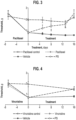
- PS as an 8% hydrogel
- vehicle control were administered topically to both hind paws of the mice 3 times a day for 10 days.
- the first doses were administered 2 days after the last administration of paclitaxel.
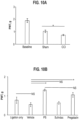
- Figure 1 provides an outline of the study.
- PS significantly increased the PWT in mice with established pain associated with central sensitization. Therefore, PS treats the pain associated with central sensitization.
- PS demonstrates a pain-relieving effect in a treatment model of pain associated with central sensitization.
- mice Female C57BL/6J mice, 8 weeks of age at the beginning of the experiments and weighing 20-30 g, were purchased from The Jackson Laboratory (Bar Harbor, ME). Mice were housed in an AAALAC-accredited facility in groups of four. Food and water were available ad libitum. The mice in each cage were randomly allocated to treatment groups. All studies were conducted by experimenters blinded to the identity of the treatment groups. Experiments were performed during the light cycle (7:00 am to 7:00 pm) and animals were euthanized with CO 2 asphyxiation. Studies were approved by the relevant Institutional Animal Care and Use Committee and followed the National Institutes of Health Guidelines for the Care and Use of Laboratory Animals. Animal studies are reported in compliance with the ARRIVE guidelines.
- PS was formulated as an 8% hydrogel ointment for topical administration.
- Paclitaxel was administered as four intraperitoneal injections of 8 mg/kg paclitaxel (in a volume of 1 ml/100 g body weight) every other day, resulting in a cumulative dose of 32 mg/kg.
- Oxaliplatin Oxaliplatin was dissolved in ddH 2 O.
- Oxaliplatin 3 mg/kg was injected intraperitoneally daily for 5 days, followed by 5 days of no treatment, which was followed by another 5-day period of daily oxaliplatin intraperitoneal injections as previously for a total often injections leading to a cumulative dose of 30 mg/kg. All injections were administered intraperitoneally in a volume of 1 ml/100 g body weight.
- Vincristine Vincristine was dissolved in PBS. Two intraperitoneal injections of vincristine 1.5 mg/kg were made within one week for a total cumulative dose of 3 mg/kg. All injections were administered intraperitoneally in a volume of 1 ml/100 g body weight.
- Results are expressed as mean ⁇ SEM. PK parameters were calculated by Microsoft Excel and PKSolver. Non-compartmental analyses were employed. Analysis of variance (ANOVA) tests were conducted and followed by the Bonferroni post hoc test. Differences were determined to be significant at P ⁇ 0.05.
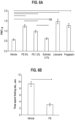
- Paclitaxel (see Figure 3):
- Vincristine (see Figure 4):
- PS significantly improves the mechanical allodynia score compared to that induced by three different chemotherapeutic compounds. Therefore, PS treats the pain associated with central sensitization by a range of different chemotherapies.
- PS demonstrates a pain-relieving effect in a treatment model of pain associated with central sensitization caused by chemotherapeutic compounds from different therapeutic classes.
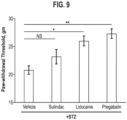
- Example 3 The activity of PS in treating pain associated with central sensitization is equivalent to that of lidocaine and pregabalin, but not shared by sulindac
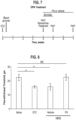
- Sprague-Dawley rats were fasted for 4-6 hours before being injected intraperitoneally with 45 mg/kg STZ. This was performed for all experimental groups, except the na ⁇ ve group. In order to prevent hypoglycaemic death, rats received 10% sucrose water as the sole water source for the first 48 hours after injection. In order to ensure only those rats considered diabetic (i.e., having non-fasting plasma glucose levels of >250 mg/dL) were included in the study, blood glucose was measured at 72 hours after the STZ injection.
- PS is mechanistically distinct from its parent NSAID and may be acting in a manner more similar to the centrally acting agents.
- mice 8 weeks of age at the beginning of the experiments and weighing 20-30 g, were purchased from The Jackson Laboratory (Bar Harbor, ME). Mice were housed in an AAALAC-accredited facility in groups of four. Food and water were available ad libitum. Experiments were performed during the light cycle (7:00 am to 7:00 pm) and animals were euthanized with CO 2 asphyxiation. The mice in each cage were randomly allocated to treatment groups. All studies were conducted by experimenters blinded to the identity of the treatment groups.
- CIPN was induced in 8-weeks-old male C57BL/6J mice ( ⁇ 25 g). CIPN was induced in mice with chemotherapeutic agents using established protocols (Carozzi et al, 2010; Currie et al, 2019; Eldridge et al, 2020). Briefly, four intraperitoneal injections of paclitaxel at 8 mg/kg were given every other day, resulting in a cumulative dose of 32 mg/kg. This dosing regimen of paclitaxel produces pain associated with CIPN with time courses that are similar to those of pain after paclitaxel administration in cancer patients.
- PS, and sulindac were given by oral gavage, three times a day for 7 days. Their doses were as follows: PS, 50 mg/kg; sulindac, 33 mg/kg (equimolar to PS).
- thermal allodynia tests use a radiant heat source (Hargreaves et al., 1988).
- the animal is placed into a plastic box with an elevated glass floor.
- the beam of the lamp probe is focused on the paw plantar surface, until the animal withdraws the paw, and sensors in the device shut off the lamp.
- the thermal allodynia threshold is defined as the latency time until paw withdrawal (PWL) and expressed in seconds (sec) or thermal allodynia threshold.
- PWL latency time until paw withdrawal
- sec seconds
- thermal allodynia threshold The response of thermal allodynia to PS and sulindac was tested on day 16 of treatment.
- Table 5 - PWT in the study groups Groups PWT, g P values Mean ⁇ SEM Naive 1.55 ⁇ 0.12 Paclitaxel only 0.53 ⁇ 0.03 p ⁇ 0.001 vs na ⁇ ve Paclitaxel + vehicle 0.54 ⁇ 0.03 NS vs paclitaxel only Paclitaxel + PS 0.99 ⁇ 0.13 p ⁇ 0.003 vs vehicle p ⁇ 0.016 vs sulindac Paclitaxel + sulindac 0.56 ⁇ 0.05 NS vs vehicle
- paw withdrawal latency were assessed in thermal allodynia tests in CIPN model mice.
- PS significantly increased the PWL compared to vehicle control (p ⁇ 0.04).
- sulindac was not significant compared to vehicle control.
- PWL values are provided in Table 6. Table 6 - PWL in the study groups Groups PWL, sec P values Mean ⁇ SEM Paclitaxel + vehicle 7.80 ⁇ 0.7 Paclitaxel + PS 10.78 ⁇ 1.1 p ⁇ 0.04 vs vehicle p ⁇ 0.05 vs sulindac Paclitaxel + sulindac 7.87 ⁇ 0.7 NS vs vehicle
- Neuropathic pain associated with traumatic nerve injury can be regenerated in a rat animal model using the chronic constriction injury (CCI) model.
- CCI chronic constriction injury
- the sciatic nerve is compressed to imitate peripheral nerve injury.
- the model generates particular phenotypes observed in PTPN in humans, including, for example, allodynia.
- the model is carried out according to the procedure developed by Bennett & Xie (Pain (1988);33(1):87-107 ). Briefly, the sciatic nerve is exposed and subject to the placement of four loose chromic catgut ligatures around the nerve. The ligatures occlude but do not arrest epineural blood flow. After three weeks following nerve injry, the rats are assessed for hind paw mechanical withdrawal thresholds, an indication of mechanical allodynia. Sensory testing utilizes von Frey filaments with reproducible calibrated buckling forces varying from 0.4 - 10g utilizing the Chaplan up and down method. Allodynia is tested by perpendicularly touching the hindpaw causing slight buckling of the filament for approximately 5 seconds. Based on the response pattern and the force of the final filament, the hindpaw withdrawal threshold (g) is calculated ( Chaplan et al., Journal of neuroscience methods (1994);53(1), 55-63 ).
- mice 8 weeks of age at the beginning of the experiments and weighing 20-30 g, were purchased from The Jackson Laboratory (Bar Harbor, ME). Mice were housed in an AAALAC-accredited facility in groups of four. Food and water were available ad libitum. Experiments were performed during the light cycle (7:00 am to 7:00 pm) and animals were euthanized with CO 2 asphyxiation. The mice in each cage were randomly allocated to treatment groups. All studies were conducted by experimenters blinded to the identity of the treatment groups.
- Chronic constriction injury-induced peripheral neuropathy (a form of post-traumatic peripheral neuropathy) was induced in 8 weeks old male C57BL/6J mice ( ⁇ 25 g) under anesthesia.
- the left sciatic nerve was exposed by a skin incision and cutting through the connective tissue between the gluteus superficialis and biceps femoris muscles.
- Two chronic gut ligatures with a 7-0 suture were tied loosely around the sciatic nerve 1 mm apart, to just occlude but not arrest epineurial blood flow.
- For the control sham mice a similar skin incision was made on the left side but without ligating the sciatic nerve. In either case, the surgical wound was closed with sutures in the muscle and staples in the skin. Pain hypersensitivity testing was performed after 5-7 days of recovery from surgery.
- PS as a 5% gel
- sulindac as a 0.7% gel, the highest feasible concentration of sulindac
- vehicle control was administered topically onto the left paw of mice three times a day for 14 days.
- Pregabalin (10 mg/ml) was administered once by oral gavage one hour prior to determining mechanical allodynia, and was used as the positive control.
- pain threshold responses were measured using the well-established method of von Frey filaments in line with that performed in the earlier Examples.
- the PWT test was performed on day 14.
- the mechanical threshold expressed as g, indicates the force of the von Frey filament to which the animal reacted.
- Thermal allodynia was determined using a radiant heat source (Hargreaves et al., 1988), in line with that performed in earlier Examples.
- paw withdrawal times were assessed in thermal allodynia tests.
- PTPN was induced in 12 mice as described above.
- PS significantly increase the PWL time compared to vehicle control (3.4 ⁇ 1.0 g vs 9.1 ⁇ 2.9 g, p ⁇ 0.05).
- PWL values are provided in Table 8. Table 8 - PWL in the study groups Group PWL, sec P value Mean ⁇ SEM Vehicle 3.4 ⁇ 1.0 PS 9.1 ⁇ 2.9 p ⁇ 0.05 vs vehicle
- PS significantly increased the PWT in mice with chronic constriction injury, an established model of PTPN. It also significantly increased PWL in thermal allodynia tests. Therefore, PS treats established pain associated with PTPN and further supports the broad applicability of PS in treating different forms of neuropathic pain.
- mice with neuropathic pain associated with PTPN via the chronic constriction injury model
- PTPN chronic constriction injury model
- PTPN was induced using chronic constriction injury in 8 weeks old male C57BL/6J mice ( ⁇ 25 g) under anesthesia, as previously described, by ligating the left sciatic nerve, to induce neuropathic pain manifested as allodynia affecting the left limb of the mice (i.e., reducing the paw withdrawal threshold).
- PS as 8% gel
- vehicle control were administered topically onto the contralateral (i.e. right) hind paw of mice 3 times a day for 4 days prior to determining mechanical allodynia on the operated limb.
- Mechanical allodynia was determined using the method of von Frey filaments in line with that performed in the earlier Examples, assessing the paw withdrawal threshold of the operated left limb.
- the PWT test was performed on day 4.
- the mechanical threshold expressed as g, indicates the force of the von Frey filament to which the animal reacted.
- PTPN was induced using chronic constriction injury, by ligating the left sciatic nerve, to induce neuropathic pain manifested as allodynia affecting the left limb of the mice.
- PS (as a 5% gel) was applied only once onto the contralateral (right) hind paw of mice, prior to determining mechanical allodynia on the operated limb at different time points post-dosing.
- mice were randomized into study groups.
- treating mice with the vehicle control did not results in a significant change from PWT values following ligation (0.52 ⁇ 0.09 g vs 0.53 ⁇ 0.03 g).
- treatment with PS on the contralateral paw significantly increased PWT compared to both vehicle and the surgical control (p ⁇ 0.001).
- the values are provided in Table 9.
- Table 9 - PWT in the study groups Group PWT, g Mean ⁇ SEM P values Ligation only 0.53 ⁇ 0.03 Vehicle 0.52 ⁇ 0.09 PS 1.16 ⁇ 0.04 p ⁇ 0.001 vs vehicle p ⁇ 0.001 vs ligation only
- the parent NSAID of PS i.e., sulindac
- the parent NSAID of PS failed to treat the neuropathic pain associated with PTPN.
- the present example further confirms that PS is acting in a mechanistically distinct way compared to its parent NSAID. PS reaches central sites of action rapidly and has a direct effect on the neuronal signalling, something which sulindac, and other typical NSAIDs fail to achieve.
- Orally administered PS was investigated in a mouse model of PTPN, building on the results observed with topically applied PS and further observations herein demonstrating the broad applicability of PS as a centrally acting analgesic.
- mice 8 weeks of age at the beginning of the experiments and weighing 20-30 g, were purchased from The Jackson Laboratory (Bar Harbor, ME). Mice were housed in an AAALAC-accredited facility in groups of four. Food and water were available ad libitum. Experiments were performed during the light cycle (7:00 am to 7:00 pm) and animals were euthanized with CO 2 asphyxiation. The mice in each cage were randomly allocated to treatment groups. All studies were conducted by experimenters blinded to the identity of the treatment groups.
- Chronic constriction injury-induced peripheral neuropathy (a form of post-traumatic peripheral neuropathy) was induced in 8 weeks old male C57BL/6J mice ( ⁇ 25 g) under anesthesia, as previously described, by ligating the left sciatic nerve. This establishes neuropathic pain associated with PTPN (manifested as allodynia).
- PS was administered orally three times a day for 6 days, at 100 mg/kg.
- mice with the vehicle control did not results in a significant change from PWT values following ligation.
- treatment with orally administered PS significantly increased PWT compared to vehicle control treatment.
- the values are provided in Table 11A.
- Table 11A - PWT in the study groups Groups PWT, g P value Mean ⁇ SEM Ligation only 0.55 ⁇ 0.05 Vehicle 0.58 ⁇ 0.06 NS vs ligation only PS 1.63 ⁇ 0.38 p ⁇ 0.02 vs vehicle
- neuropathic pain associated with PTPN chronic constriction injury was exploited to induce neuropathic pain associated with PTPN.
- the neuropathic pain was induced in 8 weeks old male C57BL/6J mice ( ⁇ 25 g) under anesthesia, as previously described, by ligating the left sciatic nerve. This establishes neuropathic pain associated with PTPN (manifested as allodynia).
- PS, sulindac, or vehicle control were administered orally once a day for 6 days or 14 days, as indicated in the Table below.
- the dose of PS was 50 mg/kg; the dose of sulindac was 33 mg/kg (equimolar with PS).
- NTG nitroglycerin
- the nitroglycerin (NTG)-induced migraine mouse model (Bates et al, 2010) is a particularly useful and clinically relevant animal model for migraine.
- NTG causes activation and sensitization of primary afferent and second-order trigeminovascular neurons. These pathophysiologies are thought to be the underlying mechanism of migraine headache (with the repeated activation of dural afferents believed to occur in patients with recurrent migraine headache), and many craniofacial nociceptive symptoms.
- NTG also mediates facial cutaneous and hind-paw hypersensitivity to non-noxious peripheral stimuli, indicative of allodynia, a manifestation of central sensitization.
- mice 8 weeks of age at the beginning of the experiments and weighing 20-30 g, were purchased from The Jackson Laboratory (Bar Harbor, ME). Mice were housed in an AAALAC-accredited facility in groups of four. Food and water were available ad libitum. Experiments were performed during the light cycle (7:00 am to 7:00 pm) and animals were euthanized with CO 2 asphyxiation. The mice in each cage were randomly allocated to treatment groups. All studies were conducted by experimenters blinded to the identity of the treatment groups.
- NTG-induced migraine mouse model similar to that described in Bates et al, 2010 was used. Specifically, instead of the intraperitoneal injection of NTG, a finely crushed 0.4 mg NTG tablet (Greenstone Brand) was administered sublingually. As a control, a Practi-Nitroglycerin Sublingual 0.4 mg Simulated Medication tablet was used. The mechanical nociceptive threshold was reduced as early as 30 minutes post NTG administration and persisted for about 24 hours.
- the ability of PS to treat pain triggered by the administration of NTG further confirms the activity of PS to act directly on pain generating nerve signalling and to combat pain associated with central sensitization. Furthermore, in line with the observations herein regarding the rapid accumulation of PS at central sites of action, these results confirm the ability of PS to traverse from peripheral sites of administration to distal sites of pain generation in order to achieve its analgesic effects.
- Orally administered PS was investigated in a mouse model of migraine pain, building on the results observed with topically applied PS and further observations herein demonstrating the broad applicability of PS as a centrally acting analgesic for the treatment of migraine pain and pain associated with central sensitization.
- migraine was induced using 0.4 mg of NTG was administered sublingually in the form of a finely crushed 0.4 mg NTG tablet (Greenstone Brand).
- Mechanical allodynia in response to NTG manifests in 30 minutes and lasts less than 24 hours.
- the ability of NTG to trigger central sensitization, manifested as allodynia, renders this model applicable for both migraine and other pain disorders associated with central sensitization more generally.
- PS and sulindac were administered orally to each mouse.
- PS was administered at 50 mg/kg and sulindace was administered at 33 mg/kg (equimolar to the PS dose), 30 minutes after NTG administration.
- a single intraperitoneal dose of topiramate (30 mg/kg), sumatriptan (600 ⁇ g/kg), propranolol (10 mg/kg), gabapentin (30 mg/kg) or vehicle was administered 30 min after the induction of migraine, at the indicated doses.
- NTG-induced chronic migraine model was used as described previously. 12 days following the first dose of NTG, a single intraperitoneal dose of topiramate (30 mg/kg), sumatriptan (600 ⁇ g/kg), or vehicle was administered.
- mice had lower PWT values compared to baseline values measured prior to NTG administration. These results are consistent with the induction of migraine pain.
- the administration of both topiramate and sumatriptan achieved a significant increase in PWT compared to vehicle. The values are provided in Table 17.
- PS does not inhibit activity of COX-1 or COX-2 and does not block the synthesis or activity of prostaglandins.
- PS has instead been shown to trigger increased COX activity and significantly increased PGE 2 levels ( Mackenzie et al. (2010) Gastroenterology 139(4): 1320-32 ).
- migraine is not considered an inflammatory disorder, and is instead considered to have pain pathophysiology arising as a consequence of neuronal dysfunction and sensitization within the trigeminal pathway.
- WO 2019/067919 suggests a role for PS in the treatment of DED, using an acute DED model, in which concanavalin A (ConA) is administered to rabbit lacrimal glands concurrently with PS.
- ConA concanavalin A
- the anti-inflammatory activity of PS results in a limited inflammatory response to ConA, thus preventing the establishment of DED.
- These observations confirm the anti-inflammatory activity of PS and suggest its utility in preventing establishment and maintenance of inflammatory components of DED.
- the observations in this acute DED model fail to provide any evidence of the ability of PS as an analgesic, able to act directly on nerves to reduce the dysfunctional nerve signalling and central sensitization implicated in the migraine pain.
- any reduction in pain in this acute DED model can be assumed only to be a consequence of PS inhibiting the inflammatory response (i.e., the pathology responsible for triggering activation of the pain sensors).
- the results of the DED model suggest that PS improves corneal sensitivity, implicating an increase in nociception, the opposite effect to that desired for an analgesic.
- analgesic activity of PS such activity observed in an acute DED model provides no indication of a corresponding activity in migraine pain.
- the present inventor has demonstrated a new surprising activity for PS in the treatment and/or prevention of migraine pain.
- this activity represents a mechanism unique to PS compared to typical NSAIDs.
- the ease by which PS can be administered, for example topically, and its limited adverse effects render it an improved therapy for migraine pain.
- the analgesic activity of PS was maintained even upon oral administration in animal models of migraine pain.
- the ability of PS to act on migraine pain in an animal model in which the pain is manifested to trigger central sensitization is particularly surprising, and supported by further observations herein that indicate that orally administered PS reaches central sites of pain generation.
- Neuropathic pain associated with PHN can be regenerated in a rat animal model using injection of varicella zoster virus (VZV) into the footpad of a rat.
- VZV varicella zoster virus
- the VZV reaches the dorsal root gangia and generates symptoms corresponding to allodynia and hyperalgesia. Therefore, this model generates particular phenotypes observed in PHN in humans, including, for example, allodynia.
- the model is carried out according to the procedure originally developed by Sadzot-Delvaux et al. (Neurology (1995); 45(12 Suppl 8): S18-20 ). Briefly, rats are inoculated subcutaneously with VZV in the footpad and then subjected to behavioral tests that include measurement of paw withdrawal time in response to mechanical or thermal stimuli. The paw withdrawal threshold decreases significantly within 3-5 days post-injection and remains low for over a month, before resolving within 100 days of injection. After development of allodynia, the rats are assessed for hind paw mechanical withdrawal thresholds, an indication of mechanical allodynia. Sensory testing utilizes von Frey filaments. Allodynia is tested by perpendicularly touching the hindpaw causing slight buckling of the filament. Based on the response pattern and the force of the final filament, the hindpaw withdrawal threshold is calculated.
- mice models are available, as described herein.
- PS In light of the potent analgesic efficacy of PS in two pathophysiologically distinct forms of neuropathic pain, the present inventor hypothesised that PS might have more broadly applicable analgesic activities in other forms of neuropathic pain, perhaps based on the ability of PS to traverse towards central sites of action (even upon topical eyelid administration) and to directly impact nerve signalling associated with central sensitization.
- the inventor's initial observations herein confirm this hypothesis, demonstrating an unprecedented analgesic activity of PS in treating corneal neuropathic pain. Indeed, PS demonstrated a striking reduction in corneal neuropathic pain experienced by a subject after LASIK surgery.
- PS does not inhibit activity of COX-1 or COX-2 and does not block the synthesis or activity of prostaglandins.
- PS has instead been shown to trigger increased COX activity and significantly increased PGE 2 levels ( Mackenzie et al. (2010) Gastroenterology 139(4): 1320-32 ).
- the observations herein indicate a role of PS as an analgesic, targeting pain signalling associated with corneal neuropathic pain, an activity which is distinct from the established role of PS, and typical NSAIDs, as anti-inflammatory agents.
- WO 2019/067919 suggests a role for PS in the treatment of DED, using an acute DED model, in which concanavalin A (ConA) is administered to rabbit lacrimal glands concurrently with PS.
- ConA concanavalin A
- the anti-inflammatory activity of PS results in a limited inflammatory response to ConA, thus preventing the establishment of DED.
- These observations confirm the anti-inflammatory activity of PS and suggest its utility in preventing establishment and maintenance of inflammatory components of DED.
- the observations in this acute DED model fail to provide any evidence of the ability of PS to act directly on nerves to reduce nerve signalling caused by neuropathic pain.
- any reduction in pain in this acute DED model can be assumed only to be a consequence of PS inhibiting the inflammatory response (i.e ., the pathology responsible for triggering activation of the pain sensors).
- the authors of WO 2019/067919 suggest that PS decreases corneal sensitivity in an acute corneal sensation model.
- NSAIDs have no therapeutic efficacy in neuropathic pain.
- the activity of PS suggested herein contrasts with the inability of typical NSAIDs to provide a direct analgesic effect on sensitized neurons in neuropathic pain as observed in the prior art.
- the reason for the absence of any response to typical NSAIDs in the prior art is likely that the pain is caused by neuropathic nerve damage, rather than by inflammation ( i.e ., any anti-inflammatory activity of typical NSAIDs is not sufficient to prevent or treat the neuropathic pain).
- the analgesic activity of PS indicated herein is unique and not shared by typical NSAIDs.
- any alleged analgesic activity of NSAIDs observed in the prior art is a reflection of their anti-inflammatory activity (i.e ., stopping potential triggers causing the pain) rather than an actual analgesic activity directed towards nerve signalling ( i.e ., that would result in a reduction in pain caused by sensitization).
- any alleged activity of typical NSAIDs cannot be extrapolated to PS in light of the distinct activities of PS.
- Any suggestions that typical NSAIDs have analgesic activity are associated with a requirement for inhibition of the COX pathways and synthesis of prostaglandins ( i.e ., activities of typical NSAIDs that are not shared by PS).
- the observations herein indicate that PS treats corneal neuropathic pain by targeting neuronal signalling generated via central sensitization, a key component of corneal neuropathic pain.
- the present inventor has demonstrated a new surprising activity for PS in the treatment of corneal neuropathic pain.
- the observations implicate an activity of PS that goes beyond the activity previously observed for PS and related NSAIDs.
- the ease by which PS can be administered, for example topically, and its limited adverse effects render it an improved therapy for corneal neuropathic pain via topical administration, in particular to the outer surface of the eyelids.
- the broad applicability of PS for treating and/or preventing pain with central sites of action may be a reflection of the ability of PS to reach and remain stable in particular sites of action. Accordingly, the site of action of PS was investigated. Despite being topically administered, PS was found to traverse within nerves from the periphery towards central sites.
- PS 8% ointment was applied topically to each hind paw (50 ⁇ l per paw) with gentle rubbing.
- mice were paclitaxel-induced PN treated with PS 8% ointment 3x/d for 2 wks.
- Mice were euthanized as above 30 minutes after the last dose of PS. From these mice we harvested both sciatic nerves dividing each into proximal and distal halves, and combined the corresponding halves of every two animals for assay of drug levels.
- each plasma sample was mixed with double volume of acetonitrile and centrifuged at 13,200 rpm for 15 min. Tissue samples were weighed, ddH 2 O (100-300 ⁇ L, depending on tissue weight) was added and they were homogenized. Following addition of acetonitrile (twice the volume of the homogenate), the mixture was sonicated for 10 min, centrifuged at 13,200 rpm for 15 min, and analyzed by HPLC, as reported (Wen et al., 2019). The limit of quantitation is 0.1 ⁇ M for PS and 0.05 ⁇ M for sulindac, sulindac sulfone, sulindac sulfide and their glucuronidated derivatives.
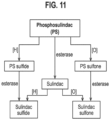
- PS can be rapidly metabolized into several metabolites both in vitro and in vivo that include PS sulfide, PS sulfone, sulindac, sulindac sulfide and sulindac sulfone ( Figure 11 ).
- DDG dorsal root ganglia
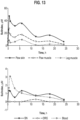
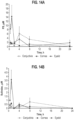
- PS was detected in paw skin, the site of its application, the muscles underneath the skin, leg muscles, the sciatic nerve, and DRG. As expected ( Xie et al., Br J Pharmacol (2012a); 165:2152-2166 ), no PS was detected in the systemic circulation.
- the concentration of PS progressively decreased from the skin to its most distant DRG, evidenced by the respective values of both C max (from 194.7 ⁇ 5.3 ⁇ M to 0.3 ⁇ 0.1 ⁇ M) and AUC 0-24h (from 1,609.8 ⁇ M ⁇ h to 4.5 ⁇ M ⁇ h).
- the T max of PS was the same in all tissues (0.5 h) with the exception of DRG that showed a prolonged T max (18 h), reflecting perhaps the manner in which PS reaches it, as discussed below.
- sulindac was the quantitatively dominant metabolite, with sulindac sulfide and sulindac sulfone levels being ⁇ 20% of those of sulindac. Sulindac levels were around 25% of those of PS in all tissues except the sciatic nerve (higher) and DRG (equal).
- topically administered PS can reach key sites of action known to be involved in the generation of pain associated with the indications described herein (e.g., pain associated with central sensitization; neuropathic pain associated with PTPN; neuropathic pain associated with PHN; migraine pain (and pain of other headache disorders); and corneal neuropathic pain).
- pain associated with central sensitization e.g., pain associated with central sensitization; neuropathic pain associated with PTPN; neuropathic pain associated with PHN; migraine pain (and pain of other headache disorders); and corneal neuropathic pain.
- PS reaches these sites of action by traversing along peripheral neurons towards the central nervous system, being found in meaningful concentrations in the DRG.
- PTPN topical administration of PS to the skin in the vicinity of the injured peripheral nerve to allow an accumulation of PS within proximal peripheral neurons or in higher order neurons responsible for the chronic signalling associated with central sensitization.
- PHN topical administration of PS to the skin of one or more thoracic dermatomes to allow an accumulation of PS within one or more thoracic nerves or in higher order neurons responsible for the chronic signalling associated with central sensitization.
- the present Example confirms that this ability is maintained even upon oral administration of PS.
- PS is seen preferentially binding to the stomach lining, where it is taken up by neurons connecting to the vagus nerve. The PS then traverses along the vagus nerve towards the brain, where it is found in therapeutically relevant amounts in the medulla and cerebellum.
- the observations herein demonstrate an unprecedented analgesic activity of PS in treating pain associated with central sensitization.
- the observations herein of the ability of PS to treat allodynia (an established feature of central sensitization), in multiple distinct animal models of established chronic pain, generated via hyperexcitability of centrally located neurons, provide a broadly applicable role for PS as an analgesic, with central effects, for treating pain associated with central sensitization.
- This broad applicability is supported by observations herein that PS traverses peripheral neurons towards central sites of action known to be implicated in the generation and maintenance of pain associated with central sensitization.
- Such broad applicability can be predicted on the basis of the therapeutic efficacy of PS in multiple distinct models generating central sensitization.
- PS The therapeutic effect of PS on mechanical allodynia is very strong and fairly rapid via topical administration. Indeed, upon topical administration, PS is shown to follow an ascending trajectory along peripheral neurons towards the spinal cord and can achieve a significant analgesic effect lasting up to two weeks.
- the topical route provides low systemic clearance, reduced drug interactions, increased patient tolerability, and facile combination with oral medications.
- PS may also be administered orally for treatment of pain associated with central sensitization. Indeed, surprisingly, oral administration of PS achieved analgesia in a number of challenging animal models establishing pain associated with central sensitization (manifested as allodynia).
- the migraine pain model is an established model for generating central sensitization. Therefore, without wishing to be bound by theory, PS is having a direct effect on neuronal pain signalling generated by central sensitization, and acts in a similar way to the mechanism of action of established anaesthetics. Indeed, the results show the ability of PS to reduce pain signalling from central sensitization, implicating central sites of action for the analgesic activity of this compound. This is confirmed by further observations herein with respect to the analgesic activity of PS when administered at distal sites ( i.e., a contralateral paw) or even orally, indicating, without wishing to be bound by theory, that PS is likely to act directly on neuronal activity and at central sites of pain generation. Of course, this activity is distinct from the established role of PS, and typical NSAIDs, as anti-inflammatory agents.
- the efficacy of a compound in treating pain associated with central sensitization is demonstrated by observations indicating the ability of the compound to reverse manifestations of central sensitization (e.g ., allodynia) in a model system in which chronic pain has been established.
- central sensitization e.g ., allodynia
- the animal models used in early testing before further clinical development are important.
- the observations herein demonstrate an unprecedented efficacy of PS in the treatment of pain associated with central sensitization.
Landscapes
- Health & Medical Sciences (AREA)
- Chemical & Material Sciences (AREA)
- Medicinal Chemistry (AREA)
- Pharmacology & Pharmacy (AREA)
- Life Sciences & Earth Sciences (AREA)
- Animal Behavior & Ethology (AREA)
- General Health & Medical Sciences (AREA)
- Public Health (AREA)
- Veterinary Medicine (AREA)
- Epidemiology (AREA)
- Biomedical Technology (AREA)
- Nuclear Medicine, Radiotherapy & Molecular Imaging (AREA)
- Engineering & Computer Science (AREA)
- Bioinformatics & Cheminformatics (AREA)
- Organic Chemistry (AREA)
- Neurology (AREA)
- Neurosurgery (AREA)
- Chemical Kinetics & Catalysis (AREA)
- General Chemical & Material Sciences (AREA)
- Pain & Pain Management (AREA)
- Emergency Medicine (AREA)
- Nutrition Science (AREA)
- Physiology (AREA)
- Inorganic Chemistry (AREA)
- Acyclic And Carbocyclic Compounds In Medicinal Compositions (AREA)
- Pharmaceuticals Containing Other Organic And Inorganic Compounds (AREA)
- Medicines That Contain Protein Lipid Enzymes And Other Medicines (AREA)
- Medicinal Preparation (AREA)
Claims (15)
- Phosphosulindac (PS) destiné à être utilisé en traitement et/ou prévention de douleur neuropathique associée à une neuropathie périphérique post-traumatique (PTPN) chez un sujet, le PS répondant à la formule I (PSI) :


- PS destiné à être utilisé selon la revendication 1 :a) le traitement de la douleur neuropathique comprenant la réduction de la douleur neuropathique ;b) la prévention de la douleur neuropathique comprenant la diminution de l'incidence de la douleur neuropathique ;c) le traitement de la douleur neuropathique incluant la réduction d'un ou plusieurs des symptômes sensoriels associés à la PTPN ; et/oud) la prévention de la douleur neuropathique incluant la diminution de l'incidence d'un ou plusieurs des symptômes sensoriels associés à la PTPN,éventuellement le ou les symptômes sensoriels étant choisis parmi une paresthésie, des sensations de brûlure et des sensations de coups de couteau, par exemple la paresthésie incluant un ou plusieurs symptômes parmi un engourdissement, des picotements, des piqûres ou des fourmillements.
- PS destiné à être utilisé selon la revendication 1 ou 2 :a) le PS réduisant la signalisation neuronale impliquée dans la sensation de douleur ;b) le PS réduisant la douleur générée par le biais de la sensibilisation périphérique ;c) le PS réduisant la douleur générée par le biais de la sensibilisation centrale ;d) le PS réduisant la signalisation de la douleur ayant lieu au niveau central ;e) le PS réduisant la signalisation de la douleur ayant lieu dans les nerfs périphériques ;f) le PS réduisant la signalisation de la douleur ayant lieu dans le ganglion rachidien ;g) le PS réduisant la signalisation de la douleur ayant lieu dans la corne dorsale de la moelle épinière ;h) la douleur neuropathique étant une allodynie, éventuellement l'allodynie étant une allodynie mécanique et/ou une allodynie thermique ; et/oui) la douleur neuropathique étant une hyperalgésie.
- PS destiné à être utilisé selon l'une quelconque des revendications précédentes, la douleur neuropathique associée à la PTPN étant provoquée par :a) une neurapraxie, par exemple une lésion par compression nerveuse ;b) une axonotmésis, par exemple une lésion par écrasement de nerf ; et/ouc) un ou plusieurs des suivants : le syndrome du canal carpien ; le syndrome du pronateur rond ; le syndrome du canal radial ; le piégeage du nerf suprascapulaire ; le syndrome du défilé thoracique ; le piégeage du nerf ulnaire (le syndrome du canal cubital ou syndrome du canal de Guyon) ; la méralgie paresthésique ; la compression du nerf péronier ; le syndrome de piégeage du nerf pudendal ; la sciatique ; le syndrome du canal tarsien ; une hernie discale cervicale ; une hernie discale thoracique ; et/ou une hernie discale lombaire.
- PS destiné à être utilisé selon l'une quelconque des revendications précédentes, le sujet étant un être humain.
- PS destiné à être utilisé selon l'une quelconque des revendications précédentes, le PS étant administré sous forme d'une composition pharmaceutique comprenant en outre un excipient pharmaceutiquement acceptable.
- PS destiné à être utilisé selon la revendication 6, la composition pharmaceutique comprenant le PS étant formulée pour une administration topique.
- PS destiné à être utilisé selon la revendication 7 :a) la composition pharmaceutique comprenant le PS étant formulée sous forme d'un semi-solide ; oub) la composition pharmaceutique comprenant le PS étant formulée sous forme d'un liquide.
- PS destiné à être utilisé selon la revendication 7, la composition pharmaceutique comprenant le PS étant formulée sous forme d'un timbre.
- PS destiné à être utilisé selon la revendication 7 ou 8, la composition pharmaceutique comprenant le PS :a) étant une crème ;b) étant un gel, par exemple le gel étant un hydrogel ;c) étant une lotion ;d) étant une pommade ; oue) étant un spray.
- PS destiné à être utilisé selon l'une quelconque des revendications 6 à 10 :a) la composition pharmaceutique comprenant le PS en une concentration d'environ 0,5 % à environ 15 % p/p de la composition pharmaceutique, éventuellement la composition pharmaceutique comprenant le PS en une concentration d'environ 15 %, 14,5 %, 14 %, 13,5 %, 13 %, 12,5 %, 12 %, 11,5 %, 11 %, 10,5 %, 10 %, 9,5 %, 9 %, 8, 5 %, 8 %, 7,5 %, 7 %, 6, 5 %, 6 %, 5,5 %, 5 %, 4,5 %, 4 %, 3,5 %, 3 %, 2,5 %, 2 %, 1,5 %, 1 % ou 0,5 % p/p de la composition pharmaceutique, par exemple la composition pharmaceutique comprenant le PS en une concentration inférieure ou égale à 8 % p/p de la composition pharmaceutique, par exemple à environ 5 % ou à environ 3 % p/p de la composition pharmaceutique, par exemple la composition pharmaceutique comprenant le PS en une concentration inférieure ou égale à environ 3 % p/p de la composition pharmaceutique, par exemple à environ 2 % ou à environ 1 % p/p de la composition pharmaceutique ; et/oub) le PS étant administré, par exemple dans une composition pharmaceutique, à environ 0,005 g/10 cm2 à environ 0,25 g/10 cm2 de la zone touchée, éventuellement le PS étant :i) administré à environ 0,005 g/10 cm2 de la zone touchée ;ii) administré à environ 0,01 g/10 cm2 de la zone touchée ;iii) administré à environ 0,05 g/10 cm2 de la zone touchée ;iv) administré à environ 0,1 g/10 cm2 de la zone touchée ;v) administré à environ 0,15 g/10 cm2 de la zone touchée ;vi) administré à environ 0,2 g/10 cm2 de la zone touchée ; ouvii) administré à environ 0,25 g/10 cm2 de la zone touchée.
- PS destiné à être utilisé selon l'une quelconque des revendications 6 à 11 :a) le PS étant appliqué sur la zone touchée et laissé sur la zone touchée pendant :i) entre environ 1 heure et environ 5 heures ; ouii) environ 0,5 heure, pendant environ 1 heure, pendant environ 2 heures, pendant environ 3 heures, pendant environ 4 heures ou pendant environ 5 heures,par exemple :A) le PS étant enlevé de la zone touchée après la période d'administration de la dose, par exemple par lavage ; ouB) une seconde application ou application supplémentaire de PS étant appliquée sur la zone touchée après la période d'administration de la dose ; et/oub) le PS, par exemple dans une composition pharmaceutique, étant appliqué :i) une fois par jour ;ii) deux fois par jour ;iii) trois fois par jour ; ouiv) quatre fois par jour.
- PS destiné à être utilisé selon l'une quelconque des revendications 1-6, le PS étant administré par voie orale.
- PS destiné à être utilisé selon la revendication 13, le PS étant formulé sous forme d'une forme galénique liquide ou solide, éventuellement :a) la forme galénique liquide étant une émulsion, une microémulsion, une solution, une suspension, un sirop ou un élixir pharmaceutiquement acceptables ; oub) la forme galénique solide étant une capsule, un comprimé, une pilule, une poudre ou un granule.
- PS destiné à être utilisé selon la revendication 13 ou 14, le PS, par exemple dans une composition pharmaceutique, étant administré par voie orale :a) à des niveaux de dose d'environ 0,01 mg/kg à environ 100 mg/kg, allant d'environ 0,05 mg/kg à environ 50 mg/kg ou allant d'environ 0,1 mg/kg à environ 10 mg/kg de poids corporel du sujet, par exemple d'environ 1 mg/kg à environ 5 mg/kg, par exemple d'environ 3 mg/kg de poids corporel du sujet ;b) à une dose d'environ 1 mg à environ 2000 mg, d'environ 100 mg à 1500 mg, d'environ 200 mg à environ 1000 mg, d'environ 50 mg à environ 400 mg, par exemple d'environ 100 mg à environ 350 mg, par exemple d'environ 150 mg à environ 300 mg, par exemple d'environ 150 mg à environ 250 mg ;c) à une dose d'environ 250 mg à environ 300 mg, de préférence d'environ 250 mg ;d) une fois par jour ;e) au moins deux fois par jour, au moins trois fois par jour ou au moins quatre fois par jour ;f) deux ou trois fois par jour ;g) à une dose allant d'environ 150 mg à environ 200 mg deux fois par jour ;h) à une dose quotidienne d'environ 300 mg à environ 400 mg ;i) à une dose quotidienne d'environ 250 mg à environ 300 mg (par exemple, d'environ 250 mg) deux ou trois fois par jour ; ouj) à une dose quotidienne d'environ 500 mg jusqu'à environ 900 mg par jour.
Priority Applications (5)
| Application Number | Priority Date | Filing Date | Title |
|---|---|---|---|
| SM20250296T SMT202500296T1 (it) | 2022-11-23 | 2023-11-21 | Trattamento di dolore associato a sensibilizzazione centrale |
| RS20250746A RS67089B1 (sr) | 2022-11-23 | 2023-11-21 | Lečenje bola povezanog sa centralnom senzibilizacijom |
| MA70825A MA70825B1 (fr) | 2022-11-23 | 2023-11-21 | Traitement de douleur associée à la sensibilisation centrale |
| HRP20251034TT HRP20251034T1 (hr) | 2022-11-23 | 2023-11-21 | Liječenje boli povezane sa središnjom senzibilizacijom |
| EP25186722.2A EP4603145A3 (fr) | 2022-11-23 | 2023-11-21 | Traitement de la douleur associée à la sensibilisation centrale |
Applications Claiming Priority (8)
| Application Number | Priority Date | Filing Date | Title |
|---|---|---|---|
| US202263384795P | 2022-11-23 | 2022-11-23 | |
| US202263384793P | 2022-11-23 | 2022-11-23 | |
| US202263384796P | 2022-11-23 | 2022-11-23 | |
| US202263384794P | 2022-11-23 | 2022-11-23 | |
| US202263384792P | 2022-11-23 | 2022-11-23 | |
| US202263384790P | 2022-11-23 | 2022-11-23 | |
| US202363483353P | 2023-02-06 | 2023-02-06 | |
| PCT/US2023/080646 WO2024112725A1 (fr) | 2022-11-23 | 2023-11-21 | Traitement de douleur associée à la sensibilisation centrale |
Related Child Applications (1)
| Application Number | Title | Priority Date | Filing Date |
|---|---|---|---|
| EP25186722.2A Division EP4603145A3 (fr) | 2022-11-23 | 2023-11-21 | Traitement de la douleur associée à la sensibilisation centrale |
Publications (3)
| Publication Number | Publication Date |
|---|---|
| EP4522143A1 EP4522143A1 (fr) | 2025-03-19 |
| EP4522143B1 true EP4522143B1 (fr) | 2025-07-02 |
| EP4522143C0 EP4522143C0 (fr) | 2025-07-02 |
Family
ID=89378489
Family Applications (3)
| Application Number | Title | Priority Date | Filing Date |
|---|---|---|---|
| EP23828898.9A Pending EP4622638A1 (fr) | 2022-11-23 | 2023-11-21 | Traitement de douleur associée à la sensibilisation centrale |
| EP23837005.0A Active EP4522143B1 (fr) | 2022-11-23 | 2023-11-21 | Traitement de douleur associée à la sensibilisation centrale |
| EP25186722.2A Pending EP4603145A3 (fr) | 2022-11-23 | 2023-11-21 | Traitement de la douleur associée à la sensibilisation centrale |
Family Applications Before (1)
| Application Number | Title | Priority Date | Filing Date |
|---|---|---|---|
| EP23828898.9A Pending EP4622638A1 (fr) | 2022-11-23 | 2023-11-21 | Traitement de douleur associée à la sensibilisation centrale |
Family Applications After (1)
| Application Number | Title | Priority Date | Filing Date |
|---|---|---|---|
| EP25186722.2A Pending EP4603145A3 (fr) | 2022-11-23 | 2023-11-21 | Traitement de la douleur associée à la sensibilisation centrale |
Country Status (16)
| Country | Link |
|---|---|
| US (1) | US20250345350A1 (fr) |
| EP (3) | EP4622638A1 (fr) |
| JP (2) | JP2025541616A (fr) |
| KR (2) | KR20250121336A (fr) |
| CN (2) | CN120603589A (fr) |
| AU (2) | AU2023385702A1 (fr) |
| ES (1) | ES3036667T3 (fr) |
| HR (1) | HRP20251034T1 (fr) |
| HU (1) | HUE072771T2 (fr) |
| MA (1) | MA70825B1 (fr) |
| MD (1) | MD4522143T2 (fr) |
| MX (2) | MX2025005910A (fr) |
| PL (1) | PL4522143T3 (fr) |
| RS (1) | RS67089B1 (fr) |
| SM (1) | SMT202500296T1 (fr) |
| WO (2) | WO2024112727A1 (fr) |
Families Citing this family (1)
| Publication number | Priority date | Publication date | Assignee | Title |
|---|---|---|---|---|
| WO2025111079A1 (fr) | 2023-11-21 | 2025-05-30 | Medicon Pharmaceuticals, Inc. | Isomères de phosphosulindac |
Family Cites Families (9)
| Publication number | Priority date | Publication date | Assignee | Title |
|---|---|---|---|---|
| US20060253100A1 (en) | 2004-10-22 | 2006-11-09 | Medtronic, Inc. | Systems and Methods to Treat Pain Locally |
| ITMI20051107A1 (it) * | 2005-06-14 | 2005-09-13 | Ctg Pharma S R L | Metodo per il trattamento del cancro |
| WO2009023631A1 (fr) | 2007-08-10 | 2009-02-19 | Basil Rigas | Composés anti-inflammatoires et leurs utilisations |
| WO2013130625A1 (fr) | 2012-02-27 | 2013-09-06 | Basil Rigas | Dérivés de phospho-ester et leurs utilisations |
| CA2885740A1 (fr) | 2012-09-21 | 2014-03-27 | Basil Rigas | Composes et compositions pour une utilisation dans la prevention et le traitement de troubles associes a l'inflammation, de la douleur et de la fievre, de troubles de la peau, ducancer et d'etats precancereux de celui-ci |
| CN107614061A (zh) * | 2014-12-01 | 2018-01-19 | 阿科莱尔斯疗法公司 | 用于治疗与疼痛有关的偏头痛和病症方法和组合物 |
| CA3077033A1 (fr) | 2017-09-28 | 2019-04-04 | Medicon Pharmaceuticals, Inc. | Compositions et methodes de traitement de troubles ophtalmiques |
| PL4114403T3 (pl) | 2021-05-24 | 2023-10-09 | Medicon Pharmaceuticals, Inc. | Leczenie bólu neuropatycznego towarzyszącego neuropatii obwodowej indukowanej przez chemioterapię |
| RS64402B1 (sr) | 2021-05-24 | 2023-08-31 | Medicon Pharmaceuticals Inc | Lečenje bola povezanog sa dijabetičkom perifernom neuropatijom |
-
2023
- 2023-11-21 KR KR1020257020765A patent/KR20250121336A/ko active Pending
- 2023-11-21 HU HUE23837005A patent/HUE072771T2/hu unknown
- 2023-11-21 EP EP23828898.9A patent/EP4622638A1/fr active Pending
- 2023-11-21 WO PCT/US2023/080649 patent/WO2024112727A1/fr not_active Ceased
- 2023-11-21 CN CN202380091966.8A patent/CN120603589A/zh active Pending
- 2023-11-21 AU AU2023385702A patent/AU2023385702A1/en active Pending
- 2023-11-21 WO PCT/US2023/080646 patent/WO2024112725A1/fr not_active Ceased
- 2023-11-21 JP JP2025530455A patent/JP2025541616A/ja active Pending
- 2023-11-21 PL PL23837005.0T patent/PL4522143T3/pl unknown
- 2023-11-21 EP EP23837005.0A patent/EP4522143B1/fr active Active
- 2023-11-21 HR HRP20251034TT patent/HRP20251034T1/hr unknown
- 2023-11-21 JP JP2025530461A patent/JP2025541617A/ja active Pending
- 2023-11-21 MD MDE20250260T patent/MD4522143T2/ro unknown
- 2023-11-21 MA MA70825A patent/MA70825B1/fr unknown
- 2023-11-21 RS RS20250746A patent/RS67089B1/sr unknown
- 2023-11-21 ES ES23837005T patent/ES3036667T3/es active Active
- 2023-11-21 CN CN202380091969.1A patent/CN120569194A/zh active Pending
- 2023-11-21 SM SM20250296T patent/SMT202500296T1/it unknown
- 2023-11-21 KR KR1020257020762A patent/KR20250123139A/ko active Pending
- 2023-11-21 AU AU2023385700A patent/AU2023385700A1/en active Pending
- 2023-11-21 EP EP25186722.2A patent/EP4603145A3/fr active Pending
-
2025
- 2025-05-21 MX MX2025005910A patent/MX2025005910A/es unknown
- 2025-05-21 MX MX2025005914A patent/MX2025005914A/es unknown
- 2025-05-22 US US19/216,238 patent/US20250345350A1/en active Pending
Also Published As
| Publication number | Publication date |
|---|---|
| MA70825B1 (fr) | 2025-12-31 |
| SMT202500296T1 (it) | 2025-09-12 |
| EP4622638A1 (fr) | 2025-10-01 |
| MX2025005910A (es) | 2025-09-02 |
| JP2025541617A (ja) | 2025-12-22 |
| HUE072771T2 (hu) | 2025-12-28 |
| KR20250123139A (ko) | 2025-08-14 |
| AU2023385700A1 (en) | 2025-07-10 |
| EP4603145A3 (fr) | 2025-11-19 |
| EP4522143C0 (fr) | 2025-07-02 |
| PL4522143T3 (pl) | 2025-10-13 |
| US20250345350A1 (en) | 2025-11-13 |
| KR20250121336A (ko) | 2025-08-12 |
| WO2024112725A1 (fr) | 2024-05-30 |
| RS67089B1 (sr) | 2025-09-30 |
| HRP20251034T1 (hr) | 2025-10-24 |
| WO2024112727A1 (fr) | 2024-05-30 |
| MX2025005914A (es) | 2025-09-02 |
| CN120603589A (zh) | 2025-09-05 |
| CN120569194A (zh) | 2025-08-29 |
| JP2025541616A (ja) | 2025-12-22 |
| EP4522143A1 (fr) | 2025-03-19 |
| MD4522143T2 (ro) | 2025-11-30 |
| EP4603145A2 (fr) | 2025-08-20 |
| ES3036667T3 (en) | 2025-09-23 |
| AU2023385702A1 (en) | 2025-07-10 |
Similar Documents
| Publication | Publication Date | Title |
|---|---|---|
| Hao et al. | Treatment of a chronic allodynia-like response in spinally injured rats: effects of systemically administered nitric oxide synthase inhibitors | |
| US20050187205A1 (en) | Pyrrolidineacetamide derivative alone or in combination for treatment of CNS disorders | |
| EP4114403B1 (fr) | Traitement de la douleur neuropathique associée à la neuropathie périphérique induite par la chimiothérapie | |
| JP7137618B2 (ja) | 末梢神経障害性疼痛の治療に用いる少なくともアミトリプチリンを含む局所医薬組成物 | |
| EP4114404B1 (fr) | Traiter la douleur associée à la neuropathie périphérique diabétique | |
| US20250345350A1 (en) | Treating pain associated with central sensitization | |
| EP3743059B1 (fr) | Dérivés aminoacides contenant un groupement disulfanyle sous forme d'un inhibiteur de nep et d'apn pour la prévention et le traitement des douleurs relatives au nerf trijumeau | |
| ES2729208T3 (es) | Terapia basada en baclofeno y acamprosato de trastornos de degeneración macular | |
| HK40131447A (en) | Treating pain associated with central sensitization | |
| US20260102413A1 (en) | Treating pain associated with central sensitization | |
| WO2025111078A1 (fr) | Administration orale de composés pour le traitement de la douleur | |
| HK40100168B (en) | Treating pain associated with chemotherapy induced peripheral neuropathy | |
| HK40100168A (zh) | 治疗与化学疗法诱发的周围神经病变相关的疼痛 |
Legal Events
| Date | Code | Title | Description |
|---|---|---|---|
| REG | Reference to a national code |
Ref country code: HR Ref legal event code: TUEP Ref document number: P20251034T Country of ref document: HR |
|
| STAA | Information on the status of an ep patent application or granted ep patent |
Free format text: STATUS: UNKNOWN |
|
| STAA | Information on the status of an ep patent application or granted ep patent |
Free format text: STATUS: THE INTERNATIONAL PUBLICATION HAS BEEN MADE |
|
| GRAP | Despatch of communication of intention to grant a patent |
Free format text: ORIGINAL CODE: EPIDOSNIGR1 |
|
| STAA | Information on the status of an ep patent application or granted ep patent |
Free format text: STATUS: GRANT OF PATENT IS INTENDED |
|
| PUAI | Public reference made under article 153(3) epc to a published international application that has entered the european phase |
Free format text: ORIGINAL CODE: 0009012 |
|
| 17P | Request for examination filed |
Effective date: 20241211 |
|
| AK | Designated contracting states |
Kind code of ref document: A1 Designated state(s): AL AT BE BG CH CY CZ DE DK EE ES FI FR GB GR HR HU IE IS IT LI LT LU LV MC ME MK MT NL NO PL PT RO RS SE SI SK SM TR |
|
| GRAS | Grant fee paid |
Free format text: ORIGINAL CODE: EPIDOSNIGR3 |
|
| GRAA | (expected) grant |
Free format text: ORIGINAL CODE: 0009210 |
|
| STAA | Information on the status of an ep patent application or granted ep patent |
Free format text: STATUS: THE PATENT HAS BEEN GRANTED |
|
| AK | Designated contracting states |
Kind code of ref document: B1 Designated state(s): AL AT BE BG CH CY CZ DE DK EE ES FI FR GB GR HR HU IE IS IT LI LT LU LV MC ME MK MT NL NO PL PT RO RS SE SI SK SM TR |
|
| REG | Reference to a national code |
Ref country code: GB Ref legal event code: FG4D Ref country code: TN Ref legal event code: VAGR Ref document number: TN/P/2025/0247 Country of ref document: TN Ref country code: KH Ref legal event code: VAGR Ref document number: KH/P/2025/00038 E Country of ref document: KH |
|
| REG | Reference to a national code |
Ref country code: CH Ref legal event code: EP |
|
| REG | Reference to a national code |
Ref country code: DE Ref legal event code: R096 Ref document number: 602023004568 Country of ref document: DE |
|
| REG | Reference to a national code |
Ref country code: IE Ref legal event code: FG4D |
|
| U01 | Request for unitary effect filed |
Effective date: 20250724 |
|
| U07 | Unitary effect registered |
Designated state(s): AT BE BG DE DK EE FI FR IT LT LU LV MT NL PT RO SE SI Effective date: 20250731 |
|
| REG | Reference to a national code |
Ref country code: ES Ref legal event code: FG2A Ref document number: 3036667 Country of ref document: ES Kind code of ref document: T3 Effective date: 20250923 |
|
| PGFP | Annual fee paid to national office [announced via postgrant information from national office to epo] |
Ref country code: SM Payment date: 20250814 Year of fee payment: 3 |
|
| PGFP | Annual fee paid to national office [announced via postgrant information from national office to epo] |
Ref country code: HR Payment date: 20250924 Year of fee payment: 3 |
|
| REG | Reference to a national code |
Ref country code: HK Ref legal event code: DE Ref document number: 40123373 Country of ref document: HK |
|
| PGFP | Annual fee paid to national office [announced via postgrant information from national office to epo] |
Ref country code: IE Payment date: 20250909 Year of fee payment: 3 |
|
| REG | Reference to a national code |
Ref country code: HR Ref legal event code: T1PR Ref document number: P20251034 Country of ref document: HR |
|
| REG | Reference to a national code |
Ref country code: SK Ref legal event code: T3 Ref document number: E 47004 Country of ref document: SK |
|
| REG | Reference to a national code |
Ref country code: GR Ref legal event code: EP Ref document number: 20250401836 Country of ref document: GR Effective date: 20251009 |
|
| PGFP | Annual fee paid to national office [announced via postgrant information from national office to epo] |
Ref country code: MK Payment date: 20250925 Year of fee payment: 3 |
|
| U20 | Renewal fee for the european patent with unitary effect paid |
Year of fee payment: 3 Effective date: 20251008 |
|
| REG | Reference to a national code |
Ref country code: MD Ref legal event code: VAGR Ref document number: 4522143 Country of ref document: MD Date of ref document: 20251130 Kind code of ref document: T2 |
|
| REG | Reference to a national code |
Ref country code: HR Ref legal event code: ODRP Ref document number: P20251034 Country of ref document: HR Payment date: 20250924 Year of fee payment: 3 |
|
| PGFP | Annual fee paid to national office [announced via postgrant information from national office to epo] |
Ref country code: HU Payment date: 20251105 Year of fee payment: 3 |
|
| REG | Reference to a national code |
Ref country code: HU Ref legal event code: AG4A Ref document number: E072771 Country of ref document: HU |
|
| REG | Reference to a national code |
Ref country code: MA Ref legal event code: VAGR Ref document number: 70825 Country of ref document: MA Kind code of ref document: B1 |
|
| PGFP | Annual fee paid to national office [announced via postgrant information from national office to epo] |
Ref country code: IS Payment date: 20251113 Year of fee payment: 3 |
|
| PGFP | Annual fee paid to national office [announced via postgrant information from national office to epo] |
Ref country code: NO Payment date: 20251113 Year of fee payment: 3 Ref country code: MC Payment date: 20251028 Year of fee payment: 3 |
|
| VSFP | Annual fee paid to validation state [announced via postgrant information from national office to epo] |
Ref country code: MD Payment date: 20251003 Year of fee payment: 3 |
|
| PGFP | Annual fee paid to national office [announced via postgrant information from national office to epo] |
Ref country code: TR Payment date: 20251119 Year of fee payment: 3 Ref country code: AL Payment date: 20251113 Year of fee payment: 3 Ref country code: GR Payment date: 20251014 Year of fee payment: 3 |
|
| PGFP | Annual fee paid to national office [announced via postgrant information from national office to epo] |
Ref country code: ME Payment date: 20250919 Year of fee payment: 3 |
|
| PGFP | Annual fee paid to national office [announced via postgrant information from national office to epo] |
Ref country code: CY Payment date: 20251007 Year of fee payment: 3 Ref country code: CZ Payment date: 20251110 Year of fee payment: 3 |
|
| PGFP | Annual fee paid to national office [announced via postgrant information from national office to epo] |
Ref country code: PL Payment date: 20250901 Year of fee payment: 3 |
|
| PGFP | Annual fee paid to national office [announced via postgrant information from national office to epo] |
Ref country code: SK Payment date: 20251013 Year of fee payment: 3 |
|
| PGFP | Annual fee paid to national office [announced via postgrant information from national office to epo] |
Ref country code: RS Payment date: 20251110 Year of fee payment: 3 |
|
| PGFP | Annual fee paid to national office [announced via postgrant information from national office to epo] |
Ref country code: ES Payment date: 20251211 Year of fee payment: 3 |
|
| VSFP | Annual fee paid to validation state [announced via postgrant information from national office to epo] |
Ref country code: MA Payment date: 20251218 Year of fee payment: 3 |
|
| PLBE | No opposition filed within time limit |
Free format text: ORIGINAL CODE: 0009261 |
|
| STAA | Information on the status of an ep patent application or granted ep patent |
Free format text: STATUS: NO OPPOSITION FILED WITHIN TIME LIMIT |
|
| REG | Reference to a national code |
Ref country code: CH Ref legal event code: L10 Free format text: ST27 STATUS EVENT CODE: U-0-0-L10-L00 (AS PROVIDED BY THE NATIONAL OFFICE) Effective date: 20260518 |
|
| 26N | No opposition filed |
Effective date: 20260407 |