EP4559896A1 - Ph-sensitive kationische lipid- und lipidnanopartikel - Google Patents
Ph-sensitive kationische lipid- und lipidnanopartikel Download PDFInfo
- Publication number
- EP4559896A1 EP4559896A1 EP23842694.4A EP23842694A EP4559896A1 EP 4559896 A1 EP4559896 A1 EP 4559896A1 EP 23842694 A EP23842694 A EP 23842694A EP 4559896 A1 EP4559896 A1 EP 4559896A1
- Authority
- EP
- European Patent Office
- Prior art keywords
- group
- lipid
- tot
- carbon atoms
- sensitive cationic
- Prior art date
- Legal status (The legal status is an assumption and is not a legal conclusion. Google has not performed a legal analysis and makes no representation as to the accuracy of the status listed.)
- Pending
Links
Images







Classifications
-
- C—CHEMISTRY; METALLURGY
- C07—ORGANIC CHEMISTRY
- C07C—ACYCLIC OR CARBOCYCLIC COMPOUNDS
- C07C237/00—Carboxylic acid amides, the carbon skeleton of the acid part being further substituted by amino groups
- C07C237/02—Carboxylic acid amides, the carbon skeleton of the acid part being further substituted by amino groups having the carbon atoms of the carboxamide groups bound to acyclic carbon atoms of the carbon skeleton
- C07C237/04—Carboxylic acid amides, the carbon skeleton of the acid part being further substituted by amino groups having the carbon atoms of the carboxamide groups bound to acyclic carbon atoms of the carbon skeleton the carbon skeleton being acyclic and saturated
- C07C237/06—Carboxylic acid amides, the carbon skeleton of the acid part being further substituted by amino groups having the carbon atoms of the carboxamide groups bound to acyclic carbon atoms of the carbon skeleton the carbon skeleton being acyclic and saturated having the nitrogen atoms of the carboxamide groups bound to hydrogen atoms or to acyclic carbon atoms
-
- A—HUMAN NECESSITIES
- A61—MEDICAL OR VETERINARY SCIENCE; HYGIENE
- A61K—PREPARATIONS FOR MEDICAL, DENTAL OR TOILETRY PURPOSES
- A61K48/00—Medicinal preparations containing genetic material which is inserted into cells of the living body to treat genetic diseases; Gene therapy
- A61K48/0008—Medicinal preparations containing genetic material which is inserted into cells of the living body to treat genetic diseases; Gene therapy characterised by an aspect of the 'non-active' part of the composition delivered, e.g. wherein such 'non-active' part is not delivered simultaneously with the 'active' part of the composition
- A61K48/0025—Medicinal preparations containing genetic material which is inserted into cells of the living body to treat genetic diseases; Gene therapy characterised by an aspect of the 'non-active' part of the composition delivered, e.g. wherein such 'non-active' part is not delivered simultaneously with the 'active' part of the composition wherein the non-active part clearly interacts with the delivered nucleic acid
- A61K48/0041—Medicinal preparations containing genetic material which is inserted into cells of the living body to treat genetic diseases; Gene therapy characterised by an aspect of the 'non-active' part of the composition delivered, e.g. wherein such 'non-active' part is not delivered simultaneously with the 'active' part of the composition wherein the non-active part clearly interacts with the delivered nucleic acid the non-active part being polymeric
-
- A—HUMAN NECESSITIES
- A61—MEDICAL OR VETERINARY SCIENCE; HYGIENE
- A61K—PREPARATIONS FOR MEDICAL, DENTAL OR TOILETRY PURPOSES
- A61K48/00—Medicinal preparations containing genetic material which is inserted into cells of the living body to treat genetic diseases; Gene therapy
- A61K48/005—Medicinal preparations containing genetic material which is inserted into cells of the living body to treat genetic diseases; Gene therapy characterised by an aspect of the 'active' part of the composition delivered, i.e. the nucleic acid delivered
-
- A—HUMAN NECESSITIES
- A61—MEDICAL OR VETERINARY SCIENCE; HYGIENE
- A61K—PREPARATIONS FOR MEDICAL, DENTAL OR TOILETRY PURPOSES
- A61K9/00—Medicinal preparations characterised by special physical form
- A61K9/48—Preparations in capsules, e.g. of gelatin, of chocolate
- A61K9/50—Microcapsules having a gas, liquid or semi-solid filling; Solid microparticles or pellets surrounded by a distinct coating layer, e.g. coated microspheres, coated drug crystals
- A61K9/51—Nanocapsules; Nanoparticles
- A61K9/5107—Excipients; Inactive ingredients
- A61K9/5123—Organic compounds, e.g. fats, sugars
-
- C—CHEMISTRY; METALLURGY
- C07—ORGANIC CHEMISTRY
- C07C—ACYCLIC OR CARBOCYCLIC COMPOUNDS
- C07C237/00—Carboxylic acid amides, the carbon skeleton of the acid part being further substituted by amino groups
- C07C237/02—Carboxylic acid amides, the carbon skeleton of the acid part being further substituted by amino groups having the carbon atoms of the carboxamide groups bound to acyclic carbon atoms of the carbon skeleton
- C07C237/04—Carboxylic acid amides, the carbon skeleton of the acid part being further substituted by amino groups having the carbon atoms of the carboxamide groups bound to acyclic carbon atoms of the carbon skeleton the carbon skeleton being acyclic and saturated
- C07C237/08—Carboxylic acid amides, the carbon skeleton of the acid part being further substituted by amino groups having the carbon atoms of the carboxamide groups bound to acyclic carbon atoms of the carbon skeleton the carbon skeleton being acyclic and saturated having the nitrogen atom of at least one of the carboxamide groups bound to an acyclic carbon atom of a hydrocarbon radical substituted by singly-bound oxygen atoms
-
- C—CHEMISTRY; METALLURGY
- C07—ORGANIC CHEMISTRY
- C07D—HETEROCYCLIC COMPOUNDS
- C07D207/00—Heterocyclic compounds containing five-membered rings not condensed with other rings, with one nitrogen atom as the only ring hetero atom
- C07D207/02—Heterocyclic compounds containing five-membered rings not condensed with other rings, with one nitrogen atom as the only ring hetero atom with only hydrogen or carbon atoms directly attached to the ring nitrogen atom
- C07D207/04—Heterocyclic compounds containing five-membered rings not condensed with other rings, with one nitrogen atom as the only ring hetero atom with only hydrogen or carbon atoms directly attached to the ring nitrogen atom having no double bonds between ring members or between ring members and non-ring members
- C07D207/10—Heterocyclic compounds containing five-membered rings not condensed with other rings, with one nitrogen atom as the only ring hetero atom with only hydrogen or carbon atoms directly attached to the ring nitrogen atom having no double bonds between ring members or between ring members and non-ring members with hetero atoms or with carbon atoms having three bonds to hetero atoms with at the most one bond to halogen, e.g. ester or nitrile radicals, directly attached to ring carbon atoms
- C07D207/16—Carbon atoms having three bonds to hetero atoms with at the most one bond to halogen, e.g. ester or nitrile radicals
-
- C—CHEMISTRY; METALLURGY
- C07—ORGANIC CHEMISTRY
- C07D—HETEROCYCLIC COMPOUNDS
- C07D209/00—Heterocyclic compounds containing five-membered rings, condensed with other rings, with one nitrogen atom as the only ring hetero atom
- C07D209/02—Heterocyclic compounds containing five-membered rings, condensed with other rings, with one nitrogen atom as the only ring hetero atom condensed with one carbocyclic ring
- C07D209/04—Indoles; Hydrogenated indoles
- C07D209/10—Indoles; Hydrogenated indoles with substituted hydrocarbon radicals attached to carbon atoms of the hetero ring
- C07D209/14—Radicals substituted by nitrogen atoms, not forming part of a nitro radical
-
- C—CHEMISTRY; METALLURGY
- C07—ORGANIC CHEMISTRY
- C07D—HETEROCYCLIC COMPOUNDS
- C07D209/00—Heterocyclic compounds containing five-membered rings, condensed with other rings, with one nitrogen atom as the only ring hetero atom
- C07D209/02—Heterocyclic compounds containing five-membered rings, condensed with other rings, with one nitrogen atom as the only ring hetero atom condensed with one carbocyclic ring
- C07D209/04—Indoles; Hydrogenated indoles
- C07D209/10—Indoles; Hydrogenated indoles with substituted hydrocarbon radicals attached to carbon atoms of the hetero ring
- C07D209/14—Radicals substituted by nitrogen atoms, not forming part of a nitro radical
- C07D209/16—Tryptamines
-
- C—CHEMISTRY; METALLURGY
- C07—ORGANIC CHEMISTRY
- C07D—HETEROCYCLIC COMPOUNDS
- C07D211/00—Heterocyclic compounds containing hydrogenated pyridine rings, not condensed with other rings
- C07D211/04—Heterocyclic compounds containing hydrogenated pyridine rings, not condensed with other rings with only hydrogen or carbon atoms directly attached to the ring nitrogen atom
- C07D211/06—Heterocyclic compounds containing hydrogenated pyridine rings, not condensed with other rings with only hydrogen or carbon atoms directly attached to the ring nitrogen atom having no double bonds between ring members or between ring members and non-ring members
- C07D211/36—Heterocyclic compounds containing hydrogenated pyridine rings, not condensed with other rings with only hydrogen or carbon atoms directly attached to the ring nitrogen atom having no double bonds between ring members or between ring members and non-ring members with hetero atoms or with carbon atoms having three bonds to hetero atoms with at the most one bond to halogen, e.g. ester or nitrile radicals, directly attached to ring carbon atoms
- C07D211/60—Carbon atoms having three bonds to hetero atoms with at the most one bond to halogen, e.g. ester or nitrile radicals
- C07D211/62—Carbon atoms having three bonds to hetero atoms with at the most one bond to halogen, e.g. ester or nitrile radicals attached in position 4
-
- C—CHEMISTRY; METALLURGY
- C07—ORGANIC CHEMISTRY
- C07D—HETEROCYCLIC COMPOUNDS
- C07D213/00—Heterocyclic compounds containing six-membered rings, not condensed with other rings, with one nitrogen atom as the only ring hetero atom and three or more double bonds between ring members or between ring members and non-ring members
- C07D213/02—Heterocyclic compounds containing six-membered rings, not condensed with other rings, with one nitrogen atom as the only ring hetero atom and three or more double bonds between ring members or between ring members and non-ring members having three double bonds between ring members or between ring members and non-ring members
- C07D213/04—Heterocyclic compounds containing six-membered rings, not condensed with other rings, with one nitrogen atom as the only ring hetero atom and three or more double bonds between ring members or between ring members and non-ring members having three double bonds between ring members or between ring members and non-ring members having no bond between the ring nitrogen atom and a non-ring member or having only hydrogen or carbon atoms directly attached to the ring nitrogen atom
- C07D213/24—Heterocyclic compounds containing six-membered rings, not condensed with other rings, with one nitrogen atom as the only ring hetero atom and three or more double bonds between ring members or between ring members and non-ring members having three double bonds between ring members or between ring members and non-ring members having no bond between the ring nitrogen atom and a non-ring member or having only hydrogen or carbon atoms directly attached to the ring nitrogen atom with substituted hydrocarbon radicals attached to ring carbon atoms
- C07D213/36—Radicals substituted by singly-bound nitrogen atoms
- C07D213/38—Radicals substituted by singly-bound nitrogen atoms having only hydrogen or hydrocarbon radicals attached to the substituent nitrogen atom
-
- C—CHEMISTRY; METALLURGY
- C07—ORGANIC CHEMISTRY
- C07D—HETEROCYCLIC COMPOUNDS
- C07D295/00—Heterocyclic compounds containing polymethylene-imine rings with at least five ring members, 3-azabicyclo [3.2.2] nonane, piperazine, morpholine or thiomorpholine rings, having only hydrogen atoms directly attached to the ring carbon atoms
- C07D295/04—Heterocyclic compounds containing polymethylene-imine rings with at least five ring members, 3-azabicyclo [3.2.2] nonane, piperazine, morpholine or thiomorpholine rings, having only hydrogen atoms directly attached to the ring carbon atoms with substituted hydrocarbon radicals attached to ring nitrogen atoms
- C07D295/08—Heterocyclic compounds containing polymethylene-imine rings with at least five ring members, 3-azabicyclo [3.2.2] nonane, piperazine, morpholine or thiomorpholine rings, having only hydrogen atoms directly attached to the ring carbon atoms with substituted hydrocarbon radicals attached to ring nitrogen atoms substituted by singly bound oxygen or sulfur atoms
- C07D295/084—Heterocyclic compounds containing polymethylene-imine rings with at least five ring members, 3-azabicyclo [3.2.2] nonane, piperazine, morpholine or thiomorpholine rings, having only hydrogen atoms directly attached to the ring carbon atoms with substituted hydrocarbon radicals attached to ring nitrogen atoms substituted by singly bound oxygen or sulfur atoms with the ring nitrogen atoms and the oxygen or sulfur atoms attached to the same carbon chain, which is not interrupted by carbocyclic rings
- C07D295/088—Heterocyclic compounds containing polymethylene-imine rings with at least five ring members, 3-azabicyclo [3.2.2] nonane, piperazine, morpholine or thiomorpholine rings, having only hydrogen atoms directly attached to the ring carbon atoms with substituted hydrocarbon radicals attached to ring nitrogen atoms substituted by singly bound oxygen or sulfur atoms with the ring nitrogen atoms and the oxygen or sulfur atoms attached to the same carbon chain, which is not interrupted by carbocyclic rings to an acyclic saturated chain
-
- C—CHEMISTRY; METALLURGY
- C07—ORGANIC CHEMISTRY
- C07D—HETEROCYCLIC COMPOUNDS
- C07D295/00—Heterocyclic compounds containing polymethylene-imine rings with at least five ring members, 3-azabicyclo [3.2.2] nonane, piperazine, morpholine or thiomorpholine rings, having only hydrogen atoms directly attached to the ring carbon atoms
- C07D295/04—Heterocyclic compounds containing polymethylene-imine rings with at least five ring members, 3-azabicyclo [3.2.2] nonane, piperazine, morpholine or thiomorpholine rings, having only hydrogen atoms directly attached to the ring carbon atoms with substituted hydrocarbon radicals attached to ring nitrogen atoms
- C07D295/10—Heterocyclic compounds containing polymethylene-imine rings with at least five ring members, 3-azabicyclo [3.2.2] nonane, piperazine, morpholine or thiomorpholine rings, having only hydrogen atoms directly attached to the ring carbon atoms with substituted hydrocarbon radicals attached to ring nitrogen atoms substituted by doubly bound oxygen or sulphur atoms
- C07D295/104—Heterocyclic compounds containing polymethylene-imine rings with at least five ring members, 3-azabicyclo [3.2.2] nonane, piperazine, morpholine or thiomorpholine rings, having only hydrogen atoms directly attached to the ring carbon atoms with substituted hydrocarbon radicals attached to ring nitrogen atoms substituted by doubly bound oxygen or sulphur atoms with the ring nitrogen atoms and the doubly bound oxygen or sulfur atoms attached to the same carbon chain, which is not interrupted by carbocyclic rings
- C07D295/108—Heterocyclic compounds containing polymethylene-imine rings with at least five ring members, 3-azabicyclo [3.2.2] nonane, piperazine, morpholine or thiomorpholine rings, having only hydrogen atoms directly attached to the ring carbon atoms with substituted hydrocarbon radicals attached to ring nitrogen atoms substituted by doubly bound oxygen or sulphur atoms with the ring nitrogen atoms and the doubly bound oxygen or sulfur atoms attached to the same carbon chain, which is not interrupted by carbocyclic rings to an acyclic saturated chain
-
- C—CHEMISTRY; METALLURGY
- C07—ORGANIC CHEMISTRY
- C07D—HETEROCYCLIC COMPOUNDS
- C07D413/00—Heterocyclic compounds containing two or more hetero rings, at least one ring having nitrogen and oxygen atoms as the only ring hetero atoms
- C07D413/02—Heterocyclic compounds containing two or more hetero rings, at least one ring having nitrogen and oxygen atoms as the only ring hetero atoms containing two hetero rings
- C07D413/04—Heterocyclic compounds containing two or more hetero rings, at least one ring having nitrogen and oxygen atoms as the only ring hetero atoms containing two hetero rings directly linked by a ring-member-to-ring-member bond
-
- C—CHEMISTRY; METALLURGY
- C07—ORGANIC CHEMISTRY
- C07D—HETEROCYCLIC COMPOUNDS
- C07D471/00—Heterocyclic compounds containing nitrogen atoms as the only ring hetero atoms in the condensed system, at least one ring being a six-membered ring with one nitrogen atom, not provided for by groups C07D451/00 - C07D463/00
- C07D471/02—Heterocyclic compounds containing nitrogen atoms as the only ring hetero atoms in the condensed system, at least one ring being a six-membered ring with one nitrogen atom, not provided for by groups C07D451/00 - C07D463/00 in which the condensed system contains two hetero rings
- C07D471/10—Spiro-condensed systems
-
- C—CHEMISTRY; METALLURGY
- C12—BIOCHEMISTRY; BEER; SPIRITS; WINE; VINEGAR; MICROBIOLOGY; ENZYMOLOGY; MUTATION OR GENETIC ENGINEERING
- C12N—MICROORGANISMS OR ENZYMES; COMPOSITIONS THEREOF; PROPAGATING, PRESERVING, OR MAINTAINING MICROORGANISMS; MUTATION OR GENETIC ENGINEERING; CULTURE MEDIA
- C12N15/00—Mutation or genetic engineering; DNA or RNA concerning genetic engineering, vectors, e.g. plasmids, or their isolation, preparation or purification; Use of hosts therefor
- C12N15/09—Recombinant DNA-technology
- C12N15/87—Introduction of foreign genetic material using processes not otherwise provided for, e.g. co-transformation
- C12N15/88—Introduction of foreign genetic material using processes not otherwise provided for, e.g. co-transformation using microencapsulation, e.g. using amphiphile liposome vesicle
Definitions
- the present invention relates to a pH-sensitive cationic lipid having three hydrophobic chains and a lipid nanoparticle containing the pH-sensitive cationic lipid.
- Lipid nanoparticles are used as carriers to encapsulate fat-soluble drugs and nucleic acids such as siRNA (short interfering RNA) and mRNA and deliver them to target cells.
- nucleic acids such as siRNA (short interfering RNA) and mRNA
- lipid nanoparticles that serve as carriers for efficiently delivering nucleic acids such as siRNA into target cells
- lipid nanoparticles have been reported that contain pH-sensitive cationic lipids, which are electrically neutral at physiological pH and change to cationic in a weakly acidic pH environment such as an endosome, as constituent lipids (Patent Literature 1).
- Lipid nanoparticles carrying a positive charge in the blood interact non-specifically with plasma proteins and are rapidly cleared from the blood by the reticuloendothelial system.
- lipid nanoparticles containing pH-sensitive cationic lipids as constituent lipids are not charged under neutral conditions in the blood, but are positively charged under weakly acidic conditions in end
- Non-patent Literature 1 As a pH-sensitive cationic lipid, for example, Jayaraman et al. developed DLin-MC3-DMA and achieved an ED 50 of 0.005 mg siRNA/kg in factor VII (F7) knockdown in mouse liver (Non-patent Literature 1). The present inventors have also previously developed their own pH-sensitive cationic lipids YSK05 and YSK13-C3, achieving ED 50 s of 0.06 and 0.015 mg siRNA/kg, respectively, in F7 knockdown (Non-patent Literatures 2-4).
- the present inventors have further developed compounds having two hydrocarbon chains and one hydrophilic group, such as 7-(4-(diisopropylamino)butyl)-7-hydroxytridecane-1,13-diyl dioleate (CL4H6), as pH-sensitive cationic lipids (Patent Literature 1).
- lipid nanoparticles encapsulating nucleic acids and the like there is a method based on the principle of alcohol dilution using a flow path. For example, it has been reported that lipid nanoparticles having a diameter of about 30 nm can be reproducibly produced by using a microchannel with a built-in three-dimensional micromixer capable of achieving instantaneous mixing of two liquids (Non-patent Literature 5).
- An object of the present invention is to provide a pH-sensitive cationic lipid that can be synthesized more easily in fewer steps without using an organometallic reaction or a relatively expensive raw material, and a lipid nanoparticle containing the pH-sensitive cationic lipid.
- R 2 and R 3 may be bonded to each other to form a 5- to 7-membered nonaromatic heterocycle.
- Examples of the 5- to 7-membered nonaromatic heterocycle formed by R 2 and R 3 being bonded to each other include a 1-pyrrolidinyl group, a 1-piperidinyl group, a 1-morpholinyl group, and a 1-piperazinyl group.
- one or two hydrogen atoms in the formed 5- to 7-membered nonaromatic heterocycle may be substituted with a C 1-4 hydrocarbon group, an amide group, or a nitrogen-containing cyclic group.
- the C 1-4 hydrocarbon group is preferably a C 1-4 alkyl group or a C 2-4 alkenyl group.
- two hydrogen atoms in the ring are substituted with a C 1-4 alkyl group or a C 2-4 alkenyl group, they may be substituted with the same group or with different groups.
- the nitrogen-containing cyclic group is preferably a group derived from a ring in which a carbonyl group is adjacent to a nitrogen atom, and examples thereof include a group derived from a nitrogen-containing ring such as benzo[d]oxazol-2(3H)-one, 1,3-dihydro-2H-benzo[d]imidazol-2-one, indolin-2-one, 1,3-dihydro-2H-pyrrol-2-one, 1,3-dihydro-2H-imidazol-2-one, oxazol-2(3H)-one, oxazolidin-2-one, imidazolidin-2-one, pyrrolidin-2-one, 1,4-dihydroisoquinolin-3(2H)-one, 3,4-dihydro-2H-benzo[e][1,3]oxazin-2-one, 3,4-dihydroquinazolin-2(1H)-one, 3,4-dihydroquino
- heteroatoms contained in the heterocyclic group include a nitrogen atom, an oxygen atom, and a sulfur atom.
- the heterocyclic group may have one heteroatom constituting the heterocycle, or two or more heteroatoms which may be the same or different.
- the heterocycle in the heterocyclic group may be a saturated heterocycle or may contain one or two or more double bonds, but the heterocycle is not an aromatic ring.
- the heterocyclic group is bonded to Z 1 via a carbon atom, and the ring may be substituted with one or two C 1-4 hydrocarbon groups or amide groups.
- the C 1-4 hydrocarbon group may be a linear or branched C 1-4 alkyl group or a linear or branched C 2-4 alkenyl group.
- the linear or branched C 1-4 alkyl group and the linear or branched C 2-4 alkenyl group those mentioned above can be used.
- -Z 1 -X is preferably any one group of the following formulas (H-1) to (H-8), (H-16), and (H-17).
- -Z 1 -X in the general formula (I) is also preferably any one group of the following formulas (H-18) to (H-26).
- black circles represent bonding arms.
- the pH-sensitive cationic lipid according to the present invention is preferably a compound in which -Z 1 -X in the general formula (I) is any one group of the formulas (H-1) to (H-8), (H-16), and (H-17), more preferably a compound in which R 1 in the general formula (I) is a linear C 1-22 alkyl group or a linear C 2-22 alkenyl group and -Z 1 -X is any one group of the formulas (H-1) to (H-8), (H-16), and (H-17), further preferably a compound in which R 1 in the general formula (I) is a linear C 15-22 alkyl group or a linear C 15-22 alkenyl group and -Z 1 -X is any one group of the formulas (H-1) to (H-8), (H-16), and (H-17), and still more preferably a compound in which R 1 in the general formula (I) is a linear C 15-22 alkyl group or a linear C 15-22 alkenyl group, all
- the pH-sensitive cationic lipid according to the present invention is particularly preferably a compound in which all three R 1 groups in one molecule in the general formula (I) are any one group of an n-pentadecyl group, an n-hexadecyl group, an n-heptadecyl group, an n-octadecyl group, an n-nonadecyl group, an n-icosyl group, an n-henicosyl group, an n-docosyl group, an n-pentadecenyl group, an n-hexadecenyl group, an n-heptadecenyl group, an n-octadecenyl group, an n-nonadecenyl group, an n-icosenyl group, an n-henicosenyl group, and an n-docosenyl group, and -Z 1
- the pH-sensitive cationic lipid according to the present invention is preferably a compound in which -Z 1 -X in the general formula (I) is any one group of the formulas (H-18) to (H-26), more preferably a compound in which R 1 in the general formula (I) is a linear C 1-22 alkyl group or a linear C 2-22 alkenyl group and -Z 1 -X is any one group of the formulas (H-18) to (H-26), further preferably a compound in which R 1 in the general formula (I) is a linear C 15-22 alkyl group or a linear C 15-22 alkenyl group and -Z 1 -X is any one group of the formulas (H-18) to (H-26), and still more preferably a compound in which R 1 in the general formula (I) is a linear C 15-22 alkyl group or a linear C 15-22 alkenyl group, all three R 1 groups in one molecule are the same, and -Z 1 -X is any one group
- the pH-sensitive cationic lipid according to the present invention is particularly preferably a compound in which all three R 1 groups in one molecule in the general formula (I) are any one group of an n-pentadecyl group, an n-hexadecyl group, an n-heptadecyl group, an n-octadecyl group, an n-nonadecyl group, an n-icosyl group, an n-henicosyl group, an n-docosyl group, an n-pentadecenyl group, an n-hexadecenyl group, an n-heptadecenyl group, an n-octadecenyl group, an n-nonadecenyl group, an n-icosenyl group, an n-henicosenyl group, and an n-docosenyl group, and -Z 1
- Examples of the pH-sensitive cationic lipid represented by the general formula (I) include compounds represented by the following general formulas (I-1) to (I-8), (I-16), and (I-17).
- R 1 is the same as in the general formula (I).
- the apparent pKa of each compound is also shown.
- X is a hydrophilic moiety, and the pKa of the pH-sensitive cationic lipid is affected by the structure of this moiety.
- Examples of the pH-sensitive cationic lipid represented by the general formula (I) include compounds represented by the following general formulas (I-18) to (I-26). In the formulas, R 1 is the same as in the general formula (I).
- the pH-sensitive cationic lipid according to the present invention in the pH-sensitive cationic lipid according to the present invention, three hydrocarbon chains composed of R 1 extend from one sp3 carbon, and a hydrophilic group composed of X is further linked to this sp3 carbon via Z 1 . Therefore, the pH-sensitive cationic lipid according to the present invention can take an orientation in which the hydrophilic group composed of X is sterically shielded by the three hydrocarbon chains composed of R 1 .
- the pH-sensitive cationic lipid described in Patent Literature 1 such as CL4H6 has two hydrophobic chains and a hydrophilic group, and the hydrophilic group and the hydrophobic chains are in a positional relationship such that they are separated from each other.
- the pH-sensitive cationic lipid according to the present invention can be expected to have different properties from the conventional pH-sensitive cationic lipid such as CL4H6 when used as a constituent lipid of a lipid nanoparticle.
- the pKa of the pH-sensitive cationic lipid represented by the general formula (I) is not particularly limited, but can be selected, for example, in the range of about 4.0 to about 9.0, preferably about 4.5 to about 8.5, more preferably about 5.0 to about 8.5, and it is preferable to select the type of each substituent so as to give a pKa within this range.
- the pKa of the pH-sensitive cationic lipid is particularly affected by -Z 1 -X in the general formula (I).
- the pH-sensitive cationic lipid according to the present invention can be produced, for example, by condensing a compound represented by the following general formula (A) (hereinafter sometimes referred to as "compound (A)”), a compound represented by the following general formula (B) (hereinafter sometimes referred to as “compound (B)”), and tris(hydroxymethyl)aminomethane.
- R 1 in the general formula (A) is the same as R 1 in the general formula (I).
- Z 1 and X in the general formula (B) are the same as Z 1 and X in the general formula (I), respectively.
- the pH-sensitive cationic lipid represented by the general formula (I) is synthesized by subjecting the carboxylic acid group of compound (A) and the hydroxyl group of Tris to dehydration condensation to form an ester bond, and further subjecting the carboxylic acid group of compound (B) and the amino group of Tris to dehydration condensation to form an amide bond.
- the dehydration condensation reaction of the carboxylic acid group of compound (A) with the hydroxyl group of Tris can be generally carried out under the same reaction conditions as the dehydration condensation reaction in forming an ester of a carboxylic acid and an alcohol.
- the dehydration condensation reaction of the carboxylic acid group of compound (B) with the amino group of Tris can be generally carried out under the same reaction conditions as the dehydration condensation reaction in forming an amide of a carboxylic acid and an amine. That is, the pH-sensitive cationic lipid represented by the general formula (I) can be relatively easily synthesized by a general dehydration condensation reaction using Tris as a linker.
- the pH-sensitive cationic lipid represented by the general formula (I) can be synthesized by reacting Tris with compound (A) to carry out a dehydration condensation reaction with the hydroxyl group of Tris, and then reacting the resulting ester with compound (B) to carry out a dehydration condensation reaction with the Tris-derived amino group.
- the pH-sensitive cationic lipid represented by the general formula (I) can also be synthesized by reacting Tris with compound (B) to carry out a dehydration condensation reaction with the amino group of Tris, and then reacting the resulting amide with compound (A) to carry out a dehydration condensation reaction with the Tris-derived hydroxyl group.
- a compound in which Z 1 is an ethylene group and X is -N(R 2 )(R 3 ) can be synthesized by a simpler synthesis method using, for example, N-[tris(hydroxymethyl)methyl]acrylamide.
- Examples of the pH-sensitive cationic lipid represented by the general formula (I') include compounds in which -Z 1 -X in the general formula (I) is the formula (H-1), (H-4), (H-5), (H-16), (H-17), (H-21), (H-22), (H-23), (H-24), (H-25), or (H-26).
- compound (C) a secondary amine compound represented by the following general formula (C) (hereinafter sometimes referred to as “compound (C)”) to N-[tris(hydroxymethyl)methyl]acrylamide and then condensing a resulting compound represented by the general formula (D) (hereinafter "compound (D)") with compound (A).
- R 2 and R 3 in the general formula (I'), the general formula (C), and the general formula (D) are the same as R 2 and R 3 in X of the general formula (I), respectively.
- the addition reaction of compound (C) to the unsaturated bond in N-[tris(hydroxymethyl)methyl]acrylamide can be generally carried out under the same reaction conditions as the addition reaction in adding a secondary amine to an alkene.
- the dehydration condensation reaction of the carboxylic acid group of compound (A) with the hydroxyl group of compound (D) can be generally carried out under the same reaction conditions as the dehydration condensation reaction in forming an ester of a carboxylic acid and an alcohol. That is, the pH-sensitive cationic lipid represented by the general formula (I') can be relatively easily synthesized by a general addition reaction and dehydration condensation reaction using N-[tris(hydroxymethyl)methyl]acrylamide.
- the pH-sensitive cationic lipid represented by the general formula (I) can be easily produced, for example, by the method specifically shown in the Examples of the present specification. By referring to this production method and appropriately selecting starting compounds, reagents, reaction conditions, and the like, those skilled in the art can easily produce any lipid included in the scope of the general formula (I).
- the lipid nanoparticle according to the present invention comprises the pH-sensitive cationic lipid according to the present invention as a constituent lipid.
- the lipid nanoparticle according to the present invention may comprise only one kind or two or more kinds of the pH-sensitive cationic lipid according to the present invention.
- the amount of the pH-sensitive cationic lipid according to the present invention means the total amount of lipid molecules corresponding to the pH-sensitive cationic lipid according to the present invention among the lipid molecules constituting the lipid nanoparticle.
- the proportion of the pH-sensitive cationic lipid according to the present invention in the lipid molecules constituting the lipid nanoparticle is not particularly limited.
- the ratio of the amount of the pH-sensitive cationic lipid according to the present invention to the total lipid amount constituting the lipid nanoparticle ([amount of pH-sensitive cationic lipid according to the present invention (mol)]/([total amount of lipid constituting the lipid nanoparticle (mol)]) ⁇ 100%) is preferably 5 mol% or more, more preferably 10 mol% or more, and further preferably 20 mol% or more.
- the ratio of the amount of the pH-sensitive cationic lipid according to the present invention to the total lipid amount constituting the lipid nanoparticle in the lipid nanoparticle according to the present invention is preferably 90 mol% or less, more preferably 80 mol% or less, and further preferably 70 mol% or less.
- lipids generally used in forming liposomes can be used.
- examples of such lipids include phospholipids, sterols, glycolipids, and saturated or unsaturated fatty acids. These can be used alone or in combination of two or more.
- phospholipids examples include glycerophospholipids such as phosphatidylserine, phosphatidylinositol, phosphatidylglycerol, phosphatidylethanolamine, phosphatidylcholine, cardiolipin, plasmalogen, ceramide phosphorylglycerol phosphate, and phosphatidic acid; and sphingophospholipids such as sphingomyelin, ceramide phosphorylglycerol, and ceramide phosphorylethanolamine.
- Naturally occurring phospholipids such as egg yolk lecithin and soybean lecithin can also be used.
- the fatty acid residues in glycerophospholipids and sphingophospholipids are not particularly limited, but examples thereof include saturated or unsaturated fatty acid residues having 12 to 24 carbon atoms, and saturated or unsaturated fatty acid residues having 14 to 20 carbon atoms are preferable. Specific examples include acyl groups derived from fatty acids such as lauric acid, myristic acid, palmitic acid, palmitoleic acid, stearic acid, oleic acid, linoleic acid, linolenic acid, arachidic acid, arachidonic acid, behenic acid, and lignoceric acid. When these glycerolipids or sphingolipids have two or more fatty acid residues, all the fatty acid residues may be the same group or different groups.
- sterols examples include animal-derived sterols such as cholesterol, cholesterol hemisuccinate, lanosterol, dihydrolanosterol, desmosterol, and dihydrocholesterol; plant-derived sterols (phytosterols) such as stigmasterol, sitosterol, campesterol, and brassicasterol; and microorganism-derived sterols such as timosterol and ergosterol.
- animal-derived sterols such as cholesterol, cholesterol hemisuccinate, lanosterol, dihydrolanosterol, desmosterol, and dihydrocholesterol
- plant-derived sterols phytosterols
- stigmasterol such as stigmasterol, sitosterol, campesterol, and brassicasterol
- microorganism-derived sterols such as timosterol and ergosterol.
- glycolipids examples include glycosylglycerols such as sulfoxyribosyl glyceride, diglycosyl diglyceride, digalactosyl diglyceride, galactosyl diglyceride, and glycosyl diglyceride; and glycosphingolipids such as galactosylceramide, lactosylceramide, and gangliosides.
- glycosylglycerols such as sulfoxyribosyl glyceride, diglycosyl diglyceride, digalactosyl diglyceride, galactosyl diglyceride, and glycosyl diglyceride
- glycosphingolipids such as galactosylceramide, lactosylceramide, and gangliosides.
- saturated or unsaturated fatty acids include saturated or unsaturated fatty acids having 12 to 20 carbon atoms such as palmitic acid, oleic acid,
- the constituent lipids of the lipid nanoparticle according to the present invention include a neutral lipid in addition to the pH-sensitive cationic lipid according to the present invention, more preferably a phospholipid or a sterol, further preferably a sterol, and still more preferably cholesterol.
- the lipid nanoparticle according to the present invention preferably contains a polyalkylene glycol-modified lipid as a lipid component. Since polyalkylene glycol is a hydrophilic polymer, the surface of a lipid nanoparticle can be modified with polyalkylene glycol by constructing the lipid nanoparticle using a polyalkylene glycol-modified lipid as a constituent lipid of a lipid membrane. Surface modification with polyalkylene glycol may enhance the stability of the lipid nanoparticle such as the blood retention property.
- polyethylene glycol for example, polyethylene glycol, polypropylene glycol, polytetramethylene glycol, polyhexamethylene glycol, or the like can be used.
- the molecular weight of the polyalkylene glycol is, for example, about 300 to about 10,000, preferably about 500 to about 10,000, and further preferably about 1,000 to about 5,000.
- stearylated polyethylene glycol e.g., stearic acid PEG45 (STR-PEG45)
- polyethylene glycol derivatives such as N-[carbonyl-methoxypolyethylene glycol-2000]-1,2-dipalmitoyl-sn-glycero-3-phosphoethanolamine, N-[carbonyl-methoxypolyethylene glycol-5000]-1,2-dipalmitoyl-sn-glycero-3-phosphoethanolamine, N-[carbonyl-methoxypolyethylene glycol-750]-1,2-distearoyl-sn-glycero-3-phosphoethanolamine, N-[carbonyl-methoxypolyethylene glycol-2000]-1,2-distearoyl-sn-glycero-3-phosphoethanolamine, N-[carbonyl-methoxypolyethylene glycol-5000]-1,2-distearoyl-sn-sn-sn-glycero-3-phosphoethanolamine, N-[
- the proportion of the polyalkylene glycol-modified lipid to the total lipid amount constituting the lipid nanoparticle according to the present invention is not particularly limited as long as it does not impair the selectivity of the pH-sensitive cationic lipid according to the present invention to the target tissue, specifically, the target tissue-specific gene expression activity when the lipid nanoparticle according to the present invention is used as a gene expression carrier.
- the proportion of the polyalkylene glycol-modified lipid to the total lipid amount constituting the lipid nanoparticle is preferably 0.5 to 3 mol%.
- the lipid nanoparticle according to the present invention can be subjected to appropriate surface modification or the like as necessary.
- the blood retention property of the lipid nanoparticle according to the present invention can be enhanced by modifying the surface with a hydrophilic polymer or the like.
- Surface modification may be performed by using a lipid modified with these modifying groups as a constituent lipid of the lipid nanoparticle.
- glycophorin for example, glycophorin, ganglioside GM1, phosphatidylinositol, ganglioside GM3, glucuronic acid derivative, glutamic acid derivative, polyglycerin phospholipid derivative, or the like can also be used as a lipid derivative for enhancing the blood retention property.
- polyalkylene glycol dextran, pullulan, Ficoll, polyvinyl alcohol, styrenemaleic anhydride alternating copolymer, divinyl ether-maleic anhydride alternating copolymer, amylose, amylopectin, chitosan, mannan, cyclodextrin, pectin, carrageenan, or the like can also be used for surface modification as the hydrophilic polymer for enhancing the blood retention property.
- the surface of the lipid nanoparticle can be modified with an oligosaccharide compound having three or more saccharides.
- the type of the oligosaccharide compound having three or more saccharides is not particularly limited, but for example, an oligosaccharide compound in which about 3 to about 10 sugar units are bonded can be used, and preferably an oligosaccharide compound in which about 3 to about 6 sugar units are bonded can be used.
- an oligosaccharide compound which is a trimer to hexamer of glucose can be used, and more preferably, an oligosaccharide compound which is a trimer or tetramer of glucose can be used. More specifically, isomaltotriose, isopanose, maltotriose, maltotetraose, maltopentaose, or maltohexaose can be preferably used, and among them, maltotriose, maltotetraose, maltopentaose, or maltohexaose in which glucose is ⁇ 1-4 bonded is more preferable.
- the amount of the surface modification of the lipid nanoparticle with the oligosaccharide compound is not particularly limited, but is, for example, about 1 to about 30 mol%, preferably about 2 to about 20 mol%, and more preferably about 5 to about 10 mol% with respect to the total lipid amount.
- the method for modifying the surface of the lipid nanoparticle with an oligosaccharide compound is not particularly limited; for example, a liposome in which the surface of the lipid nanoparticle is modified with a monosaccharide such as galactose or mannose (International Publication No. WO 2007/102481 ) is known, and thus the surface modification method described in this publication can be employed. All of the disclosure of the above-mentioned publication is included in the disclosure of this specification by reference.
- the lipid nanoparticle according to the present invention can be imparted with, for example, any one or two or more functions such as a temperature change-sensitive function, a membrane permeation function, a gene expression function, and a pH-sensitive function.
- a temperature change-sensitive function such as a temperature change-sensitive function, a membrane permeation function, a gene expression function, and a pH-sensitive function.
- the lipid nanoparticle according to the present invention may contain one or more substances selected from the group consisting of antioxidants such as tocopherol, propyl gallate, ascorbyl palmitate, or butylated hydroxytoluene, charged substances, and membrane polypeptides.
- antioxidants such as tocopherol, propyl gallate, ascorbyl palmitate, or butylated hydroxytoluene
- charged substances such as tocopherol, propyl gallate, ascorbyl palmitate, or butylated hydroxytoluene
- charged substances for imparting a positive charge include saturated or unsaturated aliphatic amines such as stearylamine and oleylamine
- examples of the charged substances for imparting a negative charge include dicetyl phosphate, cholesteryl hemisuccinate, phosphatidylserine, phosphatidylinositol, and phosphatidic acid.
- membrane polypeptides include peripheral membrane polypeptides
- the size of the lipid nanoparticle according to the present invention is preferably an average particle size of 400 nm or less, more preferably an average particle size of 300 nm or less, further preferably an average particle size of 200 nm or less, and still more preferably 150 nm or less, since a high delivery efficiency to target cells in vivo can be easily obtained.
- the average particle size of the lipid nanoparticle means a number average particle size measured by dynamic light scattering (DLS). Measurement by dynamic light scattering can be carried out by a conventional method using a commercially available DLS apparatus or the like.
- the polydispersity index (PDI) of the lipid nanoparticle according to the present invention is about 0.01 to about 0.7, preferably about 0.01 to about 0.6, and further preferably about 0.01 to about 0.3.
- the zeta potential can be in the range of -50 mV to 5 mV, preferably in the range of -10 mV to 5 mV.
- the form of the lipid nanoparticle according to the present invention is not particularly limited, and examples thereof include a unilamellar liposome, a multilamellar liposome, a spherical micelle, and an amorphous layered structure, as a form dispersed in an aqueous solvent.
- the lipid nanoparticle according to the present invention is preferably a unilamellar liposome or a multilamellar liposome.
- the lipid nanoparticle according to the present invention preferably encapsulates a component of interest to be delivered into a target cell inside the particle covered with a lipid membrane.
- the component encapsulated inside the particle by the lipid nanoparticle according to the present invention is not particularly limited as long as it has a size that can be encapsulated. Any substance such as a nucleic acid, a saccharide, a peptide, a low molecular weight compound, and a metal compound can be encapsulated in the lipid nanoparticle according to the present invention.
- a nucleic acid is preferable as the component to be encapsulated in the lipid nanoparticle according to the present invention.
- the nucleic acid may be DNA, RNA, or an analog or derivative thereof (e.g., peptide nucleic acid (PNA) or phosphorothioate DNA).
- PNA peptide nucleic acid
- the nucleic acid to be encapsulated in the lipid nanoparticle according to the present invention may be a single-stranded nucleic acid or a double-stranded nucleic acid, and may be linear or circular.
- the nucleic acid to be encapsulated in the lipid nanoparticle according to the present invention preferably contains a foreign gene to be expressed in a target cell, and more preferably is a nucleic acid that functions to express the foreign gene in a cell by being taken up into the cell.
- the foreign gene may be a gene originally contained in the genomic DNA of the target cell or a gene not contained in the genomic DNA.
- Examples of such nucleic acids include gene expression vectors containing a nucleic acid comprising a base sequence encoding a gene to be expressed.
- the gene expression vector may exist as an extrachromosomal gene in a transfected cell, or may be integrated into genomic DNA by homologous recombination.
- the gene expression vector to be encapsulated in the lipid nanoparticle according to the present invention is not particularly limited, and a vector generally used in gene therapy or the like can be used.
- the gene expression vector to be encapsulated in the lipid nanoparticle according to the present invention is preferably a nucleic acid vector such as a plasmid vector.
- the plasmid vector may be in a circular form, or may be encapsulated in the lipid nanoparticle according to the present invention in a state of being linearly cleaved in advance.
- the gene expression vector can be designed by a conventional method using generally used molecular biological tools based on the base sequence information of the target gene to be expressed, and can be produced by various known methods.
- the nucleic acid to be encapsulated in the lipid nanoparticle according to the present invention is also preferably a functional nucleic acid that controls the expression of a target gene present in a target cell.
- the functional nucleic acid include antisense oligonucleotides, antisense DNA, antisense RNA, siRNA, microRNA, and mRNA. It may also be plasmid DNA (pDNA) serving as an siRNA expression vector that expresses siRNA in a cell.
- the siRNA expression vector can be prepared from a commercially available siRNA expression vector, or can be appropriately modified.
- the nucleic acid to be encapsulated in the lipid nanoparticle according to the present invention is preferably mRNA or pDNA because of its particularly good selectivity for tissues in vivo.
- the method for producing the lipid nanoparticle according to the present invention is not particularly limited, and any method available to those skilled in the art can be employed. It can be produced as follows: for example, all lipid components are dissolved in an organic solvent such as chloroform, and a lipid membrane is formed by drying under reduced pressure using an evaporator or spray drying using a spray dryer, and then a component to be encapsulated in the lipid nanoparticle, for example, an aqueous solvent containing a nucleic acid or the like, is added to the dried mixture, and further emulsified by an emulsifier such as a homogenizer, an ultrasonic emulsifier, or a high-pressure jet emulsifier.
- an emulsifier such as a homogenizer, an ultrasonic emulsifier, or a high-pressure jet emulsifier.
- a method for producing liposomes such as a reverse phase evaporation method.
- extrusion through a membrane filter having a uniform pore size or the like under high pressure may be performed.
- the composition of the aqueous solvent (dispersion medium) is not particularly limited, but examples thereof include buffer solutions such as phosphate buffer, citrate buffer, and phosphate buffered saline, physiological saline, and cell culture media. These aqueous solvents (dispersion media) can stably disperse the lipid nanoparticles, but further, sugars (aqueous solutions) such as monosaccharides such as glucose, galactose, mannose, fructose, inositol, ribose, and xylose, disaccharides such as lactose, sucrose, cellobiose, trehalose, and maltose, trisaccharides such as raffinose and melezitose, polysaccharides such as cyclodextrin, and sugar alcohols such as erythritol, xylitol, sorbitol, mannitol, and maltitol, and polyhydric alcohol
- the lipid nanoparticles dispersed in this aqueous solvent it is desirable to exclude electrolytes in the aqueous solvent as much as possible from the viewpoint of physical stability such as aggregation suppression.
- the lipid nanoparticle according to the present invention can also be produced by an alcohol dilution method using a flow path.
- the method is a method for producing lipid nanoparticles by introducing a solution in which lipid components are dissolved in an alcohol solvent and a solution in which a water-soluble component to be included in the lipid nanoparticle is dissolved in an aqueous solvent from separate flow paths and merging them.
- lipid nanoparticles having a diameter of about 30 nm can be reproducibly produced (Non-patent Literature 5).
- the flow path used for production it is preferable to use a simple two-dimensional flow path structure in which baffles of a certain width are arranged alternately from both sides in a micro-sized flow path through which a raw material solution flows, as described in Patent Literature 2, since it can form a nano-sized lipid particle formation system with high particle size controllability.
- the aqueous solvent used in the alcohol dilution method the solvents described above can be used.
- sugars such as monosaccharides such as glucose, galactose, mannose, fructose, inositol, ribose, and xylose, disaccharides such as lactose, sucrose, cellobiose, trehalose, and maltose, trisaccharides such as raffinose and melezitose, polysaccharides such as cyclodextrin, and sugar alcohols such as erythritol, xylitol, sorbitol, mannitol, and maltitol may improve stability.
- sugars aqueous solutions
- monosaccharides such as glucose, galactose, mannose, fructose, inositol, ribose, and xylose
- disaccharides such as lactose, sucrose, cellobiose, trehalose, and maltose
- trisaccharides such as raffinose
- aqueous dispersion when the aqueous dispersion is frozen, for example, a use of the above-mentioned sugars or polyhydric alcohols (aqueous solutions) such as glycerin, diglycerin, polyglycerin, propylene glycol, polypropylene glycol, ethylene glycol, diethylene glycol, triethylene glycol, polyethylene glycol, ethylene glycol monoalkyl ether, diethylene glycol monoalkyl ether, and 1,3-butylene glycol may improve stability.
- sugars or polyhydric alcohols aqueous solutions
- the lipid nanoparticle according to the present invention functions as a gene expression carrier to a target tissue.
- a foreign gene of interest to be expressed in a target cell in the lipid nanoparticle according to the present invention and administering the lipid nanoparticle to a subject animal
- the foreign gene is expressed in the target tissue of the subject animal.
- the lipid nanoparticle according to the present invention can also encapsulate a medicinal ingredient other than a nucleic acid and introduce the medicinal ingredient into a target tissue, and is also useful as a drug delivery carrier. Therefore, the lipid nanoparticle according to the present invention is useful as an active ingredient of a pharmaceutical composition used for various treatments including gene therapy.
- Highly liver-selective lipid nanoparticles can be produced by using a compound having high tissue specificity for the liver among the pH-sensitive cationic lipids according to the present invention as a constituent lipid and selecting and using other constituent lipids that are easily taken up into the liver.
- highly spleen-selective lipid nanoparticles can be produced by using a compound having high tissue specificity for the spleen among the pH-sensitive cationic lipids according to the present invention as a constituent lipid and selecting and using other constituent lipids that are easily taken up into the spleen.
- the gene expression vector encapsulated in the lipid nanoparticles is selectively expressed in the liver or spleen rather than in other organs.
- the siRNA expression vector encapsulated in the lipid nanoparticles is selectively expressed in the liver or spleen rather than in other organs, and the expression of the gene targeted by the expression vector is suppressed.
- Highly liver-selective lipid nanoparticles include those in which phosphatidylcholine has a content ratio of 7 mol% or less, preferably 2 to 7 mol%, more preferably 3 to 5 mol%, based on the total constituent lipids and an apparent pKa of 7.5 or less, preferably 7.2 or less.
- Lipid nanoparticles having an apparent pKa within the above range can be prepared, for example, by using a lipid having a pKa of 7.5 or less, preferably 6.0 to 7.4, among the pH-sensitive cationic lipids according to the present invention as a constituent lipid.
- Highly spleen-selective lipid nanoparticles include those in which phosphatidylcholine has a content ratio of 8 mol% or more, preferably 10 mol% or more, more preferably 10 to 25 mol%, further preferably 10 to 20 mol%, based on the total constituent lipids and a lipid having a pKa of about 6.2 to about 6.6 among the pH-sensitive cationic lipids according to the present invention is used as a constituent lipid.
- phosphatidylcholine has a content ratio of 8 mol% or more based on the total constituent lipids and a lipid in which -Z 1 -X is the general formula (H-5), (H-16), or (H-4) among the pH-sensitive cationic lipids according to the present invention is used as a constituent lipid are preferable.
- Lipid nanoparticles having a relatively high content ratio of phosphatidylcholine based on the total constituent lipids and a lipid having a pKa of about 6.2 to about 6.6 among the pH-sensitive cationic lipids according to the present invention as a constituent lipid have high selectivity for B cells and dendritic cells among cells constituting the spleen.
- highly B cell-selective lipid nanoparticles include those in which phosphatidylcholine has a content ratio of 5 mol% or more, preferably 10 mol% or more, more preferably 10 to 25 mol%, further preferably 10 to 20 mol%, based on the total constituent lipids and a lipid having a pKa of about 6.2 to about 6.6, preferably a lipid in which -Z 1 -X is the general formula (H-5), (H-16), or (H-4), among the pH-sensitive cationic lipids according to the present invention is used as a constituent lipid.
- Highly dendritic cell-selective lipid nanoparticles include those in which phosphatidylcholine has a content ratio of 3 mol% or more, preferably 5 mol% or more, more preferably 5 to 25 mol%, further preferably 5 to 20 mol%, based on the total constituent lipids and a lipid having a pKa of about 6.2 to about 6.6, preferably a lipid in which -Z 1 -X is the general formula (H-5), (H-16), or (H-4), among the pH-sensitive cationic lipids according to the present invention is used as a constituent lipid.
- Lipid nanoparticles for use as a carrier targeting the lung include those having an apparent pKa of 7.5 or more, preferably 7.5 to 8.5.
- Highly lung-selective lipid nanoparticles preferably include those in which a lipid in which -Z 1 -X is the general formula (H-19), (H-18), (H-2), (H-3), or (H-4) among the pH-sensitive cationic lipids according to the present invention is used as a constituent lipid.
- Lipid nanoparticles for use as a carrier targeting the brain preferably include, for example, those in which a lipid in which -Z 1 -X is the general formula (H-4) among the pH-sensitive cationic lipids according to the present invention is used as a constituent lipid.
- Lipid nanoparticles for use as a carrier targeting the heart preferably include, for example, those in which a lipid in which -Z 1 -X is the general formula (H-19), (H-4), (H-16), or (H-7) among the pH-sensitive cationic lipids according to the present invention is used as a constituent lipid.
- Lipid nanoparticles for use as a carrier targeting the muscle preferably include, for example, those in which a lipid in which -Z 1 -X is the general formula (H-18), (H-19), (H-4), or (H-16) among the pH-sensitive cationic lipids according to the present invention is used as a constituent lipid.
- the animal to which the lipid nanoparticle according to the present invention is administered is not particularly limited, and may be a human or an animal other than a human.
- non-human animals include mammals such as cattle, pigs, horses, sheep, goats, monkeys, dogs, cats, rabbits, mice, rats, hamsters, and guinea pigs, and birds such as chickens, quails, and ducks.
- the administration route for administering the lipid nanoparticle according to the present invention to an animal is not particularly limited, but is preferably parenteral administration such as intravenous administration, enteral administration, intramuscular administration, subcutaneous administration, transdermal administration, nasal administration, and pulmonary administration.
- 1 H and 13 C NMR spectra were obtained using an NMR apparatus manufactured by JEOL Ltd. (ECA500 apparatus, ECZ400 apparatus, or ECX400P apparatus) with tetramethylsilane as an internal standard (0 ppm), wherein d is an abbreviation for doublet, t is an abbreviation for triplet, and m is an abbreviation for multiplet. Chemical shifts of the 1 H NMR spectra were reported in ppm on the ⁇ scale, downfield from tetramethylsilane.
- YSK05 synthesized by the method described in Non-patent Literature 2 was used.
- CL4F6 (7-(4-(diisopropylamino)butyl)-13-((2-hexylnonanoyl)oxy)-7-hydroxytridecyl 2-hexyldecanoate) synthesized in Comparative Synthesis Example 1 below was used.
- 7-Hydroxy-7-(4-morpholinobutyl)tridecane-1,13-diyl dioleate (CL7H6) synthesized in Comparative Synthesis Example 2 below was used.
- SM-102 manufactured by Cayman Chemical, ALC-0315 manufactured by Ambeed, DLin-MC3-DMA (MC3) manufactured by Selleck Biotech, and cholesterol (Chol) manufactured by Sigma-Aldrich were respectively used.
- reaction products were purified by an automated CombiFlash (registered trademark) Rf Chromatography System (manufactured by Teledyne ISCO) or a Selekt system (manufactured by Biotage).
- mRNA encoding firefly luciferase (Fluc) (CleanCap FLuc mRNA, 5moU) and mRNA encoding ovalbumin (OVA) (Ova mRNA) manufactured by TriLink Biotechnologies were used.
- Fluc firefly luciferase
- OVA ovalbumin
- lipid nanoparticles were prepared by an alcohol dilution method using a flow path.
- lipid nanoparticles in Examples 11 to 18 were prepared for the preparation of lipid nanoparticles in Examples 11 to 18, a micromixer-integrated microfluidic device "iLiNP" (manufactured by Lilac Pharma) was used as the flow path. The flow rate of the device was controlled using a syringe pump (Harvard Apparatus).
- a 1 mg/mL mRNA solution was diluted with 25 mM acetate buffer (pH 4.0) to a volume of 250 ⁇ L, and the resulting mRNA solution was dispensed into a 1 mL syringe (manufactured by HAMILTON).
- the lipid nanoparticle solution was placed in a dialysis membrane (MWCO 12,000-14,000, manufactured by Spectrum Laboratories), dialyzed against PBS(-) (pH 7.4) as an external aqueous phase at 4°C for 2 hours or more to remove ethanol and exchange the buffer, and then the lipid nanoparticle solution was collected from the dialysis membrane.
- MWCO 12,000-14,000 manufactured by Spectrum Laboratories
- the average particle size (number average value), ⁇ -average particle size, and polydispersity index (PdI) of the lipid nanoparticles in PBS(-) (pH 7.4), and the zeta potential in 10 mM HEPES buffer (pH 7.4) were measured using an analyzer "Zetasizer Nano ZS ZEN3600" (manufactured by Malvern) utilizing dynamic light scattering.
- the encapsulation rate of the lipid nanoparticles was determined by measuring the amount of encapsulated nucleic acid (mRNA) using RiboGreen (manufactured by Life Technologies), which is an RNAintercalator. The amount of mRNA was quantified based on a calibration curve prepared from a dilution series solution of mRNA at a known concentration.
- RiboGreen manufactured by Life Technologies
- Triton(+) buffer 10 mM HEPES buffer (pH 7.4), 10 w/v% Triton X-100, and RiboGreen were mixed at 978.8 ⁇ L, 20 ⁇ L, and 1.25 ⁇ L per 10 wells, respectively, to obtain a Triton(+) buffer.
- a Triton(-) buffer was obtained in replacing Triton X-100 with 10 mM HEPES buffer (pH 7.4).
- 100 ⁇ L/well of the sample was added to a black 96-well plate for fluorescence measurement, and 100 ⁇ L/well of Triton(+) buffer or Triton(-) buffer was added.
- the apparent pKa of the lipid nanoparticles was measured using p-toluenesulfonic acid (TNS).
- TNS p-toluenesulfonic acid
- lipid nanoparticles final concentration: 30 ⁇ M
- a buffer 200 mL adjusted to each pH (pH 3.5 to 9.5).
- As the buffer 20 mM citrate buffer, 20 mM sodium phosphate buffer, or 20 mM Tris-HCl buffer containing 130 mM NaCl was used.
- Lipid nanoparticles were administered to mice by intravenous injection into the tail vein using a 27G needle. Unless otherwise specified, BALB/c mice (4 to 5 weeks old, female) were used.
- mice Female, 4 weeks old were intravenously injected with lipid nanoparticles encapsulating Fluc mRNA (Fluc mRNA-loaded lipid nanoparticles) at a dose of 0.01 mg mRNA/kg.
- Fluc mRNA Fluc mRNA-loaded lipid nanoparticles
- the mice were euthanized, each tissue was collected, frozen in liquid nitrogen, and stored at -80°C.
- the tissues were homogenized in passive lysis buffer (manufactured by Promega) using a bead-type cell disruptor (Micro Smash MS-100R, manufactured by TOMY Seiko). Tissue debris was removed by centrifugation, and the supernatant was collected.
- Fluc activity in the supernatant was measured using the Luciferase Assay System (E1500, manufactured by Promega) according to the manufacturer's protocol. Luminescence was measured using a luminometer (Luminescencer-PSN, manufactured by ATTO). Protein concentration was determined using a commercially available assay kit (BCA Protein Assay Kit, manufactured by Pierce). Fluc activity was expressed as relative light units (RLU) per mg of protein.
- E1500 Luciferase Assay System
- Luminescencer-PSN manufactured by ATTO
- Protein concentration was determined using a commercially available assay kit (BCA Protein Assay Kit, manufactured by Pierce). Fluc activity was expressed as relative light units (RLU) per mg of protein.
- TOT-2 (341 mg, yield 83%) was obtained as a colorless oil in the same manner as in Example 1, except that 4-(dimethylamino)butyric acid hydrochloride (83.8 mg, 0.50 mmol) was reacted with TOT-0 instead of 3-(dimethylamino)propionic acid hydrochloride.
- TOT-3 (345 mg, yield 83%) was obtained as a white wax in the same manner as in Example 1, except that 1-methyl-piperazine-4-carboxylic acid hydrochloride (89.8 mg, 0.50 mmol) was reacted with TOT-0 instead of 3-(dimethylamino)propionic acid hydrochloride.
- TOT-4 (67.6 mg, yield 16%) was obtained as a colorless oil in the same manner as in Example 1, except that 3-(dimethylamino)propionic acid hydrochloride (90.8 mg, 0.50 mmol) was reacted with TOT-0 instead of 3-(dimethylamino)propionic acid hydrochloride.
- TOT-5 (146 mg, yield 35%) was obtained as a colorless oil in the same manner as in Example 1, except that 1-piperidinepropionic acid (78.6 mg, 0.50 mmol) was reacted with TOT-0 instead of 3-(dimethylamino)propionic acid hydrochloride.
- N-[(9H-Fluoren-9-ylmethoxy)carbonyl]-methyl-glycine was condensed to the amino group in TOT-0 synthesized in Example 1 to synthesize 2-(2-(methylamino)acetamido)-2-((oleoyloxy)methyl)propane-1,3-diyl dioleate (TOT-7).
- O-tert-Butyl-N-[(9H-fluoren-9-ylmethoxy)carbonyl]-L-serine was condensed to the amino group in TOT-0 synthesized in Example 1 to synthesize 2-((S)-2-amino-3-hydroxypropanamido)-2-((oleoyloxy)methyl)propane-1,3-diyl dioleate (TOT-8).
- N-Ethyl-N-methyl- ⁇ -alanine was condensed to the amino group in TOT-0 synthesized in Example 1 to synthesize 2-(3-(ethyl(methyl)amino)propanamido)-2-((oleoyloxy)methyl)propane-1,3-diyl dioleate (TOT-16).
- TLC was performed on TOT-1 to TOT-5 synthesized in Examples 1 to 5, YSK05, CL1H6, CL4H6, CL7H6, CL15H6, CL4F6, SM-102, ALC-0315, and MC3 to examine the affinity for a polar surface.
- each ionizable lipid (5 to 10 nmol, respectively) was spotted on an aluminum TLC plate (silica gel), developed using dichloromethane:methanol (19:1 or 9:1) (volume ratio) as a mobile phase, and stained with p-anisaldehyde, and the mobility (Rf value) was measured.
- Fig. 1 shows a plot diagram plotting Rf values of each lipid against apparent pKa values.
- Fig. 1(A) shows the results of TLC using dichloromethane:methanol (9:1) as a mobile phase
- Fig. 1(B) shows the results of TLC using dichloromethane:methanol (19:1) as a mobile phase.
- black circles are plots of TOT (TOT-1 to TOT-5)
- white circles are plots of lipids other than TOT (YSK05, CL1H6, CL4H6, CL7H6, CL15H6, CL4F6, SM-102, ALC-0315, and MC3).
- TOT-1 to TOT-5 black circles are plots of TOT (TOT-1 to TOT-5)
- white circles are plots of lipids other than TOT (YSK05, CL1H6, CL4H6, CL7H6, CL15H6, CL4F6, SM-102, ALC-0315, and MC3).
- Lipid nanoparticles were prepared using TOT-5 synthesized in Example 5 as a constituent lipid.
- Phosphatidylethanolamine (PE), cholesterol, and PEG-DMG were used as lipids other than TOT-5.
- DOPE was used as PE.
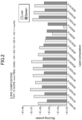
- each of the prepared Fluc mRNA-loaded lipid nanoparticles was intravenously administered into the tail vein of BALB/c mice, and Fluc activity (RLU/mg protein) was measured. The results are shown in Fig. 2 . Fluc activity was confirmed in the liver and spleen of mice administered with any of the lipid nanoparticles. From this result, it was confirmed that the lipid nanoparticles using TOT-5 as a constituent lipid are useful as gene expression carriers targeting the liver and spleen in all the compositions used this time.
- Lipid nanoparticles were prepared using TOT-5 synthesized in Example 5 as a constituent lipid.
- PE cholesterol, and PEG-DMG were used as lipids other than TOT-5.
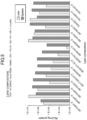
- each of the prepared Fluc mRNA-loaded lipid nanoparticles was intravenously administered into the tail vein of BALB/c mice, and Fluc activity (RLU/mg protein) was measured. The results are shown in Fig. 3 . Fluc activity was confirmed in the liver and spleen of mice administered with any of the lipid nanoparticles, but the Fluc mRNA-loaded lipid nanoparticles containing DOPE showed higher Fluc activity than those of the Fluc mRNA-loaded lipid nanoparticles containing POPE, indicating that they are superior as gene expression carriers.
- Lipid nanoparticles were prepared using TOT-4 to TOT-8 synthesized in Examples 4 to 8 as constituent lipids.
- DOPE, cholesterol, and PEG-DMG were used as lipids other than TOT.
- each of the prepared Fluc mRNA-loaded lipid nanoparticles was intravenously administered into the tail vein of BALB/c mice, and Fluc activity (RLU/mg protein) was measured. The results are shown in Fig. 4 . Since Fluc activity was confirmed in the liver and spleen of mice administered with any of the lipid nanoparticles, it was confirmed that the lipid nanoparticles using TOT-4, TOT-6 to TOT-8 as constituent lipids are also useful as gene expression carriers targeting the liver and spleen, similar to the lipid nanoparticles using TOT-5 as a constituent lipid.
- the Fluc mRNA-loaded lipid nanoparticles containing TOT-4 or TOT-5 showed very high Fluc activity, indicating that they are excellent as gene expression carriers.
- the Fluc mRNA-loaded lipid nanoparticles containing TOT-6 to TOT-8 showed higher Fluc activity in the spleen than in the liver, indicating that the lipid nanoparticles containing TOT-6 to TOT-8 have high spleen selectivity and are useful as gene expression carriers targeting the spleen.
- Lipid nanoparticles were prepared using TOT-5 synthesized in Example 5 as a constituent lipid.
- PC Phosphatidylcholine
- cholesterol PEG-DMG
- DSPC DSPC
- each of the prepared Fluc mRNA-loaded lipid nanoparticles was intravenously administered into the tail vein of BALB/c mice, and Fluc activity (RLU/mg protein) was measured. The results are shown in Fig. 5 . Fluc activity was confirmed in the liver and spleen of mice administered with any of the lipid nanoparticles. From this result, it was confirmed that the lipid nanoparticles using TOT-5 as a constituent lipid are useful as gene expression carriers targeting the liver and spleen in all the compositions used this time.
- PC cholesterol, and PEG-DMG were used as lipids other than TOT-4.
- each of the prepared Fluc mRNA-loaded lipid nanoparticles was intravenously administered into the tail vein of BALB/c mice, and Fluc activity (RLU/mg protein) was measured. The results are shown in Fig. 6 . Fluc activity was confirmed in the liver and spleen of mice administered with any of the lipid nanoparticles. From this result, it was confirmed that the lipid nanoparticles using TOT-4 as a constituent lipid are useful as gene expression carriers targeting the liver and spleen in all the compositions used this time.
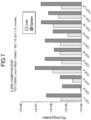
- Lipid nanoparticles were prepared using TOT-1 to TOT-8, TOT-16, and TOT-17 synthesized in Examples 1 to 10 as constituent lipids.
- DSPC cholesterol, and PEG-DMG were used as lipids other than TOT.
- TOT RNA-loaded lipid nanoparticles by the alcohol dilution method.
- the total amount was adjusted to 65 mol% by using an equal amount of each.
- the gene expression ability in the spleen was compared between Fluc mRNA-loaded lipid nanoparticles containing TOT-4, which showed the best spleen selectivity in Example 16, and Fluc mRNA-loaded lipid nanoparticles containing RNA-LPX (manufactured by BioNTech), which is a commercially available highly spleen-selective lipid.
- each of the prepared Fluc mRNA-loaded lipid nanoparticles was intravenously administered into the tail vein of BALB/c mice, and Fluc activity (RLU/mg protein) was measured. The results are shown in Fig. 8 .
- the Fluc mRNA-loaded lipid nanoparticles containing TOT-4 showed 24 times higher gene expression in the spleen than the Fluc mRNA-loaded lipid nanoparticles using RNA-LPX.
- DSPC cholesterol, and PEG-DMG were used as lipids other than the pH-sensitive cationic lipid.
- each of the prepared Fluc mRNA-loaded lipid nanoparticles was intravenously administered into the tail vein of BALB/c mice, and Fluc activity (RLU/mg protein) was measured.
- the results are shown in Fig. 9 .
- “NT” shows the results of mice not administered with lipid nanoparticles
- "F” shows the results of mice administered with CL4F6-containing Fluc mRNA-loaded lipid nanoparticles
- PC shows the results of mice administered with TOT-4-containing Fluc mRNA-loaded lipid nanoparticles.
- the TOT-4-containing Fluc mRNA-loaded lipid nanoparticles showed high gene expression in the spleen and liver, similar to the CL4F6-containing Fluc mRNA-loaded lipid nanoparticles.
- Table 1 shows the ⁇ -average particle size (nm), number average particle size (nm), polydispersity index (PdI), and encapsulation rate (%) of each Fluc mRNA-loaded lipid nanoparticle.
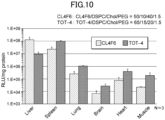
- each lipid nanoparticle was intravenously administered into the tail vein of mice in an amount of 0.2 mg/kg of Fluc mRNA, and 6 hours after administration of the lipid nanoparticles, about 50 mg each of the liver, spleen, lung, heart, brain, and muscle was collected and stored frozen. 500 ⁇ L of passive lysis buffer (manufactured by Promega) was added to each tube containing the collected organ.
- the liver was homogenized at 4000 rpm for 20 seconds twice, the spleen, kidney, lung, and heart were homogenized at 5000 rpm for 20 seconds twice, and the muscle was homogenized at 5000 rpm for 20 seconds four times; then, the homogenate was centrifuged at 13000 rpm at 4°C for 10 minutes, and the supernatant was collected as a sample for measurement.
- the liver and spleen were diluted 100 times with passive lysis buffer.
- luciferase assay buffer of the Luciferase Assay System (E1500, manufactured by Promega) previously added in a test tube by pipetting, and the amount of luminescence was measured with a luminometer.
- Protein concentration was determined using a commercially available assay kit (BCA Protein Assay Kit, manufactured by Pierce). Fluc activity was expressed as relative light units (RLU) per mg of protein.
- Fig. 10 shows the measurement results of the amount of luciferase expression (Fluc activity) in each tissue of mice administered with each Fluc mRNA-loaded lipid nanoparticle.
- Mice administered with TOT-4-containing Fluc mRNA-loaded lipid nanoparticles showed higher luciferase activity in the spleen, lung, brain, heart, and muscle than mice administered with CL4F6-containing Fluc mRNA-loaded lipid nanoparticles.
- DOPE or DSPC, cholesterol, and PEG-DMG were used as lipids other than TOT-4.
- each of the prepared Fluc mRNA-loaded lipid nanoparticles was intravenously administered into the tail vein of BALB/c mice so that the dose of Fluc mRNA per 1 kg body weight was 0.01 mg, and 6 hours after administration, luciferase expression was evaluated by bioluminescence imaging of live animals. Specifically, mice were anesthetized with isoflurane, and then 100 ⁇ L of a substrate solution (a solution of d-luciferin dissolved in PBS at a concentration of 30 mg/mL) was intraperitoneally injected. The anesthetized mice were placed on a black sheet, and the intensity of luciferase-derived luminescence of the whole body was measured.
- a substrate solution a solution of d-luciferin dissolved in PBS at a concentration of 30 mg/mL
- the intensity of luciferase-derived luminescence in each organ was measured by imaging using an imaging system (IVIS Lumina system, manufactured by Perkin Elmer).
- the images were processed with "Living Image software v.4.3” (64-bit, manufactured by Caliper Life Sciences).
- Fig. 11 shows imaging results measuring luciferase-derived luminescence intensity of the whole body of mice.
- luciferase expression was mainly observed in the liver, whereas in mice administered with DSPC-containing Fluc mRNA-loaded lipid nanoparticles, expression was particularly observed in the spleen.
- DSPC-containing Fluc mRNA-loaded lipid nanoparticles expression was also observed in the heel, hand, nose, neck, and the like.
- DSPC cholesterol, and PEG-DMG were used as lipids other than TOT-5.
- Ova mRNA was used as mRNA having an antitumor effect, and EL4 cells (E.G.7-OVA cells), a mouse lymphoma cell line stably expressing OVA antigen, were used as tumor cells.
- E.G.7-OVA cells 5 ⁇ 10 5 E.G.7-OVA cells were subcutaneously injected into the flank region of C57BL/6N mice (female, 6 weeks old) per mouse for inoculation. Then, the tumor volume of each mouse was measured over time.
- Tumor volume mm 3 Major axis of tumor mm ⁇ Minor axis of tumor mm 2 ⁇ 0.52
- Ova mRNA-loaded lipid nanoparticles suspended with PBS were intravenously administered into the tail vein at 0, 0.005, 0.01, 0.05, 0.1, or 0.5 mg RNA/kg body weight.
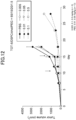
- Fig. 12 The results of monitoring tumor volume are shown in Fig. 12 .
- an antitumor effect was observed at a dose of 0.1 mg RNA/kg or more.
- TOT-5 was synthesized using N-(1,3-dihydroxy-2-(hydroxymethyl)propan-2-yl)-3-(piperidin-1-yl)propanamide (compound 3).
- Oleic acid (890 mg, 3.15 mmol), DMAP (12.2 mg, 0.1 mmol), and EDCI (633 mg, 3.3 mmol) were added to a solution of compound 3 (260 mg, 1.0 mmol) dissolved in anhydrous DCM (10 mL). The reaction mixture was stirred at 40°C overnight and then evaporated. The resulting residue was suspended with EtOAc, passed through silica gel, and then the filtrate was washed with 0.1 N aqueous NaOH solution (5 mL) and brine and then dried over anhydrous Na 2 SO 4 .
- TOT-4 was synthesized using 3-(diethylamino)-N-(1,3-dihydroxy-2-(hydroxymethyl)propan-2-yl)propanamide (compound 4).
- Oleic acid (478 mg, 1.55 mmol), DMAP (12.2 mg, 0.1 mmol), and EDCI (307 mg, 1.60 mmol) were added to a solution of compound 4 (124 mg, 0.50 mmol) dissolved in anhydrous DCM (5 mL). The reaction mixture was stirred at 40°C overnight and then evaporated. The resulting residue was suspended with EtOAc, passed through silica gel, and then the filtrate was washed with 0.1 N aqueous NaOH solution (5 mL) and brine, and then dried over anhydrous Na 2 SO 4 .
- TOT-18 (37.4 mg, yield 8.9%) was obtained as a colorless oil in the same manner as TOT-17, except that 1-ethylpiperidine-4-carboxylic acid (78.6 mg, 0.50 mmol) was used instead of 3-(pyrrolidin-1-yl)propanoic acid.
- TOT-19 (108.4 mg, yield 25.4%) was obtained as a colorless oil in the same manner as TOT-17, except that 1-(propan-2-yl)piperidine-4-carboxylic acid (103.9 mg, 0.50 mmol) was used instead of 3-(pyrrolidin-1-yl)propanoic acid.
- TOT-20 (116.6 mg, yield 28.4%) was obtained as a colorless oil in the same manner as TOT-17, except that 3-(pyrrolidin-1-yl)propanoic acid hydrochloride (89.8 mg, 0.50 mmol) was used instead of 3-(pyrrolidin-1-yl)propanoic acid.
- N-[Tris(hydroxymethyl)methyl]acrylamide, N ⁇ -methyltryptamine, and oleic acid were condensed to synthesize 2-(3-((2-(1H-indol-3-yl)ethyl)(methyl)amino)propanamido)-2-((oleoyloxy)methyl)propane-1,3-diyl dioleate (TOT-21).
- N-[Tris(hydroxymethyl)methyl]acrylamide (93%, 188.4 mg, 1.0 mmol) and N ⁇ -methyltryptamine were dissolved in EtOH (1 mL) and water (0.4 mL). The resulting reaction mixture was stirred at ambient temperature overnight in dark and then evaporated. The obtained crude product was dissolved in anhydrous DCM (5 mL), and oleic acid (890 mg, 3.15 mmol), DMAP (12.2 mg, 0.1 mmol), and EDCI-HCl (633 mg, 3.30 mmol) were added. The reaction mixture was stirred at ambient temperature overnight in dark.
- N-[Tris(hydroxymethyl)methyl]acrylamide, isonipecotamide, and oleic acid were condensed to synthesize 2-(3-(4-carbamoylpiperidin-1-yl)propanamido)-2-((oleoyloxy)methyl)propane-1,3-diyl dioleate (TOT-22).
- N-[Tris(hydroxymethyl)methyl]acrylamide, N-methyl-2-pyridinemethanamine, and oleic acid were condensed to synthesize 2-(3-(methyl(pyridin-2-ylmethyl)amino)propanamido)-2-((oleoyloxy)methyl)propane-1,3-diyl dioleate (TOT-23).
- TOT-23 (215 mg, yield 65.7%) was obtained as a pale yellow oil in the same manner as TOT-22, except that N-methyl-2-pyridinemethanamine (36.7 mg, 0.3 mmol) was used instead of isonipecotamide.
- N-[Tris(hydroxymethyl)methyl]acrylamide, 1'H-spiro[piperidine-4,4'-quinazolin]-2'(3'H)-one, and oleic acid were condensed to synthesize 2-((oleoyloxy)methyl)-2-(3-(2'-oxo-2',3'-dihydro-1'H-spiro[piperidine-4,4'-quinazolin]-1-yl)propanamido)propane-1,3-diyl dioleate (TOT-24).
- TOT-24 (155.8 mg, yield 43.8%) was obtained as a colorless oil in the same manner as TOT-22, except that 1'H-spiro[piperidine-4,4'-quinazolin]-2'(3'H)-one (65.2 mg, 0.3 mmol) was used instead of isonipecotamide.
- N-[Tris(hydroxymethyl)methyl]acrylamide, 3-(4-piperidinyl)-1,3-benzoxazol-2(3H)-one, and oleic acid were condensed to synthesize 2-((oleoyloxy)methyl)-2-(3-(4-(2-oxobenzo[d]oxazol-3(2H)-yl)piperidin-1-yl)propanamido)propane-1,3-diyl dioleate (TOT-25).
- TOT-25 (116.2 mg, yield 32.6%) was obtained as a yellow oil in the same manner as TOT-22, except that 3-(4-piperidinyl)-1,3-benzoxazol-2(3H)-one (65.5 mg, 0.3 mmol) was used instead of isonipecotamide.
- N-[Tris(hydroxymethyl)methyl]acrylamide, N-methyl-4-pyridylmethylamine, and oleic acid were condensed to synthesize 2-(3-(methyl(pyridin-4-ylmethyl)amino)propanamido)-2-((oleoyloxy)methyl)propane-1,3-diyl dioleate (TOT-26).
- TOT-26 (54 mg, yield 16.5%) was obtained as a colorless oil in the same manner as TOT-22, except that N-methyl-4-pyridylmethylamine (36.7 mg, 0.3 mmol) was used instead of isonipecotamide.
- Lipid nanoparticles were prepared using the pH-sensitive cationic lipids TOT-1 to 8 and 16 to 20 synthesized in Examples 1 to 10 and 24 to 26 (hereinafter sometimes collectively referred to as "TOT") as constituent lipids.
- TOT pH-sensitive cationic lipids
- DSPC cholesterol, and PEG-DMG were used as lipids other than TOT.
- lipid nanoparticles had a ⁇ -average particle size of about 100 to about 200 nm and an encapsulation rate of about 90%, and all had sufficiently suitable physical properties as gene expression carriers. Further, it was confirmed that the pKa of the lipid nanoparticles is affected by the TOT used as a constituent lipid, and by appropriately selecting TOT, lipid nanoparticles having a desired pKa can be prepared within a very wide range of 6.2 to 7.7 or more.
- each of the prepared Fluc mRNA-loaded lipid nanoparticles was intravenously administered into the tail vein of BALB/c mice, and Fluc activity (RLU/mg protein) in each tissue was measured.
- Fluc activity (RLU/mg protein) in each tissue was measured.
- Fluc activity in each tissue was measured in the same manner as in Example 19.
- Figs. 13 to 18 The measurement results of the amount of luciferase expression in each tissue of mice administered with each Fluc mRNA-loaded lipid nanoparticle are shown in Figs. 13 to 18 .
- the luciferase activity was lower in all the mice administered with the lipid nanoparticles containing TOT than in the control mice (mice administered with CL4F6-containing lipid nanoparticles) ( Fig. 13 ).
- the luciferase activity was higher in the mice administered with the lipid nanoparticles containing TOT-5, TOT-16, or TOT-4 than in the control mice, and it was found that spleen selectivity can be enhanced by using TOT having a pKa of about 6.2 to about 6.6 as a constituent lipid ( Fig. 14 ).
- the luciferase activity was highest in the mice administered with the lipid nanoparticles containing TOT-19, and it was higher in the mice administered with the lipid nanoparticles containing TOT-18, TOT-2, TOT-3, or TOT-4 than in the control mice ( Fig. 15 ).
- TOT-18, TOT-19, TOT-2, and TOT-3 have a pKa of 7.5 or more, it was suggested that the lung selectivity of lipid nanoparticles can be enhanced by selecting TOT having a high pKa.
- the luciferase activity was remarkably high in the mice administered with the lipid nanoparticles containing TOT-4, suggesting that a carrier that can be efficiently transported to the brain can be produced by using TOT-4 as a constituent lipid ( Fig. 16 ).
- the luciferase activity was very high in the mice administered with the lipid nanoparticles containing TOT-4 or TOT-19, and it was higher in the mice administered with the lipid nanoparticles containing TOT-16 or TOT-7 than in the control mice ( Fig. 17 ).
- the luciferase activity was very high in the mice administered with the lipid nanoparticles containing TOT-18, TOT-19, or TOT-4, and it was higher in the mice administered with the lipid nanoparticles containing TOT-16 than in the control mice ( Fig. 18 ).
- Fig. 19(A) shows the results of mice administered with TOT-5-containing Fluc mRNA-loaded lipid nanoparticles
- Fig. 19(B) shows the results of mice administered with MC3-containing Fluc mRNA-loaded lipid nanoparticles
- Fig. 19(C) shows the results of mice administered with SM-containing Fluc mRNA-loaded lipid nanoparticles
- Fig. 19(D) shows the results of mice administered with ALC-containing Fluc mRNA-loaded lipid nanoparticles.
- any cationic lipid As the DSPC content increased, the activity in the spleen tended to increase, and the activity in the liver tended to decrease. In particular, in mice administered with TOT-5-containing Fluc mRNA-loaded lipid nanoparticles, when the DSPC content was less than 10 mol%, the activity was predominantly in the liver, and when the DSPC content was 10 mol% or more, the activity was predominantly in the spleen.
- TOT-1 to 5 and 16 were used as pH-sensitive cationic lipids.
- DSPC, cholesterol, and PEG-DMG were used as lipids other than TOT.
- Each of the prepared Fluc mRNA-loaded lipid nanoparticles was intravenously administered into the tail vein of BALB/c mice so that the dose of Fluc mRNA was 0.01 mg/kg, the liver and spleen were collected 6 hours after administration of the lipid nanoparticles, and Fluc activity (RLU/mg protein) was measured. Fluc activity in each tissue was measured in the same manner as in Example 19.
- Fig. 20(A) shows a diagram plotting specificity on the vertical axis and pKa on the horizontal axis for each Fluc mRNA-loaded lipid nanoparticle. Further, Fig.
- 20(B) shows a diagram plotting the relationship of the difference (specificity change) between the specificity of DSPC-15-containing Fluc mRNA-loaded lipid nanoparticles and the specificity of DSPC-3-containing Fluc mRNA-loaded lipid nanoparticles with the pKa of the lipid nanoparticles in the Fluc mRNA-loaded lipid nanoparticles prepared using the same TOT.
- the lower the pKa of the lipid nanoparticles the higher the Fluc activity in the liver when the DSPC content was 3 mol% and the higher the Fluc activity in the spleen when the DSPC content was 15 mol%.
- the influence of pKa on the spleen/liver ratio (specificity) of Fluc activity was large under the condition where the DSPC content was 3 mol%, and the Fluc activity was predominantly in the spleen in the lipid nanoparticles having a pKa of more than 7. It was shown that when the pKa of the lipid nanoparticles is low, the target property for the liver and spleen greatly changes by changing the DSPC content.
- Fig. 21 The measurement results are shown in Fig. 21 .
- the Fluc activity in ApoE-deficient mice (“3-ApoE(-)" in the figure) was lower in the liver than that in wild-type mice (“3-WT” in the figure), while the activity in the spleen did not increase.
- the spleen is composed of multiple types of cells, and its function varies depending on the cell type. Therefore, in the uptake of TOT-containing lipid nanoparticles into the spleen, it was examined which cell type in the spleen takes up the lipid nanoparticles.
- TOT-5, DSPC, cholesterol, and PEG-DMG were used as constituent lipids of the lipid nanoparticles.
- the spleen cells were stained to distinguish B cells, T cells, NK cells, dendritic cells, and neutrophils.
- the collected spleen was placed on a sterile petri dish and minced with scissors, an appropriate amount of cold HBSS(-) buffer was added to the sterile petri dish to loosen the tissue, the resulting suspension was passed through a 40 ⁇ m cell strainer, and centrifuged at 4°C and 400 ⁇ g for 5 minutes. After removing the supernatant, erythrocytes were removed by adding 1 mL of RBC lysis buffer, diluted with 9 mL of cold HBSS(-) buffer, and then centrifuged at 4°C and 400 ⁇ g for 5 minutes.
- the cells were resuspended with 5 mL of cold HBSS(-) buffer, the number of cells was counted, the suspensions were added to a 1.5 mL tube so that 3 ⁇ 10 6 cells were added, and centrifuged at 4°C and 400 ⁇ g for 5 minutes. After removing the supernatant, for blocking, purified anti-mouse CD16/32 antibody (10 ⁇ g/mL, prepared with FACS buffer) was added at 100 ⁇ L/1 ⁇ 10 6 cells and reacted on ice for 10 minutes while lightly tapping every 5 minutes.
- the cells were stained with antibodies for B cells as CD19 + CD3 - cells, for T cells as CD19 - CD3 + cells, for NK cells as CD3 - CD49b + cells, for dendritic cells as CD11c + I-A/I-E + cells, and for neutrophils as Ly6G + CD11b + cells, and reacted on ice for 30 minutes while lightly tapping every 15 minutes. After the reaction, the volume was adjusted to 1 mL/tube with FACS buffer, centrifuged at 4°C and 400 ⁇ g for 5 minutes, and washed twice with 1 mL of FACS buffer to obtain a sample. 6 ⁇ L of propidium iodide solution was added to the sample, each cell group was extracted by each surface antigen, and then DiD fluorescence intensity was measured.
- the FACS buffer (1 ⁇ PBS, 0.5% BSA, 0.1% NaN 3 ) was prepared by dissolving 10 PBS tablets in 1 L of deuterium-depleted water (DDW), autoclaving, and then adding 5.0 g of albumin (derived from bovine serum, fraction V, pH 7.0) and 1.0 g of sodium azide and dissolving them.
- the buffer was stored at 4°C until use.
- DiD-positive cells are cells that have taken up DiD-modified Fluc mRNA-loaded lipid nanoparticles. Therefore, the DiD fluorescence intensity of each spleen cell type was determined as the uptake amount of DiD-modified Fluc mRNA-loaded lipid nanoparticles.
- the measurement results are shown in Fig. 22 .
- “DC” shows the results of dendritic cells
- "neu” shows the results of neutrophils.
- the DSPC content of the lipid nanoparticles increased, the number of cells in splenic B cells that took up DiD-modified Fluc mRNA-loaded lipid nanoparticles increased.
- the lipid nanoparticles containing TOT-5 were highly taken up by B cells and dendritic cells, and in particular, the uptake by B cells was improved by about 10 times by increasing the DSPC content of the lipid nanoparticles.
- Example 37 For splenic B cells, which showed the highest uptake in Example 37, lipid nanoparticles with different DSPC contents were taken up, and the influence of Fluc activity and DSPC content was examined.
- the DiD-modified Fluc mRNA-loaded lipid nanoparticles prepared in Example 37 were used.
- the collected spleen was placed on a sterile petri dish and minced with scissors, an appropriate amount of cold HBSS(-) buffer was added to the sterile petri dish to loosen the tissue, the resulting suspension was passed through a 40 ⁇ m cell strainer, and centrifuged at 4°C and 400 ⁇ g for 5 minutes.
- erythrocytes were removed by adding 1 mL of RBC lysis buffer, diluted with 9 mL of cold HBSS(-) buffer, and then centrifuged at 4°C and 400 ⁇ g for 5 minutes. After removing the supernatant, the cells were resuspended with 5 mL of cold HBSS(-) buffer, the number of cells was counted, and centrifuged at 4°C and 400 ⁇ g for 5 minutes.
- the cells were suspended with MACS buffer (a solution of FACS buffer containing 2 mM EDTA) to 5 ⁇ 10 7 cells/mL/tube, centrifuged at 4°C and 400 ⁇ g for 5 minutes, and the supernatant was removed.
- MACS buffer a solution of FACS buffer containing 2 mM EDTA
- the precipitated cells were suspended in 450 ⁇ L of MACS buffer, and 50 ⁇ L of CD19 MicroBeads was added to obtain a cell suspension having a total volume of 500 ⁇ L.
- the entire amount of the cell suspension was added to an MS column, and after the suspension flowed out of the column, 500 ⁇ L of MACS buffer was added to the column three times. Then, the column was removed from the MACS separator, placed on a collection tube, 1 mL of MACS buffer was added, and a plunger was pushed to collect B cells.
- complement receptor CD21/35 is known to be involved in nanoparticle uptake into B cells ( Limei Shen, et al, Journal of Allergy, 2018, vol. 142, pp. 1558-1570 ; Monika Bednarczyk, et al, Molecular Sciences, 2021, vol. 22 , p. 2869). Therefore, it was examined whether the complement system is involved in the uptake of TOT-containing lipid nanoparticles into B cells.
- the spleen was collected from euthanized mice in the same manner as in Example 38, and splenic B cells (primary B cells) were isolated and collected from the collected spleen. The number of cells was counted, 1 ⁇ 10 7 cells/tube were dispensed, and centrifuged at 4°C and 400 ⁇ g for 5 minutes. After removing the supernatant, 1 ⁇ passive lysis buffer was added at 100 ⁇ L/tube. Since a white aggregate was observed, the mixture was centrifuged at 4°C and 13000 rpm for 10 minutes, and the supernatant was collected as a sample for measurement.
- luciferase assay buffer of the Luciferase Assay System (E1500, manufactured by Promega) previously added to a test tube by pipetting, and the amount of luminescence was measured with a luminometer.
- Inactivated serum was prepared as follows. Blood was collected from the heart of mice under anesthesia and allowed to stand at room temperature for 30 minutes. The blood clot was peeled off by tapping, and the mixture was centrifuged at room temperature and 1500 ⁇ g for 15 minutes, and then the supernatant was collected as serum. Mouse serum heated at 56°C for 30 minutes was used as inactivated serum.
- the solution was allowed to stand at 37°C under 5% CO 2 for 1 hour, and then 80 ⁇ L of a cell suspension of 2.5 ⁇ 10 6 cells/mL was added to the well, and allowed to stand at 37°C under 5% CO 2 for 1 hour (final number of cells: 2 ⁇ 10 5 cells/well, final RNA amount: 40 ng/well, final serum concentration: 10%, final EDTA concentration: 10 mM).
- the entire amount of the solution in the well was collected, 400 ⁇ L of FACS buffer was added thereto, and DiD fluorescence intensity was measured with a cell sorter (CytoFLEX, manufactured by Beckman Coulter).
- Fig. 24(A) The measurement results of DiD fluorescence intensity in each primary B cell taken up with DiD-modified Fluc mRNA-loaded lipid nanoparticles are shown in Fig. 24(A) . Further, Fig. 24(B) shows the results of FACS sorting by DiD uptake amount for primary B cells taken up by culturing DiD-modified Fluc mRNA-loaded lipid nanoparticles having a DSPC content of 15 mol% in the presence of non-inactivated serum under the condition of no EDTA. As shown in Fig.
- the amount of DiD-modified Fluc mRNA-loaded lipid nanoparticles taken up into primary B cells was clearly lower in the presence of inactivated serum or in the presence of EDTA than under the condition of untreated serum and no EDTA. Further, under the condition of untreated serum and no EDTA, the DiD-modified Fluc mRNA-loaded lipid nanoparticles having a DSPC content of 15 mol% were taken up more than those having a DSPC content of 3 mol%, but in the presence of inactivated serum or in the presence of EDTA, the DiD-modified Fluc mRNA-loaded lipid nanoparticles having a DSPC content of 3 mol% were taken up more. These results suggested that any complement system may be involved in the uptake of TOT-containing lipid nanoparticles into splenic B cells.
- Spleen cells were collected in the same manner as in Example 37 and blocked with purified anti-mouse CD16/32 antibody (10 ⁇ g/mL, prepared with FACS buffer). Then, the cells were stained with antibodies for B cells as CD19 + cells, for MZB cells as CD21/35 high CD23 mid cells, and for FOB cells as CD21/35 mid CD23 high cells, and reacted on ice for 30 minutes while lightly tapping every 15 minutes. After the reaction, the volume was adjusted to 1 mL/tube with FACS buffer, centrifuged at 4°C and 400 ⁇ g for 5 minutes, and washed twice with 1 mL of FACS buffer to obtain a sample. 6 ⁇ L of propidium iodide solution was added to the sample, each cell group was extracted by each surface antigen, and then DiD fluorescence intensity was measured.
- Fig. 25 shows the results of measurement of DiD fluorescence intensity in B cells, MZB cells, and FOB cells of mice not administered with lipid nanoparticles (NT), mice administered with DiD-modified Fluc mRNA-loaded lipid nanoparticles having a DSPC content of 3 mol% (3% DSPC), and mice administered with DiD-modified Fluc mRNA-loaded lipid nanoparticles having a DSPC content of 15 mol% (15% DSPC).
- the uptake of DiD-modified Fluc mRNA-loaded lipid nanoparticles containing TOT was clearly higher in MZB cells highly expressing CD21/35 than in FOB cells. Further, the uptake into MZB cells was higher in the lipid nanoparticles having a DSPC content of 15 mol% than in the lipid nanoparticles having a DSPC content of 3 mol%.
- MBP and C1q are proteins located upstream of the lectin pathway and classical pathway of complement, respectively, have similar structures to each other, and have been reported to be recognized by C1q receptor ( Ehrnthaller, et al, Mol Med, 2010, vol. 17(3-4), pp. 317-329 ).
- IgM is recognized by the globular heads of C1q. It has been reported that fibrinogen, which is a blood coagulation-related factor, and vitronectin, which is a cell adhesion factor, become ligands for gC1q receptor when denatured ( Ghebrehiwet, et al, Immunol Rev, 2002, vol. 180, pp. 65-77 ).
- lipid nanoparticles having a relatively high DSPC content are taken up into spleen cells through the complement pathway, particularly, the pathway mediated by C1q receptor, and may be useful as drug delivery carriers to animals in which the pathway is activated.
Landscapes
- Chemical & Material Sciences (AREA)
- Organic Chemistry (AREA)
- Health & Medical Sciences (AREA)
- Life Sciences & Earth Sciences (AREA)
- Engineering & Computer Science (AREA)
- Genetics & Genomics (AREA)
- Bioinformatics & Cheminformatics (AREA)
- Biotechnology (AREA)
- General Health & Medical Sciences (AREA)
- Pharmacology & Pharmacy (AREA)
- Epidemiology (AREA)
- Medicinal Chemistry (AREA)
- Animal Behavior & Ethology (AREA)
- Public Health (AREA)
- Veterinary Medicine (AREA)
- Biomedical Technology (AREA)
- Molecular Biology (AREA)
- General Engineering & Computer Science (AREA)
- Zoology (AREA)
- Physics & Mathematics (AREA)
- Biochemistry (AREA)
- Wood Science & Technology (AREA)
- Nanotechnology (AREA)
- Plant Pathology (AREA)
- Microbiology (AREA)
- Biophysics (AREA)
- Optics & Photonics (AREA)
- Organic Low-Molecular-Weight Compounds And Preparation Thereof (AREA)
Applications Claiming Priority (2)
| Application Number | Priority Date | Filing Date | Title |
|---|---|---|---|
| JP2022115015 | 2022-07-19 | ||
| PCT/JP2023/020385 WO2024018762A1 (ja) | 2022-07-19 | 2023-05-31 | pH感受性カチオン性脂質及び脂質ナノ粒子 |
Publications (2)
| Publication Number | Publication Date |
|---|---|
| EP4559896A1 true EP4559896A1 (de) | 2025-05-28 |
| EP4559896A4 EP4559896A4 (de) | 2025-10-22 |
Family
ID=89617446
Family Applications (1)
| Application Number | Title | Priority Date | Filing Date |
|---|---|---|---|
| EP23842694.4A Pending EP4559896A4 (de) | 2022-07-19 | 2023-05-31 | Ph-sensitive kationische lipid- und lipidnanopartikel |
Country Status (3)
| Country | Link |
|---|---|
| EP (1) | EP4559896A4 (de) |
| JP (1) | JPWO2024018762A1 (de) |
| WO (1) | WO2024018762A1 (de) |
Families Citing this family (1)
| Publication number | Priority date | Publication date | Assignee | Title |
|---|---|---|---|---|
| CN116496193B (zh) * | 2023-03-10 | 2026-01-02 | 圣诺生物医药技术(苏州)有限公司 | 一种氨基酸脂质形成的纳米递送系统及其应用 |
Family Cites Families (15)
| Publication number | Priority date | Publication date | Assignee | Title |
|---|---|---|---|---|
| EP0329295A1 (de) * | 1988-02-01 | 1989-08-23 | The Upjohn Company | Renin inhibierende Peptide mit polaren Endgruppen |
| CA2167818A1 (en) * | 1993-08-02 | 1995-02-09 | Robert George Whittaker | Therapeutic compound - fatty acid conjugates |
| AUPM747694A0 (en) * | 1994-08-16 | 1994-09-08 | Commonwealth Scientific And Industrial Research Organisation | Delivery of nucleic acids and peptides |
| FR2732895B1 (fr) * | 1995-04-11 | 1997-05-16 | Pasteur Merieux Serums Vacc | Utilisation d'un compose amphipathique cationique comme agent de transfection, comme adjuvant de vaccin, ou comme medicament |
| US7632882B2 (en) * | 2005-01-13 | 2009-12-15 | E.I. Du Pont De Nemours And Company | Rheology control agents for coating compositions |
| WO2007102481A1 (ja) | 2006-03-07 | 2007-09-13 | National University Corporation Hokkaido University | 目的物質の核内送達用ベクター |
| US9283287B2 (en) * | 2012-04-02 | 2016-03-15 | Moderna Therapeutics, Inc. | Modified polynucleotides for the production of nuclear proteins |
| WO2018062413A1 (ja) * | 2016-09-28 | 2018-04-05 | 協和発酵キリン株式会社 | 核酸含有脂質ナノ粒子 |
| CN110520214B (zh) | 2017-04-13 | 2023-03-21 | 国立大学法人北海道大学 | 使用流路构造体的脂质粒子或微胞的形成方法 |
| KR102676927B1 (ko) | 2017-06-15 | 2024-06-24 | 국립대학법인 홋가이도 다이가쿠 | siRNA 세포 내 송달을 위한 지질막 구조체 |
| WO2019027055A1 (ja) * | 2017-08-04 | 2019-02-07 | 協和発酵キリン株式会社 | 核酸含有脂質ナノ粒子 |
| CA3144457A1 (en) * | 2019-06-21 | 2020-12-24 | Translate Bio, Inc. | Tricine and citric acid lipids |
| JP2023549011A (ja) * | 2020-09-15 | 2023-11-22 | ヴァーヴ・セラピューティクス,インコーポレーテッド | 遺伝子編集のための脂質製剤 |
| JP7589057B2 (ja) | 2021-01-27 | 2024-11-25 | キヤノン株式会社 | 医療装置および湾曲可能ユニット |
| CN119585236A (zh) * | 2022-07-19 | 2025-03-07 | 国立大学法人北海道大学 | 中性脂质及脂质纳米粒 |
-
2023
- 2023-05-31 EP EP23842694.4A patent/EP4559896A4/de active Pending
- 2023-05-31 JP JP2024534955A patent/JPWO2024018762A1/ja active Pending
- 2023-05-31 WO PCT/JP2023/020385 patent/WO2024018762A1/ja not_active Ceased
Also Published As
| Publication number | Publication date |
|---|---|
| JPWO2024018762A1 (de) | 2024-01-25 |
| WO2024018762A1 (ja) | 2024-01-25 |
| EP4559896A4 (de) | 2025-10-22 |
Similar Documents
| Publication | Publication Date | Title |
|---|---|---|
| JP7202009B2 (ja) | siRNA細胞内送達のための脂質膜構造体 | |
| US12458605B2 (en) | Lipid nanoparticle | |
| JP2023505316A (ja) | ナノマテリアル | |
| EP3842412A1 (de) | Biologisch abbaubare verbindung, lipidpartikel, zusammensetzung mit lipidpartikeln und kit | |
| CN107406396A (zh) | 阳离子性脂质 | |
| WO2015178343A1 (ja) | siRNA細胞内送達のための脂質膜構造体 | |
| EP4559896A1 (de) | Ph-sensitive kationische lipid- und lipidnanopartikel | |
| JP7411824B2 (ja) | アミノ脂質化合物、その調製方法、およびその用途 | |
| US20250205362A1 (en) | Lipid nanoparticles | |
| WO2025140585A1 (en) | Spleen-targeted ionizable lipid compound, composition comprising same and use thereof | |
| JP7842690B2 (ja) | がんの処置において有用なTFGβアンタゴニストプロドラッグを含有する製剤化および/または共製剤化リポソーム組成物ならびにその方法 | |
| US20260048021A1 (en) | Neutral lipid and lipid nanoparticle | |
| CN118105357B (zh) | 一种鞘内递送制剂及其用途 | |
| TW202404641A (zh) | 用於輸送至癌症之醫藥組成物或免疫賦活用組成物 | |
| EP4722195A1 (de) | Ph-empfindliche kationische lipid- und lipidnanopartikel | |
| WO2024183497A1 (zh) | 一种鞘内递送制剂及其用途 | |
| WO2025199302A1 (en) | Ph-sensitive cationic lipids, lipid nanoparticles comprising the same and methods of delivering nucleic acids | |
| CN120919332A (zh) | 一种基于喹啉可电离脂质的脂质纳米组合物及其应用 | |
| WO2022176953A1 (ja) | 脂質ナノ粒子 | |
| WO2024024156A1 (ja) | 脂質ナノ粒子および医薬組成物 | |
| TW202604542A (zh) | 含有苯環結構的長效脾靶向陽離子脂質化合物、包含其的組合物及用途 | |
| WO2025063214A1 (ja) | 核酸を内封したリガンド修飾脂質ナノ粒子の製造方法 |
Legal Events
| Date | Code | Title | Description |
|---|---|---|---|
| STAA | Information on the status of an ep patent application or granted ep patent |
Free format text: STATUS: THE INTERNATIONAL PUBLICATION HAS BEEN MADE |
|
| PUAI | Public reference made under article 153(3) epc to a published international application that has entered the european phase |
Free format text: ORIGINAL CODE: 0009012 |
|
| STAA | Information on the status of an ep patent application or granted ep patent |
Free format text: STATUS: REQUEST FOR EXAMINATION WAS MADE |
|
| 17P | Request for examination filed |
Effective date: 20250213 |
|
| AK | Designated contracting states |
Kind code of ref document: A1 Designated state(s): AL AT BE BG CH CY CZ DE DK EE ES FI FR GB GR HR HU IE IS IT LI LT LU LV MC ME MK MT NL NO PL PT RO RS SE SI SK SM TR |
|
| A4 | Supplementary search report drawn up and despatched |
Effective date: 20250922 |
|
| DAV | Request for validation of the european patent (deleted) | ||
| DAX | Request for extension of the european patent (deleted) | ||
| RIC1 | Information provided on ipc code assigned before grant |
Ipc: C07C 237/08 20060101AFI20250917BHEP Ipc: A61K 9/51 20060101ALI20250917BHEP Ipc: A61K 31/7088 20060101ALI20250917BHEP Ipc: A61K 31/7105 20060101ALI20250917BHEP Ipc: A61K 47/10 20170101ALI20250917BHEP Ipc: A61K 47/18 20170101ALI20250917BHEP Ipc: A61K 47/28 20060101ALI20250917BHEP Ipc: A61K 47/34 20170101ALI20250917BHEP Ipc: A61K 48/00 20060101ALI20250917BHEP Ipc: C07C 231/02 20060101ALI20250917BHEP Ipc: C12N 15/88 20060101ALI20250917BHEP Ipc: A61K 38/00 20060101ALI20250917BHEP Ipc: C07D 207/16 20060101ALI20250917BHEP Ipc: C07D 209/14 20060101ALI20250917BHEP Ipc: C07D 209/16 20060101ALI20250917BHEP Ipc: C07D 211/62 20060101ALI20250917BHEP Ipc: C07C 237/06 20060101ALI20250917BHEP |