US11409429B2 - File transfer method and apparatus - Google Patents
File transfer method and apparatus Download PDFInfo
- Publication number
- US11409429B2 US11409429B2 US16/689,598 US201916689598A US11409429B2 US 11409429 B2 US11409429 B2 US 11409429B2 US 201916689598 A US201916689598 A US 201916689598A US 11409429 B2 US11409429 B2 US 11409429B2
- Authority
- US
- United States
- Prior art keywords
- target device
- file
- icon
- address
- file transfer
- Prior art date
- Legal status (The legal status is an assumption and is not a legal conclusion. Google has not performed a legal analysis and makes no representation as to the accuracy of the status listed.)
- Active
Links
Images




Classifications
-
- G—PHYSICS
- G06—COMPUTING OR CALCULATING; COUNTING
- G06F—ELECTRIC DIGITAL DATA PROCESSING
- G06F3/00—Input arrangements for transferring data to be processed into a form capable of being handled by the computer; Output arrangements for transferring data from processing unit to output unit, e.g. interface arrangements
- G06F3/01—Input arrangements or combined input and output arrangements for interaction between user and computer
- G06F3/048—Interaction techniques based on graphical user interfaces [GUI]
- G06F3/0484—Interaction techniques based on graphical user interfaces [GUI] for the control of specific functions or operations, e.g. selecting or manipulating an object, an image or a displayed text element, setting a parameter value or selecting a range
- G06F3/0486—Drag-and-drop
-
- G—PHYSICS
- G06—COMPUTING OR CALCULATING; COUNTING
- G06F—ELECTRIC DIGITAL DATA PROCESSING
- G06F16/00—Information retrieval; Database structures therefor; File system structures therefor
- G06F16/10—File systems; File servers
- G06F16/16—File or folder operations, e.g. details of user interfaces specifically adapted to file systems
- G06F16/168—Details of user interfaces specifically adapted to file systems, e.g. browsing and visualisation, 2d or 3d GUIs
-
- G—PHYSICS
- G06—COMPUTING OR CALCULATING; COUNTING
- G06F—ELECTRIC DIGITAL DATA PROCESSING
- G06F3/00—Input arrangements for transferring data to be processed into a form capable of being handled by the computer; Output arrangements for transferring data from processing unit to output unit, e.g. interface arrangements
- G06F3/01—Input arrangements or combined input and output arrangements for interaction between user and computer
- G06F3/048—Interaction techniques based on graphical user interfaces [GUI]
- G06F3/0481—Interaction techniques based on graphical user interfaces [GUI] based on specific properties of the displayed interaction object or a metaphor-based environment, e.g. interaction with desktop elements like windows or icons, or assisted by a cursor's changing behaviour or appearance
- G06F3/04817—Interaction techniques based on graphical user interfaces [GUI] based on specific properties of the displayed interaction object or a metaphor-based environment, e.g. interaction with desktop elements like windows or icons, or assisted by a cursor's changing behaviour or appearance using icons
-
- G—PHYSICS
- G06—COMPUTING OR CALCULATING; COUNTING
- G06F—ELECTRIC DIGITAL DATA PROCESSING
- G06F3/00—Input arrangements for transferring data to be processed into a form capable of being handled by the computer; Output arrangements for transferring data from processing unit to output unit, e.g. interface arrangements
- G06F3/01—Input arrangements or combined input and output arrangements for interaction between user and computer
- G06F3/048—Interaction techniques based on graphical user interfaces [GUI]
- G06F3/0481—Interaction techniques based on graphical user interfaces [GUI] based on specific properties of the displayed interaction object or a metaphor-based environment, e.g. interaction with desktop elements like windows or icons, or assisted by a cursor's changing behaviour or appearance
- G06F3/0482—Interaction with lists of selectable items, e.g. menus
-
- G—PHYSICS
- G06—COMPUTING OR CALCULATING; COUNTING
- G06F—ELECTRIC DIGITAL DATA PROCESSING
- G06F3/00—Input arrangements for transferring data to be processed into a form capable of being handled by the computer; Output arrangements for transferring data from processing unit to output unit, e.g. interface arrangements
- G06F3/01—Input arrangements or combined input and output arrangements for interaction between user and computer
- G06F3/048—Interaction techniques based on graphical user interfaces [GUI]
- G06F3/0484—Interaction techniques based on graphical user interfaces [GUI] for the control of specific functions or operations, e.g. selecting or manipulating an object, an image or a displayed text element, setting a parameter value or selecting a range
- G06F3/04842—Selection of displayed objects or displayed text elements
-
- G—PHYSICS
- G06—COMPUTING OR CALCULATING; COUNTING
- G06F—ELECTRIC DIGITAL DATA PROCESSING
- G06F3/00—Input arrangements for transferring data to be processed into a form capable of being handled by the computer; Output arrangements for transferring data from processing unit to output unit, e.g. interface arrangements
- G06F3/01—Input arrangements or combined input and output arrangements for interaction between user and computer
- G06F3/048—Interaction techniques based on graphical user interfaces [GUI]
- G06F3/0487—Interaction techniques based on graphical user interfaces [GUI] using specific features provided by the input device, e.g. functions controlled by the rotation of a mouse with dual sensing arrangements, or of the nature of the input device, e.g. tap gestures based on pressure sensed by a digitiser
- G06F3/0488—Interaction techniques based on graphical user interfaces [GUI] using specific features provided by the input device, e.g. functions controlled by the rotation of a mouse with dual sensing arrangements, or of the nature of the input device, e.g. tap gestures based on pressure sensed by a digitiser using a touch-screen or digitiser, e.g. input of commands through traced gestures
-
- H—ELECTRICITY
- H04—ELECTRIC COMMUNICATION TECHNIQUE
- H04L—TRANSMISSION OF DIGITAL INFORMATION, e.g. TELEGRAPHIC COMMUNICATION
- H04L12/00—Data switching networks
- H04L12/02—Details
- H04L12/16—Arrangements for providing special services to substations
- H04L12/18—Arrangements for providing special services to substations for broadcast or conference, e.g. multicast
- H04L12/1863—Arrangements for providing special services to substations for broadcast or conference, e.g. multicast comprising mechanisms for improved reliability, e.g. status reports
- H04L12/1868—Measures taken after transmission, e.g. acknowledgments
-
- H—ELECTRICITY
- H04—ELECTRIC COMMUNICATION TECHNIQUE
- H04L—TRANSMISSION OF DIGITAL INFORMATION, e.g. TELEGRAPHIC COMMUNICATION
- H04L51/00—User-to-user messaging in packet-switching networks, transmitted according to store-and-forward or real-time protocols, e.g. e-mail
- H04L51/04—Real-time or near real-time messaging, e.g. instant messaging [IM]
-
- H—ELECTRICITY
- H04—ELECTRIC COMMUNICATION TECHNIQUE
- H04L—TRANSMISSION OF DIGITAL INFORMATION, e.g. TELEGRAPHIC COMMUNICATION
- H04L65/00—Network arrangements, protocols or services for supporting real-time applications in data packet communication
- H04L65/40—Support for services or applications
-
- H—ELECTRICITY
- H04—ELECTRIC COMMUNICATION TECHNIQUE
- H04L—TRANSMISSION OF DIGITAL INFORMATION, e.g. TELEGRAPHIC COMMUNICATION
- H04L67/00—Network arrangements or protocols for supporting network services or applications
- H04L67/01—Protocols
- H04L67/06—Protocols specially adapted for file transfer, e.g. file transfer protocol [FTP]
-
- H04L67/36—
-
- H—ELECTRICITY
- H04—ELECTRIC COMMUNICATION TECHNIQUE
- H04L—TRANSMISSION OF DIGITAL INFORMATION, e.g. TELEGRAPHIC COMMUNICATION
- H04L67/00—Network arrangements or protocols for supporting network services or applications
- H04L67/50—Network services
- H04L67/75—Indicating network or usage conditions on the user display
-
- H—ELECTRICITY
- H04—ELECTRIC COMMUNICATION TECHNIQUE
- H04W—WIRELESS COMMUNICATION NETWORKS
- H04W4/00—Services specially adapted for wireless communication networks; Facilities therefor
- H04W4/70—Services for machine-to-machine communication [M2M] or machine type communication [MTC]
-
- H—ELECTRICITY
- H04—ELECTRIC COMMUNICATION TECHNIQUE
- H04W—WIRELESS COMMUNICATION NETWORKS
- H04W4/00—Services specially adapted for wireless communication networks; Facilities therefor
- H04W4/80—Services using short range communication, e.g. near-field communication [NFC], radio-frequency identification [RFID] or low energy communication
-
- H—ELECTRICITY
- H04—ELECTRIC COMMUNICATION TECHNIQUE
- H04W—WIRELESS COMMUNICATION NETWORKS
- H04W76/00—Connection management
- H04W76/10—Connection setup
- H04W76/14—Direct-mode setup
-
- H—ELECTRICITY
- H04—ELECTRIC COMMUNICATION TECHNIQUE
- H04M—TELEPHONIC COMMUNICATION
- H04M1/00—Substation equipment, e.g. for use by subscribers
- H04M1/72—Mobile telephones; Cordless telephones, i.e. devices for establishing wireless links to base stations without route selection
- H04M1/724—User interfaces specially adapted for cordless or mobile telephones
- H04M1/72403—User interfaces specially adapted for cordless or mobile telephones with means for local support of applications that increase the functionality
- H04M1/72409—User interfaces specially adapted for cordless or mobile telephones with means for local support of applications that increase the functionality by interfacing with external accessories
- H04M1/72412—User interfaces specially adapted for cordless or mobile telephones with means for local support of applications that increase the functionality by interfacing with external accessories using two-way short-range wireless interfaces
-
- H—ELECTRICITY
- H04—ELECTRIC COMMUNICATION TECHNIQUE
- H04M—TELEPHONIC COMMUNICATION
- H04M2250/00—Details of telephonic subscriber devices
- H04M2250/64—Details of telephonic subscriber devices file transfer between terminals
Definitions
- the present disclosure relates to the field of communication, and more particular, to a file transfer method and a file transfer apparatus.
- the present disclosure provides a file transfer method and a file transfer apparatus, which are capable of simplifying operations of file transfer.
- a file transfer method includes: detecting a file drag operation for dragging an icon of a file onto an icon of a target device; acquiring data of the file in response to detecting the file drag operation, and transferring the data to the target device.
- a file transfer apparatus includes: a processor; and a memory configured to store instructions executable by the processor; wherein the processor is configured to: detect a file drag operation for dragging an icon of a file onto an icon of a target device; acquire data of the file in response to detecting the file drag operation; and send the data of the file to the target device.
- FIG. 1 is an application scenario of a file transfer method according to one exemplary embodiment.
- FIG. 2 is a flowchart of a file transfer method according to one exemplary embodiment.
- FIG. 3 is a flowchart of a file transfer method according to one exemplary embodiment.
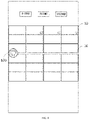
- FIG. 4 is an interface diagram of a terminal device according to one exemplary embodiment.
- FIG. 5 is an interface diagram of a terminal device according to one exemplary embodiment.
- FIG. 6 is a schematic diagram of a file transfer device according to one exemplary embodiment.
- FIG. 7 is a block diagram of a file transfer apparatus according to one exemplary embodiment.
- FIG. 1 is an application scenario for a file transfer method according to one exemplary embodiment of the present disclosure.
- a terminal device 1 and a terminal device 2 in the application scenario, where the terminal device 1 and the terminal device 2 can be two devices within a certain distance and belong to a single user, and a connection can be established between the two terminal devices.
- Both the terminal device 1 and the terminal device 2 may be mobile terminals, or may be other terminals, such as a computer.
- FIG. 2 is a flowchart of the file transfer method according to one exemplary embodiment of the present disclosure. Referring to FIG. 2 , the method can be performed by the terminal device 1 or the terminal device 2 in the application scenario illustrated in FIG. 1 .
- the file transfer method may include the following steps.
- step S 11 a file drag operation for dragging an icon of a file onto an icon of a target device is detected.
- the file drag operation is used to drag an icon of a file onto an icon of a target device.
- the file can be any type of file such as a picture, a document, a program installation package, a video, etc.
- a small picture or a document can be transferred through the file transfer method, and a large program installation package or a video can also be transferred through the file transfer method.
- the file transfer method has various utilities.
- the icon of the file is a graphic that the terminal device presents to the user to represent the visualization of the file.
- step S 12 data of the file is acquired in response to the file drag operation.
- the data of the file may include all the data constituting the file, and the data of the file is stored in a storage unit of the terminal device.
- step S 13 the data of the file is sent to the target device.
- the file transfer can be implemented based on, but not limited to, a local area network transmission protocol, a wireless high fidelity (WiFi) direct connection, a hot spot, a Bluetooth, and the like.
- WiFi wireless high fidelity
- the file can be sent through WiFi direct connection technology.
- the WiFi direct connection does not require an intermediate medium point, and on the other hand, the WiFi transmission speed is fast, and the transmission speed of a video stream can be guaranteed.
- the file is transferred by dragging the file onto the icon of the target device, the process is simple, and third-party instant messaging software is not required to be installed on the terminal device, the file transfer process is simplified and is convenient to operate.
- detecting the file drag operation includes: when a locally stored file is selected, detecting the file drag operation for the selected file.
- the file drag operation is detected only when the locally stored file is selected, thereby avoiding wasting resources due to continuous detections.
- detecting the file drag operation includes: if an end of a trajectory to which an icon of the ile is dragged overlaps a position of the icon of the target device, determining that the ile drag operation is detected. In an embodiment, detecting the ile drag operation includes: if a trigger event generated by that the icon of the target device is pressed is detected during dragging the icon of the file, determining that the file drag operation is detected.
- icons of the target device are classed into two cases, one case is that an icon of the target device corresponds to a position on the desktop, and a file drag operation is generated if the file icon is dragged to the position, and the other case is that an icon of the target device corresponds to a button and a ile drag operation is triggered if the file icon is dragged onto this button.
- the present disclosure provides the two detection schemes described above to achieve the detection of the ile drag operation.
- the method further includes displaying an icon of the target device on a preset position when the locally stored file is selected.
- the icon of the target device is not required to be displayed all the time, and the user will not be interfered by the icon of the target device during operating the terminal device, and at the same time, the icon of the target device is hidden for saving space on the screen.
- one or more files can be selected in the file drag operation.
- the user may select one file for transfer at a time, or may select multiple files at the same time so as to achieve batch transfer.
- sending the data of the file to the target device includes: acquiring an address of the target device; and sending the data of the file to the target device according to the address of the target device.
- the address of the target device is first acquired and then the file is sent, whereby simplifying the process of file transfer.
- acquiring the address of the target device includes: determining, according to a relationship between a location area of an interface where the icon of the target device is located and an address of the target device, determining the address of the target device corresponding to a location area where an end of a trajectory in which the icon of the file is dragged is located.
- acquiring the address of the target device includes: determining an address of the target device corresponding to a trigger event generated during process of dragging the icon of the file according to a relationship between the trigger event and the address of the target device, wherein the trigger event is generated when the icon of the target device is pressed.
- the target device there are two cases for acquiring the address of the target device.
- One case is that icons of respective target devices to which the terminal device is connected are at different location areas on the screen (or the desktop), and the target device corresponding to the file can be determined according to a relationship between the location areas of the target devices on the interface and an address of the target device and a location area where the end of the trajectory in which the file is dragged.
- the other case is that the file dragging operation triggers buttons, and each button corresponds to a trigger event, and the trigger event corresponds to an address of the target device or vice versa, thus, a corresponding target device can be determined according to the trigger event in the terminal device.
- the method further includes displaying a file transfer record in response to the user clicking operation on the icon of the target device.
- the file transfer record is displayed by clicking on the icon of the target device, thereby facilitating determining which files have been transferred.
- the method further includes: sending pairing information by broadcasting; receiving response information sent by the target device, wherein the response information includes identity information, which includes at least one of a user account and the device manufacturer identifier; if the identity information carried by the response information is predetermined identity information, sending a connection establishment request to the target device; and receiving a connection establishment response sent by the target device.
- the predetermined identity information may be identity information of the terminal device which transfers the file.
- the user account refers to a user account that is logged in to the terminal device, and the device manufacturer identifier is used to indicate the manufacturer of the terminal device.
- connection relationship between the terminal devices is established through pairing and response.
- the user account and/or the device manufacturer identifier are used as the authentication standard, and a connection between the terminal devices which adopts a unified user account and/or device manufacturer identifier can be established automatically, without manual operation, thereby simplifying the process of file transfer. And at the same time, due to the existence of the above authentication process, connection to unauthorized terminal devices may be avoided.
- the pairing information may be Bluetooth pairing information, and connection between terminal devices, such as a terminal device and a mobile terminal, is achieved automatically through Bluetooth technology.
- the terminal devices can be connected manually for the first time, and can be connected by the above automatic connection mode during the second and subsequent connections.
- FIG. 3 is a flowchart of a file transfer method according to one exemplary embodiment of the present disclosure.
- the method can be performed by the terminal device 1 or the terminal device 2 in the scenario illustrated in FIG. 1 .
- the file transfer method can include the following steps.
- step S 21 a connection with the target device is established.
- the target device may be a peer device for file transfer.
- the target device when the terminal device 1 is to perform file transfer, the target device may be the terminal device 2 .
- the target device When the terminal device 2 is to perform file transfer, the target device may be the terminal device 1 .
- establishing a connection with the target device can include: sending the pairing information through broadcasting; receiving response information sent by the target device, wherein the response information includes identity information, which includes at least one of a user account and a device manufacturer identifier; if the identity information carried by the response information is a predetermined identity information, sending a connection establishment request to the target device; and receiving a connection establishment acknowledgement sent by the target device.
- the predetermined identity information may be identity information of the terminal device which transfers the file.
- the user account refers to a user account that is logged in to the terminal device, and the device manufacturer identifier is used to indicate a manufacturer of the terminal device.
- connection relationship between the terminal devices is established through pairing and acknowledgement.
- the user account and/or the device manufacturer identifier are used as the authentication standard, and a connection between the terminal devices which adopt a unified user account and/or device manufacturer identifier can be established automatically, without manual operation, thereby simplifying the process of file transfer. And at the same time, due to the existence of the above authentication process, connection to unauthorized terminal devices may be avoided.
- the pairing information may be Bluetooth pairing information, and the connection between the terminal devices, e.g., a terminal device and a mobile terminal, is achieved automatically through Bluetooth technology.
- the terminal device 1 sends Bluetooth pairing information through broadcasting, and the Bluetooth pairing information includes the user account.
- the terminal device 2 verifies whether the user account carried in the Bluetooth pairing information is identical as the user account logged in the terminal device 2 , if yes, a response information is returned, the response information includes the user account, otherwise the response information is not returned; the terminal device 1 receives the response information sent by the terminal device 2 ; the terminal device 1 verifies whether the user account carried in the response information and the user account logged in the terminal device 2 are identical, if yes, the terminal device 1 sends a connection establishment request to the terminal device 2 , the terminal device 2 receives the connection establishment request sent by the terminal device 1 , the terminal device 2 transmits a connection establishment acknowledgement to the terminal device 1 , and the terminal device 1 receives the connection establishment acknowledgement sent by the terminal device 2 . If not, the terminal device 1 ends the connection establishment process.
- the process of verifying the user account by the terminal device 2 may be an optional step, and the terminal device 2 may send the response information after receiving the Bluetooth pairing information.
- a connection establishing process may be initiated by the terminal device 2 , and the terminal device 1 responds.
- the Bluetooth pairing information and the response information can further include a manufacturer identifier, and in the connection establishing process, the terminal device 2 and the terminal device 1 verify whether the manufacturer identifiers are identical, in addition to verifying whether the user accounts are identical. For example, when receiving the Bluetooth pairing information, the terminal device 2 verifies whether a user account and a device manufacturer identifier carried by the Bluetooth pairing information are identical as a user account and a device manufacturer identifier of the terminal device 2 , and if yes, the terminal device 2 returns a response information, and the response information includes the user account, otherwise no response information will be returned.
- the terminal device 2 when receiving the Bluetooth pairing information, verifies whether a user account and a device manufacturer identifier carried by the Bluetooth pairing information are identical as a local user account and a local device manufacturer identifier of the terminal device 1 , and if yes, the terminal device 1 sends a connection establishment request, and the terminal device 2 receives the connection establishment request sent by the terminal device 1 . Otherwise, the terminal device 1 does not send a connection establishment request.
- the device manufacturer identifier is carried in the pairing information and the response information, whereby ensuring that the products manufactured by the same manufacturer can adopt the automatic connection mode so as to ensure that both terminal devices have the file drag transfer function.
- step S 21 can be repeatedly performed, that is, one terminal device can be connected to multiple terminal devices.
- step 22 when a locally stored file is selected, the file drag operation for the selected file is detected.
- the file drag operation is used to drag an icon of a file onto an icon of a target device.
- the file can be any type of file such as a picture, a document, a program installation package, a video, etc.
- a picture or a document with small size can be transferred through the file transfer method, and a program installation package or a video with great size can also be transferred through the file transfer method.
- the file transfer method has various utilities.
- the icon of the file is a graphic that the terminal device presents to the user to represent the visualization of the file.
- the file drag operation is detected only when the locally stored file is selected, thereby avoiding wasting resources due to continuous detections.
- detecting the file drag operation includes: if an end of a trajectory in which the icon of the file is dragged overlaps a position of the icon of the target device, determining that the file drag operation is detected.
- the location of the icon of the target device is stored in the terminal device, and it is only required to compare the location of the end of the trajectory in which the icon of the file is dragged with the locations of the icons of the respective target devices on the terminal device.
- the location of the icon of the target device is a location area, and it is only required that the end of the trajectory in which the icon of the file is dragged is in the location area of the icon of the target device.
- detecting the file drag operation includes: if a trigger event that is generated by pressing an icon of the target device is detected, determining that the file drag operation is detected.
- the icon of the target device is a button, and when the icon of the file is dragged onto the button and is released, during the process, there is a pressing action on the button, when the pressing action occurs, a trigger event is generated. If the terminal device detects the trigger event, it is determined that a file drag operation is detected.
- icons of the target device are classed into two cases, one case is that the icon of the target device corresponds to a position on the desktop, and a file drag operation is generated if the file icon is dragged to the position, and the other case is that the icon of the target device corresponds to a button and a file drag operation is triggered if the file icon is dragged onto this button.
- the present disclosure provides the two detection schemes described above to achieve the detection of the file drag operation.
- the method further includes displaying the icon of the target device on a preset position when the locally stored file is selected.
- the icon of the target device is not required to be displayed all the time, and the user will not be interfered by the icon of the target device during operating the terminal device, and at the same time, the icon of the target device is hidden for saving space on the screen.
- the method can further include: when the file transfer is completed and the file transfer operation is not performed over a set time, the icon of the target device is hidden.
- FIG. 4 is an interface diagram of a terminal device according to an exemplary embodiment.
- a terminal device e.g., a mobile terminal
- the user first enters a photo folder in which a plurality of photo files 10 are displayed. By clicking on 3 photos (checked parts), the photos to be transferred are selected.
- the terminal device detects that files are selected, and displays an icon 100 of a target device at a preset position. The user drags the icons of the files 10 onto the icon 100 of the target device through a file drag operation, as illustrated in FIG. 5 .
- the original icons of the files 10 may not be moved, and a dragged icon of the files 10 additionally appear, and when the drag operation ends, the dragged icon disappears.
- the preset location may be any predetermined location determined in advance; or may be a blank location on the desktop of the terminal device, such that the icon of the target device does not obscure other content on the desktop.
- step S 23 data of the file is acquired in response to the file drag operation.
- the data of the file may include all the data constituting the file, and the data of the file is stored in a storage unit of the terminal device.
- acquiring the data of the file can include: acquiring a storage address of the selected file; and acquiring the data of the file from the storage address of the selected file.
- the storage address of the file is a physical storage address of the selected file in the terminal device, which is determined when the user selects the file. Because in the terminal device, a folder where the file is located may need to be determined in advance during the user selects the file, and a combination of the folder where the file is located and a name of the file corresponds to the physical storage address of the file.
- step S 24 the data of the file is sent to the target device.
- one or more files can be selected in the file drag operation.
- the user may select one file for transfer at a time, or may select multiple files at the same time so as to achieve batch transfer.
- the files selected in the file drag operation include 3 files.
- sending the data of the file to the target device includes: acquiring an address of the target device; and sending the data of the file to the target device according to the address of the target device.
- the address of the target device when sending the file, the address of the target device is first acquired and then the file is sent, whereby simplifying the process of file transfer.
- the address of the target device may be an Internet Protocol (IP) address or a UUID (Universally Unique IDentifier) of a Bluetooth device.
- IP Internet Protocol
- UUID Universally Unique IDentifier
- the address of the target device can be acquired during the process of establishing a connection with the target device.
- acquiring the address of the target device includes: determining, according to a relationship between a location area of an interface where the icon of the target device is located and an address of the target device, the address of the target device corresponding to the location area where an end of a trajectory in which the icon of the file is dragged is located.
- acquiring the address of the target device includes: determining an address of the target device corresponding to a trigger event generated during process of dragging the icon of the file according to a relationship between the trigger event and the address of the target device, wherein the trigger event is generated when the icon of the target device is pressed.
- the target device there are two cases for acquiring the address of the target device.
- One case is that icons of respective target devices to which the terminal device is connected are at different location areas on the screen (or the desktop), and the target device corresponding to the file can be determined according to a relationship between the location area of the icon of the target device on the interface and an address of the target device, and a location area where the end of the trajectory in which the file is dragged.
- the other case is that the file dragging operation triggers buttons, and each button corresponds to a trigger event, and the trigger event corresponds to an address of the target device or vice versa, thus, a corresponding target device can be determined according to the trigger event in the terminal device.
- a relationship between the location area of the interface where the icon of the target device is located and the address of the target device or a relationship between the trigger event and the address of the target device can be stored in the terminal device.
- the location area of the interface where the icon of the target device is located or the trigger event can be preset. After establishing a connection with the target device, the location area or the trigger event is associated with the target device in sequence, so as to obtain a relationship between the location area and the target device or a relationship between the trigger event and the target device.
- the interface where the icon of the target device is located is also the desktop of the terminal device.
- a location area of the interface is an area that the icon of the target device covers on the desktop of the terminal device.
- the method further includes: when the file for the target device is selected, detecting a drag operation for the file; and taking a position at the end of the drag operation (the end of the trajectory of the drag operation) as a position of an icon of the target device, and displaying the icon of the target device on the position of the icon of the file after the dragging.
- a relationship between the location area of the interface where the icon of the target device is located and the address of the target device can be updated after the position of the icon of the target device changes.
- the file transfer can be implemented based on, but not limited to, a local area network transmission protocol, a wireless high fidelity (WiFi) direct connection, a hot spot, a Bluetooth, and the like.
- WiFi wireless high fidelity
- the file can be sent through WiFi direct connection technology.
- the WiFi direct connection does not require an intermediate medium point, and on the other hand, the WiFi transmission speed is fast, and the transmission speed of a video stream can be guaranteed.
- an identifier of the peer device (the sending terminal device) can also be displayed on the target device, and the target device automatically receives the file sent by the peer device and then saves it, without receiving confirmation by the user, thus no manual operation is required. And further, such file transfer usually occurs between different devices of the same user, or of two users face to face, and there is no security issue even without receiving confirmation.
- the terminal device sending the file or the target device following steps can be performed: in response a clicking operation on the icon of the target device (or the peer device) by the user, displaying file transfer record.
- the file transfer record can be displayed by clicking the icon of the target device, thereby facilitating determining which files have been transferred.
- the icon of the target device can be taken as a button, and the file transfer record is displayed when the button is clicked.
- the file transfer record can include a file name, a file size, a transfer time, and the like. This makes it easy to determine which files have been transferred.
- status of the file in current process can further be displayed, and the status of the file in current process include file a name, a file size, a percentage transmitted, a transfer speed, and etc.
- the file transfer record can be displayed on a pop-up interface.
- the pop-up interface includes a close button, and when the user clicks the close button, the terminal device receives a command of close, and then the pop-up interface is closed.
- FIG. 6 is a schematic diagram of a file transfer device according to one exemplary embodiment of the present disclosure. As illustrated in FIG. 6 , the file transfer device includes: a detecting module 301 , an acquiring module 302 , and a sending module 303 .
- the detecting module 301 is configured to detect a file drag operation for dragging an icon of a file onto an icon of a target device
- the acquiring module 302 is configured to acquire data of the file in response to the detected file drag operation
- the sending module 303 is configured to transfer the data of the file to the target device.
- the detecting module 301 is configured to: when a locally stored file is selected, detect the file drag operation for the selected file.
- the detecting module 301 is configured to determine that a file drag operation is detected if an end of a trajectory to which an icon of the file is dragged overlaps a position of the icon of the target device. In an embodiment, the detecting module 301 is configured to determine that a file drag operation is detected if a trigger event generated by that the icon of the target device is pressed is detected during dragging the icon of the file.
- the device further includes an outputting module 304 , configured to display an icon of the target device on a preset position when the locally stored file is selected.
- the selected file in the file drag operation includes at least one file.
- the sending module 303 includes: an acquiring sub-module 331 , configured to acquire an address of the target device; and a sending sub-module 332 , configured to send the data of the file to the target device according to the address of the target device.
- the acquiring sub-module 331 is configured to determine an address of the target device corresponding to a location area where an end of a trajectory in which the icon of the file is dragged is located according to a relationship between a location area of an interface where the icon of the target device is located and an address of the target device. In an embodiment, the acquiring sub-module 331 is configured to determine an address of the target device corresponding to a trigger event generated during process of dragging the icon of the file according to a relationship between the trigger event and the address of the target device, wherein the trigger event is generated when the icon of the target device is pressed.
- the outputting module 304 is configured to display a file transfer record in response to clicking operation on the icon of the target device by the user.
- the device further includes a sending module 303 , configured to send pairing information through broadcasting; a receiving module 305 , configured to receive response information sent by the target device, wherein the response information includes identity information, which includes at least one of a user account and a device manufacturer identifier; the sending module 303 is further configured to send a connection establishment request to the target device if a user account carried by the response information is identical to a locally used user account; and the receiving module 305 is further configured to receive a connection establishment acknowledgement sent by the target device.
- a sending module 303 configured to send pairing information through broadcasting
- a receiving module 305 configured to receive response information sent by the target device, wherein the response information includes identity information, which includes at least one of a user account and a device manufacturer identifier
- the sending module 303 is further configured to send a connection establishment request to the target device if a user account carried by the response information is identical to a locally used user account
- the receiving module 305 is further configured to receive a connection establishment acknowledgement sent by
- step S 22 For the manner in which the detection module 301 detects the file drag operation, refer to step S 22 .
- the acquiring module 302 acquires the data of the file, refer to step S 23 .
- the sending module 303 sends the data of the file, refer to step S 24 , and detailed description is not repeated here.
- FIG. 7 is a block diagram of a file transfer apparatus 600 according to an exemplary embodiment of the present disclosure.
- the file transfer apparatus 600 can be any of the terminal devices described above.
- the file transfer apparatus 600 can include one or more of the following components: a processing component 602 , a memory 604 , a power component 606 , a multimedia component 608 , an audio component 610 , an input/output (I/O) interface 612 , a sensor component 614 , and a communication component 616 .
- the processing component 602 typically controls the overall operation of the file transfer apparatus 600 , such as operations associated with display, telephone calls, data communications, camera operations, and recording operations.
- the processing component 602 can include one or more processors 620 to execute instructions to perform all or part of the steps of the method as described above.
- the processing component 602 can include one or more modules to facilitate interaction between the processing component 602 and other components.
- the processing component 602 can include a multimedia module to facilitate interaction between the processing component 602 and the multimedia component 608 .
- the memory 604 is configured to store various types of data to support operation at the file transfer apparatus 600 . Examples of such data include any application or instructions for method run on the file transfer apparatus 600 , contact data, phone book data, messages, pictures, videos, and the like.
- the memory 604 can be implemented by any type of volatile or non-volatile storage device, or a combination thereof, such as static random access memory (SRAM), electrically erasable programmable read only memory (EEPROM), erasable, Programmable Read Only Memory (EPROM), Programmable Read Only Memory (PROM), Read Only Memory (ROM). Magnetic Memory, Flash Memory, magnetic disk or Optical Disk.
- SRAM static random access memory
- EEPROM electrically erasable programmable read only memory
- EPROM Programmable Read Only Memory
- PROM Programmable Read Only Memory
- ROM Read Only Memory
- the power component 606 supplies power to various components of the file transfer apparatus 600 .
- the power component 606 can include a power management system, one or more power sources, and other components associated with generating, managing, and distributing power for the apparatus 600 .
- the multimedia component 608 includes a screen between the file transfer apparatus 600 and the user that provides an output interface.
- the screen can include a liquid crystal display (LCD) and a touch panel (TP). If the screen includes a touch panel, the screen can be implemented as a touch screen to receive input signals from the user.
- the touch panel includes one or more touch sensors to sense touches, slides, and gestures on the touch panel. The touch sensor can sense not only boundary of the touch or the sliding action, but also duration and pressure associated with the touch or the sliding operation.
- the audio component 610 is configured to output and/or input an audio signal.
- the audio component 610 includes a speaker for outputting an audio signal.
- the I/O interface 612 provides an interface between the processing component 602 and peripheral interface modules, which may be a keyboard, a click wheel, a button, or the like. These buttons can include, but are not limited to, a home button, a volume button, a start button, and a lock button.
- the sensor component 614 includes one or more sensors for providing the file transfer apparatus 600 with status assessment in various aspects.
- the sensor component 614 can include a humidity sensor, a temperature sensor, and the like.
- the communication component 616 is configured to facilitate wireless communication between the file transfer apparatus 600 and other devices.
- the communication component 616 can access a wireless network based on a communication standard, such as WiFi, 4G or 5G, or a combination thereof, so as to achieve detection of physical downlink control signaling.
- the communication component 616 receives broadcast signals or broadcast associated information from an external broadcast management system via a broadcast channel.
- the communication component 616 further includes an NFC module.
- the file transfer apparatus 600 can be implemented by one or more application specific integrated circuits (ASICs), digital signal processors (DSPs), digital signal processing devices (DSPDs), programmable logic devices (PLDs), field programmable gate array (FPGA), controller, microcontroller, microprocessor, or other electronic component implementation for performing the file transfer methods as described above.
- ASICs application specific integrated circuits
- DSPs digital signal processors
- DSPDs digital signal processing devices
- PLDs programmable logic devices
- FPGA field programmable gate array
- controller microcontroller, microprocessor, or other electronic component implementation for performing the file transfer methods as described above.
- non-transitory computer readable storage medium including instructions, such as the memory 604 including instructions executable by the processor 620 of the file transfer apparatus 600 to perform the file transfer method as described above.
- the non-transitory computer readable storage medium can be a ROM, a random access memory (RAM), a CD-ROM, a magnetic tape, a floppy disk, and an optical data storage device.
Landscapes
- Engineering & Computer Science (AREA)
- Theoretical Computer Science (AREA)
- General Engineering & Computer Science (AREA)
- Human Computer Interaction (AREA)
- Physics & Mathematics (AREA)
- General Physics & Mathematics (AREA)
- Computer Networks & Wireless Communication (AREA)
- Signal Processing (AREA)
- Multimedia (AREA)
- Data Mining & Analysis (AREA)
- Databases & Information Systems (AREA)
- User Interface Of Digital Computer (AREA)
Applications Claiming Priority (2)
| Application Number | Priority Date | Filing Date | Title |
|---|---|---|---|
| CN201910419550.X | 2019-05-20 | ||
| CN201910419550.XA CN111970312A (zh) | 2019-05-20 | 2019-05-20 | 文件传输方法、装置及计算机可读存储介质 |
Publications (2)
| Publication Number | Publication Date |
|---|---|
| US20200371655A1 US20200371655A1 (en) | 2020-11-26 |
| US11409429B2 true US11409429B2 (en) | 2022-08-09 |
Family
ID=68732893
Family Applications (1)
| Application Number | Title | Priority Date | Filing Date |
|---|---|---|---|
| US16/689,598 Active US11409429B2 (en) | 2019-05-20 | 2019-11-20 | File transfer method and apparatus |
Country Status (7)
| Country | Link |
|---|---|
| US (1) | US11409429B2 (fr) |
| EP (1) | EP3742273B1 (fr) |
| JP (1) | JP7328900B2 (fr) |
| KR (1) | KR102303784B1 (fr) |
| CN (2) | CN117544614A (fr) |
| RU (1) | RU2743890C1 (fr) |
| WO (1) | WO2020232952A1 (fr) |
Families Citing this family (7)
| Publication number | Priority date | Publication date | Assignee | Title |
|---|---|---|---|---|
| JP7040547B2 (ja) * | 2020-03-10 | 2022-03-23 | カシオ計算機株式会社 | 情報処理装置及びプログラム |
| CN112291708B (zh) * | 2020-11-27 | 2023-06-23 | 歌尔科技有限公司 | 一种数据传输方法、装置、设备及计算机可读存储介质 |
| CN112698770B (zh) * | 2020-12-28 | 2022-08-16 | 北京小米移动软件有限公司 | 信息处理方法及装置、存储介质 |
| CN115220609B (zh) * | 2021-03-29 | 2024-09-10 | 北京小米移动软件有限公司 | 信息处理方法及装置、终端设备及存储介质 |
| WO2023287585A1 (fr) * | 2021-07-14 | 2023-01-19 | Secturion Systems, Inc. | Transfert de données sécurisé sur des réseaux sans fil à l'aide de dispositifs de chiffrements de stockage de données |
| CN113467684A (zh) * | 2021-07-19 | 2021-10-01 | 交互未来(北京)科技有限公司 | 文件传输方法及装置、存储介质及电子设备 |
| CN115633340A (zh) * | 2022-10-11 | 2023-01-20 | 展讯通信(天津)有限公司 | 一种文件传输方法、终端、电子设备及存储介质 |
Citations (36)
| Publication number | Priority date | Publication date | Assignee | Title |
|---|---|---|---|---|
| US5801700A (en) | 1996-01-19 | 1998-09-01 | Silicon Graphics Incorporated | System and method for an iconic drag and drop interface for electronic file transfer |
| EP1079299A2 (fr) | 1999-08-26 | 2001-02-28 | Xerox Corporation | Soumission d'impression sur le WEB à partir d'une application |
| US20060083187A1 (en) * | 2004-10-18 | 2006-04-20 | Mobile (R&D) Ltd. | Pairing system and method for wirelessly connecting communication devices |
| US20070157101A1 (en) | 2006-01-04 | 2007-07-05 | Eric Indiran | Systems and methods for transferring data between computing devices |
| US20080016453A1 (en) | 2002-11-25 | 2008-01-17 | Aol Llc | Facilitating communications between computer users across a network |
| US20080100532A1 (en) | 2006-10-25 | 2008-05-01 | Samsung Electronics Co., Ltd. | Presentation apparatus with broadcasting function and method using the same |
| US20080307367A1 (en) | 2007-06-07 | 2008-12-11 | John Michael Garrison | Method and apparatus for a drag and drop operation implementing a hierarchical path name |
| KR20090039601A (ko) | 2007-10-18 | 2009-04-22 | 소니 가부시끼 가이샤 | 파일 전송 방법, 장치 및 프로그램 |
| US20090228820A1 (en) | 2008-03-07 | 2009-09-10 | Samsung Electronics Co. Ltd. | User interface method and apparatus for mobile terminal having touchscreen |
| US20100005138A1 (en) * | 2008-04-21 | 2010-01-07 | Topia Technology | Electronic file sharing |
| JP2010092455A (ja) | 2008-09-10 | 2010-04-22 | Ricoh Co Ltd | ファイル管理システム及びプログラム |
| CN101834937A (zh) | 2010-03-19 | 2010-09-15 | 宇龙计算机通信科技(深圳)有限公司 | 一种终端之间进行信息交互的方法、装置及终端 |
| US20100299728A1 (en) | 1997-11-13 | 2010-11-25 | Haff Maurice W | File transfer system for direct transfer between computers |
| JP2012508929A (ja) | 2008-11-13 | 2012-04-12 | クアルコム,インコーポレイテッド | コンテキスト依存型ポップアップ・メニューの方法およびシステム |
| RU2010147632A (ru) | 2008-05-23 | 2012-05-27 | Майкрософт Корпорейшн (Us) | Панорамирование контента с использованием операции перетаскивания |
| US20120219181A1 (en) * | 2011-02-25 | 2012-08-30 | Yu-Chee Tseng | Augmented reality-based file transfer method and file transfer system thereof |
| KR20130012225A (ko) | 2011-07-14 | 2013-02-01 | 엘지전자 주식회사 | 이동 단말기 |
| JP2013025409A (ja) | 2011-07-15 | 2013-02-04 | Sharp Corp | 情報処理装置、操作画面表示方法、制御プログラムおよび記録媒体 |
| CN102984393A (zh) | 2012-12-12 | 2013-03-20 | 深圳市中兴移动通信有限公司 | 一种移动终端之间传输文件的方法及移动终端 |
| US20130204945A1 (en) | 2012-02-06 | 2013-08-08 | Huawei Technologies Co., Ltd. | Method and apparatus for transmitting data |
| JP2014013567A (ja) | 2012-07-04 | 2014-01-23 | ▲華▼▲為▼終端有限公司 | ユーザインターフェースに基づいてファイル処理を行う方法及び端末装置 |
| CN103577089A (zh) | 2012-08-10 | 2014-02-12 | 中兴通讯股份有限公司 | 文件传输的方法及触摸屏终端 |
| US20140068469A1 (en) | 2012-09-04 | 2014-03-06 | Pantech Co., Ltd. | Mobile apparatus and method for transferring information |
| CN103731186A (zh) | 2013-12-23 | 2014-04-16 | 上海斐讯数据通信技术有限公司 | 一种传输文件的方法及传输终端 |
| CN104038263A (zh) | 2014-06-18 | 2014-09-10 | 小米科技有限责任公司 | 建立蓝牙连接的方法和装置 |
| US20150046837A1 (en) | 2012-04-24 | 2015-02-12 | Huawei Device Co., Ltd. | File Transfer Method and Terminal |
| CN104468741A (zh) | 2014-11-21 | 2015-03-25 | 中兴通讯股份有限公司 | 云桌面的处理方法及装置 |
| JP2015515161A (ja) | 2012-02-10 | 2015-05-21 | ▲華▼▲為▼終端有限公司Huawei Device Co., Ltd. | 無線周波数デバイスのペアリングのための方法、デバイスおよびシステム |
| CN104918208A (zh) | 2015-05-29 | 2015-09-16 | 努比亚技术有限公司 | 移动终端配对方法及移动终端 |
| KR20150145174A (ko) | 2014-06-18 | 2015-12-29 | 삼성전자주식회사 | 중계 디바이스를 이용한 데이터 전송 방법 및 이를 위한 장치 |
| CN106547455A (zh) | 2015-09-23 | 2017-03-29 | 百度在线网络技术(北京)有限公司 | 终端设备传输文件的方法及终端设备 |
| US20170168760A1 (en) * | 2014-02-13 | 2017-06-15 | Hewlett-Packard Development Company, L.P | Accessory modules |
| US20180020490A1 (en) * | 2015-07-29 | 2018-01-18 | Tencent Technology (Shenzhen) Company Limited | Service data group sending method, apparatus, and server |
| WO2018196621A1 (fr) | 2017-04-26 | 2018-11-01 | 腾讯科技(深圳)有限公司 | Procédé et appareil de commande de chargement de fichier et d'interaction dans un téléchargement d'application de stockage en nuage, dispositif de machine, et support de stockage lisible par ordinateur |
| WO2019071872A1 (fr) | 2017-10-09 | 2019-04-18 | 华为技术有限公司 | Procédé et terminal de partage de fichiers |
| EP3484134A1 (fr) | 2015-02-02 | 2019-05-15 | Apple Inc. | Dispositif, procédé et interface utilisateur graphique permettant d'établir une relation et une connexion entre deux dispositifs |
Family Cites Families (4)
| Publication number | Priority date | Publication date | Assignee | Title |
|---|---|---|---|---|
| JP4246847B2 (ja) | 1999-04-30 | 2009-04-02 | 株式会社東芝 | ファクシミリ送受信方法、ファクシミリ送受信装置及び通信システム |
| JP2009048452A (ja) | 2007-08-21 | 2009-03-05 | Nikon Corp | 画像転送プログラム |
| US8458363B2 (en) | 2008-06-08 | 2013-06-04 | Apple Inc. | System and method for simplified data transfer |
| JP6625887B2 (ja) | 2015-07-31 | 2019-12-25 | 任天堂株式会社 | 無線システム、無線機器、通信プログラム、および通信方法 |
-
2019
- 2019-05-20 CN CN202311368160.7A patent/CN117544614A/zh active Pending
- 2019-05-20 CN CN201910419550.XA patent/CN111970312A/zh active Pending
- 2019-10-10 KR KR1020197033847A patent/KR102303784B1/ko active Active
- 2019-10-10 JP JP2019562562A patent/JP7328900B2/ja active Active
- 2019-10-10 WO PCT/CN2019/110484 patent/WO2020232952A1/fr not_active Ceased
- 2019-10-10 RU RU2019141051A patent/RU2743890C1/ru active
- 2019-11-20 US US16/689,598 patent/US11409429B2/en active Active
- 2019-11-29 EP EP19212484.0A patent/EP3742273B1/fr active Active
Patent Citations (39)
| Publication number | Priority date | Publication date | Assignee | Title |
|---|---|---|---|---|
| US5801700A (en) | 1996-01-19 | 1998-09-01 | Silicon Graphics Incorporated | System and method for an iconic drag and drop interface for electronic file transfer |
| US20100299728A1 (en) | 1997-11-13 | 2010-11-25 | Haff Maurice W | File transfer system for direct transfer between computers |
| EP1079299A2 (fr) | 1999-08-26 | 2001-02-28 | Xerox Corporation | Soumission d'impression sur le WEB à partir d'une application |
| US7031004B1 (en) * | 1999-08-26 | 2006-04-18 | Xerox Corporation | Web print submission from within an application |
| US20080016453A1 (en) | 2002-11-25 | 2008-01-17 | Aol Llc | Facilitating communications between computer users across a network |
| US20060083187A1 (en) * | 2004-10-18 | 2006-04-20 | Mobile (R&D) Ltd. | Pairing system and method for wirelessly connecting communication devices |
| US20070157101A1 (en) | 2006-01-04 | 2007-07-05 | Eric Indiran | Systems and methods for transferring data between computing devices |
| US20080100532A1 (en) | 2006-10-25 | 2008-05-01 | Samsung Electronics Co., Ltd. | Presentation apparatus with broadcasting function and method using the same |
| US20080307367A1 (en) | 2007-06-07 | 2008-12-11 | John Michael Garrison | Method and apparatus for a drag and drop operation implementing a hierarchical path name |
| KR20090039601A (ko) | 2007-10-18 | 2009-04-22 | 소니 가부시끼 가이샤 | 파일 전송 방법, 장치 및 프로그램 |
| US20090228820A1 (en) | 2008-03-07 | 2009-09-10 | Samsung Electronics Co. Ltd. | User interface method and apparatus for mobile terminal having touchscreen |
| US20100005138A1 (en) * | 2008-04-21 | 2010-01-07 | Topia Technology | Electronic file sharing |
| RU2010147632A (ru) | 2008-05-23 | 2012-05-27 | Майкрософт Корпорейшн (Us) | Панорамирование контента с использованием операции перетаскивания |
| JP2010092455A (ja) | 2008-09-10 | 2010-04-22 | Ricoh Co Ltd | ファイル管理システム及びプログラム |
| JP2012508929A (ja) | 2008-11-13 | 2012-04-12 | クアルコム,インコーポレイテッド | コンテキスト依存型ポップアップ・メニューの方法およびシステム |
| CN101834937A (zh) | 2010-03-19 | 2010-09-15 | 宇龙计算机通信科技(深圳)有限公司 | 一种终端之间进行信息交互的方法、装置及终端 |
| US20120219181A1 (en) * | 2011-02-25 | 2012-08-30 | Yu-Chee Tseng | Augmented reality-based file transfer method and file transfer system thereof |
| KR20130012225A (ko) | 2011-07-14 | 2013-02-01 | 엘지전자 주식회사 | 이동 단말기 |
| JP2013025409A (ja) | 2011-07-15 | 2013-02-04 | Sharp Corp | 情報処理装置、操作画面表示方法、制御プログラムおよび記録媒体 |
| US20130204945A1 (en) | 2012-02-06 | 2013-08-08 | Huawei Technologies Co., Ltd. | Method and apparatus for transmitting data |
| JP2015515161A (ja) | 2012-02-10 | 2015-05-21 | ▲華▼▲為▼終端有限公司Huawei Device Co., Ltd. | 無線周波数デバイスのペアリングのための方法、デバイスおよびシステム |
| US20150046837A1 (en) | 2012-04-24 | 2015-02-12 | Huawei Device Co., Ltd. | File Transfer Method and Terminal |
| JP2014013567A (ja) | 2012-07-04 | 2014-01-23 | ▲華▼▲為▼終端有限公司 | ユーザインターフェースに基づいてファイル処理を行う方法及び端末装置 |
| CN103577089A (zh) | 2012-08-10 | 2014-02-12 | 中兴通讯股份有限公司 | 文件传输的方法及触摸屏终端 |
| US20140068469A1 (en) | 2012-09-04 | 2014-03-06 | Pantech Co., Ltd. | Mobile apparatus and method for transferring information |
| CN102984393A (zh) | 2012-12-12 | 2013-03-20 | 深圳市中兴移动通信有限公司 | 一种移动终端之间传输文件的方法及移动终端 |
| CN103731186A (zh) | 2013-12-23 | 2014-04-16 | 上海斐讯数据通信技术有限公司 | 一种传输文件的方法及传输终端 |
| US20170168760A1 (en) * | 2014-02-13 | 2017-06-15 | Hewlett-Packard Development Company, L.P | Accessory modules |
| CN104038263A (zh) | 2014-06-18 | 2014-09-10 | 小米科技有限责任公司 | 建立蓝牙连接的方法和装置 |
| KR20150145174A (ko) | 2014-06-18 | 2015-12-29 | 삼성전자주식회사 | 중계 디바이스를 이용한 데이터 전송 방법 및 이를 위한 장치 |
| CN104468741A (zh) | 2014-11-21 | 2015-03-25 | 中兴通讯股份有限公司 | 云桌面的处理方法及装置 |
| EP3484134A1 (fr) | 2015-02-02 | 2019-05-15 | Apple Inc. | Dispositif, procédé et interface utilisateur graphique permettant d'établir une relation et une connexion entre deux dispositifs |
| CN104918208A (zh) | 2015-05-29 | 2015-09-16 | 努比亚技术有限公司 | 移动终端配对方法及移动终端 |
| US20180020490A1 (en) * | 2015-07-29 | 2018-01-18 | Tencent Technology (Shenzhen) Company Limited | Service data group sending method, apparatus, and server |
| CN106547455A (zh) | 2015-09-23 | 2017-03-29 | 百度在线网络技术(北京)有限公司 | 终端设备传输文件的方法及终端设备 |
| WO2018196621A1 (fr) | 2017-04-26 | 2018-11-01 | 腾讯科技(深圳)有限公司 | Procédé et appareil de commande de chargement de fichier et d'interaction dans un téléchargement d'application de stockage en nuage, dispositif de machine, et support de stockage lisible par ordinateur |
| US20190222632A1 (en) | 2017-04-26 | 2019-07-18 | Tencent Technology (Shenzhen) Company Limited | File transferring method and apparatus, interactive method and apparatus for implementing uploading in cloud storage application, machine device, and computer-readable storage medium |
| WO2019071872A1 (fr) | 2017-10-09 | 2019-04-18 | 华为技术有限公司 | Procédé et terminal de partage de fichiers |
| EP3675460A1 (fr) | 2017-10-09 | 2020-07-01 | Huawei Technologies Co., Ltd. | Procédé et terminal de partage de fichiers |
Non-Patent Citations (11)
| Title |
|---|
| AirDrop, Apr. 25, 2022; retrieved from https//baike.baidu.com/item/AirDrop/11004046?fr=aladdin, 5 pages. |
| Decision of Refusal of Japanese Application No. 2019-562562, dated Apr. 28, 2022. |
| English version of International Search Report in Application No. PCT/CN2019/110484, of the China National Intellectual Property Administration (ISA/CN), dated Feb. 6, 2020. |
| Extended European Search Report in the European Application No. 19212484.0, dated May 28, 2020. |
| First Office Action of Chinese Application No. 201910419550.X, dated Apr. 8, 2021. |
| First Office Action of Korean Application No. 10-2019-7033847, dated Oct. 27, 2020. |
| First Office Action of the Russian Application No. 2019141051/28, dated Jun. 22, 2020. |
| International Search Report in Application No. PCT/CN2018/082771, of the State Intellectual Property Office of the P.R. China, Beijing, China, dated Jun. 14, 2018. |
| International Search Report of counterpart PCT Application No. PCT/CN2019/110484, dated Feb. 6, 2020. |
| Notice of Reasons for Refusal of Japanese Application No. 2019-562562, dated Sep. 17, 2021. |
| Office Communication for European Application No. 19 212 484.0, dated Feb. 18, 2022. |
Also Published As
| Publication number | Publication date |
|---|---|
| WO2020232952A1 (fr) | 2020-11-26 |
| CN111970312A (zh) | 2020-11-20 |
| CN117544614A (zh) | 2024-02-09 |
| KR102303784B1 (ko) | 2021-09-24 |
| RU2743890C1 (ru) | 2021-03-01 |
| JP2021528706A (ja) | 2021-10-21 |
| KR20200135714A (ko) | 2020-12-03 |
| JP7328900B2 (ja) | 2023-08-17 |
| EP3742273A1 (fr) | 2020-11-25 |
| EP3742273B1 (fr) | 2024-03-27 |
| US20200371655A1 (en) | 2020-11-26 |
Similar Documents
| Publication | Publication Date | Title |
|---|---|---|
| US11409429B2 (en) | File transfer method and apparatus | |
| EP3872611B1 (fr) | Procédé et appareil d'interaction multi-écran et support d'enregistrement | |
| JP6228676B2 (ja) | 接続状態プロンプティング方法および装置 | |
| US10104599B2 (en) | Device binding methods and apparatuses | |
| RU2636524C2 (ru) | Способ, устройство и система для управления административной связью между учетной записью и устройством | |
| JP6214812B2 (ja) | 振込処理方法および装置 | |
| JP2023511195A (ja) | メッセージ提示方法及び電子デバイス | |
| JP6289764B2 (ja) | 機器制御方法、装置、プログラムおよび記録媒体 | |
| JP2017539101A (ja) | 画像取得方法および装置 | |
| WO2017177572A1 (fr) | Procédé et appareil d'accès d'un point d'accès sans fil | |
| CN106254467A (zh) | 文件分享方法及装置 | |
| WO2017177571A1 (fr) | Procédé, dispositif et système permettant d'exécuter un traitement de service | |
| KR20190002575A (ko) | 디바이스 간의 복사하기 및 붙이기 | |
| EP3647970A1 (fr) | Procédé et appareil pour partager des informations | |
| CN110633112A (zh) | 信息处理方法及装置、设备、存储介质 | |
| US11176192B2 (en) | Method and apparatus for recalling image file, control method and apparatus for recalling image file, and mobile terminal | |
| CN107169060A (zh) | 终端中的图片处理方法、装置及终端 | |
| CN106792041A (zh) | 内容分享方法及装置 | |
| CN105376318A (zh) | 文件传输方法、装置及系统 | |
| CN115208873A (zh) | 文件传输方法、装置及存储介质 | |
| CN104572230A (zh) | 脚本文件的加载方法、脚本文件生成方法及装置 | |
| WO2017107543A1 (fr) | Procédé et appareil d'entrée d'informations | |
| KR20230132541A (ko) | 통신 설정 방법, 장치 및 저장 매체 | |
| CN106101293A (zh) | 账号管理方法及装置 | |
| CN107797716B (zh) | 一种信息显示控制方法和移动终端 |
Legal Events
| Date | Code | Title | Description |
|---|---|---|---|
| AS | Assignment |
Owner name: BEIJING XIAOMI MOBILE SOFTWARE CO., LTD., CHINA Free format text: ASSIGNMENT OF ASSIGNORS INTEREST;ASSIGNORS:LI, JIAYI;LIU, MING;REEL/FRAME:051066/0885 Effective date: 20191114 |
|
| FEPP | Fee payment procedure |
Free format text: ENTITY STATUS SET TO UNDISCOUNTED (ORIGINAL EVENT CODE: BIG.); ENTITY STATUS OF PATENT OWNER: LARGE ENTITY |
|
| STPP | Information on status: patent application and granting procedure in general |
Free format text: NON FINAL ACTION MAILED |
|
| STPP | Information on status: patent application and granting procedure in general |
Free format text: RESPONSE TO NON-FINAL OFFICE ACTION ENTERED AND FORWARDED TO EXAMINER |
|
| STPP | Information on status: patent application and granting procedure in general |
Free format text: FINAL REJECTION MAILED |
|
| STPP | Information on status: patent application and granting procedure in general |
Free format text: RESPONSE AFTER FINAL ACTION FORWARDED TO EXAMINER |
|
| STPP | Information on status: patent application and granting procedure in general |
Free format text: ADVISORY ACTION MAILED |
|
| STPP | Information on status: patent application and granting procedure in general |
Free format text: DOCKETED NEW CASE - READY FOR EXAMINATION |
|
| STPP | Information on status: patent application and granting procedure in general |
Free format text: NON FINAL ACTION MAILED |
|
| STPP | Information on status: patent application and granting procedure in general |
Free format text: RESPONSE TO NON-FINAL OFFICE ACTION ENTERED AND FORWARDED TO EXAMINER |
|
| STPP | Information on status: patent application and granting procedure in general |
Free format text: NOTICE OF ALLOWANCE MAILED -- APPLICATION RECEIVED IN OFFICE OF PUBLICATIONS |
|
| STPP | Information on status: patent application and granting procedure in general |
Free format text: AWAITING TC RESP., ISSUE FEE NOT PAID |
|
| STPP | Information on status: patent application and granting procedure in general |
Free format text: NOTICE OF ALLOWANCE MAILED -- APPLICATION RECEIVED IN OFFICE OF PUBLICATIONS |
|
| STPP | Information on status: patent application and granting procedure in general |
Free format text: AWAITING TC RESP., ISSUE FEE NOT PAID |
|
| STCF | Information on status: patent grant |
Free format text: PATENTED CASE |
|
| MAFP | Maintenance fee payment |
Free format text: PAYMENT OF MAINTENANCE FEE, 4TH YEAR, LARGE ENTITY (ORIGINAL EVENT CODE: M1551); ENTITY STATUS OF PATENT OWNER: LARGE ENTITY Year of fee payment: 4 |