US5008469A - Process for producing tetrabromobisphenol A - Google Patents
Process for producing tetrabromobisphenol A Download PDFInfo
- Publication number
- US5008469A US5008469A US07/470,212 US47021290A US5008469A US 5008469 A US5008469 A US 5008469A US 47021290 A US47021290 A US 47021290A US 5008469 A US5008469 A US 5008469A
- Authority
- US
- United States
- Prior art keywords
- reaction
- tba
- methanol
- bromine
- bromide
- Prior art date
- Legal status (The legal status is an assumption and is not a legal conclusion. Google has not performed a legal analysis and makes no representation as to the accuracy of the status listed.)
- Expired - Lifetime
Links
Images

Classifications
-
- C—CHEMISTRY; METALLURGY
- C07—ORGANIC CHEMISTRY
- C07C—ACYCLIC OR CARBOCYCLIC COMPOUNDS
- C07C37/00—Preparation of compounds having hydroxy or O-metal groups bound to a carbon atom of a six-membered aromatic ring
- C07C37/62—Preparation of compounds having hydroxy or O-metal groups bound to a carbon atom of a six-membered aromatic ring by introduction of halogen; by substitution of halogen atoms by other halogen atoms
Definitions
- TBA tetrabromobisphenol A
- TBA is a compound useful as a reactive-type flame retardant for epoxy laminates or as an additive-type flame retardant for general purpose resins such as ABS.
- Resins having flame retardancy imparted by TBA are used mainly for peripheral parts or housings of electrical products, to which high voltages are to be applied.
- TBA is produced usually by the reaction of bisphenol A (hereinafter referred to simply as BPA) and bromine in an organic solvent such as a lower alkyl alcohol or a halogenated hydrocarbon.
- BPA bisphenol A
- methanol is usually selected as the solvent for reaction, since formation of impurities is thereby relatively small.
- hydrogen bromide formed by the bromination reaction of BPA reacts with the methanol to form methyl bromide.
- This methyl bromide is a useful substance, for example, as fumigant for agricultural chemicals. Therefore, in the conventional industrial process for the production of TBA, it has been common to produce TBA and methyl bromide simultaneously.
- methyl bromide is a substance having high toxicity. It is very important to suppress the formation of methyl bromide not only for the improvement of the recovery rate of methanol and hydrogen bromide after the reaction but also from the viewpoint of working environment and safety.
- Japanese Examined Patent Publication No. 3376/1966 proposes a method wherein water is added to the reaction system.
- this method requires a high temperature to complete the bromination reaction and thus has problems such as decomposition of TBA and undesirable side reactions such as bromination of the side chain alkyl groups.
- Japanese Examined Patent Publication No. 204947/1978 proposes a method wherein chlorine is added to the reaction system, and hydrogen bromide is recovered as a bromine source thereby to control the formation of methyl bromide.
- this method has a problem that a chlorination reaction takes place simultaneously, whereby the purity of the product tends to be poor.
- TBA crystals obtained by the above-mentioned conventional methods usually contain from about 100 to 2,000 ppm of a hydrolyzable bromide and from about 20 to 100 ppm of inorganic bromine ions.
- TBA is used in a large amount as a reactive-type flame retardant for epoxy resin compositions. It is formulated in the form of TBA alone or in the form of an epoxy resin having TBA as a backbone.
- TBA is formulated in the form of TBA alone or in the form of an epoxy resin having TBA as a backbone.
- the hydrolyzable bromide and inorganic bromine ions contained in TBA adversely affect the curing reaction of the resins or the resin properties after the curing.
- TBA to be used for such applications is required to be purified by e.g. recrystallization to reduce the hydrolyzable bromide and inorganic bromine ion content.
- Japanese Unexamined Patent Publication No. 3139/1989 proposes, as an especially effective purification method, a method for treating TBA by contacting TBA dissolved under heating in an aromatic hydrocarbon, with an aqueous alkali metal solution.
- the resulting TBA still contains from 50 to 100 ppm of the hydrolyzable bromide, and as such, it is not necessarily satisfactory for application to electrical or electronic materials.
- this method requires a special purification step, and it is cumbersome and non-economical from the industrial point of view.
- the method of brominating BPA in methanol has a problem that from 2 to 5% by weight, based on formed TBA, of dibromobisphenol A and tribromobisphenol A are usually dissolved in the filtrate after precipitation of TBA, and they tend to cause a decrease of the yield of the product or the deposition of scales to the apparatus during the recovery of methanol.
- a further object is to provide a process for producing high quality TBA with the hydrolyzable bromide and inorganic bromine ions remarkably reduced to such an extent that could not be accomplished by the conventional methods.
- Another object is to provide an industrial process which is economically advantageous and which is a simplification of the conventional process which required cumbersome process steps and was economically disadvantageous.
- the hydrolyzable bromide is represented by the amount of bromine ions dissociated when TBA is dissolved in a potassium hydroxide-methanol solution and refluxed for 15 minutes, as represented by the weight ratio to TBA.
- the inorganic bromine ions are represented by the amount of bromine ions freed when TBA is dissolved in acetone, as represented by the weight ratio to TBA.
- the quantitative analysis of the amounts of such bromine ions can be conducted by e.g. a potentiometric titration method by means of an aqueous silver nitrate solution, or by ion liquid chromatography.
- the present inventors have conducted extensive studies to solve the above-mentioned problems of the conventional techniques and as a result, have found it possible to control the formation of methyl bromide by adjusting the substrate concentration of BPA to methanol at a level of at most 20 wt/vol% and conducting the bromination reaction at a temperature of not higher than 25° C. in the process for brominating BPA with bromine in methanol.
- the present invention provides a process for producing tetrabromobisphenol A, which comprises brominating bisphenol A in methanol, wherein the substrate concentration of bisphenol A to methanol is at most 20 wt/vol%.
- the present invention also provide a process a process for producing tetrabromobisphenol A which comprises brominating bisphenol A in methanol, wherein the bromination is conducted at a temperature of not higher than 25° C.
- the present invention provides a process for producing tetrabromobisphenol A which comprises brominating bisphenol A in methanol, wherein the substrate concentration of bisphenol A to methanol is at most 20 wt/vol%, and the bromination is conducted at a temperature of not higher than 25° C.
- the present invention provides a process for producing tetrabromobisphenol A which comprises brominating bisphenol A in methanol, wherein at least one organic solvent inert to the bromination reaction and insoluble in water is added to methanol in an amount of from 1 to 8% based on the methanol.
- the present invention provides a process for producing tetrabromobisphenol A which comprises brominating bisphenol A with bromine, wherein methanol containing from 5 to 15% by weight of water is used as the solvent for reaction, so that a hydrolyzable bromide and inorganic bromine ions are minimized.
- the substrate concentration of BPA to methanol is adjusted to a level of at most 20 wt/vol% and the bromination reaction is conducted at a temperature of not higher than 25° C., whereby formation of methyl bromide can be suppressed.
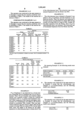
- methyl bromide is produced in an amount of from 4.5 mol% per formed hydrogen bromide.
- the amount of methyl bromide produced as a by-product can be reduced to 1/4 or less.
- the amount of methyl bromide can be reduced to a level of 1/10 or less by lowering the reaction temperature to 5° C.
- the substrate concentration to methanol is 23 wt/vol%
- the amount of methyl bromide formed as a by-product is 2.5 mol% per formed hydrogen bromide.
- the amount of methyl bromide formed can be reduced to a level of 1/2 or less.
- TBA having the hydrolyzable bromide and inorganic bromine ions remarkably reduced, by adjusting the substrate concentration of BPA to methanol to a level of from 0.1 to 10 wt/vol% in the process of the present invention.
- the hydrolyzable bromide is believed to be derived from an alkyl bromide having a relatively weak carbon-bromine bond formed by the bromination of impurities in BPA and/or by bromination of side chain alkyl groups of TBA. Further, this alkyl bromide is believed to be formed primarily by the reaction with bromine radicals.
- the substrate concentration of BPA is at most 20 wt/vol%, preferably from 0.1 to 10 wt/vol%. If the concentration exceeds 20 wt/vol%, the amount of methyl bromide formed as a by-product increases, such being undesirable.
- the substrate concentration is adjusted at a level of from 0.1 to 10 wt/vol%, it is possible to obtain high quality TBA having the hydrolyzable bromide and inorganic bromine ions remarkably reduced.
- bromine is used in an amount of from 4.0 to 5.0 mols, preferably from 4.1 to 4.5 mols, per mol of BPA. If the molar ratio is less than 4.0, the yield of TBA tends to be low, and if it exceeds 5.0, a side-reaction due to excess bromine is likely to take place, such being undesirable.
- bromine is gradually added over a period of from 0.5 to 10 hours.
- the reaction temperature during the addition of bromine is from about 10° to 50° C., particularly preferably from about 10° to 25° C. If the temperature is lower than 0° C., the reaction rate tends to be substantially slow, and if it exceeds 50° C., a side-reaction such as decomposition of TBA is likely to take place, such being undesirable.
- the addition of bromine is conducted at a temperature of not higher than 25° C., formation of methyl bromide as a by-product can be suppressed.
- water is added to the reaction solution to precipitate TBA dissolved in the reaction solution.
- the amount of water to be added is usually from about 30 to 100% by weight based on the solvent for reaction. If the amount is less than 30% by weight, the amount of precipitated TBA will be small, and if it exceeds 100% by weight, the purity of TBA tends to be reduced, such being undesirable.
- TBA crystals are separated from the reaction solution by filtration, then washed with water and dried to obtain a product.
- dibromobisphenol A and tribromobisphenol A are usually dissolved in an amount of from 2 to 5% by weight based on formed TBA, and they cause a decrease of the yield of the product or adhesion of scales to the apparatus during the recovery of methanol.
- dibromobisphenol A and tribromobisphenol A as the precursors can be recovered and recycled almost quantitatively, by adding an inorganic solvent inert to the bromination reaction and insoluble in water, such as chlorobenzene, in an amount of from 1 to 8% by weight, based on the methanol.
- such a water-insoluble organic solvent is added to methanol, and TBA and the filtrate are obtained by a usual method. Then, water is added in an amount sufficient to bring about phase separation of the organic solvent added to the filtrate, so that bromobisphenols dissolved in the filtrate can be extracted to the organic solvent layer, and this organic solvent layer is returned to the reaction system, whereby by-product bromobisphenols can be almost completely be recovered.
- These compounds returned to the reaction system will further be brominated to TBA. Consequently, the yield of TBA can substantially be improved.
- the organic solvent added at the initial stage is recycled together with bromobisphenols, whereby it is not substantially consumed, and it may be supplemented only from time to time.
- Any solvent may be used as the organic solvent, so long as it is inert to the bromination reaction and insoluble in water and capable of dissolving brominated bisphenols.
- chlorobenzene, benzene and 1,1,2-trichloroethane are particularly suitable.
- the amount of the organic solvent to be added to the methanol solvent is usually from 1 to 8% by weight, preferably from 3 to 5% by weight, based on the methanol. If the amount is less than 1% by weight, the extraction efficiency of the brominated bisphenols in the filtrate and the state of phase separation tend to become worse, and if the amount exceeds 8% by weight, the solvent tends to dissolve the TBA product during the crystallization step. Thus, in either case, the yield of TBA will decrease.
- TBA hydrolyzable bromide and bromine ions
- the hydrolyzable bromide is believed to be derived from an alkyl bromide having a relatively weak carbon-bromine bond formed by the bromination of impurities in BPA and/or by the bromination of side chain alkyl groups of TBA.
- the reason for the substantial reduction in the amount of methyl bromide formed is believed to be such that as shown by the above reaction formula, the reaction for forming methyl bromide is an equilibrium reaction accompanying formation of water, and accordingly, the equilibrium is returned to the initial system by the addition of water.
- the solvent for reaction to be used in the process of the present invention is methanol containing from 5 to 15% by weight of water.
- methanol containing from 7 to 12% by weight of water is selected. If the water content is less than 5% by weight, no adequate effect for reducing the hydrolyzable bromide will be obtained, and if the water content exceeds 15% by weight, there will be a deterioration in the purity or coloring of resulting TBA, such being undesirable.
- the substrate concentration of BPA in the solvent for reaction is usually conducted at a substrate concentration of from 5 to 30% by weight.
- the amount of bromine to be used for the process of the present invention is from 4.0 to 5.0 (by molar ratio), preferably from 4.1 to 4.5 (by molar ratio), to BPA. If the molar ratio is less than 4.0, the yield of TBA tends to be low, and if it exceeds 5.0, a side-reaction is likely to take place due to excess bromine, such being undesirable.
- Bromine is usually added gradually over a period of from 0.5 to 10 hours.
- the reaction temperature during the addition of bromine is from about 0° to 50° C., preferably from about 10° to 30° C. If the reaction temperature is less than 0° C., the reaction rate tends to be extremely slow, and if it exceeds 50° C., a side-reaction such as decomposition of TBA is likely to take place, such being undesirable.
- reaction temperature is selected usually within a range of from about 10° to 40° C. taking the formation of methyl bromide into consideration.
- reaction solution after the reaction will be a slurry containing TBA crystals.
- the TBA crystals contained in this reaction solution constitute from about 45 to 85% by weight of the formed TBA.
- water is added to the reaction solution to precipitate TBA dissolved in the reaction solution.
- the amount of water to be added is usually from about 30 to 100% by weight to the solvent for reaction. If the amount is less than 30% by weight, precipitation of TBA tends to be small, and if it exceeds 100% by weight, the purity of TBA tends to deteriorate, such being undesirable.
- TBA crystals are separated from the reaction solution by filtration, then washed with water and dried to obtain a product.
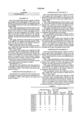
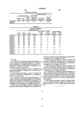
- TBA obtained by the process of the present invention is TBA of high quality containing as little as from 5 to 50 ppm of the hydrolyzable bromide and from 0 to 15 ppm of inorganic bromine ions.
- TBA obtained by the process of the present invention requires no particular purification step and may per se be used as a flame retardant for resins useful for electrical and electronic materials such as laminates or encapsulating agents.
- the isolated TBA crystals were analyzed by high performance liquid chromatography, whereby the purity of crystals was found to be 99.9%. Further, the crystals were subjected to potentiometric titration by means of an aqueous silver nitrate solution, whereby they were found to contain 13 ppm of a hydrolyzable bromide and 1 ppm of inorganic bromine ions.
- Example 9 The chlorobenzene layer obtained in Example 9 was added to 336 g of methanol, and then bisphenol A was dissolved therein. Then, the reaction was conducted in the same manner as in Example 9 to obtain TBA having a purity of at least 99% in a yield of 99%. Further, by the phase separation from the filtrate, about 18 g of a chlorobenzene layer was obtained. The extraction rate of brominated bisphenols from the filtrate was 98%.
- the isolated TBA crystals were analyzed by high performance liquid chromatography, whereby the purity of the crystals were found to be 99.6%. Further, the crystals were subjected to potentiometric titration by means of an aqueous silver nitrate solution, whereby they were found to contain 15 ppm of a hydrolyzable bromide and 2 ppm of inorganic bromine ions.
- the isolated TBA crystals were analyzed by high performance liquid chromatography, whereby the purity of the crystals were found to be 97.3%. Further, the crystals were subjected to potentiometric titration by means of an aqueous silver nitrate solution, whereby they were found to contain 288 ppm of a hydrolyzable bromide and 29 ppm of inorganic bromine ions.
- the isolated TBA crystals were analyzed by high performance liquid chromatography, whereby the purity of the crystals was found to be 94.7%. Further, the crystals were subjected to potentiometric titration by means of an aqueous silver nitrate solution, whereby they were found to contain 364 ppm of a hydrolyzable bromide and 35 ppm of inorganic bromine ions.
Landscapes
- Chemical & Material Sciences (AREA)
- Organic Chemistry (AREA)
- Organic Low-Molecular-Weight Compounds And Preparation Thereof (AREA)
Priority Applications (1)
| Application Number | Priority Date | Filing Date | Title |
|---|---|---|---|
| US07/600,817 US5059726A (en) | 1989-01-26 | 1990-10-22 | Process for producing tetrabromobisphenol A |
Applications Claiming Priority (8)
| Application Number | Priority Date | Filing Date | Title |
|---|---|---|---|
| JP1506689A JPH02196748A (ja) | 1989-01-26 | 1989-01-26 | テトラブロモビスフェノールaの製造方法 |
| JP1-15066 | 1989-01-26 | ||
| JP1-16296 | 1989-01-27 | ||
| JP1629689A JPH02200651A (ja) | 1989-01-27 | 1989-01-27 | テトラブロモビスフェノールaの製造法 |
| JP32816889A JP2844767B2 (ja) | 1989-12-20 | 1989-12-20 | テトラブロムビスフェノールaの製造方法 |
| JP1-328168 | 1989-12-20 | ||
| JP2-2576 | 1990-01-11 | ||
| JP257690A JP2811851B2 (ja) | 1990-01-11 | 1990-01-11 | テトラブロムビスフェノールaの製造法 |
Related Child Applications (1)
| Application Number | Title | Priority Date | Filing Date |
|---|---|---|---|
| US07/600,817 Division US5059726A (en) | 1989-01-26 | 1990-10-22 | Process for producing tetrabromobisphenol A |
Publications (1)
| Publication Number | Publication Date |
|---|---|
| US5008469A true US5008469A (en) | 1991-04-16 |
Family
ID=27453664
Family Applications (1)
| Application Number | Title | Priority Date | Filing Date |
|---|---|---|---|
| US07/470,212 Expired - Lifetime US5008469A (en) | 1989-01-26 | 1990-01-25 | Process for producing tetrabromobisphenol A |
Country Status (4)
| Country | Link |
|---|---|
| US (1) | US5008469A (de) |
| EP (2) | EP0380363B1 (de) |
| DE (1) | DE69008373T2 (de) |
| IL (1) | IL93176A0 (de) |
Cited By (12)
| Publication number | Priority date | Publication date | Assignee | Title |
|---|---|---|---|---|
| US5208389A (en) * | 1992-04-01 | 1993-05-04 | Ethyl Corporation | Process for high purity tetrabromobisphenol-A |
| US5283375A (en) * | 1992-04-01 | 1994-02-01 | Ethyl Corporation | Process for high purity tetrabromobisphenol-A |
| US5302761A (en) * | 1992-05-19 | 1994-04-12 | Tosoh Corporation | Tetrabromobisphenol A having a large particle size and process for its production |
| US5527971A (en) * | 1995-04-24 | 1996-06-18 | Albemarle Corporation | Process for the preparation of tetrabromobisphenol-A |
| US5847232A (en) * | 1995-03-06 | 1998-12-08 | Albemarle Corporation | Process for the preparation of tetrabromobisphenol-A |
| US6002050A (en) * | 1995-03-06 | 1999-12-14 | Albemarle Corporation | Process for the preparation of tetrabromobisphenol-A |
| US6049014A (en) * | 1997-02-19 | 2000-04-11 | Great Lakes Chemical Corporation | Process for the manufacture of tetrabromobisphenol-A with co-production of n-propyl bromide |
| US6084137A (en) * | 1995-03-06 | 2000-07-04 | Albemarle Corporation | Process for the preparation of tetrabromobisphenol-A |
| US6084136A (en) * | 1995-03-06 | 2000-07-04 | Albmarle Corporation | Process for the preparation of tetrabromobisphenol-A |
| US6147264A (en) * | 1999-04-08 | 2000-11-14 | Albemarle Corporation | Process for producing tetrabromobisphenol-A |
| US6218584B1 (en) | 1995-03-06 | 2001-04-17 | Albemarle Corporation | Process for the preparation of tetrabromobisphenol-A |
| US6235946B1 (en) | 1995-03-06 | 2001-05-22 | Albemarle Corporation | Process for the preparation of tetrabromobisphenol-A |
Families Citing this family (3)
| Publication number | Priority date | Publication date | Assignee | Title |
|---|---|---|---|---|
| US5059726A (en) * | 1989-01-26 | 1991-10-22 | Tosoh Corporation | Process for producing tetrabromobisphenol A |
| IL99204A (en) * | 1990-08-20 | 1995-03-30 | Tosoh Corp | Process for the production of tetrabromobisphenol |
| US5395994A (en) * | 1993-09-16 | 1995-03-07 | Albemarle Corporation | Method for recovering methanol solvent |
Citations (3)
| Publication number | Priority date | Publication date | Assignee | Title |
|---|---|---|---|---|
| SU341790A1 (ru) * | Способ получения тетрабромдифенилолпропана | |||
| CA686772A (en) * | 1964-05-19 | E. Hennis Henry | Method of making a tetrabromobisphenol | |
| CA706433A (en) * | 1965-03-23 | E. Hennis Henry | Method of making a tetrabromobisphenol |
Family Cites Families (5)
| Publication number | Priority date | Publication date | Assignee | Title |
|---|---|---|---|---|
| CH410889A (de) * | 1961-11-17 | 1966-04-15 | Kalk Chemische Fabrik Gmbh | Verfahren zur Herstellung von Bromderivaten aromatischer Verbindungen, die nicht-kondensierte Benzolkerne und mehr als 3 Bromatome im Molekül enthalten |
| DE1768444A1 (de) * | 1968-05-15 | 1971-07-15 | Kalk Chemische Fabrik Gmbh | Verfahren zur Herstellung von Bromderivaten von Bis-(hydroxyphenyl)-dialkylmethanen |
| US4628124A (en) * | 1985-09-23 | 1986-12-09 | Ethyl Corporation | Tetrabromobisphenol-A process |
| US4701568A (en) * | 1986-06-30 | 1987-10-20 | Ethyl Corporation | Process for preparing tetrabromobisphenol-A |
| JPH07107007B2 (ja) | 1987-06-24 | 1995-11-15 | 東都化成株式会社 | テトラブロムビスフエノ−ルaの精製方法 |
-
1990
- 1990-01-25 US US07/470,212 patent/US5008469A/en not_active Expired - Lifetime
- 1990-01-25 IL IL93176A patent/IL93176A0/xx unknown
- 1990-01-26 EP EP90300850A patent/EP0380363B1/de not_active Expired - Lifetime
- 1990-01-26 EP EP19930111180 patent/EP0574031A1/de not_active Withdrawn
- 1990-01-26 DE DE69008373T patent/DE69008373T2/de not_active Expired - Lifetime
Patent Citations (3)
| Publication number | Priority date | Publication date | Assignee | Title |
|---|---|---|---|---|
| SU341790A1 (ru) * | Способ получения тетрабромдифенилолпропана | |||
| CA686772A (en) * | 1964-05-19 | E. Hennis Henry | Method of making a tetrabromobisphenol | |
| CA706433A (en) * | 1965-03-23 | E. Hennis Henry | Method of making a tetrabromobisphenol |
Cited By (16)
| Publication number | Priority date | Publication date | Assignee | Title |
|---|---|---|---|---|
| US5208389A (en) * | 1992-04-01 | 1993-05-04 | Ethyl Corporation | Process for high purity tetrabromobisphenol-A |
| US5283375A (en) * | 1992-04-01 | 1994-02-01 | Ethyl Corporation | Process for high purity tetrabromobisphenol-A |
| US5302761A (en) * | 1992-05-19 | 1994-04-12 | Tosoh Corporation | Tetrabromobisphenol A having a large particle size and process for its production |
| US6218584B1 (en) | 1995-03-06 | 2001-04-17 | Albemarle Corporation | Process for the preparation of tetrabromobisphenol-A |
| US5847232A (en) * | 1995-03-06 | 1998-12-08 | Albemarle Corporation | Process for the preparation of tetrabromobisphenol-A |
| US6002050A (en) * | 1995-03-06 | 1999-12-14 | Albemarle Corporation | Process for the preparation of tetrabromobisphenol-A |
| US6084137A (en) * | 1995-03-06 | 2000-07-04 | Albemarle Corporation | Process for the preparation of tetrabromobisphenol-A |
| US6084136A (en) * | 1995-03-06 | 2000-07-04 | Albmarle Corporation | Process for the preparation of tetrabromobisphenol-A |
| US6162953A (en) * | 1995-03-06 | 2000-12-19 | Albemarle Corporation | Process for the preparation of tetrabromobisphenol-A |
| US6235946B1 (en) | 1995-03-06 | 2001-05-22 | Albemarle Corporation | Process for the preparation of tetrabromobisphenol-A |
| US6300527B1 (en) | 1995-03-06 | 2001-10-09 | Albemarle Corporation | Process for the preparation of tetrabromobisphenol-A |
| US6313355B1 (en) | 1995-03-06 | 2001-11-06 | Thanikavelu Manimaran | Process for the preparation of tetrabromobisphenol-A |
| US5723690A (en) * | 1995-04-24 | 1998-03-03 | Albemarle Corporation | Process for the preparation of tetrabromobisphenol-A |
| US5527971A (en) * | 1995-04-24 | 1996-06-18 | Albemarle Corporation | Process for the preparation of tetrabromobisphenol-A |
| US6049014A (en) * | 1997-02-19 | 2000-04-11 | Great Lakes Chemical Corporation | Process for the manufacture of tetrabromobisphenol-A with co-production of n-propyl bromide |
| US6147264A (en) * | 1999-04-08 | 2000-11-14 | Albemarle Corporation | Process for producing tetrabromobisphenol-A |
Also Published As
| Publication number | Publication date |
|---|---|
| EP0380363A3 (de) | 1991-12-04 |
| EP0380363B1 (de) | 1994-04-27 |
| EP0574031A1 (de) | 1993-12-15 |
| DE69008373D1 (de) | 1994-06-01 |
| DE69008373T2 (de) | 1994-08-18 |
| EP0380363A2 (de) | 1990-08-01 |
| IL93176A0 (en) | 1990-11-05 |
Similar Documents
| Publication | Publication Date | Title |
|---|---|---|
| US5008469A (en) | Process for producing tetrabromobisphenol A | |
| US5059726A (en) | Process for producing tetrabromobisphenol A | |
| EP0472395B1 (de) | Verfahren zur Herstellung von Tetrabrombisphenol A | |
| US4196289A (en) | Process for producing triallyl isocyanurate | |
| US5302767A (en) | [2.2] paracyclophane and derivatives thereof | |
| EP0633253A1 (de) | Verfahren zur Herstellung von Tris(tribromophenoxy)-s-Triazinen | |
| KR0179071B1 (ko) | 3차-부탄올중에서 트리아졸리논 고리의 형성 방법 | |
| JP3503062B2 (ja) | 高純度テトラブロモビス−フェノール−a方法 | |
| EP1248760B1 (de) | Ökologisches verfahren zur herstellung von sehr reinem tetrabrombisphenol-a | |
| JP2897372B2 (ja) | 高品質テトラブロモビスフェノールaの製法 | |
| US6365786B1 (en) | Eco-friendly method of preparation of high purity tetrabromobisphenol-A | |
| US6383127B2 (en) | Method of crystallizing tetrabromobisphenol A | |
| JP2874276B2 (ja) | 高品質テトラブロモビスフェノールaの製造法 | |
| JP3008552B2 (ja) | 高品質テトラブロモビスフェノ−ルaの製造方法 | |
| JP2844767B2 (ja) | テトラブロムビスフェノールaの製造方法 | |
| JP2517238B2 (ja) | 亜2チオン酸ナトリウム反応混合物の処理法 | |
| JP2811851B2 (ja) | テトラブロムビスフェノールaの製造法 | |
| JP4803911B2 (ja) | 4,4’−ジブロモビフェニルの製造方法 | |
| JP2841680B2 (ja) | テトラブロモビスフェノールaの製法 | |
| JP2827399B2 (ja) | テトラブロモビスフェノールaを製造する方法 | |
| JPH0368568A (ja) | 低塩素含有エポキシ化合物の製造方法 | |
| CA1268782A (en) | Process for the preparation of tribromotetramethylbiphenol and related compounds | |
| RU2247105C2 (ru) | Экологически безопасный способ получения тетрабромбисфенола-а высокой чистоты | |
| KR920000126B1 (ko) | 디히드록시 벤조페논 유도체의 제조방법 | |
| JP2785391B2 (ja) | ビス(4―ヒドロキシー3,5―ジブロモフェニル)スルホンの製造方法 |
Legal Events
| Date | Code | Title | Description |
|---|---|---|---|
| AS | Assignment |
Owner name: TOSOH CORPORATION, 4560 OAZA-TONDA, SHINNANYO-SHI, Free format text: ASSIGNMENT OF ASSIGNORS INTEREST.;ASSIGNORS:EGUCHI, HISAO;KUBO, MASASHIGE;KUNIMOTO, KOJI;AND OTHERS;REEL/FRAME:005580/0419 Effective date: 19900219 |
|
| STCF | Information on status: patent grant |
Free format text: PATENTED CASE |
|
| FEPP | Fee payment procedure |
Free format text: PAYOR NUMBER ASSIGNED (ORIGINAL EVENT CODE: ASPN); ENTITY STATUS OF PATENT OWNER: LARGE ENTITY |
|
| FPAY | Fee payment |
Year of fee payment: 4 |
|
| FPAY | Fee payment |
Year of fee payment: 8 |
|
| FPAY | Fee payment |
Year of fee payment: 12 |