WO2010071237A1 - Procédé de production d'un anticorps anti-surface global utilisant comme antigène un micro-organisme fixé à l'aide d'un réactif de fixation par réticulation de protéines - Google Patents
Procédé de production d'un anticorps anti-surface global utilisant comme antigène un micro-organisme fixé à l'aide d'un réactif de fixation par réticulation de protéines Download PDFInfo
- Publication number
- WO2010071237A1 WO2010071237A1 PCT/JP2009/071716 JP2009071716W WO2010071237A1 WO 2010071237 A1 WO2010071237 A1 WO 2010071237A1 JP 2009071716 W JP2009071716 W JP 2009071716W WO 2010071237 A1 WO2010071237 A1 WO 2010071237A1
- Authority
- WO
- WIPO (PCT)
- Prior art keywords
- antibody
- microorganism
- exhaustive
- protein
- producing
- Prior art date
- Legal status (The legal status is an assumption and is not a legal conclusion. Google has not performed a legal analysis and makes no representation as to the accuracy of the status listed.)
- Ceased
Links
Images


Classifications
-
- C—CHEMISTRY; METALLURGY
- C07—ORGANIC CHEMISTRY
- C07K—PEPTIDES
- C07K16/00—Immunoglobulins [IG], e.g. monoclonal or polyclonal antibodies
- C07K16/12—Immunoglobulins [IG], e.g. monoclonal or polyclonal antibodies against material from bacteria
- C07K16/1203—Gram-negative bacteria
-
- A—HUMAN NECESSITIES
- A23—FOODS OR FOODSTUFFS; TREATMENT THEREOF, NOT COVERED BY OTHER CLASSES
- A23K—FODDER
- A23K20/00—Accessory food factors for animal feeding-stuffs
- A23K20/10—Organic substances
-
- A—HUMAN NECESSITIES
- A23—FOODS OR FOODSTUFFS; TREATMENT THEREOF, NOT COVERED BY OTHER CLASSES
- A23K—FODDER
- A23K20/00—Accessory food factors for animal feeding-stuffs
- A23K20/10—Organic substances
- A23K20/195—Antibiotics
-
- A—HUMAN NECESSITIES
- A23—FOODS OR FOODSTUFFS; TREATMENT THEREOF, NOT COVERED BY OTHER CLASSES
- A23K—FODDER
- A23K50/00—Feeding-stuffs specially adapted for particular animals
- A23K50/80—Feeding-stuffs specially adapted for particular animals for aquatic animals, e.g. fish, crustaceans or molluscs
-
- A—HUMAN NECESSITIES
- A23—FOODS OR FOODSTUFFS; TREATMENT THEREOF, NOT COVERED BY OTHER CLASSES
- A23L—FOODS, FOODSTUFFS OR NON-ALCOHOLIC BEVERAGES, NOT OTHERWISE PROVIDED FOR; PREPARATION OR TREATMENT THEREOF
- A23L33/00—Modifying nutritive qualities of foods; Dietetic products; Preparation or treatment thereof
- A23L33/10—Modifying nutritive qualities of foods; Dietetic products; Preparation or treatment thereof using additives
- A23L33/17—Amino acids, peptides or proteins
-
- A—HUMAN NECESSITIES
- A61—MEDICAL OR VETERINARY SCIENCE; HYGIENE
- A61K—PREPARATIONS FOR MEDICAL, DENTAL OR TOILETRY PURPOSES
- A61K39/00—Medicinal preparations containing antigens or antibodies
- A61K39/395—Antibodies; Immunoglobulins; Immune serum, e.g. antilymphocytic serum
-
- A—HUMAN NECESSITIES
- A61—MEDICAL OR VETERINARY SCIENCE; HYGIENE
- A61P—SPECIFIC THERAPEUTIC ACTIVITY OF CHEMICAL COMPOUNDS OR MEDICINAL PREPARATIONS
- A61P31/00—Antiinfectives, i.e. antibiotics, antiseptics, chemotherapeutics
-
- C—CHEMISTRY; METALLURGY
- C07—ORGANIC CHEMISTRY
- C07K—PEPTIDES
- C07K16/00—Immunoglobulins [IG], e.g. monoclonal or polyclonal antibodies
- C07K16/02—Immunoglobulins [IG], e.g. monoclonal or polyclonal antibodies from eggs
-
- C—CHEMISTRY; METALLURGY
- C07—ORGANIC CHEMISTRY
- C07K—PEPTIDES
- C07K16/00—Immunoglobulins [IG], e.g. monoclonal or polyclonal antibodies
- C07K16/08—Immunoglobulins [IG], e.g. monoclonal or polyclonal antibodies against material from viruses
-
- A—HUMAN NECESSITIES
- A61—MEDICAL OR VETERINARY SCIENCE; HYGIENE
- A61K—PREPARATIONS FOR MEDICAL, DENTAL OR TOILETRY PURPOSES
- A61K39/00—Medicinal preparations containing antigens or antibodies
- A61K2039/505—Medicinal preparations containing antigens or antibodies comprising antibodies
-
- C—CHEMISTRY; METALLURGY
- C07—ORGANIC CHEMISTRY
- C07K—PEPTIDES
- C07K2317/00—Immunoglobulins specific features
- C07K2317/10—Immunoglobulins specific features characterized by their source of isolation or production
- C07K2317/11—Immunoglobulins specific features characterized by their source of isolation or production isolated from eggs
-
- C—CHEMISTRY; METALLURGY
- C07—ORGANIC CHEMISTRY
- C07K—PEPTIDES
- C07K2317/00—Immunoglobulins specific features
- C07K2317/20—Immunoglobulins specific features characterized by taxonomic origin
- C07K2317/23—Immunoglobulins specific features characterized by taxonomic origin from birds
Definitions
- the present invention relates to a method for producing antibodies, and relates to a method for producing comprehensive antibodies against all proteins expressed on the surface of microorganisms.
- An object of the present invention is to provide a method for producing an exhaustive antibody against the entire protein expressed on the surface of a microorganism, and an exhaustive antibody obtained by the method.
- the present inventors comprehensively cover the entire immobilized antigen protein molecule by immunizing an animal using as an antigen the surface of microorganisms such as viruses or bacteria immobilized on formaldehyde.
- the antibody composition containing this comprehensive antibody had high specificity and sensitivity that could not be obtained by conventional antibody production methods.
- the present inventors have found that the antibody composition specifically and strongly recognizes each bacterium itself and is effective for antibacterial treatment and the like, and completed the present invention. That is, the present invention is as follows.
- [3] The method for producing an exhaustive antibody according to [1], wherein the protein cross-linking immobilization reagent is 1 to 38% (v / v) formalin.
- [4] A method for producing an exhaustive antibody according to any one of [1] to [3], wherein immobilization with a protein cross-linking immobilization reagent is performed for 10 minutes to 48 hours.
- [5] A method for producing an exhaustive antibody according to any one of [1] to [3], wherein the animal to which the immunogen is administered is a chicken.
- [6] The method for producing an exhaustive antibody according to [5], wherein an antibody is obtained from a chicken egg produced by a chicken administered with an immunogen.
- a comprehensive antibody comprising an antibody against the entire protein molecule expressed on the surface of a microorganism, obtained by any of the methods [1] to [6].
- a prophylactic or therapeutic agent for a microbial infection comprising a comprehensive antibody including an antibody against the entire protein molecule expressed on the surface of a microorganism, obtained by the method according to any one of [1] to [6].
- a composition for treating an aquatic animal infection comprising an exhaustive antibody obtained from chicken eggs by the method of [6].
- FIG. 1 is a diagram showing an outline of a culture pond subjected to a sweetfish cold water prevention test using exhaustive antibodies.
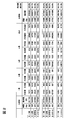
- FIG. 2 is a diagram showing the results of Ayu cold water disease prevention test 1 (Cold water pond-specific cold water disease test results test No. 1 using chicken egg antibodies) using comprehensive antibodies.
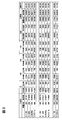
- FIG. 3 is a diagram showing the results of Ayu cold water disease prevention test 2 using a comprehensive antibody (cold pond-specific cold water disease test result test No. 2 using chicken egg antibodies).
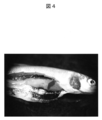
- FIG. 4 is a photograph of ayu infected with cold water bacteria.
- FIG. 5 is a photograph of sweetfish fed with a chicken egg powder containing a comprehensive antibody (chicken egg antibody) and avoiding infection with cold water bacteria.
- antibodies can be comprehensively produced against microorganisms.
- producing an antibody against a microorganism comprehensively refers to producing an antibody for all antigen protein molecules expressed on the surface of the microorganism at once, and the obtained antibody is used as a comprehensive anti-surface. Called an antibody.
- An exhaustive anti-surface antibody is a polyclonal antibody comprising individual antibodies against a number of antigen proteins expressed on the surface of a microorganism. According to the method of the present invention, a comprehensive anti-surface antibody including an antibody against the entire surface protein molecule can be obtained simply by administering a fixed microorganism to an animal.
- the antibody against the entire surface protein molecule is not required to include antibodies against all proteins expressed on the surface of the microorganism, but includes antibodies against most of the surface proteins that are present in large quantities. It is desirable.
- a microorganism to be used to produce an exhaustive antibody is immobilized using a protein intramolecular crosslinking immobilization reagent.
- a microorganism such as a microorganism may be used.
- the protein intramolecular crosslinking immobilization reagent include aldehydes such as formaldehyde, paraformaldehyde, and glutaraldehyde.
- formalin which is a 35 to 38%, preferably 37% aqueous solution of formaldehyde.
- formalin which is a 35 to 38%, preferably 37% aqueous solution of formaldehyde.
- the reagents penetrate into microbial cells, and the aldehyde groups in the molecule are the amino groups of proteins on the surface of the microorganism ( ⁇ -amino groups and ⁇ - of lysine residues). It binds to (amino group) and SH groups to form intermolecular crosslinks, and the protein is coagulated and denatured.
- Cross-linking impairs the three-dimensional structure of proteins and inhibits various biological activities such as enzyme activity, transport, and secretion.
- immobilization reagent Since the action of the protein intramolecular cross-linking immobilization reagent is a cross-linking reaction of protein molecules, the immobilizing action does not work for substances such as lipids, and lipids flow out.
- formalin which is a commercially available 35 to 38% formaldehyde aqueous solution
- immobilization is 1 to 38% (v / v) formalin, preferably 2 to 20% (v / v) formalin, more preferably 5 to 10% ( v / v) Formalin may be used.
- the formalin to be used may be prepared using distilled water, physiological saline, buffer solution or the like.
- Microorganisms such as bacterial cells are homogenized, and 5-20 ml of formalin is added to 1 g of the homogenized pellet. Fixing is performed by adding formalin to microorganism homogenization, stirring, and allowing to stand at 4 to 30 ° C. for 30 minutes to 48 hours or longer. Living microorganisms are inactivated by a short formalin treatment. However, in the method of the present invention, it is not sufficient to inactivate microorganisms, and protein molecules expressed on the surface of microorganisms cause intramolecular crosslinking. A degree of formalin treatment is required.
- the immobilized microorganism homogenization may be diluted and suspended in a physiological saline or a buffer as necessary, mixed with a known adjuvant, and administered to an animal as an immunogen.
- the animal to be used include mammals such as mice, rats, nutria, rabbits, sheep, goats, horses and cows, and birds such as chickens and ostriches. Among these, birds such as chickens that can obtain chicken eggs containing IgY antibodies are preferred.
- the animal can be immunized with the immunogen according to a known method. For example, as a general method, it is performed by injecting an immunogen intraperitoneally or subcutaneously in an animal. Immunization may be performed once, but it is desirable to administer several times every 2 to 10 days.
- booster immunization may be performed several times every 5 to 10 days after the initial administration.
- a method for preparing a bacterial immunogen is given below. The following methods are examples and are not limited to these methods. In the case of bacteria, these are collected by centrifugation, pelletized, the pellet is placed in formalin, dispersed by stirring, and allowed to stand for 30 minutes. It is then filtered using coarse filter paper to remove the residue. The filtrate is collected, centrifuged, and phosphate buffer is added to the pellet, which is used as an immunogen.
- the comprehensive anti-surface antibody composition of the present invention can be obtained from the serum of an immunized animal.
- the animal to immunize is a chicken, it can obtain from the chicken egg which a chicken lays. After the final immunization, eggs containing a high antibody titer are obtained about 3 months later.
- Egg yolk contains IgY and egg white contains IgA and IgM.
- the comprehensive antibody composition includes IgY, IgA, and IgM, and when recovered from egg yolks, IgY is included.
- whole eggs or only egg yolk may be used. The obtained chicken egg is divided into eggs and powdered by mixing the egg yolk and the egg white together or stirring only the egg yolk.
- the antibody is a protein and is weak against heat and loses its activity when it exceeds 70 ° C, it is preferably carried out at 60 ° C or less. Preferably, it may be pulverized by drying at 60 ° C. or less by freeze drying, spray drying or warm air drying. If necessary, the powdered chicken eggs are further ground into a fine powder. Since the powder obtained by this method contains an oil component of egg yolk, the powder is moist. Fat may be removed by complete degreasing by an ultra-low temperature critical method. An exhaustive anti-surface antibody composition obtained from chicken eggs may be referred to as chicken egg antibodies.
- the antibody titer of the obtained antibody can be measured using ELISA (enzyme-linked immunosorbent assay), EIA (enzyme immunoassay), RIA (radioimmunoassay), fluorescent antibody method and the like.
- the antibody titer may be measured using serum collected from animals. Moreover, what is necessary is just to measure an antibody titer in an extract by extracting an antibody from a chicken egg when using a chicken egg.
- the comprehensive antibody against the microorganism of the present invention can be used for prevention or treatment of microbial infection.
- the exhaustive antibody of the present invention includes an antibody against the entire protein molecule expressed on the surface of a microorganism such as a bacterium or a virus, and therefore has a strong attack power against a microorganism such as a bacterium or a virus, and kills the microorganism such as a bacterium or virus. Can be eliminated and controlled.
- Microorganisms include parasites such as bacteria, viruses, fungi, rickettsia, and ciliate, and are preferably pathogenic microorganisms that infect animals and have pathogenicity to animals. Examples of microorganisms are given below. The following microorganisms are examples and are not limited to these.
- Marine animals include fish, crustaceans and molluscs.
- fish include cultured fish such as sweetfish, eel, trout, salmon, tuna, hamachi, red sea bream, and flounder, and aquarium fish such as goldfish, carp, and tropical fish, and ornamental fish.
- crustaceans include crabs and shrimps.
- mollusks include shellfish.
- Microorganisms include Ayu cold water bacteria (Flavobacterium psychophilum) that are pathogenic to Ayu cold water disease, Flexobacter columnaris (Flexivobacterium columnaris) that is a pathogen of tail rot, Aeromonas salmonicida (Aeromonas salmonicida), Aeromonas hydrophila (Aeromonas hydrophila), Mizobi (pathogenic fungus) of Saccharomyces cerevisiae, Ichti fifi ful hu i ti hu i ti f i hul (F) And Cryptocaryon irritans Caterpillars, koi herpesvirus (KHV), and the like are pathogenic virus Koi herpesvirus disease.
- Ayu cold water bacteria Favobacterium psychophilum
- Flexobacter columnaris Fexivobacterium columnaris
- Mizobi pathogenic fungus of Saccharomyces cerevisiae
- Microorganisms that infect other animals include amphibians, reptiles, birds, and mammals.
- Examples of the microorganism include gram negative bacteria and gram positive.
- gram-negative bacteria include Pseudomonas aeruginosa, Vibrio cholerae, pathogenic E. coli, etc.
- gram-positive bacteria include Staphylococcus aureus.
- ringworm fungus that causes pathogenic fungi such as athlete's foot and nail fungus, green bacteria that cause sinusitis, pathogenic Escherichia coli, Salmonella bacteria, Clostridium bacteria, Campylobacter bacteria that cause enteropathogenic fungi And the like.
- viruses include Welsh bacteria that cause food poisoning, Serratia bacteria that cause opportunistic infections, Enterobacter bacteria, Alkagenes bacteria, and the like.
- viruses influenza virus, HIV, pox virus, herpes virus, adenovirus, parvovirus, baculovirus, picornavirus, togavirus, retrovirus, orthomyxovirus, paramyxovirus, rhabdovirus, reovirus
- examples include coronavirus, SARS coronavirus, tobacco mosaic virus, potyvirus, comovirus, and kaurimovirus.
- the antibody composition for prevention or treatment of microbial infection is used by being administered to animals, for example.
- the antibody composition can be administered by oral route, nasal route, and intravenous, intramuscular, subcutaneous and intraperitoneal injection or parenteral route.
- it can be administered in a liquid or aerosol mixed with known penetrants, sometimes as an ointment.
- a coating agent such as an ointment or sprayed with a liquid.
- the ointment contains fat, fatty oil, lanolin, petrolatum, paraffin, plastic base, wax, plaster, resin, plastic, glycols, higher alcohol, glycerin, water or emulsifier, suspending agent as a carrier.
- the dosage of the pharmaceutical composition of the present invention varies depending on symptoms, age, body weight, etc., but usually, oral administration is about 0.01 mg to 10000 mg per day for an adult, and these are once or several times. Can be administered in divided doses.
- the antibody composition for prevention or treatment of microbial infection may contain a carrier, a diluent, and an excipient that are usually used in the pharmaceutical field. For example, lactose and magnesium stearate are used as carriers and excipients for tablets.
- the microbial infection in an animal can be prevented or treated by mixing an exhaustive antibody against the microorganism of the present invention with animal feed and administering it to the animal.
- the antibody composition against the microorganisms of the present invention may be added to environmental water (bred water) such as aquariums, aquaculture ponds, aquaculture ginger and the like inhabiting marine animals.
- environmental water such as aquariums, aquaculture ponds, aquaculture ginger and the like inhabiting marine animals.
- the marine animal can take the therapeutic antibody orally into the body and exert its effect in the body, and further binds to the microorganisms present in the environmental water and inactivates the microorganisms.
- the water-insoluble aggregates of antibodies and microorganisms are formed by binding to the microorganisms, precipitated, and removed from the environmental water by being removed from the drainage channel of the culture pond. Specific examples of treatment methods for infectious diseases of cultured fish and crustaceans are given below.
- infectious diseases of cultured fish include, but are not limited to, cold water disease caused by flavobacterium (cold water bacteria) such as sweetfish and puncture caused by Pseudomonas.
- flavobacterium cold water bacteria
- a protein expressed on the surface of the causative fungus body is immobilized, an immunogen is prepared, a chicken is immunized, and a chicken egg antibody is obtained.
- the obtained egg egg antibody may be mixed with fish food and fed.
- the dissolved antibody in the breeding water reacts with bacteria floating in the breeding water, binds to the bacteria, and kills the bacteria.
- the present invention includes foods or feeds containing exhaustive antibodies obtained from chicken eggs. Furthermore, this invention includes the composition for aquatic animal infection treatment containing the comprehensive antibody obtained from the hen egg. The composition for treating an aquatic animal infection may be supplied to aquatic animals as a feed, or may be applied by adding it to environmental water. The present invention will be specifically described by the following examples, but the present invention is not limited to these examples.
- Ayu cold water bacteria were used as the antigen.
- Ayu chilled water bacteria (Flavobacterium psychophilum) in cytophager medium (or TYES medium [tryptone 0.04%, yeast extract 0.005%, MgSO 4 , 7H 2 O 0.005%, CaCl 2 / 2H 2 O 0.005%, pH 7.2]) and cultured on an agar plate medium at 18 ° C. for 5 days, so that yellow colonies with irregular wavy edges were obtained. After confirming the formation (photo), the culture broth was centrifuged to make the cells into a pellet, and this pellet was stored frozen until used as an antigen.
- the residue was removed by filtering with a coarse filter paper moistened with some water for injection. At this time, natural filtration using gravity was performed when the production amount was small, and suction filtration was performed when the production amount was large.
- the filtrate containing bacterial cells was collected and then centrifuged at a high speed (rotation speed: 15000 rpm or more, 30 minutes or more). The supernatant was discarded, and about 1.5 ml of phosphate buffer was added to about 3 mg of pellet to disperse the pellet, which was used as the administration antigen.
- the administered antigen composition was prepared by gradually mixing 1 ml of antigen and 1 ml of white oil (Nippon Shinyaku Co., Ltd.) into an emulsion pump to prepare an emulsion (emulsion).
- 0.5 ml of the prepared antigen composition emulsion was subcutaneously administered to the groin area of a 5-week-old female chicken.
- the administered antigen composition was heated to 37 ° C. which is the body temperature of the chicken. If separation of formalin by centrifugation after fixation is insufficient, the chickens will crawl due to pain around 3 days after antigen administration, and there may be no food behavior due to water absorption alone, and die during that time There were also individuals.
- the antigen administration site was hard and hardened. Every 5 days after the initial administration, the antigen composition was administered twice, boosted, and a total of 3 immunizations were performed.
- the antibody could be obtained from eggs laid by immunized chickens. Eggs containing antibodies with high antibody titers were obtained about 3 months after the final immunization. Dried egg powder was produced using a Yamato Kagaku spray dryer GA22, hot air dryer and pulverizer.
- Chicken egg powder containing antibodies against Ayu cold water bacteria prepared in Example 1 was used.
- the egg powder containing the antibody is called a chicken egg antibody.
- Ayu's flowing water aquaculture ponds were used in three regions (Region 1: Nagahama City, Shiga Prefecture, Japan, Shiga Town, Shiga Prefecture, Japan, and Region 3: Shinai River System, Shiga Prefecture, Japan).
- a culture pond of about 100 m 2 was used, two culture ponds were used in region 1 and region 2, and one culture pond was used in region 3.
- a culture pond of about 100 m 2 is prepared for control, and without using the egg antibody, a conventionally used fishery product for preventing sweetfish cold water disease, islan soda (generic name: sulfisosol) Sodium), and a marine product for preventing vibrio disease, novobiocin, were bred.
- the test was conducted over a period of 1 year and 3 months, and a measurement period of 4 months was provided twice during that period. Let them be Test 1 and Test 2, respectively.
- juveniles from Lake Biwa, Shiga Prefecture, Japan, caught by Eli fishing (fishing method using a stationary net called Eri) were used, and marine sweetfish and artificial seedlings of sweetfish were not used.
- the number of sweetfish in the culture pond was 532300 to 833300 (total weight 315 to 450 kg) in Test 1, and 603773 to 882352 (total weight 320 to 450 kg) in Test 2.
- Egg antibody powder was mixed at a weight ratio of 3% with respect to the feed to be fed, and feed containing chicken egg antibodies was fed at a weight ratio of 2 to 5% with respect to the total fish weight in each culture pond. Feeding was performed 5 to 6 times a day. The total feed was not standardized because it was difficult to standardize. In aquaculture ponds during the test, the conventional methods for preventing cold water disease such as antibiotics and warm water therapy were not applied.
- moribund fish were collected every day at 5 pm, and the cause of moribund was identified as illness or natural death. In addition, it was discriminated whether the dying moribund fish was caused by cold water disease or other illnesses (moribund due to bacterial infections such as Eromonas and Pseudomonas, drowning due to parasites). Cold water disease is differentiated by symptoms such as anemia of the lid or viscera, bleeding of the lower lid, fading of the body surface, perforation due to ulceration of the body surface, anal dilation, gallbladder enlargement, mandibular defect, tail defect can do.
- Cold water disease is differentiated by symptoms such as anemia of the lid or viscera, bleeding of the lower lid, fading of the body surface, perforation due to ulceration of the body surface, anal dilation, gallbladder enlargement, mandibular defect, tail defect can do.
- the chicken egg antibody was fed into the digestive tract of the fish body as it was fed with the feed, and partly dissolved in the pond water without being taken into the fish body.
- the antibody dissolved in the pond water reacts with the cold water bacteria floating in the pond water and attaches to the cells.
- the antibody dissolved in the pond water is taken into the lid when the sweetfish breathes, and the cold water bacteria present in the lid and the cold water bacteria on the surface of the fish infect the cold water bacteria that are infected in the focus area of the sweetfish.
- improvement in symptoms was achieved by binding strongly to its surface antigen.
- FIG. 1 shows a schematic diagram of a culture pond.
- FIG. 1 also shows the mode of presence of antibodies and cold water bacteria and antibodies and cold water bacteria.
- FIG. 2 shows the results in Test 1
- FIG. 3 shows the results in Test 2.
- the culture ponds in the three areas are A-1, A-2, B-1, B-2 and C-1, respectively, and the culture ponds used as controls in the three areas.
- FIG. 2 and FIG. 3 show the numbers of fish moribund due to cold water disease every month and fish moribund due to other causes. Aquaculture started in late December of the previous year. In the figure, the survival rate was calculated by dividing the total weight of the fry received in each pond and the total weight at the time of shipment by the average body weight of each ten animals. In Test 1, the average fish weight of 100 fish in January was A-1 pond (0.58 g), A-2 pond (0.55 g), AC (0.57 g), B-1 pond (0.51 g), B-2 pond (0.59 g), BC (0.55 g), C-1 pond (0.49 g), CC (0.54 g).
- FIGS. 2 and 3 show a photograph of sweetfish infected with cold water bacteria. Ayu, infected with cold water bacteria, had dissolved internal organs, and her heart was anemic and white.
- FIG. 5 shows a photograph of sweetfish fed with a diet containing chicken egg antibodies. The color and form of the internal organs were normal, and gills were filled with blood with high oxygen saturation and were red.
Landscapes
- Chemical & Material Sciences (AREA)
- Life Sciences & Earth Sciences (AREA)
- Health & Medical Sciences (AREA)
- Polymers & Plastics (AREA)
- Organic Chemistry (AREA)
- Engineering & Computer Science (AREA)
- Medicinal Chemistry (AREA)
- Food Science & Technology (AREA)
- General Health & Medical Sciences (AREA)
- Proteomics, Peptides & Aminoacids (AREA)
- Animal Husbandry (AREA)
- Immunology (AREA)
- Zoology (AREA)
- Biochemistry (AREA)
- Biophysics (AREA)
- Genetics & Genomics (AREA)
- Molecular Biology (AREA)
- Mycology (AREA)
- Pharmacology & Pharmacy (AREA)
- Animal Behavior & Ethology (AREA)
- Public Health (AREA)
- Veterinary Medicine (AREA)
- Insects & Arthropods (AREA)
- Marine Sciences & Fisheries (AREA)
- Nutrition Science (AREA)
- Birds (AREA)
- Oncology (AREA)
- Microbiology (AREA)
- General Chemical & Material Sciences (AREA)
- Communicable Diseases (AREA)
- Virology (AREA)
- Nuclear Medicine, Radiotherapy & Molecular Imaging (AREA)
- Bioinformatics & Cheminformatics (AREA)
- Chemical Kinetics & Catalysis (AREA)
- Epidemiology (AREA)
- Medicines Containing Antibodies Or Antigens For Use As Internal Diagnostic Agents (AREA)
- Peptides Or Proteins (AREA)
- Farming Of Fish And Shellfish (AREA)
- Fodder In General (AREA)
- Feed For Specific Animals (AREA)
Abstract
Priority Applications (6)
| Application Number | Priority Date | Filing Date | Title |
|---|---|---|---|
| EP09833533A EP2377885A4 (fr) | 2008-12-19 | 2009-12-18 | Procédé de production d'un anticorps anti-surface global utilisant comme antigène un micro-organisme fixé à l'aide d'un réactif de fixation par réticulation de protéines |
| AU2009327837A AU2009327837A1 (en) | 2008-12-19 | 2009-12-18 | Method for preparing comprehensive anti-surface antibody using microorganism immobilized as antigen with protein crosslinking and immobilization reagent |
| CA2747696A CA2747696A1 (fr) | 2008-12-19 | 2009-12-18 | Methode de preparation d'anticorps complets contre des proteines de surface a l'aide de microorganismes immobilises en tant qu'antigenes et d'un reactif permettant le pontage et l'immobilisation de proteines |
| CN200980156367XA CN102307898A (zh) | 2008-12-19 | 2009-12-18 | 用以蛋白质交联和固定剂固定作为抗原的微生物制造包罗性抗表面抗体的方法 |
| JP2010543033A JPWO2010071237A1 (ja) | 2008-12-19 | 2009-12-18 | タンパク質架橋固定試薬で固定した微生物を抗原として用いる網羅的抗表面抗体作製法 |
| US13/141,009 US20120164135A1 (en) | 2008-12-19 | 2009-12-18 | Method for preparing comprehensive anti-surface antibody using microorganism immobilized as antigen with protein crosslinking and immobilization reagent |
Applications Claiming Priority (2)
| Application Number | Priority Date | Filing Date | Title |
|---|---|---|---|
| JP2008324257 | 2008-12-19 | ||
| JP2008-324257 | 2008-12-19 |
Publications (1)
| Publication Number | Publication Date |
|---|---|
| WO2010071237A1 true WO2010071237A1 (fr) | 2010-06-24 |
Family
ID=42268897
Family Applications (1)
| Application Number | Title | Priority Date | Filing Date |
|---|---|---|---|
| PCT/JP2009/071716 Ceased WO2010071237A1 (fr) | 2008-12-19 | 2009-12-18 | Procédé de production d'un anticorps anti-surface global utilisant comme antigène un micro-organisme fixé à l'aide d'un réactif de fixation par réticulation de protéines |
Country Status (8)
| Country | Link |
|---|---|
| US (1) | US20120164135A1 (fr) |
| EP (1) | EP2377885A4 (fr) |
| JP (1) | JPWO2010071237A1 (fr) |
| KR (1) | KR20110097960A (fr) |
| CN (1) | CN102307898A (fr) |
| AU (1) | AU2009327837A1 (fr) |
| CA (1) | CA2747696A1 (fr) |
| WO (1) | WO2010071237A1 (fr) |
Cited By (4)
| Publication number | Priority date | Publication date | Assignee | Title |
|---|---|---|---|---|
| WO2011059110A1 (fr) * | 2009-11-13 | 2011-05-19 | 株式会社さいわいメディックス | Agent thérapeutique pour le psoriasis ou la dermatite atopique |
| JP2012158562A (ja) * | 2011-02-02 | 2012-08-23 | Kyoorin:Kk | 鯉の新型穴あき病の予防方法 |
| WO2012143380A1 (fr) | 2011-04-20 | 2012-10-26 | F. Hoffmann-La Roche Ag | Hyperfréquences pour analyse immunohistochimique |
| JP2013036943A (ja) * | 2011-08-10 | 2013-02-21 | Japan Health Science Foundation | 寄生虫の検出方法、及び、キット |
Families Citing this family (1)
| Publication number | Priority date | Publication date | Assignee | Title |
|---|---|---|---|---|
| CN103923902B (zh) * | 2013-01-11 | 2018-05-29 | 中国科学院苏州纳米技术与纳米仿生研究所 | 一种肺癌诊断生物试剂、制备方法及应用 |
Family Cites Families (5)
| Publication number | Priority date | Publication date | Assignee | Title |
|---|---|---|---|---|
| CA2218601A1 (fr) * | 1995-03-24 | 1996-10-03 | Ophidian Pharmaceuticals, Inc. | Traitement contre escherichia coli producteur de verotoxines |
| JPH10298105A (ja) * | 1997-04-23 | 1998-11-10 | Gen Corp:Kk | 腸管出血性大腸菌による感染症の予防剤および治療剤 |
| TR200202104T2 (tr) * | 1999-12-20 | 2002-12-23 | Agricultural Research Council | Mikroorganizmaların etkisiz hale getirilmesi yöntemi. |
| IL148598A (en) * | 2002-03-10 | 2008-04-13 | Ely Morag | Multifunctional complex for targeting specific phagocytosis of a target agent and a composition comprising it |
| JP5439127B2 (ja) * | 2009-11-13 | 2014-03-12 | 株式会社さいわいメディカル | 乾癬又はアトピー性皮膚炎治療剤 |
-
2009
- 2009-12-18 KR KR1020117016649A patent/KR20110097960A/ko not_active Ceased
- 2009-12-18 CA CA2747696A patent/CA2747696A1/fr not_active Abandoned
- 2009-12-18 JP JP2010543033A patent/JPWO2010071237A1/ja active Pending
- 2009-12-18 AU AU2009327837A patent/AU2009327837A1/en not_active Abandoned
- 2009-12-18 WO PCT/JP2009/071716 patent/WO2010071237A1/fr not_active Ceased
- 2009-12-18 US US13/141,009 patent/US20120164135A1/en not_active Abandoned
- 2009-12-18 CN CN200980156367XA patent/CN102307898A/zh active Pending
- 2009-12-18 EP EP09833533A patent/EP2377885A4/fr not_active Withdrawn
Non-Patent Citations (7)
| Title |
|---|
| HIROAKI KINTSUJI ET AL.: "17) Hapten-ka Oyobi Men'eki Gensei Kyoka shita Reisuibyokintai Shinshi Vaccine no Yukosei", HEISEI 14 NENDO SHIGA-KEN SUISAN SHIKENJO JIGYO HOKOKU, 2002, pages 188 - 189 * |
| KAZUNORI NAKAGAWA ET AL.: "Niwatori o Mochiita Kotai no Sakuseiho", KESSEN SHIKETSUSHI, vol. 9, 1998, pages 435 - 439 * |
| MAKOTO SHIMIZU: "Keiran Ran'o Chu ni Chikuseki suru Kotai - sono Tokusei to Riyo Niwatori Yurai IgG Kotai = IgY no Shokuhin, Shiyaku eno Oyo ni Kitai", KAGAKU TO SEIBUTSU, vol. 30, 1992, pages 492 - 494 * |
| NYGREN E. ET AL.: "Murine antibody responses following systemic or mucosal immunization with viable or inactivated Vibrio cholerae.", VACCINE, vol. 26, 9 December 2008 (2008-12-09), pages 6784 - 6790 * |
| TERUO MIYAZAKI: "Keiran Kotai no Gyorui Kansensho Bojo eno Riyo", JOURNAL OF THE AGRICULTURAL CHEMICAL SOCIETY OF JAPAN, vol. 67, 1993, pages 1440 - 1443, XP008159742 * |
| TETI G. ET AL.: "Specificity and protective activity of murine monoclonal antibodies directed against the capsular polysaccharide of type III group B streptococci.", HYBRIDOMA, vol. 11, 1992, pages 13 - 22 * |
| TSUKASA SUGIYAMA: "Judo Men'eki Shokuhin to shite no Tamago -Keiran Kotai (IgY) to sono Riyo ni Tsuite", NOGYO GIJUTSU KENKYU, vol. 50, no. 5, 1996, pages 86 - 87 * |
Cited By (4)
| Publication number | Priority date | Publication date | Assignee | Title |
|---|---|---|---|---|
| WO2011059110A1 (fr) * | 2009-11-13 | 2011-05-19 | 株式会社さいわいメディックス | Agent thérapeutique pour le psoriasis ou la dermatite atopique |
| JP2012158562A (ja) * | 2011-02-02 | 2012-08-23 | Kyoorin:Kk | 鯉の新型穴あき病の予防方法 |
| WO2012143380A1 (fr) | 2011-04-20 | 2012-10-26 | F. Hoffmann-La Roche Ag | Hyperfréquences pour analyse immunohistochimique |
| JP2013036943A (ja) * | 2011-08-10 | 2013-02-21 | Japan Health Science Foundation | 寄生虫の検出方法、及び、キット |
Also Published As
| Publication number | Publication date |
|---|---|
| US20120164135A1 (en) | 2012-06-28 |
| KR20110097960A (ko) | 2011-08-31 |
| EP2377885A1 (fr) | 2011-10-19 |
| CN102307898A (zh) | 2012-01-04 |
| EP2377885A4 (fr) | 2012-07-04 |
| AU2009327837A1 (en) | 2011-07-28 |
| JPWO2010071237A1 (ja) | 2012-05-31 |
| CA2747696A1 (fr) | 2010-06-24 |
Similar Documents
| Publication | Publication Date | Title |
|---|---|---|
| Qin et al. | Protective effects of chicken egg yolk immunoglobulins (IgY) against experimental Aeromonas hydrophila infection in blunt snout bream (Megalobrama amblycephala) | |
| JPH07500845A (ja) | ヘリコバクター感染の経口治療 | |
| Xu et al. | Oral administration of microencapsulated egg yolk immunoglobulin (IgY) in turbot (Scophthalmus maximus) to combat against Edwardsiella tarda 2CDM001 infections | |
| Xu et al. | Immunomodulatory effects of chicken egg yolk antibodies (IgY) against experimental Shewanella marisflavi AP629 infections in sea cucumbers (Apostichopus japonicus) | |
| JP2022513337A (ja) | 動物の腸管感染症及び急性下痢を治療する組成物及び方法 | |
| WO2010071237A1 (fr) | Procédé de production d'un anticorps anti-surface global utilisant comme antigène un micro-organisme fixé à l'aide d'un réactif de fixation par réticulation de protéines | |
| Jin et al. | Protection of crucian carp (Carassius auratus Gibelio) against septicaemia caused by Aeromonas hydrophila using specific egg yolk immunoglobulins | |
| JP2011506577A (ja) | 魚類ワクチン | |
| CN102836431B (zh) | 用于制备抗鳗利斯顿氏菌的卵黄抗体的灭活疫苗制法 | |
| Zhang et al. | Passive protection of chicken egg yolk immunoglobulin (IgY) against Streptococcus agalactiae infection in Nile tilapia (Oreochromis niloticus) | |
| TW200423950A (en) | Antidiarrheal composition | |
| Afifah et al. | Protective effects of immersion immunization of koi with Escherichia coli DH5α carrying DNA vaccine against koi herpesvirus | |
| Sukenda et al. | Efficacy of whole cell vaccine Aeromonas hydrophila on catfish broodstock and it's offspring resistance against motile aeromonad septicemia (MAS). | |
| DK180987B1 (en) | Igy antibodies for the prevention of sea lice infestation and infection | |
| JP4150631B2 (ja) | 魚類冷水病ワクチン | |
| Chelliappan et al. | Applications of igy in veterinary medicine | |
| RU2851833C1 (ru) | Вакцина против инфекционного некроза поджелудочной железы, аэромоноза, вибриоза, холодноводного вибриоза и зимней язвенной болезни лососевых рыб инактивированная эмульсионная | |
| Mileva | Infectious pancreatic necrosis of salmonid fish—Distribution and laboratory methods for diagnosis | |
| RU2780858C1 (ru) | Способ выращивания поросят в хозяйствах, неблагополучных по гемофилезному полисерозиту | |
| JP2001342141A (ja) | 水棲動物・陸棲動物用薬剤及び飼料 | |
| JP2001342140A (ja) | 魚類・甲殻類用薬剤及び飼料 | |
| Abubakar et al. | Necrotic enteritis and its management in 13-week old commercial pullets in Katsina, Nigeria | |
| WO2004105792A1 (fr) | Composition de traitement d'une infection a parvovirus | |
| NO348239B1 (en) | IgY antibodies for the prevention of sea lice infestation and infection | |
| Nawi | The Effects of Oral Vaccination of Streptococcus agalactiae on Stimulating Gut-associated Lymphoid Tissues (GALTs) in Tilapia (Oreochromis spp.) |
Legal Events
| Date | Code | Title | Description |
|---|---|---|---|
| WWE | Wipo information: entry into national phase |
Ref document number: 200980156367.X Country of ref document: CN |
|
| 121 | Ep: the epo has been informed by wipo that ep was designated in this application |
Ref document number: 09833533 Country of ref document: EP Kind code of ref document: A1 |
|
| DPE1 | Request for preliminary examination filed after expiration of 19th month from priority date (pct application filed from 20040101) | ||
| ENP | Entry into the national phase |
Ref document number: 2010543033 Country of ref document: JP Kind code of ref document: A |
|
| WWE | Wipo information: entry into national phase |
Ref document number: 2747696 Country of ref document: CA |
|
| NENP | Non-entry into the national phase |
Ref country code: DE |
|
| WWE | Wipo information: entry into national phase |
Ref document number: 2009327837 Country of ref document: AU |
|
| WWE | Wipo information: entry into national phase |
Ref document number: 2009833533 Country of ref document: EP |
|
| ENP | Entry into the national phase |
Ref document number: 20117016649 Country of ref document: KR Kind code of ref document: A |
|
| ENP | Entry into the national phase |
Ref document number: 2009327837 Country of ref document: AU Date of ref document: 20091218 Kind code of ref document: A |
|
| WWE | Wipo information: entry into national phase |
Ref document number: 13141009 Country of ref document: US |