WO2018034023A1 - Agent de prolongation de la durée de vie - Google Patents
Agent de prolongation de la durée de vie Download PDFInfo
- Publication number
- WO2018034023A1 WO2018034023A1 PCT/JP2017/015809 JP2017015809W WO2018034023A1 WO 2018034023 A1 WO2018034023 A1 WO 2018034023A1 JP 2017015809 W JP2017015809 W JP 2017015809W WO 2018034023 A1 WO2018034023 A1 WO 2018034023A1
- Authority
- WO
- WIPO (PCT)
- Prior art keywords
- life extension
- msc
- extension agent
- cells
- administration
- Prior art date
- Legal status (The legal status is an assumption and is not a legal conclusion. Google has not performed a legal analysis and makes no representation as to the accuracy of the status listed.)
- Ceased
Links
Images





Classifications
-
- A—HUMAN NECESSITIES
- A61—MEDICAL OR VETERINARY SCIENCE; HYGIENE
- A61P—SPECIFIC THERAPEUTIC ACTIVITY OF CHEMICAL COMPOUNDS OR MEDICINAL PREPARATIONS
- A61P9/00—Drugs for disorders of the cardiovascular system
- A61P9/10—Drugs for disorders of the cardiovascular system for treating ischaemic or atherosclerotic diseases, e.g. antianginal drugs, coronary vasodilators, drugs for myocardial infarction, retinopathy, cerebrovascula insufficiency, renal arteriosclerosis
-
- A—HUMAN NECESSITIES
- A61—MEDICAL OR VETERINARY SCIENCE; HYGIENE
- A61K—PREPARATIONS FOR MEDICAL, DENTAL OR TOILETRY PURPOSES
- A61K35/00—Medicinal preparations containing materials or reaction products thereof with undetermined constitution
- A61K35/12—Materials from mammals; Compositions comprising non-specified tissues or cells; Compositions comprising non-embryonic stem cells; Genetically modified cells
- A61K35/28—Bone marrow; Haematopoietic stem cells; Mesenchymal stem cells of any origin, e.g. adipose-derived stem cells
-
- A—HUMAN NECESSITIES
- A61—MEDICAL OR VETERINARY SCIENCE; HYGIENE
- A61P—SPECIFIC THERAPEUTIC ACTIVITY OF CHEMICAL COMPOUNDS OR MEDICINAL PREPARATIONS
- A61P25/00—Drugs for disorders of the nervous system
-
- A—HUMAN NECESSITIES
- A61—MEDICAL OR VETERINARY SCIENCE; HYGIENE
- A61P—SPECIFIC THERAPEUTIC ACTIVITY OF CHEMICAL COMPOUNDS OR MEDICINAL PREPARATIONS
- A61P25/00—Drugs for disorders of the nervous system
- A61P25/28—Drugs for disorders of the nervous system for treating neurodegenerative disorders of the central nervous system, e.g. nootropic agents, cognition enhancers, drugs for treating Alzheimer's disease or other forms of dementia
-
- A—HUMAN NECESSITIES
- A61—MEDICAL OR VETERINARY SCIENCE; HYGIENE
- A61P—SPECIFIC THERAPEUTIC ACTIVITY OF CHEMICAL COMPOUNDS OR MEDICINAL PREPARATIONS
- A61P43/00—Drugs for specific purposes, not provided for in groups A61P1/00-A61P41/00
-
- A—HUMAN NECESSITIES
- A61—MEDICAL OR VETERINARY SCIENCE; HYGIENE
- A61K—PREPARATIONS FOR MEDICAL, DENTAL OR TOILETRY PURPOSES
- A61K35/00—Medicinal preparations containing materials or reaction products thereof with undetermined constitution
- A61K35/12—Materials from mammals; Compositions comprising non-specified tissues or cells; Compositions comprising non-embryonic stem cells; Genetically modified cells
- A61K2035/124—Materials from mammals; Compositions comprising non-specified tissues or cells; Compositions comprising non-embryonic stem cells; Genetically modified cells the cells being hematopoietic, bone marrow derived or blood cells
Definitions
- the present invention relates to a life extension agent comprising CD24-negative mesenchymal stem cells.
- Non-patent Documents 1 to 3, Patent Document 1 mesenchymal stem cells
- Patent Document 4 many treatments for cerebral infarction patients by intravenous administration of MSC have been carried out, and improvements in motor function and damaged sites have been reported.
- spinal cord injury patients are also recognized to recover function, promote axonal regeneration, and reduce the damage site by intravenous administration of MSC.
- Many effects of MSC have been reported so far in patients with spinal cord injury in the acute phase, but the effects on the study, prognosis, and life span of patients in the chronic phase have not been sufficiently confirmed.
- neurotrophic / protective action by neurotrophic factor angiogenic action (recovery of cerebral blood flow), and nerve regeneration .
- humoral factors such as BDNF (Brain Derived Neurotrophic Factor) and GDNF (Gial Derived Neurotrophic Factor) which are neurotrophic factors.
- BDNF Brain Derived Neurotrophic Factor
- GDNF Gial Derived Neurotrophic Factor
- angiogenic action There are two possible mechanisms for the angiogenic action. One is that MSC accumulated in the lesion secretes angiogenic factors and induces angiogenesis, and the other is that the administered MSC itself is vascularized. It is to differentiate into endothelium to form new blood vessels.
- nerve regeneration one is that MSC accumulated in the lesion promotes endogenous neurogenesis, and the other is MSC itself administered to nerve cells and glial cells. It is to differentiate.
- An object of the present invention is to find a new effect of mesenchymal stem cells (MSC) and establish a therapeutic strategy for MSC transplantation and a new clinical application.
- MSC mesenchymal stem cells
- the inventors have confirmed that the lifespan is extended by intravenous administration of MSC in SHRSP (Stroke-prone spontaneously hyperrats). Furthermore, in normal aged rats, it was confirmed that enhancement of motor function was observed by intravenous administration of MSC. From these facts, it is considered that intravenous administration of MSC generally has a life prolonging effect regardless of the presence or absence of disease.
- the present invention relates to the following (1) to (15).
- a life extension agent comprising CD24-negative mesenchymal stem cells derived from bone marrow or blood.
- At least one selected from CD73, CD90, CD105, and CD200 is positive, and / or at least one selected from CD19, CD34, CD45, CD74, CD79 ⁇ , and HLA-DR is negative.
- (3) The life extension agent according to (1) or (2) above, wherein the cells are derived from bone marrow or blood, preferably human bone marrow or blood.
- the life extension agent according to (3) above, wherein the bone marrow or blood is bone marrow or blood of a subject who receives administration of the life extension agent.
- the human serum is autologous serum of a subject who receives administration of the life extension agent.
- MSC intravenously administered MSCs can improve motor function and prolong life not only in patients with neurological diseases such as cerebral infarction, spinal cord injury, and dementia, but also in healthy individuals. It was. Therefore, MSC can be administered for the purpose of rejuvenating healthy people (especially middle-aged and elderly people), extending lifespan, and enhancing physical strength (especially young people).
- MSC can be administered for the purpose of rejuvenating healthy people (especially middle-aged and elderly people), extending lifespan, and enhancing physical strength (especially young people).
- dementia vascular dementia, Alzheimer-type dementia
- cerebral infarction and spinal cord injury and the improvement of nerve function and motor function
- the life extension effect after the treatment MSC can be administered in anticipation of.
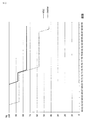
- FIG. 1 is a Kaplan-Meier curve showing the relationship between the number of days from the administration date and the survival rate in SHRSP administered with MSC. The test was performed by the Log-rank method, and p ⁇ 0.05 was taken as the significance level.
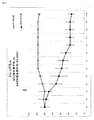
- FIG. 2 shows the improvement of motor function by MSC administration in 17-week-old aged rats (- ⁇ -: MSC administration group,- ⁇ -: DMEM administration group).
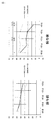
- FIG. 3 shows the improvement in survival rate by MSC administration in 50-week-old aged rats (- ⁇ -: MSC administration group,- ⁇ -: DMEM administration group).
- FIG. 4 shows improvement in motor function by MSC administration in 50-week-old aged rats (- ⁇ -: MSC administration group,- ⁇ -: DMEM administration group).
- FIG. 5 shows the improvement of cognitive function after 10 weeks of administration by administration of MSC in 50-week-old aged rats (- ⁇ -: MSC administration group,- ⁇ -: DMEM administration group).
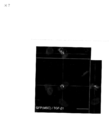
- FIG. 6 shows the results of immunostaining of rat brain tissue after MSC administration.
- A DAPI / GFP
- B DAPI / TGF- ⁇ 1
- C Merge
- D DAPI / GFP (MSC) / TGF- ⁇ 1
- FIG. 7 shows the results of immunostaining of rat brain tissue after MSC administration.
- FIG. 8 shows changes in gene expression due to MSC administration in SD rats.
- A FoxO1 (longevity gene)
- B TGF- ⁇ 1,
- C ALK5,
- D Smad5.
- FIG. 9 shows a mechanism (estimation) for improving the lifetime of MSC.
- the “mesenchymal stem cell” used in the present invention is a stem cell having pluripotency and self-replicating ability present in a small amount in a stromal cell of a mesenchymal tissue, and is a bone cell, chondrocyte, fat It is known not only to differentiate into connective tissue cells such as cells but also to differentiate into nerve cells and cardiomyocytes.
- Mesenchymal stem cells are present throughout the body such as bone marrow, peripheral blood, umbilical cord blood, fetal embryo, placenta, fat, and brain.
- bone marrow or blood-derived mesenchymal stem cells bone marrow mesenchymal stem cells
- human bone marrow or blood-derived mesenchymal stem cells human bone marrow mesenchymal stem cells
- Bone marrow mesenchymal stem cells 1) Expected to have significant effects, 2) Low risk of side effects, 3) Expected to supply sufficient donor cells, 4) Non-invasive treatment and autotransplantation possible 5) Low risk of infection, 6) No immune rejection, 7) No ethical problems, 8) Social acceptance, 9) Widespread establishment as general medical care There are advantages such as. Furthermore, bone marrow transplantation is a treatment already used in clinical practice, and its safety has been confirmed. In addition, bone marrow-derived stem cells are highly migratory and can reach the target damaged tissue not only by local transplantation but also by intravenous administration, and a therapeutic effect can be expected.
- the cell may be a cell derived from an ES cell or an induced pluripotent stem cell (iPS cell or the like), a cell established, or a cell isolated and proliferated from a living body. Good.
- the cells can be collected from any tissue in the living body (for example, fat, umbilical cord, placenta, amniotic membrane, etc.), and are not particularly limited.
- the cells may be derived from other cells or autologous cells, but mesenchymal stem cells derived from autologous cells (derived from the patient's own cells) are preferred.
- the mesenchymal stem cell used in the present invention is a cell that is negative for CD24 as a differentiation marker and maintains an undifferentiated state. Therefore, it has the characteristics that the growth rate and the survival rate after in vivo introduction are high.
- the inventors have also developed a method for obtaining such undifferentiated mesenchymal stem cells, the details of which are described in WO2009 / 002503.
- the mesenchymal stem cells used in the present invention are positive for at least one selected from CD73, CD90, CD105, and CD200, and / or CD19, CD34, CD45, CD74, CD79 ⁇ , and HLA-DR. It is characterized in that at least one selected from is negative.
- the mesenchymal stem cells used in the present invention are positive for two or more of CD73, CD90, CD105, and CD200, and negative for four or more of CD19, CD34, CD45, CD74, CD79 ⁇ , and HLA-DR. It is characterized by being.
- the mesenchymal stem cells used in the present invention are characterized by being positive for CD73, CD90, CD105, and CD200 and negative for CD19, CD34, CD45, CD74, CD79 ⁇ , and HLA-DR. It is done.
- cells separated from bone marrow fluid or the like under conditions that do not substantially contact with an anticoagulant contain human serum (preferably autologous serum), and anticoagulation Growth is performed using a medium that does not contain an agent (such as heparin) or contains a very low concentration.
- the density of cells in the medium affects the nature of the cells and the direction of differentiation.
- mesenchymal stem cells if the cell density in the medium exceeds 8,500 cells / cm 2 , the properties of the cells change, so subculture at a maximum of 8,500 cells / cm 2 or less. More preferably, the subculture is performed when the number of cells reaches 5500 cells / cm 2 or more.
- the medium is changed as few times as possible in consideration of the burden on the serum donor, for example, at least once a week, more preferably The medium is changed once or twice a week.
- the subculture is repeated until the total number of cells reaches 10 8 or more.
- the number of cells required may vary depending on the purpose of use.
- the number of mesenchymal stem cells required for transplantation for the treatment of cerebral infarction is considered to be 10 7 or more.
- 10 7 mesenchymal stem cells can be obtained in about 12 days.
- the proliferated MSC may be stored by a technique such as cryopreservation (for example, in a deep freezer at ⁇ 152 ° C.) until it is used, if necessary.
- a medium containing serum preferably human serum, more preferably autologous serum
- dextran DMSO (medium for mammalian cells such as RPMI)
- RPMI medium for mammalian cells
- cells can be suspended in a cryopreservation solution containing 20.5 mL of normal filter-sterilized RPMI, 20.5 mL of autologous serum collected from a patient, 5 mL of dextran, and 5 mL of DMSO, and stored frozen at -150 ° C.
- Cryoserve manufactured by Nipro Corporation can be used as DMSO
- low molecular dextran L injection manufactured by Otsuka Pharmaceutical can be used as dextran, but is not limited thereto.
- the MSC of the present invention can secrete TGF- ⁇ 1 after administration.
- Administration of MSC activates the TGF- ⁇ 1 / Smad3 pathway in the target tissue (for example, brain tissue) and enhances the expression of FoxO1 gene, which is called a longevity gene, so that the subject's motor function, cognitive function, survival time Is estimated to increase.
- the “life extension agent” of the present invention is a cell preparation containing CD24-negative mesenchymal stem cells (MSCs), and is a medicament having an effect of extending the life of an administered subject.
- the “life extension agent” of the present invention has a life extension effect through various actions such as improvement of motor function in healthy individuals, and is intractable nerve such as dementia and cerebral infarction and spinal cord injury. In patients with diseases, it has an effect of prolonging life after treatment in combination with improvement of nerve function and motor function.
- the number of mesenchymal stem cells is 10 7 or more, preferably 5 ⁇ 10 7 or more, more preferably 10 8 or more, and further preferably 5 ⁇ 10. 8 or more.
- the life extension agent of the present invention is preferably a parenteral preparation, more preferably a parenteral systemic preparation, particularly an intravenous preparation.
- parenteral preparation preferably a parenteral systemic preparation, particularly an intravenous preparation.
- dosage form suitable for parenteral administration include injections such as solution injections, suspension injections, emulsion injections, injections prepared at the time of use, and grafts.
- the preparation for parenteral administration is in the form of an aqueous or non-aqueous isotonic sterile solution or suspension, for example, a pharmacologically acceptable carrier or vehicle, specifically, sterile water or physiological saline, Medium (especially medium used for culturing mammalian cells such as RPMI), physiological buffer solution such as PBS, vegetable oil, emulsifier, suspension agent, surfactant, stabilizer, excipient, vehicle, preservative, binding
- a pharmacologically acceptable carrier or vehicle specifically, sterile water or physiological saline, Medium (especially medium used for culturing mammalian cells such as RPMI), physiological buffer solution such as PBS, vegetable oil, emulsifier, suspension agent, surfactant, stabilizer, excipient, vehicle, preservative, binding
- physiological buffer solution such as PBS, vegetable oil, emulsifier, suspension agent, surfactant, stabilizer, excipient, vehicle, preservative, binding
- physiological saline for example, physiological saline, culture medium, physiological buffer solution such as PBS, isotonic solution containing glucose and other adjuvants, such as D-sorbitol, D-mannose, D-mannitol, sodium chloride, etc.
- physiological buffer solution such as PBS
- isotonic solution containing glucose and other adjuvants such as D-sorbitol, D-mannose, D-mannitol, sodium chloride, etc.
- solubilizing agent such as alcohol, specifically ethanol, polyalcohol, propylene glycol, polyethylene glycol or a nonionic surfactant such as polysorbate 80, HCO-50, or the like.
- the life prolonging agent of the present invention improves motor function and simple cognitive function in patients suffering from dementia, cerebral infarction, spinal cord injury, neurodegenerative disease, mental illness, attention disorder, memory disorder, aphasia It can improve higher-order functions such as forgetfulness, apraxia, executive function, and emotional disorder, and also extend the life of the subject after treatment. Furthermore, even a healthy person has rejuvenation, physical strength enhancement, and life extension effects.
- Dementia is a disease in which normally developed intelligence irreversibly decreases due to acquired brain damage, and presents with cognitive impairment.
- Alzheimer's dementia cerebrovascular dementia, Lewy body dementia, frontal side Mention dementia of the head.
- the life extension agent of the present invention can improve the quality of life in general in addition to improving cognitive function in patients with dementia (Japanese Patent Application Nos. 2006-091286 and 2014-091300). Can be extended.
- Cerebral infarction is a pathological condition in which cerebral ischemia is caused by occlusion or stenosis of the cerebral artery, and the brain tissue becomes necrotic or close to this condition.
- MSC has a protective effect on the brain (parenchyma and blood vessels).
- intravenous administration of MSC reduces infarct volume and improves behavioral function. Since necrotic cells and damaged nerve fibers do not return to their original state in the chronic phase, in the chronic phase of cerebral infarction, in addition to preventing recurrence, non-dead cells and necrotic cells that exist around necrotic cells Recovering cells that have stopped functioning and alleviating the pathology has been considered the focus of treatment.
- the central nervous system including the spinal cord unlike the peripheral nerve, is not repaired or regenerated once damaged.
- MSC Japanese Patent Application No. 2006-091286, Japanese Patent Application No. 2006-091300
- the life expectancy can be extended.
- MSC treatment will allow you to walk and restore and maintain your health, including your whole body muscles and internal organs. It is because it can do.
- Life extension agents of the present invention include amyotrophic lateral sclerosis (ALS), Parkinson's disease, progressive supranuclear palsy (PSP), Huntington's disease, multiple system atrophy (MSA), nigrostriatal degeneration It is also useful for neurodegenerative diseases such as (SND), Shy-Drager syndrome, olive bridge cerebellar atrophy (OPCA), spinocerebellar degeneration (SCD) and the like.
- the life extension agent of the present invention includes schizophrenia, manic depression, personality disorder, mood disorder, psychological development disorder, stress-related disorder, autism, learning disorder, behavioral / emotional disorder, mental retardation, sleep disorder, It is also useful for mental disorders such as eating disorders, identity disorders, dissociative disorders, adaptation disorders, alcoholic disorders, addictions and the like.
- Example 1 Life prolongation effect in stroke-prone spontaneously hypertensive rats (SHRSP) Materials / Methods (1) Preparation of rat bone marrow-derived mesenchymal stem cells Experiments were performed in accordance with animal experiment management regulations of Sapporo Medical University. According to previous reports, bone marrow obtained from femurs of adult SD rats was diluted to 25 ml with Dulbecco's modified Eagle's medium (DMEM) and heat-inactivated 10% FBS, 2 mM l-glutamine, 100 U / ml penicillin, 0.1 mg / ml streptomycin was added and incubated for 3 days at 37 ° C. in 5% CO 2 atmosphere (Kim S. et al., Brain Res.
- DMEM Dulbecco's modified Eagle's medium
- SHRSP Stroke-prone spontaneously hypertensive rat
- Example 2 Enhancement of motor function in aged rats SHRSP naturally gives rise to blood vessels and blood pressure by giving a high salt diet, eventually becoming cerebral infarction, cerebral hemorrhage, and dementia. It is similar to the aging phenomenon. Therefore, the intravenous administration of MSC prolongs the lifespan of SHRSP suggests that even normal elderly people have an effect of prolonging lifespan. Thus, in this example, the effect of MSC on motor function was evaluated using 17-week-old aged rats.
- MSCs were prepared according to Example 1. Cerebral infarction was induced by the method described in Example 3 at 9 weeks of age, and then SD rats (17 weeks of age) after 8 weeks were randomly divided into two groups as follows.
- Rats were not rehabilitated and administered cyclosporin A (10 mg / kg) every day for one week after transplantation and every other day thereafter. Exercise evaluation was performed on a treadmill (angle 20 degrees) every week.
- Example 3 Therapeutic effect in cerebral infarction model rats
- tMCAO transient middle cerebral artery occlusion
- adult female SD rats 200-250 g
- ketamine 75 mg / kg
- xylazine 10 mg / kg
- 20.0-22.0 mm embolic thread MONOSOF
- MONOSOF 20.0-22.0 mm embolic thread
- Example 4 Therapeutic Effects in Chronic Spinal Cord Injury Model
- adult male SD rats were anesthetized with ketamine (90 mg / kg) and xylazine (4 mg / kg), and T9-T10 level spinal cords were exposed by laminectomy.
- Chronic spinal cord injury model rats can be prepared by crushing using an injury preparation device (Infinite Horizon Impactor, 60-kilodyne) (Matsushita et al., 2015).
- an injury preparation device Infinite Horizon Impactor, 60-kilodyne
- the life-prolonging effect on dementia of MSC administration can be carried out according to Example 1.
- Embodiment 5 FIG. Life Prolongation Effect in Aged Rats The effects of MSC administration on survival rate, motor function, and cognitive function were evaluated using 50 week old normal rats.
- Example 6 Changes in gene expression by administration of MSC Materials / Methods
- SHRSP dementia model animal
- the rats that had cerebral infarction or cerebral hemorrhage at the time of 16 to 20 weeks were subjected to the MSC group and the DMEM group 2 weeks after the onset.
- the GFP-labeled MSC (MSC-GFP) 1.0 ⁇ 10 6 cells / ml ⁇ DMEM was administered from the left femoral vein.
- MSC-GFP GFP-labeled MSC
- the removed brain tissue was frozen with isopentane and stored at ⁇ 80 ° C. until use. Brain tissue was sliced at 30 ⁇ m to prepare coronal sections, and immunostaining was performed. Immunostaining uses an anti-GFP antibody (chicken polyclonal antibody (1: 1000; Abcam, ab13970), anti-TGF- ⁇ 1 antibody (rabbit polyclonal antibody (1: 100; Abcam, ab92486)) as a primary antibody, and a secondary antibody. AF488-conjugated goat anti-chicken immunoglobulin (1: 1000) and AF594-conjugated goat anti-rabbit immunoglobulin (1: 1000) were used.
- Example 7 Changes in gene expression by administration of MSC Materials and Methods Samples were prepared according to Example 6. Randomly divided into two groups as follows and administered with MSC or medium (DMEM).
- a TaqMan probe (Thermo Fisher Scientific Inc.) was purchased, and RT-PCR was performed using TaqMan Universal Master Mix II with UNG.
- GAPDH TraqMan rodent GAPDH control reagents
- PCR was performed using an ABI-StepOne real-time PCR system (Thermo Fisher Scientific Inc.), heated at 95 ° C. for 3 minutes, and then repeated 40 cycles of 95 ° C. for 15 seconds and 55 ° C. for 60 seconds. The expression level of was evaluated. The results are shown in FIG.
- the present invention is useful for treating a subject whose life extension is desired.
- neurodegenerative diseases such as dementia, cerebral infarction, spinal cord injury, and mental illness
- MSC A strategy can be established.
- the motor function of the subject can be improved and the life can be prolonged
- administration of MSC is useful for extending the life of the subject regardless of the presence or absence of disease.
Landscapes
- Health & Medical Sciences (AREA)
- Life Sciences & Earth Sciences (AREA)
- Engineering & Computer Science (AREA)
- Bioinformatics & Cheminformatics (AREA)
- Pharmacology & Pharmacy (AREA)
- Veterinary Medicine (AREA)
- Public Health (AREA)
- Chemical & Material Sciences (AREA)
- General Health & Medical Sciences (AREA)
- Medicinal Chemistry (AREA)
- Animal Behavior & Ethology (AREA)
- Biomedical Technology (AREA)
- General Chemical & Material Sciences (AREA)
- Nuclear Medicine, Radiotherapy & Molecular Imaging (AREA)
- Chemical Kinetics & Catalysis (AREA)
- Organic Chemistry (AREA)
- Neurosurgery (AREA)
- Neurology (AREA)
- Immunology (AREA)
- Cell Biology (AREA)
- Developmental Biology & Embryology (AREA)
- Virology (AREA)
- Biotechnology (AREA)
- Hematology (AREA)
- Zoology (AREA)
- Epidemiology (AREA)
- Hospice & Palliative Care (AREA)
- Psychiatry (AREA)
- Urology & Nephrology (AREA)
- Vascular Medicine (AREA)
- Cardiology (AREA)
- Heart & Thoracic Surgery (AREA)
- Medicines Containing Material From Animals Or Micro-Organisms (AREA)
- Micro-Organisms Or Cultivation Processes Thereof (AREA)
Abstract
La présente invention concerne un agent de prolongation de la durée de vie comprenant des cellules souches mésenchymateuses CD24-négatives, et une thérapie utilisant l'agent de prolongation de la durée de vie, la thérapie visant la démence, l'infarctus cérébral, la lésion de la moelle épinière, et analogues.
Priority Applications (3)
| Application Number | Priority Date | Filing Date | Title |
|---|---|---|---|
| US16/325,889 US20190183937A1 (en) | 2016-08-18 | 2017-04-13 | Life extension agent |
| JP2018534267A JP7356097B2 (ja) | 2016-08-18 | 2017-04-13 | 寿命延長剤 |
| EP17841251.6A EP3501525A4 (fr) | 2016-08-18 | 2017-04-13 | Agent de prolongation de la durée de vie |
Applications Claiming Priority (2)
| Application Number | Priority Date | Filing Date | Title |
|---|---|---|---|
| JP2016160269 | 2016-08-18 | ||
| JP2016-160269 | 2016-08-18 |
Publications (1)
| Publication Number | Publication Date |
|---|---|
| WO2018034023A1 true WO2018034023A1 (fr) | 2018-02-22 |
Family
ID=61196601
Family Applications (1)
| Application Number | Title | Priority Date | Filing Date |
|---|---|---|---|
| PCT/JP2017/015809 Ceased WO2018034023A1 (fr) | 2016-08-18 | 2017-04-13 | Agent de prolongation de la durée de vie |
Country Status (4)
| Country | Link |
|---|---|
| US (1) | US20190183937A1 (fr) |
| EP (1) | EP3501525A4 (fr) |
| JP (1) | JP7356097B2 (fr) |
| WO (1) | WO2018034023A1 (fr) |
Cited By (3)
| Publication number | Priority date | Publication date | Assignee | Title |
|---|---|---|---|---|
| WO2020162580A1 (fr) | 2019-02-07 | 2020-08-13 | 北海道公立大学法人 札幌医科大学 | Composition pharmaceutique destinée à prévenir la resténose intra-stent |
| JPWO2020184729A1 (fr) * | 2019-03-14 | 2020-09-17 | ||
| JPWO2021140773A1 (fr) * | 2020-01-08 | 2021-07-15 |
Citations (4)
| Publication number | Priority date | Publication date | Assignee | Title |
|---|---|---|---|---|
| WO2006078034A1 (fr) * | 2005-01-24 | 2006-07-27 | Japan Health Sciences Foundation | Cellules capables de differenciation en cellules de muscle cardiaque |
| WO2009034708A1 (fr) * | 2007-09-11 | 2009-03-19 | Sapporo Medical University | Procédé de prolifération cellulaire et agent pharmaceutique pour la réparation et la régénération de tissu |
| JP2011519574A (ja) * | 2008-05-09 | 2011-07-14 | ザ ユニバーシティ コート オブ ザ ユニバーシティ オブ グラスゴー | 細胞ベースの治療に関連する材料および方法 |
| JP2012100662A (ja) * | 2011-12-05 | 2012-05-31 | Sapporo Medical Univ | 細胞増殖方法ならびに組織の修復および再生のための医薬 |
Family Cites Families (2)
| Publication number | Priority date | Publication date | Assignee | Title |
|---|---|---|---|---|
| US9095562B2 (en) * | 2007-07-05 | 2015-08-04 | Regenerative Sciences, Inc. | Methods and compositions for optimized expansion and implantation of mesenchymal stem cells |
| WO2017188457A1 (fr) * | 2016-04-28 | 2017-11-02 | 北海道公立大学法人札幌医科大学 | Agent de formation de synapses |
-
2017
- 2017-04-13 WO PCT/JP2017/015809 patent/WO2018034023A1/fr not_active Ceased
- 2017-04-13 JP JP2018534267A patent/JP7356097B2/ja active Active
- 2017-04-13 US US16/325,889 patent/US20190183937A1/en not_active Abandoned
- 2017-04-13 EP EP17841251.6A patent/EP3501525A4/fr not_active Withdrawn
Patent Citations (4)
| Publication number | Priority date | Publication date | Assignee | Title |
|---|---|---|---|---|
| WO2006078034A1 (fr) * | 2005-01-24 | 2006-07-27 | Japan Health Sciences Foundation | Cellules capables de differenciation en cellules de muscle cardiaque |
| WO2009034708A1 (fr) * | 2007-09-11 | 2009-03-19 | Sapporo Medical University | Procédé de prolifération cellulaire et agent pharmaceutique pour la réparation et la régénération de tissu |
| JP2011519574A (ja) * | 2008-05-09 | 2011-07-14 | ザ ユニバーシティ コート オブ ザ ユニバーシティ オブ グラスゴー | 細胞ベースの治療に関連する材料および方法 |
| JP2012100662A (ja) * | 2011-12-05 | 2012-05-31 | Sapporo Medical Univ | 細胞増殖方法ならびに組織の修復および再生のための医薬 |
Cited By (9)
| Publication number | Priority date | Publication date | Assignee | Title |
|---|---|---|---|---|
| WO2020162580A1 (fr) | 2019-02-07 | 2020-08-13 | 北海道公立大学法人 札幌医科大学 | Composition pharmaceutique destinée à prévenir la resténose intra-stent |
| KR20210126025A (ko) | 2019-02-07 | 2021-10-19 | 훗카이도 코리츠 다이가쿠 호진 삿포르 이카 다이가쿠 | 스텐트 내 재협착의 예방을 위한 의약 조성물 |
| JPWO2020184729A1 (fr) * | 2019-03-14 | 2020-09-17 | ||
| WO2020184729A1 (fr) | 2019-03-14 | 2020-09-17 | 北海道公立大学法人札幌医科大学 | Composition pharmaceutique pour le traitement de la sclérose latérale amyotrophique |
| KR20210138655A (ko) | 2019-03-14 | 2021-11-19 | 훗카이도 코리츠 다이가쿠 호진 삿포르 이카 다이가쿠 | 근위축성 측삭 경화증의 치료용 의약 조성물 |
| JP7541699B2 (ja) | 2019-03-14 | 2024-08-29 | 北海道公立大学法人 札幌医科大学 | 筋萎縮性側索硬化症の治療用医薬組成物 |
| AU2020236160B2 (en) * | 2019-03-14 | 2025-07-24 | Nipro Corporation | Pharmaceutical composition for treating amyotrophic lateral sclerosis |
| JPWO2021140773A1 (fr) * | 2020-01-08 | 2021-07-15 | ||
| JP7658917B2 (ja) | 2020-01-08 | 2025-04-08 | 公益財団法人神戸医療産業都市推進機構 | 身体機能回復促進剤 |
Also Published As
| Publication number | Publication date |
|---|---|
| EP3501525A1 (fr) | 2019-06-26 |
| JP7356097B2 (ja) | 2023-10-04 |
| EP3501525A4 (fr) | 2020-04-08 |
| JPWO2018034023A1 (ja) | 2019-06-13 |
| US20190183937A1 (en) | 2019-06-20 |
Similar Documents
| Publication | Publication Date | Title |
|---|---|---|
| JP7450896B2 (ja) | シナプス形成剤 | |
| Ryu et al. | Comparison of mesenchymal stem cells derived from fat, bone marrow, Wharton’s jelly, and umbilical cord blood for treating spinal cord injuries in dogs | |
| Moodley et al. | Human amnion epithelial cell transplantation abrogates lung fibrosis and augments repair | |
| Hu et al. | Functional recovery in acute traumatic spinal cord injury after transplantation of human umbilical cord mesenchymal stem cells | |
| JP6519038B2 (ja) | 脳梗塞治療のための多能性幹細胞 | |
| Dos Santos et al. | Therapeutic window for treatment of cortical ischemia with bone marrow-derived cells in rats | |
| JP2022548997A (ja) | 多能性幹細胞、医薬組成物、並びにそれらの調製方法及びそれらの適用 | |
| US20180055887A1 (en) | Method for preparing induced mesenchymal stem cells and improving mesenchymal stem cell's characters and its applications | |
| Zhuang et al. | Mesenchymal stem cell–based therapy as a new approach for the treatment of systemic sclerosis | |
| JP5240715B2 (ja) | 脂肪組織由来多分化能幹細胞を含有する細胞製剤 | |
| JP6400744B2 (ja) | 神経前駆細胞またはその分泌タンパク質を有効成分として含む虚血性疾患または神経炎症疾患の治療用組成物 | |
| JP2013520971A (ja) | 腫瘍性疾患の治療的処置にて用いるための成体幹細胞由来の微細小胞(mv) | |
| Azimzadeh et al. | The immunoregulatory and neuroprotective effects of human adipose derived stem cells overexpressing IL-11 and IL-13 in the experimental autoimmune encephalomyelitis mice | |
| US20160184364A1 (en) | Management of osteoarthritis using pooled allogeneic mesenchymal stem cells | |
| US11738046B2 (en) | Macrophage cell therapy to treat orthopedic injury | |
| JP7356097B2 (ja) | 寿命延長剤 | |
| JP2017093431A (ja) | 脂肪由来間葉系幹細胞、脂肪由来間葉系幹細胞の培養方法、及び治療薬 | |
| Kabataş et al. | Neuronal regeneration in injured rat spinal cord after human dental pulp derived neural crest stem cell transplantation | |
| JP7849696B2 (ja) | 虚血性血管障害の治療用医薬 | |
| Akhlaghpasand et al. | Grafted human chorionic stem cells restore motor function and preclude cerebellar neurodegeneration in rat model of cerebellar ataxia | |
| JP7076709B2 (ja) | 間葉系幹細胞活性化剤 | |
| JP6604492B2 (ja) | 脳梗塞治療のための多能性幹細胞 | |
| JPWO2018003997A1 (ja) | 臓器線維症の予防または治療剤 | |
| KR20150059671A (ko) | 인간 골수 유래 중간엽 줄기세포를 유효성분으로 포함하는 파킨슨 증후군의 예방 또는 치료용 약제학적 조성물 | |
| Zander et al. | Mesenchymal stromal cells: main factor or helper in regenerative medicine? |
Legal Events
| Date | Code | Title | Description |
|---|---|---|---|
| 121 | Ep: the epo has been informed by wipo that ep was designated in this application |
Ref document number: 17841251 Country of ref document: EP Kind code of ref document: A1 |
|
| ENP | Entry into the national phase |
Ref document number: 2018534267 Country of ref document: JP Kind code of ref document: A |
|
| NENP | Non-entry into the national phase |
Ref country code: DE |
|
| ENP | Entry into the national phase |
Ref document number: 2017841251 Country of ref document: EP Effective date: 20190318 |