WO2020003978A1 - Agent pour améliorer la capacité de phagocytose des neutrophiles - Google Patents
Agent pour améliorer la capacité de phagocytose des neutrophiles Download PDFInfo
- Publication number
- WO2020003978A1 WO2020003978A1 PCT/JP2019/022812 JP2019022812W WO2020003978A1 WO 2020003978 A1 WO2020003978 A1 WO 2020003978A1 JP 2019022812 W JP2019022812 W JP 2019022812W WO 2020003978 A1 WO2020003978 A1 WO 2020003978A1
- Authority
- WO
- WIPO (PCT)
- Prior art keywords
- hrg
- neutrophils
- phagocytosis
- neutrophil
- infections
- Prior art date
- Legal status (The legal status is an assumption and is not a legal conclusion. Google has not performed a legal analysis and makes no representation as to the accuracy of the status listed.)
- Ceased
Links
Images




Classifications
-
- A—HUMAN NECESSITIES
- A61—MEDICAL OR VETERINARY SCIENCE; HYGIENE
- A61K—PREPARATIONS FOR MEDICAL, DENTAL OR TOILETRY PURPOSES
- A61K38/00—Medicinal preparations containing peptides
- A61K38/16—Peptides having more than 20 amino acids; Gastrins; Somatostatins; Melanotropins; Derivatives thereof
- A61K38/17—Peptides having more than 20 amino acids; Gastrins; Somatostatins; Melanotropins; Derivatives thereof from animals; from humans
- A61K38/1703—Peptides having more than 20 amino acids; Gastrins; Somatostatins; Melanotropins; Derivatives thereof from animals; from humans from vertebrates
- A61K38/1709—Peptides having more than 20 amino acids; Gastrins; Somatostatins; Melanotropins; Derivatives thereof from animals; from humans from vertebrates from mammals
-
- A—HUMAN NECESSITIES
- A61—MEDICAL OR VETERINARY SCIENCE; HYGIENE
- A61K—PREPARATIONS FOR MEDICAL, DENTAL OR TOILETRY PURPOSES
- A61K47/00—Medicinal preparations characterised by the non-active ingredients used, e.g. carriers or inert additives; Targeting or modifying agents chemically bound to the active ingredient
- A61K47/50—Medicinal preparations characterised by the non-active ingredients used, e.g. carriers or inert additives; Targeting or modifying agents chemically bound to the active ingredient the non-active ingredient being chemically bound to the active ingredient, e.g. polymer-drug conjugates
- A61K47/51—Medicinal preparations characterised by the non-active ingredients used, e.g. carriers or inert additives; Targeting or modifying agents chemically bound to the active ingredient the non-active ingredient being chemically bound to the active ingredient, e.g. polymer-drug conjugates the non-active ingredient being a modifying agent
- A61K47/68—Medicinal preparations characterised by the non-active ingredients used, e.g. carriers or inert additives; Targeting or modifying agents chemically bound to the active ingredient the non-active ingredient being chemically bound to the active ingredient, e.g. polymer-drug conjugates the non-active ingredient being a modifying agent the modifying agent being an antibody, an immunoglobulin or a fragment thereof, e.g. an Fc-fragment
-
- A—HUMAN NECESSITIES
- A61—MEDICAL OR VETERINARY SCIENCE; HYGIENE
- A61K—PREPARATIONS FOR MEDICAL, DENTAL OR TOILETRY PURPOSES
- A61K47/00—Medicinal preparations characterised by the non-active ingredients used, e.g. carriers or inert additives; Targeting or modifying agents chemically bound to the active ingredient
- A61K47/50—Medicinal preparations characterised by the non-active ingredients used, e.g. carriers or inert additives; Targeting or modifying agents chemically bound to the active ingredient the non-active ingredient being chemically bound to the active ingredient, e.g. polymer-drug conjugates
- A61K47/51—Medicinal preparations characterised by the non-active ingredients used, e.g. carriers or inert additives; Targeting or modifying agents chemically bound to the active ingredient the non-active ingredient being chemically bound to the active ingredient, e.g. polymer-drug conjugates the non-active ingredient being a modifying agent
- A61K47/68—Medicinal preparations characterised by the non-active ingredients used, e.g. carriers or inert additives; Targeting or modifying agents chemically bound to the active ingredient the non-active ingredient being chemically bound to the active ingredient, e.g. polymer-drug conjugates the non-active ingredient being a modifying agent the modifying agent being an antibody, an immunoglobulin or a fragment thereof, e.g. an Fc-fragment
- A61K47/6801—Drug-antibody or immunoglobulin conjugates defined by the pharmacologically or therapeutically active agent
- A61K47/6803—Drugs conjugated to an antibody or immunoglobulin, e.g. cisplatin-antibody conjugates
- A61K47/6811—Drugs conjugated to an antibody or immunoglobulin, e.g. cisplatin-antibody conjugates the drug being a protein or peptide, e.g. transferrin or bleomycin
-
- A—HUMAN NECESSITIES
- A61—MEDICAL OR VETERINARY SCIENCE; HYGIENE
- A61P—SPECIFIC THERAPEUTIC ACTIVITY OF CHEMICAL COMPOUNDS OR MEDICINAL PREPARATIONS
- A61P31/00—Antiinfectives, i.e. antibiotics, antiseptics, chemotherapeutics
-
- A—HUMAN NECESSITIES
- A61—MEDICAL OR VETERINARY SCIENCE; HYGIENE
- A61P—SPECIFIC THERAPEUTIC ACTIVITY OF CHEMICAL COMPOUNDS OR MEDICINAL PREPARATIONS
- A61P31/00—Antiinfectives, i.e. antibiotics, antiseptics, chemotherapeutics
- A61P31/04—Antibacterial agents
-
- A—HUMAN NECESSITIES
- A61—MEDICAL OR VETERINARY SCIENCE; HYGIENE
- A61P—SPECIFIC THERAPEUTIC ACTIVITY OF CHEMICAL COMPOUNDS OR MEDICINAL PREPARATIONS
- A61P31/00—Antiinfectives, i.e. antibiotics, antiseptics, chemotherapeutics
- A61P31/10—Antimycotics
-
- A—HUMAN NECESSITIES
- A61—MEDICAL OR VETERINARY SCIENCE; HYGIENE
- A61P—SPECIFIC THERAPEUTIC ACTIVITY OF CHEMICAL COMPOUNDS OR MEDICINAL PREPARATIONS
- A61P31/00—Antiinfectives, i.e. antibiotics, antiseptics, chemotherapeutics
- A61P31/12—Antivirals
-
- A—HUMAN NECESSITIES
- A61—MEDICAL OR VETERINARY SCIENCE; HYGIENE
- A61P—SPECIFIC THERAPEUTIC ACTIVITY OF CHEMICAL COMPOUNDS OR MEDICINAL PREPARATIONS
- A61P33/00—Antiparasitic agents
-
- A—HUMAN NECESSITIES
- A61—MEDICAL OR VETERINARY SCIENCE; HYGIENE
- A61P—SPECIFIC THERAPEUTIC ACTIVITY OF CHEMICAL COMPOUNDS OR MEDICINAL PREPARATIONS
- A61P43/00—Drugs for specific purposes, not provided for in groups A61P1/00-A61P41/00
Definitions
- the present invention relates to a neutrophil phagocytic enhancer. More specifically, the present invention relates to a neutrophil phagocytosis-enhancing agent containing a histidine-rich glycoprotein as an active ingredient.
- Neutrophils have functions of migration, phagocytosis, and sterilization, but phagocytosis is the first barrier of the organism against microbial invasion, and is also regarded as a fundamental function of the immune system.
- Neutrophils play a major role in host defense, phagocytosing foreign substances centered on pathogenic microorganisms that have invaded the body, and killing them with active oxygen generated by themselves.
- Neutrophils have a non-specific immunity that seeks to eliminate substances that enter the body. When immunoglobulins and complements adhere to foreign substances and become opsonized (Op), neutrophils recognize the foreign substances and phagocytose.
- Op opsonized
- neutrophils recognize the foreign substances and phagocytose.
- there is no therapeutic agent that enhances the phagocytic activity of bacteria such as neutrophils.
- Histidine-rich glycoprotein is a plasma protein with a molecular weight of about 80 kDa identified by Heimburger et al. (1972).
- a high histidine-containing protein composed of 507 amino acids, of which 66 are histidines, are synthesized mainly in the liver, and are present in human plasma at concentrations considered to be very high, about 100-150 ⁇ g / mL .
- HRG is known to be involved in the regulation of the coagulation-fibrinolysis system and the control of angiogenesis (Non-Patent Document 1).
- compositions and products comprising: Also, in the field of angiogenesis, there is disclosure of the use of substantially pure continuous polypeptides with anti-angiogenic activity, including subfragments derived from the central region of HRG (US Pat. No. 6,049,045). Furthermore, there is also disclosed a neutrophil-vascular endothelial cell adhesion inhibitor containing HRG as an active ingredient (Patent Document 3). Patent Document 3 discloses a neutrophil activation-regulating action using HRG as an active ingredient, but does not report bacterial phagocytic activity of neutrophils and the like.
- a target protein was prepared using a gene expression cassette having a special structure (Patent Document 4).
- the gene expression cassette by using the gene expression cassette, cells capable of stably and highly producing the target protein can be obtained.
- the prepared proteins include HRG and HRG-Fc fusion protein in Examples. It is shown.
- a fusion product of the Fc domain of IgG and a specific substance a fusion product of a protein classified into a receptor, a cytokine, a peptide, an enzyme, or the like is known, and they are expected to prolong blood half-life. It has been artificially designed.
- the effect of the HRG-Fc fusion protein has not yet been reported.
- An object of the present invention is to provide a neutrophil phagocytosis enhancer. Further, the present invention provides a neutrophil phagocytosis-enhancing agent as a therapeutic agent or a therapeutic adjuvant for various bacterial infections, viral infections, fungal infections, parasitic infections, and mixed infections thereof.
- neutrophil phagocytosis potentiator containing HRG as an active ingredient.
- the present inventors have focused on HRG having a function of controlling neutrophil activity in order to solve the above problems, and as a result of intensive studies, bacteria, viruses, fungi, parasites among neutrophil activity For the first time, the inventors have found that HRG has an enhancing effect on the phagocytic activity against pathogens and foreign substances caused by such factors, and completed the present invention.
- the present invention includes the following. 1. A neutrophil phagocytosis enhancer comprising a histidine-rich glycoprotein as an active ingredient. 2. 2. The neutrophil phagocytosis-enhancing agent according to the above item 1, wherein the histidine-rich glycoprotein as an active ingredient is present in the form of an Fc fusion protein obtained by fusing the histidine-rich glycoprotein with an Fc region of an antibody. 3. Fc region of the antibody is the Fc region derived from IgG 2, neutrophil phagocytosis enhancement agent according to [2. 4. 4. 4. The neutrophil phagocytosis-enhancing agent according to any one of the above items 1 to 3, as an infectious disease therapeutic agent or an infectious disease therapeutic adjuvant. 5. 5. 5.
- Sphere phagocytosis enhancer is any one selected from respiratory tract infection, urinary tract infection, biliary tract infection, gastrointestinal tract infection, and central nervous system infection.
- A. A method for enhancing neutrophil phagocytosis using HRG as an active ingredient of a neutrophil phagocytosis enhancer.
- B. A method for treating infectious disease or a method for assisting infectious disease treatment, wherein HRG is used as an active ingredient of a neutrophil phagocytosis enhancer.
- C. HRG as an active ingredient is in the form of an Fc fusion protein obtained by fusing HRG and an Fc region of an antibody, wherein the neutrophil phagocytosis-enhancing method described in A above, or the infectious disease treatment method or infectious disease described in B above. Treatment assistance method.
- Fc region of the antibody is the Fc region derived from IgG 2, neutrophil phagocytosis according to item C enhancing method or infection treatment method or infective auxiliary methods.
- FIG. The method for treating an infectious disease or the method for assisting infectious disease treatment according to the above D, wherein the infectious disease is an infectious disease caused by one or more pathogens selected from bacteria, viruses, fungi, and parasites. .
- F. The infection according to item D or E, wherein the infection is any infection selected from respiratory infections, urinary tract infections, biliary tract infections, gastrointestinal tract infections, and central nervous system infections. A method of treatment or a method of assisting infectious disease treatment.
- neutrophil phagocytosis-enhancing agent containing the HRG of the present invention as an active ingredient may be abbreviated as “neutrophil phagocytosis-enhancing agent” of the present invention
- neutrophil phagocytosis-enhancing agent may be used for neutrophils in a normal state. When acted on, it has the effect of effectively enhancing the phagocytic ability of neutrophils against foreign substances such as bacteria.
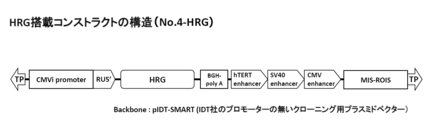
- FIG. 1 is a view showing the structure of an HRG-mounted construct required for producing recombinant human HRG.
- Example 2 BRIEF DESCRIPTION OF THE DRAWINGS
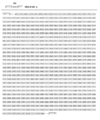
- FIG. 1 is a view showing a nucleotide sequence (EcoR1-HRG-Xho1: SEQ ID NO: 3) of a DNA encoding a coding region of HRG, which is necessary for producing a recombinant human HRG or HRG-Fc fusion protein.
- FIG. 4 shows the results of neutrophil phagocytosis analysis of Escherichia coli and Staphylococcus aureus using various concentrations of HRG.
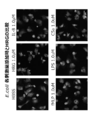
- FIG. 4 is a diagram showing the results of phagocytosis image analysis of neutrophils at various concentrations of hHRG, rHRG or HRG-Fc with respect to phagocytosis of neutrophils against Escherichia coli.
- FIG. 4 is a view showing the results of phagocytosis image analysis of neutrophils by a control such as hHRG, rHRG, HRG-Fc or HBSS or HSA with respect to phagocytosis of neutrophils against Escherichia coli.
- FIG. 4 is a view showing the results of neutrophil phagocytosis analysis by hHRG, rHRG or HRG-Fc with respect to phagocytosis of neutrophils against Escherichia coli.
- FIG. 2 is a view showing the results of neutrophil phagocytosis analysis by hHRG, rHRG or HRG-Fc with respect to phagocytosis of neutrophils against Escherichia coli.
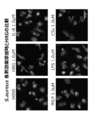
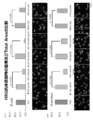
- FIG. 4 is a diagram showing the results of phagocytic image analysis of neutrophils with each concentration of hHRG, rHRG, or HRG-Fc with respect to phagocytic activity of neutrophils against Staphylococcus aureus.
- FIG. 4 is a diagram showing the results of phagocytosis image analysis of neutrophils by a control such as hHRG, rHRG, HRG-Fc, or HBSS or HSA with respect to phagocytic activity of neutrophils against Staphylococcus aureus.
- FIG. 2 is a diagram showing the results of phagocytic image analysis of neutrophils with each concentration of hHRG, rHRG, or HRG-Fc with respect to phagocytic activity of neutrophils against Staphylococcus aureus.
- FIG. 4 is a graph showing the results of neutrophil phagocytosis analysis by hHRG, rHRG, or HRG-Fc with respect to neutrophil phagocytosis ability against Staphylococcus aureus.
- FIG. 4 is a view showing the results of neutrophil phagocytosis analysis using IL-8, fMLP, LPS, C5a, or the like, with respect to phagocytic ability of neutrophils against Escherichia coli.
- FIG. 1 Comparative Example 1
- FIG. 9 is a view showing the results of neutrophil phagocytosis analysis by IL-8, fMLP, LPS, C5a, or the like, with regard to the phagocytic ability of neutrophils against Staphylococcus aureus.
- Comparative Example 1 It is a figure which shows the result of having performed the confirmation test about the neutrophil phagocytosis enhancement effect by HRG stimulation.
- FIG. 9 is a view showing the results of confirming the phagocytic ability of neutrophils against Escherichia coli or Staphylococcus aureus with respect to the action of HRG using an anti-HRG antibody.
- FIG. 3 FIG.
- FIG. 15A shows the phagocytosis of neutrophils on E. coli
- FIG. 15B shows the phagocytosis of neutrophils on S. aureus.
- FIG. 2 is a photograph showing the phagocytosis of neutrophils against Escherichia coli or S. aureus pretreated with 5-fold diluted human serum.
- the present invention relates to a neutrophil phagocytosis enhancer containing HRG as an active ingredient.
- Neutrophils play a major role in host defense, phagocytosing foreign substances, especially pathogenic microorganisms, that have invaded the body, and killing them with active oxygen generated by them.
- Neutrophils have a non-specific immunity that seeks to eliminate substances that enter the body.
- immunoglobulins and complements adhere to foreign substances and become opsonized (Op)
- neutrophils recognize the foreign substances and phagocytose.
- there is no therapeutic agent that enhances the bacterial phagocytic activity of neutrophils or the like and a method for improving the bacterial clearance disorder due to the decreased bacterial phagocytic activity of neutrophils is desired.
- HRG as an active ingredient contained in the “neutrophil phagocytosis-enhancing agent” of the present invention can be prepared by a method of isolation and purification from a biological component, a method of preparing using a genetic recombination technique, or a synthesis. Yes, its purity is not necessarily limited to the highest purity.
- HRG can be purified and / or isolated from biological components such as blood such as plasma and serum, spinal fluid, and lymph. Suitable biological components are blood components such as plasma and serum.
- a method of isolating and purifying from a biological component a method known per se or any method to be developed in the future can be applied. For example, it can be prepared by passing plasma through an affinity column prepared using Ni-NTA (nickel-nitrilotriacetic acid) agarose resin.
- a method for producing HRG using a genetic recombination technique a method known per se or any method to be developed in the future can be applied.
- a full-length cDNA encoding HRG or a cDNA encoding a portion having HRG activity can be cloned into an expression vector and prepared.
- it may be a protein biosynthesized from all or a part of the nucleotide specified by GenBank ⁇ Accession ⁇ No. NM000412.
- a full-length cDNA encoding the amino acid sequence of mature HRG (SEQ ID NO: 1) or a cDNA encoding a portion thereof can be cloned into an expression vector and prepared.
- HRG as an active ingredient contained in the “neutrophil phagocytosis-enhancing agent” of the present invention may be an HRG protein itself or a partial protein or peptide having HRG activity. Furthermore, it may be one containing a sugar chain or one having no sugar chain added. After cleavage of the signal peptide by proteolytic enzymes, mature HRG has the major components of (1) cystatin-like region 1, (2) cystatin-like region 2, (3) His / Pro region, and (4) C-terminal region. There are four regions. The His / Pro region is very rich in proline residues and histidine residues, and can be specified by the amino acid sequence shown at positions 330 to 389 of the amino acid sequence specified by SEQ ID NO: 1.
- a method for producing HRG using a genetic recombination technique specifically, a method described in Patent Document 4 can be applied.
- a full-length cDNA encoding HRG or a cDNA encoding a portion having the activity of HRG for example, a full-length cDNA encoding the amino acid sequence of mature HRG (SEQ ID NO: 1) or a cDNA encoding a portion is cloned into an expression vector.
- a desired HRG expression vector is prepared.
- an HRG protein can be prepared using the HRG-mounted construct shown in FIG.
- the HRG protein constituting the HRG-Fc fusion protein of the present invention may be the entire mature HRG, may contain a sugar chain, or may not have a sugar chain. It may be a partial protein or peptide having HRG activity among mature HRG.
- the Fc constituting the HRG-Fc fusion protein may be any polypeptide that specifies the Fc region of the antibody.
- Antibodies are composed of polypeptides called heavy chains (H chains) and light chains (L chains).
- the H chain is composed of a variable region (VH) and a constant region (CH) from the N-terminal side
- the L chain is composed of a variable region (VL) and a constant region (CL) from the N-terminal side
- CH is further composed of domains of CH1, hinge, CH2, and CH3 from the N-terminal side.
- both CH2 and CH3 regions are referred to as Fc regions.
- Antibody classes include, for example, IgG, IgA, IgE and IgM.
- the Fc region used in the HRG-Fc fusion protein of the present invention may be derived from any of the subclasses of IgG 1 , IgG 2 , IgG 3 and IgG 4 , but is particularly preferably derived from IgG 2 .
- complement activity is low, considered inflammatory reaction becomes side effects are alleviated.
- the amino acid sequence of the human IgG 2 Fc region is shown in SEQ ID NO: 2 in the sequence listing.
- the stability of the formulation can be improved by fusing the Fc region with a protein or peptide, which is generally considered to be less stable in the body and difficult to obtain medicinal effects, thereby exhibiting more effective medicinal effects be able to. Further, by using the Fc region of human IgG 2, complement activity is low, considered inflammatory response to be side effect is relaxed pharmaceutical formulation.
- The“ neutrophil phagocytosis-enhancing agent ”of the present invention can enhance the phagocytic activity of bacteria such as neutrophils.
- the “neutrophil phagocytosis-enhancing agent” of the present invention described above contains HRG as an active ingredient, and contains HRG itself as HRG, and / or an HRG-Fc fusion protein, and a pharmacologically acceptable carrier. Can be exemplified.
- the pharmacologically acceptable carrier includes, for example, excipients, disintegrants or disintegration aids, binders, lubricants, coating agents, pigments, diluents, bases, solubilizers or dissolution aids, Examples include isotonic agents, pH adjusters, stabilizers, propellants, and adhesives.
- ⁇ The“ neutrophil phagocytosis-enhancing agent ”of the present invention can enhance the phagocytosis of neutrophils against pathogens and foreign substances caused by bacteria, viruses, fungi or parasites.
- the ⁇ neutrophil phagocytosis enhancer '' of the present invention can be used as a therapeutic or therapeutic adjuvant for bacterial infections, viral infections, fungal infections, parasitic infections and mixed infections thereof.
- infectious diseases applicable in the present invention include the various infectious diseases described above, and further include, for example, respiratory tract infection, urinary tract infection, biliary tract infection, gastrointestinal tract infection, central nervous system infection and the like. it can.
- the present invention extends to a therapeutic or therapeutic adjuvant for these diseases.
- the present invention also extends to a method for enhancing neutrophil phagocytosis using HRG as an active ingredient of a neutrophil phagocytosis enhancer. Furthermore, the present invention extends to a method for treating infection or a method for assisting treatment of infection using HRG as an active ingredient of a neutrophil phagocytosis enhancer.
- the“ neutrophil phagocytosis enhancer ”of the present invention when used as a therapeutic or therapeutic agent for the above-mentioned diseases, it may be administered locally or systemically.
- the dosage form of the therapeutic and / or prophylactic agent include oral administration preparations and parenteral administration preparations.
- Parenteral preparations include, for example, lotions, ointments, those which can be administered transdermally as external preparations such as tapes and cataplasms, and further, topical administration by injection or the like, intravenous injection administration, Examples that can be administered by tube administration can be given.
- Parenteral formulations may include sterile aqueous or non-aqueous solutions, suspensions, and emulsions.
- non-aqueous diluents examples include propylene glycol, polyethylene glycol, vegetable oils such as olive oil and organic ester compositions such as ethyl oleate, which are suitable for injection.
- Aqueous carriers may include water, alcoholic aqueous solutions, emulsions, suspensions, saline and buffered media.
- Parenteral carriers may include sodium chloride solution, Ringer's dextrose, dextrose and sodium chloride, Ringer's lactic acid and binding oils.
- parenteral administration preparations in a form that allows local administration by injection, intravenous injection administration, or tube administration, as a carrier, for example, liquid supplements, nutrients (monosaccharides, oligosaccharides, polysaccharides, It may contain starch, including partially degraded starch) or an electrolyte (eg, based on Ringer's dextrose).
- the "neutrophil phagocytosis enhancer" of the present invention can include a preservative and other additives such as an antimicrobial compound, an antioxidant, a chelating agent, and an inert gas.
- the “neutrophil phagocytosis enhancer” of the present invention may be administered in combination with other pharmaceutical preparations.
- the other pharmaceutical preparation that can be used in combination is not particularly limited, and may be any of a therapeutic agent or a prophylactic agent that is already commercially available, or a therapeutic agent or a prophylactic agent that will be developed in the future.
- a pharmaceutical preparation having a different mechanism of action from the “neutrophil phagocytosis-enhancing agent” of the present invention is suitable.
- each component other than HRG as an active ingredient, which is blended in the “neutrophil phagocytosis-enhancing agent” of the present invention may be blended in an appropriate amount within a range that does not interfere with the intended purpose of the present invention.
- Example 1 Purification of human plasma-derived HRG Using human plasma as a starting material, human plasma was obtained using Ni-NTA affinity chromatography and high-performance liquid chromatography (anion exchange column (monodispersed hydrophilic polymer beads: Mono Q)). Plasma-derived HRG (hereinafter “hHRG”) was purified. An hHRG purified sample was obtained in a fraction with a molecular weight of about 80 kDa. The hHRG of this example was produced by the method described in Example 1 of Patent Document 3 (WO 2013/183494). The hHRG samples at each concentration were prepared by diluting with a Hanks solution (Hanks' Balanced Salt Solution: HBSS).
- HBSS Hanks solution
- Example 2 Production of Recombinant Human HRG
- the recombinant human HRG of this example (hereinafter, “rHRG”) was prepared by the method described in Example 3 of Patent Document 4 (WO 2017/061354).
- GRBCO TM Dulbecco's Modified Eagle Medium / Nutrient Mixture F-12 containing 10% FCS (Chinese Hamster Ovary cells) cultured in CHO cells (Chinese Hamster Ovary cells), HRG expression vector, transposase expression vector, drug resistance gene expression
- the vector was co-transfected.
- the culture supernatant containing rHRG was collected.
- Add QIAGEN (TM) Ni-NTA agarose gel (gel containing Ni-NTA to Sepharose CL-6B support ) previously washed with 30 mL of PBS (-) to the culture supernatant, and spin at 4 ° C for 2 hours.
- the rHRG was bound to a QIAGEN TM Ni-NTA agarose gel.
- washing solution 1 PBS (-) containing 30 mM imidazole (pH 7.4)
- washing solution 2 (1 M NaCl + 10 mM PBS (pH 7.4)
- washing column 3 PBS (-) (pH 7.4)
- RHRG was eluted at 4 ° C. in PBS ( ⁇ ) (pH 7.4) containing 500 mM imidazole.
- RHRG samples at each concentration were prepared by dilution with HBSS.
- HRG-Fc fusion proteins were produced HRG + human IgG 2 of the Fc fusion protein (hereinafter "HRG-Fc").
- HRG-Fc human IgG 2 of the Fc fusion protein
- a nucleic acid comprising a nucleotide sequence encoding the Fc region of human IgG 2 to a nucleic acid comprising the nucleotide sequence identified under DNA (GenBank Accession No. BC069574 (NCBI )) which encodes the coding region of HRG bound Patent Document 4 ( International Publication No. WO 2017/061354).
- HRG-Fc samples of each concentration were prepared by diluting with HBSS.
- the nucleotide sequence (EcoR1-HRG-Xho1) of the DNA coding for the HRG coding region required for preparation of the HRG-Fc fusion protein is shown in SEQ ID NO: 3 (FIG. 2) in the same manner as in Example 2, and the human IgG 2
- the nucleotide sequence encoding the Fc region (XhoI-GPG-hIgG 2 Fc-Xba1) is shown in SEQ ID NO: 4 (FIG. 3). All candidate protein proteins improve the stability of protein preparations by fusing with the Fc region of human IgG, which is part of the antibody.Furthermore, complement activity is reduced by using the Fc region of human IgG2. It is considered that the drug will be a drug that alleviates the inflammatory reaction that is a side effect.
- Neutrophil phagocytic confirmation test 1 by HRG stimulation 1 The phagocytic activity of neutrophils against E. coli (Gram-negative bacteria) or S. aureus (Gram-positive bacteria) was measured using a pHrodo TM indicator. Phagosomes in neutrophils can be fluorescently stained with a pHrodo TM staining reagent to measure phagocytic activity. Human neutrophils were separated from whole blood using a cell separation solution Polymorphprep TM , and the cell solution was washed with PBS and suspended.
- the cell number was adjusted and stained with Hoechst33342 (nuclear staining: blue) and calcein-AM (cytoplasm: green) after incubation at 37 ° C. for 15 minutes under CO 2 .
- the neutrophil fluid was resuspended in HBSS and the cell number was adjusted (2 ⁇ 10 6 cells / mL).
- the hHRG solution was added to the neutrophil solution having the above cell concentration, dispensed into a 96-well plate, and incubated at 37 ° C. for 30 minutes under CO 2 . Thereafter, Escherichia coli (pHrodo TM E.coli) or Staphylococcus aureus (pHrodo TM S. aureus) was added to a 96-well plate, and incubated at 37 ° C under CO 2 .
- the final concentration of the cell solution is 2 ⁇ 10 4 cells / well (2 ⁇ 10 5 cells / mL)
- the final concentration of HRG is 0.01 to 3.0 ⁇ M
- the final concentration of pHrodo TM E.coli or pHrodo TM S.aureus. was 25 ⁇ g / well (250 ⁇ g / mL). Incubation was performed with E. coli for 60 minutes and with S. aureus for 120 minutes.
- HRG promoted the phagocytosis of neutrophils against Escherichia coli and Staphylococcus aureus.
- HRG is present in blood at about 1 ⁇ M, and since the ability of HRG to promote phagocytosis in this example reaches a plateau from 0.3 ⁇ M, in healthy subjects, bacterial phagocytosis of neutrophils in blood is observed in healthy subjects. The ability is maintained, suggesting that the phagocytic ability is reduced in pathologies where HRG is reduced, such as sepsis.
- RHRG promoted the phagocytosis of neutrophils against Escherichia coli and Staphylococcus aureus to the same extent as hHRG, but HRG-Fc was found to have a weak phagocytosis promoting ability.
- Example 3 Neutrophil phagocytic confirmation test 3 by HRG stimulation 3
- the same method as in Experimental Example 1 was used to add 1.0 ⁇ M of hHRG to the neutrophil solution having the above cell concentration (2 ⁇ 10 6 cells / mL).
- the phagocytic ability of neutrophils against Escherichia coli or S. aureus when mL was added was confirmed.
- FIG. 13 shows the analysis result.
- the phagocytic ability of neutrophils against Escherichia coli or S. aureus was enhanced by HRG, but when each HRG antibody was added, the phagocytic ability was suppressed. On the other hand, when the control antibody was added, the phagocytic ability of neutrophils against Escherichia coli or S. aureus by HRG was maintained. From this, it was confirmed that HRG has an effect of enhancing the phagocytic ability of neutrophils.
- Zymosan (pHrodo TM Red Zymosan, manufactured by Thermo Fisher) was mixed at 4 ° C. with serum containing HRG or serum not containing HRG, and further stirred well by sonication. After stirring, centrifugation was performed at 4 ° C. and 15000 rpm for 15 minutes. The supernatant was discarded and suspended in HBSS. After repeating this washing operation twice, Zymosan was suspended in HBSS. At this time, the Zymosan concentration was 1.0 mg / mL.
- the hHRG solution was added to the neutrophil solution, dispensed into a 96-well plate, and incubated at 37 ° C. for 30 minutes under CO 2 . Thereafter, the above Zymosan solution was added to a 96-well plate, and incubated at 37 ° C. for 120 minutes under CO 2 . At this time, the final concentration of the cell solution was 2 ⁇ 10 4 cells / well (2 ⁇ 10 5 cells / mL), the final concentration of HRG was 1.0 ⁇ M, and the final concentration of Zymosan was 50 ⁇ g / well (500 ⁇ g / mL).
- an InCell Analyzer GE Heslcare
- the amount of pHrodo incorporated into neutrophils and colored red was analyzed by image analysis and quantification to confirm the phagocytic activity of neutrophils.
- the hHRG solution was added to the neutrophil solution, dispensed into a 96-well plate, and incubated at 37 ° C. for 30 minutes under CO 2 . Thereafter, Escherichia coli or Staphylococcus aureus pretreated with the above HSA, HRG solution, or 5-fold diluted human serum was added, and the mixture was dispensed into a 96-well plate and incubated at 37 ° C. for 120 minutes under CO 2 .
- the final concentration of the cell solution was 2 ⁇ 10 4 cells / well (2 ⁇ 10 5 cells / mL), the final concentration of HSA or HRG was 1.0 ⁇ M, and the final concentration of Zymosan was 25 ⁇ g / well (250 ⁇ g / mL).
- the amount of pHrodo incorporated into neutrophils and colored red was analyzed by image analysis and quantification to confirm the phagocytic activity of neutrophils.
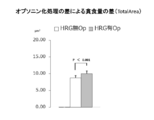
- FIGS. 15A and 15B The phagocytic analysis results of neutrophils by HRG against Escherichia coli and Staphylococcus aureus pretreated were shown in FIGS. 15A and 15B.
- HRG pretreatment did not show an opsonin (Op) enhancing effect on Escherichia coli and S. aureus.
- treatment with 5-fold diluted human serum exerted a strong opsonin (Op) enhancing effect on E. coli and S. aureus.
- HRG pretreatment did not show an increase in neutrophil phagocytosis in the cells, suggesting that HRG acted on neutrophils, not cells, and enhanced its phagocytosis. .
- the addition of HRG significantly enhanced the phagocytosis of neutrophils in cells that were opsonized (Op) in human serum compared to cells that were not opsonized (Op). This suggests that neutrophil phagocytosis is further promoted in the presence of HRG in cells that have been opsonized (Op) in vivo.
- the "neutrophil phagocytosis-enhancing agent” of the present invention enhances neutrophil phagocytosis, thereby allowing various bacterial infections, viral infections, fungal infections, parasitic infections and the like. Can be used as a therapeutic agent or a therapeutic adjuvant for mixed infections.
- the “neutrophil phagocytosis enhancer” of the present invention in combination with other pharmaceutical preparations, for example, a therapeutic agent already on the market or a therapeutic agent to be developed in the future, the dosage / administration frequency of other pharmaceutical preparations Can be reduced.
- the combined use of the "neutrophil phagocytosis enhancer" of the present invention can reduce the dose / administration frequency of other pharmaceutical preparations, which is useful. .
Landscapes
- Health & Medical Sciences (AREA)
- Life Sciences & Earth Sciences (AREA)
- Veterinary Medicine (AREA)
- Animal Behavior & Ethology (AREA)
- Chemical & Material Sciences (AREA)
- Medicinal Chemistry (AREA)
- Pharmacology & Pharmacy (AREA)
- General Health & Medical Sciences (AREA)
- Public Health (AREA)
- Engineering & Computer Science (AREA)
- Bioinformatics & Cheminformatics (AREA)
- Chemical Kinetics & Catalysis (AREA)
- Nuclear Medicine, Radiotherapy & Molecular Imaging (AREA)
- General Chemical & Material Sciences (AREA)
- Organic Chemistry (AREA)
- Communicable Diseases (AREA)
- Oncology (AREA)
- Epidemiology (AREA)
- Immunology (AREA)
- Proteomics, Peptides & Aminoacids (AREA)
- Gastroenterology & Hepatology (AREA)
- Zoology (AREA)
- Marine Sciences & Fisheries (AREA)
- Molecular Biology (AREA)
- Tropical Medicine & Parasitology (AREA)
- Virology (AREA)
- Medicines That Contain Protein Lipid Enzymes And Other Medicines (AREA)
- Medicinal Preparation (AREA)
- Medicines Containing Antibodies Or Antigens For Use As Internal Diagnostic Agents (AREA)
- Peptides Or Proteins (AREA)
Abstract
Priority Applications (5)
| Application Number | Priority Date | Filing Date | Title |
|---|---|---|---|
| EP19825945.9A EP3815706A4 (fr) | 2018-06-28 | 2019-06-07 | Agent pour améliorer la capacité de phagocytose des neutrophiles |
| US16/973,441 US20210196787A1 (en) | 2018-06-28 | 2019-06-07 | Agent for enhancing phagocytosis ability of neutrophils |
| CN201980050238.6A CN112512547A (zh) | 2018-06-28 | 2019-06-07 | 嗜中性粒细胞吞噬能力增强剂 |
| JP2020527352A JP7340862B2 (ja) | 2018-06-28 | 2019-06-07 | 好中球貪食能増強剤 |
| US18/595,513 US20240252589A1 (en) | 2018-06-28 | 2024-03-05 | Agent for enhancing phagocytosis ability of neutrophils |
Applications Claiming Priority (2)
| Application Number | Priority Date | Filing Date | Title |
|---|---|---|---|
| JP2018-123626 | 2018-06-28 | ||
| JP2018123626 | 2018-06-28 |
Related Child Applications (2)
| Application Number | Title | Priority Date | Filing Date |
|---|---|---|---|
| US16/973,441 A-371-Of-International US20210196787A1 (en) | 2018-06-28 | 2019-06-07 | Agent for enhancing phagocytosis ability of neutrophils |
| US18/595,513 Continuation US20240252589A1 (en) | 2018-06-28 | 2024-03-05 | Agent for enhancing phagocytosis ability of neutrophils |
Publications (1)
| Publication Number | Publication Date |
|---|---|
| WO2020003978A1 true WO2020003978A1 (fr) | 2020-01-02 |
Family
ID=68986297
Family Applications (1)
| Application Number | Title | Priority Date | Filing Date |
|---|---|---|---|
| PCT/JP2019/022812 Ceased WO2020003978A1 (fr) | 2018-06-28 | 2019-06-07 | Agent pour améliorer la capacité de phagocytose des neutrophiles |
Country Status (5)
| Country | Link |
|---|---|
| US (2) | US20210196787A1 (fr) |
| EP (1) | EP3815706A4 (fr) |
| JP (1) | JP7340862B2 (fr) |
| CN (1) | CN112512547A (fr) |
| WO (1) | WO2020003978A1 (fr) |
Citations (6)
| Publication number | Priority date | Publication date | Assignee | Title |
|---|---|---|---|---|
| JPS587937B2 (ja) | 1975-02-14 | 1983-02-14 | ザ・フオックスボロ−・カンパニイ | クロマトグラフ装置 |
| JP2004527242A (ja) | 2001-02-05 | 2004-09-09 | イノベンタス プロジェクト アクチボラゲット | ヒスチジンリッチ糖タンパク質 |
| JP2007528710A (ja) | 2003-07-07 | 2007-10-18 | イノベンタス プロジェクト アーベー | 内因性ペプチドおよびその活性サブフラグメント |
| WO2013183494A1 (fr) | 2012-06-06 | 2013-12-12 | 国立大学法人 岡山大学 | Agent thérapeutique, méthode de traitement et procédé d'essai pour des maladies associées à l'activation de granulocytes neutrophiles |
| WO2017061354A1 (fr) | 2015-10-06 | 2017-04-13 | 国立大学法人 岡山大学 | Cassette d'expression de gène et son produit |
| JP2018123626A (ja) | 2017-02-02 | 2018-08-09 | 日鐵住金建材株式会社 | 透光性遮音パネルの枠構造 |
Family Cites Families (5)
| Publication number | Priority date | Publication date | Assignee | Title |
|---|---|---|---|---|
| US5116964A (en) * | 1989-02-23 | 1992-05-26 | Genentech, Inc. | Hybrid immunoglobulins |
| GB0916578D0 (en) * | 2009-09-22 | 2009-10-28 | Malmsten Nils M | Polypeptides and uses thereof |
| JPWO2016104436A1 (ja) * | 2014-12-22 | 2017-10-26 | 国立大学法人 岡山大学 | サイトカインストーム抑制剤 |
| JP6871679B2 (ja) * | 2016-03-23 | 2021-05-12 | 国立大学法人 岡山大学 | 遺伝子発現用カセット及びその産生物 |
| CN107722111B (zh) * | 2017-09-28 | 2020-07-07 | 中国科学院微生物研究所 | 一种巨噬细胞吞噬能力促进剂 |
-
2019
- 2019-06-07 WO PCT/JP2019/022812 patent/WO2020003978A1/fr not_active Ceased
- 2019-06-07 CN CN201980050238.6A patent/CN112512547A/zh active Pending
- 2019-06-07 JP JP2020527352A patent/JP7340862B2/ja active Active
- 2019-06-07 US US16/973,441 patent/US20210196787A1/en not_active Abandoned
- 2019-06-07 EP EP19825945.9A patent/EP3815706A4/fr not_active Withdrawn
-
2024
- 2024-03-05 US US18/595,513 patent/US20240252589A1/en active Pending
Patent Citations (6)
| Publication number | Priority date | Publication date | Assignee | Title |
|---|---|---|---|---|
| JPS587937B2 (ja) | 1975-02-14 | 1983-02-14 | ザ・フオックスボロ−・カンパニイ | クロマトグラフ装置 |
| JP2004527242A (ja) | 2001-02-05 | 2004-09-09 | イノベンタス プロジェクト アクチボラゲット | ヒスチジンリッチ糖タンパク質 |
| JP2007528710A (ja) | 2003-07-07 | 2007-10-18 | イノベンタス プロジェクト アーベー | 内因性ペプチドおよびその活性サブフラグメント |
| WO2013183494A1 (fr) | 2012-06-06 | 2013-12-12 | 国立大学法人 岡山大学 | Agent thérapeutique, méthode de traitement et procédé d'essai pour des maladies associées à l'activation de granulocytes neutrophiles |
| WO2017061354A1 (fr) | 2015-10-06 | 2017-04-13 | 国立大学法人 岡山大学 | Cassette d'expression de gène et son produit |
| JP2018123626A (ja) | 2017-02-02 | 2018-08-09 | 日鐵住金建材株式会社 | 透光性遮音パネルの枠構造 |
Non-Patent Citations (5)
| Title |
|---|
| "GenBank", Database accession no. NM000412 |
| BLOOD, vol. 117, no. 7, 2011, pages 2093 - 2101 |
| RYDENGARD, V. ET AL.: "Histidine-rich glycoprotein exerts antibacterial activity", FEBS JOURNAL, vol. 274, no. 2, January 2007 (2007-01-01), pages 377 - 389, XP055038839, ISSN: 1742-464X, DOI: 10.1111/j.1742-4658.2006.05586.x * |
| RYDENGARD, V. ET AL.: "Histidine-rich glycoprotein protects from systemic", PLOS PATHOGENS, vol. 4, no. 8, 1 August 2008 (2008-08-01), pages 1 - 12, XP055178388, DOI: 10.1371/journal.ppat.1000116 * |
| SHANNON , 0. ET AL.: "Histidine-rich glycoprotein promotes bacterial entrapment in clots and decreases mortality in a mouse model of sepsis", BLOOD, vol. 116, no. 13, 30 September 2010 (2010-09-30), pages 2365 - 2372, XP055178387, ISSN: 0006-4971, DOI: 10.1182/blood-2010-02-271858 * |
Also Published As
| Publication number | Publication date |
|---|---|
| US20240252589A1 (en) | 2024-08-01 |
| JPWO2020003978A1 (ja) | 2021-07-08 |
| CN112512547A (zh) | 2021-03-16 |
| EP3815706A1 (fr) | 2021-05-05 |
| EP3815706A4 (fr) | 2022-03-16 |
| JP7340862B2 (ja) | 2023-09-08 |
| US20210196787A1 (en) | 2021-07-01 |
Similar Documents
| Publication | Publication Date | Title |
|---|---|---|
| JPWO2018079702A1 (ja) | ラクトフェリン/アルブミン融合タンパク質及びその製造方法 | |
| EP4083212A1 (fr) | Protéine f rsv mutante et son utilisation | |
| US10519209B2 (en) | Process for purification of rHu-GCSF | |
| WO2023046931A1 (fr) | Protéines de fusion d'apolipoprotéine pour la régulation immunitaire spécifique de cellules | |
| CN112125975B (zh) | Pd-l1和cd47双特异性融合蛋白及其医药用途 | |
| CN116731169A (zh) | 一种分拣蛋白1特异性的纳米抗体及其应用 | |
| CN102321168B (zh) | 新型血小板生成素拟肽复性和纯化方法 | |
| Wang et al. | Preparation and functional characterization of human vascular endothelial growth factor-melittin fusion protein with analysis of the antitumor activity in vitro and in vivo | |
| JP2009062372A (ja) | 高分子質量レクチンの生産 | |
| JP7340862B2 (ja) | 好中球貪食能増強剤 | |
| WO2023077924A1 (fr) | Vaccin contre le cancer du pancréas et son utilisation médicale | |
| Morimoto et al. | Anti-influenza virus activity of high-mannose binding lectins derived from genus Pseudomonas | |
| JP2021506772A (ja) | 視神経脊髄炎の処置のための組換えIgG Fc多量体 | |
| JP2019516363A (ja) | Ccl3変異体を含む融合タンパク質およびその用途 | |
| US20240391978A1 (en) | Apolipoprotein fusion proteins for cell-specific immune regulation | |
| JP2014511857A (ja) | 医薬組成物のマクロファージ活性化因子 | |
| EP3997112A1 (fr) | Fusions d'immunoglobulines de transthyrétine multispécifiques | |
| US20190256592A1 (en) | Binding agents for use in therapy | |
| Murakami et al. | Construction of genetically modified lactic acid bacteria producing an Anti-Interleukin-31 receptor A Single-chain variable fragment | |
| TW202328175A (zh) | 乳鐵蛋白組合物及使用方法 | |
| CN108367042A (zh) | 抗微生物融合肽 | |
| CN112210003A (zh) | 一种重组载脂蛋白j及其类似物的晶体结构及应用 | |
| EP3006461A1 (fr) | Protéine à chaîne légère du facteur de coagulation humain et son utilisation | |
| Kinoshita et al. | Fc-Free Single Chain Antibody mRNA Therapy for Airway Infection of Multidrug-Resistant Pseudomonas Aeruginosa | |
| US11530266B2 (en) | Anti-podoplanin antibody |
Legal Events
| Date | Code | Title | Description |
|---|---|---|---|
| 121 | Ep: the epo has been informed by wipo that ep was designated in this application |
Ref document number: 19825945 Country of ref document: EP Kind code of ref document: A1 |
|
| ENP | Entry into the national phase |
Ref document number: 2020527352 Country of ref document: JP Kind code of ref document: A |
|
| NENP | Non-entry into the national phase |
Ref country code: DE |
|
| WWE | Wipo information: entry into national phase |
Ref document number: 2019825945 Country of ref document: EP |
|
| ENP | Entry into the national phase |
Ref document number: 2019825945 Country of ref document: EP Effective date: 20210128 |