WO2020004635A1 - 水浄化装置、養殖水浄化システム、水の浄化方法及び水生生物の生産方法 - Google Patents
水浄化装置、養殖水浄化システム、水の浄化方法及び水生生物の生産方法 Download PDFInfo
- Publication number
- WO2020004635A1 WO2020004635A1 PCT/JP2019/025878 JP2019025878W WO2020004635A1 WO 2020004635 A1 WO2020004635 A1 WO 2020004635A1 JP 2019025878 W JP2019025878 W JP 2019025878W WO 2020004635 A1 WO2020004635 A1 WO 2020004635A1
- Authority
- WO
- WIPO (PCT)
- Prior art keywords
- water
- water purification
- culture
- purification device
- treated
- Prior art date
- Legal status (The legal status is an assumption and is not a legal conclusion. Google has not performed a legal analysis and makes no representation as to the accuracy of the status listed.)
- Ceased
Links
Images
Classifications
-
- A—HUMAN NECESSITIES
- A01—AGRICULTURE; FORESTRY; ANIMAL HUSBANDRY; HUNTING; TRAPPING; FISHING
- A01K—ANIMAL HUSBANDRY; AVICULTURE; APICULTURE; PISCICULTURE; FISHING; REARING OR BREEDING ANIMALS, NOT OTHERWISE PROVIDED FOR; NEW BREEDS OF ANIMALS
- A01K63/00—Receptacles for live fish, e.g. aquaria; Terraria
- A01K63/04—Arrangements for treating water specially adapted to receptacles for live fish
-
- A—HUMAN NECESSITIES
- A01—AGRICULTURE; FORESTRY; ANIMAL HUSBANDRY; HUNTING; TRAPPING; FISHING
- A01K—ANIMAL HUSBANDRY; AVICULTURE; APICULTURE; PISCICULTURE; FISHING; REARING OR BREEDING ANIMALS, NOT OTHERWISE PROVIDED FOR; NEW BREEDS OF ANIMALS
- A01K63/00—Receptacles for live fish, e.g. aquaria; Terraria
- A01K63/04—Arrangements for treating water specially adapted to receptacles for live fish
- A01K63/045—Filters for aquaria
-
- C—CHEMISTRY; METALLURGY
- C02—TREATMENT OF WATER, WASTE WATER, SEWAGE, OR SLUDGE
- C02F—TREATMENT OF WATER, WASTE WATER, SEWAGE, OR SLUDGE
- C02F9/00—Multistage treatment of water, waste water or sewage
-
- A—HUMAN NECESSITIES
- A01—AGRICULTURE; FORESTRY; ANIMAL HUSBANDRY; HUNTING; TRAPPING; FISHING
- A01K—ANIMAL HUSBANDRY; AVICULTURE; APICULTURE; PISCICULTURE; FISHING; REARING OR BREEDING ANIMALS, NOT OTHERWISE PROVIDED FOR; NEW BREEDS OF ANIMALS
- A01K61/00—Culture of aquatic animals
- A01K61/10—Culture of aquatic animals of fish
-
- C—CHEMISTRY; METALLURGY
- C02—TREATMENT OF WATER, WASTE WATER, SEWAGE, OR SLUDGE
- C02F—TREATMENT OF WATER, WASTE WATER, SEWAGE, OR SLUDGE
- C02F2101/00—Nature of the contaminant
- C02F2101/10—Inorganic compounds
- C02F2101/16—Nitrogen compounds, e.g. ammonia
- C02F2101/163—Nitrates
-
- C—CHEMISTRY; METALLURGY
- C02—TREATMENT OF WATER, WASTE WATER, SEWAGE, OR SLUDGE
- C02F—TREATMENT OF WATER, WASTE WATER, SEWAGE, OR SLUDGE
- C02F2103/00—Nature of the water, waste water, sewage or sludge to be treated
- C02F2103/20—Nature of the water, waste water, sewage or sludge to be treated from animal husbandry
-
- C—CHEMISTRY; METALLURGY
- C02—TREATMENT OF WATER, WASTE WATER, SEWAGE, OR SLUDGE
- C02F—TREATMENT OF WATER, WASTE WATER, SEWAGE, OR SLUDGE
- C02F2203/00—Apparatus and plants for the biological treatment of water, waste water or sewage
- C02F2203/006—Apparatus and plants for the biological treatment of water, waste water or sewage details of construction, e.g. specially adapted seals, modules, connections
-
- C—CHEMISTRY; METALLURGY
- C02—TREATMENT OF WATER, WASTE WATER, SEWAGE, OR SLUDGE
- C02F—TREATMENT OF WATER, WASTE WATER, SEWAGE, OR SLUDGE
- C02F3/00—Biological treatment of water, waste water, or sewage
- C02F3/02—Aerobic processes
- C02F3/06—Aerobic processes using submerged filters
-
- C—CHEMISTRY; METALLURGY
- C02—TREATMENT OF WATER, WASTE WATER, SEWAGE, OR SLUDGE
- C02F—TREATMENT OF WATER, WASTE WATER, SEWAGE, OR SLUDGE
- C02F3/00—Biological treatment of water, waste water, or sewage
- C02F3/30—Aerobic and anaerobic processes
- C02F3/302—Nitrification and denitrification treatment
- C02F3/305—Nitrification and denitrification treatment characterised by the denitrification
-
- C—CHEMISTRY; METALLURGY
- C02—TREATMENT OF WATER, WASTE WATER, SEWAGE, OR SLUDGE
- C02F—TREATMENT OF WATER, WASTE WATER, SEWAGE, OR SLUDGE
- C02F3/00—Biological treatment of water, waste water, or sewage
- C02F3/34—Biological treatment of water, waste water, or sewage characterised by the microorganisms used
- C02F3/341—Consortia of bacteria
-
- Y—GENERAL TAGGING OF NEW TECHNOLOGICAL DEVELOPMENTS; GENERAL TAGGING OF CROSS-SECTIONAL TECHNOLOGIES SPANNING OVER SEVERAL SECTIONS OF THE IPC; TECHNICAL SUBJECTS COVERED BY FORMER USPC CROSS-REFERENCE ART COLLECTIONS [XRACs] AND DIGESTS
- Y02—TECHNOLOGIES OR APPLICATIONS FOR MITIGATION OR ADAPTATION AGAINST CLIMATE CHANGE
- Y02A—TECHNOLOGIES FOR ADAPTATION TO CLIMATE CHANGE
- Y02A40/00—Adaptation technologies in agriculture, forestry, livestock or agroalimentary production
- Y02A40/80—Adaptation technologies in agriculture, forestry, livestock or agroalimentary production in fisheries management
- Y02A40/81—Aquaculture, e.g. of fish
-
- Y—GENERAL TAGGING OF NEW TECHNOLOGICAL DEVELOPMENTS; GENERAL TAGGING OF CROSS-SECTIONAL TECHNOLOGIES SPANNING OVER SEVERAL SECTIONS OF THE IPC; TECHNICAL SUBJECTS COVERED BY FORMER USPC CROSS-REFERENCE ART COLLECTIONS [XRACs] AND DIGESTS
- Y02—TECHNOLOGIES OR APPLICATIONS FOR MITIGATION OR ADAPTATION AGAINST CLIMATE CHANGE
- Y02W—CLIMATE CHANGE MITIGATION TECHNOLOGIES RELATED TO WASTEWATER TREATMENT OR WASTE MANAGEMENT
- Y02W10/00—Technologies for wastewater treatment
- Y02W10/10—Biological treatment of water, waste water, or sewage
Definitions
- the present invention relates to a water purification device, a culture water purification system, a water purification method, and a method for producing aquatic organisms.
- the aquarium system In aquaculture of aquatic organisms, the aquarium system needs to be in an aerobic environment for the growth of aquatic organisms, and the reduction reaction of nitrate nitrogen that proceeds in an anaerobic environment is carried out in general aquaculture farms. I didn't. Therefore, with regard to the removal of nitrate nitrogen, it was necessary to replace the water in the aquaculture tanks in a short period of time by taking fresh water from a river or the like.
- replacing water means generating a large amount of wastewater, and flowing all nitrogen compounds such as ammonia, nitrous acid, nitric acid, etc. generated during aquaculture into rivers and the sea as wastewater will lead to eutrophication of rivers and the like. It is not preferable from the viewpoint of the above.
- the standards for drainage are becoming stricter from the viewpoint of environmental protection in recent years.
- ammonia generated from fish and the like has been removed from wastewater using a two-stage reaction using microorganisms. That is, a method using a reaction for converting ammonia into nitric acid (nitrification) and a reaction for decomposing nitric acid into nitrogen (denitrification). If it is decomposed into nitrogen, it can be discharged into the air without imposing any burden on the environment.
- the reaction using this organism, in particular, the subsequent reaction of decomposing nitric acid into nitrogen has been used under anaerobic conditions for bacteria on the premise that anaerobic bacteria are used.
- cellulose or the like is used as a base material in the denitrification reaction.
- biodegradable polymers such as natural polymers and biodegradable synthetic resins serve as substrates or hydrogen donors for the growth and growth of heterotrophic (organic) vegetative bacteria and have very little dissolved oxygen in water.
- Denitrifying bacteria which are facultative anaerobic microorganisms that use oxygen in nitrogen oxides for respiration and reduce nitrogen oxides in the presence of nitrites and nitrates, are highly biodegradable. They swarm and land on the molecule.
- Patent Documents 2 and 3 disclose techniques in which a biodegradable resin is exemplified as a substrate that can be used in a denitrification reaction in addition to cellulose.
- Patent Document 4 As an apparatus for performing a denitrification reaction using aerobic conditions, in Patent Document 4, a filter medium containing a biodegradable plastic is disposed inside a water channel of a filtration apparatus, and the upper side of the filter medium is exposed to air. A touching structure is disclosed. In this technique, the biodegradable plastic is contained inside the filter medium, and aerobic microorganisms exist around the filter medium. Therefore, the biodegradable plastic itself to be denitrified is placed in an anaerobic state.
- An object of the present invention is to solve such a problem, and to efficiently remove nitric acid contained in water to be treated, and to purify aquaculture water as water to be treated.
- An object of the present invention is to provide a water purification apparatus capable of improving a feed conversion rate of a certain aquatic organism and reducing a feed cost. It is another object of the present invention to provide a method for producing aquatic organisms in which the conversion of aquatic organisms to feed is extremely good.
- the present inventors proceeded with research to solve the above problems, and found that denitrification reaction, which was conventionally often performed under anaerobic conditions, was increased in denitrification capacity by intentionally exposing it to the atmosphere.
- the invention has been reached.
- the present invention includes the following.
- At least one substrate carrying denitrifying bacteria A holding unit for holding the base material, A watering mechanism for watering the water to be treated on the substrate, A drain mechanism that is provided in the holding unit and drains the water to be treated so that at least a part of the base material is always exposed from the water to be treated, Water purification device equipped with.
- the biodegradable plastic includes two or more types of structural units derived from dicarboxylic acid.
- the base material is a three-dimensional mesh-shaped formed body in which the wires are fused together at a contact portion where the wires containing the thermoplastic resin are bent and entangled and in contact with each other, and the wires are The water purification device according to any one of (4) to (6), comprising the biodegradable plastic.
- a culture water purification system for purifying culture water extracted from a culture pond for culturing aquatic organisms and supplying the purified water to the culture pond again, A biological filtration bed that converts ammonia contained in the culture water extracted from the culture pond to nitric acid,
- the water purification device according to any one of (1) to (11), wherein nitric acid is removed from the culture water discharged from the biological filtration bed.
- Culture water purification system equipped with.
- a method for purifying water having a denitrification step of removing nitric acid from the water to be treated The denitrification step is a step of sprinkling water to be treated on a substrate supporting denitrifying bacteria, and draining the water to be treated so that at least a part of the substrate is always exposed from the water to be treated. And a method for purifying water.
- (14) (13) The method for purifying water according to (13), wherein the base material includes a biodegradable plastic containing two or more types of structural units derived from dicarboxylic acids.
- a method for producing aquatic organisms using the water purification method according to (13) or (14), wherein the water to be treated is aquaculture water.
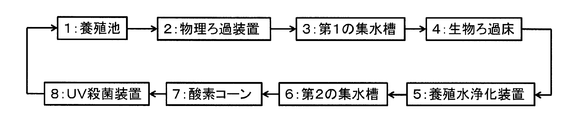
- FIG. 7 shows an example of a preferred embodiment of the culture water purification system according to the second embodiment of the present invention.
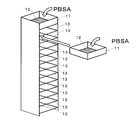
- group culture water purification apparatus used in the Example is shown.
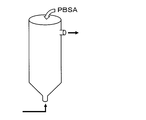
- the outline of the sedimentation type culture water purification apparatus used in the comparative example is shown.
- the water purification device includes at least one substrate supporting denitrifying bacteria, a holding unit that retains the substrate, and watering that sprays water to be treated on the substrate.
- a mechanism and a drainage mechanism that is provided in the holding unit and drains the water to be treated so that at least a part of the base material is always exposed from the water to be treated.
- the water to be treated is not particularly limited, and may be, for example, culture water, that is, the water purification device may be a culture water purification device.
- the water purification device according to the present embodiment will be described in detail by taking a culture water purification device, which is one aspect thereof, as an example.
- the culture water purification device includes at least one substrate supporting denitrifying bacteria, a holding unit that retains the substrate, and a watering mechanism that waters the culture water on the substrate. And a drain mechanism that is provided on the holding unit and drains the culture water so that at least a part of the base material is always exposed from the culture water.
- the culture water purification apparatus may appropriately include a configuration other than these configurations as needed.
- the substrate used in the culture water purification apparatus supports denitrifying bacteria that convert nitric acid to nitrogen, and provides a reducing power for denitrification.
- the nitric acid may be, for example, nitric acid converted from ammonia by nitrifying bacteria. It is not necessary that all of the loaded base materials carry denitrifying bacteria, and it is sufficient that denitrifying bacteria are carried to such an extent that nitric acid can be sufficiently converted from the water to be treated into nitrogen according to the intended use. .
- a denitrifying bacterium for converting nitric acid into nitrogen a known bacterium having the function can be appropriately used.
- the substrate preferably contains a biodegradable plastic from the viewpoint of providing organic substances to the denitrifying bacteria as a substrate or a hydrogen donor.
- biodegradable plastics PLA (polylactic acid), PBS (polybutylene succinate), PCL (polycaprolactone), and PHB (polyhydroxybutyrate) are generally known.
- a synthetic biodegradable plastic of PBS (polybutylene succinate) or PCL (polycaprolactone) containing a dicarboxylic acid-derived structural unit is preferable, and a PBS-based biodegradable plastic containing a dicarboxylic acid-derived structural unit is preferable.
- Degradable plastics are most preferred.
- the PBS-based biodegradable plastics are those in which the butylene succinate unit is contained in the repeating unit constituting the polymer, and the molar ratio of the butylene succinate unit to all the repeating units constituting the polymer is 0.3 or more. Is more preferable, and more preferably 0.5 or more.
- Preferred biodegradable plastics include, specifically, polycaprolactone, poly (caprolactone / butylene succinate), polybutylene succinate, poly (butylene succinate / adipate), poly (butylene succinate / carbonate), (poly (Lactic acid / polybutylene succinate-based) block copolymer, and the like.
- PBSA poly (butylene succinate / adipate)
- PBSA poly (butylene succinate / adipate)
- PBSA poly (butylene succinate / adipate)
- PBSA poly (butylene succinate / adipate)
- PBSA poly (butylene succinate / adipate)
- PHB reducing power
- the shape of the base material is not particularly limited, and may be any shape such as a pellet shape, a bulk shape (a rectangular shape, a spherical shape, a three-dimensional network shape, etc.), a flake shape, a particle shape, and a fibrous shape. Considering the ease of filling, it is preferably in the form of flakes, particles, fibers, or the like.
- the holding unit holds the base material by the mesh structure, depending on the aperture, to prevent the loss of the base material through the mesh or from the viewpoint of improving the work efficiency, pellet-like, bulk-like, etc.
- the base material contains a biodegradable plastic
- the base material for example, a wire containing a thermoplastic resin is bent and entangled, and at the contact portion where the wires come into contact with each other, the wires are fused together to be integrated.
- the wire may include a biodegradable plastic.
- Such a three-dimensional network shaped article can be obtained, for example, by the following method. That is, when a molten biodegradable resin (thermoplastic resin) such as PBSA is extruded as a plurality of wires from an extruder die, the extruded wire is bent into a loop shape by a bending force acting on the extruded wire. And the multiple wires bent in a loop shape are entangled and heat bonded at the part where the wires come into contact with each other. It is possible to obtain a three-dimensional net-like shaped body in which wires are intertwined at random.
- the holding part is not particularly limited as long as it can hold the base material.
- the holding unit holds the base material by a drainage mechanism or the like so that the base material is not completely immersed in the culture water and at least a part is always exposed from the culture water.
- the holding unit can hold the base material in an aerobic environment by holding the base material in a state where at least a part of the base material is exposed to air.
- exposure includes an exposure that is not completely immersed in aquaculture water and, if exposed to air, the surface of the substrate is wet.
- the holding part includes the same mode as holding the head even if it is not directly in contact with the base material. For example, it includes parts surrounding the base material.
- the aerobic environment means not an aerobic environment for microorganisms but an aerobic environment for aquatic organisms (mainly fish).
- the aerobic environment may have a dissolved oxygen concentration (DO) in water of 5 mg / L or more, 6 mg / L or more, 7 mg / L or more, and 8 mg / L or more. May be 9 mg / L or more, and may be 10 mg / L or more.
- DO dissolved oxygen concentration
- the holding portion has a hole through which the culture water sprinkled on the base material can be released from the holding portion.
- the base material is prevented from being completely immersed in the culture water, at least a part of the base material is exposed from the water to be treated, and the base material is kept in an aerobic environment. This is because it becomes easy.
- the hole is not particularly limited as long as the culture water in the holding part can be released from the holding part, and its shape, size, number, position, and the like are appropriately selected depending on the quality of the culture water, the type of the base material, and the like. Can be.
- the hole may be an opening having a net structure to be described later, and may function as a watering mechanism for a base material arranged on the downstream side when the culture water purification apparatus is provided with a plurality of holding portions.
- the holding unit when the holding unit is disposed at the most downstream of the culture water purification device, the holding unit can also serve as a drainage mechanism of the culture water purification device.
- the holding section is detachably provided to the culture water purification device. This is because when the holding unit is removed from the culture water purification device, the base material is also removed from the culture water purification device, and deterioration and reduction of the base material can be easily confirmed visually or by various measurements. When deterioration or reduction of the base material is confirmed, the base material can be removed from the culture water purification apparatus together with the holding part, and a holding part holding a new base material can be attached. As shown in FIG. 2, for example, as shown in FIG. 2, as a culture water purifying device having a detachable holding portion, a holding portion 11 of a rectangular box having an opening surface on one side on which the culture water is sprinkled is provided on the guide rail 13. Along with the aquaculture water purification device.
- the holding unit when the holding unit is detachably provided to the culture water purification device, it is preferable that a plurality of the holding units are provided in the culture water purification device.
- a decrease in the amount of base material, a decrease in denitrification capacity, etc. occurs in some of the holding parts, remove only the holding part from the culture water purification device and attach a holding part holding a new base material. This is because a decrease in the denitrification capacity of the culture water purification device can be suppressed.
- the arrangement of the plurality of holding units may be either parallel or series. For example, in a culture water purification apparatus used in an embodiment described later, as shown in FIG. 2, a plurality of holding units 11 are arranged in series.
- the new holding unit is attached downstream of the holding unit that has not been replaced. Even if nitric acid that could not be denitrified remains in the culture water that has passed through the base material in the upstream holding unit, the denitrifying bacteria newly supplied to the downstream denitrify, and the culture water purification device Can enhance the denitrification effect.
- the number is not particularly limited, and may be appropriately set according to the base material to be used, the nitric acid concentration of the culture water, and the like. For example, it is preferable to use about 2 to 20 holding sections.
- the holding section holds the base material by a net structure.
- the net structure can also function as a watering mechanism described later.
- the holding unit disposed at the most downstream side can function as a drainage mechanism for discharging culture water from the culture water purification device.
- the material of the net structure, the wire diameter, the mesh, the weaving method, and the like are not particularly limited, and can be appropriately selected according to the quality of the culture water, the size of the base material, and the like. Since culture water containing nitric acid may pass through, the net structure is preferably a titanium wire net, a fluororesin net, or the like having high resistance to nitric acid.
- the sprinkling mechanism is a mechanism for sprinkling culture water on such a substrate while maintaining the substrate supporting the denitrifying bacteria in an aerobic environment. During watering, the substrate is exposed to the atmosphere in addition to the droplets of the culture water, so that an aerobic environment can be provided.
- the watering mechanism is not particularly limited as to the size of the droplets, the direction of watering, and the like, as long as the droplets of the culture water can be sprayed on the base material.
- Specific examples of the watering mechanism include a shower, a mist spray, and the like in addition to the above-described net structure of the holding unit, and a shower is preferable because water can be uniformly sprayed on the base material. From the viewpoint of suppressing energy consumption, it is preferable to spray water in the direction of gravity.
- Drainage mechanism is a mechanism that is provided in the holding unit and drains the culture water so that at least a part of the base material is always exposed from the culture water.
- As one mode of the drainage mechanism there is a mechanism for discharging the culture water sprinkled on the base material by the watering mechanism so as not to stay in the culture water purification device.
- the culture water is filled in the culture water purification device, particularly in the holding unit, the substrate carrying the denitrifying bacteria is immersed in the culture water, and the aerobic environment cannot be maintained, so that the sprinkled culture water is discharged. There is a need.
- discharge so as not to accumulate does not mean that the culture water does not accumulate in the water purification device at all, but means that the substrate supporting the denitrifying bacteria is exhausted to such an extent that an aerobic environment can be maintained.
- the surface area immersed in the culture water is preferably 20% or less, more preferably 10% or less, more preferably 10% or less, and particularly preferably not immersed at all, based on the total surface area of the substrate.
- the surface area of the culture water in contact with the total surface area of the base material can be adjusted by, for example, an opening ratio of holes, a drain valve, or the like.
- the drainage mechanism is not particularly limited as long as the culture water sprinkled on the base material can be discharged at a speed that does not stay in the culture water purification device. , A drain port, a drain pipe, or the like.
- the biodegradable plastic Biodegradation proceeds quickly to provide a substrate or an organic substance, that is, a nutrient source for denitrifying bacteria, and thus the denitrification ability is improved.
- a substrate or an organic substance that is, a nutrient source for denitrifying bacteria
- the feed conversion rate in the present specification refers to the weight of feed required for weight gain of 1 kg of aquatic organism, and is calculated by the following formula.
- Feed conversion rate weight of feed given / increased weight of aquatic organisms
- the feed conversion rate varies depending on the type of aquatic organism, water temperature, and the like. For example, the feed conversion rate of eels is usually 1.8 to 2.0. Also, feed conversion rates are generally worse in winter (i.e., higher values) than in summer.
- the culture water purification system according to the second embodiment of the present invention is a culture water purification system that purifies culture water extracted from a culture pond for culturing aquatic organisms and supplies the culture water to the culture pond again.
- a biological filtration bed that converts ammonia contained in the culture water extracted from the culture pond into nitric acid; and the culture water purification device that removes nitric acid from the culture water discharged from the biological filtration bed.
- the biological filtration bed includes a calcium-based substrate and a biodegradable resin substrate.
- the calcium-based substrate is a substrate on which bacteria for converting ammonia in culture water transferred from the culture pond to nitric acid grow.
- bacteria for converting ammonia to nitric acid a known bacterium having the function can be appropriately used.
- the calcium-based substrate also has a function of suppressing the pH of the culture water from being biased to acidic due to the effect of nitric acid produced by nitrifying bacteria.
- the calcium-based substrate is not particularly limited as long as it is a substrate containing calcium, but it is preferable to use shells, coral sand, and the like from the viewpoint of utilization and utilization of waste.
- the calcium-based substrate When a shell or the like is used as the calcium-based substrate, it may be placed on a biological filtration bed as it is, may be placed after coarse pulverization, or may be placed after fine pulverization.
- calcium carbonate or the like is separately added to the culture water and the pH of the culture water is adjusted, it is not necessary to use a calcium-based substrate for the biological filtration bed, and a microbial carrier for water treatment such as resin may be used. Absent.
- the culture water purification system shown in FIG. 1 includes a culture pond 1, a physical filtration device 2, a first water collection tank 3, a biological filtration bed 4, a culture water purification device 5, a second water collection tank 6, an oxygen cone 7, and a UV.
- a sterilizer 8 is provided.
- the culture water is transferred from the culture pond 1 to the physical filtration device 2, where solid substances such as food and feces contained in the culture water are removed.
- the culture water subjected to the physical filtration is temporarily stored in the first water collection tank 3.
- the culture water is transferred to the biological filtration bed 4, and the ammonia in the culture water is converted into nitric acid by the nitrifying bacteria carried on the biological filtration bed 4.
- the culture water discharged from the biological filtration bed 4 is sprinkled on the substrate of the culture water purification device 5 of the present invention, and the nitric acid contained in the culture water is converted into nitrogen gas by the denitrifying bacteria carried on the substrate. Is removed.
- the culture water from which nitric acid has been removed in this manner is transferred to the second water collection tank 6. Thereafter, oxygen is blown into the culture water by the oxygen cone 7 to increase the dissolved oxygen concentration in the culture water. Further, the culture water is transferred to the UV sterilizer 8 and is returned to the culture pond 1 after UV sterilization.
- the preferred embodiment of the culture water purification system is not limited to the above-described example, and various changes may be made. Of course, other configurations (not shown) may be provided.
- a water purification method is a water purification method having a denitrification step of removing nitric acid from water to be treated, wherein the denitrification step comprises denitrification bacteria And a step of draining the water to be treated so that at least a part of the substrate is always exposed from the water to be treated.
- the denitrification step is performed by sprinkling the culture water on the base material of the culture water purification device described above and draining the culture water so that at least a part of the base material is always exposed from the culture water by a drainage mechanism. Can be.
- the aquatic organism production method according to the fourth embodiment of the present invention includes a denitrification step of removing nitric acid from culture water by the water purification method according to the third embodiment of the present invention. It is a production method.
- the production method according to the present embodiment may further include a nitrification step of converting ammonia in the culture water into nitric acid. Such a nitrification step can be performed by passing culture water through the above-mentioned biological filtration bed.
- Aquatic organisms may be any organisms that live in water, and typically include fish such as eels, salmon, trout, ayu, char, crustaceans such as crab and shrimp, and among them, eels are preferred.
- aquatic organisms were cultured under the following conditions.
- As the culture ponds five culture ponds each capable of receiving 5 tons of culture water and about 100 kg of eels were prepared. Cultured water was put into each of the prepared culture ponds by 5 tons (total water amount: 25 ton). Next, a total of 485 kg of eels (Anguilla marmorata species) were put into each culture pond, and aquaculture was started. At this time, eels were introduced so that the breeding density was approximately equal in each of the ponds. The aquaculture started on June 14.
- Example 1-1 In the present example, the conversion rate of feed in summer when a culture water purification system incorporating a watering type culture water purification device was used was examined. The details will be described below.
- the culture water purification system shown in FIG. 1 was used to start the purification of the culture water using the sprinkling culture water purification apparatus shown in FIG. Specifically, PBSA pellets (75 kg) were separately charged in equal amounts from the respective opening surfaces of the 13 holding portions of the rectangular box, and attached to a sprinkled aquaculture water purification device having a capacity of 350 L. Next, a watering type culture water purification device was attached to the water collecting tank, and the culture water was sprinkled on the base material at a flow rate of 180 to 290 L / HR.
- the culture water that has passed through the base material is divided by the net structure and sprinkled on the base material in the holding portion on the downstream side.
- the PBSA pellets were in contact with the atmosphere during the water flow and were placed in an aerobic environment. Normal culture was continued under the conditions described above, and the denitrifying bacteria were accumulated on the PBSA pellet.
- nitric acid was no longer detected from the culture water that passed through the sprinkling culture water purification device, and that nitric acid contained in the culture water was decomposed 100%.
- Example 1 In this example, the feed conversion rate in winter when a culture water purification system incorporating a watering type culture water purification device was used was examined. The details will be described below. After performing the above Example 1-1, the eels were returned to the culture pond, and the eel culture was continued. On January 12, eels were removed from all five ponds and their weight was measured to determine the feed conversion rate. The total weight of the eels cultured for 79 days from October 24 to January 12 was 807.1 kg, and the weight gain was 142.7 kg. The weight of the feed given during this time was 226.9 kg. Therefore, the feed conversion rate in the above period (winter) was calculated to be 1.59.
- Example 1-3 In the culture water purification system used in Example 1-1 and Example 1-2, the culture water and sprinkling type culture water purification device before purification is performed once daily for 139 days from August 25 to January 10. The nitrate nitrogen concentration of the culture water after passage was measured, and the amount of nitrate nitrogen removed per kg of PBSA was calculated by the following equation. The result was 4 to 19 g / kg / Day. The PBSA weight was 75 kg.
- Example 1-1 and Example 1-2 the feed conversion rate of eels is usually 1.8 to 2.0, and is generally worse in winter than in summer.
- Example 1-1 and Example 1-2 it can be understood that the use of the sprinkled aquaculture water purifying apparatus according to the first embodiment of the present invention makes it possible to obtain a normal feed conversion rate. It was found that the feed conversion rate was improved by about 20% in winter when the water quality deteriorated. By improving the feed conversion rate, it is expected that feed costs can be reduced by about 20%.
- Example 1 In the period from August 24, when the test was started, to September 24, in which the removal of nitric acid from the culture water was confirmed in Example 1, the nitrate removal ability of the sedimentation-type culture water purification device was not stable. % With a resolution of 38%.
- the nitrate nitrogen concentration of the culture water before purification and the culture water after passing through the sedimentation type culture water purification device were measured once a day for 139 days from August 25 to January 10, and the results were shown in Examples 1-3.
- the amount of nitrate nitrogen removed per kg of PBSA was calculated in the same manner as described above, and the result was 0 to 4 g / kg / Day.
Landscapes
- Life Sciences & Earth Sciences (AREA)
- Environmental Sciences (AREA)
- Biodiversity & Conservation Biology (AREA)
- Hydrology & Water Resources (AREA)
- Engineering & Computer Science (AREA)
- Environmental & Geological Engineering (AREA)
- Water Supply & Treatment (AREA)
- Chemical & Material Sciences (AREA)
- Organic Chemistry (AREA)
- Microbiology (AREA)
- Animal Husbandry (AREA)
- Marine Sciences & Fisheries (AREA)
- Zoology (AREA)
- Farming Of Fish And Shellfish (AREA)
- Purification Treatments By Anaerobic Or Anaerobic And Aerobic Bacteria Or Animals (AREA)
- Biological Treatment Of Waste Water (AREA)
Abstract
脱窒細菌を担持した少なくとも1つの基材と、前記基材を保持する保持部と、前記基材上に被処理水を散水する散水機構と、前記保持部に設けられ、前記基材の少なくとも一部を前記被処理水から常に露出するように前記被処理水を排水する排水機構と、を備えた水浄化装置。
Description
本発明は、水浄化装置、養殖水浄化システム、水の浄化方法及び水生生物の生産方法に関する。
魚などの水生生物の養殖を行う際に重要なことは、まずは養殖された水生生物をなるべく早く育てることであり、次いで養殖されている魚からの排泄物や、えさの残りなどから発生する窒素分がアンモニアとなって養殖している魚などに害を与えるのを防ぐことである。アンモニア態窒素は魚毒性が非常に高いことが知られている。そこで、微生物の働きにより、アンモニア態窒素を、比較的魚毒性が低い硝酸態窒素に酸化する硝化反応が用いられてきた。しかし、硝酸態窒素もアンモニアに比べれば毒性は低いとはいえ、有害であることには違いなく、硝酸態窒素をさらに窒素まで還元することが望ましい。そして、硝酸態窒素を窒素に還元する反応(脱窒)は、通常は嫌気的な環境で進行する。水生生物の養殖においては、水生生物の発育のために水槽系を好気的な環境にする必要があり、嫌気的な環境で進む硝酸態窒素の還元反応は、一般的な養殖場では行われてこなかった。そのため、硝酸態窒素の除去に関しては、川などから新鮮な水を取り入れるなどの方法により、短期間のうちに養殖している水槽等の水を入れ替える必要があった。
しかしながら、水の入れ替えには大量の水を使用することが前提になり、例えば海や川が近くに存在しない内陸部などにおいて養殖を行う際には、多量の水の入れ替えは困難である。また水の入替えは、大量の排水を生じさせることを意味し、排水として養殖中に発生したアンモニア、亜硝酸、硝酸などの窒素化合物をすべて川や海に流すことは、河川等の富栄養化などの点からも好ましくない。加えて、排水の基準は、近年の環境保護の観点から厳しくなる一方である。
この問題を解決するため、魚などから発生したアンモニアを、微生物を用いた2段階の反応を用いて排水から除去することが行われている。すなわち、アンモニアを硝酸に変える反応(硝化)と、硝酸を窒素に分解する反応(脱窒)を用いる方法である。窒素まで分解されれば、環境に負担を与えることなく空気中に排出することができる。
この生物を用いた反応、特に後段の硝酸を窒素に分解する反応は、嫌気性細菌を使用することを前提に、細菌に対して嫌気性の条件下で用いられていた。
この生物を用いた反応、特に後段の硝酸を窒素に分解する反応は、嫌気性細菌を使用することを前提に、細菌に対して嫌気性の条件下で用いられていた。
特許文献1では、脱窒反応にセルロース等が基材として使用されている。その原理は、「天然高分子や生分解合成樹脂等の生分解性高分子は、従属(有機)栄養細菌の生育、増殖するうえでの基質あるいは水素供与体となり、水中の溶存酸素の極めて少ない状況において窒素酸化物である亜硝酸塩、及び硝酸塩の存在下で窒素酸化物中の酸素を呼吸に利用し、窒素酸化物を還元除去する通性嫌気性微生物である脱窒細菌が生分解性高分子上に群がり着床する」と説明されている。
また、特許文献2及び3では、セルロースの他脱窒反応で使用可能な基材として、生分解性樹脂が例示された技術が開示されている。
一方、好気的条件を使用して脱窒反応を行う装置としては、特許文献4に、ろ過装置の水路に、内部に生分解性プラスチックを含むろ材を配置し、このろ材の上側が空気に接する構造が開示されている。この技術では、生分解性プラスチックはろ材の内部に含まれており、ろ材外周に好気性微生物が存在するため、脱窒が行われる生分解性プラスチック自体は嫌気性の状態に置かれている。
しかしながら、上記特許文献で示した処理では、硝酸の除去が間に合わず、硝酸の濃度が徐々に上昇することがあった。その結果、養殖する水生生物等に悪影響を与え、飼料転換率の悪化を招いていた。当然のことながら、飼料転換率が悪いと、市場で取引できる大きさまで水生生物を飼育するための飼料コストが増大するという問題も生じていた。そこで、より脱窒効率が高く、飼料転換率を改善させることのできる水浄化装置が求められている。
本発明の目的は、このような課題を解決するものであり、被処理水に含まれる硝酸を効率的に除去し、かつ、養殖水を被処理水として浄化する場合には、養殖の対象である水生生物の飼料転換率を改善させ、飼料コストを低減することのできる水浄化装置を提供することである。また、本発明の他の目的は、水生生物の飼料転換率がきわめて良好な水生生物の生産方法を提供することである。
本発明の目的は、このような課題を解決するものであり、被処理水に含まれる硝酸を効率的に除去し、かつ、養殖水を被処理水として浄化する場合には、養殖の対象である水生生物の飼料転換率を改善させ、飼料コストを低減することのできる水浄化装置を提供することである。また、本発明の他の目的は、水生生物の飼料転換率がきわめて良好な水生生物の生産方法を提供することである。
本発明者らは、上記課題を解決すべく研究を進め、従来嫌気性条件下で行われることが多かった脱窒反応を、あえて大気にさらすことにより、脱窒能力が増すことを見出し、本発明に到達した。本発明は、以下のものを含む。
(1)
脱窒細菌を担持した少なくとも1つの基材と、
前記基材を保持する保持部と、
前記基材上に被処理水を散水する散水機構と、
前記保持部に設けられ、前記基材の少なくとも一部を前記被処理水から常に露出するように前記被処理水を排水する排水機構と、
を備えた水浄化装置。
(2)
前記被処理水が、養殖水である、(1)に記載の水浄化装置。
(3)
前記排水機構が、前記被処理水を滞留させることなく排水する機構である、(1)または(2)に記載の水浄化装置。
(4)
前記基材が、生分解性プラスチックを含む、(1)~(3)の何れかに記載の水浄化装置。
(5)
前記生分解性プラスチックが、ジカルボン酸由来の構成単位を含む、(4)に記載の水浄化装置。
(6)
前記生分解性プラスチックが、ジカルボン酸由来の構成単位を2種以上含む、(5)に記載の水浄化装置。
(7)
前記基材が、熱可塑性樹脂を含む線材が屈曲して絡まり合うと共に線材同士が接触する接触部で前記線材同士が融着して一体となった立体網目状成形体であって、前記線材が前記生分解性プラスチックを含む、(4)~(6)の何れかに記載の水浄化装置。
(8)
前記保持部が、前記基材上に散水された前記被処理水を前記保持部から放出し得る孔を有する、(1)~(7)の何れかに記載の水浄化装置。
(9)
前記保持部は、前記水浄化装置に着脱可能に備えられる、(1)~(8)の何れかに記載の水浄化装置。
(10)
前記保持部が、複数備えられる、(9)に記載の水浄化装置。
(11)
前記保持部が、網構造により基材を保持する、(1)~(10)の何れかに記載の水浄化装置。
(12)
水生生物を養殖する養殖池から抜き出した養殖水を浄化し、再び前記養殖池に供給する養殖水浄化システムであって、
前記養殖池から抜き出した前記養殖水に含まれるアンモニアを硝酸に変換する生物ろ過床と、
前記生物ろ過床から排出される養殖水から硝酸を除去する、(1)~(11)の何れかに記載の水浄化装置と、
を備える養殖水浄化システム。
(13)
被処理水から硝酸を除去する脱窒工程を有する水の浄化方法であって、
前記脱窒工程は、脱窒細菌を担持した基材上に被処理水を散水する工程、及び前記基材の少なくとも一部を前記被処理水から常に露出するように前記被処理水を排水する工程と、を含む水の浄化方法。
(14)
前記基材が、ジカルボン酸由来の構成単位を2種以上含む生分解性プラスチックを含む、(13)に記載の水の浄化方法。
(15)
前記被処理水が水生生物の養殖水である、(13)または(14)に記載の水浄化方法を用いた、水生生物の生産方法。
(16)
前記水生生物が、ウナギである、(15)に記載の水生生物の生産方法。
脱窒細菌を担持した少なくとも1つの基材と、
前記基材を保持する保持部と、
前記基材上に被処理水を散水する散水機構と、
前記保持部に設けられ、前記基材の少なくとも一部を前記被処理水から常に露出するように前記被処理水を排水する排水機構と、
を備えた水浄化装置。
(2)
前記被処理水が、養殖水である、(1)に記載の水浄化装置。
(3)
前記排水機構が、前記被処理水を滞留させることなく排水する機構である、(1)または(2)に記載の水浄化装置。
(4)
前記基材が、生分解性プラスチックを含む、(1)~(3)の何れかに記載の水浄化装置。
(5)
前記生分解性プラスチックが、ジカルボン酸由来の構成単位を含む、(4)に記載の水浄化装置。
(6)
前記生分解性プラスチックが、ジカルボン酸由来の構成単位を2種以上含む、(5)に記載の水浄化装置。
(7)
前記基材が、熱可塑性樹脂を含む線材が屈曲して絡まり合うと共に線材同士が接触する接触部で前記線材同士が融着して一体となった立体網目状成形体であって、前記線材が前記生分解性プラスチックを含む、(4)~(6)の何れかに記載の水浄化装置。
(8)
前記保持部が、前記基材上に散水された前記被処理水を前記保持部から放出し得る孔を有する、(1)~(7)の何れかに記載の水浄化装置。
(9)
前記保持部は、前記水浄化装置に着脱可能に備えられる、(1)~(8)の何れかに記載の水浄化装置。
(10)
前記保持部が、複数備えられる、(9)に記載の水浄化装置。
(11)
前記保持部が、網構造により基材を保持する、(1)~(10)の何れかに記載の水浄化装置。
(12)
水生生物を養殖する養殖池から抜き出した養殖水を浄化し、再び前記養殖池に供給する養殖水浄化システムであって、
前記養殖池から抜き出した前記養殖水に含まれるアンモニアを硝酸に変換する生物ろ過床と、
前記生物ろ過床から排出される養殖水から硝酸を除去する、(1)~(11)の何れかに記載の水浄化装置と、
を備える養殖水浄化システム。
(13)
被処理水から硝酸を除去する脱窒工程を有する水の浄化方法であって、
前記脱窒工程は、脱窒細菌を担持した基材上に被処理水を散水する工程、及び前記基材の少なくとも一部を前記被処理水から常に露出するように前記被処理水を排水する工程と、を含む水の浄化方法。
(14)
前記基材が、ジカルボン酸由来の構成単位を2種以上含む生分解性プラスチックを含む、(13)に記載の水の浄化方法。
(15)
前記被処理水が水生生物の養殖水である、(13)または(14)に記載の水浄化方法を用いた、水生生物の生産方法。
(16)
前記水生生物が、ウナギである、(15)に記載の水生生物の生産方法。
本発明により、効率的に脱窒できる水浄化装置を提供することが可能となり、被処理水中の硝酸濃度を減少させることができる浄化装置を提供することが可能となる。
そして本発明の目的・効果は、具体的に上記に記載したものに限らず、明細書全体より当業者に明らかにされるものを含む。
そして本発明の目的・効果は、具体的に上記に記載したものに限らず、明細書全体より当業者に明らかにされるものを含む。
以下、本発明について詳細に説明するが、以下に記載する構成要件の説明は、本発明の実施形態の一例(代表例)であり、本発明はこれらの内容に限定されるものではなく、その要旨の範囲内で種々変形して実施することができる。
本発明の第1の実施形態に係る水浄化装置は、脱窒細菌を担持した少なくとも1つの基材と、前記基材を保持する保持部と、前記基材上に被処理水を散水する散水機構と、前記保持部に設けられ、前記基材の少なくとも一部を前記被処理水から常に露出するように前記被処理水を排水する排水機構とを備える。被処理水は、特に限定されず、例えば養殖水であってよく、即ち、水浄化装置は養殖水浄化装置であってよい。以下、本実施形態に係る水浄化装置について、その一態様である養殖水浄化装置を例にとって詳細に説明する。
1.養殖水浄化装置
本実施形態に係る養殖水浄化装置は、脱窒細菌を担持した少なくとも1つの基材と、前記基材を保持する保持部と、前記基材上に養殖水を散水する散水機構と、前記保持部に設けられ、前記基材の少なくとも一部を前記養殖水から常に露出するように前記養殖水を排水する排水機構とを備える。本実施形態に係る養殖水浄化装置は、これらの構成以外の構成を、必要に応じ適宜備えていてもよい。
本実施形態に係る養殖水浄化装置は、脱窒細菌を担持した少なくとも1つの基材と、前記基材を保持する保持部と、前記基材上に養殖水を散水する散水機構と、前記保持部に設けられ、前記基材の少なくとも一部を前記養殖水から常に露出するように前記養殖水を排水する排水機構とを備える。本実施形態に係る養殖水浄化装置は、これらの構成以外の構成を、必要に応じ適宜備えていてもよい。
1-1.脱窒細菌を担持した基材
養殖水浄化装置に用いる基材は、硝酸を、窒素に変換する脱窒細菌を担持しており、脱窒のための還元力を提供する基材である。硝酸は、例えば硝化細菌によってアンモニアから変換された硝酸であってよい。なお、充填されている基材すべてが脱窒細菌を担持している必要はなく、被処理水から硝酸を用途に応じて十分に窒素に変換できる程度に脱窒細菌が担持されていればよい。
硝酸を窒素とするための脱窒細菌は、当該機能を有する既に知られた菌を適宜用いることができる。
養殖水浄化装置に用いる基材は、硝酸を、窒素に変換する脱窒細菌を担持しており、脱窒のための還元力を提供する基材である。硝酸は、例えば硝化細菌によってアンモニアから変換された硝酸であってよい。なお、充填されている基材すべてが脱窒細菌を担持している必要はなく、被処理水から硝酸を用途に応じて十分に窒素に変換できる程度に脱窒細菌が担持されていればよい。
硝酸を窒素とするための脱窒細菌は、当該機能を有する既に知られた菌を適宜用いることができる。
本実施形態では、基質あるいは水素供与体として有機物を脱窒細菌に与える点から、基材は、生分解性プラスチックを含むことが好ましい。
生分解性プラスチックとしては、一般に、PLA(polylactic acid)系、PBS(polybutylene succinate)系、PCL(poly caprolactone)系、PHB(poly hydroxybutyrate)系のものが知られている。これらの中でも、ジカルボン酸由来の構成単位を含むPBS(ポリブチレンサクシネ-ト)系またはPCL(ポリカプロラクトン)系の合成生分解性プラスチックが好ましく、ジカルボン酸由来の構成単位を含むPBS系の生分解性プラスチックが最も好ましい。なお、PBS系の生分解性プラスチックとは、ポリマーを構成する繰り返し単位にブチレンサクシネート単位が含まれるものであり、ポリマーを構成する全繰り返し単位に対するブチレンサクシネート単位のモル比が0.3以上であることがより好ましく、0.5以上であることがさらに好ましい。
好ましい生分解性プラスチックとしては、具体的には、ポリカプロラクトン、ポリ(カプロラクトン/ブチレンサクシネート)、ポリブチレンサクシネート、ポリ(ブチレンサクシネート/アジペート)、ポリ(ブチレンサクシネート/カーボネート)、(ポリ乳酸/ポリブチレンサクシネート系)ブロックコポリマー、などが挙げられる。これらのうち、コハク酸をモノマー成分として含むものが好ましく用いられる。
また、ジカルボン酸由来の構成単位を2種類含むポリ(ブチレンサクシネート/アジペート)(PBSA)が、生分解性が高い点で、また、脱窒のための適度な還元力(エネルギー)を徐放的に供給できる点から好ましい。さらにPBSAは、PHB系など他の生分解性プラスチックが好気嫌気両環境下で生分解することに比べ、比較的好気的な環境で生分解しやすく、脱窒細菌の生育、増殖する上での基質あるいは水素供与体となり得る点で好適である。
生分解性プラスチックとしては、一般に、PLA(polylactic acid)系、PBS(polybutylene succinate)系、PCL(poly caprolactone)系、PHB(poly hydroxybutyrate)系のものが知られている。これらの中でも、ジカルボン酸由来の構成単位を含むPBS(ポリブチレンサクシネ-ト)系またはPCL(ポリカプロラクトン)系の合成生分解性プラスチックが好ましく、ジカルボン酸由来の構成単位を含むPBS系の生分解性プラスチックが最も好ましい。なお、PBS系の生分解性プラスチックとは、ポリマーを構成する繰り返し単位にブチレンサクシネート単位が含まれるものであり、ポリマーを構成する全繰り返し単位に対するブチレンサクシネート単位のモル比が0.3以上であることがより好ましく、0.5以上であることがさらに好ましい。
好ましい生分解性プラスチックとしては、具体的には、ポリカプロラクトン、ポリ(カプロラクトン/ブチレンサクシネート)、ポリブチレンサクシネート、ポリ(ブチレンサクシネート/アジペート)、ポリ(ブチレンサクシネート/カーボネート)、(ポリ乳酸/ポリブチレンサクシネート系)ブロックコポリマー、などが挙げられる。これらのうち、コハク酸をモノマー成分として含むものが好ましく用いられる。
また、ジカルボン酸由来の構成単位を2種類含むポリ(ブチレンサクシネート/アジペート)(PBSA)が、生分解性が高い点で、また、脱窒のための適度な還元力(エネルギー)を徐放的に供給できる点から好ましい。さらにPBSAは、PHB系など他の生分解性プラスチックが好気嫌気両環境下で生分解することに比べ、比較的好気的な環境で生分解しやすく、脱窒細菌の生育、増殖する上での基質あるいは水素供与体となり得る点で好適である。
基材の形状は特段限定されず、ペレット状、バルク状(矩形状、球状、立体網目状など)、フレーク状、粒子状、繊維状などいずれの形状であってよい。充填のし易さを考慮すると、フレーク状、粒子状、繊維状などであることが好ましい。また、保持部が、網構造により基材を保持する場合、目開きにもよるが、網目通過による基材のロスを防止したり、作業効率を向上させる観点からは、ペレット状、バルク状などであることが好ましい。また、基材が生分解性プラスチックを含む場合、基材は、例えば熱可塑性樹脂を含む線材が屈曲して絡まり合うと共に線材同士が接触する接触部で前記線材同士が融着して一体となった立体網目状成形体であって、該線材が生分解性プラスチックを含む態様とすることができる。このような立体網目状成形体は、例えば次の方法により得ることができる。即ち、溶融したPBSAなどの生分解性樹脂(熱可塑性樹脂)を押出成形機ダイスから複数本の線材として押し出すと、押し出された線材には湾曲する力が働いてループ状に屈曲する。そしてループ状に屈曲する複数本の線材は絡み合って線材同士が接触する部分で熱接着するので、これをロールに挟んで一定の厚みにしながら水槽内に通して冷却固化させることによって、三次元に線材がランダムに絡み合った立体網目状成形体を得ることができる。
1-2.保持部
保持部は、前記基材を保持することができれば、特に限定されない。保持部は、例えば排水機構等により、基材が完全に養殖水に浸からず、少なくとも一部が養殖水から常に露出するように基材を保持する。前記保持部は、基材の少なくとも一部が空気にさらされている状態で基材を保持することにより、基材を好気的環境下で保持することができる。なお、ここで言う露出とは、養殖水に完全に浸からず、空気にさらされていれば、基材の表面が濡れているものを含む。
保持部は、さらに直接基材と接触していなくとも、保持しているのと同様の態様を含む。例えば、基材の周りを囲った部品等を含む。
保持部は、前記基材を保持することができれば、特に限定されない。保持部は、例えば排水機構等により、基材が完全に養殖水に浸からず、少なくとも一部が養殖水から常に露出するように基材を保持する。前記保持部は、基材の少なくとも一部が空気にさらされている状態で基材を保持することにより、基材を好気的環境下で保持することができる。なお、ここで言う露出とは、養殖水に完全に浸からず、空気にさらされていれば、基材の表面が濡れているものを含む。
保持部は、さらに直接基材と接触していなくとも、保持しているのと同様の態様を含む。例えば、基材の周りを囲った部品等を含む。
本明細書において好気的環境とは、微生物を対象にした好気的環境ではなく、水生生物(主に魚類)を対象とした好気的環境を意味する。具体的に好気的環境は、水中の溶存酸素濃度(DO)が5mg/L以上であってよく、6mg/L以上であってよく、7mg/L以上であってよく、8mg/L以上であってよく、9mg/L以上であってよく、10mg/L以上であってよい。
前記保持部は、前記基材上に散水された前記養殖水を前記保持部から放出し得る孔を有することが好ましい。養殖水を保持部から放出することにより、基材が養殖水に完全に浸ることを防止し、前記基材の少なくとも一部を前記被処理水から露出し、基材を好気的環境に保つことが容易となるからである。前記孔としては、保持部内の養殖水を保持部から放出できれば特段限定されず、その形状、大きさ、数、位置等は、養殖水の水質、基材の種類等に応じて適宜選択することができる。また、前記孔は、後述する網構造の開孔であってよく、養殖水浄化装置に保持部が複数備えられる場合には、下流側に配置される基材に対する散水機構としても機能し得る。また、養殖水浄化装置の最下流に配置される保持部である場合、養殖水浄化装置の排水機構を兼ねることができる。
また、前記保持部は、前記養殖水浄化装置に着脱可能に備えられることが好ましい。保持部を養殖水浄化装置から取り外すことに伴って、基材も養殖水浄化装置から取り外され、基材の劣化及び減少を目視や各種測定により容易に確認できるからである。また、基材の劣化や減少が確認された場合は、基材を保持部ごと養殖水浄化装置から取り外し、新しい基材を保持する保持部を取り付けることができる。
着脱可能な保持部を備える養殖水浄化装置としては、例えば、図2に示すように、養殖水が散水される側の一面が開口面である矩形箱体の保持部11が、ガイドレール13に沿って養殖水浄化装置に着脱可能である態様が挙げられる。
着脱可能な保持部を備える養殖水浄化装置としては、例えば、図2に示すように、養殖水が散水される側の一面が開口面である矩形箱体の保持部11が、ガイドレール13に沿って養殖水浄化装置に着脱可能である態様が挙げられる。
このように、保持部が養殖水浄化装置に着脱可能に備えられる場合、前記保持部は、養殖水浄化装置に複数備えられることが好ましい。これにより、一部の保持部内において、基材量の減少、脱窒能力の低下等が生じた場合、その保持部のみを養殖水浄化装置から取り外し、新しい基材を保持した保持部を取り付けることで、養殖水浄化装置の脱窒能力の低下を抑制することができるからである。
複数備えられる保持部の配列は、並列及び直列のいずれでもよい。例えば、後述する実施例において使用する養殖水浄化装置では、図2に示すように、複数の保持部11を直列に配置している。この場合、新しい保持部は、交換しなかった保持部の下流側に取り付けることが好ましい。上流側の保持部内の基材を通過した養殖水中に、脱窒しきれなかった硝酸が残存していたとしても、下流側に新たに供給される脱窒細菌が脱窒し、養殖水浄化装置の脱窒効果を高めることができる。
また、保持部が複数備えられる場合、その数は特に制限されず、使用する基材、養殖水の硝酸濃度等に応じて適宜設定すればよい。例えば、2~20個程度の保持部を使用することが好ましい。
複数備えられる保持部の配列は、並列及び直列のいずれでもよい。例えば、後述する実施例において使用する養殖水浄化装置では、図2に示すように、複数の保持部11を直列に配置している。この場合、新しい保持部は、交換しなかった保持部の下流側に取り付けることが好ましい。上流側の保持部内の基材を通過した養殖水中に、脱窒しきれなかった硝酸が残存していたとしても、下流側に新たに供給される脱窒細菌が脱窒し、養殖水浄化装置の脱窒効果を高めることができる。
また、保持部が複数備えられる場合、その数は特に制限されず、使用する基材、養殖水の硝酸濃度等に応じて適宜設定すればよい。例えば、2~20個程度の保持部を使用することが好ましい。
また、前記保持部が、網構造により基材を保持することが好ましい。例えば、複数の保持部が直列に接続されている場合には、養殖水が上流側の保持部を通過する際、網により養殖水が分断され、液滴となって下流側に位置する基材に散水される。即ち、網構造は、後述する散水機構としても機能し得る。また、最も下流側に配置される保持部においては、養殖水浄化装置から養殖水を排出する排水機構としても機能し得る。
網構造の素材、線径、網目、織り方等は特に限定されず、養殖水の水質、基材のサイズ等に応じて適時選択することができる。硝酸を含む養殖水が通過することがあるため、網構造としては、硝酸に対する耐性の高いチタン金網、フッ素樹脂ネット等が好ましい。
網構造の素材、線径、網目、織り方等は特に限定されず、養殖水の水質、基材のサイズ等に応じて適時選択することができる。硝酸を含む養殖水が通過することがあるため、網構造としては、硝酸に対する耐性の高いチタン金網、フッ素樹脂ネット等が好ましい。
1-3.散水機構
散水機構は、脱窒細菌を担持した基材を好気的な環境に維持しつつ、かかる基材に養殖水を散水するための機構である。散水中、基材は、養殖水の液滴に加え、大気に曝露されるため、好気的な環境とすることができる。
散水機構は、養殖水の液滴を基材上に散布することができれば、前記液滴の大きさ、散水の向き等については、特に限定されない。具体的な散水機構としては、上述した保持部の網構造の他、シャワー、ミストスプレー等が挙げられ、基材上に均一に散水できる点から、シャワーであることが好ましい。また、消費エネルギーを抑制する点から、重力方向に散水することが好ましい。
散水機構は、脱窒細菌を担持した基材を好気的な環境に維持しつつ、かかる基材に養殖水を散水するための機構である。散水中、基材は、養殖水の液滴に加え、大気に曝露されるため、好気的な環境とすることができる。
散水機構は、養殖水の液滴を基材上に散布することができれば、前記液滴の大きさ、散水の向き等については、特に限定されない。具体的な散水機構としては、上述した保持部の網構造の他、シャワー、ミストスプレー等が挙げられ、基材上に均一に散水できる点から、シャワーであることが好ましい。また、消費エネルギーを抑制する点から、重力方向に散水することが好ましい。
1-4.排水機構
排水機構は、前記保持部に設けられ、基材の少なくとも一部を養殖水から常に露出するように養殖水を排水する機構である。排水機構の一態様としては、上記散水機構により基材に散水された養殖水が、養殖水浄化装置内に滞留しないよう排出する機構が挙げられる。養殖水浄化装置内、特に保持部内に養殖水が満たされると、脱窒細菌を担持した基材が養殖水に浸り、好気的な環境を維持できなくなるため、散水された養殖水を排出する必要がある。滞留しないように排出するとは、水浄化装置内にまったく養殖水が滞留しないことではなく、脱窒細菌を担持した基材が好気的な環境を維持できる程度に排出することを言う。例えば、基材の全表面積に対して養殖水に浸かっている表面積が2割以下が好ましく、1割5分以下がより好ましく、1割以下がさらに好ましく、まったく浸かっていない状態が特に好ましい。なお、基材の全表面積に対して養殖水が接触している表面積は、例えば孔による開口率、排水弁等により調整することができる。
排水機構は、前記保持部に設けられ、基材の少なくとも一部を養殖水から常に露出するように養殖水を排水する機構である。排水機構の一態様としては、上記散水機構により基材に散水された養殖水が、養殖水浄化装置内に滞留しないよう排出する機構が挙げられる。養殖水浄化装置内、特に保持部内に養殖水が満たされると、脱窒細菌を担持した基材が養殖水に浸り、好気的な環境を維持できなくなるため、散水された養殖水を排出する必要がある。滞留しないように排出するとは、水浄化装置内にまったく養殖水が滞留しないことではなく、脱窒細菌を担持した基材が好気的な環境を維持できる程度に排出することを言う。例えば、基材の全表面積に対して養殖水に浸かっている表面積が2割以下が好ましく、1割5分以下がより好ましく、1割以下がさらに好ましく、まったく浸かっていない状態が特に好ましい。なお、基材の全表面積に対して養殖水が接触している表面積は、例えば孔による開口率、排水弁等により調整することができる。
排水機構としては、基材に散水された養殖水を、養殖水浄化装置内に滞留しない速度で排出することができれば、特段限定されるものでなく、上述した保持部の網構造や孔の他、排水口、排水管等であってもよい。
このような散水式養殖水浄化装置では、脱窒細菌を担持した基材を好気的環境に置いているため、特に基材として生分解性プラスチックを使用した場合に、かかる生分解性プラスチックの生分解が速やかに進行して基質あるいは有機物、即ち脱窒細菌の栄養源を与えるため、脱窒能力が向上する。これにより、水生生物に有害な硝酸を養殖水から有効に除去することが可能となり、水生生物の飼料転換率が改善し得る。
ここで、本願明細書における飼料転換率とは、水生生物1kgの体重増加に必要な飼料の重量を指し、下記式によって算出される。
飼料転換率=与えた飼料の重量/水生生物の増加重量
飼料転換率は、値が小さいほど飼料が効率的に水生生物の体重増に用いられたことになる。
飼料転換率は、水生生物の種類、水温等により変動する。例えば、ウナギの飼料転換率は、通常、1.8~2.0である。また、一般的に、冬季は夏季よりも飼料転換率が悪化する(即ち、値が大きくなる)。
ここで、本願明細書における飼料転換率とは、水生生物1kgの体重増加に必要な飼料の重量を指し、下記式によって算出される。
飼料転換率=与えた飼料の重量/水生生物の増加重量
飼料転換率は、値が小さいほど飼料が効率的に水生生物の体重増に用いられたことになる。
飼料転換率は、水生生物の種類、水温等により変動する。例えば、ウナギの飼料転換率は、通常、1.8~2.0である。また、一般的に、冬季は夏季よりも飼料転換率が悪化する(即ち、値が大きくなる)。
2.養殖水浄化システム
本発明の第2の実施形態に係る養殖水浄化システムは、水生生物を養殖する養殖池から抜き出した養殖水を浄化し、再び前記養殖池に供給する養殖水浄化システムであって、前記養殖池から抜き出した前記養殖水に含まれるアンモニアを硝酸に変換する生物ろ過床と、前記生物ろ過床より排出される養殖水から硝酸を除去する上記養殖水浄化装置とを備える。
本発明の第2の実施形態に係る養殖水浄化システムは、水生生物を養殖する養殖池から抜き出した養殖水を浄化し、再び前記養殖池に供給する養殖水浄化システムであって、前記養殖池から抜き出した前記養殖水に含まれるアンモニアを硝酸に変換する生物ろ過床と、前記生物ろ過床より排出される養殖水から硝酸を除去する上記養殖水浄化装置とを備える。
2-1.生物ろ過床
生物ろ過床は、カルシウム系基材と、生分解性樹脂基材とを備える。
カルシウム系基材は、養殖池から移送されてきた養殖水中のアンモニアを硝酸に変換させるための菌を生育させる基材である。アンモニアを硝酸に変換させるための菌は、当該機能を有する既に知られた菌を適宜用いることができる。なお、カルシウム系基材は、硝化菌により産出される硝酸の影響により、養殖水のpHが酸性に偏ることを抑制する働きもある。
カルシウム系基材としては、カルシウムを含む基材であれば特段限定されないが、廃棄物の利用活用の観点から、貝殻、珊瑚砂、などを用いることが好ましい。
カルシウム系基材として、貝殻などを用いる場合、そのまま生物ろ過床に配置してもよく、粗粉砕した後に配置してもよく、微粉砕した後に配置してもよい。なお、炭酸カルシウム等を別途養殖水に添加し、養殖水のpHを調整する場合、生物ろ過床にカルシウム系基材を用いる必要はなく、樹脂製などの水処理用微生物担体を用いても構わない。
生物ろ過床は、カルシウム系基材と、生分解性樹脂基材とを備える。
カルシウム系基材は、養殖池から移送されてきた養殖水中のアンモニアを硝酸に変換させるための菌を生育させる基材である。アンモニアを硝酸に変換させるための菌は、当該機能を有する既に知られた菌を適宜用いることができる。なお、カルシウム系基材は、硝化菌により産出される硝酸の影響により、養殖水のpHが酸性に偏ることを抑制する働きもある。
カルシウム系基材としては、カルシウムを含む基材であれば特段限定されないが、廃棄物の利用活用の観点から、貝殻、珊瑚砂、などを用いることが好ましい。
カルシウム系基材として、貝殻などを用いる場合、そのまま生物ろ過床に配置してもよく、粗粉砕した後に配置してもよく、微粉砕した後に配置してもよい。なお、炭酸カルシウム等を別途養殖水に添加し、養殖水のpHを調整する場合、生物ろ過床にカルシウム系基材を用いる必要はなく、樹脂製などの水処理用微生物担体を用いても構わない。
2-2.好適な態様
本発明の養殖水浄化システムの好適な態様の一例を、図1を参照して説明する。
図1に示す養殖水浄化システムは、養殖池1、物理ろ過装置2、第1の集水槽3、生物ろ過床4、養殖水浄化装置5、第2の集水槽6、酸素コーン7、及びUV殺菌装置8を備える。
本発明の養殖水浄化システムの好適な態様の一例を、図1を参照して説明する。
図1に示す養殖水浄化システムは、養殖池1、物理ろ過装置2、第1の集水槽3、生物ろ過床4、養殖水浄化装置5、第2の集水槽6、酸素コーン7、及びUV殺菌装置8を備える。
かかる養殖水浄化システムでは、まず、養殖水は、養殖池1から物理ろ過装置2に移送され、物理ろ過装置2において、養殖水に含まれる餌、糞等の固形物が除去される。物理ろ過された養殖水は、第1の集水槽3に一時的に貯水される。次いで、養殖水は、生物ろ過床4に移送され、養殖水中のアンモニアが生物ろ過床4に担持された硝化細菌によって硝酸に変換される。生物ろ過床4から排出された養殖水は、本発明の養殖水浄化装置5の基材上に散水され、養殖水に含まれる硝酸は、基材に担持した脱窒細菌により窒素ガスに変換されることで除去される。このようにして硝酸が除去された養殖水は、第2の集水槽6に移される。その後、酸素コーン7により養殖水中に酸素を吹き込み、養殖水中の溶存酸素濃度を上昇せしめる。さらに、養殖水はUV殺菌装置8に移送され、UV殺菌された後、養殖池1に戻される。
養殖水浄化システムの好適な態様は、上記例に限定されず、種々の変更を加えてよく、勿論、図示されないその他の構成を有してもよい。
養殖水浄化システムの好適な態様は、上記例に限定されず、種々の変更を加えてよく、勿論、図示されないその他の構成を有してもよい。
3.水の浄化方法
本発明の第3の実施形態に係る水の浄化方法は、被処理水から硝酸を除去する脱窒工程を有する水の浄化方法であって、前記脱窒工程は、脱窒細菌を担持した基材上に被処理水を散水する工程、及び前記基材の少なくとも一部を前記被処理水から常に露出するように前記被処理水を排水する工程とを含む。
前記脱窒工程は、上述の養殖水浄化装置の基材上に養殖水を散水し、排水機構により基材の少なくとも一部を養殖水から常に露出するように養殖水を排水することによって行うことができる。
本発明の第3の実施形態に係る水の浄化方法は、被処理水から硝酸を除去する脱窒工程を有する水の浄化方法であって、前記脱窒工程は、脱窒細菌を担持した基材上に被処理水を散水する工程、及び前記基材の少なくとも一部を前記被処理水から常に露出するように前記被処理水を排水する工程とを含む。
前記脱窒工程は、上述の養殖水浄化装置の基材上に養殖水を散水し、排水機構により基材の少なくとも一部を養殖水から常に露出するように養殖水を排水することによって行うことができる。
4.水生生物の生産方法
本発明の第4の実施形態に係る水生生物の生産方法は、本発明の第3の実施形態に係る水の浄化方法により、養殖水から硝酸を除去する脱窒工程を有する生産方法である。
また、本実施形態に係る生産方法においては、さらに、養殖水中のアンモニアを硝酸に変換する硝化工程を有していてもよい。かかる硝化工程は、上述した生物ろ過床に養殖水を通水させることにより行うことができる。
本発明の第4の実施形態に係る水生生物の生産方法は、本発明の第3の実施形態に係る水の浄化方法により、養殖水から硝酸を除去する脱窒工程を有する生産方法である。
また、本実施形態に係る生産方法においては、さらに、養殖水中のアンモニアを硝酸に変換する硝化工程を有していてもよい。かかる硝化工程は、上述した生物ろ過床に養殖水を通水させることにより行うことができる。
水生生物は水中に生息する生物であればよく、典型的にウナギ、サケ、マス、アユ、イワナなどの魚類、カニ、エビなどの甲殻類などが挙げられ、これらのうち、ウナギが好ましい。
以下、実施例により本発明をさらに詳細に説明するが、本発明の範囲が、以下の実施例で示す態様に限定されないことは言うまでもない。
実施例では、以下の条件で水生生物の養殖を行った。
養殖池として、1つあたり養殖水5ton及びウナギ約100kgを投入可能な養殖池を5つ用意した。用意した各養殖池に、養殖水を5tonずつ投入した(合計水量25ton)。次いで、ウナギ(Anguilla marmorata種)合計485kgを各養殖池に投入し、養殖を開始した。このとき、それぞれの養殖池において飼育密度がほぼ均等となるようにウナギを投入した。養殖は、6月14日に開始した。
養殖池として、1つあたり養殖水5ton及びウナギ約100kgを投入可能な養殖池を5つ用意した。用意した各養殖池に、養殖水を5tonずつ投入した(合計水量25ton)。次いで、ウナギ(Anguilla marmorata種)合計485kgを各養殖池に投入し、養殖を開始した。このとき、それぞれの養殖池において飼育密度がほぼ均等となるようにウナギを投入した。養殖は、6月14日に開始した。
(実施例1-1)
本実施例では、散水式養殖水浄化装置を組み込んだ養殖水浄化システムを使用した場合における、夏季の飼料転換率について検討を行った。以下にその詳細を説明する。
8月24日に図2に示す散水式養殖水浄化装置を用い、図1に示す養殖水浄化システムにより養殖水の浄化を開始した。
具体的には、矩形箱体の保持部13個の各開口面から、PBSAペレット75kgを等量ずつ分けて投入し、それぞれ、容量350Lの散水式養殖水浄化装置に取り付けた。次いで、散水式養殖水浄化装置を集水槽に取り付け、流速180~290L/HRとなるよう、養殖水を基材上に散水した。保持部の開口面に対抗する面は、網構造となっているため、基材を通過した養殖水は、網構造により分断され、下流側の保持部内の基材上に散水された。散水式養殖水浄化装置では、通水中、PBSAペレットは大気と接触しており、好気的な環境下に置かれていた。
上述の条件下で通常の養殖を継続し、脱窒細菌をPBSAペレット上に集積させた。9月24日に、散水式養殖水浄化装置を通過した養殖水から硝酸が検出されなくなり、養殖水に含まれていた硝酸が100%分解されたことを確認した。また、その後も1か月間、安定して硝酸が分解されることが確認されたため、PBSAペレットに脱窒細菌が定着したと判断した。
散水式養殖水浄化装置の稼働に伴い、PBSAペレットが上記網構造を通過するなどして目減りした場合は、PBSAペレットの合計重量が75kgとなるよう、適宜保持部内に新しいPBSAペレットを供給した。
10月24日に、5つ全ての養殖池からウナギを取り出してその体重を測定し、飼料転換率を求めた。養殖開始日である6月14日から10月24日までの132日間にわたって養殖したウナギの合計重量は664kgであり、体重増加は179.4kgであった。また、この間に与えた飼料の重量は362kgであった。従って、上記期間(夏季)における飼料転換率は2.02と算出された。
本実施例では、散水式養殖水浄化装置を組み込んだ養殖水浄化システムを使用した場合における、夏季の飼料転換率について検討を行った。以下にその詳細を説明する。
8月24日に図2に示す散水式養殖水浄化装置を用い、図1に示す養殖水浄化システムにより養殖水の浄化を開始した。
具体的には、矩形箱体の保持部13個の各開口面から、PBSAペレット75kgを等量ずつ分けて投入し、それぞれ、容量350Lの散水式養殖水浄化装置に取り付けた。次いで、散水式養殖水浄化装置を集水槽に取り付け、流速180~290L/HRとなるよう、養殖水を基材上に散水した。保持部の開口面に対抗する面は、網構造となっているため、基材を通過した養殖水は、網構造により分断され、下流側の保持部内の基材上に散水された。散水式養殖水浄化装置では、通水中、PBSAペレットは大気と接触しており、好気的な環境下に置かれていた。
上述の条件下で通常の養殖を継続し、脱窒細菌をPBSAペレット上に集積させた。9月24日に、散水式養殖水浄化装置を通過した養殖水から硝酸が検出されなくなり、養殖水に含まれていた硝酸が100%分解されたことを確認した。また、その後も1か月間、安定して硝酸が分解されることが確認されたため、PBSAペレットに脱窒細菌が定着したと判断した。
散水式養殖水浄化装置の稼働に伴い、PBSAペレットが上記網構造を通過するなどして目減りした場合は、PBSAペレットの合計重量が75kgとなるよう、適宜保持部内に新しいPBSAペレットを供給した。
10月24日に、5つ全ての養殖池からウナギを取り出してその体重を測定し、飼料転換率を求めた。養殖開始日である6月14日から10月24日までの132日間にわたって養殖したウナギの合計重量は664kgであり、体重増加は179.4kgであった。また、この間に与えた飼料の重量は362kgであった。従って、上記期間(夏季)における飼料転換率は2.02と算出された。
(実施例1-2)
本実施例では、散水式養殖水浄化装置を組み込んだ養殖水浄化システムを使用した場合における、冬季の飼料転換率について検討を行った。以下にその詳細を説明する。
上記実施例1-1を行った後、ウナギを養殖池に戻し、更にウナギの養殖を継続した。
1月12日に、5つ全ての養殖池からウナギを取り出してその体重を測定し、飼料転換率を求めた。10月24日から1月12日までの79日間にわたって養殖したウナギの合計重量は807.1kgであり、体重増加は142.7kgであった。また、この間に与えた飼料の重量は226.9kgであった。従って、上記期間(冬季)における飼料転換率は1.59と算出された。
本実施例では、散水式養殖水浄化装置を組み込んだ養殖水浄化システムを使用した場合における、冬季の飼料転換率について検討を行った。以下にその詳細を説明する。
上記実施例1-1を行った後、ウナギを養殖池に戻し、更にウナギの養殖を継続した。
1月12日に、5つ全ての養殖池からウナギを取り出してその体重を測定し、飼料転換率を求めた。10月24日から1月12日までの79日間にわたって養殖したウナギの合計重量は807.1kgであり、体重増加は142.7kgであった。また、この間に与えた飼料の重量は226.9kgであった。従って、上記期間(冬季)における飼料転換率は1.59と算出された。
(実施例1-3)
上記実施例1-1及び実施例1-2で使用した養殖水浄化システムにおいて、8月25日から1月10日までの139日間、毎日1回浄化前の養殖水及び散水式養殖水浄化装置通過後の養殖水の硝酸態窒素濃度を測定し、下記式によりPBSA1kgあたりの硝酸態窒素の除去量を算出した結果、4~19g/kg/Dayであった。なお、PBSA重量は、75kgとした。

上記実施例1-1及び実施例1-2で使用した養殖水浄化システムにおいて、8月25日から1月10日までの139日間、毎日1回浄化前の養殖水及び散水式養殖水浄化装置通過後の養殖水の硝酸態窒素濃度を測定し、下記式によりPBSA1kgあたりの硝酸態窒素の除去量を算出した結果、4~19g/kg/Dayであった。なお、PBSA重量は、75kgとした。
(実施例に関する考察)
上述の通り、ウナギの飼料転換率は、通常は1.8~2.0であり、冬季は夏季よりも悪化するのが一般的である。これに対し、上記実施例1-1及び実施例1-2の結果からは、本発明の第1の実施形態に係る散水式養殖水浄化装置を使用することにより、通常であれば飼料転換率が悪化する冬季に飼料転換率が約2割改善することが分かった。このような飼料転換率の改善により、飼料コストを2割程度削減し得ると見込まれる。
上述の通り、ウナギの飼料転換率は、通常は1.8~2.0であり、冬季は夏季よりも悪化するのが一般的である。これに対し、上記実施例1-1及び実施例1-2の結果からは、本発明の第1の実施形態に係る散水式養殖水浄化装置を使用することにより、通常であれば飼料転換率が悪化する冬季に飼料転換率が約2割改善することが分かった。このような飼料転換率の改善により、飼料コストを2割程度削減し得ると見込まれる。
(比較例1)
実施例と同時期、即ち6月14日より、図3に示す沈澱式養殖水浄化装置を用い、図1に示す養殖水浄化システムにより養殖水の浄化を開始した。
容量350Lの沈澱式養殖水浄化装置にPBSAペレット75kgを投入した。次いで、流速180~290L/HRとなるよう下方より養殖水を注水し、上方より処理水を排水した。沈澱式養殖水浄化装置では、通水中、PBSAペレットは養殖水に完全に浸っており、嫌気的な環境下に置かれていた。
試験を開始した8月24日から、実施例1において養殖水からの硝酸の除去が確認された9月24日までの期間において、沈澱式養殖水浄化装置の硝酸除去能は安定せず、0%から38%の分解能で変動していた。
また、8月25日から1月10日までの139日間、毎日1回浄化前の養殖水及び沈澱式養殖水浄化装置通過後の養殖水の硝酸態窒素濃度を測定し、実施例1-3と同様にして、PBSA1kgあたりの硝酸態窒素の除去量を算出した結果、0~4g/kg/Dayであった。
実施例と同時期、即ち6月14日より、図3に示す沈澱式養殖水浄化装置を用い、図1に示す養殖水浄化システムにより養殖水の浄化を開始した。
容量350Lの沈澱式養殖水浄化装置にPBSAペレット75kgを投入した。次いで、流速180~290L/HRとなるよう下方より養殖水を注水し、上方より処理水を排水した。沈澱式養殖水浄化装置では、通水中、PBSAペレットは養殖水に完全に浸っており、嫌気的な環境下に置かれていた。
試験を開始した8月24日から、実施例1において養殖水からの硝酸の除去が確認された9月24日までの期間において、沈澱式養殖水浄化装置の硝酸除去能は安定せず、0%から38%の分解能で変動していた。
また、8月25日から1月10日までの139日間、毎日1回浄化前の養殖水及び沈澱式養殖水浄化装置通過後の養殖水の硝酸態窒素濃度を測定し、実施例1-3と同様にして、PBSA1kgあたりの硝酸態窒素の除去量を算出した結果、0~4g/kg/Dayであった。
1 養殖池
2 物理ろ過装置
3 第1の集水槽
4 生物ろ過床
5 養殖水浄化装置
6 第2の集水槽
7 酸素コーン
8 UV殺菌装置
11 保持部
12 網構造
13 ガイドレール
2 物理ろ過装置
3 第1の集水槽
4 生物ろ過床
5 養殖水浄化装置
6 第2の集水槽
7 酸素コーン
8 UV殺菌装置
11 保持部
12 網構造
13 ガイドレール
Claims (16)
- 脱窒細菌を担持した少なくとも1つの基材と、
前記基材を保持する保持部と、
前記基材上に被処理水を散水する散水機構と、
前記保持部に設けられ、前記基材の少なくとも一部を前記被処理水から常に露出するように前記被処理水を排水する排水機構と、
を備えた水浄化装置。 - 前記被処理水が、養殖水である、請求項1に記載の水浄化装置。
- 前記排水機構が、前記被処理水を滞留させることなく排水する機構である、請求項1または2に記載の水浄化装置。
- 前記基材が、生分解性プラスチックを含む、請求項1~3の何れか一項に記載の水浄化装置。
- 前記生分解性プラスチックが、ジカルボン酸由来の構成単位を含む、請求項4に記載の水浄化装置。
- 前記生分解性プラスチックが、ジカルボン酸由来の構成単位を2種以上含む、請求項5に記載の水浄化装置。
- 前記基材が、熱可塑性樹脂を含む線材が屈曲して絡まり合うと共に線材同士が接触する接触部で前記線材同士が融着して一体となった立体網目状成形体であって、前記線材が前記生分解性プラスチックを含む、請求項4~6の何れか一項に記載の水浄化装置。
- 前記保持部が、前記基材上に散水された前記被処理水を前記保持部から放出し得る孔を有する、請求項1~7の何れか一項に記載の水浄化装置。
- 前記保持部は、前記水浄化装置に着脱可能に備えられる、請求項1~8の何れか一項に記載の水浄化装置。
- 前記保持部が、複数備えられる、請求項9に記載の水浄化装置。
- 前記保持部が、網構造により基材を保持する、請求項1~10の何れか一項に記載の水浄化装置。
- 水生生物を養殖する養殖池から抜き出した養殖水を浄化し、再び前記養殖池に供給する養殖水浄化システムであって、
前記養殖池から抜き出した前記養殖水に含まれるアンモニアを硝酸に変換する生物ろ過床と、
前記生物ろ過床から排出される養殖水から硝酸を除去する、請求項1~11の何れか一項に記載の水浄化装置と、
を備える養殖水浄化システム。 - 被処理水から硝酸を除去する脱窒工程を有する水の浄化方法であって、
前記脱窒工程は、脱窒細菌を担持した基材上に被処理水を散水する工程、及び前記基材の少なくとも一部を前記被処理水から常に露出するように前記被処理水を排水する工程と、を含む水の浄化方法。 - 前記基材が、ジカルボン酸由来の構成単位を2種以上含む生分解性プラスチックを含む、請求項13に記載の水の浄化方法。
- 前記被処理水が水生生物の養殖水である、請求項13または14に記載の水浄化方法を用いた、水生生物の生産方法。
- 前記水生生物が、ウナギである、請求項15に記載の水生生物の生産方法。
Priority Applications (3)
| Application Number | Priority Date | Filing Date | Title |
|---|---|---|---|
| EP19825974.9A EP3815525A4 (en) | 2018-06-29 | 2019-06-28 | WATER PURIFICATION DEVICE, AQUACULTURE WATER PURIFICATION SYSTEM, WATER PURIFICATION PROCESS, AND AQUATIC ORGANISM PRODUCTION PROCESS |
| JP2020527691A JPWO2020004635A1 (ja) | 2018-06-29 | 2019-06-28 | 水浄化装置、養殖水浄化システム、水の浄化方法及び水生生物の生産方法 |
| US17/123,762 US20210101812A1 (en) | 2018-06-29 | 2020-12-16 | Water purification device, aquaculture water purification system, water purification method, and production method for aquatic organism |
Applications Claiming Priority (2)
| Application Number | Priority Date | Filing Date | Title |
|---|---|---|---|
| JP2018123959 | 2018-06-29 | ||
| JP2018-123959 | 2018-06-29 |
Related Child Applications (1)
| Application Number | Title | Priority Date | Filing Date |
|---|---|---|---|
| US17/123,762 Continuation US20210101812A1 (en) | 2018-06-29 | 2020-12-16 | Water purification device, aquaculture water purification system, water purification method, and production method for aquatic organism |
Publications (1)
| Publication Number | Publication Date |
|---|---|
| WO2020004635A1 true WO2020004635A1 (ja) | 2020-01-02 |
Family
ID=68987172
Family Applications (1)
| Application Number | Title | Priority Date | Filing Date |
|---|---|---|---|
| PCT/JP2019/025878 Ceased WO2020004635A1 (ja) | 2018-06-29 | 2019-06-28 | 水浄化装置、養殖水浄化システム、水の浄化方法及び水生生物の生産方法 |
Country Status (5)
| Country | Link |
|---|---|
| US (1) | US20210101812A1 (ja) |
| EP (1) | EP3815525A4 (ja) |
| JP (1) | JPWO2020004635A1 (ja) |
| TW (1) | TW202000604A (ja) |
| WO (1) | WO2020004635A1 (ja) |
Cited By (2)
| Publication number | Priority date | Publication date | Assignee | Title |
|---|---|---|---|---|
| JP2023017126A (ja) * | 2021-07-25 | 2023-02-06 | 和順 佐藤 | 脱窒装置 |
| WO2023287358A3 (en) * | 2021-07-15 | 2023-04-13 | Vertical Oceans Pte. Ltd. | Methods and systems for aquaculture |
Families Citing this family (2)
| Publication number | Priority date | Publication date | Assignee | Title |
|---|---|---|---|---|
| CN113526795A (zh) * | 2021-07-27 | 2021-10-22 | 北京国一尚德环保科技有限公司 | 一种改善水产养殖水质循环利用处理装置及处理方法 |
| CN113683133B (zh) * | 2021-08-27 | 2022-11-29 | 安徽农业大学 | 一种光唇鱼养殖和尾水净化利用系统 |
Citations (11)
| Publication number | Priority date | Publication date | Assignee | Title |
|---|---|---|---|---|
| JPH1085782A (ja) | 1996-09-13 | 1998-04-07 | Susumu Maruyama | 細菌着床具 |
| US6025152A (en) * | 1997-06-03 | 2000-02-15 | Hiatt; William N. | Denitrifying bacterial preparation and method |
| JP2002346594A (ja) * | 2001-05-25 | 2002-12-03 | Taiho Ind Co Ltd | 脱窒細菌固定用成形体 |
| JP2004175848A (ja) * | 2002-11-25 | 2004-06-24 | Taiho Ind Co Ltd | 脱窒作用を有する生分解性樹脂成形体 |
| JP2006149221A (ja) | 2004-11-25 | 2006-06-15 | Tetra Japan Kk | 水槽用濾過装置及び濾材 |
| JP2010088307A (ja) | 2008-10-03 | 2010-04-22 | Taiyo Suiken:Kk | 閉鎖系水域の自動脱窒システム |
| JP2012000542A (ja) * | 2010-06-15 | 2012-01-05 | Npo Jisedai Mizumawari Kenkyukai | 尿処理方法、及び、尿処理装置 |
| JP2013063036A (ja) * | 2011-09-16 | 2013-04-11 | Clion Co Ltd | 水棲動物の飼育方法及び硝酸性窒素の除去方法 |
| JP2014024000A (ja) | 2012-07-26 | 2014-02-06 | Mitsui Eng & Shipbuild Co Ltd | 液体処理装置および液体処理方法 |
| WO2017073304A1 (ja) * | 2015-10-28 | 2017-05-04 | 株式会社カネカ | 窒素除去方法、水処理用硝化反応促進剤及び水処理方法 |
| WO2017110296A1 (ja) * | 2015-12-22 | 2017-06-29 | 国立大学法人東京海洋大学 | 脱窒装置および水生生物飼育システム |
Family Cites Families (6)
| Publication number | Priority date | Publication date | Assignee | Title |
|---|---|---|---|---|
| US4370234A (en) * | 1981-02-05 | 1983-01-25 | Marsland William P | System and method for removing ammonia from wastewater |
| JPH0349630A (ja) * | 1989-07-18 | 1991-03-04 | Nabitsukusu Rain Kk | 活魚輸送装置 |
| JP2001157817A (ja) * | 1999-12-02 | 2001-06-12 | Towa Tsusho Kk | 消臭装置 |
| JP2002177731A (ja) * | 2000-12-11 | 2002-06-25 | Toshikazu Shimodaira | 生物学的嫌気・好気循環式空気浄化装置 |
| DE10120421B4 (de) * | 2001-04-26 | 2019-02-21 | Tetra Gmbh | Nitratentfernung aus Aquarienwasser |
| SE521571C2 (sv) * | 2002-02-07 | 2003-11-11 | Greenfish Ab | Integrerat slutet recirkulerande system för rening av spillvatten i vattenbruk. |
-
2019
- 2019-06-28 TW TW108122968A patent/TW202000604A/zh unknown
- 2019-06-28 JP JP2020527691A patent/JPWO2020004635A1/ja active Pending
- 2019-06-28 WO PCT/JP2019/025878 patent/WO2020004635A1/ja not_active Ceased
- 2019-06-28 EP EP19825974.9A patent/EP3815525A4/en not_active Withdrawn
-
2020
- 2020-12-16 US US17/123,762 patent/US20210101812A1/en not_active Abandoned
Patent Citations (11)
| Publication number | Priority date | Publication date | Assignee | Title |
|---|---|---|---|---|
| JPH1085782A (ja) | 1996-09-13 | 1998-04-07 | Susumu Maruyama | 細菌着床具 |
| US6025152A (en) * | 1997-06-03 | 2000-02-15 | Hiatt; William N. | Denitrifying bacterial preparation and method |
| JP2002346594A (ja) * | 2001-05-25 | 2002-12-03 | Taiho Ind Co Ltd | 脱窒細菌固定用成形体 |
| JP2004175848A (ja) * | 2002-11-25 | 2004-06-24 | Taiho Ind Co Ltd | 脱窒作用を有する生分解性樹脂成形体 |
| JP2006149221A (ja) | 2004-11-25 | 2006-06-15 | Tetra Japan Kk | 水槽用濾過装置及び濾材 |
| JP2010088307A (ja) | 2008-10-03 | 2010-04-22 | Taiyo Suiken:Kk | 閉鎖系水域の自動脱窒システム |
| JP2012000542A (ja) * | 2010-06-15 | 2012-01-05 | Npo Jisedai Mizumawari Kenkyukai | 尿処理方法、及び、尿処理装置 |
| JP2013063036A (ja) * | 2011-09-16 | 2013-04-11 | Clion Co Ltd | 水棲動物の飼育方法及び硝酸性窒素の除去方法 |
| JP2014024000A (ja) | 2012-07-26 | 2014-02-06 | Mitsui Eng & Shipbuild Co Ltd | 液体処理装置および液体処理方法 |
| WO2017073304A1 (ja) * | 2015-10-28 | 2017-05-04 | 株式会社カネカ | 窒素除去方法、水処理用硝化反応促進剤及び水処理方法 |
| WO2017110296A1 (ja) * | 2015-12-22 | 2017-06-29 | 国立大学法人東京海洋大学 | 脱窒装置および水生生物飼育システム |
Non-Patent Citations (1)
| Title |
|---|
| See also references of EP3815525A4 |
Cited By (3)
| Publication number | Priority date | Publication date | Assignee | Title |
|---|---|---|---|---|
| WO2023287358A3 (en) * | 2021-07-15 | 2023-04-13 | Vertical Oceans Pte. Ltd. | Methods and systems for aquaculture |
| GB2624988A (en) * | 2021-07-15 | 2024-06-05 | Vertical Oceans Pte Ltd | Methods and systems for aquaculture |
| JP2023017126A (ja) * | 2021-07-25 | 2023-02-06 | 和順 佐藤 | 脱窒装置 |
Also Published As
| Publication number | Publication date |
|---|---|
| JPWO2020004635A1 (ja) | 2021-08-02 |
| EP3815525A1 (en) | 2021-05-05 |
| TW202000604A (zh) | 2020-01-01 |
| US20210101812A1 (en) | 2021-04-08 |
| EP3815525A4 (en) | 2021-08-25 |
Similar Documents
| Publication | Publication Date | Title |
|---|---|---|
| US6447681B1 (en) | Aquaculture wastewater treatment system and method of making same | |
| JP5847376B2 (ja) | 魚介類の閉鎖循環式養殖方法 | |
| US20210101812A1 (en) | Water purification device, aquaculture water purification system, water purification method, and production method for aquatic organism | |
| CN204968967U (zh) | 基于生态养殖的污水处理系统 | |
| KR102799540B1 (ko) | 폴리우레탄 바이오필름 및 흰다리새우의 고밀도 육묘 및 양식 방법 | |
| KR102103668B1 (ko) | 내염성 호기성 그래뉼 슬러지 기반 친환경 순환여과 양식시스템 | |
| CN101767902B (zh) | 一种农村废水处理方法 | |
| JPH0970599A (ja) | 排水処理装置および排水処理方法 | |
| CN109942156B (zh) | 基于生物滤池的海水养殖尾水处理系统及其应用方法 | |
| JP2024157496A (ja) | アクアポニックスシステム | |
| CN102010071A (zh) | 一种组合式高效河道水质净化工艺 | |
| KR102726329B1 (ko) | 병렬구조의 혼합 결합형 아쿠아포닉스 시스템 | |
| CN113526785A (zh) | 一池一坝淡水池塘养殖尾水处理系统 | |
| CN102295394B (zh) | 沙蚕生物滤池内微生物膜的培养方法 | |
| JPWO2020122168A1 (ja) | 水生生物養殖装置、浄化装置、浄化方法及び成形体 | |
| CN106186510A (zh) | 一种植物滤床生态工艺 | |
| JP2013247949A (ja) | 水処理装置 | |
| KR101448892B1 (ko) | 양식장 배출수내 유기물 및 질소제거를 위한 공정 및 방법 | |
| KR101249009B1 (ko) | 부영양화 유발물질의 처리와 녹조방지를 위한 수처리용 인공식물섬 | |
| JPWO2002046104A1 (ja) | 細菌高密度吸着材、これを組み込んだ閉鎖循環式養殖および種苗生産システム、及び該システムにより育成されてなる魚介類 | |
| CN112919639B (zh) | 一种多功能组合式生态浮床 | |
| WO2019112044A1 (ja) | 水の浄化方法、水の浄化装置及び低水温下における該浄化装置の使用 | |
| JP2023111655A (ja) | 水処理装置、及び水処理方法 | |
| Sánchez-O et al. | Performance of different biofilters in a recirculating system for rainbow trout farming | |
| KR20230101555A (ko) | 내염성 호기성 그래뉼 슬러지 및 미세조류 기반 친환경 순환여과 복합양식시스템 |
Legal Events
| Date | Code | Title | Description |
|---|---|---|---|
| 121 | Ep: the epo has been informed by wipo that ep was designated in this application |
Ref document number: 19825974 Country of ref document: EP Kind code of ref document: A1 |
|
| WWE | Wipo information: entry into national phase |
Ref document number: 2020527691 Country of ref document: JP |
|
| NENP | Non-entry into the national phase |
Ref country code: DE |
|
| WWE | Wipo information: entry into national phase |
Ref document number: 2019825974 Country of ref document: EP |