WO2022014604A1 - Cellules précurseurs de muscle squelettique et procédé de purification de celles-ci, composition pour le traitement de maladies myogènes et procédé de production d'un groupe de cellules contenant des cellules précurseurs de muscle squelettique - Google Patents
Cellules précurseurs de muscle squelettique et procédé de purification de celles-ci, composition pour le traitement de maladies myogènes et procédé de production d'un groupe de cellules contenant des cellules précurseurs de muscle squelettique Download PDFInfo
- Publication number
- WO2022014604A1 WO2022014604A1 PCT/JP2021/026344 JP2021026344W WO2022014604A1 WO 2022014604 A1 WO2022014604 A1 WO 2022014604A1 JP 2021026344 W JP2021026344 W JP 2021026344W WO 2022014604 A1 WO2022014604 A1 WO 2022014604A1
- Authority
- WO
- WIPO (PCT)
- Prior art keywords
- cells
- skeletal muscle
- cell
- medium
- muscle progenitor
- Prior art date
- Legal status (The legal status is an assumption and is not a legal conclusion. Google has not performed a legal analysis and makes no representation as to the accuracy of the status listed.)
- Ceased
Links
Images




Classifications
-
- A—HUMAN NECESSITIES
- A61—MEDICAL OR VETERINARY SCIENCE; HYGIENE
- A61P—SPECIFIC THERAPEUTIC ACTIVITY OF CHEMICAL COMPOUNDS OR MEDICINAL PREPARATIONS
- A61P21/00—Drugs for disorders of the muscular or neuromuscular system
- A61P21/04—Drugs for disorders of the muscular or neuromuscular system for myasthenia gravis
-
- A—HUMAN NECESSITIES
- A61—MEDICAL OR VETERINARY SCIENCE; HYGIENE
- A61K—PREPARATIONS FOR MEDICAL, DENTAL OR TOILETRY PURPOSES
- A61K35/00—Medicinal preparations containing materials or reaction products thereof with undetermined constitution
- A61K35/12—Materials from mammals; Compositions comprising non-specified tissues or cells; Compositions comprising non-embryonic stem cells; Genetically modified cells
- A61K35/34—Muscles; Smooth muscle cells; Heart; Cardiac stem cells; Myoblasts; Myocytes; Cardiomyocytes
-
- C—CHEMISTRY; METALLURGY
- C12—BIOCHEMISTRY; BEER; SPIRITS; WINE; VINEGAR; MICROBIOLOGY; ENZYMOLOGY; MUTATION OR GENETIC ENGINEERING
- C12N—MICROORGANISMS OR ENZYMES; COMPOSITIONS THEREOF; PROPAGATING, PRESERVING, OR MAINTAINING MICROORGANISMS; MUTATION OR GENETIC ENGINEERING; CULTURE MEDIA
- C12N5/00—Undifferentiated human, animal or plant cells, e.g. cell lines; Tissues; Cultivation or maintenance thereof; Culture media therefor
- C12N5/06—Animal cells or tissues; Human cells or tissues
- C12N5/0602—Vertebrate cells
- C12N5/0652—Cells of skeletal and connective tissues; Mesenchyme
- C12N5/0658—Skeletal muscle cells, e.g. myocytes, myotubes, myoblasts
-
- C—CHEMISTRY; METALLURGY
- C12—BIOCHEMISTRY; BEER; SPIRITS; WINE; VINEGAR; MICROBIOLOGY; ENZYMOLOGY; MUTATION OR GENETIC ENGINEERING
- C12N—MICROORGANISMS OR ENZYMES; COMPOSITIONS THEREOF; PROPAGATING, PRESERVING, OR MAINTAINING MICROORGANISMS; MUTATION OR GENETIC ENGINEERING; CULTURE MEDIA
- C12N2500/00—Specific components of cell culture medium
- C12N2500/05—Inorganic components
- C12N2500/10—Metals; Metal chelators
- C12N2500/20—Transition metals
- C12N2500/24—Iron; Fe chelators; Transferrin
- C12N2500/25—Insulin-transferrin; Insulin-transferrin-selenium
-
- C—CHEMISTRY; METALLURGY
- C12—BIOCHEMISTRY; BEER; SPIRITS; WINE; VINEGAR; MICROBIOLOGY; ENZYMOLOGY; MUTATION OR GENETIC ENGINEERING
- C12N—MICROORGANISMS OR ENZYMES; COMPOSITIONS THEREOF; PROPAGATING, PRESERVING, OR MAINTAINING MICROORGANISMS; MUTATION OR GENETIC ENGINEERING; CULTURE MEDIA
- C12N2501/00—Active agents used in cell culture processes, e.g. differentation
- C12N2501/10—Growth factors
- C12N2501/105—Insulin-like growth factors [IGF]
-
- C—CHEMISTRY; METALLURGY
- C12—BIOCHEMISTRY; BEER; SPIRITS; WINE; VINEGAR; MICROBIOLOGY; ENZYMOLOGY; MUTATION OR GENETIC ENGINEERING
- C12N—MICROORGANISMS OR ENZYMES; COMPOSITIONS THEREOF; PROPAGATING, PRESERVING, OR MAINTAINING MICROORGANISMS; MUTATION OR GENETIC ENGINEERING; CULTURE MEDIA
- C12N2501/00—Active agents used in cell culture processes, e.g. differentation
- C12N2501/10—Growth factors
- C12N2501/115—Basic fibroblast growth factor (bFGF, FGF-2)
-
- C—CHEMISTRY; METALLURGY
- C12—BIOCHEMISTRY; BEER; SPIRITS; WINE; VINEGAR; MICROBIOLOGY; ENZYMOLOGY; MUTATION OR GENETIC ENGINEERING
- C12N—MICROORGANISMS OR ENZYMES; COMPOSITIONS THEREOF; PROPAGATING, PRESERVING, OR MAINTAINING MICROORGANISMS; MUTATION OR GENETIC ENGINEERING; CULTURE MEDIA
- C12N2501/00—Active agents used in cell culture processes, e.g. differentation
- C12N2501/10—Growth factors
- C12N2501/12—Hepatocyte growth factor [HGF]
-
- C—CHEMISTRY; METALLURGY
- C12—BIOCHEMISTRY; BEER; SPIRITS; WINE; VINEGAR; MICROBIOLOGY; ENZYMOLOGY; MUTATION OR GENETIC ENGINEERING
- C12N—MICROORGANISMS OR ENZYMES; COMPOSITIONS THEREOF; PROPAGATING, PRESERVING, OR MAINTAINING MICROORGANISMS; MUTATION OR GENETIC ENGINEERING; CULTURE MEDIA
- C12N2501/00—Active agents used in cell culture processes, e.g. differentation
- C12N2501/70—Enzymes
- C12N2501/72—Transferases [EC 2.]
- C12N2501/727—Kinases (EC 2.7.)
-
- C—CHEMISTRY; METALLURGY
- C12—BIOCHEMISTRY; BEER; SPIRITS; WINE; VINEGAR; MICROBIOLOGY; ENZYMOLOGY; MUTATION OR GENETIC ENGINEERING
- C12N—MICROORGANISMS OR ENZYMES; COMPOSITIONS THEREOF; PROPAGATING, PRESERVING, OR MAINTAINING MICROORGANISMS; MUTATION OR GENETIC ENGINEERING; CULTURE MEDIA
- C12N2506/00—Differentiation of animal cells from one lineage to another; Differentiation of pluripotent cells
- C12N2506/45—Differentiation of animal cells from one lineage to another; Differentiation of pluripotent cells from artificially induced pluripotent stem cells
-
- C—CHEMISTRY; METALLURGY
- C12—BIOCHEMISTRY; BEER; SPIRITS; WINE; VINEGAR; MICROBIOLOGY; ENZYMOLOGY; MUTATION OR GENETIC ENGINEERING
- C12N—MICROORGANISMS OR ENZYMES; COMPOSITIONS THEREOF; PROPAGATING, PRESERVING, OR MAINTAINING MICROORGANISMS; MUTATION OR GENETIC ENGINEERING; CULTURE MEDIA
- C12N2533/00—Supports or coatings for cell culture, characterised by material
- C12N2533/90—Substrates of biological origin, e.g. extracellular matrix, decellularised tissue
Definitions
- a cell group containing skeletal muscle progenitor cells obtained by the method according to any one of items 18 to 22.
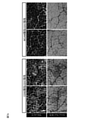
- CD57-positive cells, MCAM-positive CD57-negative cells and MCAM-negative CD57-negative cells were selected by FACS from a cell population containing skeletal muscle progenitor cells obtained by inducing differentiation of human iPS cells, and after inducing differentiation into myotube cells, Myosin Heaby Chain It is the result of observing and quantifying the expression of (MHC).
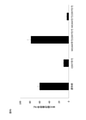
- (B) is the result of quantifying the ratio of MHC-positive cells calculated from FIG. 4a. Data are shown as mean ⁇ SE.
- skeletal muscle progenitor cells are characterized by the expression of specific genes, such as MyoD, Myf5, Pax7, Myogenin, Myosin Heavy Chain (MHC), NCAM, Desmin, SkMAct, M-Cadherin, Fgfr4 and VCAME1. It can be identified by detecting the expression of a marker gene such as.
- the skeletal muscle progenitor cells that can be used in the present invention are characterized in that they are at least Pax7 positive, CD146 (MCAM) positive on the cell surface, and CD57 negative. When applied to a living body, it exerts an extremely excellent effect of not inducing fibrosis at the application site.
- the skeletal muscle progenitor cells of the present invention can differentiate into myosin heavy chain (MHC) -positive skeletal muscle cells and further mature into multinucleated skeletal muscle cells in a culture system. Therefore, when the skeletal muscle progenitor cells of the present invention are transplanted, they can efficiently mature into skeletal muscle cells and exert a therapeutic effect in the transplanted tissue.
- MHC myosin heavy chain
- the skeletal muscle progenitor cells included in the present invention include skeletal muscle stem cells and / or satellite cells unless otherwise specified.
- CD82 is expressed on the cell surface and CD57 is not expressed on the cell surface.
- a method of selecting CD57 negative cells was used.
- the skeletal muscle progenitor cells purified by this method have insufficient yield and purity of Pax7-positive cells, and are contaminated with a large amount of cells other than skeletal muscle progenitor cells. There were problems such as fibrosis in the tissue.
- the skeletal muscle progenitor cells provided by the present invention, or a group of cells containing the same have an excellent feature that they do not induce fibrosis at the application site in a living body.
- the skeletal muscle progenitor cell or the cell group containing the skeletal muscle progenitor cell that can be used in the present invention may be derived from pluripotent stem cells.
- the pluripotent stem cells that can be used in the present invention are pluripotent stem cells that can differentiate into all cells existing in the living body and also have proliferative ability. Embryonicity derived from cloned embryos obtained by, for example, but not limited to, embryonic stem (ES) cells, sperm stem (GS) cells, embryonic reproductive (EG) cells, artificial pluripotent stem (iPS) cells, nuclear transplantation. Includes stem (ntES) cells, Muse cells and the like.
- Preferred pluripotent stem cells are ES cells, iPS cells and ntES cells, more preferably human ES cells, human iPS cells, and even more preferably human iPS cells from the viewpoint of being used for treating myogenic diseases. Is.
- ES cells are embryo-derived stem cells derived from the inner cell mass of scutellum vesicles, which are embryos after the morula at the 8-cell stage of fertilized eggs, and have the ability to differentiate into all cells that make up an adult, so-called polymorphism. It has the ability and the ability to proliferate by self-replication. ES cells were discovered in mice in 1981 (MJ Evans and MH Kaufman (1981), Nature 292: 154-156), and then ES cell lines were established in primates such as humans and monkeys. (JA Thomason et al. (1998), Science 282: 1145-1147; JA Thomason et al. (1995), Proc. Nature. Acad. Sci.
- Human ES cell lines are obtained from, for example, WA01 (H1) and WA09 (H9) from the WiCell Research Institute, and KhES-1, KhES-2 and KhES-3 from the Institute for Frontier Medical Sciences, Kyoto University (Kyoto, Japan). It is possible.
- GDNF glial cell line-derivated neurotrophic factor
- Embryonic germ cells are cells that are established from primordial germ cells in the embryonic stage and have pluripotency similar to ES cells, such as LIF, bFGF, and stem cell factor. It can be established by culturing primordial germ cells in the presence of the substance of (Y. Mathui et al. (1992), Cell, 70: 841-847; J. L. Resnick et al. (1992), Nature, 359: 550-551).
- Induced pluripotent stem cells are approximately equivalent to ES cells, which can be produced by introducing specific reprogramming factors into somatic cells in the form of DNA or protein.
- ES cells which can be produced by introducing specific reprogramming factors into somatic cells in the form of DNA or protein.
- artificial stem cells derived from somatic cells having pluripotency of differentiation and proliferation ability by self-renewal K. Takahashi and S. Yamanaka (2006) Cell, 126: 663-676; K. Takahashi et al. (2007), Cell, 131: 861-872; J. Yu et al. (2007), Science, 318: 1917-1920; Nakagawa, M. et al., Nat. Biotechnol. 26: 101-106 (2008); International Published WO 2007/069666).
- initialization factors include WO2007 / 069666, WO2008 / 118820, WO2009 / 007852, WO2009 / 032194, WO2009 / 058413, WO2009 / 057831, WO2009 / 075119, WO2009 / 079007, WO2009 / 091659, WO2009 / 101084, WO2009 /.
- the reprogramming factors include histone deacetylase (HDAC) inhibitors [eg, small molecule inhibitors such as valproic acid (VPA), tricostatin A, sodium butyrate, MC 1293, M344, siRNA and shRNA against HDACs (eg). , HDAC1 siRNA Smartpool (Millipore), HuSH 29mer shRNA Constructs against HDAC1 (OriGene), etc.), MEK inhibitors (eg, PD184352, PD98059, U.
- HDAC histone deacetylase
- the reprogramming factor may be introduced into somatic cells by techniques such as lipofection, fusion with cell membrane penetrating peptides (eg, HIV-derived TAT and polyarginine), and microinjection.
- somatic cells by techniques such as lipofection, fusion with cell membrane penetrating peptides (eg, HIV-derived TAT and polyarginine), and microinjection.
- DNA morphology in the case of DNA morphology, it can be introduced into somatic cells by methods such as viruses, plasmids, vectors such as artificial chromosomes, lipofection, liposomes, and microinjection.
- the viral vectors include retroviral vectors and lentiviral vectors (above, Cell, 126, pp.663-676, 2006; Cell, 131, pp.861-872,2007; Science, 318, pp.1917-1920, 2007. ), Adenovirus vector (Science, 322, 945-949, 2008), adeno-associated virus vector, Sendai virus vector (WO 2010/008054) and the like.
- the artificial chromosome vector includes, for example, a human artificial chromosome (HAC), a yeast artificial chromosome (YAC), a bacterial artificial chromosome (BAC, PAC) and the like.
- a plasmid a plasmid for mammalian cells can be used (Science, 322: 949-953, 2008).
- the vector can contain regulatory sequences such as promoters, enhancers, ribosome binding sequences, terminators, polyadenylation sites, etc. so that the nuclear reprogramming substance can be expressed, and further, if necessary, a drug resistance gene (drug resistance gene).
- canamycin resistance gene for example, ampicillin resistance gene, puromycin resistance gene, etc.
- thymidin kinase gene diphtheriatoxin gene and other selection marker sequences
- green fluorescent protein (GFP) green fluorescent protein
- GUS ⁇ -glucuronidase
- FLAG FLAG and other reporter gene sequences, etc.
- the above vector has a LoxP sequence before and after the gene encoding the reprogramming factor or the promoter and the gene encoding the reprogramming factor that binds to the promoter after introduction into somatic cells. You may.
- RNA morphology it may be introduced into somatic cells by a method such as lipofection or microinjection, and in order to suppress degradation, RNA incorporating 5-methylcytidine and pseudouridine (TriLink Biotechnology) is used. It may be (Warren L, (2010) Cell Stem Cell. 7: 618-630).
- the somatic cells and the reprogramming factor are brought into contact with each other on DMEM or DMEM / F12 culture medium containing 10% FBS and cultured for about 4 to 7 days. Then, the cells are re-sown on feeder cells (for example, mitomycin C-treated STO cells, SNL cells, etc.), and about 10 days after the contact between the somatic cells and the reprogramming factor, the culture medium for bFGF-containing primate ES cell culture is used. It can be cultured to give rise to iPS-like colonies about 30-about 45 days or more after contact.
- feeder cells for example, mitomycin C-treated STO cells, SNL cells, etc.
- the culture solution is exchanged with a fresh culture solution once a day from the second day after the start of the culture.
- the number of somatic cells used for nuclear reprogramming is not limited, but ranges from about 5 ⁇ 10 3 to about 5 ⁇ 10 6 cells per 100 cm 2 culture dish.
- the iPS cells can be selected according to the shape of the formed colonies.
- a drug resistance gene expressed in conjunction with a gene expressed when somatic cells are reprogrammed for example, Oct3 / 4, Nanog
- a culture medium containing the corresponding drug selection.
- Established iPS cells can be selected by culturing in a culture medium).
- iPS cells are selected by observing with a fluorescence microscope when the marker gene is a fluorescent protein gene, by adding a luminescent substrate in the case of a luciferase gene, and by adding a chromogenic substrate in the case of a luciferase gene. can do.
- the term "somatic cell” refers to any animal cell (preferably a mammalian cell, including human) except germline cells such as eggs, egg mother cells, ES cells or totipotent cells.
- Somatic cells include, but are not limited to, fetal (pup) somatic cells, neonatal (pup) somatic cells, and mature healthy or diseased somatic cells, as well as primary cultured cells. , Passed cells, and established cells are all included.
- the somatic cells include, for example, (1) tissue stem cells (somatic stem cells) such as nerve stem cells, hematopoietic stem cells, mesenchymal stem cells, and dental pulp stem cells, (2) tissue precursor cells, (3) lymphocytes, and epithelium.
- Endothelial cells muscle cells, fibroblasts (skin cells, etc.), hair cells, hepatocytes, gastric mucosal cells, intestinal cells, splenocytes, pancreatic cells (pancreatic exocrine cells, etc.), brain cells, lung cells, renal cells And differentiated cells such as fat cells are exemplified.
- ntES cells are cloned embryo-derived ES cells produced by nuclear transplantation technology and have almost the same characteristics as fertilized egg-derived ES cells.
- T. Wakayama et al. 2001), Science, 292: 740-743; S. Wakayama et al. (2005), Biol. Clone., 72: 923-936; J. Byrne et al. (200). Nature, 450: 497-502).
- ES cells established from the inner cell mass of a blastocyst derived from a cloned embryo obtained by replacing the nucleus of an unfertilized egg with the nucleus of a somatic cell are nt ES (nuclear transfer ES) cells.
- nt ES nuclear transfer ES
- a combination of nuclear transplantation technology JB Cibelli et al. (1998), Nature Biotechnol., 16: 642-646) and ES cell production technology (above) is used.
- somatic cell nuclei can be injected into unenucleated unfertilized eggs of mammals and cultured for several hours to initialize them.
- Muse cells are pluripotent stem cells produced by the method described in WO2011 / 007900, specifically, fibroblasts or bone marrow stromal cells treated with long-term trypsin, preferably 8 hours or 16 hours. It is a pluripotent cell obtained by suspension culture after treatment, and is positive for SSEA-3 and CD105.
- the skeletal muscle progenitor cells or cell groups containing skeletal muscle progenitor cells that can be used in the present invention use somatic cells collected from a subject or another person having the same or substantially the same HLA type. It may be a cell group containing skeletal muscle progenitor cells or skeletal muscle progenitor cells differentiated from the induced iPS cells.
- the composition of the present invention may be produced as a parenteral preparation such as an injection, a suspension, a drip, etc. by mixing with a pharmaceutically acceptable carrier according to conventional means.
- a pharmaceutically acceptable carrier such as an injection, a suspension, a drip, etc.
- Pharmaceutically acceptable carriers include, for example, isotonic solutions containing physiological saline, glucose and other adjuvants (eg, D-sorbitol, D-mannitol, sodium chloride, etc.) and the like. Can be mentioned as an aqueous solution for injection.
- compositions of the present invention include, for example, buffers (eg, phosphate buffer, sodium acetate buffer), soothing agents (eg, lidocaine hydrochloride, prokine hydrochloride, etc.), stabilizers (eg, human serum albumin, polyethylene). It may be blended with a preservative (eg, sodium benzoate, benzalkonium chloride, etc.), an antioxidant (eg, ascorbic acid, sodium edetate, etc.) and the like.
- buffers eg, phosphate buffer, sodium acetate buffer
- soothing agents eg, lidocaine hydrochloride, prokine hydrochloride, etc.
- stabilizers eg, human serum albumin, polyethylene
- a preservative eg, sodium benzoate, benzalkonium chloride, etc.
- an antioxidant eg, ascorbic acid, sodium edetate, etc.
- compositions of the present invention as When formulated as an aqueous suspension, of about 1.0 ⁇ 10 5 ⁇ about 1.0 ⁇ 10 9 cells / mL in the aqueous solution, skeletal muscle
- the progenitor cells may be suspended. Since the preparation thus obtained is stable and has low toxicity, it can be safely administered to mammals such as humans.
- the administration method is not particularly limited, but is preferably injection or infusion, and examples thereof include intravenous administration, intraarterial administration, and intramuscular administration (local administration to the affected area).
- the dose of the agent of the present invention varies depending on the administration target, treatment target site, symptom, administration method, etc., but is usually used in DMD patients (assuming a body weight of 60 kg), for example, by intramuscular administration (local administration to the affected area). If, divided into approximately 1.0 ⁇ 10 5 to about 1.0 ⁇ 10 9 cells from about 10 to about 20 portions as skeletal muscle progenitor cell mass per time, an interval of at least about 1 month, about 1 to about It is convenient to administer 4 times.
- the invention is a method of treating a subject suffering from a myogenic disease.
- methods comprising administering to a subject in need thereof a group of cells containing skeletal muscle progenitor cells that are Pax7 positive, CD146 (MCAM) positive on the cell surface, and CD57 negative. do.
- the present invention is a cell group for use in the treatment of myogenic diseases, wherein the cell group is Pax7 positive and CD146 (MCAM) is positive on the cell surface. It provides a cell population comprising skeletal muscle progenitor cells that are negative for CD57.
- MCAM CD146
- the present invention is used for producing a cell group containing skeletal muscle progenitor cells for treating a myogenic disease.
- the cell population comprises a skeletal muscle progenitor cell that is Pax7 positive, CD146 (MCAM) positive on the cell surface, and CD57 negative.
- the cell population containing skeletal muscle progenitor cells or skeletal muscle progenitor cells that can be used in the present invention is, for example, a cell containing skeletal muscle progenitor cells or skeletal muscle progenitor cells obtained by the method described in International Publication No. 2016/108288. Populations can be used, but are not limited to this method. International Publication No. 2016/108288 is incorporated herein by reference.
- a method for inducing differentiation of skeletal muscle progenitor cells from pluripotent cells a method including the following steps (1) and (2A) or (2B) can be used.
- the method for inducing differentiation of skeletal muscle progenitor cells from pluripotent cells is also obtained in steps (3) (2A) or (2B) in addition to the steps (1) to (2A) or (2B).
- a method comprising culturing the cells in a culture medium containing a TGF- ⁇ inhibitor, IGF1 and serum can be used.
- basal medium examples include IMDM medium, Medium 199 medium, Eagle's Medium Essential Medium (EMEM) medium, ⁇ MEM medium, Dulvecco's modified Eagle's Medium (DMEM) medium, Ham's Medium (DMEM) medium, Ham's Medium (DMEM) medium, Ham's Medium (DMEM) medium, and Ham's Medium (EMEM) medium. , Fisher's medium, StemPro34 (invitrogen), RPMI-base medium, and a mixed medium thereof.
- IMDM medium Medium 199 medium
- EMEM Eagle's Medium Essential Medium
- DMEM Dulvecco's modified Eagle's Medium
- DMEM Ham's Medium
- DMEM Ham's Medium
- DMEM Ham's Medium
- DMEM Ham's Medium
- EMEM Ham's Medium
- EMEM Ham's Medium
- the basal medium may contain serum or may be serum-free. If necessary, for example, albumin, transferase, Knockout Serum Compound (KSR) (FBS serum substitute during ES cell culture), N2 supplement (Invitrogen), B27 supplement (Invitrogen), amino acids, insulin, selenium (sub-selenium).
- serum for example, albumin, transferase, Knockout Serum Compound (KSR) (FBS serum substitute during ES cell culture), N2 supplement (Invitrogen), B27 supplement (Invitrogen), amino acids, insulin, selenium (sub-selenium).
- KSR Knockout Serum Compound
- the preferred basal medium is a mixed medium of IMDM medium and Ham's F12 medium supplemented with albumin, transferrin, fatty acid, insulin, selenium and thiolglycerol.
- the concentration of SB431542 in the medium is not particularly limited, but is preferably 1 ⁇ M or more and 50 ⁇ M or less. It is, but is not limited to, 15 ⁇ M, 16 ⁇ M, 17 ⁇ M, 18 ⁇ M, 19 ⁇ M, 20 ⁇ M, 25 ⁇ M, 30 ⁇ M, 35 ⁇ M, 40 ⁇ M, 45 ⁇ M, and 50 ⁇ M. It is more preferably 2 ⁇ M or more and 10 ⁇ M or less, and particularly preferably 5 ⁇ M.
- the GSK-3 ⁇ inhibitor is defined as a substance that inhibits the kinase activity of the GSK-3 ⁇ protein (for example, the ability to phosphorylate ⁇ -catenin), and many of them are already known, for example, GSK.
- Lithium protein (LiCl) which was first discovered as a -3 ⁇ inhibitor, BIO (also known as GSK-3 ⁇ inhibitor IX; 6-bromoinsylbin 3'-oxym), which is an indylvin derivative, and SB216763 (3), which is a maleimide derivative.
- GSK-3 ⁇ inhibitor VII a phenyl ⁇ bromomethylketone compound (4-Dibromoacetophenone), L803-mts (also known as GSK-3 ⁇ peptide inhibitor; Myr-N-GKEAPPAPPQSpP-NH2), a cell membrane permeabilizing kinase, and CHIR99021 (6- [2- [2-] with high selectivity.
- the GSK-3 ⁇ inhibitor used in this step (1) can preferably be CHIR99021.
- the concentration of CHIR99021 in the medium is not particularly limited, but is preferably higher than the concentration of 1 ⁇ M used in GSK-3 ⁇ inhibition, for example, 2 ⁇ M, 3 ⁇ M, 4 ⁇ M, 5 ⁇ M, 6 ⁇ M, 7 ⁇ M. 8 ⁇ M, 9 ⁇ M, 10 ⁇ M, 15 ⁇ M, 20 ⁇ M, 25 ⁇ M, 30 ⁇ M, 35 ⁇ M, 40 ⁇ M, 45 ⁇ M, 50 ⁇ M, and the like, but the present invention is not limited thereto. More preferably, it is 5 ⁇ M or more (for example, 5 ⁇ M or more and 50 ⁇ M or less, preferably 5 ⁇ M or more and 10 ⁇ M or less).
- the culture period is exemplified by 10 days or more and 30 days or less, for example, 10 days, 11 days, 12 days, 13 days, 14 days, 15 days, 16 days, 17 days, 18 days. It can be 19th, 20th, 21st, 22nd, 23rd, 24th, 25th, 26th, 27th, 28th, 29th, 30th, etc., preferably 16th to 21st. Between, more preferably 16 days.
- the cells obtained in the above step (1) may contain HGF and may further contain IGF1. It is a step of culturing in a good culture medium.
- the culture medium used in this step (2A) can be prepared using the medium used for culturing animal cells as the basal medium.
- the basal medium may contain serum or may be serum-free. If necessary, for example, albumin, transferase, Knockout Serum Compound (KSR) (FBS serum substitute during ES cell culture), N2 supplement (Invitrogen), B27 supplement (Invitrogen), amino acids, insulin, selenium (sub-selenium).
- serum for example, albumin, transferase, Knockout Serum Compound (KSR) (FBS serum substitute during ES cell culture), N2 supplement (Invitrogen), B27 supplement (Invitrogen), amino acids, insulin, selenium (sub-selenium).
- KSR Knockout Serum Compound
- the preferred basal medium is the SF-O3 medium supplemented with albumin and 2-mercaptoethanol.
- the concentration of HGF in the medium used in this step (2A) is not particularly limited, but is preferably 1 ng / ml or more and 100 ng / ml or less, for example, 1 ng / ml, 2 ng / ml, 3 ng / ml, 4 ng / ml.
- this step (2A) it is preferable to culture in a culture solution containing IGF1 in addition to HGF.
- concentration of IGF1 in the medium used in this step (2A) is not particularly limited, but is preferably 1 ng / ml or more and 100 ng / ml or less, for example, 1 ng / ml, 2 ng / ml, 3 ng / ml, 4 ng / ml.
- the culture period is exemplified by 1 day or more and 40 days or less, for example, 1 day, 2 days, 3 days, 4 days, 5 days, 6 days, 7 days, 8 days, 9 days. 10th, 11th, 12th, 13th, 14th, 15th, 16th, 17th, 18th, 19th, 20th, 21st, 22nd, 23rd, 24th, 25th, 26th , 27th, 28th, 29th, 30th, 31st, 32nd, 33rd, 34th, 35th, 36th, 37th, 38th, 39th, 40th, etc., preferably. , 20th.
- the sub-steps (i) to (iii) will be described in order.
- Sub-step (i) A step of culturing in a culture medium containing IGF1, HGF and bFGF.
- the culture medium used in the sub-step (i) can be prepared using the medium used for culturing animal cells as the basal medium.
- IMDM medium for example, IMDM medium, Medium 199 medium, Eagle's Minimum Essential Medium (EMEM) medium, ⁇ MEM medium, Dulvecco's modified Eagle's Medium (DMEM) medium, Ham's Medium (DMEM) medium, Ham's Medium 16 medium, Ham's medium , Fisher's medium, StemPro34 (invitrogen), RPMI-base medium, SF-O3 medium (Adia Co., Ltd.) and a mixed medium thereof and the like are included.
- SF-O3 medium is preferably used.
- the basal medium may contain serum or may be serum-free. If necessary, for example, albumin, transferase, Knockout Serum Compound (KSR) (FBS serum substitute during ES cell culture), N2 supplement (Invitrogen), B27 supplement (Invitrogen), amino acids, insulin, selenium (sub-selenium).
- serum for example, albumin, transferase, Knockout Serum Compound (KSR) (FBS serum substitute during ES cell culture), N2 supplement (Invitrogen), B27 supplement (Invitrogen), amino acids, insulin, selenium (sub-selenium).
- KSR Knockout Serum Compound
- the preferred basal medium is the SF-O3 medium supplemented with albumin and 2-mercaptoethanol.
- the concentration of IGF1 in the medium used in this sub-step (i) is not particularly limited, but is preferably 1 ng / ml or more and 100 ng / ml or less, for example, 1 ng / ml, 2 ng / ml, 3 ng / ml, 4 ng / ml.
- the concentration of HGF in the medium used in this sub-step (i) is not particularly limited, but is preferably 1 ng / ml or more and 100 ng / ml or less, for example, 1 ng / ml, 2 ng / ml, 3 ng / ml, 4 ng / ml.
- the concentration of bFGF in the medium used in this sub-step (i) is not particularly limited, but is preferably 1 ng / ml or more and 100 ng / ml or less, for example, 1 ng / ml, 2 ng / ml, 3 ng / ml, 4 ng / ml.
- the culture period is exemplified by 1 day or more and 10 days or less, for example, 1 day, 2 days, 3 days, 4 days, 5 days, 6 days, 7 days, 8 days, 9 days. It can be 10 days or the like, preferably 4 days.
- Sub-step (ii) Step of culturing in a culture medium containing IGF1
- This sub-step (ii) is a step of culturing the cells obtained in the sub-step (i) in a culture medium containing IGF1.
- the culture medium used in this sub-step (ii) can be prepared using the medium used for culturing animal cells as the basal medium.
- the basal medium include IMDM medium, Medium 199 medium, Eagle's Medium Essential Medium (EMEM) medium, ⁇ MEM medium, Dulvecco's modified Eagle's Medium (DMEM) medium, Ham's Medium (DMEM) medium, Ham's Medium (DMEM) medium, Ham's Medium (DMEM) medium, and Ham's Medium (EMEM) medium.
- Fisher's medium, StemPro34 (invitrogen) RPMI-base medium, SF-O3 medium and a mixed medium thereof and the like are included.
- SF-O3 medium is preferably used.
- the basal medium may contain serum or may be serum-free. If necessary, for example, albumin, transferase, Knockout Serum Compound (KSR) (FBS serum substitute during ES cell culture), N2 supplement (Invitrogen), B27 supplement (Invitrogen), amino acids, insulin, selenium (sub-selenium).
- serum for example, albumin, transferase, Knockout Serum Compound (KSR) (FBS serum substitute during ES cell culture), N2 supplement (Invitrogen), B27 supplement (Invitrogen), amino acids, insulin, selenium (sub-selenium).
- KSR Knockout Serum Compound
- the preferred basal medium is the SF-O3 medium supplemented with albumin and 2-mercaptoethanol.
- the concentration of IGF1 in the medium used in this sub-step (ii) is not particularly limited, but is preferably 1 ng / ml or more and 100 ng / ml or less, for example, 1 ng / ml, 2 ng / ml, 3 ng / ml, 4 ng /.
- ng / ml 5 ng / ml, 6 ng / ml, 7 ng / ml, 8 ng / ml, 9 ng / ml, 10 ng / ml, 15 ng / ml, 20 ng / ml, 25 ng / ml, 30 ng / ml, 35 g / ml, 40 ng / ml, 45 ng / ml, 50 ng / ml, 60 ng / ml, 70 ng / ml, 80 ng / ml, 90 ng / ml, 100 ng / ml, but not limited to these. It is more preferably 1 ng / ml or more and 50 ng / ml or less, and further preferably 10 ng / ml.
- the culture period is exemplified by 1 day or more and 10 days or less, for example, 1 day, 2 days, 3 days, 4 days, 5 days, 6 days, 7 days, 8 days, 9 days. It can be 10 days or the like, preferably 3 days.
- Sub-step (iii) Step of culturing in a culture medium containing IGF1 and HGF
- the cells obtained in the sub-step (iii) are cultured in a culture medium containing IGF1 and HGF. It is a process.
- the culture medium used in this sub-step (iii) can be prepared using the medium used for culturing animal cells as the basal medium.
- basal medium examples include IMDM medium, Medium 199 medium, Eagle's Medium Essential Medium (EMEM) medium, ⁇ MEM medium, Dulvecco's modified Eagle's Medium (DMEM) medium, Ham's Medium (DMEM) medium, Ham's Medium (DMEM) medium, Ham's Medium (DMEM) medium, and Ham's Medium (EMEM) medium.
- IMDM medium Medium 199 medium
- EMEM Eagle's Medium Essential Medium
- DMEM Dulvecco's modified Eagle's Medium
- DMEM Ham's Medium
- DMEM Ham's Medium
- DMEM Ham's Medium
- DMEM Ham's Medium
- DMEM Ham's Medium
- EMEM Ham's Medium
- EMEM Ham's Medium
- the basal medium may contain serum or may be serum-free. If necessary, for example, albumin, transferase, Knockout Serum Compound (KSR) (FBS serum substitute during ES cell culture), N2 supplement (Invitrogen), B27 supplement (Invitrogen), amino acids, insulin, selenium (sub-selenium).
- serum for example, albumin, transferase, Knockout Serum Compound (KSR) (FBS serum substitute during ES cell culture), N2 supplement (Invitrogen), B27 supplement (Invitrogen), amino acids, insulin, selenium (sub-selenium).
- KSR Knockout Serum Compound
- the preferred basal medium is the SF-O3 medium supplemented with albumin and 2-mercaptoethanol.
- the concentration of IGF1 in the medium used in this sub-step (iii) is not particularly limited, but is preferably 1 ng / ml or more and 100 ng / ml or less, for example, 1 ng / ml, 2 ng / ml, 3 ng / ml, 4 ng /.
- ng / ml 5 ng / ml, 6 ng / ml, 7 ng / ml, 8 ng / ml, 9 ng / ml, 10 ng / ml, 15 ng / ml, 20 ng / ml, 25 ng / ml, 30 ng / ml, 35 g / ml, 40 ng / ml, 45 ng / ml, 50 ng / ml, 60 ng / ml, 70 ng / ml, 80 ng / ml, 90 ng / ml, 100 ng / ml, but not limited to these. It is more preferably 1 ng / ml or more and 50 ng / ml or less, and further preferably 10 ng / ml.
- the concentration of HGF in the medium used in this sub-step (iii) is not particularly limited, but is preferably 1 ng / ml or more and 100 ng / ml or less, for example, 1 ng / ml, 2 ng / ml, 3 ng / ml, 4 ng /.
- ng / ml 5 ng / ml, 6 ng / ml, 7 ng / ml, 8 ng / ml, 9 ng / ml, 10 ng / ml, 15 ng / ml, 20 ng / ml, 25 ng / ml, 30 ng / ml, 35 g / ml, 40 ng / ml, 45 ng / ml, 50 ng / ml, 60 ng / ml, 70 ng / ml, 80 ng / ml, 90 ng / ml, 100 ng / ml, but not limited to these. It is more preferably 1 ng / ml or more and 50 ng / ml or less, and further preferably 10 ng / ml.
- the culture period is exemplified by 7 days or more and 20 days or less, for example, 7 days, 8 days, 9 days, 10 days, 11 days, 12 days, 13 days, 14 days, 15 days. , 16th, 17th, 18th, 19th, 20th, etc., preferably 14th.
- Step (3) A step of culturing in a culture medium containing a TGF- ⁇ inhibitor, IGF1 and serum
- the cells obtained in the above step (2A) or (2B) are TGF- ⁇ -inhibited.
- the culture medium used in this step (3) can be prepared using the medium used for culturing animal cells as the basal medium.
- basal medium examples include IMDM medium, Medium 199 medium, Eagle's Medium Essential Medium (EMEM) medium, ⁇ MEM medium, Dulvecco's modified Eagle's Medium (DMEM) medium, Ham's Medium (DMEM) medium, Ham's Medium (DMEM) medium, Ham's Medium (DMEM) medium, and Ham's Medium (EMEM) medium. , Fisher's medium, StemPro34 (invitrogen), RPMI-base medium and mixed media thereof and the like are included.
- DMEM medium is preferably used.
- the basal medium may contain serum or may be serum-free. If necessary, for example, albumin, transferase, Knockout Serum Compound (KSR) (FBS serum substitute during ES cell culture), N2 supplement (Invitrogen), B27 supplement (Invitrogen), amino acids, insulin, selenium (sub-selenium).
- serum for example, albumin, transferase, Knockout Serum Compound (KSR) (FBS serum substitute during ES cell culture), N2 supplement (Invitrogen), B27 supplement (Invitrogen), amino acids, insulin, selenium (sub-selenium).
- KSR Knockout Serum Compound
- the preferred basal medium is DMEM medium supplemented with serum, L-glutamine and 2-mercaptoethanol.
- the serum used in this step (3) is horse serum, and the concentration in the basal medium is 1 to 10%, more preferably 2%.
- the concentration of SB431542 in the medium used in this step (3) is not particularly limited, but is preferably 500 nM or more and 50 ⁇ M or less, for example, 500 nM, 600 nM, 700 nM, 800 nM, 900 nM, 1 ⁇ M, 2 ⁇ M, 3 ⁇ M, 4 ⁇ M, 5 ⁇ M.
- the concentration of IGF1 in the medium used in this step (3) is not particularly limited, but is preferably 1 ng / ml or more and 100 ng / ml or less, for example, 1 ng / ml, 2 ng / ml, 3 ng / ml, 4 ng / ml.
- the culture period is exemplified by 9 days or more and 50 days or less, preferably 20 days or more and 50 days or less, and 30 days or more and 50 days or less.
- the invention is a method of purifying skeletal muscle progenitor cells.
- MCAM CD146
- the present invention is a method for producing a cell group containing skeletal muscle progenitor cells.
- a method comprising recovering a group of cells positive for CD146 (MCAM) and negative for CD57 on the cell surface from a cell population containing skeletal muscle progenitor cells.
- the "cell population containing skeletal muscle progenitor cells” is a cell population before applying the method of the present invention, and includes “skeletal muscle progenitor cells obtained by applying the method of the present invention”. It is used herein to distinguish it from a "cell group".
- the "cell population containing skeletal muscle progenitor cells” may be derived from pluripotent stem cells, for example, pluripotent stem cells selected from the group consisting of ES cells, ntES cells and iPS cells.
- the step of recovering a group of cells positive for CD146 (MCAM) and negative for CD57 from a cell population containing skeletal muscle progenitor cells is positive for CD146 (MCAM) on the cell surface.
- a method capable of specifically selecting and recovering cells that are negative for CD57 may be applied. For example, it can be carried out using a binder that specifically binds to CD146 (MCAM) and a binder that specifically binds to CD57.
- the "specifically binding binder” is a substance that selectively binds to at least a part of a protein of interest, and includes, for example, an antibody, a ligand, or an aptamer.
- the binders that can be used in the present invention are CD146 (MCAM) and CD57 specific binders.
- the "antibody” as a binder used in the present invention may be a polyclonal antibody, a monoclonal antibody or a binding fragment thereof that binds to a protein of interest.
- binding fragment includes, for example, a monomeric Fab fragment, a monomeric Fab'fragment, or a dimer F (ab) '2 fragment, or a single chain antibody molecule (scFv). ..
- the "aptamer" as a binder used in the present invention refers to a synthetic DNA, RNA molecule or synthetic analog thereof having the ability to specifically bind to a molecule of interest.
- the aptamer used in the present invention can be obtained, for example, by using the SELEX method and repeatedly selecting the binding to the protein of interest (eg, CD146 or CD57) in vitro (Tuerk C., Gold L). , Science, 1990, 249 (496), 505-510; Ellington AD, Szostak JW., Nature, 1990, 346 (6287): 818-822; US Pat. No. 6,867,289; US Pat. No. 6,867,289; 5,567,588; see US Pat. No. 6,699,843).
- the "ligand" as a binder used in the present invention is a protein that can specifically bind to a protein of interest, and the specific binder used in the present invention is not limited to the following.
- the specific binder used in the present invention is not limited to the following.
- Galectin-1, Laminin-411 or netrin-1, which are ligands for CD146 (MCAM), CD62L or CD62P, which are ligands for CD57, and the like can be used.
- the step of recovering a cell group positive for CD146 (MCAM) and negative for CD57 on the cell surface is a fluorescence activated cell selection (FACS) method or a magnetic cell selection (MACS) method. Can be used.
- FACS fluorescence activated cell selection
- MCS magnetic cell selection
- the fluorescence-activated cell selection method is a fluorescence activated cell selection method in which cell particles are flowed at a high speed in a very thin flowing liquid and irradiated with laser light to generate fluorescence (when the cells are fluorescently labeled in advance). ), It is a method of measuring light such as scattered light, and if a device equipped with a cell sorter is used, a target cell can be isolated. Therefore, when the step of recovering the cell group of the present invention is a fluorescence-activated cell selection method, a binder labeled with an arbitrary fluorescent substance can be used.
- the magnetic cell selection (MACS) method is a method of separating target cells by capturing them with a magnet using magnetic beads carrying a binder. Therefore, when the step of recovering the cell group of the present invention is a magnetic cell selection method, a binder carried on magnetic beads can be used.
- the cell group containing skeletal muscle progenitor cells obtained by carrying out the method of the present invention can treat a subject suffering from a myogenic disease at an application site in a living body without inducing fibrosis. Further, when the method of the present invention is applied to a cell population containing skeletal muscle progenitor cells, for example, a cell population derived from pluripotent stem cells containing skeletal muscle progenitor cells, 30% of Pax7-positive skeletal muscle progenitor cells are used. A cell group containing the above is obtained, and it is possible to treat a subject suffering from a myogenic disease at an application site in a living body without inducing fibrosis.
- the present invention is a kit for use in the above-mentioned method for purifying skeletal muscle progenitor cells or for producing a cell group containing skeletal muscle progenitor cells, which is specific to CD146 (MCAM).
- kits comprising a binder that binds to CD57 and a binder that specifically binds to CD57.
- the kit of the present invention may further appropriately include components necessary for carrying out the above method, and includes, for example, a magnet (for example, in the case of the MACS method), a cleaning buffer, and / or an instruction manual for the kit. It may be.
- the present invention provides a cell group containing skeletal muscle progenitor cells obtained by the above-mentioned method for purifying skeletal muscle progenitor cells or a method for producing a cell group containing skeletal muscle progenitor cells.
- iPS cell line (s01-Pax7) that expresses Venus in cooperation with the expression of Pax7 by ligating the NLS-Venus-T2A sequence to the 5'side of the start codon of the Pax7 locus by homologous recombination of WJ14-s01 according to a conventional method. -Venus) was prepared.
- Step (1a) [Day0-14] CDMi basal medium supplemented with 5 ⁇ M SB431542 and 10 ⁇ M CHIR99021 on a MatriGel-coated culture medium (1% Albumin from bovine serum (SIGMA), 1% Penicillin-Streptomycin Standard (1% Penicillin-Streptomycin System) IMDM (1x) Iscove's Modified Dullbecco's Medium (+) Medium (+) Medium (+) Medium (+) Medium (+) Medium (+) Medium (+) Medium (+) Medium (+) Medium (+) Medium (+) Medium (+) Medium (+) Medium (+) Medium (+) Medium (+) Medium (+) Medium (+) Medium (+) Medium (+) Medium (+) Medium (+) Medium (+) Medium (+) Medium (+) Medium (+) Medium (+) Medium (+) Medium (+) Medium (+) Medium (+) Medium (+) Medium (+) Medium (+) Medium (+) Medium (+) Medium (+) Medium (+) Medium (+) Medium (+) Medium (+) Medium (+) Medium (+) Medium (+) Medium (+) Medium (+) Medium (+) Medium (+) Medium (+) Medium (+) Medium
- Step (1b) [Day15-16] The cell medium obtained in step (1a) was replaced with CDMi basal medium, and the culture was continued.
- Step (2a) [Day17-20]
- the cell medium obtained in step (1b) was 0.2% BSA (SIGMA), 200 ⁇ M 2-Mercaptoethanolol, 10 ng / mL IGF-1 (Peprotech), 10 ng / mL HGF (Peprotech) and 10 ng / mL bFGF (Oriental).
- the medium was replaced with SF-O3 medium to which bio) was added, and the culture was continued.
- Step (2b) [Day21-23] The cell medium obtained in step (2a) was replaced with SF-O3 medium supplemented with 0.2% BSA (SIGMA), 200 ⁇ M 2-Mercaptoethanolol, 10 ng / mL IGF-1 (Peprotech), and culture was continued. ..
- Step (2c) [Day24-37] SF-O3 medium to which 0.2% BSA (SIGMA), 200 ⁇ M 2-Mercaptoethanolol, 10 ng / mL IGF-1 (Peprotech) and 10 ng / mL HGF (Peprotech) were added to the cell medium obtained in step (2b). And continued culturing.
- BSA BSA
- 2-Mercaptoethanolol 10 ng / mL IGF-1 (Peprotech)
- 10 ng / mL HGF Peprotech
- Step (3) [Day38-] The medium of the cells obtained in the step (2c) was replaced with a medium supplemented with 2% Horse Serum, 1% Penicillin-Streptomycin Mixed Solution, 200 ⁇ M 2-Mercaptoethanolol, 5 ⁇ M SB431542 and 10 ng / mL IGF-1. Was cultured.
- BD FACS Aria Fusion cell sator BD bioscience.
- Antibodies are APC-labeled anti-human / mouse CD207 antibody (BioLegend), BV650-labeled anti-human FGFR4 antibody (BD Biosciences), APC-labeled anti-human MCAM antibody (BioLegend), PE-labeled anti-human CD57 antibody (BD Biosciences) and Alexa An anti-human CD82 antibody (BioLegend) was used.
- RNA extraction, cDNA synthesis, quantitative PCR The mRNA was extracted from the cells by the Reliaprep RNA Cell Miniprep System (Promega), and the cDNA was synthesized using the RiverTra Ace qPCR RT Kit (Toyobo). Quantitative PCR was performed by StepOne Plus real-time PCR system (Thermo Fisher) using cDNA, PowerSYBR Green Master Mix (Applied Biosystems) and primers.
- HE staining was performed using hematoxylin (Merck KGaA) and eosin (Merck KGaA).
- Sirius Red staining was performed using Picrosirius Red Stein Kit (Polysciences). The image was taken with an all-in-one fluorescence microscope BZ-X700 (Keyence), the stained area of collagen was measured using a Hybrid cell count software (Keyence), and the ratio of the fibrotic area was calculated.
- RNA sequence After extracting mRNA from cells with Reliaprep RNA Cell Miniprep System (Promega), a cDNA library prepared using TruSeq Strand mRNA Library Prep Kit (Illumina) was sequenced with NextSeq 500/550 v. The result of the sequence was converted into FASTQ format using BCL2FASTQ Conversion Software 1.8.4, and then quantified using RPKMforgenes. Quantitative results were analyzed by Genespring GX 13 software.
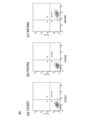
- Table 2 Results of FACS analysis of skeletal muscle progenitor cell groups induced to differentiate from human iPS cells expressing the fluorescent protein Venus in cooperation with the expression of Pax7. Purity was calculated from the number of Pax7 positive cells in the total number of cells in each fraction. The recovery rate was calculated from the number of Pax7-positive cells in each fraction of the total number of Pax7-positive cells.
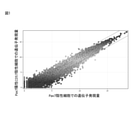
- MCAM-positive CD57-negative cells and MCAM-negative CD57-negative cells were selected from the skeletal muscle progenitor cell group obtained by inducing differentiation of human iPS cells, and then Pax7 and MyoD.
- TFAP2A and PDGFR ⁇ gene expression levels were quantified.
- Pax7, a skeletal muscle progenitor cell marker, and MyoD, a skeletal muscle cell marker, were highly expressed in MCAM-positive CD57-negative cells.
- TFAP2A neural crest cell marker
- PDGFR ⁇ meenchymal stem cell marker
- CD57-positive cells, MCAM-positive CD57-negative cells, and MCAM-negative CD57-negative cells were selected from the skeletal muscle progenitor cell group obtained by inducing differentiation of human iPS cells, and then the ability to differentiate into myotube cells was examined.
- MMAC-positive CD57-negative cells differentiated into MHC-stained myotube cells, with an MHC-positive rate of approximately 80% (FIG. 4).
- the stroma was expanded and the muscle fiber arrangement was disturbed in the tissue transplanted with CD82-positive CD57-negative cells, whereas it was normal in the tissue transplanted with MCAM-positive CD57-negative cells. It was a histological image of muscle fibers (Fig. 6).
Landscapes
- Health & Medical Sciences (AREA)
- Life Sciences & Earth Sciences (AREA)
- Engineering & Computer Science (AREA)
- Biomedical Technology (AREA)
- Chemical & Material Sciences (AREA)
- Cell Biology (AREA)
- Biotechnology (AREA)
- Zoology (AREA)
- Bioinformatics & Cheminformatics (AREA)
- General Health & Medical Sciences (AREA)
- Organic Chemistry (AREA)
- Wood Science & Technology (AREA)
- Developmental Biology & Embryology (AREA)
- Genetics & Genomics (AREA)
- Rheumatology (AREA)
- Public Health (AREA)
- Medicinal Chemistry (AREA)
- Animal Behavior & Ethology (AREA)
- Pharmacology & Pharmacy (AREA)
- Veterinary Medicine (AREA)
- General Engineering & Computer Science (AREA)
- Cardiology (AREA)
- Immunology (AREA)
- Microbiology (AREA)
- Vascular Medicine (AREA)
- Biochemistry (AREA)
- Epidemiology (AREA)
- Virology (AREA)
- Neurology (AREA)
- Orthopedic Medicine & Surgery (AREA)
- Physical Education & Sports Medicine (AREA)
- Chemical Kinetics & Catalysis (AREA)
- General Chemical & Material Sciences (AREA)
- Nuclear Medicine, Radiotherapy & Molecular Imaging (AREA)
- Micro-Organisms Or Cultivation Processes Thereof (AREA)
- Medicines Containing Material From Animals Or Micro-Organisms (AREA)
Abstract
La présente invention concerne une composition qui est destinée à traiter des maladies myogènes et qui contient un groupe de cellules comprenant des cellules précurseurs de muscle squelettique induites par différenciation à partir de cellules souches pluripotentes, la composition étant caractérisée en ce que le groupe de cellules comprend les cellules précurseurs de muscle squelettique qui sont positives à Pax7 et qui sont positives à CD146 (MCAM) et négatives à CD57 sur une surface correspondante. La présente invention concerne également un procédé pour la purification de cellules précurseurs de muscle squelettique.
Priority Applications (3)
| Application Number | Priority Date | Filing Date | Title |
|---|---|---|---|
| EP21842746.6A EP4180516A4 (fr) | 2020-07-13 | 2021-07-13 | Cellules précurseurs de muscle squelettique et procédé de purification de celles-ci, composition pour le traitement de maladies myogènes et procédé de production d'un groupe de cellules contenant des cellules précurseurs de muscle squelettique |
| JP2022536398A JP7429294B2 (ja) | 2020-07-13 | 2021-07-13 | 骨格筋前駆細胞及びその精製方法、筋原性疾患を治療するための組成物、並びに骨格筋前駆細胞を含む細胞群の製造方法 |
| US18/014,201 US20230256024A1 (en) | 2020-07-13 | 2021-07-13 | Skeletal muscle precursor cells and method for purifying same, composition for treating myogenic diseases, and method for producing cell group containing skeletal muscle precursor cells |
Applications Claiming Priority (2)
| Application Number | Priority Date | Filing Date | Title |
|---|---|---|---|
| JP2020120226 | 2020-07-13 | ||
| JP2020-120226 | 2020-07-13 |
Publications (1)
| Publication Number | Publication Date |
|---|---|
| WO2022014604A1 true WO2022014604A1 (fr) | 2022-01-20 |
Family
ID=79555611
Family Applications (1)
| Application Number | Title | Priority Date | Filing Date |
|---|---|---|---|
| PCT/JP2021/026344 Ceased WO2022014604A1 (fr) | 2020-07-13 | 2021-07-13 | Cellules précurseurs de muscle squelettique et procédé de purification de celles-ci, composition pour le traitement de maladies myogènes et procédé de production d'un groupe de cellules contenant des cellules précurseurs de muscle squelettique |
Country Status (4)
| Country | Link |
|---|---|
| US (1) | US20230256024A1 (fr) |
| EP (1) | EP4180516A4 (fr) |
| JP (1) | JP7429294B2 (fr) |
| WO (1) | WO2022014604A1 (fr) |
Citations (47)
| Publication number | Priority date | Publication date | Assignee | Title |
|---|---|---|---|---|
| US5567588A (en) | 1990-06-11 | 1996-10-22 | University Research Corporation | Systematic evolution of ligands by exponential enrichment: Solution SELEX |
| US5843780A (en) | 1995-01-20 | 1998-12-01 | Wisconsin Alumni Research Foundation | Primate embryonic stem cells |
| US6699843B2 (en) | 1995-06-07 | 2004-03-02 | Gilead Sciences, Inc. | Method for treatment of tumors using nucleic acid ligands to PDGF |
| US6867289B1 (en) | 1998-10-26 | 2005-03-15 | Board Of Regents, The University Of Texas Systems | Thio-modified aptamer synthetic methods and compositions |
| WO2007069666A1 (fr) | 2005-12-13 | 2007-06-21 | Kyoto University | Facteur de reprogrammation nucleaire |
| WO2008118820A2 (fr) | 2007-03-23 | 2008-10-02 | Wisconsin Alumni Research Foundation | Reprogrammation d'une cellule somatique |
| WO2009007852A2 (fr) | 2007-06-15 | 2009-01-15 | Izumi Bio, Inc | Cellules multipotentes/pluripotentes et procédés s'y rapportant |
| WO2009032194A1 (fr) | 2007-08-31 | 2009-03-12 | Whitehead Institute For Biomedical Research | Stimulation de la voie wnt dans la reprogrammation de cellules somatiques |
| WO2009058413A1 (fr) | 2007-10-29 | 2009-05-07 | Shi-Lung Lin | Génération de cellules de type cellules souches embryonnaires humaines à l'aide d'arn intronique |
| WO2009057831A1 (fr) | 2007-10-31 | 2009-05-07 | Kyoto University | Procédé de re-programmation nucléaire |
| WO2009075119A1 (fr) | 2007-12-10 | 2009-06-18 | Kyoto University | Procédé efficace d'initialisation de noyaux |
| WO2009079007A1 (fr) | 2007-12-17 | 2009-06-25 | Gliamed, Inc. | Cellules souches et procédé de reprogrammation de cellules somatiques de mammifères adultes |
| WO2009091659A2 (fr) | 2008-01-16 | 2009-07-23 | Shi-Lung Lin | Génération de cellules pluripotentes de type cellules souches embryonnaires sans tumeur utilisant des agents d'arn recombinant inductible |
| WO2009101407A2 (fr) | 2008-02-11 | 2009-08-20 | Cambridge Enterprise Limited | Reprogrammation perfectionnée de cellules de mammifère et cellules ainsi obtenues |
| WO2009101084A1 (fr) | 2008-02-13 | 2009-08-20 | Fondazione Telethon | Procédé pour la reprogrammation de cellules différenciées |
| WO2009102983A2 (fr) | 2008-02-15 | 2009-08-20 | President And Fellows Of Harvard College | Induction efficace de cellules souches multipotentes à l’aide de composés à petites molécules |
| WO2009114949A1 (fr) | 2008-03-20 | 2009-09-24 | UNIVERSITé LAVAL | Procédés permettant de déprogrammer les cellules somatiques et utilisations de ces procédés |
| WO2009117439A2 (fr) | 2008-03-17 | 2009-09-24 | The Scripps Research Institute | Approches chimiques et génétiques combinées pour la génération de cellules souches pluripotentes induites |
| WO2009123349A1 (fr) | 2008-03-31 | 2009-10-08 | オリエンタル酵母工業株式会社 | Procédé pour la prolifération d'une cellule souche pluripotente |
| WO2009126250A2 (fr) | 2008-04-07 | 2009-10-15 | Nupotential, Inc. | Reprogrammation d’une cellule par induction d’un gène pluripotent par interférence arn |
| WO2009146408A1 (fr) | 2008-05-30 | 2009-12-03 | Summa Health Systems Llc | Procédés d'utilisation d'inhibiteurs du récepteur tgf-b ou des inhibiteurs a-83-01 et sb-431542 de kinase de type activine (alk) 5 pour traiter une maladie des yeux et la guérison de blessure |
| WO2009157593A1 (fr) | 2008-06-27 | 2009-12-30 | Kyoto University | Procédé consistant à établir efficacement des cellules souches pluripotentes induites |
| WO2010009015A2 (fr) | 2008-07-14 | 2010-01-21 | Oklahoma Medical Research Foundation | Production de cellules pluripotentes par inhibition de la fonction bright/arid3a |
| WO2010008054A1 (fr) | 2008-07-16 | 2010-01-21 | ディナベック株式会社 | Procédé de fabrication d'une cellule reprogrammée utilisant un vecteur viral chromosomiquement non intégré |
| WO2010013845A1 (fr) | 2008-07-30 | 2010-02-04 | Kyoto University | Procédé pour établir de manière efficace des cellules souches pluripotentes induites |
| WO2010033906A2 (fr) | 2008-09-19 | 2010-03-25 | President And Fellows Of Harvard College | Induction efficace de cellules souches pluripotentes au moyen de composés à petite molécule |
| WO2010033920A2 (fr) | 2008-09-19 | 2010-03-25 | Whitehead Institute For Biomedical Research | Compositions et procédés pour améliorer la reprogrammation d'une cellule |
| WO2010042800A1 (fr) | 2008-10-10 | 2010-04-15 | Nevada Cancer Institute | Procédés de reprogrammation de cellules somatiques et procédés d'utilisation de telles cellules |
| WO2010050626A1 (fr) | 2008-10-30 | 2010-05-06 | Kyoto University | Procédé pour produire des cellules souches pluripotentes induites |
| WO2010056831A2 (fr) | 2008-11-12 | 2010-05-20 | Nupotential, Inc. | Reprogrammation d'une cellule par induction d'un gène pluripotent à l'aide d'un modulateur de hdac |
| WO2010068955A2 (fr) | 2008-12-13 | 2010-06-17 | Dna Microarray | Dosage de niche micro-environnementale pour criblage de cellules souches pluripotentes induites (cips) |
| WO2010098419A1 (fr) | 2009-02-27 | 2010-09-02 | Kyoto University | Nouvelle substance de reprogrammation nucléaire |
| WO2010102267A2 (fr) | 2009-03-06 | 2010-09-10 | Ipierian, Inc. | Inhibiteurs de la voie tgf-bêta pour l'amélioration de la reprogrammation cellulaire de cellules humaines |
| WO2010111422A2 (fr) | 2009-03-25 | 2010-09-30 | The Salk Institute For Biological Studies | Génération de cellules souches pluripotentes induites en utilisant deux facteurs et l'inactivation de p53 |
| WO2010111409A2 (fr) | 2009-03-25 | 2010-09-30 | The Salk Institute For Biological Studies | Cellules souches pluripotentes |
| WO2010115050A2 (fr) | 2009-04-01 | 2010-10-07 | The Regents Of The University Of California | Microarn spécifiques de cellules souches embryonnaires, qui favorisent la pluripotence induite |
| WO2010124290A2 (fr) | 2009-04-24 | 2010-10-28 | Whitehead Institute For Biomedical Research | Compositions et procédés pour dériver ou cultiver des cellules pluripotentes |
| WO2010137746A1 (fr) | 2009-05-29 | 2010-12-02 | Kyoto University | Procédé de fabrication des cellules souches pluripotentes et leur procédé de culture |
| WO2010147395A2 (fr) | 2009-06-16 | 2010-12-23 | Korea Research Institute Of Bioscience And Biotechnology | Composition de milieu comprenant un neuropeptide y pour la génération, le maintien, la croissance non différenciée prolongée de cellules souches pluripotentes et procédé de culture de cellules souches pluripotentes l'utilisant |
| WO2010147612A1 (fr) | 2009-06-18 | 2010-12-23 | Lixte Biotechnology, Inc. | Procédés de modulation de la régulation cellulaire par inhibition de p53 |
| WO2011007900A1 (fr) | 2009-07-15 | 2011-01-20 | Dezawa Mari | Cellule souche pluripotente isolée à partir de tissue organique |
| JP2013527746A (ja) | 2010-04-22 | 2013-07-04 | 国立大学法人京都大学 | 多能性幹細胞から骨格筋または骨格筋前駆細胞への分化誘導法 |
| US20150299659A1 (en) * | 2014-02-11 | 2015-10-22 | Monash University | Muscle cell production |
| WO2016108288A1 (fr) | 2014-12-29 | 2016-07-07 | 国立大学法人京都大学 | Procédé de production de cellules progénitrices de muscle squelettique |
| JP2020500512A (ja) * | 2016-11-18 | 2020-01-16 | ソシエテ・デ・プロデュイ・ネスレ・エス・アー | 筋幹細胞のインビトロ産生 |
| JP2020519311A (ja) * | 2017-10-25 | 2020-07-02 | セラトズ セラピュティクス インコーポレイテッド | 新規な筋骨格系幹細胞 |
| JP2020120226A (ja) | 2019-01-22 | 2020-08-06 | 株式会社Social Area Networks | カード型無線装置 |
-
2021
- 2021-07-13 US US18/014,201 patent/US20230256024A1/en active Pending
- 2021-07-13 WO PCT/JP2021/026344 patent/WO2022014604A1/fr not_active Ceased
- 2021-07-13 JP JP2022536398A patent/JP7429294B2/ja active Active
- 2021-07-13 EP EP21842746.6A patent/EP4180516A4/fr active Pending
Patent Citations (49)
| Publication number | Priority date | Publication date | Assignee | Title |
|---|---|---|---|---|
| US5567588A (en) | 1990-06-11 | 1996-10-22 | University Research Corporation | Systematic evolution of ligands by exponential enrichment: Solution SELEX |
| US5843780A (en) | 1995-01-20 | 1998-12-01 | Wisconsin Alumni Research Foundation | Primate embryonic stem cells |
| US6699843B2 (en) | 1995-06-07 | 2004-03-02 | Gilead Sciences, Inc. | Method for treatment of tumors using nucleic acid ligands to PDGF |
| US6867289B1 (en) | 1998-10-26 | 2005-03-15 | Board Of Regents, The University Of Texas Systems | Thio-modified aptamer synthetic methods and compositions |
| WO2007069666A1 (fr) | 2005-12-13 | 2007-06-21 | Kyoto University | Facteur de reprogrammation nucleaire |
| WO2008118820A2 (fr) | 2007-03-23 | 2008-10-02 | Wisconsin Alumni Research Foundation | Reprogrammation d'une cellule somatique |
| WO2009007852A2 (fr) | 2007-06-15 | 2009-01-15 | Izumi Bio, Inc | Cellules multipotentes/pluripotentes et procédés s'y rapportant |
| WO2009032194A1 (fr) | 2007-08-31 | 2009-03-12 | Whitehead Institute For Biomedical Research | Stimulation de la voie wnt dans la reprogrammation de cellules somatiques |
| WO2009058413A1 (fr) | 2007-10-29 | 2009-05-07 | Shi-Lung Lin | Génération de cellules de type cellules souches embryonnaires humaines à l'aide d'arn intronique |
| WO2009057831A1 (fr) | 2007-10-31 | 2009-05-07 | Kyoto University | Procédé de re-programmation nucléaire |
| WO2009075119A1 (fr) | 2007-12-10 | 2009-06-18 | Kyoto University | Procédé efficace d'initialisation de noyaux |
| WO2009079007A1 (fr) | 2007-12-17 | 2009-06-25 | Gliamed, Inc. | Cellules souches et procédé de reprogrammation de cellules somatiques de mammifères adultes |
| WO2009091659A2 (fr) | 2008-01-16 | 2009-07-23 | Shi-Lung Lin | Génération de cellules pluripotentes de type cellules souches embryonnaires sans tumeur utilisant des agents d'arn recombinant inductible |
| WO2009101407A2 (fr) | 2008-02-11 | 2009-08-20 | Cambridge Enterprise Limited | Reprogrammation perfectionnée de cellules de mammifère et cellules ainsi obtenues |
| WO2009101084A1 (fr) | 2008-02-13 | 2009-08-20 | Fondazione Telethon | Procédé pour la reprogrammation de cellules différenciées |
| WO2009102983A2 (fr) | 2008-02-15 | 2009-08-20 | President And Fellows Of Harvard College | Induction efficace de cellules souches multipotentes à l’aide de composés à petites molécules |
| WO2009117439A2 (fr) | 2008-03-17 | 2009-09-24 | The Scripps Research Institute | Approches chimiques et génétiques combinées pour la génération de cellules souches pluripotentes induites |
| WO2009114949A1 (fr) | 2008-03-20 | 2009-09-24 | UNIVERSITé LAVAL | Procédés permettant de déprogrammer les cellules somatiques et utilisations de ces procédés |
| WO2009123349A1 (fr) | 2008-03-31 | 2009-10-08 | オリエンタル酵母工業株式会社 | Procédé pour la prolifération d'une cellule souche pluripotente |
| WO2009126250A2 (fr) | 2008-04-07 | 2009-10-15 | Nupotential, Inc. | Reprogrammation d’une cellule par induction d’un gène pluripotent par interférence arn |
| WO2009126251A2 (fr) | 2008-04-07 | 2009-10-15 | Nupotential, Inc. | Reprogrammation d’une cellule par induction d’un gène pluripotent à l’aide d’un modulateur hdac |
| WO2009126655A2 (fr) | 2008-04-07 | 2009-10-15 | Nupotential, Inc. | Reprogrammation d’une cellule par induction d’un gène pluripotent par utilisation d’un modulateur à petite molécule |
| WO2009146408A1 (fr) | 2008-05-30 | 2009-12-03 | Summa Health Systems Llc | Procédés d'utilisation d'inhibiteurs du récepteur tgf-b ou des inhibiteurs a-83-01 et sb-431542 de kinase de type activine (alk) 5 pour traiter une maladie des yeux et la guérison de blessure |
| WO2009157593A1 (fr) | 2008-06-27 | 2009-12-30 | Kyoto University | Procédé consistant à établir efficacement des cellules souches pluripotentes induites |
| WO2010009015A2 (fr) | 2008-07-14 | 2010-01-21 | Oklahoma Medical Research Foundation | Production de cellules pluripotentes par inhibition de la fonction bright/arid3a |
| WO2010008054A1 (fr) | 2008-07-16 | 2010-01-21 | ディナベック株式会社 | Procédé de fabrication d'une cellule reprogrammée utilisant un vecteur viral chromosomiquement non intégré |
| WO2010013845A1 (fr) | 2008-07-30 | 2010-02-04 | Kyoto University | Procédé pour établir de manière efficace des cellules souches pluripotentes induites |
| WO2010033906A2 (fr) | 2008-09-19 | 2010-03-25 | President And Fellows Of Harvard College | Induction efficace de cellules souches pluripotentes au moyen de composés à petite molécule |
| WO2010033920A2 (fr) | 2008-09-19 | 2010-03-25 | Whitehead Institute For Biomedical Research | Compositions et procédés pour améliorer la reprogrammation d'une cellule |
| WO2010042800A1 (fr) | 2008-10-10 | 2010-04-15 | Nevada Cancer Institute | Procédés de reprogrammation de cellules somatiques et procédés d'utilisation de telles cellules |
| WO2010050626A1 (fr) | 2008-10-30 | 2010-05-06 | Kyoto University | Procédé pour produire des cellules souches pluripotentes induites |
| WO2010056831A2 (fr) | 2008-11-12 | 2010-05-20 | Nupotential, Inc. | Reprogrammation d'une cellule par induction d'un gène pluripotent à l'aide d'un modulateur de hdac |
| WO2010068955A2 (fr) | 2008-12-13 | 2010-06-17 | Dna Microarray | Dosage de niche micro-environnementale pour criblage de cellules souches pluripotentes induites (cips) |
| WO2010098419A1 (fr) | 2009-02-27 | 2010-09-02 | Kyoto University | Nouvelle substance de reprogrammation nucléaire |
| WO2010102267A2 (fr) | 2009-03-06 | 2010-09-10 | Ipierian, Inc. | Inhibiteurs de la voie tgf-bêta pour l'amélioration de la reprogrammation cellulaire de cellules humaines |
| WO2010111422A2 (fr) | 2009-03-25 | 2010-09-30 | The Salk Institute For Biological Studies | Génération de cellules souches pluripotentes induites en utilisant deux facteurs et l'inactivation de p53 |
| WO2010111409A2 (fr) | 2009-03-25 | 2010-09-30 | The Salk Institute For Biological Studies | Cellules souches pluripotentes |
| WO2010115050A2 (fr) | 2009-04-01 | 2010-10-07 | The Regents Of The University Of California | Microarn spécifiques de cellules souches embryonnaires, qui favorisent la pluripotence induite |
| WO2010124290A2 (fr) | 2009-04-24 | 2010-10-28 | Whitehead Institute For Biomedical Research | Compositions et procédés pour dériver ou cultiver des cellules pluripotentes |
| WO2010137746A1 (fr) | 2009-05-29 | 2010-12-02 | Kyoto University | Procédé de fabrication des cellules souches pluripotentes et leur procédé de culture |
| WO2010147395A2 (fr) | 2009-06-16 | 2010-12-23 | Korea Research Institute Of Bioscience And Biotechnology | Composition de milieu comprenant un neuropeptide y pour la génération, le maintien, la croissance non différenciée prolongée de cellules souches pluripotentes et procédé de culture de cellules souches pluripotentes l'utilisant |
| WO2010147612A1 (fr) | 2009-06-18 | 2010-12-23 | Lixte Biotechnology, Inc. | Procédés de modulation de la régulation cellulaire par inhibition de p53 |
| WO2011007900A1 (fr) | 2009-07-15 | 2011-01-20 | Dezawa Mari | Cellule souche pluripotente isolée à partir de tissue organique |
| JP2013527746A (ja) | 2010-04-22 | 2013-07-04 | 国立大学法人京都大学 | 多能性幹細胞から骨格筋または骨格筋前駆細胞への分化誘導法 |
| US20150299659A1 (en) * | 2014-02-11 | 2015-10-22 | Monash University | Muscle cell production |
| WO2016108288A1 (fr) | 2014-12-29 | 2016-07-07 | 国立大学法人京都大学 | Procédé de production de cellules progénitrices de muscle squelettique |
| JP2020500512A (ja) * | 2016-11-18 | 2020-01-16 | ソシエテ・デ・プロデュイ・ネスレ・エス・アー | 筋幹細胞のインビトロ産生 |
| JP2020519311A (ja) * | 2017-10-25 | 2020-07-02 | セラトズ セラピュティクス インコーポレイテッド | 新規な筋骨格系幹細胞 |
| JP2020120226A (ja) | 2019-01-22 | 2020-08-06 | 株式会社Social Area Networks | カード型無線装置 |
Non-Patent Citations (46)
| Title |
|---|
| ALEXANDER MATTHEW S; ROZKALNE ANETE; COLLETTA ALESSANDRO; SPINAZZOLA JANELLE M; JOHNSON SAMUEL; RAHIMOV FEDIK; MENG HUI; LAWLOR MI: "CD82 Is a Marker for Prospective Isolation of Human Muscle Satellite Cells and Is Linked to Muscular Dystrophies", CELL STEM CELL, ELSEVIER, vol. 19, no. 6, 1 December 2016 (2016-12-01), AMSTERDAM, NL , pages 800 - 807, XP029831168, ISSN: 1934-5909, DOI: 10.1016/j.stem.2016.08.006 * |
| BARBERI T ET AL., NAT MED., vol. 13, 2007, pages 642 - 8 |
| ELLINGTON ADSZOSTAK JW., NATURE, vol. 346, no. 6287, 1990, pages 818 - 822 |
| EMINLI S ET AL., STEM CELLS., vol. 26, 2008, pages 2467 - 2474 |
| FENG B ET AL., NAT CELL BIOL., vol. 11, 2009, pages 197 - 203 |
| FUSAKO SAKAI-TAKEMURA, ASAKO NARITA, SATORU MASUDA, TOSHIFUMI WAKAMATSU, NOBUHARU WATANABE, TAKASHI NISHIYAMA, KEN’ICHIRO NO: "Premyogenic progenitors derived from human pluripotent stem cells expand in floating culture and differentiate into transplantable myogenic progenitors", SCIENTIFIC REPORTS, vol. 8, no. 1, 6555, 1 December 2018 (2018-12-01), pages 1 - 12, XP055712328, DOI: 10.1038/s41598-018-24959-y * |
| H. KAWASAKI ET AL., PROC. NATL. ACAD. SCI. USA, vol. 99, 2002, pages 1580 - 1585 |
| H. SUEMORI ET AL., BIOCHEM. BIOPHYS. RES. COMMUN., vol. 345, 2006, pages 926 - 932 |
| H. SUEMORI ET AL., DEV. DYN, vol. 222, 2001, pages 273 - 279 |
| HAN J ET AL., NATURE, vol. 463, 2010, pages 1096 - 100 |
| HENG JC ET AL., CELL STEM CELL, vol. 7, 2010, pages 618 - 630 |
| J. BYME ET AL., NATURE, vol. 450, 2007, pages 497 - 502 |
| J.A. THOMSON ET AL., BIOL. REPROD., vol. 55, 1996, pages 254 - 259 |
| J.A. THOMSON ET AL., PROC. NATL. ACAD. SCI. USA, vol. 92, 1995, pages 7844 - 7848 |
| J.A. THOMSON ET AL., SCIENCE, vol. 282, 1998, pages 1145 - 1147 |
| J.A. THOMSONV.S. MARSHALL, CURR. TOP. DEV. BIOL., vol. 38, 1998, pages 133 - 165 |
| J.B. CIBELLI ET AL., NATURE BIOTECHNOL., vol. 16, 1998, pages 642 - 646 |
| J.L. RESNICK ET AL., NATURE, vol. 359, 1992, pages 550 - 551 |
| K. SHINOHARA ET AL., CELL, vol. 119, 2004, pages 1001 - 1012 |
| K. TAKAHASHI ET AL., CELL, vol. 131, 2007, pages 861 - 872 |
| K. TAKAHASHIS. YAMANAKA, CELL, vol. 126, 2006, pages 663 - 676 |
| KIM JB ET AL., NATURE, vol. 461, 2009, pages 649 - 643 |
| KLIMANSKAYA I ET AL., NATURE, vol. 444, 2006, pages 481 - 485 |
| LYSSIOTIS CA ET AL., PROC NATL ACAD SCI USA., vol. 106, 2009, pages 8912 - 8917 |
| M. KANATSU-SHINOHARA ET AL., BIOL. REPROD., vol. 69, 2003, pages 612 - 616 |
| M. UENO ET AL., PROC. NATL. ACAD. SCI. USA, vol. 103, 2006, pages 9554 - 9559 |
| M.J. EVANSM.H. KAUFMAN, NATURE, vol. 292, 1981, pages 154 - 156 |
| MALI P ET AL., STEM CELLS., vol. 28, 2010, pages 713 - 720 |
| MATTHEW S. ALEXANDER ET AL., CELL STEM CELL, vol. 19, no. 1, 2016 |
| NAKAGAWA, M. ET AL., NAT. BIOTECHNOL., vol. 26, 2008, pages 1269 - 1275 |
| R.K. LINDEMANN ET AL., MOL. CANCER, vol. 2, 2003, pages 20 |
| R.L. JUDSON ET AL., NAT. BIOTECH., vol. 27, 2009, pages 459 - 461 |
| S. WAKAYAMA ET AL., BIOL. REPROD, vol. 72, 2005, pages 932 - 936 |
| SAKURA, HIDETOSHI: "Ex-post evaluation report of set-up scheme (ACT-MS) of industry-academia collaborative program for creating medical innovation", BUSINESS FOR DEVELOPING RESEARCH RESULTS IN MEDICAL FIELD, JAPAN AGENCY FOR MEDICAL RESEARCH AND DEVELOPMENT, JAPAN, vol. 19im0210817, Japan, pages 1 - 5, XP009533615, Retrieved from the Internet <URL:https://amed.go.jp/content/000070938.pdf> * |
| SCIENCE, vol. 292, 2001, pages 740 - 743 |
| SCIENCE, vol. 318, 2007, pages 1917 - 1920 |
| SCIENCE, vol. 322, 2008, pages 949 - 953 |
| See also references of EP4180516A4 |
| SUN N ET AL., PROC NATL ACAD SCI USA, vol. 106, 2009, pages 15720 - 15725 |
| TAKAHASHI K ET AL., PLOS ONE, vol. 4, 2009, pages e8067 |
| TAKEBAYASHI, M. ET AL., JIKKEN IGAKU, vol. 26, no. 5, 2008, pages 41 - 46 |
| TUERK C.GOLD L., SCIENCE, vol. 249, no. 4968, 1990, pages 505 - 510 |
| Y. MATSUI ET AL., CELL, vol. 70, 1992, pages 841 - 847 |
| YOSHIDA Y ET AL., CELL STEM CELL, vol. 5, 2009, pages 237 - 241 |
| ZHAO Y ET AL., CELL STEM CELL, vol. 3, 2008, pages 132 - 135 |
| ZHENG JK ET AL., CELL RES., vol. 16, 2006, pages 713 - 22 |
Also Published As
| Publication number | Publication date |
|---|---|
| EP4180516A1 (fr) | 2023-05-17 |
| US20230256024A1 (en) | 2023-08-17 |
| EP4180516A4 (fr) | 2024-01-17 |
| JPWO2022014604A1 (fr) | 2022-01-20 |
| JP7429294B2 (ja) | 2024-02-07 |
Similar Documents
| Publication | Publication Date | Title |
|---|---|---|
| JP7166631B2 (ja) | 新規軟骨細胞誘導方法 | |
| JP6738572B2 (ja) | 肺胞上皮細胞の分化誘導法 | |
| JP6495658B2 (ja) | 巨核球及び血小板の製造方法 | |
| JP6461787B2 (ja) | 肺胞上皮前駆細胞の誘導方法 | |
| JP5896421B2 (ja) | 多能性幹細胞から骨格筋または骨格筋前駆細胞への分化誘導法 | |
| JP6845500B2 (ja) | 骨格筋前駆細胞の製造方法 | |
| CN105849255A (zh) | 新的产多巴胺神经前体细胞诱导方法 | |
| US10150949B2 (en) | Cardiomyocyte marker | |
| JP2012532585A (ja) | 多能性幹細胞から骨格筋前駆細胞への分化誘導方法 | |
| JP6883791B2 (ja) | 骨格筋前駆細胞の選択方法 | |
| JP6646311B2 (ja) | 多能性幹細胞から中胚葉前駆細胞および血液血管前駆細胞への分化誘導法 | |
| JP7357369B2 (ja) | 新規腎前駆細胞マーカーおよびそれを利用した腎前駆細胞の濃縮方法 | |
| JP5995247B2 (ja) | 多能性幹細胞から樹状細胞を製造する方法 | |
| JP7654259B2 (ja) | 多能性幹細胞から造血性内皮細胞および/または造血前駆細胞を製造する方法 | |
| JP7429294B2 (ja) | 骨格筋前駆細胞及びその精製方法、筋原性疾患を治療するための組成物、並びに骨格筋前駆細胞を含む細胞群の製造方法 | |
| JP7072756B2 (ja) | 多能性幹細胞から中胚葉前駆細胞および血液血管前駆細胞への分化誘導法 | |
| WO2022102742A1 (fr) | Marqueur de surface cellulaire pour une purification à haut rendement de cellules de lignée de muscle squelettique et de cellules souches de muscle squelettique, et son utilisation | |
| WO2021015086A1 (fr) | Procédé de fabrication de cellules de myotube mâtures à partir de cellules souches du muscle squelettique |
Legal Events
| Date | Code | Title | Description |
|---|---|---|---|
| 121 | Ep: the epo has been informed by wipo that ep was designated in this application |
Ref document number: 21842746 Country of ref document: EP Kind code of ref document: A1 |
|
| ENP | Entry into the national phase |
Ref document number: 2022536398 Country of ref document: JP Kind code of ref document: A |
|
| NENP | Non-entry into the national phase |
Ref country code: DE |
|
| ENP | Entry into the national phase |
Ref document number: 2021842746 Country of ref document: EP Effective date: 20230213 |